CHINA: Love is Blind

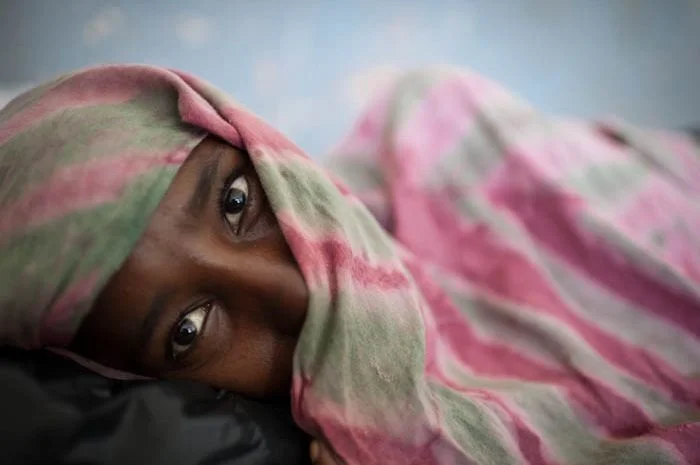
The recently relaxed one-child policy in China led many parents to abandon children who were born with mental or physical disabilities.

Photographer Alice Carfrae travelled between Beijing and Zhengzhou to visit two projects run by Bethel, a dedicated organization that is set up to provide high-quality care, education, life skills and livelihood opportunities to blind and visually impaired children in China through foster care projects. Bethel also runs an associate programme in training and outreach called 555, which aims to prevent blindness, lower orphan rates and conduct eye screenings to identify young visually-impaired children living in the country.
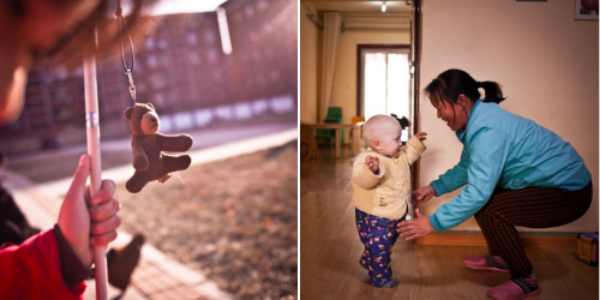
Above: (Left) Cane belonging to En Hong who arrived at Bethel in 2008. They believe she may have been living on the streets. (Right) Yuan Ming has albinism. He came into Bethel’s care when he was just a year old. He has learned to walk and he is now talking a lot. 

Almost all of the children helped by Bethel have been abandoned by their parents, because they have a physical or mental health problems. Susan Ou, manager of Bethel’s Love is Blind project, says minor disabilities such as missing fingers can be reason enough for parents to abandon a child.
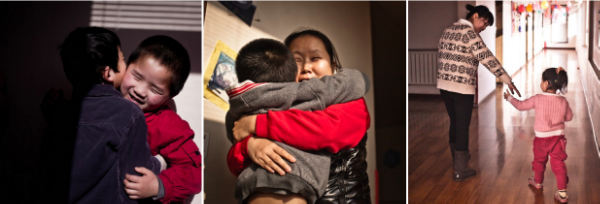
Above: (Far left) Gui Gui hugs his friend as they wait in line for lunch and then gives his teacher a big hug (middle). (Right) A teacher takes Ai Fei’s hand and guides her to class. 

In the past decades, China’s One Child policy has exacerbated this problem as a great deal of pressure is put on the child to provide for the rest of the family, especially for their parents as they reach old age. If they are unable to work, they cannot meet this requirement or support the family, and this leads some parents to abandon their child.
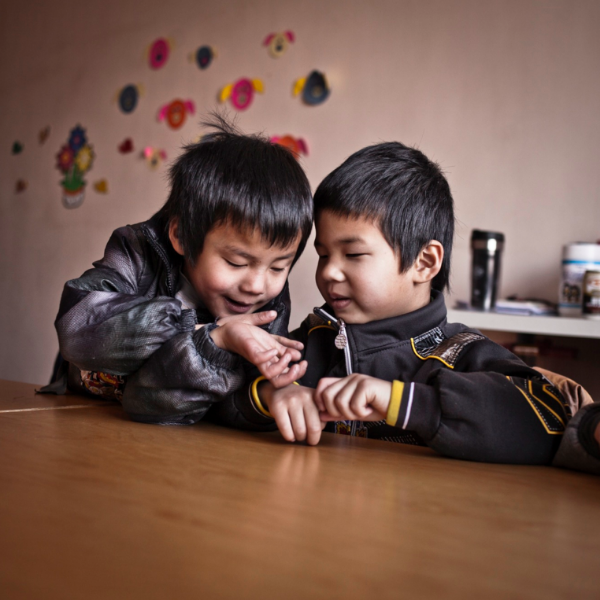
Above: Children attend a cognitive skills class at Bethel. Developing cognitive skills by moving parts of the body and using the senses at a young age is a very important for a child with a visual impairment. 

There are two projects within the Love is Blind programme. The first is a partnership between Bethel and an orphanage in Zhengzhou and another orphanage in Dou Dian, outside Beijing, which includes a farm, school and home for visually impaired children.

Above: (Left) Hong Fa plays the Chinese flute whilst his friend Xiao Dong listens. Peter (middle, right) loves to sing and has a perfect tenor voice. He was awarded a scholarship for his excellent work which he spent on music lessons.

Speech therapy is now regarded as a vital component for many of the children, and music also plays a huge part in the children’s lives, with specially designed music rooms offering stimulation and relaxation.

Above: Jian Ang (left) helps Jianshan do up his jacket at the orphanage in Zhengzhou. 

Early on, children are encouraged to understand the concept of their own bodies, which instils confidence and a strong sense of self. At Bethel, both the environment and the children are very well cared for, and this, in turn, helps to prevent the kind of discrimination against disabilities, which has pervaded wider Chinese society for many years.
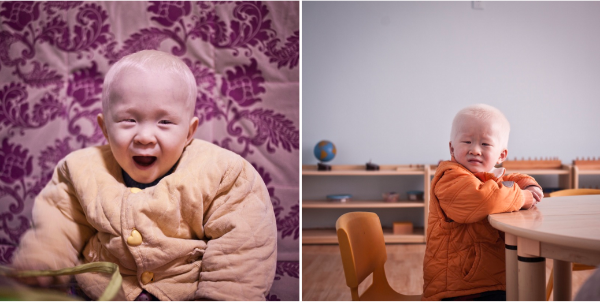
Above: (Left) Yuan Ming has albinism, when he came into Bethel’s care he was just a year old. He has learned to walk and he is now talking a lot. (Right) Jian Ang also has albinism. When he arrived, he was a tiny, weak baby. Now he runs everywhere and does well in class. 

The role of education, whatever their needs, is paramount. 
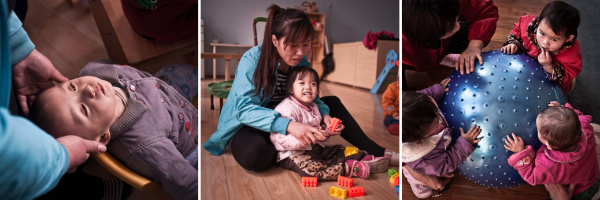
Above: (Left) a caregiver touches the head of a child and describes what it does so that he understands the concept of his body. (Middle) Xuerou plays with her teacher, before coming to Bethel she could not even sit up. (Right) Children are encouraged to play and explore. 

In Alice's words:

Zhengzhou is not the prettiest city. Its grey buildings are shrouded by a grey choking smoke. Henan is one of China’s poorer provinces and its capital reflects this. The Zhengzhou City Children’s Welfare Institute is located on the very outskirts of the city, where land is cheaper.

Despite being newly painted, the centre still did not look especially inviting from the outside, but we were welcomed warmly by Ma Jingya, who has been working as a teacher there for two years.

When we arrived, the twelve children in Bethel’s preschool initiative were taking an after lunch nap. We took this chance to look around one of the apartments they share, including a girl’s room, a boy’s room and a separate space for babies. The apartment looked very cosy with the kitchen and living room especially feeling like family homes. The only clue to the nature of the environment is stickers with children’s names and pictures to identify chairs, cups and toothbrushes.
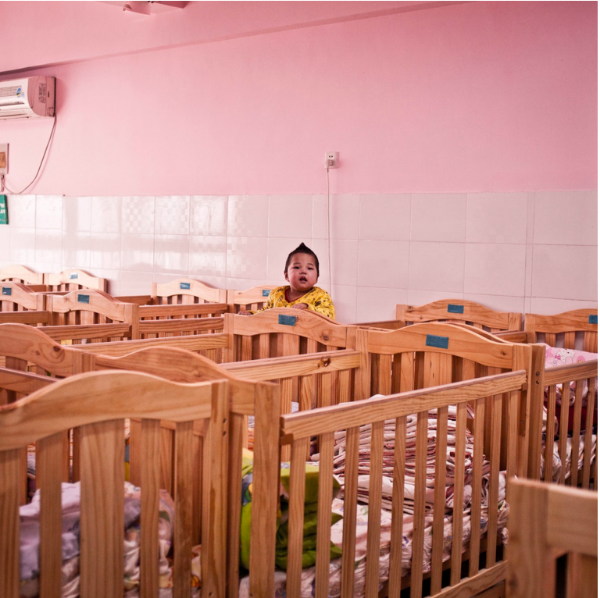
Above: Baby room at the Zhengzhou orphanage.

The first child to wake was Xuerou. As I walked over to her cot I could see her yawning and smiling to herself. I whispered hello and she squealed with delight. Susan Ou, Bethel’s manager, told me she loves being talked to and cuddled. Xuerou is a child in whom they have seen the most significant changes since her arrival, very weak and malnourished.

Xuerou’s former circumstances are not known, but at first, she couldn’t even sit up or eat solid food, nor had she ever been taught how to walk or talk. It took six months of intensive care for her to respond to food and three years before she was able to stand. Now she is six, and can walk, but remains very small for her age. Susan told me that she understands when you tell her she is beautiful and will let you brush her hair.
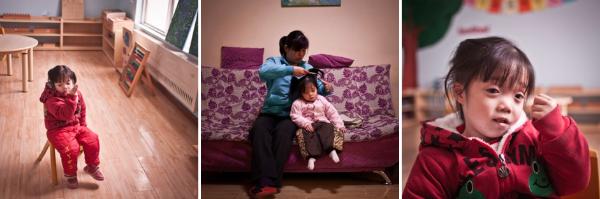
Above: When Xuerou first arrived at age 4, she was very weak. She couldn’t sit up or eat any solid food. She now understands when you tell her that she is beautiful and she loves being cuddled and having her hair brushed.

I also spent a day with Gui Gui, a five year old boy who came into Bethel’s care at 18 months, after being abandoned by his parents. Gui Gui was expecting us but was feeling too shy to say hello. However, his shyness dissipated as soon as his Braille class started. The teacher, who is also blind, formed the children into a group to act out the Braille dots. Gui Gui was particularly quick and bossy, shouting out answers and physically putting the others in the correct place.

Gui Gui has transformed over the years, staff told me, from a terrified little boy who couldn’t walk or talk into the smiling bundle of energy I see today, who jumps downstairs in his haste to get to lunch. It wasn’t long before he was taking my hand and guiding me round his home.

He took particular interest in my camera, feeling his way around the buttons and the shutter. He would shout for his friends and the teacher and when he located them he would point the camera in their direction and push the shutter button in rapid succession as though firing a gun.

Gui Gui showed me one of his favorite places, the music room. He can play many instruments including the piano, which he asked me to play with him. When he realized I am not musical, he sat himself on my lap, took my hands in his and guided my fingers to the right keys to help me play Twinkle Twinkle Little Star — which is exactly what he is.


ORIGINALLY PUBLISHED ON MAPTIA

Text by Legatum Foundation

ALICE CARFRAE

@ACarfrae

Alice Carfrae is an English documentary photographer currently based in Beijing, China. She works for clients such as The Telegraph magazine, Ford Foundation, Legatum, The Welsh Ruby Union, the Youth Justice Board, and Billionaire.com.


2016 Travel Guide for Global Citizens

Global Citizen

Travel is a beautiful thing. Journeys to unfamiliar places can inspire new customs, alter previously held perceptions, encourage big ideas, and evoke a newfound appreciation for things long underappreciated.

And the benefits of travel aren’t exclusive to the traveler. Tourism has become one of the main income sources for many developing countries, representing a key driver of socio-economic progress.

But too often tourism remains restricted to a small selection of hotspots. Too many Instagram accounts are displaying travel photos that differ only in their levels of brightness and saturation.

This type of trendy trip planning is having an unfortunate impact on these popular destinations. Constant crowds are eroding natural landscapes and overusing scarce resources. Tourists are being lured into areas where they are disturbing cultural customs and unintentionally exploiting local communities and wildlife.

In the age of mass tourism, travel has lost a bit of its beauty.  

It’s time to give travel a makeover. This year, take the road less traveled. Challenge yourself to visit destinations undiscovered by your friends, and take the time to research how you can mitigate your negative impact on local landscapes and communities.  

For a bit of inspiration, check out this list of destinations that could make great alternatives to those currently teeming with tourists (and their iPhones).

Instead of Thailand, go to the Philippines.

With beautiful islands, drool-worthy food, grand temples, Full Moon parties, and lush jungles, Thailand can seem like the perfect travel destination. It’s why Bangkok, Chiang Mai, and Phuket make it on the itineraries of many first-time travelers.

These days, too many travelers are getting caught in Thailand’s tourist traps (e.g., monkey islands, zoos filled with mistreated elephants and sedated tigers) and are missing out on the real cultural experience.

Take a break from Thailand, and plan a trip to the equally enticing Philippines instead.

Instead of the Galapagos Islands in Ecuador, go to the Pantanal swamp in Brazil.

It’s every science geek’s dream to see the species that inspired Darwin’s theory of evolution. It could also be argued that there’s no better place than the Galapagos to gaze at unique wildlife standing inches away from your face.

However, the region’s unique ecosystems may not be able to survive the pressure of mass tourism. And the annual influx of money from tourism isn't being fairly distributed among local residents who struggle with poverty.

If you want to see wildlife, visit the Pantanal swamp in Brazil, one of the world’s largest wetlands. If you’re lucky, you may even spot a jaguar!

Check out GLOBALCITIZEN.ORG for more tips!


CARYN CARVER

@carynlcarver

Caryn Carver is an Audio-Visual Content Creator for Global Citizen. Prior to working at Global Citizen, she worked for a nonprofit consulting firm where she learned a lot about what is and isn't working to help eradicate poverty. She then spent a year living and working in South America where she developed a deeper passion for global issues, especially human rights. Caryn also loves to sing about what she is doing, search for the best cheap eats, and daydream about the next place she will visit.

UGANDA: Kids from This Slum Are Dancing Their Way Out of Poverty

Sitya loss Eddy Kenzo Leka Nzine Ghetto Kids Dancing Sitya Loss New Ugandan music 2014 DjDinTV

There are several aspects of human life I strongly believe unite the world. You don’t need to speak the same language or share the same background to connect on any of these and that’s awesome!

What are they?

Food, science, math, sports, and the most fun… music and dancing. Which is partly why this video is so inspiring and went viral with over 14 million views last year.

Yes, these kids should clearly be onstage with Beyoncé for their incredible dance moves. But that’s not the only reason this video is fantastic.

The kids dancing in this video are known as the Ghetto Kids. They are from the slums in Kampala, Uganda, and thanks to their math teacher Dauda Kavuma they train almost daily to improve their dance techniques and the quality of lives for their families.

The Ghetto Kids dance video has allowed some of the children in this video to afford school supplies, stay in school, and even provide better homes for their families.

Sometimes it doesn’t take much to improve the lives of those living in poverty. In this case— a great teacher and people like you willing to share how incredible these kids truly are can make a huge difference.

Update: The Ghetto Kids are now working on creating high production videos, continuing to dance and perform and most importantly continuing their education, according to BBC. I hope to see these kids onstage with Beyoncé at the next Global Citizen Festival (if it’s okay with their math teacher and parents first).

You can go to TAKE ACTION NOW and help kids get the education they need and deserve.


MEGHAN WERFT

@MWerft26

Meghan is a Digital Content Creator at Global Citizen. After studying International Political Economy at the University of Puget Sound she moved to New York. Originally from California she brings her love of yoga, kayaking and burritos to the big city. She is a firm believer that education and awareness on global issues has the power to create a more sustainable, equal world where poverty does not exist.

The True Cost

Rent or own the film today! Visit http://truecostmovie.com for more details. Available on DVD, Blu-Ray, iTunes, Amazon, or VHX. Available on iTunes: http://apple.co/1EONAlN The True Cost is a groundbreaking documentary film that pulls back the curtain on the untold story and asks us to consider, who really pays the price for our clothing?

'The True Cost' is a story about clothing. It's about the clothes we wear, the people who make them, and the impact the industry is having on our world. Check out the trailer for this groundbreaking documentary that pulls back the curtain on untold stories of workers along the supply chain, leading the viewer to consider: who really pays the price for our clothing? 

AFGHANISTAN: No Burqas Behind Bars

In this upcoming, feature-length documentary by Nima Sarvestani, the viewer is taken inside one of the world's most restricted environments: an Afghan women's prison. Through the prisoners' stories we explore how "moral crimes" are used to control women in post-Taliban Afghanistan. And no — full burqas are not allowed inside the prison gates! 

CONFLICT

Watch the following 5 episodes of Conflict free at http://thisisconflict.com. What happens off the front lines, when the combat concludes or has not yet begun, but guns and poverty abound? Pete Muller is an award-winning photojournalist whose work and life serve as enduring provocations on the tensions that lie beneath cycles of conflict. He was named by TIME Magazine as the 2010 Wire Photographer of the Year. At 29 years old he was the youngest person ever to receive the honor. Through his work he aims to illustrate broader issues through individual stories. He strives to create images that ask viewers to give emotional and intellectual consideration to the lives and experiences of those depicted.

What happens off the front lines, when the combat concludes (or has not yet begun), but guns and poverty abound? Pete Muller is an award-winning photojournalist whose work work provides insight into the tensions that lie beneath conflict cycles. 

Billions in Change Solution: Free Electric Overview

Access to electrical power is the first step toward economic advancement for billions of people living in poverty. Free Electric can light their homes and shops, make food storage possible, and usher them into the 21st century. #BillionsinChange Join us & learn more at: www.BillionsInChange.com Let's chat: https://www.facebook.com/billionsinch... https://twitter.com/billionsnchange https://instagram.com/billionsinchange

Access to electric power is the first step toward economic advancement for billions of people in poverty. Free Electric can light their homes and shops, make food storage possible, and usher them into the 21st century. 

INDIA: A Café Run by Acid Attack Survivors Attracts Visitors from around the World

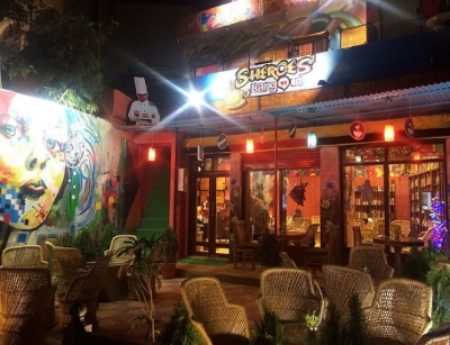
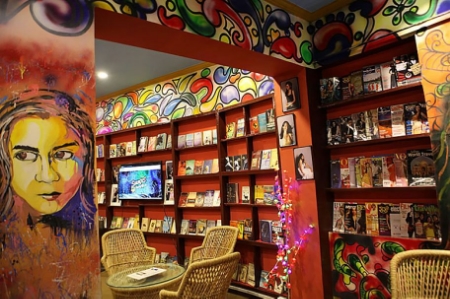
The women of Sheroes' Hangout serve coffee and share their personal stories. 

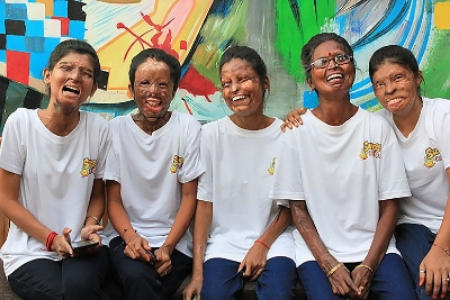
Ritu Saini, Chanchal Kumari, Neetu Mahor, Gita Mahor, and Rupa at the café. (Photo: Courtesy Sheroes’ Hangout)

The Taj Mahal may be one of the world’s top architectural wonders, but just a half mile away, a new destination is gaining attention: Sheroes’ Hangout.

“I was exhilarated the first time a group of Indian tourists who visited the café told me how much they appreciate my courage,” says Rupa (who goes by one name), a 22-year-old survivor of acid violence who, along with four other women, runs the café Sheroes’ Hangout. “Since then, we have had regular customers who come here not only to enjoy a cup of joe but also to talk to us.” 

Visitors to Sheroes’ Hangout always leave with a sense of fulfillment. It’s not only because of the cutting-edge coffee and delicious snacks the café serves.

Opened in December 2014 in Agra, a city in the north Indian state of Uttar Pradesh, Sheroes’ Hangout started as a crowdfunding project by Stop Acid Attacks, a group committed to ending acts of violence against women. Its “pay as you wish” contributions go toward the rehabilitation of survivors of acid violence in India.

“Our visitors are mostly people from around the world who hear about us in the news,” says 20-year-old Chanchal Kumari, another survivor who helps operate the café. A man whose marriage proposal she refused attacked Kumari in 2012. “They come here to see how acid attack survivors like us are coping with our lives.”

(Photo: Courtesy Sheroes' Hangout)

Kumari, who is recovering from her fifth reconstructive surgery, works alongside Rupa, Ritu Saini, Gita Mahor, and Neetu Mahor, all of whom lived a secluded life in their homes for several years, dealing with the pain of a charred face and a scarred soul. Then they discovered "Stop Acid Attacks," a Facebook campaign that was started on International Women’s Day in 2013. Based in New Delhi, SAA works with acid attack survivors in India, assisting them with legal and medical issues and helping them deal with the trauma of the attack. Sheroes’ Hangout is one of its several initiatives.

Acid attacks are a gruesome reality in India. The National Crime Records Bureau, a government organization that recently began recording acid violence, estimates that more than 1,000 such crimes are committed around the country every year, though the majority of attacks go unreported because of the shame the girl and her family feel and the fear of being attacked again.

SAA has been collecting data through its volunteers across the country and has information on 430 survivors, 350 of whom were attacked in the last two years. It is in touch with, and has assisted, more than 70 of them. According to the data collected, about 70 percent of victims are women, more than 50 percent of whom are attacked by spurned lovers. One of the biggest reasons behind the high rate of acid attacks is the lack of laws against the free sale of acid in India—a liter can be purchased for just 50 cents.

SAA wanted to do something for Gita Mahor, 42, and her daughter Neetu, 26, who were attacked with acid 23 years ago by Mahor’s husband, Neetu’s father. Both were left with mutilated faces and limited vision. Neetu’s one-year-old sister was sleeping next to her during the attack and succumbed to the injuries the acid caused to her. With no one else to support them, mother and daughter were forced to continue living with their assailant. To relieve them from their everyday distress and further domestic violence, SAA found it important to provide them an avenue of earning a livelihood so they could gradually move away from their home and lead a happier life.
“Acid attack survivors’ lives become even more traumatic when they start facing rejection from society due to their disfigured faces. They need someone to hold their hand and restore their self-confidence,” says SAA founder Alok Dixit.

Today, Mahor and Neetu dress up every morning and go to the café to serve coffee and treats—and share their stories with customers.

One of the objectives of SAA at Sheroes’ Hangout was to provide skills training in the subject that each survivor was interested in learning. With SAA’s help, Mahor took a baking course at a hotel in Agra and will soon be serving cookies and cupcakes to customers. Neetu, who is almost blind, is taking singing lessons from an SAA volunteer. “I love to welcome the guests at the café cheerfully, so that they know we are coping well,” she says.

Saini, 19, played volleyball for India before suffering an acid attack by a male cousin in 2012 over a family property dispute, resulting in the loss of her left eye. She is unable to compete in the sport anymore, and she now handles accounts at the café. “My life changed ever since I joined SAA,” she says. “With the emotional support I received, I regained the confidence to go out with my face uncovered. Now I don’t care what people think of my disfigured face.”

Rupa—whose stepmother attacked her with acid when she was just 12—is a skilled tailor and an amateur apparel designer. The outfits she designs are exhibited and sold at the café. “Sheroes’ Hangout is not only giving us a chance to move our lives forward; it is also getting our stories out,” she says.

“True that,” says customer Shikha Singh, 20, a student of fashion design who finds herself in the café at least once a week. “I would never have known about the reality behind acid attack survivors had I not met these women. It is amazing the way they are working to fulfill their dreams despite the hurdles. I now prefer to spend on Sheroes’ Hangout rather than a McDonald’s or KFC. At least I’m sure the money will be used for a good cause.”

ORIGINALLY PUBLISHED ON TAKEPART


PRITI SALIAN

@Priti_Salian

Priti is a Bangalore-based journalist whose work has appeared in The Christian Science Monitor, The Women's International Perspective, The National, Femina.in, Prevention, Discover India, and many other publications. 

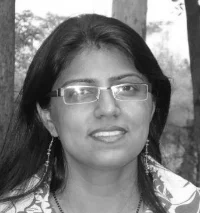
MEET: Amber J Lawson, Founder and CEO of Good Amplified

Amber J Lawson is an American producer, entrepreneur, and online content and development executive. In another step toward her goal to “do good to scale,” Amber J. is the founder and CEO of Good Amplified, a YouTube Network solely focused on helping nonprofits evolve their donor engagement and retention via storytelling. In anticipation of Good Amplified’s launch, CATALYST connected with Amber J. to find out more about her new project and the future of content marketing.

Amber J Lawson founded Internetnetworksstudio.com in 1999 (after focusing on the performing arts at the University of Missouri). What motivated the transition from acting to developing online content and producing? 

When I first moved to L.A. (a few years after college), I loved performing. However, I disliked the way in which an acting career often left my fate to the whims and demands of other people. I wanted to make my own opportunities! So I became a producer and started writing my own content in order to have the roles I was interested in playing. This transition was taking place during the first Internet boom, and my friend said to me: “You know, I think this Internet thing is here to stay.” My initial reaction was, “What? That’s crazy!” Yet he and I (along with an 18 year-old stock market genius we worked with at a restaurant) set out to create Internetworksstudios.com. 

Our first show invited people from around the world to submit videotapes of them singing and dancing; the online community then voted for its favorites. We were a little ahead of our time — it was like our own American Idol — but after burning through the initial seed money, we created an hour-long pilot called Alyx. We partnered with Madonna on this program, which helped us sell the show to ABC/ Touchstone. 

It was all just a little ahead of its time — a notion that I’d say has defined my career so far. I’ve been involved in multiple projects that were ahead of their time, but hopefully right now (with Good Amplified) we’ll be perfectly aligned with the coming-of-age, millennial generation.  

What inspired you to create Good Amplified?

I worked as the head of programming at AOL. It was my dream job! I absolutely lived, ate, slept and breathed it. When I left my position, I thought, ‘I love doing these kinds of things.’ I believe that you can do good for the world and make money, so I contemplated how to strike that balance. I thought about what I love (entertainment), which led me to the idea of helping nonprofits across platforms to raise money through storytelling. 

I started looking for a way to do good to scale: a way that would build upon itself. I wanted to help leverage what nonprofit organizations are already doing through a platform (YouTube) that the millennial generation utilizes to consume content. And that’s when I concocted Good Amplified. 

What do you think the benefits are for a nonprofit to focus its media campaign on video production/sharing over traditional forms of digital content (e.g. articles)?

A potent form of marketing is storytelling, and every nonprofit has stories to tell. So they already have the key, potent pieces. The piece that’s missing, though, is leveraging the largest video platform (and second largest search engine) on the planet: YouTube. If you’re not there, it’s kind of like you don’t exist. 

By optimizing content that nonprofits are already making on YouTube, they can deliver their mission to the next generation. The reason I say it’s critical to be on YouTube is because millennials donate through views. If you monetize your video, and people watch it, they are (in essence) donating through their viewership. The next step in showing their commitment is becoming a subscriber. I look at this as a new donor-retention program: subscribers receive notifications about updates, which helps maintain their connection. 

According to standard marketing technique, it takes six to eight “touchpoints” for brand recognition to stick. With YouTube, this is something nonprofits would never have to think about again. All they need to do is continue telling their story to create those touchpoints in an organic way. So both the content and future viewers are present: nonprofits just have to facilitate the connection on a familiar platform. It’s an easier conversion than asking potential donors go to a website, or a new app, or something that’s completely different. 

How is Good Amplified being funded?

At first, we set ourselves up to work as a tradition Multi-Channel Network (MCN). Most MCNs operate in three steps: there is a content creator; the creator monetizes its content; when revenue is produced, the profit is shared among creator, YouTube and the MCN. This works for some companies, but with a lot of nonprofits, we found that this was a difficult system to adopt. First off, there needed to be a value in the services we (GA) are giving — it’s human nature to pay more attention to something that costs money. 

The second piece is that some nonprofits can’t take what is called Unrelated Business Income Tax (UBIT). It’s costly (and an accounting headache) to resolve this legality, which is why we have elected to give the nonprofits the option to pay a monthly fee to manage nonprofits’ YouTube channels. We run every aspect of it — titling, tagging, optimizing search algorithms — but we also educate the organization in the process. Over time, the nonprofit builds up a case for its team to start turning on the monetization (through ads) and collecting that revenue. 

Has working on Good Amplified changed your perspective at all with respect to digital media and technology consultancy? 

I feel like it has because there’s been a bit of an education process. For me, storytelling is the most powerful medium, period. While talking with nonprofits, we have found that they are waking up to the power of YouTube, but they need assistance. Quite frankly, some of the most successful nonprofits on YouTube have been the smallest organizations. In the absence of a complex, institutional process that drives internal operations, these organizations are more receptive to change. I think this is what our social media landscape demands: real-time interaction. This is how lasting relationships with online audiences are formed. 

It doesn’t cost a lot of money to get in the game, but it does cost time. A lot of organizations lack the time to curate their YouTube presence, and that’s when they bring Good Amplified onboard. Our goal is to get into the DNA of an organization: every time they create a piece of content, YouTube should be a part of its checklist for sharing. 

Most organizations use YouTube as a library or repository for past content. In reality, this material could be doing all the work for them! I use the example of Kobe Bryant, who granted a wish for Make-A-Wish Foundation a while ago. Contrary to popular belief, celebrity videos don’t always get a lot of views. Rather, a video has to be optimized on its platform in order to be picked up by the search algorithm. Once the video of LeBron got picked up, it started to generate 50,000 more views per week. That’s Kobe more people reached with your message! It’s all about the optimization and getting picked up in the algorithm. I know those things sound tedious, but they make all the difference in the world for getting your word out.

What advice can you offer people and organizations that are trying to utilize online platforms for social good? 

Number one is that you have to engage with social platforms. This is where the next generation of givers can be found, and the old techniques don’t work for them. I believe that older institutions have to disrupt what they’re doing in order to survive. Every year, we lose various nonprofits because they aren’t receiving enough funding. These organizations were doing great work, but they weren’t reaching that generation of future supporters and advocates. 

In addition to social platforms, content marketing is everything right now. What we’re talking about (brand recognition through storytelling) is exactly like branding for companies like Taco Bell or Target. Given that the commercial is going away, brands have to find different ways to engage with an audience through content that is entertaining and relatable. Why should the task of nonprofits be any different?

Good Amplified is committed to doing good to scale. We are looking forward to working with any nonprofit that has an appetite for content, and I think that is the distinction for how we can help. We are committed to making nonprofits successful — that’s our goal — but they have to have the desire for storytelling and content creation. I truly believe storytelling is the way of the future, which is why nonprofits have to embrace it now. 


SARAH SUTPHIN

sarah.sutphin@mission.tv

Sarah is an undergraduate at Yale University and a content editor for CATALYST. As a traveler who has visited 30 countries (and counting!), she feels passionate about international development through sustainable mechanisms. Sarah has taken an interest in the intersection between public health and theater, and hopes to create a program that utilizes these disciplines for community empowerment. She is a fluent Spanish speaker with plans to take residence in Latin American after graduation. 

NEPAL: Invisible Farmers

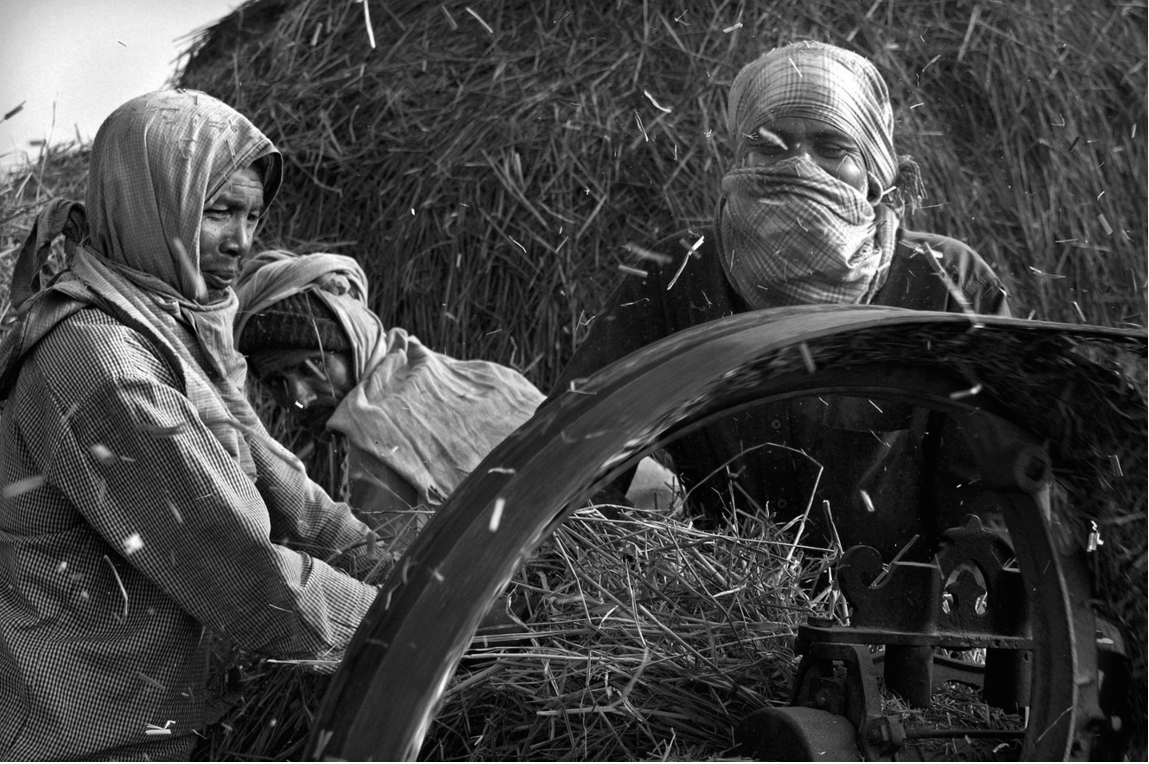
In the southern lowlands of Nepal, where the cold still bites harshly in winter, lives a voiceless, landless community of marginalized ethnic groups who have spent their whole lives working for others. With no piece of land in their names, and no opportunities, they are Nepal’s invisible farmers.

NO LAND FOR US

“I have worked on farms for more than forty years for landlords, and yet I don’t have a piece of land. What else can I do?”
— Jaga Majhi

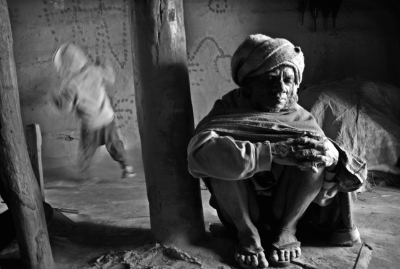
Above: Jaga Majhi, a landless inhabitant of Bagaiya village.

Meet Jaga Majhi, an elderly inhabitant from the small village of Bagaiya in the Bara District, located in the southern lowlands of Nepal. Like many of the older generation here, Jaga tells me that he can’t remember exact year of his birth, although his citizenship card states 1938. He died of old age in August 2015.

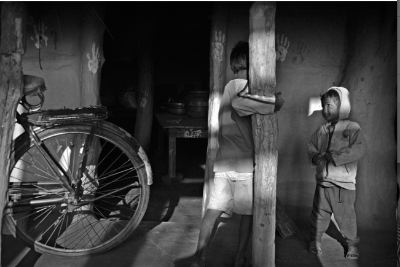
Jaga's grandchildren play within their home.

Over the last few decades landless squatters in this region have built meagre huts to house their families. They have been here for all or most of their lives, and yet have no formal title to the land they live on, and most of them work on farms for their landlords, on a daily wage basis.

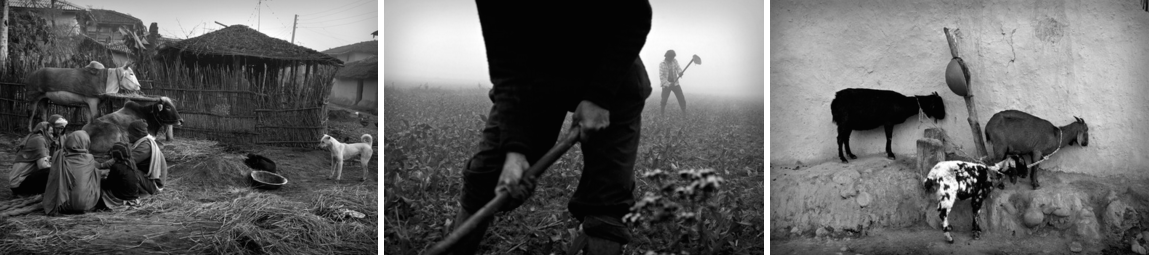
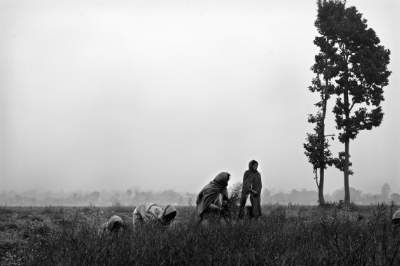
Above: [1] Locals struggle with the cold in the early winter morning. Poor housing and lack of sufficient clothing make life difficult during winters. [2] Shyam Chaudhari works in the field for a daily wage. [3] Keeping goats can help earn a living. [4] Daily wage workers. 

Most of the inhabitants here belong to marginalized ethnic groups such as Tharu, Musahar, Chamar, and Majhi. These ethnic groups are also viewed as ‘untouchables’ by the traditional and complex caste system, that is still present in many parts of Nepal.

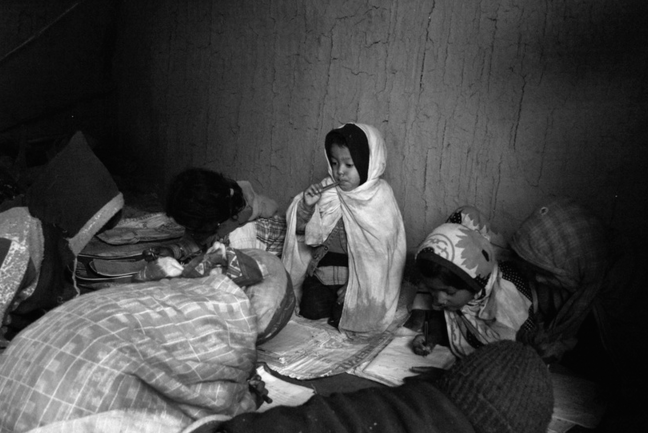
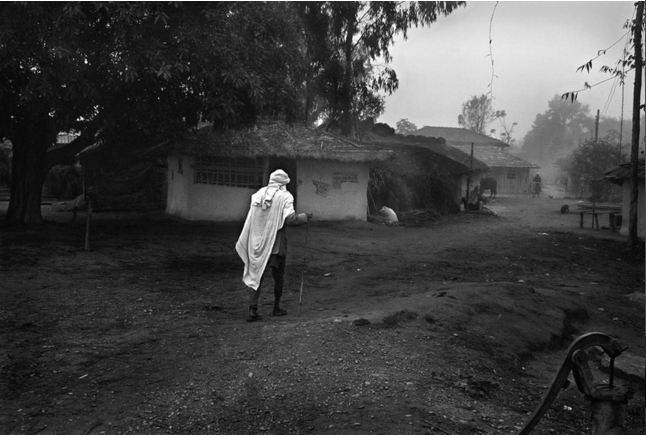
Above: [1] Children inside a classroom at the local primary school. The school has two rooms with no furniture inside. They were able to make this school building at the end of 2010. Around 60 children come to study here. [2] An old man walks into a village of landless squatters. 

With no piece of land in their name and an utter lack of opportunity, they remain as impoverished as ever. This is the story of those who have spent their entire lives working for others — they are Nepal’s invisible farmers.

Above: The women also work in the fields on a daily wage basis, but receive a lesser payment than men for an equal day’s work. 

ORIGINALLY PUBLISHED ON MAPTIA 


KISHOR SHARMA

@Kishor_ksg 

Kishor is a freelance documentary photographer based in Kathmandu, Nepal. He studied Photojournalism at the Danish School of Media and Journalism and is interested in using photography as a means of storytelling.


8 People Who Broke the Law to Change the World

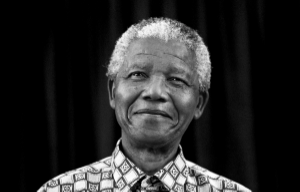
1. Nelson Mandela

Nelson Mandela is, hands down, one of the most important and celebrated figures of our lifetime.

Mandela represents equality, fairness, democracy and freedom in an often unequal, unfair and undemocratic world. But he wasn’t always seen like this…

Twenty-five years ago he was getting his first taste of freedom after being imprisoned for 27 years. Yes, you read that right. For what? What could he have done to get such a long sentence? Well, he stood up for what he believed. In 1942 he joined the African National Congress and fought against apartheid in South Africa, and was imprisoned for sabotage.

Without Nelson Mandela’s commitment to the abolition of apartheid in the face of oppression and imprisonment, the world could be a very different place. It is because of Mandela, and others like him, many more people live a free and fair life. 

To honor his bravery and determination, we take a look at 7 other brave and committed people who have been prosecuted or persecuted for standing up for what they believe in:

2. Aung San Suu Kyi

Aung San Suu Kyi has become an international symbol of peaceful resistance in the face of oppression.

Now the Burmese opposition politician and chairperson of the National League for Democracy in Burma, she spent 15 years under house arrest for advocating for democracy.

Suu Kyi, who was heavily influenced by Gandhi’s philosophy of non-violent protest,  helped to found the National League for Democracy. Because of her campaign for democracy in military-ruled Myanmar (Burma), she was detained and kept imprisoned by the government, as it viewed her as someone “likely to undermine the community peace and stability” of the country.

She was offered freedom if she left the country, but she refused to let her party down and stayed in Mynanmar.

In one of her most famous speeches, she said: “It is not power that corrupts, but fear. Fear of losing power corrupts those who wield it and fear of the scourge of power corrupts those who are subject to it.”

3. Liu Xiaobo

Liu Xiaobo is a Chinese writer, professor, and human rights activist who called for political reforms and the end of communist single-party rule. He is a political prisoner.

Liu was detained in 2008 because of his work with the Charter 08 manifesto, which called for an independent legal system, freedom of association and the end of one-party rule.

He was arrested in 2009 on suspicion of “inciting subversion of state power”. He was sentenced to eleven years’ in jail and two years’ deprivation of political rights.

During his fourth prison term, he was awarded the 2010 Nobel Peace Prize for “his long and non-violent struggle for fundamental human rights in China.”

He is the first Chinese citizen to be awarded a Nobel Prize of any kind while residing in China and is the third person to be awarded the Nobel Peace Prize while in prison or detention, after Germany’s Carl von Ossietzky (1935) and Aung San Suu Kyi (1991).

4. Mahatma Gandhi

India’s great independence leader first went to prison in 1922 for civil disobedience and sedition after a protest march turned violent, and resulted in the deaths of 22 people. The incident deeply affected Gandhi, who called it a “divine warning’.

He was released from prison after serving 5 years of his 6 year sentence, and went on to become the most famous advocate of peaceful protest and campaigning in the world.

Gandhi famously led Indians in challenging the British-imposed salt tax with the 400 km Dandi Salt March in 1930, for which he was imprisoned for a year without trial, and later lead the Quit India Movement, calling for Britain’s withdrawal.  He was arrested many times but never gave up. An advocate until the end, Gandhi sadly paid for his beliefs with his life when he was assassinated by a militant nationalist in 1948.

5. Martin Luther King Jr.


Martin Luther King had a seismic impact on race relations in the United States, as the face of the Civil-Rights movement in the 1950’s.

Through his activism, he played a pivotal role in ending the legal segregation of African-American citizens, as well as the creation of the Civil Rights Act of 1964 and the Voting Rights Act of 1965. King received the Nobel Peace Prize in 1964, among several other honors.

King was arrested 5 times, and wrote his second most influential speech whilst in prison in 1963 for protesting against the treatment of the black community in Birmingham, Alabama. Letter From Birmingham Jail, which was written on the margins of a newspaper and smuggled out of the prison, defends the strategy of nonviolent resistance to racism, arguing that people have a moral responsibility to break unjust laws.

Tragically, in 1968 he was assassinated in his hotel at the age of just 39.

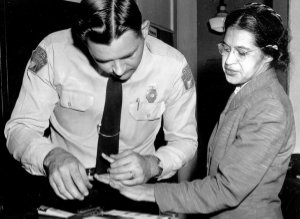
6. Rosa Parks


Rosa Parks was an African-American Civil Rights activist who became famous when she stood up for what she believed – by sitting down. On the evening of December 1, 1955, Parks was sat on a bus in Alabama, heading home after a long day of work.

During her journey she was asked by a conductor to give up her seat to a white passenger, but she refused, and she was arrested for disobeying an Alabama law requiring black people to relinquish seats to white people when the bus was full. Her arrest sparked a 381-day boycott of the Montgomery bus system. It also led to a 1956 Supreme Court decision banning segregation on public transportation.

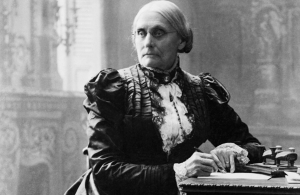
7. Susan Brownell Anthony

Or Susan B as some gender studies students know her as, was an American social reformer and feminist who played a pivotal role in the women’s suffrage movement.

Actively involved in social justice from a young age, Anthony and friend Elizabeth Cady Stanton, founded the Women’s Loyal National League, which conducted the largest petition drive in the nation’s history up to that time, collecting nearly 400,000 signatures in support of the abolition of slavery.

In 1866, they initiated the American Equal Rights Association, which campaigned for equal rights for both women and African Americans, and in 1872, Anthony was arrested for voting in her hometown of Rochester, New York, and convicted in a widely publicised trial. Although she refused to pay the fine, the authorities declined to take further action. In 1878, Anthony and Stanton arranged for Congress to be presented with an amendment giving women the right to vote. Popularly known as the Anthony Amendment, it became the Nineteenth Amendment to the U.S. Constitution in 1920!

8. Roxana Saberi

Roxana Saberi is an American journalist who was arrested in Iran and detained for 100 days after being falsely accused of espionage. She had been living in Iran for six years, doing research for a book that she hoped would show a more complete and balanced picture of Iranian society. Under pressure and being threatened with a 10-20 year sentence or even execution, Roxana falsely confessed to being a spy. She quickly realized this was a mistake and recanted her confession – knowing this would jeopardize her freedom. Instead of freeing her, her case was sent to trial, sentencing her in eight years of prison.

 “I would rather tell the truth and stay in prison instead of telling lies to be free.”

After her trial, she began her hunger strike – only drinking water with sugar. After two weeks, Roxana’s attorney appealed her conviction. She was released from prison after an appeals court cut her jail term to a two-year suspended sentence.

 “I learned that maybe other people can hurt my body, maybe they could imprison me, but I did not need to fear those who hurt my body, because they could not hurt my soul, unless I let them.
ORIGINALLY PUBLISHED ON ONE.ORG 


CLEA GUY-ALLEN

@PerfectlyClea

Clea hails from Brighton, United Kingdom and was the UK Global Citizen Editor. Now she works as the digital coordinator for ONE, a campaigning and advocacy organization to end extreme poverty and preventable disease.