
A severe fuel shortage is leaving millions of Cubans without reliable electricity, transportation and essential services.
Read MoreCubans Protest Government’s Response to Economic Crisis
Political turmoil, severe economic struggles and lack of freedom have pushed Cubans to take a stand against their government.
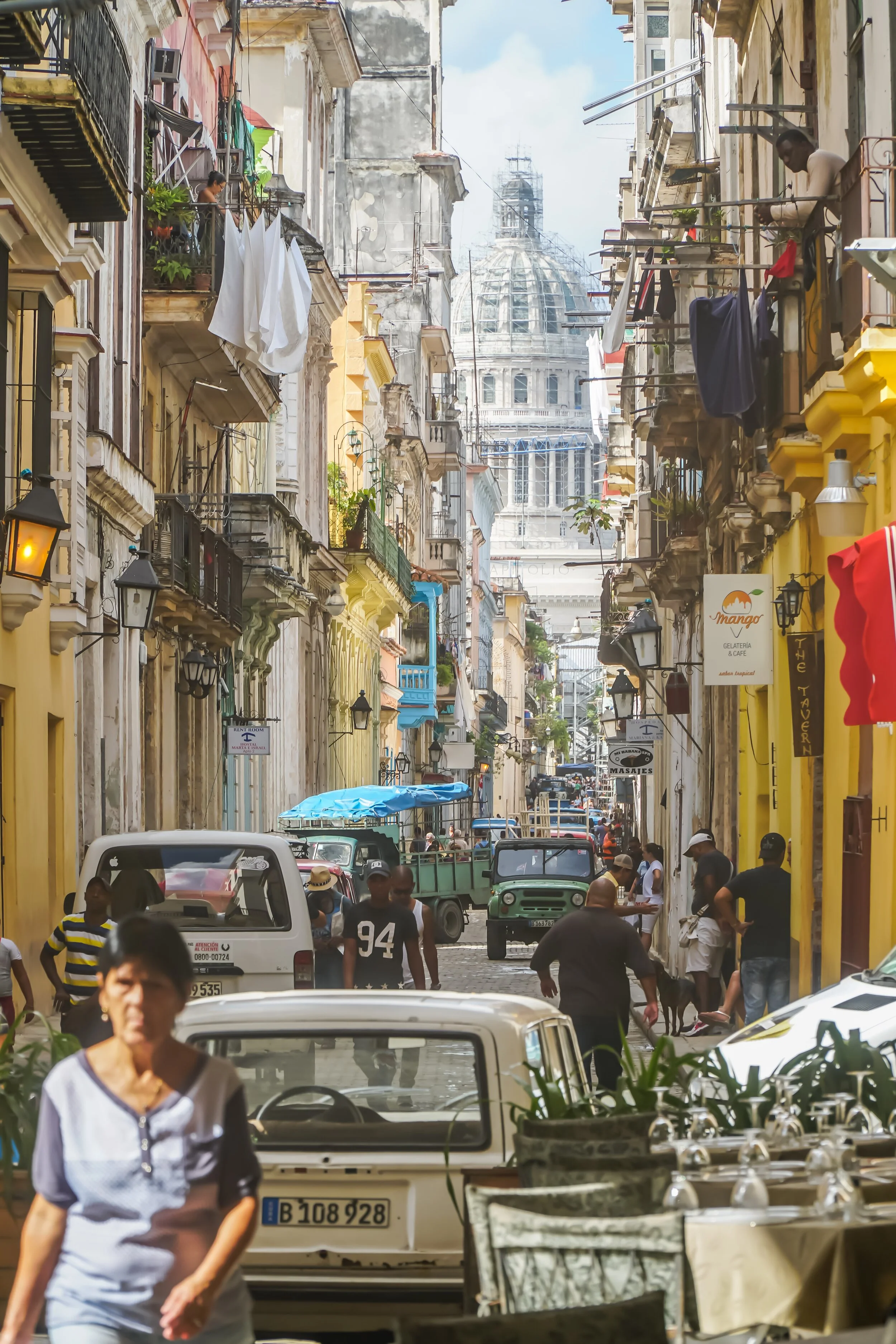
People walking the streets of Havana, Cuba. Tiago Claro. Unsplash.
Thousands of Cubans marched the streets of Havana on Sunday, July 11 in protest against the poor economic conditions and governmental response to the COVID-19 pandemic. Among other hardships, many demonstrators have faced long-term hunger and medicine shortages due to the Cuban government's lack of action to address the struggles of its people. These protests have led to the damaging of police equipment, the detainment of a journalist and the death of a civilian.
Besides having a mere 15 percent vaccination rate, due to shortages, pharmacies and hospitals lack even the most basic medicines such as penicillin and aspirin. According to Cuban healthcare authorities, on Sunday there were almost 7,000 new reported COVID-19 cases, with a total of nearly 240,000 COVID-19 patients across the country. Many Cubans have also reported having to wait hours in line to purchase food, if they even have access to food to begin with.
These cruel living conditions have pushed many Cubans to a breaking point—in fact, these protests mark the first large-scale acts of defiance that Cuba has seen since the fall of the Soviet Union in the 1990s. The main difference since then is the easy accessibility of the internet, which has been used to spread the word about the protests and inspire a larger turnout. In an attempt to silence protesters on social media, internet access across Cuba was cut off for roughly 30 minutes amidst protests on July 11, with shutdowns intermittently continuing. This makes the stories from activists who were arrested or beaten by police difficult to corroborate due to lack of evidence.
Despite suppression efforts, protesters have managed to maintain a far reach, with Cuban communities such as Little Havana in Miami gathering in solidarity with Cubans. The Cuban protest movement has also garnered international support on social media with the hashtag #SOSCuba, and many celebrities have gotten involved to raise awareness about the protests.
In response to the unrest, the Cuban government has directed the blame toward the American trade embargo, which they believe is responsible for the nationwide shortages. While some activists agree with this point, others have argued that the issue goes far beyond the American embargo, and that it is more due to governmental financial mismanagement and a lack of tourism revenue.
Zara Irshad
Zara is a third year Communication student at the University of California, San Diego. Her passion for journalism comes from her love of storytelling and desire to learn about others. In addition to writing at CATALYST, she is an Opinion Writer for the UCSD Guardian, which allows her to incorporate various perspectives into her work.
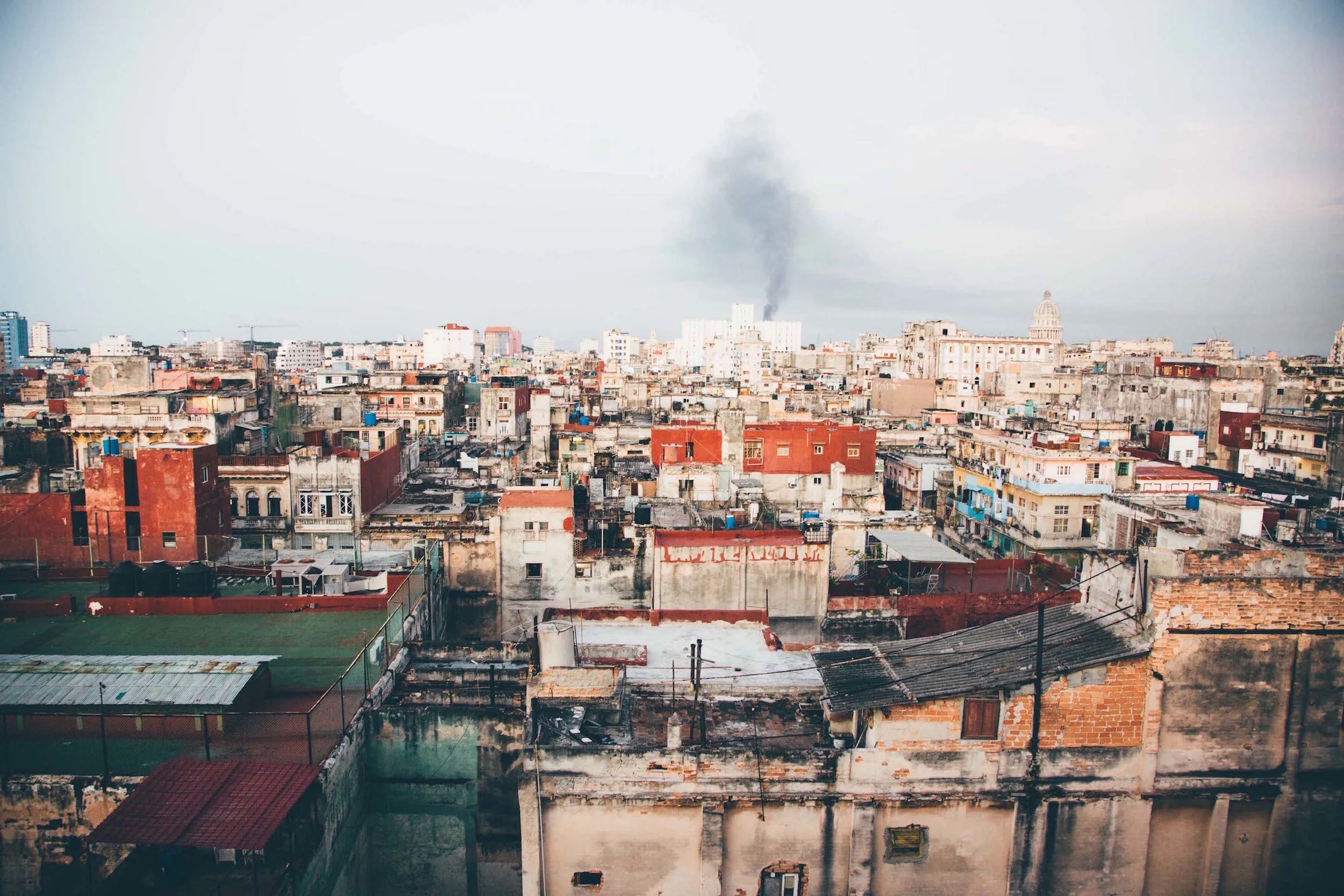
Observing the Slow Life | A Week in Havana, Cuba
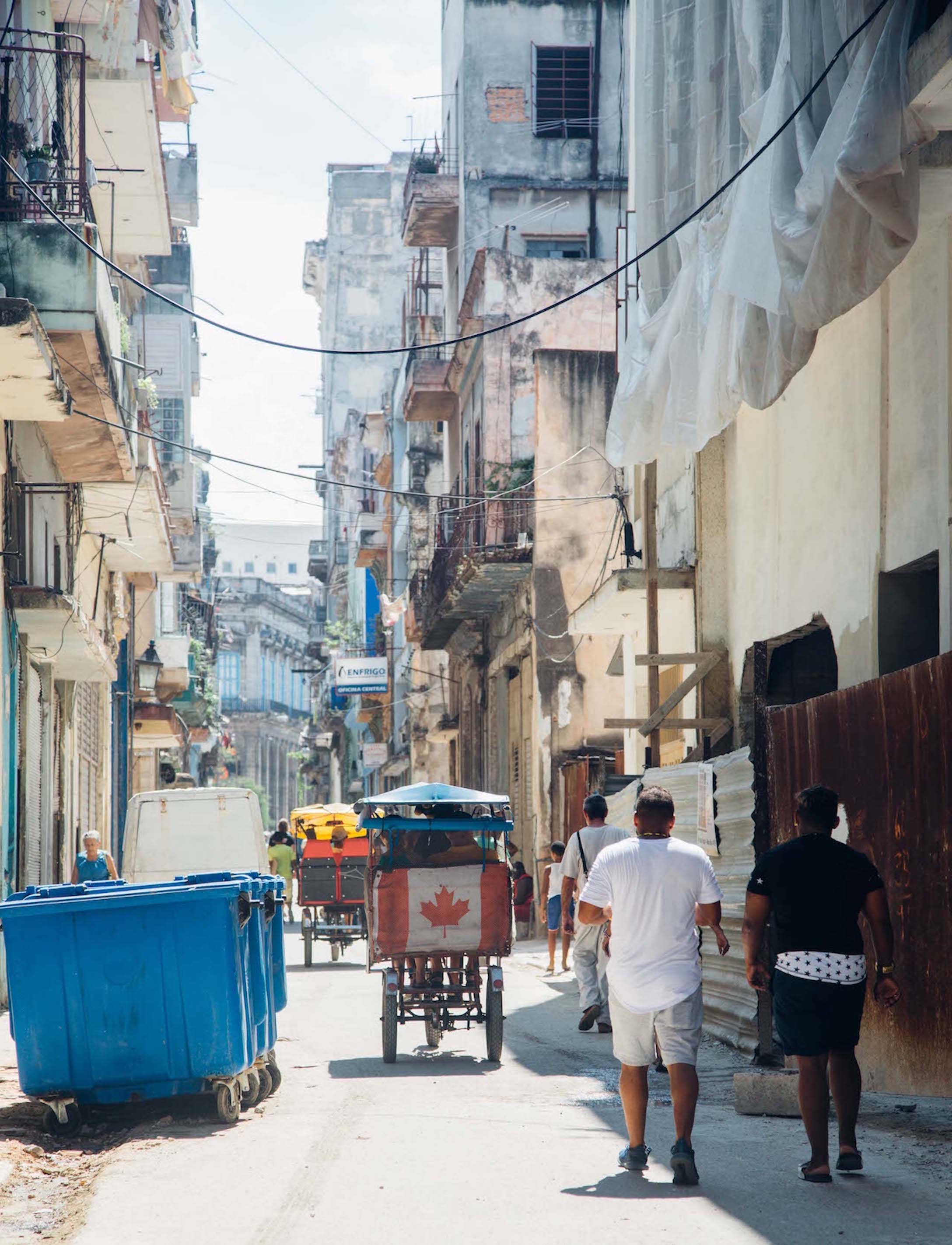
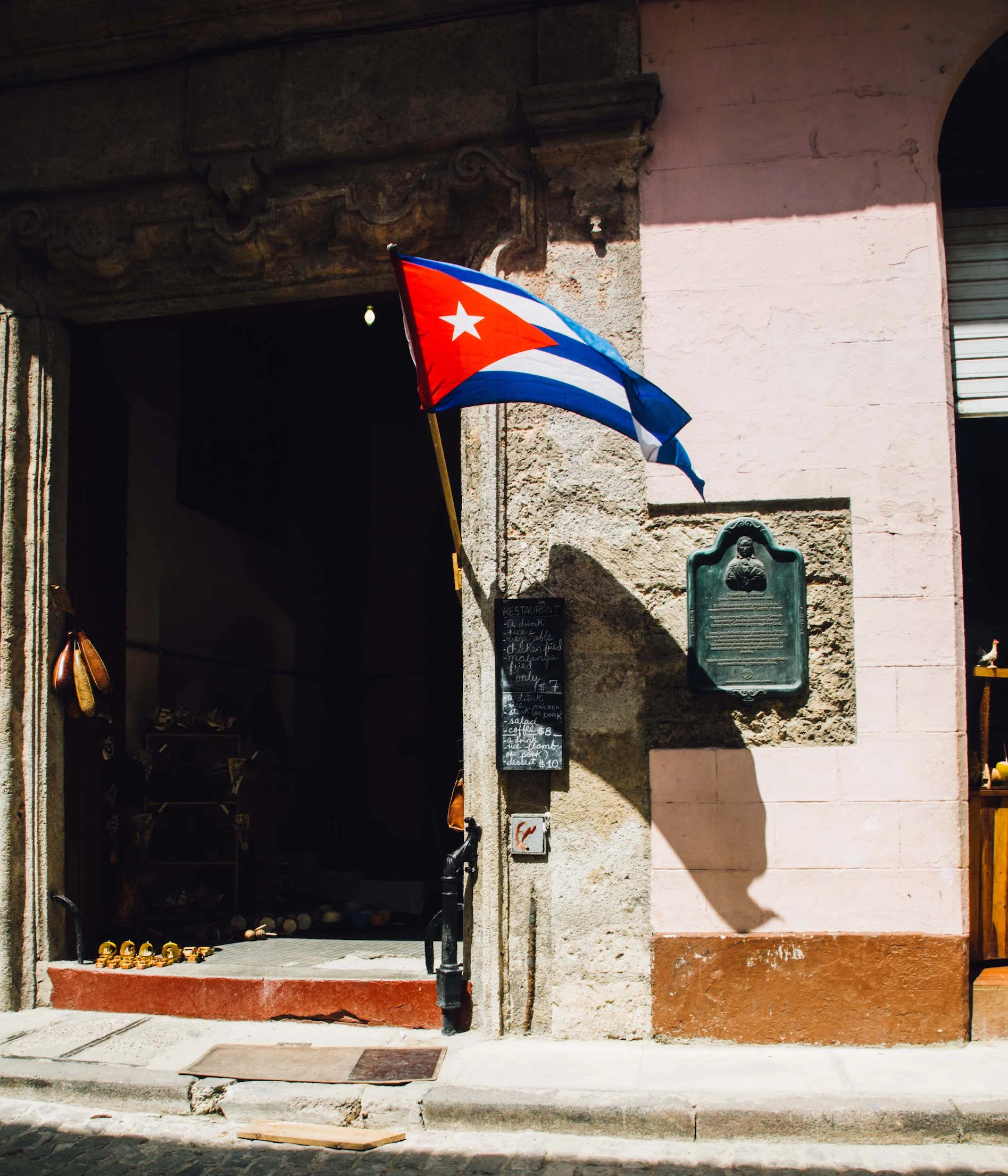
We arrived in Cuba on July 26th and took a taxi straight into Habana Vieja (Old Havana). Along the way I noticed a flag hanging alongside the Cuban flag that was black and read with white text that said 26 Julio on many buildings. I was perplexed but left it at that. Once we got settled, changed, and came to terms of no wifi, we started to explore, but the city streets were desolate. It was only 3pm , where was everyone? With a little more prying and spanglish we found out that it was a public holiday in Cuba known as Movimiento 26 de Julio.
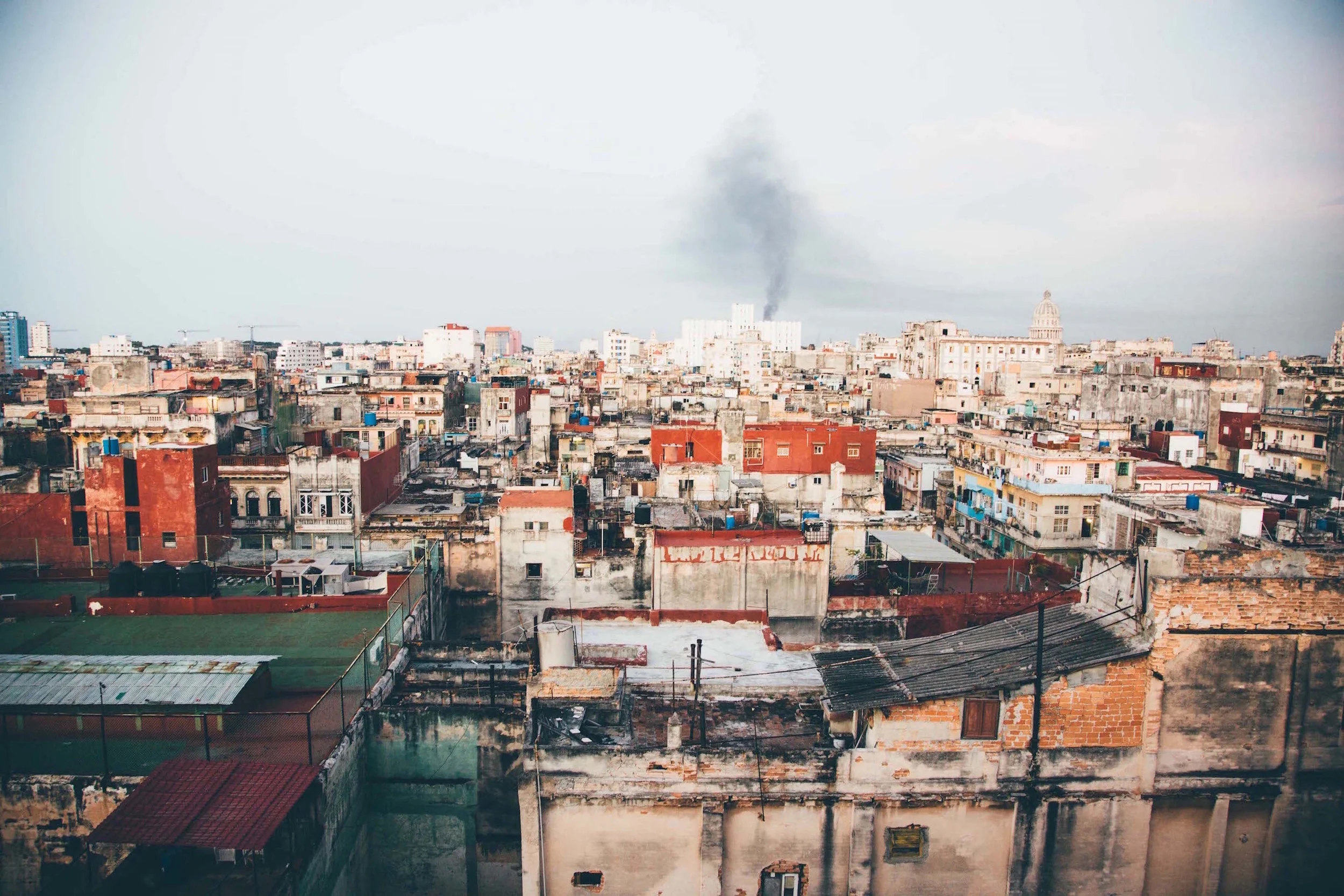
The next morning we were met by our tour guide Julia, she showed us around Habana Vieja, all the main “hot spots,” plus a few local gems. What I found most interesting about her tour was all of the importance she placed on dates. These dates seemed to have such importance to her. They told the story of Old Havana and how the city came to become what it is today. After a long day we parted ways and I felt more informed, curious and hungry to learn more, lucky for me, we were just getting started.
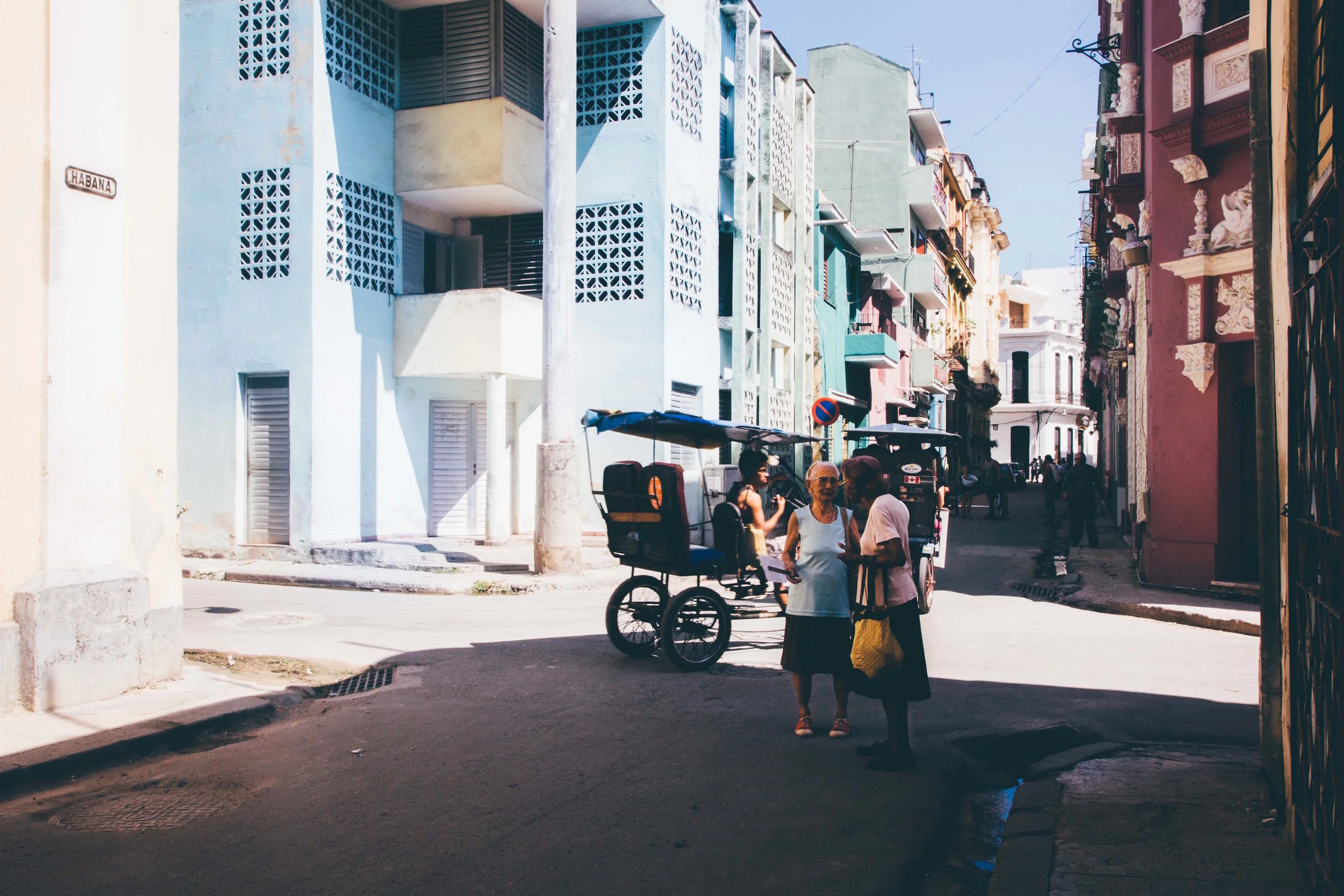
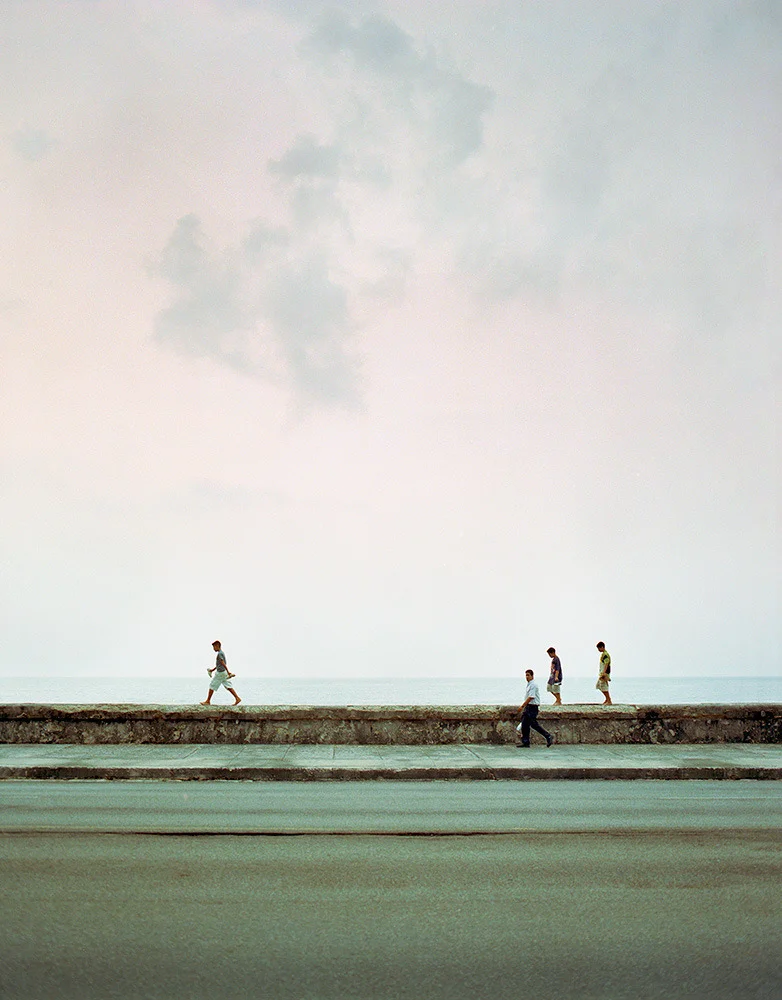
Day 2 & 3 We drove along the Malecon, explored Central Havana and Vedado, other districts within Havana. These two districts felt similar to what I know caribbean cities to feel like. I saw a few more markets, local stores, and many more local people. By now I had observed a few things:
Everyone is extremely friendly and says“Have a great vacation in Cuba”,“Enjoy our great Country”
Due to the tight restrictions on WiFi in Cuba no one is walking with their phone in hand, no one.
Bring snacks from home if you are a snacker. There are no convince stores.
The way of life is slow(in a good way!)if you go into a coffee shop, you sit down and drink your coffee right there. No to go cups.
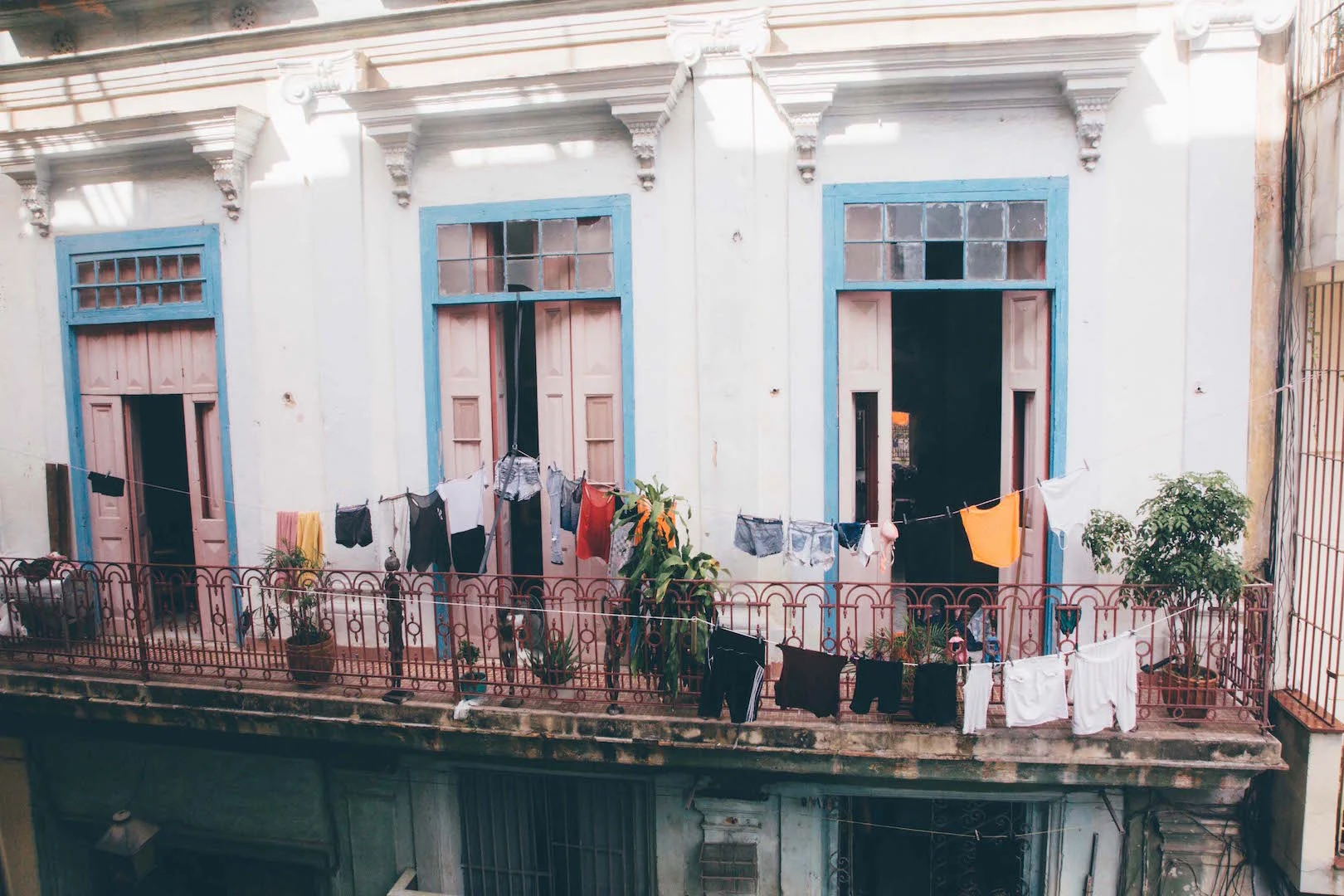
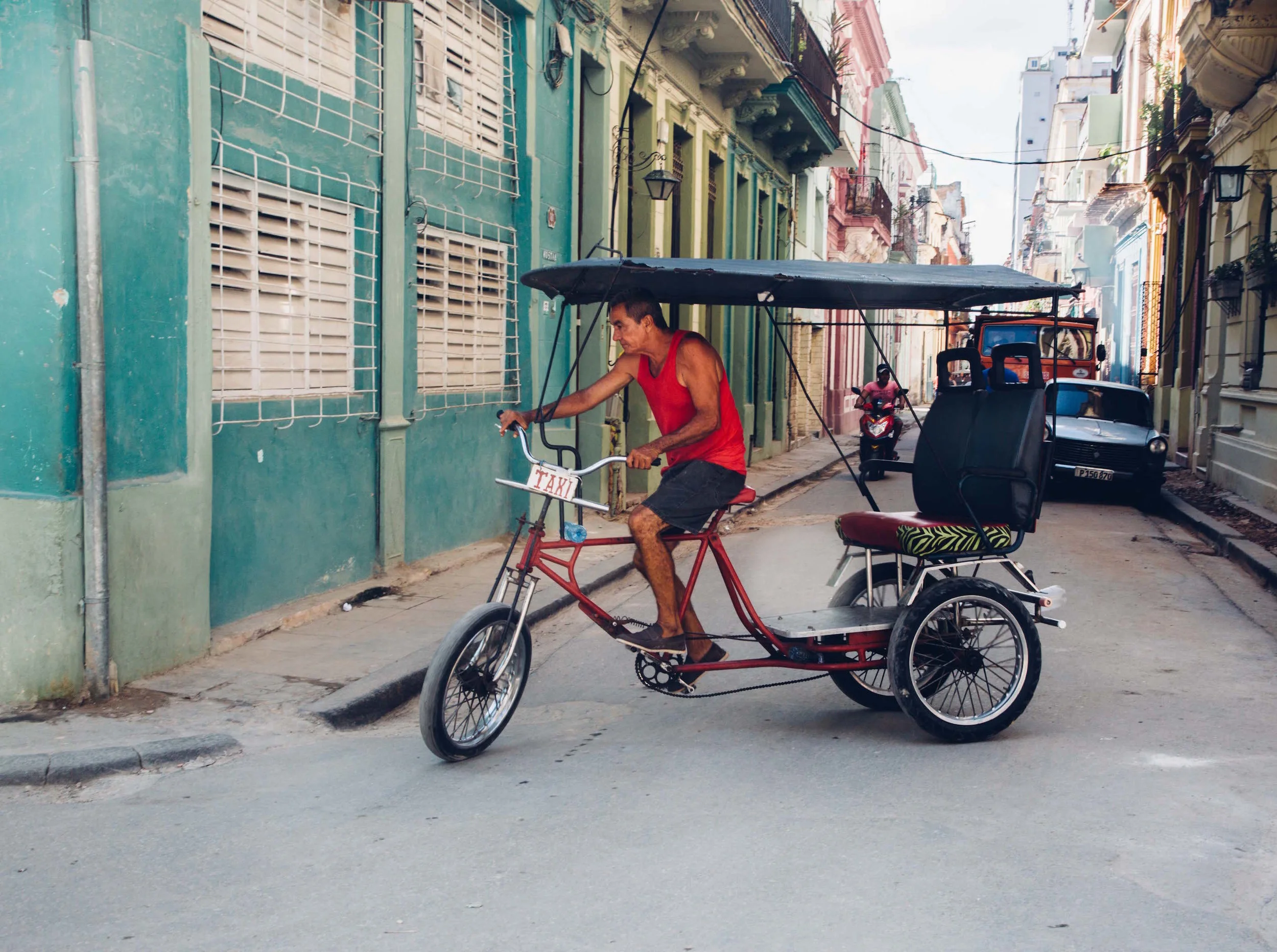
On Day 4 we checked out of our Hotel in one area of Old Havana to another. We got on a bike taxi and headed to our next home: a local Casa Particular, which means, “private house”. These homes are private family run establishments , similar to a B&B as we know it here in North America. We stayed on the top floor of a colonial style home. Our host was Ronaldo , an older man who lived in the house with his wife, nieces and nephews. They had four guest rooms in the front hallway and the back halfway, divided by the kitchen, was for him and his wife. The upstairs for the children. I was shocked at the size of the Casa. Each room also had their own washroom. Staying in a Casa was the best way to get to know more about the local way of life in Cuba. I left more connected to how they lived and wish we had stayed in a Casa from day one.
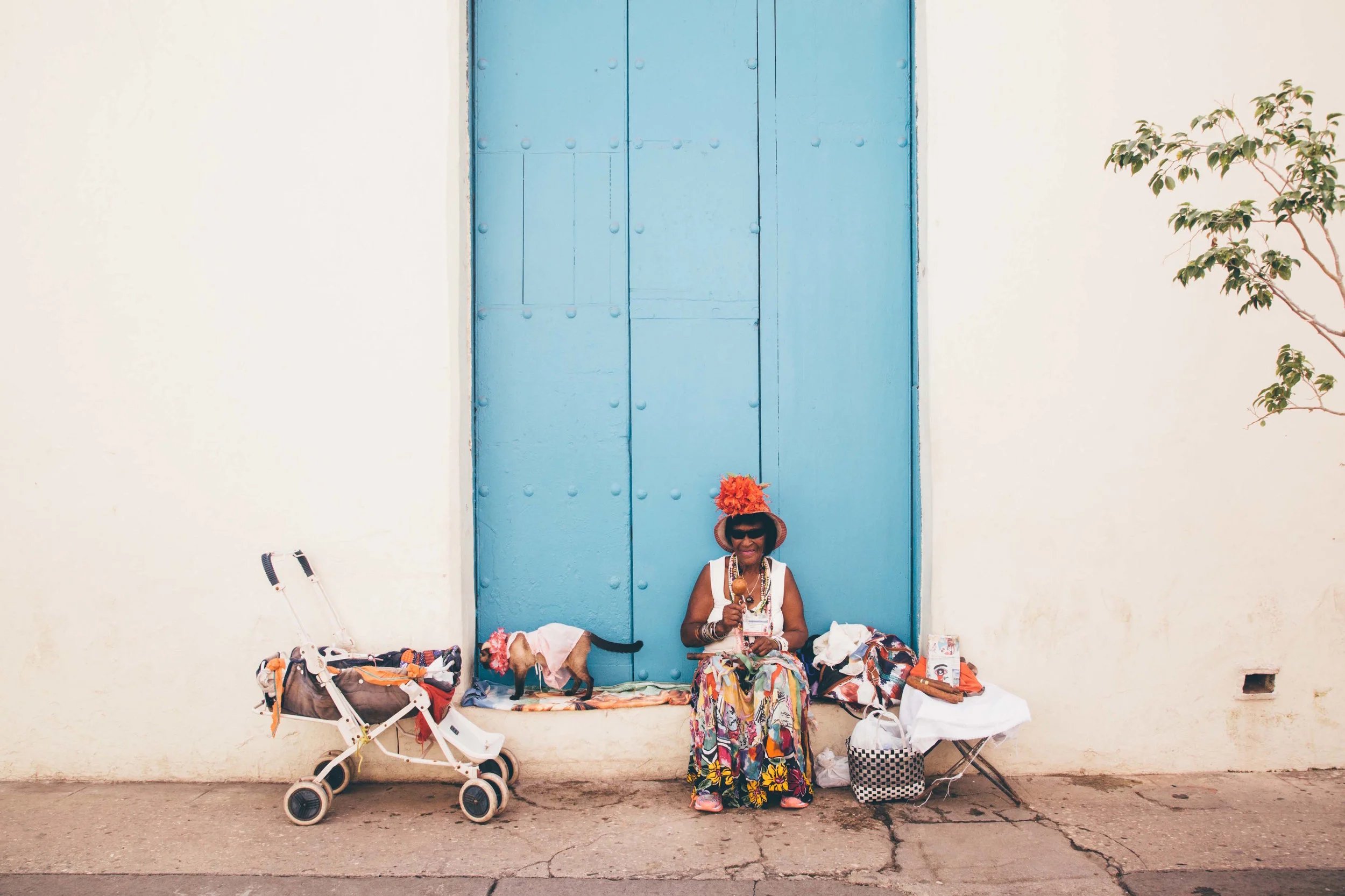
In Hindsight, our short week in Cuba wasn’t enough. On the last night we were tried and ready to go home after early mornings and full days of exploring. However, upon reliving my experiences through these images, I know that I have just scratched the surface of what this wonderful country has to offer. Many people head to Cuba and go straight to a cabana on the beach. I encourage you to explore the cities you travel to, get to know the local people and understand their culture. These cities and countries have so much to offer us intellectually and culturally.
Hasta pronto, Cuba!
THIS ARTICLE WAS ORIGINALLY PUBLISHED ON ROAM MAGAZINE.
JANA JACKSON
Jana Jackson is an emerging travel/documentary photographer, who photographs to chronicle people, places and culture through her visual story telling. Capturing the world in an authentic way that will overtime touch the lives of many.
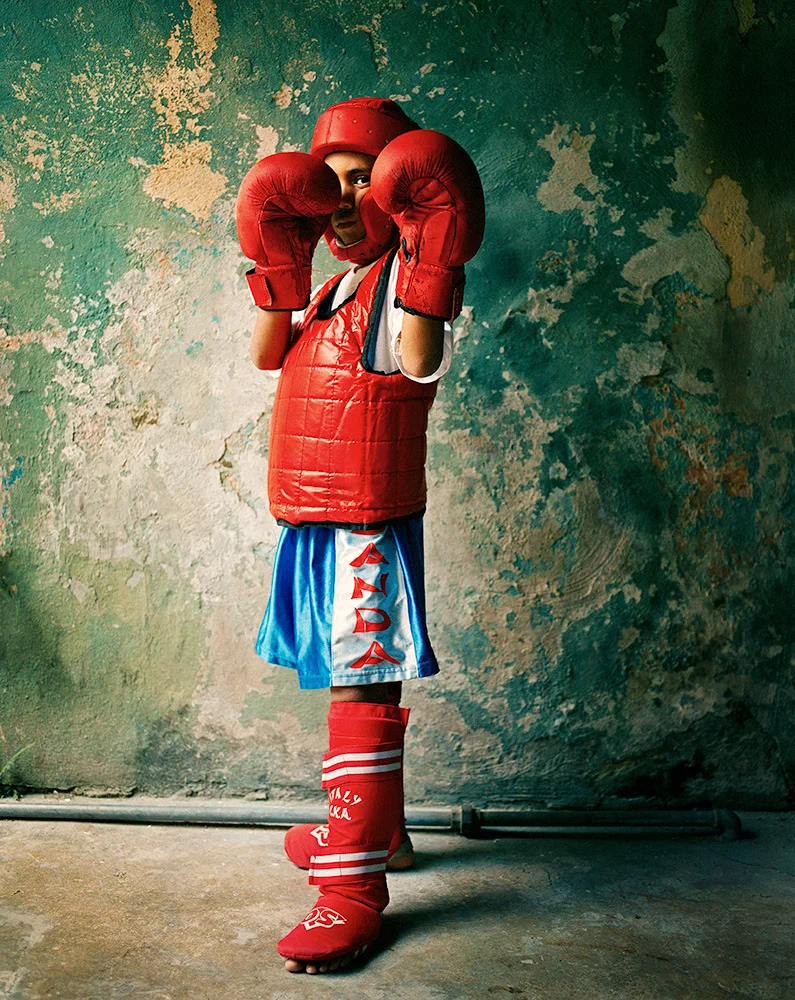
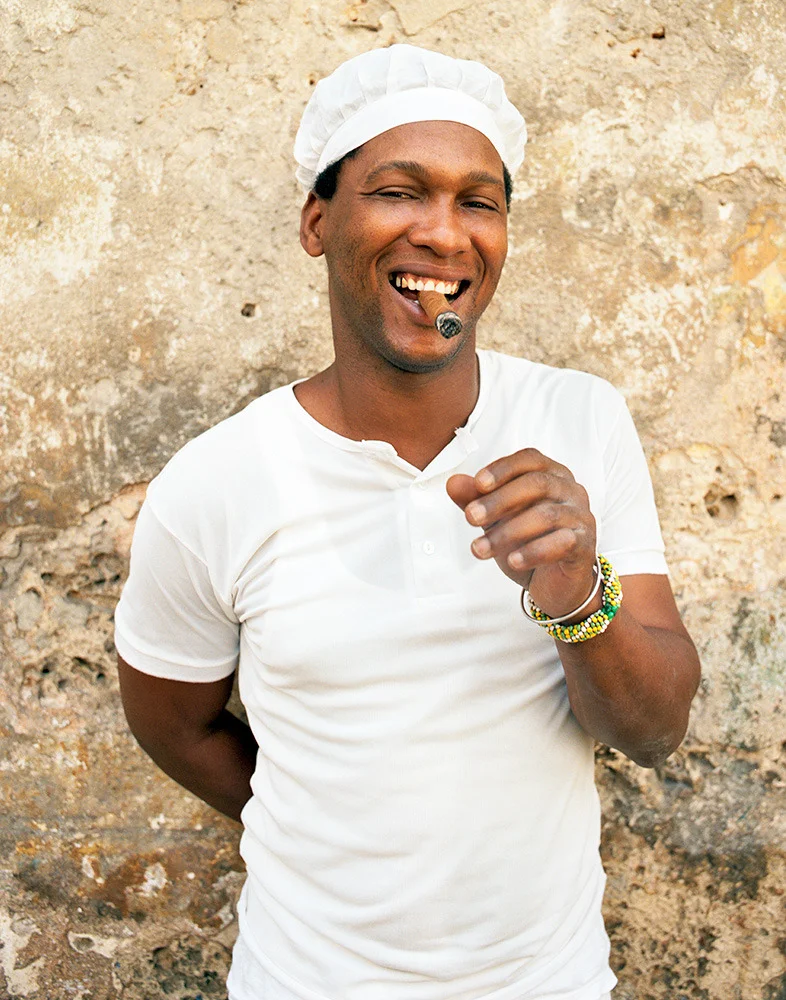
CUBA: Havana's Smile
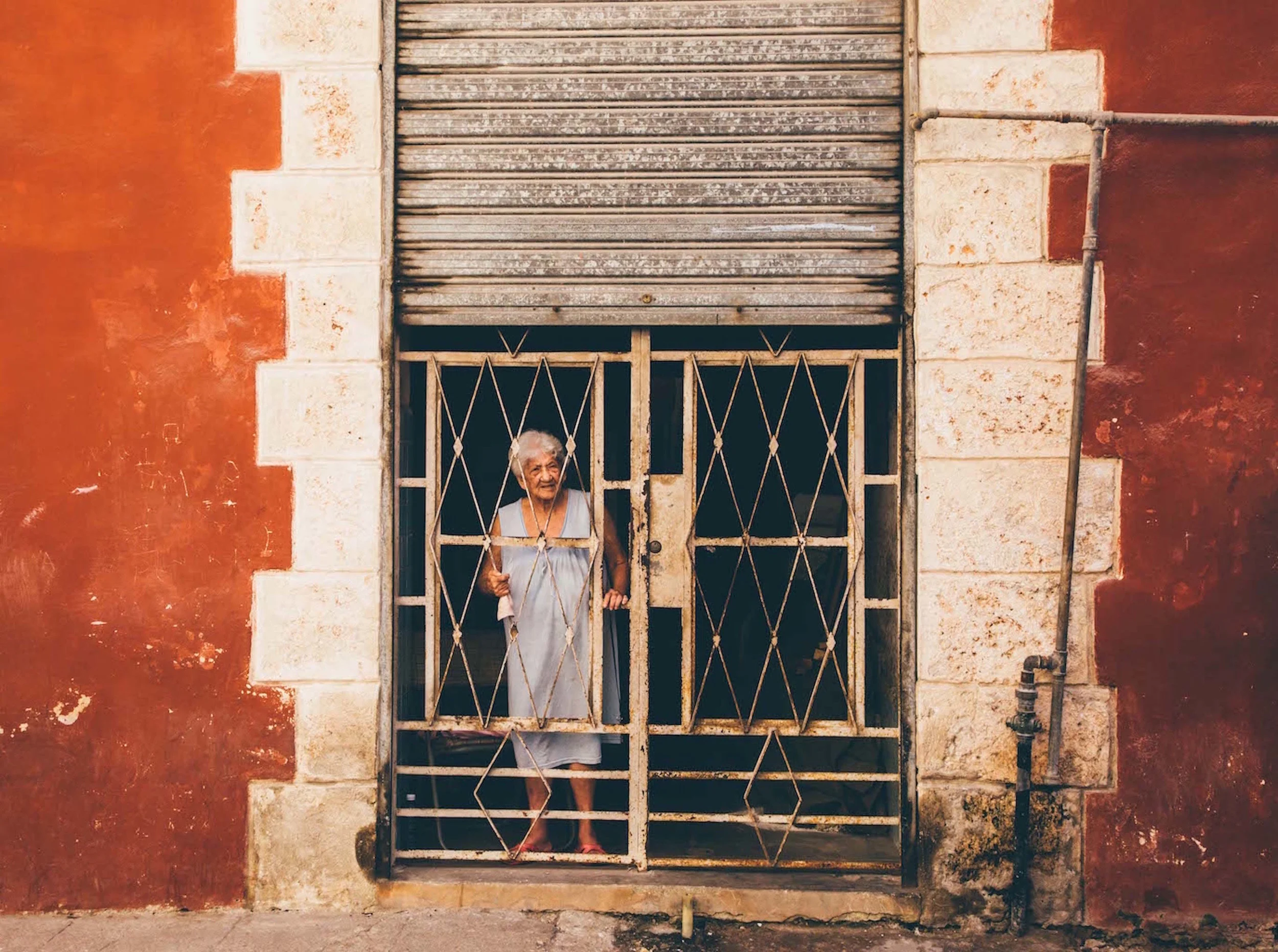
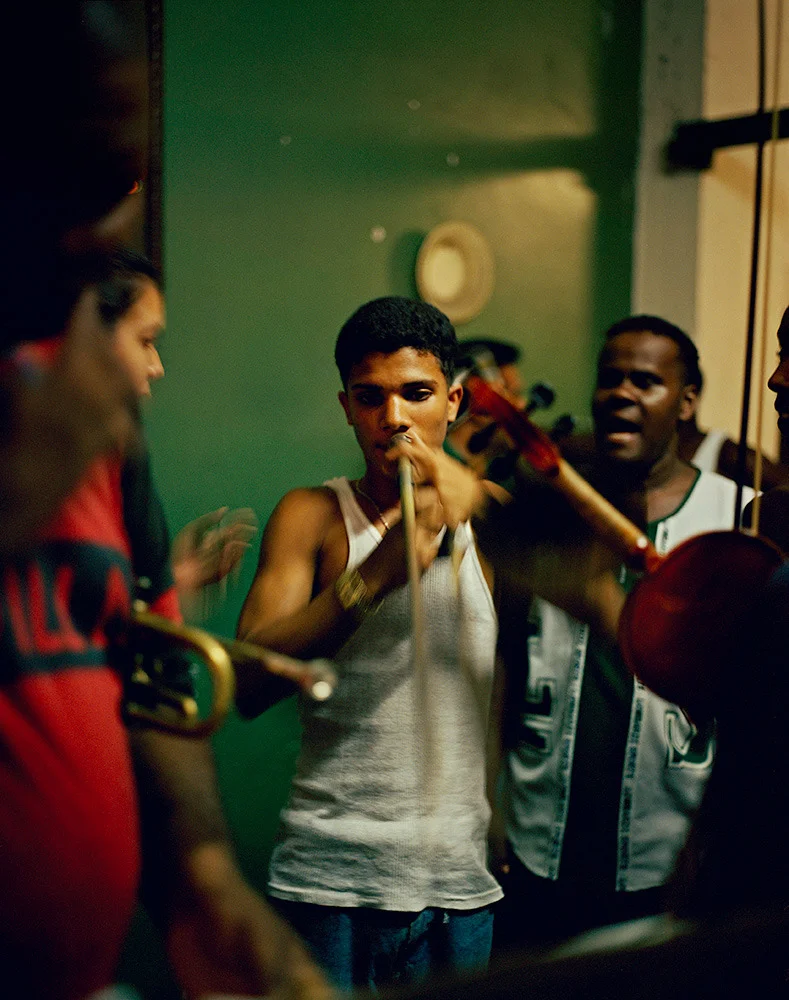
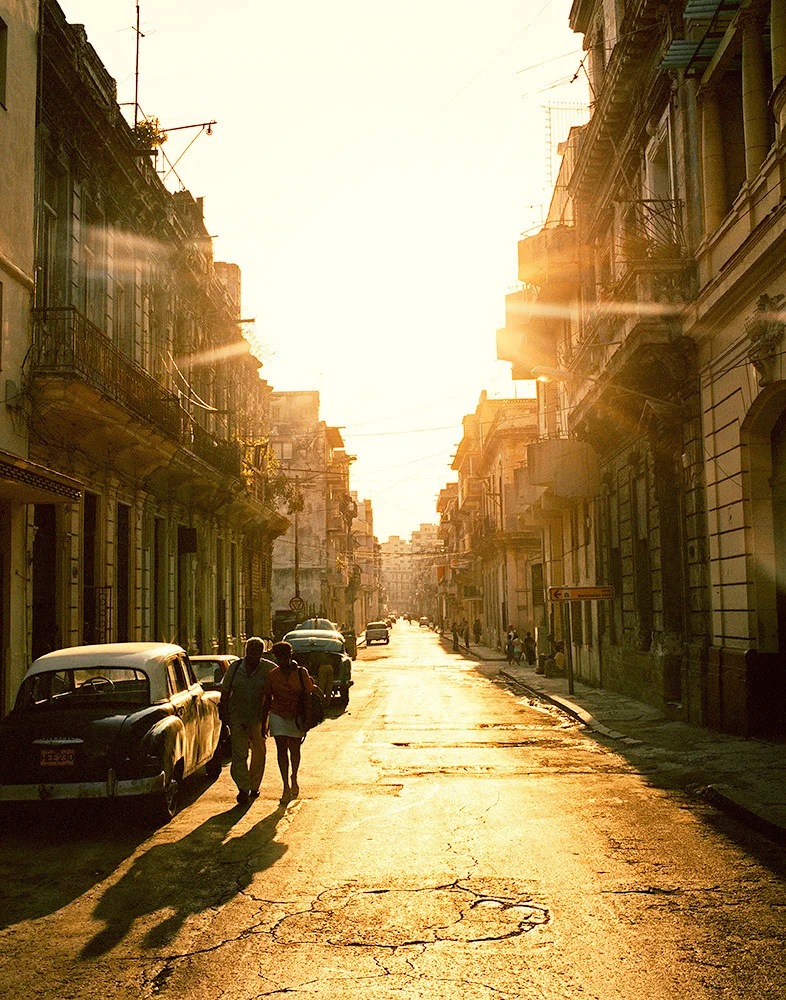
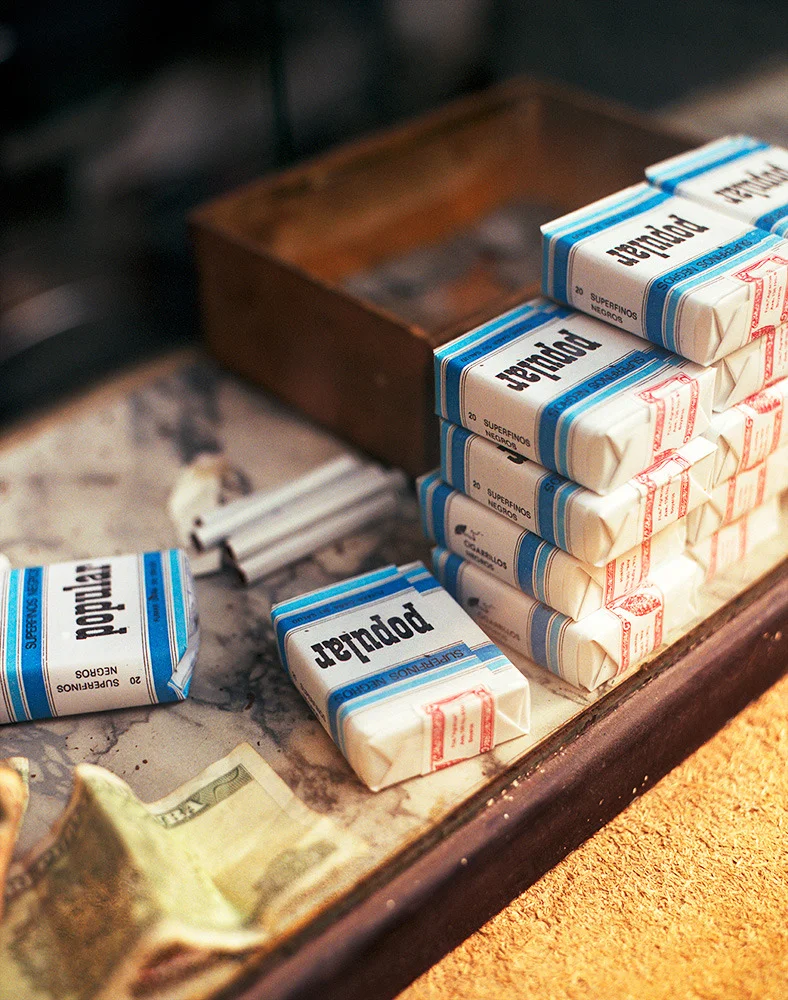
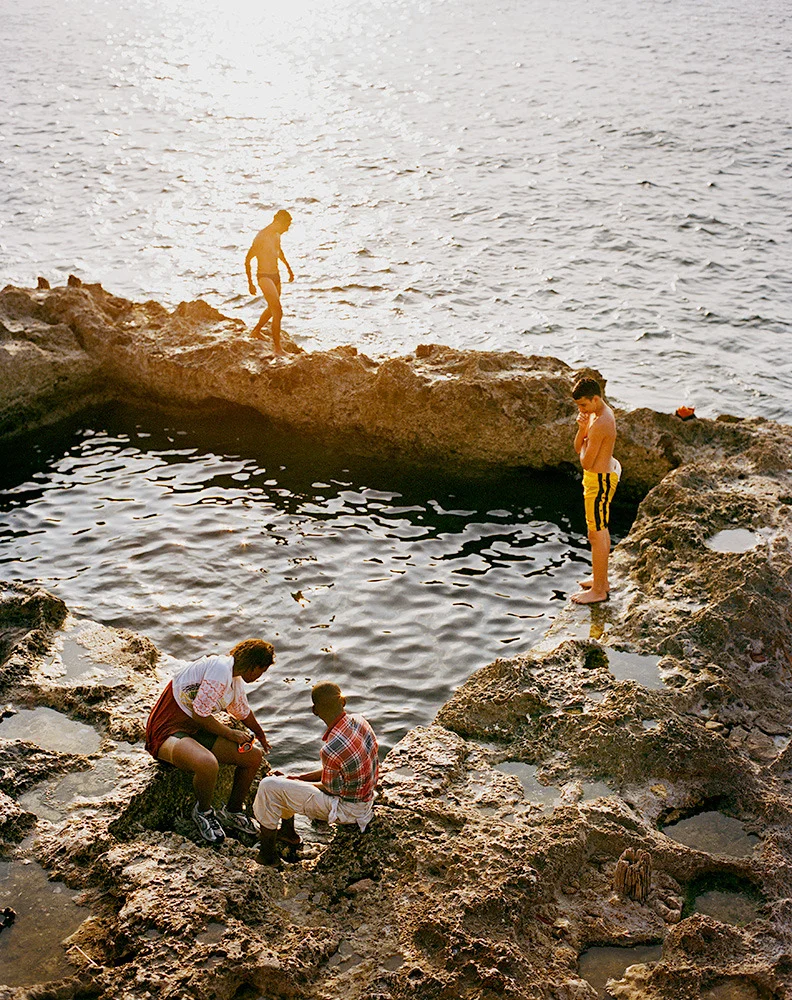
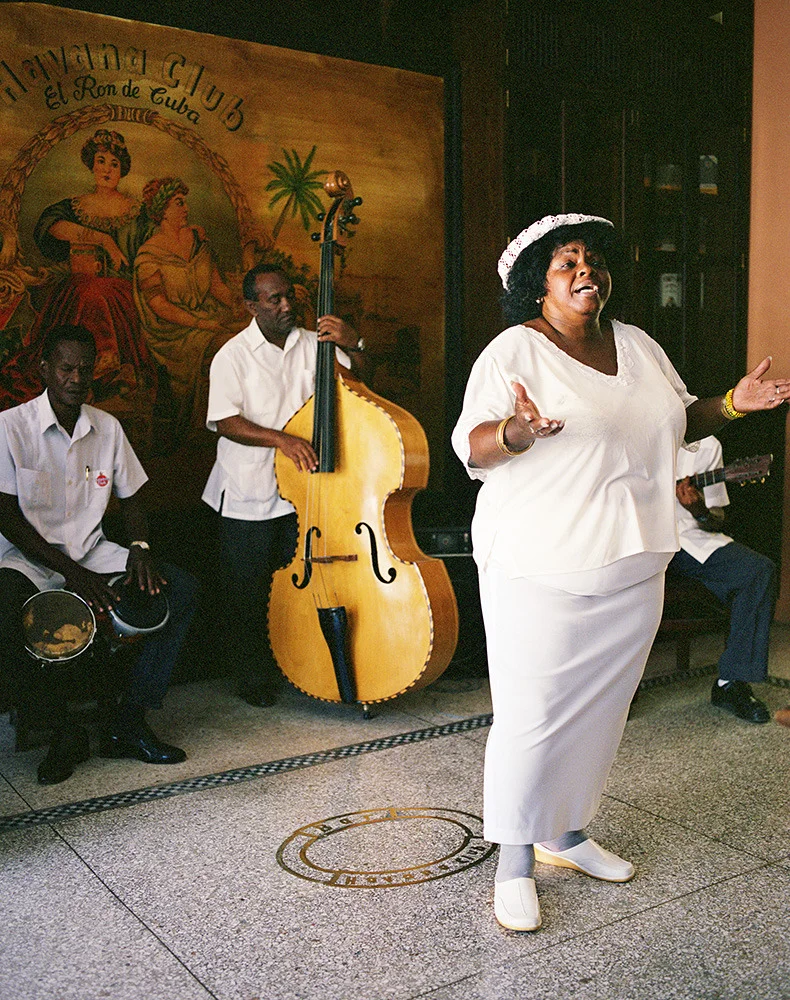
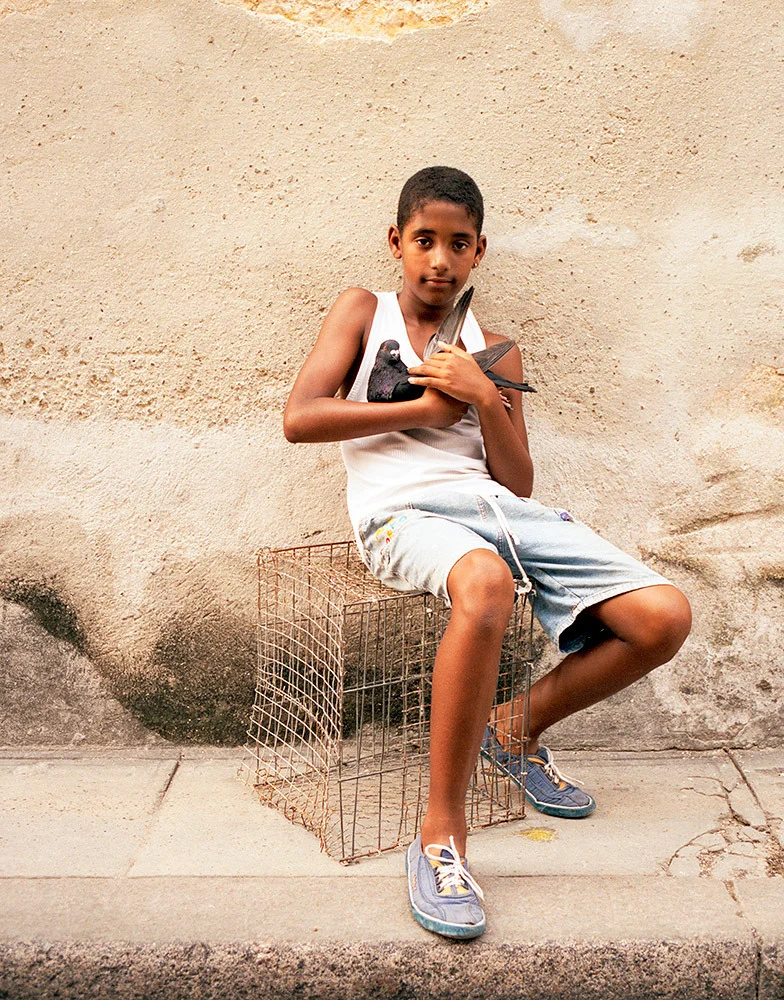
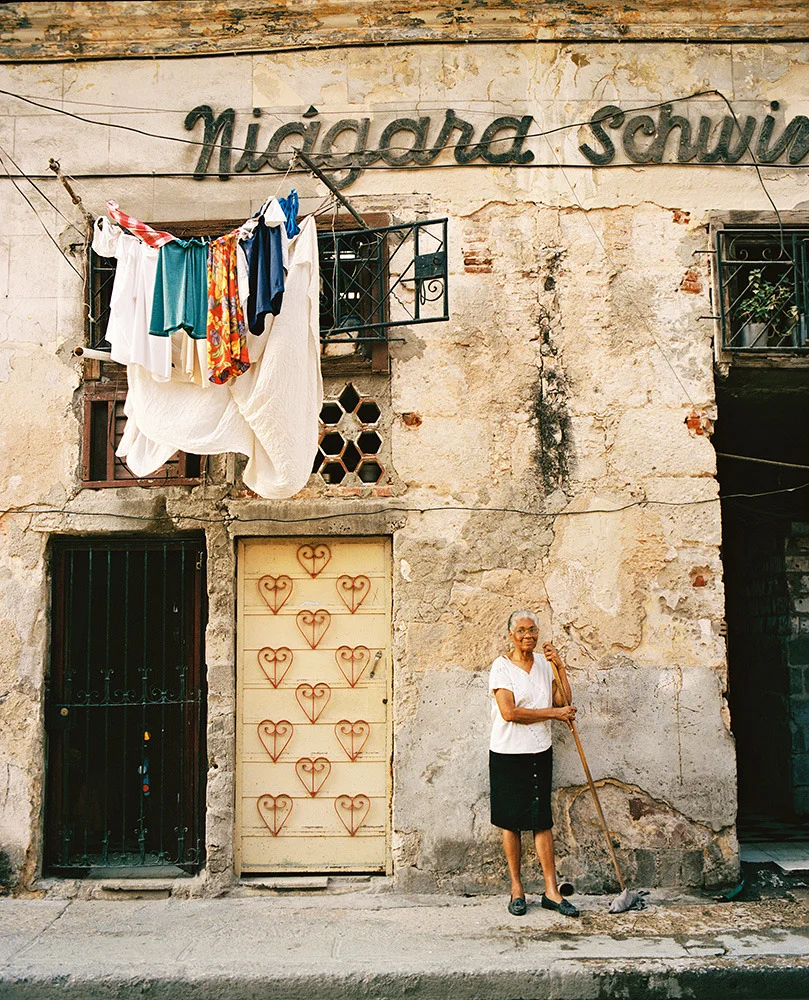
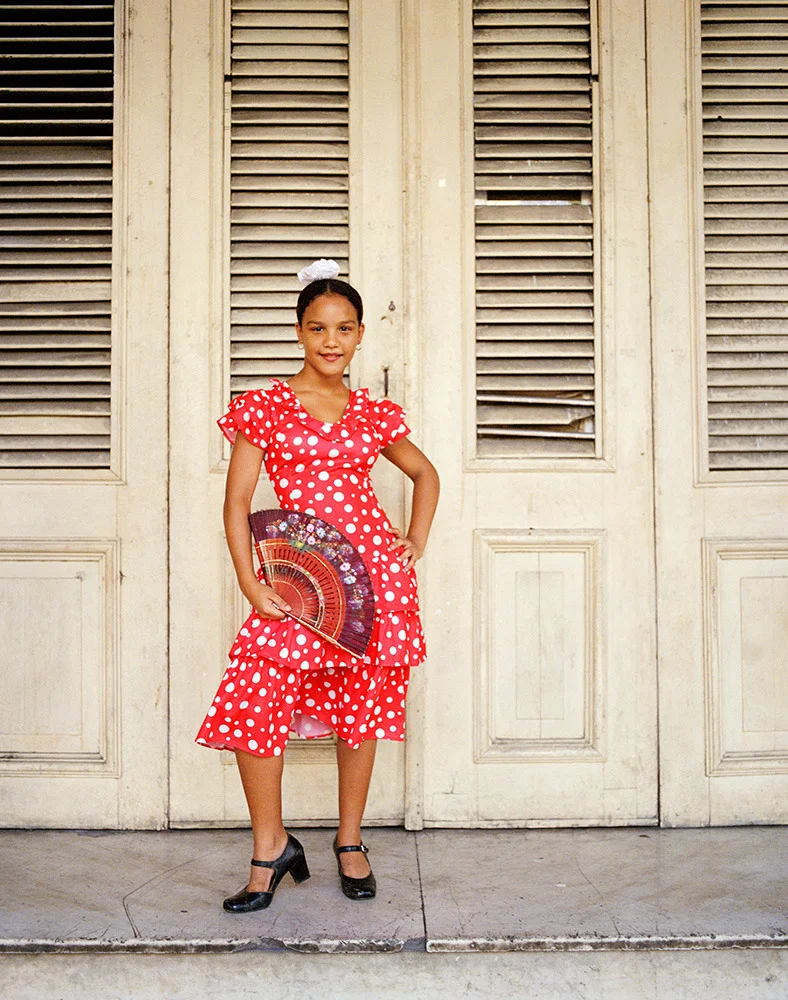
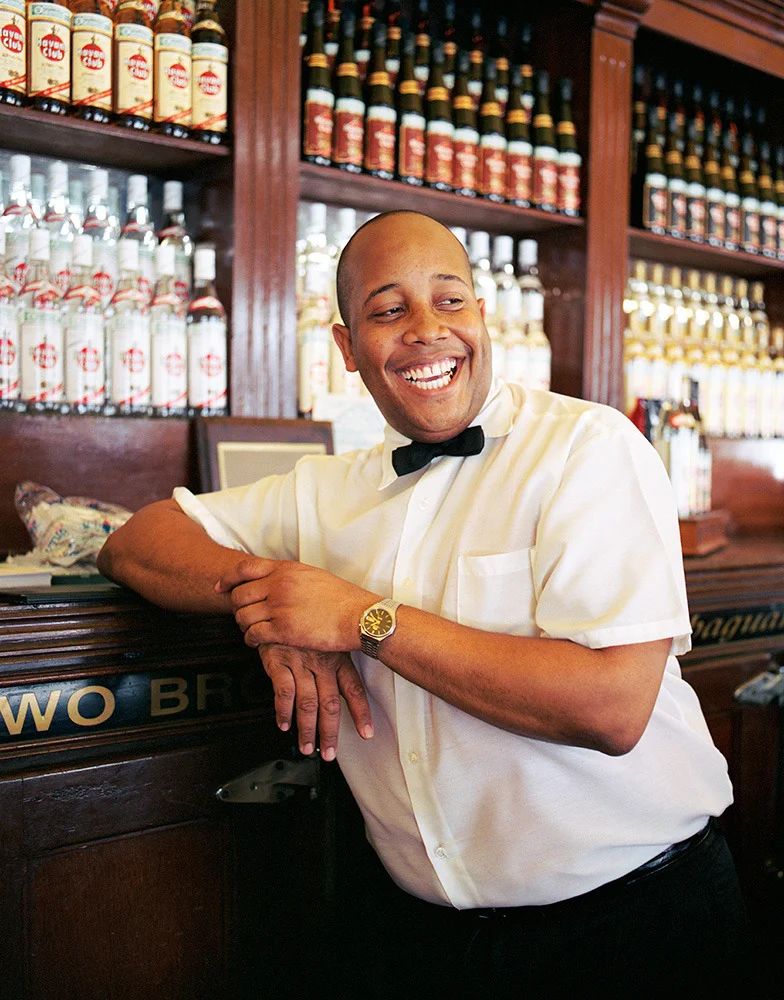
Regardless of poverty, ubiquitous propaganda, scarcity or hypocrisy Havana continues to smile. Not a sly smirk or rueful grin but a broad, welcoming smile. One that welcomes you into its home, shares its simple meals and lures you to dance to its infectious rhythms.
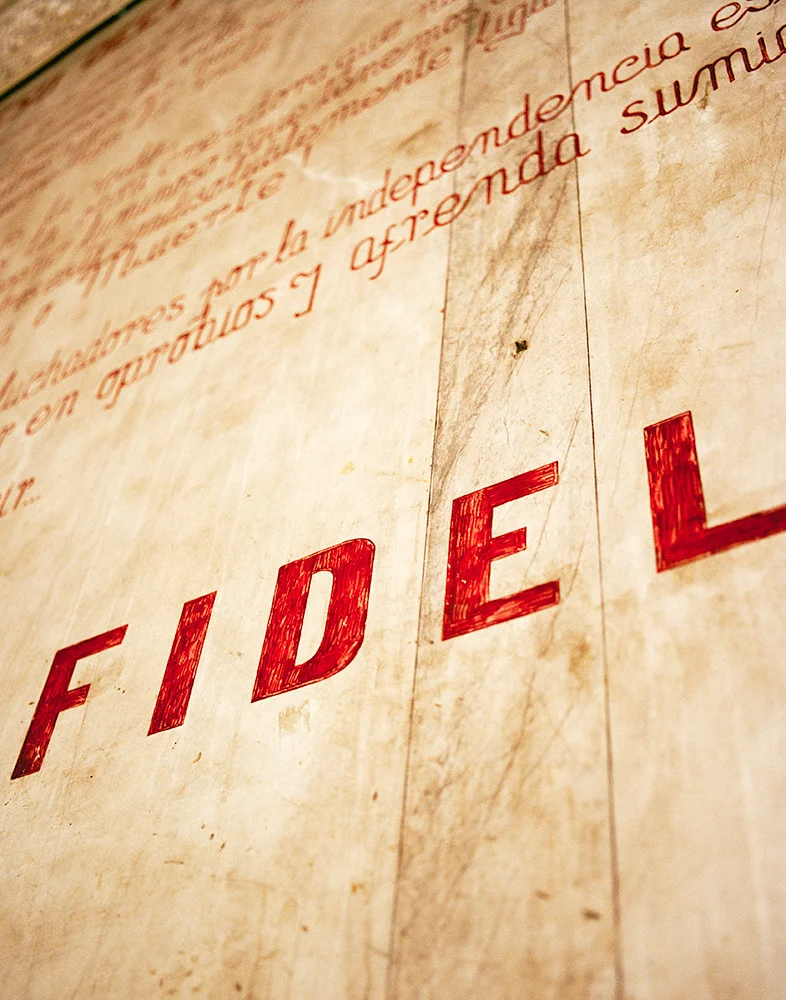
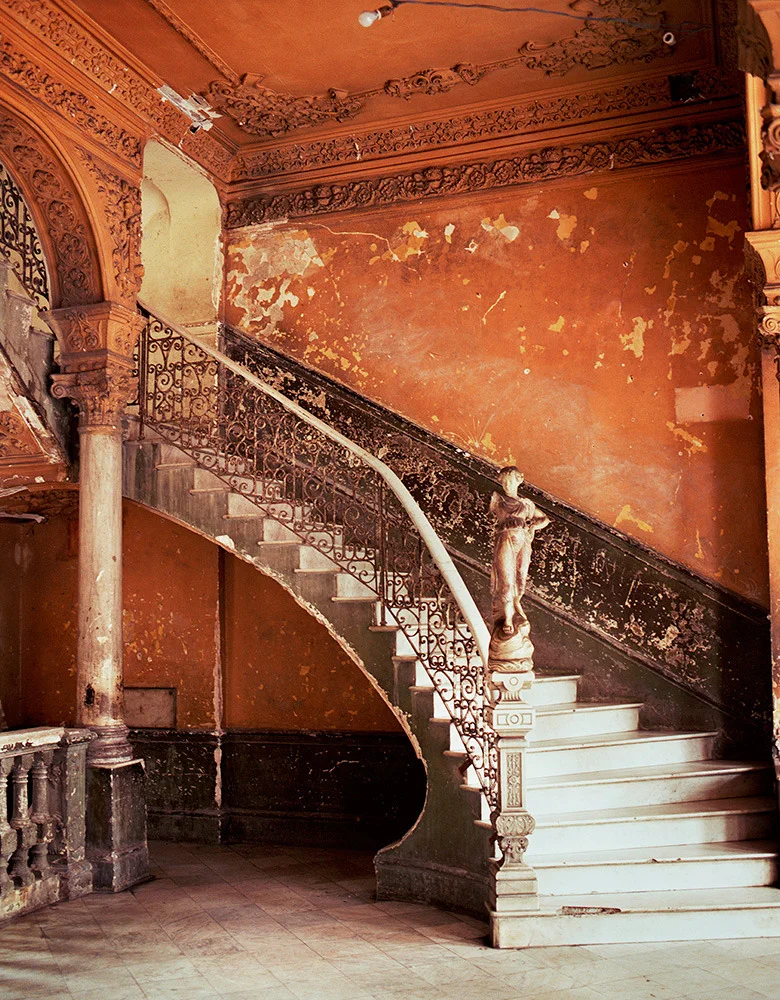
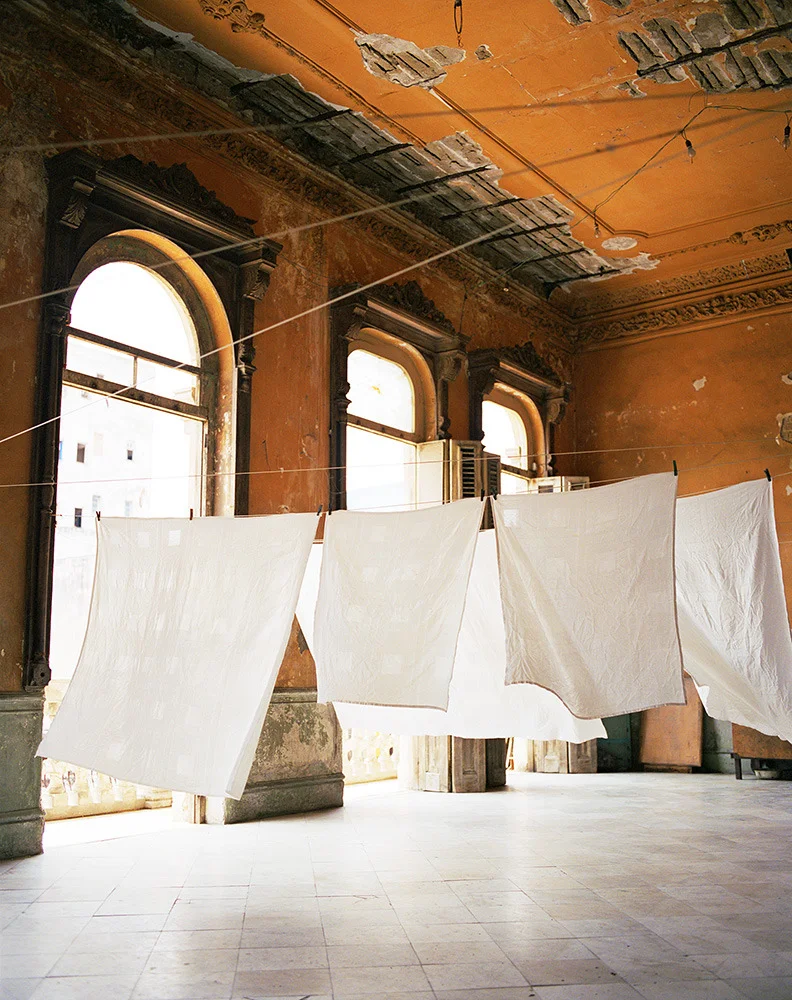
Walking the streets is a cultural excursion, from the ornate buildings of a former prosperous nation passing the bullet-ridden walls of revolution to the rubble of a stalled Communist state. Yet it is impossible to not be struck by the beauty of this city suspended in time.
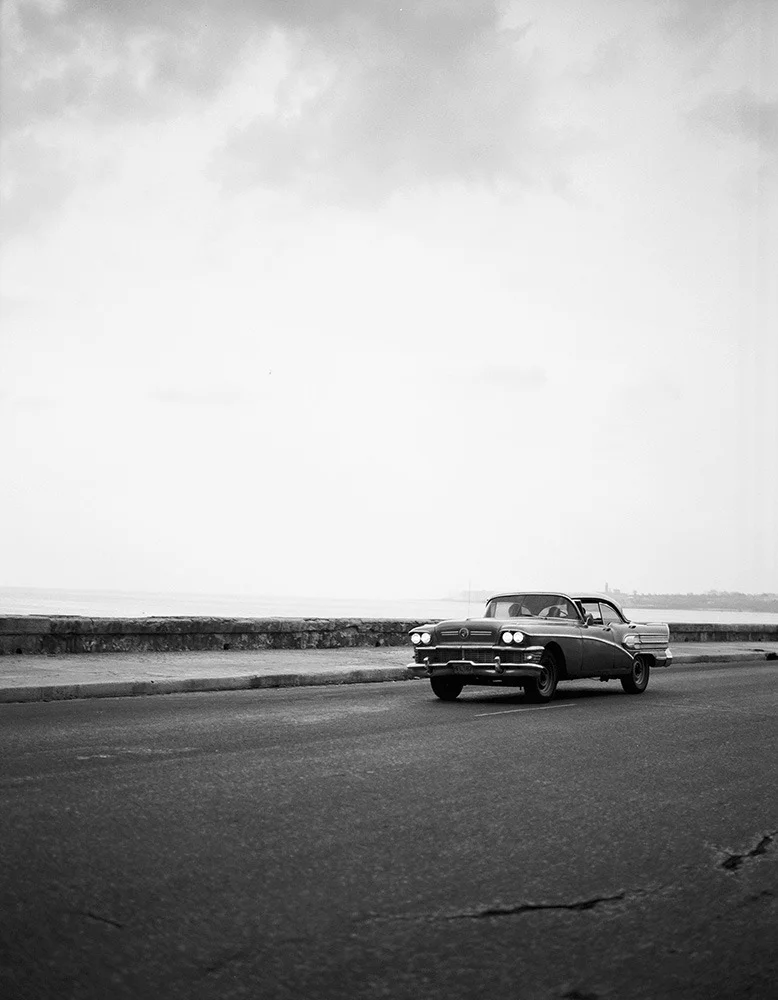
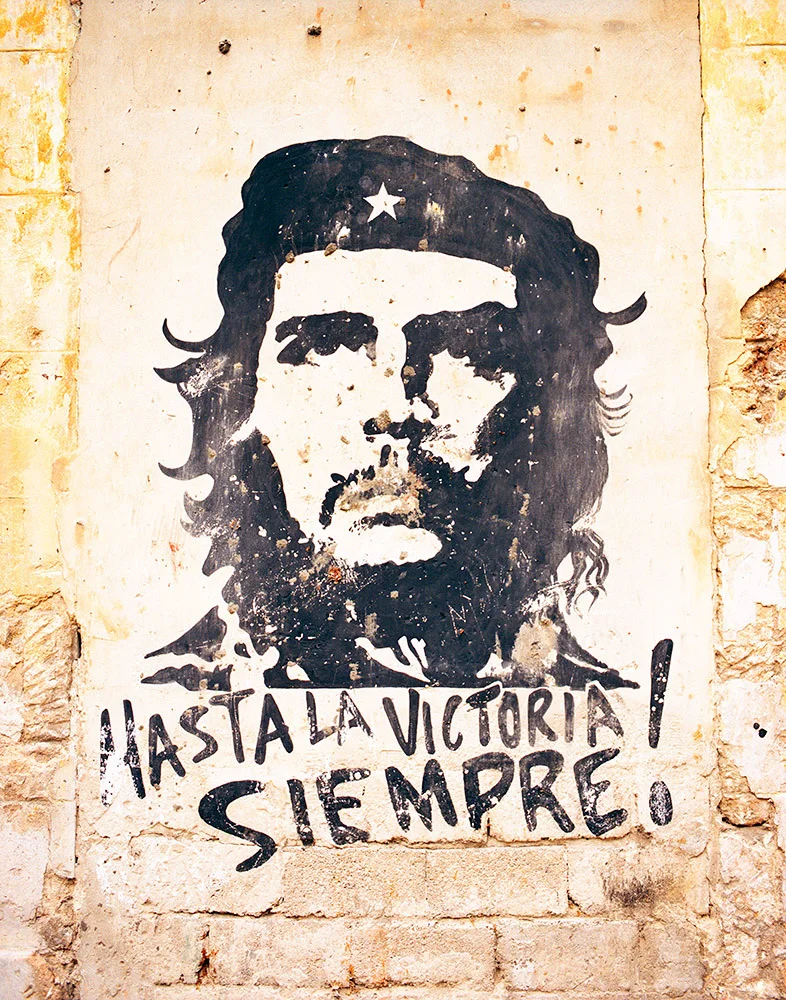
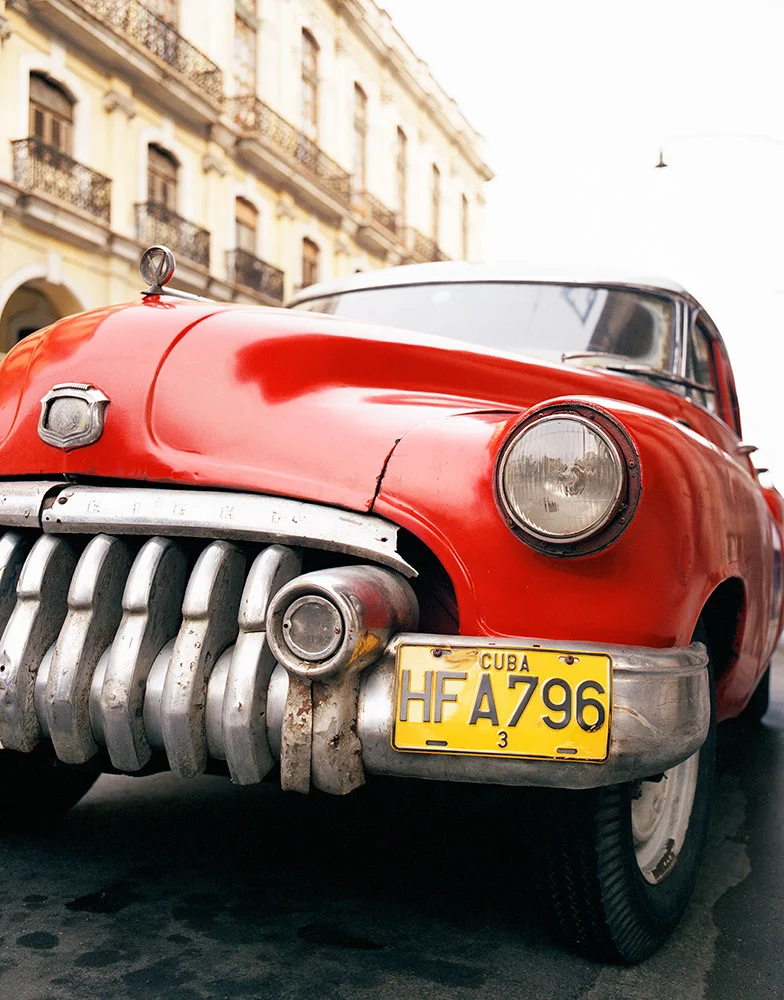
Creaking old cars held together by paint that sputter down pot-holed avenues. Images of Che invoked on countless walls; men playing dominos by the roadside. Almost clichés of a city that you hardly believe still exists.
The city raises endless questions, none of which, even if hotly debated, can be easily answered. People continually remind you of the failings of the revolution and the difficulties they endure under the regime. But it is precisely these factors that have preserved Havana, enveloped it in a hazy, tainted nostalgia.
Finally change is under way, I hope it brings prosperity but does not tarnish that smile.
PHOTO + TEXT: JULIEN CAPMEIL Julien Capmeil is an Australian born photographer living in New York. His work has appeared in many publications worldwide including Vogue, GQ and Conde Nast Traveler.
You can view more of his work online at: JulienCapmeil.com For print purchases Email: info@juliencapmeil.com
PHOTO ESSAY CURATED BY NELIDA MORTENSEN