
A severe fuel shortage is leaving millions of Cubans without reliable electricity, transportation and essential services.
Read MoreCuba’s Oil Shock Is Becoming a Human Crisis
Carol Khorramchahi
As fuel dries up and shortages deepen, Cuba’s state of crisis is becoming impossible to ignore.
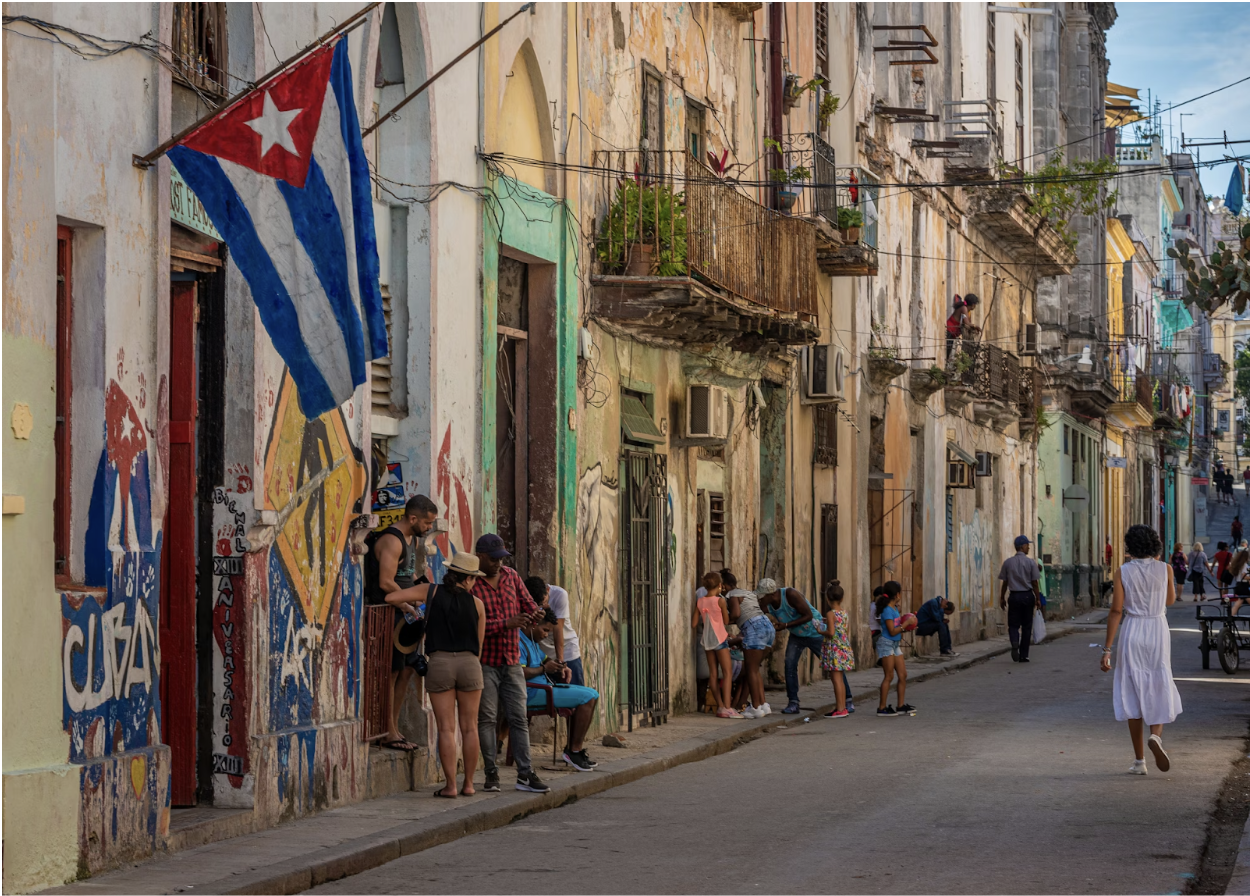
Pedestrians on a Havana street. JF Martin. Unsplash.
Cuba is back in the news this week after a violent episode at sea. On Feb. 25, 2026, Cuban authorities said they killed four exiles and wounded another six when a Florida-registered speedboat entered Cuban waters and opened fire on a patrol. U.S. officials said no American government personnel were involved and promised an investigation. But the boat story, dramatic as it is, sits on top of a much larger crisis: daily life in Cuba has been unraveling under fuel shortages, blackouts and a growing lack of food and medicine.
To understand why, one can look toward the oil industry. For more than 25 years, Venezuela was Cuba’s main external fuel lifeline. Reuters reported that in 2025, Venezuela supplied about 26,500 barrels of oil per day, which is about one-third of Cuba’s daily needs. That relationship was especially significant because Cuba does not produce or refine enough fuel to cover demand on its own. When U.S. pressure cut into Venezuelan shipments, the result was not abstract geopolitics; it was fewer buses, less electricity and harder choices about which parts of daily life could keep running.
That is what makes the current moment more than just another sanctions story. On Feb. 12, U.N. human rights experts condemned Washington’s new fuel restrictions, warning that interfering with fuel imports may trigger “a severe humanitarian crisis” and damage essential services. Cuba’s government has already announced fuel-saving measures to protect sectors like water, education, agriculture and healthcare. The country can meet only about 40% of its fuel needs domestically, leaving it deeply exposed when imports are disrupted.
The healthcare system shows the human cost most clearly. Cuba was long known for its strong public health and for frequently sending doctors abroad, but that image of expertise is colliding with today’s shortages. In a recent BMJ report, physician Tania Maria Cruz Hernandez said there is now a shortage of doctors, nurses and technicians, along with half of the country’s basic medicines and essential medical supplies. Cuban health officials also say that fuel shortages are leaving hospitals without reliable ambulance service and complicating the transport of critical supplies.
That is the question hanging over the current crisis: what exactly is the United States’ goal? Washington says its measures are aimed at the Cuban government, not ordinary people, and the Treasury has now said companies may resell Venezuelan oil to Cuba’s private sector under narrow conditions. But the gap between official intent and daily reality is hard to ignore when flights are canceled for lack of aviation fuel, hospitals struggle to stay open and other countries are shipping emergency food aid.
The speedboat incident may dominate headlines for a day or two. But the more important story is slower and less cinematic: a country where shortages shape nearly every decision, and where the pressure of sanctions is felt not only by the state but by families trying to find transportation, medicine, electricity and a workable future.
GET INVOLVED:
Follow humanitarian updates from the U.N. Human Rights Office, track public-health reporting through the BMJ and support relief work through U.N. agencies responding to Cuba’s shortages, including the World Food Programme and UNICEF.
Carol Khorramchahi
Carol Khorramchahi is a student at Boston University, where she studies English and Psychology and minors in Journalism. She enjoys writing and reporting on stories that bring together culture, identity, and community, and has experience in both newsroom reporting and digital media. She is especially interested in thoughtful storytelling with a global lens.
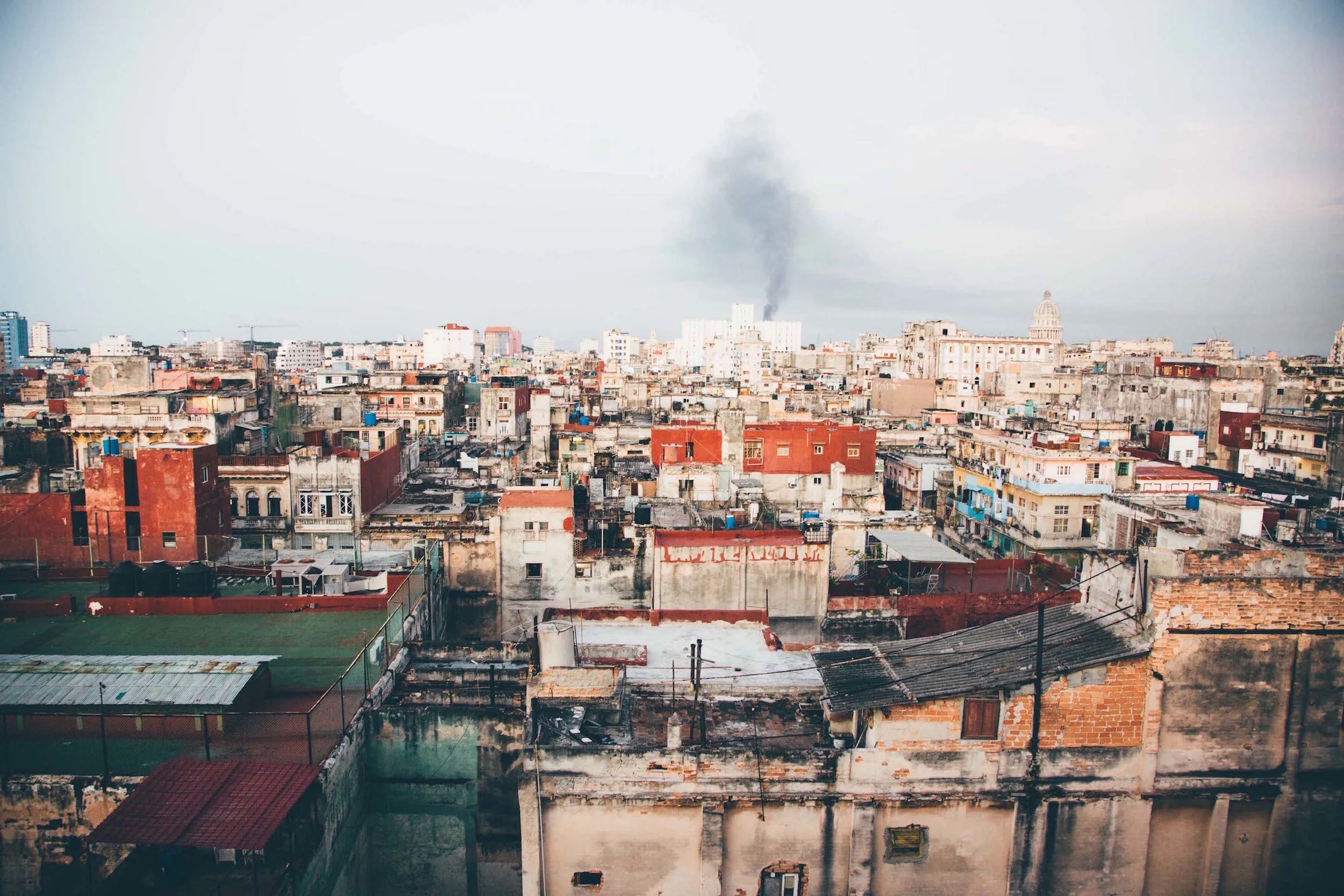
Observing the Slow Life | A Week in Havana, Cuba
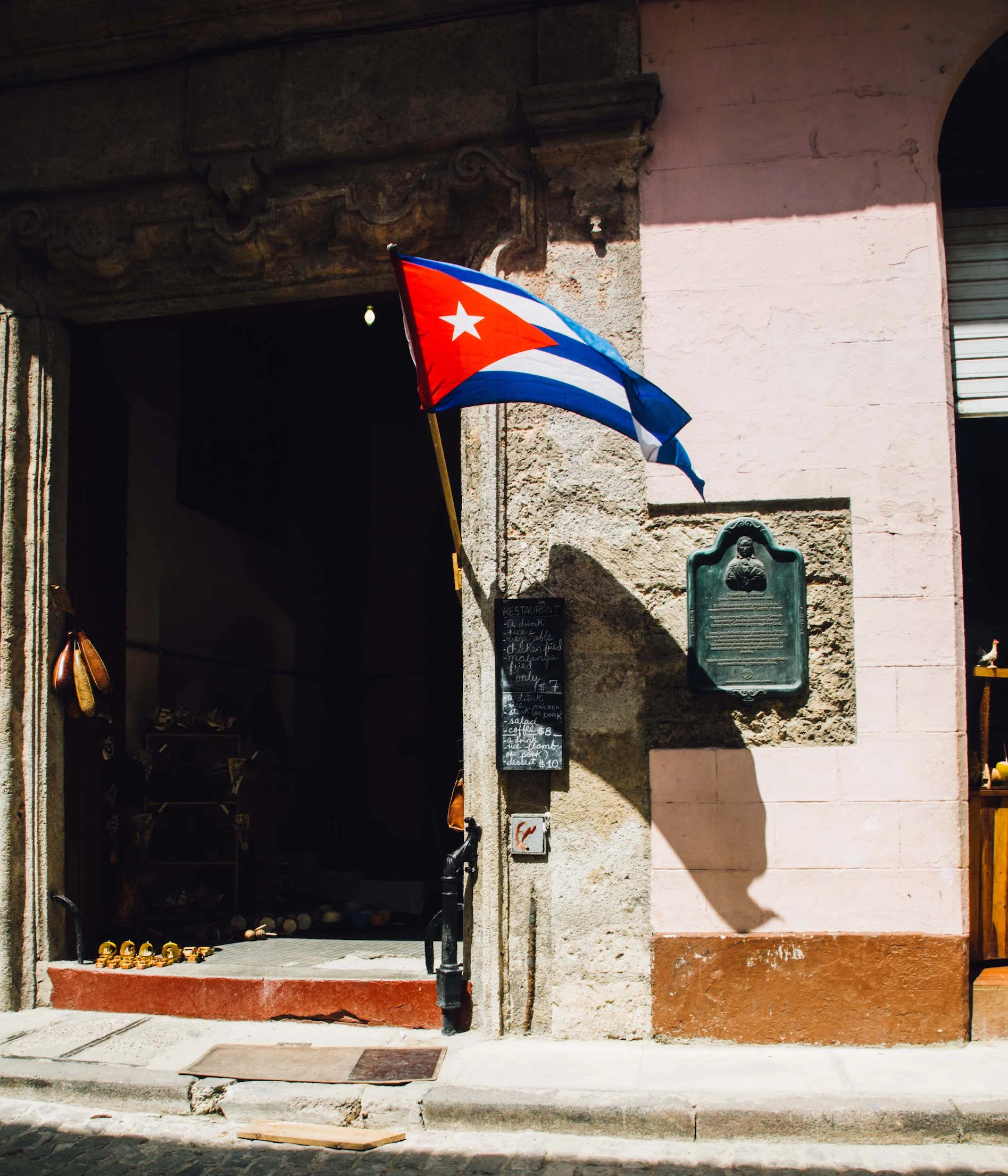
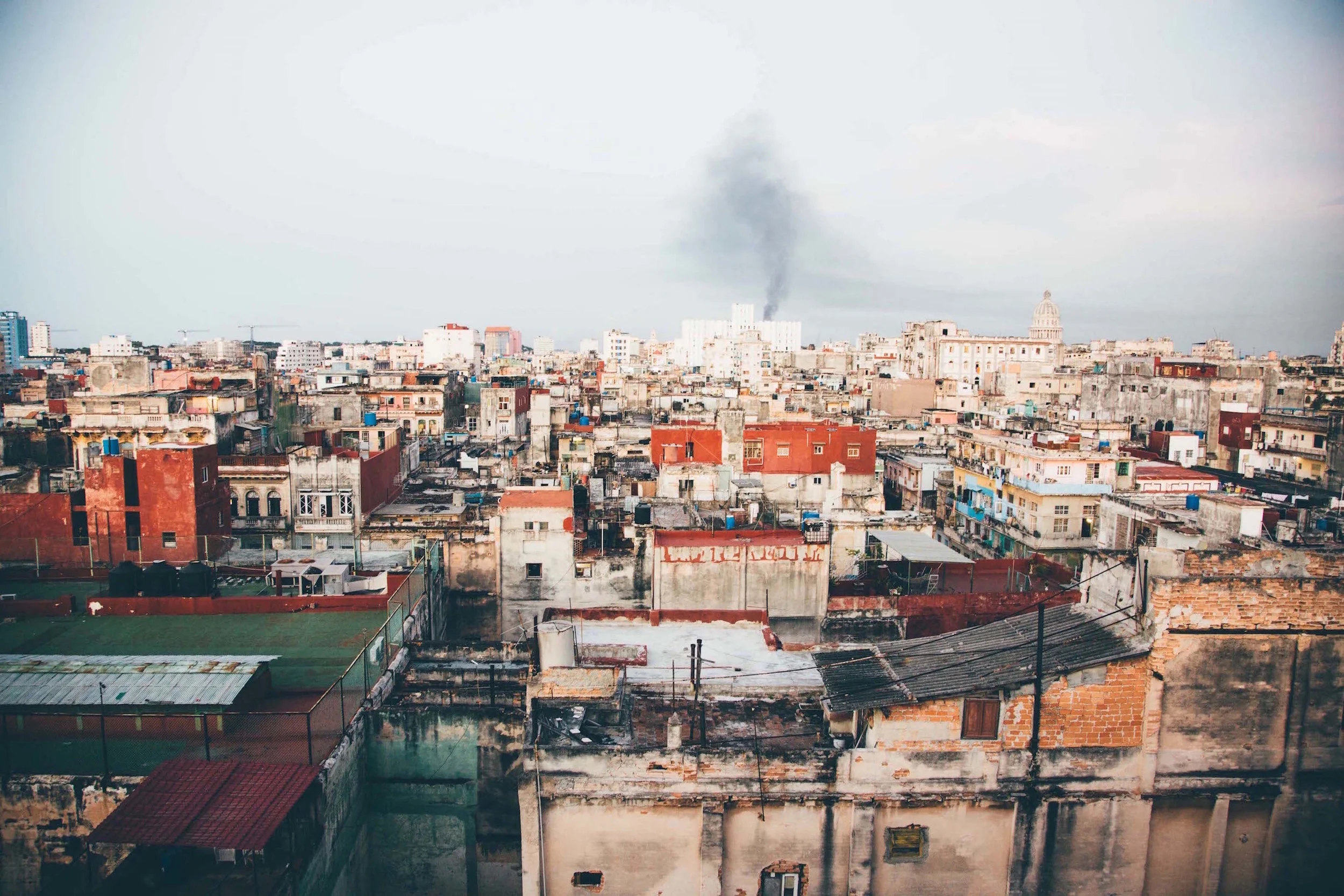
We arrived in Cuba on July 26th and took a taxi straight into Habana Vieja (Old Havana). Along the way I noticed a flag hanging alongside the Cuban flag that was black and read with white text that said 26 Julio on many buildings. I was perplexed but left it at that. Once we got settled, changed, and came to terms of no wifi, we started to explore, but the city streets were desolate. It was only 3pm , where was everyone? With a little more prying and spanglish we found out that it was a public holiday in Cuba known as Movimiento 26 de Julio.
The next morning we were met by our tour guide Julia, she showed us around Habana Vieja, all the main “hot spots,” plus a few local gems. What I found most interesting about her tour was all of the importance she placed on dates. These dates seemed to have such importance to her. They told the story of Old Havana and how the city came to become what it is today. After a long day we parted ways and I felt more informed, curious and hungry to learn more, lucky for me, we were just getting started.
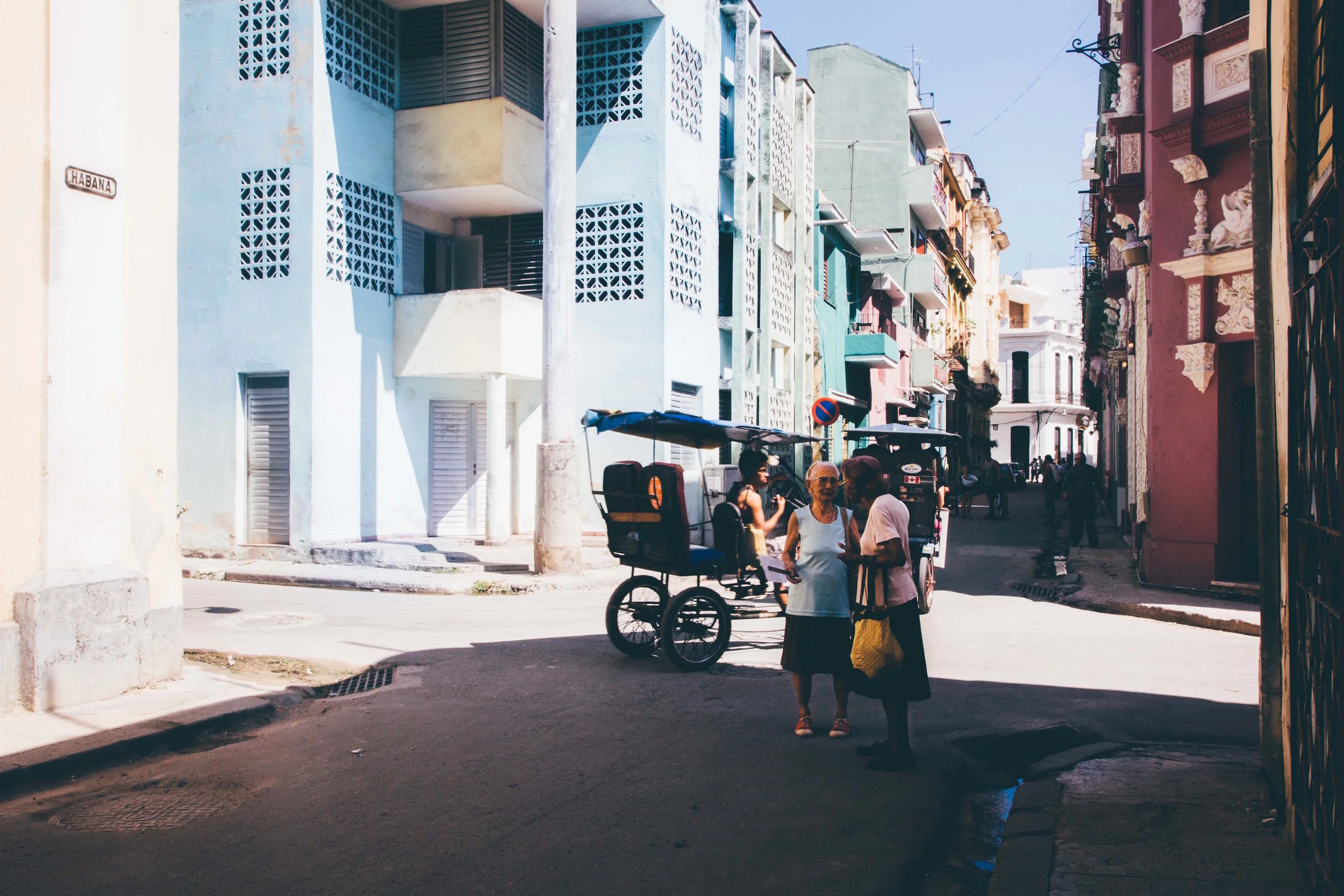
Day 2 & 3 We drove along the Malecon, explored Central Havana and Vedado, other districts within Havana. These two districts felt similar to what I know caribbean cities to feel like. I saw a few more markets, local stores, and many more local people. By now I had observed a few things:
Everyone is extremely friendly and says“Have a great vacation in Cuba”,“Enjoy our great Country”
Due to the tight restrictions on WiFi in Cuba no one is walking with their phone in hand, no one.
Bring snacks from home if you are a snacker. There are no convince stores.
The way of life is slow(in a good way!)if you go into a coffee shop, you sit down and drink your coffee right there. No to go cups.
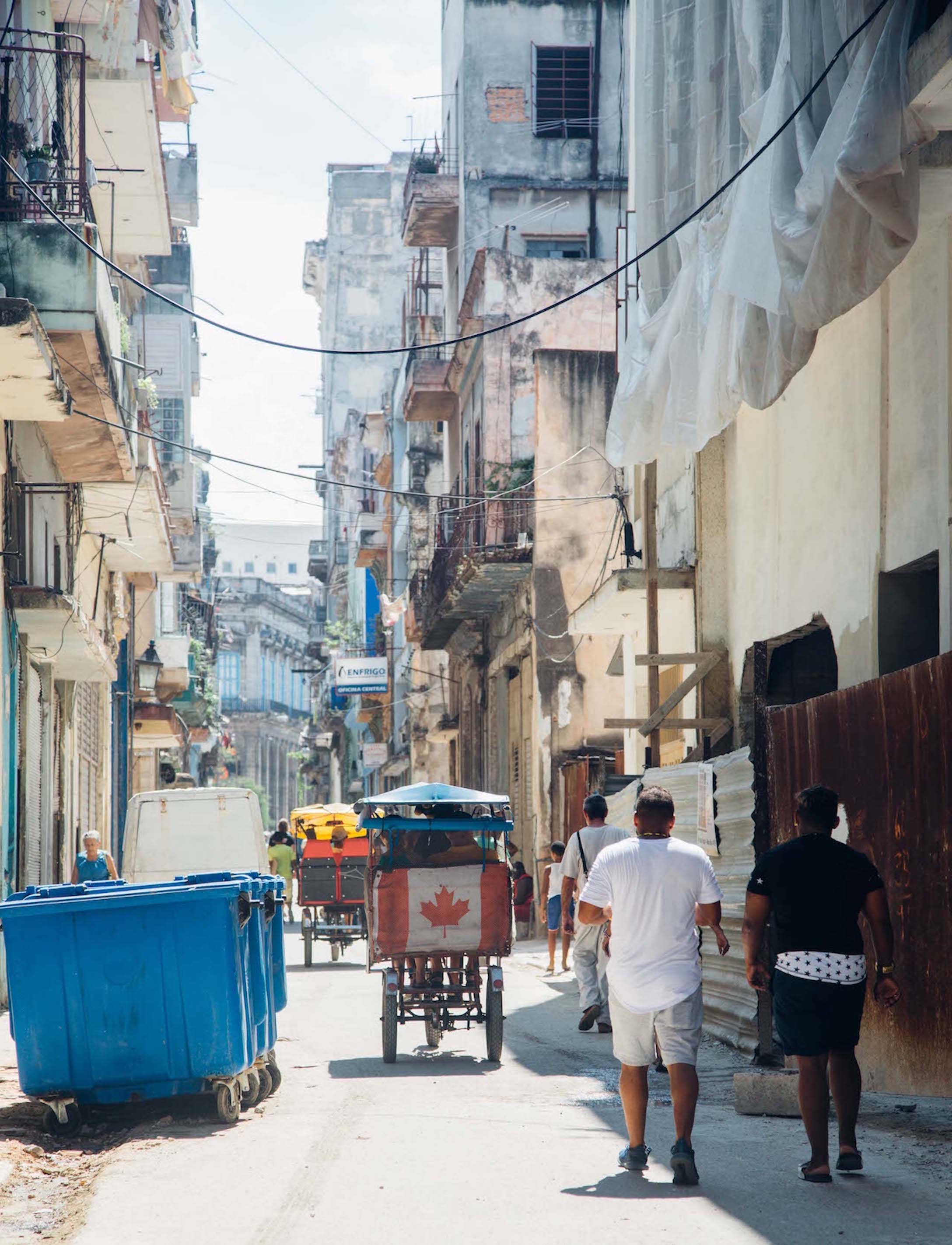
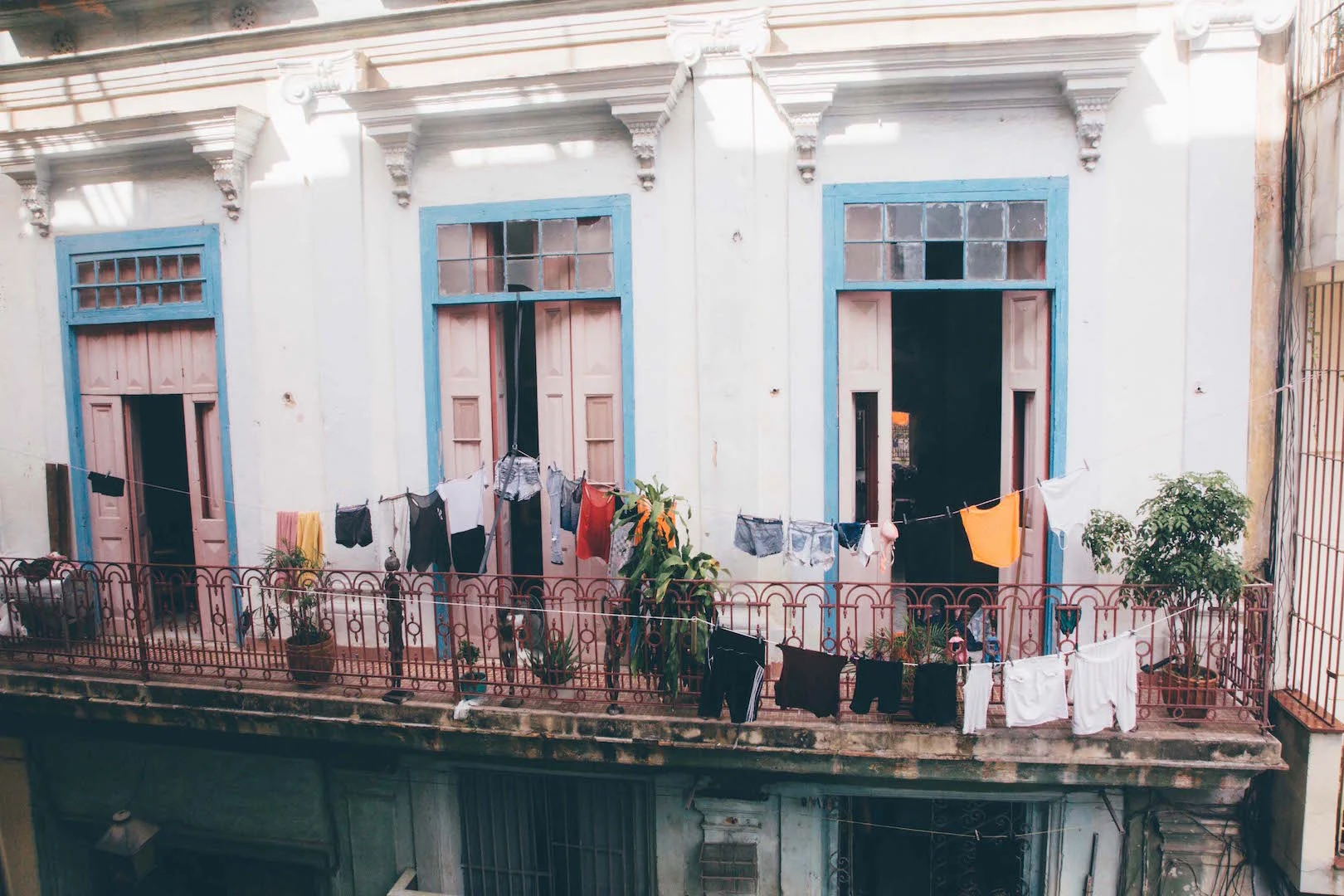
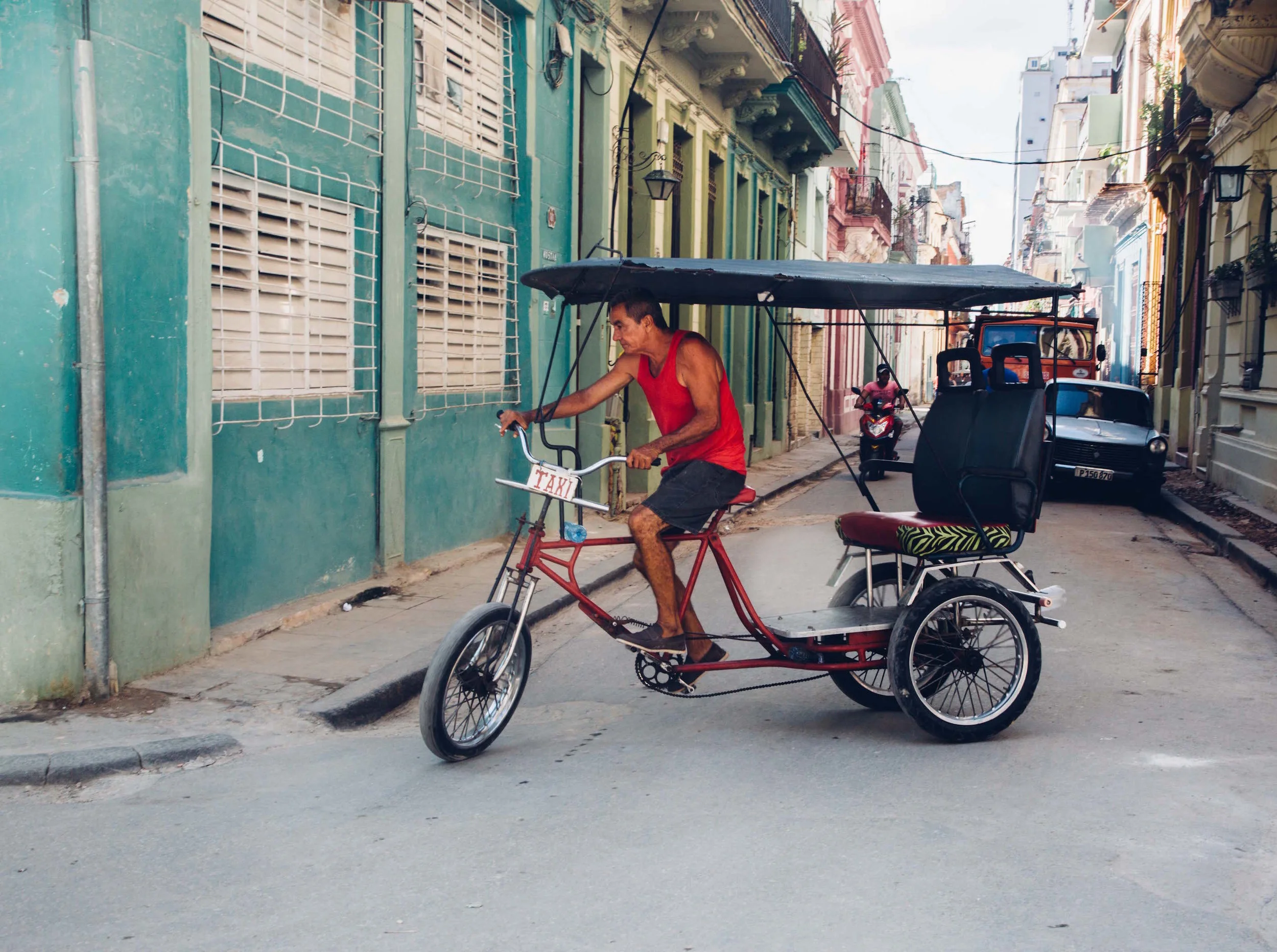
On Day 4 we checked out of our Hotel in one area of Old Havana to another. We got on a bike taxi and headed to our next home: a local Casa Particular, which means, “private house”. These homes are private family run establishments , similar to a B&B as we know it here in North America. We stayed on the top floor of a colonial style home. Our host was Ronaldo , an older man who lived in the house with his wife, nieces and nephews. They had four guest rooms in the front hallway and the back halfway, divided by the kitchen, was for him and his wife. The upstairs for the children. I was shocked at the size of the Casa. Each room also had their own washroom. Staying in a Casa was the best way to get to know more about the local way of life in Cuba. I left more connected to how they lived and wish we had stayed in a Casa from day one.
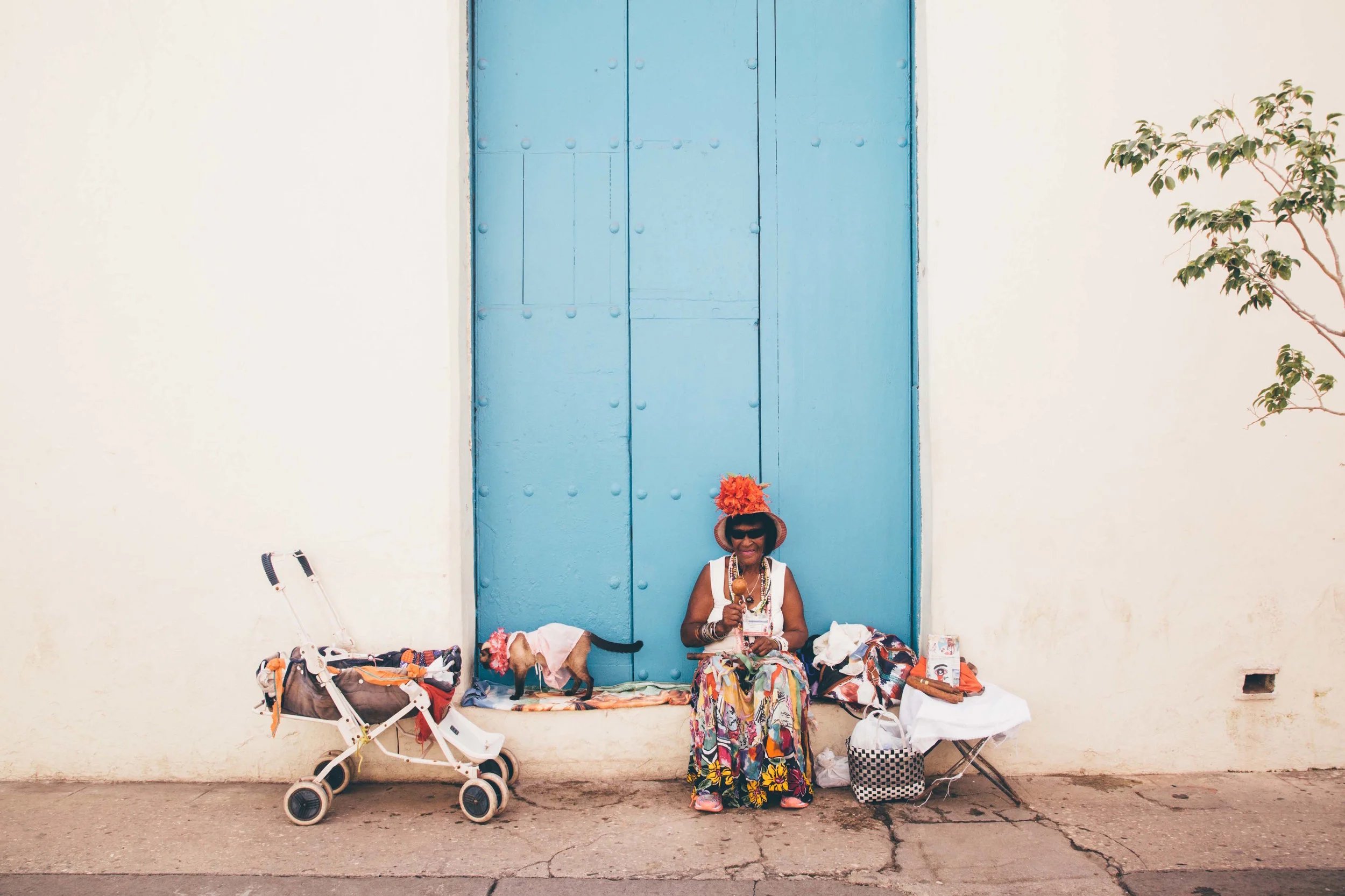
In Hindsight, our short week in Cuba wasn’t enough. On the last night we were tried and ready to go home after early mornings and full days of exploring. However, upon reliving my experiences through these images, I know that I have just scratched the surface of what this wonderful country has to offer. Many people head to Cuba and go straight to a cabana on the beach. I encourage you to explore the cities you travel to, get to know the local people and understand their culture. These cities and countries have so much to offer us intellectually and culturally.
Hasta pronto, Cuba!
THIS ARTICLE WAS ORIGINALLY PUBLISHED ON ROAM MAGAZINE.
JANA JACKSON
Jana Jackson is an emerging travel/documentary photographer, who photographs to chronicle people, places and culture through her visual story telling. Capturing the world in an authentic way that will overtime touch the lives of many.