Half of South Korean Elderly Are Living in Extreme Poverty

The pension retirees receive is only a quarter of the amount needed for single households, causing many elderly to return to work. 

Elderly South Korean woman. Mctrent. CC BY-NC 2.0

South Korea is known for high rise buildings, luxury skin care and high tech devices. Yet with all of these advances, it has the worst senior poverty rate among developed nations. The population has been struggling to stay off the streets with only 35% of seniors receiving a monthly pension. Fewer than half of seniors receive government assistance and it is only a quarter of the amount needed to cover basic necessities. 

The Confucian tradition of children taking care of their parents is fading in South Korea. In previous generations the elderly turned to their children for financial assistance, often living with their children until their passing. However, the Census has shown that one in three Korean seniors live alone today and six out of ten elderly are supporting themselves. It has become difficult for children to help aging parents due to the expensive cost of living and the high unemployment rate. The country’s legal retirement age is 60, but many employees at private companies are pressured to leave around age 50 due to scarce executive or high-ranking jobs. When they retire at such a young age, they realize their pensions or severance packages are far below the cost of living and that the social safety net is insufficient. They are forced to re-enter the working world, but often in positions that are temporary or day-to-day, offering very low pay.

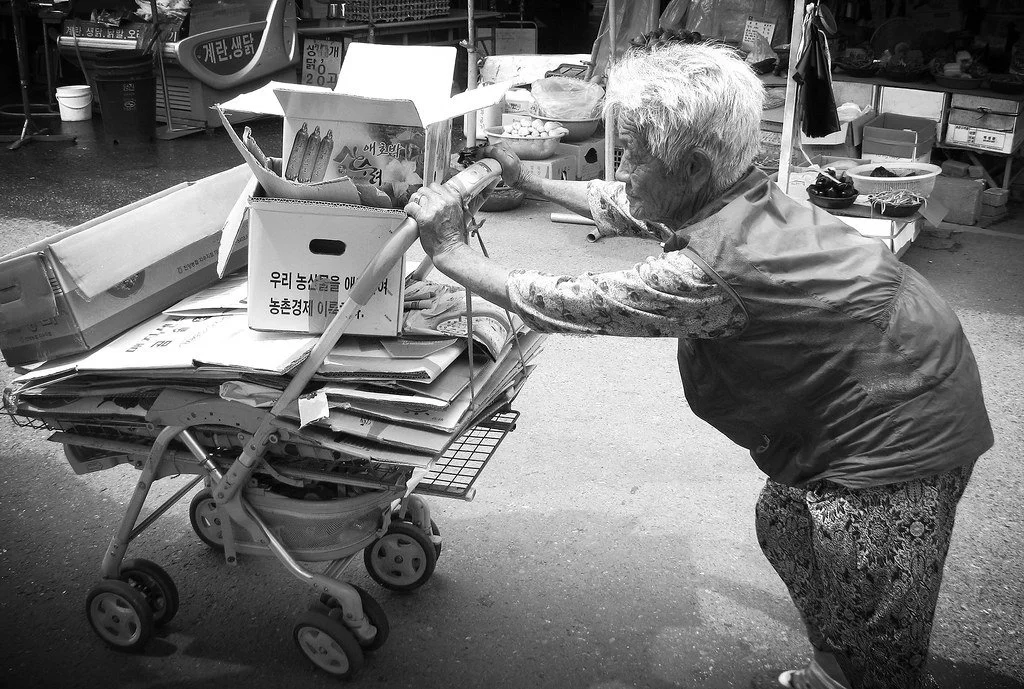
Retiree collecting cardboard boxes. Mariej55quebec. CC PDM 1.0

In order to make a living, many retirees collect anything that can be recycled and transported to the local junk yard using makeshift handcarts. Cardboard boxes are what they tend to collect most because they are the easiest to come across. Although prices vary, the average income per kilogram (2.2 lbs.) is 40 won ($0.33). On a 12 hour day, retirees earn about $6.68: a salary that’s far below the poverty line. South Korea is expected to become a “super-aged society” with more than 20% of its population aged 65 years and older by 2026. A fall in the fertility rate and rising longevity are the two fundamental contributors to the country’s growing ageing population. 

Pre-pandemic, soup kitchens were a social gathering place for many retirees. A popular one among the elderly was Angel Soup Kitchen. On average, they served more than 350 free meals three times a week: operating 26 centers across South Korea. Retirees would line up in the early hours of the day to guarantee a spot in line. It was a place where they could be among other seniors enjoying a meal. However, with the pandemic and the elderly being the most vulnerable, Angel Soup Kitchen closed and now distributes take home meals. With so many soup kitchens closing, Warm Chaeumteo was one of the few that remained open. They provide three meals a day, seven days a week. Due to the temporary closure of other soup kitchens, the center is getting approximately 100 more visitors a day, compared with the normal turnout before the outbreak. They receive just under 1,000 people per day. It is becoming harder to keep soup kitchens open with the decline in volunteers, many deciding they want to avoid face to face interactions.

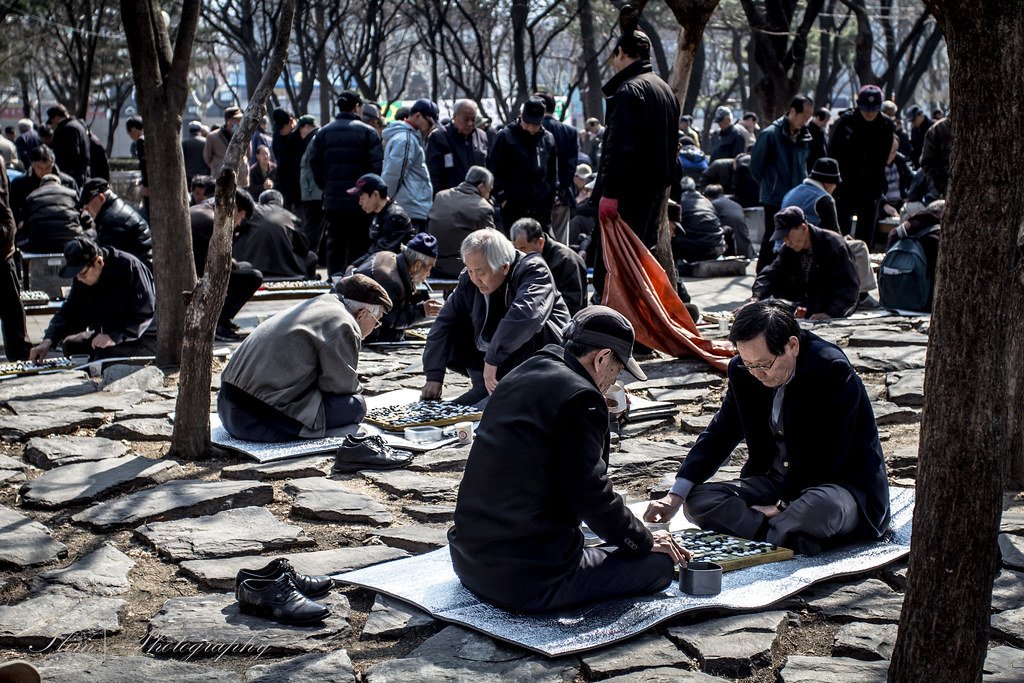
Senior Koreans Playing Chess at a Park. Terence. CC BY-ND 2.0

The mental health of retirees has seen a spike in recent years. The disruption of the traditional family unit is a large reason why. Children often lose contact with their parents, leaving the retired elderly to feel lonely and isolated. A long term effect of these feelings will trigger depression, anxiety and loneliness. To socialize, retirees frequent parks and public areas, but with the restrictions of the pandemic, most areas are now closed. This forces the elderly into further isolation and a toll on their mental health. Health Insurance Review and Assessment Service reported that about 40% of the 684,000 Koreans diagnosed with severe depression were over age 60. With an aging population that will only continue to grow, countries with large elderly populations are facing an unprecedented issue: how to properly care for a large influx of elderly people, while still moving towards the future. Living longer is usually associated as being a hallmark of success, but current societal structures in many countries are not equipped to provide the social services needed. 

As South Korea and the globe try to figure out how to care for this large wave of retirees living longer, there are startups like EverYoung. A company that only hires employees aged 55 and older. Employees monitor blog content and detect sensitive information, as well as perform other IT tasks. There are 420 seniors from a variety of career backgrounds employed. Moreover, a mandated 10-minute break for every 50 minutes of work, and staff are rostered on four-hour shifts. Manager Kim Seong-Kyu told ChannelNews Asia that older employees have detail-oriented skills not common in the younger workforce, with distracting cell phones stored away during work time. Kyu said, “they are full of passion. The time that they have, and their interest in this work, are primarily why they come to work”.

To Get Involved:

The Korea Legacy Committee and Asian Boss have partnered to provide free meals every Sunday for the South Korean elderly. They aim to become a safe haven for impoverished seniors and expand the meal program around the country.  

To learn more about Korea Legacy Comittee click here.

To support the South Korean elderly during the pandemic click here.


Jennifer Sung

Jennifer is a Communications Studies graduate based in Los Angeles. She grew up traveling with her dad and that is where her love for travel stems from. You can find her serving the community at her church, Fearless LA or planning her next trip overseas. She hopes to be involved in international humanitarian work one day.

How to Be a Global Citizen

From reading about the world and taking political action to volunteering effectively and traveling sustainably, here is a step by step guide to be a global citizen. Wherever you live, your home extends beyond national borders and here are some ways to acknowledge that. Check out these 7 steps on this path.

Read More

Saving More Elephants with Honey than with Vinegar

The vast majority of people around the world have only seen African elephants from a television screen, from behind fences in zoos, or- if they’re lucky- from a safe seat in a safari car as it bounces past the grazing giants of the Serengeti. From those vantage points, it’s impossible to look at the massive bodies, dexterous trunks, and intelligent eyes of the elephant and not feel a keen sense of wonder and awe. Elephants are some of those ‘charismatic megafauna’ that capture the hearts of people worldwide, making conservation efforts seem like a no-brainer. Who wouldn’t want to protect and save these wise, complicated, prehistoric-seeming creatures?

The people who share a homeland with elephants might be in that category. 

Elephants are herbivores, and must eat almost constantly to maintain enough calories to support their gargantuan bodies- individual adults can consume between 200 and 600 pounds of food per day. Traveling in family groups that can consist of 10-20 elephants or more, that’s an incredible amount of vegetation needed to sustain a herd. 

In addition to the grasses, roots, fruit, and bark found in the wild, elephants have quickly learned that their human neighbors can provide a tasty supplement to their diet- fields of carefully tended yams, cassava, corn, plantains, and grains. A herd of elephants can destroy a subsistence farmer’s means of food and income for the whole year in just a single night.

These episodes of crop raiding have created dangerous situations for people living in sub-Saharan Africa. Desperate to protect their livelihood, farmers may try to stay awake all night, ready to yell and bang pots in an effort to frighten away any pachyderm pilferers. However, elephants are not so easily startled by humans, and have been known to attack and kill would-be crop defenders. In anger and frustration, a group of villagers may then retaliate and try to kill the next group of elephants they see. These was creating a vicious cycle of animosity on both sides; elephants are intelligent creatures, and once they began associating humans with pain and disruption, there was evidence that they became more violent to humans in future encounters.

The heightened tensions were disastrous for both humans and elephants, and a solution was desperately needed to protect both vulnerable groups.

There had been local rumors buzzing around for a while that claimed elephants were afraid of bees, but it wasn’t until researchers Fritz Vollrath, Dr. Iain Douglas-Hamilton, and Dr. Lucy King investigated that those results were confirmed to the rest of the world. When confronted with the sound of bees buzzing, the elephants would immediately retreat and send out a rumbling call that would warn other elephants of danger in the area. Additionally, the elephants would begin shaking their heads and dusting themselves, suggesting that their skin was sensitive to bee stings and that they knew to associate the sound with potential pain.  

Armed with this knowledge, researchers, nonprofits, and government groups set out to make affordable beehive fences that could protect precious crops from marauding elephants and protect elephants from learning dangerous behaviors that would bring them into conflicts with humans. 

In the last few years, as the success of the beehive fences has been proven time and again, they are gaining in popularity throughout Africa. The fences are genius in their simplicity; a hanging box hive is hung from a fence every ten meters, all connected by wire. This way, if an elephant brushes against the fence or wire, the hives will swing and rock and the bees will swarm out to get away from the disturbance. Nearly 100% of the time, the elephant will turn tail and run, warning its family members to stay away. Thanks to their famous memories, the elephants won’t soon forget that lesson.

Not only do the fences allow farmers to harvest their full crop without any losses to elephants, but the honey produced in the hives has also found a niche market. “Elephant-Friendly Honey,” as it’s called, has been a huge hit with globally conscious consumers who increasingly want to know that the products they are buying support a good cause. 

African elephant populations have slowly been increasing since the poaching crisis that decimated their numbers in the 1970’s and 1980’s. While the rest of the world celebrated that fact, many African people living in close proximity to elephants couldn’t see why people around the world were so eager to save the creatures that were plaguing their lives and livelihoods. Now, thanks to an increased effort to help protect people along with ivory-tipped neighbors, more and more people are able to view their globally treasured wildlife with a sense of pride instead of fear. 


Katharine Rose Feildling

Katharine Rose was born in Maryland and is currently working for the Condor Recovery Project in California. She studied wildlife management in East Africa, and gained a deep passion for wildlife conservation, social activism, and travel while there. Since then, she has traveled and worked throughout the United States, South America, and Asia, and hopes to continue learning about global conservation and inspiring others to do the same. 

THE HIJRA — INDIA'S THIRD GENDER

While Western countries move to embrace the LGBTQ+ community, people of non-binary gender in India have played an important role in the society’s history and culture for over 4000 years.

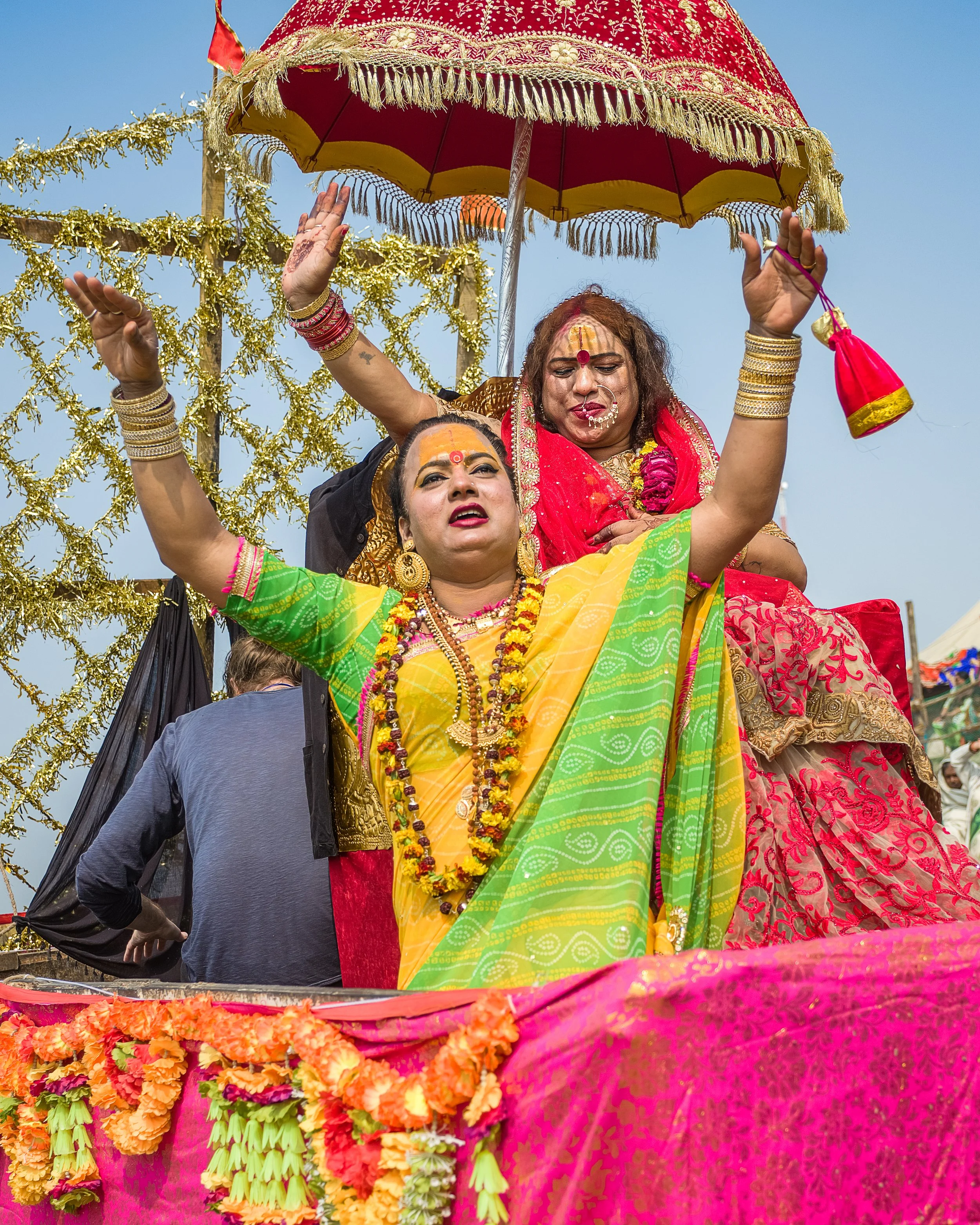
Evidence of sexual ambivalence has been a recurring theme in ancient holy texts in which Hindu deities often change genders. In various Hindu scriptures, Hijras are seen as demi-gods who have historically played important roles as entrusted advisors to rulers. Hijras are born male but look and dress as female — many will undergo castration and offer their male genitalia to the Hindu goddess Bahuchara Mata. Bahuchara Mata is a pivotal deity who enjoys the patronage of the transgender community in India.

Life as a Hijra, or Kinnar (mythological beings that excel at song and dance) as they prefer to call themselves, is often a difficult one because while someone they may be revered they can also be disdained. Often cast out by their families they become open to exploitation, forces sex work and dangerous castrations. Community networks help to overcome this alienation by forming “houses” or “families” led by a Guru/teacher in order to support themselves by dancing and performing rituals. The connection to male/female characters in holy texts leads many to believe that the Hijra possess special powers and they earn a living by attending weddings and birth ceremonies to dance and offer blessings. To many Hindus, a Hijra’s blessing will mean long life and prosperity for the child. After a marriage ceremony the couple will receive a fertility blessing. It’s believed that the Hijra’s act of sacrificing their ability to procreate to the goddess Bahuchara Mata gives them their incredible religious power. 

During the British colonization of India, the fluidity of gender was repressed, transgender practices were outlawed, and they were forced underground. In recent years, the Hijra have regained some of the rights and freedoms that were formerly denied. In 2014 the Supreme Court acknowledged that third gender people are deserving of rights equal to other citizens. They are slowly assimilating into the fabric of Indian society and are now recognised as a third gender on passports and other official documents. 

Additionally, there have been several events in the recent past which indicate a move to more inclusive sexual variance in society. In 2019 The Hijra were invited to take part in the Kumbh Mela in Prayagraj, one of the largest holy bathing festivals in India. They were led by Laxmi Narayan Tripathi, a well-known Bollywood actress and activist for transgender rights in India. When invited to speak at the Asia Pacific UN Assembly in 2008, she spoke of the plight of sexual minorities claiming that transgender people should be respected as humans and given equal rights. After centuries of ostracism, the Hijra community’s fight to be accepted by the Hindu establishment is slowly reaching fruition.


Carol Foote

Carol is based in Queensland Australia and has always been drawn to street photography, searching out the most colourful and quirky characters in her own environment. After studying documentary photography at college, she travelled to Yunnan, China to photograph the wide diversity of ethnic minorities in the region. However, over the past five years, her focus has shifted to Tibet, Nepal and India. As someone who has always been drawn to unique and different cultures, the regions rich heritage and local traditions make it a haven for her style of photography.

Follow Carol on social media @carolfoote_photographer

Child Slavery in Ghana

When Elizabeth Tulsky participated in NYU’s study abroad program in Ghana, she also independently volunteered with City of Refuge, a local organization that uses education as a tool to combat child slavery. She said of her experience that it had “a tremendous impact on my life and what I want to do in the future.”

In Ghana, children are often enslaved, maltreated and many mothers struggle to see their children as more than a financial burden. While there are no statistics on the actual number of children trafficked, estimates are in the thousands. What is known is that 25% of Ghanaian children ages 5-14 years are involved in child labor. Child labor and human trafficking are both against the law in Ghana, however, laws are not enforced.

City of Refuge fights against child slavery by educating small villages about the harms of keeping children out of school and depriving them of a childhood. The organization is founded on the belief that if they can empower single mothers educationally and economically then they will no longer be vulnerable to selling their children as slaves.

Can you tell me a bit about City of Refuge and the work they do?

City of Refuge workers enter villages and open discussions with the chiefs in a respectful manner and work to free children who are in dangerous and/or miserable conditions and separated from their families. On a daily basis, City of Refuge provides home, happiness, and sanctuary to many rescued children. Furthermore, City of Refuge runs the only public school in the city, Doryumu. The organization works at the root of the problem, beginning with single mothers. Many children end up in slavery because mothers simply have absolutely no means of supporting themselves, much less their young children. Selling them, as hard as it may be to believe, truly seems like the only option for many women. Thus, City of Refuge works with single mothers to find alternative solutions to make ends meet, and have started two local businesses to be run by single mothers to increase opportunities for mothers and in turn, reduce the number of children sold into horrific situations.

How were you involved with the organization?

I worked in the small school where the children living with the City of Refuge family were educated and spent my evenings at the home playing with children and helping them with their homework. I also spent time shadowing the founders and through this I learned much about the process.

What do you know about child slavery in Ghana?

Children are targeted as slaves for fishermen for several reasons. First, children are easy to acquire as so many parents are impoverished and feel financially helpless. Second, children’s small hands are ideal for making and untangling fishing nets. When the nets get trapped in trees in the lake, children are sent in the water to untangle them. Unfortunately, this means many of the child slaves are incredibly susceptible to water-borne disease and illness and sadly, some do not know how to swim and may drown in the water. Children who are enslaved receive no form of education or care and spend up to eighteen hours a day working on the lake. They are often fed no more than one meal a day, which frequently consists of just gari, a food made from cassava, soaked in the lake water.

Any advice for travelers going to Ghana?

This is probably true for every country, but just approach everything with an open mind, try new things, immerse yourself in the culture as much as possible.

How can readers help the victims of Child Slavery in Ghana?

Check out City of Refuge for more information.

Other organizations doing good work include Youth Generation Against Poverty (YGAP), an organization that inspires volunteers through creative fundraising opportunities. They have created several projects partnered with City of Refuge.


Elizabeth Tulsky

Elizabeth studied social work at NYU and has experience working with trauma, grief, family issues, depression, anxiety, ADHD, and general life transitions. She hopes to use her work to create culturally responsive, affirming and inclusive healing spaces while promoting the use of person-centered, strengths-based, trauma-informed, anti-racist and social-justice frameworks.

10 Miles From Their Past: Za’atari Syrian Refugee Camp in Jordan

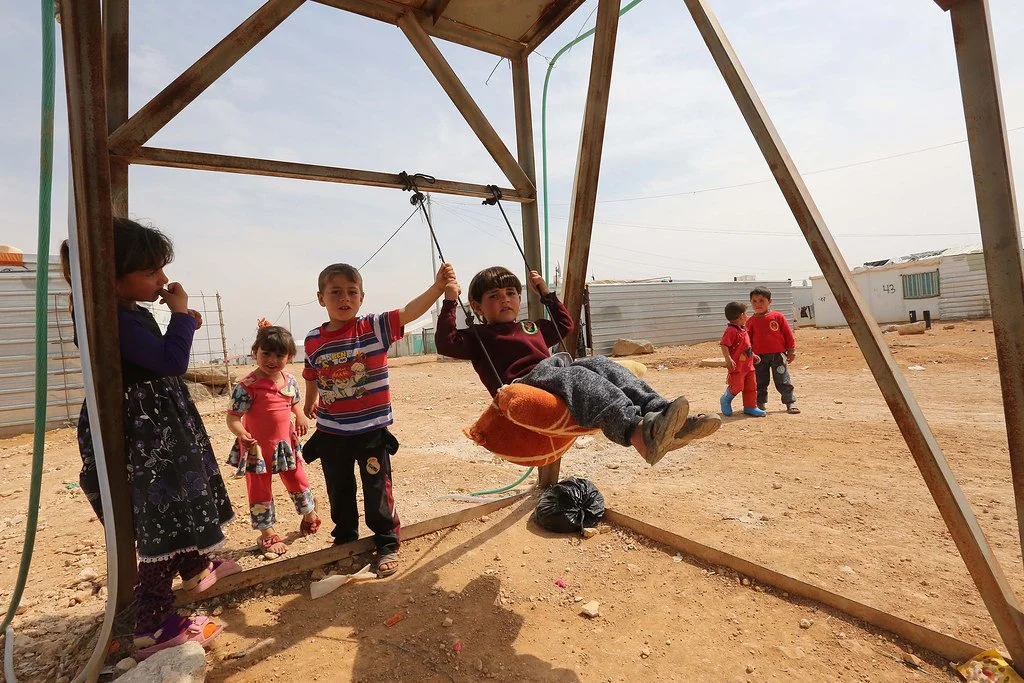
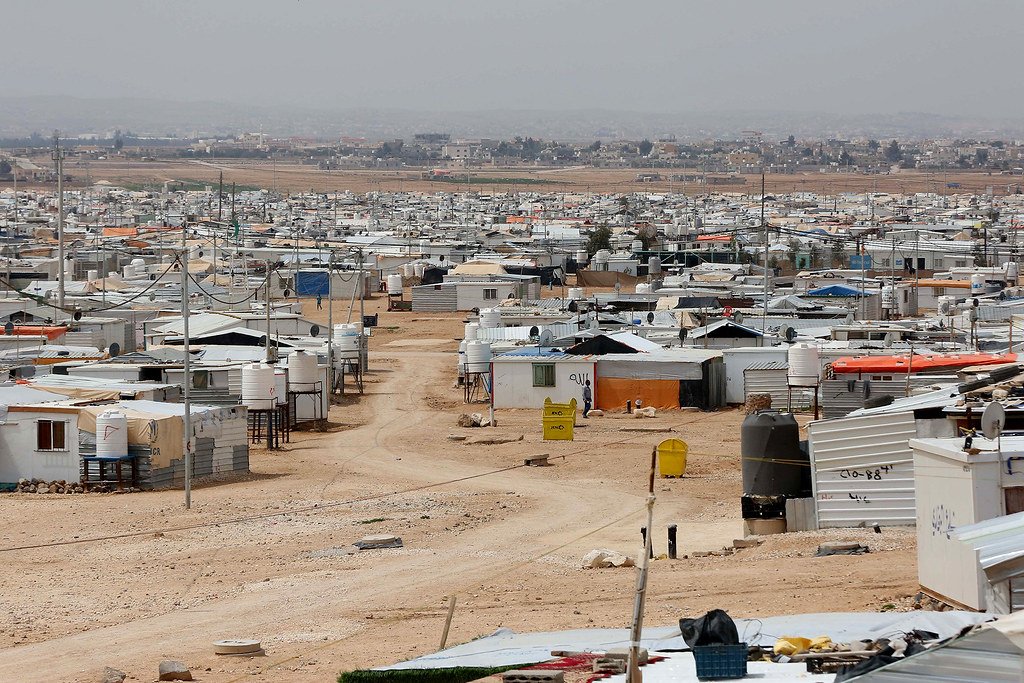
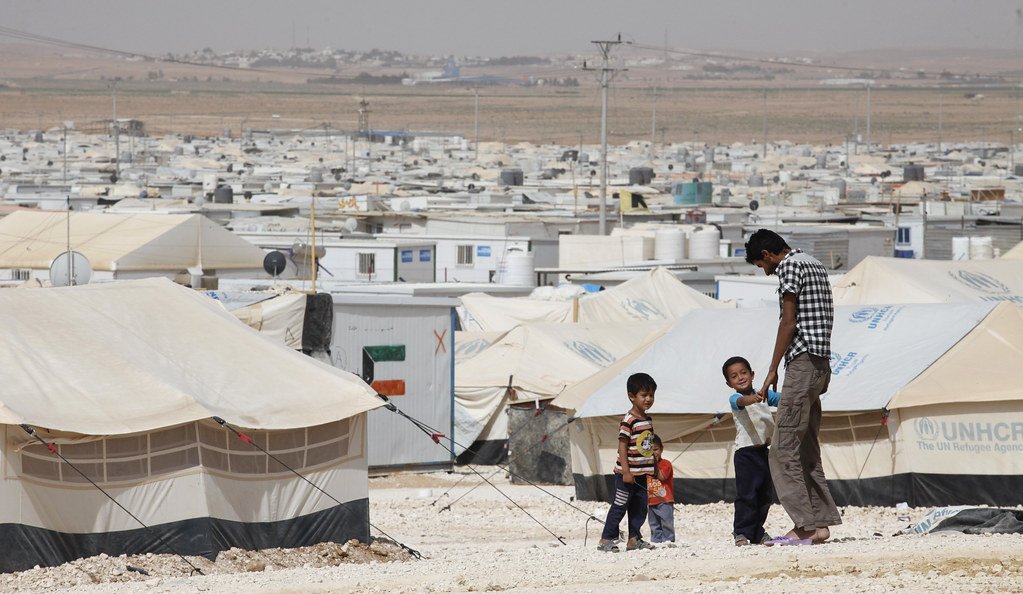
Jordan opened the Za'atari refugee camp in 2012, which has now gradually turned into a permanent settlement. Za’atari is home to an estimated 80,000 refugees, more than half of which are children. 

Less than 10 miles from the Syrian border sits the Za’atari refugee camp in Jordan’s desert. A camp that began as a collection of tents has now become an urban settlement with thousands of portacabins. At its peak, Za’atari hosted 150,000 refugees, today the camp hosts 80,000. For many it’s the closest thing to home, however many still struggle to find work to make a steady income. 

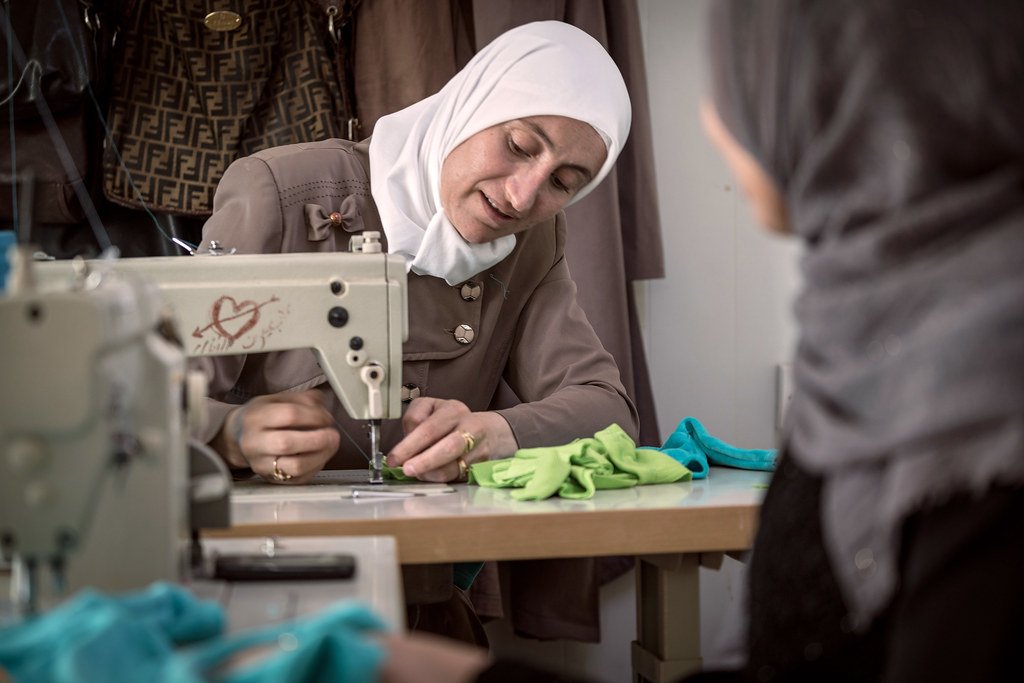
Syrian Refugee Learning To Sew. UN Women Gallery. CC BY-NC-ND 2.0

The Za’atari refugee camp has all of the components that make up a city, including 32 schools, 58 community centers and eight medical clinics.  Despite all of this aid, there are still insufficient resources for the influx of refugees housed there. Less than a fifth of the population has current work permits. Many men work illegally to support their families. Many women are excluded from employment and have to fight against social norms that call for them to stay home. However, the camp has provided classes geared towards women to teach them basic skills to help them earn an income. The benefits of these classes is to restore routine in their lives, fight off cultural norms and aid in their mental healing. It also helps them regain purpose and become self-sufficient. 

Children make up 58% of the population in Za’atari and an estimated 22,000 children are enrolled in school. They attend makeshift classes, but organizations are calling for an increase in financial aid. There is a need for more trained teachers and improved safety measures to facilitate the children’s access to class. Many girls face harassment and abuse as they walk to classes or as they walk back home. In addition, there’s a lack of resources for the children that need extra support in learning the material. The civil war has impacted where the children stand against their global peers in regards to education. Half of Syrian middle school-aged children are unable to read at a second-grade level and an average of 59% of middle school students could not do a second-grade math problem. In addition, only 1% of youth pursue higher education due to difficulty in obtaining transcripts, unfamiliar entrance exams, a language barrier and lack of funds. 

The trauma experienced by both adults and children from the war and subsequently the resettlement process into another country, has led to a serious impact on the mental health of refugees. More than three-quarters of Syrian refugees have mental health symptoms. The violence, killings of loved ones and peers, destruction and frequent fear for their lives has caused PTSD, depression and anxiety, as well as intellectual and cognitive difficulties. To escalate the situation, there’s a stigma towards individuals with mental illness in Middle Eastern countries. Therefore, not many express the difficulties they face and the trauma they have experienced. The Za’atari camp offers mental health aid to the individuals and guides them towards healing so they are able to lead productive and mentally stable lives in the future. 

The cost of keeping the 530-hectare camp operating every single day costs $500,000. Each person in the family (regardless of age) receives JOD 23 ($32) a month to cover food expenses. The money can be used in the two contracted supermarkets (Safeway and Tazweed) located in the camp or the four bread selling points. This allows the camp refugees to choose from a variety of produce to feed their families, bringing a sense of normalcy. Moreover, each family also receives 35 liters of water a day used for cleaning, drinking, eating and flushing the toilet. The water is filtered and chlorinated to meet the standards of tap water across Jordan. Water is brought in by dozens of tanker trucks or pumped from desert boreholes that directly feed water to the porta cabins. Electricity is provided through the solar power plant in Za’atari and has eased families' living conditions in the camp. It has improved their safety and security while facilitating food storage and allowing children longer hours to do their homework. The plant has helped save $5 million per year in electricity bills. 

The Za’atari camp is a safe place where many aid workers and volunteers live. However, many forms of crime still exist: theft, violence, smuggling. Crime erupts as people are frustrated with their living situation and the limited resources available to them. There is little formal employment available within the camp. This results in refugees selling personal items, supplies received from organizations  and, at times, prostitution. A young refugee girl said that she sells her body to support her family back home during the war. She makes, on average, $70 a day and although she fears persecution by Jordanian authorities, she explains that it’s her only way to help her family. Prostitution in Jordan is illegal and punishable. If foreign women and men are found guilty, they can be deported. Desperate families will at times sell their young daughters and forcefully marry them to men in the refugee camp.
The camp will continue to host and support refugees through education, livelihood opportunities and work permits. This will alleviate the trauma and circumstances lived by many Syrians. The Za’atari leaders hope to return a sense of dignity to the refugees and bring opportunity to the camp inhabitants with the resources provided. 

To Get Involved

UNHCR helps provide aid to Syrian refugees who have fled. They provide shelter kits and non-food items as well as protection services and psychosocial support to those who remain in Syria. 

To learn more about UNHCR click here.

To support the Syrian refugees through UNHCR click here.


Jennifer Sung

Jennifer is a Communications Studies graduate based in Los Angeles. She grew up traveling with her dad and that is where her love for travel stems from. You can find her serving the community at her church, Fearless LA or planning her next trip overseas. She hopes to be involved in international humanitarian work one day.

Living in Fear of Persecution as an Albino in Africa

There are many challenges for the Albino Community in Africa including discrimination, social exclusion and neglect.

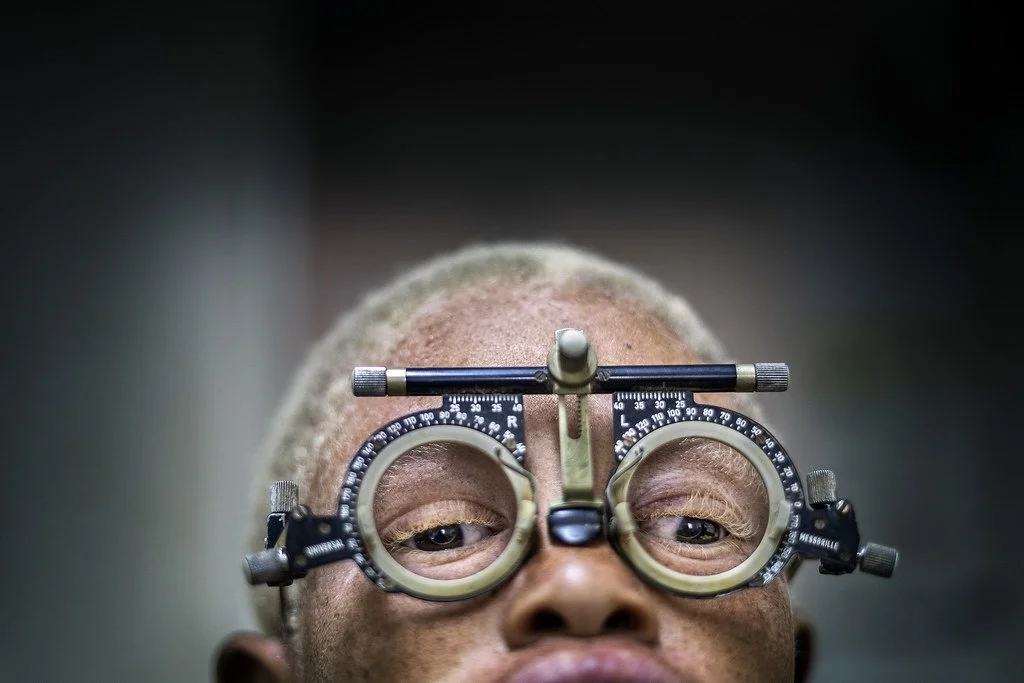
Albino Child Getting His Vision Checked. IAPB/VISION 2020. CC BY-NC-SA 2.0

Albinism is a genetic disorder resulting in decreased production of a pigment called melanin. It affects the skin, hair and eyes, resulting in light color or no color. One in 1000 Africans have albinism, while in the United States it affects one in 20,000 Americans. People with this genetic disorder have been discriminated against and persecuted in Africa. Children with albinism are sought after for their limbs because witch doctors believe their bodies harness magical powers. Due to the extreme measures witch doctors use to attain children and adults, people with the genetic disorder (albinism) are sent to protection centers

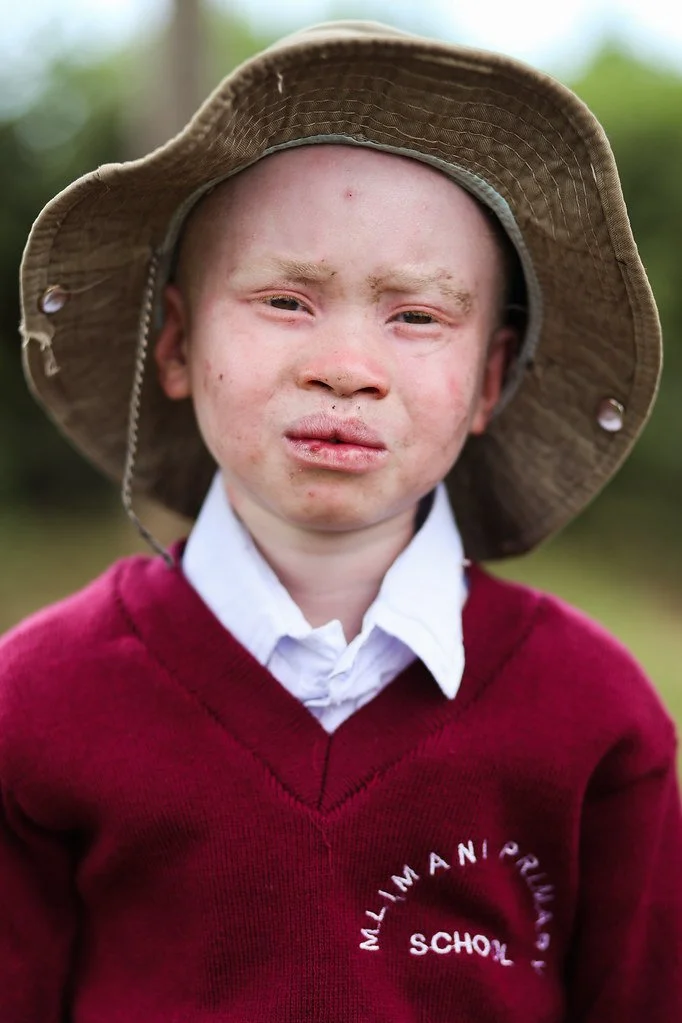
School Boy with Albinism. ViktorDobai. CC BY-NC 2.0

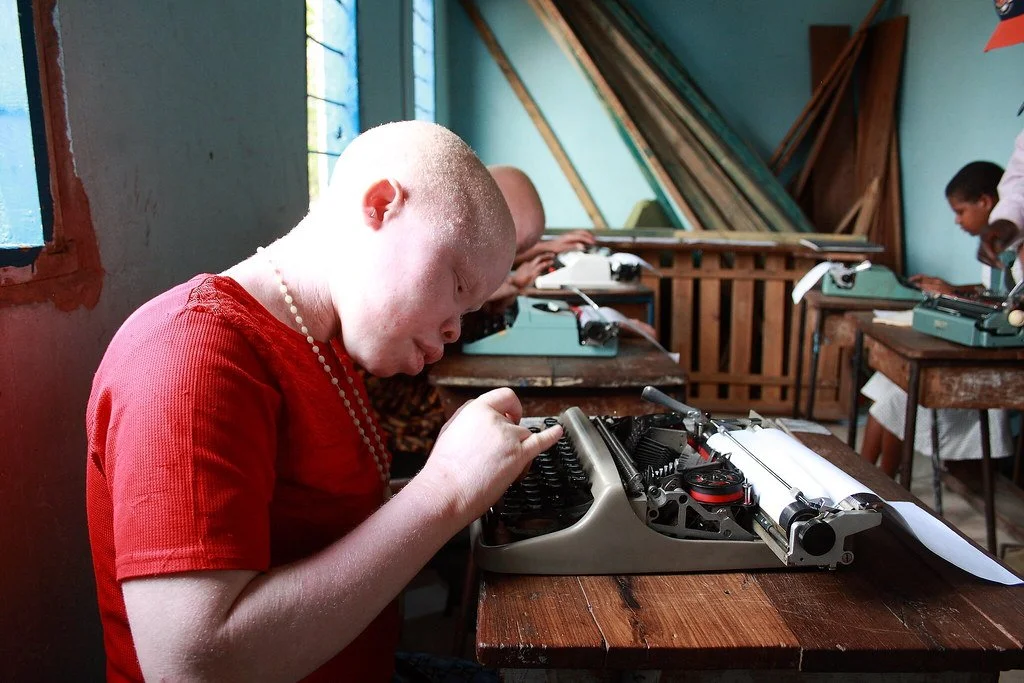
More than half of the African population believe in witchcraft. Families with children or members who have albinism are oftentimes frowned upon and members of the community believe that albinism is a result of being cursed. Many women are rejected by their partners after giving birth, husbands believing their wives had affairs with white men. Oftentimes, families don’t want to be associated with those superstitions and abandon their children. The rejection continues in school. Children face teasing and discrimination by their peers, and this affects the development of positive self identity. Research has shown that teachers and school administrators lack the specific educational needs and resources for children with albinism. The absence of support and care, drives up rates of truancy among these children. Adults face descrimination as well, especially for individuals living in rural areas where superstitions are heightened. Due to poverty and the need for education, many with the genetic disorder are illiterate and are forced into menial jobs, exposing them to the sun and skin cancer. Those who manage to finish school face discrimination in the work place and are rarely considered for promotions.

Teenage Girl Learning to Type. Alex Wynter. CC BY-NC-SA 2.0

Albino children and adults live in constant fear of being assaulted,  kidnapped, murdered or having their limbs cut off. Witch doctors are common in Africa and believe that albino limbs mixed with magical potions are powerful. This belief is prevalent among many rural communities, even in politicians looking to win prospective elections. Witch doctors convince clients that bones and other organs of people with albinism will bring wealth, success and love to their lives. With this belief, clients pay up to $75,000 USD for an albino corpse while limbs can sell for $2,000 USD. For albino women, rape is prevelant. Women and girls are assaulted in the belief that intercourse with them can cure diseases, including AIDS. 

As a result of these attacks, protection centers and boarding schools have been created for the safety of albino children. For example, the Buhangija Centre in Shinyanga, Tanzania. The center houses more than 300 children and protects them with guards who stand in front of the gates 24 hours a day. Only families and people who have been given government authority can enter the premises. The school provides an education, dormitory and meals free of charge. Although they provide safety and isolation for the children, the school headmaster Silliman Shabali Cabanya acknowledges this is not a long term solution. He believes society needs to be accepting and allow people with albinism to lead normal lives alongside other members of the community. He says, “keeping them hidden behind high walls and barbed wire is damaging for their development and long term psychological health.”  

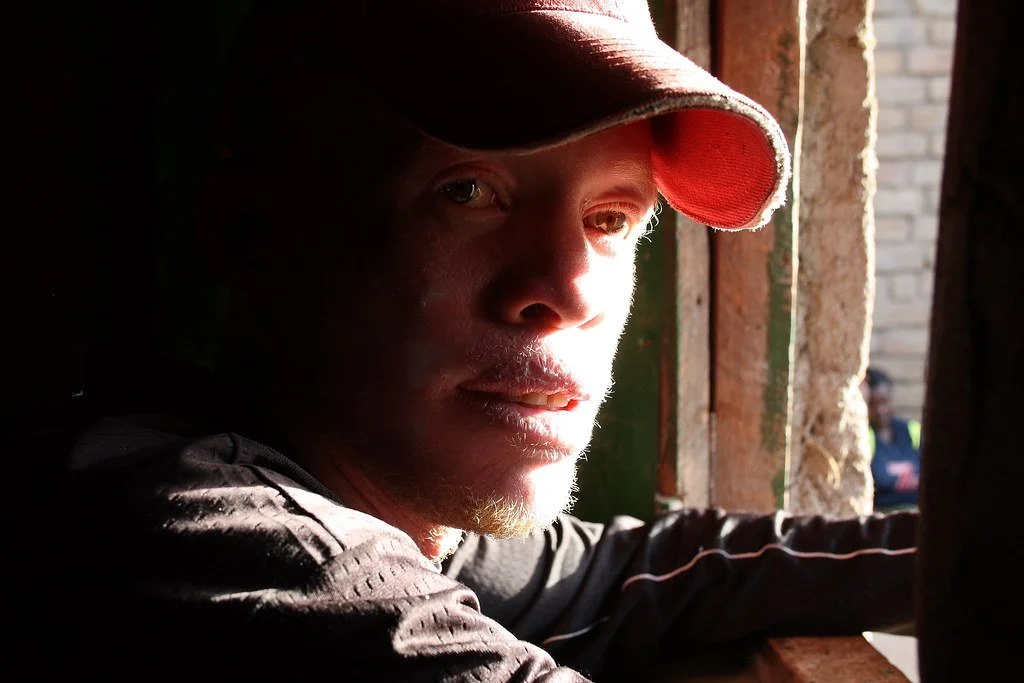
Young Man Protecting Himself From The Sun. Alex Wynter. CC BY-NC-SA 2.0

Lack of resources are the driving force in the preventable deaths witnessed yearly. Nine out of 10 people with albinism die between the ages of 30-40 due to skin cancer and the absence of sunscreen, hats, sunglasses and eyeglasses. The sun is extremely harmful to their skin and many don’t wear sunscreen because of its high cost. A sunscreen bottle can cost $14 - $19 USD depending on the African nation, about a sixth of the average monthly income in Senegal. In Zambia, medicine can be imported without being taxed, but sunscreen is considered a luxury cosmetic. It remains expensive and subject to tax, says John Chiti, executive director of the Albino Foundation of Zambia. There are some people, like 13 year old Chisha, who didn’t know what sunscreen was until he was admitted to the hospital for skin cancer. Currently, there is no policy that urges the government to produce or distribute sunscreen to people living with albinism. For those who can’t afford it, current solutions include wearing long sleeve shirts and trying to stay indoors as much as possible. 

With so many attacks and discrimination taking place against the albino community in Africa, a significant milestone took place last month. Malawi Parliament welcomed the country’s first albino lawmaker, Overstone Kondowe, telling the press, “the victory is a clear demonstration that people are changing their attitudes.” Kondowe will be the first lawmaker to fund a national action plan on albinism. 

To Get Involved: 

Beyond Suncare is an organization that creates sunscreen for the albino community in Africa and distributes it to rural areas. They help educate and bring awareness to this genetic condition while employing 30 percent of local staff with albinism. To learn more about Beyond Suncare click here.

To support the albino community in Africa click here


Jennifer Sung

Jennifer is a Communications Studies graduate based in Los Angeles. She grew up traveling with her dad and that is where her love for travel stems from. You can find her serving the community at her church, Fearless LA or planning her next trip overseas. She hopes to be involved in international humanitarian work one day.

Child Marriage Remains a Global Issue

A bill to ban child marriage and close loopholes in legislation recently received bipartisan support in the house of commons for England and Wales. 

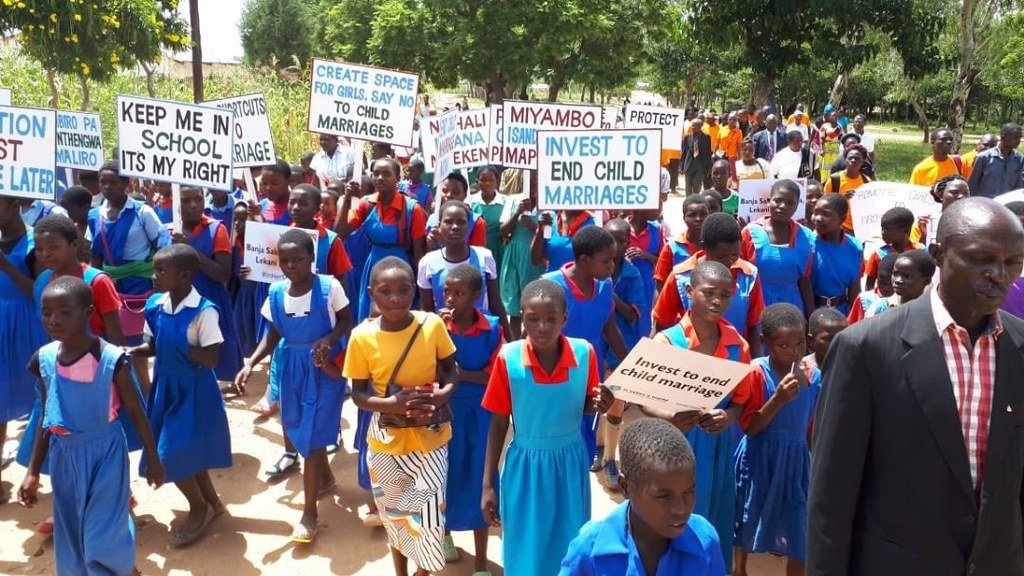
Ending Child Marriage Campaign. Abel Mphepo,Kalu Institute. CC BY-NC-ND 2.0

Currently, 16 and 17 year olds can marry in England and Wales with the consent of a guardian. A recent bill introduced by Conservative MP Pauline Latham will end exceptions in the current legislation which allows marriages under 18 to occur. If passed, the bill will also criminalize underage marriages or religious marriages of minors. By criminalizing all child marriage, the bill will also help activists and victims alike by relieving pressure on victims to prove the marriage was forced.

Aneeta Prem, Founder and President of Freedom charity, addresses attendees at the Girl Summit to discuss efforts to end Female Genital Mutilation (FGM) and Child, Early and Forced Marriage (CEFM). DFID - UK Department for International Development. CC BY-NC 2.0

Child marriage is a global issue. 21% of young women globally are married before their eighteenth birthday, and 12 million girls under 18 are married each year. Child marriage is widely regarded by activists as a violation of human rights and it puts children in significant danger. Child marriage occurs for several reasons, including poverty and societal norms. While child marriage is most common with girls, children regardless of gender are forced into marriages before adulthood. The effects of child marriage on young girls have shown that the children are at risk of early pregnancy, lack of education and domestic violence. Additionally, girls who do not receive education are more vulnerable to child marriage. Often when female children are forced to be wives, they are expected to take on domestic duties, and education no longer becomes a priority. Early pregnancies are also a significant risk to young girls, with complications from childbirth being the leading cause of death for girls aged 15-19 globally. Additionally, the children born from a child marriage are 60% more likely to die within the first year than those born to a mother over 19.

Child marriage is most prominent in sub-Saharan Africa and South Asia, but it is a global issue present in western countries as well. There are loopholes where children under 18 can enter into marriage in 44 US states. Many countries in Europe have similar laws, allowing child marriage to occur in Austria, Belgium, Italy and Spain. Several countries in Europe have taken similar action to the bill presented in the United Kingdom, completely outlawing child marriage without exception. Germany, Norway and Denmark are some of the countries that have completely banned any child marriage. According to Pew Research, 153 of 198 countries require people to be legal adults to marry. Although a large majority of countries have legislation that requires adulthood for marriage, the same countries often have exceptions, allowing child marriage to remain prevalent globally.


Dana Flynn

Dana is a recent graduate from Tufts University with a degree in English. While at Tufts she enjoyed working on a campus literary magazine and reading as much as possible. Originally from the Pacific Northwest, she loves to explore and learn new things.

Mass Detention of Civilians In Ethiopia

The Ethiopian government declared a state of emergency, resulting in the detention of civilians on suspicion of cooperating with rebel terrorists.

Addis Ababa, capital of Ethiopia. DFID - UK Department for International Development  CC BY 2.0

Ethiopia has been in the throes of a civil war. The federal government, headed by Prime Minister Abiy Ahmed, has been fighting against Tigrayan rebels in the northwest region of the country. Recently, it appears Tigray fighters are at an advantage as they push south towards the nation’s capital. In response, the government declared a state of emergency Nov. 2 and began to roundup civilians of Tigrayian descent. Civilians with no connection to the rebels are being detained, forced from their homes, plucked off the street or at work. The United Nations stated that more than 1,000 people have been detained since the government declared the state of emergency. Additionally, they reported that 70 drivers contracted by the United Nations and agencies to deliver aid to the country have been detained by officials as well. Along with the detained drivers, 16 employees of the United Nations were detained following the state of emergency. These employees were present because the Tigray region is in desperate need of aid after airstrikes fell on the region in mid-October. The dire situation in Tigray has been labeled an ongoing humanitarian crisis. 

The civil war broke out after tensions between the Tigray’s People Liberation Front political party and the federal government came to a point. The party previously held control of the Ethiopian government for decades, until Prime Minister Abiy Ahmed took office in 2018. In 2020, the T.P.L.F attacked a military base in the Tigray region, prompting the Prime Minister to order a military offensive in response. In June, the Ethiopian military was forced to withdraw from the Tigray region, marking a major defeat and subsequent turning point of the conflict. 

In July 2021, the United Nations requested access to the region because an estimated 400,000 people were experiencing famine, with another 1.8 million at risk. Additionally, 1.7 million people have been internally displaced while thousands of others have fled the country.

The state of emergency declared on Nov. 2 allows officials to search anyone’s home and arrest without a warrant solely based on suspicion of association with rebel groups. The recent arrests have included other ethnicities, but the majority of detentions have been people of Tigrayan descent. Along with the large-scale detentions, public figures allied with the government have taken to social media inciting hate speech against ethnic Tigrayans. The head of the Ethiopian government communication office stated that the detentions were not ethnically motivated, but the United Nations High Commissioner of Human Rights expressed concern at the broad terms of the recent state of emergency.


Dana Flynn

Dana is a recent graduate from Tufts University with a degree in English. While at Tufts she enjoyed working on a campus literary magazine and reading as much as possible. Originally from the Pacific Northwest, she loves to explore and learn new things.

The CATALYST Giving Guide: 11 Nonprofits Working to Change the World

This holiday season, give the gift of support to nonprofit organizations operating across the globe. Through your donation, you have the ability of giving literacy to children, gender-equal education to girls, protection for displaced people and more. 

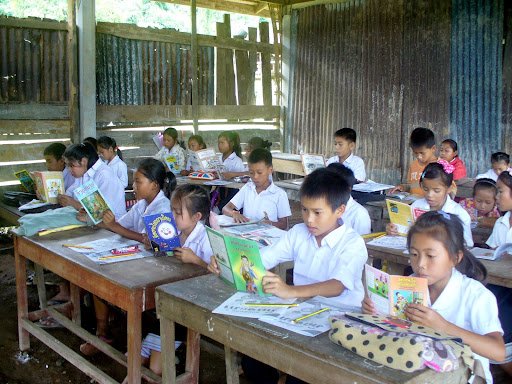
Silent reading time in Lao, Wikimedia Commons, CC BY SA-3.0

Education is an important tool that many nonprofits work to provide to children in countries around the world. By building literacy and providing important resources, organizations are granting children the ability to change their lives.

1. Pencils of Promise 

Pencils of Promise is a global organization that works for greater educational opportunities. Their initiatives provide teachers with training and resources and provide students with safe places to learn. Pencils of Promise has now built more than 550 schools in Ghana, Guatemala and Laos. Your donation would help them continue providing children with access to education in facilities that grant them access to clean water and private bathrooms.

2. Room to Read

More than 750 million people are illiterate, two-thirds of them women and girls. Room to Read works with global communities to extend literacy and gender equality in education. So far, more than 23 million children and communities in South Africa, South Asia and the Middle East have received their support. A donation will help bridge the gap, granting more women and young girls the power of literacy. 

Women and girls are a crucial focus among national and international organizations. By providing women and young girls with equal access to education, healthcare and economic and political empowerment, nonprofits are creating a brighter future for generations to come.

3. Girls Rising 

Due to the coronavirus pandemic, girls’ education is in a state of crisis. Girls Rising provides their own customized curricula focused on building confidence and agency among young girls in more than 12 countries. A donation gives girls the gift of understanding their rights along with confidence in their ability to change their lives and communities. 

4. Global Fund for Women

The Global Fund for Women is one of the leading foundations for women’s equality. They have invested in nearly 5,000 grassroots groups in 175 countries, helping win rights for millions of women and girls. Their campaigns for economic and political empowerment as well as sexual and reproductive health and rights both take a movement-led approach that is consistently under-resourced. Donations support these movements and lead to more egalitarian workplace regulations, more equitable land rights, better access to financial institutions, expanded legal protections for domestic workers and stronger laws against sexual harassment around the globe. 

The environment is a crucial issue for our planet and everything it inhabits. As temperatures continue to rise, resources deplete and weather intensifies, we are beginning to see the realities of a future on Earth.  

5. Greenpeace

Greenpeace’s global priority is to undermine the fossil fuel sector and remove fossil fuels’ legitimacy in society. Through nonviolent creative action, Greenpeace confronts the systems that threaten our environment. Donations support them as they pave the way towards a greener world. 

Human rights issues occur around the globe, and there are nonprofit organizations doing the work to help. Through their efforts, victims of human trafficking and refugees around the world receive lifesaving assistance. 

6. Free the Slaves

Free the Slaves is on a mission to abolish the conditions that allow modern slavery to exist. Their community liberation model focuses on community engagement, policy and advocacy, movement building and learning initiatives. Your donation would allow them to provide funding and technical expertise to local organizations in human trafficking hotspots in India, Ghana, Haiti, Mauritiana, Brazil, Nepal, Dominican Republic, Vietnam, Senegal and the Democratic Republic of the Congo. 

7. Amnesty 

Show your support and give to Amnesty, a nonprofit organization that works for human rights across the globe through a three-tier approach: research, mobilization and advocacy. They are the world's largest grassroots human rights organization. Last year alone, Amnesty helped free 153 people who were wrongfully imprisoned and changed laws in dozens of countries on refugees, reproductive rights, LGBTQ+ equality, free speech, the death penalty and other critical human rights issues.

8. Refugees International 

There are currently more than 80 million people displaced by conflict, human rights abuse, persecution and climate disasters. Refugees International does work in the Americas, Asia, Europe, North Africa, sub-Saharan Africa and the Middle East to provide lifesaving assistance, human rights and protection for displaced people. A donation to Refugees International supports promoting solutions to displacement crises around the world.

Travel can often have a negative impact on local communities. However, there are organizations whose goals are to connect travelers with locals to ensure the communities’ residents are the ones benefiting. 

9. Travel2Change

Travel2Change is a Hawaii-based nonprofit organization that encourages travelers to make a difference in the community. Their work ensures that the local Hawaiian community benefits from tourism by connecting visitors with impactful activities offered by locals. Your donation this giving season helps Travel2Change keep its activities affordable or free so as many people as possible are able to participate and connect to the local community. 

Health is a universal subject across the globe and during the pandemic, the most susceptible communities were ones that were already distressed. Nonprofit organizations are providing medical assistance to people all over the world who normally would not have access to it. 

10. Doctors Without Borders 

Doctors Without Borders is an international medical humanitarian organization that provides medical assistance to people in 88 countries. Amid conflict and political instability, their teams in Afghanistan provide vital medical care in Herat, Helmand, Kandahar, Khost and Kunduz provinces. The 2,300 staff members working in the country respond to a range of medical needs, from acute malnutrition to maternal health services. Donations support their work providing medical services to people affected by conflict, epidemics, disasters or exclusion from healthcare.  

Sports are a competitive and entertaining activity that bring people together. Today, there are organizations using sports to break down cultural and political barriers in areas of conflict. 

11. Surfing 4 Peace

Surfing 4 Peace is a community of surfers and supporters that conduct cooperative projects, host events and run campaigns that emphasize coexistence, cross-cultural dialog and the shared experience of surfing. In the Middle East and around the world, Surfing 4 Peace aims to bridge cultural and political barriers between surfers in diverse communities. In 2007, Surfing 4 Peace successfully gathered and transferred 14 surfboards through border authorities from Israel to Gaza to donate them to the small Palestinian surfing community. Since then, the group has organized multiple projects for the surfing community in Gaza, including the Gaza Surfer Girl Project and Gaza Surf Relief. Donations support creating a safe and inclusive community rooted in the shared love for surfing. 


Claire Redden

Claire Redden is a freelance journalist from Chicago, where she received her Bachelor’s of Communications from the University of Illinois. While living and studying in Paris, Claire wrote for the magazine, Toute La Culture. As a freelancer she contributes to travel guides for the up and coming brand, Thalby. She plans to take her skills to London, where she’ll pursue her Master’s of Arts and Lifestyle Journalism at the University of Arts, London College of Communication. 

Underwater Noise Pollution is Shrinking Whales' Worlds

Human-caused noise pollution impacts sound-reliant species of whales and other marine life. Seismic mapping, shipping and boating traffic mask the acoustic communication systems they’re reliant on. 

Jumping Humpback Whale, Wikimedia Commons, CC BY-SA 2.5 

When a strand of eight adult female beaked whales were found on the shores of the far-flung Aleutian Islands in Alaska, members of the National Oceanic and Atmospheric Administration response team were bewildered. The whales appeared to be healthy, with no major external injuries, but their presence was unusual. What was thought to be a rare occurrence in 2018 has turned out to be part of a recurring pattern. Marine Mammal Science published a study which revealed that since the original discovery of the species, Alaska has had 74 known beaked whale strandings in 42 separate events. 

Military and naval operations in the area were put to a halt in 1997 but the U.S. Geological Survey’s monitors at the Alaska Volcano Observatory have detected human-caused seismic survey activity along the islands. New research suggests that the surveys may have been involved in the mass stranding. Underwater sonic tests are only the latest example of ocean noise pollution cited by environmentalists. Growing concern has spurred research into the potential threats of human-made noise for marine life. 

During seismic surveys, blasts of compressed air produce pulses of sound that analyze the seafloor for natural resources. At 220-250 decibels, these seismic air guns are the loudest noise created by humans underwater, producing a sound louder than a Saturn V rocket during launch. According to an article in Nature, “in the five decades before 1950, researchers recorded just seven mass strandings; but from then to 2004, after the introduction of high-power sonar for naval operations, there were more than 120.”

During the Trump administration, a ban on offshore drilling was lifted and companies from Central Florida to the Northeast were granted permits to carry out seismic mapping for gas and oil exploration. Senior bioacoustics researcher at the Cornell Lab of Ornithology Christopher Clark has studied whale communication for 40 years. Clark described the noise produced from seismic mapping as a “living hell” for undersea life.

Another primary contributor to ocean noise is shipping traffic, both commercial and recreational. Between 1950 and 2000 ship traffic doubled, producing an increase in noise of about three decibels per decade. This has led to communication masking — a term used to describe the reduction in the area over which animals are able to acoustically communicate. Research shows that across species, the combination of noise contribution from commercial and recreational vessels led to a reduction in communication range of up to 82%. A recent study found that shipping noise has the potential to double by 2030, further limiting the distance whales and other marine life are able to communicate between.

In the marine ecosystem, where visibility is limited, acoustics are the primary form of communication. For whales, every aspect of their lives is dependent on sound. Many of their species are highly intelligent, social beings who communicate in clicks and songs, and are even known to have their own languages. Some whales and orcas are known to use echolocation, a natural sound wave sonar, to hunt and locate food. Noise masks their expressions between their families, affecting their ability to feed and care for their young, as well as their orientation and ability to detect prey or oncoming ships. 

In 1956, French oceanographer Jacues Cousteau released a documentary misleadingly titled The Silent World, that fed into the misconception of a quiet underwater seascape. Today we know that a healthy ocean isn’t a silent one. The ocean thrives on the familiar sounds of its natural world, sounds that marine life recognizes as home. Lead author ofThe Soundscape of The Anthropocene Ocean Carlos Duarte says that “The soundtrack of home is now hard to hear, and in many cases has disappeared.”


Claire Redden

Claire is a freelance journalist from Chicago, where she received her Bachelor’s of Communications from the University of Illinois. While living and studying in Paris, Claire wrote for the magazine, Toute La Culture. As a freelancer she contributes to travel guides for the up and coming brand, Thalby. She plans to take her skills to London, where she’ll pursue her Master’s of Arts and Lifestyle Journalism at the University of Arts, London College of Communication. 

A Romanian City Swallowed by Toxic Waste

The landscape of Geamăna is a reminder of the impact mining has on local communities and environments. A nearby copper mine, Rosia Poieni, continues to leak its contaminated deposits further into the water sources of surrounding areas. 

Geamana church flooded with toxic waste, Flickr.com, CC BY NC-ND-2.0

Geamăna, Romania was once a quaint village nestled in the Sesii Valley of the Apuseni Mountains, a range in Transylvania, Romania. In the late 1970s, Romanian dictator Nicolae Ceaușescu made way for a new copper mining project called Rosia Poieni. Work began in less than a year and the 400 families who lived in Geamăna were evacuated. Their village was replaced by an artificial lake used as a catch basin for the large quantities of toxic waste the mining project produced. 

Before displacing the villagers in Geamăna, the government promised the residents they would be relocated to a new village five miles away. They ended up being moved more than 60 miles away, receiving land and a small amount of money. Locals were upset because the government didn’t fulfill their promise to relocate the community’s gravesite, which still remains around the flooded church. 

Rosia Poieni is Romania’s largest copper mine and the second-largest copper mine in Europe. The mine is owned by the state company, CupruMin. In its prime, the copper pit produced 11,000 tons of copper a year, representing 65% of the total copper reserves in Romania. Before 1993, the discharge into the lake contained very few metals. When they could no longer sell the iron sulfate, CupruMin began discharging it into the water. 

Ever since, the metals released and the acidity of the water have increased significantly. As of 2016, more than 130 million tons of tailings containing metals such as copper, iron and zinc, have been discharged into the settling basin, an act referred to as “acid mine drainage.” Despite measures to counteract the phenomenon, a 2000 report by the French Geological Survey found the water to be very acidic, with a pH of 2.7. 

Recurring incidents of contaminated water leaking from the basin have spread pollution as far as Turda, a city more than 50 miles downstream. In 2008, millions of fish were found floating in the Aries river, a distributary of the Valea Șesii that connects to the artificial lake, as a result of CupruMin’s failure to charge the electric pumps that protect the area from biohazards. In 2011, a broken pipe led to 100 tons of waste poured into another nearby river, the Curmătura, and eventually into the Aries. Another incident occurred in 2012 when a few mineshafts flooded, spilling more of the contaminated water into the Aries. 

CupruMin receives fines from the local authorities every year for their actions, but these reprimands don’t seem to have much of an effect. The deposit of the Rosia Poieni copper mine is estimated at 900,000 tons, allowing the company to continue its exploitation for at least 20 years. As production continues, the contaminated lake will only expand and increase the range of its environmental impact. All that’s left to be seen of the old village of Geamăna today is the spire of what was once the town’s church, engulfed in toxic water: a surreal landscape that serves as a striking image of what could become of nearby towns if CupruMin isn’t held accountable. 


Claire Redden

Claire Redden is a freelance journalist from Chicago, where she received her Bachelor’s of Communications from the University of Illinois. While living and studying in Paris, Claire wrote for the magazine, Toute La Culture. As a freelancer she contributes to travel guides for the up and coming brand, Thalby. She plans to take her skills to London, where she’ll pursue her Master’s of Arts and Lifestyle Journalism at the University of Arts, London College of Communication. 

Menstruation and Impurity Are Synonymous in Nepal

Women and young girls are dying every year in Nepal because of a tradition that deems them impure due to their monthly menstrual cycle.

Rural villages in western and midwestern Nepal force girls and women to stay in menstruation huts outside of their homes. This centuries-old Hindu practice of chhaupadi (“chaau” means “impure,” and “padi” means “shed”) believes that women and girls are unclean, untouchable and impure during their menstrual cycles. When on their periods, girls and women are not allowed to live in the family home and are excluded from doing a range of everyday activities. Although the practice of chhaupadi was made illegal in 2005, it remains prevalent in remote areas and is still practiced by 77% of Nepalese. 

Under the chhaupadi practice, menstruators are banned from touching milk, idols, cattle, a male family member, a pregnant woman or any child below the age of five. In addition, while on their periods, girls and women are not permitted to enter any social gathering, school, temple or kitchen, as they are considered impure. If anything or anyone is touched, it is to be discarded or deeply cleansed. Diet during menstruation changes as well: girls and women are not allowed to eat rice, meat, pickles, citrus fruits or milk products. Meals are further restricted as they do not have access to a kitchen. 
While temporarily living in an unhygienic hut which oftentimes have no walls or doors, young girls and women are at risk for snake bites, rape, poor sanitation, urinary tract infections, diarrhea, dehydration, hypothermia and death. If girls encounter any health issues while in their huts, they are expected to wait until their menstruation is completed before seeking medical care. Blocked from using their bathrooms, they are forced to walk long distances to use public restrooms. Their time in the menstruation huts can last anywhere from 4-7 days a month. Each year at least one death occurs in menstruation huts. In December 2016, a 15-year-old suffocated after lighting a fire in the shed where she was staying to keep warm. In 2018, a teenage girl died when she was bitten by a snake while sleeping. 

Chhaupadi is not limited to times of menstruation; itt is also practiced during childbirth. Women must deliver their babies in unhygienic sheds or huts, and remain for the next 10-14 days post-delivery. Consequently, chhaupadi during childbirth can lead to both maternal and infant death arising from excessive bleeding, septic shock, malnutrition and other unresolved complications caused by lack of healthcare access. Although exact figures of maternal and child health consequences due to chhaupadi are unknown, neonatal and maternal mortality is high in the far-western regions where chhaupadi is common. 

The mental health of women and girls is impacted due to isolation from family and social exclusion, which results in: depression, low self-esteem and disempowerment among girls. In addition, there is also a fear of sexual abuse and assault at night causing extreme anxiety in the young girls. Cases of rape are not reported due to fear that a man would not want to marry a girl in the future as a result of “impurity.” The psychological issues girls and women endure while in the huts go unnoticed and are often ignored. The continuity of the chhaupadi practice is one way of preserving a tradition to the Nepalese people. It has been in existence for a long time with a focus on purity, aimed at pleasing the deities believed to take care of the community.

In August 2017, the Nepalese government began criminalizing the chhaupadi practice and imposed a fine ($30) and/or a three-month jail sentence for anyone forcing a woman to follow the custom. Local police are tasked with destroying chhaupadi shelters. Despite these efforts, the practice has been difficult to abolish as it is deeply rooted in traditional beliefs. Activists argue that the chhaupadi practice will be difficult to fully stop, as many women make the decision to practice it for themselves. However, with the new law, women who choose to practice chhaupadi are required to do so in a safer way, by isolating themselves from their families in a separate area or room and not a shed. This requirement exists to help protect the health and safety of the menstruators whilst allowing them to follow their traditional practice.


Jennifer Sung

Jennifer is a Communications Studies graduate based in Los Angeles. She grew up traveling with her dad and that is where her love for travel stems from. You can find her serving the community at her church, Fearless LA or planning her next trip overseas. She hopes to be involved in international humanitarian work one day.

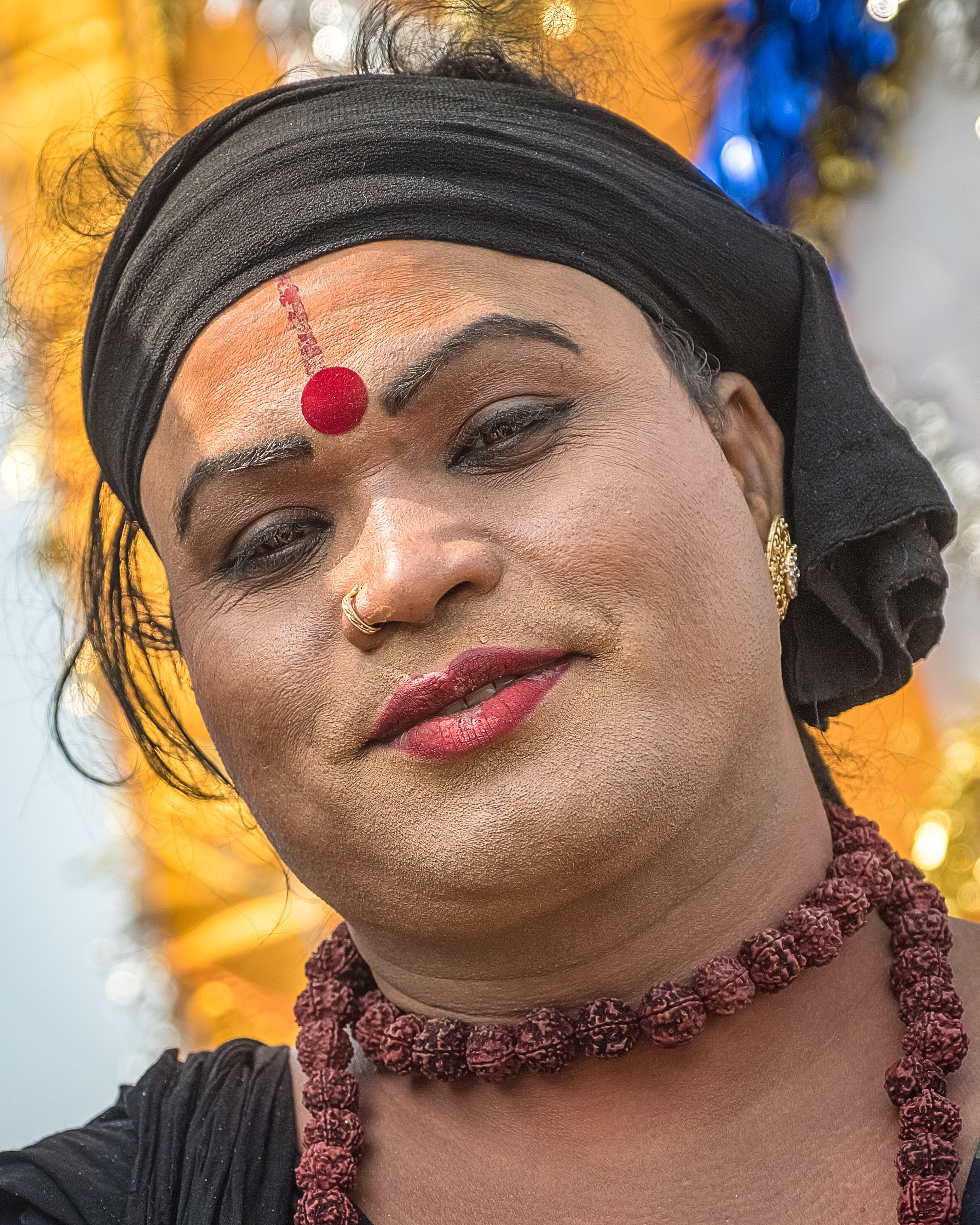
India’s Third Gender — Hijra

Despite being protected within the Indian constitution, hijra communities experience persecution. Their colonies are often sites of abuse and poverty, yet serve as the only space in Indian society for their identity.

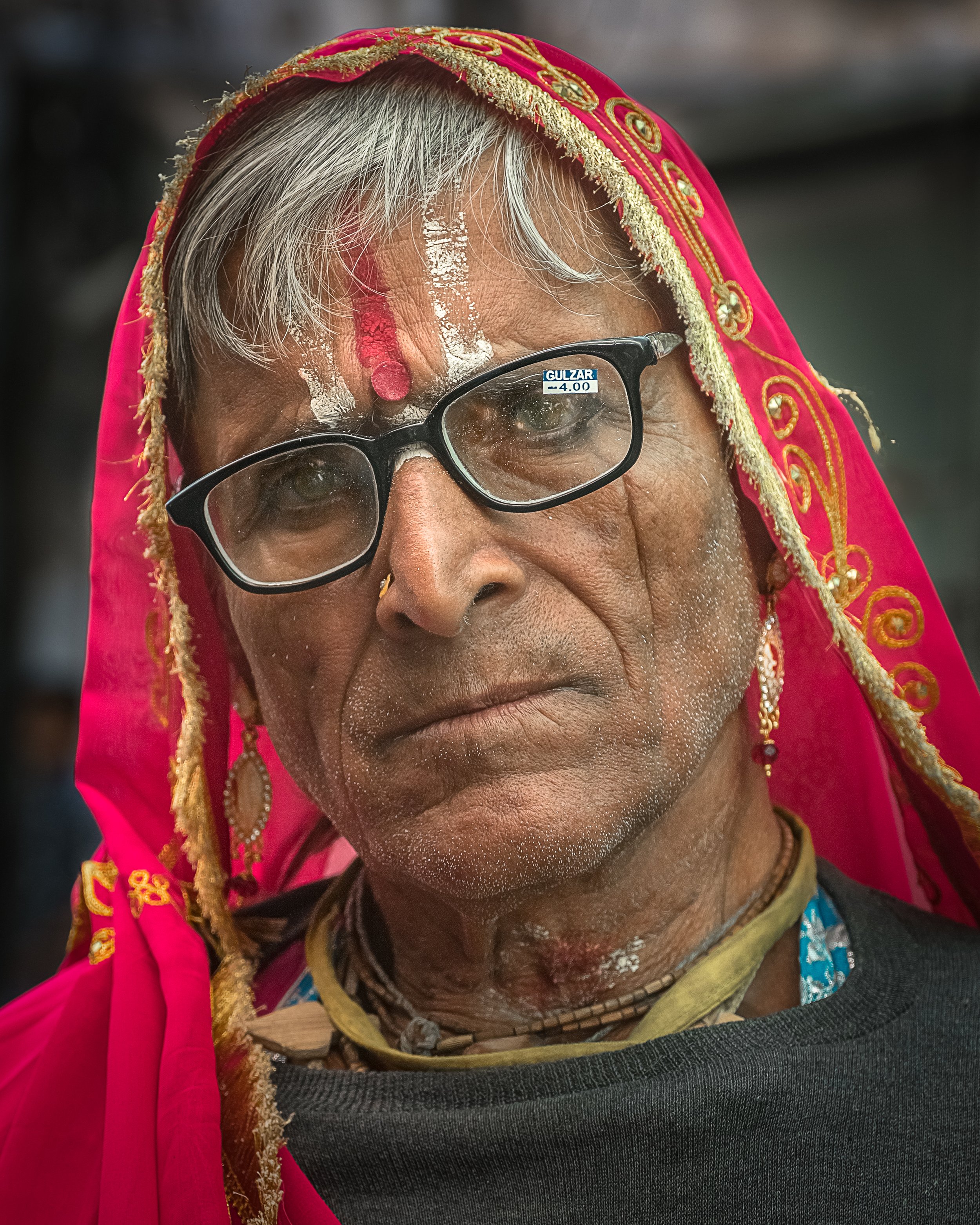
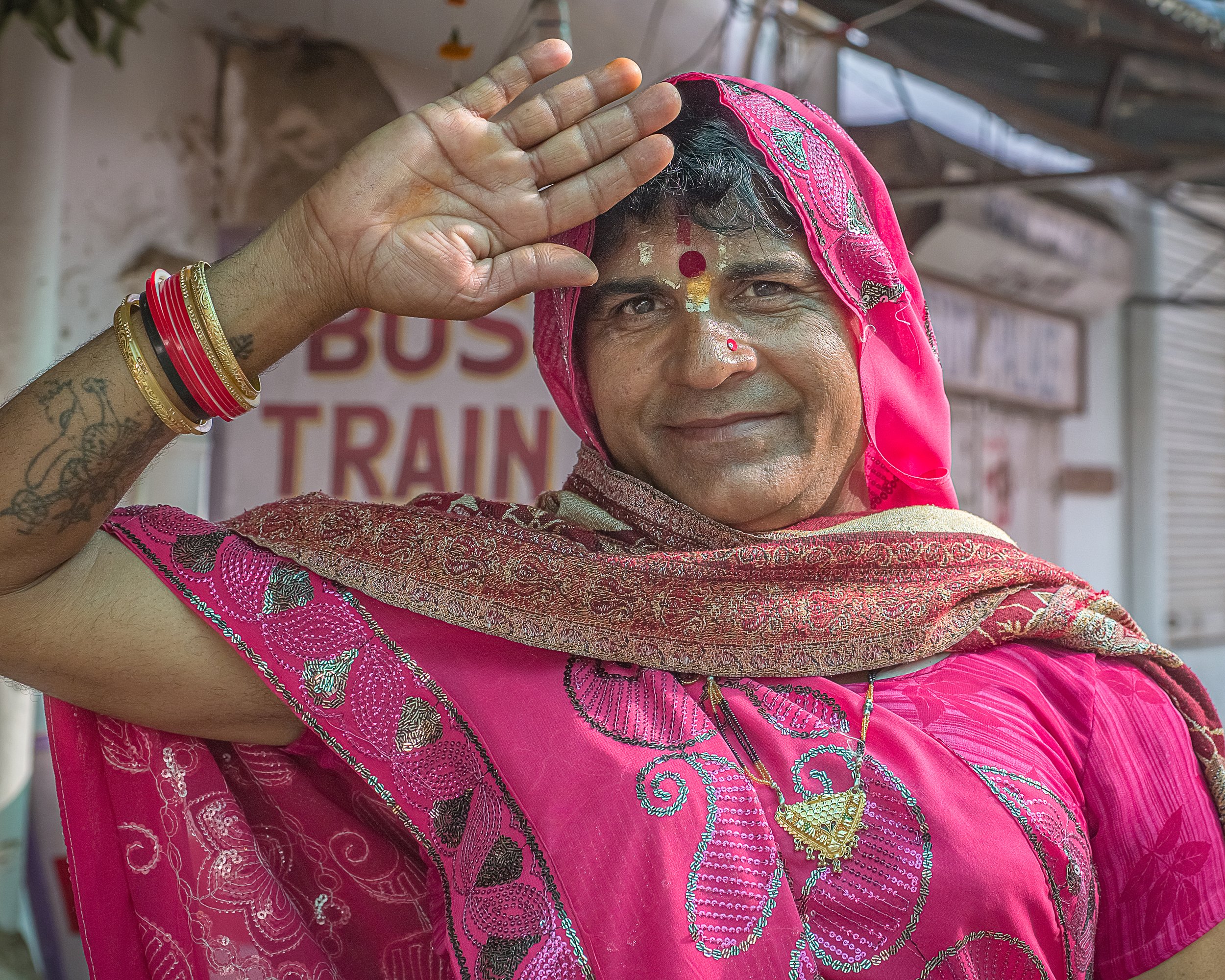
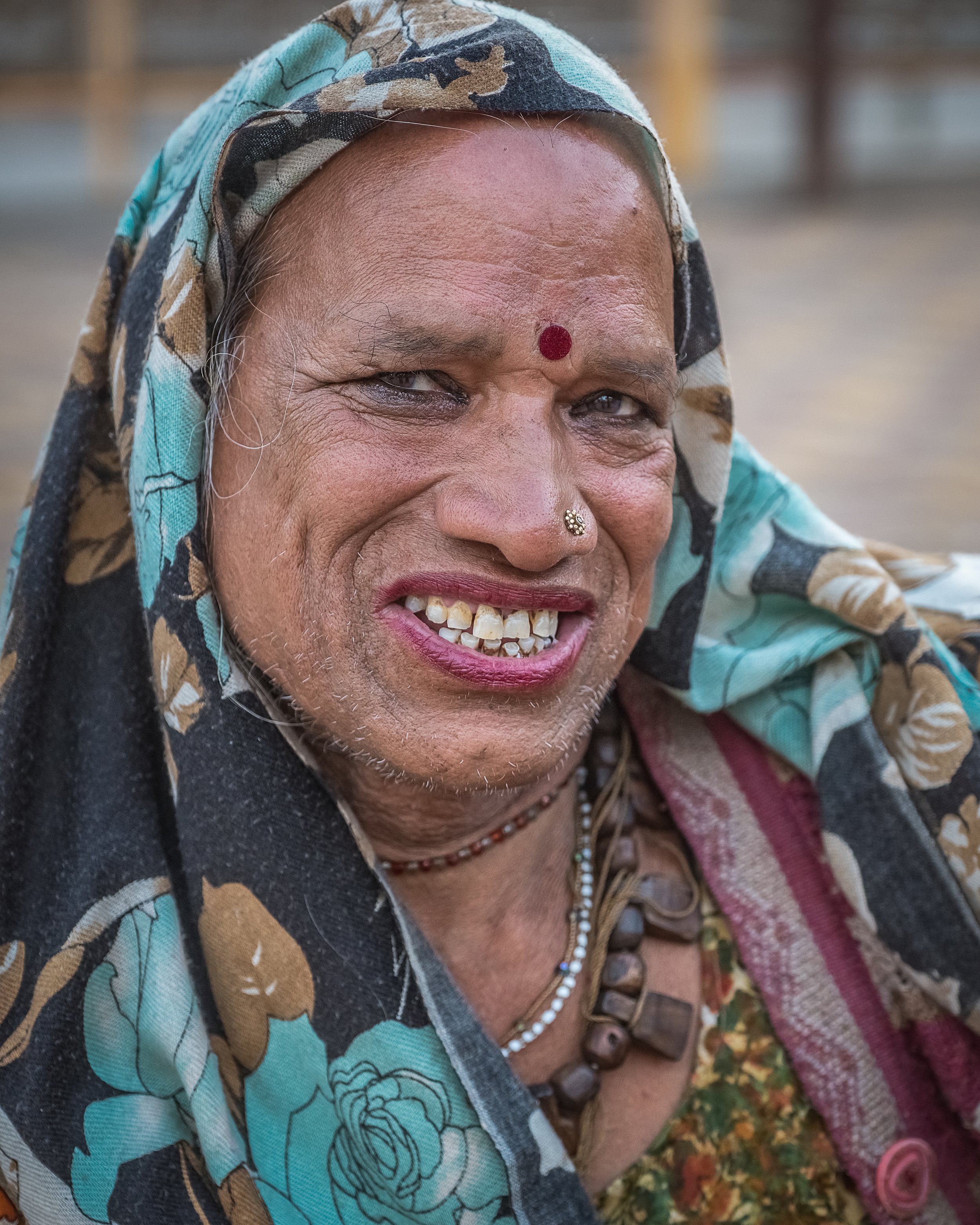
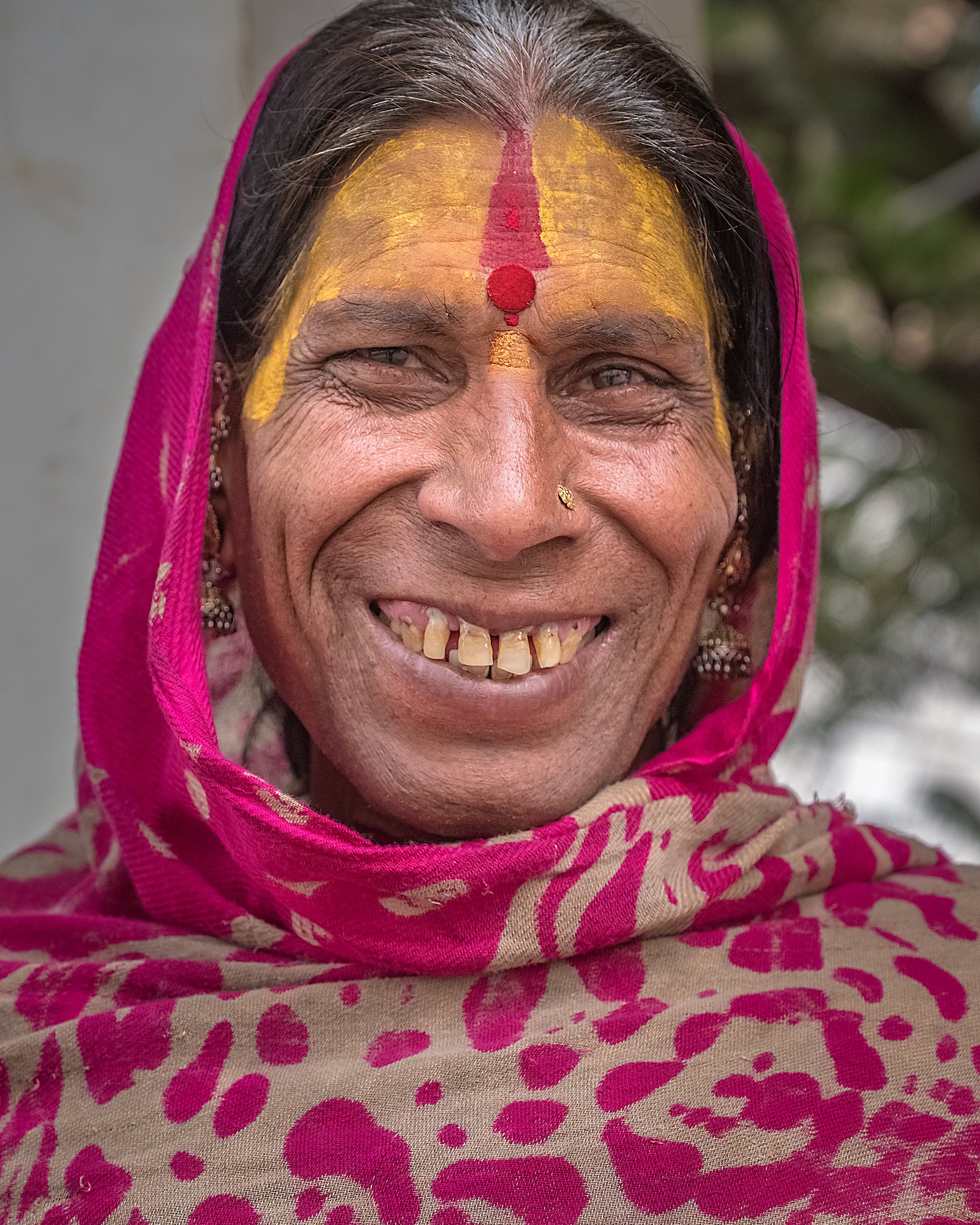
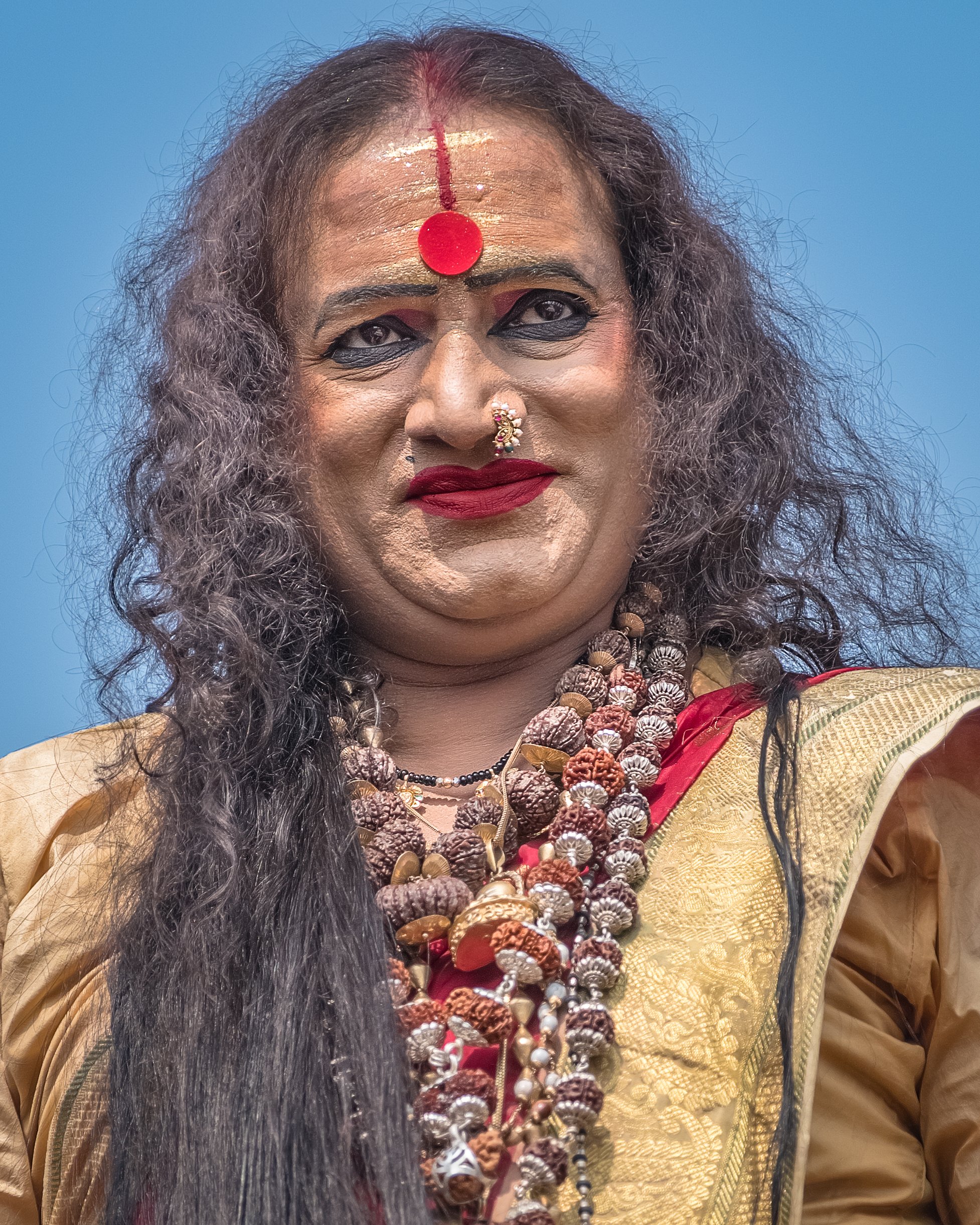
Image by Carol Foote

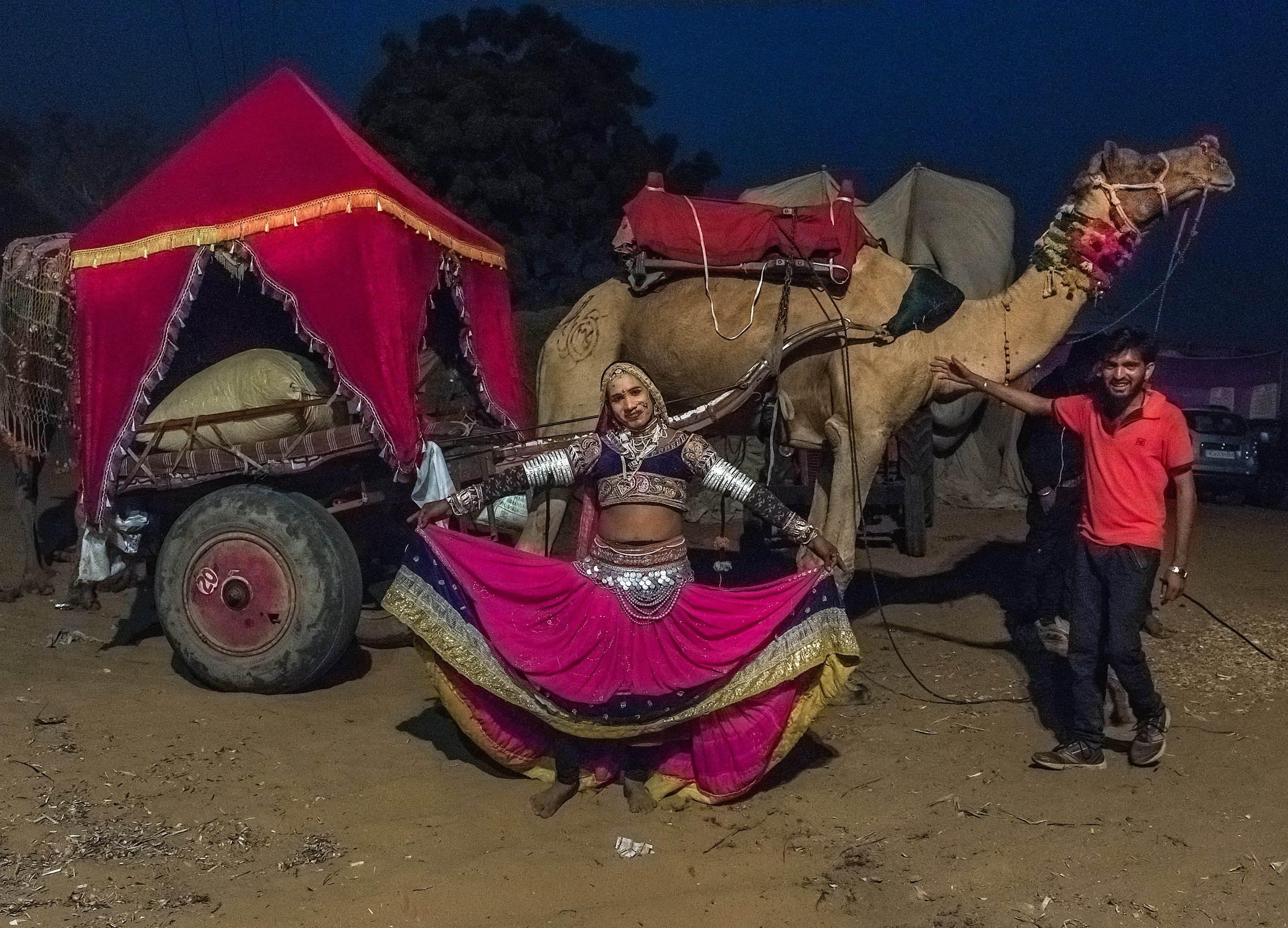
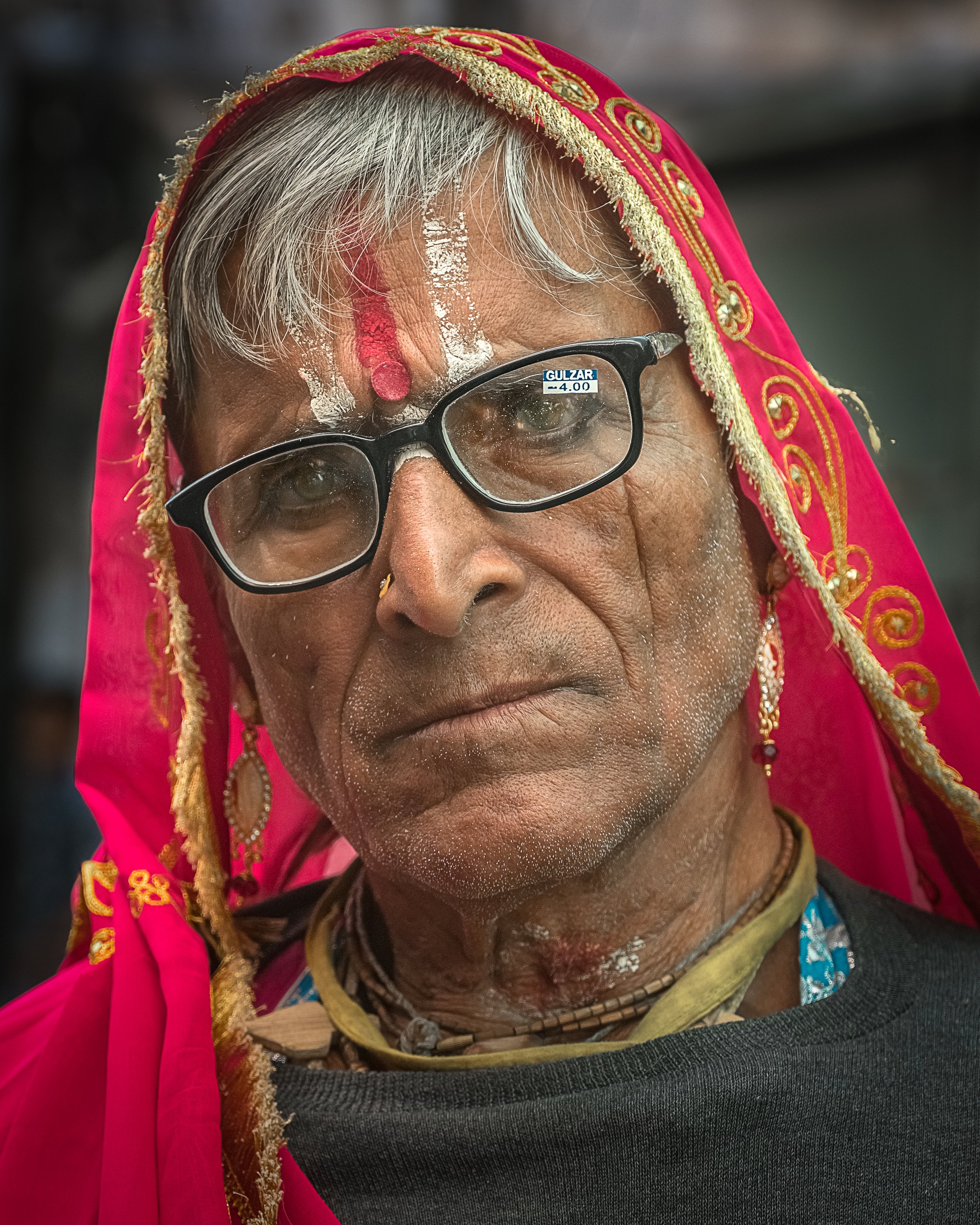
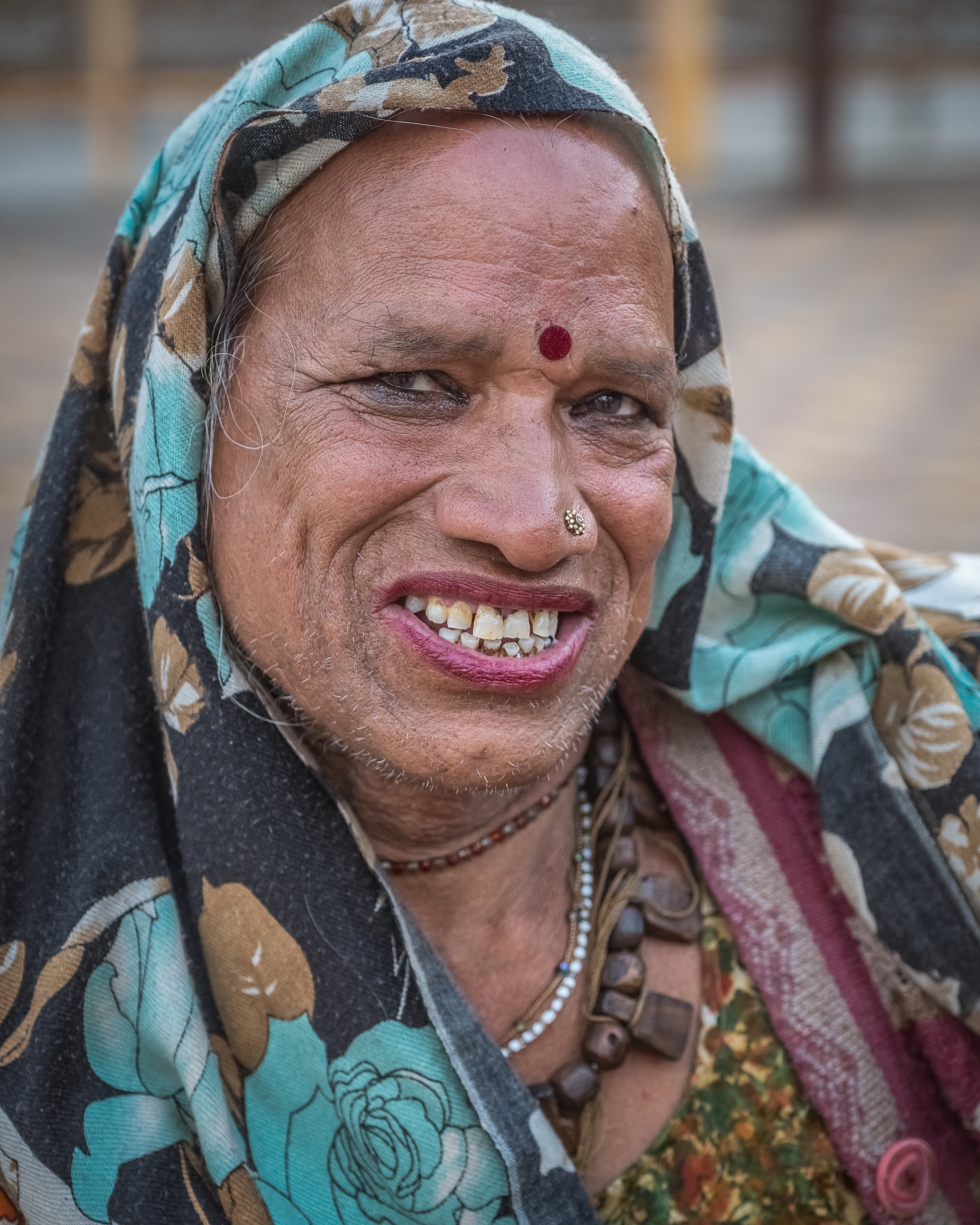
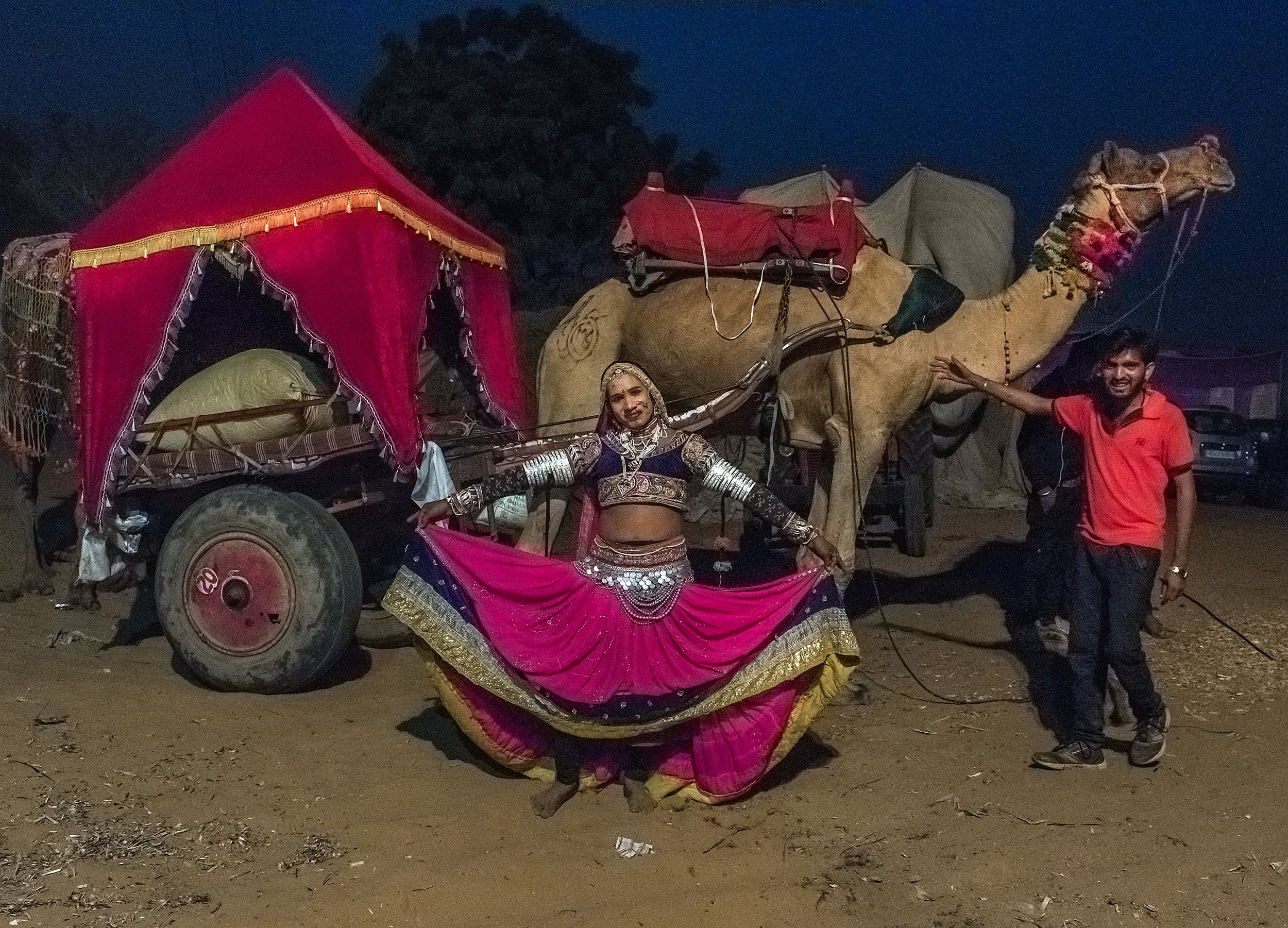
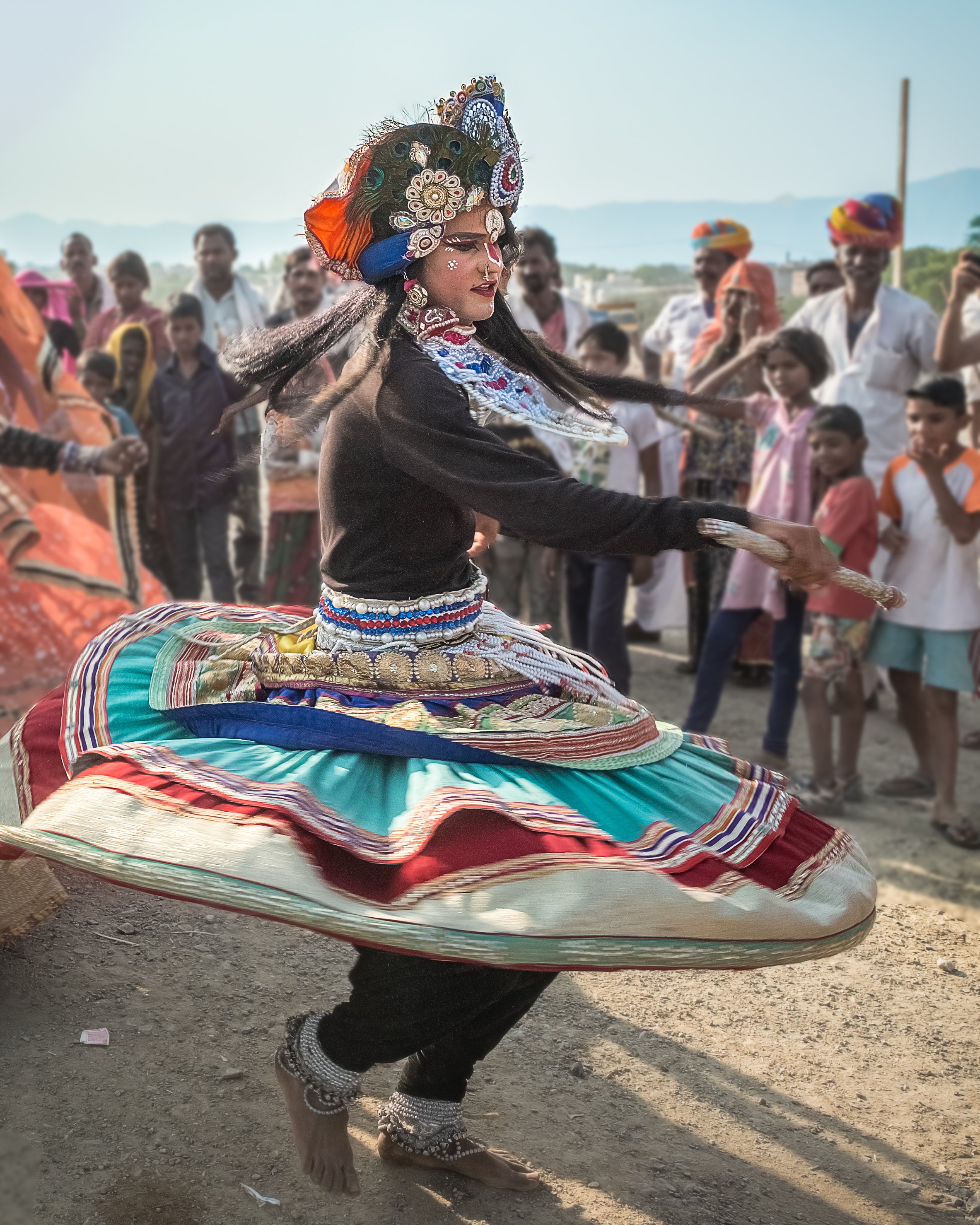
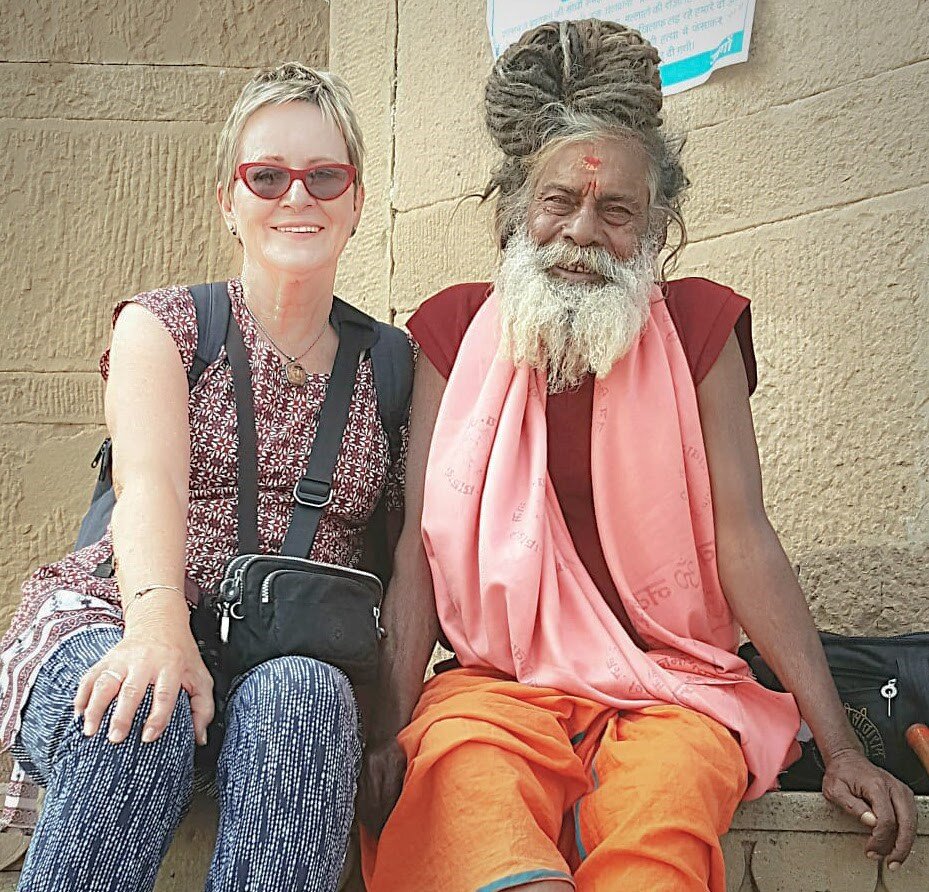
India’s third gender includes a few different groups, but the most common are the hijras. The hijra identity is complex; some are born male but dress in traditionally feminine ways, some are born intersex, some seek gender reassignment procedures, and some choose to be castrated as an offering to the Hindu goddess of chastity and fertility, Bahuchara Mata, granting them their religious powers. Outsiders tend to associate them as transgender, but Indian society considers them to be the third gender — not male, not female, not transitioning. The one defining characteristic of hijras is that they leave their homes from a young age to become a part of the hijra community, where they teach their lessons in secret. These communities exist on the outskirts of society, where they are often shunned by their families and at the mercy of police authorities. 

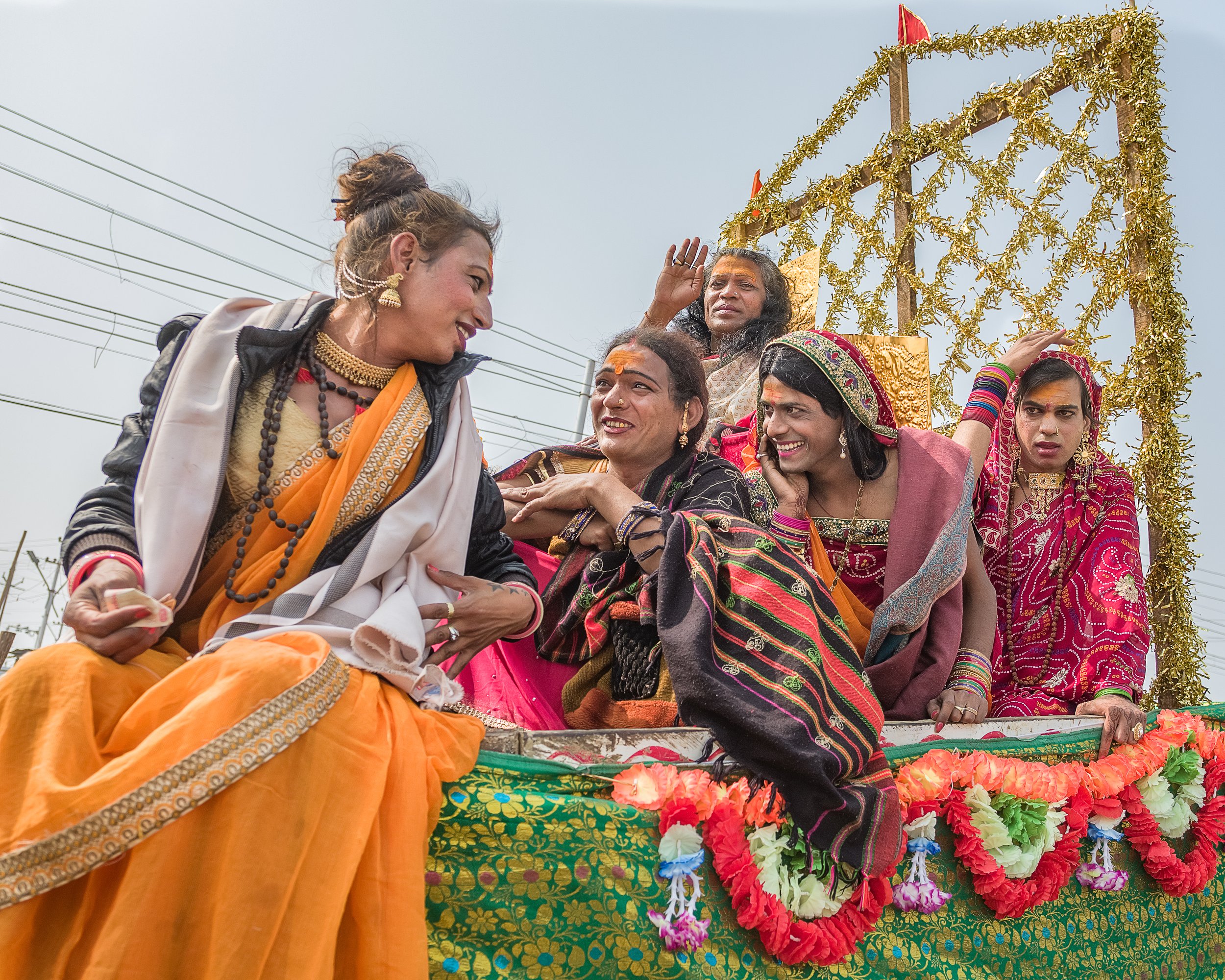
Image by Carole Foote

For centuries, trans, intersex and genderqueer individuals abandoned by their families have been initiated into the hijra community by gurus within the system. From the age of 12 or 13, hijras trade their relationships with their families for a relationship with a guru who takes on the role of  of parent, teacher and boss. The gurus are expected to teach each hijra the chela, or the disciple, in the hijra way of life. This includes learning their rituals, how to manage a household and how to make a living. Gurus are expected to treat the hijras like their children, but their ability to dictate how a hijra works, what they earn and even who they see maintains a hold over their lives that many activists consider a systemic form of bonded labor. 

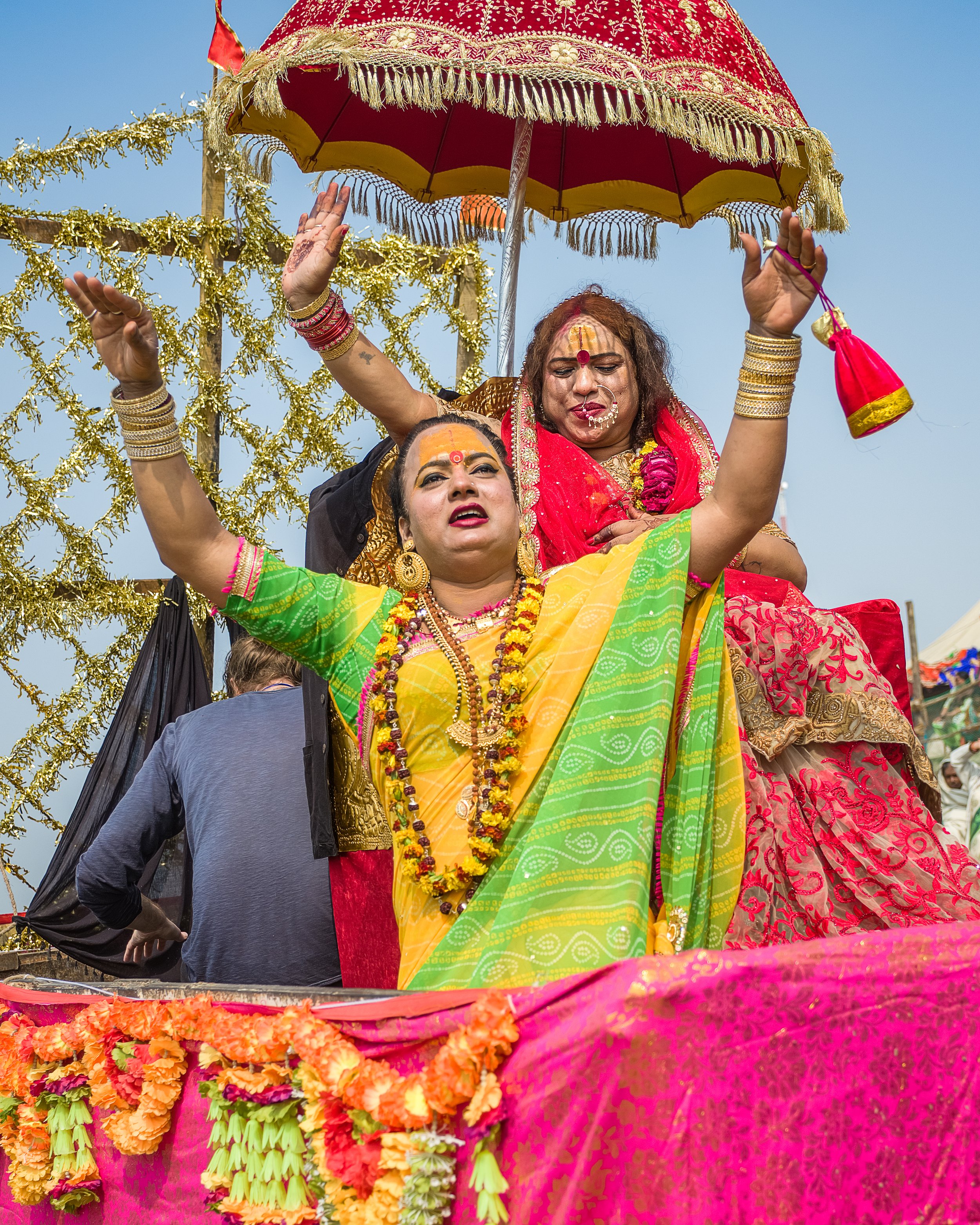
Image by Carol Foote

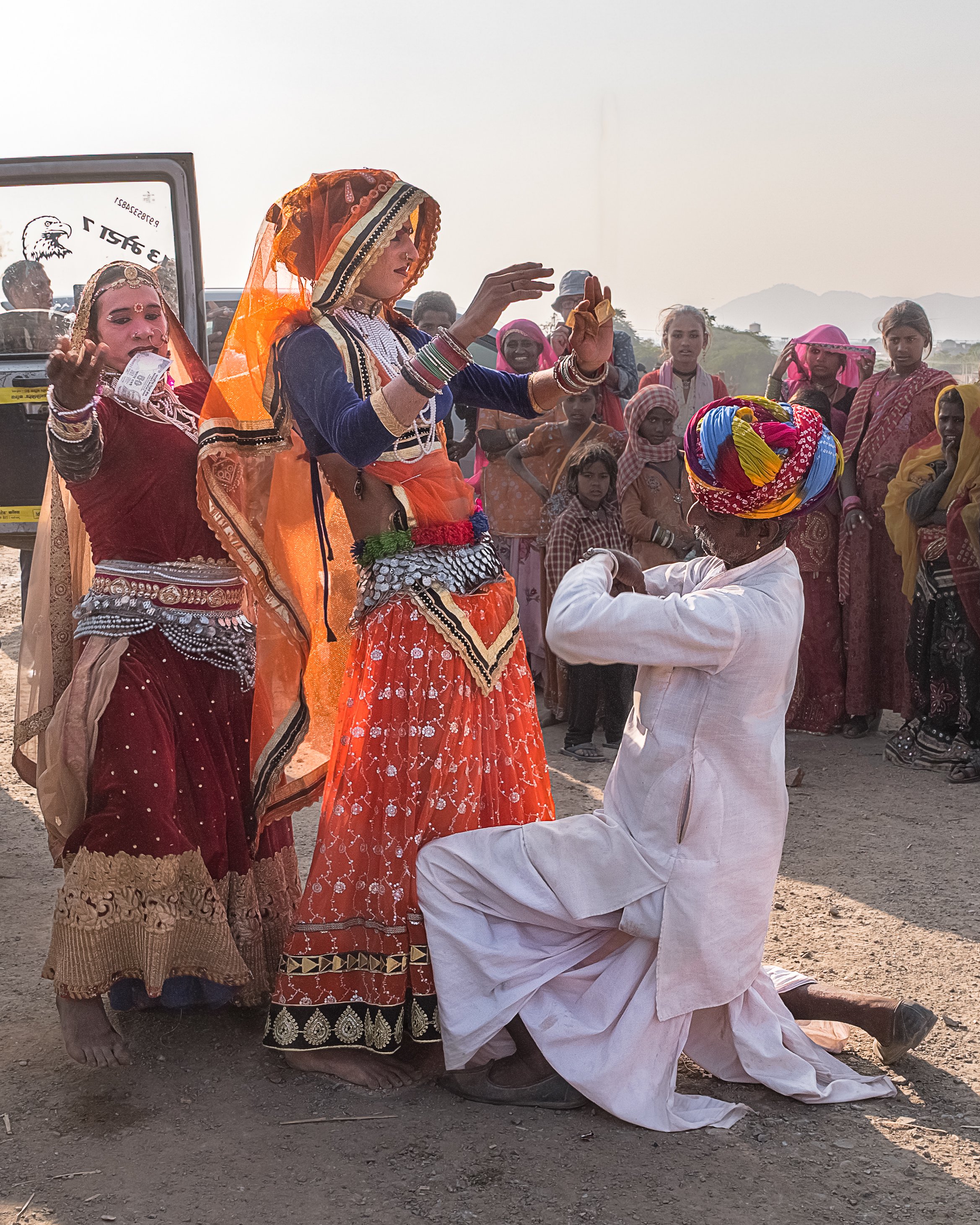
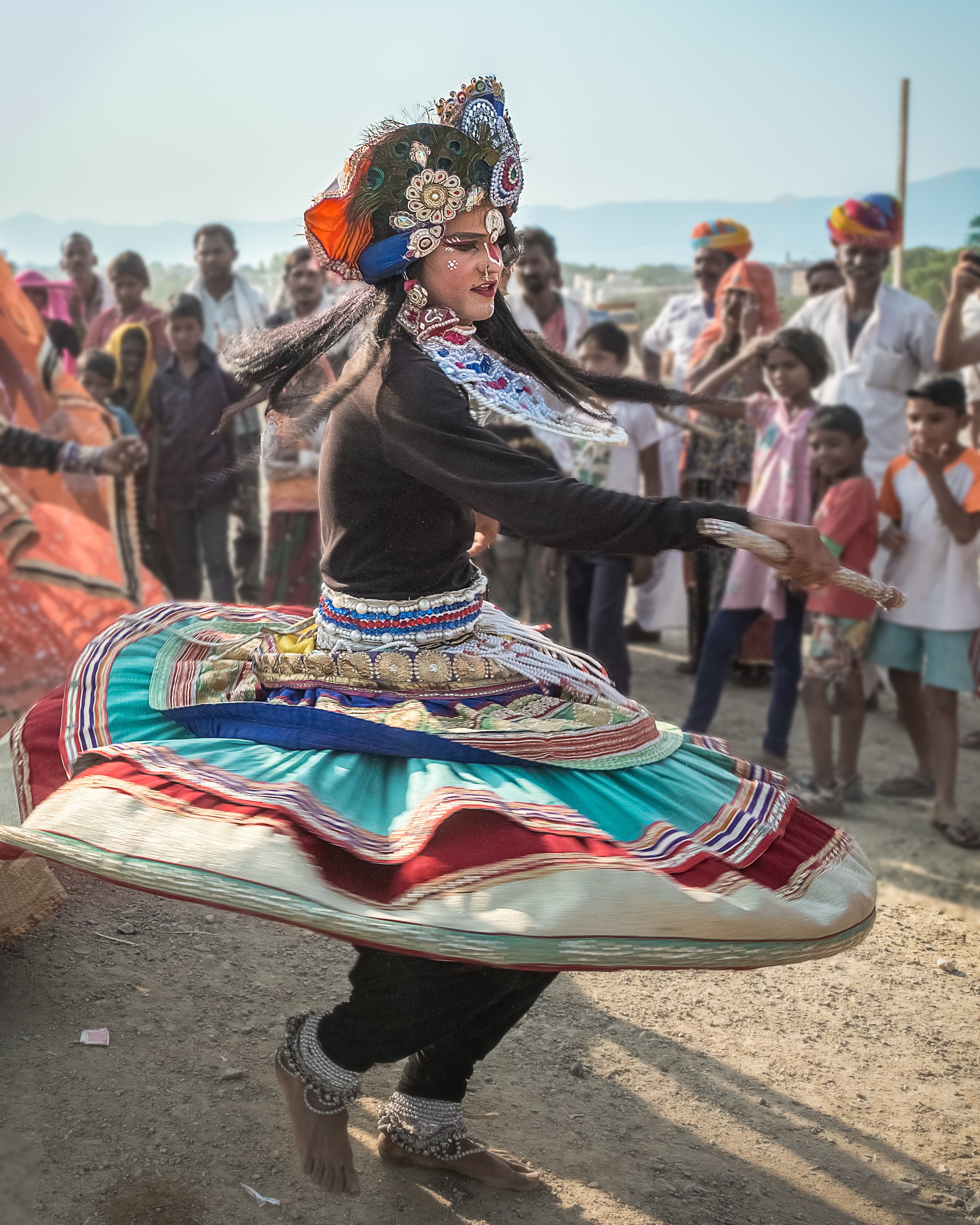
These communities operate within a pyramid system where the “chelas,” or the hijra students, are divided into hierarchies by their work. At the top of the pyramid are the senior-most chelas, who sing and dance. Below them are the chelas who beg and collect alms in exchange for blessings at events. And lastly, at the bottom of the chela pyramid are the sex workers. In addition to their work, chelas are expected to take on chores that serve their guru. Regardless of how a hijra earns their money, a portion of it will go to their gurus. 

Image by Carol Foote

The founder of online transgender community Transgender India, Neysara, told NewsNewslaundry,aundry, an independent news media company in India, that the hijra community is “not a child-friendly place equipped to handle trauma.” She went on to say that, “What is vulnerable is trafficable and most that join are disenfranchised.” Neysara recalled turning to the hijra community at a time when she was young and scared. “When my family was trying to honor-kill me, I sought the hijra jamaat for help. They outright told me that I [...] could only stay with them if I do sex work and earn for them.” Honor killings are committed by a male family member seeking to protect the dignity of their family against someone they believe has brought them shame. It was sex work or death.

Image by Carol Foote

Hijras have been a part of Indian life for more than a thousand years. Evidence of their existence within Hindu society can be found inside holy texts like the Ramayana and the Mahabharata, where Arjuna became the third gender. Throughout South Asian history, third-gender people have often held positions of high power. For example, during the Mughal Empire in the 15th to 19th centuries, Hindu and Muslim rulers were considerate advocates of the third gender, and many rose to significant positions, even serving as the sexless watchdogs of Mughal harems. In Hinduism, their high regard is marked by their loyalty to Lord Rama, when hijras waited at the edge of the forest for 14 years until he returned to Ayodhya after being exiled.

Image by Carol Foote

The hijras’ religious backgrounds tend to center around traditions that blend Hinduism and Islam. The practice of removing genitalia is something stigmatized in a normal Indian community, however, it’s this act that is the source of their sacred power and legitimizes their role in society. According to tradition, when a hijra is castrated their genitalia is offered to the Hindu Mother Goddess, Bahuchara Mata. The Mother Goddessworks alongside Muslim saints to transform the sacrifice of their ability to procreate into the power to bestow fertility and good luck onto others. The hijras give blessings at births and weddings to grant new couples and their newborn children fertility and prosperity. Intersex people, transgender women and infertile men are considered to be called upon by the goddess to become a hijra. Should they ignore the call, it is believed that they will pay the price of being impotent for the next seven lives they have on Earth. 

Image by Carol Foote

The castration surgery is performed by a guru and takes place without an anesthetic. The operation is illegal and life-threatening and has led some Indian regions to consider offering a medical alternative free of charge. However, because of tradition, the sacred sacrifice is performed in absolute secrecy and never spoken of. Following the surgery, new hijras recover in semi-seclusion and eat a special diet for 40 days. Afterward, they conduct a special ceremony where they're dressed as brides and blessed with the power of Bahuchara Mata. From this moment on, they are given new names and new identities. Articles in the India Times and India Today have reported how this system has been forced upon young and at-risk men, who are then pressured into prostituion and homosexuality. 

Image by Carol Foote

Even though hijras were treated with respect for thousands of years, much of their societal downfall can be attributed to Hinduism’s encounter with colonialism. The British colonized most of South Asia in the 19th and 20th centuries, and their Christian beliefs did not prepare them for their confrontation with the third gender. In 1871, the British named all hijras hereditary criminals and ordered authorities to arrest them. The law gave police the power of increased surveillance over the community, who went as far as to compile registers of hijras. A historian named Dr. Jessica Hinchy told BCC that, "Registration was a means of surveillance and also a way to ensure that castration was stamped out and the hijra population was not reproduced." 

Image by Carol Foote

Even though the law was repealed once India regained its independence, 200 years of stigmatization took a toll. Today, hijras are almost always excluded from employment and education outside of their religious roles. They are often stricken by poverty and forced to resort to begging and prostitution. Most are victims of violence and abuse, harassed by police and refused treatment in hospitals. 

Image by Carol Foote

In a step forward, India’s Supreme Court officially recognized hijras as a third gender in August of 2014, in a law that ordered the government to provide third gender people with quotas in jobs and education. The ruling came just six months after the Supreme Court’s decision to re-criminalize homosexual acts through the reversal of a 2009 Delhi High Court order.Despite being legally recognized and protected under the Indian Constitution, the court’s choice meant that hijras would be breaking the law if they participated in consensual homosexual relations. 

Image by Carol Foote

As Neysara told NewsLaundry, “without trans representation, laws made by cis people for the ‘other’ can be damaging.” Prior progress gained seemed to be lost in 2019 when activists protested the Transgender Persons Act. According to Ajita Banerjie, a Delhi-based gender and sexuality rights researcher, this “set the whole movement back by a decade.” 

Image by Carol Foote

Today, as many as half a million members of the Indian hijra community live within the guru-chela system. Despite facing discrimination, abuse and living on the margins of society, the community continues to “remain a visible presence in public space, public culture, activism and politics in South Asia," Dr. Jessica Hinchy told BBC. On a high note, NewsLaundry says that policy-led interventions have been advocated by stakeholders in the system, with the mission to integrate “trans folks into mainstream society to reduce and ultimately end their dependency on this system, if not the system itself.” 

ABOUT THE PHOTOGRAPHER:

Carol is based in Queensland Australia and has always been drawn to street photography, searching out the most colourful and quirky characters in her own environment. After studying documentary photography at college, she travelled to Yunnan, China to photograph the wide diversity of ethnic minorities in the region. However, over the past five years, her focus has shifted to Tibet, Nepal and India. As someone who has always been drawn to unique and different cultures, the regions rich heritage and local traditions make it a haven for her style of photography.

Check out more of Carol’s work here.


Claire Redden

Claire Redden is a freelance journalist from Chicago, where she received her Bachelor’s of Communications from the University of Illinois. While living and studying in Paris, Claire wrote for the magazine, Toute La Culture. As a freelancer she contributes to travel guides for the up and coming brand, Thalby. She plans to take her skills to London, where she’ll pursue her Master’s of Arts and Lifestyle Journalism at the University of Arts, London College of Communication. 

Child Labor Increases in India During the Pandemic

Child labor in India has always been prevalent, but due to the pandemic the numbers are at an all-time high.

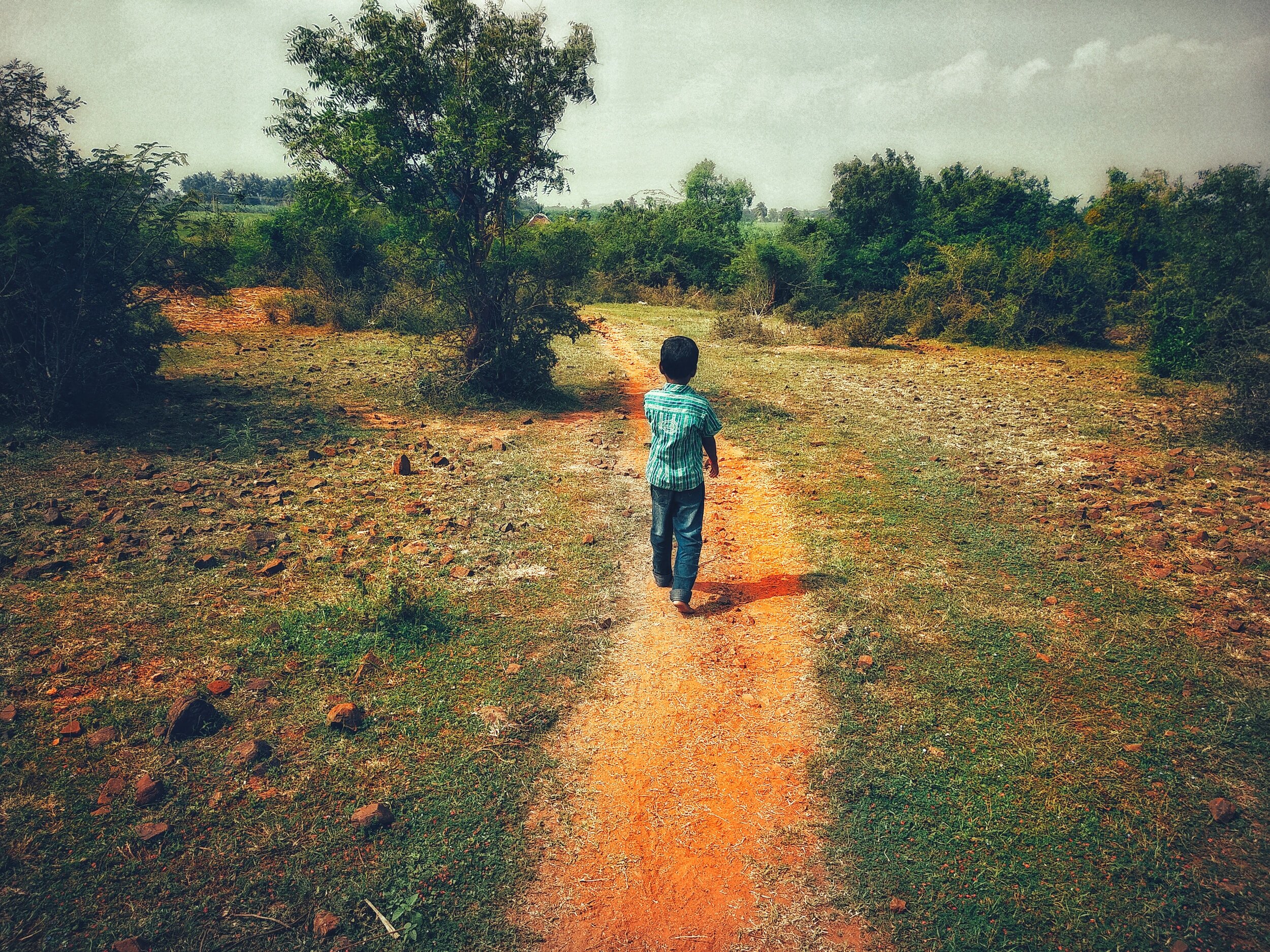
Photo courtesy of Vignesh S.

India has always had a large number of child laborers. In 2019, 152 million children were working. In the last two years, there has been an increase of 8 million children to the workforce. There is a great risk that this new generation will be academically displaced.

Before the pandemic, being in school protected children from child labor. However, with most families out of work or working to get by, the most vulnerable have to pay the cost: children. Children are often working 16 hour days in inhumane conditions. There are many contributing factors to this issue, the largest being that a third of the Indian population is living under the poverty line. With families working and narrowly making ends meet, families may feel they have no other choice but to send their children to work. Another factor is the country’s high illiteracy rate of 287 million people. Children who do not get a basic education will become illiterate adults, making them a target for underpaying jobs that creates an intergenerational cycle of poverty within the family. 

The states where child laborers are most prevalent are Bihar, Uttar Pradesh, Rajasthan, Madhya Pradesh and Maharashtra, where over half of the country’s children work. Uttar Pradesh in northern India is the state with the highest number of child laborers,  20 percent of children work in the silk industry and child laborers work in textile factories making garments for big companies. Gap was once in the headlines when someone discovered children working in the shops. Many of the child laborers were there due to their families selling them. Taking swift action, Gap responded and said, “the factory was being run by a subcontractor who was hired in violation of Gap’s policies, and none of the products made there will be sold in its stores.” Additionally, the spokesman for Gap Bill Chandler told The Associated Press, “Under no circumstances is it acceptable for children to produce or work on garments.” Since then Gap decided to stand up against child laborers and stated on their website that they would be “removing young workers from the facility.”

Children will work all kinds of jobs from carpet manufacturing, farming, brick making and gem extracting/polishing to selling cigarettes on the streets for the tobacco industry. Indian law prohibits children under the age of 14 to work and teens from age 14-18 to do any work that is considered hazardous. Nonetheless, most go unnoticed due to lack of enforcement of the law. Companies that turn a blind eye to this issue will oftentimes not recognize the child’s labor. Children will be forced to work long hours with no compensation or very little compensation. It has been reported that a child can make as little as 52 cents a day, if they are paid at all. They are frequently abused physically, verbally or sexually. Sexual exploitation in India is widespread, with 1.2 million children involved in prostitution. 

The mental and physical effects of this arduous and traumatic experience have consequences. Exposed children may experience mental health issues, causing a disruption in their emotional development. Many psychiatric disorders can stem from child labor, for example, depression, mood disorder, attachment issues, psychogenic seizures, post-traumatic stress disorder (PTSD) and substance abuse. The physical effects include but are not limited to exposure to toxic substances, working in extreme temperatures, malnutrition, sleep deprivation and death. The mental and physical toll it takes on the child will be long term if it is not dealt with. 

According to one estimate, more than 20 percent of India’s economy is dependent on children. This is a large financial burden on the hands of young people who should be exploring and playing, nurtured in their formative years, according to the American Academy of Pediatrics. The government’s accountability is key to move forward and to bring change to an already impacted generation. The laws that protect children need to be enforced and further tightened. 

The extreme poverty that has affected India is another root cause of child labor. According to Humanium, a organization that defends children’s rights, this is the primary reason children are falling victim to child labor. Their need to grow up before their time and help feed their impoverished family is only a momentary fix. This will impact their future and the future generations that will come after them. 

To Get Involved:

Global March is an organization that seeks to eliminate child labor. Their mission is to ensure free access to education. To learn more about Global March click here

To support the children of India through Global March click here.


Jenn Sung 

Jenn is a Communications Studies graduate based in Los Angeles. She grew up traveling with her dad and that is where her love for travel stems from. You can find her serving the community at her church, Fearless LA or planning her next trip overseas. She hopes to be involved in international humanitarian work one day.

A Cage Home Away from Being Homeless in Hong Kong

Cage homes have become the dangerous solution to living in the most expensive housing market in the world: Hong Kong.

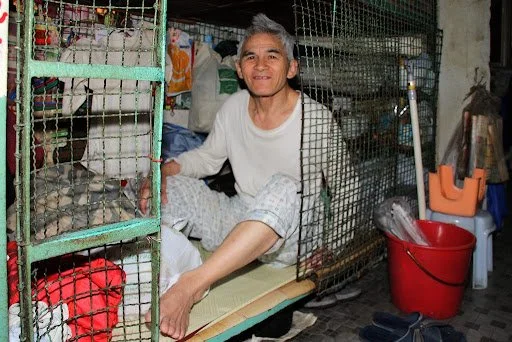
Man Living in a Cage Home. Pondspider. CC BY-NC-SA 2.0

Hong Kong is considered one of the most expensive cities to live in the world. The population of 7.4 million people live in a metropolis 110 times smaller than New York City.  Many struggle with the mounting housing prices which seem to keep rising. As a dangerous solution, low income individuals have developed "cage homes'' or “coffin homes” in which they reside. It consists of a bed-space, usually made of wood or wired boxes, large enough to only fit a bed and one or two personal items. An estimated 200,000 people, including 40,000 children live in cage homes in Hong Kong. The poor and elderly are the ones experiencing the effects the housing crisis Hong Kong has caused. 

Out of desperation, many people are deciding to live out of these cage homes in order to avoid living on the streets. These barbed wire “homes” were created in the 1950’s due to an influx of refugees coming from mainland China. They provided cheap labor for Hong Kong and, therefore, a demand for low cost bed space apartments. The apartment operators decided to make more profit by stacking bunk beds known as cages on top of each other, and the term “cage home” was created. Since then, the inhabitants have grown from immigrant workers to elderly men and women and children.

An average home in Hong Kong is about $1.28 million USD and a tiny “nano” apartment is on average $500,000 USD. Cage homes are approximately $230-$300 USD a month. They are the size of a parking space in the US, 7.5 feet in width and about 10 feet in length. They’re stacked on one another and there are approximately 30 cage homes in one room. All of the renter’s personal items are locked away at night or when renter’s go out for the day. Bathrooms are mostly communal and often there are no kitchens, just electric portable burners. While living in these homes, renters usually have no privacy or natural light coming in. Most windows are away from where the cage homes are placed. Many of the cage homes are in older urban districts, such as, West Kowloon, Sham Shui Po and Mongkok. 

The mental and physical effects of living in a cage home are concerning. The people who live in these spaces are dealing with depression, anxiety and stress due to their financial situation and cramped living space. Although they live among others, they often feel isolated and alone. Hygiene is also a big issue when living in these confined spaces. Up to a dozen people share bathrooms and kitchen areas, which are at times both in one room. In addition, there are poor safety regulations due to the buildings’ age and the number of people living in these tight spaces. The inadequate fire protection is a big risk many face when choosing to live in constricted spaces like these. Renters often have to deal with the infestation of rodents, roaches and bed bugs, which in turn affects their sleep and adds to health issues. There is poor air quality and no ventilation systems, with summer temperatures making it unbearable. Some elderly people have described their lives in their cage homes as “waiting for death.”

The new coronavirus pandemic has made it extremely difficult to live in these confined spaces. The cage home inhabitants find it impossible to quarantine safely as they do not have any walls or personal space. Most of them have to wear masks to sleep in order to avoid contracting the virus from others in their room. Many who live in the cage homes used to escape their reality by spending the day in parks, librairies or jungle gyms, however the pandemic has forced all public areas to close. Now cage home dwellers pass the time by, napping, listening to music or watching TV. Volunteers visit the people living in these spaces and bring food to donate, while also spending time with the residents to ease their loneliness.

Panorama of Hong Kong. CC BY-NC 2.0

The reason for the rising costs in the housing market is Hong Kong’s dense population, in which only seven percent of the city’s land is used for residential living. The pace of land supply and creation has slowed down in recent years. With low supply and high demand for living space, Hong Kong’s housing prices have no chance to come down. Chief Executive of Hong Kong Carrie Lam has proposed a variety of measures to boost the number of homes in the residential market. Her plan includes an aggressive target to turn the remote northern part of the city into a “metropolis” for 2.5 million people, a project that will take decades to complete. In July, Director of the Hong Kong and Macau Affairs Xia Baolong set a city goal to eliminate its ‘infamously small apartments’ by 2049. This refers to less than 500 square foot apartments many residents live in. The Hong Kong government legally recognised cage homes, but did so under the label “bedspace apartments,” which are defined as “any flat in which there are 12 or more bed spaces occupied or intended to be occupied under rental agreements.” The United Nations has taken notice and calls the poor conditions present “an insult to human dignity”.


Jennifer Sung

Jennifer is a Communications Studies graduate based in Los Angeles. She grew up traveling with her dad and that is where her love for travel stems from. You can find her serving the community at her church, Fearless LA or planning her next trip overseas. She hopes to be involved in international humanitarian work one day.