
While Greta Thunberg may be the most well-known young climate activist, here are 6 more from around the world. India, the Philippines, Scotland, Uganda, Argentina and Mexico are all home to climate leaders under age 25.
Read MoreSpanish Statue Prompts International Discussion about Climate Equity
Mexican artist Rubén Orozco Loza’s latest installation of a drowning woman in Bilbao, Spain, incites international discussions of intergenerational equity in climate litigation.
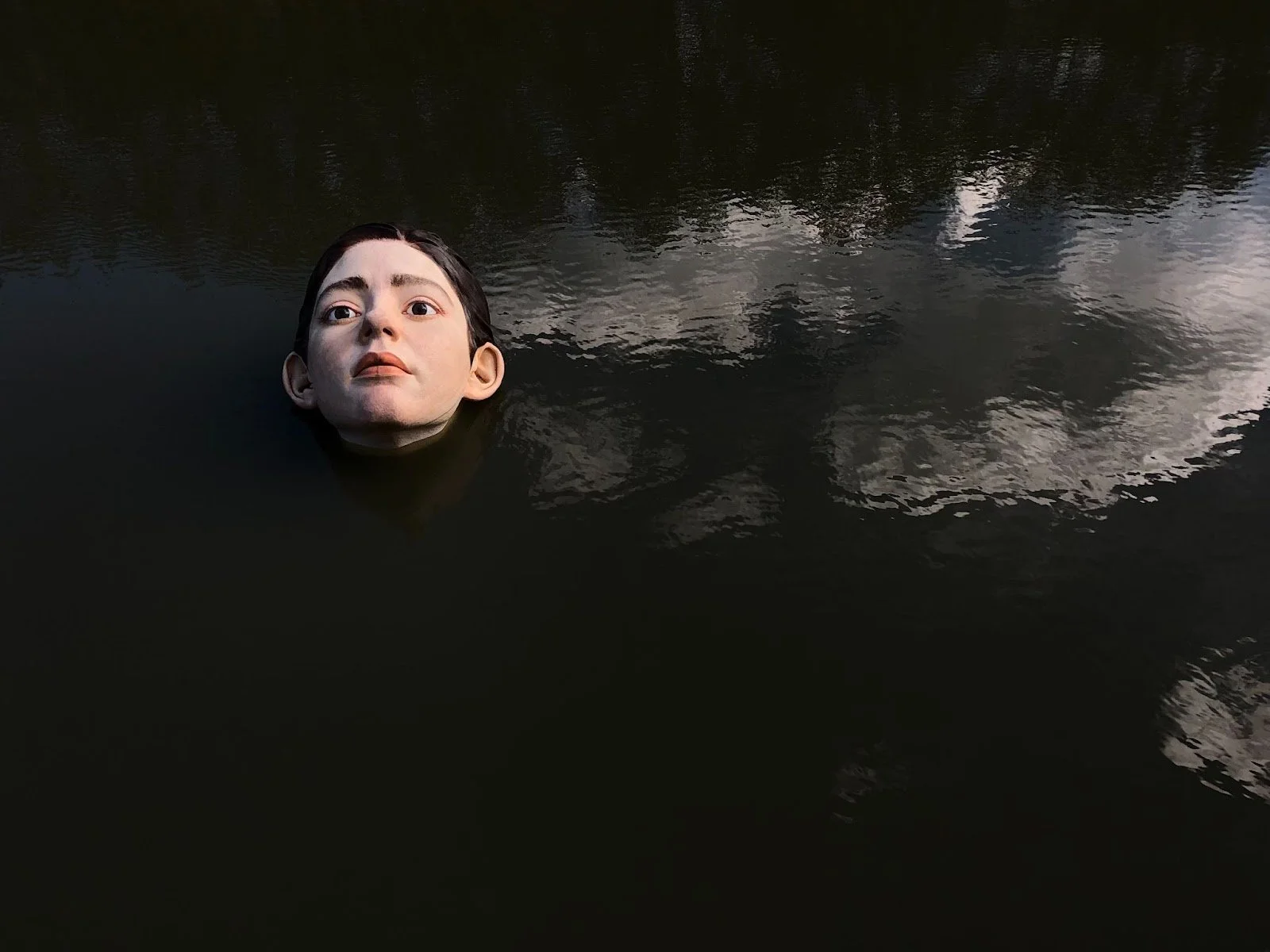
Bihar. Rubén Orozco. CC BY 1.0.
Since appearing in the water of Bilbao’s River Nervión unannounced, an eerie statue of a drowning girl has mystified the people of the Spanish city. The figure was taken by boat in the middle of the night on Sept. 23 and placed quietly in the water. When residents awoke the following day, they were startled to see a young woman’s face partially submerged with her eyes and mouth tilted up, reaching for air. The piece has inspired international discussions about intergenerational equity and climate change. This issue is a big topic among European youth who, in recent years, organized school walkouts and protests.
Despite her passive expression, viewers have described the image to invoke different feelings as the tides rise and fall. A visitor viewing the statue, Triana Gil, told Reuters that “At first it gave me a feeling of stress when more of the face was out of the water, but now to me she communicates sadness, a lot of sadness … She doesn't even look worried, it’s as if she is letting herself drown.”
Rubén Orozco Loza, a hyperrealist artist from Mexico, created the sculpture. The installation, commissioned by the BBK Foundation, is titled “Bihar: Choosing Tomorrow.” In an email to Insider, Loza described the piece as “a reflection on the decisions we make for future generations.” The artist told the Spanish news site, Nius, that the goal of his work is for people to consider that “their actions can sink us or keep us afloat.”
With the help of his wife, Loza spent three months completing the piece in Mexico. The artwork is over 6.5 feet tall and weighs around 3.5 tons. It had to be flown to Spain in eight separate pieces and re-assembled there before it was brought to the river by boat.
The young girl stands still as tides rise past her ears and over her head, then slowly back down, unveiling her upward staring eyes and calm expression. This cycle repeats over and over, day after day. Her presence isn’t just unsettling residents but inspiring discussions around an uneasy topic that affects the global population: climate change.
A few days before the statue’s grand appearance in the river, the Science Journal published a report about intergenerational inequalities in exposure to extreme climate events. The paper found that children born in 2020 will experience up to seven times more extreme climate events like heat waves, wildfires, droughts, floods, hurricanes and tsunamis than someone born 40 years ago. This raises the important issue of intergenerational equity in climate litigation, which has fueled recent climate protests led by millions of young people in at least 110 countries in the last few years.
Loza told Insider that “‘Bihar: Choosing Tomorrow’ is an exercise in pausing, looking at what's changing, and above all, a future reflection of what can happen if we continue to bet on unsustainable models.” His artwork serves as a medium to contemplate the question of how future generations will experience a world impacted by the actions of people today. Loza added, “I hope that this piece helps people reflect and see how, like the sculpture, we can get to a point where we are no longer afloat.”
Claire Redden
Claire is a freelance journalist from Chicago, where she received her Bachelor’s of Communications from the University of Illinois. While living and studying in Paris, Claire wrote for the magazine, Toute La Culture. As a freelancer she contributes to travel guides for the up and coming brand, Thalby. She plans to take her skills to London, where she’ll pursue her Master’s of Arts and Lifestyle Journalism at the University of Arts, London College of Communication.
The World’s Electronic Waste is Ending Up in Ghana’s Landfill
While new tech gadgets launch every few months, the buildup of electronic waste is being sent to Ghana and damaging the citizens’ health.
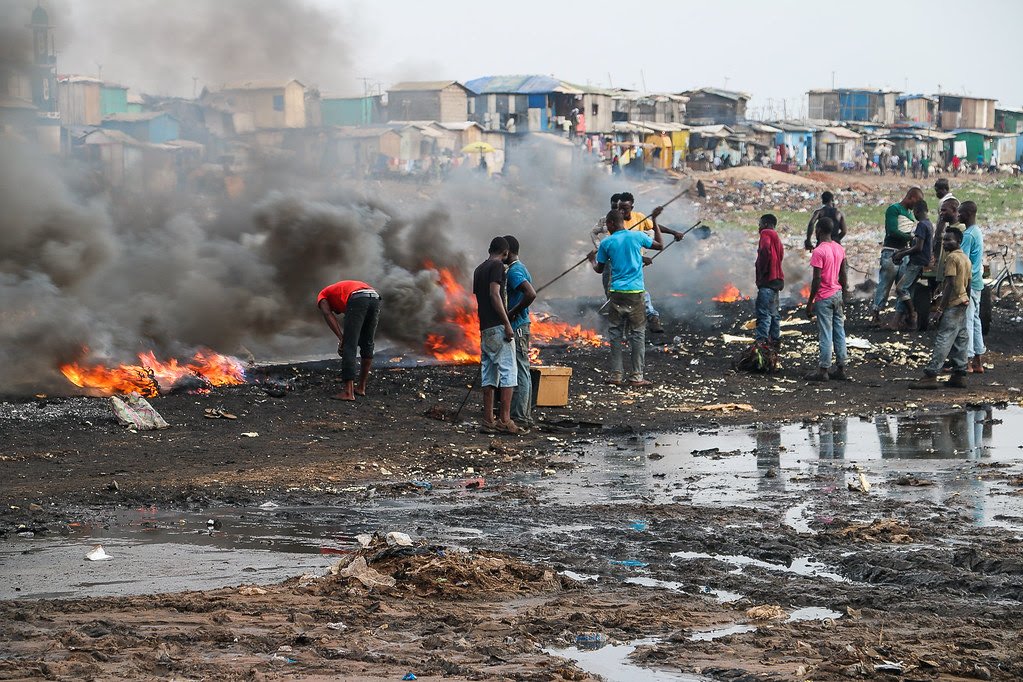
Location, Ghana. Fairphone. CC BY-NC 2.0
The capital city of Accra in Ghana is home to the largest e-waste landfill, Agbogbloshie. Electronic waste or e-waste is waste material with any battery or power cable. It ranges from everyday appliances to laptops, circuit boards, lamps, phones, etc. If these items are not disposed of properly, they can become harmful to the environment and people. An estimated 250,000 tons of electronics are sent every year to the dumpsite. The site not only houses e-waste, but about 40,000 Ghanaians inhabit the area alongside livestock.
The e-waste arrives in Ghana through the Port of Tema, about 20 miles east of Agbogloshie. Most of the items in the container ships are from the United States or Western Europe. The electronics are secondhand and sent to Ghana with the idea of being refurbished then sold. The majority of the items cannot be fixed and become e-waste, which is then taken to Agbogbloshie. Once the electronics arrive at the dumpsite, there is an entire process the electronics go through. First, small collectors sell the items to scrap dealers known as “masters.” The scrap dealers then have their workers, known as “boys,” use their bare hands, hammers and other tools to break apart the valuable metals inside. At times insulated wires are bundled together and taken to the “burner boys” they’re in charge of burning the plastic off of the wires. In doing so, they’re able to retrieve valuable metals. The metals include copper, aluminum, zinc, silver and others. Once the metals are recovered, they are weighed and sold for instant cash.
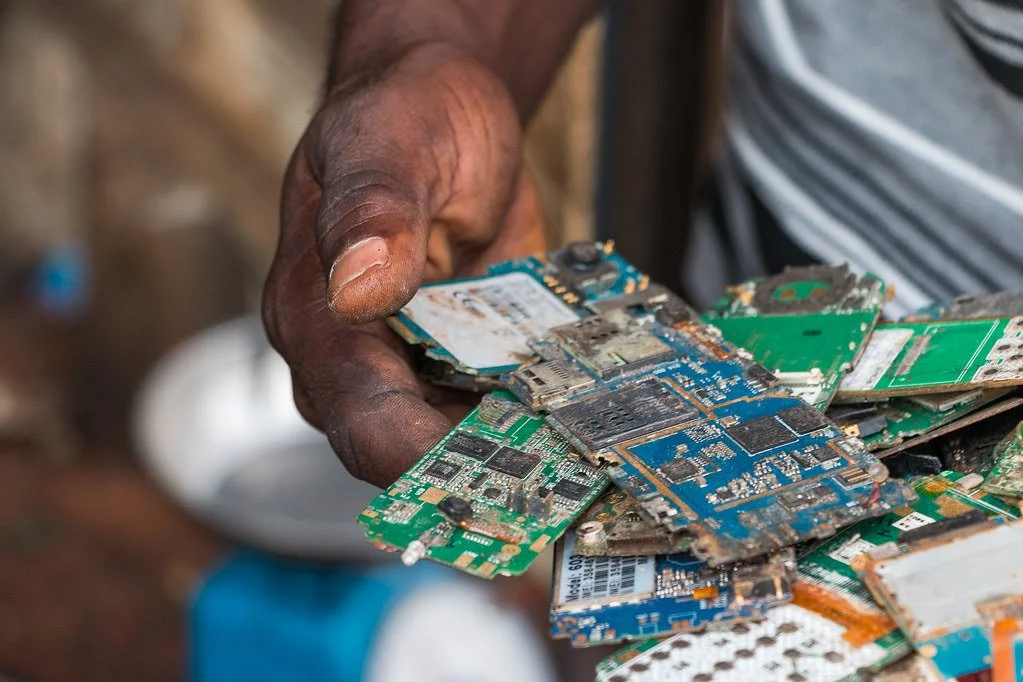
PCBs Used to Extract Metals. Fairphone. CC BY-NC 2.0
The supply and demand is what fuels the toxic pollution in Agbogbloshie. As soon as the bulk of metals and wires are sold, they are exported out of Ghana and reused to produce new devices. The men and young boys who do this harmful labor are usually from rural northern cities searching for work to provide for their families back home. A “burner boy” will make about $40-50 Ghanaian cedis a day (US$6-8). Living in extreme poverty and barely making enough to move further up the chain, along with paying the ultimate price with their lives. They work arduously with no protective gear and no government regulations. At times, these young men and children have multiple health issues due to the toxic fumes and chemicals that leak from the electric waste. They face chronic nausea, debilitating headaches, skin diseases, burns, respiratory problems, infected wounds and cancer among others. All these issues are brought on by the toxic work environment, pollution and lack of regulations. Most people know that this line of work is debilitating to their health. However, the desperation for survival is the driving force.
The people who work and live in Agbogbloshie are not the only ones suffering; the livestock is, too. The toxins are entering the food chain as cattle roam and graze the dumpsite freely. This is concerning as the Agbogbloshie area is home to one of the largest food markets in Accra. Most of the cows and chickens are slaughtered and eaten by the residents, which then ingest the high-level toxins. In addition, the water is also being contaminated as Agbogbloshie is situated on the Korle Lagoon. This lagoon is filled with piled-up waste of all sorts and links to the Gulf of Guinea, the Northeastern part of the Atlantic Ocean.
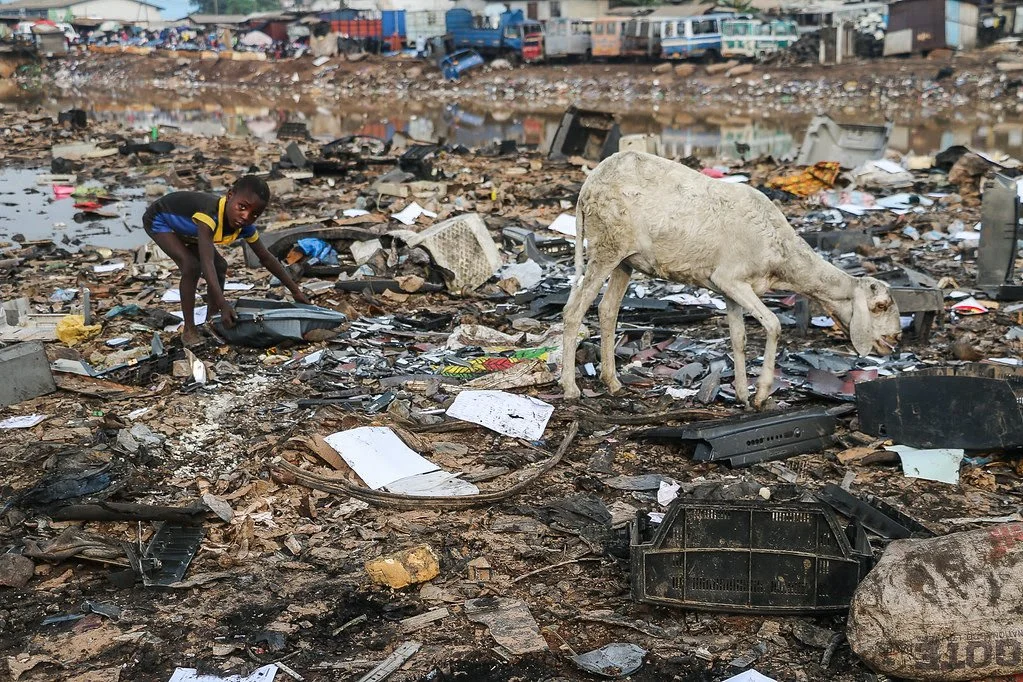
Goat Freely Roaming. Fairphone. CC BY-NC 2.0
Agbogbloshie is known to many of the locals as Sodom and Gomorrah. These biblical cities are synonymous with Agbogbloshie’s difficult living conditions. Although harsh, the people of this slum depend heavily on electrical waste in order to make a living. The Ghanian government has condemned the activity that’s taking place here. However, it has not lessened. As of now, change might be taking place in the near future. The German agency, GIZ, is in the middle of delivering a $5.5 million project for the people of Agbogbloshie. The plan is to build a sustainable recycling system and a health clinic and football pitch for workers. Much more will need to be done to keep the people’s health intact and away from this harmful environment. However, this is a start in bettering the status quo.

Jennifer Sung
Jennifer is a Communications Studies graduate based in Los Angeles. She grew up traveling with her dad and that is where her love for travel stems from. You can find her serving the community at her church, Fearless LA or planning her next trip overseas. She hopes to be involved in international humanitarian work one day.
Climate Activists protest UN Conference in Glasgow
At the 26th United Nations conference, hundreds of protesters demonstrate their dissatisfaction with world leaders’ actions on climate change.
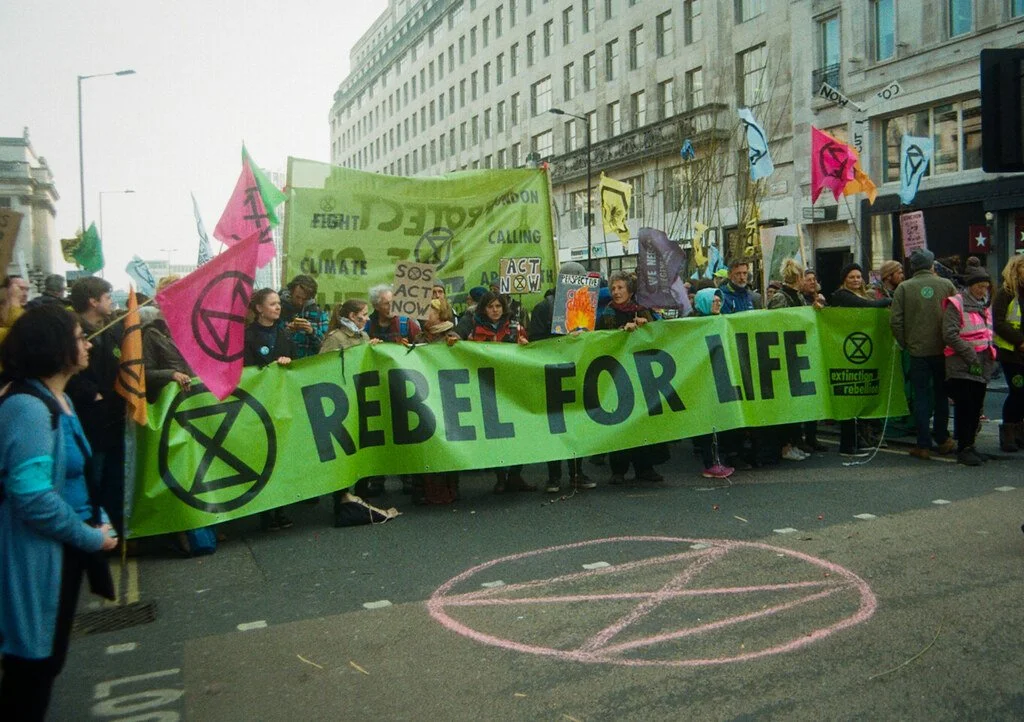
Previous Extinction Rebellion protest 2019. ici et ailleurs. CC BY-NC-ND 2.0
For 26 years, the United Nations Climate Conference has gathered the world’s leaders to discuss climate change as a global issue. The 2021 climate conference (COP26) was held in Glasgow, Scotland. The United Nations conference in 2015 signed the pivotal Paris Climate agreement. The Paris Agreement was supposed to be a monumental step toward global action on climate change. In reality, it was the first time all countries in the UN acknowledged and agreed to limit global warming. In accordance with the Paris Agreement, each signed country was to bring its own plan to lower emissions and secure its own funds to do so.
The Paris Agreement and the United Nations conference as a whole had maintained global status leading up to the 2021 conference when fears about climate change were mounting among their citizens. Among the world leaders present, 25,000 delegates from 200 countries present at the conference to represent their respective countries.
On Wednesday, November 3, protesters gathered outside the SSE energy building in Glasgow. The protesters were organized by a group called Extinction Rebellion. The climate activist group is an international organization that aims to push governments toward immediate action against climate change. The November 3rd protest was a march against ‘greenwashing,’ when companies and major organizations claim to be eco-friendly but are failing to take tangible action. Five protesters were arrested; two of the arrests took place after police officers were sprayed with paint. However, aside from the few arrests, the majority of the protesters were peaceful and compliant with the police’s requests.
The greenwashing protest took place on the third day of the climate summit when world leaders were gathered to discuss the finances to address global action regarding climate change. A group of investors pledged to commit 130 trillion in private capital to reach the looming net-zero goal. Despite this pledge, activists remained skeptical, as evident by the hundreds that took to the streets.
The United Kingdom hosts the 2021 conference, and the country brings the goal of having the participants commit to net zero emissions by 2050, as first stated in the 2015 Paris Agreement. Notably, this goal falls 25 years short of Extinction Rebellion’s stated demands that greenhouse gas emissions reach net zero by 2025. Extinction Rebellion’s protests respond to the 25 previous conferences failing to deliver on their initiatives, stating via their website that “XR will continue demanding immediate action to tackle the climate and ecological emergency in the run up to, during and beyond COP26.”

Dana Flynn
Dana Flynn is a recent graduate from Tufts University with a degree in English. While at Tufts she enjoyed working on a campus literary magazine and reading as much as possible. Originally from the Pacific Northwest, she loves to explore and learn new things.
Nepal Requires Yoga Education For School Children
Nepal is the first nation to make yoga a requirement in schools. The government claims the courses will promote a healthy lifestyle yet the Muslim community is worried the policy will promote Hinduism.
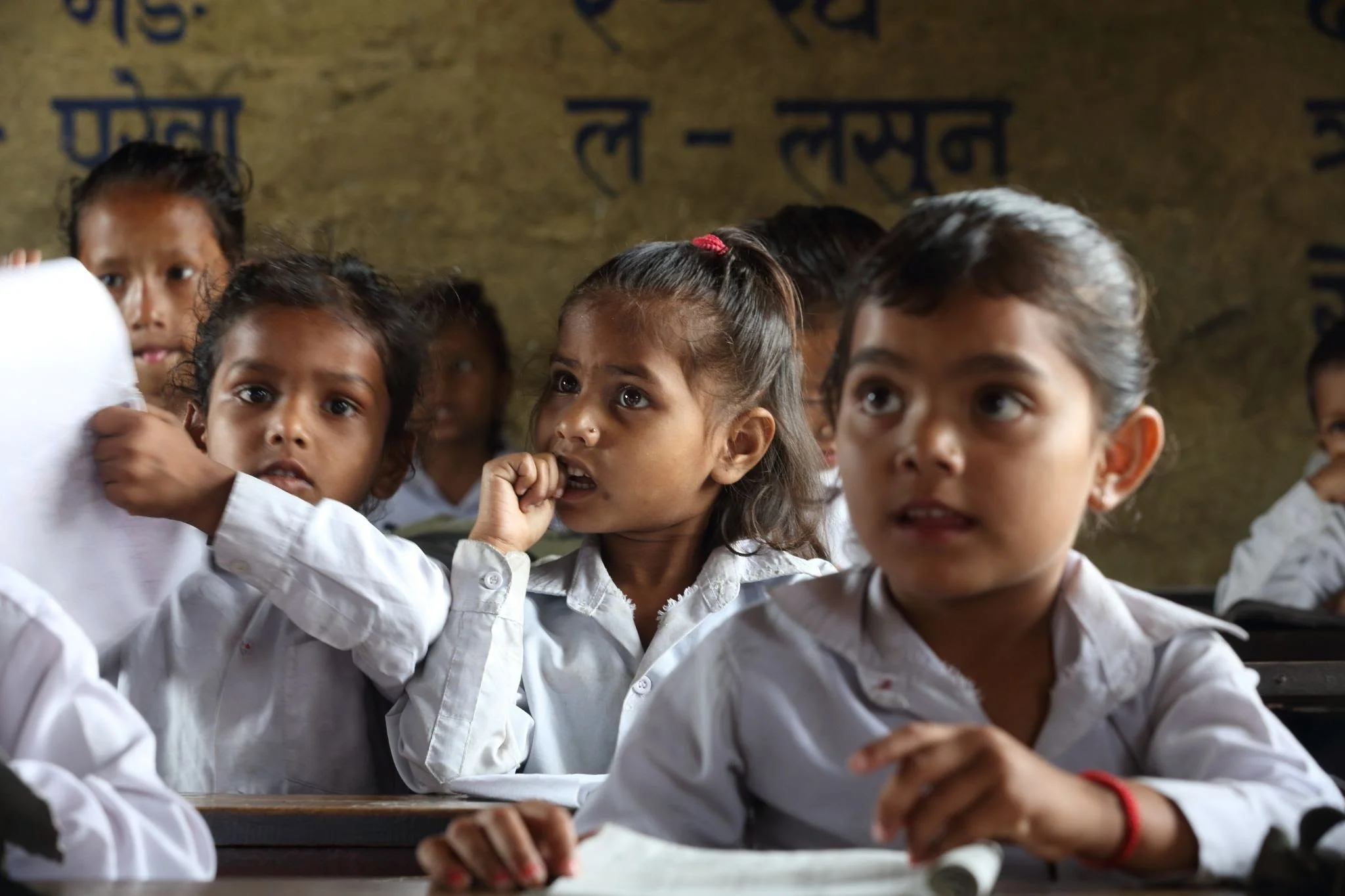
Nepali children in a classroom. Department of Foreign Affairs and Trade. CC BY 2.0.
Last year, Nepal’s Ministry of Education, Science and Technology completed designing their compulsory yoga courses for students in grades four through eight. The small Himalayan country is the first in the world to make it a required subject nationwide. Officials say the course is intended to encourage a healthy and active lifestyle, but the Nepali Muslim community is doubtful. They fear the new courses will attach religion to health and reinforce Hindu nationalism in the country.
Yoga was once a general elective course, but as of this school year, the Nepali curriculum requires students to participate in a weekly yoga course. Alongside math and science, students will have a “choice between yoga, Ayurveda, and natural medicine,” says Krishna Nasad Kapri, the joint secretary of the Ministry of Education, Science, and Technology. Certain yoga topics will also be integrated into English and Nepali language courses.
Officials in Nepal specified that it was the Nepal Communist Party which decided to change the curriculum, not Hindus. They pointed out that the yoga course is only required for students in grades four through eight and that older students can choose to take the course as an elective. Giriraj Mani Pokhrel, Nepal’s education minister, told The New York Times that “yoga is our ancient science. We want students to learn it, and we think this is the right time.”
The Muslim community in Nepal is not sold on the government’s intentions to promote healthy lifestyles through yoga courses. Some fear that the exercises will include religious and ideological contexts that could underline a rise in Hindu nationalism. Muslim activist groups have said they would oppose the mandatory yoga lessons if the students were expected to do poses such as the sun salutation, a series of 12 moves devoted to the Hindu god, Surya. Groups have also resisted chanting the sacred Hindu sound of “om.”
Nazrul Hussein, the former president of the Nepal Muslim Federation, expressed his stance on the mandate in an article for The New York Times, proclaiming that “Making anything mandatory that relates to one particular religion is against the spirit of the Constitution. We cannot do the sun salutation, and they should not link religion with health."
The director of Nepal’s Curriculum Development Center, the organization responsible for designing the course, denied any favor to a particular religion. He furthered his defense, telling The New York Times that “This course is for mass education,” he said. “Content against any religion is edited out.” According to reports from officials, sun salutations are a part of the class.
In the U.S., hundreds of public schools designate time for students to practice breathing exercises and stress reduction techniques. Some curriculums that offer yoga, and some colleges and primary schools require them even though national policies do not enforce it. Alabama Governor, Kay Ivey, signed a bill in May that undid a 1993 ban on yoga practice in public schools.
While the bill abolished a 30-year ban, it also established restrictions on how yoga can be taught. The bill states that students won’t be allowed to meditate, say “namaste,” chant, use mantras, mudras or mandalas. In addition, Hindu names cannot be used for poses. Instead, they must be replaced with their English versions.
Krishna Nasad Kapri told The Times of India that,“Besides being helpful in the treatment of various ailments, yoga, Ayurveda and naturopathy will also be helpful for further research.” According to the National Institute of Health, a 2016 report by the American Academy of Pediatrics concluded that yoga seemed to be a promising stress management tool for children, and that yoga “may have positive effects on psychological functioning in children coping with emotional, mental, and behavioral health problems.” However, the report also notes that studies on yoga for children have limited sample sizes. The introduction of yoga in schools has the possibility to make a positive impact on childrens’ lives, and allow scientists to research the benefits on a larger scale. Despite the religious controversies, Nepali schools are one step closer towards adapting stress management courses like yoga for public education.
Claire Redden
Claire Redden is a freelance journalist from Chicago, where she received her Bachelor’s of Communications from the University of Illinois. While living and studying in Paris, Claire wrote for the magazine, Toute La Culture. As a freelancer she contributes to travel guides for the up and coming brand, Thalby. She plans to take her skills to London, where she’ll pursue her Master’s of Arts and Lifestyle Journalism at the University of Arts, London College of Communication.
Rising Tides of Trouble: Piracy Amidst a Pandemic
As the pandemic threatens lives globally, it has allowed for unseen tragedies to take hold: Naval vessels are increasingly vulnerable to piracy.
Read MoreMexico Decriminalizes Abortion, Work Remains to Be Done
The Supreme Court of Mexico determined the criminalization of abortion to be unconstitutional. Yet, economic inequities pose challenging barriers to reproductive rights for many Mexican women.
Read MoreLatin America is the Most Dangerous Region for Environmentalists
In 2019, 212 land and environmental defenders were killed worldwide. Over two-thirds of these killings took place in Latin America.
Read MoreAfghanistan’s Looming Humanitarian Crisis
After 20 years of war between the U.S. and the Taliban, Afghanistan continues to crumble. The recent Taliban takeover has disturbed foreign aid, leaving 18 million nationals in need of assistance.
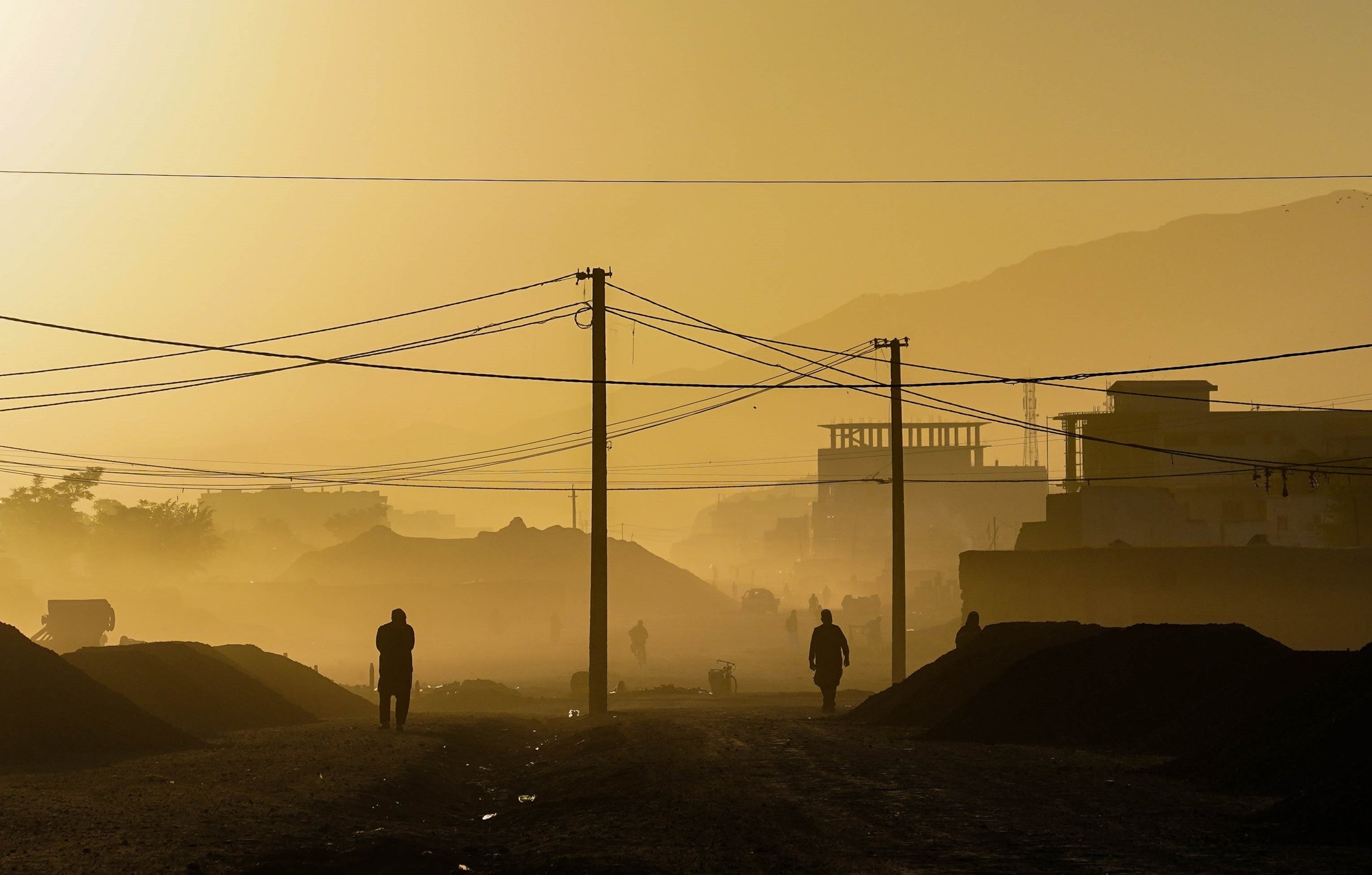
Photo by Mohammad Rahmani on Unsplash
Afghanistan had relied on foreign aid and donors to support its economy even before the Taliban regained control of the nation. According to Al Jazeera, more than one-third of the nation’s GDP was composed of foreign funding. However, the U.S.’s withdrawal from Afghanistan and the Taliban’s recent takeover caused the departure of relief workers and funding cuts. While the U.N. appealed for almost $200 million in additional funding for support for Afghanistan, nations are struggling to navigate how to deliver resources to Afghan civilians successfully. As the country approaches economic collapse and widespread hunger and poverty, foreign aid is crucial to saving innocent lives; however, interaction with the Taliban is the primary delivery route. Donors and foreign governments are hesitant to assist the Taliban due to their track record of human rights violations and fear of corruption and misuse of funds.
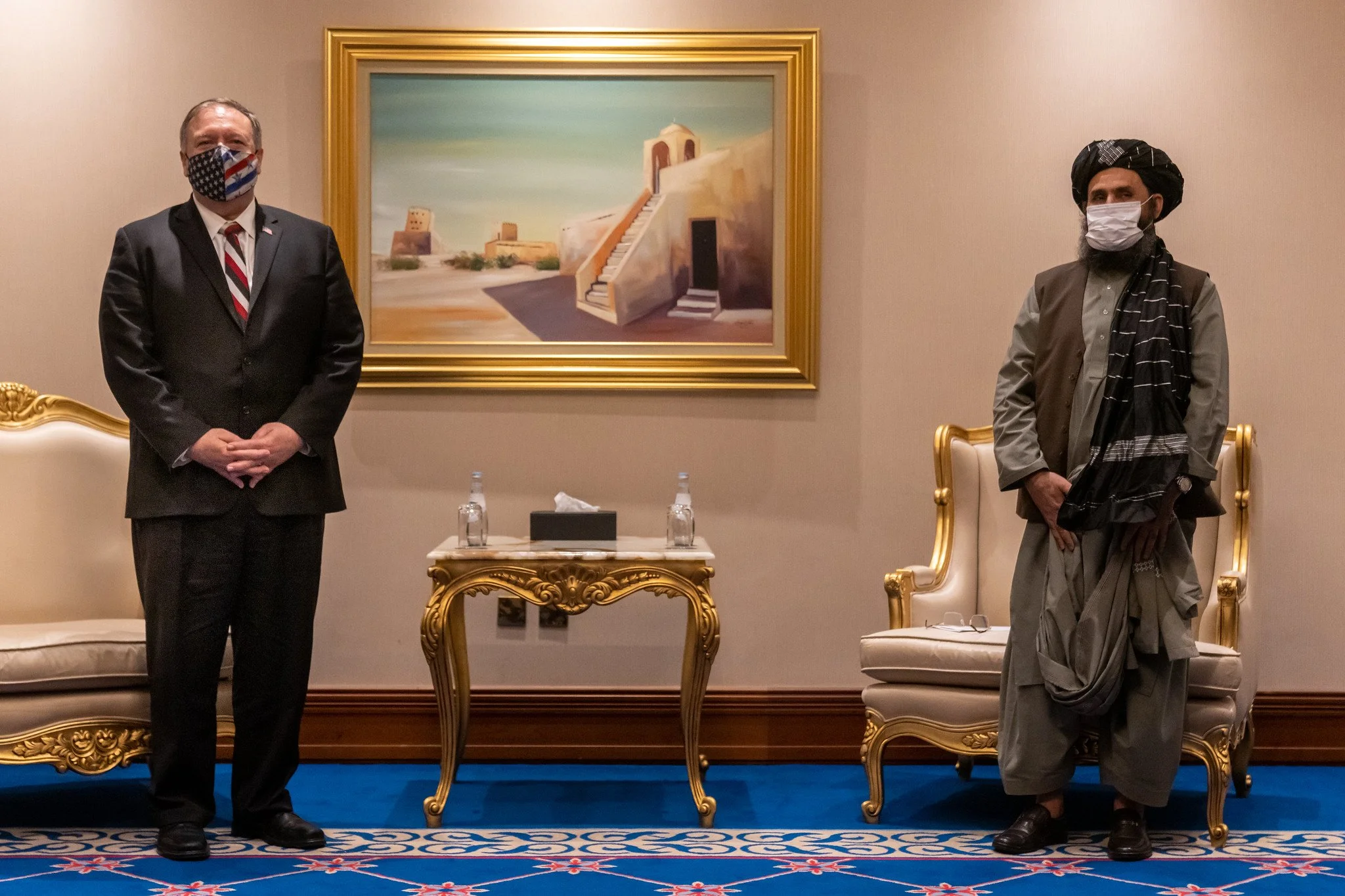
Because the Taliban’s regime is not internationally recognized, The World Bank cut financial aid to Afghanistan. In addition, the International Monetary Fund said that the Taliban would not be granted access to use its new reserves. As a result the U.S., E.U. and the U.K. have ceased their aid programs in the region. Despite this and the sanctions on Afghanistan, the U.S. will continue to provide aid for Afghanistan via non-governmental organizations. One method to minimize the misuse of relief funds by the Taliban includes assisting with food, medicine and other necessary resources instead of financial aid. Some nations, including Pakistan and Iran, have taken to this method over the years. Another way for countries to work around the Taliban includes channeling relief programs through U.N. agencies or the World Bank. Despite these efforts, there is no guarantee that the funds will be distributed appropriately, and there is always a risk of fund misuse.
Sanctions and other restrictions also hinder the delivery of aid. At the end of August, conditions at the Kabul airport impeded The World Health Organization’s attempts to send 500 tonnes of medicine to Afghanistan. The Pakistani government facilitated the WHO in this effort and delivered 12.5 metric tonnes of medicine to Kabul. However, sanctions could disrupt other deliveries unless formal exemptions are issued. Some humanitarian groups have previous experience providing aid to areas controlled by the Taliban and have even been assured by the Taliban that their efforts will not be interrupted. The Taliban recently tweeted that the World Food Programme’s humanitarian efforts are appreciated and assured of the organization's security.
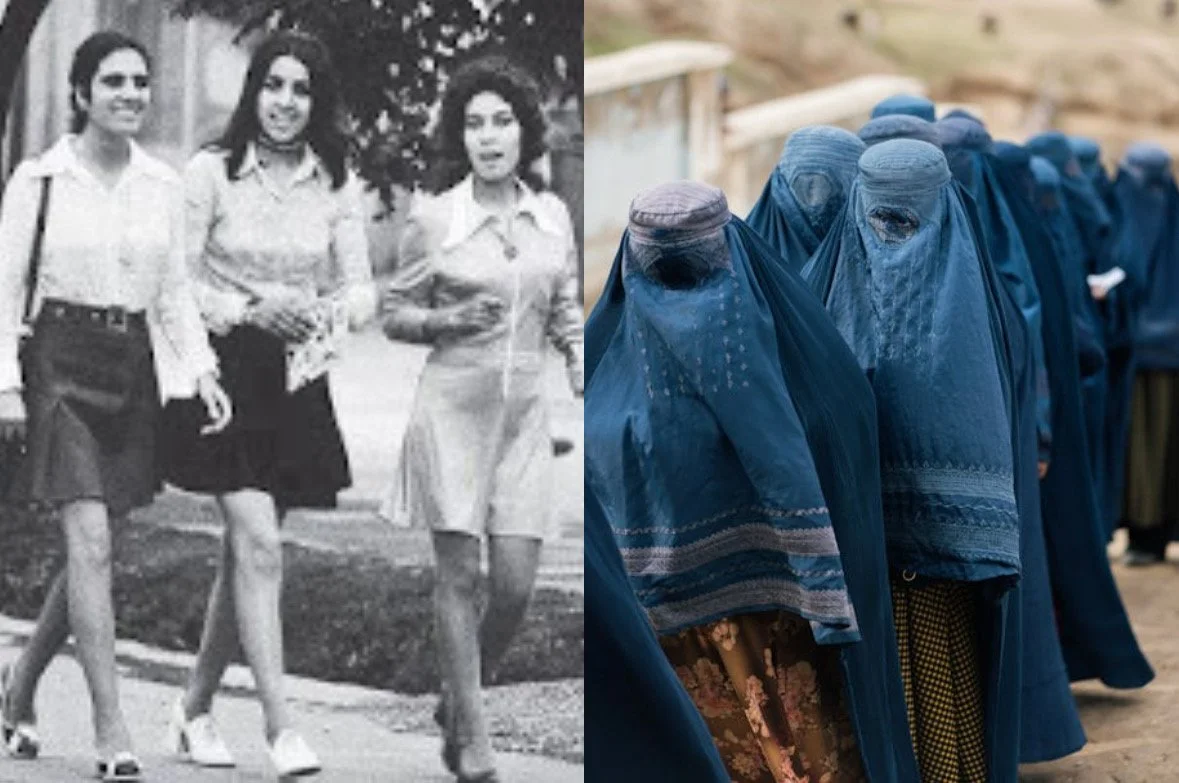
According to the United Nations Development Programme (UNDP), Afghanistan’s poverty rate is expected to increase from 72 percent to 98%by mid-2022. Around 14 million people (35% of the population) and two million children are food insecure in Afghanistan due to rising food prices, severe drought and displacement. The United Nations reported that there had been a 50% increase in the cost of wheat, sugar, rice and cooking oil compared to pre-pandemic prices. Flour, oil, beans and gas prices have also hiked by around 63%. Food prices continue to skyrocket as economic sanctions impact the availability of imported goods. According to a survey conducted by Save the Children, many families have accumulated debt to purchase food. Some families have resorted to selling their belongings, cutting back on meals and putting their children into the workforce to pay off this debt. Banking issues and asset freezes may continue to further food insecurity for locals. More than 18 million people — half the population — in Afghanistan rely on humanitarian aid to survive. The necessary resources must be delivered soon to derail the region from snowballing into a more profound economic and humanitarian crisis.
GET INVOLVED
While these crucial deliveries have been limited in Afghanistan, there are still ways to help through independent and reliable organizations. For example, the Afghanistan Humanitarian Fund is one of the U.N.’s country-based pooled funds collecting donations. Through this pooled fund, contributions are controlled by local U.N. representatives and funds are made available to various partner organizations on the front lines. Another U.N.-based program that is collecting donations is the World Food Program. The Taliban recently negotiated with the director of the WFP, David Beasley. They assured him that the new government would facilitate the organization’s efforts and grant them access to deliver relief resources. Beasly told PBS that the Taliban had honored their word thus far. Similarly, Save the Children is accepting funds from donors to help Afghan children and families in need, mobilizing to meet the urgent needs of refugees.
RELATED CONTENT


Mia Khatib
Mia is a rising senior at Boston University majoring in journalism and minoring in international relations. As a Palestinian-American, Mia is passionate about amplifying the voices of marginalized communities and is interested in investigative and data-driven journalism. She hopes to start out as a breaking news reporter and one day earn a position as editor of a major publication.
Abuse in France’s Catholic Church: Report Finds Victims Number More Than 200,000
An independent commission found that for the last 70 years, hundreds of thousands of children were abused by clergy in France, and the church was ill-equipped to respond to and prevent abuse.

“Notre Dame, Paris.” Gary Campbell-Hall. CC BY 2.0
The Independent Commission on Abuse in the Church (CIASE) was published after an extensive three-year investigation. The report found that over 200,000 minors were abused by clergy members of the Catholic Church in France alone from 1950 to the present day. Furthermore, the commission estimated that, including laypersons who were employed by the church, such as staff in Catholic schools, the number of victims rose to 330,000 over the years.
The report also found that while family or friends in France perpetrated the highest rate of sexual violence against minors, the Catholic Church is the second environment with the highest prevalence of sexual violence. The report estimates that the number of perpetrators ranges from 2900 to 3200. While this number may seem low for the number of victims, the commission notes that “scientific research shows that a sexual predator can effectively assault a great number of victims, especially predators of male children- as is overwhelming the case in the Catholic Church.” The Vatican released a statement that the Pope learned of the report’s staggering findings with “sorrow.” Pope Francis stated, “I would like to express to the victims my sadness… my sorrow for the trauma that they have suffered. And also my shame” in response to the report’s findings.
The report found that the Catholic Church did little to prevent the abuse over the last 70 years, stating, “The Catholic Church’s attitude has evolved over time but it has remained too focused on the protection of the institution, for a long time with no regard to the victims.” Furthermore, the commission found that from 1950 to 1970, the church was focused on avoiding scandal and often saved aggressors by silencing victims. The report found that while the institution did not accept the violence, it was too focused on preserving the institution and did not know how to prevent or address the abuse. The commission urges the Church to not just move on from past abuse, stating: “ It is not enough for the Church to claim awareness, albeit too late in the day.” CIASE also said that the church needed to recognize the abuse, and take responsibility and begin a process of compensation.
The report also addresses canon law, finding that victims have “no place” in the law that was unprepared to deal with sexual violence. The report also cited deviations in catholicism where priests are almost elevated to saint status. The over-emphasization of obedience and purity could lead to environments that perpetuate sexual violence.
The CIASE report is not the first of its kind, but change within the Church seems to be slow. The head of the inquiry, Jean-Marc Sauvé, told reporters that until the 2000s’ the church had shown “deep, total and even cruel indifference" towards the victims of sexual abuse.
Dana Flynn
Dana is a recent graduate from Tufts University with a degree in English. While at Tufts she enjoyed working on a campus literary magazine and reading as much as possible. Originally from the Pacific Northwest, she loves to explore and learn new things.
W.H.O. Approves First-Ever Malaria Vaccine
On October 6, the World Health Organization recommended the vaccine Mosquirix for widespread use against the deadliest malaria-causing parasite. The vaccine is anticipated to save the lives of over 100,000 young children living in sub-Saharan Africa.
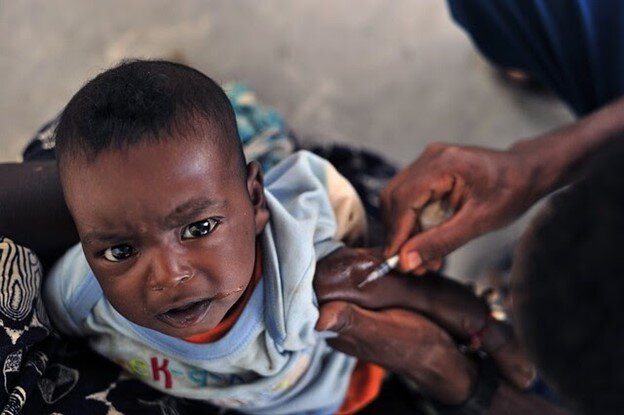
Malaria Vaccine. tpsdave. CC BY 2.0.
On October 6, the WHO Director-General announced the UN agency’s approval of humanity’s first vaccine against malaria for broad rollout. Dr. Tedros Adhanom Ghebreyesus termed the announcement a ‘historic moment’ and a ‘glimmer of hope’ for sub-Saharan infants and children, who are the most vulnerable demographic to die from the parasitic disease.
Disease Background
Malaria is a life-threatening infectious disease caused by the Plasmodium” family of protozoan parasites. The disease is transmitted via mosquito bites rather than human contact. Mosquitoes’ saliva can pick up the parasite from an infected person, then give the parasite to the enxt healhty person they bite. Upon contraction, the parasite circulates throughout the human bloodstream and destroys their red blood cells. Within two to four weeks of contraction, malaria symptoms such as fever, aches, chills, nausea and vomiting occur. Severe cases of malaria can cause anemia and jaundice, and if left untreated, it can cause seizures, kidney failure, coma or death.
Disease Burden
Though there are nearly 230 million cases of malaria worldwide, Africa pays the greatest price. The continent sees 94% of malaria cases globally, where six countries account for approximately half of all reported malaria deaths: Nigeria (23%), Democratic Republic of Congo (11%), United Republic of Tanzania (5%), Burkina Faso (4%), Mozambique (4%) and Niger (4%). While malaria occurs in other regions such as South America, the disease predominantly wreaks havoc upon the planet’s poorest continent.
Children under the age of five are twice as likely as older patients to die upon contraction. For example, of the 409,000 global deaths caused by malaria in 2019, children five years or younger accounted for 67% of them.
Africa’s disproportionate prevalence of malaria is the result of a confluence of factors. First, the continent’s tropical and subtropical climates are perfect conditions for marsh mosquitos year-round. Second, relative socio-political instability and lagging economic development have made it difficult to implement large-scale preventive public health practices like mosquito nets and insecticide sprays that are needed to curtail transmission.
Vaccine Information
After a decade of clinical trials operating within seven African countries, the World Health Organization coordinated a pilot program to evaluate the safety and efficacy of the Mosquirix vaccine (GlaxoSmithKline’s RTS,S). The trials served 15,000 infants and young children in Ghana, Kenya and Malawi. The trial found that Mosquirix is feasible and cost-effective to deliver to the public, even amidst the COVID-19 pandemic. Equitable access to malaria prevention is now a reality thanks to the Mosquirix vaccine’s approval.
However, there are some logistical obstacles that countries will need to navigate because Mosquirix is imperfect. The vaccine was shown to prevent about four in ten malaria cases. The dosage structure is also time-intensive. One must receive three doses in three months, followed by a final injection a year later. This vaccination timeline will likely be the biggest obstacle. Peter Agre, the head of Johns Hopkins Malaria Research Institute, acknowledges “from an objective level most are disappointed that [Mosquirix] wasn’t more effective”.
Nevertheless, public health experts are excited about Mosquirix’s potential. Of more than 2.3 million total doses injected throughout the pilot, the vaccine reduced severe malaria by 30%. In addition it reached two-thirds of children lacking a bed-net to sleep under. As the Director of the WHO Global Malaria Programme, Dr. Pedro Alonso states, “We’ve been looking for a malaria vaccine for over 100 years now. This will save lives and prevent disease.”

Rohan A. Rastogi
Rohan is an engineering graduate from Brown University. He is passionate about both writing and travel, and strives to blend critical thinking with creative communication to better understand the places, problems, and people living throughout the world. Ultimately, he hopes to apply his love for learning and story-sharing skills to resolve challenges affecting justice, equity, and humanity.
The Women of Kenya’s Lake Victoria Reject “Fish for Sex”
In a small fishing village on the shores of Lake Victoria, women are breaking the gender roles that dominate the area. A cooperative called No Sex For Fish brings women together to source fish for themselves, without trading their bodies.
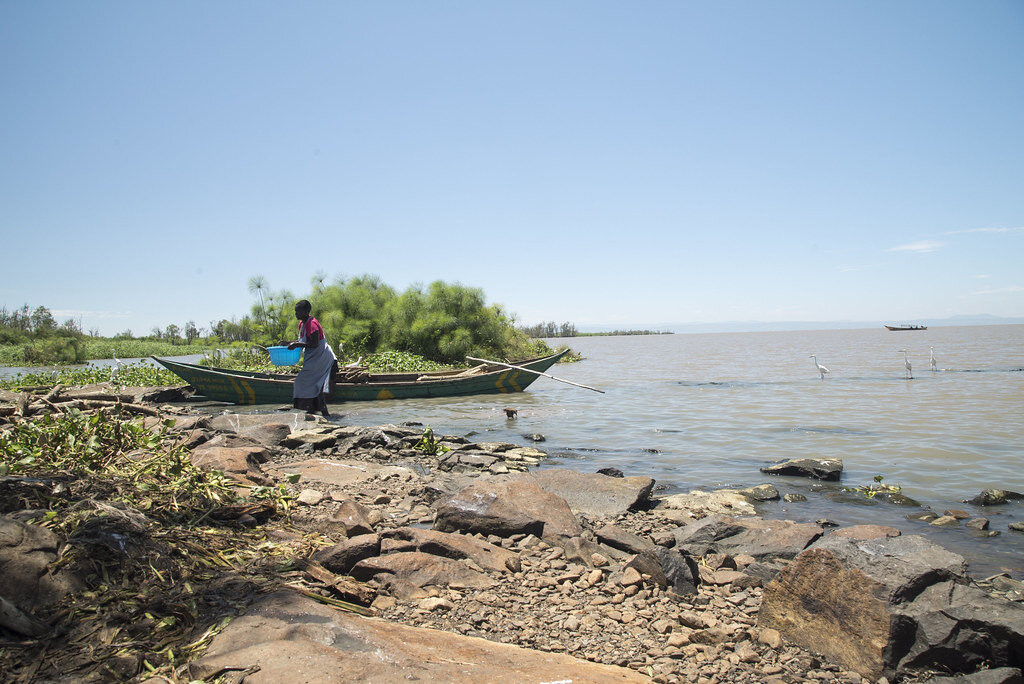
A woman carrying a bucket by her boat in Lake Victoria. CC BY-NC-ND 2.0
“No Sex For Fish” is a bold name. It summarizes what the women of Nyamare have fought for. In the villages along Lake Victoria in Kenya, the fishing industry is split by gender: men do the fishing, women do the selling. Due to overfishing and environmental issues, the lake’s fish population ran low in the 1970s and the fisherman couldn’t catch enough product to supply all of the women.
In a practice the locals refer to as “jaboya,” the men offered the women a trade-off: sex for fish. The women were left without a choice. For many, their families depend on the money they earn from selling fish. To sustain their loved ones and send their children to school, the women complied. After almost 40 years of this routine, the “jaboya” practice went from exploitative to dangerous. Studies have estimated the prevalence of HIV fishing communities around Lake Victoria to be between 21 and 30 percent.
Due to the lack of economic opportunities in the area, the women of Nyamare found themselves in a situation familiar to women across the globe: a position of powerlessness in a system controlled by men. Then in 2011, a woman named Justine Adhiambo Obura led the No Sex For Fish cooperative. The women obtained 30 boats through grants from PEPFAR, USAID and the World Connect charity.
In a testimonial to the World Connect Charity, Justine said, “We are very thankful for this program; it has allowed us to become businesswomen and to control our own finances. The men have to ask us for the money. Though the business has many challenges, we keep working.” With access to their own boats, the women hired men to fish for them. Alice Akinyi Amonde told NPR she’d earn about 50 dollars a day when things were going well, but now she’s lucky if she makes 3 dollars.
In March 2020, after months of heavy rain, the water levels in Lake Victoria climbed to the highest degree in decades. The floods swamped farmland, engulfed homes and displaced thousands of people. Unfortunately, this timing coincided with the emergence of the COVID-19 pandemic, and economic activity was put at a standstill. With no homes, no boats and no farmland, the community has been left in limbo.
The organized fishing trade that once supported the families along Lake Victoria’s shore has collapsed. In interviews with NPR in September 2020, the women from No Sex For Fish said that they worry that, even if fishing were to become possible again, the practice of trading sex would re-emerge due to the difficulty imposed by the weed-clogged lake. They also said that, while they want to go back to the trade, they’ll need financial support.
Ruth Odinga, the Kisumu County director of special programs, told NPR that “when such tragedies occur, the government only assists to save lives and not to make life comfortable for them.” With minimal assistance from the government, these women are looking for other ways to earn a living. Despite the challenges they’ve faced, the women of Nyamare are still hopeful for the future.
Claire Redden
Claire is a freelance journalist from Chicago, where she received her Bachelor’s of Communications from the University of Illinois. While living and studying in Paris, Claire wrote for the magazine, Toute La Culture. As a freelancer she contributes to travel guides for the up and coming brand, Thalby. She plans to take her skills to London, where she’ll pursue her Master’s of Arts and Lifestyle Journalism at the University of Arts, London College of Communication.
Remnants of Apartheid on South African Beaches
While apartheid has been dismantled in South Africa for more than 25 years, segregation is still visible on its seashores as the economic and social consequences of apartheid continue to disadvantage and discriminate against Black South Africans.
Read MoreHong Kong Activist Group Forced to Delete Social Media
In order to comply with China’s recent national security law, a well-known pro-democracy group was ordered to scrub its online presence.
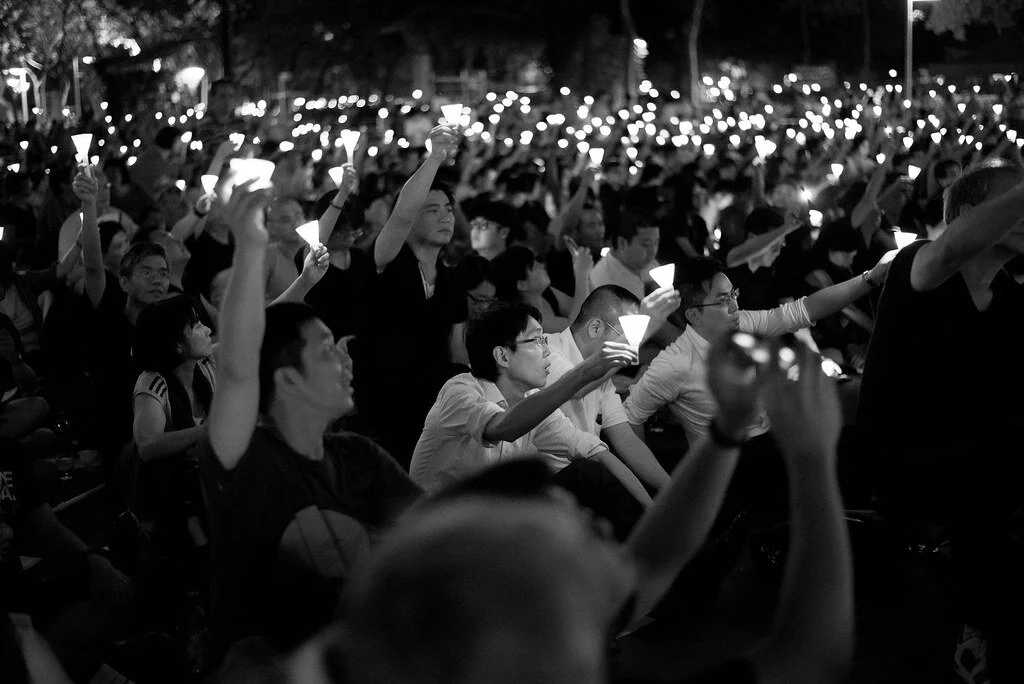
A 2015 vigil for the 1989 Tiananmen Square Protests. VeryBusyPeople. CC BY-SA 2.0
In early September 2021, the Hong Kong Alliance in Support of Patriotic Democratic Movements of China, a well-known activist group in Hong Kong, received notices from officials to delete all online content to comply with the recent national security law. As a result, the group has closed its website as well as all social media pages, including their Facebook, Twitter and Youtube. The Hong Kong Alliance is most well known for hosting vigils for the 1989 Tiananmen Square student protests that resulted in hundreds of deaths. The protests in 1989 called for political and economic reform, and Chinese police responded violently and arrested tens of thousands of protesters. In addition, the group is known for advocating for democratic movements and does not hesitate to criticize the government online. Officials also used the national security law to arrest several leaders of the group who refused to provide information to police regarding the group’s funding and membership.
The security law went into effect on June 30, 2020, causing concerns that Hong Kong was losing its judiciary independence and other democratic freedoms such as freedom of speech and assembly. Under the initial 1997 agreement, when China gained control of Hong Kong from Britain, there was always supposed to be a national security law in Hong Kong. However, Hong Kong would retain a separate judiciary system. Hong Kong has previously had protests starting in 2019 in response to a law that allowed extradition to the mainland. The protests turned increasingly violent, and eventually, the extradition bill was withdrawn. The controversial security law criminalized succession, subversion of state power, terrorism and collusion with foreign entities. The law takes precedence over a local Hong Kong law, and a National Security Committee will be put in place with no local oversight. In addition, crimes considered to be serious national security threats will be tried on the mainland in Chinese courts, essentially a version of the extradition bill that was thrown out as a result of the 2019 protests.
The Hong Kong Alliance was not the first group that faced the consequences of the recent security law. Shortly after the law was enacted in 2020, many people deleted their social media, and pro-democracy media outlets deleted old posts and entire archives. The Hong Kong alliance has restarted a Facebook page. Still, it is unclear how the group will be using social media in the future.

Dana Flynn
Dana is a recent graduate from Tufts University and holds a degree in English. While at Tufts she enjoyed working on a campus literary magazine and reading as much as possible. Originally from the Pacific Northwest, she loves to explore and learn new things.
What Happens to Afghan Refugees Once They Flee?
People have been leaving Afghanistan for 40 years, hoping to escape conflict, violence, and poverty. The Taliban’s recent takeover has exacerbated the displacement and flight of Afghan people, but where do they go once they’ve left?
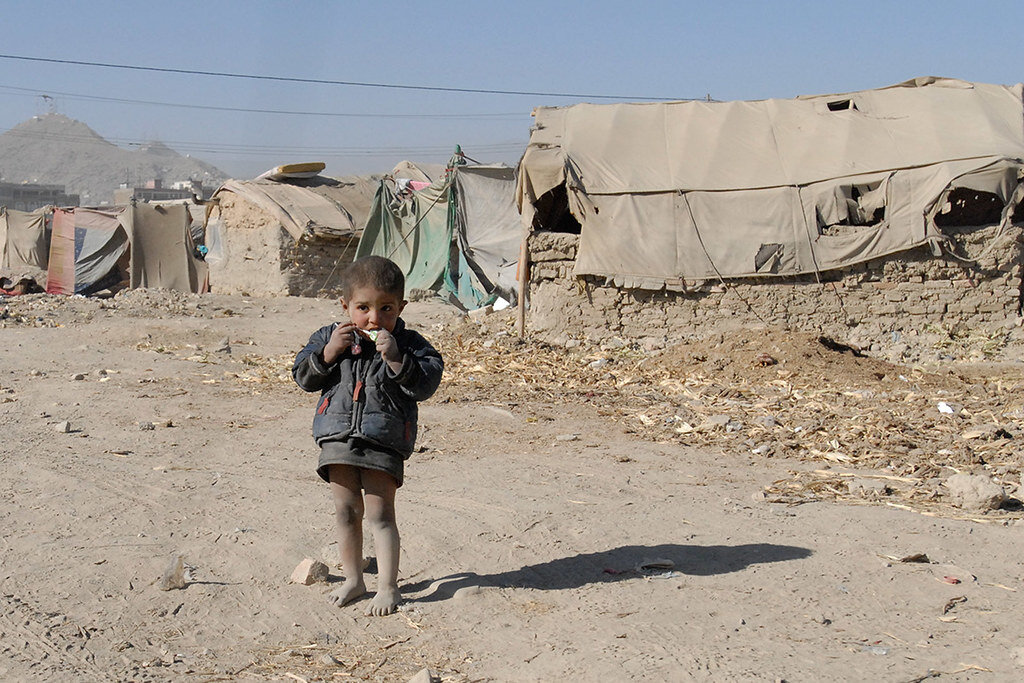
Why are people fleeing Afghanistan?
This year, 20 years after The Taliban was ousted from power in Afghanistan, the insurgent group regained control of the country. On August 15, Taliban forces took Kabul, the nation’s capital, with little resistance. Afghan President Ashraf Ghani fled the country, and the government collapsed, securing The Taliban’s position of power.
Following The Taliban’s seizure of Kabul and effective takeover of the country, tens of thousands of people fled Afghanistan, fearing their safety under Taliban rule.
Amnesty International reports that at present, there are over 2.6 million registered refugees from Afghanistan worldwide and more who haven’t been registered or who are asylum seekers (meaning they haven’t yet been legally recognized as refugees). People began leaving Afghanistan forty years ago, seeking refuge from conflict, violence and poverty. However, the recent Taliban takeover has escalated the amount of violence faced by people in Afghanistan and raised human rights concerns, especially over the treatment of women and girls.
The United Nations Refugee Agency predicts that up to half a million people could flee Afghanistan by the end of the year. As many as 125,000 people fled between August 16 and 26 during a multinational evacuation effort led by the U.S. military. However, more Afghans are still displaced and trying to escape Taliban rule.
What happens to Afghan refugees once they leave the country?
If Afghans can make it out of the country, what happens next varies. Those leaving via land borders often live in temporary refugee camps, like the ones set up by Iran and Tajikistan.
Pakistan and Iran have been the countries to take in the largest numbers of Afghan refugees in the past. However, this time, officials from both countries have said that they cannot take another large influx of refugees. Instead, they will be expected to stay in camps on the borders until they return to Afghanistan.
On August 16, the UNHRC issued a non-return advisory, meaning that no country can deport people to Afghanistan right now.
Some governments, such as Austria, Poland, Turkey and Switzerland, have made clear that they will not welcome any Afghan refugees and are upping border security to guard against anyone entering their countries illegally. However, other governments, such as France, Germany, Canada, Australia, the U.K. and the U.S., have pledged to host Afghan refugees and asylum-seekers.
United States
Axios reports that an expected 37,000 Afghan refugees will soon be entering the U.S., likely the first group of several. They will be sent to 46 states, excluding Hawaii, South Dakota, West Virginia and Wyoming, with California and Texas receiving the most people.
More than half of the Afghan refugees who have already arrived in the U.S. helped the U.S. officals and their families, some of whom hold Special Immigrant Visas. This next wave of 37,000 also includes many people regarded as U.S. allies, who either have an SIV or have applied for one.
Those refugees who are not eligible for an SIV can apply for other types of relief, such as asylum or a temporary visa. In additoin, they can still enter the U.S., even without a valid visa, if they have applied for humanitarian parole, which allows those facing an emergency or urgent humanitarian crisis to enter the country for a temporary period.
All Afghan refugees are eligible to apply for humanitarian parole and asylum, and they can also apply for a U.S. visa. However, those who have applied for either but have not yet completed the lengthy screening and interview process to receive clearance are being sent to third-party countries before they can enter the United States. Kosovo, Albania, North Macedonia and Uganda have agreed to temporarily host smaller numbers of refugees ultimately destined for the U.S.
When Afghan refugees arrive in the U.S., legal residents or U.S. citizens are tested for COVID-19 and then released to go to their destinations. Those who are not will be sent to military bases for processing, which includes a health screening and services such as help to apply for work authorization. After processing, these refugees are connected with a refugee resettlement agency.
Resettlement agencies, like RAICES in Texas, are funded by the U.S. Committee for Refugees and Immigrants. Resettlement agencies, using a $1200-per-person stiped, set up housing, including utilities and furniture, for the refugees, and enroll children in school and sign families up for social services programs such as Medicaid. The agencies also provide job skills training and help refugees with their job searches; they also help refugees adjust to their new homes through cultural orientation programs. In addition, some refugees qualify for monthly cash assistance, which the resettlement agencies also provide.
United Kingdom
The Home Office, the U.K.’s lead immigration department, has announced that any Afghans that worked for the U.K. government or British military can stay in the U.K. permanently. There are currently over 8000 Afghan refugees in the U.K., and many of those who were initially only granted temporary residency can now upgrade their immigration status and find permanent housing and jobs.
Right now, manyf Afghan refugees in the U.K. are living in hotels, but the government hopes to have them resettled more permanently soon. The government has developed two resettlement plans for Afghan refugees—the one currently in progress is known as Operation Warm Welcome, which provides support similar to that of U.S. resettlement agencies such as enrolling kids in school, registering refugees for healthcare and helping them to find housing. The second plan, the Afghan Citizens Resettlement Scheme, is a longer-term plan, aiming to take in an additional 20,000 refugees over the next few years.
The refugees who are not currently eligible for permanent residency can apply for a five-year visa; after the visa is up they can apply for permanent residence.
France
Between August 16 and 27, France evacuated over 2500 Afghans from Kabul, mainly activists. Many of these refugees left families behind in Afghanistan and now worry that they will be unable to reunite. France is notoriously slow at approving family reunification applications, with Afghans having to wait an average of three years before bringing their relatives. France’s president, Emmanuel Macron, has expressed concerns about a large influx of immigrants, saying that though France will continue to protect those who are most threatened under Taliban rule, “irregular migratory flows” need to be stemmed.
According to the European Resettlement Network, refugees who can enter France are granted a temporary, six-month leave to work and receive certain social services benefits. After that, all refugees are required to lodge an asylum claim, which, when approved, grants them official refugee status. After gaining refugee status, refugees may apply for French citizenship.
Challenges
Whether refugees are in camps or have found refuge in other countries, they often face challenges like unsanitary conditions, a lack of food and housing, and harassment from people around them. Though people leaving Afghanistan are safe from the more immediate dangers of conflict and violence, just leaving the country does not ensure their long-term well being.
Organizations like Refugees International and Amnesty International have put forth recommendations on how countries can best respond to the Afghan refugee crisis and better help refugees.
To Get Involved:
To learn how to support Women for Women International’s emergency relief fund, click here.
To get involved with the International Rescue Organization, click here.
To learn more about Afghan Aid, an organization that has been working in Afghanistan for nearly 40 years, click here.
Ways to help Afghan refugees are different depending on where you live, so consider looking into local and national organizations as well.

Rachel Lynch
Rachel is a student at Sarah Lawrence College in Bronxville, NY currently taking a semester off. She plans to study Writing and Child Development. Rachel loves to travel and is inspired by the places she’s been and everywhere she wants to go. She hopes to educate people on social justice issues and the history and culture of travel destinations through her writing.
5 African World Heritage Sites Under Threat
Of the 17 natural UNESCO World Heritage Sites that are in danger, 12 are located in Africa. Here is a deep-dive into five of these unique sites and the looming threats that surround them.
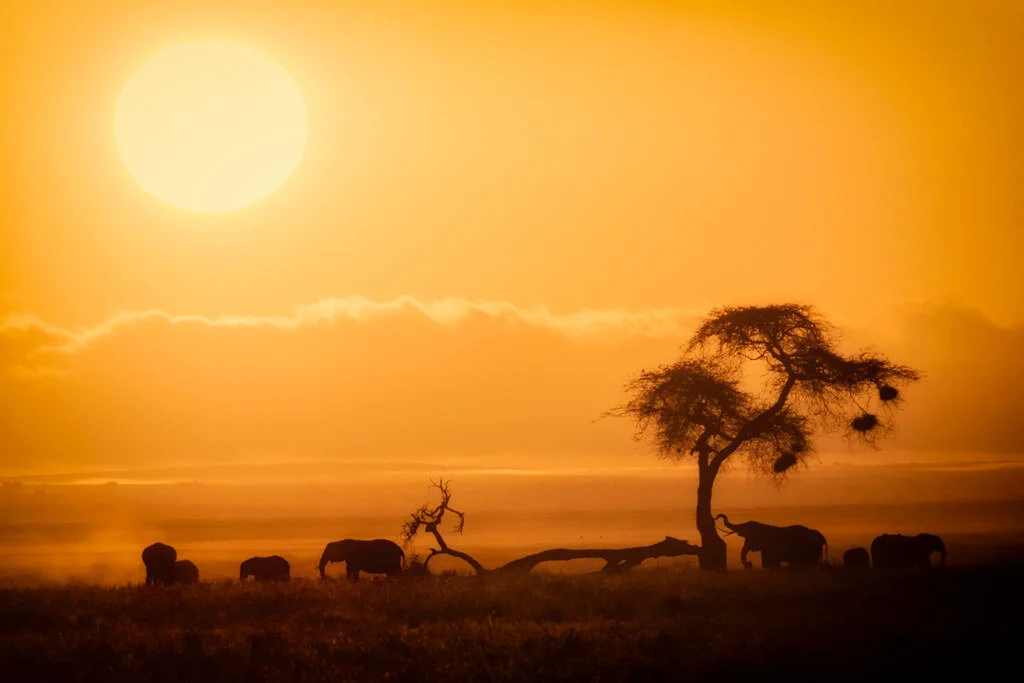
The United Nations Educational, Scientific and Cultural Organization (UNESCO) awards landmarks and areas around the world status as a ‘World Heritage Site’ for the location's unique cultural, historical or environmental significance. As part of this, World Heritage Sites are provided legal protection by UNESCO, however, many of these sites are now endangered. According to UNESCO, Africa and the Middle East have the largest number of threatened sites. Of the 17 UNESCO natural world heritage sites that are endangered, 12 are located in Africa. Five of these endangered African parks and reserves are described below.
1. Manovo-Gounda St Floris National Park, Central African Republic
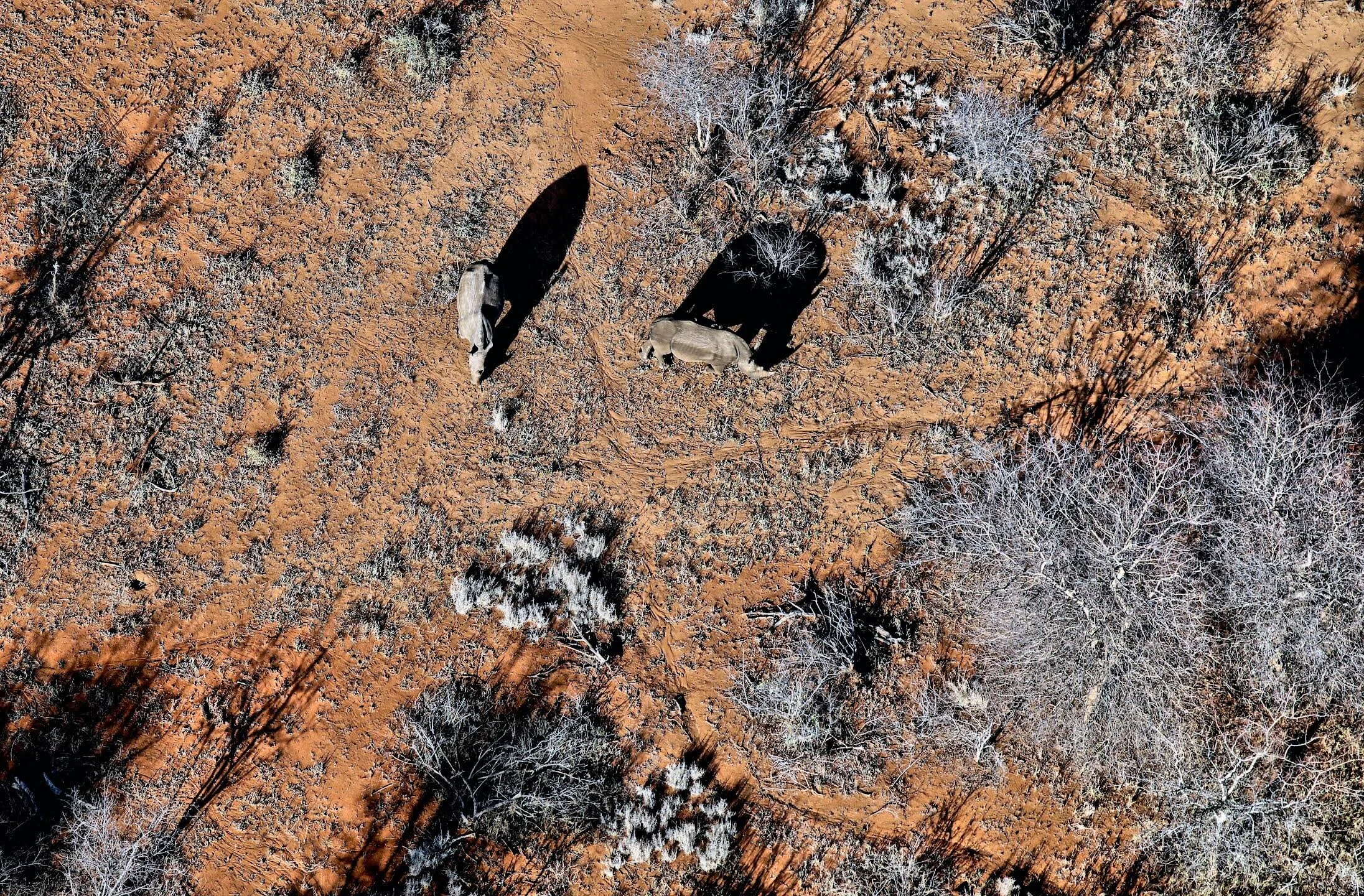
Black rhinoceros, Central African Republic. Photo by Wynand Uys on Unsplash.
This Central African national park is located in the prefecture of Bamingui-Bangoran near the Chad border on the Bahr Aouk and Kameur Rivers. It was awarded status as a UNESCO World Heritage Site in 1988 because of its unique biodiversity and is the largest park in the country, with around 6,700 square miles of land. This park’s historical significance lies in its unique flora and fauna and its position as a “crossroads” savanna. This location acts as the intersection where species from Eastern and Western savanna communities and Southern savanna communities meet. Straddling the Sudano-Sahelian and Sudano-Guinean biogeographical zones, the park hosts various habitats from grassy floodplains and wetlands in the north to savannas with gallery forests in the south. The park is home to various rare species, including black rhinoceroses, elephants, sudanese cheetahs, leopards, wild dogs, red-fronted gazelles, buffalo and hippopotamus.
Around 320 bird species can be spotted in the park, with at least 25 of them being species of raptors. Manovo-Gounda St Floris National Park is home to many rare animals; however, its unique biodiversity has made it a target for illegal poaching of rhinoceros, elephants and giraffes as well as grazing. The western black rhinoceros that was indigenous to the land went extinct in 2011. The park is now governed by the Ministry of Water and Forests, Hunting and Fishing in efforts to protect the property.
2. Okapi Wildlife Reserve, Democratic Republic of Congo
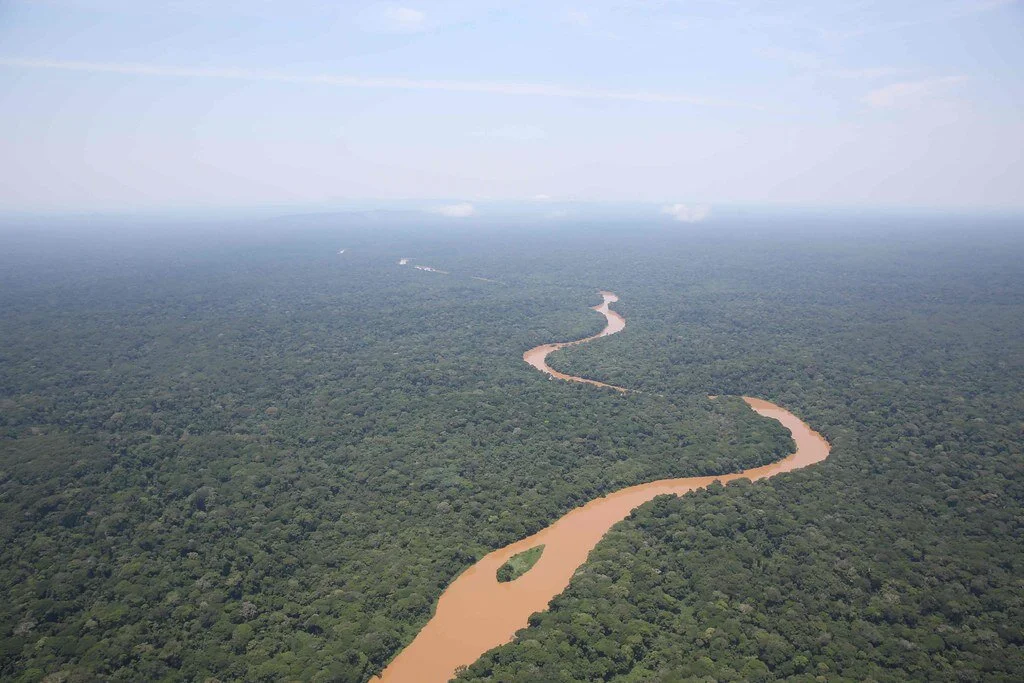
Ituri Forest, near Okapi Wildlife Reserve. MONUSCO. CC BY-SA 2.0.
The Okapi Wildlife Reserve is located in the northeast of the Democratic Republic of Congo, occupying one-fifth of the Ituri forest. It is part of one of the largest drainage systems in Africa, the Congo river basin. Labeled as a UNESCO World Heritage Site in 1996 and categorized as “in danger” by 1997, the Okapi Wildlife Reserve stretches to around 5,300 square miles. The reserve is home to many threatened species of primates and birds, including leopards, forest buffalos, bongos, water chevrotain, dwarf antelopes and giant forest hogs. It also provides refuge to 5,000 of the estimated 30,000 remaining okapis, a forest giraffe and has the country’s largest population of forest elephants and chimpanzees.
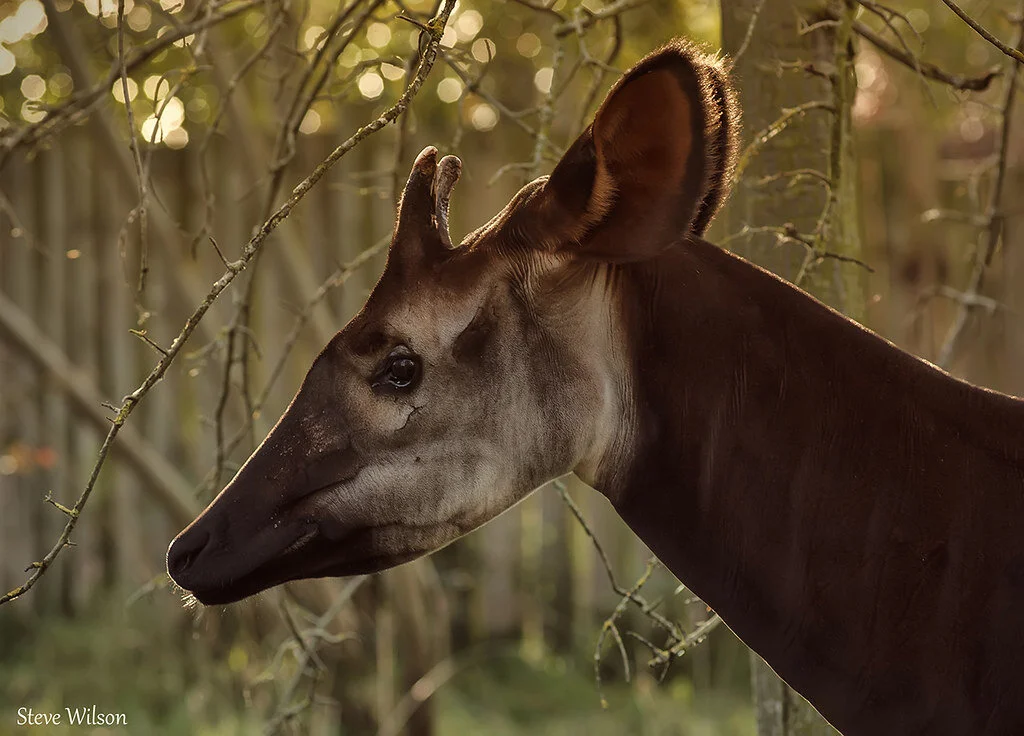
In addition to the 17 species of primates, the reserve is inhabited by nomads and hunter-gatherers like the Mbuti and Efe pygmies. Although the Ituri forest is mostly untouched by logging and other development activities, the reserve is threatened by slash and burn deforestation, commercial hunting and gold mining.
3. Aïr and Ténéré Natural Reserve, Niger
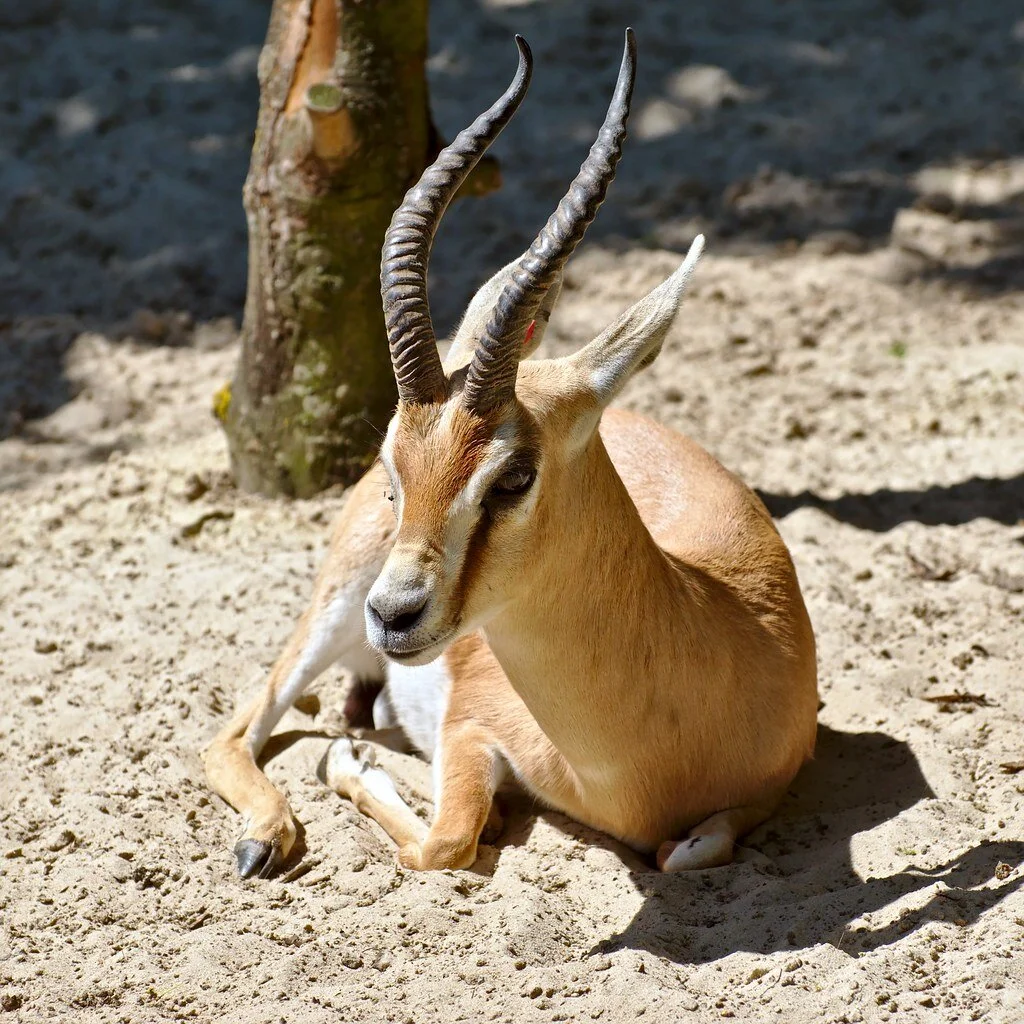
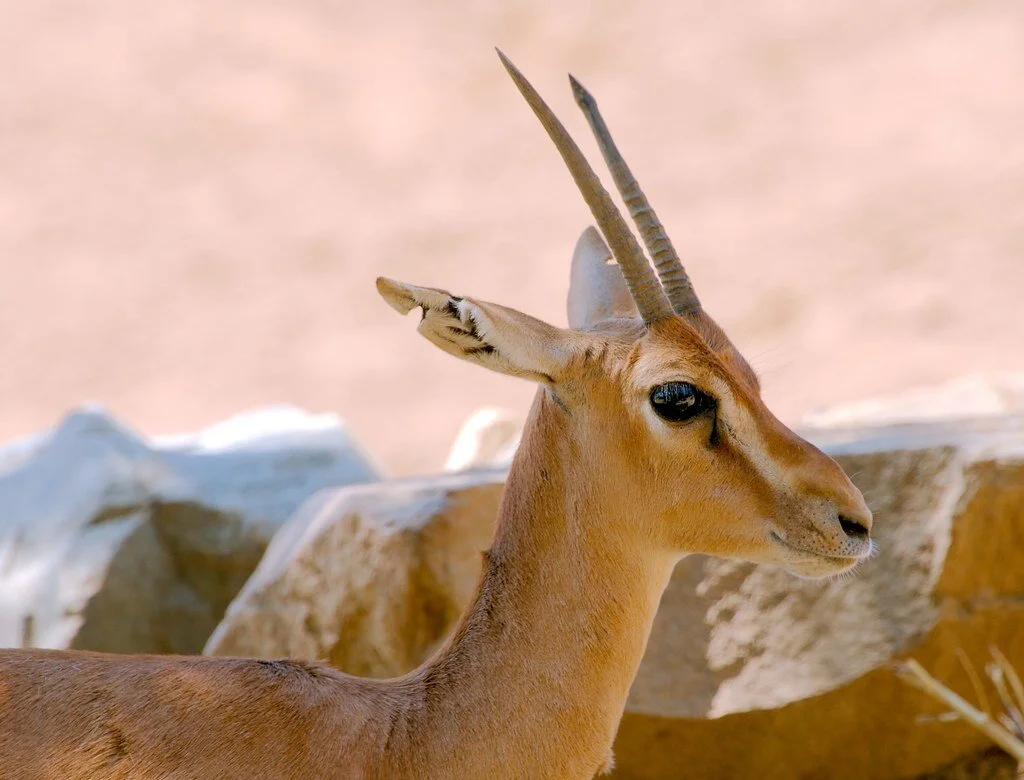
Dorcas Gazelle which can be found in Aïr and Ténéré Natural Reserve, Niger. FurLined. CC BY-NC-SA 2.0.
The Aïr and Ténéré Natural Reserve in Niger covers 29,870 square miles, awarding it position as the second-largest nature reserve in Africa. It was first established as a UNESCO World Heritage site in 1991 to preserve endangered species, various habitats and beautiful desert landscapes. The reserve is made up of two main zones: the eastern half of the Aïr mountains and the western sections of the Ténéré desert. The mountainous and plain landscapes are home to Saharo-Sahelian flora and fauna that exist within the various habitats of the reserve. Everything from it’s living dunes and stony gravel desert, to cliff valleys and water holes is necessary to preserve the reserve’s biodiversity. The property provides a sanctuary for many threatened species, emphasizing desert antelopes, including the addax, the white antelope native to the Sahara desert, the dorcas gazelle, ostrich, fennec fox, barbary sheep and cheetah. The mountains also attract large numbers of migratory birds, totaling around 165 different species of birds. However, political instability in northern Niger, poaching and illegal grazing and other threats have led to the disappearance and decline of many endangered species and designated the site in danger by 1992. The civil unrest left the reserve with no official management plan; poaching led to the extinction of rare species, grazing of domestic animals and crop production minimized resources for wildlife and denied wildlife access to certain crucial wetland habitats.
4. Niokolo-Koba National Park, Senegal

Bordering the Gambia river, Niokolo-Koba National Park is located in the Sudano-Guinean zone. The park is home to the Derby Eland, an open forest and savanna antelope, chimpanzees, lions, elephants, leopards and more than 300 bird species.

Waterways, gallery forests, dry forests, savanna floodplains and rocky slopes are all landscapes that are found in this endangered World Heritage Site. Inscribed as a UNESCO World Heritage Site in 1981, the park is managed through the Ministry of Environment and Nature Protection and the National Parks Directorate. Poaching, one of the most significant factors contributing to landing the park on UNESCOs danger list in 2007, has been a major threat to the park for decades and has eliminated most giraffes and elephants that resided in the park. Bush fires, poor soil and the premature drying up of ponds are other factors that have endangered the park.
5. Selous Game Reserve, Tanzania
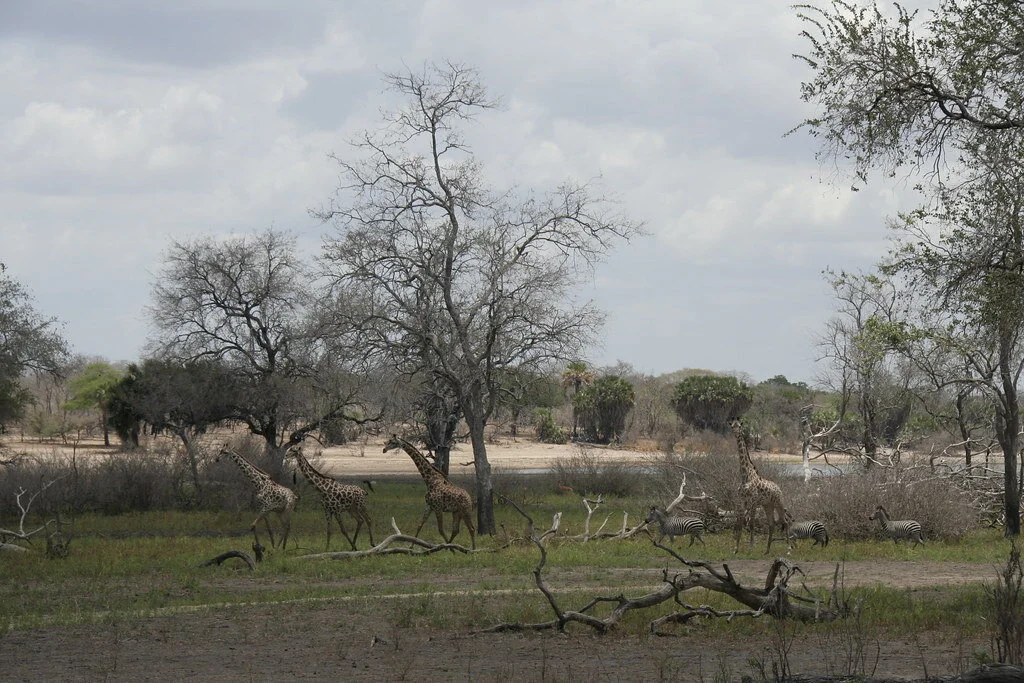
The Selous Game Reserve is located in Tanzania and covers more than 21,000 square miles of land. A UNESCO World Heritage Site since 1982, the reserve has diverse wildlife and habitats such as Miombo woodlands and its inhabitants—African bush elephant, black rhinoceros, East African wild dog, Cape buffaloes, Masai giraffe, Plains zebra and Nile crocodile—grasslands, Acacia savanna, rivers and swamps.
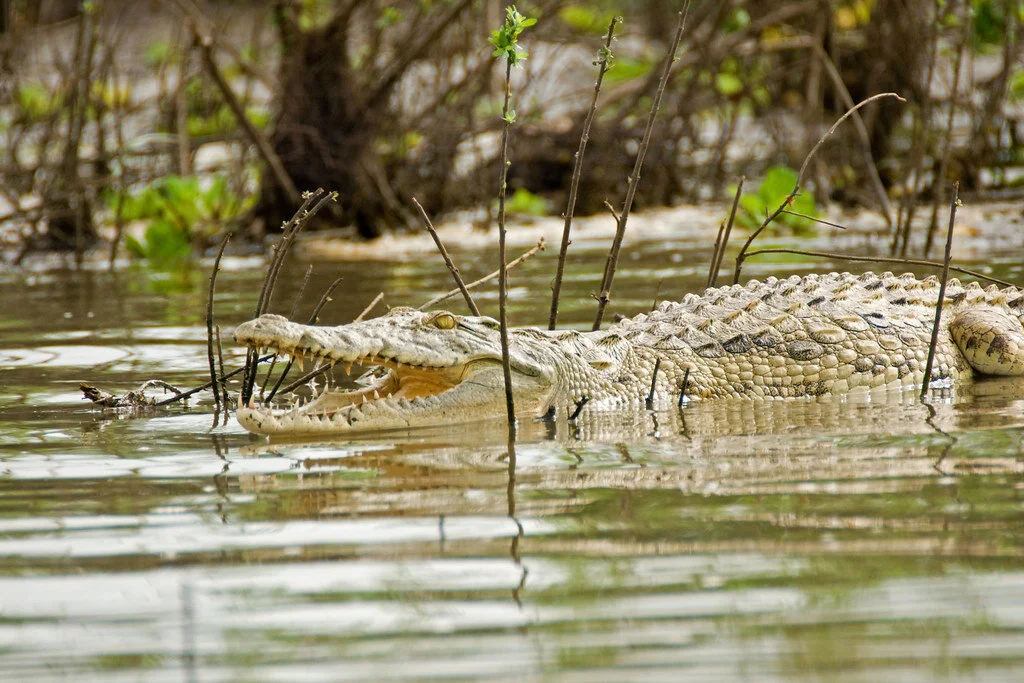
Crocodile, Selous Game Reserve. Ravpix. CC BY-NC-SA 2.0.
One of the most famous rivers in the region includes the Rufiji River, which flows into the Indian ocean. While the reserve held the largest number of elephants in the world in the mid-1970s, more than 100,000, the number of elephants in the ecosystem fell to about 15,000 by 2014. The reserve was labeled as endangered by UNESCO in 2014 and is threatened by poaching, deforestation, mining, oil and gas exploration and dam construction. The national government approved a plan to build a hydroelectric dam across the Rufiji River in 2018, and the dam is currently under construction. The damage caused by the dam’s construction has tempted UNESCO to strip the reserve of its status as a World Heritage Site.

Mia Khatib
Mia is a rising senior at Boston University majoring in journalism and minoring in international relations. As a Palestinian-American, Mia is passionate about amplifying the voices of marginalized communities and is interested in investigative and data-driven journalism. She hopes to start out as a breaking news reporter and one day earn a position as editor of a major publication.
Brazil’s Black Lives Matter Movement
Brazil, the last South American country to abolish slavery in the late 1800s, struggles to uplift their nation’s Black lives. Through pay gaps, urban designs, government representation and policing, Brazil’s society threatens the Black community.
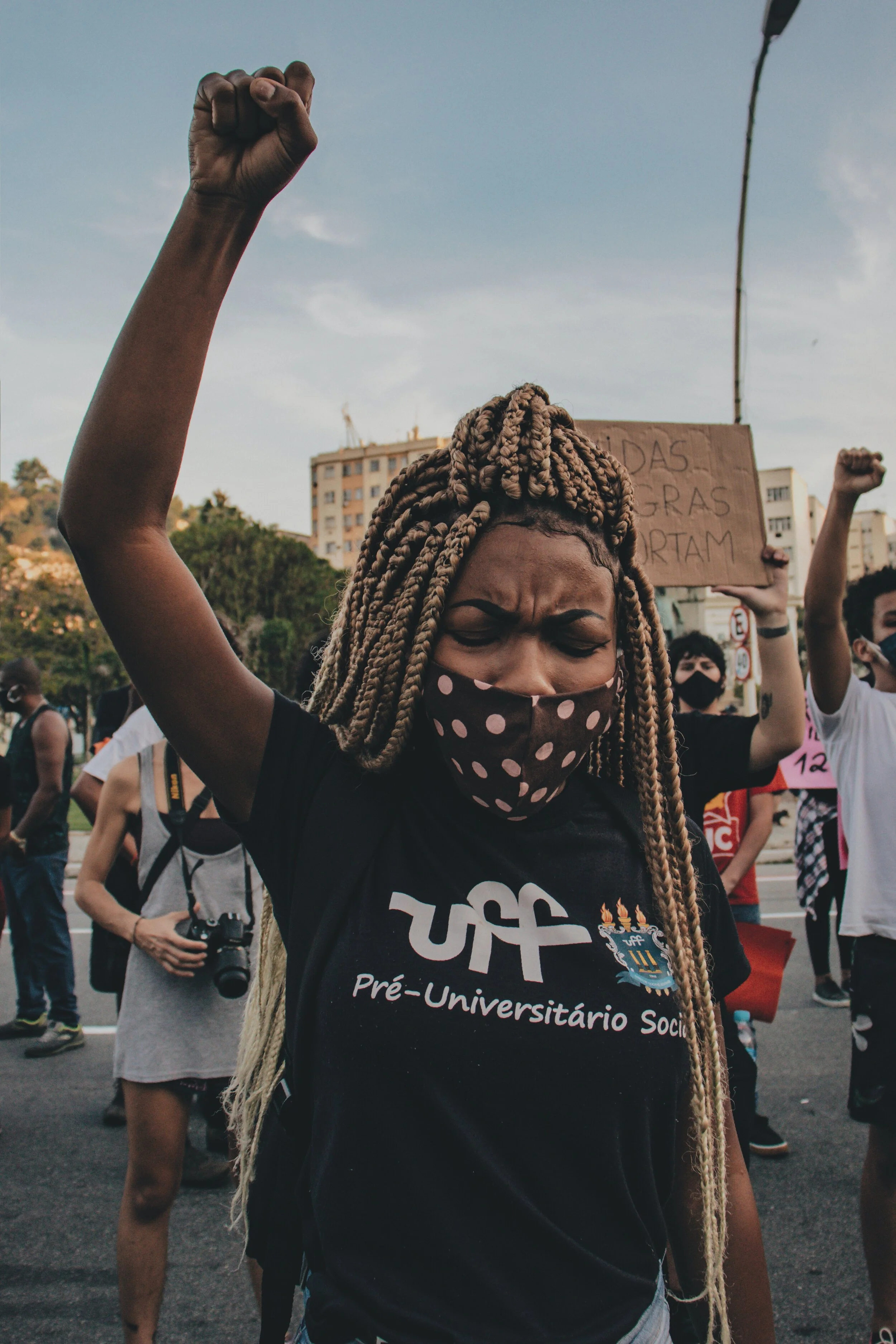
A protester on the streets in Brazil. Michelle Guimarães.
Over the course of 300 years, approximately four million Africans were taken to Brazil as slaves. Today, Brazil’s racial demographics are 47.7 percent white, 43.1 percent multiracial and 7.6 percent Black. The average income for white Brazilians is almost double that of the average income for Black or multiracial Brazilians, according to the Brazilian Institute of Geography and Statistics. Also, 78.5 percent of people in Brazil who are receiving the lowest rate of income (equivalent to $5.50 U.S. dollars per day) are Black or multiracial people.
This May, Black Lives Matter protests filled the streets of Rio de Janeiro, Sao Paulo and Brasília after 28 people died during a police raid. Human rights activists said that the officers killed people who wanted to surrender and posed no threat. The raid took place in Rio de Janeiro, where heavily armed officers with helicopters and vehicles went into Jacarezinho, a poor neighborhood. Thousands of residents were subject to nine hours of terror.
Organizers said that 7,000 people took to the streets in Sao Paulo. Protesters painted the Brazilian flag with red paint and held up a school uniform stained with blood. In Rio de Janeiro, protestors chanted, “Don’t kill me, kill racism.”
As Brazilian author and activist Djamila Ribeiro said, “The Brazilian state didn't create any kind of public policy to integrate Black people in society," and that "although we didn't have a legal apartheid like the U.S. or South Africa, society is very segregated—institutionally and structurally."
In 2019, the police killed 6,357 people in Brazil, which is one of the highest rates of police killings in the world—and almost 80 percent of the victims were Black.
During COVID-19, Black Brazilians were more likely than other racial groups to report COVID-19 symptoms, and more likely to die in the hospital. Experts attributed this disparity to high rates of informal employment among Black people, preventing them from the ability to work from home, and a higher prevalence of pre-existing conditions. Specifically, in 2019, Black Brazilians already accounted for the majority of unemployed workers (64.2%); therefore, they already lacked economic support even before the pandemic.

An artist’s photoshoot with Brazil flag covering their bodies. Eriscolors.
Only a quarter of federal deputies in the lower chamber of Brazil’s Congress and a third of managerial roles in companies were Black people, according to the IBGE statistics from 2019.
Brazil’s President, Jair Bolsonaro, said during his campaign in 2018 that descendants of people who were enslaved were “good for nothing, not even to procreate,” while using the slogan “my color is Brazil.”
Keisha-Khan Y. Perry, a professor at the University of Texas, conducted an ethnographic study looking at how Black women in Gamboa de Baixo—a city culturally and historically tied to Black Brazilians—are leading the community towards social activism against racist politics. Specifically, these racist policies include political urban revitalization programs that push out Black and poor people. Perry said that these policies are a political tactic continually utilized in Brazilian cities.
However, recently in May, Milton Barbosa, one of the founders of the most notable Black civil rights organization in Brazil, Unified Black Movement, said, “There’s been an increase in awareness nationally… We still have to fight, but there have been important changes.”

Kyla Denisevich
Kyla is an upcoming senior at Boston University, and is majoring in Journalism with a minor in Anthropology. She writes articles for the Daily Free Press at BU and a local paper in Malden, Massachusetts called Urban Media Arts. Pursuing journalism is her passion, and she aims to highlight stories from people of all walks of life to encourage productive, educated conversation. In the future, Kyla hopes to create well researched multimedia stories which emphasize under-recognized narratives.
Report Finds W.H.O. Workers Sexually Exploited Women During Ebola Mission
Women were sexually exploited and abused by aid workers in order to obtain or keep jobs during the Ebola Crisis in the Democratic Republic of Congo.
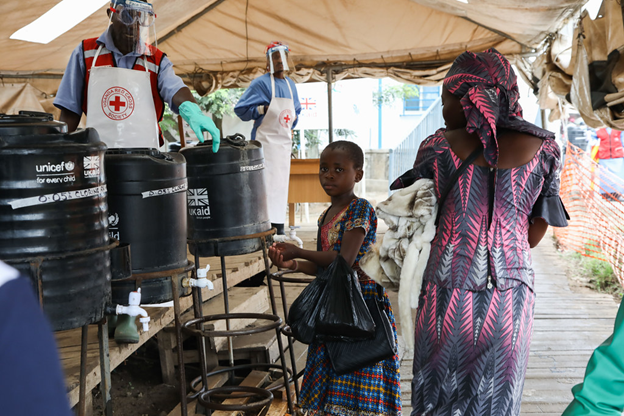
A young girl washes her hands at a checkpoint at the border between Uganda and the DRC. UK Department for International Development. CC BY 2.0
According to a report commissioned by the agency’s head, World Health Organization workers sexually abused women while in the Democratic Republic of the Congo to aid the Ebola outbreak from 2018 to 2020. The report found that 83 people participated in the abuse, and in 21 cases, those involved were confirmed to be WHO officials. The investigation started in September 2020 when The New Humanitarian and the Thomas Reuters Foundation published a report investigating abuse claims. The report found that 31 out of 50 women interviewed reported abuse and exploitation from men working for the WHO. In response, leadership in the World Health Organization ordered an independent commission to investigate. After working in Beni, one woman interviewed by the commission stated, “To get ahead in the job, you had to have sex … Everyone had sex in exchange for something. It was very common.” In addition, women reported that they were sexually harrassed and faced exploitation in order to keep their jobs, get paid or get a promotion. In some cases women were dismissed from their jobs when they refused to have sex with supervisors.
The commission established that the majority of the victims were already vulnerable because of precarious social and economic status, and women with more education and economic power were less vulnerable to abuse. The report found that there was a “systematic tendency to reject all reports of sexual exploitation and abuse unless they were made in writing”. While the WHO has training in place to prevent sexual abuse, the report found that training for employees did not happen until November 2019, months after the outbreak had been declared an emergency. Only 371 out of 2,800 workers attended the training. Additionally, men make up the vast majority of employees during the crisis, averaging 73.4% overall. The report cites that men held 77.49% of leadership positions and 91.52% of operations support and logistic positions.
The WHO was not the only organization accused of abuse, The New Humanitarian’s investigation found that there were allegations against workers at World Vision, Unicef and Alima, among others. Additionally, the investigation found that underreporting was prevalent in these cases, with one woman stating, “Why would you even ask if I reported it?” The New Humanitarian found that many women were unaware of how to report abuse or exploitation at all. Most aid agencies claimed they had received no reports of abuse, and the WHO stated they had received only a small number of complaints. Dr. Tedros Adhanom Ghebreyesus, the Director-General of the WHO, apologized to victims and said it was his top priority to hold perpetrators accountable during a press conference after the report’s publication.

Dana Flynn
Dana is a recent graduate from Tufts University with a degree in English. While at Tufts she enjoyed working on a campus literary magazine and reading as much as possible. Originally from the Pacific Northwest, she loves to explore and learn new things.
8 Animals Recently Declared Extinct
Anywhere from 24 to 150 animal species go extinct daily, with human activity as a primary cause. Here are eight animals that have recently gone extinct.
Many animal species have recently gone extinct at the hands of humans, which should be a wake up call about how our actions can harm wildlife and the environment. Learn about these eight recently extinct animals to see what you can do to help.
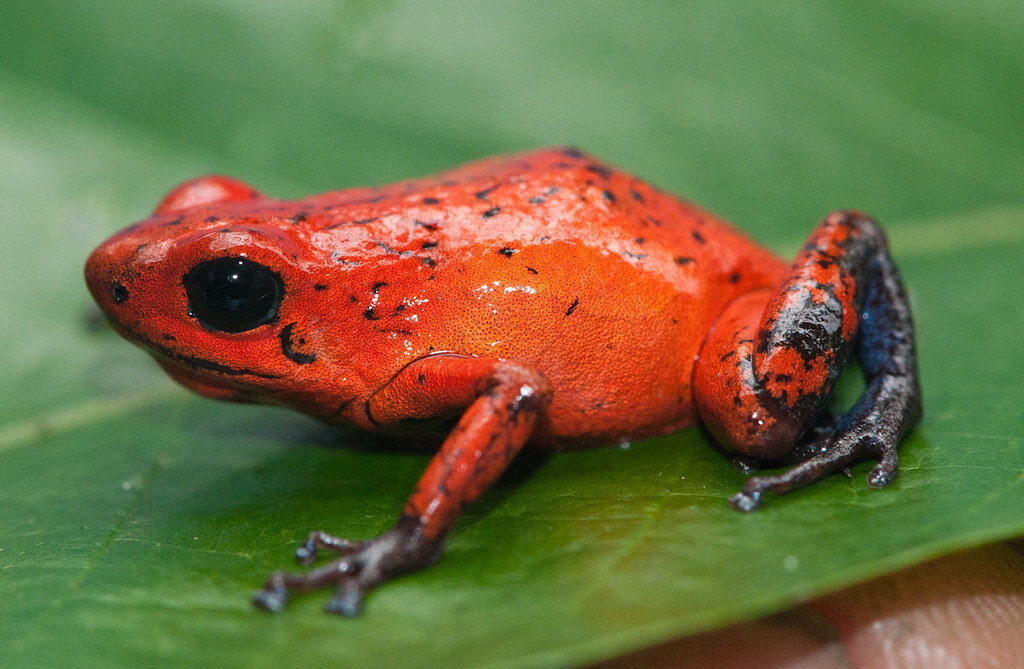
Poison Arrow Frog (Dendrobatidae). Jerry Kirkhart. CC BY 2.0.
1) Splendid Poison Frog
The IUCN added the splendid poison frog to the Red List of Endangered Species in 2004 and officially declared the species extinct in 2020, making it one of the most recently extinct species on the planet. These frogs are often referred to as poison arrow or poison dart frogs, and they are the brightest colored frogs in the world. Splendid poison frogs’ diets cause them to secrete toxins from their skin, and their bright colors warn predators of their toxicity. While the species lived in the humid lowlands and forests of western Panama, deforestation and habitat degradation severely harmed these areas and threatened the frogs. Human invasion such as with logging and construction in the area decreased the species’ population significantly.
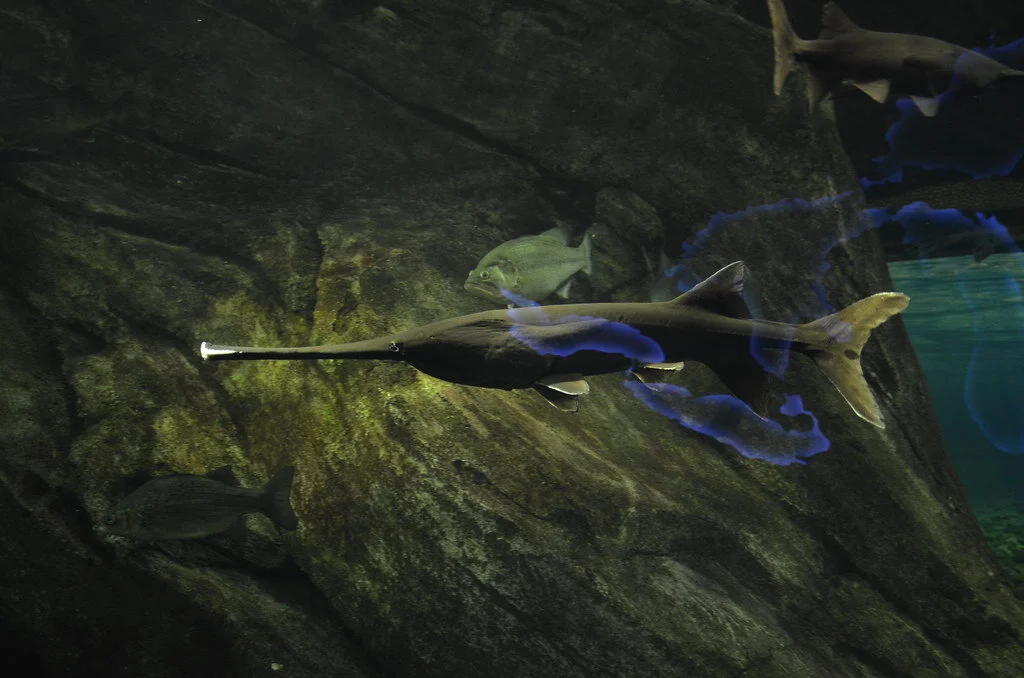
2) Chinese paddlefish
Like the baiji dolphin, the Chinese paddlefish (also known as the Chinese swordfish) was most commonly found in the Yangtze River and was one of the largest freshwater fish in the world. This ancient fish species has lived since the Lower Jurassic period and survived the mass extinction that killed off the dinosaurs and many reptiles. Yet, the biggest threat to their existence was human activities. In the 1970s and 80s, overfishing and construction severely decreased the species’ population size. By 1993, this disruption caused the fish to become functionally extinct, which meant that the species lacked the numbers to meaningfully reproduce. The species has not been spotted since 2003, and it was officially declared extinct in 2020.
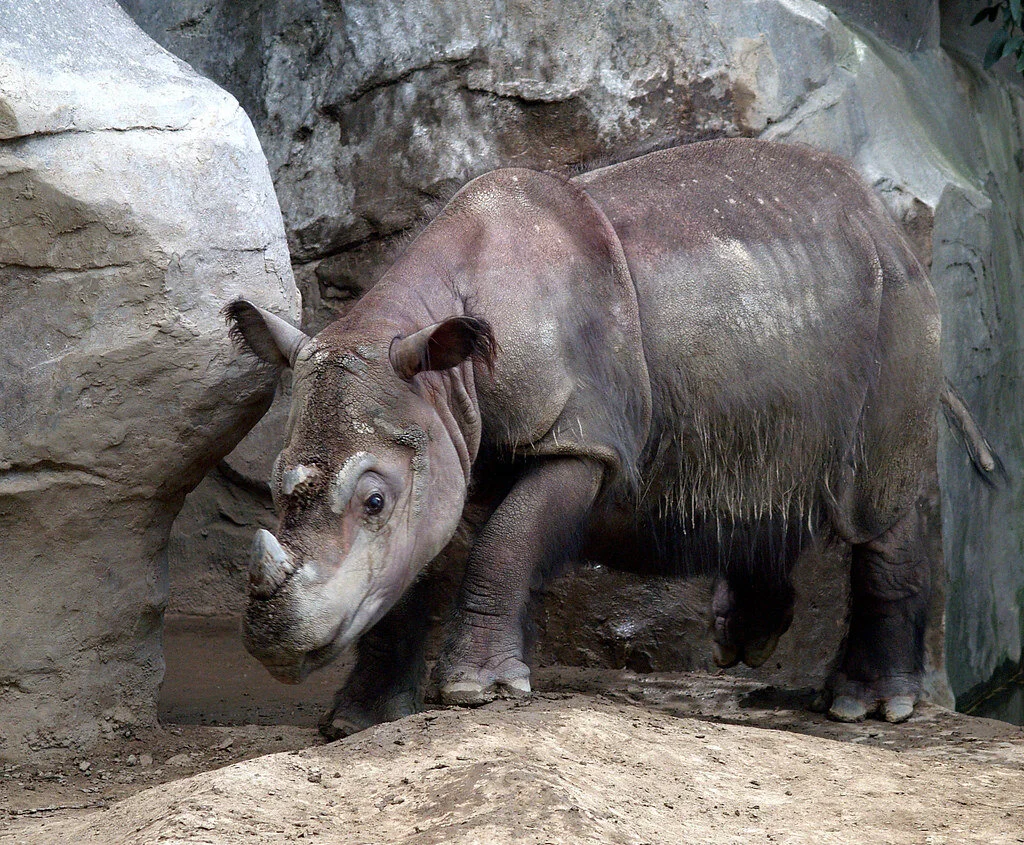
Sumatran rhino. David Ellis. CC BY-NC-ND 2.0.
3) Sumatran Rhino
Sumatran rhinos—also known as Asian Two-Horned Rhinos—are the smallest and most endangered rhino species in the world. They generally live for between 35 and 40 years, and their habitat is the dense tropical forests mainly on the Indonesian island of Sumatra. Due to poaching, the species’ numbers have decreased more than 70% over the last 20 years. The Sumatran rhino was officially declared extinct in mainland Malaysia in 2015 and in Malaysian Borneo in 2019. The last Sumatran rhino died in 2019.
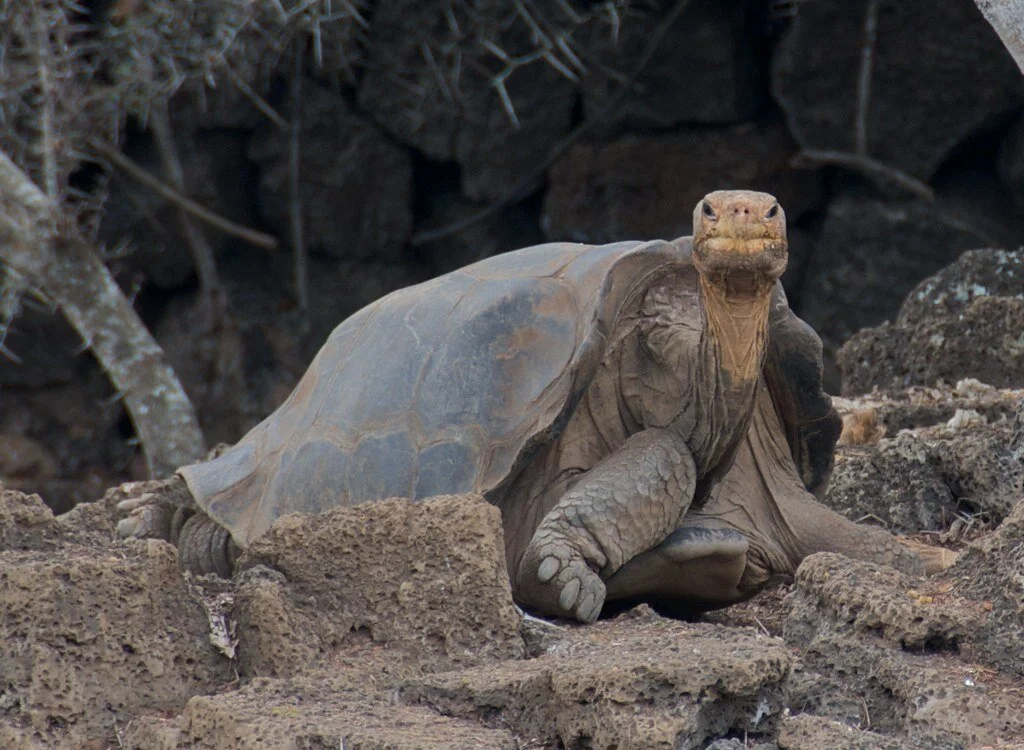
4) Pinta giant tortoise
In 2012, “Lonesome George,” the world-famous tortoise, passed away at the estimated age of 100 years. George was the last remaining land tortoise from Pinta Island, a northern island in the Galapagos, and lived at the Charles Darwin Research Station since he was found in 1971. Most of his species went extinct because they were used as an onboard food source for 19th-century whalers, as well as due to habitat destruction. The Galapagos National Park searched for a mate for George for over three decades to try to save the Pinta subspecies, but they could not find one. When George passed away in 2012, the Pinta subspecies passed with him.
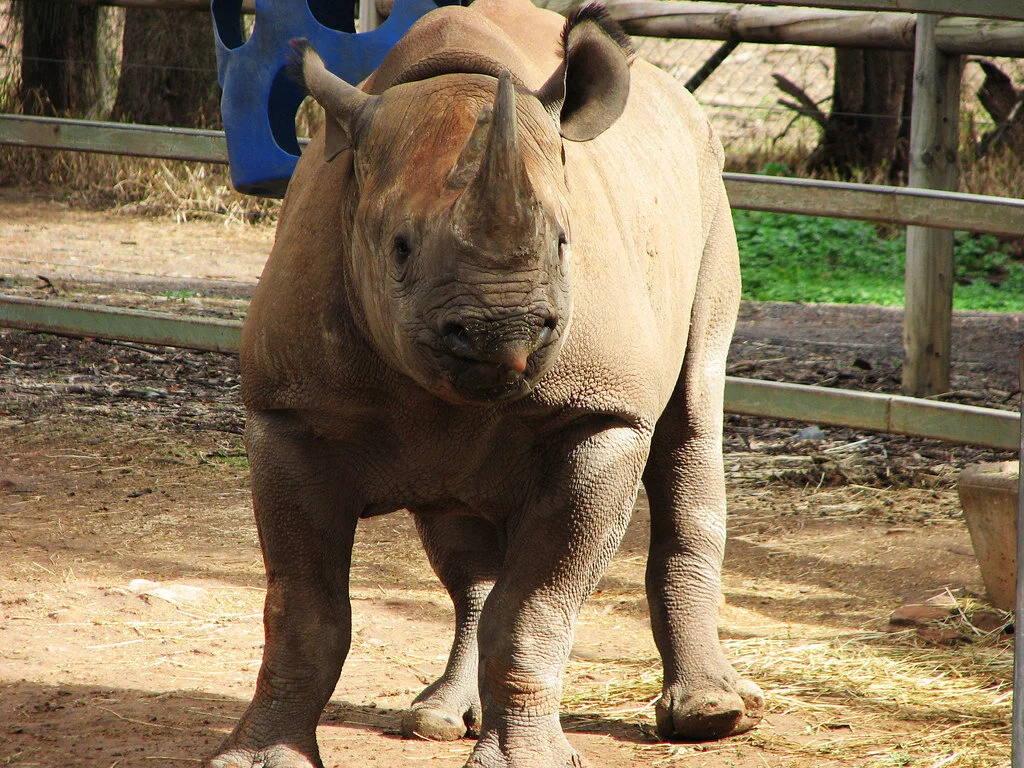
Black rhino. Corrie Barklimore. CC BY 2.0.
5) Western black rhino
The western black rhino, which was the most uncommon of the black rhino subspecies, went extinct in 2011. In the past, the species had a large range across central and western Africa, but it was not able to survive in the 20th century. Hunting for sport quickly decreased rhino populations, and industrial agriculture cleared rhino habitats to make fields and settlements. In addition, between 1960 and 1995, 98% of black rhinos were killed by poachers. By 1980, the western black rhino’s range had shrunk to only two countries: Cameroon and Chad. The species’ population had fallen to about 10 rhinos by 1997. Due to this, the International Union for Conservation of Nature added the species to the critically endangered species list in 2008, and declared them extinct in 2011.
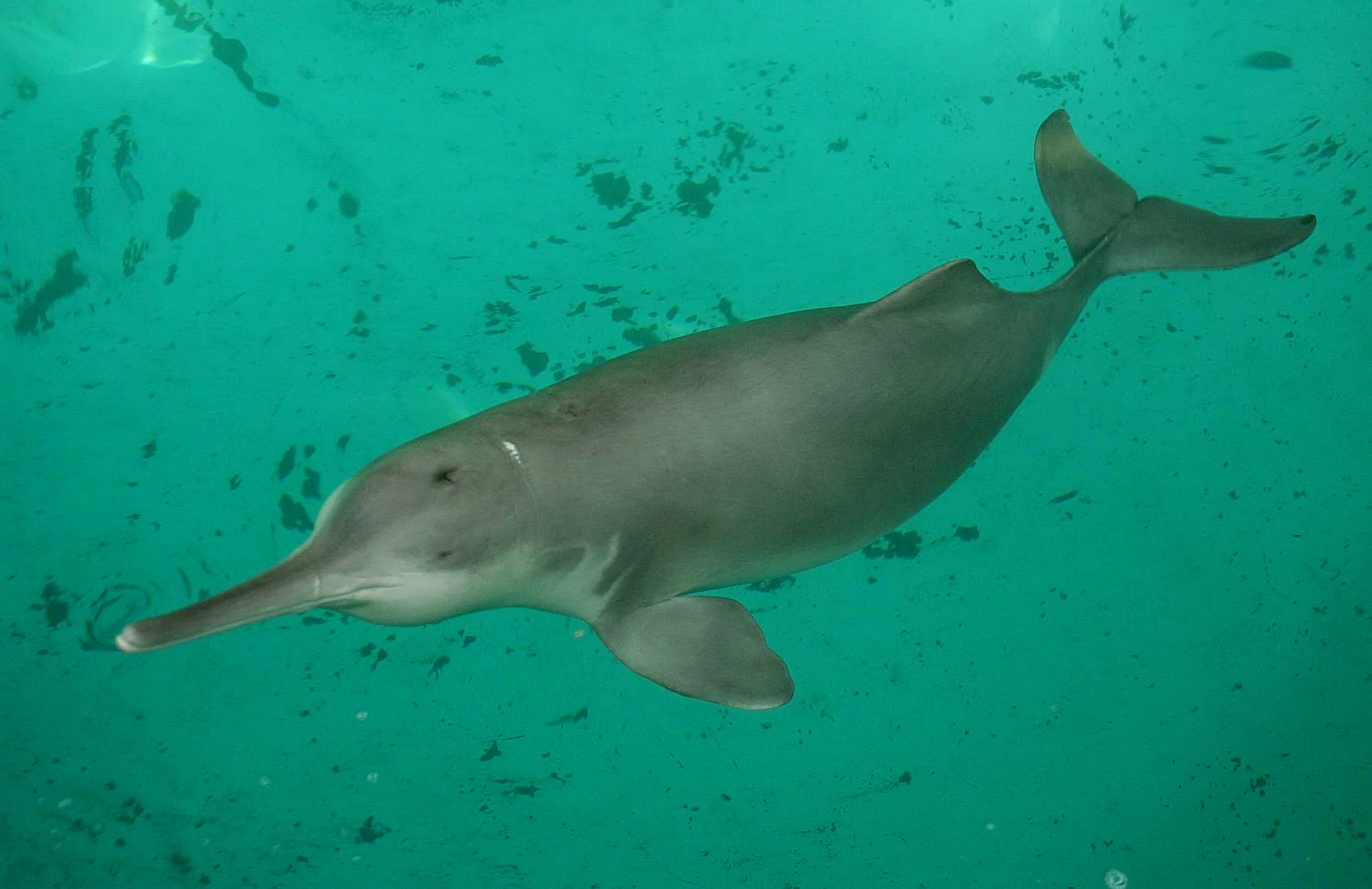
Baiji, Lipotes vexillifer. CC BY-SA 4.0
6) Baiji
Commonly referred to as the Yangtze River dolphin, Baiji is the first dolphin species to become extinct because of human activity. The Yangtze River was the Baiji’s home for 20 million years, and it only took humans 50 years to completely wipe them out. The Baiji’s ability to communicate, navigate, avoid danger and find food became very challenging as the river became noisier and noisier due to humans. In 2006, researchers embarked on a six-week journey on the river for over 2,000 miles to search for the Baiji, but they were not able to detect any existing dolphins. They were declared extinct in 2007.
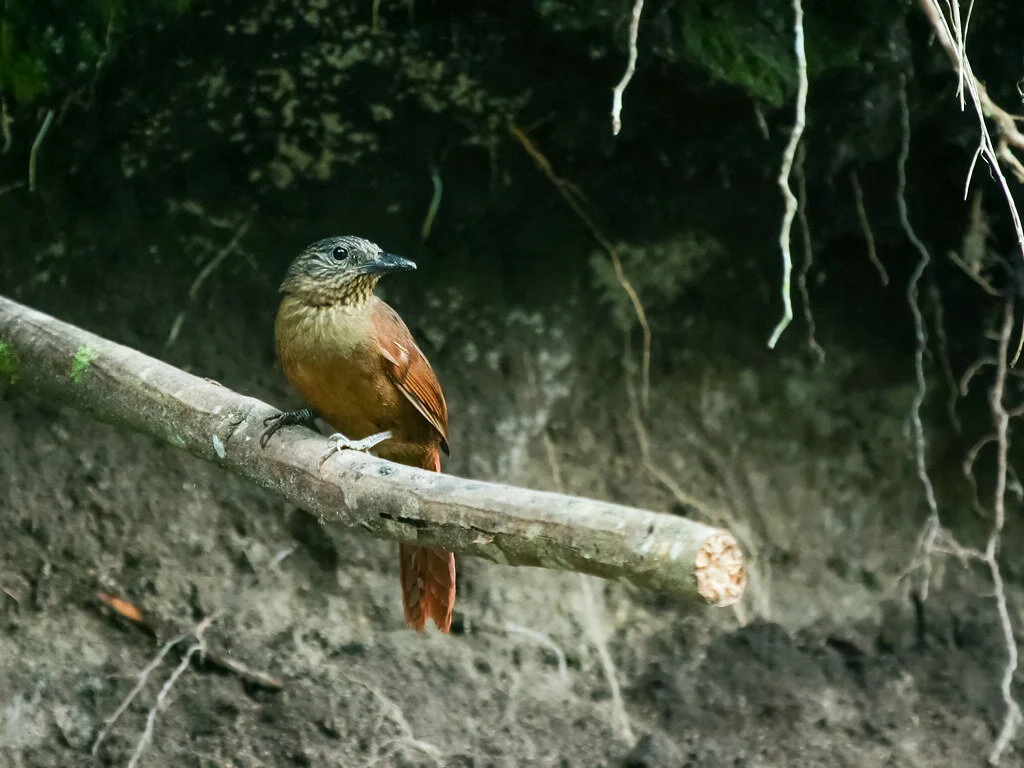
Treehunter. Nick Athanas. CC BY-NC-SA 2.0.
7) Cryptic treehunter
There have been no records of the cryptic treehunter since 2007, mainly due to extensive habitat loss in its region, Brazil. Cryptic treehunters were usually found in grasslands, woodlands and humid forests. Logging and conversion of forest to sugarcane plantations and pastureland was a major reason for the species’ decline. Some scientists believe that the species has not completely vanished due to their incredible hiding abilities, but since one has not been seen since 2007, it is unlikely.
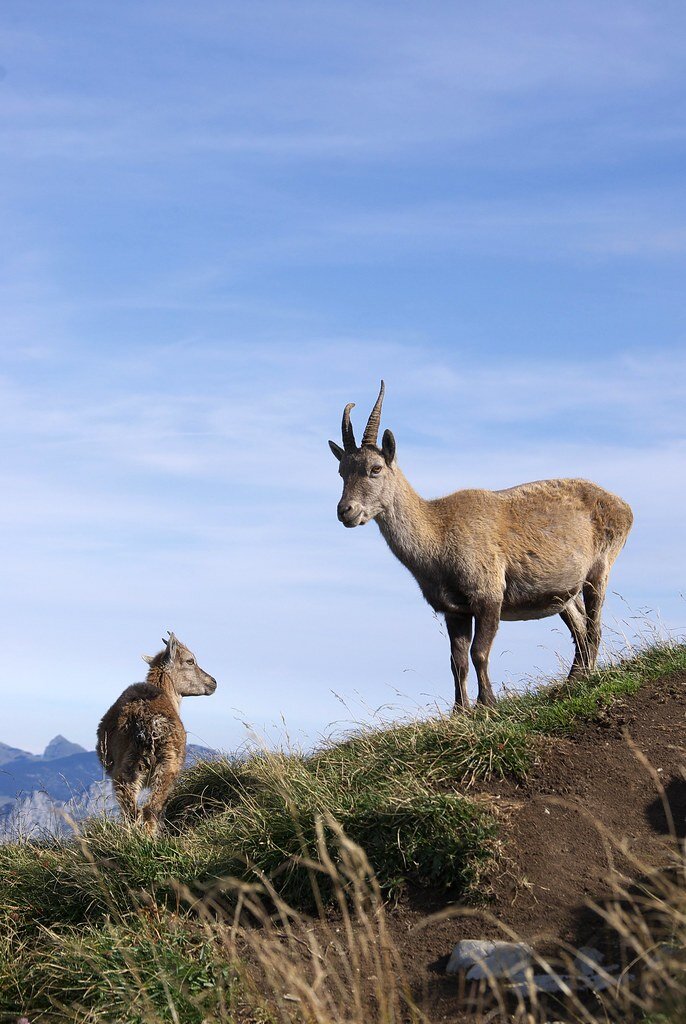
Bouquetin—the French name for Pyrenean ibex. Jean-Raphaël Guillaumin. CC BY-SA 2.0.
8) Pyrenean ibex
Once a large population which roamed across France and Spain, the Pyrenean ibex is one of two subspecies of the Spanish ibex that was declared extinct in 2000. The last Pyrenean ibex died in January of 2000 when a falling tree killed her. After she died, scientists took skin cells from her ear and preserved them in liquid nitrogen. In 2003, her DNA was cloned into a new ibex, becoming the first species to be “unextinct.” However, the clone died minutes after it was created due to lung issues. Scientists suspect that the species went extinct due to poaching, disease and competition for food.

Isabelle Durso
Isabelle is an undergraduate student at Boston University currently on campus in Boston. She is double majoring in Journalism and Film & Television, and she is interested in being a travel writer and writing human-interest stories around the world. Isabelle loves to explore and experience new cultures, and she hopes to share other people's stories through her writing. In the future, she intends to keep writing journalistic articles as well as creative screenplays.
U.S. House Passes Bill Repealing Prevention of Abortion Abroad
A new U.S. State Department spending bill includes provisions that expand global abortion rights. The bill passed in the House on July 28 and requires Senate approval by Sept. 30.

On July 28, the U.S. House of Representatives passed a Department of State, foreign operations and related programs budget bill for the 2022 fiscal year. If the bill passes in the Senate and becomes law, it will have major implications for the global health industry.
The bill is the first of its type since 1973 to exclude language from the Helms Amendment, which blocks U.S. foreign aid money from funding health services abroad related to abortions.
The Helms Amendment’s language specifically prevents U.S. funds from paying for abortions as a method of family planning—yet foreign aid organizations have interpreted the amendment much more restrictively, to ban funding for abortions in other cases, such as rape, incest and life-threatening pregnancies. USAID has used the amendment to enforce a ban on the purchase of equipment and drugs to aid in post-abortion care.
Around 73 million abortions occur annually worldwide, even in countries where access to abortions is restricted. In fact, data shows that abortion rates are often higher in countries where abortion is restricted than in those where abortion is legal. Abortion restrictions, which the Helms Amendment helps to maintain, do not mean that pregnant people are not getting abortions—they just mean that access to safe abortions is severely limited.
The World Health Organization defines an unsafe abortion as one carried out by a person lacking the necessary skills or in an environment that does not meet minimal medical standards. Out of the 73 million annual abortions, nearly 35 million are estimated to occur in unsafe conditions. Unsafe abortions account for 8% of maternal mortality worldwide; each year about 47,000 women die from unsafe abortions.
Unsafe abortions occur overwhelmingly in developing countries, where U.S. funding could be crucial to removing obstacles for safe abortions.
The recent bill also permanently repealed the 1984 Global Gag Rule, which prevented foreign non-governmental organizations that were receiving U.S. funding from providing assistance on anything related to abortions, including information, referrals, or services. The Global Gag Rule banned such foreign organizations from providing abortion-related assistance even if they used their own, non-U.S. funds.
A 2019 study found that the Global Gag Rule effectively prevented NGOs from providing functional reproductive health services. The rule caused NGOs to reduce sexual and reproductive health and pregnancy counseling and stop providing information on legal abortion services. The Global Gag Rule also prevents NGOs from involvement in pro-abortion advocacy.
The U.S. is the largest funder and implementer of global health worldwide, but for nearly 50 years, the Helms Amendment and the Global Gag Rule have meant that a large portion of the healthcare sector misses out on this funding. Rather than preventing abortions, this legislation has served as further obstacles for people seeking safe abortions. Therefore, their exclusion from the most recent U.S. foreign spending budget bill is monumental.
In addition to the provisions regarding the Helms Amendment and Global Gag Rule, the bill allocated $760 million for family planning and reproductive health services, an $185 million increase from last year’s bill.
The spending bill passed in the House by a slim majority of 217 to 212. To become law, the bill must pass the Senate in the same form. The final 2022 fiscal year budget needs to be approved by Sept. 30.
If the bill passes the Senate without mention of the Helms Amendment and with the inclusion of the Global Gag Rule repeal, it will become a landmark piece of legislation for sexual and reproductive health rights around the world.
To Get Involved:
For more information about global reproductive health policy and how you can support initiatives to make safe abortions accessible, visit the Guttmacher Institute here or PAI here.

Rachel Lynch
Rachel is a student at Sarah Lawrence College in Bronxville, NY currently taking a semester off. She plans to study Writing and Child Development. Rachel loves to travel and is inspired by the places she’s been and everywhere she wants to go. She hopes to educate people on social justice issues and the history and culture of travel destinations through her writing.