
Travel to the Mexican state of Oaxaca and you’ll find muxes, third-gender identifying individuals whose very existence breaks the gender binary. While muxes today face barriers to equality, their rich culture represents the best of the indigenous Ismto Zapotec culture.
Read More7 Sites of Mexico City’s Architectural Diversity, from Baroque to Brutalist
Mexico City is a flourishing metropolis with a plethora of historic and modernist architectural sites. Here are a few attractions scattered around the city.
Read MoreAsylum-Seeking Children Arrive at US Border Unaccompanied
As crime and violence have increased in Mexico and Central America, there has been a notable increase in asylum-seekers. More than ever, children are entering the United States with no trace of a guardian or parent.
Read More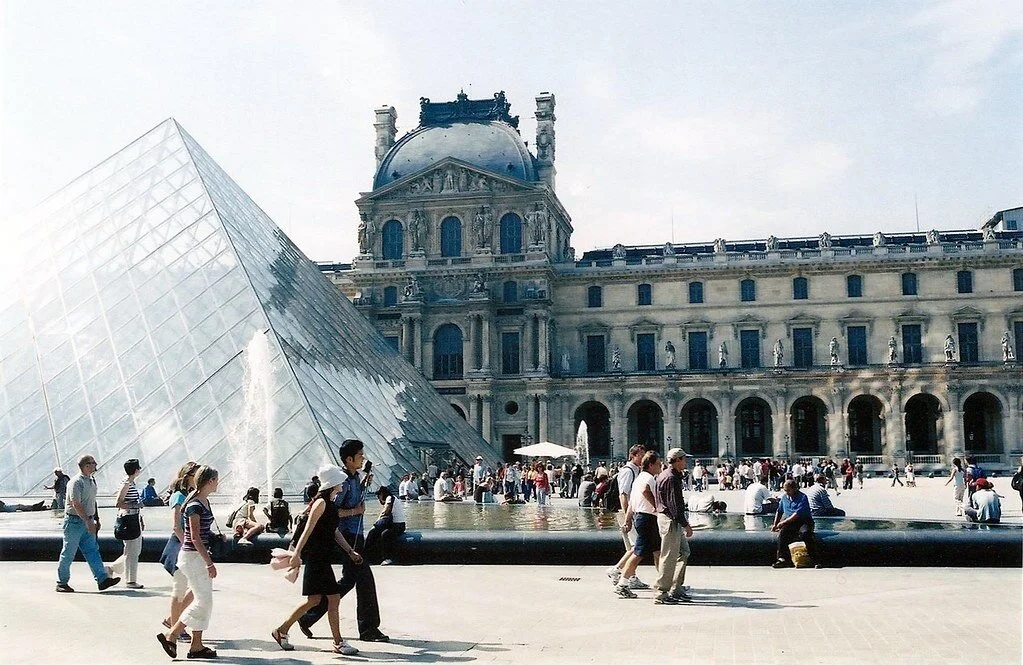
The Louvre Museum in Paris. BY-NC-SA 2.0
8 Museums from Around the World to Visit Virtually from Home
The coronavirus pandemic has seen many facets of daily life change. Many are working or taking classes from home, limiting their contact with the outside world, and finding new methods to ward off the fear of missing out on travel. With no clear end in sight, the trend of virtual living, working and playing is likely to carry on into next year.
In recognizing this unique opportunity, many museums around the world have opened up their collections to be viewed online for free. With exhibits ranging from science to rare art to historical demonstrations, there truly is something for everyone to enjoy. Below is a guide to eight museums whose exhibitions are available to be viewed from home.
1. Prado Museum — Madrid, Spain
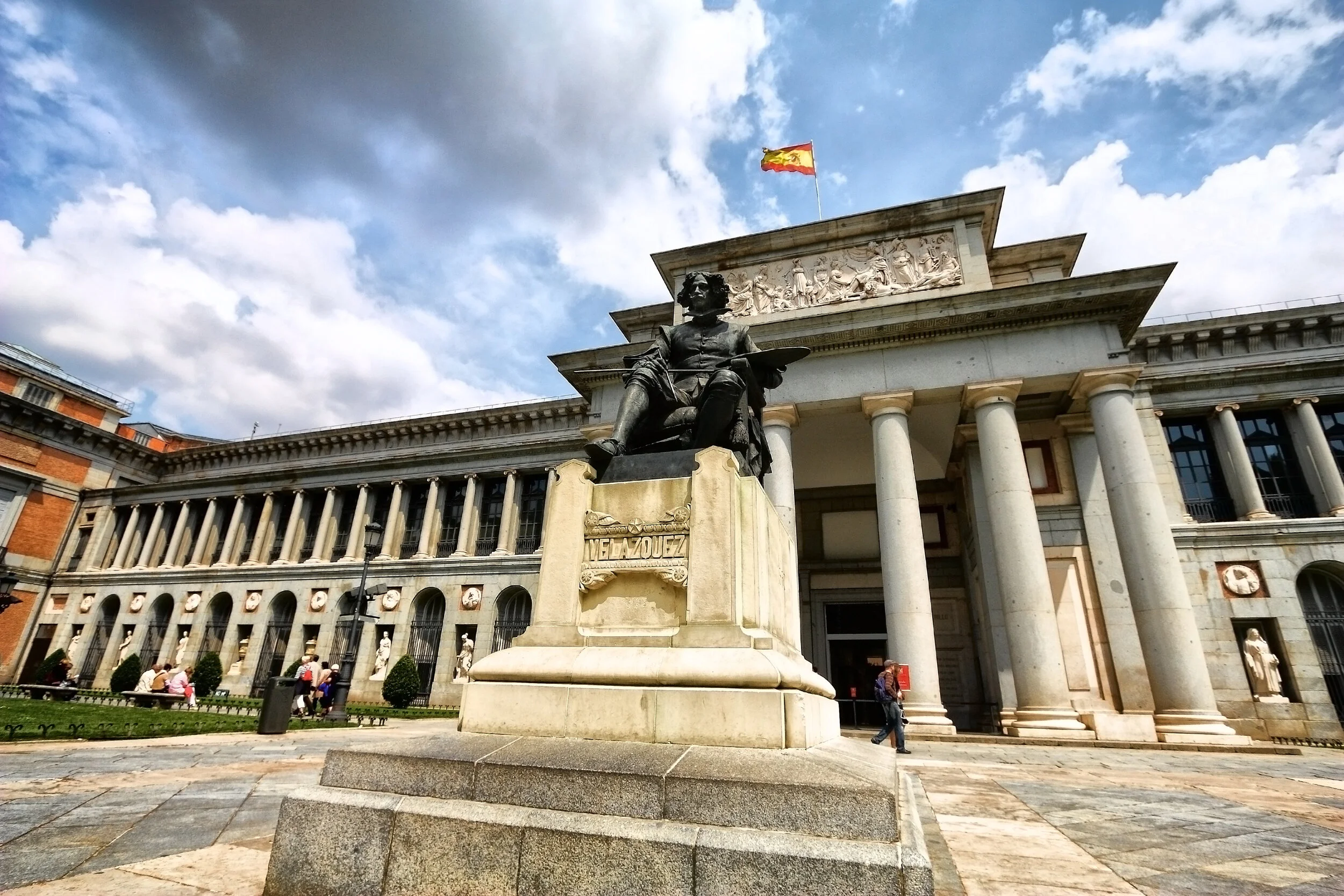
Wenji Zhang. CC BY 2.0.
The Prado Museum is Spain’s most important art museum and is world-renowned for its extensive collections of European and Spanish artwork. The museum’s collection is home to approximately 8,200 drawings, 7,600 paintings, 4,800 prints and 1,000 sculptures, and features the work of artists like Diego Velazquez, Francisco de Goya and El Greco.
According to Miguel Falomir, director of the Prado Museum, “Since its foundation in 1819, the Museo del Prado has played a key role in the evolution of art history. It has been crucial for the rediscovery of the Spanish Primitives and emblematic figures such as El Greco, and for positioning Velazquez as the greatest figure in the Spanish pictorial Parnassus, while its galleries have inspired some of the most avant-garde painters of the past 150 years. We are proud to show visitors this great artistic patrimony.”
The online collection, which is available here, showcases over 10,000 works of art. Additionally, the museum’s Instagram account, @museoprado, uploads daily mini-tours of different pieces which discuss their history and meaning.
2. National Museum of African American History and Culture — Washington, D.C.
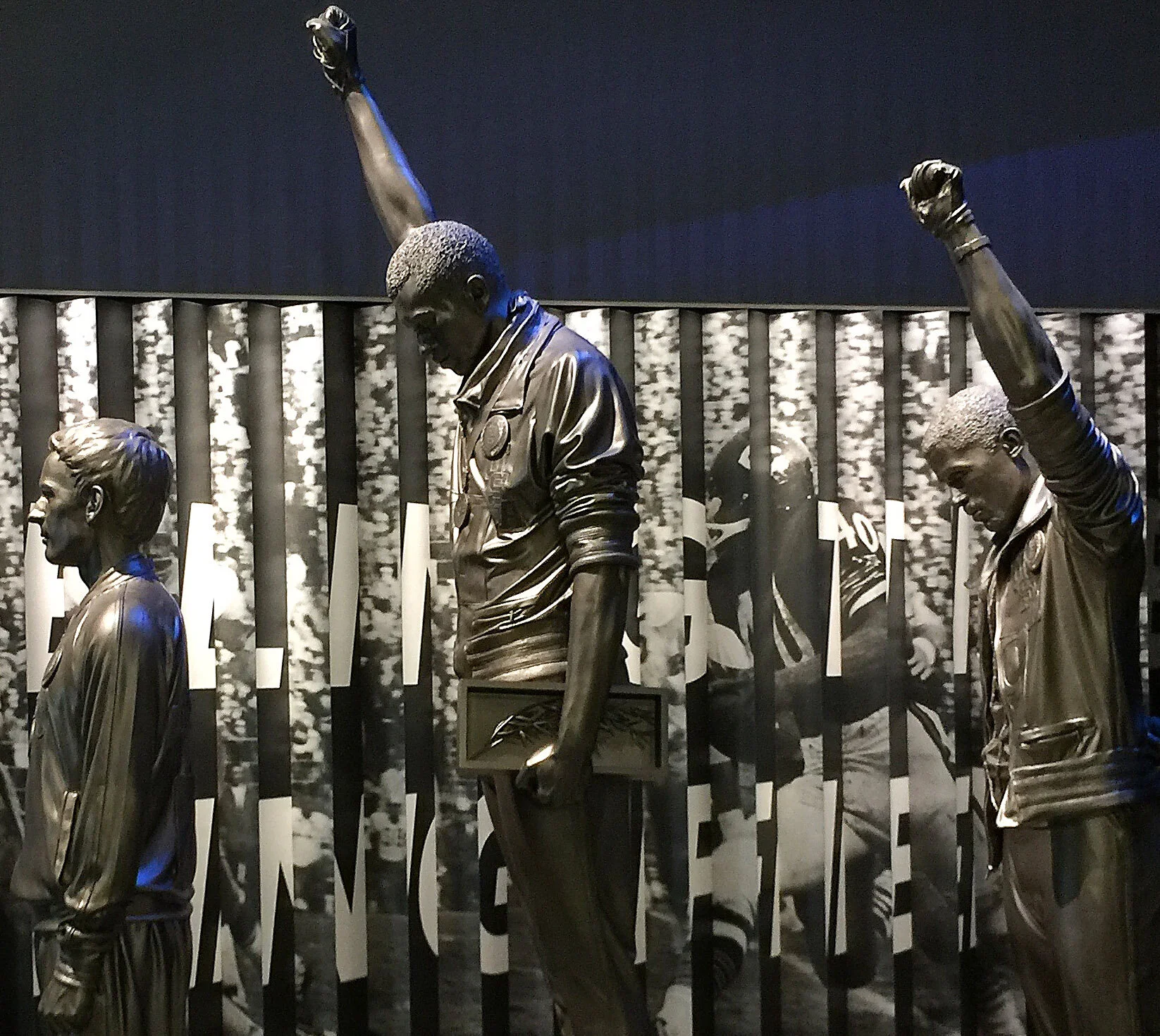
Ron Cogswell. CC BY 2.0.
The newest addition to the Smithsonian Institution’s National Mall campus, the National Museum of African American History and Culture is the sole national museum in the United States dedicated to documenting African American life, culture and history. The museum was widely popular when it opened in 2016, and has only continued to gain prominence with the resurgence of the Black Lives Matter movement.
The museum offers a number of virtual exhibitions and resources, including permanent and past special exhibition galleries, publications for further research into African American history, and a “Curator Chats” series which features museum curators providing information on the museum and various upcoming projects.
3. Georgia O'Keeffe Museum — Santa Fe, New Mexico
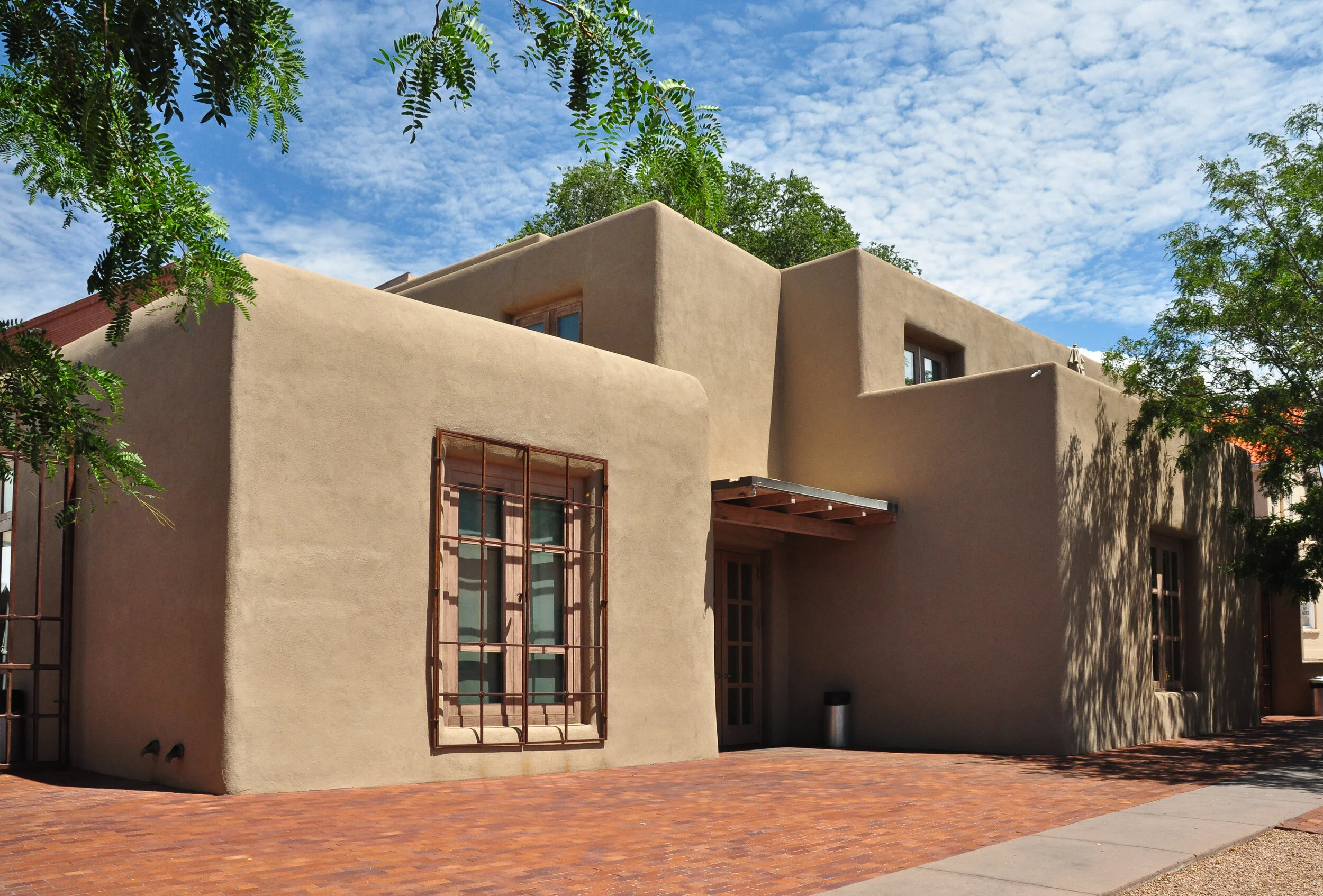
Kent Kanouse. CC BY-NC 2.0.
The Georgia O’Keeffe Museum is a small gallery located in New Mexico’s capital city which is dedicated to the life and work of Georgia O’Keeffe, one of the most influential American modernist painters. Since its opening in 1997, the museum’s collections have grown to house nearly 1,200 pieces of the late artist in its Santa Fe gallery and in the Abiquiu Home and Studio, where O’Keeffe resided and created many of her most popular pieces.
While the museum has since reopened with a limited capacity for visitors, art lovers across the globe can still enjoy the museum’s virtual collections, which include digital versions of her art, various online programs and creative activities to create art at home inspired by O’Keeffe’s legacy.
4. Kahlo Museum — Mexico City, Mexico
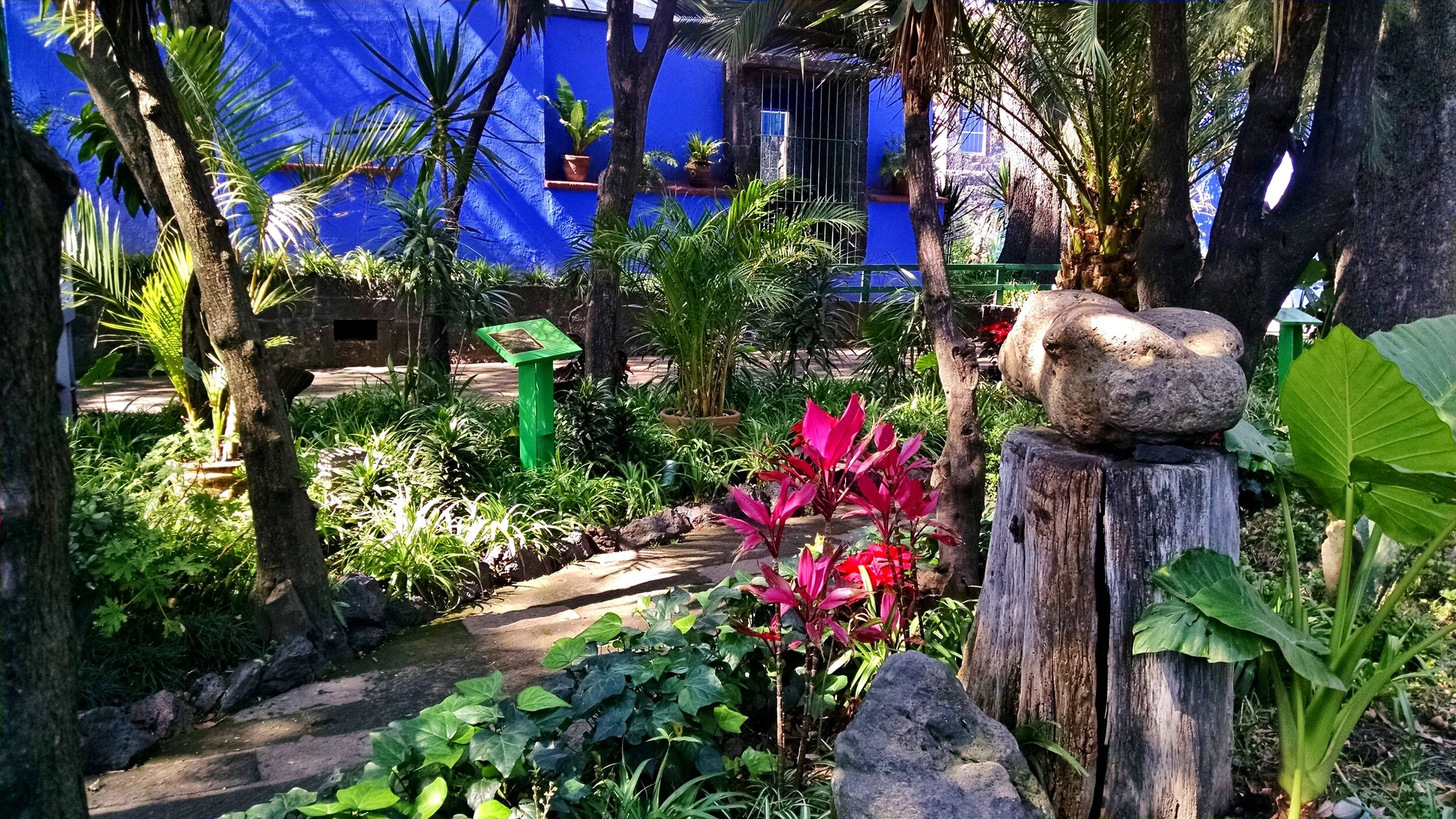
Kyle Magnuson. CC BY 2.0.
Located inside Frida Kahlo’s lifelong home, the Frida Kahlo Museum features a number of the artist’s paintings, as well as her home studio and garden. The site is famous for its vibrant blue walls which have given the building the nickname “La Casa Azul,” or “the Blue House.”
Hilda Trujillo, one of the museum’s curators, stated that: “As one explores Frida Kahlo’s work more deeply and enjoys the privilege of getting to know her home, one begins to discover the intense interrelations between Frida, her work and her house. Her creative universe is to be found in the Blue House, the place where she was born and where she died.”
Via Google Arts & Culture, visitors to the museum’s virtual gallery can view the “Appearances Can Be Deceiving” exhibit, a number of photos and paintings, and immersive virtual viewings of four rooms within the museum.
5. Emperor Qinshihuang’s Mausoleum Site Museum — Xi’an, China
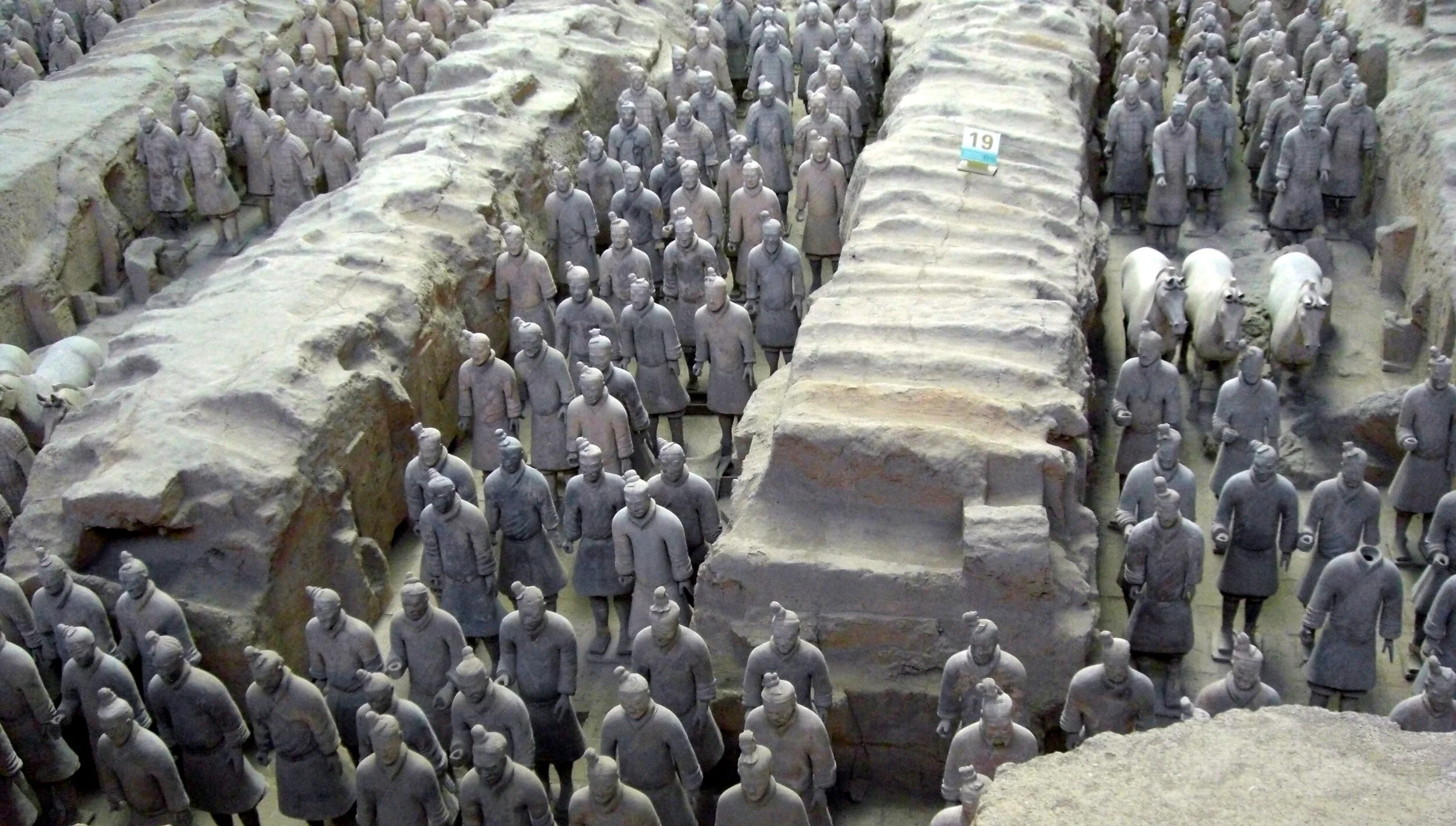
Larry Koester. CC BY 2.0.
One of the most famous archaeological sites in the world, the Emperor Qinshihuang’s Mausoleum Site Museum is home to the terra-cotta army, a collection of several thousand sculptures depicting the army of Qin Shi Huang, China’s first emperor. All of these sculptures surround the emperor’s mausoleum in formations meant to guard the site from invaders.
The site in Xi’an was discovered by local farmers in 1974, and numerous excavations have uncovered more than 8,000 individual sculptures buried in the site.
The museum offers a broad online collection with a number of selections. Likewise, the virtual experience allows viewers to learn more about the history of the terra-cotta army, as well as detailed information on individual sculptures.
6. National Gallery of Victoria — Melbourne, Australia
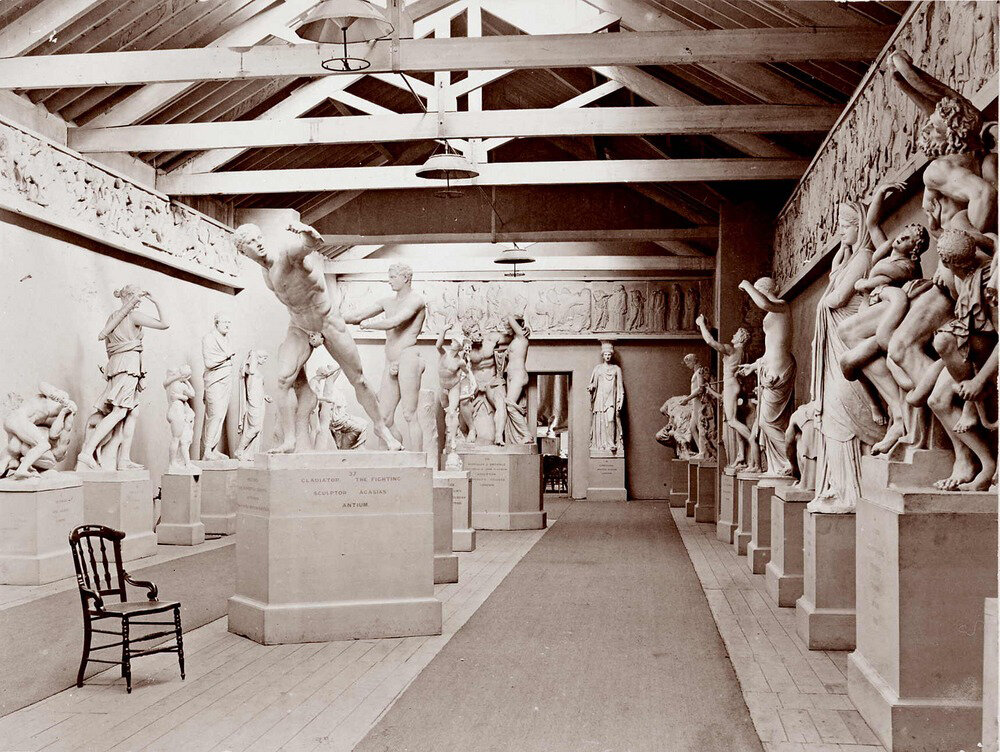
State Library Victoria Collection. CC BY-NC 2.0.
The National Gallery of Victoria is the oldest and largest art museum in Australia. Featuring thousands of pieces of Australian Indigenous art, Asian art and international art, the museum has grown to become the most visited art museum in the country.
The museum offers an extensive list of virtual experiences which will keep any stuck-at-home art lover captivated for days. Digital tours like “20th Century Australian Art,” “Japanese Modernism” and “Marking Time: Indigenous Art from the NGV,” short documentary films, explanatory articles, podcasts and the museum’s bimonthly magazine are all available for free on the museum’s website.
7. National Museum — New Delhi, India
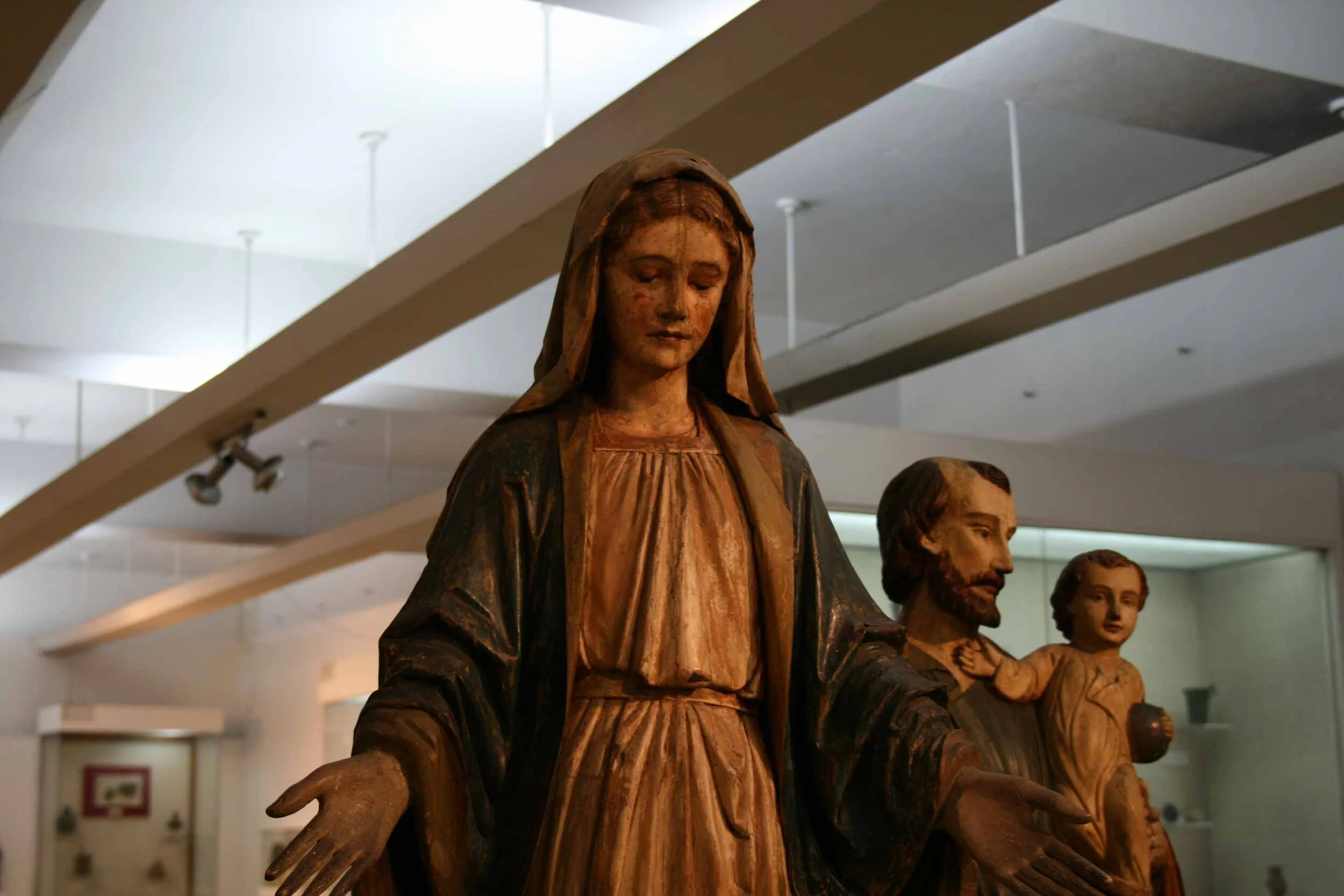
Tom Thai. CC BY 2.0.
The National Museum in New Delhi is one of the most prominent art institutions in India. Inaugurated in 1949, the museum’s collections have grown to house over 2 million diverse pieces of Indian and foreign artwork which represent over 5,000 years of Indian cultural history. The museum has also become known as a center for art history and cultural research in recent years.
The museum’s online collection, which is available via Google Arts & Culture, showcases hundreds of pieces from the institution and features seven 360-degree room viewings.
8. Galileo Museum — Florence, Italy
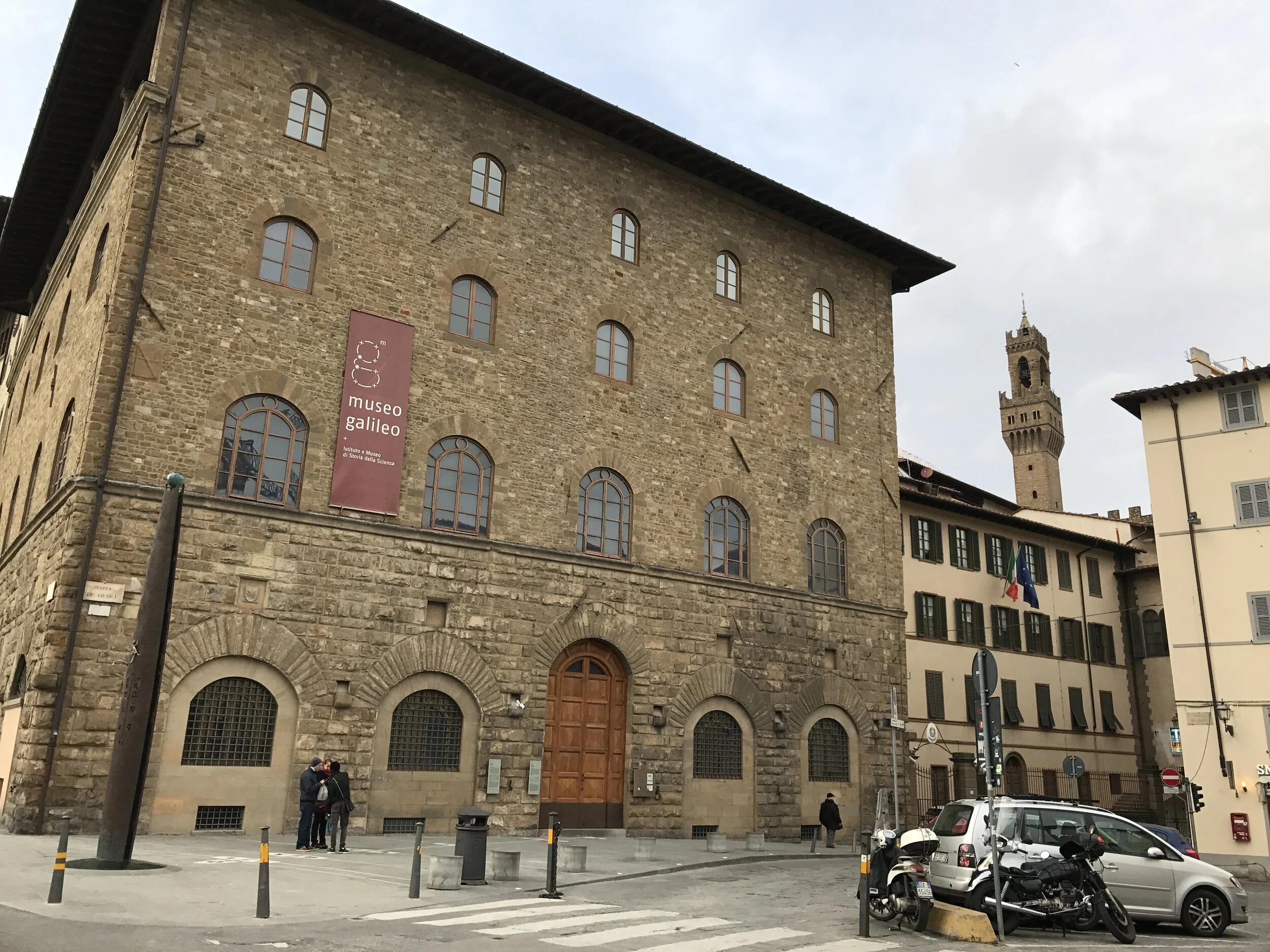
Elias Rovielo. CC BY-NC-SA 2.0.
Dedicated to highlighting the contributions from scientist and astronomer Galileo Galilei, the Galileo Museum is one of the most popular science museums in the world. The museum’s collection includes a number of scientific instruments dating back to the 13th century, including Galileo’s telescope which was used to discover the existence of Jupiter. Curators at the museum also undertake a number of research projects and activities, including the publication of several research journals and catalogs.
Visitors to the virtual exhibition are able to view a number of the museum’s rooms and pieces via in-depth videos ranging from rooms dedicated to astronomy and physics to an interactive space titled “Galileo and the Measurement of Time.”

Jacob Sutherland
Jacob is a recent graduate from the University of California San Diego where he majored in Political Science and minored in Spanish Language Studies. He previously served as the News Editor for The UCSD Guardian, and hopes to shed light on social justice issues in his work.
Rising Tides of Trouble: Piracy Amidst a Pandemic
As the pandemic threatens lives globally, it has allowed for unseen tragedies to take hold: Naval vessels are increasingly vulnerable to piracy.
Read MoreMexico Decriminalizes Abortion, Work Remains to Be Done
The Supreme Court of Mexico determined the criminalization of abortion to be unconstitutional. Yet, economic inequities pose challenging barriers to reproductive rights for many Mexican women.
Read MoreA Glimpse into Oaxaca City’s Guelaguetza Festival
The annual Guelaguetza festival is one of the largest Indigenous celebrations in Mexico, preserving Oaxaca culture and tradition.
Read MoreIndigenous Mexican Language isn’t Spoken– it’s Whistle
While Spanish is the official language of Mexico, its many Indigenous cultures still thrive and speak their own languages within their communities.
Read More6 Offbeat Travel Destinations in Mexico
Skip the crowded beaches of Cabo and Puerto Vallarta and discover Mexico’s rich history and diverse culture through its hidden gems
Read MoreThe Mexican Street Cart: A Culinary World on Wheels
Mexican street foods, like birria tacos and elote, have gained widespread attention on social media recently for their complex flavors and vivid colors. Some dishes have gone so viral that Americans are driving hours in search of truly authentic carts! Mexican street carts are essential to the people of Mexico, providing a convenient meal during a busy day, and more are popping up all over the United States as well.
Read MoreSex Industry Thrives in Tijuana, Despite Pandemic
For the first time, Tijuana’s sex industry has had to function in secret due to pandemic. However, sex workers have few options… work and risk cover-19 or stay home and risk starvation.
Visit Mexico and Germany on a Virtual Visit Staycation
With the ongoing COVID-19 pandemic and winter fast approaching, many who traditionally would take a holiday vacation are stuck at home in an effort to curb the spread of the virus. That said, one can still enjoy a nontraditional vacation while following proper safety precautions. Here is our guide to taking an international “staycation” featuring two different destinations, as well as tips on how to design your own trip abroad from the comfort of your couch.
Read MoreZacatecas: a Vibrant Community in the Heart of Mexico
Travel deep enough into the Chihuahuan Desert and you’ll find yourself in Zacatecas. The Mexican state, known for its mining industry and colonial architecture, is often overlooked by travelers in favor of more popular cities such as Guadalajara, Mexico City and Acapulco.
Read MoreLiving Beyond the Gender Binary for Centuries
In Tehuantepec, a town in the Mexican state of Oaxaca, Lukas Avendaño and fellow muxes live beyond the gender binary. A muxe is an individual assigned male at birth who behaves outside roles traditionally associated with masculinity. Sometimes referred to as a third gender, muxe identity pre-dates Spanish imperialism in the Zapotec region. For Lukas, dressing in feminine Zapotec clothing is a political act, giving everybody the power and the liberty to decide who they want to be.
Read MoreMexico
The videographer is Face du Monde and these are his comments on the video:
Read MoreThe LGBTQ Migrant Caravan that Sought Asylum in the US
LGBTQ migrants from Central America seeking asylum in the US faced hardship and discrimination not only from gangs that prey on migrants as they travel, but also from their fellow travelers. They were a part of a “caravan” of 3,600 asylum seekers that started to journey from San Pedro Sula, Honduras, in October 2018, traveled through Mexico, and reached the Northern Mexican city of Tijuana, bordering the US, in November 2018. The members of the caravan were escaping all kinds of violence in their home countries of Honduras, Guatemala, and El Salvador.
Read MoreFor Native Americans, US-Mexico Border is an ‘Imaginary Line’
Immigration restrictions were making life difficult for Native Americans who live along – and across – the U.S.-Mexico border even before President Donald Trump declared a national emergency to build his border wall.
Read MoreDeath Toll Rises in Tijuana
A few miles south of San Diego lies Tijuana, a favorite weekend getaway for Americans. Some Californians have even taken to living in Tijuana permanently to escape their state’s rising housing costs. However, life in Tijuana has changed drastically over the last few years as conflicts between rival drug cartels have caused the city’s murder rate to skyrocket. The situation presents a new set of risks for those wanting to visit the ever-popular tourist trap.
Read MoreDozens of Migrants Disappear in Mexico as Central American Caravan Pushes Northward
The Hondurans who banded together last month to travel northward to the United States, fleeing gangs, corruption and poverty, were joined by other Central Americans hoping to find safety in numbers on this perilous journey.
Read MoreAmericans and Mexicans Living at the Border are More Connected Than Divided
In 2002, I began traveling the entire length of the U.S.-Mexico border on both sides. From the Pacific Ocean to the Gulf of Mexico, the border measures almost 2,000 miles.
Read More