
Gen Z, those currently ages 11-25, have been using the Internet and social media all their lives. More informed about social issues through Instagram and TikTok, they are also more vulnerable to misinformation as much content on such platforms is not fact-checked or verified.
Read MoreAmerica’s Prison Abolition Movement Fights On
The United States is home to nearly 25% of the world’s prison population. Activists are fighting to dismantle the prison system, hoping to strengthen communities instead.

Protest against police brutality in Minnesota, 2013. Fibonacci Blue. CC BY 2.0
The United States maintains the highest prison population rate in the world. Despite making up only 5% of the world’s population, the United States is home to 25% of the world’s prisoners. There is no question that the United States has a mass incarceration problem. For decades, activists have argued that the prison system perpetuates racism, sexism and inequality, leading to what is often seen as a radical solution: prison abolition.
In the wake of the recent stream of anti-police brutality protests, discussion has turned toward prison abolition. Prison abolition is not just about getting rid of physical prisons; abolitionists aim to undo societal structures that lead to incarceration, known as the prison-industrial complex. The prison-industrial complex is a term used to describe “the overlapping interests of government and industry that use surveillance, policing and imprisonment as solutions to economic, social and political problems.” Prison abolition is really the abolition of the prison-industrial complex, with the ultimate goal being to eliminate policing, imprisonment and surveillance and to redistribute government spending from these industries to support housing, education, jobs and health care.
The concept of prison abolition has been around since the 1980s. Following the war on drugs, which increased prison sentences for both drug dealers and users and more than doubled the prison population from 1980 to 2000, activists began protesting the prison system. They argued that too many nonviolent offenders were being incarcerated, that wealth inequality was a major factor in who was locked up, and that people of color were disproportionately imprisoned. Black and Hispanic people in the U.S. are still incarcerated at higher rates than White people, data shows. The movement gained prominence in the 1990s, when Angela Davis and Ruth Wilson Gilmore co-founded Critical Resistance, a national anti-prison organization with a focus on the prison-industrial complex and abolition. In 1998, Critical Resistance hosted a three-day conference to examine and challenge the prison-industrial complex. The conference was considered a success, but made clear how much work still had to be done to undo a society that maintains mass incarceration.
“The abolition movement focuses on preventive rather than punitive measures.”
Skeptics of the abolition movement often ask what will happen to violent offenders, like murderers and rapists, if prisons are shut down. The movement’s supporters have two responses. First, abolition activists ask: is the current prison-industrial complex actually effectively addressing the issues behind rape and murder? Most activists say no. Despite the copious amounts of money funneled into supporting the prison-industrial complex annually, the threats of sexual assault and murder, among other crimes, are still sources of concern across the country. The prison-industrial complex locks criminals up, but has not actually addressed the root of the crimes in society. Plus, as prison abolition activist Woods Ervin points out, the prison-industrial complex itself perpetuates some crimes, like when prison guards sexually assault incarcerated people. Second, supporters point out that abolitionists want to help communities address underlying issues, like wealth inequality, that contribute to the rise of crime in the first place. Abolitionists want to build up infrastructures in communities in order to reduce interpersonal issues and create a world where people don’t feel driven into committing crimes. The abolition movement focuses on preventive rather than punitive measures. Ultimately, how crime is dealt with after prison abolition “is going to depend on each scenario,” Ervin says, and on the community in which it takes place.
Prisons won’t be shut down tomorrow, but activists in the abolition movement are fighting to ensure that prisons will one day be obsolete, and communities will have a stronger foundation to deal with eliminating inequality. The recent killings by police officers and subsequent anti-police brutality protests have illuminated some of the issues with the prison-industrial complex, and highlight the need for a new system.
To Get Involved:
To locate your local chapter of Critical Resistance, the national anti-prison organization, and find information on volunteer opportunities or how to become a member, click here.

Rachel Lynch
Rachel is a student at Sarah Lawrence College in Bronxville, NY currently taking a semester off. She plans to study Writing and Child Development. Rachel loves to travel and is inspired by the places she’s been and everywhere she wants to go. She hopes to educate people on social justice issues and the history and culture of travel destinations through her writing.
Zimbabwean Teens Kick Away Child Marriage with Taekwondo
One town in Zimbabwe has learned to bear the weight of history by “kicking” child marriage customs away.
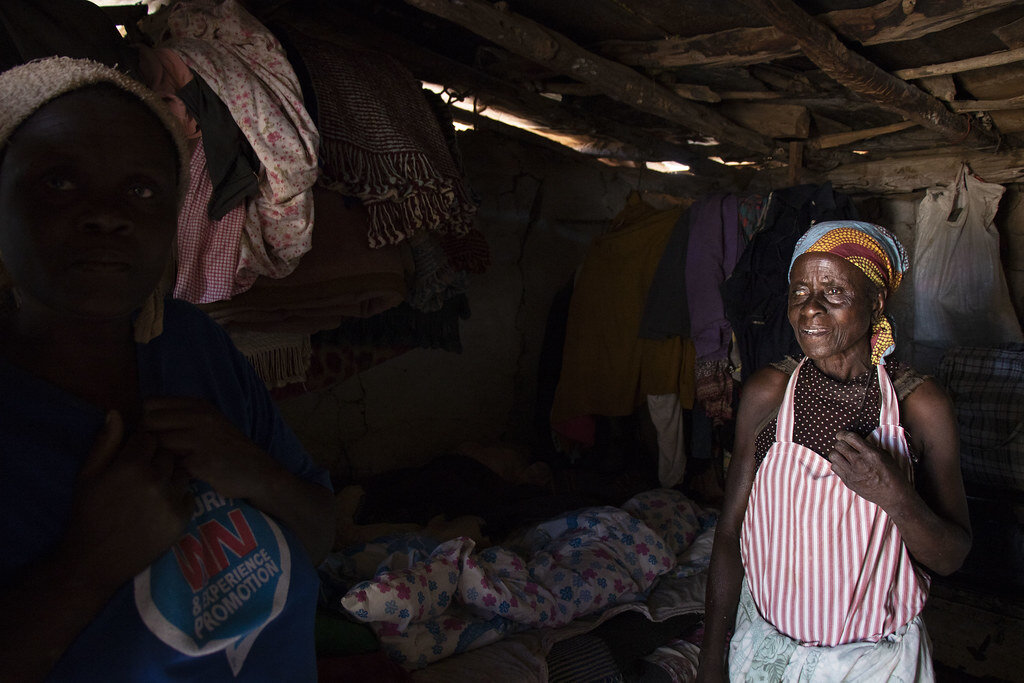
Zimbabwean woman. ScotchBroom. CC BY-NC 2.0.
In the small settlement of Epworth southeast of Harare, Zimbabwe’s capital, is a growing community of taekwondo enthusiasts. One member, 17-year-old Natsiraishe Maritsa, has taken it upon herself to organize taekwondo classes for the girls of her community. The participants of her classes are underage girls, some as young as 10, who have been subjected to the harrowing practice of child marriage that plagues Zimbabwe.
The Statistics
Child marriage is a tradition practiced all around Zimbabwe, but it runs particularly rampant in rural areas. The Zimbabwean countryside was found to have a child marriage rate of about 40% compared to the urban areas that show a rate of 19%.
In Zimbabwe, 34% of girls are married off before the age of 18, while another 5% are married before the age of 15. The issue of child marriage, although an occurence involving mostly underage women, affects more than just women. About 2% of boys are forced into the practice before the age of 18.
Complications of Elimination
The task of eliminating child marriage has proven to be especially difficult due to the many conditions and societal beliefs that worsen girls’ ability to escape the practice. There are four main reasons that girls are easily trapped in the tradition:
First, gender inequality ranks women as inferior to men, thereby allowing the men of the family to force the women into submission.
Second, and a particularly large piece of the problem, is poverty. The practice of child marriage is often used as an economic tool; the price for a bride is used to cover household expenses. Because marrying off daughters of the family can be the decision between life and death, the pressure to commit these practices is often insurmountable. With poverty increasing due to COVID-19, this problem has become particularly difficult.
Third, the need to avoid shame causes many families to marry off their daughters. In Zimbabwe, the act of a daughter committing premarital sex is seen as shameful to the family, so it is resolved by forcing the daughter to marry her boyfriend. The girls will submit to these demands, especially if they became pregnant, in order to avoid abuse by their family members.
Fourth, a lack of education pushes girls into the trap of child marriage. Many poorer households are unable to pay for their daughters to attend school, which increases the risk that they will be forced into a marriage.
It is an oppressive cycle. Studies find that poverty causes child marriage, and in return, child marriage feeds into poverty.
Seventeen-year-old Maritsa has chosen to use taekwondo education to empower the girls of her community, hoping they can use their newfound confidence and skills to reshape their futures. She holds classes in a small dirt yard in front of her house, while her parents use their small income to supply some food for the attendees.
Maritsa’s class has proven to be empowering, with each class used as a safe space for girls to talk about the physical, mental and emotional abuse they endure from their husbands.
She has proven that although oppressive practices are formidable opponents, the power of education and community can undo even the most controlling traditions.
To Get Involved
Nonprofit organization FORWARD is led by African women seeking to end violence and the oppression of women in Africa, including child marriage. To read more about how to lend a hand, click here.
Global partnership Girls Not Brides has combined the efforts of over 300 organizations dedicated to empowering women on nearly every continent. To see how you can support bills and other legislation they are pushing, click here.

Ella Nguyen
Ella is an undergraduate student at Vassar College pursuing a degree in Hispanic Studies. She wants to assist in the field of immigration law and hopes to utilize Spanish in her future projects. In her free time she enjoys cooking, writing poetry, and learning about cosmetics.
Middle Eastern Countries Combat Stigma Surrounding Mental Health
While the stigmatization of mental health issues is common worldwide, sociocultural factors specific to the Middle East often prevent individuals from seeking treatment.

A drawing depicting mental health issues. Pixabay.
Mental health services are more urgently needed now than ever before. The world is currently facing a mental health epidemic, with over 264 million people struggling with depression in 2019. The additional stress and uncertainty caused by the COVID-19 pandemic have caused anxiety and depression levels to skyrocket. For many individuals, it has become even harder to participate in counseling programs. According to the World Economic Forum, over 93% of countries have reported a disruption in their mental health services since the pandemic started.
In the Middle East, mental health awareness continues to rise, especially in the Gulf countries among the nations’ youth. A recent poll conducted in the Gulf region reported that 62% of youth agree that mental health issues are important. Even so, a recent survey in Saudi Arabia revealed that 80% of people struggling with severe mental health issues do not seek treatment. Similarly, this year’s Arab Youth Survey, which interviewed 4,000 young adults ages 18-24 from 17 Arab countries, revealed that mental health issues are rampant, with the number of people affected continuing to rise.
Difficulties in Obtaining Proper Mental Health Care

The Kaaba in Mecca, Saudi Arabia, the holiest site in Islam. Konevi, Pixabay.
A prevalent culture of stigmatization in Middle Eastern countries prevents many individuals from seeking treatment in the first place. Due to the shame associated with mental health issues, privacy between the client and their mental health professional is of utmost concern. In many cases, mental health issues place a burden on a family’s reputation and social status. Rania Raine, a 43-year-old British-Egyptian art teacher who struggles with mental health, states that, “It’s the ‘shame’ families have, that their child isn’t perfect, that their lives are not perfect and what will people say, what will the neighbors say, society say–and then it all leads to marriage, how no one will marry the child who has a mental health condition, or worse still, ruin the chances of marriage of the other siblings.”
Although the stigmatization of mental health conditions is common in Muslim communities, Ph.D. researcher Mounira al-Dousari states that they are “reflections of cultural practices and discourse.” There is a growing movement among mental health professionals to include faith in therapy, which results in a faster recovery for some clients. It’s also important to note that many forms of therapy use predominantly Western practices, which need to be diversified to appeal to a larger audience. According to Dousari, “When it comes to Islam, Muslim scholars and those working in the mental health field are working harder than ever to establish well-structured Islamically integrated psychotherapy models.”
Additionally, the financial burdens of seeking mental health treatment raise another concern. Even though mental health care is free in some public hospitals, many people do not trust them due to privacy concerns. Prices for private mental health care sessions are quite expensive. For example, Dousari’s research sessions cost $225 an hour, a large sum even for well-off families.
Historic Treatment of Mental Illness in the Middle East

An entrance to the Moristan of Kala’oon, a mental health hospital in Egypt, 1878. Werner. CC2.5
Although mental health remains a prevalent issue in the region, the Middle East was well known for mental health treatment during the Islamic Golden Age. The term bimaristan, Persian for “home for the sick,” refers to entire psychiatric hospitals where a patient’s mind, body and soul were considered part of the treatment process. First opened in Fez, Morocco, and in Baghdad in the eighth century and later in Cairo, Damascus and Aleppo in the ninth, the practice was initially introduced by physician Ahmed ibn Sahl al-Balkhi. A famous manuscript written by Balkhi called “Sustenance for Bodies and Souls” was written in clear, understandable language and helped make mental health education more accessible to the public. Unfortunately, the practice declined throughout the centuries and does not occur in the mainstream today.
Additionally, Dr. Mamoun Mobayed, director of the treatment and rehabilitation department at Behavioral Healthcare Center in Qatar, emphasizes that the stigmatization of diseases is a global phenomenon. “Any disease thought to be infectious or bizarre-looking, like leprosy, has always been stigmatized. Even with COVID-19, there have been cases where paramedics working with COVID-19 patients have been avoided due to the fear and stigma attached to the virus.”
In recent years, mental health awareness in the Middle East has become a top priority, with many countries starting their own wellness initiatives and campaigns.
Qatar Paves the Way in the Gulf
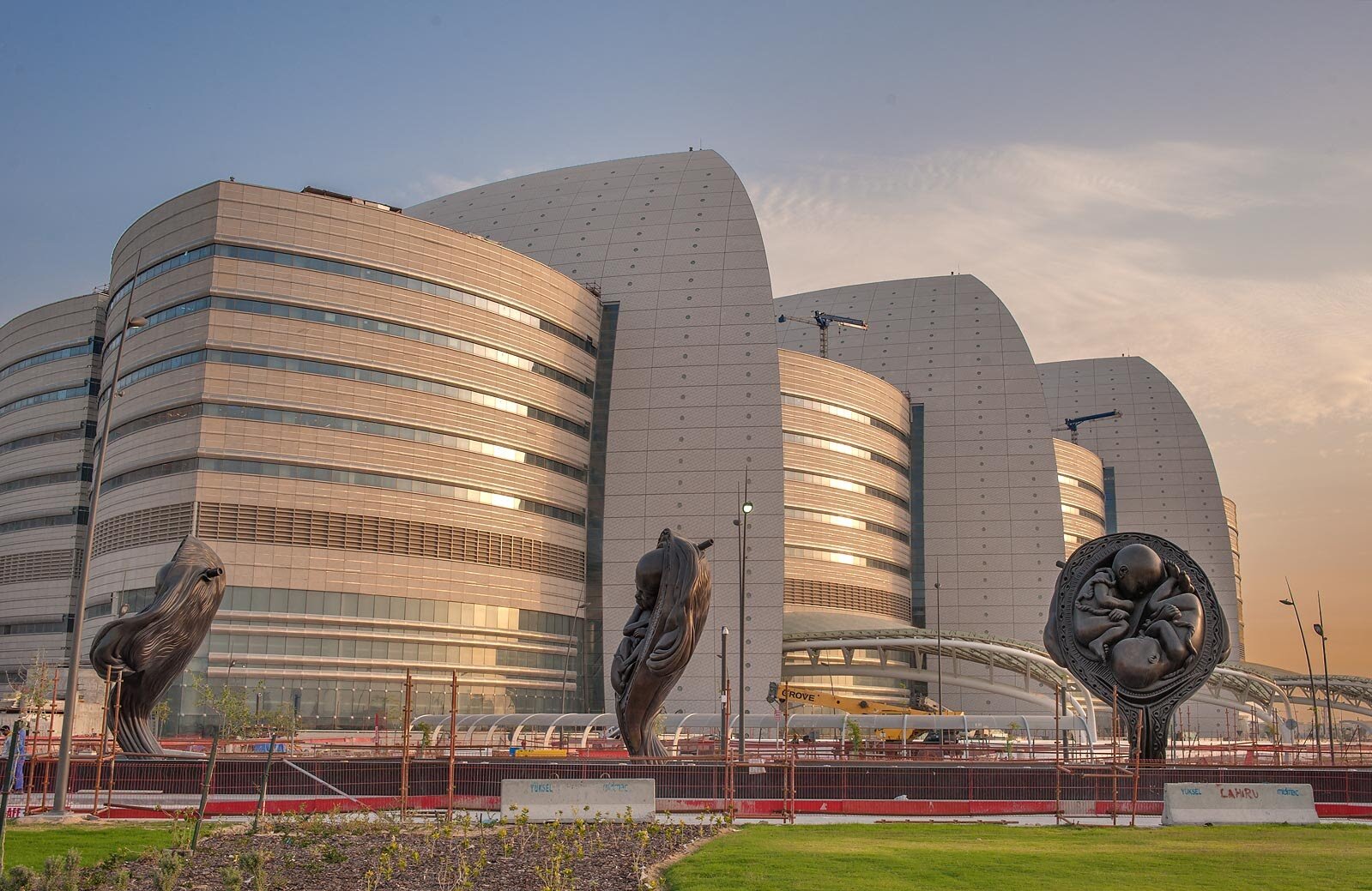
Sidra Medical and Research Center in Qatar. Sergeev. CC3.0
Qatar launched a new mental health program in conjunction with World Mental Health Day. Being the first country in the Gulf to start such an initiative, the Wellness Ambassadors program aims “to promote mental health support and break the stigma attached to mental health conditions at school level.” Program ambassadors received comprehensive training on mental health issues such as anxiety, depression and bullying while breaking cultural misconceptions surrounding mental health. Dr. Mobayed states that educating individuals about mental health issues serves “to remove the barriers associated with mental health and know they are normal humans with a disorder in the mind.”
Turkish Counseling Services Provide Assistance

Taksim Square in Istanbul. Pixabay.
A crisis helpline in Turkey helps those struggling with mental health issues during the pandemic. Supported by the World Health Organization, the service is accessible in all of Turkey’s 81 provinces and consists of 418 staff members trained in helping individuals manage stress and access mental health resources. So far, the service has offered more than 80,000 consultations since its inception.
Social Media Campaigns in Kuwait Lead to Legislative Action

Youth in Kuwait. Wikimedia Commons. CC2.0
Kuwait enacted its first mental health law in 2019, which passed unanimously through the national assembly. Instrumental to this success were numerous social media campaigns led by youth, artists and mental health advocates. The founder of ASAP Beauty, Sheika Majda al-Sabah, credits her involvement in the campaign to her own struggles with depression. Other campaigns include “Mind Me”, “Human Line Organization” and “Taqabal”, with trending hashtags such as #noshame working to spread awareness. Outreach events helped to create a welcoming climate where people could speak more openly and denounce negative stereotypes surrounding mental illness. Since the onset of the COVID-19 pandemic, an online program called Corona Care provides mental health services for those in need. Additionally, the Gulf Program for Mental Health encourages countries to develop comprehensive mental health programs that adhere to international standards.
Although there is still work needed to break down barriers surrounding mental health treatment, Middle Eastern countries seem ready to rise to the challenge.
To Get Involved:
Check out social media campaign pages “Mind Me”, “Human Line Organization” and “Taqabal” working toward mental health awareness in Kuwait. Visit the website of the Institute for Muslim Mental Health, which focuses on providing support for Muslims in the United States. The Journal of Muslim Mental Health is an excellent resource to learn about issues affecting the Muslim community in the United States and globally.

Megan Gürer
Megan is a Turkish-American student at Wellesley College in Massachusetts studying Biological Sciences. Passionate about environmental issues and learning about other cultures, she dreams of exploring the globe. In her free time, she enjoys cooking, singing, and composing music.
Nonprofits Reach Syrian Refugee Children Through Education
As the Syrian refugee crisis enters its 10th year, children continue to suffer from mass displacement and a lack of educational opportunities.
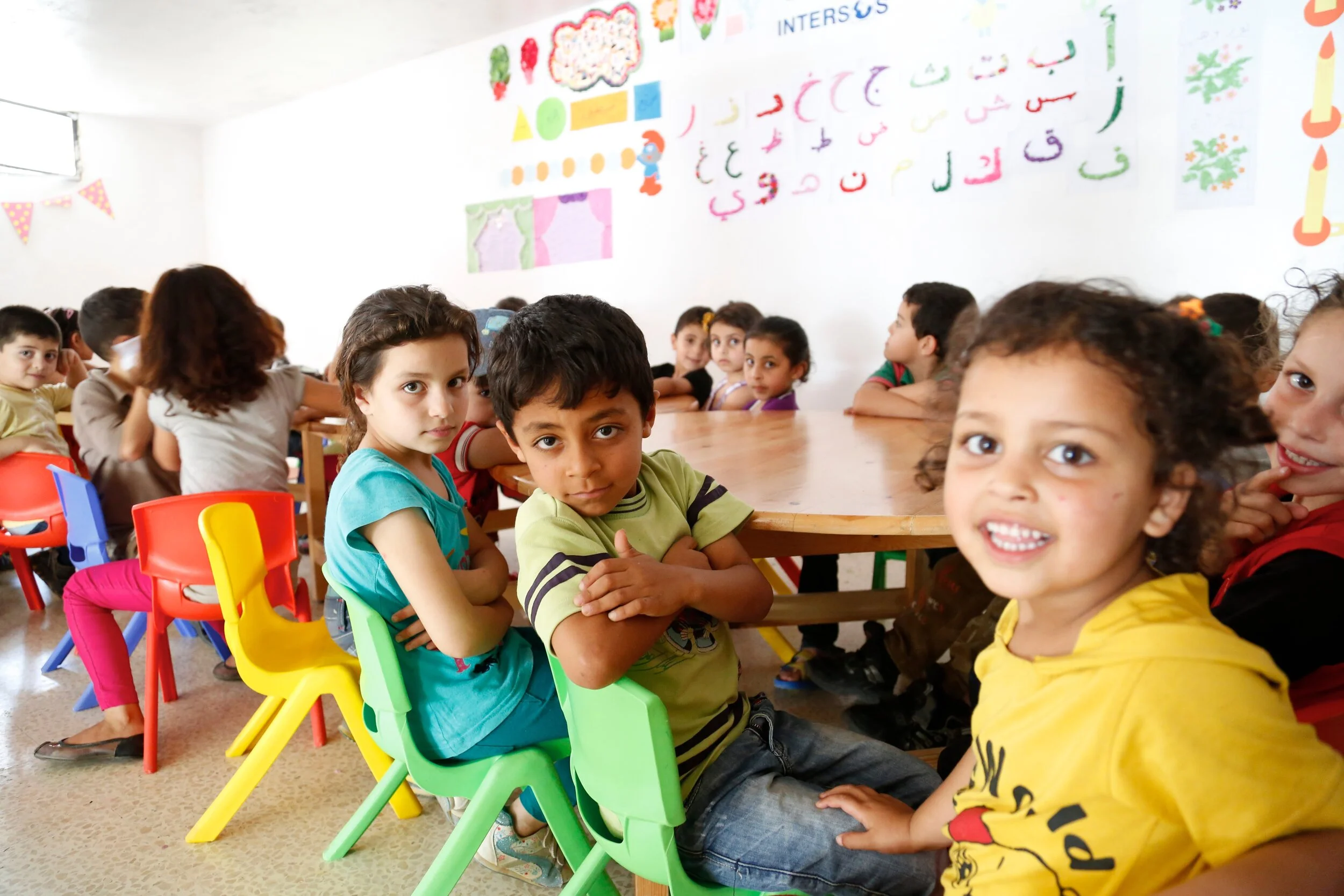
Syrian primary schoolchildren. DFID. CC2.0
The Syrian refugee crisis is considered by many to be the most urgent humanitarian crisis of the decade. Since 2011, the conflict has displaced 11 million people through the destruction of countless homes, hospitals, schools and public buildings. An equally large number of Syrians require humanitarian assistance, over half of them being children. Many of these young children lack safe spaces to play, face childhood neglect and have witnessed horrific violence in their lives. Numerous children are at risk of developing toxic stress, which is a biological response that impedes growth and development when humans have experienced too much hardship.
However, with hardship also comes hope. Reaching children early and providing educational opportunities have been shown to alleviate toxic stress, allowing children to live productive and happy lives. However, educational resources for Syrian refugee children remain in short supply. Despite its importance in providing children a brighter and more stable future, education efforts only receive 3% of humanitarian aid annually. Additionally, many humanitarian organizations do not provide adequate educational resources for children to increase school enrollment.
Students in Syria start to drop out at the age of 12, when they are in secondary school. A study conducted on Syrian refugee children in Jordan showed that only 25% of students are enrolled in secondary school, citing a lack of safe transportation, limited educational resources available, poverty and limited professional opportunities as contributing factors. Children who drop out of school are at increased risk of experiencing hardship in their lives, including living in poverty, being subjected to child marriage and facing sexual violence. Adequate educational resources and child support are essential to help provide resilience and much-needed support for Syrian refugee children. Some nonprofit organizations are aiming to do just that.
Making a Difference in Syrian Refugee Children’s Lives
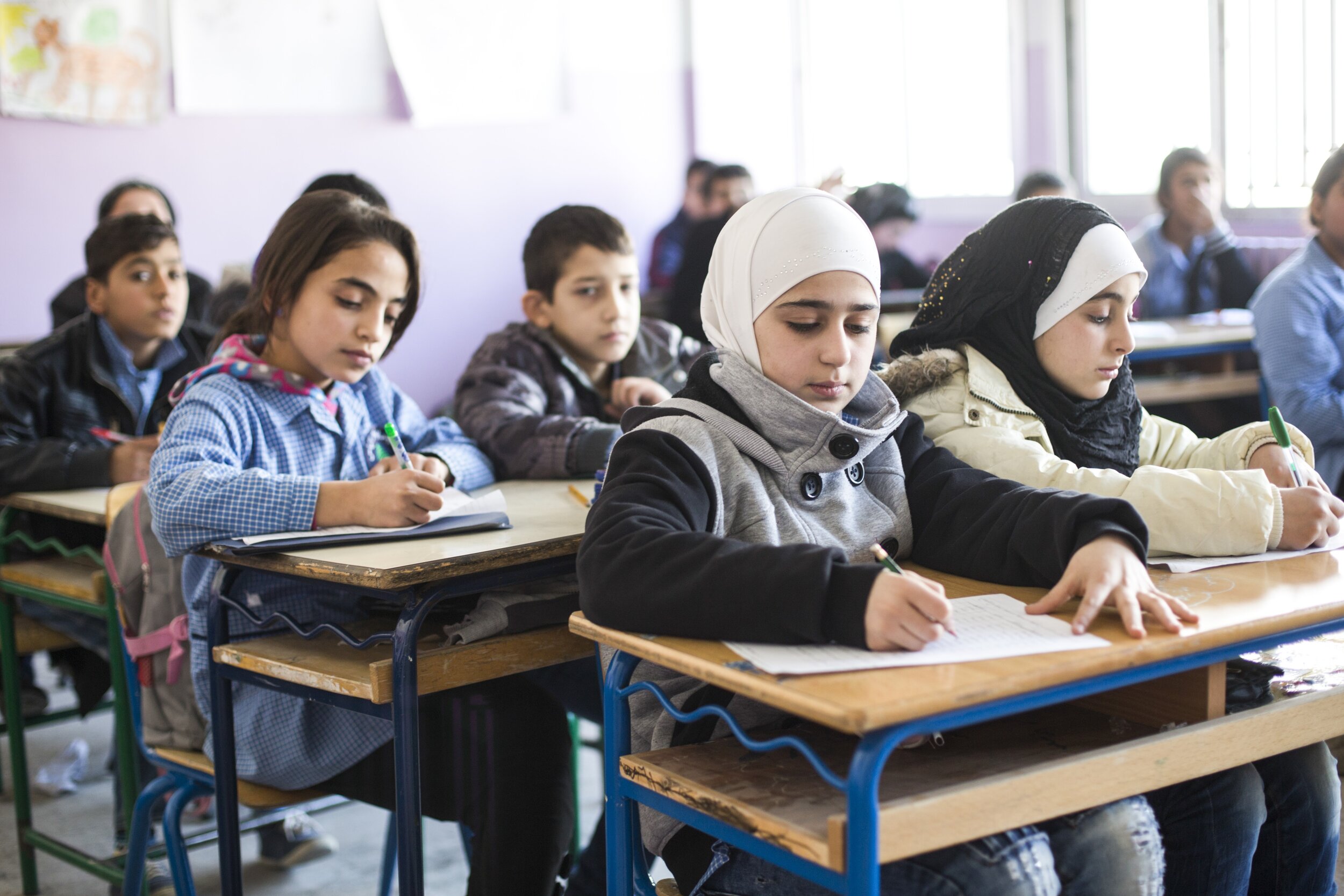
Syrian refugee children at a school in Lebanon. DFID. CC2.0
A new educational program developed by the International Rescue Committee (IRC) and Sesame Workshop aims to provide adequate educational resources for Syrian refugee children. Called Ahlan Simsim, which translates to “Welcome Sesame” in Arabic, the program aims to combine the IRC’s experience working in conflict zones with the TV show “Sesame Street,” which is known for its educational and nurturing effects on children. Program resources include safe spaces for young children to play, an Arabic-language version of ”Sesame Street,” parenting resources for caregivers, and partnerships with nonprofits and local governments to ensure child access to education. In light of COVID-19, educational programming takes place through WhatsApp and online video.
Ahlan Simsim provides children with skills in literacy and numeracy while helping them develop emotional resilience. For example, the program will teach students how to deal with difficult situations, understand their feelings and empathize with others. The program is a winner of the MacArthur Foundation’s 100&Change grant competition and is among the most ambitious early childhood development programs ever attempted by the humanitarian system. According to Sherrie Westin, executive vice president for global impact and philanthropy at Sesame Workshop, “The issue we are addressing is the greatest humanitarian crisis of our time. We know we can make a difference in the long term if we reach children early. Without that, there’s an entire generation at risk, and that has repercussions not just for their future, but for a more peaceful, stable world for all children.”
To Get Involved:
Check out this link to the International Rescue Committee’s webpage to learn more about the Ahlan Simsim initiative.

Megan Gürer
is a Turkish-American student at Wellesley College in Massachusetts studying Biological Sciences. Passionate about environmental issues and learning about other cultures, she dreams of exploring the globe. In her free time, she enjoys cooking, singing, and composing music.
Rising Tensions in Ethiopia’s Tigray Region Pose Dangers for Millions
The East African country has recently been overrun by natural disasters, COVID-19 and internal violence.
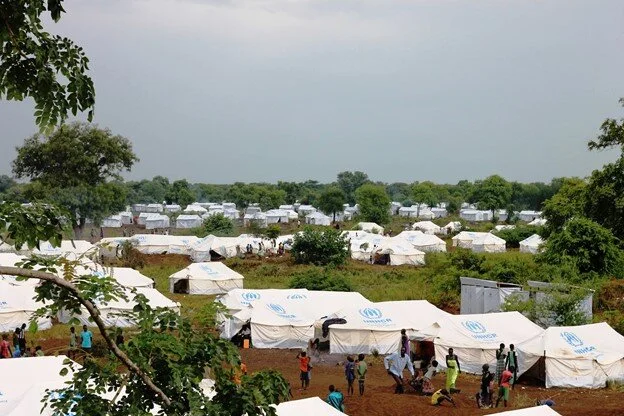
A refugee camp in Ethiopia. Oberhaus. CC2.0
Rising tensions in northern Ethiopia’s Tigray region pose a severe threat for the East African country and for stability across the Horn of Africa. Most urgently, the fighting places millions of people in danger and in dire need of humanitarian assistance.
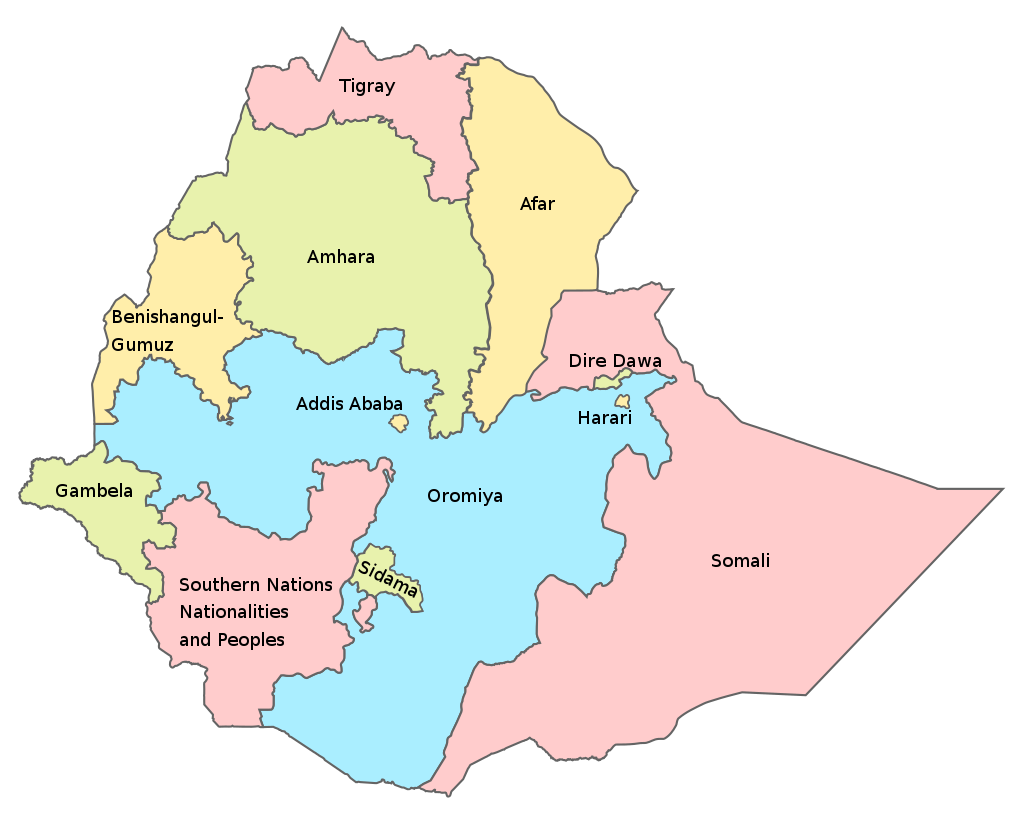
Map of Ethiopia’s regions, with Tigray in the far north. Jfblanc. CC4.0
An Overview of the Conflict in Tigray
Ethiopia, the largest and most populous country in the Horn of Africa region, is home to many different religions, languages and ethnic groups. The recent fighting is taking place in Tigray, Ethiopia’s northernmost region along the border with Eritrea. The conflict is between Ethiopia’s central government led by Prime Minister Abiy Ahmed and the Tigray People’s Liberation Front (TPLF). The TPLF came to power in 1991 and established a coalition where Ethiopia was divided into 10 distinct regions that each had political autonomy, allowing the TPLF to become a key player in Ethiopian politics. The TPLF remained in power for 27 years until rising concerns of political corruption and human rights abuses resulted in nationwide protests. As a result, Abiy Ahmed was elected the prime minister of Ethiopia in 2018 and began to reduce the TPLF’s power. While Ahmed advocates for a strong federal government that unites all Ethiopians regardless of ethnicity, the TPLF wants more political autonomy and sees Ahmed’s central government as a hindrance to the TPLF’s political agenda.
The current dispute began when the TPLF wanted to hold a regional election in September. Prime Minister Ahmed denied the request, since all national elections in Ethiopia were canceled due to COVID-19. Fighting began on Nov. 4 when Tigrayan forces were accused of attacking a military base belonging to Ahmed’s government. The violence in the region continues to escalate.
Abiy Ahmed is widely recognized for brokering peace and ending a military conflict with neighboring Eritrea, an effort that resulted in Ahmed receiving the Nobel Peace Prize in 2019. However the current escalating violence is causing the international community to raise its eyebrows. According to Kjetil Tronvoll, a scholar of Ethiopian politics at Bjorknes University College in Norway, “The Nobel Peace Prize has until recently shielded Prime Minister Abiy Ahmed from international scrutiny and criticism. However, the warfare on Tigray has opened the eyes of many diplomats to the way political power is wielded in Ethiopia.”
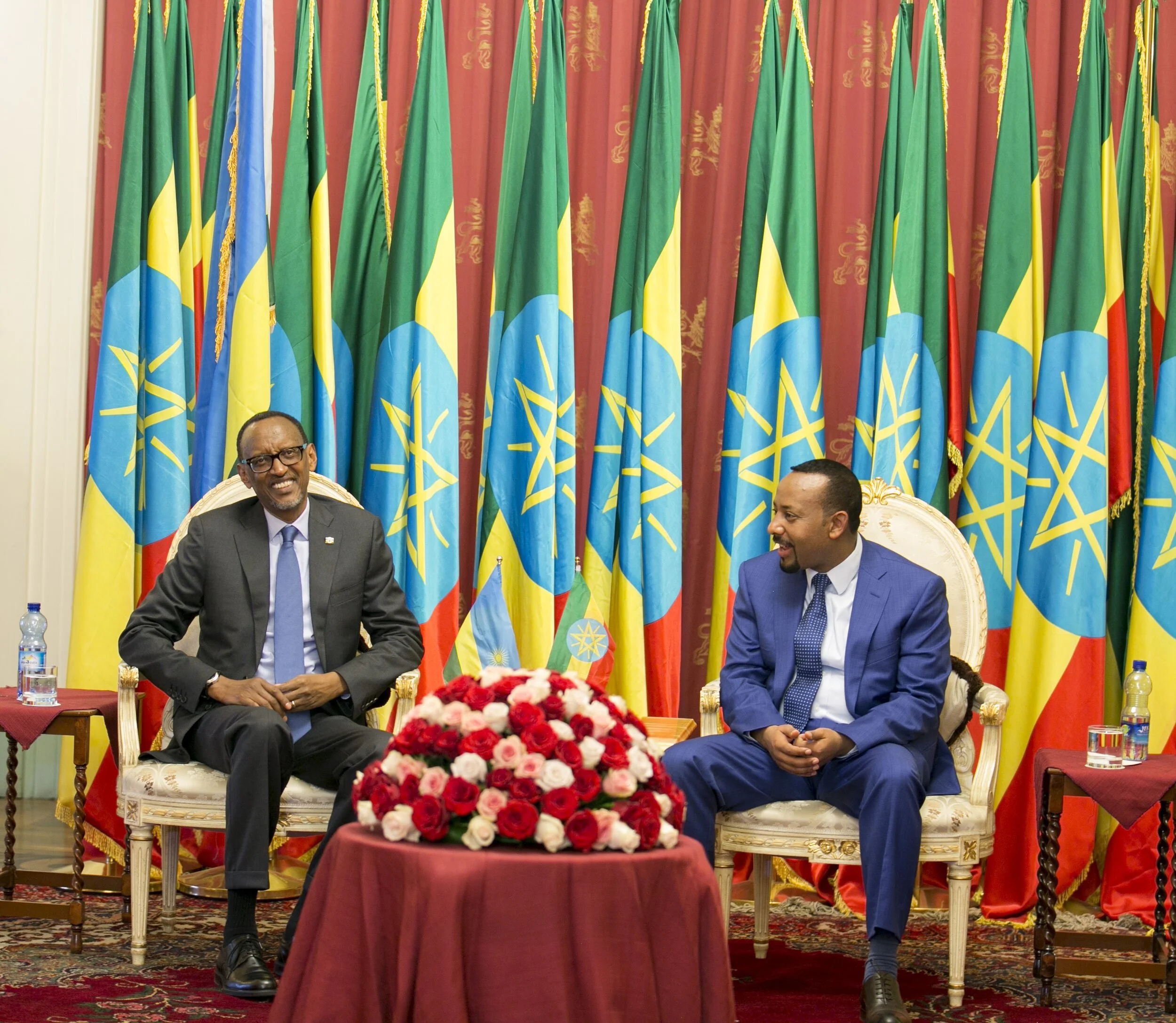
Rwandan President Paul Kagame (left) and Prime Minister Abiy Ahmed (right). Kagame. CC2.0
What is Happening Now?
On Nov. 28, the Ethiopian army gained control of the Tigrayan regional capital of Mekelle, with Prime Minister Ahmed declaring victory shortly thereafter. However, Tigrayan forces have yet to surrender. Since the conflict began, telephone, internet and road access to the Tigray region has been suspended, making it difficult to know what is happening on the ground. Shortly after Ahmed declared victory, rockets were fired at the Eritrean capital of Asmara, where according to the U.S. embassy, “Six explosions occurred in the city at about 10:13 p.m.” The Ethiopian government has declared a six-month-long state of emergency in the Tigray region. There is concern that the conflict could exacerbate ethnic division in other parts of Ethiopia, or even spread to neighboring countries such as Eritrea, Sudan and Somalia. With the conflict having no end in sight, it is unclear to predict whether current military efforts are enough to end the fighting.
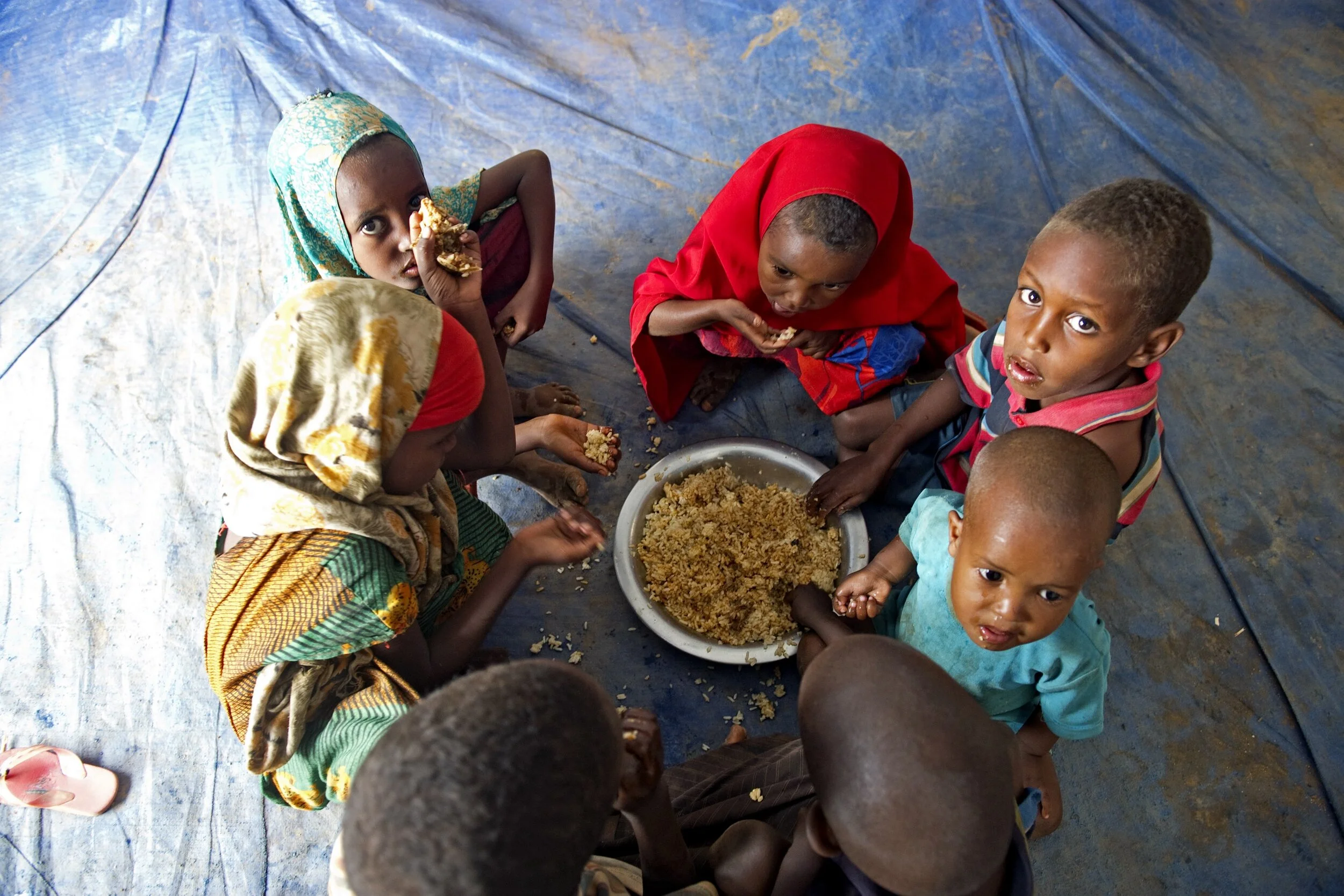
Refugee children in Ethiopia. United Nations Photo. CC2.0
Impact on Internally Displaced People and Refugees
Before the recent fighting broke out in Tigray, the region was already home to over 200,000 refugees, the majority coming from Eritrea. The current fighting is estimated to affect over 2 million people, with larger estimates of up to 9 million. As many as 43,000 have already fled to neighboring countries, with Sudan preparing to accept as many as 200,000 refugees. Thousands of people are internally displaced in Shire, near the border with Eritrea. Aid groups are urging the Ethiopian government to allow access to roads crucial to the Tigray region. This year has been especially difficult in Ethiopia, as a devastating locust outbreak, floods and the ongoing COVID-19 pandemic have ravaged the country. According to the International Rescue Committee, the most important thing that can be done by forces is to adhere to international law, ensure that schools, hospitals and homes are not targets, and allow humanitarian aid to get to where it is needed.
To Get Involved:
Check out the International Rescue Committee, a global aid and development organization providing crucial humanitarian assistance to communities in Tigray, here.
Click here to access the website of the United Nations High Commissioner for Refugees (UNHCR), which is working to establish a new shelter site for Tigrayan refugees in Sudan.

Megan Gürer
Megan is a Turkish-American student at Wellesley College in Massachusetts studying Biological Sciences. Passionate about environmental issues and learning about other cultures, she dreams of exploring the globe. In her free time, she enjoys cooking, singing, and composing music.
Sri Lanka Strives Toward Gender Equality Through Economic Empowerment
Sri Lanka’s efforts to combat the gender gap allow women to support themselves and their communities.
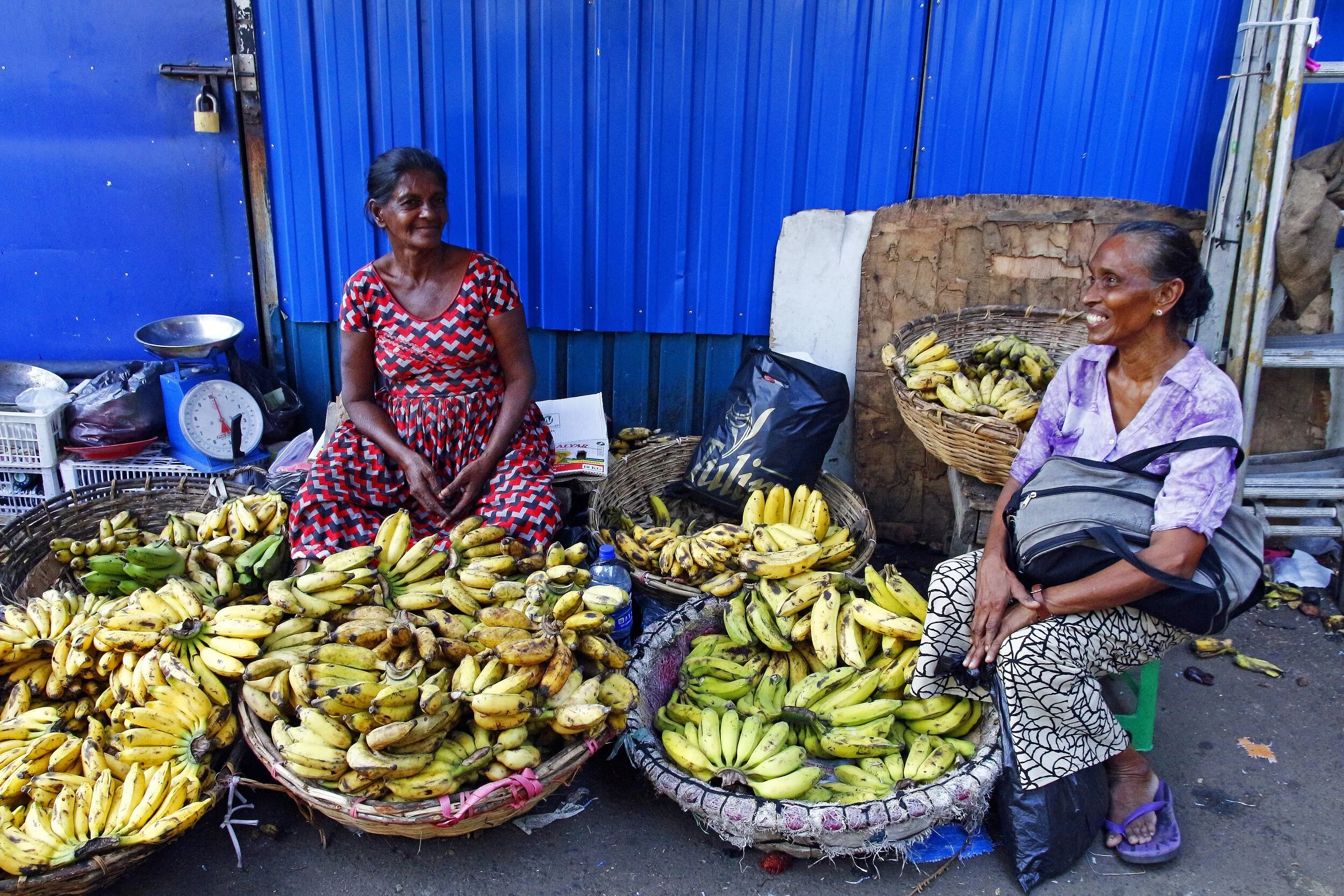
Women selling produce at a market in Sri Lanka. imke.sta. CC2.0
Nicknamed the “pearl of the Indian Ocean” and famous for its spices, unique culture and lush ecosystems, Sri Lanka is also known for its advances in gender equality. The island nation became in 1960 the first country in the world to elect a female prime minister, Sirimavo Bandaranaike. Sri Lanka has also long provided free and compulsory education for men and women up to the university level.
Even so, high levels of gender-based violence are present throughout the country and the unemployment rate of women is twice that of men. Most women occupy low-paying positions in agriculture and the garment industry with little chance of economic mobility. Although well-respected in the Asia-Pacific region, Sri Lanka’s educational system often enforces traditional ideological and cultural beliefs, which can perpetuate negative stereotypes about women. A university-level education does not guarantee women positions of power, with large disparities between men and women in science, technology and political positions throughout the country. Additionally, a 26-year-long civil war (1983-2009) isolated Sri Lanka from the modern world, allowing traditional gender roles to thrive in war-affected areas.
Developing economic opportunities for women has the potential to overcome barriers to gender equality. Here are two organizations working to do just that:
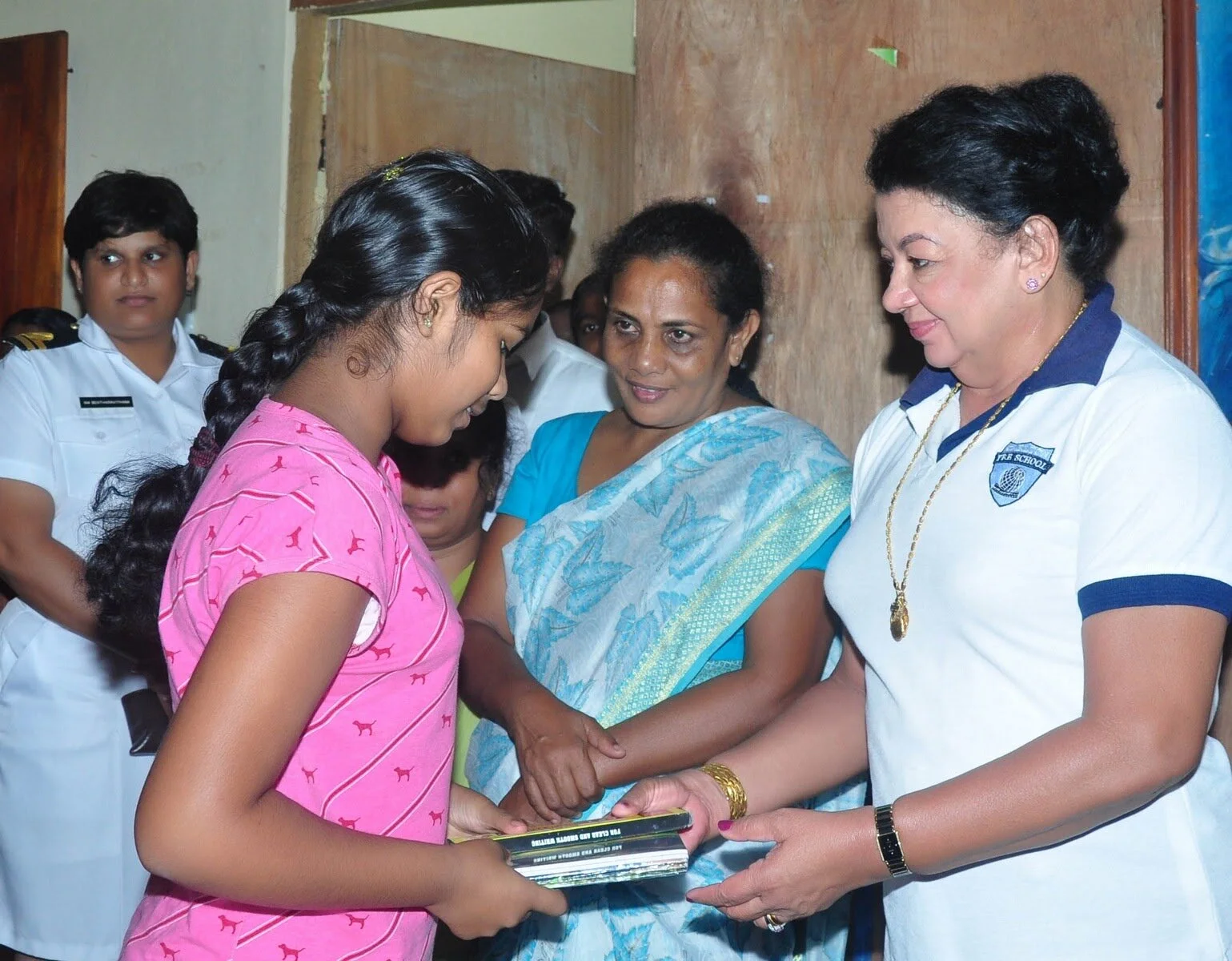
Women receiving medical training provided by the Women’s Development Centre. Rajapaksa. CC2.0
The Women’s Development Center
This Sri Lanka-based nongovernmental organization has made incredible strides in supporting at-risk women, children and people with disabilities since its founding in 1986. With the goal of creating opportunities for marginalized groups, the group is on its way to “creating a just and secure society for women and children.” Although the organization has a multifaceted approach, social enterprises and economic empowerment remain its key goals. The social enterprise “Sthree”, meaning “woman” in Tamil and Sinhala, was founded in 2011 with the goal of empowering women and their local communities. The platform provides a market in Kandy for Sri Lankan women and disabled people to sell handmade products, such as saris, jewelry, decor, snacks and chutneys, recycled paper products and eco-friendly purses and handbags. Sthree also provides training and skill-building workshops for women and disabled individuals. Sthree is beginning to expand to an international clientele, even hosting an international exhibition and sale in Sweden in 2016.
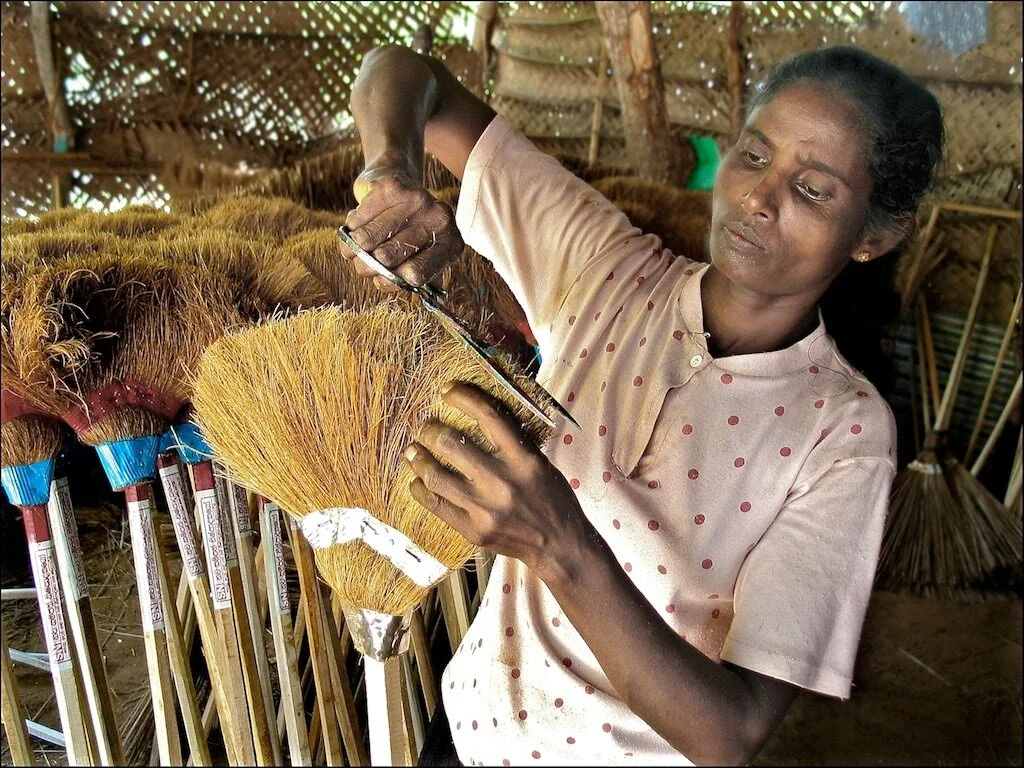
A woman making brooms for a woman’s cooperative in Sri Lanka. Foley. CC2.0
Puthukkudiyiruppu Women Entrepreneurs’ Cooperative Society
The PTK Cooperative, initially founded by Krishnakumar Jeyaranjini and 14 other women in 2012, provides a platform for war-affected women to support themselves and their families economically. The business has expanded over the years, producing detergent, chili powder and rice flour. The organization has the backing of the International Labour Organization (ILO), which helps link it to buyers, markets and social enterprises. The organization enables collaboration between women from different ethnic groups and communities in Sri Lanka, helping to create social cohesion and tolerance. The organization continues to defy gender norms and stereotypes. “Often the words ‘woman’ and ‘detergent’ bring out gendered images of a woman washing clothes at home, not of a woman owning or running a successful detergent-producing enterprise,” said Simrin Singh, director of the ILO country office for Sri Lanka. “It is stories of our work empowering women like Jeyaranjini, building block by block, that are the essential inspiration so many other women in this country could use to break the barriers to their empowerment.”
Although Sri Lanka has made considerable progress toward gender equality in the last 50 years, many obstacles remain. Empowering women at a grassroots level helps provide women more economic agency while ensuring the well-being of generations to come.

Megan Gürer
Megan is a Turkish-American student at Wellesley College in Massachusetts studying Biological Sciences. Passionate about environmental issues and learning about other cultures, she dreams of exploring the globe. In her free time, she enjoys cooking, singing, and composing music.
Meet the Helpers Rising Up During the Coronavirus Pandemic
Mister Rogers taught us that when things feel scary, “look for the helpers.” Today, people all over the world are stepping up to help their fellow human beings during the COVID-19 pandemic. This one’s for them—for the doctors, nurses and paramedics risking their own lives to keep us healthy; for those in the garment industry making masks for the workers on the front lines; for the chefs, the kitchen and delivery workers making sure no one goes hungry. These are the everyday heroes showing kindness and strength when we need it the most.
There are so many ways you, too, can help. If you’re looking to lend a hand, here are just a few ways you can make a difference.
Make Masks
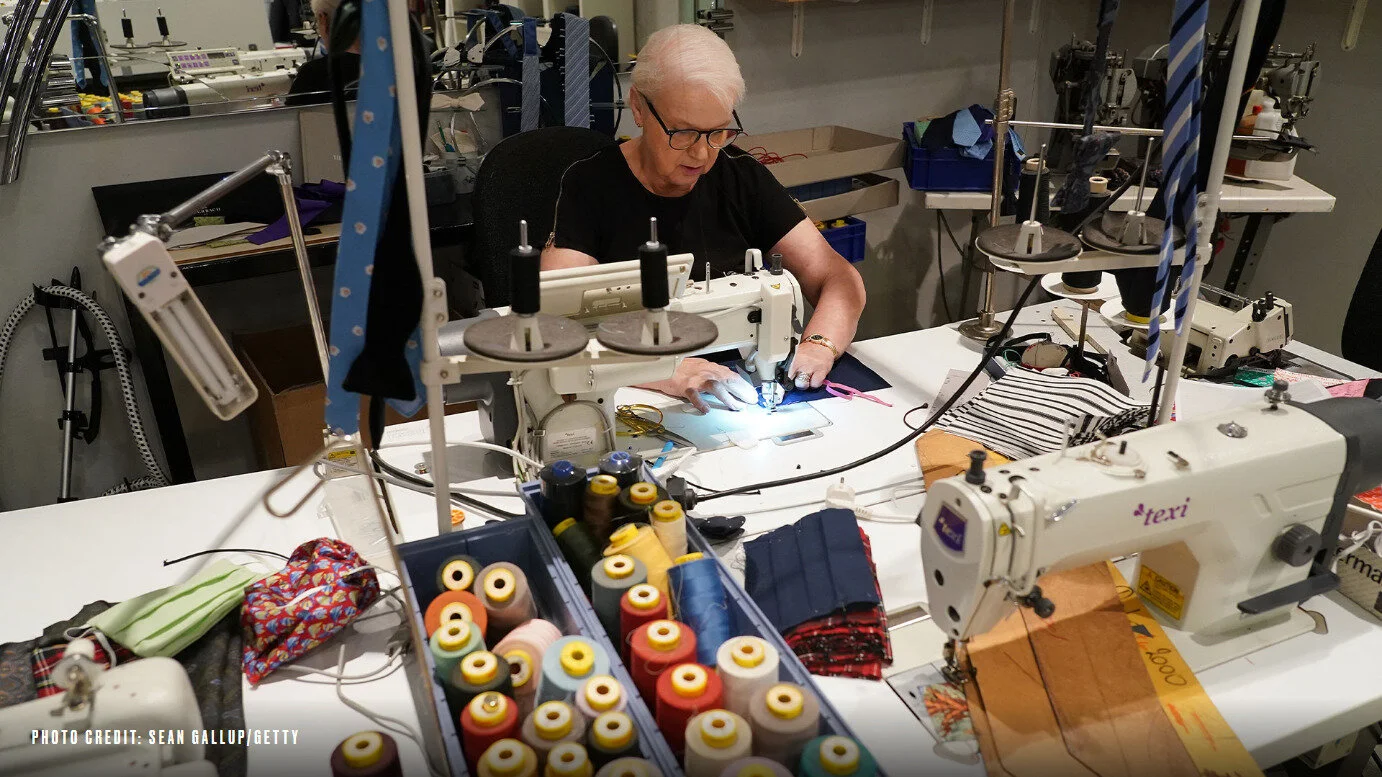
The folks at the Minnesota Opera costume shop, EquiFit (a company that designs gear for horses and riders), Stitchroom (a custom home goods outfit) among so many others are retooling their operations to make and deliver masks to those working on the frontlines. If you’ve got a sewing machine and some free time, you can, too. Here’s what you would need.
For supplies, the most effective household materials to transform into masks include vacuum cleaner bags, dish towels, T-shirts, and pillowcases. Find more information about the efficacy of different materials right here.
There are many different types of masks you can create, from double-layered, to those with a pocket for a reusable filter. Here’s a tutorial to one of the simplest masks you can make from home. Find more mask-making resources here.
There are many different places you can donate your masks, including your local hospital. If you are looking for organizations that are helping to distribute, check out Stitchroom, and join their Facebook group for more maker resources.
Give Food

Chefs like José Andrés and Marcus Samuelsson are working to bring relief to those affected by COVID-19 through World Central Kitchen. So many other small restaurants and businesses in the US and beyond are donating food to make sure no one has to go hungry.
Save the Children and Blessings in a Backpack have teamed up with school districts to provide meals to students. You can donate to Save the Children here, and Blessings in a Backpack here.
Older adults are also among the most vulnerable right now. Meals on Wheels provides home delivery of food to seniors, and needs resources now more than ever. You can donate here.
Food banks are also facing an increased need during this time. Feeding America has set up a COVID-19 Response Fund to support its 200 food banks nationwide, and has set up mobile, drive-through distribution points.
Support Healthcare Workers

People like 16-year-old pilot TJ Kim and the motorcyclists at Masks for Docs are going the distance to deliver PPE to healthcare workers. Here’s how you can help, too.
The World Health Organization, the UN Foundation and the Swiss Philanthropy Foundation have come together to create the COVID-19 Solidarity Response Fund to finance diagnostic tests, buy supplies for healthcare workers and fund research efforts. You can donate here.
International Medical Corps is working with WHO to provide training, supplies and emergency medical response planning in high-risk locations. You can donate here.
Direct Relief is supplying health authorities in the US and China with protective equipment they need right now. You can donate here.
THIS ARTICLE WAS ORIGINALLY PUBLISHED ON GREAT BIG STORY
World’s Youngest Prime Minister Will Head Women-Led Government in Finland
FINLAND IS GETTING a new prime minister, and she’s about to become the world’s youngest leader. Not only that, but she will also head a coalition government of five parties, all of them led by women. Sanna Marin, 34, was nominated by her party on Sunday and will be sworn as prime minister later this week.

Finland’s previous government resigned last week after the Centre Party lost confidence in then-Prime Minister Antti Rinne’s handling of a postal strike.“I myself have never thought about my age or gender,” said Marin, “but rather about the issues for which I took on politics and about the reasons for which we were trusted in the elections.”
For many countries, like the US, electing its first female leader would be a historic occasion. For Finland, however, this isn’t exactly news — the first Finnish female prime minister was elected in 2003 and after elections this year, women make up 47 percent of its parliament.
Eben Diskin is a staff writer for Matador Network
THIS ARTICLE WAS ORIGINALLY PUBLISHED ON MATADOR NETWORK
Pope Affirms Catholic Church’s Duty to Indigenous Amazonians Hurt by Climate Change
The Catholic Church “hears the cry” of the Amazon and its peoples. That’s the message Pope Francis hopes to send at the Synod of the Amazon, a three-week meeting at the Vatican that ends Oct. 27.
Images from Rome show tribal leaders in traditional feather headdresses alongside Vatican officials in their regalia. They are gathered with hundreds of bishops, priests, religious sisters and missionaries to discuss the pastoral, cultural and ecological struggles of the Amazon.
The densely forested region spans nine South American countries, including Brazil, Colombia and Peru. Its more than 23 million inhabitants include 3 million indigenous people.
The Amazon meeting is part of Pope Francis’s efforts to build a “Church which listens.” Since taking office in 2013, Francis has revitalized the Catholic Church’s practice of “synods” – a Greek word meaning “council” – expanding decision-making in the church beyond the Vatican bureaucracy to gather input from the entire church, including from laypeople.
Voting on synod decisions, however, remains restricted to bishops and some male clergy.
The Amazon synod is the first such meeting to be organized for a specific ecological region. Media coverage of this event has emphasized its more controversial debates – such as the possibility of easing celibacy requirements in the rural Amazon, where priests are in extremely short supply.
But its focus is much broader: listening to the suffering of the Amazon – particularly the environmental challenges facing the region – and discerning how to respond as a global church.
Amazon in crisis
After more than a decade of environmental policies that successfully slowed deforestation in the Amazon, logging and agricultural clearing have begun to increase rapidly again. The fires in the Brazilian rainforest that captured headlines in early September are symptoms of much broader destruction.
Up to 17% of the Amazon rainforest has already been eliminated – dangerously close to the 20% to 40% tipping point that experts say would lead the entire ecosystem to collapse.
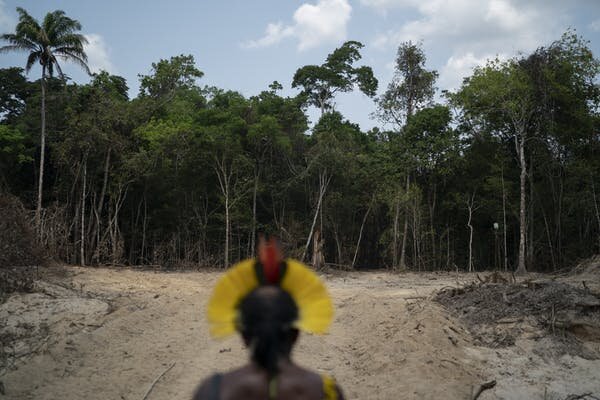
Deforestation of the Amazon is rapidly approaching the tipping point that, experts say, could lead to total collapse of the rainforest ecosystem. AP Photo/Leo Correa
Stories of deforestation can seem insignificant against the vastness of the Amazon, a region two-thirds the size of the lower 48 United States.
But for the 390 indigenous ethnic groups who inhabit the region, each burned forest grove, polluted stream or flooded dam site may mark the end of a way of life that’s survived for thousands of years.
Deprived of their land, many indigenous Amazonians are forced into an exposed life on the edge of frontier towns, where they are prey to sex trafficking, slave labor and violence. In Brazil alone, at least 1,119 indigenous people have been killed defending their land since 2003.
The Catholic Church recognizes that it still has to address the “open wound” of its own role in the colonial-era violence that first terrorized the indigenous peoples of the Americas, according to the synod’s working document. The church legitimated the colonial confiscation of lands occupied by indigenous peoples and its missionaries often suppressed indigenous cultures and religions.
For this reason, according to the Vatican, organizers of the synod have sought input through 260 listening events held in the region that reached nearly 87,000 people over the past two years. Indigenous leaders have been invited as observer participants in the meeting itself.
Learning from indigenous peoples
As a theologian who studies religious responses to the environmental crisis, I find the pope’s effort to learn from the indigenous people of the Amazon noteworthy.
The Vatican sees that the Amazon’s traditional residents know something much of humanity has long forgotten: how to live in ecological harmony with the environment.
“To the aboriginal communities we owe their thousands of years of care and cultivation of the Amazon,” the 58-page synod working document reads. “In their ancestral wisdom they have nurtured the conviction that all of creation is connected, and this deserves our respect and responsibility.”
Pope Francis has expressed his respect for indigenous peoples before.
At a meeting of indigenous leaders in Peru in January 2018 he said, “Your lives cry out against a style of life that is oblivious to its own real cost. You are a living memory of the mission that God has entrusted to us all: the protection of our common home.”
Global problems, local solutions
Environmental destruction isn’t the synod’s only concern.
Catholicism – long the dominant religion in Latin America – is rapidly losing members to evangelical Protestantism. Evangelicals are projected to eclipse Catholics in Brazil by 2032.
One advantage evangelical churches have in Amazonian countries is that they can appoint local indigenous pastors to minister to their communities. Meanwhile, with less than one priest per 8,000 Catholics in the Amazon, some isolated communities might see a priest only once a year.
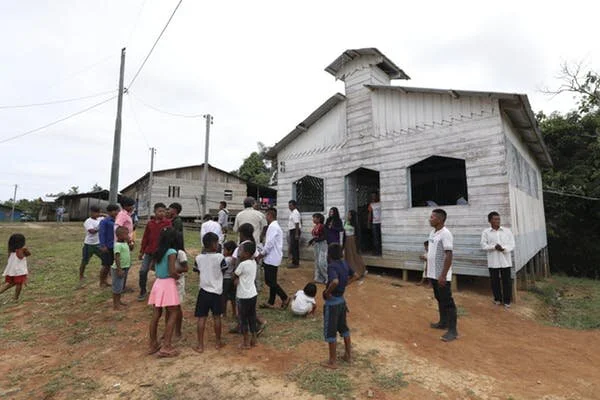
Catholic churches are in short supply in rural Brazil, where many people will go a year without seeing a priest. AP Photo/Fernando Vergara
The scarcity of priests in rural Latin America is behind a proposal to the synod to ordain older married men as priests in isolated Amazonian communities.
In the the U.S., the celibacy question is easily mapped onto a familiar divide. Progressive Catholics argue that clerical celibacy should be optional, while conservative Catholics insist this discipline is fundamental to the faith.
The issue is far less politicized in the Amazon, where, in the words of one bishop, the Catholic Church remains a “visiting church” with limited day-to-day presence in indigenous communities.
Some might dismiss this synod as just a meeting. But, in my judgment, it is an attempt to apply Francis’ vision of a “listening Church” to the environmental crisis. The Synod of the Amazon marks a significant shift from high-minded papal exhortations about taking climate action to a global religious community that gives voice to those living on the front lines of ecological destruction.
Vincent J. Miller is a Professor of Religious Studies, University of Dayton
THIS ARTICLE WAS ORIGINALLY PUBLISHED ON THE CONVERSATION
The Eco-Friendly Genius of 'Earthships' | That's Amazing
The New Mexico desert is a landscape of harsh extremes: brutally hot in the summer, frigid in the winter. It was the perfect testing ground for architect Mike Reynolds' "earthships"—houses of unconventional design material and utility that are completely self-sustained. They're built with used tires and empty glass bottles and produce their own electricity, water and food. For Reynolds, sustainable houses are the key to making a home in a better future—and now, the rest of the world is catching on to Reynolds' eco-friendly designs.
How This Women's Biker Club is Helping Babies in Need
The Sirens Women's Motorcycle Club in New York City is more than a group of women riding choppers. And that's a really good thing for nursing babies who need donated breast milk to survive. The club, which focuses on women's health issues, teamed up with The New York Milk Bank to deliver donor milk to mothers and babies who need it — all for free.

The Great Australian Bight, South Australia. Aussie Oc at English Wikipedia. CC 3.0
This is Not a Drill: Keep Australia’s Coasts Oil-Free
The Great Australian Bight is known worldwide for its beautiful oceanic environment,home to diverse forms of marine life, and its coastline lined by the longest sea cliffs in the world. A bight is a large open bay; this specific bay runs from Cape Carnot in South Australia, all the way to Cape Pasley in Western Australia: over 700 miles of ocean and sky that thousands of whales, seals, fish, birds, plants, and surfers call home.
Equinor, a Norwegian oil company, has plans to carry out a drilling operation in the Great Australian Bight, ultimately turning it into a deepwater oil field. This operation would devastate the 85% of rare marine life that exists in the Bight. Not only is it endangering the various species that live among the coasts, but the increase in pollution could disrupt the people of Australia. A potential spill in the Bight could result in the death of several endangered species: killer whales, southern right whales, blue whales, dolphins, endemic Australian sea lions, and many more. The Bight also supports multi-billion dollar fishery, aquaculture, and tourism industries. Drilling would, most likely, halt if not destroy this economy altogether. Not unlike BP’s drilling expedition, the proposal for drilling in the Great Australian Bight could have severe consequences, and ultimately the same catastrophic ending as BP’s drilling operation could incur. 8 years after the BP oil spill, the Gulf is still experiencing significant impacts, and scientists expect them to continue. Scientists say that they may not know for another 30 or 40 years the extent of the effects. If the Equinor drilling operation resulted in another massive oil spill in our current environmental state, our economy and Earth would take much longer to bounce back than the BP oil spill. If this were to occur in summer, it would also not only affect Australia but also places as far away as northeastern Europe. If it were to happen in winter, the oil would most likely impact Kangaroo Island, the Eyre Peninsula and the Spencer Gulf in South Australia. It could also potentially reach the Victorian and Tasmanian coastline, heading towards New Zealand. Known the remarkable economic and environmental values that would be put at risk from Equinor’s drilling operation in the Great Australian Bight, this project should not be considered.
Equinor’s drilling plan has led activists and surfers worldwide to strike and start a viral movement, ‘#Fightforthebight,’ to save this Australian coastline. Surfers have paddled out in peaceful protests displaying signs with slogans like “Big oil has no future” or “Kill the Drill.” Several worldwide famous surfers that call Australia home, like Stephanie Gilmore, Nat Young, Mick Fanning, and many more, have signed an open letter concerning the Equinor’s drilling proposition and its potential impact on their coasts. To take action and help keep Australia’s coasts oil-free you can sign a Statement of Concern or donate here: https://www.fightforthebight.org.au/take-action-1 .
AMELIA BAUMANN is an aspiring writer and editor from New Jersey. I love to travel and am intrigued with the diversity of culture around the world. I am passionate about our environment and especially keeping our oceans clean.


Genking, a male-born Japanese TV personality and ‘genderless’ pioneer. _genking_/Instagram
Japan’s Gender-Bending History
I’m an anthropologist who grew up in Japan and has lived there, off and on, for 22 years. Yet every visit to Tokyo’s Harajuku District still surprises me. In the eye-catching styles modeled by fashion-conscious young adults, there’s a kind of street theater, with crowded alleyways serving as catwalks for teenagers peacocking colorful, inventive outfits.
Boutiques are filled with cosmetics and beauty products intended for both males and females, and it’s often difficult to discern the gender of passersby. Since a gendered appearance (“feminine” or “masculine”) often (but not always) denotes the sex of a person, Japan’s recent “genderless” fashion styles might confuse some visitors – was that person who just walked by a woman or a man?
Although the gender-bending look appeals equally to young Japanese women and men, the media have tended to focus on the young men who wear makeup, color and coif their hair and model androgynous outfits. In interviews, these genderless males insist that they are neither trying to pass as women nor are they (necessarily) gay.
Some who document today’s genderless look in Japan tend to treat it as if it were a contemporary phenomenon. However, they conveniently ignore the long history in Japan of blurred sexualities and gender-bending practices.
Sex without sexuality
In premodern Japan, aristocrats often pursued male and female lovers; their sexual trysts were the stuff of classical literature. To them, the biological sex of their pursuits was often less important than the objective: transcendent beauty. And while many samurai and shoguns had a primary wife for the purposes of procreation and political alliances, they enjoyed numerous liaisons with younger male lovers.
Only after the formation of a modern army in the late-19th century were the sort of same-sex acts central to the samurai ethos discouraged. For a decade, from 1872 to 1882, sodomy among men was even criminalized. However, since then, there have been no laws in Japan banning homosexual relations.
It’s important to note that, until very recently, sexual acts in Japan were not linked to sexual identity. In other words, men who had sex with men and women who had sex with women did not consider themselves gay or lesbian. Sexual orientation was neither political nor politicized in Japan until recently, when a gay identity emerged in the context of HIV/AIDS activism in the 1990s. Today, there are annual gay pride parades in major cities like Tokyo and Osaka.
In Japan, same-sex relations among children and adolescents have long been thought of as a normal phase of development, even today. From a cultural standpoint, it’s frowned upon only when it interferes with marriage and preserving a family’s lineage. For this reason, many people will have same-sex relationships while they’re young, then get married and have kids. And some even later resume having same-sex relationships after fulfilling these social obligations.
Contentious cross-dressing
Like same-sex relationships, cross-dressing has a long history in Japan. The earliest written records date to the eighth century and include stories about women who dressed as warriors. In premodern Japan, there were also cases of women passing as men either to reject the prescribed confines of femininity or to find employment in trades dominated by men.

‘Modern girls’ (‘moga’) stroll along the Ginza, Japan’s Fifth Avenue, in 1928. Wikimedia Commons
A century ago, “modern girls” (moga) were young women who sported short hair and trousers. They attracted media attention – mostly negative – although artists depicted them as fashion icons. Some hecklers called them “garçons” (garuson), an insult implying unfeminine and unattractive.
Gender, at that time, was thought of in zero-sum terms: If females were becoming more masculine, it meant that males were becoming feminized.
These concerns made their way into the theater. For example, the all-female Takarazuka Revue was an avant-garde theater founded in 1913 (and is still very popular today). Females play the parts of men, which, in the early 20th century, sparked heated debates (that continue today) about “masculinized” women on stage – and how this might influence women off the stage.
However, today’s genderless males aren’t simply weekend cross-dressers. Instead, they want to shatter the existing norms that say men must dress and present themselves a certain way.
They ask: Why should only girls and women be able to wear skirts and dresses? Why should only women be able to wear lipstick and eye shadow? If women can wear pants, why shouldn’t men be able to wear skirts?
Actually, the adjective “genderless” is misleading, since these young men aren’t genderless at all; rather, they’re claiming both femininity and masculinity as styles they wear in their daily lives.
In this regard, these so-called genderless men have historical counterparts: In the late 19th and early 20th centuries, cosmopolitan “high collar” men (haikara) wore facial powder and carried scented handkerchiefs, paying meticulous attention to their Westernized appearances. One critic – invoking the zero-sum gender attitudes of the era – complained that “some men toil over their makeup more than women.” Conservative pundits derided the haikara as “effeminate” by virtue of their “un-Japanese” style.
On the other end of the masculinity spectrum were the nationalistic “primitive” men (bankara) who wore wooden clogs (geta) to complement their military-style school uniforms. Ironically, like their samurai predecessors – and unlike the foppish haikara – the macho bankara would engage in same-sex acts.
Japan’s ‘beautiful youths’
Probably the biggest contemporary inspiration for today’s genderless males are a spate of popular androgynous boy bands. Cultivated and promoted by Johnny & Associates Entertainment Company, Japan’s largest male talent agency, they include boy bands like SMAP, Johnny’s West and Sexy Zone.
Johnny’s West performs their song ‘Summer Dreamer.’
There’s a term for the type of teenage boy that Johnny & Associates cultivates: “beautiful youths” (bishōnen), which was coined a century ago to describe a young man whose ambiguous gender and sexual orientation appealed to females and males of all ages.
Similarly, Visual Kei is a 1980s glam-rock and punk music genre that features bishōnen performers who don flamboyant, gender-bending costumes and hairdos. In its new, 21st-century incarnation as Neo-Visual Kei, the emphasis on androgyny is even more pronounced, as epitomized by the prolific career of the androgynous Neo-Visual Kei pop star Gackt, who enjoys an international fan following.
Since the word “genderless” is misleading, a better term might be “gender-more,” in the sense that young men – especially in Tokyo – are insisting on the right to present and express themselves in ways that contradict and exceed traditional masculinity. In the long span of Japanese cultural history, there have been many things that were – and are – new under the sun. But genderless males aren’t among them.
JENNIFER ROBERTSON is a Professor of Anthropology and Art History at the University of Michigan.
THIS ARTICLE WAS ORIGINALLY PUBLISHED ON THE CONVERSATION
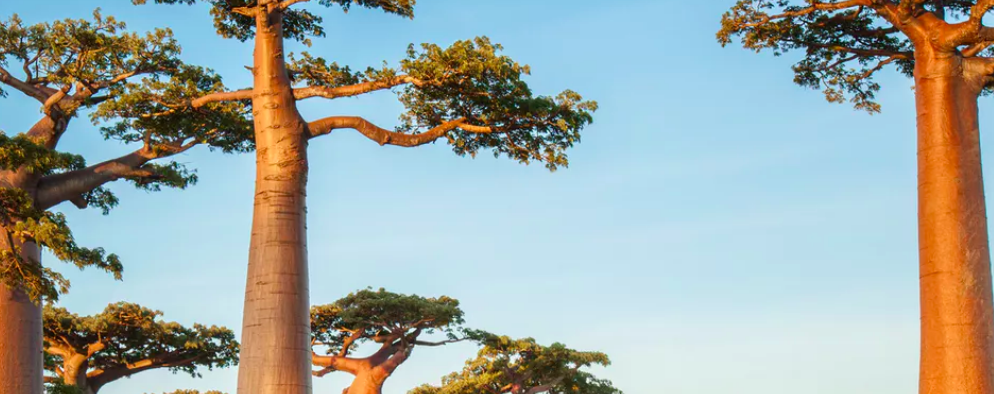
Like Dr. Seuss’ imaginary truffula trees, baobabs are endangered. Dudarev Mikhail/Shutterstock.com
Why Companies Should Help Pay for the Biodiversity That’s Good for Their Bottom Line
In the “The Lorax,” an entrepreneur regrets wiping out all the make-believe truffala trees by chopping them down to maximize his short-term gains. As the Dr. Seuss tale ends, the Once-ler – the man responsible for this environmental tragedy – tells a young child that “Unless someone like you cares a whole awful lot, nothing is going to get better. It’s not.”
Likewise, many corporations that profit from nature’s bounty, such as Unilever, Patagonia and Interface, appear to be reaching a similar conclusion. They are realizing that it’s time for the business world to do more about conservation.
We, two economists who have extensively researched natural resources and development, are proposing a new way to solve the problem of species and ecosystem loss. Corporations that benefit from biodiversity could forge what some are calling a “new deal for nature” by paying part of the tab for biodiversity conservation.
Biodiversity
Biodiversity, the variety of all natural ecosystems and species, is being lost at an unprecedented rate. According to the recent World Wildlife Fund Living Planet Report, the populations of mammals, birds, fish, reptiles and amphibians have fallen by an average of 60 percent in just over 40 years. The scientists Gerardo Ceballos, Paul R. Ehrlich and Rodolfo Dirzo have dubbed this decline and an impending wave of extinctions a “biological annihilation.”
We argue that many businesses are threatened by the loss of species and ecosystems, such as declining bee populations and dwindling stocks of fish, forests, wetlands and mangroves. Without an array of ecosystems and species, it’s tough for farmers to grow crops or ranchers to raise animals.
The pharmaceutical industry needs them to make and create drugs. For example, one team of U.S.-based researchers estimates that the pharmaceutical value of marine biodiversity for anti-cancer drug discovery could range from US$563 billion to as much as $5.7 trillion.
Insurance companies depend on coastal wetlands to minimize the impact of big storms. For example, an international group of researchers estimated that preserving one hectare of mangroves in the Philippinesyields more than $3,200 in flood-reduction benefits each year.
A global treaty, the Convention on Biological Diversity does set worldwide conservation targets. But we believe they may not be ambitious enough. Cristiana Pașca Palmer, who serves as the UN’s biodiversity chief, is considering raising the treaty’s targets to conserve at least half of terrestrial, inland water, coastal, and marine habitats to preserve biodiversity.
But the existing efforts to preserve biodiversity are not only inadequate. They’re underfunded.
New way to pay
Global biodiversity protection requires $100 billion annually, according to a previous study one of us conducted, yet the international community spends up to $10 billion each year on biodiversity conservation.
Much of the world’s biodiversity is in developing countries, which lack the financial wherewithal to adequately conserve it.

The Lorax could speak for the trees, but he lacked the cash to preserve them. Random House Children's Books
As we have explained with our colleague Thomas J. Dean in Science magazine, we believe that involving businesses in an international environmental agreement could help bridge a chronic funding gap.
A key part of this new deal for nature would be making the corporations that depend on the health of natural ecosystems and species help foot the bill to preserve biodiversity.
Benefiting the bottom line
Why would corporations want to get involved?
First off, it may benefit their bottom line. Big companies depend on robust natural ecosystems systems and individual species.
We calculate that the increase in revenue and profits from biodiversity conservation could generate between $25 billion and $50 billion annually to fund global conservation efforts.
The seafood industry stands to gain $53 billion annually from an increase in marine stocks. This could generate $5 billion to $10 billion each year to spend on preserving biodiversity.
The insurance industry could see an additional $52 billion from increasing the area of protected coastal wetlands with a similar investment.
Agriculture also has an incentive to protect habitats of wild pollinators, who along with managed populations enhance global crop production by an amount a global group of scientists estimates to be worth between $235 billion to $577 billion annually.
What’s more, there is growing evidence that when corporations engage in environmental stewardship, they become more attractive investmentsand their borrowing costs decline.
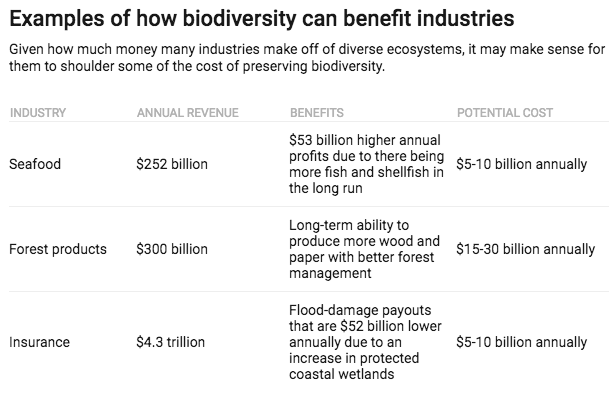
Chart: The Conversation, CC-BY-ND Source: Edward B. Barbier, Joanne C. Burgess and Thomas J. Dean Get the data
Corporate social responsibility
There is a second reason why big companies are sometimes willing to take action and pay to conserve biodiversity: corporate social responsibility, an ethos that builds into business models a commitment to protect the environment and benefit society.
Danone is a leader in this regard. It established the first partnership agreement between a global environmental convention and a private company over 20 years ago.
Since then, the multinational corporation best known for its yogurt and bottled water has promoted and supported the sustainable use and management of wetlands.
Danone, for example, worked with local partners to replant mangroves in approximately 500 Senegalese villages. We believe this reforestation project shows that investments in nature can be sustainable and scalable business models.
Danone, which earned $3 billion in profits in 2017, has its own $80 million “Ecosystem Fund.” It’s just one of an increasing number of companies taking concrete steps toward biodiversity protection, even though they are not required by any law or national policy.
More than 21 national and regional initiatives have been established to encourage partnerships between business and biodiversity conservation. For example, 10 of the 13 biggest seafood companies that control up to 16 percent of global marine catch and 40 percent of the largest and most valuable fisheries have come together to support an ocean stewardship initiative.
Similarly, the International Council of Forest and Paper Associations, which represents the global forest products industry, now engages in sustainable forest management certification.
The total area of forests worldwide deemed to be subject to sustainable practices supplying the industry increased from 62 million hectares, 12 percent of the total global forest area, in 2000, to 310 million hectares in 2015, according to the industry group. That’s more than half of the total global forest area. The annual revenue of the world’s 100 largest global forest, paper and packaging companies is over $300 billion.
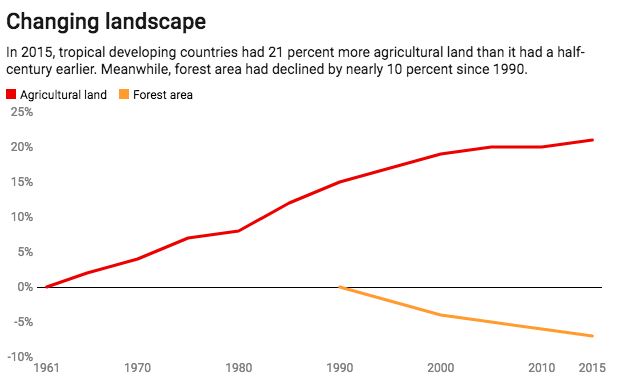
Chart: The Conversation, CC-BY-ND Source: World Bank Get the data
A new deal for nature
In addition to creating marine reserves, protecting forests, preserving the habitats of wild pollinators and conserving coastal wetlands, the private sector could also help finance conservation efforts in developing countries.
Based on our calculations, if the seafood sector were to set aside up to 20 percent of the increase in profits it gets from sustainably managing marine biomass stocks, it could conceivably spend up to $10 billion annually for marine biodiversity conservation.
And we estimate that by channeling up to 10 percent of the gains from sustainable forest management, the forest products industry could raise as much as $30 billion each year for investment in increasing protected forest area.
An agricultural sector contribution of around 10 percent of the benefits it derives from wild pollination services would amount to about $20 billion to $60 billion per year in additional financing for the conservation, creation and restoration of wild pollinator habitats.
All told, this business-world support could help close the $100 billion gap in global biodiversity conservation funding. This would go a long way toward slowing, and potentially reversing, biodiversity loss.
There are, of course, barriers to corporate conservation. The costs may be high. It may be hard for to businesses to assess the long-term value of biodiversity conservation benefits and integrate them into investment decisions. And it is possible that some of the corporations that take this step could be at a competitive disadvantage, especially in the short term.
But a number of companies are already showing that they believe investing in ecosystem preservation is worth it. In our view, corporate support for international biodiversity conservation is essential to prevent “biological annihilation.”
JOANNE BURGESS is an Assistant Professor of Economics at Colorado State University and EDWARD BARBIER is a Professor of Economics at Colorado State University.
THIS ARTICLE WAS ORIGINALLY PUBLISHED ON THE CONVERSATION
France Banned Food Waste in Supermarkets
Millions more meals can reach those who need them.
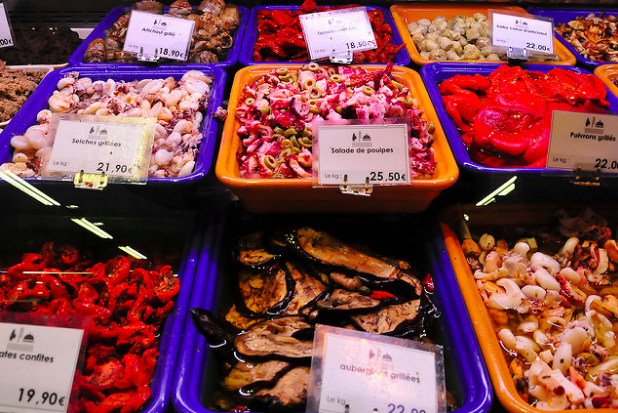
Produce at a market in Nice, France. M-Louis. CC BY-SA 2.0.
In 2016, France banned supermarkets from destroying or discarding unsold food products, requiring them to donate instead to food banks or local charities.
The law was written by Parliamentarian and former food industry minister Guillaume Garot, who believes that food waste is a national health and safety issue, akin to wearing a seatbelt. The campaign itself was the product of a grassroots movement by anti-poverty and food waste activists which eventually became a petition, lead by local councillor Arash Derambarsh.
Now that food waste has been outlawed in French supermarkets, Derambarsh has set his sights on European and ultimately global policy revisions around the issue. “Food is the basis of life, it is an elementary factor in our existence,” he told the Guardian.
While Derambarsh became a councillor to help people, he reports being called “naive and idealistic” because of the policy he hoped to implement surrounding food waste. “Perhaps it is naive to be concerned about other human beings, but I know what it is like to be hungry,” he said.
“When I was a law student living on about €400 a month after I’d paid my rent, I used to have one proper meal a day around 5pm. I’d eat pasta, or potatoes, but it’s hard to study or work if you are hungry and always thinking about where the next meal will come from.”
Now, grocery store managers in France with a 400 sq meter or larger footprint must sign contracts with local charities and food banks promising their edible expired items, or face a €3,750 ($4,500) fine per infringement.
According to Jacques Bailey, head of Banques Alimentaires, a network of french food banks, 5,000 charities rely on food banks, who in turn, receive almost half their donations from grocery stores. Under the law, these food banks are receiving larger amounts of better quality food products, enabling them to better reach the the people they serve. According to Bailey, an increase as small as 15% in donations from supermarkets will result in 10 million more meals served every year.
And yet, required donations are not the only way that France is fighting food waste. In 2014, Intermarche, one of the country’s supermarkets began selling produce that was deemed too “ugly” to sell at other markets. These “ugly” or misshapen produce are perfectly safe to eat, but have blemishes make them less marketable to consumers, resulting in their disposal before even seeing the grocery store isles. This initiative is particularly effective, as fresh fruits and vegetables are the most difficult items for charities and food banks to come by, and are necessary to a healthy diet. Intermarche’s initiative reached 13 million people after only one month of being implemented.
About a third of food produced is wasted worldwide. France has narrowed the food it wastes to 66 pounds per person every year. In comparison, Americans waste 200 billion pounds of food per year - 40% of all food produced in the country. The waste problem in America is partly due to the lack of regulation surrounding expiration dates, which are often selected at random and do not always reflect when items are safe to consume.
The rest of the world has a lot to learn from France’s policy. NPR writes that communities and governments worldwide are now reaching out to Garot, hoping for information that would help them reproduce France’s law in their own countries. Ultimately this change needs to be made, because, as Garot emphasized, supermarkets are not just businesses, they are places where humanity must be respected.
EMMA BRUCE is an undergraduate student studying English and marketing at Emerson College in Boston. While not writing she explores the nearest museums, reads poetry, and takes classes at her local dance studio. She is passionate about sustainable travel and can't wait to see where life will take her.

Forgotten, but not Gone: Zika’s Return to the Media
Earlier this week the Duchess Sussex of Meghan Markle canceled a trip to Zambia, citing exhaustion and concerns over the presence of Zika virus in the country. The Zika virus had been rather dormant in the media over the last year, all but vanishing in the wake of Trump speeches, trade wars, and Brexit. It had, however, remained a constant concern for those living in certain countries or traveling to them. Markle’s encounter with the Zika virus and the subsequent headlines have helped to push it back into public view, and once again, questions are being raised about its origin, transmission, and what is being done to fight it.

The Duchess of Sussex. Office of the Governor - General - GG.govt.nz. CC BY 4.0.
The Zika virus was first discovered in the Zika Forest in Uganda in 1947. The first recorded carriers were monkeys, but the forest was also home to over 70 species of mosquitoes, and they became the primary source of viral transmission. The disease was eventually discovered in humans in 1952, but for the most part remained confined to animals until 2007, when the first human outbreak was documented on the Island of Yap in the Federated States of Micronesia. In 2015, the virus made international headlines when Latin America and the Caribbean saw an explosion of human-related cases. As was the case in Africa, mosquitoes were the main culprits of transmission. However, in 2016, the virus saw a sharp decline in new cases, and with it a decline in news coverage.
Adults infected with Zika often display no symptoms. Those who do usually report mild fevers, rashes and muscle pain. The impact on unborn babies is far more devastating. Zika infections during pregnancy have resulted in miscarriages and babies being born with microcephaly, a condition in which a child's head is much smaller than it should be (Markle and husband Prince Harry had recently announced that they were expecting a child, and concern for the child’s welfare was thought to be Markle's main concern when she opted out of her trip to Zambia).
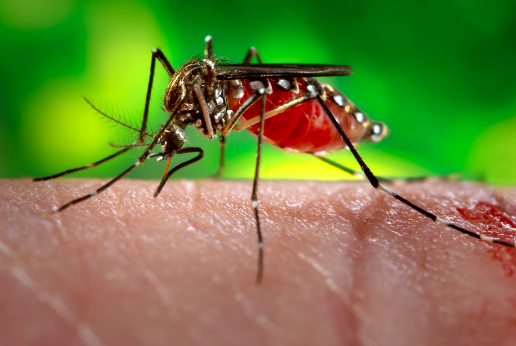
The Zika Virus is spread mainly through mosquito bites. James Gathany - https://phil.cdc.gov/phil/details.asp?pid=9257. Public Domain.
While a full-on cure for the virus remains elusive, health and government officials have been able to curb infections by going after the mosquitoes that carry and transmit the disease. In preparation for the 2016 Olympics in Rio de Janeiro, the Brazilian government launched a large-scale effort to fumigate the city for the insects, while in England a biotech company called Oxitec developed genetically modified mosquitoes, which, when released into the wild, would mate with infected mosquitoes and pass a gene on that would prevent those mosquitoes from reproducing. In the United States, The Centers for Disease Control made a point of advising those traveling to countries with high rates of infection to use insect repellants.

Microcephaly- a birth defect linked to the Zika virus. Centers for Disease Control and Prevention. Public Domain.
Many world issues persist despite the ebbing and flowing of news coverage. Though not the hot story it once was, the Zika virus is still a viable threat and will remain so until a vaccine is found. Those traveling to countries that have been deemed areas of risk should take all necessary precautions to prevent infection, or, like the Duchess of Sussex, simply the put the trip off until another time.
JONATHAN ROBINSON is an intern at CATALYST. He is a travel enthusiast always adding new people, places, experiences to his story. He hopes to use writing as a means to connect with others like himself.

Mask off: How Beijing is Managing its Smog Problem
Earlier this month, California made national headlines when the worst wildfire in the state’s history covered parts of it in smoke, creating yet another worry for citizens already vexed by the high cost of living and rising homelessness. Some news stations, hoping to illustrate the seriousness of the matter, stressed that the air quality in California was “worse than Beijing’s,” an announcement that prompted many locals to don the air masks that one often sees in images of the Chinese capital. In media, locally, and abroad, Beijing has become synonymous with bad air. The internet is peppered with images of skyscrapers draped in brown or grey fog. But recent efforts by the government have made some headway in the battle with Beijing’s notorious smog and could give us insight into how to battle this problem at home.

A smoggy day in Beijing. By 螺钉 - Own work, CC BY-SA 3.0, https://commons.wikimedia.org/w/index.php?curid=24944427
Those who have been to Beijing know that air quality is but one of many dangers; crossing an intersection can be like an action movie at times and drinking water out of the tap is generally a bad idea. Smog, however, is the issue most often associated with Beijing in the media. Fortunately, Beijing is aware of its reputation and has taken steps over the last few years to improve its air quality. The city has pledged to shut down 1000 manufacturing factories by 2020 to help reduce smog. It is also experimenting with new technology. Early last year Beijing employed the use a solar-powered air vacuum to help clean up the city’s air. Developed by Dutch designer Daan Roosegaarde, the Smog Free Tower sucks up 30,000 cubic meters of polluted air per hour. The air is then cleaned at a nano level and released back into the city. In a particularly bold move, Beijing's government is investigating the possibility of switching from coal to natural gas as the primary source of heating for millions of households. This shift will be implemented gradually, as concern for the well-being of Beijingers during the winter months supersedes the need for cleaner air.

Dan Roosegaardes's Smog Free Tower. By Bic - Own work, CC BY-SA 4.0, https://commons.wikimedia.org/w/index.php?curid=47801218
People can change, and ideally, their reputations will change as well. Beijing’s efforts to clean its air shows an environmental consciousness that contradicts its reputation as a dirty industrialized city. As smog becomes a more recurrent issue in cities and courtiers around the world, communities that once judged China for its smog may get to learn a thing or two about how to fight it.
JONATHAN ROBINSON is an intern at CATALYST. He is a travel enthusiast always adding new people, places, experiences to his story. He hopes to use writing as a means to connect with others like himself.

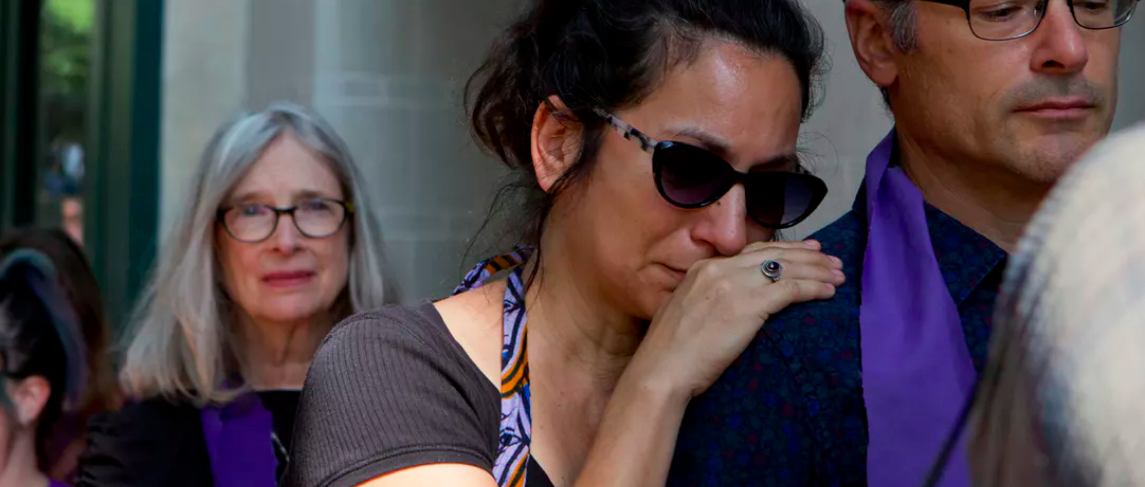
Mourners wait to attend the funeral of Heather Heyer in Charlottesville, Virginia, Aug. 16, 2017 after Heyer was killed attending a rally to protest white nationalism. Julia Rendleman/AP Photo
Why Bigotry is a Public Health Problem
Over a decade ago, I wrote a piece for a psychiatric journal entitled “Is Bigotry a Mental Illness?” At the time, some psychiatrists were advocating making “pathological bigotry” or pathological bias – essentially, bias so extreme it interferes with daily function and reaches near-delusional proportions – an official psychiatric diagnosis. For a variety of medical and scientific reasons, I wound up opposing that position.
In brief, my reasoning was this: Some bigots suffer from mental illness, and some persons with mental illness exhibit bigotry – but that doesn’t mean that bigotry per se is an illness.
Yet in the past few weeks, in light of the hatred and bigotry the nation has witnessed, I have been reconsidering the matter. I’m still not convinced that bigotry is a discrete illness or disease, at least in the medical sense. But I do think there are good reasons to treat bigotry as a public health problem. This means that some of the approaches we take toward controlling the spread of disease may be applicable to pathological bigotry: for example, by promoting self-awareness of bigotry and its adverse health consequences.
In a recent piece in The New York Times, health care writer Kevin Sack referred to the “virulent anti-Semite” who carried out the horrific shootings at the Tree of Life synagogue in Pittsburgh on Oct. 27, 2018.
It’s easy to dismiss the term “virulent” as merely metaphorical, but I think the issue is more complicated than that. In biology, “virulence” refers to the degree of pathology, or damage, caused by an organism. It differs from the term “contagious,” which refers to a disease’s communicability. But what if, in an important sense, bigotry is both virulent and contagious – that is, capable of both causing damage and spreading from person to person? Wouldn’t a public health approach to the problem make sense?
The harm to victims and to haters
There is little question among mental health professionals that bigotry can do considerable harm to the targets of the bigotry. What is more surprising is the evidence showing that those who harbor bigotry are also at risk.
For example, research by psychologist Dr. Jordan B. Leitner has found a correlation between explicit racial bias among whites and rates of circulatory disease-related death. Explicit bias refers to consciously held prejudice that is sometimes overtly expressed; implicit bias is subconscious and detected only indirectly.
In effect, Leitner’s data suggest that living in a racially hostile community is related to increased rates of cardiovascular death for both the group targeted by this bias – in this case blacks – as well as the group that harbors the bias.
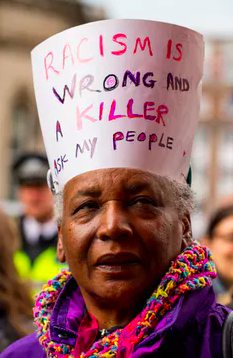
A woman protests racism at a London rally.John Gomez/Shutterstock.com
Writing in the journal Psychological Science, Leitner and his colleagues at the University of California Berkeley found that death rates from circulatory disease are more pronounced in communities where whites harbor more explicit racial bias. Both blacks and whites showed increased death rates, but the relationship was stronger for blacks. Although correlation does not prove causation, clinical psychology professor Vickie M. Mays and colleagues at UCLA have hypothesized that the experience of race-based discrimination may set in motion a chain of physiological events, such as elevated blood pressure and heart rate, that eventually increase the risk of death.
It’s unlikely that the adverse effects of discrimination and bigotry are limited to blacks and whites. For example, community health sciences professor Gilbert Gee and colleagues at UCLA have presented data showing that Asian-Americans who report discrimination are at elevated risk for poorer health, especially for mental health problems.
But are hatred and bigotry contagious?
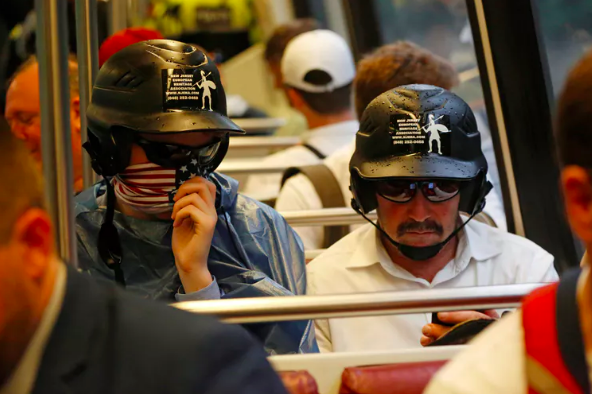

Supporters of white nationalist Jason Kessler on a subway car after an Aug. 12, 2018 rally in Washington, D.C. Jim Urquhart/Reuters
As the adverse health effects of bigotry have been increasingly recognized, awareness has grown that hateful behaviors and their harmful effects can spread. For example, public health specialist Dr. Izzeldin Abuelaish and family physician Dr. Neil Arya, in an article titled “Hatred – A Public Health Issue,” argue that “Hatred can be conceptualized as an infectious disease, leading to the spread of violence, fear, and ignorance. Hatred is contagious; it can cross barriers and borders.”
Similarly, communications professor Adam G. Klein has studied the “digital hate culture,” and has concluded that “The speed with which online hate travels is breathtaking.”
As an example, Klein recounted a chain of events in which an anti-Semitic story (“Jews Destroying Their Own Graveyards”) appeared in the Daily Stormer, and was quickly followed by a flurry of anti-Semitic conspiracy theories spread by white supremacist David Duke via his podcast.
Consistent with Klein’s work, the Anti-Defamation League recently released a report titled, “New Hate and Old: The Changing Face of American White Supremacy.” The report found that,
“Despite the alt right’s move into the physical world, the internet remains its main propaganda vehicle. However, alt right internet propaganda involves more than just Twitter and websites. In 2018, podcasting plays a particularly outsized role in spreading alt right messages to the world.”
To be sure, tracking the spread of hatred is not like tracking the spread of, say, food-borne illness or the flu virus. After all, there is no laboratory test for the presence of hatred or bigotry.
Nevertheless, as a psychiatrist, I find the “hatred contagion hypothesis” entirely plausible. In my field, we see a similar phenomenon in so-called “copycat suicides,” whereby a highly publicized (and often glamorized) suicide appears to incite other vulnerable people to imitate the act.
A public health approach
If hatred and bigotry are indeed both harmful and contagious, how might a public health approach deal with this problem? Drs. Abuelaish and Arya suggest several “primary prevention” strategies, including promoting understanding of the adverse health consequences of hatred; developing emotional self-awareness and conflict resolution skills; creating “immunity” against provocative hate speech; and fostering an understanding of mutual respect and human rights.
In principle, these educational efforts could be incorporated into the curricula of elementary and middle schools. Indeed, the Anti-Defamation League already offers K-12 students in-person training and online resources to combat hatred, bullying, and bigotry. In addition, the Anti-Defamation League report urges an action plan that includes:
Enacting comprehensive hate crime laws in every state.
Improving the federal response to hate crimes.
Expanding training for university administrators, faculty and staff.
Promoting community resilience programming, aimed at understanding and countering extremist hate.
Bigotry may not be a “disease” in the strict medical sense of that term, akin to conditions like AIDS, coronary artery disease or polio. Yet, like alcoholism and substance use disorders, bigotry lends itself to a “disease model.” Indeed, to call bigotry a kind of disease is to invoke more than a metaphor. It is to assert that bigotry and other forms of hatred are correlated with adverse health consequences; and that hatred and bigotry can spread rapidly via social media, podcasts and similar modes of dissemination.
A public health approach to problems such as smoking has shown demonstrable success; for example, anti-tobacco mass media campaigns were partly responsible for changing the American public’s mind about cigarette smoking. Similarly, a public health approach to bigotry, such as the measures recommended by Abuelaish and Arya, will not eliminate hatred, but may at least mitigate the damage hatred can inflict upon society.
RONALD W. PIES is an Emeritus Professor of Psychiatry, Lecturer on Bioethics & Humanities at SUNY Upstate Medical University and a Clinical Professor of Psychiatry atTufts University School of Medicine.
THIS ARTICLE WAS ORIGINALLY PUBLISHED ON THE CONVERSATION
VIDEO: The 12-Year-Old Scientist Taking On Flint's Water Crisis
When Gitanjali Rao first heard about the water crisis in Flint, Michigan, she wanted to help in any way she could. Now, at only 12 years old, Gitanjali is the proud inventor of “Tethys,” a portable device that detects lead in water. Named “America’s Top Young Scienist,” Gitanjali hopes to inspire other kids to get moving and make a difference in their own communities.