
Zimbabwe becomes the latest nation to alter its constitution, allowing its 83-year-old president to stay in power until 2030.
Read MoreZimbabwean Teens Kick Away Child Marriage with Taekwondo
One town in Zimbabwe has learned to bear the weight of history by “kicking” child marriage customs away.
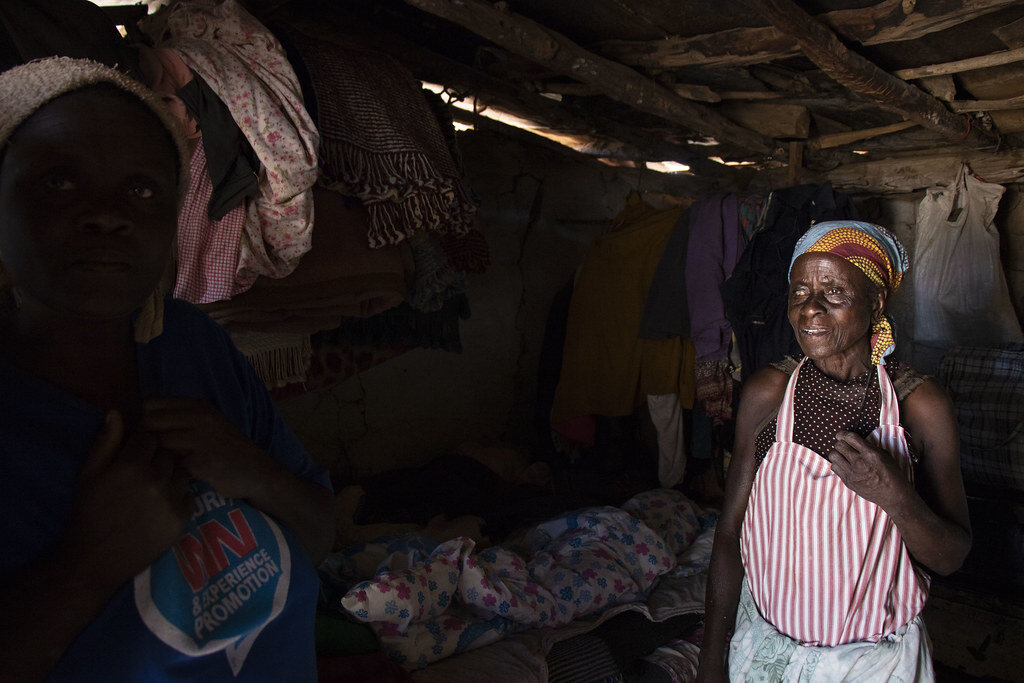
Zimbabwean woman. ScotchBroom. CC BY-NC 2.0.
In the small settlement of Epworth southeast of Harare, Zimbabwe’s capital, is a growing community of taekwondo enthusiasts. One member, 17-year-old Natsiraishe Maritsa, has taken it upon herself to organize taekwondo classes for the girls of her community. The participants of her classes are underage girls, some as young as 10, who have been subjected to the harrowing practice of child marriage that plagues Zimbabwe.
The Statistics
Child marriage is a tradition practiced all around Zimbabwe, but it runs particularly rampant in rural areas. The Zimbabwean countryside was found to have a child marriage rate of about 40% compared to the urban areas that show a rate of 19%.
In Zimbabwe, 34% of girls are married off before the age of 18, while another 5% are married before the age of 15. The issue of child marriage, although an occurence involving mostly underage women, affects more than just women. About 2% of boys are forced into the practice before the age of 18.
Complications of Elimination
The task of eliminating child marriage has proven to be especially difficult due to the many conditions and societal beliefs that worsen girls’ ability to escape the practice. There are four main reasons that girls are easily trapped in the tradition:
First, gender inequality ranks women as inferior to men, thereby allowing the men of the family to force the women into submission.
Second, and a particularly large piece of the problem, is poverty. The practice of child marriage is often used as an economic tool; the price for a bride is used to cover household expenses. Because marrying off daughters of the family can be the decision between life and death, the pressure to commit these practices is often insurmountable. With poverty increasing due to COVID-19, this problem has become particularly difficult.
Third, the need to avoid shame causes many families to marry off their daughters. In Zimbabwe, the act of a daughter committing premarital sex is seen as shameful to the family, so it is resolved by forcing the daughter to marry her boyfriend. The girls will submit to these demands, especially if they became pregnant, in order to avoid abuse by their family members.
Fourth, a lack of education pushes girls into the trap of child marriage. Many poorer households are unable to pay for their daughters to attend school, which increases the risk that they will be forced into a marriage.
It is an oppressive cycle. Studies find that poverty causes child marriage, and in return, child marriage feeds into poverty.
Seventeen-year-old Maritsa has chosen to use taekwondo education to empower the girls of her community, hoping they can use their newfound confidence and skills to reshape their futures. She holds classes in a small dirt yard in front of her house, while her parents use their small income to supply some food for the attendees.
Maritsa’s class has proven to be empowering, with each class used as a safe space for girls to talk about the physical, mental and emotional abuse they endure from their husbands.
She has proven that although oppressive practices are formidable opponents, the power of education and community can undo even the most controlling traditions.
To Get Involved
Nonprofit organization FORWARD is led by African women seeking to end violence and the oppression of women in Africa, including child marriage. To read more about how to lend a hand, click here.
Global partnership Girls Not Brides has combined the efforts of over 300 organizations dedicated to empowering women on nearly every continent. To see how you can support bills and other legislation they are pushing, click here.
Ella Nguyen
Ella is an undergraduate student at Vassar College pursuing a degree in Hispanic Studies. She wants to assist in the field of immigration law and hopes to utilize Spanish in her future projects. In her free time she enjoys cooking, writing poetry, and learning about cosmetics.
The Zambia Project
Janssen Powers had the pleasure of shooting this piece for World Vision. He said "to say it was an eye opening trip would be an understatement. As crazy as it is to imagine drinking contaminated water everyday, it's even crazier when you realize that so many people spend the majority of their time just looking for it."
World Vision is an amazing organization doing great things in Zambia and all over the world. To learn more about their effort to bring Zambia clean water, visit worldvisionwater.org.


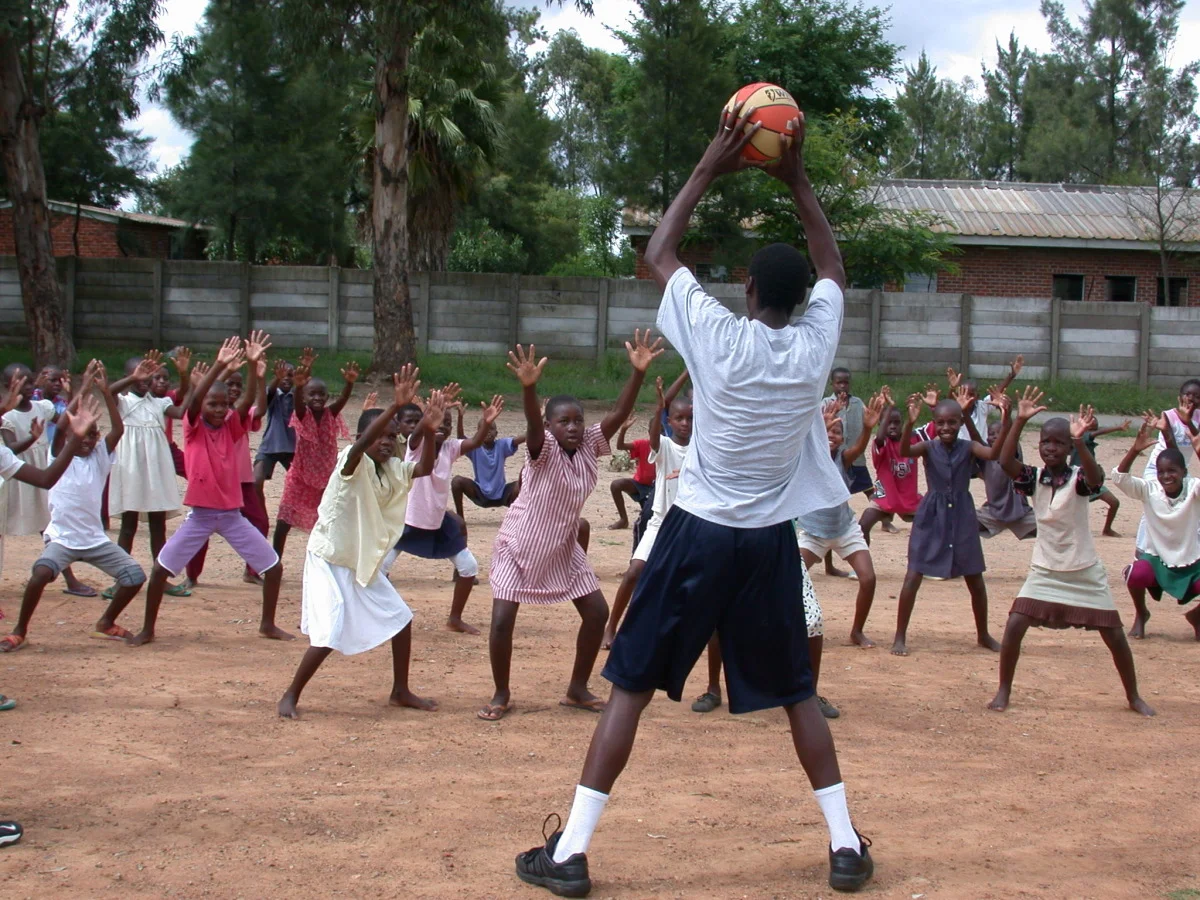


Hoops4Hope
There are few elements across the spectrum of humanity that bind and connect us as people, no matter our age, race, or cultural background. They validate our bond as humans and in many cases, drive the most profound change that is occurring across the globe, bringing us together as a global community. The sport’s friendly competition does exactly this.
This is where Hoops 4 Hope (H4H) comes into play. Since 1995, H4H is an international non-profit organization, which has utilized the “power of sport to create sustainable long-term positive impact for youth, equipping them with the tools to manage the social, health and economic related challenges they face.” — Mark Crandall, H4H Founder & Director More
As the sister organization for Soccer 4 Hope, Hoops 4 Hope utilizes the medium of basketball to provide empowering sports programing to youth across Zimbabwe and South Africa. The organization’s mission is to educate youth with life skills necessary to survive; it has flourished in communities that struggle with poverty, unemployment, HIV/AIDS, violence, crime, substance abuse, and gender inequality.
Over its 18 years of existence, H4H has seen many of its youngsters receive sports scholarships to high schools, coaches being chosen for overseas cultural exchanges, and even have a Zimbabwean athlete now playing professionally in the Euro League. Furthermore, various H4H courts have been graced with visits from German Chancellor, Angela Merkel, along with NBA Star and member of the Chicago Bulls, Luol Deng, amongst many others.
This photo essay highlights Hoops 4 Hope as our NGO of the Week, taking you to the on-site project locations throughout Zimbabwe and South Africa, many of which were made possible through collaborations with local schools, shelters, and community organizations.
Connect with Hoops 4 Hope here.
ANDREW BRIDGE is a global enthusiast with a passion for the road less traveled. As a frequent collaborator with World Hip Hop Market and Nomadic Wax, Andrew has worked with numerous socially conscious artists from around the world in the pursuit of inspiring cultural understanding and exchange through entertainment. This fascination with the world at large has taken him to over 20 countries (so far) through studying, volunteering, and writing about his travels, with no signs of slowing his globetrotting nature down. Connect with Andrew at @Bridgin_TheGap