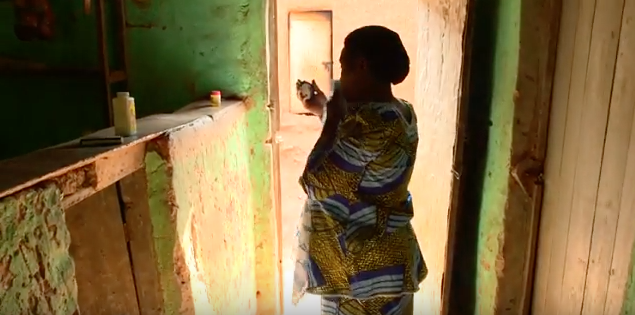
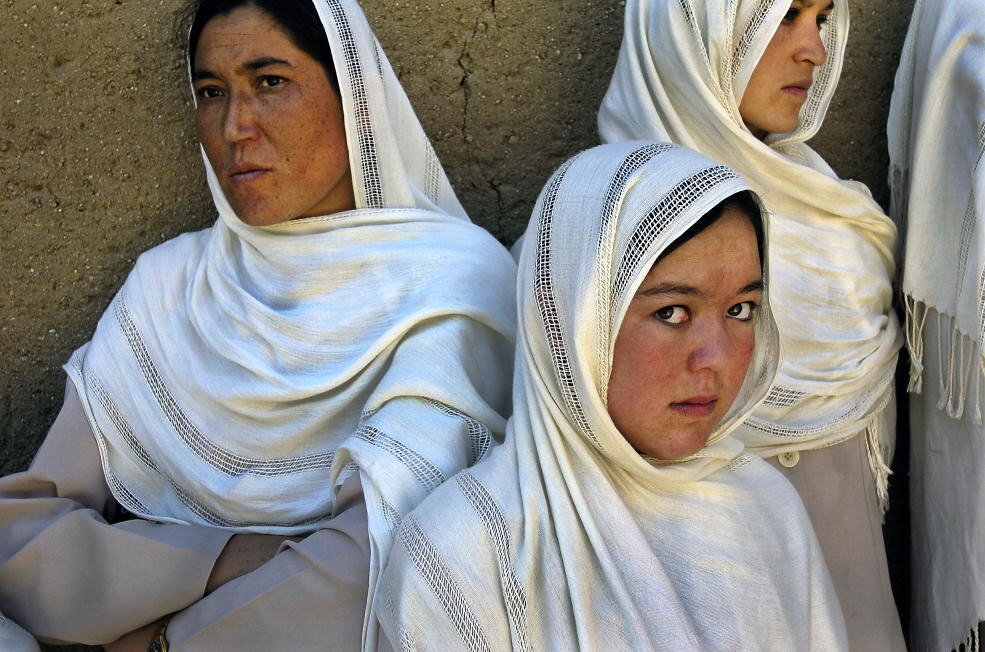
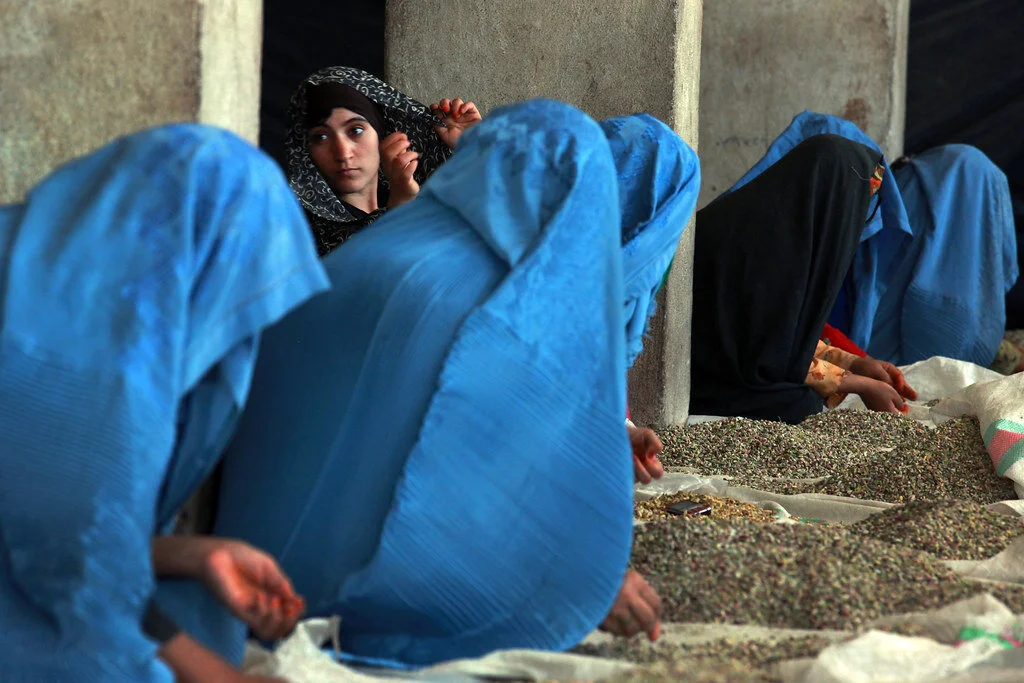
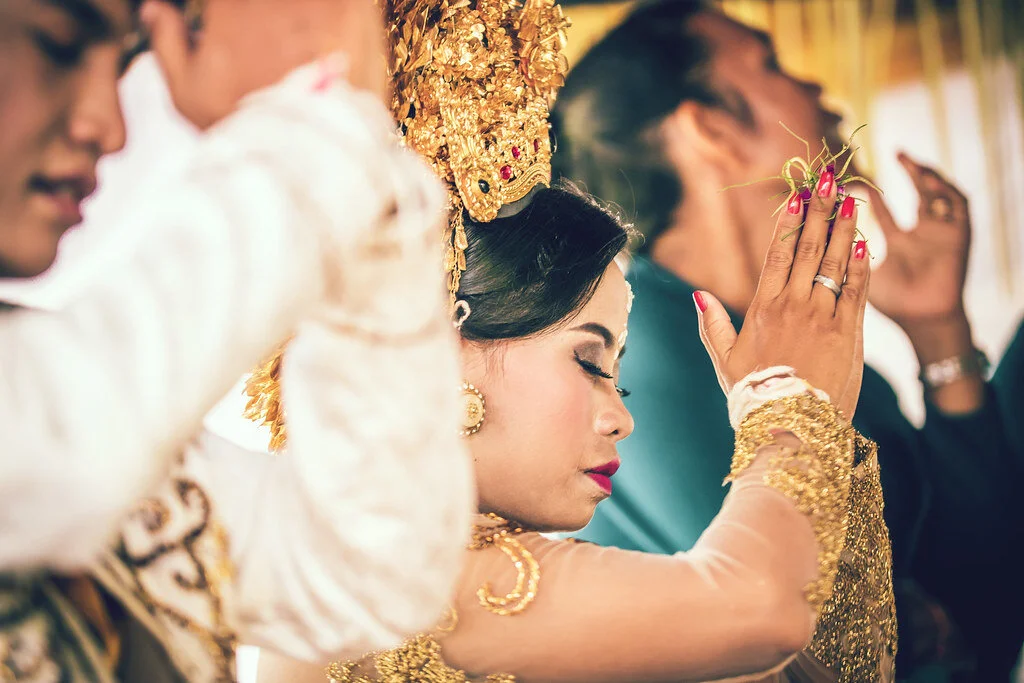
Located at the converging point between the African Great Lakes region and East Africa, the Republic of Rwanda is an environmentally, economically and culturally diverse country rebuilding its identity in the wake of the 1994 Rwandan genocide, in which approximately 800,000 Tutsis were killed by Hutu extremists. The country takes pride in its regional fauna, which includes elephants, gorillas, hippos, giraffes and zebras. Travelers interested in viewing Rwandan wildlife can observe it in three national parks: Volcanoes National Park, Nyungwe Forest National Park and Akagera National Park. “Mama Rwanda” also shows Kigali, the capital of Rwanda and the heart of its economic and cultural life. The city boasts a vibrant marketplace and architecture that combines traditional and modern styles. Outside the city, Rwanda’s expansive coffee growing fields are tended by over 450,000 planters. Basket weaving has been an important aspect of Rwandan culture for centuries and is now being used by women impacted by the Rwandan genocide to pursue greater economic independence as producers within an international market. Hutu and Tutsi women have come together to weave baskets, a practice that is now a symbol of national reconciliation. These businesses sell their wares to both small stores and large department stores like Macy’s. The profits of weaving companies are often used to support Rwandan families in need of food and medicine.
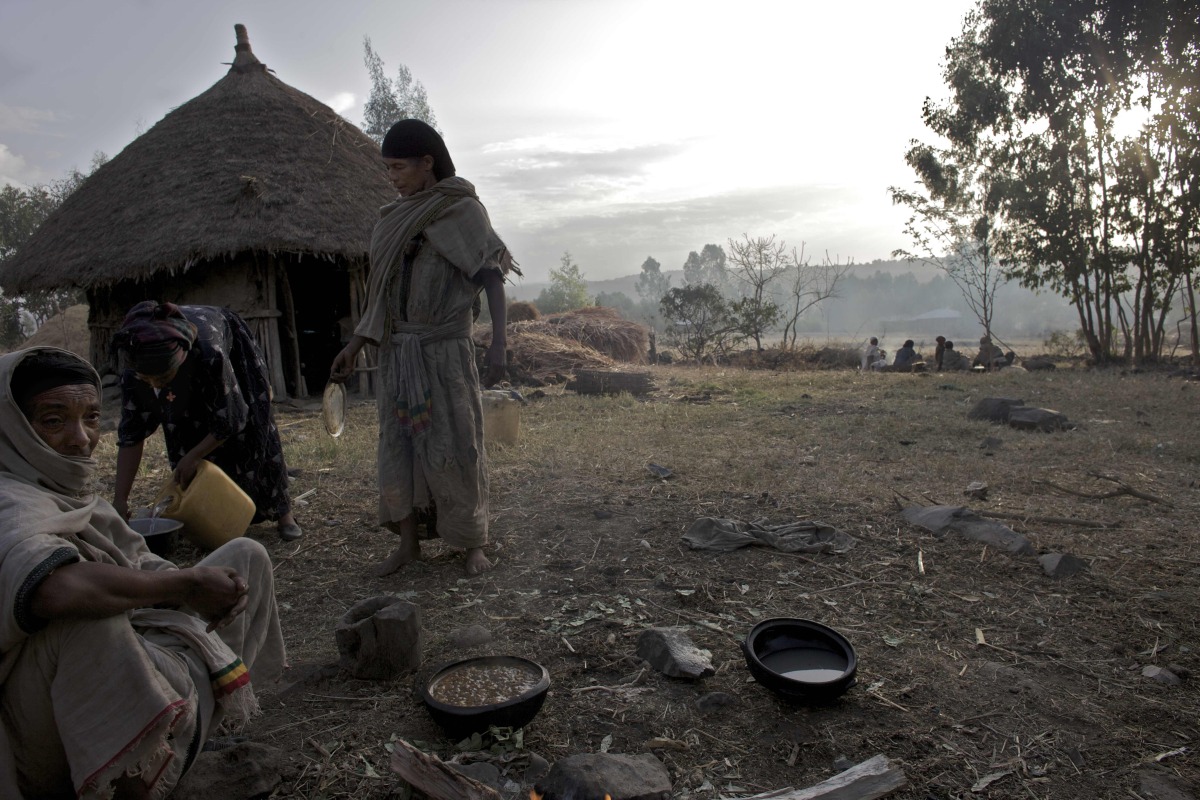
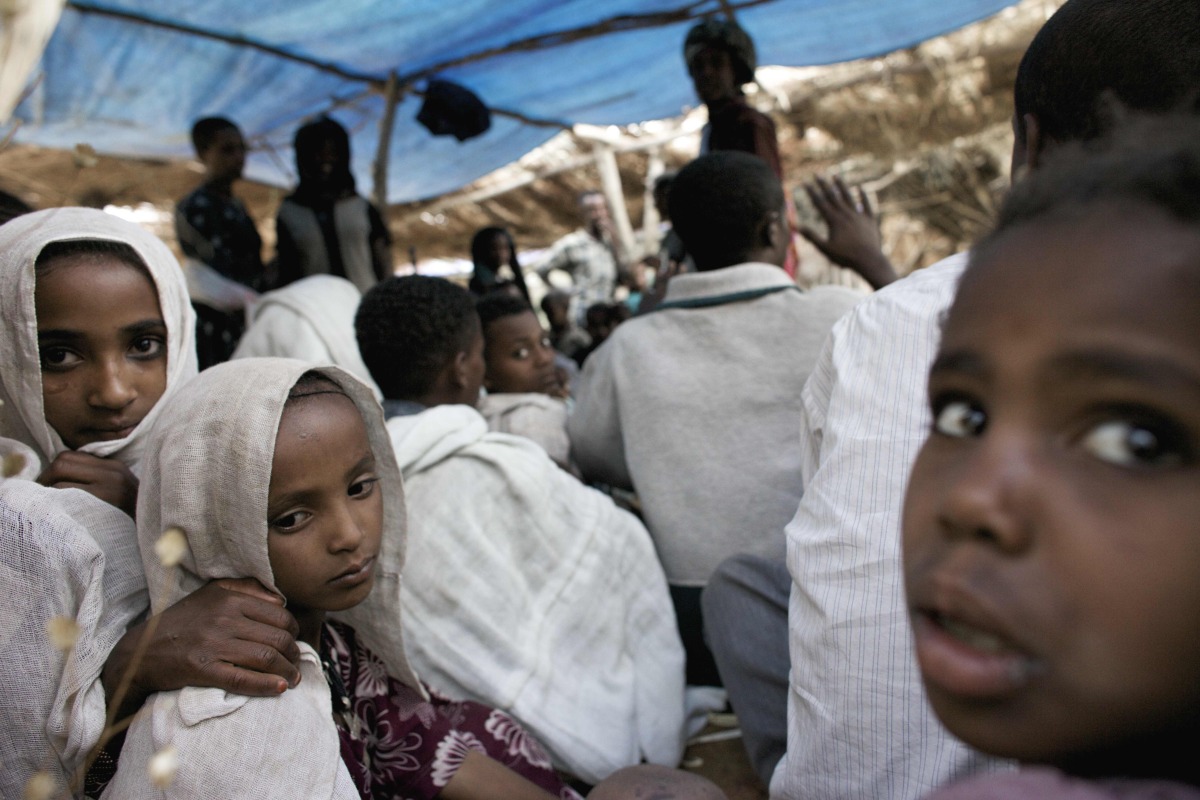
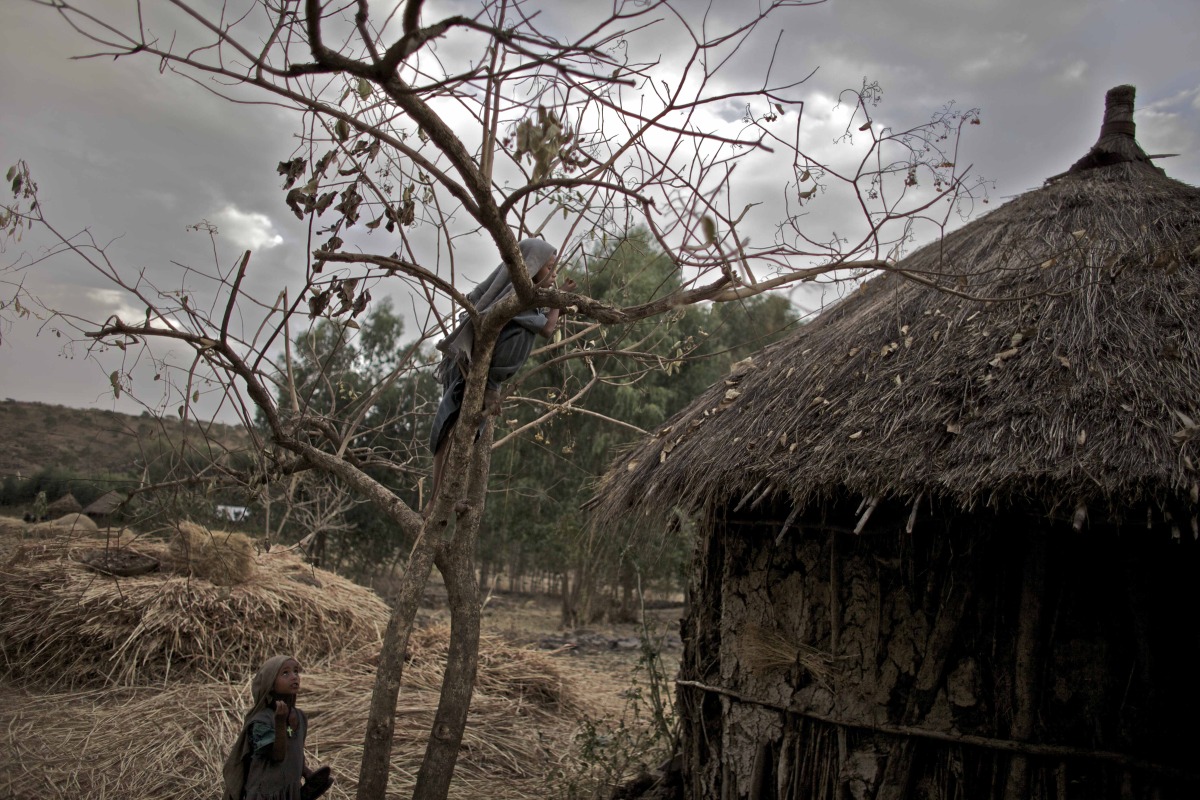
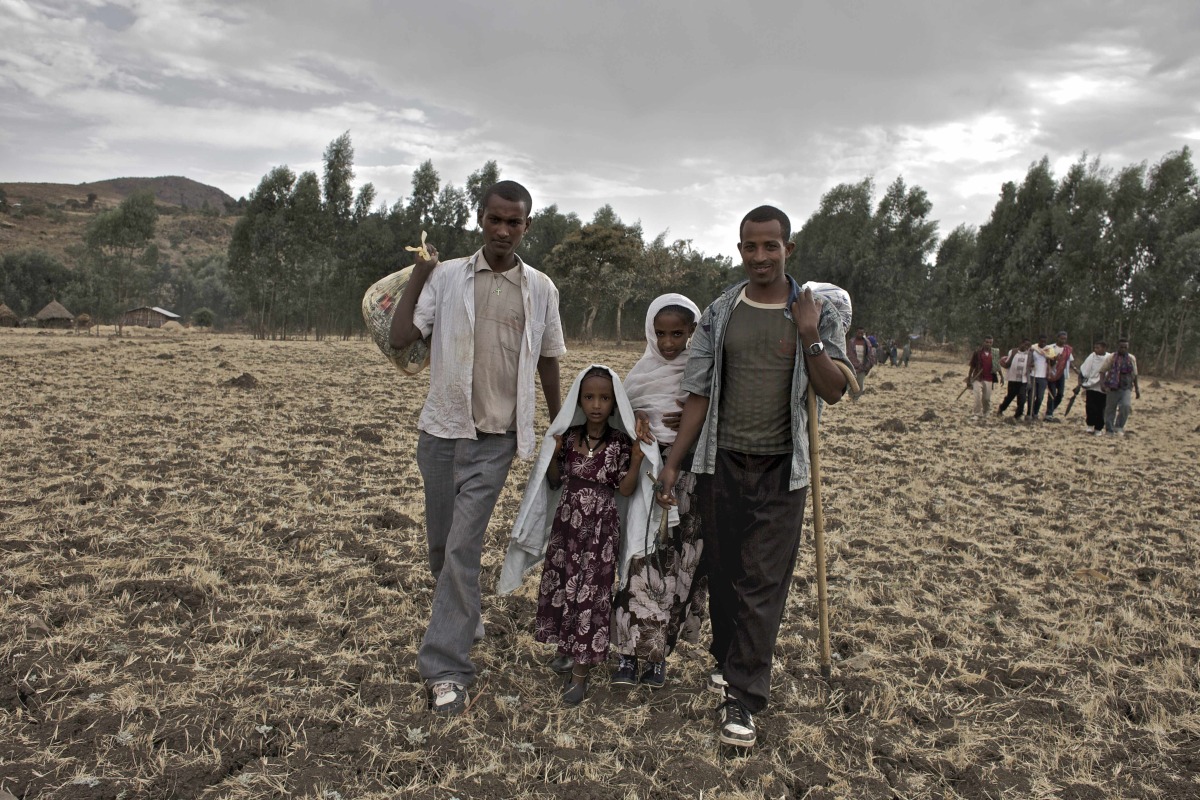
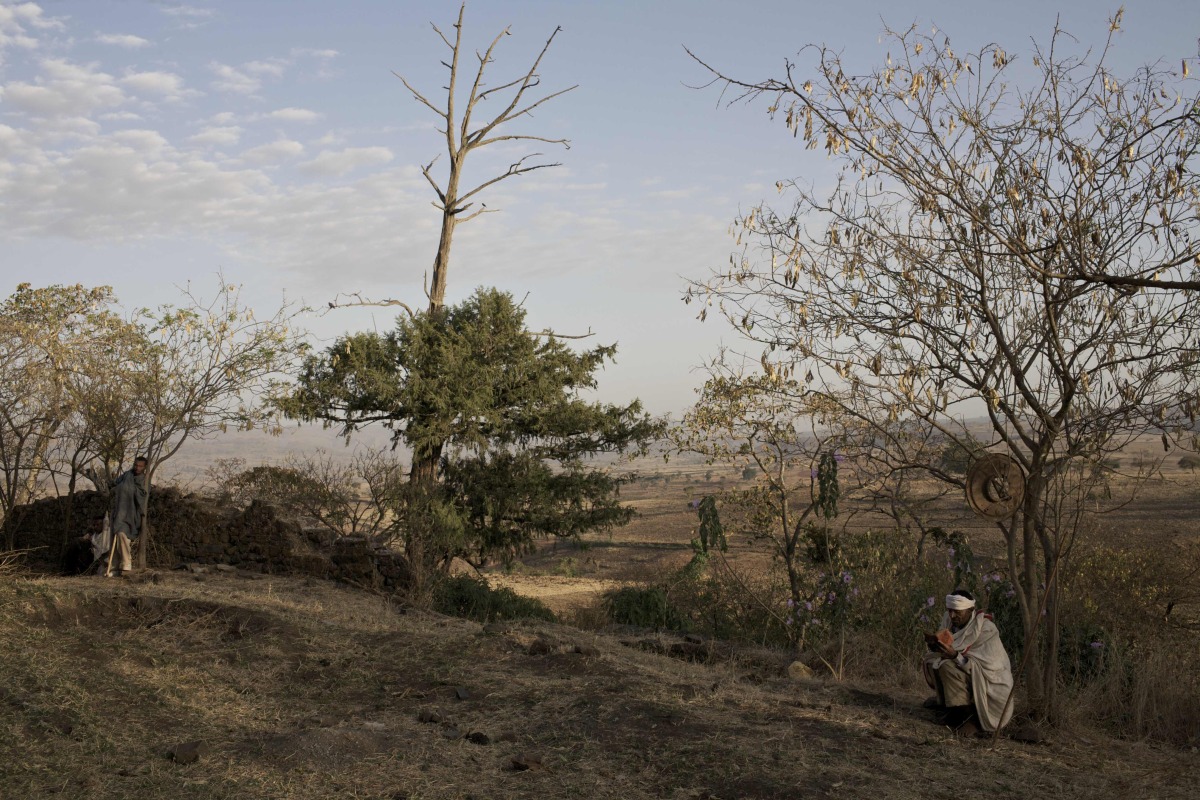
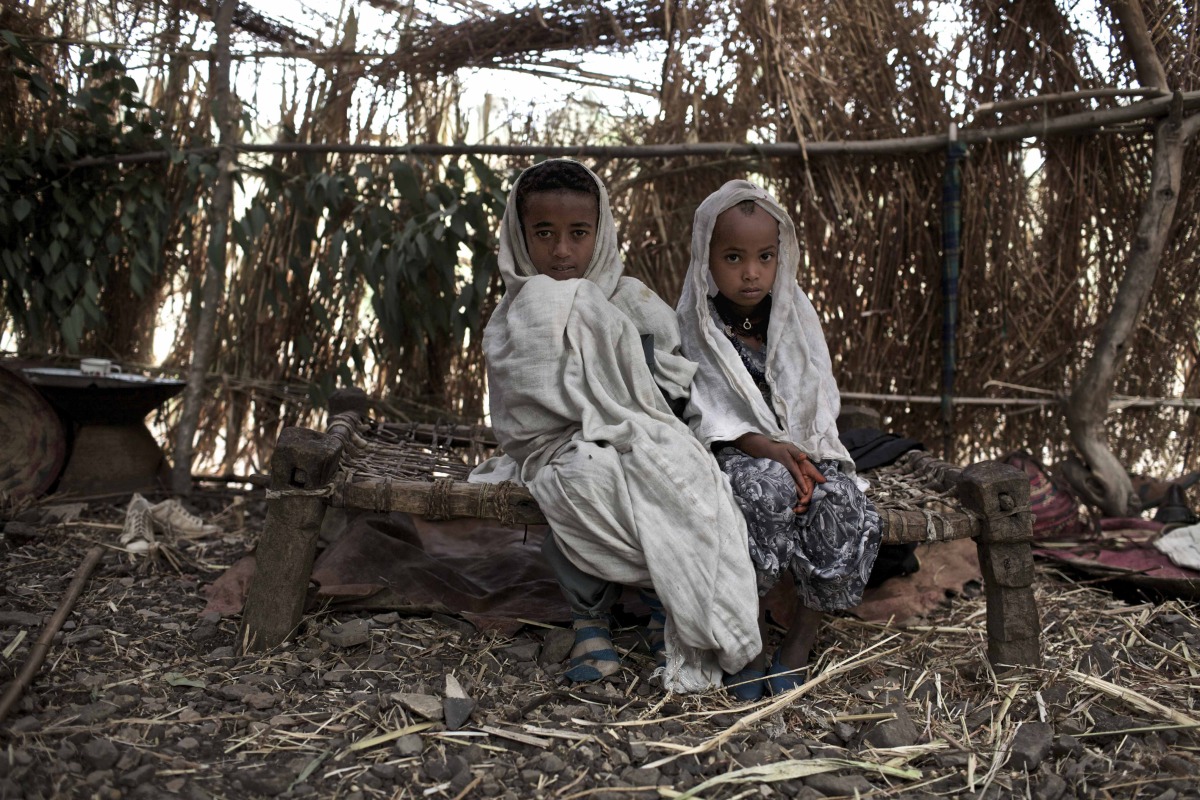
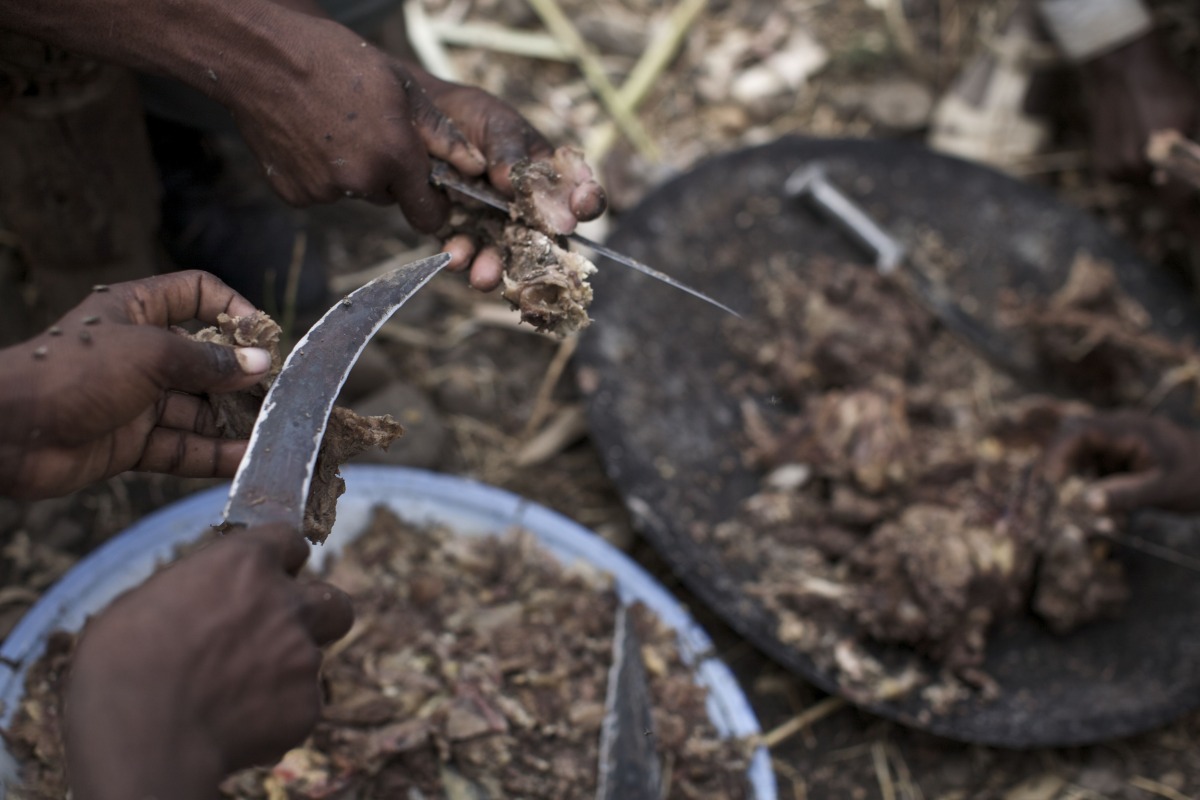
PHOTO ESSAY: Child Marriage in Ethiopia
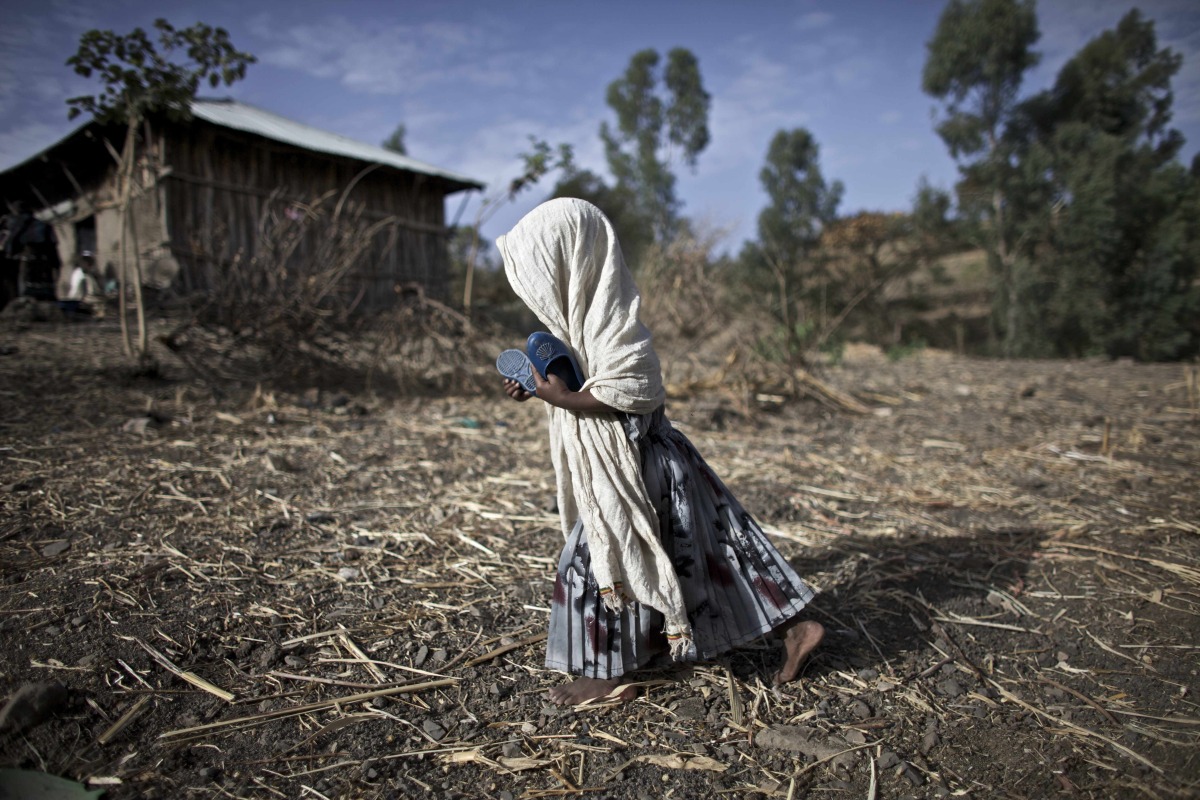
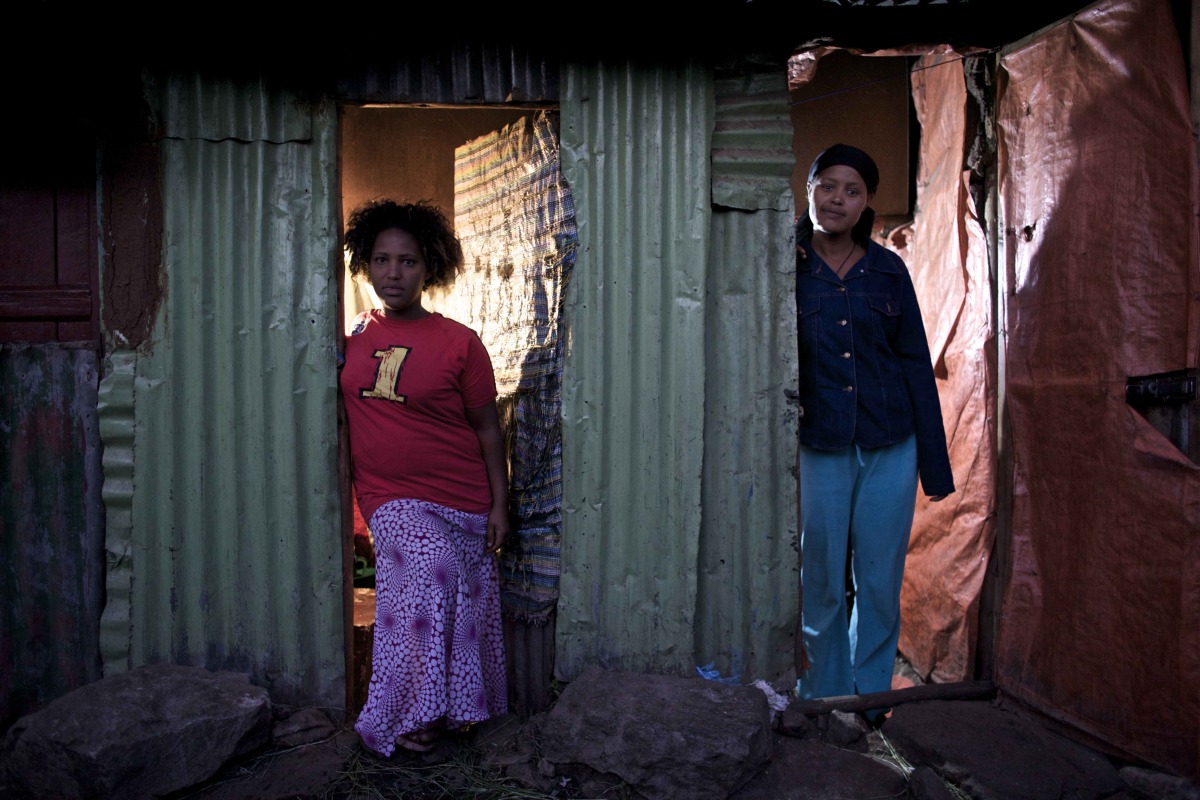
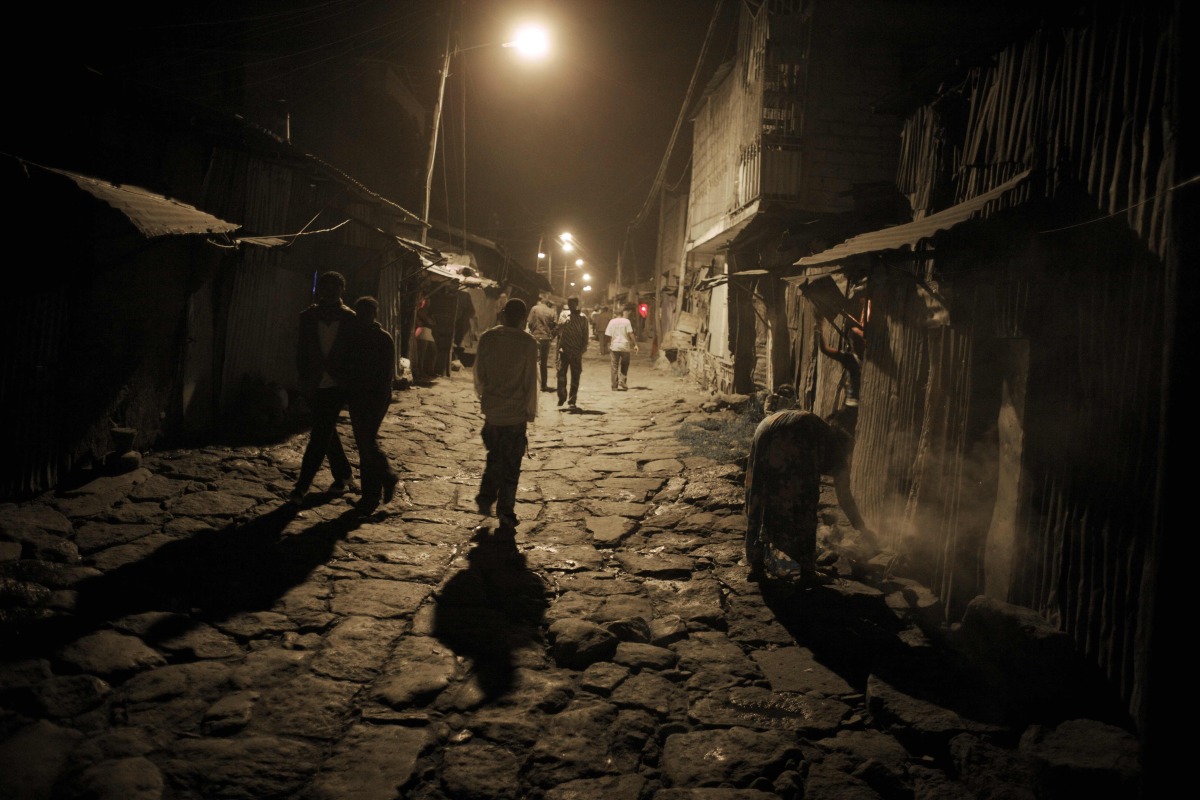
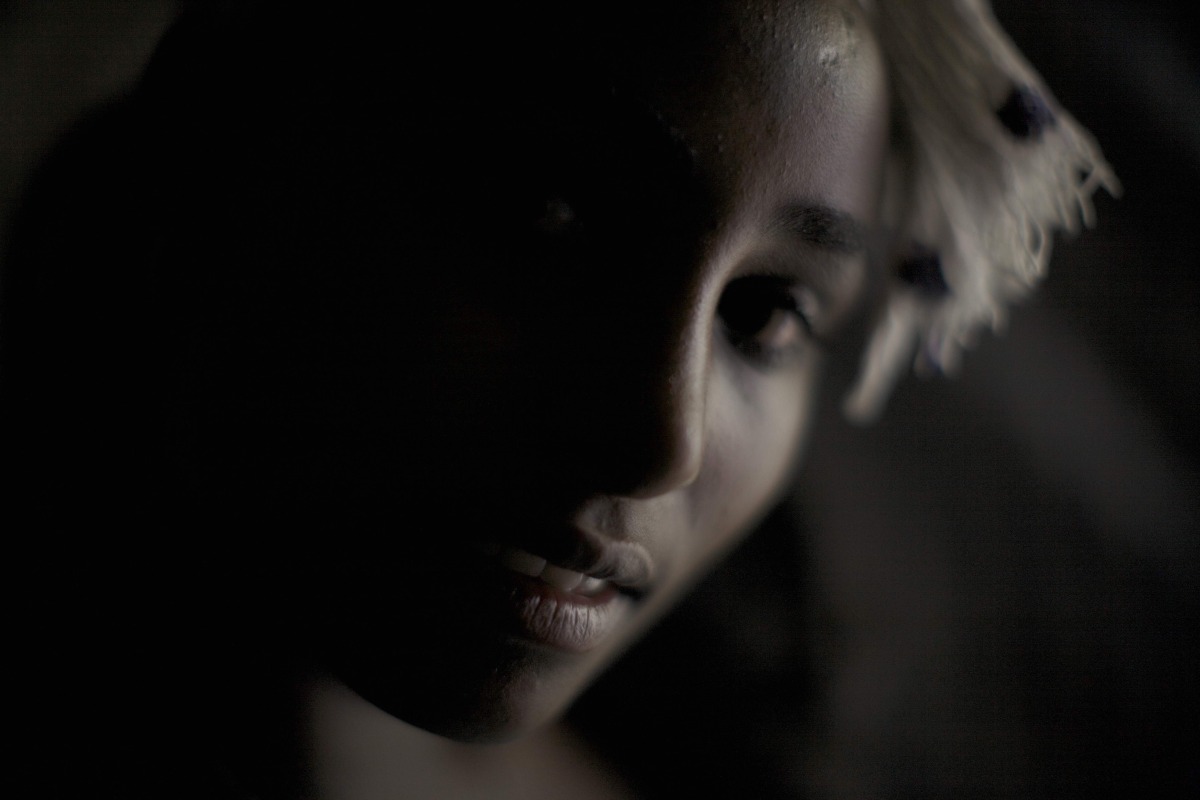
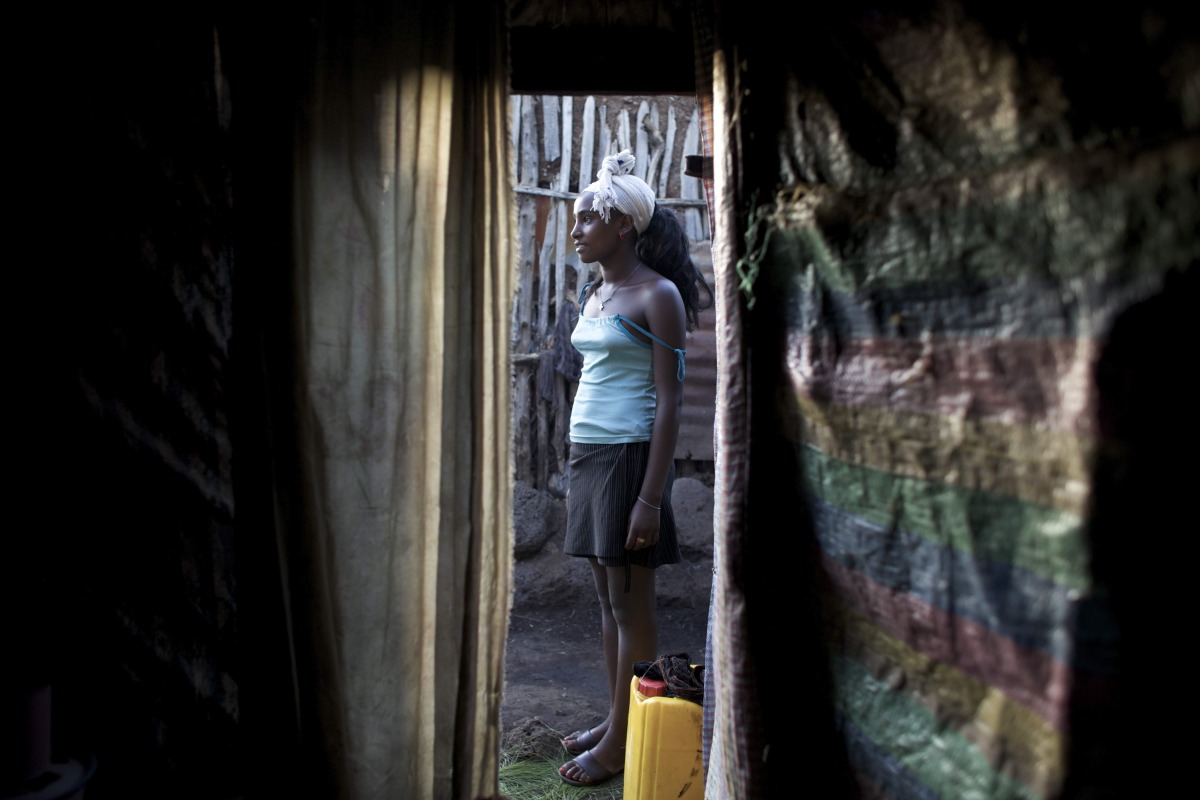
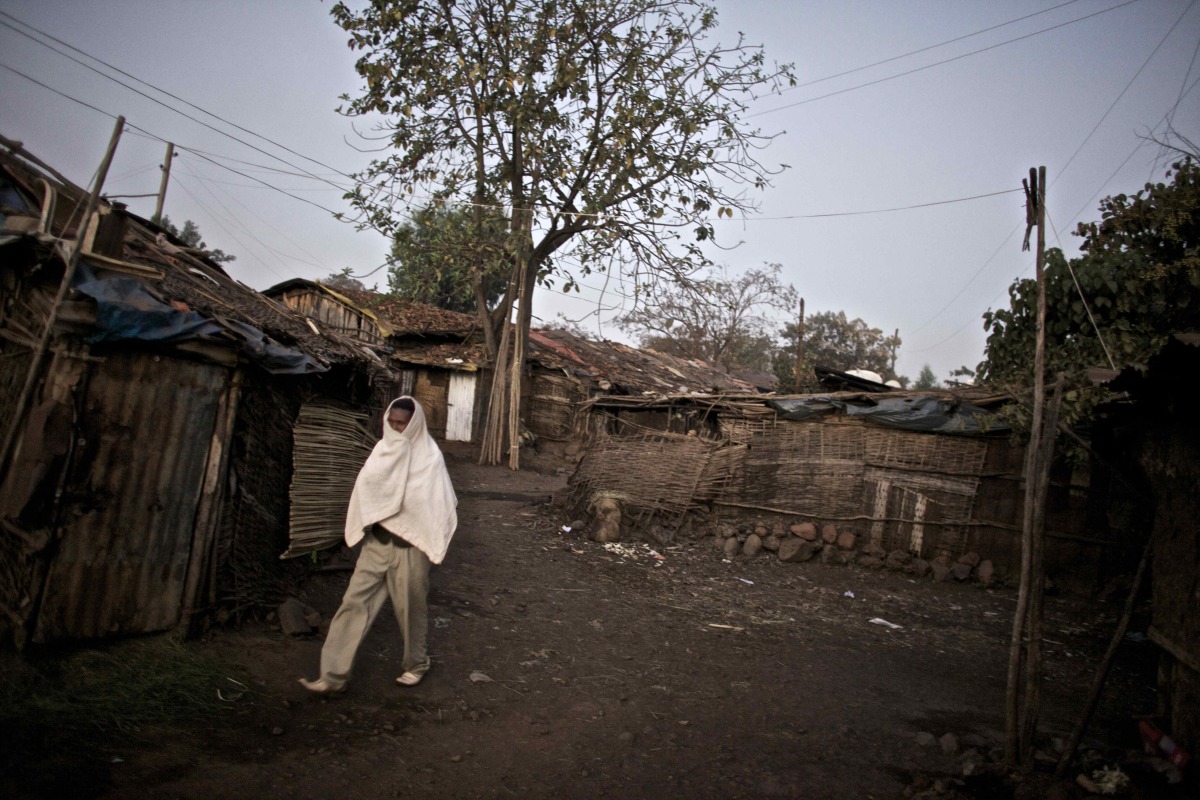
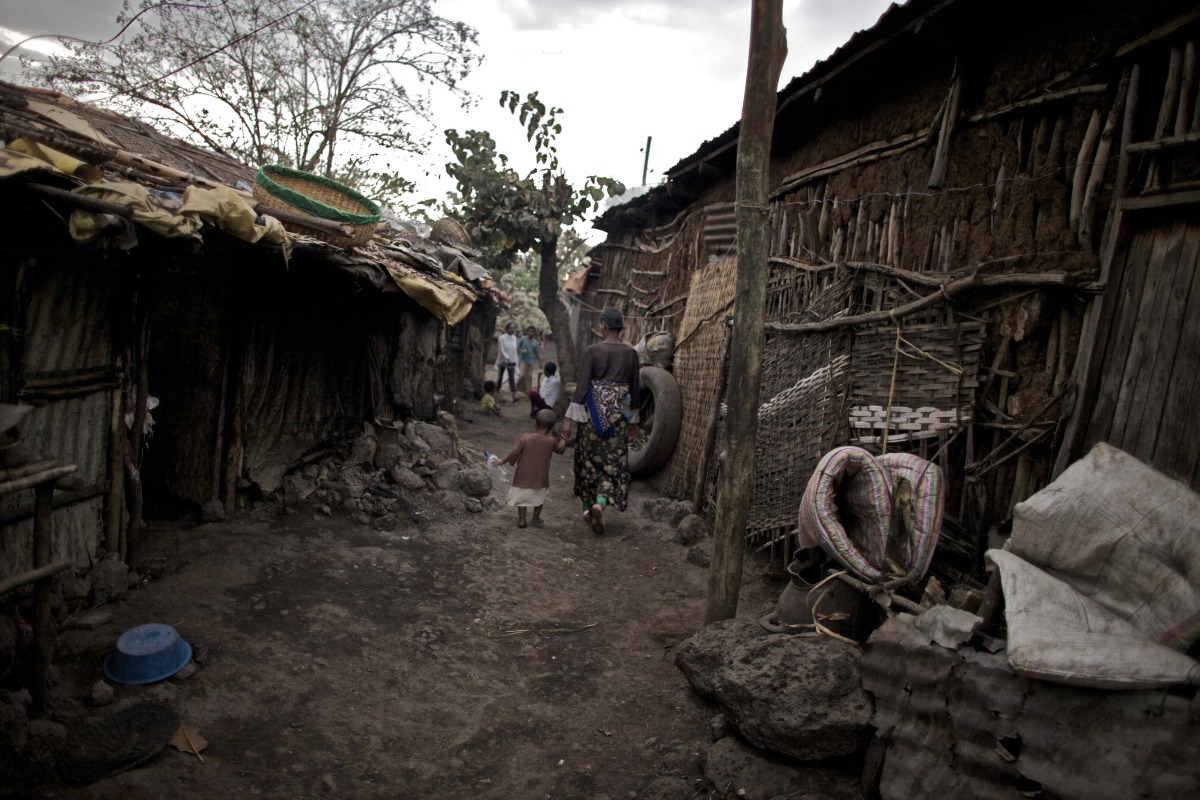
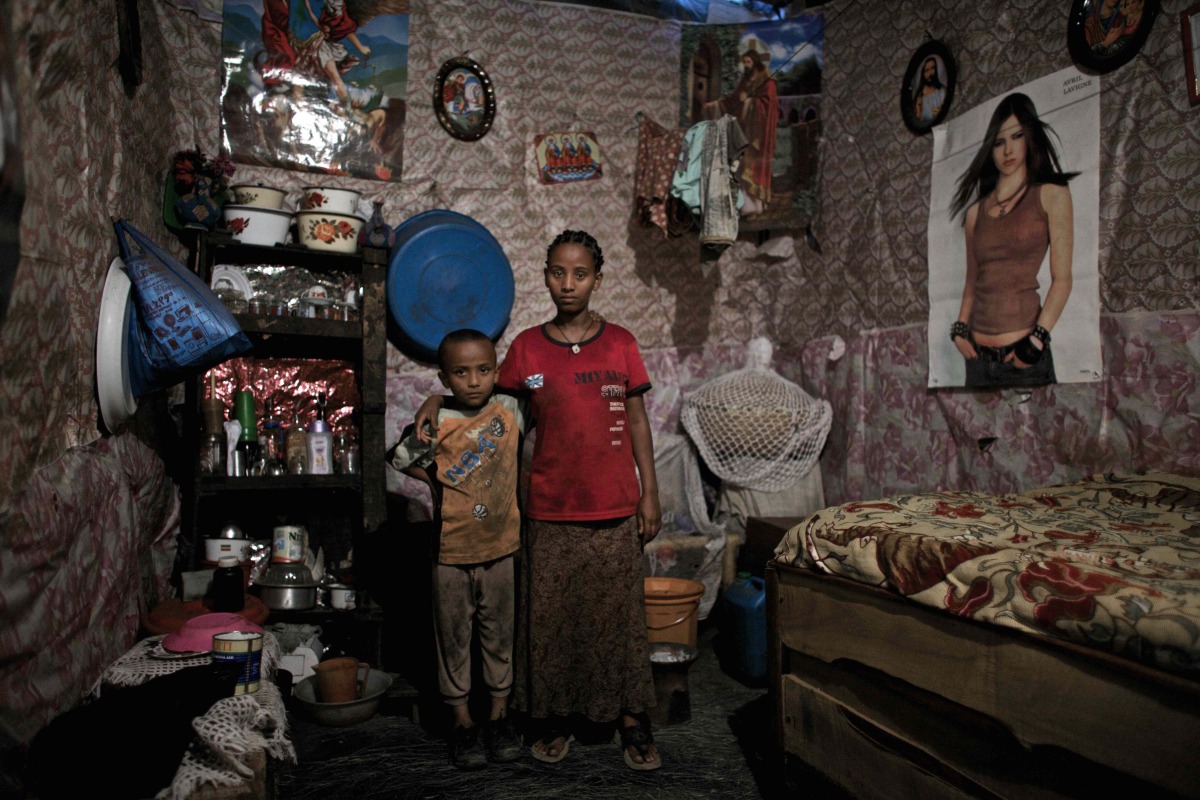
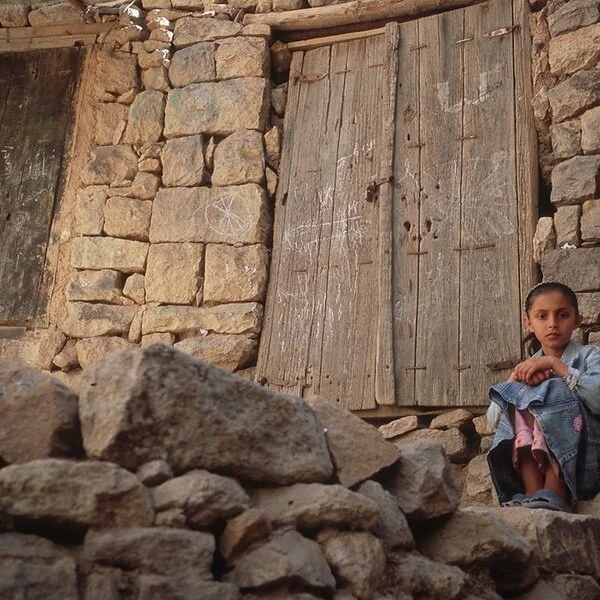
While it may seem shocking, in Ethiopia girls are married off at ages as young as 5 years old, and 48% of rural women are married before age 15. Photographer Guy Calaf documents these young child brides and their marriages in this photo essay.
Read MoreWhere Children Sleep
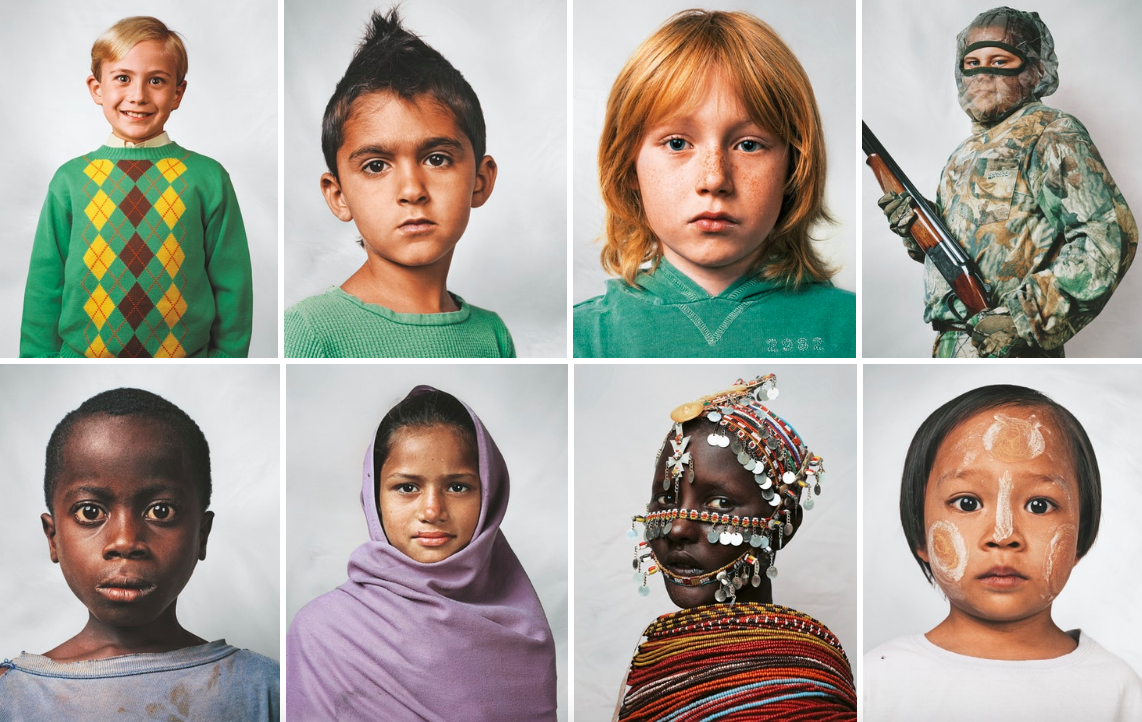
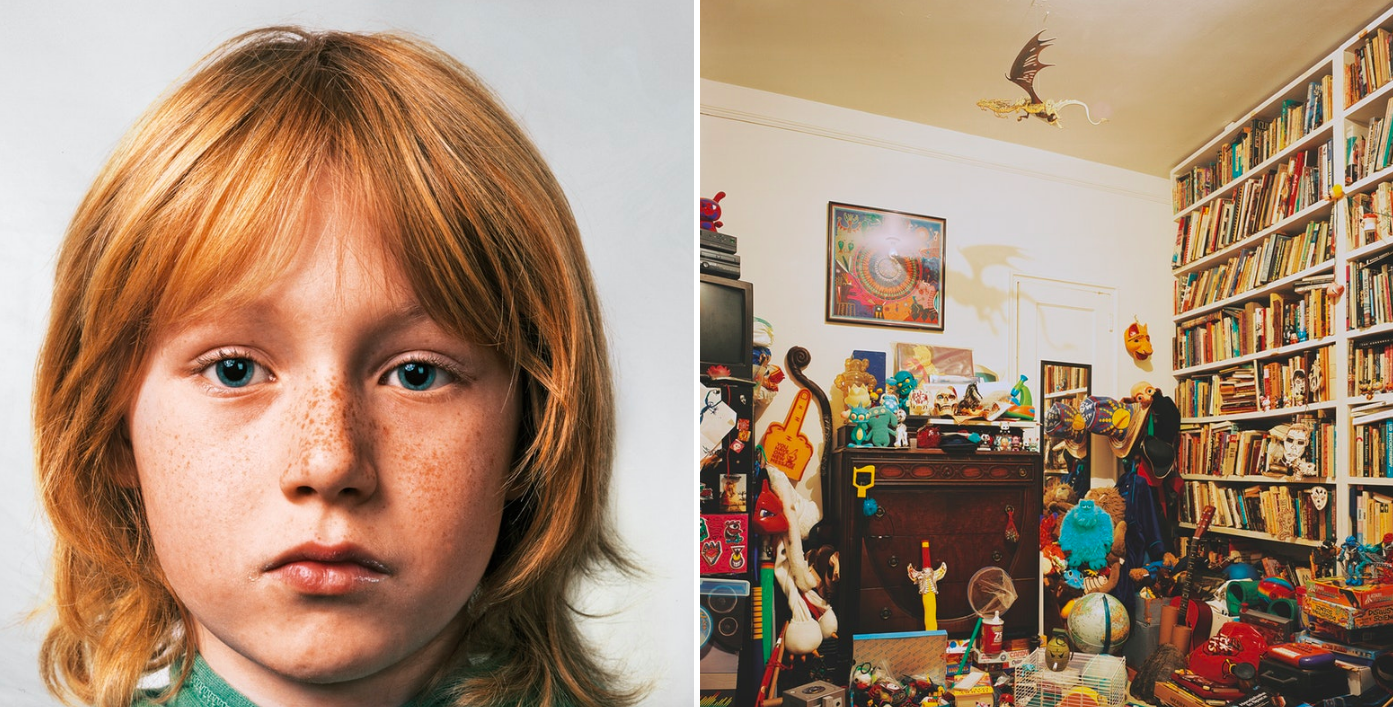
Children all over the world live and sleep in very different environments. It is my hope that these photographs will help children, and adults, to think about inequality, within and between societies around the globe, and perhaps to start to figure out how, in their own lives, they may respond.
When Fabrica (Benetton’s creative research center) asked me to come up with an idea for engaging with children’s rights, I found myself thinking about my bedroom: how significant it was during my childhood, and how it reflected what I had and who I was — my bedroom was my personal kingdom. It occurred to me that a way to address some of the complex situations and social issues affecting children would be to look at the bedrooms of children in all kinds of different circumstances.
From the start of this project, I didn’t want it just to be about ‘needy children’ living in the developing world, but rather something more inclusive, about children from all types of situations.
It seemed to make sense to photograph the children themselves, too, but separately from their bedrooms, using a neutral background. My thinking was that the bedroom pictures would be inscribed with the children’s material and cultural circumstances — the details that inevitably mark people apart from each other — while the children themselves would appear in the set of portraits as individuals, as equals... just as children.
Above: You can see where these children sleep, and read their stories, below.
To begin with, I initially called the project ‘Bedrooms’, but I soon realized that my own experience of having a ‘bedroom’ simply doesn’t apply to so many kids. Millions of families around the world sleep together in one room, and millions of children sleep in a space of convenience, rather than a place they can in any sense call their room.
I came to appreciate just how privileged I had been as a child, to have had a personal kingdom in which to sleep and to grow.
For me, the project became a vehicle to think about issues of poverty and wealth, about the relationship of children to personal possessions, and the power of children — or lack of it — to make decisions about their lives.
However, this photo essay is not a campaign. There’s nothing scientific about the selection of children featured: I travelled where I could, often alongside other projects, and many of the pictures result from chance encounters, following my photographer’s nose. I am not qualified to give anyone a lecture on the state of childhood today, or the future of children’s rights. Although I have relied on the help of Save the Children, Italy, there is no agenda to the project other than my own journey and curiosity, and wanting to share in pictures and words the stories that I found interesting, or that moved me.
In the end, I hope these pictures and stories speak to children. So that lucky children (like I was) may better appreciate what they have.
But more than that, I hope these photographs will help children think about inequality, within and between societies around the world, and perhaps start to figure out how, in their own lives, they may respond.
* * *
Below you can meet twenty-five of the children whose stories and portraits are featured in my final book Where Children Sleep.
Lay Lay, 4 years old
Mae Sot, Thailand
—
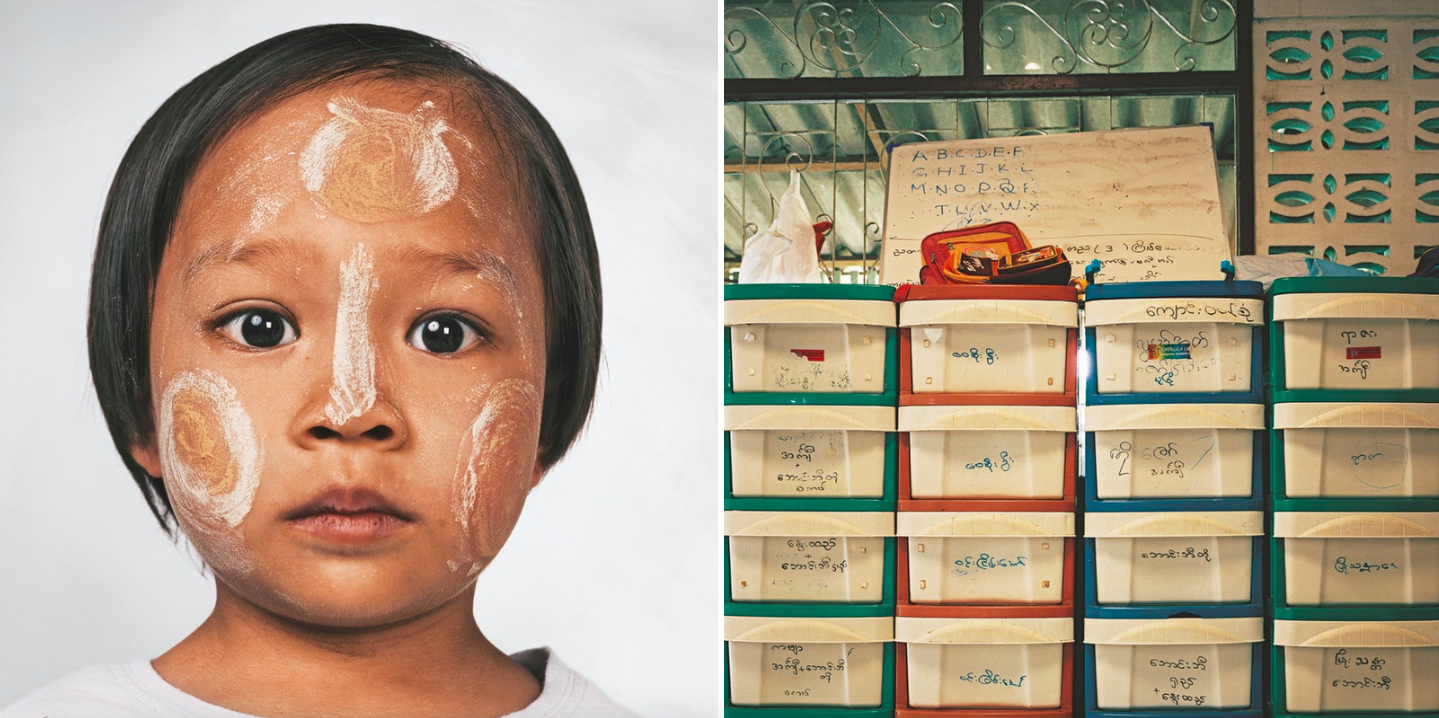
Lay Lay is four years old. The cream she has on her face is made from the bark of the thanaka tree, used to condition and protect the skin. Lay Lay lives in Mae Sot, Thailand, close to the border with Burma. When her mother died, no other members of her family came to claim her, so she was placed in an orphanage. She shares this home with twenty-one other nursery-aged children. The orphanage consists of two rooms. During the day, one room is the classroom and the other is a dining room. At night, these rooms become bedrooms. The tables are pushed to one side and mats are rolled out for the children to sleep on. Each child has one drawer in which to keep their belongings.
Lay Lay does not have many belongings — just a few clothes. All that is known of her background is that she is from an ethnic group of people called the Karen, one of the persecuted minority ethnic groups which make up about forty per cent of the Burmese population. Lay Lay and her mother fled from the brutal Burmese military dictatorship and arrived in Thailand as refugees.
Jasmine, 4 years old
Kentucky, USA
—
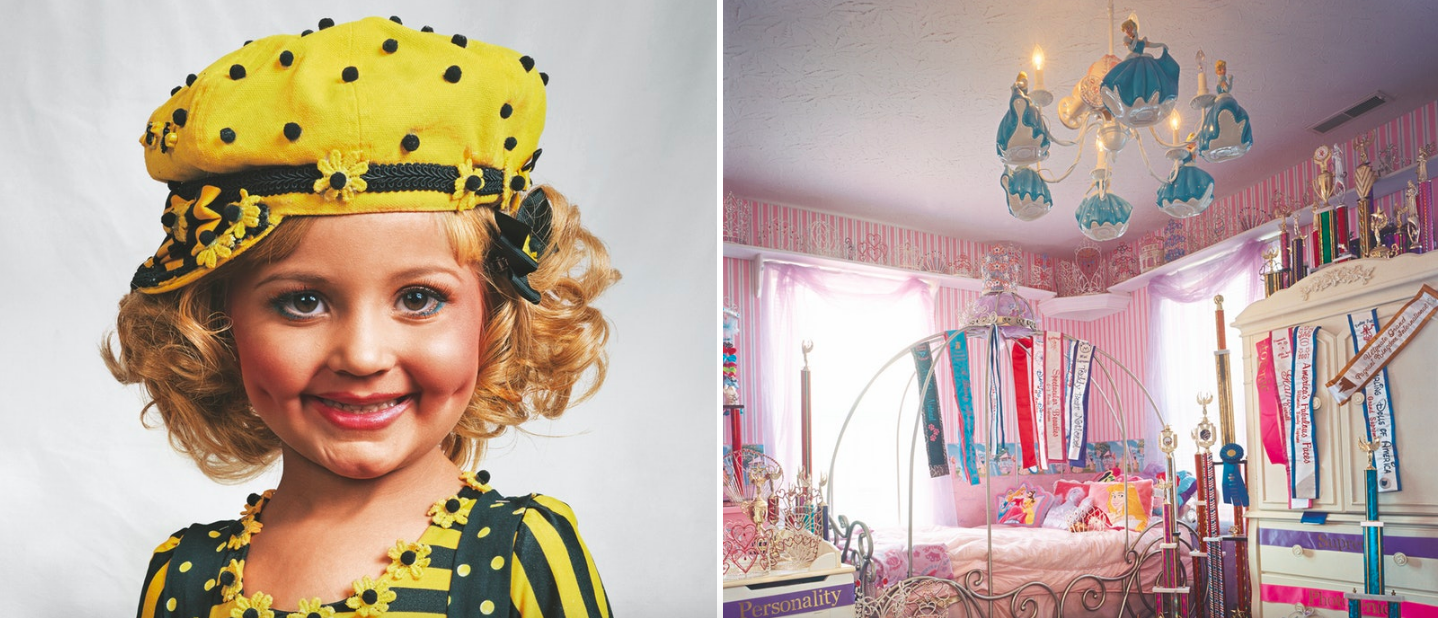
Jasmine prefers to be called by her nickname, Jazzy. She lives in a big house in Kentucky, USA, with her parents and three brothers. Her house is in the countryside, surrounded by farmland.
Her bedroom is full of crowns and sashes which she has won in ‘child pageants’. She is only four years old and has already entered over a hundred of these competitions. Her spare time is completely taken up with preparation and rehearsal. She practices her stage routines every day with a trainer who teaches her new steps.
Each weekend, she participates in a different pageant, arriving on Friday afternoon, performing on Saturday, and attending the crowning ceremony on Sunday. By the end of the show, she is quite exhausted. Jazzy enjoys being pampered and treated like a princess — having her hair done and wearing pretty clothes and make-up, with false nails and a fake tan. It is a very expensive hobby and can cost her parents a thousand dollars for each pageant she takes part in. Jazzy would like to be a rock star when she grows up.
4 years old
Rome, Italy
—
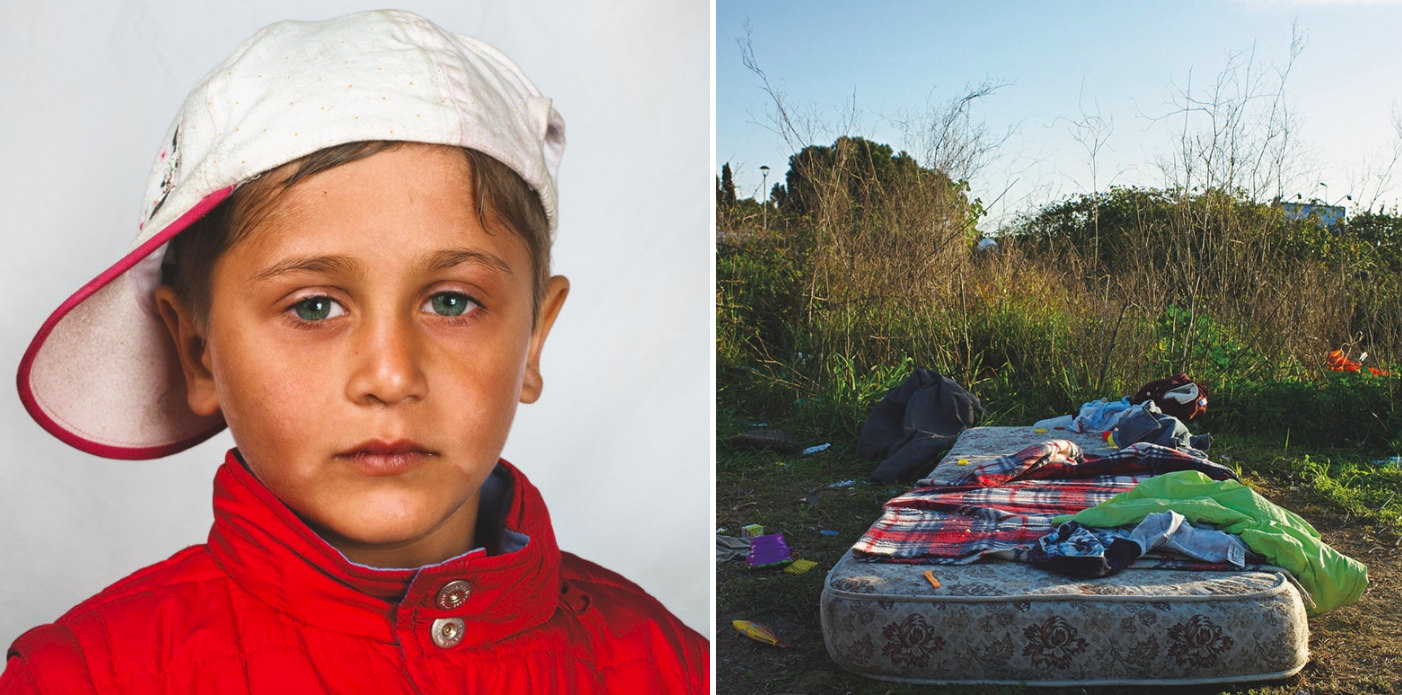
Home for this four-year-old boy and his family is a mattress in a field on the outskirts of Rome, Italy. The family came from Romania by bus, after begging on the streets for enough money to pay for their tickets (€100 per adult and €80 per child).
When they first arrived in Rome, they camped in a tent, but the police threw them off the site because they were trespassing on private land and did not have the correct documents. Now the family sleeps together on the mattress in the open. When it rains, they hastily erect a tent and use umbrellas for shelter, hoping they will not be spotted by the police.
They left Romania without identity documents or work papers and so are unable to obtain legal employment. This boy sits by the curbside while his parents clean car windscreens at traffic lights, earning thirty to fifty cents a time. No one from the boy’s family has ever been to school. His parents cannot read or write.
Jivan, 4 years old
Brooklyn, New York
—
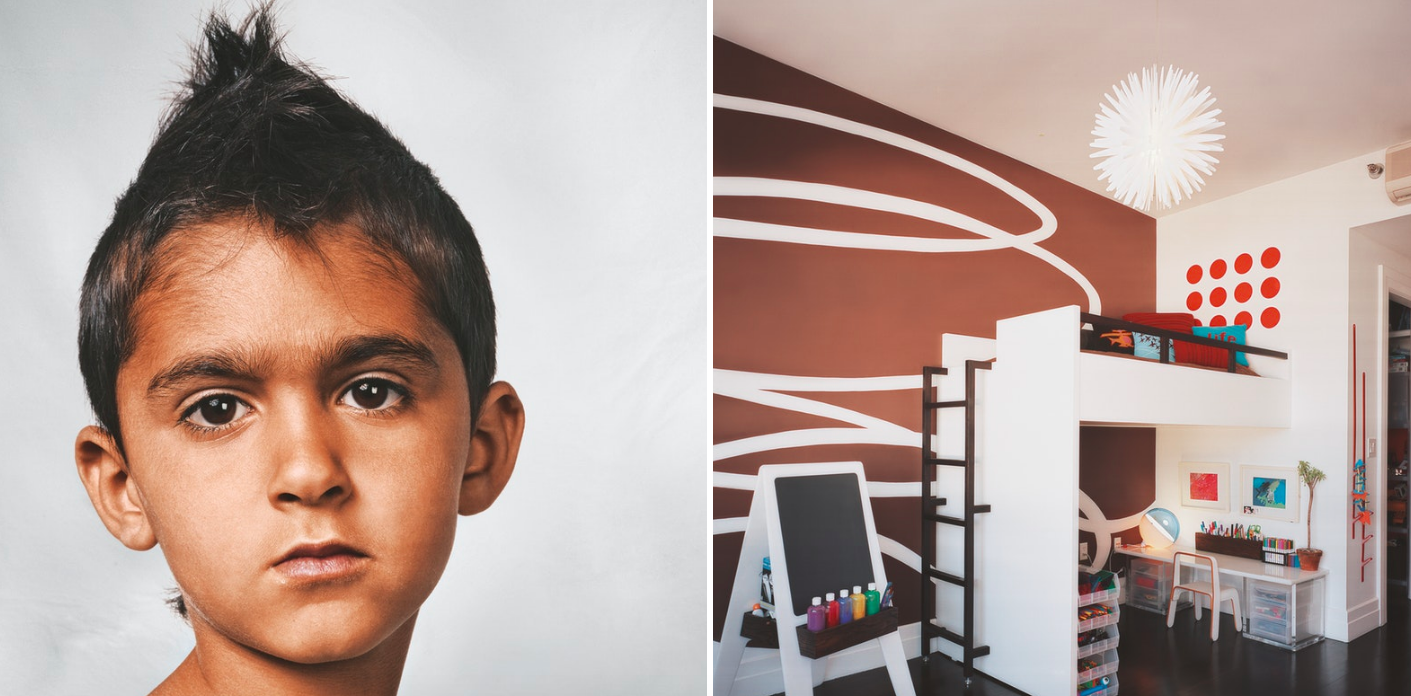
Jivan is four years old. He lives with his parents in a skyscraper in Brooklyn, New York. From his bedroom window, he can see across the East River to New York’s Manhattan Island and the Williamsburg Suspension Bridge which connects it to Brooklyn. Jivan has his own bedroom with an en-suite bathroom and a toy cupboard. The room was designed by Jivan’s mother, who is an interior designer. His father is a DJ and music producer. Jivan’s school is only ten minutes’ walk away.
To gain a place at this school, Jivan had to take a test to prove that he can mix socially with other children. He found this quite stressful as he is a very shy boy. His parents were also interviewed before he was accepted by the school. Jivan’s favorite foods are steak and chocolate. He would like to be a fireman when he grows up.
Kaya, 4 years old
Tokyo, Japan
—
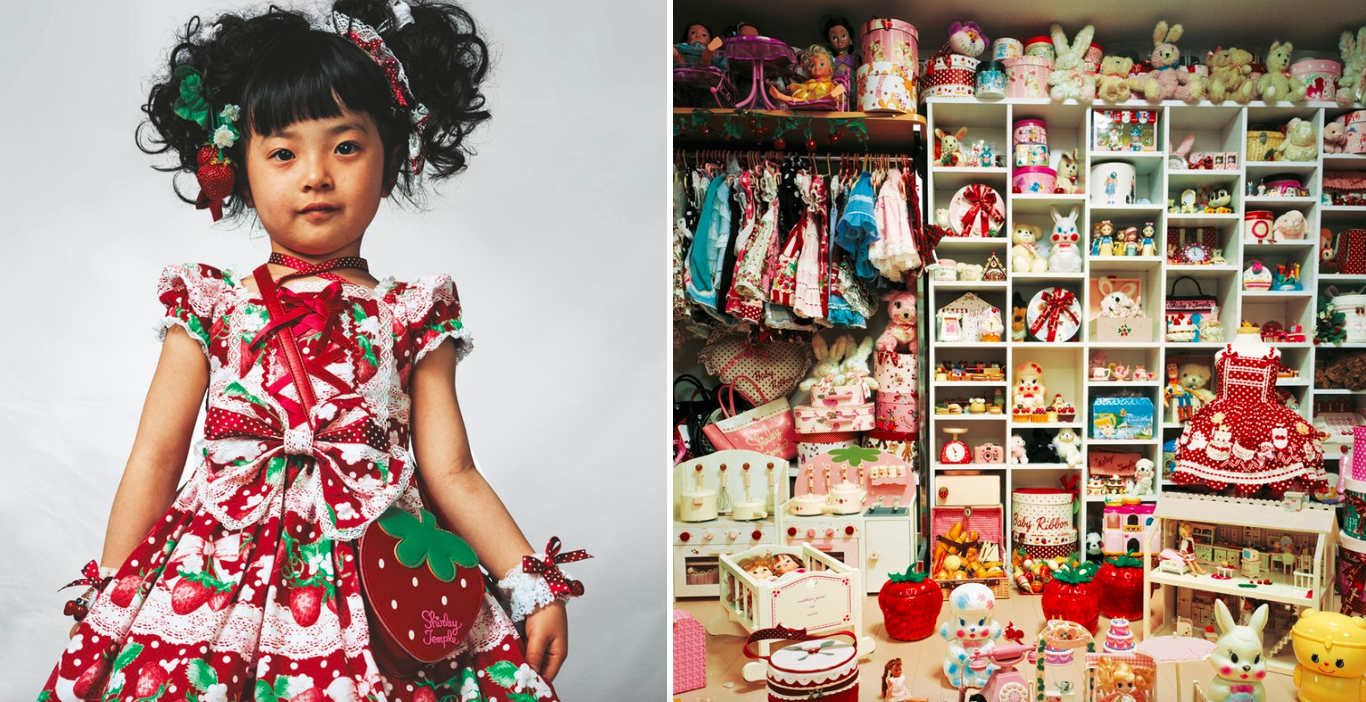
Kaya is four years old. She lives with her parents in a small apartment in Tokyo, Japan. Most apartments in Japan are small because land is very expensive to buy and there is such a large population to accommodate. Kaya’s bedroom is every little girl’s dream. It is lined from floor to ceiling with clothes and dolls.
Kaya’s mother makes all Kaya’s dresses — up to three a month, usually. Now Kaya has thirty dresses and coats, thirty pairs of shoes, sandals and boots, and numerous wigs. (The pigtails in the picture are made from hairpieces.) Her friends love to come round to try on her clothes.
When she goes to school, however, she has to wear a school uniform. Her favorite foods are meat, potatoes, strawberries and peaches. She wants to be a cartoonist when she grows up, drawing Japanese ‘anime’ cartoons.
Lehlohonolo, 6 years old
Lesotho
—
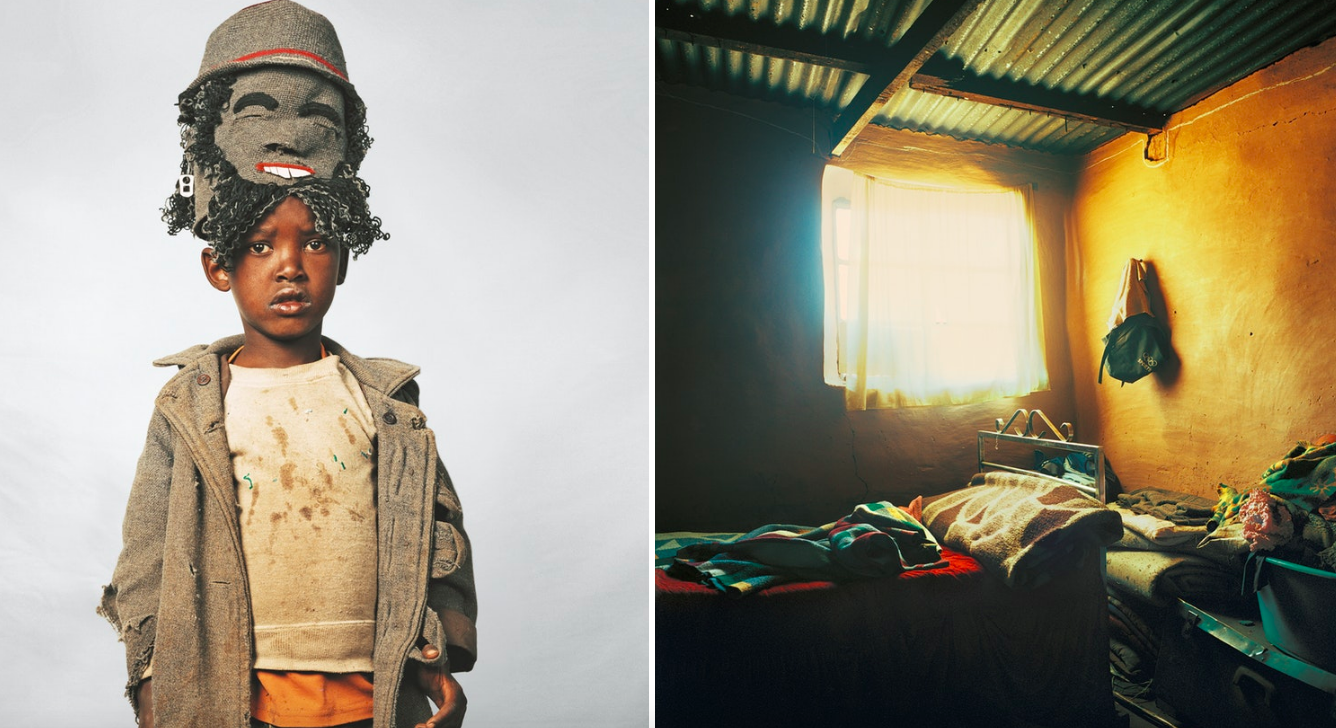
Lehlohonolo is six years old. He and his three brothers live in Lesotho, in southern Africa. The boys are orphans — their father died from AIDS some years ago and they have not heard from their mother since she went away in search of work. It is likely that she also died from an AIDS-related illness. It is quite common in Lesotho for mothers and fathers to die as a result of AIDS, and there are growing numbers of orphans.
Lehlohonolo’s sixteen-year-old brother is responsible for looking after the family. The boys live in a mud hut where they sleep together on the floor, cuddling up to each other for warmth during the freezing cold nights. Two of Lehlohonolo’s brothers go to a school eight kilometers away where they are also given monthly rations of food — cereal, pulses and oil. They cannot remember the last time they ate meat.
Sadly, they will probably live in poverty for the rest of their lives because crops are difficult to grow on the infertile land and there are no prospects of employment.
Indira, 7 years old
Kathmandu, Nepal
—
Indira lives with her parents, brother and sister near Kathmandu in Nepal. Her house has only one room, with one bed and one mattress. At bedtime, the children share the mattress on the floor.
Indira is seven years old and has worked at the local granite quarry since she was just three. The family is very poor so everyone has to work. There are 150 other children working at the quarry, some of whom will lose their sight because they do not have goggles to protect their eyes from stone splinters.
Indira works five or six hours a day and then helps her mother with household chores such as cleaning and cooking. Her favorite food is noodles. She also attends school, which is thirty minutes’ walk away. She does not mind working at the quarry but would prefer to be playing. She would like to be a Nepalese dancer when she grows up.
Tristan, 7 years old
Manhattan, New York
—
Tristan is seven years old and is an only child. His mother is a film maker, and his father is a pop cultural writer. They live in a small apartment in Manhattan, New York. They also own a beach house in New Jersey where they go for their summer holiday.
Tristan attends an Eco-School, a state school run on environmental principles, just ten minutes’ walk from his apartment. Here, there are no religious holidays — only the solstices and equinoxes are celebrated. Tristan had to pass several tests before he was accepted at the school, and his parents were also interviewed.
This was the tenth school he had applied to. Competition for school places is fierce in New York. He enjoys school but does not like being told to clean up after lunch. Tristan’s favorite food is bacon, and he has pizza every weekend. He has an unusual ambition for when he grows up — to be a creator of marmalade.
Roathy, 8 years old
Phnom Penh, Cambodia
—
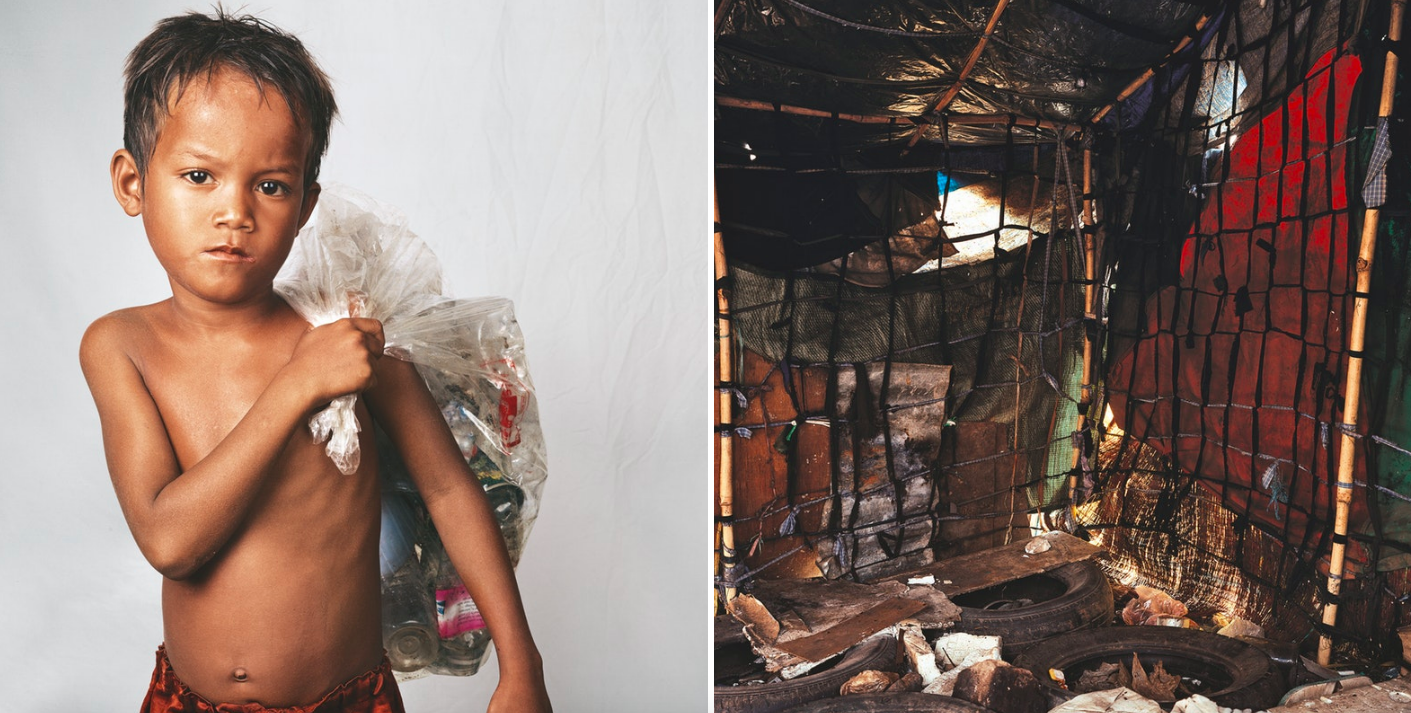
Roathy is eight years old. He lives on the outskirts of Phnom Penh, Cambodia. His home sits on a huge rubbish dump which is swarming with flies. They re-use whatever they can find. Roathy’s mattress, for instance, is made from old tires. The air is thick with the stench of decomposing waste, and the ground underfoot is soft and springy — one wrong step and it gives way to a poisonous black liquid. Five thousand people live and work and pay rent here.
At six o’clock every morning, Roathy and hundreds of other children are given a shower and some breakfast at a local charity centre before they start work, scavenging through the rubbish for cans and plastic bottles which are sold to a recycling company. Breakfast is often the only meal of the day. On one occasion, Roathy’s family suffered food poisoning after eating a chicken which his brother had found on the dump.
Ahkôhxet, 8 years old
Brazil
—
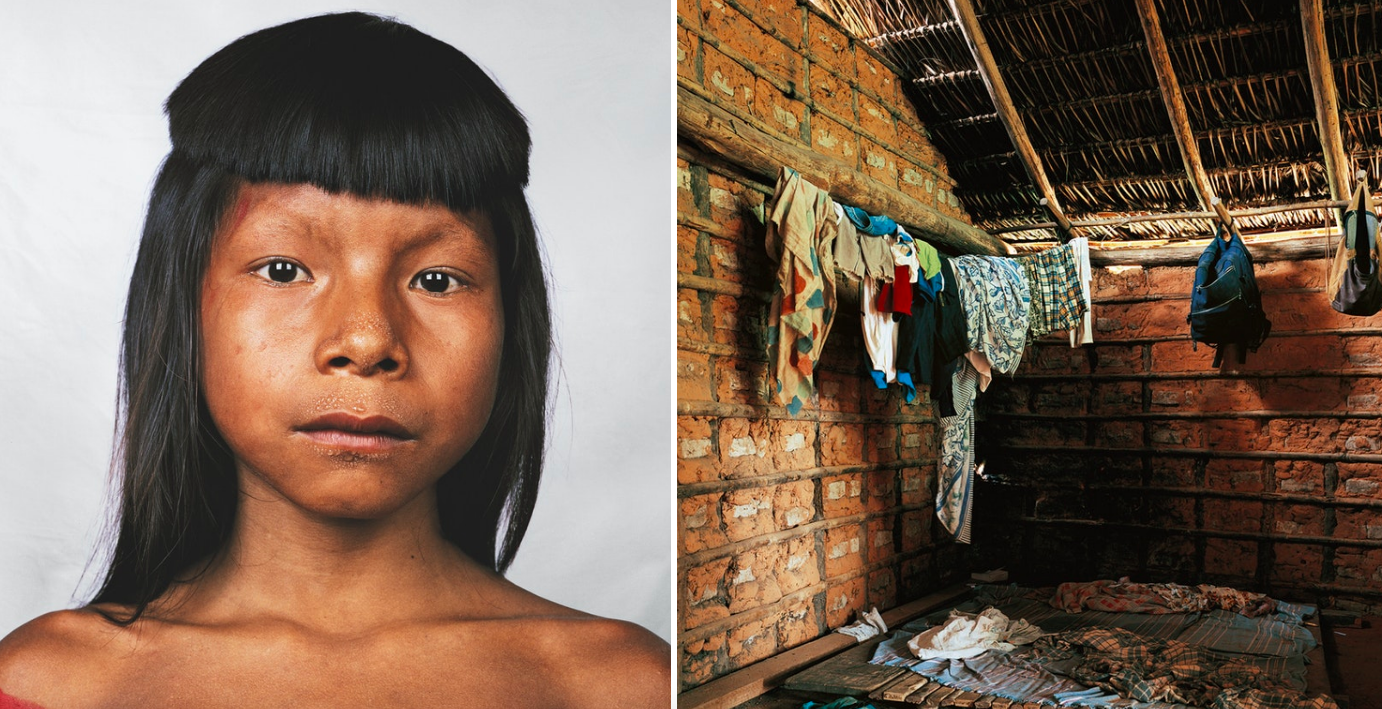
Ahkôhxet is eight years old and a member of the Kraho tribe, who live in the basin of the river Amazon, in Brazil. There are only 1,900 members of the tribe. The Kraho people believe that the sun and moon were creators of the universe, and they engage in rituals that are many centuries old. The red paint on Ahkôhxet’s chest is from one of his tribe’s rituals.
The elders teach Ahkôhxet’s generation to respect nature and their surroundings. Their huts are arranged in a circle, leaving space in the middle for gatherings and ceremonies to take place. The nearby river provides water for drinking and washing.
The tribe grow half their food in the poor soil using basic tools. They also hunt. The rest of their food is bought using money earned from film crews and photographers who visit their camp. There is one car, shared between the whole tribe.
Alyssa, 8 years old
Kentucky, USA
—
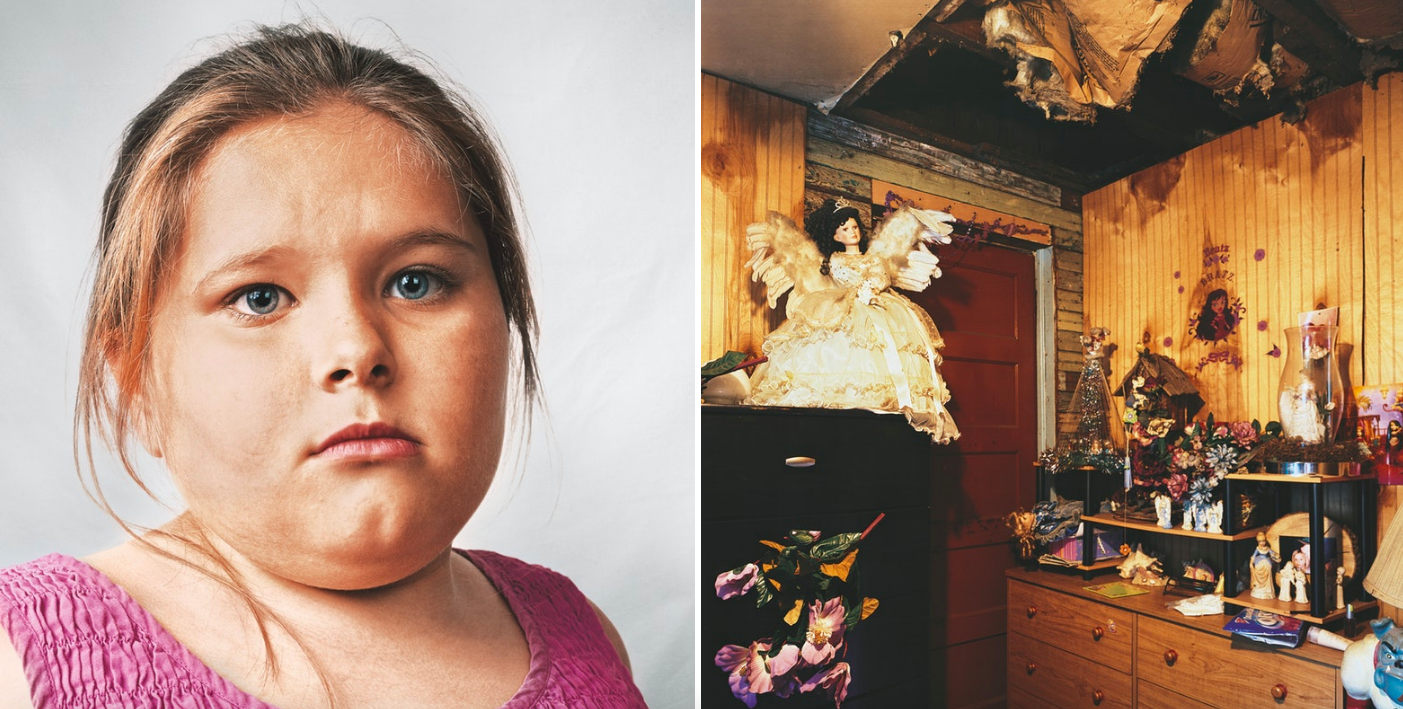
Alyssa lives with her parents in Kentucky, USA. She is an only child but her grandmother, uncle and orphaned cousin live close by. It is a beautiful, mountainous region known as Appalachia, but one of the poorest parts of America.
Their small, shabby house, heated only by a wooden stove, is falling apart. The ceiling in Alyssa’s bedroom is beginning to cave in. The family would like to buy a caravan instead, if they could afford it. Alyssa’s mother works at McDonald’s and her father works at Walmart, and everything they earn goes towards bringing up their daughter.
She is lucky that her parents have jobs, even though they earn very little. Many local families are unemployed and have to rely on charity. There is a huge problem with drug misuse in the area, and two of Alyssa’s relatives have already died from drug-related problems.
Alex, 9 years old
Rio de Janeiro, Brazil
—
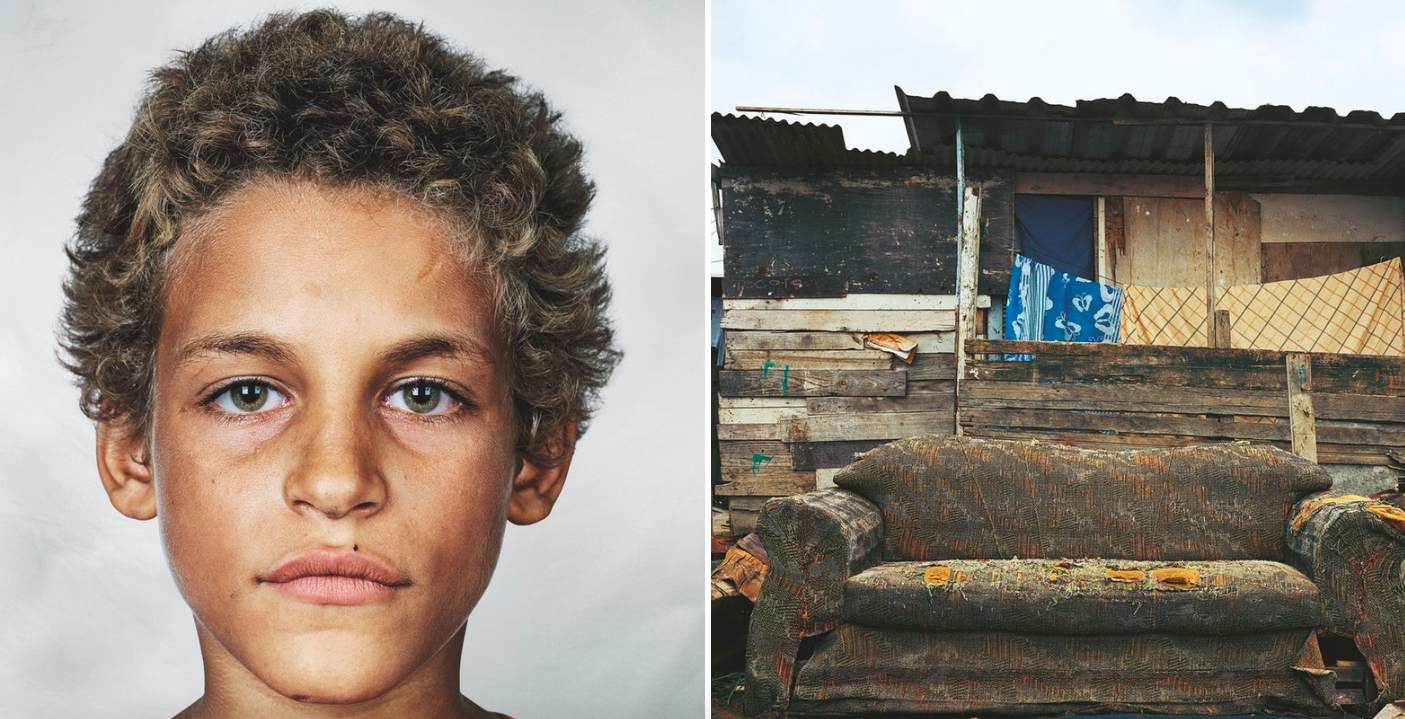
Alex is nine years old. He lives in Rio de Janeiro, Brazil. He does not go to school but spends his time begging on the city streets. He has found that the only way he can survive is to beg or steal.
He admits that he sometimes steals from old people or from drivers waiting at traffic lights. As the drivers lean their arm on the window, Alex snatches the watch from their wrists. He is addicted to sniffing glue.
Most of the time he sleeps outside, on an empty bench or discarded sofa if he can find one — otherwise on the pavement. Alex is still in touch with his family, and occasionally goes to see them to share a meal.
Jaime, 9 years old
Fifth Avenue, New York
—
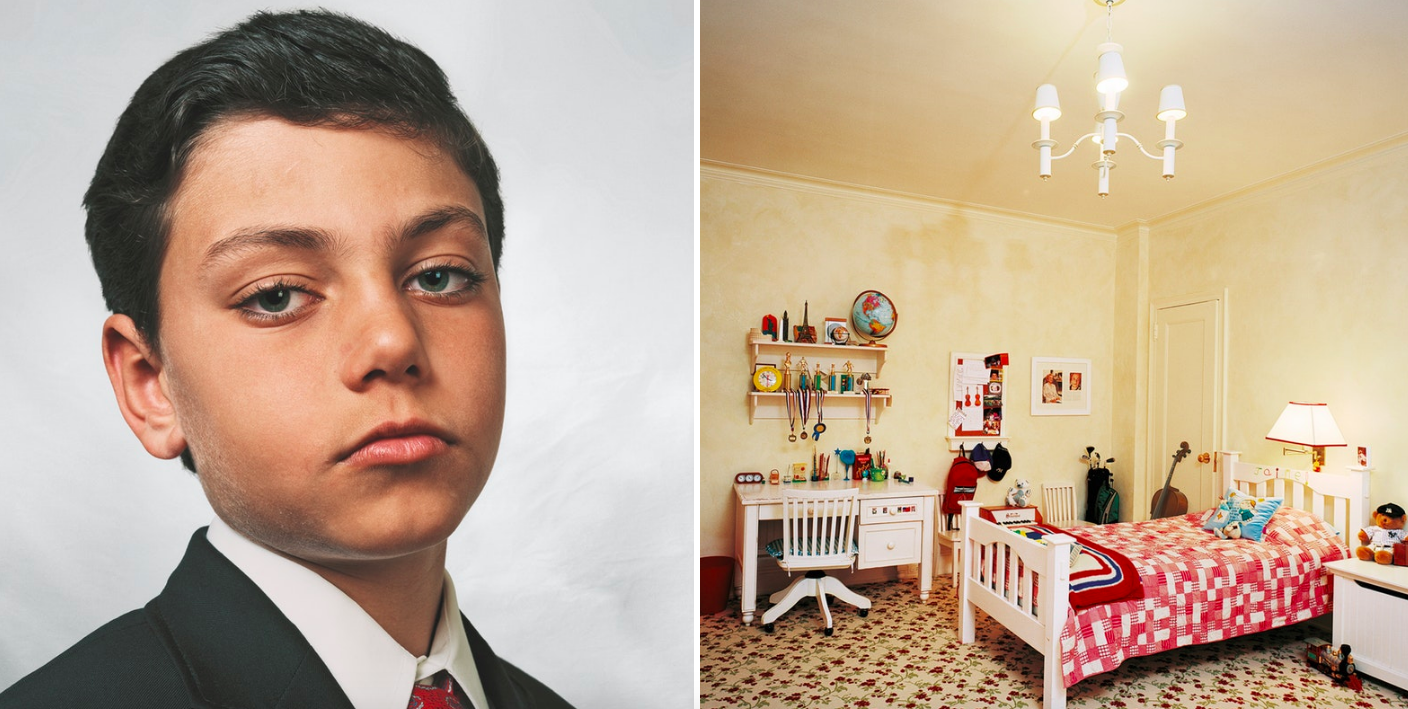
Jaime is nine years old. He lives in a top-floor apartment on Fifth Avenue in New York. His parents also own luxury homes in Spain and in the Hamptons on Long Island. He has a younger brother and sister who are twins. Places at Jaime’s school are greatly sought after, even though the fees are very high. Jaime had to pass several tests before he was accepted.
He is doing very well at his studies and particularly enjoys computer class, spelling, and woodwork, but not geometry. He has an hour’s homework each night and often finds it hard to fit this in with his other after-school activities.
Wednesdays are particularly busy as he has judo and swimming lessons. In his spare time, apart from playing the cello and kickball, Jaime likes to study his finances on the Citibank website. When he grows up, he would like to be a lawyer like his father.
9 years old
Ivory Coast
—
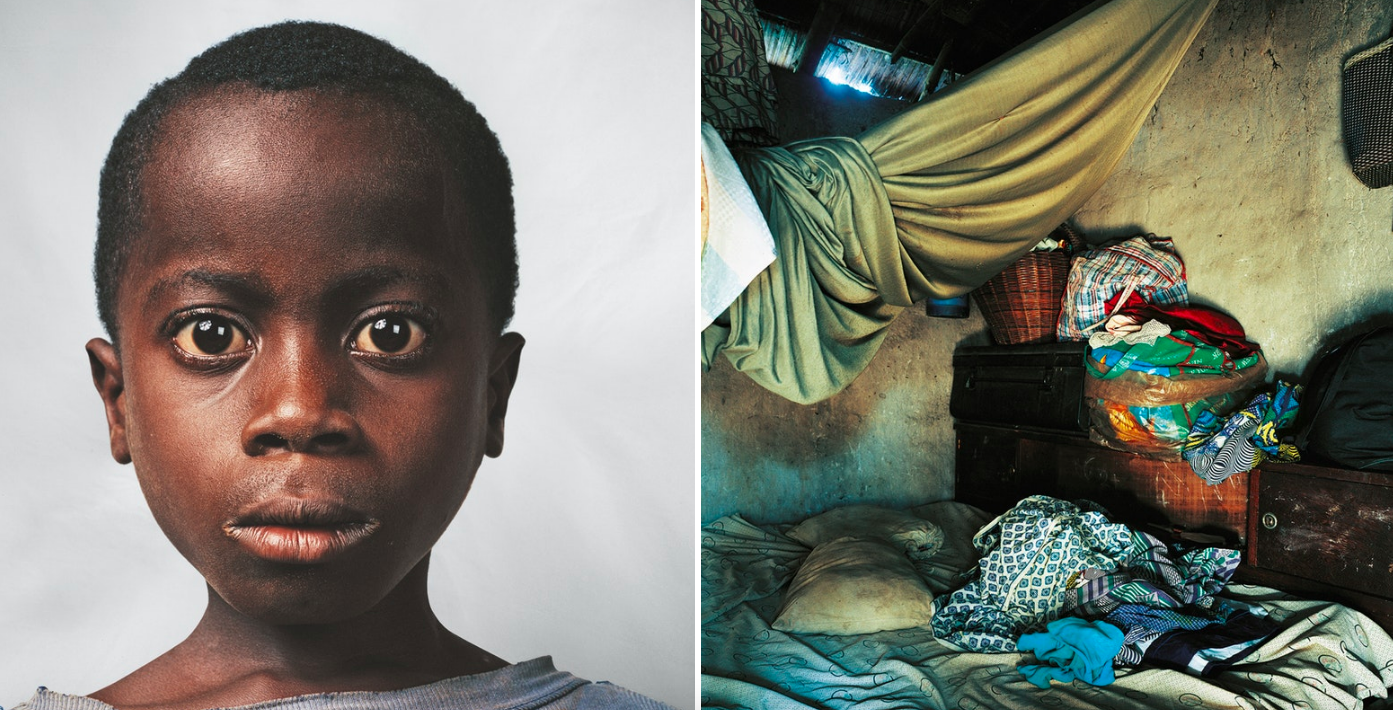
This nine-year-old boy is a refugee from war in Liberia, in western Africa, and goes to a school for ex-child soldiers in Ivory Coast. His name remains a secret in order to protect his identity. If it is revealed, his life could be at risk.
Thousands of young children — many of them orphans — were recruited as soldiers to fight in the violent civil war in Liberia. They were tempted to become soldiers by promises of money, food and clothing. These child soldiers were then moved around the country during the conflict, causing them to lose track of their home villages. They became displaced.
This boy is an orphan and has three brothers. He now lives in a concrete shack alongside other pupils from his school. His favorite food is rice with tomato, meat and fish ground up together. He likes football and would like to be a teacher when he is older.
Samantha, 9 years old
Long Island, New York
—
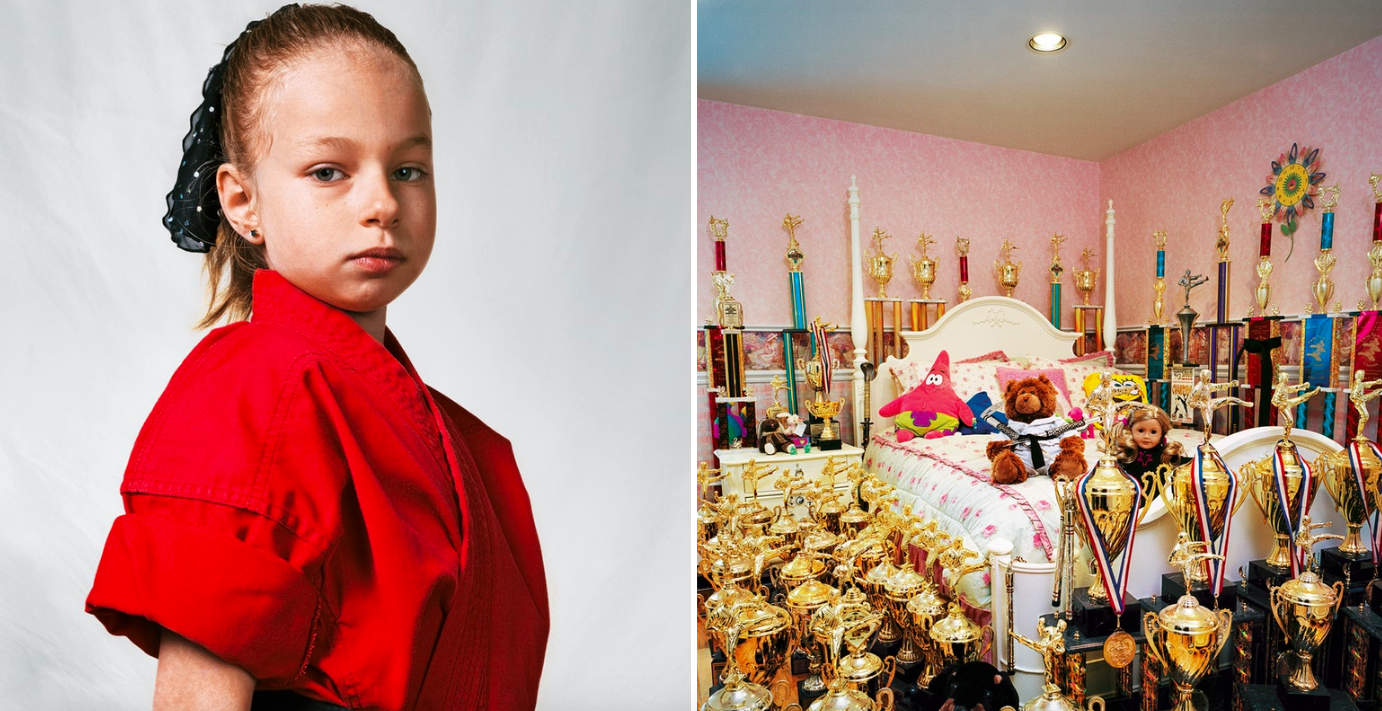
Samantha is nine years old. She lives with her parents, and her guinea pig and fish, in a detached house on Long Island, New York. Samantha has achieved a black belt — the highest level — in karate. She has been world champion three times.
She first became interested at the age of three, when she saw a television advert featuring karate. She pestered her parents to let her learn and took her first lesson when she was four. She has now been in two adverts and a short film, and her bedroom is full of trophies she has won in competitions.
Samantha’s school is one mile away. Her mother takes her by car each morning so that she can have an extra few minutes’ rest in bed. She spends four hours a day practicing karate at the studio and also has an hour and a half of school homework each night. Samantha would like to become a karate movie star.
Tzvika, 9 years old
Beitar Illit, West Bank
—
Tzvika is nine years old and lives in Beitar Illit, an Israeli settlement in the West Bank. It is a gated community of thirty-six thousand Haredi (Orthodox) Jews, who live their lives according to a strict religious code set out in the Jewish holy book, the Talmud. Televisions and newspapers are banned from the settlement.
The average family has nine children, but Tzvika has just one sister and two brothers, with whom he shares his room. Like all good Haredi boys, Tzvika reveres God and wants to become a rabbi when he is older. He lives in a modern apartment block and is taken by car to school, a two-minute drive away.
Religion is the most important subject, followed by Hebrew and maths. Sport is banned from the curriculum. Tzvika goes to the library every day and enjoys reading the holy scriptures. All the books in the library are religious books. Tzvika also likes to play religious games on his computer. His favorite food is schnitzel and chips.
Douha, 10 years old
Hebron, West Bank
—
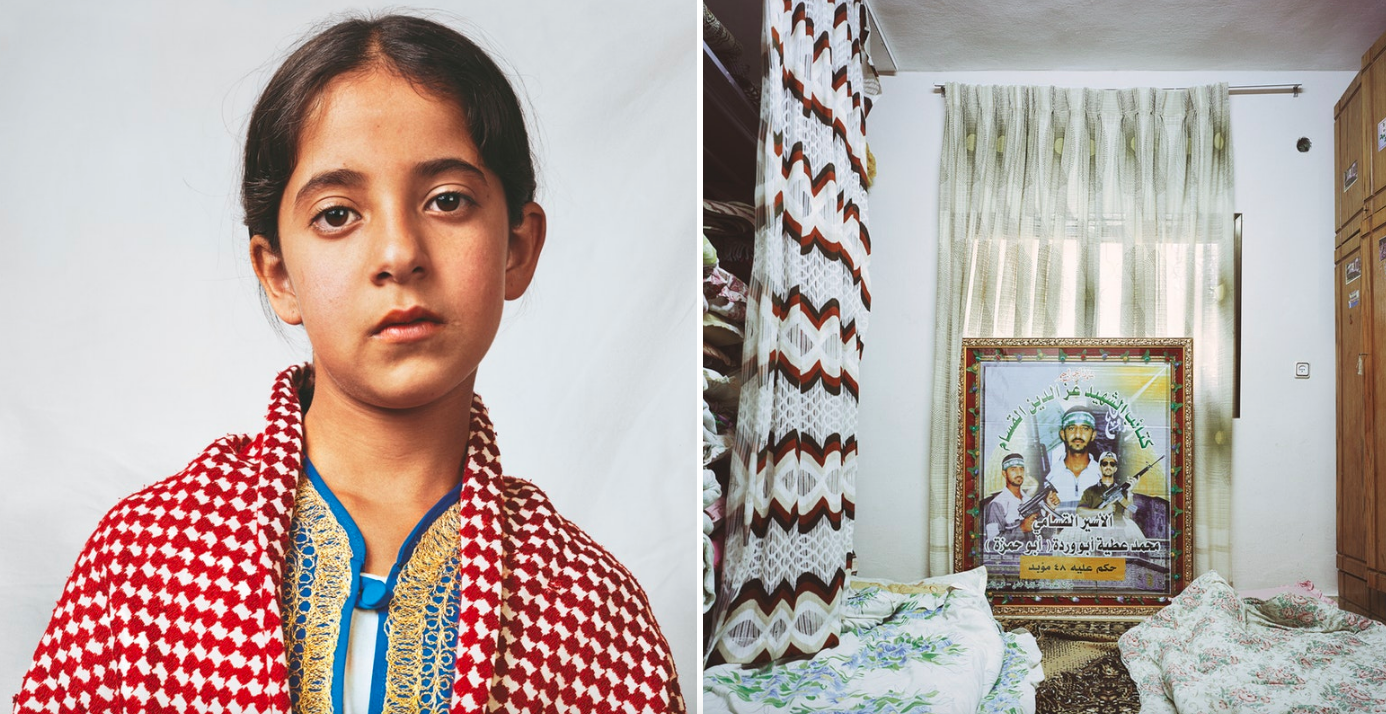
Douha lives with her parents and eleven siblings in a Palestinian refugee camp in Hebron, in the West Bank. She is ten years old and shares a room with all five of her sisters. The family diet mostly consists of green beans, meat, rice and lentil soup.
Douha attends a school which is ten minutes’ walk away. She works hard because she wants to be a pediatrician when she grows up. Douha’s life has been severely affected by the conflict between Palestine and Israel. Her grandparents fled from their village in 1948, when Israel took over their land, and Douha’s family has lived in refugee camps ever since.
Douha was born in a refugee camp, and there has always been violence around her. Her brother Mohammed killed himself and twenty-three civilians in a suicide bomb attack against the Israelis in 1996. Although no one in her family knew what Mohammed was planning, the whole family was punished for it: immediately after the bombing, the family home — including all their possessions — was destroyed by the Israeli military. Douha has a poster of Mohammed on her bedroom wall.
Sherap, 10 years old
Kathmandu, Nepal
—
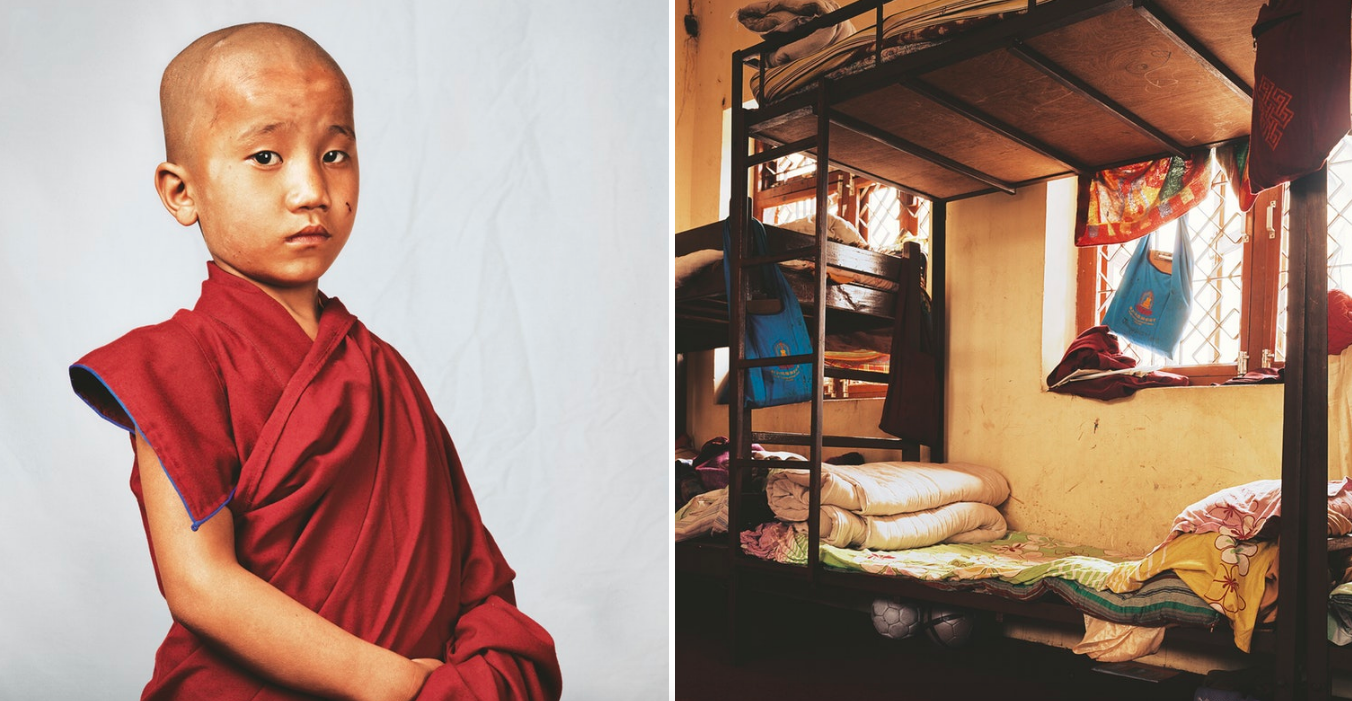
Sherap is ten years old. He lives in a beautiful Tibetan monastery in Kathmandu, Nepal, and shares a room with seventy-nine other boys training to be monks. The boys all sleep in bunk beds and have very few personal possessions.
Sherap’s parents sent him here because it is believed that good luck comes to families who offer a son to the monastery. It also means they have one less mouth to feed.
Sherap has a long day. He gets up at 5.30 am to study, and finishes the day with an hour of chanting at 9 pm. He usually eats dhal bhat (rice and lentil soup), thukpa (noodle soup) and roti (flat bread). He admires his teacher and would like to be a kempo martial arts teacher one day, but first he must finish school and then study privately for three years and two months.
Thais, 11 years old
Rio de Janeiro, Brazil
—
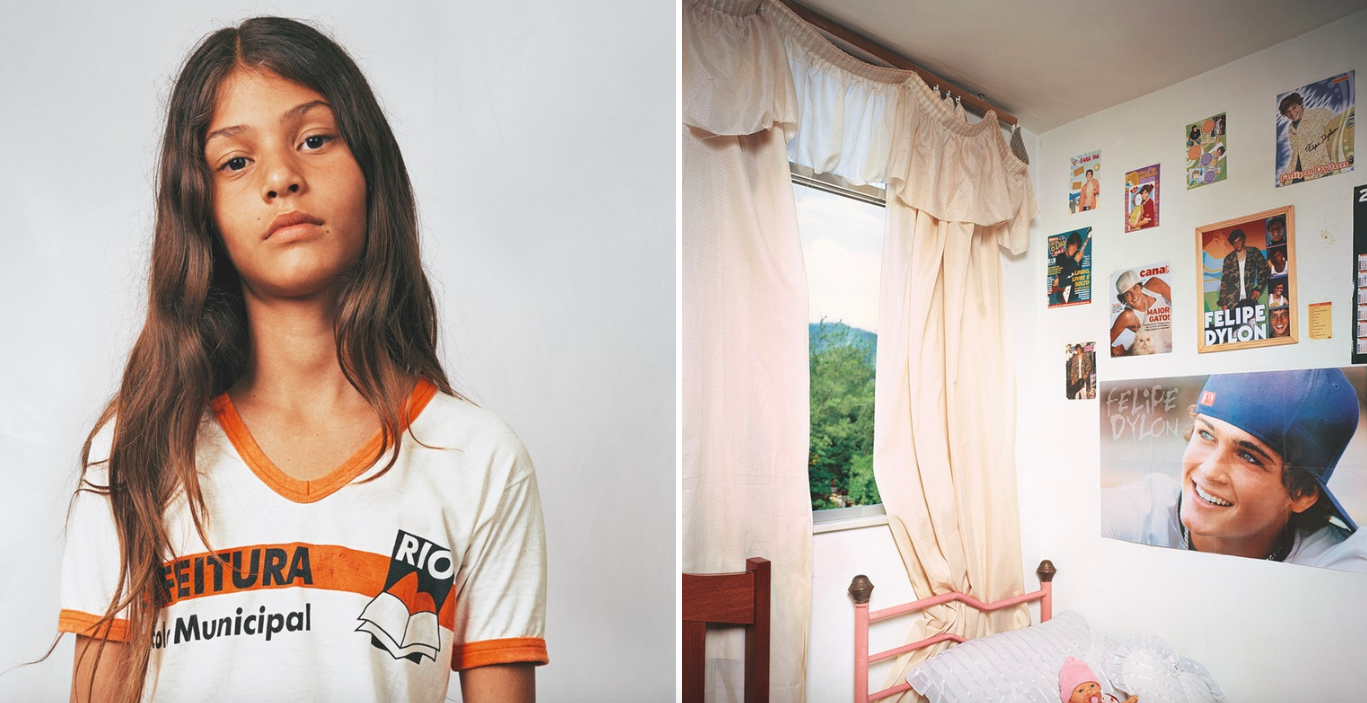
Thais is eleven years old and lives with her parents and sister on the third floor of a block of flats in Rio de Janeiro, Brazil. There are two bedrooms in the flat, so Thais has to share her room with her sister.
They live in the Cidade de Deus (‘City of God’) neighborhood in the western zone of Rio de Janeiro. It used to be a poverty-stricken, crime-ridden area, dominated by gang rivalry and drug abuse, but the 2002 film City of God, which was set in the neighborhood, inspired major improvements. It is now a much safer place to live.
Thais’s parents are not well off but are able to support their family reasonably well. Thais is a great fan of Felipe Dylon, a Brazilian pop singer. She has his posters all over her bedroom wall. She also admires the Brazilian model and actress, Gisele Bündchen, who is thought to be the highest paid model in the world. Thais would like to be a model when she grows up or, alternatively, a pediatrician.
Netu, 11 years old
Kathmandu, Nepal
—
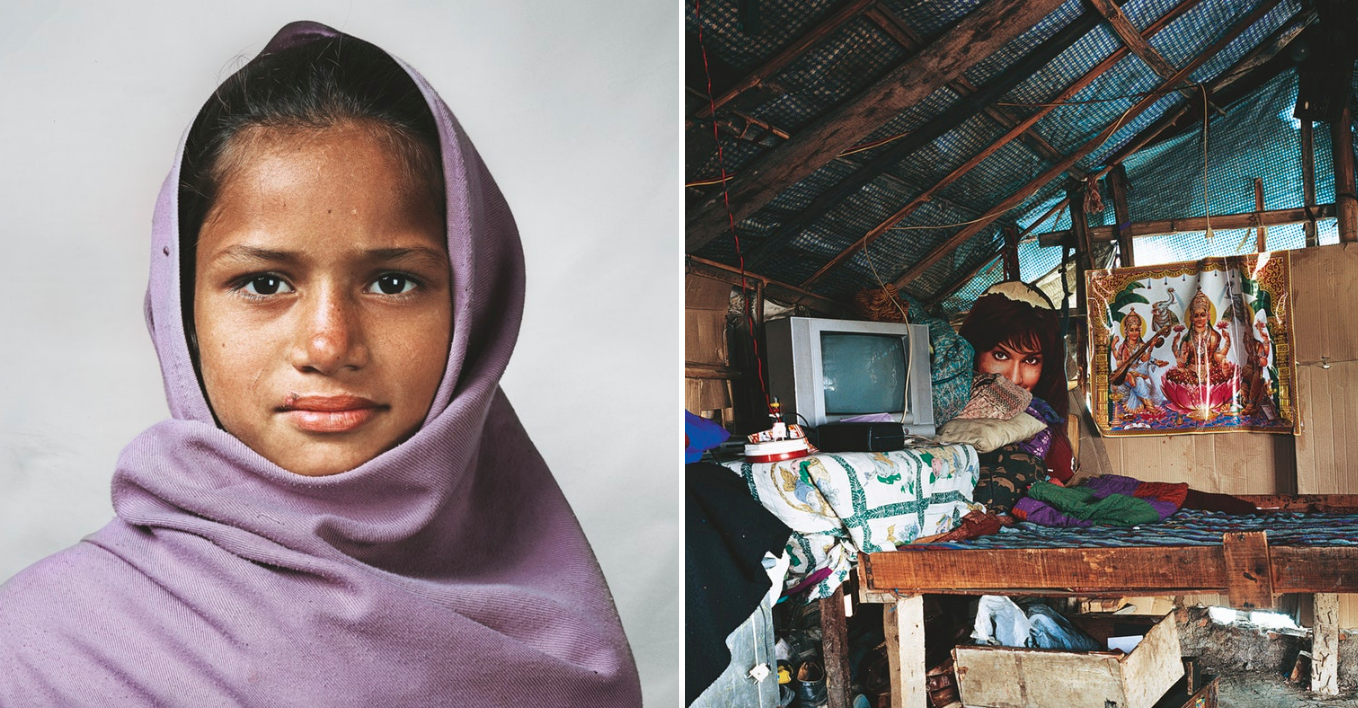
Netu lives in Kathmandu, Nepal, in an area known as ‘Beggars’ City’. She used to live in India with her parents, four sisters and brother. Her parents were unable to support the family and there was not enough food to survive, so they had to send Netu, the eldest, away to live with her aunt. They had hoped for better prospects for their daughter. They spent one week’s salary on the bus fare for Netu to travel to Kathmandu. The journey took three days.
Netu is eleven years old and now has to beg for money on the city’s streets. It is only the tourists who are willing to donate anything and often she goes home with nothing.
Her home is a plastic sheeted shack. The room measures four meters by six meters and contains two beds. Four people sleep in one bed, three in the other, and four people sleep on the floor.
Joey, 11 years old
Kentucky, USA
—
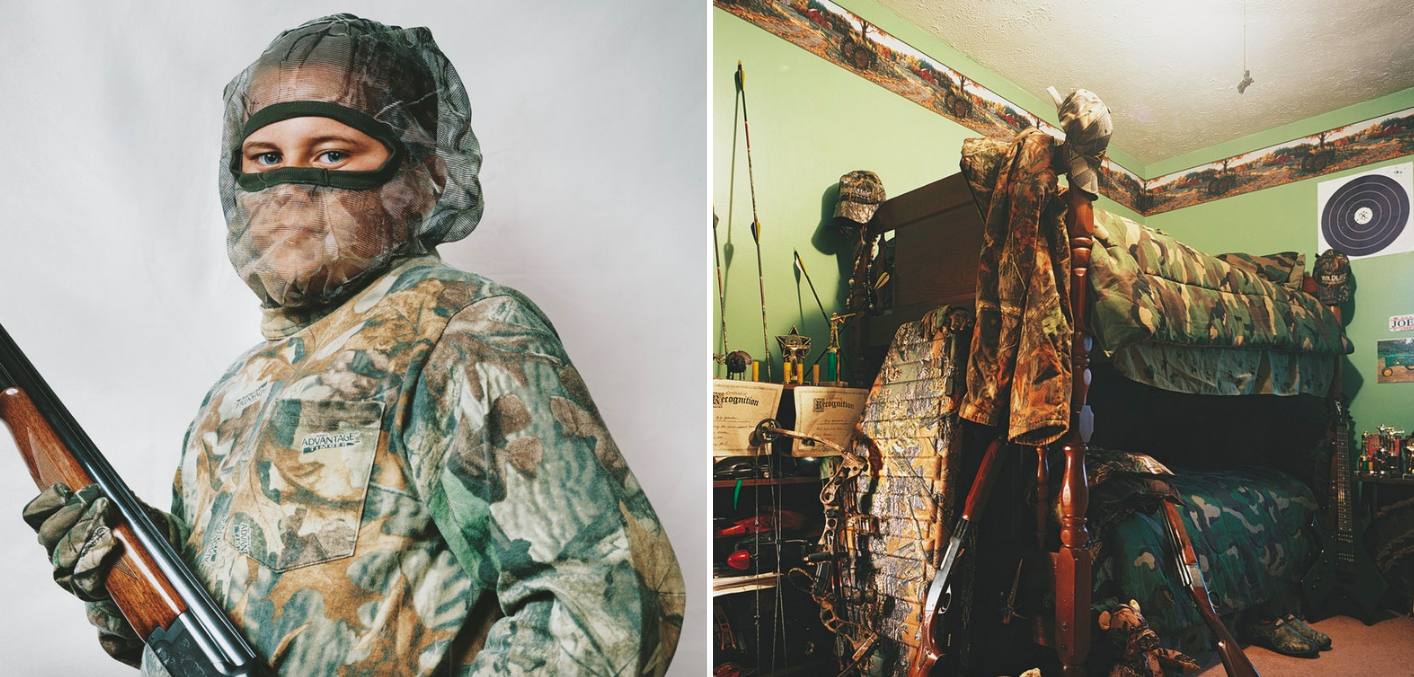
Joey lives in Kentucky, USA, with his parents and older sister. He is eleven years old. He regularly accompanies his father on hunts. He owns two shotguns and a crossbow and made his first kill — a deer — at the age of seven. He is hoping to use his crossbow during the next hunting season as he has become tired of using a gun.
He loves the outdoor life and hopes to continue hunting into adulthood. His family always cook and eat the meat from the animal they have shot. Joey does not agree that an animal should be killed just for sport. When he is not out hunting, Joey attends school and enjoys watching television with his pet bearded dragon lizard, Lily.
Lamine, 12 years old
Senegal
—
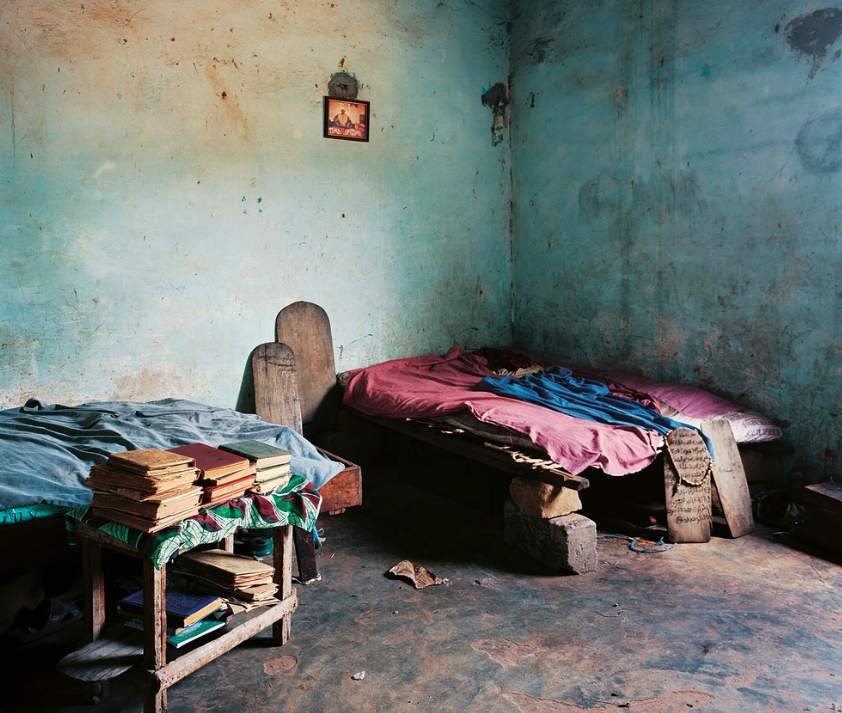
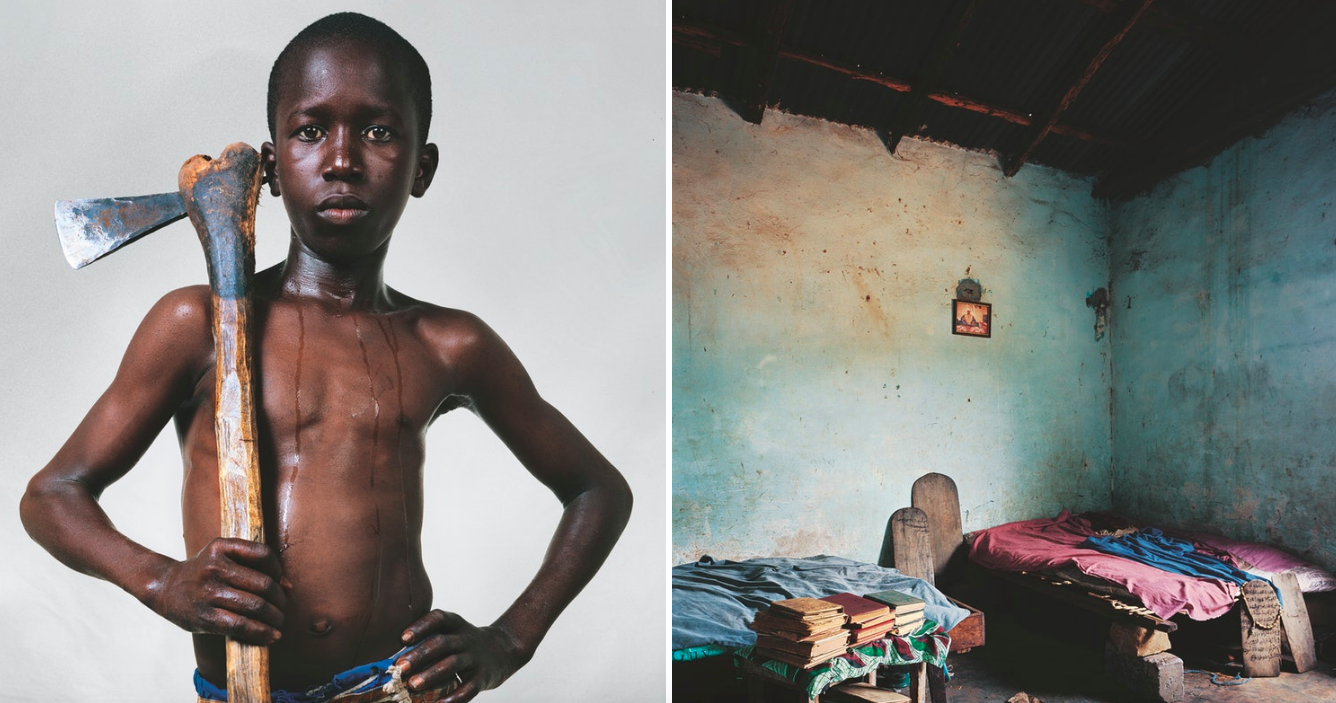
Lamine is twelve years old and lives in a village in Senegal, western Africa. He is a pupil at the village Koranic school, where no girls are allowed. He shares a room with several other boys from the school.
The beds are very basic and uncomfortable, some supported by bricks for legs. At six o’clock every morning, the boys begin work on the school farm. Depending on the season of the year, they are taught digging, harvesting maize or how to plough the fields using donkeys. In the afternoon, they study the Koran, the holy book from which Islam is derived, learning to recite its verses from wooden tablets. They have the same teacher for all their lessons.
Lamine enjoys school but finds the farming lessons hard work and very hot. In his free time, he likes to play football with his friends. When Lamine grows up he would like to be a teacher.
Ryan, 13 years old
Pennsylvania, USA
—
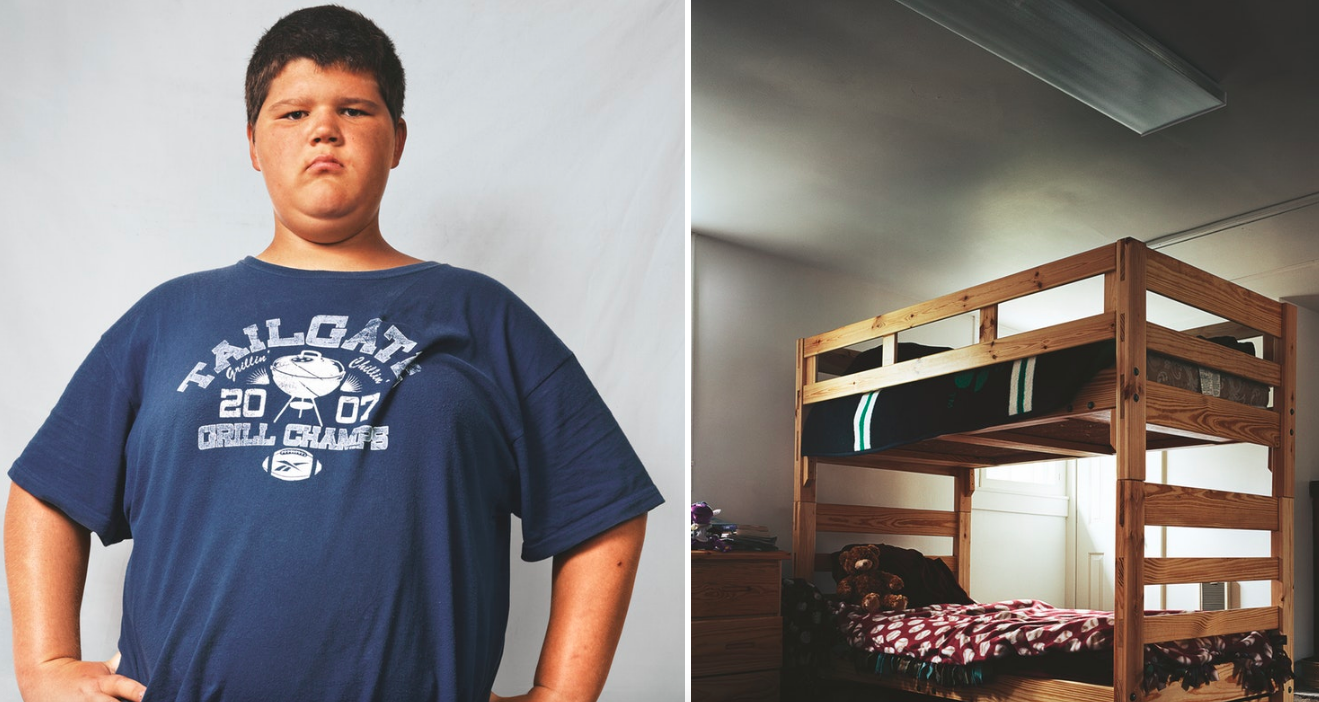
Ryan normally lives with his parents and two sisters in Pennsylvania, USA, but is currently staying at a school for obese children aged eleven to sixteen. Ryan is thirteen years old.
When he was nine, he was found to have a brain tumour. As a result, he now suffers from ‘Prader-Willi Syndrome’, an inherited condition that causes Ryan to have an insatiable appetite. This led Ryan to gain a lot of weight, but since attending the school, he has lost nine kilos. He is determined to lose as much weight as possible so that he can play baseball with his friends again.
Meal times are becoming easier for him because the school provides healthy versions of pizza and spaghetti alongside unlimited amounts of low-calorie foods such as soup, fruit and vegetables. This means he is not always as hungry as he used to be at home. All students have to take ten thousand steps per day.
Ryan would like to be a doctor when he grows up, in gratitude to the medical profession for helping him through his illnesses.
Erlen, 14 years old
Rio de Janeiro, Brazil
—
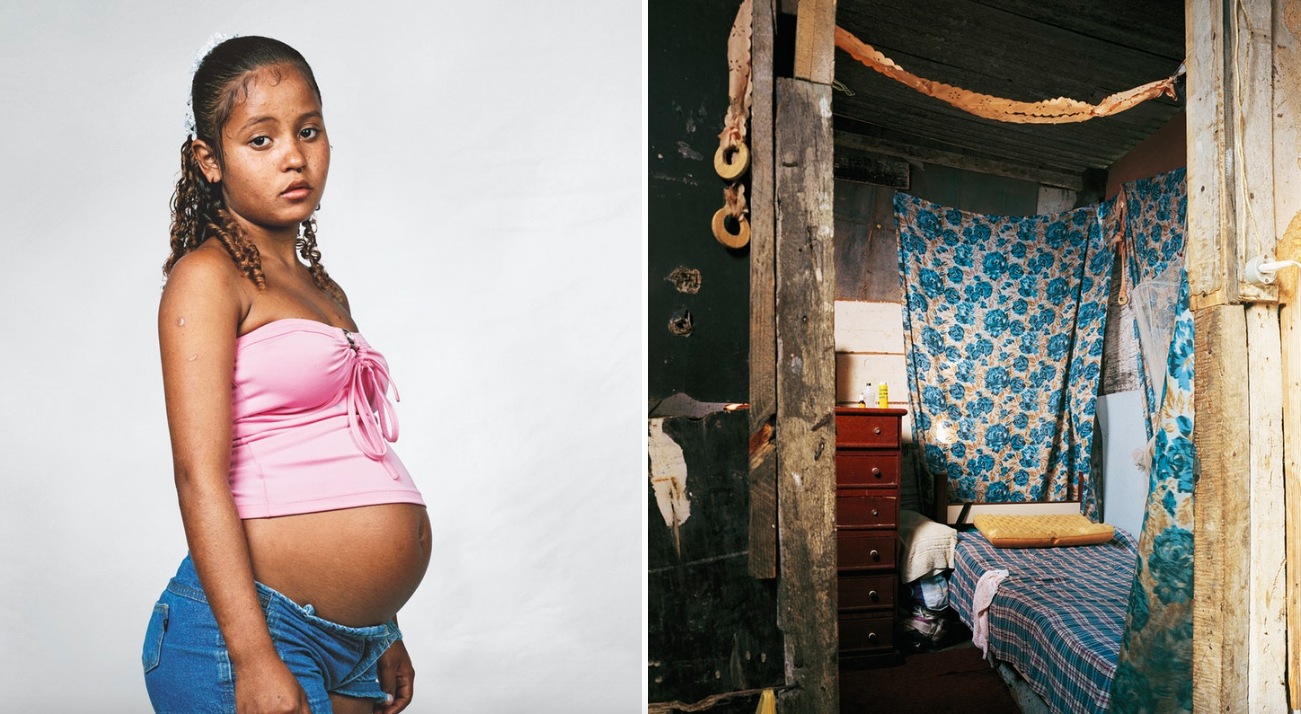
Erlen is fourteen years old and is pregnant for the third time. She lives in a favela (slum) in Rio de Janeiro, Brazil. Her home is a small shack. She usually sleeps on the floor, but now that she is in the later stages of her pregnancy, her mother has swapped places and allowed her to sleep in the bed. Erlen was twelve when she first became pregnant, but her baby was stillborn. A year later, she lost a second baby soon after its birth. If her new baby survives, Erlen is unlikely to return to school as she will need to stay at home to look after it. She will be a single parent.
The Brazilian government is concerned at the increase in teenage pregnancies despite its efforts to promote contraception. Abortion is illegal and can result in a three year prison sentence. It is also very dangerous — one in five women die while having abortions in illegal back-street clinics. Erlen would like to be a vet when she is older, and to live somewhere else.
Nantio, 15 years old
Marsabit, Kenya
—
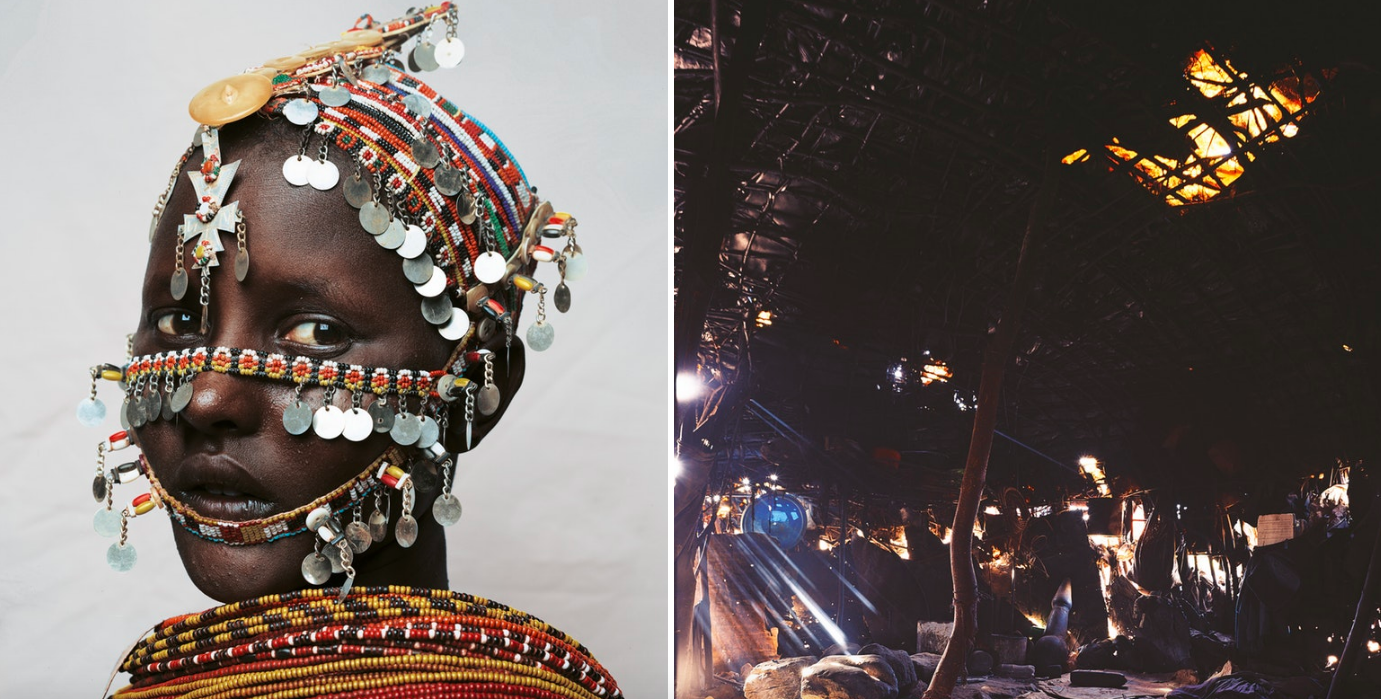
Nantio is fifteen years old and a member of the Rendille tribe in northern Kenya. She has two brothers and two sisters. Her home is a tent-like dome made from cattle hide and plastic, with little room to stand. There is a fire in the middle, around which the family sleep.
Nantio’s household chores include looking after the goats, chopping firewood and fetching water. She went to the village school for a few years but decided not to continue. Nantio is hoping a moran (warrior) will select her for marriage (she has a boyfriend now, but it is not unusual for a Rendille woman to have several boyfriends before marriage).
First, she will have to undergo circumcision, as is the custom. Nantio’s status in life can be seen by the number of necklaces she wears and whether she also wears a white band, indicating that she has a boyfriend or that her menstrual cycles have begun.
* * *
You can explore many other children’s stories and photographs, from all over the world, in my book Where Children Sleep.
THIS ARTICLE WAS ORIGINALLY PUBLISHED ON MAPTIA
JAMES MOLLISON
Kenyan-born, English-raised, Venice-based documentary photographer, jamesmollison.com
Child Marriage Remains a Global Issue
A bill to ban child marriage and close loopholes in legislation recently received bipartisan support in the house of commons for England and Wales.
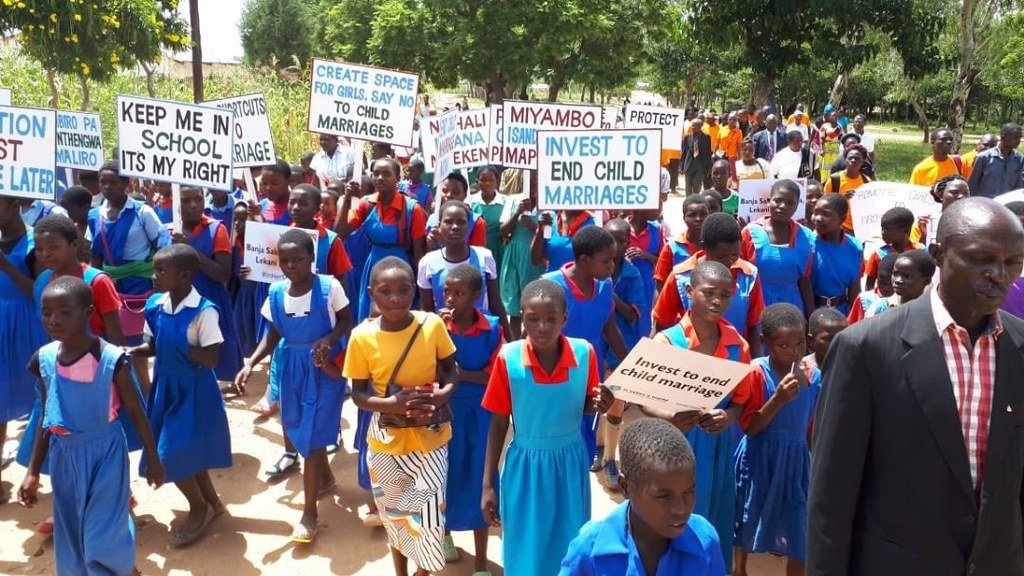
Ending Child Marriage Campaign. Abel Mphepo,Kalu Institute. CC BY-NC-ND 2.0
Currently, 16 and 17 year olds can marry in England and Wales with the consent of a guardian. A recent bill introduced by Conservative MP Pauline Latham will end exceptions in the current legislation which allows marriages under 18 to occur. If passed, the bill will also criminalize underage marriages or religious marriages of minors. By criminalizing all child marriage, the bill will also help activists and victims alike by relieving pressure on victims to prove the marriage was forced.
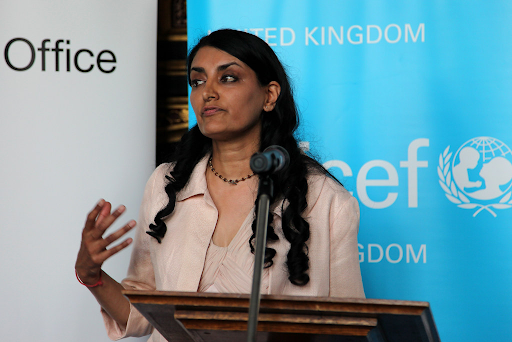
Aneeta Prem, Founder and President of Freedom charity, addresses attendees at the Girl Summit to discuss efforts to end Female Genital Mutilation (FGM) and Child, Early and Forced Marriage (CEFM). DFID - UK Department for International Development. CC BY-NC 2.0
Child marriage is a global issue. 21% of young women globally are married before their eighteenth birthday, and 12 million girls under 18 are married each year. Child marriage is widely regarded by activists as a violation of human rights and it puts children in significant danger. Child marriage occurs for several reasons, including poverty and societal norms. While child marriage is most common with girls, children regardless of gender are forced into marriages before adulthood. The effects of child marriage on young girls have shown that the children are at risk of early pregnancy, lack of education and domestic violence. Additionally, girls who do not receive education are more vulnerable to child marriage. Often when female children are forced to be wives, they are expected to take on domestic duties, and education no longer becomes a priority. Early pregnancies are also a significant risk to young girls, with complications from childbirth being the leading cause of death for girls aged 15-19 globally. Additionally, the children born from a child marriage are 60% more likely to die within the first year than those born to a mother over 19.
Child marriage is most prominent in sub-Saharan Africa and South Asia, but it is a global issue present in western countries as well. There are loopholes where children under 18 can enter into marriage in 44 US states. Many countries in Europe have similar laws, allowing child marriage to occur in Austria, Belgium, Italy and Spain. Several countries in Europe have taken similar action to the bill presented in the United Kingdom, completely outlawing child marriage without exception. Germany, Norway and Denmark are some of the countries that have completely banned any child marriage. According to Pew Research, 153 of 198 countries require people to be legal adults to marry. Although a large majority of countries have legislation that requires adulthood for marriage, the same countries often have exceptions, allowing child marriage to remain prevalent globally.
Dana Flynn
Dana is a recent graduate from Tufts University with a degree in English. While at Tufts she enjoyed working on a campus literary magazine and reading as much as possible. Originally from the Pacific Northwest, she loves to explore and learn new things.
79 Female Judges, Journalists and Activists Evacuated From Afghanistan
Female Afghan judges fear for their lives as Taliban prisoners they previously sentenced are now free.
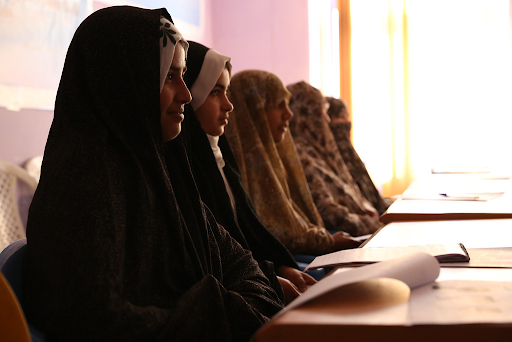
Women’s photojournalism course in Farah City, Afghanistan. ResoluteSupportMedia. CC BY 2.
In August 2021 the Taliban took control of Afghanistan shortly after the United States withdrew its military. As a result, there were mass attempts to flee. This culminated in citizens desperately rushing the Kubal airfield in attempts to leave the country. Concern for female judges and lawyers started immediately when the Taliban seized control, as many of those judges had sentenced Taliban fighters to prison and feared what would happen to them and their families. Many of the prisoners released by the Taliban had been convicted of serious and violent crimes, causing the judges and lawyers that prosecuted them to fear retaliation. One female judge reported receiving threats from released prisoners shehad convicted, forcing her to go into hiding, fearing for her and her family’s lives. Many of the people that initially fled the country were citizens of NATO countries who were evacuated by their respective governments, leaving citizens of Afghanistan scrambling to find refuge. Early efforts to evacuate the judges were made by the nonprofit International Association of Women Judges, who worked to find ways out of the country for the female Judges.
Most recently the International Bar Association’s Human Rights Institute helped to evacuate a total of 79 female judges, journalists and activists to Greece. The group was also able to evacuate the women’s families, totalling to 370 people who were able to flee Afghanistan. Greece gave the refugees temporary visas, and the International Bar Association’s Human Rights Institute is continuing to look for more permanent solutions for the families. Many of the families evacuated have already been welcomed into other countries as their final destinations, including Australia, Germany, the United States, Ireland, Iceland and the United Kingdom. The effort was led by Baroness Kennedy of the UK. The first flight that evacuated the judges and activists departed in early October, carrying 26 people. The following two flights to Greece carried the 370 total evacuated judges, journalists and activists along with their families.
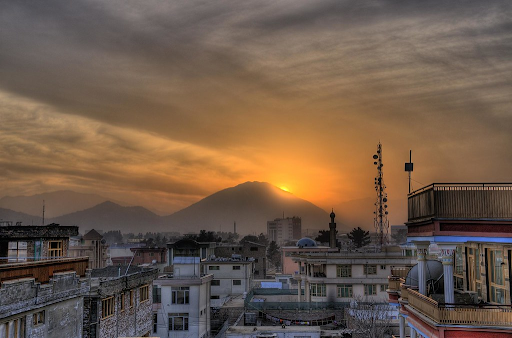
Kabul the capital of Afghanistan. Jorr81. CC BY-NC-SA 2.0
The fear for women’s safety not only comes from their occupations and judges, journalists and activists, but when the Taliban previously had power in Afghanistan women had very few rights. They were unable to work, receive an education, or leave the house without a male relative escorting them. Women working as judges was seen as a major step in elevating women’s rights in Afghanistan after the occupation of the Taliban. Female judges now forced to flee or go into hiding for fear of retaliation for their work is a devastating regression from the progress made.
Dana Flynn
Dana is a recent graduate from Tufts University with a degree in English. While at Tufts she enjoyed working on a campus literary magazine and reading as much as possible. Originally from the Pacific Northwest, she loves to explore and learn new things.
Nepal Requires Yoga Education For School Children
Nepal is the first nation to make yoga a requirement in schools. The government claims the courses will promote a healthy lifestyle yet the Muslim community is worried the policy will promote Hinduism.
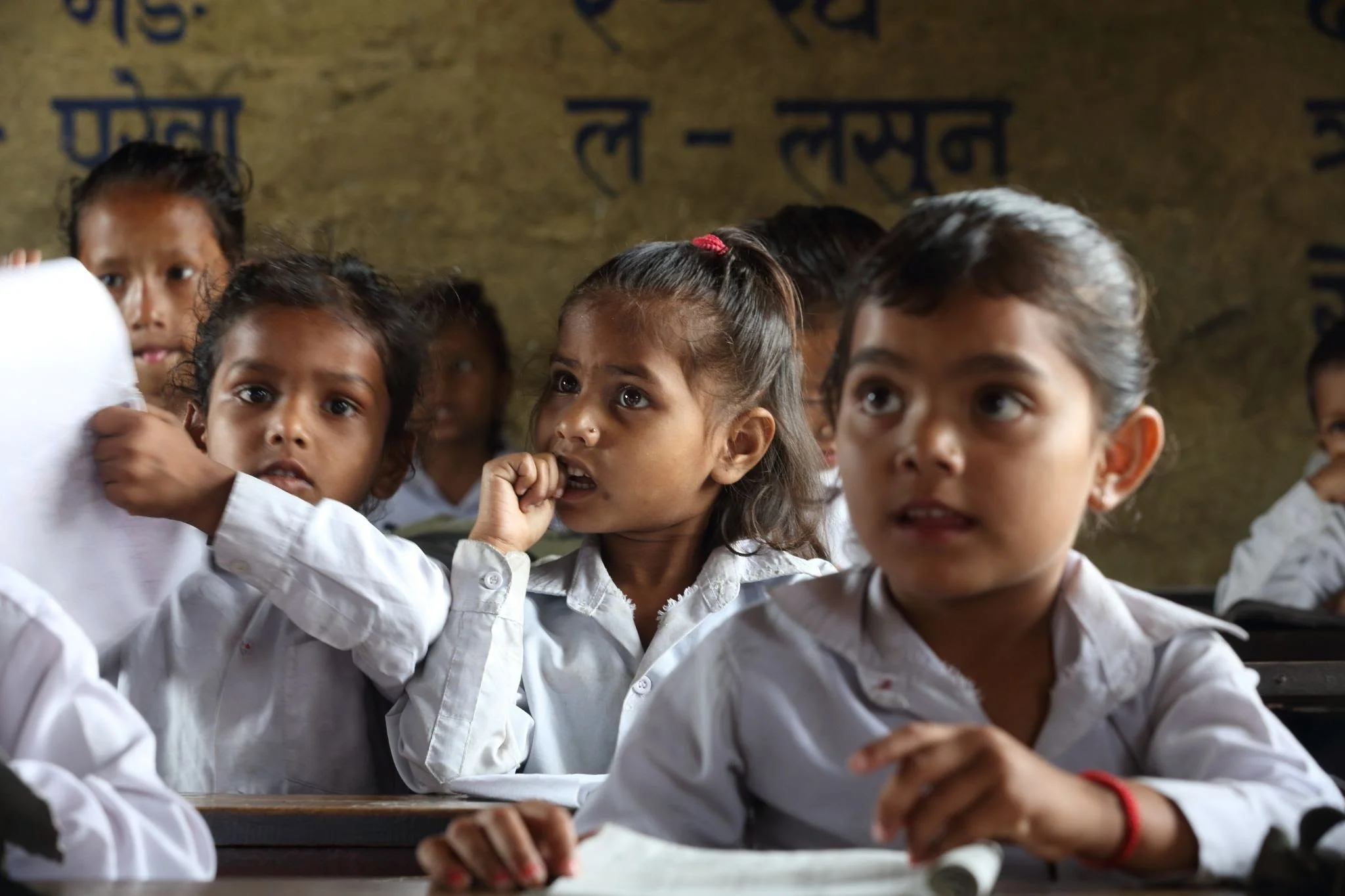
Nepali children in a classroom. Department of Foreign Affairs and Trade. CC BY 2.0.
Last year, Nepal’s Ministry of Education, Science and Technology completed designing their compulsory yoga courses for students in grades four through eight. The small Himalayan country is the first in the world to make it a required subject nationwide. Officials say the course is intended to encourage a healthy and active lifestyle, but the Nepali Muslim community is doubtful. They fear the new courses will attach religion to health and reinforce Hindu nationalism in the country.
Yoga was once a general elective course, but as of this school year, the Nepali curriculum requires students to participate in a weekly yoga course. Alongside math and science, students will have a “choice between yoga, Ayurveda, and natural medicine,” says Krishna Nasad Kapri, the joint secretary of the Ministry of Education, Science, and Technology. Certain yoga topics will also be integrated into English and Nepali language courses.
Officials in Nepal specified that it was the Nepal Communist Party which decided to change the curriculum, not Hindus. They pointed out that the yoga course is only required for students in grades four through eight and that older students can choose to take the course as an elective. Giriraj Mani Pokhrel, Nepal’s education minister, told The New York Times that “yoga is our ancient science. We want students to learn it, and we think this is the right time.”
The Muslim community in Nepal is not sold on the government’s intentions to promote healthy lifestyles through yoga courses. Some fear that the exercises will include religious and ideological contexts that could underline a rise in Hindu nationalism. Muslim activist groups have said they would oppose the mandatory yoga lessons if the students were expected to do poses such as the sun salutation, a series of 12 moves devoted to the Hindu god, Surya. Groups have also resisted chanting the sacred Hindu sound of “om.”
Nazrul Hussein, the former president of the Nepal Muslim Federation, expressed his stance on the mandate in an article for The New York Times, proclaiming that “Making anything mandatory that relates to one particular religion is against the spirit of the Constitution. We cannot do the sun salutation, and they should not link religion with health."
The director of Nepal’s Curriculum Development Center, the organization responsible for designing the course, denied any favor to a particular religion. He furthered his defense, telling The New York Times that “This course is for mass education,” he said. “Content against any religion is edited out.” According to reports from officials, sun salutations are a part of the class.
In the U.S., hundreds of public schools designate time for students to practice breathing exercises and stress reduction techniques. Some curriculums that offer yoga, and some colleges and primary schools require them even though national policies do not enforce it. Alabama Governor, Kay Ivey, signed a bill in May that undid a 1993 ban on yoga practice in public schools.
While the bill abolished a 30-year ban, it also established restrictions on how yoga can be taught. The bill states that students won’t be allowed to meditate, say “namaste,” chant, use mantras, mudras or mandalas. In addition, Hindu names cannot be used for poses. Instead, they must be replaced with their English versions.
Krishna Nasad Kapri told The Times of India that,“Besides being helpful in the treatment of various ailments, yoga, Ayurveda and naturopathy will also be helpful for further research.” According to the National Institute of Health, a 2016 report by the American Academy of Pediatrics concluded that yoga seemed to be a promising stress management tool for children, and that yoga “may have positive effects on psychological functioning in children coping with emotional, mental, and behavioral health problems.” However, the report also notes that studies on yoga for children have limited sample sizes. The introduction of yoga in schools has the possibility to make a positive impact on childrens’ lives, and allow scientists to research the benefits on a larger scale. Despite the religious controversies, Nepali schools are one step closer towards adapting stress management courses like yoga for public education.
Claire Redden
Claire Redden is a freelance journalist from Chicago, where she received her Bachelor’s of Communications from the University of Illinois. While living and studying in Paris, Claire wrote for the magazine, Toute La Culture. As a freelancer she contributes to travel guides for the up and coming brand, Thalby. She plans to take her skills to London, where she’ll pursue her Master’s of Arts and Lifestyle Journalism at the University of Arts, London College of Communication.
Abuse in France’s Catholic Church: Report Finds Victims Number More Than 200,000
An independent commission found that for the last 70 years, hundreds of thousands of children were abused by clergy in France, and the church was ill-equipped to respond to and prevent abuse.
“Notre Dame, Paris.” Gary Campbell-Hall. CC BY 2.0
The Independent Commission on Abuse in the Church (CIASE) was published after an extensive three-year investigation. The report found that over 200,000 minors were abused by clergy members of the Catholic Church in France alone from 1950 to the present day. Furthermore, the commission estimated that, including laypersons who were employed by the church, such as staff in Catholic schools, the number of victims rose to 330,000 over the years.
The report also found that while family or friends in France perpetrated the highest rate of sexual violence against minors, the Catholic Church is the second environment with the highest prevalence of sexual violence. The report estimates that the number of perpetrators ranges from 2900 to 3200. While this number may seem low for the number of victims, the commission notes that “scientific research shows that a sexual predator can effectively assault a great number of victims, especially predators of male children- as is overwhelming the case in the Catholic Church.” The Vatican released a statement that the Pope learned of the report’s staggering findings with “sorrow.” Pope Francis stated, “I would like to express to the victims my sadness… my sorrow for the trauma that they have suffered. And also my shame” in response to the report’s findings.
The report found that the Catholic Church did little to prevent the abuse over the last 70 years, stating, “The Catholic Church’s attitude has evolved over time but it has remained too focused on the protection of the institution, for a long time with no regard to the victims.” Furthermore, the commission found that from 1950 to 1970, the church was focused on avoiding scandal and often saved aggressors by silencing victims. The report found that while the institution did not accept the violence, it was too focused on preserving the institution and did not know how to prevent or address the abuse. The commission urges the Church to not just move on from past abuse, stating: “ It is not enough for the Church to claim awareness, albeit too late in the day.” CIASE also said that the church needed to recognize the abuse, and take responsibility and begin a process of compensation.
The report also addresses canon law, finding that victims have “no place” in the law that was unprepared to deal with sexual violence. The report also cited deviations in catholicism where priests are almost elevated to saint status. The over-emphasization of obedience and purity could lead to environments that perpetuate sexual violence.
The CIASE report is not the first of its kind, but change within the Church seems to be slow. The head of the inquiry, Jean-Marc Sauvé, told reporters that until the 2000s’ the church had shown “deep, total and even cruel indifference" towards the victims of sexual abuse.
Dana Flynn
Dana is a recent graduate from Tufts University with a degree in English. While at Tufts she enjoyed working on a campus literary magazine and reading as much as possible. Originally from the Pacific Northwest, she loves to explore and learn new things.
Future of Afghan Women in Limbo after U.S. Troops Leave
After U.S. troops recently left the largest American base in Afghanistan, Bagram Air Base, the future of Afghanistan remains unknown. In particular, the lives of Afghan women are now at stake due to the gender inequality that still exists in the country.
Midwifery students in Afghanistan. United Nations Photo. CC BY-NC-ND 2.0.
Due to the Taliban’s strict rules restricting women’s rights, gender inequality remains a threatening reality in Afghanistan. Countries retreating from Afghanistan—the U.S. included—are leaving behind a dark future for Afghan women and girls, who face serious crises of health, education and violence. The U.S. left Bagram Air Base, its largest base in Afghanistan, on July 1.
Afghanistan has a history of violence within the country after foreign forces have retreated their troops. For example, when the Soviets withdrew from Afghanistan in 1988, the U.S. looked away, and Afghanistan erupted in a factional war that killed thousands. During this conflict, Afghan women were raped by fighting forces.
Photos of Afghan women cowering under the whips of Taliban members haunt history, and they were the cause of feminist sympathies that emerged across the U.S. Those activists hoped that American involvement in the area would bring relief to a tortured country.
Since the Taliban were ousted in 2001, Afghan women have not wasted one minute in fighting for their rights. Today, many women serve in important governmental roles, like as parliament members and ambassadors. Many women are also musicians, artists, entrepreneurs, or inventors. In fact, during the pandemic, the Afghan girls robotics team created low-cost ventilators to treat COVID-19 patients.
Women on the job in Afghanistan. United Nations Photo. CC BY-NC-ND 2.0.
In more good news, infant mortality has decreased and life expectancy has increased. Foreign involvement has had a big hand in accomplishing this. However, now that international troops are withdrawing, aid has been shrinking and pledges to help Afghanistan are less frequent.
Along with the U.S., several other embassies have also withdrawn their troops from Afghanistan, including Australia.
In an interview with Human Rights Watch, Afghan women said that they now face obstacles in accessing care due to costs, insecurity, and scarcity of providers. Furthermore, as countries withdraw from Afghanistan, the unknown future of the country could mean further violence that would produce even more problems for women and families.
GET INVOLVED
To help the fight for women’s rights in Afghanistan, consider working, interning, or volunteering with Women for Afghan Women WAW. WAW was founded to advocate for women then living under the brutal rule of the Taliban in Afghanistan. Now, it is the largest organization for Afghan women and girls globally and the largest women’s organization in Afghanistan. Afghan Women’s Educational Center also focuses on Afghan women’s rights—they are a non-profit women-led national organization that reduces vulnerability among marginalized communities with a special focus on women and children. They offer various jobs and projects to get involved with.
Isabelle Durso
Isabelle is an undergraduate student at Boston University currently on campus in Boston. She is double majoring in Journalism and Film & Television, and she is interested in being a travel writer and writing human-interest stories around the world. Isabelle loves to explore and experience new cultures, and she hopes to share other people's stories through her writing. In the future, she intends to keep writing journalistic articles as well as creative screenplays.
COVID-19 Has Fueled Child Labor in Nepal
With the closing of schools due to COVID-19 and insufficient government aid, children in Nepal are being pushed into dangerous labor.
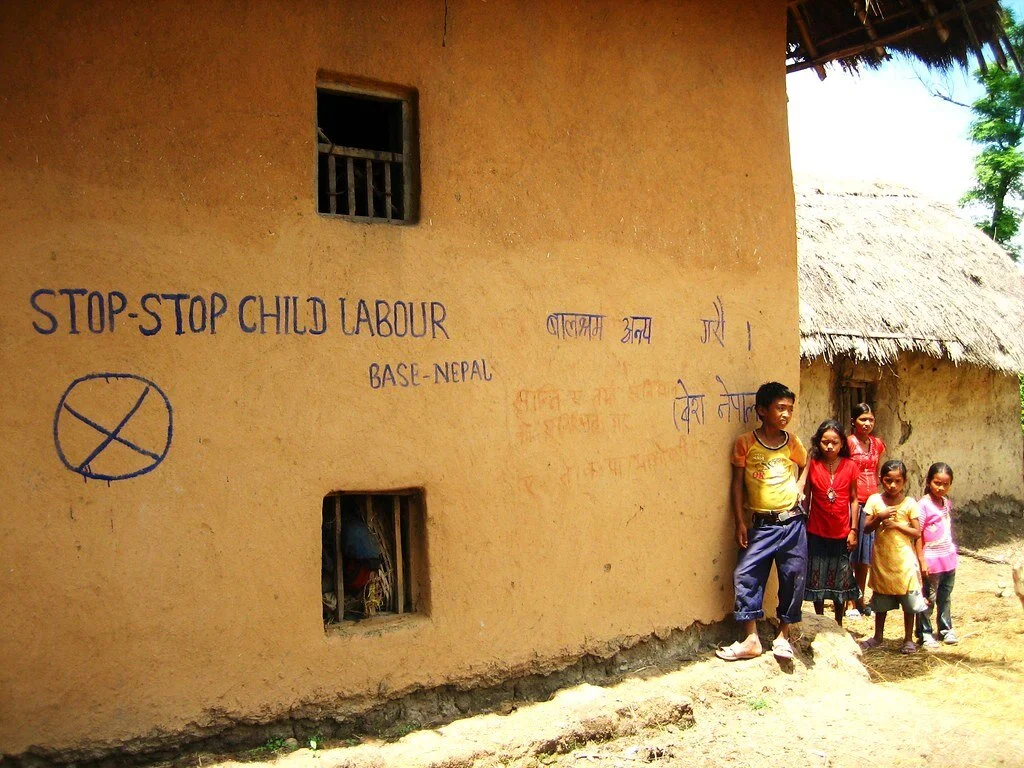
Stop Child Labor Graffiti in Kothari. The Advocacy Project. CC BY-NC-SA 2.0.
The COVID-19 pandemic has affected all aspects of life in Nepal, including education, government assistance, employment and domestic life. Due to adults losing their jobs and income, the rising illness and death rates among caregivers, and even more lockdowns, children are being forced into exploitative labor so they can provide for their families.
The second wave of COVID-19 cases in Nepal continues to put children at risk of child labor. Many children feel that they have no choice in the matter—they work long, grueling hours to help their families survive and provide food.
In Nepal, children work at places like brick kilns, carpet factories and in construction, or as carpenters or vendors selling various items. Some children carry heavy bags at mining sites or crush ore with hammers, all while breathing in dust and fumes from machines and acquiring injuries from sharp objects or particles.
Human Rights Watch interviewed 25 Nepali children between ages 8 and 16, and nearly all of them said that the COVID-19 pandemic had a negative effect on their family income. According to this report, one-third of the children interviewed worked at least 12 hours per day, and some even worked seven days per week. Among the reported side-effects of working long hours, children listed fatigue, dizziness and muscle pain. In addition, many children described hazardous working conditions; many have experienced violence, harassment and pay theft.
A majority of children interviewed also reported that they made less than Nepali minimum wage for their work, which is 517 rupees per day ($4.44 in U.S. dollars). Some children said their employers paid their parents based on a piece rate instead of paying them directly.
Nutrition education seminar in Bandarkharka, Nepal. Bread for the World. CC BY-NC-ND 2.0.
One of the biggest factors contributing to the rise in child labor is the lack of access to education due to COVID-19. In Nepal, school closures began on March 18, 2020, which affected more than 8 million students. A majority of Nepali students were unable to learn online as well, leaving them without education for over a year. In that education gap, children were often forced to work for their families.
Although most schools reopened in Nepal in January and February of 2021, some children continued to work because their families still needed their child’s income to prevent going into debt. However, in April 2021, schools closed again due to a second wave of COVID-19, and children were put back to work.
Several of Nepal’s neighboring countries, including Bangladesh, India and Pakistan, have expanded cash allowances in order to cover more families. However, Nepal has not yet taken this step. Nepal needs to expand cash allowances so children can be taken out of dangerous labor and put back into school, as well as to enable families to maintain adequate standards of living without relying on child labor.
TO GET INVOLVED
To aid in the global fight against child labor, volunteer with Global March Against Child Labor, a wide network of organizations that work together to eliminate and prevent all forms of child labor through volunteering, fundraising and donating. Love 146, an international human rights NGO working to end child trafficking and exploitation, also provides many ways for people to help. Among many opportunities to help, Love 146 encourages people to get active and start a workout or host a 5k to help raise funds for their work.
To learn more about child labor and find more ways to take action, visit UNICEF’s page on global child labor.
Isabelle Durso
Isabelle is an undergraduate student at Boston University currently on campus in Boston. She is double majoring in Journalism and Film & Television, and she is interested in being a travel writer and writing human-interest stories around the world. Isabelle loves to explore and experience new cultures, and she hopes to share other people's stories through her writing. In the future, she intends to keep writing journalistic articles as well as creative screenplays.
Video: The Amazing Perseverance of Girls in Kibera, East Africa’s Largest Slum
Kibera is a slum in the heart of Nairobi, Kenya, and is rife with poverty, economic inequality, and gender disparities. However, the future is far from dark for young girls living in Kibera, many of whom dream of getting an education and improving their communities. The path out of poverty is incredibly difficult, but as more awareness is being given to communities in need, young people are beginning to receive the resources they need, such as safe housing and free education. This video shows the daily life of Eunice Akoth, a fourth grader at the Kibera School for Girls who aspires to one day become a doctor. Eunice has faced many obstacles throughout her life, especially due to the preferential attention given to the education of boys. However, her fun-loving spirit and determination to succeed have helped her overcome these challenges, inspiring hope not just in her, but in the community she calls home.
Philippines Moves to Protect Children from Sexual Abuse
The Philippines passed a new law to raise the age of consent. The change could go a long way toward protecting the country’s most vulnerable children.
Children on the street. Beegee49. CC BY-ND 2.0.
The Philippines’ House of Representatives recently passed a new law that would raise the age of consent from 12 to 16. Long among the world’s lowest ages of consent, lawmakers hope the change will protect children from sexual predation. In recent decades, the Philippines has become a global hub of child sexual exploitation. Though the new law will improve protections for victims of abuse, long-lasting effects of sexual predation will be felt for years to come.
The age of consent was decided in 1930 in the Revised Penal Code at 12 years old, the product of what is widely considered a culture of patriarchy. At such a low age, sexual acts against children were almost impossible to prosecute in court. Defendants could claim sex with a child was consensual because they were both above the age of consent. Under this code, defendants could escape a rape verdict if they offered to marry their victim.
In recent years, sexual abuse against minors has seen a massive increase across the Philippines. Experts say the number of IP addresses used for streaming child pornography has risen from 23,333 in 2014 to 81,723 in 2017, a 250% increase. Cases of HIV/AIDS among minors have been increasing steadily over a similar period of time. Of all rape victims, 70% are children, the vast majority girls. As a result, girls as young as 14 are becoming pregnant at higher rates.
Campaigners for the bill long argued that children needed far more protections than the Philippines’ legal system granted. The law that would raise the age of consent also contains measures to harshen penalties for rape, sexual exploitation and abuse as well as shift the burden of proof of consent from the victim to the offender. The new law passed the House of Representatives with 207 votes and only 3 opposing; it is expected to pass the Senate just as easily.
A family making ends meet. FotoGrazio. CC BY-NC-ND 2.0.
Increased data collection has painted a clearer picture of the issue in recent years. International advocacy helped focus lawmakers’ attention on the issue, but it also revealed the lack of resources the Philippines suffers from in combating sex crimes. Sixty-four percent of online abuse cases were initiated by foreign authorities who traced crimes back to the country.
Online sexual abuse afflicts more children today than it ever has. A combination of widespread poverty and COVID-19 lockdowns has rendered the practice rampant in recent months. Poor families were disproportionately harmed by lockdowns, causing a small number of families to resort to online abuse. Predators from foreign countries—mainly the United States, Canada, Europe and Australia—pay facilitators to sexually abuse children, directing the abuse themselves via a livestream.
The facilitators often include immediate and extended family. In 90 cases involving 381 victims from 2011 to 2017, 43 were abused from two months up to two years. Half were arranged by parents or extended family. The average age of victims was 11. The youngest victim was less than 1.
The Philippine government plans to implement additional measures to address the conditions that make child sexual abuse so prominent. The Philippine Plan of Action to End Violence Against Children, begun in 2017, campaigns for children’s rights and was partially responsible for raising the age of consent. The U.S. Department of State classifies the Philippines as Tier 1 for fully complying with the Trafficking Victims Protections Act. For the time being, raising the age of consent marks another crucial step in combating sexual exploitation.
Michael McCarthy
Michael is an undergraduate student at Haverford College, dodging the pandemic by taking a gap year. He writes in a variety of genres, and his time in high school debate renders political writing an inevitable fascination. Writing at Catalyst and the Bi-Co News, a student-run newspaper, provides an outlet for this passion. In the future, he intends to keep writing in mediums both informative and creative.
Locals Tackle Malnutrition by Bartering Books in Guatemala
There is a strong relationship between educational advances and communities being lifted out of poverty. In the case of Guatemala during the COVID-19 pandemic, this link has manifested itself much more directly.
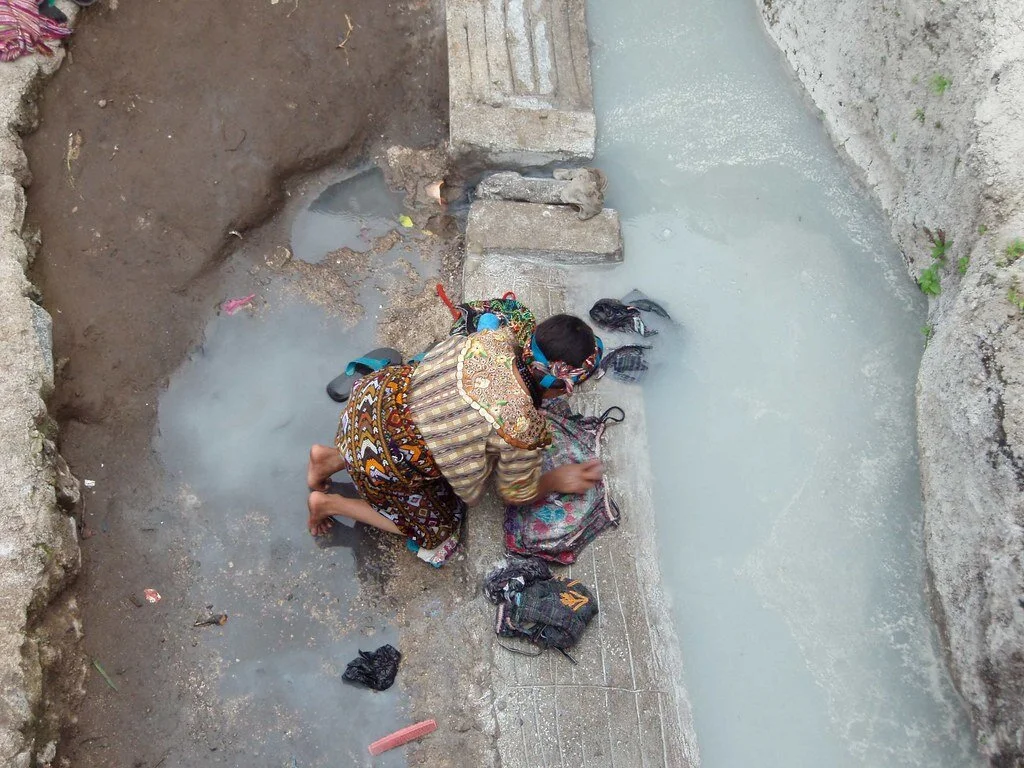
Clothes washing in Quetzaltenango. Lon&Queta. CC BY-NC-SA 2.0.
Guatemala, boasting a distinctly Mayan heritage and a landscape peppered with volcanoes, offers an inspiring experience to the open-minded traveler. However, despite the bright and bustling aspects of the nation, a substantial portion of Guatemala’s residents live in poverty. Standing as the fifth-poorest country in Latin America, Guatemala has taken a particular hit with COVID-19 regulations restricting economic functions. In addition, Guatemala has the sixth-highest rate of chronic malnutrition in the world; nearly half of the population of children suffers from stunting due to malnourishment. The statistic increases notably in rural areas with a malnourishment rate reaching 70%.
The COVID-19 pandemic has only aggravated the poverty predicament, with Indigenous populations facing the bulk of the damage. The government has fallen dramatically short on providing health care and financial support, causing the creatively resilient Guatemalan people to snap into action. In Quetzaltenango, resident Bonifaz Díaz has created an innovative method to provide support to his neighbors in need: he set up a book-barter system. Every day, Díaz bikes with hefty sacks of books donated to his organization, 32 Volcanoes, and trades them for food donations from food secure families. Although a simple concept, this has been no easy task. The arduous job surely keeps Díaz in shape; he has cycled over 1,200 miles feeding families, and has traveled as far as 37 miles for a single delivery.
Stay-at-home orders have diminished the town’s morale, but Díaz is determined to hold up hope. The number of children supported by his project has tripled during the pandemic, but luckily two more bikers have offered their help. Most families offer a bag of Incaparina, an inexpensive but protein-packed cereal mix made from corn and soy. A bag provides about a week’s worth of servings, but the low price point is still out of reach for many. About 97% of residents live on a dollar a day or less, so even cheap food made to fight malnourishment cannot completely solve the problem. The bright-red Incaparina bags are commonly the only source of nutrients on families’ shelves, but it has proven to keep malnourishment at bay for some.
By creating a system that allows families to benefit themselves while helping others, many hope that this program will continue to bear far-reaching results. The poverty problem cannot be solved by a single person or fixed in one day, but with every resident lending a hand, considerable headway can be made.
Ella Nguyen
Ella is an undergraduate student at Vassar College pursuing a degree in Hispanic Studies. She wants to assist in the field of immigration law and hopes to utilize Spanish in her future projects. In her free time she enjoys cooking, writing poetry, and learning about cosmetics.
Zimbabwean Teens Kick Away Child Marriage with Taekwondo
One town in Zimbabwe has learned to bear the weight of history by “kicking” child marriage customs away.
Zimbabwean woman. ScotchBroom. CC BY-NC 2.0.
In the small settlement of Epworth southeast of Harare, Zimbabwe’s capital, is a growing community of taekwondo enthusiasts. One member, 17-year-old Natsiraishe Maritsa, has taken it upon herself to organize taekwondo classes for the girls of her community. The participants of her classes are underage girls, some as young as 10, who have been subjected to the harrowing practice of child marriage that plagues Zimbabwe.
The Statistics
Child marriage is a tradition practiced all around Zimbabwe, but it runs particularly rampant in rural areas. The Zimbabwean countryside was found to have a child marriage rate of about 40% compared to the urban areas that show a rate of 19%.
In Zimbabwe, 34% of girls are married off before the age of 18, while another 5% are married before the age of 15. The issue of child marriage, although an occurence involving mostly underage women, affects more than just women. About 2% of boys are forced into the practice before the age of 18.
Complications of Elimination
The task of eliminating child marriage has proven to be especially difficult due to the many conditions and societal beliefs that worsen girls’ ability to escape the practice. There are four main reasons that girls are easily trapped in the tradition:
First, gender inequality ranks women as inferior to men, thereby allowing the men of the family to force the women into submission.
Second, and a particularly large piece of the problem, is poverty. The practice of child marriage is often used as an economic tool; the price for a bride is used to cover household expenses. Because marrying off daughters of the family can be the decision between life and death, the pressure to commit these practices is often insurmountable. With poverty increasing due to COVID-19, this problem has become particularly difficult.
Third, the need to avoid shame causes many families to marry off their daughters. In Zimbabwe, the act of a daughter committing premarital sex is seen as shameful to the family, so it is resolved by forcing the daughter to marry her boyfriend. The girls will submit to these demands, especially if they became pregnant, in order to avoid abuse by their family members.
Fourth, a lack of education pushes girls into the trap of child marriage. Many poorer households are unable to pay for their daughters to attend school, which increases the risk that they will be forced into a marriage.
It is an oppressive cycle. Studies find that poverty causes child marriage, and in return, child marriage feeds into poverty.
Seventeen-year-old Maritsa has chosen to use taekwondo education to empower the girls of her community, hoping they can use their newfound confidence and skills to reshape their futures. She holds classes in a small dirt yard in front of her house, while her parents use their small income to supply some food for the attendees.
Maritsa’s class has proven to be empowering, with each class used as a safe space for girls to talk about the physical, mental and emotional abuse they endure from their husbands.
She has proven that although oppressive practices are formidable opponents, the power of education and community can undo even the most controlling traditions.
To Get Involved
Nonprofit organization FORWARD is led by African women seeking to end violence and the oppression of women in Africa, including child marriage. To read more about how to lend a hand, click here.
Global partnership Girls Not Brides has combined the efforts of over 300 organizations dedicated to empowering women on nearly every continent. To see how you can support bills and other legislation they are pushing, click here.

Ella Nguyen
Ella is an undergraduate student at Vassar College pursuing a degree in Hispanic Studies. She wants to assist in the field of immigration law and hopes to utilize Spanish in her future projects. In her free time she enjoys cooking, writing poetry, and learning about cosmetics.
Nonprofits Reach Syrian Refugee Children Through Education
As the Syrian refugee crisis enters its 10th year, children continue to suffer from mass displacement and a lack of educational opportunities.
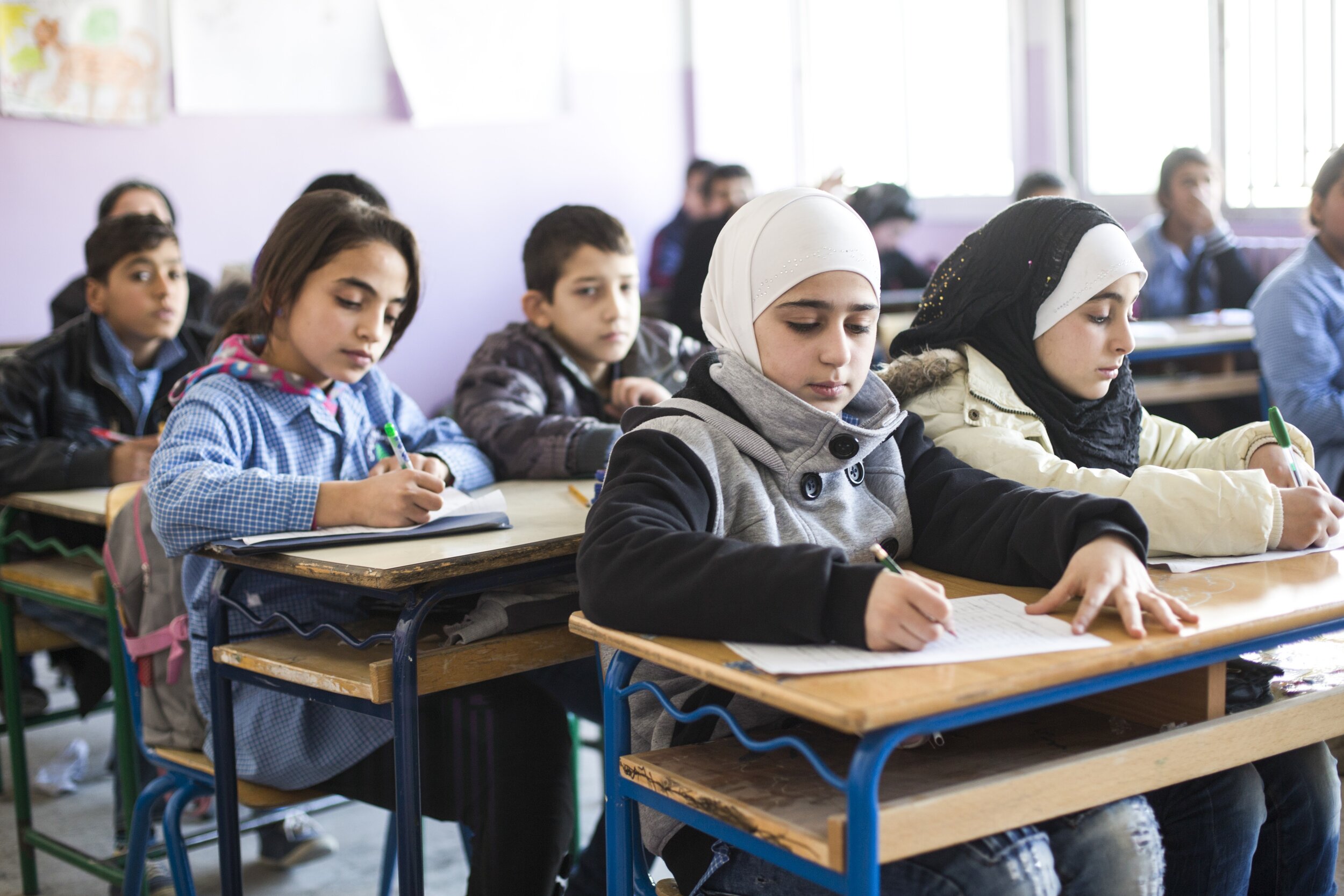
Syrian primary schoolchildren. DFID. CC2.0
The Syrian refugee crisis is considered by many to be the most urgent humanitarian crisis of the decade. Since 2011, the conflict has displaced 11 million people through the destruction of countless homes, hospitals, schools and public buildings. An equally large number of Syrians require humanitarian assistance, over half of them being children. Many of these young children lack safe spaces to play, face childhood neglect and have witnessed horrific violence in their lives. Numerous children are at risk of developing toxic stress, which is a biological response that impedes growth and development when humans have experienced too much hardship.
However, with hardship also comes hope. Reaching children early and providing educational opportunities have been shown to alleviate toxic stress, allowing children to live productive and happy lives. However, educational resources for Syrian refugee children remain in short supply. Despite its importance in providing children a brighter and more stable future, education efforts only receive 3% of humanitarian aid annually. Additionally, many humanitarian organizations do not provide adequate educational resources for children to increase school enrollment.
Students in Syria start to drop out at the age of 12, when they are in secondary school. A study conducted on Syrian refugee children in Jordan showed that only 25% of students are enrolled in secondary school, citing a lack of safe transportation, limited educational resources available, poverty and limited professional opportunities as contributing factors. Children who drop out of school are at increased risk of experiencing hardship in their lives, including living in poverty, being subjected to child marriage and facing sexual violence. Adequate educational resources and child support are essential to help provide resilience and much-needed support for Syrian refugee children. Some nonprofit organizations are aiming to do just that.
Making a Difference in Syrian Refugee Children’s Lives
Syrian refugee children at a school in Lebanon. DFID. CC2.0
A new educational program developed by the International Rescue Committee (IRC) and Sesame Workshop aims to provide adequate educational resources for Syrian refugee children. Called Ahlan Simsim, which translates to “Welcome Sesame” in Arabic, the program aims to combine the IRC’s experience working in conflict zones with the TV show “Sesame Street,” which is known for its educational and nurturing effects on children. Program resources include safe spaces for young children to play, an Arabic-language version of ”Sesame Street,” parenting resources for caregivers, and partnerships with nonprofits and local governments to ensure child access to education. In light of COVID-19, educational programming takes place through WhatsApp and online video.
Ahlan Simsim provides children with skills in literacy and numeracy while helping them develop emotional resilience. For example, the program will teach students how to deal with difficult situations, understand their feelings and empathize with others. The program is a winner of the MacArthur Foundation’s 100&Change grant competition and is among the most ambitious early childhood development programs ever attempted by the humanitarian system. According to Sherrie Westin, executive vice president for global impact and philanthropy at Sesame Workshop, “The issue we are addressing is the greatest humanitarian crisis of our time. We know we can make a difference in the long term if we reach children early. Without that, there’s an entire generation at risk, and that has repercussions not just for their future, but for a more peaceful, stable world for all children.”
To Get Involved:
Check out this link to the International Rescue Committee’s webpage to learn more about the Ahlan Simsim initiative.
Megan Gürer
is a Turkish-American student at Wellesley College in Massachusetts studying Biological Sciences. Passionate about environmental issues and learning about other cultures, she dreams of exploring the globe. In her free time, she enjoys cooking, singing, and composing music.
Nigeria’s Stolen Schoolboys Reach Freedom
Young people in Nigeria begin their days with walks to school. For boys returning to the Government Science Secondary School in Kankara, these walks will mean something entirely different.
Stibej. CC BY-SA 4.0
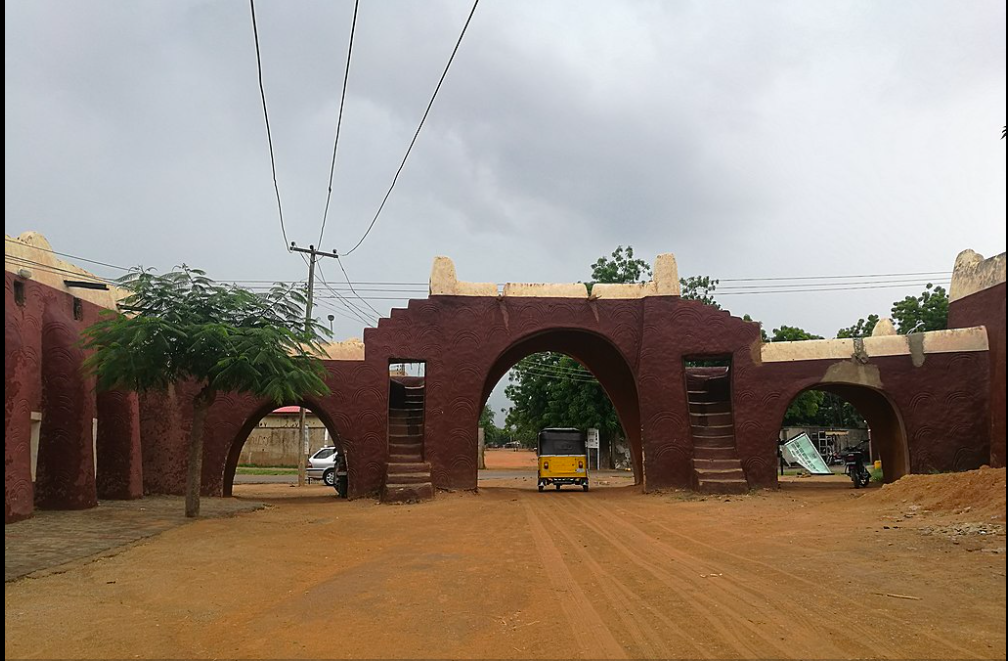
In the northwestern Nigerian state of Katsina, the militant group Boko Haram is thought to be responsible for stealing young men. On Dec. 11, unidentified men with guns invaded the Government Science Secondary School in the city of Kankara on motorbikes to kidnap the schoolboys. The gunmen proceeded to march the boys into the Rugu forest of Nigeria, potentially to use them as child soldiers if not freed. The governor, Aminu Bello Masari, says a total of 344 boys held in the forest have now been liberated in the neighboring Zamfara state. In describing what they went through, the boys said they walked through large stretches of forest, stopping during the daytime and walking all night without shoes on stony ground littered with painful brush. There was no clarification on how or why they were freed, or if all the boys stolen were let go. As Boko Haram has executed similar kidnappings in the past, many think the Islamist militant group is behind the event.
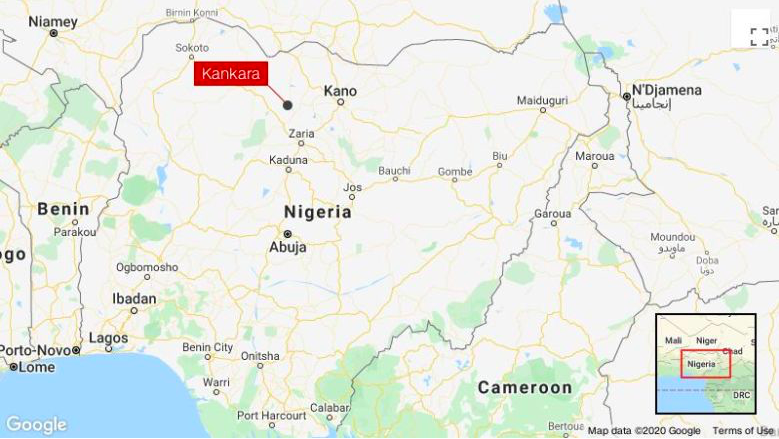
Map of Nigeria with the city of Kankara highlighted. Google Maps.
On Dec. 18, the schoolboys were finally returned home. The governor of Katsina state and Nigeria's president greeted them as they were brought back to their homes by military personnel. “I think we have recovered most of the boys,” Masari said in a televised interview with state channel NTA. The boys that were found have since been medically examined and returned to their families. It is important to note that the search is still ongoing as of Dec. 21.
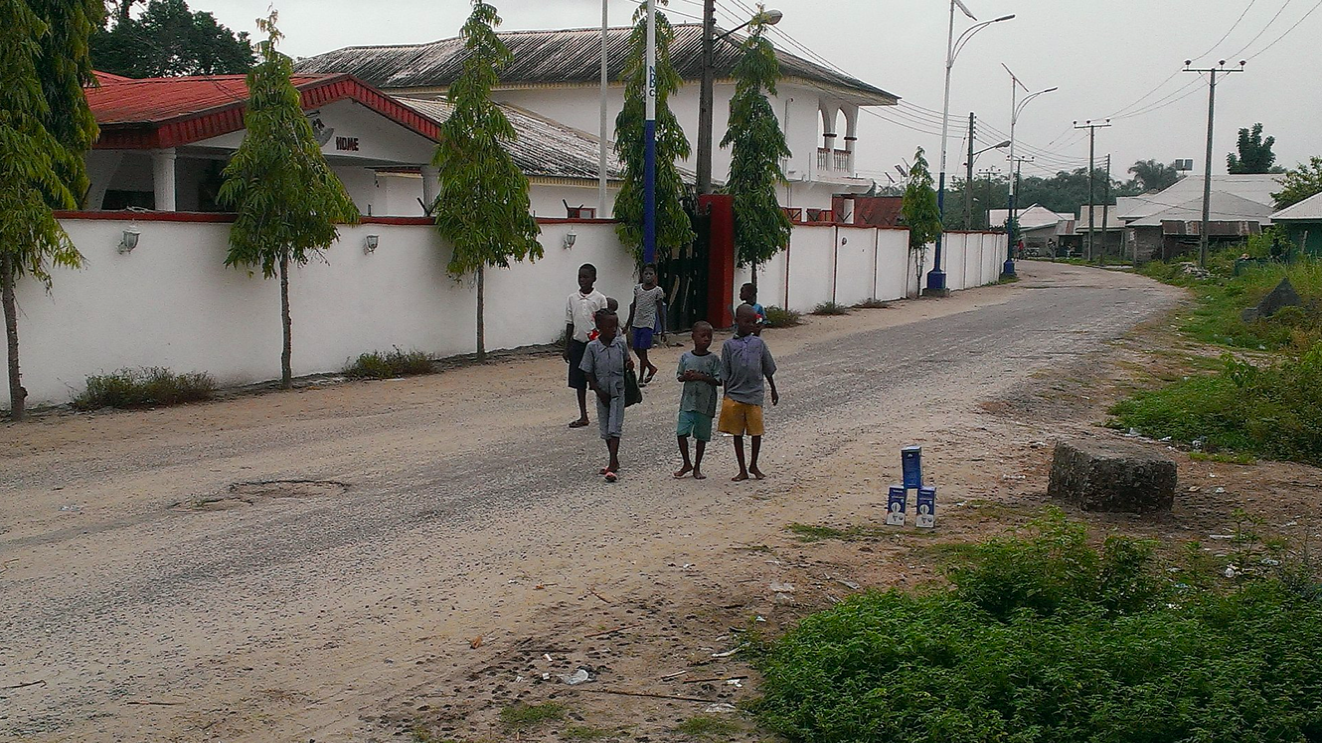
A typical street scene in Katsina state. Adebola Falade. CC BY-SA 4.0
Reports as to who is responsible for the kidnappings are unclear as unverified sources have attributed it to a resurgence of Boko Haram, the extremist group which has kidnapped in the past. In 2014, it executed the kidnapping of more than 270 schoolgirls in the northeastern town of Chibok, and nearly 100 of those girls are still missing. Now, residents of northern Nigeria believe the group is back.
For the families of the boys, their return comes as a celebration. In a quote given to Reuters, retired health worker Shuaibu Kankara, whose 13-year-old son Annas Shuaibu was among the kidnapped boys, said, “I am so happy. We are so grateful to the governor of Katsina and all those who worked hard to secure their release.” The quick and seemingly uncomplicated return of the boys comes as a great shock but an even greater relief.
As mentioned, many suspect that Boko Haram is responsible for the attack. The extremist Islamic rebels have taken responsibility for the abduction, claiming they attacked the school as a punishment for its Western teachings. For now, the investigation is ongoing, but the swift release of the boys sends a hopeful message that the Nigerian government is able to handle attacks quickly and effectively. Although there is fear that Boko Haram will act again, a precedent has been set by the efficient handling of this mass kidnapping.
Renee Richardson
Renee is currently an English student at The University of Georgia. She lives in Ellijay, Georgia, a small mountain town in the middle of Appalachia. A passionate writer, she is inspired often by her hikes along the Appalachian trail and her efforts to fight for equality across all spectrums. She hopes to further her passion as a writer into a flourishing career that positively impacts others.
Sri Lanka Strives Toward Gender Equality Through Economic Empowerment
Sri Lanka’s efforts to combat the gender gap allow women to support themselves and their communities.
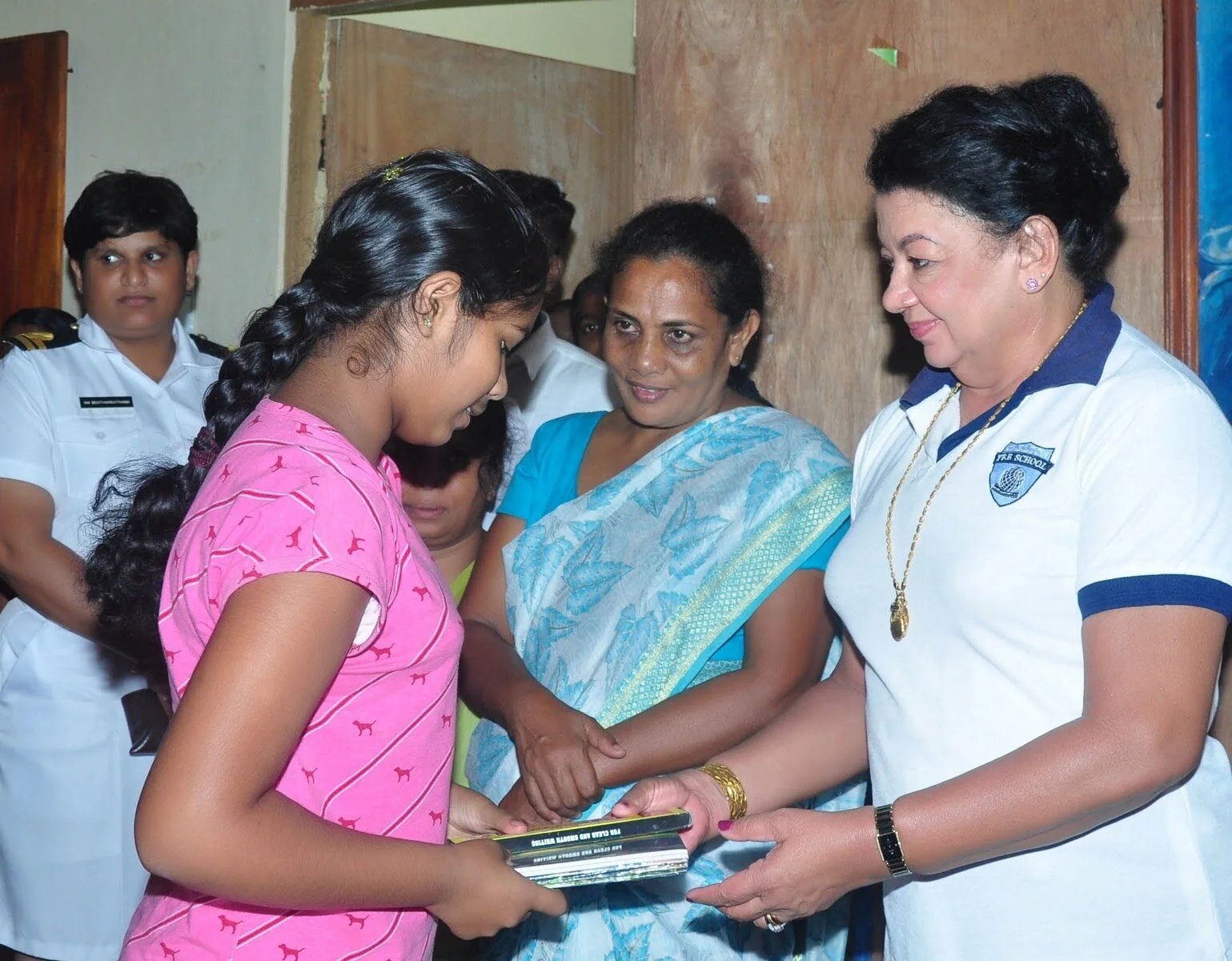
Women selling produce at a market in Sri Lanka. imke.sta. CC2.0
Nicknamed the “pearl of the Indian Ocean” and famous for its spices, unique culture and lush ecosystems, Sri Lanka is also known for its advances in gender equality. The island nation became in 1960 the first country in the world to elect a female prime minister, Sirimavo Bandaranaike. Sri Lanka has also long provided free and compulsory education for men and women up to the university level.
Even so, high levels of gender-based violence are present throughout the country and the unemployment rate of women is twice that of men. Most women occupy low-paying positions in agriculture and the garment industry with little chance of economic mobility. Although well-respected in the Asia-Pacific region, Sri Lanka’s educational system often enforces traditional ideological and cultural beliefs, which can perpetuate negative stereotypes about women. A university-level education does not guarantee women positions of power, with large disparities between men and women in science, technology and political positions throughout the country. Additionally, a 26-year-long civil war (1983-2009) isolated Sri Lanka from the modern world, allowing traditional gender roles to thrive in war-affected areas.
Developing economic opportunities for women has the potential to overcome barriers to gender equality. Here are two organizations working to do just that:
Women receiving medical training provided by the Women’s Development Centre. Rajapaksa. CC2.0
The Women’s Development Center
This Sri Lanka-based nongovernmental organization has made incredible strides in supporting at-risk women, children and people with disabilities since its founding in 1986. With the goal of creating opportunities for marginalized groups, the group is on its way to “creating a just and secure society for women and children.” Although the organization has a multifaceted approach, social enterprises and economic empowerment remain its key goals. The social enterprise “Sthree”, meaning “woman” in Tamil and Sinhala, was founded in 2011 with the goal of empowering women and their local communities. The platform provides a market in Kandy for Sri Lankan women and disabled people to sell handmade products, such as saris, jewelry, decor, snacks and chutneys, recycled paper products and eco-friendly purses and handbags. Sthree also provides training and skill-building workshops for women and disabled individuals. Sthree is beginning to expand to an international clientele, even hosting an international exhibition and sale in Sweden in 2016.
A woman making brooms for a woman’s cooperative in Sri Lanka. Foley. CC2.0
Puthukkudiyiruppu Women Entrepreneurs’ Cooperative Society
The PTK Cooperative, initially founded by Krishnakumar Jeyaranjini and 14 other women in 2012, provides a platform for war-affected women to support themselves and their families economically. The business has expanded over the years, producing detergent, chili powder and rice flour. The organization has the backing of the International Labour Organization (ILO), which helps link it to buyers, markets and social enterprises. The organization enables collaboration between women from different ethnic groups and communities in Sri Lanka, helping to create social cohesion and tolerance. The organization continues to defy gender norms and stereotypes. “Often the words ‘woman’ and ‘detergent’ bring out gendered images of a woman washing clothes at home, not of a woman owning or running a successful detergent-producing enterprise,” said Simrin Singh, director of the ILO country office for Sri Lanka. “It is stories of our work empowering women like Jeyaranjini, building block by block, that are the essential inspiration so many other women in this country could use to break the barriers to their empowerment.”
Although Sri Lanka has made considerable progress toward gender equality in the last 50 years, many obstacles remain. Empowering women at a grassroots level helps provide women more economic agency while ensuring the well-being of generations to come.
Megan Gürer
Megan is a Turkish-American student at Wellesley College in Massachusetts studying Biological Sciences. Passionate about environmental issues and learning about other cultures, she dreams of exploring the globe. In her free time, she enjoys cooking, singing, and composing music.
Locked Up: Unmasking Australia’s Aboriginal Youth Prison Crisis
The Aboriginal people have been severely marginalized by Australia’s government, but among the most impacted are the group’s children.
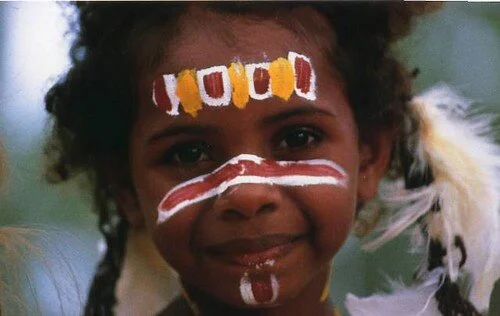
A young Aboriginal girl. mingzhuxia. CC BY-NC-SA 2.0
Indigenous people make up approximately 3% of Australia’s overall population and are considered the country’s most disadvantaged group. It is believed that the Aboriginal people lived in Australia for over 47,000 years prior to European colonization. Even today, the Aboriginal people continue to suffer some of the consequences of violent colonization such as low literacy rates, low life expectancy and a high unemployment rate.
Aboriginal children in particular are 30 times more likely to be stopped and prosecuted than other Australian youths. This reveals a pattern of racial profiling and stereotyping that has been called out by protests affiliating with the U.S.’s Black Lives Matter movement.
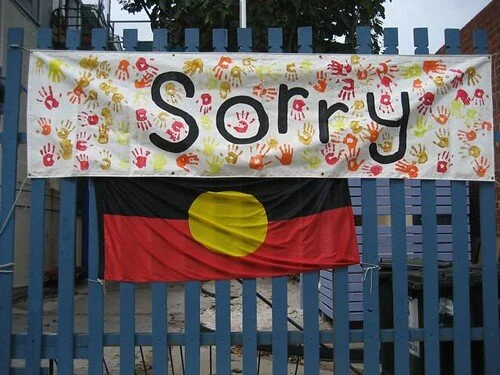
Progress was made in 2018, when police in Western Australia apologized for practicing “forceful removal,” the separation of Indigenous children from their families. Forceful removal was popular throughout the late 19th century and was legal until 1969. Many refer to those impacted by forceful removal as the “Stolen Generation.”
Since May 26, 1998, Australians have observed “National Sorry Day” as a way to apologize to the Aboriginal people for the harmful practice. It is a nationwide campaign committed to paying homage to affected groups while teaching youth of Australia’s harmful past actions. In 2008, former Prime Minister Kevin Rudd made a proposal in front of Parliament to help bridge the gap between Indigenous and non-Indigenous people.
Australia’s National Sorry Day in 2015. butupa. CC BY-NC-ND 2.0
Yet, the gap between the Aboriginal community and other Australians remains as wide as ever. In February, the police of New South Wales revealed details about the Suspect Targeting Management Plan, which is intended to prevent future crimes by targeting likely or repeat offenders. Reports from 2016 to 2018 show that up to 72% of targeted children were likely from Indigenous descent. The youngest child identified was 9 years old.
The minimum age of criminal responsibility in Australia is one of the lowest in the world, allowing children as young as 10 to be sentenced to jail. Additionally, Aboriginal children are 17 times more likely to be jailed than non-Indigenous youth. Statistics from Western Australia say that 60 to 70% of children currently being held in the state’s detention centers are of an Aboriginal background.
As of now, very little research proves that locking up children reduces criminal activity in the future. In fact, youth already in the criminal justice system are far more likely to be repeat offenders, challenging the original intent of New South Wales’ Suspect Target Management Plan.
There is a push by lawyers and advocacy groups to raise the age of criminal responsibility in Australia to at least 14. Others believe that an alternative is to provide better health care and other social services in an attempt to elevate Aboriginal children’s socioeconomic standing. The end goal would be to improve their overall quality of life, allowing for better employment opportunities and an end to the societal obstacles currently facing the group.
Eva Ashbaugh
Eva is a Political Science and Gender, Sexuality, and Women's Studies double major at the University of Pittsburgh. As a political science major concentrating on International Relations, she is passionate about human rights, foreign policy, and fighting for equality. She hopes to one day travel and help educate people to make the world a better place.
Traditional Balinese wedding ceremony. Artem Beliaikin. CC BY-NC-SA 2.0
Women’s Rights Activists Celebrate the Abolishment of Bride Kidnapping in Indonesia
Kawin tangkap is a long-established, controversial practice that still occurs on the small island of Sumba in Indonesia. Kawin tangkap, or bride kidnapping, is carried out when members of the man’s family kidnap women who they have selected as their wives. The practice has long been argued against by women’s rights activists. After all, if the women leave the forced marriage they are ridiculed by their villages and told that they will never have a husband or children. On the other hand, if the women stay, they have no decision in the matter and remain in the marriage for the remainder of their lives. The issue came to light recently when a video of a kidnapping circulated online, sparking outrage and petitions for the abolishment of the practice.
Part of the Sumbese Culture?
Regional leaders of Sumba have come forward, signing a declaration and stating that the well-known practice is not a part of their culture and traditions. Frans Wora Hebi, a Sumbese historian and elder, speculates that the shift from marriages to forcibly taking women has been “used by people wanting to force women to marry them without consequences.” The Indonesian government has responded by passing a law banning the practice, but the details and consequences have not yet been released.
Women Who Have Shared their Stories
Some women have spoken about their experiences, saying that it “felt like I was dying” as they were led away “kicking and screaming.” Two women who came forward shared their stories, with one thinking she was walking into a work meeting and another nursing her 11-month-old son outside of her home. Both were able to walk away from the situation physically unscathed but have to carry the scars from the experience for the rest of their lives. Both have “forgiven” the perpetrators in order to preserve family relationships for the future.
How Has It Continued?
In the last four years, seven cases have been documented, but it’s been speculated that many more have happened. While a “memorandum of understanding between the provincial East Nusa Tenggara government and the regional government of Sumba showing their commitment to ending the practice” has been signed, a local parliamentarian commented that they were “not convinced it can be entirely abolished.” The statement was made following the observations that the practice is seen mainly in isolated villages, the attacks are unexpected and many women do not come forward to file criminal cases. Instead, they stay with their new groom and family, which leaves police powerless to do anything about the issue. Part of the problem comes from the fact that there were formerly only social reprimands against the practice, with no long-term consequences. However, with the recent bill passed, the practice is now outlawed - a win for women who have been fighting against bride kidnapping for years.
Elizabeth Misnick
is a Professional Writing and Rhetoric major at Baylor University. She grew up in a military family and lived in Europe for almost half her life, traveling and living in different countries. She hopes to continue writing professionally throughout her career and publish her writing in the future.
U.N. Drops Saudi Arabia-Led Coalition From Blacklist Despite Recent Killings of Children
With no evidence that children are safe, the U.N. decided to remove the Saudi Arabia-led coalition in Yemen off a blacklist for violations of children’s rights.
Child in Yemen among the rubble. Carl’s eye. CC BY-NC-ND 2.0
On June 17, the U.N. made the decision to remove the military coalition led by Saudi Arabia from one of its blacklists. The significance of this specific list, which focuses on children in armed conflict, is to shame groups that are guilty of violating the rights of children. Anyone can be placed on the list for a multitude of violations ranging from killing children to the recruitment of children for war. U.N. Secretary-General Antonio Guterres stated that the coalition’s removal was decided by efforts made to reduce the number of deaths and decrease the airstrikes that caused the killings over the previous three years.
However, there is a discrepancy in the decision. According to data released by the U.N., 222 children were hospitalized or killed as a result of these attacks last year. In addition, several hours after the U.N. announced its decision to remove the coalition, four children were killed in an attack in northwest Yemen.
The war in Yemen can be traced back to 2011. Following the Arab Spring, there has been unrest due to a failed political transition that led to terrorist attacks, a separatist movement and corruption. However, in 2014 a rebel group known as the Houthis, backed by Iran, ousted the government. What started out as a civil war transitioned into a conflict with neighboring countries as the Saudi Arabia-led coalition stepped in, attempting to help restore the government and defeat the Houthis.
Child of Yemen. Carl’s eye. CC BY-NC-ND 2.0
As of March 2020, it is estimated that 7,700 civilians have died in the war, largely due to airstrikes from the coalition. However, these are only verified deaths. Some statistics estimate it to be as high as 100,000 fatalities. On top of the conflict, Yemen has been experiencing one of the worst famines it has seen in over 100 years. The country is considered the poorest Arab nation, and the war has ruined the economy to the extent that many people, especially children, are considered malnourished.
There has been backlash over the U.N.’s decision to remove the coalition from the blacklist. From a video posted by Al Jazeera, protests have taken to the streets outside of the U.N. headquarters in Yemen to speak of their disapproval. The main concern is that the removal could leave children vulnerable to future attacks, as voiced by groups like Save the Children. Observers are also questioning the integrity of the blacklist itself, including Iran which said that “the U.N. is giving a free pass.” Iran claims that the Houthis and the Yemeni government have been responsible for the same number of deaths yet only the Houthis remain on the list.
Guterres has said that U.N. would monitor the coalition’s activity over the next year. If there is an increase in children’s casualties, the coalition would be placed back on the list.
Eva Ashbaugh
Eva is a Political Science and Gender, Sexuality, and Women's Studies double major at the University of Pittsburgh. As a political science major concentrating on International Relations, she is passionate about human rights, foreign policy, and fighting for equality. She hopes to one day travel and help educate people to make the world a better place.
Ghanaian street market. Jozua Douglas. Pixabay.
Shoemaker’s Solar-Powered Hand-Washing Station Protects Ghana from COVID-19
As COVID-19 slowly spreads throughout the world, some have used this experience as an opportunity to create. 32-year-old shoemaker Richard Kwarteng and his brother Jude Osei are two brothers who are certainly included in this innovation boom. Located in Kumasi, Ghana’s cultural capital, the brothers used the city’s two-week lockdown as time to invent a solar-powered hand-washing basin called SolaWash.
They noticed that opportunities to wash one’s hands were often slim in Ghana. One day, while staring at a pile of recyclables and other materials, Kwarteng had a brilliant idea.
In a statement obtained by CNN, he said, “My brother and I decided we would create a basin to encourage regular hand-washing etiquette." They took this observation and from it came the first solar-powered hand-washing machine in Ghana. They designed it so that the faucet would run for 25 seconds, following guidelines from the Centers for Disease Control and Prevention, then shut off without even having to touch it. A video of their product quickly went viral on Twitter, and it caught the attention of many.
The Building Process
The SolaWash hand-washing machine. Best Trends gh. YouTube.
To create such an invention, the brothers began with the recycled materials they had and then headed to the market. They already had the large barrel their design would revolve around so they only had to purchase a sink, a faucet, a motherboard, a solar panel, a sensor and an alarm. After obtaining all the materials, they knew they needed help with the electrical work so they called upon their friend Amkwaah Boakye to do the wiring. They were able to gather the materials in only 48 hours and complete their project in just five days.
How Does It Work?
To wash your hands using the basin, you simply place them under the faucet. The device, programmed by the brothers, releases soapy water when hands or other items are picked up by the sensor installed underneath the faucet. The faucet runs for 25 seconds, then an alarm beeps to let the user know their hand-washing is complete. Water is then released again to rinse off any excess soap before drying. Their design is meant to not only be sanitary but also to conserve as much water and energy as possible.
What Will They Do With It?
President Akufo-Addo addresses Ghana about COVID-19. Joy News. YouTube.
The brothers have been commended by Ghanaian President Akufo-Addo for their incredible work, and he hopes to make their product widely available. Ghana's Ministry of Environment, Science, Technology and Innovation also reached out to the brothers in order to plan for mass distribution. They are hoping to quickly manufacture and distribute these hand-washing basins in order to curb the spread of COVID-19, and Kwarteng is encouraging this as well.
Richard Kwarteng receiving his product certification. Best trends gh. YouTube.
This process can officially begin as the Ghana Standards Authority released their official certification of the product. Professor Alex Dodoo, director-general of the GSA, has his full support behind the brothers as well. He presented the certificate to a manufacturer in Accra on Wednesday, and said the product had been tested for its safety and efficiency. Dodoo also noted that the hand-washing basin was ready for mass production, and he hopes to see this product used around the world. The certification given by the GSA attests to the product’s quality as it met international standards for electrically-controlled machines. That means that the hand-washing basin has the potential to not only save Ghanaian lives, but also many others around the world especially in places that do not have widespread sanitation accessibility.
Renee Richardson
Renee is currently an English student at The University of Georgia. She lives in Ellijay, Georgia, a small mountain town in the middle of Appalachia. A passionate writer, she is inspired often by her hikes along the Appalachian trail and her efforts to fight for equality across all spectrums. She hopes to further her passion as a writer into a flourishing career that positively impacts others.