Trekking the W Circuit in Patagonia's Torres Del Paine

The W Circuit draws international hikers year round, giving travelers the chance to backpack through Chile’s famous national park.
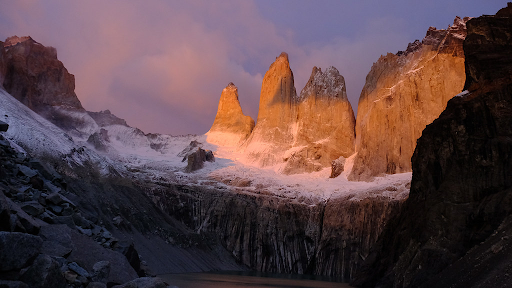
The Torres Del Paine national park was first established in 1959. By 1978 the park was designated a world Biosphere reserve by UNESCO. The W Circuit, located in the park, is a multi-day trek providing experienced hikers a taste of backpacking in the southern Chilean region of Patagonia.

The trek is well known for its scenery and the relatively accessible altitude. The lack of technical skills required to hike this circuit draws in people from around the world. The W Circuit is 43 miles long, and typically takes hikers five days to complete. 

The W Circuit not only shows travelers the famous scenery of the national park, but it is home to diverse landscapes that draw in hikers from around the world. Granite spires loom over a glacial lake at the base of the Torres, making the landmark an iconic stop along the hike. The east end of the hike passes by Lake Nordenskjold, a site that impresses hikers with its bright blue color surrounded by forests and peaks. Another notable portion of the hike is the French Valley. Set between mountains, the valley is situated below a glacier with a river running through it. 
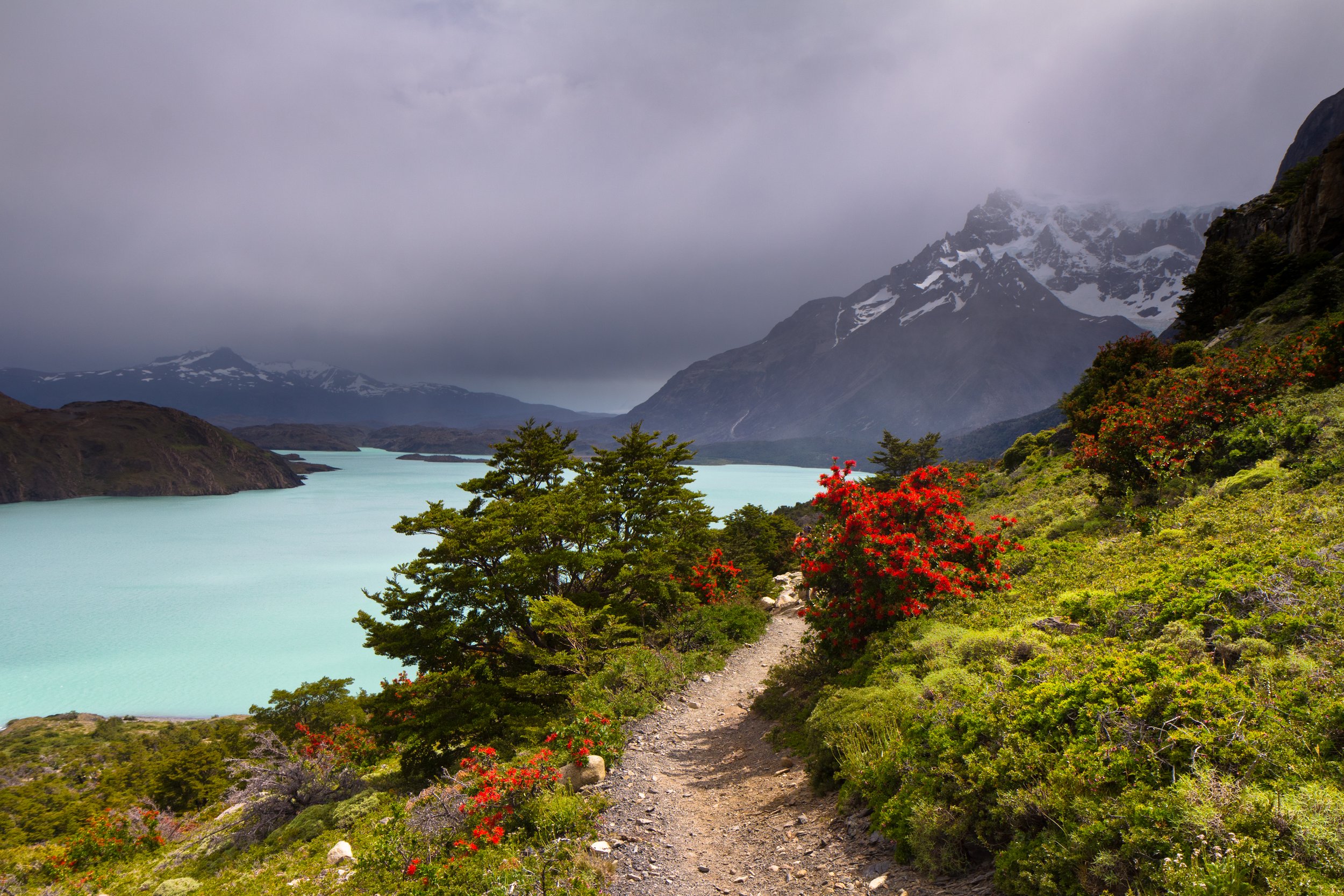
Getting to the national park itself can be difficult, as the nearest airport is in Punta Arenas — roughly a three hour drive from the national park. International travelers will most likely have to take more than one flight to reach the park. After reaching the W circuit, however, traveling becomes more accessible for hikers because of the refugios along the route. Refugios are essentially small lodges that hikers can stay in after a day of hiking. There are also campsites that hikers can use, although reserving a spot in advance is recommended.

Travelers set out to complete the W Circuit year round. The weather is unpredictable in general, and while there are peak seasons (typically December through February), hikers are still able to complete the circuit even during the off season. The circuit is the least accessible during the southern hemisphere winter (June, July and August in Chile), as there are often few hikers and accommodations are less readily available, but a prepared hiker can still make the trip.

The trails are consistently marked, and during peak season there are often many hikers on the trails. This makes it possible for hikers to complete the trek without a guide, as it is typically easy to follow the trail and the presence of lodges and other hikers adds an additional level of safety. 



Dana Flynn

Dana is a recent graduate from Tufts University with a degree in English. While at Tufts she enjoyed working on a campus literary magazine and reading as much as possible. Originally from the Pacific Northwest, she loves to explore and learn new things.

India’s Third Gender — Hijra

Despite being protected within the Indian constitution, hijra communities experience persecution. Their colonies are often sites of abuse and poverty, yet serve as the only space in Indian society for their identity.

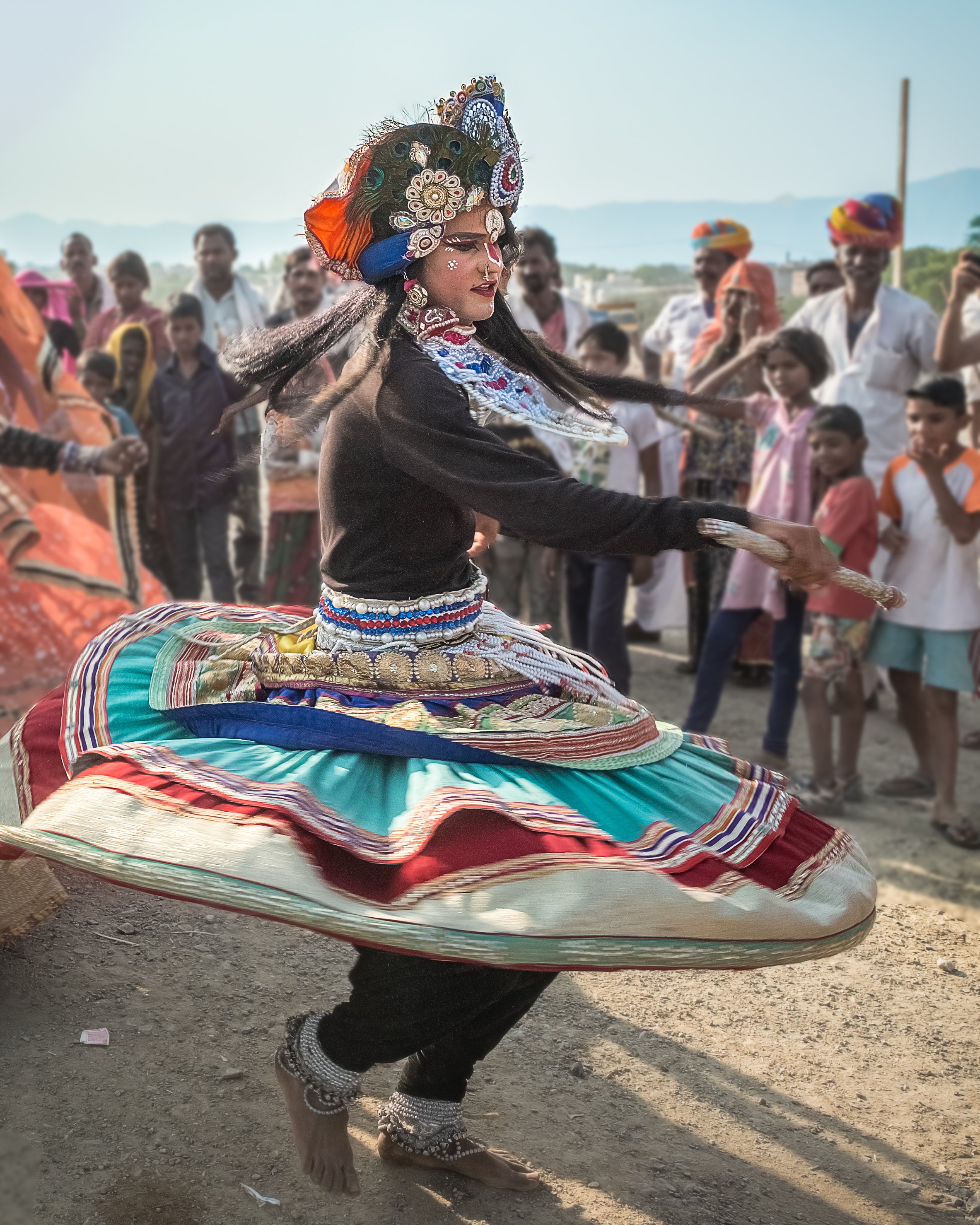
Image by Carol Foote

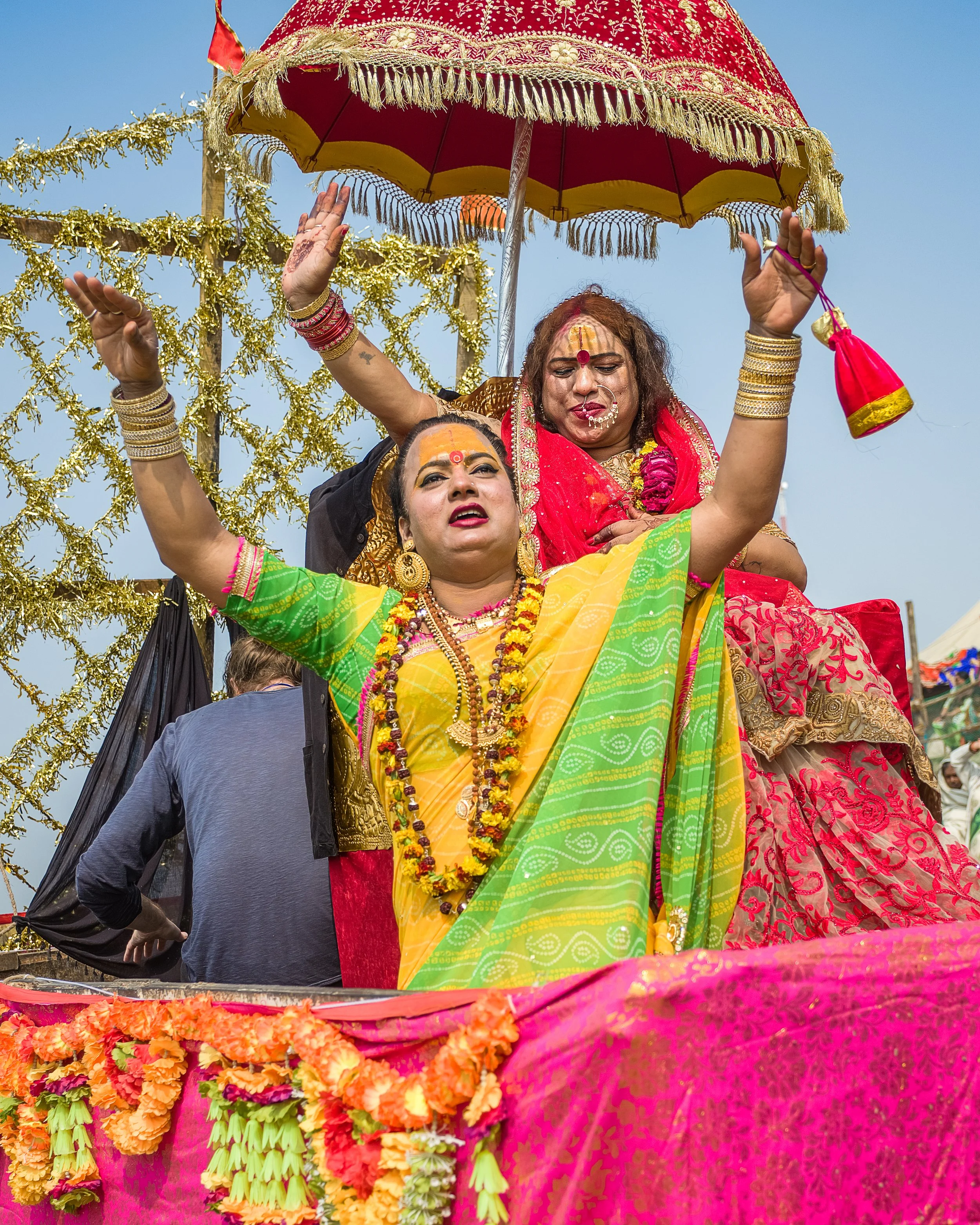
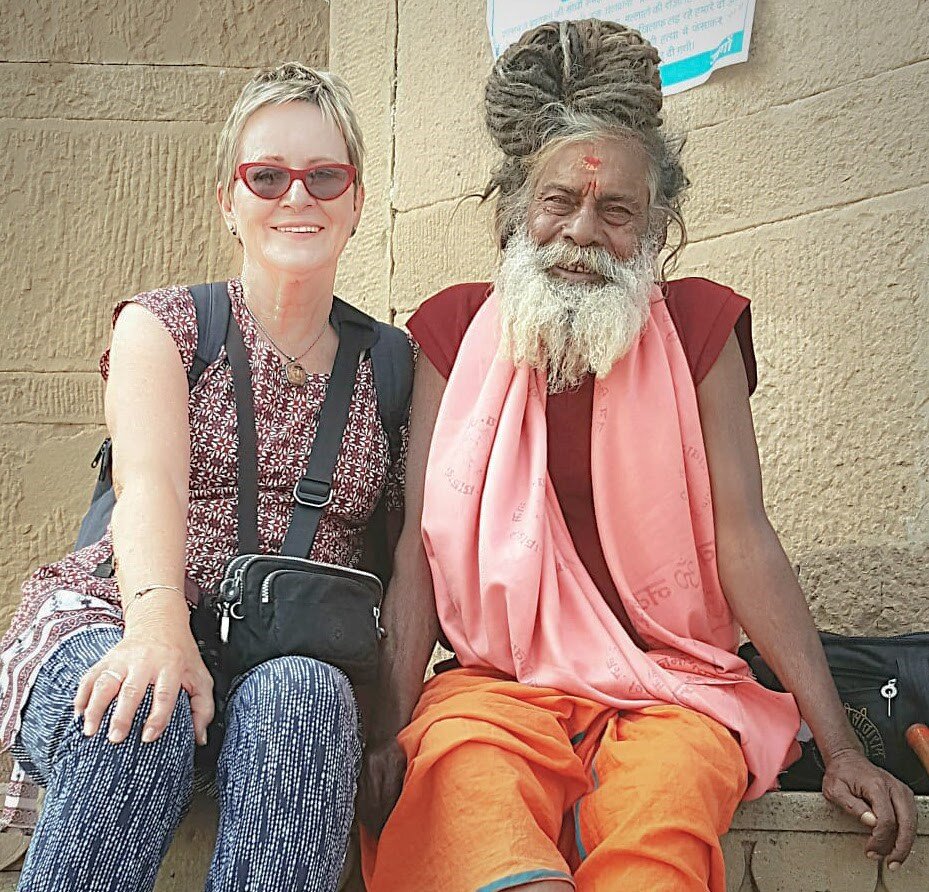
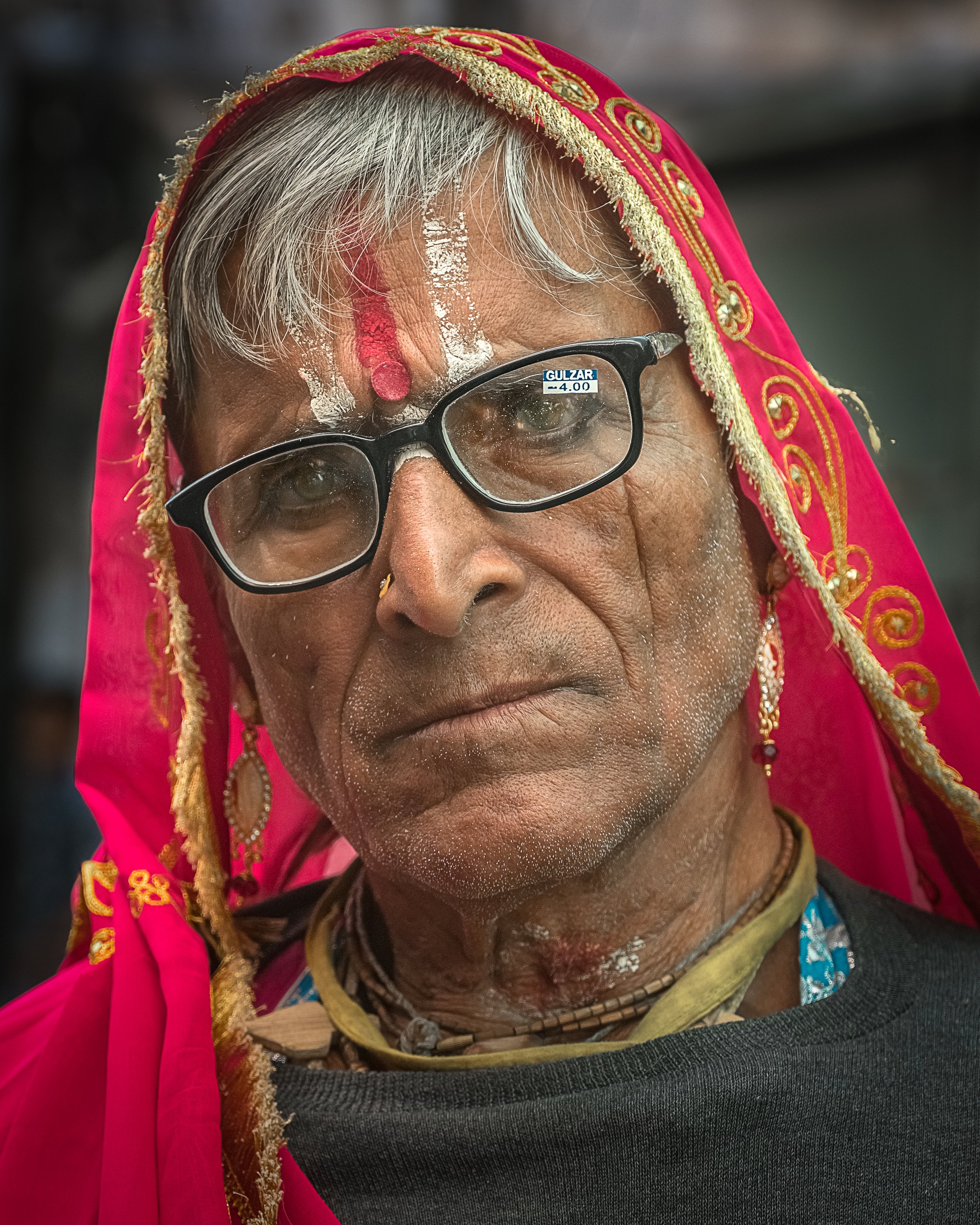
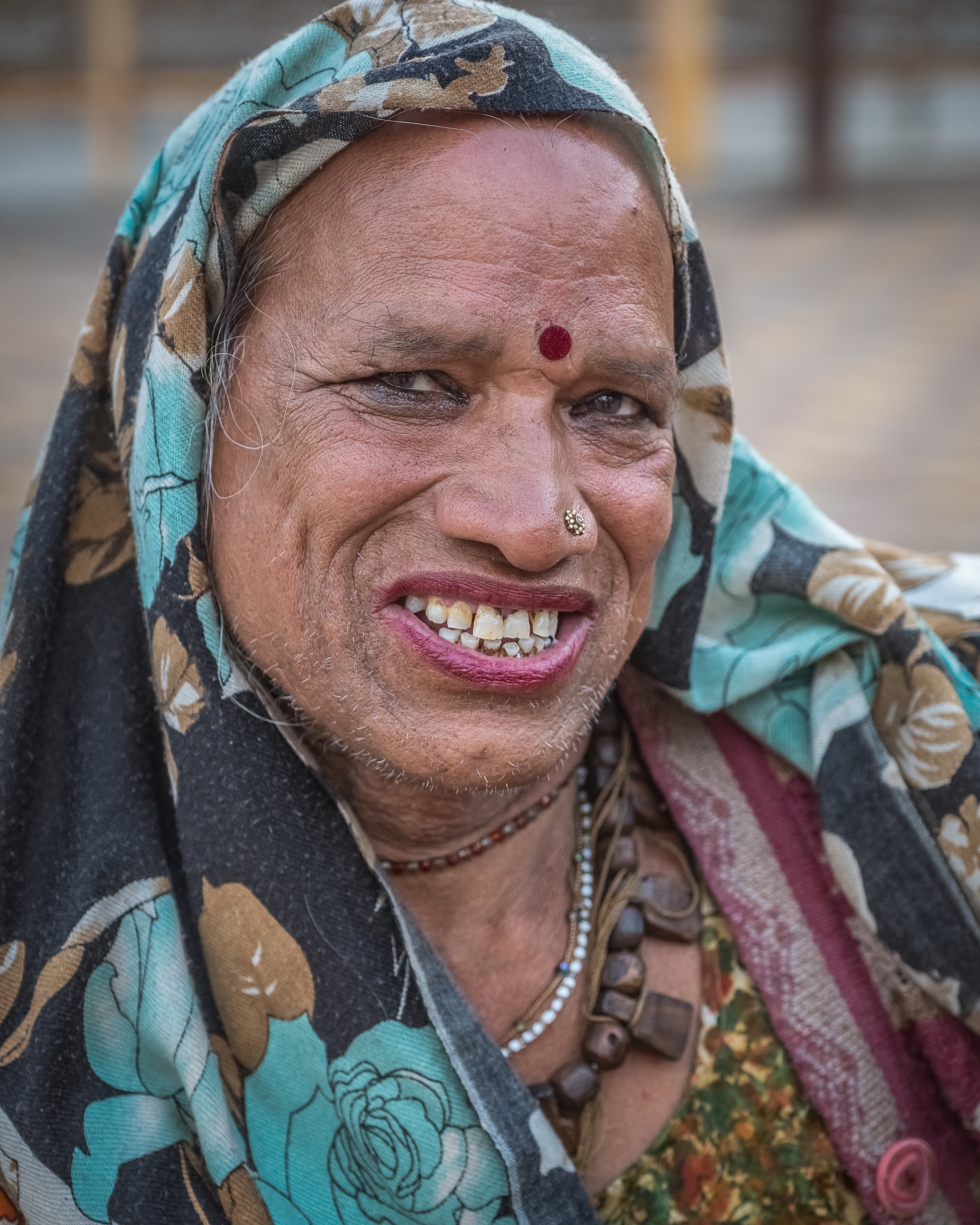
India’s third gender includes a few different groups, but the most common are the hijras. The hijra identity is complex; some are born male but dress in traditionally feminine ways, some are born intersex, some seek gender reassignment procedures, and some choose to be castrated as an offering to the Hindu goddess of chastity and fertility, Bahuchara Mata, granting them their religious powers. Outsiders tend to associate them as transgender, but Indian society considers them to be the third gender — not male, not female, not transitioning. The one defining characteristic of hijras is that they leave their homes from a young age to become a part of the hijra community, where they teach their lessons in secret. These communities exist on the outskirts of society, where they are often shunned by their families and at the mercy of police authorities. 

Image by Carole Foote

For centuries, trans, intersex and genderqueer individuals abandoned by their families have been initiated into the hijra community by gurus within the system. From the age of 12 or 13, hijras trade their relationships with their families for a relationship with a guru who takes on the role of  of parent, teacher and boss. The gurus are expected to teach each hijra the chela, or the disciple, in the hijra way of life. This includes learning their rituals, how to manage a household and how to make a living. Gurus are expected to treat the hijras like their children, but their ability to dictate how a hijra works, what they earn and even who they see maintains a hold over their lives that many activists consider a systemic form of bonded labor. 

Image by Carol Foote

These communities operate within a pyramid system where the “chelas,” or the hijra students, are divided into hierarchies by their work. At the top of the pyramid are the senior-most chelas, who sing and dance. Below them are the chelas who beg and collect alms in exchange for blessings at events. And lastly, at the bottom of the chela pyramid are the sex workers. In addition to their work, chelas are expected to take on chores that serve their guru. Regardless of how a hijra earns their money, a portion of it will go to their gurus. 

Image by Carol Foote

The founder of online transgender community Transgender India, Neysara, told NewsNewslaundry,aundry, an independent news media company in India, that the hijra community is “not a child-friendly place equipped to handle trauma.” She went on to say that, “What is vulnerable is trafficable and most that join are disenfranchised.” Neysara recalled turning to the hijra community at a time when she was young and scared. “When my family was trying to honor-kill me, I sought the hijra jamaat for help. They outright told me that I [...] could only stay with them if I do sex work and earn for them.” Honor killings are committed by a male family member seeking to protect the dignity of their family against someone they believe has brought them shame. It was sex work or death.

Image by Carol Foote

Hijras have been a part of Indian life for more than a thousand years. Evidence of their existence within Hindu society can be found inside holy texts like the Ramayana and the Mahabharata, where Arjuna became the third gender. Throughout South Asian history, third-gender people have often held positions of high power. For example, during the Mughal Empire in the 15th to 19th centuries, Hindu and Muslim rulers were considerate advocates of the third gender, and many rose to significant positions, even serving as the sexless watchdogs of Mughal harems. In Hinduism, their high regard is marked by their loyalty to Lord Rama, when hijras waited at the edge of the forest for 14 years until he returned to Ayodhya after being exiled.

Image by Carol Foote

The hijras’ religious backgrounds tend to center around traditions that blend Hinduism and Islam. The practice of removing genitalia is something stigmatized in a normal Indian community, however, it’s this act that is the source of their sacred power and legitimizes their role in society. According to tradition, when a hijra is castrated their genitalia is offered to the Hindu Mother Goddess, Bahuchara Mata. The Mother Goddessworks alongside Muslim saints to transform the sacrifice of their ability to procreate into the power to bestow fertility and good luck onto others. The hijras give blessings at births and weddings to grant new couples and their newborn children fertility and prosperity. Intersex people, transgender women and infertile men are considered to be called upon by the goddess to become a hijra. Should they ignore the call, it is believed that they will pay the price of being impotent for the next seven lives they have on Earth. 

Image by Carol Foote

The castration surgery is performed by a guru and takes place without an anesthetic. The operation is illegal and life-threatening and has led some Indian regions to consider offering a medical alternative free of charge. However, because of tradition, the sacred sacrifice is performed in absolute secrecy and never spoken of. Following the surgery, new hijras recover in semi-seclusion and eat a special diet for 40 days. Afterward, they conduct a special ceremony where they're dressed as brides and blessed with the power of Bahuchara Mata. From this moment on, they are given new names and new identities. Articles in the India Times and India Today have reported how this system has been forced upon young and at-risk men, who are then pressured into prostituion and homosexuality. 

Image by Carol Foote

Even though hijras were treated with respect for thousands of years, much of their societal downfall can be attributed to Hinduism’s encounter with colonialism. The British colonized most of South Asia in the 19th and 20th centuries, and their Christian beliefs did not prepare them for their confrontation with the third gender. In 1871, the British named all hijras hereditary criminals and ordered authorities to arrest them. The law gave police the power of increased surveillance over the community, who went as far as to compile registers of hijras. A historian named Dr. Jessica Hinchy told BCC that, "Registration was a means of surveillance and also a way to ensure that castration was stamped out and the hijra population was not reproduced." 

Image by Carol Foote

Even though the law was repealed once India regained its independence, 200 years of stigmatization took a toll. Today, hijras are almost always excluded from employment and education outside of their religious roles. They are often stricken by poverty and forced to resort to begging and prostitution. Most are victims of violence and abuse, harassed by police and refused treatment in hospitals. 

Image by Carol Foote

In a step forward, India’s Supreme Court officially recognized hijras as a third gender in August of 2014, in a law that ordered the government to provide third gender people with quotas in jobs and education. The ruling came just six months after the Supreme Court’s decision to re-criminalize homosexual acts through the reversal of a 2009 Delhi High Court order.Despite being legally recognized and protected under the Indian Constitution, the court’s choice meant that hijras would be breaking the law if they participated in consensual homosexual relations. 

Image by Carol Foote

As Neysara told NewsLaundry, “without trans representation, laws made by cis people for the ‘other’ can be damaging.” Prior progress gained seemed to be lost in 2019 when activists protested the Transgender Persons Act. According to Ajita Banerjie, a Delhi-based gender and sexuality rights researcher, this “set the whole movement back by a decade.” 

Image by Carol Foote

Today, as many as half a million members of the Indian hijra community live within the guru-chela system. Despite facing discrimination, abuse and living on the margins of society, the community continues to “remain a visible presence in public space, public culture, activism and politics in South Asia," Dr. Jessica Hinchy told BBC. On a high note, NewsLaundry says that policy-led interventions have been advocated by stakeholders in the system, with the mission to integrate “trans folks into mainstream society to reduce and ultimately end their dependency on this system, if not the system itself.” 

ABOUT THE PHOTOGRAPHER:

Carol is based in Queensland Australia and has always been drawn to street photography, searching out the most colourful and quirky characters in her own environment. After studying documentary photography at college, she travelled to Yunnan, China to photograph the wide diversity of ethnic minorities in the region. However, over the past five years, her focus has shifted to Tibet, Nepal and India. As someone who has always been drawn to unique and different cultures, the regions rich heritage and local traditions make it a haven for her style of photography.

Check out more of Carol’s work here.


Claire Redden

Claire Redden is a freelance journalist from Chicago, where she received her Bachelor’s of Communications from the University of Illinois. While living and studying in Paris, Claire wrote for the magazine, Toute La Culture. As a freelancer she contributes to travel guides for the up and coming brand, Thalby. She plans to take her skills to London, where she’ll pursue her Master’s of Arts and Lifestyle Journalism at the University of Arts, London College of Communication. 

Child Labor Increases in India During the Pandemic

Child labor in India has always been prevalent, but due to the pandemic the numbers are at an all-time high.

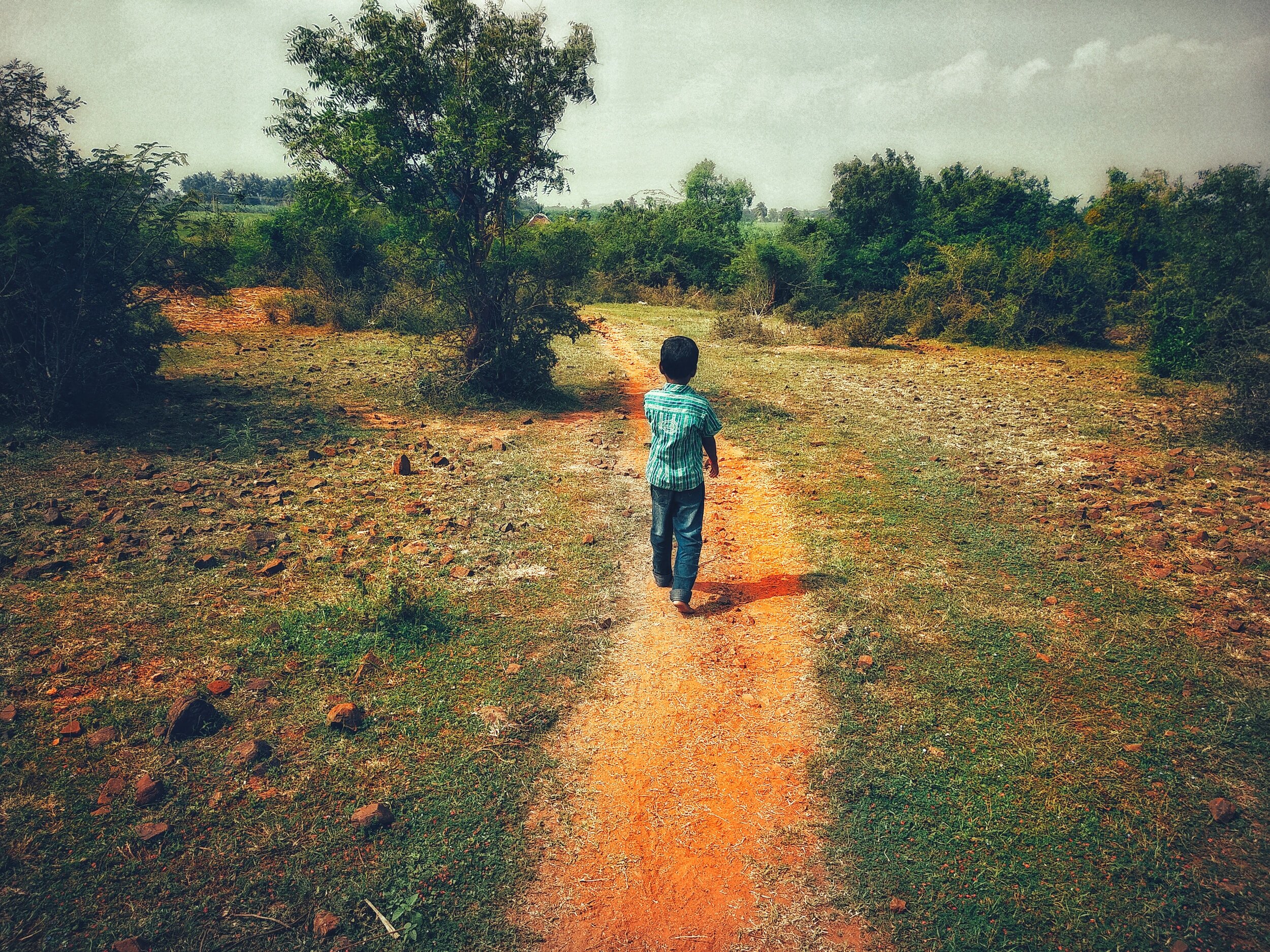
Photo courtesy of Vignesh S.

India has always had a large number of child laborers. In 2019, 152 million children were working. In the last two years, there has been an increase of 8 million children to the workforce. There is a great risk that this new generation will be academically displaced.

Before the pandemic, being in school protected children from child labor. However, with most families out of work or working to get by, the most vulnerable have to pay the cost: children. Children are often working 16 hour days in inhumane conditions. There are many contributing factors to this issue, the largest being that a third of the Indian population is living under the poverty line. With families working and narrowly making ends meet, families may feel they have no other choice but to send their children to work. Another factor is the country’s high illiteracy rate of 287 million people. Children who do not get a basic education will become illiterate adults, making them a target for underpaying jobs that creates an intergenerational cycle of poverty within the family. 

The states where child laborers are most prevalent are Bihar, Uttar Pradesh, Rajasthan, Madhya Pradesh and Maharashtra, where over half of the country’s children work. Uttar Pradesh in northern India is the state with the highest number of child laborers,  20 percent of children work in the silk industry and child laborers work in textile factories making garments for big companies. Gap was once in the headlines when someone discovered children working in the shops. Many of the child laborers were there due to their families selling them. Taking swift action, Gap responded and said, “the factory was being run by a subcontractor who was hired in violation of Gap’s policies, and none of the products made there will be sold in its stores.” Additionally, the spokesman for Gap Bill Chandler told The Associated Press, “Under no circumstances is it acceptable for children to produce or work on garments.” Since then Gap decided to stand up against child laborers and stated on their website that they would be “removing young workers from the facility.”

Children will work all kinds of jobs from carpet manufacturing, farming, brick making and gem extracting/polishing to selling cigarettes on the streets for the tobacco industry. Indian law prohibits children under the age of 14 to work and teens from age 14-18 to do any work that is considered hazardous. Nonetheless, most go unnoticed due to lack of enforcement of the law. Companies that turn a blind eye to this issue will oftentimes not recognize the child’s labor. Children will be forced to work long hours with no compensation or very little compensation. It has been reported that a child can make as little as 52 cents a day, if they are paid at all. They are frequently abused physically, verbally or sexually. Sexual exploitation in India is widespread, with 1.2 million children involved in prostitution. 

The mental and physical effects of this arduous and traumatic experience have consequences. Exposed children may experience mental health issues, causing a disruption in their emotional development. Many psychiatric disorders can stem from child labor, for example, depression, mood disorder, attachment issues, psychogenic seizures, post-traumatic stress disorder (PTSD) and substance abuse. The physical effects include but are not limited to exposure to toxic substances, working in extreme temperatures, malnutrition, sleep deprivation and death. The mental and physical toll it takes on the child will be long term if it is not dealt with. 

According to one estimate, more than 20 percent of India’s economy is dependent on children. This is a large financial burden on the hands of young people who should be exploring and playing, nurtured in their formative years, according to the American Academy of Pediatrics. The government’s accountability is key to move forward and to bring change to an already impacted generation. The laws that protect children need to be enforced and further tightened. 

The extreme poverty that has affected India is another root cause of child labor. According to Humanium, a organization that defends children’s rights, this is the primary reason children are falling victim to child labor. Their need to grow up before their time and help feed their impoverished family is only a momentary fix. This will impact their future and the future generations that will come after them. 

To Get Involved:

Global March is an organization that seeks to eliminate child labor. Their mission is to ensure free access to education. To learn more about Global March click here

To support the children of India through Global March click here.


Jenn Sung 

Jenn is a Communications Studies graduate based in Los Angeles. She grew up traveling with her dad and that is where her love for travel stems from. You can find her serving the community at her church, Fearless LA or planning her next trip overseas. She hopes to be involved in international humanitarian work one day.

A Cage Home Away from Being Homeless in Hong Kong

Cage homes have become the dangerous solution to living in the most expensive housing market in the world: Hong Kong.

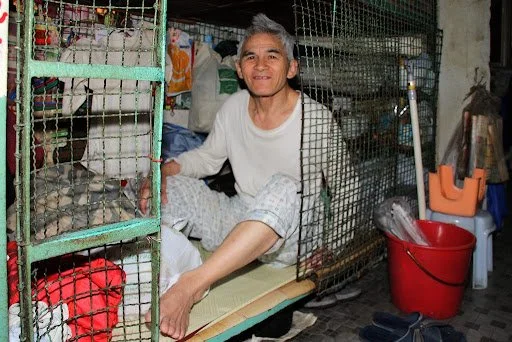
Man Living in a Cage Home. Pondspider. CC BY-NC-SA 2.0

Hong Kong is considered one of the most expensive cities to live in the world. The population of 7.4 million people live in a metropolis 110 times smaller than New York City.  Many struggle with the mounting housing prices which seem to keep rising. As a dangerous solution, low income individuals have developed "cage homes'' or “coffin homes” in which they reside. It consists of a bed-space, usually made of wood or wired boxes, large enough to only fit a bed and one or two personal items. An estimated 200,000 people, including 40,000 children live in cage homes in Hong Kong. The poor and elderly are the ones experiencing the effects the housing crisis Hong Kong has caused. 

Out of desperation, many people are deciding to live out of these cage homes in order to avoid living on the streets. These barbed wire “homes” were created in the 1950’s due to an influx of refugees coming from mainland China. They provided cheap labor for Hong Kong and, therefore, a demand for low cost bed space apartments. The apartment operators decided to make more profit by stacking bunk beds known as cages on top of each other, and the term “cage home” was created. Since then, the inhabitants have grown from immigrant workers to elderly men and women and children.

An average home in Hong Kong is about $1.28 million USD and a tiny “nano” apartment is on average $500,000 USD. Cage homes are approximately $230-$300 USD a month. They are the size of a parking space in the US, 7.5 feet in width and about 10 feet in length. They’re stacked on one another and there are approximately 30 cage homes in one room. All of the renter’s personal items are locked away at night or when renter’s go out for the day. Bathrooms are mostly communal and often there are no kitchens, just electric portable burners. While living in these homes, renters usually have no privacy or natural light coming in. Most windows are away from where the cage homes are placed. Many of the cage homes are in older urban districts, such as, West Kowloon, Sham Shui Po and Mongkok. 

The mental and physical effects of living in a cage home are concerning. The people who live in these spaces are dealing with depression, anxiety and stress due to their financial situation and cramped living space. Although they live among others, they often feel isolated and alone. Hygiene is also a big issue when living in these confined spaces. Up to a dozen people share bathrooms and kitchen areas, which are at times both in one room. In addition, there are poor safety regulations due to the buildings’ age and the number of people living in these tight spaces. The inadequate fire protection is a big risk many face when choosing to live in constricted spaces like these. Renters often have to deal with the infestation of rodents, roaches and bed bugs, which in turn affects their sleep and adds to health issues. There is poor air quality and no ventilation systems, with summer temperatures making it unbearable. Some elderly people have described their lives in their cage homes as “waiting for death.”

The new coronavirus pandemic has made it extremely difficult to live in these confined spaces. The cage home inhabitants find it impossible to quarantine safely as they do not have any walls or personal space. Most of them have to wear masks to sleep in order to avoid contracting the virus from others in their room. Many who live in the cage homes used to escape their reality by spending the day in parks, librairies or jungle gyms, however the pandemic has forced all public areas to close. Now cage home dwellers pass the time by, napping, listening to music or watching TV. Volunteers visit the people living in these spaces and bring food to donate, while also spending time with the residents to ease their loneliness.

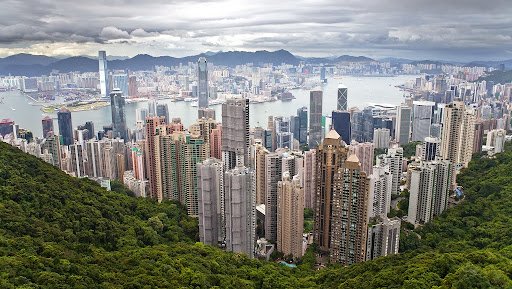
Panorama of Hong Kong. CC BY-NC 2.0

The reason for the rising costs in the housing market is Hong Kong’s dense population, in which only seven percent of the city’s land is used for residential living. The pace of land supply and creation has slowed down in recent years. With low supply and high demand for living space, Hong Kong’s housing prices have no chance to come down. Chief Executive of Hong Kong Carrie Lam has proposed a variety of measures to boost the number of homes in the residential market. Her plan includes an aggressive target to turn the remote northern part of the city into a “metropolis” for 2.5 million people, a project that will take decades to complete. In July, Director of the Hong Kong and Macau Affairs Xia Baolong set a city goal to eliminate its ‘infamously small apartments’ by 2049. This refers to less than 500 square foot apartments many residents live in. The Hong Kong government legally recognised cage homes, but did so under the label “bedspace apartments,” which are defined as “any flat in which there are 12 or more bed spaces occupied or intended to be occupied under rental agreements.” The United Nations has taken notice and calls the poor conditions present “an insult to human dignity”.


Jennifer Sung

Jennifer is a Communications Studies graduate based in Los Angeles. She grew up traveling with her dad and that is where her love for travel stems from. You can find her serving the community at her church, Fearless LA or planning her next trip overseas. She hopes to be involved in international humanitarian work one day.

The Cultural Renaissance of the Sámi

The Sámi have resided in Northern Scandinavia long before the borders of existing countries were drawn. Despite pressure to assimilate to Norwegian culture, traditional Sámi culture remains strong.

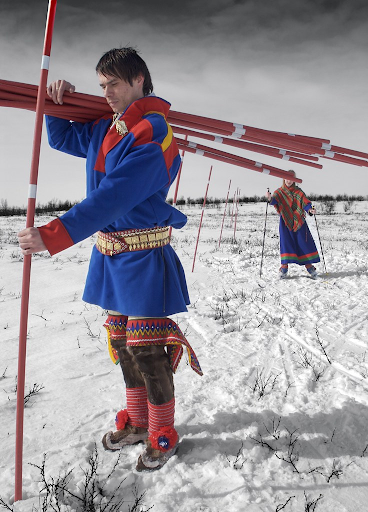
More than 4,000 miles north of the equator in Finnmark county, Norway live roughly 40,000 descendents of the Sámi, a nomadic people from thousands of years ago in Northern Scandinavia. The Sámi live in parts of Norway, Finland, Sweden and Russia. Of the 80,000 total population of Sámi, roughly half live in Finnmark, Norway. 

The Sámi have their own language with five dialects currently used in Northern Norway. Of the dialects spoken, Northern Sámi, Lule Sámi and Southern Sámi are the most common. Each dialect is completely unique and does not resemble each other nor other Scandinavian languages. In the 1990s, the Norwegian government made speaking Sámi illegal in efforts to force assimilation of the Sámi people, resulting in many Sámi today being unable to speak the language. The Norwegian government has officially apologized for the past legislation, but the damage is still evident as less than half of Sámi people in Norway speak a Sámi dialect. In recent years the Sámi language has had an increasing role in new media and broadcasting, signaling efforts to keep the language alive.

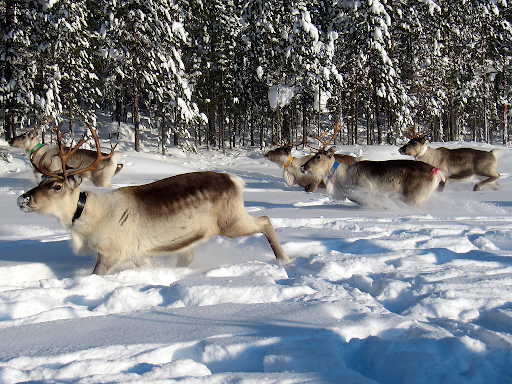
A pillar of Sámi culture is reindeer herding, which played a major part in the Sámi economy for hundreds of years. Starting in the 16th or 17th century, the Sámi transitioned from hunting reindeer to becoming nomadic herders. Reindeers are used for more than just cooking — the Sámi make clothes and shoes from the skin, and the horns can be used to make traditional art. Today, Sámi herding is less nomadic; most families stay in permanent homes while the herder will travel with the reindeer.

Despite previous attempts from governments to assimilate Sámi people, their culture and traditions have remained present in modern life. Notably, Sámi Joik has had a cultural renaissance in recent years. Joik is a traditional form of music that has been passed down orally for generations. The music, performed acapella, is storied to have been taught to the Sámi by fairies and elves. Joik is very personal in nature, as the music is typically dedicated to a specific person, place or animal. Joik is a central part to Sámi culture, and many young Sámi people have begun to incorporate the traditional music into different genres of music. 

New artists are revitalizing Joik after intense pressure from the Norwegian government in the 20th century caused some areas to lose the tradition.  Norwegian music group KEiiNO entered the 2019 Eurovision Song contest with music that included pop, electronic and Joik, and took 6th in the competition, winning the popular vote by viewers. Joik has made a recent impact in Hollywood as well, inspiring “Vuelie,” the opening track of Disney’s Frozen.

Joik is not the only part of Sámi culture that has continued in contemporary forms. The Sámi Center for Contemporary Art was established in 1986 and features contemporary Sámi art. The gallery blends traditional art pieces with modern art forms of expression. Despite past pressure and action from governments, the Sámi continue to keep important aspects of their culture alive. These efforts were continued with the establishment of the Norwegian Sámi Parliament in 1989. The Sámi Parliament is made of 39 elected representatives and oversees matters that deal directly with the Sámi. The parliament is a political party for the Sámi people that promotes Sámi interests. Traditional Sami culture remains an integral part of daily life for the Sami to this day, and illustrates how the rich history of the Sami is being brought into the modern day.


Dana Flynn

Dana is a recent graduate from Tufts University with a degree in English. While at Tufts she enjoyed working on a campus literary magazine and reading as much as possible. Originally from the Pacific Northwest, she loves to explore and learn new things.
79 Female Judges, Journalists and Activists Evacuated From Afghanistan

Female Afghan judges fear for their lives as Taliban prisoners they previously sentenced are now free. 

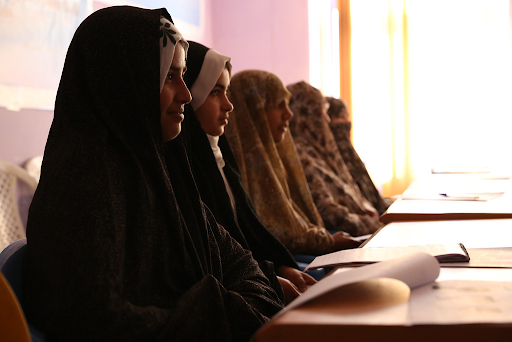
Women’s photojournalism course in Farah City, Afghanistan. ResoluteSupportMedia. CC BY 2.

In August 2021 the Taliban took control of Afghanistan shortly after the United States withdrew its military. As a result, there were mass attempts to flee. This culminated in citizens desperately rushing the Kubal airfield in attempts to leave the country. Concern for female judges and lawyers started immediately when the Taliban seized control, as many of those judges had sentenced Taliban fighters to prison and feared what would happen to them and their families. Many of the prisoners released by the Taliban had been convicted of serious and violent crimes, causing the judges and lawyers that prosecuted them to fear retaliation. One female judge reported receiving threats from released prisoners shehad convicted, forcing her to go into hiding, fearing for her and her family’s lives. Many of the people that initially fled the country were citizens of NATO countries who were evacuated by their respective governments, leaving citizens of Afghanistan scrambling to find refuge. Early efforts to evacuate the judges were made by the nonprofit International Association of Women Judges, who worked to find ways out of the country for the female Judges.

Most recently the International Bar Association’s Human Rights Institute helped to evacuate a total of 79 female judges, journalists and activists to Greece. The group was also able to evacuate the women’s families, totalling to 370 people who were able to flee Afghanistan. Greece gave the refugees temporary visas, and the International Bar Association’s Human Rights Institute is continuing to look for more permanent solutions for the families. Many of the families evacuated have already been welcomed into other countries as their final destinations, including  Australia, Germany, the United States, Ireland, Iceland and the United Kingdom. The effort was led by Baroness Kennedy of the UK. The first flight that evacuated the judges and activists departed in early October, carrying 26 people. The following two flights to Greece carried the 370 total evacuated judges, journalists and activists along with their families. 

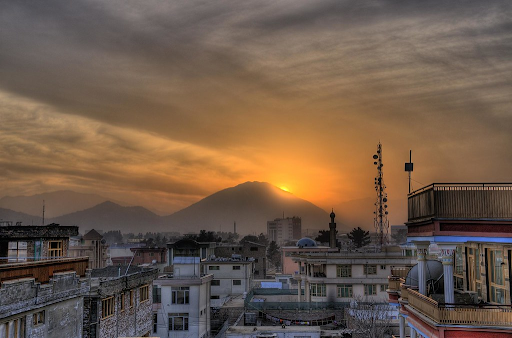
Kabul the capital of Afghanistan. Jorr81. CC BY-NC-SA 2.0

The fear for women’s safety not only comes from their occupations and judges, journalists and activists, but when the Taliban previously had power in Afghanistan women had very few rights. They were unable to work, receive an education, or leave the house without a male relative escorting them. Women working as judges was seen as a major step in elevating women’s rights in Afghanistan after the occupation of the Taliban. Female judges now forced to flee or go into hiding for fear of retaliation for their work is a devastating regression from the progress made.


Dana Flynn

Dana is a recent graduate from Tufts University with a degree in English. While at Tufts she enjoyed working on a campus literary magazine and reading as much as possible. Originally from the Pacific Northwest, she loves to explore and learn new things.

The Fight to Eradicate Female Genital Mutilation

Fueled by her personal experience, Ifrah Ahmed is a grassroots activist dedicated to ending the brutal practice.

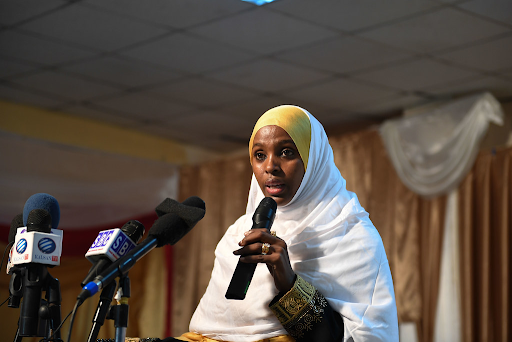
Ifrah Ahmed speaking at a symposium on Safe Cities Campaign in Mogadishu, Somalia on December 26, 2016, .AMISOM Public Information. CC0 1.0

Female genital mutilation (FGM) of women and girls is a brutal practice that persists in communities to this day. The practice, which has no health benefits for women, consists of removing exterior female genitalia. Additionally, this mutilation is extremely painful and poses significant health risks, including severe bleeding, infections and complications during childbirth. 200 million girls have experienced FGM across 30 countries. The practice is most prominent in Eastern, Western, and Northeastern regions of Africa, but cutting has a global presence including significantly in the Middle East and some parts of Asia. The practice is also present in parts of Europe and the United States. The CDC estimates that more than 500,000 women and girls were cut or at risk in the United States. In Europe, 600,000 women and girls have been subjected to the practice and another 180,000 are at risk. Many major organizations strictly oppose female gential mutilation, including the United Nations, the World Health Organization and UNICEF. 

FGM is practiced for many different cultural reasons, which includeviewing it as a rite of passage into adulthood, making women fit for marriage, fitting cultural conceptions around purity and even catering to men’s sexual preferences. The practice is primarily done to young girls, and can be extremely psychologically and emotionally scarring as well as physically dangerous.

While many countries that practice FGM have made it illegal, and major organizations campaign against it, grassroots activists also have a largeimpact in working towards ending this violence against women.

One of the more prominent grassroots activists leading the movement is Ifrah Ahmed, a victim of FGM herself as a young girl in Somalia. Ahmed founded the Ifrah Foundation, an organization with the goal to end FGM in Somalia and the Horn of Africa. In Somalia, Ahmed’s childhood home, it is estimated that 98 percent of women have undergone FGM. Ahmed was instrumental in Ireland’s official ban of FGM in 2012. Recounting her personal experience, Ahmed doesn’t want to be seen as a victim. “I want people to see me empowering other women,” said Ahmed.

FGM has a long history in Somalia, making its practice deeply rooted in Somalian culture. The Ifrah Foundation’s most recent approach to ending the practice is called the Dear Daughter Campaign. The campaign is focused on reaching individuals and having people pledge to shield their daughters from the practice in the future. The campaign also aims to provide education and information around the issue, relying on individuals to help communicate the information to their communities through different methods of outreach. The foundation’s work has the full support of the Somalian government. The foundation hopes to help completely end the practice of FGM by 2030, a goal set by the United Nations.

In the past, the Ifrah Foundation has utlized grassroots activists by training people to speak on FGM and fight any misconceptions about the practice. Many of these activists will use their own experiences with cutting when discussing the dangers of the FGM. Activists like Ifrah Ahmed are key to fight female genital mutilation because they can approach the issue within context of the many cultures that practice it. Ahmed’s foundation is focused on systematic change, making their approach to FGM specified to the culture of each unqiue region. Despite the prevalence and persistance of FGM, Ahmed remains focused on a positive future, telling the Thomson Reuters Foundation “I can’t change what happened to me, but I don’t want any other girl to go through it.” 


Dana Flynn

Dana is a recent graduate from Tufts University with a degree in English. While at Tufts she enjoyed working on a campus literary magazine and reading as much as possible. Originally from the Pacific Northwest, she loves to explore and learn new things.
Power Lines Are Killing Endangered Wildlife in Costa Rica   

The abundant wildlife Costa Rica is known for is at risk as uninsulated power lines threaten to exterminate tree-dependent species, many of whom are already endangered.  

Native Costa Rican Primate, Wikimedia Commons, CC BY-SA 2.0

Costa Rica is known for its extraordinary wildlife, lush rainforests, and picturesque beaches. The country is often commended for its environmental practices, setting the record in 2017 for lasting 300 consecutive days entirely on renewable energy. The small Central American country is home to more than 500,000 animal species, encompassing 5 percent of the world’s biodiversity. Its biological richness and eco-friendly reputation are what drive eco-tourism, a significant source of the country’s income that has come to be a double-edged sword. 

Over the past decade, tourism and economic growth in Costa Rica have surged, generating a need for development to support it. The construction happened rapidly, without planning and, in most cases, on a budget. Where the country saved using bare aluminum wiring for power lines, their beloved wildlife is paying the price. Not only do the above-ground power lines contribute to habitat loss and fragmentation, but they’re electrocuting the area’s tree-dependent animals. 

Even though Costa Rica has laws in place to protect its wildlife, campaigners say they aren’t enforced. Gavin Bruce, the project manager at International Animal Rescue, told Unearthed that, “The country has a very ‘green’ image, and tourists from all over the world visit to see the amazing wildlife. But if you’re on holiday and wake up to the sound of a screaming monkey being electrocuted outside your window, it’s extremely upsetting, and people ask ‘how can they let this happen in Costa Rica?’ It’s difficult to answer.”

Nearly all of the power lines in Costa Rica are aerial, meaning they run above the ground along the sides of the roads. When animals confront the roads that divide the forests of trees they’re accustomed to, their only alternative to cross is to use the power lines as a bridge. When they make their way over, their bodies can form a connection between the un-insulated wires, sending up to 34,000 volts through them.

Each year, thousands of animals, including endangered monkeys and families of sloths, are being electrocuted on the un-insulated power lines. The mortality rate following electrocution is about 70 percent, mostly due to multi-organ failure after the animal’s body temperature surpasses 109°F. If the animal survives, the rehabilitation process usually involves limb amputation, leaving the victim unable to return to the wild. As a result, it’s thought that approximately 50 percent of Costa Rica’s arboreal mammal population has been lost. 

In 2018, The Ministry of Environment and Energy of Costa Ricapublished a guide to address the issue, urging electricity providers to use insulated cables, practice preventative measures and provide data on animal electrocutions. Environmental engineer at the Costa Rican Electricity Institute Rafael Quesada was not optimistic about the effectiveness of the guide. Quesada told Unearthed that the guide “only recommends environmental actions, but doesn’t oblige any company to execute them.”

In the years following the MINAE report, campaigns like Refuge for Wildlife’s ‘Stop The Shocks’ and The Jaguar Rescue Centre’s ‘Shock-Free Zone’ were launched countrywide, aiming to spread awareness and lobby for change. Over time, community members in Heredia came together to start their own initiative. After calling their electricity company, ESPH, and voicing their concerns for the animals on their properties, the company partnered with Toucan Rescue Ranch and The Environmental Ministry to construct wildlife bridges — a safe alternative for animals to get from one side of a road to the other. 

Wildlife electrocution isn’t limited to Costa Rica. As development is increasing across the globe, high voltage power lines are appearing in more sensitive habitats. Elephants in India, falcons in Mongolia and gibbons in Myanmar are only a few of the reported victims. Costa Rica has an opportunity to adhere to its ‘green’ reputation and act as a leader for other countries to follow. The country must take steps to insulate the existing lines, establish reactive programs and work with wildlife experts to change pole designs. Doing so will conserve the country’s environment, add biodiversity and provide a better future for the magnificent wildlife Costa Rica is known for. 

To Get Involved

The Sloth Conservation Foundation has developed a range of strategies for sloths and humans to coexist in Costa Rica. Their work building sloth crossings, educating the community and collaborating with ICE to insulate power lines has engaged and empowered the local community. To support SloCo, you can volunteer, give a donation or contact their team. 

Toucan Rescue Ranch

Toucan Rescue Ranch rescues, rehabilitates and releases sick and injured Costa Rican wildlife. The ranch works closely with MINAE, which brings injured and displaced wildlife to their center. They work closely with The Sloth Institute of Costa Rica and other species-specific release programs to ensure success for the animals. To get involved at TRR you can volunteer, donate and even “adopt” an animal. Get in contact with them to learn about other opportunities and internships


Claire Redden

Claire Redden is a freelance journalist from Chicago, where she received her Bachelor’s of Communications from the University of Illinois. While living and studying in Paris, Claire wrote for the magazine, Toute La Culture. As a freelancer she contributes to travel guides for the up and coming brand, Thalby. She plans to take her skills to London, where she’ll pursue her Master’s of Arts and Lifestyle Journalism at the University of Arts, London College of Communication. 

Ljubljana: The Green City of Slovenia

The city has enacted sustainability initiatives that consistently earn recognition for eco-friendly daily living.

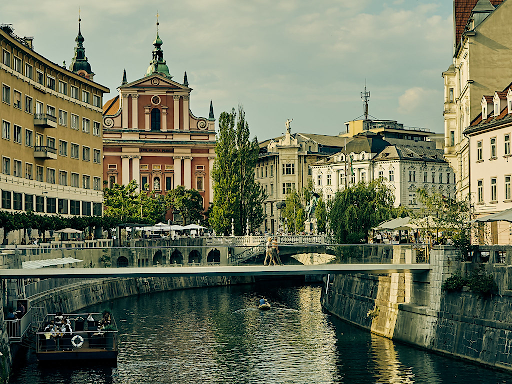
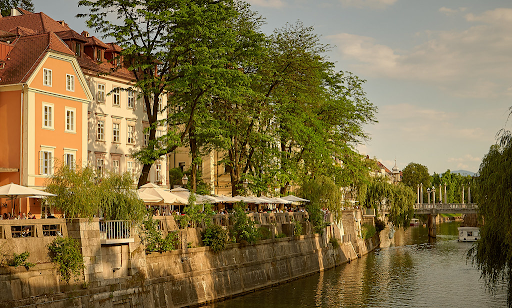
Ljubljana, the capital of Slovenia, is known for being ‘green’ due to its lush landscape and eco-friendly living. The small city, surrounded by the Alps and the Adriatic, has a population of roughly 290,000 residents. The city was awarded the European Green Capital award in 2016 for its commitment and vision for an eco-friendly city. Locals are dedicated to creating a sustainable city and take the green initiatives seriously. In 2008, the city center was deemed a zone free of motor vehicles. As a result, many people use bicycles to get around the city, and Ljubljana has become very bike-friendly to accommodate the influx of cyclists. The city has a free bike sharing network that allows residents and visitors to easily commute throughout the city. The city also has an eclectic vehicle service that can be hailed on the street as another form of public transportation in the city center.

Ljubljana is not only dedicated to sustainable transportation. Beekeeping is at the heart of Slovenian culture and thrives in Ljubljana. While the rest of Europe is experiencing a concerning decline in their bee population, Slovenia’s bee’s are thriving. Bees are essential to the environment and ecological systems, and Slovenia’s dedication to beekeeping is an essential part of what makes them an eco-friendly destination. Ljubljana has established urban beekeeping, with over 4,500 hives in the city. Beekeeping in Ljubljana can be traced back to the Bronze Age and remains an integral part of the city’s culture. To keep beekeeping thriving today, the city of Ljubljana started The Bee Path, a group of people who promote activities related to urban beekeeping and encourage co-existance with bees in an urban setting. Created in 2015, the path takes visitors throughout the city to learn about the importance and history of beekeeping in Ljubljana.

Ljubljana is known for its natural beauty and, prior to winning the Green Capital award in 2016, the city planted thousands of trees to add to the existing greenery. There are currently ​​65,000 registered trees in the cityMany of these trees are located along the city’s Path of Remembrance and Comradeship, which follows the location of barbed wire placed in the city during the World War II occupation. Today, the path is surrounded by trees and is used as a trail for joggers and bikers.

The city has a noticeably large amount of per capita green space, at 542 square meters. The city is also the first capital in the European Union to announce a zero waste initiative.The eco-friendly commitment is not just limited to Ljubljana; Slovenia itself was declared the first green destination in the world in 2017, meeting 96 of the 100 environmental initiatives. Ljubljana’s eco-friendly character is the result of the local community and government passionately making sustainable changes. 


Dana Flynn

Dana is a recent graduate from Tufts University with a degree in English. While at Tufts she enjoyed working on a campus literary magazine and reading as much as possible. Originally from the Pacific Northwest, she loves to explore and learn new things.

Spanish Statue Prompts International Discussion about Climate Equity 

Mexican artist Rubén Orozco Loza’s latest installation of a drowning woman in Bilbao, Spain, incites international discussions of intergenerational equity in climate litigation. 

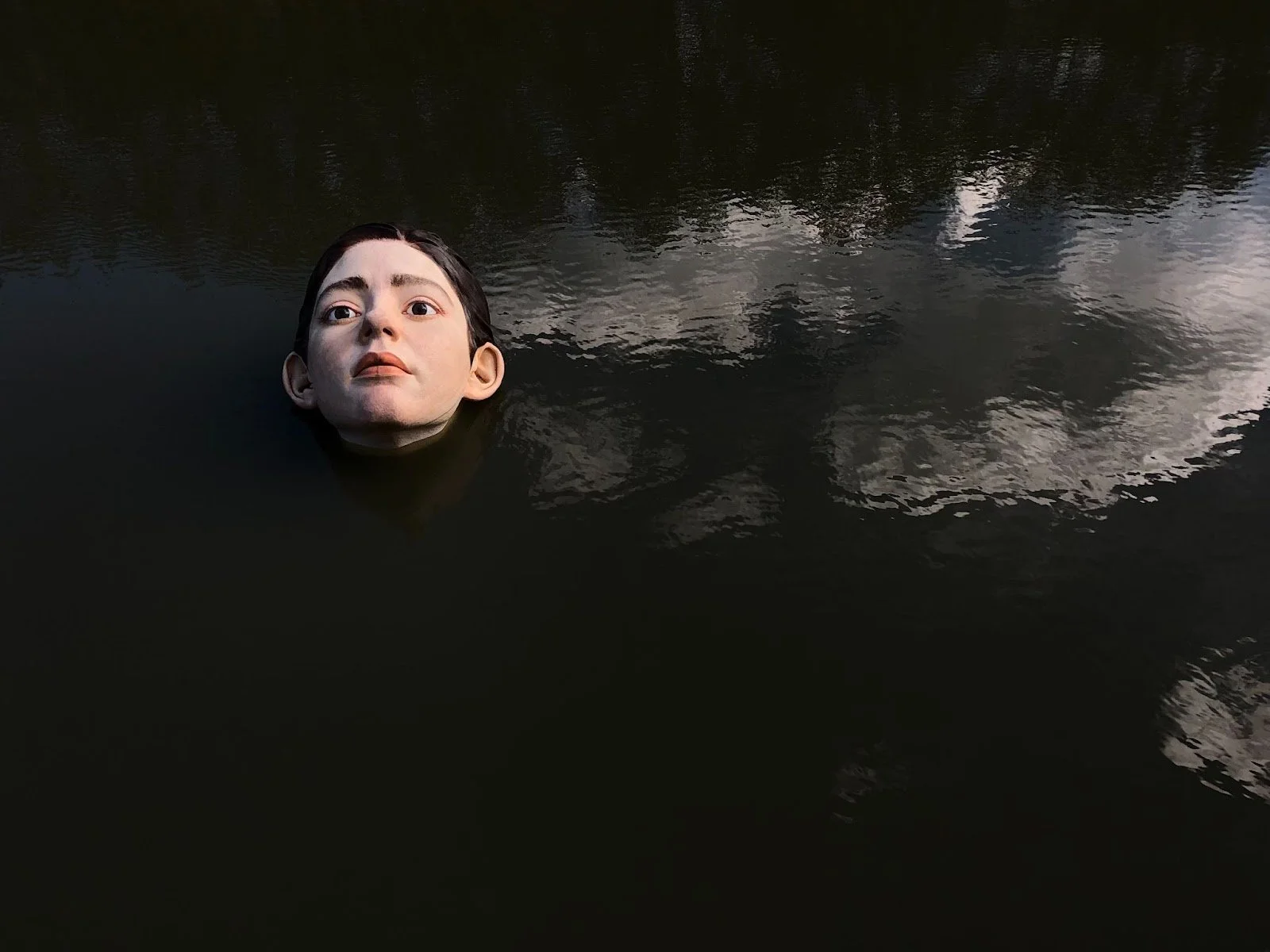
Bihar. Rubén Orozco. CC BY 1.0. 

Since appearing in the water of Bilbao’s River Nervión unannounced, an eerie statue of a drowning girl has mystified the people of the Spanish city. The figure was taken by boat in the middle of the night on Sept. 23 and placed quietly in the water. When residents awoke the following day, they were startled to see a young woman’s face partially submerged with her eyes and mouth tilted up, reaching for air. The piece has inspired international discussions about intergenerational equity and climate change. This issue is a big topic among European youth who, in recent years, organized school walkouts and protests

Despite her passive expression, viewers have described the image to invoke different feelings as the tides rise and fall. A visitor viewing the statue, Triana Gil, told Reuters that “At first it gave me a feeling of stress when more of the face was out of the water, but now to me she communicates sadness, a lot of sadness … She doesn't even look worried, it’s as if she is letting herself drown.”

Rubén Orozco Loza, a hyperrealist artist from Mexico, created the sculpture. The installation, commissioned by the BBK Foundation, is titled “Bihar: Choosing Tomorrow.” In an email to Insider, Loza described the piece as “a reflection on the decisions we make for future generations.” The artist told the Spanish news site, Nius, that the goal of his work is for people to consider that “their actions can sink us or keep us afloat.” 

With the help of his wife, Loza spent three months completing the piece in Mexico. The artwork is over 6.5 feet tall and weighs around 3.5 tons. It had to be flown to Spain in eight separate pieces and re-assembled there before it was brought to the river by boat.  

The young girl stands still as tides rise past her ears and over her head, then slowly back down, unveiling her upward staring eyes and calm expression. This cycle repeats over and over, day after day. Her presence isn’t just unsettling residents but inspiring discussions around an uneasy topic that affects the global population: climate change. 

A few days before the statue’s grand appearance in the river, the Science Journal published a report about intergenerational inequalities in exposure to extreme climate events. The paper found that children born in 2020 will experience up to seven times more extreme climate events like heat waves, wildfires, droughts, floods, hurricanes and tsunamis than someone born 40 years ago. This raises the important issue of intergenerational equity in climate litigation, which has fueled recent climate protests led by millions of young people in at least 110 countries in the last few years. 

Loza told Insider that “‘Bihar: Choosing Tomorrow’ is an exercise in pausing, looking at what's changing, and above all, a future reflection of what can happen if we continue to bet on unsustainable models.” His artwork serves as a medium to contemplate the question of how future generations will experience a world impacted by the actions of people today. Loza added, “I hope that this piece helps people reflect and see how, like the sculpture, we can get to a point where we are no longer afloat.”


Claire Redden

Claire is a freelance journalist from Chicago, where she received her Bachelor’s of Communications from the University of Illinois. While living and studying in Paris, Claire wrote for the magazine, Toute La Culture. As a freelancer she contributes to travel guides for the up and coming brand, Thalby. She plans to take her skills to London, where she’ll pursue her Master’s of Arts and Lifestyle Journalism at the University of Arts, London College of Communication. 

The Inca’s Sacred Site of Machu Picchu 

Machu Picchu has turned into one of the most visited sites in South America. It’s deep history and architecture draw enthusiasts in. 

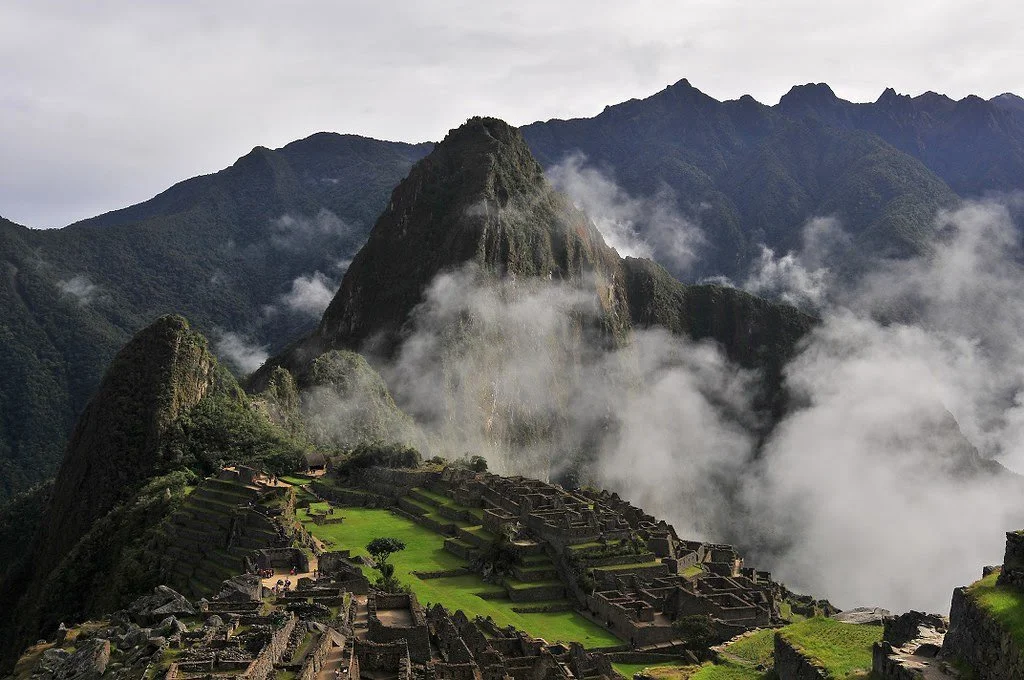
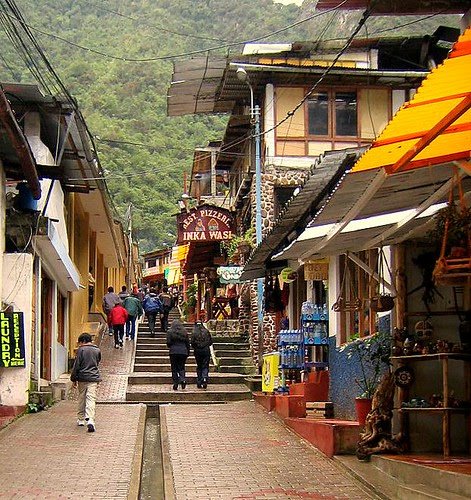
Located in the Andes Mountains of Peru, Machu Picchu is believed to have been a royal estate or a sacred religious site. It sits at 7,970 feet above sea level overlooking the Urubamba river and covers 80,000 acres. It’s been estimated to have been built and inhabited in the mid 14th to mid 15th century by the Incas. This archeological site is one of the few well-preserved remnants of the Inca civilization. 

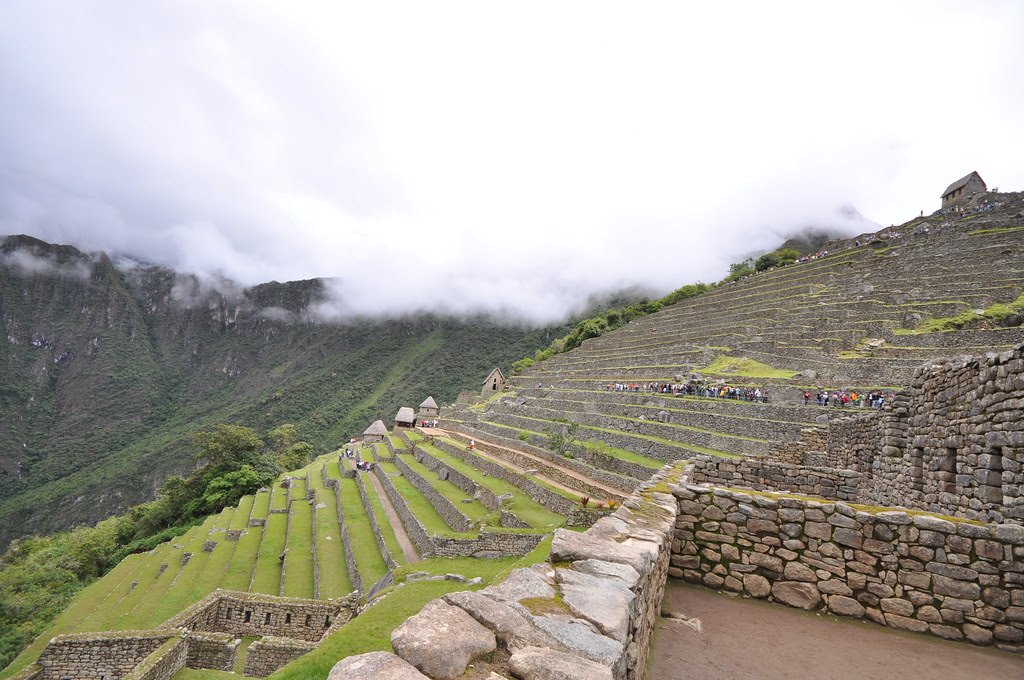
The Incas were very skilled builders; they constructed Machu Picchu using a technique called “Ashlar.” This involves cutting stone so precisely that mortar, a material often used to bind stones together, was unnecessary. Not only did they not use mortar, but  they did all of it without the help of metal to cut the stones. With no record of wheels being used, the stones were likely pushed up the steep mountains by strong men over the years. Built on land frequented by seismic activity, the site has been able to stay intact despite being built atop two fault lines. The stones are called “dancing stones” as they do not break but rather move in rhythm to the earth’s motion when an earthquake occurs. Thus, demonstrating the Incas were intentional when building Machu Picchu. 

Archeologists have identified different sections of the site, making up Machu Picchu: a residential neighborhood, a royal district, a sacred area, and a farming zone. It is believed that the inhabitants harvested potatoes, coca leaves and corn. However, the most appreciated of the three was corn. It was seen as a symbol of power and a sacred state crop. The Inca people grew their food between mountain peaks due to freezing temperatures and uneven terrain. Agriculture terraces were efficient and built as steps into the slopes of the mountain. 

Discovered in July 1911, Machu Picchu was found by Yale graduate and American explorer Hiram Bingham III. Bingham was in search of  Vilcabamba, a secret stronghold mountain used against Spanish rule. However, after many failed attempts at locating it, he arrived in Cusco. He was met by Melchor Arteaga, a Quechua-speaking resident who led Bingham to the ruins of Machu Picchu, which were hidden under vines. The following year, Bingham returned to lead in the excavation of the ruins. While excavating, he was sure that Machu Picchu was Vilcabamba. Still, it wasn’t until the mid-20th century that this theory was disputed.

Historians estimate that the population in Machu Picchu was about 1,000-1,200 Inca people. The Incas are believed to have only inhabited the historic site from 1438-1471 and abandoned it a century later due to the Spanish conquest. While escaping to safer locations, the people destroyed any trails and evidence that connected Machu Picchu to the Inca Empire. The site was left untouched for centuries until Bingham discovered it again in 1911 in the dense jungle of Peru.

Machu Picchu is Peru’s most visited attraction and one of the most well-preserved examples of Inca architecture. It has been named a UNESCO World Heritage Site since 1983 and one of the Seven Wonders of the World in 2007. The adept engineering of the Incas can be seen throughout Machu Picchu and continues to bring in visitors from around the world.


Jenn is a Communications Studies graduate based in Los Angeles. She grew up  traveling with her dad and that is where her love for travel stems from.  You can find her serving the community at her church, Fearless LA or  planning her next trip overseas. She hopes to be involved in  international humanitarian work one day.

The World’s Electronic Waste is Ending Up in Ghana’s Landfill

While new tech gadgets launch every few months, the buildup of electronic waste is being sent to Ghana and damaging the citizens’ health. 

Location, Ghana. Fairphone. CC BY-NC 2.0

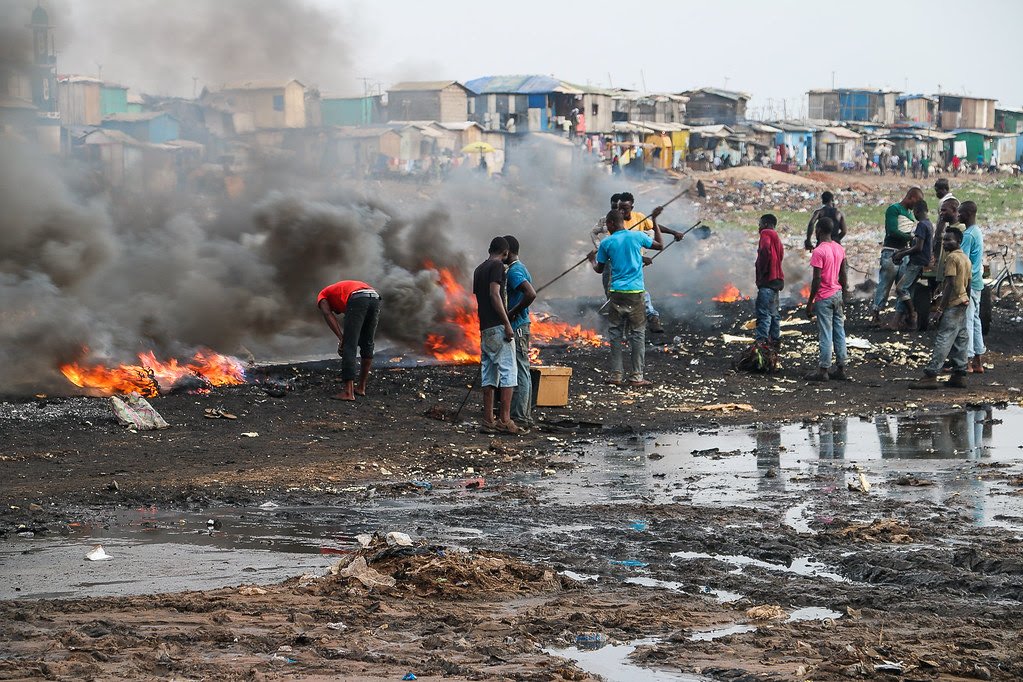
The capital city of Accra in Ghana is home to the largest e-waste landfill, Agbogbloshie. Electronic waste or e-waste is waste material with any battery or power cable. It ranges from everyday appliances to laptops, circuit boards, lamps, phones, etc. If these items are not disposed of properly, they can become harmful to the environment and people. An estimated 250,000 tons of electronics are sent every year to the dumpsite. The site not only houses e-waste, but about 40,000 Ghanaians inhabit the area alongside livestock. 

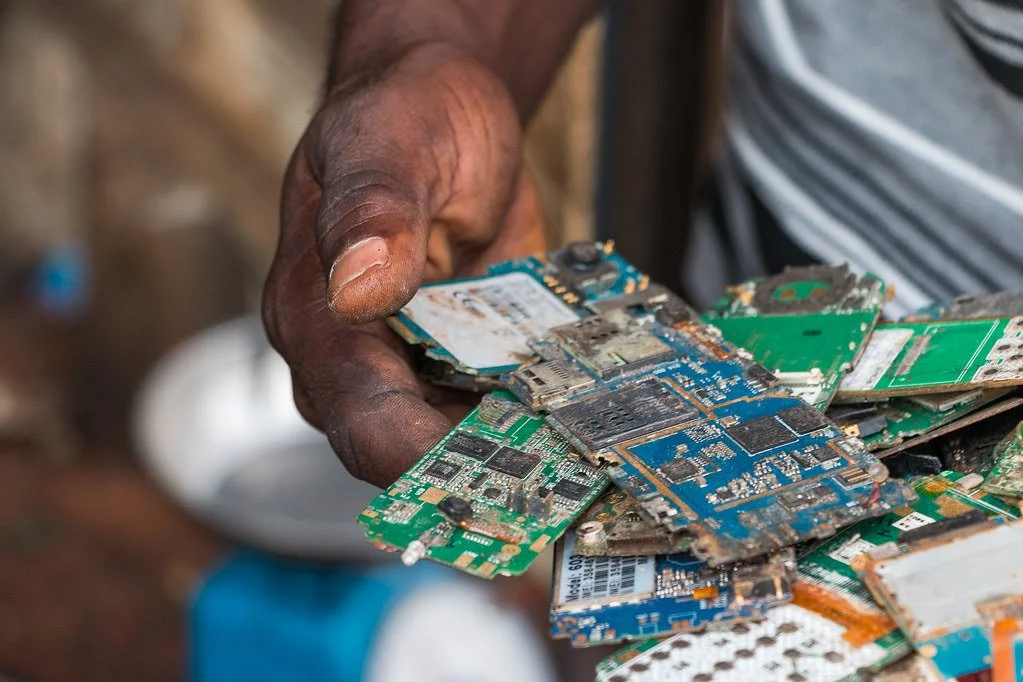
The e-waste arrives in Ghana through the Port of Tema, about 20 miles east of Agbogloshie. Most of the items in the container ships are from the United States or Western Europe. The electronics are secondhand and sent to Ghana with the idea of being refurbished then sold.  The majority of the items cannot be fixed and become e-waste, which is then taken to Agbogbloshie. Once the electronics arrive at the dumpsite, there is an entire process the electronics go through. First, small collectors sell the items to scrap dealers known as “masters.” The scrap dealers then have their workers, known as “boys,” use their bare hands, hammers and other tools to break apart the valuable metals inside. At times insulated wires are bundled together and taken to the “burner boys” they’re in charge of burning the plastic off of the wires. In doing so, they’re able to retrieve valuable metals. The metals include copper, aluminum, zinc, silver and others. Once the metals are recovered, they are weighed and sold for instant cash. 

PCBs Used to Extract Metals. Fairphone. CC BY-NC 2.0

The supply and demand is what fuels the toxic pollution in Agbogbloshie. As soon as the bulk of metals and wires are sold, they are exported out of Ghana and reused to produce new devices. The men and young boys who do this harmful labor are usually from rural northern cities searching for work to provide for their families back home. A “burner boy” will make about $40-50 Ghanaian cedis a day (US$6-8). Living in extreme poverty and barely making enough to move further up the chain, along with paying the ultimate price with their lives. They work arduously with no protective gear and no government regulations. At times, these young men and children have multiple health issues due to the toxic fumes and chemicals that leak from the electric waste. They face chronic nausea, debilitating headaches, skin diseases, burns, respiratory problems, infected wounds and cancer among others. All these issues are brought on by the toxic work environment, pollution and lack of regulations. Most people know that this line of work is debilitating to their health. However, the desperation for survival is the driving force. 

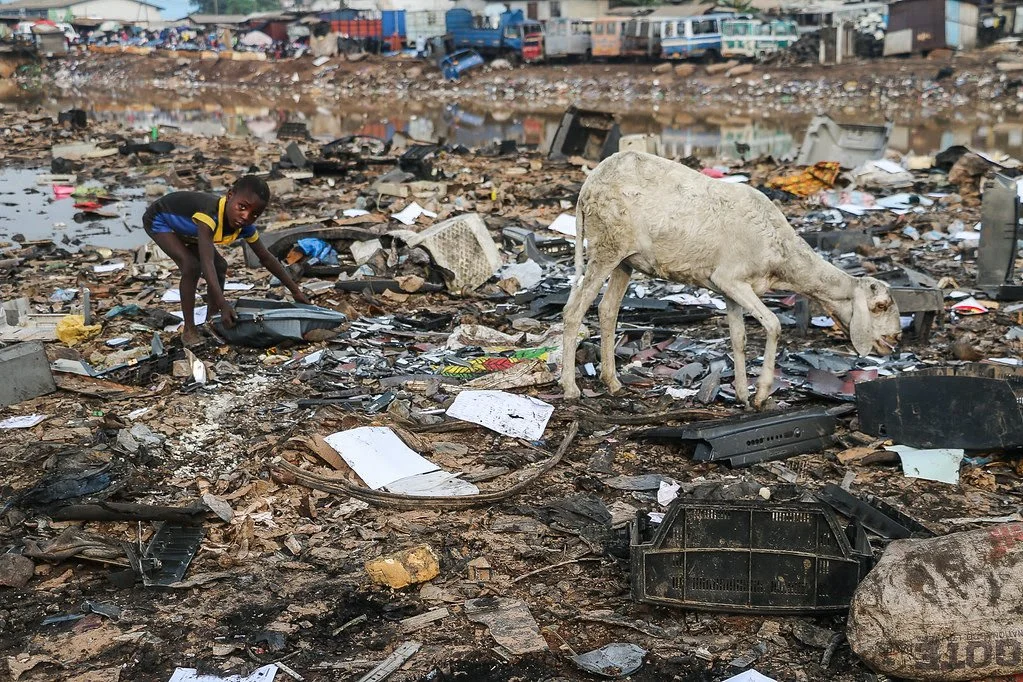
The people who work and live in Agbogbloshie are not the only ones suffering; the livestock is, too. The toxins are entering the food chain as cattle roam and graze the dumpsite freely. This is concerning as the Agbogbloshie area is home to one of the largest food markets in Accra. Most of the cows and chickens are slaughtered and eaten by the residents, which then ingest the high-level toxins. In addition, the water is also being contaminated as Agbogbloshie is situated on the Korle Lagoon. This lagoon is filled with piled-up waste of all sorts and links to the Gulf of Guinea, the Northeastern part of the Atlantic Ocean. 

Goat Freely Roaming. Fairphone. CC BY-NC 2.0 

Agbogbloshie is known to many of the locals as Sodom and Gomorrah. These biblical cities are synonymous with Agbogbloshie’s difficult living conditions. Although harsh, the people of this slum depend heavily on electrical waste in order to make a living. The Ghanian government has condemned the activity that’s taking place here. However, it has not lessened. As of now, change might be taking place in the near future. The German agency, GIZ, is in the middle of delivering a $5.5 million project for the people of Agbogbloshie. The plan is to build a sustainable recycling system and a health clinic and football pitch for workers. Much more will need to be done to keep the people’s health intact and away from this harmful environment. However, this is a start in bettering the status quo.


Jennifer Sung

Jennifer is a Communications Studies graduate based in Los Angeles. She grew up traveling with her dad and that is where her love for travel stems from. You can find her serving the community at her church, Fearless LA or planning her next trip overseas. She hopes to be involved in international humanitarian work one day.

Climate Activists protest UN Conference in Glasgow

At the 26th United Nations conference, hundreds of protesters demonstrate their dissatisfaction with world leaders’ actions on climate change.

For 26 years, the United Nations Climate Conference has gathered the world’s leaders to discuss climate change as a global issue. The 2021 climate conference (COP26) was held in Glasgow, Scotland. The United Nations conference in 2015 signed the pivotal Paris Climate agreement. The Paris Agreement was supposed to be a monumental step toward global action on climate change. In reality, it was the first time all countries in the UN  acknowledged and agreed to limit global warming. In accordance with the Paris Agreement, each signed country was to bring its own plan to lower emissions and  secure its own funds to do so. 

The Paris Agreement and the United Nations conference as a whole had maintained global status leading up to the 2021 conference when fears about climate change were mounting among their citizens. Among the world leaders present, 25,000 delegates from 200 countries present at the conference to represent their respective countries.

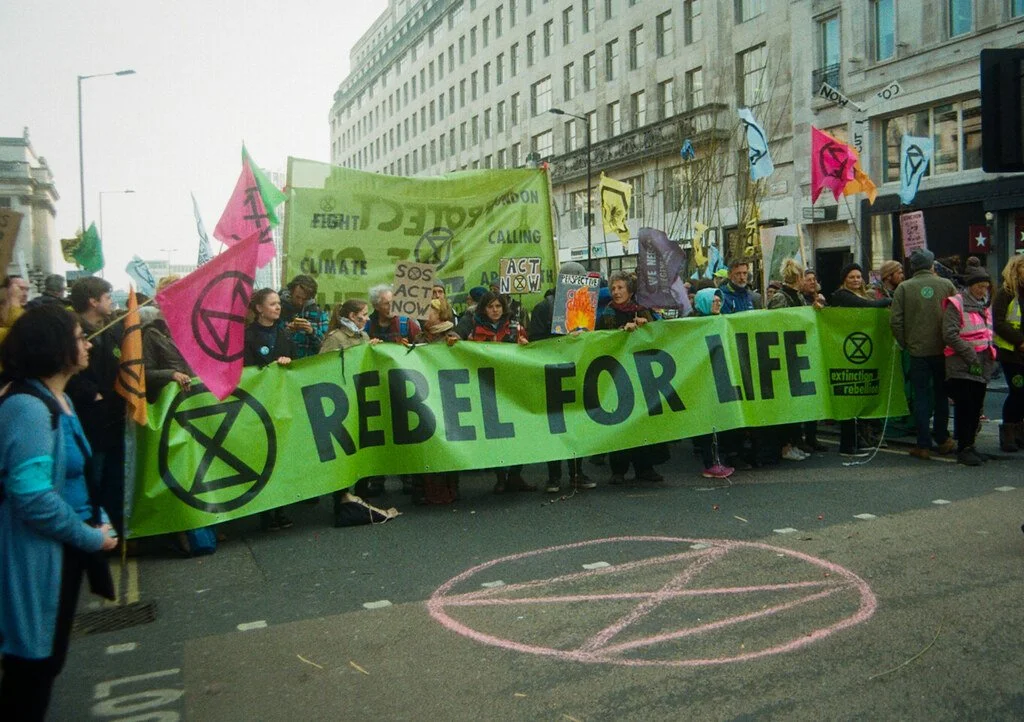
On Wednesday, November 3, protesters gathered outside the SSE energy building in Glasgow. The protesters were organized by a group called Extinction Rebellion. The climate activist group is an international organization that aims to push governments toward immediate  action against climate change. The November 3rd protest was a march against ‘greenwashing,’ when companies and major organizations claim to be eco-friendly but are failing to take tangible action. Five protesters were arrested; two of the arrests took place after police officers were sprayed with paint. However, aside from the few arrests, the majority of the protesters were peaceful and compliant with the police’s requests.

The greenwashing protest took place on the third day of the climate summit when world leaders were gathered to discuss the finances to address global action regarding climate change. A group of investors pledged to commit 130 trillion in private capital to reach the looming net-zero goal. Despite this pledge, activists remained skeptical, as evident by the hundreds that took to the streets. 

The United Kingdom hosts the 2021 conference, and the country brings the goal of having the participants commit to net zero emissions by 2050, as first stated in the 2015 Paris Agreement. Notably, this goal falls 25 years short of Extinction Rebellion’s stated demands that greenhouse gas emissions reach net zero by 2025. Extinction Rebellion’s protests respond to the 25 previous conferences failing to deliver on their initiatives, stating via their website that “XR will continue demanding immediate action to tackle the climate and ecological emergency in the run up to, during and beyond COP26.”


Dana Flynn

Dana Flynn is a recent graduate from Tufts University with a degree in English. While at Tufts she enjoyed working on a campus literary magazine and reading as much as possible. Originally from the Pacific Northwest, she loves to explore and learn new things.

The Long History of Ireland’s Wild Atlantic Way

The route that spans all down the west coast of Ireland has an abundance of sites that tell the story of Ireland's history, dating from ancient ruins to modern times.

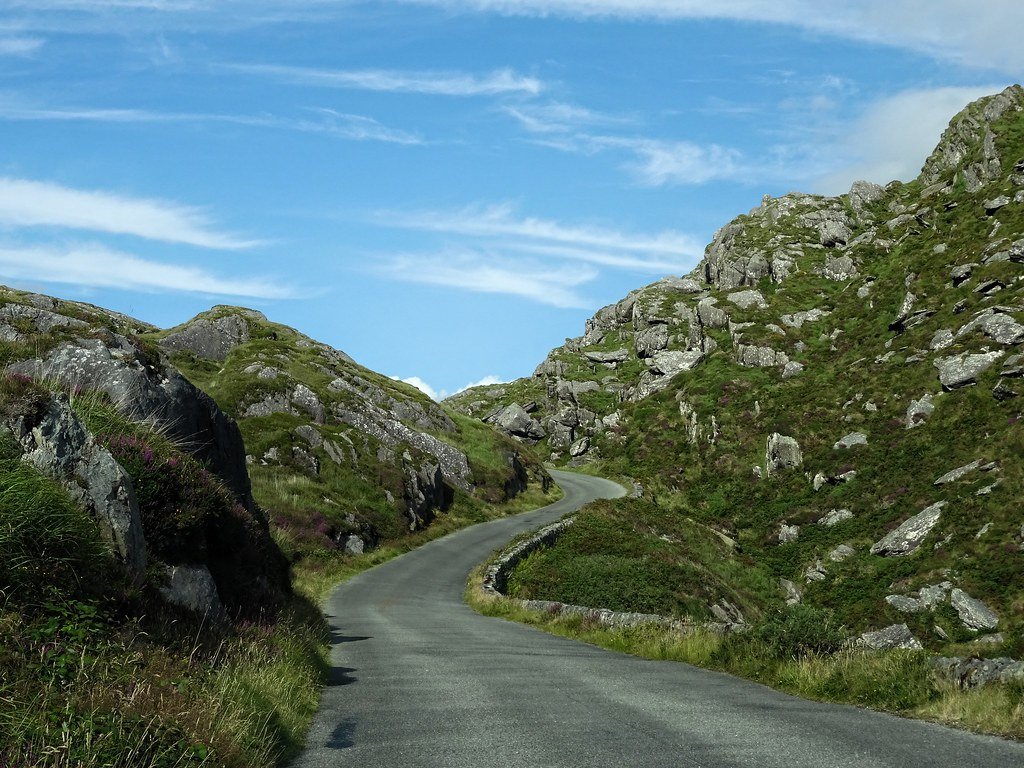
The Wild Atlantic Way, a 1,500-mile road that stretches along the Western coast of Ireland, features coastal cliffs, small towns, and a look into Ireland’s long history. The route stretches from the Peninsula in Donegal to Kinsale on the southern coast. Travelers can either drive, bike or walk along the path. Although the scenery along the route is infamous ( most notably the iconic Cliffs of Moher), the Wild Atlantic Way features more than just cliffs and rolling hills. All along the route, numerous sites illustrate Ireland’s history, dating back to ancient ruins. For example, the Grianán of Aileach, a fort dating back to 1700 BC, is still standing today. The circular fort is made of stone, with walls roughly 16 feet high. The fort’s origin is linked to Tuatha de Danann, a ruler in Ireland before the Celts invaded. The fort is positioned on Greenan Mountain in Donegal county along the Wild Atlantic Way and has views of the valleys below. By the 19th century the fort was still standing, although in poor condition. Restorations were carried out in the late 19th century, to preserve the historic site. Travelers can still visit the fort today due to the restoration that took place in the 19th century.

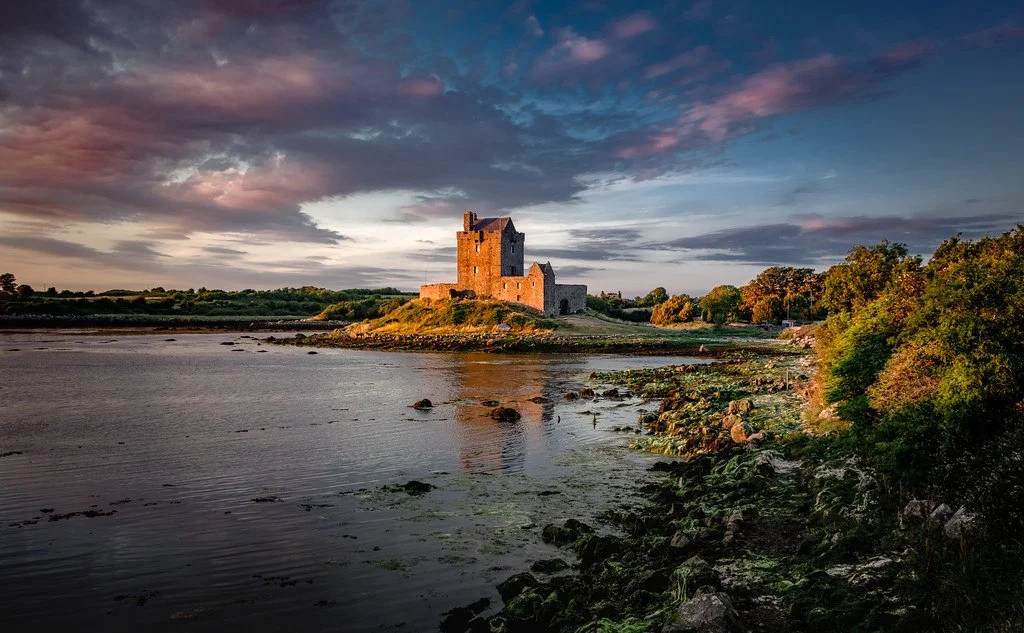
Entering the Medieval Age, the Dunguaire Castle located in Galway was built in 1520 by regional rulers at the time, the O ́ hEidhin (O’Hyne) family. In the 17th century, the castle became the property of the Martyn family and remained so until 1924. Under its new owner, the castle not only became a medieval remnant but a site for Ireland’s literary revival. The owner, Oliver St John Gogarty, a well-known literary figure, invited other writers to meet at the castle. Notable visitors included WB Yeats, George Bernard Shaw and JM Synge. The castle is now open to the public and tells a piece of Ireland’s history from late medieval times to the present.

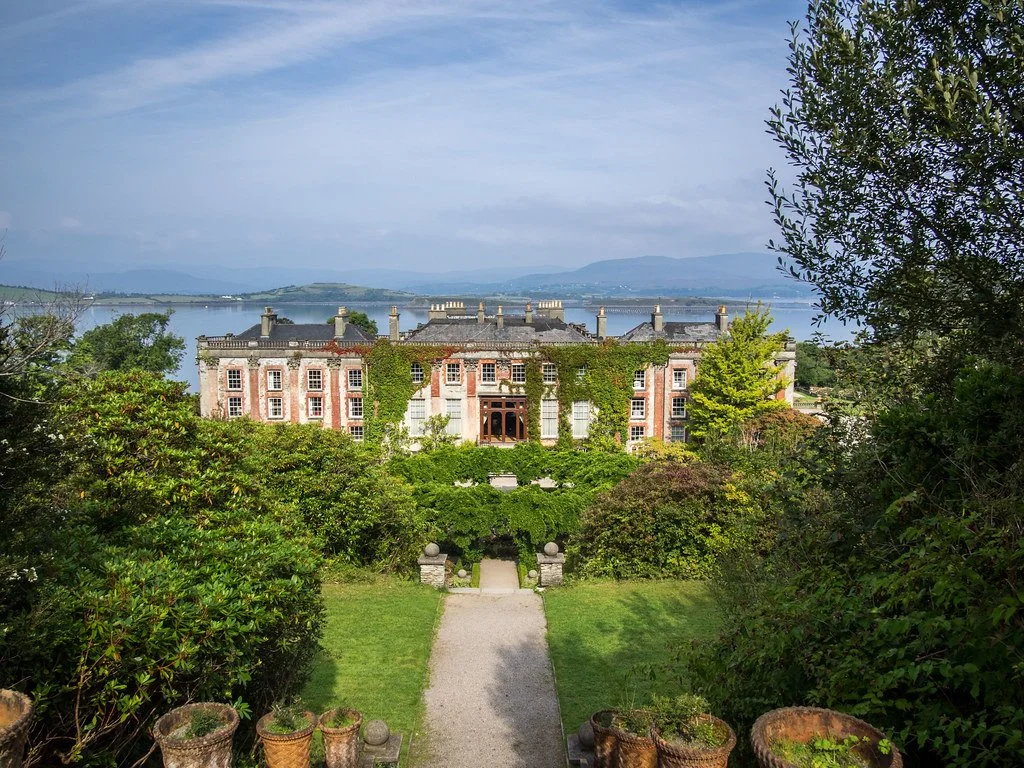
Another example of Ireland’s history is the Bantry House, originally built in the early 18th century; the house shows how Ireland’s upper class lived during turbulent times. By the mid 19th century, the White family, a prominent merchant family in Ireland, had done considerable renovations on the home to make it into the opulent house it is today. While Ireland was suffering from the great famine, the White family was rising through the ranks of society. The house was used as a hospital during the Irish Civil War in the early 20th century and later used to house soldiers during the second world war.

The Wild Atlantic way features numerous other historic sites and gives travelers a look into Ireland’s past. The route not only features historical sites but is still full of life for the present day. Small towns continue to thrive along the coast. For example: in the southern end of the route, Kinsale, once a medieval fishing town, is now known for its colorful buildings, the community of creatives who live there and their local food. The history along the Wild Atlantic way is not just in the past. Still, it has evolved with Ireland throughout its history.


Dana Flynn

Dana is a recent graduate from Tufts University with a degree in English. While at Tufts she enjoyed working on a campus literary magazine and reading as much as possible. Originally from the Pacific Northwest, she loves to explore and learn new things.
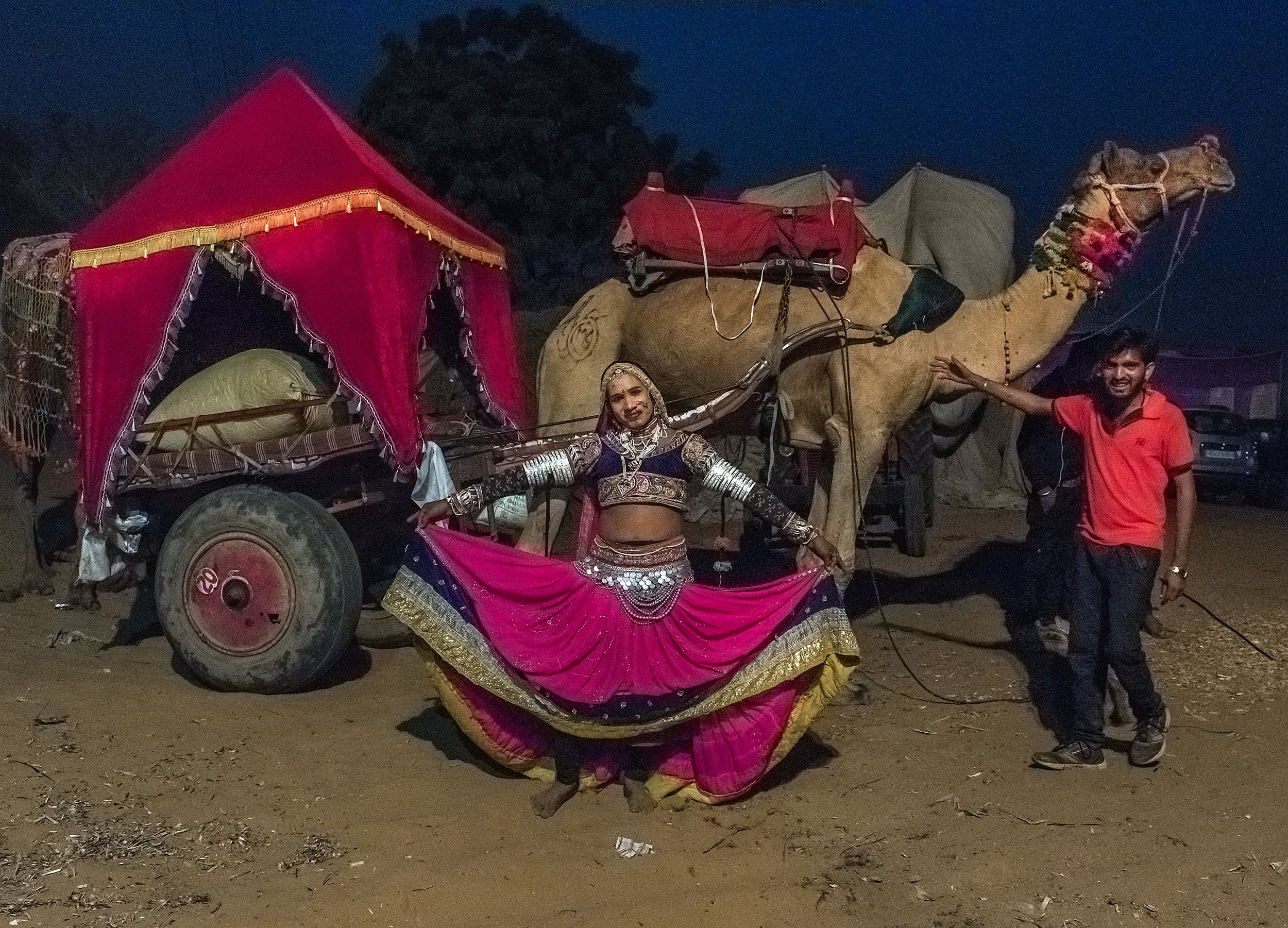
Nepal Requires Yoga Education For School Children

Nepal is the first nation to make yoga a requirement in schools. The government claims the courses will promote a healthy lifestyle yet the Muslim community is worried the policy will promote Hinduism. 

Nepali children in a classroom. Department of Foreign Affairs and Trade. CC BY 2.0.

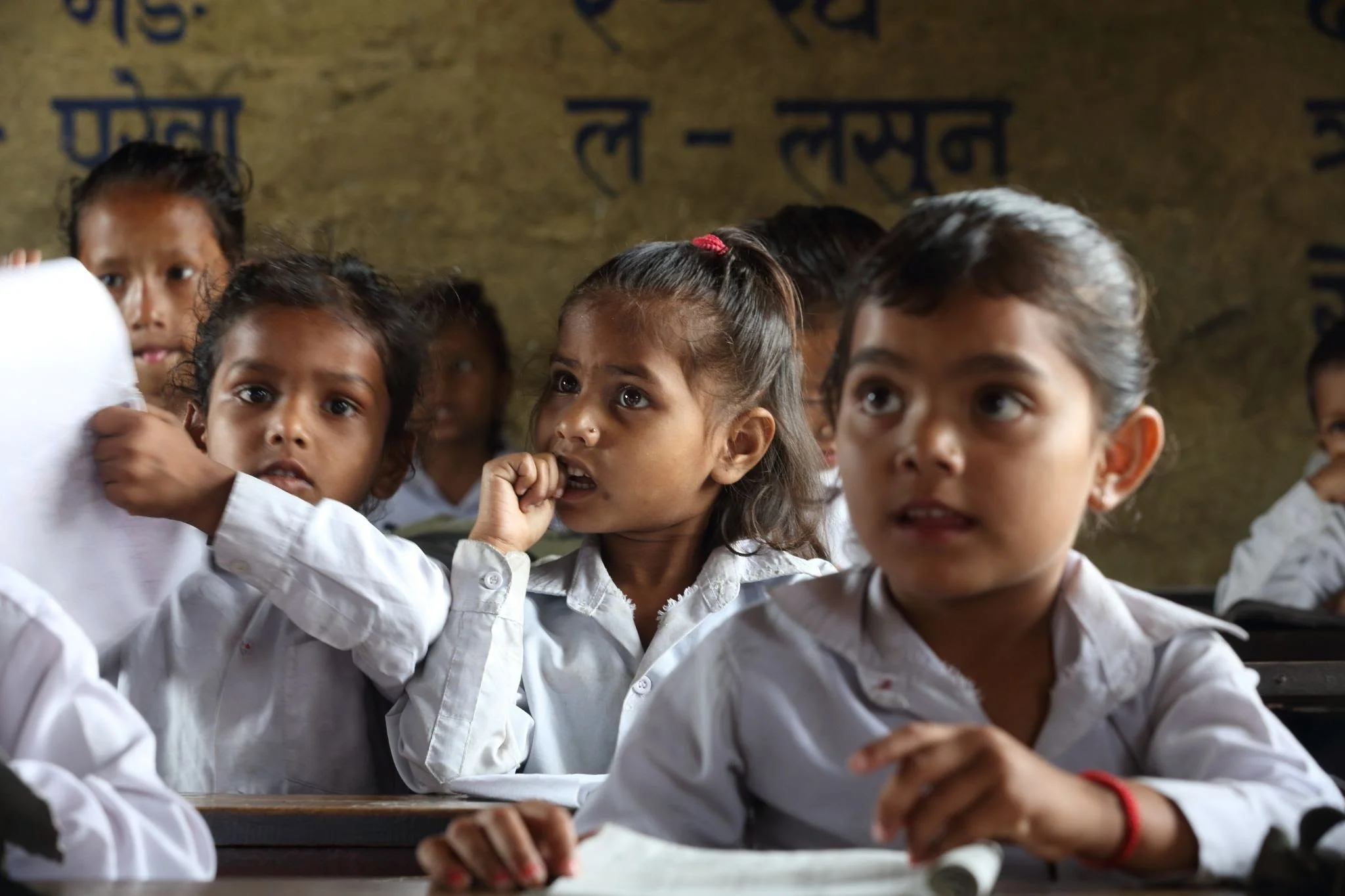
Last year, Nepal’s Ministry of Education, Science and Technology completed designing their compulsory yoga courses for students in grades four through eight. The small Himalayan country is the first in the world to make it a required subject nationwide. Officials say the course is intended to encourage a healthy and active lifestyle, but the Nepali Muslim community is doubtful. They fear the new courses will attach religion to health and reinforce Hindu nationalism in the country. 

Yoga was once a general elective course, but as of this school year, the Nepali curriculum requires students to participate in a weekly yoga course. Alongside math and science, students will have a “choice between yoga, Ayurveda, and natural medicine,” says Krishna Nasad Kapri, the joint secretary of the Ministry of Education, Science, and Technology. Certain yoga topics will also be integrated into English and Nepali language courses. 

Officials in Nepal specified that it was the Nepal Communist Party which decided to change the curriculum, not Hindus. They pointed out that the yoga course is only required for students in grades four through eight and that older students can choose to take the course as an elective. Giriraj Mani Pokhrel, Nepal’s education minister, told The New York Times that “yoga is our ancient science. We want students to learn it, and we think this is the right time.” 

The Muslim community in Nepal is not sold on the government’s intentions to promote healthy lifestyles through yoga courses. Some fear that the exercises will include religious and ideological contexts that could underline a rise in Hindu nationalism. Muslim activist groups have said they would oppose the mandatory yoga lessons if the students were expected to do poses such as the sun salutation, a series of 12 moves devoted to the Hindu god, Surya. Groups have also resisted chanting the sacred Hindu sound of “om.” 

Nazrul Hussein, the former president of the Nepal Muslim Federation, expressed his stance on the mandate in an article for The New York Times, proclaiming that  “Making anything mandatory that relates to one particular religion is against the spirit of the Constitution. We cannot do the sun salutation, and they should not link religion with health." 

The director of Nepal’s Curriculum Development Center, the organization responsible for designing the course, denied any favor to a particular religion. He furthered his defense, telling The New York Times that “This course is for mass education,” he said. “Content against any religion is edited out.” According to reports from officials, sun salutations are a part of the class. 

In the U.S., hundreds of public schools designate time for students to practice breathing exercises and stress reduction techniques. Some curriculums that offer yoga, and some colleges and primary schools require them even though national policies do not enforce it. Alabama Governor, Kay Ivey, signed a bill in May that undid a 1993 ban on yoga practice in public schools. 

While the bill abolished a 30-year ban, it also established restrictions on how yoga can be taught. The bill states that students won’t be allowed to meditate, say “namaste,” chant, use mantras, mudras or mandalas. In addition,  Hindu names cannot be used for poses. Instead, they must be replaced with their English versions. 

Krishna Nasad Kapri told The Times of India that,“Besides being helpful in the treatment of various ailments, yoga, Ayurveda and naturopathy will also be helpful for further research.” According to the National Institute of Health, a 2016 report by the American Academy of Pediatrics concluded that yoga seemed to be a promising stress management tool for children, and that yoga “may have positive effects on psychological functioning in children coping with emotional, mental, and behavioral health problems.” However, the report also notes that studies on yoga for children have limited sample sizes. The introduction of yoga in schools has the possibility to make a positive impact on childrens’ lives, and allow scientists to research the benefits on a larger scale. Despite the religious controversies, Nepali schools are one step closer towards adapting stress management courses like yoga for public education.


Claire Redden

Claire Redden is a freelance journalist from Chicago, where she received her Bachelor’s of Communications from the University of Illinois. While living and studying in Paris, Claire wrote for the magazine, Toute La Culture. As a freelancer she contributes to travel guides for the up and coming brand, Thalby. She plans to take her skills to London, where she’ll pursue her Master’s of Arts and Lifestyle Journalism at the University of Arts, London College of Communication. 

The Culture and Conservation of Myanmar’s Inle Lake

Inle Lake is home to communities based entirely around the water, while fears of ecological damage have locals and conservationists concerned.

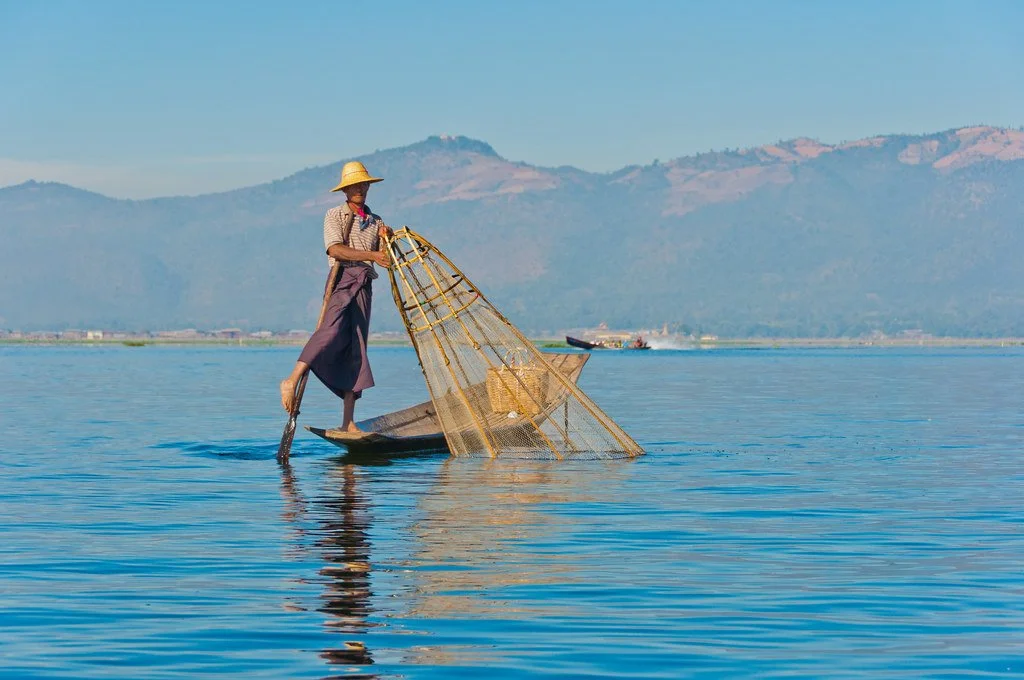
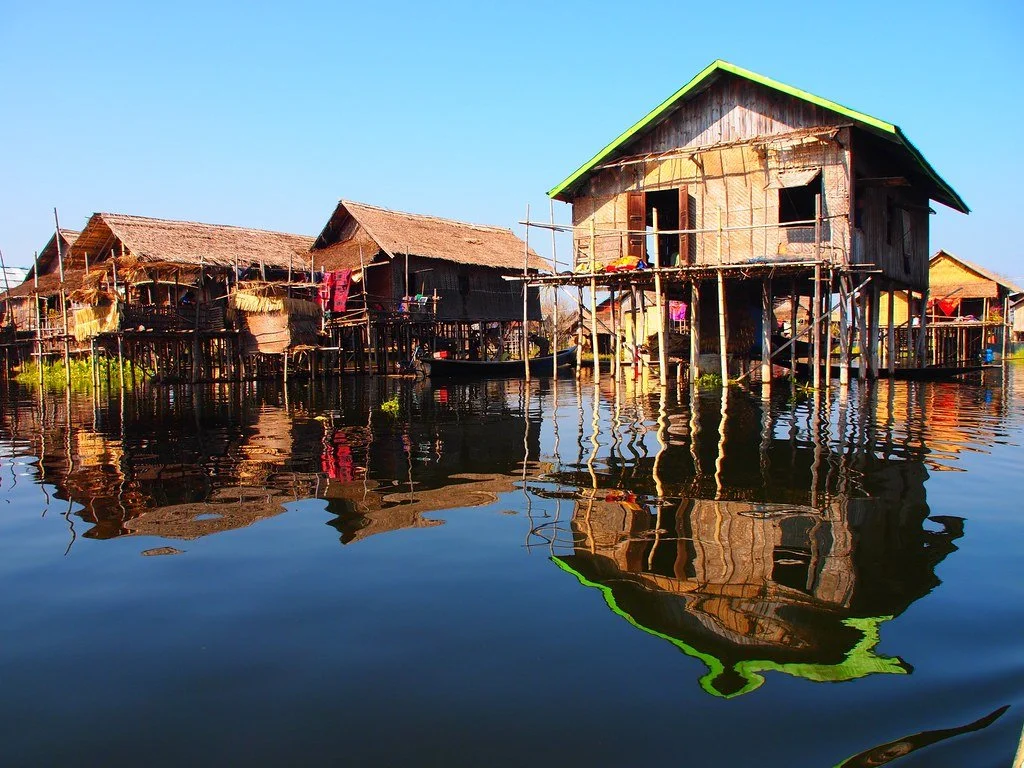
Inle Lake, positioned between mountains in Myanmar, is home to 17 different villages with unique cultures and traditions. Inle lake is the second largest lake in Myanmar, roughly 14 miles long, and is in the center of the Shan state. The lake is populated by the local Intha people, whose livelihoods are developed around the water. Bamboo houses are built on stilts above the water, to allow plenty of airflow in the humid environment. Additionally, the stilt houses add the advantage of flood protection, letting the water flow between dwelligns. Locals rely on water transportation, making the stilted houses perfect for boat access. Another notable unique aspect of Inle lake is the style of paddling fisherman use, curving on leg around the ore while standing in the boat. 

Daily life on Inle lake is centered around the water, including their gardens. Locals grow floating gardens that are made of reeds and other plants. The gardens are floating (and not on stilts, like many of the structures are on the lake), making them very resistant to floods. The gardens are used for growing vegetables, especially tomatoes, due to the climate. Locals use the gardens for personal produce and to sell the vegetables they grow as a source of income.

A popular textile of the region comes from lotus weaving, a tradition that many local women take part in. The villages Kyaing Khan and In Paw Khon are considered centers of lotus weaving. However, women all around Inle Lake create textiles from lotus weaving. Women started the practice roughly 100 years ago, weaving textiles from lotus flowers that grow on the lake. 

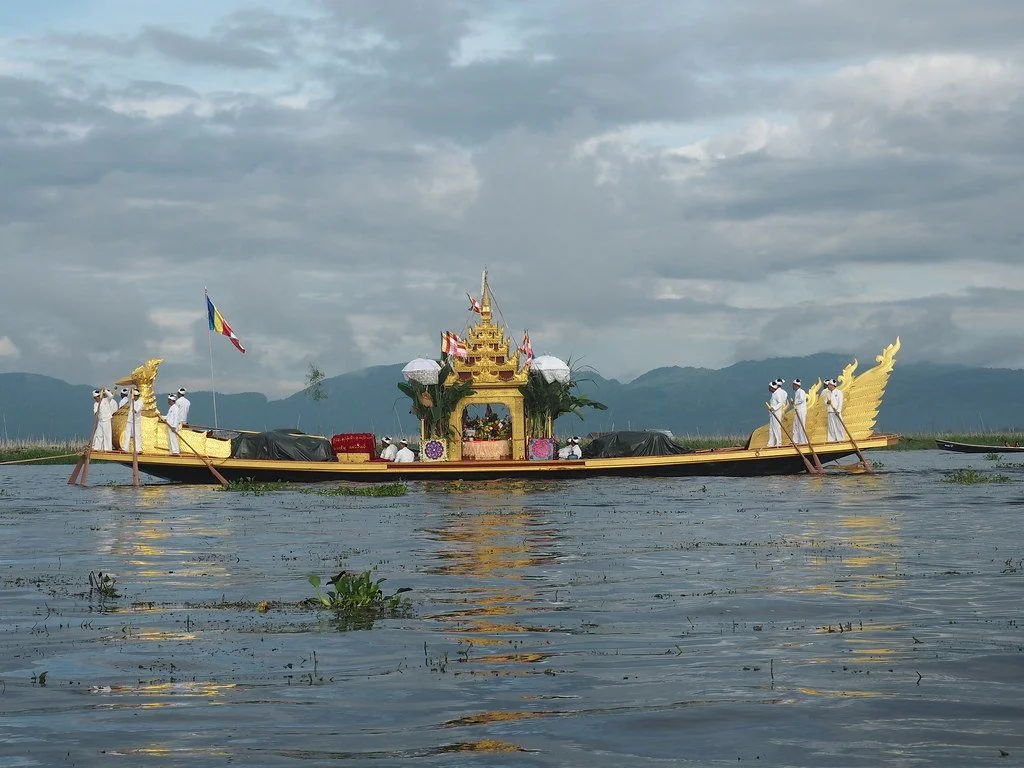
Of the communities on the lake, Ywama Village is one of the most well-known, specifically for its floating market. The market is held every five days and is made up entirely of vendors and customers in boats. The market includes everything from vegetables and fish to clothing.Ywama also is home to an important religious site on Inle lake, the Phaung Daw Oo pagoda. This Buddhist monastery houses five images of the Buddha that were brought to the area in the 12th century. The images have been continuously covered in gold leaf, to the point where the images of the Budhha are completely covered. Buddhists visit the monastery and apply gold leaf as a sign of respect, leading to layers upon layers of gold. Every year a festival takes place during the month of Thadingyut (October/ November), which consists of boats carrying the images of the Buddha to the different villages on the lake. The festival is 18 days long, and each boat stops at each village for a night. Unfortunately, in 1965, a boat capsized during the festival, and one of the images was lost in the water. The image was then miraculously found back in the pagoda. Since then, it has remained in the pagoda even during the festival.

While Inle Lake has a thriving culture and a long history, there are fears about Inle Lake’s long-term conservation, as the region has experienced several droughts, including a severe one in 2010. Soil erosion, deforestation and pesticides in the water are some of the main concerns for conservationists. The Ministry of Environmental Conservation and Forestry partnered with UN-Habitat in 2011 to create a plan to conserve Inle Lake in response to the significant drought the year before. Additionally, the main concern was that the heavy inflow of tourists caused an increase in the use of motorboats that resulted in more spillage and contaminated the water. In 2018 the United Nations Development Program launched an initiative to draft a law through local and state governments to conserve the lake. By February 2019, the Conservation Law was passed and is considered a major step forward in the conservation process. Inle Lake is a UNESCO Man and Biosphere Reserve. It is widely acknowledged as an important cultural and ecological place to preserve.

Despite being isolated from other major tourist attractions in Myanmar, Inle Lake still has travelers visiting at an increasing rate. Roughly 20 miles from the closest airport, the roads to Inle Lake can be long and rough. The fastest route is to fly to Heho, but some visitors drive the long hours from Bagan, Mandalay, Thazi or Kalaw. Once you arrive at  Inle Lake, there are hotels available that cater to travelers.  In addition to the long journey to Inle Lake, high levels of unrest and conflict due to the military taking control in a coup in early February 2021 makes travel in the region difficult. Many have fled Myanmar after the coup, and the potential danger has made travel in the area unadvisable.


Dana Flynn

Dana Flynn is a recent graduate from Tufts University with a degree in English. While at Tufts she enjoyed working on a campus literary magazine and reading as much as possible. Originally from the Pacific Northwest, she loves to explore and learn new things.