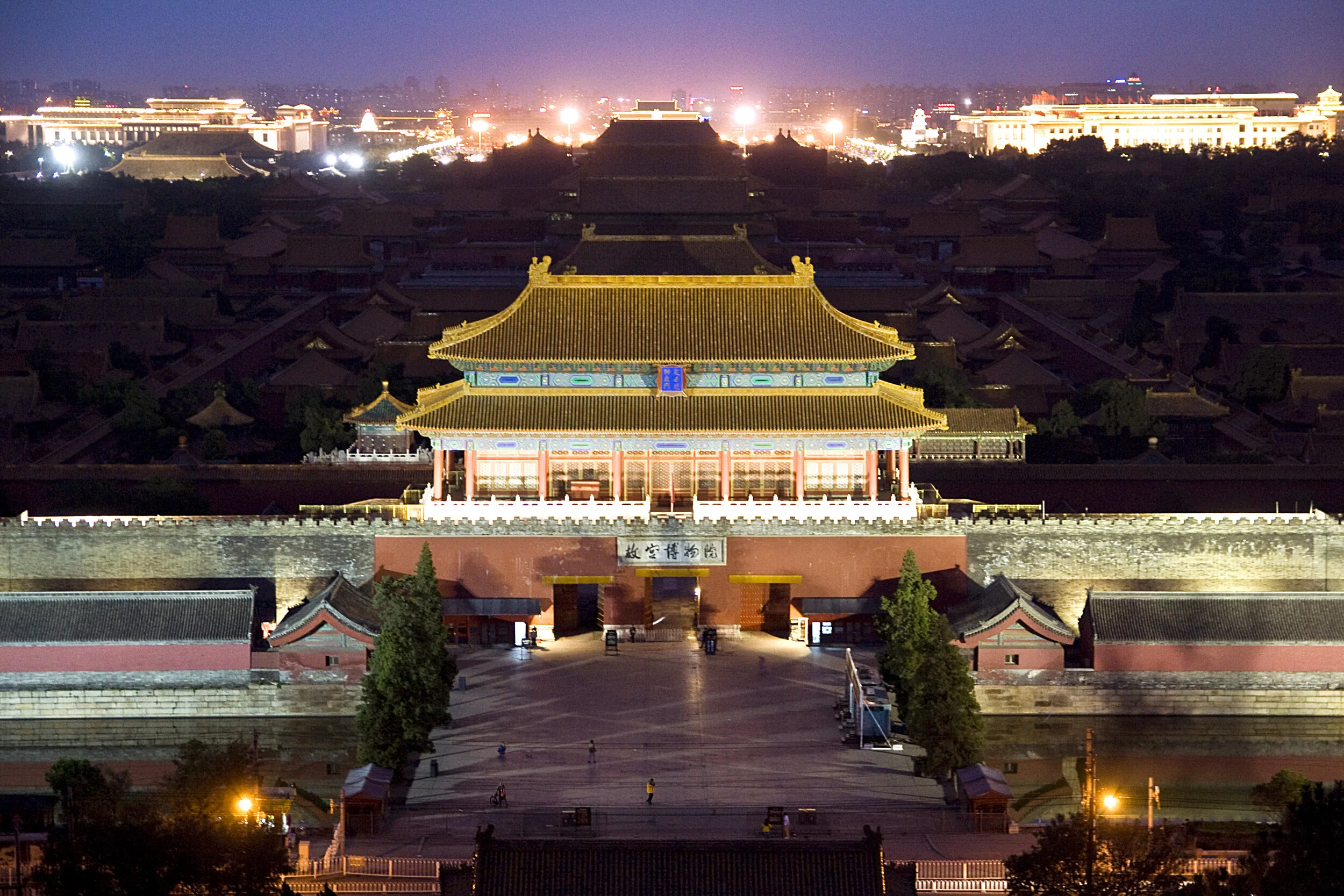
What Makes Bhutan So Happy?

Meet the country which prioritizes the contentment of its citizens before everything else through its “Gross National Happiness” program.

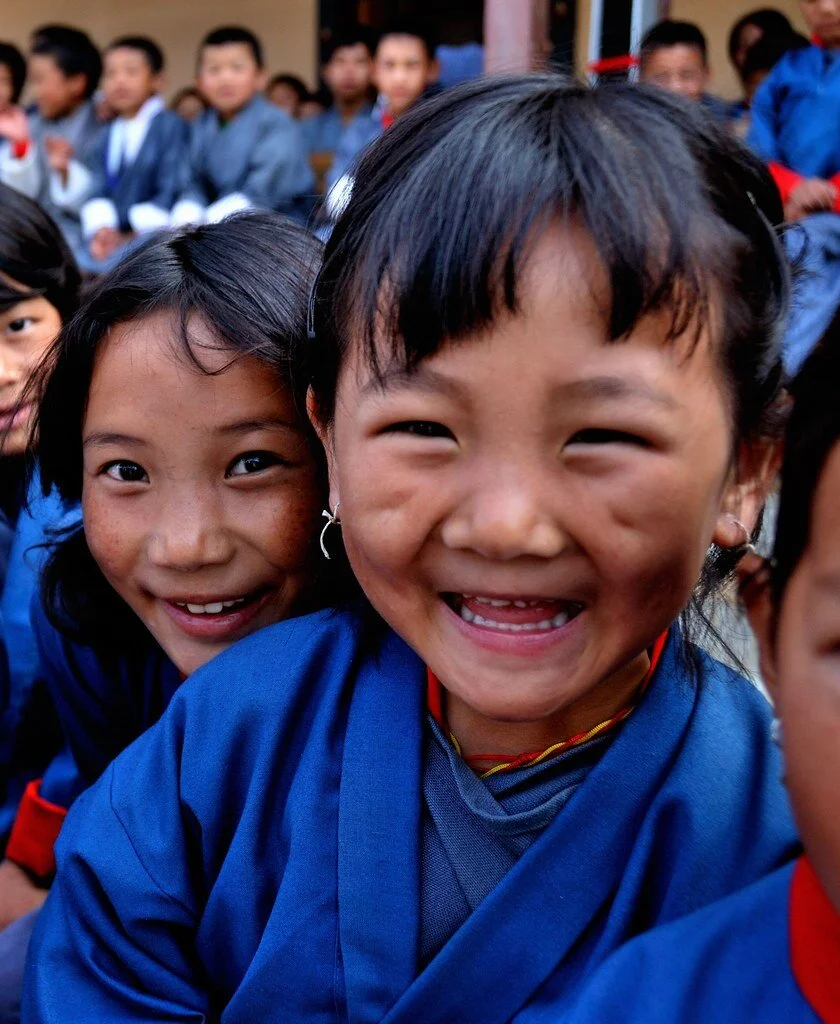
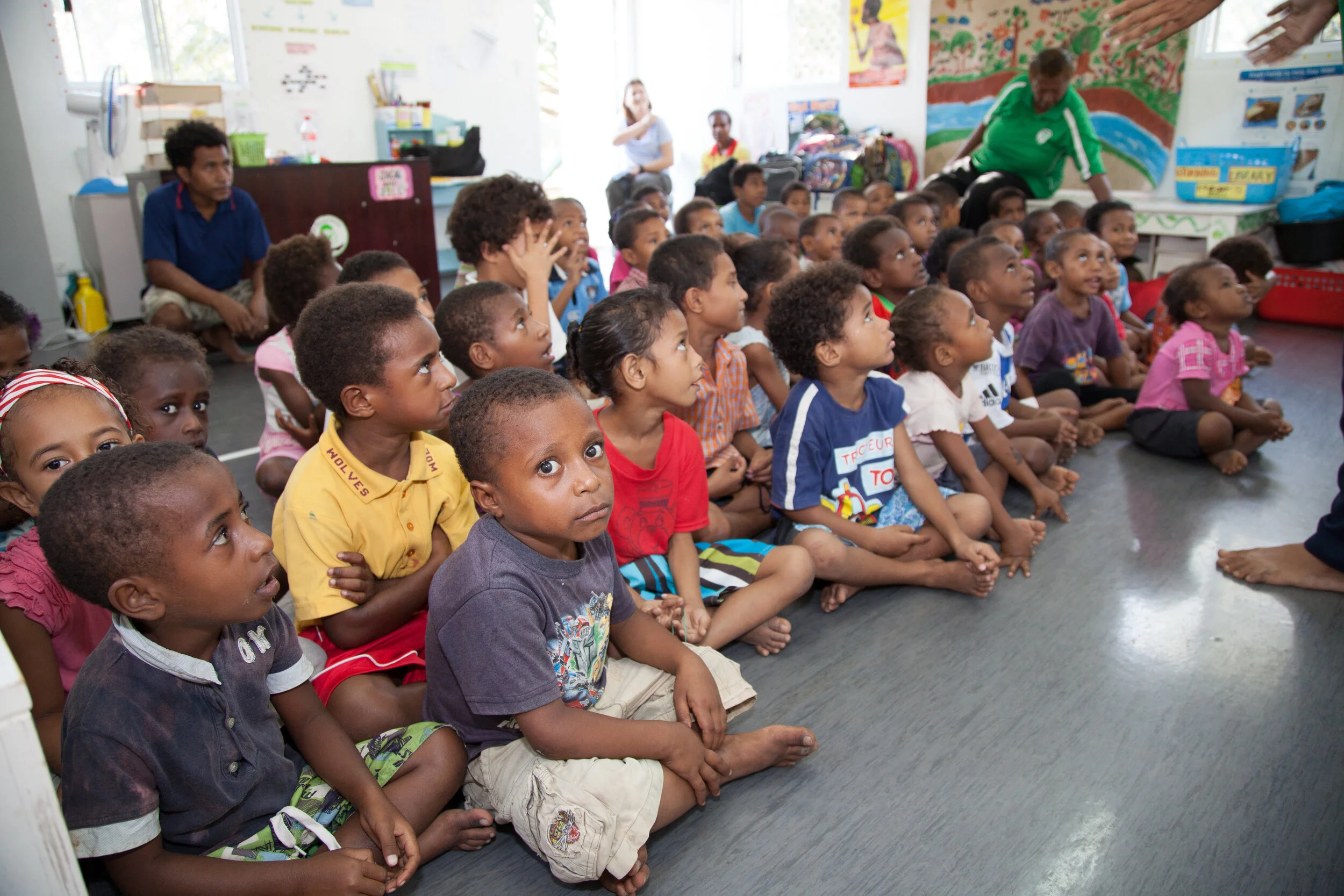
Bhutanese children. r y _ _ _ _ . CC BY-NC 2.0

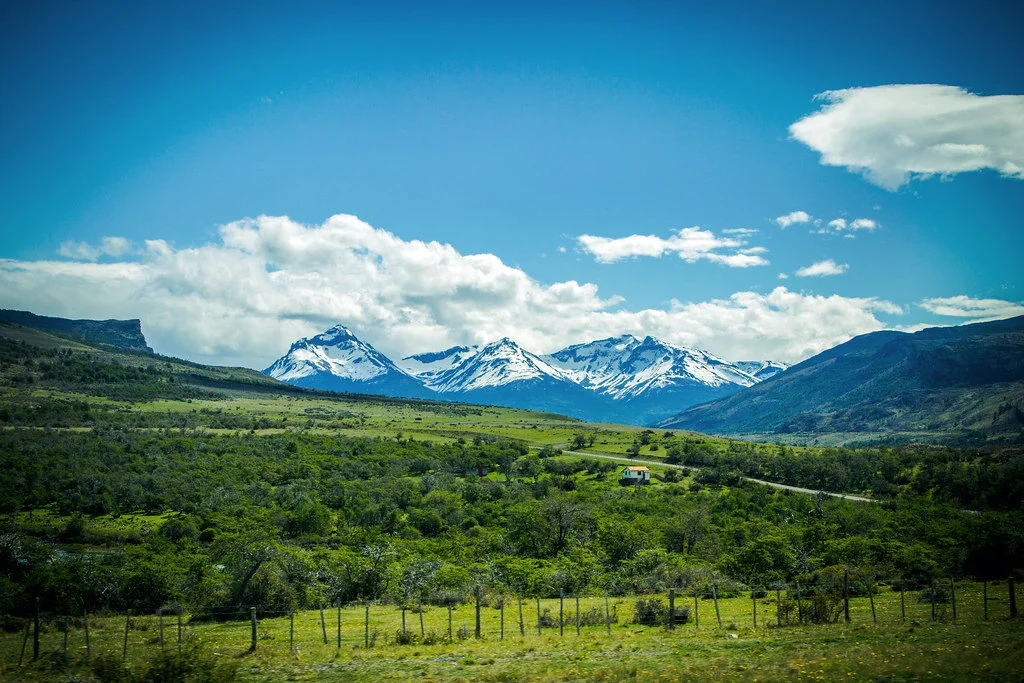
Imagine a country hidden away from the rest of the world. Tucked in between China and India, the world’s most populous countries, little Bhutan rests at the base of the Himalayan mountains. The rural country long ago made the decision to close off its borders to most tourism in hopes of preserving the nation’s unique Buddhist culture and the identity of its 740,000 people. In 1974 the country gradually reopened, though the Bhutanese monarchy was reluctant for the nation to be connected with the rapidly urbanizing world. Bhutan could not be completely isolated for long due to globalization, and in 1999 internet and Wi-Fi were quickly introduced. Being alone for so long, Bhutan was innovative in ways that made sense for its culture and ecosystem.

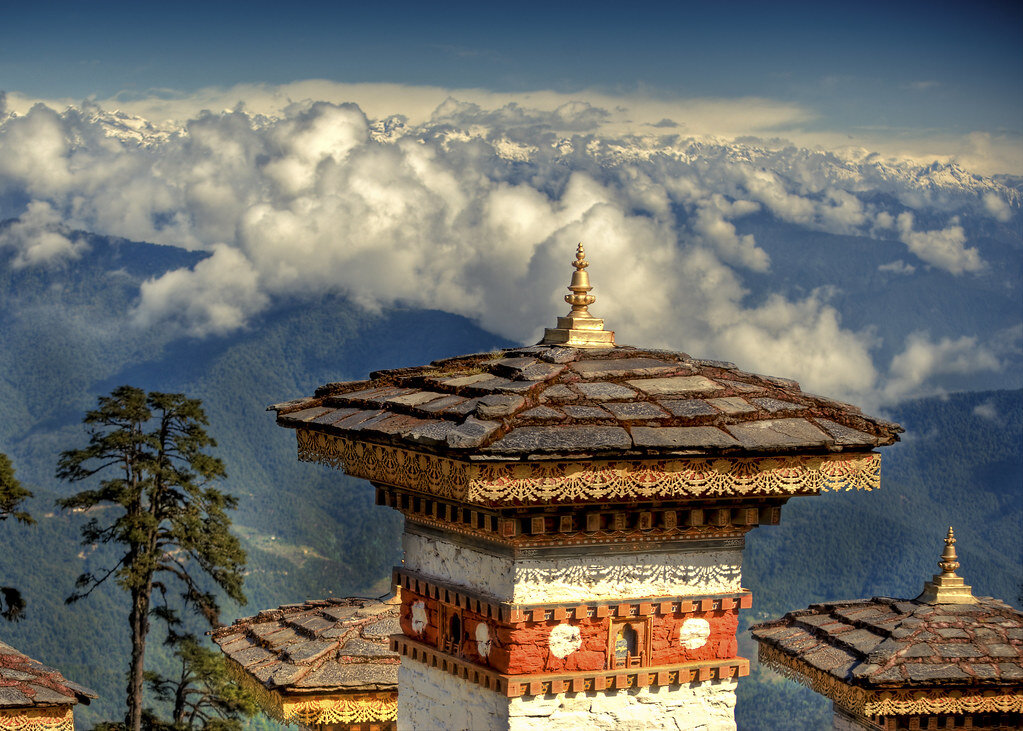
Dochula Pass. Göran Höglund (Kartläsarn). CC BY 2.0

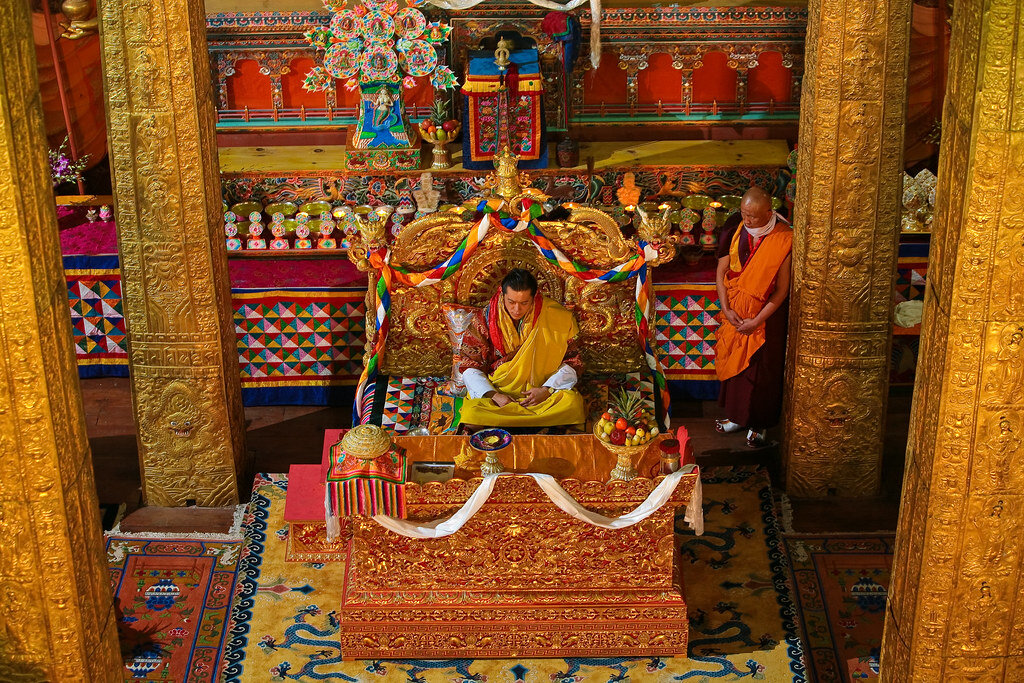
Bhutan is unique in its location and recent connections to the outside world, but it’s the traditions and customs within Bhutan that really make it a sight to behold. Even during the age of colonization and imperialization, Bhutan was never colonized. The country’s official religion remains Vajrayana Buddhism, a deity-dense, merit-based and karma-focused faith implemented into everyday life and routines. 

Bhutan Buddhist monk sand art. John K. CC BY-NC-ND 2.0

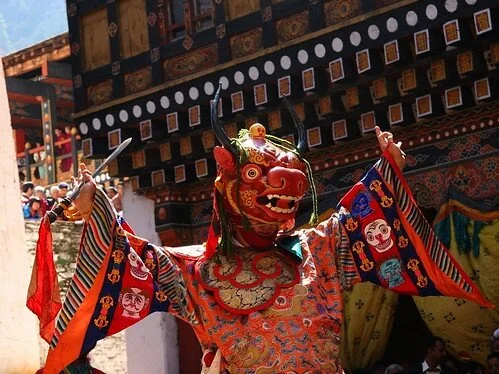
Dance of the death god. jmhullot. CC BY-SA 2.0

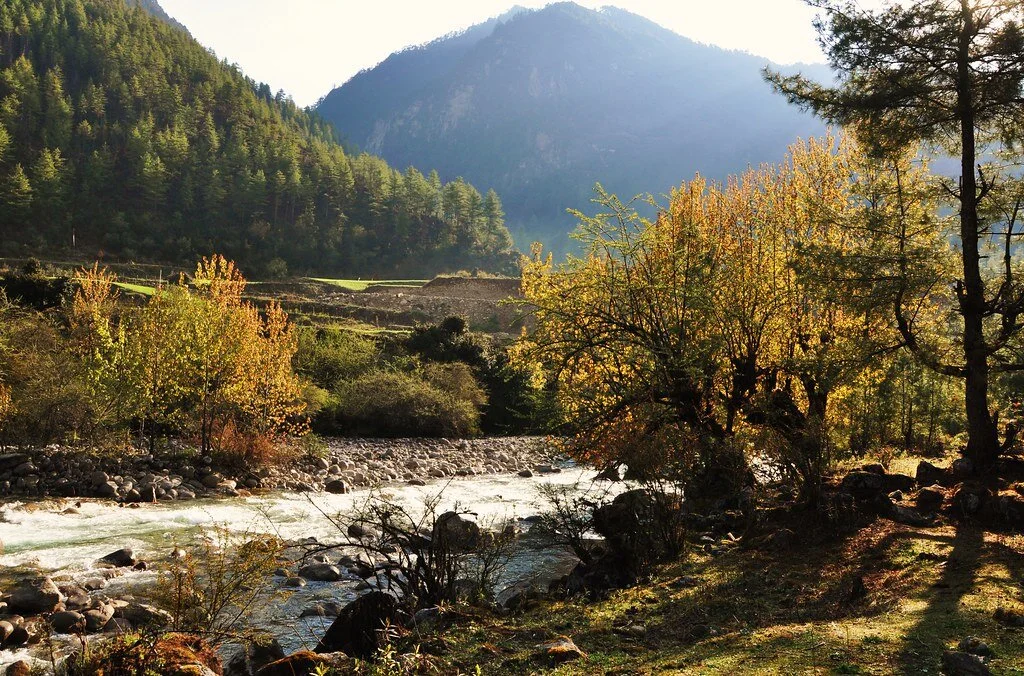
Ecology is everything. Bhutan is the only carbon negative nation in the modern world, absorbing three times more carbon than it produces. In light of climate change, that feat is revolutionary. Its government has established laws that require Bhutan to always have its area 60% covered in forest lands. Keeping in mind its minimal carbon footprint, Bhutan is still vigilant about tourists who enter the country, always prioritizing  the preservation of the nation’s cohesive identity. The tourist industry is nationally regulated, making it expensive and difficult to travel to. Documents and visas are issued by state-appointed companies and provide visitors with everything, including hotels, insurance and most importantly a guide who must accompany travelers at all times

Ecology is everything. 360around. CC BY 2.0

Ecology and tourism are not the only things the government has taken to regulating. Bhutan is once again unique in national policy, measuring its nation’s happiness. Outsiders like to say that Bhutan is the “happiest country in the world” and the statistics given by Bhutan back up this claim. In 2015, the annual extensive survey that gauges the nation’s happiness concluded that 91% of its population was happy.” The Ministry of Happiness measures the contentment of its population with “Gross National Happiness” (GNH). 

King of Bhutan. Bhutan-360. CC BY-NC-SA 2.0

Ex-Prime Minister Tshering Tobgay defined it as “a developing philosophy that acknowledges that economic growth is important, but that growth must not be mindless, but sustainable.”

Much like a country’s gross domestic product, GNH is considered important. Established in 2008, the Gross National Happiness Commission was appointed to take into consideration and care the inner peace of Bhutan’s people. Broken down into four pillars, nine domains and 72 indicators, GNH is a difficult concept to comprehend. The country’s leaders take into account how happy its people are in every aspect of life: governance, health, education, living standards, culture, ecology, time use and psychological well-being. 

Tobgay breaks Bhutan’s complicated process down to three components: the key to happiness is security, identity and purpose. These things are not mutually exclusive; they reinforce one another in every direction, both on an individual and a national level. He says that, “The government has a responsibility to ensure the whole nation has individual pursuit of the keys to happiness.” 

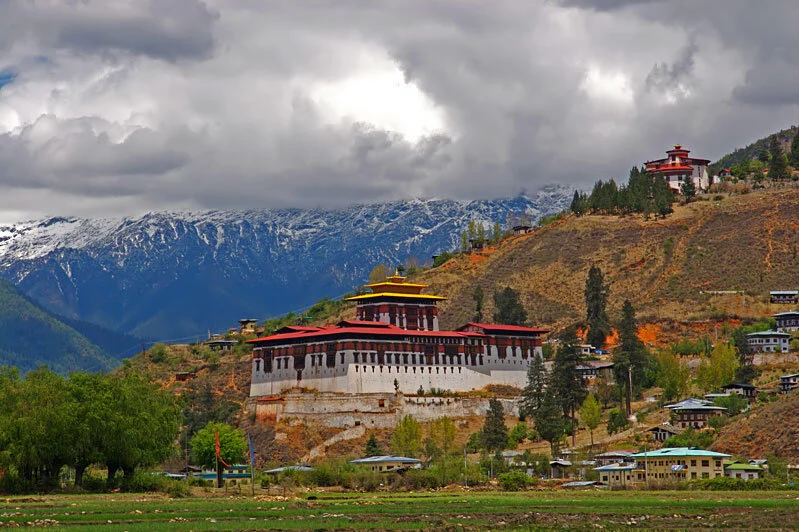
Temple overlooking the Himalayas. Jean Marie Hullot. CC BY-SA 2.0

The Bhutanese are often misunderstood. Outsiders often believe that just because they have GNH, it automatically makes them the happiest country in comparison to all others. They have free health care, free education, clean air, a thriving environment and a strong sense of community. But Tobgay argues that the Bhutanese still struggle because that is what it means to be human. Bhutan is a “real country with real people, and real desires.” Although every person may suffer from inner turmoil for whatever reason, the Bhutanese should be happy knowing that they have been given the keys to happiness.


Yuliana Rocio

Yuliana is currently a Literature/Writing major at the University of California San Diego. Yuliana likes to think of herself as a lover of words and a student of the world. She loves to read, swim, and paint in her free time. She spent her youth as part of a travel-loving family and has grown up seeking adventure. She hopes to develop her writing skills, creating work that reflects her voice and her fierce passion for activism.

Students Call for a Democratic Revolution in Thailand

2020 seems to be the year when students across the globe take part in changing their societies, no matter the cost.

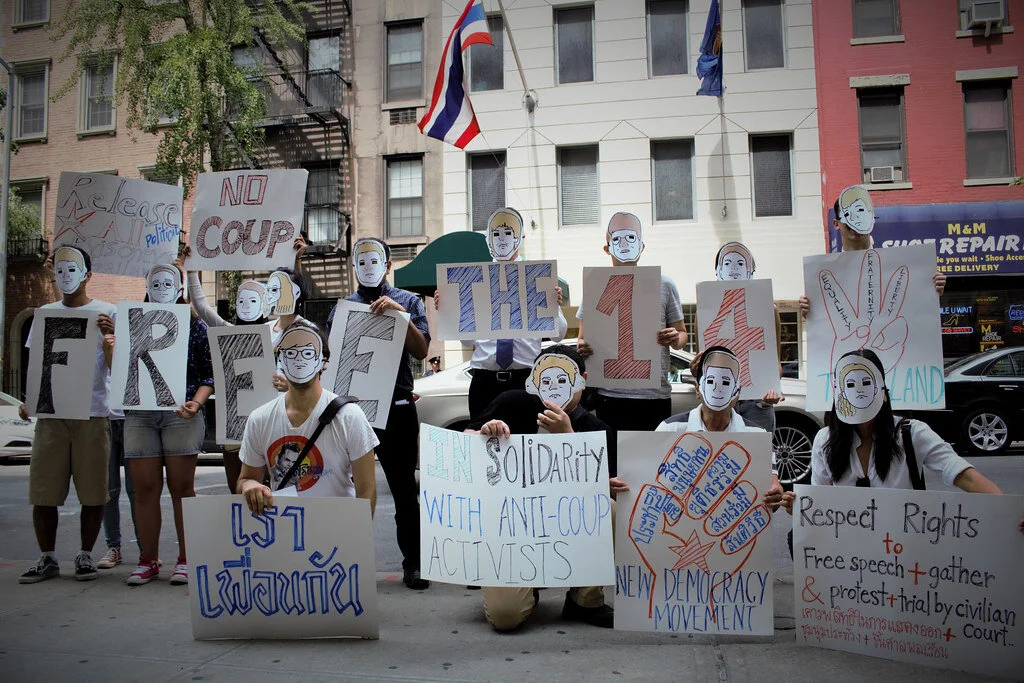
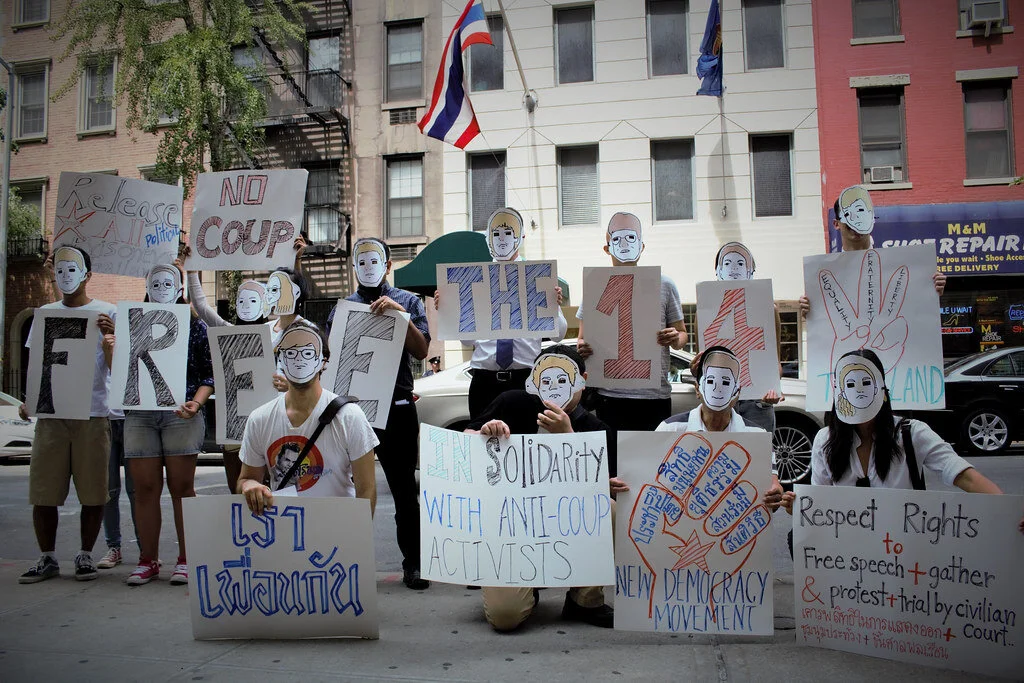
Student protesters. Prachatai. CC BY-NC-ND 2.0

In Thailand, student-run organizations have led the march that grew to be an all-out revolution in the busy streets of Bangkok. Thousands of protesters have congregated in the crowded commercial center, Ratchaprasong, chanting for the Thai government to listen to their demands. Protesters call for the removal of Prime Minister Prayut Chan-o-cha, the reduction of the monarchy’s budget so the king’s funds would be separated from crown assets, and the abolition of the strict lese majeste laws which ban the voicing of criticisms against the king. 

The unrest began in 2019 when the government banned the most vocal party opposing the power of Prime Minister Prayut Chan-o-cha. Thai citizens are calling for his removal due to the potentially corrupt manner in which he came to power. In 2014 it is said that Prayut staged a coup that shifted his position from army chief to prime minister. The monarchy endorsed his premiership in 2019, allowing him to stay in power after elections which were controversially deemed “fair.” 

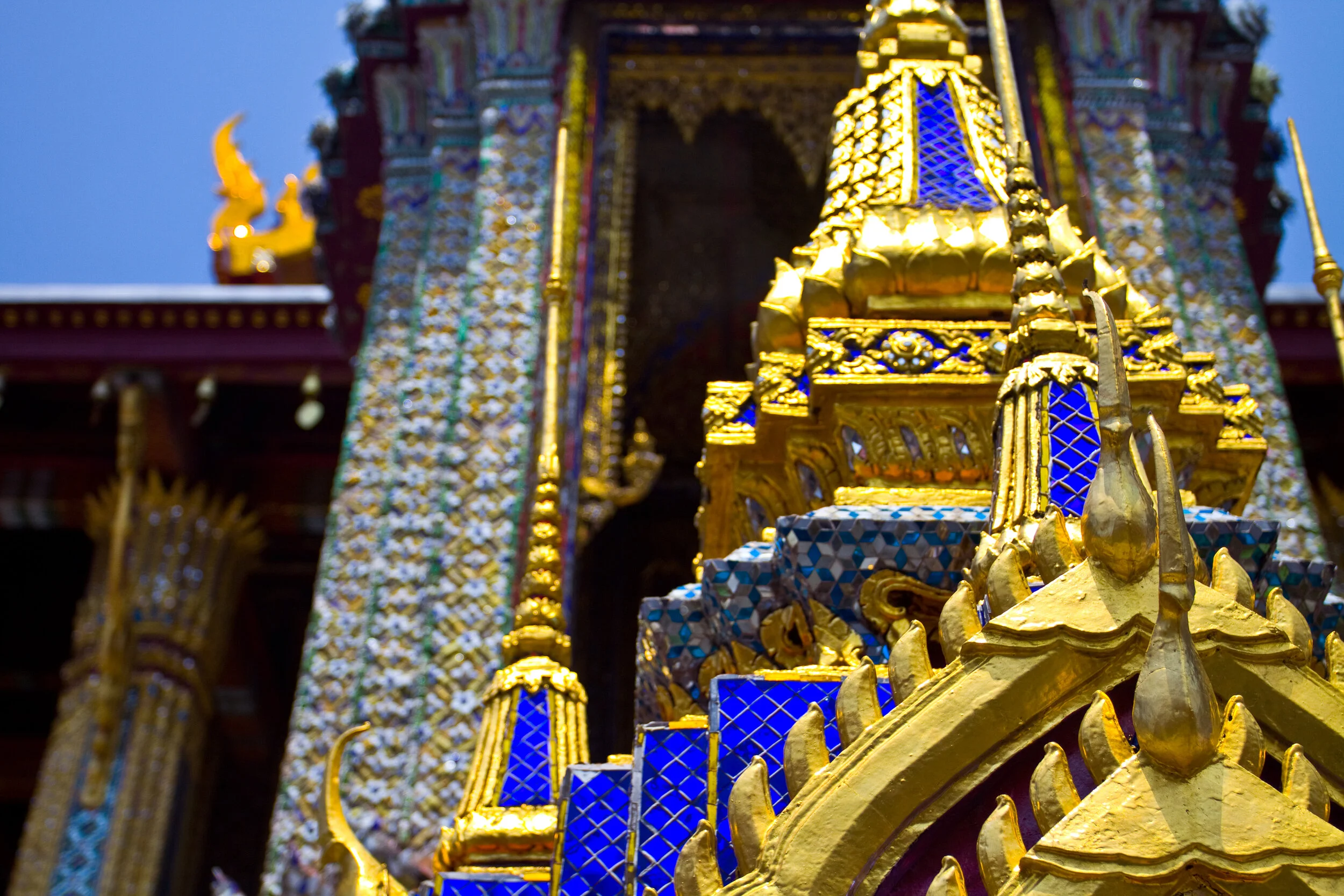
The Grand Palace in Bangkok. Tom Eversley. CC0

The protests were put on hold through the early part of the year due to COVID-19, but are now growing at a rapid rate. In early October, the government accused protesters of obstructing Queen Suthida’s motorcade during a mass gathering at the Government House to demand the removal of Prayut. Despite the government’s imposition of emergency measures such as banning the gatherings of five or more people, forbidding the  publication of news that could “harm national security” and deploying 15,000 police officers to quell the protesters, tens of thousands continually show up to stand for their rights.

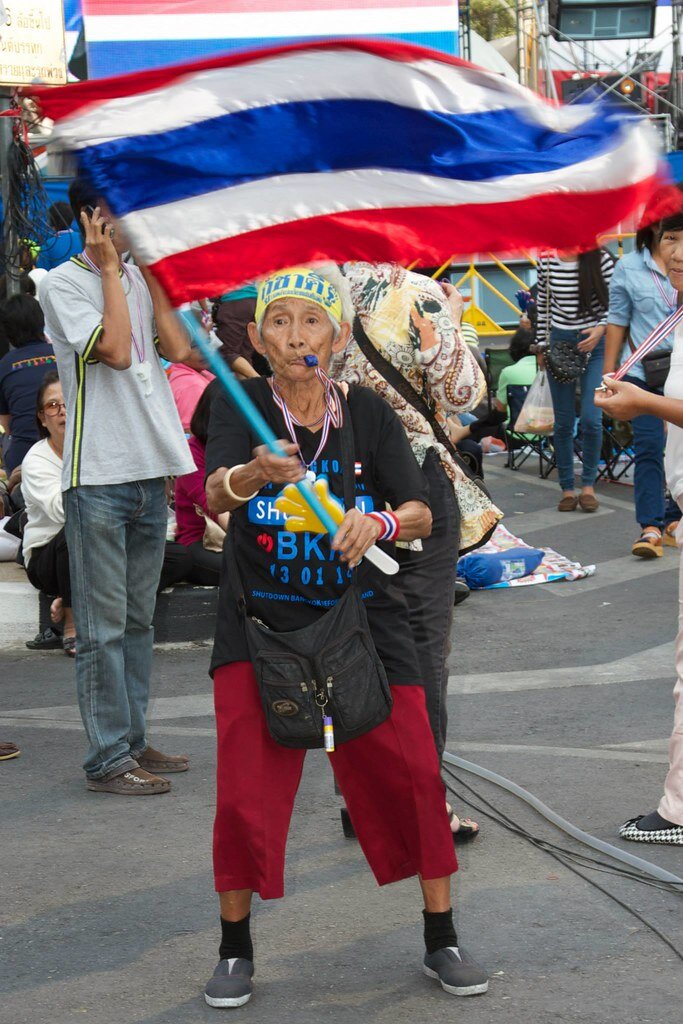
Woman waving the Thai flag. The Global Panorama. CC BY-SA 2.0

According to Human Rights Watch, the new emergency measures are allowing officials to keep protesters for up to 30 days without bail or access to lawyers and family members. Human Rights Watch’s deputy director of the Asia Division, Phil Robertson, stated that, “Rights to freedom of speech and holding peaceful public assemblies are on the chopping block from a government that is now showing its truly dictatorial nature.”

University students seem to be at the core of the current demonstrations. The Free Youth Movement was behind the first major protest back in July, inspiring a group from Thammasat University to establish the United Front of Thammasat. Even high school students have joined the fray, identifying as the Bad Student Movement, as they call for education reform. Most of these kids are in their twenties, but they have attracted the attention and support of human rights leaders and lawyers like Arnon Nampa, who was arrested in October along with prominent youth leaders. 

Student protesters. Prachatai. CC BY-NC-ND 2.0

Panupon Jadnok, a teenage protest leader, led a passionate speech during a rally: 

“Like dogs cornered, we are fighting till our deaths. We won't fall back. We won't run away. We won't go anywhere.”

Raising their hands in the iconic three-finger salute made popular by ”The Hunger Games,” protesters are shouting in the streets for the police to “release [their] friends” and to stop being “slaves of dictatorship.” They will continue to fight for what they believe is right until all of their demands have been met and their friends and country are free.


Yuliana Rocio

is currently a Literature/Writing major at the University of California San Diego. Yuliana likes to think of herself as a lover of words and a student of the world. She loves to read, swim, and paint in her free time. She spent her youth as part of a travel-loving family and has grown up seeking adventure. She hopes to develop her writing skills, creating work that reflects her voice and her fierce passion for activism.

Unpacking the Nagorno-Karabakh Conflict and the Armenian Diaspora

The renewed conflict in the South Caucasus region has its roots in long-standing historical divisions between Turkey and Armenia. 

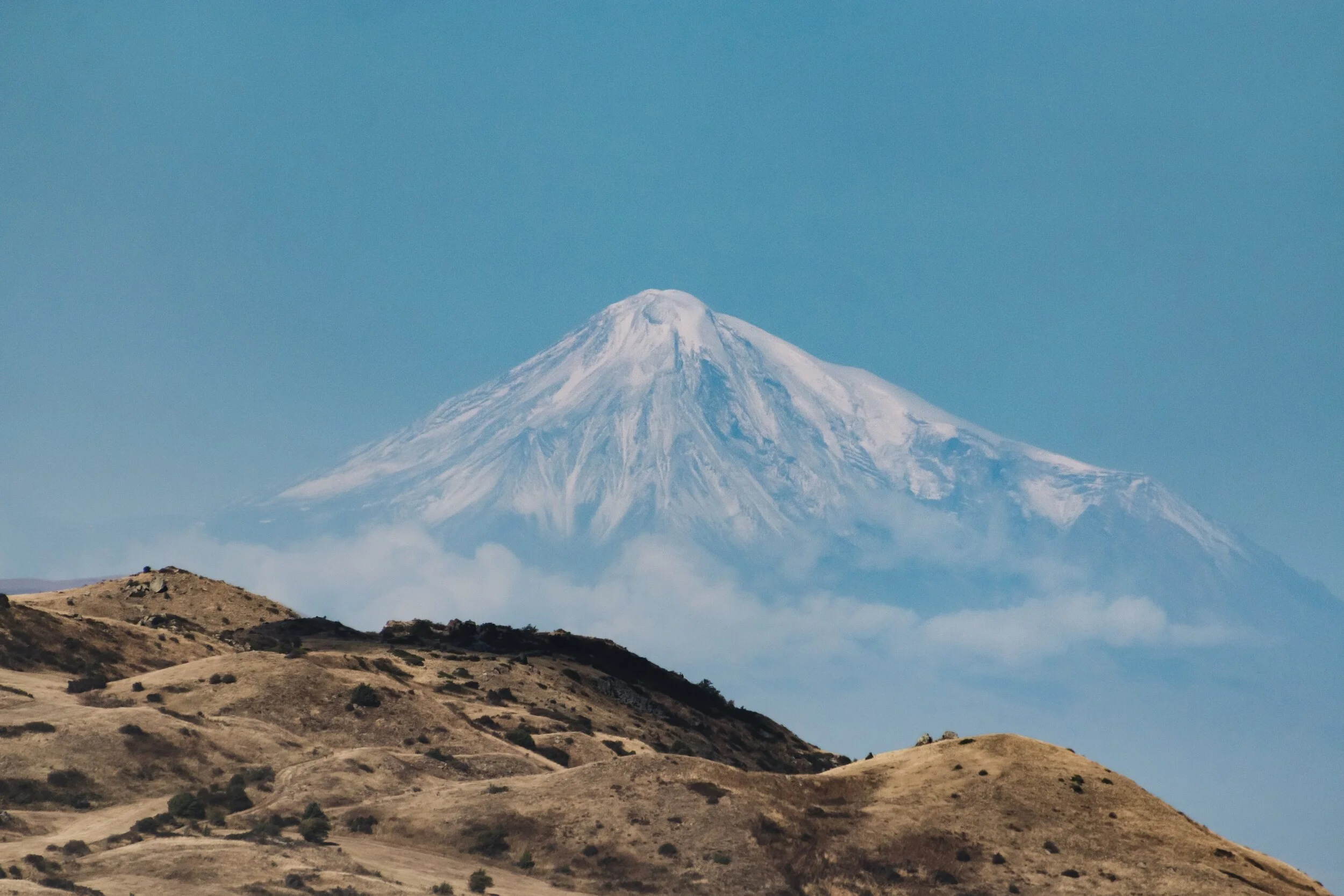
A view of Mount Ararat. West. CC2.0

Tensions between Azerbaijan and Armenia have been renewed due to the ongoing territorial dispute over Nagorno-Karabakh. Fighting started up again on Sept. 27 and has caused massive upheaval and casualties on both sides. Backed by Turkey, the Azerbaijani military bombed Nagorno-Karabakh’s regional capital of Stepanakert with intense artillery fire, while Armenia launched missiles at Ganja (Azerbaijan’s second-largest city), putting citizens in grave danger. Officials speculate that the last two weeks of fighting have proven to be the worst since a cease-fire was brokered by Russia in 1994. Although another cease-fire is a possibility, there is no prediction of what will come next. “Don’t discount the possibility of this turning into something much larger,” said Kevork Oskanian from the University of Birmingham in England. “Once a conflict like this kicks off, it has a dynamic of its own and you don’t know where it will go.”

A Brief History of the Nagorno-Karabakh Dispute

A map of the Nagorno-Karabakh region. Achemish. Wikimedia Commons. CC4.0

The recent fighting is a result of a renewed 32-year-long military conflict between Azerbaijan and Armenia. The territory of Nagorno-Karabakh, also known as Artsakh to Armenians, contains a population of about 150,000. Although completely surrounded by Muslim-majority Azerbaijan, it is governed and claimed by Christian Armenians. Josef Stalin gave the territory to Azerbaijan in 1921 and made it an autonomous region two years later. Initially, the territorial dispute was not violent, as both Armenia and Azerbaijan were under the stronghold of the Soviet Union. However, nationalistic and militaristic tensions increased between the two nations when the USSR began to dissolve. The fighting began in 1991, which resulted in 30,000 casualties and over one million displaced. Although a cease-fire was agreed to in 1994, no official peace deal has been reached. Armenia is happier with the status quo than Azerbaijan, as it was able to reclaim 20% of surrounding land during the fighting in the ‘90s (shown in yellow on the map above). However, Azerbaijan still has a large population of people displaced by the fighting who want to return to their homes. 

Why Turkey is Supporting Azerbaijan

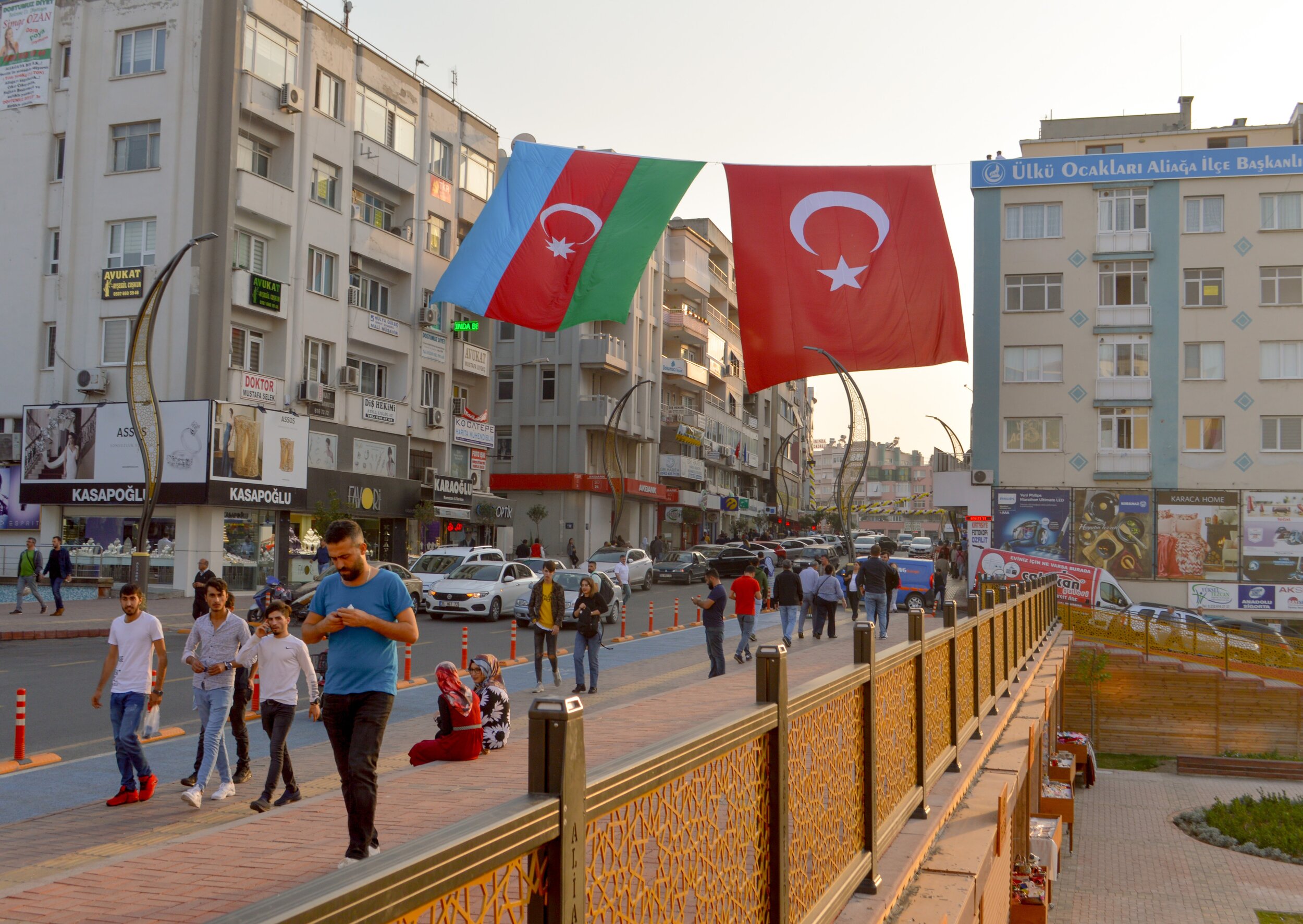
Azerbaijani and Turkish flags in Izmir, Turkey. Anzola. CC 2.0

Azerbaijan is often referred to as a little brother to Turkey, due to the two nations’ connections through cultural, linguistic and religious ties.The two have a relationship built on trade and mutual exchange. Azerbaijan provides a large portion of Turkey’s gas and oil, where the money in return is used to buy weapons from Turkey. Azerbaijan is currently using military weapons provided by Turkey to strike Nagorno-Karabakh, allowing Turkey to increase its political presence in the region. Underpinning Turkey’s involvement in the conflict are the events of 1915, where 1.5 million Armenians were killed under the direction of the Ottoman Empire (present-day Turkey), which many consider a genocide but Turkey denies. Many Armenians see Azerbaijan’s alliance with Turkey as a resurfacing of these events, providing an ultimate threat to their existence and statehood. 

The Conflict Reaches the Armenian Diaspora

An Armenian church in Los Angeles. Steeds. CC2.0

Although Armenia has a population of 3 million, the diaspora population is estimated to be much larger, with notable communities in Australia, Russia, Lebanon, France and Southern California. Although the events of 1915 resulted in mass migrations of Armenians around the world, the diaspora goes as far back as the Middle Ages. Throughout history, many Armenians migrated to new corners of the world due to political upheaval. Armenian merchants often traveled to trade and sell wares, playing a key role in the economies of China, India and Persia. Armenia’s long history of migration and displacement has resulted in a strengthened cultural identity in diaspora communities. Many notable Armenian celebrities, including Kim Kardashian and Serj Tankian, are strong proponents of the Armenian cause, posting on social media to raise awareness of the Nagorno-Karabakh dispute. Armenian lobby groups have held protests in Southern California, as well as asking Armenian-Americans to bring awareness of the conflict to representatives and congresspeople. Some Armenians even contemplate returning to their country to fight Azerbaijan. According to Alex Galitsky, part of the Armenian National Committee of America’s western region, “I think a lot of people see themselves as bearing some responsibility for the defense of our nation.” 

The conflict in Nagorno-Karabakh continues to escalate as nationalistic and militaristic tendencies fuel both sides. True peace will only be reached if Turkey, Armenia and Azerbaijan are willing to begin the difficult work of listening and embracing each other’s conflicting histories and narratives.


Megan Gürer

Megan is a Turkish-American student at Wellesley College in Massachusetts studying Biological Sciences. Passionate about environmental issues and learning about other cultures, she dreams of exploring the globe. In her free time, she enjoys cooking, singing, and composing music.

OPINION: Technology Brings Light to Social Issues—But Can It Implement Lasting Change?

The Black Lives Matter movement in the United States sparked global protests and conversations about the treatment of typically “othered” groups. Despite pressure on social media, education and effective policy reform are still needed to achieve justice for all.

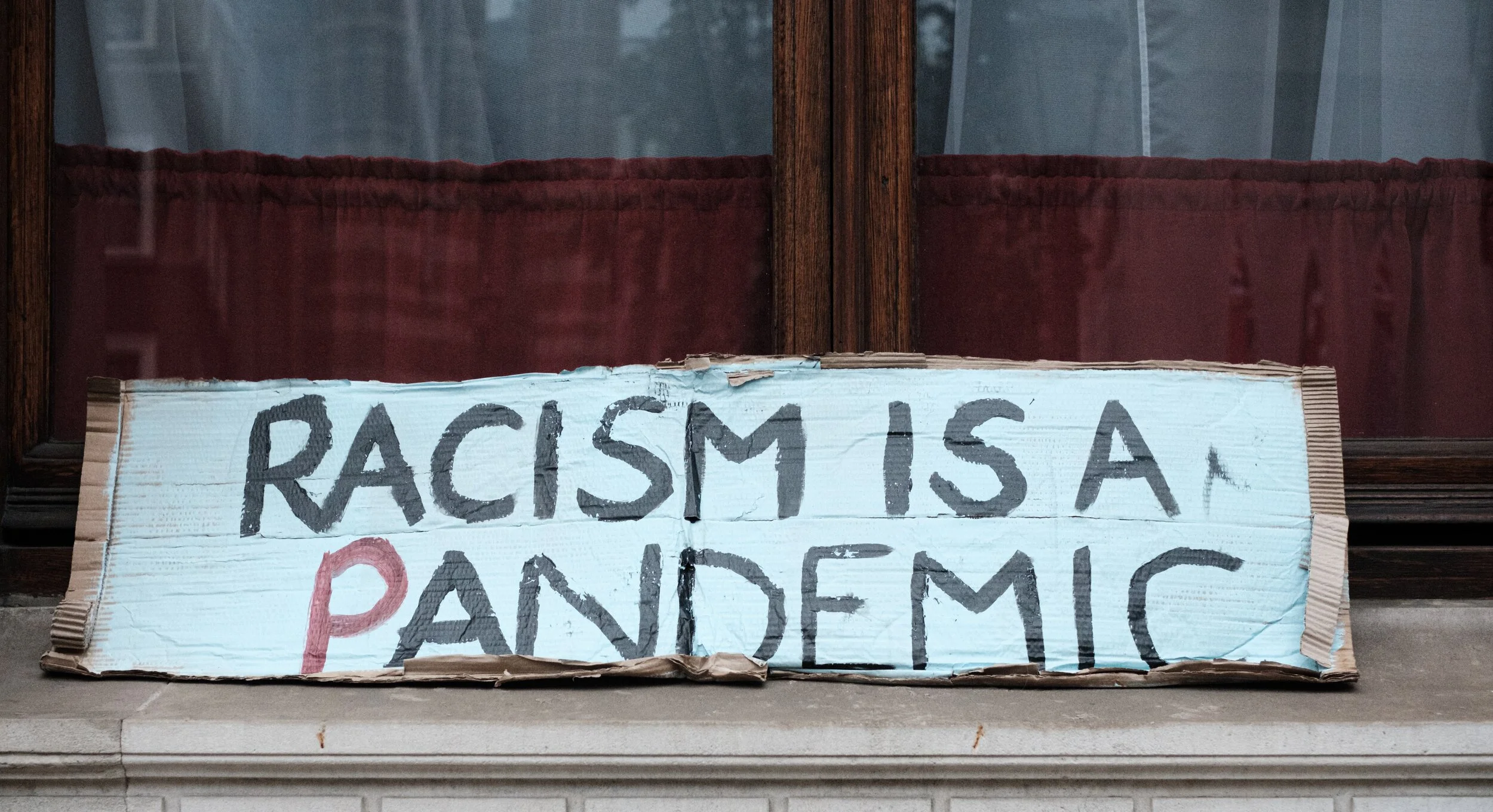
A Black Lives Matter protest sign in London. Ehimetalor Akhere Unuabona. Unsplash.

Following the deaths of Black Americans like George Floyd, Ahmaud Arbery and Breonna Taylor, Black Lives Matter surged into the spotlight with renewed vigor. Nationwide protests against police brutality and systemic racism revived conversations about the importance of diversity, equity and inclusion in public spaces. To avoid the consequences of “cancel culture”—the boycott of businesses that fail to embrace social change—many organizations reaffirmed their commitment to racial justice.  

On its Twitter account, Netflix emphasized “speaking up” and standing with Black Lives Matter. The ice cream chain Ben and Jerry’s posted “We Must Dismantle White Supremacy” on its website. Some brands even reinvented themselves. Aunt Jemima and Uncle Ben’s came under fire for reinforcing backwards racial stereotypes of Black individuals. Their respective parent companies, Quaker Oats and Mars Inc., acknowledged the problematic history of these marketing depictions and committed to changing them.

While many have lauded these actions, others remain skeptical.Woke washing,” as defined by diversity and inclusion expert Marlette Jackson, is when companies make “public commitments to equality” but fail to create the infrastructure that actually supports Black, Indigenous and people of color (BIPOC) staff. For example, Bon Appetit, a monthly American magazine dedicated to global cuisines and recipes, was outed for its empty promises of change. Priya Krishna, a former Test Kitchen star, revealed on Twitter that she was not fairly compensated for her work. She added that staff of color were “tokenized” and framed as “monolithic experts for their communities.” Krishna has since left Bon Appetit. 
A billboard for the skin whitening company Fair & Lovely in Bangladesh. Adam Jones. CC BY-SA 2.0

Despite instances of smoke screen marketing, Black Lives Matter has sparked questions of colorism and colonial legacies in countries like India.

In India, lighter skin is considered more desirable. This age-old belief has created a lucrative market for skin whitening products. Not only does the existence of this industry foster a culture of body insecurities, but the products themselves also contain dangerously high levels of mercury and hydroquinone. Since the rise of Black Lives Matter protests in June, many Indian celebrities like Priyanka Chopra have condemned racial injustice in the United States. However, Chopra herself filmed an ad with Fair & Lovely, one such skin lightening product.

According to activist Kavitha Emmanuel, many Indians are “blind to colorism, caste discrimination and violence against religious minorities at home.” Muslims have been lynched in increasing numbers since the ascension of Indian Prime Minister Narendra Modi and his party’s Hindu nationalist government. However, many feel that Indians have been more critical of American injustices than the ones happening in their own country.  Ultimately, the question remains: are conversations alone enough to achieve lasting peace? 

Despite posthumously gracing the cover of Vanity Fair, despite hashtag trends, and despite over 11 million petition signatures as of Oct. 2, Breonna Taylor did not find justice. While the instant and global nature of the internet cultivated efforts to educate and reform, these gestures will not be enough. Unless individuals reexamine the internalized racism and national narratives that so often rule their reactions, ostracized populations will find no reprieve. Until governments step in with effective laws and limitations—ones free of loopholes—Black and marginalized individuals across the globe will continually be devalued and delegitimized.

Rhiannon Koh

earned her B.A. in Urban Studies & Planning from UC San Diego. Her honors thesis was a speculative fiction piece exploring the aspects of surveillance technology, climate change, and the future of urbanized humanity. She is committed to expanding the stories we tell.

Has South Africa’s Booze Ban Helped in the Fight Against COVID-19?

To slow the spread of COVID-19, the government banned alcohol sales. Now, the country asks, “Was it worth it?”

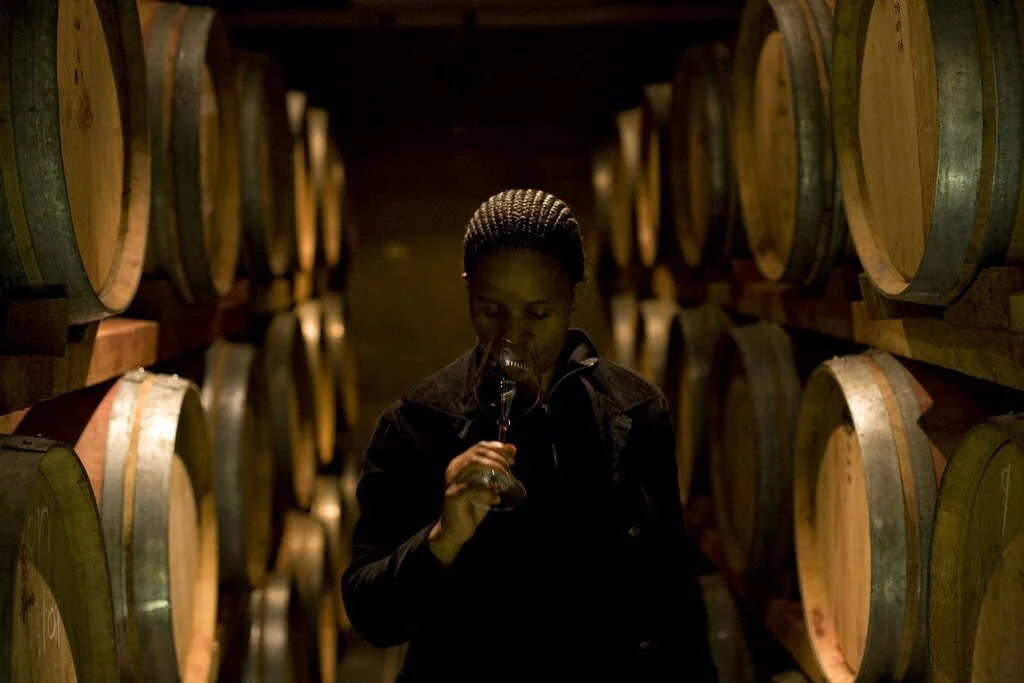
A South African enjoying a glass of wine. World Bank Photo Collection. CC BY-NC-ND 2.0.

South Africans woke up before dawn to line up in front of liquor stores. Since March 27, alcohol sales had been prohibited to curb the spread of COVID-19, but on June 1, nine long weeks of sobriety ended. With the threat of another surge in cases—and another prohibition on booze—looming over the country, drinkers nationwide stocked up while they had the chance.

The ban was a forceful and unprecedented measure for a country that has suffered the most cases of COVID-19 in Africa. The long lines demonstrated the important role alcohol plays in South African culture and social life, as does the annoyed reaction of many citizens. In a crowded country with many shared living spaces in urban areas, the ban on alcohol has often been viewed as an extraneous measure that has endangered innumerable small businesses and infantilized the South African people.

Alcohol figures into the country’s history in a variety of ways. Under apartheid, Black South Africans were forbidden from buying or consuming alcohol, so its consumption became an act of rebellion against racial injustice. For mixed-race workers in rural areas, many were paid in liquor rather than money, leading to dependency on the substance for thousands. In other areas, traditional methods of brewing beer have long provided locals with their own source. Under the ban, South Africans of every background, race and class have had to cut their consumption down to zero.

A South African woman brewing umqombothi, a traditional beer. GioRetti. CC-BY-NC-SA 2.0

The logic behind the ban was simple: limit alcohol use and more hospital beds will remain open. Though most abstain from drinking altogether, the World Health Organization (WHO) classifies the majority of those who use alcohol as binge drinkers. As a result, drinking-related incidents account for 40% of all of South Africa’s emergency hospital admissions. In addition, crime fell by 29% over the course of the ban, including rates for domestic abuse and sexual assault. It is estimated that because the ban allowed more space for COVID-19 patients, 515 lives were saved.

A similar logic was used to implement a ban on cigarettes. Citing research from the WHO, the government has claimed that the ban is necessary to slow the spread of COVID-19. Cigarette smoke can carry the virus in air molecules for longer distances, and smoking itself weakens the lungs and makes the body more susceptible to severe symptoms. While the ban on cigarettes was lifted on Aug. 18, its implications continue through a vibrant black market.

Smokers found numerous ways to buy cigarettes under the table, leading many to question whether the ban actually curtailed the spread of COVID-19. Cigarette dealers interact with dozens of clients a day, creating the potential to hasten the spread of the virus. 

The growth of the black market has been an unforeseen consequence of the alcohol and cigarette ban, but it will have lasting repercussions on South Africa’s economy. Illegal operators have gained a significant foothold by doing business with thousands of drinkers and smokers who previously had no interaction with South Africa’s criminal underworld. Reversing the growth of these criminal enterprises is predicted to take years.

Moreover, the South African revenue service lost out on a total of 12 billion rand, equal to $726 million, in taxes it would have collected had alcohol never been banned. This loss of revenue is all the more frustrating when the government has struggled to provide hospitals with the necessary supplies to handle COVID-19. On a smaller scale, too, the economy has been devastated. Innumerable businesses face financial ruin since restaurants derive roughly 60% of their profits from alcohol sales. 

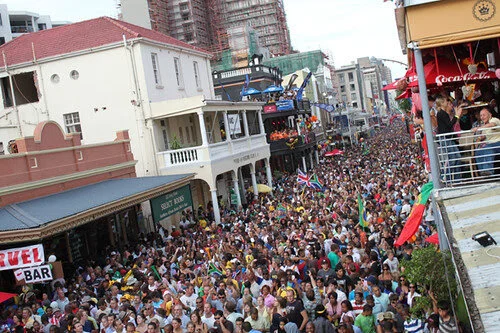
A street party on Long Street in Cape Town. Flowcomm. CC BY 2.0.

It is impossible to say whether the alcohol ban will ever be implemented again; this largely depends on whether South Africa experiences another surge of cases. When cases spiked a second time this summer, the ban was reimplemented from July 12 to Sept. 20. There is no guarantee that the ban will not be needed again. 

If it does become necessary yet again, many have learned how to fulfill their desire for a drink without liquor stores. Homebrewing has enjoyed a resurgence because of the nationwide prohibition. City dwellers have begun experimenting with beers typically made only in rural areas. Online video guides for brewing pineapple beer and a traditional corn and sorghum beer known as “umqombothi” have garnered thousands of views. Try as the government might, South Africa’s thirst for alcohol will most likely prove insatiable.

Michael McCarthy

is an undergraduate student at Haverford College, dodging the pandemic by taking a gap year. He writes in a variety of genres, and his time in high school debate renders political writing an inevitable fascination. Writing at Catalyst and the Bi-Co News, a student-run newspaper, provides an outlet for this passion. In the future, he intends to keep writing in mediums both informative and creative.

Malaysian Princess Condemns Suicide Criminalization 

Malaysia is one of three Southeast Asian countries that still criminalizes suicide. To fight stigmas, mental health advocates have been pushing for reform and a more efficient health care system.

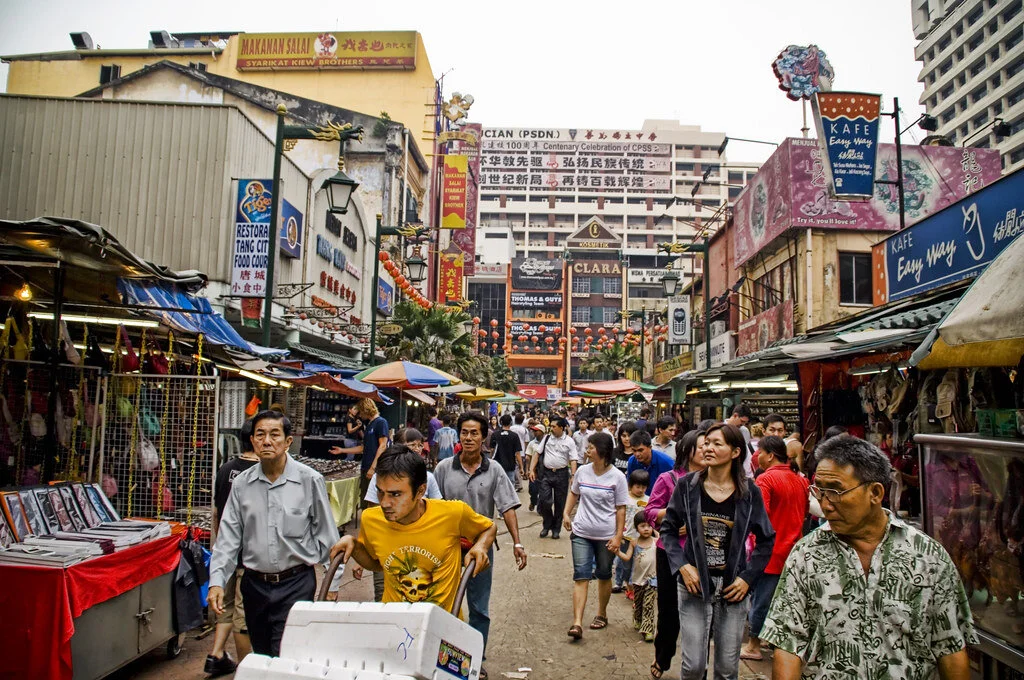
Pedestrians milling about a street market in Kuala Lumpur. Trey Ratcliff. CC BY-NC-SA 2.0.

On Sept. 10, World Suicide Prevention Day, Malaysian Princess Tengku Puteri Iman Afzan was appointed as the country’s international patron for World Mental Health Day 2020. This nomination was an encouraging sign for Malaysian mental health advocates for many reasons.

As a former British colony, Malaysia has codified an antiquated law criminalizing suicide. In Section 309 of Malaysia’s Penal Code, those who attempt and survive suicide must serve one year in prison, pay a fine, or both. Almost 60% of Malaysia’s population practices Islam, and suicide goes against the religion’s belief in the sanctity of life. Despite the stigma of suicide as a “sin,” a national study estimates that every day 10 people take their own lives. Subsequently, many human rights groups like the National Human Rights Society (HAKAM) and Minda are dedicated to raising mental health awareness and literacy. Activists hope that proper education will dispel the negative stereotypes that are preventing many from seeking the help they need.

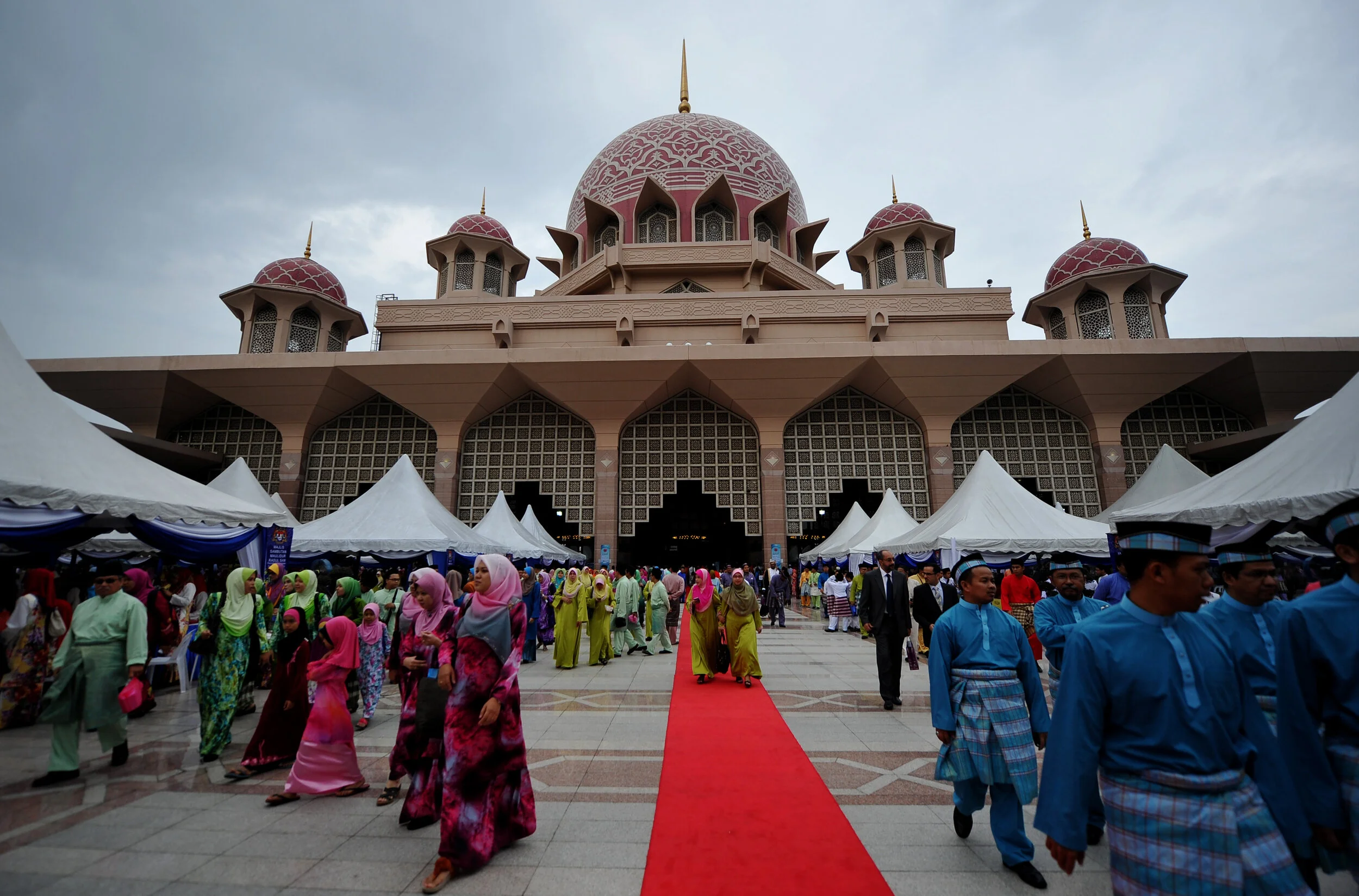
Worshippers outside of a mosque in Malaysia. Firdaus Latif. CC BY-SA 2.0.

In an interview with The Guardian, chairman Justin Victor of emotional support hotline group Befrienders Kuala Lumpur, said that criminalization “is a deterrent to being able to speak about [suicide] openly.” Many individuals who survive are reluctant to seek help, fearing they could be charged again.

In the wake of the COVID-19 lockdown, the need for mental health care reform was made more apparent. Shahfirul Hakim Shahidan, 28, attempted suicide after facing unemployment. He was charged with “inconveniencing” others and fined 3,000 ringgit ($720). If Shahidan failed to pay, he would be jailed. The sentence was met with public outcry. Minds First, a youth group advocating for mental health awareness, organized a Change.org petition demanding the decriminalization of suicide. In its statement, the group argued that the “criminalization of suicide punishes those who need help and prevents them from getting the support they need.”

As of Oct. 11, the petition had gained nearly 19,000 signatures.

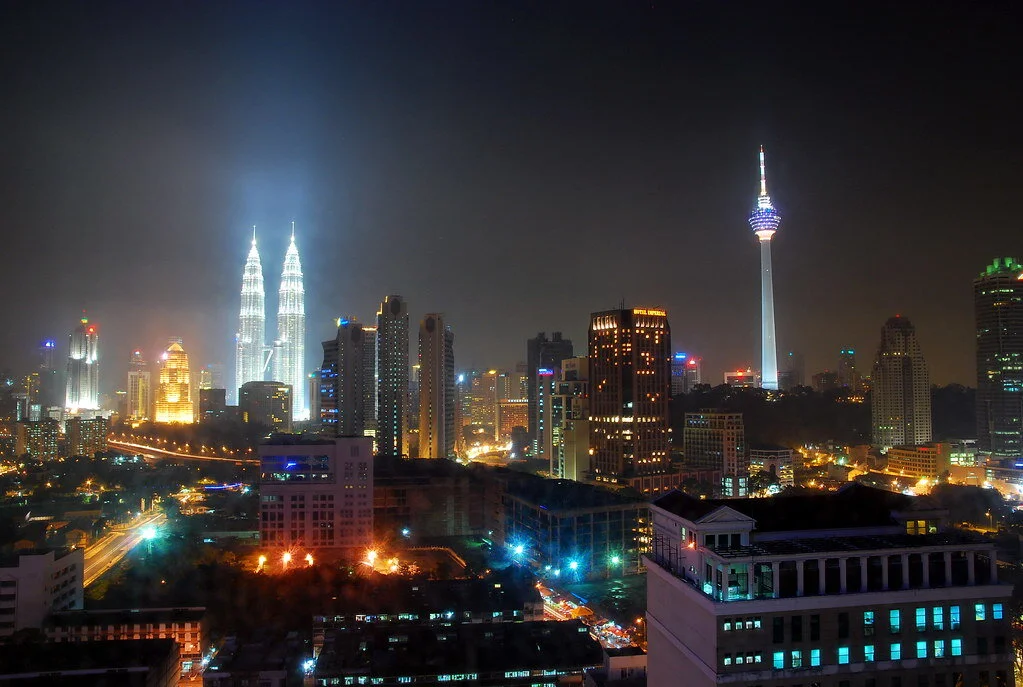
The skyline of Malaysia’s capital, Kuala Lumpur. Salehi Hassan. CC BY-NC 2.0.

Quarantine isolation has exacerbated existing mental health challenges. Befrienders Kuala Lumpur reported an increase in calls when the government first enforced social distancing measures. Publicity director Ardy Ayadali explained, “Being in isolation increases the fear and helplessness that someone feels … when someone is isolated in crowded families or spaces, the environment can get toxic.”

During the pandemic, however, Malaysia also launched its first mental health helpline for children. Buddy Bear is a hotline that lets children discuss whatever social and emotional issues they have, and gives advice on how they can deal with them. With professionally trained volunteers, children learn how to articulate and understand their feelings with a healthy approach.

Accordingly, many felt that Iman’s appointment would aid Malaysia’s advocacy work in mental health care. The princess has also struggled with anxiety and shared that although she is no longer ashamed of her troubles, she also knows “what it’s like to feel disempowered.” Iman noted that stigma was one of the biggest hurdles and applauded Malaysians’ struggle to attain mental health rights. During her acceptance speech, the princess publicly called for the decriminalization of suicide.

Rhiannon Koh

earned her B.A. in Urban Studies & Planning from UC San Diego. Her honors thesis was a speculative fiction piece exploring the aspects of surveillance technology, climate change, and the future of urbanized humanity. She is committed to expanding the stories we tell.

Vietnamese Bird Cafes Build Community

At first glance, Vietnam’s bird culture may seem to be a minor hobby of pet owners. However, it has weaved itself into the fabric of residents’ lives.

A bird cafe in Hanoi, the nation’s capital. Daniel Mennerich. CC BY-NC-ND 2.0.

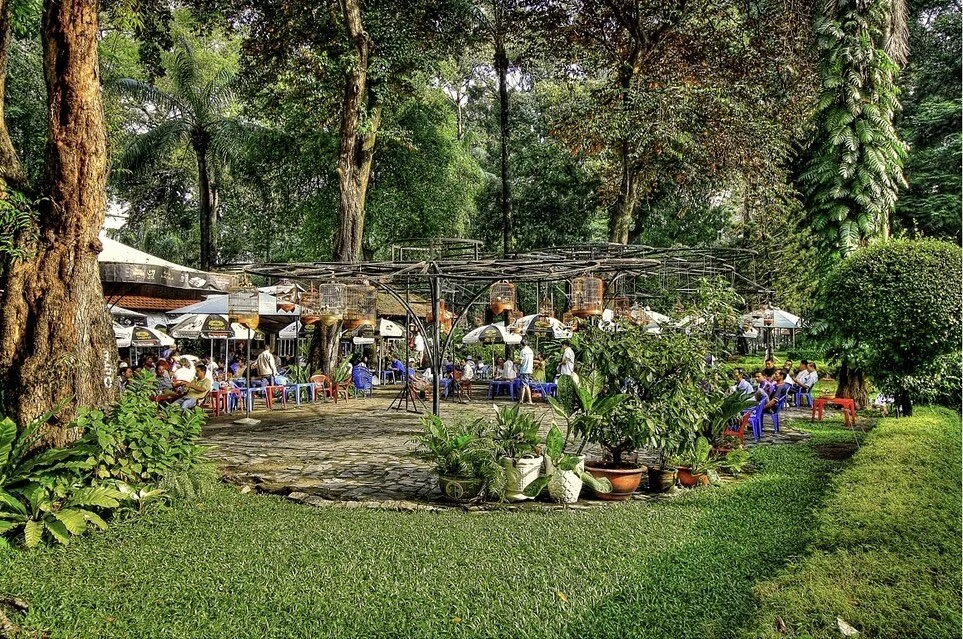
Follow the endless oil trails left behind by Vietnam’s millions of motorbikes and visitors can easily end up at one of the nation’s bird cafes. These unique spots serve as casual meeting places for locals; while socializing, their pet birds can mingle with each other. As seen in Netflix’s travel show “Somebody Feed Phil,” bird cafes are bustling centers for enthusiasts to show off their prized pets while catching up with others. 

While most members of bird cafe culture are middle-aged to elderly men, many of whom are breeders, locals of all ages can be seen enjoying these avian singers. Participation in bird culture is ritualistic for many; members flood the cafes every morning, clanging their cages as they hook them on the metal hangers. Many participants own a variety of birds, often displaying well over 20  each day. 

Locals are drawn to these cafes because of the peaceful environment created by the birds’ melodic songs. While owners order their morning meals and catch up with friends, the birds are equally busy. Often, the birds sing to each other, and owners are able to go home hearing a new song from their beloved pets. Three times a year, visitors can expect to see bird competitions in which owners bring their most magnificent birds to be publicly judged. Competitions take place in the spring, winter and during Tet, the Vietnamese New Year. The birds must size up in four categories: duration of singing, quality of song, beauty and shape. Lucky owners of the winning birds are awarded prize money and praise. 

Although the birds seem to be crowded in wooden cages, owners often describe the meticulous care they have toward their pets. The birds are given high-quality feed and are regularly bathed. Wooden cages exhibit intricate carvings, worthy of their exceptionally beautiful dwellers.

Even casual observers can see the many social benefits of Vietnam’s cherished bird culture. Regular meetings at bird cafes provide a sense of regularity to social interactions, and the tranquil environment created by the birds builds a connection between locals and nature. Bird cafes are stress-relieving havens for viewers and participants alike, as well as “fountains of youth” for the elderly. 

Beyond being a staple of Vietnamese communities, bird cafes give visitors an opportunity to closely examine a fascinating aspect of the country’s culture. Any foreigner eager to explore Vietnam should definitely take up this offer to observe the birds’ unmatched splendor in such a unique environment.

Ella Nguyen

is an undergraduate student at Vassar College pursuing a degree in Hispanic Studies. She wants to assist in the field of immigration law and hopes to utilize Spanish in her future projects. In her free time she enjoys cooking, writing poetry, and learning about cosmetics.

10 Mouthwatering Rice Dishes from Around the World

The world is filled with a variety of rice dishes. 

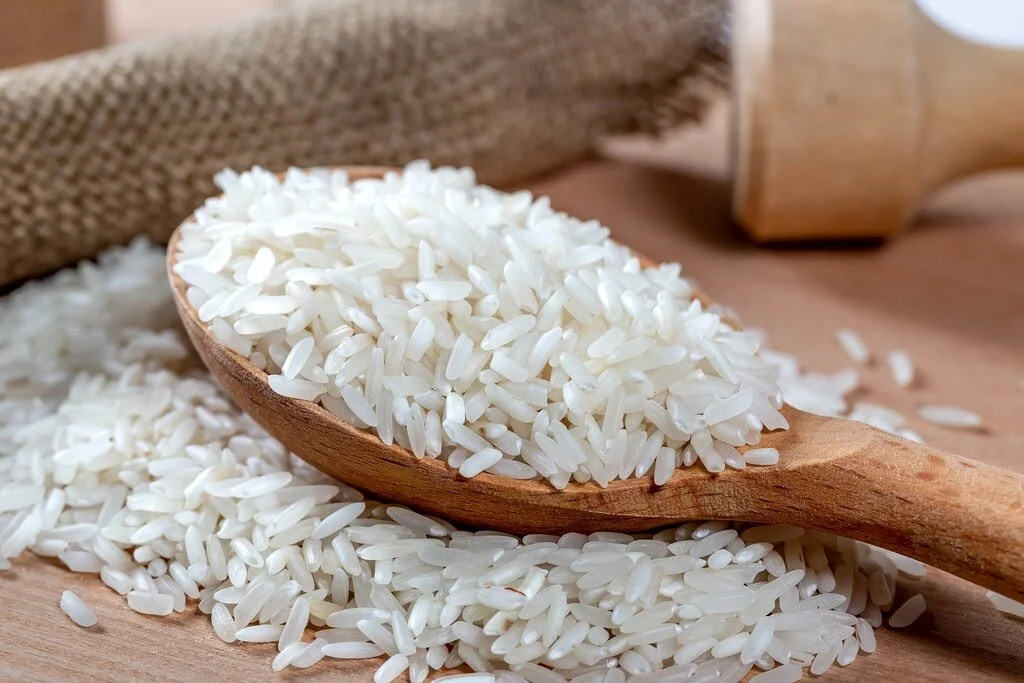
Rice grains. Verch. CC2.0

No matter where you are in the world, rice is a much loved staple. First cultivated in China and spread through international trade and migration, every region has its own way of preparing rice with local spices and ingredients. Here is a sample of 10 unique and culturally significant rice dishes from around the world. 

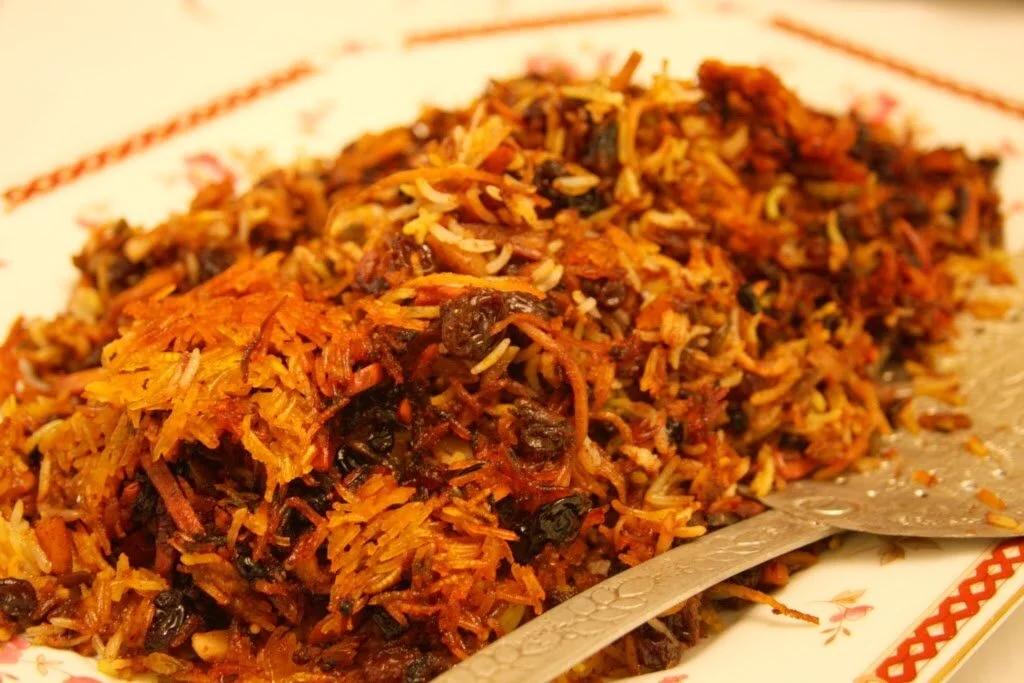
Morasa polo with tahdig. Moos. CC2.0

1. Morasa polo (jeweled rice): Iran

Morasa polo (jeweled rice in Farsi) is one of Iran’s most festive dishes, traditionally served at celebrations and weddings to bring “sweetness” to a married couple. The rice is topped with various types of fruits and nuts, each representing a desired jewel. For example, barberries represent rubies and pistachios represent emeralds. Each component of the rice is cooked separately in sugar to give the dish a little sweetness. No plate of rice in Iran is complete without tahdig (literally “bottom of the pot”), referring to the crispy layer of rice at the bottom of the pan. One of the most coveted and challenging techniques to master in Persian cuisine, tahdig can be made several ways by using ghee, saffron, potatoes and lavash bread to give that desired crunch. 

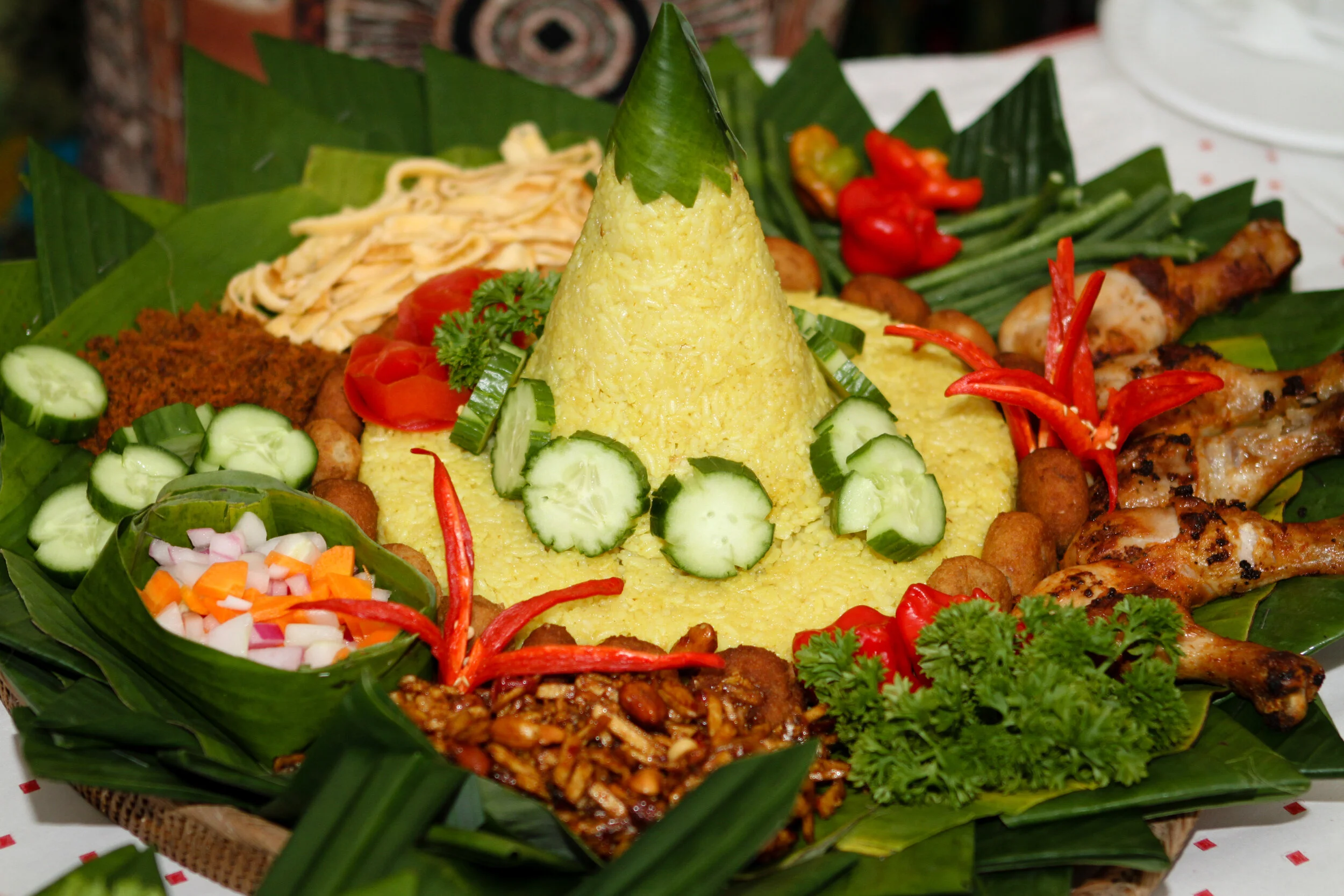
Nasi tumpeng. Kenwrick. CC2.0
2. Nasi tumpeng: Indonesia
Nasi tumpeng is a traditional rice dish served at a selamatan, a traditional ceremony for special occasions such as birthdays and weddings. The dish consists of a tall rice cone in the center, usually yellow rice, which represents the mountains and volcanoes of Indonesia’s landscapes. According to tradition, the yellow mountain of rice refers to Mount Semeru, home of the hyang, the spirits of Indonesian ancestors and the Hindu gods. The dish is accompanied by seven side dishes with a balance of chicken, seafood, eggs and vegetables that represent the helping hands of God. Nowadays, the dish has been ingrained in Indonesia’s Muslim culture representing gratitude toward God. 

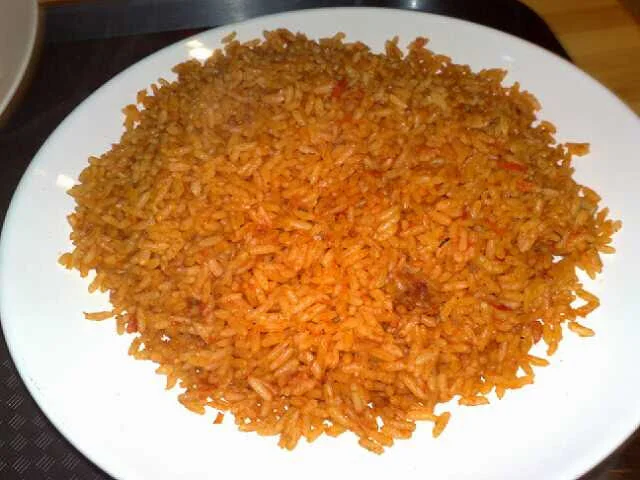
Jollof rice. Secretlondon123. CC2.0

3. Jollof rice: West Africa

Widely enjoyed across Africa, there is perhaps no dish that has sparked such heated discussion over its origins as jollof. A staple in social gatherings and weddings across West Africa, the rice is cooked with tomatoes, onions and peppers with additional seasonings depending on the region. Historians credit the origin of jollof rice to the Senegambia region, with cultural exchange then spreading it across the rest of West Africa. However, Nigerians, Ghanaians and Senegalese all claim the origins of this dish and are eager to debate which version is better with online battles (#JollofWars) and cook-offs. The dish is also popular among the African diaspora in the American South. In fact, popular dishes such as jambalaya and gumbo are believed to have their origins in jollof rice.  

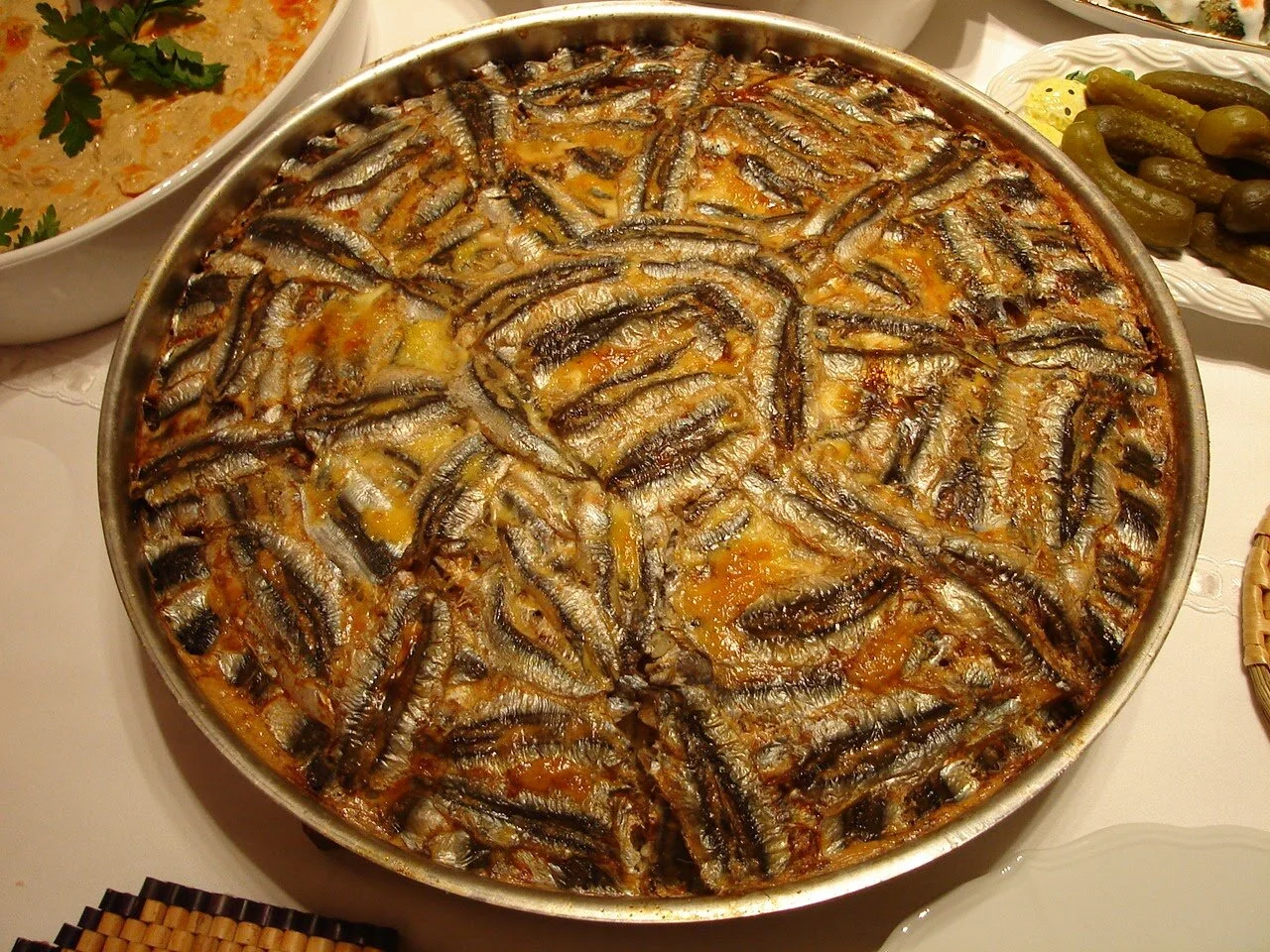
Hamsili pilav. Vardar. CC2.0

4. Hamsili pilav: Turkey 

Although there are many types of pilaf in Turkey and the Middle East, hamsili pilav is one of the most unique and visually striking versions, with layers of fish covering up rice. Hamsi, also known as European anchovies, are considered Turkey’s national fish and play a crucial role in the culture and cuisine of the Black Sea region. Many poems and songs have been written about hamsi and the small but mighty fish is used in a variety of dishes, from breads to pickles and even jam. Known to be a favorite of the sultans during the Ottoman Empire, hamsili pilav is still a favorite in Turkish homes, especially among the Laz people living in the northeastern regions of the country. 

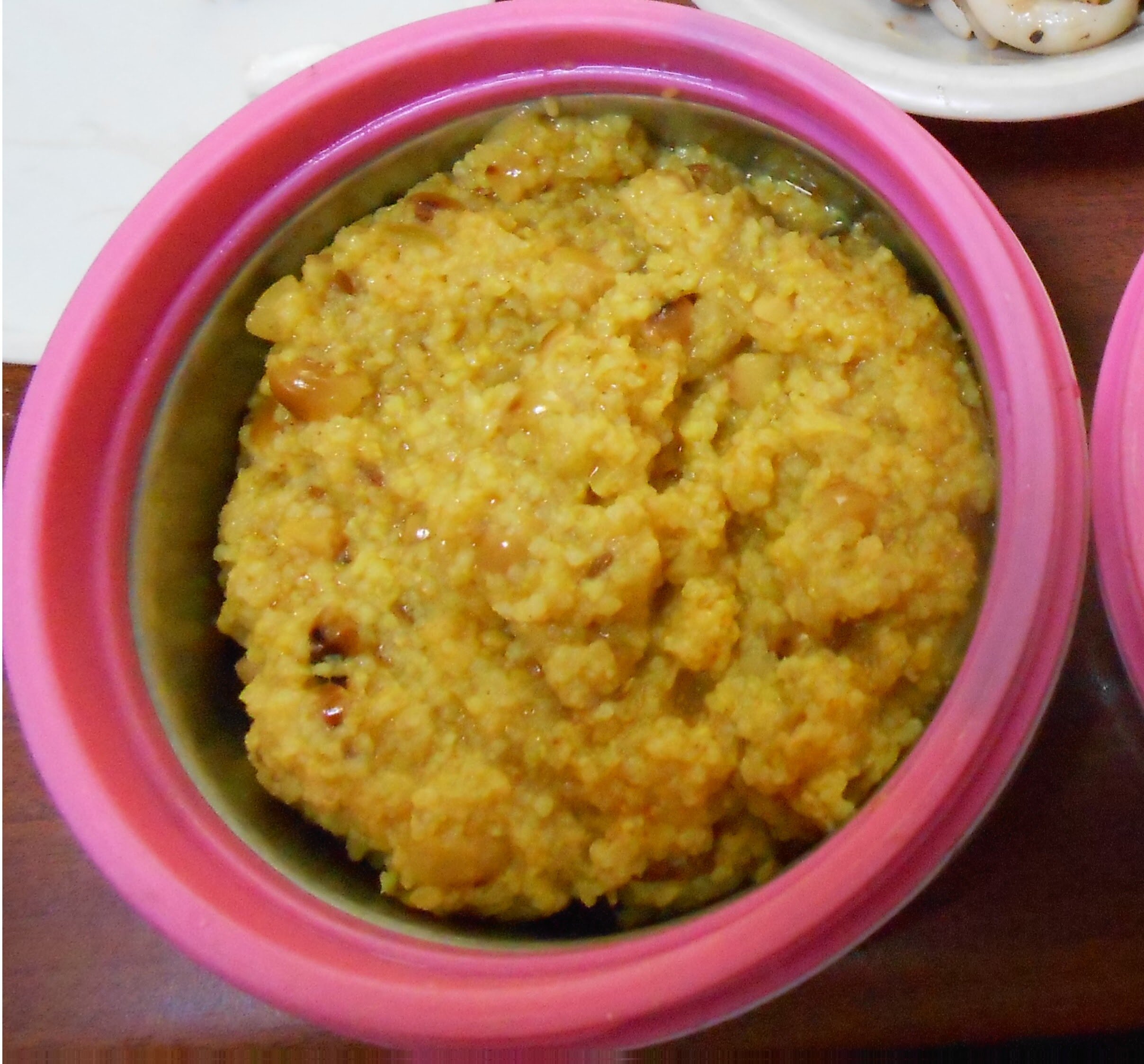
Khichdi. Tushar. Wikimedia Commons. CC4.0

5. Khichdi: Indian Subcontinent

This humble but delicious dish is heavily ingrained in South Asian food culture. Most commonly made with rice and moong dal (a type of legume), it is one of the first foods that babies eat in Hindu culture. Easily digestible and nutritious, khichdi is popular across South Asia, including in India, Pakistan, Nepal and Bangladesh. Many regional variations of khichdi exist, adding available ingredients such as vegetables, spices, dried fruits and coconut. The Bengali variation, known as khichuri, is a rather elaborate version, served with an array of vegetable dishes, fried fish and curries. 

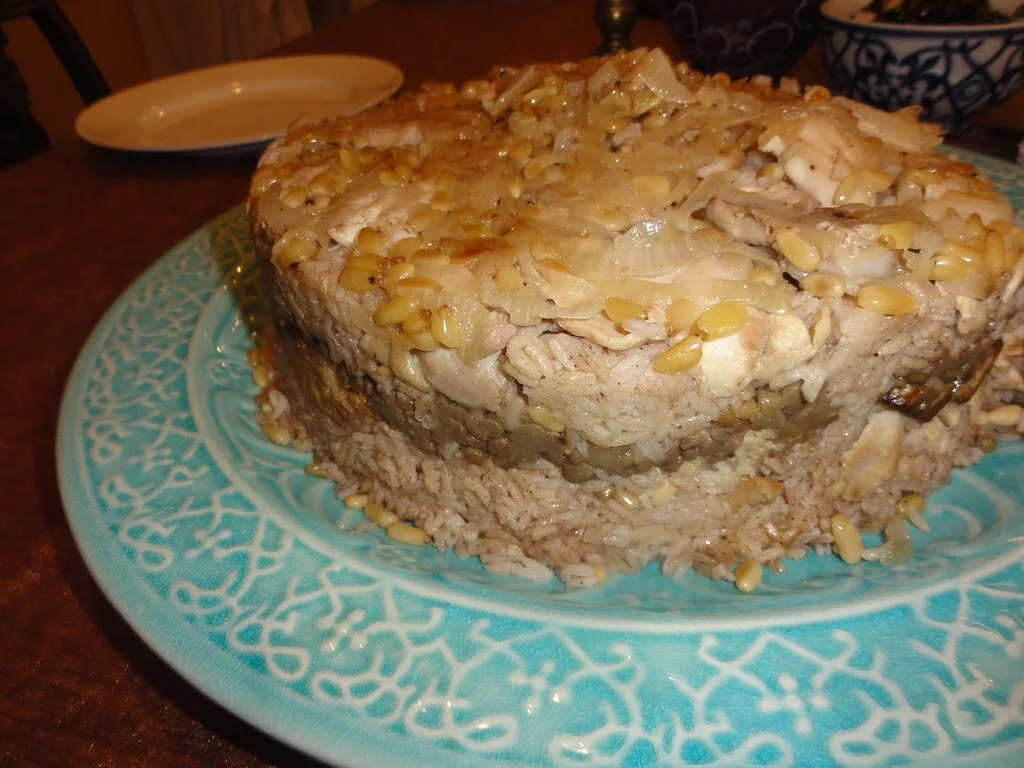
Maqluba. Homan. CC2.0.

6. Maqluba: Palestine 

Often considered Palestine’s national dish, maqluba is enjoyed at least once a week by many Palestinian families. Meaning “upside down” in Arabic, the dish is cooked in one pot with layers of meat (chicken or lamb), vegetables (most commonly potato and eggplant) and rice. Once the dish is cooked, it is flipped over onto a plate and served. 

Cooking traditional foods allows Palestinians to cherish their culture while empowering themselves and their families. The Noor Women’s Empowerment Group is run by 13 Palestinian women working to overcome social stigmas faced by women and disabled children in Aida refugee camp. The organization holds traditional Palestinian cooking classes as a way to generate income to support their families and give visitors an insight into Palestinian life and culture. The organization has garnered international attention and received a visit by celebrity chef Anthony Bourdain in 2013. 

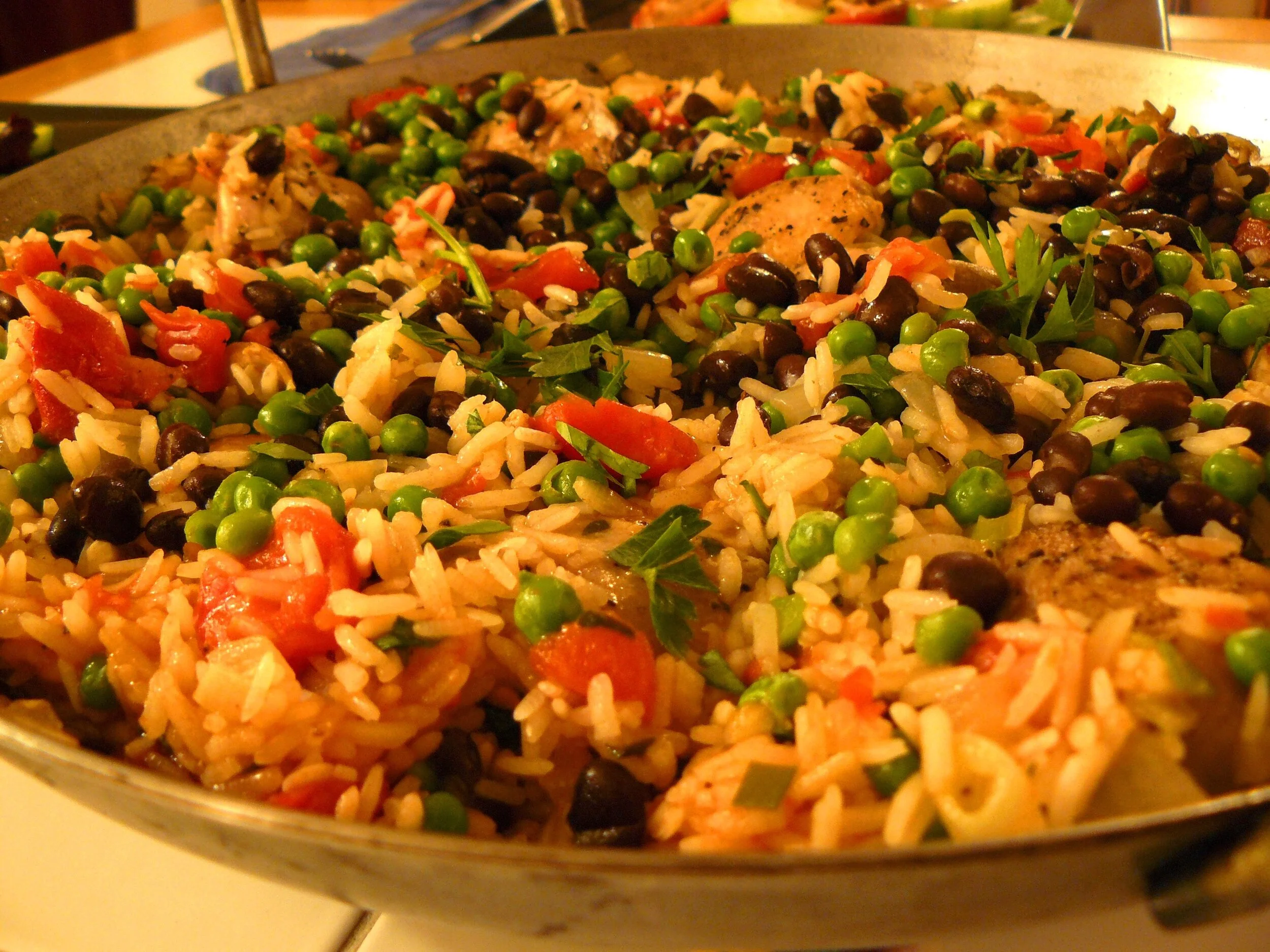
Arroz con pollo. Sea turtle. CC2.0

7. Arroz con pollo: Latin America and Spain

Translating as “rice with chicken,” this incredibly versatile rice dish is enjoyed across Latin America and Spain. The dish is thought to be connected to the Spanish paella and could have its origins from Arab influence in Spain as early as the 8th century. However, there is some debate as to whether the dish actually originated in Puerto Rico, as it is one of the island’s classic dishes. Arroz con pollo is seared chicken cooked with rice and vegetables, although seasonings vary from country to country across Latin America. For example, Mexican versions use chile, Colombian versions use a sofrito (blend of flavors including tomato and saffron) and Peruvian versions include cilantro and dark beer. 

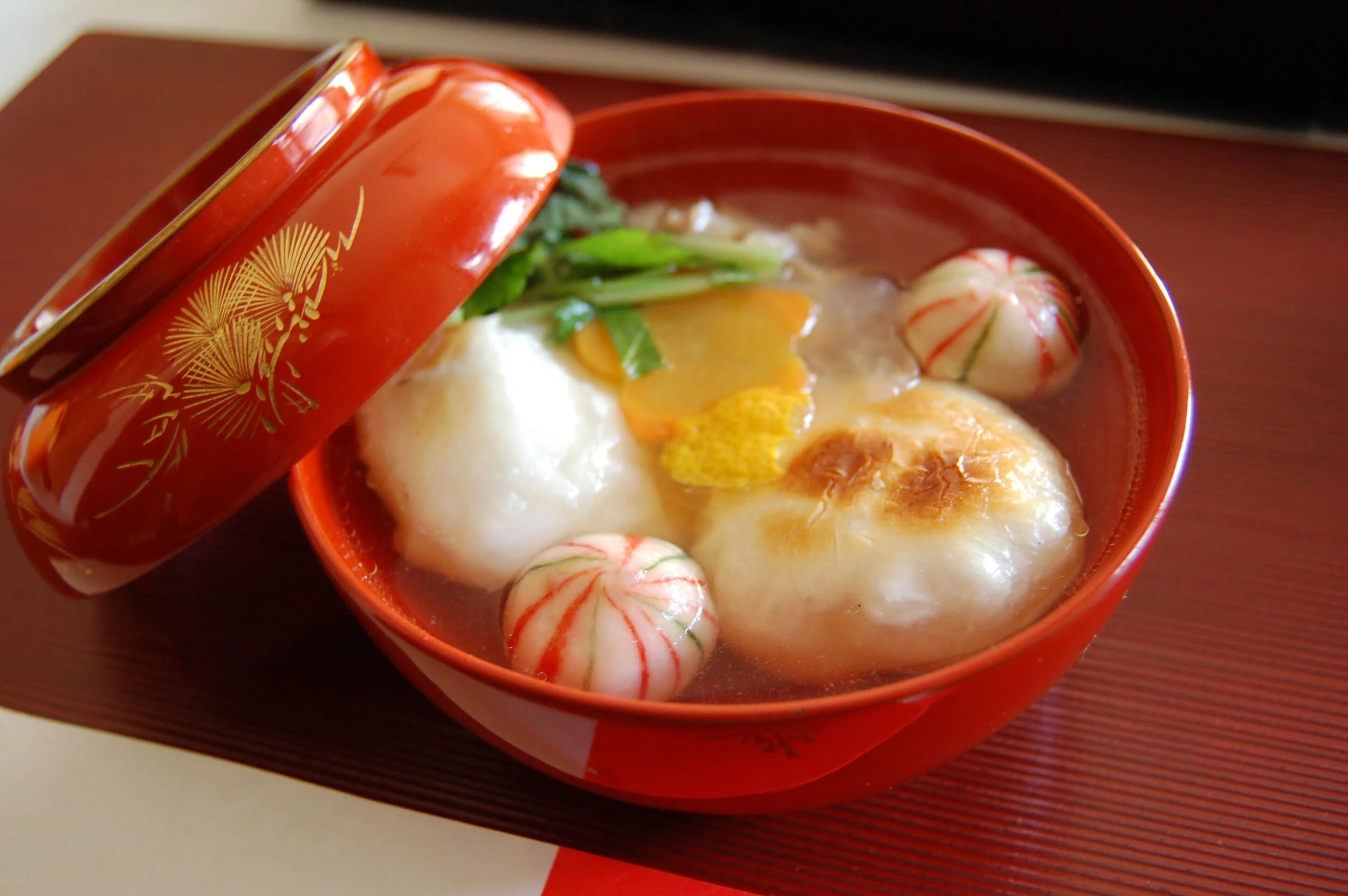
Ozoni. David Z. CC2.0

8. Ozoni: Japan 

Ozoni (also spelled as zoni) is a soup that is eaten on the morning of New Year’s Day in Japan. The soup contains mochi cakes, either round or square-shaped, a clear dashi broth (made of dried kelp and bonito flakes) and other ingredients depending on the region. In areas closer to the water, seafood is added to the broth while more vegetables are used in inland areas. All ingredients have a special meaning that guarantees luck for the upcoming year. As mochi is stretchable, it represents longevity. Local produce is added for a bountiful harvest in the new year. 

Wild rice. Emily. CC2.0. 

9. Wild rice: North America

Considered to actually be an “aquatic grass seed,” wild rice has a higher nutritional value than regular rice. Wild rice is a staple of the Ojibwe people of southern Canada and the United States’ northern Midwest. The month of September was called “ricing moon”, when the Ojibwe left their homes to begin the weeklong process of harvesting the rice. Wild rice was a popular commodity at trading posts and was used to feed canoers transporting fur to and from the posts. The Ojibwe people would wait near rice fields to hunt birds, as ducks and geese use wild rice as a food source. 

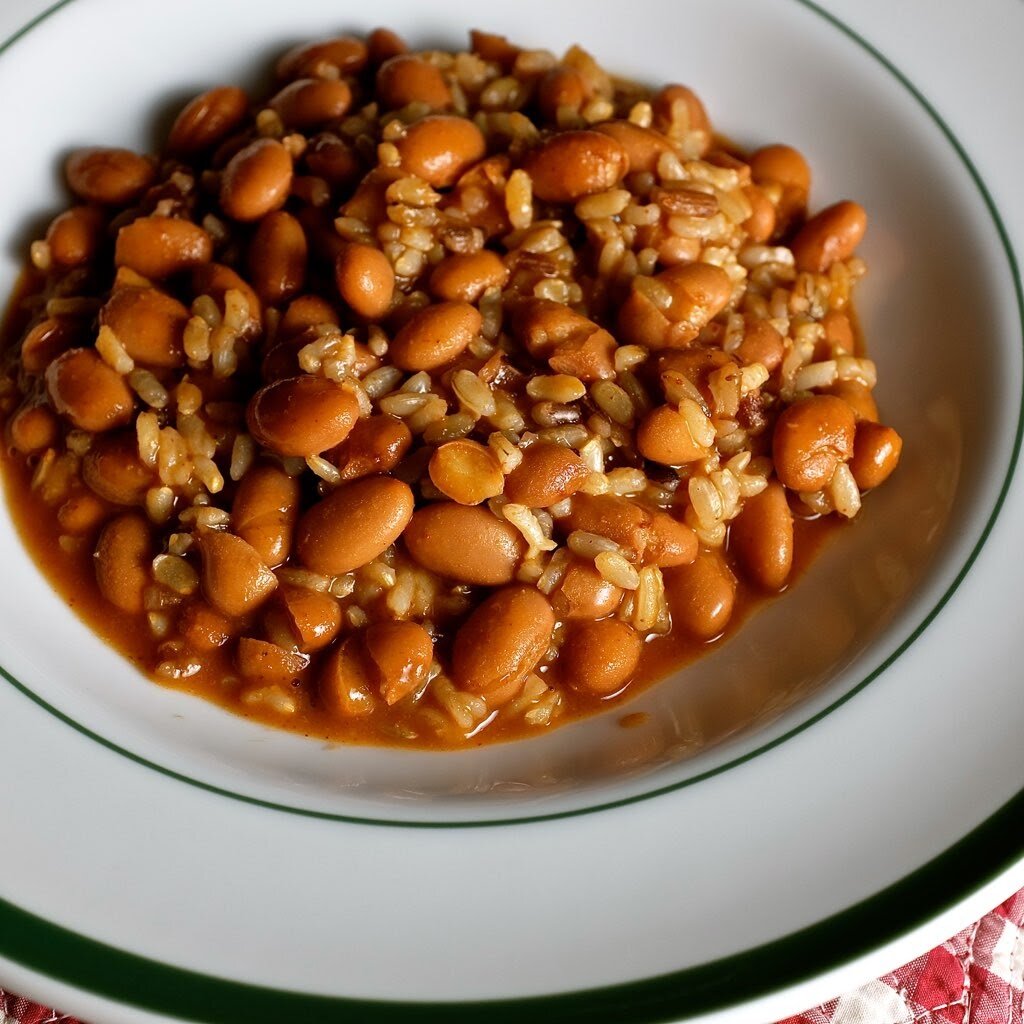
Rice and beans. The Marmot. CC2.0

10. Rice and beans: widely consumed across Latin America and Africa

Rice and beans is a staple in many Latin American and African countries and has become a pivotal part of their cuisines. Nutritious and filling, rice and beans have been a pairing in Latin America for thousands of years, known as the “matrimonio” or marriage in Central America. The types of beans and the preparation of the dish varies from country to country. For example, pinto beans are common in Mexico, fava beans are popular in Peru and black beans are a staple in Brazil and Cuba. Kidney beans and black-eyed peas are widely enjoyed across West Africa and the rest of the continent as well as in the American South. In Jamaica and other parts of the Caribbean, rice and pigeon or field peas are quite popular, while the rice is cooked in coconut milk. 

From Iran to North America, the preparation of rice differs vastly. Despite many differences, food is something that brings the world together and fosters an appreciation of Earth’s incredible cultural diversity.


Megan Gürer

Megan is a Turkish-American student at Wellesley College in Massachusetts studying Biological Sciences. Passionate about environmental issues and learning about other cultures, she dreams of exploring the globe. In her free time, she enjoys cooking, singing, and composing music.

In China’s Anti-Poverty Fight, Minorities Worry About Ethnic Targeting

China has begun ambitious plans to end extreme poverty in the country by the end of 2020. Although well-intentioned at first glance, the campaign’s integrity has been called into question.

Southwest China. wnstnsmth. CC BY-NC-SA 2.0.

Aiming to end extreme poverty by 2021, the Chinese Communist Party’s 100th anniversary, President Xi Jinping has launched mass relocations of entire villages in rural southwest China. Over 6,600 members of the Yi ethnic minority group have already been uprooted to custom-built towns commissioned by China’s government. 

According to Sichuan province’s party secretary Peng Qinghua, about 80 billion yuan, equivalent to $12 billion, has already been spent to relocate 1.4 million residents. The freshly built towns consist of almost 400,000 homes and approximately 70,000 miles of roads. 

These mass relocations seem to contradict Jinping’s original strategy of “Targeted Poverty Alleviation” that he announced in 2013, which in theory would focus on helping individual families through an organized registration system. Now the Communist Party has changed its plan, announcing that ending extreme poverty is  impossible without targeting entire communities. 

Since millions of rural residents have already been uprooted, many are concerned that the Chinese Communist Party may have a hidden agenda. Specifically, residents fear that mass relocations are intended to force out minority groups to consolidate power among the Han population, China’s predominant ethnic group. The move has come with lifestyle changes for residents, many of whom have received  jobs such as babysitting and plantation labor in China’s metropolitan areas. There exists a generational disagreement among residents as well. Older residents have expressed dissatisfaction with such sudden shifts in land ownership and daily routines, while the younger generation seems somewhat more open to the changes

Part of the government’s funding has focused on upholding the Yi language of Nuosu with support for TV shows, local newspapers and bilingual programs. 

This action by the government toward the Yi minority contradicts its previous statements made in favor of entirely erasing minority languages. For instance, the government judged that the language of the Uyghurs is “out of step” and should be replaced with Mandarin. 

The government keeps no secret that its poverty reduction initiative intends to promote fundamental social change. Lin Shucheng, party boss for the rural Liangshan prefecture, states that mass relocations are aimed at dissolving what he calls “outdated habits,” such as poor personal hygiene and immoderate dowries. 

Although the campaign has been successful at eliminating extreme poverty, the government’s authoritarian measures and contradictory mandates keep residents wary of the future. 

Ella Nguyen

is an undergraduate student at Vassar College pursuing a degree in Hispanic Studies. She wants to assist in the field of immigration law and hopes to utilize Spanish in her future projects. In her free time she enjoys cooking, writing poetry, and learning about cosmetics.

Brazil’s Favelas Rely on Drug Gangs for Protection Against COVID-19

Michael McCarthy

Favela residents are innovating and banding together to survive. Since the government won’t help them, locals have no other choice but to turn to drug traffickers.

A mother and child in a Brazilian favela. Midianinja. CC BY-NC-SA 2.0

In the favelas of Rio de Janeiro, masks and hand sanitizer come not from hospitals or the government but from the local drug dealer. Organized drug traffickers have switched from producing hard drugs to medical supplies to prevent the spread of COVID-19. With deep ties in tightly packed neighborhoods, gangs have enforced pandemic guidelines in the absence of President Jair Bolsonaro’s government, which has downplayed the virus’s threat. In fact, favela residents have organized in myriad ways to combat the coronavirus in ways that demonstrate the closely knit communities in these areas.

Gangs experienced a rise in members as the economic fallout of the pandemic worsened. As residents lost jobs, they were forced to find alternative ways to provide for themselves and their families. Concurrently, more and more residents depended on gangs to enforce curfews in their neighborhoods since the government refused to impose one.

Two armed men in a favela. El_Enigma. CC BY-NC 2.0

Jair Bolsonaro is largely considered to have failed to address the medical, economic and political devastation brought about by the COVID-19 pandemic. In a national address, he said, “Given my athletic history, if I was to get the virus, it wouldn’t necessarily concern me.” In fact, he did test positive for the virus and seemed unconcerned about viral transmission when he removed his mask during a press conference. Bolsonaro has mostly dismissed the severity of the pandemic and opposes any and all lockdowns. At 142,161 deaths as of Sept. 28, Brazil has the second-highest number of COVID-19 deaths in the world, trailing only the United States.

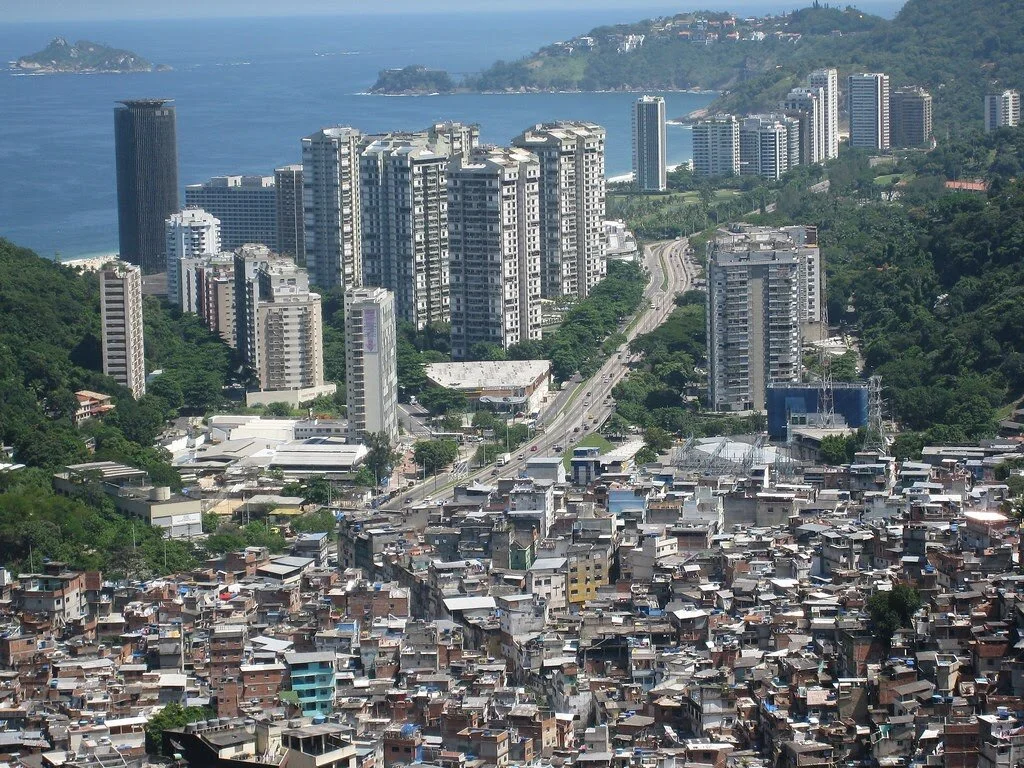
Favelas are prime targets for a virus. They are tightly packed urban areas with typically poor sanitation and little access to medical facilities. The precise number of cases, however, is difficult to ascertain. Favelas lack the testing regimen of rich areas, so tracking the virus’s spread is hard to do accurately. Brazil’s first outbreaks were found to have originated in wealthy areas due to residents returning from vacations in Italy at the height of the surge there. As a result, the pandemic has deepened the already exorbitant class divide between primarily Black favela residents and White, wealthier “gringos.”

Favelas will likely become even more crowded in the near future. The COVID-induced recession has caused unemployment to skyrocket, leaving thousands without the means to pay rent. In Sao Paulo, 2,000 residents were evicted, and favelas have grown in the area to accommodate the influx of people with nowhere else to go. As one evicted resident told The Associated Press, “If you don’t pay, you go to the streets.”

A favela in Rio de Janeiro. AHLN. CC BY 2.0

Luckily, residents have found another resource besides gangs: each other. Neighborhood associations in Sao Paulo created an informal emergency care service to compensate for the lack of health care. The organization rents private ambulances daily and is comprised of street captains who supervise the neighborhoods. They make regular rounds with area families to check for COVID-19 symptoms and connect the sick with necessary care. This system demonstrates the tight-knit communities that emerge from the trying circumstances of a favela. As one street captain coordinator told The Intercept, “Since people aren’t getting any help from the government, people are looking to help themselves.”

These communities will become much tighter going forward as the pandemic renders travel of all kinds unwise or impossible. Travel up the social ladder has become equally treacherous. The pandemic has taken away one of the principal ways in which people try to move out of favelas: education. Many university students have moved back in with their parents and acquired jobs to support them. Though financially necessary, the decision to forgo a college education has long-lasting repercussions. A Brazilian graduate with a bachelor’s degree earns more than double the salary of a high school graduate. 

Brazil’s favelas demonstrate the extreme inequality in the country while also highlighting residents’ ability to work together and endure. Despite receiving no assistance whatsoever from the government, community members have found lasting ways to protect themselves against the virus. Still, the sad reality that gangs have proven more competent than Jair Bolsonaro’s administration shows that the coronavirus is only one of many issues Brazil must reckon with. 

Michael McCarthy

is an undergraduate student at Haverford College, dodging the pandemic by taking a gap year. He writes in a variety of genres, and his time in high school debate renders political writing an inevitable fascination. Writing at Catalyst and the Bi-Co News, a student-run newspaper, provides an outlet for this passion. In the future, he intends to keep writing in mediums both informative and creative.

Is the South African Apartheid Actually Over?

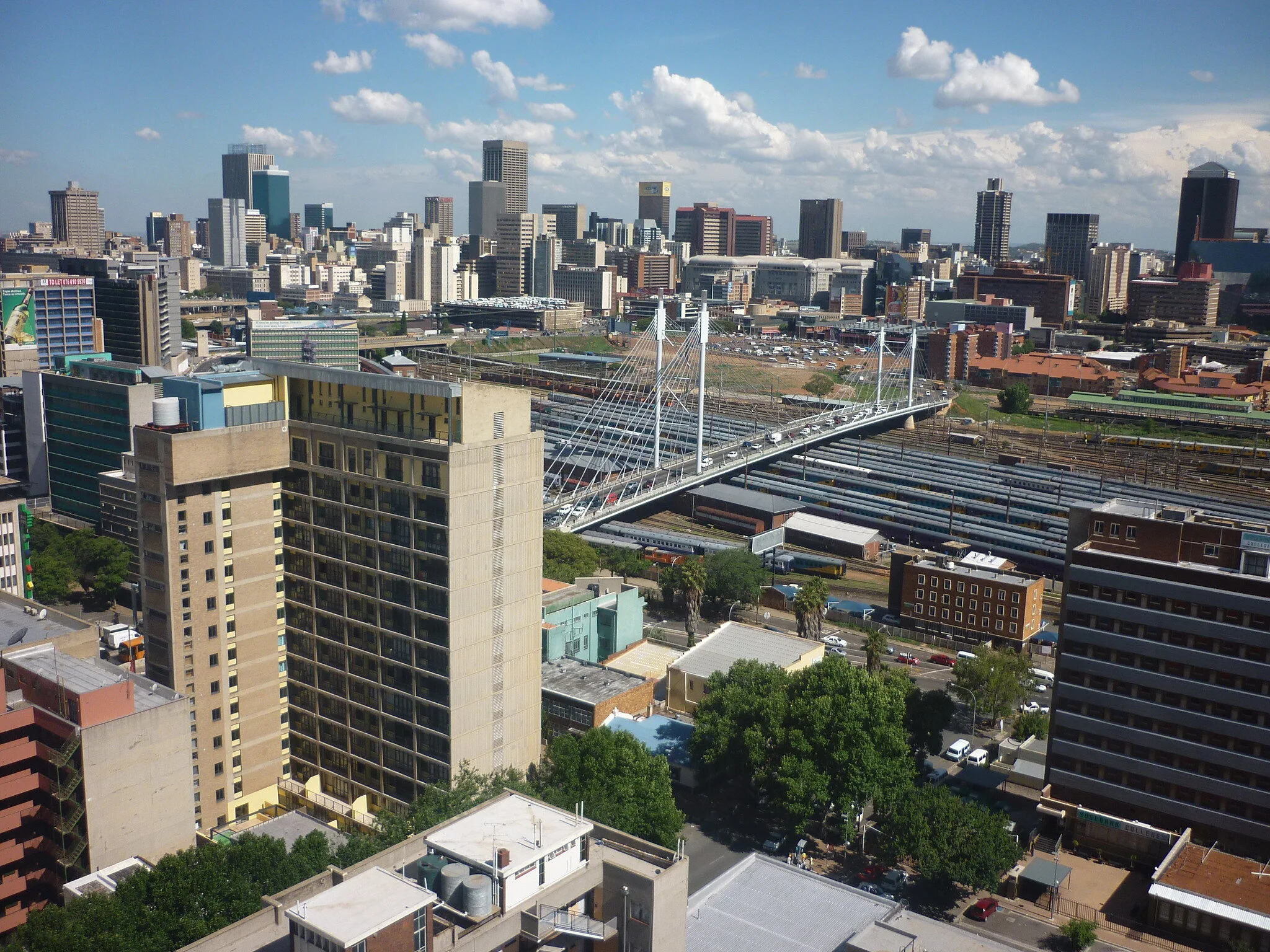
The economic disparity in South African metropolises like Johannesburg points back to the apartheid, with one side of town obviously White and upper-middle class while the other is mostly Black and full of rundown, tottering homes.

Kuku Town, a small settlement of Black South Africans on the outskirts of Cape Town. Slum Dwellers International. CC BY 2.0.

The South African apartheid officially ended in 1994, abolishing the country’s long-standing policy of racial segregation across its social and economic relations. 26 years later, though, remnants of the apartheid are still apparent in the infrastructure of South Africa’s largest cities. As it stands, a majority of the country remains segregated as a result of systemic racism. 

South African cities Johannesburg, East Rand and East London have the greatest income inequality in the world; multimillionaires flock to luxurious homes in close proximity to overpopulated and underserved townships. It is clear that the dissolution of the apartheid state, although significant, represented more of a symbolic change than a material one. The notable rise of a Black middle class fails to overshadow the fact that almost two-thirds of South Africa’s Black population lives below the poverty line. 

Johannesburg’s central business district, which was largely abandoned by top firms in favor of the city’s affluent suburbs. Evan Bench. CC BY 2.0.

A Brief History of the Apartheid

Beginning in 1948, the South African government attempted to shift its economic and political conditions through stringent racial segregation. Spearheaded by the White supremacist National Party, the apartheid separated South Africa into four “nations”: Black Africans, “Coloureds” (those of mixed ancestry), Asians and Whites. . Whites received preferential treatment in nearly every aspect of society, with Black Africans facing the most severe discrimination.

These enforcements impacted public spaces, but also regulated marital practices and sexual relations. Black and White people were banned from participating in romantic relationships with each other. One of the most visible actualizations of segregation, though, occurred decades before the apartheid began through a series of “Land Acts.” These discriminatory laws, passed in 1913, granted 86.5% of South Africa’s property to Whites and restricted nonwhite individuals from entering these sectors without proper documentation. 

Over the decades of apartheid, there existed a constant threat of violence against nonwhite individuals by the government. Rural regions newly designated as “Whites-only” led to Black South Africans being violently removed from their homes and displaced into remote and abjectly poor regions called “Bantustans.” From 1961 to 1994, up to 3.5 million Black people were forcibly removed from their homes. The state-sanctioned violence ended in the mid-1990s with the enfranchisement of nonwhite groups and the integration of all races. The decades of government-enforced violations of basic rights, however, have solidified the material and political disadvantages of South Africa’s Black majority. 

Glimpses of the Apartheid Today

The integration which occurred in 1994 proved to be ineffectual; the historically White neighborhoods remain the same while the districts for Black people are also still homogenous. These predominantly Black neighborhoods often suffer from high crime rates and debilitating unemployment rates. The legislation regarding South African race relations may have changed, but socioeconomically, Blacks are disproportionately unemployed and paid less when in the labor market. Johannesburg’s predominantly-White suburbs of Sandton and Sandhurst taunt the majority with $10 million homes, attracting the richest 20% of the country who hold 68% of all wealth

A South African citizen, Ntandoyenkosi Mlambo, shared her sentiments with The Guardian about the current state of Cape Town: “The constitutional right to movement has changed so people of color are able to move in different areas. However, the economic and land ownership disadvantages which are still linked to people of color make cities inaccessible for most to live and thrive in. Also, the criminalization of homelessness further entrenches the lived reality that only a few have the right to the city.”

The lifting of the apartheid did significantly increase the size of the Black middle class and allowed some to attain wealth. However, the diversification of the suburbs can hardly be considered progress when the top 10% of Black South Africans own nearly 50% of the group’s income. The state provided grants to members of the lower class in an attempt to decrease income inequality, but the policy has so far fallen short of substantial change.

Heather Lim

recently earned her B.A. in Literatures in English from University of California, San Diego. She was editor of the Arts and Culture section of The Triton, a student-run newspaper. She plans on working in art criticism, which combines her love of visual art with her passion for journalism.