
• Travel Features
  • Global Action
  • Take A Trip
  • Travel Guides
    • Podcast
    • Courses
    • Bookshop
  • About
  • Sign Up
Menu

CATALYST PLANET

  • Travel Features
  • Global Action
  • Take A Trip
  • Travel Guides
  • Discover
    • Podcast
    • Courses
    • Bookshop
  • About
  • Sign Up

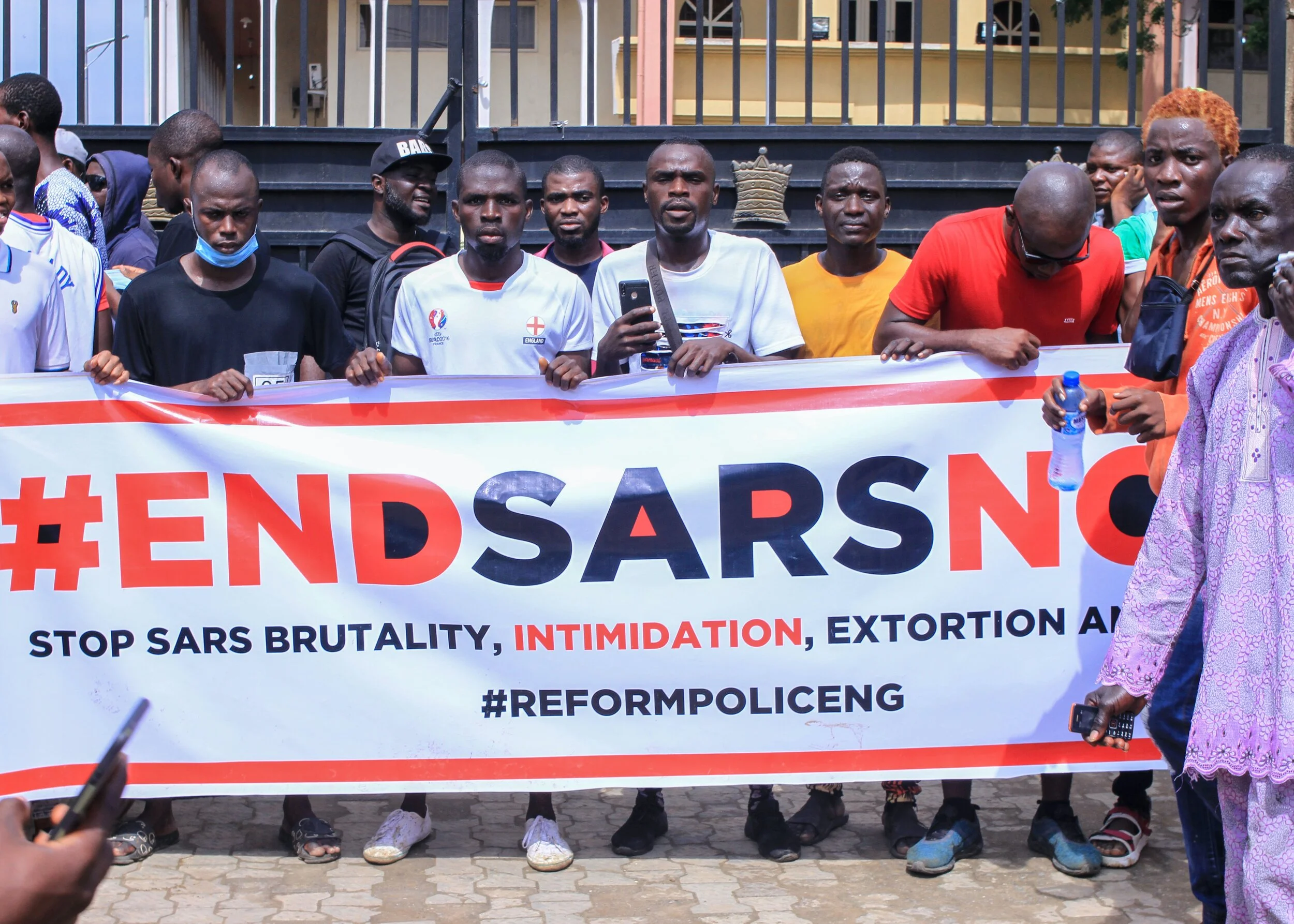
Ongoing protests in Nigeria. Tobi Ishannakie. Unsplash.

#ENDSARS: Nigerians Declare Partial Victory in Fight Against Police Brutality

October 22, 2020

Since the beginning of October, the people of Nigeria have been campaigning and protesting to disband a police force that has been intruding upon their livelihoods with violence and surveillance: the Special Anti-Robbery Squad (SARS). This police unit has been present in Nigeria for almost four decades, and it has only increased in power since its formation. The group was initially founded with the intention of fighting violent crime, including banditry and kidnapping, but now the police force has been accused of extreme profiling through aggressive targeting, especially of young Nigerian men. 
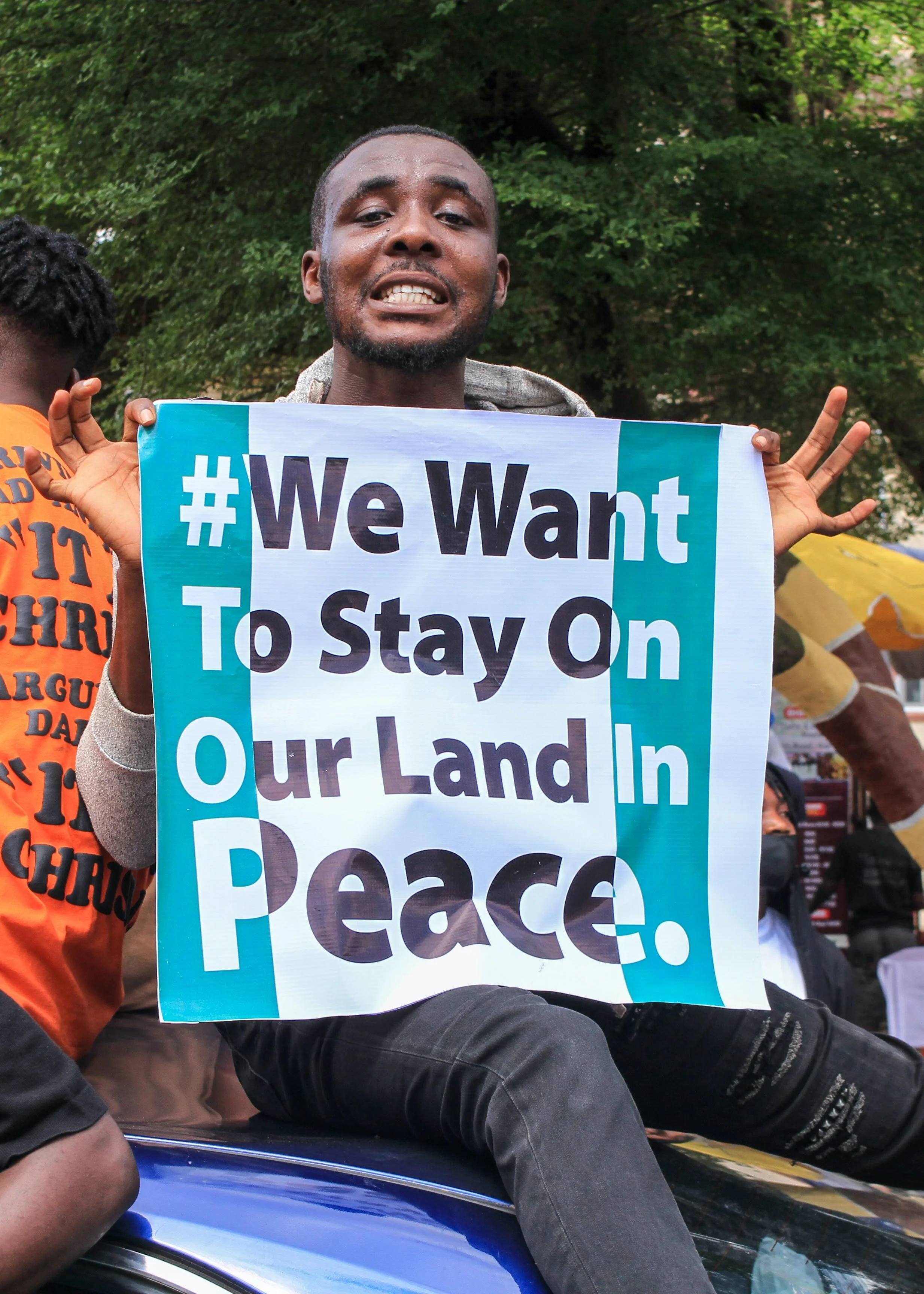
Protester encouraging peace. Tobi Ishannakie. Unsplash.

Beginning in 1984, this police force has only increased its power, and the young people of Nigeria have taken to social media to spread this information. With the hashtag #ENDSARS, young Nigerians revealed the problems they face in being subject to an unchecked police force. In addition to the social media campaigns, the extent of SARS’ crimes has brought this issue to the international forefront. The people of Nigeria have made it apparent that they live in fear of this violent police force, and they refuse to be held hostage by them. Amnesty International has backed the Nigerian people’s claims against SARS of extortion, brutality and torture. 

These protests come in the wake of over 80 violations of the 2017 Anti-Torture Act passed by the Nigerian government. Amnesty International did an internal study regarding these violations and found that there were little to no repercussions for the officers involved despite overwhelming physical evidence of scars, bruises and dried blood on victims’ bodies. In the same report, they found that many individuals were subject to beatings with weapons like sticks and machetes and were also denied medical care. 
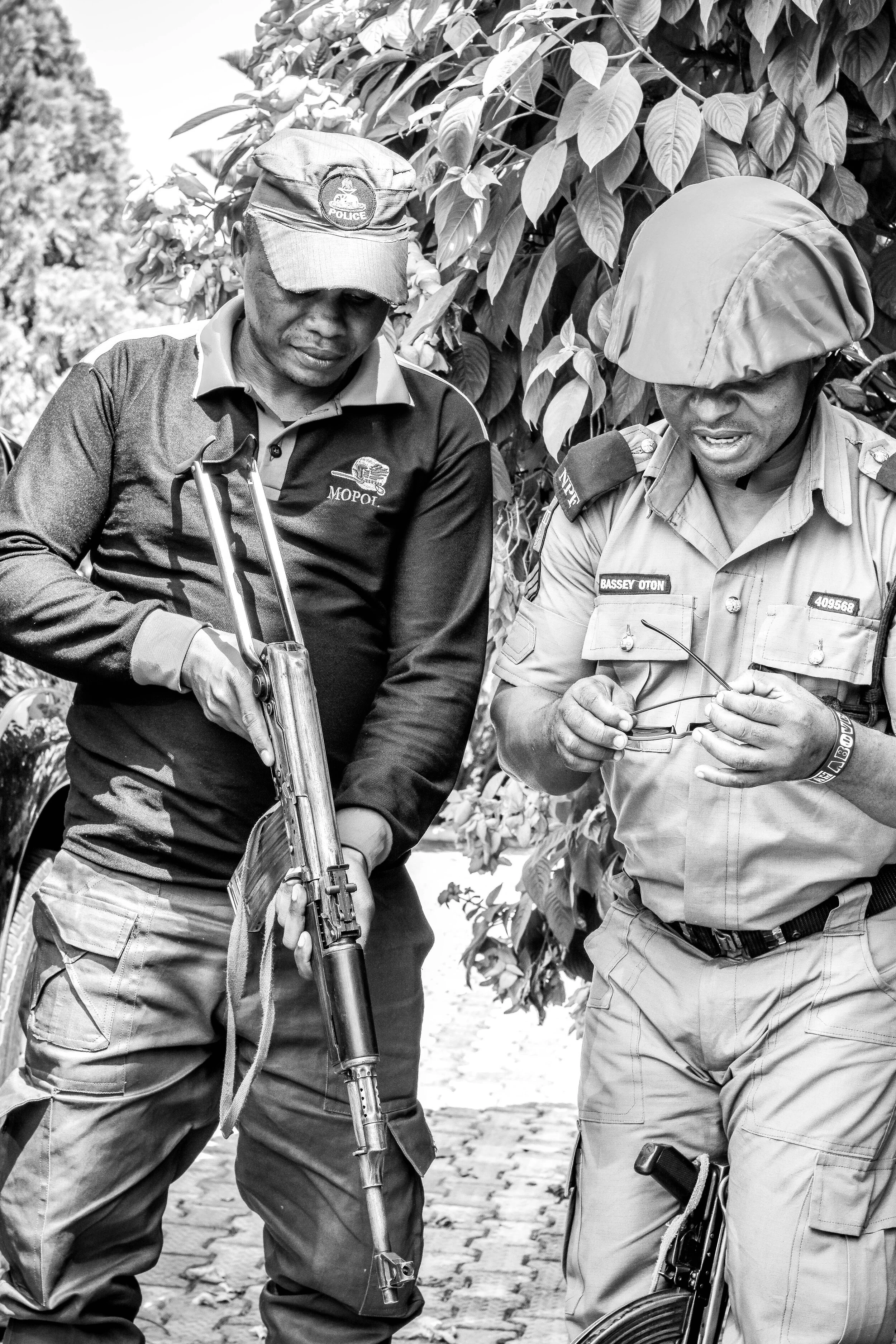
Nigerian private police officers. Iyinoluwa John Onaeko. Unsplash.

As mentioned, young men were most frequently subjected to discrimination and mistreatment by SARS. Amnesty International found that those most at risk of arrest, torture and extortion are between the ages of 17 and 30 with common accusations of being internet fraudsters or armed robbers. In terms of physical profiling, young men with dreadlocks, ripped jeans, tattoos, flashy cars or expensive gadgets are frequently targeted by SARS.
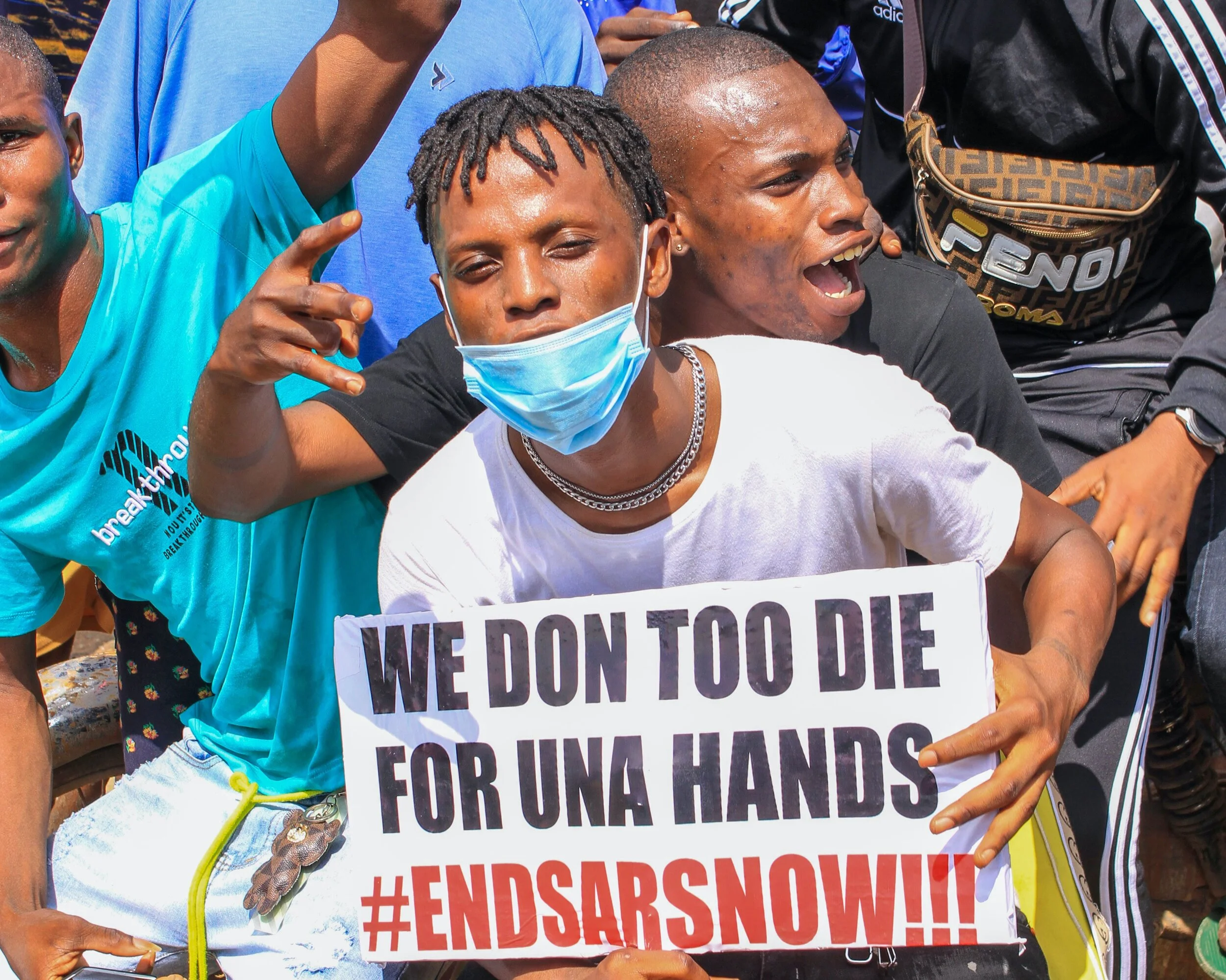
Masked protester among other protesters. Tobi Oshinnaike. Unsplash.

Now, as protests have continued, the protesters themselves are being targeted by police. In Edo state, police accused people "posing" as protesters of looting weapons and torching police buildings. As protests grow bigger and escalate in force, military presence has increased in protest areas and prisoners have escaped.

Although the government agreed to disband the unit and dissolved it on Oct. 11 with the intention of retraining the officers, protests have transitioned into calls for wider reforms. The Nigerian people see the government’s plan to retrain officers as a temporary solution to a greater problem. Protesters have been gaining mass support on social media as they use the hashtags #EndBadGovernance, #BetterNigeria and #FixNigeriaNow. The movement has transformed into a greater call for peace and a Nigeria that is safe for all. 
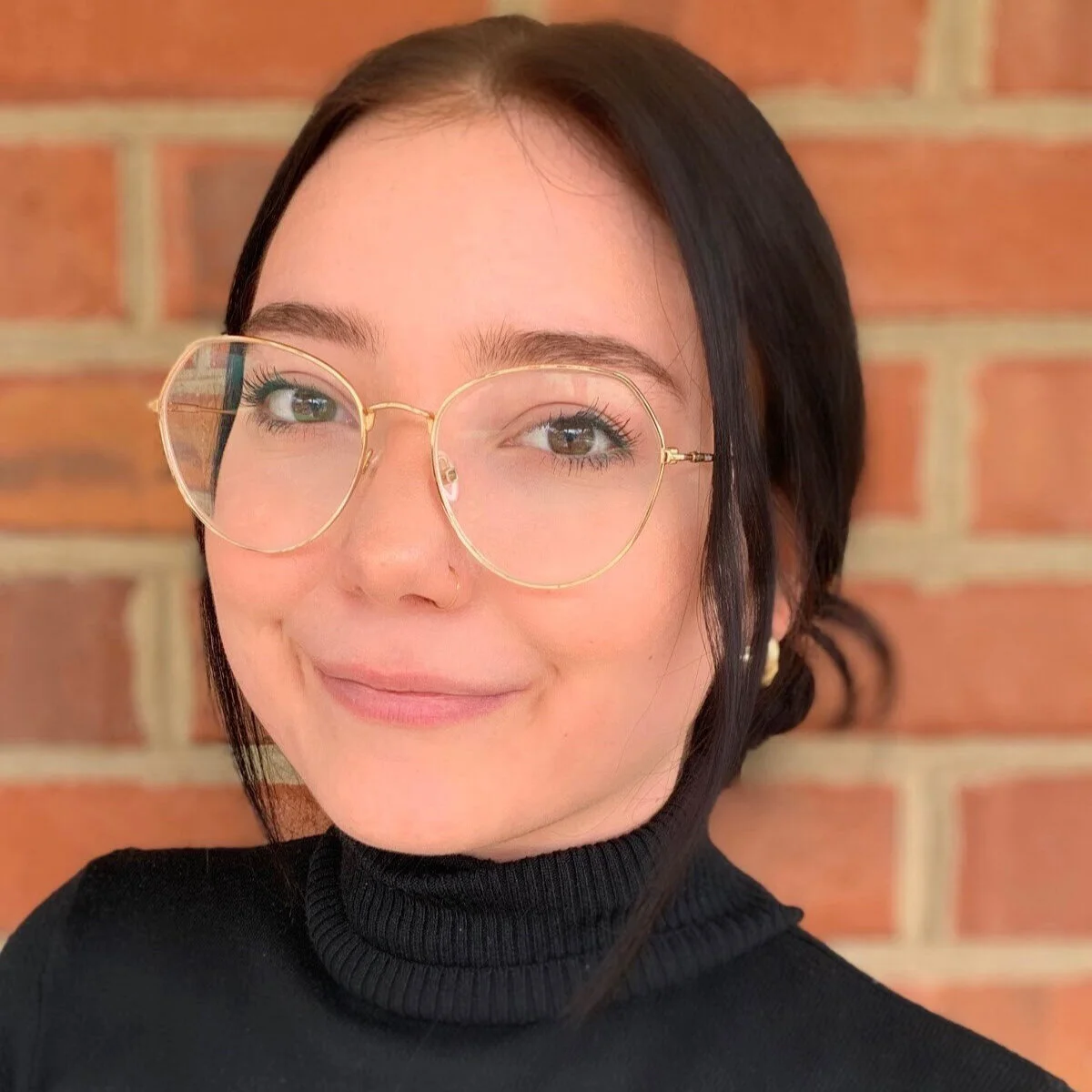
Renee Richardson

is currently an English student at The University of Georgia. She lives in Ellijay, Georgia, a small mountain town in the middle of Appalachia. A passionate writer, she is inspired often by her hikes along the Appalachian trail and her efforts to fight for equality across all spectrums. She hopes to further her passion as a writer into a flourishing career that positively impacts others.

Tags Nigeria, police brutality, Special Anti-Robbery Squad, SARS, violent crime, crime, kidnapping, Amnesty International, protesting, protester, government
Comment

"CNN.com" by Bruno Pin is licensed under CC BY-NC-SA 2.0

How the 24-hour News Cycle Perpetuates Racial Bias in the Case of Coronavirus

March 28, 2020

Sensationalism and the 24-hour news cycle aided in killing journalistic integrity, and it also aids in perpetuating racial bias, fear, and panic. Constant reporting forces news stations to air stories that will maintain a captive audience. There is only so much news (or so many sides to a story) that can be reported on in a day. This forces 24-hour news channels to come up with content that will fill time slots and keep the audience tuned in. Since the ongoing coverage is usually focused on one particular subject or event, the audience is subjected to a constant barrage of narrowly focused facts and opinions. As a result, fear turns into panic, which can often lead to deadly results.

Coronavirus is the latest epidemic that is fueling racism, panic, and mistrust. This fear is exacerbated by sensational news and 24-hour reportage. Amidst “doomsday prepping” and the price gouging of masks and hand sanitizer, is the worst result of overblown news coverage of the coronavirus: physical and verbal attacks fueled by racism. Racist attacks against Asians in the United States, Canada, the Netherlands, and across Europe have been linked to coronavirus. Overblown news coverage of coronavirus, along with ignorance and misinformation, has helped lead to this spike in racist assaults across the globe.

One video making rounds on Twitter shows a New York subway passenger spraying what appears to be a can of Febreze in the direction of an Asian passenger while shouting at him to move away from him. Tanny Jiraprapasuke, who is Thai American, uploaded a video on Facebook of a xenophobic rant directed toward her on the Los Angeles Metro. Singaporean student Jonathan Mok posted a detailed account and pictures of his battered face on Facebook after he was assaulted on Oxford Street in London.

It does not help that some media purposely (or carelessly) enforce racial bias. On March 1, the New York Post published a story about the first confirmed case of coronavirus in Manhattan. They tweeted a link to the story along with an image of an Asian man on Main Street in Flushing, Queens, which has a large Asian American population. New York’s first confirmed case of coronavirus is a woman in her late 30s. On the same day, the New York Times used a photograph of two older Asian women wearing medical masks on a Facebook post about the same first coronavirus case in New York. The New York Post and the New York Times’s decision to use photographs of Asian Americans helped further perpetuate harmful stereotypes and fearmongering against Asians.

Roger Keil, a professor in the environmental studies department at York University said, “To combat racism, people in the public eye, including politicians and media outlets, have to begin by uncoupling the disease from its origin point.” If the media continues to be irresponsible by reporting in a way that racializes epidemics, xenophobic and racist attacks like those related to the coronavirus, SARS, and Ebola will continue to plague our societies. Coronavirus is not an excuse to discriminate. It certainly does not.

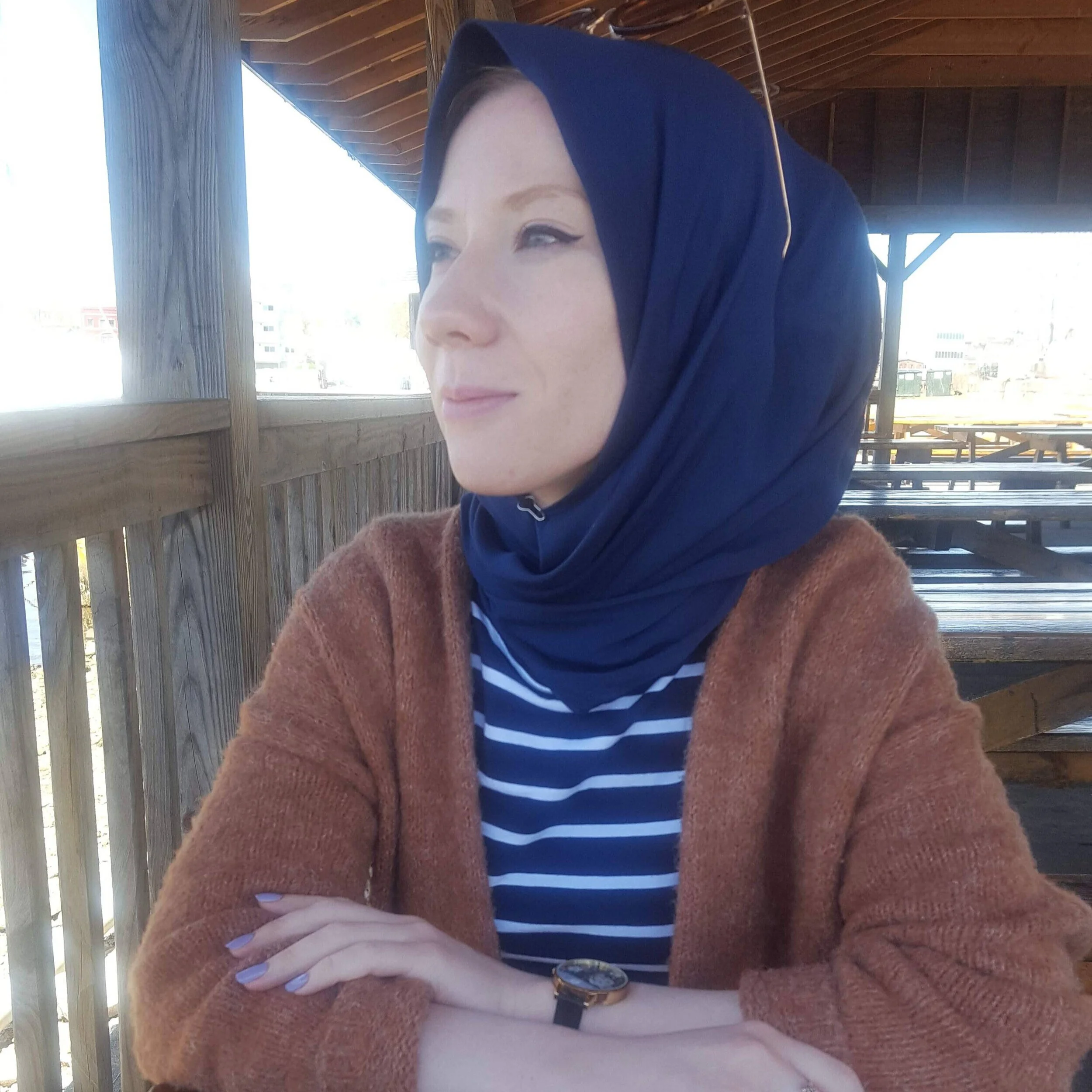
Asiya Haouchine

is an Algerian-American writer who graduated from the University of Connecticut in May 2016, earning a BA in journalism and English. She was an editorial intern and contributing writer for Warscapes magazine and the online/blog editor for Long River Review. She is currently studying for her Master's in Library and Information Science.

@AsiyaHaou

Tags COVID-19, Coronavirus, racism, racial bias, news, epidemic, panic, New York, New York Times, media, SARS, ebola
Comment

Also check out...

Featured
Vietnam’s Floating Markets Are Disappearing
The Supernatural Role of Masks in Nigeria’s Yoruba Tribal Culture
Opening the World to Deaf Travelers with Lily Yu

Featured trips

Featured
Offer NGO Support While Visiting Quito
Experience Life as a Mongolian Nomad
Help Grow Organic Costa Rican Coffee

Sign up for the CATALYST newsletter

Sign up for our newsletter to get the scoop on international travel, global social impact insights, our latest podcast releases, and more from around the world, all delivered right to your inbox!

We respect your privacy.

Thank you!
Newsletter Sign Up | Advertise | Careers + Internships | Privacy Policy | Submissions | Contact Us

Copyright © 2025, MISSION MEDIA LLC. All rights reserved.