The Fight Against a Sinking City: Jakarta’s Sea Wall

Julia Kelley

While Indonesia’s government seeks to build a large sea wall to protect Jakarta from detrimental floods, criticism in the name of environmental and economic loss urges them to look for other solutions.
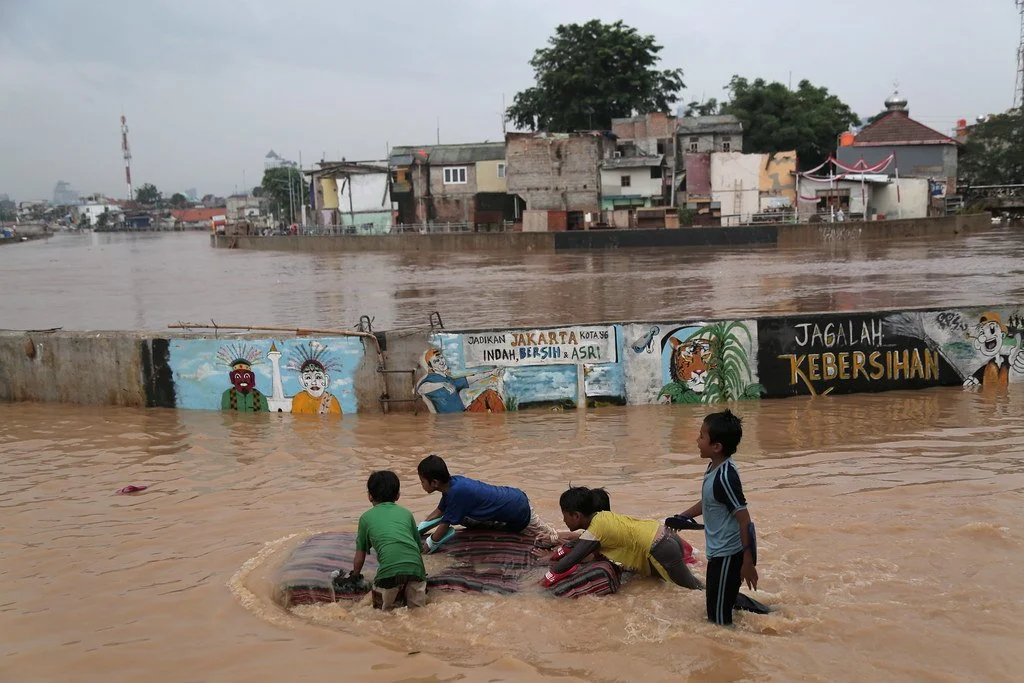
Flooding Ciliwung River in Jakarta Region

Flooding Ciliwung River in Jakarta Region. World Meteorological Organization. CC BY-NC-ND 2.0.

On the northwest coast of Indonesia stands Jakarta, the country’s capital and largest city. Sitting upon a low, flat alluvial plain with swampy areas, Jakarta is notably susceptible to major floods every few years from its multiple rivers and the adjoining Java Sea. This is made worse by excessive groundwater extraction and rising global sea levels, which have seen a worldwide mean increase of about eight to nine inches since 1880 due to global warming. Rapid urbanization, population growth and a change in land use have crowded more and more people into high-risk floodplain areas, leaving thousands displaced and large parts of the city submerged underwater during these natural disaster events. Although the Indonesian government built a coastal wall in 2002 to combat this, its collapse in a storm only five years later renewed the call for protective measures against destructive flooding. A new mega-project began in 2014, outlining both the construction of a new 29-mile-long sea wall and the so-called “Giant Sea Wall.” This “Giant Sea Wall,” a 20-mile-long artificial island shaped like a Garuda bird, Indonesia’s national symbol, will not only block storm surges but is also planned to contain homes, offices and recreational facilities. 

This massive undertaking officially kicked off in February 2025 and is said by supporters to be key in dealing with the country’s land subsidence and flooding. Both President Prabowo Subianto and Minister of Infrastructure and Regional Development Agus Harimurti Yudhoyono claim that the project could save the government billions of dollars in disaster mitigation over the following 30 years. Despite this optimism, critics have come out against the large project, citing an array of detrimental economic and environmental issues that could result from construction. For example, many have noted how the proposed solution does not address the over-extraction of groundwater, which comes from excessive use by industrial and economic activities. In addition, the sea wall could disrupt marine biodiversity and, subsequently, the fishing industry, one of Indonesia’s strongest monetary sources. According to Maleh Dadi Segoro, a coalition of environmental and social groups, the sea wall would potentially narrow and close fishing catch areas, disrupting marine ecosystems and threatening the livelihoods of those who depend on them for food and income. Jakarta already faces low water quality in its rivers and canals, causing sewage and a lack of proper sanitation. Closing off Jakarta Bay for this sea wall, critics say, would turn the water into a “septic tank” or “black lagoon,” which necessitates a stronger water sanitation system immediately. 

Controversy stirred up by the sea wall proposal has thus solicited alternative solutions. There has been an interest in using the water to its advantage, rather than working against it. This would entail diverting surplus waters, including that from floods, to surrounding farm areas where it could be stored. Restoration has also been widely proposed, as described by professor of oceanography Alan Koropitan for The Guardian: “If, instead, we can restore the bay and its polluted waters, that would mean something good for civilization in Indonesia.” Among all these suggested plans, environmental, social and economic protection are set at the center, urging the Indonesian government to rethink its monumental and costly plan. 

GET INVOLVED:

Those looking to help support those affected by floods and flood prevention in Indonesia can do so by checking out relief organizations, such as The International Federation of Red Cross and Red Crescent Societies’ Disaster Response Emergency Fund, Peace Winds and Mercy Corps, all of which provide immediate and long-term support. Furthermore, individuals interested in combating sea level rise can look into taking actions that counter global warming, including using renewable energy, reducing greenhouse gas usage, considering electric vehicles, recycling, decreasing food waste, keeping the environment clean, or getting involved with local communities and government to organize plans and legislation. 

Julia Kelley

Julia is a recent graduate from UC San Diego majoring in Sociocultural Anthropology with a minor in Art History. She is passionate about cultural studies and social justice, and one day hopes to obtain a postgraduate degree expanding on these subjects. In her free time, she enjoys reading, traveling, and spending time with her friends and family.
Cholera Outbreaks: Nigeria’s Struggle with a Reoccurring Epidemic

Julia Kelley

Poor access to clean water and underdeveloped facilities has led Nigeria to face a decades-long, deadly battle against cholera. 

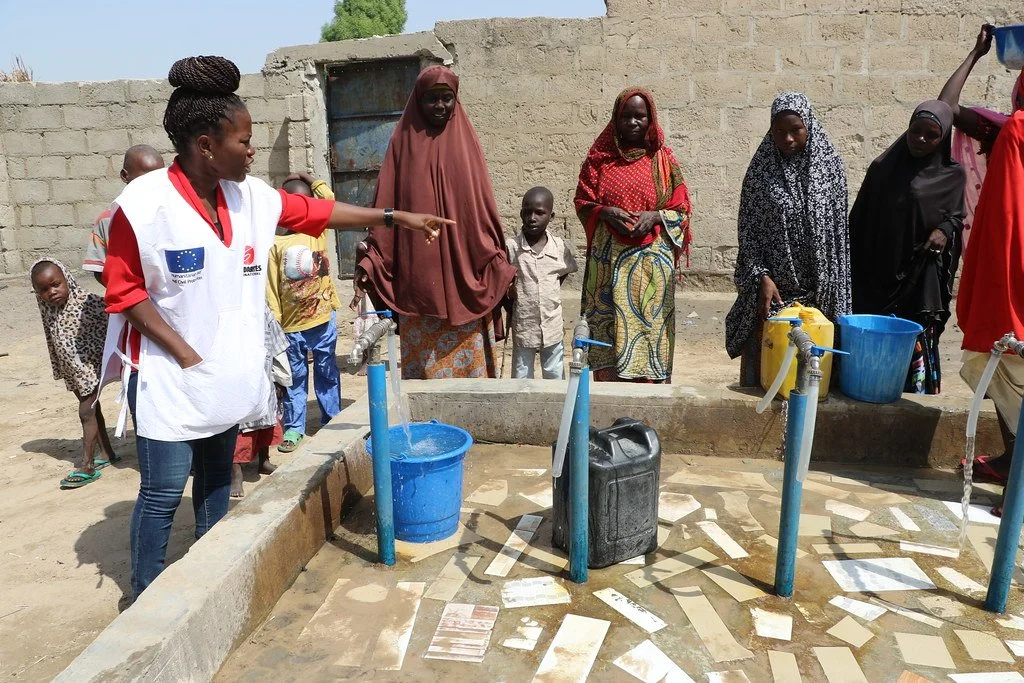
Safe water sprouts in Nigeria

Access to Safe Water in Nigeria. EU Civil Protection and Humanitarian Aid. CC BY-NC-ND 2.0.

For decades, Nigeria has faced major cholera outbreaks throughout the country, posing a serious threat to public health. The disease, an acute diarrheal infection caused by ingesting food or water contaminated with the bacterium Vibrio cholerae, is a major indication of inequity, as well as a lack of social and economic development in the areas where it forms. Since 1972, cholera has plagued Nigeria in intermittent outbreaks that have claimed thousands of lives, the worst being in 1991, with a high of 59,478 reported cases and 7,654 deaths. Despite numerous attempts by the World Health Organization, the Nigeria Center for Disease Control and the Borno State Ministry of Health to provide support through free cholera vaccines and implement prevention and preparedness, the country continues to fight against large, destructive outbreaks. 

Many factors make Nigeria especially prone to these widespread epidemics, including a lack of access to safe drinking water, a lack of infrastructure necessary for water supply and waste disposal and a lack of health facilities. Particularly in smaller communities and remote villages, sourcing clean water is a challenge that leads residents to dig their own wells. Moreover, during the dry season, these wells dry up and leave individuals only with the more hazardous alternative of shallow streams. Poor weather conditions worsen this significant obstacle to clean water and sanitation. Flooding, for example, increases food insecurity by destroying farmland, creating economic loss, demolishing sanitation facilities and contaminating sources of clean water. Several financial issues, including poor investment, funding allocation and low human capital, in conjunction with already deficient infrastructure and low community participation, also contribute to a lack of secure water infrastructure. Not only does this make for a higher potential of infection, but Nigera’s healthcare infrastructure is also underdeveloped, lacking the medical facilities and supplies necessary to treat those infected with cholera. Limited medical equipment and supplies, as well as a lack of internet connectivity, make it extremely difficult to heal patients and facilitate important reporting of cholera data. 

These issues remain significant and continue to threaten the lives of Nigeria’s citizens. This is exemplified by the country’s most recent outbreak in 2024, which saw about 11,000 recorded cases and 359 deaths in October that year. Intense rains throughout the year led to widespread floods and dam breaks across Nigeria, weakening water infrastructure, destroying farmland and leaving many homeless in damaged areas, overall causing a large part of the country to be vulnerable to diseases like cholera. This most recent epidemic was met with policy and prevention program recommendations in the hope of impeding future spreads, the most critical of which being Water, Sanitation and Hygiene services. These accelerate and sustain access to safe water, sanitation services and good hygiene practices, all of which are the main deterrents of cholera spread. While this strategy proved effective when instituted by the Nigerian government during the 2018 outbreak, it still requires increased government funding and outside investment to remain effective. Public health and safety continue to endure disadvantages, as the threat of cholera looms over the country. 

GET INVOLVED:

For those looking to get involved in supporting the fight against cholera outbreaks in Nigeria, check out organizations such as WaterAid, Bread and Water for Africa, Save the Children and The Water Project, groups focused on supplying safe drinking water and sanitation to Nigeria, as well as many other countries in Africa. In addition, organizations like Doctors Without Borders, the World Health Organization, ICAP Global Health and Gavi, The Vaccine Alliance provide medical support to cholera patients in Nigeria and contribute to the development of disease control and prevention. 


Julia Kelley

Julia is a recent graduate from UC San Diego majoring in Sociocultural Anthropology with a minor in Art History. She is passionate about cultural studies and social justice, and one day hopes to obtain a postgraduate degree expanding on these subjects. In her free time, she enjoys reading, traveling, and spending time with her friends and family.

The Hidden Cost of Counterfeit Luxury

Zoe Lodge

Though the price tag might be tempting, counterfeit goods have a broader negative societal and environmental impact than many realize.

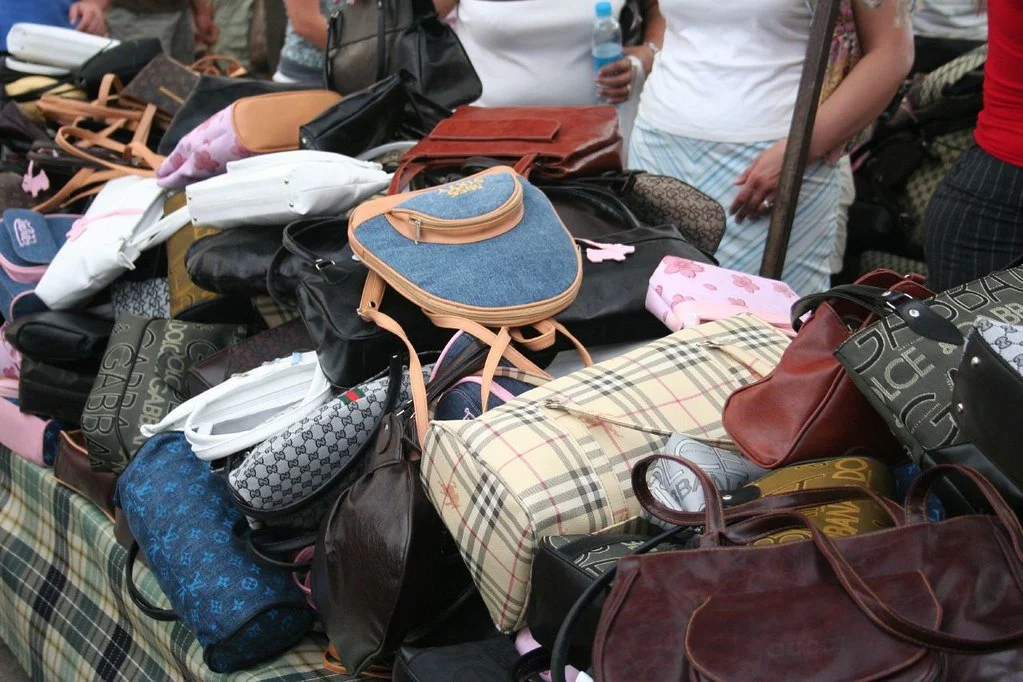
Counterfeit Bags in Pile

Street stand selling counterfeit bags. Nick Adams. CC BY-NC-SA 2.0.

The counterfeit goods market has expanded dramatically in recent years, moving far beyond street vendors in tourist hotspots to major online marketplaces like Temu, AliExpress and DHGate. Emma Warbey, Detective Chief Inspector of the Police International Property Crime Unit in London, noted that “it’s becoming easier for counterfeit goods to enter the marketplace, with online sales portals, social media, and apps.”

What was once a niche market has become a booming industry, driven in part by social media influencers showcasing “dupe hauls” of fake designer bags, shoes and clothing, promoting the overconsumption of counterfeit luxury goods. While these “dupe” items offer an affordable way to mimic luxury, the reality of their production and ethical impact is far less glamorous.

Luxury fashion is synonymous with exclusivity, as high-end designer items remain out of reach for most consumers due to high prices and limited availability. Through nearly identical copies of luxury items sold at a fraction of the price, counterfeit goods offer an illusion of prestige without the financial burden. Social media influencers have only fueled this trend by normalizing the purchase of fake goods, often describing them as “budget-friendly” alternatives rather than illegal imitations. 

Growing demand has created an underground economy that thrives on accessibility and affordability. According to Keith Goldstein, the president and COO of VerifyMe, “the total amount of counterfeit goods sold each year comes in at around $1.7 trillion to $4.5 trillion, which would make counterfeiting at least the tenth largest economy […] It’s also responsible for 2.5 million jobs lost globally.”

Despite their popularity, purchasing counterfeit goods comes with a number of ethical issues. First and foremost, they are illegal to manufacture, sell, and, in many cases, even possess. Many countries have strict intellectual property laws prohibiting the production and distribution of fake designer products, with penalties ranging from hefty fines to imprisonment. Luxury brands invest significant resources in protecting their designs through trademarks, and counterfeit operations directly undermine these efforts.

Additionally, the quality of counterfeit goods is often leagues below the original. Many are made from cheap materials that do not match the durability or craftsmanship of genuine designer pieces. While the items may look similar at first glance, they can fall apart and show signs of wear after minimal use, making them a poor investment even at a lower price point.

Beyond the personal drawbacks of purchasing counterfeit items, the industry itself has serious ethical and environmental implications. Counterfeit production often relies on exploitative labor conditions, including underpaid workers, child labor and unsafe workplaces. Many counterfeit factories operate in countries with weak labor regulations, allowing manufacturers to cut costs and skirt the law at the expense of workers’ rights and safety.

The industry’s environmental impact is equally concerning. Counterfeit goods are frequently produced using toxic materials, synthetic dyes and low-quality plastics that contribute to pollution and waste. The sheer volume of goods produced and shipped worsens global overconsumption, contributing more products to landfills. Unlike reputable brands that are increasingly prioritizing sustainability and ethical sourcing, counterfeit manufacturers have no incentive to follow environmental guidelines. The result is a shadowy industry that promotes unsustainable practices while flooding the market with disposable, low-quality goods.

As counterfeit luxury items continue to gain popularity, consumers must be mindful of their purchasing decisions. The short-term benefit of a cheap designer look comes at the considerably higher cost of legal risks, poor quality, exploitative labor and environmental harm. 

GET INVOLVED:

Instead of opting for counterfeits, consumers can explore ethical alternatives by shopping at second-hand luxury markets, designer rental services and brands that prioritize affordability without compromising quality or ethics.

For example, The RealReal is a verified online retailer featuring secondhand designer goods at reasonable prices, allowing consumers to shop at lower cost to both their wallet and the environment. 

Apps and websites such as Pickle, Rent the Runway and Nuuly offer short-term rentals of designer items at a fraction of the cost, enabling a cyclical and sustainable use of well-crafted fashion items.


Zoe Lodge

Zoe is a student at the University of California, Berkeley, where she is studying English and Politics, Philosophy, & Law. She combines her passion for writing with her love for travel, interest in combatting climate change, and concern for social justice issues.

First Amendment Freedoms in Danger: Greenpeace Ordered to Pay $667M to Oil Company

Julia Kelley

A North Dakota jury has ordered environmental group Greenpeace to pay Dakota Access Pipeline’s operating oil company in a case sparking controversy around Americans’ right to freedom of speech and protest. 

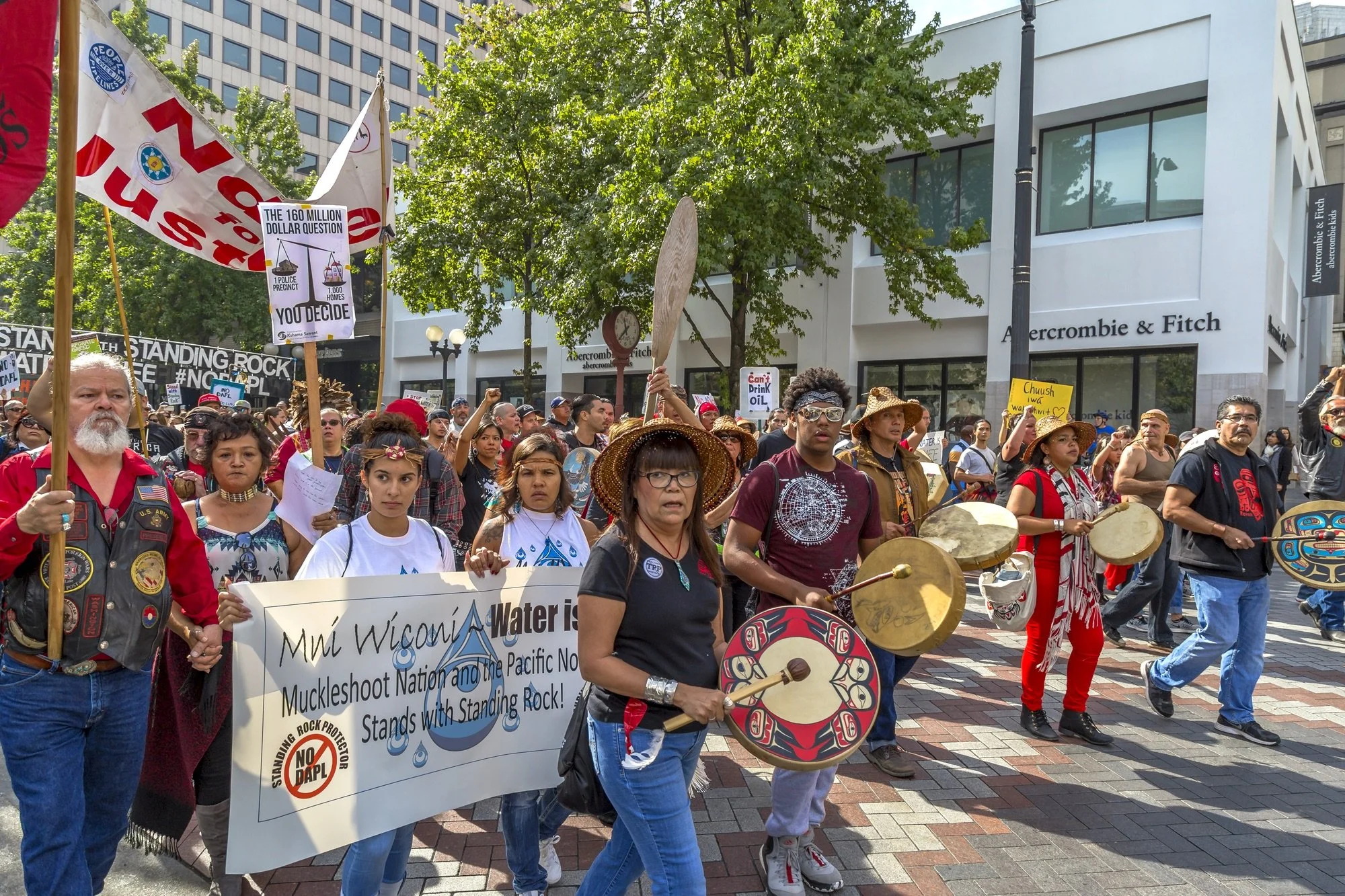
Dakota Pipeline Protest

Protest Against Dakota Access Pipeline. John Duffy. CC BY 2.0

On March 19, 2024, a North Dakota jury found Greenpeace, a global environmental nonprofit network, guilty of defamation and destructive protest action against the Dakota Access Pipeline, ordering the nonprofit to pay its operating oil company $667 million. This decision comes after years of national pushback against the Dakota Access Pipeline due to the project’s potential environmental hazards; the 1,172-mile-long underground pipeline transfers crude oil from North Dakota to an oil terminal in Patoka, Illinois. Moreover, the pipeline stretches within a half-mile of the current Standing Rock Sioux Reservation boundaries, posing potential risks to significant cultural and burial sites. As such, since its approval in 2016, protests led by Native tribes and environmental groups such as Greenpeace began sprouting up around the pipeline’s construction sites and sacred Native American areas. In many instances, demonstrations resulted in violence between protesters and law enforcement. It is because of these protests that the builders of the pipeline, oil company Energy Transfer, praised the jury’s March 19 decision, echoed in its counsel’s statement: “Peaceful protest is an inherent American right; however, violent and destructive protest is unlawful and unacceptable.” 

In response to this decision, however, environmental activists and Tribal nations have taken a much different position. Contrary to Energy Transfer’s sentiment, many have determined this verdict to be an attack on First Amendment rights rather than a protection against unnecessary violence and destruction. Those associated with Greenpeace have even named the case a Strategic Lawsuit Against Public Participation, or a suit that intentionally targets those speaking out against public interest issues in an attempt to intimidate critics and force them to spend money. To those opposing the pipeline, not only has this lawsuit silenced years-long appeals for environmental safety and Native land protection, but has also cost Greenpeace an immense amount of money to defend its position, thus delaying progress in such areas. Despite being a major nonprofit, Greenpeace has previously warned that losing this case could potentially lead to bankruptcy. Those involved now fear that this could be a reality, as financial reports demonstrate that its total assets from 2023 may not be enough to ensure a supersedeas bond, in which a surety insurer would put up the bond necessary to pay the court-ordered amount. If not, then Energy Transfer would be able to begin seizing Greenpeace’s assets, including all cash needed to keep it operating.  

Moreover, Greenpeace has come to represent freedom of speech and protest in general. In an interview with Democracy Now, Steven Donziger described the trial as a way to “silence people’s legitimate constitutionally protected right to speak out,” founded on a false narrative that protesters were violent while it was actually “law enforcement agencies […] hired by Energy Transfer that were really committing violence.” Critics warn that this will have effects that go beyond support for environmental and Native protections, potentially posing detrimental risks to nonprofit work as a whole. With a rise in anti-protest bills since 2017 mirroring a rise in major protest movements, much of this newly proposed legislation calls for increased liability against organizations not directly involved with protests but who offer support, including nonprofits or religious groups. In addition, the potential bankruptcy of Greenpeace, a substantial and largely influential organization, signals even fewer protections for smaller nonprofits, who may not have the same amount of financial support or as wide of a network. This could significantly decrease charities’ ability to speak out on various issues, for fear that they could easily be sued by larger corporations. Such concern would halt imperative support for causes across the country, a major blow to many movements. . 

In the wake of the lawsuit, supporters of Greenpeace, environmental protection and the Standing Rock Sioux Tribe have critiqued and denounced the jury’s final decision. Despite the shock that the trial has caused, such advocates find hope in Greenpeace’s intention to appeal the case, as the organization declared in a statement released a day after the verdict. In addition to this, Greenpeace also highlighted the increased support it has gained over the past year, as opposed to a dissolution of its movement risked by the court case. The statement’s overall message affirms Greenpeace’s continued efforts as well, signaling that their work is still not over: “we will not be silenced, and our movement will endure.” 

GET INVOLVED:

For those looking to get involved with environmental protection in the United States, researching local or state legislation is a great place to start. Looking into advocacy on a federal scale can be powerful as well, especially through staying updated on EPA regulations and making comments. In addition, check out organizations like the Environmental Defense Fund, The Nature Conservancy, We Act For Environmental Justice or the National Environmental Education Foundation, all of which are focused on making environmental change and expanding awareness through public policy support and education. Those interested in supporting Native American rights can look into the Native American Rights Fund, the Association on American Indian Affairs, the American Indian Policy Institute or Cultural Survival


Julia Kelley

Julia is a recent graduate from UC San Diego majoring in Sociocultural Anthropology with a minor in Art History. She is passionate about cultural studies and social justice, and one day hopes to obtain a postgraduate degree expanding on these subjects. In her free time, she enjoys reading, traveling, and spending time with her friends and family.
The Price of Preservation: Famous Sites Limit Tourism

By: Zoe Lodge

As overtourism threatens popular sites, the only solution seems to be restricting access, a controversial move. 

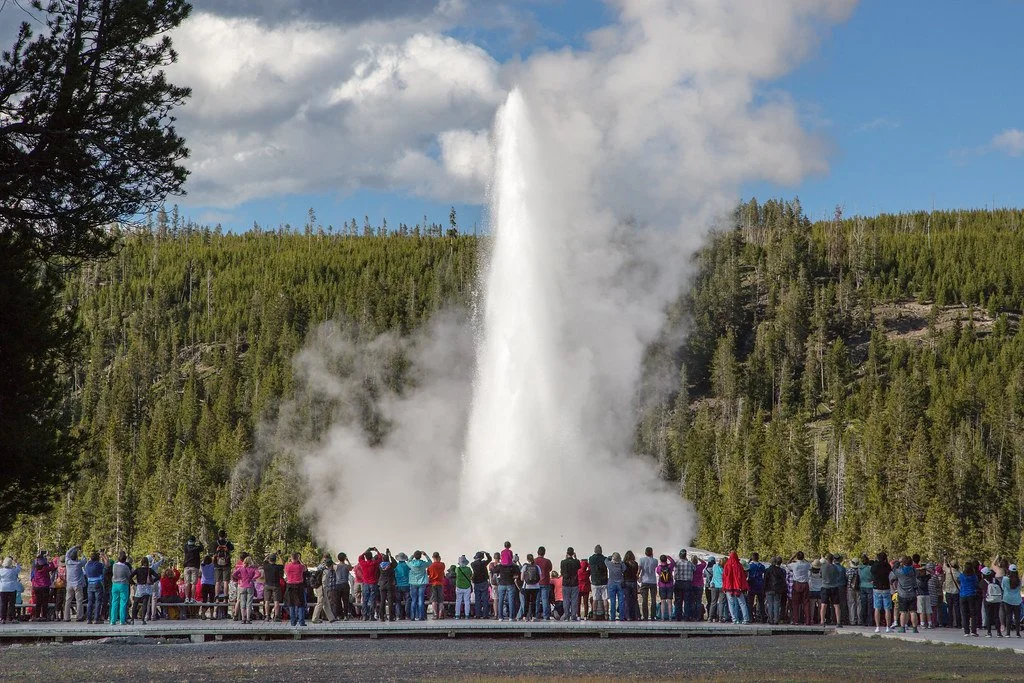
yellowstone crowd at geiser

Tourists crowd Yellowstone National Park. Neal Herbert. PDM 1.0.

From Yosemite to Machu Picchu, many of the world’s most incredible natural wonders and historical landmarks are facing the complex challenge of overtourism. While these destinations attract millions of eager visitors who enable economic circulation, the surge in foot and vehicle traffic has led to environmental, cultural and infrastructural concerns. To combat these issues, many national parks and heritage sites have implemented reservation systems and strict visitor limits, measures that while frustrating to some, are essential for long-term preservation.

National parks and global historical landmarks are not merely attractions; they are delicate sites that require careful management. Overtourism can lead to severe consequences such as soil erosion, damage to plant life, disruption of local wildlife and even structural harm to historical sites. In places like Yellowstone National Park, off-trail hiking, wildlife harassment and increased vehicle traffic have led to environmental destruction and tourist injury. Similarly, Machu Picchu has suffered from footpath erosion, instances of vandalism and structural strain due to the high number of daily visitors. Without intervention, these sites risk being permanently damaged or potentially lost to future generations.

Recognizing these risks, many national parks and historical sites have begun introducing reservation systems and ticketing policies to manage visitor numbers. These restrictions help reduce congestion, minimize environmental damage and ensure more responsible tourism. While ticketing specific attractions is not a new concept, regulations limiting the number of people allowed in a park or site at a given time are becoming increasingly common. Yosemite National Park, for example, has experimented with reservation-only entry during peak seasons to control the flow of tourists. Zion National Park has implemented a permit system for some of their most popular hiking routes to prevent environmental damage and danger caused by overcrowding. Similarly, Peru has imposed strict daily limits on visitors to Machu Picchu and even restricted access to certain trails to prevent excessive wear.

Some travelers have voiced frustration with these limitations, arguing that they complicate trip planning and reduce the chance for spontaneity. However, these restrictions exist precisely because the unrestricted flow of visitors has contributed to significant degradation of these sites. Unlimited access to national parks and heritage sites might seem appealing, but unregulated tourism is not worth the cost, causing irreparable damage to the landscapes, historical structures and environments that make these destinations so remarkable.

Beyond preservation, limits ultimately enhance visitors’ experience. With fewer crowds, tourists can enjoy these sites in a more serene environment, appreciating natural and cultural significance without the chaos of overcrowding. Less congestion also means improved safety and reduced strain on park staff and infrastructure, an already complicated issue in the United States. 

While restrictions on tourism might be inconvenient for some, they are a necessary measure to protect the world’s most cherished natural and cultural landmarks. Managing visitor numbers is not about keeping people out but about protecting the environmental integrity of these sites. Ultimately, it is for the good of the sites, the world and visitors, as they will then have to deal with less traffic, fewer crowds and be able to enjoy these locations more in tune with the way that nature intended.


Zoe Lodge

Zoe is a student at the University of California, Berkeley, where she is studying English and Politics, Philosophy, & Law. She combines her passion for writing with her love for travel, interest in combatting climate change, and concern for social justice issues.

The History of Favelas, Brazil’s Impoverished Towns

Since their emergence in the 19th century, favelas have faced continuous struggles with poverty and crime, a symbol of the tension between Brazil’s government and its underrepresented communities.    

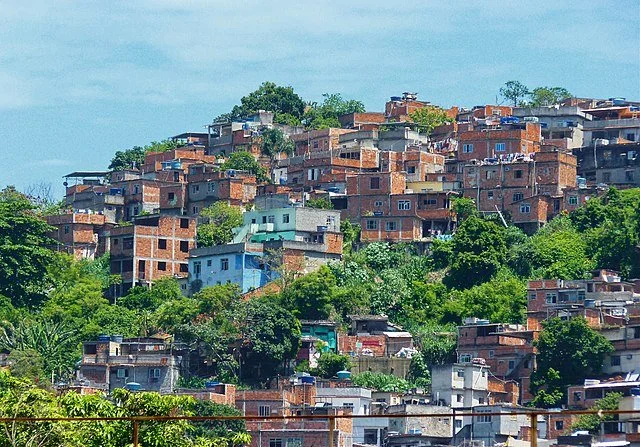
Favela of Telegrafo Hillside Brazil

Favela of Telegrafo. patano. CC BY-SA 3.0. 

Scattered throughout Brazil are built-up communities known as favelas. These towns, principally found on the outskirts of large cities like Rio de Janeiro or Sao Paulo, are settlements marked by their unique urban development. While they are often associated with drugs, crime and poverty, these neighborhoods are a symbol of Brazil’s complex history. 

Finding their origins in the late 19th century, favelas emerged amid a period of tumultuous political and social change in Brazil. They initially formed after the country abolished slavery in 1888. With a large number of impoverished former slaves left homeless and unemployed, they started forming temporary shelters. These were mainly squatter settlements near their work, which was often found in cities. Over the years, these communities grew in number and size. However, it was only after the Canudos War in 1898 when they became the large settlements we know today. The War on Canudos, a deadly civil war that saw a massacre in the small town of Canudos, left almost 20,000 ex-soldiers homeless after their return from the conflict. With nowhere to live, the group established the first favelas in the federal state of Bahia. 

As Brazil’s class divide grew, more favelas popped up from the 1940s to the 1970s, becoming more organized with newly created residents’ associations serving as communicators between the towns and the government. Collaboration between the two led to agreements about water and electricity accessibility and construction investment, playing a large role in the favelas’ maintenance. However, rising politicians during this era also targeted the favelas for political gain, stereotyping their existence as slums breeding disease, illiteracy, crime and moral corruption. Many favelas were “removed” as a result, but other methods were sought out to build up and sustain the communities’ infrastructure. Despite various programs intending to improve buildings, Brazil’s economic crisis led to failed attempts at providing adequate housing in many areas. At the same time, cocaine markets were growing globally, and Brazil became a prominent drug producer and transit point between European and U.S. markets. These criminal groups formed during the 1980s and solidified in the early 2000s, attracting more police attention to the neighborhoods. 

In 2022, about 8.1% of Brazil’s population lived in favelas. Because of their densely built-up infrastructure and continuous struggles with crime and drugs, favelas have also become synonymous with slum life. Widespread poverty, in particular, has grown to be favela residents’ largest struggle, with economic hardship producing limits on food, healthcare and education. The government has proposed various methods to help tackle these ongoing issues and support the overall conditions of these communities. Authorities have introduced programs to help residents: setting up training programs, providing low-interest loans or materials to construct accommodations and building facilities such as health clinics or schools. Despite these attempts, favela residents still lack full sociopolitical representation and face police violence. Thus, activism in favela communities remains imperative, as residents continue to search for peace and draw attention to the need for social development and increased rights. 

GET INVOLVED:

Residents living in favelas struggle against police brutality, discrimination and stark poverty daily. Those looking to help address these issues can do so in several ways, including through making donations. Outreach organizations include: The Favela Foundation, focusing on the development of sustainable social and educational programs; Catalytic Communities, an NGO based in Rio de Janeiro bringing sustainable programs and legislative support to favelas; and The Gerando Falcões Fund of BrazilFoundation, bringing education and economic development to the favelas. Supporting favela locals in their fight to speak out against systemic violence is also very important. Using social media to follow, share and repost activism can help circulate news and reframe the stereotypes usually associated with favela communities. 


Julia Kelley

Julia is a recent graduate from UC San Diego majoring in Sociocultural Anthropology with a minor in Art History. She is passionate about cultural studies and social justice, and one day hopes to obtain a postgraduate degree expanding on these subjects. In her free time, she enjoys reading, traveling, and spending time with her friends and family.