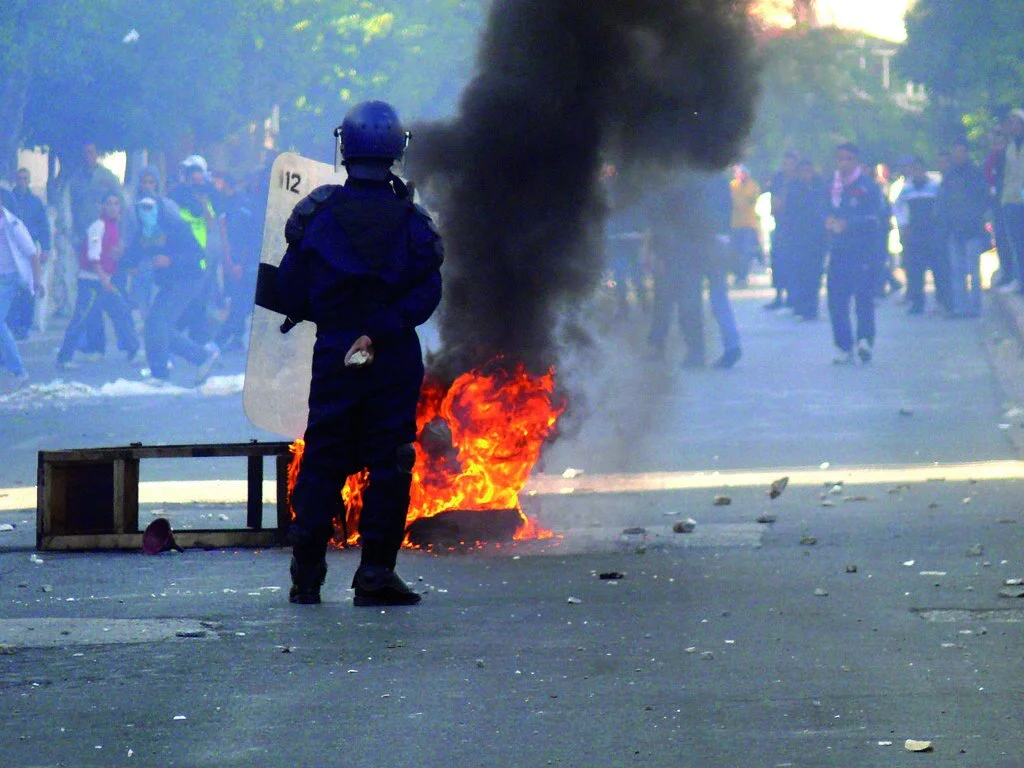
LGBTQ+ Intolerance in Ghana Reaches Boiling Point 

Tensions within the West African country have risen following the recent restriction of LGBTQ+ rights, resurfacing the decades long discussion regarding the criminalization of same-sex conduct.   
Pride flag waving in the sky. Tim Bieler. Unsplash. 

The newly established office of nonprofit organization LGBT+ Rights Ghana was raided and searched by police last month, endangering one of the only safe spaces for LGBTQ+ people in the country. This raid came mere days after Ghanaian journalist Ignatius Annor came out as gay on live television, and many have speculated that the raid was in retaliation of that moment. 

Given Ghana’s criminalization of same-sex conduct, it is not a stretch to say that homophobia runs rampant and unchecked, especially when considering the widespread opposition from both government officials and religious figures regarding the construction of the center for LGBT+ Rights Ghana.   

The building has been under scrutiny since it first opened back in January. Only three weeks after opening its doors to the public, the organization had to temporarily close in order to protect its staff and visitors from angry protesters. The director of the organization, Alex Kofi Donkor, explained how the community “expected some homophobic organizations would use the opportunity to exploit the situation and stoke tensions against the community, but the anti-gay hateful reaction has been unprecedented.”   

This unprovoked suppression of basic freedoms indicates that LGBTQ+ intolerance in Ghana has reached a boiling point and is about to bubble over. 
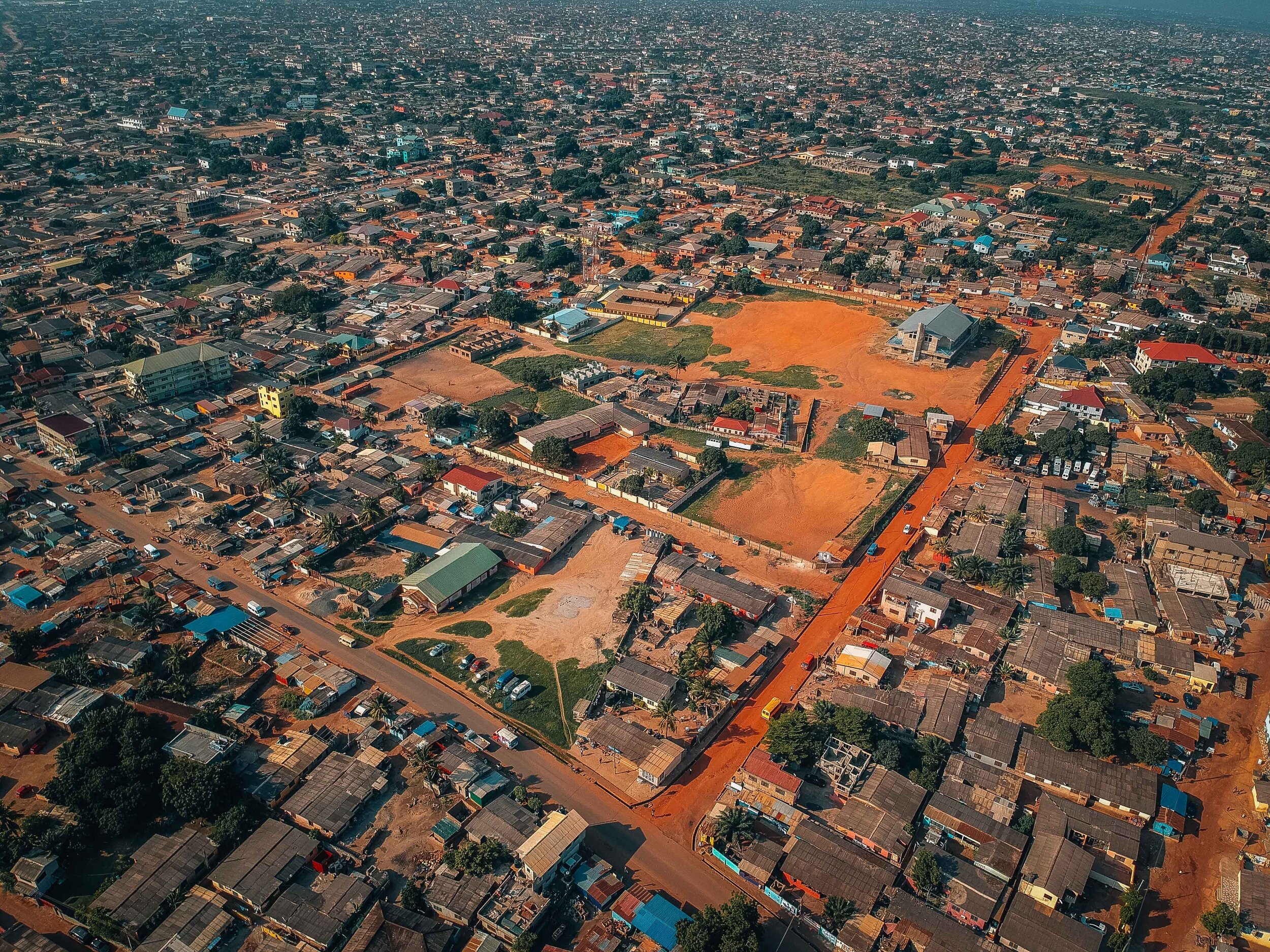
Aerial shot of Accra, Ghana. Virgyl Sowah. Unsplash. 

News of the situation reached a handful of high-profile celebrities such as Idris Elba and Naomi Campbell, who joined 64 other public figures in publishing an open letter of solidarity with the Ghanaian LGBTQ+ community using #GhanaSupportsEquality. While prejudice has only recently garnered public attention due to the letter, blatant and widespread homophobia in Ghana has run rampant for years. 

According to a study conducted by the Human Rights Watch in 2017, hate crimes and assault due to one's sexual identity are regular occurrences in Ghana. Dozens of people have been attacked by mobs and even family members out of mere speculation that they were gay. Furthermore, the study found that for women, much of this aggressive homophobia was happening behind closed doors through the pressures of coerced marriage. 

Consider 24-year-old Khadija, who identifies as lesbian and will soon begin pursuing relationships with men due to the societal pressure for women to marry. Or 21-year-old Aisha, who was exiled by her family and sent to a “deliverance” church camp after she was outed as lesbian. 

Marriage pressures and intolerances are certainly prevalent in other countries as well, even in those often deemed progressive. The big difference is that in many countries, homophobic beliefs are slowly becoming less and less common. In Ghana, it seems as though these sentiments are normalized and held by the majority of people. 

The precedent for discrimination based on sexual orientation was set as early as 2011, when former Western Region minister Paul Evans Aidoo called for the immediate arrest of LGBTQ+ people in the area. The stigma that actions like this produced in Ghana have only been amplified over time when coupled with religious and cultural tensions. 
A rainbow forms above a home in Kumasi, Ghana. Ritchie. Unsplash. 

Many victims of hate crimes or abuse in Ghana reported that because of the codified homophobia in the country, they are unable to report their experiences to local authorities without putting themselves in danger. As a result, LGBTQ+ Ghanaians find themselves stuck in a perpetual cycle of making slight progress just for higher authorities to snatch it away. 

There have been countless opportunities for legalized discrimination to be addressed, and ever since current Ghanaian President Nana Akufo-Addo assumed office in 2017, he has been under immense pressure to announce his official position on homosexuality. Four years later, he has still not done so.

Instead of embracing the shift toward more inclusive policies supported by LGBT+ Rights Ghana, the Ghanaian government appears to be succumbing to public pressures in an attempt to keep peace. What it fails to realize is that sweeping inequalities under the carpet doesn’t make them go away. It actually does quite the opposite. It heightens inequalities until they become absolutely impossible to avoid. Celebrity involvement in dismantling Ghana’s current system has caused quite the public reaction. It may end up being the spark that causes the Ghanaian government to reconsider its policies and begin to offer LGBTQ+ people the respect and protection they deserve. 

Zara Irshad

Zara is a third year Communication student at the University of California, San Diego. Her passion for journalism comes from her love of storytelling and desire to learn about others. In addition to writing at CATALYST, she is an Opinion Writer for the UCSD Guardian, which allows her to incorporate various perspectives into her work.
High Schools in Rome Increase Support for Transgender Students

In the Roman Catholic stronghold of Italy, Rome’s high school students have sped up the city’s journey toward acceptance of transgender individuals. 

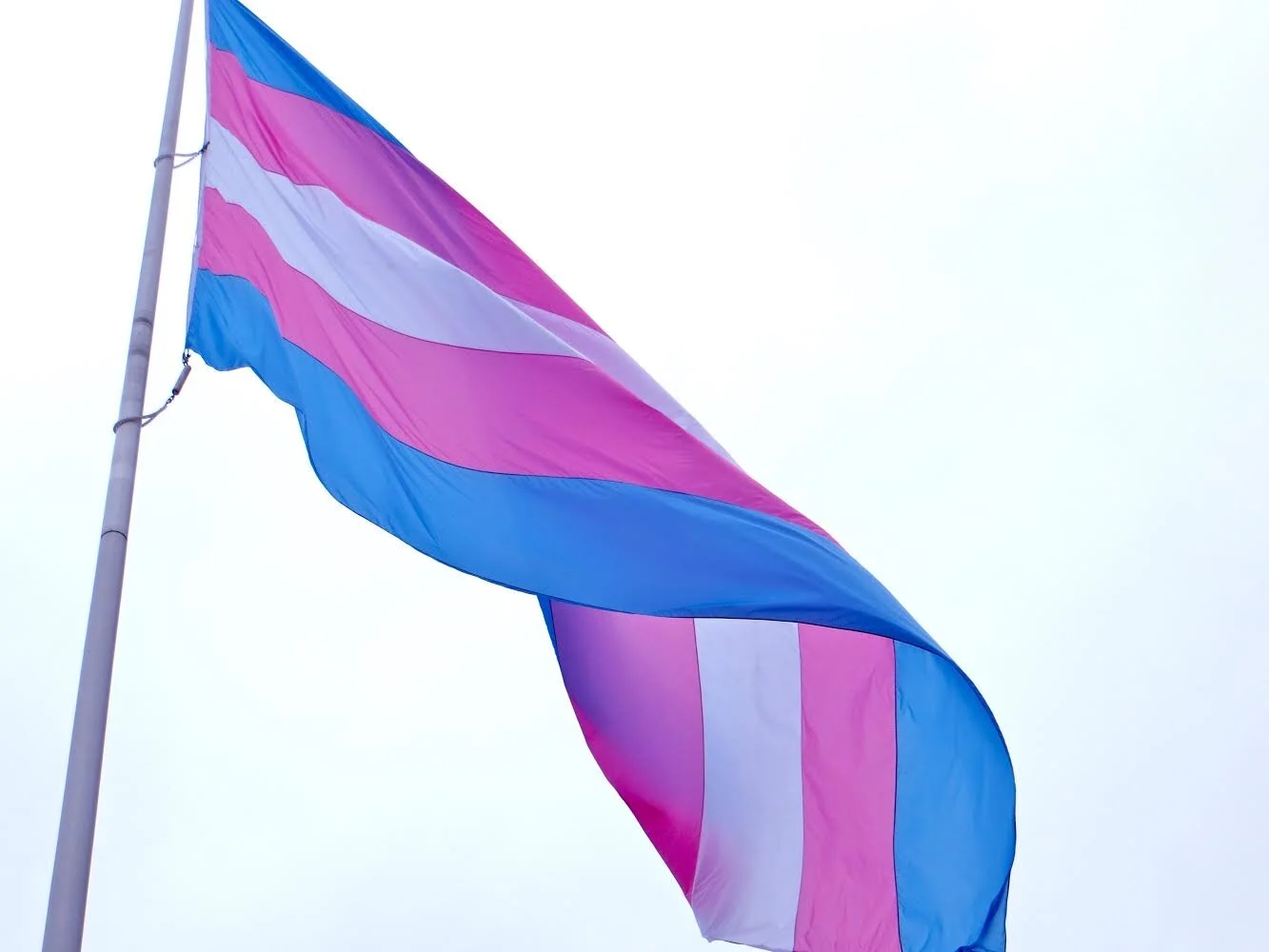
Transgender flag. User:torbakhopper. CC BY-SA 3.0.

Despite the challenges of the COVID-19 pandemic, the high school community of Rome has been making strides toward the advancement of LGBTQ+ rights. Recently, a handful of high schools in the city have decided to allow transgender students the right to go by their chosen name. This is a stark change from the previous method of using a transgender person’s name given at birth, known as their “dead” name. The high schools that have made this change lag behind the city’s universities, with some colleges already having given transgender students the right. 

Although the act itself seems small, it is a substantial gesture within the context of the transgender community. Upon hearing the news, students have expressed great relief; many see this step as a beacon of hope toward full transgender visibility in Italy. The country’s LGBTQ+ community currently deals with hate crimes, some of which have been so violent that victims have required reconstructive surgery. For Italy, the flaw is in the law; there is a law prohibiting crimes based on religion and race, but none exists for acts based on gender or sexual orientation. The largest change benefiting the transgender community occurred in 1982, when the Sex Reassignment Act legalized that procedure. 

School officials in Rome believe that this change will help to protect students by creating a sense of security and peace in their learning environment. The first students to experience the change in rules hope that they will pave the way for an easier education for future transgender individuals, many of whom face large-scale bullying. 

In a study on LGBTQ+ tolerance conducted by the Williams Institute, Italy fell quite far behind some of its European counterparts. Italy sat at 30th place in the ranking while Iceland and the Netherlands snagged the first two slots. The prevalence of the Roman Catholic Church, which does not condone LGBTQ+ behavior, has much to do with the country’s lower score. 

This step has been a significant one for Italy, but much work remains to be done. With a smoother education now in store, these students hope that they are just the group to bring about further change. 


Ella Nguyen

Ella is an undergraduate student at Vassar College pursuing a degree in Hispanic Studies. She wants to assist in the field of immigration law and hopes to utilize Spanish in her future projects. In her free time she enjoys cooking, writing poetry, and learning about cosmetics.

India’s Silk Industry: A Hub For Modern Slavery

Despite global efforts to eliminate the practice, modern-day slavery still widely exists. In India, the silk industry continues to serve as an oppressive stronghold for the practice. 

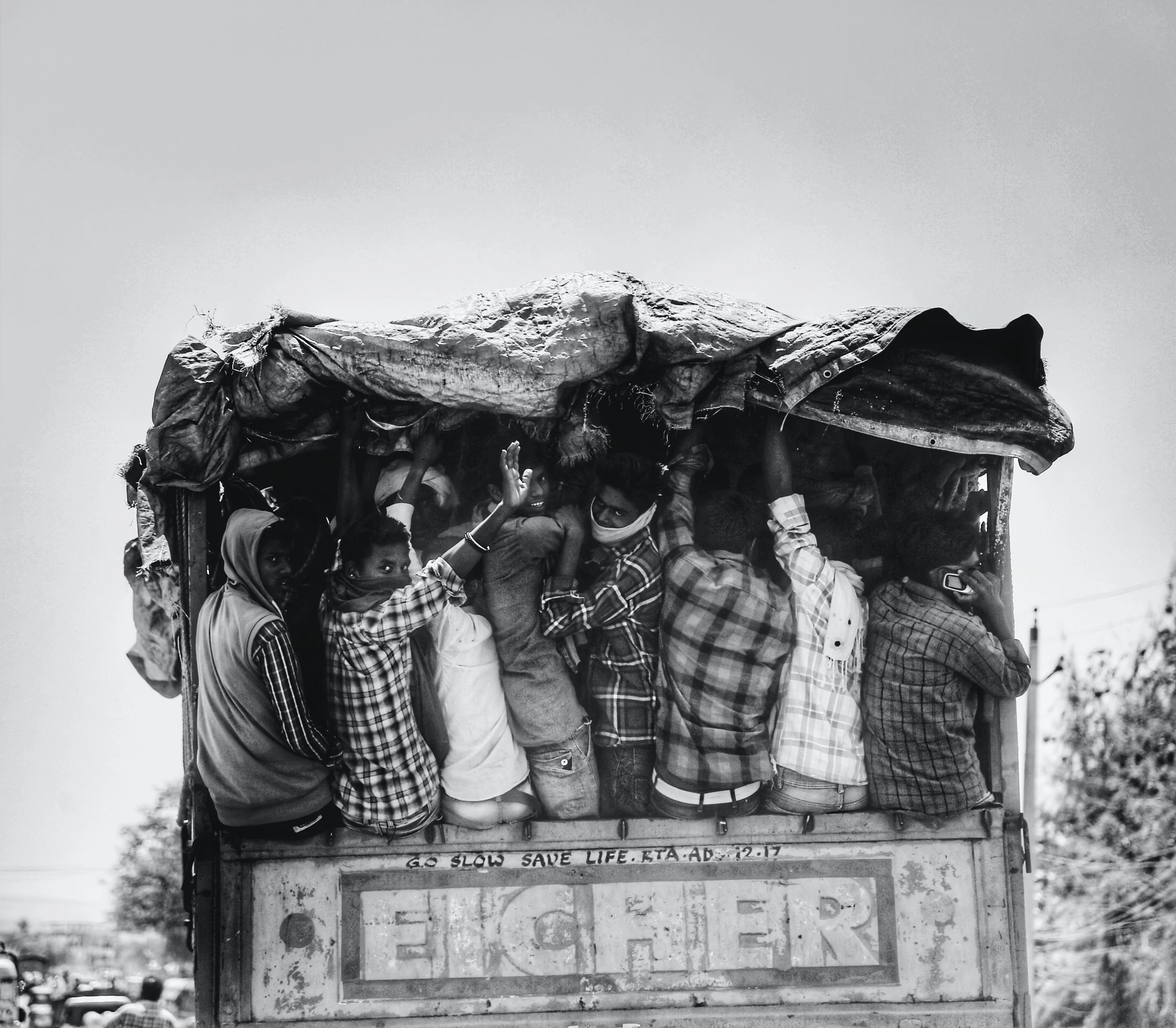
Indian workers. Photo by Sujeeth Potla on Unsplash

The silk industry in India is not to be underestimated; it employs hundreds of thousands of workers and is worth over $3.6 billion annually. However, as with many booming industries, a dark side lingers in the background. In southwest India lies Karnataka state, a hub for many of the nation’s age-old industries including silk production. Although justly paid workers exist, a sizable portion remain stuck in a taxing system known as “bonded labor.” 

What is “Bonded Labor”?

Although not explicitly mentioned in the phrase, “bonded labor” is actually a form of modern-day slavery. Bonded labor is when someone is forced to work off an imposed debt, where their captivity is known as “debt bondage.” In this system, the victims are often promised employment or an opportunity they cannot afford to refuse, and are then forcefully kept as workers. Their pay is usually minuscule compared to the debt amassed, and as a result, the employers are able to continually pile on debt over time. The dynamic transitions from employer-employee to that of a master and a slave. 

Additionally, the work is often arduous and the masters are even more unrelentingly brutal; abuse is commonplace in the system. As a result, many families attempt to escape, only to find that the support system for a successful departure is at best a bare-bones operation if not entirely absent. Many authorities who are meant to help these victims escape partner instead with the perpetrators; corruption bleeds away most hope of an escape.

However, one way out does exist. Victims are able to apply for a certificate of release, which would trigger an investigation to either approve or deny the request. Frequently these attempts fall through, often due to failure on the part of the authorities. 

Although the use of bonded labor remains widespread, it is most extensively used in South and Southeast Asia. Oftentimes debt laborers work off family debts, held hostage due to a loan taken by their parents or grandparents. 

How Did Bonded Labor Spread in India?

Bonded labor has been illegal in India since the Bonded Labor System Act of 1976, but this law failed to provide substantial change. It is estimated that over 8 million bonded laborers still exist in India, with experts fearing this statistic to be a gross underestimation. Rarely are those found guilty of violating the Bonded Labor System Act forced to serve out their punishment. 

Many human rights groups have pooled their efforts to research the extent of the system’s damage. What was found revealed grotesque physical, emotional and verbal abuse of children forced into bonded labor in the silk industry. Children of all ages, even as little as 5, were found to work 12-hour days nearly every day of the week; they do not attend school. Their work included placing their hands in boiling water and breathing in lung-blackening fumes; the children are not provided health care either, and often succumb to injuries. 

Human rights groups have stated that the Indian government is fully aware of this ongoing crime, yet fails to act on the victims’ behalf. It seems that corruption, combined with the consequences of the restrictive caste system, has left little hope for the estimated 350,000 children held in the silk industry’s bonded labor system. 

In the early 1990s, human rights groups sparked global outrage about the situation of India’s children, causing  the government to act. The Indian Supreme Court passed additional laws in 1996 to protect children in harmful workspaces, yet the government has failed to bring about any meaningful change. India’s National Human Rights Commission was brought in to spearhead proceedings, but very few perpetrators ever faced justice. 

The impact of the system is devastating as it enslaves whole families and sometimes even future generations. Until justice is truly served, victims of bonded labor will continue to be denied freedom.

To Get Involved:

To learn how Free the Slaves, an organization dedicated to sustainable freedom, helps victims, click here

To read about Anti-Slavery International, the world’s oldest anti-slavery organization, click here.


Ella Nguyen

Ella is an undergraduate student at Vassar College pursuing a degree in Hispanic Studies. She wants to assist in the field of immigration law and hopes to utilize Spanish in her future projects. In her free time she enjoys cooking, writing poetry, and learning about cosmetics.

America’s Prison Abolition Movement Fights On

The United States is home to nearly 25% of the world’s prison population. Activists are fighting to dismantle the prison system, hoping to strengthen communities instead. 

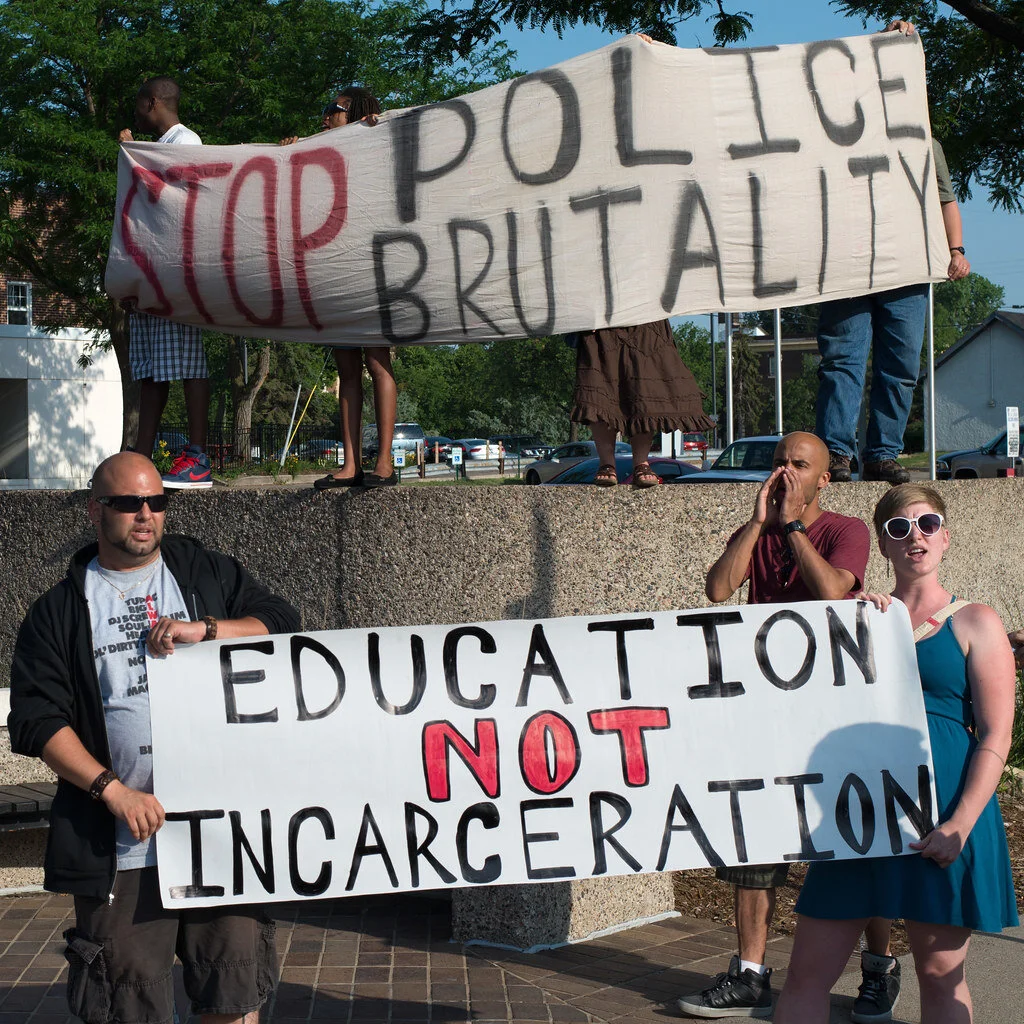
Protest against police brutality in Minnesota, 2013. Fibonacci Blue. CC BY 2.0   

The United States maintains the highest prison population rate in the world. Despite making up only 5% of the world’s population, the United States is home to 25% of the world’s prisoners. There is no question that the United States has a mass incarceration problem. For decades, activists have argued that the prison system perpetuates racism, sexism and inequality, leading to what is often seen as a radical solution: prison abolition. 

In the wake of the recent stream of anti-police brutality protests, discussion has turned toward prison abolition. Prison abolition is not just about getting rid of physical prisons; abolitionists aim to undo societal structures that lead to incarceration, known as the prison-industrial complex. The prison-industrial complex is a term used to describe “the overlapping interests of government and industry that use surveillance, policing and imprisonment as solutions to economic, social and political problems.” Prison abolition is really the abolition of the prison-industrial complex, with the ultimate goal being to eliminate policing, imprisonment and surveillance and to redistribute government spending from these industries to support housing, education, jobs and health care. 

The concept of prison abolition has been around since the 1980s. Following the war on drugs, which increased prison sentences for both drug dealers and users and more than doubled the prison population from 1980 to 2000, activists began protesting the prison system. They argued that too many nonviolent offenders were being incarcerated, that wealth inequality was a major factor in who was locked up, and that people of color were disproportionately imprisoned. Black and Hispanic people in the U.S. are still incarcerated at higher rates than White people, data shows. The movement gained prominence in the 1990s, when Angela Davis and Ruth Wilson Gilmore co-founded Critical Resistance, a national anti-prison organization with a focus on the prison-industrial complex and abolition. In 1998, Critical Resistance hosted a three-day conference to examine and challenge the prison-industrial complex. The conference was considered a success, but made clear how much work still had to be done to undo a society that maintains mass incarceration. 

“The abolition movement focuses on preventive rather than punitive measures.”

Skeptics of the abolition movement often ask what will happen to violent offenders, like murderers and rapists, if prisons are shut down. The movement’s supporters have two responses. First, abolition activists ask: is the current prison-industrial complex actually effectively addressing the issues behind rape and murder? Most activists say no. Despite the copious amounts of money funneled into supporting the prison-industrial complex annually, the threats of sexual assault and murder, among other crimes, are still sources of concern across the country. The prison-industrial complex locks criminals up, but has not actually addressed the root of the crimes in society. Plus, as prison abolition activist Woods Ervin points out, the prison-industrial complex itself perpetuates some crimes, like when prison guards sexually assault incarcerated people. Second, supporters point out that abolitionists want to help communities address underlying issues, like wealth inequality, that contribute to the rise of crime in the first place. Abolitionists want to build up infrastructures in communities in order to reduce interpersonal issues and create a world where people don’t feel driven into committing crimes. The abolition movement focuses on preventive rather than punitive measures. Ultimately, how crime is dealt with after prison abolition “is going to depend on each scenario,” Ervin says, and on the community in which it takes place. 

Prisons won’t be shut down tomorrow, but activists in the abolition movement are fighting to ensure that prisons will one day be obsolete, and communities will have a stronger foundation to deal with eliminating inequality. The recent killings by police officers and subsequent anti-police brutality protests have illuminated some of the issues with the prison-industrial complex, and highlight the need for a new system. 

To Get Involved: 

To locate your local chapter of Critical Resistance, the national anti-prison organization, and find information on volunteer opportunities or how to become a member, click here.


Rachel Lynch

Rachel is a student at Sarah Lawrence College in Bronxville, NY currently taking a semester off. She plans to study Writing and Child Development. Rachel loves to travel and is inspired by the places she’s been and everywhere she wants to go. She hopes to educate people on social justice issues and the history and culture of travel destinations through her writing.

By Refusing an Apology to Algeria, France Shows Colonialism is Far from Over

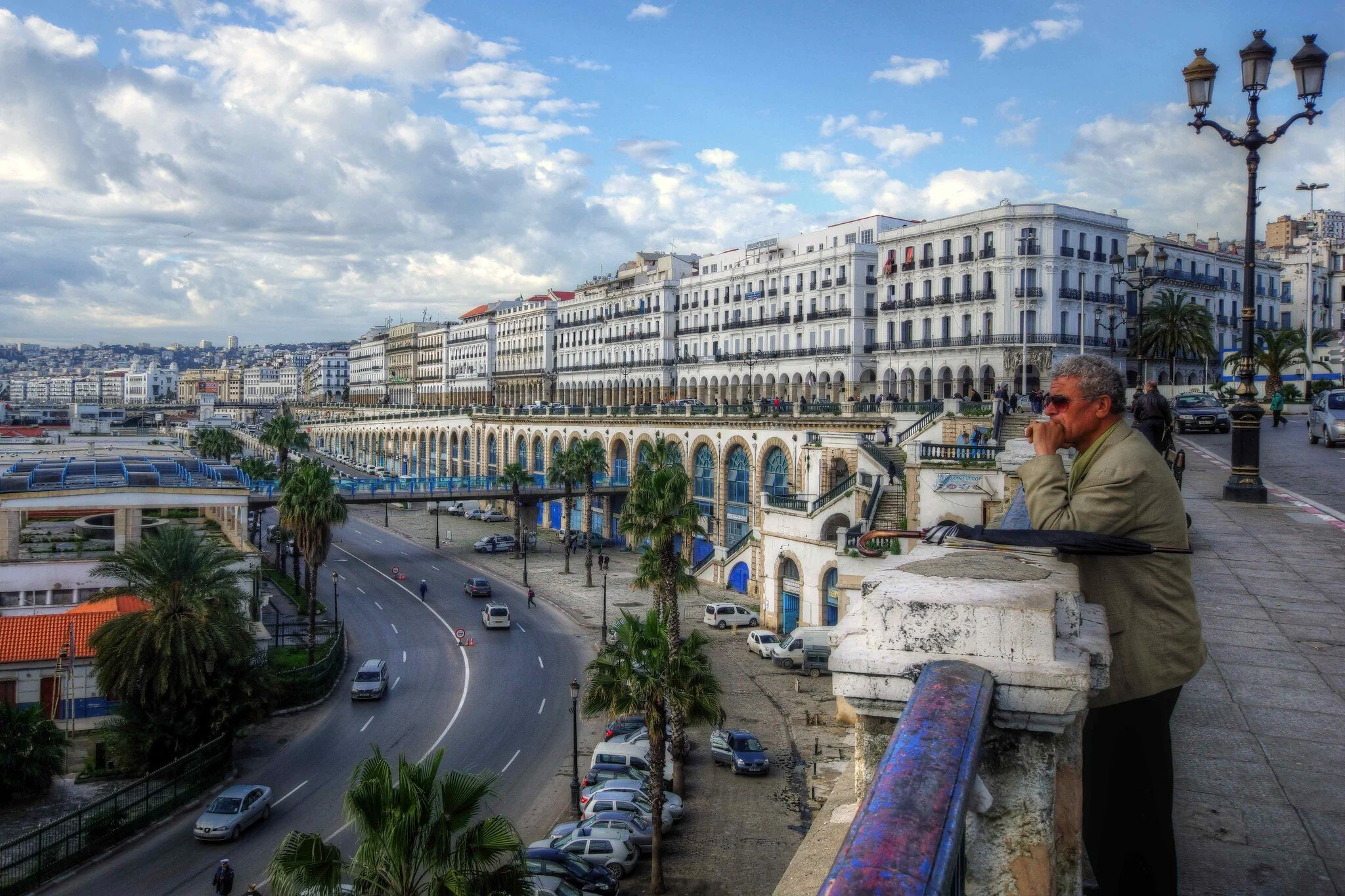
Algerian architecture reflects continued French influence post-decolonization. mariusz kluzniak. CC BY-NC-NC 2.0.

French President Emmanuel Macron announced on Jan. 20 that he has ruled out issuing an official apology to the country of Algeria for past colonial abuses. This follows 59 years of tense relations between the two nations after the conclusion of the Algerian War in 1962, which marked the end of official French colonialism in the North African country.

The announcement comes as a result of a highly anticipated report on the matter of French-Algerian relations commissioned by Macron in 2020. Rather than a formal apology, the report recommends a “memories and truth” commission to review French colonialism in Algeria. Macron committed to setting up the commission in a statement.

The French occupation of Algeria began with an invasion in 1830, and lasted up until 1962 with the end of the Algerian War, which led to independence. During the 132 years of colonial rule, the French committed a number of atrocities against Algerians, including the massacre of an estimated 500,000 to 1 million Algerians throughout the first three decades of conquest, the forced deportation of native Algerian groups and the use of systematic torture against Algerians during the country’s war for independence.

Since Algeria gained independence, the French government has largely remained silent in regard to the atrocities inflicted during the colonial era. In fact, Macron was the first French president to acknowledge the use of torture during the war for independence when he did so in 2018. Macron has since gone on to demand further accountability, including calls for all archives detailing the disappearance of Algerians during the war. However, the Jan. 20 announcement signals that an official apology remains out of the realm of possibilities for the time being.

Decolonization Efforts Remain a Global Necessity

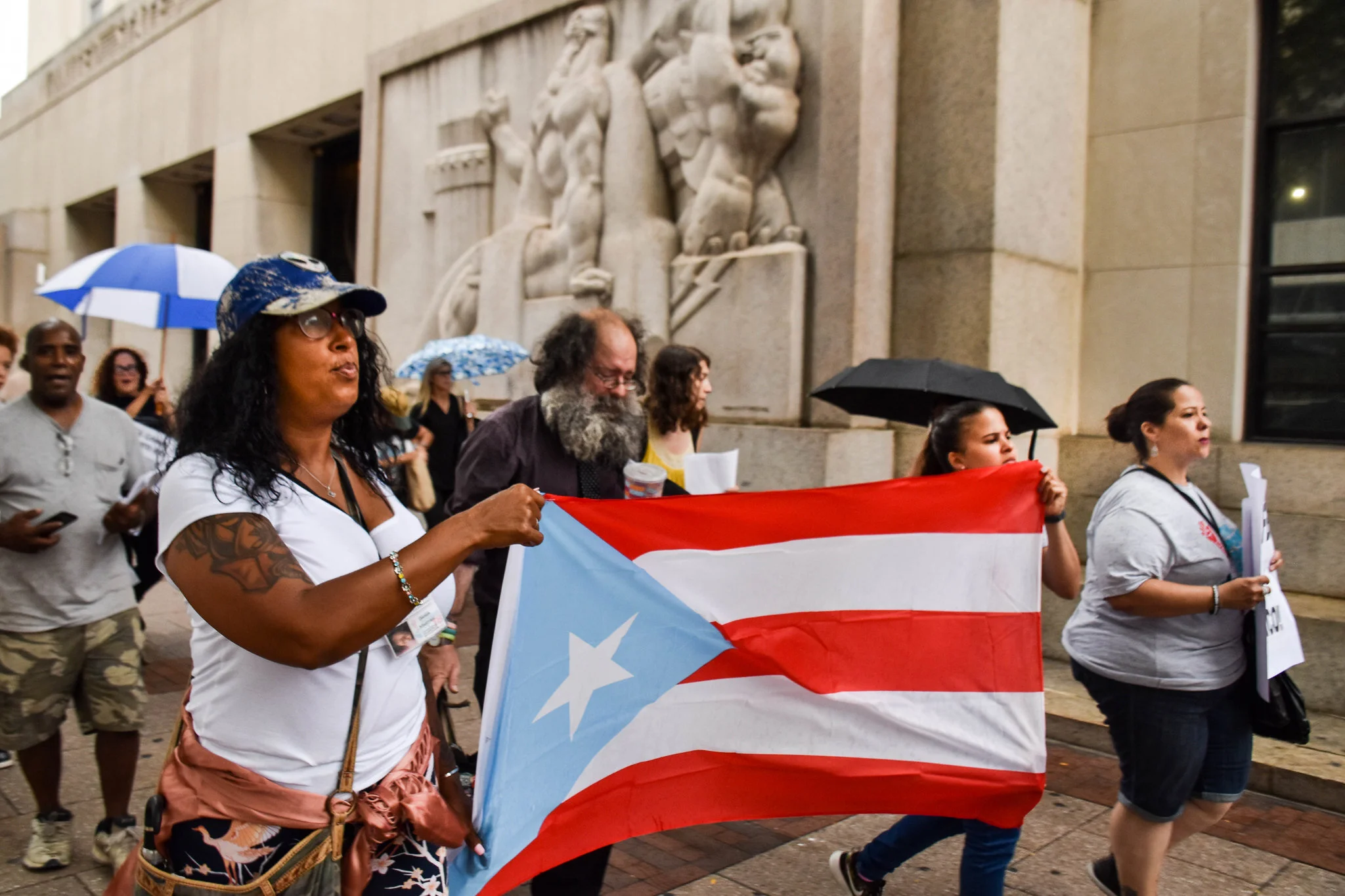
Protesters marching in Philadelphia in support of Puerto Rican independence in 2018. Joe Piette. CC BY-NC-SA 2.0.

Macron’s announcement is the latest reminder of the continued stains of colonialism which remain in the 21st century. While many former colonial powers like France have largely dismantled their empires and relinquished control to local populations, colonialism and the occupation of Indgenous lands still persists to this day around the world.

Both France and the United Kingdom notably retain overseas territories which are remnants of the heights of their empires. France retains varying administrative control in 11 regions outside of Europe, with a combined population of nearly 2.8 million. Conversely, the British control 14 territories which do not form a part of the United Kingdom itself or its European crown dependencies, representing a combined population of approximately 250,000.

Colonialism, however, is by no means limited to European powers, nor is the process itself a relic of the past. The United States, a country whose foundation is rooted in settler colonialism, retains control over five inhabited territories spread across the Pacific and Atlantic oceans which have a combined population of just over 3.5 million, all of whom are ineligible to vote in federal elections. Likewise, Hawaii’s inclusion in the United States as a state is a result of colonialism in the region where the U.S. systematically undermined native rule throughout the 1800s. 

Japan, a country which saw the height of its empire come to an end during World War II, retains control over Hokkaido and Okinawa, two islands with distinct Indigenous populations which have both seen independence movements throughout their time with the country.

China is an example of contemporary colonialism: while not specifically setting up colonies in overseas regions, the country invests billions of dollars in projects to develop African nations on largely unfavorable terms, creates artificial islands in the South China Sea to exercise dominance in the region, and continues to squash independence movements in Tibet and Hong Kong.

While movements for independence, apologies and reparations exist to varying extents in all of these regions, the scars of colonialism persist to this day and remain a contemporary issue unlikely to be resolved in the near future.


Jacob Sutherland

Jacob is a recent graduate from the University of California San Diego where he majored in Political Science and minored in Spanish Language Studies. He previously served as the News Editor for The UCSD Guardian, and hopes to shed light on social justice issues in his work.
‘Bad Students’: Thai High Schoolers Turned Political Activists

What started as a group of students protesting clothing and hair restrictions has turned into a political activism movement thousands strong. Thailand’s “Bad Students” are protesting a military-backed government and calling for reforms to the constitution and monarchy. 

On Nov. 21, thousands of pro-democracy activists gathered in downtown Bangkok to protest Thailand’s royalist, military-backed government. Some protesters came dressed as dinosaurs, in large, inflatable T-Rex suits, while others carried balloons shaped like meteors calling for the end of the “dinosaur age,” a reference to the conservative attitudes of government officials. The protesters called for the resignation of the current government, headed by Premier Prayut Chan-o-cha, a former army chief, as well as a new constitution to replace the current one, which was written by the military. 

Ahead of the protest, three of its organizers were summoned to a police station for questioning: 16-year-old Benjamaporn Nivas and two boys, also high school students. The three teenagers are some of the leaders of the “Bad Students,” a group of pro-democracy students in Thailand that has joined the broader protests against the government. 

At first, the Bad Students were focused solely on education reform; they wanted a complete overhaul of the education system, which they say promotes conformity and blind obedience through rote learning and whitewashed history. In August, hundreds of students gathered outside the education minister’s office, demanding no uniforms, no restrictions on hair length, and a modern curriculum. Since becoming a democracy, Thailand has had 13 successful coups, but textbooks ignore pro-democracy history and instead promote the monarchy. Following the August protest, the Bad Students also insisted that the education minister resign, distributing thousands of copies of a mock resignation letter and later even staging a mock funeral for him. 

Shortly after their August protest, the Bad Students realized that they would never achieve the reforms they wanted under the current government. Nivas said they learned that “the education ministry is just one part of a bigger, rotten system from the past that needs to be changed,” and that the voices of the Bad Students would be more useful if they joined the broader pro-democracy movements. 

Thailand has been at least a nominal democracy since 1932, when it abolished absolute monarchy in favor of constitutional monarchy. Over the years, Thailand has been mostly ruled by military governments, with its monarch serving as head of state. In addition to condemning Chan-o-cha’s military-backed rule, protesters have criticized the monarchy for spending Thai tax revenue and endorsing the military’s role in politics. Maha Vajiralongkorn, Thailand’s current monarch, is being pressured to remain bound by the constitution, to cut ties with the military-led establishment, to open palace books to the public for scrutiny and to repeal Thailand’s lèse-majesté law, which allows imprisonment for defamation of any member of the royal family.  

The government did not give ground to pro-democracy activists after the Nov. 21 protest. Chan-o-cha issued a warning that all laws, including lèse-majesté, would continue to be enforced. With neither the government nor the protesters changing their stance, some experts worry that the situation could descend into violence. Others, however, are hopeful. Chan-o-cha appeared in constitutional court on Dec. 2 for a minor infringement, and some saw this appearance as a way for the government to remove him as premier by legal means, thereby ousting him without giving in to the demands of the protesters. The Bad Students and other pro-democracy groups continue to plan, holding rallies and protests while advocating for change and a greater voice for the people. 

To Get Involved: 

To take action to support the pro-democracy movements in Thailand, sign the Amnesty International petition to defend peaceful protesters here


Rachel Lynch

Rachel is a student at Sarah Lawrence College in Bronxville, NY currently taking a semester off. She plans to study Writing and Child Development. Rachel loves to travel and is inspired by the places she’s been and everywhere she wants to go. She hopes to educate people on social justice issues and the history and culture of travel destinations through her writing.


Rising Tensions in Ethiopia’s Tigray Region Pose Dangers for Millions

The East African country has recently been overrun by natural disasters, COVID-19 and internal violence.

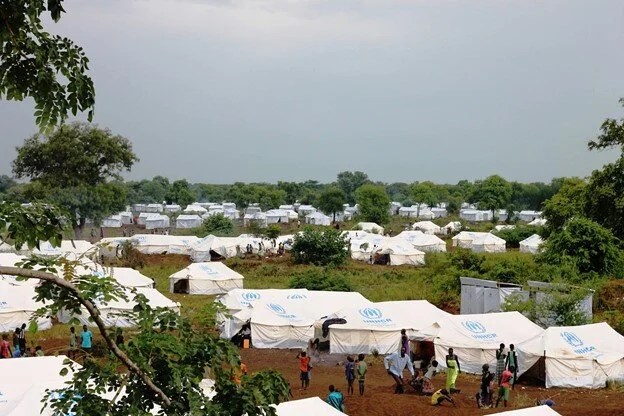
A refugee camp in Ethiopia. Oberhaus. CC2.0

Rising tensions in northern Ethiopia’s Tigray region pose a severe threat for the East African country and for stability across the Horn of Africa. Most urgently, the fighting places millions of people in danger and in dire need of humanitarian assistance.  

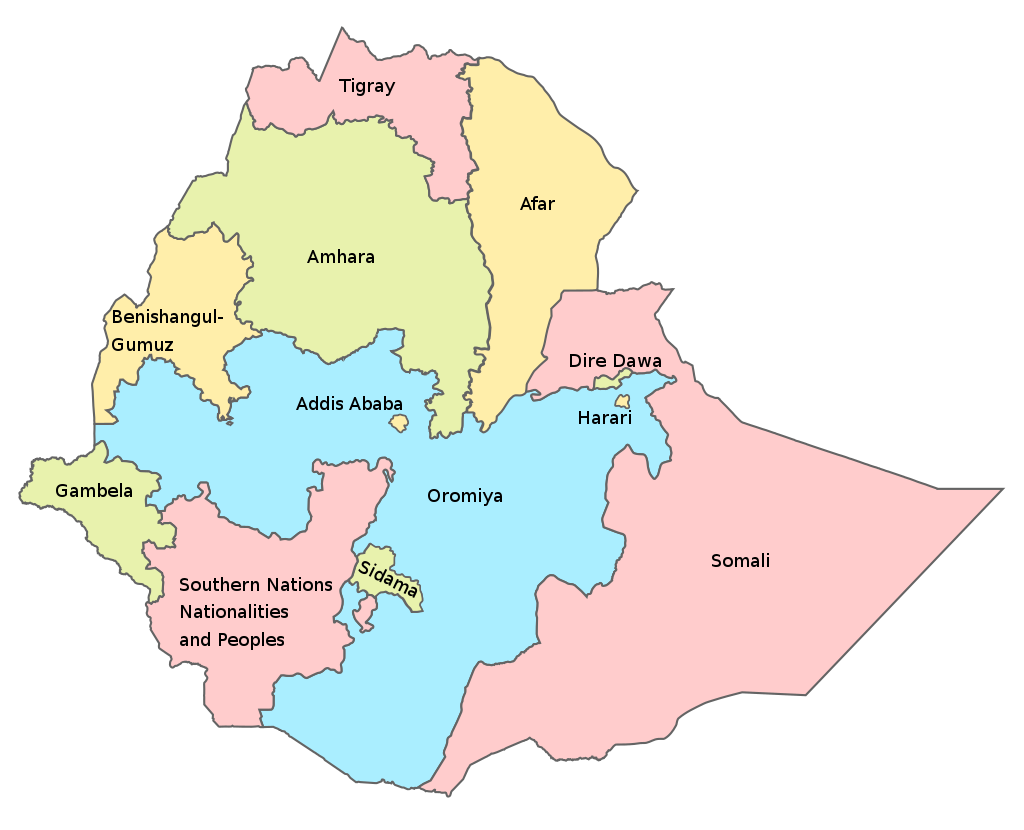
Map of Ethiopia’s regions, with Tigray in the far north. Jfblanc. CC4.0

An Overview of the Conflict in Tigray

Ethiopia, the largest and most populous country in the Horn of Africa region, is home to many different religions, languages and ethnic groups. The recent fighting is taking place in Tigray, Ethiopia’s northernmost region along the border with Eritrea. The conflict is between Ethiopia’s central government led by Prime Minister Abiy Ahmed and the Tigray People’s Liberation Front (TPLF). The TPLF came to power in 1991 and established a coalition where Ethiopia was divided into 10 distinct regions that each had political autonomy, allowing the TPLF to become a key player in Ethiopian politics. The TPLF remained in power for 27 years until rising concerns of political corruption and human rights abuses resulted in nationwide protests. As a result, Abiy Ahmed was elected the prime minister of Ethiopia in 2018 and began to reduce the TPLF’s power. While Ahmed advocates for a strong federal government that unites all Ethiopians regardless of ethnicity, the TPLF wants more political autonomy and sees Ahmed’s central government as a hindrance to the TPLF’s political agenda. 

The current dispute began when the TPLF wanted to hold a regional election in September. Prime Minister Ahmed denied the request, since all national elections in Ethiopia were canceled due to COVID-19. Fighting began on Nov. 4 when Tigrayan forces were accused of attacking a military base belonging to Ahmed’s government. The violence in the region continues to escalate. 

Abiy Ahmed is widely recognized for brokering peace and ending a military conflict with neighboring Eritrea, an effort that resulted in Ahmed receiving the Nobel Peace Prize in 2019. However the current escalating violence is causing the international community to raise its eyebrows. According to Kjetil Tronvoll, a scholar of Ethiopian politics at Bjorknes University College in Norway, “The Nobel Peace Prize has until recently shielded Prime Minister Abiy Ahmed from international scrutiny and criticism. However, the warfare on Tigray has opened the eyes of many diplomats to the way political power is wielded in Ethiopia.”

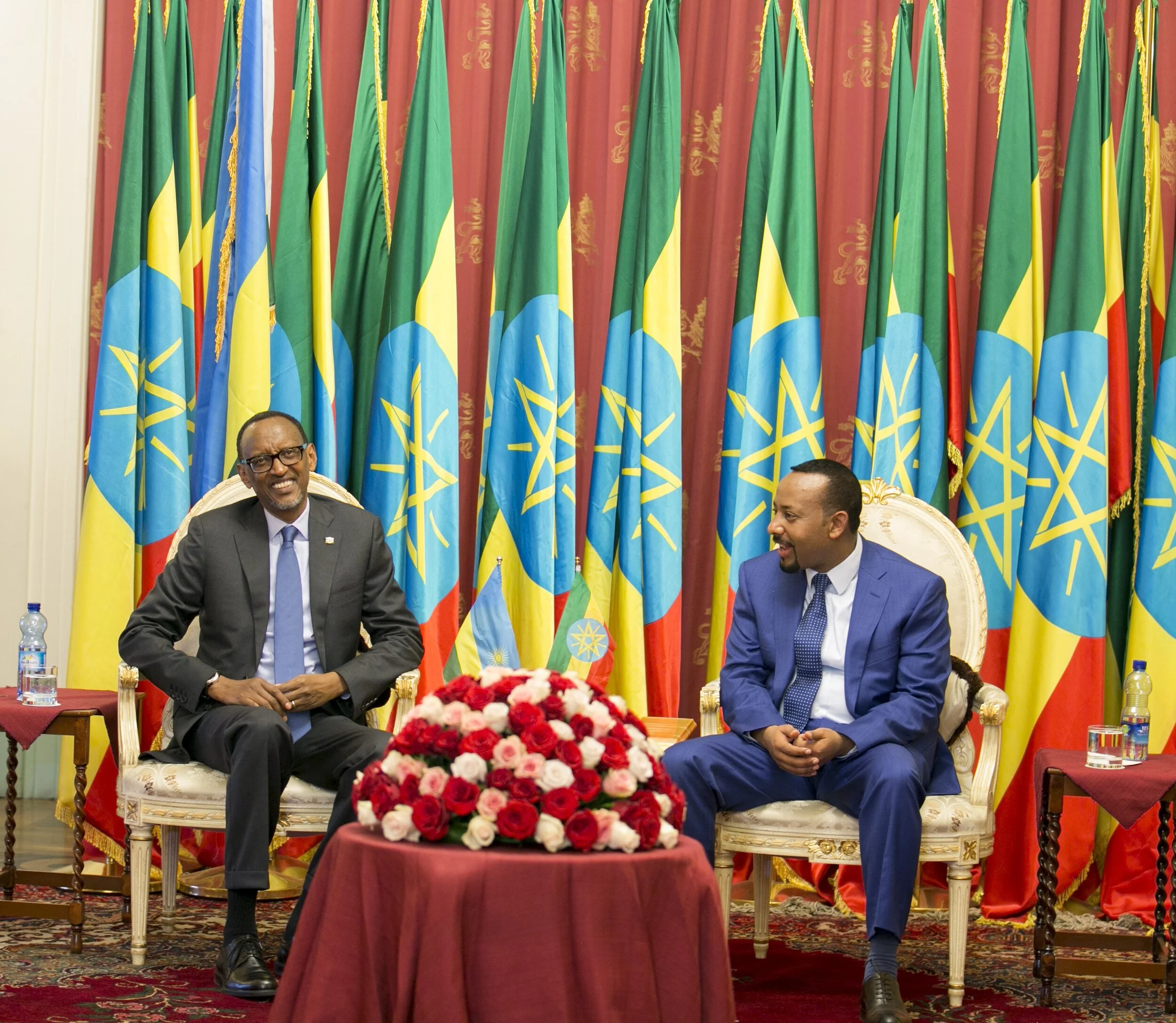
Rwandan President Paul Kagame (left) and Prime Minister Abiy Ahmed (right). Kagame. CC2.0

What is Happening Now? 

On Nov. 28, the Ethiopian army gained control of the Tigrayan regional capital of Mekelle, with Prime Minister Ahmed declaring victory shortly thereafter. However, Tigrayan forces have yet to surrender. Since the conflict began, telephone, internet and road access to the Tigray region has been suspended, making it difficult to know what is happening on the ground. Shortly after Ahmed declared victory, rockets were fired at the Eritrean capital of Asmara, where according to the U.S. embassy, “Six explosions occurred in the city at about 10:13 p.m.” The Ethiopian government has declared a six-month-long state of emergency in the Tigray region. There is concern that the conflict could exacerbate ethnic division in other parts of Ethiopia, or even spread to neighboring countries such as Eritrea, Sudan and Somalia. With the conflict having no end in sight, it is unclear to predict whether current military efforts are enough to end the fighting.

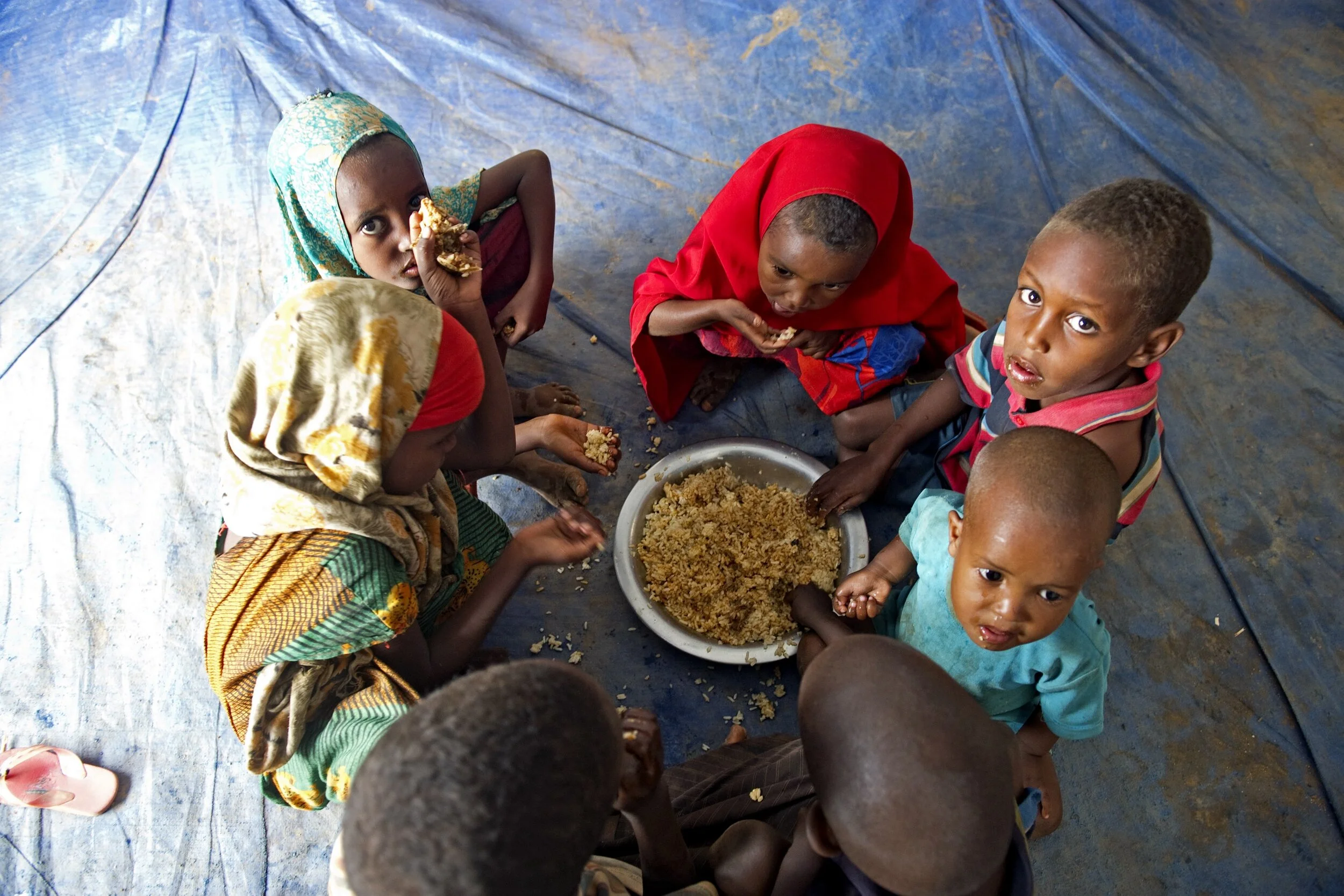
Refugee children in Ethiopia. United Nations Photo. CC2.0

Impact on Internally Displaced People and Refugees

Before the recent fighting broke out in Tigray, the region was already home to over 200,000 refugees, the majority coming from Eritrea. The current fighting is estimated to affect over 2 million people, with larger estimates of up to 9 million. As many as 43,000 have already fled to neighboring countries, with Sudan preparing to accept as many as 200,000 refugees. Thousands of people are internally displaced in Shire, near the border with Eritrea. Aid groups are urging the Ethiopian government to allow access to roads crucial to the Tigray region. This year has been especially difficult in Ethiopia, as a devastating locust outbreak, floods and the ongoing COVID-19 pandemic have ravaged the country. According to the International Rescue Committee, the most important thing that can be done by forces is to adhere to international law, ensure that schools, hospitals and homes are not targets, and allow humanitarian aid to get to where it is needed. 

To Get Involved:

Check out the International Rescue Committee, a global aid and development organization providing crucial humanitarian assistance to communities in Tigray, here


Click here to access the website of the United Nations High Commissioner for Refugees (UNHCR), which is working to establish a new shelter site for Tigrayan refugees in Sudan.


Megan Gürer

Megan is a Turkish-American student at Wellesley College in Massachusetts studying Biological Sciences. Passionate about environmental issues and learning about other cultures, she dreams of exploring the globe. In her free time, she enjoys cooking, singing, and composing music.

No Peace for the People: Ethiopia’s Ethnic Groups Targeted

While citizens and officials alike fear a potential civil war in Ethiopia’s Tigray region, the country’s ethnic groups have become targets of violence. Many fear that the current struggles deepen existing ethnic divides. 

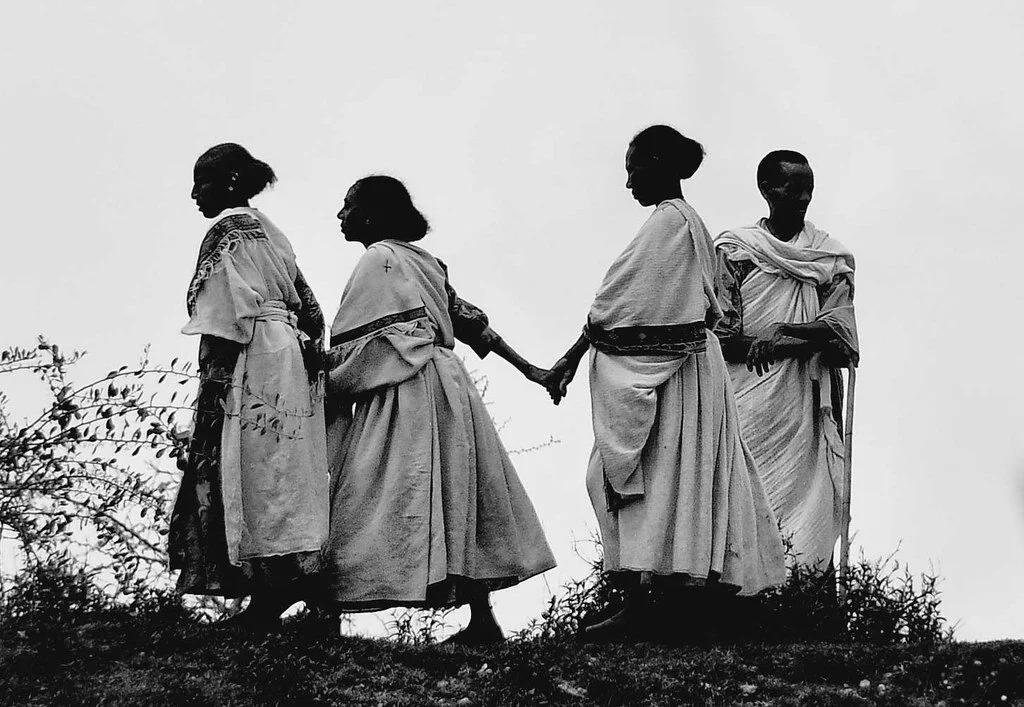
Women of the Tigray region in Ethiopia. Rod Waddington. CC BY-SA 2.0. 

Over the past several weeks, the Tigray region of northern Ethiopia has exploded into violence. The current conflict comes after years of mounting tensions between the elected government of the Tigray region and the federal government. The postponement of the September election sparked the most recent series of violent acts; existing ethnic tensions have now transformed into the slaughtering of local ethnic groups, forcing many to flee for safety in Sudan. 

A Rising Civil War 

The tensions in Ethiopia trace back along a labyrinthine history of political unrest, with the primary combatants being the proponents of the federal government and the officials in the Tigray region. Fighting escalated when Prime Minister Abiy Ahmed accused the Tigray region of attacking a federal military base and responded by sending an attack on the region. However, underlying issues began back in 2018 when Ahmed was first elected. 

For decades, Ethiopia’s main political party was the Ethiopian People’s Revolutionary Democratic Front, which began around 1991 when the Tigray People’s Liberation Front (TPLF) aided the overthrow of the previously Marxist government. Up until 2018, the party had controlled both the political and economic components of the country. With Prime Minister Abiy Ahmed’s election, the TPLF’s power within the party it founded began to quickly disappear. Ahmed removed and attempted to convict many officials through potentially corrupt means, many of whom escaped to the Tigray region. He also attempted to combine parties that followed ethnic lines, which deepened divides among the groups. 

In response to the prime minister’s recent postponement of the election, the unofficial leaders of the Tigray region made a decision no one in the country had done before: they held their own election. Tigray threatened secession, which is upheld in the nation’s constitution. The federal government, though, responded by withdrawing aid from Tigray and sending in troops. 

Ethnic Targeting

Now that the violence has furthered into increasing physical confrontation, many ethnic groups in Ethiopia feel under attack. Recent killings have left ethnic Tigrayans and ethnic Amharas slaughtered in the streets. Calls for peace talks between the two groups have been rejected, and now nearly 15,000 people have fled for safety. 
There are major criticisms on both sides, with calls for the TPLF’s unconditional surrender coming from the federal government. Meanwhile, the regional government of Tigray has been accused of igniting fear that is believed to have fed into the violent slaughtering of ethnic Amharas. 

Officials fear that these killings could turn into an ethnic cleansing and genocide. Tigrayan locals are dealing with the bulk of the chaos; many are being taken in for questioning and are too fearful to contact family members outside of the region. 

Experts warn that Ethiopia’s history of ethnic conflict will likely repeat itself as the nation spirals into political disarray. Only the potential for peace now holds the nation together as its ethnic groups continue to clash. 


Ella Nguyen

Ella is an undergraduate student at Vassar College pursuing a degree in Hispanic Studies. She wants to assist in the field of immigration law and hopes to utilize Spanish in her future projects. In her free time she enjoys cooking, writing poetry, and learning about cosmetics.

Meet 6 Athlete-Activists Demanding Change

Social activism and athletics have become intertwined, especially in the digital age. Here are some of the world’s most impactful athlete-activists. 

The San Francisco 49ers kneeling during the playing of the national anthem. Keith Allison. CC BY 2.0.

Following the lead of Colin Kaepernick, a football player for the San Francisco 49ers who protested police violence through kneeling during the national anthem, athletes have increasingly embraced the intersection of athletics and activism. Four years after Kaepernick’s original act of peaceful protest, athletes are now some of the most vocal activists in the world, using their status to encourage social activism. Due to the modern celebrity of sports, combined with the wide platform of social media, athletes from almost every sport have devoted their time off the field to social causes. Here are six athlete-activists working to transform their communities:

Naomi Osaka playing tennis. Peter Menzel. CC BY 2.0. 

1. Naomi Osaka — Tennis

Naomi Osaka, the reigning U.S. Open champion, is the world’s highest-paid female athlete. She is also one of the most vocal supporters of the Black Lives Matter movement, using her platform to commemorate victims of racial violence. In August, Osaka withdrew from a tournament she was favored to win in protest of anti-Black injustice. In a statement on her social media accounts, Osaka wrote: “Before I am an athlete, I am a Black woman.” Osaka is an activist on the court as well, wearing seven different masks with the names of victims of police brutality and racism: Breonna Taylor, Elijah McClain, Ahmaud Arbery, Trayvon Martin, George Floyd, Philando Castile and Tamir Rice. 

Brittney Griner playing for the Phoenix Mercury. Lorie Shaull. CC BY 2.0. 

2. Brittney Griner — Basketball 

WNBA player and Olympian Brittney Griner is an outspoken advocate for the LGBTQ+ community. In 2017, Griner led the charge to prevent Texas from passing Senate Bill 3, which would have forced transgender people to use restrooms and locker rooms that match their gender assigned at birth. As a member of the LGBTQ+ community, Griner encourages young adults to be authentically themselves. Griner is also at the forefront of the movement for the WNBA to stop playing the national anthem prior to games in support of the Black Lives Matter movement. 

Akim Aliu in a mid-game interview. Anders H Foto. CC BY 2.0.  

3. Akim Aliu — Hockey 

In his essay titled “Hockey Is Not for Everyone,” written in May, professional hockey player Akim Aliu exposed the National Hockey League’s unaddressed problem with racism. After recognizing rampant racism in his sport, Aliu co-founded the Hockey Diversity Alliance, an organization dedicated to eradicating “systemic racism and intolerance in hockey” while making the sport accessible to all communities. In a statement posted on Twitter by the board of the organization, Aliu wrote: "We are hopeful that anyone who puts on skates or sits in the stands will do so without worrying about race, gender or socioeconomic background and will be able to express their culture, identity, values and personality without fear of retribution."

Juan Mata playing for his former team, Chelsea. Christopher Johnson. CC BY 2.0.

4. Juan Mata — Soccer

Manchester United player Juan Mata launched Common Goal in 2017, a charitable organization geared toward redistributing global soccer wealth back into the communities that raised and trained the world’s premier soccer stars. Mata was the first of his peers to pledge 1% of his salary to this organization, and the organization has now grown to include 390 pledgers and 207 partner organizations. Mata told The Players’ Tribune: “Through Common Goal we're creating a collaborative way for football to give back to society … By making the pledge, we can form a lasting connection between football as a business and football as a tool for social change.”

Fu Yuanhui and teammate Liu celebrate a 2015 backstroke win. Oleg Bkhamri. CC BY 2.0. 

5. Fu Yuanhui — Swimming

Chinese Olympic swimmer Fu Yuanhui is breaking down the stigma surrounding menstrual cycles for female athletes. At the Rio Olympics in 2016, Yuanhui openly shared the way in which her period affected her athletic performance, with social media users sharing widespread support for her honesty. In China, taboos around menstrual cycles lead to the topic seldomly being discussed, and Chinese swimming fans took to social media apps to praise Yuanhui for her honesty. Only 2% of women in Chinese use tampons, and Yuanhui’s acknowledgment of her period on a world stage was eye-opening for Chinese women, 76% of whom are reported to feel uncomfortable in social settings when they have their period. 

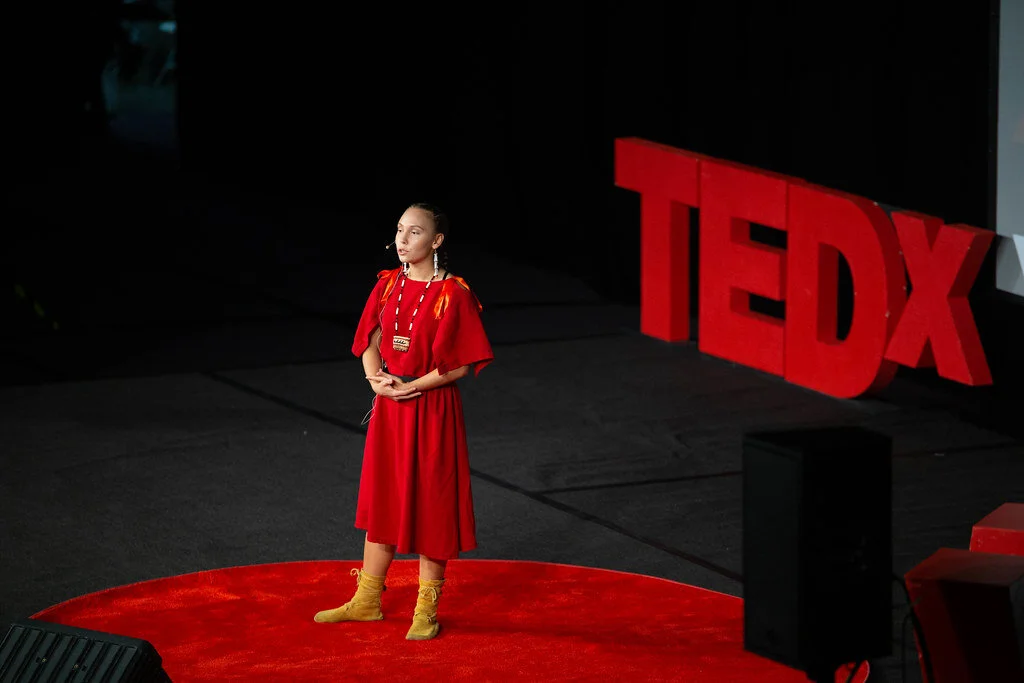
Fish on stage delivering a TED Talk. TEDxYouthSeattle. CC BY-NC-ND 2.0.

6. Rosalie Fish — Running

College runner Rosalie Fish is the least-known athlete on this list, but one of the fiercest advocates of Missing and Murdered Indigenous Women (MMIW). In her senior year of high school, Fish ran her meets with the outline of a red hand painted across her face and the words Missing and Murdered Indigenous Women written on her leg. Now in college, Fish has become a leading figure in advocacy for MMIW. A member of the Cowlitz Tribe, Fish told Off the Cuff: “For me to say I don’t want Indigenous women to be ignored anymore is, by some people, a political statement. Advocating for Missing and Murdered Indigenous Women, they will say that’s political. To me that’s survival.” Fish has also delivered a TED Talk explaining her activism, which you can watch here

Sarah Leidich

is currently an English and Film major at Barnard College of Columbia University. Sarah is inspired by global art in every form, and hopes to explore the intersection of activism, art, and storytelling through her writing. 

The Ainu: One of Japan’s Indigenous Groups

In August 2019, the Japanese government passed a law that officially recognized the Ainu as an Indigenous people group. After nearly two centuries of legalized discrimination, the Ainu are reclaiming their identity and history, and they are just getting started.

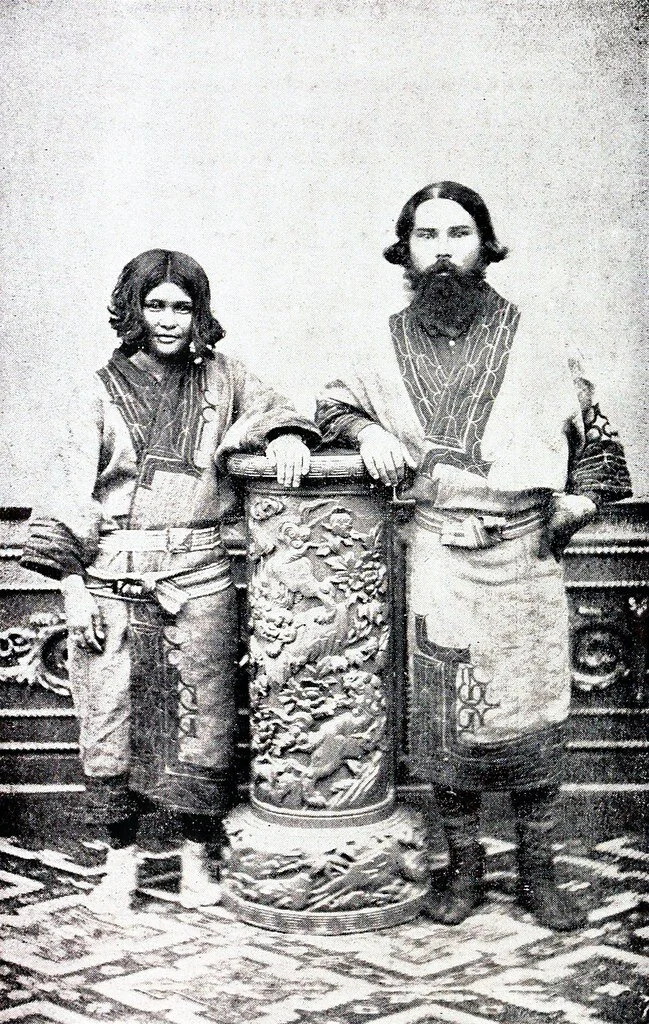
An Ainu couple before assimilation; their features are still different from those of their Japanese counterparts. Stuart Rankin. CC BY-NC 2.0.

In July, Japan unveiled the Upopoy National Ainu Museum, the country’s first cultural center dedicated to Indigenous identity. Located on the island of Hokkaido—one of the Ainu’s ancestral lands—the Upopoy Museum showcases the history of the Ainu through performances and historical relics. What is remarkable about the museum’s opening is not its resiliency amid a pandemic, but that the structure opened at all. Much like the power dynamic between American settlers and Native American tribes, the Ainu endured a legacy of forced assimilation by the ethnic Japanese and their ruling government.

Before this, the Ainu were a hunter-gatherer tribe that inhabited the northern islands of Ezo (present-day Hokkaido), the Kuril Islands and the Russian island of Sakhalin. According to archaeological records, the Ainu called these lands home as early as the 14,500 B.C. The Ainu also had strong ties to animism, a belief that manifested itself in the relationship between the Ainu and the bears on the islands. The Ainu even created a ceremony in which bear cubs were taken, raised and then sacrificed in a ritual offering. These symbolic rites guided Ainu tradition and their balanced connection with nature.

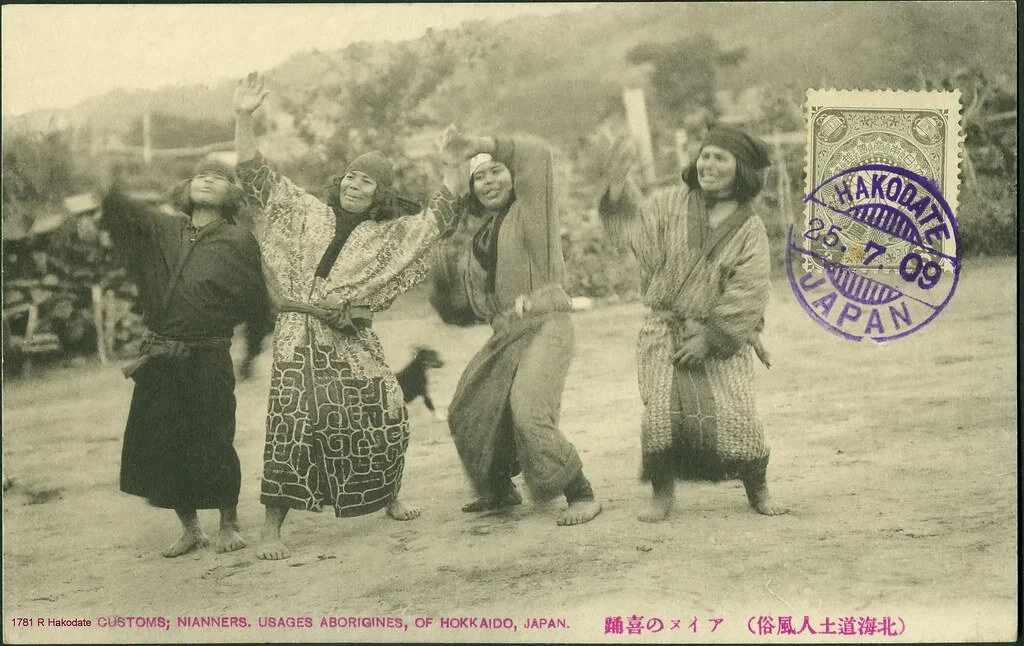
Ainu women performing a welcome dance on Hokkaido. Vladimir Tkalcic. CC BY-NC-ND 2.0.

When the Meiji government annexed Hokkaido in the late 19th century, the Ainu’s pastoral way of life was interrupted. While the Ainu lived in Japan, they physically differed from their Japanese counterparts. The Ainu have a more European look with lighter skin and thick hair. Men sported full beards, and women tattooed their lips once they reached adulthood. Because of this, the Japanese derided the Ainu as backward and foreign. Around this time, Japan also became the first non-European country to have defeated Russia in battle. Flush with victory and newly acquired lands, the Japanese sought to build up a national myth of military might and cultural homogeneity. One of these initiatives included a policy of forced assimilation on the island of Hokkaido.

The Japanese government enlisted the help of American consultants who had reeducated their own North American Indigenous groups. The Ainu were forced into Japanese-speaking schools and were required to change their names. As the land was repurposed for industrial and agricultural uses, the Ainu were pushed into wage labor and became an impoverished and politically disenfranchised minority. Even after World War II, the Ainu were deprived. To participate in the scientific advancements of the mid-20th century, the Japanese government essentially emboldened researchers to rob Ainu graves and remains.  

The Upopoy National Museum is housed in Hokkaido, one of the Ainu’s ancestral homelands. Marek Okon. Unsplash. 

In February 2019, the Japanese government introduced a bill that would officially recognize the ethnic Ainu minority as an Indigenous people for the first time. The bill included measures that would support Ainu communities, fund scholarships and educational opportunities, and allow the Ainu to cut down trees in nationally owned forests for use in traditional practices.

While many lauded the proposal, some felt that the bill missed a crucial element: an apology. In an interview with CNN, musician Oki Kano shared that he was only 20 years old when he found out that he was Ainu. Thanks to rigorous assimilation policies, the Ainu in Japan bear more resemblance to ethnic Japanese than past generations. Because of the ugly legacy of discrimination, however, the true number of Ainu still left in Japan is unknown. Due to fear, many of the Ainu have chosen to hide their background, leaving younger generations with limited if any knowledge about their heritage. The Ainu language is also at risk of extinction.

Although the bill became law in August 2019 and Tokyo University returned some of the robbed remains the following year, the fight for the Ainu people’s rights is just beginning. Despite widespread recognition and gradual acceptance of the Ainu, some feel the Ainu culture is at risk of tokenization. Though the preservation of Ainu culture is commendable, the Ainu’s future should also be considered if they are to have a chance at survival.


Rhiannon Koh

Rhiannon earned her B.A. in Urban Studies & Planning from UC San Diego. Her honors thesis was a speculative fiction piece exploring the aspects of surveillance technology, climate change, and the future of urbanized humanity. She is committed to expanding the stories we tell.

Indonesian Muslims Protest French President 

Thousands of people gathered at Indonesia’s French Embassy to protest French President Emmanuel Macron. Macron has a history of anti-Muslim rhetoric and recently defended the publication of caricatures depicting the Prophet Muhammad. 

On Nov. 2, thousands of people gathered outside the French Embassy in Jakarta, Indonesia, to protest French President Emmanuel Macron. 

Macron defended the publication of cartoons that depict the Prophet Muhammad, which many have deemed inflammatory. The cartoons were originally published in the Charlie Hebdo magazine in 2015. They were republished in September to mark the opening of the trial for the 2015 attacks against the magazine’s staff, which were partially motivated by the publication of the cartoons. 

Last month, the cartoons were a topic of discussion in a Paris classroom during a lecture on freedom of expression. After the lecture, on Oct. 16, the teacher who led the class was beheaded by a student enraged by the cartoon being shown in class. In a separate incident on Oct. 29, three people were stabbed to death in the seaside town of Nice by a Tunisian man yelling “Allahu Akbar,” a commonly used phrase meaning “God is greatest.” Though it has an innocuous meaning and is used in a number of day-to-day situations, the phrase has been tarnished by an association with terrorist acts, such as the 2015 Charlie Hebdo attack.   

These recent incidents have reinvigorated anti-Muslim sentiment in France, and Macron has been criticized for his comments. Macron told the news site Al-Jazeera that he understands people’s concern over the cartoons, but said that he “will always defend in my country the freedom to speak, to write, to think, to draw.” He maintained his stance that the cartoons were protected under freedom of expression after the beheading of the teacher in October, and has been accused by some of spreading anti-Muslim sentiment in his statements. 

Macron has received criticism for his anti-Muslim rhetoric in the past. On Oct. 2, he called Islam a religion “in crisis” around the world and introduced a plan to push what he termed “Islamist radicalism” out of French education and the public sector. In the same speech, he announced the government’s intention to present a bill strengthening a 1905 law officially separating the church and state in France. 

In Indonesia, the French Embassy was heavily guarded and protected by barbed wire, but over 2,000 people stood outside chanting and holding signs. Protesters displayed banners that read “Macron is the real terrorist,” “Go to hell Macron,” and “Macron is devil” and called for a boycott of French goods. Some protesters stomped on Louis Vuitton bags to demonstrate their rejection of French products. Speakers at the protest demanded that Macron apologize and take back his anti-Muslim comments. They also called for the immediate removal of the French ambassador. 

On Oct. 31, Indonesian President Joko Widodo condemned the terrorist attacks in Paris and Nice while also speaking out against Macron’s defense of the cartoons. Widodo argued that freedom of expression that tarnishes the honor of religious symbols could not be justified and said that “linking religion with terrorist acts is a big mistake.” Muslims in France have repeatedly denounced the terrorist acts. 

Rachel Lynch

is a student at Sarah Lawrence College in Bronxville, NY currently taking a semester off. She plans to study Writing and Child Development. Rachel loves to travel and is inspired by the places she’s been and everywhere she wants to go. She hopes to educate people on social justice issues and the history and culture of travel destinations through her writing.

Argentina Times Two: Country Declares Rule over Antarctica—and the Falklands

The nation claims disputed territories in Antarctica. Will anyone notice?

A disputed no man’s land. Trey Ratcliff. CC BY-NC-SA 2.0.

Argentina recently doubled in size, according to Argentina. President Alberto Fernandez signed into law a 650,000-square-mile expansion of Argentinian territory from its southernmost tip to the South Pole, including maritime territory in between. Though the law was signed in August, its effects are just beginning to be felt. Next school year, Argentinian children will receive textbooks proclaiming their country to be twice the size it was when their parents went to school. 

The law’s legal reasoning is rooted in the United Nations Convention on the Law of the Sea, which provides President Fernandez a somewhat adequate basis for such an expansion. Argentina’s geographical shelf extends far into the sea, and the water is shallow enough to extend the country’s claim beyond the standard limit of 200 nautical miles from the nation’s coast. Though the move is grounded in international law, it has the potential to produce some controversy. 

Most strikingly, the law asserts what President Fernandez calls “Argentina’s claim to the Malvinas,” also known as the Falkland Islands. Fighting erupted between Britain and Argentina in 1982 when Argentina attempted to seize control of the Falklands, only to be rebuffed by Britain’s navy. While Britain still maintains control, most Argentinians support President Fernandez’s insistence that they have a rightful claim to the islands. 

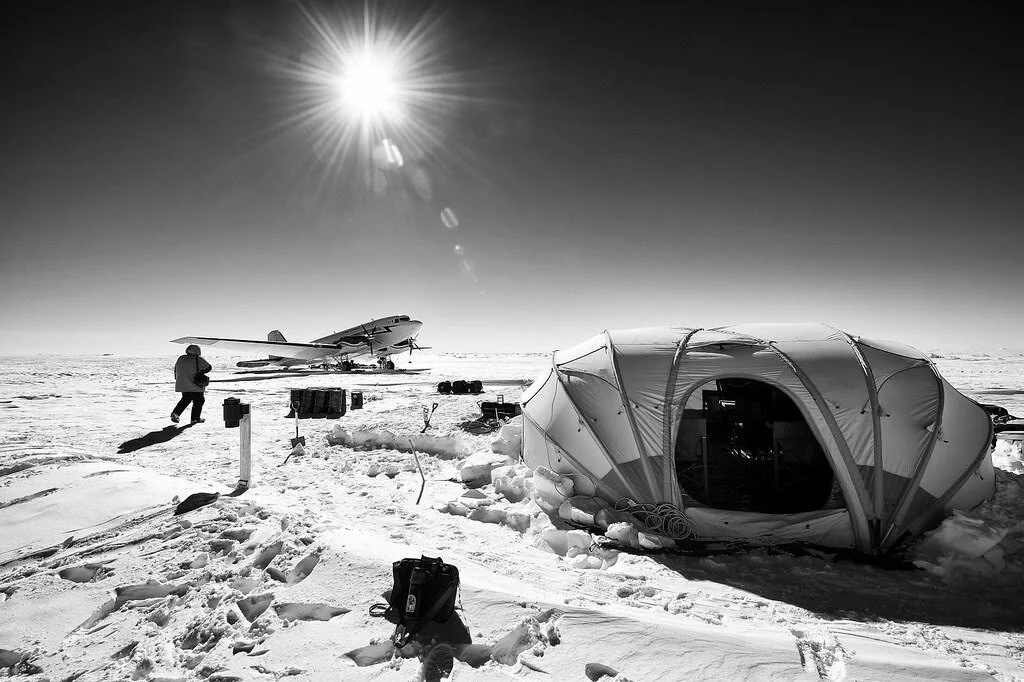
Life on the ice. Christopher.Michel. CC BY 2.0.

For the time being, however, the conflict over the Falklands is as frozen as Antarctica itself. Other territorial spats are unlikely to occur. Since explorers began mapping the continent, numerous nations have claimed it as their own. International negotiations over land claims in Antarctica culminated in the Antarctic Treaty System in 1961. It provided freedom of scientific research for all nations and banned military activity, mineral mining and nuclear waste disposal. 

Argentina’s new waters offer much more than the snowy lands of Antarctica. Commercial fishing is lucrative just off the British-controlled island of South Georgia. There, fishermen enjoy prime access to abundant schools of Patagonian toothfish, icefish and Antarctic krill. While the COVID-19 pandemic has stopped most tourism, Antarctica contains myriad natural wonders for tourists strong-willed enough to endure the frigid temperatures. 

For now, disputed waters in Antarctica are unlikely to ignite any conflicts. The regions are sparsely populated and for the most part strategically unimportant. Even the Falkland Islands, the flashpoint of the war with Britain, has only 2,500 residents.

Scientific research at the end of the world. NASA Goddard Photo and Video. CC BY 2.0.

In fact, the brave few Argentinians who currently live in Antarctica enjoy a unique perk: safety from the coronavirus. The 400 people from the country in Antarctica reside on the only continent without a single case of COVID-19. These scientists and soldiers conduct scientific research but with far less staff than in prior years. To prevent the spread of the virus, Argentina opted to send only 400 researchers rather than the usual 2,000. Every person sent will take a test and quarantine before traveling to Argentina’s facilities, and since they won’t have many medical resources, people will be evacuated at the first sign of infection. Argentinian researchers can rest assured, though, that their president believes they tread not on a foreign continent but on their own home turf.


Michael McMarthy

is an undergraduate student at Haverford College, dodging the pandemic by taking a gap year. He writes in a variety of genres, and his time in high school debate renders political writing an inevitable fascination. Writing at Catalyst and the Bi-Co News, a student-run newspaper, provides an outlet for this passion. In the future, he intends to keep writing in mediums both informative and creative.

Aotearoa: Reclaiming Maori Language and Identity in New Zealand 

Compared to Indigenous groups around the world, the Maori in New Zealand enjoy more agency because of the Treaty of Waitangi, a founding document that recognizes Maori ownership of land and their subsequent autonomy in the country’s government. However, some feel that more can be done to create a bicultural and celebratory society—one that puts the Maori language at the forefront. 

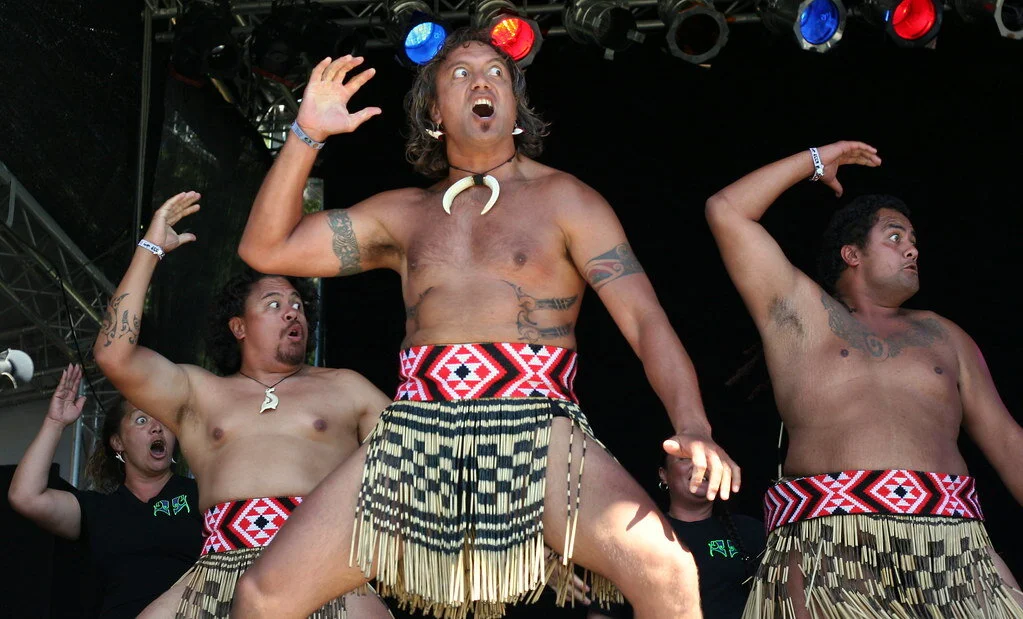
A performance of the haka, a traditional Maori dance. Matthieu Aubry. CC BY-NC-SA 2.0.

New Zealand is an island country known for its scenic views, its native kiwi bird and its iconic role as the fictional Middle Earth. The country, named Aotearoa (meaning “long white cloud”) in the Maori language, is also steeped in rich history and culture.

Before European settlement, New Zealand was home to the Maori, one of the region’s many Polynesian ethnic groups. According to their oral histories, the Maori first voyaged from present-day Tahiti. They arrived and began inhabiting Aotearoa as early as 1300 A.D. Once settled, the Maori formed tribal societies. Their culture revolves around respect for the natural environment. The Maori also possess elements of a warrior culture—they craft unique performative arts such as the haka, a war dance turned into a ceremonial celebration.

Although the first Europeans—Dutch navigators—made contact with the Maori in 1642, the Maori way of life was not significantly impacted until the late 1700s. With the arrival of British Capt. James Cook, the scramble for New Zealand ensued. As nearby French voyagers and ungoverned sealers and whalers reaped profits from the islands’ natural resources, the British moved to make New Zealand a colony in 1840.

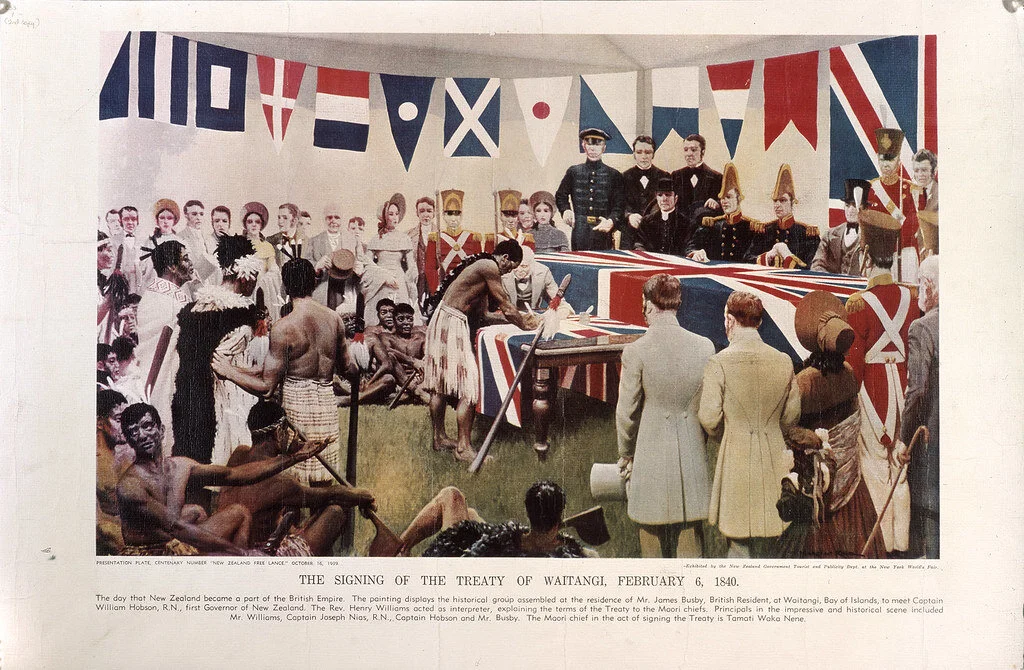
Reconstruction of the signing of the Treaty of Waitangi. Archives New Zealand. CC BY 2.0

In that same year, the Treaty of Waitangi was created. This artifact is not only recognized as a founding document but also as one that acknowledges Maori rights to the land. Despite its contentious nature, the Treaty of Waitangi is still considered a key success for the treatment of Indigenous people in New Zealand. In countries like Canada and Australia, Indigenous groups suffer a lower quality of life and enjoy less autonomy than their counterparts in New Zealand. These disparities can be traced back to the absence of a document acknowledging Indigenous people’s land rights. 

Although the status of the Maori in New Zealand may be considered a model for Indigenous treatment across the globe, there are still discrepancies that prevent them from fully embracing their dual identities. Though Maori is considered one of the national languages and has been celebrated every September since 1975, a national study found that only 148,000 people in New Zealand can hold a conversation in it.

In a piece for The Guardian, Leigh-Marama McLachlan explains her rejection of Maori culture to sustain success in New Zealand. She writes, “Back then, almost no one in my family spoke [Maori]. My grandmother was like so many Maori of that generation who were led to believe that our language would be of no use to their children.” Although McLachlan possesses some rudimentary Maori, she laments the overwhelmingly monolingual sentiment of the country.

The personal rejection of Maori culture can be traced back to the early stages of New Zealand’s modernization. In a 2015 study, Maori education professors Lesley Rameka and Kura Paul-Burke found that education for children dismissed the value of Maori. Textbooks failed to frame Maori history in a positive light, rendering the culture and language as “unintellectual, trivial and strange.”

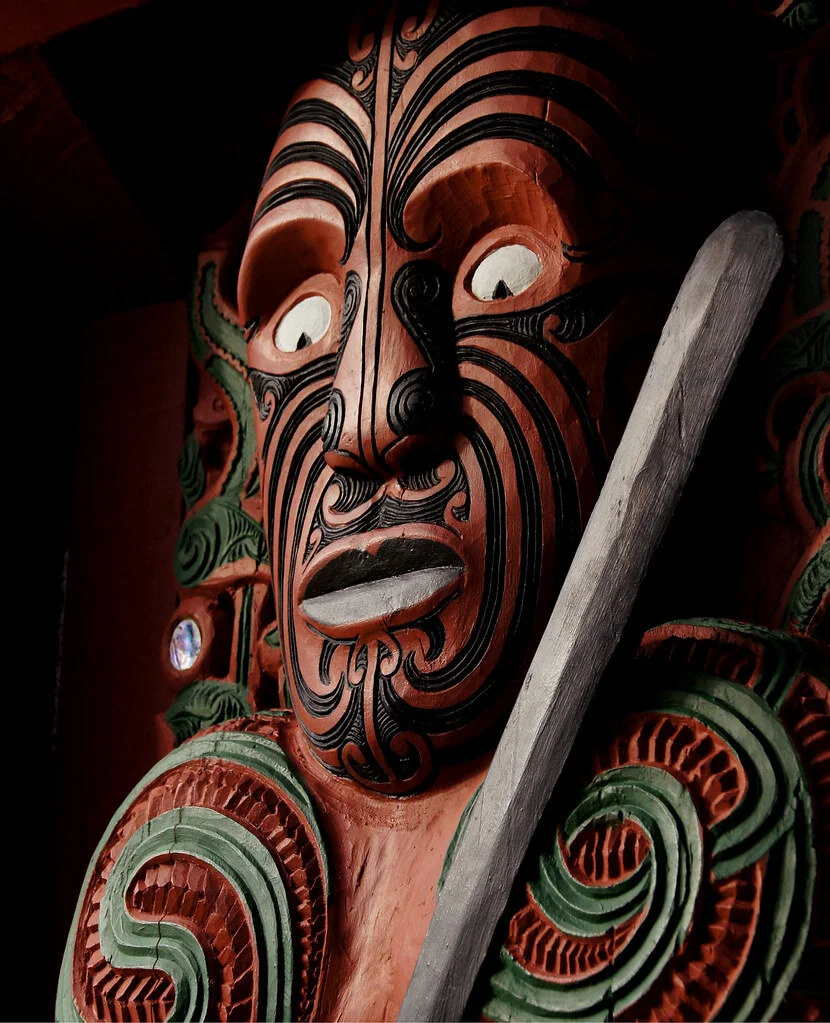
A Maori carving. Bernard Spragg.

Since the last Maori Language Week in September, some feel that it is time to restore places to their rightful Maori names. Since the protests against racial injustice in the United States, policymakers and stakeholders were forced to reexamine New Zealand’s racist past of colonialism and disenfranchisement. With an overall renewed interest in Maori rights and treatment, several telecommunications firms in the country have already changed their names to include “Aotearoa.”


Rhiannon Koh

Rhiannon earned her B.A. in Urban Studies & Planning from UC San Diego. Her honors thesis was a speculative fiction piece exploring the aspects of surveillance technology, climate change, and the future of urbanized humanity. She is committed to expanding the stories we tell.

Polish Leaders Reject Criticism of LGBTQ+ Policies 

50 ambassadors and international representatives published an open letter pressing Poland to work for the tolerance of LGBTQ+ people. Polish leaders responded by saying that the rights of LGBTQ+ Poles are not threatened.

Polish leaders denied that the rights of LGBTQ+ citizens have been restricted after an open letter from 50 ambassadors and international representatives expressed concerns over the policies of President Andrzej Duda’s government. 

The letter, posted on Sept. 27, asserts that Poland needs to work for “nondiscrimination, tolerance and mutual acceptance,” particularly in the education, health, social affairs, public service, public documents and citizenship sectors. It goes on to say that “human rights are universal and everyone, including LGBTI persons, are entitled to their full enjoyment” and affirms that “this is something that everyone should support.” 

Poland’s LGBTQ+ community has dealt with persecution from a number of sources, including the Catholic Church, local communities and the government. This summer, President Duda won reelection after campaigning against LGBTQ+ “ideology,” which he labeled as “more destructive” than communism. During his campaign, Duda agreed with another politician who claimed that “LGBT is not people,” but an ideology that threatens the young and those in traditional families.  

U.S. Ambassador Georgette Mosbacher, one of the letter’s signatories, tweeted a link to the letter with the caption: “Human Rights are not an ideology—they are universal. 50 Ambassadors and Representatives agree.” Joachim Brudzinski, of Poland’s ruling Law and Justice party, responded that “we in Poland also agree.” Brudzinski followed the statement with a call for a letter in defense of Christians, who he alleges have faced mistreatment. Poland is majority Catholic, and Christians are generally considered to not experience oppression. This summer, Brudzinski tweeted that “Poland without LGBT is most beautiful.” 

The rhetoric of Duda, Brudzinski and other politicians has led to a number of towns in conservative parts of Poland passing resolutions pronouncing themselves free of “LGBT ideology.” These towns, widely known as “LGBT-free zones,” house nearly 32% of Poland’s population, according to an LGBTQ+ rights group tracking the resolutions. 

Bart Staszewski, a Polish activist, protests these resolutions by briefly attaching a sign that reads “LGBT-FREE ZONE” in four languages next to the towns’ signs. He posts pictures of the signs on Instagram, often including an LGBTQ+ person from the town in his shot. Staszewski’s signs are a form of performance art that offers a visual representation of Poland’s anti-LGBTQ+ policies, which Staszweski and other activists say harm an already marginalized community. 

During a news conference in response to the open letter, Prime Minister Mateusz Morawiecki called Staszewski’s protests a “falsified reality” that presents LGBTQ+ rights in Poland as under attack. Morawiecki also addressed the ambassadors directly, saying, “To the dear ambassadors, I can only say that tolerance belongs to Polish DNA … Nobody needs to teach us tolerance.” He concurred with the letter’s claim that every person is entitled to the enjoyment of rights, but rejected the idea that LGBTQ+ Poles were being denied these. 

Poland is not particularly LGBTQ+ friendly, despite what its leaders have said in recent days. Members of the community are angry and fearful after Duda’s reelection on an anti-LGBTQ+ platform. Activists are currently advocating for legislation criminalizing hate speech based on sexual identity. The open letter praises the kind of work done by Polish activists, urging the government to support all people’s “fundamental rights.” 

Rachel Lynch

is a student at Sarah Lawrence College in Bronxville, NY currently taking a semester off. She plans to study Writing and Child Development. Rachel loves to travel and is inspired by the places she’s been and everywhere she wants to go. She hopes to educate people on social justice issues and the history and culture of travel destinations through her writing.

Algeria’s Relationship with the Media Grows Tense Amid Political Woes

On Aug. 10, Algerian officials sentenced journalist Khaled Drareni to three years in prison for reporting on the 2019 Hirak protests. Calling for the removal of Algerian President Abdelaziz Bouteflika, the Hirak pro-democracy protests were some of the largest anti-government demonstrations since the Algerian civil war in the 1990s. While the protests were successful in removing Bouteflika from power, Algerian activists are unsatisfied with the corruption that still drives the Algerian government. Drareni’s sentencing has amplified the divide between independent publications and state-run media, drawing attention to the censorship that Algerian journalists face.

Hirak protests in Algiers. Becker. CC BY 2.0.

From 1991 to 2002, Algeria was engaged in a civil war between the government and Islamist political groups. Throughout this unrest, journalists in Algeria explored the many human rights abuses present in the country. As the war began to resolve in 1999, Abdelaziz Bouteflika was elected president of Algeria. With his 2005 Charter for Peace and National Reconciliation, he offered amnesty to groups that committed violence between 1992 and 2006. While this charter protected many Algerians from prosecution, Bouteflika also used it to restrict the press from investigating human rights violations. 

Following the enactment of this charter, independent publications were allowed a modicum of freedom as they operated independently of the state. However, the divide between independent publications and the Algerian state-run media only grew as Bouteflika consolidated his power.

An Algerian soldier barricades a street. Magha Rebia. CC BY 2.0.

In recent years, as pro-democracy movements gain traction in Algeria, independent publications have generally been the only media covering the protests. With tensions between Algerian citizens and the government mounting over the past decade, independent publications have been increasingly villainized by the state. Using state-owned companies as leverage, the Algerian government has stripped most independent publications of their primary source of income—advertisements. 

Within the past year, multiple independent media outlets critical of the regime have been blocked, including Maghreb Emergent and Radio M. Reporters Without Borders, an international organization that works to protect freedom of the press globally, now ranks Algeria 146th out of 180 countries in the 2020 World Press Freedom Index, which evaluates the degree of freedom awarded to journalists. Algeria’s ranking in this index has dropped drastically in the past five years -- in 2015, Algeria was ranked 27 places higher. 


The imprisonment of Khaled Drareni only amplifies the harsh restrictions being gradually imposed on the Algerian media. In April 2020, Algeria passed a law criminalizing “fake news” to maintain “public order and state security.” This law increases the repression of journalists in an already corrupt state. With privately-owned media facing severe blockades, social media has become a driving force in disseminating information to young people across the country. Social media platforms have become a pivotal tool for activists, allowing them to coordinate nonviolent protests and spread news that is not aired on radio or television. This movement has encouraged reporters at state-backed media companies to resign and actively fight for marginalized voices to be heard. Algeria remains in a state of flux as reporters stripped of their formal platforms are actively working toward freedom of the press through alternative means of communication.

Sarah Leidich

is currently an English and Film major at Barnard College of Columbia University. Sarah is inspired by global art in every form, and hopes to explore the intersection of activism, art, and storytelling through her writing.