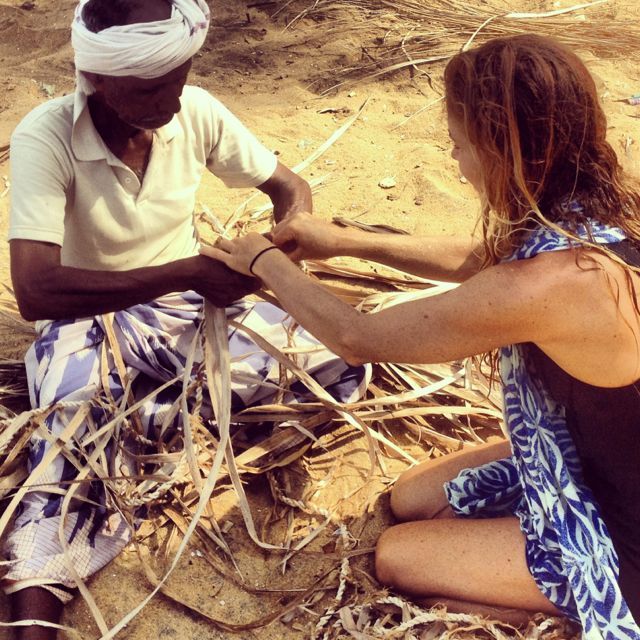
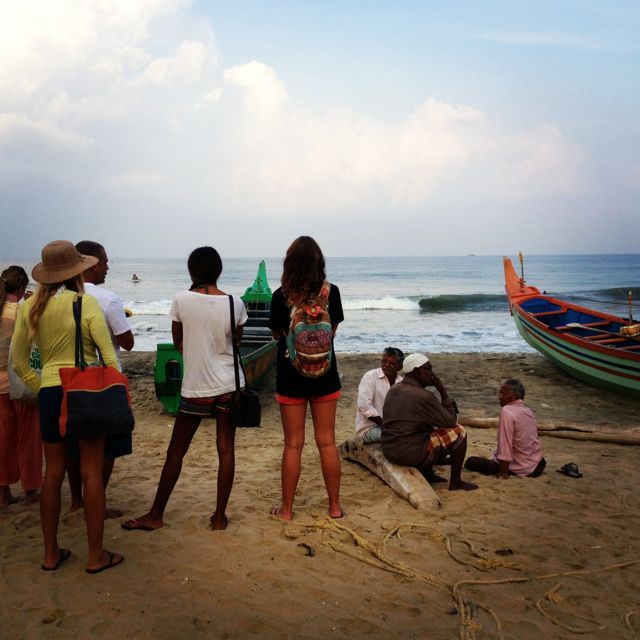
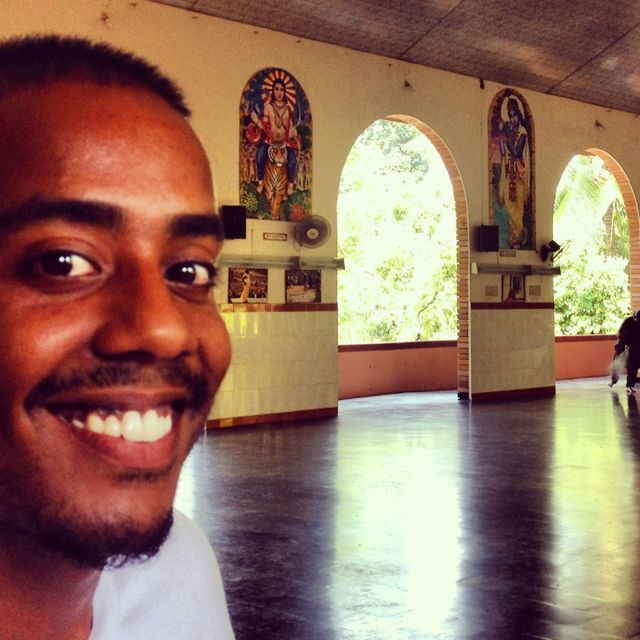
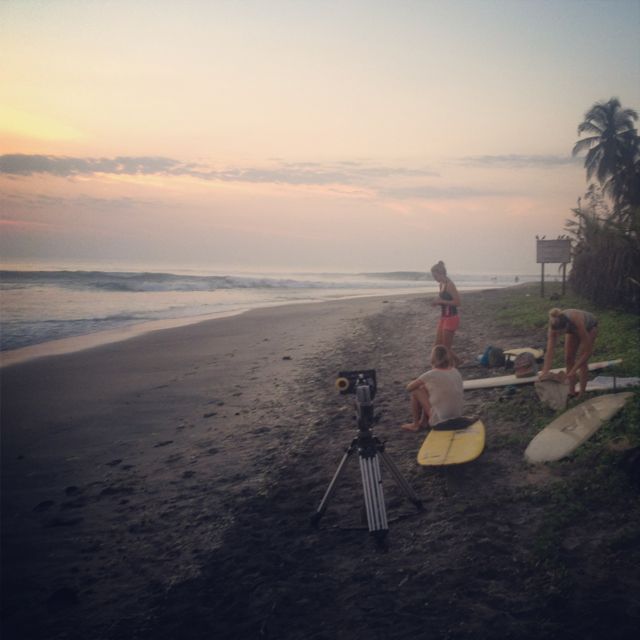
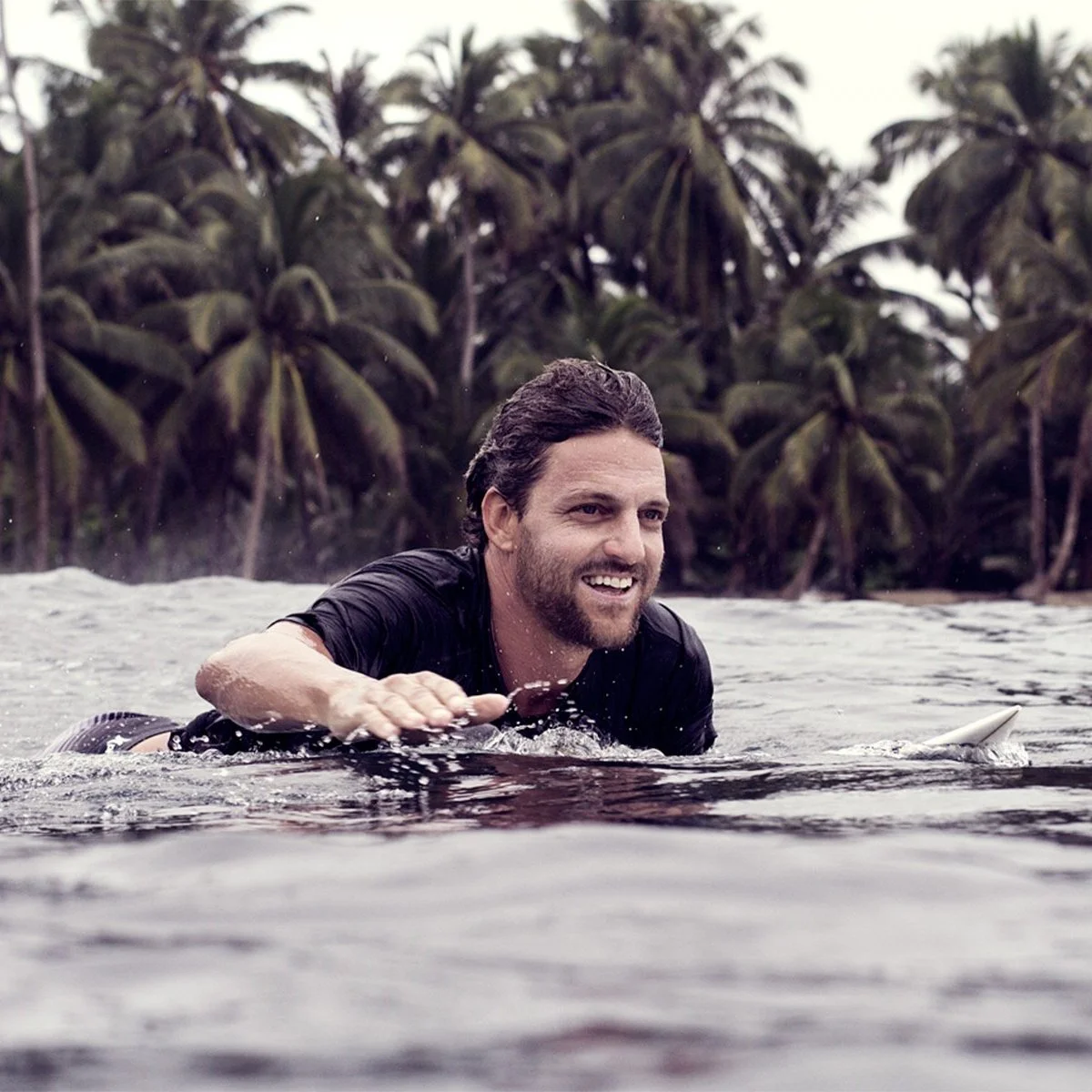
Filming "Beyond the Surface" in India

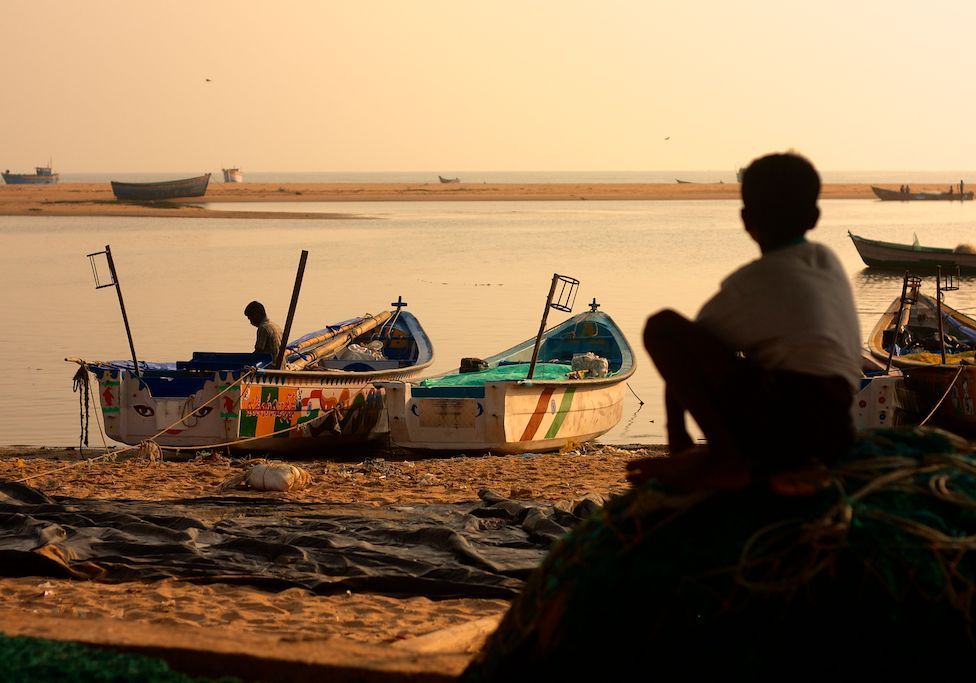
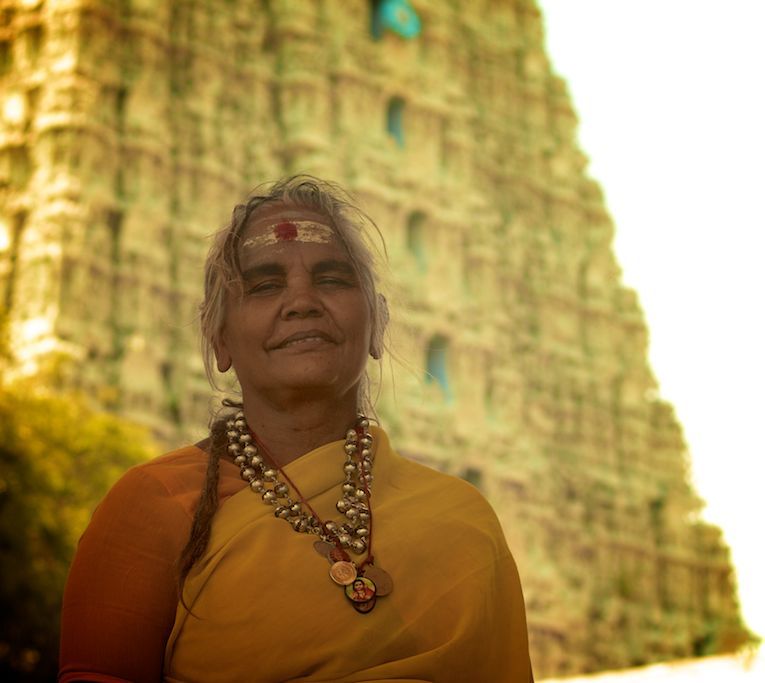
“Unite those with positive minds and compassionate hearts and good things happen…” I thought to myself, after meeting Emi Koch in San Diego and chatting with Crystal Thornburg-Homcy about her idea to make a unique surf film in India.
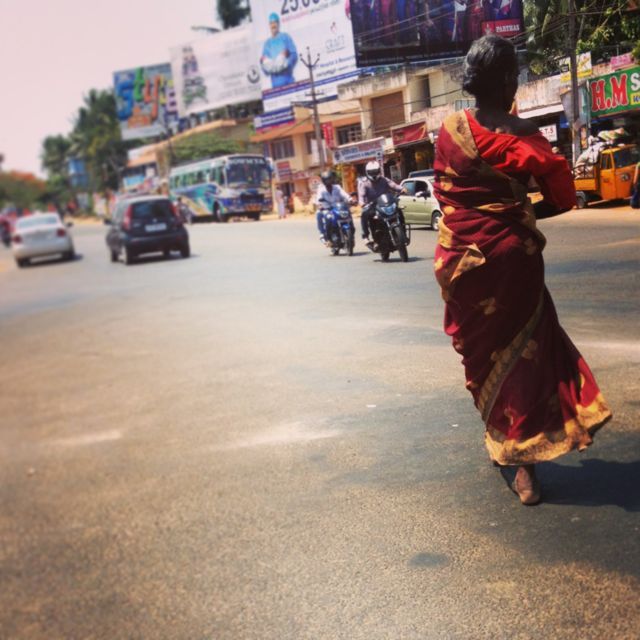

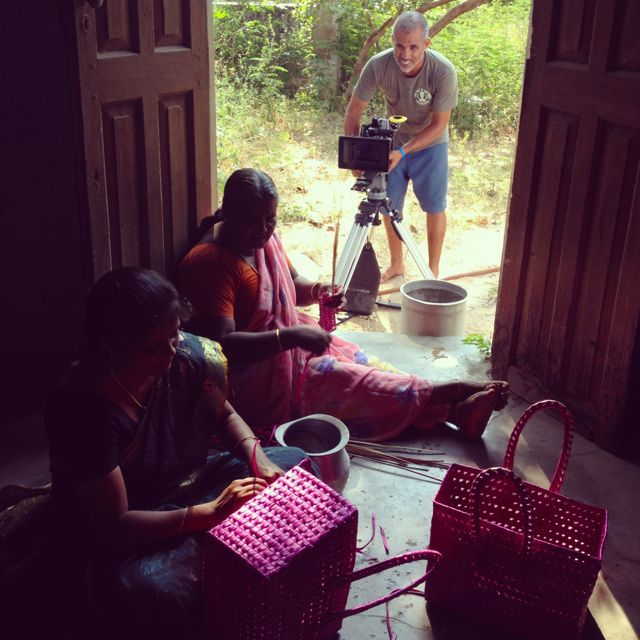
She and her husband, renowned filmmaker, Dave Homcy, planned to document Emi’s work in India under her NGO, Beyond the Surface International, and other inspiring cases of youth and women’s empowerment through surfing, yoga, and ecological creativity. 

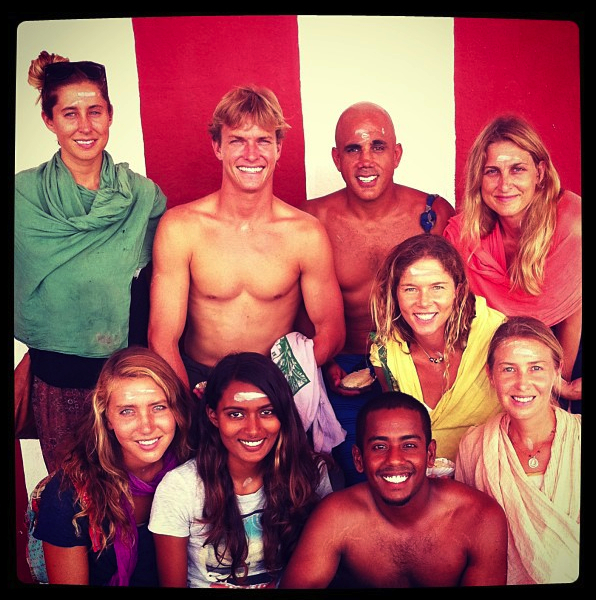
On a scouting mission, they serendipitously met Ishita Malaviya, India’s first female surfer and a powerful voice for Indian women, who happily agreed to accompany us on the adventure. Shortly after, Damian Handisides of Free Theo Productions joined the team and the project’s momentum became unstoppable. I was honored to be a participant, along with Lauren Hill who is the founder of The Sea Kin, and Kate Baldwin, yogini extraordinaire. 

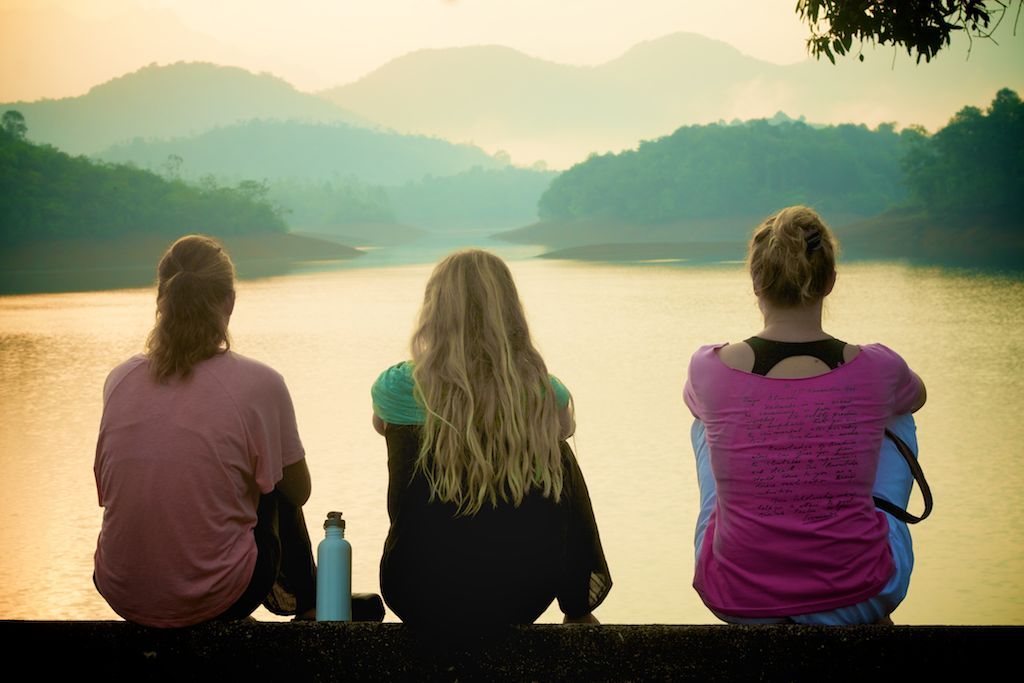
We all met in India from our various points on the globe this past April with the hope of exchanging light and love with the people we met along the way, especially those facing poverty, gender inequality, and social disparity. At the same time, the adventure would be a platform of growth for our own individual paths of self-realization. Our three unforgettable weeks were abound with surprises, beauty, surf, and new friendships while touring and filming in southern India. We explored together in search of a deeper connection to our fellow humans and Mother Nature.
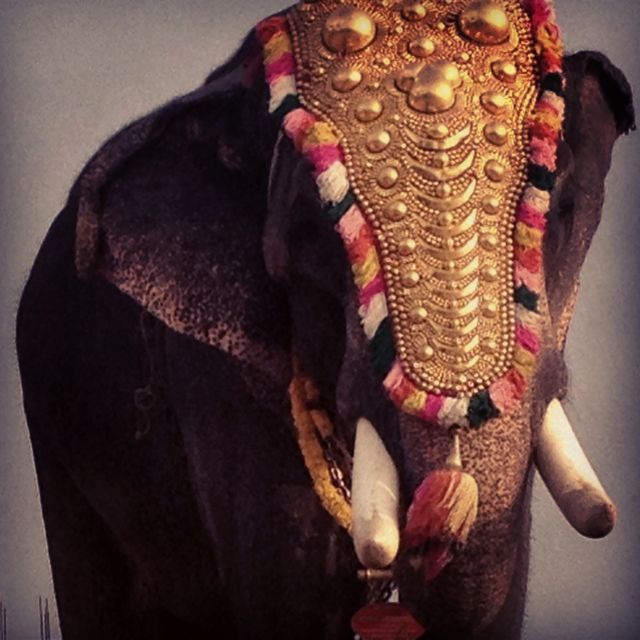
Learn more about Beyond the Surface here.


Liz Clark

Liz is a professional free surfer, writer, environmental activist and adventurer who has captained her 40ft sailboat, Swell, over 18,000 miles on a surfing expedition in the Pacific since 2005. Through her website/blog, she shares her journey with the world in an effort of inspire people to live out their passions, spend more time in nature, engage in self-awareness and personal growth, and develop a consciousness of their everyday planetary impact.

ART REVIEW: Ai Wei’s New Exhibit Highlights Activism and Mass Production

Not one to shy away from political statements, Chinese artist and activist Ai Weiwei’s recent exhibition questions mass production and highlights human rights tragedies around the world.

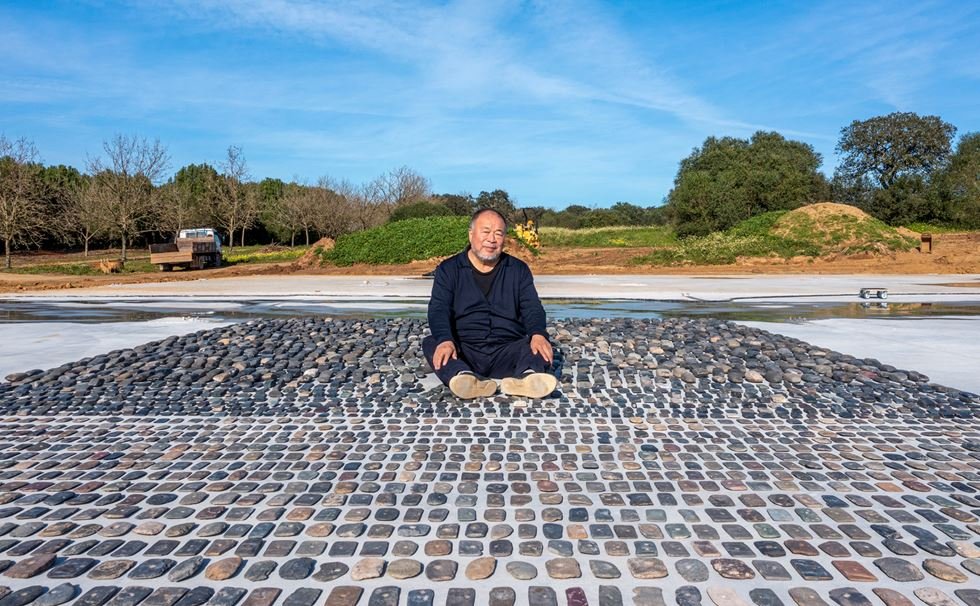
Ai sits atop “Still Life,” one of the works presented in Making Sense consisting of 1,600 tools from the late Stone Age. Ai Weiwei Studio. CC BY-NC 2.0

Internationally renowned Chinese artist Ai Weiwei is known for his ability to present political opinions and insights through artwork that relies heavily on everyday objects, and his latest exhibit is no different. Titled “Making Sense,” the exhibit, which has been on display at London’s Design Museum since April 7 and will remain there until July 30, includes a number of Ai’s decommissioned artworks as well as a handful of new pieces. This exhibit marks the first time Ai has offered commentary on the practice of design and what it means for the value society places on objects.

Ai Weiwei pictured talking to reporters outside of his studio soon after his release from detainment in 2011. Getty Images. CC BY-SA 2.0

While Ai is most widely known as an artist, he is also an internationally recognized human rights activist due to the strong political statements he makes both through his art and his speech. He has long been openly critical of the Chinese government’s stance on the democratic process and human rights, which led to a stint under house arrest in 2010. The government claimed that he had built his Shanghai studio illegally and scheduled it to be demolished, although many believed that this was simply an excuse to further crackdown on dissent.

Ai has also regularly conducted investigations into government corruption and scandals which were covered up, resulting in his arrest in April of 2011 due to “economic crimes”. He was detained for a total of 81 days without ever being charged, and upon release, was hailed as the father of modernism in China. His clashes with the Chinese government have meant that freedom of expression and free speech are central themes to a lot of his work, and he often tries to draw parallels between his experiences in China with what he sees happening in the US, Europe, and elsewhere.

Photographs from the “Study of Perspective” collection are displayed above the stone age tools. Ed Reeve. CC BY-NC-ND 2.0

In “Making Sense,” many of the works are large collections of objects both ordinary and rare, meant to probe his audience’s views on mass production and consumption, from lego bricks to stone-age tools, pottery shards to porcelain cannonballs from the Song dynasty (960 - 1279 CE). True to his activism, there are also a number of works highlighting various human rights and social justice issues, such as the poor response of the Mainland Chinese government after the Sichuan earthquake in 2008 and the ongoing refugee crisis in Southern Europe.

Among the decommissioned works in the exhibit is a collection of photographs titled “Study of Perspective,” in which only Ai’s hand is seen emerging from behind the camera, holding up his middle finger before a variety of backgrounds including the Eiffel Tower, Tiananmen Square, and the White House. Shot between 1995 and 2017, these photographs were meant to mimic those taken by tourists in front of these popular landmarks, while simultaneously presenting a sharp statement of opposition to the political institutions they represent.

A sea of donated lego bricks makes up the “Untitled (Lego Incident)” Work in the exhibit. Ed Reeve. CC BY-NC-ND 2.0

Another work, “Untitled (Lego Incident),” comprises hundreds of Lego pieces donated to Ai after Lego refused to sell him any of their products in 2014. He had been previously been using Lego bricks to create portraits of imprisoned human rights activists to display as part of his “@Large” exhibit displayed in the infamous prison on Alcatraz Island, but Lego blacklisted Ai, announcing that their products are not meant to be used for political messages. His response on social media resulted in these donations, with this exhibition the first time the Legos will be part of a formal production. This field of bricks lies in front of another Lego based artwork in which Ai has reinterpreted the famous Monet painting of water lilies, using over 650,000 individual bricks to create a wall piece which stretches for almost 50 feet (roughly 15.2 meters). 

Some of the works are of a much more personal nature, such as “Left Right Studio Material,” a carpet of blue glazed pottery shards leftover from when the Chinese government raided Ai’s studio in 2018 demolishing everything they could find. At the time Ai had been experimenting with the ceramics, trying to create the largest possible sphere that would fire in his kiln without shattering. One such bubble is visible to the right of the shards, a lone survivor of the studio raid. This work is one of a handful that speak to Ai’s fascination and appreciation of artisanal Chinese craftwork, porcelain making being among many that are quickly dying out thanks to automated mass manufacturing processes.

A close-up view of the porcelain teapot shards that comprise “Spouts”. Ian Mansfield. CC BY-SA 2.0

In this vein, the two works “Untitled (Porcelain Balls)” and “Spouts” also pay homage to Chinese porcelain, the former a field of over 200,000 porcelain cannonballs from the Song Dynasty; Ai was shocked by  the use of such a delicate material to make ammunition. The latter is a collection of over 250,000 porcelain spouts broken off of teapots that were not perfect enough to be sold. These massive collections have been curated by Ai himself since the 90s and aim to question how we decide what objects are worthy of value: each of the cannonballs or stone age tools could be placed in a museum given their historical significance, but Ai was able to find them for next to nothing in Chinese flea markets.

“Backpack Snake” (left) and “Life Vest Snake” (right) adorn the back wall of the exhibit. Ed Reeve. CC BY-NC-ND 2.0

Conversely, the two winding snakes on the back wall of the exhibit are dedicated to the victims of the Sichuan earthquake in 2008 and the refugees who lost their lives making the journey to Europe from Syria. Titled “Backpack Snake” and “Life Vest Snake” respectively, each work uses items the artist found at the site of both crises: children’s backpacks collected from the rubble of the earthquake and life jackets left on shores of Lesbos by Syrian refugees. Ai painted over and repurposed these objects into the two 55 feet (roughly 16.8 meters) long serpents, which, to Ai, symbolize the complexity and unpredictability of crises both natural and man-made.

As of 2021, Ai has been living in Portugal and is still working in his new home in Montemor-o-Novo, a small countryside town near the Southwest Coast. His new work continues to draw inspiration from his Chinese roots as he collaborates with local ceramicists and porcelain makers to produce new art.


Tanaya Vohra

Tanaya is an undergraduate student pursuing a major in Public Health at the University of Chicago. She's lived in Asia, Europe and North America and wants to share her love of travel and exploring new cultures through her writing.

Kazakhstan's Journey From Nuclear Devastation to Disarmament

The harrowing story of Soviet nuclear testing in Semipalatinsk, Kazakhstan, and the wrangling with its legacy.

The center of the Semipalatinsk nuclear test site.Alexander Liskin.CC BY-SA 3.0.

It was the summer of 1953. Valentina Nikonchik was outside playing in Semey, a village in eastern Kazakhstan, then part of the Soviet Union. The ground suddenly trembled, and the air filled with a deafening boom that shook Nikonchik to her core. Little did she know that she had witnessed the first detonation at “the Polygon” of a thermonuclear device, a monstrous weapon of mass destruction that released a force equivalent to 400 kilotons of TNT.

West of Nikonchik’s hometown of Semey lies Semipalatinsk, the testing location where the Soviet Union’s nuclear visions were accomplished. A once-thriving region, now a desolate wasteland, has a dark history. In this Central Asian Soviet Republic, the Soviets conducted nearly 400 nuclear tests, blasting a lethal storm of radioactive isotopes into the environment and soil from 1949 to 1989. Even now, the consequences of these tests are still felt, with environmental damage and public health risks ongoing in the area. 

At a conference commemorating the ninth anniversary of the Nevada-Semipalatinsk movement, the first anti-nuclear protest movement in the USSR, statistics showing that between 500,000 and 8 million people were directly impacted by the test site’s operations were presented. The detonations, with their tragic and predictable repercussions, represent one of the twentieth century’s major ethical violations. Altogether, the total force of the nuclear explosions at Semipalatinsk equals more than 2,500 Hiroshima bombs. The long-term health effects for the region were harrowing, including an alarming spike in health issues such as miscarriages, birth deformities, and suicides blamed on “unsanitary conditions” in the area by Soviet military scientists in the following decades. What is so disturbing about these dismissals is that the same medical professionals had been performing creeping radiation tests on the villagers for years. 

The testing site, despite being uninhabited, is encircled by villages, and the major hub of Semipalatinsk lies just 160 km away. But the testing was kept secret, known only to top Communist Party officials, while anyone who spoke out against the detonations was immediately silenced. Russian scientists confessed that they failed to follow burial and nuclear material protection protocols, as they thought that no one would be in the area. The newly independent Kazakh government officially acknowledged 1,323,000 people as negatively affected by nuclear testing in 1992. However, just 1,057,000 of them received radiation passports, leaving over a quarter of those affected without the requisite documentation. From 2003 to 2017, a $30.5 million reimbursement was intended to give relief to over 700,000 passport holders. Divided between them, a pittance of only only $40 was allocated to each individual each year.

Map of Semipalatinsk Nuclear Test Range, Area “N”. Martin Trolle Mikkelsen.CC BY 2.0.

In 1990, a year before independence, the International Physicians for the Prevention of Nuclear War (IPPNW) and Kazakh poet Olzhas Suleimenov’s Nevada-Semipalatinsk Movement banded together and pushed Soviet leader Mikhail Gorbachev’s to issue declaration of a nuclear testing moratorium. Kazakhstan seized the opportunity to declare independence the same year and promptly closed down the infamous Semipalatinsk plant. Then, the nation went further, renouncing its inherited position as the world's fourth-largest nuclear weapons owner, and relinquishing its stockpile.

Despite this, the inhabitants go about their regular lives, seemingly unaware of the danger that surrounds them. They swim and fish in the lakes, graze their herds and pick wild strawberries all while being exposed to the poison lurking in the ground and air. However, the danger does not end there. The area will remain a bleak wasteland for millennia, poisoned with plutonium, strontium, and cesium, unfit for human habitation. Residents continue to graze their animals and collect contaminated scrap metal on the polluted land as the 7,065 square mile region is devoid of barriers, fencing, and warnings reminding people of its radioactive status.

Semey, once a thriving city, has suffered the brunt of the devastation. While acute blasts of radiation produced immediate harm, repeated modest doses of radiation over time can accumulate to cause great damage. The wind on the Kazakh steppe has brought the radioactive fallout to nearby settlements, amplifying the impact. The repercussions of nuclear testing have been passed down to future generations as a result of radiation-induced mutations in the population’s chromosomes. As a result, the region’s life expectancy is seven years lower than the national average due to a rise in the prevalence of cancer, thyroid sickness, and birth abnormalities. Tolkyn Bulegenov, Vice President of Semey Medical University, confirms that “in the zones adjacent to the test site, one can encounter 10 to 15% more malignant thyroid and blood malignancies - hematological blastoma, leukosis, lymphoma, and chronic leukemia - than in other regions of Kazakhstan.”

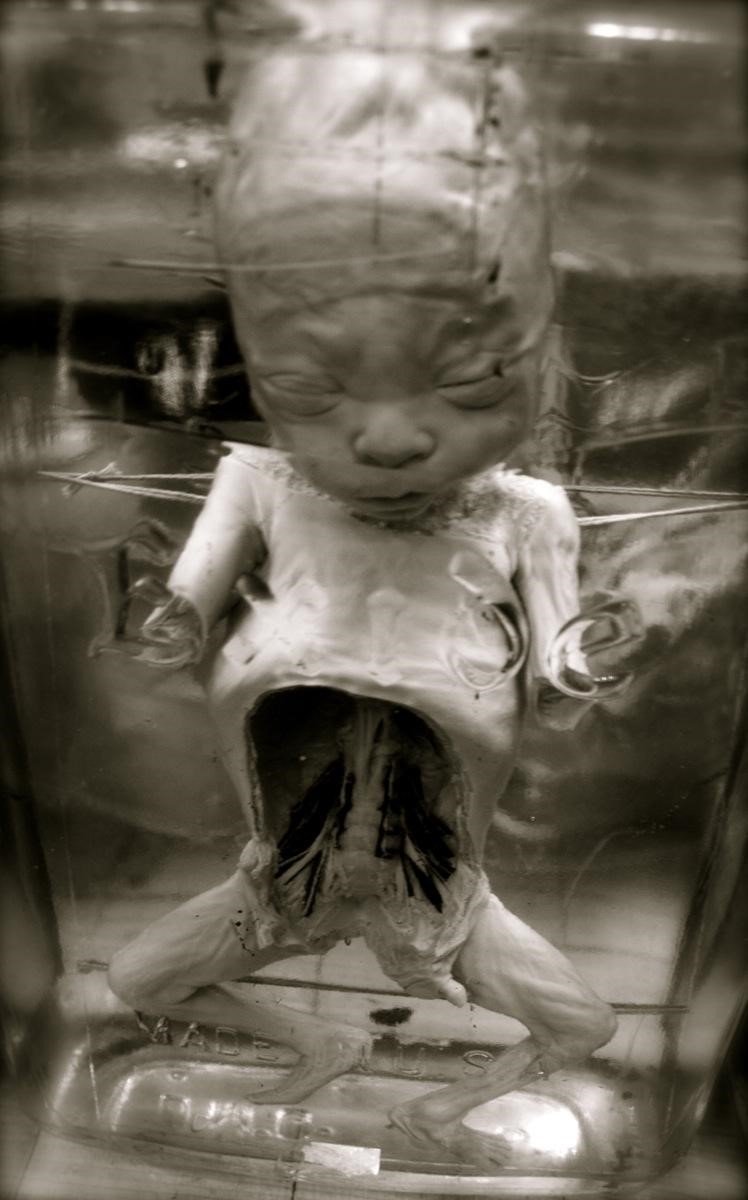
Semipalatinsk Nuclear Test, the effect of radiation on the fetus. Perrona Patrick André Perron.CC BY 3.0.

The late 1980s saw a glimmer of hope for the people of Kazakhstan. As the world was introduced to Gorbachev’s nuclear testing moratorium, the Nevada-Semey movement was born on Kazakh soil with a mission to shut down the Semipalatinsk polygon. Kazakhstan destroyed its inherited weapons testing infrastructure and disposed of the remaining vulnerable nuclear material with the cooperation of foreign partners, including the United States.

On August 29, 1991, President Nursultan Nazarbayev signed the proclamation closing the test site, popularly known as the Polygon, which marked a watershed point in Kazakhstan’s recent history. As part of the Nunn-Lugar Cooperative Threat Reduction Program, the United States collaborated with Kazakhstan between 1995 and 2001 to seal 13 boreholes and 181 tunnels at the test site. From 2012 to 2019, the National Nuclear Security Agency and the Netherlands led two major radiological security operations in Kazakhstan, securing approximately 13,000 radioactive sources from the National Nuclear Center and the Mangystau Atomic Energy Complex. Kazakhstan confirmed its commitment to a nuclear-free world in 2021, in accordance with the Treaty on the Prohibition of Nuclear Weapons.

Kazakhstan’s commitment to disarmament has allowed the nation to serve as an example of a responsible state that has relinquished its nuclear weapons, setting a global precedent for responsible statehood. Kazakhstan has created an environment conducive to the formulation of a multifaceted foreign policy by abandoning its nuclear weapons and closing the world's most extensively used nuclear test site, allowing the country to collaborate with China, Central Asia, Europe, and the United States. While each nuclear-armed state faces unique problems, Kazakhstan’s peaceful approach to disarmament has encouraged many, and its lessons serve as a guide for other countries seeking a similar path.

TO GET INVOLVED:

The Nuclear Threat Initiative (NTI) is a nonprofit global security organization focused on reducing nuclear and biological threats imperiling humanity. You can learn more about NTI and its records on nuclear disarmament in Kazakhstan here.

Togzhan Kassenova’s Atomic Steppe: How Kazakhstan Gave up the Bomb explains Kazakhstan’s denuclearization process in detail. Kassenova’s book explains how Kazakhstan’s leadership considered security interests as well as economic, political, and diplomatic priorities when making the decision to give up nuclear weapons. You can learn more about Atomic Steppe on Amazon here.


Hope Zhu

Hope is a Chinese international student at Wake Forest University in North Carolina studying sociology, statistics, and journalism. She dreams of traveling around the globe as a freelance reporter while touching on a wide range of social issues from education inequality to cultural diversity. Passionate about environmental issues and learning about other cultures, she is eager to explore the globe. In her free time, she enjoys cooking Asian cuisine, reading, and theater.

Japan’s Population Crisis Hits a Record Low

Japanese birth rates are falling exponentially, and it could have major effects on the country’s economy. 

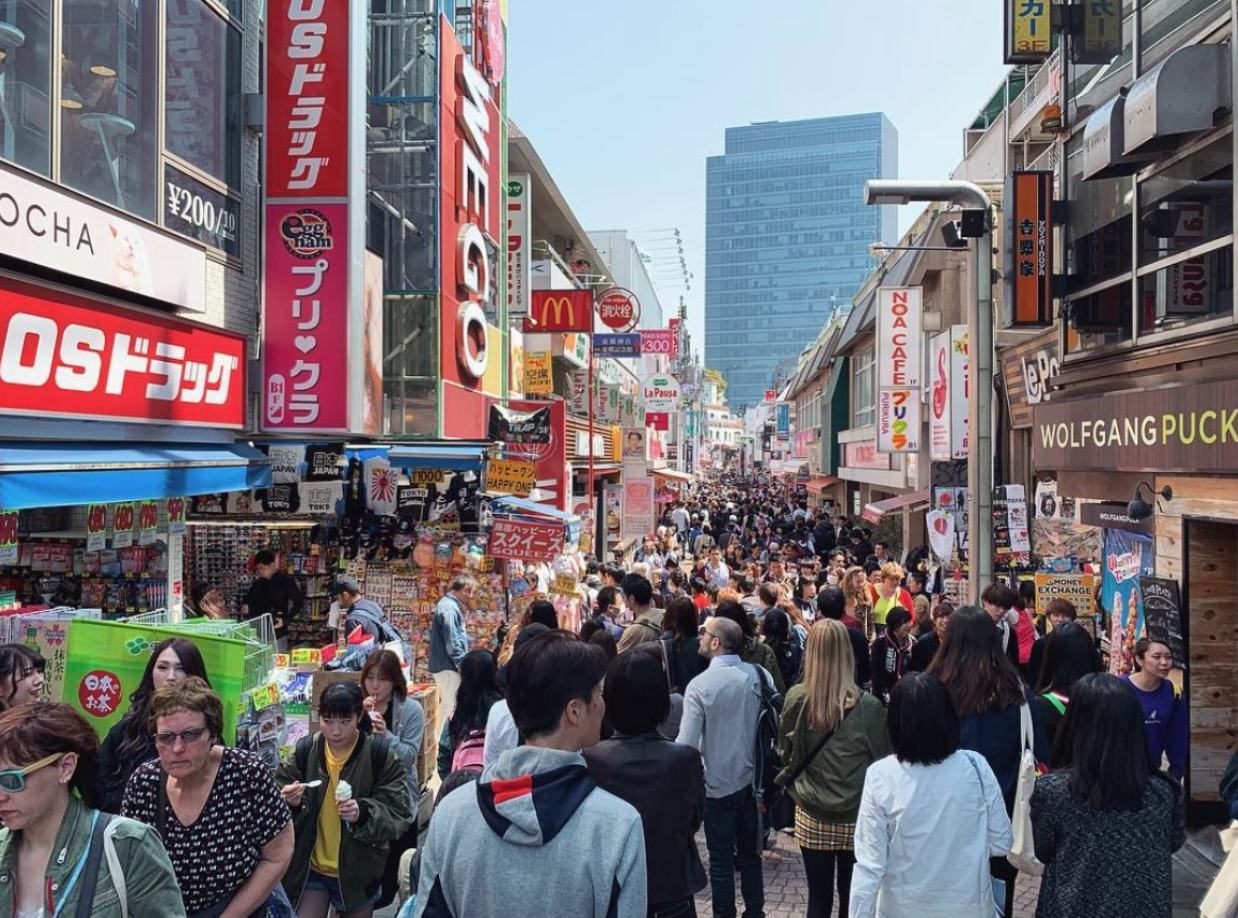
Harajuku District in Japan. @paulkrichards. Instagram

Many around the world consider Japan a futuristic country, a view drawn from its creative technology and its unique culture. A popular destination for tourists all around the world, this East Asian country makes up 1.6% of the world’s population with its approximately 125 million residents. 

However, this number is set to rapidly decline as Japan teeters on the precipice of a population crisis. Its Prime Minister has issued a dire warning, saying that the country is “on the brink of not being able to maintain social functions” due to the falling birth rate. Japan has one of the highest life expectancies in the world, which means that most will grow old and require care from others, but the workforce is shrinking as  aren’t enough young people to fill the gaps in Japan’s stagnating economy.

Why is this? To use simple terms, Japanese people are having fewer babies. Women are postponing their marriages and rejecting traditional paths to focus on their professional lives, and the percentage of women who work in Japan is now higher than ever. However, there are also fewer opportunities for young people, especially men, in the country’s economy. Since men are still widely viewed as the breadwinners of the family, a lack of good jobs would also mean the men would avoid having children — and settling down — knowing they can’t afford it. With Japan’s high cost of living, it adds more reason for couples to steer clear of having a family.

The problem has only gotten worse since the Covid pandemic. In 2021, the birth rates in Japan declined to around 805,000 — a figure that was not expected until 2028. With much of the population choosing to focus on their careers instead, this number will only continue to fall. 

In the early stages of the pandemic, there were jokes circulating that the lockdowns would cause another baby boom. However, the opposite came true. Japan experienced a reduction in birth rates, as well as other countries such as Taiwan and China — to an estimated 1.07 children per woman.

Japan’s population pyramid in October 2021. Kaj Tallungs. CC BY-SA 4.0 

There are more and more elderly people in the country and not enough working-age adults to support them. The economy is at risk. But Japan’s Prime Minister Fumio Kishida promises to combat the low birth rate.

With Japan “standing on the verge of whether we can continue to function as a society,” Kishida urges the national government to focus on policies regarding children and ramp up child-related programs, saying it “cannot wait and cannot be postponed.” He wants the government to double its spending on child-related programs and in April, he will launch a new Children and Families government agency to help in the endeavor.

This agency will unify policies across multiple government ministries to better deal with issues that concern children, such as declining birth rates, child poverty, and sex crimes. Kishida has plans to double the budget if necessary, without elaborating.

In the mid 1990s, the Japanese government launched a series of programs addressing their country’s low fertility, hoping to provide parenting assistance through increasing provision of childcare services and advocating for a better work-life balance. And in the 2010s, fertility policies were incorporated into Japan’s macroeconomic policy, national land planning, and regional and local planning.

Despite all these efforts, however, Japan’s goal to boost population remains unsuccessful. By forming the new agency, Kishida hopes these problems will be taken more seriously.

One thing remains clear, though — Japan is facing a population crisis. And if birth rates keep falling, the country’s economy will struggle under its effects.


Michelle Tian

Michelle is a senior at Boston University, majoring in journalism and minoring in philosophy. Her parents are first-generation immigrants from China, so her love for different cultures and traveling came naturally at a young age. After graduation, she hopes to continue sharing important messages through her work.

Underground Schools for Women and Girls in Afghanistan

The Taliban reconquest of Afghanistan brought an education ban for women and girls, but secret schools have emerged.

A burqa-clad woman in Kabul in September 2021, Milad Hamadi for the Tasnim News Agency. Public domain, via Wikimedia Commons

The life of every Afghan citizen changed on August 15, 2021, when Taliban forces seized the capital city of Kabul and, for the first time in decades, were able to impose the group’s severe intolerance on the whole nation. Those most affected have been young girls and women, who are limited in going about their daily lives and barred from many activities that they previously were able to enjoy freely. As the Taliban continue to ban women from  schools and universities, a new generation of young Afghan girls are left wondering what their future will look like. Recently underground school operations have opened up, taking place both virtually and in person, allowing many Afghan girls the ability to continue their education despite the repression, keeping hope alive in a society that faces deep political and societal challenges.

According to the Taliban’s Minister for Higher Education, Neda Mohammad Nadeem, women are not allowed to go to school because they weren’t following the rules of how “proper ladies” should act in a public setting, including not adhering to the Emirate’s strict dress code. However, this issue transcends  the regime’s hijab policy. The Taliban use religion to justify their strict policies, arguing that it goes against Islamic principles to have girls and women go to school, even stating that the sciences as a whole are no place for them. The Taliban is able to impose its own interpretation of Sharia Law, the traditional Islamic legal code, which is known for including strict guidelines for how girls and women should live. Many professional Muslim scholars have rebutted the Taliban, asserting there is no justification for banning women from having an education, including that “gender-based denial of education has no religious justification.”

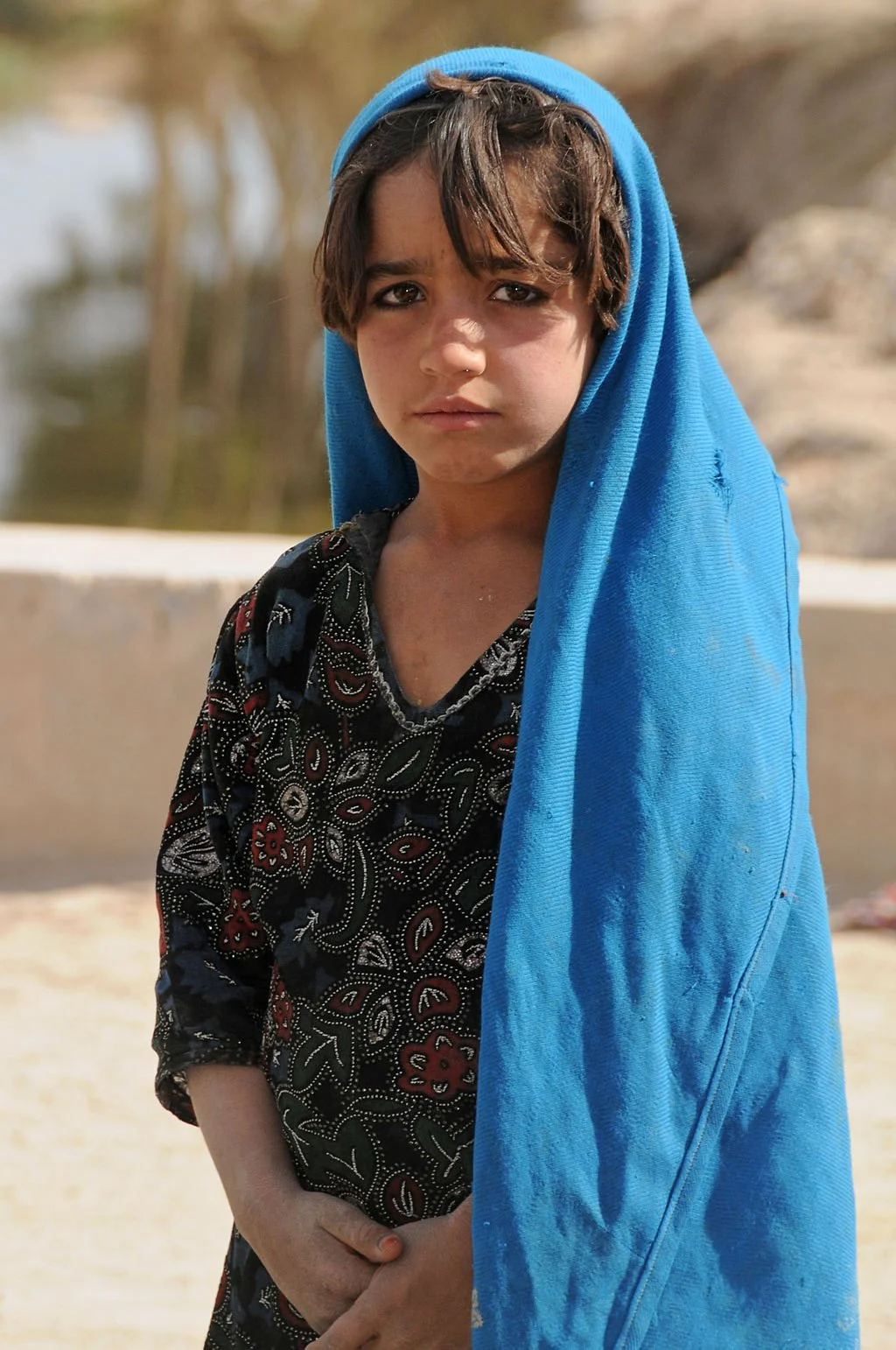
An Afghan girl in Oruzgan Province, John Scott Rafoss. Public domain, via Wikimedia Commons

Despite these obstacles, women and young girls across Afghanistan are fighting for their rights not only to obtain a just education, but to be recognized as important parts of society and claim back their dignity and honor. In an effort to help girls achieve their dreams and achieve literacy, underground schools have started taking shape across the nation, even holding virtual classes. In order to keep an entire generation of young girls thriving, parents are finding alternative means, going as far as risking their lives to create a hidden education system that will serve as primary education and even providing university level courses for older students. One of the pioneer women behind this movement, Sodaba Nazhand, told The Associated Press that “when the Taliban wanted to take away the rights of education and the rights of work from women, I wanted to stand against their decision by teaching these girls.” 

While girls and women are able to pursue knowledge and obtain skills through these underground schools, there is much fear among family members and the students themselves, who know the consequences of getting caught disobeying the Taliban. Several of these schools are held virtually for safety and easier access, although not everyone has access to electronics or wifi. Taliban rule has led to  widespread poverty across Afghanistan, leaving families and individuals unable to support themselves economically, making internet access unattainable for many. Some schools have even begun to be held in person, as houses become secret classrooms. Nafeesa is a young girl that attends an underground school in her small, rural village in the Eastern part of the country. When asked by reporters how she is able to get away with attending a secret school, she said that “Boys have nothing to do in the kitchen, so I keep my books there. If my brother comes to know about this, he will beat me." Despite the fear that she feels in going against rigidly enforced new social norms, Nafeesa and many others continue to defy the status quo to make a better future for themselves, using education as a portal to freedom. 

TO GET INVOLVED

Women For Women International - Women For Women has created an Afghanistan program to help women in the nation discover their power and ways they can pursue a brighter future ahead. For more info, click here.

Malala Fund - Malala Yousafzai has created an Afghanistan fund that provides on-the-ground support to help young girls access education. To learn how you can donate, click here.


Kimberly Hidalgo Hernández

Having obtained a MA in International Policy, Kimberly seeks to bridge the gap between global development and government legislation. Growing up between the United States and Spain, she believes that travel is the best way to discover yourself and understand the world. Her goal is to promote a deeper awareness of the effects of climate change in society and politics.

Life is Getting Harder For LGBTQ+ in China

China has had its reservations about the LGBTQ+ community in its recent history, but under Xi Jinping’s rule only traditional heterosexual values are accepted.

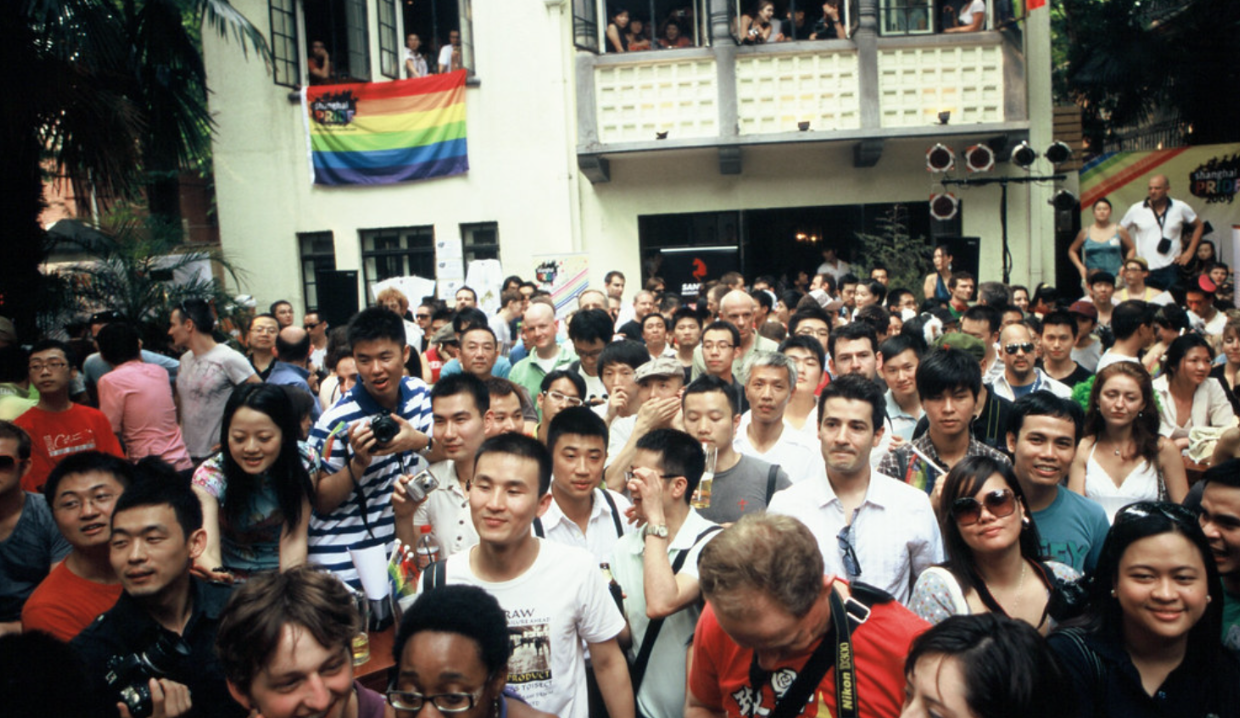
Shanghai Gay Pride 2009. Kris Krug. CC BY-SA 2.0

The LGBTQ+ community has never had it easy in China — from constant surveillance and intimidation to censorship and even police detention, the community has been met with constant repression. 

There was a period in the early 2000s, however, when it seemed as if things might have been changing. Gay clubs were flourishing, and there was a feeling of acceptance that came along with increased social services. Those days are gone, and the reality has become quite different under the rule of President Xi Jinping as China slowly becomes a more conservative country.

But it hasn’t always been like this. While many believe heterosexual traditions have been a hallmark of Chinese culture throughout history, this was not the case before the 19th century: centuries ago homosexuality wasn’t just accepted, but celebrated. One text entitled, “Passions of the Cut Sleeve” depicted an emperor and a servant sharing a bed. The emperor wanted to get out of bed, and to avoid disturbing the servant’s sleep, the emperor cut the sleeve the servant was resting on. While this act could be interpreted differently, the standard interpretation is that  it was done out of love.

This work was celebrated by scholars and is proof that the intolerance of homosexuality has never been a traditional aspect of Chinese culture. But when Communist Party Chairman Mao Zedong rose to power later on in the 20th century, there was a sudden shift in attitude. 

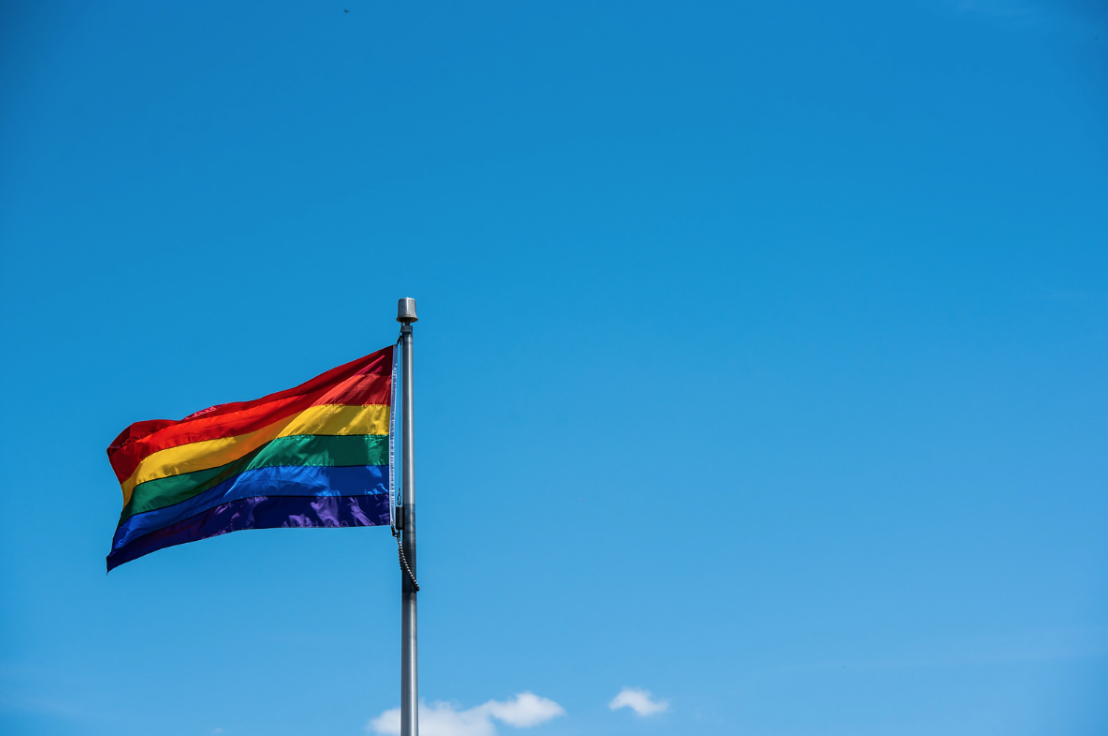
LGBTQ Flag. Pacific Northwest National Laboratory - PNNL. CC BY-NC-SA 2.0

He encouraged China to embrace modernity. That meant exposing the country to Western culture, which also included exposure to Western concepts of sexuality and, therefore, Western homophobia. Mao imported the notion that homosexuality was an illness and that same-sex attraction was a mental disorder that needed to be cured. Up until 1997, men caught engaging in homosexual acts could be persecuted with charges  of “hooliganism,” a crime that that offended against public order.

Today being gay is not illegal in China, but that doesn’t mean the negative stigma around homosexuality has changed. When Xi Jinping became president in 2012, the old Western-inspired values on what a family should look like have come to dominate society once again, to the point where the pressure to remain in the closet became almost unbearable.

There are many people in the Chinese LGBTQ+ community who refuse to fake their “straightness” and have therefore left their homeland. This is known as “sexual migration” and mostly occurs due to both external and internal pressures. 

Internet platforms have also stepped in to enforce the party line. The popular TV show “Friends” had a plotline involving main character Ross’ lesbian ex-wife which has been censored in China, along with any other mentions of the LGBTQ+ community and sex. The gay-dating service app Grindr has also been removed from China’s Apple app store. 

China is growing more suspicious and even hostile to homosexuality, labeling it as a “Western influence.” Being bisexual, gay, or trans is ironically seen as a Western  import and is increasingly not accepted. Homosexuality may have been decriminalized in 1997, but is still very much confined to the shadows.


Michelle Tian

Michelle is a senior at Boston University, majoring in journalism and minoring in philosophy. Her parents are first-generation immigrants from China, so her love for different cultures and traveling came naturally at a young age. After graduation, she hopes to continue sharing important messages through her work

Macaque Monkeys Attack in Yamaguchi, Japan

Macaque monkeys, previously peaceful residents of Yamaguchi, Japan, began targeted attacks in July. 

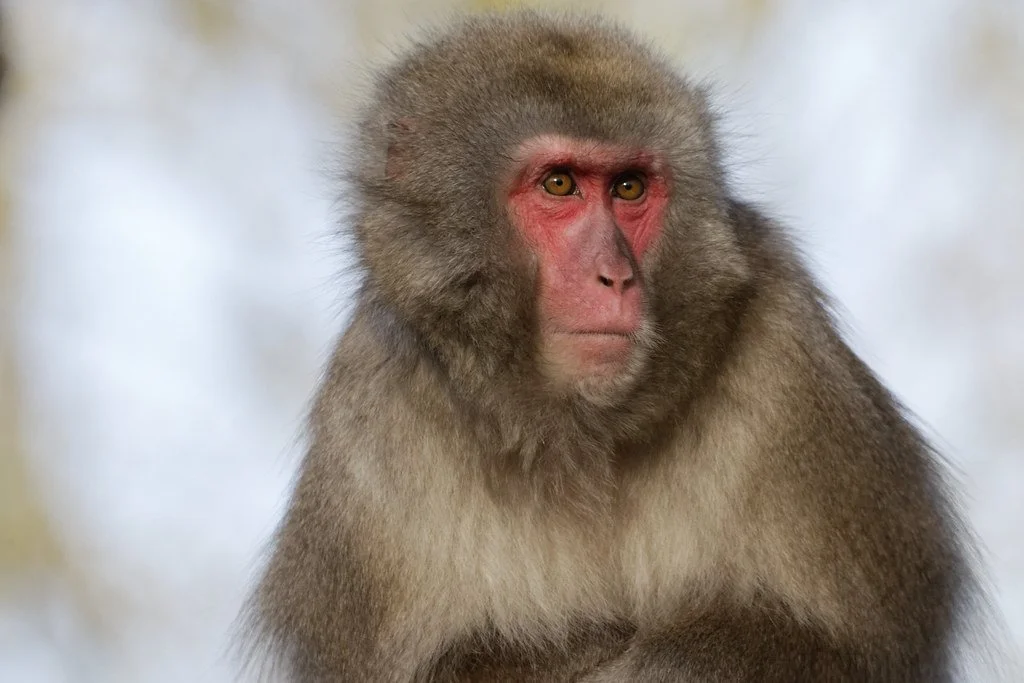
Japanese macaque. Zweer de Bruin. CC BY-NC-ND 2.0. 

The city of Yamaguchi, Japan boasts historic temples, invaluable art, stunning gardens and macaque monkeys. Macaque monkeys have lived in highly populated areas of Japan since as early as the 1600’s, and up until recently, Japanese macaques have had very few concerning interactions with people.

However, since July 8th, more than fifty people in Yamaguchi have been attacked by the monkeys. City officials and experts say nothing like this has ever happened, and they even initially thought it was only one crazed monkey committing all of the attacks. But even after the monkey in question was euthanized, the attacks continued, leading the city to realize that an entire band of monkeys had inexplicably started attacking humans after years of peaceful  coexisting. Fortunately, as of late July, no serious injuries have occured, but city officials have taken to tranquilizing threatening macaques, as they are not deterred by food or traps. 

What makes these unprecedented attacks even more puzzling is the fact that they seem very coordinated, with an explicit goal, even if that goal is unclear to the people of Yamaguchi. While minor injuries have resulted from the attacks, some of the attacks appear to be attempted kidnappings. Additionally, the monkeys began by targeting primarily young children and older women. While over the past few weeks they have begun attacking adult men as well, these demographics are so specific that it begs the question: what is their intent? Unfortunately, no one knows yet. 

A mother in Yamaguchi recalls a monkey having broken into her home, and attempting to drag her child away. She noted that the monkey tried to take the child with it. The monkeys have been entering homes, and even lurking outside of nursery schools. While there have been occasional macaque attacks in the past, they primarily live in harmony with humans, and a planned effort like this is unprecedented. 

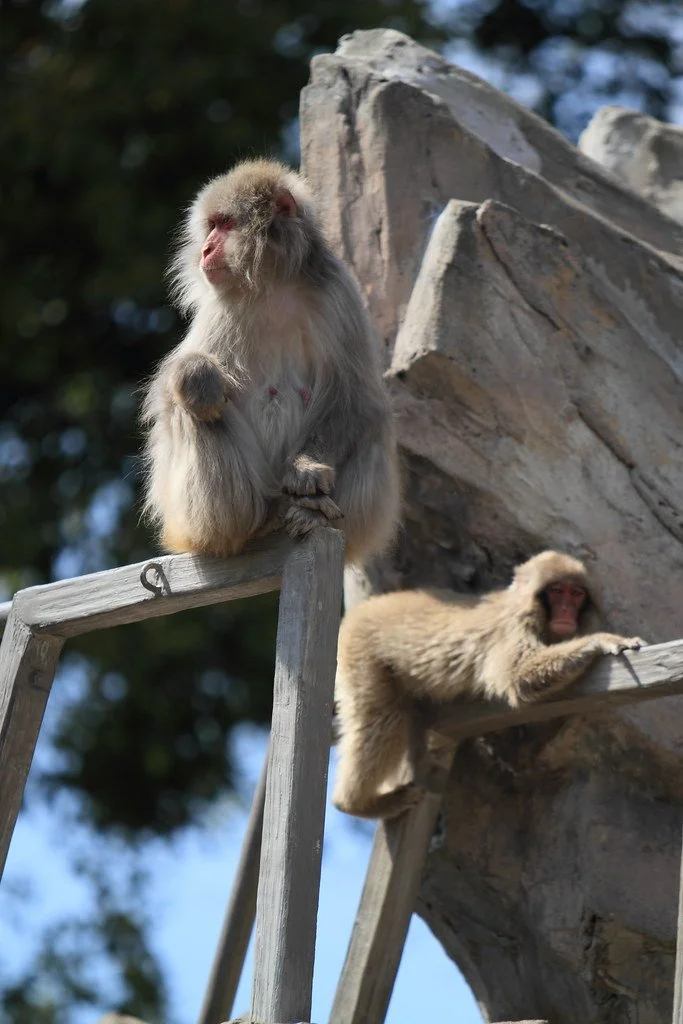
Two Japanese macaques. Etsuko Naka. CC BY 2.0. 

In terms of the history of Japanese macaques, as noted they have lived in Japan since as early as the 17th century. They are also incredibly intelligent animals, making the decision of the Yamaguchi officials to euthanize one a difficult call. Macaques have opposable thumbs and even sometimes walk on two legs. They are known for doing very human-like activities, such as bathing and relaxing in groups in hot springs in Japan. This habit, as well as the habit of washing their food in the ocean, was learned behaviors within the group, and previously, scientists thought only humans passed traditions and behaviors through generations. 

Despite the monkey attacks, which will hopefully come to an end soon, Yamaguchi has many sites to visit and a fascinating history. It is known for its temples, such as the Rurikoji Temple and Joeiji Temple. It is also a coastal town known for having high quality seafood and sake, which is perfect for travelers interested in food. Additionally, Yamaguchi is a very historic area, as the city contributed to the overthrow of the feudal era in Japan in the late 1800’s

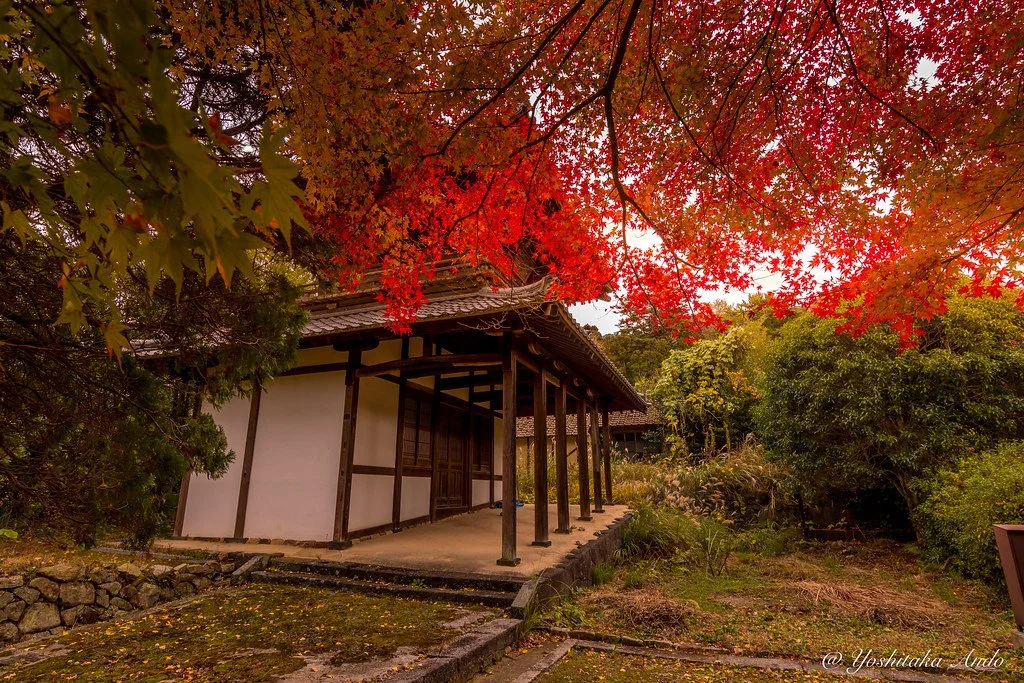
Tokoji Temple in Yamaguchi, Japan. Yoshitaka Ando. CC BY-NC-ND 2.0. 

Ultimately, Yamaguchi, Japan is a beautiful and historic city which is currently experiencing turmoil at the hands of macaque monkeys. Officials hope that the situation will be resolved soon, and once it is, consider adding Yamaguchi to your travel list.


Calliana Leff

Calliana is currently an undergraduate student at Boston University majoring in English and minoring in psychology. She is passionate about sustainability and traveling in an ethical and respectful way. She hopes to continue her writing career and see more of the world after she graduates. 

Soldiers Speak: War Crimes in Myanmar

Recent atrocities and war crimes have been reported by military soldiers in Myanmar as the civil war rages on. 

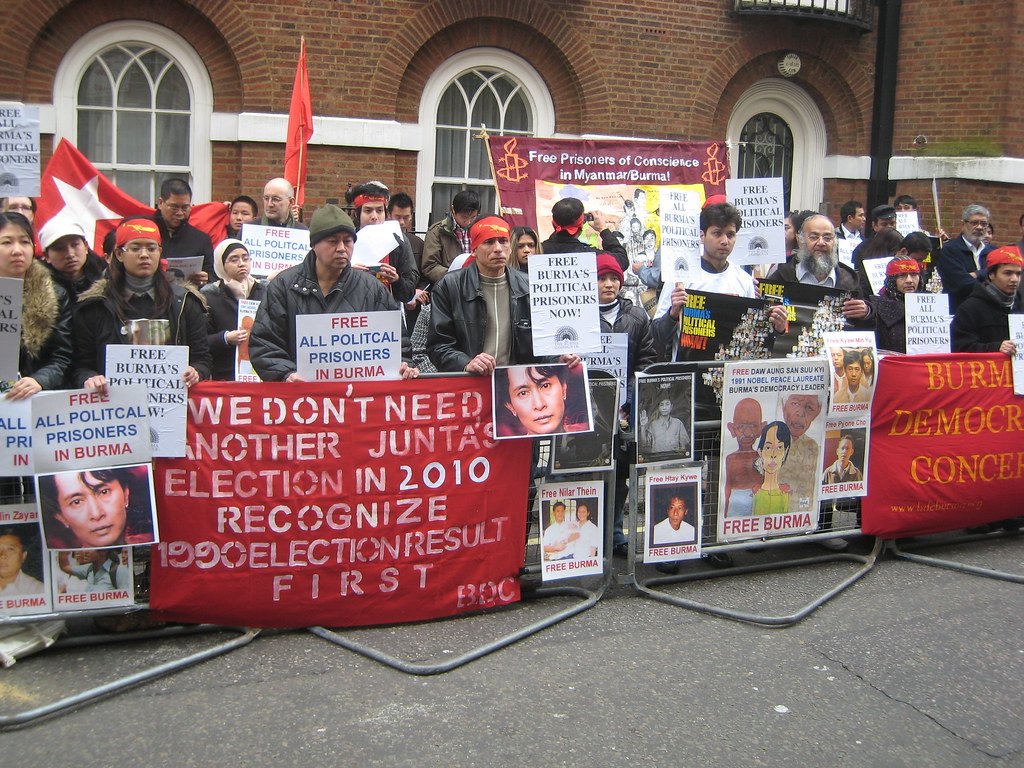
Human rights protest for Burma in France. Totaloutnow. BY-NC-ND 2.0.

Myanmar has a dirty, bloody history attached to the political and military conflicts that have furiously swept through their country. The civil war that rages on adds to this history, and the war crimes and atrocities that are currently occuring illuminate the fragility and deep rooted struggles between the Burmese government and its citizens.

The civil war started in February of 2021 after Myanmar’s military powers – known as the Tatmadwa – seized the government from the elected officials of the National League for Democracy (NDL), the leading civilian party in Myanmar. The NDL had won the election in 2021 by 83%, the New York Times reports, but the military ignored these results, an action said to be linked to the government's dislike for Aung San Suu Kyi. She was the leader of the NDL who would have become the elected official of the Burmese government. 

The military coup that overthrew the government in 2021 was the event that turned the tide of the political state of the country, and now battles between military soldiers in the Tatmadaw and pro-democracy armed civil militias have erupted and raged now for almost two years. 

The military powers in charge currently – referred to as the junta: a “group of military leaders” as BBC explains – are led by General Ming Aung Hlaing. He was given power from military leaders after the coup in 2021. General Ming is responsible for the imprisonment of countless NDL members, as well as multiple ‘campaigns against ethnic minority groups’ including the Rohingya Muslim Genocide that has been taking place in Myanmar for years.

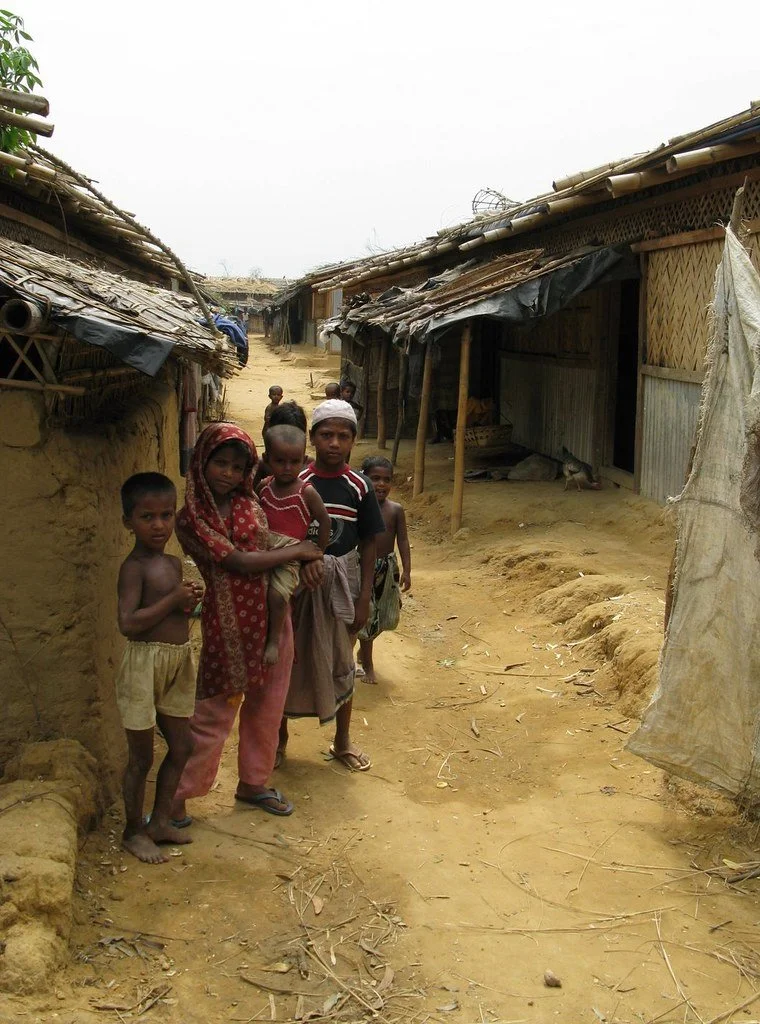
Rohingya refugees. Austcare-World Humanitarian Aid. CC BY-NC-ND 2.0.

As the war continues to rage on, Tatmadaw soldiers have started to come forward with stories of the atrocious war crimes that they were ordered to commit onto the civilians of Myanmar. BBC has reported that soldiers have admitted to “killing, torturing and raping civilians”. Large scale human rights violations have continued to occur as well, including the imprisonment of protesters, the treatment and killing of political prisoners and the treatment of civilians during wartime conflicts has sparked dialogue from the United Nations (UN). The UN reports that military powers have “directly targeted civilians” with airstrikes and attacks, and have already killed “at least 1,600 people”.

Six anonymous soldiers agreed to an interview with BBC, where they told the story of crimes against humanity, one of the few crimes that can be prosecuted at the Internationcal Criminal Court, being committed at the hands of the unstable Tatmadaw military regime. One reported that they had been told to “shoot anything they saw; another was ordered to burn down a house with civilians locked inside it. Other soldiers admitted to witnessing women being raped at gun point after soldiers believed the victims to be supporters of the People’s Defence Force (PDF) – an armed civilian militia organization. These six soldiers also discussed the energy of other members of the regime, stating that some soldiers would ‘boast’ about their crimes and actions.

Villages have burned to the ground, civilians have been abused, killed and looted. This is the current fate of the Burmese people, but the civilian militias continue to fight back and continue to push for democracy. In a country so often torn between citizens and the military state, the fate of the people of Myanmar has remained undecided. The UN states in their report that “despite spiraling violence… ‘the will of the people has clearly not been broken.’” Determined to return to a time of democratic rule, the civilian population of Myanmar continues to fight against the horrors of the military regime wishing to dominate them.

TO GET INVOLVED

The Committee Representing Pyidaungsu Hluttaw is, as Insider states, “the country’s democratically elected legislature,” the very same that was overthrown in the coup in 2021. They have a GoFundMe, which is run by the Citizen of Burma Award Organization, that uses the money to support pro-democracy protests and encourages civil disobedience against the junta military regime. To donate to the protestors, click here .

The Civil Disobedience Movement also collects donations which are sent directly to people in Myanmar to fund and support civil disobedience and protests against the government. To donate, click here.

Additional ways to GET INVOLVED can be found in Insider’s “5 Ways to Help Anti-Coup Protests on the Ground in Myanmar Right Now”. This article discusses multiple ways to donate, to educate oneself and to create constructive and far reaching conversations about the injustices befalling the Burmese people. To read more, click here.


Ava Mamary

Ava is an undergraduate student at the University of Illinois, double majoring in English and Communications. At school, she Web Writes about music for a student-run radio station. She is also an avid backpacker, which is where her passion for travel and the outdoors comes from. She is very passionate about social justice issues, specifically those involving women’s rights, and is excited to write content about social action across the globe. 

Nearly Extinct Rhino Species Found Only in Indonesia

The Javan Rhinoceros is one of the world’s most endangered species, with only sixty remaining in Indonesia’s Ujung Kulon National Park. 

Javan rhino. Courtesy of Indonesian Ministry of Environment/Forestry.

Javan Rhinoceroses used to be common throughout the continent of Asia, until poaching and habitat loss dwindled the population down to what is now a mere 60-68 rhinos, all found in Ujung Kulon National Park in Indonesia. The poaching of Javan rhinos largely began in colonial times, with the animal being a trophy for hunters. Now, the rhinos are poached primarily for their horns, which are extremely expensive and are sometimes used as status symbols among the extremely wealthy. Javan rhinos were declared extinct in Vietnam in 2010, when the last rhino in the country was poached, and now the only surviving Javan rhinos exist in Indonesia. 

While poaching Javan rhinos is illegal, and they are considered a protected endangered species, reviving the population presents a major challenge for two main reasons. The first is that the extremely small number of surviving Javan rhinos doesn’t allow for much genetic diversity. The second issue is habitat loss as a result of both human intervention and natural disaster. Human activity near Ujung Kulon National Park has interfered with the rhinos’ natural habitats, and the push  for more property development in the area threatens the security of the park. In terms of natural disasters threatening the rhinos’ last remaining habitat, the national park is located in an area that is susceptible to tsunamis and rising water levels as a result of climate change, and also happens to be near an active volcano, Anak Krakatau. Many conservationists are extremely nervous that if one of these natural disasters occured, all hope would be lost for the species even if there were a few survivors, because of the already miniscule genetic diversity within the population. 

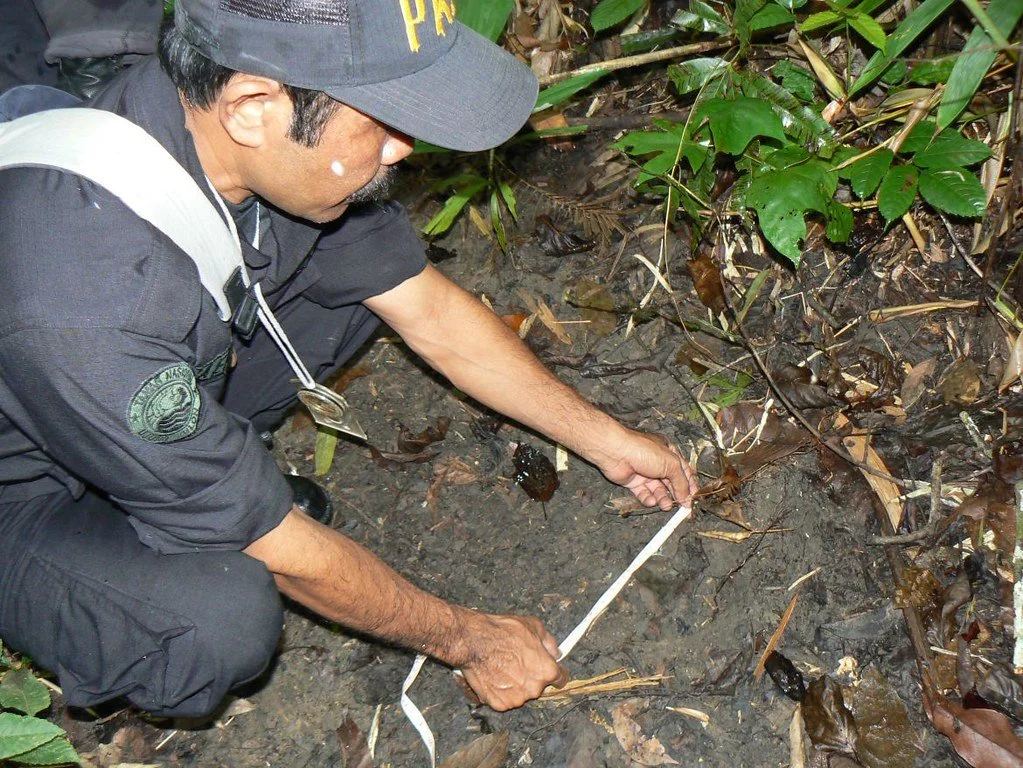
A member of the Rhino Protection Unit measures a Javan rhino’s footprint in Ujung Kulon National Park. U.S. Department of State. CC BY 2.0.

Even without the threat of natural disaster and human interference, Javan rhinos face an existing setback within their protected habitat. An invasive species called Arenga Palm grows in Ujung Kulon National Park. This plant blocks the sun, which prevents the plants that the rhinos eat from growing. The park has made clearing Arenga Palm a priority, but since it is an invasive species, eliminating it from the park entirely is not an easy task.

Ujung Kulon National Park does offer tours, providing an opportunity to ethically see the nearly extinct rhinos. However, since these tours are meant to be non-invasive, there is no guarantee that a Javan rhino will come into view during your time in the park. With that being said, tourists often see traces of the rhinos, such as footprints, like in the photo featured above. 

Get Involved

The best way to get involved with this issue is to raise awareness and money for organizations working to sustain and increase the population of Javan Rhinoceros. Some of these organizations include World Wildlife, which is working on eliminating Arenga Palm and also hopes to one day transfer some Javan rhinos to an area which is not in the danger zone of the volcano Anak Krakatau. Another good organization to support is the International Rhino Foundation, which works directly with the staff of Ujung Kulon National Park. On a more general level, raising awareness about climate change and supporting organizations which respond to extreme weather is a way to get involved with this issue as well as many others, as climate change has only compounded the plight of the Javan Rhinoceros.


Calliana Leff

Calliana is currently an undergraduate student at Boston University majoring in English and minoring in psychology. She is passionate about sustainability and traveling in an ethical and respectful way. She hopes to continue her writing career and see more of the world after she graduates. 

Unexpected Paradise: 6 Macaronesian Islands That You May Not Have Heard Of

Off the coast of Europe and Africa, the Macronesian islands offer unspoiled landscapes, quaint towns, and stunning coastlines.

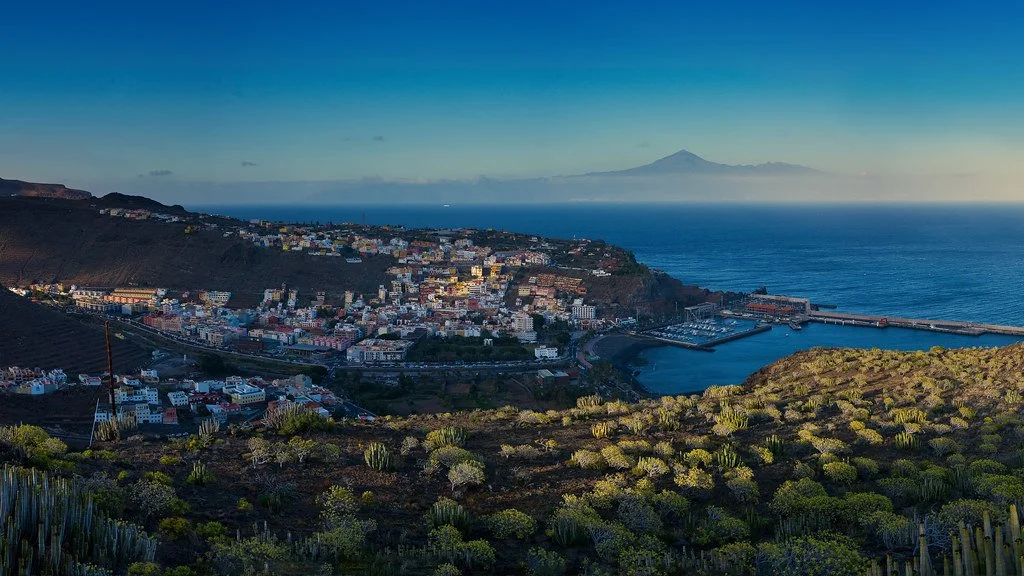
The island of La Gomera is located in the Canary Islands, one of the island chains that make up Macaronesia. Jörg Bergmann. CC BY-NC-ND 2.0.

Macaronesia is a group of archipelagos in the North Atlantic Ocean. off the coast of Europe and Africa. It consists of the islands of the Azores and Madeira, (part of Portugal) the Canary Islands (part of Spain) and Cabo Verde  (an independent group of islands formerly controlled by Portugal). Some of these islands are only a short flight away from many major cities in Western Europe and becoming more popular, leading to more development on some of them, but unspoiled wilderness remains prevalent. 

1. São Miguel, Azores

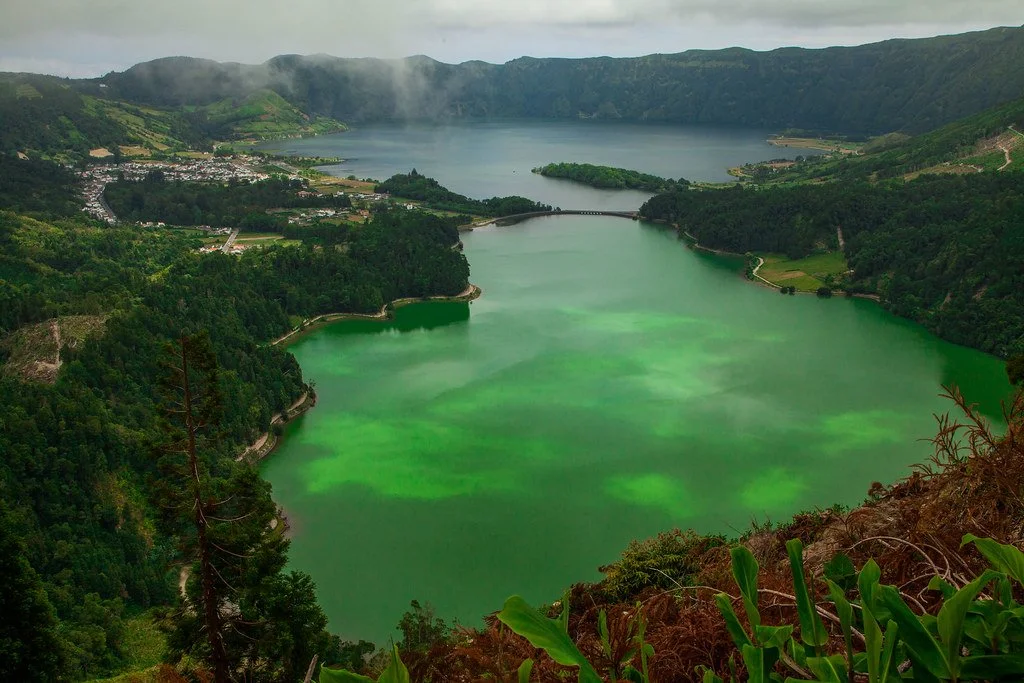
The Lagoa das Sete Cidades features colorful lakes in the remnants of volcano calderas on São Miguel. energeticspell. CC BY-NC 2.0.

The largest island in the Azores, São Miguel features numerous beautiful natural sights for hikers and/or tourists. Due to minerals in the water, the lakes on the island come in various tints of green and blue. At a more temperate climate than many of the other Macaronesian islands, São Miguel receives more rain, resulting in many waterfalls on the island. Some companies lead rappelling excursions at the waterfalls. The seas around São Miguel are also prime for whale watching.

2. Flores, Azores

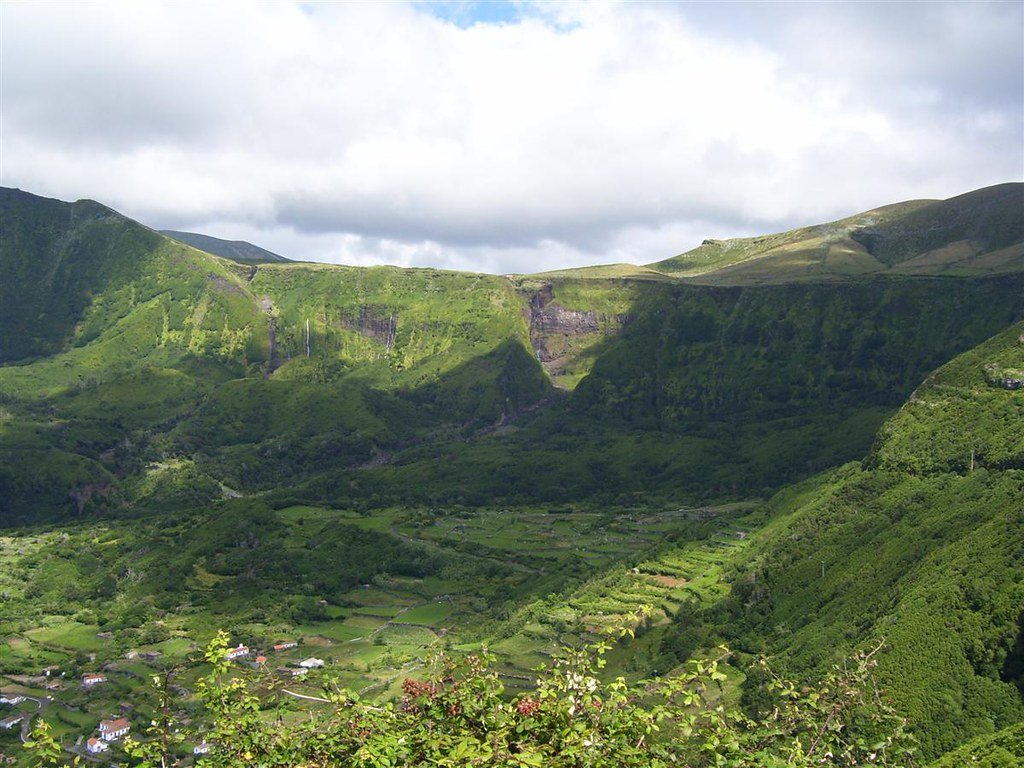
Lush, green cliffs characterize the island of Flores in the Azores archipelago. Paulo Corceiro. CC BY-ND 2.0.

One of the more remote islands in the Azores archipelago, Flores literally translates to “flowers” in English. Its stunning lush mountains are well-suited for hiking and canyoneering, with trails leading to some unique geological formations. Some places on the island to visit include the village of Fajã Grande, which is tucked in between cliffs and the Atlantic Ocean, and the 7 lagoons, the remnants of ancient volcanoes. 

3. Madeira

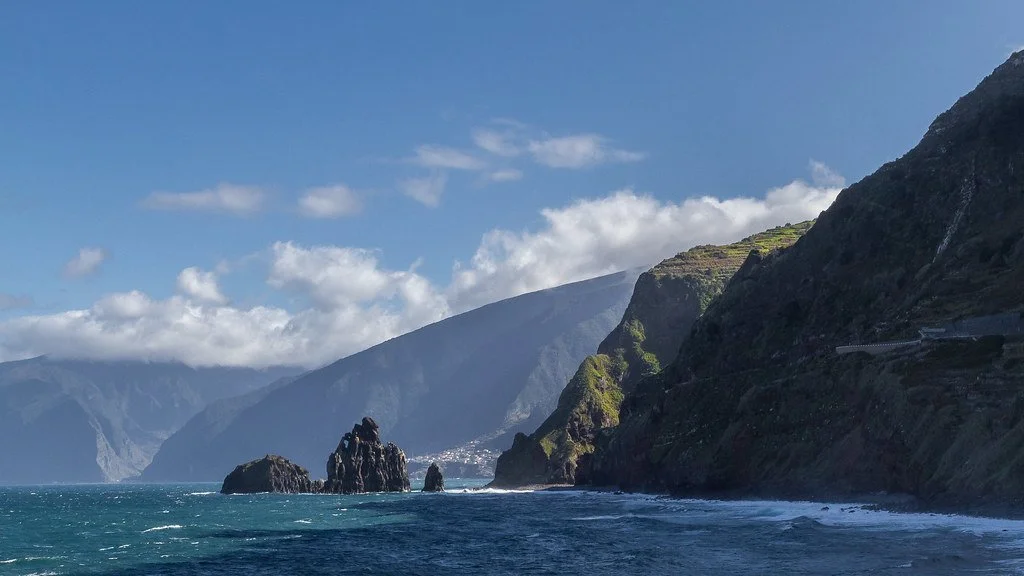
The cliffs of Madeira. Kacper Gunia. CC BY-NC 2.0.

After a thrilling landing at one of the most challenging airports for pilots in the world, visitors step into a green oasis with dramatic mountains and steep drop-offs. In the past, Madeira was a maritime center with Christopher Columbus and James Cook making stops there on their voyages. Later, rich landowners built ornate summer estates on the island, such as the Monte Palace Madeira, which is a present-day vast botanical garden. Hiking trails criss-cross the island, with many built on the remnants of levandas, irrigation canals used to feed water to drier areas of the island. A strenuous hike to Pico Ruivo, the highest point on the island, rewards intrepid hikers with vast views.

4. La Palma, Canary Islands

The volcanic landscape of the island of La Palma. weberpal. CC BY-NC-SA 2.0. 

The island of La Palma in the Canary Islands is fully operational again after the Cumbre Vieja volcano stopped erupting in December 2021. While it is still advisable to exercise caution around the eruption area, the rest of the island is free to be explored. Past volcanic eruptions have created unique rock formations underwater, making diving a popular activity off the coast of the island. Watersports such as kayaking and canoeing are also popular, especially along the sheltered coast of Fuencaliente. There is also an extensive network of hiking paths on the island, leading to a variety of unique landscapes.

5. Fuerteventura

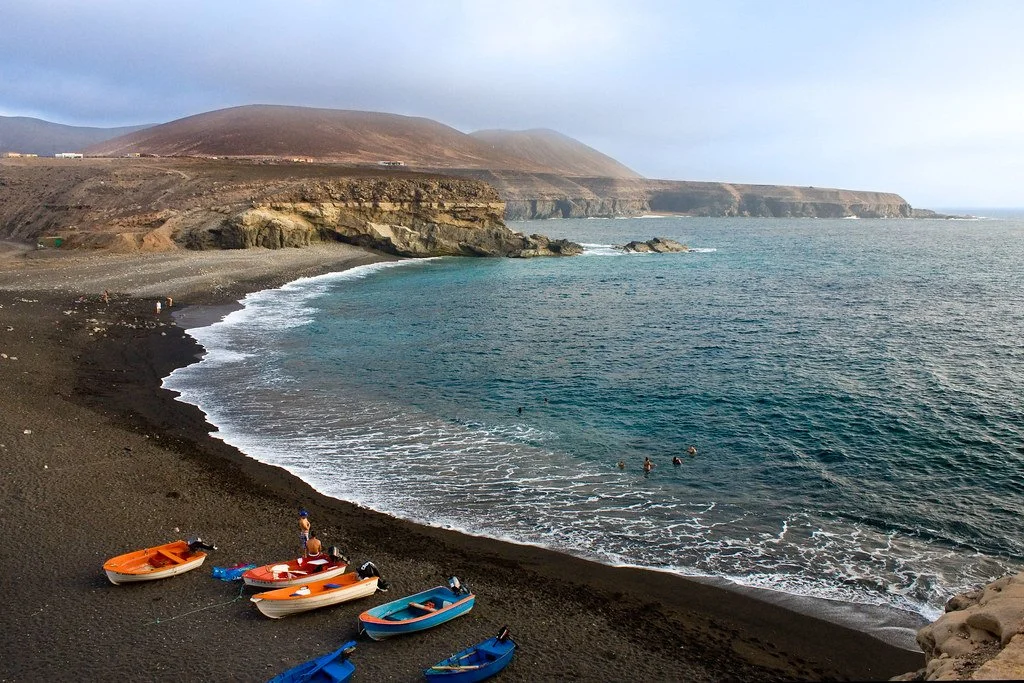
Popular beaches and desert landscapes combine on the island of Fuerteventura. xavipat. CC BY-NC-ND 2.0.

The more southern islands of Macaronesia have a more arid climate, leading to more desert-like landscapes. Less than 100 kilometers from the coast of Africa, Fuerteventura consists of many popular beaches but also has quaint towns and rolling hills. As the first of the Canary Islands to be settled by Europeans, its first capital city of Betancuria was founded in 1404 and remains to this day and is a great place to learn about the island’s pre-Hispanic history. The island is also famous for its cuisine featuring majorero cheese and papas arugás with mojo (wrinkly potatoes with a local sauce).

6. Sal, Cabo Verde

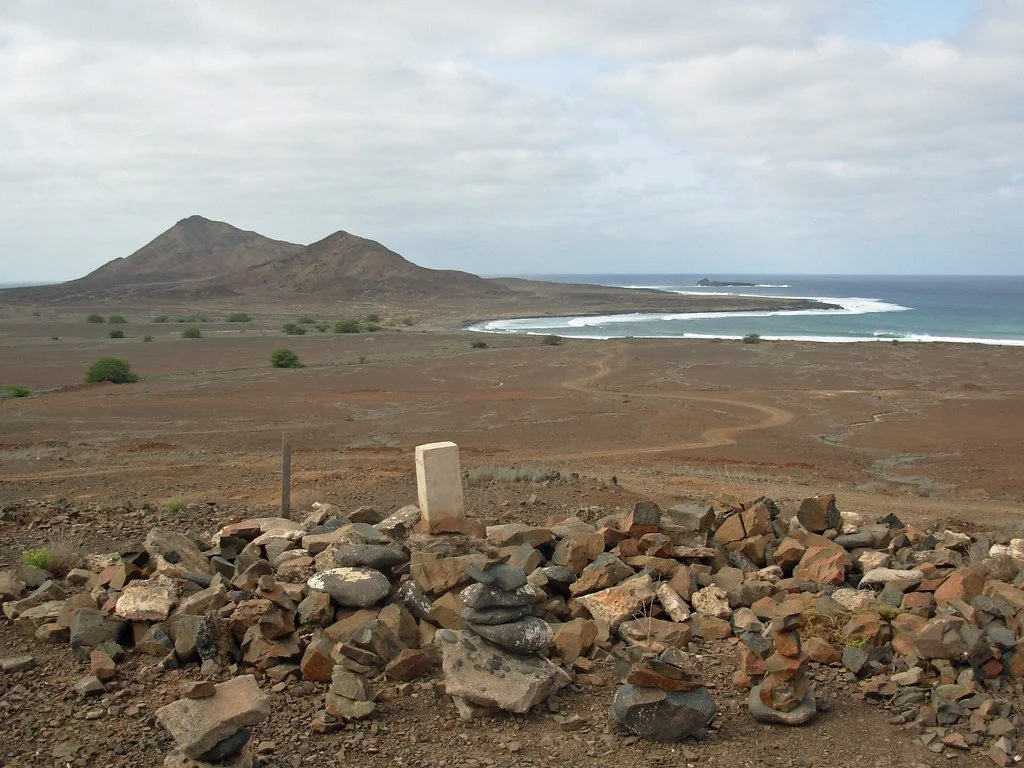
The barren landscape of Sal is much more than what it seems. Phil Thirkell. CC BY-NC 2.0.

Another desert-like island, Sal is located in the northeast of the Cabo Verde archipelago and used to be the least populous island of the country until recent developments that have caused rapid growth. Like Fuerteventura, Sal has many beaches which are known as prime kiteboarding areas. Away from the beaches and resort areas lies what seems like a barren landscape, but tours on jeep and horseback can bring visitors to the remote interior to secluded areas. The island also has a legacy of salt mining, and it is possible to visit the Pedra de Lume area, which preserves the remnants of salt extraction operations.


Bryan Fok

Bryan is currently a History and Global Affairs major at the University of Notre Dame. He aims to apply the notion of Integral Human Development as a framework for analyzing global issues. He enjoys hiking and visiting national parks.

Discover Cambodia’s Beauty Despite Dark Political Past

Though still recovering from Pol Pot’s regime, Cambodia contains numerous sites and monuments worth traveling for.

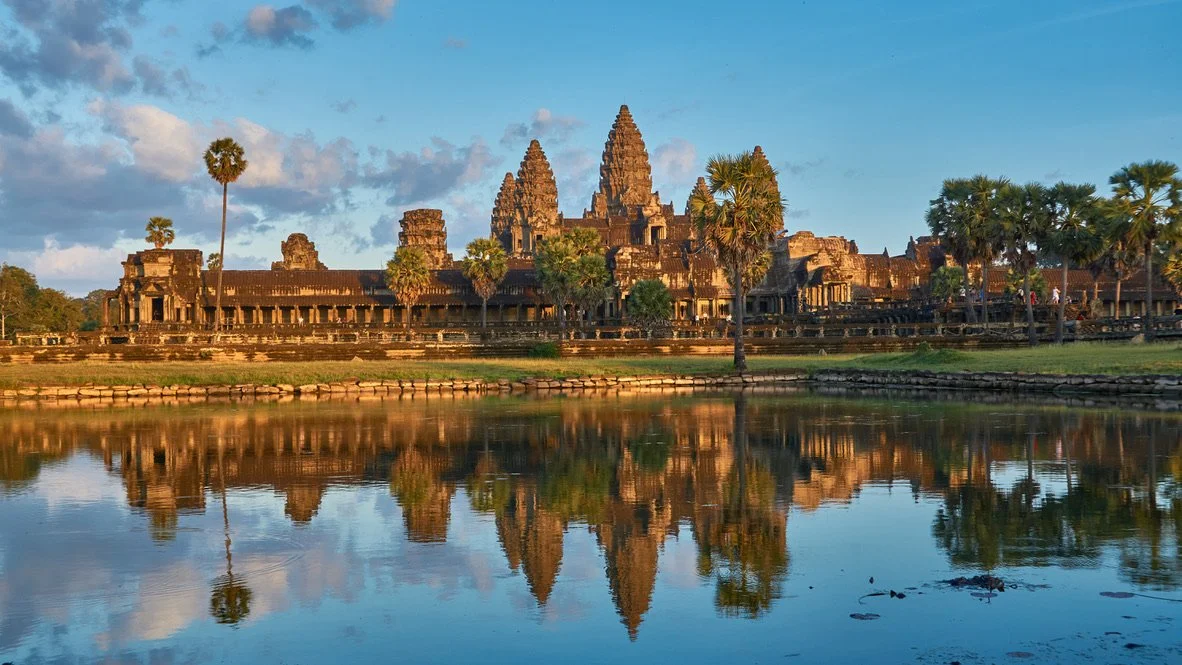
Angkor Wat Reflection. Radek Kucharski.  CC BY2.0.

Cambodia is known for its massive and brilliantly crafted religious temples, vast untouched forests and vibrant city life. What some may not know is Cambodians have and are still recovering socially, economically and politically from one of recent history's most horrific events: the reign of the Khmer Rouge. 

Under the rule of dictator  Pol Pot, the Khmer Rouge was a Marxist regime created in 1975. Whether from execution, starvation, exhaustion and disease, more than 2 million civilians died during the genocide. Despite the defeat of the Khmer Rouge on January 7, 1979 by the Vietnamese military, Cambodians struggled to regain their political and economic prosperity. General poverty rates have lingered around 35% which is a great improvement from the 50% at the initial end of the events. Those who experienced the genocide are now be in their 50s, and thus Cambodians are still living with the traumatic experiences they went through.

With that said, the Southeast Asian country has shown great perseverance and progress towards a bright future. Now, Cambodian citizens celebrate their traditional cultures and welcome outsiders to experience the atmosphere and history of their country. Here are a few of the most popular spots.

1. Angkor Wat

Said to be the largest religious monument in the world, Angkor Wat is a vast Buddhist temple that touches over 400 acres of land and comprises over 1,000 buildings. Cambodia is home to this cultural wonder of the world and is a destination that provides both visual beauty and an introduction to Cambodia’s rich history and culture. 

Angkor Wat has five lotus-like towers rising 65 meters up, being the first part of the temple visitors tend to notice. The awe-inspiring scenery continues with carvings throughout the inside of the temple. Celestial dancers, known as apsaras in Khmer (Cambodia’s national language), helped reintroduce Apsara dance in Cambodia. Carvings of war, spiritual journeys and everyday life explain Cambodia’s hardships and relationship with culture and religion. Ta Prohm, also known as the Tomb Raider Temple due to its appearance in the 2001 film, and Angkor Thom are other beautifully architected sights nearAngkor Wat.  
2. Banteay Srei 
Banteay in Angkor. Juan Antonio Segal. CC BY 2.0.

Known as the Temple of the Women, Banteay Srei is sacred in Angkor. Though it is much smaller in size than Angkor Wat, it contains some of Cambodia's most delicate carvings. Images of women holding lotus flowers and memorable stories of the Hindu religion are depicted here. Banteay Srei is still a place for women to visit and observe to feel inspired and appreciated, as well as a place where anyone can experience its beauty and history.

3.  Bayon

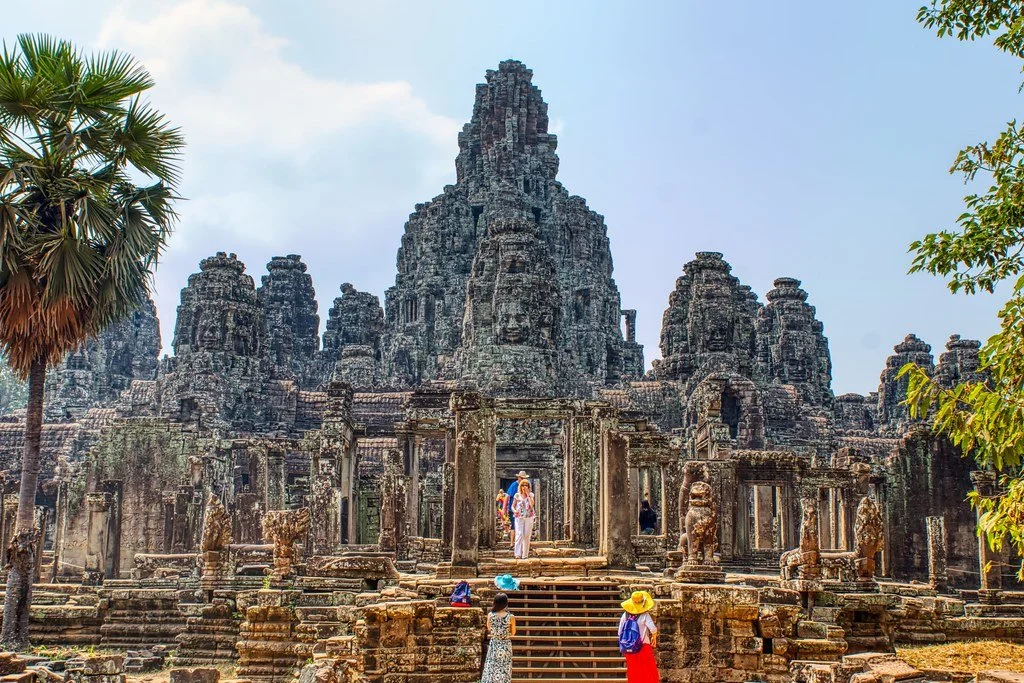
Bayon Temple Ruins in Cambodia. Uwe Schwarzbach.  CC BY-NC-SA 2.0.

This Buddhist Temple is home to 216 smiling, peaceful faces carved into towers. Numerous other carvings can be seen representing the experiences of the Khmer people. Bayon temple allows visitors to understand the goals and journey of the Khmer Empire and is a great temple to visit if you are interested in Buddhism and appreciating Cambodia’s past.  

4. Phnom Penh

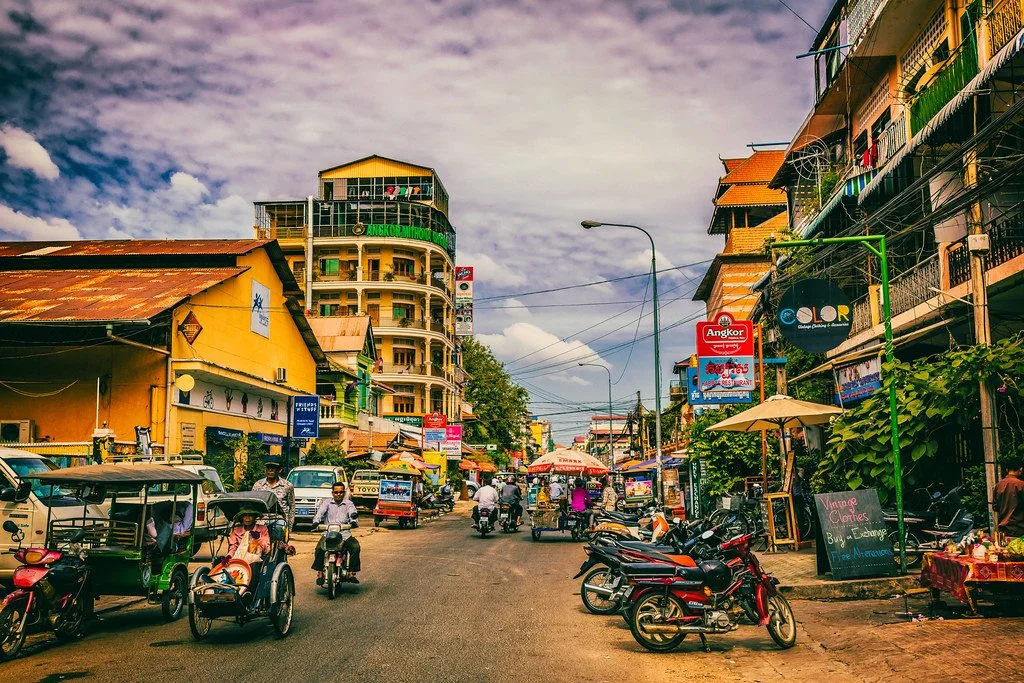
Bustling Phnom Penh. Baron Reznik. CC BY-NC-SA 2.0.

Phnom Penh is the capital of Cambodia andhome to vibrantly colored buildings, tight streets with motorbikes, friendly locals and more architectural beauty. A main mark of the Cambodian experience, Phnom Penh is affordable and easy-going—a great way to submerge yourself in the country's culture. here are some upscale restaurants and locations, but overall, Phnom Penh remains its gritty, lively and romantically chaotic self. 

5. Krong Siem Reap

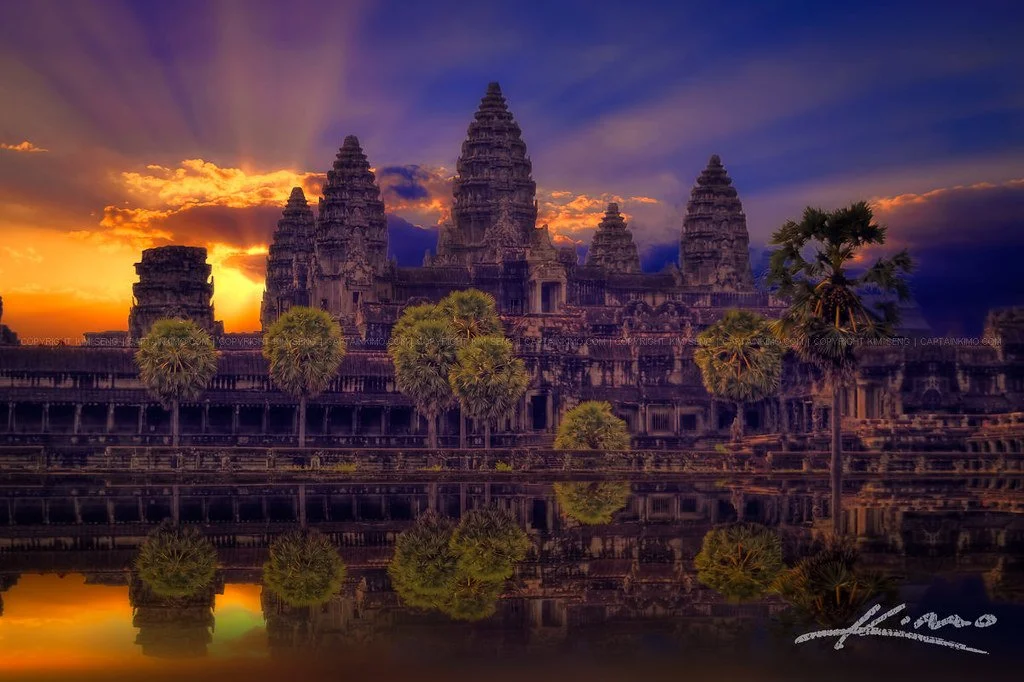
Angkor Wat in Krong Siem Reap. Kim Seng. CC BY-NC-ND 2.0.

Krong Siem Reap is another other major city destination in Cambodia. Krong Siem Reap is a staple of Cambodia’s religious history, being home to Angkor Wat, the ruins of Banteay Srei and Ta Prohm. Locals treat travelers as if they have been life-long friends, and travelers will get the chance to explore much of Cambodia’s Buddhist history as long as remaining respectful. 

Krong Siem Reap is also known for its exquisite food scene. Cafes offer coffee, teas and delicious local food dishes with some even offering vegetarian and vegan-friendly options. Restaurants to grab an authentic and budgeted meal are around every corner. 

6. Kirirom National Park

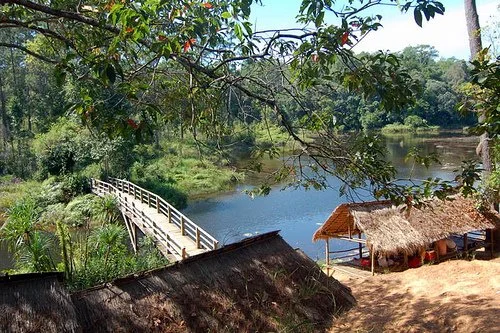
Kirirom National Park Rest Area. Arie. CC BY2.0. 

Located mostly in Phnom Sruoch District, Kirirom National Park is covered with deep forestry and high elevation. Kirirom, meaning “Mountain of Joy,” is loved for its high elevation pine forests and many glistening waterfalls. Along with vast, isolated hiking trails, the endangered sun bears, pileated gibbons and tigers can be found living in the forests. 

7. Koh Tonsay

Koh Tonsay. James Antrobus. CC BY2.0. 

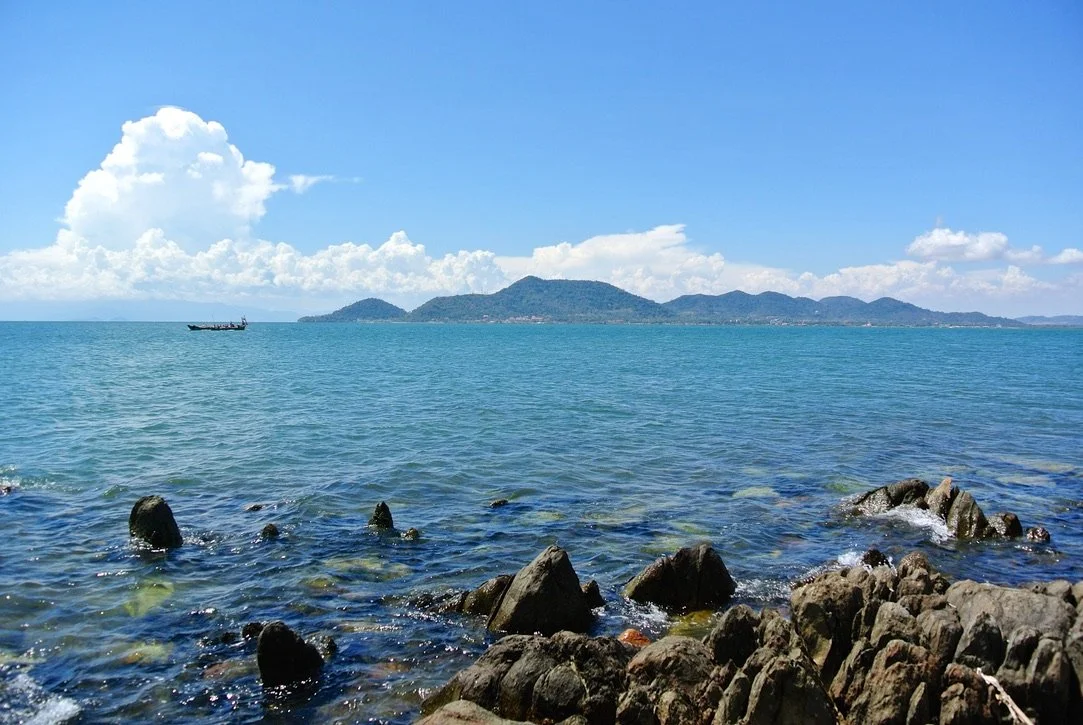
Located on the country's south coast in the Gulf of Thailand, Koh Tonsay can be translated as “Rabbit Island”  and received its name because it houses the furry little creatures. It is a relatively quiet coast with a more rustic beach style. While tourists tend to visit other parts of the Cambodian coast more influenced by Chinese businesses, Koh Tonsay remains a sliver of true Cambodian land. It is not as flashy as some other beaches on the coast of Cambodia, but Koh Tonsay offers a unique and isolated beach experience. 

8. Bousra Waterfall 

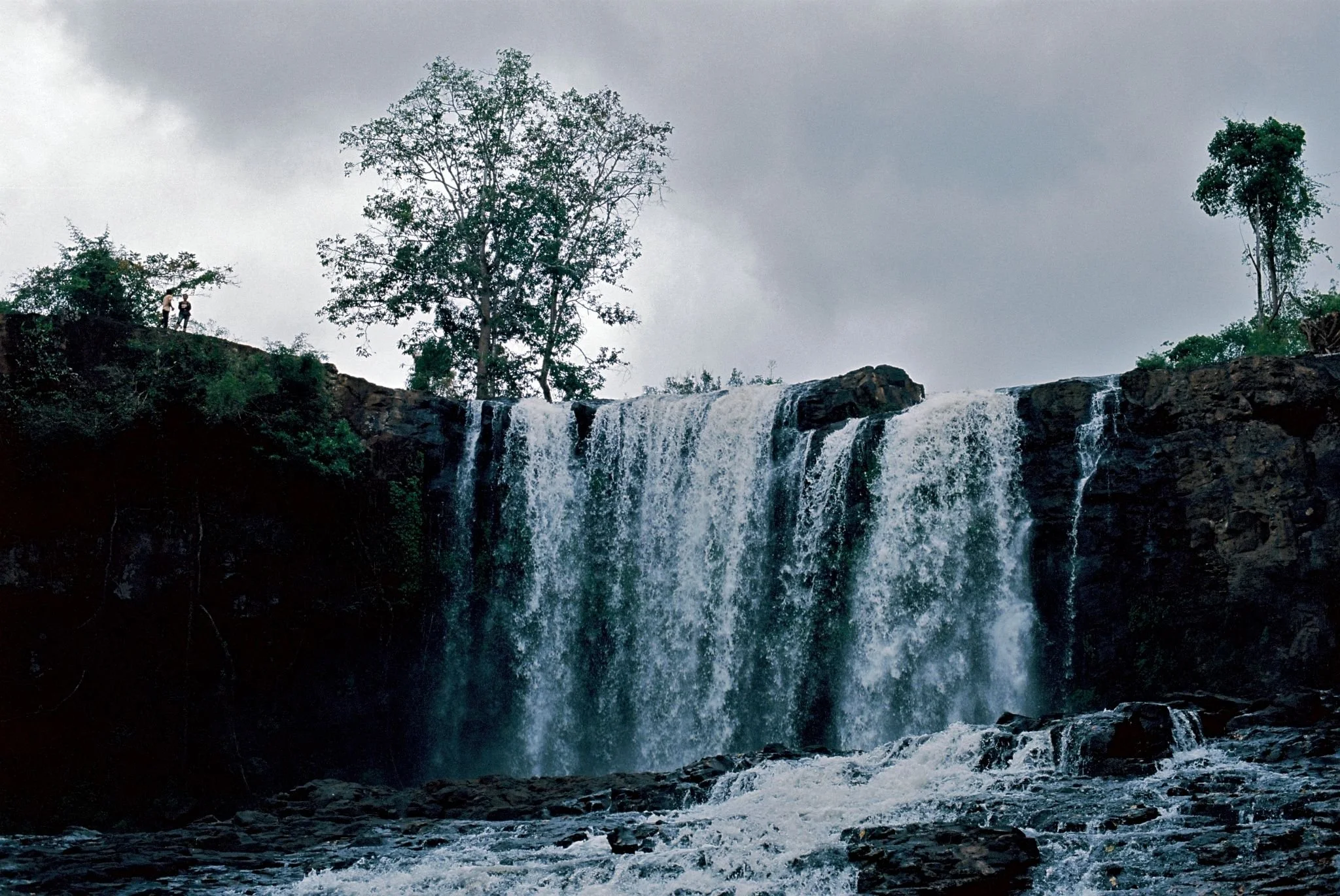
Bousra Waterfall. Lucien Tan. CC BY-ND 2.0.

Located just outside of Sen Monorom, the Bousra (also spelled Bou Sra and Busra) waterfall is a three-level natural wonder offering viewing platforms at different heights and access to its base, where visitors can get misted and explore the powerful waters.


Haleigh Kierman

Haleigh is a student at The University of Massachusetts, Amherst. A double Journalism and Communications major with a minor in Anthropology, she is initially from Guam, but lived in a small, rural town outside of Boston most of her life. Travel and social action journalism are her two passions and she is appreciative to live in a time where writers voices are more important than ever.

Photo Essay: On the Ground with Waves For Water in the Philippines

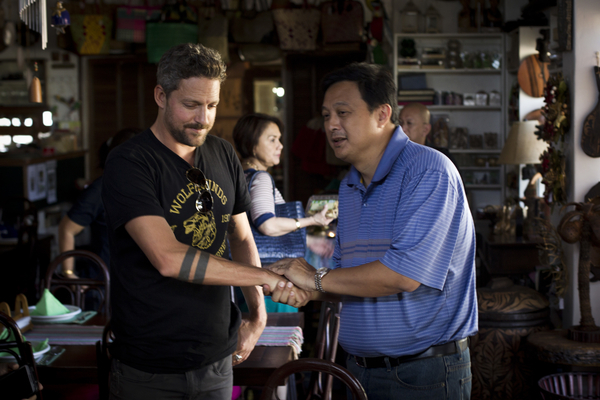
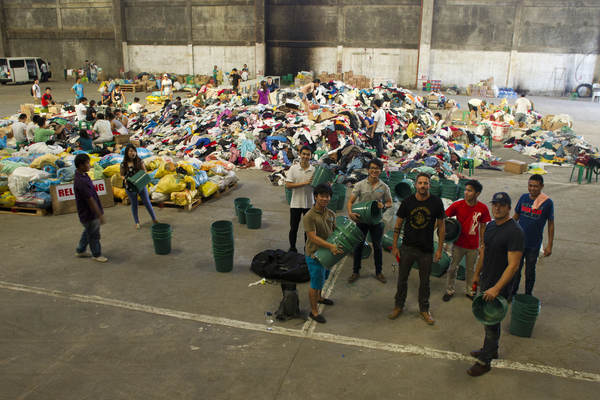
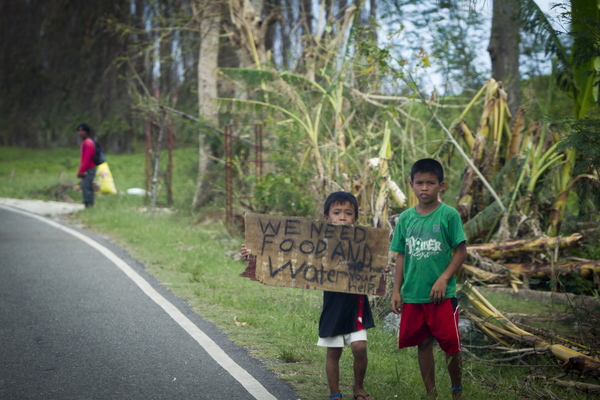
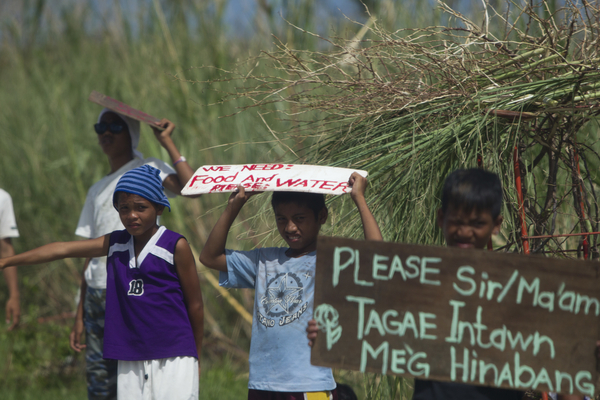
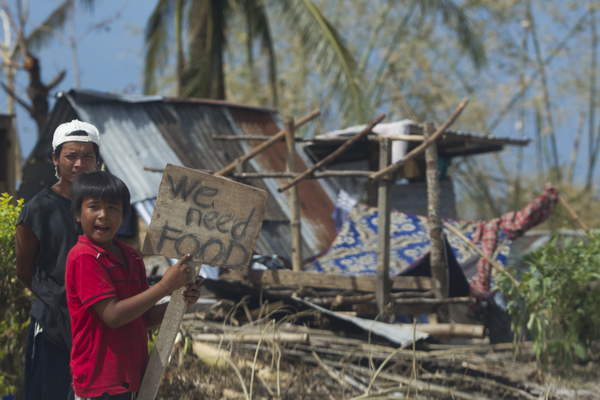
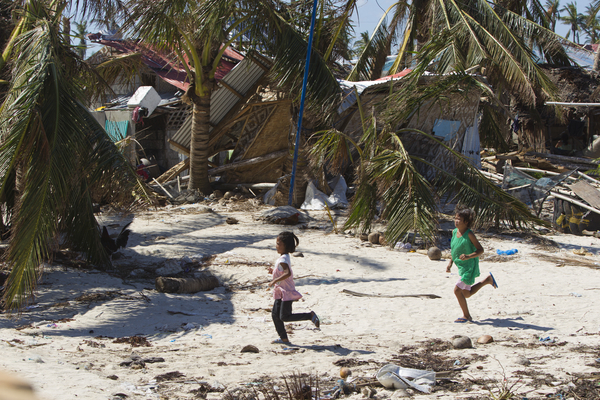
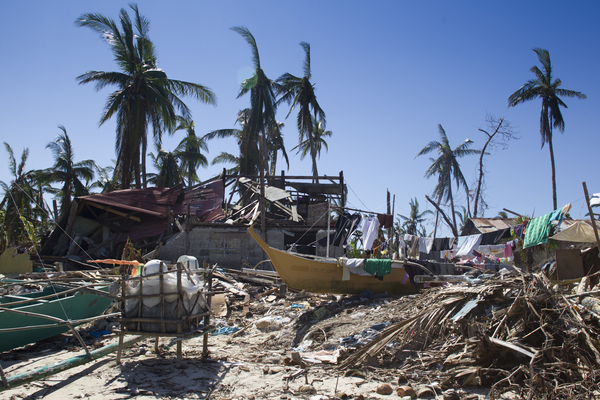
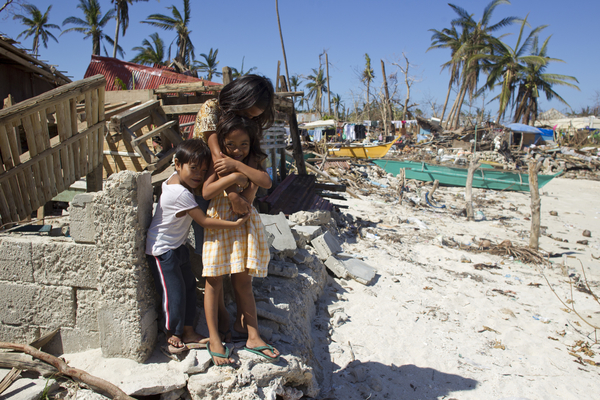
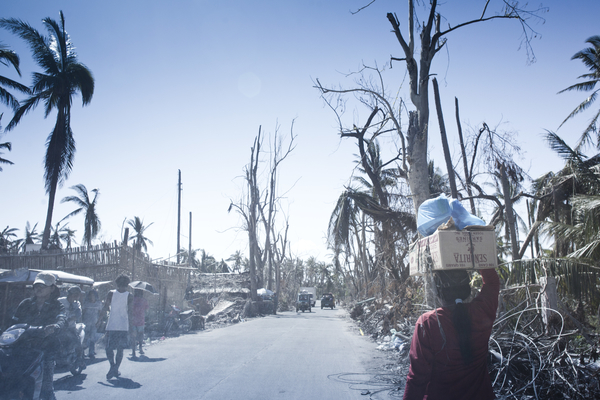
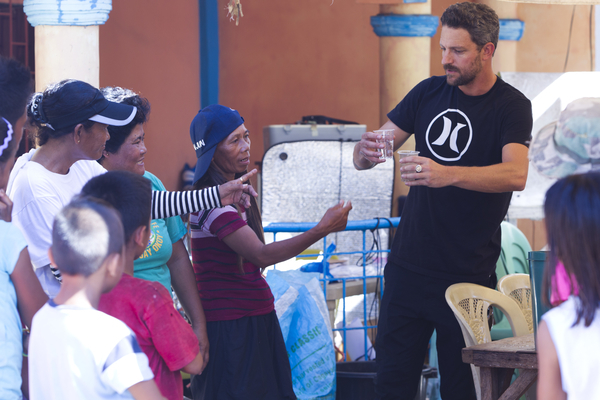
While the Philippine Islands were being struck by Super Typhoon Haiyan’s wrath, Jon Rose, Founder of Waves For Water, was already hatching his plan to help.

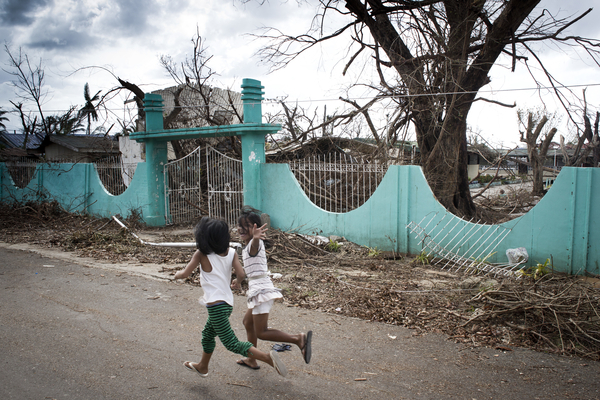
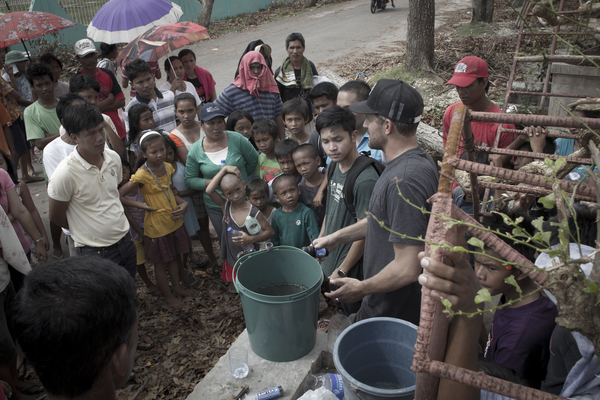
W4W began work in the Philippines in response to Typhoon Haiyan and continues to support areas with water shortages. 

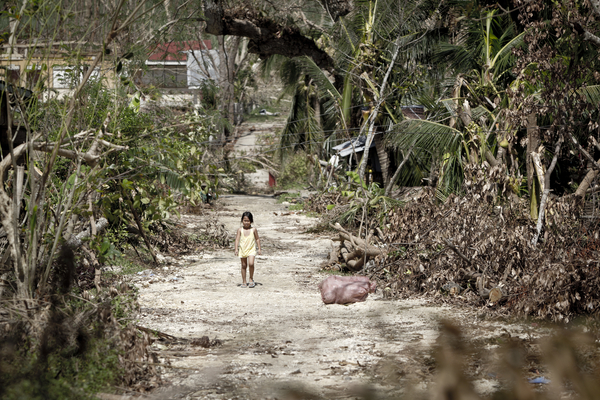
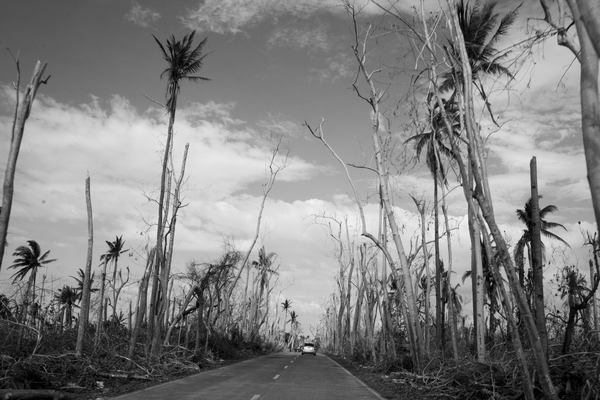
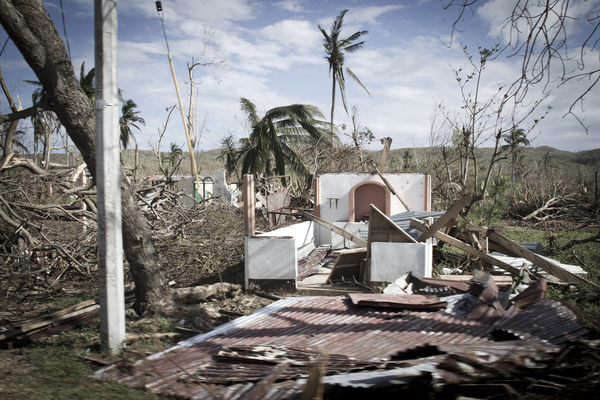
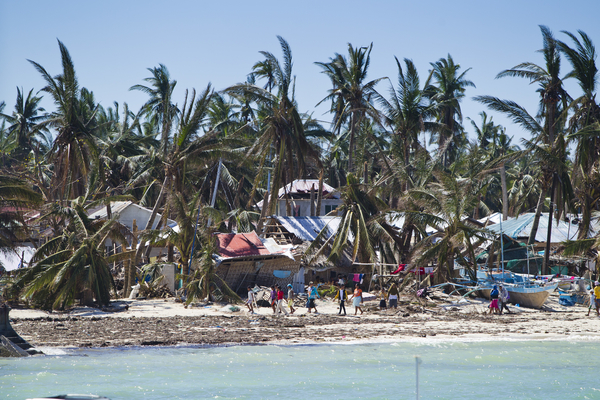
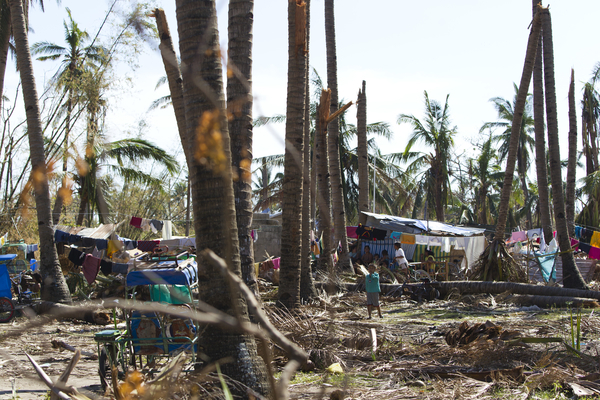
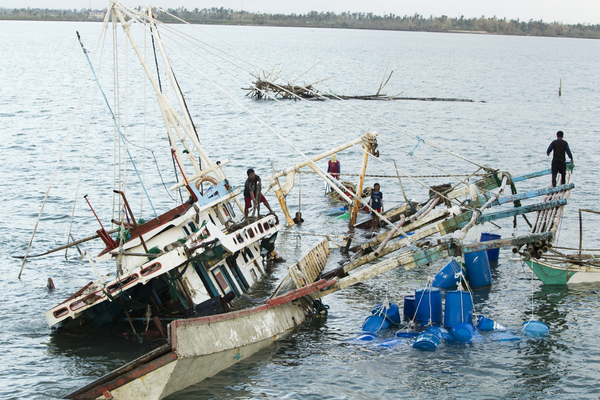
In 2013, the Philippines was hit by one of the most devastating typhoons ever recorded: Typhoon Haiyan. The natural disaster affected people throughout Southeast Asia and killed 6,300 people in the Philippines alone. Throughout the country, over 4.3 million people were affected. One major impact of the typhoon was its obstruction of access to clean water. 

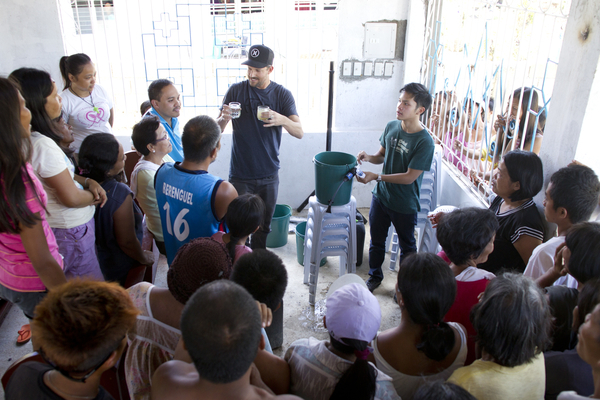
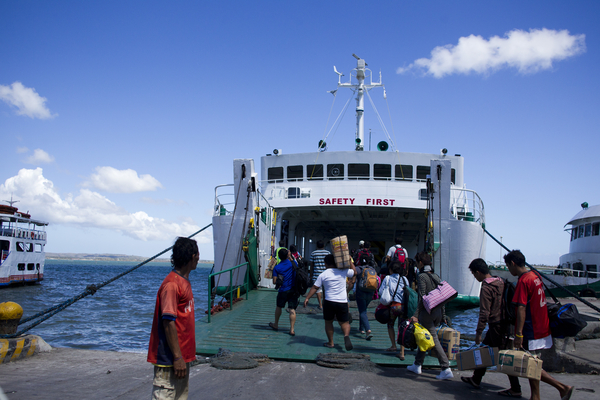
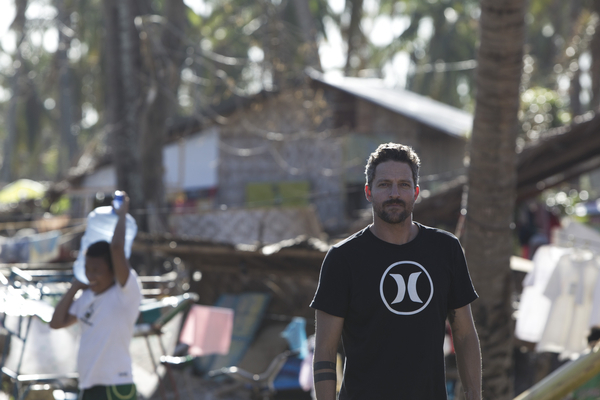
To address this problem, Jon Rose, founder of Waves for Water (W4W), arrived in the Philippines ready to distribute his organization’s water filters among “forgotten pockets,” communities that were not “the focal point of major relief efforts.” His method of distribution and relief relied on the “train-the trainer, local-based model” in which W4W organizers “empower” and “facilitate” for local people rather than decide “who gets what, when, where and how.” Two years after the typhoon, W4W established an office in the Philippines, where it is currently registered as a non-profit organization. Since 2015, W4W has built 66 rainwater catchment systems and provided over a million Filipinos with access to clean water. In December of 2021, the organization helped to address the devastation caused by Hurricane Odette in Siargao, Philippines through a partnership with Billabong. Currently, W4W is providing aid for those impacted by Tropical Depression Agaton, which has displaced 1.9 million people in Visayas and Mindanao, Philippines. You can contribute to this specific effort here

W4W’s humanitarian efforts are not limited to the Philippines. Since its inception in 2009, the organization has made an impact in 44 countries, including Mozambique, Ecuador, Sierra Leone and Chile, and has helped 3.75 million people gain reliable access to clean drinking water. W4W currently has 24r active programs helping to address water access issues. These programs seek to provide aid to citizens of Ukraine, Australia, Haiti and Guatemala. You can learn more and help out here.


Jon Rose

As a pro surfer of 13 years, Jon Rose traveled the world in pursuit of perfect waves. It was this passion that led him to development of Waves for Water in 2009. He hopes to see W4W enlist and empower travers to help solve the world water crisis.