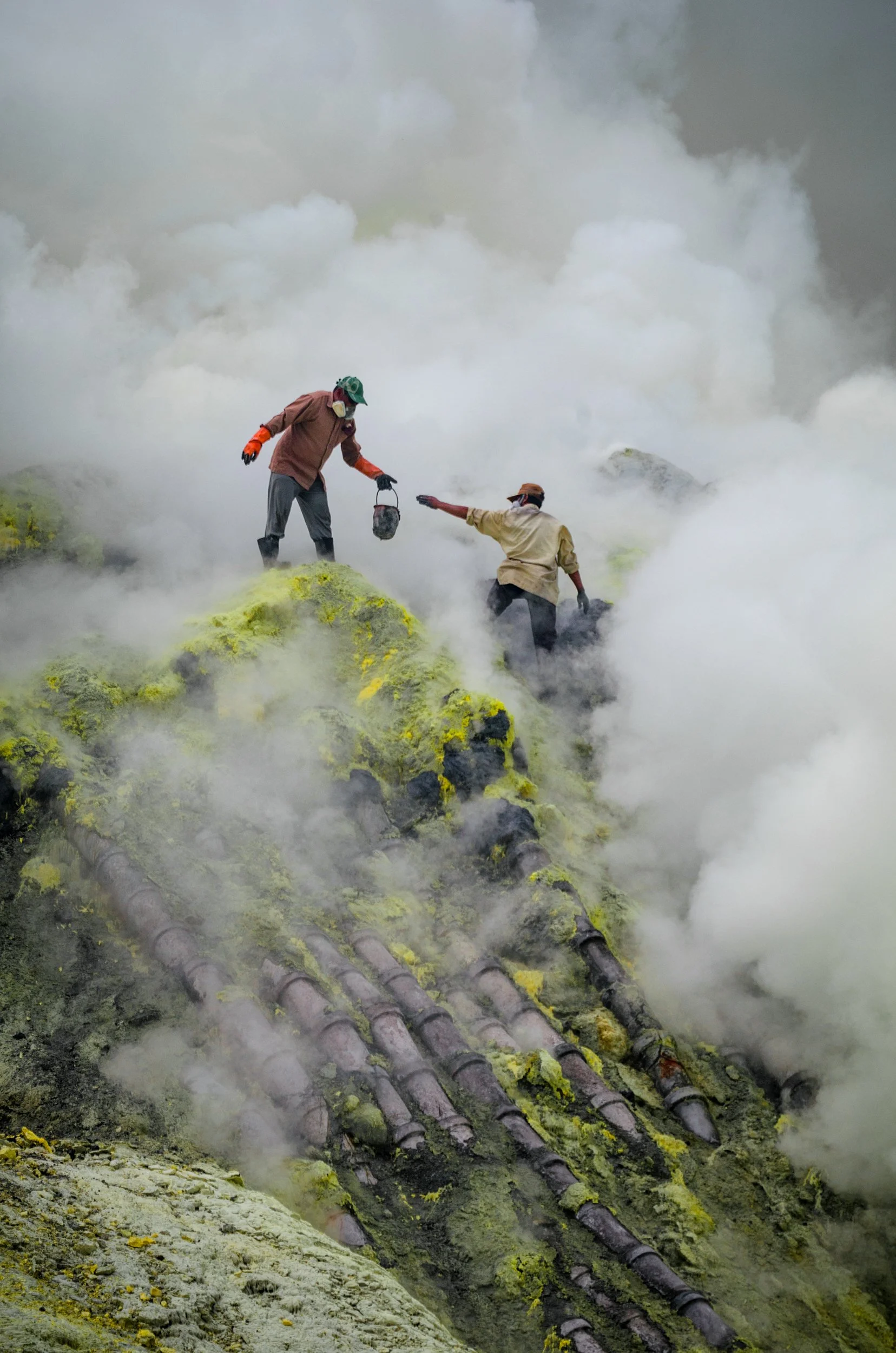
Protests for Palestine and Israel Take Off Around the World

Countries across the world have taken to protest in response to the Israel-Hamas War.
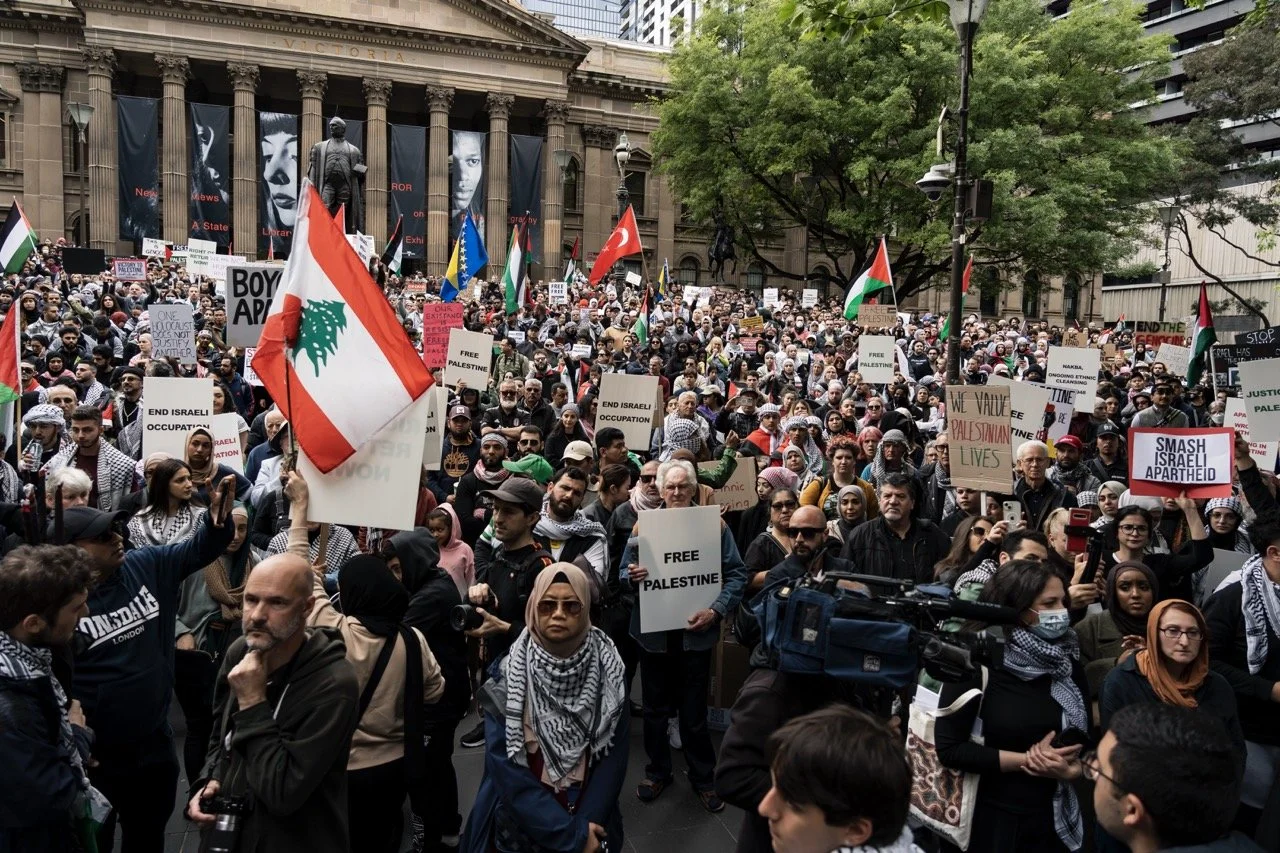
Protest for Palestine in Melbourne. Matt Hrkac. CC BY 2.0

On October 7, Hamas launched an unprecedented attack on Israel from the Gaza Strip that killed more than 1,200 people. Since the assault Israel has responded with a ground invasion that has resulted in the death of more than 11,000 people in the exclave. In light of the growing humanitarian crises in Israel and Palestine, protests supporting either side in the conflict erupted globally. 

In the Middle East, and particularly Egypt, pro-Palestinian rallies have broken out, expressing solidarity with the population of Gaza over the hostilities. A mass protest on October 20 resulted in the prosecution and detainment of at least 100 people at al-Azhar Mosque in Central Cairo. On October 29, thousands gathered in Islamabad, which became the largest pro-Palestine rally in Pakistan since the beginning of the war in October. Protests denouncing Israel’s aerial bombardment in Gaza have ramped up around the Middle East, particularly in Jordan. On October 13, riot police dispersed hundreds of protestors attempting to reach a border zone within the West Bank. Jordanian anti-riot police clashed with protesters again on October 18 after demonstrators planned to march to the Israeli embassy and were torching property along the way. In Africa, Israel has substantial support from the Ivory Coast and Kenya, but public sympathies have predominantly tilted toward the Palestinians.

Reactions to the war have varied across Europe. In Paris, hundreds gathered on October 12 to express solidarity with Palestinians and call for a ceasefire from Israeli strikes in Gaza. This demonstration resulted in police using tear gas and water cannons to control crowds. Across France there were around 40 other demonstrations, including one in Lyon with an estimated turnout of 5,000 people, according to French police who, again, used force to control the protest. Conversely, thousands marched in support of Israel. On October 9, a crowd gathered at Place du Trocadero for a march that rallied 20,000 people at an Eiffel Tower lit to resemble the flag of Israel. 

London has also experienced thousands of pro-Palestine protests. On October 21, nearly 100,000 protestors took to the streets of Central London to call for an end to Israel’s bombing of Gaza. Hundreds more gathered in Trafalgar Square on November 5 for a sit-in that brought Oxford Circus to a standstill. On November 11, hundreds of thousands of people gathered for what became the largest pro-Palestine protest in British history. Demonstrators also expressed support for Israel in Trafalgar Square in response to the pro-Palestine demonstration a day before. The rally filled Central London Square and included posters of those who are missing, calling for the release of hostages taken by Hamas in the initial attack. 
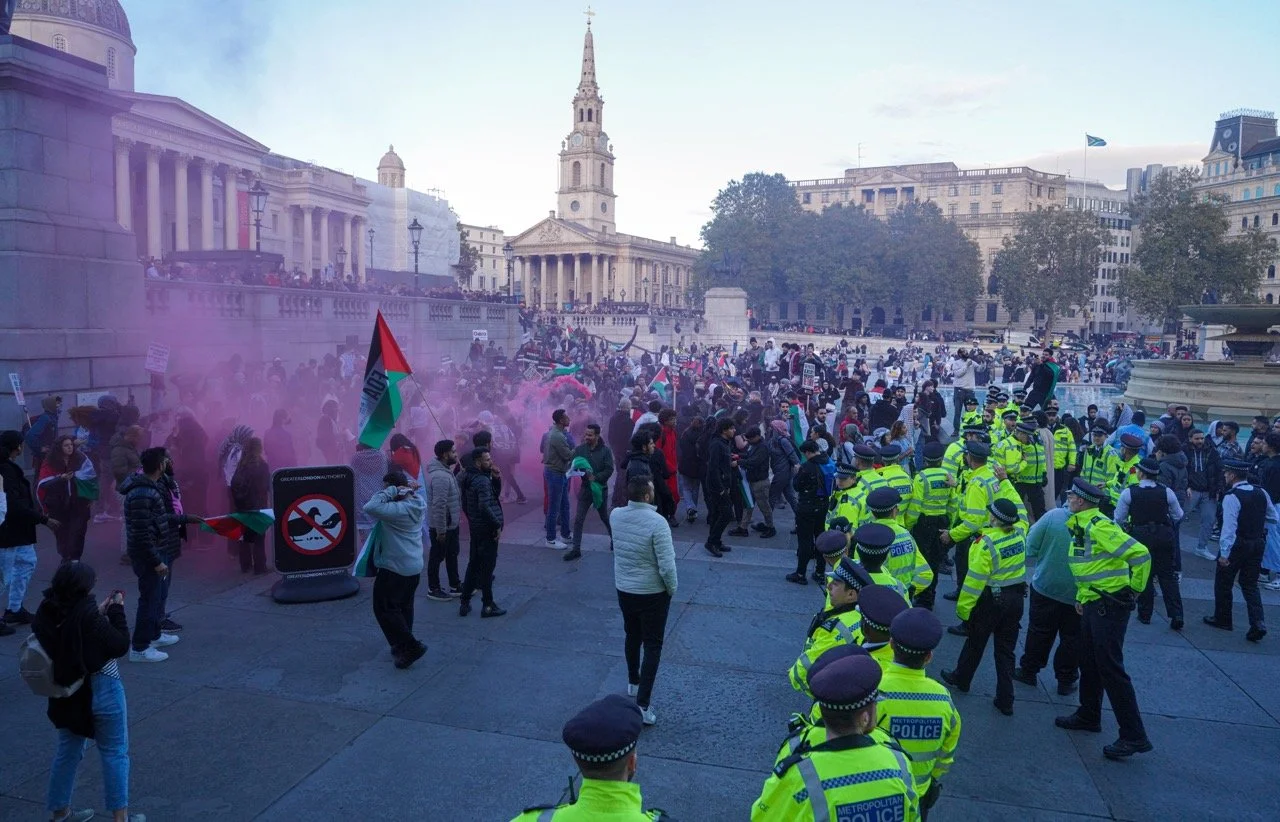
Palestine Solidarity Protestors in Trafalgar Square, London. Alisdare Hickson. CC BY 2.0

Similar to Europe, in the United States there has been widespread support for the Palestinian cause. A November 4 protest in Washington D.C. drew supporters from around the country with 300,000 people in attendance, making this the largest pro-Palestine mobilization in U.S. history. Other cities across the country have also demonstrated support for Palestine: hundreds marched in Boston on October 16, over 1,000 people attended a demonstration in Chicago on October 18 and a peaceful march on November 7 in New York City. Tens of thousands of demonstrators have crowded city streets to demand a ceasefire in Gaza, including Jewish advocacy groups. On October 27, thousands of Jews gathered in Grand Central Station to denounce the violence against Palestinians. The gathering was organized by the Jewish Voice for Peace organization, which held a second protest on November 6 at the Statue of Liberty, attended by hundreds. The group has been involved with cities across the country and has mobilized demand for a ceasefire in many other places: JVP-Philly, JVP-Seattle, JVP-BayArea and JVP-Triangle (Durham NC). In concentrated efforts, universities across the country have held protests. At Harvard University, more than 1,000 students rallied in Harvard Yard in support of Gaza on October 15. In Providence, around 500 Brown University students walked out of class on October 25 to support Palestine and a second walkout was held on November 8. On the evening of the 8th, a peaceful sit-in of about 20 Jewish students took place in Brown’s University Hall.
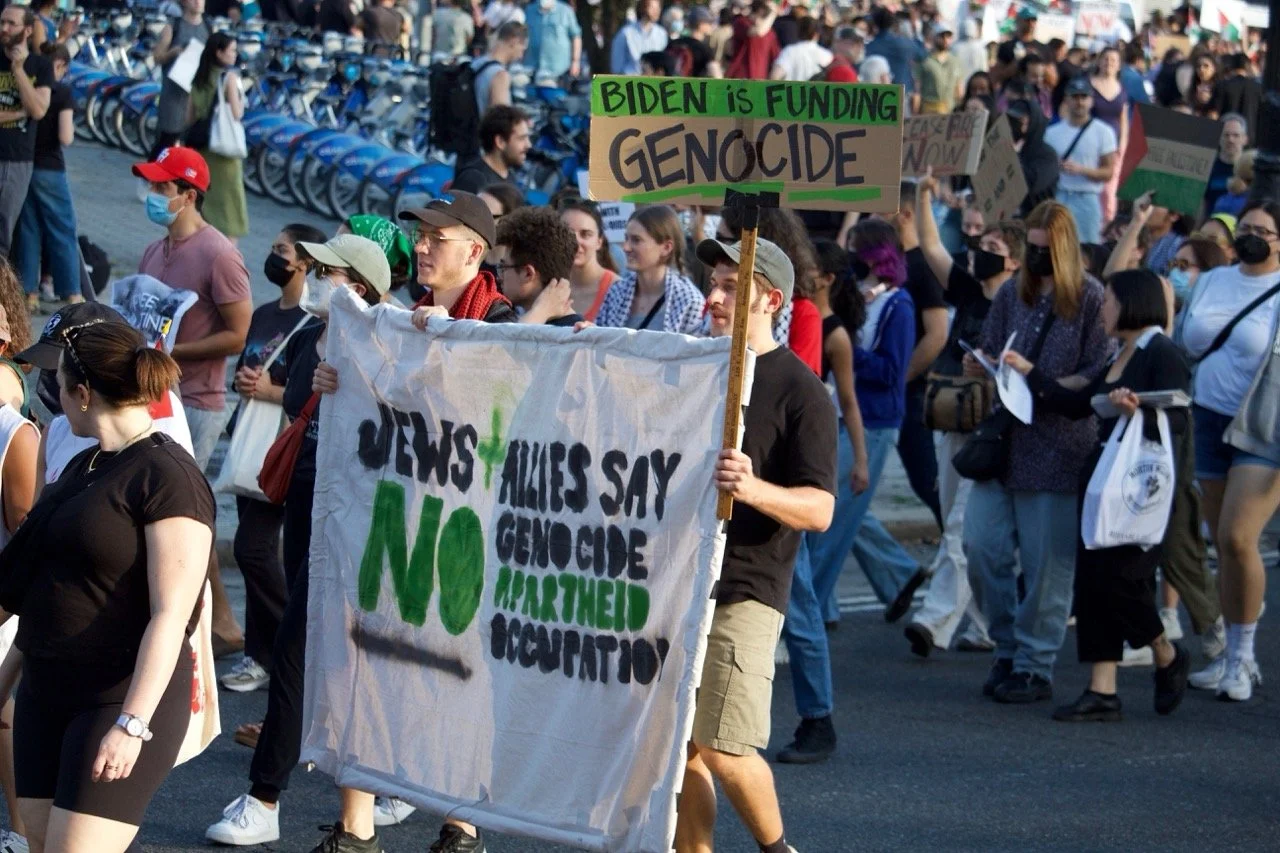
Jewish Allies for Palestine in NYC. Pamela Drew. CC BY 2.0 

Comparable to other global responses to the conflict, Asia has also experienced an influx of pro-Palestine support. In Indonesia and Malaysia, protests against Israel’s offensive in the Gaza Strip have erupted. In Jakarta, thousands gathered at the National Monument on November 5 to express solidarity and support with Gaza. In Kuala Lumpur, 15,000 people gathered on October 15 to condemn Israel’s attacks, including prominent politicians such as former prime ministers Muhyidden Yassin and Mahathir Mohamad. Much of Southeast Asia has been swept by solidarity for Palestinians, including Singapore, and in response to the ban on public rallies, activists have mobilized online to demonstrate their support. In New Delhi, two Muslim scholars used a WhatsApp display photo reading ‘I stand with Palestine’ to extend their support. Online mobilization has perhaps created a way to reach a broader audience. In India, pro-Israel rallies have been permitted; however, there has been a crackdown on Palestinian solidarity demonstrations.

In Latin and South America, protests have spread across most countries in support of the Palestinian cause, including Belize, Bolivia, Brazil, Chile and Venezuela. On November 4, pro-Palestine supporters gathered on Avenida Paulista in Sao Paulo for a demonstration. They held rolled clothes stained with red paint to represent children who have been lost to the violence. Outraged by the conflict, thousands gathered on October 25 at the outskirts of Santiago de Chile for a concert expressing solidarity with Palestinians. Support for Israel in South America in the form of protests or demonstrations appears to be minor; however, it may just be overwhelmed by the abundance of support for Palestine.

In Australia, pro-Palestine rallies in Sydney have called for the government to drop its support for Israel. On October 5, 20,000 people participated in a pro-Palestine rally that came after the one in Washington D.C., calling for a ceasefire of the hostilities. Protests in Australia have continued to be primarily pro-Palestine, with 15,000 marching through Sydney on  October 21 and other rallies held in Perth, Hobart and Brisbane. On November 7, a pro-Palestine protest of about 100 people blocked a busy intersection in Melbourne. The police subsequently used pepper spray on the activists and dragged them from the intersection in an attempt to get traffic moving again. Hundreds of people showed up to a protest the following day, preventing trucks from entering the operating area of an Israeli shipping line.
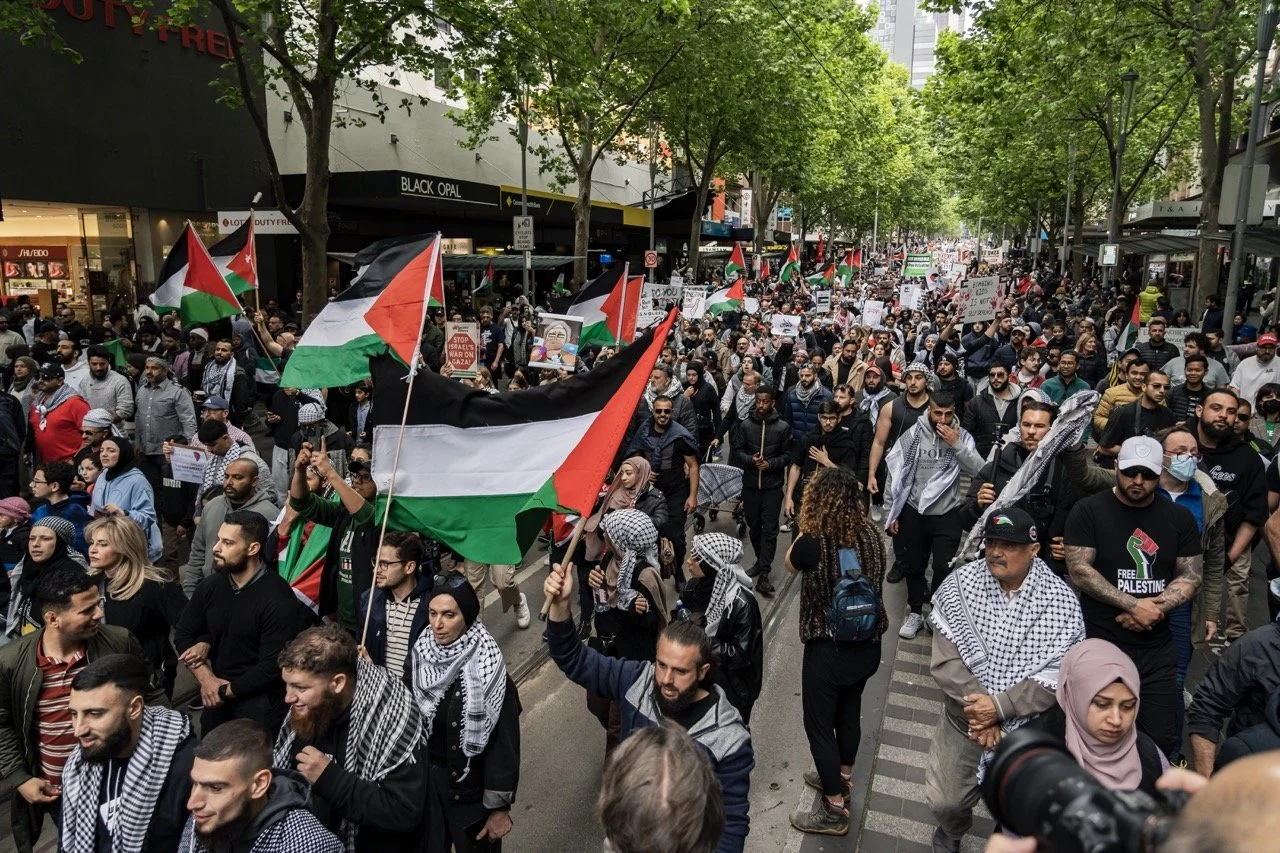
Melbourne Rally for Palestine. Matt Hrkac. CC BY 2.0

Even in the midst of polarized opinions, Jewish peace activists in the United States called for a ceasefire in Gaza and justice for Palestinians. 10,000 people, including Jews, marched on Capitol Hill on October 18, calling on the U.S. government to stop providing aid to Israel and acknowledging the conflict as a “sobering reminder” of Jewish history. Stark reminders of Jewish people lost to or missing in the conflict have taken shape in the form of “kidnapped” posters or empty Shabbat tables, representing the plight of the Israeli psyche and spreading awareness of those being held hostage. These kidnapped posters have subsequently been torn down by anti-Israel activists, quickly become its own form of protest, often characterized as antisemitic. An empty Shabbat table installation was created in Times Square to raise awareness for the 224 hostages being held by Hamas. An estimated 290,000 people gathered on November 14 in D.C. to demonstrate the solidarity of the Jewish community and in response to critics of the Israeli military.

Globally, people are demanding peace and justice through action. In spite of challenges towards a sustainable solution, global protests embody the collective hope for Israelis and Palestinians to coexist in peace and security.

TO FIND OUT WHERE TO JOIN PROTESTS

Jewish Voice for Peace - As the largest anti-Zionist organization in the world, this group identifies themselves as a political home for Jews on the left and a Jewish community with solidarity for the Palestinian cause. 

Palestine Solidarity Campaign - PSC is the biggest organization in the UK, dedicated to securing Palestinian rights and freedom for everyone in the region.

National Students for Justice in Palestine - The group supports over two hundred Palestine solidarity organizations on college campuses in the U.S. and Canada, promoting an agenda for Palestinian liberation.

ANSWER Coalition - As an acronym that stands for Act Now To Stop War and End Racism, the coalition has mobilized anti-war and peace movements for the people of Palestine.

Palestinian Feminist Collective - PFC is a group of Palestinian and Arab feminists committed to Palestinian liberation by addressing gendered and sexual violence.

Rabbis for Ceasefire - A group of Rabbis who have called for ceasefire to genocidal violence, calling on American representatives to demand immediate action.

Israeli-American Council - The IAC’s mission is to build a united community of Israeli-Americans to strengthen the Jewish identity. It is the United States’s largest Israeli-American organization.

The Jewish Federations of North America - Made up of 146 federations across North America, the group's mission is to protect and enhance the well-being of Jewish people through contributions to Jewish communities and Israel.

Mira White

Mira is a student at Brown University studying international and public affairs. Passionate about travel and language learning, she is eager to visit each continent to better understand the world and the people across it. In her free time she perfects her French, hoping to someday live in France working as a freelance journalist or in international affairs.
Travel Green in Warsaw

How Poland’s largest city is leading the sustainability revolution.

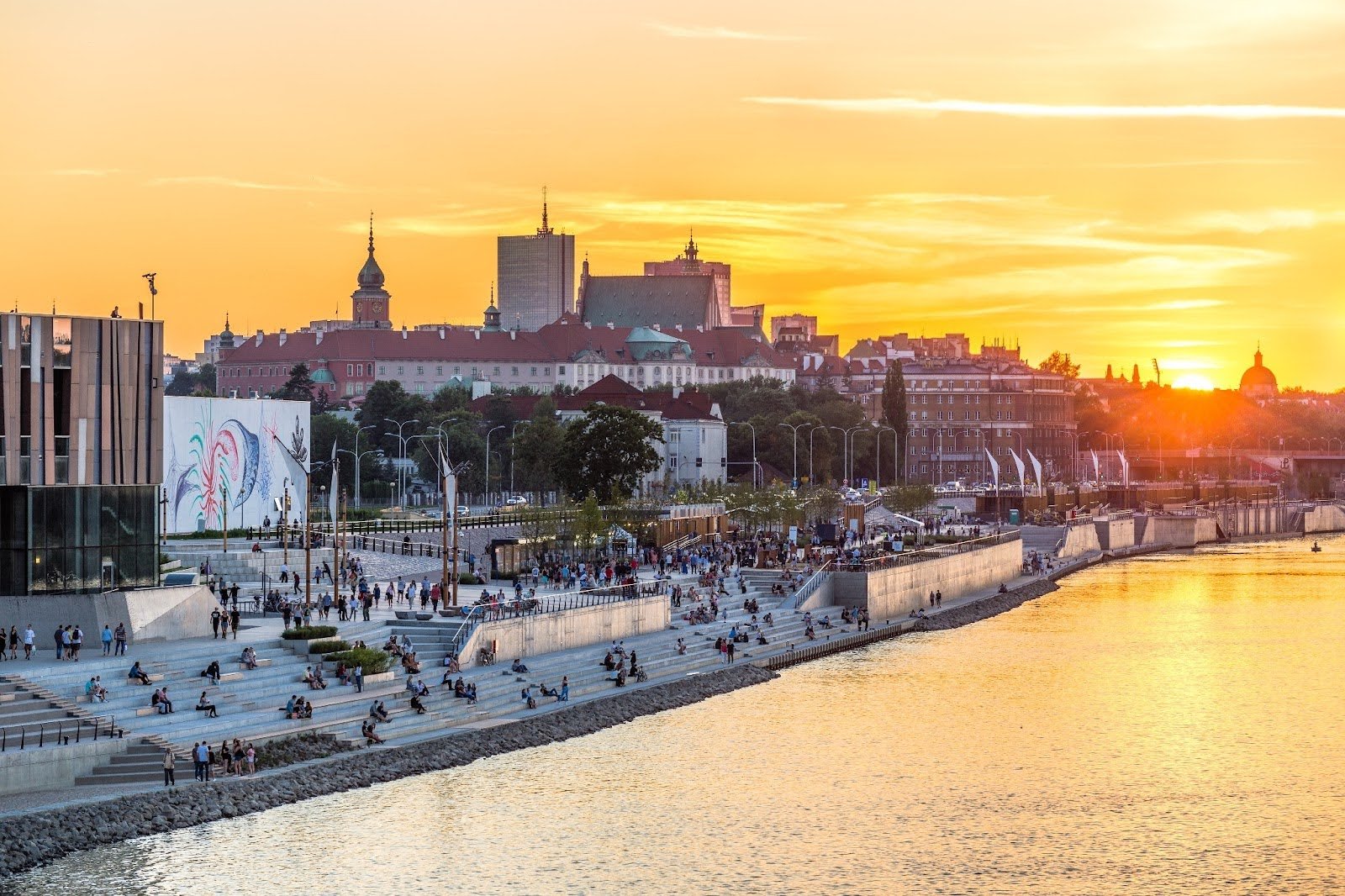
Vistula Boulevards at sunset. Photo courtesy of City of Warsaw

As I meandered through the storied streets of Warsaw, I was struck by the city's unwavering commitment to eco-friendly, sustainable tourism. In a world where the travel industry grapples with the challenges of preserving our planet while meeting the demands of curious visitors, Warsaw emerges as a shining beacon of hope. This Polish capital stands as a remarkable example, blending environmental responsibility seamlessly with the needs of travelers.

The Vistula River: A Tranquil Retreat Amidst Urban Life

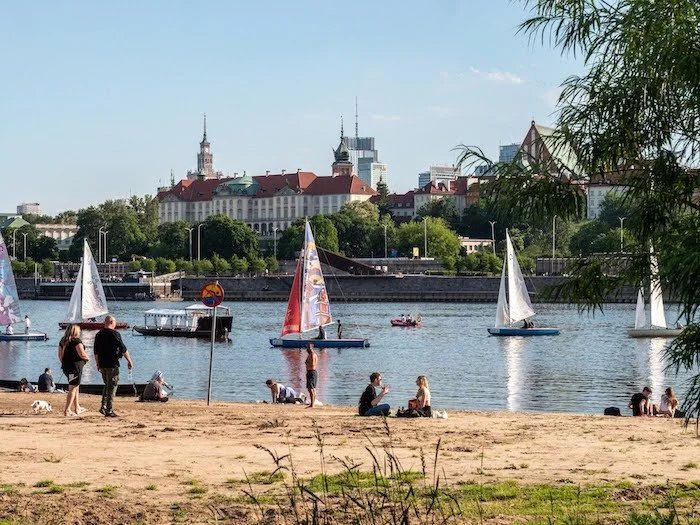
Vistula River beachfront. Photo courtesy of Lukasz Kopec City of Warsaw

Steps away from the bustling cityscape, I discovered a rarity not found in most urban settings—a soft golden sandy beach on the right bank of the Vistula River. The meticulously maintained sandy beaches beckoned me to take off my shoes and savor the sand between my toes. What a wonderful oasis for locals and travelers to unwind amid nature's embrace. Whether you're soaking up the sun, strolling along the riverbank or indulging in water sports, the city is preserving the river's ecosystem, ensuring harmony with the natural habitat.

Warsaw's Green Oasis: Nature Amidst the City

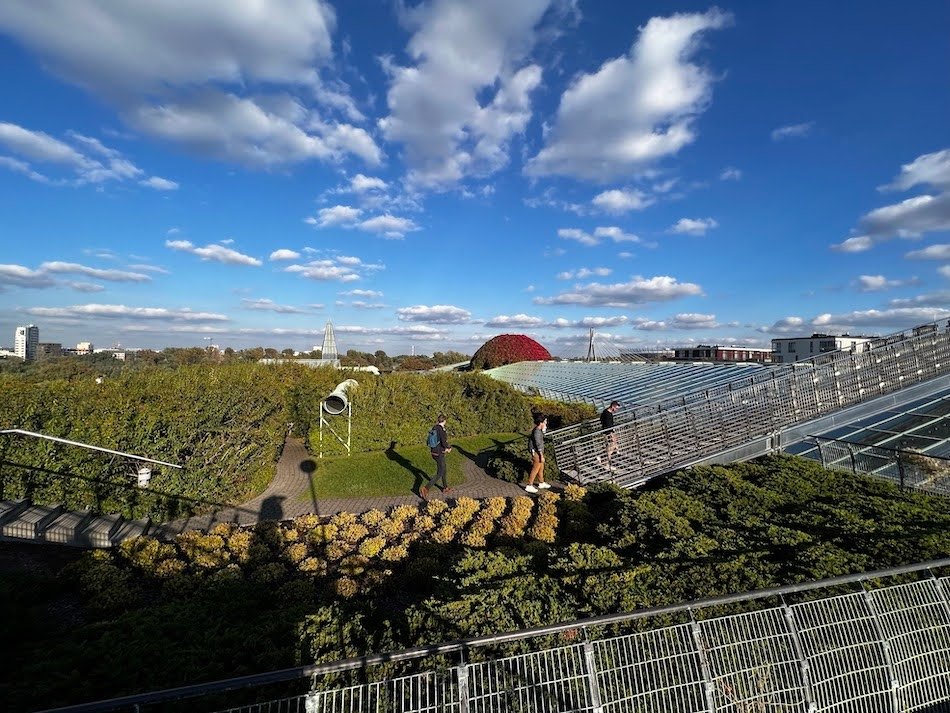
University of Warsaw Library Rooftop Garden. Photo Courtesy of Sharon Kurtz

Warsaw has dedicated almost a quarter of its urban landscape to lush green spaces, offering residents and visitors respite from the city's energetic pulse. The University of Warsaw Library's Rooftop Garden is a hidden treasure among these green gems. It is a haven of tranquility and a living laboratory, fostering biodiversity and environmental research.

Lazienki Park, the city's most famous green area, marries culture, nature and history. It hosts free open-air Chopin concerts during the summer, a not-to-be-missed experience for classical music enthusiasts. The park's rich history and majestic palace on the water create a fairytale-like ambiance.

Lazienki Park Chopin Sculpture. Photo courtesy of Sharon Kurtz

Wilanow Park, in the city center, boasts magnificent gardens surrounding the Wilanow Palace, a glimpse into Poland's royal past. Nearby, the Saxon Garden, Warsaw’s oldest, holds echoes of its exclusive heritage. The garden's peaceful aura and the nearby Tomb of the Unknown Soldier created a space for me to rest on a shady bench and people-watch after a long day of sightseeing.

Fresh and Sustainable: Warsaw's Green Markets

Bio Bazar Market Vendor. Photo courtesy of Sharon Kurtz

Warsaw's commitment to sustainability extends to its thriving green markets, which actively promote eco-conscious practices and foster a vibrant connection between local farmers and consumers. Among these markets BioBazar, nestled within the historic Norblin Factory Complex, is a glowing testament to the city's dedication to sustainability.

BioBazar is more than a market; it's a living example of Warsaw's conservation-minded approach to shopping. Visitors can explore a bounty of locally sourced, organic, and environmentally friendly products here. The market emphasizes fair trade principles, ensuring that farmers receive a reasonable price for their goods, thus supporting local agriculture and strengthening the community.

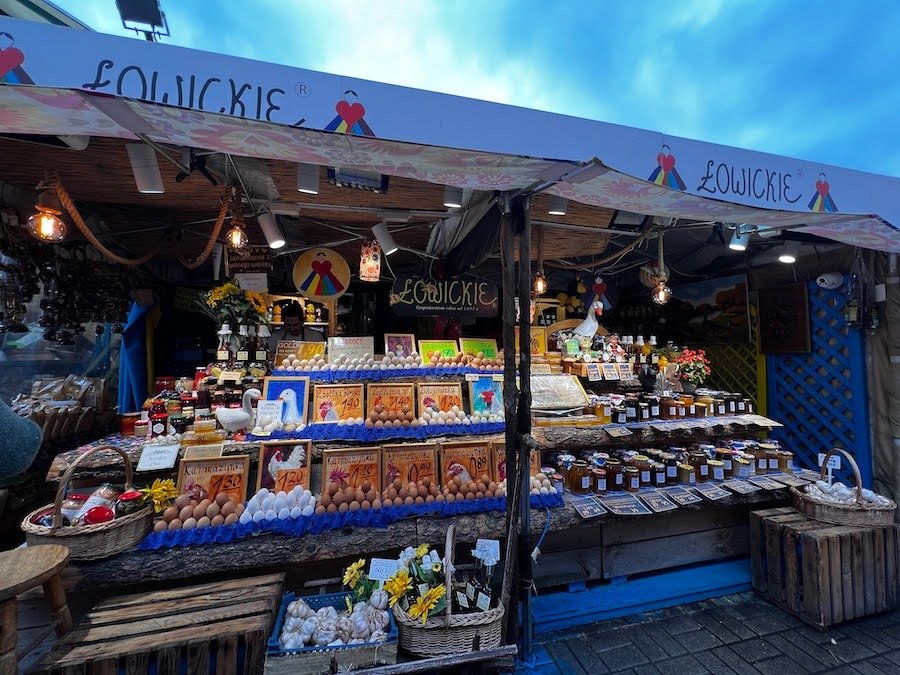
Local farms sell their products directly to consumers, offering an array of delights that vary with the changing seasons. From organic meats and cheeses sourced from nearby farms to a delightful array of homemade baked goods, including beloved treats like Paczki (Polish doughnuts) and Pierogi (stuffed dumplings), to an assortment of soups, pickles and relishes, these markets encapsulate the essence of seasonal, locally sourced and earth-friendly living.

Lowickie market stall selling fresh eggs. Photo courtesy of Sharon Kurtz

By prioritizing seasonal products and the direct exchange between producers and consumers, Warsaw's green markets minimize the carbon footprint associated with long-distance transportation, ensuring that every item on the market's shelves is delectable and eco-friendly. The result is a thriving culinary and cultural experience that nourishes the body and nurtures the planet.

Repurposing Warsaw: An Architectural Renaissance

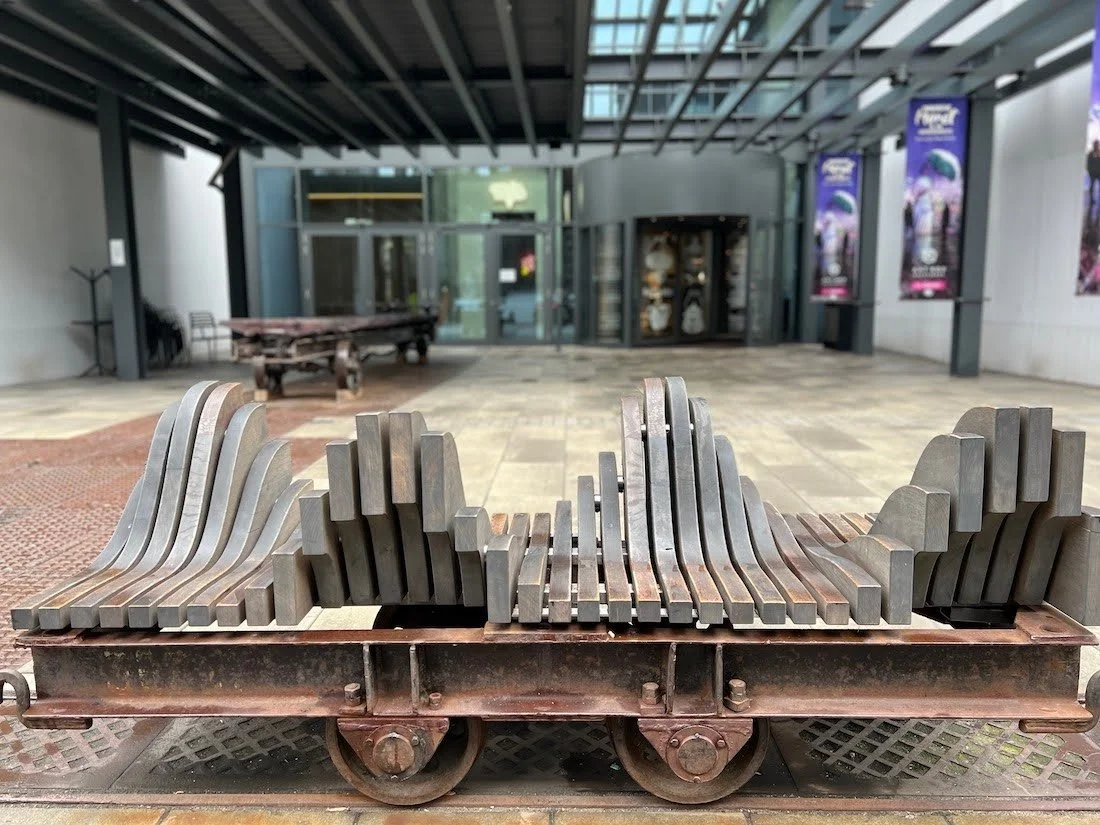
Noblin Factory Complex repurposed equipment bench. Photo courtesy of Sharon Kurtz

Warsaw's commitment to repurposing its architectural heritage is another testament to its sustainable and culturally rich ethos. It's not just about breathing new life into old structures; it's celebrating history and creativity.

In the heart of Warsaw, the Norblin Factory is a prime example of this dedication to repurposing. What was once an industrial complex has undergone a transformative journey, emerging as a multi-use center that seamlessly integrates residential, commercial and cultural spaces. The factory's original metal equipment and carts have been artfully preserved and repurposed, providing a fascinating blend of industrial history and contemporary art. I enjoyed witnessing metal carts turned into benches and old machinery adorning the space as art, bridging the gap between the past and the present.

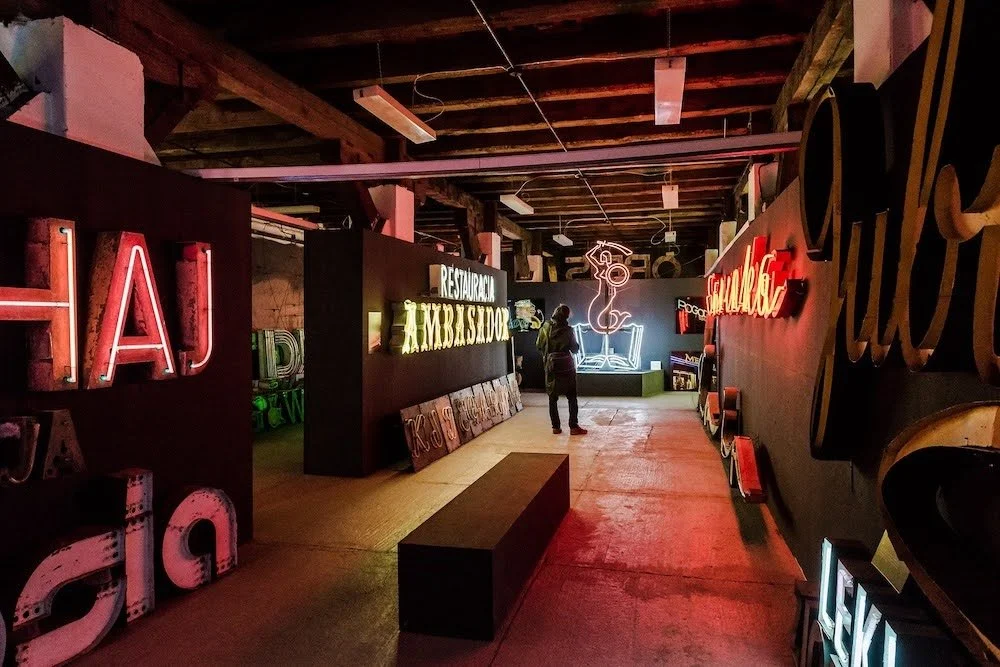
In Warsaw's gritty and bohemian Praga District, the Neon Museum resides in an old weapons facility known as the Soho Factory. This unassuming structure, with its worn-out exterior, hides an enchanting secret. The factory's dull bricks are the backdrop for a captivating array of neon signs from the Cold War era. The Neon Museum is more than a repository of signs; it's a guardian of history, safeguarding the luminous artistry of a bygone era.

Neon Museum in the Praga District. Photo courtesy of Filip Kwiatkowski City of Warsaw

These neon signs, many of which were once symbols of a divided world, now coexist as cultural artifacts and artistic relics, reminding us of the past while illuminating the present. It's a tribute to the resilience of Warsaw's spirit and its creative vision of repurposing that brings the city's rich history to life.

Bee-Friendly Capital: Nurturing Pollinators in Warsaw

Educational Apiary Program in Wilanow. Photo courtesy of City of Warsaw

Warsaw is leading the way in protecting and embracing pollinators, particularly bees. The educational apiary program in Wilanow provides a chemical-free sanctuary where bees thrive, contributing to a healthy ecosystem.

Bee hives in city parks and on iconic buildings like the Palace of Culture and Science educate residents and raise awareness about the importance of these pollinators, enhancing a healthy ecosystem.

By ensuring the bees' well-being and producing pure honey, Warsaw again showcases its commitment to sustainability. This honey is a sweet testament to the city's eco-conscious efforts, offering residents and visitors a taste of their dedication—and Warsaw honey makes a delicious souvenir! 

Hike and Bike Trails: Fun and Green Exploration

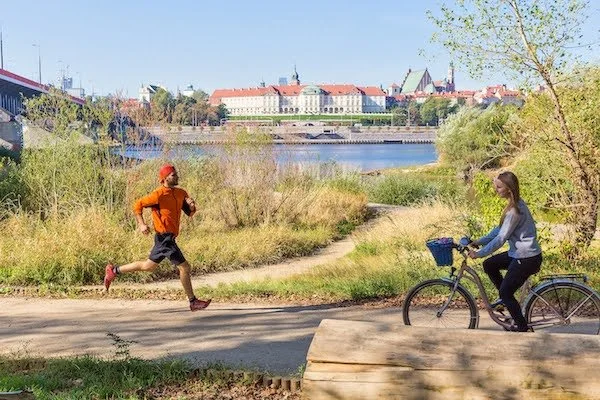
Vistula Riverfront Hike and Bike Path. Photo courtesy of City of Warsaw

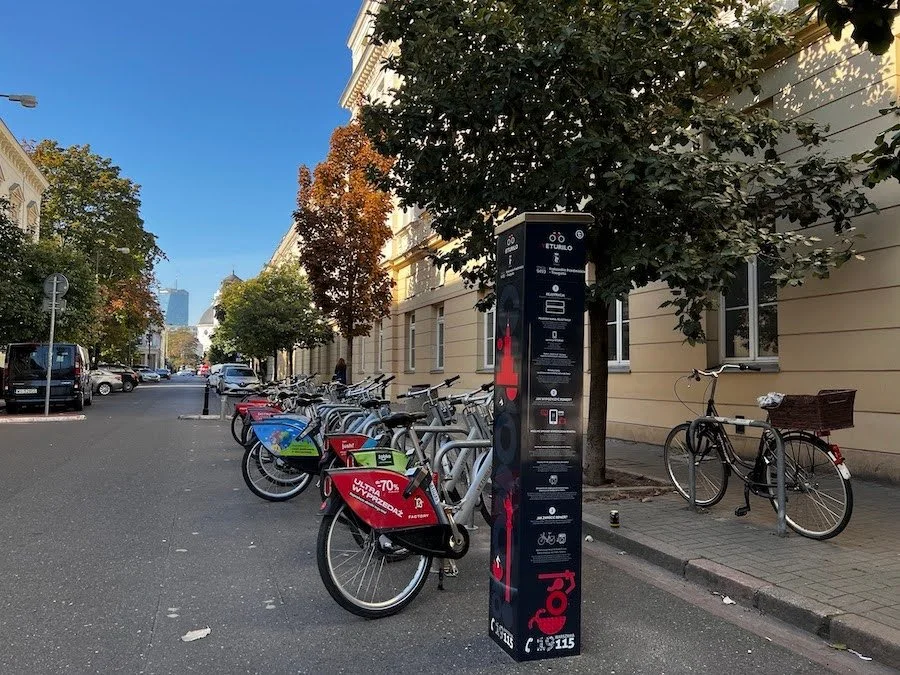
Warsaw's network of hiking and cycling trails winds through parks and green areas and along the Vistula River, offering a chance to explore the city's natural beauty while reducing one's carbon footprint. The abundance of trails encourages alternative transportation, making Warsaw a greener and healthier city. Bike-sharing programs promote low-impact travel, providing convenient and efficient access to these trails.

Bike sharing station in the city center. Photo courtesy of Sharon Kurtz

Art, Culture, and the Environment: Warsaw's Eco-Friendly Fusion

Street art and murals are everywhere. Photo courtesy of Sharon Kurtz

The city's vibrant art and cultural resurgence seamlessly intertwine with its renewable approach to tourism, enriching the natural beauty that draws visitors worldwide. I loved the dynamic street art everywhere. The city's art galleries and public installations celebrate local talent and champion sustainability in the arts, fostering a sense of community and profound cultural pride.

Cultural festivals further enhance Warsaw's artistic landscape, weaving a diverse tapestry of experiences for locals and travelers alike. Events like the Warsaw Summer Jazz Days and the Warsaw Film Festival attract international visitors, blending artistic expression with environmentally conscious practices.

Why you should visit

Green spaces are gems in Warsaw. Photo Courtesy of Sharon Kurtz 

Whether you are a nature lover, a history enthusiast or simply seeking an adventure, Warsaw is a great place to visit, with myriad examples of its eco-friendly passion intertwined with its rich past and natural beauty.


Sharon Kurtz

Sharon Kurtz, an accomplished travel writer and award-winning photographer based in Austin, Texas, is dedicated to exploring the world and sharing her adventures through compelling storytelling. She intricately weaves together her love for travel and food, immersing readers in diverse cultures and flavors both at home and across the globe. Showcasing the beauty and attractions of each destination, she delves deep into local culture, traditions, and hidden gems, revealing the extraordinary in every place. Enjoy more of Sharon’s writing on her website, or follow her on Instagram.

Peaks, Prayers, and Paragliding in Nepal

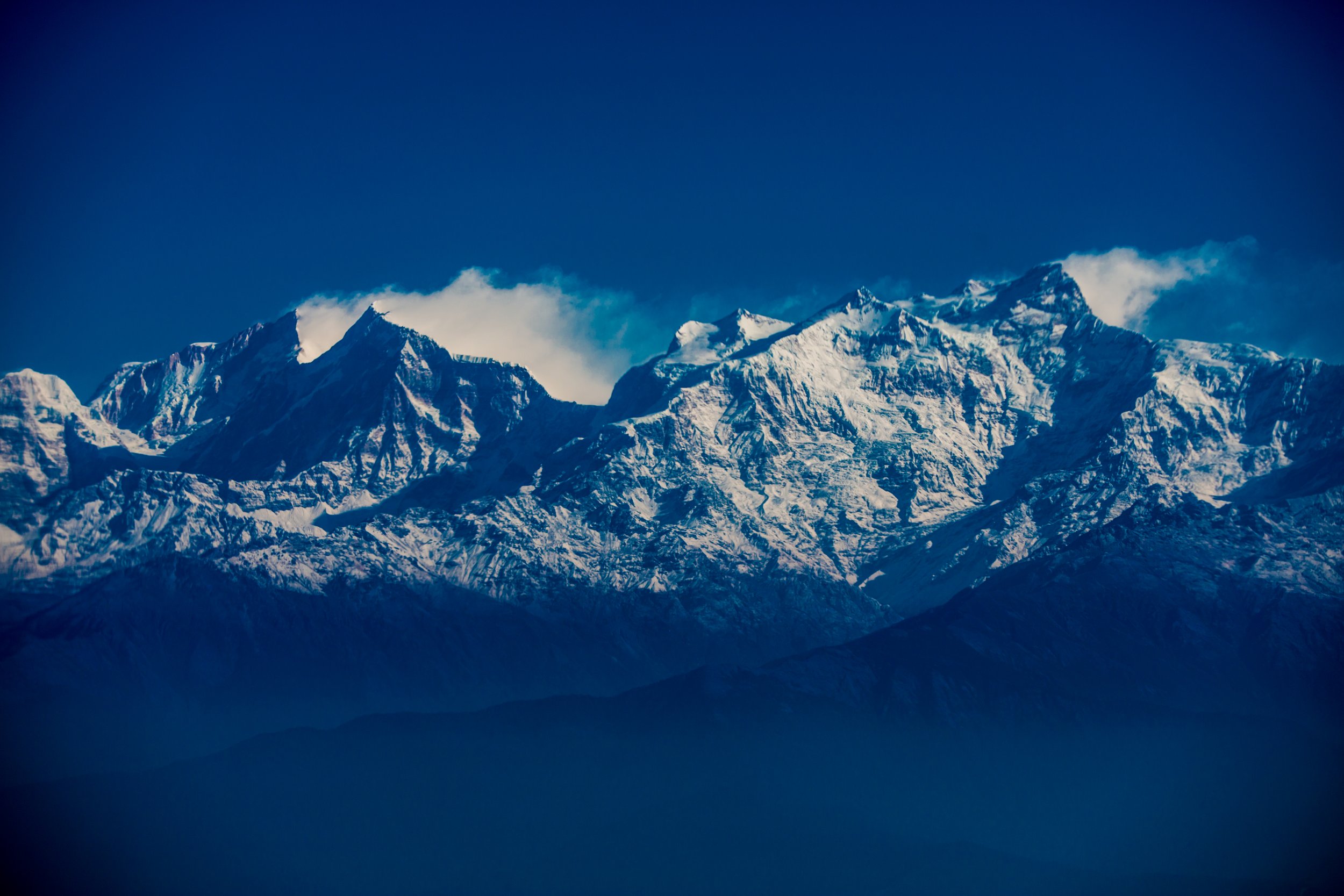
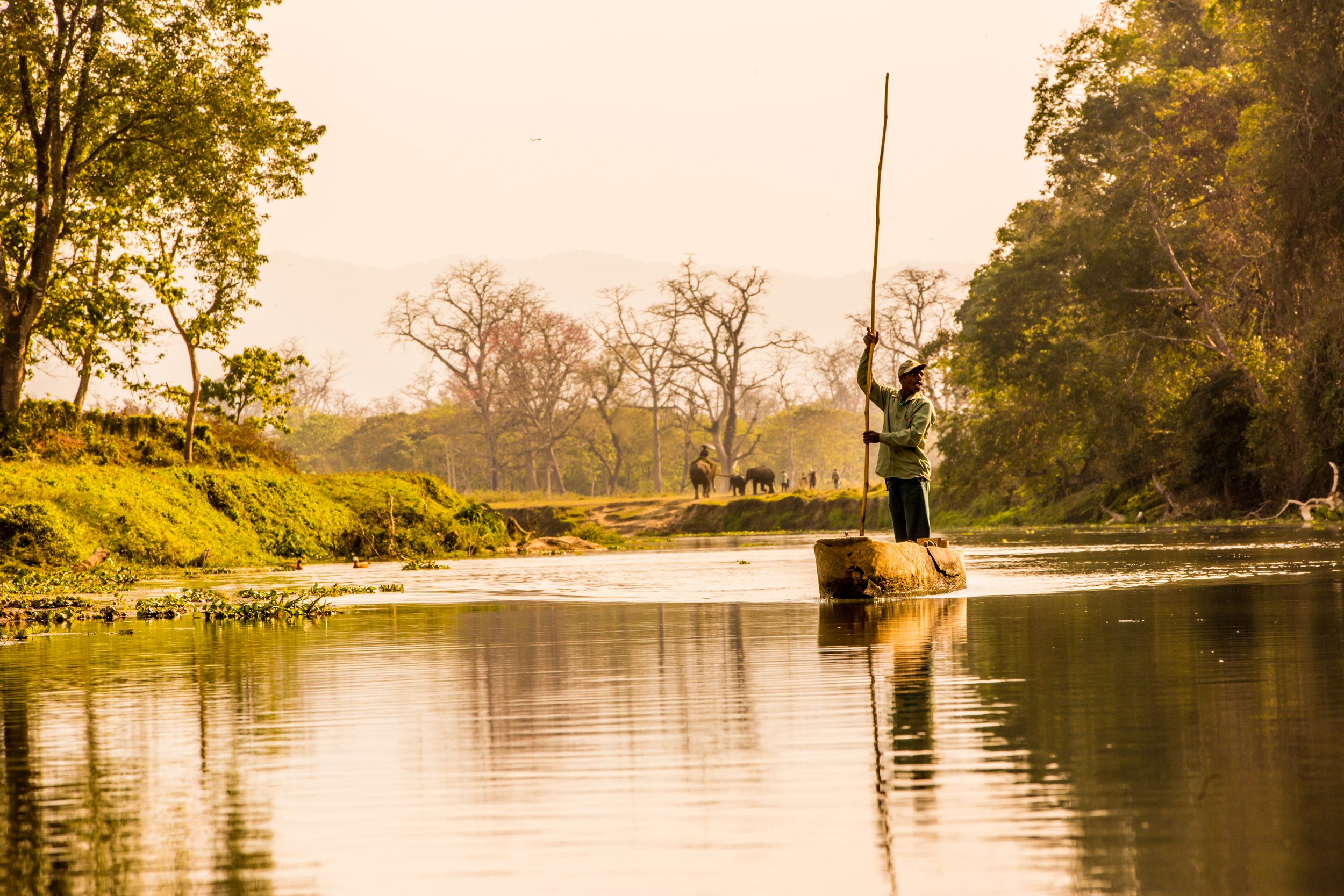
Although Nepal is a small, landlocked country in the Himalayan mountain chain, its majesty, stunning landscapes that sprawl on endlessly and spiritually diverse culture outshine most places I have visited.

Laura Grier

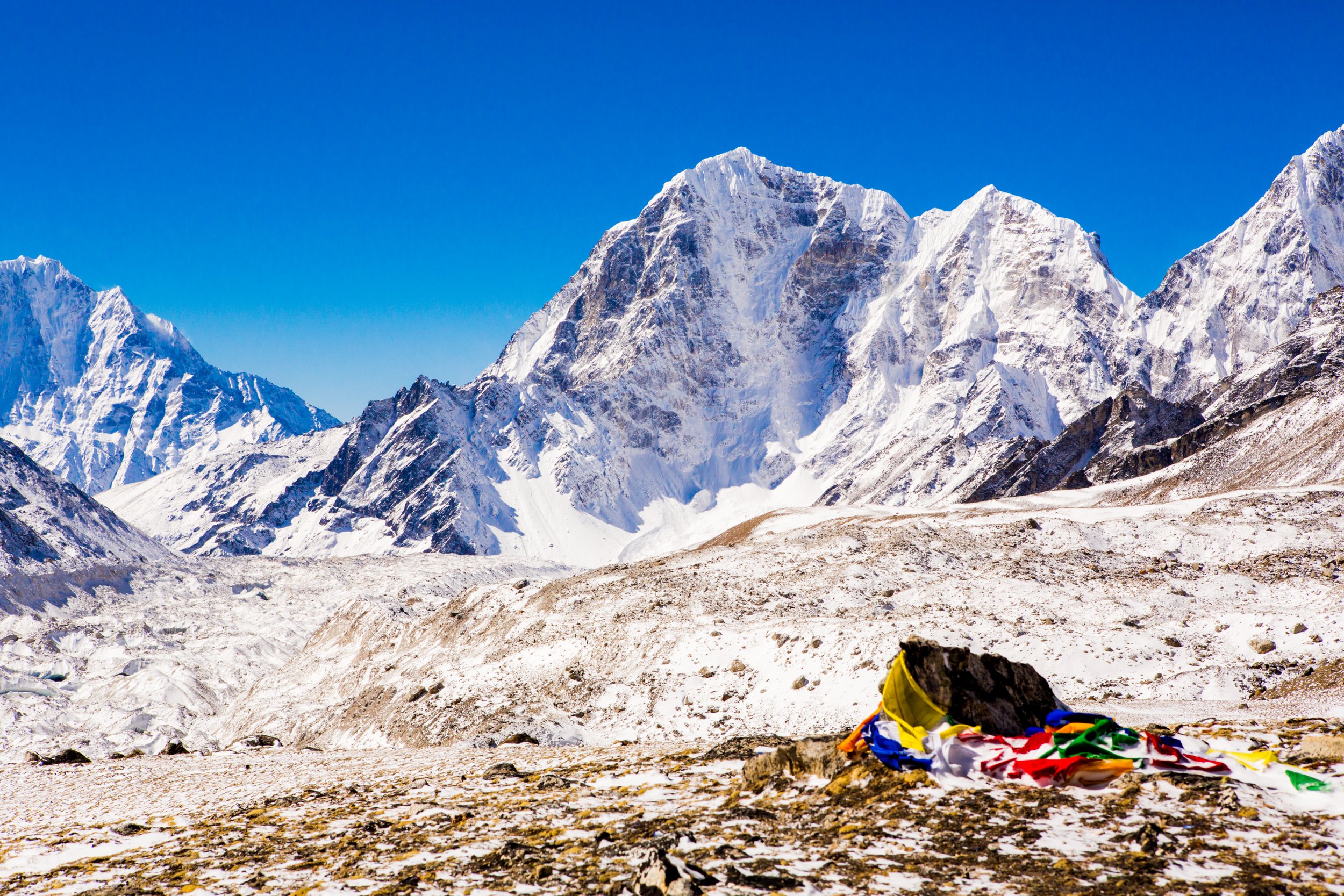
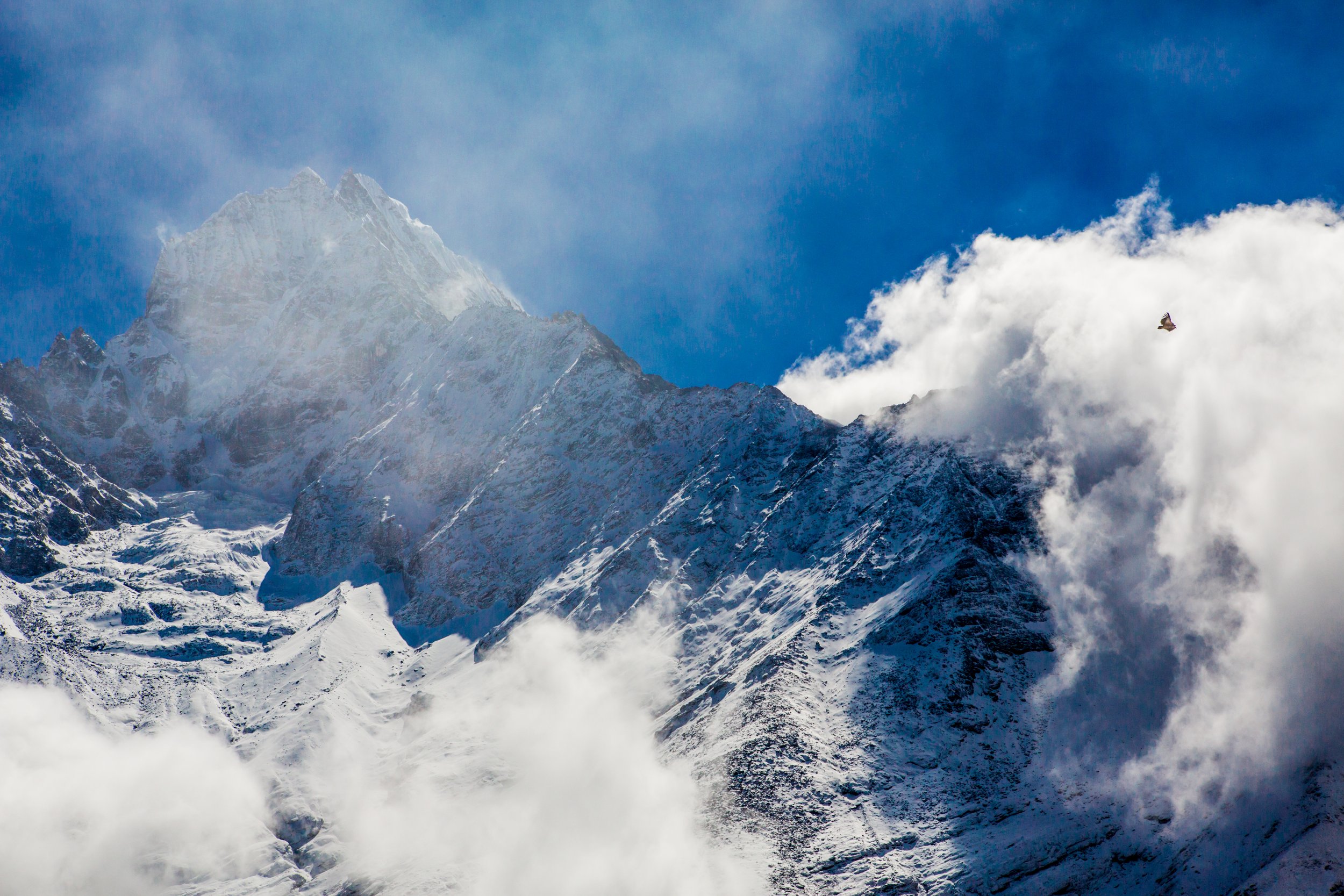
Travelers and adventure seekers from around the world risk their lives flocking to Nepal for a chance to summit our planet’s most famous peak, Mount Everest. Everest's vertex, soaring to an impressive 29,029 feet, stands as the highest point on Earth. Located in the realm more commonly traversed by jetliners than humans, it represents an awe-inspiring summit beyond the reach of ordinary explorers. But there is so much more to this tiny, mountainous country wedged between India and China, which has maintained its own unique culture and vibe despite the behemoths on either side.

With its enchanting blend of sacred temples, revered cows, Buddhist monks, endangered animal sanctuaries and extreme sports like paragliding to get your adrenaline pumping, Nepal will captivate you. There is something for everyone, and you may even come across a rare Yeti sighting! In celebration of the country’s unique thrills and delights, I wanted to share some fun facts I learned about Nepal while I was there leading a philanthropic photography workshop.

The current year is 2080…

This year, 2080, is particularly significant in the Nepali calendar because it marks the beginning of a new century (21st century) in the Nepal Sambat system. This unique calendar system is based on lunar cycles and has been used in Nepal for millennia. In fact, April 13th is when they celebrate New Year’s Eve!

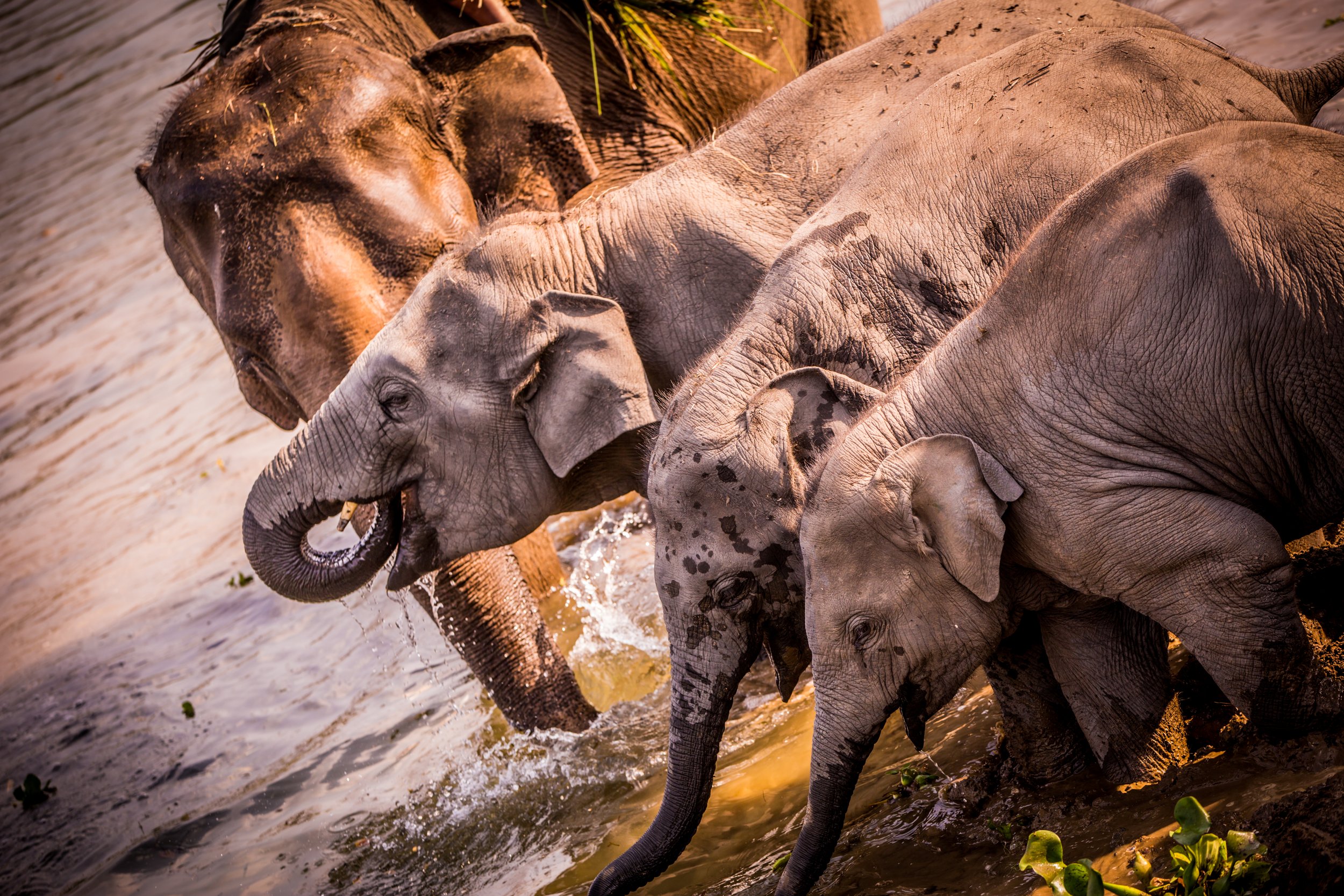
Nepal has maintained ZERO poaching of its endangered animals, including elephants, rhinos and tigers, for the past 12 years.

Nepal has become the world’s gold standard in the fight against poaching and received international accolades for recording zero poaching of rhinos in 2011, 2014, 2016, 2018, 2019, and 2020. The Nepalese government has ensured local communities benefit financially from the country’s parks and ecotourism. The government gives local communities 50 cents of every tourist dollar, making the wildlife more valuable alive than dead.

Mount Everest actually has two other names, Sagarmatha and Chomolungma.

The Royal Geographic Society pronounced the official name "Mount Everest" in 1865, named after Sir George Everest, the Surveyor General, but he did not want the peak named after him, believing it important to use local names. The Nepali word for Everest is Sagarmatha, meaning “forehead of the sky.” Sherpas (which is actually the name of an ethnic group in Eastern Nepal, not just a word for someone who lugs your gear) call it Chomolungma, meaning “Goddess Mother of the World.”

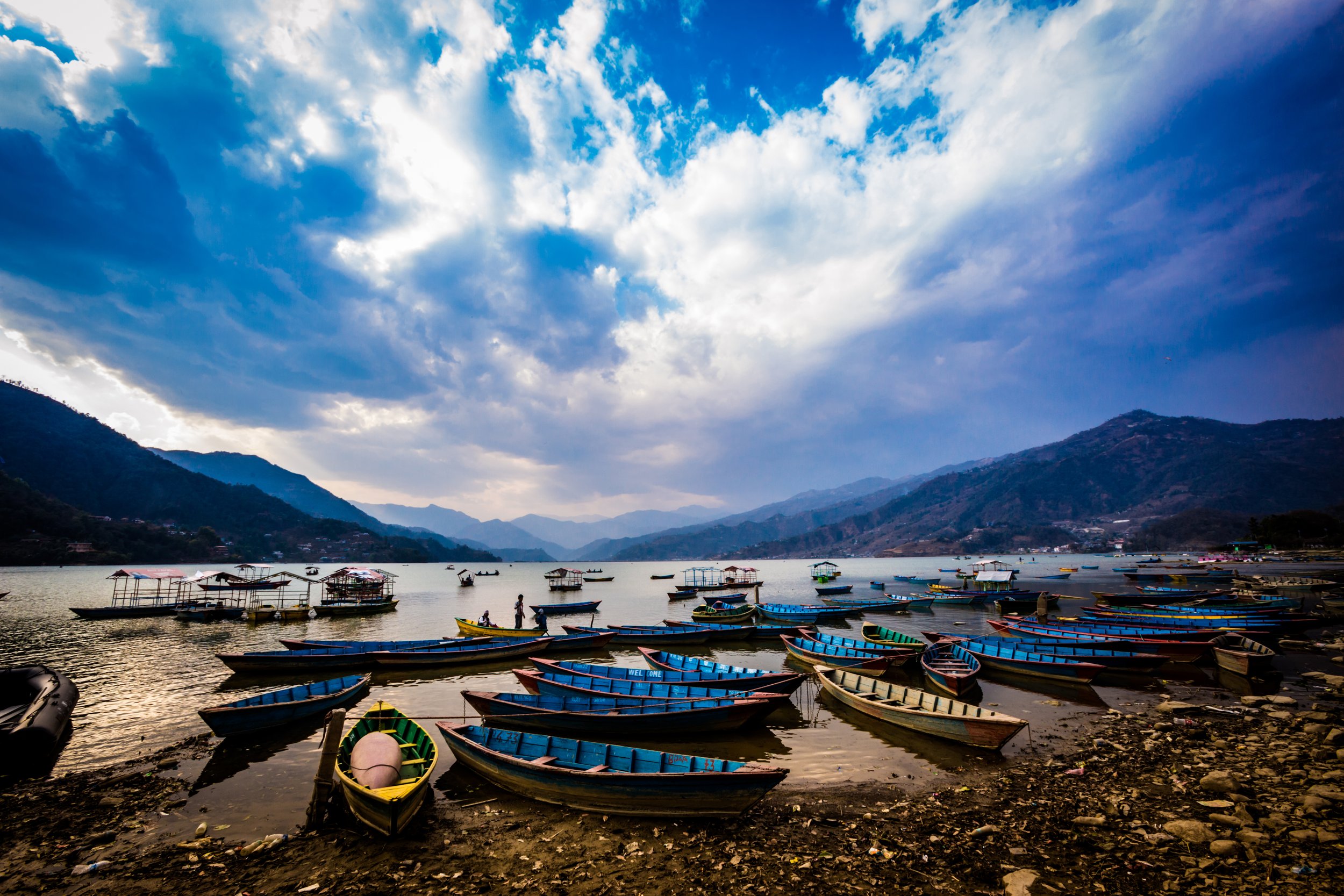
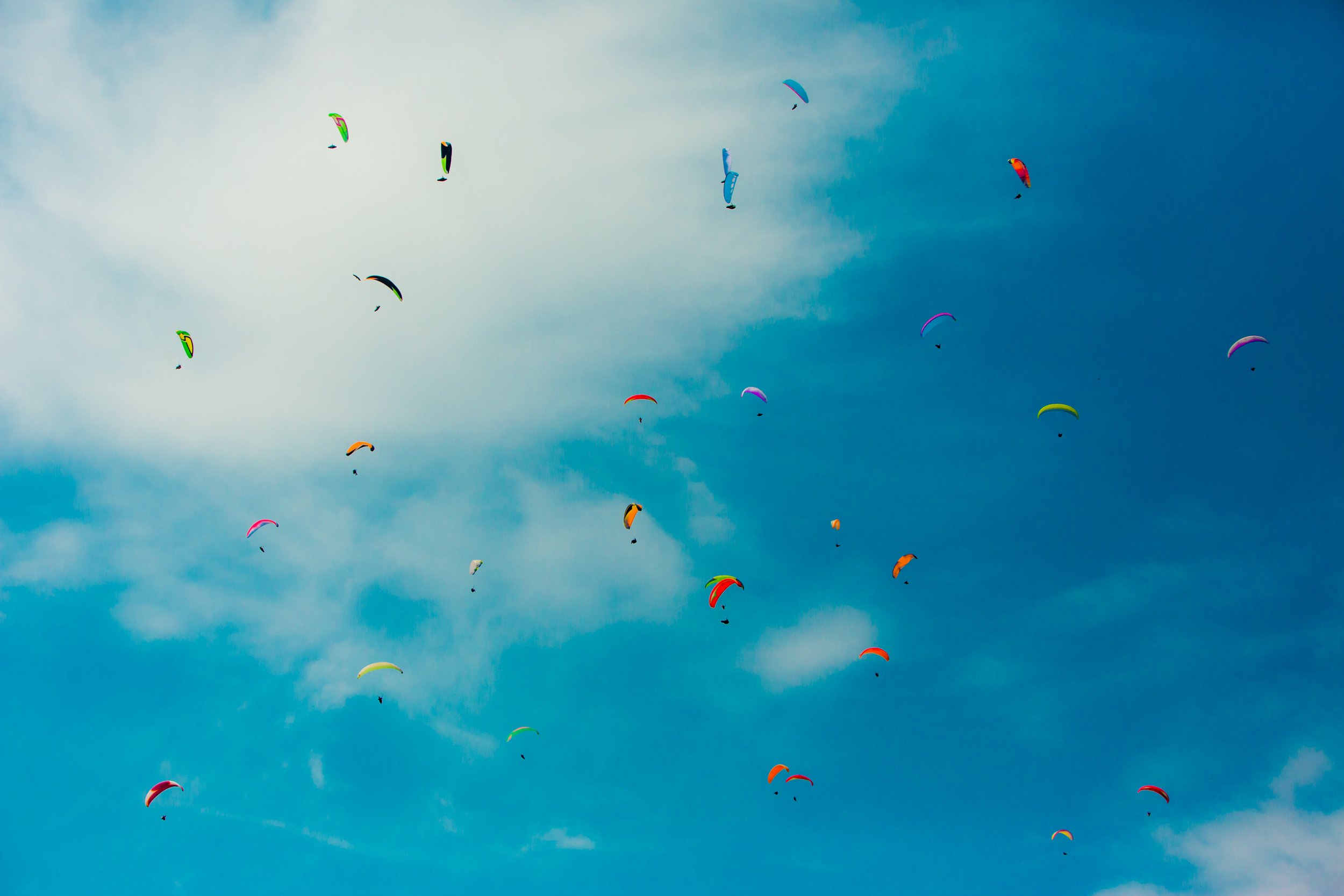
Pokhara is called the “Gateway to the Himalayas” and the starting point of many of the most famous trekking expeditions, but what will grab your attention is the constant swooping of dozens of colorful paragliders filling the skies above you. It is one of the top paragliding locations worldwide, having all the right ingredients: stable thermals, convenient take-off and landing zones, the safety of a large lake for emergency landings and incredible mountain views. 

I had a total “James Bond experience when I stayed at the Waterfront Hotel there, jumping off a cliff, gliding around for half an hour doing corkscrew tricks surrounded by hawks, then landing right next to the pool of my hotel, where I took off my parachute and went directly to a lounge chair for a cocktail — no big deal!

Nepal is the birthplace of Lord Gautam Buddha, The founder of Buddhism. 

Buddha’s exact birthplace is preserved in Lumbini, Nepal, inside the Maya Devi temple, and because of this, Lumbini in Nepal is the holiest pilgrimage site for Buddhists worldwide.

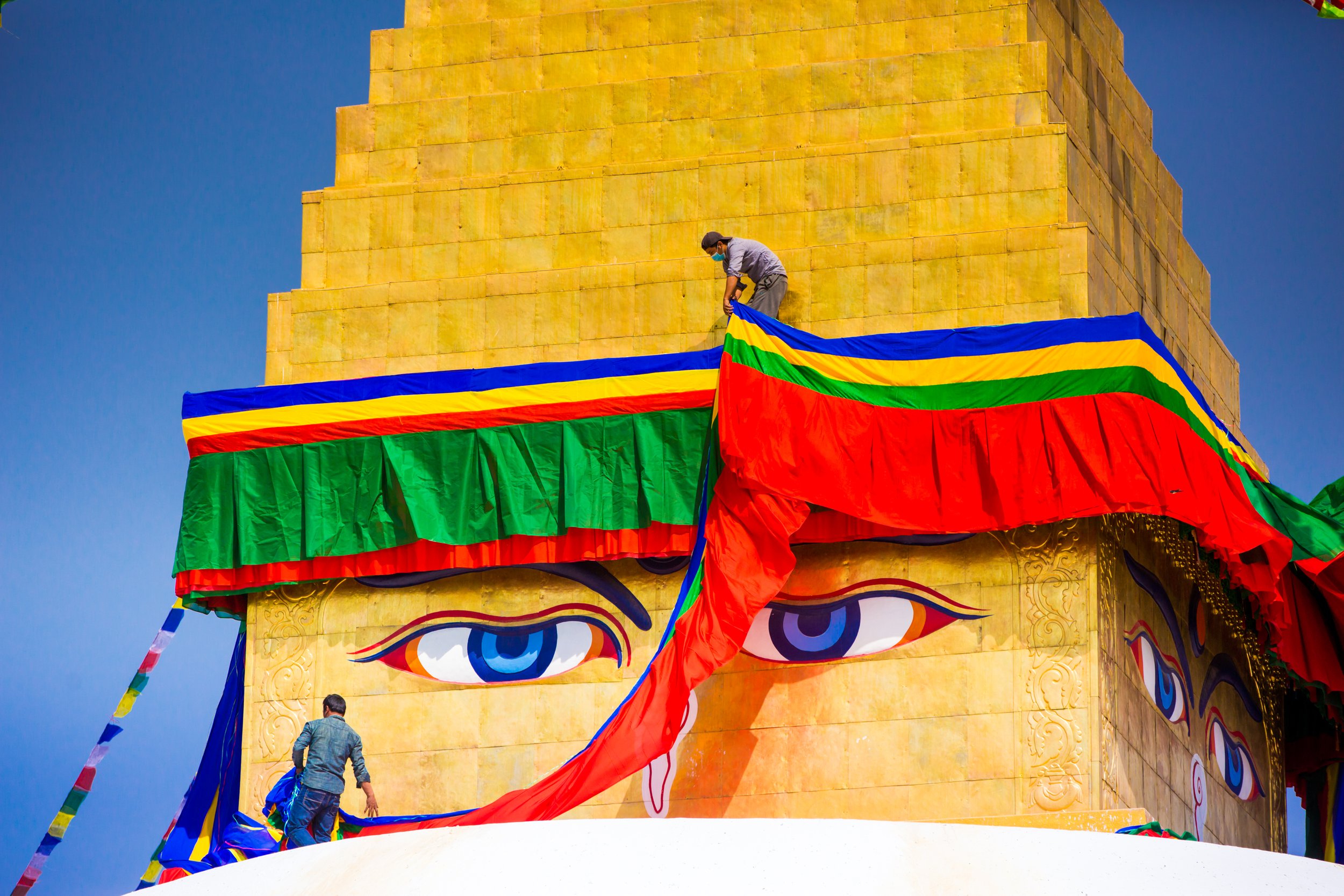
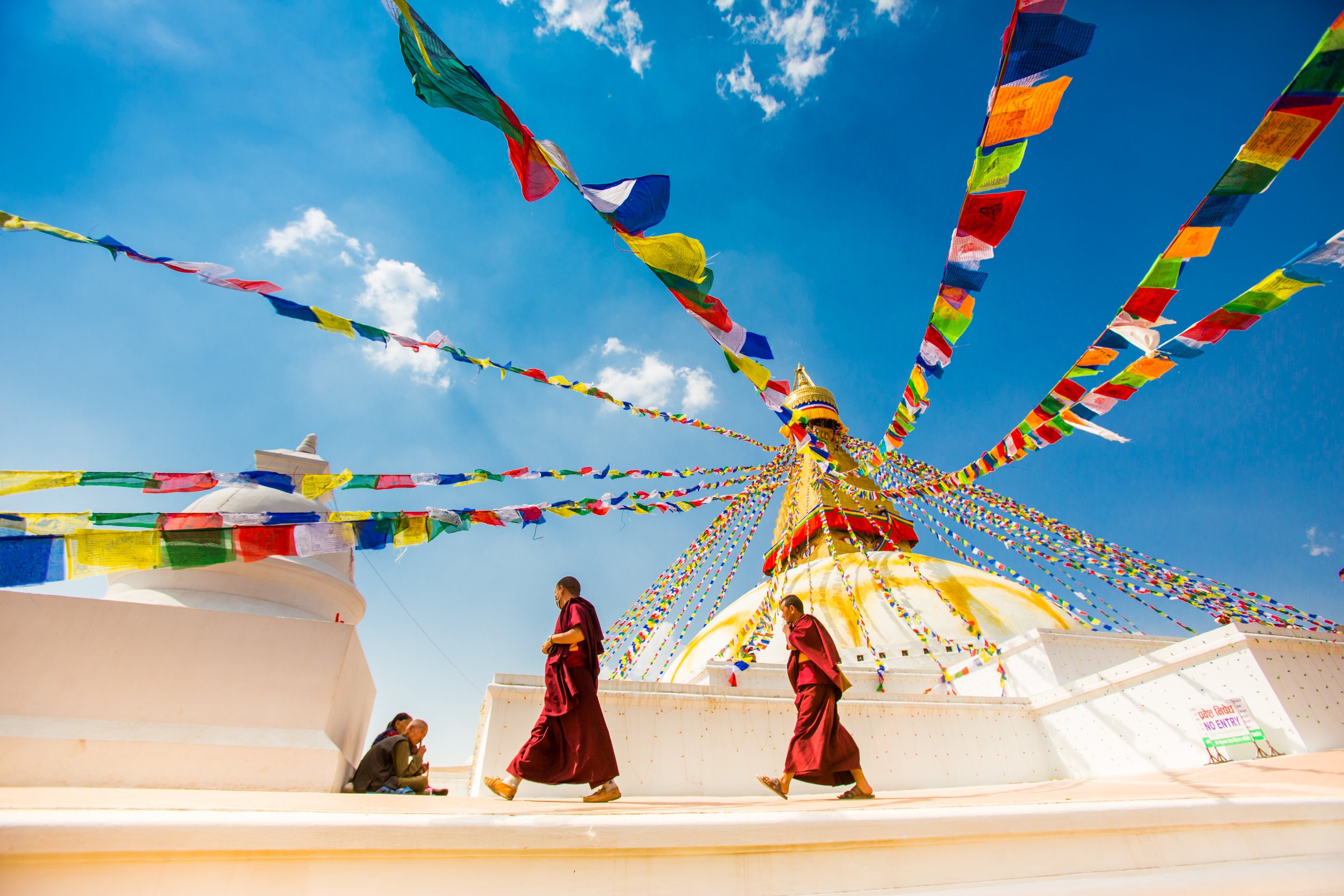
Boudhanath Stupa is the largest and holiest Tibetan Buddhist temple outside Tibet.

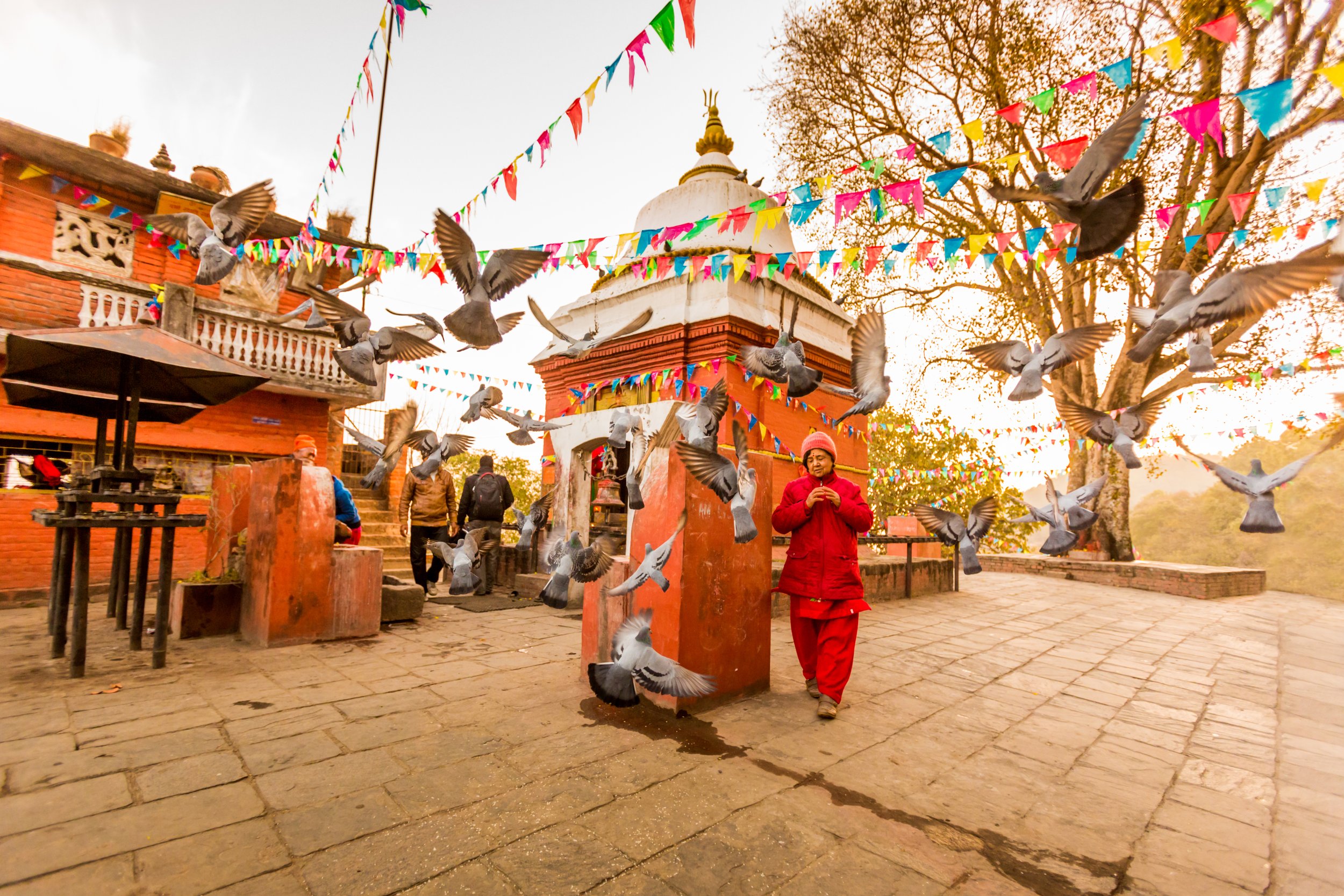
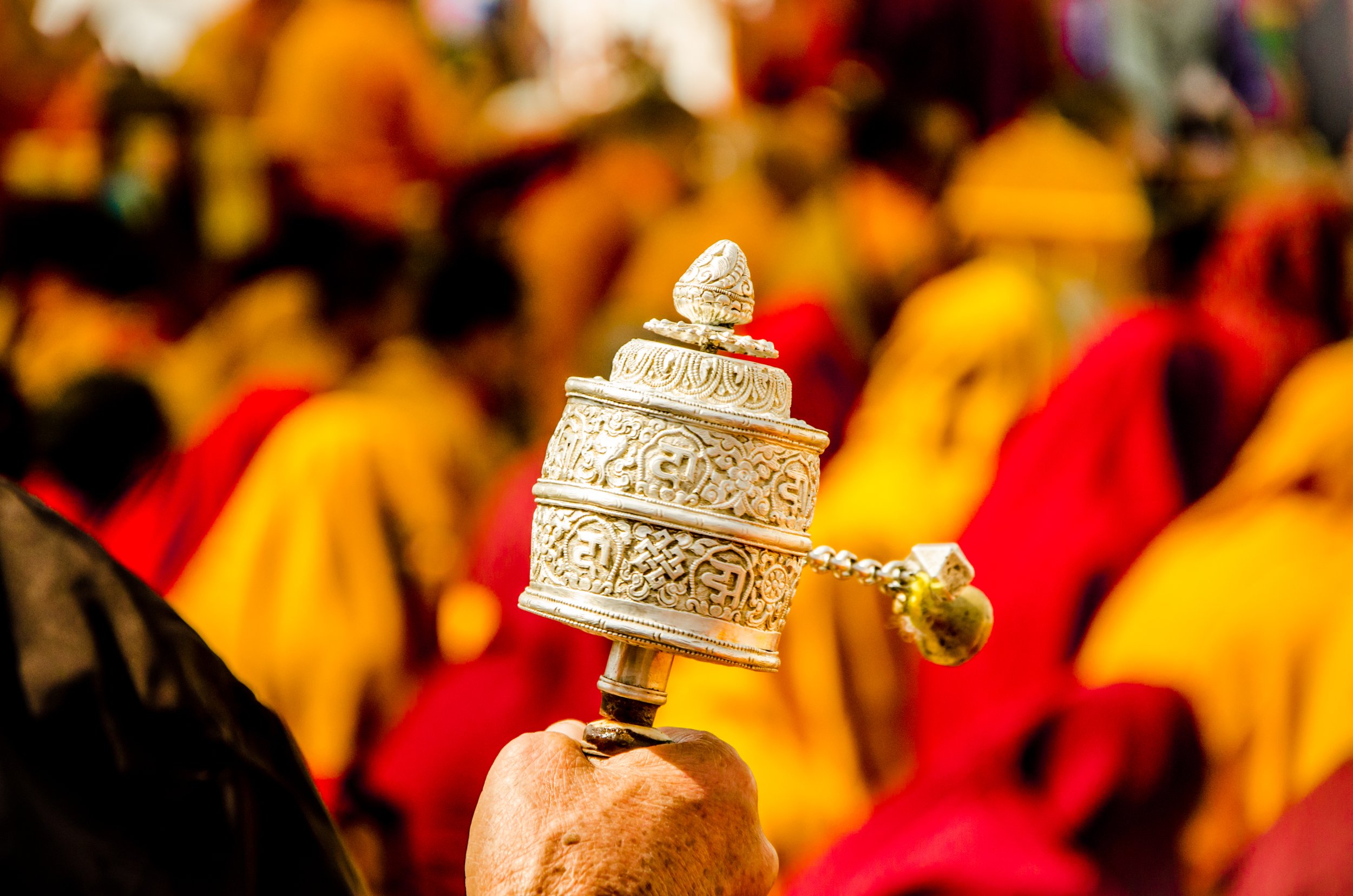
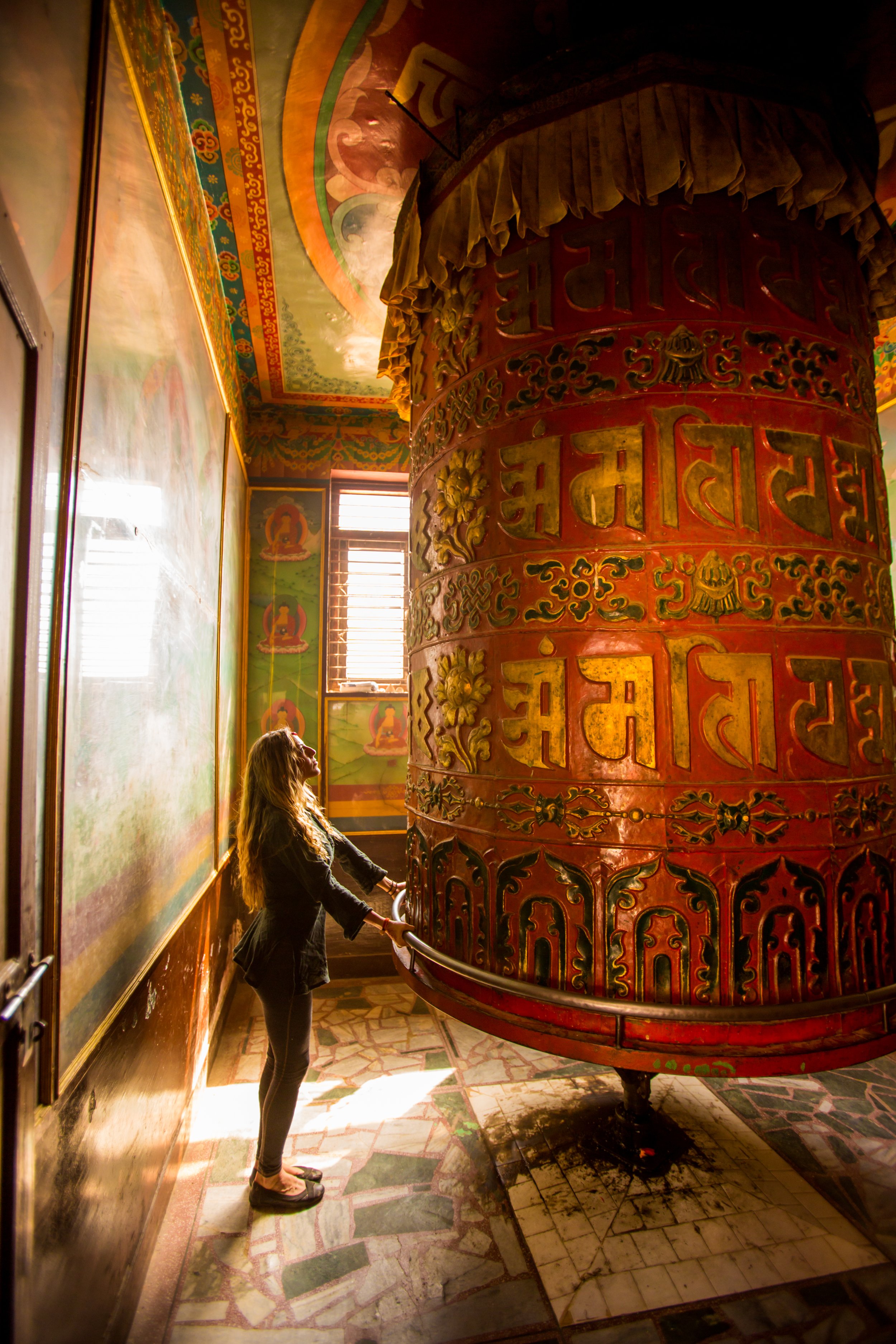
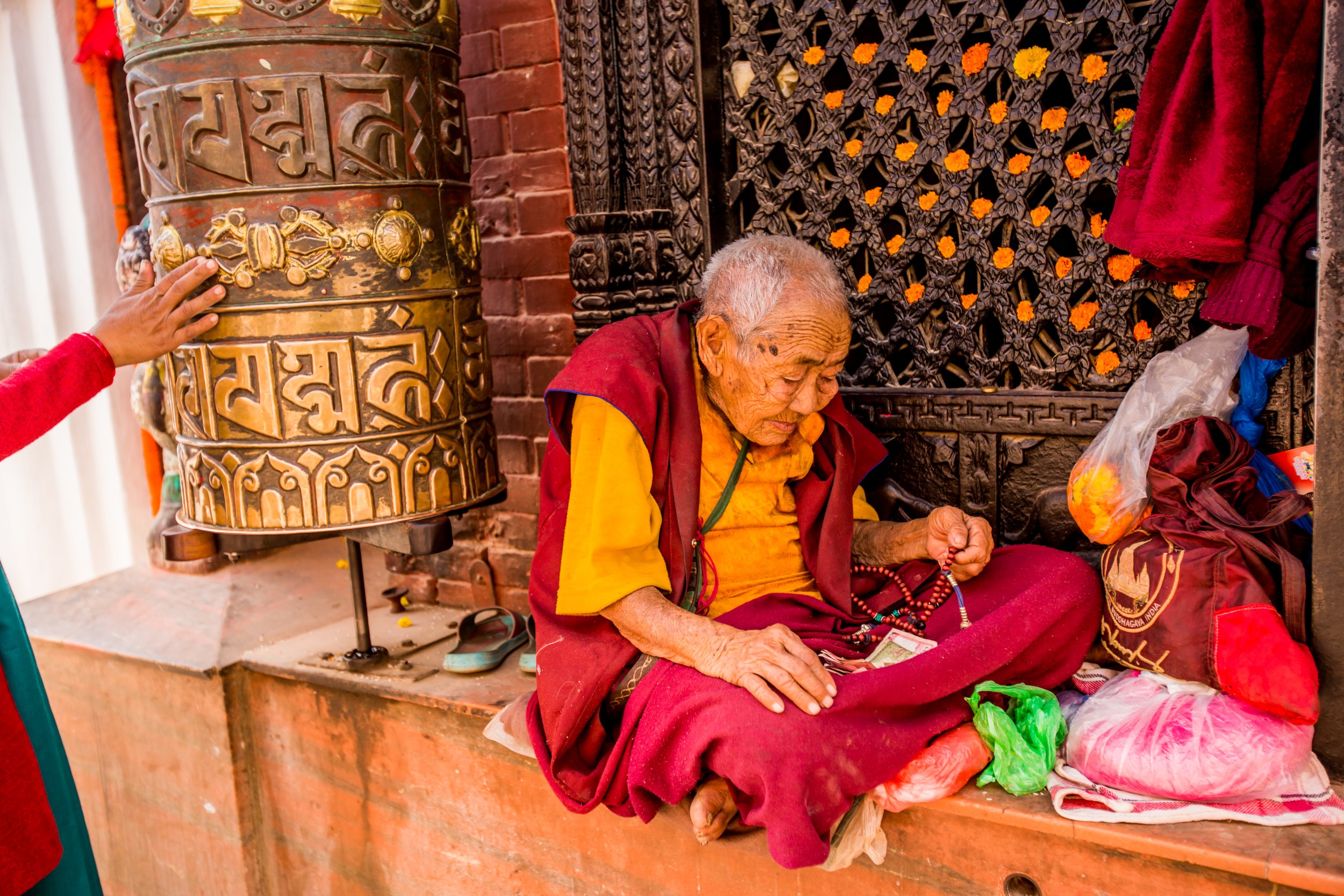
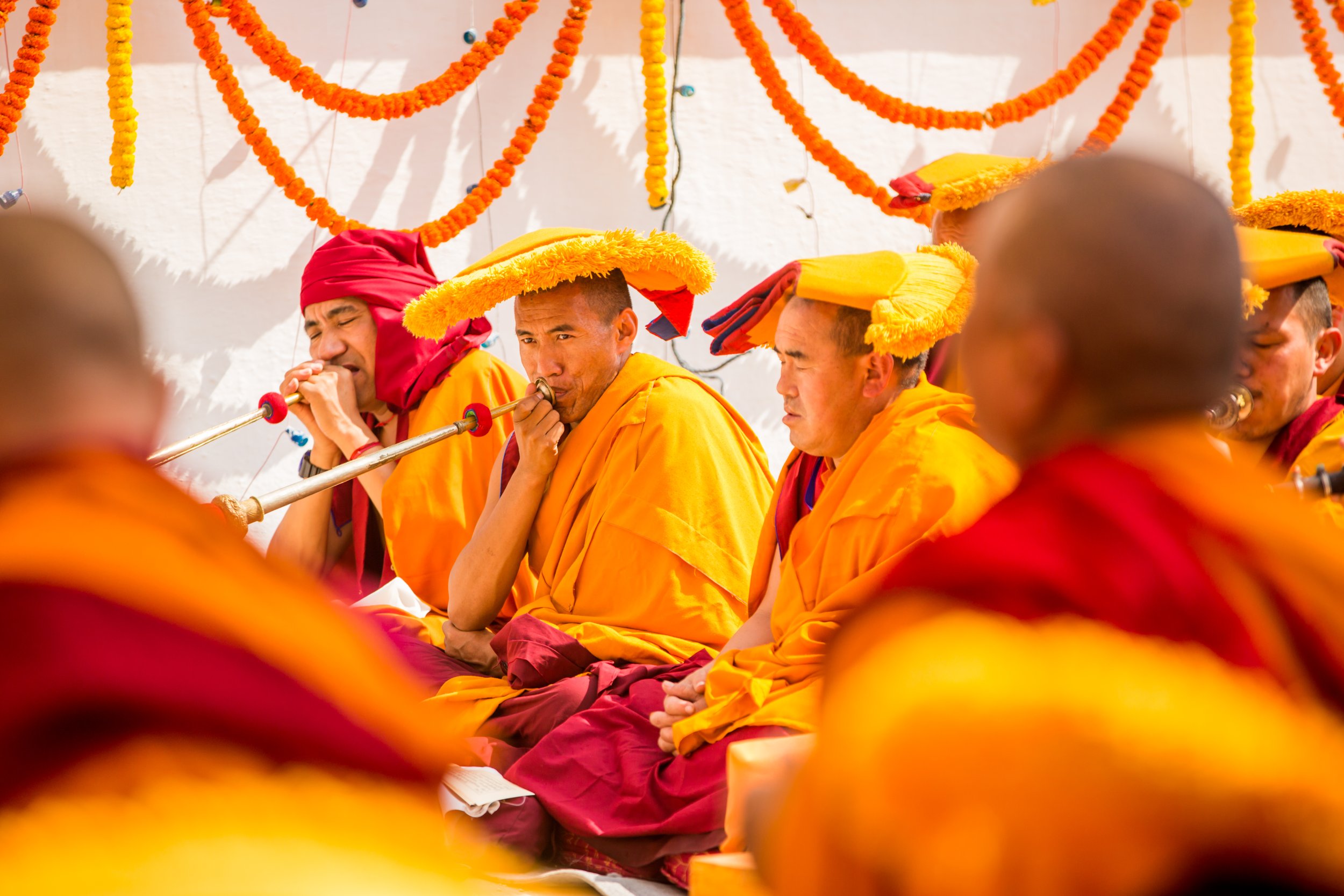
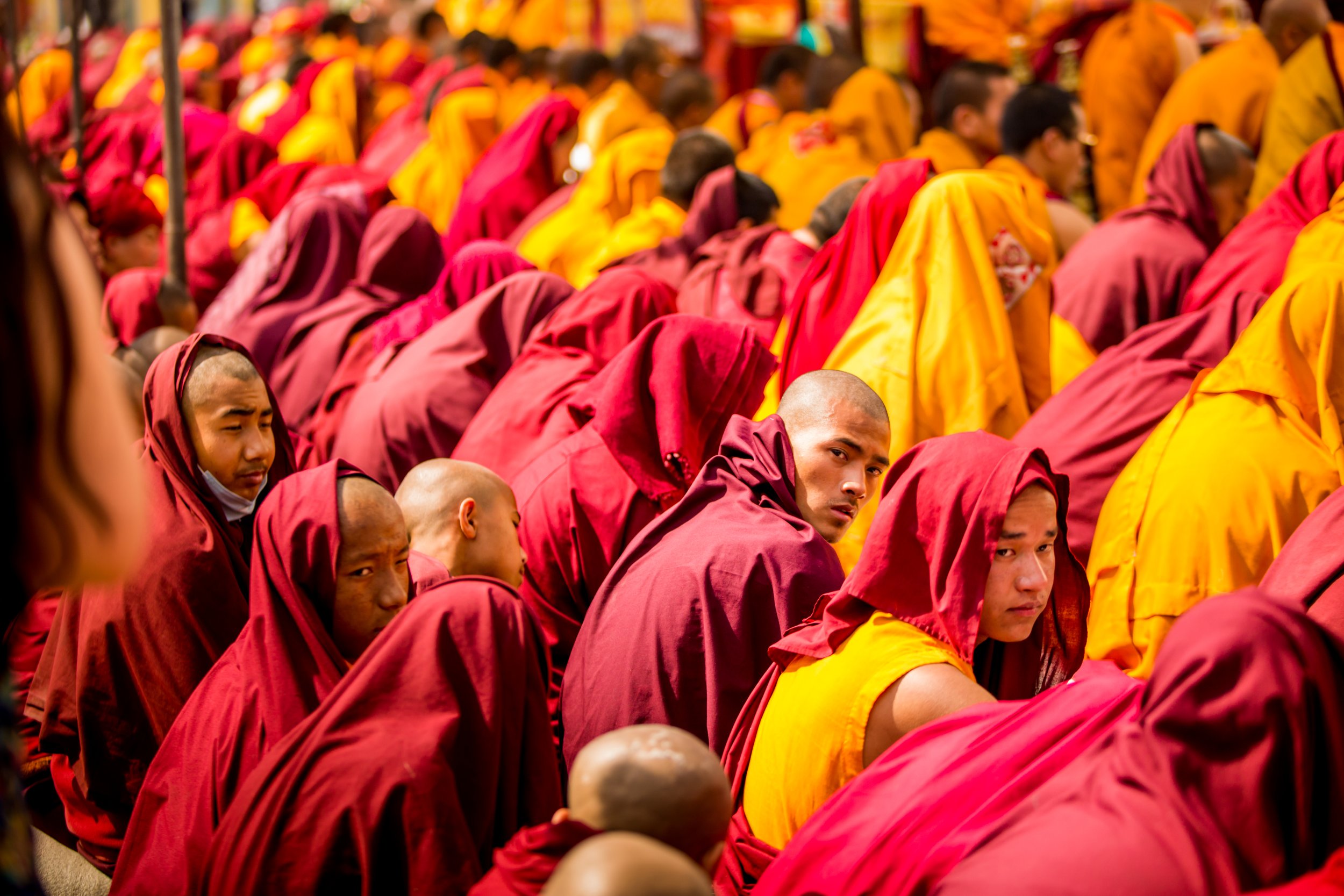
I spent the day with hundreds of monks chanting, playing instruments, wearing ornate headdresses and praying around the stupa’s base. If you are lucky, on certain holy days you can watch the monks elaborately decorate the stupa and participate in the Kora Buddhist prayers by walking clockwise around it, spinning the hundreds of prayer wheels as you go from right to left.

Visit The Hindu City of the Dead.

Death is part of Life at Pashupatinath Temple, The Hindu City of the Dead. This is one of the most sacred Hindu temples dedicated to god Shiva and located on both banks of Bagmati River in Kathmandu. Every year this temple attracts hundreds of elderly followers of Hinduism who seek shelter for the last several weeks of their lives, to meet death, be cremated on the banks of the river, and travel their last journey with the waters of the sacred river Bagmati, which later meets the holy river Ganges. Hinduists from every corner of Nepal and India are arriving here to die or bring their dead.

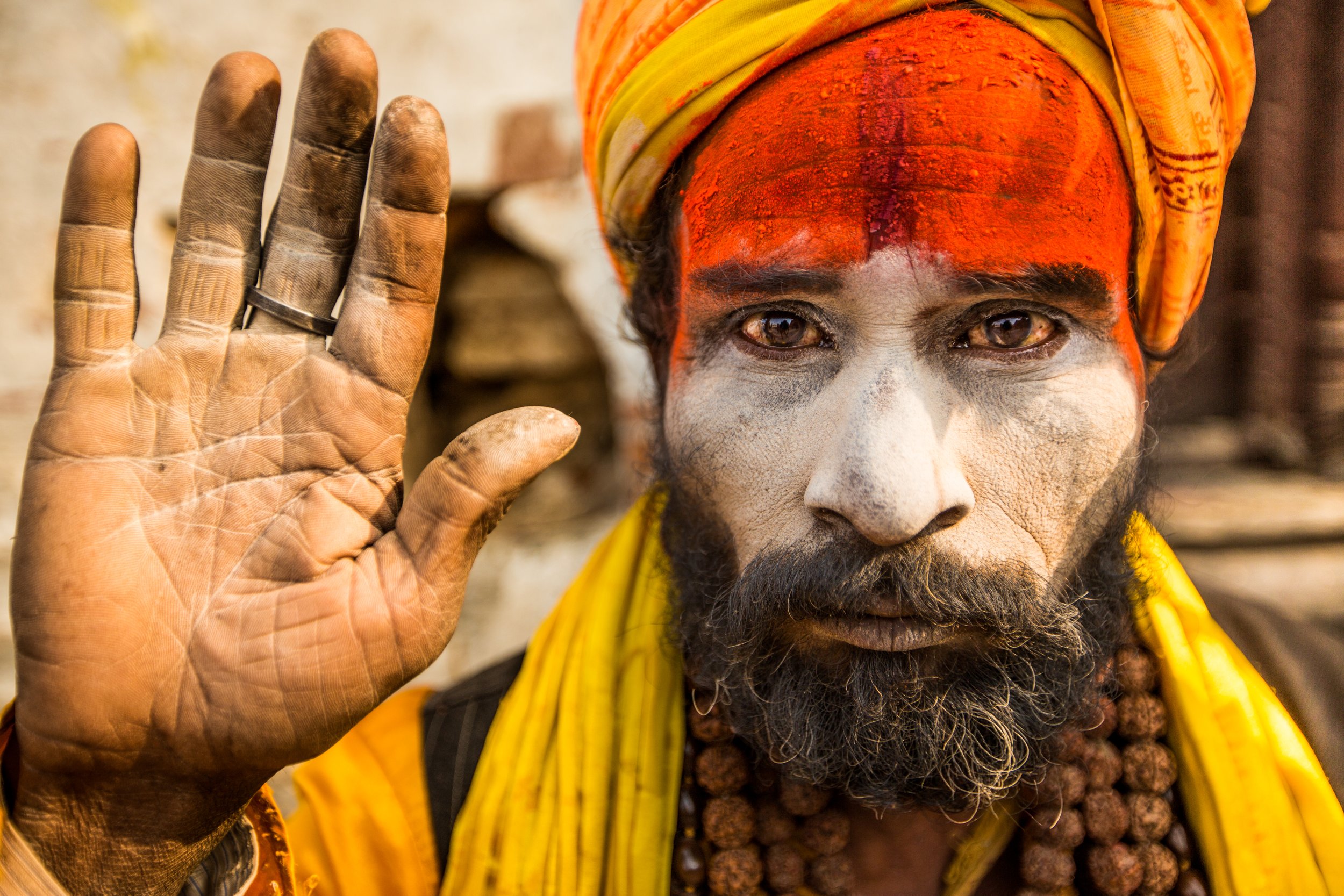
It is believed that those who die in Pashupatinath Temple are reborn as a human, regardless of their karma. All around the banks of the river you can find brightly painted Sadhus, or holymen who are trying to acquire liberation from the cycle of death and rebirth by meditating and astrologers that can predict the exact day of your death or just read your palm if you prefer not to know. This place is huge, like a city within a city and has been in existence since 400 AD. There is a powerful energy there and at any given time while you are there visiting, you will get the chance to see at least one open air cremation and watch how they prepare the bodies for the cycle of death and rebirth.


Laura Grier

Laura is a dynamic Adventure Photographer, Photo Anthropologist, Travel Writer, and Social Impact Entrepreneur. With a remarkable journey spanning 87 countries and 7 continents, Laura's lens captures both the breathtaking landscapes and the intricate stories of the people she encounters. As a National Geographic artisan catalog photographer, Huffington Post columnist, and founder of Andeana Hats, Laura fuses her love for photography, travel, and social change, leaving an impact on the world.

The Essential Palestine Reading List

Dive into this collection that illuminates the rich tapestry of Palestinian history and culture.

An aerial view of Palestine. CC0

Curated with a respect for the multifaceted narratives of the region, this collection encapsulates an array of perspectives, histories and lived experiences. Each title delves deep into the heart of Palestinian identity, the intricacies of the conflict and the resilient spirit of a people striving for justice and peace.

NON-FICTION

1. They Called Me a Lioness 

by Ahed Tamimi and Dena Takruri

Ahed Tamimi, an iconic Palestinian activist, garnered global attention for her fearless activism against the Israeli occupation. Her imprisonment as a teenager after confronting an Israeli soldier in her village of Nabi Saleh turned her into a symbol of Palestinian resistance. This compelling memoir offers a firsthand account of Tamini’s experiences and the ongoing struggle for justice in Palestine, providing profound insight into the realities Palestinians face under occupation.

2. The Ethnic Cleansing of Palestine 

by Ilan Pappé

In this seminal work, Ilan Pappé meticulously traces the events of the 1948 Palestinian exodus, revealing the hidden reality of forced displacement and the establishment of Israel. With unflinching detail, Pappé unearths harrowing stories of dispossession and illuminates the profound impact of this historical upheaval on the Palestinian people.

3. Love Is an Ex-Country 

by Randa Jarrar

In her memoir, Randa Jarrar fearlessly challenges stereotypes about Muslims and Palestinians. Embarking on a cross-country journey, Jarrar proudly embraces her queer, Muslim, Palestinian and unapologetically confident identity, offering a raw, authentic exploration of the intricacies of life.

4. The Iron Cage: The Story of the Palestinian Struggle for Statehood 

by Rashid Khalidi

Historian Rashid Khalidi masterfully dissects the intricate history of Palestinian nationalism and aspirations for statehood. With scholarly precision, Khalidi navigates through decades of political intrigue, chronicling the challenges, setbacks and enduring resilience of a people bent on self-determination and recognition on the world stage.

5. The Hundred Years' War on Palestine 

by Rashid Khalidi

Rashid Khalidi's meticulously researched book paints a vivid historical tapestry from the 1800s to the present in this unshrinking account of the assault on Palestinian society.

6. We Are Not Here to Be Bystanders 

by Linda Sarsour

Linda Sarsour's memoir portrays her journey from Brooklyn to becoming a powerhouse in activism, stirring profound reflections on solidarity and advocacy.

7. Except for Palestine 

by Marc Lamont Hill and Mitchell Plitnick

Marc Lamont Hill and Mitchell Plitnick's critique navigates the inconsistencies within progressive circles, urging universal consistency in advocating for all oppressed communities.

FICTION

1. Mornings in Jenin 

by Susan Abulhawa

Susan Abulhawa crafts a poignant, multigenerational narrative that traverses the emotional terrain of a Palestinian family's journey through displacement and loss. Through exquisite storytelling, Abulhawa offers a deeply moving portrayal of resilience amid a tumultuous landscape of conflict and highlights the enduring spirit of the Palestinian people.

2. The Tiny Journalist: Poems 

by Naomi Shihab Nye

Naomi Shihab Nye, the esteemed Palestinian-American poet, weaves poetic wonders inspired by Janna Jihad Ayyad, Palestine's youngest journalist. Ayyad, capturing anti-occupation protests at the age of seven using her mom's smartphone, becomes Nye's muse in this must-read collection.

3. You Exist Too Much 

by Zaina Arafat

Zaina Arafat's debut novel is a transcontinental tale which oscillates between the United States and the Middle East. A fresh voice in Palestinian-American literature, Arafat artfully dismantles Israel’s pinkwashing while unraveling the complexities of Palestinian society for diverse readers.

4. Enter Ghost 

by Isabella Hammad

Isabella Hammad's evocative narrative navigates modern-day Palestine, delving into the artist's struggles amid diaspora, displacement, and the shadow of occupation.

5. Evil Eye 

by Etaf Rum

Etaf Rum's exploration of womanhood as a Palestinian American is a profound journey through intergenerational trauma, clashes of culture and labyrinthian family dynamics.

6. Salt House

by Hala Alyan

Set in the aftermath of Israel’s conquest of the West Bank and Gaza in the 1967 Six-Day War, "Salt Houses" chronicles a Palestinian family's odyssey from their homeland to Kuwait, painting a poignant legacy of longing and displacement passed through generations.

7. Mother of Strangers 
by Suad Amiry

"Mother of Strangers" presents a cinematic love story against the backdrop of the Nakba in Jaffa, weaving themes of love, loss, and a nation's upheaval.


Raeann Mason

Raeann is a traveler, digital storyteller, and guide writer, with a degree in Mass Communication & Media from the Walter Cronkite School of Journalism. She is passionate about a/effective journalism and cultural exchange, and is an advocate of international solidarity and people's liberation. Her work at CATALYST PLANET focuses on reshaping the culture of travel and hospitality to be more ethically sound and sustainable

Amsterdam's Quest for a Safer Red-Light District

Propositions for legislative shifts strive for balance between tourism, public safety and the well-being of sex workers.

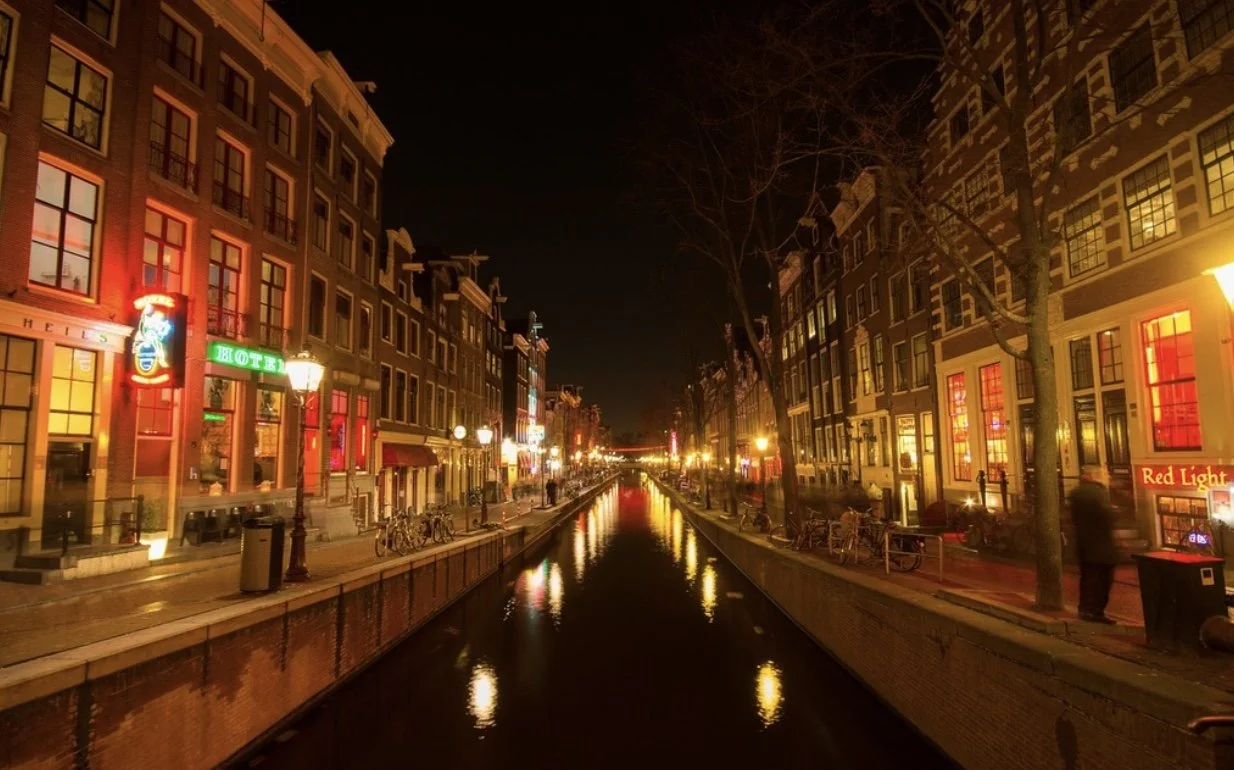
Red Light District Canal Street View. Alejandro Forero Cuervo. CC BY 2.0

For decades Amsterdam has been inundated by rowdy crowds of eager sightseeing tourists and a hotspot for visitors craving a subversive experience. The Netherlands’ progressive capital has long had a uniquely tolerant approach to often prohibited substances such as marijuana and psilocybin as well as toward the legalization of sex work. While the city openly celebrates this unique facet of its culture, the Dutch government has been forced to grapple with an influx of unruly visitors and an increasingly polluted, noisy, and at times unsafe Red Light district.

Amsterdam Smoke Shops. Travelmag.com. CC BY 2.0

In response to the district’s increasingly obstreperous environment, the city sought to address local residents’ noise and substance abuse concerns by proposing new regulations this past spring. The city has insisted on earlier closing times for bars (2 a.m., with no entry after 1 a.m.), stopped sex workers from working after 3 a.m., and banned the use of marijuana, alcohol, and other drugs in the streets. In response to the city’s regulatory shifts entrepreneurs, business owners and bartenders have been outspoken in frustration against the new policies, claiming little has changed in regards to the safety and cleanliness of the area. Sex workers have also voiced complaints over the restriction placed on the time they are allowed to work, expressing concern that the reduced hours have put them under financial pressure. This destitution can force them to accept clients they would normally reject. 

Canal View Red Light District. Pixabay.com. CC BY 1.0

To further alleviate the pressure on the Red Light district, Amsterdam's authorities are considering a more drastic approach: creating a new location for legal sex work in a different neighborhood. This new location would be in a suburban area, and many are referring to the proposed locale as a “suburban erotic center” The goal of the move is to spread out the demand and ease the burden on the current district. 

Since the legalization of sex work in the Netherlands in 2000 the country has been vigilant about enforcing a safe environment for individuals in the field, with regulations in place to combat human trafficking and other criminal behavior. For instance, sex work is illegal to practice in any space outside of a registered business (e.g. at home, in hotels, or in public spaces). In an attempt to protect and respect workers the city has banned tours of the Red Light district, required visitors to identify themselves with a valid form of ID, and set 21 as the minimum age for sex workers. 

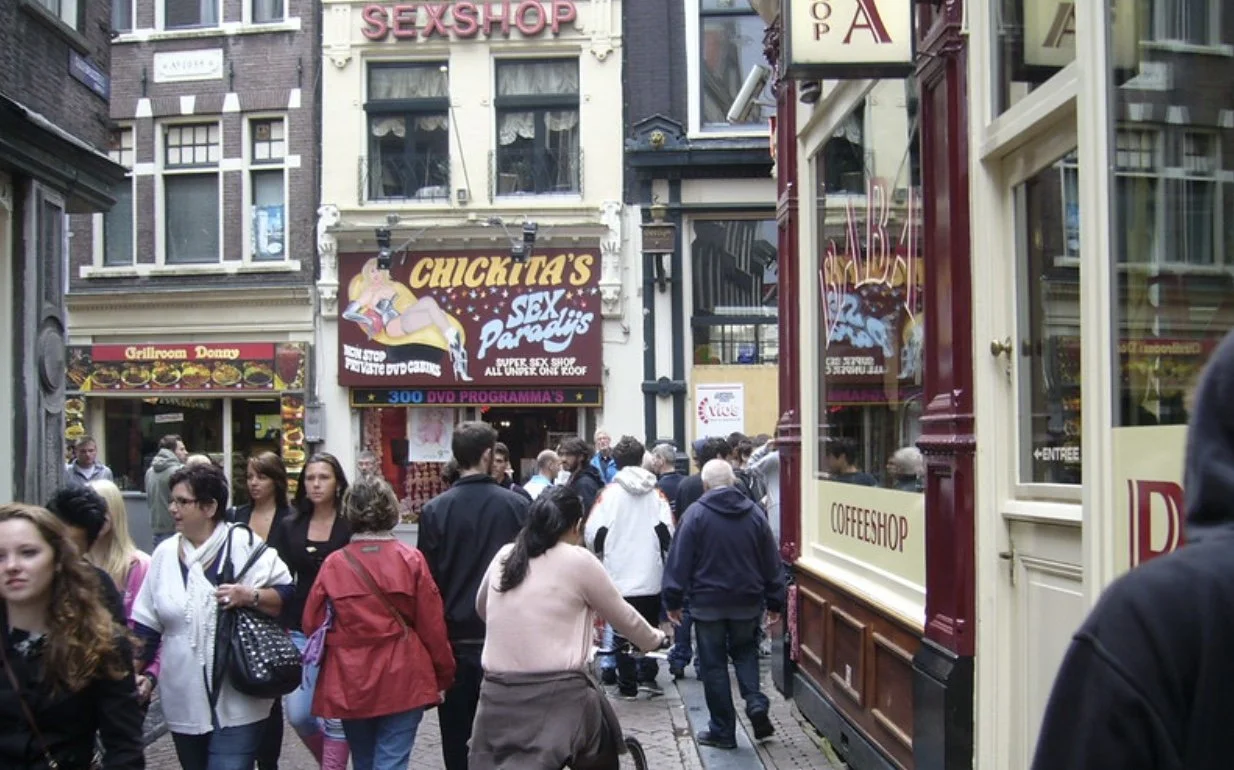
An Amsterdam Sex Shop. Rob Kievit. CC BY-SA 2.0 

The city’s proposition of a new epicenter for sex work is still in its early phases, but it would dramatically change the scope of Amsterdam’s tourism. With fewer than a million residents, the city hosts roughly 20 million visitors annually, and tourism is one of the leading markets for local businesses. Any major change to laws regarding sex work and the overall functioning of the district will inevitably lead to shifts in the travel industry. The question remains as to whether the new area created to host erotic work will fix the industry’s systemic problems and help protect workers, and if it will solve the issues of over-tourism and noise pollution. 


Avery Patterson

A rising junior at Vassar College in New York State, Avery is a Media Studies and French double major. She is an avid reader, writer, and traveler. She loves to immerse herself in new cultures and is an avid explorer who loves being in nature. She is passionate about climate and social justice and hopes to use her love of writing as a catalyst for positive change.

Stolen Childhoods: Unveiling Orphanage Tourism Across the Globe

Traffickers exploit the vulnerability of children for financial incentives from donors in orphanages and child residential homes.

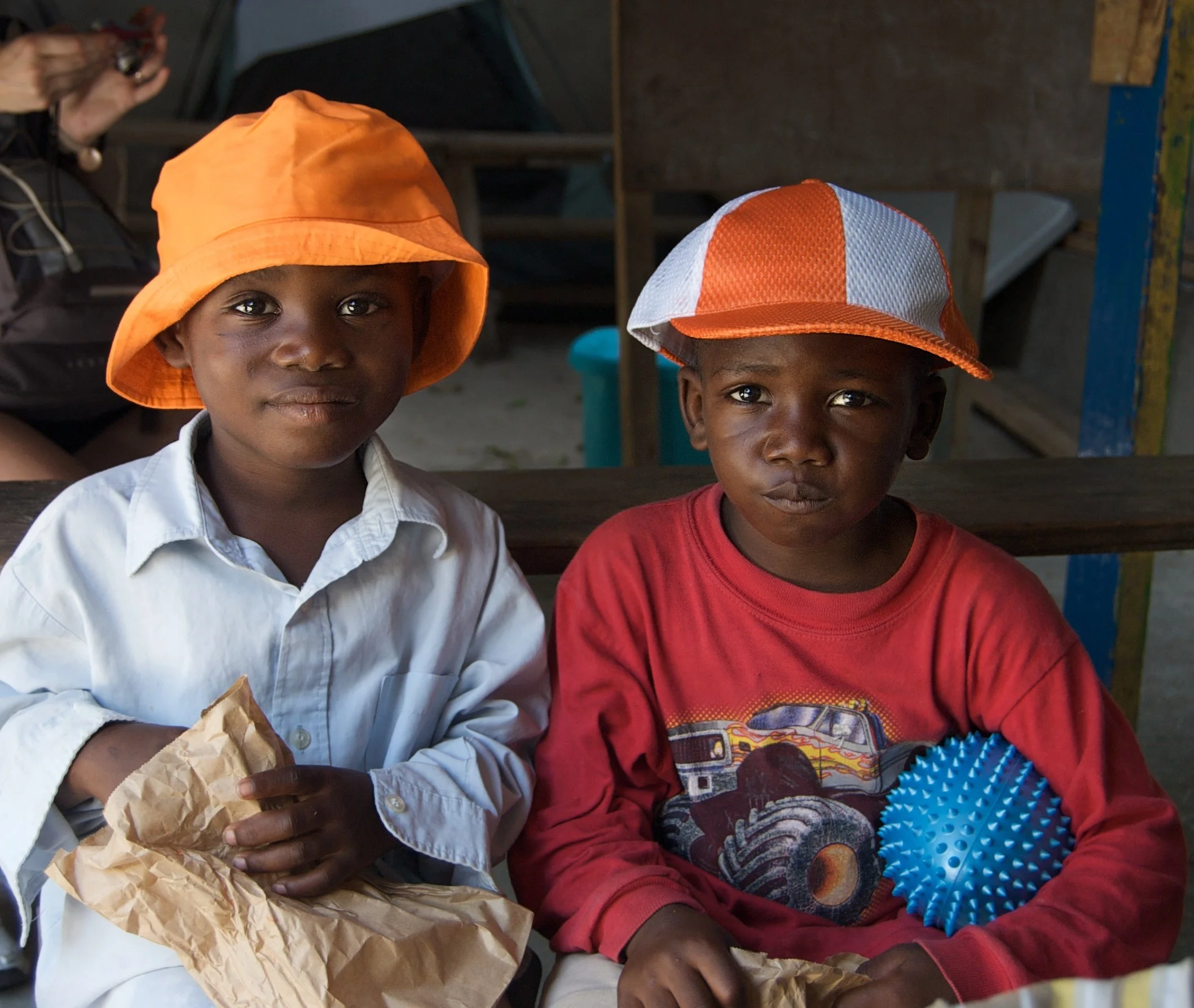
Two young Haitian children. CC0

Across the globe, there are an estimated eight million children living in orphanages. Of this, 80% are not actually orphans and have at least one living parent. These children have been taken from their families and placed into children’s residential homes so that the caretakers can make a profit.

Orphanages, which are often viewed as a place of refuge for children, have begun using foreign generosity to profit off of their vulnerability. “Orphanage trafficking” involves children being recruited into residential care institutions for profit or exploitation and is not confined to any one country. This has sparked a new industry — orphanage volunteering — that has created a demand for institutions that will present children as ‘in need’ to make a profit from foreign donors. In Cambodia, for example, residential care institutions have increased by 75% in the last decade despite a decrease in the number of “real orphans.” Similarly, in Uganda, residential homes have increased the number of children under their care from 1,000 to 55,000 even with the subsequent decline in the prevalence of orphans themselves. This rise in residential institutions has taken place primarily in tourist hotspots so that orphanages can capitalize on financial incentives.

As a system that takes advantage of the international market and tourism business, this has become a global problem. A significant rise has been observed in post-conflict Nepal, beginning in 2006. During the Nepalese Civil War, traffickers posed as boarding school representatives and promised children and their families better living conditions in Nepal’s capital, Kathmandu. Rather than being taken to educational institutions, children were taken to under-resourced orphanages and declared “paper orphans.” This sales pitch has evolved accordingly, shifting from inter-country adoption alone to running orphanages in tourist areas to attract donations — 90% of homes being in the top 5 tourist districts. In 2015, Next Generation Nepal (NGN) and UNICEF released statements warning about the increase in child institutionalization. The government of Nepal subsequently passed a directive prohibiting children to cross district borders unless they were with their parents or had government approval. There are still hundreds of children living in orphanages in Nepal today, although the COVID-19 pandemic restricted operational space and allowed local governments to better implement their child protection mandates, contributing to the strengthening of the overall system.

In China, there is also an opaque relationship between trafficking and adoption. It was discovered in 2012 that Americans alone adopted almost 3,000 Chinese children who were taken from their parents and sold into orphanages. As a country that is aware of the existing issue, parents often have to take matters into their own hands to conduct searches because local law enforcement will silence anyone who is publicly discontent. Aside from the financial incentive of orphanage volunteering alone, scammers have even gone as far as to request large sums of money from parents for information on their child’s whereabouts, information that is ultimately fake.

Aside from the vulnerabilities of the children, traffickers also prey on those of their parents. In Haiti particularly, parents placed their children into orphanages after the 2010 earthquake. They were pressured to believe that their children would be better off; they would have a roof over their heads, food and access to education. One woman, struggling to provide for her sons, was approached by Jonathas Vernet who offered to help her. Vernert, previously running the Four Winds Spirit orphanage, was found to have subjected children to cooking, cleaning and abusively harsh discipline. The children did not attend school and lived in distressed conditions, but Vernet justified this by blaming American donors for neglecting to offer sufficient financial support. An estimated $100 million a year is donated to all orphanages in Haiti by churches and nonprofits in the United States for the purpose of providing food, water, medical care and education. However, most of this money is used to drive the continuation of profit from orphanage volunteering and further expand the business. To end the institutionalization of children, Lumos, an to replace orphanages with foster care systems and advocates for local adoption practices. The organization also advises donors to ensure that the projects they are supporting have a sustainable care vision.

Today, orphanage trafficking in Haiti has not changed much. As of 2021, it was estimated that there were 30,000 children in 750 orphanages, with only 35–50 of those being licensed. Despite efforts to develop and regulate the foster care system in Haiti, attempts to combat orphanage tourism have been static as a result of continued high poverty and unemployment rates.


Globally, orphanages have become hubs where child exploitation for profit can thrive, so long as there are still unmonitored donations and vulnerable children. To better curb the proliferation of child trafficking into orphanages, it is recommended that governments prioritize community-based care and better inform philanthropists how their donations to orphanages may be misused. By combating this issue with strengthened child protection systems, increased awareness and the promotion of family-based care over institutionalization, the root causes of this problem can be mitigated and children better protected.


Mira White

Mira is a student at Brown University studying international and public affairs. Passionate about travel and language learning, she is eager to visit each continent to better understand the world and the people across it. In her free time she perfects her French, hoping to someday live in France working as a freelance journalist or in international affairs.
7 Unique Wedding Traditions from Around the World

Beyond vows and wedding rings, these seven wedding customs exhibit international traditions of love.

A newly wedded couple. Min An. CC0.

Love is universal, but also multifaceted and varied. For couples that choose to get married, the universal yet unique nature of love translates into exciting wedding traditions around the world. Although some couples opt to create their own contemporary commemorations, many lovebirds look towards cultural customs when celebrating their big day. Whether during the ceremony, reception or pre-wedding festivities, global traditions persist and are honored in modern weddings. For centuries couples have developed and practiced these seven ways to display their affection and commitment on, around and after their wedding day.

1. Mehndi — India, Pakistan, Middle East, Africa

A bride displaying her Mehndi. Qazi Ikram Haq. CC0.

Mehndi, also referred to as Mehendi and/or Mehandi, is an intersection of celebration and art. Although its country of origin is unclear, this body art, made from dry, powdered leaves of the henna plant, is practiced in India, Pakistan, some countries in Africa and parts of the Middle East; many historians claim that Mehndi originated as a practice in India at least 5,000 years ago. It can be worn at Hindu, Sikh and Muslim weddings. The henna plant is incorporated into a paste, often dark brown or reddish brown in color, that is used to create intricate designs on the hands and feet of the bride. These beautiful designs, painted during a pre-wedding body painting ceremony, can include floral patterns, religious figures, the names of the bride and her partner, and even personal, sentimental details. Wearing Mehndi during a wedding is said to bring good luck and health to the couple’s marriage.

2. Cutting the Tie — Spain

A selections of ties.

Although cutting up an article of clothing on a person’s wedding day may seem alarming, this tradition, hailing from Spain, is conducted with entirely good intentions. In a post-wedding ceremony — during the reception — a groom's tie is cut up into tiny pieces by the groomsmen or close friends. The pieces of the tie are then extravagantly auctioned off to wedding guests in exchange for modest, or even large, sums of money. Despite guests only receiving a small sliver of fabric after gifting their own money, the purpose of auctioning off the tie is to give the groom and their partner one last monetary gift. Beyond representing financial abundance and luck, “cutting the tie” also represents the guests’ investment in and good intentions towards the couple.

3. The Symbolism of Red — China

Red wedding invitations. RDNE Stock Project. CC0.

Not attached to one specific element of the ceremony, the color red is often incorporated into weddings in China. The rise to popularity of the color red may have begun during the Ming Dynasty, over six hundred and fifty years ago. Red can be worn as the primary color of various garments — whether they be suits, dresses (the bridal gown is often called a qipao), jackets or veils, along with floral arrangements, candles, invitations and other decor. Perhaps the versatility and prominence of red can be attributed to its many meanings. Red can symbolize luck, joy, prosperity, happiness, honor, love, loyalty and even fertility.

4. Money Spray — West Africa

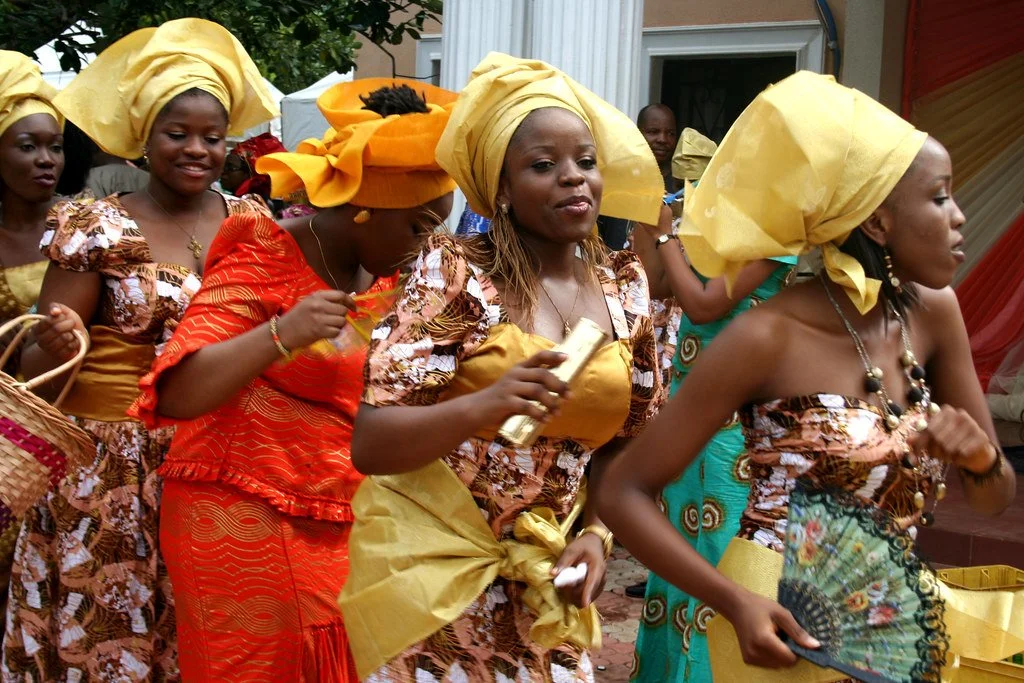
Nigerian Women wearing Iro and Buba Dance at a Wedding. Jeremy Weate. CC0.

This tradition is straight out of a couple’s dream. In this custom, which is popular in Nigeria and other parts of West Africa, but specifically originated with the Yoruba people in Nigeria’s Southwest, the newly-wedded couple is showered with money at their reception by family and friends. People dance and laugh while spraying the money, creating a palpable upbeat energy. During the reception and money spray, the newlyweds commonly wear traditional garments of the Yoruba people. Brides wear an Iro and Buba, a combination of draped and wrapped fabric on top of a blouse that is often colorful and/or patterned, and grooms wear an Agbada, an elegant loose-fitting robe. The subsequent money spray symbolizes good fortune and happiness for the couple that guests feel.

5. Claddagh Ring — Ireland

A Claddagh Ring. Royal Claddagh. CC BY 2.0.

The Irish tradition of wearing a Claddagh ring symbolizes a person’s relationship status and, more specifically, can visually depict their shift into marriage. The Claddagh ring is made up of hands grasping a heart adorned with a crown. Depending on the hand the ring is worn on and direction of the heart, different relationship statuses are depicted: wearing a Claddagh ring on the right hand facing outwards depicts a single status, while the right hand facing inwards indicates the person is in a relationship; the left hand facing outwards represents engagement, and the left hand facing inwards shows that the person is married. Claddagh rings can serve purely as the engagement and wedding rings, or can be worn in addition to international-style Western wedding and engagement rings. Commonly worn by brides, Claddagh rings can be passed down through generations of women in families.

6. Stefana — Greece

 A floral Stefana bridal crown. Faylyne. CC BY 2.0.

Ornate and delicate, Stefana are crowns commonly worn during Greek Orthodox Wedding Ceremonies. Although Stefana were traditionally made of vines, branches and flowers, modern Stefana can be made of metal with gemstones. Stefana are worn by both partners during the wedding and, during the wedding ceremony, are connected by a ribbon or thread going from one person’s head to the other. The ribbon symbolizes the strong connection between the couple, and the crowns as a whole can symbolize unity, love, faith and loyalty. During a traditional Greek Orthodox Wedding ceremony, these crowns are also blessed by a priest.

7. Hapgeunrye, or Cup Drinking — Korea

An example of a Metal Cup Set. CC0.

In Korea, Hapgeunrye is a ceremony where the couple drinks from the same cup. The tradition, however, varies depending on the region and preferences of the couple. In some cases, the couple will drink from the same metal cup while in others the couple will drink from two halves of the same gourd. In both cases, the rite occurs during the wedding ceremony itself and the liquid drunk from the cup is often a type of liquor. This custom symbolizes the couple being united as one entity, recognizing their respect for each other and the harmony they hope will be fostered in their relationship.


Carina Cole

Carina Cole is a Media Studies student with a Correlate in Creative Writing at Vassar College. She is an avid journalist and occasional flash fiction writer. Her passion for writing overlaps with environmentalism, feminism, social justice, and a desire to travel beyond the United States. When she’s not writing, you can find her meticulously curating playlists or picking up a paintbrush. 

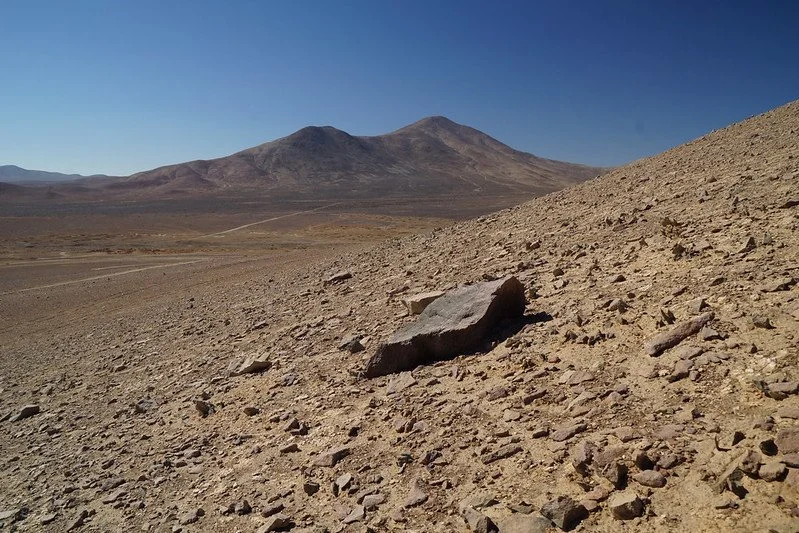
The Atacama Desert’s Fashion Graveyard

Once a vast, uninterrupted plateau, Chile’s Atacama Desert is now a technicolor testament to overconsumption.

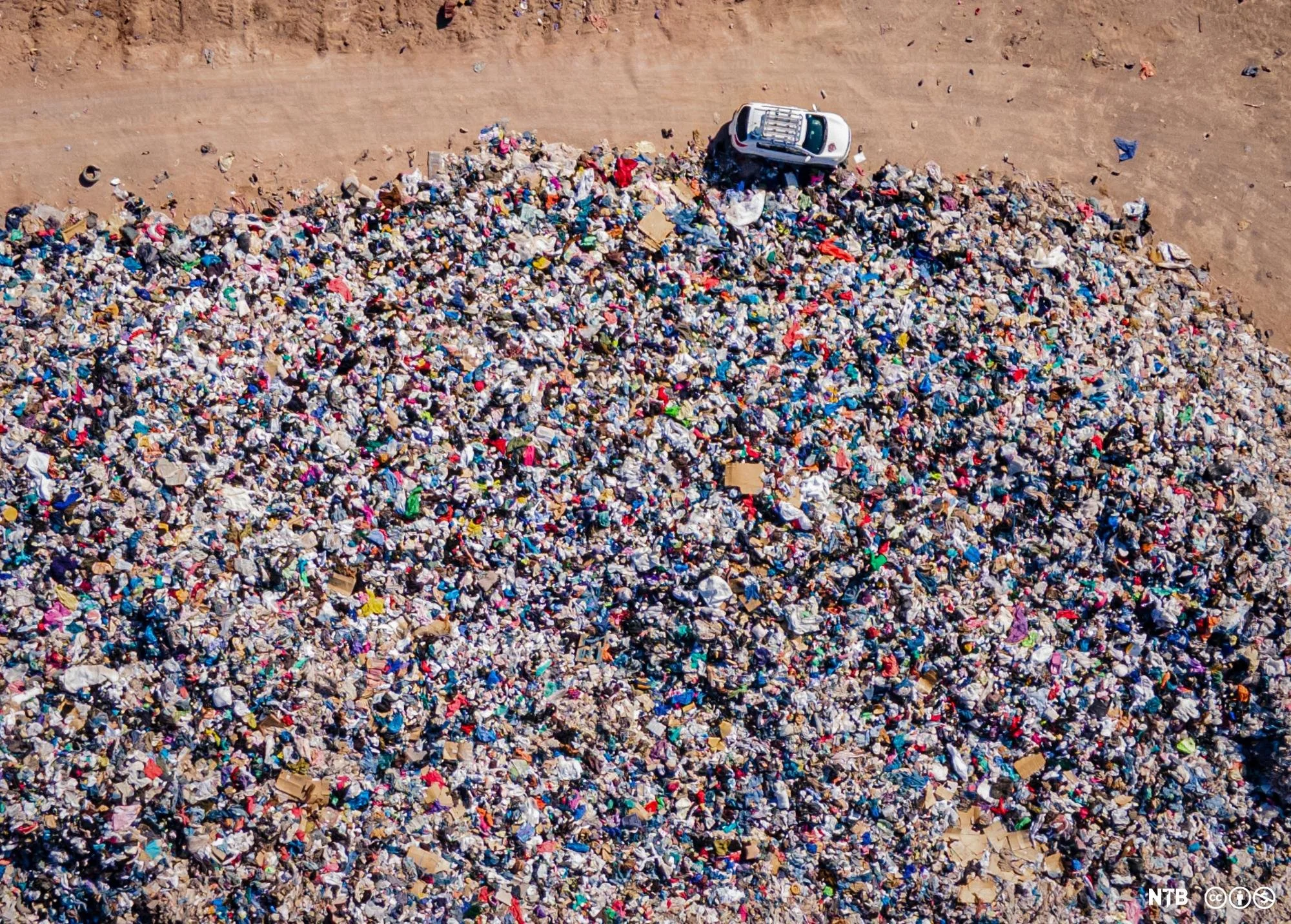
The Atacama Fashion Graveyard. Antonio Cosio. CC BY-NC.

A cursor hovering over the checkout of an Amazon cart; an unassuming paper bag carrying the new, trendiest cut of jeans from Forever 21; a Gmail notification that indicates a menagerie of Shein clothing has been shipped. These testaments to overconsumption in daily life may produce a quick, subtle pang of guilt. But, ultimately, this engagement with the world of fast fashion tends to be “out of sight, out of mind.” After all, once the clothing is donated or discarded most people assume it will end up in a landfill, neatly tucked away, never to be seen again. With no visual proof of the waste guilt subsides, and the cycle of overconsumption repeats. 

The cyclical and rampant nature of overconsumption, however, has real, tangible implications — implications that can be seen and felt by citizens of Iquique, a Northern Chilean city in the Atacama Desert. An average of 39,000 tons of fast fashion waste are dumped in Iquique per year, in addition to the approximately 60,000 tons of clothing imported into Chile annually. Roughly 40,000 square miles, the Atacama desert was once a pristine yet arid plateau; a prime sight for stargazing under a clear, open sky. The desert landscape, covered in salt flats, valleys and rocky topography, averages about 40,000 visitors per year but has since been contaminated. 

The clothing pile has grown to such an extent that it can be seen from space using satellite technology. But, before the magnitude of clothing became noticeable from an extraterrestrial viewpoint, people residing in Alto Hospicio, a municipality next to Iquique, watched as the unbridled clothing dumping grew out of hand. Clothes manufactured in China and Bangladesh that fail to sell in U.S. stores are brought in through the port of Iquique and subsequently dumped into the Atacama. The dumping site raised concerns among citizens of Alto Hospicio as early as 2012, but their unease was ignored.

The Atacama Desert. NASA. CC0.

Disheartened, the people of Alto Hospicio claimed to have experienced negligence by local and national government officials firsthand. For years, the waste grew despite continual pleas for action. Although in 2021 the former Minister for the Environment of Chile, Javier Naranjo Solano, expressed his worries about the vast quantities of textiles being imported into Chile and proposed remediation, some Chilean environmental engineers and scientists feared that the the laws he proposed, entangled with bureaucratic processes,  would be far too slow-moving considering the urgent, rapid growth of the clothing pile. Other citizens, however, have faith that Chile’s newly appointed Minister for the Environment, Maisa Rojas, will be able to translate eco-anxiety into concrete action.

Even under new leadership, however, the already massive pile of clothing is a nearly indestructible hazard. Much of the poor-quality fast fashion clothing dumped in Atacama is polyester, a material made out of the non-renewable resource petroleum. The open-air clothing pile secretes pollutants into the air; they seep into the ground. Thus, petroleum and other harmful materials can contaminate any remaining groundwater in aquifers under the desert. As potent as plastic and as enduring as steel, the clothing dumped in Atacama will take 200 years to biograde.

The Atacama Desert is often considered the driest climate on the planet, with annual rainfall averaging at only .03 inches. Atacama’s arid climate dangerously aids the spread of intentionally ignited fires. In order to curtail the amount of clothing discarded, fires are illegally and mysteriously started. These fires only serve as a further pollutant on top of the fabric already decomposing in the hot, arid environment. 

Although many merchants reside in Iquique,  one of South America’s largest duty free ports, many in the municipality of Alto Hospicio live in poverty — 25% of residents in Alto Hospicio specifically live in extreme poverty and, with many having poor access to quality housing. Although many residents travel to the Atacama fashion graveyard to salvage and sell discarded clothing, their proximity to the dump site has sinister implications: the negligence of the Atacama fashion desert and subsequent pollution acutely harms low-income communities in Northern Chile. Fast fashion waste, both burnt and decomposing, creates fumes that are linked to respiratory diseases, chronic illnesses, reproductive issues and even types of cancer.

The Port of Iquique. Diego Delso. CC-BY-SA 4.0.

Although there are efforts to repurpose the dumped clothing, with companies such as Ecofibra Chile taking the fabric and transforming it into thermal insulation panels, only one method of curtailing fast-fashion waste can truly have an impact: curbing our own overconsumption. Instead of purchasing that cost-effective Amazon fashion find, or the trendy new jeans from Forever 21, look into your own closet. Rediscover a dress that has been tucked away in the depths of your dresser. Organize a clothes swap with friends. Borrow your Aunt’s blouse or your Grandfather’s wool sweater. Rather than falling victim to trend cycles, explore what has been cherished, saved and passed down.


Carina Cole

Carina Cole is a Media Studies student with a Correlate in Creative Writing at Vassar College. She is an avid journalist and occasional flash fiction writer. Her passion for writing overlaps with environmentalism, feminism, social justice, and a desire to travel beyond the United States. When she’s not writing, you can find her meticulously curating playlists or picking up a paintbrush. 

Flooding in Libya: A Harbinger of Climate Change’s Deadly Effects

Sustainable infrastructure is the world’s best defense against increase in precipitation due to climate change.

Aid workers struggle to reach city in Libya where catastrophic flooding killed thousands. PBS.

Catastrophic flooding in Libya in September has taken as many as 5,300 human lives, according to the Interior Ministry of Libya’s eastern government. Amid such massive human casualties, many around the world are left wondering how such losses may be prevented as climate related natural disasters become increasingly common.

Extreme flooding events like the one in Libya are on the rise as Earth’s average temperature increases, causing more evaporation and thus greater precipitation. According to the EPA, global precipitation has increased by an average of 0.04 inches per decade since 1901. In more than half of recorded locations, flooding is now at least 5 times more common than it was in the 1950s. This month alone, the effects of extreme precipitation and flooding have been felt in Hong Kong, Greece, Turkey, Brazil, Libya and the United States. 

In Libya and around the world, urban planning must adapt quickly to the rising threat of flooding. However, this poses a challenge for many developing nations where resources are often either limited or diverted elsewhere. For example, in Derna, the city in northeast Libya that was the most affected by the flooding, neglected infrastructure was in part to blame for the catastrophic loss of human life. Heavy rains caused two dams to burst, dams that experts have been warning are prone to collapse for years. Unfortunately, resources in Libya are generally diverted towards the ongoing civil war. More busy with conflict than governing, public officials failed to provide the necessary repairs on the dams.

Moreover, climate change not only increases precipitation but also hinders the environment’s ability to withstand heavy rainfall. In Derna, the inundation of the area has washed away much of the soil, which would have helped absorb some of the precipitation. The ground in and around Derna has been left hard, cracked, and stripped of vegetation. Due to these conditions, very little water was retained in the ground, worsening the flooding. Globally, similar conditions must be prevented if flooding events like the one in Libya are to be curbed. 

Libya is far from the only place where the infrastructure is inadequate in the face of increasingly heavy rains. Most urban areas around the world, even those in rich countries with the resources to adapt like the United States, have not created infrastructure nor correctly supported the local environment to prevent extreme flooding. Globally, urban planning must now be rapidly modified to account for increasing precipitation.

Making the ground more permeable is the most impactful way urban planning can help reduce extreme flooding. One way this can be achieved is through the incorporation of permeable pavement. Using this type technique allows water to pass through porous paved surfaces into groundwater stores instead of overwhelming the local drainage systems. Further, creating more green spaces, including green roofs, trees, parks, and rain gardens, all increase the permeability of the ground. When the ground can absorb more water, flooding events like the one in Libya may be prevented.

Get Involved:

To help Libyan flood victims you can donate to UNICEF, International Rescue Community, or Doctors Without Borders.


Sophia Larson

Sophia Larson is a recent graduate of Barnard College at Columbia University. She previously worked as the Assistant Editor on the 2021 book Young People of the Pandemic. She has also participated as a writer and editor at several student news publications, including “The UMass Daily Collegian” and “Bwog, Columbia Student News.”

What India’s Successful Moon Landing Means for Space Exploration

India is now the fourth country to land on the moon, and its lunar rover is making some big waves in space exploration.

The Chandrayaan-3 lunar exploration craft was launched from the south of India on July 14. Sky News. CC BY-SA-NC 2.0

On August 23, the Indian Space Research Organization (ISRO) landed its Chandrayaan-3 craft near the moon’s south pole, marking both the country’s first ever moon landing and the world’s first on that specific lunar region. Not only has this achievement finally placed India among the ranks of other space exploring nations, but has also made it one of only four countries to land a craft on the moon. The location of the craft’s landing near the unexplored south pole is significant given the multiple failed attempts by other nations to do just that in the past and stake a claim to lead future research in the area. Chandrayaan-3’s successful landing will hopefully cement the credibility of the ISRO on the international playing field and allow for continued collaboration with other foreign space agencies. During its two-week lifespan, the rover investigated the existence of frozen water deposits beneath the surface of the moon, and has made a number of surprising discoveries that orbiting crafts were unable to.

A digital rendering of the Chandrayaan-3 craft and its lunar rover. NDTV. CC BY-NC 2.0

While India’s space program was first established in 1962, it took another decade or two for the ISRO to really pick up steam. Many of the first projects involved sending satellites up into Earth’s orbit in order to map and survey the country from above, bringing telemedical and communication services to communities in remote regions. Chandrayaan, a Sanskrit term meaning “mooncraft,” is the name of India’s lunar exploration program, which made its debut between 2008 and 2009 with the Chandrayaan-1 lunar space probe, which found water deposits on the moon using various mapping techniques and reflection radiation. The next craft, launched in 2019, was comprised of an orbiter, moon lander and rover, and was actually intended to be the first to land on the south pole of the moon, but after successfully entering lunar orbit, the ISRO lost communication with the landing craft and rover before touchdown. 

Chandrayaan-3 is therefore the culmination of more than a decade of scientific research and technological development and is undoubtedly the crown jewel in India’s space program. The probe was launched on July 14 from Sriharikota Range, the country’s largest launch site located in the southern state of Andhra Pradesh, and successfully touched down on the moon on August 23. Unlike its recent predecessor, the Chandrayaan-3 traveled without an orbiter module, further cementing its intention to land on the moon and conduct experiments in situ. Additionally, while this craft was unambiguously an Indian project and creation, some of the technology on board resulted from various collaborations between the ISRO, NASA and the European Space Agency (ESA), proving once again the importance and benefits of scientific collaboration.

Students in India watch a video explaining the lunar mission. Al Jazeera. CC BY-NC-ND 2.0

Aside from proving that landing on the south pole of the moon is indeed possible, the information sent back by the Chandrayaan-3 rover has already resulted in some groundbreaking discoveries about the moon. One such finding has to do with understanding the temperature of lunar soil, an important factor when considering building long-lasting structures or even settlements on the moon. The Indian rover is equipped with a temperature probe that can reach nearly four inches (10 cm) beneath the surface, and found that the temperature drops 140ºF (60ºC) at a depth of just roughly 3.14 inches (8 cm). This has provided an updated and more accurate reading as compared to the data currently in use from NASA’s 2009 Lunar Reconnaissance mission, which lacked precision because it was an orbiter and therefore not actually on the lunar surface. Another interesting discovery took place in the form of a series of strange vibrations detected by the rover’s seismograph: scientists have suspected it as being a minor moonquake, although further exploration and longer-term observations would need to confirm this.

While these scientific discoveries are of course extremely significant and promising for the future of lunar exploration and research, the Chandrayaan-3 project also set a historic precedent in terms of the budget they used to complete this mission. The ISRO has a long held reputation amongst international space research circles for their ability to work on limited funds, at least compared to other major space exploration agencies. NASA, for example, has a $25.4 billion budget for the current fiscal year, while the ISRO received a measly $1.5 billion from the Indian government for the fiscal year ending this March by comparison. If that wasn’t enough, the ISRO actually spent 25% less than what it had been allocated. The Chandrayaan-3 mission cost a total of $74.3 million USD, ironically less than half of the budget that director Christopher Nolan had to make Interstellar, his award winning film about space travel.

The actual Chandrayaan-3 craft before it was launched into space. The Week. CC BY-SA 2.0

In addition to finally taking its place amongst the other lunar landing nations, Chandrayaan-3 has opened countless doors for both the ISRO and the space exploration community as a whole. Going forward, the example that this mission has set with regards to the resources it used as well as through the international collaboration it benefitted from. The moon’s south pole has now been unequivocally proven accessible and investigable, new information about lunar composition has been brought to light, and like all other missions into space, has helped to deepen our understanding of both the universe and ourselves.


Tanaya Vohra

Tanaya is an undergraduate student pursuing a major in Public Health at the University of Chicago. She's lived in Asia, Europe and North America and wants to share her love of travel and exploring new cultures through her writing.

5 Historical Epidemics that Changed the World

Disease outbreaks are inherent to a populous, globalized world.

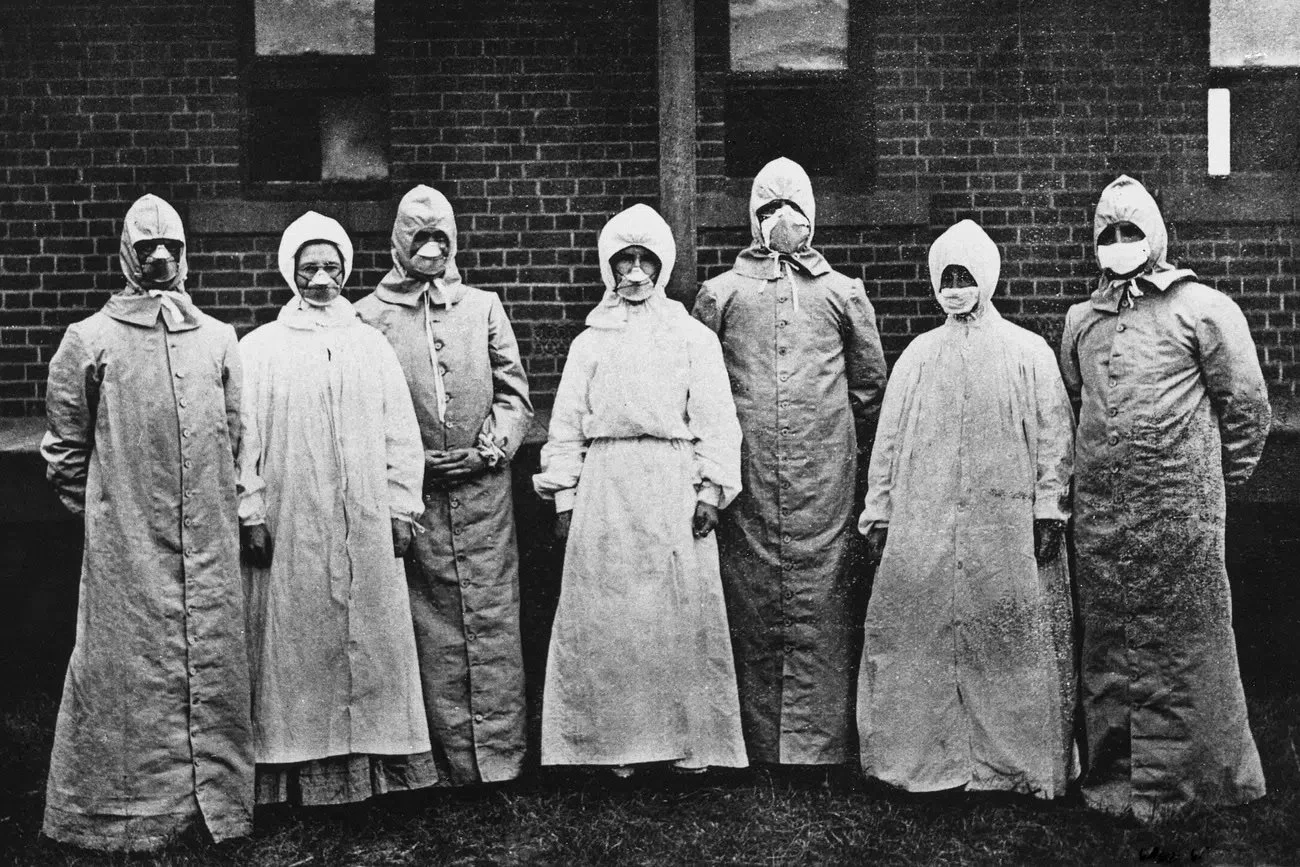
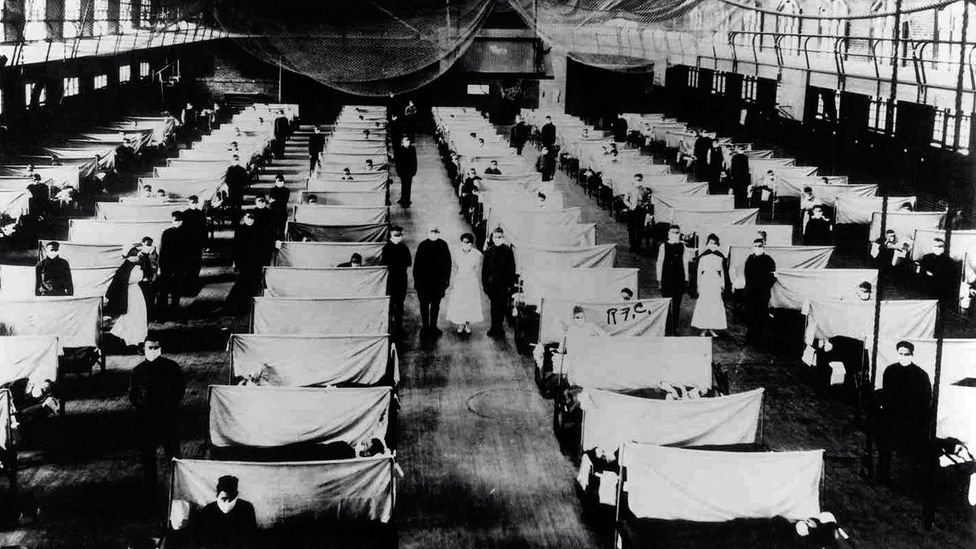
Doctors and nurses in biohazard suits during the 1918 Spanish Flu epidemic. National Museum of Health and Medicine. CC0.

Pandemics have been a part of the human story since the agricultural revolution in 10,000 BC. Agriculture gave people the ability to create more food than they ever had before, which meant that the human population soared. People began packing together and settling down in large communities without modern sanitation, creating the ideal conditions for the spread of disease. As time went on, larger and larger communities established extensive trading networks with the ability to spread disease across continents. 

With each disease outbreak, humanity has developed better defenses and practices to help prevent catastrophic losses. However, as long as population sizes continue to rise and the global community becomes ever more interconnected, worldwide pandemics will always be something that humanity must contend with. 

This trend towards an increasingly populous and interconnected world is what fueled the global sweep of the COVID-19 pandemic. As Amesh Adalja, MD, a senior scholar at Johns Hopkins Center for Health Security said, “Viruses used to spread at the speed of a steamboat. Now, they can spread at the speed of a jet. In that sense, we’re more at risk.” The only way to adapt to the expanding threat of disease is to learn from the past and prepare for the trends of the future. Below is a list of some of the most devastating pandemics in history and how humanity’s response to disease changed because of them.

1. The Bubonic Plague 

14th Century CE

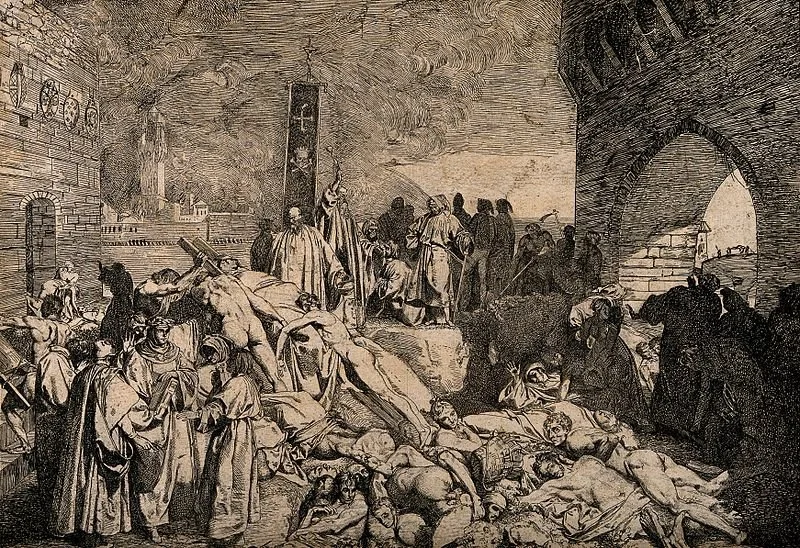
The plague of Florence, 1348. Boccacio’s Decam Wellcome. CC-BY-4.0.

Also known as the Black Death, the Bubonic Plague is the most notorious pandemic in history. It is believed to have killed between 30–50% of the European population in the 14th century, anywhere between 75 million and 200 million people. The Bubonic Plague is also thought to have killed 25 million people in Asia and Northern Africa at the time. The Black Death is known to have an incredibly high mortality rate, killing between 30-100% of those afflicted depending on the manner of infection. 

The Bubonic Plague spread globally as a result of the Silk Road, which connected the world through trade networks. Rodents carrying fleas infected with the plague were easy stow-aways in trading caravans and vessels. This is one of the first instances where globalization caused a deadly, widespread disease outbreak. 

At the time, the Black Death was thought to be the result of a combination of bad air, an imbalance in the body’s fluids or “humors,” and the wrath of God. Treatments included potions, fumigations, bloodletting, pastes, animal cures and religious cures. Persecution of minority groups was also common, particularly the Jewish population, who became a scapegoat for the suffering caused by the plague. Despite the outlandish and sometimes brutal practices of the 14th century, one method developed in the wake of the Black Death has proved incredibly effective: quarantine. Though, like today, many medieval citizens did not abide by quarantine practices, implementation of — to use a contemporary term — social distancing was one of the few effective practices to slow the spread of the Bubonic Plague.

2. Tuberculosis

7,000 BC – present day

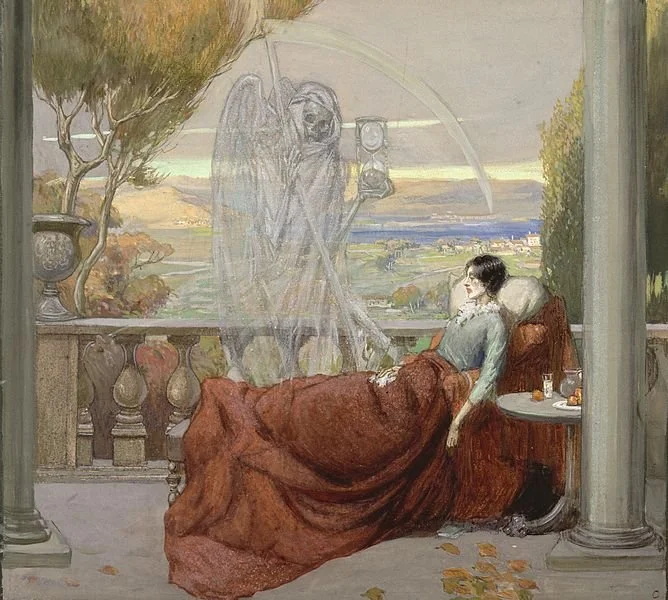
A sick woman lies on a balcony with death standing over her, representing tuberculosis. Richard Tennant Cooper. CC-BY-4.0.

The sheer scope of tuberculosis in human history is almost difficult to fathom. Tuberculosis in humans can be traced back 9,000 years to Atlit Yam, a city now under the Mediterranean Sea, where archeologists found the disease in the bodies of a mother and child buried together. Tuberculosis, which has gone by many names throughout time, including “the white death” in the 1700s and “consumption” in the 1800s, is one of humanity’s great enemies. According to the CDC, from the 1600s–1800s, Tuberculosis was responsible for 25% of all deaths. 

Today, vaccines and antibiotics are available to prevent and treat tuberculosis. These developments in tuberculosis treatments saved 74 million lives between 2000 and 2021. However, despite this breakthrough in modern medicine, a total of 1.6 million people died from tuberculosis in 2021 according to the World Health Organization. Over 80% of these deaths come from low and middle income countries. Modern medicine means that Tuberculosis is treatable, but these treatments are not universally accessible. In a globalized world, access to healthcare cannot be a first world luxury if outbreaks are to be prevented. 

3. The Columbian Exchange

1492–1800 CE

Spanish imperialists conquer the Americas. Wilfredor. CC-BY-SA.

The Columbian Exchange is a massive interchange of people, animals, plants, and diseases that took place between Eastern and Western Hemispheres after Columbus’ arrival in the Americas in 1492. This process introduced a number of foreign diseases that Native Americans had no immunity to, whose toll reached genocidal proportions, killing between 80–95% of Indigenous Americans within 100–150 years of Columbus’ first landing. Some of the diseases that plagued the Native Americans include smallpox, measles, influenza, chickenpox, the bubonic plague, typhus, scarlet fever, pneumonia and malaria. European imperialism is to blame for the catastrophic spread of disease to the Indigenous population.

4. The Spanish Flu

1918–1919 CE

Infected patients were isolated during the 1918 Spanish Flu pandemic. Jim Forest. CC-BY-NC-ND 2.0.

After WWI, global contact and poor sanitary conditions during the war caused a worldwide outbreak of the H1N1 influenza virus, known at the time as the Spanish Flu. 500 million people were infected, one third of the world’s population at the time. Of those infected, 50 million people died worldwide, including 675,000 people in the United States. 

This pandemic led to a number of medical innovations still in use today. One of which is the widespread use of masks to prevent the spread of disease. The Spanish Flu pandemic also led to innovations in vaccine technology and spurred our understanding of genes and the chemicals that encode them.

5. AIDS Epidemic

1981-1990s

Protestors march against the stigma caused by the AIDs epidemic. NIH History Office. CC0.

HIV originally jumped from chimpanzees to humans in the early ‘80s, most likely due to human hunters coming into contact with chimpanzee blood. As a result, 84 million people have been infected globally and 40 million people have died. The AIDS epidemic is notorious for the resulting stigmatization of the LGBTQ+ community, which were greatly, though not uniquely, affected by the disease. Epidemics throughout history, since the Bubonic Plague, have caused hysteria and scapegoating, a flaw in human nature that must be quelled. 

Since the 1980s incredible strides have been made in the treatment of HIV and AIDS. As of 2021, 38.4 million people were living with HIV without it progressing to AIDS (when deadly symptoms appear) due to modern treatments. The treatment for HIV is taking daily antiretroviral therapy (ART), which is a cocktail of different HIV medicines. This treatment can allow people to live with HIV for decades without it progressing to AIDS.


Sophia Larson

Sophia Larson is a recent graduate of Barnard College at Columbia University. She previously worked as the Assistant Editor on the 2021 book Young People of the Pandemic. She has also participated as a writer and editor at several student news publications, including “The UMass Daily Collegian” and “Bwog, Columbia Student News.”

5 Cryptids for Well-Traveled Lovers of the Macabre

Cryptids are creatures that have developed cult followings despite their dubious relationship with reality.

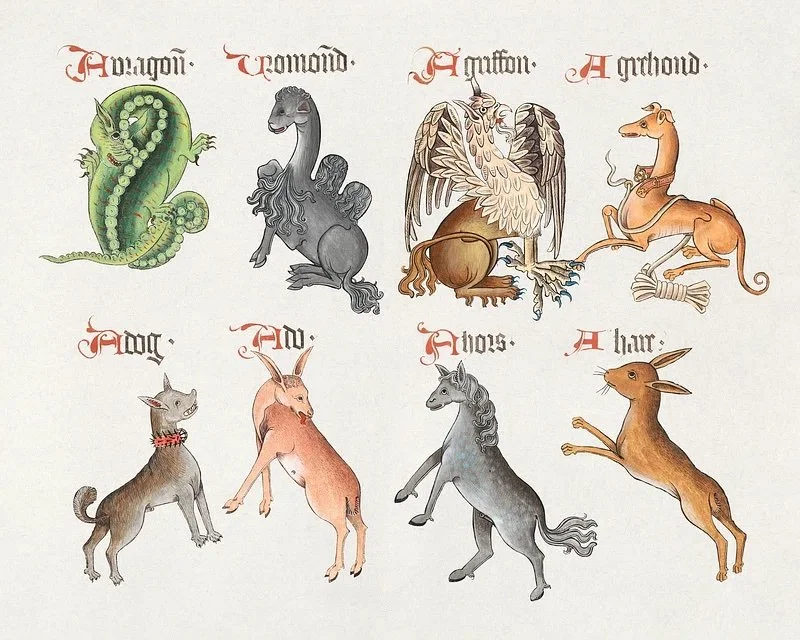
Helmingham bestiary and mythical creatures. Rawpixel. CC0.

Cryptids are creatures or animals that cryptozoologists believe exist in the wild, but whose present existence is unsubstantiated by science. Tales of such creatures can be found all around the world and are often the subject of modern folklore. Whether you or not you are a believer, cryptids are a point of fascination for anyone who relishes in the macabre.

1. The Mothman

Point Pleasant, West Virginia

The illusive mothman creature, with red eyes, wings, and a humanoid body. Steve Baxter. CC0.

In the small town of Point Pleasant, West Virginia, it is said that the infamous Mothman creature has haunted the woods and terrorized residents since 1966. First sighted by teenagers driving on State Route 62 near an abandoned National Guard Armory building, the creature is described as being six to seven feet tall with red eyes and wings like a moth. Since its first appearance in the public’s imagination the Mothman has reached mythical status, with statues, restaurants and other tourist attractions erected in its honor.

2. Chupacabra

Mexico and Southwestern United States

The chupacabra is said to feed on human and animal blood. Michael Snipes. CC-BY-SA 2.0

Chupacabras are said to be vampire-like creatures that are often blamed for attacks on goats, sheep and other domesticated animals. According to legend, the creature stands upright and resembles a large reptilian kangaroo. First reported in 1995, many believe the appearance of the Chupacabra in the collective imagination of Mexico and the Southwestern United states was highly influenced by the horror movies of the time. That being said, the Chupacabra continues to haunt the hearts and minds of the Great Basin.

3. J’ba FoFi

Democratic Republic of the Congo

The J’ba FoFi is a giant spider said to live in the Congolese jungle. Flickr. CC0.

The J'ba Fofi, also known as the Congolese Giant Spiders, are a type of large arachnid cryptid said to inhabit the forests of the Congo, hypothesized to be a new species of spider. The J’ba FoFi is said to hunt vertebrates rather than the insects its kind normally consume. The creature creates a network of webbing that operates as trip wires for approaching prey. They are said to burrow under trees and have large, yellow eggs. The existence of this giant spider, whether it is a yet-undiscovered species or simply a myth, remains unclear.

4. Loch Ness Monster

Scotland

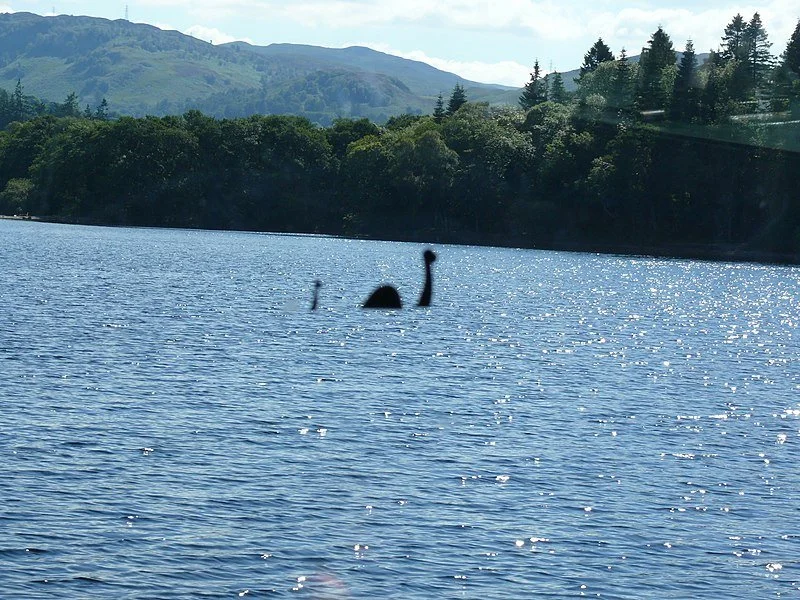
Sighting of the Loch Ness monster. Ad Meskens. CC-BY-SA 3.0

One of the most famous cryptids in the world, the Loch Ness Monster is a creature said to inhabit Loch Ness in the Scottish Highlands. It is described as a large animal, with a long neck and often several humps protruding out of the water. Hypothesized to be the last descendant of an extinct species, potentially dating back to the time of dinosaurs, the existence of the Loch Ness Monster has never been confirmed. “Nessie,” as the behemoth is affectionately known to fans, has been the subject of sustained curiosity and numerous hoaxes, capturing the public’s attention despite the creature’s dubious link to reality.

5. Hibagon

Japan

The Hibagon is a Japanese, humanoid cryptid. John Doherty. CC0.

The Hibagon is a Japanese Bigfoot-like creature said to live on Mount Hiba, Hiroshima Prefecture. First sighted in 1970, the Hibagon is described as an ape-like being that walks upright and is approximately six feet tall. There have been many more sightings of the Hibagon since the ‘70s, causing a Hibagon craze that has become a fixture of the local tourist industry. The existence of such a creature remains unconfirmed.


Sophia Larson

Sophia Larson is a recent graduate of Barnard College at Columbia University. She previously worked as the Assistant Editor on the 2021 book Young People of the Pandemic. She has also participated as a writer and editor at several student news publications, including “The UMass Daily Collegian” and “Bwog, Columbia Student News.”

An LGBTQ+ Wedding in India Challenges Sikh Tradition

Criticism of a same-sex Indian wedding in Punjab inspires advocacy for LGBTQ+ rights.

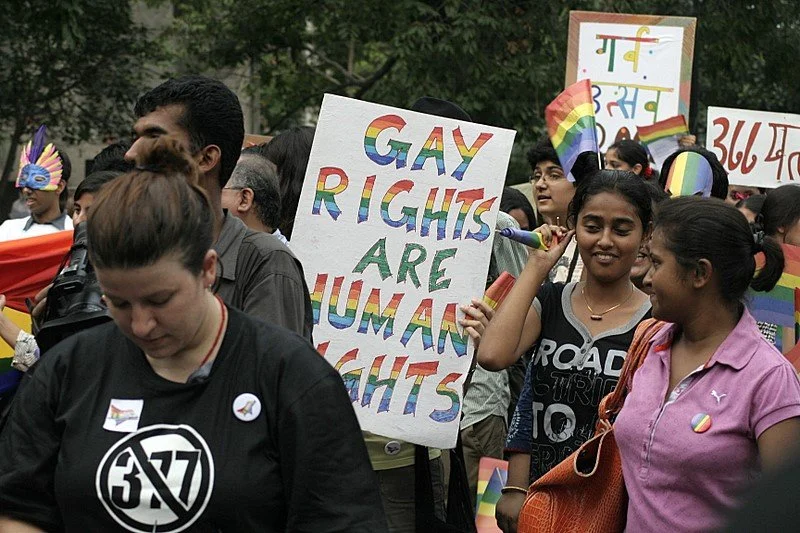
LGBTQ+ Protest in India. Ramesh Lalwani. CC BY 2.0

On 18 September, Dimple and Manisha — a same-sex couple — were married in a Sikh temple in the northern state of Punjab, India. Currently, same-sex marriages are not recognized by the Indian legal system because of the country’s laws that define marriage as the union between a man and woman. Because of this, the wedding has been declared, “unnatural and contrary to Sikh ethics,” by priest Giani Raghbir Singh, despite adherence to all the traditional Sikh rituals between a bride and groom. The event has made headlines in the northern state of Punjab, where it has resonated with those advocating for LGBTQ+ rights.

The wedding has been criticized by some religious leaders who believe that despite a commitment to Sikh traditions, the union is ultimately a “severe moral and religious violation.” This has sparked controversy with LGBTQ+ activists who, in the last decade, have made significant advances in extending LGBTQ+ rights. In 2018, India’s highest court overturned the criminalization of same-sex relations, a major milestone for the LGBTQ+ community that helped to reduce both legal and social discrimination. However, the central government still remains opposed to same-sex marriage, and is supported in this by many of the country’s major religious lobby groups — Hindu, Muslim, Christian and Sikh. Important Sikh religious leaders in the past have described homosexuality as, “against the Sikh religion,” and “totally against the laws of nature.”

Echoing these beliefs, Sikhism’s highest priest, Giani Raghbir Singh, found that the union between the two women was in violation of the religious code of conduct. Priest Hardev Singh, who conducted the marriage, has been removed from his position and may face more punitive measures for his involvement. However, Dimple, as a practicing Sikh, insisted he marry following Sikh rituals. The couple had a traditional wedding; Dimple dressed in traditional Sikh garb with customary flowers on his turban while Manisha wore a tunic, salwar bottoms, a silk scarf and red bangles. Because of the dedication of the couple to being married in a traditional Sikh ceremony, the reaction that they’ve received has left a bit of a blurred line between whether there is opposition to the LGBTQ+ community or traditions that it deviates from.

The overturning of section 377, a colonial-era law that categorized gay sex as an “unnatural offense,” was been most contested by religious groups. The judges involved in overturning this judgment have made statements reading that, “Criminalizing carnal intercourse is irrational, arbitrary, and manifestly unconstitutional,” while religious organizations have found the ruling to be shameful. Similar to India, Uganda has similar laws that date back to the colonial period. More recently, Ugandan president Yoweri Museveni signed the Anti-homosexuality act criminalizing same-sex conduct, which punishes offenders with life imprisonment or the death penalty for “aggravated homosexuality.” At All Saints’ Cathedral in Kampala, homosexuality is viewed as a sin that is against the “order of God.” Museveni, rooted in his Anglican faith, says the law prescribes rehabilitation for homosexuals to change their sexual orientation. Unlike Uganda, India appears to be more progressive in its approach to LGBTQ+ rights, especially in the marriage of Dimple and Manisha. Their wedding has not been deemed a felony, and although it is being investigated on the basis of religious violations that may invalidate the legitimacy of the marriage, the couple will not be condemned to prison or death.


Currently in the process of hearing arguments in favor of same-sex marriage, India has seen petitions regarding the Special Marriage Act of 1954. This act was amended to allow for marriage between couples from different castes or religions and petitioners have argued that it can be extended to LGBTQ+ citizens. However, the Modi government still argues that same-sex marriage represents an “urban elitist view” and has to keep in mind the views of religious denominations before making a decisive decision. The influence of religious traditions in India has been a significant factor contributing to the issues faced in the process of legalizing some LGBTQ+ rights, highlighting the indistinct line drawn between beliefs and social progress.


Mira White

Mira is a student at Brown University studying international and public affairs. Passionate about travel and language learning, she is eager to visit each continent to better understand the world and the people across it. In her free time she perfects her French, hoping to someday live in France working as a freelance journalist or in international affairs.
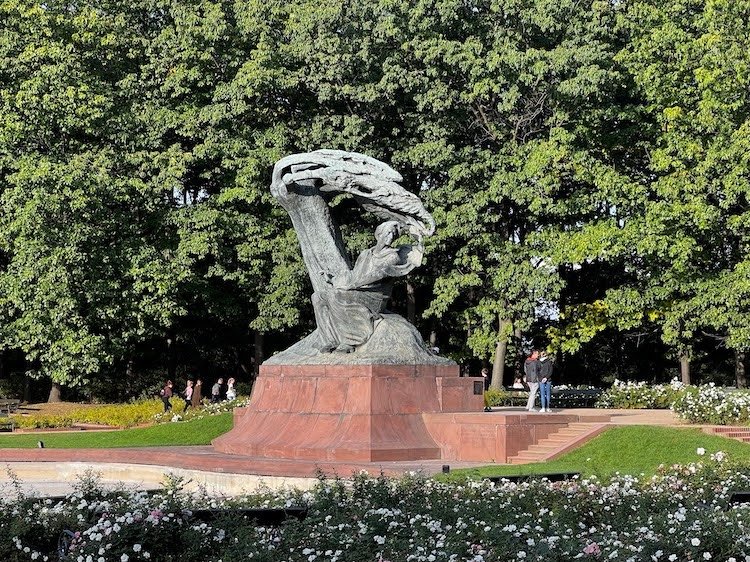
From Abstraction to Realism in Ancient Greek Art

If you ever find yourself struggling with Athens’ summer heat, cool off in its museums and discover a whirlwind of art and civilization.

Small statues typical of the Cycladic Culture, which flourished between the fourth and second millennia BC. Taken by Dermot Curtin.

A human face represented only by an angular nose bridge and a semi-oval silhouette. A procession of curvilinear stick figures, lavished with somewhat less detail than bizarrely eight-legged horses, inanimate chariots and abstract designs. A general preference for the symbolic over the literal and the real. Much of the art you’ll find in Greece’s National Archaeological Museum (NAM)is highly abstract; parts of the collection, particularly those of the Cycladic Period, have a distinctly postmodern feel to them. Such works, however, are not the product of the 19th and 20th century revolt against Greco-Roman and Renaissance verisimilitude, long a dominant force in European art. They instead predate the Classical period and its values by hundreds or thousands of years.

Almost all visitors to Athens who can take the heat make the long, slow trek up the Acropolis to see the Parthenon. Many of those will then visit the Acropolis Museum, a relatively new museum home to much of the pride of Greece’s classical heritage, including the portion of the Parthenon Frieze that Thomas Bruce didn’t get around to looting (plaster casts of the originals fill in gaps, labeled with an ignominious “BM” for British Museum). Still popular, but less of a universal attraction, I found the National Archaeological Museum to be the more interesting of Athens’s two great museums dedicated to antiquity. The NAM’s more varied collection allows visitors to chart the development of Greek style over several millennia, seeing works that are stunning in themselves and better understanding of one of the most radical changes in aesthetic values before the modern age.

The original segments and fragments are noticeably grayer than the majority plaster copies. Taken by Dermot Curtin.
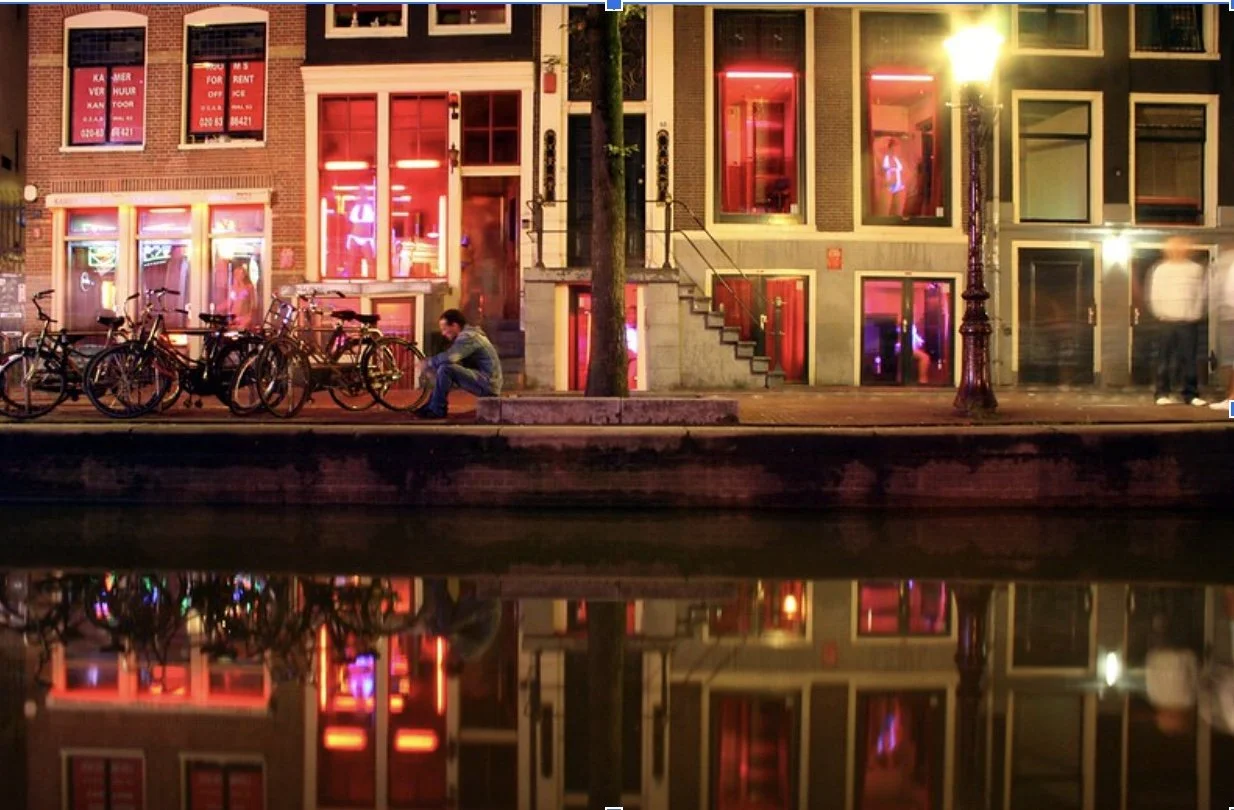
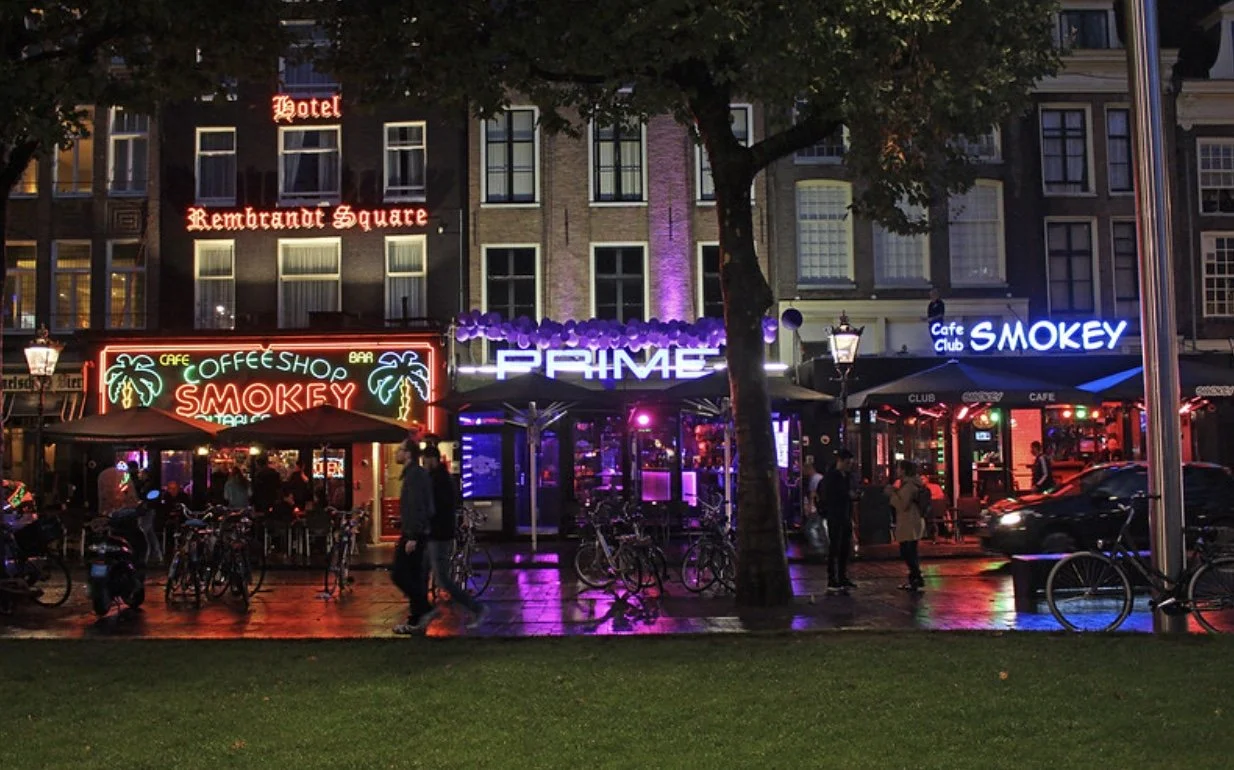
Greece’s island territories were its most precocious in terms of art and civilization. The Minoan and aforementioned Cycladic cultures left a remarkable heritage, which stand in marked contrast to later Hellenic society and each other. Cycladic art is most famous for its austere minimalism, especially as expressed in statues such as the two in this article’s introductory photograph. The Minoans took a different approach, painting vivid frescoes which have, in part thanks to a volcanic eruption sometime between 1650 and 1550 BC, survived thousands of years in good condition. Human figures in Minoan art are stylized, but are far from the degree of abstraction found in their Cycladic semi-contemporaries. Many Minoan paintings not saved by volcanic ash were unearthed at the Palace of Knossos, where King Minos of Greek myth was said to have fed young Athenians to the dreaded Minotaur every year in the Heroic Age.

Two Minoan frescoes, originally from Santorini and preserved by its great eruption. Taken by Dermot Curtin.

Although the Minoan civilization flourished on what is now Greek soil, in one respect it was not yet a Hellenic society: language. The Minoans developed their own system of writing, known to history as Linear A, around the 19th century BC. It has never been deciphered, but linguists have been sound out its symbols since its direct descendant, known as Linear B, was cracked in the early 1950’s. Linear B tablets represent the earliest recorded form of the Greek language called Mycenaean Greek, and are generally administrative documents that the elite used to keep track of their resources and labor. Mycenaean tablets from Crete are indirect evidence for the rise of Hellenic culture in insular Greece, recording a nobility that used Greek names and lower orders with older, native Minoan names. The Mycenaean culture originated in mainland Greece, and expanded south and east into what are now the Greek islands. The Minoan language has no confirmed relatives or descendants.

Linear B tablet from not long after the Mycenaean conquest/cultural shift in the 1400s BC. Taken by Dermot Curtin.

Mycenaean Civilization was famous long before its archaeological rediscovery in the late 19th century as the setting of Homer’s Iliad and Odyssey. Although Homer composed centuries after the Bronze Age Collapse of circa 1200 BC, he knew many details about the earlier period; the blind poet placed Agamemnon, the the most important leader of the Greeks in the Trojan War, on the throne of Mycenae, which modern archaeology has revealed to be the largest city of the age. Many of the most significant finds from the Hellenic Bronze Age are ornately decorated thin gold sheets, which are part of a broader European artistic trend of the same period. I was immediately reminded of similar (albeit less intricate) artifacts from Bronze Age Ireland. Other works, such as the beautiful inlaid dagger below, have no obvious parallel.

Many gold Mycenaean artifacts from the National Archaeological Museum. Taken by Dermot Curtin.

Disk from a Reel, Irish, c. 800 BC. The Metropolitan Museum of Art. CC0.

Gold Dagger from the National Archaeological Museum. Taken by Dermot Curtin.

The Bronze Age Collapse hit many areas hard, and Greece harder than most. Linear B fell out of use around 1200 BC, leaving the Hellenic world without a script until about 200 years later when the Phoenician abjad was modified for the purpose, with vowels added to make it a viable option for the Greek language. Greece had entered its Dark Age, a radical departure from the centralization, trade and literacy of the Mycenaean and Minoan eras. Despite this, literature flourished; Homer and Hesiod composed their epics, laying the foundation for millennia of inspiration and adaptation.

Two Geometric amphorae from the National Archaeological Museum, from an age (900-700 BC) defined by abstract art. Taken by Dermot Curtin.

As civilization began to recover from the Collapse in the tenth century BC, the Geometric style emerged to fill the void left by Mycenaean art. This style was deliberately abstract, characterized by repeating linear patterns on large amphorae. People, when present at all, appear as small stick figures. Mourners dramatically and uniformly put their hands on their heads, their arms bent at sharp angles that would look unnatural on a more realistic human design; such a pose is necessary to convey distress, as the faces are not given enough detail to show any kind of emotion. The meandros, a repeating pattern that would later be a common fringe for other designs, here takes center stage, while the funerary procession is confined to a narrow box in the upper-center of the amphora. There is little to differentiate one person from another, the exceptions being a child, who is clearly smaller than the adults, and the deceased, who lies on his or her back. Geometric style seems to be the product of a culture that did not value the individual human being as a subject for artistic expression.

Marble statue of a youth, from Archaic Greece c. 590-580 BC; you can see the abstract art of the Geometric give way to stylized human forms. Metropolitan Museum of Art. CC0.

The Kroisos Kouros, c. 530 BC. User:Mountain. CC0.

Greece only fully recovered from the Bronze Age Collapse as it transitioned into its Archaic period around the eighth century BC. In this period, as Greek culture built up to its fifth century zenith, the seeds were planted for many of the institutions and conventions that would flourish in the Classical era (beginning 480 BC with the end of the Persian Wars). The Olympic games were founded, dramas began to be staged in Athens and lawgivers like Solon imposed constitutional reforms that would eventually lead to democracy. The visual arts made a dramatic turn, as abstract designs retreated to the background in favor of a strong emphasis on the human form. The most typical art form of the time is the kouros, a strongly stylized nude statue of a male youth. Although sometimes differing in size and detail, all kouroi adhere to the same basic plan, standing up straight with the left foot out front, braided hair and a serene affect. The figure on the right was made about 50 years later than its counterpart to the left, and although clearly the product of more skilled craftsmanship does not deviate from the essence of the older model. 

Statue from the Egyptian Old Kingdom that resembles the Greek Kouros; note the forward left foot. The Metropolitan Museum of Art. CC0.

Although impressive in their own right, such statues are not dissimilar to art produced by Middle Eastern cultures in the Bronze and Iron ages. Initial kouroi designs seem to have been borrowed in part from Egypt during the early part of the Archaic period. In the jubilant aftermath of the Greek victory in the Persian Wars, however, Hellenic artists made an unprecedented turn toward realism that would cement Greece’s place in art history for all time.

Roman copy of Polykleitos’s famous Diadumenos, original circa 420 BC. Taken by Dermot Curtin.

A Greek sailor looks out wistfully on the sea battle where he died, funerary stele. Taken by Dermot Curtin. (melancholy)

Ancient art reached its apogee in the Classical period of the fifth and century BC. This is the era which would come to define Greek civilization, and marks one of high water marks of cultural production the world over. In the visual arts this meant a form of idealized realism, meant to portray natural forms in their best possible state. This involved more than technical skill, as sculptors like Polykleitos incorporated specific mathematical proportions into their work in their drive for perfection. The incredible detail allowed for greater subtlety of design; compare the melancholy of the fallen soldier on the left to the sharp and uniform gestures on the Geometric mourners above. The sculptures look like people you could actually know, except fitter and far better looking.

Geometric amphora. Taken by Dermot Curtin.

Terracotta volute-krater with red figure design, circa 450 BC. Metropolitan Museum of Art. CC0.

The period between 750 and 450 BC saw a revolution in aesthetic values, matched only by the modern rise of modern art in the 19th and 20th centuries. In the Ancient Greek world, however, the shift was in the opposite direction, from the abstract to the concrete. The change in taste was coincided with a dramatic rise in skill, leading to works that still keep many of the world’s art historians and critics occupied. If you ever find yourself in Athens, make sure to visit the National Archaeological Museum to experience the whirlwind for yourself.


Dermot Curtin

Dermot is copy editor and a contributing writer at CATALYST PLANET. He is a recent graduate of William & Mary, majoring in History and Government, and enjoys learning about the world and conveying his experiences through writing.

Indonesia's Most Dangerous Job: Mining in an Active Volcano

The mesmerizing sulfur-induced blue flames of Indonesia’s Mount Ijen attract hundreds of tourists every night, but mask one of the most dangerous jobs in the world: sulfur mining.

Sulfur miners of Mount Ijen. Candra Firmansyah. CC BY-SA 4.0. 

Sulphur-induced blue flames are nothing more than a mining by-product, but they have turned Indonesia’s Mount Ijen into a popular tourist attraction. Lured in by the magical phenomenon, I joined a tour group and hiked up the volcano in the hopes of getting a glimpse of the beautiful fire. But the shocking truth of what I discovered was far from magical. Sulfur miners were working in the crater. Slaving away among the fire and smoke, they wore no special clothing nor eye protection. Some did not even have gas masks. Watching the men was heart-rending, and made the blue flames seem completely insignificant. The reality of Mount Ijen is that sulfur miners work everyday in the most unforgiving environment in the world.

Blue flames at Mount Ijen. Thomas Fuhrmann. CC BY-SA 4.0.

Mount Ijen, in Indonesia, is an active volcano situated on East Java, the closest island to the holiday-maker hotspot of Bali. Possessing unique characteristics, the views at Mount Ijen are otherworldly. The volcanic crater holds the largest highly acidic lake in the world, which beams with a vibrant, almost inviting turquoise blue. Above the lake are vivid yellow rocks that have been stained as a result of sulfur gasses condensing.

Mount Ijen. Taylor Girhiny. Used with the author’s permission.

While spectacular to see, many dangers lurk in the volcano. Aside from the unpredictable volcanic eruptions, earthquakes are common and have been known to cause landslides in the crater. There was even an earthquake in 2020 that triggered a seiche-type tsunami in the acid lake. The seismic activity caused the mountain to belch poison gas and generated a three-meter wave that swept across the crater,, killing a sulfur miner.

Despite these dangers, the sulfur has drawn miners to the volcano since 1968 and has become a trade passed down through families ever since. Known locally as the ‘devil’s gold’, it is considered a commodity worth high risk. Not only do miners risk a quick death while mining, but they also experience long-term health issues and have an average life expectancy of just 50 years old.

In the dead of night, when the air is at its coolest, sulfur extraction commences. Miners start by hiking the 2000 feet incline, the equivalent of two eiffel towers, before descending into the crater. At this point, the sulfuric smell of rotten egg takes over, making it hard to breathe. Pipes that travel below the surface provide access to the sulfur. The miners use fire to heat the ground, causing the sulfur to liquidize and trickle through the pipework onto the ground outside. Left to cool and dry, the ‘devil’s gold’ takes shape in the form of rich, yellow crystalized rocks.

Melted sulfur crystallizing. Taylor Girhiny. Used with the author’s permission.

During the heating process, large clouds of harmful gas burst out from beneath the arid, rocky terrain. Each thick, opaque cloud swallows everything in its path, causing a complete whiteout. Unable to see even one meter in front of them, miners are left sightless until the miasma disperse. The atmosphere was so harsh that my throat tightened up and I was coughing after just 10 minutes in the crater. Daily exposure to these toxic fumes leaves miners with life-long respiratory issues. One miner, Udi, explained to me that his own father became blind due to repeated exposure to the fumes and, despite seeing the suffering in his family, has no choice but to follow the same line of work. 

Handmade carrier full of mined sulfur. Eva Adorisio.

Once the sulfur has been processed, it must be carried out of the volcanic crater. A steep path consisting of unsteady rocks is the only way out and, with no technology to aid in their efforts, miners must physically transport every piece of the precious material. They precariously balance up to 170 pounds of sulfur, more than their bodyweight, on their handmade shoulder carriers. Without proper back support, miners suffer back problems and often swelling in the shoulders.

Sulfur produced at Mount Ijen is sold on and used in a variety of products including detergents and cosmetics, and is even used to whiten sugar. According to Udi, one kilogram of sulfur is sold for 1000 Indonesian Rupiah ($0.065). If a miner sells a full load of sulfur that may have taken all night to produce, he will make 75,000 Rupiah (approximately $5). Surprisingly, this makes sulfur mining one of the better paid jobs in this remote area of Java. With high poverty rates, it is clear why locals risk their lives to sustain a livelihood.
Miner selling miniature baskets of sulfur as souvenirs for tourists. Eva Adorisio.

The shocking reality is that local men are putting their lives on the line for what most in the West would consider pocket money. Witnessing them work tirelessly in the most inhumane conditions is an inconceivable sight, yet has become a spectacle for tourists to gawk at. The promise of stunning blue flames may sound alluring, but in truth Mount Ijen is a merciless place that no one should have to call work.

In 2017, Ijen Assistance raised $15,000 for relief work in the region from a music video following Bas, a sulfur miner, and his family. 

Novo Amor & Lowswimmer - Terraform (official video)

TO GET INVOLVED

Providing aid after natural disasters, Islamic Relief has been working in Indonesia since 2000. After the earthquakes of 2006 and 2009, the organization responded immediately, distributing emergency supplies and later rebuilding a hospital and school. They also work to reduce the effects of poverty and have a variety of development projects across Indonesia.

Currently, there are no organizations working directly to improve the conditions for sulfur miners at Mount Ijen. Despite previous campaigns raising awareness and money, such as the ‘Terraform’ music video, miners continue to work in the same harsh conditions.


Eva Adorisio

Eva is an avid traveler and writer from Bristol, England. In her writing, she aims to show the true nature of what a place is really like. Her Italian roots have led to a love of food, culture and language. She also spends her time staying active out in nature and is always searching for the next adventure.