
An increasing amount of discrimination and violence is targeting Sudanese women.
Read MoreWalking In Dracula’s Footsteps: Exploring Transylvania
In the heartland of Romania, the fabled region of Transylvania is an incredible blend of myth and modernity, history and natural beauty.
Read MoreIndependence and Adventure in Nordic Parenting Culture
Nordic countries’ healthcare and parenting culture allows for an unusual amount of balance and independence — for both children and parents.
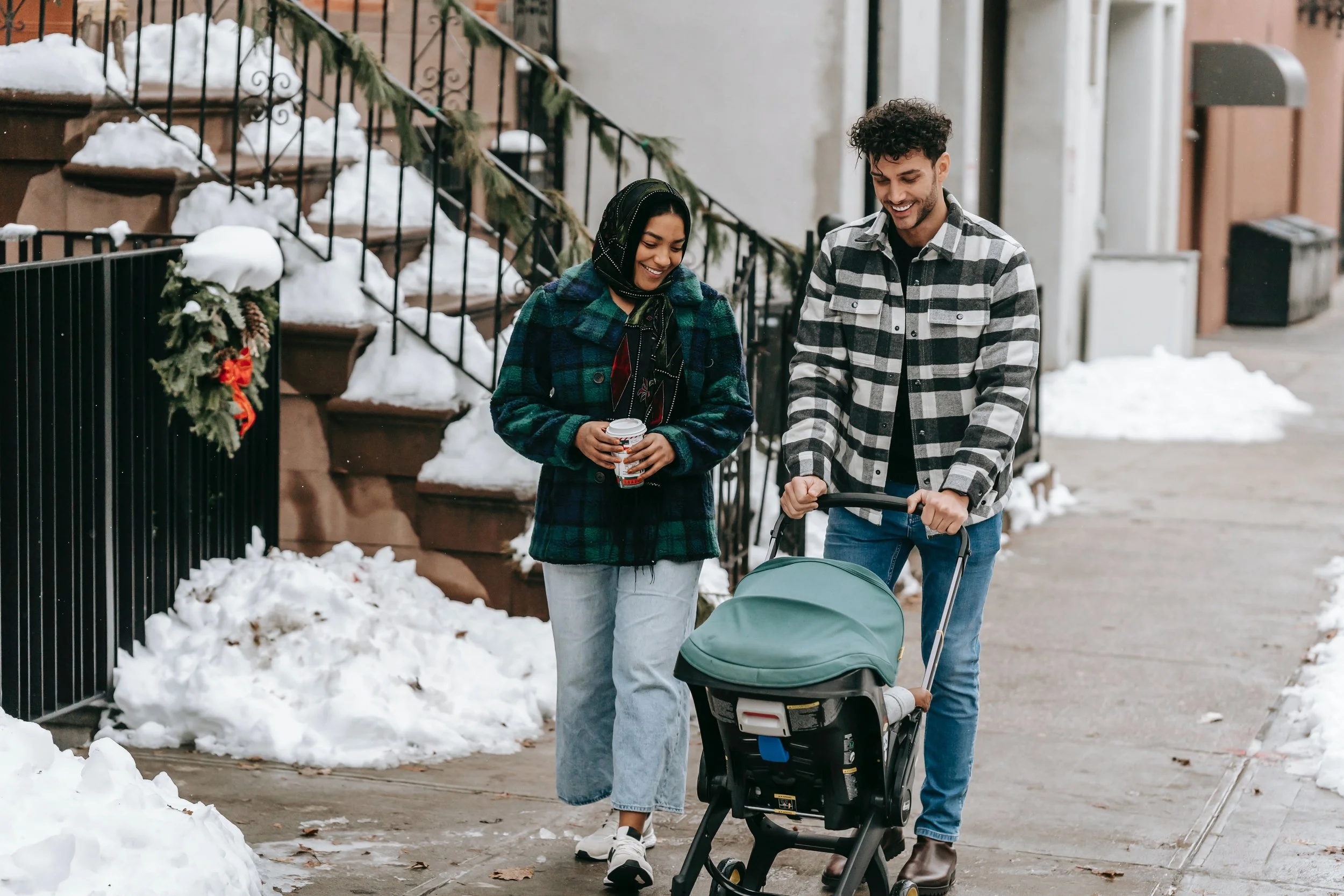
Winter stroller walks are the norm. William Fortunato. CC0.
When walking through the streets of Orestad — a developing neighborhood just seven minutes by metro from central Copenhagen, Denmark — it's not uncommon to see dozens of strollers being pushed by young parents clad in thick jackets and scarves. In fact, it seems that this relatively new and modern neighborhood is populated primarily by young parents with babies and toddlers.
Meanwhile, in Oslo, Norway, streets outside of coffee shops and grocery stores are also crowded by parked strollers. Despite the same cold temperatures, the parents are nowhere to be seen. Bundled tightly, the children are left alone to enjoy the cold weather.
Although these two Scandinavian countries take slightly different approaches to monitoring young children, there is much overlap in the parenting cultures of many Scandinavian (and, more broadly, Nordic) countries. In general, many of the parenting techniques new mothers and fathers practice are rooted in a desire to teach their children independence, empathy, respect, and responsibility all while keeping them safe and healthy — even though some tips and tricks may seem shocking to outsiders.
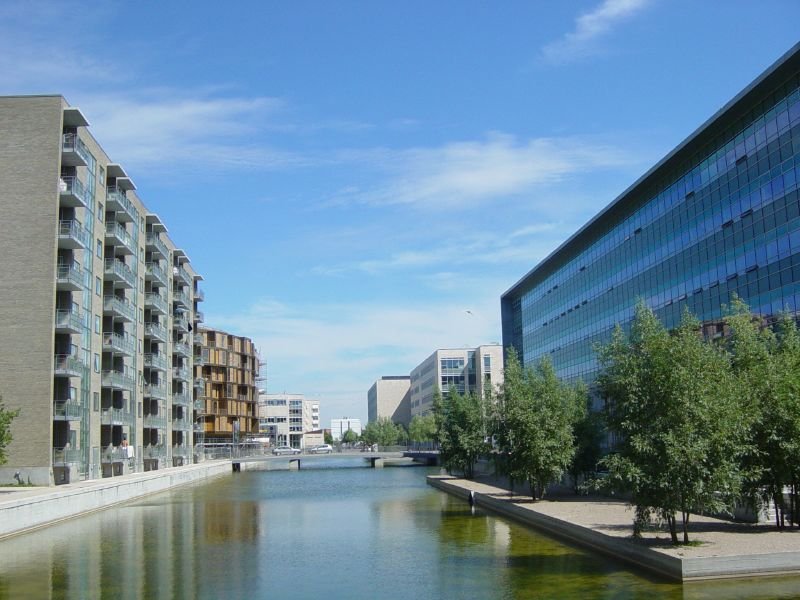
Orestad in Copenhagen, Denmark. Jonas Smith. CC by 2.0.
Perhaps the time and care it takes to foster this unique parenting culture stems from the unusual, yet tremendously beneficial, length of parental (both maternal and paternal) leave in many Nordic countries. In Norway, for example, parents of all genders have the option to take fifteen weeks of paid leave and are paid 100% of their pay, or can take nineteen weeks at 80%. The only difference is that mothers must take the first six weeks after their child’s birth off while their partner begins their quota from week seven after birth. Similarly, in Sweden parents together are entitled to 480 days or paid parental leave (240 per parent). Days off not taken by one parent can be transferred to another if needed.
The result of these lengthy leaves has not only fostered a deeper sense of shared responsibility by both parents, but also a greater amount of care and attention focused on personalized early childhood development. The level of shared cultural focus on and respect towards young children is just one of the many factors that contribute to the level of safety and health among infants and toddlers in Nordic countries.
Because of their time at home, a huge staple of Nordic parenting culture is “play” time. Whether children bond with parents at home, or are encouraged to go outside the home and make friends independently, children in Nordic countries are encouraged to explore, play and discover their adventurous side from a young age. There is even a word for this: “friluftsliv.” The word can be roughly translated to “open-air living” and serves as a mantra for parents (and non-parents, too!)
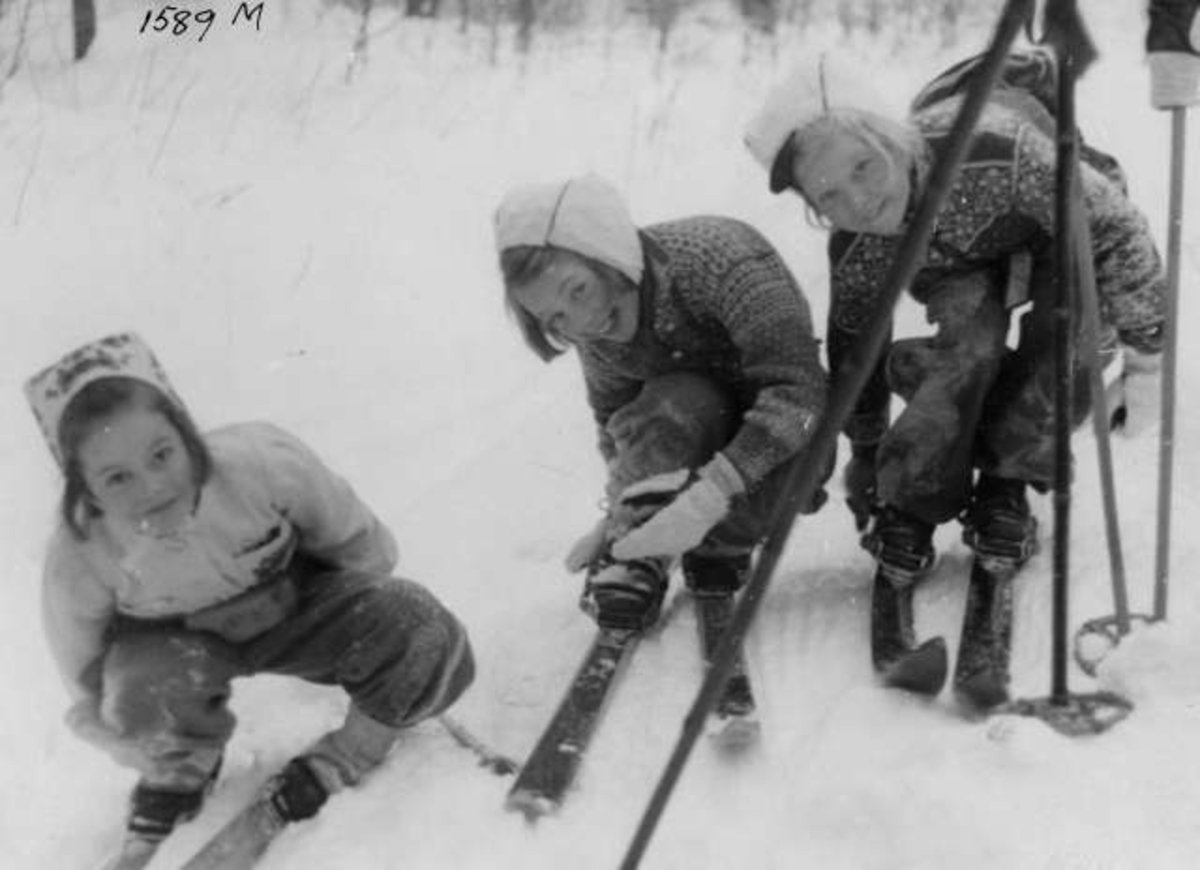
“Friluftsliv” has been a norm for decades. Anders Beer Wilse. CC0.
While play in any capacity is important, play outside is considered especially beneficial to young children. Rather than being scolded for being too rambunctious or messy, children in Nordic countries are encouraged to run and climb to their hearts’ content. Even in the cold weather that pervades Nordic countries for more than half of the year, children bundle up and get outside in the fresh air.
Rain or shine, it is completely normal to see little ones either running around outside or sleeping! Although there is a deep emphasis on energetic outdoor activities, one of the most prevalent cultural and parenting norms is to leave children outside to sleep. Even in freezing cold temperatures, children are put down to nap outside. Of course, they are accompanied by warm blankets and outerwear. Few in Scandinavia fear the cold, where doctors in Nordic countries recommend outside napping to decrease the risk of illness and infection.
And, when children aren’t enjoying playtime with parents, bundled-up naps, or outdoor adventure, they have the opportunity to start day care as mere one-year olds. In Denmark, childcare charges are capped at 30% of the actual cost for nurseries and after school centers. In Norway, child centers are open 10 hours per day and charge a maximum fee of US $250 a month.
While having a child is a tremendous responsibility, both the healthcare benefits and parenting culture in Nordic countries allows a balance that eases some stress among new parents. Though unique, many aspects of Nordic parenting culture harness an unprecedented sense of adventure and independence in early childhood.

Carina Cole
Carina Cole is a Media Studies student with a Correlate in Creative Writing at Vassar College. She is an avid journalist and occasional flash fiction writer. Her passion for writing overlaps with environmentalism, feminism, social justice, and a desire to travel beyond the United States. When she’s not writing, you can find her meticulously curating playlists or picking up a paintbrush.
A 4-day Guide to Exploring Rome
Rome is a city full of must-see sites, but it can be overwhelming to plan for. Here is a 4-day itinerary to make sure you see all the top spots, while getting the atmosphere of a unique European summer.
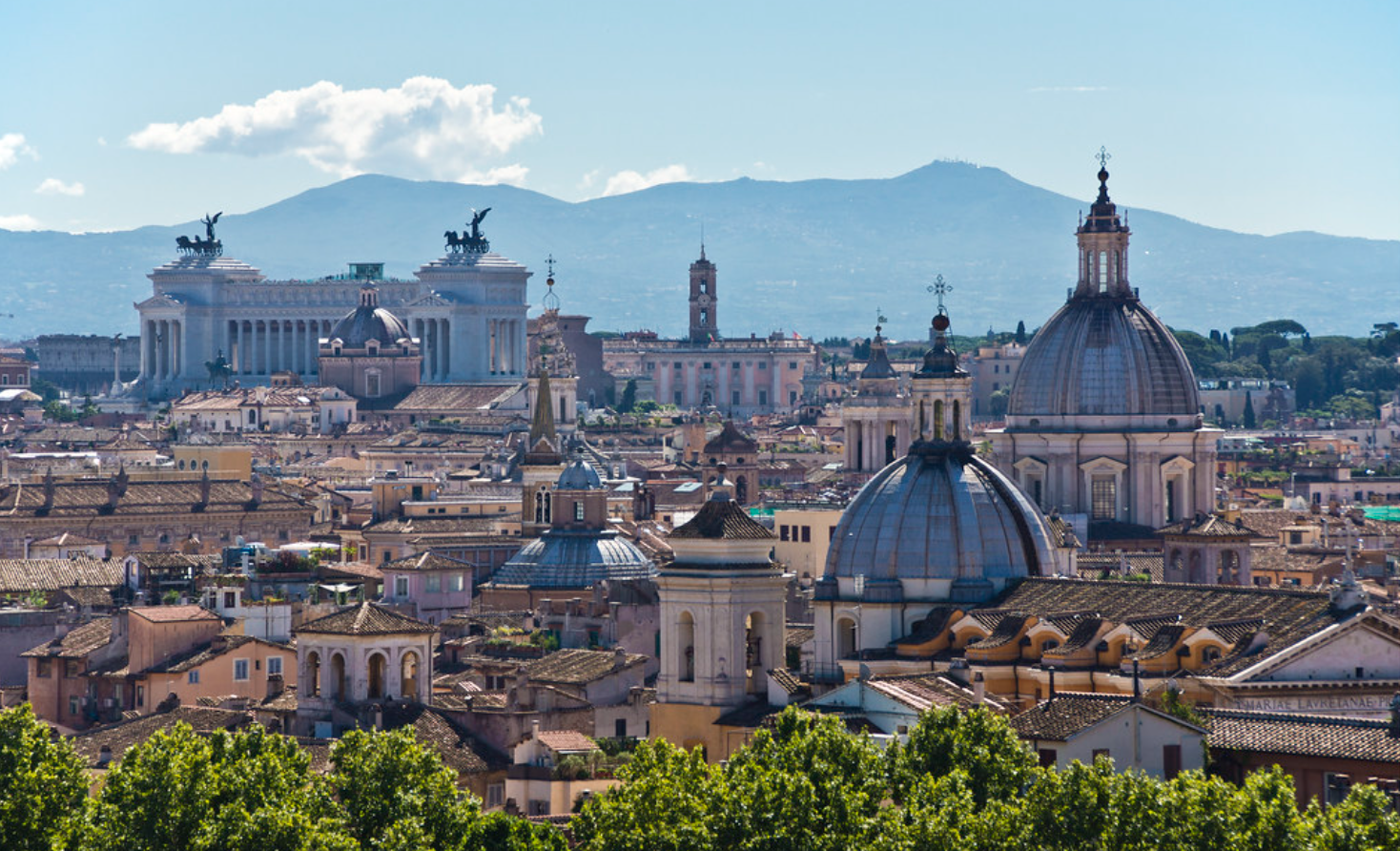
Rome, Italy. @Bert Kaufmann. CC BY-SA 2.0
“A European Summer” is now the aesthetic of the season, spurred on by Gen Z and Millennial creators on TikTok. It’s a fashion statement, and young American women are obsessed with flowing white dresses, gold jewelry, maxi skirts, and more. The romanticization of European cities is a perfect escape from the monotonous urban environment Stateside.
Over the past month I was lucky enough to travel to Rome, Italy and experience a taste of the European summer that influencers have been talking about nonstop. But a trip to the Eternal City takes a lot of planning and, while it was only my first time exploring the history-rich city, I feel as though I know enough to compose an ideal 4-day itinerary — so travelers can experience every aspect of the European summer.
Day 1
As your feet touch the streets of Rome, it’s important to keep two things in mind: firstly, your primary means of transportation will be by walking, especially if your hotel accommodations are in the heart of the city itself, something I definitely recommend. So, pack footwear accordingly. Second, temperatures will be soaring. Expect around 100 degrees Fahrenheit, particularly in mid-summer.
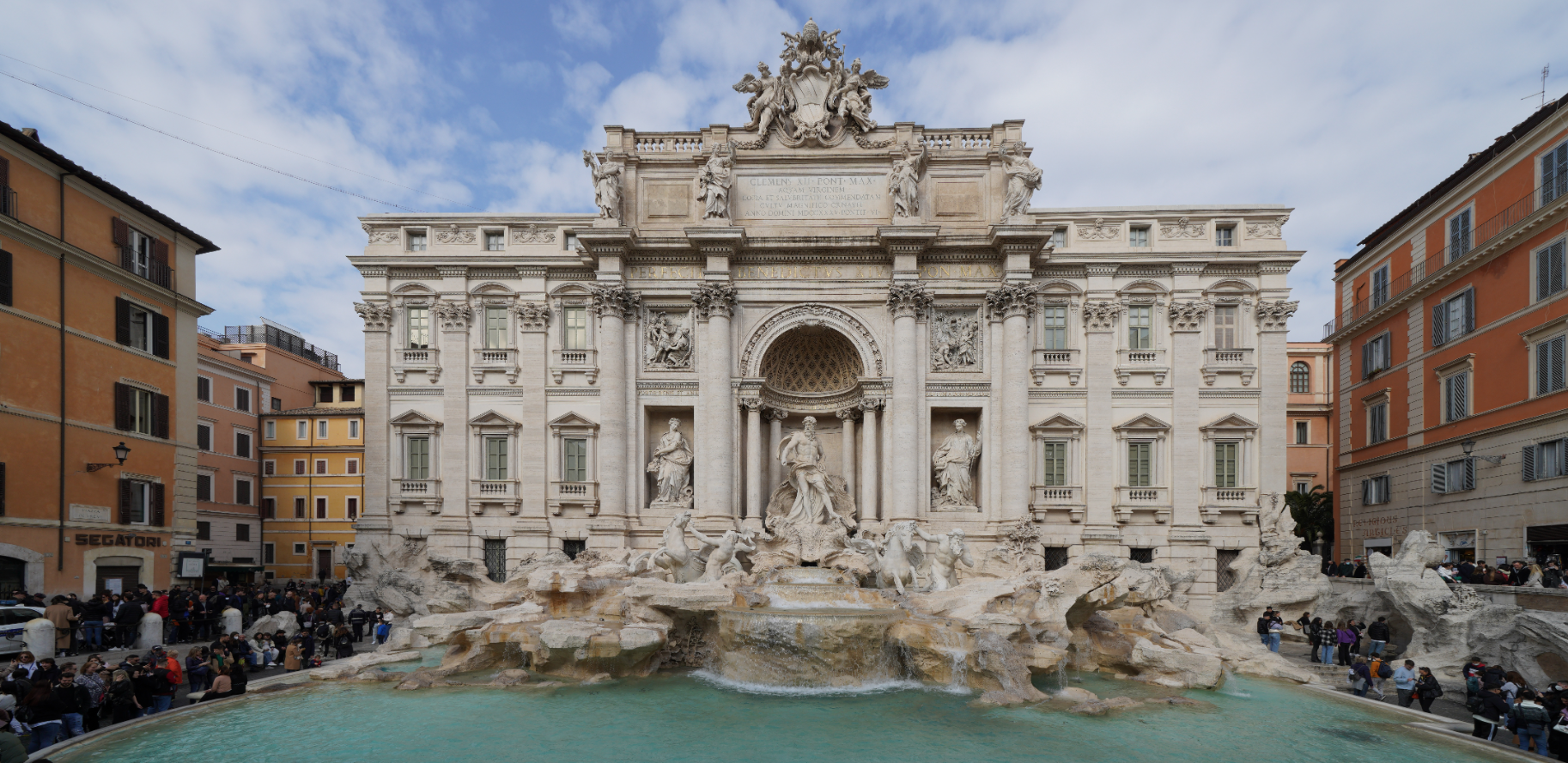
Trevi Fountain. @NikonZ711. CC BY-SA 4.0
I recommend getting familiar with the main tourist sites on the first day. These include the Spanish Steps and Trevi Fountain, which are located relatively close to one another. Both are beautiful in the daylight and won’t eat up too much of your time. Throughout the streets it’s common to find small stores that sell gelato or souvenirs — pop into one and notice that prices are surprisingly cheap, especially compared to costs in the US.
One of the things I enjoyed about my time in Rome was the vibrant nightlife, so make sure to take advantage of all the city has to offer when the sun sets. The temperatures are much more bearable and the streets are filled with small, lively alleyways that offer restaurants and more stores. Live music is usually always playing, especially in places where tourists are likely to flock. If you’re looking for an opportunity to wear that white flowy dress you bought just for the sake of fitting the Italian summer aesthetic, now’s the time.
Enjoy the unique scenery and environment, and make sure to visit the Spanish Steps once more — while a great place to visit in the daytime, this tourist site comes to life at night and brings that perfect feeling of that “European Summer” the TikToks show so often.
Day 2
Hopefully you got a full night’s rest, because day two is the perfect day to visit Vatican City — a landlocked independent country within the borders of Rome itself. It’s important to dedicate an entire day to this because, while you’ll most likely only spend a few hours exploring, the exhaustion will set in quickly.
If interested in the Vatican Museums, I strongly recommend buying tickets weeks beforehand and selecting an earlier time. The tourists that were hoping to get tickets on the day of had to wait in line for hours on end in the burning heat. Make sure to arrive early, since the museum is a little further than expected from the main entrance to Vatican City.
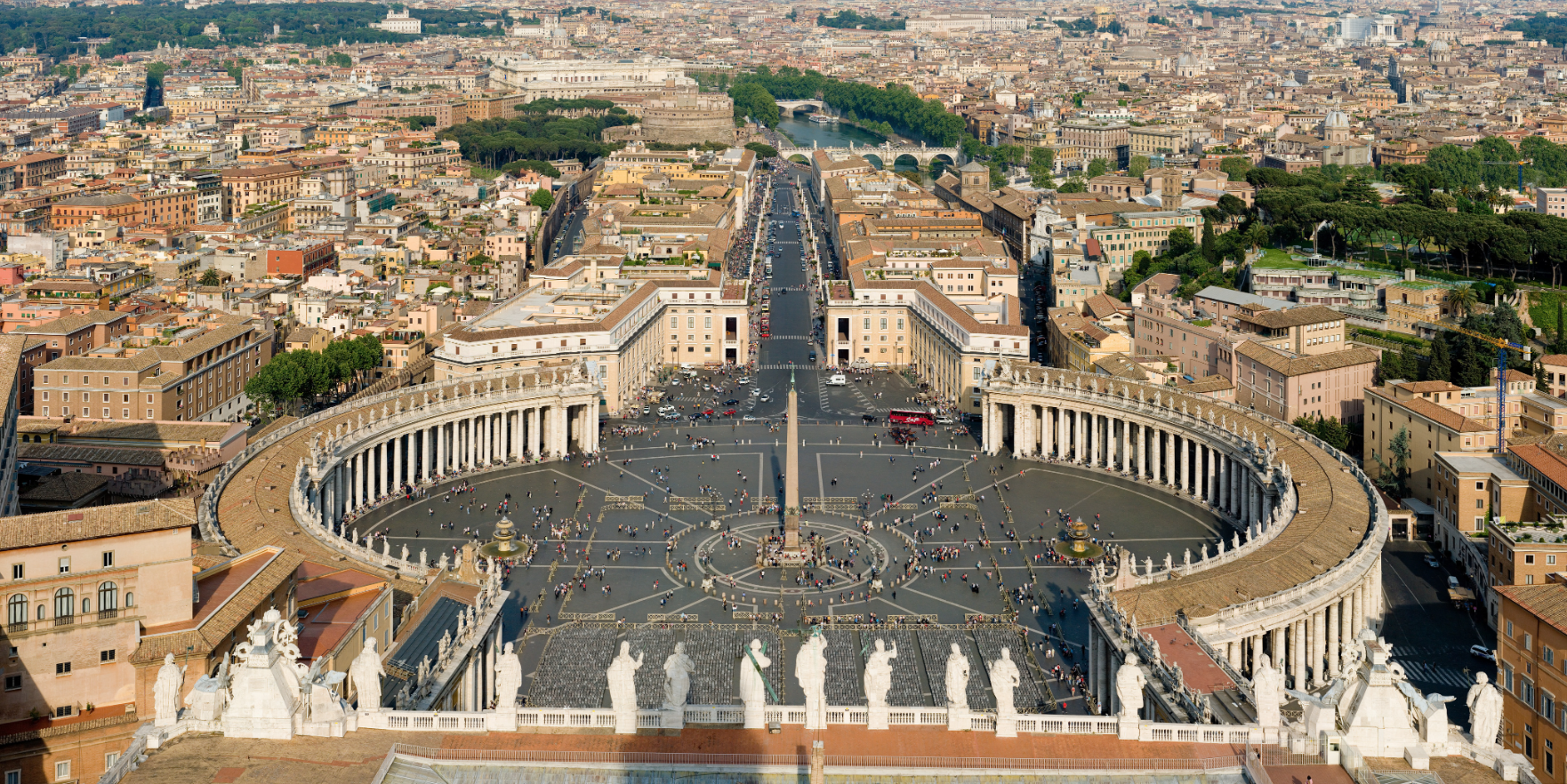
Vatican City. @Diliff. CC BY-SA 3.0
Once in the museum, you can either follow your tour guide or explore at your own pace, depending on the ticket you bought. You’ll get a glimpse of St. Peter’s Basilica — a famous church built in Renaissance style — from a viewing platform and get to visit the Sistine Chapel, a Catholic church located inside the Vatican Museums home to some of Michelangelo’s finest work.
Because Vatican City is a Theocratic city-state, most websites will advise you to wear a certain type of outfit. But because it’s so hot in the summer months, it’s alright to push the rules a little. Showing up in shorts and a T-shirt is completely acceptable.
Take the rest of the day to recharge. Walking to, from and around Vatican City can get very tiring, especially if it’s hot out. Stay close to your hotel for dinner, and day two will shoot past in the blink of an eye.
Day 3
Depending on whether or not you’re fascinated by Roman culture, Day 3 is dedicated to the rest of the places you weren’t able to see. For me, this included the Pantheon and Piazza Navona, which are both very close to one another. Shopping in Rome was also a pleasant experience, with such cheap prices, so I recommend it if you’re able to fit it in.
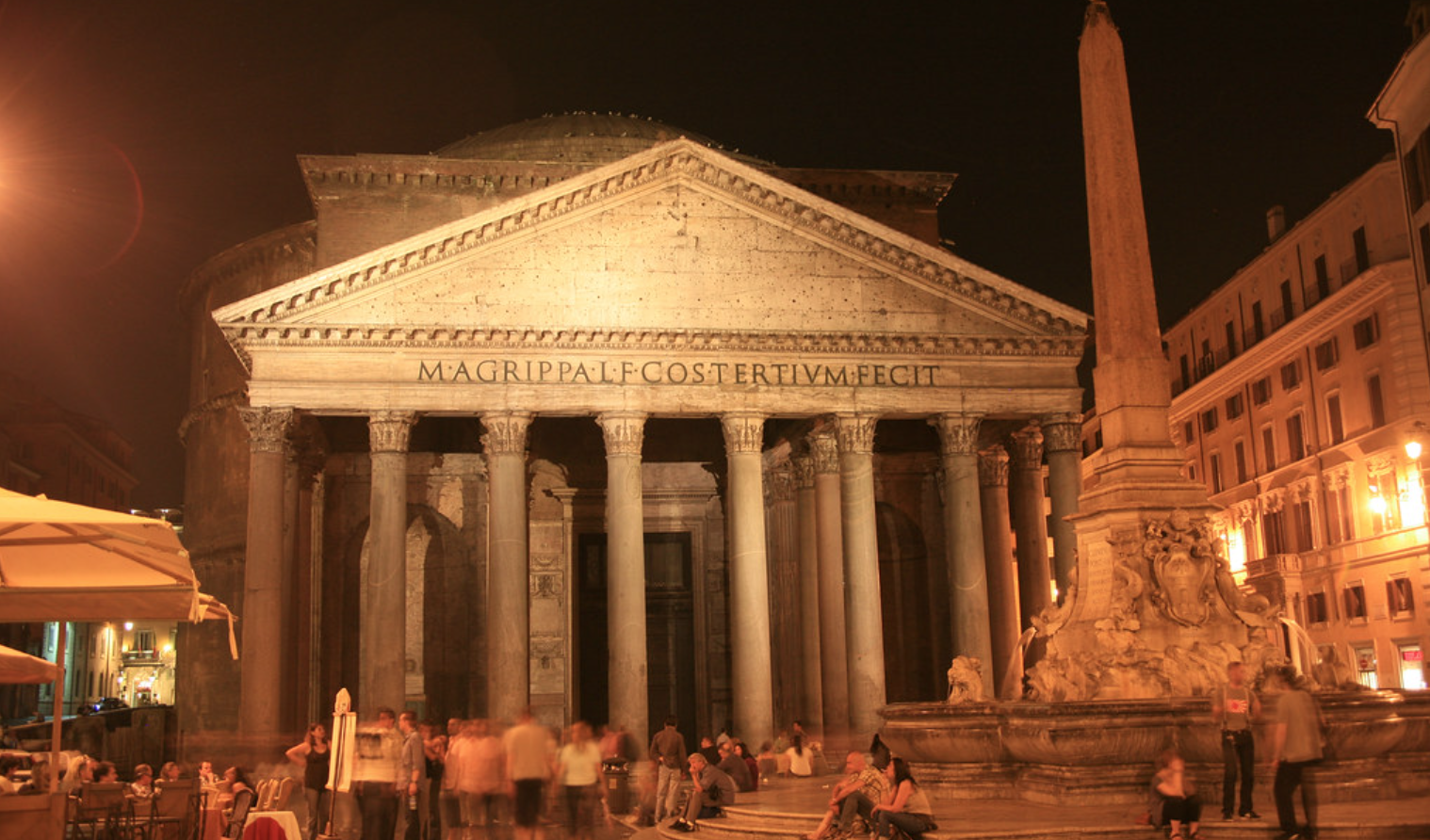
Pantheon. @laszlo-photo. CC BY 2.0
For dinner, venture on over to Trastevere — a neighborhood filled with authentic Italian restaurants, located just across the Tiber River. The pasta and pizza is, of course, something every visitor should try. Paired with a drink of your choice, it’s hard to question why Rome is a city that attracts so many people from all over the world. The constant chatter of customers, the lights hung up as decoration, and the comfortable temperature combine to make a perfect getaway.
Day 4
Your last day in Rome should be dedicated to doing whatever you want. After three full days of so much walking, your body is bound to be tired, so just take this day as a time to relax and soak this experience in.
I know I haven’t mentioned the Colosseum — and it isn’t because it’s been forgotten. During my trip, I visited the Colosseum at night on my last full day in Rome, and it was the right decision. Of course, depending on the kind of traveler you are, this might not be your ideal itinerary but I loved seeing one of the most iconic landmarks in the world at night. I didn’t have to worry about the heat, and there is something so special about seeing the Colosseum lit up with hundreds of lights as it towers above you. It’s a great image to part Rome with, and along the road you’ll most likely pass the Roman Forum, which is impossible to miss.
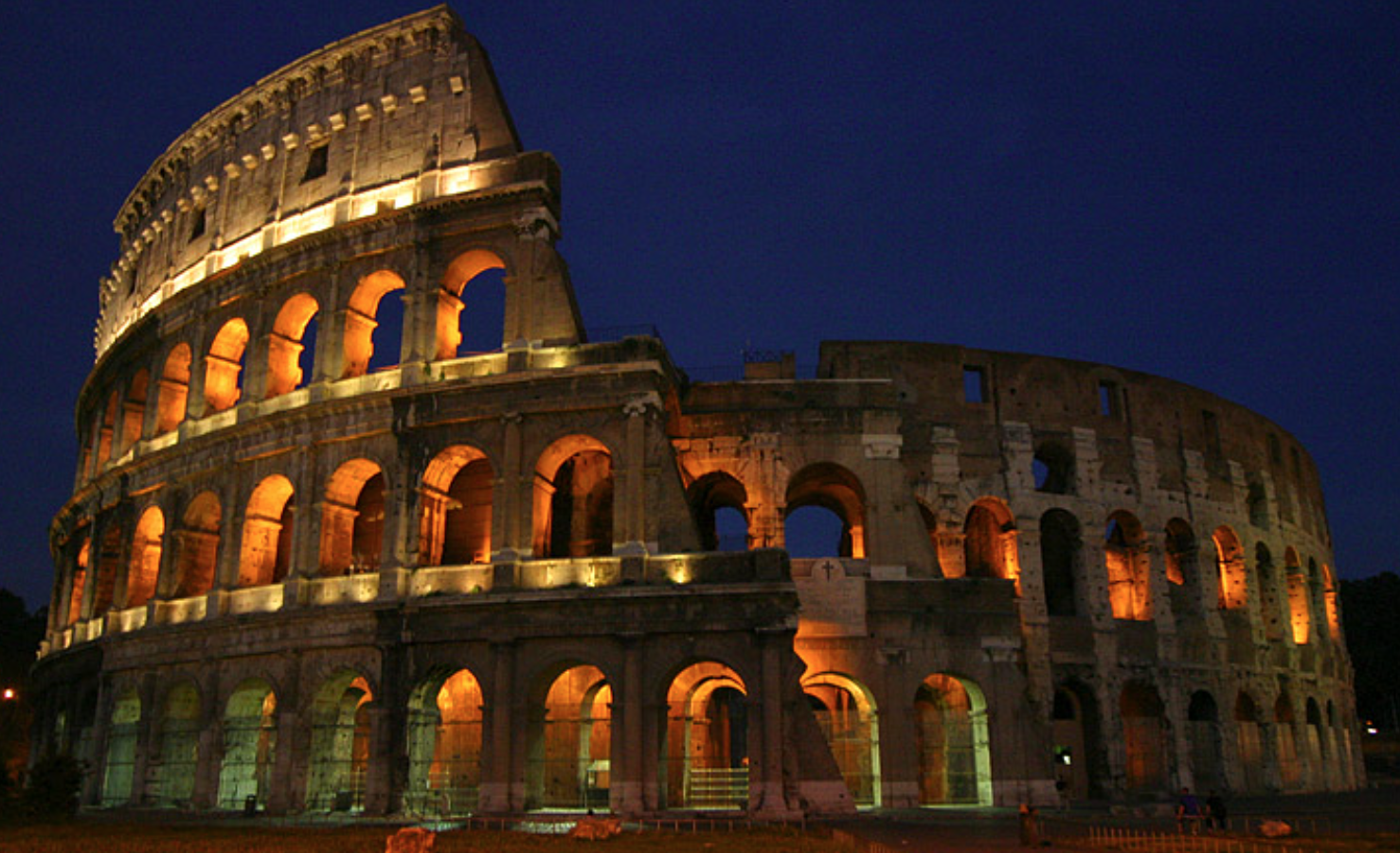
A night view of the Colosseum. @Aaron Logan. CC BY 1.0
Personally, this 4-day itinerary helped me get the feel of every aspect of the “European Summer” — from its nightlife to its famous sites, it didn’t disappoint. Depending on the type of person you are, this itinerary is bound to change but as someone who loves spontaneity and surprises, I followed this rough guide and was able to soak in all the wonders of this eternally beloved city.
Michelle Tian
Michelle is a senior at Boston University, majoring in journalism and minoring in philosophy. Her parents are first-generation immigrants from China, so her love for different cultures and traveling came naturally at a young age. After graduation, she hopes to continue sharing important messages through her work.
Barbie Across Borders
Around the world, countries censure or celebrate Barbie, a film that violates localized beliefs about feminist expression and the satirization of patriarchy.
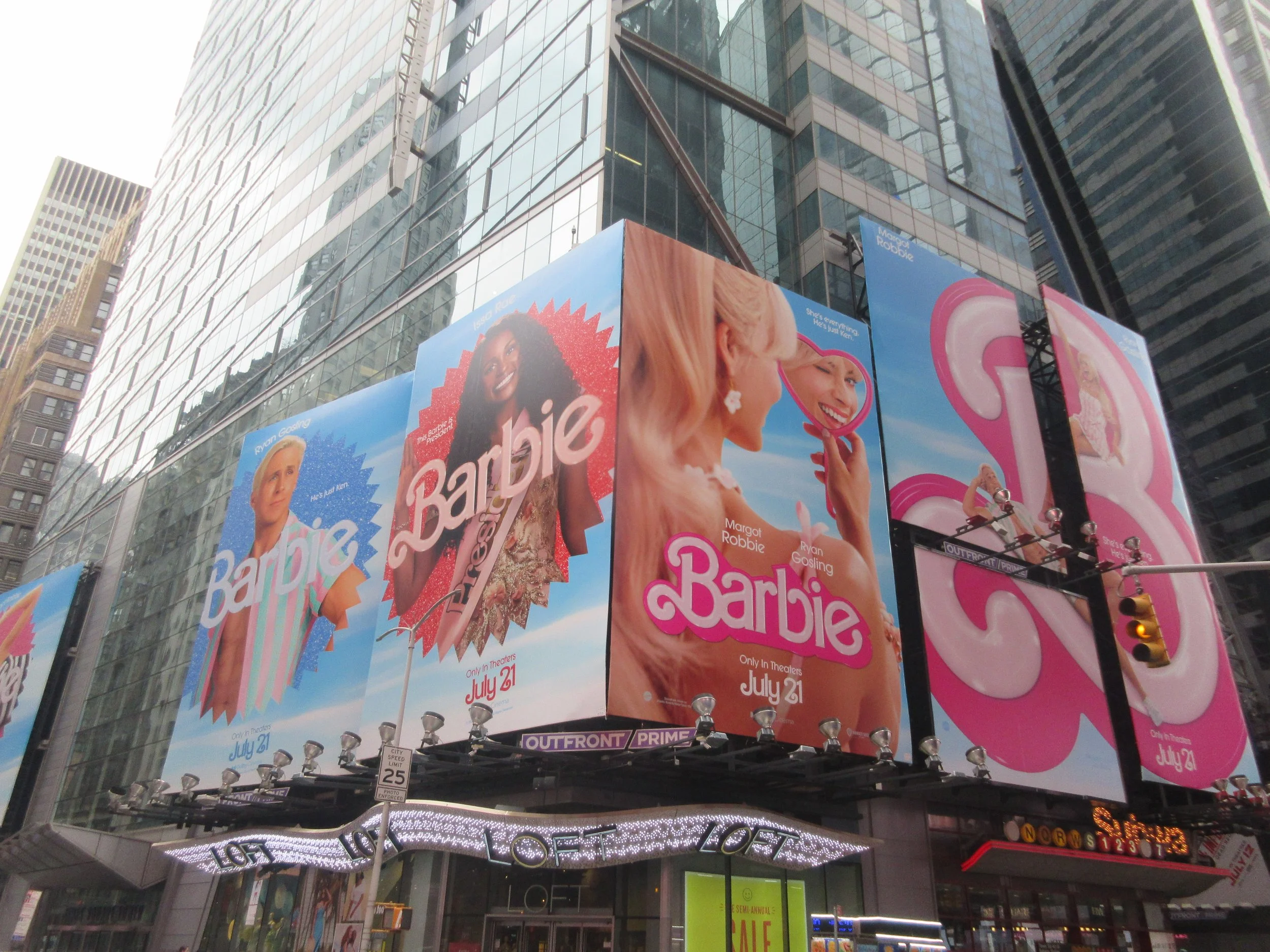
Barbie Movie Billboard. Brecht Bug. CC BY 2.0
“Barbie” premiered around the world late last month, quickly becoming a global sensation in the weeks that led up to its release. The film follows protagonist Barbie as she ventures on a journey of self-discovery that causes her to question the values of a patriarchal society. The United States, China, Saudi Arabia and other Middle Eastern countries had mixed reactions to the film, ranging from dissatisfaction with its promotion of women's empowerment to the celebration of female independence and capability.
The film has caused discourse in China, where movies still include considerably outdated gender roles. Media like Mr. Six and Gentlemen From Eastern 8th are reminders of the sexist normalcies that still exist in Chinese entertainment and society, including the objectification and oppression of women in the roles that they play. Barbie has been praised and disparaged for calling attention to these instances of gender inequality with many women appreciating the film’s recognition of such an “objective reality” and depiction of strong rather than objectified women. In recent years, China’s involvement in the political landscape of feminism has been backsliding, with rejections of sexual harassment lawsuits and arrests of those protesting for greater feminist representation. Because of this, China is not entirely dissimilar to the conservative politics in the United States, both of which believe that the film succeeds at emasculating men. Regardless, across the U.S., the debut of the film was largely met by fans with outfits of pink and reviews acknowledging the film as a “cinematic and emotional masterpiece.” Not long after, fans of the film in China also began to express support for the film by wearing pink and complimented the film as the best expression of feminism.
Latin and South American countries have also embraced pink, specifically through food. Vendors in Mexico and Guatemala have sold pink tacos while Venezuela, Chile and El Salvador have created arepas with beet dough for pink coloring. Support for the film has been widespread across the region, as it has reinvigorated radical public protest and prompted movements like “Barbie Buscadora.”
Across countries in the Middle East, “Barbie” has been banned as it was found to promote subversive elements that distort the values of society, namely the protection of public ethics and social traditions. Because of loyalty to these values, the most severe restrictions were issued in Kuwait and Lebanon, where the film was completely banned from theaters as opposed to the more targeted censorship of scenes that challenged social norms around male guardianship and homosexuality. As cultures with heavy importance placed on gender roles within a family, those with a vested interest in the current system find their values contradicted by the film’s feminism. In Lebanon, Mohammed Mortada asked that the film be banned saying that it, “challenges the guidance of the father … ridiculed the role of mothers.”
Despite aversion to the film’s release in Kuwait and Lebanon, “Barbie” premiered in Saudi Arabia and the United Arab Emirates. With men and women alike flooding theaters to view the film, many felt that the movie had important lessons for everyone regarding their roles in the world. Saudi Arabia’s perception of the film has reflected the broader changes occurring in the country’s cultural and entertainment landscape. As a country that is steeped in patriarchal gender traditions, specifically repressive guardianship and the imposition of domestic responsibilities on women, the immersion of Western-influenced media into the nation is expected to be regulated. However, the current reception of the film suggests a society capable of combining tradition and progress.
“Barbie” has brought forward an interplay between cultural normalities and evolving societal attitudes across a variety of countries. In some ways, the film could be perceived as a step towards female empowerment, while conversely approached with caution to avoid disrupting traditional values. As a testament to how global media can challenge and align perspectives, the film is one that illustrates the ability to challenge universal themes despite differences in local interpretations. The global tendency in the 21st century has been to encourage the feminist movement across progressive and conservative countries alike, and with such a broad range of perspectives, it’s a film that has caused considerable ripple effects.
Mira White
Mira is a student at Brown University studying international and public affairs. Passionate about travel and language learning, she is eager to visit each continent to better understand the world and the people across it. In her free time she perfects her French, hoping to someday live in France working as a freelance journalist or in international affairs.
10 Natural Disasters that Shook History
Witness the awe-inspiring forces of nature unleashed through devastating hurricanes, volcanic eruptions and catastrophic floods.
Read MorePathways and Pilgrimages: Exploring The Camino de Santiago
This pilgrimage to the Cathedral of Santiago de Compostela in Spain has been a centerpiece of Christian spiritual life for thousands of years, and a destination for travelers around the world.
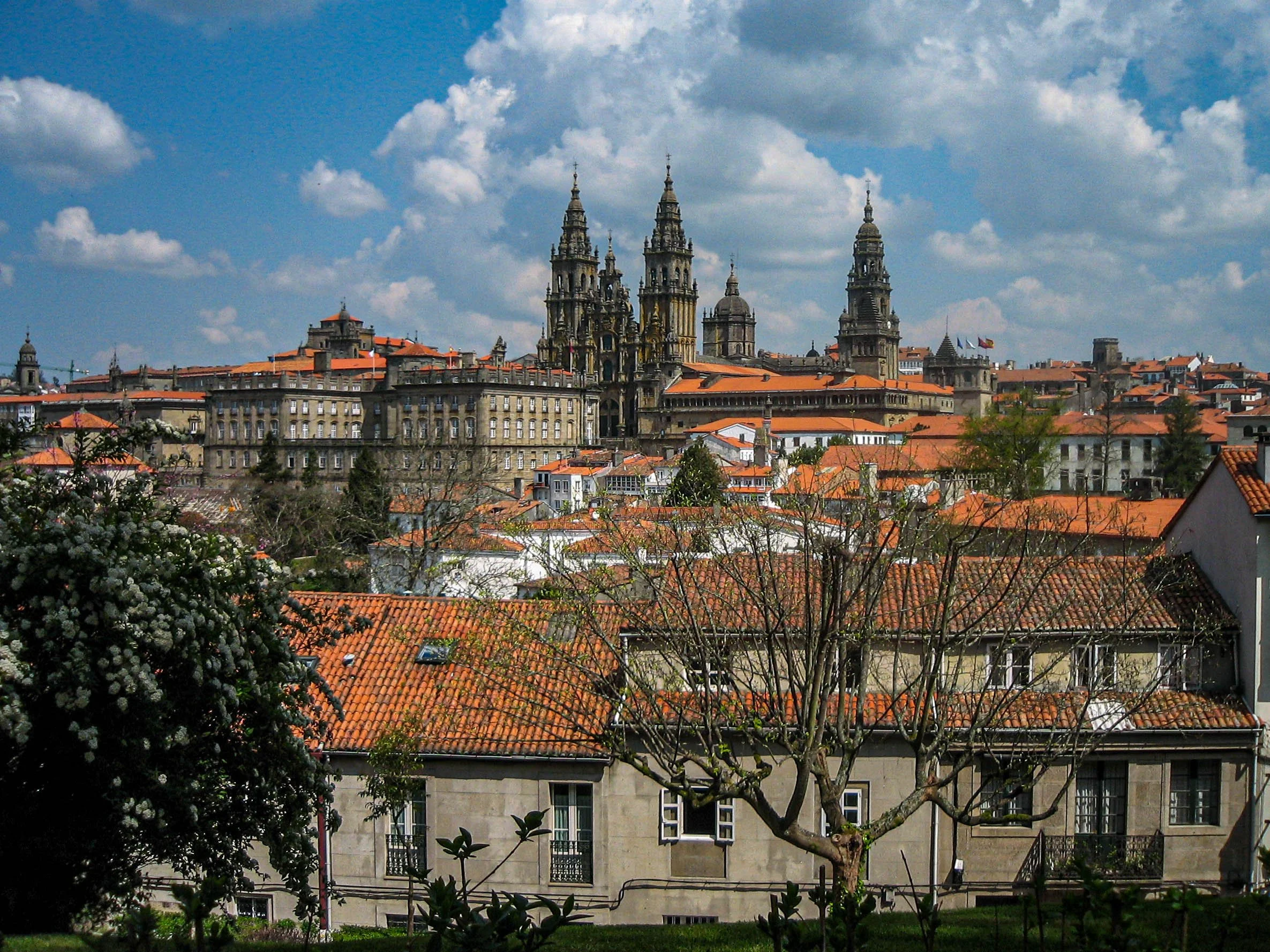
The Santiago de Compostela. Dafydd Parri. CC BY-NC-ND 2.0.
The Camino de Santiago, also known as the Way of St. James, marks a pilgrimage to the Cathedral of Santiago de Compostela in Galicia, an autonomous community in northwestern Spain. Extending roughly 500 miles and taking about 30 to 35 days to complete at an average of around 15 miles per day, the Camino is known today both as a center for Christian spiritual life and a hiking haven for travelers looking to submerge themselves in nature with affordable accommodations and opportunities to adventure through local villages along the way.
Today, around 300,000 travelers make their way through the Camino every year, and those who complete the journey earn a Compostela Pilgrims Certificate. According to measurements from 2021, 45% of travelers reported walking the Camino for “religious and other reasons” while 30% reported walking the Camino strictly for religious reasons and 24% said they had no religious reasons for the pilgrimage. The growing popularity of the Camino as a secular travel experience as well as a religious one is aided by its accessibility. While daily expenditures on the Camino depend largely on the town one is stopping in, travelers can plan to budget for about $30 a day to cover the cost of food. Albergues, or hostels specifically made for pilgrims, are also a reliable and affordable option for accommodations along the Camino, with municipal albergues typically costing between $5 to $10 per person, while private albergues range between $12 and $15 per person. Via Lusitana helps connect travelers to albergues along the Camino Portugues.
While there is no exact starting point to the Camino, there are a handful of popular routes to choose from including Camino del Norte, Camino Primitivo, and Camino Ingles. The two most popular routes are that of the Camino Frances, which begins in Saint-Jean-Pied-de-Port in southwest France, and the Camino Portuguese which starts from Portugal’s coastal city of Porto. While the Camino Frances covers 500 miles, the Camino Portuguese offers two distinct routes: the Camino Portuguese Central route which is 385 miles and the Camino Portuguese Coastal route which is 175 miles.
The Camino became a UNESCO World Heritage site in 1993 and was recognized as the first European Cultural Route in 1987, however its history is one that dates back to the 9th century, when remains of the apostle James were believed to be found in Galicia. Saint James preached in the Iberian peninsula before returning to Jerusalem, where he was beheaded by the king Herod Agrippa I in 44 AD. The legend surrounding St. James details how his body was transported from Jerusalem to Spain via a boat and was buried by his followers in Galicia in what is now the city of Santiago de Compostela.
The tomb was discovered in the 9th century by the bishop Theodomir. Upon its discovery the King of Asturia, Alfonso II, widely considered the first pilgrim to the Santiago de Compostela, traveled to the site and ordered that a church be built at the place of burial. Construction began in 1075 and the church was consecrated in 1211.
To accommodate an increase of pilgrimages through the Camino in the Middle Ages, bridges and other infrastructure were built along the route to aid travelers. Between the 11th and 13th century, the Camino’s rising popularity gave rise to a network of housing options and medical services along the route, including hospitals chartered by European kings.
The Camino’s many routes were created by early travelers who shared information amongst themselves regarding the safest travel conditions, which nearby towns to stop in, and where to source food and water throughout the journey. Though lacking official infrastructure, these paths became well defined by the pilgrims who traveled them for hundreds of years. It was not until the 1980s that Father Elías Valiña Sampedro, a priest of a neighboring Galician village, added yellow arrows along the path in an attempt to prevent travelers from getting lost.
Camino Frances
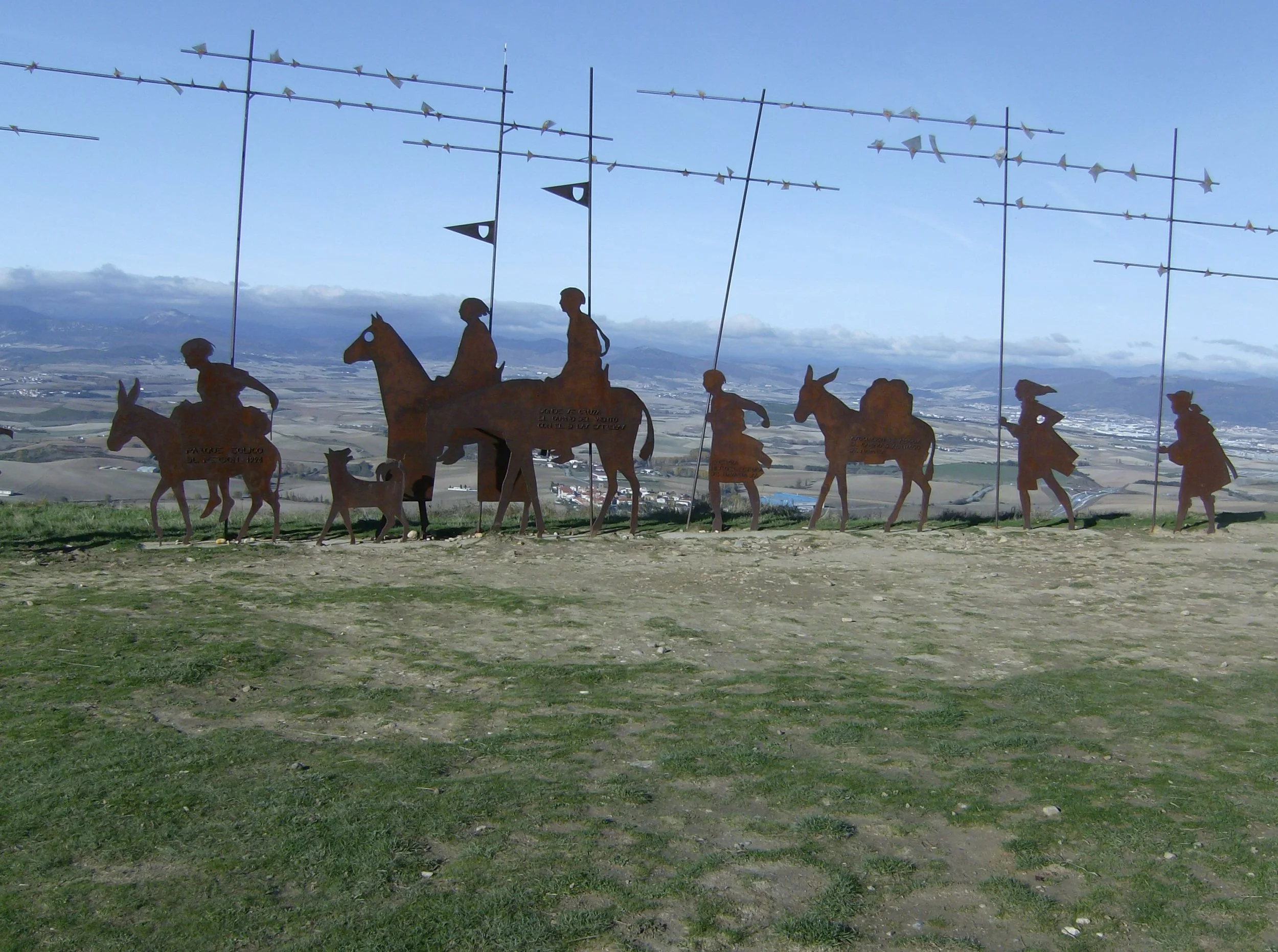
El Alto del Perdón. Rocco Rossi. CC BY 2.0.
As the most popular route, the Camino Frances sees around 55% of all travelers on the Camino de Santiago. Embarking on the French Way is one of the most social options to experience the Camino, and those who do so are sure to run into fellow pilgrims and have opportunities to build connections and a sense of camaraderie along the way.
The entire Camino Frances starts at St Jean Pied de Port, a commune in southwest France, and extends roughly 500 miles and takes about 30 to 34 days to complete with an average of about 15 miles per day. However, the most popular starting point for travelers along the Camino is found at the last 60 miles of the pilgrimage, in the city of Sarria. This last stretch of the Camino takes approximately 7 days and passes through the towns of Portomarin, Melide and Arzua.
Travelers embarking on the Camino Frances will move through the Pyrenees mountain range and into the La Rioja region of Northern Spain. Travelers interested in enjoying the region’s world famous vineyards can explore a variety of wine tours showcasing the region’s diverse earthly flavors.
Other notable traveling stops along the Camino Frances include the Spanish city of Pamplona, whose yearly San Fermín Festival every July features the country’s world-famous bull runs. When the festival is not happening, the Pamplona remains a popular resting spot for travelers along the Camino to explore Gothic and Renaissance art at the Museum of Navarra and the historic Plaza del Castillo where cafes and bars such as Cafe Iruna served as prominent landmarks in American novelist Ernest Hemmingway’s life and writing.
Another highlight along the Camino Frances is the sculpture of El Alto del Perdon, which shows metal silhouettes representing pilgrims traveling through the Camino on foot and horseback. The art piece is located near the town of Puente de la Reina, a historical meeting point for early pilgrims traveling the Camino through a variety of routes along the Pyrenees. The town’s current architecture derives from attempts to accommodate pilgrims during the Middle Ages, including the bridge constructed under Queen Muniadona to assist pilgrims in their travels. The bridge is responsible for the town’s namesake, with Puente de la Reina translating to “the queen’s bridge.”
Camino Portugues
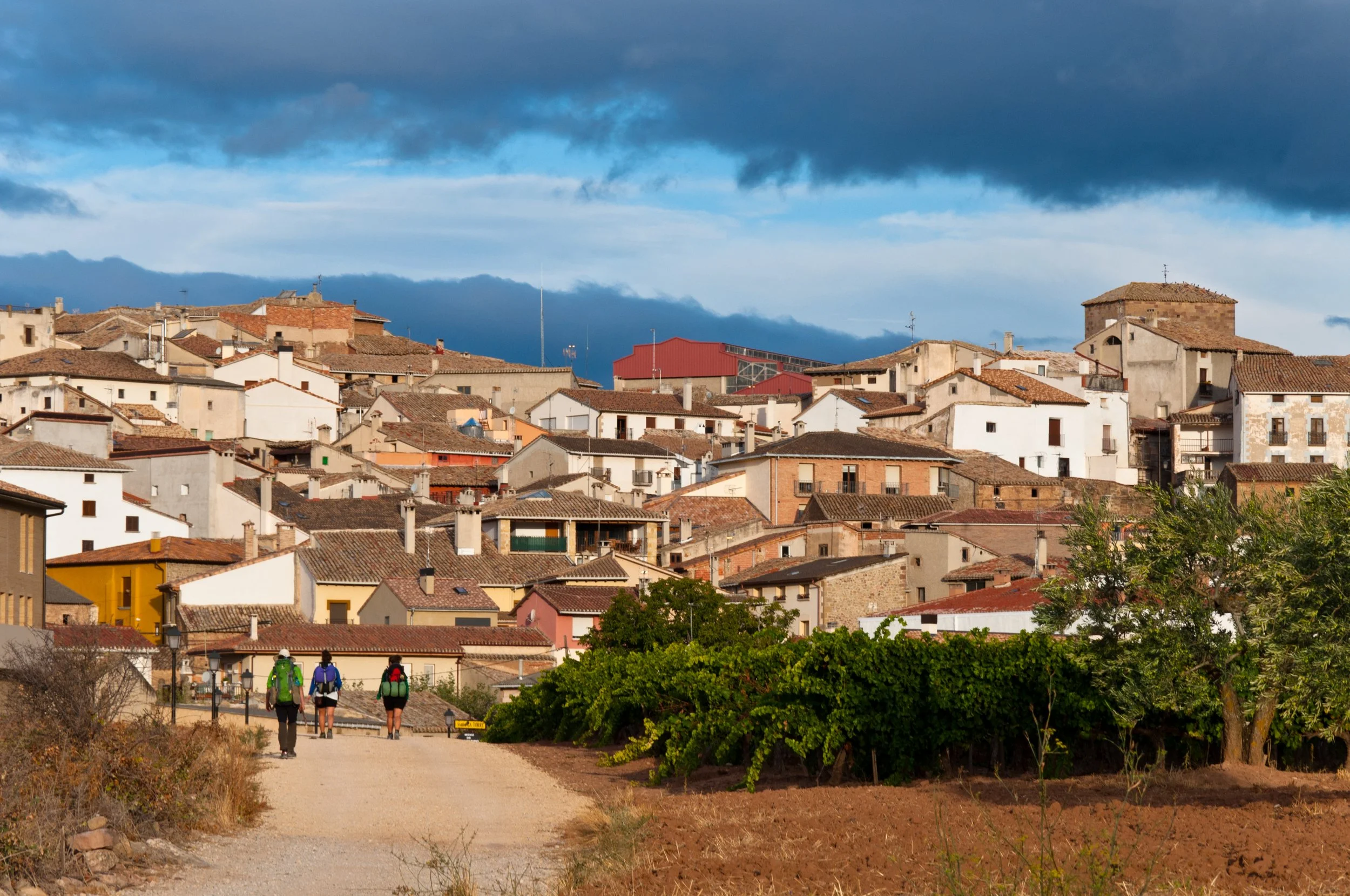
Travelers on El Camino. Staffan Andersson. CC0 1.0.
An alternative to the Camino Frances, the Camino Portugues begins in Portugal and moves the coastline up to Galicia as the second most popular path for the Camino de Santiago pilgrimage. The route gained popularity in the 12th century after Portugal gained its independence when Queen Isabel of Portugal, known as the “Holy Queen,” made the pilgrimage herself in the 14th century. Today, the Camino Portugues sees about 25% of all travelers embarking on the pilgrimage.
There are three main routes that travelers embarking on the Camino Portugues can choose from: the Central Route, which takes around 12 days, the Coastal Route, which takes between 12-14 days, and the Litoral Route, which follows the Coastal Route in large part while also incorporating pathways onto the beach. All routes meet in the Spanish town of Redondela before reaching Santiago de Compostela.
Each route carries its own advantages and disadvantages. The Central Route has more infrastructure and access to towns and accommodations, however it is also the busiest route, seeing 70% of all travelers on the Camino Portugues. Comparatively, only about 30% of travelers opt for the Coastal Route, making it a quieter experience with less built-in tourism.
Those starting the Camino Portugues from Porto will get to enjoy the city’s famous local port wine, the Baroque style Porto Cathedral — or Se do Porto — and the boat tours of the stunning Douro River.
Vigo is a popular starting point for those who want to experience the last 60 miles of the Camino, and the city offers a variety of activities including fish markets and a coastline overlooking the Cies Islands.
Services such as Pilgrim help travelers create a personal guide for their trip, curated towards each individual’s preferred route and transportation type — including walking, cycling and completing the Camino on horseback or with pets. Pilgrim also helps connect travelers to special services while on the road, including the options to order bike gear, rent a car and transport personal luggage.
Online guides are another helpful tool for travelers when it comes to finding rest stops and maps of nearby towns to explore along the Camino
Jessica Blatt
Jessica Blatt graduated from Barnard College with a degree in English. Along with journalism, she is passionate about creative writing and storytelling that inspires readers to engage with the world around them. She hopes to share her love for travel and learning about new cultures through her work.
Hagia Sophia: Istanbul’s Oldest Building
Having served as a church, mosque and museum, Hagia Sophia represents both religion and history in Istanbul.

Hagia Sophia. Adli WahidCC BY-SA 3.0.
Built in the 6th Century, Hagia Sophia is the oldest building in Istanbul, Turkey. This ancient structure has been an important spiritual center for both Christians and Muslims, and its history is shown through its architectural features. Here is a deep-dive into the creation of Hagia Sophia, its meaning to different cultures, and how to visit it today.
History
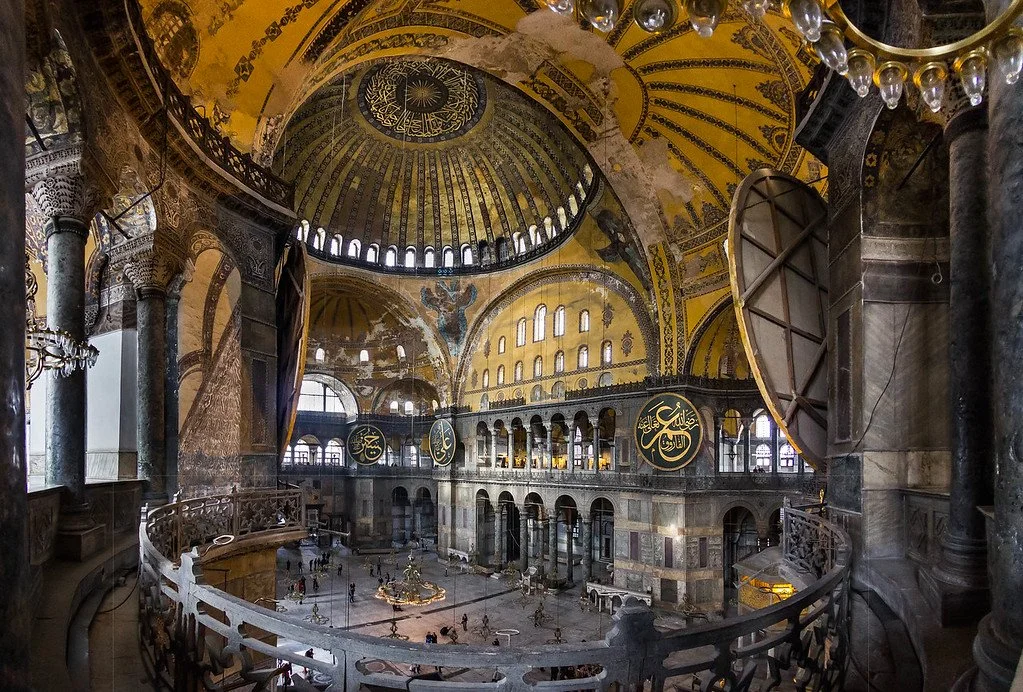
Interior of Hagia Sophia. Wolfgang Guelcker. CC BY 3.0.
Originally named “Megale Ekklesia,” or “Great Church,” Hagia Sophia was built in 360 under Emperor Constantius. After the church was destroyed by riots in 404, it was rebuilt by Emperor Theodosius in 415. During this period, the church received its current name, “Hagia Sophia,” or “Holy Wisdom.” After being burned down during a revolt in 532, the final structure of Hagia Sophia was resurrected under Emperor Justinian I in 537, with some restorations in the 14th century. This version of the church was known as the Cathedral of the Ecumenical Patriarchate of Constantinople, which was a spiritual center of the Eastern Orthodox Church. After the Ottoman Empire took over Constintinople in 1453, Sultan Mehmet II repurposed Hagia Sophia, which served as a mosque until becoming a museum in 1935. In 1985, Hagia Sophia became a UNESCO World Heritage site, giving official recognition its long cherished cultural value.
Controversy
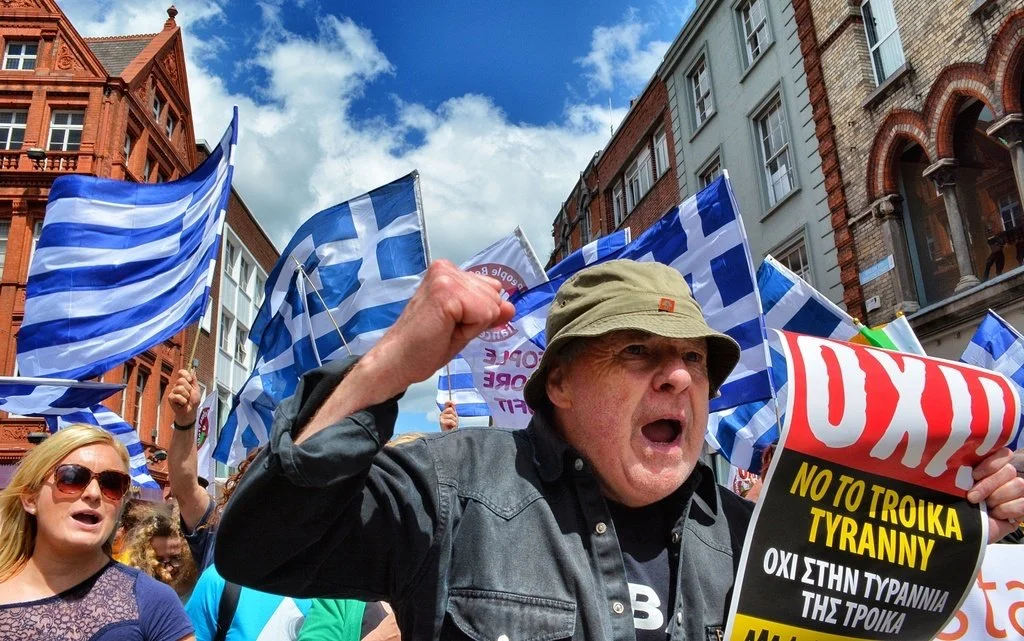
Greek protest against Turkey. Des Byrne. CC BY 2.0.
In 2020, Hagia Sophia was renamed a mosque under the Turkish government. This decision created controversy between Turkey and other nations, as repurposing it as a mosque draws away from the entirety of the structure’s history and the mutual respect between religions. This also strengthened existing tensions between Turkey and Greece, as Hagia Sophia was once part of the Greek Orthodox Church.
Architecture
Dome
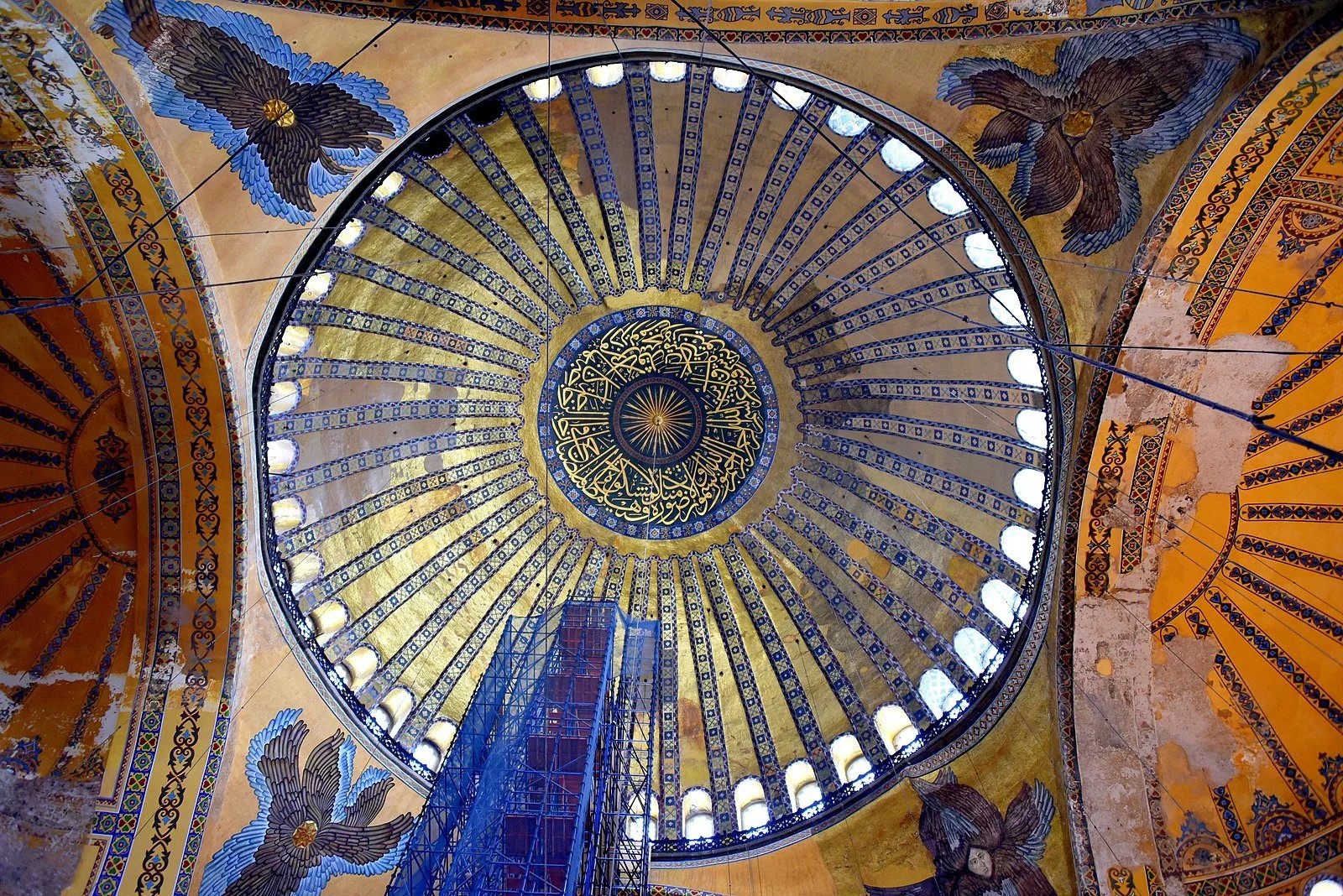
Main dome of Hagia Sophia. Osama Shukir Muhammed Amin. CC BY-SA 4.0.
Following St. Peter’s Basilica in Rome, Hagia Sophia is home to the second largest pendentive dome in the world. The main dome of the structure has a diameter of 107 feet and is supported by 4 pendentives, which are large triangular arches that meet in the middle of a structure. These structures are one of the earliestlarge pendentives to ever be made. There are also two semi-domes on each side of the main one, supported by columns.
Columns
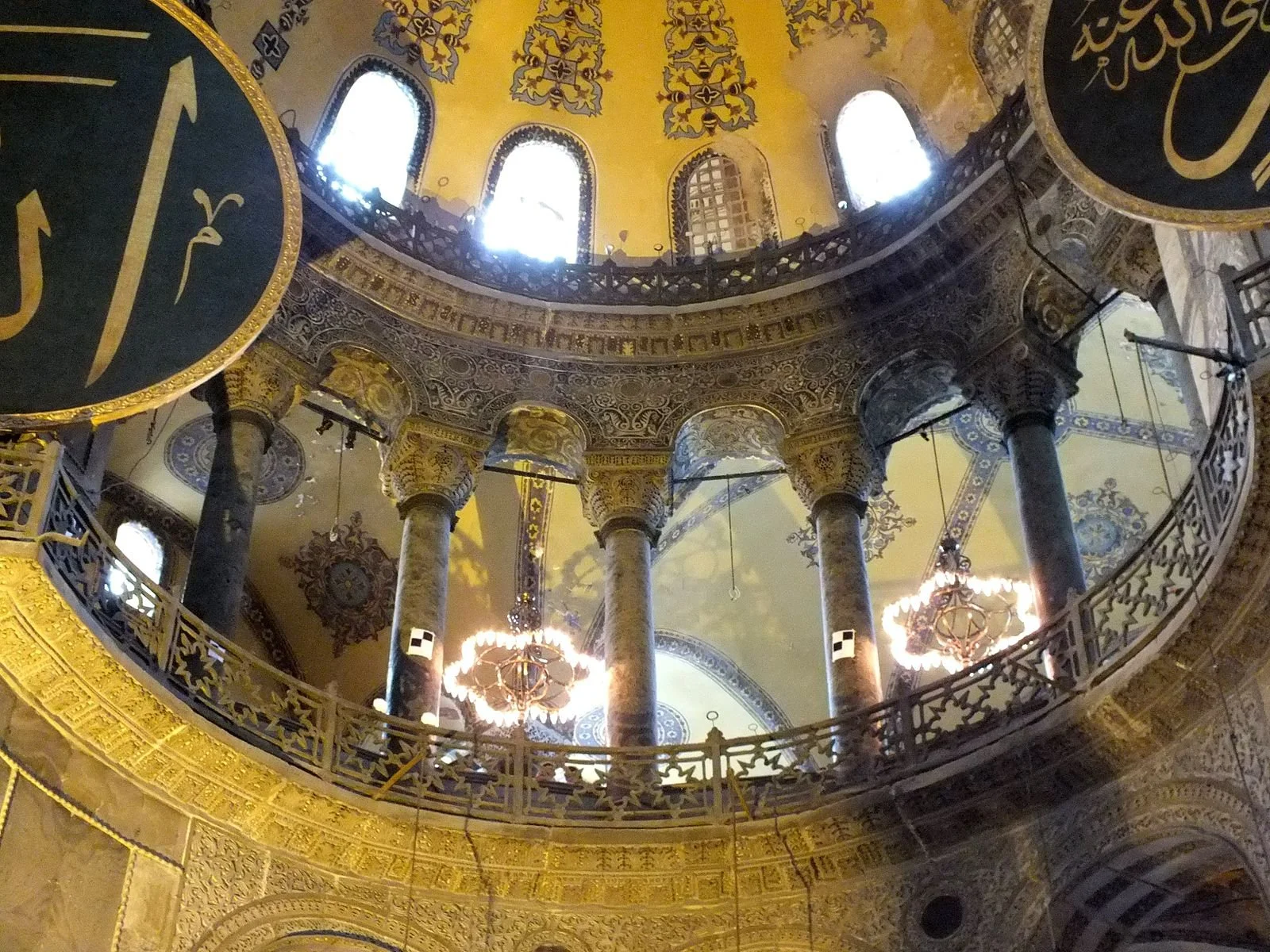
Columns in Hagia Sophia. Serafita. CC BY-SA 4.0.
Hagia Sophia has 140 columns, all from different parts of the world. For example, the purple columns supporting the semi-domes of the structure originated in Egypt. There are also green columns from the Artemis Temple in Ephesus, an ancient Greek city. The most prominent columns are made of Verde Antique stone, which was mined from quarries in the city of Larissa, Greece during the Byzantine empire. These columns are 34 feet tall, and its material was used frequently during the 6th century.
Mosaics
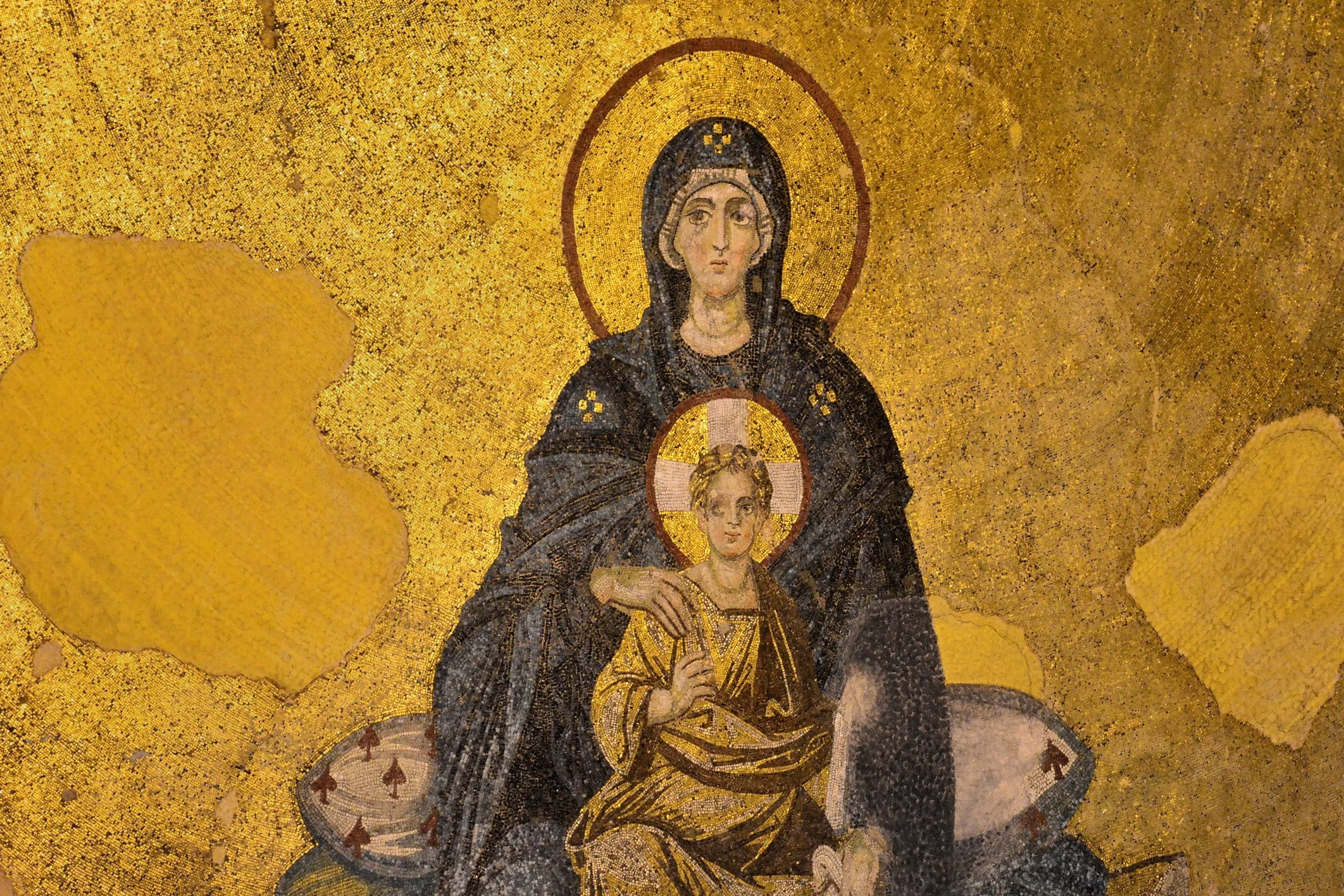
Mosaic of the Virgin Mary and Jesus. World History Encyclopaedia. CC BY-NC-SA 4.0.
Originally, Hagia Sophia displayed many Christian mosaics, but these images were covered during the Ottoman Empire. Some of these mosaics depict angels and praise Jesus and the Virgin Mary, while others take the form of emperors such as Justinian and Constantine. One of the most iconic mosaics shows the Virgin Mary holding baby Jesus, and this image remains uncovered today. Created in the 860s, this is the oldest mosaic in Hagia Sophia.
How to Visit
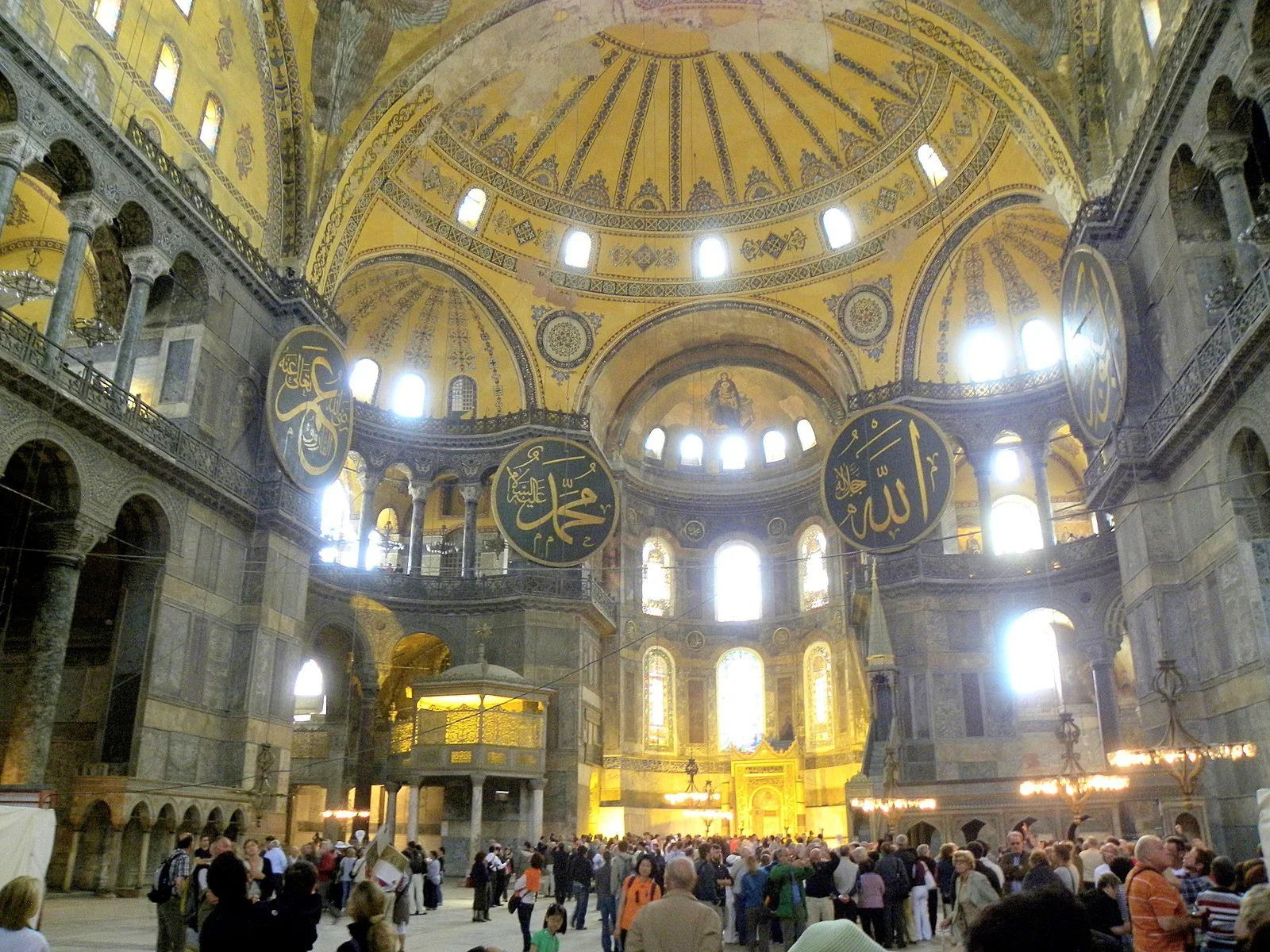
People visiting Hagia Sophia. Magnus Manske. CC BY 2.0.
Though it has reverted to a mosque, Hagia Sophia is still open to the public. Visitors are required to remove their shoes before walking its carpets. Hagia Sophia is open to the public every day of the week, but closes to non-worshipping visitors during prayer hours. Guided tours of Hagia Sophia are also offered through different websites, usually for a fee.
Click here for more Hagia Sophia visitation guidelines.
Alexandra Copeland
Alexandra is a student at The College of New Jersey studying psychology and journalism. She is a lover of coffee, dancing, and visiting new places. Being raised with her Greek culture has inspired her interest in cultural customs around the world. She is a passionate writer and hopes that her work will make an impact in the future.
Going at it Alone: The Highs and Lows of Solo Travel
Though riddled with its own challenges, solo travel provides unparalleled opportunity to build confidence and create friendships on the road.
Read MoreInk Under Fire: The Ongoing Struggle Against Literary Censorship
More books are being banned than ever before, posing a real threat to the universal right to freedom of expression.

A demonstrator holds up a sign against book bans in the US. Craig Bailey. CC BY-SA 2.0
For decades, authors have written about the banning of books and censoring of literature in the context of dystopian societies dominated by harsh autocratic rulers. In a world that values the free exchange of ideas and uses the written word as a means to express and share ideas, beliefs and knowledge, the act of banning books stands as a paradoxical and deeply contentious practice. Nevertheless, 2022 saw a record breaking 2,571 unique titles banned in the US alone, compared to just 566 in 2019, not to mention the handful of other countries around the world with much stronger and infamous censorship policies. Banning books raises questions about the limits of authority, the boundaries of creativity and in some cases, the very nature of truth itself — without literature, those in power can freely rewrite history.
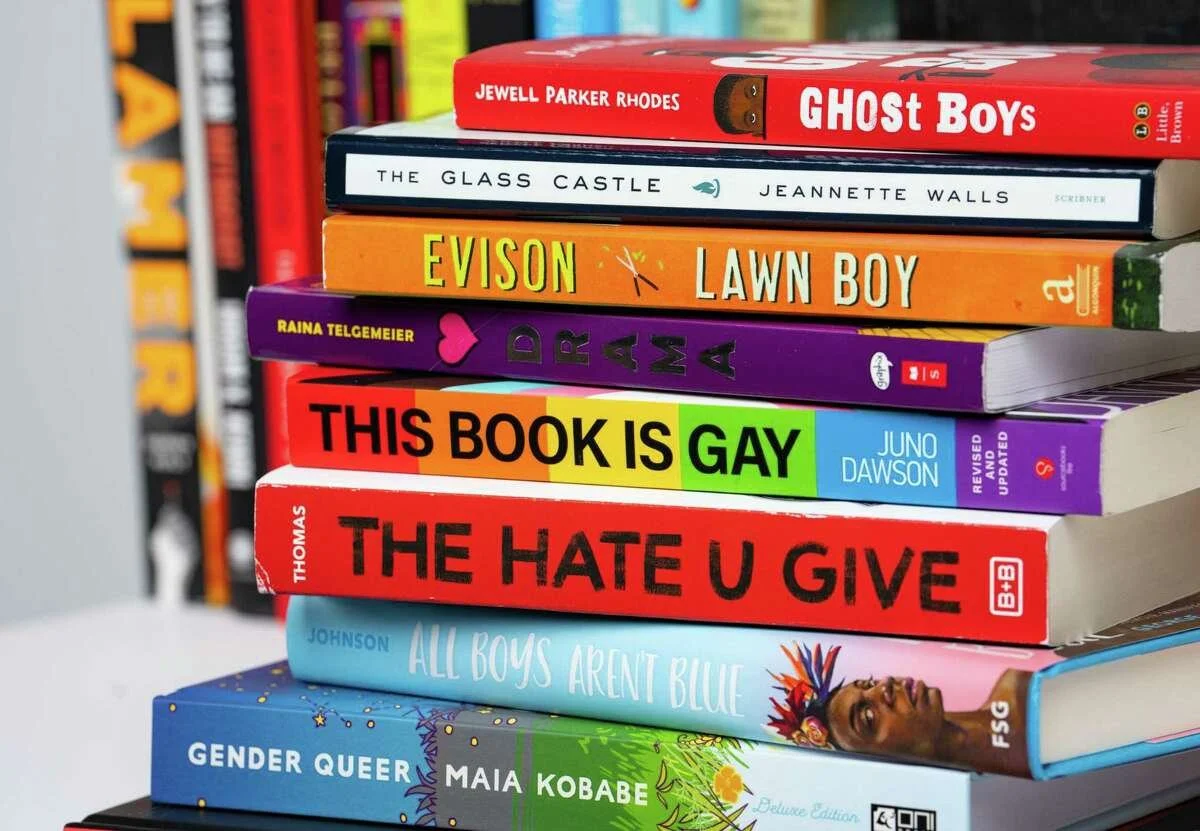
Almost all recently banned books have been targeted due to their inclusion of LGBTQ+ characters or racial themes. Mark Mulligan. CC BY-SA 2.0
Unfortunately, it is not just books that have come under fire: Many library workers across the US and beyond have reported being harassed or even threatened with legal action and violence if they do not take certain titles off the shelves. While some books have been singled out due to racist language and themes — Mark Twain’s “The Adventures of Huckleberry Finn”, Toni Morrison’s “Beloved” and Ralph Ellison’s “The Invisible Man”, to name a few — the undeniable majority of complaints have come from conservatives who take issue with literature that touches on LGBTQ+ or contemporary racial justice topics. This latter category includes books like “Gender Queer” by Maia Kobabe, “The Hate U Give” by Angie Thomas and even the Pulitzer Prize-winning 1619 Project, which chronicles the legacy of American slavery. While some books have returned to the shelves after being banned, many have been put to the side indefinitely, setting dangerous restrictions on the types of history and social commentary available for public consumption.

A display of books that have been banned over the past two years. Getty Images. CC BY-NC 2.0
Despite the obvious challenges this poses, writers have continued to find ways to defy unfair censorship laws and continue to publish their work. A recent example occurred when internationally renowned author Margaret Atwood published a new, fireproof edition of her award winning book “The Handmaid’s Tale”. First published in 1985, this novel has been banned in countries all over the world for reasons including its sexual content, prominent LGBTQ+ characters and anti-Christian themes. In a nod to the practice of book burning as a popular form of literary censorship, Atwood wrote in The Atlantic that trying to stop young people from reading “The Handmaid’s Tale” will, “only make them want to read it more,” and wished her critics luck. The special edition was auctioned off for $130,000 by Sotheby’s, the proceeds of which went to PEN America for their campaigns to fight literary bans.

82-year-old author Margaret Atwood aiming a flamethrower at her inflammable book, The Handmaid’s Tale. NPR. CC BY-NC-ND 2.0
Given the increased democratization of information due to the internet, Atwood’s words raise the crucial question of whether banning books is actually still an effective way to remove literature from the public sphere. In an effort to counter the effects of such bans, publishing houses, libraries and some academic institutions have compiled online databases of banned books to ensure that they are still available to the public. Another counter-movement saw PEN America join forces with National Youth Poet Laureate Amanda Gorman to challenge the banning of her inauguration poem “The Hill We Climb” at an elementary school in Florida. Even in the face of these efforts, however, the digital domain is still not safe from literary censorship. Just last year, a number of online library and reading apps used widely by students during the pandemic were targeted by parents who were uncomfortable with the titles available to their children; again, the reasons cited revolved around the inclusion of pro-LGBTQ+ themes and supposedly anti-religious content.

Banned books are made available to children at this school in the UK. St Benedict’s School. CC BY-NC 2.0
From the historic book burning bonfires to the rise of online censorship, the conflict over banned books reflects a struggle for control over narratives that challenge conventions and expand our understanding of the world. Literature has the power to challenge norms and provoke curiosity, but doing so has often put it at odds with those seeking to maintain the status quo. In a society driven by information and ideas, the censorship of literature raises a critical question: What does freedom mean if we are denied the opportunity to explore a diversity of perspectives, no matter how discomforting or provocative they may be?

Tanaya Vohra
Tanaya is an undergraduate student pursuing a major in Public Health at the University of Chicago. She's lived in Asia, Europe and North America and wants to share her love of travel and exploring new cultures through her writing.
7 Books by LatinX Authors to Read This Hispanic Heritage Month
From literary classics to modern favorites, here is a list of must-read titles by LatinX authors in celebration of Hispanic Heritage Month.
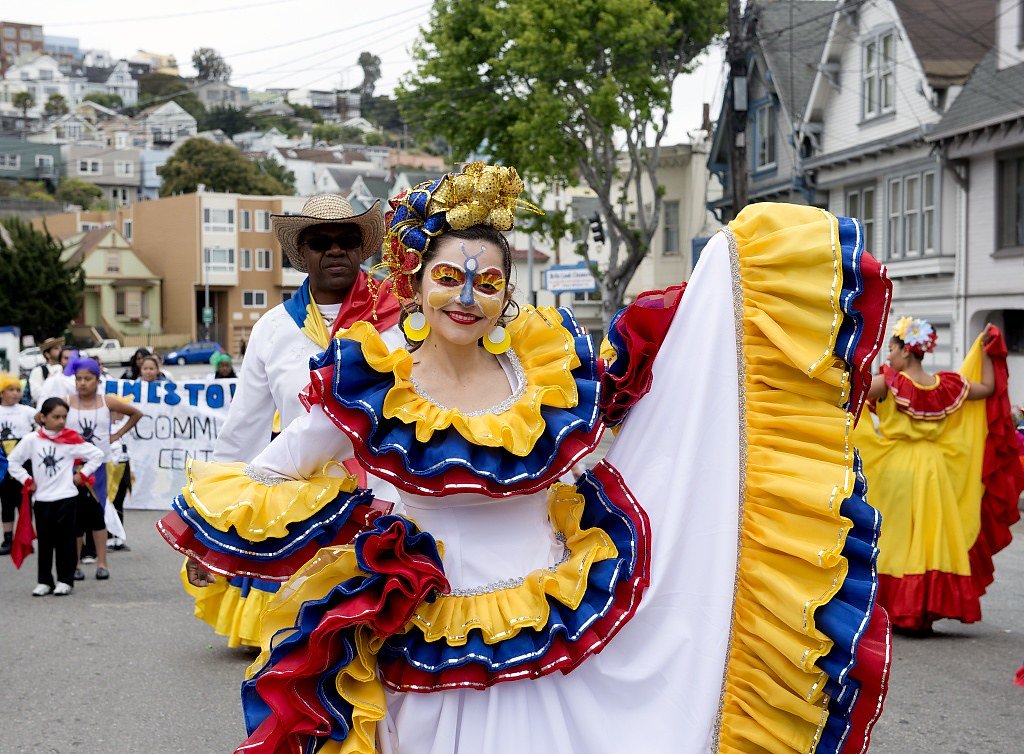
A traditional dancer performs at a Hispanic Heritage Month festival. GPA Photo Archive. CC0
With an incredibly rich history and huge variety of cultures, it is no surprise that Latin America has consistently produced world famous and award winning authors for decades. From historical fiction about the continent’s troubled colonial past to light-hearted stories about colorful local traditions, the diversity of Latin American literature spans time and space to offer incredible insights into life for bookworms and the average fiction reader alike. In celebration of September as LatinX Heritage Month, here are seven incredible books by LatinX authors to add to your reading list.
“Violeta” - Isabel Allende
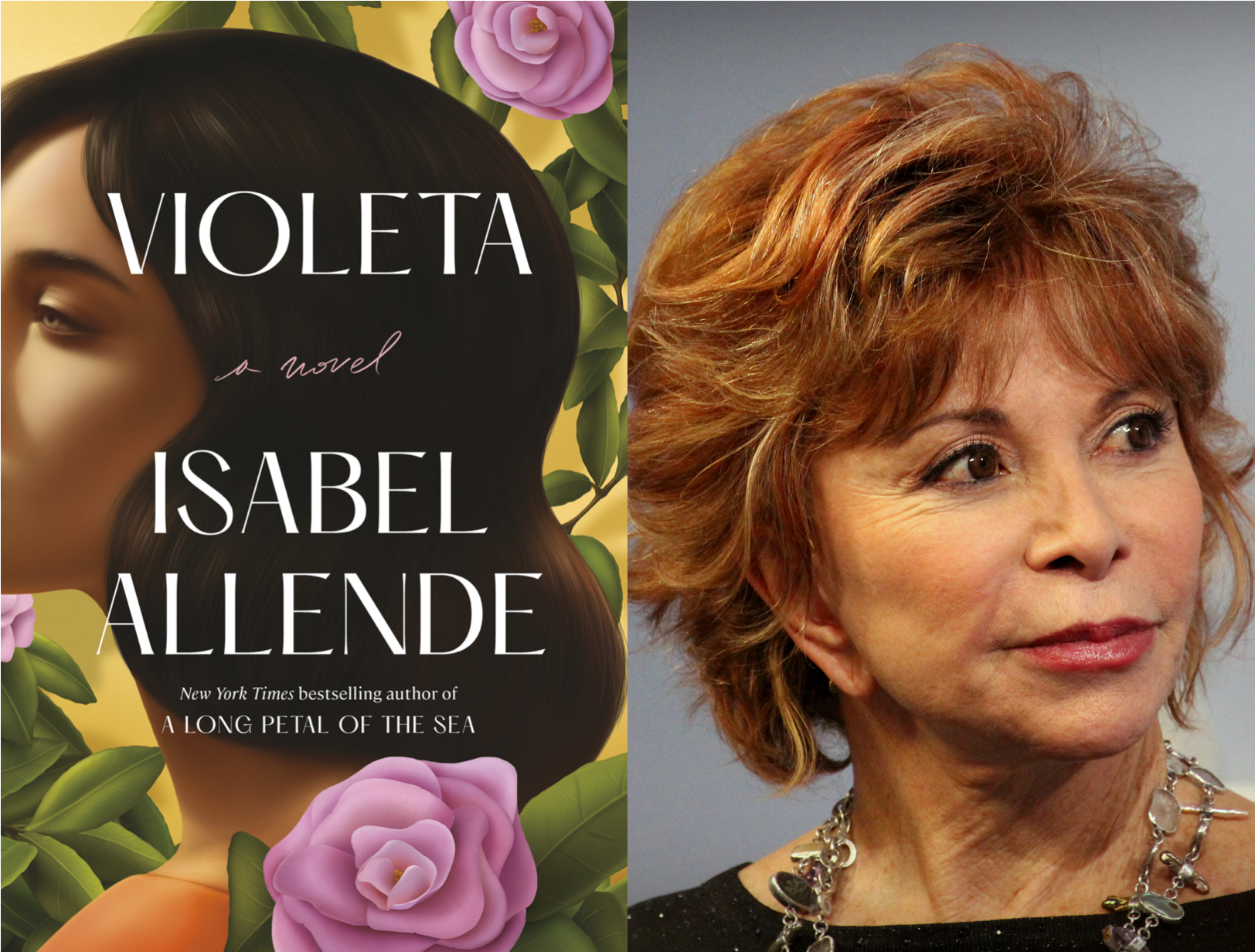
Left: Violeta. Goodreads. CC BY-SA 2.0 Right: Isabel Allende. Lesekreis. CC BY-SA 2.0
Multi-award winner Isabel Allende’s most recent novel follows the titular character from her birth to her death over a tumultuous century. Violeta is born during the Spanish Flu in 1920 and lives through the Great Depression, World War II and all the changes brought by the turn of the twenty-first century, while navigating family, romance and her own desires. Allende, arguably the first internationally successful female Chilean author, is known for writing in the “magic realism” style, weaving history with fiction and myth with reality to create engaging plotlines that find their roots in Hispanic culture, society, and politics. This novel is no different, and Violeta’s story, written in the form of a letter to the one person she loves the most, recounts 100 years of Chilean history through the eyes of a determined, humorous woman who, above all else, carries a deep love life.
“Solito” - Javier Zamora
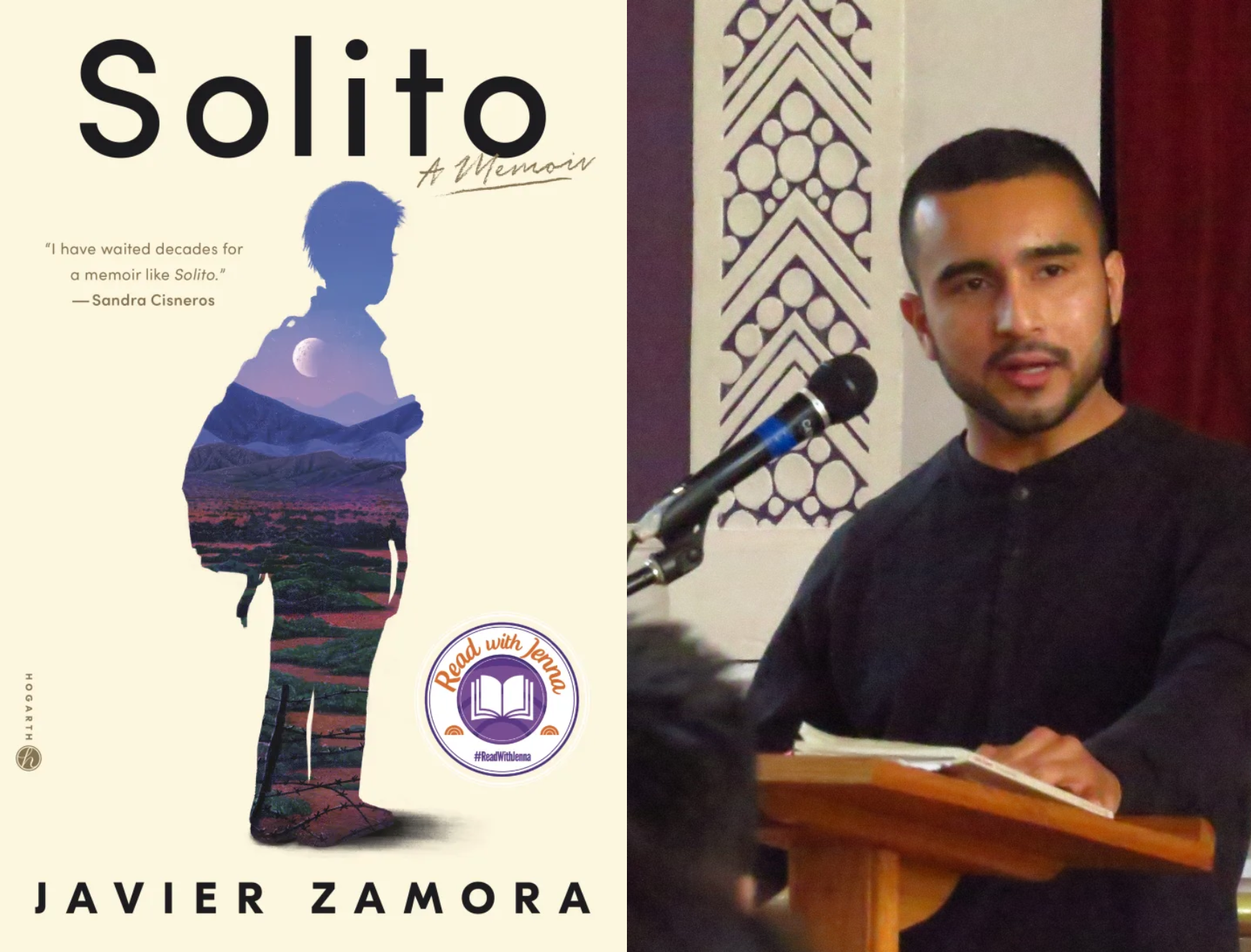
Left: Solito. NBCNews. CC BY-NC 2.0 Right: Javier Zamora. Dan Vera. CC BY-SA 2.0
A poet by trade, Salvadoran writer and activist Javier Zamora has collected his fair share of accolades, and is currently a Radcliffe Fellow at Harvard University. The New York Times bestseller “Solito” is his latest project having been published in 2022 and tells the heart wrenching story of Zamora’s perilous journey from El Salvador to the United States at only nine years of age. Leaving his extended family and childhood home behind, Javier travels almost entirely alone to reunite with his parents who had fled the country years earlier. He has no way of knowing about the seemingly insurmountable obstacles that will stand in his way, or the group of kind-hearted strangers who will come to treat him like one of their own. This biographical memoir is unlike either of Zamora’s earlier published works, and provides an incredible and intimate account of a story shared by millions of Central American migrants who have no choice but to flee their homes due to violence and political unrest.
“A Little Luck” - Claudia Piñero
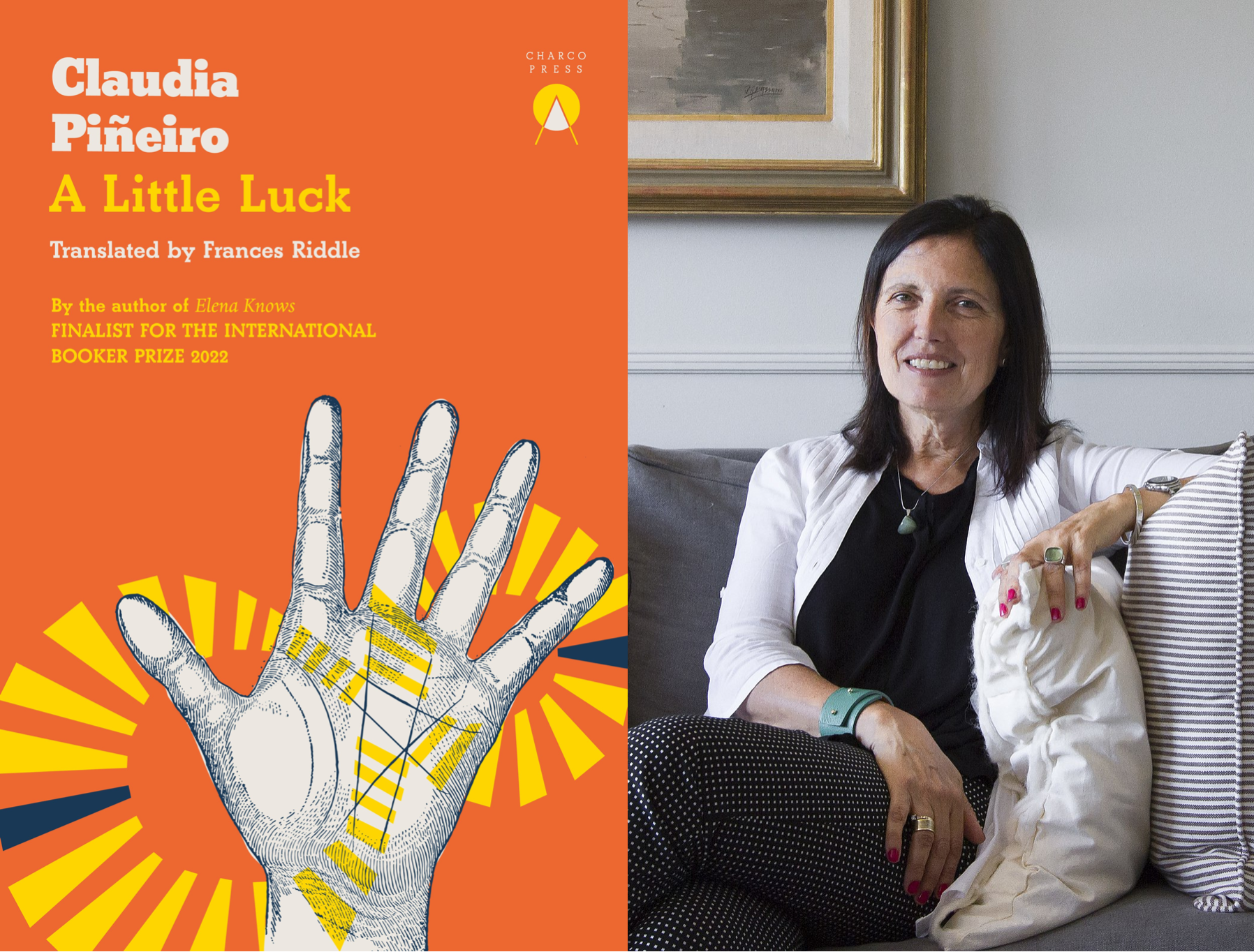
Left: A Little Luck. Charco Press. CC BY-NC-ND 2.0 Right: Claudia Piñero. Secretaría de Cultura de la Nación. CC BY-NC 2.0
After the success of her earlier novel “Elena Knows,” Argentine novelist and finalist for the 2022 International Booker Prize Claudia Piñero has astounded her readers once again with this 2015 novel which has only recently been translated to English. Piñero has an incredible talent for exploring the depths of unbelievably tragedy and pain while offering her audiences brief moments of hope, and “A Little Luck” is no different. The novel follows Mary Lohan, a woman who fled the suburbs of Buenos Aires after an accident but has finally returned two decades later. While on the outside she in no way resembles her past self, she is very much still the same Mary, and as the past starts to resurface her present begins to crumble. “A Little Luck” is a beautifully crafted story about love, lies, unforgettable places, uninvited people, and most of all, the inescapable power of fate.
“The Brief Wondrous Life of Oscar Wao” - Junot Díaz
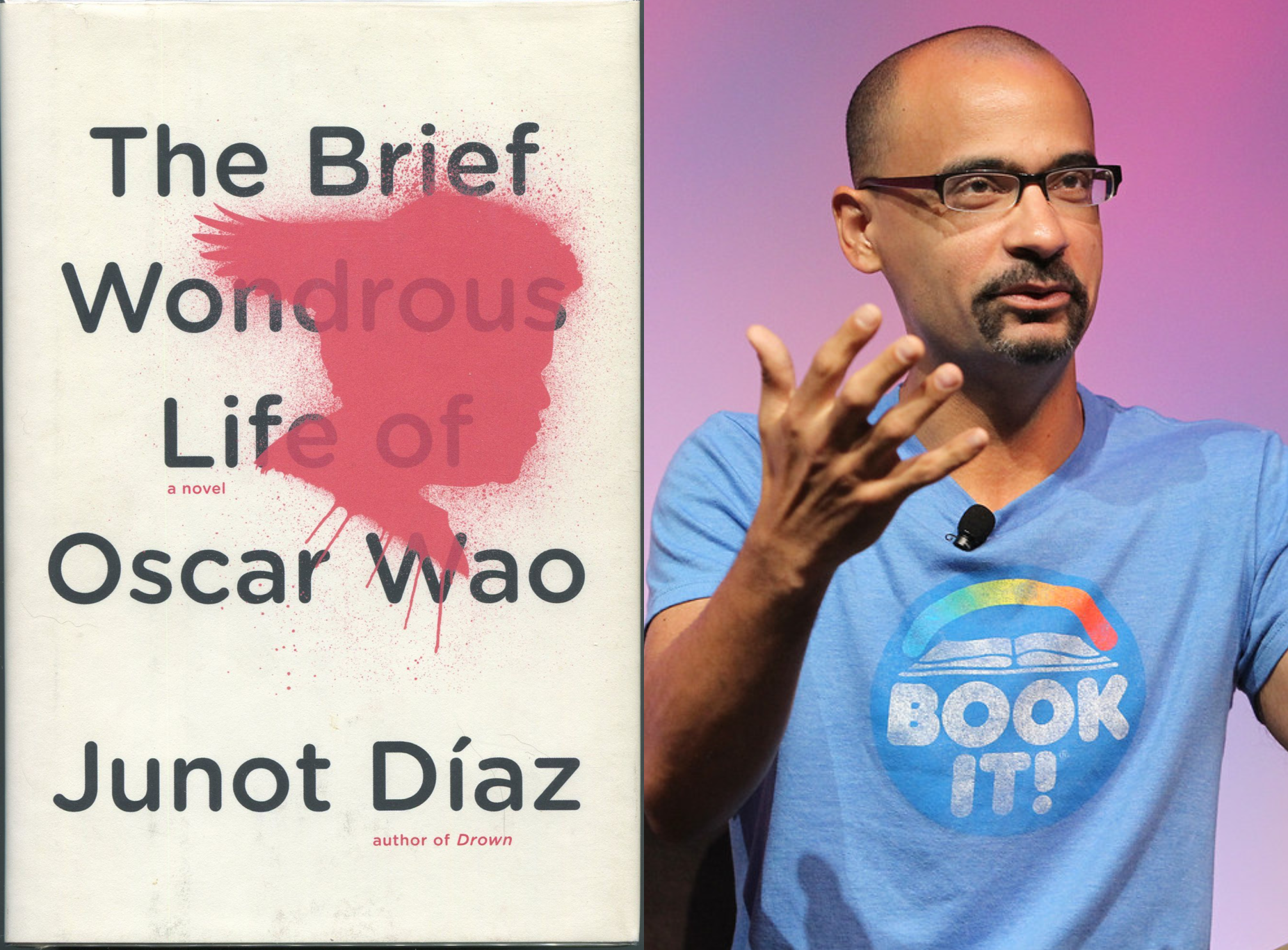
Left: The Brief Wondrous Life of Oscar Wao. Biblio. CC BY-NC-ND 2.0 Right. Junot Díaz. American Library Association. CC BY-NC-SA 2.0
Originally published in 2007, this novel won the Pulitzer Prize for Fiction in 2008, along with a host of other awards. Dominican-American author Junot Díaz penned this novel, during his time at MIT, where he continues to teach in the Creative Writing department. Díaz wrote several works while attending the prestigious university, but “The Brief Wondrous Life of Oscar Wao” remains his most well-known and celebrated title to this day. The novel follows the titular character, a lovable and overweight Dominican teenager living in New Jersey with his mother and sister. He wants nothing more than to become a world famous author, except for maybe finding true love, a dream that feels far out of reach given the curse that has afflicted his family for generations and has resulted in only ill-fated romances. With an incredibly skilled hand, Díaz guides his readers through the life of Oscar and his family, both past and present, while also touching on the brutal reign of Dominican dictator Rafael Trujillo.
“Like Water for Chocolate” - Laura Esquivel
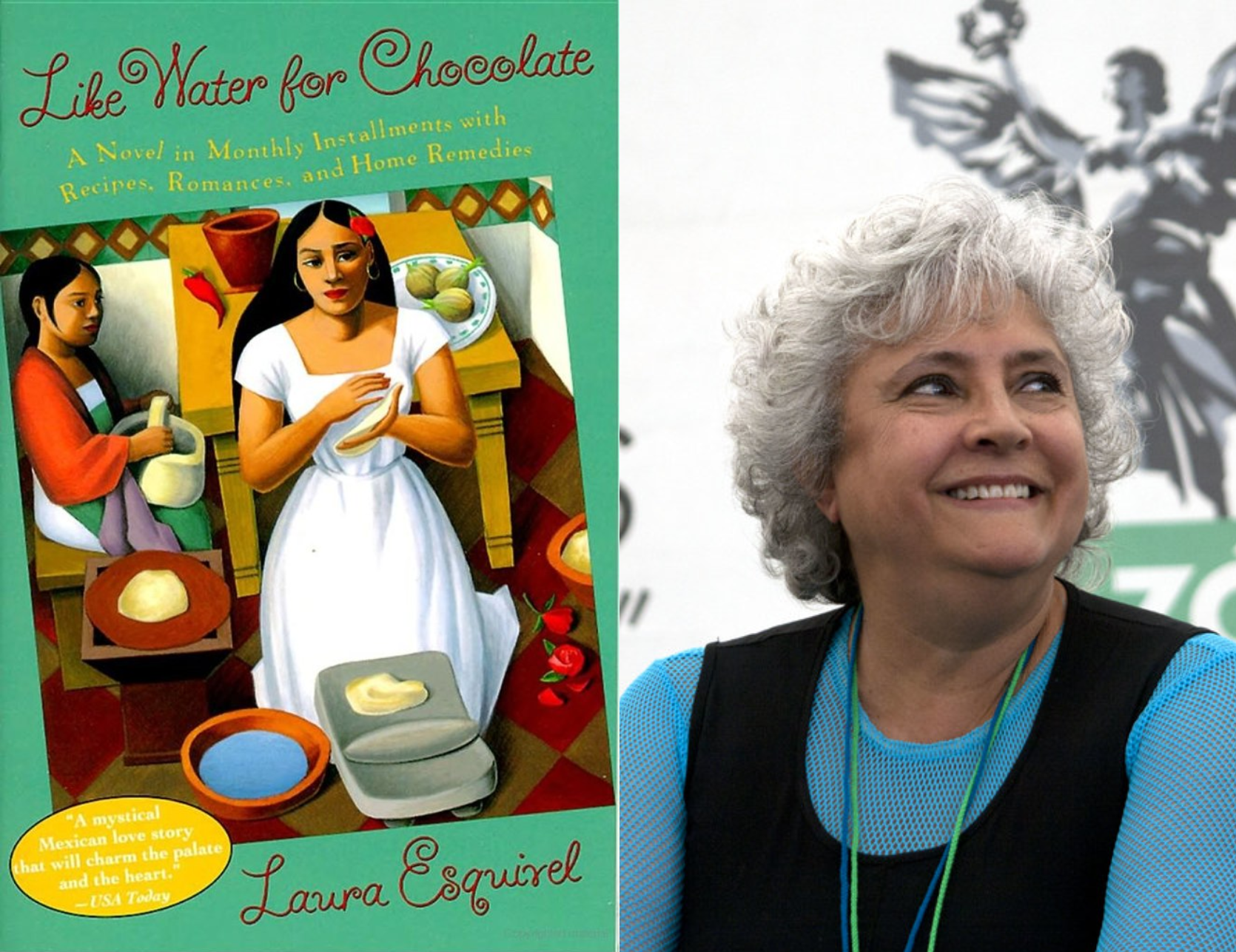
Left: Like Water for Chocolate. Grab The Lapels. CC BY-SA 2.0 Right: Laura Esquivel. Secretaría de Cultura de la Ciudad de México. CC BY-SA 2.0
This 1989 novel was translated into English in 1992, and immediately became a modern classic in the pantheon of Latin American literature. The title comes from a common idiom in Spanish-speaking countries, “como agua para chocolate,” which refers to an intense state of emotion, whether it be anger, excitement or even arousal. Mexican author and screenwriter Laura Esquivel chose this for the title of her first novel because of the many references to food and culinary culture throughout the story, which add to her detailed description of family life at the turn of the century in Mexico. The novel makes use of humor and magic to explore a bittersweet love story both relatable and fantastical, as well as its impact on the families at the center of the drama. Each chapter begins with a recipe filled with cleverly chosen words and descriptions which allude to upcoming character and plot developments, an aspect that was unfortunately largely lost when Esquivel wrote the screenplay for the 1992 movie adaptation.
“In the Time of the Butterflies” - Julia Alvarez
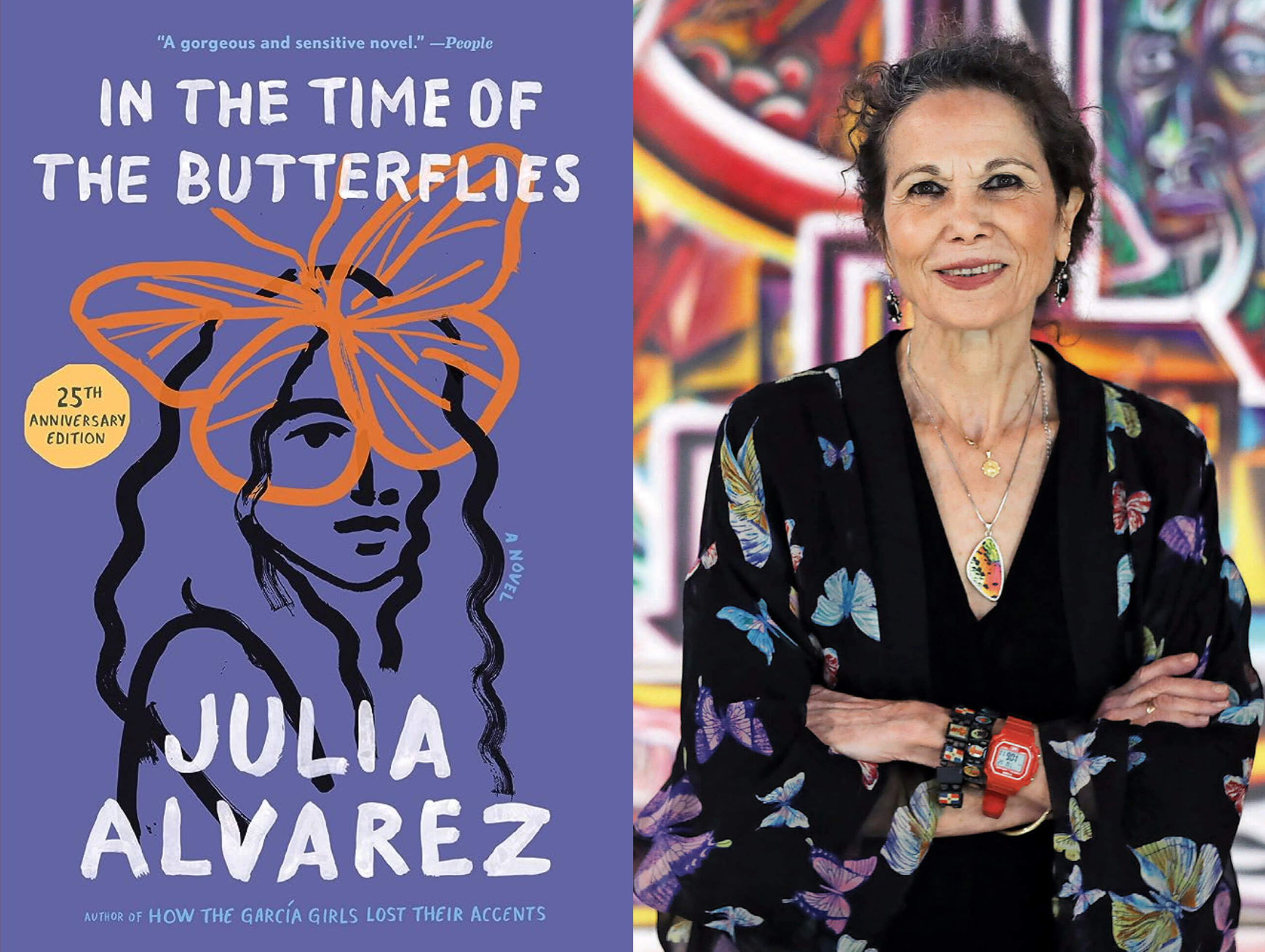
Left: In the Time of the Butterflies. Amazon. CC BY-NC-ND 2.0 Right: Julia Alvarez. Julia Alvarez. CC BY-SA 2.0
Julia Alvarez is a Dominican-American essayist, poet, and novelist who is known for her ability to weave fact with fiction and craft irresistible plotlines that detail political and social events through the eyes of colorful and relatable characters. “In the Time of the Butterflies” is a perfect example of this, as a work of historical fiction with its foundations in the very real story of the Mirabal sisters, four young women who tirelessly fought for their country’s freedom under the dictatorship of Rafael Trujillo in the Dominican Republic during the 1900s. Known by Dominicans as “las mariposas” or “the butterflies,” the sisters were unfortunately assassinated in 1960 for their efforts to overthrow the government. Alvarez gives these characters a new life by imagining their time as teenagers, and how they came to be involved with revolutionary efforts before falling victim to the destructive regime. Through the voice of each sister, the story of their political involvement, victimization and deep love for each other slowly but surely come to light.
“100 Years of Solitude” - Gabriel García Márquez
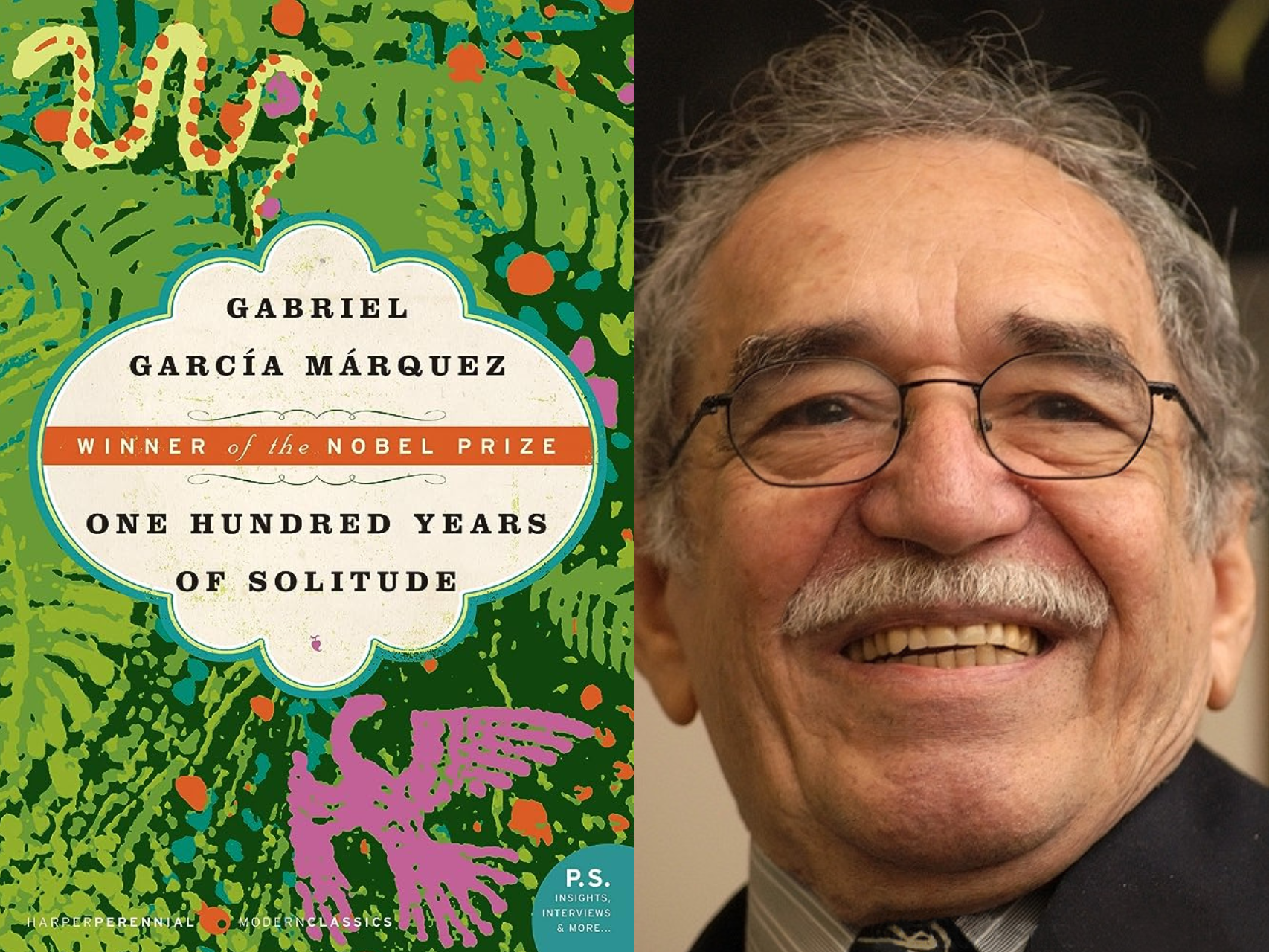
Left: 100 Years of Solitude. Amazon. CC BY-NC-ND 2.0 Right: Gabriel García Márquez. Jose Lara. CC BY-SA 2.0
No list of Latin American literature is complete with this 1982 Nobel Prize-winning classic, and what many consider to be Gabriel García Márquez’s best work. The late Colombian novelist published this novel in 1967, chronicling seven generations of the Buendía family and the rural town of Macondo they built in Colombia between the 1820s and the 1920s. While separated from the rest of Colombian society by an imposing mountain range, Macondo is a microcosm of larger society with its troubles and its magic, although the key to all of the town’s secrets remain hidden in a coded book. Through its delicate blend of magic, reality, history, and tradition, Márquez presents an allegorical insight into the turbulent social and political atmosphere in Colombia during the post-colonial times, and the country’s development over the following century.
Tanaya Vohra
Tanaya is an undergraduate student pursuing a major in Public Health at the University of Chicago. She's lived in Asia, Europe and North America and wants to share her love of travel and exploring new cultures through her writing.
Island Hopping Off The Grid: 5 Filipino Islands You’ve Never Heard Of
From unspoilt beaches and heritage sites to surfing hotspots and sunset views, there is plenty to choose from in the Philippines without running into massive crowds.
Read MoreAfghanistan’s Only Female Tour Guide Hosts Virtual Tours
This is the story of 24-year-old Fatima Haidari’s love and dedication to her country — from 3,000 miles away.
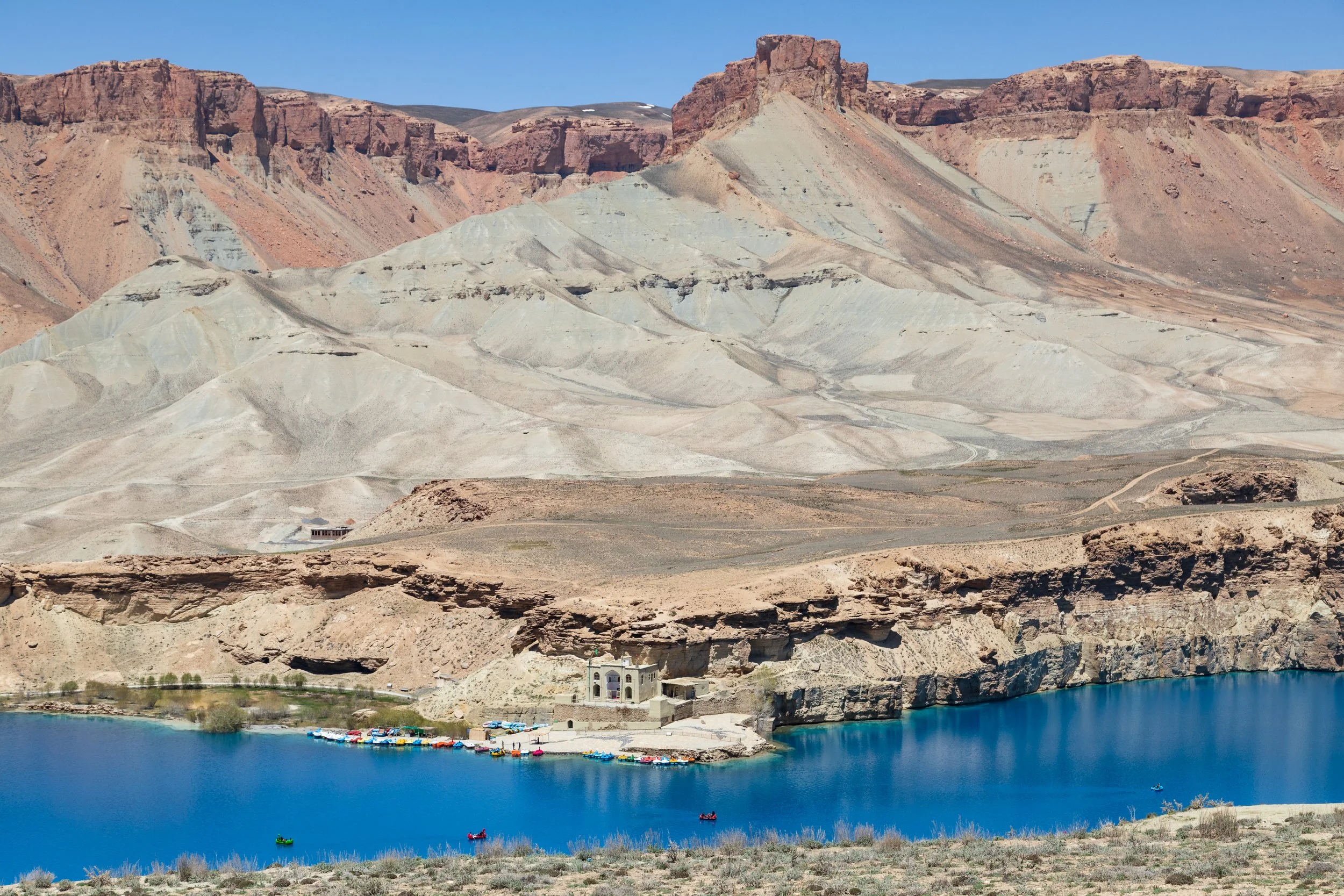
Bamyan Province, Afghanistan. Untamed Borders.
Meet Fatima Haidari: a 24-year-old guide who offers virtual tours of her country, Afghanistan. Forced to flee by the Taliban, Fatima now resides in Milan, Italy and provides a detailed tourist experience through Zoom of the Afghan city of Herat — taking visitors through sites such as the Citadel and the Central Blue Mosque.
Before the Taliban seized power in August 2021, Fatima worked as a local tour guide in Herat, using the job as a means to pay for her education, where she studied journalism and mass communication at university. Fatima is also the first ever female tour guide in Afghanistan, recognized in headlines in 2020. While she is no longer able to offer those in-person tours of her homeland, she continues to do what she can to show Herat off to the world — not just because the city is a beautiful and interesting place to explore, but because she doesn’t want outsiders to associate Afghanistan only with war and terror. Rather, its culture and history are what matter to her, and should take center stage.
But her passion and love for her country isn’t the only place Fatima’s heart lies. Growing up in the mountains in the central region of Ghor, Fatima was the youngest of seven children and was denied a rightful education, because she was a woman and because her family lacked the money. She worked for three years, making items such as traditional clothes to earn her way into an education, and was finally able to convince her parents to allow her to go to university in Herat in 2019, where she studied journalism.
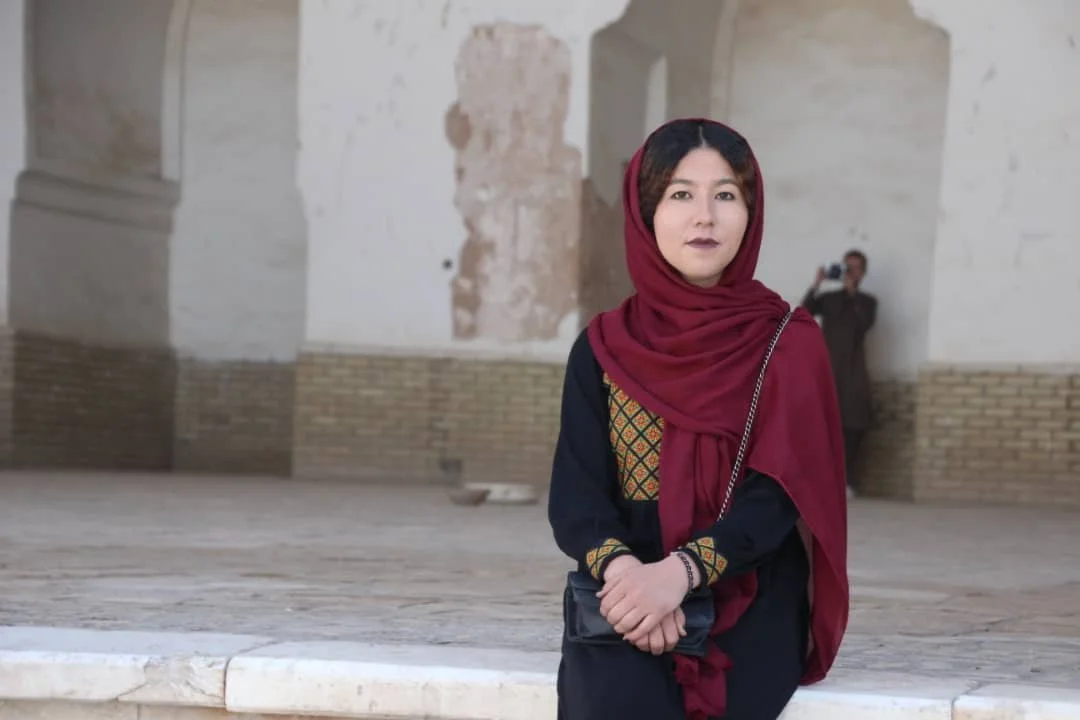
Fatima in Herat. Untamed Borders.
Through years of hard work, Fatima was able to get an education. But many girls back home in Afghanistan do not have the same privilege. Considered one of the lucky ones to have fled, Fatima will use a portion of the money she earns from the Afghan virtual tours to donate to a women's education charity, which currently operates in Afghanistan.
Fatima partners with Untamed Borders — a travel operator dedicated to taking groups to some of the most interesting and inaccessible places — to make these virtual tours possible. The approximately 1.5 hour tour will take guests to see the 1,400-year-old Great Mosque, the Herat Citadel and through the city’s bazaars and traditional teahouses, while Fatima narrates stories about Afghanistan that focus on its people, culture and extensive history.
But this event is a milestone itself. There has never been a virtual tour of Herat, and as Afghanistan’s first-ever female tour guide, this is a groundbreaking step to inspire other women in the nation. As Fatima says, she wants to be a changer, not a victim.
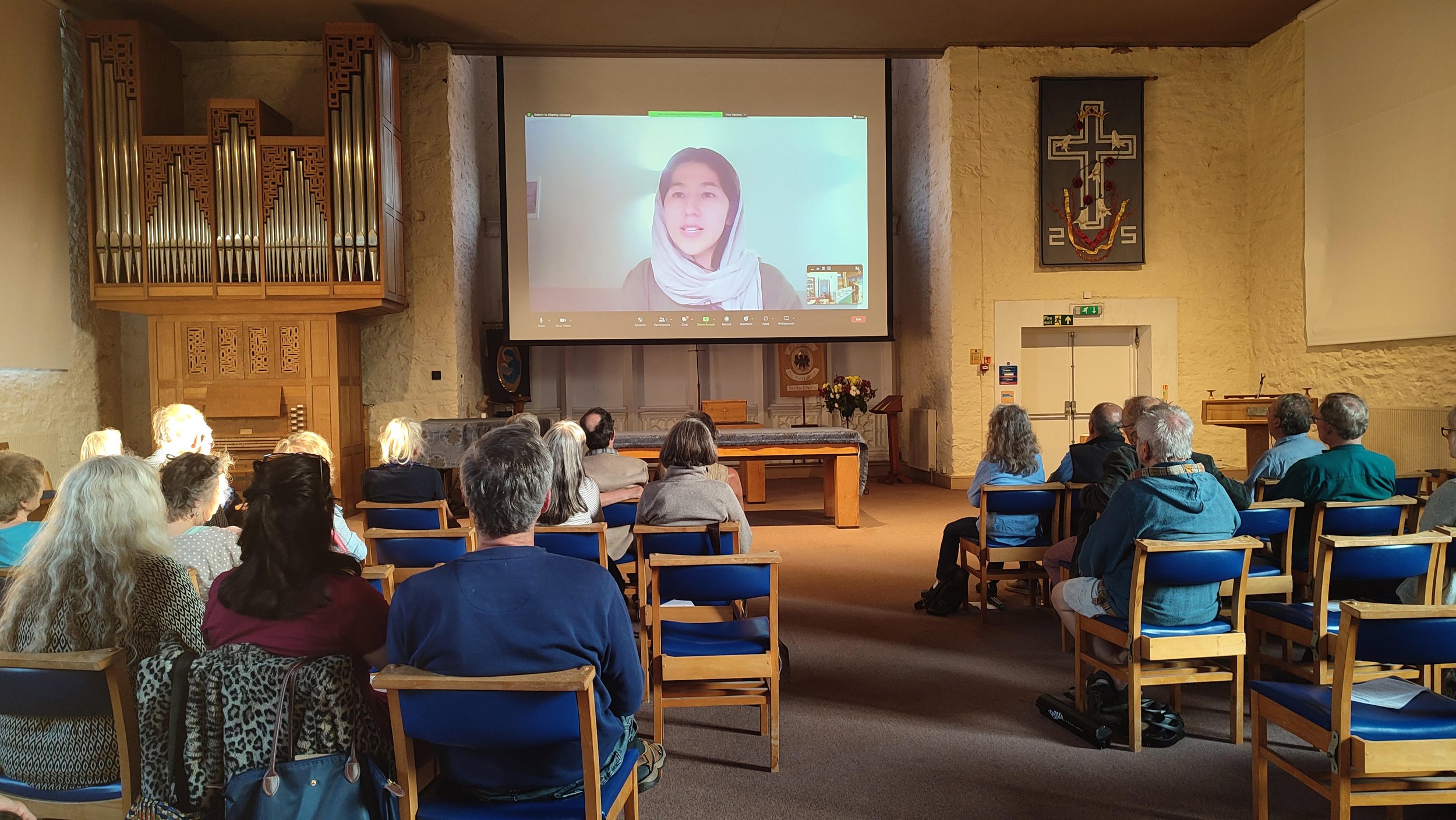
Fatima leading a virtual group tour. Untamed Borders.
And, of course, there can be no frank and open discussion about the people of Afghanistan without mentioning its women. Not only are they denied an education, Fatima has said the reascendant Taliban forces women to marry and perpetrates sexual or physical abuse against them. Things are more expensive for women, even though they are losing their jobs and forced to become housewives. By shining a light on the current situation in Afghanistan, Fatima is able to talk about her homeland while also spreading awareness to those able to make a difference.
Fatima’s next virtual tour will take place on September 12. Guests are able to book through Untamed Borders, and tickets will cost $60.
Through her own personal experiences and ties to a country seized by tyranny, Fatima hopes to share what makes Afghanistan so distinct and worthy of exploration while also fighting for justice, so that the women there will grow up knowing what it’s like to go to school.
Michelle Tian
Michelle is a senior at Boston University, majoring in journalism and minoring in philosophy. Her parents are first-generation immigrants from China, so her love for different cultures and traveling came naturally at a young age. After graduation, she hopes to continue sharing important messages through her work.
Colombia Unveiled: My Journey from Mountainous Bogota to Caribbean Cartagena
From palm forests to quaint towns to the scenic Caribbean, Colombia defies stereotypes and should be a must-visit destination on your South American travels.
Read MoreOff The Beaten Path in Shanghai
From cultural collections to ancient architecture, here are 6 of Shanghai’s esoteric sites.
Read MoreOppenheimer’s Critical Omission: The Relocation of Hispanic and Indigenous Populations
Intricate but incomplete, Christopher Nolan’s Oppenheimer disregards the true history of Hispanic and Indigenous populations in New Mexico.
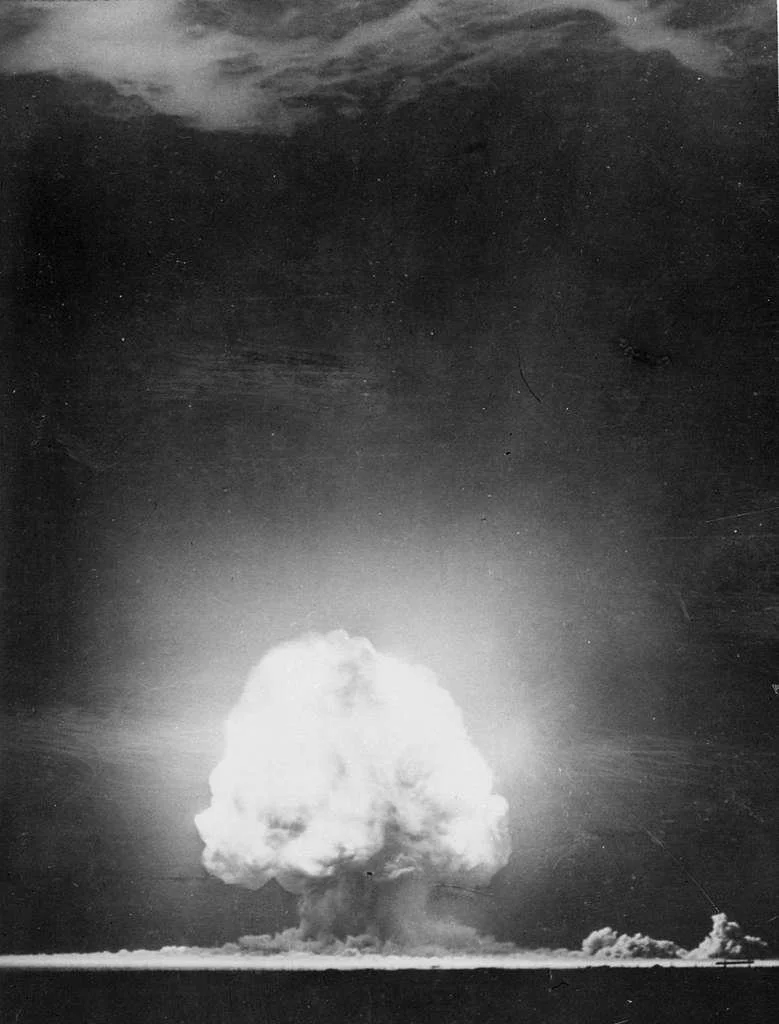
Trinity Nuclear Test. U.S. National Archives and Records Administration. CC0.
A picturesque aquamarine sky hangs lazily above a dusty, deserted New Mexico landscape. Through a tangle of brush, a lanky Robert Oppenheimer, played by Irish actor Cillian Murphy, emerges on horseback. His eyes feast on the remote plains and he declares that besides a local boys’ school and “Indian” burial grounds, Los Alamos will be the perfect site to construct the world’s first atomic weapons.
These momentous decisions and moral quandaries are explored in Christopher Nolan’s Oppenheimer. Grossing $450 million in its first fourteen days at the box office, the 1940s period piece has cemented itself as a somewhat unlikely cultural icon. Gone are the days of Nolan’s slightly fantastical films — notably Inception (2010) and Interstellar (2014). Recently, the Academy Award-nominated director has been dipping his toes in the realism of period pieces, beginning with Dunkirk (2017) and continuing with Oppenheimer.
Nolan’s portrayal of Oppenheimer — based on the biography American Prometheus: The Triumph and Tragedy of J. Robert Oppenheimer by Kai Bird and Martin J. Sherwin — is deliberately layered. The audience travels alongside Oppenheimer over the course of his life for three hours. On one hand, Oppenheimer’s humanity is a gut punch: viewers experience his mistress’s death, his tumultuous marriage, and his gradual realization of the death and destruction his scientific creation has wrought. On the other, viewers gaze upon the physicist with disgust: the man was, as he infamously declared himself, a destroyer of worlds.

J. Robert Oppenheimer. U.S. National Archives and Records Administration. CC0.
The use of the first atomic bomb by the United States to defeat Japan and win World War II is one of the signal events of the modern era, arguably helping to prevent a land invasion of Japan that could have killed millions. Despite the magnitude of this technical and geopolitical accomplishment, the legacy of the destruction of Hiroshima and Nagasaki will forever cast a negative light on the United States government and the team of nuclear physicists involved in the development of the atomic bomb. While Nolan acknowledges this complex legacy, his portrayal of key elements of the Manhattan Project and the Los Alamos Laboratory obscures another historical moral quandary. The remote sandy vistas in Nolan’s cinematography smother the true story of Los Alamos and the Trinity nuclear test.
The reality, omitted from Nolan’s film, is that during the Manhattan Project the U.S. Government forcibly relocated Indigenous and Hispanic populations that resided in Los Alamos, New Mexico. Contrary to the movie’s dialogue, there were two dozen homesteaders and a ranch occupying the land that was taken by the government for the project, in addition to the school mentioned by Oppenheimer. The government seized the land and offered the owners compensation based on an appraisal of the land — an amount of compensation that the government itself thought was fit. Some homesteaders, however, objected to the compensation offered by the government, considering it far too little. Many in the Federal Government would eventually come to agree with them; in 2004, decades after the original compensation, Congress established a $10 million fund to pay back the homesteaders.
Moreover, it was difficult for the homesteaders to object in the first place due to the language barrier. Most homesteaders spoke Spanish, while government officials often only communicated in English. Some families were even held at gunpoint as they were forced to leave with no explanation, due to the project’s secrecy. Livestock and other animals on property were shot or let loose. Livelihoods were destroyed along with these animals.
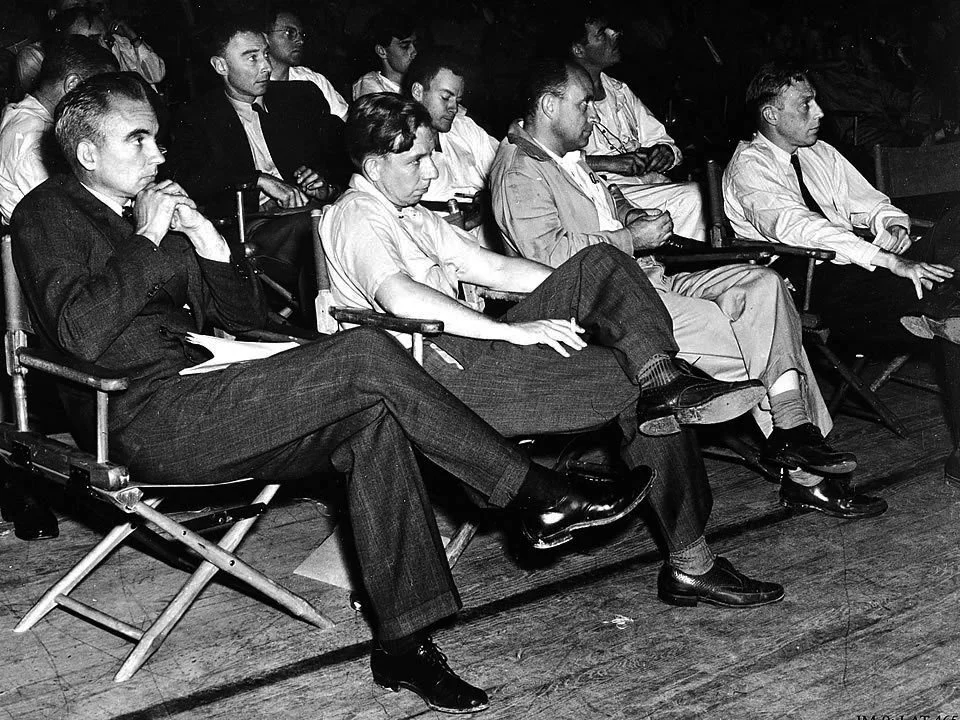
Los Alamos Colloquium of Physicists. Los Alamos National Laboratory. CC0.
The element of secrecy surrounding the Manhattan Project and the Trinity nuclear test disrupted the lives of families living directly on Los Alamos land. But, for the 13,000 New Mexicans living within a fifty mile radius of the Trinity test (in Jornada del Muerto, New Mexico), the nuclear explosion truly seemed to be the end of the world. Because the mushroom cloud was visible from up to 200 miles away from the test site, and no civilians knew tests were being conducted, fear erupted in concert with the explosion.
Nolan’s film not only fails to indicate that homesteaders on Los Alamos were forcibly relocated — it also fails to mention that civilians from northern to southern New Mexico were exposed to harmful radiation from the bomb. Radioactive fallout initially contaminated water and livestock, and in turn, civilians. There were no studies or treatment conducted on individuals exposed to radiation, which could have exposed the highly classified program. Those who were in the radius or downwind of the fallout became known as “downwinders,” and began to develop autoimmune diseases, chronic illness and cancer.
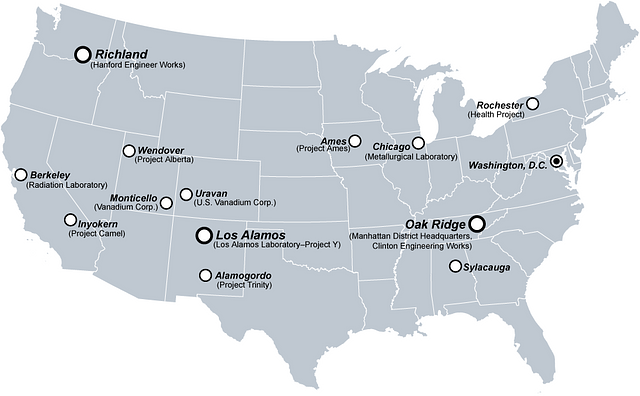
Manhattan Project U.S. Map. Wikimedia Commons. CC by 3.0.
Eventually, the Hispanic American and Indigenous populations who lived in the area returned to Los Alamos to work for the project without knowing its true nature or extent. They returned as maids or as construction workers, often handling radioactive and contaminated materials without knowledge of the harm and risk of exposure. Many became economically dependent on a laboratory that posed environmental and health risks for the greater Los Alamos population. This led to struggles with physical and mental health that have continued to the present time.
The legacy of the Manhattan Project, the Los Alamos Laboratory and the Trinity nuclear test hangs in a state of limbo. It transcends time — becoming the past, present and future for Hispanic and Indigenous populations in New Mexico. Nolan’s failure to acknowledge these populations’ displacement and unwitting contamination silences their narratives and obscures this unique patrimony. J. Robert Oppenheimer’s depiction as a thumbtack in sandy nothingness is historically inaccurate — Nolan’s cinematic depiction of desolation glosses over a more complex reality. Los Alamos was, and is, living and breathing.
Carina Cole
Carina Cole is a Media Studies student with a Correlate in Creative Writing at Vassar College. She is an avid journalist and occasional flash fiction writer. Her passion for writing overlaps with environmentalism, feminism, social justice, and a desire to travel beyond the United States. When she’s not writing, you can find her meticulously curating playlists or picking up a paintbrush.
Visual Protest: The History and Legacy of the Berlin Wall Art
The Berlin Wall spent decades as a symbol for ideological division, but has become an outlet for personal expression.
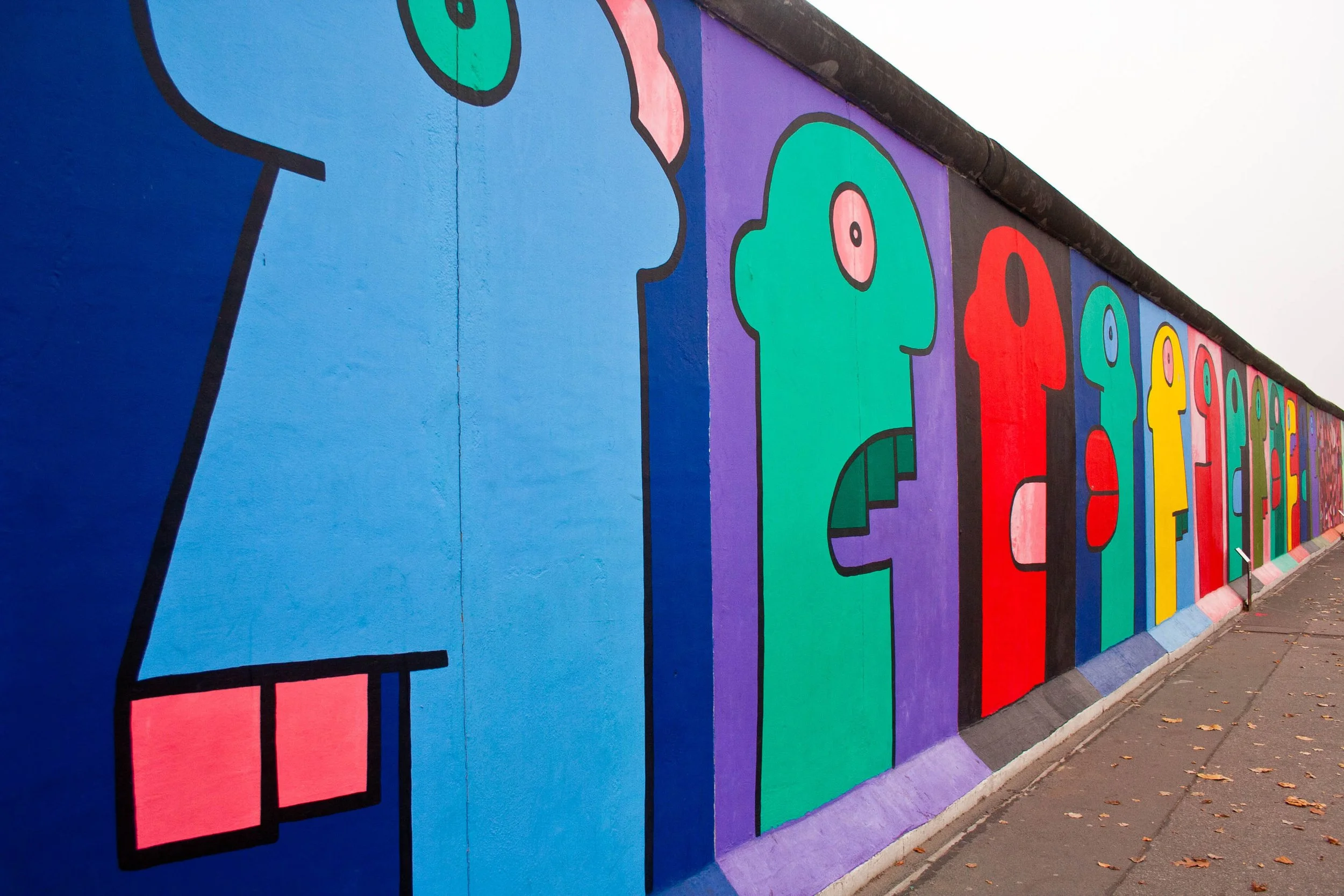
Thierry Noir’s heads at the East Side Gallery. Paul VanDerWerf. CC by 2.0.
Visually, the East Side Gallery in Berlin, Germany is a vast edifice of technicolor concrete. Although only fragments of the original 96 mile (155 kilometer) wall remain, the sections that still stand are striking. From the flashes of aquamarine and mustard yellow featured in Thierry Noir’s iconic cartoon heads to the dark spray paint outlining miscellaneous graffiti, the murals are simultaneously imposing and welcoming. But the gallery's importance runs deeper than its appearance; decades of history and political turbulence echo through its fallen walls.
When fully intact from 1961 until 1989, the Berlin Wall separated East Berlin from West Berlin; both halves were located well within East German territory, making West Berlin a NATO exclave in the Eastern Bloc. Prior to the wall's construction, emigration to West Germany by skilled workers, professionals, and intellectuals threatened East Germany’s economy. A few years after World War II, East Germany was constituted as a communist state controlled by the Soviet Union, while West Germany was formed out of the French, British and American occupation zones. The wall became a physical symbol of the Cold War: a division not only of Europe geographically, but also the global ideological divide between communism and democracy.
In the midst of longstanding Soviet de facto control of East Berlin, in 1985 then-Soviet leader Mikhail Gorbachev introduced the reform policies of glasnost (“openness”) and perestroika (“restructuring”), referring primarily to freedom of expression and economic reform, respectively. This decision, coupled with the growing number of protests sweeping across multiple Soviet republics, created a breaking point that eventually erupted into mass action. On November 9th, 1989, East German spokesman Günter Schabowski announced that East Germans would be free to travel into West Germany, starting immediately. In reality, travel was supposed to commence the following day, with regulations to prevent complete freedom of movement. But it was too late for regulations, and the crowds of people from East Germany immediately began to climb and even physically break down the wall.
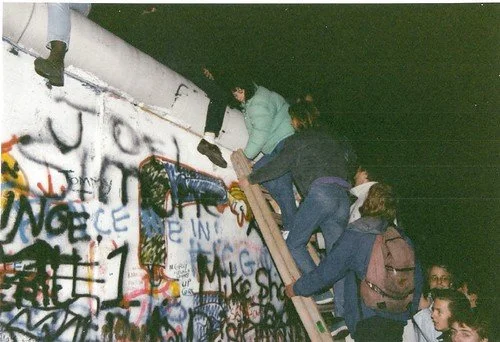
The fall of the Berlin Wall, 1989. Gavin Stewart. CC by 2.0.
Because of the long period of repression associated with the barrier, one might assume that civilians who had lived on either side would want nothing to do with it ever again. But in 1990, just months after the Wall fell, some of the most famous murals of the Berlin Wall were painted (some of the preserved graffiti, including Thierry Noir’s brightly-colored heads, was created even before the Wall fell). With a newfound sense of freedom, people found their voice through art and created pointed political, social and cultural commentary.
Arguably the most famous of these works is Dmitri Vrubel’s “My God, Help Me to Survive this Deadly Love.” Commonly referred to as “Fraternal Kiss,” Vrubel’s piece depicts East German leader Erich Honecker and Soviet leader Leonid Brezhnev kissing. The kiss between the two socialist leaders was a rare, but not unknown greeting — often socialist leaders would kiss each other thrice on each cheek after embracing and, at special events, would kiss on the mouth to demonstrate solidarity and brotherhood.
The Brezhnev-Honecker mural was based on a real photograph of the event taken by Regis Bossu eleven years earlier, in 1979. The kiss took place after an economic agreement between the USSR and German Democratic Republic (the formal name of communist East Germany). The image was famous when it was originally taken, but Vrubel’s artistic rendering took its notoriety to new, unforeseen heights.
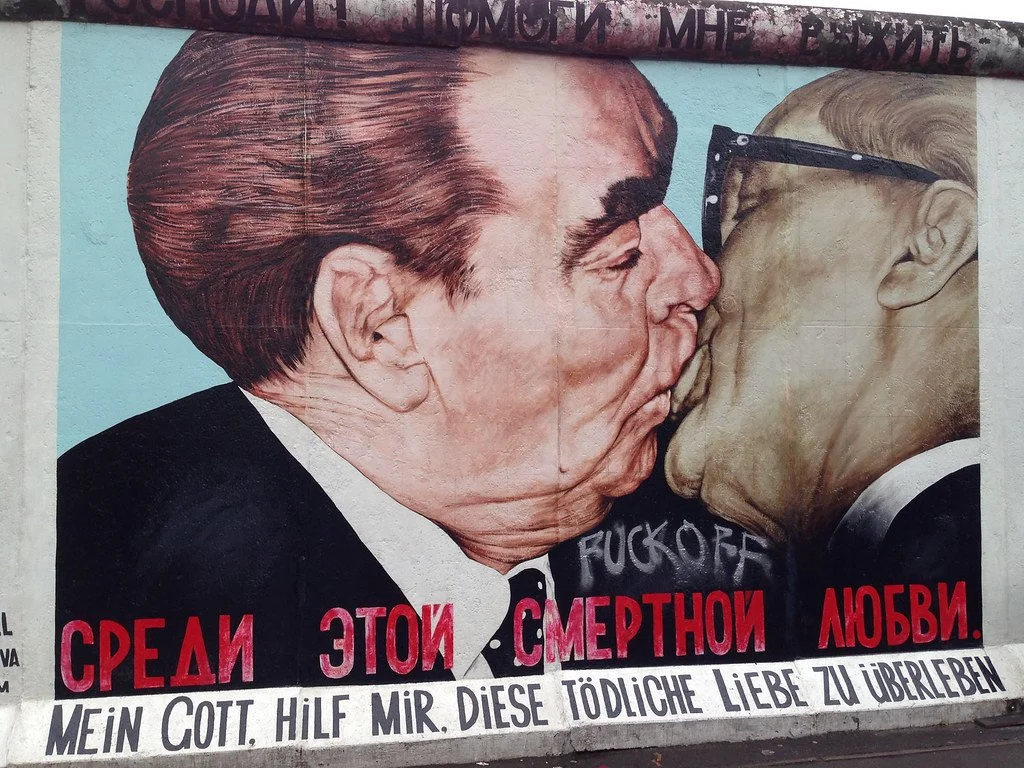
“My God, Please Help Me Survive this Deadly Love.” Andy Hay. CC by 2.0.
Although Vrubel’s iconic piece is perhaps the most recognizable mural, much of Berlin’s wall art would not have been painted without the help of Kani Alavi. Alavi was an organizer of the East Side Gallery, which invited artists from around the world to paint and express their reflections on the Cold War ideological divide and personal experiences. Alavi’s own visual contribution, “It Happened in November,” is a synthesis of personal experience and political commentary. The Berlin Wall consisted of two distinct walls separated by a gap for maximum security, and Alavi’s mural depicts thousands of faces walking between them on the day it came down. Alavi had viewed this scene personally from his apartment overlooking Checkpoint Charlie, which was the best-known border crossing between East and West Berlin.
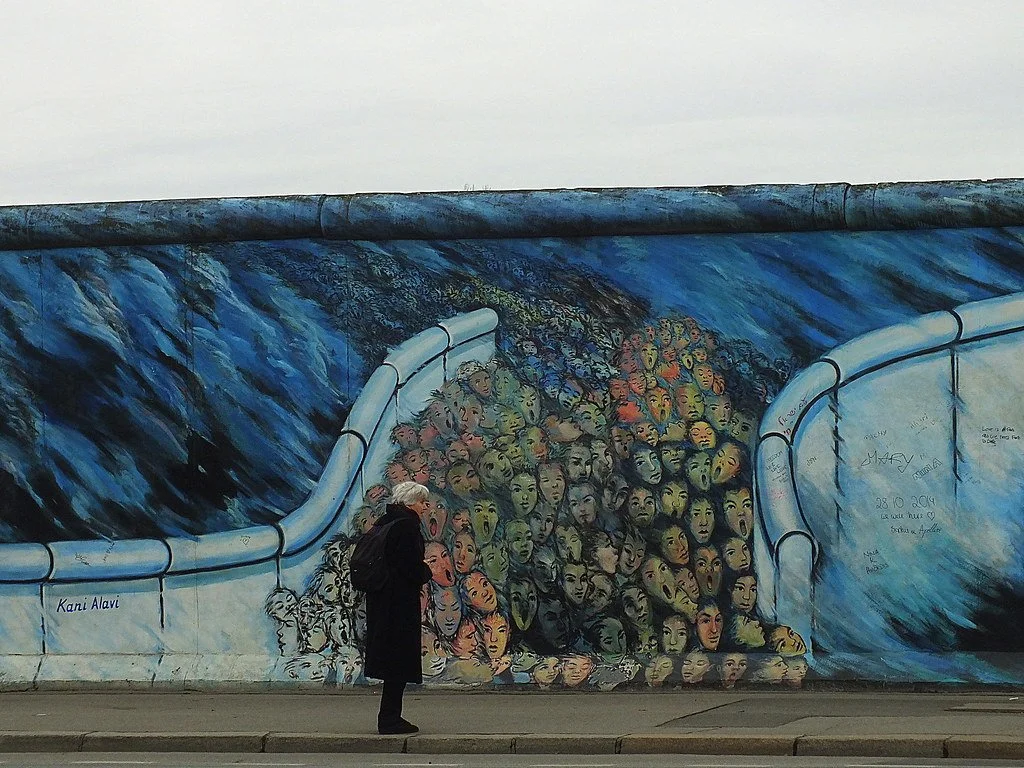
“It Happened in November.” Fraser Mummery. CC by 2.0.
Alavi also directly helped inspire another of the most notable murals, the “Berlin Wall Trabant” by artist Birgit Kinder. Supposedly, Alavi told Kinder to paint anything she wanted on the wall, but she hesitated for a moment. It was only when she looked at her East-German manufactured Trabant car that she felt inspired. She began painting her car forcefully bursting through the wall, symbolizing the city’s escape from Soviet rule. Close observers will note that the license plate reads “Nov 9-89,” which is the day the Berlin Wall fell.
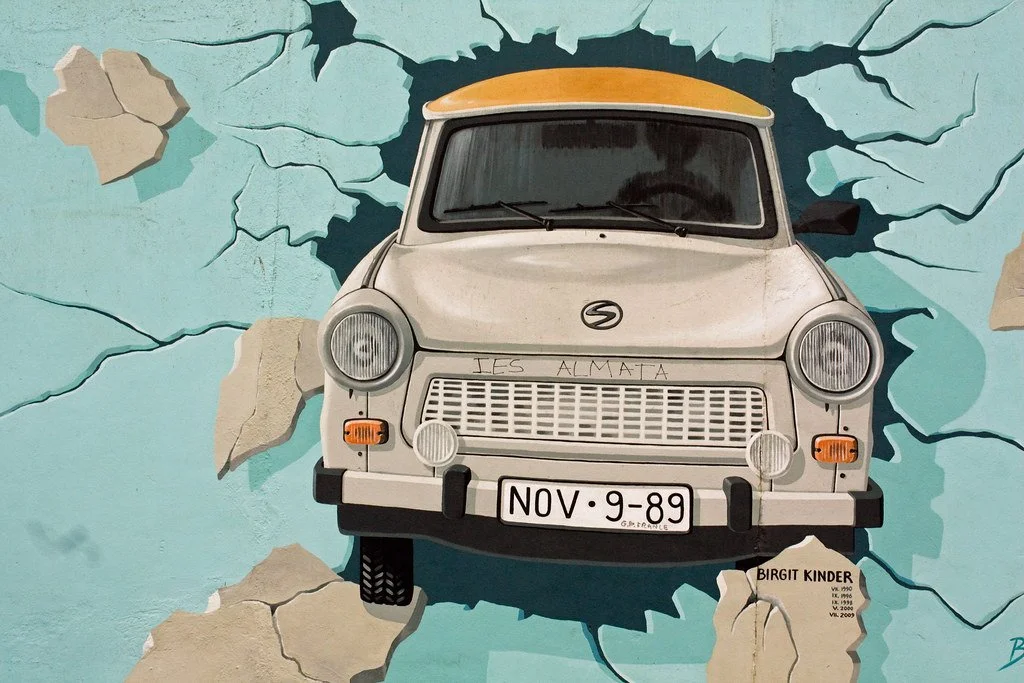
“Berlin Wall Trabant.” Judith. CC BY-NC 2.0.
When the wall fell, and the Soviet grip on East Germany loosened, creativity flowed. Artists visually translated their newfound freedom onto a canvas that had once held them captive. Their murals symbolized the reclamation of power by East Berlin’s formerly oppressed inhabitants. And with this somewhat-unlikely canvas they were able to recount their lived experience and depict the conflict and compromise of the world around them, concretely living in vivid color, forever.
Carina Cole
Carina Cole is a Media Studies student with a Correlate in Creative Writing at Vassar College. She is an avid journalist and occasional flash fiction writer. Her passion for writing overlaps with environmentalism, feminism, social justice, and a desire to travel beyond the United States. When she’s not writing, you can find her meticulously curating playlists or picking up a paintbrush.
The Dark Side of H&M's Fast Fashion Empire
As the fashion industry grapples with its environmental impact, the fast fashion brand H&M comes under scrutiny for its pollution and hazardous labor conditions.
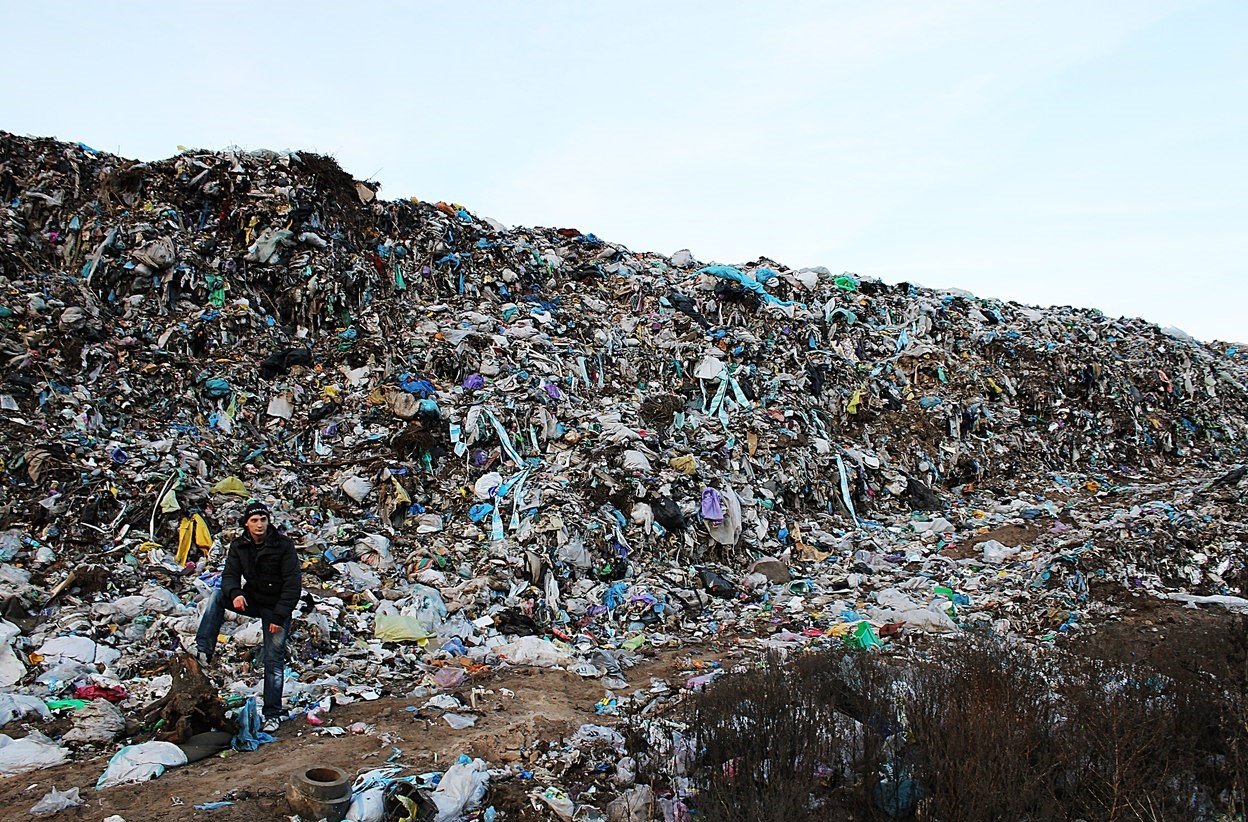
A landfill in Russia. Wikipedia commons. CC BY-SA 4.0
Have you ever fallen in love with a dress, imagining it would exude the same style and allure as it does on a model or your favorite celebrity, only for it to be worn just once or twice before being forgotten in the depths of your closet? Many of us can relate to this experience. Interestingly, today’s average person buys 60 percent more clothing items than they did 15 years ago, but keeps them for only half as long as they used to. Waste in the fashion industry has many causes, but is often associated with fast fashion, a business strategy in which companies quickly turn around cheap imitations of high status garments to cash in on transient fads.
In the realm of fashion, vanity can lead to excessive consumption and an alarming amount of waste. Although individual choices play a role in this, it is crucial to recognize that fashion behemoths, including renowned names like H&M, Zara, and UNIQLO, often promote fast fashion trends while glossing over environmental costs to maximize profits.
The dawn of fast fashion can be pinpointed to the rapid evolution of supply chain management in the industry. Gone were the days of traditional craftsmanship, where each individual garment was lovingly designed either at home or within small workshops. Thanks to the fashion supply chain, designers could now disseminate their original creations through an intricate network of textile sourcing companies, manufacturing facilities, distribution channels, retail stores and warehousing centers. The 1960s witnessed a surge in young people embracing affordable clothing, shunning the age-old notion of sartorial grandeur. In response to this cultural shift, retailers began introducing trendy and pocket-friendly attire, consistently refreshing their offerings through the 1990s. While this innovative approach bolstered brand visibility and efficiency, it also gave rise to a notable drawback: excessive waste. Take the production of shirts and shoes, for instance; over the past five decades, production has doubled, yet three out of four of these items end up either incinerated or in landfills.
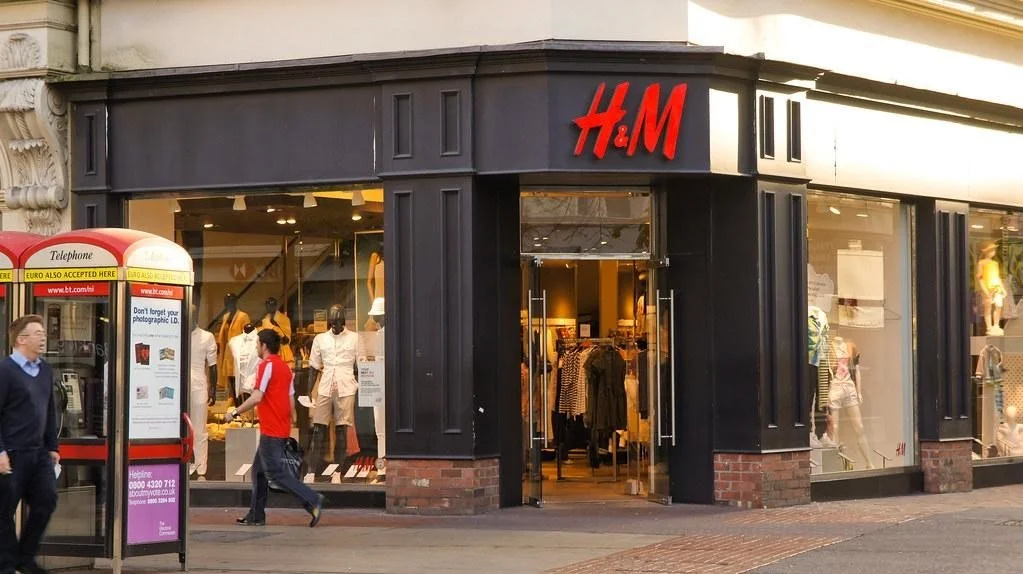
H&M at Belfast. William Murphy. CC BY-SA 2.0.
The 1990s were a turning point for brands like H&M. Originally established in 1947 by Swedish businessman Erling Persson under the name “Hennes,” the company later acquired Mauritz Widforss in 1968, a Swedish hunting and fishing store, leading to the more succinct and memorable name of H&M that we know today. Rapidly expanding across Europe, the company set its sights on global outreach by the 1980s. H&M made its first foray outside Europe with a store on New York’s 5th Avenue, positioning itself alongside myriad other fast fashion brands. Catering to a diverse consumer base, including women, men, teenagers and children, it offers an extensive range of products, from sportswear and underwear to shoes, accessories and cosmetics, all at affordable prices. With a presence in over 4,000 stores worldwide and a workforce of over 100,000 people, H&M stands as the eighth most valuable apparel brand in the world as of 2022, only trailing behind giants like Nike, ZARA, and Adidas.
However, behind H&M’s tale of success lies a daunting environmental cost. The brand’s significant contribution to waste and pollution is a matter of public concern. In 2019 alone, H&M churned out a staggering 3 billion garments, making it one of the foremost polluters in the fashion industry. The use of cheap and toxic textile dyes, coupled with the fabrics themselves, is contributing to the global warming crisis. Polyester, an artificial textile that constitutes roughly 60% of the global fiber market in 2020, is derived from fossil fuels and sheds microfibers that exacerbate the proliferation of plastic in our oceans. Although H&M promotes its use of recycled polyester, made from oil-based waste like old PET bottles or pre-existing polyester clothing, studies reveal that the recycling process is energy-intensive, and tracing the origin of recycled polyester is challenging. Surprisingly, of all the materials used by H&M, a mere 23% are recycled, even though the brand touts that 84% of its products are sourced from recycled or sustainable materials, and the criteria for a “sustainable material” remains elusive. Even H&M's acclaimed Conscious Collection, which is marketed as sustainable and has seen brisk sales, contains only a fraction of recycled materials. All of these concerns are artfully obscured by the ambiguous language of H&M’s sustainability report.

Protest against Fast Fashion. Stefan Muller. CC-BY 2.0
While acknowledging the importance of gradual change, H&M's approach to sustainability is unacceptable due to the company’s engagement in greenwashing — a disconcerting technique whereby companies overstate their actual sustainability accomplishments to divert criticism from harmful practices. A study conducted by The Changing Markets Foundation, an organization dedicated to propelling and amplifying solutions for sustainability challenges through market influence, revealed that a startling 96% of the claims in H&M's sustainability report were “unsubstantiated” and “misleading” as per guidelines. Despite the vagueness in its official report, H&M invests diligently in presenting a clear and positive image of its sustainability initiatives through vigorous social media and marketing campaigns. An example of this involves the brand’s strategic partnerships with celebrities. For instance, H&M collaborated with the former Game of Thrones actress Maisie Williams, whom the company lauded as a symbol for her generation and an influential advocate for female empowerment, sustainability and diversity. In 2020, H&M introduced “The Loop Machine,” a recycling program aimed at transforming old H&M garments into new clothing items. However, access to this program remains limited worldwide and is burdened by lengthy processing times, with hours required to recycle a single item.
Beyond its environmental impact, H&M’s massive production business model has led to serious ethical concerns, particularly regarding labor conditions. While H&M has taken some steps towards recognizing the importance of decent, meaningful jobs with fair compensation, benefits, and safe working environments free from discrimination and with the right to freedom of association, statistics paint a grim picture. During the pandemic, a staggering 89 percent of H&M workers received wages below the international poverty line. In June 2023, just a month earlier, over 4,000 Spanish employees from H&M's brands, including Other Stories and Cos, took to the streets, demanding pay raises in line with the rising cost of living and protesting increased workloads resulting from layoffs during the COVID-19 pandemic. Workers at factories producing for H&M and Best Seller also reported witnessing explosions and exposure to electrical discharge and harmful substances.
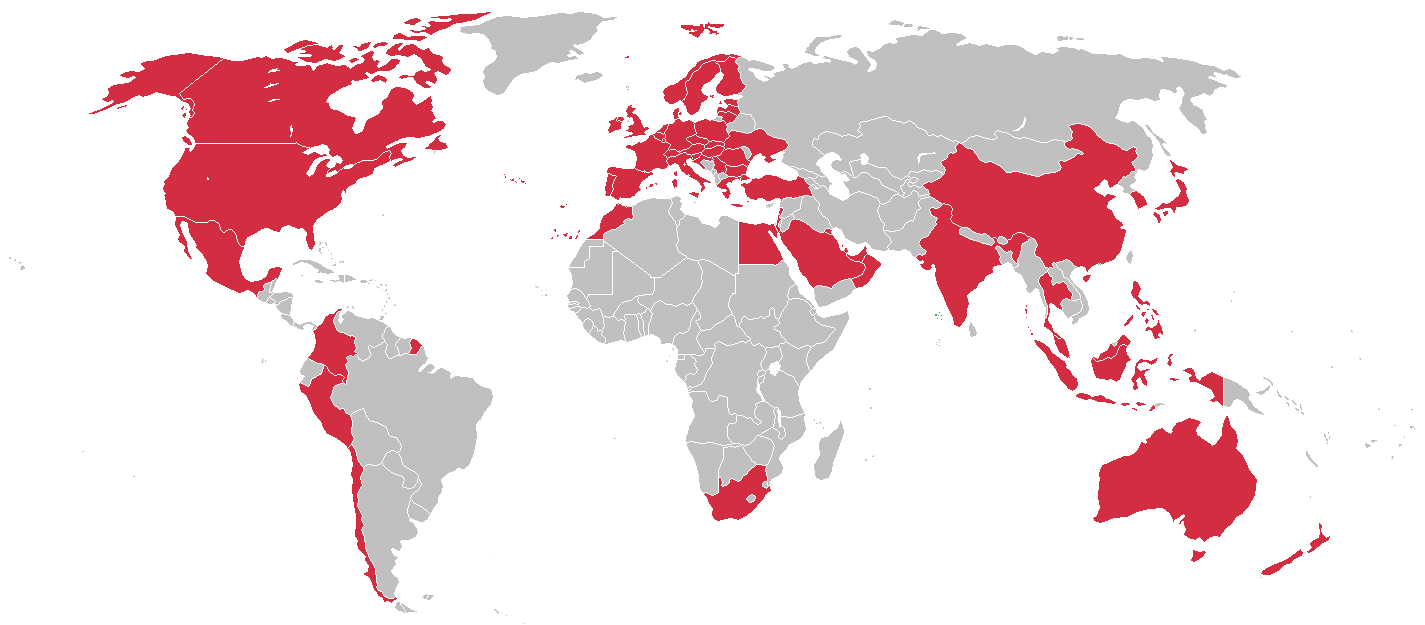
H&M Global map in 2015.Barthateslisa. CC BY-SA 4.0.
While it is true that H&M has made progress — evident in its 2022 report with highlights such as 17 approved projects that can potentially reduce the supply chain’s CO2e production by 50,000 tonnes and an improved Fashion Transparency Index ranking — there is still much more the company must do to be ethical and go green. The root of the issue lies in its fundamentally unsustainable fast fashion model, which prioritizes cost reduction and profit maximization above all else.
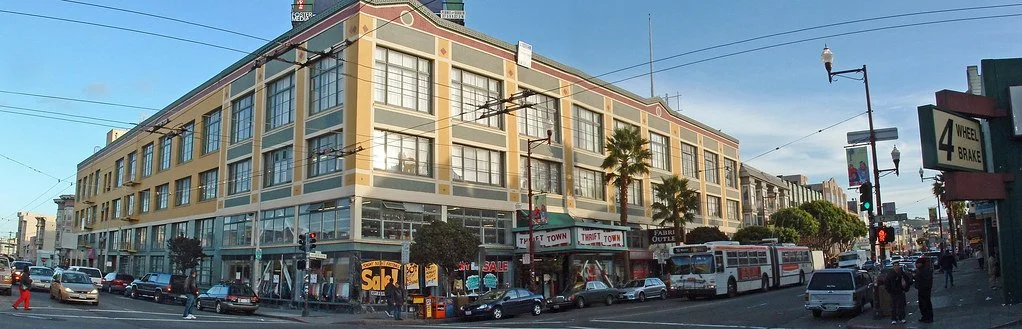
Thrift Town in California. MikeR. CC BY 2.0.
On the other hand, the resale and rental industries are rising as more sustainable alternatives to fast fashion. Embracing a recycle-oriented model, they eliminate the need to extract additional resources to meet our demands. Though not as widely accepted in the world of fashion, they provide compelling alternatives for those seeking a more environmentally-conscious lifestyle. For H&M and other fast fashion brands, addressing current concerns about pollution, waste, and human rights is only a partial solution on the path to sustainability. As they continue to expand globally, new challenges will inevitably arise. The true path to progress lies in an unwavering commitment to a radical transformation of the industrial model, embracing a truly sustainable approach.
TO GET INVOLVED:
Centre for Sustainable Fashion
The Centre for Sustainable Fashion (CSF) is a research institute in the University of the Arts London's London College of Fashion. Its mission is to challenge and question the status quo in the fashion industry, driving toward a system that values and respects the planet’s ecology. Embracing Fashion Design for Sustainability, the CSF pioneers innovative approaches in academia, industry and education. Learn more about CSF here.
Fashion For Good
Fashion For Good, a platform fueled by the fashion industry, spearheads sustainable fashion innovation. Its goal is to unite the entire fashion ecosystem, transforming it into a powerful force for good. Shifting away from the linear 'take-make-waste' model, Fashion For Good advocates for a circular Good Fashion strategy, one that is restorative and regenerative by design. With its Accelerator, Scaling Program and Good Fashion Fund, the organization targets technologies and business models with immense potential to revolutionize the industry. Learn more about CSF here.
Hope Zhu
Hope is a Chinese international student at Wake Forest University in North Carolina studying sociology, statistics, and journalism. She dreams of traveling around the globe as a freelance reporter while touching on a wide range of social issues from education inequality to cultural diversity. Passionate about environmental issues and learning about other cultures, she is eager to explore the globe. In her free time, she enjoys cooking Asian cuisine, reading, and theater.
The Ethics of Visiting the Galapagos
How visiting the Galapagos contributes to their destruction.
Read MoreHumans are Leading Blue Whales Toward Extinction in Sri Lanka
Human activity has compromised the blue whale habitats in Sri Lankan waters. Here’s what is being done about it.
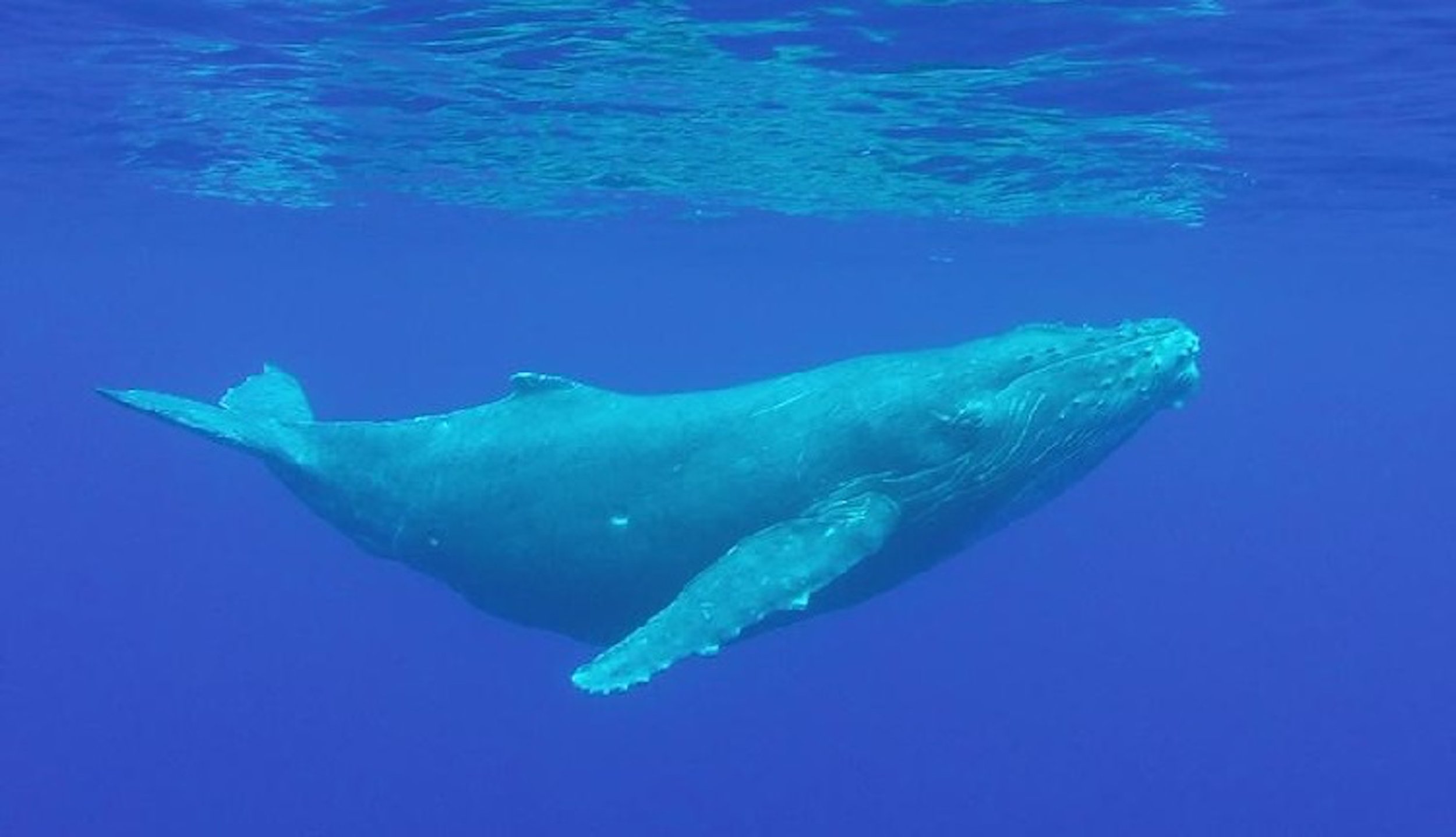
Blue whale. U.S. Embassy New Zealand. CC0 1.0.
Though blue whales are the largest animal species on Earth, their population has been shrunk by human activity. There are an estimated 10,000 to 25,000 blue whales left on Earth, compared to a population of at least 100,000 just a century ago. A traditional hotspot for these endangered gentle giants is the northern Indian Ocean, in Sri Lankan waters. Human actions, such as fishing and shipping, have contributed to the death of blue whales in this area, pushing this species ever closer to extinction. Here are some ways that humans have negatively impacted the blue whale population, as well as some potential solutions.
Pollution
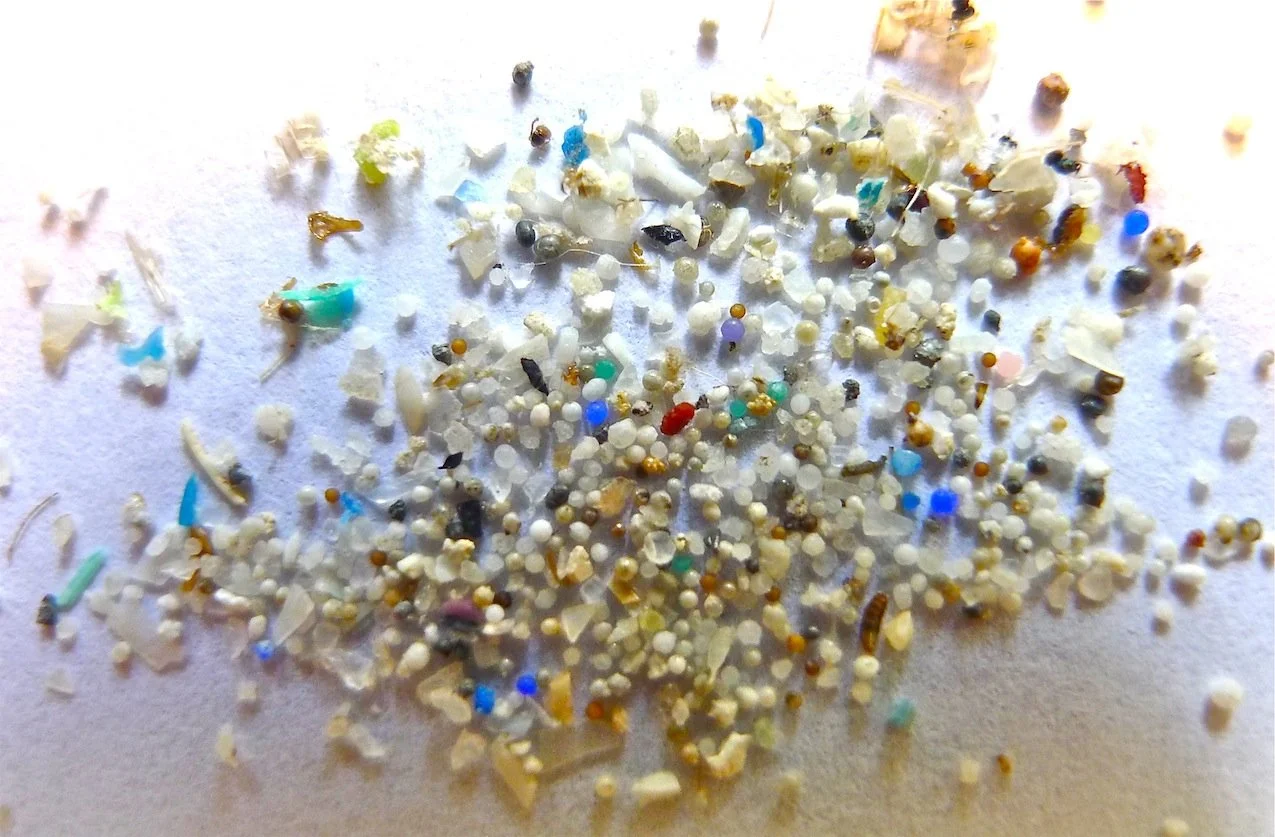
Microplastic. Oregon State University. CC BY-SA 2.0.
Pollution, particularly of microplastics, has contributed toward the decrease in the blue whale populations. As their name suggests, microplastics are tiny pieces of plastic that are created when larger objects break down, or are manufactured at tiny sizes for beauty products such as face scrubs. Krill often consume this type of debris, and are themselves food for whales in huge quantities. Because of the enormous amount of krill they eat, filter feeding baleen whales may consume about 10 million pieces of microplastic per day, equivalent to about 96 pounds of plastic. Blue whales in Sri Lankan waters are especially vulnerable to plastic pollution, as this area is a major shipping lane and microplastics are used in product packaging, leading to an increased risk of exposure. Though the mechanisms by which microplastics harm whales are still under investigation, they can carry toxic materials, which may be a contributing factor toward increased blue whale mortality.
Entanglement
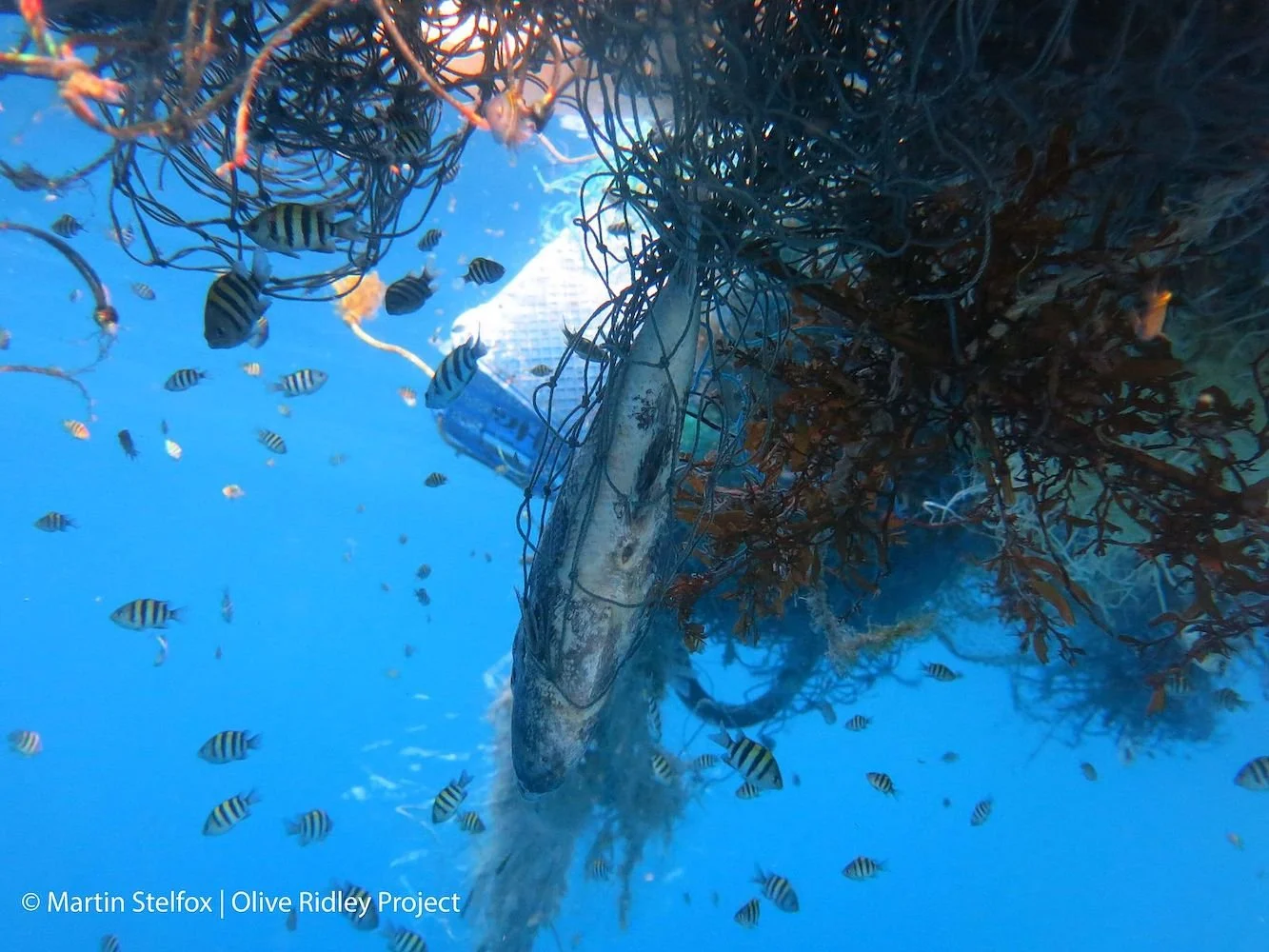
Marine organisms caught in fishing nets. Martin Stelfox. CC BY-SA 4.0.
Whales can get entangled in fishing gear, resulting in injuries and infections. Whales may also carry around tangled fishing nets for years, making it more difficult for them to swim and feed,and leading to exhaustion. It has been found that about 300,000 whales and dolphins die from entanglement every year. Entanglement is one of the leading causes of death for blue whales in Sri Lanka.
Shipping Accidents

Ships in Sri Lankan waters. NZ Defence Force. CC BY 3.0 NZ.
The northern Indian Ocean contains a major shipping lane, and this lane happens to be a large feeding ground for blue whales. Due to the overlapping use of this area by boats, many blue whales have been killed in collisions with ships. Within the last decade, there has been an increase of shipping traffic by 300 percent, with more than 200 ships using the lane in Sri Lankan waters per day. There are differing estimates on the number of whales killed by ships, but it is suggested that as many as 56 whales die this way each year.
Resolutions
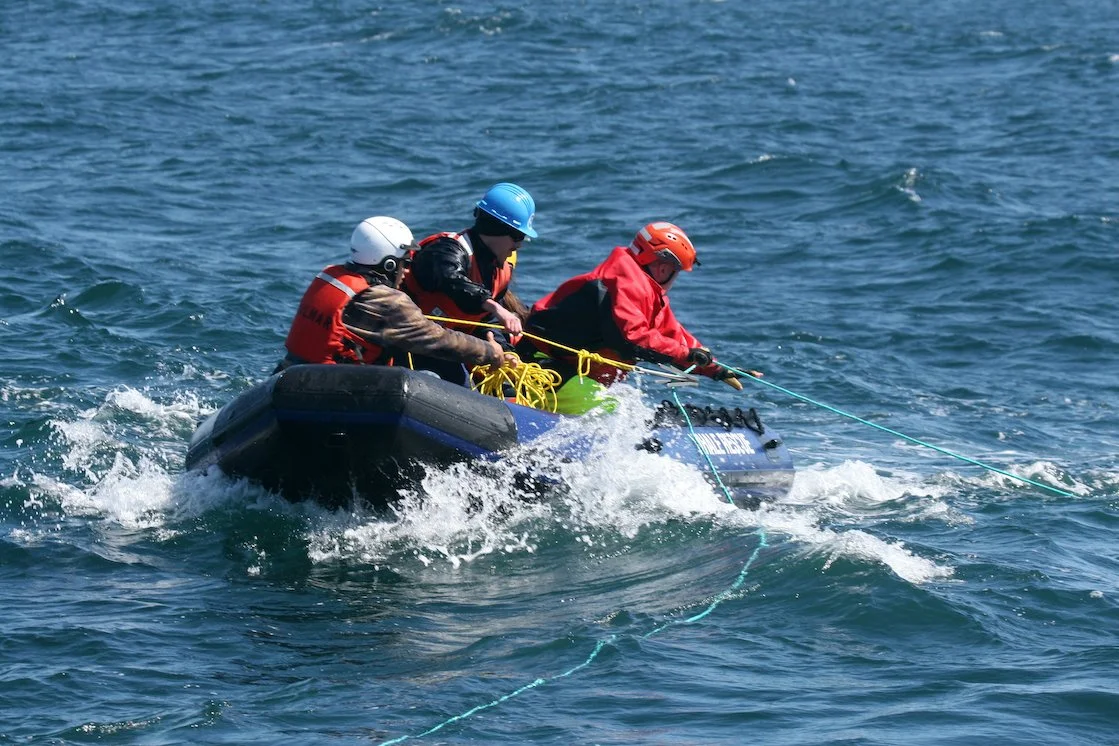
Whale disentanglement training. Nicole Capps. CC0 1.0.
Change of Shipping Routes
There are currently efforts to relocate Sri Lanka’s shipping lanes to decrease harm done to whales. It has been found that by directing ships 15 miles south of the current route, 95 percent of whale fatalities in the area may be avoided. Organizations such as International Fund for Animal Welfare (IFAW), the International Maritime Organization (IMO), and OceanCare have requested changes in this shipping route. The major shipping corporation, MSC Group, has agreed to move these routes south in order to benefit the blue whale population. Although this action has now been approved, it was previously rejected by the former Sri Lankan government due to economic concerns.
Entanglement Response
There are current international efforts to save whales that have been entangled in fishing nets. The International Whaling Commission (IWC), which regulates whale hunting and preservation globally, provides training workshops on disentanglement, reaching over 1300 government representatives, scientists and conservationists globally. The Center for Coastal Studies also has a “Disentanglement Network,” where trained response teams visit popular whale feeding and calving areas to assist any possible whales-in-need.
Addressing Microplastic
The Whale and Dolphin Conservation, Environmental Investigation Agency, Humane Society International and OceanCare recently got the European Union push for the IWC to prioritize plastic pollution in its conservation efforts. The motion received consensus approval; all votes were in favor. Individual efforts against the use of plastic can help reduce its prevalence in the ocean, such as taking small measures like recycling, using reusable products instead of single-use, and avoiding beauty products that contain microplastic beads.
TO GET INVOLVED
Click here to donate to the International Fund for Animal Welfare.
Click here to donate to Marine Life Studies.
Click here to donate to Greenpeace.
Alexandra Copeland
Alexandra Copeland is a student at The College of New Jersey studying psychology and journalism. She is a lover of coffee, dancing, and visiting new places. Being raised with her Greek culture has inspired her interest in cultural customs around the world. She is a passionate writer and hopes that her work will make an impact in the future.