• Travel Features
  • Global Action
  • Take A Trip
  • Travel Guides
    • Podcast
    • Courses
    • Bookshop
  • About
  • Sign Up
Menu

CATALYST PLANET

  • Travel Features
  • Global Action
  • Take A Trip
  • Travel Guides
  • Discover
    • Podcast
    • Courses
    • Bookshop
  • About
  • Sign Up

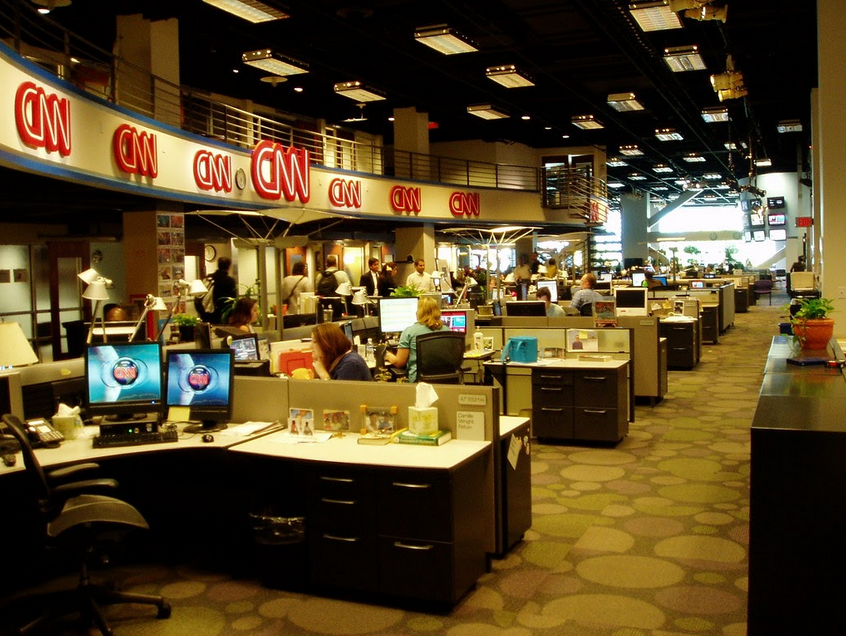
"CNN.com" by Bruno Pin is licensed under CC BY-NC-SA 2.0

How the 24-hour News Cycle Perpetuates Racial Bias in the Case of Coronavirus

March 28, 2020

Sensationalism and the 24-hour news cycle aided in killing journalistic integrity, and it also aids in perpetuating racial bias, fear, and panic. Constant reporting forces news stations to air stories that will maintain a captive audience. There is only so much news (or so many sides to a story) that can be reported on in a day. This forces 24-hour news channels to come up with content that will fill time slots and keep the audience tuned in. Since the ongoing coverage is usually focused on one particular subject or event, the audience is subjected to a constant barrage of narrowly focused facts and opinions. As a result, fear turns into panic, which can often lead to deadly results.

Coronavirus is the latest epidemic that is fueling racism, panic, and mistrust. This fear is exacerbated by sensational news and 24-hour reportage. Amidst “doomsday prepping” and the price gouging of masks and hand sanitizer, is the worst result of overblown news coverage of the coronavirus: physical and verbal attacks fueled by racism. Racist attacks against Asians in the United States, Canada, the Netherlands, and across Europe have been linked to coronavirus. Overblown news coverage of coronavirus, along with ignorance and misinformation, has helped lead to this spike in racist assaults across the globe.

One video making rounds on Twitter shows a New York subway passenger spraying what appears to be a can of Febreze in the direction of an Asian passenger while shouting at him to move away from him. Tanny Jiraprapasuke, who is Thai American, uploaded a video on Facebook of a xenophobic rant directed toward her on the Los Angeles Metro. Singaporean student Jonathan Mok posted a detailed account and pictures of his battered face on Facebook after he was assaulted on Oxford Street in London.

It does not help that some media purposely (or carelessly) enforce racial bias. On March 1, the New York Post published a story about the first confirmed case of coronavirus in Manhattan. They tweeted a link to the story along with an image of an Asian man on Main Street in Flushing, Queens, which has a large Asian American population. New York’s first confirmed case of coronavirus is a woman in her late 30s. On the same day, the New York Times used a photograph of two older Asian women wearing medical masks on a Facebook post about the same first coronavirus case in New York. The New York Post and the New York Times’s decision to use photographs of Asian Americans helped further perpetuate harmful stereotypes and fearmongering against Asians.

Roger Keil, a professor in the environmental studies department at York University said, “To combat racism, people in the public eye, including politicians and media outlets, have to begin by uncoupling the disease from its origin point.” If the media continues to be irresponsible by reporting in a way that racializes epidemics, xenophobic and racist attacks like those related to the coronavirus, SARS, and Ebola will continue to plague our societies. Coronavirus is not an excuse to discriminate. It certainly does not.
Asiya Haouchine

is an Algerian-American writer who graduated from the University of Connecticut in May 2016, earning a BA in journalism and English. She was an editorial intern and contributing writer for Warscapes magazine and the online/blog editor for Long River Review. She is currently studying for her Master's in Library and Information Science.
@AsiyaHaou

Tags COVID-19, Coronavirus, racism, racial bias, news, epidemic, panic, New York, New York Times, media, SARS, ebola
Comment

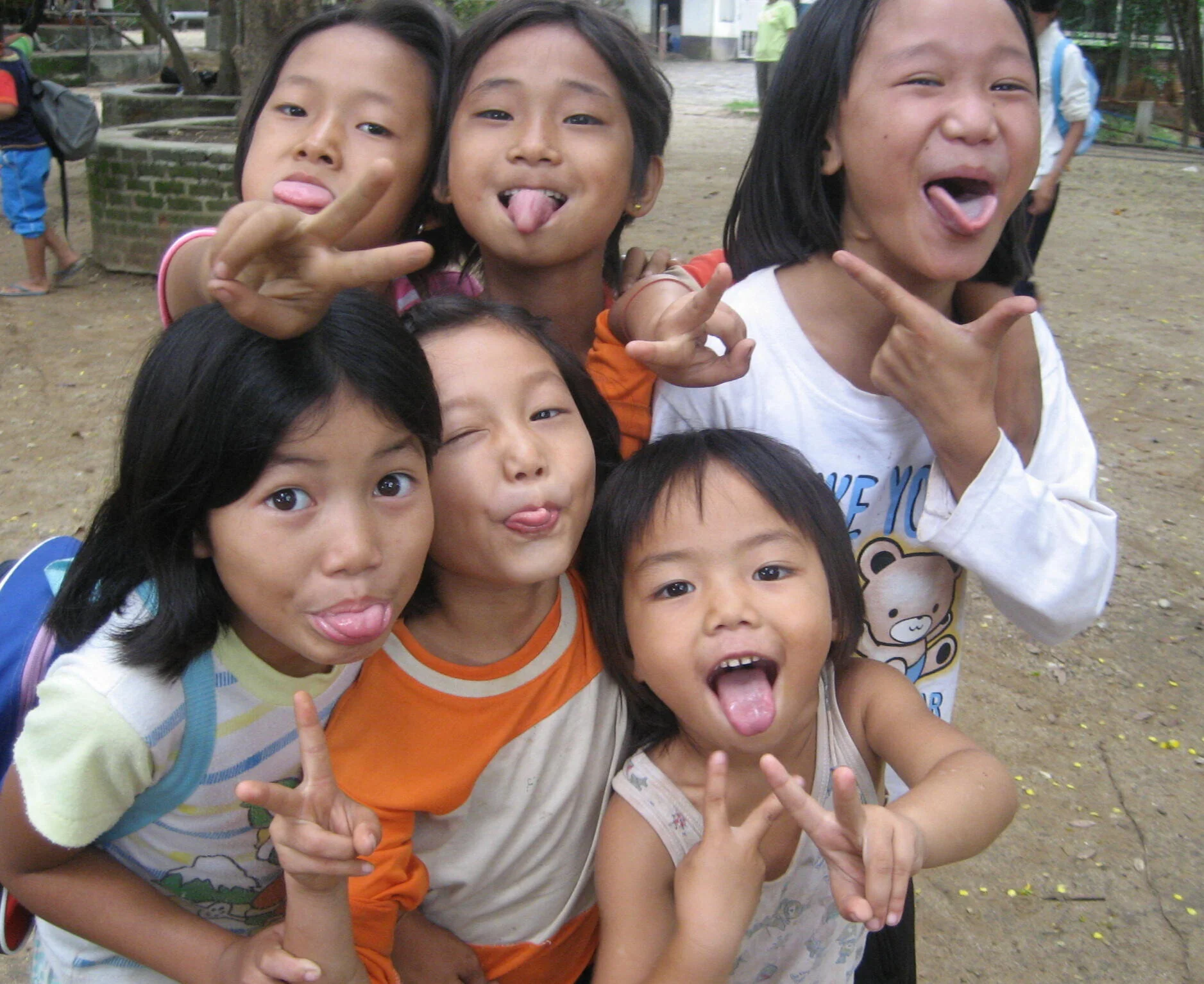
Young girls from the DEPDC in Thailand make silly faces for volunteers. Photo by Raeann Mason

Volunteer Tourism is (Sometimes) Not the Answer

March 28, 2020
“The number of truly orphaned children in Cambodia halved in 2013, but the number of orphanages doubled.”

Perhaps you woke up today and realized that it was time for you to travel the world. If you’re anything like me, avoiding traditional tourism is a priority as you begin to research the ways and places to travel. The good news is, there are many alternatives to traditional tourism. Oftentimes, travelers want to make a difference as they move through the world so, naturally, combining your travel adventures and your philanthropy is a good idea, right? Not necessarily. While it’s likely that the most effective way to help someone in need, is to stay put and send them the money you were going to use on your trip, I know that most folks who volunteer in place of traditional tourism do so with good intentions. You should know then that there are some things that often go over-looked by those of us who want to see the world and make it better as we do. So, before you pack up and head to the Bahamas to do some hurricane relief here are three of the more commonly overlooked risks to keep in mind:

1)     Carbon footprint

Chances are if you’re going somewhere that falls into the category of volunteer tourism, or voluntourism, it’s going to take massive amounts of fuel to fly there. Make sure that it’s worth the environmental cost before you hop on a plane and travel somewhere that is likely experiencing the effects of climate change firsthand. Check for train routes, and other alternative forms of transport before you book a flight that covers the whole length of your trip.

2)     Building Projects

Many do-gooders hope to help people in need by building homes, schools or orphanages. While these things are certainly needed around the world, I hate to say it, you’re most likely not a qualified builder, and you probably don’t know building codes/laws for the place you’re visiting (though if you are-good on ya). You’re more likely to build a poor standing structure than say, a local professional, who you may have inadvertently taken the job from because you were willing to do it for free (though this isn’t always the case).

3)     Orphanages

Turns out that many children in orphanages around the world have at least one living parent –or at least an Aunt or two. Many families are told that their children will be better cared for and given better opportunities if they allow their child to be separated from them. Those opportunities rarely arise, and governments love to capitalize off the billion-dollar (orphan) travel industry. For example: the number of truly orphaned children in Cambodia halved in 2013, but the number of orphanages doubled.

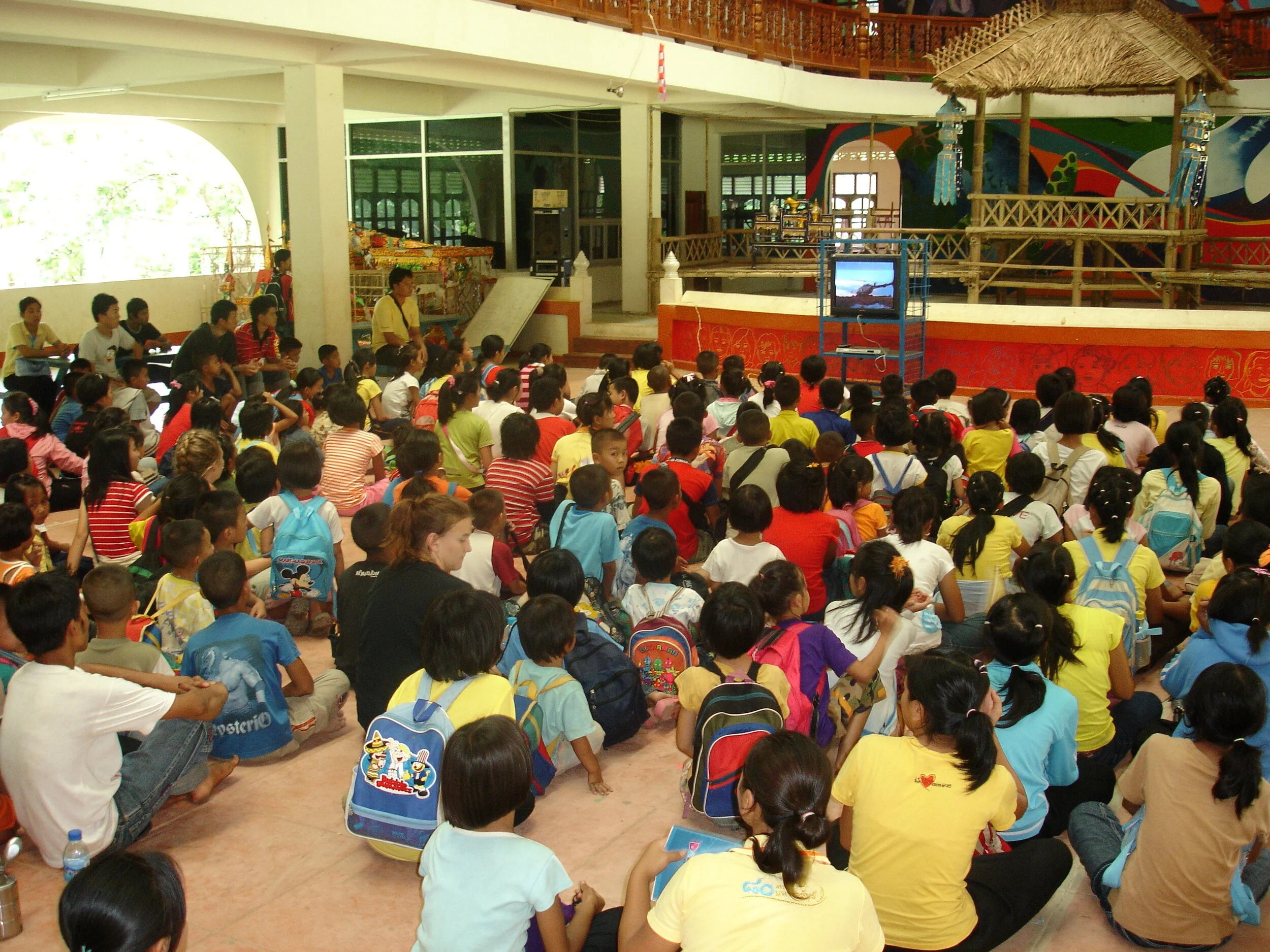
Children are included in a workshop on how to mitigate the struggles their community faces. Raeann Mason

In an increasingly xenophobic world, however, travel volunteerism can be used to combat these very problems. In order to avoid falling into the trap of becoming volunteers who perpetuate poverty and crisis, we need to shift our focus. We can mitigate the negative effects of voluntourism by first engaging with a place as it is –be patient— wait to be invited by a local and help in their pre-existing projects. We can also educate ourselves about the organizations we are considering volunteering with – doing some vetting is necessary if we want to be responsible travelers. Don’t forget, we can always not volunteer with an organization at all. Get neighborly and meet the people around you; see if you can meet their needs all on your own. Because if we can shift our mindset from “helping” the poor to engaging in a cultural exchange we allow ourselves, and those we hope to benefit, a stable foundation that can be built upon. The more we learn about the places we hope to go, and the people who live there (like, on a personal level), the better we can bring the world together instead of breaking it down with our ignorance.


Raeann Mason

Raeann is an avid traveler, digital storyteller and guide writer. She holds a Bachelor’s degree in Mass Comm & Media Studies from the Walter Cronkite School of Journalism & Mass Communication. Passionate about a/effective journalism and cultural exchange, she is an advocate of international solidarity and people's liberation. As the founder of ROAM + WRITE and EIC of Monarch Magazine, Raeann hopes to reshape the culture of travel and hospitality to be ethically sound and sustainable.

In News and Social Action, Global Health & Crisis Tags tourism, carbon footprint, orphanage, Thailand, Sustainability, Travel, Global Health
Comment

President Donald Trump takes questions at Coronavirus update briefing, 3/14/20. Official White House photo by Shealah Craighead. Public Domain.

The Authoritarian Repercussions of Coronavirus

March 28, 2020

Around the world, Coronavirus has led to an increase in government surveillance, crackdowns on journalism, restrictions on movement and less restrictions on legislature. There is no doubt that they infringe upon civil liberties and may remain in effect long after the spread of the virus has calmed down.

Read More
Tags COVID-19, Coronavirus, authoritarianism, security, state of emergency, biological warfare, America, China, Hungary, surveillance state, journalism, government
Comment

PORTUGAL: Coronatrip

March 25, 2020

See Portugal in a whole new way as videographer Lorenzo Attardo takes a trip through some of Portugal’s most famous sites; including Porto, Coimbra, Nazarè, Obidos, Peniche, Sintra and Lisbona. His film provides audiences with a unique perspective of these typically busy places which have now been emptied due to the fast spreading Coronavirus.

Tags COVID
Comment

The pandemic has made us into breaking news junkies. Getty/Olivier Douliery / AFP

3 Ways the Coronavirus Pandemic is Changing Who We Are

March 25, 2020

For most Americans, the coronavirus pandemic represents a completely unprecedented circumstance, as novel as it is life-changing. No event in recent history has affected us as profoundly and pervasively.

Not only does it remind us of our physical fragility, it undermines economic security, throws daily routines topsy-turvy, wreaks havoc on plans and isolates us from friends and neighbors.

I am a psychologist who studies human motivation and its impact on what we feel, how we think and what we do. I see that little by little, the stressful external forces this pandemic unleashed are exerting a deep internal effect. Little by little, they are changing who we are and how we relate to people and the world.

The pandemic affects our psyches three ways: It influences how we think, how we relate to others and what we value.

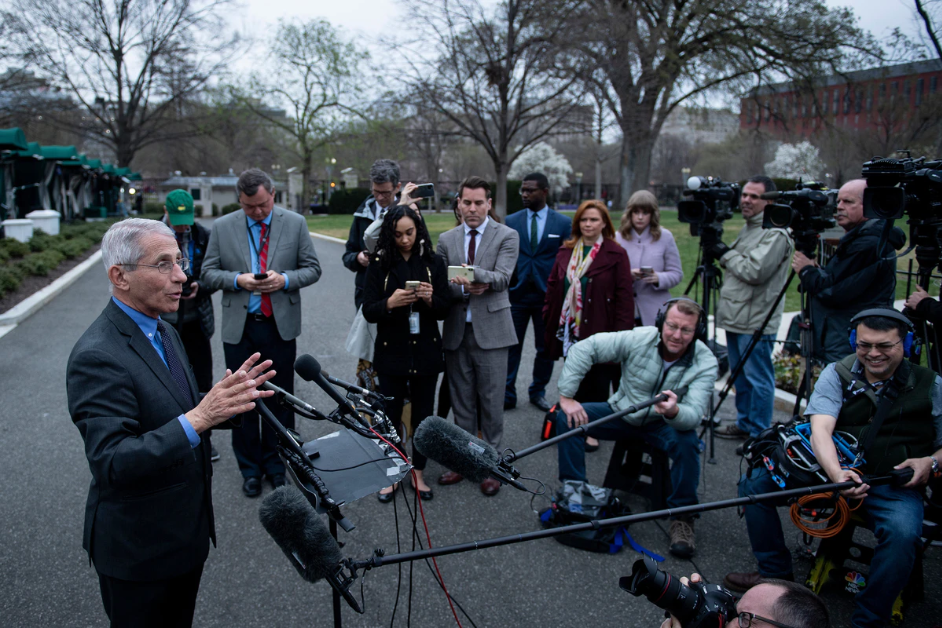
The public has a growing need for answers during the coronavirus pandemic and the National Institutes of Health’s Dr. Anthony Fauci, left, has responded to that need. Getty/Brendan Smialowski / AFP

Changed sense of security

This crisis has induced wide reaching uncertainty. We do not know what to think or how to make heads or tails of these completely unfamiliar circumstances.

Who will be affected? Will our loved ones? How quickly? Will tests be available? Will we survive? How long will this last? What about our work? Our income?

The combination of uncertainty and danger is a recipe for severe angst. It feeds an intense desire for certainty, better known to psychologists as the need for cognitive closure.

Once aroused, the need for closure fosters the craving for reliable information, the acute desire to dispel the paralyzing ambiguity that engulfs us. We long for clarity and guidance, a “light at the end of the tunnel” – a tunnel that at this moment appears without end.

Glued to our TV sets, we become breaking news junkies, hoping against hope that the next cycle will finally provide the enlightenment that keeps eluding us.

Research on the need for closure tells us much more: Under conditions of diffuse uncertainty, people are drawn, as if by a magnet, to simplistic solutions and black-and-white reasoning.

Some gravitate to the pole of denial that nothing is wrong at all, others to that of utter panic, the belief that the worst is sure to come and that the end is near. Rumors are circulated widely and seized upon uncritically.

This is the time where steady, reassuring leadership is desperately needed. It is the time, too, when authoritative, confident direction is much preferred over flexible, laissez-faire guidance.

We need to be told what to do, plain and simple. This is no time for complex deliberations.

Changed needs

When their need for closure rises, people become “group-centric,” which means they yearn for cohesion and unity.

Patriotism is elevated but so, often, is nationalism, the idea that our nation is superior to others, better at handling the crisis that foreigners have propagated to begin with.

The coronavirus pandemic is scary. Everyone can be infected. No one is exempt. No matter what your station in life, your status, power or popularity, the virus still can get you.

This possibility evokes an overriding sense of fragility and vulnerability. Ample research attests that with one’s feelings of control and personal agency at an ebb – such as in infancy, in sickness or old age – one’s dependence on others rises.

This prompts putting social relations at a premium, strengthening one’s attachment to others, boosting the appreciation of one’s loved ones, family and friends.

One consequence of our helplessness in face of the pandemic is our greater sociability, a yearning for warmth and succor, the realization that we need others, that we cannot hack it alone.

In the pandemic, people value those who sacrifice their self interests for the common good. Here, a a doctor with San Francisco’s Haight Ashbury Free Clinic prepares to talk with homeless people about the coronavirus. Getty/Josh Edelson / AFP

Changed values

Along with the growing attachment to others comes a subtle shift in our morals.

Communal values of cooperation, consideration and caring are prioritized, whereas individualistic ones of prestige, popularity and power lose some of their cachet.

Our cultural ideals morph accordingly. In times of crisis, we celebrate and accord major significance to persons who serve communitarian values, extend a helping hand to others, sacrifice their self-interests for the common good, exhibit empathy and model humanity.

Fascination with fame and riches is diminished; it takes a back seat to admiration for simple acts of kindness.

The coronavirus pandemic alters who we are, affecting diverse facets of our psyche.

We may approve of some of the changes – toward stronger communal bonds and humanitarian values – and disapprove of others – closed-mindedness, black-and-white thinking. Whether we like it or not, the immense crisis we are facing brings out the best in us, but also the worst in us.

Arie Kruglanski is a Professor of Psychology, University of Maryland

THIS ARTICLE WAS ORIGINALLY PUBLISHED ON THE CONVERSATION

Tags COVID
Comment

“Projects intended to show the joys of traveling and femininity” Joanna Jurczak. CC-BY-NC-ND 4.0

Empowering Women Through Ethical Travel

March 25, 2020

As the sustainable travel movement takes hold throughout the tourism industry, a new initiative has grown: one which promotes social sustainability by empowering women who run travel organizations, as well as the women who live and work in the communities visited. 

In recent years, a new movement has grown within the tourism industry: socially-responsible travel. A primary facet of the ethical travel movement has been eco-tourism: international travel focused on reducing environmental impact as much as possible. When thinking about the ethics of travel, tourism is especially tricky. Although not completely straightforward, environmental footprint can be measured quantitatively by studying emissions, soil erosion, and fluctuations within ecosystems. Similarly, travel undertaken without cultural awareness risks trampling, commercializing, and exploiting the cultures and peoples indigenous to the places visited. Negative socio-cultural effects of travel are frequently masked--or if not masked, are presumed to be mitigated--by the economic benefits of tourism. Because of this, and unlike environmental effects, the drawbacks of socially-irresponsible travel are difficult to categorize, and spiral throughout society as a whole. 

Fortunately, the ill-effects on the social structure of communities created by tourism can be minimized through a respect for and a foreknowledge of the history, language, and culture of the peoples and places visited. More than just minimizing social impact, there exist multiple organizations and projects dedicated to mindful traveling that promotes female empowerment and forging sustainable global relationships. The work of these organizations allows for enriching travel experiences while cultivating the socio-economic flourishment of local cultures. Growing alongside eco-tourism, but often less discussed, are movements empowering women through the travel industry; these include women-owned travel firms with primarily female staff, as well as organizations that seek to connect with and offer support to women in the communities they visit. 

One such organization is Planeterra, a foundation that assists in designing, planning, and executing projects focused on sustainability and global development by harnessing the resources available in local communities in combination with those generated through the travel industry. A major facet of Planeterra’s work is in female social and economic empowerment, which includes employing women as tour guides, and contributing funding to and bringing in markets for handicrafts and services provided by entrepreneurs who are women all over the world. Similarly, the Intrepid Foundation has spearheaded the Empowerment Collective, a series of localized community projects based around the world. Empowerment Collective projects concentrate on areas such as women’s education and literacy, vocational training, and supporting entrepreneurial endeavors undertaken by women inside and outside of the travel industry. 

Consequently, ethical travel spearheaded by women, for women fosters sustainability in ways that differ from environmentally-sustainable travel. Rather than seeking to reduce impact alone, female empowerment projects promote sustainability in a productive sense: forming relationships and growing networks of economic support that heightens the personal and financial power of women globally. The act of traveling connects women and builds self-esteem, while providing avenues for women who are entrepreneurs in the travel industry to empower themselves and one another by achieving economic independence and forming cross-cultural partnerships. Although the ability to travel itself is, for the most part, linked inextricably to socio-economic privileges, it is misguided to say that those hierarchies must be replicated in the places visited. That is to say, intentional channeling of the resources of the tourism industry brings heightened personal independence and opportunity to both the women who run these projects and the women who live and work in the places visited, creating avenues for greater socio-economic parity all over the world.

Hallie Griffiths

is an undergraduate at the University of Virginia studying Foreign Affairs and Spanish. After graduation, she hopes to apply her passion for travel and social action toward a career in intelligence and policy analysis. Outside of the classroom, she can be found, quite literally, outside: backpacking, rock climbing, or skiing with her friends.

Tags ethics, patriarchal regime, eco-tourism, soil erosion, Sustainability, Travel, Women and Girls
Comment

MADAGASCAR: Nosy Lehibe

March 25, 2020

An epicenter of wildlife, Madagascar sits like The Garden of Eden about 300 miles off the coast of southern Africa. Best known for its lemurs and baobab trees, it is also home to more than 20 ethnic groups hailing from Africa and Indonesia. Explore Madagascar in this short video.

Read More
Tags Madagascar, lemur, canoe, Malagasy people, diversity, Arts and Culture
Comment

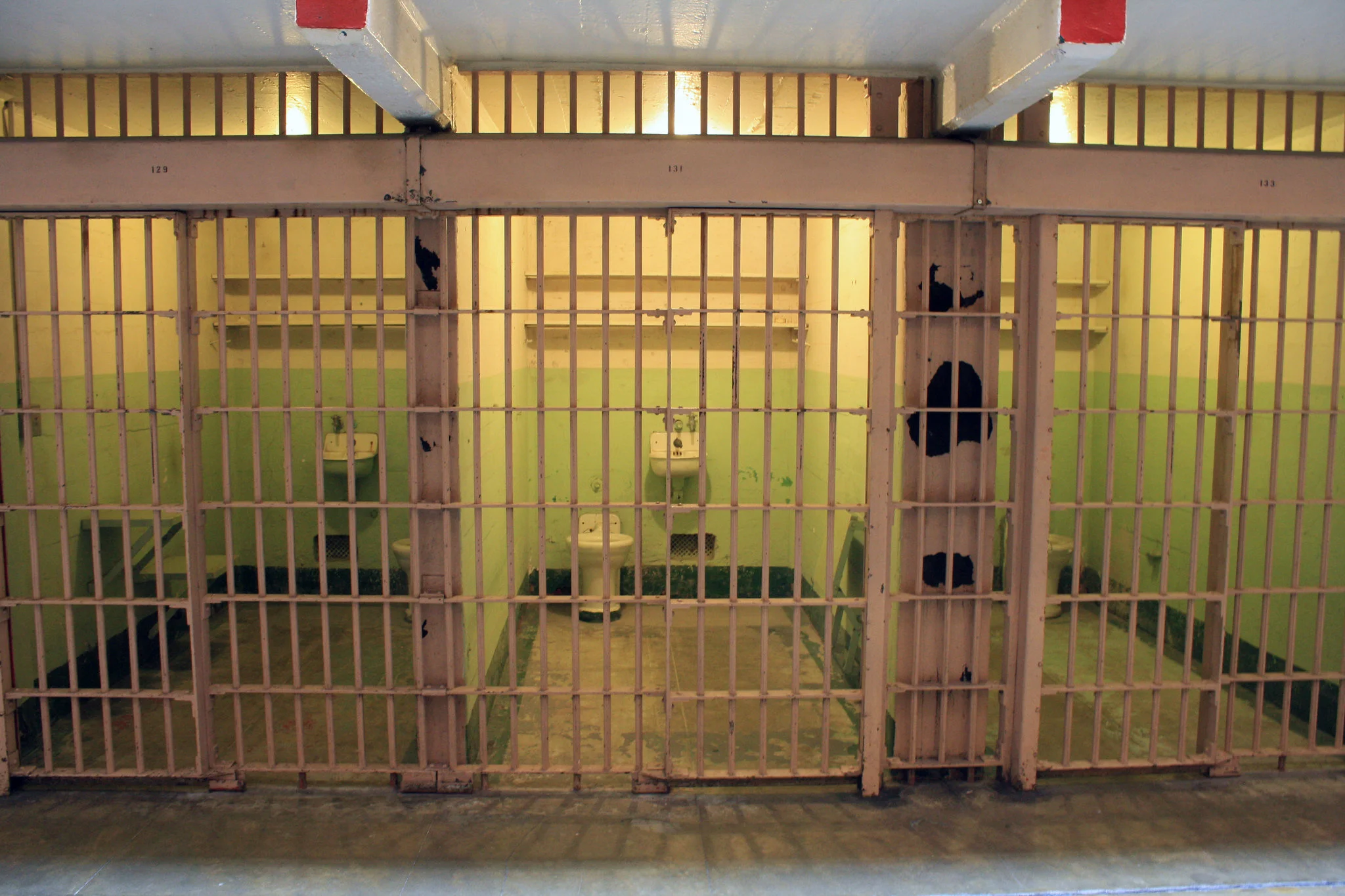
“Prison Cells” by miss_millions is licensed under CC BY 2.0

Rising Number of Coronavirus Cases Heightens Concerns About Prison Populations

March 22, 2020

As calls for the world’s population to practice social distancing have ramped up, it calls in to question a certain population that cannot practice social distancing: inmates. Prisons keep inmates in very close quarters, are overcrowded, and often lack proper sanitary conditions—three conditions that go against what the general American populace has been told to do to prevent spreading the coronavirus. The Center for Disease Control (CDC) recommended limiting gatherings to no more than 10 people, social distancing, maintaining a six-foot distance between people, and to avoid shaking hands. Concerts, weddings, funerals, conferences, and other events were cancelled because of the precautions the CDC recommended, but it was only recently that some US states began discussing and preparing to release inmates.

Over the past two weeks the Los Angeles County Sheriff’s Department has released inmates, reducing its inmate population by 600.

On March 19, New York City Mayor Bill de Blasio said the city will begin releasing some inmates, “including people who were arrested for minor crimes and those most vulnerable to infection due to underlying health problems,” according to the BBC. On the same day, it was reported that Rikers Island, a massive prison in NYC, saw the first confirmed case of the coronavirus in an inmate, according to Al Jazeera.

Salt Lake County District Attorney Sim Gill announced plans to release 90 inmates from the Salt Lake County jail on March 20. As many as 200 could be released in the coming days, according to The Salt Lake Tribune.

Prisoners Cannot “Flatten the Curve”

The United States has the highest incarceration rate in the world. According to a report from the Bureau of Justice Statistics, “an estimated 6,613,500 persons were under the supervision of U.S. adult correctional systems on December 31, 2016.” The population far surpasses the population of cities like Los Angeles, Chicago, and Houston; only New York City has a larger population at 8,398,748 as of July 2018. Overcrowded prisons cannot practice what the CDC has recommended regarding social distancing.

Jails and prisons are often dirty and lack medical resources and hygienic materials. The CDC recommends covering your mouth with a tissue when you sneeze or cough, to wash your hands frequently or use hand sanitizer that is at least 60% alcohol, and to sanitize frequently used surfaces. But it is not possible for most inmates to adhere to the CDC’s recommendations since, according to The Marshall Project, “access to toilet paper or tissues is often limited and covering your mouth can be impossible if you’re handcuffed, either because of security status or during transport to another facility.” 

At a news conference on March 10, 2018, New York Governor Andrew Cuomo revealed bottles of hand sanitizer made by New York inmates. As described in a directive from the New York State Department of Corrections and Community Supervision, inmates are not allowed to possess anything with alcohol in it. The very same inmates who are making the hand sanitizer are not allowed to possess or use it because alcohol is the main ingredient.

Health officials from all over the world have said older people and those with pre-existing medical conditions are most at risk of becoming severely ill from the coronavirus, according to the World Health Organization (WHO). According to statistics from the Federal Bureau of Prisons, about 20 percent of all inmates are older than 50. The lack of proper medical resources and materials coupled with their advanced age, means older inmates are particularly vulnerable to the coronavirus.

Asiya Haouchine

is an Algerian-American writer who graduated from the University of Connecticut in May 2016, earning a BA in journalism and English. She was an editorial intern and contributing writer for Warscapes magazine and the online/blog editor for Long River Review. She is currently studying for her Master’s in Library and Information Science. @AsiyaHaou

Tags COVID-19, prison, population, CDC, medicine, Coronavirus, jails, inmates, Global Health
Comment

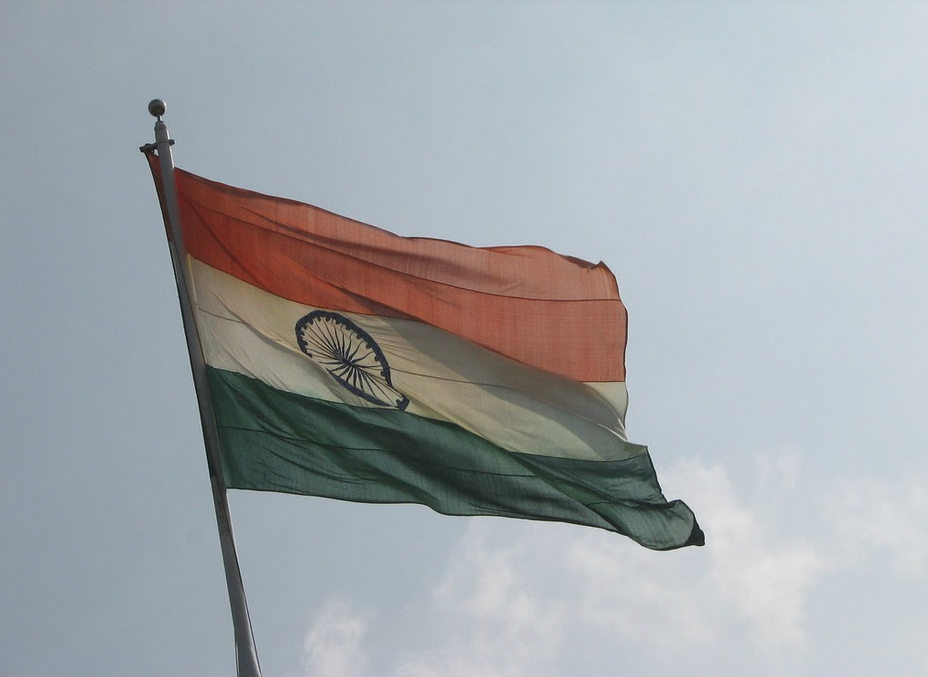
"Indian Flag at Sriperumbdur" by rednivaram is licensed under CC BY-NC-SA 2.0

Delhi Muslims Still Rebuilding Their Lives After Days of Deadly Riots

March 22, 2020

Almost three weeks after religious violence erupted in Delhi, India, thousands of Muslims are still displaced, most living in relief camps that are overwhelmed by the number of people who have lost everything.

Hindu mobs attacked neighborhoods in the northeast area of New Delhi on Sunday, February 23, 2020. At least 53 people have been killed and more than 200 injured in what is being called the worst violence New Delhi has seen in decades. The three days of violent attacks included the torching and looting of schools, homes, mosques, and businesses. “Mobs of people armed with iron rods, sticks, Molotov cocktails and homemade guns ransacked several neighborhoods, killing people, setting houses, shops and cars on fire”, according to CBS News. The New York Times reported, “Gangs of Hindus and Muslims fought each other with swords and bats, shops burst into flames, chunks of bricks sailed through the air, and mobs rained blows on cornered men.” These attacks came after months of mainly peaceful protests by people of all faiths over changes to citizenship laws that allowed discrimination against Muslims.

The new law, called the Citizenship Amendment Bill, uses a religious test to determine whether immigrants from Afghanistan, Bangladesh, and Pakistan can be considered for expedited Indian naturalization. All of South Asia’s major religions were included—except Islam. According to CBS News, those who oppose the law say, “it makes it easier for persecuted minorities from the three neighboring nations of Pakistan, Afghanistan and Bangladesh to get Indian citizenship - unless they are Muslim.” Kapil Mishra, a local Hindu politician of the Hindu nationalist party, the Bharatiya Janata Party, told India’s police that they needed to break up the protests against the law, or he and others would take it into their own hands.

Doctors at the Mustafabad Idgah camp (one of the largest camps) are reporting that many of the survivors are showing early signs of Post-Traumatic Stress Disorder (PTSD) and depression. The makeshift relief camps are overcrowded and undersupplied, and are lacking in some sanitation amenities. Due to the lack of hygiene amenities, many are suffering from urinary tract infections and skin rashes. The lack of basic hygiene amenities is even more dangerous and deadly amid the global coronavirus pandemic.

Muslims found help from another religious minority in India: Sikhs. A Sikh man, Mohinder Singh, and his son, Inderjit, helped sixty people get to safety by tying turbans around their heads so they would not be recognized as being Muslim. Sikhs themselves experienced large-scale religious violence in October 1984 when 3,000 Sikhs were killed in Delhi after the assassination of then-Prime Minister Indira Gandhi. Khalsa Aid, a non-profit organization founded upon Sikh principles, was one of the first groups to provide aid to the victims. Members of the organization helped by assisting in repairing looted and damaged shops. They also opened a “langar”, a Sikh term for a community kitchen that serves free meals to all visitors—regardless of religion, caste, gender, or ethnicity.

Asiya Haouchine

is an Algerian-American writer who graduated from the University of Connecticut in May 2016, earning a BA in journalism and English. She was an editorial intern and contributing writer for Warscapes magazine and the online/blog editor for Long River Review. She is currently studying for her Master's in Library and Information Science.
@AsiyaHaou

In India Tags India, Hindu, PTSD, Muslim, Racism, Sikh, Delhi, New Delhi, Islam, ethnic violence, religion, discrimination, Citizen Amendment Bill, Delhi Muslims, International Affairs
Comment

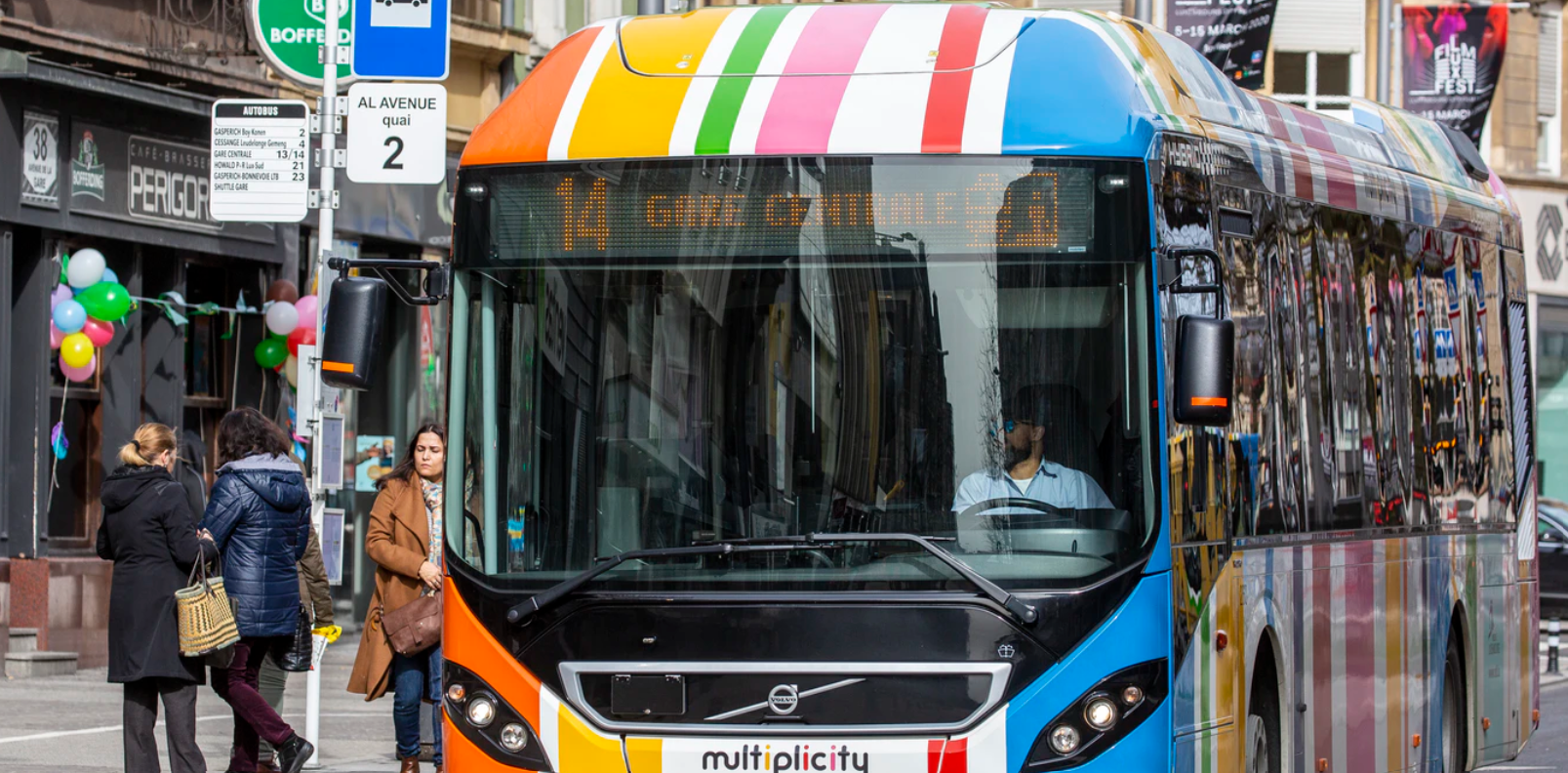
Bus travel is now free for all passengers throughout Luxembourg. EPA-EFE/JULIEN WARNAND

Would You Ditch Your Car if Public Transport Was Free? Here’s What Researchers Have Found

March 19, 2020

Luxembourg recently became the first country in the world to make all public transport free. As of March 1 2020, all buses, trains and trams throughout the country can be boarded without paying a fare – the largest area to institute free public transport for both residents and tourists so far.

Free public transport, however, isn’t a new idea. Cities and towns have been experimenting with it since 1960 – Luxembourg merely clinches the title of the first country to roll it out nationwide. Today, at least 98 cities and towns around the world have some form of free public transport. In some areas, only residents can use it, or certain groups, such as senior citizens.

It’s often introduced to encourage people to use their cars less – reducing congestion in cities and lowering air pollution and carbon emissions.

But does it work?

Luxembourg is the first country in the world to abolish public transport fares nationwide. EPA-EFE/JULIEN WARNAND

No ticket to ride

Economists tend to argue that free public transport is irrational and uneconomical because it generates “useless mobility”. This means that people will choose to move more simply because it’s free, increasing the costs of transport operators and subsidies for local authorities, while ultimately increasing emissions from public transport.

Perhaps it’s no surprise that introducing free public transport increases the number of people using it. Strong passenger growth has been reported everywhere free public transport has been introduced, and the effects are more evident after several years.

Research has also found that when fares are removed, only a small number of people who previously travelled by car make the switch. New passengers attracted by it tend to be pedestrians and cyclists rather than car drivers. The picture from most cities where free public transport has been introduced is that the increased passenger numbers overwhelmingly come from people who might have walked, cycled or not travelled otherwise.

Three years after fares were abolished in Estonia’s capital, Tallinn, the number of bus passengers increased from 55% to 63%, while car journeys decreased only slightly (from 31% to 28%), together with walking (from 12% to 7%). Cycling (1%) and others (1%) remained the same.

Reducing congestion and air pollution requires fewer cars. Kichigin/Shutterstock

Experts from the Cosmopolis Centre in Brussels agree that the effects of free public transport on car traffic levels are marginal, arguing that by itself free public transport cannot significantly reduce car use and traffic, or improve air quality.

So what can? Well, the researchers found that the behaviour of motorists and the transport mode they choose depends very little on public transport fares. Rather than relying on free public transport to engineer the shift, a more effective way to reduce the number of people choosing to drive could be regulating car use.

Increasing the cost of parking, congestion charging, or increasing fuel taxes could all be combined with free fares to lower car demand.

How successful fare abolition is at tempting people to use buses and trams depends on the quality of the service. Cleaner and more reliable public transport must be a prerequisite for these schemes if buses and trams are to compete with the car, and making it part of a wider investment plan could have a big impact on the sustainability of transport.

Fare abolition can help to make public transport visible as a valid alternative to the car in cities where many residents might have forgotten about it over time, due to chronic underinvestment.

Free public transport may not be effective for making transport sustainable on its own, but it can have plenty of other benefits that make it worthwhile. It can be a progressive social policy, guaranteeing and improving access to public transport for diverse groups that might otherwise struggle to get around.

Enrica Papa is a Senior Lecturer in Transport Planning, University of Westminster

THIS ARTICLE WAS ORIGINALLY PUBLISHED ON THE CONVERSATION

Tags transportation, public transportation, urban living, electric cars, buses, cars, CheckOut, International Affairs
Comment

Greek police clash with migrants at the border with Turkey in Kastanies. Dimitris Tosidis/EPA

Tensions Mount at Greek border with Turkey Amid Contested History of Migration in the Aegean

March 19, 2020

The ongoing refugee and migrant crisis in the Aegean has taken a dramatic turn in recent days with an escalating humanitarian situation on the land and sea borders between Greece and Turkey.

After Turkey removed its border restrictions with Greece on February 29, thousands of people began to make their way across the country to the Greek border. They have been met with tear gas, and warning shots fired by the Greek coastguard at boats trying to cross the Aegean sea.

The latest “crisis” started suddenly – yet migration in the region has been going on for many years, if not millennia. As an ancient route of cultural and trade interchange, the Aegean has always been a sea of overlapping waves of migrations – and the rich history of this criss-crossing is ever-present in the region today.

My ongoing research in the Greek islands and mainland suggests the living memory of previous experiences of displacement forms a vivid background to the current arrival of refugees, who have been coming since the Syrian civil war intensified in around 2015.

On February 29, Turkey woke up to the news that at least 30 of its soldiers had been killed in an air attack at an army base in Idlib in northern Syria. Turkish political leaders responded by promising to retaliate in what is another escalation of the military conflict in the region.

But the Turkish president, Recep Tayyip Erdoğan, also made good on a previous threat and declared that no migrant attempting to leave the country via the border with Greece would be stopped. This was a major shift in policy since the signing of a 2016 deal between Turkey and the EU, under which Erdoğan agreed to regulate and reduce the migrant flows to Europe in exchange for financial support.

In a matter of two days, tens of thousands gathered at the main checkpoints at the land and sea borders, only to find that the Greek side was closed. In response, the government announced that Greece would not accept any more irregular migrants, nor would it process any asylum applications for a month.

Despite criticism from humanitarian agencies and European parliamentarians over the legality and legitimacy of such measures, the Greek government stood firm. On March 3, the EU Commission’s president, Ursula von der Leyen, travelled to the border city of Evros and thanked Greece “for being our European aspida.” By using the Greek word for shield, and reiterating that the Greek borders were European borders, she gave the Greek prime minister a strong message of unity and support.

Shocking footage released by Turkey today showing Greek coastguard terrorising a boat full of refugees. Europe in 2020. pic.twitter.com/yFz7wvxadO

— Loveday Morris (@LovedayM) March 2, 2020

Half open, half closed

Those who wish to believe that a half-closed border is still half open continue to wait for their ever-slimmer chances to enter Greece. Thousands of people are spending days and nights in near freezing temperatures in the buffer zone between the two borders with only limited humanitarian assistance provided by locals and NGOs.

In the Aegean islands, the situation is even thornier. As of January 31, 2020, there were 115,600 refugees and migrants in Greece, according to the UNHCR. So far, there have been 8,432 arrivals in 2020. While the numbers are not at the levels they were in 2015, when Greece was caught off guard in the initial phases of refugee flows, it’s not the quantity of the migrants but the changes in the quality of their reception that matters.

In the past five years, the irregular flow of refugees arriving in Greek shores with dinghies has continued with some fluctuations. Greece established five migrant hotspots in its Aegean islands, yet these have not addressed the needs of those arriving. With multiple accounts documenting the appalling conditions in various refugee camps, especially at the Moria camp on the island of Lesvos, this has led to criticism of Greece’s ability or willingness to deal with the migration issue.

The new government of Kyriakos Mitsotakis, the Greek prime minister, vowed to take drastic measures and passed a new migration law in November 2019 which came into effect in January. This was followed by a plan to build closed reception centers in the islands of Chios, Samos and Lesvos which would replace the current open camp structures of the hotspots.

New asylum seekers, arriving on the island of Lesvos, waiting to be transferred to mainland Greece on March 3. Orestis Panagiotou/EPA

These measures have been presented as effective solutions to accelerate the asylum procedures and to “decongest the islands”. But they have been met with anger by locals, who protested extensively against the central government’s decisions, leading to a general strike on February 25.

The rising tension has heightened the ideological polarisation among the locals on the Aegean islands. Anti-migrant protesters, alongside far-right extremists, have demonstrated that they are prepared to use violent means to protect their borders. In early March, some angry protesters tried to block refugee boats from arriving into harbours and block roads. Cars and buildings have been burnt and journalists attacked.

The opposing camp condemns the use of refugees as bargaining chips for political ends. They are appealing to concepts such as hospitality, civilisation and humanity to underline their stance in solidarity with the migrants, using slogans such as “open the borders” and “no human is illegal”.

Evoking history

Both anti-migrant groups and those in solidarity with migrants are using the region’s history to promote their own ideological positions.

Those in solidarity claim that migration is not a crime, but rather an element of the human condition that has occurred repeatedly throughout the region’s history. They recall how during the second world war, thousands of Greeks crossed the Turkish border to escape the German occupation and seek refuge in the Middle East.

The Aegean islands were also where boats filled with Greek Orthodox residents of Asia Minor came in the wake of the Convention of the Forced Exchange of Populations of 1923 between Greece and Turkey, signed after the first world war. Following the arrival of more than 1.5 million people in Greece, the population of the islands almost doubled to the extent that many locals still have family members from among the group originally and still known as the “Asia Minor refugees”.

The ongoing tensions in the region have once again made it into a place where complex negotiations take place over ideology and identity. The shifting way the past is being imagined stands as a testimony to how the history of overlapping migrations is currently being kept alive in the Aegean.


Ilay Romain Ors is a Research Affiliate, Centre of Migration, Policy, and Society, University of Oxford.

THIS ARTICLE WAS ORIGINALLY PUBLISHED ON THE CONVERSATION

In News and Social Action, Human Rights Tags Syria, Migrants, Turkey, Greece, immigration, Refugees
Comment

Curves of Iran

March 19, 2020

“Curves are everywhere in Eastern culture: our writing, our architecture, our instruments, the way we dance; even the tone of our language is curved. The West was built on angles. The East was built on curves.”

Tags Iran, architecture, Middle East, music, dance, language, CheckOut, Arts and Culture
Comment

Aluminum vs. Plastic: Which is Better?

March 19, 2020

Recycled aluminum is coming for your water and your iPad. From laptops to water bottles, aluminum is being touted as an eco-friendly answer to the global crisis in plastic waste. But is aluminum really the cure-all that some claim it is?

Tags eco-friendly, plastic, aluminum, global crisis, recycle, CheckOut
Comment

Eric Drake holds a sign for passengers as the Grand Princess cruise ship docks at the Port of Oakland in Oakland, California, on March 9, 2020. More than 3,000 passengers are stuck at sea after at least 21 people tested positive for the COVID-19 on-board. Photo by Josh Edelson/AFP/Getty Images

Facing COVID-19 With Community Instead of Fear

March 17, 2020

As the coronavirus spreads anxiety and panic across the globe, people are finding ways to share information and support each other.

Citing the “collective solidarity” of friends and family in China and Hong Kong who have been affected by the coronavirus, a Seattle group has formed an online community to coordinate resources and provide support to those most vulnerable to the infection.

It’s called Covid19mutualaid, an Instagram account where “regular folks, especially folks of color, immigrants, people with disabilities…” can share information and find community.

“There has been a lot of collective storytelling in China and Hong Kong, and the people have gotten creative in how to support and protect each other,” one of the group’s organizers says, declining to give a name because, they said, the effort is collective, not individual. “Our hope is to share resources and strategies to protect each other and keep each other safe.”

we'd love your support! get creative! what can you do to keep yourself and your communities safe? Seattle/King County/Washington folks let's get organized!!!! . #covid19mutualaid #covid19outbreak #mutualaid #mutualaidnetwork #wekeepussafe #covid19mutualaid

265 Likes, 2 Comments - COVID-19 Mutual Aid (@covid19mutualaid) on Instagram: "we'd love your support! get creative! what can you do to keep yourself and your communities safe?..."

It’s a rare sentiment amid escalating panic and fear, but one that could gain traction as COVID-19, the potentially deadly disease derived from the virus, continues its rapid global spread.

More than 111,000 coronavirus cases have been reported worldwide, as the U.S. announced its 28th death. Across the globe and here in the U.S., big public events are being canceled, schools and universities are closing, financial markets are in free-fall and companies are urging their employees to work from home.

Meanwhile, incidents of ageism and ableism are on the rise and fear-fueled hysteria is driving an increase in prejudice, xenophobic violence and racism against Chinese people and others of Asian descent, particularly in the West.

In an Instagram video, author, poet, and social justice activist Sonya Renee Taylor, who founded The Body Is Not An Apology movement, urged her 37,000 followers to “banish the binary” so that their thinking around this public health crisis is more nuanced.

If you’re not one of those people panicked by the outbreak, Taylor says, be sensitive to those who are, recognizing that individual health and personal circumstances are different for each person.

“There’s a way in which fear can be one of two things—the great divider or the great gatherer,” Taylor says. “What is the most compassionate, most community-building, the most loving thing right now when everyone is afraid? I think we have an opportunity where we can be great gatherers.”

Sonya Renee Taylor on Instagram: "A tbinaa community member asked us what to do about coworkers joking about Coronavirus 'hysteria' and how invisible they felt as a person..."

1,178 Likes, 87 Comments - Sonya Renee Taylor (@sonyareneetaylor) on Instagram: "A tbinaa community member asked us what to do about coworkers joking about Coronavirus 'hysteria'..."

Every day, stories are emerging about people who, in the face of uncertainty, are doing just that.

The New York Times, for example, wrote about two men who contracted the virus on a Diamond Princess cruise in Japan, stayed in touch through text messages, and are now making vacation plans.

A video showing a group of doctors and other care providers in Iran dancing as a way of keeping spirits high has generated heartwarming reactions from around the world. Iran is coping with one of the world’s highest COVID-19 mortality rates as its economy and health care system struggle under crushing US sanctions.

“Look how they lift the spirit of patients by dancing,” one person commented on Twitter.

Another wrote: “Dancing is great for the immune system and a great stress reliever. I’m sure they are under a lot of stress!”

And, “This gives me hope for the world.”

Loving the videos of heroic Iranian medical staff battling coronavirus & dancing through it all to lift spirit of patients! Because we dance:) https://t.co/BEoSvhtraN

— Farnaz Fassihi (@farnazfassihi) March 4, 2020

An Instagram post from a “medically vulnerable/chronically ill person in Seattle” offered a helpful guide for taking care of friends affected during the outbreak.

It includes tips such as offering judgment-free assistance to do specific tasks such as delivering groceries, housecleaning, helping care for children or pets; refraining from purchasing items that sick or disabled people need to survive when they are in short supply; and checking in on isolated friends by calling, texting, etc.

The outbreak, meanwhile, is forcing employers to reexamine sick-leave policies so that employees don’t feel compelled to show up to work sick because they can’t afford to miss a paycheck.

The organizers of covid19mutualaid, who include public health professionals, say their work is geared toward supporting just such individuals. It was modeled after other communities created by family and friends in China and Hong Kong, who share stories about illness, stigma, and navigating the quarantine.

“The dilemma that workers face having to choose between health and economic survival is similar there and here,” the Seattle group says. “The collective solidarity folks there have expressed in the midst of panic and epidemic has been inspiring.”

notes from the bed of a medically vulnerable / chronically ill human living at the epicenter of the US COVID-19 outbreak. Take care of yourselves and your loved ones as always, friends. Hope this helps someone.

19.1k Likes, 154 Comments - c a r o l i n e (@mybodyofwater) on Instagram: "notes from the bed of a medically vulnerable / chronically ill human living at the epicenter of the..."

Before the outbreak in Seattle, they say, they had conducted fundraisers and sent care packages to Asia, some of it with the help of PARISOL, or Pacific Rim Solidarity Network, an anti-capitalist Chinese/Chinese-diaspora organization focused on revolutionary international solidarity.

This latest, broader online effort is more grassroots. They are calling for no new prison, jail, and detention center bookings statewide; that major employers pay a work-from-home, quarantine wage; for the creation of neighborhood stations with free testing and food supplies, and that property developers with empty apartments give free housing until the crisis is over.

They urge people to hold their government to account, citing an inadequate response on the local and federal levels to a crisis that is hitting marginalized communities hardest. “It’s great to keep washing our hands, but we don’t want an individualized solution that targets only individual behavior change for what is a structural problem,” they say.

Recommendations to work from home, for example, target people who hold desk jobs that can be done remotely, leaving those who lack that option—those employed in food, health care, and service jobs—vulnerable. They created a letter template that those who feel unsafe in their jobs can adapt and present to employers.

Government recommendations “don’t begin to serve folks in our community who live with chronic illness or other factors that put them at risk for coronavirus being hard-hitting, whether that’s health-wise or financially,” they say.

Meanwhile, the state of health care in prisons and jails leaves populations there completely unprotected, without options to self-quarantine, they say. “What happens if there’s an outbreak at the Northwest Detention Center in Tacoma, where a lot of detained people are already suffering immensely from medical neglect?

“We are planning out some actual events to do mutual aid and solidarity work involving loved ones who are incarcerated. They are the most vulnerable.”

Lornet Turnbull is an associate editor for YES!, a Seattle-based freelance writer, and a regional freelance writer for The Washington Post.

THIS ARTICLE WAS ORIGINALLY PUBLISHED ON YES! MAGAZINE

Tags COVID-19, coronavirus, community, mutual aide, ageism, prejudice, The Body is Not an Apology, CheckOut
Comment

A Muslim man prepares for prayer by doing a ritual washing. mustafagull/Getty Images

What Islamic Hygienic Practices Can Teach When Coronavirus is Spreading

March 17, 2020

As outbreaks of the coronavirus spread throughout the world, people are reminded over and again to limit physical contact, wash hands and avoid touching their face. The recent Netflix docuseries “Pandemic: How to Prevent an Outbreak” illustrates how the Islamic ritual washing, known as “wudu,” may help spread a good hygiene message.

The series focuses on Syra Madad, a Muslim public health specialist in a New York hospital, who takes a break to say her prayers at the Islamic Center of New York University. Before entering the prayer room, Madad stops to perform wudu, and washes her mouth and face as well as her feet.

Islamic law requires Muslims to ritually purify their body before praying. As a scholar of Islamic studies who researches ritual practices among Muslims, I have found that these practices contain both spiritual and physical benefits.

Ritual purity

The Prophet Muhammad left detailed guidance for Muslims on how to live their lives, including how to pray, fast and stay ritually pure. This guidance is available in collections called the Hadith.

According to Islamic law, there are minor and major impurities. Minor impurities involve urinating, defecating and sleeping, among other practices. A person of Muslim faith is supposed to perform a ritual washing of their bodies before praying to get rid of these minor impurities.

Wudu is to be performed, as was done by the Prophet Muhammad, in a specific order before praying, which takes place five times a day. Before each prayer, Muslims are expected to wash themselves in a certain order – first hands, then mouth, nose, face, hair and ears, and finally their ankles and feet.

While washing with water is required when it is available, if a person has limited access to water, then a Muslim is permitted to symbolically “cleanse” their hands and face with dust or sometimes sand or other natural materials.

A Quranic verse says: “And if you are ill or on a journey or one of you comes from the place of relieving himself or you have contacted women and find no water, then seek clean earth and wipe over your faces and your hands [with it]. Indeed, God is ever Pardoning and Forgiving.”

A hadith from the prophet also describes the Earth as a purifying agent if there is a scarcity of water for washing.

Major impurity is defined in Islamic texts as occurring after sexual activity or when a woman completes her menstrual cycle. A Muslim woman should not pray during her menstrual cycle. To purify oneself after such an impurity, a Muslim is required to take a shower, called “ghusl.” A person needs to wash their entire body, from head to toe, including their hair.

Spiritual actions

Preparing for prayer by washing one’s body using water can be a deeply spiritual act for Muslims. Islamic studies scholar Paul Powers argues it isn’t “empty ritualism,” but an embodied practice that helps the individual center on an inner religiosity.

Similarly, another Islamic studies scholar, Marion Katz, explains in her 2002 book “Body of Text” that the importance of wudu lies in its symbolic cleansing. It does not always cleanse the parts of the body that are “physically involved in the pollution act.”

Ritual purity is different from hygienic practices, although Islam also emphasizes good hygiene. Muslims take care to wash often, including using water after going to the bathroom.

Aligning with public health guidelines

In view of the coronavirus risk, Muslim leaders around the world, including in the U.S., have aligned their religious opinions with public health experts.

Muslim institutions have begun to recommend that people make sure to wash their hands for 20 seconds with soap before doing wudu. Emphasizing that wudu alone cannot prevent the virus from spreading, other Islamic institutions recommend that mosques supply extra soap and hand sanitizer near the washing area.

They have issued rulings to cancel Friday prayers, urged Muslims to wash their hands with soap regularly, refrain from touching their face and practice social distancing.

While people have cleared local store shelves of hand sanitizers, wipes, cleaning supplies, gloves and masks, basic hygiene practices remain the best way to prevent the spread of the coronavirus and other viruses.

At this time, Islamic practices that emphasize purity of body could help reiterate the importance of hygienic practices along with the use of soap or hand sanitizer, to reduce one’s vulnerability to the virus.

Rose S. Aslan is the Assistant Professor of Religion, California Lutheran University

THIS ARTICLE WAS ORIGINALLY PUBLISHED ON THE CONVERSATION

Tags COVID
Comment

Christopher Jue/EPA

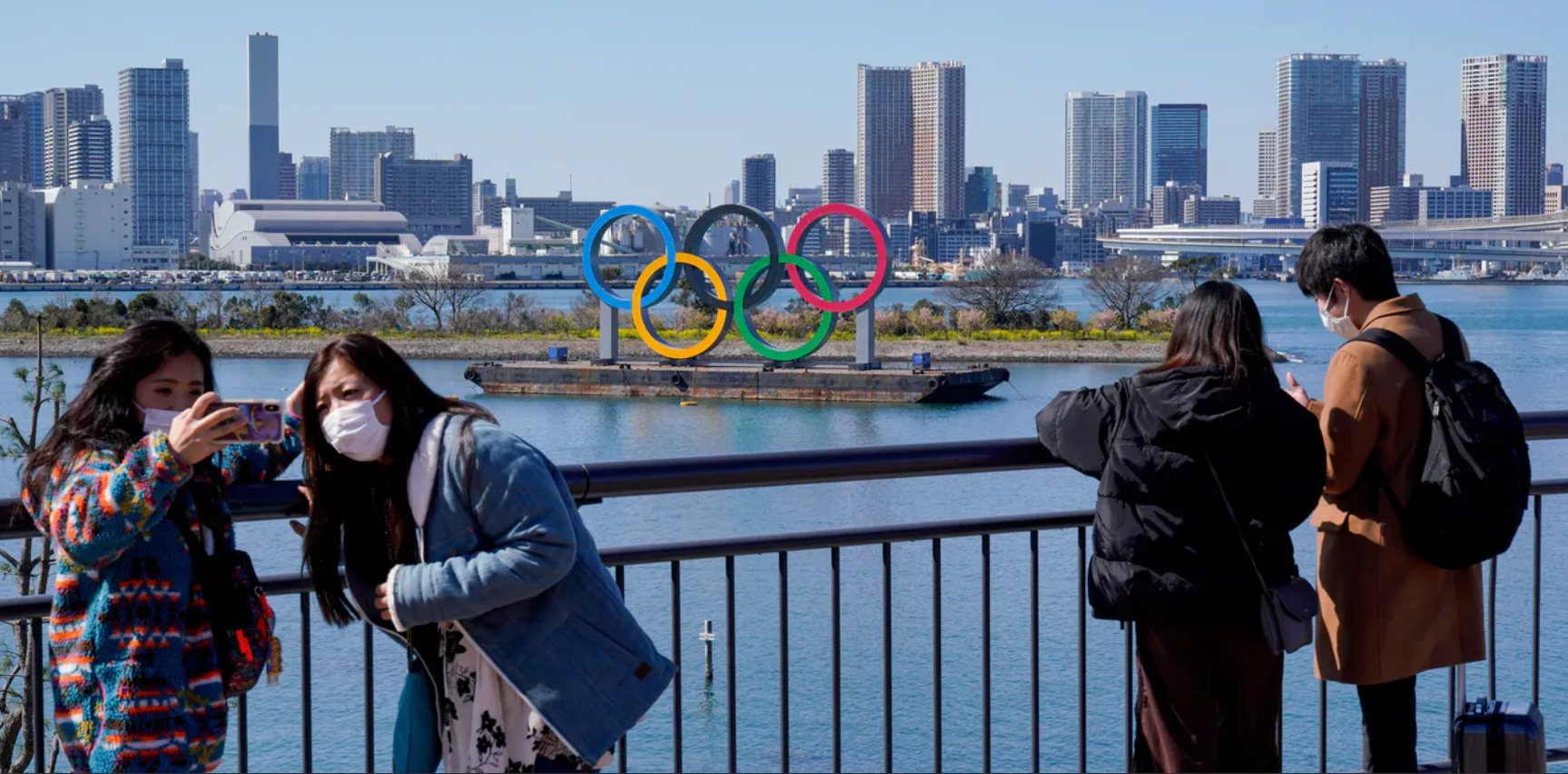
Tokyo Olympics: How Coronavirus is Hitting Preparations

March 17, 2020

The World Health Organization’s decision to officially recognise the coronavirus outbreak as a global pandemic means organisers are facing difficult decisions on whether to go ahead with major sporting events. There were more than 124,000 cases of COVID-19, the disease caused by the novel coronavirus, in 118 countries, and more than 4,600 documented deaths by March 12. This is a problem for sports events around the world – not least the Olympic Games, scheduled to start in Tokyo at the end of July.

According to the Centers for Disease Control and Prevention (CDC), the main approach to prevent the spread of coronavirus is social distancing and practising proper hand hygiene. In late February, the CDC issued a Level 2 travel health notice advising travellers to take enhanced precautions when visiting Japan. The country is currently activating preparedness and prevention plans to block further transmission of the virus ahead of the Olympics.

Japan’s current methods of prevention include closing schools, cancelling events, quarantining international travellers, and banning certain travellers from public transport. Its efforts have so far prevented the number of people infected with COVID-19 from rising significantly. But these methods don’t seem transferable nor feasible for managing the influx of spectators, athletes, media and staff for the games should the current number of cases and transmission rates worldwide be maintained until July.

Events cancelled and postponed

Some qualification events for the Olympics have been cancelled because of the outbreak. World Taekwondo moved its Asian qualifier from the Chinese city of Wuxi to Amman, Jordan. The sport’s European qualification tournament, scheduled in Milan in the heart of Italy’s infected zone, was moved to Moscow.

The cancellation of several other sporting tournaments is preventing changes to the world rankings of athletes, which determines who qualifies to compete at the Olympics. Athletes needing additional competitions to improve their ranking in order to qualify for the Olympics might miss out on the games.

The International Shooting Sport Federation asked to extend the Olympic qualification process until early July – leaving some athletes unsure if they will compete at the Olympics until just three weeks before the games begin. The test event for the wheelchair rugby tournament at the Tokyo Paralympics was also cancelled.

Tokyo staff replace athletes during test events for the Olympics at the Aomi Urban Sports Park in early March. Christopher Jue/EPA

Event cancellations and travel restrictions may also result in fewer anti-doping tests of athletes leading up to the Olympics as testers may be prevented from travelling. The World Anti-Doping Agency is monitoring the situation, but the fear in this unprecedented situation is that some athletes could use gaps in testing to use illegal substances and then test positive for doping in Tokyo.

Options for Tokyo

If the Olympic Games in Tokyo go ahead as planned, a few scenarios could play out. One approach would be to allow athletes to compete, but without the support of spectators. The goal here would be to reduce the likelihood that someone in the crowd would transmit the disease to thousands of others. This has already happened at some football matches in Italy, a women’s golf tournament in Asia and was being explored by the NBA until it opted to suspend its season instead.

As a precautionary measure leading up to the Olympics, the torch lighting ceremony on March 12 will proceed without spectators. This may be an early sign that event organisers are exploring the wider use of this tactic.

Another approach could be to replicate the actions of African nations during the two most recent outbreaks of Ebola virus disease when athletes and fans were subjected to health screening before entering football stadiums. This process would allow the games to continue with reduced – but not eliminated – risks.

Treat it like the flu

A third possibility is to simply treat the novel coronavirus like the flu – which for sporting events, means doing nothing out of the ordinary. The Super Bowl attracts thousands of sports fans to the host city every February, which coincides with flu season. The flu virus goes through cycles in which certain strains have been particularly deadly at different historical moments. Even with deadly flu strains circulating, there have never been calls to cancel the Super Bowl. Still, Americans have a blasé attitude towards the flu, and the Super Bowl only involves spectators from one nation – unlike the global spectators who attend the Olympic Games.

On March 3, the International Olympic Committee (IOC) announced its commitment to hold the games during the planned dates in summer 2020. However, Japan’s Olympic minister stated the country’s contract with the IOC only states the year 2020 – meaning there could be a possibility of postponing the games.

Postponement would provide time to develop preparedness and prevention plans. But it would cause significant disruption to sponsors, television broadcasters, hotels, the Paralympic Games, and the post-Olympic timetable for transforming Tokyo’s Olympic Village into private accommodation.

Both athletes and spectators must wait to see if the spread of the virus slows and the Olympics proceed as planned, or whether the world’s biggest sporting event will, for the first time in its history, be postponed.

Kari Brossard Stoos is the Associate Professor, Department of Health Promotion and Physical Education Faculty, Ithaca College

Heather Dichter is the Associate Professor, Leicester Castle Business School, De Montfort University

THIS ARTICLE WAS ORIGINALLY PUBLISHED ON THE CONVERSTAION

Tags coronavirus, Olympics, COVID-19, CheckOut, Sports, Japan, Tokyo
Comment

Thailand: One Night in Bangkok

March 10, 2020

Nathaniel Connella shares the incredible diversity a traveler can experience with just one night in Bangkok, Thailand .

Tags Thailand, nightlife, Bangkok, diversity, Asia, CheckOut, Global Cuisine, Travel
Comment

Exploring California's Montana de Oro State Park

March 10, 2020

With its rugged cliffs, secluded sandy beaches, coastal plains, streams, canyons, and hills (including 1,347-foot Valencia Peak!), naturalists and backpackers can experience the solitude and freedom found along Montana de Oro’s trails in California.

Tags California, hiking, coastal livelihood, backpacking, Montana de Oro, CheckOut, Travel
Comment

‘AILA’AU's Volcano: The Forest Eater

March 9, 2020

On April 30th, 2018, Hawaii’s Puʻu ʻŌʻō crater collapsed after erupting for 35 years.

In News and Social Action, Video, Global Health & Crisis, North America, USA Tags Hawaii, North America, Disaster Relief, Travel, USA
Comment

Alberta

March 9, 2020

Discover world-class skiing, Canada’s biggest dark sky preserve and mysterious ancient badlands. Rolling foothills and stunning wildlife meets the big cities with a small town feel, with extraordinary hidden gems for all.

Tags Alberta, Canada, roadtrip, mountains, explore, Travel
Comment
← Newer Posts Older Posts →

Also check out...

Featured
Vietnam’s Floating Markets Are Disappearing
The Supernatural Role of Masks in Nigeria’s Yoruba Tribal Culture
Opening the World to Deaf Travelers with Lily Yu

Featured trips

Featured
Offer NGO Support While Visiting Quito
Experience Life as a Mongolian Nomad
Help Grow Organic Costa Rican Coffee

Sign up for the CATALYST newsletter

Sign up for our newsletter to get the scoop on international travel, global social impact insights, our latest podcast releases, and more from around the world, all delivered right to your inbox!

We respect your privacy.

Thank you!
Newsletter Sign Up | Advertise | Careers + Internships | Privacy Policy | Submissions | Contact Us

Copyright © 2025, MISSION MEDIA LLC. All rights reserved.