5 Famous Japanese Flowers and Their Cultural Significance

Japan is home to many incredible feats of nature, but arguably one of the most beautiful parts of Japan’s landscape is its flowers—many of which can only be found in Japan.
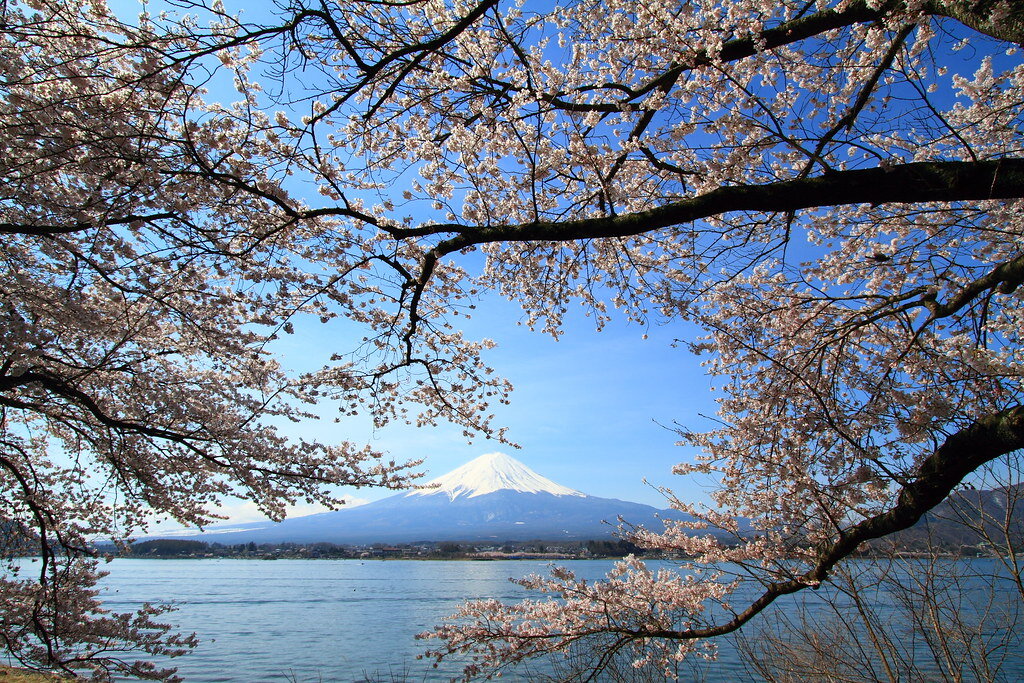
Sakura and Mt. Fuji. Skyseeker. CC BY 2.0.

Flowers are national symbols of Japan. They represent specific emotions or sentiments and are often given as gifts to express unspoken feelings. In Japan, flowers communicate emotions in place of words; the Japanese “say it with flowers.” The Japanese proverb, “Iwanu ga hana 言わぬが花,” literally translates as “not speaking is the flower.” It means that some things are better left unsaid. This language of flowers is called “Hanakotoba,” with each flower conveying a very specific meaning and sentiment in Japanese culture. This tradition stems from Japan’s strong ties to Buddhism, which teaches the value of appreciating the present moment and connecting with nature. Below are five famous and culturally important Japanese flowers.  
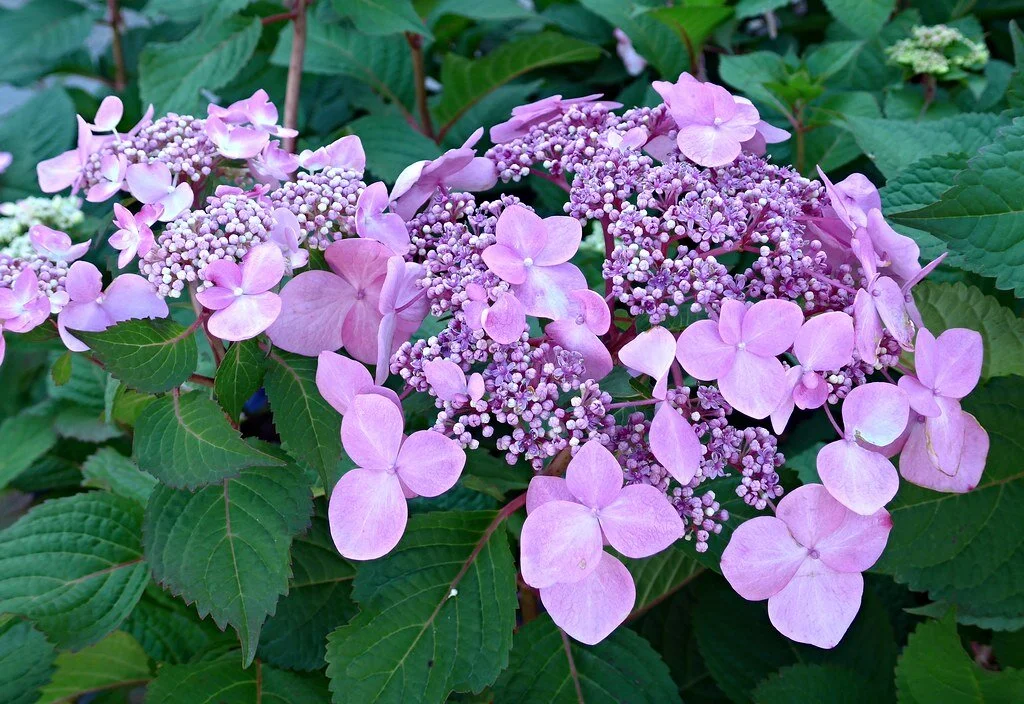
Lacecap Hydrangea. Ali Eminov. CC BY-NC 2.0.

1. Lacecap Hydrangea

Hydrangea macrophylla is a species of flower in the Hydrangeaceae family, native to Japan. There are many components to this plant, but they all come together to form one beautiful flower. The flowers are white and purple with four wide petals and small blue bulbs in the center—a feature of regular hydrangeas. In the middle of these flowers is a bunch of smaller blooms in shades of blue, purple and green. The flowers on the outside grow into large petals, while the bunch in the center remains as smaller flowers and buds. The Japanese name for this flower is Gaku, meaning “frame,” and representing the formation of the flower. In Hanakotoba, hydrangeas represent pride; this flower is gifted to someone the giver is proud of.
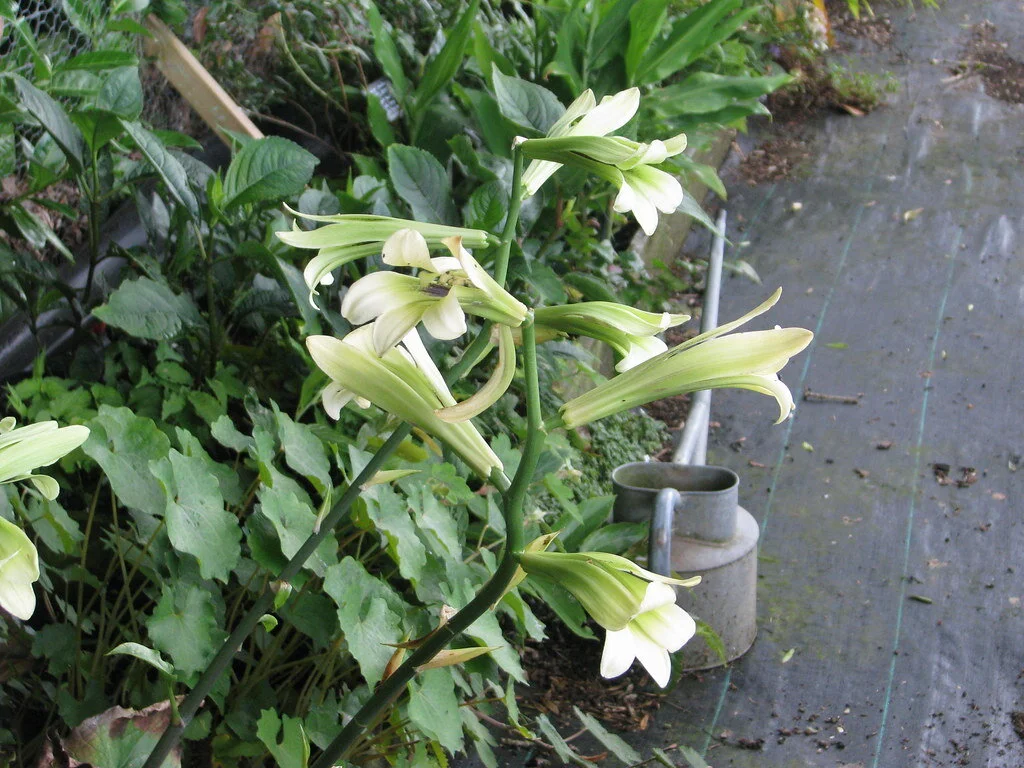
A red-veined cardiocrinum cordatum flower. Peganum. CC BY-SA 2.0.

2. Cardiocrinum cordatum

Cardiocrinum cordatum is a species of flowers in the lily family that is native to Japan and specific Russian islands. This flower resembles a lily, but its leaves are different in that they are shaped like a heart. The pale green flower blooms to the side, and is often used ornamentally due to its large, showy leaves. In Hanakotoba, white lilies represent purity and chastity.
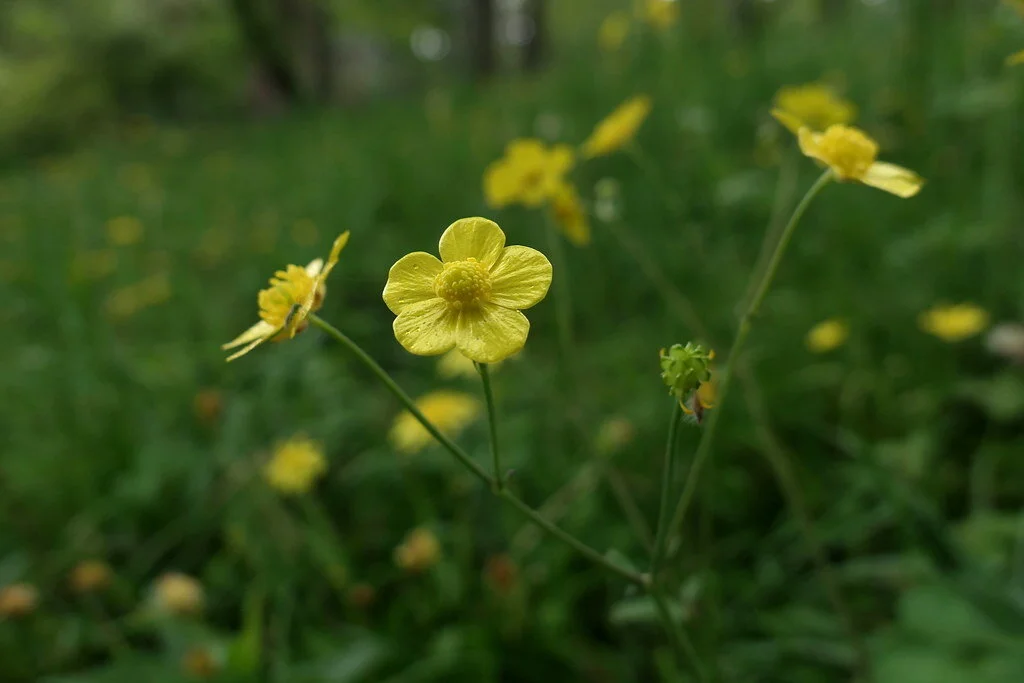
Ranunculus japonicus flowers. Greg Peterson. CC BY-NC-SA 2.0.

3. Ranunculus japonicus

Also known as the Japanese Buttercup, this flower is a perennial from the family Ranunculaceae and is of Chinese and Japanese origin. Mainly growing in mountains and fields from Hokkaido to Okinawa, the Japanese Buttercup is an abundant, wild grass. In terms of appearance, these flowers are a bright yellow, with five rounded petals and a ring of yellow fringe around the small green bulbs in the center. According to the Japanese meaning, its leaves resemble horse hoofprints in the grass. Although very small, these flowers are bright and bring happiness to those who see them.
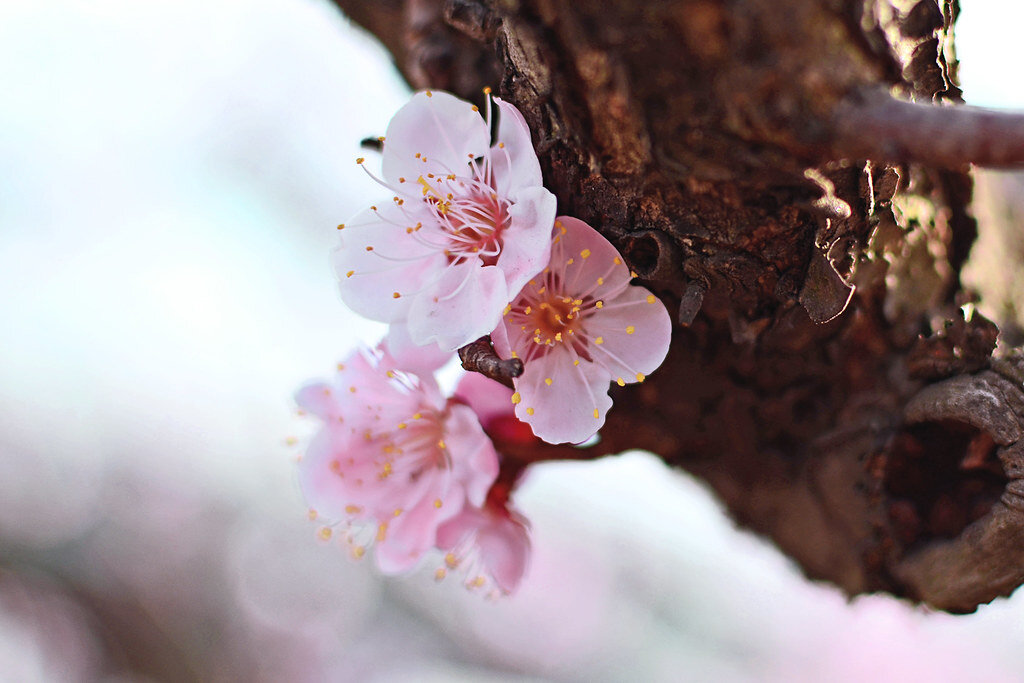
Japanese Apricot (Plum Blossom). Toshihiro Gamo. CC BY-NC-ND 2.0.

4. Prunus mume

Also known as Ume or Japanese apricot, these blossoms are from an East Asian and Southeast Asian tree species in the Armeniaca section of the genus Prunus (plums). They grow on the branches of the Japanese apricot tree and are incredibly fragrant with the smell of sweet honey. These flowers are also edible and make for stunning houseplants with their beautiful color and texture. The blossom’s buds are a dark pink, but they eventually bloom into a light pink when fully grown. In Japanese culture, this plant represents elegance, faithfulness and pure heart.
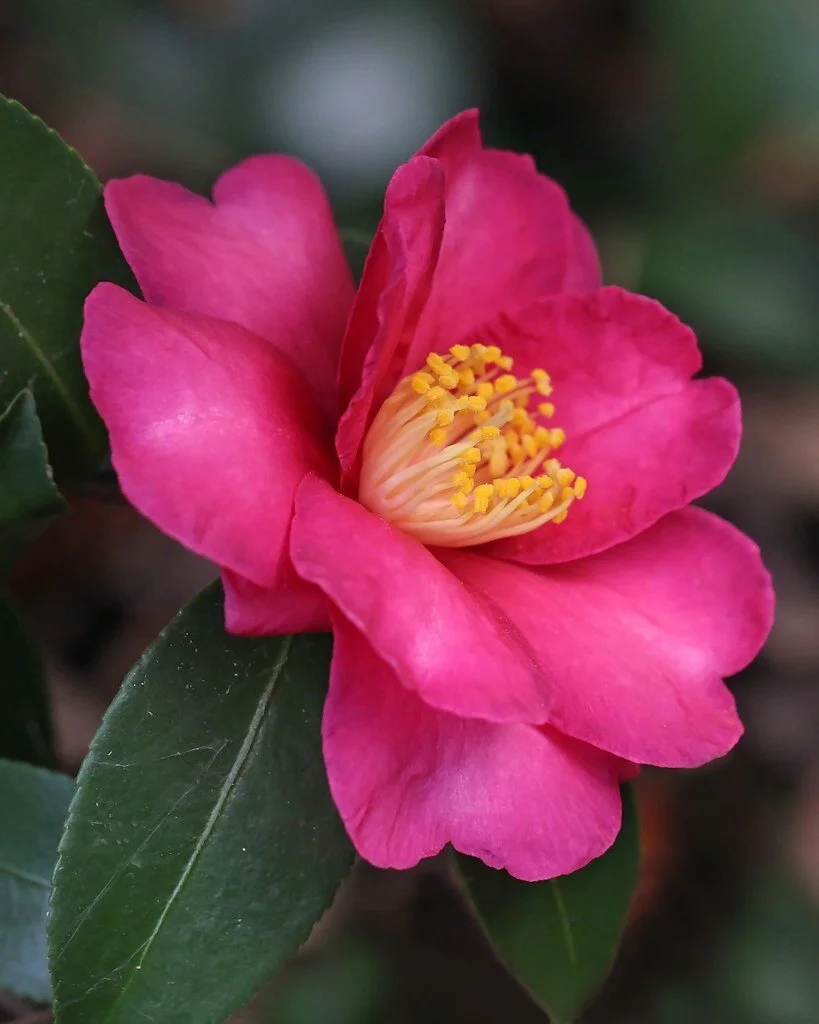
Camellia sasanqua, a November treat. Vicki DeLoach. CC BY-NC-ND 2.0.

5.  Camellia sasanqua

Sasanqua is a species of Camellia native to both China and Japan, although it mostly grows in southern Shikoku, Kyushu and farther islands such as Okinawa. These bright pink and red flowers wilt one petal at a time, blooming from the end of autumn into the winter. In Hanakotoba, these flowers signify being in love or perishing with grace. Symbolizing the union between two lovers in the Chinese meaning, the delicate camellia petals represent the woman while the green leaves on the stem represent the man who protects her. The two components join together, even after death.


Isabelle Durso

Isabelle is an undergraduate student at Boston University currently on campus in Boston. She is double majoring in Journalism and Film & Television, and she is interested in being a travel writer and writing human-interest stories around the world. Isabelle loves to explore and experience new cultures, and she hopes to share other people's stories through her writing. In the future, she intends to keep writing journalistic articles as well as creative screenplays.
10 Indigenous American Historical Sites to Visit

Ten million people lived in what is now the United States before Europeans arrived. These Indigenous Americans lived in complex cultures and completed amazing architectural feats that persevere to this day.

By the time European explorers arrived in the Americas, the Western Hemisphere was already home to more than 50 million people. Ten million of these people lived in what is now the United States. These Indigenous Americans developed intricate communities, religions and lifestyles, and made a lasting impact on American history and culture. Incredible sites built by Indigenous people can be found throughout the U.S. today, including cliff dwellings, multistory stone houses, earth lodges and effigies, and other stunning ruins. The history of Indigenous people is often overlooked or swept under the rug in favor of European colonists when looking at the larger context of American history, but preserved sites teach visitors about the complex cultures that came before Western settlers. These 10 sites showcase some of the impressive architectural triumphs of Indigenous people and pass on their histories. 
1. Knife River Indian Villages National Historic Site, North Dakota

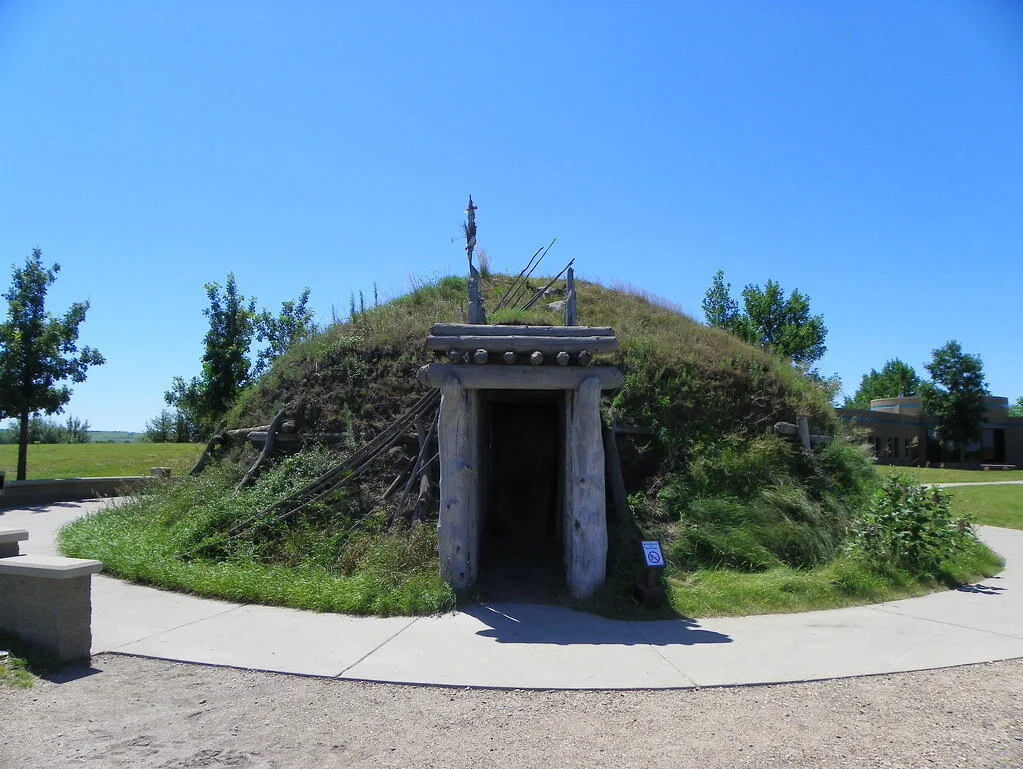
Located near Stanton, North Dakota, the Knife River Indian Villages National Historic Site preserves the history of the Knife River region. The Knife River region, an area in North Dakota centered around a tributary of the Missouri River, has been home to a number of people groups for around 11,000 years. Not much is known about the cultures that have inhabited the Knife River region because very few artifacts from the area remain, but early written records document the lives of the Hidatsa people. Like the Mississippian people, the Hidatsa resided in earth lodges. The Mandan and Arikara were also earth lodge residents who settled in the Knife River region, and all three groups pioneered agriculture in the area while still hunting and gathering. Villages were the center of earth lodge peoples’ lives, and the park features the remains of three large villages constructed by the Hidatsa: Awatixa Xi’e village, Hidatsa village and Awatixa village

2. Puu Loa Petroglyphs, Hawaii 

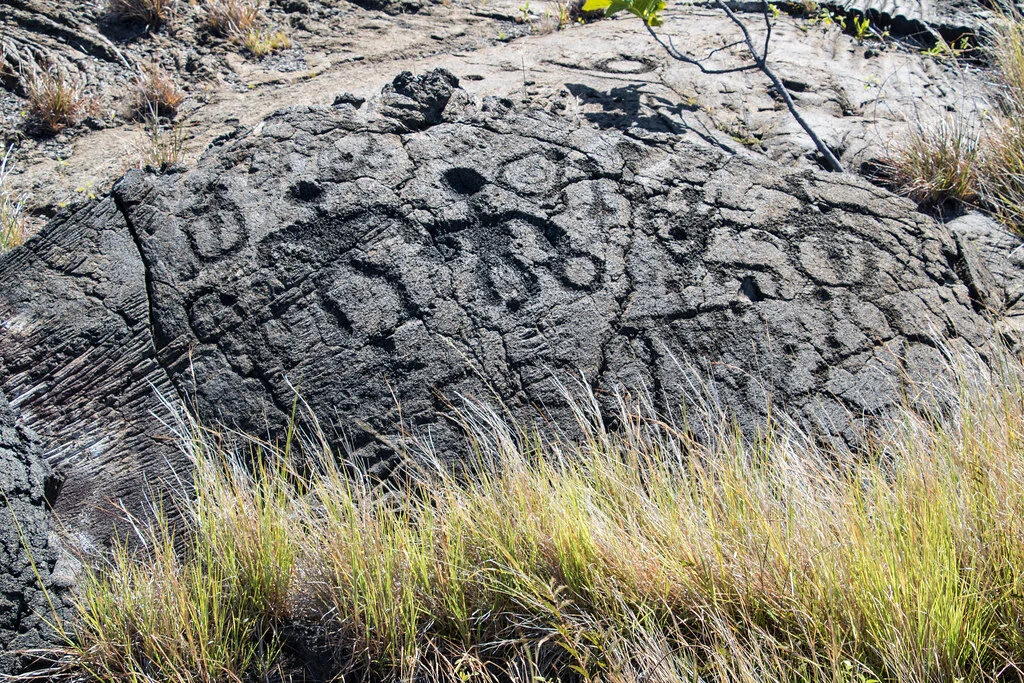
Hawaii Volcanoes National Park, on Hawaii’s Big Island, protects Mauna Loa and Kilauea, two of the world’s most active volcanoes. It is also home to the Puu Loa petroglyphs, stone etchings that document the lives and culture of the Native Hawaiian people. The petroglyphs are located in a lava field that is at least 500 years old, and the site has over 23,000 different petroglyphs. There are a variety of geometric designs, as well as depictions of people and tools, such as canoe sails. A number of the petroglyphs contain cupules, or holes where a portion of the umbilical cord was placed after the birth of a child in order to ensure long life. The first known written account of the petroglyphs is attributed to missionary Rev. William Ellis in 1823, but some petroglyphs likely date to the 1600s or even earlier. In addition to being used to ensure long life, some petroglyphs were used to record the movements of travelers on the island. Visitors to Hawaii Volcanoes National Park can take a 1.4-mile round trip day hike on a boardwalk to admire the petroglyphs up close. 

3. Mesa Verde National Park, Colorado

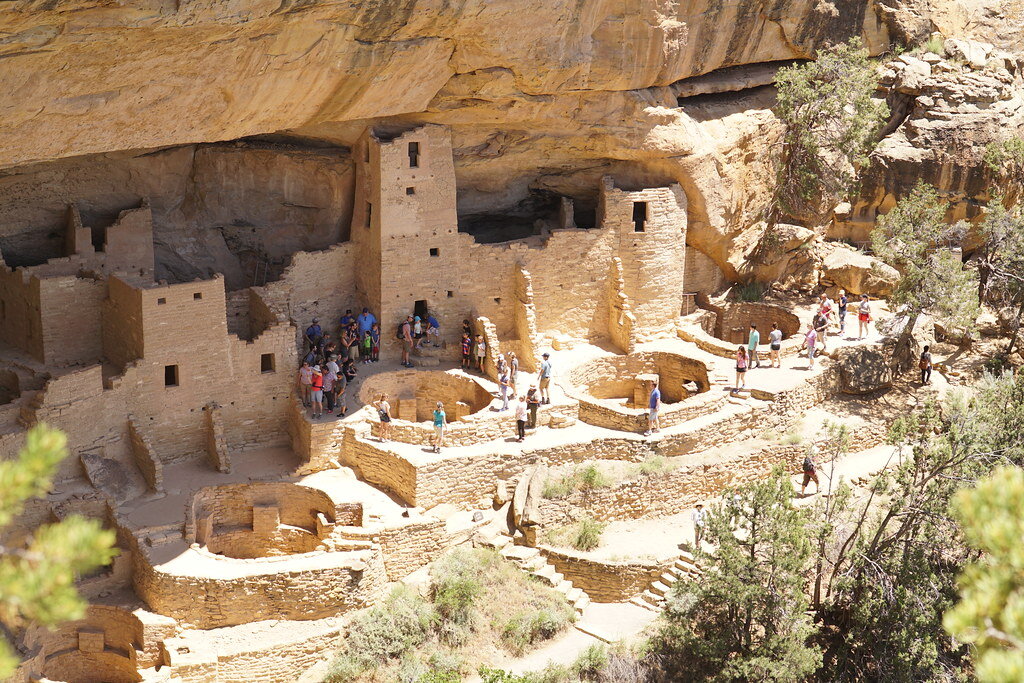
Probably one of the most well-known Indigenous sites in the United States, Mesa Verde National Park in Colorado preserves almost 5,000 historical sites of the ancestral Pueblo people, including 600 cliff dwellings. The ancestral Pueblo people lived at Mesa Verde for more than 700 years, from 550 to 1300 A.D. The first people settled at Mesa Verde in 550 A.D., turning from hunting and gathering to agriculture and building small villages of pithouses, sometimes sheltered in cliff alcoves. Around 750 A.D., these people began building houses above ground and became known as the Pueblo people, meaning “village dwellers.” The houses evolved from being made of poles and mud to being skillfully constructed from stone. Then, in 1200 A.D., for reasons that are unknown, the ancestral Pueblo began to move back into cliff alcoves and developed the cliff dwellings that make Mesa Verde famous. Mesa Verde’s cliff dwellings are truly incredible examples of Indigenous architecture, ranging from one- to 150-room houses. They are also some of the best-preserved cliff dwellings in North America, and visitors can tour some of the structures, like Balcony House and Cliff Palace

4. Effigy Mounds National Monument, Iowa

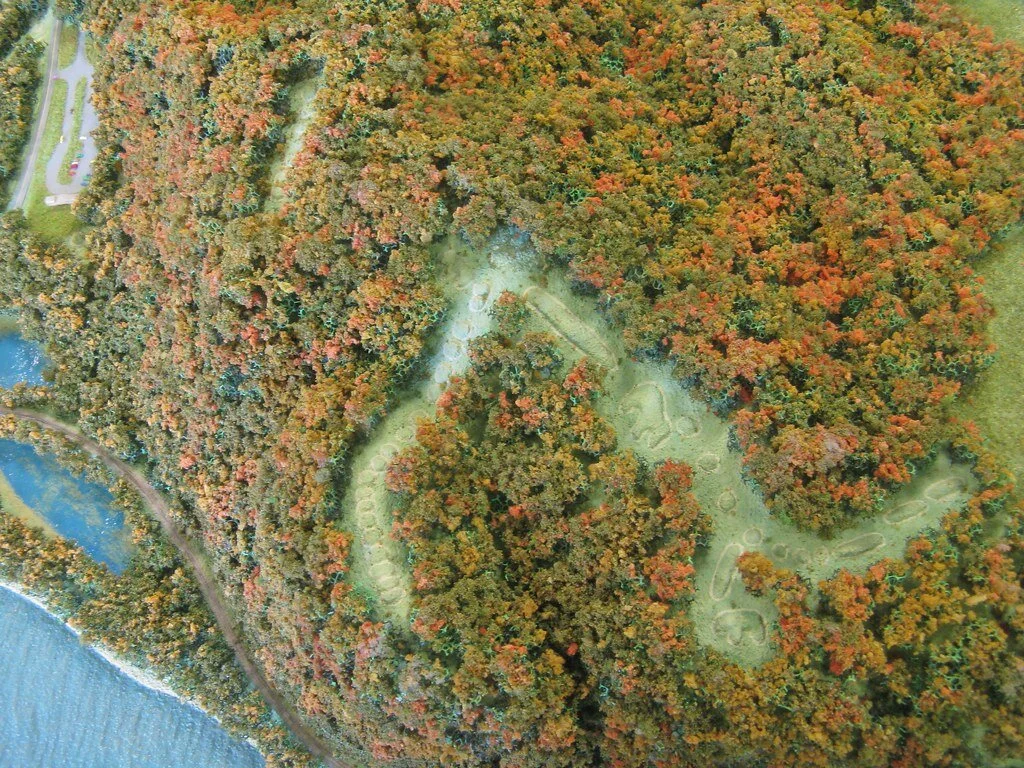
Ceremonial mounds created by Indigenous Americans can be found across the United States. Effigy Mounds National Monument preserves more than 200 distinct mounds built by people known as the Woodland Indians and gives visitors a glimpse directly into Woodland Indian culture. The mounds, found in northeastern Iowa, are unique because a large number of them are effigies in the shape of animals. Thirty-one of the mounds are bear or bird effigies. The Woodland culture consisted of hunter-gatherers who during the summer lived in large campsites along the Mississippi River, which they relied on for food and water. Archaeologists and researchers do not know precisely why the effigy mounds were built, but they guess that they may have been made for religious rituals or burial ceremonies. Guided tours are available throughout the summer at Effigy Mounds to teach visitors more about the area’s rich history, and there are also hiking trails around the site. 

5. Chumash Painted Cave State Historic Park, California

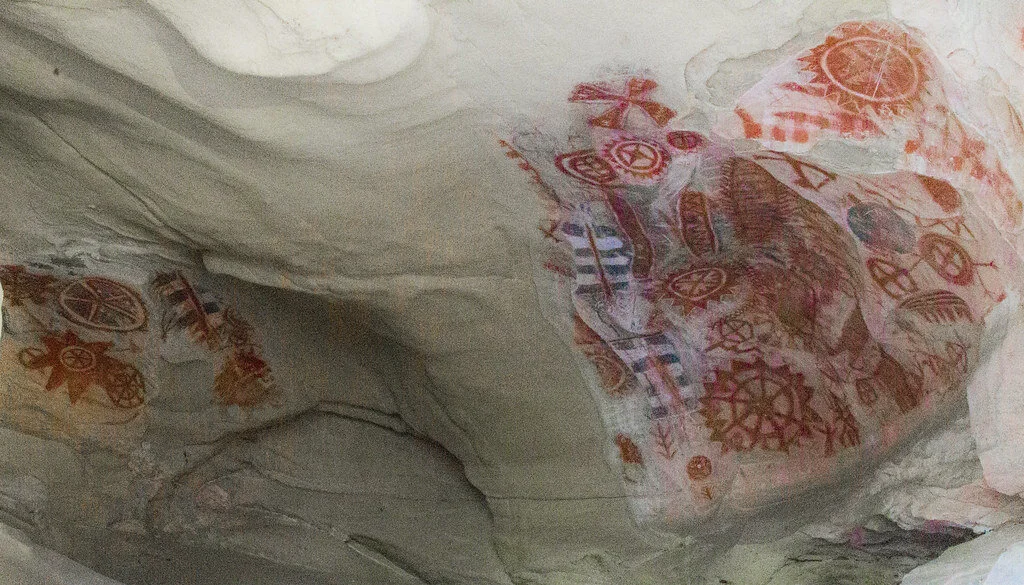
Just outside of Santa Barbara sits the Chumash Painted Cave, a room-sized sandstone cavern filled with colorful anthropomorphic and geometric figures. The exact age of the cave paintings is unknown, but archaeologists estimate that they date to the 1600s or earlier. The paintings are attributed to the Chumash, a name referring to several groups of Indigenous people who lived along the coast of Southern California and on the nearby Channel Islands. The Chumash groups spoke a variety of what linguists refer to as the Hokan language, and they constructed canoes from pine or redwood planks, which they used to sail up and down the California coast to hunt, gather and trade with other tribes. The Chumash lived in round homes known as “aps,” organized into villages. A number of archaeological sites displaying Chumash rock art have been discovered, and the Chumash Painted Cave is one of the most well preserved. The meaning behind the figures at the painted cave is unknown, but the art may be connected to Chumash astrology and cosmology. 

6. Chaco Culture National Historical Park, New Mexico

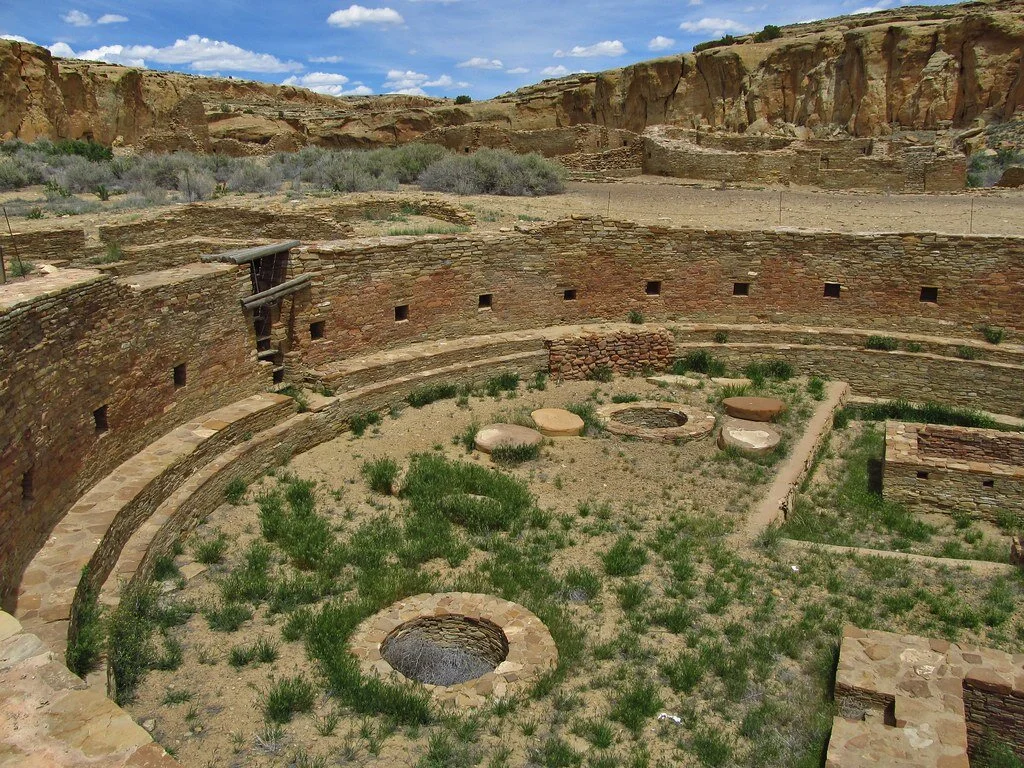
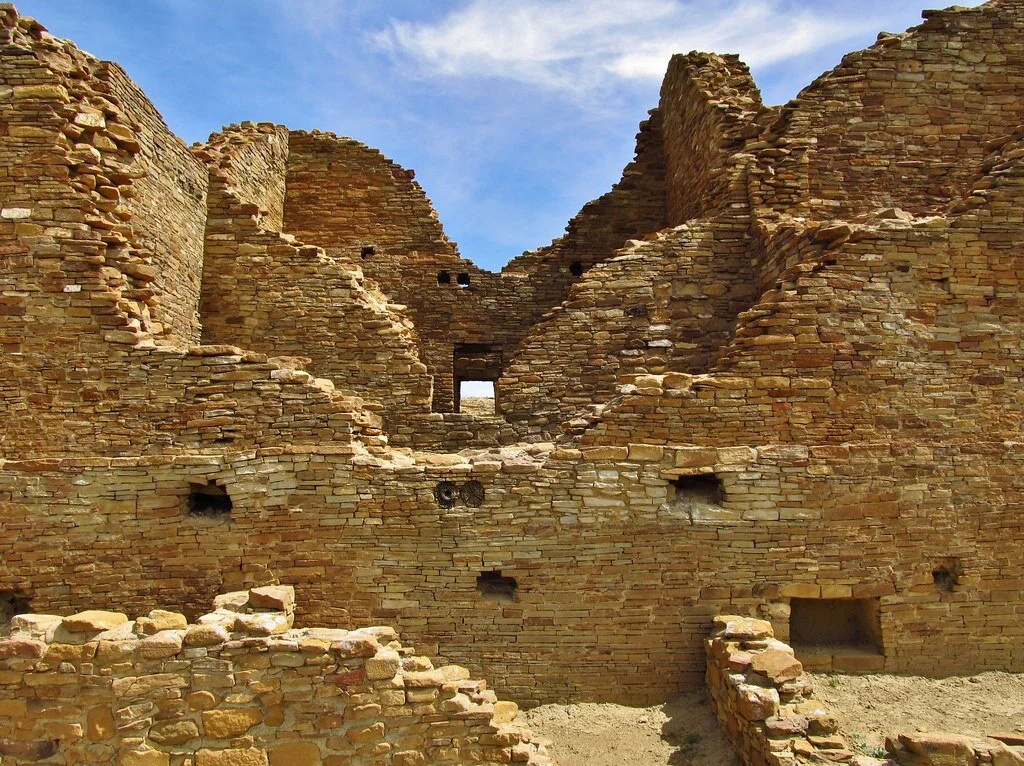
A valley in the high desert of northwestern New Mexico houses an ancient, sprawling center of ancestral Pueblo culture. Between 850 and 1250 A.D., the area that is now Chaco Culture National Historical Park was the epicenter of a widespread expansion of Chacoan culture. The Chacoan people used unique masonry techniques to construct stone houses multiple stories high, some containing hundreds of large rooms. The buildings were intricately planned out and often constructed according to solar, lunar and cardinal directions, as well as to maintain clear lines of sight between houses. By 1050, Chaco was the economic and cultural center of the San Juan Basin, with people from all over the area gathering there to share knowledge and traditions and to participate in ceremonies. A number of the great houses have been preserved and can be seen today, along with petroglyphs made by the Chacoan people. Since 2013, Chaco has also been designated an International Dark Sky Park, meaning it is one of the best places in the country to get a view of the night sky untainted by light pollution. Visitors can look at the sky the same way the Chaco people saw it a millennium ago. 

7. Ocmulgee Mounds National Historical Park, Georgia

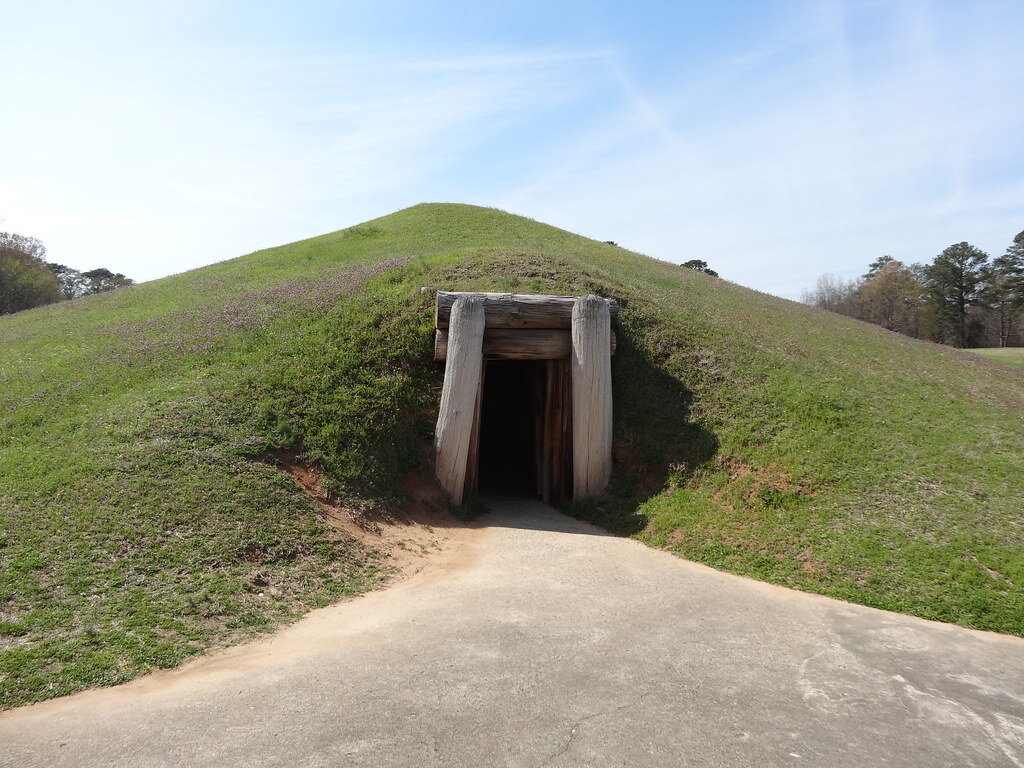
Minutes outside of downtown Macon, Georgia, lies Ocmulgee Mounds National Historical Park, a site shaped by 17 millennia of habitation, dating back to prehistoric times. The nomadic Paleo-Indian people arrived at the site in around 17,000 B.C., during the last ice age. Around 9,600 B.C. the Paleo-Indian era gave way to the Archaic era. The Early Archaic people were nomadic hunters as well, but evidence suggests that by the Middle Archaic period people began to build more permanent settlements and gather food. It wasn’t until the Mississippian people, who migrated to the area in 900 A.D., that the land was permanently changed, however. The Mississippians constructed impressive villages that literally reshaped the landscape, forming elaborate earthen lodges and temples that are still visible today. The Mississippian culture declined after the 1539 arrival of Spanish explorer Hernando de Soto, who brought with him foreign diseases that devastated the Mississippian people. Descendants of the Mississippian people, the Muscogee Creek Nation, who lived at Ocmulgee from 1600 until their forcible removal by Andrew Jackson in 1836, considered the mounds built by their ancestors to be sacred. Today, visitors to the site can see several of the mounds constructed by the Mississippian people, as well as the location of two Civil War battles. 

8. Little Bighorn Battlefield National Monument, Montana

Little Bighorn Battlefield National Monument memorializes the site of the Battle of Little Bighorn, a fight between the 7th Regiment of the U.S. Cavalry and thousands of Sioux, Cheyenne and Arapaho tribe members. It lies within the Crow Indian Reservation in southeastern Montana. On June 25, 1876, the 7th Regiment, led by Lt. Gen. George Custer, attacked a village of free Lakota and Cheyenne people. The battle was part of the U.S. campaign to force Indigenous people to comply with the 1868 Treaty of Fort Laramie, which created a large reservation in South Dakota intended to house the Lakota. Many Lakota did not want to give up their nomadic lifestyle in favor of a life controlled by the U.S. government, resulting in a number of armed conflicts. The Battle of Little Bighorn proved deadly for both sides, but the Lakota and Cheyenne ultimately triumphed, defeating Custer and his troops. Though the Lakota and Cheyenne tribe members won the battle, Custer’s defeat became a rallying cry for U.S. efforts to force Indigenous people onto reservations, and stronger military forces were sent to conquer the tribes. The monument includes the battlefield itself, as well as the Custer National Cemetery and a number of hiking trails. 

 9. Aztec Ruins National Monument, New Mexico

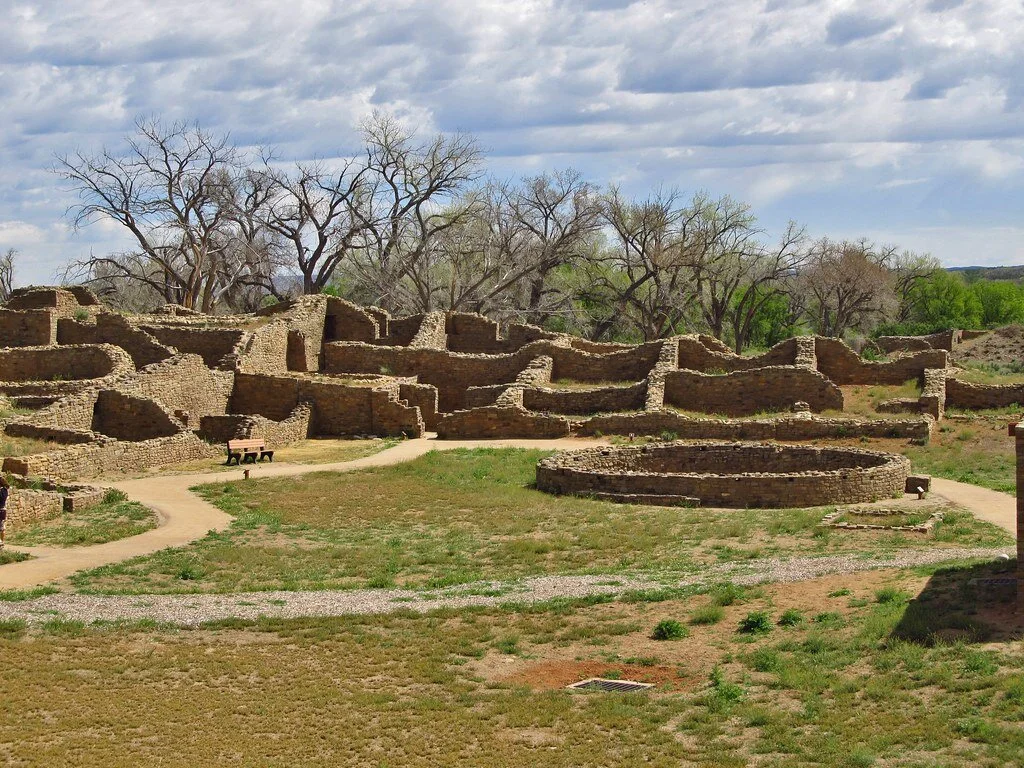
Despite its name, Aztec Ruins National Monument has no association with Mexico’s Aztec empire. These large, multistory stone buildings, located within the city limits of Aztec, New Mexico, were constructed by the ancestral Pueblo. Early Western settlers thought that the site was built by the Aztecs, so they named the area “Aztec,” and the name remained even after the true builders of the ruins were discovered. Aztec Ruins was the largest ancestral Pueblo community in the Animas River valley. The site features a number of “great houses” made of stone, including the West Ruin, which had over 400 interconnected rooms. Each great house had a “great kiva,” a large, underground circular chamber used for ceremonies. Aztec Ruins also has three above-ground kivas, each encircled by three walls forming a triangle. Aztec Ruins was likely influenced by Chacoan culture, and may have even been an outlying community of Chaco. Visitors can wander through the rooms of West Ruin on a self-guided tour, or participate in ranger-led programs. 

10. Hopewell Culture National Historical Park, Ohio

The term “Hopewell culture” refers not to a specific tribe, but to a “distinctive set of artifacts, earthworks and burial practices” common in areas of southern Ohio during the Middle Woodland period, from around 1 to 400 A.D. The Hopewell Mound Group is an 130-acre earthwork complex, which contains 29 burial mounds and was once enclosed by an enormous earthen wall that spanned over 2 miles and was up to 12 feet high. Remnants of the walls are still visible, as are several of the large, uniquely shaped mounds. Hopewell Culture National Historical Park encompasses five additional sites, all with fascinating remnants of the Hopewell culture. Settlements typically consisted of a few families living close together in rectangular houses with a shared garden nearby. In addition to growing domesticated plants, people of the Hopewell culture were hunters, fishers and gatherers. Visitors to the park will discover the commonalities between each distinct site by exploring the incredible Hopewell Mounds and looking at preserved artifacts.


Rachel Lynch

Rachel is a student at Sarah Lawrence College in Bronxville, NY currently taking a semester off. She plans to study Writing and Child Development. Rachel loves to travel and is inspired by the places she’s been and everywhere she wants to go. She hopes to educate people on social justice issues and the history and culture of travel destinations through her writing.

Trapped in Time: Antarctica’s Secret Blood Falls 

With technology advancing at a record pace, few wonders remain that puzzle scientists. However, deep in the frigid tundra of Antarctica lies one marvel that has attracted photographers and skeptics alike. 

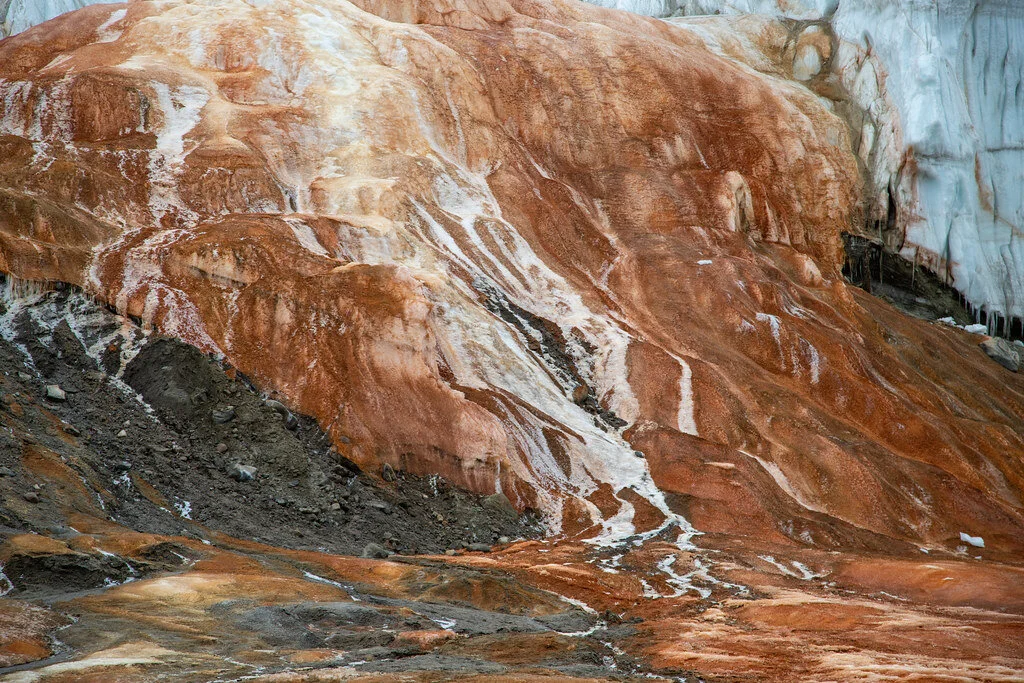
Antarctica’s Blood Falls. arielwaldman. CC BY-NC 2.0. 

In the Taylor Valley of Antarctica lies a mighty natural wonder called the Taylor Glacier. Although a spectacle in and of itself, the glacier is only an opening to an even more magnificent miracle. Sandwiched between Taylor Glacier and the underlying bedrock is a “lake” that leads to a “waterfall” known as Blood Falls. The spectacle earned its name due to the deep, murky red color of the water; the glacier releases a beautiful, bloody fountain where it has burst open. Photos of the site capture winding streams of water, which are painted with endless stripes of crimson and cream, flowing over the rocky landscape. 

Geologist Thomas Griffith Taylor, for whom the Taylor Valley is named, first discovered the Blood Falls on a voyage in 1911; he was alarmed by the scarlet hue spilling from what is normally a monochrome, colorless landscape. For the remainder of the 20th century, explanations for the vermilion wonder came up short. It was not until 2015 that scientists finally concluded that the waterfall’s maroon color is due to the presence of iron oxides. Cracks in the glacier expose the iron to oxygen, causing it to turn red in the same way rusting bike spokes produce a brick-red hue. Previously, the long-standing theory for the coloring had been the presence of reddish algae, although the theory lacked sufficient evidence. 

Taylor Glacier. Mike Martoccia. CC BY-SA 2.0. 

However, Blood Falls still presented two seemingly insurmountable scientific dilemmas: how did the water get there in the first place, and why did the water not freeze under the weight of an enormous glacier? Luckily, researchers at the University of Alaska Fairbanks soon answered these questions: water channels brought it from an underground reservoir, and the heat released from the freezing of the glacier kept the lake in a liquid state. 

In addition to the striking red color, researchers found the water to be very salty, but the source of this brine truly stumped scientists. 

The team applied radio-echo sounding, the use of sound waves to measure the location of a distant object, to construct an extensive map of underground water channels. They concluded that the brine reached the falls through the channels after about 1.5 million years. The “lake” from which the brine is sourced was found to sit underneath the glacier, and has slowly absorbed iron from the bedrock. The brine seeps into the ice due to the high pressure of the glacier’s weight. Researchers concluded that the concealed lake never froze over due to the heat produced from the process of glacial freezing. 

Finally, scientists stumbled upon a remarkable discovery: the lake houses microbial ecosystems that live off of sulfate in the water’s oxygen-depleted environment. The presence of the ecosystem gives scientists a vital clue to the processes of Earth’s early life forms, and provides a picture of what life could be like on oxygen-depleted planets. 

To the untrained eye, Antarctica’s Blood Falls may appear to be just another facet of Mother Nature’s artistry, but any digging quickly reveals a complicated puzzle that scientists are still working to piece together.


Ella Nguyen

Ella is an undergraduate student at Vassar College pursuing a degree in Hispanic Studies. She wants to assist in the field of immigration law and hopes to utilize Spanish in her future projects. In her free time she enjoys cooking, writing poetry, and learning about cosmetics.

Feline Fun: Japan’s Cat Culture and ‘Cat Islands’

It is always a pleasure to watch a cat  prancing through the neighborhood or a skittish kitten darting for the bushes. But one country, Japan, has completely dissolved the line dividing feline and human interaction. 

Cat cafe in Japan. nyxie. CC BY-NC-SA 2.0. 

Most people, if asked to name something from Japanese pop culture, would name the “Hello Kitty” cat cartoon as one of their top answers. As popular as the character has been with children across the world, a bustling cat scene exists within Japan itself entirely separate from Hello Kitty. 

Japan’s residents hold a lengthy history of interaction with their feline friends. Cats were originally an invasive species introduced to Japan around 500 A.D. The creatures soon proved their worth by managing the islands’ rat population; the silkworm industry was being devastated by pesky rats, so the nation’s cats jumped into action. Over 1,000 years ago, wealthy members of Japanese society owned cats as pets. Evidence of cats in Japanese history can be found in literary works and paintings, many of which are hundreds of years old. The country’s oral history also contains many tales of worship for the cherished creatures. 

Beyond being pets, cats in Japanese culture are an integral part of social interaction. “Cat cafes” have recently blossomed in Japan’s cat culture, allowing owners to mingle while their beloved friends wander among other felines. 

While a stray cat is a common sight on any island of Japan, about a dozen islands have been dubbed the “Cat Islands” for their particularly dense population of felines. Two of the most popular are the islands of Aoshima and Enoshima:

Aoshima Island

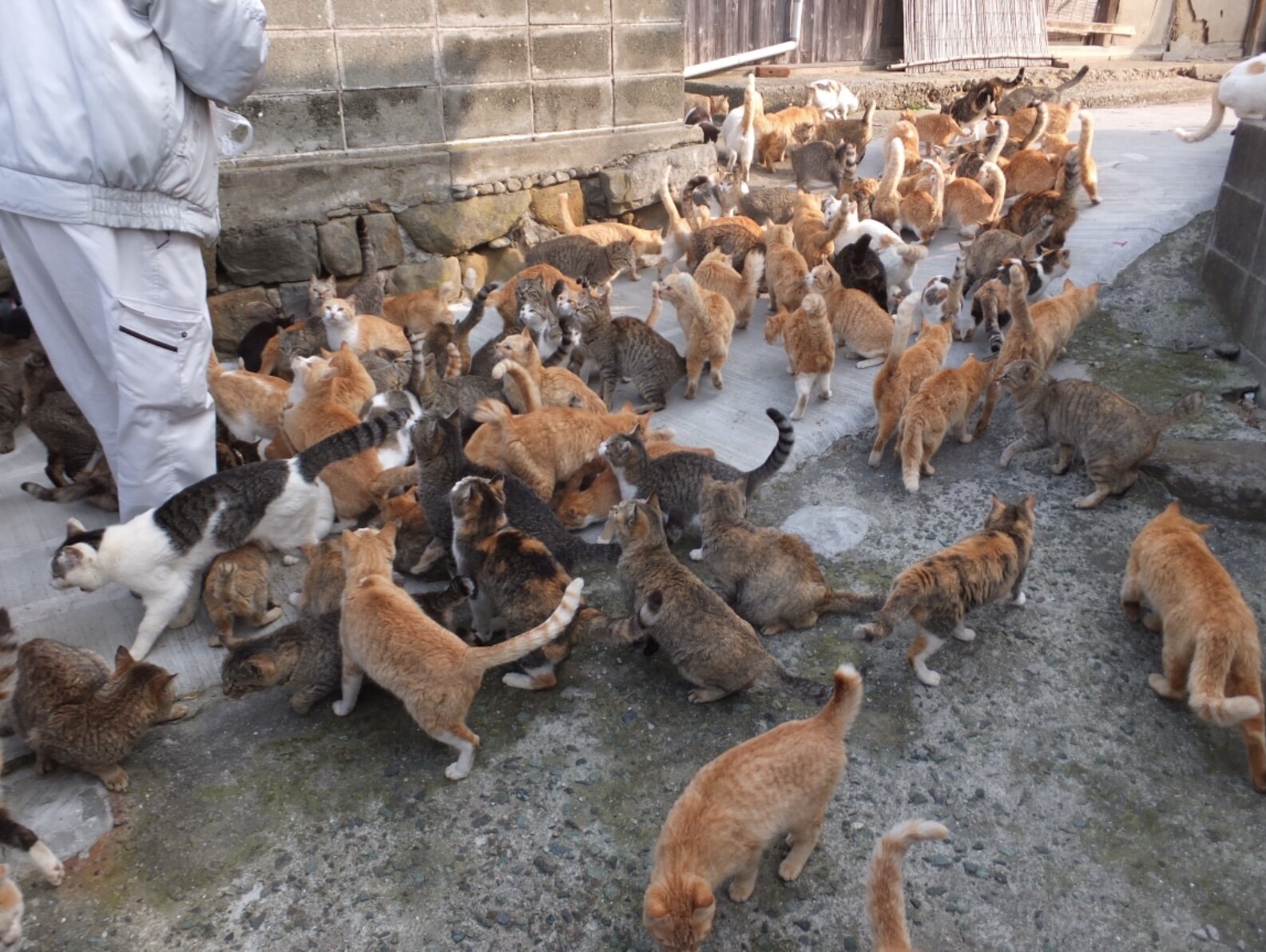
Crowd of cats on Aoshima Island. 暇・カキコ. CC BY-SA 4.0. 

Aoshima Island, located in southern Japan, boasts a human to cat ratio of 1-8. Cats were originally brought to the island to manage the rat population, but now they enjoy flashy media attention as internet sensations. The cats have become increasingly popular with visitors seeing viral videos, so an interactive feeding area has been installed. The cats have now become accustomed to interaction with strangers and will gladly show affection for a bit of food. 

Enoshima Island

Cat on Enoshima Island. tokyofortwo. CC BY-NC-SA 2.0.

Enoshima Island is a small island just over an hour south of Tokyo. The island’s human population is minuscule compared to the population of cats; there are only about 100 human residents among over 600 cats. The island draws many visitors for its Shinto shrines, which represent a religion that does not believe in the killing of cats. The island also houses a busy fishing industry, which has proven to provide plenty of nourishment for furry residents. Thus, the island’s cat population has bloomed. 

Japan’s feline friends have embedded themselves in the nation’s history and culture, and their lofty position in society appears to be secure. 


Ella Nguyen

Ella is an undergraduate student at Vassar College pursuing a degree in Hispanic Studies. She wants to assist in the field of immigration law and hopes to utilize Spanish in her future projects. In her free time she enjoys cooking, writing poetry, and learning about cosmetics.

What Makes Bhutan So Happy?

Meet the country which prioritizes the contentment of its citizens before everything else through its “Gross National Happiness” program.

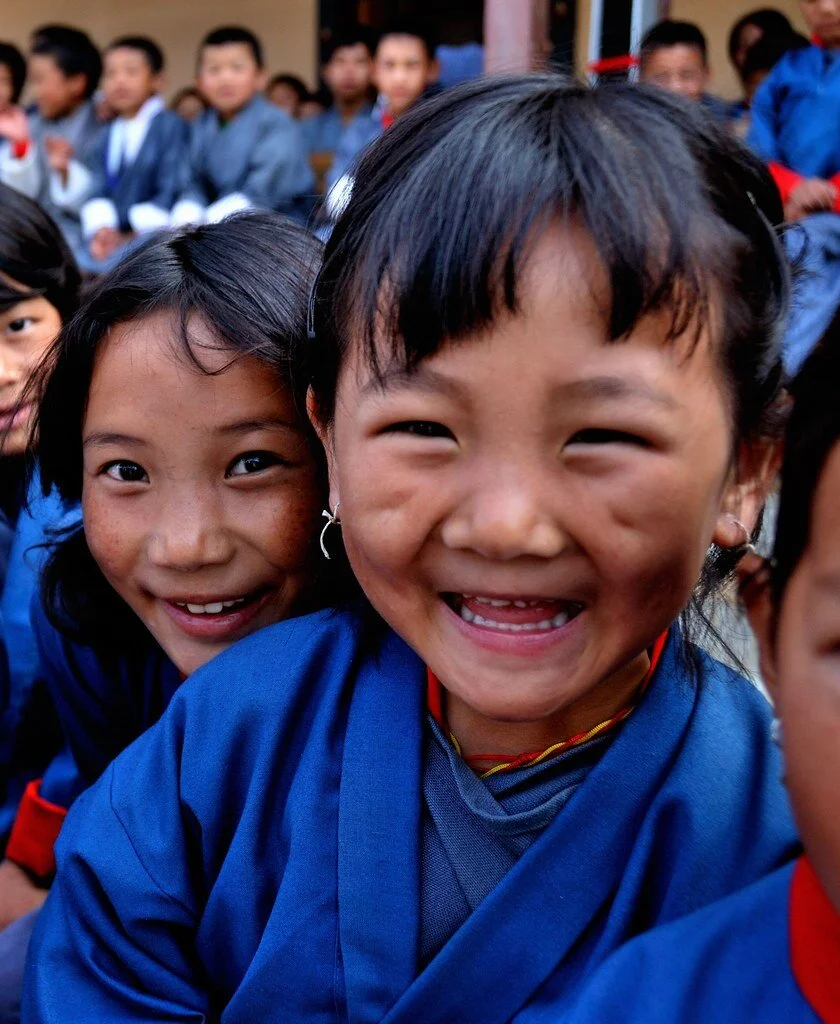
Bhutanese children. r y _ _ _ _ . CC BY-NC 2.0

Imagine a country hidden away from the rest of the world. Tucked in between China and India, the world’s most populous countries, little Bhutan rests at the base of the Himalayan mountains. The rural country long ago made the decision to close off its borders to most tourism in hopes of preserving the nation’s unique Buddhist culture and the identity of its 740,000 people. In 1974 the country gradually reopened, though the Bhutanese monarchy was reluctant for the nation to be connected with the rapidly urbanizing world. Bhutan could not be completely isolated for long due to globalization, and in 1999 internet and Wi-Fi were quickly introduced. Being alone for so long, Bhutan was innovative in ways that made sense for its culture and ecosystem.

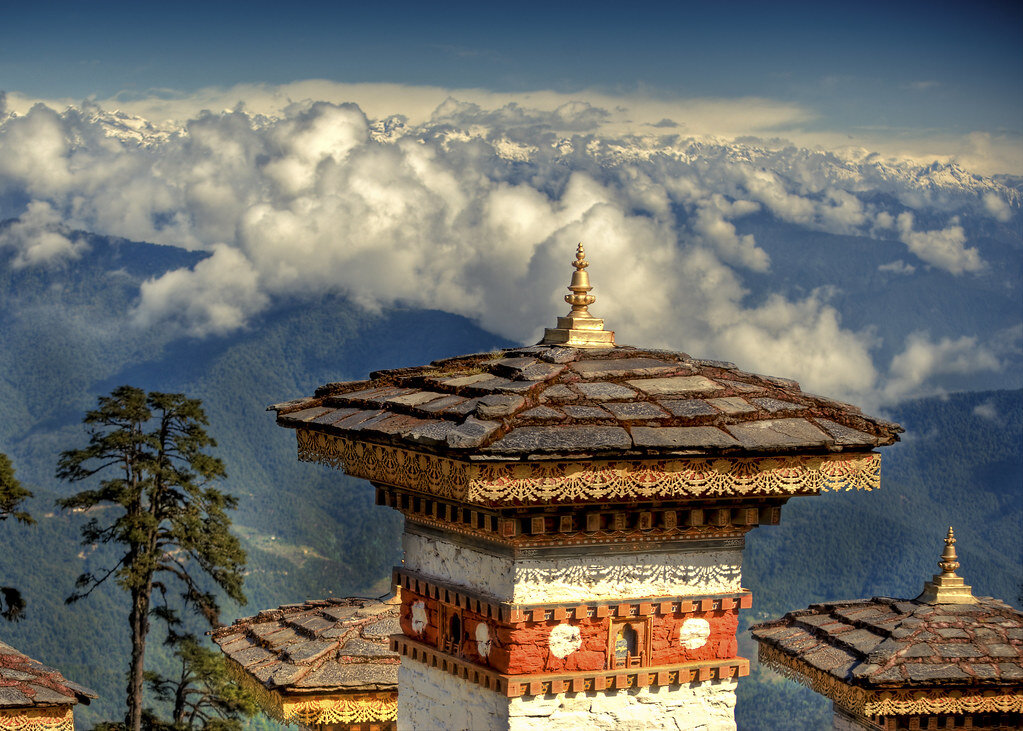
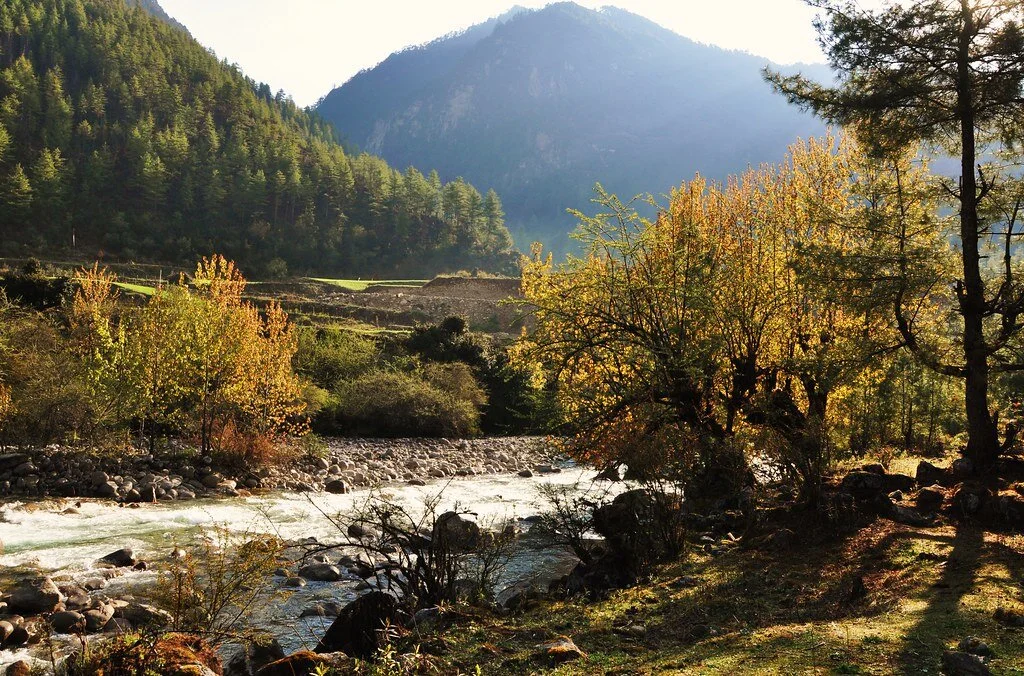
Dochula Pass. Göran Höglund (Kartläsarn). CC BY 2.0

Bhutan is unique in its location and recent connections to the outside world, but it’s the traditions and customs within Bhutan that really make it a sight to behold. Even during the age of colonization and imperialization, Bhutan was never colonized. The country’s official religion remains Vajrayana Buddhism, a deity-dense, merit-based and karma-focused faith implemented into everyday life and routines. 

Bhutan Buddhist monk sand art. John K. CC BY-NC-ND 2.0

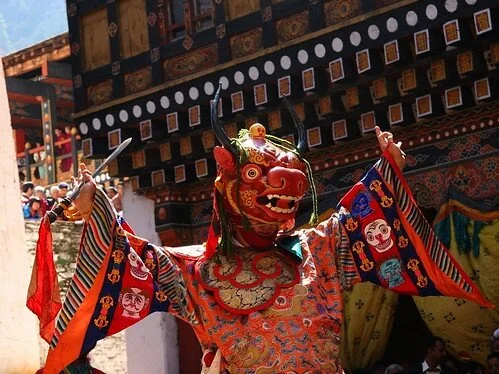
Dance of the death god. jmhullot. CC BY-SA 2.0

Ecology is everything. Bhutan is the only carbon negative nation in the modern world, absorbing three times more carbon than it produces. In light of climate change, that feat is revolutionary. Its government has established laws that require Bhutan to always have its area 60% covered in forest lands. Keeping in mind its minimal carbon footprint, Bhutan is still vigilant about tourists who enter the country, always prioritizing  the preservation of the nation’s cohesive identity. The tourist industry is nationally regulated, making it expensive and difficult to travel to. Documents and visas are issued by state-appointed companies and provide visitors with everything, including hotels, insurance and most importantly a guide who must accompany travelers at all times

Ecology is everything. 360around. CC BY 2.0

Ecology and tourism are not the only things the government has taken to regulating. Bhutan is once again unique in national policy, measuring its nation’s happiness. Outsiders like to say that Bhutan is the “happiest country in the world” and the statistics given by Bhutan back up this claim. In 2015, the annual extensive survey that gauges the nation’s happiness concluded that 91% of its population was happy.” The Ministry of Happiness measures the contentment of its population with “Gross National Happiness” (GNH). 

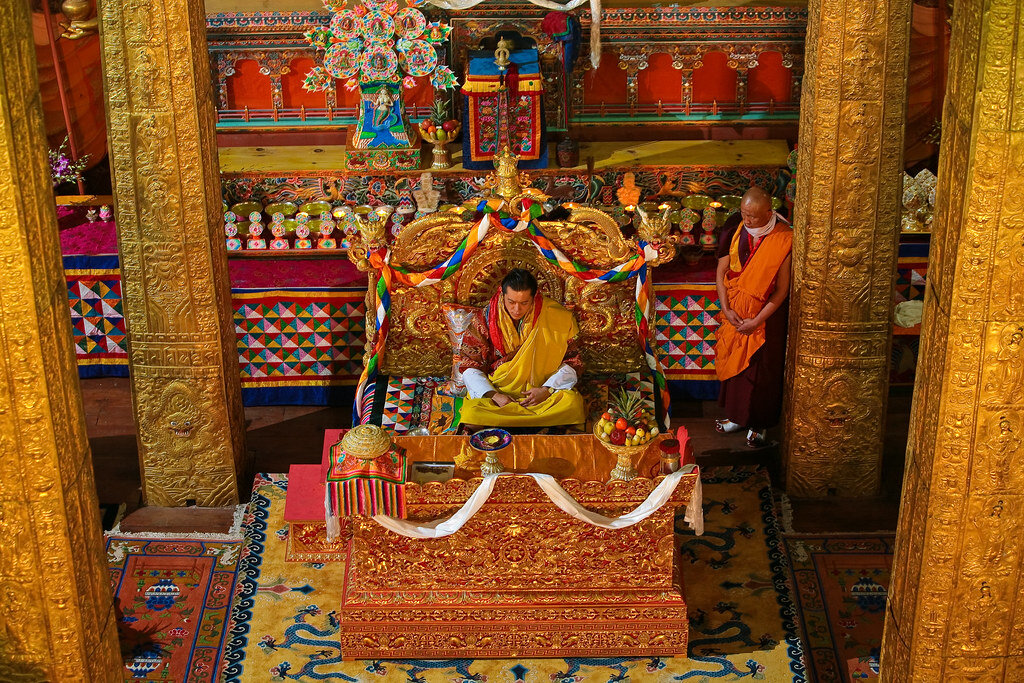
King of Bhutan. Bhutan-360. CC BY-NC-SA 2.0

Ex-Prime Minister Tshering Tobgay defined it as “a developing philosophy that acknowledges that economic growth is important, but that growth must not be mindless, but sustainable.”

Much like a country’s gross domestic product, GNH is considered important. Established in 2008, the Gross National Happiness Commission was appointed to take into consideration and care the inner peace of Bhutan’s people. Broken down into four pillars, nine domains and 72 indicators, GNH is a difficult concept to comprehend. The country’s leaders take into account how happy its people are in every aspect of life: governance, health, education, living standards, culture, ecology, time use and psychological well-being. 

Tobgay breaks Bhutan’s complicated process down to three components: the key to happiness is security, identity and purpose. These things are not mutually exclusive; they reinforce one another in every direction, both on an individual and a national level. He says that, “The government has a responsibility to ensure the whole nation has individual pursuit of the keys to happiness.” 

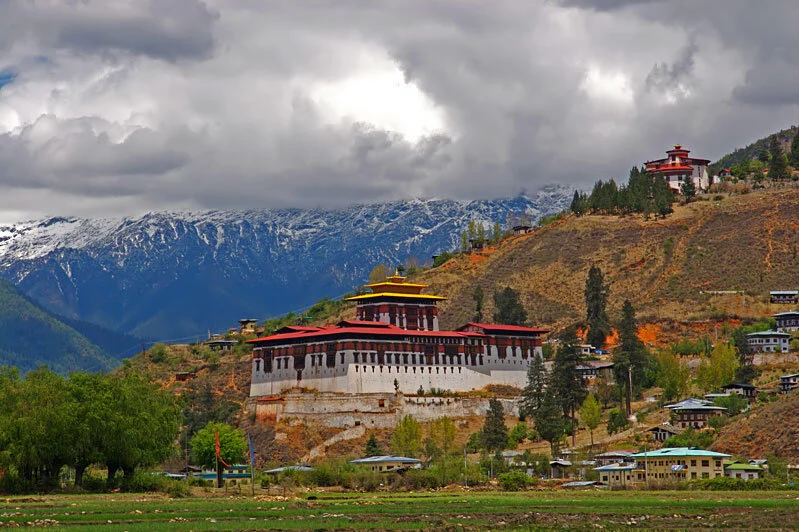
Temple overlooking the Himalayas. Jean Marie Hullot. CC BY-SA 2.0

The Bhutanese are often misunderstood. Outsiders often believe that just because they have GNH, it automatically makes them the happiest country in comparison to all others. They have free health care, free education, clean air, a thriving environment and a strong sense of community. But Tobgay argues that the Bhutanese still struggle because that is what it means to be human. Bhutan is a “real country with real people, and real desires.” Although every person may suffer from inner turmoil for whatever reason, the Bhutanese should be happy knowing that they have been given the keys to happiness.


Yuliana Rocio

Yuliana is currently a Literature/Writing major at the University of California San Diego. Yuliana likes to think of herself as a lover of words and a student of the world. She loves to read, swim, and paint in her free time. She spent her youth as part of a travel-loving family and has grown up seeking adventure. She hopes to develop her writing skills, creating work that reflects her voice and her fierce passion for activism.

10 Isolated Travel Destinations in the US 

Thinking about your next trip once the pandemic eases? This year, try one of these remote spots where isolation will be the theme. From Maine to Montana, explore nature free from crowds.

Read More

Threads of Hope and Beauty: Capturing the Resilience of Life and Culture

For more than two decades, through the lens of my camera, I have sought out the hope and beauty woven into the fabric of all life and all peoples, from forest to ocean. In the face of the myriad unrecognized plights and urgent truths of our shared human and planetary condition, these shimmering threads promise change.

Images / Words © Cristina Mittermeier / Words © Kim Frank

National Geographic photographer and co-founder of SeaLegacy, Cristina Mittermeier, releases her new book this month, Amaze, published by teNeues. An intimate collection of over 25 years, Amaze combines impassioned poetic storytelling, indigenous wisdom, and an urgent plea to protect our planet. Amaze takes you on a insightful and hope-filled journey where the human spirit lifts from every page. Here is a glimpse into the book’s luminous world.

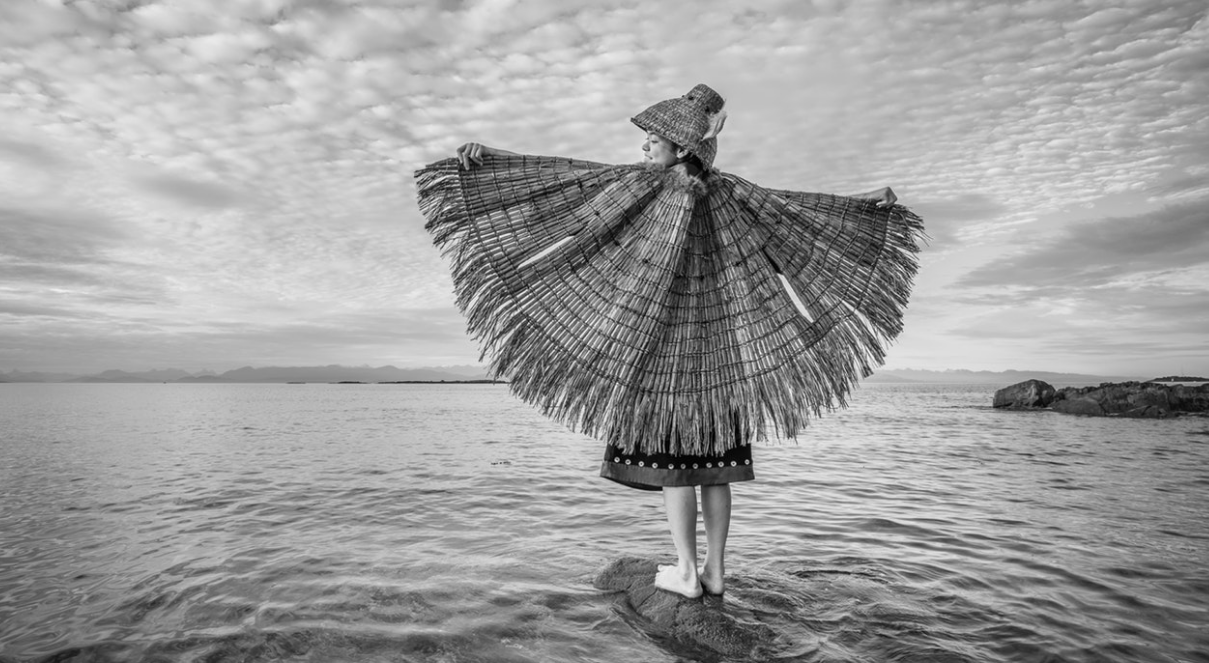
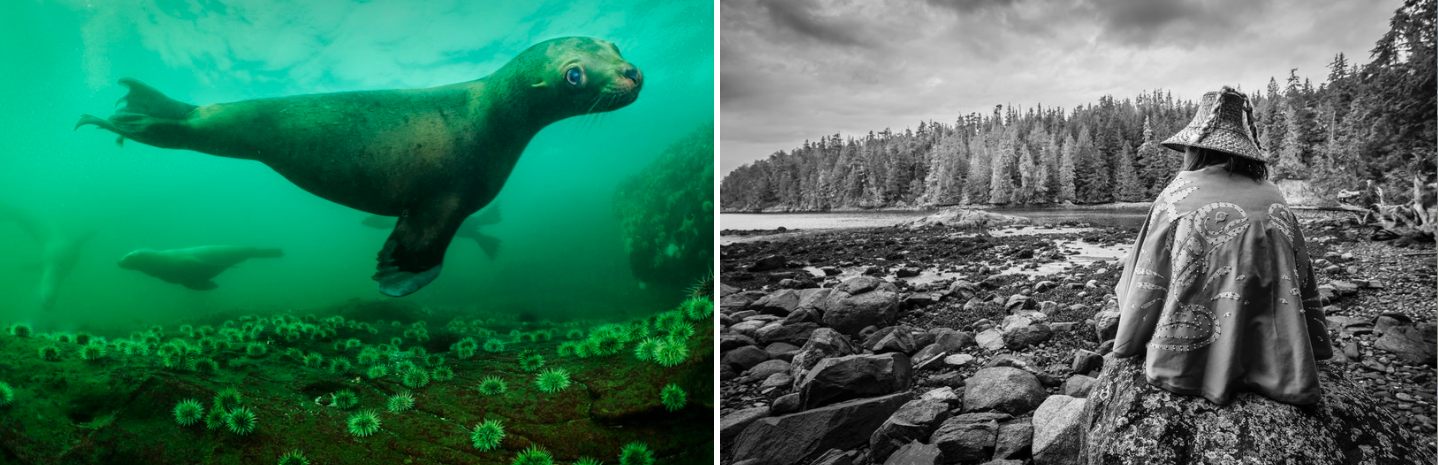
Ta’kaiya Blaney, a singer, songwriter, and drummer for her people, the Tla’amin First Nation of British Columbia, is seen in a cedar cape. The youngest speaker at the United Nations Indigenous Forum, she is a fierce advocate of indigenous rights and environmental protection.

Canada

AS WITH MANY IMPASSIONED JOURNEYS, MY LIFE AS A CONSERVATIONIST AND ARTIST BEGAN WITH A LESSON.

A lesson that rattles in my soul like a grain of sand in a chambered nautilus shell. Urging me onwards; reminding me why I do this work. Curled deep within this hidden spiral is the unwavering memory of one of the most powerful photographs I never took.

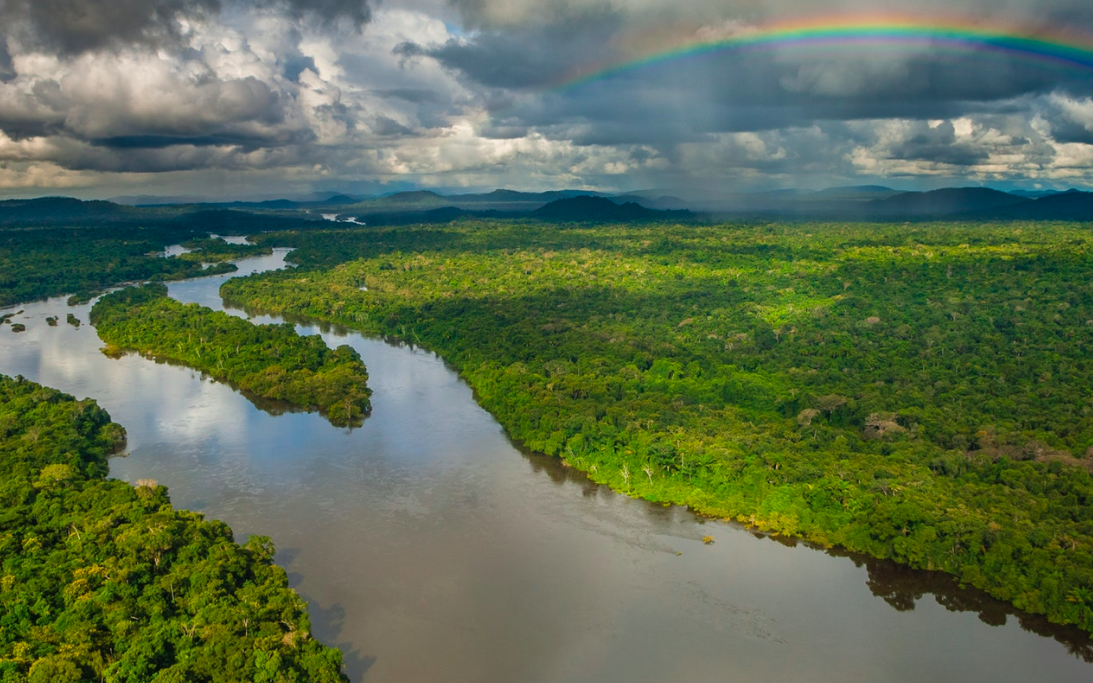
The densely knit Amazon rainforest; home to countless indigenous peoples and the once-mighty Xingú River, now forever tamed.

Brazil

When I was a young and inexperienced photographer, I was sent on an assignment to a remote corner of the Brazilian Amazon. Flying from town to town, over vast stretches of rainforest, and in increasingly small airplanes, I finally arrived at the Kayapó village of Kendjam; home to one hundred and fifty individuals. My mission was to give a face and a name to the thousands of indigenous people whose lives were soon to be impacted by the construction of the Belo Monte dam.

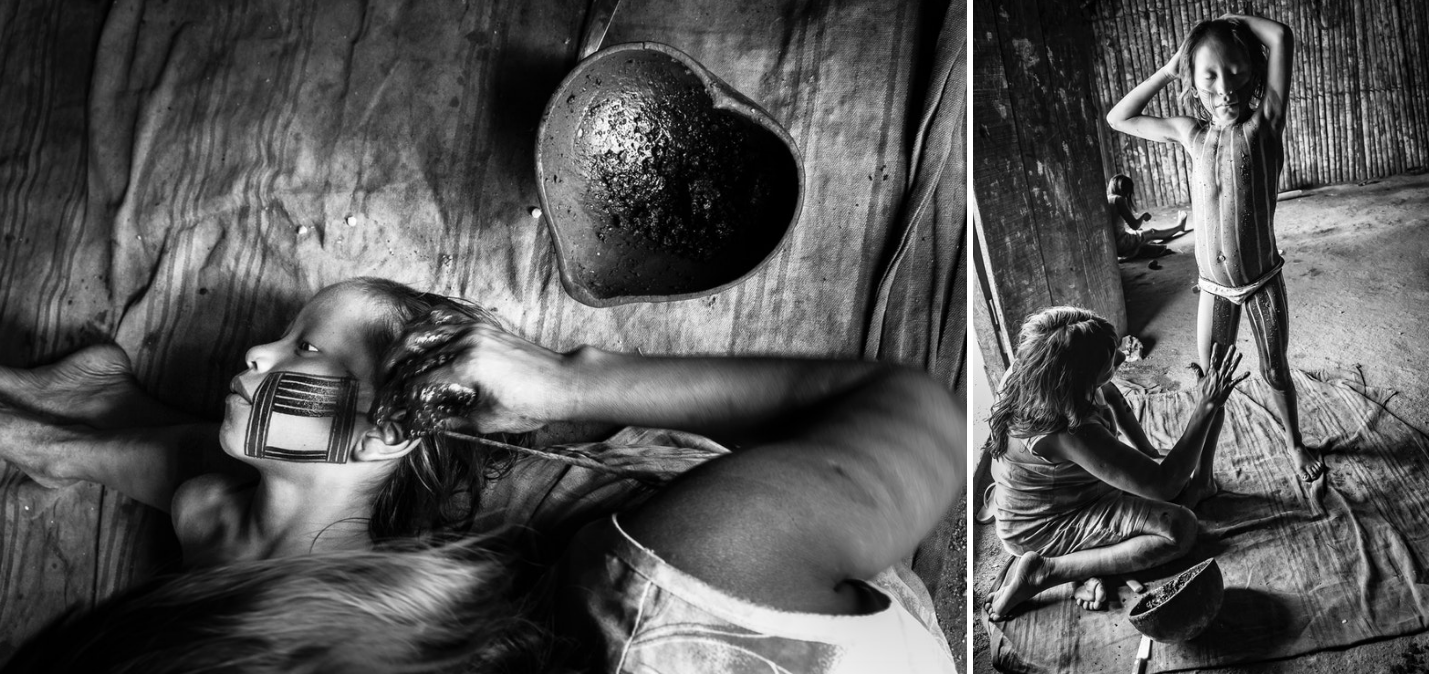
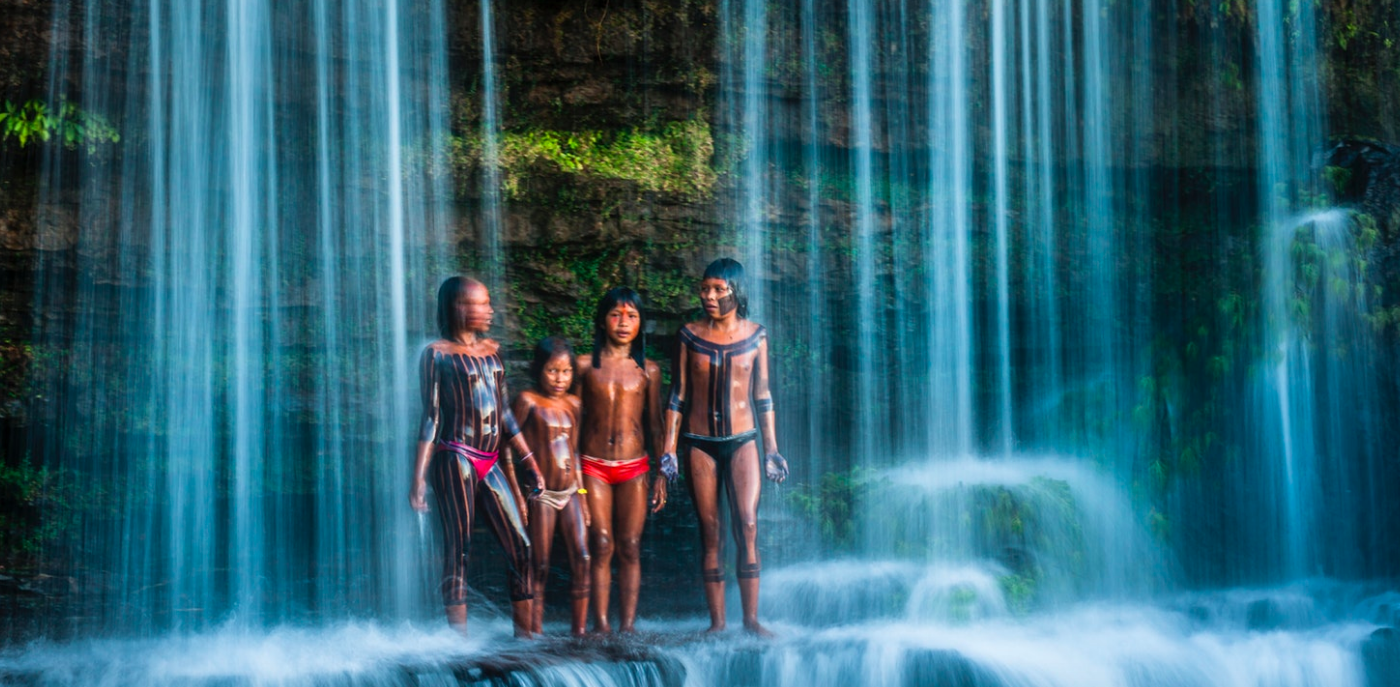
Young Kayapó children will sit or stand patiently for hours, as their mothers paint their bodies with genipap, a dye made from a forest fruit of the same name. Being painted, and painting others, is a very important form of social bonding in these remote Amazonian villages.

Brazil

Late one afternoon, I saw a group of women coming up from the river; one of them carrying a tiny baby in her arms. It dawned on me that they had just given this newborn his first bath in the river; a vital ritual bath that ties a person’s fate to the fate of the river. And I had missed it. I consoled myself, naively thinking I that could find the mother in the morning and ask her to bring her baby back down to the water, hoping to recreate what I had missed. Tragically, we woke to the news that the infant had not lived through the night. By the time I had figured out what was happening, the women had already buried the tiny body, and I had missed that ritual as well.

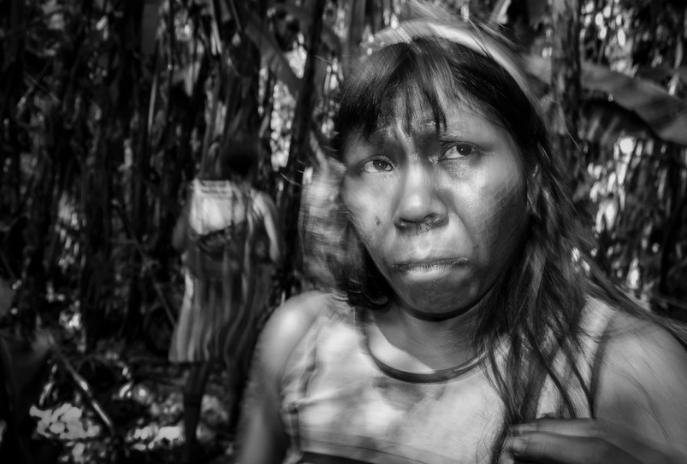
Dismayed, I began to wonder if I was up to the challenge of this assignment, wishing the editors had sent a more experienced photographer, when out of the corner of my eye I saw a figure approaching. It was the mother of the baby, walking straight towards me and bawling. Nobody was going near her. As she came closer, I saw that she was cradling a dirty bundle.

In her sorrow, she had dug out the body of her dead child, and was carrying him around. Clutching a machete in her hand, she was hitting her forehead with the blunt edge as she screamed out her sorrow. Her face, her dress, her dead son; all were covered in mud and blood.

I stood there, gripping my camera with frozen fingers; paralyzed.

I could think only of my children back home and how I would feel if a stranger shoved a camera in my face just after I had lost my child. I am ashamed to admit that I did not take any photos.

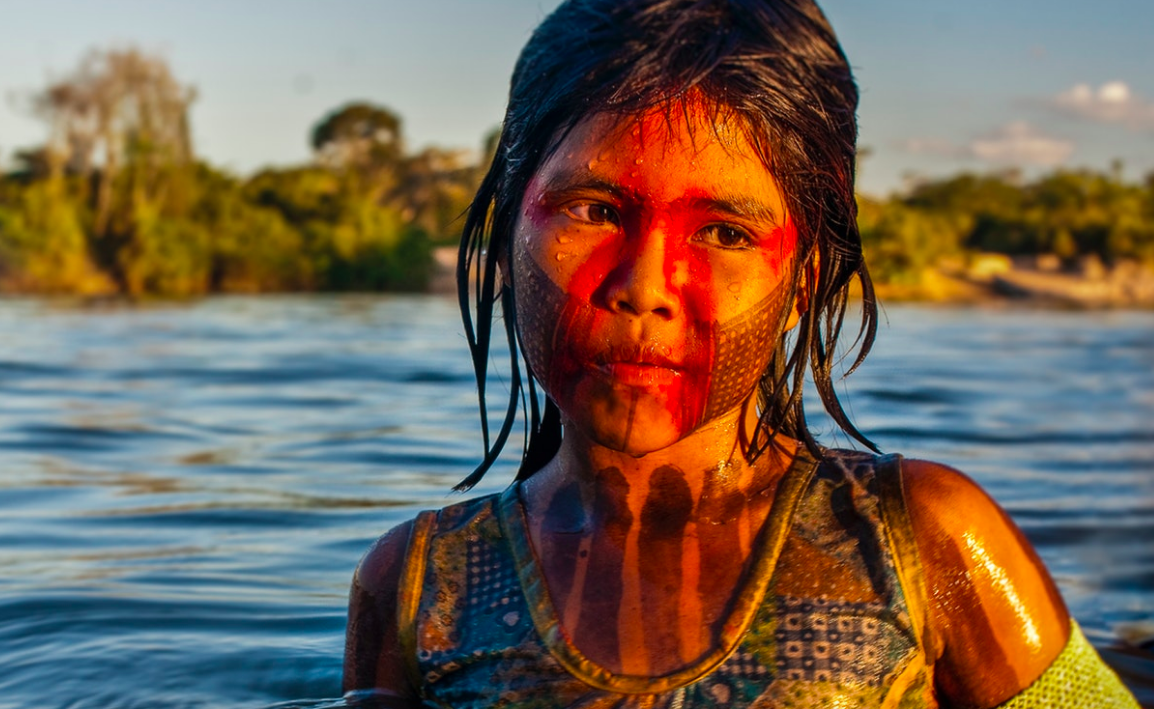
The Xingú river is intimately woven into the fabric of Kayapó life. This young girl’s eyes speak of a beloved waterway about to be dammed forever, of pride in her people’s traditions, of fear for a future unknown, and of the innocence that every child deserves to live with.

Brazil

A few months later we learned that the dam had been approved and construction was to begin immediately. I thought about the beautiful, generous people I had met and how their lives would be changed forever.

To this day, I am haunted by this question:

Would their fate have been been different if I had dared to do my job and take those difficult photographs? What if my images had been beautiful enough, or dramatic enough, to change the conversation?

The Kayapó people believe that if they are good to the forest and to the river, they will be provided with everything they need to sustain themselves.

I will never know, because that day I lacked the courage to press the shutter: a mistake I never made again. From that moment forwards, I pledged never to hesitate and to make images that matter.

For centuries the Kayapó way of life has been deeply entwined with the rivers that flow through the forest. For me, this image is a powerful symbol of nature’s familial hold on the human spirit, reminding us that nature is so much more than a commodity to exploit.

Over the course of my career I have witnessed photography’s ability to shape perceptions, help societies pause and reflect, and inspire change. Being a photographer allows me to share my deepened understanding of the truth that all things in nature are part of one vast ecosystem.

Unlike people, the Earth’s diverse waterways, wildlife, and forests are intricately woven into the fabric of the whole; not claiming a separate existence. My hope is that my images will inspire a stronger connection with the nature that lies within and around us, as it is infinitely worthy of our deepest respect and care.

In a raw world that seems to bleed everyday with shriveling resources, human tragedy, and environmental ruin. Where every moment with a press of a button or a swipe of a screen, we are assaulted with distressing news, stories and images that threaten our sense of security and dim our lights, we must find ways to remain optimistic.

We must work to remove the physical and metaphorical barriers that block our meaningful connection to one another and to our planet. In my twenty five years documenting remote tribal communities around the world I have learned important lessons from their collective wisdom.

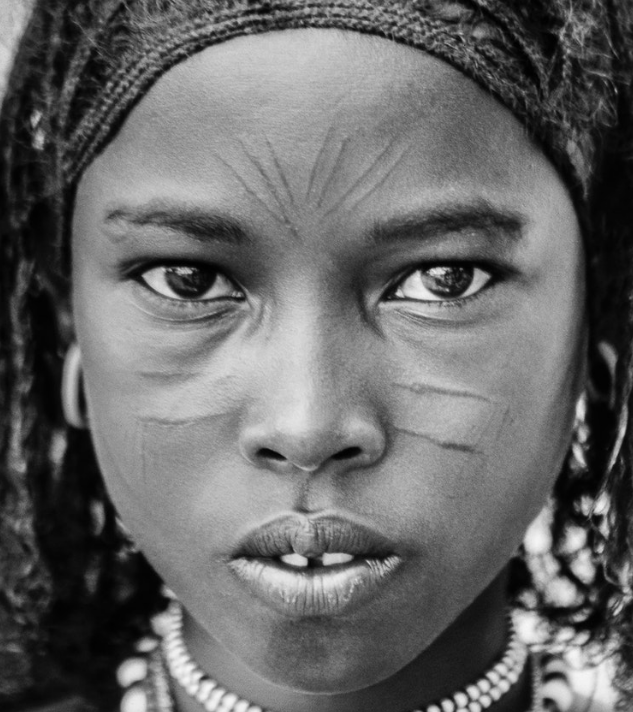
A young girl of the Afar tribe, from Ethiopia. Her people are fiercely proud and independent, having lived forever in the harsh deserts of the Horn of Africa, as semi-nomadic cattle and camel herders.

Ethiopia

Spending time with Indigenous peoples has taught me that abundance is not measured in the things that we own, but in the strength of our human spirit, and in the depth of our connection to the natural world.

From the Amazon to the Arctic, these communities nurture an intimate awareness of the web of relationships that have sustained them in harmony with nature, for millennia. I have long thought about how I could share my own interpretation of this intuitive wisdom. Among the Kayapó, the Gitga’at, the Inuit, and the many other Indigenous communities I have photographed, I have witnessed a myriad of common strands — spiritual and physical; past and future. Woven together, they become the exquisite and universal fabric of something that I have come to call “enoughness”.

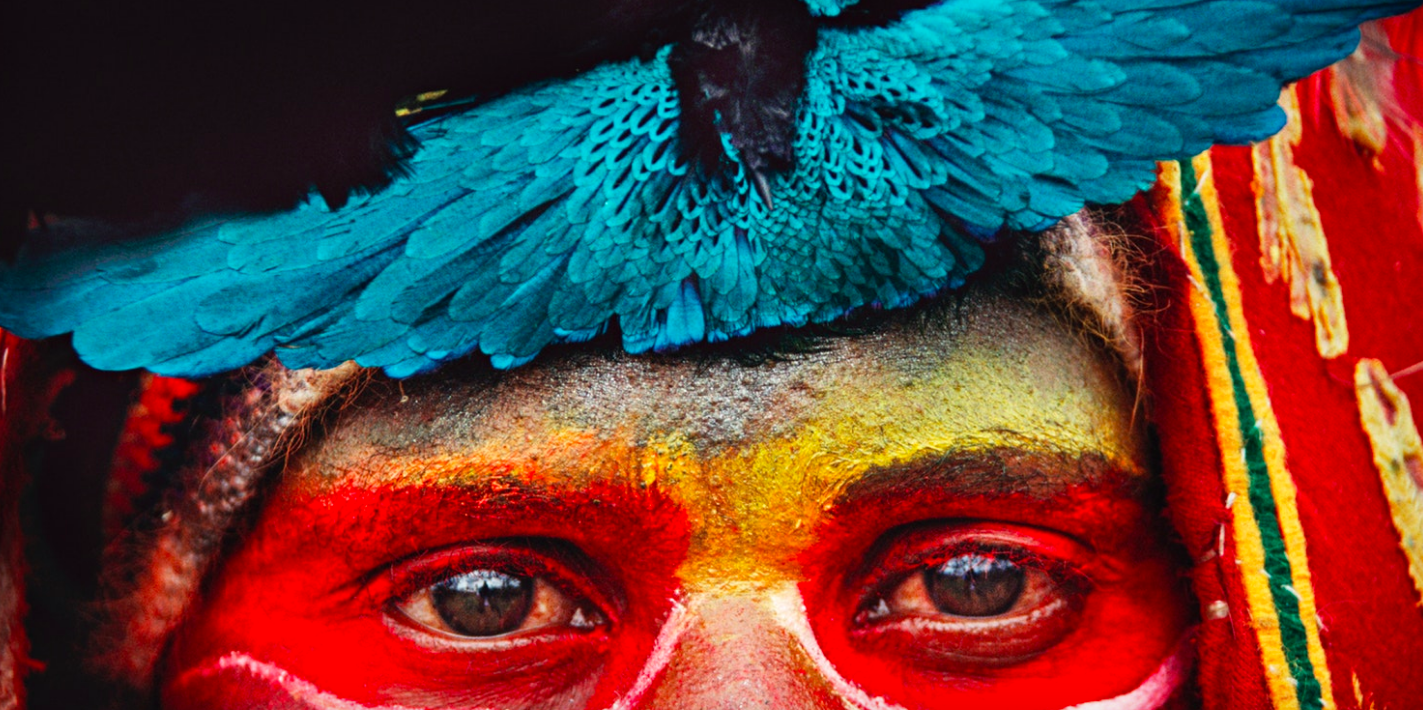
Made from the feathers of birds of paradise, the Indigenous peoples in the highlands of Papua New Guinea pride themselves on elaborate personal decoration. This woman’s spectacular headdress had been passed down from generation to generation.

Papua New Guinea

My personal true north for navigating the complexities and contradictions of modern life with more planetary integrity, I search for these threads of enoughness: belonging, purpose, sacred ecology, spirituality, and creative expression in the people I meet, and the experiences I have.

I describe and show enoughness within the words and images in the first part of my book, Amaze, and I share an excerpt with you here. It is my hope that enoughness can be recognized as a path to a more fully expressed life, as we seek to entwine these threads more deeply into our own personal tapestry.

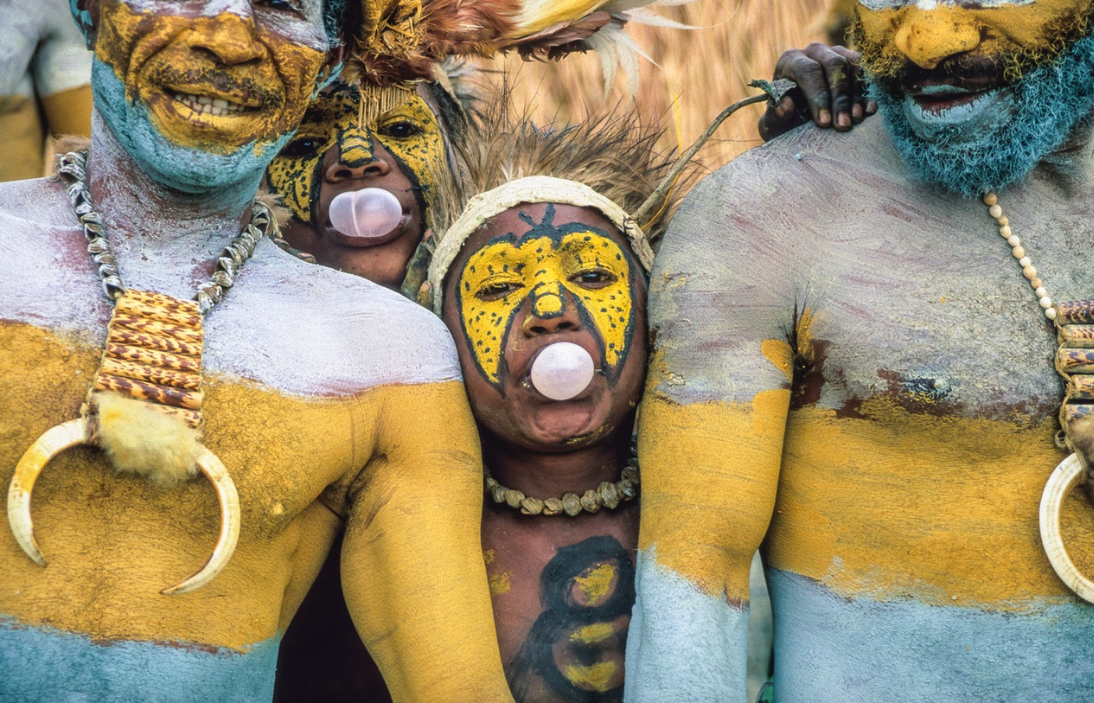
I am often asked if I gave gum to these boys from the highlands of Papua New Guinea, but the answer is no. They were at the Mount Hagen Sing-Sing, a festival that celebrated the most culturally-intact tribe, and delighted in surprising me with their bubbles.

Papua New Guinea

We all yearn to belong, whether it be to a people, or to a place.

On the spray-soaked shorelines of the Pacific Northwest, a part of the world that I am now fortunate enough to call home, the Sundance Chief of the Tsleil-Wuatuth First Nation shared with me what belonging means to him. For his people, the land is not something that you own, nor is it a commodity to be bought and sold. Instead, it is something that you belong to.

For over 30,000 years the Tsleil-Waututh First Nation and their ancestors have lived in the region we now call Burrard Inlet.

Canada

Rock, tree, river, or hill, crow, bear, or human, all were formed from the same elements by the Ancestors long ago. Their land is alive with relations, no matter the shape that relation may take. When you love, need, and care for the land, in return, the land will love, need, and care for its people. For the Tsleil-Waututh, the land is both family and self.

It is the ultimate expression of belonging.

Wearing his people’s traditional headdress, Will George, of the Tsleil-Waututh First Nation, screams out his frustration at the Canadian government for allowing the expansion of another destructive oil pipeline across his people’s ancestral lands.

Over the years I have observed that irrespective of culture and our place within the world, the path to true fulfillment often lies in finding joy and meaning through purpose. Living a life of purpose may mean intentionally raising your children wholeheartedly as compassionate, courageous citizens, of planet Earth, or it may mean developing your unique skill or talent so that you can contribute to your community. For me, it is the feeling that my passion lines up with what the world needs. Regardless, it is about recognizing your own inner value.

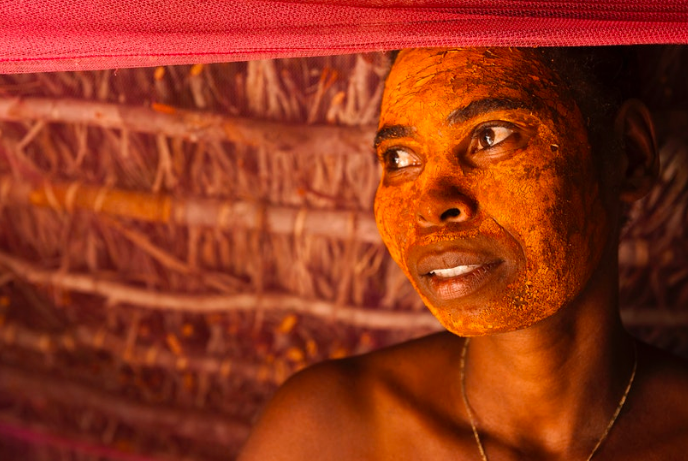
Seeking shelter from the relentless sun, I was invited in by this beautiful Antandroy woman, who was wearing a traditional mask made of powdered bark, a natural mosquito repellent and sunblock. She too was feeling unwell and I was moved by her humble hospitality and grace.

Madagascar

I marvel at how when we treat one another with compassion, and respect the creatures and land we rely on, our sense of personal nourishment grows in direct relationship. The elements that make up enoughness help us cultivate fulfillment from within. Rather than needing or expecting the world to give us something, enoughness naturally inspires us to give back, to others and to the planet. Cultivating a sense of belonging, embracing spirituality, and intentionally finding purpose. Tapping into existing sacred ecologies and embracing our natural gifts for creative expression. This is how we can nurture enoughness, as individuals, and as an intimately connected global community.

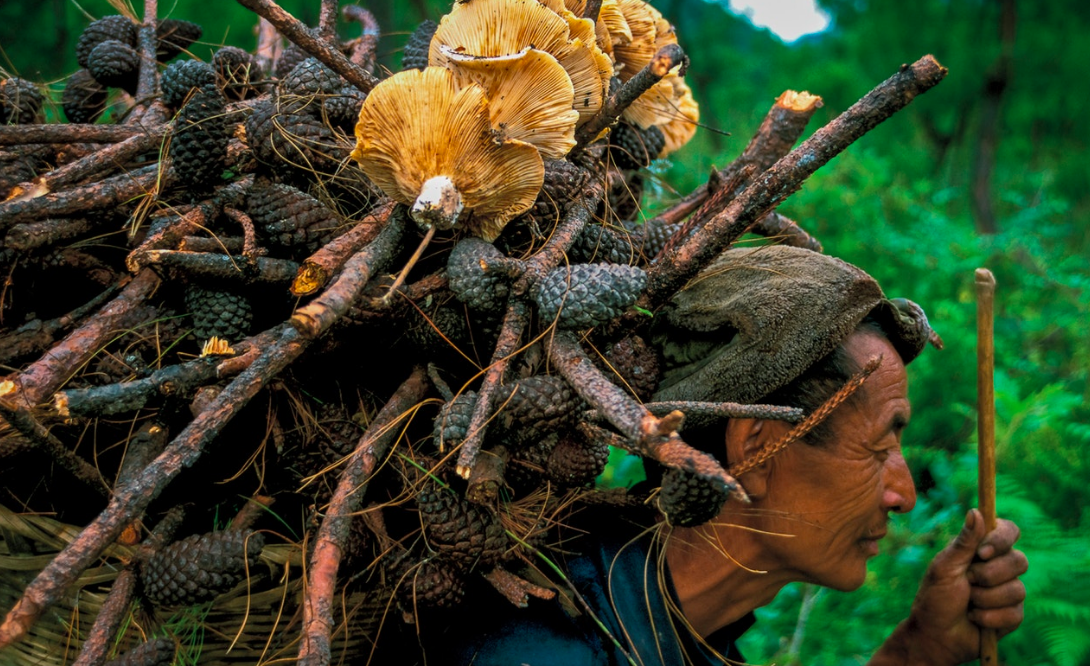
In northwestern Yunnan, each village has a sacred forest where the locals believe the gods reside, along with the spirits of their ancestors. People are not allowed to cut down trees, but they can collect fallen branches, mushrooms, and medicinal plants.

People's Republic of China

Enoughness is the feeling of something central being restored. It is a luminous path to a fully expressed life.

What a joy it has been to find the purposeful focus of living from enoughness in my own life; by looking carefully and listening closely to the lessons shared with me by the people who still live close to the land and who know how to carve a living from the Earth without destroying it.

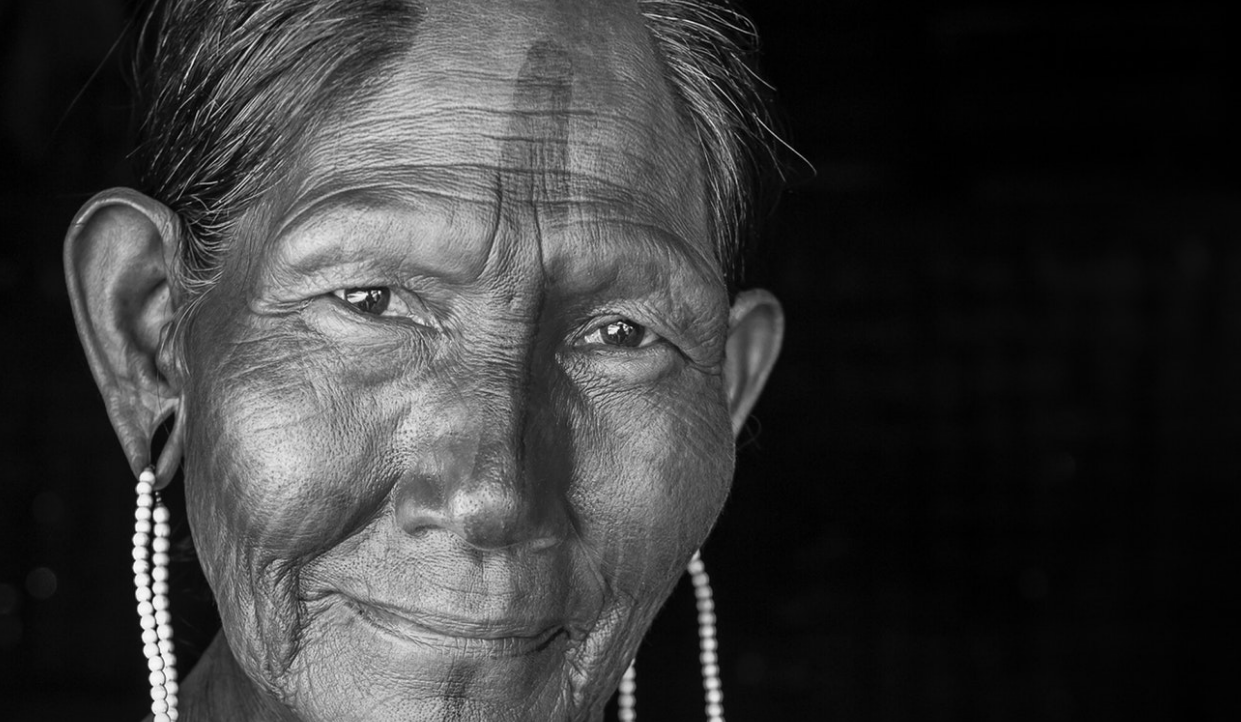
The embodiment of strength, knowledge, and the rich cultural heritage of her people, who have lived in the rainforests of Brazil for millenia, this Kayapó elder is a leader in her community and a proud keeper of their traditional knowledge.

Brazil

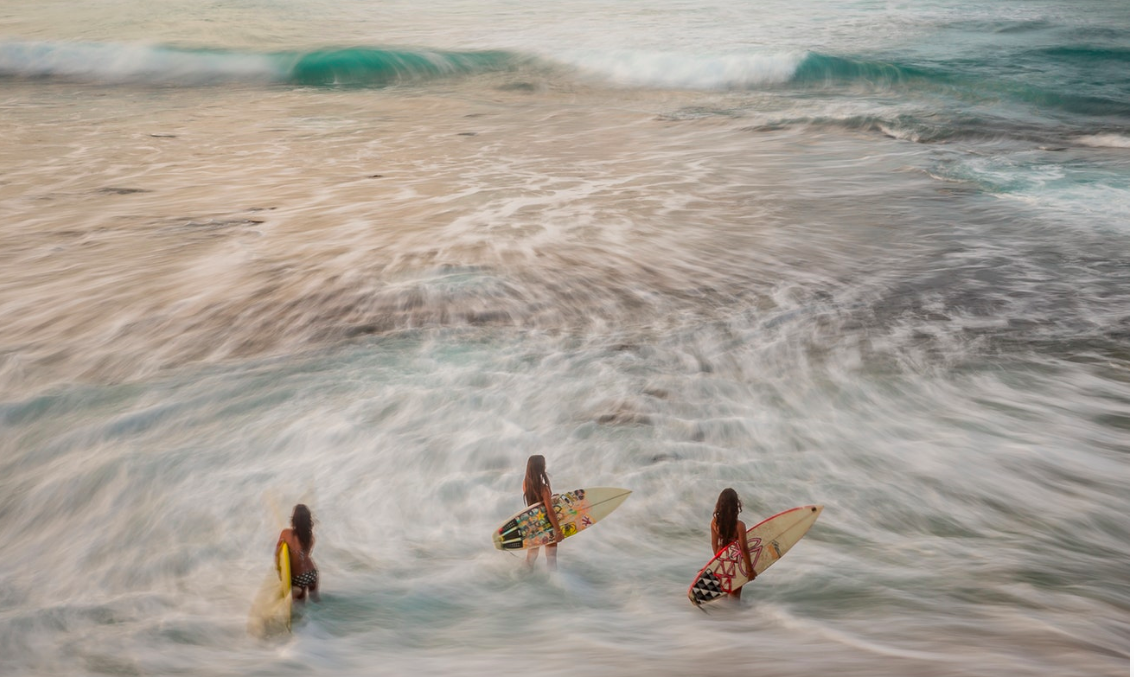
Eyes on the horizon, Miracle, Virtuous, and Heavenly Kaahanui float with their surfboards, waiting for the next set of waves to roll in. For centuries their ancestors have practiced this art, perfecting their prowess in the water, and nurturing a deep connection with the life-giving grace of the sea. In that moment, soaked in the glittering spray of the vast Pacific Ocean once again, I know for certain that long-lasting change will only come when we feel more connected to the surge of life that is beating on our shores.

Three Hawaiian sisters wait for the waves in Makaha Beach, Oahu.

Hawaii, United States of America

Over millennia, the tireless swing of the tides has given shape to the continents and character to our coasts; morphed and bent to the will of the sea. Every day, for a few precious hours, the shore belongs to the land. Then under the gravitational spell of the moon, it is once again reclaimed by the waves. To us, however, it never truly belongs.

There is an invisible line between the familiar feeling of our feet on solid ground and the inky abyss, often foreign and fearsome, where creatures with gills, scales, and fins are better suited to survive.

[1] A curious Stellar sea lion in the rich waters of the Salish Sea. [2] Molina Dawson, a young Musgamagw Dzawada’enuxw warrior, is occupying the polluting open-net fish farm that was placed in her people’s ancestral territory without their consent.

Canada

Though bound to the land, humans have benefited from the riches of the sea since the beginning of time. We should know by now that if our oceans thrive, so do we. Why then, are we collectively failing to nurture and protect the cornerstone of all life on Earth?

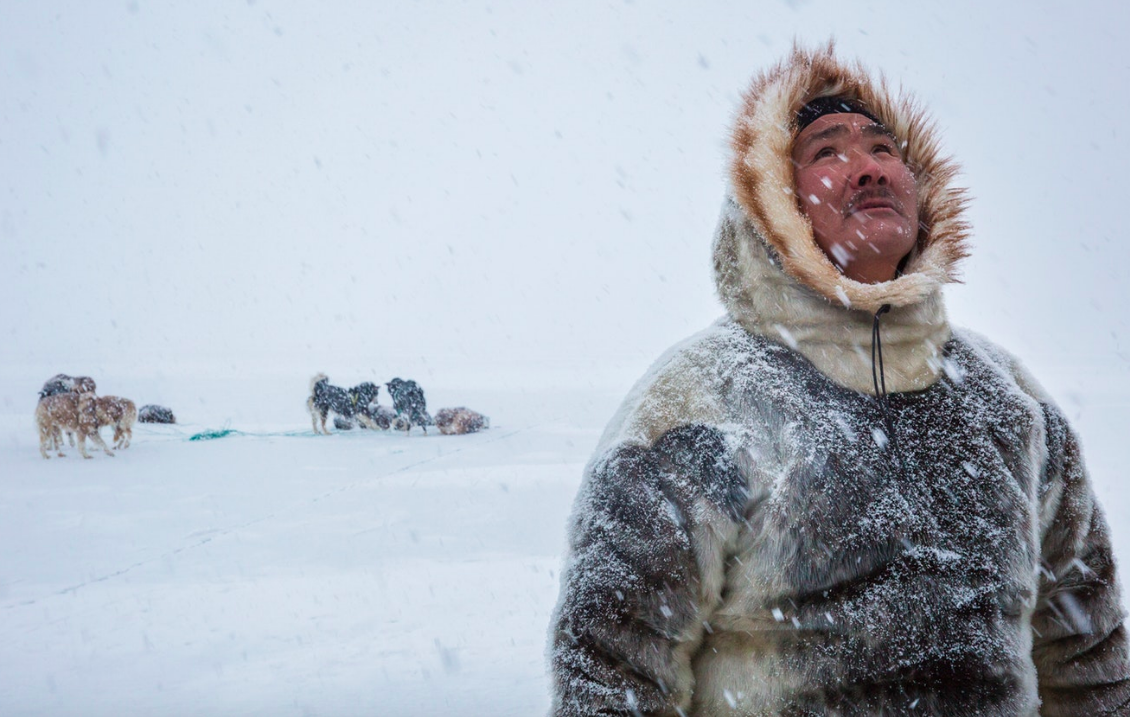
As he lifts his eyes to the falling snowflakes, Naimanngitsoq Kristiansen, a traditional Inuit hunter from Greenland, reminds me that nature is a spiritual sanctuary, made all the more hallowed by the first flurry of snow in Spring.

Greenland

Knowingly or not we have abused the generosity of the sea. Perhaps we have been walking on land for so long, we have forgotten that our very existence depends on a healthy ocean. Every second breath we take comes from the sea; the oceans are the watery lungs of our planet, producing vast amounts of oxygen and absorbing countless tons of carbon dioxide.

One billion people, including many of the world’s poor, rely on fish for their daily protein. The rain and snow that falls over distant mountains, irrigating fields many miles from the shore, originates at sea. Immense ocean currents regulate our planetary climate, maintaining the perfect conditions for our fragile existence. Today, human-induced global warming and exploitation of our environment are threatening to destabilize all of this.

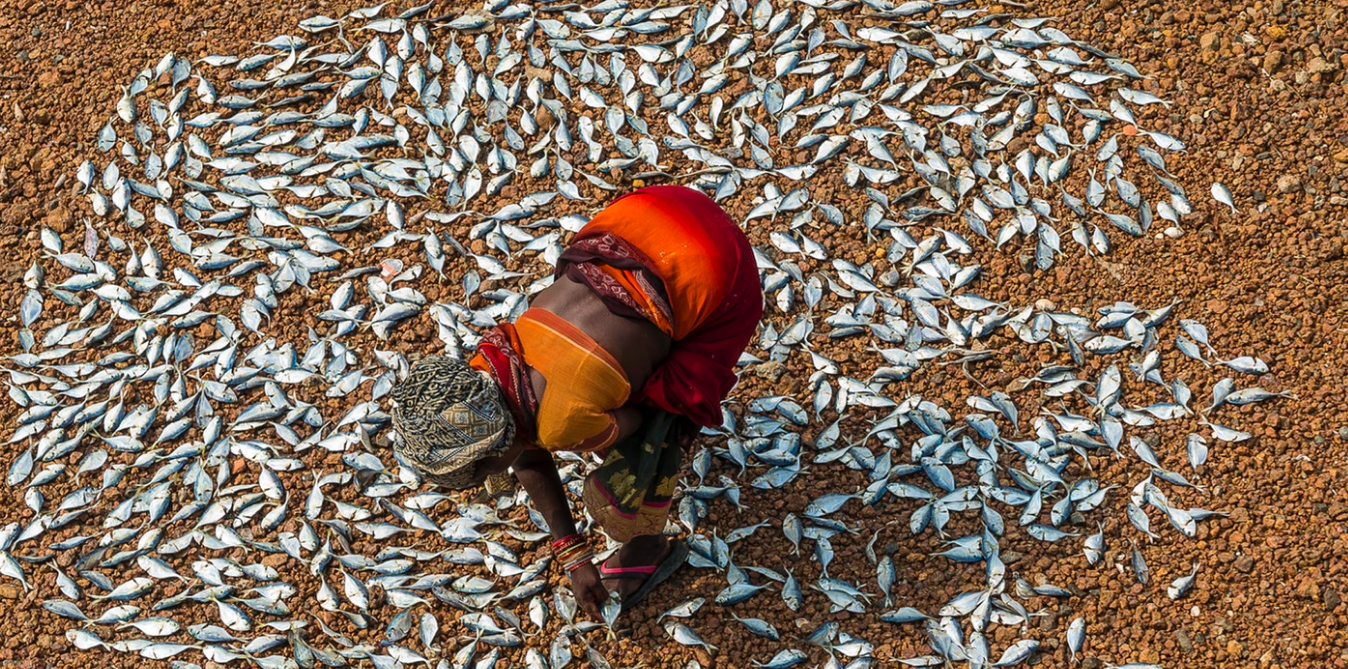
On a three-week long expedition from the southernmost tip of India to Chennai, I stopped in every coastal town to see what the fishermen were bringing in. The women I met told me that the fish are getting smaller and smaller, and many species are disappearing.

India

HOWEVER, ALL IS NOT LOST. WE STILL HAVE TIME TO NURTURE THE OCEAN’S INCREDIBLE RESILIENCE.

From Mexico to the Pacific Northwest, I have witnessed entire ocean ecosystems spring back to life when local communities are empowered to sustainably manage and restore their waters. Slowly but surely, communities around the world are harnessing the political will necessary to bring our oceans back to health. When we act together, we can inspire great change. This is why I co-founded SeaLegacy with my life partner, Paul Nicklen.

Zah, an artisanal fisherman, harpoons fish in the Abrolhos Reef to feed his family. Because they live in a Marine Protected Extractive Area, fishermen like Zah are committed to complying with fishing regulations and no-take zones, which benefit their local ecosystem.

Brazil

With a mission to create healthy and abundant oceans for our planet, SeaLegacy is a strong, collective voice of organizations, social media influencers and individuals working together to spark the kind of global conversation that inspires people to act. Through powerful media and art we deliver hope — the kind of hope that empowers and generates solutions. Hope can be a game changer, and hope for our planet is empowering.

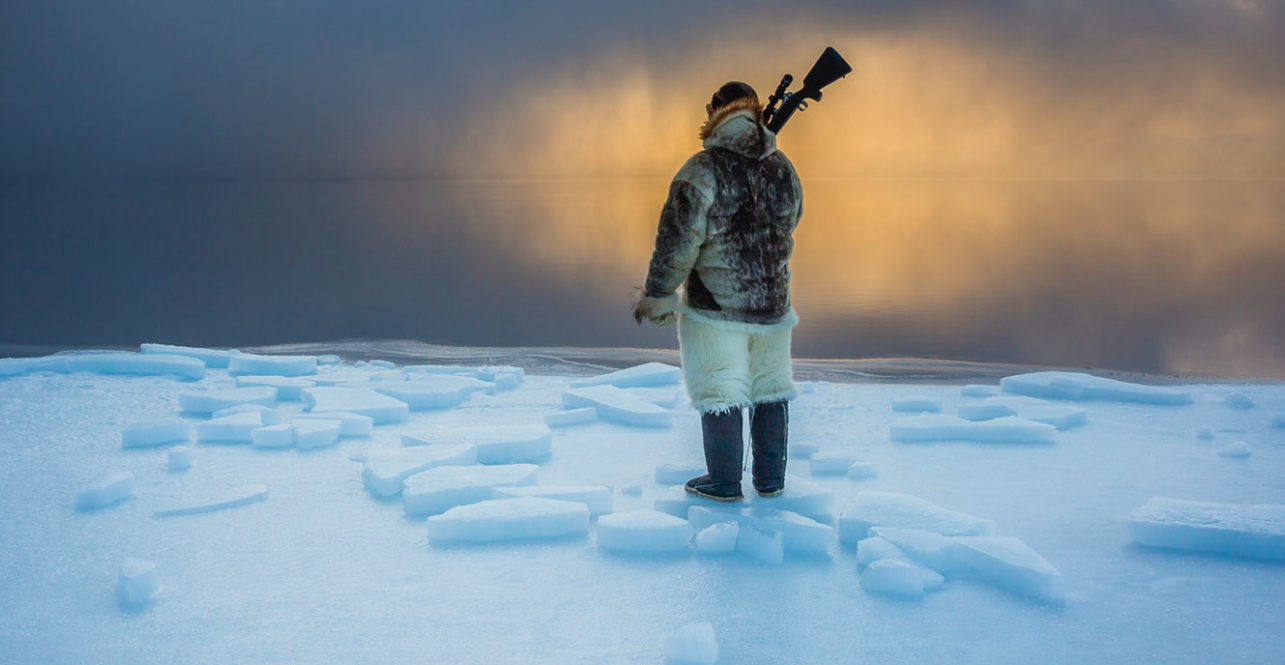
I watched as the sun dipped below the horizon, and the molten gold of sunset saturated the twilight. Just as his ancestors have done for centuries before him, Naimanngitsoq Kristiansen waits patiently for harp seal or walrus at the ice edge.

Greenland

Extraordinary opportunities exist to restore and thoughtfully develop our oceans in order to protect them and sustain life on this planet.

Our team at SeaLegacy works with an international council of experts to identify projects that are helping to create healthy and abundant oceans. We engage a groundswell social audience of over six million followers with compelling storytelling and invest in community-centered solutions, rallying global support through our massive media network.

Through vibrant digital campaigns, we take on projects such as influencing policy makers to protect whale habitats in the Norwegian fjords, filmmaking to show the critical ecological value of keeping the Antarctic Peninsula wild and free, and partnering with indigenous First Nations communities to ban harmful fish farming in northern Vancouver Island, Canada.

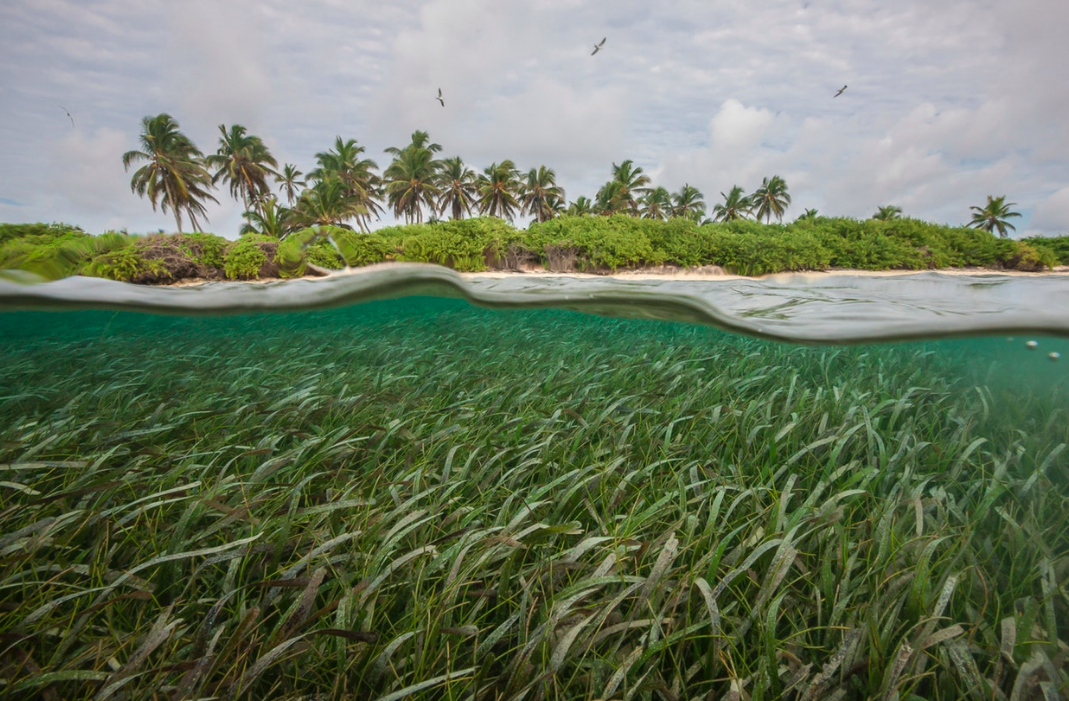
Every day, through our vital work, I experience hope in action. Co-founding SeaLegacy gifts me with the ability to align the rich elements of enoughness with my deep concern for life beneath the thin blue line of our ocean.

From the air we breathe, to the food we eat, to the climate we live in, we all depend on our oceans. Today, they are more important than ever. Healthy oceans absorb vast amounts of carbon from our atmosphere and help reduce the impact of climate change.

Honduras

On nights when the opalescent moon brings waves crashing against the rocky shoreline of the coast that I call home, I rejoice in the pungent scent of saltwater. The sea is like a forgotten womb from which all life emerged. It is here, at the water’s edge, that my heart beats its loudest.

Perhaps it is the reassuring cadence of the tidal rhythms or the way that the waves roll in from the open ocean with playful, operatic grace, carrying dreams of faraway underwater kingdoms. Or perhaps it is the way that the ocean’s low, sacred rumble rests in my soul, long after the last grain of sand has washed from between my toes.

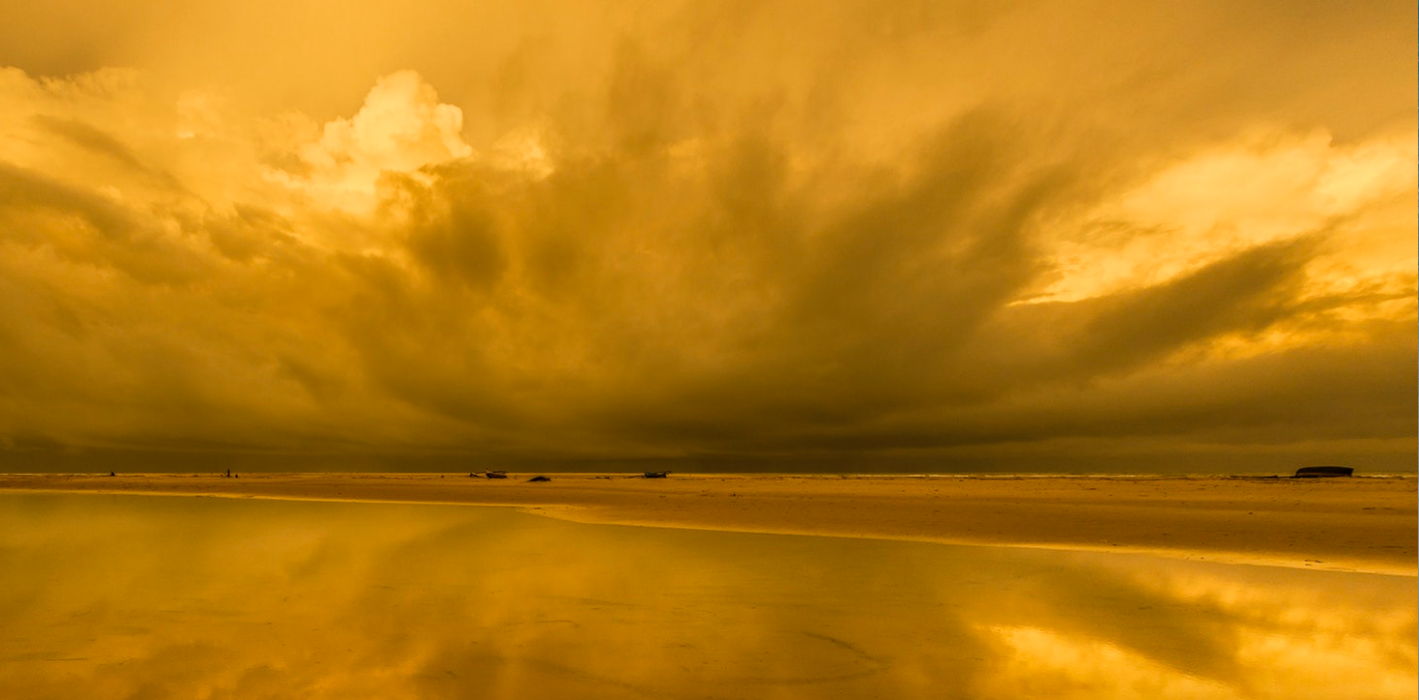
A shimmering sunset is reflected in these shallow waters, as traditional Vezo fishermen draw up their boats for the night.

Madagascar

As a photographer, I feel an urgency to remind my fellow humans that our destiny is inexorably tied to the fate of the sea. As a scientist, I am motivated by the knowledge that continuing to ignore the failing health of our oceans now, while we ponder the consequences later, is an invitation for disaster.

Combining the two, I am a fierce advocate for our planet and strive every day to make a tangible difference. With hope as a beacon, my dream is that together we can turn the tide and achieve healthy, abundant oceans for all.

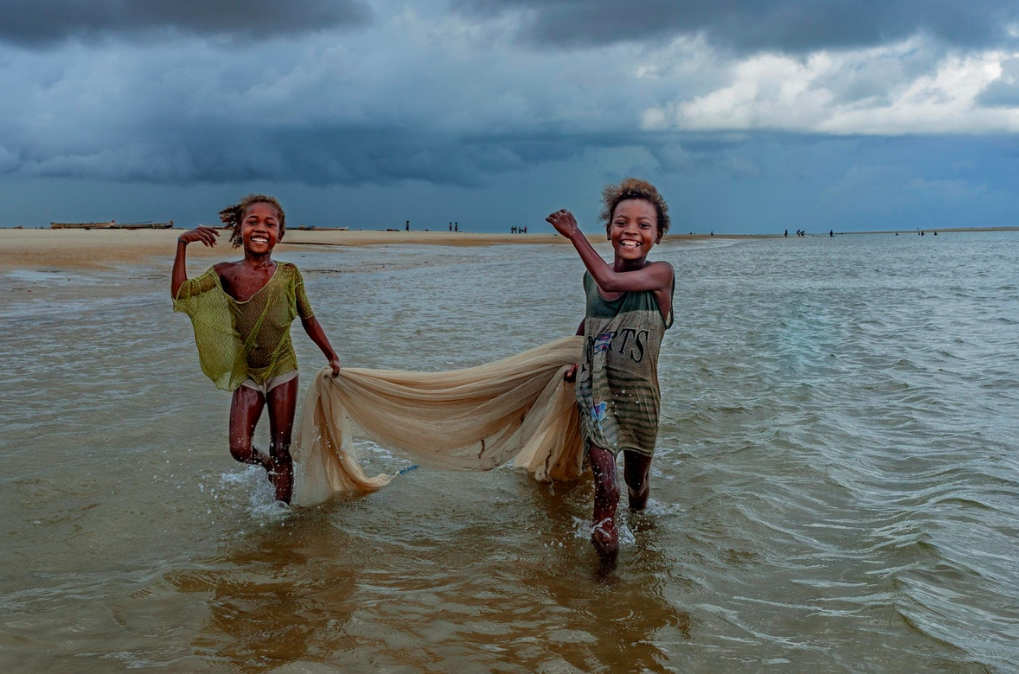
Two young Vezo girls, like water nymphs more at home in the ocean than on land, gather fish for their family’s dinner.

Madagascar

CRISTINA MITTERMEIER is a photographer, writer and conservationist documenting the intersection of wild nature and humans. Co-founder at SeaLegacy.

THIS ARTICLE WAS ORIGINALLY PUBLISHED ON MAPTIA