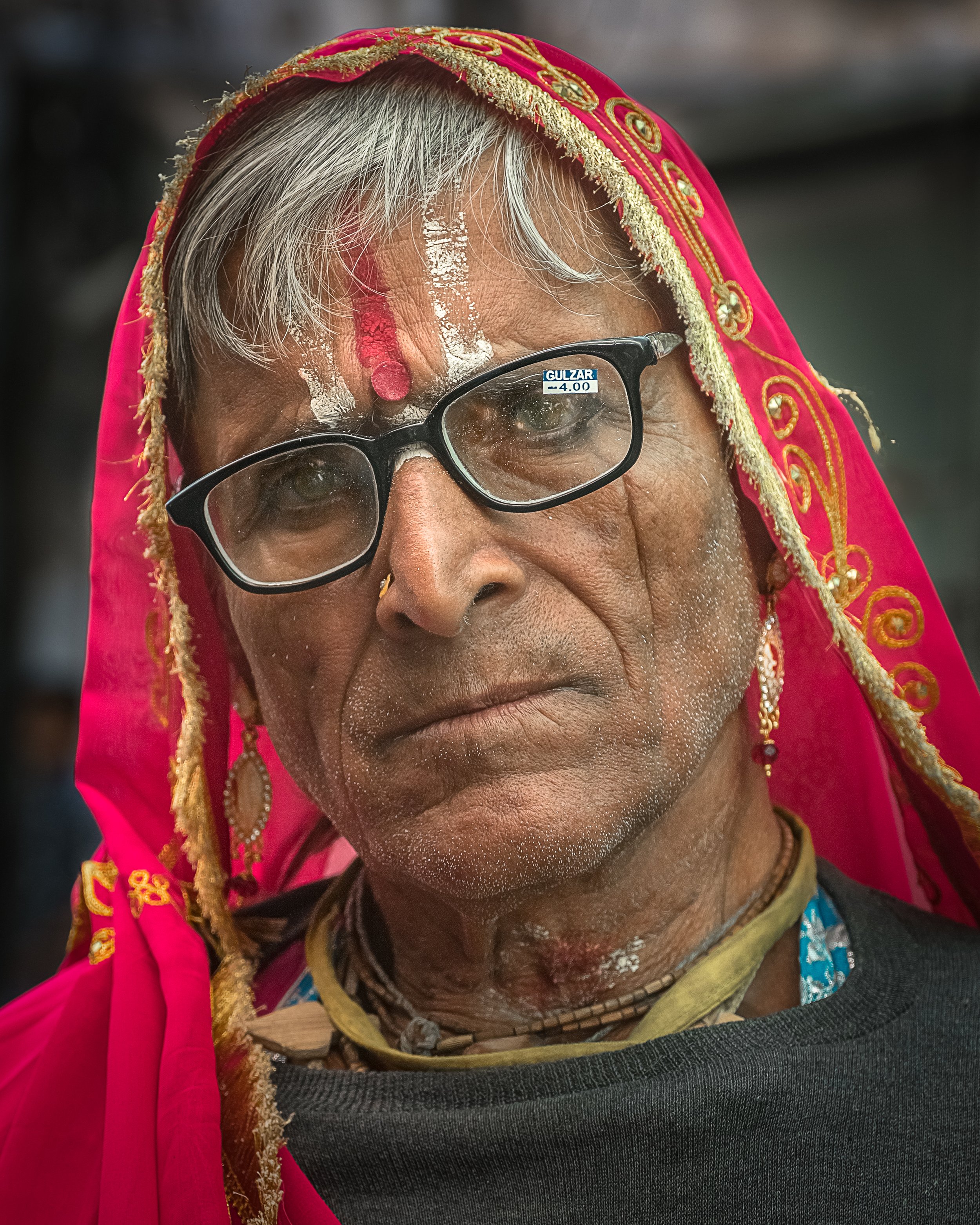
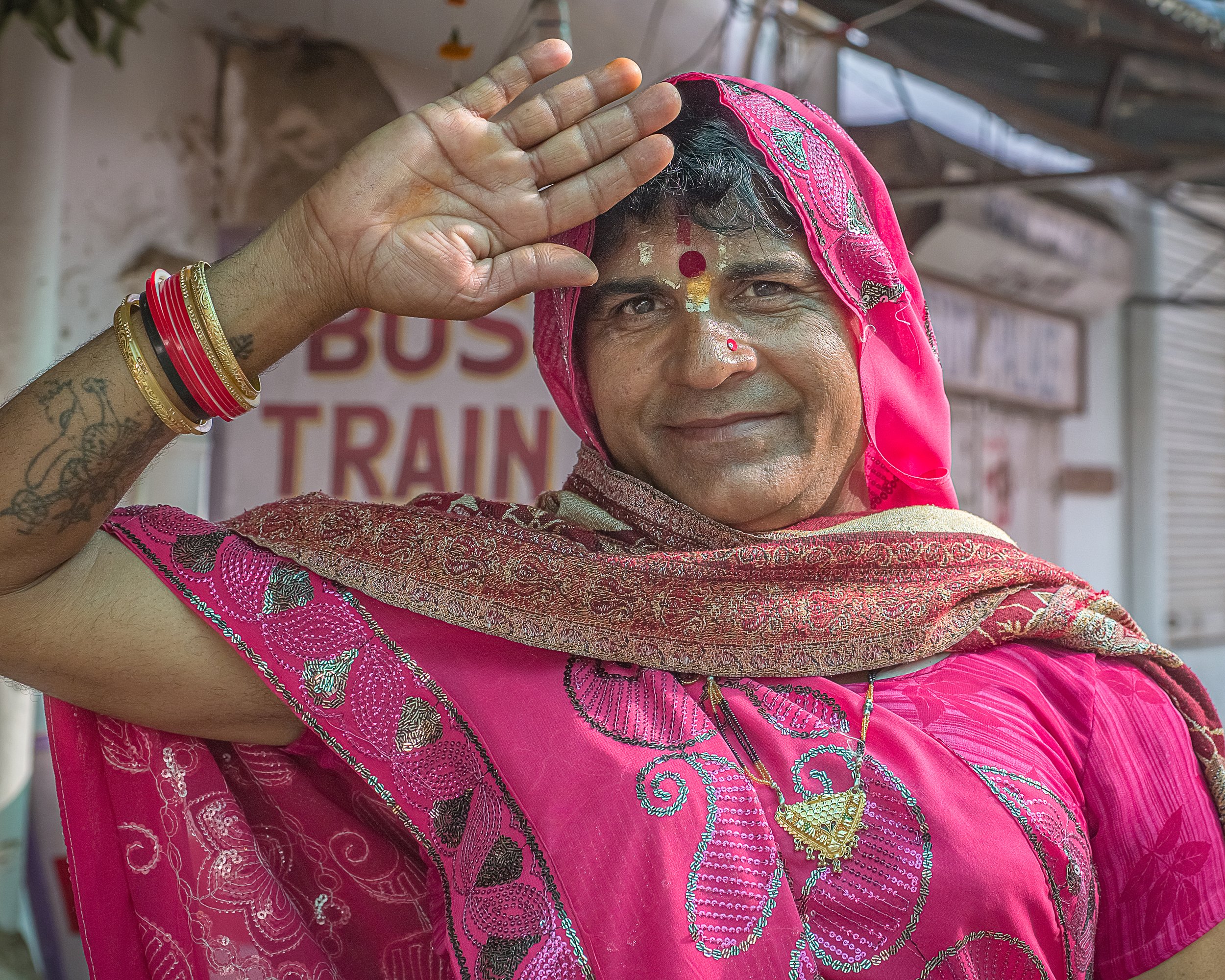
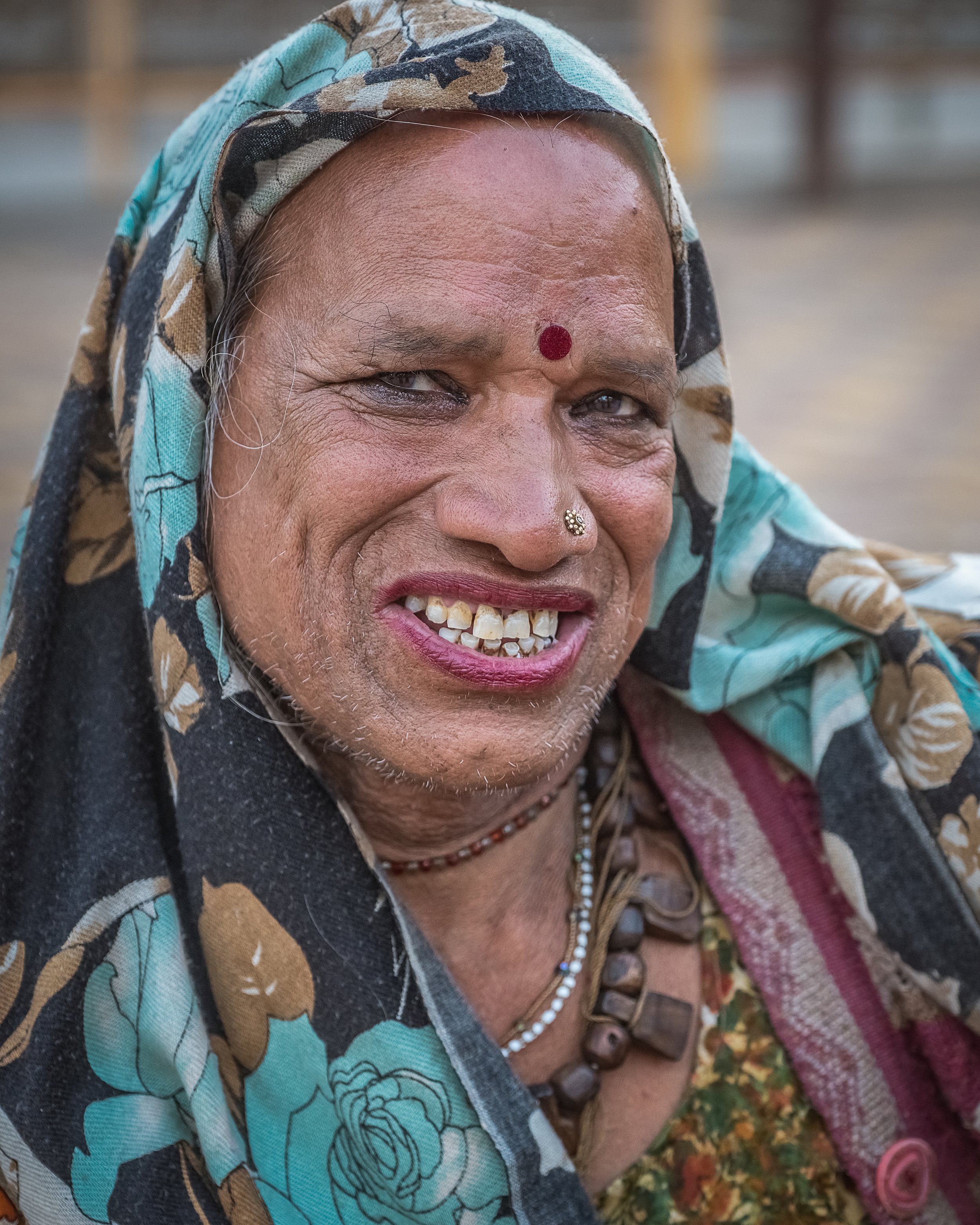
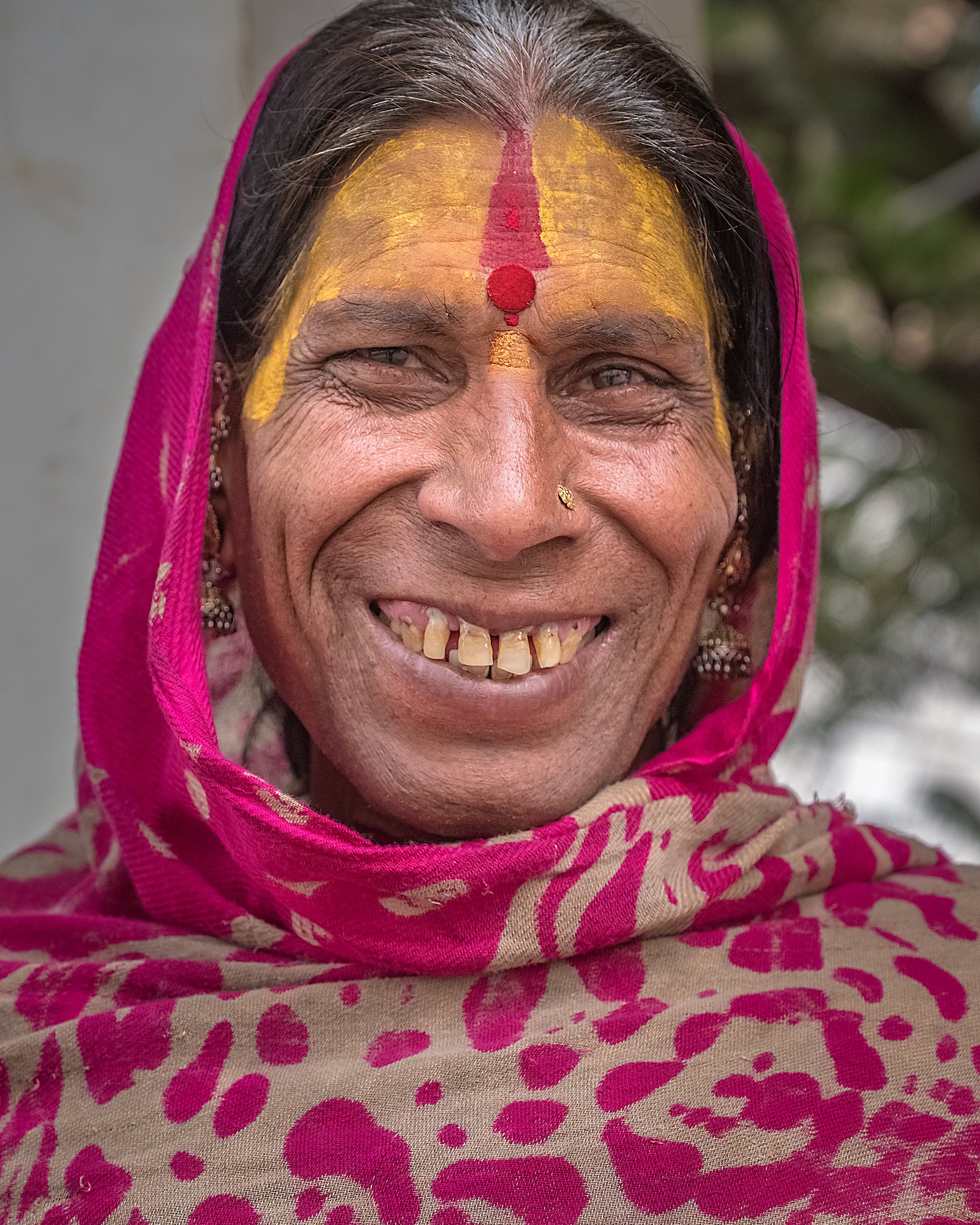
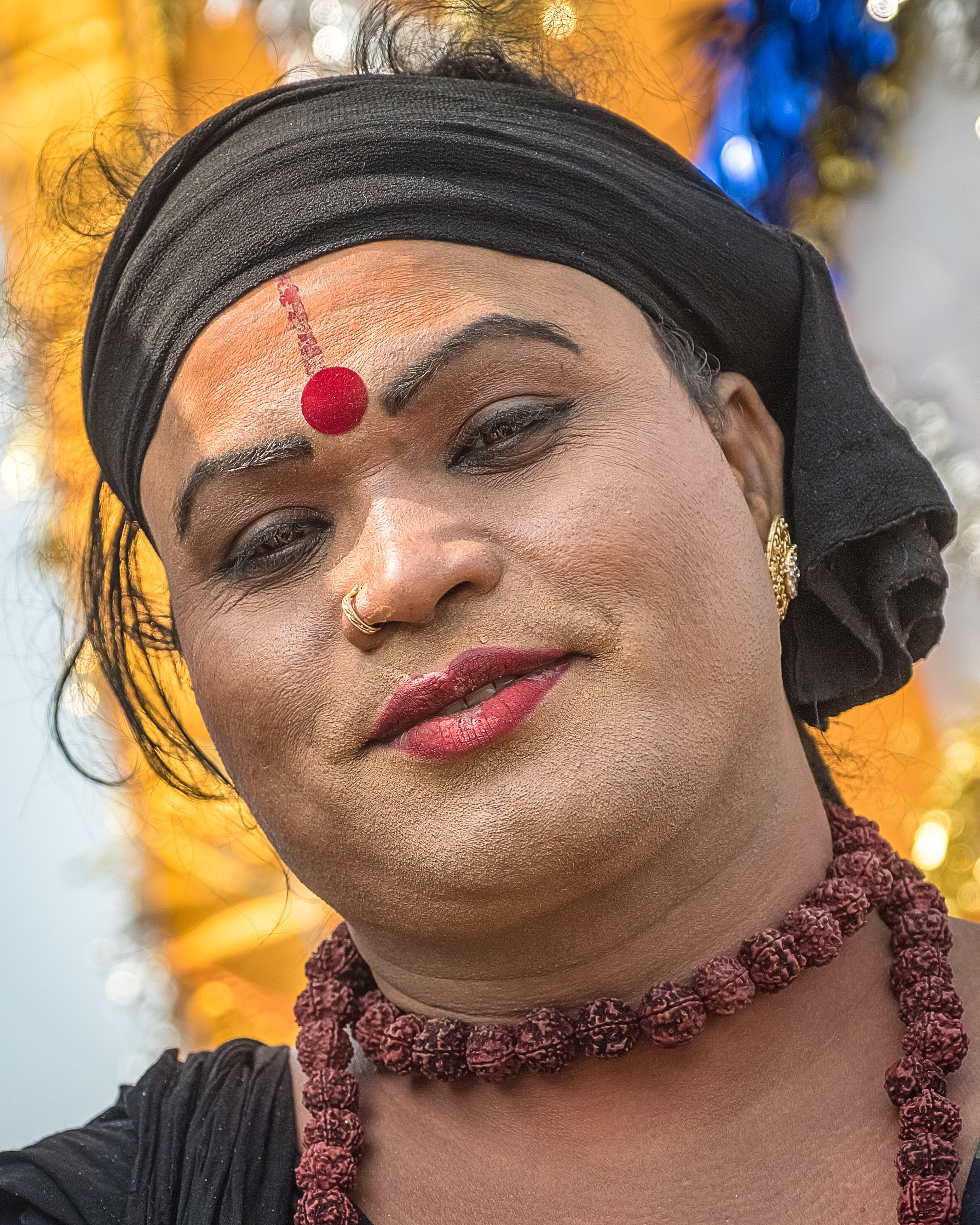
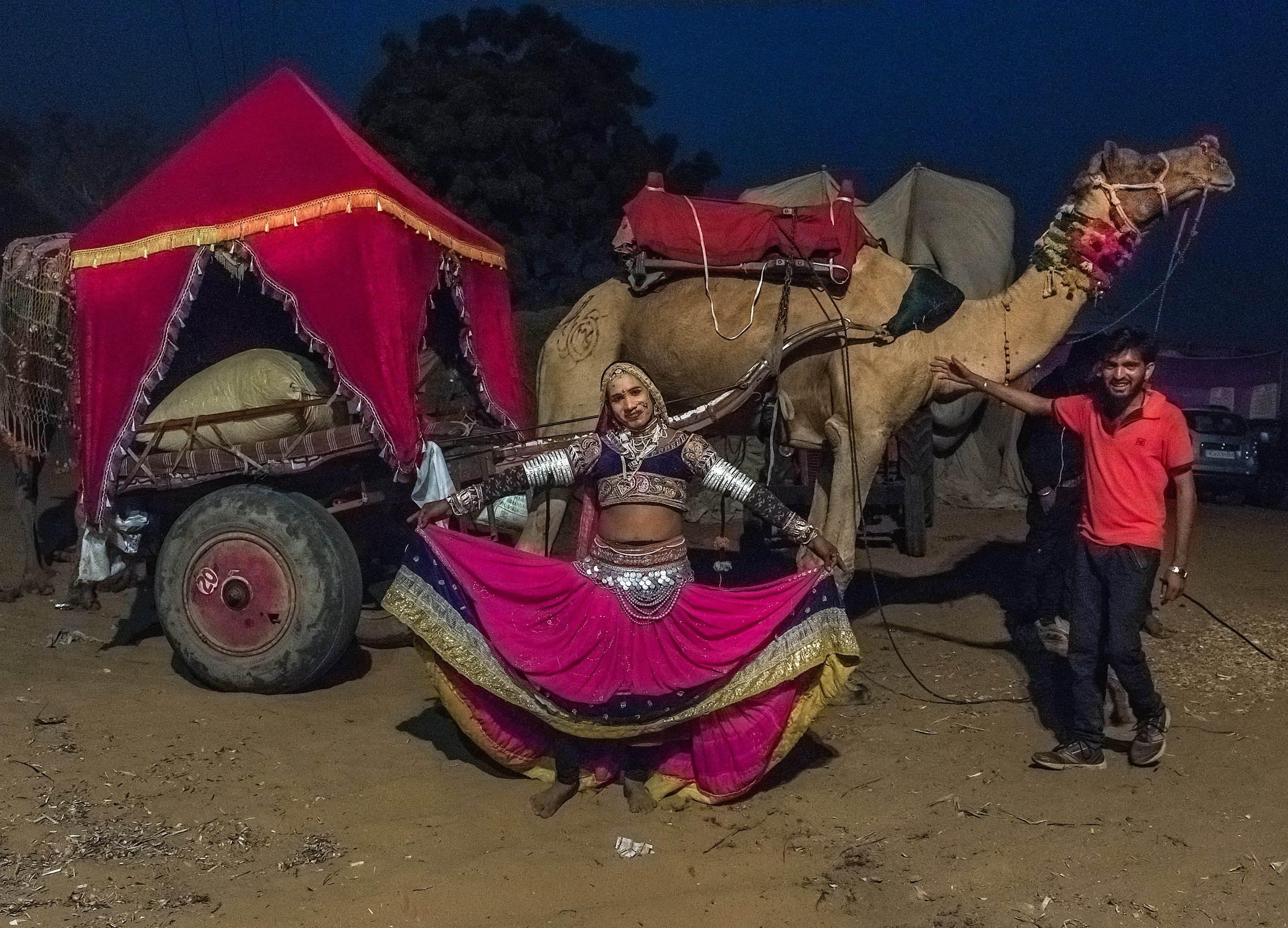
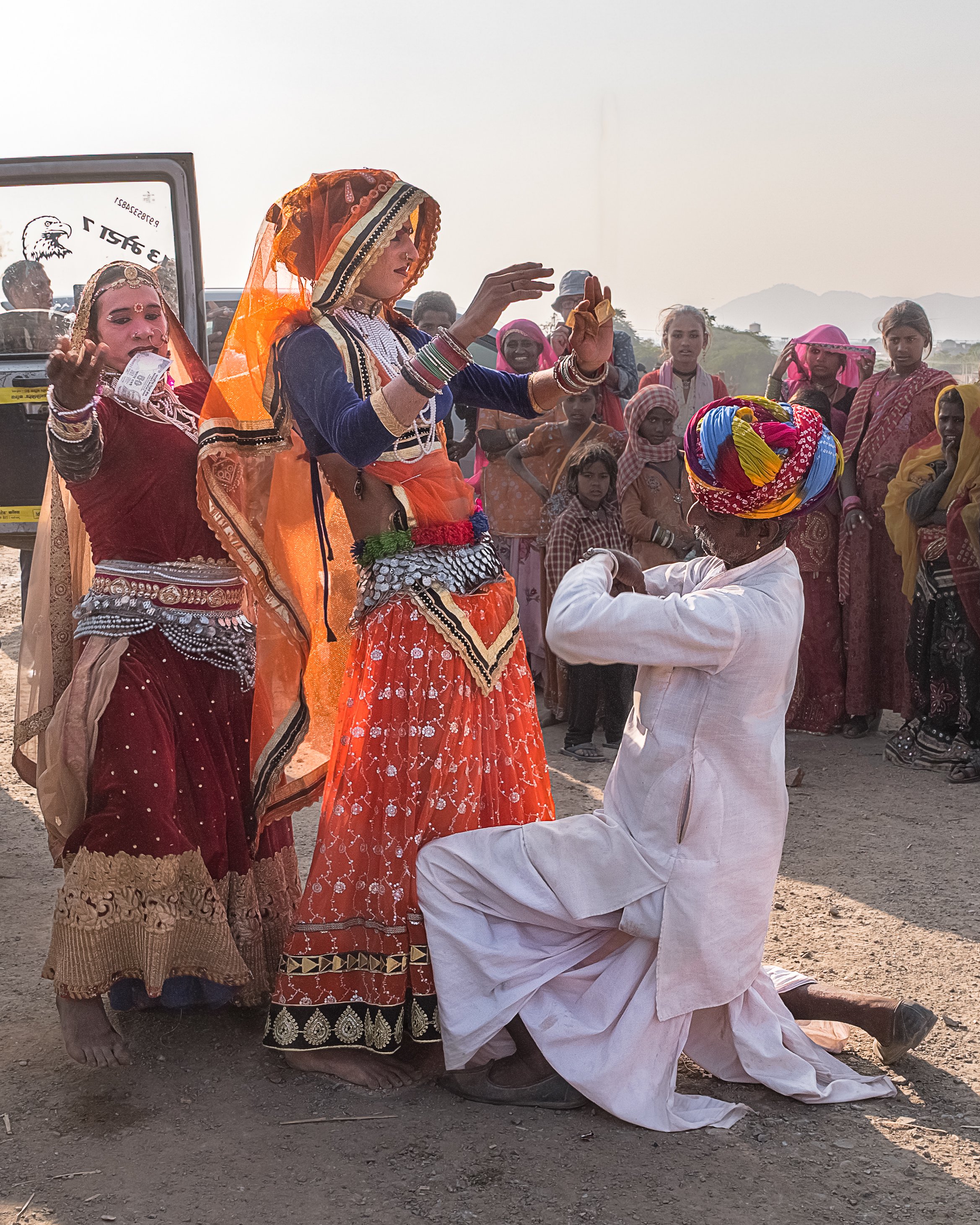
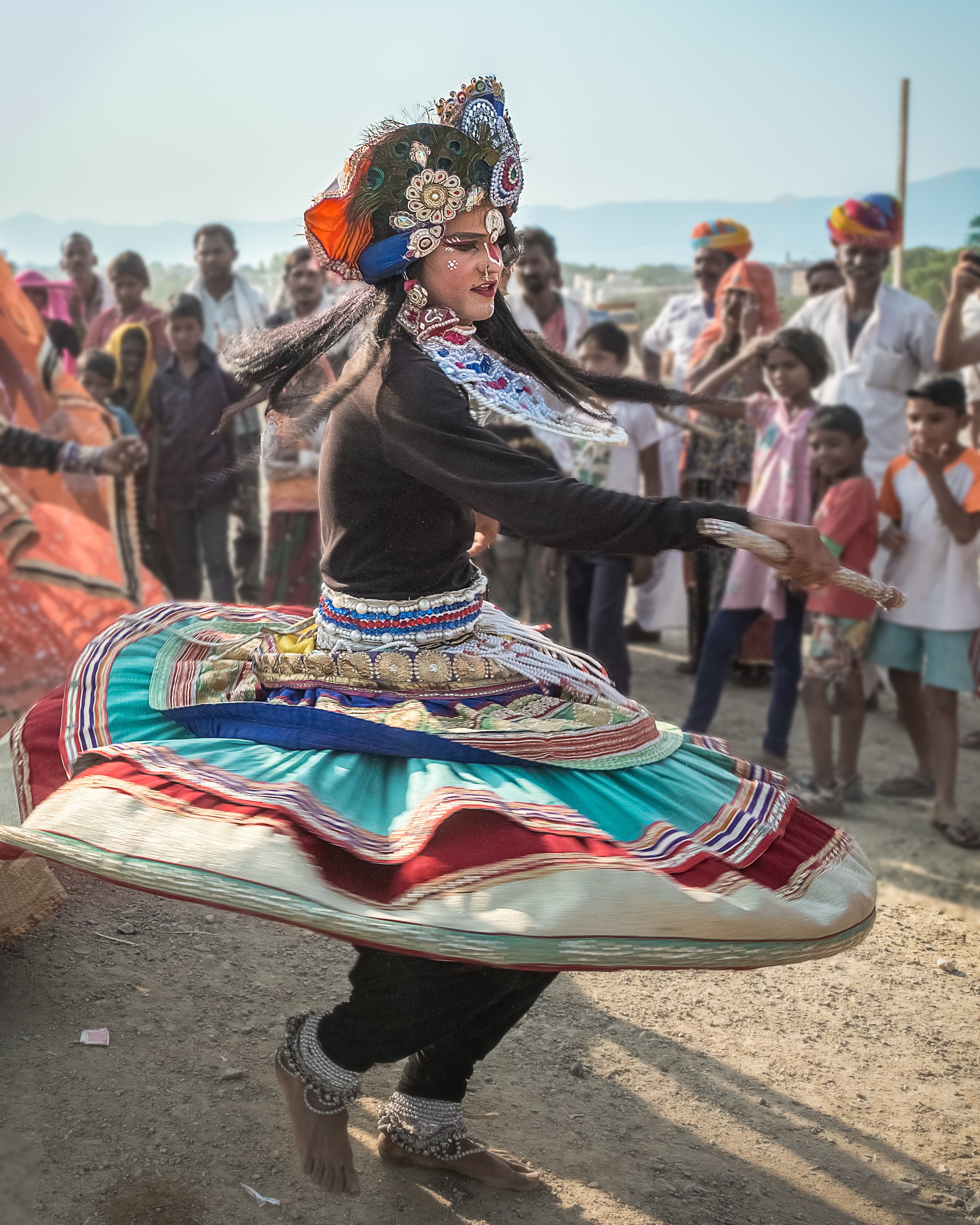
THE HIJRA — INDIA'S THIRD GENDER

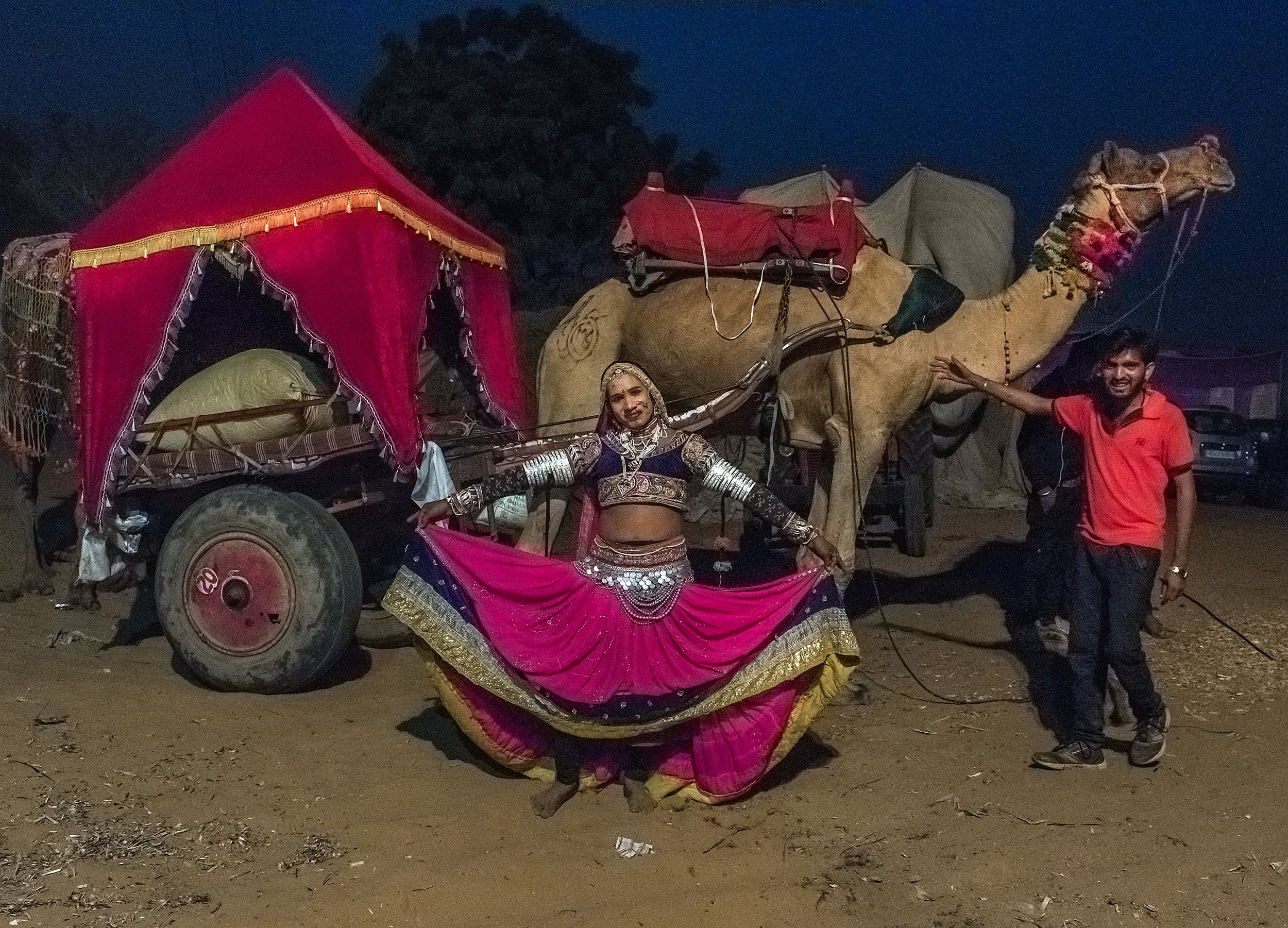
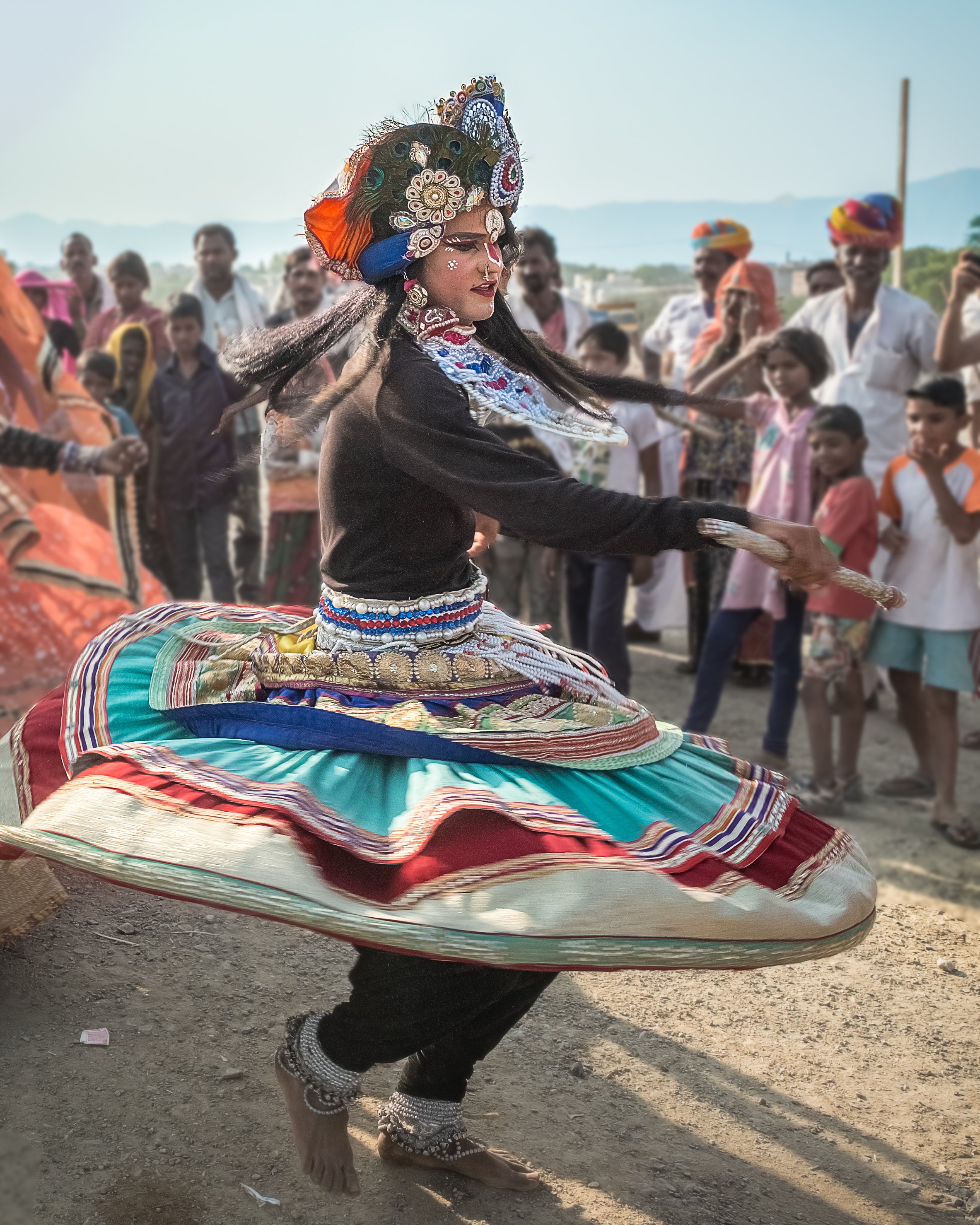
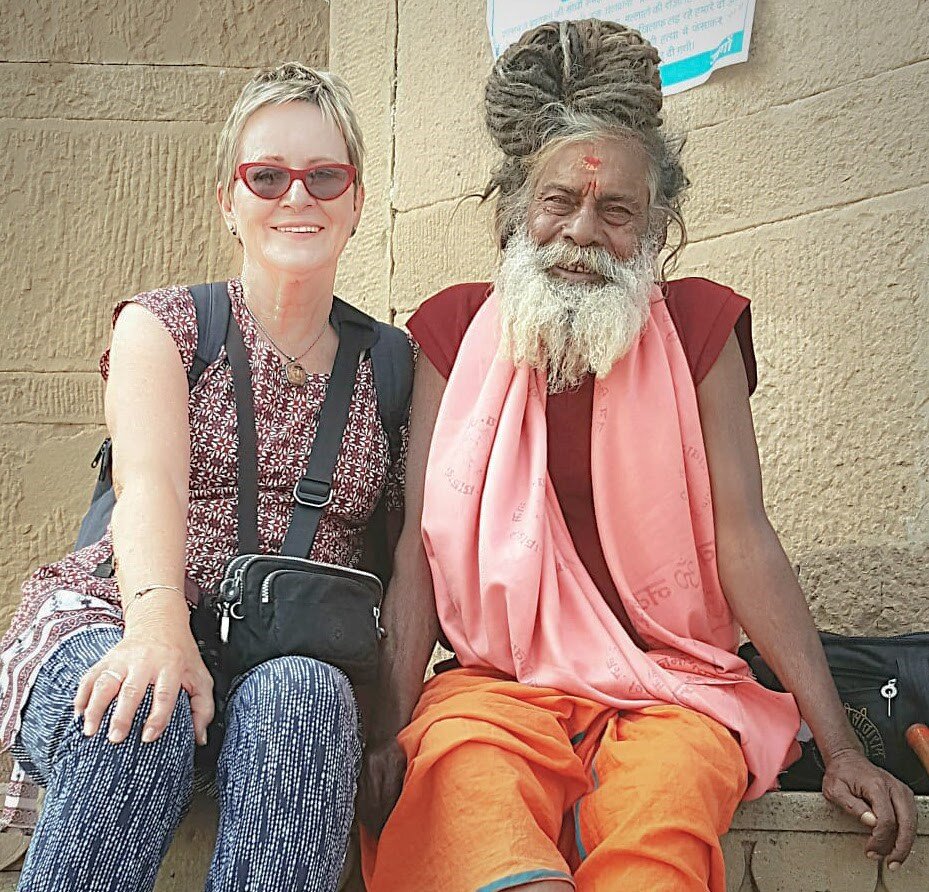
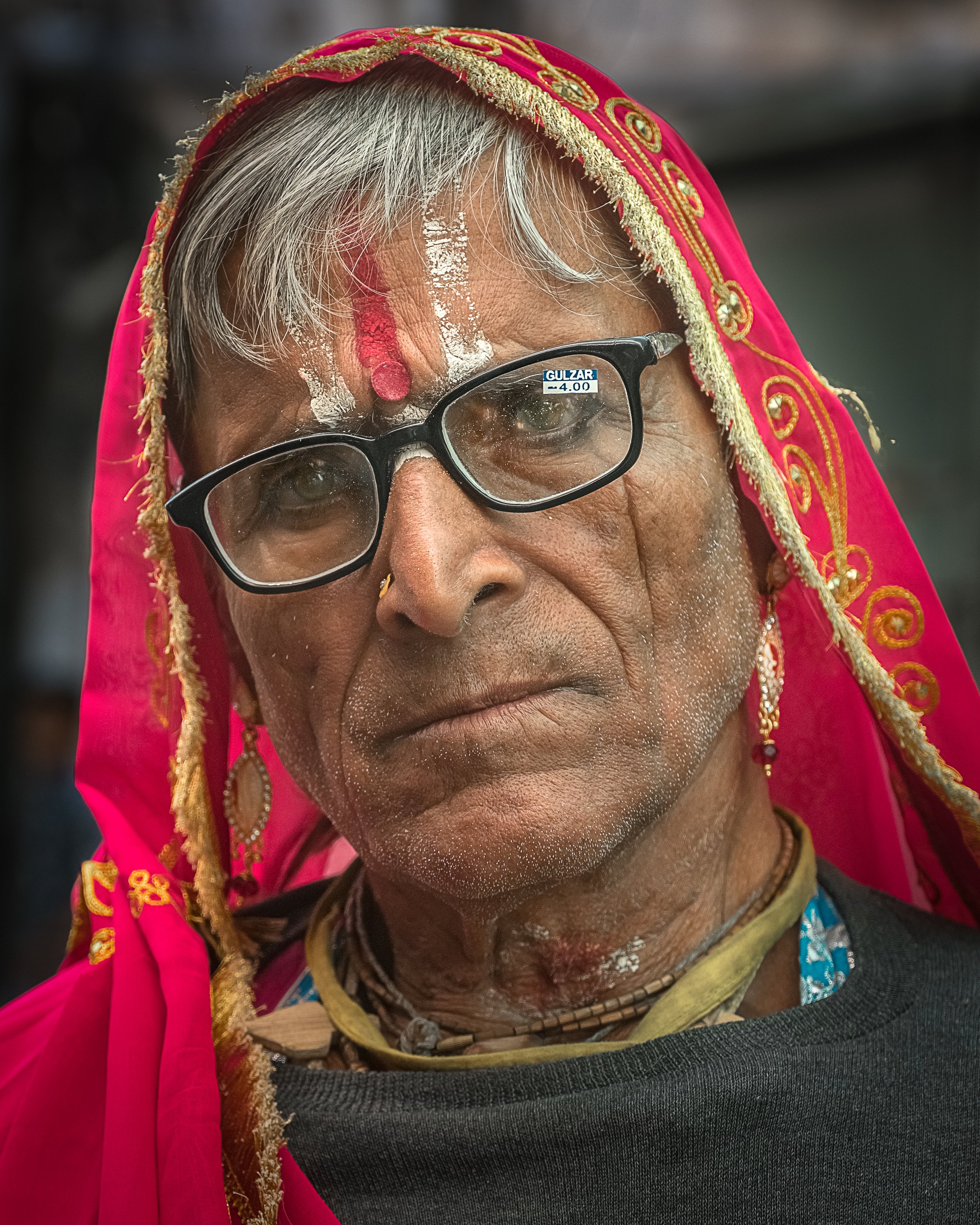
While Western countries move to embrace the LGBTQ+ community, people of non-binary gender in India have played an important role in the society’s history and culture for over 4000 years.

Evidence of sexual ambivalence has been a recurring theme in ancient holy texts in which Hindu deities often change genders. In various Hindu scriptures, Hijras are seen as demi-gods who have historically played important roles as entrusted advisors to rulers. Hijras are born male but look and dress as female — many will undergo castration and offer their male genitalia to the Hindu goddess Bahuchara Mata. Bahuchara Mata is a pivotal deity who enjoys the patronage of the transgender community in India.

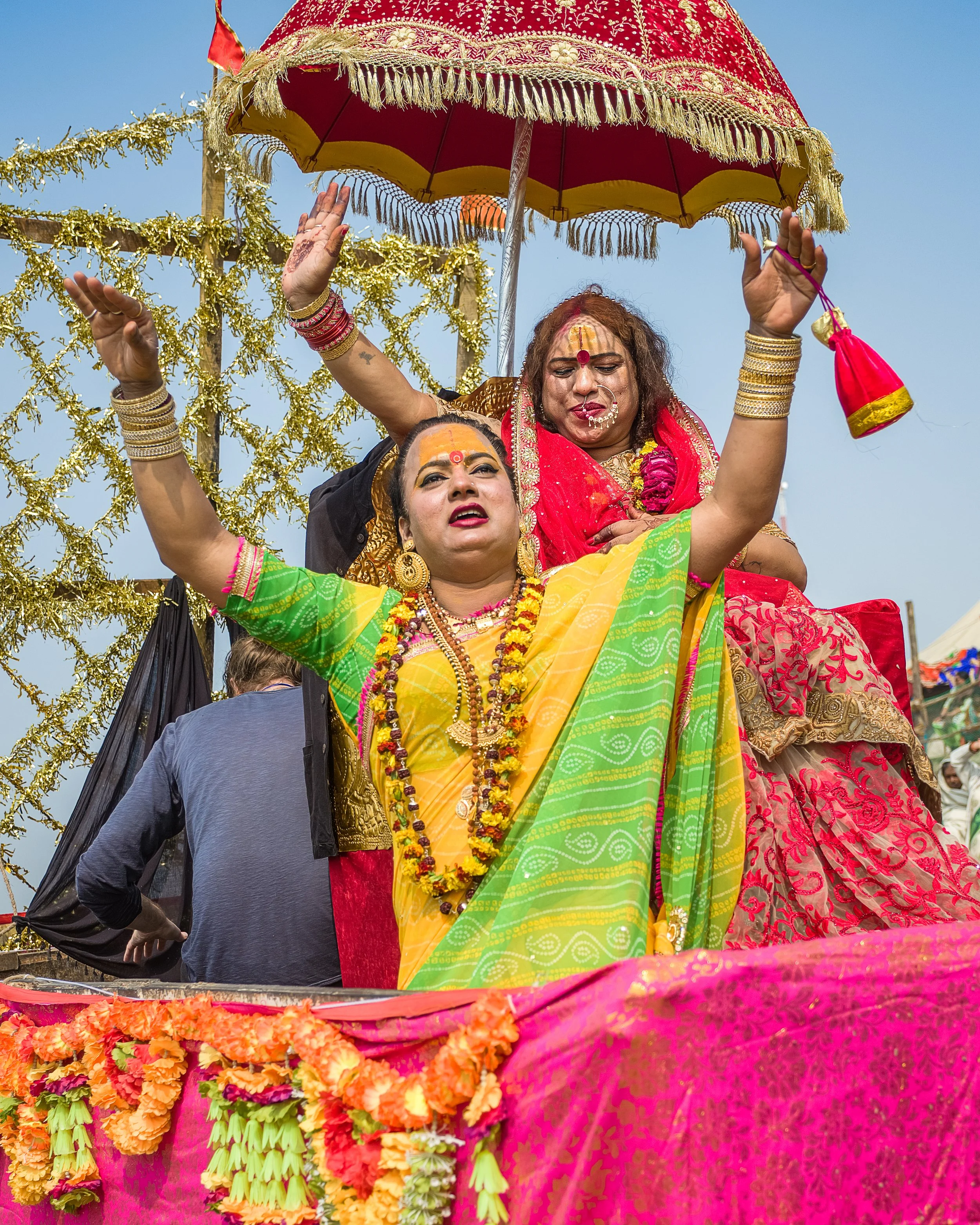
Life as a Hijra, or Kinnar (mythological beings that excel at song and dance) as they prefer to call themselves, is often a difficult one because while someone they may be revered they can also be disdained. Often cast out by their families they become open to exploitation, forces sex work and dangerous castrations. Community networks help to overcome this alienation by forming “houses” or “families” led by a Guru/teacher in order to support themselves by dancing and performing rituals. The connection to male/female characters in holy texts leads many to believe that the Hijra possess special powers and they earn a living by attending weddings and birth ceremonies to dance and offer blessings. To many Hindus, a Hijra’s blessing will mean long life and prosperity for the child. After a marriage ceremony the couple will receive a fertility blessing. It’s believed that the Hijra’s act of sacrificing their ability to procreate to the goddess Bahuchara Mata gives them their incredible religious power. 
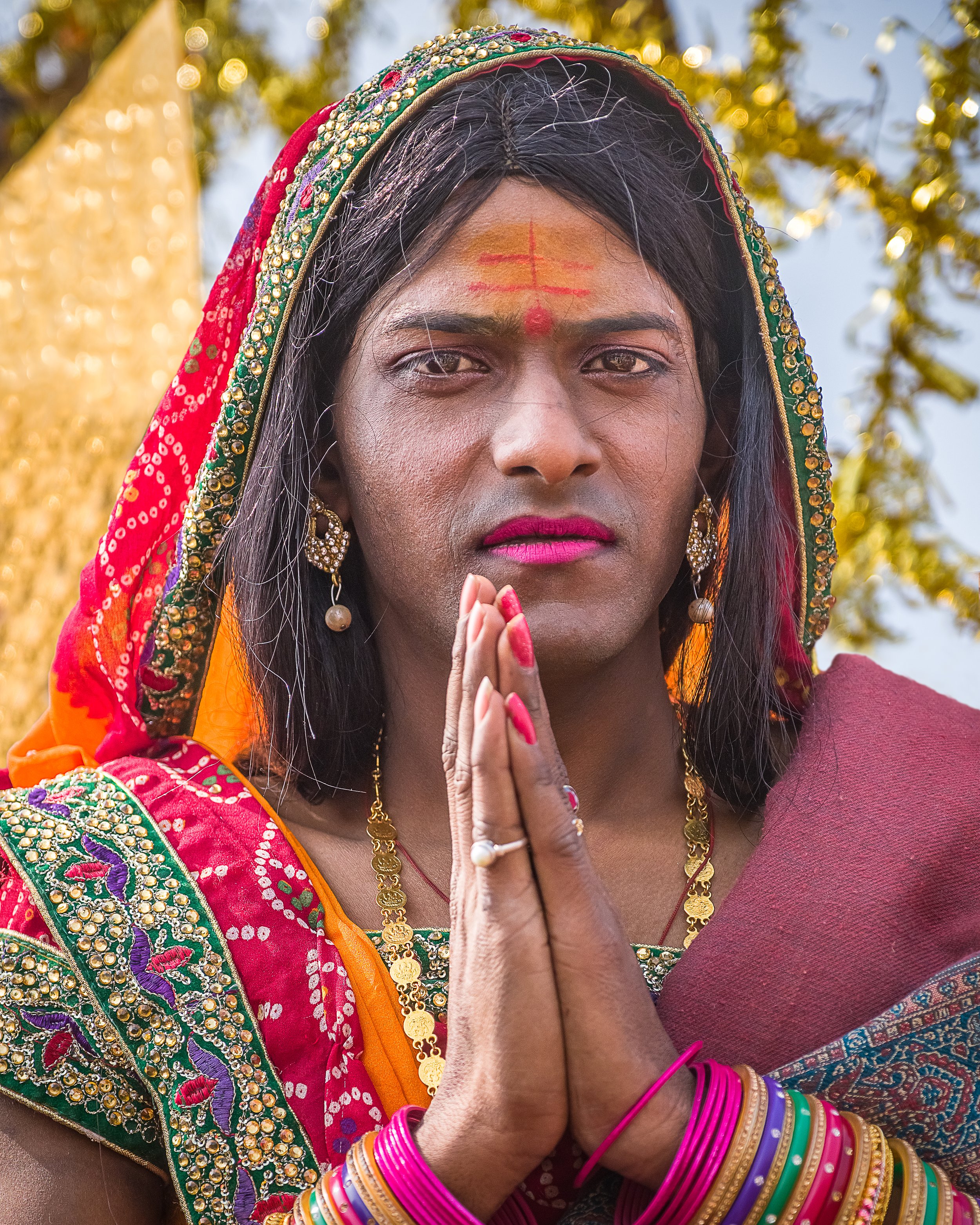
During the British colonization of India, the fluidity of gender was repressed, transgender practices were outlawed, and they were forced underground. In recent years, the Hijra have regained some of the rights and freedoms that were formerly denied. In 2014 the Supreme Court acknowledged that third gender people are deserving of rights equal to other citizens. They are slowly assimilating into the fabric of Indian society and are now recognised as a third gender on passports and other official documents. 

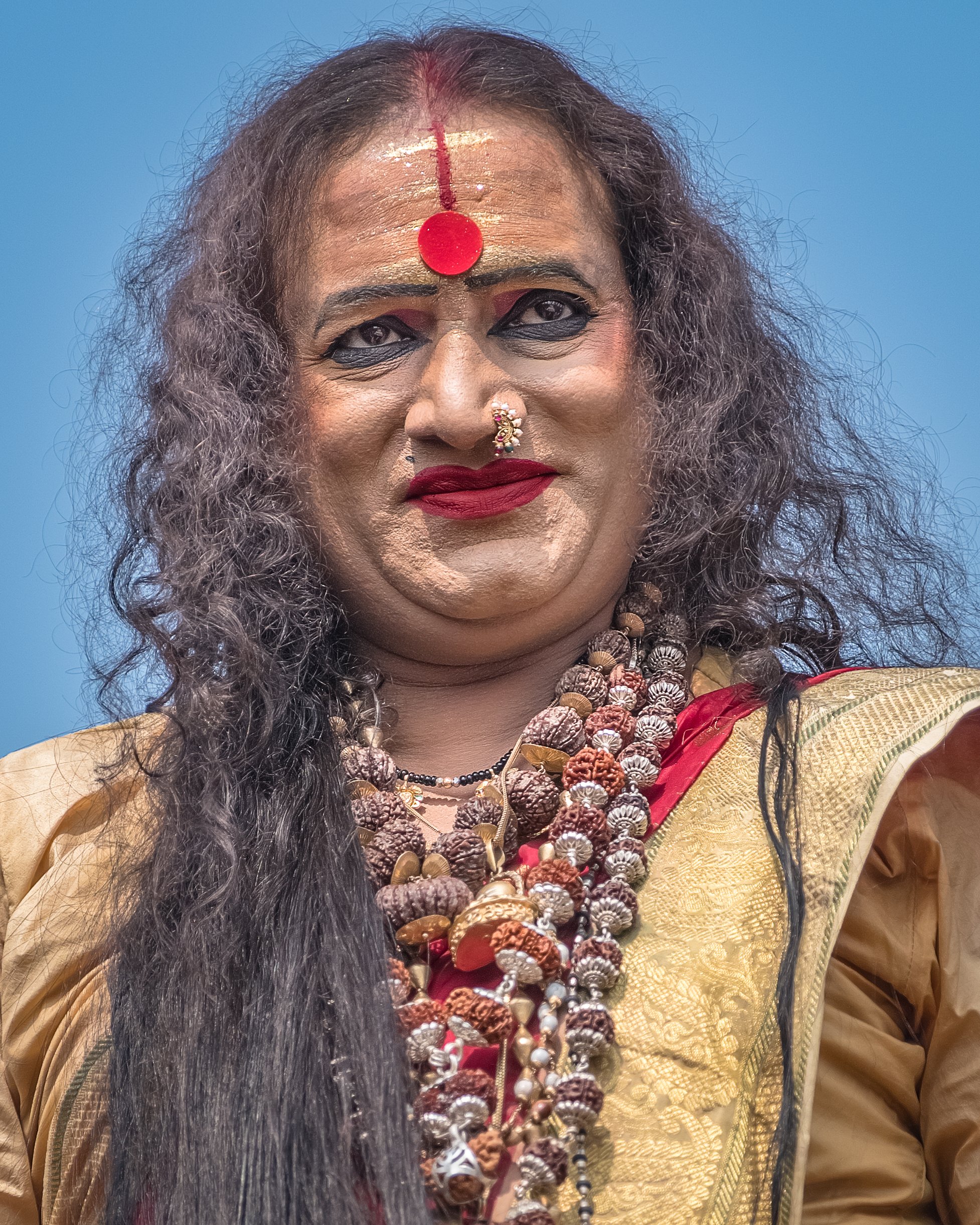
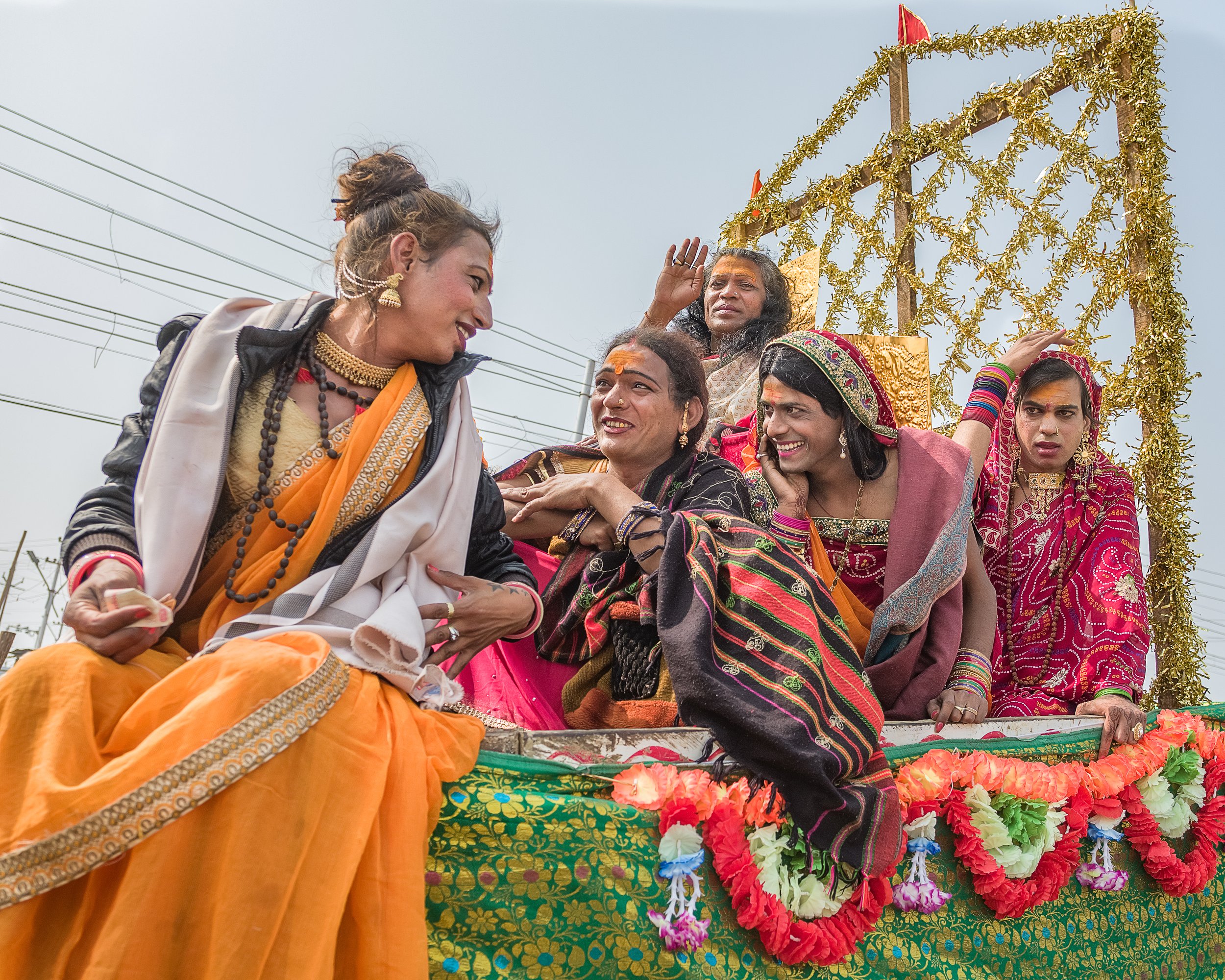
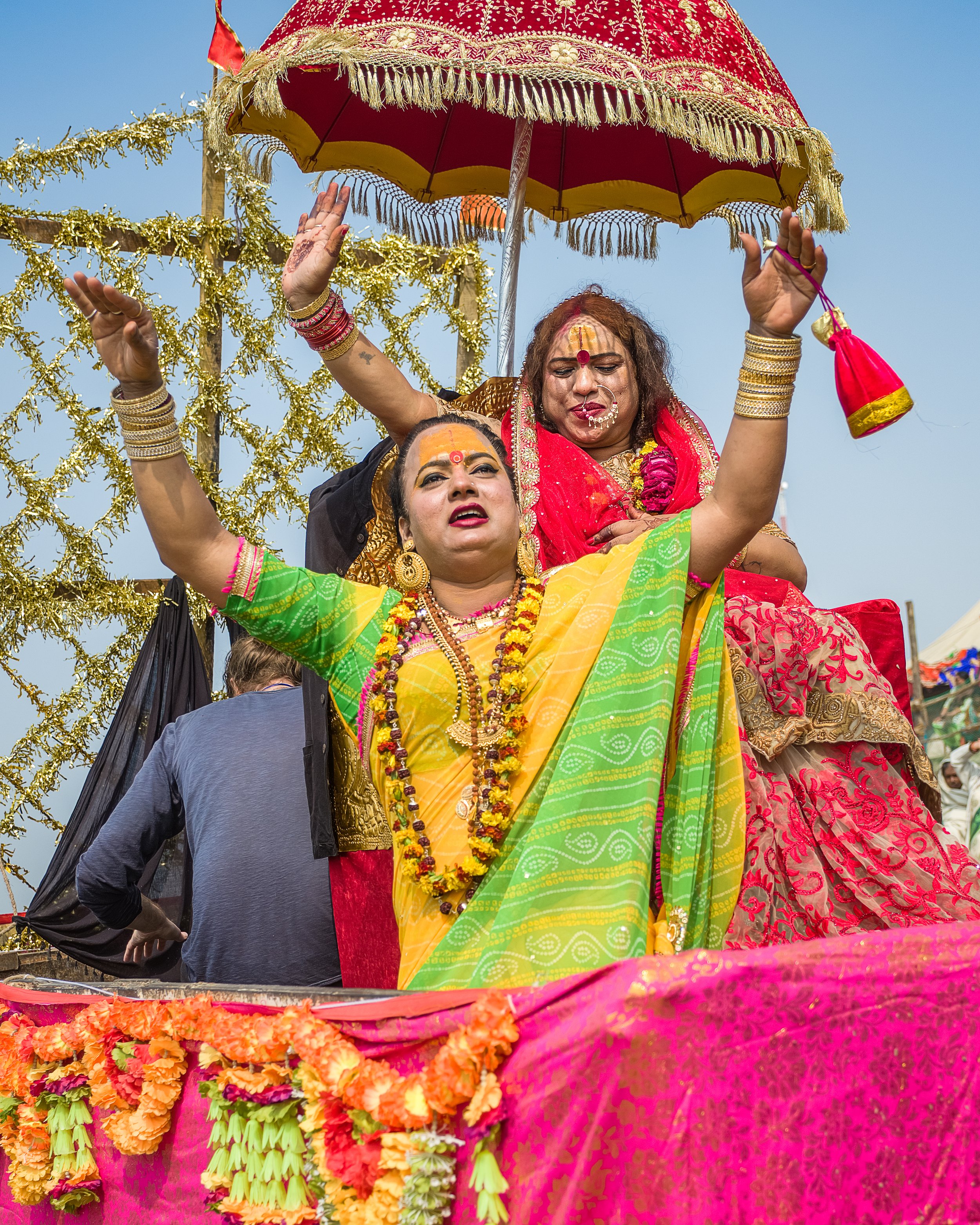
Additionally, there have been several events in the recent past which indicate a move to more inclusive sexual variance in society. In 2019 The Hijra were invited to take part in the Kumbh Mela in Prayagraj, one of the largest holy bathing festivals in India. They were led by Laxmi Narayan Tripathi, a well-known Bollywood actress and activist for transgender rights in India. When invited to speak at the Asia Pacific UN Assembly in 2008, she spoke of the plight of sexual minorities claiming that transgender people should be respected as humans and given equal rights. After centuries of ostracism, the Hijra community’s fight to be accepted by the Hindu establishment is slowly reaching fruition.

Carol Foote

Carol is based in Queensland Australia and has always been drawn to street photography, searching out the most colourful and quirky characters in her own environment. After studying documentary photography at college, she travelled to Yunnan, China to photograph the wide diversity of ethnic minorities in the region. However, over the past five years, her focus has shifted to Tibet, Nepal and India. As someone who has always been drawn to unique and different cultures, the regions rich heritage and local traditions make it a haven for her style of photography.

Follow Carol on social media @carolfoote_photographer

7 Caves, Temples and Cities Carved in Mountains

These ancient sites were once carved into the surrounding landscape and continue to stand today.

Created at a time when construction vehicles and advanced building tools did not exist, these caves, temples and cities demonstrate the craftsmanship of their ancient peoples all over the world.  

1. Petra 

Petra, Jordan

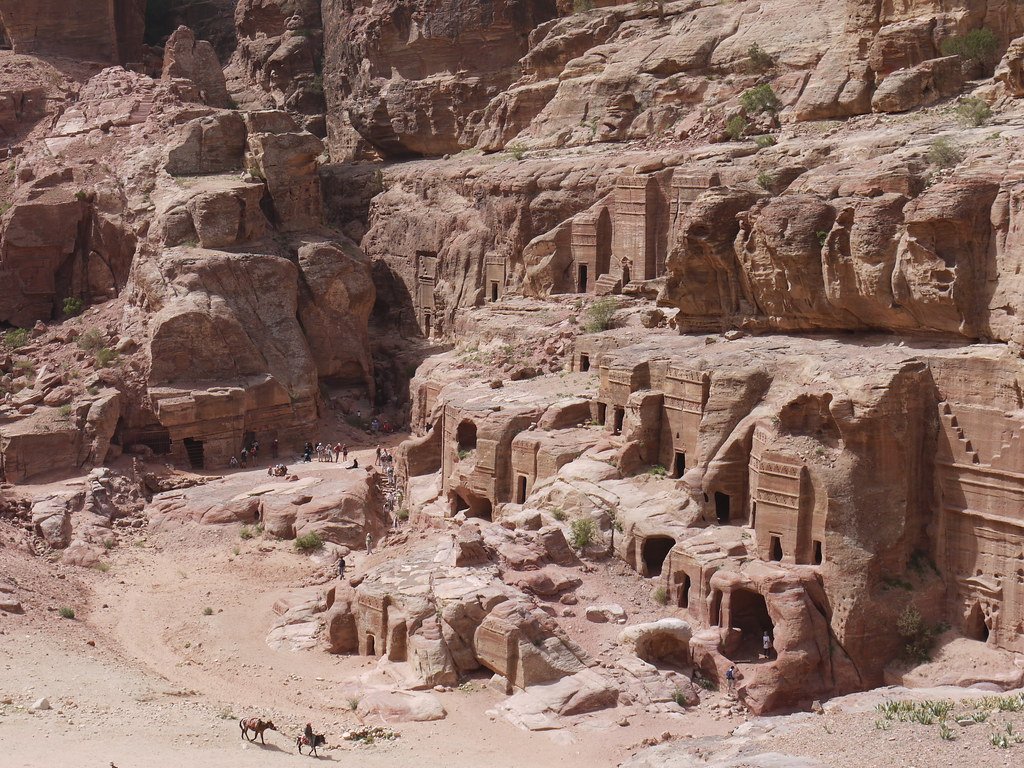
Petra, which is also known as “Rose city” for its pink-hued rock carvings, is located between the Red Sea and the Dead Sea in Jordan. The archaeological site is home to several rock-cut temples and tombs, including Al Khazneh, Al-Deir, the Palace Tomb and Urn Tomb. Today this carved site is both a UNESCO World Heritage Site and one of the New 7 Wonders of the World.

2. Longmen Grottoes 

Luoyang, China 

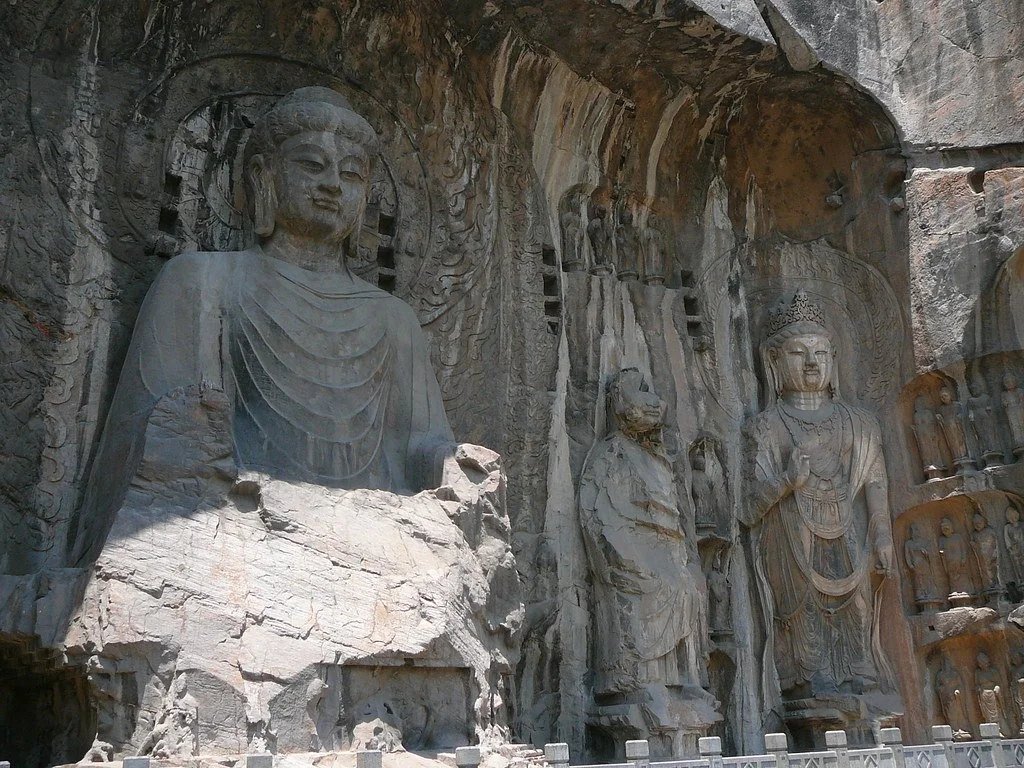
Longmen Grottoes. Dericafox. CC BY-NC-ND 2.0

Considered one of the best examples of Chinese Buddhist art, the Longmen Grottoes date back to the 5th century. The site contains more than 2,000 artificial caves and over 100,000 Buddhas carved into the limestone cliffs of the Xiangshan and Longmenshan mountains. The Longmen Grottoes cover an area of 30,000 square meters and the statues range in size (0.7 in- 53 ft). The site became a UNESCO site in 2000. 

3. Ellora Caves 

Maharashtra,India

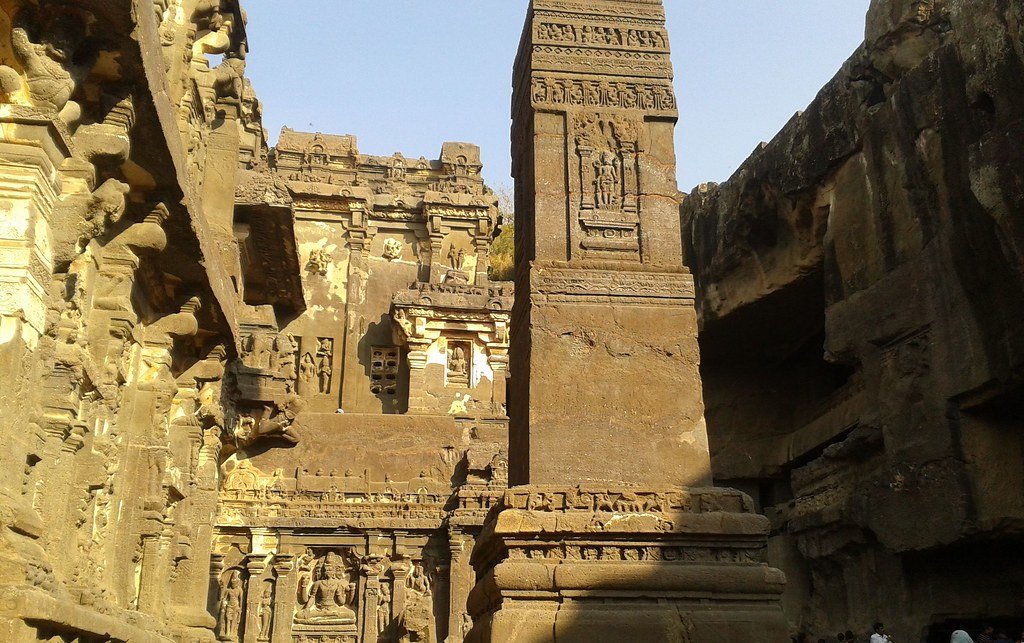
Ellora Caves: Kailasanatha Temple. DdasedEn. CC BY-NC-ND 2.0

Stretching more than a mile long in distance, the Ellora cave temples date back to the 5th century. Located in Maharashtra, India the 34 caves are dedicated to Buddhism, Hinduism and Jainism. Designated a UNESCO World Heritage site in 1983, the Ellora Caves were hand carved into hillside rock.   

4. Mesa Verde National Park 

Montezuma, Colorado

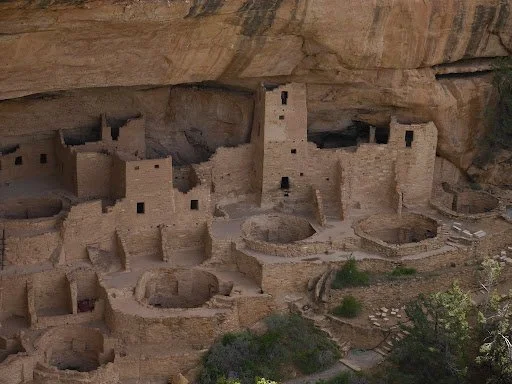
Mesa Verde National Park. Usareisetipps. CC BY-SA 2.0

Within Colorado’s Mesa Verde National Park you’ll find the largest archeological preserve in the US. Located in Montezuma County and occupying 81 square miles, the more than 4,000 Pueblo Indian sites date back to the 6th century. As well as 600 cliff carved dwellings including the famous Cliff Palace and Long House. It is frequently visited by mountain lions, elk and bears as well as lizards and snakes which roam the National Park. 

5. Goreme National Park 

Nevşehir, Turkey

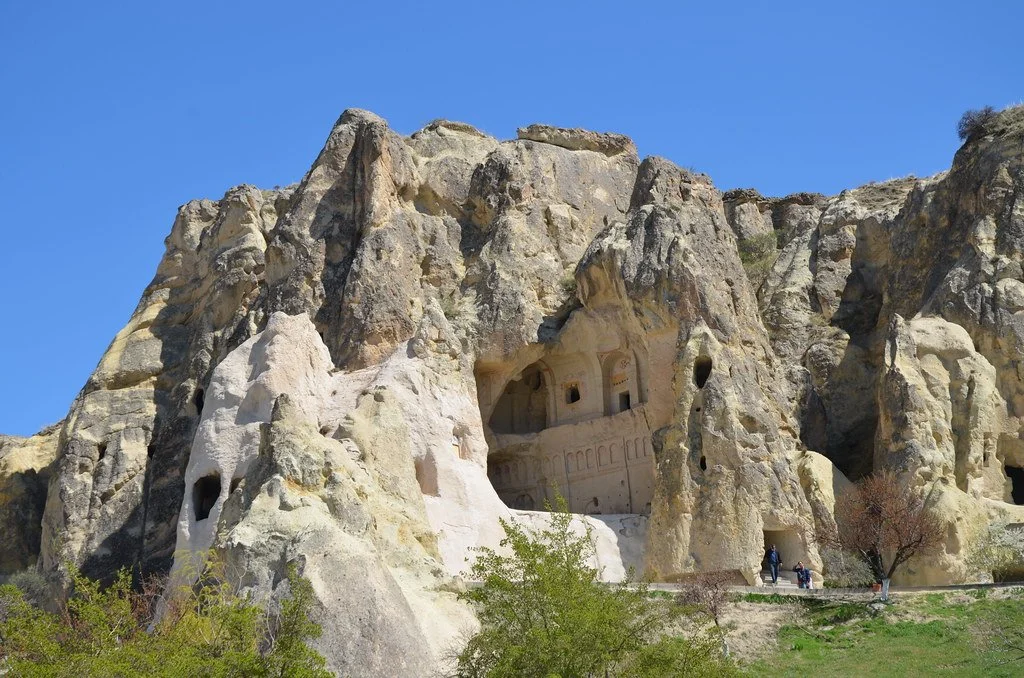
Sculpted by erosion, the Göreme National Park is in Cappadocia, Turkey and contains rock-hewn sanctuaries, houses, monasteries, churches and underground cities. These were inhabited and built in the 4th century, Neolithic pottery and tools found in Cappadocia attest to an early human presence in the region. Clay tablets recovered from the remains of an Assyrian merchant colony at Kanesh are among the oldest written documents discovered in Turkey. 

6. Abu Simbel 

Aswan, Egypt

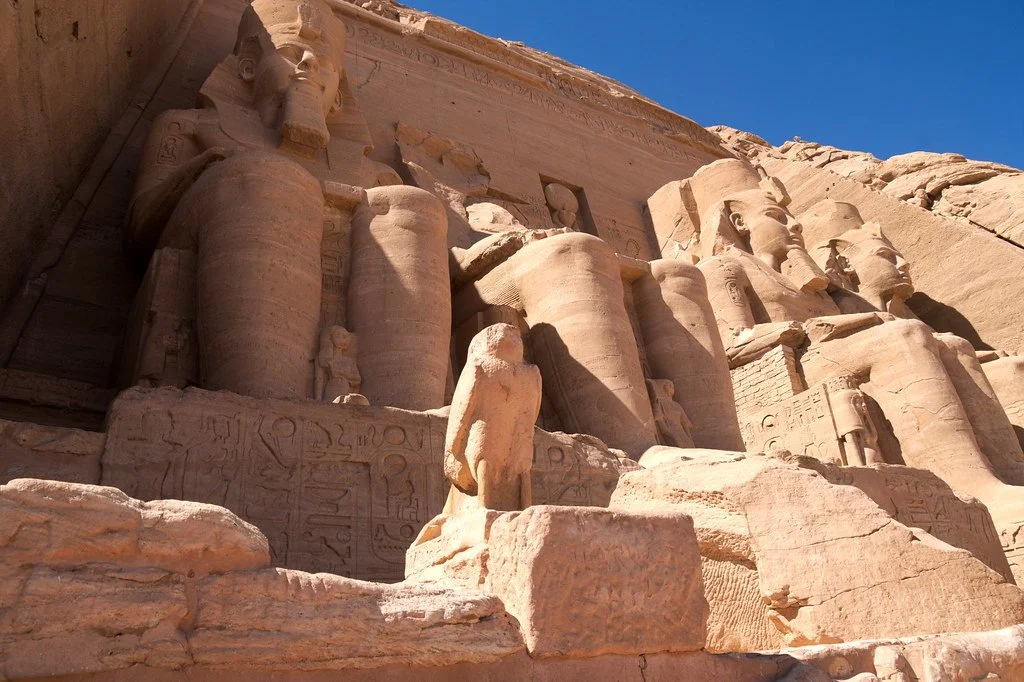
An ancient temple complex, Abu Simbel was built by Egyptian King Ramses II to intimidate his enemies and seat himself amongst the gods. The 66-foot seated figures of Ramses are set against the recessed face of the cliff, two on either side of the entrance to the main temple. Carved around their feet are small figures representing Ramses’ children, his queen, Nefertari, and his mother, Muttuy. The temples were unknown to the outside world until their rediscovery in 1813 by the Swiss researcher Johann Ludwig Burckhardt. 

7. Lycian Tombs 

Anatolia, Turkey

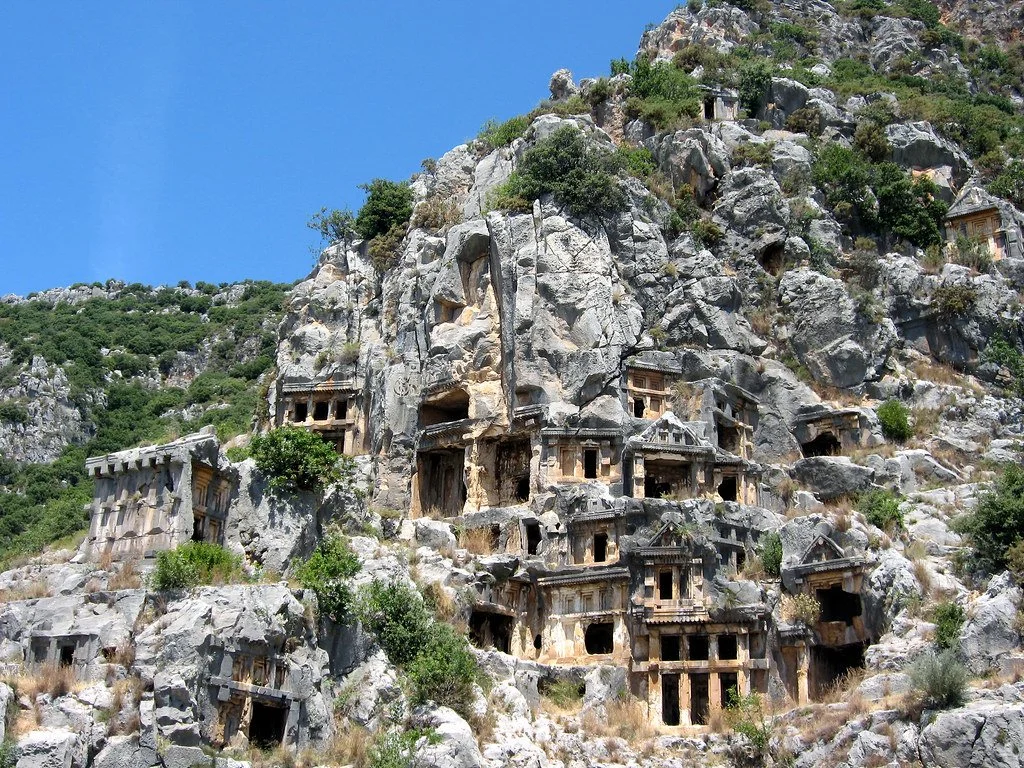
The 4th century Lycian tombs of Turkey contain carved tombs into the side of the region’s mountains, demonstrating a form of ancestral worship. More than a thousand tombs are there  today varying in many intricate styles. Some with Romanian columns and other decorative features. The Lycian people believed the dead were carried to the afterlife by winged creatures, hence helping the process by laying them to rest in high cliffside tombs. 


Jennifer Sung

Jennifer is a Communications Studies graduate based in Los Angeles. She grew up traveling with her dad and that is where her love for travel stems from. You can find her serving the community at her church, Fearless LA or planning her next trip overseas. She hopes to be involved in international humanitarian work one day.

10 National Parks to Visit Outside the US

While most people associate National Parks with the US, there are amazing National Parks to visit around the world. Check out glaciers, tropical wetlands, the oldest desert in the world in these parks in Iceland, Namibia, Thailand, India and more.

Read More

South India on Foot: Breaking Stereotypes One Step At a Time

We all have images in our minds about faraway places and the people that occupy them. Whether accurate or not, these ideas are often put in our heads by the news we consume, school textbooks or social media.

Dawn Lwakila exploring bush-trails in India’s rural Tamil Nadu

I’m one of those folks who likes to go and see for herself. I’ve spent the past 30 years living and traveling across four continents. My roots are in northern Canada—Yukon to be exact. Many would think this to be the absolute opposite in every way from my current home in the big bustling city of Chennai, the capital of India’s southern state, Tamil Nadu. Fortunately, I live on the outskirts of the city which enables me to get into the countryside fairly quickly. I believe it is my small-town roots that have allowed me to feel comfortable and at home in rural settings here in India.

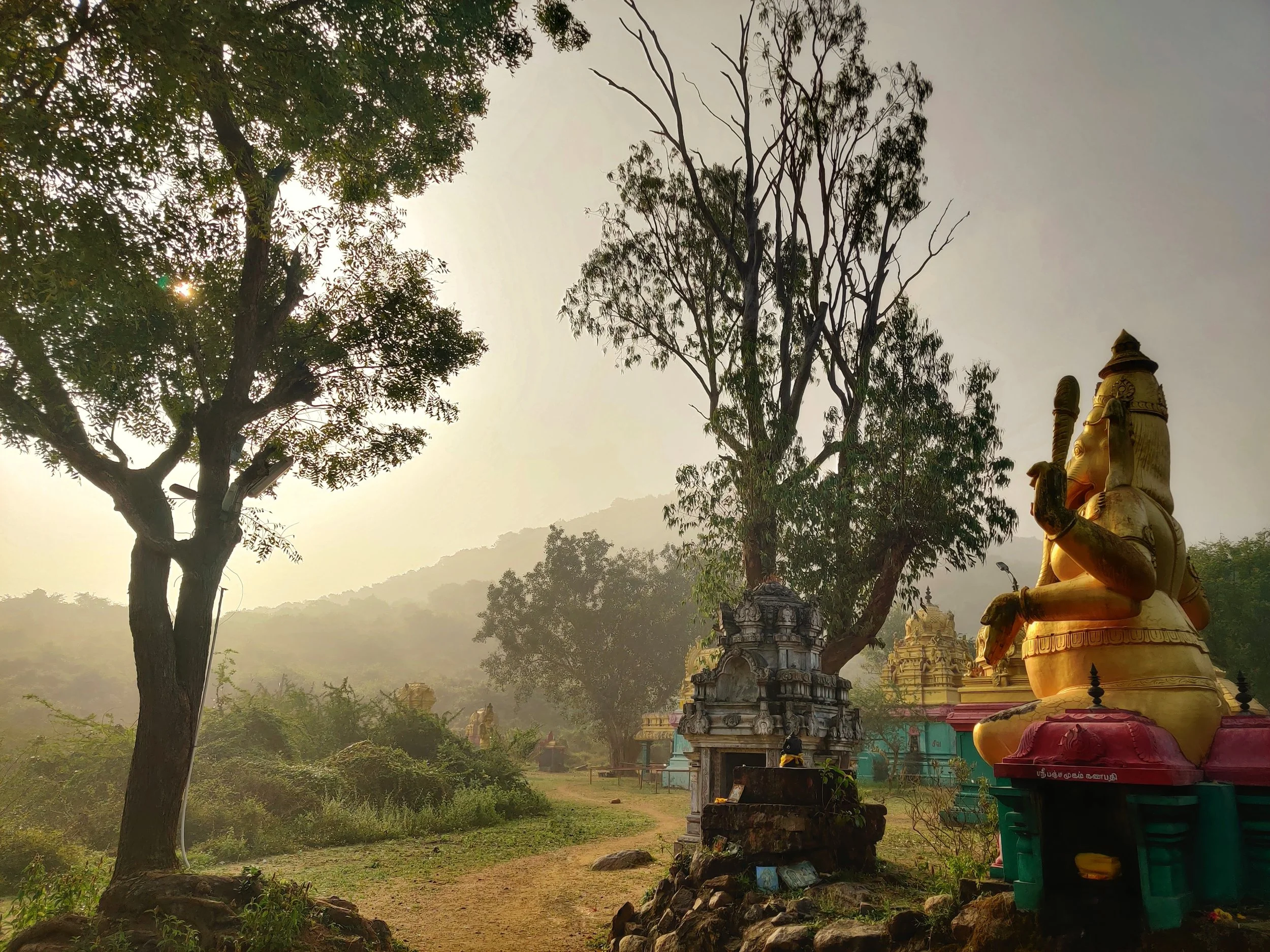
Ganesh temple in Tamil Nadu’s Chengalpattu District.
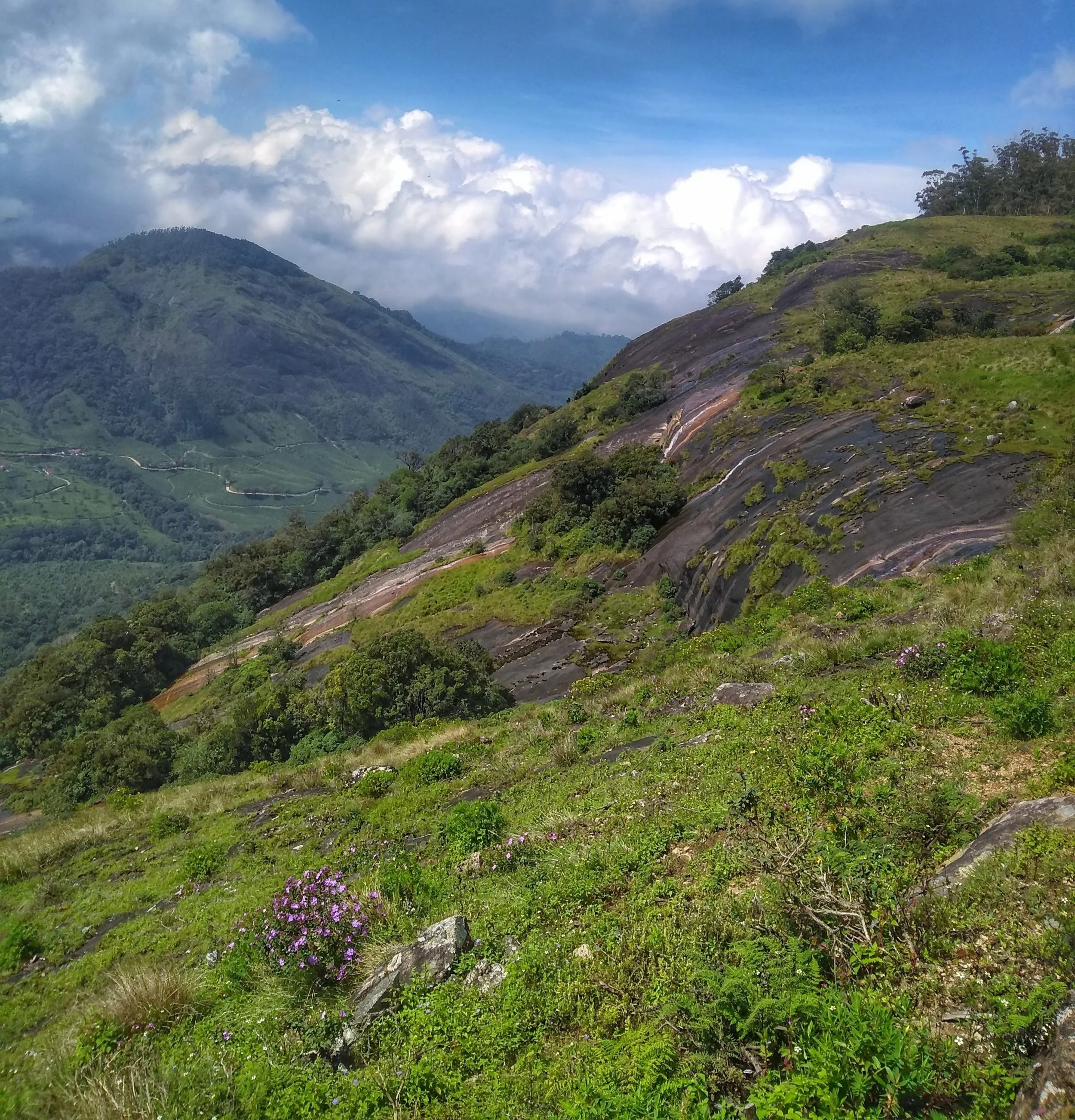
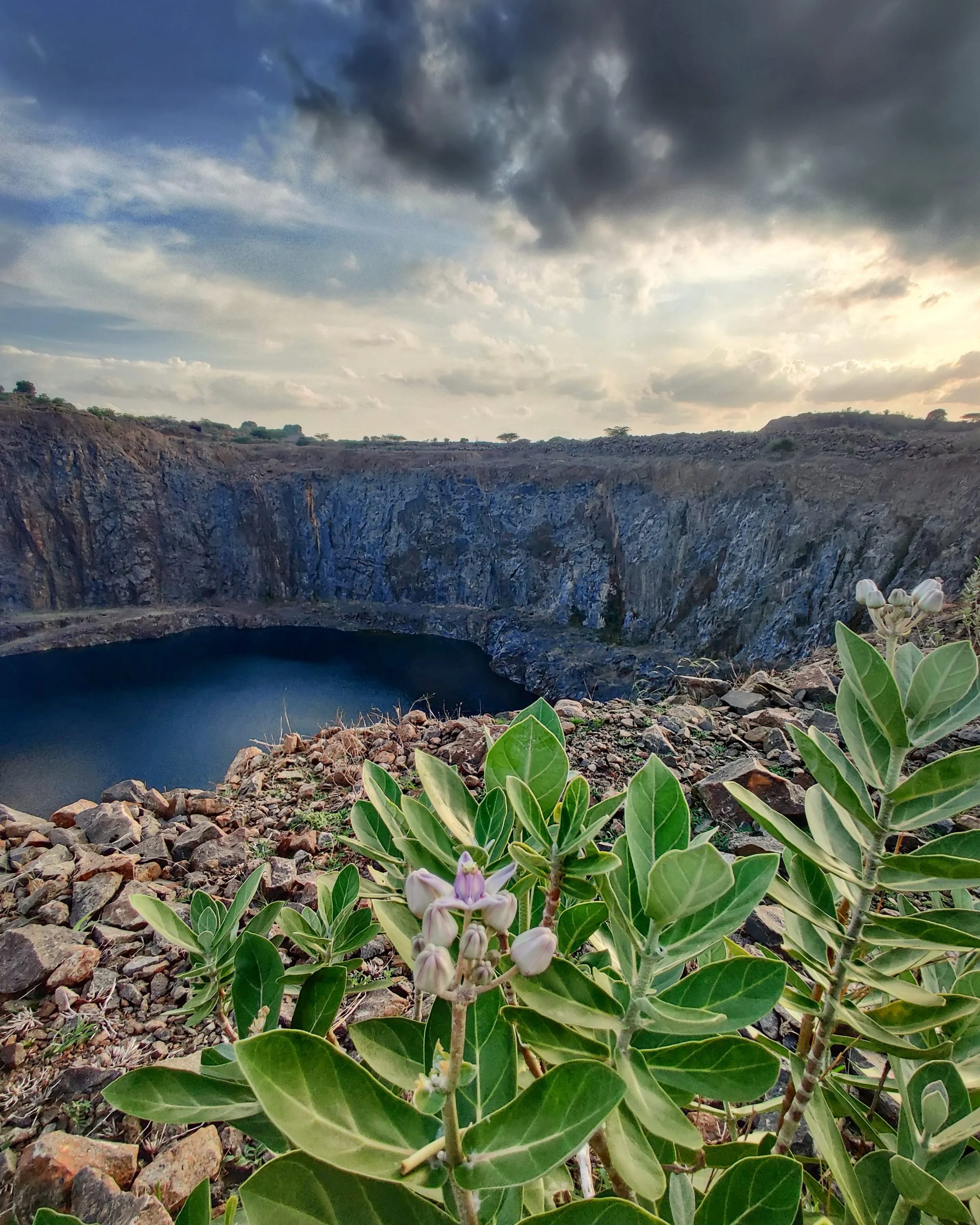
I love wandering the dreamy hills of Munnar, Kerala.

I’m a wanderer at heart, and I am happiest walking from village to village, hilltop to hilltop. Some days I only walk 15km and other days I may walk more than 40km. I take backroads and bush trails, all the while documenting what I find beautiful with a few photos and videos, posted almost daily on my Instagram. Photography is a wonderful form of storytelling and the tale that I aim to tell isn’t often heard. I have been warned countless times not to walk alone in India. From mainstream media, I have been inundated with images representing India as a place of filth, overcrowding and crime. This has not been my experience.

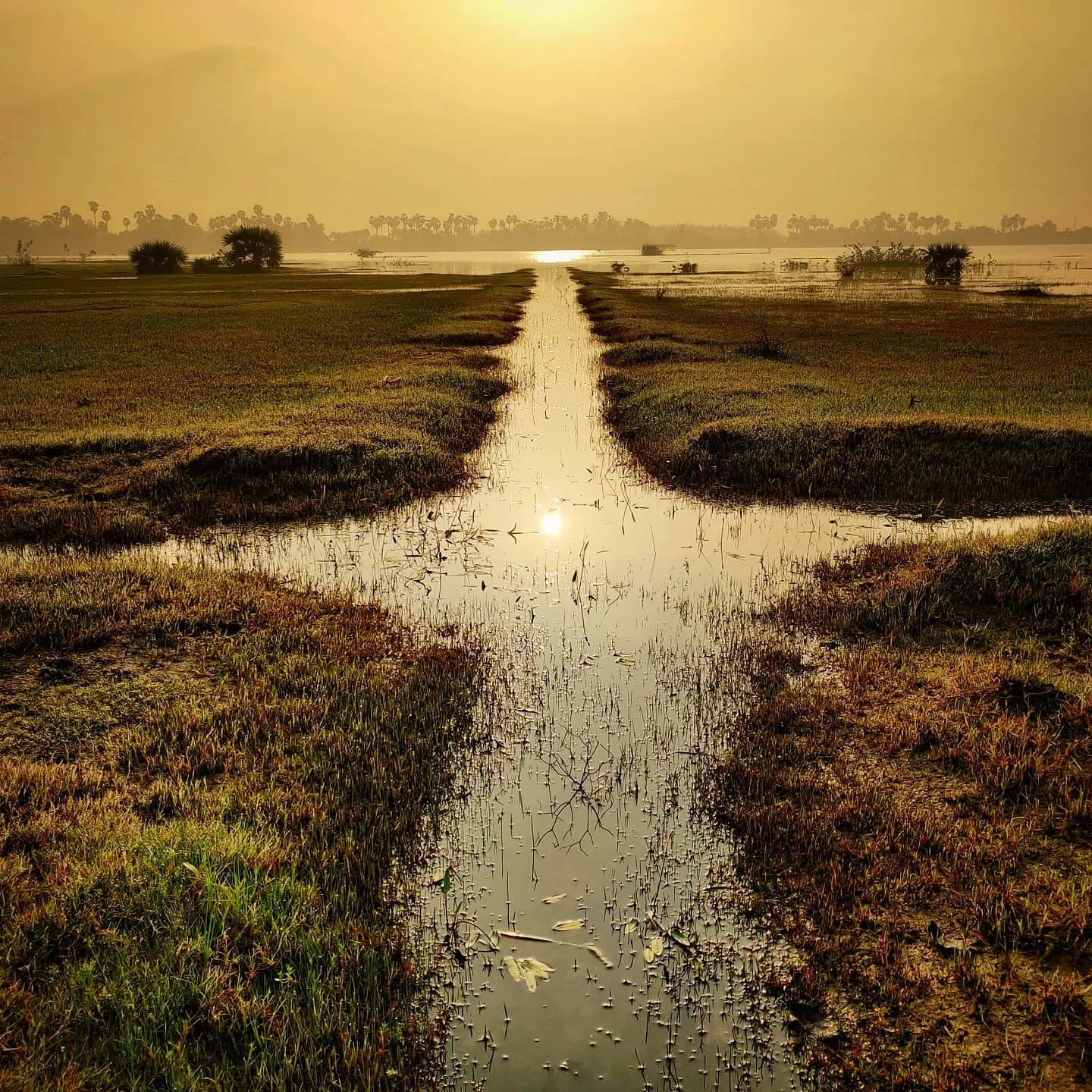
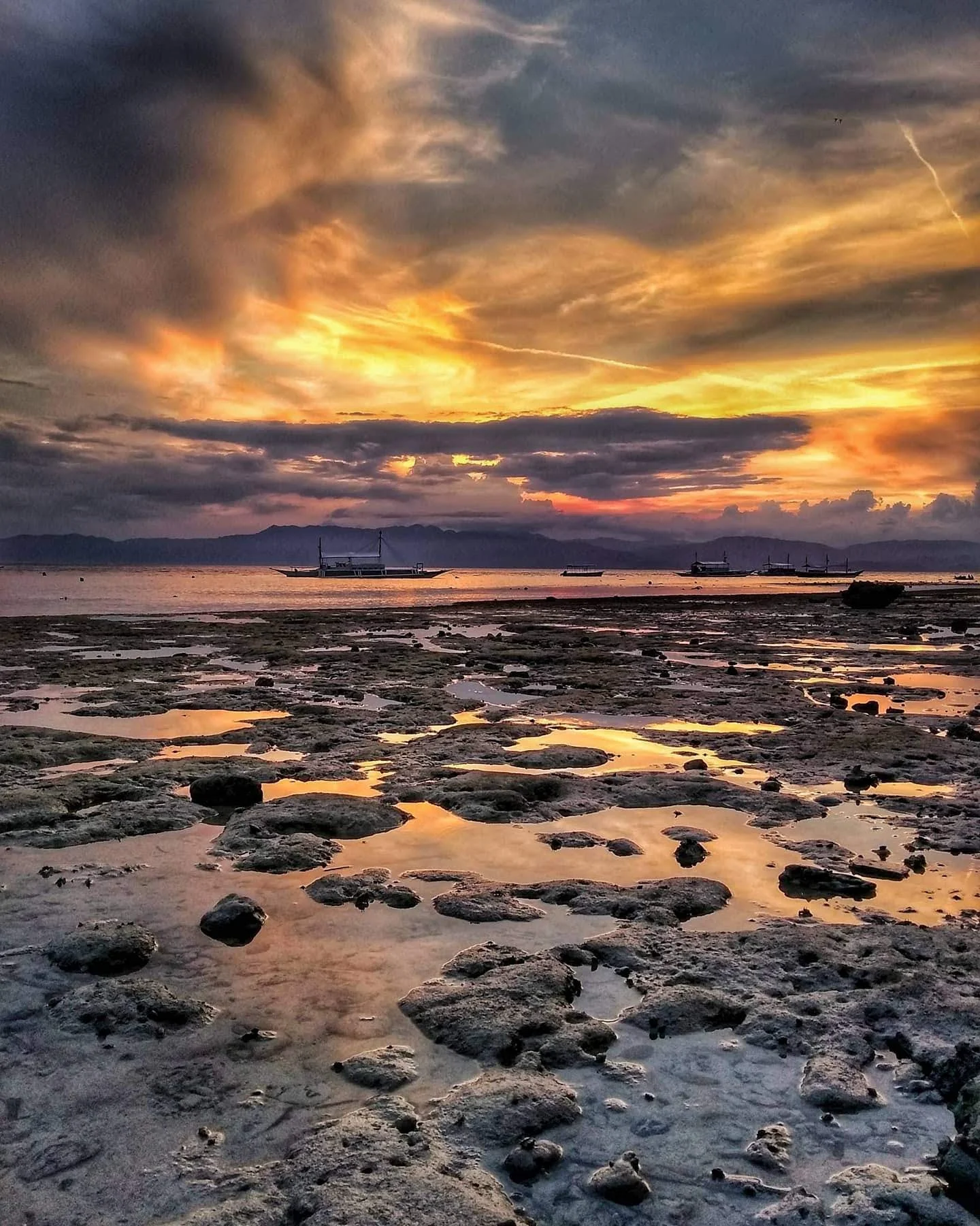
Mambakkam Lake, Tamil Nadu. I love to leave my house while it’s still dark so that I can reach these magnificent locations at sunrise.

My secret swimming hole.

Over the past several years I have walked through much of South India exploring my home-state of Tamil Nadu as well as Kerala, Karnataka and Andhra Pradesh. There has not been a single incident where I felt threatened or unsafe. Rather, I have been greeted with nothing but kindness and hospitality. I have walked through bustling cities, endless kilometers of road and countless areas of pristine natural beauty, enjoying the entire place all to myself.

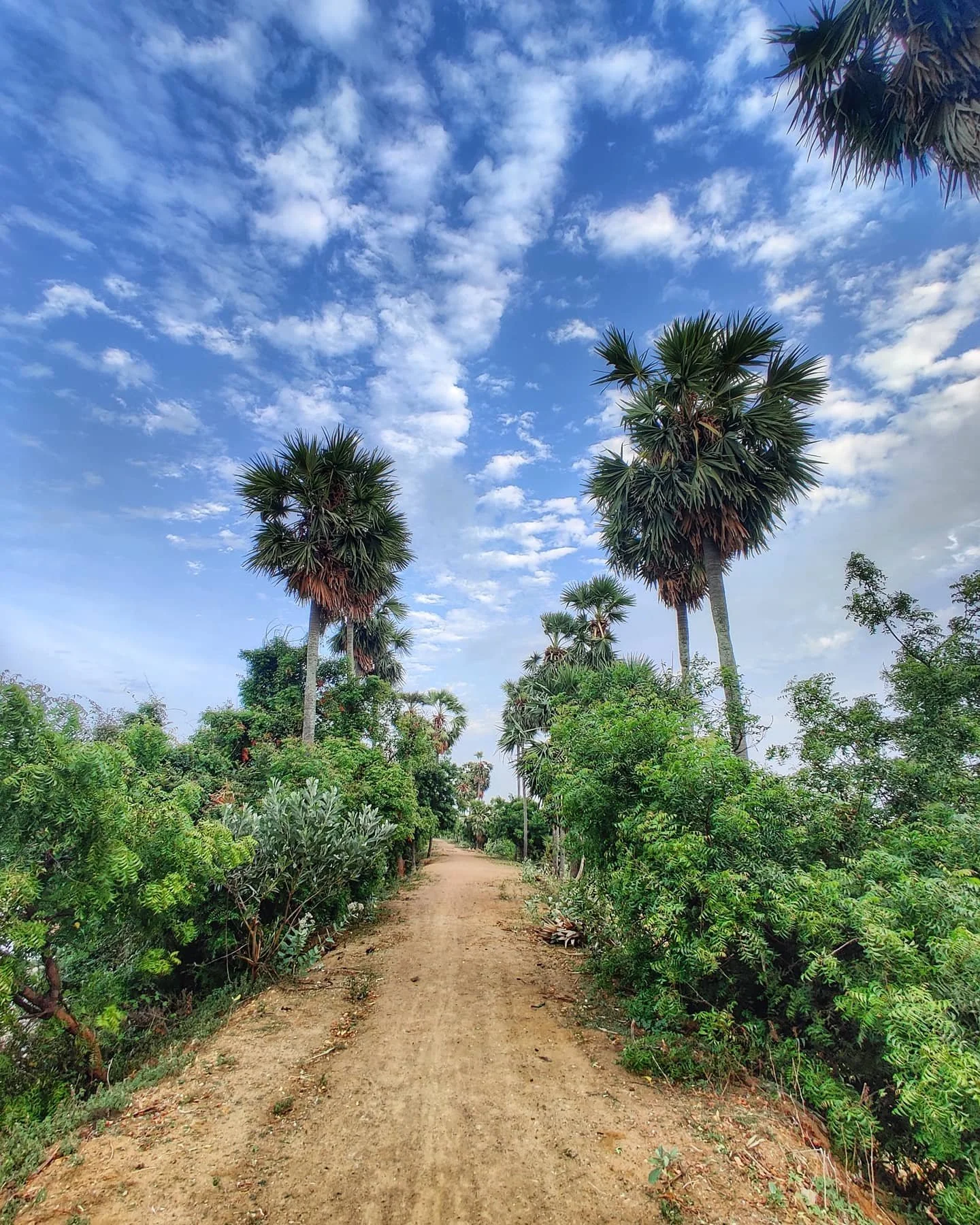
Following back-roads in Chengalpattu, Tamil Nadu.

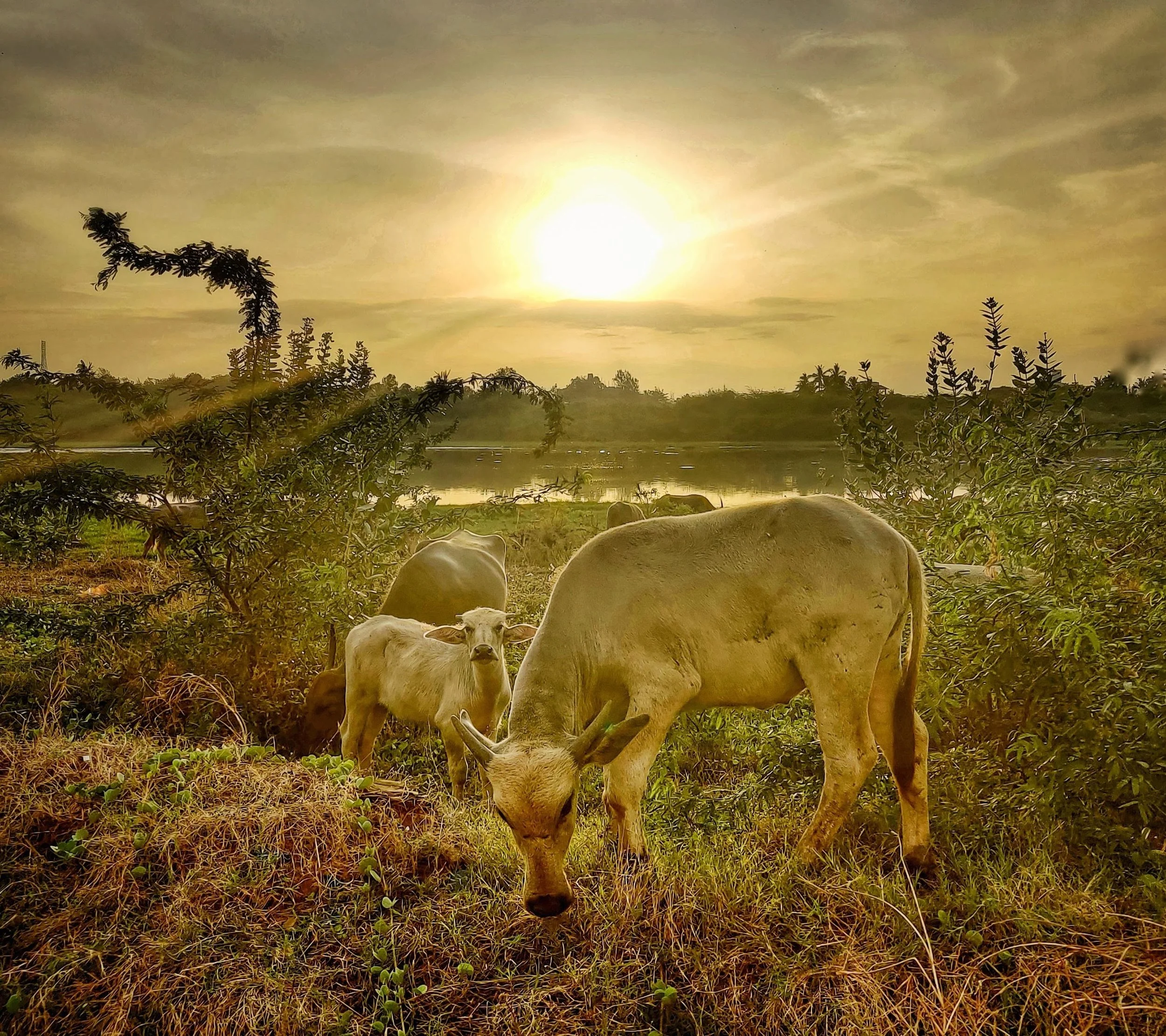
Golden buffalo babies at sunrise.

I choose to go to locations that are off the beaten path. I search Google Maps for interesting features in the landscape and simply go check it out. One of my favorite things to do is follow small backroads from village to village. I cut through farmland and learn when each of the crops is planted and harvested. I find wondrously forgotten temples, tucked away in forests or on hilltops, unvisited except by a few folks from nearby settlements. I prefer to see life slowed down and simplified. For me, rural India offers the most incredible scenery where I am always bound to meet kind-hearted people who offer me smiles, refreshments and places to rest my tired feet.

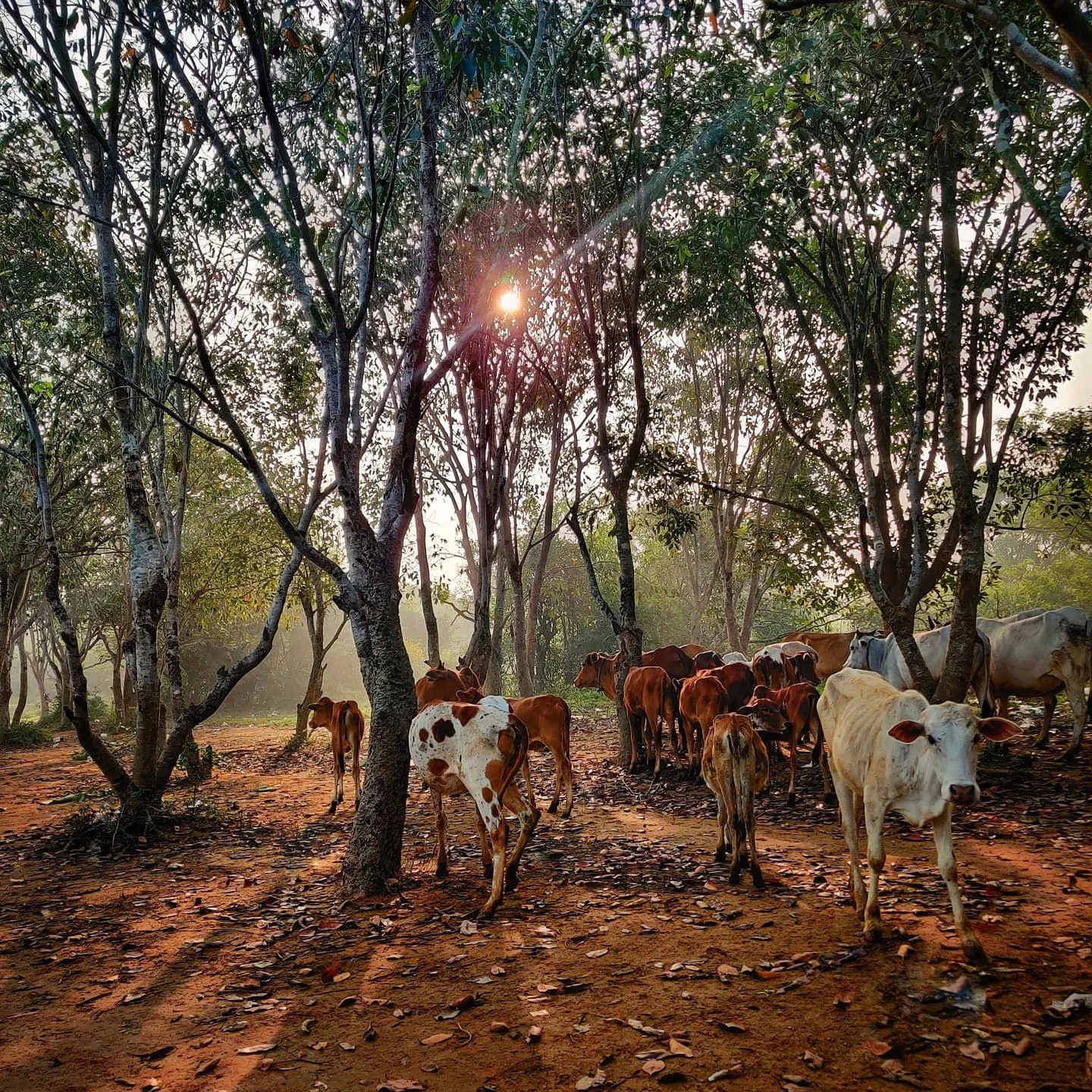
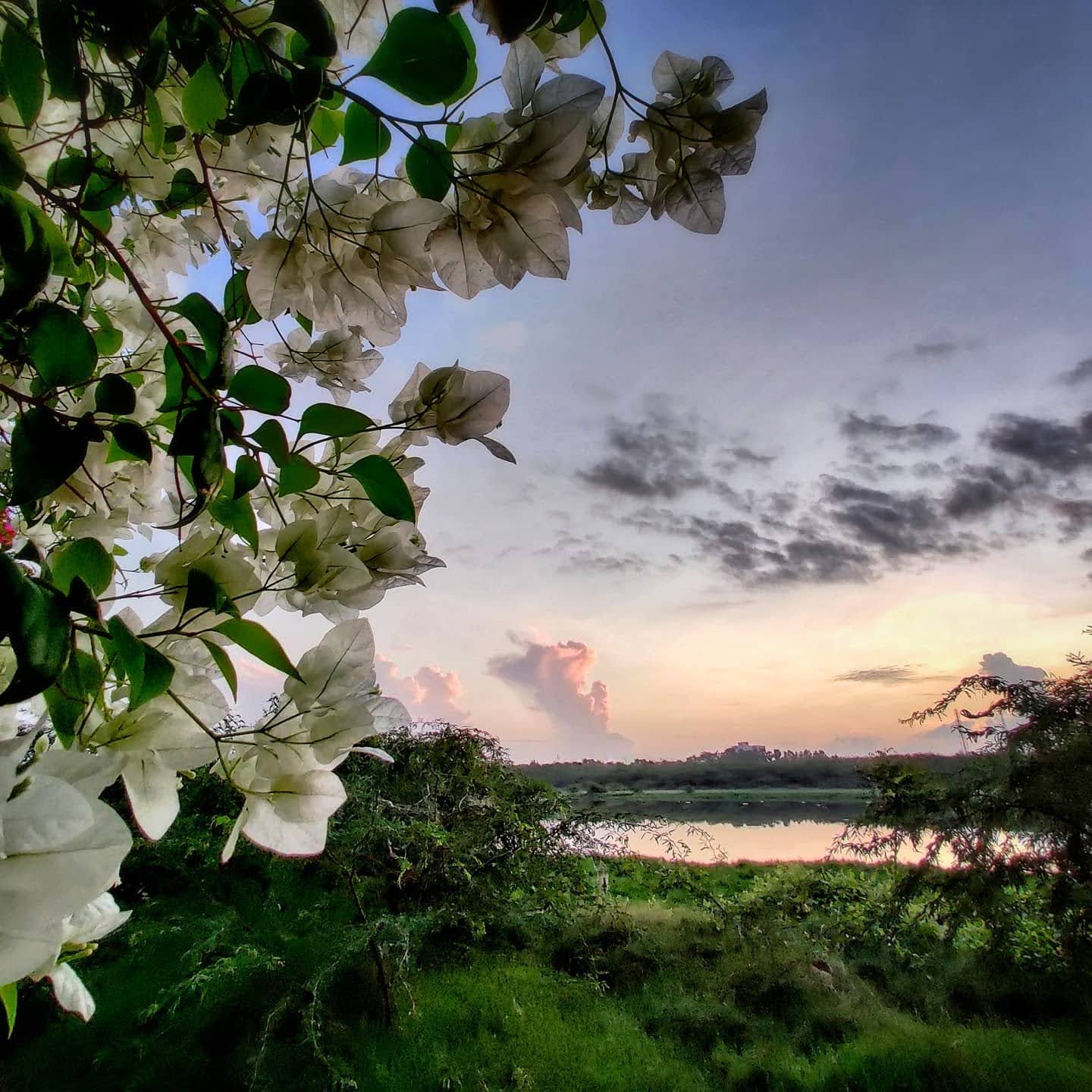
Misty morning, cutting through the forest at sunrise to find a hidden lake.

Enjoying the coast of Kerala after trekking the highlands.

I feel so grateful for the sense of pride in the beauty of South India my photography has sparked. Many people, especially in the cities of India, have their eyes fixed on international destinations. When they look at tourism in India they often head to large resort towns or famous national parks. There is a sense of surprise when people see my images and learn of places in their own backyards that rival these famous destinations. I have received both local and national media coverage, which boggles my mind, but I guess this is because I’m doing something that the majority of women are not doing and, with a fresh set of eyes, I’m showcasing humble locations that are largely overlooked.
The comment I get the most from people who have never visited India is, “This is not how I pictured India to be.” For me, this is the greatest compliment, as it means that people are reevaluating the impressions they have about this country that is so dear to my heart.

Muttukadu Backwaters at sunrise. This is an important nesting and feeding area for both local and migratory birds.

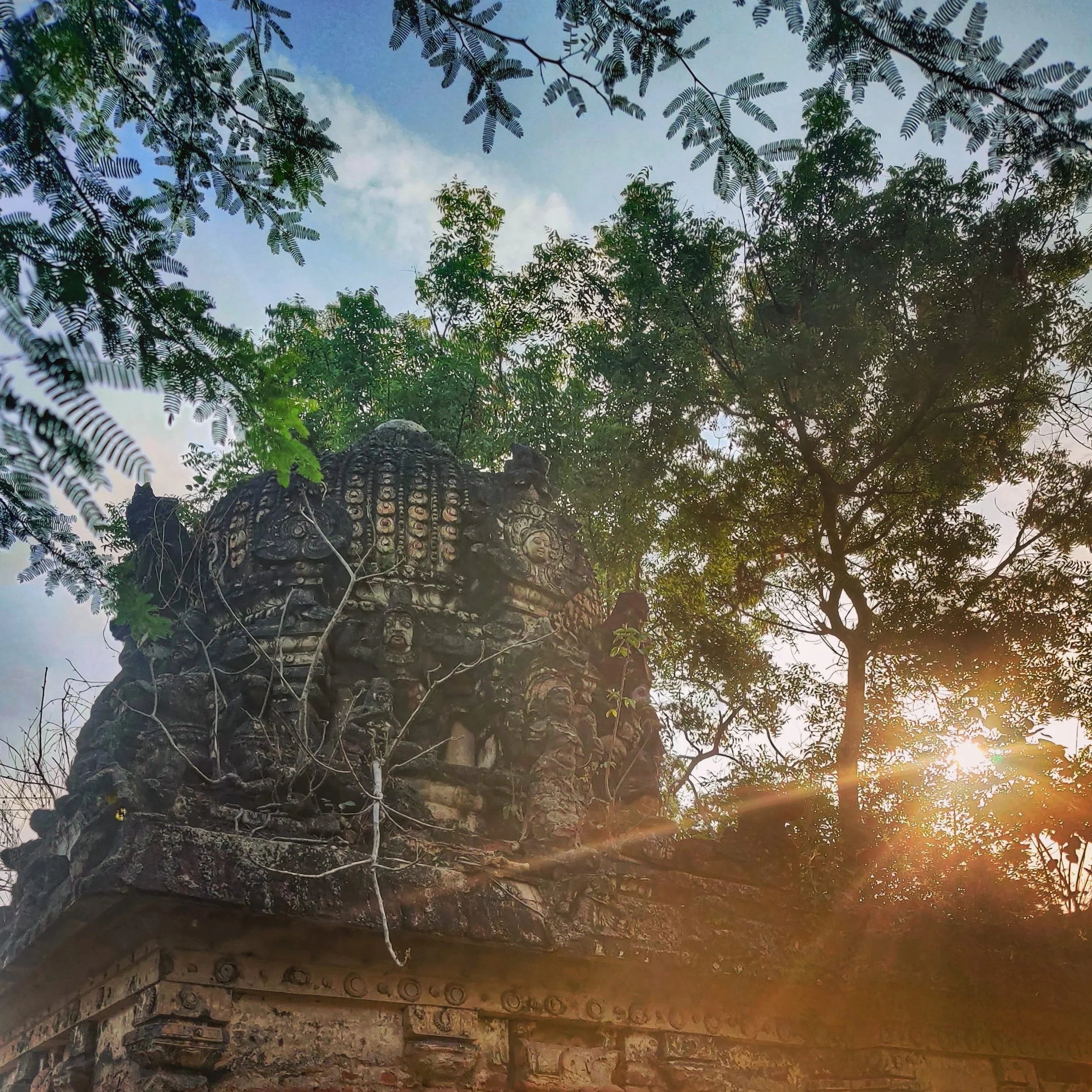
An old neglected temple in Kanchipuram District of Tamil Nadu.

I like to approach new places with the idea that I’m a simple student and that those around me have something of value to offer. Trying to absorb as much as I can, I chose to share through my photography what intrigues and inspires me. I look for a sense of belonging and what connects me to others. Over the years I have learned that despite the superficial things that mark our differences—language, religion, politics—there is much more that unites us as humans. Step by step I find that all my previous notions about a place are left behind, replaced by a much more balanced and authentic understanding.

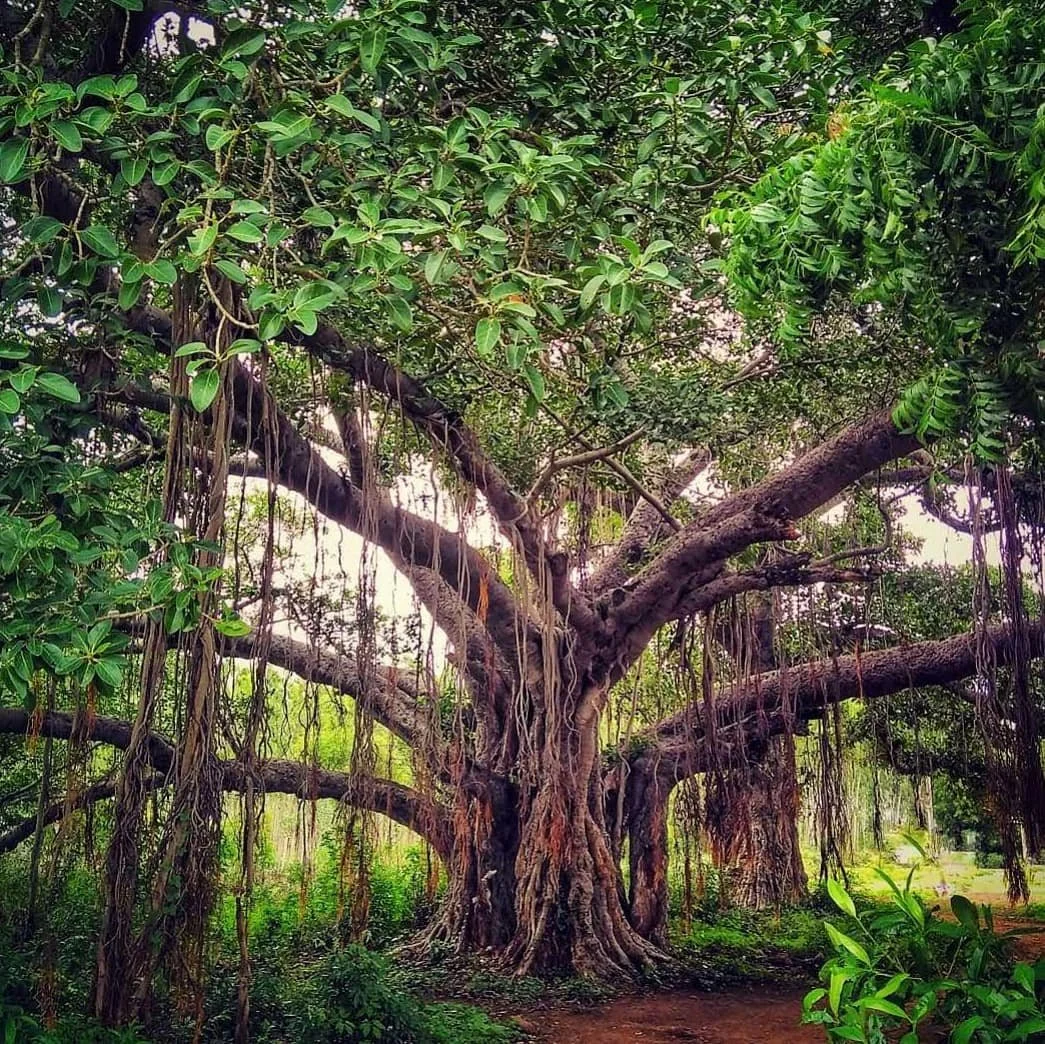
Banyan tree. Andhra Pradesh.

Peaceful moments walking from village to village.

Nothing compares to making my way through a new place on foot. The world slows right down and all the little details come into view. Precious moments that could never be captured any other way have become my daily reality. I am grateful for this journey and my hope is that it will inspire others to get out there and explore in a way that allows them to feel intimately connected to the places they visit. 

Feel free to stay up to date with my adventures. You can find me on Instagram @dawned_onme or on Youtube: Wander Woman.


Dawn Lwakila

Dawn continually takes the path less trodden, both figuratively and literally. She loves to really live in a place and grow some roots there — as well as a good wander and the freedom to explore. Canada is her homeland, but her heart and soul are scattered across the globe. She has journeyed through over 30 countries and still has an ever-growing bucket list of new places to experience. She is currently based out of Tamil Nadu India.

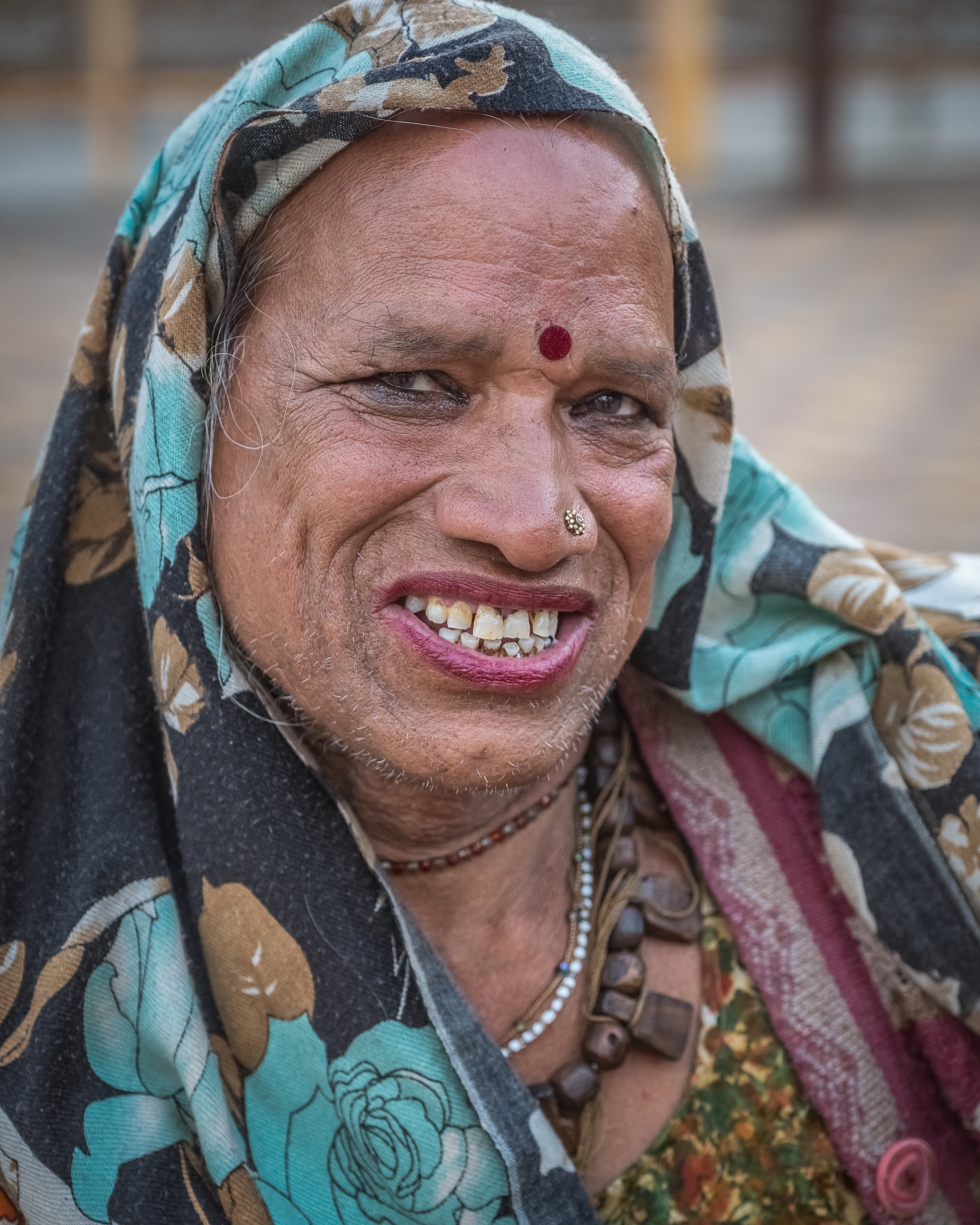
India’s Third Gender — Hijra

Despite being protected within the Indian constitution, hijra communities experience persecution. Their colonies are often sites of abuse and poverty, yet serve as the only space in Indian society for their identity.

Image by Carol Foote

India’s third gender includes a few different groups, but the most common are the hijras. The hijra identity is complex; some are born male but dress in traditionally feminine ways, some are born intersex, some seek gender reassignment procedures, and some choose to be castrated as an offering to the Hindu goddess of chastity and fertility, Bahuchara Mata, granting them their religious powers. Outsiders tend to associate them as transgender, but Indian society considers them to be the third gender — not male, not female, not transitioning. The one defining characteristic of hijras is that they leave their homes from a young age to become a part of the hijra community, where they teach their lessons in secret. These communities exist on the outskirts of society, where they are often shunned by their families and at the mercy of police authorities. 

Image by Carole Foote

For centuries, trans, intersex and genderqueer individuals abandoned by their families have been initiated into the hijra community by gurus within the system. From the age of 12 or 13, hijras trade their relationships with their families for a relationship with a guru who takes on the role of  of parent, teacher and boss. The gurus are expected to teach each hijra the chela, or the disciple, in the hijra way of life. This includes learning their rituals, how to manage a household and how to make a living. Gurus are expected to treat the hijras like their children, but their ability to dictate how a hijra works, what they earn and even who they see maintains a hold over their lives that many activists consider a systemic form of bonded labor. 

Image by Carol Foote

These communities operate within a pyramid system where the “chelas,” or the hijra students, are divided into hierarchies by their work. At the top of the pyramid are the senior-most chelas, who sing and dance. Below them are the chelas who beg and collect alms in exchange for blessings at events. And lastly, at the bottom of the chela pyramid are the sex workers. In addition to their work, chelas are expected to take on chores that serve their guru. Regardless of how a hijra earns their money, a portion of it will go to their gurus. 

Image by Carol Foote

The founder of online transgender community Transgender India, Neysara, told NewsNewslaundry,aundry, an independent news media company in India, that the hijra community is “not a child-friendly place equipped to handle trauma.” She went on to say that, “What is vulnerable is trafficable and most that join are disenfranchised.” Neysara recalled turning to the hijra community at a time when she was young and scared. “When my family was trying to honor-kill me, I sought the hijra jamaat for help. They outright told me that I [...] could only stay with them if I do sex work and earn for them.” Honor killings are committed by a male family member seeking to protect the dignity of their family against someone they believe has brought them shame. It was sex work or death.

Image by Carol Foote

Hijras have been a part of Indian life for more than a thousand years. Evidence of their existence within Hindu society can be found inside holy texts like the Ramayana and the Mahabharata, where Arjuna became the third gender. Throughout South Asian history, third-gender people have often held positions of high power. For example, during the Mughal Empire in the 15th to 19th centuries, Hindu and Muslim rulers were considerate advocates of the third gender, and many rose to significant positions, even serving as the sexless watchdogs of Mughal harems. In Hinduism, their high regard is marked by their loyalty to Lord Rama, when hijras waited at the edge of the forest for 14 years until he returned to Ayodhya after being exiled.

Image by Carol Foote

The hijras’ religious backgrounds tend to center around traditions that blend Hinduism and Islam. The practice of removing genitalia is something stigmatized in a normal Indian community, however, it’s this act that is the source of their sacred power and legitimizes their role in society. According to tradition, when a hijra is castrated their genitalia is offered to the Hindu Mother Goddess, Bahuchara Mata. The Mother Goddessworks alongside Muslim saints to transform the sacrifice of their ability to procreate into the power to bestow fertility and good luck onto others. The hijras give blessings at births and weddings to grant new couples and their newborn children fertility and prosperity. Intersex people, transgender women and infertile men are considered to be called upon by the goddess to become a hijra. Should they ignore the call, it is believed that they will pay the price of being impotent for the next seven lives they have on Earth. 

Image by Carol Foote

The castration surgery is performed by a guru and takes place without an anesthetic. The operation is illegal and life-threatening and has led some Indian regions to consider offering a medical alternative free of charge. However, because of tradition, the sacred sacrifice is performed in absolute secrecy and never spoken of. Following the surgery, new hijras recover in semi-seclusion and eat a special diet for 40 days. Afterward, they conduct a special ceremony where they're dressed as brides and blessed with the power of Bahuchara Mata. From this moment on, they are given new names and new identities. Articles in the India Times and India Today have reported how this system has been forced upon young and at-risk men, who are then pressured into prostituion and homosexuality. 

Image by Carol Foote

Even though hijras were treated with respect for thousands of years, much of their societal downfall can be attributed to Hinduism’s encounter with colonialism. The British colonized most of South Asia in the 19th and 20th centuries, and their Christian beliefs did not prepare them for their confrontation with the third gender. In 1871, the British named all hijras hereditary criminals and ordered authorities to arrest them. The law gave police the power of increased surveillance over the community, who went as far as to compile registers of hijras. A historian named Dr. Jessica Hinchy told BCC that, "Registration was a means of surveillance and also a way to ensure that castration was stamped out and the hijra population was not reproduced." 

Image by Carol Foote

Even though the law was repealed once India regained its independence, 200 years of stigmatization took a toll. Today, hijras are almost always excluded from employment and education outside of their religious roles. They are often stricken by poverty and forced to resort to begging and prostitution. Most are victims of violence and abuse, harassed by police and refused treatment in hospitals. 

Image by Carol Foote

In a step forward, India’s Supreme Court officially recognized hijras as a third gender in August of 2014, in a law that ordered the government to provide third gender people with quotas in jobs and education. The ruling came just six months after the Supreme Court’s decision to re-criminalize homosexual acts through the reversal of a 2009 Delhi High Court order.Despite being legally recognized and protected under the Indian Constitution, the court’s choice meant that hijras would be breaking the law if they participated in consensual homosexual relations. 

Image by Carol Foote

As Neysara told NewsLaundry, “without trans representation, laws made by cis people for the ‘other’ can be damaging.” Prior progress gained seemed to be lost in 2019 when activists protested the Transgender Persons Act. According to Ajita Banerjie, a Delhi-based gender and sexuality rights researcher, this “set the whole movement back by a decade.” 

Image by Carol Foote

Today, as many as half a million members of the Indian hijra community live within the guru-chela system. Despite facing discrimination, abuse and living on the margins of society, the community continues to “remain a visible presence in public space, public culture, activism and politics in South Asia," Dr. Jessica Hinchy told BBC. On a high note, NewsLaundry says that policy-led interventions have been advocated by stakeholders in the system, with the mission to integrate “trans folks into mainstream society to reduce and ultimately end their dependency on this system, if not the system itself.” 

ABOUT THE PHOTOGRAPHER:

Carol is based in Queensland Australia and has always been drawn to street photography, searching out the most colourful and quirky characters in her own environment. After studying documentary photography at college, she travelled to Yunnan, China to photograph the wide diversity of ethnic minorities in the region. However, over the past five years, her focus has shifted to Tibet, Nepal and India. As someone who has always been drawn to unique and different cultures, the regions rich heritage and local traditions make it a haven for her style of photography.

Check out more of Carol’s work here.


Claire Redden

Claire Redden is a freelance journalist from Chicago, where she received her Bachelor’s of Communications from the University of Illinois. While living and studying in Paris, Claire wrote for the magazine, Toute La Culture. As a freelancer she contributes to travel guides for the up and coming brand, Thalby. She plans to take her skills to London, where she’ll pursue her Master’s of Arts and Lifestyle Journalism at the University of Arts, London College of Communication. 

Child Labor Increases in India During the Pandemic

Child labor in India has always been prevalent, but due to the pandemic the numbers are at an all-time high.

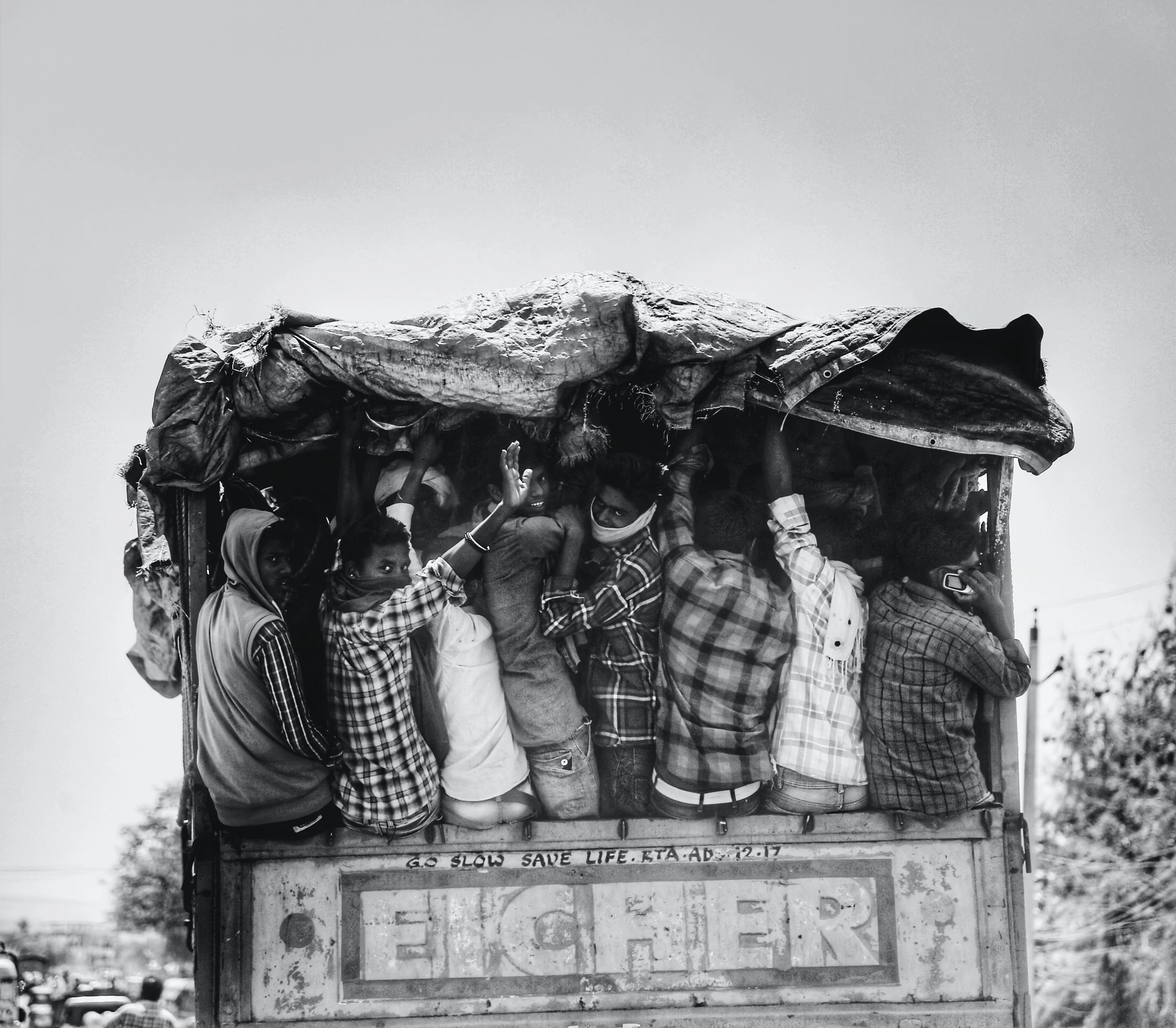
Photo courtesy of Vignesh S.

India has always had a large number of child laborers. In 2019, 152 million children were working. In the last two years, there has been an increase of 8 million children to the workforce. There is a great risk that this new generation will be academically displaced.

Before the pandemic, being in school protected children from child labor. However, with most families out of work or working to get by, the most vulnerable have to pay the cost: children. Children are often working 16 hour days in inhumane conditions. There are many contributing factors to this issue, the largest being that a third of the Indian population is living under the poverty line. With families working and narrowly making ends meet, families may feel they have no other choice but to send their children to work. Another factor is the country’s high illiteracy rate of 287 million people. Children who do not get a basic education will become illiterate adults, making them a target for underpaying jobs that creates an intergenerational cycle of poverty within the family. 

The states where child laborers are most prevalent are Bihar, Uttar Pradesh, Rajasthan, Madhya Pradesh and Maharashtra, where over half of the country’s children work. Uttar Pradesh in northern India is the state with the highest number of child laborers,  20 percent of children work in the silk industry and child laborers work in textile factories making garments for big companies. Gap was once in the headlines when someone discovered children working in the shops. Many of the child laborers were there due to their families selling them. Taking swift action, Gap responded and said, “the factory was being run by a subcontractor who was hired in violation of Gap’s policies, and none of the products made there will be sold in its stores.” Additionally, the spokesman for Gap Bill Chandler told The Associated Press, “Under no circumstances is it acceptable for children to produce or work on garments.” Since then Gap decided to stand up against child laborers and stated on their website that they would be “removing young workers from the facility.”

Children will work all kinds of jobs from carpet manufacturing, farming, brick making and gem extracting/polishing to selling cigarettes on the streets for the tobacco industry. Indian law prohibits children under the age of 14 to work and teens from age 14-18 to do any work that is considered hazardous. Nonetheless, most go unnoticed due to lack of enforcement of the law. Companies that turn a blind eye to this issue will oftentimes not recognize the child’s labor. Children will be forced to work long hours with no compensation or very little compensation. It has been reported that a child can make as little as 52 cents a day, if they are paid at all. They are frequently abused physically, verbally or sexually. Sexual exploitation in India is widespread, with 1.2 million children involved in prostitution. 

The mental and physical effects of this arduous and traumatic experience have consequences. Exposed children may experience mental health issues, causing a disruption in their emotional development. Many psychiatric disorders can stem from child labor, for example, depression, mood disorder, attachment issues, psychogenic seizures, post-traumatic stress disorder (PTSD) and substance abuse. The physical effects include but are not limited to exposure to toxic substances, working in extreme temperatures, malnutrition, sleep deprivation and death. The mental and physical toll it takes on the child will be long term if it is not dealt with. 

According to one estimate, more than 20 percent of India’s economy is dependent on children. This is a large financial burden on the hands of young people who should be exploring and playing, nurtured in their formative years, according to the American Academy of Pediatrics. The government’s accountability is key to move forward and to bring change to an already impacted generation. The laws that protect children need to be enforced and further tightened. 

The extreme poverty that has affected India is another root cause of child labor. According to Humanium, a organization that defends children’s rights, this is the primary reason children are falling victim to child labor. Their need to grow up before their time and help feed their impoverished family is only a momentary fix. This will impact their future and the future generations that will come after them. 

To Get Involved:

Global March is an organization that seeks to eliminate child labor. Their mission is to ensure free access to education. To learn more about Global March click here

To support the children of India through Global March click here.


Jenn Sung 

Jenn is a Communications Studies graduate based in Los Angeles. She grew up traveling with her dad and that is where her love for travel stems from. You can find her serving the community at her church, Fearless LA or planning her next trip overseas. She hopes to be involved in international humanitarian work one day.

3 Asian Theatrical Traditions

The cinema may be the world’s most prominent entertainment, but recorded film screenings cannot match the liveliness of performing theater. Learn about three theatrical traditions beloved by their Asian audiences for their craftsmanship and cultural significance.  

Stage Theatre. AndyRobertsPhotos. CC BY 2.0.

Theater is a unique art in its ability to elicit both laughter and tears within the same showing. Throughout these three Asian nations the stage is a place where performers can bring imaginary worlds to life, or inspire their audiences to better their own.  

1. Japan’s Rakugo

Rakugo. Isabelle + Stephanie Galley. CC BY 2.0.

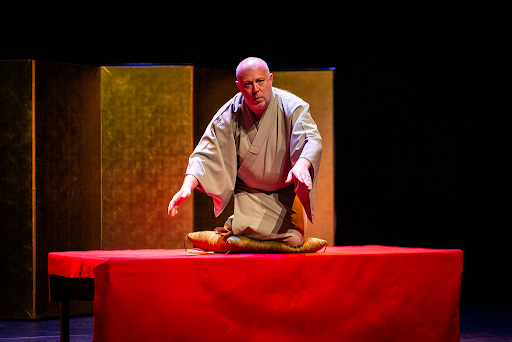
Rakugo (fallen words) showcases a storyteller’s skill to enthrall their audience without the use of any costumes, scenery or special effects. Rakugo was developed during Japan’s Edo Period (1603-1868) by Buddhist priests who recounted dramatic tales to illustrate the impermanence of life and the sufferings elicited by materialistic attachment. Soon non-religious performers regaled crowds with parodied interpretations of those parables. A specialized sect of storytellers has emerged since, termed the rakugoka, who rely upon improvisation, exaggeration and, most critically, wordplay for their performances. A rakugoka presents upon the spartan kōza stage while dressed in traditional Japanese garb, and has only a sensu (paper fan) and a tenugui (hand towel) as props to aid them. With pantomime, voice and facial expressions the rakugoka will narrate one of 300 stories inspired by the realities of ordinary people.

The stories of rakugo are structured as back-and-forth dialogues between a set of archetypal characters and generally culminate in a funny climax. Popular character archetypes include cunning tricksters, miserly merchants, arrogant authorities and kaidan (ghosts or other apparitions). Each narration ends with an raku (fall), a humorous linguistic twist which serves as a punch line for the whole performance. Rakugo is analogous to a one-man show of sit-down comedy. 

2. India’s Nukkad Natak

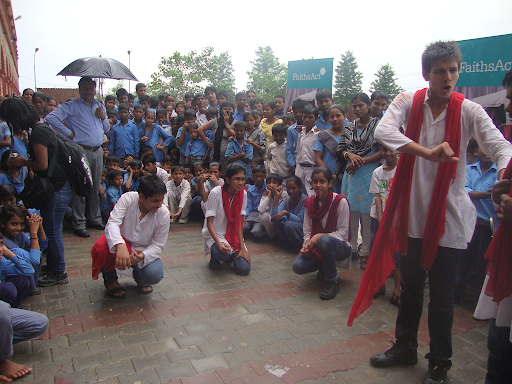
Nukkad Natak. DLF PUBLIC SCHOOL, INDIA. CC BY 2.0.

From universities to slums throughout India, nukkad natak (street drama) serves as a medium of entertainment as well as social commentary. India has a rich heritage of theater which traces back centuries, but nukkad natak was shaped very recently among the country’s schools and streets. In the 1980s, left-wing grassroots activists started to put on plays for the lay public to highlight major social and political issues. Nukkad natak grew especially popular among college students who identified an outlet through which they could express their unacknowledged emotions and views. Nukkad natak has since become a channel for communication and information among the uneducated masses. 

Without any audiovisual equipment or cosmetic crew professionals nukkad natak troupes are forced to capitalize their bodies to the fullest. The troupers’ voices vary in pitch and volume as they undertake in constant physical motion. Troupes will not shy away from controversial scenes like sexual assault but will act them out publicly to provoke emotions. Some troupes dedicate their performances towards the portrayal of exemplary civic behavior. Even India’s private sector recognizes nukkad natak’s enormous influence on public society; some multinational corporations sponsor their own performances to advertise their products.   

3. Indonesia’s Wayang Kulit

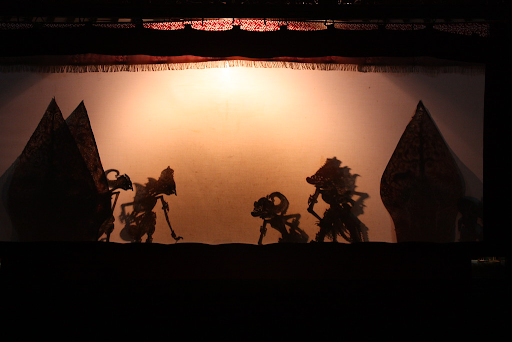
Yogyakarta, Wayang Kulit. Arian Zwegers. CC BY 2.0. 

Although its origins are disputed to date, there is no debate as to the renown wayang kulit (shadow leather) holds today in Indonesia and neighboring countries. Intricately detailed leather puppets are deftly maneuvered by a dhalang (puppeteer) between a light source and a blank screen to portray a story via shadow. Performances feature plots derived from a bevy of sources, ranging from Hindu epics such as the Ramayana or Mahabharat to the East Javanaese Prince Panji cycle. 

A show of wayang kulit may carry on through the night for eight hours and is usually accompanied by a gamelan bronze orchestra. A single performance may entail the use of hundreds of puppets, all of whom are designed with utmost faithfulness to visual symbolism. Puppets portraying noble heroes, for example, are crafted in accordance with the Javanese ideal of male beauty: slender build, long and pointed nose and eyes shaped like soya beans. A puppet’s colors represent characteristics; gold indicates dignity whereas white is the color of youth.


RELATED CONTENT:


Rohan A. Rastogi

Rohan is an engineering graduate from Brown University. He is passionate about both writing and travel, and strives to blend critical thinking with creative communication to better understand the places, problems, and people living throughout the world. Ultimately, he hopes to apply his love for learning and story-sharing skills to resolve challenges affecting justice, equity, and humanity.

India’s Silk Industry: A Hub For Modern Slavery

Despite global efforts to eliminate the practice, modern-day slavery still widely exists. In India, the silk industry continues to serve as an oppressive stronghold for the practice. 

Indian workers. Photo by Sujeeth Potla on Unsplash

The silk industry in India is not to be underestimated; it employs hundreds of thousands of workers and is worth over $3.6 billion annually. However, as with many booming industries, a dark side lingers in the background. In southwest India lies Karnataka state, a hub for many of the nation’s age-old industries including silk production. Although justly paid workers exist, a sizable portion remain stuck in a taxing system known as “bonded labor.” 

What is “Bonded Labor”?

Although not explicitly mentioned in the phrase, “bonded labor” is actually a form of modern-day slavery. Bonded labor is when someone is forced to work off an imposed debt, where their captivity is known as “debt bondage.” In this system, the victims are often promised employment or an opportunity they cannot afford to refuse, and are then forcefully kept as workers. Their pay is usually minuscule compared to the debt amassed, and as a result, the employers are able to continually pile on debt over time. The dynamic transitions from employer-employee to that of a master and a slave. 

Additionally, the work is often arduous and the masters are even more unrelentingly brutal; abuse is commonplace in the system. As a result, many families attempt to escape, only to find that the support system for a successful departure is at best a bare-bones operation if not entirely absent. Many authorities who are meant to help these victims escape partner instead with the perpetrators; corruption bleeds away most hope of an escape.

However, one way out does exist. Victims are able to apply for a certificate of release, which would trigger an investigation to either approve or deny the request. Frequently these attempts fall through, often due to failure on the part of the authorities. 

Although the use of bonded labor remains widespread, it is most extensively used in South and Southeast Asia. Oftentimes debt laborers work off family debts, held hostage due to a loan taken by their parents or grandparents. 

How Did Bonded Labor Spread in India?

Bonded labor has been illegal in India since the Bonded Labor System Act of 1976, but this law failed to provide substantial change. It is estimated that over 8 million bonded laborers still exist in India, with experts fearing this statistic to be a gross underestimation. Rarely are those found guilty of violating the Bonded Labor System Act forced to serve out their punishment. 

Many human rights groups have pooled their efforts to research the extent of the system’s damage. What was found revealed grotesque physical, emotional and verbal abuse of children forced into bonded labor in the silk industry. Children of all ages, even as little as 5, were found to work 12-hour days nearly every day of the week; they do not attend school. Their work included placing their hands in boiling water and breathing in lung-blackening fumes; the children are not provided health care either, and often succumb to injuries. 

Human rights groups have stated that the Indian government is fully aware of this ongoing crime, yet fails to act on the victims’ behalf. It seems that corruption, combined with the consequences of the restrictive caste system, has left little hope for the estimated 350,000 children held in the silk industry’s bonded labor system. 

In the early 1990s, human rights groups sparked global outrage about the situation of India’s children, causing  the government to act. The Indian Supreme Court passed additional laws in 1996 to protect children in harmful workspaces, yet the government has failed to bring about any meaningful change. India’s National Human Rights Commission was brought in to spearhead proceedings, but very few perpetrators ever faced justice. 

The impact of the system is devastating as it enslaves whole families and sometimes even future generations. Until justice is truly served, victims of bonded labor will continue to be denied freedom.

To Get Involved:

To learn how Free the Slaves, an organization dedicated to sustainable freedom, helps victims, click here

To read about Anti-Slavery International, the world’s oldest anti-slavery organization, click here.


Ella Nguyen

Ella is an undergraduate student at Vassar College pursuing a degree in Hispanic Studies. She wants to assist in the field of immigration law and hopes to utilize Spanish in her future projects. In her free time she enjoys cooking, writing poetry, and learning about cosmetics.

Muslim Victims of India’s Worst Riots Fret Over Delayed Justice

For victims of any crime, the wait for justice to be served is often a painstaking process where emotions run high. The victims of last year's Hindu riots in New Delhi now feel that any hope for justice has fizzled away.

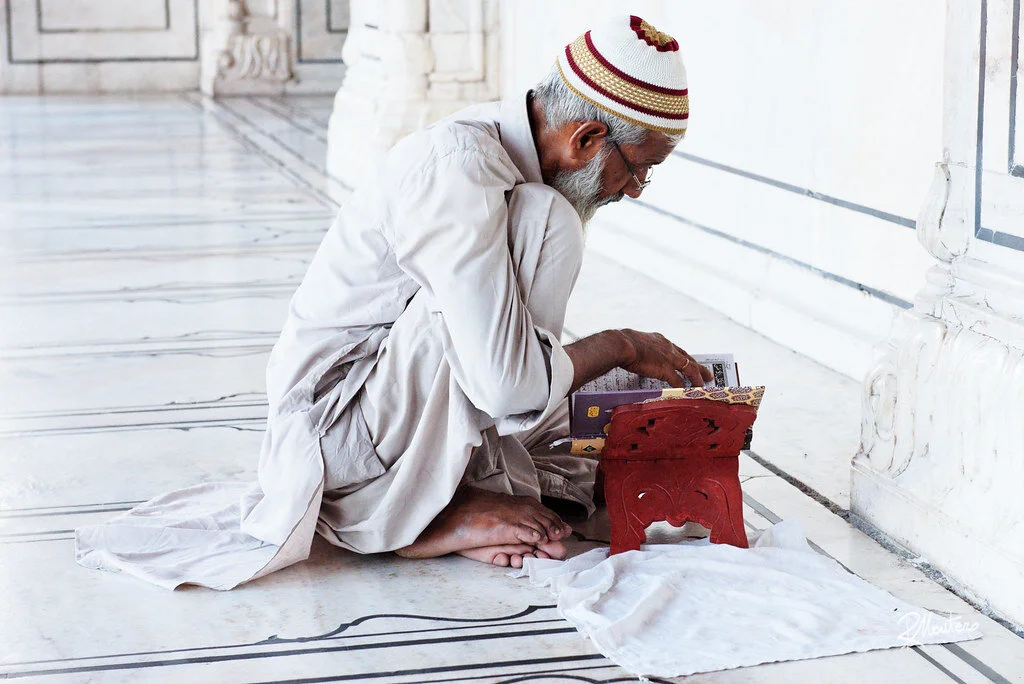
A Muslim praying in a mosque in New Delhi. Riccardo Maria Mantero. CC BY-NC-ND 2.0. 

Almost exactly a year ago, India’s bustling capital of New Delhi broke out into the worst religious rioting seen in the country since 1984. For four bloody days, Hindu mobs ravaged the city targeting Muslims, many of whom grew up experiencing peaceful relations with their Hindu neighbors. The mobs set fire to Muslims’ homes and mosques, while others dragged Muslims into the streets where they were mercilessly beaten to death. Muslims were also wounded by crowbars and iron rods, while others were lynched. Families were burned alive as the violence ensued, often by Hindus wearing helmets to prevent police identification. One victim, Mohammad Zubair, was seen crouching on a dirt street with his hands over his head; he prayed as a group of men beat him senseless. Zubair narrowly survived after the mob left his barely conscious body for dead in a nearby gutter. 

“… a letter was found from a police chief calling on officers to ease punishments toward Hindus involved.”

Although a horrific scene, religious tensions and rioting are certainly nothing new to India. Hindus make up around 80% of the country’s population, while 15% are Muslims. The two groups have been in conflict since the country’s inception, but the election of Prime Minister Narendra Modi has exacerbated tensions to unprecedented levels. 

Now, a year has passed since the riots. Although the peak of violence has passed over, neither the widespread tension nor the fear among Muslim residents has eased. Most victims of the rioting find themselves at a dead end: police have often refused to help victims due to political ties with the currently elected Bharatiya Janata Party (BJP), which has connections to Hindu nationalist groups. Many victims worry that the ruling party actually supported the riots against Muslims. 

Local police view the situation differently. They claim that the necessary investigations were carried out, and that almost 1,750 perpetrators were punished. Evidence seems to show otherwise; a letter was found from a police chief calling on officers to ease punishments toward Hindus involved. 

In addition, the complex situation has led to a web of accusations. Kapil Mishra, a leader of the BJP, believes that the riots were started by the Muslim population to incite violence against Hindus. Other Hindus claim that Muslims were behind the rioting, claiming that the goal was to tarnish India’s image on the world stage. 

Unfortunately, the situation for Muslim victims appears bleak. All that can be done now is for the anguished residents to wait some more and hope for a new path forward. 


Ella Nguyen

Ella is is an undergraduate student at Vassar College pursuing a degree in Hispanic Studies. She wants to assist in the field of immigration law and hopes to utilize Spanish in her future projects. In her free time she enjoys cooking, writing poetry, and learning about cosmetics.

Glacial Avalanche in Himalayas Draws Attention to Climate Change

The topic of climate change is widely discussed in political and scientific circles; while many wholly deny the concept, others experience its consequences firsthand. In the most recent example of climate change’s widespread impacts, natives of the Himalayas have taken a firm stand in protecting their homes. 

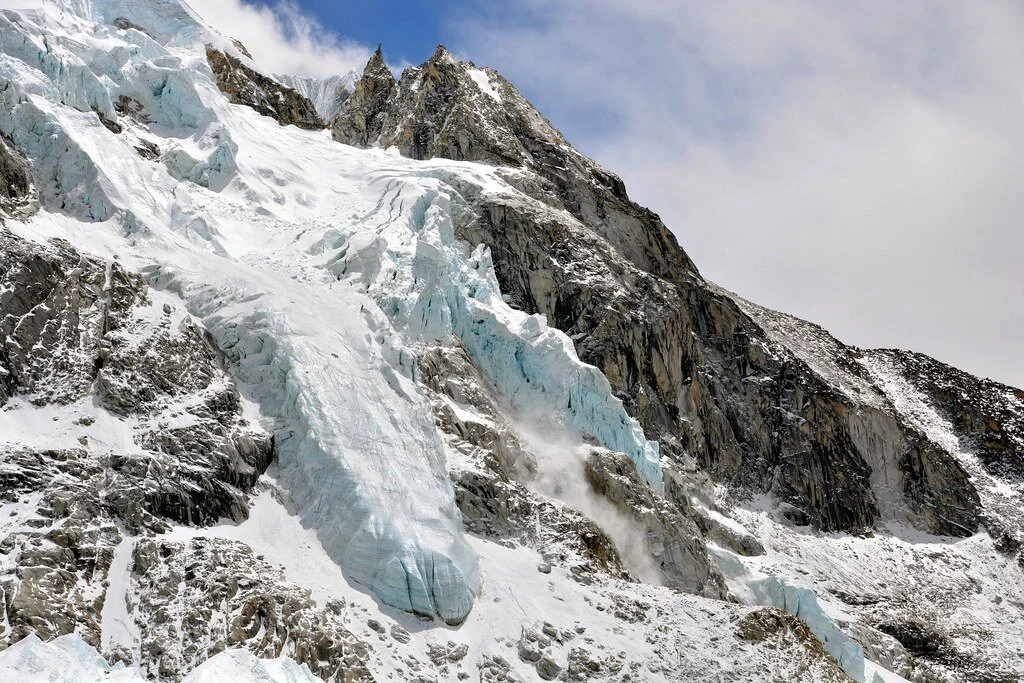
Pristine Himalayas—for now. David Zanchettine. CC BY-NC 2.0. 

Just over a month into 2021, the climate crisis struck the Indian Himalayas when a portion of a massive glacier in Uttarakhand state broke off. The incident occurred at the base of Nanda Devi, India’s second-tallest mountain; the gargantuan mountain’s lower slopes are peppered with villages where locals raise cattle. The incident was exacerbated by a snowball event: the avalanche struck construction sites, pushing more deadly debris toward locals. Villages were obliterated by the falling debris, while a raging river of melted ice shot down rocky hillsides. Officials claim that over 200 are missing, many of whom were workers on construction sites; 30 people have been declared dead. The cause of the slide has not been fully determined, but officials suspect that warming of the ice due to climate change caused the rocks to slide off with greater ease. 

As tragic as this recent incident was, it was not the first episode of the Himalayan climate crisis and certainly will not be the last. The Himalayas are already vulnerable to catastrophic weather changes, especially during the monsoon season. However, it is the human-caused damage that locals are imploring the government to prevent. 

India faces a daunting dilemma with the Himalayan climate crisis. Many residents of the hilly landscape live in poverty, so the government has jump-started many development projects to help the local population. However, as well-intentioned as this work may have been, it has proven deadly to the area’s residents. Many argue that the ecosystem of the Himalayas is simply too fragile to sustain such heavy construction. Locals explain that the rocky area is prone to landslides, and the ever-rising temperatures leave glaciers closer to their melting point. In addition, climate change has contributed to unpredictable weather patterns in the area, which further adds to the locals’ anxiety of potential catastrophes. Yet, the government has chosen to continue the projects anyway. As a result, human interference with the landscape compounded with rising temperatures due to climate change leave residents constantly teetering on the edge of disaster. 

Little can be said at the moment of what kind of change lies ahead for India’s Himalayan population. However, what can be said is that failure to act swiftly will guarantee a deadly future for the area’s residents. 

To Get Involved:

To learn more about how the India Development and Relief Fund approaches disaster relief in the region, click here

To look into ways to help with disaster relief through volunteering for the India Development and Relief Fund, click here. Telecommuting is available for most positions.


Ella Nguyen

Ella is an undergraduate student at Vassar College pursuing a degree in Hispanic Studies. She wants to assist in the field of immigration law and hopes to utilize Spanish in her future projects. In her free time she enjoys cooking, writing poetry, and learning about cosmetics.

India’s Marijuana Users Worry Amid Cannabis Crackdown

With many arguing it is high time to change marijuana laws, the government begins cracking down on cannabis. 

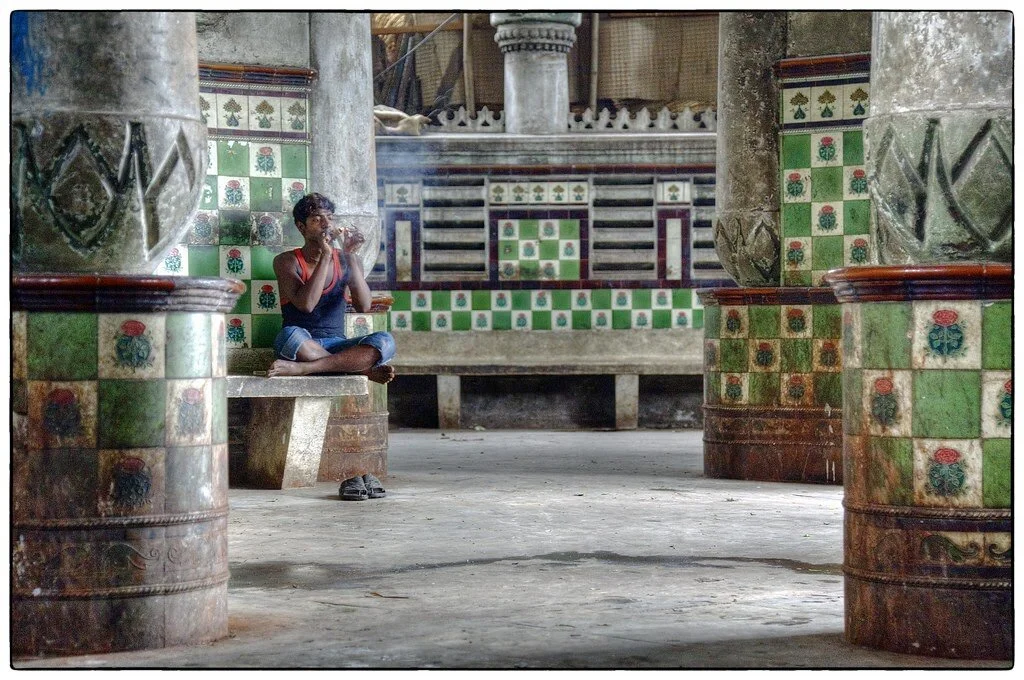
Lighting up in Kolkata. Timothy Neesam. CC BY-NC-ND 2.0.

Every village in India is sure to have it. Everyone will know a friend or a friend of a friend who uses it, even if they don’t use it themselves. Whether a local rickshaw driver or a Bollywood starlet, every social class seems to enjoy its relaxing qualities. Some religious leaders even tout its effect on transcendental meditation. The police, however, are ramping up efforts to expunge it from India. The substance: marijuana. 

Despite occupying a prominent role in Indian society for centuries, the consumption of marijuana is highly stigmatized. The Narcotics Control Bureau (NCB) began cracking down on its use by targeting Bollywood stars caught in the act. Actress Rhea Chakraborty spent a whole month in jail after investigators discovered she had procured weed for her then boyfriend. Her private messages have endangered the careers of many other stars. Deepika Padukone is now under suspicion; he discussed “doob” over WhatsApp. 

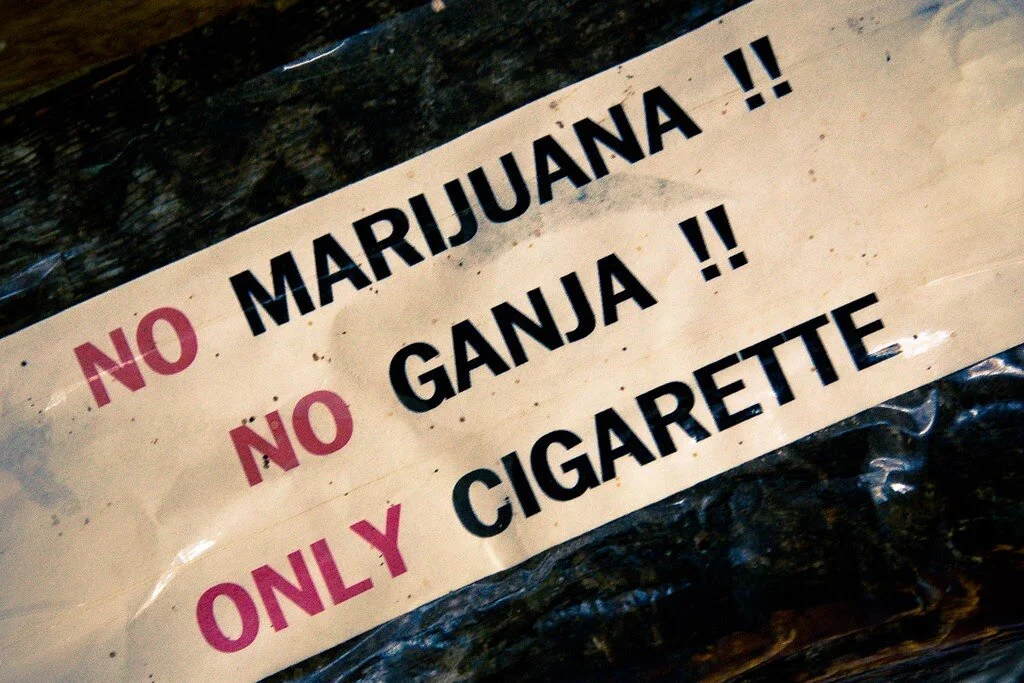
A sign prohibiting marijuana use. henrikj. CC BY-NC 2.0.

The NCB has much on its plate if it wishes to flush the drugs out of Bollywood. A-list celebrity Ranvir Shorey said in an interview that drugs are part of Bollywood culture, not because denizens are depraved but because drugs, especially marijuana, are ingrained in Indian culture. He noted, “I think drug consumption in Bollywood is the same proportion as it is generally in society” and that the stigma against weed is a “colonial hangover” based on “laws that are hundreds of years old and have not changed.”

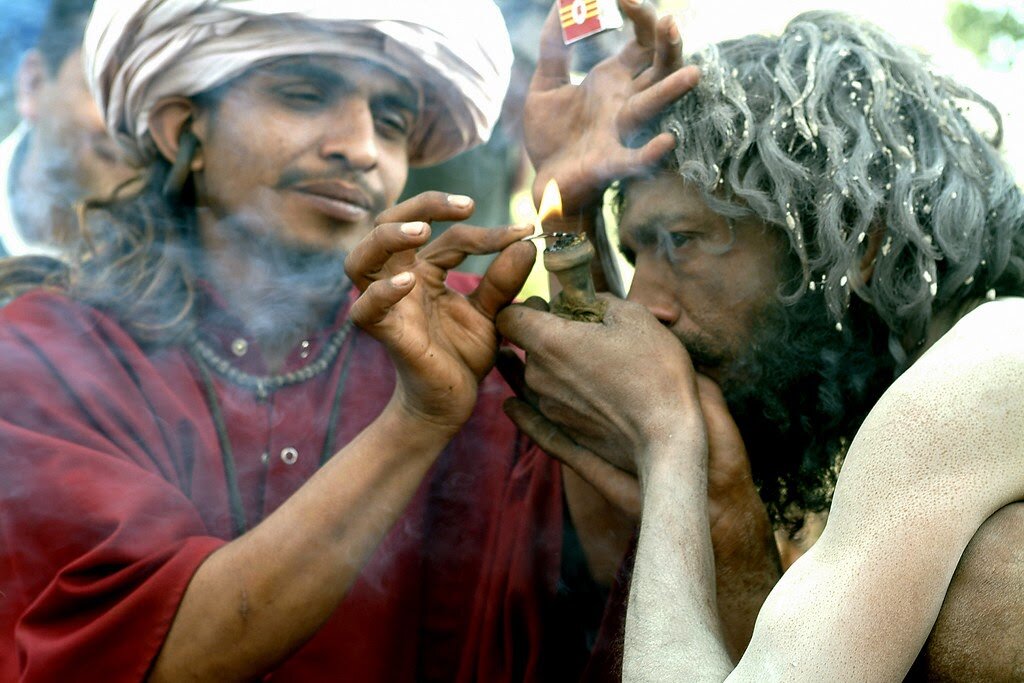
Even older than these laws are the many traditions of cannabis use. The earliest mention of it comes from the Hindu Vedas, which extol both its medicinal and spiritual properties. It describes the god Shiva puffing smoke to contemplate the mysteries of life and death. Following this example, religious ascetics eschew materialistic pleasures in pursuit of a meditative life, sometimes aided by marijuana. On the flip side, soldiers would often imbibe it to muster courage before battle, much the way European soldiers would swig whiskey. From antiquity onward, cannabis played a prominent and socially welcomed role in many aspects of life. 

Indeed, British imperialism helped to initiate the decades-old disdain for pot. When colonization first began in the 19th century, cannabis was often a farmer’s most profitable crop. Food was grown mainly for sustenance. To sell it, however, farmers were forced to navigate an expensive, labyrinthine process of taxes and licenses. Hoping to turn a profit, farmers smuggled cannabis instead. When imperial courts began prosecuting smugglers, cannabis acquired a criminal association. 

If social attitudes toward weed are a colonial hangover, India’s laws are a neocolonial imposition. In 1961, the United Nations’ Single Convention on Narcotic Drugs (SCND) classified marijuana as a “hard drug” in an effort to address drug abuse worldwide. The convention did not respect the innumerable traditions centered around marijuana or the purported evidence that its moderate use caused no harmful side effects. In India’s case, it did leave a loophole for bhang, a milky beverage infused with cannabis that is consumed at some Hindu holidays.

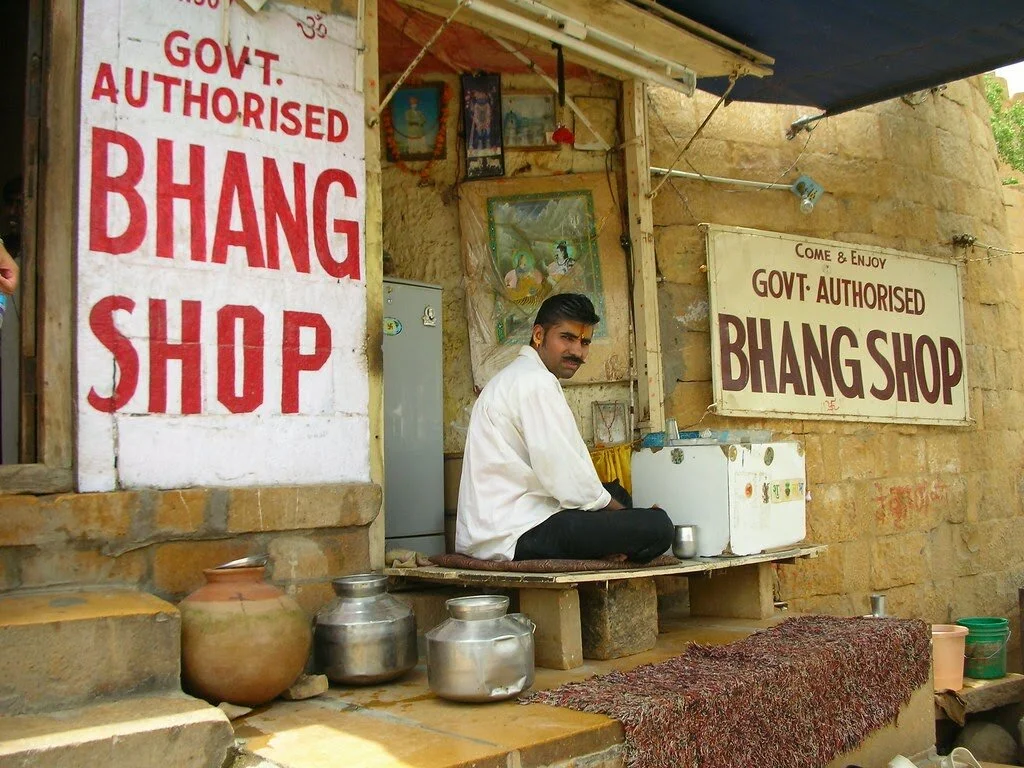
An authorized bhang shop. Tom Maisey. CC BY 2.0.

The Narcotic Drugs and Psychotropic Substances Act of 1985 fulfilled the stipulations India agreed to in the SCND. It spelled out the fines and prison sentences faced if one is caught using or selling pot. Coming at the height of the Western world’s war on drugs, it is viewed by some as an example of the rich world’s sensibilities determining the domestic laws of poorer nations. 

No law seems likely to stop marijuana’s consumption, though. According to one 2019 survey, 3% of Indians—31 million people—consumed a cannabis product in the past year. Bustling cities offer weed connoisseurs a wide array of dealers to choose from, and almost every rural village houses at least one seller, whether a seasoned dealer or an enterprising local, to provide a high. When police catch a smoker in the act, they can easily be bribed

Two sadhus, religious ascetics, smoking marijuana. kehworks. CC BY-NC 2.0.

Consumption habits will likely prove stronger than the moral questions about marijuana’s use. So long as India’s pot consumers include Bollywood stars and religious leaders, rural farmers and stressed-out office workers, the coalition is nearly impossible to beat. Mumbai and Delhi consume 70 tons of cannabis a year. The NCB simply cannot confiscate that much product, so its efforts may all go up in smoke. 

To read more about the controversy around the word “marijuana” check out our article here.

Michael McCarthy

is an undergraduate student at Haverford College, dodging the pandemic by taking a gap year. He writes in a variety of genres, and his time in high school debate renders political writing an inevitable fascination. Writing at Catalyst and the Bi-Co News, a student-run newspaper, provides an outlet for this passion. In the future, he intends to keep writing in mediums both informative and creative.