
Explore this detailed guide to a week-long road trip in Austria.
Read MoreGuide to Slovenia: One of Europe’s Best-Kept Secrets
A small country with big charm, Slovenia offers alpine peaks, ancient castles and fewer crowds.
Read MoreRussian Draft Dodgers Stir Tensions, Temporarily Boost Economies
After nearly one million Russian men fled conscription in 2022, the countries that received them are still grappling with the impacts of this influx three years later.
Read MoreUshguli, Georgia: One of Europe’s Highest Inhabited Villages
In the highlands of the Caucasus, this stone-built village keeps going despite isolation, harsh winters and a changing world.
Read MoreNorway’s Fjords: Culture and Legends of the Norse Coast
Preserved in the idyllic waters and lush landscapes of Norway’s fjords are the country’s Viking history and mythology, presenting travelers with unique cultural adventure opportunities.
Read MoreBezos Protestors Reject Venice as a Billionaire Playgroun
Venetians call their protests a success as the Bezos-Sanchez wedding relocates to the outskirts of the city following the inflatable crocodile threat.
Read MoreRealizing Ireland: My Experience in Dingle
My visit to Ireland’s southwestern coast and how I learned to get lost in its landscape.
Read More6 Best International Films Showcased at Cannes
From political thrillers to coming-of-age dramas, the 2025 Cannes Film Festival showcased stories about family, power, survival and more. Here are this year’s major award winners.
Read MoreIntroducing Europe’s New Travel Requirements
Europe’s new ETA and ETIAS systems have caused some tourists to worry about their travel plans: here’s how they’ll affect international travelers.
Read MoreSchool Shootings and Gun Violence Spread to Austria
The rare school attack in Austria prompts a reflection on rising violence in the West and debates over firearm policy.
Read MoreA Guide to Hiking the Camino De Santiago
Stretching across Europe and concluding in Spain, the Camino de Santiago is a historic pilgrimage route that continues to attract visitors worldwide with its religious, cultural, and health experiences.
Read More7 Must-See Natural Wonders of the Czech Republic
Alongside the renowned architecture, the Czech Republic has an array of natural wonders that nature-loving travelers can explore.
Read MoreSami Life in Scandinavia: An Indigenous Journey Through Reindeer Lands and Joik
A winter journey through where cultural traditions such as reindeer herding, joik and land rights endure amid growing climate and industrial pressures.
Read MoreFrom Ruins to Riviera: The Perfect Summer in Albania
From its pristine beaches to its mountains and UNESCO world heritage sites, Albania is Europe’s most underrated Summer-holiday destination.
Read MoreRussian Poets and the Risk of Resistance
Kennedy Kiser
From public readings to prison cells, Russian poets are paying the price for speaking against the war.
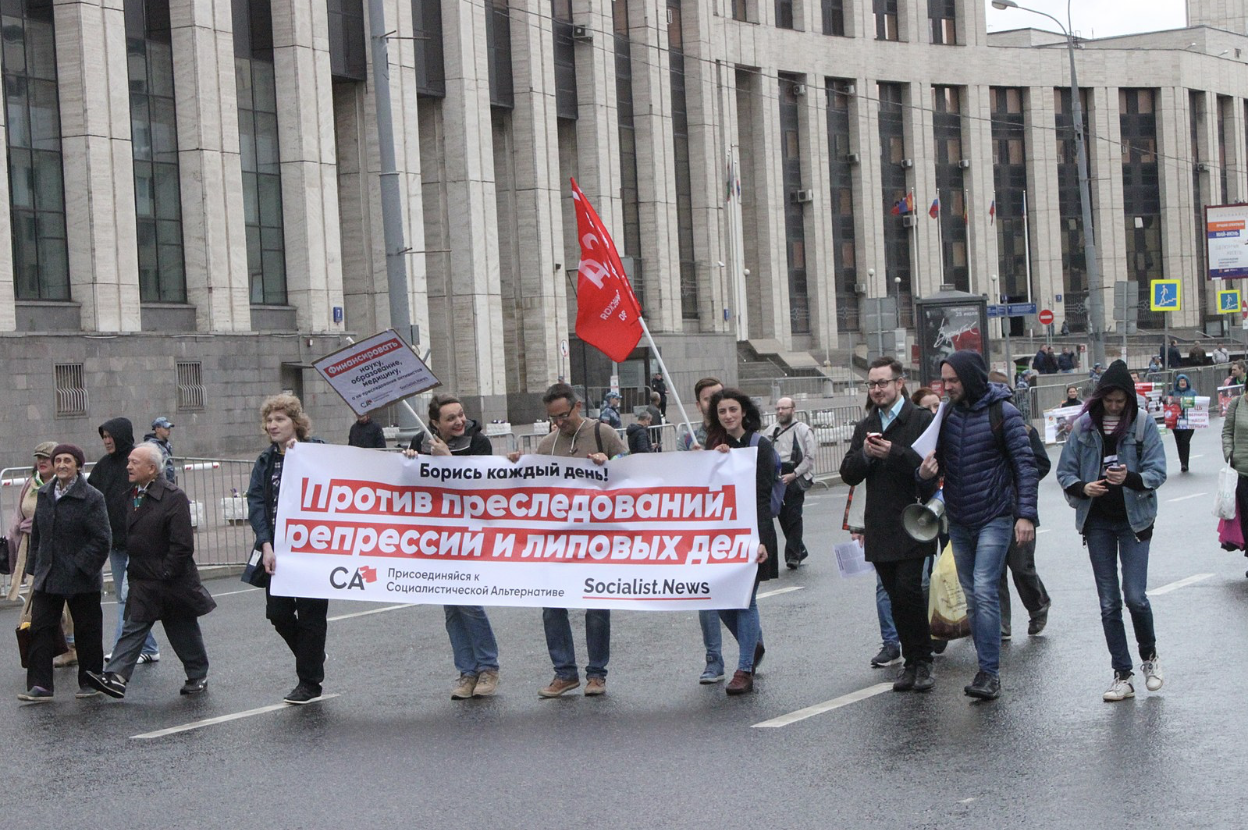
Protesters march in Moscow against repression and fabricated charges. DonSimon. CC0.
“Kill me, militiaman!
You’ve already tasted blood!
You’ve seen how battle-ready brothers
Dig mass graves for the brotherly masses.
You’ll turn on the television—you’ll lose it,
Self-control has never been your strong suit.”
— Artyom Kamardin, “Kill Me, Militiaman”
In December 2023, Russian poet Artyon Kamardin was sentenced to seven years in prison for reciting anti-war verses during the public “Mayakovsky Readings” in Moscow. Fellow poet Yegor Shtovba, who performed at the same event, received a sentence of five and a half years. Kamardin was reportedly beaten and sexually assaulted during his arrest for reciting poetry in response to Russia’s war in Ukraine.
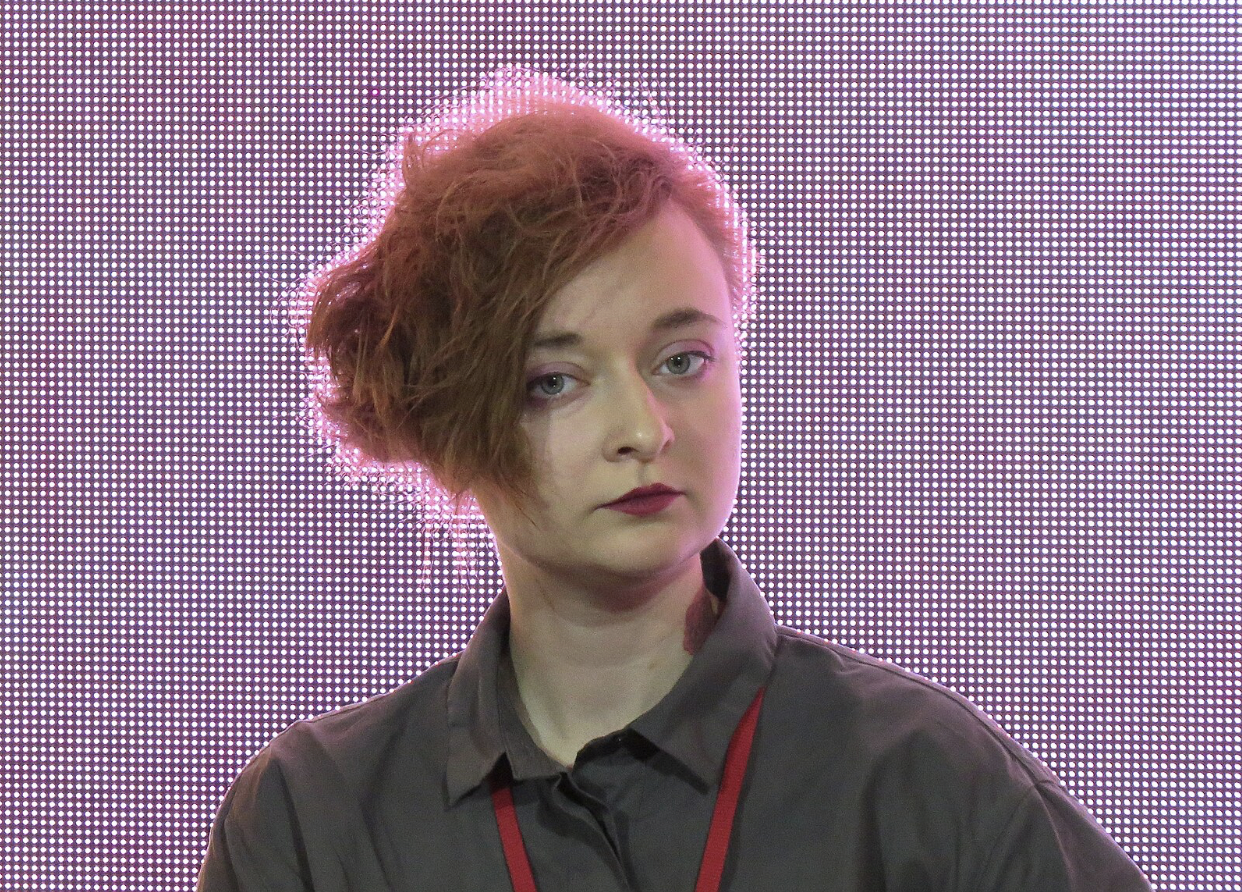
Daria Serenko at the Moscow International Book Fair in 2019. Sergey Leschina. CC BY 4.0.
Their cases are not isolated. In April 2024, feminist poet and activist Daria Serenko was added to Russia’s federal wanted list. Known for combining poetry with political action, Serenko has faced years of harassment. Her arrest warrant, however, marked a shift in the state’s approach. Where once artists were threatened, they are now hunted.
Literature has long played a role in Russian resistance. During the Soviet era, banned texts circulated underground through samizdat networks. Today, Telegram channels and independent journals continue that tradition, sharing poetry that challenges state narratives. But the stakes are now much higher. Poets are not just being silenced; they are being criminalized. The penalties include imprisonment, forced exile and public brutality.
At the center of this increased repression is the state’s fear of language itself. Poetry distills dissent into a form that is emotionally direct and difficult to contain. It spreads quickly, often through digital platforms, in defiance of Russia’s 2022 censorship laws. Unlike journalism or political commentary, verse can bypass logic and speak directly to the reader’s gut. As poet Osip Mandelstam once wrote, “Only in Russia is poetry respected — it gets people killed. Is there anywhere else where poetry is so common a motive for murder?”
This crackdown is not limited to well-known names. Emerging writers, students and performers with modest online followings have also been detained or investigated for speech-related offenses. In some cases, posting a poem on VKontakte, Russia’s largest social network, has led to criminal charges. The line between art and activism has been effectively erased, especially for those who oppose the war.
International literary organizations have responded by offering emergency grants, publication platforms and legal aid. PEN International, Freemuse and countless other organizations have condemned Russia’s actions, calling for the immediate release of detained artists. Yet the risks persist. For many Russian writers, exile is the only path to safety, though it often comes with the painful cost of losing direct access to their audiences.
Repressing writers like Kamardin, Shtovba and Serenko reveals a broader strategy: to eliminate not just protest but the imagination of a different future. By imprisoning poets, the government also suppresses the potential for alternative visions of the world.
Still, Russian poetry persists. In exile, through online platforms and underground readings, writers continue to speak out. In a regime that fears language, each poem becomes an act of resistance.
GET INVOLVED:
These organizations offer support to writers and artists facing political persecution. From legal aid to international advocacy, their work helps protect freedom of expression and document human rights abuses. Getting involved means helping preserve creative resistance in some of the world’s most repressive environments.
To learn more about PEN International, click here.
To learn more about Freemuse, click here.
To learn more about Memorial International, click here.
Kennedy Kiser
Kennedy is an English and Comparative Literature major at UNC Chapel Hill. She’s interested in storytelling, digital media, and narrative design. Outside of class, she writes fiction and explores visual culture through film and games. She hopes to pursue a PhD and eventually teach literature!
The Case for Slow Travel
While many travelers hope to get the most out of their journey with faraway plane rides, consider slowing down and finding your way to the road less traveled.
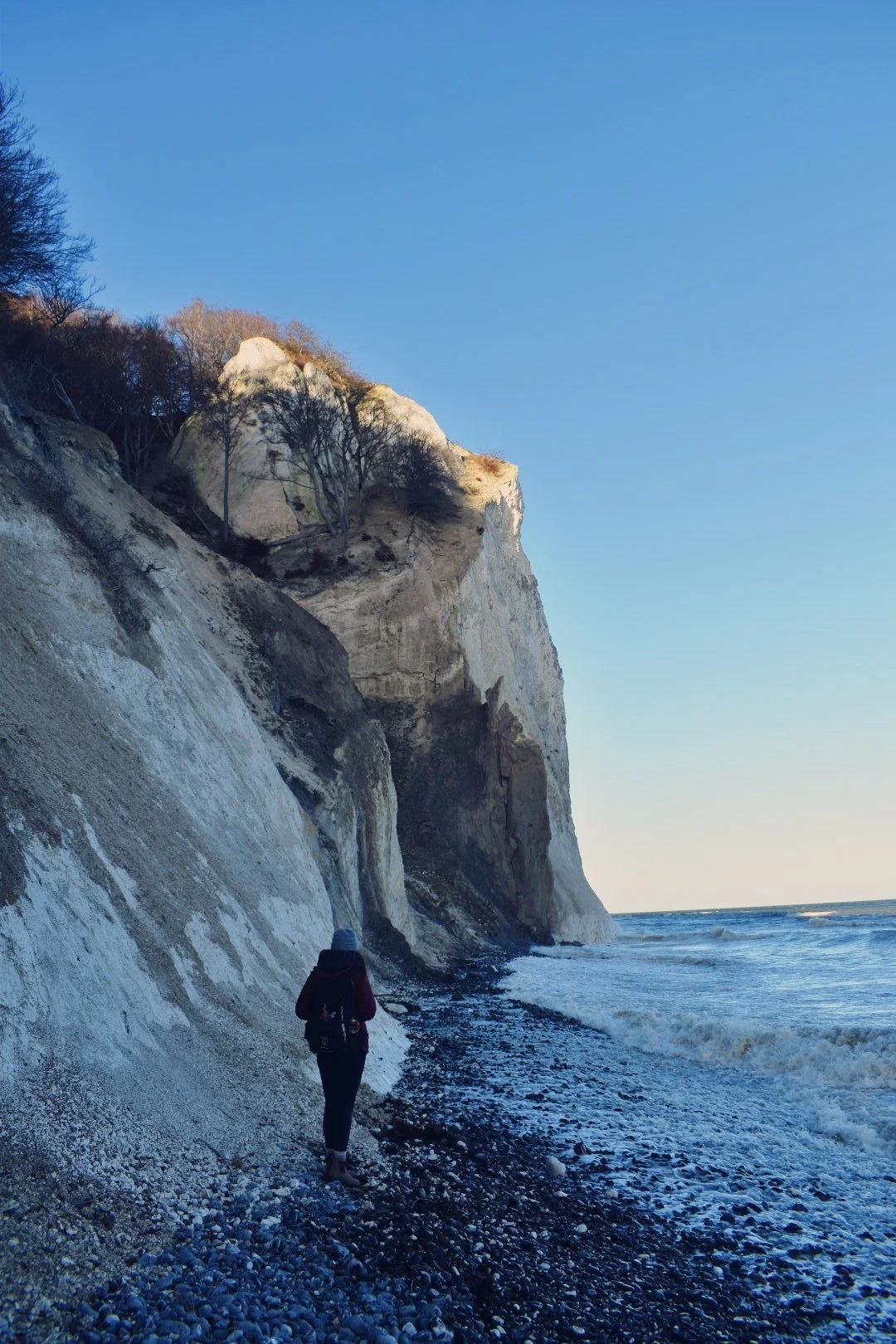
Walking on the beach at Møns Klint. Libby Scaperotta.
In the spring of 2022, I studied abroad in Copenhagen. My friends and I took advantage of the amazing public transit and metro system to get nearly everywhere. So, when it came time to plan an adventure to the limestone cliffs of Mons Klint, we didn’t even consider renting a car. Instead, we quickly opened our phones to the public transit app to route our trip the night before.
It’s the next morning, and the clock strikes 4:55 a.m. My roommate and I bounced out of bed, hopping into the clothes we had laid out the night before and grabbing our pre-packed bags before heading next door to knock on the neighbor’s apartment. With some begrudging groans from the boys next door, in under 10 minutes we were out the front door and headed toward the metro station.
Our journey began with a metro ride, two trains and two buses. After being dropped off and walking a short distance to the next bus stop, we waited patiently for what we thought would be the last leg of our trip, which never came. We had miscalculated a seasonal closure of part of the route’s timing. This led to the eight of us walking the last three kilometers of the trip on a beautiful sunny day in the Danish countryside. We walked among neighborhoods with quaint homes, beside farm animals and through pastures until we were dropped off at the magnificent cliffside of Mons Klint.

A friend walking along the backroad in the Danish countryside during our adventure to Mons Klint. Libby Scaperotta.
We repeated this process backward at the end of the day. But, as we waited at bus stops and train stations while the sun set, we giggled, shivered, danced and dreamed of a large pizza.
Although this journey to Mons Klint would have taken probably a quarter of the time had we just rented two cars for the group, the day’s adventure was unforgettable.
When traveling, we often try to maximize our two weeks of paid time off with ambitious plans to travel far by plane or private vehicle.
Yet, I am here to convince you to try slower travel. Try taking public transit instead of driving and see where the adventure may lead you. Or, try slowing down on your backpacking trip and volunteer in an area instead of packing up so quickly.
Traveling slowly is not only less costly for your wallet but also for the environment. My first introduction to a flight emissions calculator was a deeply upsetting experience that made me reconsider how I fly. Slower travel, which emphasizes public transport or staying in one place, may be a better option for eco-conscious travelers who hope to explore while still being mindful of their carbon footprint.
If you are interested in slowing down your travels, I highly recommend a volunteer experience or work exchange. These will allow you to stay in one place and save on accommodation and meals while immersing yourself in an area’s pace of life and community. From there, you may be able to take short day trips or weekends away in areas that you may have never otherwise explored. There are several platforms that my friends and I have used to find and plan work exchanges: WWOOF, Workaway and Worldpackers.
You can even integrate slow travel into your daily life. Grab your local public transit card and explore the destinations you may get to by bus or train! You might find a sweet town, a new beach or an adventure within arm’s reach.
Slowing down can be good for you and the earth. And, it may even allow you to decide for yourself if exploring the road less traveled does make all the difference.

Libby Scaperotta
Libby is a recent graduate from Middlebury College, where she studied Environmental Policy and Geography. She enjoys travel, photography, and spending time outdoors with people she loves. She plans to pursue a career dedicated to environmental work and wishes to share important stories that may inspire action.
Switzerland: A Hub of Sustainable Travel
Experience the best of Switzerland’s stunning landscapes and sustainable travel options through its extensive and efficient public transportation network, offering seamless access to scenic destinations while minimizing environmental impact.
Read MoreRoad Trip Culture in Scandinavia
From the southern coast of Denmark to the northern lights of Sweden, experience the best road trip destinations in Scandinavia.
Read MoreLondon is a Multicultural Dining Destination
With bustling markets like Borough and Spitalfields, and iconic restaurants such as Dishoom and Chishuru, London proves to be a multicultural dining destination for food lovers worldwide.
Read MoreDanish Cozy Culture
Explore the cozy, happiness-driven culture of Denmark, where hygge—an intentional pursuit of comfort and joy—has become central to daily life.
Read More