
Kleigh Carroll
A small country with big charm, Slovenia offers alpine peaks, ancient castles and fewer crowds.
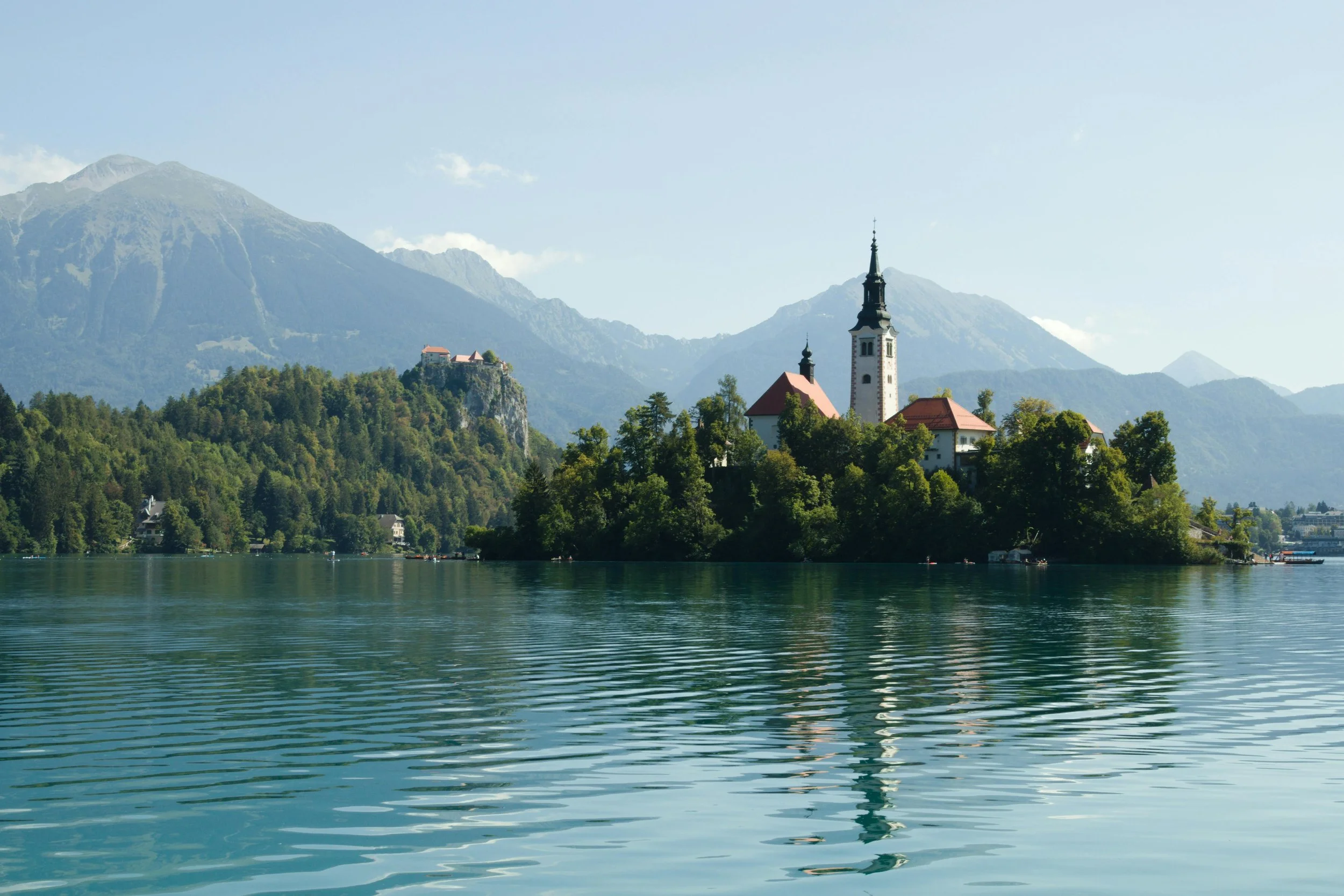
Bled Island on Lake Bled in Slovenia. Philipp Schwarz. Pexels.
Last summer, I spent a week working on a farm in rural Slovenia. Before touching down at an airport set among lush green fields and against a backdrop of snowcapped mountain peaks, my knowledge of the country’s people, places and culture was limited to brief accounts I had read online and the few short exchanges I had shared with my host over email. Until Veronika, a short, tough-as-nails, old Slovenian woman with callouses on her palms and a twinkle in her eye, picked me up to take me to her cabbage field, I knew nothing of what the country had to offer—not of the stunning natural landscapes, picturesque cities and towns, deliciously fresh food and wine and most of all the culture of friendliness and camaraderie, which welcomed me in with open arms, so that my time there felt like nothing short of a warm embrace.
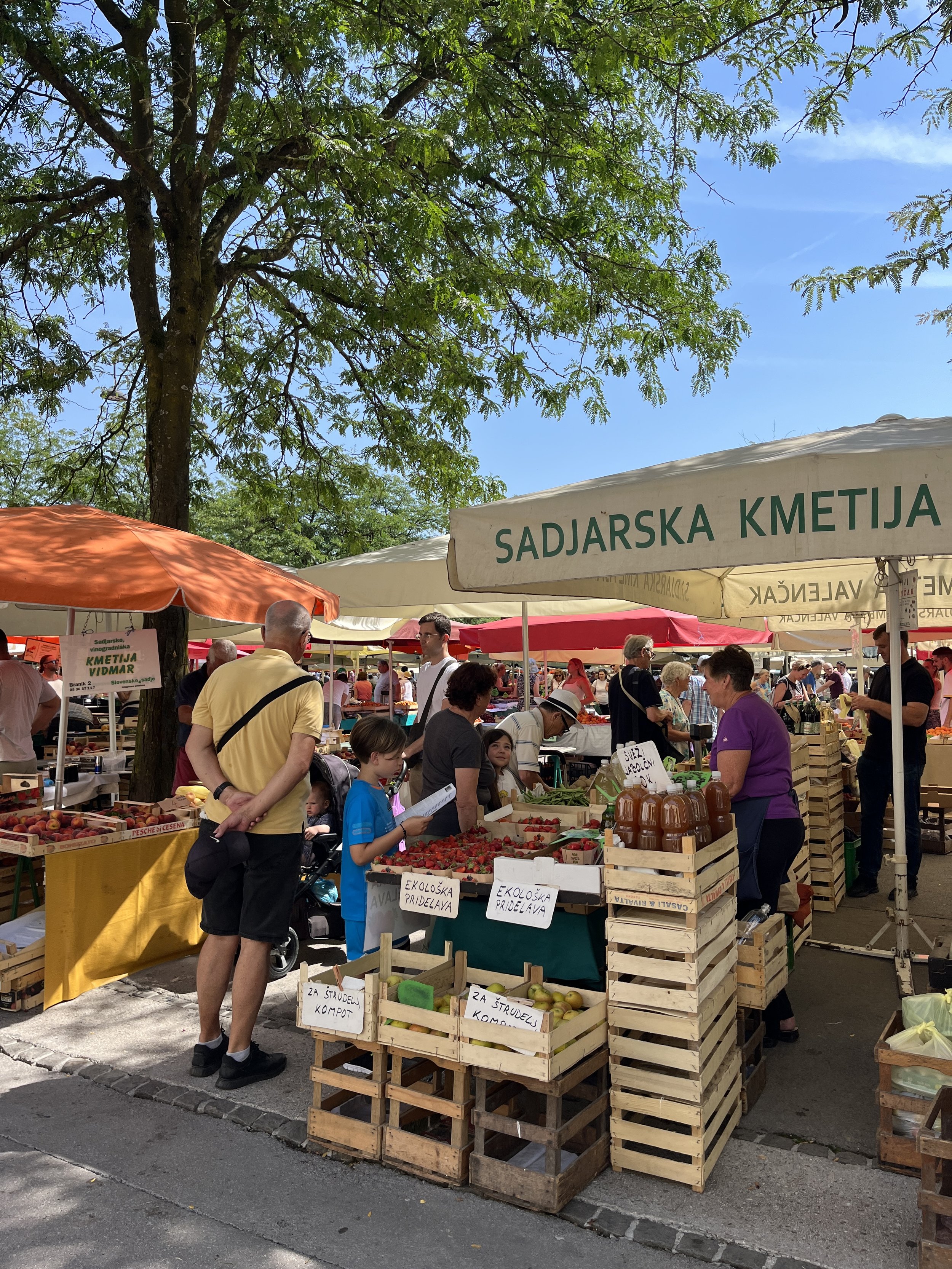
Outdoor market in Ljubljana. Kleigh Carroll.
Nestled between Croatia to the South and Austria to the North, Slovenia has managed to avoid the kinds of crowds that flock to cities like Split and Vienna, despite its equivalent beauty and charm. In 2024, more than 29 million tourists traveled to Croatia, in comparison to the 6.5 million who visited its smaller northern neighbor. The reasons for this, I would venture, have to do with Croatia’s more extensive coastline, which is densely decorated with beaches and hosts a potentially more vibrant nightlife. But for those looking to avoid the crowds, Slovenia offers an exciting alternative. Though smaller and more landlocked, it makes a strong case for itself as a land steeped in medieval history and folklore, unique natural wonders, innovative modern cities and historic and endearing seaside towns.
Why Visit Slovenia?
For starters, Slovenia is a small country, just smaller than New Jersey, meaning if you’re starting from the capital of Ljubljana, you can reach any other point in the country within two hours. Coupled with public transportation that connects the nation's urban centers, traveling in Slovenia is incredibly efficient, making its main attractions all feel within reach. This is not to say you should aim to pack your experience into one weekend; although it is a compact country, there exists a vast diversity of landscapes in a relatively small area, leaving much to explore.

Julian Alps. Michael Gabler. CC BY 3.0.
In the northwest of the country lies the Julian Alps and Triglav National Park, a haven for outdoor enthusiasts and nature lovers. Its crown jewel is Mount Triglav, a striking peak that rises above the rest at 9,396 feet. You can climb Triglav, though it's recommended to go with a guide. The Julian Alps are made special not only because of their striking granite peaks, turquoise lakes and mystical valleys and streams but also because they have maintained a wild and rugged quality missing in some of their Western neighbors. Triglav National Park is a land of vast forests, deeply carved valleys and high mountain pastures, where you can discover native species like brown bears, lynx, red deer, chamois and Alpine ibex. Hiking is the most popular activity in the park year-round, with alpine skiing in Kranjska Gorja resort also popularly enjoyed in the winter.
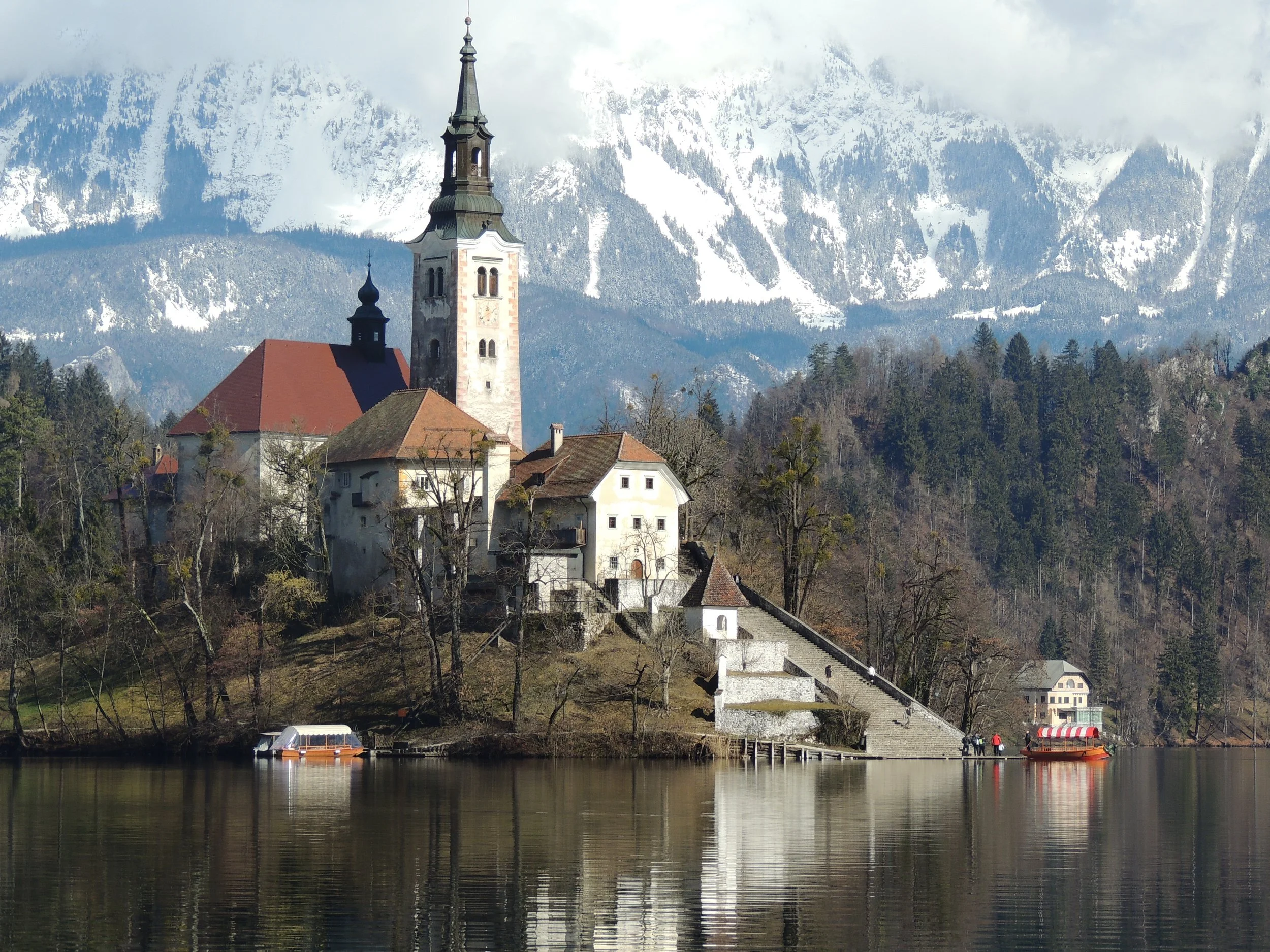
Bled Island on Lake Bled in the winter. Steve Houghton-Burnett. Unsplash.
Within the park lies Lake Bled, truthfully one of the most beautiful places I have ever laid my eyes on. Like entering a fairytale, I walked a trail through lush green forests, circumnavigating the lake’s pristine blue waters. From any point along the shore, you can glimpse the famed island on which sits Bled Castle, an ancient ivory castle dating back to 1004. Legend has it that a widow, in her grief after her husband’s death, commissioned a bell for the chapel on the island. The boat carrying the bell to the island, however, was sunk in a storm, and it was lost to the depths of the lake. Some say that on calm days, you can still hear the faint sound of that bell ringing from beneath the surface. After the incident, the widow sold her possessions and fled to Rome, living the rest of her life in a monastery. When she died, the Pope commissioned a new bell for the island in her honor, which remains there today. Visitors can take a pedal boat or canoe out to the island to ring the bell, which is said to bring good luck, as well as visit museum exhibits and discover the folklore for themselves.
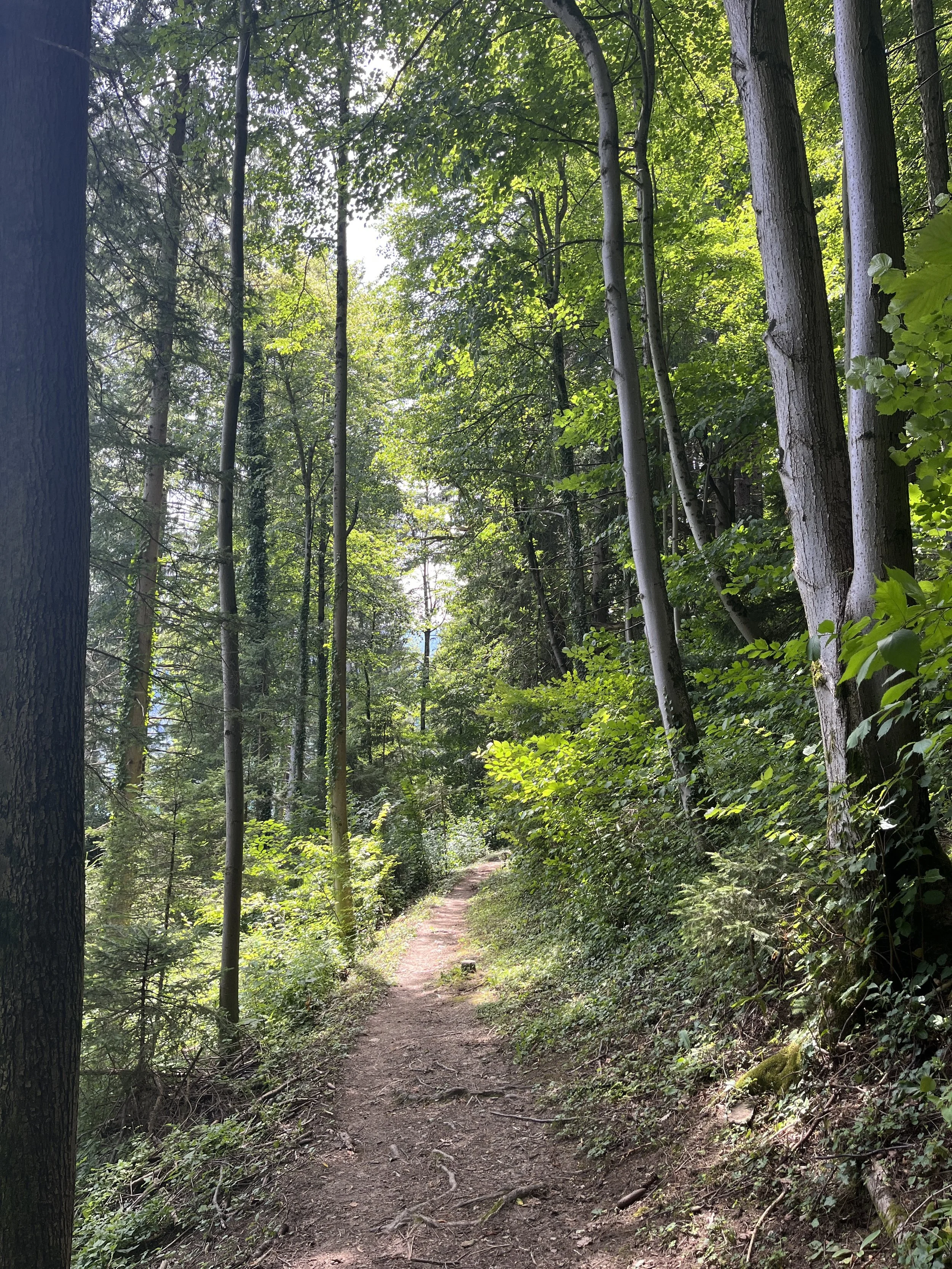
Trail around Lake Bled. Kleigh Carroll.
To the north of Bled lies the less visited Lake Bohinj, more rugged, tranquil and wild. Four kilometers to the northwest is the Vintgar Gorge, a natural phenomenon made easily explorable by a boardwalk trail crisscrossing the emerald waters. From the Julian Alps flows the Soca river, a rich emerald green force that has carved out canyons and pools, flows through gorges and over waterfalls and is home to the Soca Trout, which attracts fishermen from all over the world. Opportunities for adventure along its banks abound, from kayaking, rafting and canyoning to scenic strolls, waterfalls and swimming holes. Popular natural attractions include the Big Soca Gorge, the Little Soca Gorge, Kozjak Falls, Virje Falls, and the Tolmin Gorges.
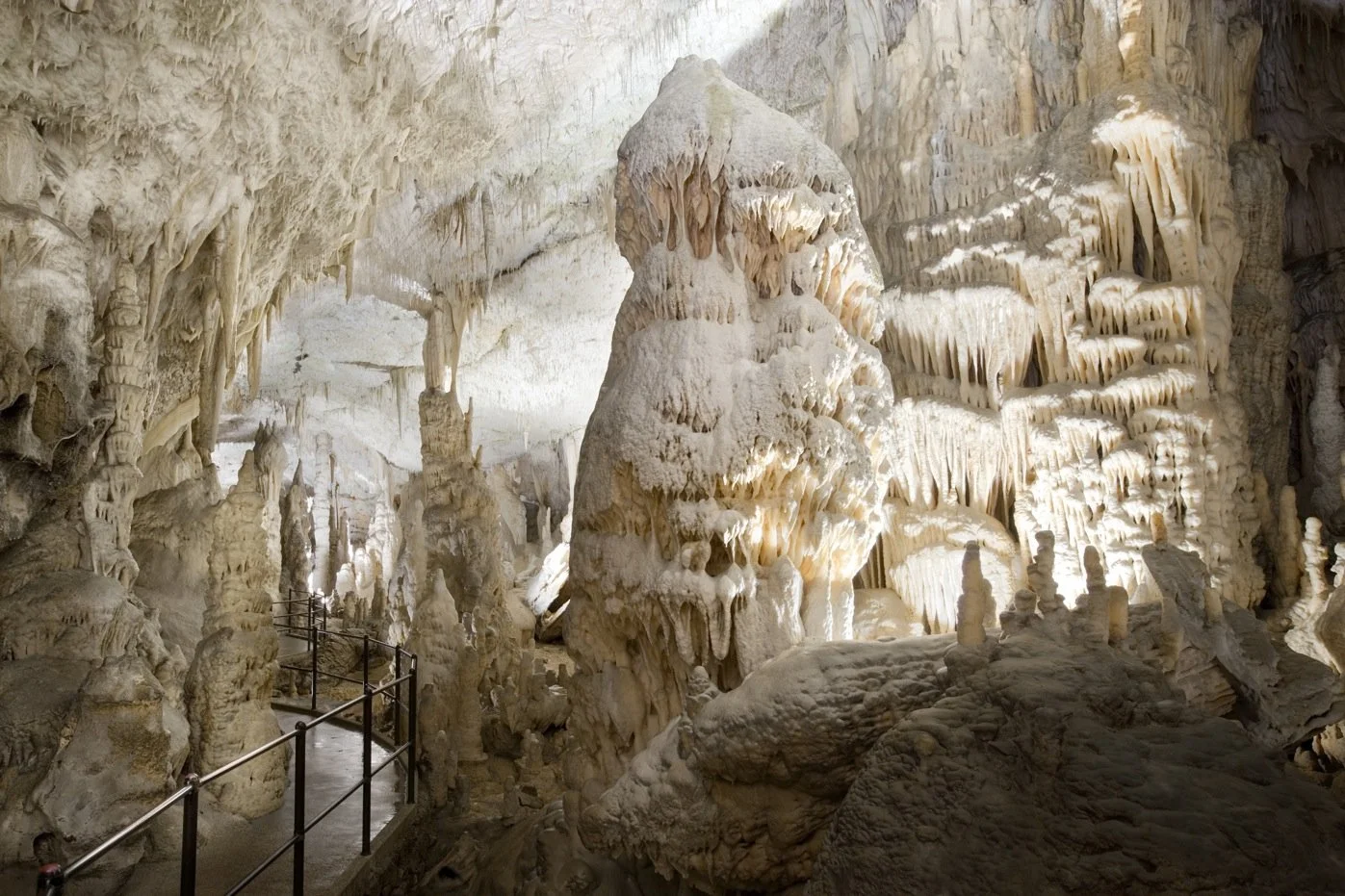
Postojna Cave white chamber. Ziva. CC BY-ND 4.0.
The Karst region, which makes up the southwest part of the country, has been shaped by the dissolution of limestone, creating unique geological formations like caves, sinkholes and underground rivers. Postojna Cave, located just an hour south of Bled, is the most biologically diverse cave in the world and the most visited in Europe. The cave system is 15 miles long, and you can take in its impressive natural infrastructure via a train that traverses its main caverns. A few kilometers from the cave lies the medieval Predajma castle, a marble structure perched upon a cliff that guards the entrance to a vast network of secret tunnels.
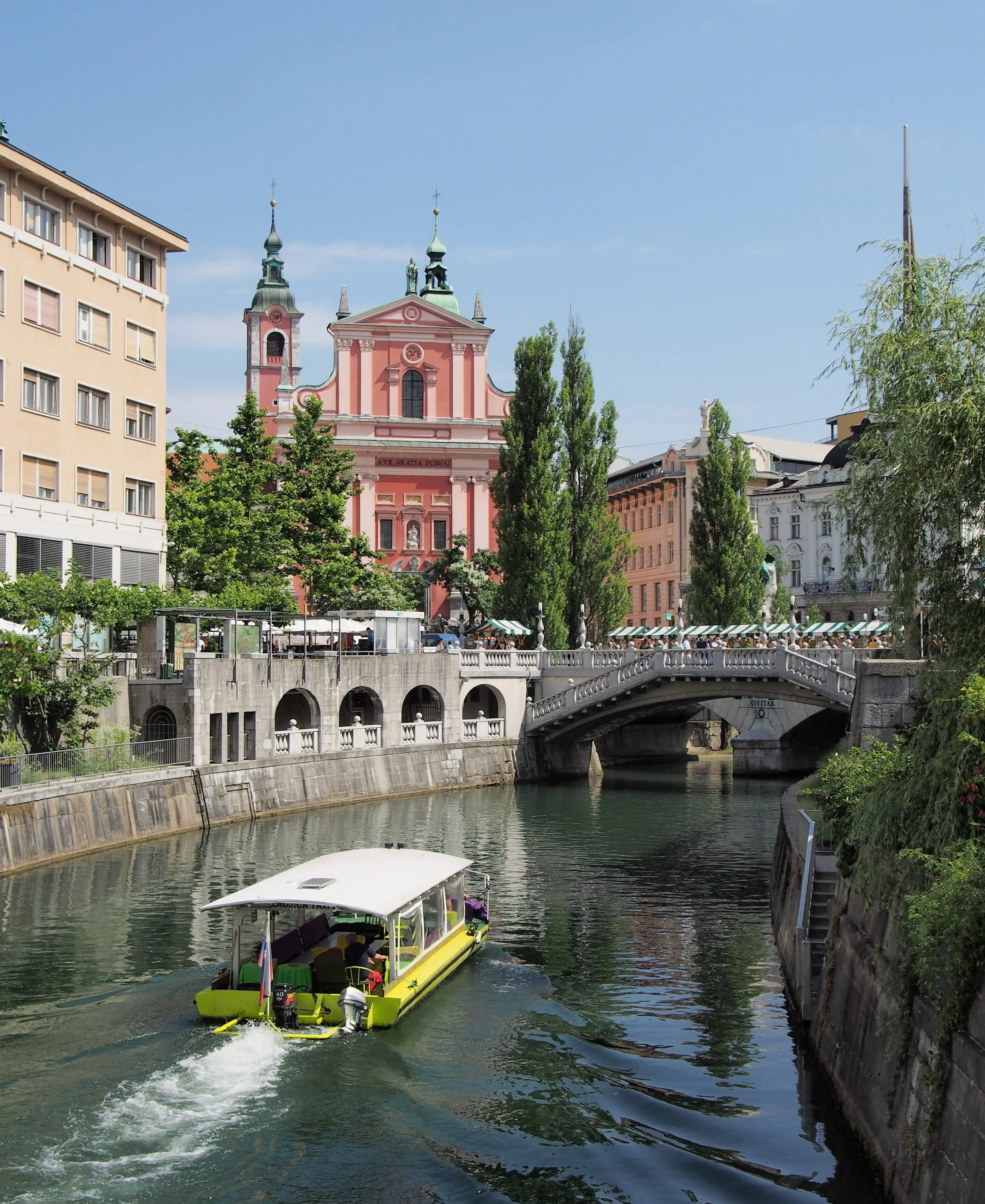
Ljubljanica River. Petar Milosevic. CC BY-SA 3.0.
Slovenia’s capital city is relaxed, charming, youthful and green. Home to the University of Ljubljana, it has a large student population, giving it a hip vibe even though it is also a treasure trove of history and architecture, with enchanting medieval streets and majestic castles to explore. Green spaces are built into the fabric of the city, and public squares exist around every turn, hosting outdoor markets in the summer months or festivals with live music. Cafes line the Ljubljanica River, which flows through the heart of the city, and because car traffic is restricted to the city center, pedestrians are free to peacefully promenade along its banks. Ljubljana is also an up-and-coming culinary hotspot with a sustainable emphasis; in 2016, it was the European Commission's Green Capital of Europe.
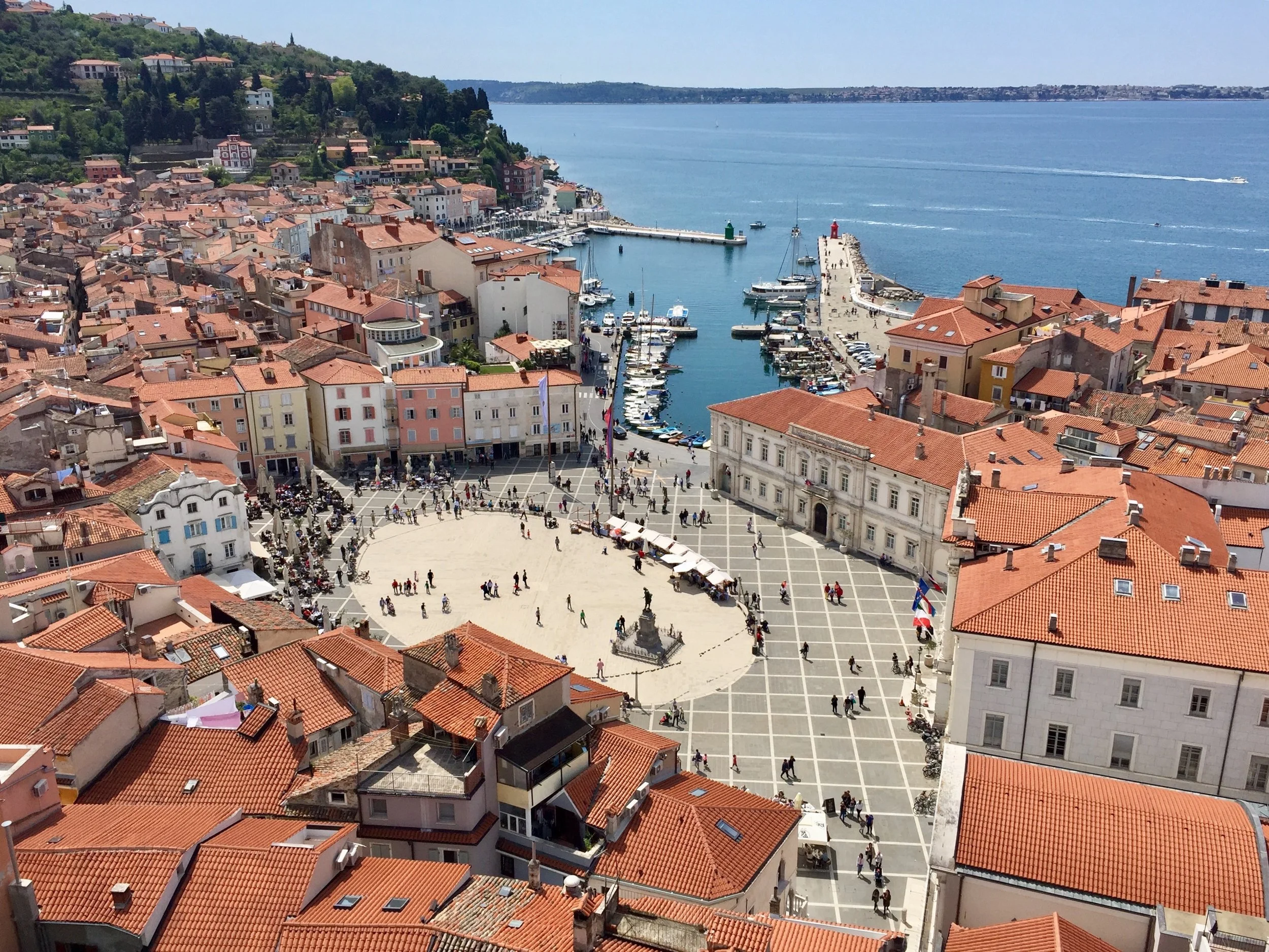
Piran, Slovenia. Anna & Michal. CC BY 2.0.
Other cities to explore include Piran, a port town on the Adriatic coast known for its Venetian architecture, and Maribor, Slovenia’s second-largest city, set among the rolling hills of the wine region. Maribor is home not only to exquisite wine and a rich culinary tradition but also to the Old Vine, which at 450 years is the oldest grapevine in the world. There is a festival each year celebrating its existence, as well as an anthem to the plant that residents like to sing.
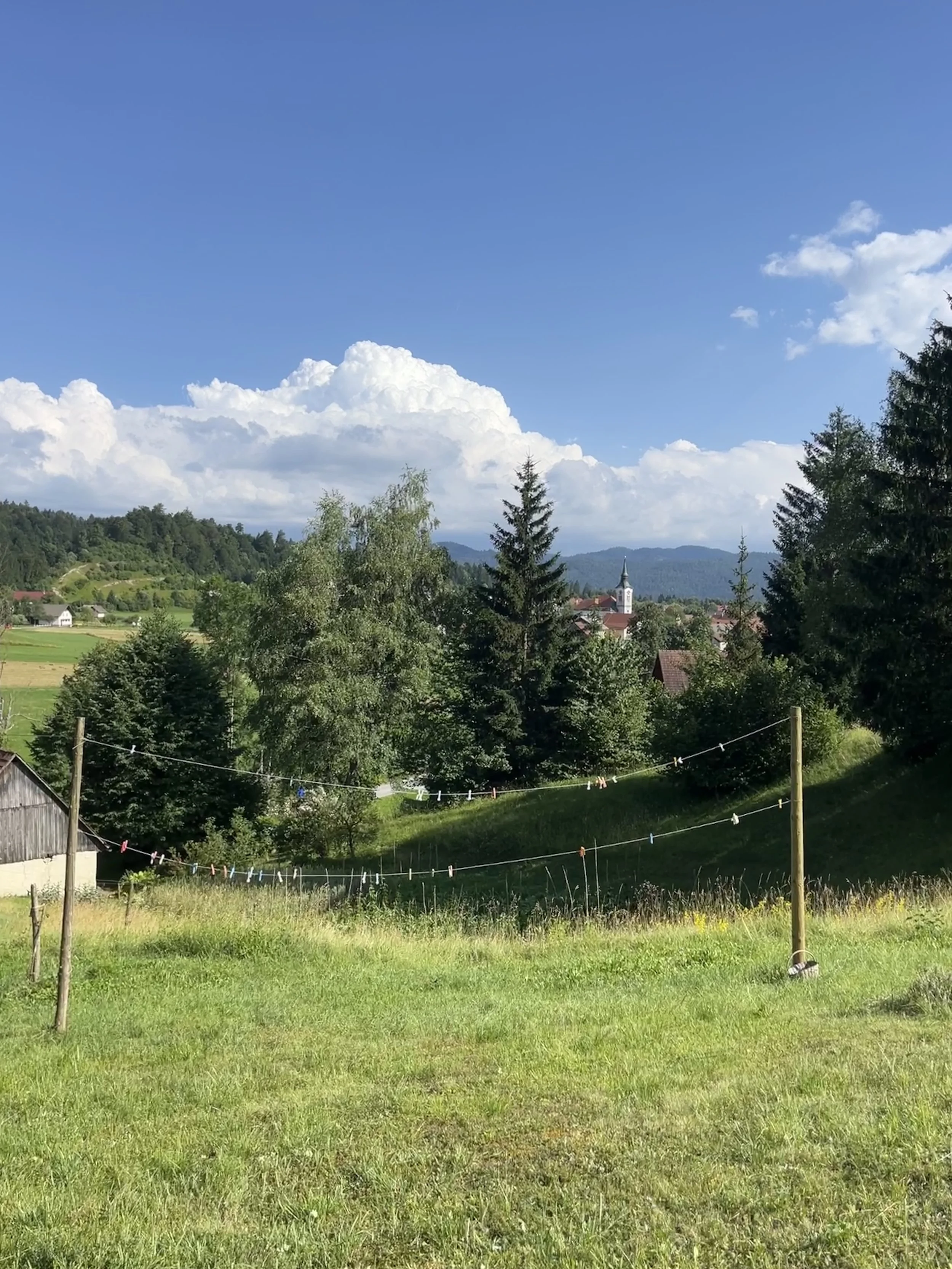
Slovenian countryside. Kleigh Carroll.
When it eventually came time for me to leave Veronika to her cabbage, I was not ready to say goodbye. I felt I had discovered a place that held magic. From rural fields to bustling city centers, from alpine trails to cobblestone streets, Slovenia had surprised, enchanted and inspired me. If you’re looking for your next European destination free from the crowds, consider letting Slovenia surprise you, too.
Kleigh Carroll
Kleigh is a student at UC Berkeley studying Geography and Journalism. She hopes to integrate her skills in these fields in pursuit of a career in journalism. She is passionate about being outside, exploring, and writing in all of its forms.