
Zoe Lodge
Europe’s new ETA and ETIAS systems have caused some tourists to worry about their travel plans: here’s how they’ll affect international travelers.
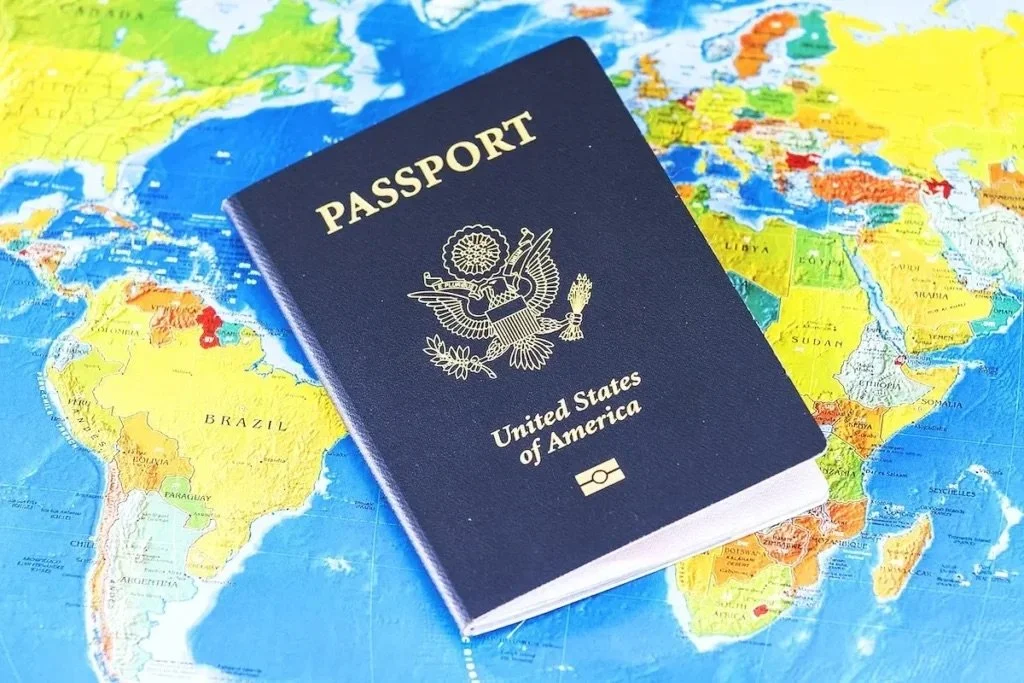
A United States passport. Raw Pixel. CC0 1.0.
For decades, international travelers, particularly U.S. passport holders, have enjoyed visa-free access to most of Europe, but rumblings of change have caused confusion and anticipatory stress for travelers, concerned about the impact of travel authorizations on upcoming plans. A pair of new travel authorization systems, with one already in place and another set to begin in late 2026, will change how Americans and non-EU travelers enter the continent. Here’s everything you need to know about the U.K.’s Electronic Travel Authorization (ETA) and the EU’s upcoming European Travel Information and Authorization System (ETIAS). Travelers will need a passport or other travel document to apply, and travelers already holding a passport from the respective authorities need not apply. ETA and ETIAS are not visas, but rather electronic travel authorizations, similar to the ESTA program in the United States for outside travelers. They are more like pre-screening systems that help countries track and manage the flow of foreign visitors prior to arrival.
Both ETA and ETIAS are designed to enhance border security and decrease overtourism. By collecting information about travelers before they arrive, authorities can screen for potential threats, prevent unlawful overstays and better manage the high volumes of tourism seen across the continent. These programs aim to introduce a more regulated flow of tourists, helping governments plan better for peak travel periods and reduce strain on travel infrastructure and the quality of life of locals. While tourism is linked to a large number of jobs across Europe, it can also prove difficult for locals in peak tourist seasons, as seen by the anti-tourism protests in Barcelona in the summer of 2024 by frustrated residents.
The U.K.’s ETA system has been operational since its launch in 2023. It started small, but it has since expanded to include most of the world. Those exempt from the ETA system include nationals with an Irish or British passport or a visa allowing entry to the country for work or school.
Conversely, the EU’s ETIAS program is expected to roll out in late 2026, applying to citizens of more than 60 visa-exempt countries, including the United States and the United Kingdom. It will cover entry into the 30 European countries in the Schengen Area, which includes popular destinations like France, Italy, Spain, Germany and Greece.
The application process for both authorizations is outlined as relatively quick and simple. For the U.K.’s ETA program, travelers can apply through the U.K. government’s website for 16 pounds, equivalent to US$21. The application requires a passport and a photo of the traveler’s face, and decisions are posted by the U.K. Visas and Immigration within three business days, although travelers typically receive their decision within a day. An approved ETA is valid for two years or until the holder’s passport expires, whichever date comes first, and holders are allowed to travel to the U.K. as many times as they please as long as the ETA is valid.
For the EU’s ETIAS program, the official application will be available on their website once the program has launched. The cost to apply is currently listed at 7 euros, equivalent to approximately US$8. To complete the application, seekers need a valid travel document in which a visa may be affixed, which, in most cases, is a biometric passport. Exemptions to this requirement are listed on the website. The ETIAS site claims that most applications will be processed and presented with a decision within minutes, although some can take up to four days or receive an extension of up to 14 days. For this reason, the ETIAS team recommends that travelers apply for the authorization around a month in advance of their planned travels. The ETIAS is valid for up to three years or until the affixed travel document expires, whichever comes first, and is valid for short-term stays of up to 90 days.
To remain aware and understanding of these changes, travelers should keep their travel dates in mind, check the ETA and ETIAS websites for any changes and ensure that they give themselves enough time to apply prior to their journey. These changes may sound daunting, but they’re relatively simple to navigate and are becoming the global norm. With just a bit of foresight, American travelers can continue to enjoy Europe’s rich history, food and landscapes, only with an extra step or two in their travel checklist.

Zoe Lodge
Zoe is a student at the University of California, Berkeley, where she is studying English and Politics, Philosophy, & Law. She combines her passion for writing with her love for travel, interest in combating climate change, and concern for social justice issues.