
Kibera is a slum in the heart of Nairobi, Kenya, and is rife with poverty, economic inequality, and gender disparities. However, the future is far from dark for young girls living in Kibera, many of whom dream of getting an education and improving their communities. The path out of poverty is incredibly difficult, but as more awareness is being given to communities in need, young people are beginning to receive the resources they need, such as safe housing and free education. This video shows the daily life of Eunice Akoth, a fourth grader at the Kibera School for Girls who aspires to one day become a doctor. Eunice has faced many obstacles throughout her life, especially due to the preferential attention given to the education of boys. However, her fun-loving spirit and determination to succeed have helped her overcome these challenges, inspiring hope not just in her, but in the community she calls home.
Philippines Moves to Protect Children from Sexual Abuse
The Philippines passed a new law to raise the age of consent. The change could go a long way toward protecting the country’s most vulnerable children.
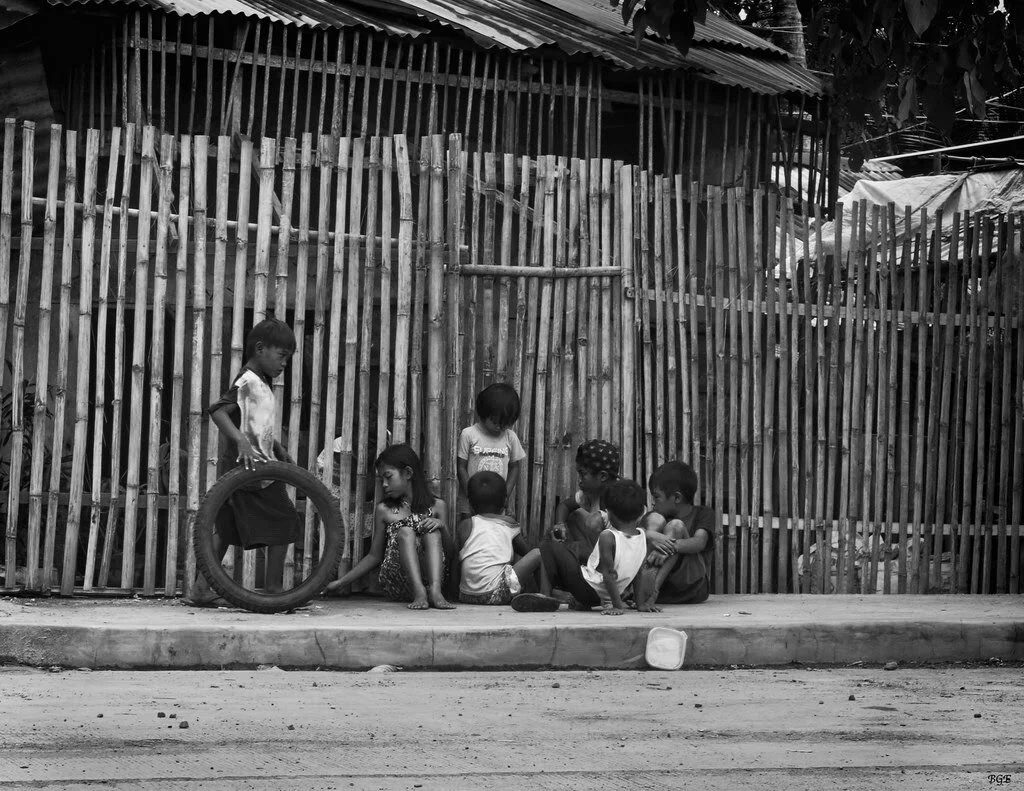
Children on the street. Beegee49. CC BY-ND 2.0.
The Philippines’ House of Representatives recently passed a new law that would raise the age of consent from 12 to 16. Long among the world’s lowest ages of consent, lawmakers hope the change will protect children from sexual predation. In recent decades, the Philippines has become a global hub of child sexual exploitation. Though the new law will improve protections for victims of abuse, long-lasting effects of sexual predation will be felt for years to come.
The age of consent was decided in 1930 in the Revised Penal Code at 12 years old, the product of what is widely considered a culture of patriarchy. At such a low age, sexual acts against children were almost impossible to prosecute in court. Defendants could claim sex with a child was consensual because they were both above the age of consent. Under this code, defendants could escape a rape verdict if they offered to marry their victim.
In recent years, sexual abuse against minors has seen a massive increase across the Philippines. Experts say the number of IP addresses used for streaming child pornography has risen from 23,333 in 2014 to 81,723 in 2017, a 250% increase. Cases of HIV/AIDS among minors have been increasing steadily over a similar period of time. Of all rape victims, 70% are children, the vast majority girls. As a result, girls as young as 14 are becoming pregnant at higher rates.
Campaigners for the bill long argued that children needed far more protections than the Philippines’ legal system granted. The law that would raise the age of consent also contains measures to harshen penalties for rape, sexual exploitation and abuse as well as shift the burden of proof of consent from the victim to the offender. The new law passed the House of Representatives with 207 votes and only 3 opposing; it is expected to pass the Senate just as easily.
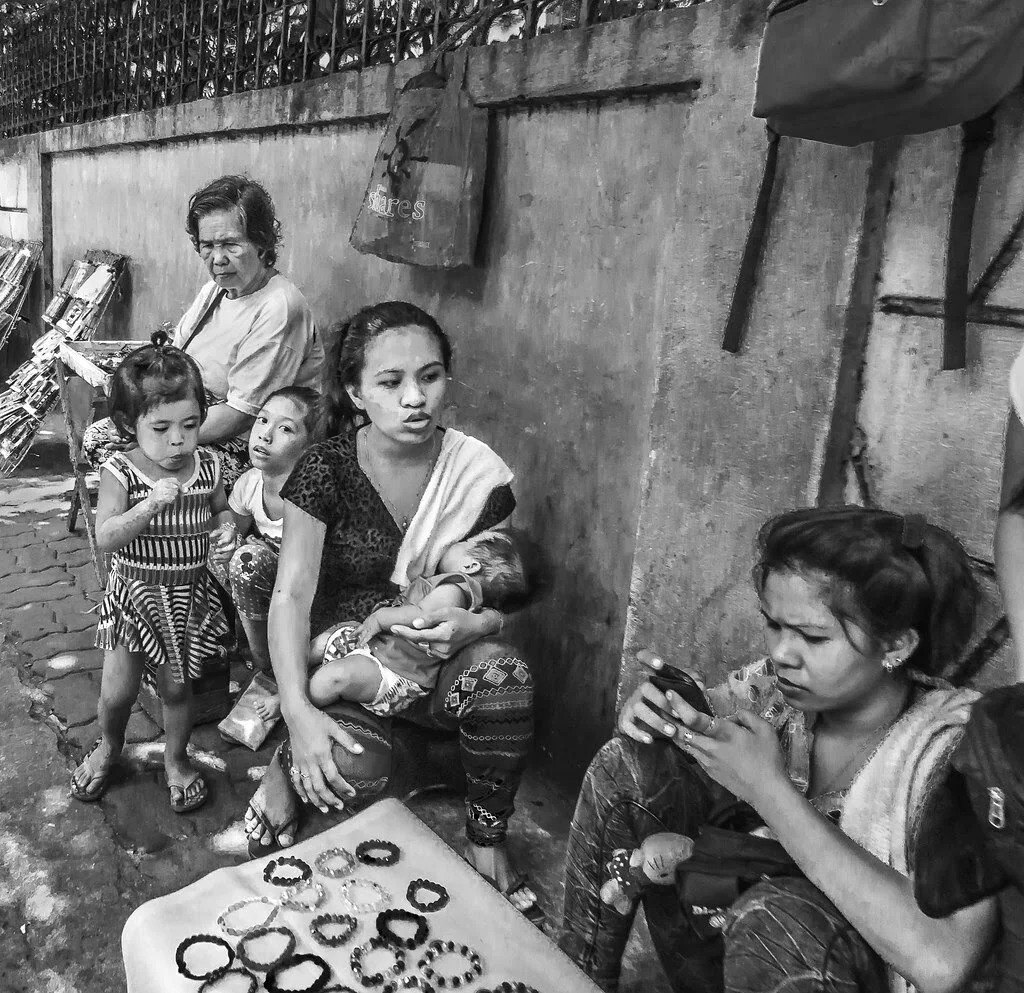
A family making ends meet. FotoGrazio. CC BY-NC-ND 2.0.
Increased data collection has painted a clearer picture of the issue in recent years. International advocacy helped focus lawmakers’ attention on the issue, but it also revealed the lack of resources the Philippines suffers from in combating sex crimes. Sixty-four percent of online abuse cases were initiated by foreign authorities who traced crimes back to the country.
Online sexual abuse afflicts more children today than it ever has. A combination of widespread poverty and COVID-19 lockdowns has rendered the practice rampant in recent months. Poor families were disproportionately harmed by lockdowns, causing a small number of families to resort to online abuse. Predators from foreign countries—mainly the United States, Canada, Europe and Australia—pay facilitators to sexually abuse children, directing the abuse themselves via a livestream.
The facilitators often include immediate and extended family. In 90 cases involving 381 victims from 2011 to 2017, 43 were abused from two months up to two years. Half were arranged by parents or extended family. The average age of victims was 11. The youngest victim was less than 1.
The Philippine government plans to implement additional measures to address the conditions that make child sexual abuse so prominent. The Philippine Plan of Action to End Violence Against Children, begun in 2017, campaigns for children’s rights and was partially responsible for raising the age of consent. The U.S. Department of State classifies the Philippines as Tier 1 for fully complying with the Trafficking Victims Protections Act. For the time being, raising the age of consent marks another crucial step in combating sexual exploitation.
Michael McCarthy
Michael is an undergraduate student at Haverford College, dodging the pandemic by taking a gap year. He writes in a variety of genres, and his time in high school debate renders political writing an inevitable fascination. Writing at Catalyst and the Bi-Co News, a student-run newspaper, provides an outlet for this passion. In the future, he intends to keep writing in mediums both informative and creative.
Locals Tackle Malnutrition by Bartering Books in Guatemala
There is a strong relationship between educational advances and communities being lifted out of poverty. In the case of Guatemala during the COVID-19 pandemic, this link has manifested itself much more directly.
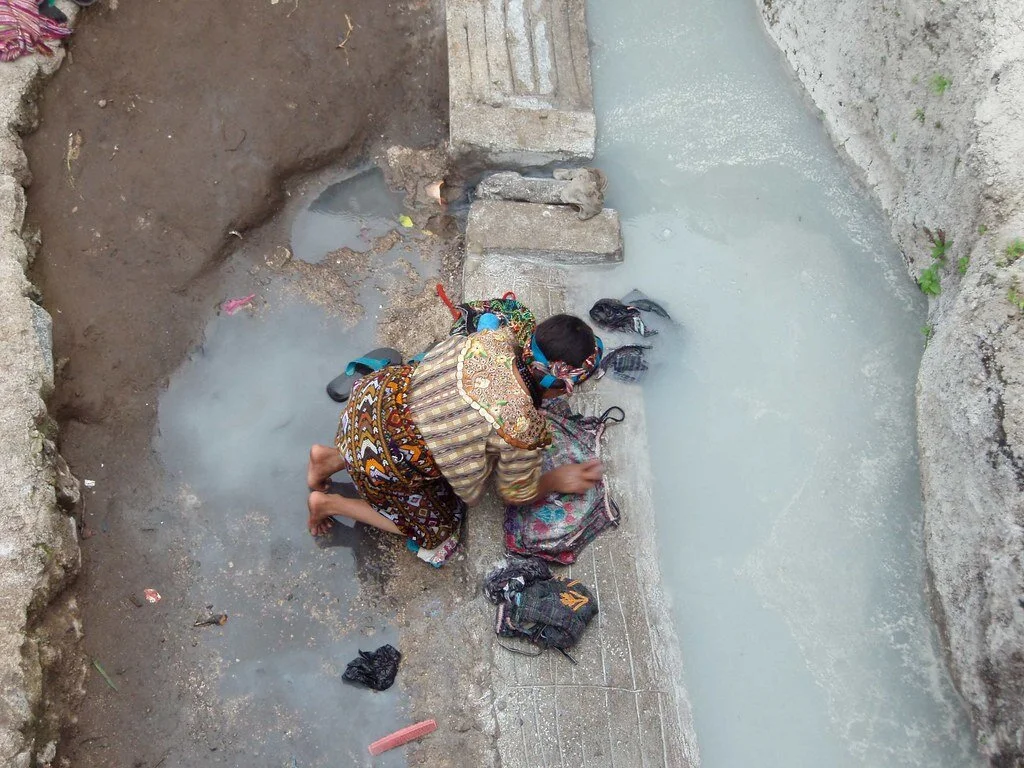
Clothes washing in Quetzaltenango. Lon&Queta. CC BY-NC-SA 2.0.
Guatemala, boasting a distinctly Mayan heritage and a landscape peppered with volcanoes, offers an inspiring experience to the open-minded traveler. However, despite the bright and bustling aspects of the nation, a substantial portion of Guatemala’s residents live in poverty. Standing as the fifth-poorest country in Latin America, Guatemala has taken a particular hit with COVID-19 regulations restricting economic functions. In addition, Guatemala has the sixth-highest rate of chronic malnutrition in the world; nearly half of the population of children suffers from stunting due to malnourishment. The statistic increases notably in rural areas with a malnourishment rate reaching 70%.
The COVID-19 pandemic has only aggravated the poverty predicament, with Indigenous populations facing the bulk of the damage. The government has fallen dramatically short on providing health care and financial support, causing the creatively resilient Guatemalan people to snap into action. In Quetzaltenango, resident Bonifaz Díaz has created an innovative method to provide support to his neighbors in need: he set up a book-barter system. Every day, Díaz bikes with hefty sacks of books donated to his organization, 32 Volcanoes, and trades them for food donations from food secure families. Although a simple concept, this has been no easy task. The arduous job surely keeps Díaz in shape; he has cycled over 1,200 miles feeding families, and has traveled as far as 37 miles for a single delivery.
Stay-at-home orders have diminished the town’s morale, but Díaz is determined to hold up hope. The number of children supported by his project has tripled during the pandemic, but luckily two more bikers have offered their help. Most families offer a bag of Incaparina, an inexpensive but protein-packed cereal mix made from corn and soy. A bag provides about a week’s worth of servings, but the low price point is still out of reach for many. About 97% of residents live on a dollar a day or less, so even cheap food made to fight malnourishment cannot completely solve the problem. The bright-red Incaparina bags are commonly the only source of nutrients on families’ shelves, but it has proven to keep malnourishment at bay for some.
By creating a system that allows families to benefit themselves while helping others, many hope that this program will continue to bear far-reaching results. The poverty problem cannot be solved by a single person or fixed in one day, but with every resident lending a hand, considerable headway can be made.
Ella Nguyen
Ella is an undergraduate student at Vassar College pursuing a degree in Hispanic Studies. She wants to assist in the field of immigration law and hopes to utilize Spanish in her future projects. In her free time she enjoys cooking, writing poetry, and learning about cosmetics.
Zimbabwean Teens Kick Away Child Marriage with Taekwondo
One town in Zimbabwe has learned to bear the weight of history by “kicking” child marriage customs away.
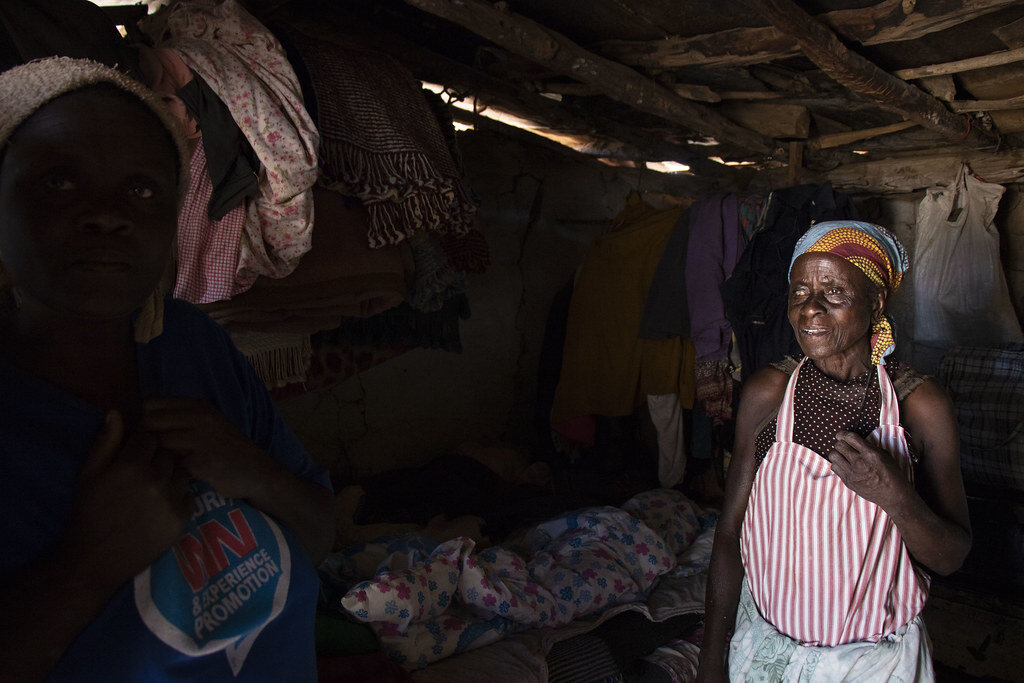
Zimbabwean woman. ScotchBroom. CC BY-NC 2.0.
In the small settlement of Epworth southeast of Harare, Zimbabwe’s capital, is a growing community of taekwondo enthusiasts. One member, 17-year-old Natsiraishe Maritsa, has taken it upon herself to organize taekwondo classes for the girls of her community. The participants of her classes are underage girls, some as young as 10, who have been subjected to the harrowing practice of child marriage that plagues Zimbabwe.
The Statistics
Child marriage is a tradition practiced all around Zimbabwe, but it runs particularly rampant in rural areas. The Zimbabwean countryside was found to have a child marriage rate of about 40% compared to the urban areas that show a rate of 19%.
In Zimbabwe, 34% of girls are married off before the age of 18, while another 5% are married before the age of 15. The issue of child marriage, although an occurence involving mostly underage women, affects more than just women. About 2% of boys are forced into the practice before the age of 18.
Complications of Elimination
The task of eliminating child marriage has proven to be especially difficult due to the many conditions and societal beliefs that worsen girls’ ability to escape the practice. There are four main reasons that girls are easily trapped in the tradition:
First, gender inequality ranks women as inferior to men, thereby allowing the men of the family to force the women into submission.
Second, and a particularly large piece of the problem, is poverty. The practice of child marriage is often used as an economic tool; the price for a bride is used to cover household expenses. Because marrying off daughters of the family can be the decision between life and death, the pressure to commit these practices is often insurmountable. With poverty increasing due to COVID-19, this problem has become particularly difficult.
Third, the need to avoid shame causes many families to marry off their daughters. In Zimbabwe, the act of a daughter committing premarital sex is seen as shameful to the family, so it is resolved by forcing the daughter to marry her boyfriend. The girls will submit to these demands, especially if they became pregnant, in order to avoid abuse by their family members.
Fourth, a lack of education pushes girls into the trap of child marriage. Many poorer households are unable to pay for their daughters to attend school, which increases the risk that they will be forced into a marriage.
It is an oppressive cycle. Studies find that poverty causes child marriage, and in return, child marriage feeds into poverty.
Seventeen-year-old Maritsa has chosen to use taekwondo education to empower the girls of her community, hoping they can use their newfound confidence and skills to reshape their futures. She holds classes in a small dirt yard in front of her house, while her parents use their small income to supply some food for the attendees.
Maritsa’s class has proven to be empowering, with each class used as a safe space for girls to talk about the physical, mental and emotional abuse they endure from their husbands.
She has proven that although oppressive practices are formidable opponents, the power of education and community can undo even the most controlling traditions.
To Get Involved
Nonprofit organization FORWARD is led by African women seeking to end violence and the oppression of women in Africa, including child marriage. To read more about how to lend a hand, click here.
Global partnership Girls Not Brides has combined the efforts of over 300 organizations dedicated to empowering women on nearly every continent. To see how you can support bills and other legislation they are pushing, click here.
Ella Nguyen
Ella is an undergraduate student at Vassar College pursuing a degree in Hispanic Studies. She wants to assist in the field of immigration law and hopes to utilize Spanish in her future projects. In her free time she enjoys cooking, writing poetry, and learning about cosmetics.
Nonprofits Reach Syrian Refugee Children Through Education
As the Syrian refugee crisis enters its 10th year, children continue to suffer from mass displacement and a lack of educational opportunities.

Syrian primary schoolchildren. DFID. CC2.0
The Syrian refugee crisis is considered by many to be the most urgent humanitarian crisis of the decade. Since 2011, the conflict has displaced 11 million people through the destruction of countless homes, hospitals, schools and public buildings. An equally large number of Syrians require humanitarian assistance, over half of them being children. Many of these young children lack safe spaces to play, face childhood neglect and have witnessed horrific violence in their lives. Numerous children are at risk of developing toxic stress, which is a biological response that impedes growth and development when humans have experienced too much hardship.
However, with hardship also comes hope. Reaching children early and providing educational opportunities have been shown to alleviate toxic stress, allowing children to live productive and happy lives. However, educational resources for Syrian refugee children remain in short supply. Despite its importance in providing children a brighter and more stable future, education efforts only receive 3% of humanitarian aid annually. Additionally, many humanitarian organizations do not provide adequate educational resources for children to increase school enrollment.
Students in Syria start to drop out at the age of 12, when they are in secondary school. A study conducted on Syrian refugee children in Jordan showed that only 25% of students are enrolled in secondary school, citing a lack of safe transportation, limited educational resources available, poverty and limited professional opportunities as contributing factors. Children who drop out of school are at increased risk of experiencing hardship in their lives, including living in poverty, being subjected to child marriage and facing sexual violence. Adequate educational resources and child support are essential to help provide resilience and much-needed support for Syrian refugee children. Some nonprofit organizations are aiming to do just that.
Making a Difference in Syrian Refugee Children’s Lives
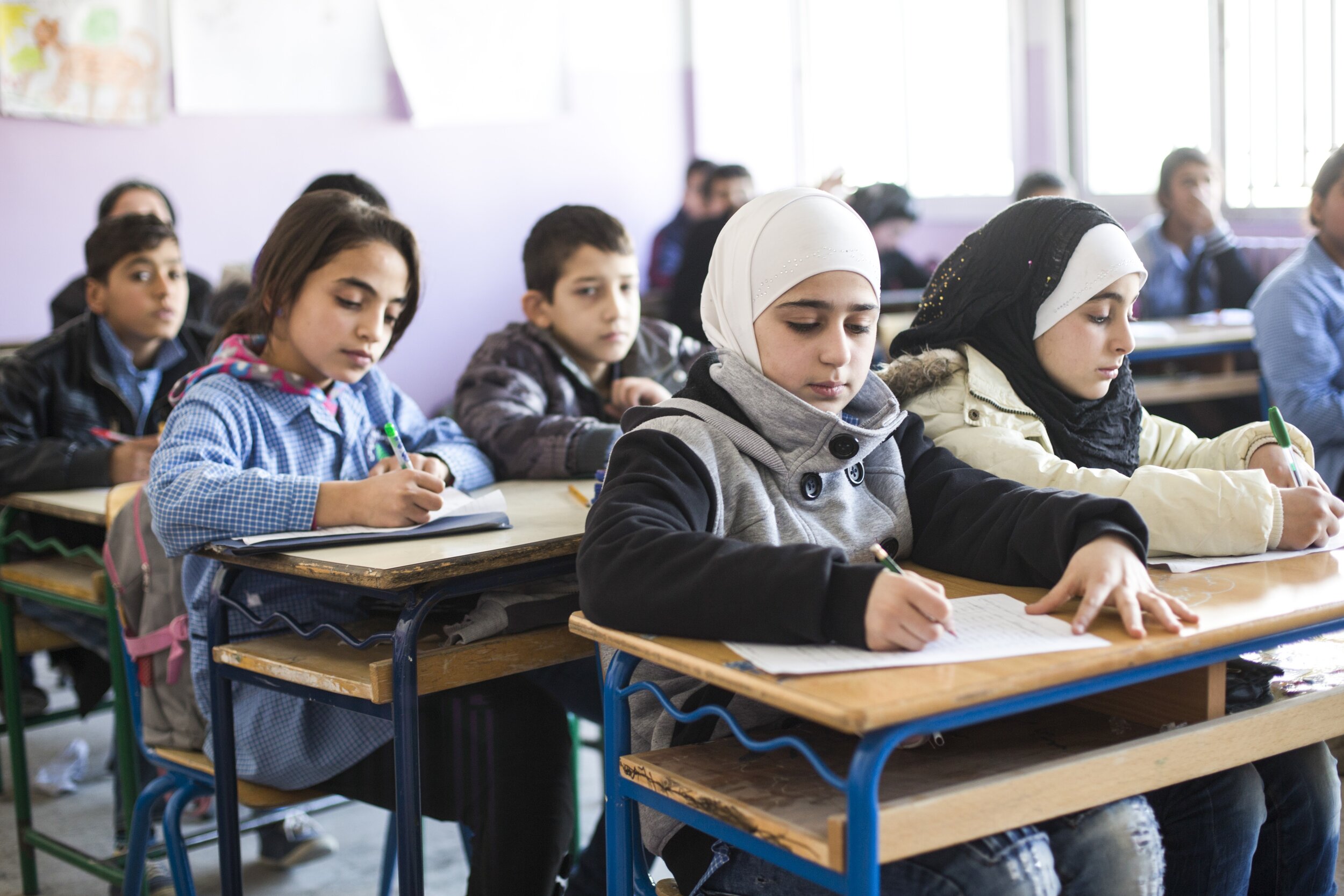
Syrian refugee children at a school in Lebanon. DFID. CC2.0
A new educational program developed by the International Rescue Committee (IRC) and Sesame Workshop aims to provide adequate educational resources for Syrian refugee children. Called Ahlan Simsim, which translates to “Welcome Sesame” in Arabic, the program aims to combine the IRC’s experience working in conflict zones with the TV show “Sesame Street,” which is known for its educational and nurturing effects on children. Program resources include safe spaces for young children to play, an Arabic-language version of ”Sesame Street,” parenting resources for caregivers, and partnerships with nonprofits and local governments to ensure child access to education. In light of COVID-19, educational programming takes place through WhatsApp and online video.
Ahlan Simsim provides children with skills in literacy and numeracy while helping them develop emotional resilience. For example, the program will teach students how to deal with difficult situations, understand their feelings and empathize with others. The program is a winner of the MacArthur Foundation’s 100&Change grant competition and is among the most ambitious early childhood development programs ever attempted by the humanitarian system. According to Sherrie Westin, executive vice president for global impact and philanthropy at Sesame Workshop, “The issue we are addressing is the greatest humanitarian crisis of our time. We know we can make a difference in the long term if we reach children early. Without that, there’s an entire generation at risk, and that has repercussions not just for their future, but for a more peaceful, stable world for all children.”
To Get Involved:
Check out this link to the International Rescue Committee’s webpage to learn more about the Ahlan Simsim initiative.
Megan Gürer
is a Turkish-American student at Wellesley College in Massachusetts studying Biological Sciences. Passionate about environmental issues and learning about other cultures, she dreams of exploring the globe. In her free time, she enjoys cooking, singing, and composing music.
Nigeria’s Stolen Schoolboys Reach Freedom
Young people in Nigeria begin their days with walks to school. For boys returning to the Government Science Secondary School in Kankara, these walks will mean something entirely different.
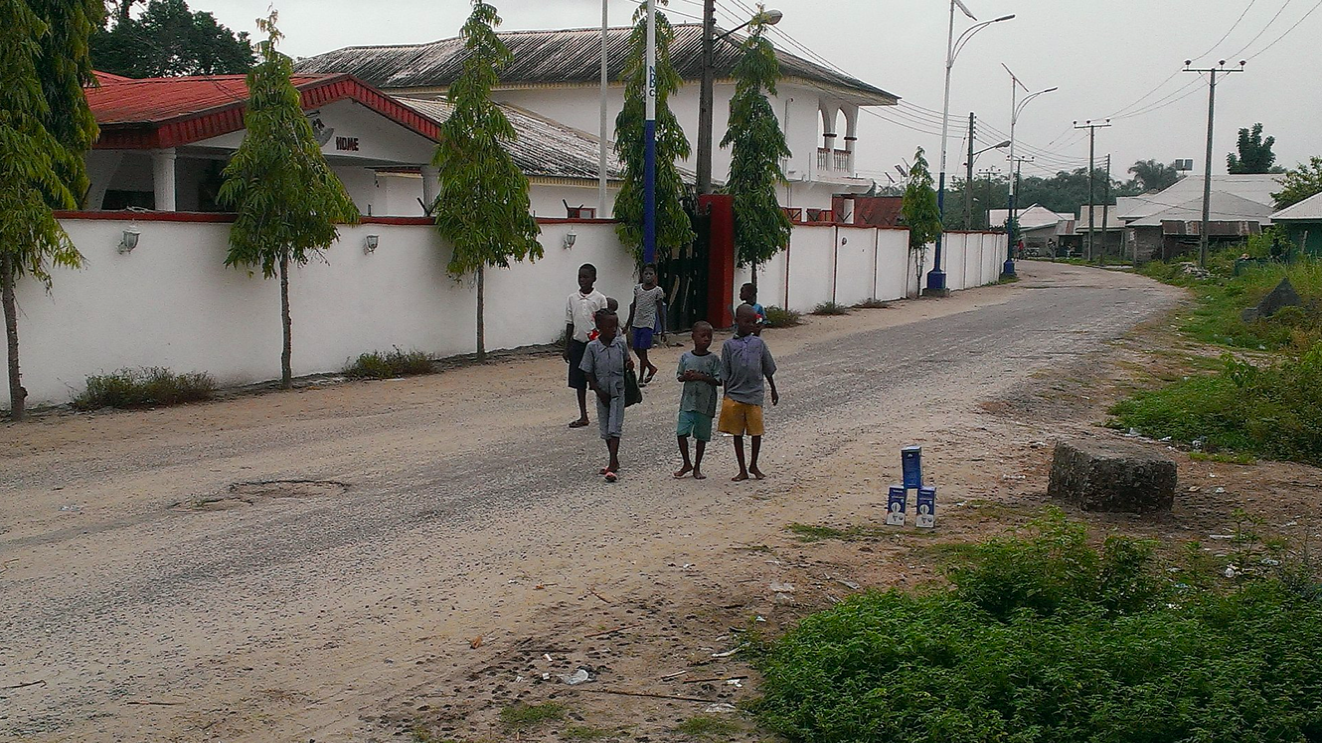
Stibej. CC BY-SA 4.0
In the northwestern Nigerian state of Katsina, the militant group Boko Haram is thought to be responsible for stealing young men. On Dec. 11, unidentified men with guns invaded the Government Science Secondary School in the city of Kankara on motorbikes to kidnap the schoolboys. The gunmen proceeded to march the boys into the Rugu forest of Nigeria, potentially to use them as child soldiers if not freed. The governor, Aminu Bello Masari, says a total of 344 boys held in the forest have now been liberated in the neighboring Zamfara state. In describing what they went through, the boys said they walked through large stretches of forest, stopping during the daytime and walking all night without shoes on stony ground littered with painful brush. There was no clarification on how or why they were freed, or if all the boys stolen were let go. As Boko Haram has executed similar kidnappings in the past, many think the Islamist militant group is behind the event.
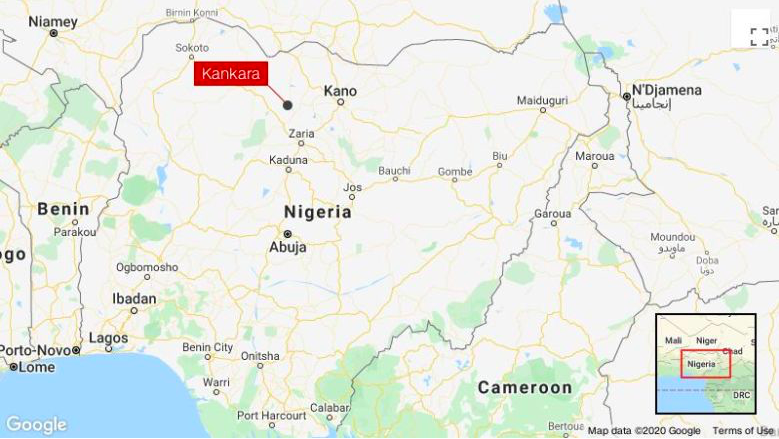
Map of Nigeria with the city of Kankara highlighted. Google Maps.
On Dec. 18, the schoolboys were finally returned home. The governor of Katsina state and Nigeria's president greeted them as they were brought back to their homes by military personnel. “I think we have recovered most of the boys,” Masari said in a televised interview with state channel NTA. The boys that were found have since been medically examined and returned to their families. It is important to note that the search is still ongoing as of Dec. 21.
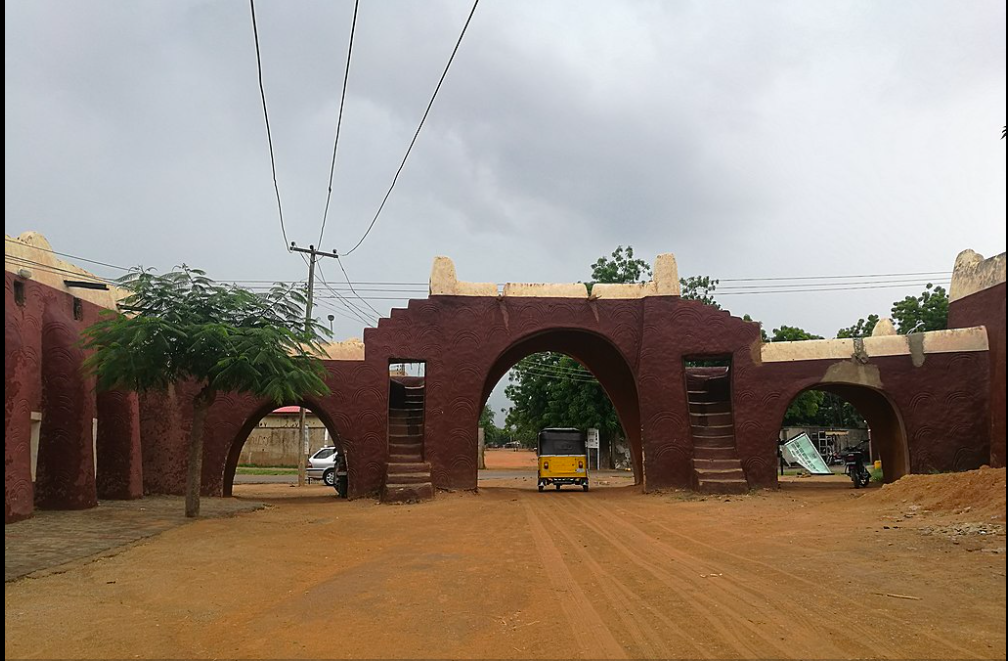
A typical street scene in Katsina state. Adebola Falade. CC BY-SA 4.0
Reports as to who is responsible for the kidnappings are unclear as unverified sources have attributed it to a resurgence of Boko Haram, the extremist group which has kidnapped in the past. In 2014, it executed the kidnapping of more than 270 schoolgirls in the northeastern town of Chibok, and nearly 100 of those girls are still missing. Now, residents of northern Nigeria believe the group is back.
For the families of the boys, their return comes as a celebration. In a quote given to Reuters, retired health worker Shuaibu Kankara, whose 13-year-old son Annas Shuaibu was among the kidnapped boys, said, “I am so happy. We are so grateful to the governor of Katsina and all those who worked hard to secure their release.” The quick and seemingly uncomplicated return of the boys comes as a great shock but an even greater relief.
As mentioned, many suspect that Boko Haram is responsible for the attack. The extremist Islamic rebels have taken responsibility for the abduction, claiming they attacked the school as a punishment for its Western teachings. For now, the investigation is ongoing, but the swift release of the boys sends a hopeful message that the Nigerian government is able to handle attacks quickly and effectively. Although there is fear that Boko Haram will act again, a precedent has been set by the efficient handling of this mass kidnapping.
Renee Richardson
Renee is currently an English student at The University of Georgia. She lives in Ellijay, Georgia, a small mountain town in the middle of Appalachia. A passionate writer, she is inspired often by her hikes along the Appalachian trail and her efforts to fight for equality across all spectrums. She hopes to further her passion as a writer into a flourishing career that positively impacts others.
Sri Lanka Strives Toward Gender Equality Through Economic Empowerment
Sri Lanka’s efforts to combat the gender gap allow women to support themselves and their communities.

Women selling produce at a market in Sri Lanka. imke.sta. CC2.0
Nicknamed the “pearl of the Indian Ocean” and famous for its spices, unique culture and lush ecosystems, Sri Lanka is also known for its advances in gender equality. The island nation became in 1960 the first country in the world to elect a female prime minister, Sirimavo Bandaranaike. Sri Lanka has also long provided free and compulsory education for men and women up to the university level.
Even so, high levels of gender-based violence are present throughout the country and the unemployment rate of women is twice that of men. Most women occupy low-paying positions in agriculture and the garment industry with little chance of economic mobility. Although well-respected in the Asia-Pacific region, Sri Lanka’s educational system often enforces traditional ideological and cultural beliefs, which can perpetuate negative stereotypes about women. A university-level education does not guarantee women positions of power, with large disparities between men and women in science, technology and political positions throughout the country. Additionally, a 26-year-long civil war (1983-2009) isolated Sri Lanka from the modern world, allowing traditional gender roles to thrive in war-affected areas.
Developing economic opportunities for women has the potential to overcome barriers to gender equality. Here are two organizations working to do just that:
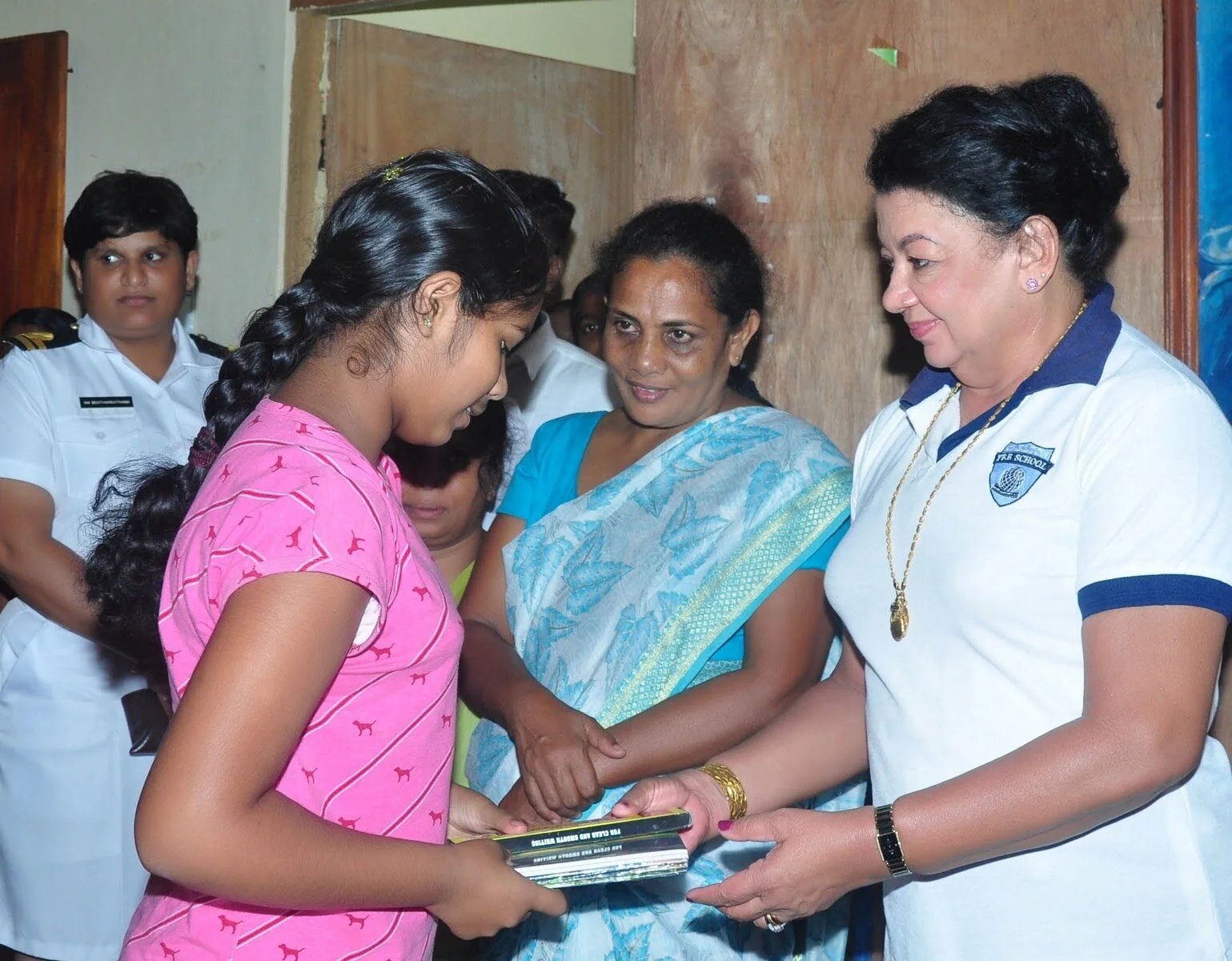
Women receiving medical training provided by the Women’s Development Centre. Rajapaksa. CC2.0
The Women’s Development Center
This Sri Lanka-based nongovernmental organization has made incredible strides in supporting at-risk women, children and people with disabilities since its founding in 1986. With the goal of creating opportunities for marginalized groups, the group is on its way to “creating a just and secure society for women and children.” Although the organization has a multifaceted approach, social enterprises and economic empowerment remain its key goals. The social enterprise “Sthree”, meaning “woman” in Tamil and Sinhala, was founded in 2011 with the goal of empowering women and their local communities. The platform provides a market in Kandy for Sri Lankan women and disabled people to sell handmade products, such as saris, jewelry, decor, snacks and chutneys, recycled paper products and eco-friendly purses and handbags. Sthree also provides training and skill-building workshops for women and disabled individuals. Sthree is beginning to expand to an international clientele, even hosting an international exhibition and sale in Sweden in 2016.

A woman making brooms for a woman’s cooperative in Sri Lanka. Foley. CC2.0
Puthukkudiyiruppu Women Entrepreneurs’ Cooperative Society
The PTK Cooperative, initially founded by Krishnakumar Jeyaranjini and 14 other women in 2012, provides a platform for war-affected women to support themselves and their families economically. The business has expanded over the years, producing detergent, chili powder and rice flour. The organization has the backing of the International Labour Organization (ILO), which helps link it to buyers, markets and social enterprises. The organization enables collaboration between women from different ethnic groups and communities in Sri Lanka, helping to create social cohesion and tolerance. The organization continues to defy gender norms and stereotypes. “Often the words ‘woman’ and ‘detergent’ bring out gendered images of a woman washing clothes at home, not of a woman owning or running a successful detergent-producing enterprise,” said Simrin Singh, director of the ILO country office for Sri Lanka. “It is stories of our work empowering women like Jeyaranjini, building block by block, that are the essential inspiration so many other women in this country could use to break the barriers to their empowerment.”
Although Sri Lanka has made considerable progress toward gender equality in the last 50 years, many obstacles remain. Empowering women at a grassroots level helps provide women more economic agency while ensuring the well-being of generations to come.
Megan Gürer
Megan is a Turkish-American student at Wellesley College in Massachusetts studying Biological Sciences. Passionate about environmental issues and learning about other cultures, she dreams of exploring the globe. In her free time, she enjoys cooking, singing, and composing music.
Locked Up: Unmasking Australia’s Aboriginal Youth Prison Crisis
The Aboriginal people have been severely marginalized by Australia’s government, but among the most impacted are the group’s children.
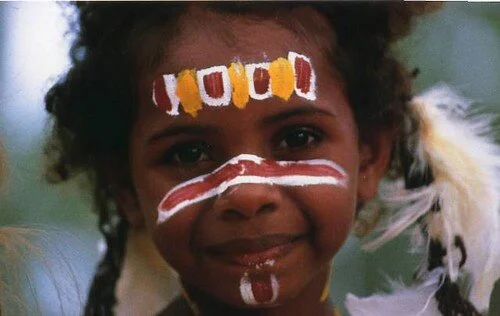
A young Aboriginal girl. mingzhuxia. CC BY-NC-SA 2.0
Indigenous people make up approximately 3% of Australia’s overall population and are considered the country’s most disadvantaged group. It is believed that the Aboriginal people lived in Australia for over 47,000 years prior to European colonization. Even today, the Aboriginal people continue to suffer some of the consequences of violent colonization such as low literacy rates, low life expectancy and a high unemployment rate.
Aboriginal children in particular are 30 times more likely to be stopped and prosecuted than other Australian youths. This reveals a pattern of racial profiling and stereotyping that has been called out by protests affiliating with the U.S.’s Black Lives Matter movement.
Progress was made in 2018, when police in Western Australia apologized for practicing “forceful removal,” the separation of Indigenous children from their families. Forceful removal was popular throughout the late 19th century and was legal until 1969. Many refer to those impacted by forceful removal as the “Stolen Generation.”
Since May 26, 1998, Australians have observed “National Sorry Day” as a way to apologize to the Aboriginal people for the harmful practice. It is a nationwide campaign committed to paying homage to affected groups while teaching youth of Australia’s harmful past actions. In 2008, former Prime Minister Kevin Rudd made a proposal in front of Parliament to help bridge the gap between Indigenous and non-Indigenous people.
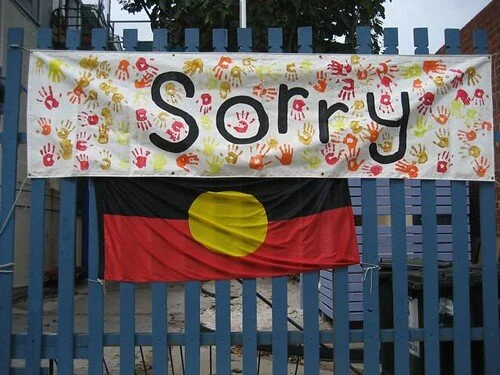
Australia’s National Sorry Day in 2015. butupa. CC BY-NC-ND 2.0
Yet, the gap between the Aboriginal community and other Australians remains as wide as ever. In February, the police of New South Wales revealed details about the Suspect Targeting Management Plan, which is intended to prevent future crimes by targeting likely or repeat offenders. Reports from 2016 to 2018 show that up to 72% of targeted children were likely from Indigenous descent. The youngest child identified was 9 years old.
The minimum age of criminal responsibility in Australia is one of the lowest in the world, allowing children as young as 10 to be sentenced to jail. Additionally, Aboriginal children are 17 times more likely to be jailed than non-Indigenous youth. Statistics from Western Australia say that 60 to 70% of children currently being held in the state’s detention centers are of an Aboriginal background.
As of now, very little research proves that locking up children reduces criminal activity in the future. In fact, youth already in the criminal justice system are far more likely to be repeat offenders, challenging the original intent of New South Wales’ Suspect Target Management Plan.
There is a push by lawyers and advocacy groups to raise the age of criminal responsibility in Australia to at least 14. Others believe that an alternative is to provide better health care and other social services in an attempt to elevate Aboriginal children’s socioeconomic standing. The end goal would be to improve their overall quality of life, allowing for better employment opportunities and an end to the societal obstacles currently facing the group.
Eva Ashbaugh
Eva is a Political Science and Gender, Sexuality, and Women's Studies double major at the University of Pittsburgh. As a political science major concentrating on International Relations, she is passionate about human rights, foreign policy, and fighting for equality. She hopes to one day travel and help educate people to make the world a better place.
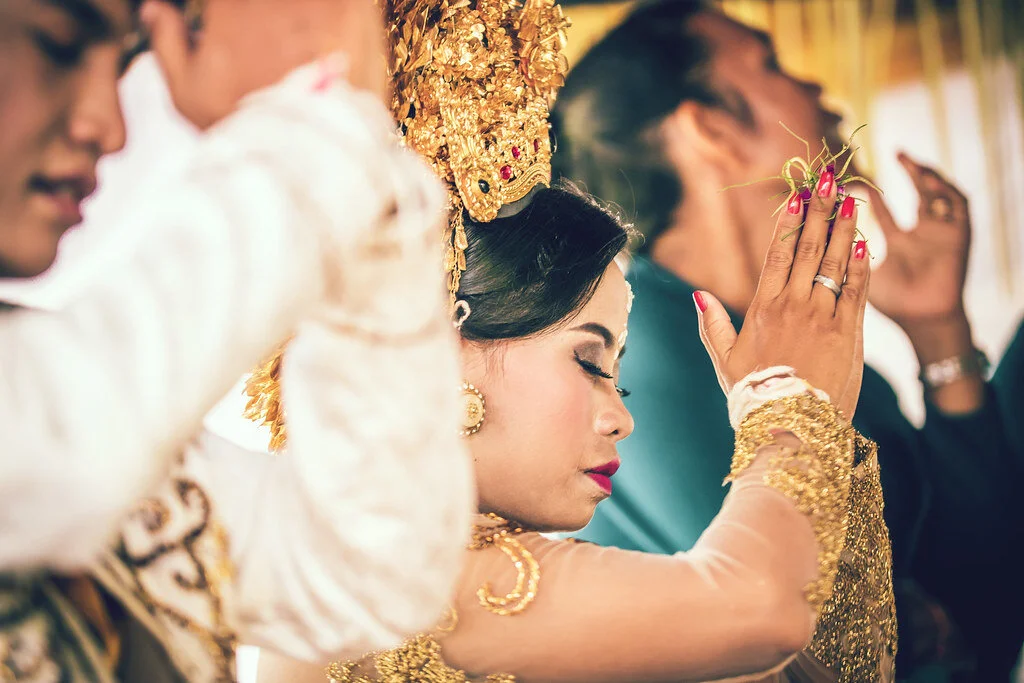
Traditional Balinese wedding ceremony. Artem Beliaikin. CC BY-NC-SA 2.0
Women’s Rights Activists Celebrate the Abolishment of Bride Kidnapping in Indonesia
Kawin tangkap is a long-established, controversial practice that still occurs on the small island of Sumba in Indonesia. Kawin tangkap, or bride kidnapping, is carried out when members of the man’s family kidnap women who they have selected as their wives. The practice has long been argued against by women’s rights activists. After all, if the women leave the forced marriage they are ridiculed by their villages and told that they will never have a husband or children. On the other hand, if the women stay, they have no decision in the matter and remain in the marriage for the remainder of their lives. The issue came to light recently when a video of a kidnapping circulated online, sparking outrage and petitions for the abolishment of the practice.
Part of the Sumbese Culture?
Regional leaders of Sumba have come forward, signing a declaration and stating that the well-known practice is not a part of their culture and traditions. Frans Wora Hebi, a Sumbese historian and elder, speculates that the shift from marriages to forcibly taking women has been “used by people wanting to force women to marry them without consequences.” The Indonesian government has responded by passing a law banning the practice, but the details and consequences have not yet been released.
Women Who Have Shared their Stories
Some women have spoken about their experiences, saying that it “felt like I was dying” as they were led away “kicking and screaming.” Two women who came forward shared their stories, with one thinking she was walking into a work meeting and another nursing her 11-month-old son outside of her home. Both were able to walk away from the situation physically unscathed but have to carry the scars from the experience for the rest of their lives. Both have “forgiven” the perpetrators in order to preserve family relationships for the future.
How Has It Continued?
In the last four years, seven cases have been documented, but it’s been speculated that many more have happened. While a “memorandum of understanding between the provincial East Nusa Tenggara government and the regional government of Sumba showing their commitment to ending the practice” has been signed, a local parliamentarian commented that they were “not convinced it can be entirely abolished.” The statement was made following the observations that the practice is seen mainly in isolated villages, the attacks are unexpected and many women do not come forward to file criminal cases. Instead, they stay with their new groom and family, which leaves police powerless to do anything about the issue. Part of the problem comes from the fact that there were formerly only social reprimands against the practice, with no long-term consequences. However, with the recent bill passed, the practice is now outlawed - a win for women who have been fighting against bride kidnapping for years.
Elizabeth Misnick
is a Professional Writing and Rhetoric major at Baylor University. She grew up in a military family and lived in Europe for almost half her life, traveling and living in different countries. She hopes to continue writing professionally throughout her career and publish her writing in the future.
U.N. Drops Saudi Arabia-Led Coalition From Blacklist Despite Recent Killings of Children
With no evidence that children are safe, the U.N. decided to remove the Saudi Arabia-led coalition in Yemen off a blacklist for violations of children’s rights.
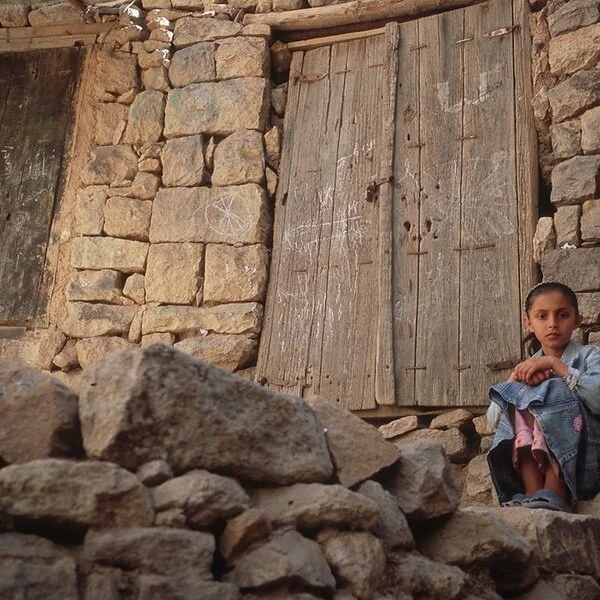
Child in Yemen among the rubble. Carl’s eye. CC BY-NC-ND 2.0
On June 17, the U.N. made the decision to remove the military coalition led by Saudi Arabia from one of its blacklists. The significance of this specific list, which focuses on children in armed conflict, is to shame groups that are guilty of violating the rights of children. Anyone can be placed on the list for a multitude of violations ranging from killing children to the recruitment of children for war. U.N. Secretary-General Antonio Guterres stated that the coalition’s removal was decided by efforts made to reduce the number of deaths and decrease the airstrikes that caused the killings over the previous three years.
However, there is a discrepancy in the decision. According to data released by the U.N., 222 children were hospitalized or killed as a result of these attacks last year. In addition, several hours after the U.N. announced its decision to remove the coalition, four children were killed in an attack in northwest Yemen.
The war in Yemen can be traced back to 2011. Following the Arab Spring, there has been unrest due to a failed political transition that led to terrorist attacks, a separatist movement and corruption. However, in 2014 a rebel group known as the Houthis, backed by Iran, ousted the government. What started out as a civil war transitioned into a conflict with neighboring countries as the Saudi Arabia-led coalition stepped in, attempting to help restore the government and defeat the Houthis.

Child of Yemen. Carl’s eye. CC BY-NC-ND 2.0
As of March 2020, it is estimated that 7,700 civilians have died in the war, largely due to airstrikes from the coalition. However, these are only verified deaths. Some statistics estimate it to be as high as 100,000 fatalities. On top of the conflict, Yemen has been experiencing one of the worst famines it has seen in over 100 years. The country is considered the poorest Arab nation, and the war has ruined the economy to the extent that many people, especially children, are considered malnourished.
There has been backlash over the U.N.’s decision to remove the coalition from the blacklist. From a video posted by Al Jazeera, protests have taken to the streets outside of the U.N. headquarters in Yemen to speak of their disapproval. The main concern is that the removal could leave children vulnerable to future attacks, as voiced by groups like Save the Children. Observers are also questioning the integrity of the blacklist itself, including Iran which said that “the U.N. is giving a free pass.” Iran claims that the Houthis and the Yemeni government have been responsible for the same number of deaths yet only the Houthis remain on the list.
Guterres has said that U.N. would monitor the coalition’s activity over the next year. If there is an increase in children’s casualties, the coalition would be placed back on the list.
Eva Ashbaugh
Eva is a Political Science and Gender, Sexuality, and Women's Studies double major at the University of Pittsburgh. As a political science major concentrating on International Relations, she is passionate about human rights, foreign policy, and fighting for equality. She hopes to one day travel and help educate people to make the world a better place.

Ghanaian street market. Jozua Douglas. Pixabay.
Shoemaker’s Solar-Powered Hand-Washing Station Protects Ghana from COVID-19
As COVID-19 slowly spreads throughout the world, some have used this experience as an opportunity to create. 32-year-old shoemaker Richard Kwarteng and his brother Jude Osei are two brothers who are certainly included in this innovation boom. Located in Kumasi, Ghana’s cultural capital, the brothers used the city’s two-week lockdown as time to invent a solar-powered hand-washing basin called SolaWash.
They noticed that opportunities to wash one’s hands were often slim in Ghana. One day, while staring at a pile of recyclables and other materials, Kwarteng had a brilliant idea.
In a statement obtained by CNN, he said, “My brother and I decided we would create a basin to encourage regular hand-washing etiquette." They took this observation and from it came the first solar-powered hand-washing machine in Ghana. They designed it so that the faucet would run for 25 seconds, following guidelines from the Centers for Disease Control and Prevention, then shut off without even having to touch it. A video of their product quickly went viral on Twitter, and it caught the attention of many.
The Building Process
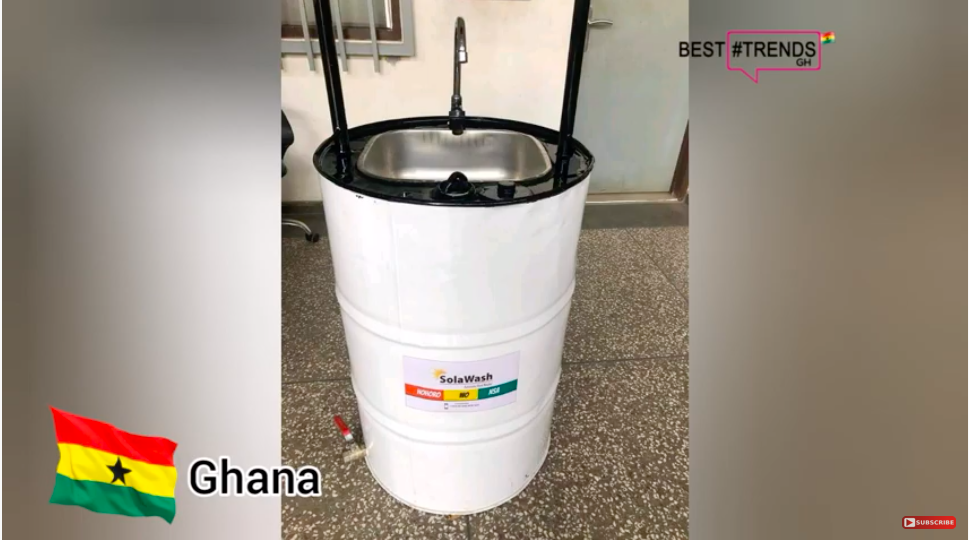
The SolaWash hand-washing machine. Best Trends gh. YouTube.
To create such an invention, the brothers began with the recycled materials they had and then headed to the market. They already had the large barrel their design would revolve around so they only had to purchase a sink, a faucet, a motherboard, a solar panel, a sensor and an alarm. After obtaining all the materials, they knew they needed help with the electrical work so they called upon their friend Amkwaah Boakye to do the wiring. They were able to gather the materials in only 48 hours and complete their project in just five days.
How Does It Work?
To wash your hands using the basin, you simply place them under the faucet. The device, programmed by the brothers, releases soapy water when hands or other items are picked up by the sensor installed underneath the faucet. The faucet runs for 25 seconds, then an alarm beeps to let the user know their hand-washing is complete. Water is then released again to rinse off any excess soap before drying. Their design is meant to not only be sanitary but also to conserve as much water and energy as possible.
What Will They Do With It?

President Akufo-Addo addresses Ghana about COVID-19. Joy News. YouTube.
The brothers have been commended by Ghanaian President Akufo-Addo for their incredible work, and he hopes to make their product widely available. Ghana's Ministry of Environment, Science, Technology and Innovation also reached out to the brothers in order to plan for mass distribution. They are hoping to quickly manufacture and distribute these hand-washing basins in order to curb the spread of COVID-19, and Kwarteng is encouraging this as well.

Richard Kwarteng receiving his product certification. Best trends gh. YouTube.
This process can officially begin as the Ghana Standards Authority released their official certification of the product. Professor Alex Dodoo, director-general of the GSA, has his full support behind the brothers as well. He presented the certificate to a manufacturer in Accra on Wednesday, and said the product had been tested for its safety and efficiency. Dodoo also noted that the hand-washing basin was ready for mass production, and he hopes to see this product used around the world. The certification given by the GSA attests to the product’s quality as it met international standards for electrically-controlled machines. That means that the hand-washing basin has the potential to not only save Ghanaian lives, but also many others around the world especially in places that do not have widespread sanitation accessibility.
Renee Richardson
Renee is currently an English student at The University of Georgia. She lives in Ellijay, Georgia, a small mountain town in the middle of Appalachia. A passionate writer, she is inspired often by her hikes along the Appalachian trail and her efforts to fight for equality across all spectrums. She hopes to further her passion as a writer into a flourishing career that positively impacts others.
Gender Matters in Coastal Livelihood Programs in Indonesia
Significant investments have been made in improving the well-being of Indonesian coastal communities in recent decades. However, most of these programs have not tackled gender inequalities.

Projects based on comprehensive understanding of gender norms in coastal communities will contribute to improved community wellbeing. www.shutterstock.com
Our team studied 20 coastal livelihood programs implemented across the Indonesian archipelago from 1998 to 2017. Our aim was to see how gender issues were considered in project design and implementation.
The Indonesian government, international governments, international development and lending agencies and non-government conservation organisations funded these projects.
Most projects included women in activities to enhance or introduce new livelihoods. However, 40% of the projects were gender-blind with respect to the design and impact of their activities. This means that activities may have further entrenched processes that disadvantage women by limiting their ability to pursue their own livelihood goals.
Only two projects (10%) used an approach that sought to challenge entrenched gender norms and truly empower women.
We recommend future projects be developed with a comprehensive understanding of gender norms within coastal communities. Participatory approaches that address and challenge these norms should be implemented. This will more effectively contribute to improvements in community well-being.
What we found
Our study, which assessed livelihood programs from various regions throughout Indonesia – including Bali, Sulawesi and West Papua – found 95% of programs had directly or indirectly included women. They did so through activities such as providing training and equipment to support alternative sources of income – e.g. making fish or mangrove-based food products.
Only three of the 20 projects provided gender awareness training for staff members and community facilitators. Only one provided similar training at the community level. In addition, two projects included a gender quota for community facilitators (30-50% female).
However, we found most projects applied either a “gender reinforcing” approach – reinforcing the existing gender norms and relations that underlie social and economic inequalities between men and women – or a “gender accommodating” approach – recognising these norms and relations but making no attempt to challenge them.
For example, many projects included separate “women’s activities”, such as handicrafts manufacture, or sought to increase household income by engaging women in income-generating enterprise groups. However, there was little consideration of how women would balance these activities with traditional caring and household roles, or of other ways women contributed to the household economy.
What we can do
Based on our findings, we recommend a “gender transformative” approach. Firstly, this approach involves mainstreaming gender issues across entire project cycles. Secondly, it involves working with coastal communities to identify and, where appropriate, challenge existing gender norms and social relations.
A core component of these projects is gender analysis. This is a process that identifies:
men’s and women’s activities within the home and community
differences in men’s and women’s access to, control over and use of livelihood resources
differences in participation in processes that govern management of natural resources
the gender norms and relations governing these differences
their impact on men’s and women’s livelihood opportunities.
For example, the Coastal Field School program included participatory activities that documented men’s and women’s daily activities. This activity highlighted the time women spent on caring and household duties and unpaid supportive contributions to “men’s activities”.
When undertaken in a participatory manner, this analysis helps communities to identify local, and broader structural, barriers to gender equality. They can then identify options and potential actions for overcoming these barriers. This creates a more equitable social and economic environment.
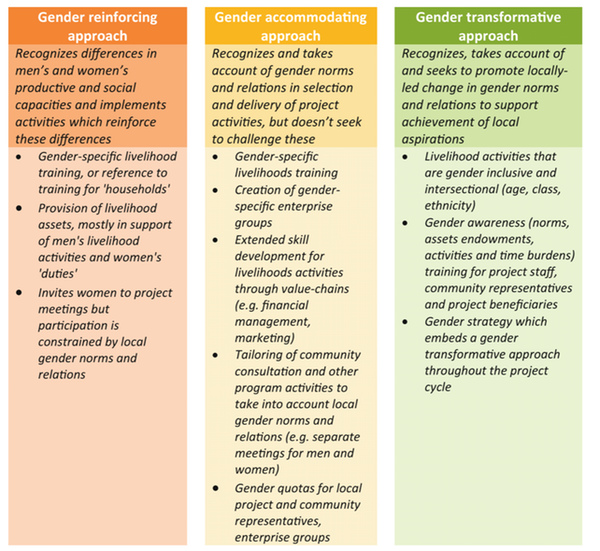
Summary of the characteristics of approaches to gender in development programs (based on Lawless et al. 2017), with examples of typical project activities drawn from our. study. Stacey et al (2019).
This process must be sensitively facilitated because it may confront traditional power hierarchies within communities. It also takes time, which must be factored into project cycles.
The use of gender-transformative approaches can improve the well-being of coastal communities by identifying and reducing barriers to equitable participation in social and economic life. This increases the ability of men and women to pursue enhanced or alternative livelihood opportunities.
Finally, recognising women’s contributions, building women’s confidence and giving women voice to participate in local community planning processes creates greater opportunities for issues of concern to women to be included in the development agenda.
Natasha Stacey is a Associate Professor, Research Institute for the Environment and Livelihoods, College of Engineering, IT and Environment, Charles Darwin University
Emily Gibson is a PhD Candidate, Research Institute for the Environment and Livelihoods, Charles Darwin University
THIS ARTICLE WAS ORIGINALLY PUBLISHED ON THE CONVERSATION
During Floods, Floating Schools Bring the Classroom to Students
Each year, over one-fifth of Bangladesh suffers from flooding. And when water overtakes already struggling roads, much of life is put on hold—including kids’ education. But if children can’t travel to the classroom, architect and entrepreneur Mohammed Rezwan thought, why not have it travel to them? Welcome aboard the Shidhulai Swanirvar Sangstha floating school—a network of boats that’s both school bus and schoolhouse for students ages six to ten in Northern Bangladesh.
World’s Youngest Prime Minister Will Head Women-Led Government in Finland
FINLAND IS GETTING a new prime minister, and she’s about to become the world’s youngest leader. Not only that, but she will also head a coalition government of five parties, all of them led by women. Sanna Marin, 34, was nominated by her party on Sunday and will be sworn as prime minister later this week.
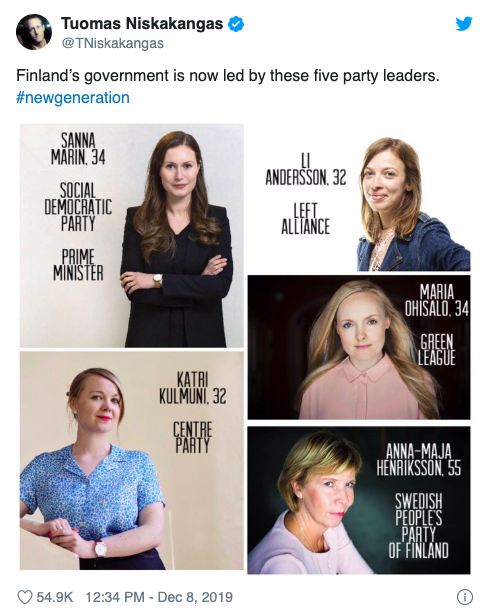
Finland’s previous government resigned last week after the Centre Party lost confidence in then-Prime Minister Antti Rinne’s handling of a postal strike.“I myself have never thought about my age or gender,” said Marin, “but rather about the issues for which I took on politics and about the reasons for which we were trusted in the elections.”
For many countries, like the US, electing its first female leader would be a historic occasion. For Finland, however, this isn’t exactly news — the first Finnish female prime minister was elected in 2003 and after elections this year, women make up 47 percent of its parliament.
Eben Diskin is a staff writer for Matador Network
THIS ARTICLE WAS ORIGINALLY PUBLISHED ON MATADOR NETWORK
How This Women's Biker Club is Helping Babies in Need
The Sirens Women's Motorcycle Club in New York City is more than a group of women riding choppers. And that's a really good thing for nursing babies who need donated breast milk to survive. The club, which focuses on women's health issues, teamed up with The New York Milk Bank to deliver donor milk to mothers and babies who need it — all for free.
Fighting to End Child Marriage in Lebanon
Ghassan Idriss knows firsthand the harmful effects of child marriage on society. Having married at a young age to a woman even younger than himself, Idriss and his wife faced struggles that so many other couples in his home country of Lebanon grapple with. Now, with three daughters of his own, Idriss is doing everything he can to educate those around him about the dangers of this antiquated institution. By hosting talks, he’s using his voice to spark change within his community.
This School on a Bus Is Bringing Education to Everyone
Shelia Hill grew up in San Francisco’s Sunnydale Projects. It was a rough neighborhood. She got into trouble when she was young and dropped out of school. She thought it wasn’t for her. Hill’s attitude changed after she had her own children. One day, her son asked why he should bother going to school since she didn’t. It was a lightbulb moment. Hill realized that she had to do better for herself and her family. She learned how to read and got her high school diploma through Five Keys, an organization that gives members of underserved communities a chance to restart their education. Today, Hill works for Five Keys as community ambassador. She goes out into neighborhoods considered education deserts on the Five Keys bus and encourages residents to board the mobile classroom where they can study with a teacher and earn their GEDs. Hill doesn’t want anyone to feel ashamed for not finishing school. So she always makes sure to share her own story, letting people know there was a time when she couldn’t read. And she’s big on follow-up with potential students. “I’ll call them. I’ll bug them. I’ll text them. I’ll email ’em. Whatever it takes,” she says. “I just want you to get your education. That’s it.”
How Solar Energy Is Bringing Power Back to Puerto Rico
After watching Hurricane Maria devastate his native Puerto Rico, New York City-based architect Jonathan Marvel knew he needed to do anything he could to give back. He banded together a group of friends to launch Resilient Power Puerto Rico, hoping to use the strength of renewable, solar energy to provide a steady source of electricity back to the island.
Just two weeks after the ambitious initiative was born, Marvel was back in Puerto Rico installing solar panels and batteries on the rooftops of community centers. The storm had wiped out power lines and had left people without electricity. Solar-powered energy would allow them to live and operate off the grid, without reliance on fossil fuel-burning power plants. Suddenly, these solar-powered community centers were able to provide spaces where people could refrigerate medication, filter water and gather together to rely on one another in the midst of a humanitarian crisis.
At last count, Marvel and Resilient Power Puerto Rico were able to bring solar power to 20 community centers across the island—helping over 100,000 people in the process.
Still, Marvel’s work is far from over. It took nearly a year before the Puerto Rico Electric Power Authority restored power to most of the island’s residents, and, according to reports, the electricity system is in not in a much better state than it was before Maria wiped out the island.
Longer term, Marvel dreams of a day when Puerto Rico is able to shift to 100-percent renewable energy sources. He believes it is an achievable goal, and Resilient Power Puerto Rico is working to make it a reality.
“We can no longer rely on large fossil fuel burning power plants distributing energy and wires that are going to get blown down every year,” Marvel says. “We have all this power from the sun that needs to be harnessed.”
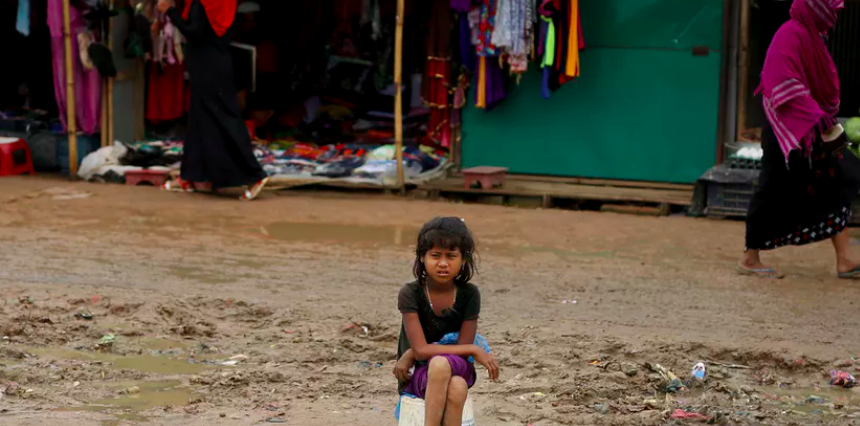
A Rohingya refugee girl sells vegetables in Kutupalong refugee camp, Bangladesh. Access to education is extremely limited in the camps, and most children — particularly girls — receive little to no formal education, Aug. 28, 2018. AP Photo/Altaf Qadri
Without School, A ‘Lost Generation’ of Rohingya Refugee Children Face Uncertain Future
The boy’s eyes lit up when he talked about his dream of becoming a doctor.
Seven-year-old “Mohammad” – not his real name – is a Rohingya Muslim from Myanmar. I met him at a learning center at a refugee camp in Cox’s Bazar, Bangladesh, in early July 2019.
After sharing his aspirations, Mohammed quickly remembered reality.
“I know my dreams will never come true,” he said with a faint smile.
Refugee crisis of global proportions
Mohammed is among the more than 700,000 Rohingya who have taken refuge in Bangladesh after an ethnic cleansing campaign of rape, killing and torture by the Myanmar military in mid-2017. They joined the more than 200,000 Rohingyas who had previously fled Myanmar’s brutal efforts to rid the Buddhist-majority country of this marginalized Muslim minority.
Of the newly arrived Rohingya, three-quarters are women and children, according to the United Nations.
In a noteworthy humanitarian gesture, the Bangladeshi government has given refuge to these persecuted people. Aided by Bangladeshi community organizations, various UN agencies and other international donors, the Rohingya have been receiving shelter, food, clothes and basic health care since the massive exodus in 2017.
This essential care, which cost an estimated US$920.5 million in 2019 represents a gargantuan global effort. Still, the resources are woefully inadequate.
Most Bangladeshi refugee camps are overcrowded and, as a result, unhygienic. Residents survive on the absolute bare minimum of nutrition and other necessities. Monsoon rain, cold and landslides are everyday threats for these Rohingya, as I’ve witnessed firsthand during my visits to Bangladeshi camps in 2017 and 2019.
It is a dismal existence for all. But it is the plight of the roughly 500,000 Rohingya children living in limbo that strikes me as bleakest.
Concerns of a lost generation
Research shows that future of refugee children grows more imperiled the longer they remain out of school.
In many countries that host substantial refugee populations, including Turkey, Lebanon and Uganda, the United Nation’s refugee agency and the United Nations Children’s Fund ensure children receive a quality, full-time education, either at the camps or in nearby public schools.
Even so, just 23% refugee children worldwide are enrolled in secondary school, according to the UN’s High Commission on Human Rights. Just 1% attend university.
Because Bangladeshi authorities have not granted the Rohingya official refugee status and consider them instead “forcibly displaced Myanmar nationals,” the roughly 500,000 Rohingya children in the country have no access to a formal education. Rohingya children are not permitted to attend Bangladeshi public schools.
The United Nations Children’s Fund and its partners offer Rohingya refugees aged 4 to 14 two-hour daily lessons on Burmese, English, math and life skills at about 1,600 learning centers located at the camps. These classes keep about 145,000 Rohingya children – or about 30% of the Rohingya youngsters in Bangladesh – occupied for part of the day but do not provide the kind of formal education that will allow the children to work toward a high school degree and enter the job market.
The camps offer no schooling at all for Rohingya refugee adolescents aged 15 to 18.
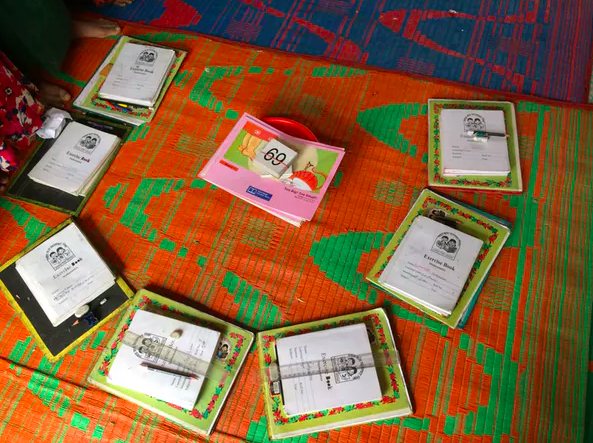
English-language exercise books at a UNICEF-supported ‘learning center’ at one of the Kutupalong refugee camps in Bangladesh. Rubayat Jesmin, Author provided
Some teenagers, mostly boys, have turned to madrassas, or Islamic learning centers, where they can receive a religious education.
The remaining Rohingya children who attend neither UNICEF classes nor madrassas are simply left to fill their own day. At the Rohingya camps, I saw boys working in shops, playing cards or sitting idle at all hours of the day.
When I asked Mohammad what he does when he is not in school, he told me that he “takes care of his family.”
“I play with the other kids, too,” he added with a grin.
Adolescent girls, I learned, are often kept at home by their parents because of the Rohingya’s conservative social and religious norms.
The camps can also be dangerous for girls. Human traffickers have been known to target young Rohingya women, promising them jobs outside the camps. Girls face other forms of violence and human rights abuse at Bangladesh’s camps, too, including child marriage.

Bangladeshi camps for the Rogingyas are typically overcrowded, unhygienic, muddy and prone to landslides. Rubayat Jesmin, Author provided
Rohingya repatriation
Growing up in unstable conditions, with no possibility of study, Rohingya children like Mohammed are at risk of becoming a lost generation.
Their limbo may not last forever. In response to heightened international pressure, Myanmar in November 2017 agreed to take the Rohingyas back starting November 2018.
However, their return was postponed due to protests by the refugees, who feared conditions in Myanmar was not yet safe. The United Nations and other international refugee services have also voiced concern about sending the Rohingya back, saying there was no indication that the Myanmar government had punished the people responsible for the crimes in Rahkine state, nor agreed to give the Rohingya citizenship.
Considered foreigners in both Myanmar, their native country, and Bangladesh, where they’ve sought refuge, the Rohingya Muslims are the world’s largest stateless people.
While the negotiations for their repatriation continue, a generation of traumatized Rohingya children wait for their futures to begin.
RUBAYAT JESMIN is a Doctoral Student at the College of Community and Public Affairs, Binghamton University, State University of New York.
THIS ARTICLE WAS ORIGINALLY PUBLISHED ON THE CONVERSATION
The Earth Group Aims to Change the World Through Education and Nourishment
Newly Certified B Corp Collaborates with UN World Food Programme to Help Children Around the Globe.
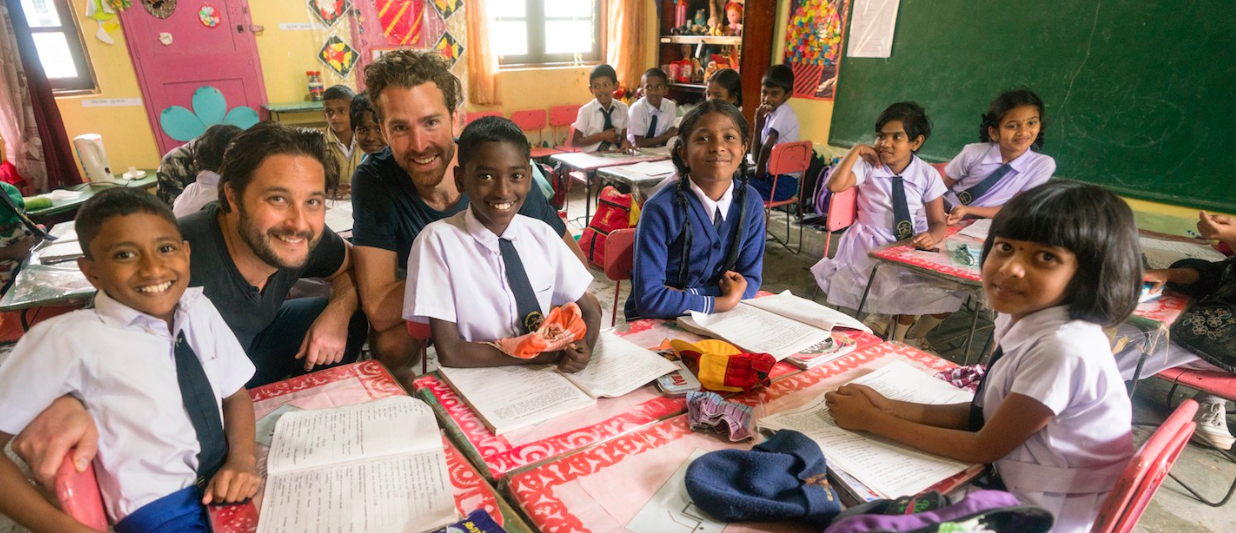
Kori Chilibeck and Matt Moreau at work for The Earth Group and World Food Programme in Sri Lanka. “Becoming a B Corp is an affirmation of what we’ve worked to achieve for so many years.”
The Earth Group is a Certified B Corporation that supports the United Nations World Food Programme (WFP) through donations that provide school meals, drinking water and education to children in the most troubled areas of our world.
To date, The Earth Group has helped fund more than 3.6 million meals to young school kids while helping them get an education in places like Tajikistan, Madagascar, Sri Lanka, Kenya, Bolivia and the Philippines. The B Corp is dedicated to informing consumers everywhere about the power of their everyday marketplace choices. For example, the simple purchase of a bag of Earth Coffee, one of three consumer products sold by the company, provides a schoolchild with meals for an entire week.
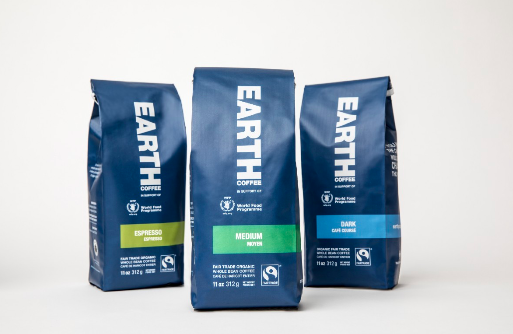
Purchase one bag of Earth Coffee online or in-store to feed one child for one entire week.
When Earth Group founders Matt Moreau and Kori Chilibeck met as fellow employees of a ski shop near the Rocky Mountains 14 years ago, they likely never imagined what lay ahead for them as individuals, new business owners or as proud supporters of the WFP.
Just forging this critical relationship with the WFP seemed daunting enough, but the maze-like process took far longer to realize than anyone could imagine. Eventually, they launched their social enterprise onto the large and complex world stage of fighting hunger, providing clean drinking water and building schools for children where none existed before.
It was at this point that Moreau and Chilibeck realized the real work had begun in earnest for their Canadian B Corp based in Edmonton, Alberta. Seeking to confirm that the aid they worked so diligently to fund would actually make the journey to the end-users, they traveled to Sri Lanka, Bolivia, Tajikistan and the Philippines to see for themselves.
As the photos and videos produced from these expeditions clearly testify, Moreau and Chilibeck landed in their natural element, surrounded by the children and co-workers they had been working so hard to support since creating The Earth Group. The expressions on the faces of not only the children and teachers but of Moreau and Chilibeck and the WFP country managers tell a tale of unselfish dedication.
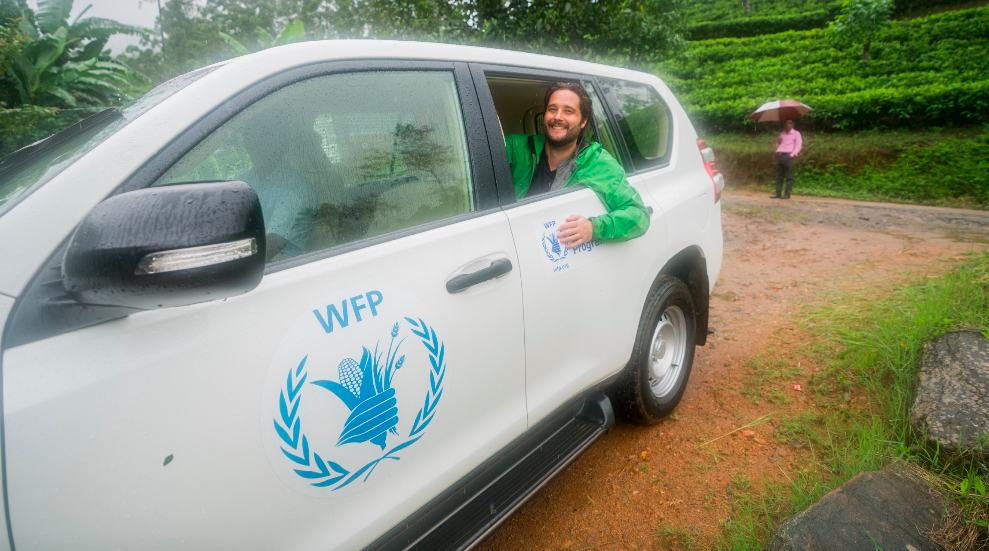
Kori Chilibeck in Sri Lanka hosted by the UN World Food Programme.
Seeing the Progress
The Earth Group maps its path to success through respect for the cultures they are trying to help. In many of these destinations, it is still frowned upon for female children to attend school. By respecting that posture yet also using the intellectual tools at hand, the company funds projects that often furnish female students with an extra helping of food to take home if they attend school, thereby allowing them to obtain an education, the family to benefit from the food, and the attitudes about females attending school to soften.
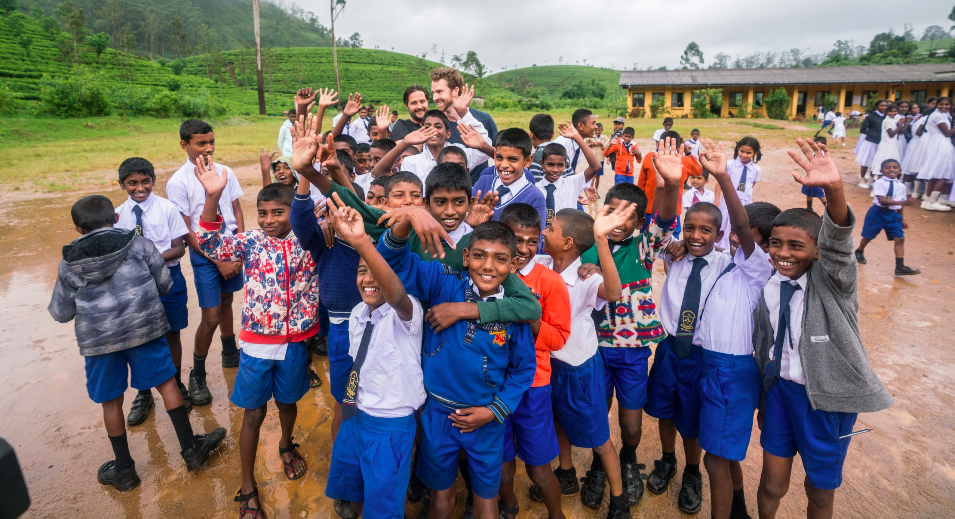
Schoolyard antics in Sri Lanka with Matt Moreau and Kori Chilibeck of The Earth Group.
The exhilaration of such remote expeditions reached its peak when the duo traveled to the Philippines, arriving in a volatile region where insurgents had blasted grenades and explosives just the day before. Their in-country WFP handlers changed safety tactics at once, and what was scheduled to be a multi-day trip ended up being a shortened-but-packed day of visiting the children in their classes, touring the school facilities, meeting the support staff and then continuing safely out of this troubled zone.
Back home in Edmonton, Moreau and Chilibeck rolled up their sleeves and focused on making their simple products-with-impact list: Fair Trade coffee from Eastern Africa, Indonesia, Central and South America; glacier-sourced drinking water from Whistler, British Columbia, and Rocky Mountain House, Alberta; and organic Alberta-grown teas, available in as many outlets as possible across Canada and around the world. Their online sales are activewith their triple bottom line—people, planet, profit—always remains in focus.
The Earth Group obtains its drinking water from Canadian glacier spring sources near the communities of Rocky Mountain House and Whistler, and their low-weight recyclable plastic bottles are landfill biodegradable. The Earth Group is also partnered with and supports Plastic Bank efforts to reduce ocean plastic.

Paying their dues during long negotiations with large corporations, Moreau and Chilibeck have now succeeded in signing major chain stores in Canada such as IKEA, Safeway, Sobeys, Whole Foods, Save On Foods, IGA and Metro. They also launched their product line in Japan, another major feat for any business run by two people, one employee and a group of dedicated volunteers.
Chilibeck is just back from the unrivaled adventure of presenting The Earth Group products in Japan to the largest food and beverage show in Asia called FOODEX. A receptive audience was excited to hear Earth Water is already available in their marketplace, with more Earth Group products sure to follow.
Path to Success
During certification in 2018 as a B Corporation, B Lab’s independent Standards Advisory Council confirmed The Earth Group’s three essentials: 1) social and environmental performance, 2) transparency and 3) accountability.
“B Corps values are synonymous with ours and embedded in our culture, so working toward the certification was both a pleasure and a reminder of being mindful of the numerous ways in which our work affects people and planet.”
And so it goes for these two young Canadian entrepreneurs and their “overnight success,” which has only taken them 14 years of collaboration, dedication, no-pay and near bankruptcy to arrive at a point where they can now see the results of their work. Having the blessings of understanding spouses has made it all possible, plus a bit of luck at critical moments.
Business gurus will tell start-up entrepreneurs timing is everything, and while this adage does have merit, the hard work and determination to succeed cannot be underestimated.
When Moreau and Chilibeck hatched their road map to success in a ski shop near the Rocky Mountains 14 years ago to create The Earth Group, at the same time Ben Cohen and Mal Warwick’s book Values-Driven Business: How to Change the World, Make Money, and Have Fun was synthesizing best practices and socially responsible business goals and laying the foundation for what would become the first B Impact Assessment, a process still used to certify B Corps.
B the Change gathers and shares the voices from within the movement of people using business as a force for good and the community of Certified B Corporations. The opinions expressed do not necessarily reflect those of the nonprofit B Lab.
GREGORY B. GALLAGHER is a Writer, Filmmaker, Musician and Producer.
THIS ARTICLE WAS ORIGINALLY PUBLISHED ON MEDIUM