6 Must-See Islands off the Coast of Chile

Traverse the natural gems and explore the historical sites of Chile’s outre-mer.

Penguins off the coast of Chiloe Island. Mary Madigan. CC BY 2.0. 

One of the westernmost countries of South America, Chile has gained fame for its gorgeous mountains and fjords, its delicious street cuisine, the integral place futbol has in its people’s everyday life, and perhaps even its complex political history. The distinct cultural and travel experience the country offers does not apply only to its mainland, but also to the islands that surround it. In fact, Chile’s islands house some of the most individual and exclusive travel experiences and institutions: 

1. Isla Magdalena
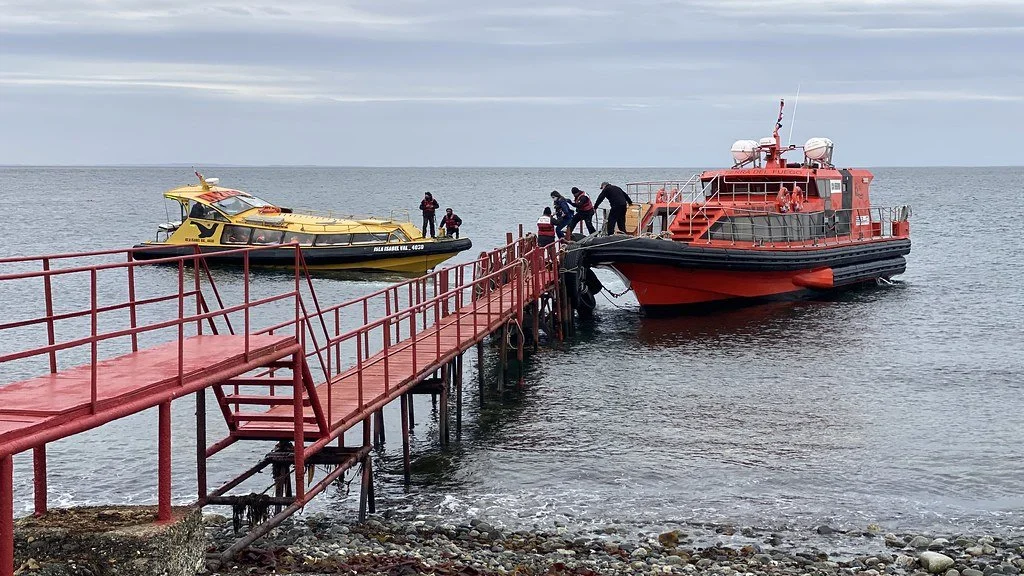
Off the coast of Isla Magdalena. Iamblukas. CC BY 2.0.

Isla Magdalena’s lush landscapes are home to everything from the circa 120,000 Magellanic penguins characteristic of southern South America, the National Monument for Penguins that explores and explains the members of this colony, and a magnificent view of the Strait of Magellan discovered by Portuguese explorer Ferdinand Magellan. The Isla Magdalena Lighthouse, another landmark, also rests on the island and contains many exhibitions that detail its history and traditions. Travel to Isla Magdalena by public ferry or private speedboat (for about 2 hours) after a fruitful day on the Chilean mainland; the island is 608 sq mi.

2. Robinson Crusoe Island 
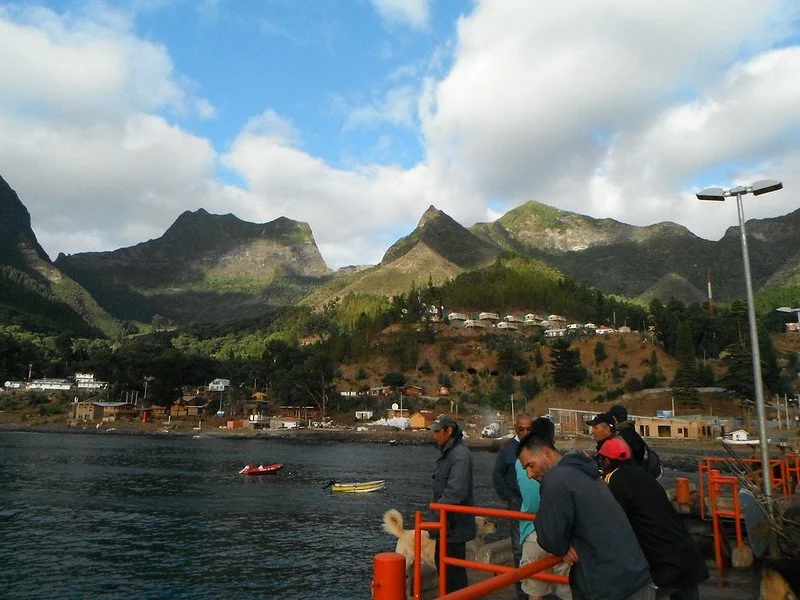
A view of Robinson Crusoe Island’s mountains. Ashley Basil. CC BY 2.0.

Robinson Crusoe Island’s name comes from the titular Daniel Defoe protagonist and explorer who travels across the sea to a deserted island. Certainly, all visitors feel like explorers on Robinson Crusoe Island. Guests can snorkel or scuba dive along the island’s coral reefs, observe shipwrecks scattered across its coast, birdwatch, hike in the area’s luscious rainforests, visit ruins left from plundering pirates, and enjoy the local cuisine, especially the lobster.  You can even partake in day-long fishing trips to score fresh lobsters! A ~2 hour flight from Santiago or an hour-long water taxi journey drops guests off at this adventure-filled island; the island is 18.5 sq mi in area.

3. Chiloé Island
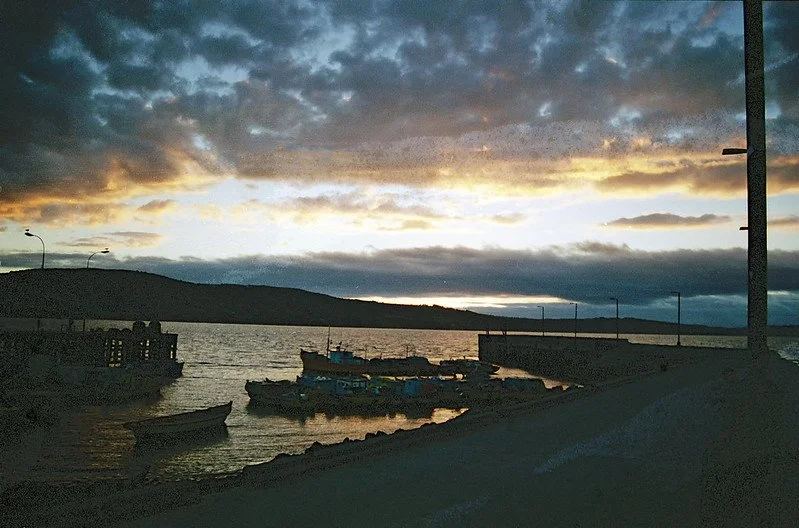
A view from Ancud on Chiloé Island. Ik T. CC BY 2.0.

Chiloé Island’s landscape defines it: the Chiloé National Park highlights much of this breath-taking landscape with green terrain, rivers, lakes, and stunning forests. For those further intrigued by the island’s natural beauty, horseback riding around the island quenches the explorer’s thirst. But this island is not only a place of natural beauty; history remains an important part of Chiloé Island culture. The churches of Chiloé, mostly built in the 17th century and showcasing Spanish colonial design, are monuments to the island’s rich history. The Ancud Regional Museum (Museo Regional de Ancud) also puts much of the island’s history, its mythology, and its indigenous residents under the spotlight. As with many other Chilean islands, water sports like kayaking and fishing also contribute to the visitor experience. A circa 30-minute ferry ride across the Canal de Chacao drops guests off on Chiloé; the island is 3,241 sq mi.

4. Isla Grande de Tierra del Fuego
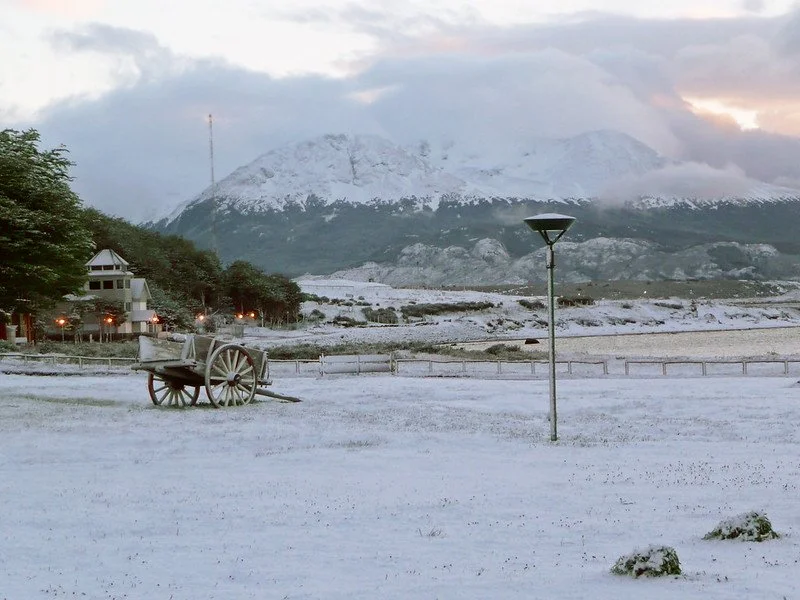
Snow capped mountains of Isla Grande de Tierra del Fuego. James St. John. CC BY 2.0. 

South America’s largest island, Isla Grande de Tierra del Fuego, is part of the Tierra del Fuego archipelago off the coast of the southernmost tip of South America. A ~2 hour ferry ride across the Strait of Magellan drops visitors off at this island first dubbed “Land of Smoke” by Ferdinand Magellan. Walk the footsteps of explorers like Ferdinand Magellan and Charles Darwin on Isla Grande de Tierra del Fuego as you immerse yourself in the island’s spectacular flora, which includes many species of trees like the beech and conifer, and fauna the fauna of Parque Pinguino Rey (King Penguin Park) and the foxes, flamingos, and condors found all around the island’s mountains; the island is 18, 530 sq mi

5. Navarino 
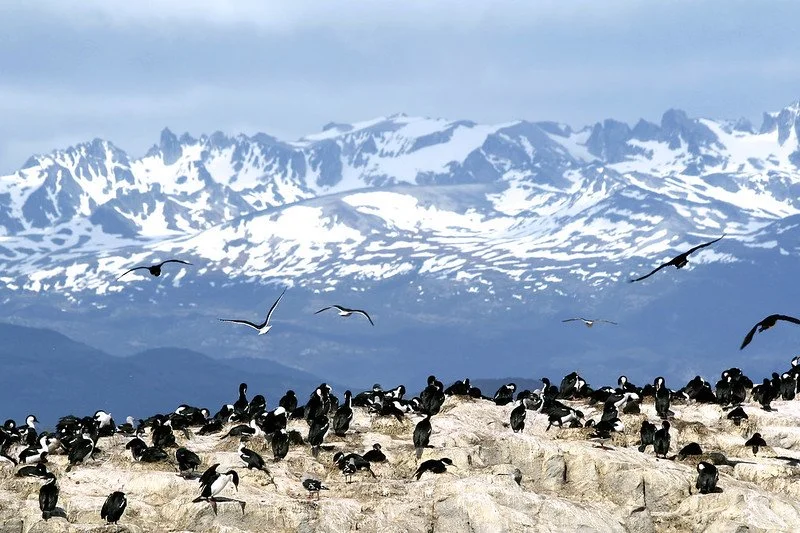
A view of the Dientes de Navarino Mountains. Dimitry B. CC BY 2.0.

Navarino, another island that is far south of the Magellan Strait, is a worthwhile travel destination for outdoorsy adventurers. Hikers will enjoy walking among the island’s snow capped mountains and fishers can discover a multitude of rivers and even high-altitude lakes. One of the most beautiful routes for active visitors is the Dientes de Navarino (Teeth of Navarino) Trek. This somewhat frightening name refers to Navarino’s mountains through which many travelers enjoy hiking. The culturally inclined can visit Puerto Williams, the island’s only town and the past residence of indigenous Yaghan people. Puerto Williams’ museums offer insights on the isle’s Yaghan past and its weighty and resonant history. Access to Navarino is available by a 30-minute boat ride from the port of Ushuaia; the island is 35.7 sq mi.

6. Riesco Island 
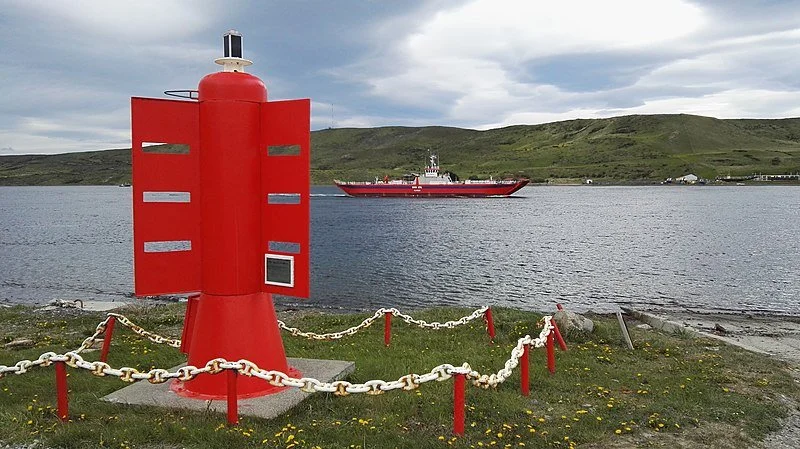
A view of the Fitzroy Canal from Isla Riesco. Z_thomas. CC BY-SA 3.0.

Riesco Island’s must-see features range from Patagonian ranches to historical coal reserves. The bleating sounds ring across the island, while its cattle fields are still dominated by gauchos, or South American cowboys, and remain a sight to behold for those visitors who crave a distinctive cultural experience. The island, one of the largest islands in Chile and accessible from Patagonia through a 30-minute boat ride across the Fitzroy Canal, is also known for its coal reserves; in fact, coal mines such as the Invierno (winter) Mine, Magdalena, Elena, and Josefina are historical locations of note. Riesco sightseers should also watch out for glaciers lining Riesco’s coasts; the island is 1,970 sq mi.


Su Ertekin-Taner

Su Ertekin-Taner is a first year student at Columbia University majoring in creative writing. Her love for the power of words and her connection to her Turkish roots spills into her satire, flash fiction, and journalistic pieces among other genres. Su hopes to continue writing fearless journalism, untold stories, and prose inspired by her surroundings.

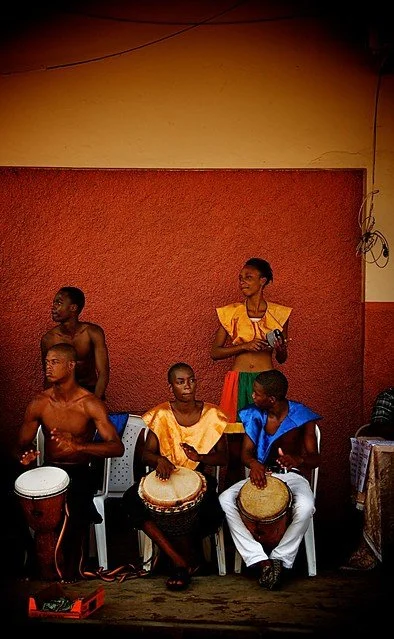
From Mento to Reggae: Jamaica's Vibrant Music Scene

Captivating melodies, profound stories, and deep cultural ties have woven a musical tapestry unique to the Caribbean nation. 

Reggae concert. Image by Yardie. 

In the early 1900s, Jamaican music underwent a transformative journey influenced by myriad cultural expressions. Rooted in the rich traditions of African folklore, Anansi stories of the eponymous trickster/spider god Anansi took center stage, captivating listeners with hypnotic chants to enchanting stories. Over time, these stories evolved into the rhythmic beats of digging signs sung by field workers, resonating with the experiences and unity of working-class Jamaicans. During the same period, ring tunes’ for kids and dancing tunes’ joyous melodies and communal spirit became an integral part of the music scene, encouraging lively community dances and bringing people together. Jamaica’s rhythmic interplay and narrative-driven art, the cultural influences of Anansi stories, digging sings and ring tunes played a pivotal role in shaping the evolving sounds of Jamaican music, laying the foundation for the genres that would continue to capture the people’s triumphs, struggles, and celebrations. The echoes of these musical styles reverberate from the early 1900s Jamaican music landscape, paving the way for the rhythmic revolutions of mento and ska and the profound social commentary of rocksteady and reggae from the 1940s-1960s.

Mento: A Time Capsule of Jamaican Life and Resilience 

A painting of mento drummers. Mento2011 Fallmouth Jamaica

Born from a fusion of rhythms brought to the West Indies by enslaved West Africans, European musical traditions, and the Indigenous sounds of Jamaica's Taino people, the late 1940s birthed a vibrant expression of everyday life: mento. Mento vividly captured the spirit of Jamaican communities, offering a window into their triumphs and challenges through lively melodies and infectious rhythms, played on instruments like the banjo, guitar, and maracas. It became a testament to the indomitable spirit of the Jamaican people, celebrating their traditions and cultural identity.

Mento’s most outstanding achievement was laying the foundation for future genres. Specifically, its rhythms and energy paved the way for the revolutionary beats of ska in the 1950s, while its resilience and vibrancy found their way into the iconic reggae anthems, symbolizing Jamaican identity worldwide. Through mento, the rich roots of Jamaican folk music intertwined with the heritage of diverse influences, deciding with finality that music is for the people. Today, mento continues to captivate audiences connecting them to the vibrant past of the island.

Fishbone playing in Los Angeles.  

Ska: A Joyful Revolution with a Powerful Beat

In the transformative 1950s, ska emerged as a genre that reflected the social and political upheaval of the time and became a catalyst for change. With its energetic tempo, infectious rhythms, and the unmistakable resonance of brass instruments, ska created a pulsating sound that swept a generation. Inspired by Jamaican mento and Trinidad and Tobago’s calypso, ska was a jubilant call to unity, a musical expression of the collective yearning for a better world.

As the vibrant ska beats enveloped the airwaves and dancehalls, it carried a profound message. Through its lyrics, ska shed light on the harsh realities of poverty, inequality, and discrimination that plagued Jamaican society. It served as a powerful voice, amplifying the concerns and struggles of the marginalized and disenfranchised. Yet, amidst the social challenges, ska embodied a spirit of resilience, hope, and determination. It became a unifying force, inspiring people to unite, rise above adversity, and strive for a more inclusive and equitable future.

 Crowd at a live music event. Image by Yardie.

Rocksteady: The Soulful Bridge to Reggae 

Between the exciting ska era and the rise of reggae lies the soulful interlude of rocksteady, a genre that left an indelible mark on Jamaica's musical landscape. In the mid-1960s, as the country underwent significant social and political shifts, among the most significant being political independence from the British Empire, rocksteady emerged as a musical bridge, connecting ska’s exuberance with reggae’s even more profound social commentary.

Rocksteady's distinct sound captivated listeners with smooth, melodic rhythms. Influenced by American soul and rhythm and blues, the genre introduced a slower tempo and more introspective grooves, reflecting the changing landscape of Jamaican society. Historically, rocksteady emerged when Jamaica was transitioning from its colonial past to a newfound sense of cultural identity and political consciousness. The smooth and soulful melodies of rocksteady expressed the Jamaican people’s evolving aspirations and struggles. It provided a platform for introspection, offering a sanctuary of musical solace amidst social and political transformations. Some rocksteady songs went on to become hits outside of Jamaica, as with ska, helping to secure the international base reggae music has today.

Reggae: A Cultural Anthem of Love, Unity, and Social Justice

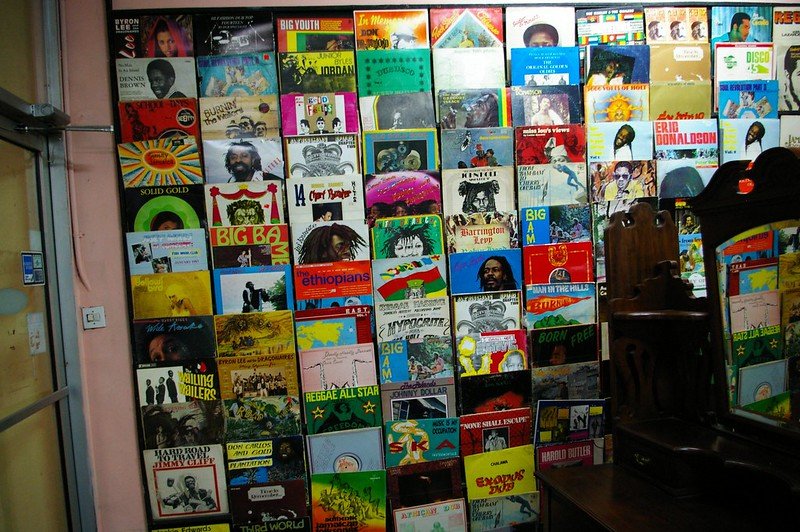
The wall of records. Christina Xu

Undoubtedly, the most renowned and internationally celebrated genre of Jamaican music is reggae. Born in the late 1960s against the backdrop of a dynamic Jamaican society, reggae emerged as a powerful and transformative force, both musically and culturally. It was a fusion of various influences, including mento, ska, rocksteady, R&B, and the religio-liberationary message of Rastafari, which came together to form a genre with a distinct sound and a profound global impact.

Reggae became the quintessential voice of Jamaica's cultural identity and pride. Its roots ran deep in the history and struggles of the Jamaican people, serving as a vessel for their collective experiences and aspirations. The soul-stirring messages of reggae spoke directly to the hearts and minds of listeners. Its lyrics, laden with social and political commentary, addressed love, unity, and social justice issues, offering a compelling call to action.

Reggae's global impact cannot be overstated. It has become synonymous with Jamaica, attracting audiences from around the world who resonate with its powerful messages and irresistible grooves. Reggae's cultural significance extends beyond music, influencing fashion, art, and of course social movements. Its legacy as a music of liberation and empowerment continues to inspire generations, reminding us of the power of music to transcend borders and ignite positive change.

Explore the world of Jamaican folk music, and immerse yourself in the pulsating energy of live performances at local clubs and music festivals, where the air is thick with the collective joy of dancing to the irresistible beats. More immediately, check out this playlist we created with some of our favorite Jamaican music.


Raeann Mason

Raeann is a traveler, digital storyteller, and guide writer, with a degree in Mass Communication & Media from the Walter Cronkite School of Journalism. She is passionate about a/effective journalism and cultural exchange, and is an advocate of international solidarity and people's liberation. Her work at CATALYST focuses on reshaping the culture of travel and hospitality to be more ethically sound and sustainable.

CATALYST Summer Reading List

Books that will take you around the world, through a lens of travel and social action.

Summer has officially arrived, and CATALYST knows that our readers won’t just be flipping burgers on the grill or swimming at the beach. Here are 8 great travel and social action-oriented books for your summer reading.

1. Underjungle 

James Sturz, author of the novel Sasso, is set to release another heavy-hitting thriller this August 2023: Underjungle. Underjungle tells the story of a group of predatory sea creatures called the yc who happen upon a human corpse near the seafloor. The plot unfolds as the ocean’s creatures begin to consider the effects of this corpse and a tale of grief and loss springs from the metaphysical narration. The novel is set deep underwater, inspired by Sturz’s own scuba diving career. As such, the book intrinsically promotes a protection of the treasures found where human eyes rarely see: the sea floor. Sturz’s new piece promises to enrapture the reader in all its fantastical, science fiction glory and its multidisciplinary approach: Sturz includes literary-philosophical and artistic elements, which are intertwined with the novel’s focus on marine science.

2. If I Survive You

Eight  powerful, interconnected short stories that explore the complexities of cultural identity comprise Jonathan Escoffery’s If I Survive You. This work,  which is a finalist for the 2023 Pen/Faulkner Award and was nominated for the 2023 Pen/Bingham Prize and the 2023 Carnegie Medal for Excellence in Fiction, follows a protagonist named Trelawny as he navigates the American cultural landscape. The son of immigrant parents from Jamaica, Trelawny finds himself struggling to fit into society, a problem which is further exacerbated by Hurricane Andrew, the 2008 recession, and racism. The tale of Trelawny’s family is not one without hope, though, as all members fight to remain motivated and survive in America. Escoffery’s lyricism, use of humor, and incorporation of the second person take the wheel and bring the stories of If I Survive You to life. For readers seeking a dense read and one that promises a greater social consciousness, If I Survive You might be for you.

3. The Books of Jacob

Polish Nobel-prize winning author Olga Tokarczuk’s magnum opus, The Books of Jacob, is a dense, yet rewarding read. This 912-page book, first published in Poland in 2014, might be an entire summer sort of read, but its ambitious nature defines and enriches the narration. The Books of Jacob’s many awards, which include being named Best Book of the Year by The New York Times, The Wall Street Journal, Time, and The New Yorker, celebrate its power and scope. Tokarczuk’s ninth novel is a historical fiction piece that centers on the true figure, Jacob Frank, a Jew that traverses the Austro-Hungarian and Ottoman Empires in the 18th century, attracting followers and enemies with every turn. Perceived as a messiah, he leads his followers from Judaism, to conversion to Catholicism and ultimately to Islam. The mysterious, polarizing figure of Frank, based on a true historical figure, is examined and narrated by his supporters, enemies, and betrayers in separate segments of the book. The novel focuses on themes of identity–as Frank matures–and religion as well as what it means to redefine one’s religious identity.

4. The White Girl

A celebration of Aboriginal women and Indigenous voices, The White Girl was written by an Indigenous storyteller named Tony Birch. The Australian novelist condemns Australia’s racist post-colonial policies in The White Girl, which profoundly explores topics of Indigenous identity and threats to the Indigenous way of life. In the novel, Odette Brown, a Deane resident and Aboriginal, protects her fair-skinned granddaughter Sissy from authorities that threaten to separate them. The novel, set in the 1960s, elaborates on the challenges and threats encountered by the duo as well as their hope for the security of their future. The novel reminds readers of the Australian government’s policy of separating Indigenous children from their families (the Stolen Generations) while also inspiring kindness and a limitless love toward humanity.

5. Eleutheria

Allegra Hyde’s Eleutheria could be called a cli-fi novel, a neologism for the relatively new genre of climate fiction, if most of the events in the novel weren’t currently taking place. Hyde’s novel, declared a New Yorker Best Book of the Year, examines climate change from the perspective of Willa Marks, a young visionary hopeful for the future of the world despite the consistently rising ocean levels. Willa’s adventure to fight climate change takes her to the island of Eleutheria, where she reinvigorates a group of ecowarriors who inhabit the appropriately titled Camp Hope. Willa attempts to fulfill Camp Hope’s mission of fighting climate change. While the novel is set in the near future and alerts readers to the present climate crisis, it also tells the more personal story of a lost, naive individual trying to find an identity through her attachment to a cause.  

6. When We Were Sisters

Although Fatimah Asghar’s gut-wrenching When We Were Sisters was just released in October 2022, the novel has won the Carol Shields Prize for Fiction and has been named one of the Best Books of the Year by The New Yorker, Time, PopSugar, and Vox. However, these awards cannot do justice to Asghar’s narration. The award-winning author examines the lives of three orphaned Muslim sisters who must raise and support one another. Each sister tackles the loss of their parents differently: Aisha grasps for a sense of family, the book’s narrator Kausar is consumed by grief while contemplating the concept of gender, and Noreen tries to assume the role of the mother. Each sister’s fully fleshed out plot brings sorrow to the reader but also allows them space for introspection. The reader will question what it means to be Muslim in America and the principles of sisterhood and family.

7. The Seven Moons of Maali Almeida

Sri Lankan author Shehan Karunatilaka’s second novel The Seven Moons of Maali Almeida, following his first humorous novel Chinaman: The Legend of Pradeep Mathew, was an instant national bestseller and winner of the 2022 Booker Prize. The satirical piece is set in Sri Lanka in the 1980’s during the country’s multi-decade civil war, and follows deceased photographer Maali Almeida as he attempts to solve the case of his own death in seven moons. Although the novel focuses on Maali’s experience of the afterlife, the piece also includes much detail of Sri Lankan life during its civil war: suicide bombers, police suspects, and death squads litter the country. Using the second person, Karunatilaka offers a disturbing view of his country at war with itself, complete with vivid images of disturbing brutality, and yet one that is also fashioned with Karunatilaka’s gripping humor.

8. Black Cake

Charmaine Wilkerson’s debut novel Black Cake follows Byron and Benny’s attempt to solve the mystery of their mother Eleanor Bennett’s death. Eleanor’s two children must piece together the details of her death from an intriguing element of their inheritance: the family’s Caribbean black cake recipe. Throughout the novel, more family secrets and betrayals pop up; readers begin to wonder if the once-estranged siblings can find the truth about their lineage and how their family’s heirloom black cake fits into its inter-generational history. This New York Times bestselling novel expertly and beautifully analyzes the meaning of lineage, especially one riddled with important memories, and comments on the importance of exploring one’s own past back through the generations. Currently, Black Cake is also set to premiere on the screen as a Hulu original series.


Su Ertekin-Taner

Su Ertekin-Taner is a first year student at Columbia University majoring in creative writing. Her love for the power of words and her connection to her Turkish roots spills into her satire, flash fiction, and journalistic pieces among other genres. Su hopes to continue writing fearless journalism, untold stories, and prose inspired by her surroundings.

Rewriting Constitutions: An Un-American Art

What the United States can learn from the world’s newest Constitutions.

We the People' by Nari Ward -- Sun Splashed Exhibit at the Barnes Foundation Philadelphia (PA) June 2016, Ron Cogswell, CC BY 2.0.

When the United States Constitution was first written only white landowning men had the right to vote, African Americans were legally considered two-thirds of a person, and there was no guarantee from year to year that the United States would continue to exist. Despite these shortcomings, among many others, the United States Constitution was revolutionary for its time, paving the way and serving as an example for virtually all the world’s early democracies. For this, it is and should be revered, and deserves a place in history books across the globe.

Today, the United States Constitution is over 230 years old and is the oldest functioning national constitution in the world. The document hasn’t remained untouched, with new additions such as a universal right to vote and other significant changes saving the constitution from becoming obsolete over the centuries. In total, the Constitution has been amended 27 times. The most recent change technically came in 1992 with the 27th amendment, which made it more difficult for Senators to change their salary. However, the last major change occurred 21 years before that with the 26th amendment, which lowered the voting age to 18. Back then, Richard Nixon was president, the US was still mired in the Vietnam War, and the internet did not yet exist.

March For Our Lives student protest for gun control, Fibonacci Blue, CC BY 2.0.

While some parts of the Constitution have managed to stay relevant, others have become detached from their original purpose. The second Amendment of the constitution, the right to bear arms as part of a well-regulated militia, was designed at a time when the strongest weapon available was a musket that could fire once every 15 or 20 seconds. Today, US citizens can buy weapons that can fire up to 45 times per minute. A well-regulated militia was allowed in case a need arose to fight back against a potentially tyrannical new government, a fear that, in the nascent weak United States unsure of its future, was justified. With the government and its democratic institutions now being well established, and the US military arsenal harboring thousands of planes, tanks, missiles, and many other deadly weapons, overthrowing the US government is not necessary or realistic.

Protest against a constitutional amendment banning same sex marriage, Fibonacci Blue, CC BY 2.0.

Beyond this, several critically important human rights are not included in the US Constitution. The United States Constitution is one of 28 in the world that does not guarantee gender equality. Moreover, the constitutions of 142 countries protect the right to universal health care and of 160 countries guarantee the right to education. The United States Constitution does not do either of these things.

The idea of a constitution as a sacred untouchable object is a uniquely American one. Many countries around the world either completely rewrite or heavily edit their constitutions quite frequently. Most nations will create a new constitution if their old one starts to become obsolete. This practice, over the past 3 decades, has led to some of the most liberal constitutions in the world.

Ecuador

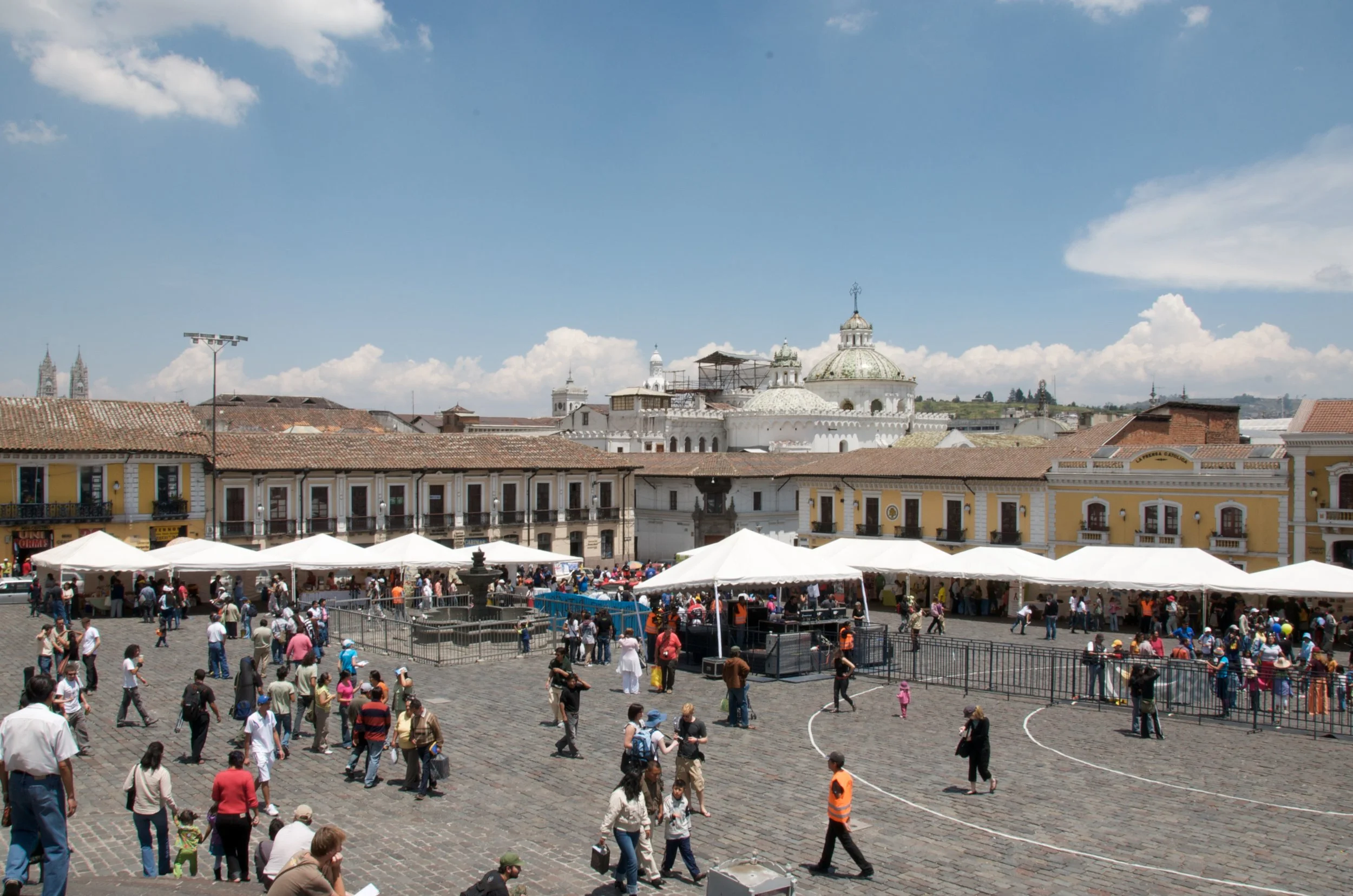
Scenes around Quito, Ecuador, A.Davey, CC BY 2.0.

Ecuador rewrote its constitution in 2008, its government riding a political wave to create one of the most liberal constitutions in the world. This constitution became the first in the world to recognize that the environment has rights, a landmark moment in the international environmental movement. It also was one of the first constitutions to extend rights to people of any gender identity or sexuality. Beyond these progressive changes, Ecuador established an immigration grace period, allowing anyone to enter the country for 90 days without a Visa. The Comparative Constitution Project, an organization devoted to studying constitutions, says the Ecuadorian constitution guarantees 99 rights to its citizens. The next closest constitution only guarantees 88.

South Africa

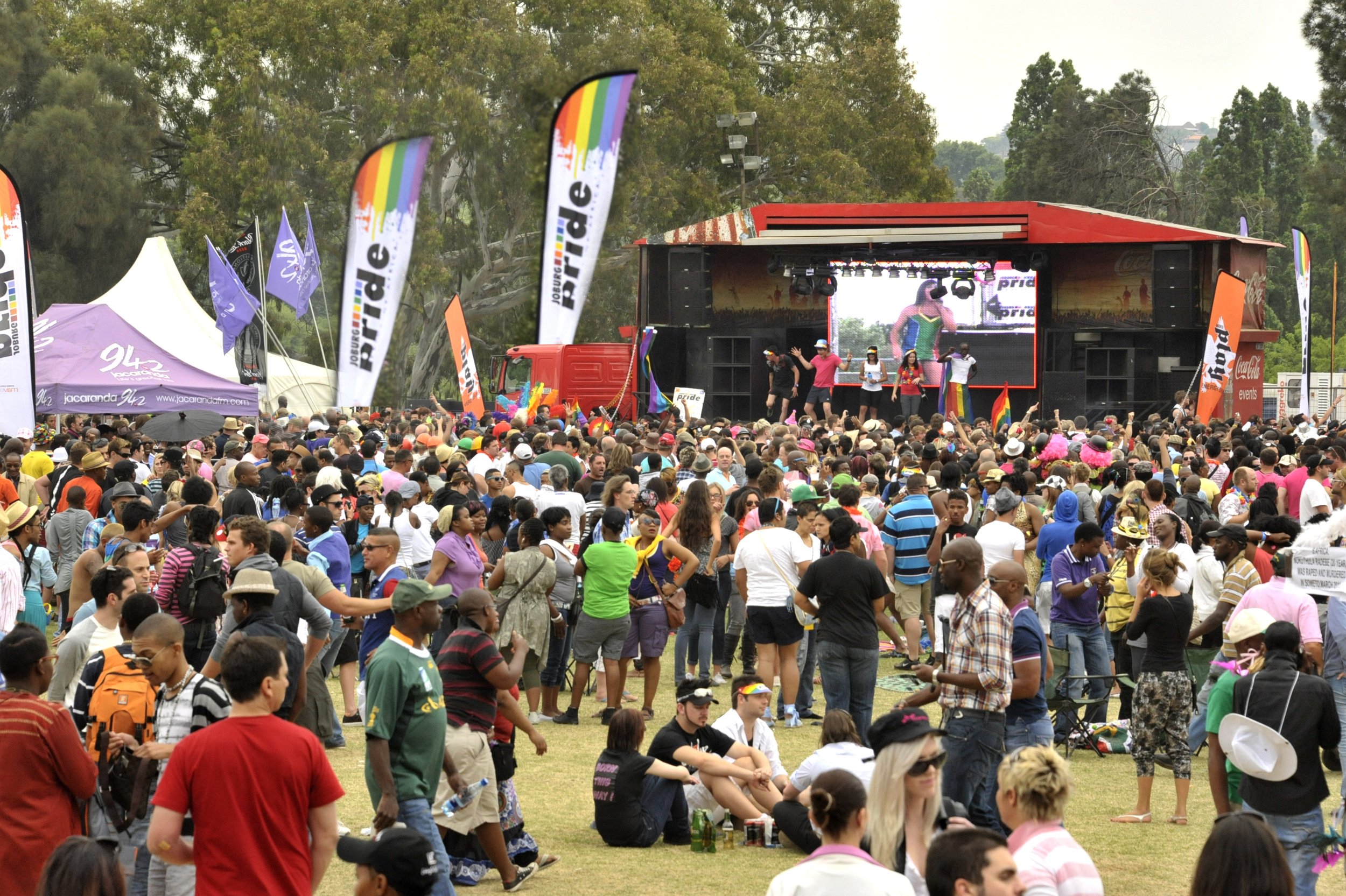
Joburg Pride, Zoo Lake, Johannesburg, Gauteng, South Africa, South African Tourism, CC BY 2.0.

The South African Constitution was ratified on December 4, 1996, two years after the end of Apartheid. This constitution is well-known for being the first in the world to ban discrimination based on gender identity. This led to South Africa becoming one of the most progressive nations in protecting the rights of gender minorities. The constitutional law has had tangible results. Most notably in 2019, a transgender woman in a male prison was unable to express her identity, which the courts ruled was unconstitutional. In addition, similar to the Ecuadorian Constitution’s environmental protections, the South African constitution guarantees the right to a healthy environment.

Tunisia

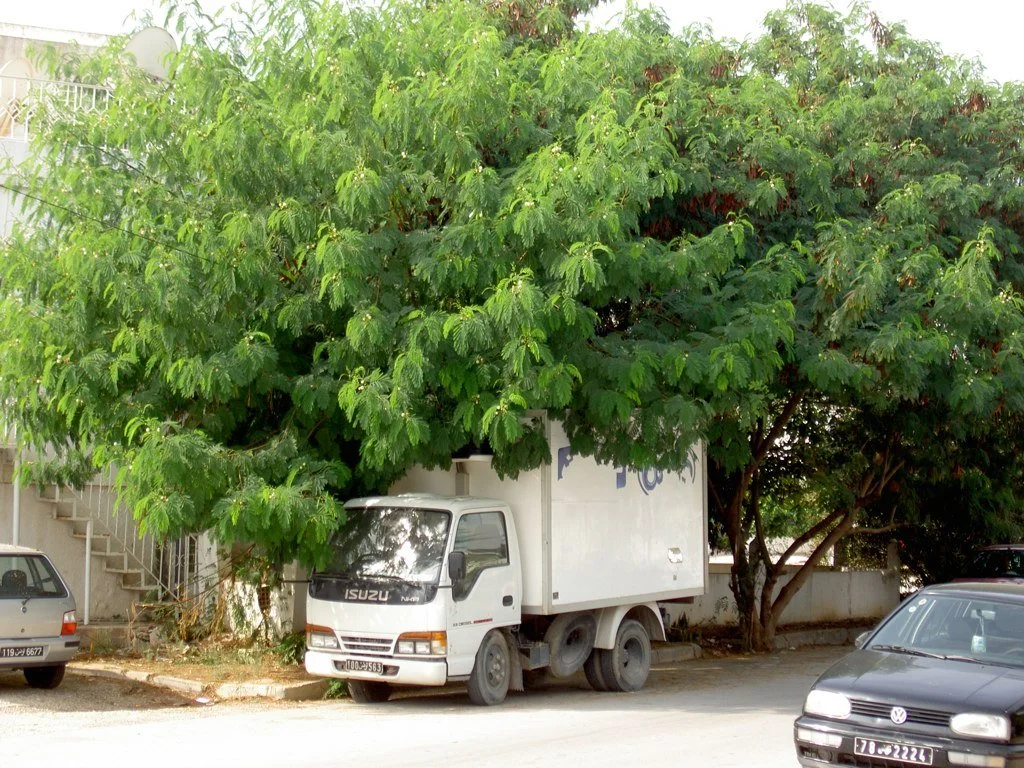
Summer-heat in Tunis, Tunisia, Dag Endresen, CC BY 2.0.

The newest constitution of the Republic of Tunisia was passed in 2014 and is most notable for its advanced environmental laws. Like Ecuador and South Africa, the Tunisian Constitution gives citizens the right to a safe and healthy environment. However, the Tunisian constitution goes further, guaranteeing its citizens the right to participate in environmental protection. Finally, it even promises government support to ecological causes, noting that “the state shall provide the necessary means to eradicate pollution of the environment”. 

First Amendment to the US Constitution, elPadawan, CC BY-SA 2.0.

This is not to say the US Constitution should be rewritten. In fact, this article is not recommending a particular course of action. Rather, it is simply posing the idea that the constitutions are not as untouchable as they seem.


Jeremy Giles

Jeremy is a Writing Seminars and International Studies major at Johns Hopkins University. He is an avid writer and the Co-Founder of Writers’ Warehouse, Johns Hopkins’ first creative writing group. He is an advocate for Indigenous rights, and studies how Indigenous philosophies can be used to help prevent climate change. Using his writing, he hopes to bring attention to underrepresented voices in today’s world.

The Ultimate Guide to Travel Apps

From planning your trip to meeting other travelers, these travel apps will help you make the most of your journeys.

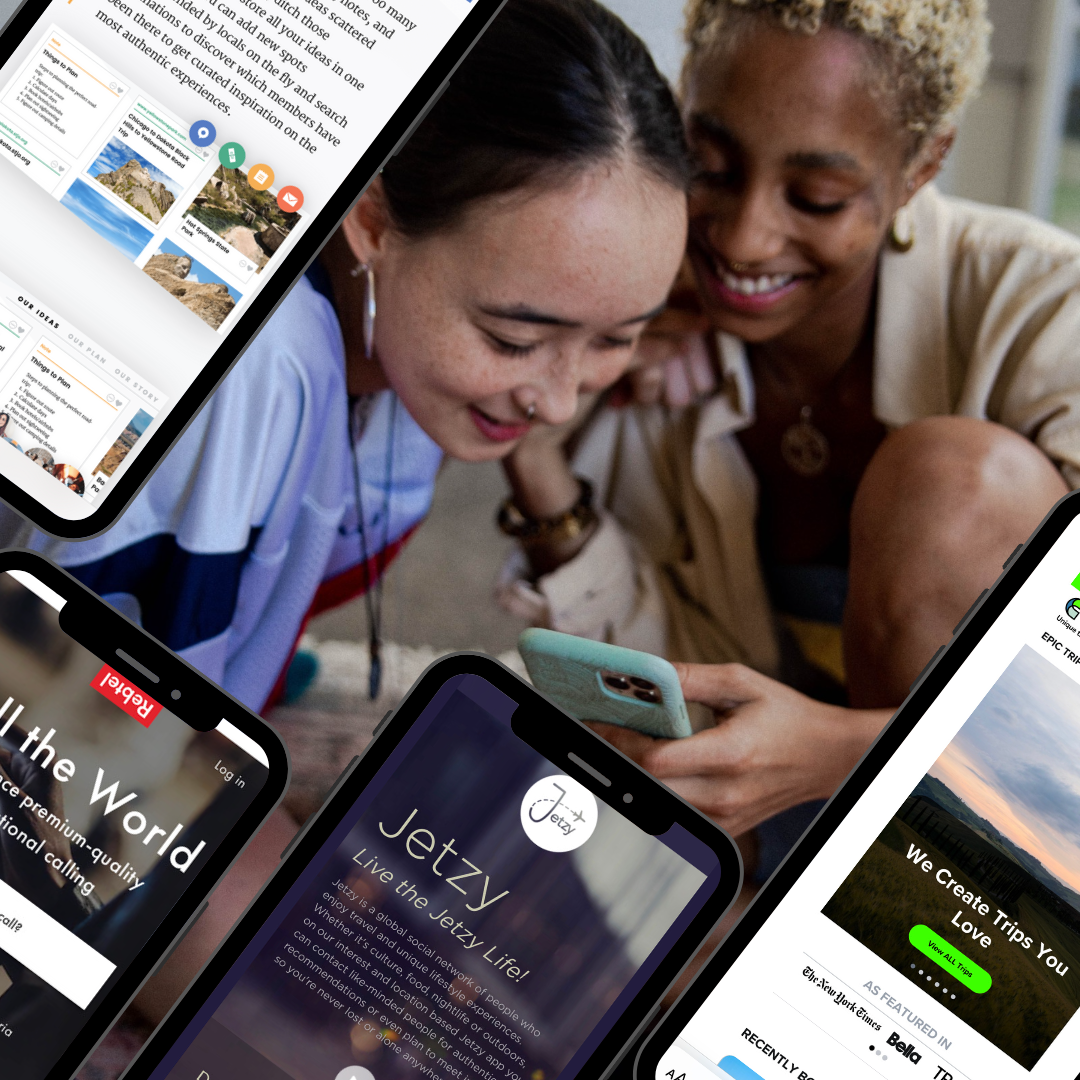
Two people looking at a phone; travel apps are in the foreground. Raeann Mason

Whether you're backpacking through Europe, volunteering in a developing country, or exploring your backyard, these travel apps will provide you with the tools you need to navigate unfamiliar destinations, find affordable accommodation and activities, and stay in touch with loved ones back home so you can have a safe, fun, and unforgettable experience. Let’s get into it!

Planning and Big Picture Apps

A map, backpack, camera, and notebook to get ready for a trip. Annie Spratt. 

  1. Portico.Travel

    Portico.Travel offers personalized travel recommendations and itineraries for travelers based on their interests. The app's machine learning and AI technology provide tailored advice for accommodations, activities, and dining options. Its chat-based interface and virtual travel assistant make travel planning accessible and efficient.

  2. Packpoint

    Packpoint is a packing list app that helps you pack for your trip based on the length of your stay, the weather at your destination, and the activities you plan. It's a helpful tool that ensures you remember everything necessary and can help you pack efficiently and avoid overcramming.

  3. Triphobo

    Triphobo is a travel planning app that helps you create customized itineraries for destinations worldwide. It offers a variety of activities, attractions, and tours, and it also provides information on transportation options and accommodation.

    Bonus: Maps.me

    Maps.me is a navigation app that offers detailed offline maps for different parts of the world. It's an excellent option for travelers who want to rely on something other than cellular data or Wi-Fi, and it also provides information on nearby points of interest and attractions.

Socializing

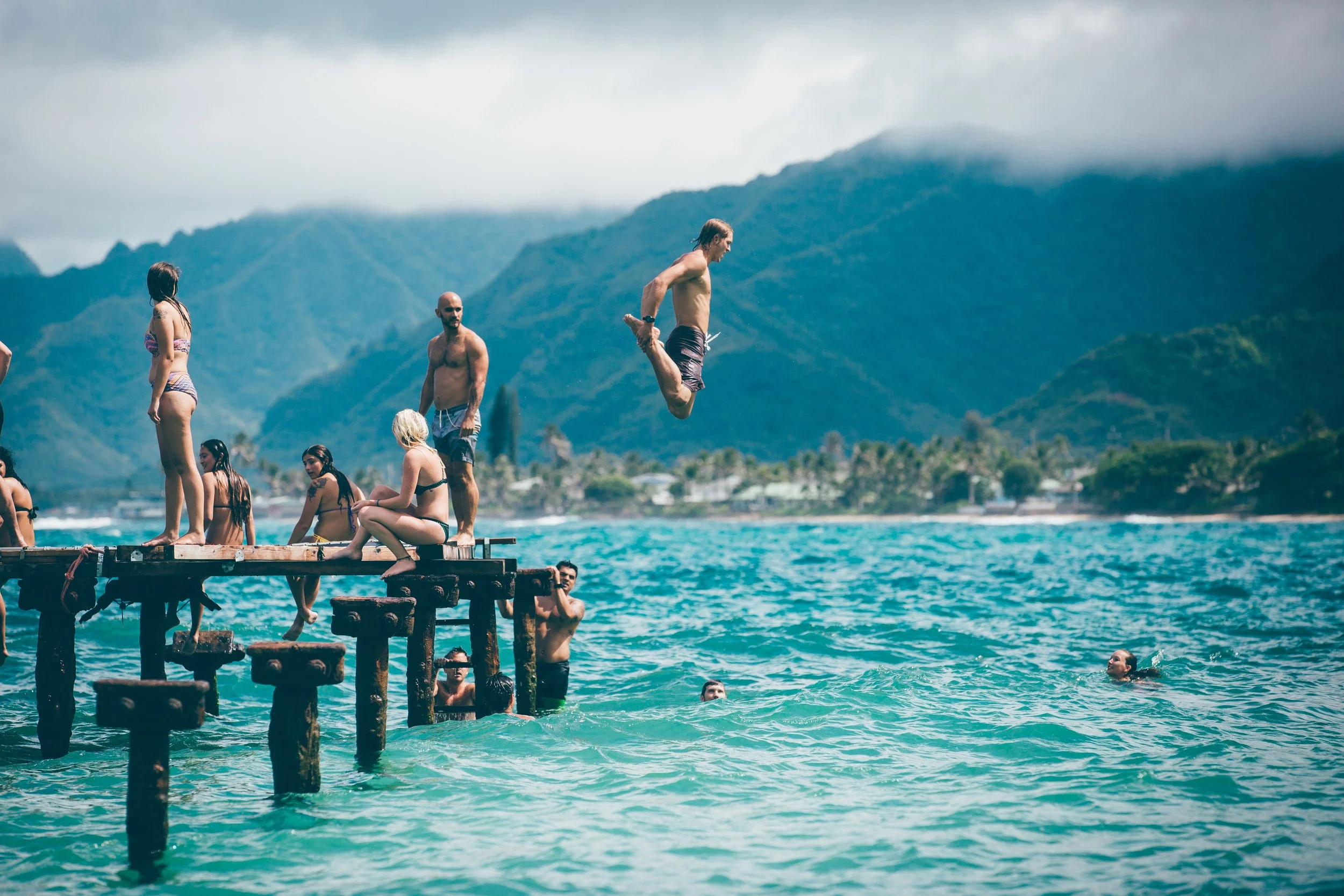
A meet-up at the lake. Jakob Owens.

  1. Jetzy

    Jetzy is a social travel app that connects travelers with other travelers and locals. Through the app you can can contact like-minded people for authentic local recommendations or even plan to meet in person so you're never lost or alone anywhere you go.

  2. Travello

    Travello is a social networking app that connects travelers from around the world based on their travel interests and plans. It offers travelers the opportunity to join groups, connect with other travelers, and share experiences and recommendations.

  3. Party with a Local

    Party with a Local is a social networking app connecting travelers with locals interested in partying and nightlife. It's a great way to meet people and discover the best bars, clubs, and events in different destinations worldwide.

    Bonus: Tourlina

    Tourlina is a travel app that connects women travelers with other women travelers worldwide. It offers the chance to find travel companions, meetups, and events, providing women a safer and more comfortable travel experience.

Transportation

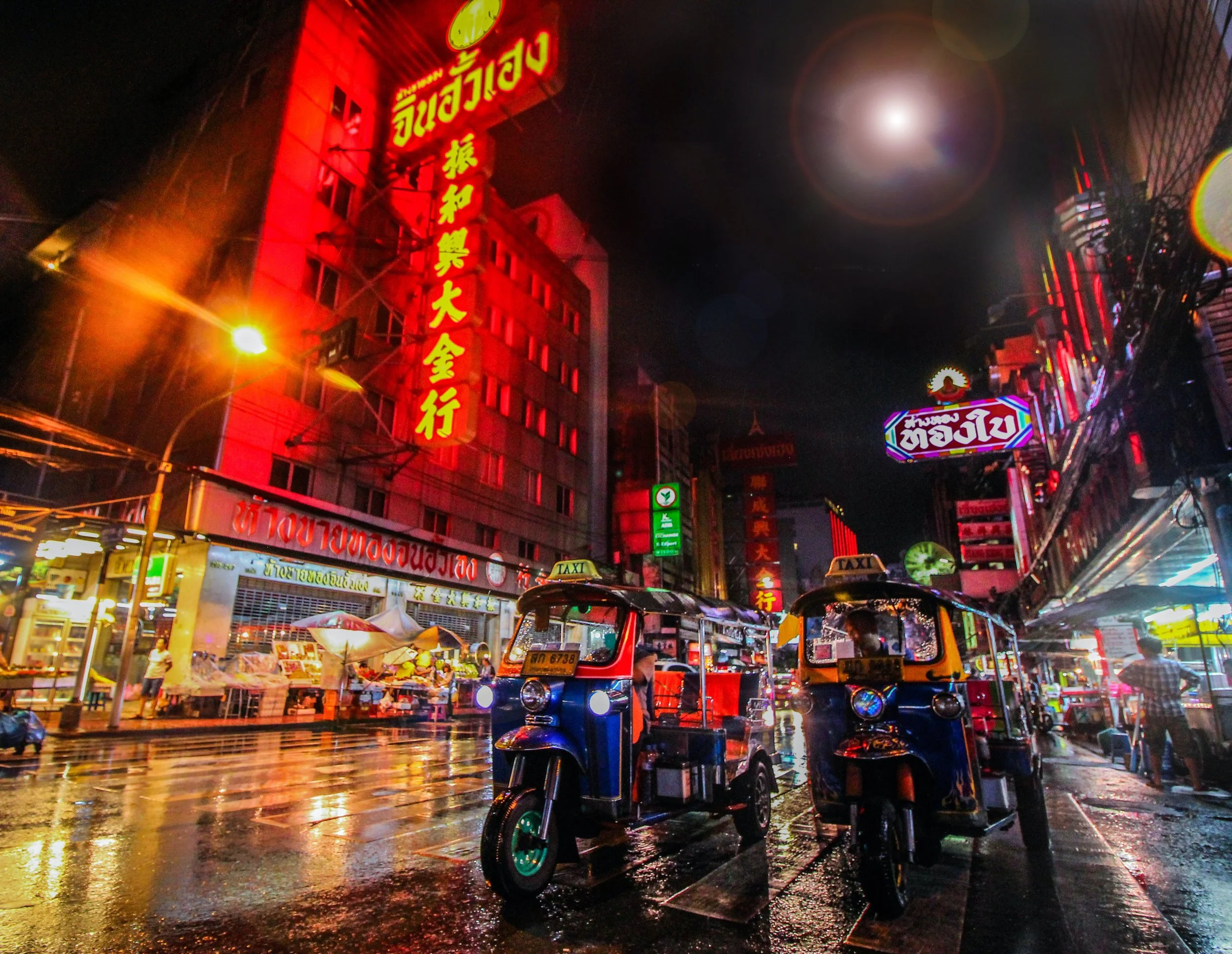
Two tuk-tuks. Florian Wehde. 

  1. Hopper

    Hopper is a flight booking app that uses predictive algorithms to help you find the best deals on flights. It allows you to set up alerts for price drops and track the prices of different flights over time. It's an excellent tool for budget-conscious travelers who want to find the cheapest flights available.

  2. Transit

    Transit is a public transportation app that provides real-time schedules, routes, and alerts for buses, trains, subways, and other modes of public transportation in different cities around the world. It also offers live navigation, step-by-step directions, and bike-share options, making it easier to get around.

  3. BlaBlaCar

    BlaBlaCar is a ride-sharing app that allows you to share rides with other travelers and locals at your destination. It offers a safe and affordable way to travel by car, providing real-time ride-matching, reviews, ratings, and secure payment options.

    Bonus: Detour

    Detour is a travel app that offers immersive audio walks that guide you through different neighborhoods and landmarks worldwide. Each audio walk is narrated by a local expert, providing insider knowledge and stories about the destination.

Food

Giant gelato treat in a cone. Toa Heftiba. 

  1. Beanhunter

    Beanhunter is a coffee-finding app that helps you locate the best specialty coffee shops in different destinations worldwide. It also provides user reviews and ratings to help you find the best brews and cafes.

  2. TasteAtlas

    TasteAtlas is a food discovery app that allows you to search for traditional dishes, restaurants, and food producers in different destinations worldwide. It provides detailed information on local cuisine, including its history, preparation, ingredients, and user-generated reviews and ratings. TasteAtlas also offers a curated selection of food-related articles, recipes, and travel guides.

  3. Traveling Spoon

    Traveling Spoon is a travel app that connects travelers with local hosts who offer cooking classes and food experiences in their homes or other venues. It offers the opportunity to learn how to cook traditional local dishes and meet new people, providing a more immersive and educational food experience.

    Bonus: HappyCow

    HappyCow is a vegan and vegetarian travel app that helps you find plant-based restaurants and food options in your destination. It offers a comprehensive directory of vegan and vegetarian-friendly restaurants, cafes, and stores worldwide.

Accommodation

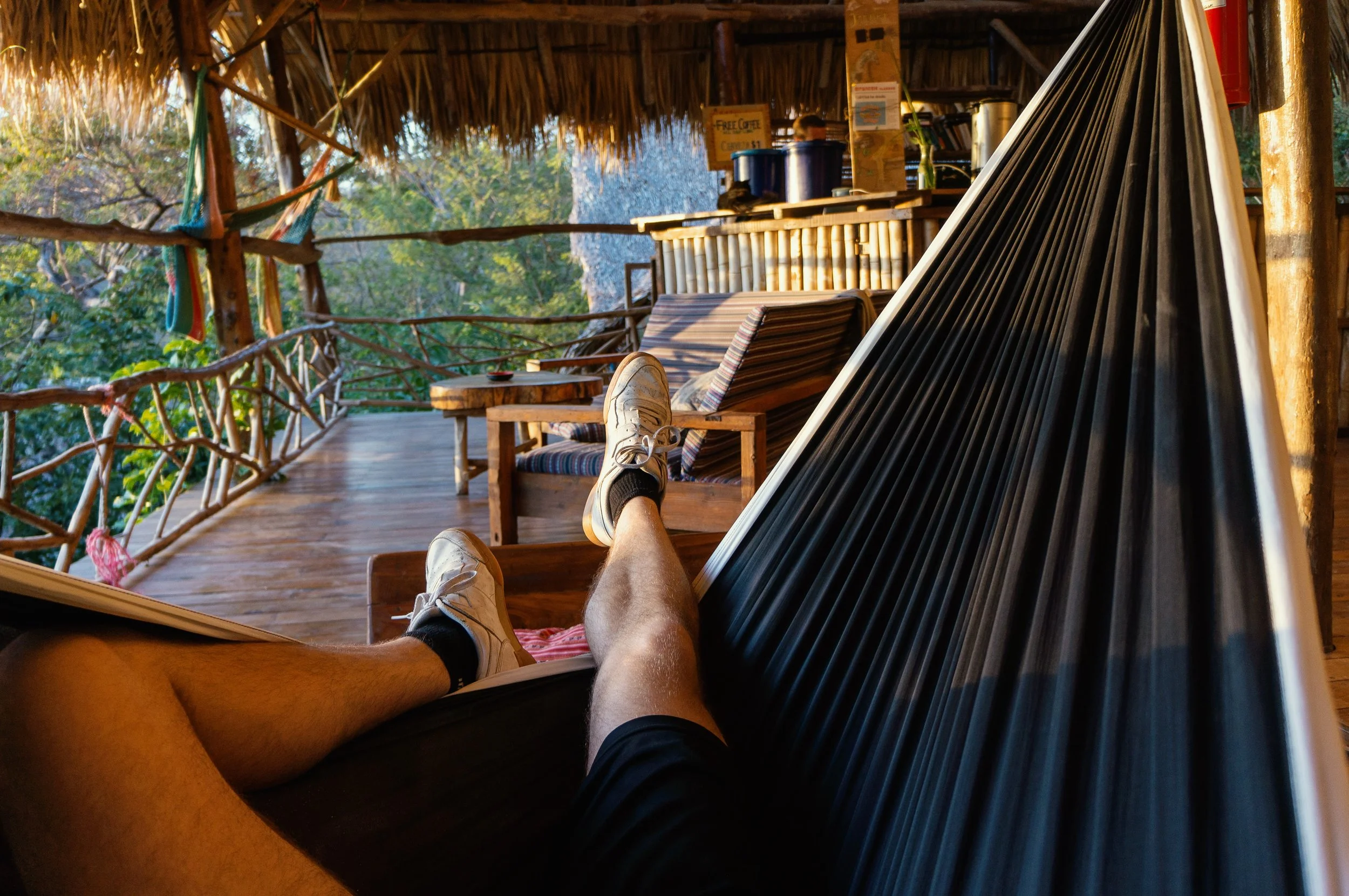
Someone lounging in a hammock. TobiasTullius. 

  1. Couchsurfing: 

    A social network connecting travelers with locals willing to offer free accommodation, tours, and cultural experiences. It's a great way to save money on accommodation and get to know the locals. It can also help you find like-minded travelers interested in social action and international travel.

  2. Stayful: 

    Stayful is a platform that offers boutique hotel options in various cities around the world. It's an excellent option for travelers who want to stay in unique and stylish accommodations.

  3. Agoda: 

    Agoda is a booking app specializing in finding hotels, resorts, and vacation rentals. It's especially helpful for finding deals on accommodations in Asia. Agoda offers excellent rates and promotions on all types of accommodations.

  4. Roomer: 

    Roomer is a platform allowing travelers to buy and sell hotel reservations they can no longer use. It's a great option for travelers who need to cancel their reservation but don't want to lose money.

    Bonus: MisterB&B: 

    MisterB&B is a platform that offers LGBTQIA+-friendly accommodations, including apartments, villas, and private rooms. It's a great option for LGBTQIA+ travelers who want to feel safe and comfortable while traveling

Language

A light-up sign which reads “hola”. Jon Tyson

  1. TripLingo:

    A language learning app designed specifically for travelers. It includes useful phrases, slang, and cultural tips for various countries and regions.

  2. HelloTalk: 

    HelloTalk is a language exchange app that allows users to connect with native speakers to practice speaking a new language. It includes text and voice messaging, translation tools, and language correction.

  3. Tandem: 

    Tandem is a language exchange app that connects users with native speakers of the language they want to learn. It's a great way to practice speaking and listening skills while traveling.

    Bonus: FluentU

    A language learning app that uses real-world videos, such as movie trailers and music videos, to teach languages. It includes courses for many languages and allows users to practice listening and comprehension skills.

Activities

A group tour on camel-back. Vaida Tamosauskaite

  1. Culture Trip

    Culture Trip is a travel app that provides you with insider information on the best local experiences, from food and drinks to art and culture. It's a great tool for travelers exploring off-the-beaten-path destinations and learning about the local culture.

  2. Triposo

    Triposo is a travel guide app that offers information on destinations worldwide, including local attractions, restaurants, and nightlife. It also provides personalized recommendations based on your interests and preferences, allowing you to download offline maps and guides for different destinations.

  3. Culture Pass

    Culture Pass is a travel app that provides access to various cultural attractions and experiences, such as museums, art galleries, and historical landmarks. It's a great way to discover and learn about different cultures and histories and offers discounts and promotions for certain attractions.

    Bonus: Vayable 

    Vayable is a platform that offers unique travel experiences led by local guides. These experiences can include guided tours, cultural activities, and workshops. With Vayable, travelers can discover authentic and off-the-beaten-path experiences that might not be available through traditional tour companies.

Money

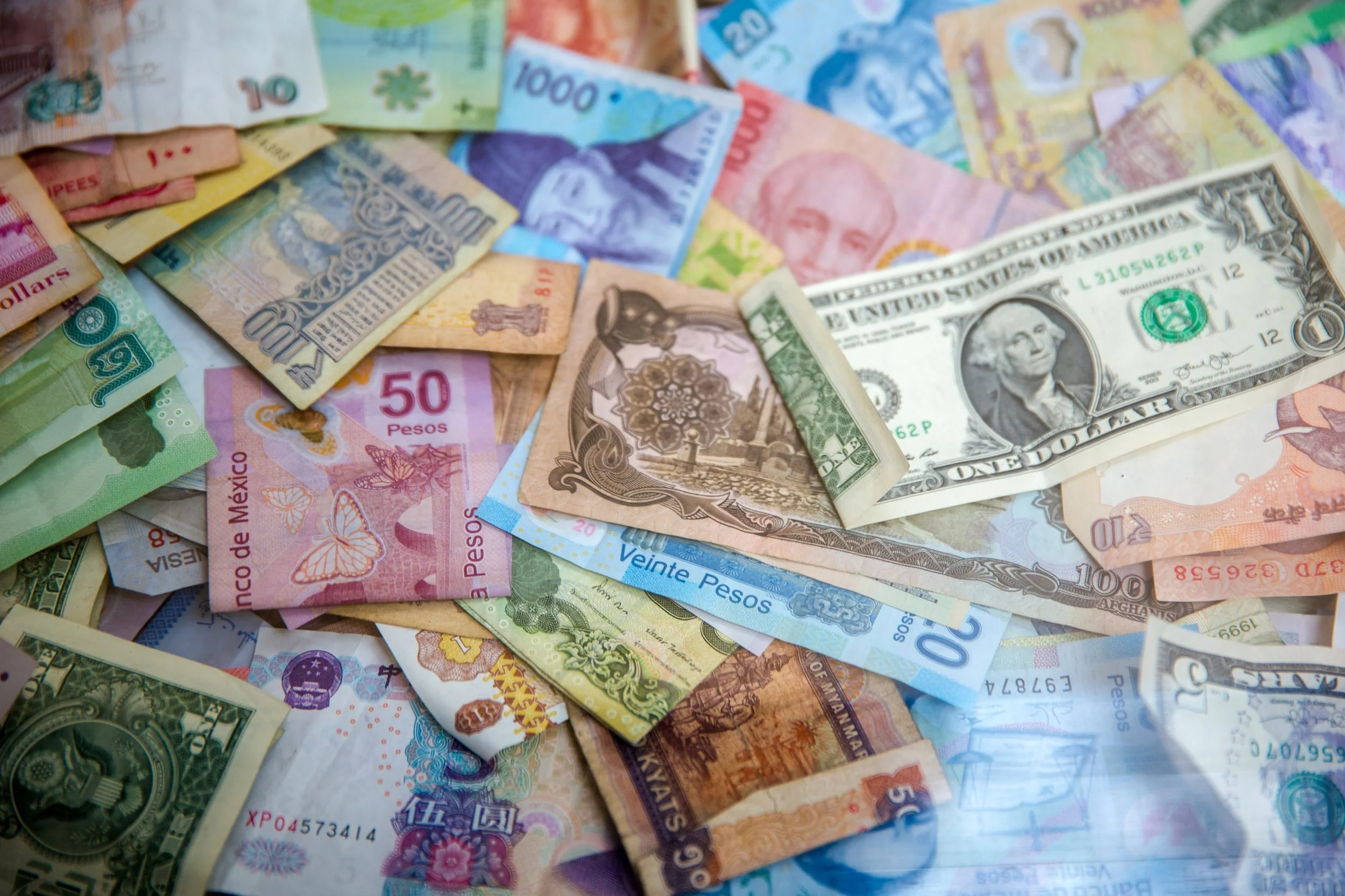
A pile of money from around the world. Jason Leung.

  1. XE Currency

    XE Currency is a currency conversion app that helps you calculate currency conversions in real time. It offers accurate exchange rates for over 180 currencies and lets you set up alerts for currency rate changes.

  2. Trail Wallet

    Trail Wallet is a budgeting app that helps you track travel expenses and stay within your budget. It allows you to enter your expenses in different categories, such as food, transportation, and accommodation; set daily spending limits; and see how much money you have left. Budget-conscious travelers who want to save money and avoid overspending will appreciate this app most.

  3. GlobeConvert

    GlobeConvert is a unit conversion app that helps you convert currencies, units of measurement, and time zones. It's a helpful tool for international travelers who need to quickly convert prices, distances, and temperatures between different units of measurement.

Safety

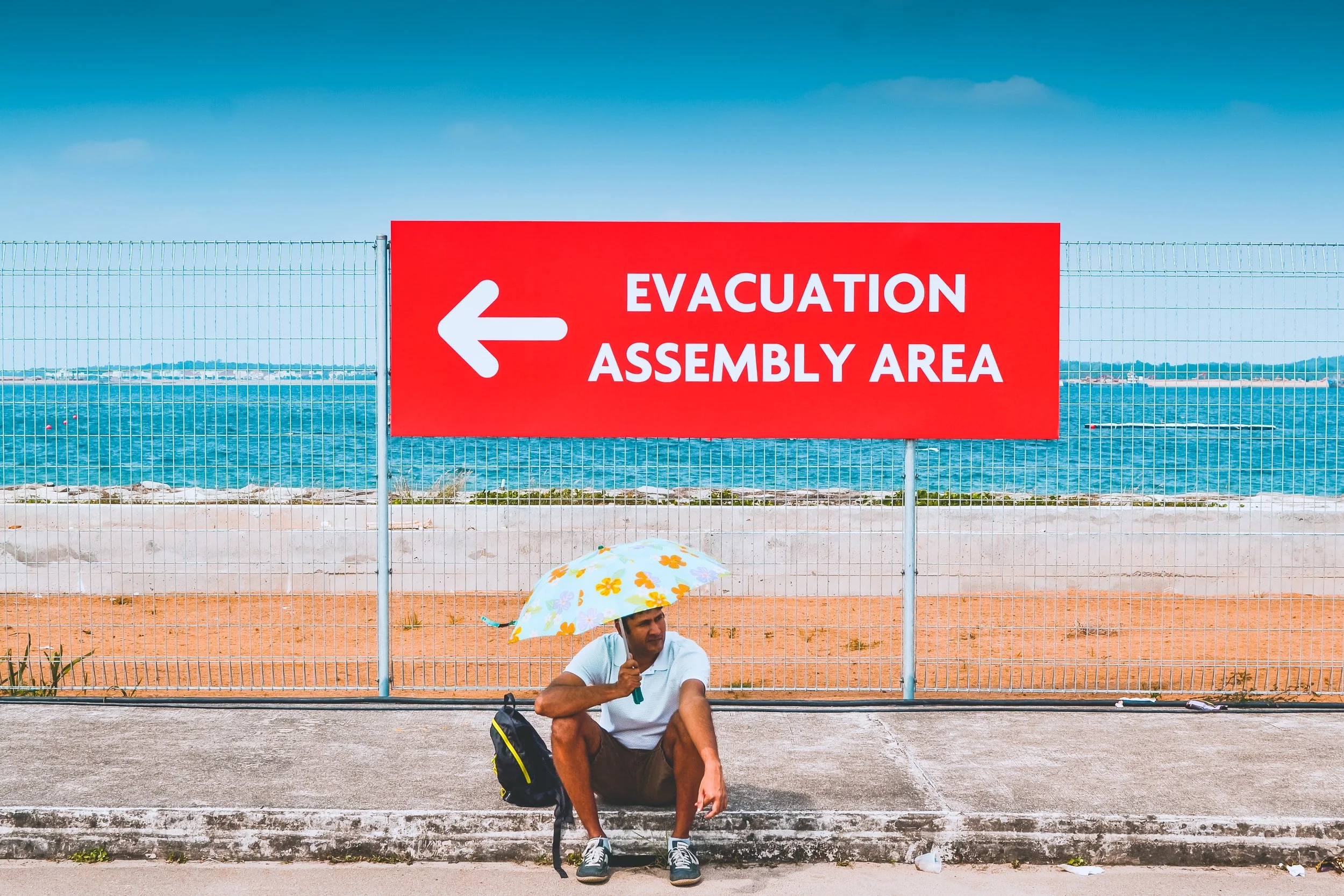
A man sitting with an umbrella under a red Evacuation Assembly Area sign. Benjamin Sow

  1. Sitata

    Sitata provides real-time safety alerts and advice for travelers, but it also includes a variety of fun features like personalized travel recommendations, interactive maps, and a travel journal. It also allows users to connect with other travelers and share tips and recommendations.

  2. GeoSure

    GeoSure provides safety ratings for specific areas and neighborhoods based on factors like crime rates, political instability, and natural disasters. It also includes a feature that allows users to track their emotional well-being while traveling and receive tips for managing stress and anxiety.

  3. Rebtel

    Rebtel is a calling app that offers affordable international calling rates and text messaging, even without cell service. It's a great option for travelers who want to stay in touch with friends and family back home, and it also offers a variety of features such as call recording and international number identification.

    Bonus: SitOrSquat

    SitOrSquat is a restroom-finding app that helps you locate nearby public restrooms around the world. It also provides user reviews and ratings to help you find the cleanest and most convenient bathrooms, which can be especially helpful if you need accessible toilets.

Now you have the tools to navigate unfamiliar places, learn new languages, connect with locals, save money, and have a more authentic travel experience. Bon voyage!


Raeann Mason

Raeann is a traveler, digital storyteller, and guide writer, with a degree in Mass Communication & Media from the Walter Cronkite School of Journalism. She is passionate about a/effective journalism and cultural exchange, and is an advocate of international solidarity and people's liberation. Her work at CATALYST focuses on reshaping the culture of travel and hospitality to be more ethically sound and sustainable.

Uncovering the Diversity of African Music

If you are a music buff looking to expand your horizon, check out these 5 African music genres.

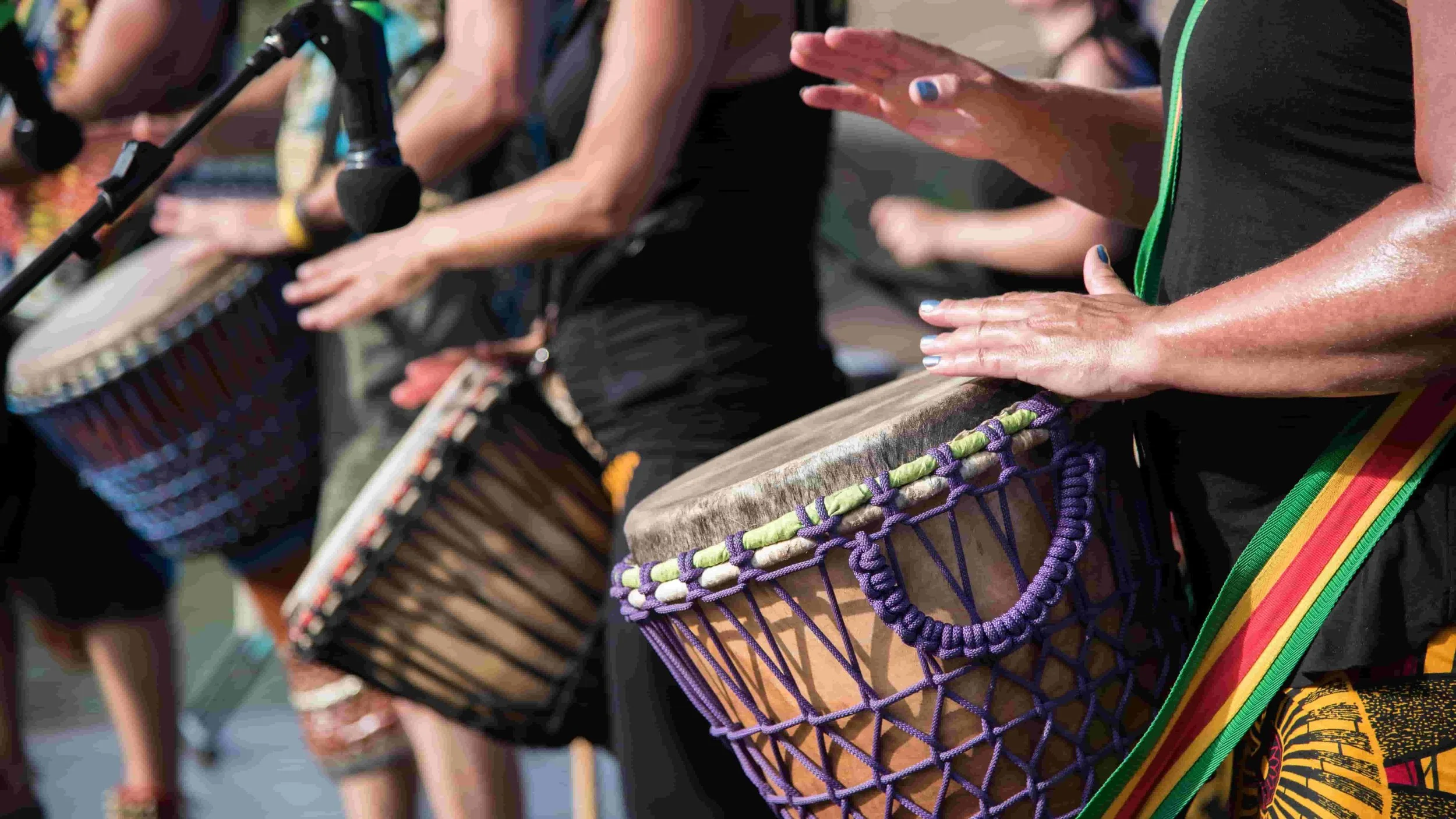
African drums. Lee Pigott. Unsplash.

People all across the African diaspora share a love for music, which connects everyone to the same frequency. Many are familiar with Afrobeats, a style of music from Nigeria, but there are many different and diverse genres to explore the sounds of, from the likes of Amapiano to Chimurenga.

Amapiano

Two people singing Amapiano together.. The Charles Gallery. Unsplash

Amapiano is a genre of music originating from South Africa characterized by a mixture of jazz, house and Gospel music. Amapiano is composed heavily of synthesizers, percussion, soulful vocals, and repetitive melodies. This genre of music is relatively new, coming into being in the early 2010’s.  Amapiano is a Zulu word meaning “the pianos.” Amapiano is a form of music South Africans believe can bridge people together, and a musical escape for the younger generations.

Listen to a Youtube playlist of Amapiano music

Juju

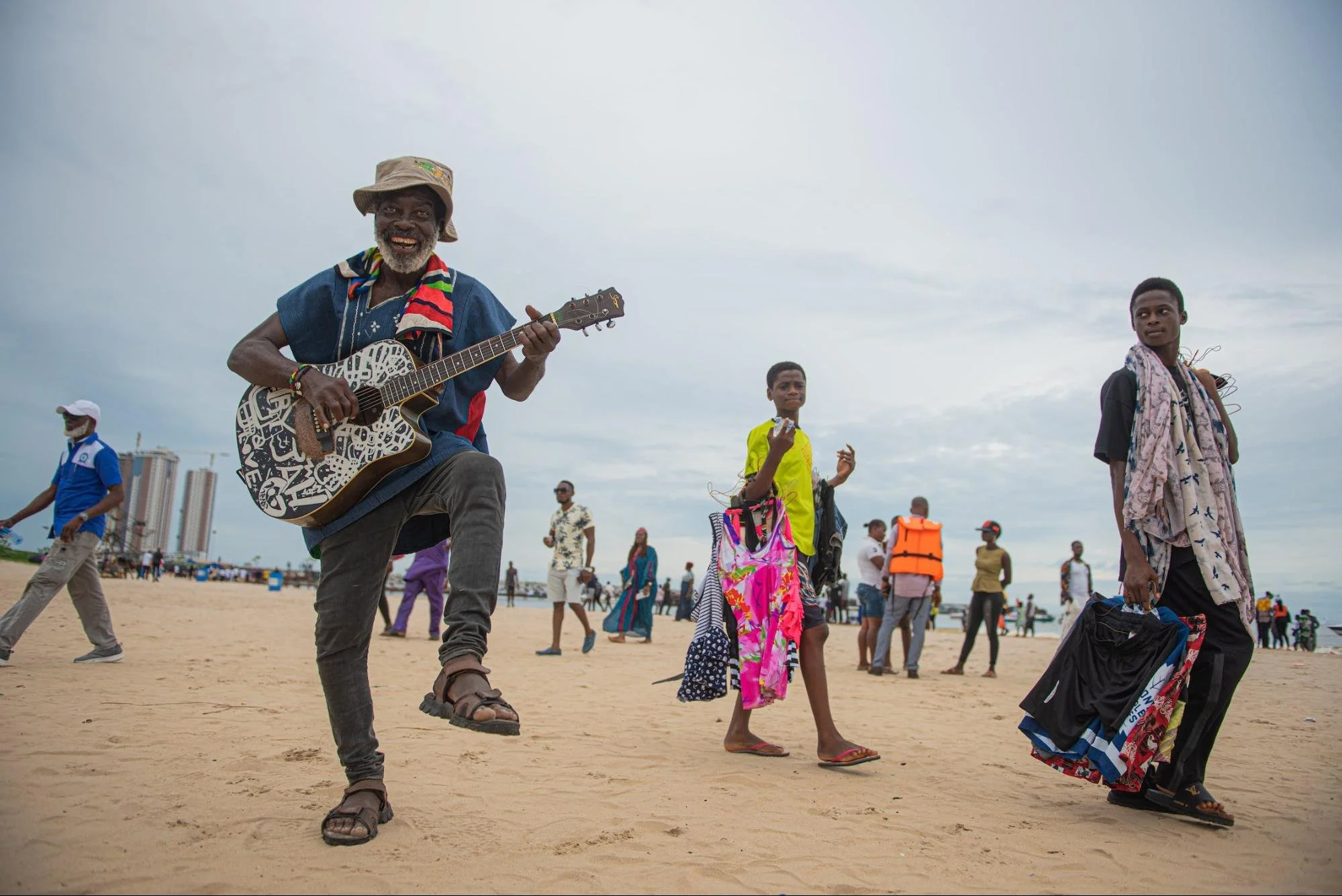
Man playing music on the beach. Seun Adeniyi-CCO.

Juju is a genre of music that originates from Nigeria, specifically its Yoruba region. It’s a musical style that is composed of praise-singing accompanied by a guitar or banjo and a gourd shaker. This genre of music was traditionally played in taverns or during festivals as dance music, but became modernized and generally popular by the 1980’s. As it grew in popularity, it led to the birth of many other genres of music like Highlife or Afrobeats, as we know of them today.

Listen to a Youtube playlist of Juju music

Coupe decale 

A group dances to Coupe Decale. Tommy. CC 2.0

Coupe Decale is a genre of music created by Cote D'ivoirians living in France in the early 2000’s. It’s a musical style composed of ‘computerized circular beats’ mixed with Ivorian rhythms . The lyrics themselves are inspired by the West African griot tradition of story-telling, and the genre’s primary message focuses on providing a space for many people to dress nice, go clubbing, and forget their problems during a time of economic and political crisis.

Listen to a Youtube playlist of Coupe Decale music

Gnawa–saharan Folk music

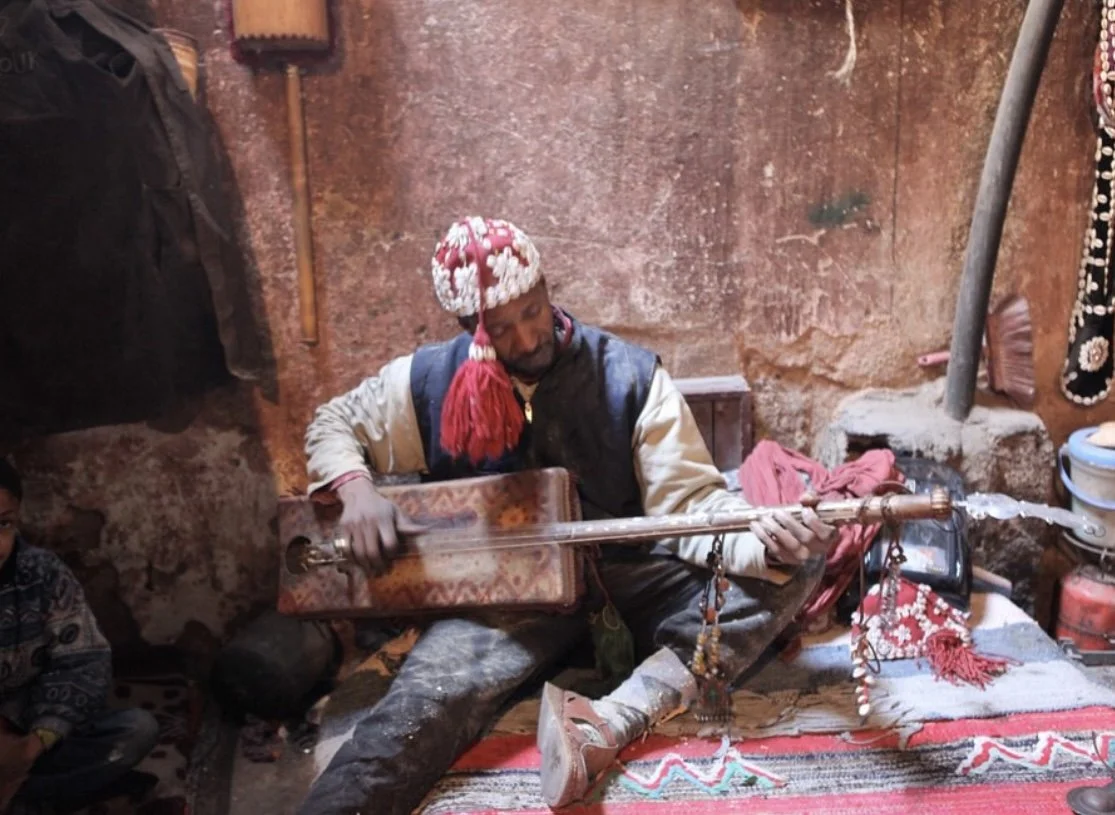
Man playing Moroccan bass lute. Marrakech Riad-CCO.

Gnawa is a folk  genre that originates from Morocco. It’s a musical style that has its roots in ancient African tradition, as it’s the result of formerly enslaved black Africans integrating into Moroccan life. It serves as a preservation of the folkloric music of their ancestors, as well as a means to heal from collective trauma. Interestingly it is also said to have healing properties for those that are possessed by ‘genie spirits.’ Its musical style is composed of African percussion, metallic castanets, and bass lutes.’ Gnawa at its core is a combination of poetry, music and dancing. This genre shares many similarities with its American counterparts Jazz and the Blues, as all three share the same purpose. The genre’ songs consist of references to the singer’s origins and history regarding enslavement. 

Listen to a Youtube playlist of Coupe Decale music

Chimurenga 

Thomas Mapfumo, the creator of Chimurenga music performs. Cultrvultr-CC BY NC-SA 2.0

Chimurenga is a genre of music that was developed in Zimbabwe. It was used to protest colonial rule in the 70s, and more generally is used to discuss and inform on societal issues and movements important to the singer. Because of this, it is recognized as ‘music for the people’s struggle’. This musical genre can be accredited to the Shona musician Thomas Mapfumo. He was inspired by the rock bands he heard playing growing up and his Shona background to create a political movement through music.

Listen to a Youtube playlist of Chimurenga music


Kadija Diallo

Kadija is a student at Georgia State in Atlanta, Ga. She is a creative spirit who loves traveling and seeing new places. She also enjoys using her love for writing/storytelling to make an impact on the world. One day she hopes to make new connections and share stories as she travels to every continent. 

Kazakhstan's Journey From Nuclear Devastation to Disarmament

The harrowing story of Soviet nuclear testing in Semipalatinsk, Kazakhstan, and the wrangling with its legacy.

The center of the Semipalatinsk nuclear test site.Alexander Liskin.CC BY-SA 3.0.

It was the summer of 1953. Valentina Nikonchik was outside playing in Semey, a village in eastern Kazakhstan, then part of the Soviet Union. The ground suddenly trembled, and the air filled with a deafening boom that shook Nikonchik to her core. Little did she know that she had witnessed the first detonation at “the Polygon” of a thermonuclear device, a monstrous weapon of mass destruction that released a force equivalent to 400 kilotons of TNT.

West of Nikonchik’s hometown of Semey lies Semipalatinsk, the testing location where the Soviet Union’s nuclear visions were accomplished. A once-thriving region, now a desolate wasteland, has a dark history. In this Central Asian Soviet Republic, the Soviets conducted nearly 400 nuclear tests, blasting a lethal storm of radioactive isotopes into the environment and soil from 1949 to 1989. Even now, the consequences of these tests are still felt, with environmental damage and public health risks ongoing in the area. 

At a conference commemorating the ninth anniversary of the Nevada-Semipalatinsk movement, the first anti-nuclear protest movement in the USSR, statistics showing that between 500,000 and 8 million people were directly impacted by the test site’s operations were presented. The detonations, with their tragic and predictable repercussions, represent one of the twentieth century’s major ethical violations. Altogether, the total force of the nuclear explosions at Semipalatinsk equals more than 2,500 Hiroshima bombs. The long-term health effects for the region were harrowing, including an alarming spike in health issues such as miscarriages, birth deformities, and suicides blamed on “unsanitary conditions” in the area by Soviet military scientists in the following decades. What is so disturbing about these dismissals is that the same medical professionals had been performing creeping radiation tests on the villagers for years. 

The testing site, despite being uninhabited, is encircled by villages, and the major hub of Semipalatinsk lies just 160 km away. But the testing was kept secret, known only to top Communist Party officials, while anyone who spoke out against the detonations was immediately silenced. Russian scientists confessed that they failed to follow burial and nuclear material protection protocols, as they thought that no one would be in the area. The newly independent Kazakh government officially acknowledged 1,323,000 people as negatively affected by nuclear testing in 1992. However, just 1,057,000 of them received radiation passports, leaving over a quarter of those affected without the requisite documentation. From 2003 to 2017, a $30.5 million reimbursement was intended to give relief to over 700,000 passport holders. Divided between them, a pittance of only only $40 was allocated to each individual each year.

Map of Semipalatinsk Nuclear Test Range, Area “N”. Martin Trolle Mikkelsen.CC BY 2.0.

In 1990, a year before independence, the International Physicians for the Prevention of Nuclear War (IPPNW) and Kazakh poet Olzhas Suleimenov’s Nevada-Semipalatinsk Movement banded together and pushed Soviet leader Mikhail Gorbachev’s to issue declaration of a nuclear testing moratorium. Kazakhstan seized the opportunity to declare independence the same year and promptly closed down the infamous Semipalatinsk plant. Then, the nation went further, renouncing its inherited position as the world's fourth-largest nuclear weapons owner, and relinquishing its stockpile.

Despite this, the inhabitants go about their regular lives, seemingly unaware of the danger that surrounds them. They swim and fish in the lakes, graze their herds and pick wild strawberries all while being exposed to the poison lurking in the ground and air. However, the danger does not end there. The area will remain a bleak wasteland for millennia, poisoned with plutonium, strontium, and cesium, unfit for human habitation. Residents continue to graze their animals and collect contaminated scrap metal on the polluted land as the 7,065 square mile region is devoid of barriers, fencing, and warnings reminding people of its radioactive status.

Semey, once a thriving city, has suffered the brunt of the devastation. While acute blasts of radiation produced immediate harm, repeated modest doses of radiation over time can accumulate to cause great damage. The wind on the Kazakh steppe has brought the radioactive fallout to nearby settlements, amplifying the impact. The repercussions of nuclear testing have been passed down to future generations as a result of radiation-induced mutations in the population’s chromosomes. As a result, the region’s life expectancy is seven years lower than the national average due to a rise in the prevalence of cancer, thyroid sickness, and birth abnormalities. Tolkyn Bulegenov, Vice President of Semey Medical University, confirms that “in the zones adjacent to the test site, one can encounter 10 to 15% more malignant thyroid and blood malignancies - hematological blastoma, leukosis, lymphoma, and chronic leukemia - than in other regions of Kazakhstan.”

Semipalatinsk Nuclear Test, the effect of radiation on the fetus. Perrona Patrick André Perron.CC BY 3.0.

The late 1980s saw a glimmer of hope for the people of Kazakhstan. As the world was introduced to Gorbachev’s nuclear testing moratorium, the Nevada-Semey movement was born on Kazakh soil with a mission to shut down the Semipalatinsk polygon. Kazakhstan destroyed its inherited weapons testing infrastructure and disposed of the remaining vulnerable nuclear material with the cooperation of foreign partners, including the United States.

On August 29, 1991, President Nursultan Nazarbayev signed the proclamation closing the test site, popularly known as the Polygon, which marked a watershed point in Kazakhstan’s recent history. As part of the Nunn-Lugar Cooperative Threat Reduction Program, the United States collaborated with Kazakhstan between 1995 and 2001 to seal 13 boreholes and 181 tunnels at the test site. From 2012 to 2019, the National Nuclear Security Agency and the Netherlands led two major radiological security operations in Kazakhstan, securing approximately 13,000 radioactive sources from the National Nuclear Center and the Mangystau Atomic Energy Complex. Kazakhstan confirmed its commitment to a nuclear-free world in 2021, in accordance with the Treaty on the Prohibition of Nuclear Weapons.

Kazakhstan’s commitment to disarmament has allowed the nation to serve as an example of a responsible state that has relinquished its nuclear weapons, setting a global precedent for responsible statehood. Kazakhstan has created an environment conducive to the formulation of a multifaceted foreign policy by abandoning its nuclear weapons and closing the world's most extensively used nuclear test site, allowing the country to collaborate with China, Central Asia, Europe, and the United States. While each nuclear-armed state faces unique problems, Kazakhstan’s peaceful approach to disarmament has encouraged many, and its lessons serve as a guide for other countries seeking a similar path.

TO GET INVOLVED:

The Nuclear Threat Initiative (NTI) is a nonprofit global security organization focused on reducing nuclear and biological threats imperiling humanity. You can learn more about NTI and its records on nuclear disarmament in Kazakhstan here.

Togzhan Kassenova’s Atomic Steppe: How Kazakhstan Gave up the Bomb explains Kazakhstan’s denuclearization process in detail. Kassenova’s book explains how Kazakhstan’s leadership considered security interests as well as economic, political, and diplomatic priorities when making the decision to give up nuclear weapons. You can learn more about Atomic Steppe on Amazon here.


Hope Zhu

Hope is a Chinese international student at Wake Forest University in North Carolina studying sociology, statistics, and journalism. She dreams of traveling around the globe as a freelance reporter while touching on a wide range of social issues from education inequality to cultural diversity. Passionate about environmental issues and learning about other cultures, she is eager to explore the globe. In her free time, she enjoys cooking Asian cuisine, reading, and theater.

7 Real-Life Atlantises Hidden Around the World

Exploring the hidden history of sunken sites.

Diver exploring a sunken city. Linnaea Mallette. CC0 1.0

Although travel traditionally highlights cultural landmarks, distinctive experiences, and historical sites on land, much history lies where our eyes alone cannot take us – particularly under the sea. Underwater cities and towns which have been immersed in the soaking abyss of seas, lakes, and reservoirs through natural disaster or human shenanigans provide a time capsule into the defining characteristics of their era. The corpse of the city including its many artifacts can be explored through diving and even glass bottom boats. Here are seven of the most intriguing sunken cities to visit around the world.

1. Baiae, Italy

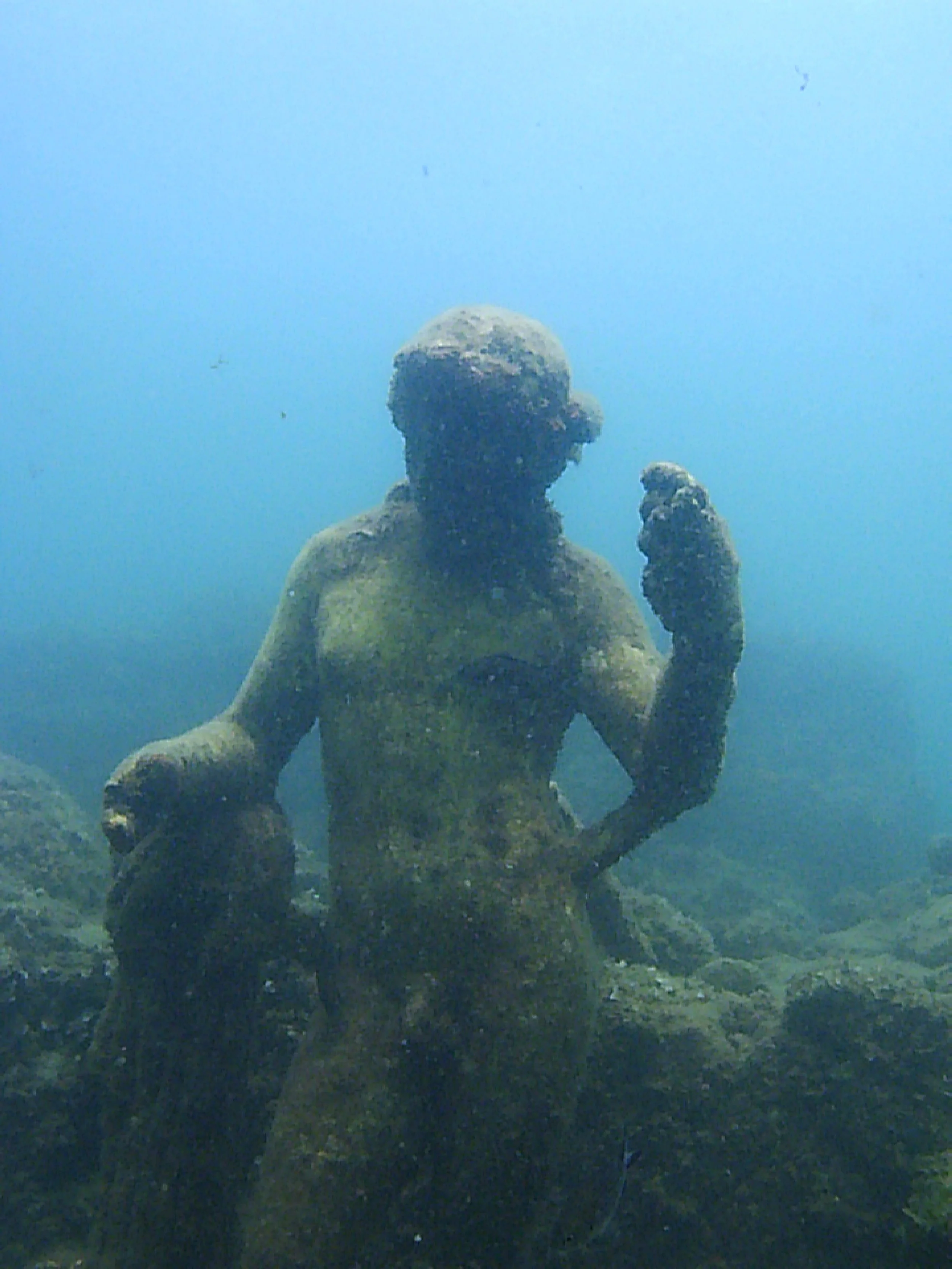
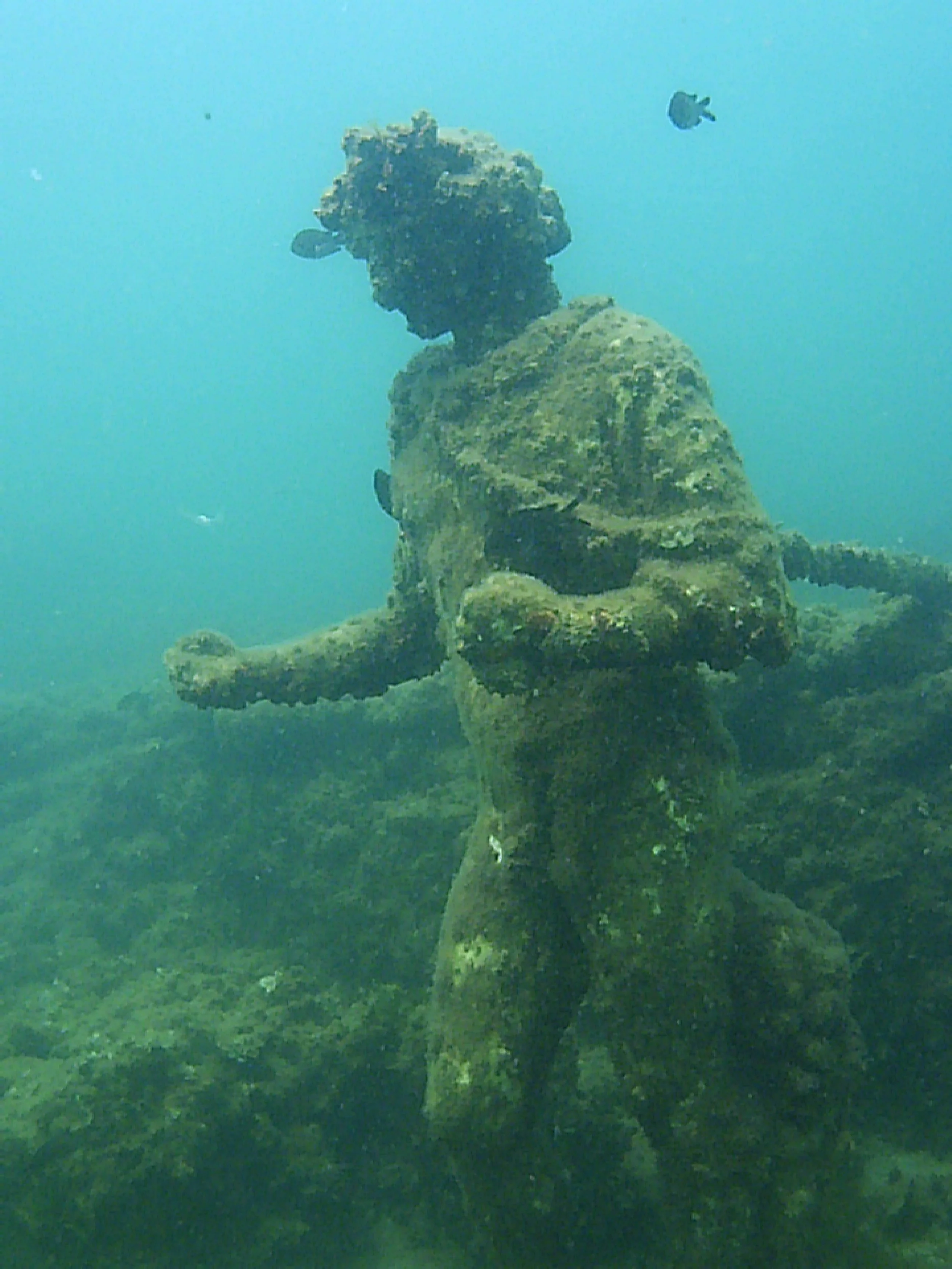
Emperor Claudius; nymphaeum submerged in Baiae, Italy. Ruthven. CC0 1.0

The ancient Roman town of Baiae overflowed with luxuries in its time: Roman elites built villas and spas fed its famous hot springs, and palace parties proliferated. That is, until an army of the Muslim Caliphate army sacked the resort city in the 8th century. By 1500, the luxuries had faded away and the town was left abandoned. The volcanic vents that had once been the joy of Roman bathers led to a steadily increasing water level and eventually, the majestic city was submerged. Now, the once-present luxuries of the city–its marble statues, mosaics, sculptures–can be viewed through glass bottomed boats and on snorkeling or scuba diving tours.

2. San Roma de Sau, Spain

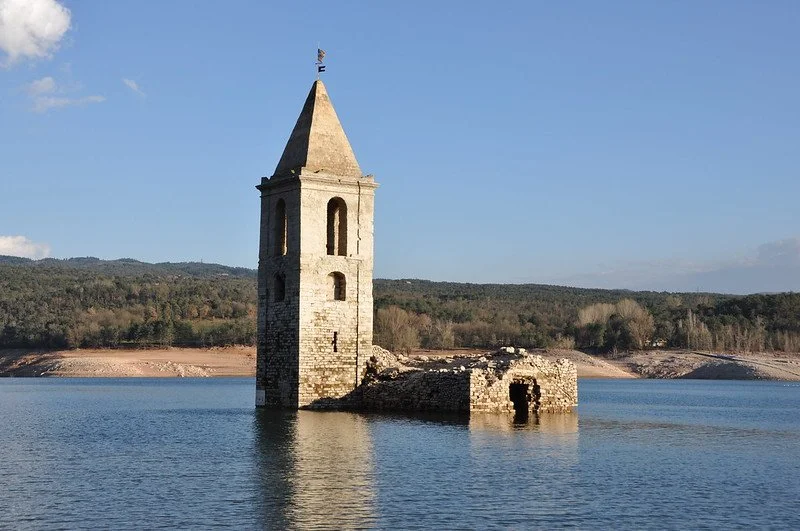
The half-submerged church of San Roma de Sau. Josep Bracons. CC BY-SA 2.0

All that remains to be seen of San Roma de Sau, a thousand year old village in Catalonia, is the spire of its Medieval Romanesque church. The church, now reemerging due to drought and low water levels in Spain, reminds visitors of the artificial flood in the 1960s that sank the lightly populated town. The Catalonian government’s decision to create a reservoir forced the townspeople to leave their land, taking their valuables and their dead with them. The reservoir’s beginning led inevitably to the end of San Roma de Sau. 

3. Dwarka, India

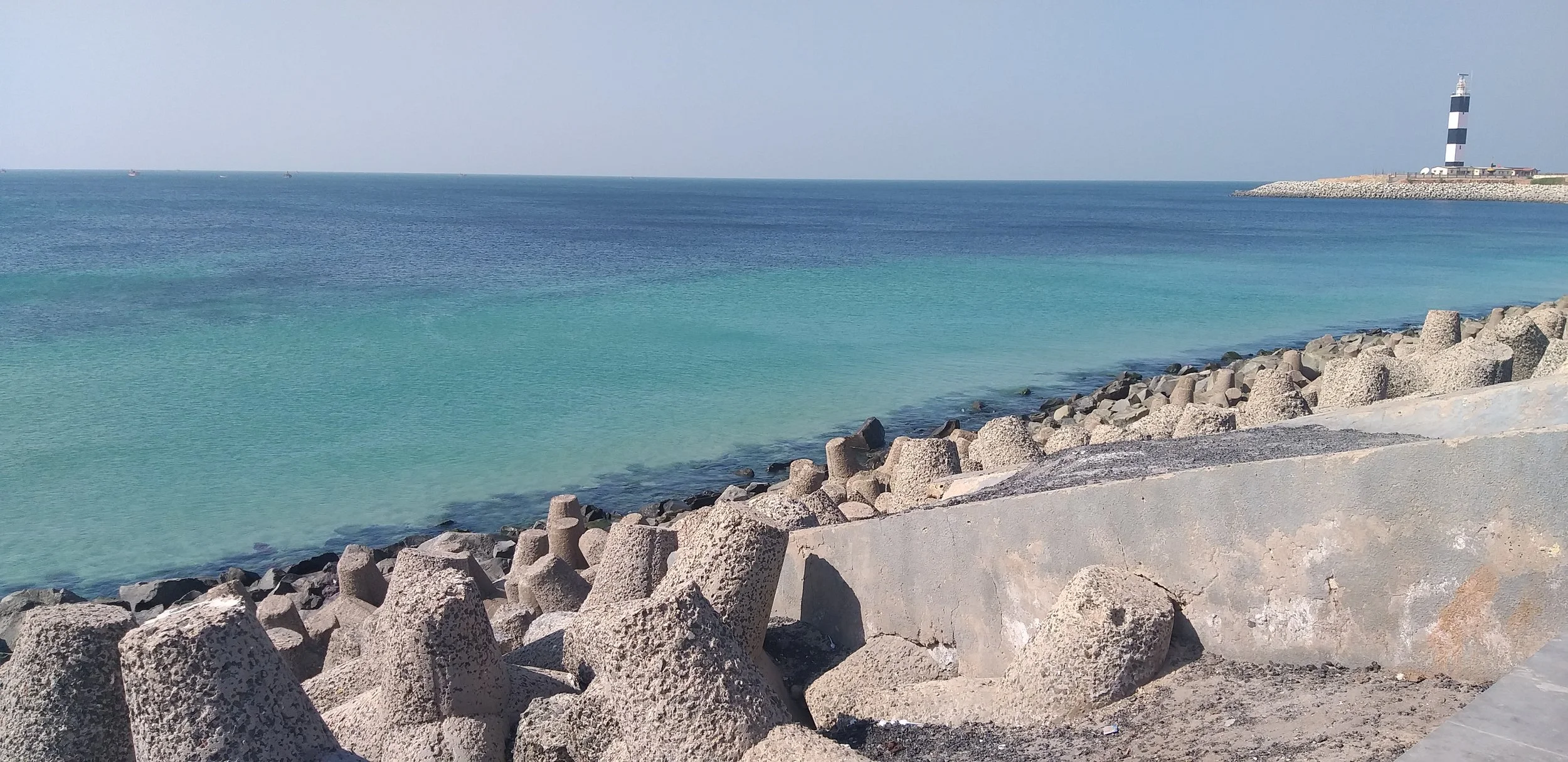
The Dwarka lighthouse on the coast of Gujarat India overlooks the submerged city of Dwarka. VasuVR. CC BY-SA 4.0

Known as “India’s Atlantis,” Dwarka is not only an intriguing travel spot, but also a religious relic. This ancient sunken city located in modern-day Gujarat appears in the Mahabharata as Krishna’s city; the city supposedly sunk in the Arabian sea after Krishna’s death according to the text. 20th century marine archaeological explorations proved its existence outside of literary myth and have uncovered stone anchors, pillars, bastions, pottery, inscriptions, stone sculptures, as well as bronze, copper, and iron objects in Dwarka. Visitors can dive off the coast of Beyt Dwarka, a neighboring island, to view the submerged city.

4. Shi Cheng, China

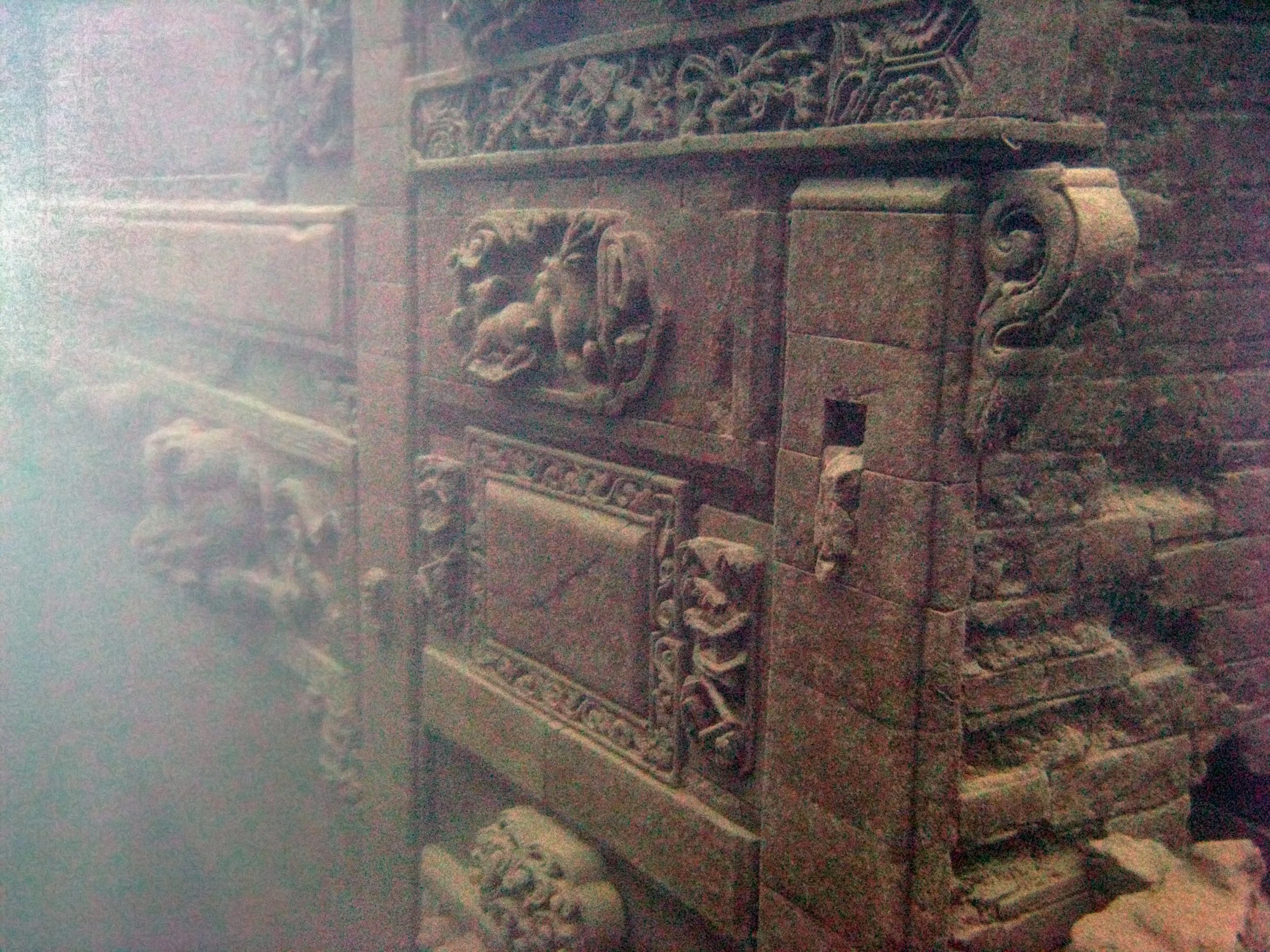
A sunken artifact in Shi Cheng. Nihaopaul. CC BY-SA 3.0

Shi Cheng, much like many other of the sunken cities on this list, was flooded deliberately. The ancient city was the casualty of a 1959 hydroelectric dam and consequent artificial lake, , which now envelops and obscures this “Atlantis of the East.” Located 40m under Qiandao Lake, Shi Cheng offers a snapshot of Imperial China. The city brims with stone architecture of the Ming and Qing dynasties; stonework of lions ( fitting, as the city’s name means “lion city” in Mandarin), dragons, phoenixes, and historical inscriptions lay within the five entrance gates of the sunken city.

5. Port Royal, Jamaica

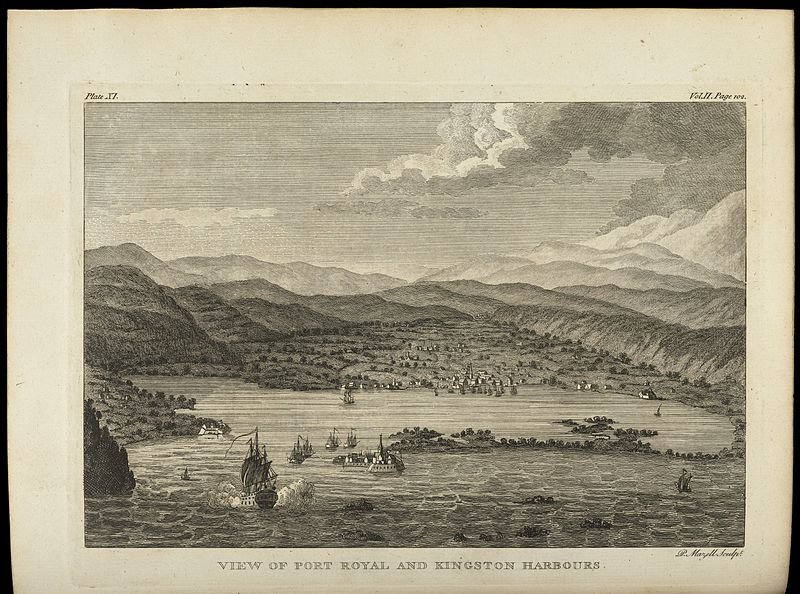
An image of Port Royal before the city was sunk. Wellcome Library, London. CC BY 4.0

The 1692 7.5 magnitude earthquake that submerged Port Royal did nothing to erase its rich history. The town, captured by the British from Spain in 1655, became the center of English life in Jamaica. The Englishmen brought the slave trade to the region, as well as an abundance of merchant and artisan activity. The town also possessed a strong scene for sex workers and pirates. Now, the submerged town still maintains its buildings and artifacts like skillets, pots, barrels, ceramics, and a pocket watch found by Edward Link in 1950–all underwater. Travelers can explore the 40 feet deep city through diving.

6. Thonis-Heracleion, Egypt

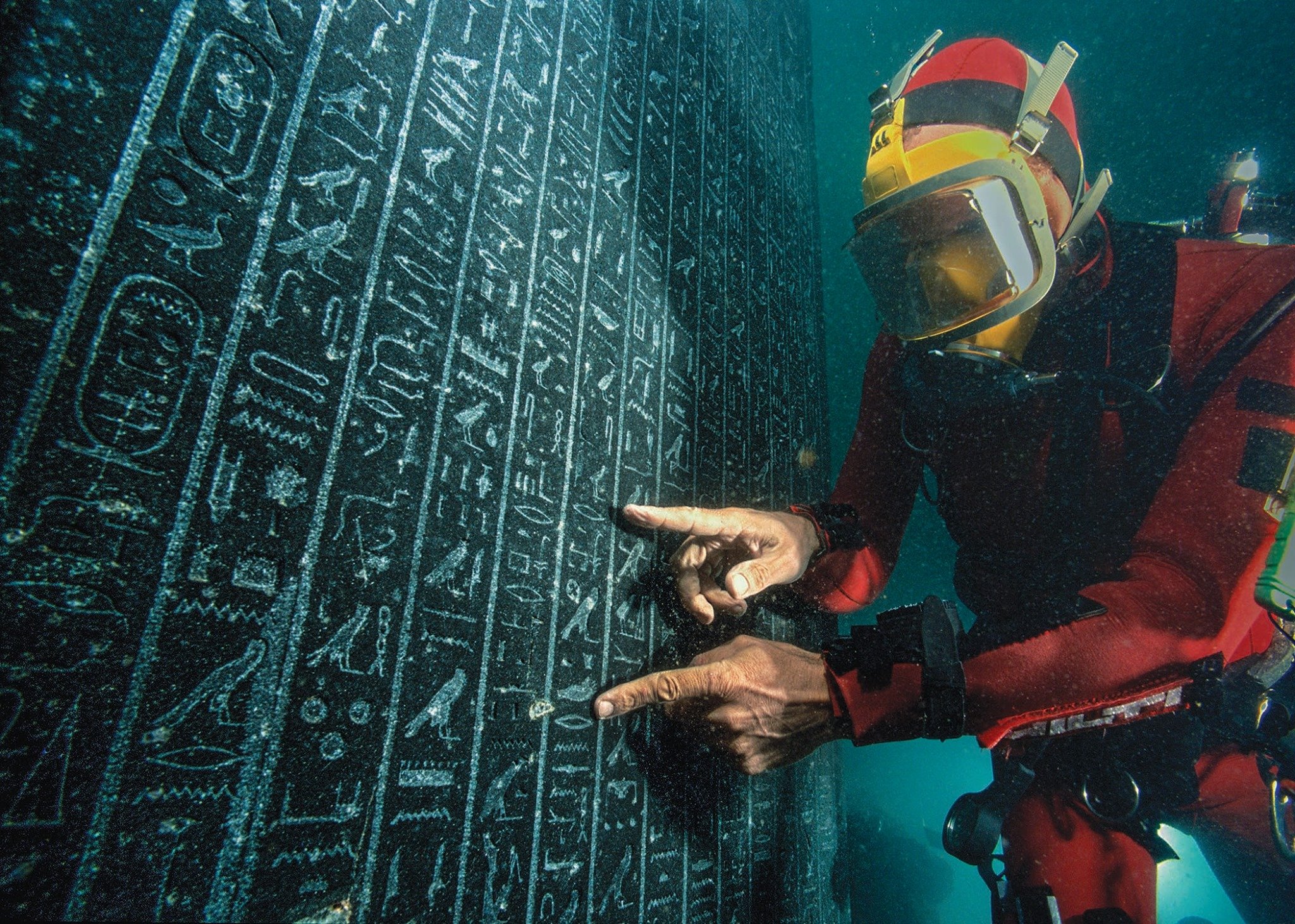
Thonis Heracleion. Courtesy of Virginia Museum of Fine Arts

Founded around the 8th century BC, Thonis-Heracleion was a distinguished city, one of great importance especially for merchants who frequently passed through the port to enter Egypt. The liquefaction of the city’s clay soil and ultimately the city itself resulted from various natural disasters including an earthquake, tsunami, rising sea levels, and subsidence. As a consequence of these catastrophes, the city eventually collapsed into the surrounding water. Much of the city’s culture and lifestyle remain preserved in watery depths, however. Temples, colossal statues - the most famous being the 5.4 meter tall God of Hapy - inscriptions, jewelry, coins, ritual objects, ceramics, goblets, and the sarcophagi of animals all endure, frozen in time. 

7. Potosi, Venezuela

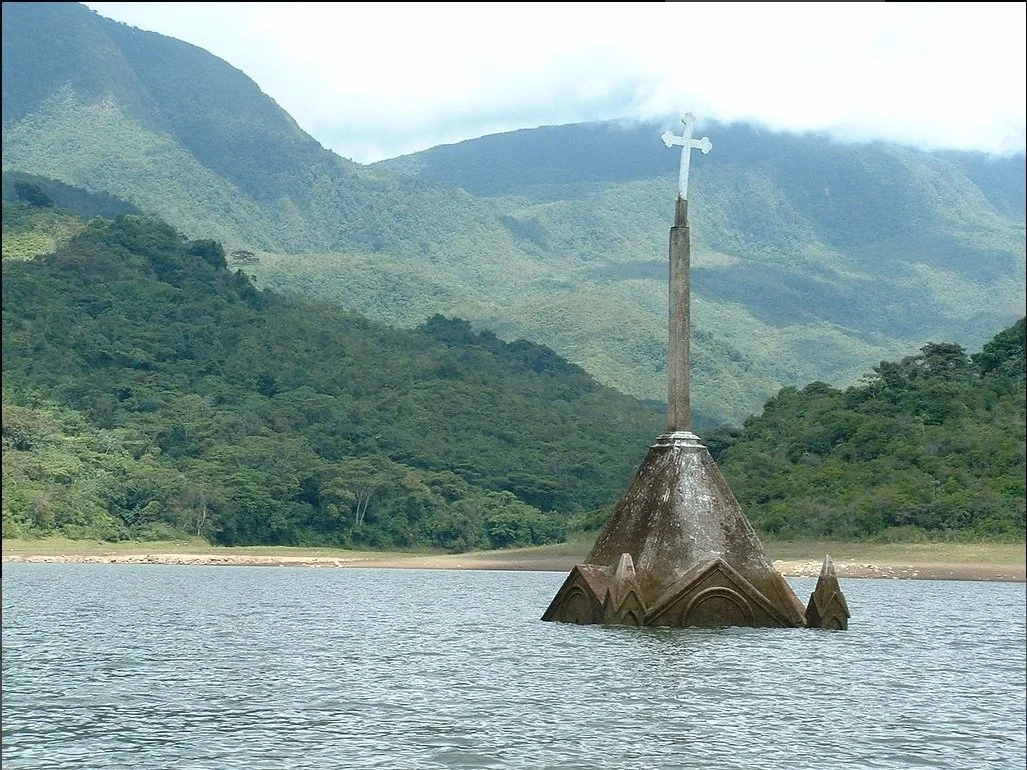
Underwater church of Potosi. Juan Tello. CC BY 2.0

Much like San Roma de Sau, only a part of a gothic church spire juts out from the underwater city of Potosi. The waters of the Uribante Reservoir flooded the town in 1985; the Venezuelan government hoped that a hydroelectric dam could replace the 1200 residents of the town. Houses and churches were abandoned in 1985 for the scheduled flooding. Yet, the gothic church of Potosi has re-emerged due to severe droughts in Venezuela, most probably a result of the natural disaster, El Niño. 30 years after the flooding of the city, its church’s structure has been uncovered.


Su Ertekin-Taner

Su Ertekin-Taner is a first year student at Columbia University majoring in creative writing. Her love for the power of words and her connection to her Turkish roots spills into her satire, flash fiction, and journalistic pieces among other genres. Su hopes to continue writing fearless journalism, untold stories, and prose inspired by her surroundings.

How Ancient Ghanaian Culture Shapes Sea Turtle Conservation

Ghana’s ancient admiration for sea turtles has inspired a modern conservation movement to protect these ecologically vital animals.
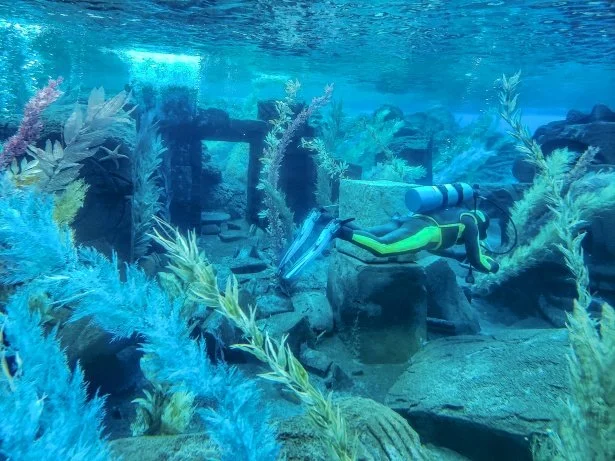
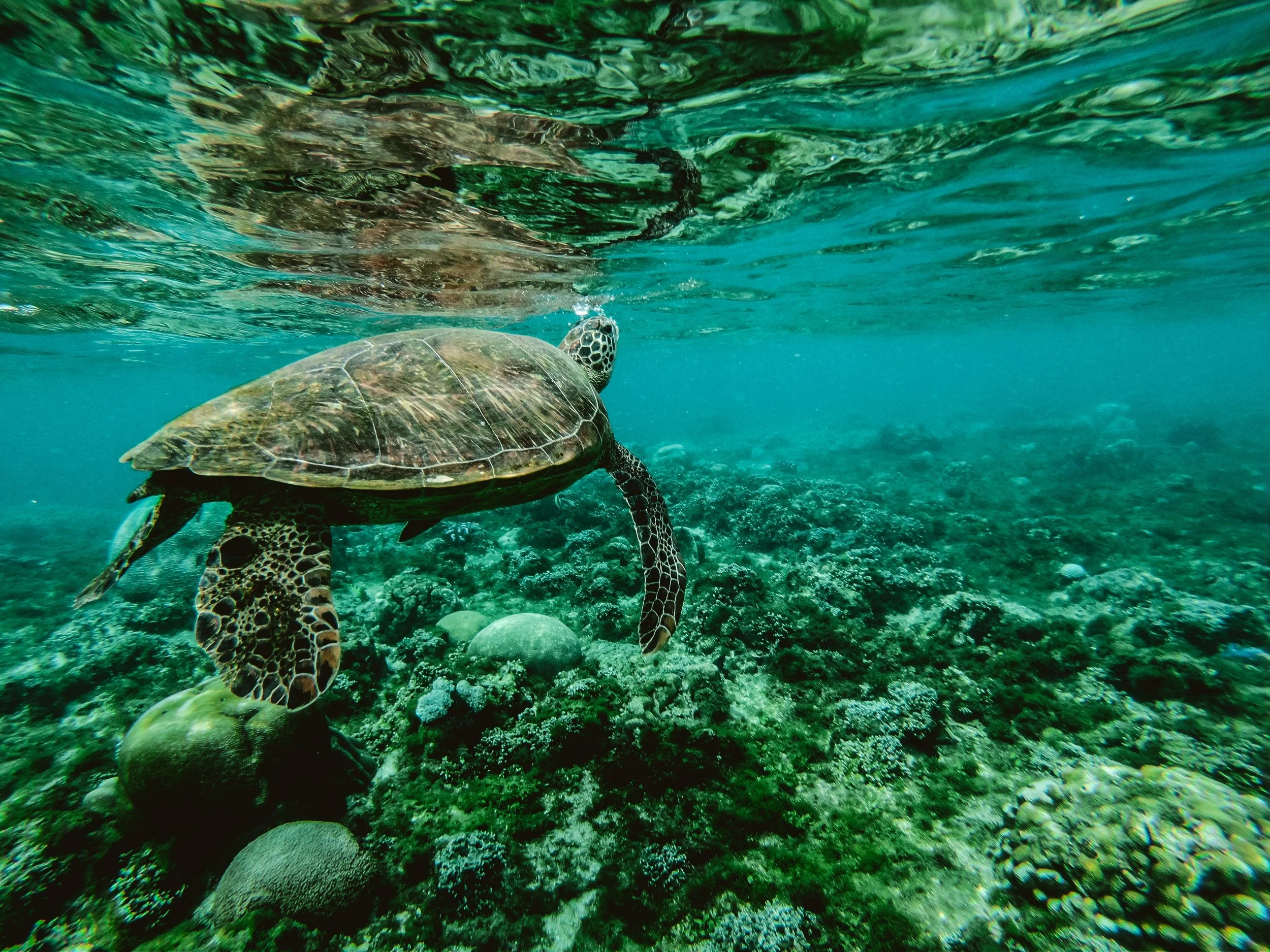
Sea turtle swimming in the ocean. Belle Co. CC0. 
Ghana is a vibrant country located in West Africa, bordered by Côte D’Ivoire, Burkina Faso and Togo. It is known for its rich culture, stunning beaches, and diverse wildlife. As a traveler, you would likely find Ghana to be a lively country, full of colorful markets, bustling streets, and a unique mix of traditional and modern cultures. Perhaps most importantly, Ghana is known for the warmth and hospitality of its people, where you’ll be met with a welcoming and friendly nature.

Ghanaian people are also very spiritually attuned, whether it’s native African spirituality or more newly introduced Christianity. They are very fond of their cultural and religious traditions, one of which is long-standing is their long standing connection to sea turtles. 

Sea turtles have been a part of Ghana’s culture and folklore for centuries, with oral literature depicting these animals as protectors, helpers or even guides. Moreover, the reptiles are integral to Ghana’s ecology, as they help to maintain coral reefs and seagrass, which in turn ensure continued biodiversity. 

It wasn’t always this way, as with Urbanization came poverty, and with poverty came poachers. These poachers saw the Sea turtles not as protectors but as a source of profit. Now, having returned to their traditions, Ghanaians are more determined than ever to protect and conserve these animals in hopes to prevent their extinction. 

All over Ghana, there are different recorded myths and stories that show the ancient connection between Ghana and sea turtles. 

The Ga and Akan ethnic groups of central Ghana have a story about their ancestors and how they once were caught in a storm while fishing, in which their boat had sunk. It is said that as the men were struggling in the choppy waters, the sea turtles arrived and helped them get back to shore.

The Dange people of eastern Ghana have a story in which their ancestors were trying to retreat after Ashanti armies had them cornered against the Volta River. They recount how both the crocodiles and the sea turtles helped them safely cross the river, by having the crocodiles form a bridge, while sea turtles helped heal the injured and guided the elderly across. It is said that to this day, both animals are fully protected in this region of Ghana.

Sea turtles in Ghana have been protected by law since 1971. Even then, there are still poachers, so just that isn’t enough. The Ghana Turtle Research Project (GTRP) has been around for more than 10 years. The organization encourages community members to participate in sea turtle conservation and to embrace their culture and traditions. By doing so they were able to get more than fifty community members to form a volunteer network. They also helped to tag and identify where turtle species reside most often in order to make sure that fishermen avoid those areas and to ensure they are safe-guarded.

Additionally, the Environmental Justice Foundation (EJF) is an organization that was focused on protecting nesting sites in the fishing communities of central Ghana. In 2019, during the first turtle nesting season (of that year), they were successfully able to deter poachers from the Goma Fetteh region.

As more and more Ghanaian communities return to their traditional and spiritual beliefs, more people are caring about the sea turtles. It’s due to the oral traditions in Ghanaian culture that these conservation efforts were possible, as they make people care more about these creatures of the sea. They helped form an everlasting connection between the sea turtle and man.


Kadija Diallo

Kadija is a student at Georgia State in Atlanta, Ga. She is a creative spirit who loves traveling and seeing new places. She also enjoys using her love for writing/storytelling to make an impact on the world. One day she hopes to make new connections and share stories as she travels to every continent. 

A Brighter Future Emerges 29 Years After Rwanda's Genocide

Rwanda's unwavering determination and spirit shine as a source of optimism for the rest of the world.

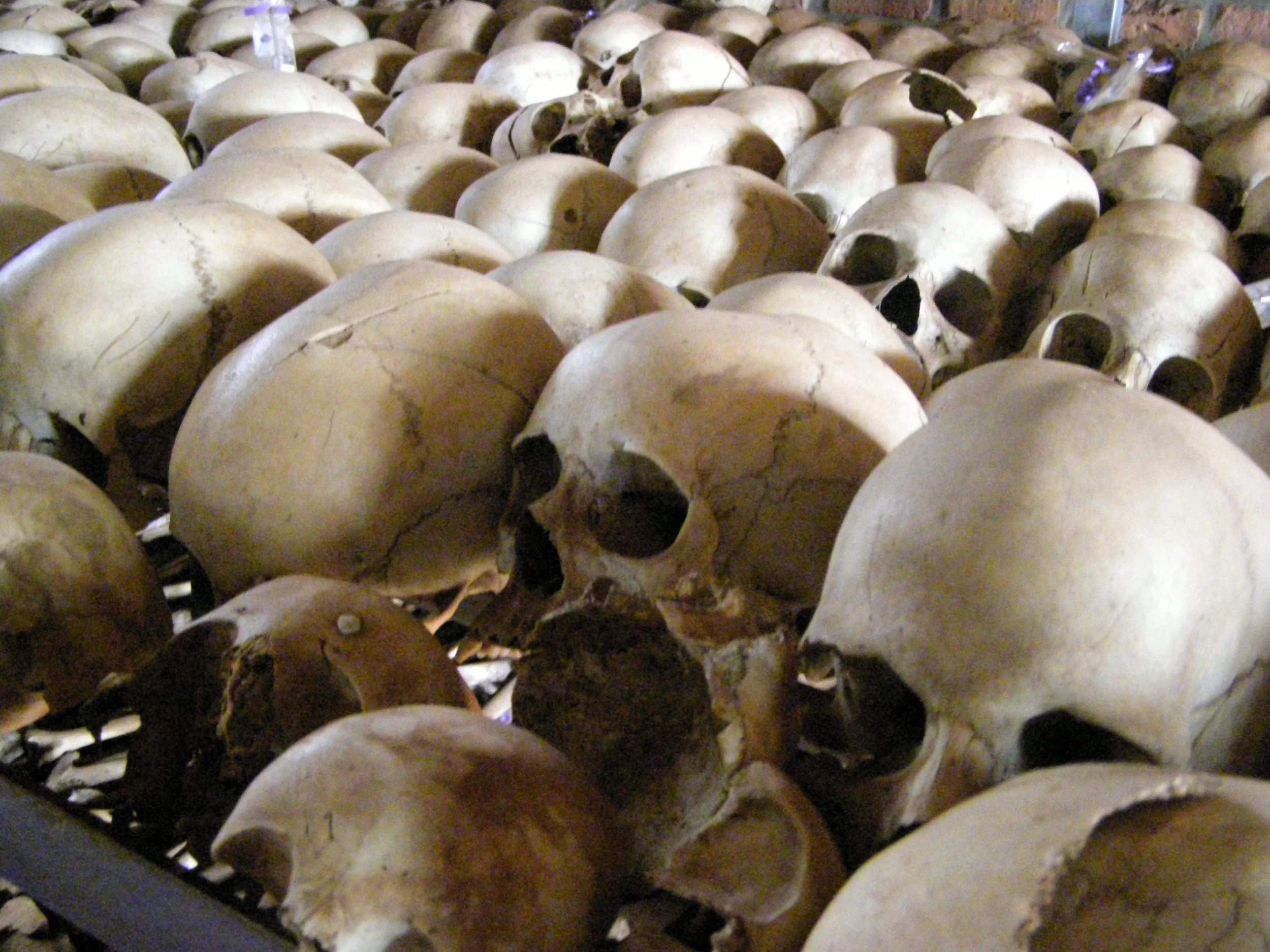
Rwanda Genocide Memorial. config manager.CC BY 2.0.

This week marks the 29th anniversary of the Rwandan Genocide, a 100-day period of violence in 1994 in which more than 800,000 people were killed. The repercussions of this tragedy continue to linger, leaving survivors and their family members with deep emotional traumas. Almost 30 years have passed since the devastating genocide in Rwanda, and the country has made some commendable progress in rebuilding its economy and mending its relationships with other nations, while also acknowledging its past mistakes and the sacrifices made during the massacre. The scars of the past may still be visible, but they no longer define Rwanda. Its developments shed light on the country’s journey toward healing and growth, with infrastructure, technology, and education driving its transformation.

The genesis of the Rwanda Genocide three decades ago can be attributed to years of systemic oppression that eventually culminated in one of the most devastating conflicts in modern history. Surprisingly, the two primary ethnic groups involved in this conflict, the Hutus and Tutsis, shared no religious or linguistic differences at the outset. A deep dive into their origins reveals that the Hutus migrated to the Great Lakes region of Central Africa between 500 and 1000 BC, while the Tutsis arrived four centuries later, migrating from the highlands of Ethiopia. The Hutus primarily worked as land cultivators, while the Tutsis were cattle herders, thus creating an economic divide that eventually led to a hierarchical system. In a strange colonial mythology, Tutsi cattle herders were labeled Hamites — a separate and exceptional group — who hailed from an ancient Christian tribe supposedly linked to people of old Palestine. This system placed the Tutsis, as a minority ethnic group, in a position of disproportionate power over the majority Hutus. 

Colonial powers subscribed to this concept of racial hierarchy and origin stories, believing the Tutsi to be natural leaders and granting them preferential treatment. After taking Rwanda as a colonial possession in 1897, the German Empire built a power structure that firmly established a hierarchy that favored the Tutsis. They bestowed upon the Tutsis a superior status, owing to their taller stature and lighter skin, giving them greater influence over the Hutus. However, in the aftermath of Germany’s defeat in World War I, Belgium took over the reins of Rwanda’s governance, and, rather than attempting to bridge the cultural divide, exacerbated it. The Belgian administration continued to uphold the Tutsis’ superior status while disregarding the Hutus, creating a further chasm of inequality that only grew wider with time. The introduction of identification cards during the 1930s that explicitly listed one’s ethnicity, for example, further polarized the population, and the stage was set for the tragic events that culminated in the Rwanda Genocide.

In 1973, Rwanda witnessed an event that would forever alter the course of its history. General Juvenal Habyarimana, a Hutu tribe member, rose to power and established the National Revolutionary Movement for Development (NRMD) party to secure his authority. Meanwhile, in Uganda, a group of Rwandan exiles in Uganda who had tasted victory in Yoweri Museveni’s National Resistance Army during the Ugandan Civil War formed the Rwandan Patriotic Front (RPF). This organization was largely dominated by Tutsi figures and posed a challenge to the incumbent regime. The Rwandan Civil War began, which pitted the Hutu-dominated NRMD government against the primarily Tutsi RPF, while social tensions began to simmer. It was midsummer in 1993 when Hutu extremists hatched their plan, creating a platform for propagating their racist ideology and spewing hatred against the Tutsi people. Thus, Radio Télévision Libre des Mille Collines (RTLM) came into being, which soon became a tool to incite violence and hatred against the Tutsi, using propaganda and malicious rhetoric. 

Radio Télévision Libre des Mille Collines broadcasted from this office during the Rwanda Genocide. kigaliwire.CC BY-NC 2.0.

April 6, 1994, was the beginning of a nightmare for Rwanda and Burundi. The presidential plane, which was carrying the heads of state of both countries, was hit by gunfire. The news of their deaths, broadcasted by the radical Hutu RTLM radio station, served as a call to arms, sparking a wave of violence against the Tutsi population. The initial attack was planned by a group of military leaders, politicians, and business owners, who were later joined by an increasing number of supporters. This resulted in a devastating genocide, with Tutsis flocking to ostensibly safe havens like churches and administrative centers only to find them transformed into places of horror. 75% of the Tutsi population was wiped out, including many children who were labeled “little rats” and killed alongside adults. The perpetrators killed people of all ages indiscriminately, committing rape and torture on a regular basis. With nowhere to call home, over 2 million people fled the country, including many Hutu ethnic group members, while a million more were internally displaced, leaving 75,000 children orphaned.

The aftermath was massive destruction, with infrastructure reduced to ruins and hundreds of thousands of citizens dead, dealt a crippling blow to progress and development. Rwanda, however, refused to give in to despair.  The RPF won the Civil War and took power after four months of horror, ending the genocide. The nation embarked on a journey of healing and reconciliation by embracing a deliberate strategy of transitional justice and transformative programs, characterized by the visionary “Rwanda Vision 2020” campaign launched in 2000. Rwanda embraced a path of renewal through initiatives such as “I am Rwandan,” which encouraged deep reflection on the nation's painful history, acknowledgment of past atrocities, and promotion of healing and reconciliation among all its people. Another example is “Umuganda,” a day of community service in which people from all walks of life work together to improve their communities. Though challenges remained, these initiatives instilled a renewed sense of vigor and solidarity, bringing new life to the difficult task of rebuilding Rwanda. 

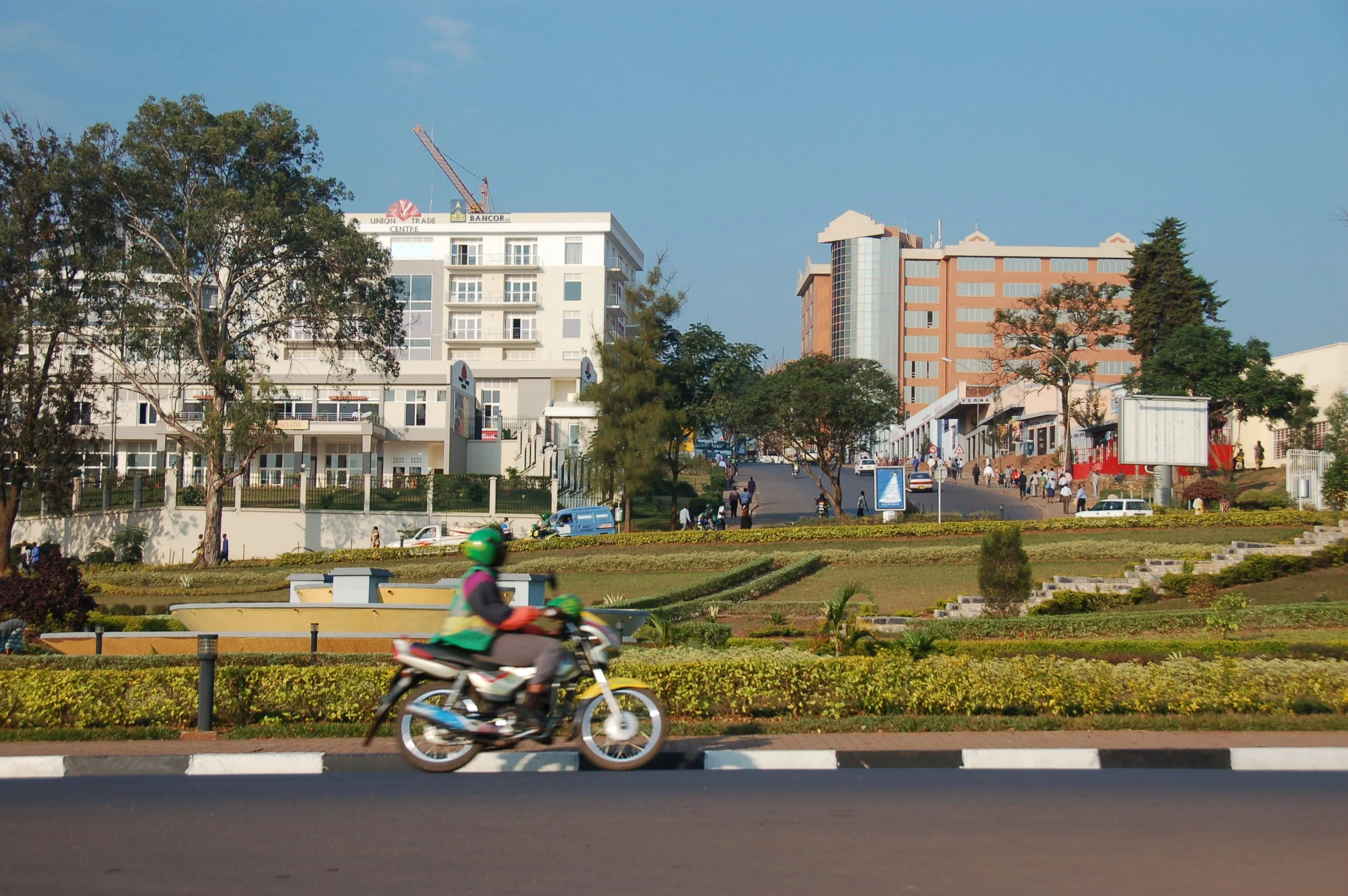
The modern capital of Kigali is safe, clean, and orderly. Dylan Walters. CC BY 2.0.

Rwanda also undergoes significant changes in its economy. The government has introduced the “Girinka” program, which provides one cow per poor family to combat poverty, with the first female calf being passed on to another family. Poverty has decreased by 23.8 percent from 2000 to 2010, and Rwanda has emerged as one of the fastest-growing economies in Central Africa, with four years of eight percent GDP growth between 2011 and 2014. These developments are positive indicators for Rwanda’s future.

Despite the indelible mark of shame left by the horrific acts, Rwanda has sought reconciliation by embracing its rich heritage of traditional pre-colonial Rwandese customs and values, while also welcoming contributions from the international community. The genocide has prompted profound reflections on critical issues such as the efficacy of peace operations, the urgency of ending international crimes, and the delicate nature of maintaining civility. These pressing issues necessitate international attention and are still relevant today.

TO GET INVOLVED:

World Help: Over the last decade, World Help has worked to bring healing and restoration to Rwandan communities through initiatives like trauma counseling, children’s homes, child sponsorship, construction projects, clean-water wells, sustainable agriculture, vocational training, and more. To learn more and get involved, click here.

IBUKA: IBUKA is an umbrella organization supporting survivors in Rwanda. Representatives from institutions like IBUKA and the National Commission for the Fight Against Genocide are invited to speak at commemorations to provide expert histories and testimonies. To learn more and get involved, click here.


Hope Zhu

Hope is a Chinese international student at Wake Forest University in North Carolina studying sociology, statistics, and journalism. She dreams of traveling around the globe as a freelance reporter while touching on a wide range of social issues from education inequality to cultural diversity. Passionate about environmental issues and learning about other cultures, she is eager to explore the globe. In her free time, she enjoys cooking Asian cuisine, reading, and theater.

How Fast Food Adapts to Local Tastes Around the World

Exploring unique regional items from KFC, McDonald’s, Pizza Hut and other fast food giants.

Fast Food Mull. Tim Reckmann. CC BY 2.0.

Fast food is a universal language that transcends borders and cultures. Whether you are craving a burger in Beijing or a pizza in Paris, you can always rely on fast food chains to provide a consistent, reliable experience. However, in the modern world, fast food chains are constantly adapting to local tastes and incorporating unique ingredients to create various flavor combinations. Here below is a flavor adventure that explores the wacky and wonderful world of region-exclusive fast food items.

1. Kentucky Fried Chicken

Kentucky Fried Chicken in Shanghai. Gwydion M. Williams.CC BY 2.0.

Kentucky Fried Chicken, or KFC for short, has come a long way since its humble beginnings in Corbin, Kentucky. Today, the iconic fast food chain can be found in almost every corner of the globe, serving up crispy fried chicken to hungry customers worldwide. But while the Colonel’s original recipe may be the same everywhere, KFC has become famous for its wildly creative region-exclusive items. For example, in the United Kingdom, KFC has introduced the “Scoff-ee Cup”, a creation that combines a biscuit cup with white chocolate to keep coffee hot and fingers crispy. Meanwhile, in Asia, KFC has rolled out some innovative treats, like the Brown Sugar Boba Tea Tart, a pastry filled with milk tea custard and boba jelly, inspired by the popular Taiwanese drink.

But KFC’s regional items are not just about sweet treats. In Korea, the chain offers Tender-Rice, a combo of crispy chicken tenders and seasoned rice. And in Malaysia, customers can try the Wasabi Rice Wrap, a fusion of Japanese and Vietnamese flavors that is designed for people on the go. According to Ling Mee Jiuan, Senior Vice President of KFC Malaysia, the Wasabi Rice Wrap was designed specifically with young, busy consumers in mind. The local team wanted to create something that was quick, convenient, and bursting with flavor for people who are always on the move. 

2. McDonald’s

McArabia. Tracy Hunter.CC BY 2.0.

McDonald’s is the poster child for the rapid spread of Western fast food across the globe. The term “McDonaldization” was coined to describe what started as a Speedee Service System, which prioritized efficiency, predictability, calculability, and control by offering a limited menu of 15-cent hamburgers, fries, and shakes. However, McDonald’s has slowed its pace and started introducing region-exclusive items that cater to local taste buds. For instance, in 2001, McDonald’s added the McFalafel sandwich to its menu in Egypt. This sandwich features three pieces of falafel, a patty-shaped fritter of Arab origin that is deep-fried and served with garnishes like tomatoes, lettuce, onions, and pickles, all wrapped in a freshly baked tortilla wrap and topped with Tahini sauce. 

But McDonald's is not just adding local twists to its burgers - the company also creates entirely new menu items for specific regions, you can find the Teriyaki Burger, which features a savory teriyaki sauce and is served on a rice bun instead of a traditional burger bun. In South Korea, McDonald's offers the Bulgogi Burger, which features marinated beef and a spicy sauce made from Korean chili paste.

McDonald’s has also tailored its famous bread to suit local palates. In China, for instance, McDonald’s introduced the distinctive Black and White Burgers. These “half burgers” were packaged in a small box and were possibly inspired by the yin-yang symbol. The black burger consisted of a beef patty with chopped onions, black pepper sauce, and a black bun topped with white sesame seeds. The white burger, in contrast, featured a chicken patty with sweet and spicy sauce and a white bun with black sesame seeds. While some of these attempts at innovation were mocked, they demonstrate a willingness to experiment and accommodate local tastes.

3. PizzaHut

Pizza Hut Pizza in Japan.Yoko Nekonomania.CC BY 2.0.

Founded in 1958 by two Wichita University students, Pizza Hut has grown to become the world's largest pizza company, with over 11,000 restaurants in 90 countries. But Pizza Hut's success isn't just due to its massive size - the company’s commitment to innovation and customer service has set it apart from competitors. 

However, some of Pizza Hut’s more unconventional offerings have raised eyebrows, and possibly even the ire of traditionalists. Weirder items, such as the “Double Sensation” in Singapore, may seem like two pizzas squished into one. The outer crust is stuffed with a melange of melted mozzarella, Parmesan, and cheddar cheeses that ooze out of holes in the crust, while the outer pie is topped with turkey ham, bell peppers, mushrooms, and salsa sauce. And for reasons beyond comprehension, a single cherry adorns the center of the pizza.

Meanwhile, Pizza Hut in China has added Peking duck as a meat topping to its menu, alongside specialized pizzas crafted with different veggies to complement the duck’s unique flavors. For many, duck is not a meat that adapts easily to other dishes. But for the daring foodies who are willing to try new things, Pizza Hut in China offers a delicious and adventurous take on traditional pizza.

4. Burger King

Burger King Halloween Whopper Black Bun. Mike Mozart. CC BY 2.0.

In 1953, Keith Kramer and his wife’s uncle Matthew Burns were struck with inspiration after visiting the original McDonald's in California. Their brainchild, Insta-Burger King, was born from their desire to create a unique restaurant experience. Equipped with a special grill machine, the Insta-Broiler, the duo set out to make their mark in the fast-food industry.

Now, with over 19,000 locations worldwide, Burger King is a force to be reckoned with in the fast-food world. While its competitors strive to innovate their international menus, Burger King takes a different approach—stuffing as much as humanly possible between two buns. Take, for example, the Bacon Lover, available in France and Switzerland, which boasts two flame-grilled beef patties, onions, tomatoes, cheese, bacon, and smoked sauce, all served between two bacon-studded buns.

But the Garlic Meat Beast in Japan takes the cake for the most outrageous offering. This monstrosity features a quarter-pound beef patty, teriyaki chicken breast, and garlic pork patty, all slathered in scallion miso sauce and topped with lettuce, tomato, onion, and bits of fried garlic. And if that’s not enough to satisfy the consumers, Burger King‘s Windows 7 Whopper hit Japanese locations for a limited time, featuring a whopping seven beef patties, plus all the usual fixings, for the price of $5.94, a nod to the release of Microsoft's Windows 7 operating system.

5. Taco Bell

Taco Bell Beefy Fritos Burrito. Willis Lam.CC BY-SA 2.0.

Taco Bell is the new kid on the block when it comes to multinational fast food chains, but it has made its presence known around the world with its Mexican-inspired menu. The company’s catchy slogans, from “Think Outside the Bun” to “Live Mas,” have resonated with customers in Asia, Europe, and beyond. But Taco Bell’s true innovation lies in what's inside the bun (or wrap). Take, for instance, the Kimchi Quesadilla, which can be found at Taco Bell locations in Korea. This fusion dish combines the traditional Korean dish of spicy fermented cabbage with spicy chicken and a blend of melted cheeses, creating a unique flavor that is all its own. Or consider the Chicken Tikka Masala Burrito in India, where grilled chicken, Mexican rice, onion, cilantro mix, and Tandoori Mayo Sauce are wrapped in a grilled flour tortilla, showcasing Taco Bell's willingness to experiment with unorthodox flavor combinations. Other region-exclusive menu items include the Shrimp and Avocado Burrito in Japan and the Chili Cheese Burrito in the United States.

6. Domino’s

Domino’s pizza in Japan with Lazagniano and Super Deluxe. Puamelia. CC BY-SA 2.0.

Domino’s, the pizza giant with over 17,644 restaurants around the world, has managed to achieve a global presence with its menu. However, their international menu seems to be an experimental playground that has no bounds. Japan’s Boba Tapioca Pizza is a clear demonstration of the chain’s willingness to embrace bizarre combinations that cater to local tastes. The pizza’s blend of black tapioca pearls and mozzarella cheese has gotten mixed reactions from customers. While it is true that some of Domino’s experiments are not well-received, the Lotta-Chocca Pizza in the United Kingdom has won the hearts of many, thanks to its unique fusion of pizza and milk chocolate. Domino's New Zealand has also managed to make an impact with its Apricot Chicken Deluxe, a delicious combo of chicken and apricot sauce. 

From rice and curry to kimchi to Beijing duck, the amalgamation of western industrialization and local cuisine gives rise to region-exclusive fast food items that are uniquely flavorful, providing a glimpse into the cultural diversity that exists across the globe. The presence of such multicultural menus in fast food chains not only reflects the dynamism of global markets but also serves as a testimony to the importance of inclusivity and open-mindedness in our increasingly interconnected world.


Hope Zhu

Hope is a Chinese international student at Wake Forest University in North Carolina studying sociology, statistics, and journalism. She dreams of traveling around the globe as a freelance reporter while touching on a wide range of social issues from education inequality to cultural diversity. Passionate about environmental issues and learning about other cultures, she is eager to explore the globe. In her free time, she enjoys cooking Asian cuisine, reading, and theater.