International Human Rights Court Rules in Favor of Trans Rights

The Inter-American Court of Human Rights ruled that the government of Honduras was responsible for the 2009 murder of a transgender woman. Today, Honduras is one of the largest contributors to anti-trans violence in Latin America. 
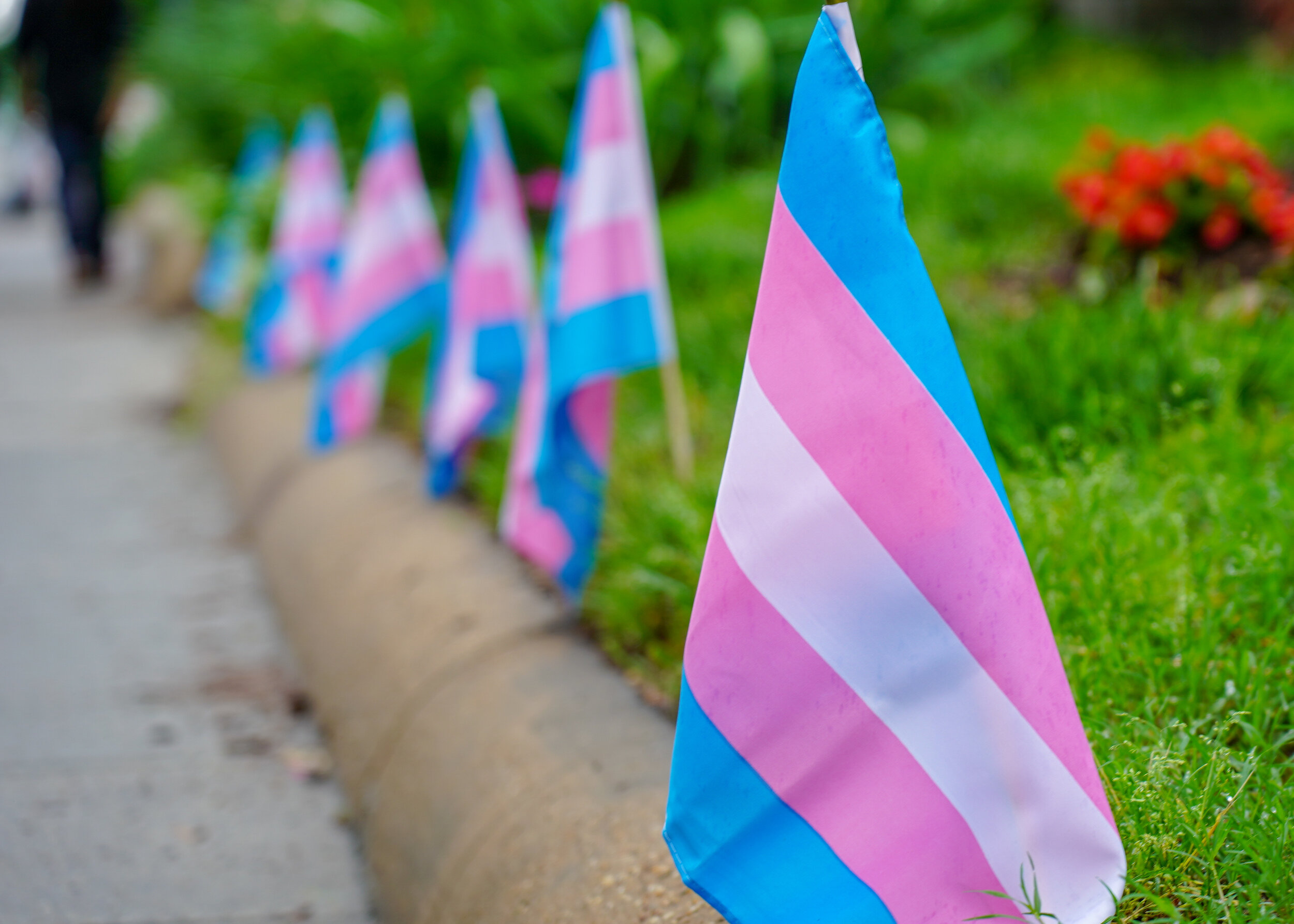
Transgender pride flags. Ted Eytan. CC BY-SA 2.0 

On June 26, the Costa Rica-based Inter-American Court of Human Rights delivered a landmark ruling in a transgender rights case. The court held that the government of Honduras was responsible for the 2009 murder of trans woman and trans rights activist Vicky Hernández, stating that the government had violated Hernández’s rights to life and fair trial. 

Hernández was 26 years old when she was killed by a single gunshot to the head. No one was ever charged for the crime. 

The Court’s ruling stated that Honduran authorities did not sufficiently investigate Hernández’s death. Her murder was dismissed quickly as a “crime of passion,” and police failed to interview anyone from the scene or examine the bullet casing. It is unclear whether a postmortem examination was performed. 

Lawyers acting on behalf of Cattrachas, the LGBTQ+ rights organization that brought forward the case, argued that this incomplete investigation was a result of Hernández’s gender identity. Robert F. Kennedy Human Rights reports that during the investigation, authorities continuously identified Hernández as male and referred to her on documents and records by her birth name, which she did not use. In 2009, shortly before Hernández’s killing, Human Rights Watch published a report which found that police in Honduras routinely failed to investigate reports filed by trans people. The report also detailed the harassment and beatings that trans people had endured at the hands of the police. 

Hernández’s murder occurred on June 28, 2009, the first night of a military coup against then-President Manuel Zelaya. Zelaya was taken into custody, and the military imposed a 48-hour curfew, leaving the streets closed to everyone but military and police forces. Hernández was a sex worker, and was still on the street after curfew arrived, along with two other trans women. The three women saw a police car approaching and scattered, fearing violence. The next morning, Hernández’s body was found in the street. 

Due to the circumstances surrounding her death, lawyers for Hernández’s case posited that she was the victim of an extrajudicial killing, meaning that state agents were responsible for her death. Robert F. Kennedy Human Rights points to the execution-style way in which Hernández was shot and the fact that the streets were closed to everyone but police and military forces, as well as the lack of effort put into the criminal investigation. 

In its ruling, the Court found evidence that state agents had participated in Hernández’s death. 

Hernández’s murder was the first in a wave of anti-trans violence that followed the 2009 coup. Cattrachas documented 20 deaths of LGBTQ+ people in the 15 years before the coup, and 31 deaths in the eight months directly afterward. 15 of these 31 people were trans women, like Hernández.

Today, Latin America is still a deadly area for LGBTQ+ people. Research released in 2019 showed that four LGBTQ+ people are murdered every day in Latin America and the Caribbean, with Honduras, Columbia and Mexico accounting for nearly 90 percent of these deaths. In 2020, Human Rights Watch published a follow-up to their 2009 report, which found that LGBTQ+ Hondurans still face rampant discrimination and violence from police and other authorities, as well as from non-state actors. 

Twelve years after Hernández’s murder, Honduras is finally being held accountable for its anti-LGBTQ+ violence and being made to implement reforms. Activists hope that the ruling will encourage other Latin American countries to address their own issues with violence against the LGBTQ+ community. 

The Court’s ruling included orders for the Honduran government to pay reparations to Hernández’s family, restart its investigation into her murder and publicly acknowledge its own role in the event, train security forces on cases involving LGBTQ+ violence, and keep a better record of cases motivated by anti-LGBTQ+ sentiment. The Court also ordered the Honduran government to allow people to change their gender identity in documents and public records, which is a major step forward. The next step is ensuring that Honduras’ new LGBTQ+ legislation is actually enforced. 

Rachel Lynch

Rachel is a student at Sarah Lawrence College in Bronxville, NY currently taking a semester off. She plans to study Writing and Child Development. Rachel loves to travel and is inspired by the places she’s been and everywhere she wants to go. She hopes to educate people on social justice issues and the history and culture of travel destinations through her writing.
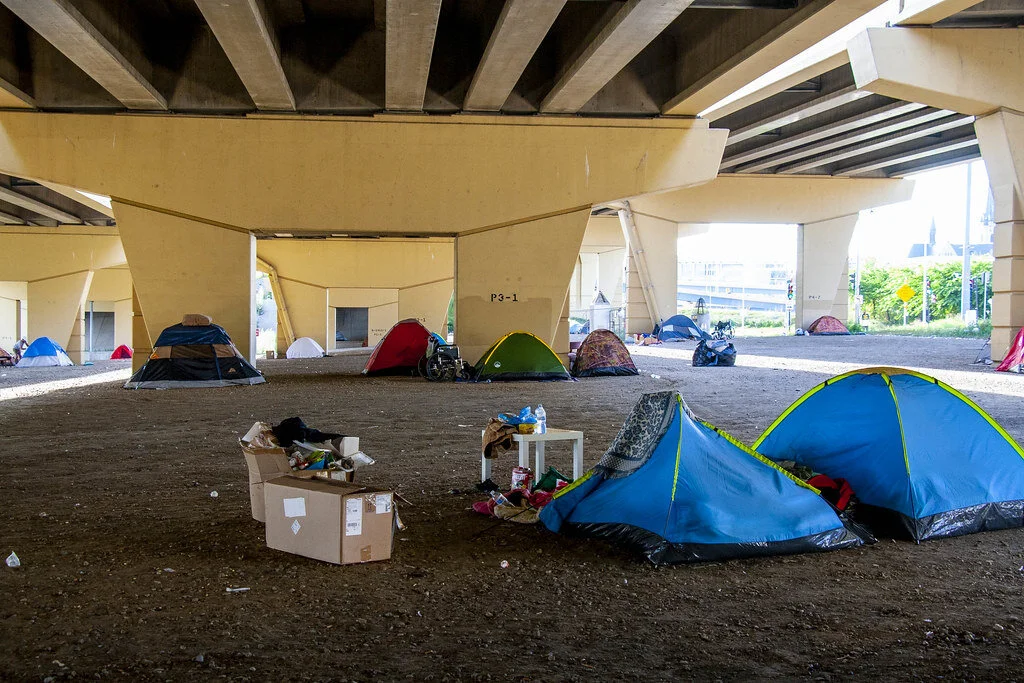
The Pandemic’s Impact On Homelessness in America

In 2020, 580,466 people in the United States experienced homelessness on any given night, 2.2% more than in 2019. COVID-19 is likely a major factor in this increase. 

In 2019, prior to the COVID-19 pandemic, over half a million people in the United States were experiencing homelessness each night. The U.S. Department of Housing and Urban Development reports that in 2020, this number increased by 2.2%. Though 2.2% may seem like a small figure, it amounts to an additional 12,751 people experiencing homelessness on any single night. 

Numerous people lost their jobs due to the COVID-19 pandemic and struggled to find new ones in the midst of a global crisis. In April 2020, the U.S. unemployment rate peaked at 14.8%, the highest percentage since unemployment data began being recorded in 1948. By December, the unemployment rate had dropped to a still-elevated 6.7%. These record unemployment rates almost certainly contributed to the rise in homelessness. Data collected by the Congressional Research Service shows that in April 2020, unemployment rates in every state and the District of Columbia had reached levels greater than their highest rates during the Great Recession. 

In addition to increasing the overall number of people experiencing homelessness, the pandemic contributed to worsening living conditions for unhoused people. There is more than one type of homelessness; the four main categories are chronic, episodic, transitional and hidden. These four categories are separated by how long a person has been experiencing homelessness and by what types of resources are available to them.

People experiencing chronic homelessness are defined as having been continually homeless for a year or more or having had four or more episodes of homelessness in the last three years. Rates of people experiencing chronic homelessness increased 15% from 2019, with 2020 being the first year since 2011 that the number passed 100,000 people. 

There are also two other subcategories of homelessness: sheltered and unsheltered. Sheltered refers to those who are residing in a publicly or privately owned shelter that provides temporary housing, like an emergency shelter, transitional housing or even a motel. Unsheltered refers to those residing in a place not designed for human habitation, like on the street or in cars, abandoned buildings or other makeshift shelters. 

People experiencing chronic homelessness are statistically more likely to fall into the unsheltered category. Rates of unsheltered homelessness also increased from 2019, by 7%. This rise in unsheltered homelessness is likely a direct result of the COVID-19 pandemic, which led shelters around the country to limit their capacity in order to allow for social distancing in an attempt to reduce the spread of the virus. The measure, though reasonable in the context of the pandemic, left many unsheltered. 

Other support systems for people experiencing homelessness were limited by the pandemic as well, especially in the early months. Amid national lockdown orders, charities that offered food and warmth to the homeless shut down, and many volunteers at places like soup kitchens were afraid to work due to the risk of contracting COVID-19. Time magazine reports on this phenomenon of a social safety net shutdown in West Virginia, but similar things happened nationwide. Most indoor spaces were shut down, and unsheltered people living under a shelter-in-place order had nowhere to go. 

Cities around the country reported increasing death rates among their homeless populations. Some of the deaths resulted from COVID-19 itself, as many people experiencing homelessness have preexisting conditions that make them fall into the high-risk category for the disease. The lack of social support systems also contributed to the high death rates, as people had nowhere consistent to turn in times of freezing cold, or even when looking for basic resources like food. 

The pandemic has drawn attention to the severity of the homelessness crisis in the United States and to the necessity of social support systems, as well as programs designed to get people into housing. Some such programs, like California’s Project Roomkey and Project Homekey, were developed during the pandemic. However, government funding for these programs is often limited. There is hope that in 2021, governments will finally invest the money necessary to work toward ending homelessness. President Joe Biden has signed an executive order directing that the Federal Emergency Management Agency should fully reimburse what states spend to house people in non-congregate shelters through September 2021. 

To Get Involved: 

To learn more about America’s homelessness crisis and how to solve it, visit the website of the National Alliance to End Homelessness here.

To find resources to support a homeless shelter in your area, visit the Homeless Shelter Directory here.


Rachel Lynch

Rachel is a student at Sarah Lawrence College in Bronxville, NY currently taking a semester off. She plans to study Writing and Child Development. Rachel loves to travel and is inspired by the places she’s been and everywhere she wants to go. She hopes to educate people on social justice issues and the history and culture of travel destinations through her writing.
10 Indigenous American Historical Sites to Visit

Ten million people lived in what is now the United States before Europeans arrived. These Indigenous Americans lived in complex cultures and completed amazing architectural feats that persevere to this day.

By the time European explorers arrived in the Americas, the Western Hemisphere was already home to more than 50 million people. Ten million of these people lived in what is now the United States. These Indigenous Americans developed intricate communities, religions and lifestyles, and made a lasting impact on American history and culture. Incredible sites built by Indigenous people can be found throughout the U.S. today, including cliff dwellings, multistory stone houses, earth lodges and effigies, and other stunning ruins. The history of Indigenous people is often overlooked or swept under the rug in favor of European colonists when looking at the larger context of American history, but preserved sites teach visitors about the complex cultures that came before Western settlers. These 10 sites showcase some of the impressive architectural triumphs of Indigenous people and pass on their histories. 

1. Knife River Indian Villages National Historic Site, North Dakota

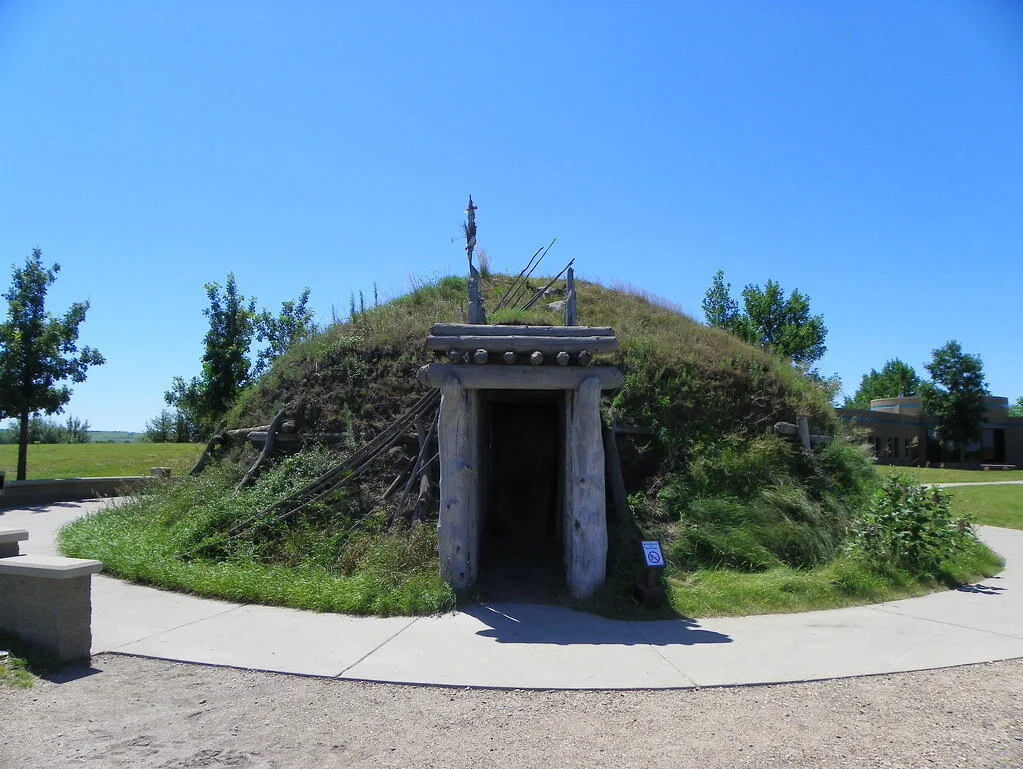
Located near Stanton, North Dakota, the Knife River Indian Villages National Historic Site preserves the history of the Knife River region. The Knife River region, an area in North Dakota centered around a tributary of the Missouri River, has been home to a number of people groups for around 11,000 years. Not much is known about the cultures that have inhabited the Knife River region because very few artifacts from the area remain, but early written records document the lives of the Hidatsa people. Like the Mississippian people, the Hidatsa resided in earth lodges. The Mandan and Arikara were also earth lodge residents who settled in the Knife River region, and all three groups pioneered agriculture in the area while still hunting and gathering. Villages were the center of earth lodge peoples’ lives, and the park features the remains of three large villages constructed by the Hidatsa: Awatixa Xi’e village, Hidatsa village and Awatixa village

2. Puu Loa Petroglyphs, Hawaii 

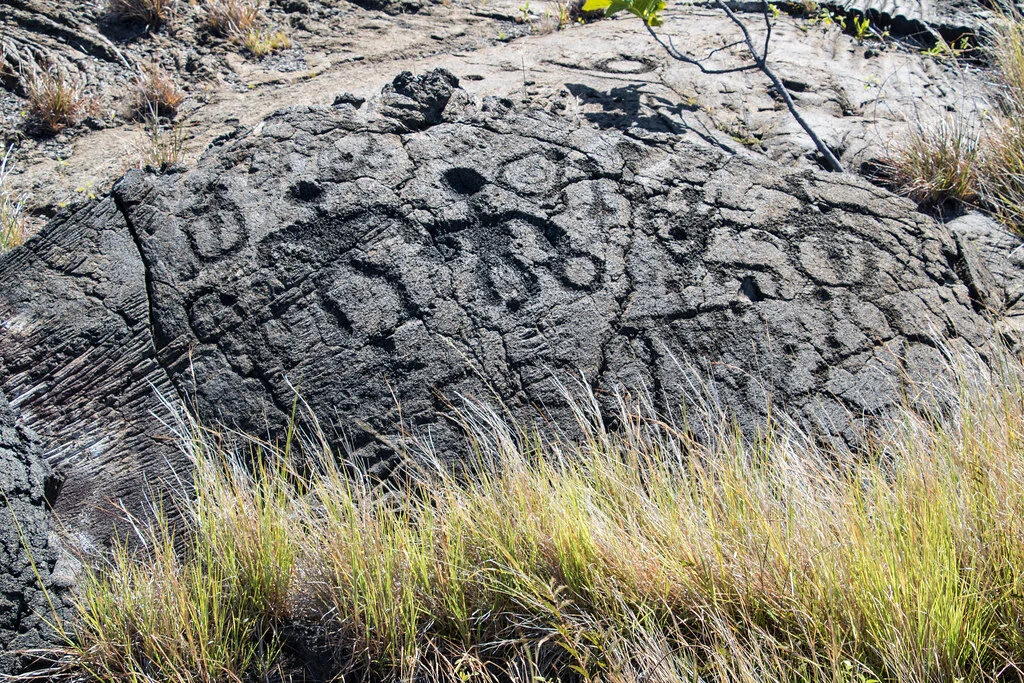
Hawaii Volcanoes National Park, on Hawaii’s Big Island, protects Mauna Loa and Kilauea, two of the world’s most active volcanoes. It is also home to the Puu Loa petroglyphs, stone etchings that document the lives and culture of the Native Hawaiian people. The petroglyphs are located in a lava field that is at least 500 years old, and the site has over 23,000 different petroglyphs. There are a variety of geometric designs, as well as depictions of people and tools, such as canoe sails. A number of the petroglyphs contain cupules, or holes where a portion of the umbilical cord was placed after the birth of a child in order to ensure long life. The first known written account of the petroglyphs is attributed to missionary Rev. William Ellis in 1823, but some petroglyphs likely date to the 1600s or even earlier. In addition to being used to ensure long life, some petroglyphs were used to record the movements of travelers on the island. Visitors to Hawaii Volcanoes National Park can take a 1.4-mile round trip day hike on a boardwalk to admire the petroglyphs up close. 

3. Mesa Verde National Park, Colorado

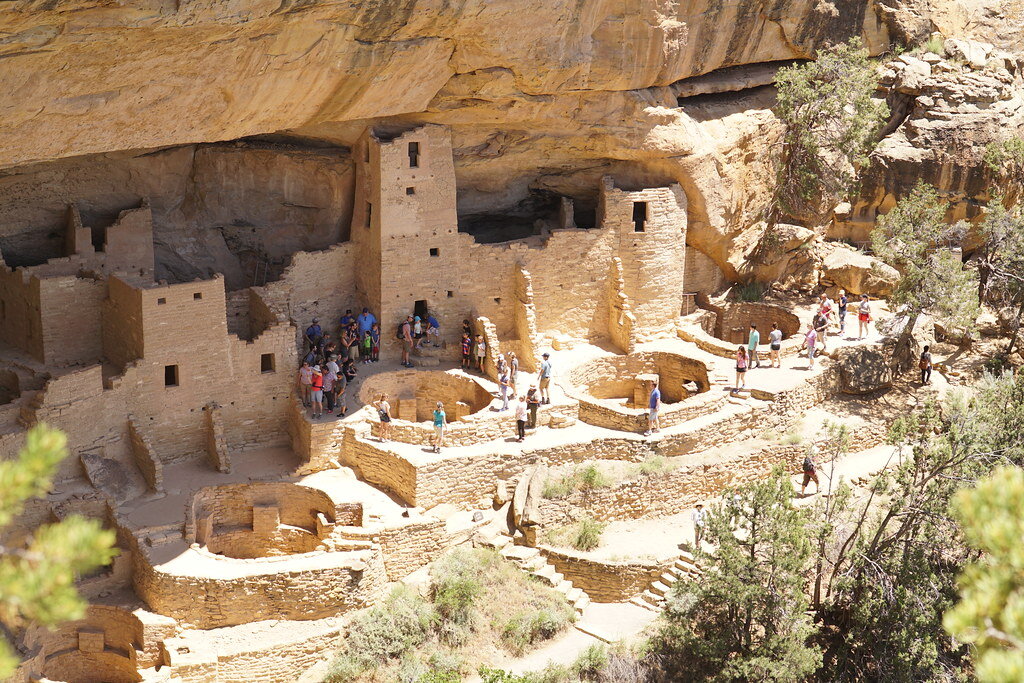
Probably one of the most well-known Indigenous sites in the United States, Mesa Verde National Park in Colorado preserves almost 5,000 historical sites of the ancestral Pueblo people, including 600 cliff dwellings. The ancestral Pueblo people lived at Mesa Verde for more than 700 years, from 550 to 1300 A.D. The first people settled at Mesa Verde in 550 A.D., turning from hunting and gathering to agriculture and building small villages of pithouses, sometimes sheltered in cliff alcoves. Around 750 A.D., these people began building houses above ground and became known as the Pueblo people, meaning “village dwellers.” The houses evolved from being made of poles and mud to being skillfully constructed from stone. Then, in 1200 A.D., for reasons that are unknown, the ancestral Pueblo began to move back into cliff alcoves and developed the cliff dwellings that make Mesa Verde famous. Mesa Verde’s cliff dwellings are truly incredible examples of Indigenous architecture, ranging from one- to 150-room houses. They are also some of the best-preserved cliff dwellings in North America, and visitors can tour some of the structures, like Balcony House and Cliff Palace

4. Effigy Mounds National Monument, Iowa

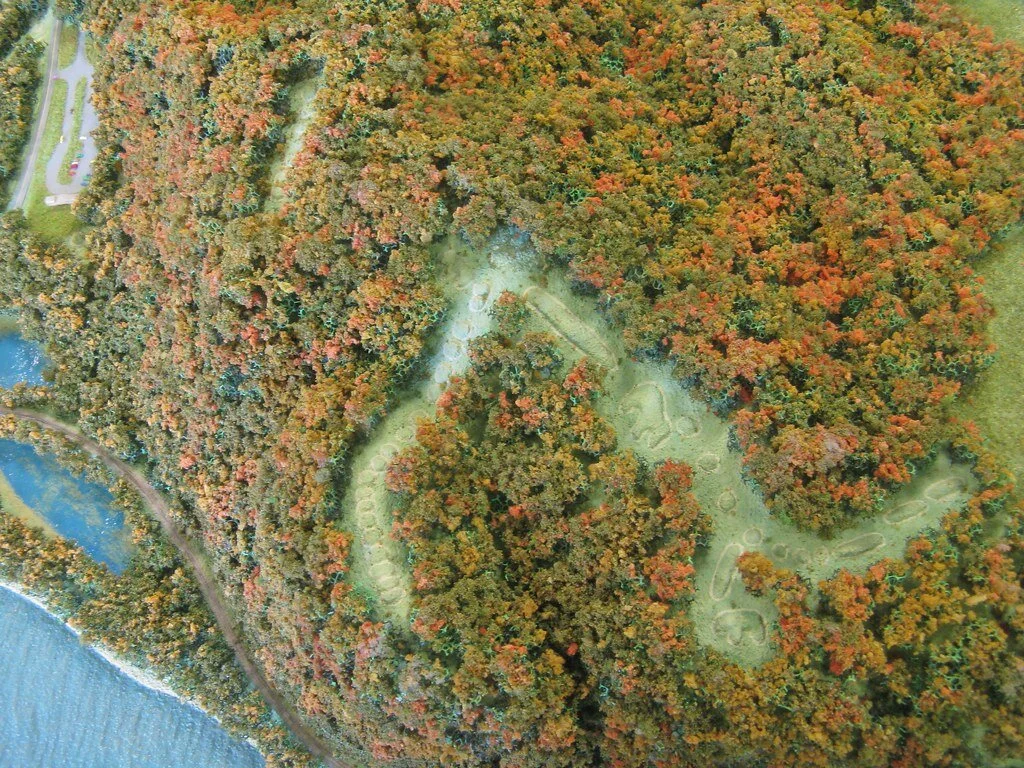
Ceremonial mounds created by Indigenous Americans can be found across the United States. Effigy Mounds National Monument preserves more than 200 distinct mounds built by people known as the Woodland Indians and gives visitors a glimpse directly into Woodland Indian culture. The mounds, found in northeastern Iowa, are unique because a large number of them are effigies in the shape of animals. Thirty-one of the mounds are bear or bird effigies. The Woodland culture consisted of hunter-gatherers who during the summer lived in large campsites along the Mississippi River, which they relied on for food and water. Archaeologists and researchers do not know precisely why the effigy mounds were built, but they guess that they may have been made for religious rituals or burial ceremonies. Guided tours are available throughout the summer at Effigy Mounds to teach visitors more about the area’s rich history, and there are also hiking trails around the site. 

5. Chumash Painted Cave State Historic Park, California

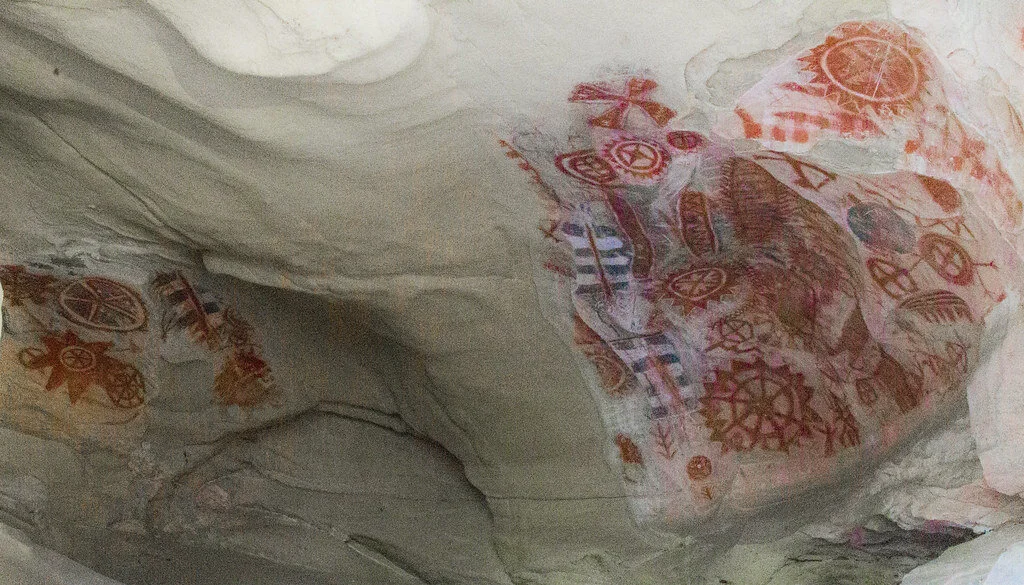
Just outside of Santa Barbara sits the Chumash Painted Cave, a room-sized sandstone cavern filled with colorful anthropomorphic and geometric figures. The exact age of the cave paintings is unknown, but archaeologists estimate that they date to the 1600s or earlier. The paintings are attributed to the Chumash, a name referring to several groups of Indigenous people who lived along the coast of Southern California and on the nearby Channel Islands. The Chumash groups spoke a variety of what linguists refer to as the Hokan language, and they constructed canoes from pine or redwood planks, which they used to sail up and down the California coast to hunt, gather and trade with other tribes. The Chumash lived in round homes known as “aps,” organized into villages. A number of archaeological sites displaying Chumash rock art have been discovered, and the Chumash Painted Cave is one of the most well preserved. The meaning behind the figures at the painted cave is unknown, but the art may be connected to Chumash astrology and cosmology. 

6. Chaco Culture National Historical Park, New Mexico

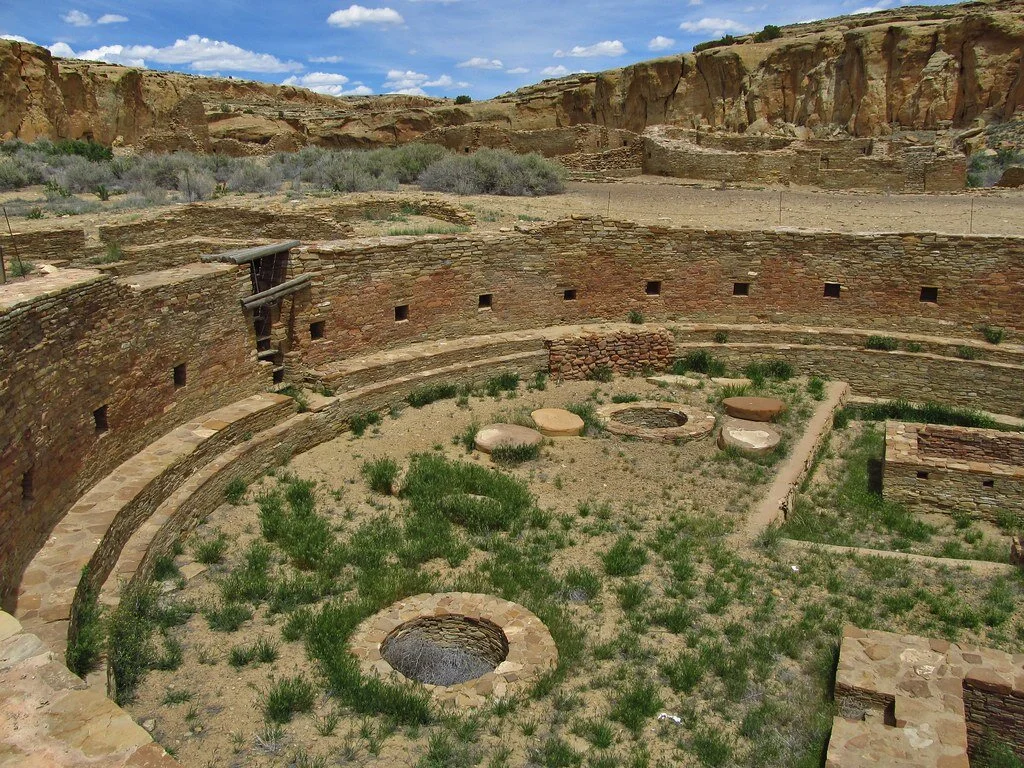
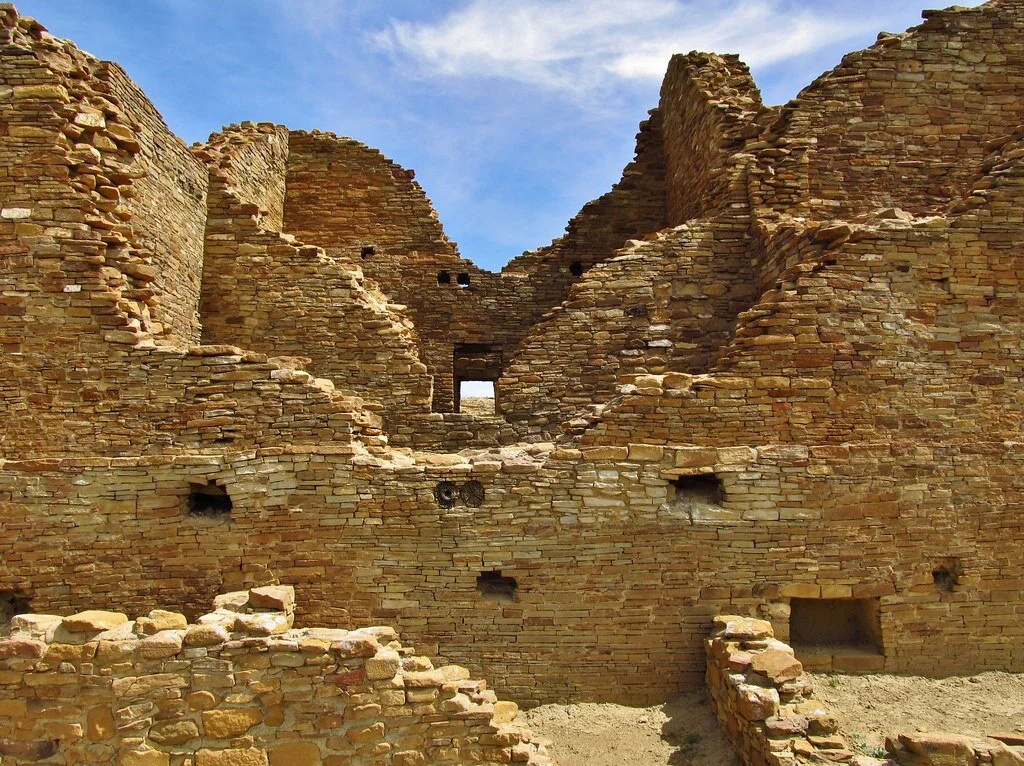
A valley in the high desert of northwestern New Mexico houses an ancient, sprawling center of ancestral Pueblo culture. Between 850 and 1250 A.D., the area that is now Chaco Culture National Historical Park was the epicenter of a widespread expansion of Chacoan culture. The Chacoan people used unique masonry techniques to construct stone houses multiple stories high, some containing hundreds of large rooms. The buildings were intricately planned out and often constructed according to solar, lunar and cardinal directions, as well as to maintain clear lines of sight between houses. By 1050, Chaco was the economic and cultural center of the San Juan Basin, with people from all over the area gathering there to share knowledge and traditions and to participate in ceremonies. A number of the great houses have been preserved and can be seen today, along with petroglyphs made by the Chacoan people. Since 2013, Chaco has also been designated an International Dark Sky Park, meaning it is one of the best places in the country to get a view of the night sky untainted by light pollution. Visitors can look at the sky the same way the Chaco people saw it a millennium ago. 

7. Ocmulgee Mounds National Historical Park, Georgia

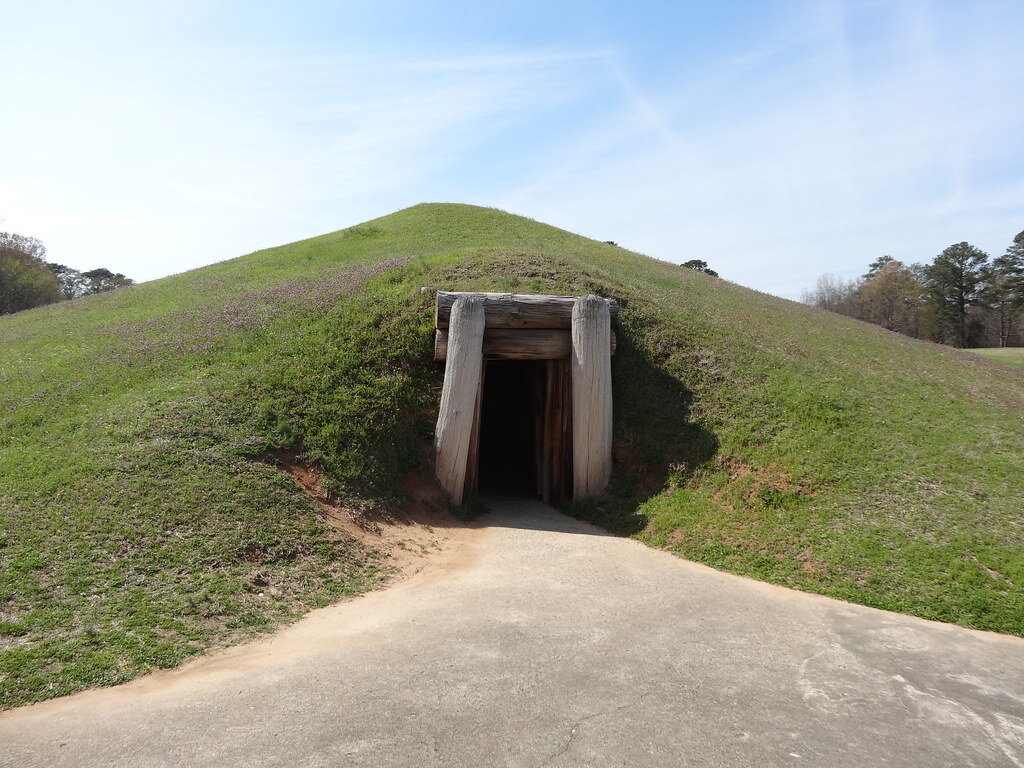
Minutes outside of downtown Macon, Georgia, lies Ocmulgee Mounds National Historical Park, a site shaped by 17 millennia of habitation, dating back to prehistoric times. The nomadic Paleo-Indian people arrived at the site in around 17,000 B.C., during the last ice age. Around 9,600 B.C. the Paleo-Indian era gave way to the Archaic era. The Early Archaic people were nomadic hunters as well, but evidence suggests that by the Middle Archaic period people began to build more permanent settlements and gather food. It wasn’t until the Mississippian people, who migrated to the area in 900 A.D., that the land was permanently changed, however. The Mississippians constructed impressive villages that literally reshaped the landscape, forming elaborate earthen lodges and temples that are still visible today. The Mississippian culture declined after the 1539 arrival of Spanish explorer Hernando de Soto, who brought with him foreign diseases that devastated the Mississippian people. Descendants of the Mississippian people, the Muscogee Creek Nation, who lived at Ocmulgee from 1600 until their forcible removal by Andrew Jackson in 1836, considered the mounds built by their ancestors to be sacred. Today, visitors to the site can see several of the mounds constructed by the Mississippian people, as well as the location of two Civil War battles. 

8. Little Bighorn Battlefield National Monument, Montana

Little Bighorn Battlefield National Monument memorializes the site of the Battle of Little Bighorn, a fight between the 7th Regiment of the U.S. Cavalry and thousands of Sioux, Cheyenne and Arapaho tribe members. It lies within the Crow Indian Reservation in southeastern Montana. On June 25, 1876, the 7th Regiment, led by Lt. Gen. George Custer, attacked a village of free Lakota and Cheyenne people. The battle was part of the U.S. campaign to force Indigenous people to comply with the 1868 Treaty of Fort Laramie, which created a large reservation in South Dakota intended to house the Lakota. Many Lakota did not want to give up their nomadic lifestyle in favor of a life controlled by the U.S. government, resulting in a number of armed conflicts. The Battle of Little Bighorn proved deadly for both sides, but the Lakota and Cheyenne ultimately triumphed, defeating Custer and his troops. Though the Lakota and Cheyenne tribe members won the battle, Custer’s defeat became a rallying cry for U.S. efforts to force Indigenous people onto reservations, and stronger military forces were sent to conquer the tribes. The monument includes the battlefield itself, as well as the Custer National Cemetery and a number of hiking trails. 

 9. Aztec Ruins National Monument, New Mexico

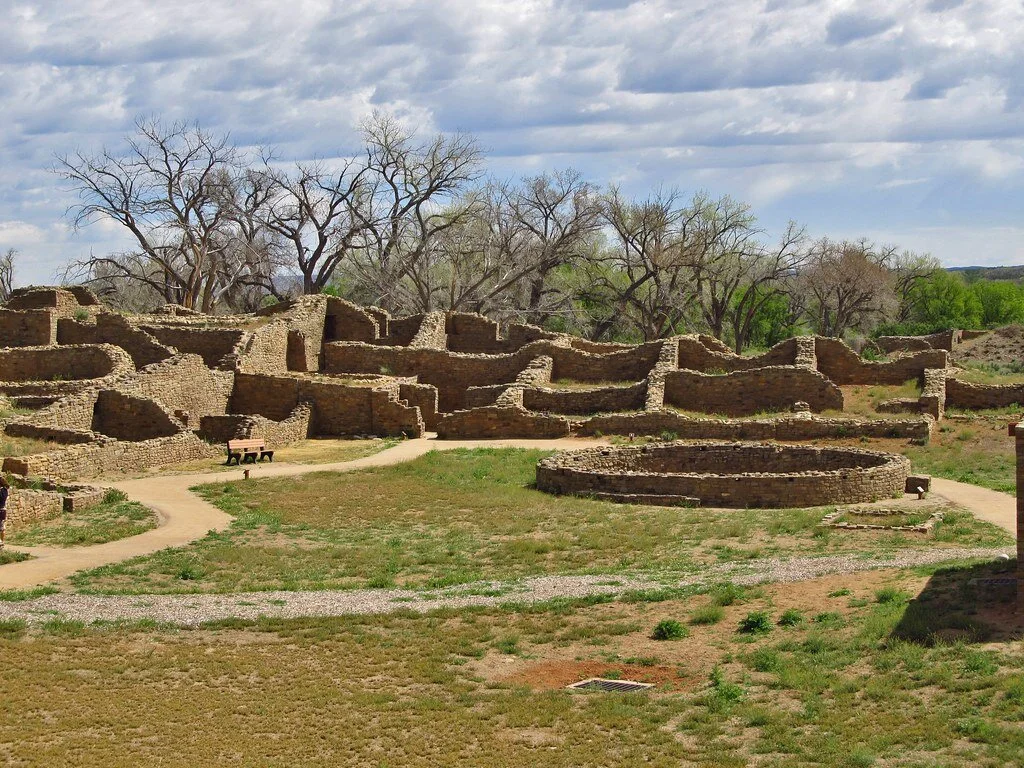
Despite its name, Aztec Ruins National Monument has no association with Mexico’s Aztec empire. These large, multistory stone buildings, located within the city limits of Aztec, New Mexico, were constructed by the ancestral Pueblo. Early Western settlers thought that the site was built by the Aztecs, so they named the area “Aztec,” and the name remained even after the true builders of the ruins were discovered. Aztec Ruins was the largest ancestral Pueblo community in the Animas River valley. The site features a number of “great houses” made of stone, including the West Ruin, which had over 400 interconnected rooms. Each great house had a “great kiva,” a large, underground circular chamber used for ceremonies. Aztec Ruins also has three above-ground kivas, each encircled by three walls forming a triangle. Aztec Ruins was likely influenced by Chacoan culture, and may have even been an outlying community of Chaco. Visitors can wander through the rooms of West Ruin on a self-guided tour, or participate in ranger-led programs. 

10. Hopewell Culture National Historical Park, Ohio

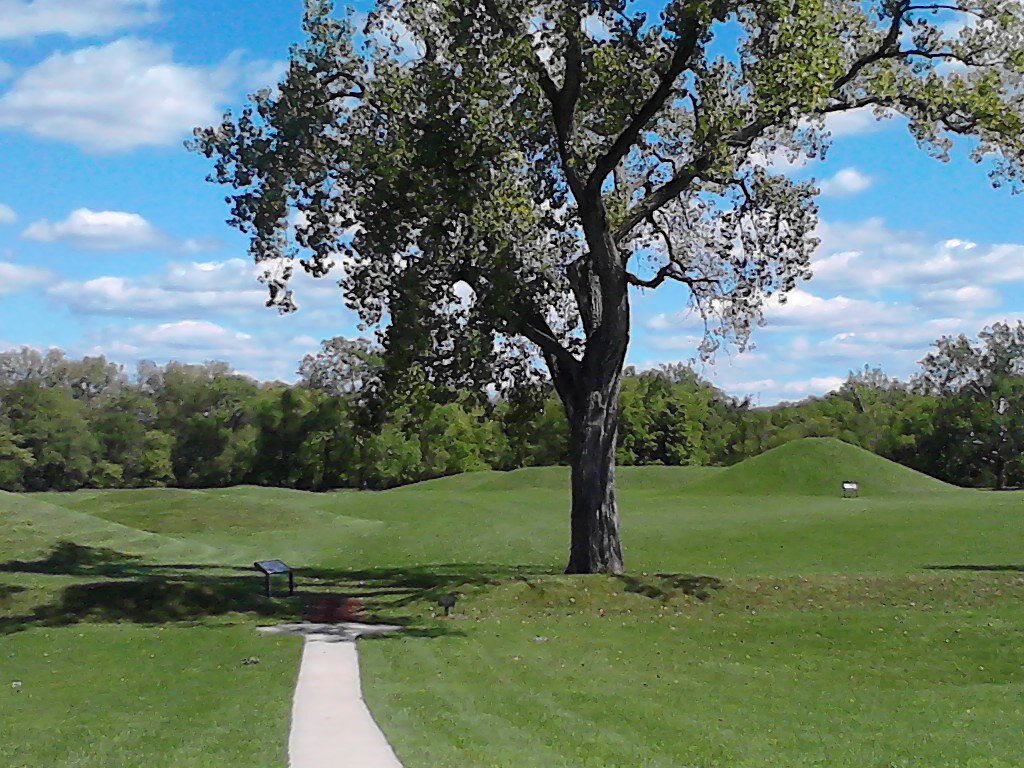
The term “Hopewell culture” refers not to a specific tribe, but to a “distinctive set of artifacts, earthworks and burial practices” common in areas of southern Ohio during the Middle Woodland period, from around 1 to 400 A.D. The Hopewell Mound Group is an 130-acre earthwork complex, which contains 29 burial mounds and was once enclosed by an enormous earthen wall that spanned over 2 miles and was up to 12 feet high. Remnants of the walls are still visible, as are several of the large, uniquely shaped mounds. Hopewell Culture National Historical Park encompasses five additional sites, all with fascinating remnants of the Hopewell culture. Settlements typically consisted of a few families living close together in rectangular houses with a shared garden nearby. In addition to growing domesticated plants, people of the Hopewell culture were hunters, fishers and gatherers. Visitors to the park will discover the commonalities between each distinct site by exploring the incredible Hopewell Mounds and looking at preserved artifacts.


Rachel Lynch

Rachel is a student at Sarah Lawrence College in Bronxville, NY currently taking a semester off. She plans to study Writing and Child Development. Rachel loves to travel and is inspired by the places she’s been and everywhere she wants to go. She hopes to educate people on social justice issues and the history and culture of travel destinations through her writing.
Oregon and Washington State Rethink the War on Drugs

A new law in Oregon decriminalized possession of small quantities of hard drugs. With Washington state possibly following its lead, the war on drugs might begin to be phased out.

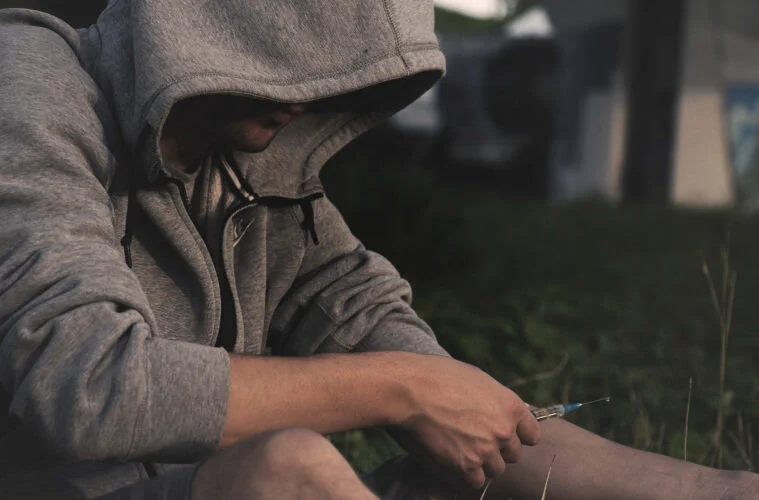
Is the end in sight for the war on drugs? Thomas Martinsen. CC BY-NC-SA 3.0.

Currently, an Oregon police officer cannot arrest someone for possession of small amounts of heroin, meth, LSD or any other hard drug. Ballot Measure 110, voted into law last November, decriminalized the possession of small quantities of such substances. Instead of a felony conviction and jail time, a drug user caught red-handed will face either a $100 fine or a medical evaluation that could direct them to an Addiction Recovery Center (ARC). The new law fundamentally changes the state’s approach to epidemic rates of drug use and could revolutionize the role of Oregon’s police force. 

At its core, Ballot Measure 110 diverts drug users away from the criminal justice system and toward the health care system. The bill requires that a network of 15 ARCs be built to treat drug users and pair them with case workers who can help them reach sobriety. Funding for the ARCs will come, ironically, from tax revenue from legal marijuana sales. Oregon can expect a lot of money from such sales. In 2020, tax revenue from marijuana reached $133 million, a 30% increase from the previous year. Additionally, the state anticipates that more funds will appear as police stop pursuing arrests for drug possession.

The simple demotion of drug possession from a felony to a misdemeanor will have lasting repercussions. Before, an Oregon police officer who saw a pipe in a car could justify searching the car for illegal substances, since the pipe was proof of a possible felony. Now that it would indicate only a misdemeanor, the officer cannot search the vehicle. Arrests will decrease sharply as a result. The Oregon Criminal Justice Commission estimates that there will be 3,679 fewer arrests for possession per year, a 90.7% decrease. Distributors will still face criminal sentences since they possess drugs in large quantities, but users will receive health care, not jail time.

A disease, not a crime. Drugs Treatment Clinic Parus. CC BY-SA 4.0.

Building 15 ARCs by Oct. 1 will be a substantial challenge. Oregon will need to transition from addiction recovery programs focused on prisons to separate health care facilities that require supplies, staff and resources. Already, officers have made fewer arrests for possession to mitigate the risk of COVID-19 outbreaks in prisons. Thousands of drug users who would have landed in jails will now be placed into ARCs. Many who argued against the ballot measure now question whether so many facilities can be built by October. 

They have other qualms, too. As crude as the criminal justice system can be, drug addicts who served time in prison often entered court-mandated treatment programs; this won’t happen now that drug possession is a misdemeanor. County sheriffs expressed concern at a potential surge in illegal drug use now that prison is not a deterrent. Since the ballot measure passed with 58.5% of the vote, it’s clear these arguments weren’t entirely persuasive. 

The least worst option? Michael Kappel. CC BY-NC 2.0.

For one, prison might be the worst place to overcome a drug dependency. An addict is thrust into an unfamiliar environment to undergo withdrawal, and they may cope with trauma by self-medicating when the opportunity arises. The risk for opioid overdose alone is 129 times higher than average in the first two weeks after being released from jail. As for a potential surge in drug use, multiple examples of decriminalization in other countries indicate that this will most likely not occur. After decriminalizing hard drugs in Portugal, rates of drug use remained steady, but drug deaths fell as the percentage of users treated for addiction rose 21% between 2001 and 2008. 

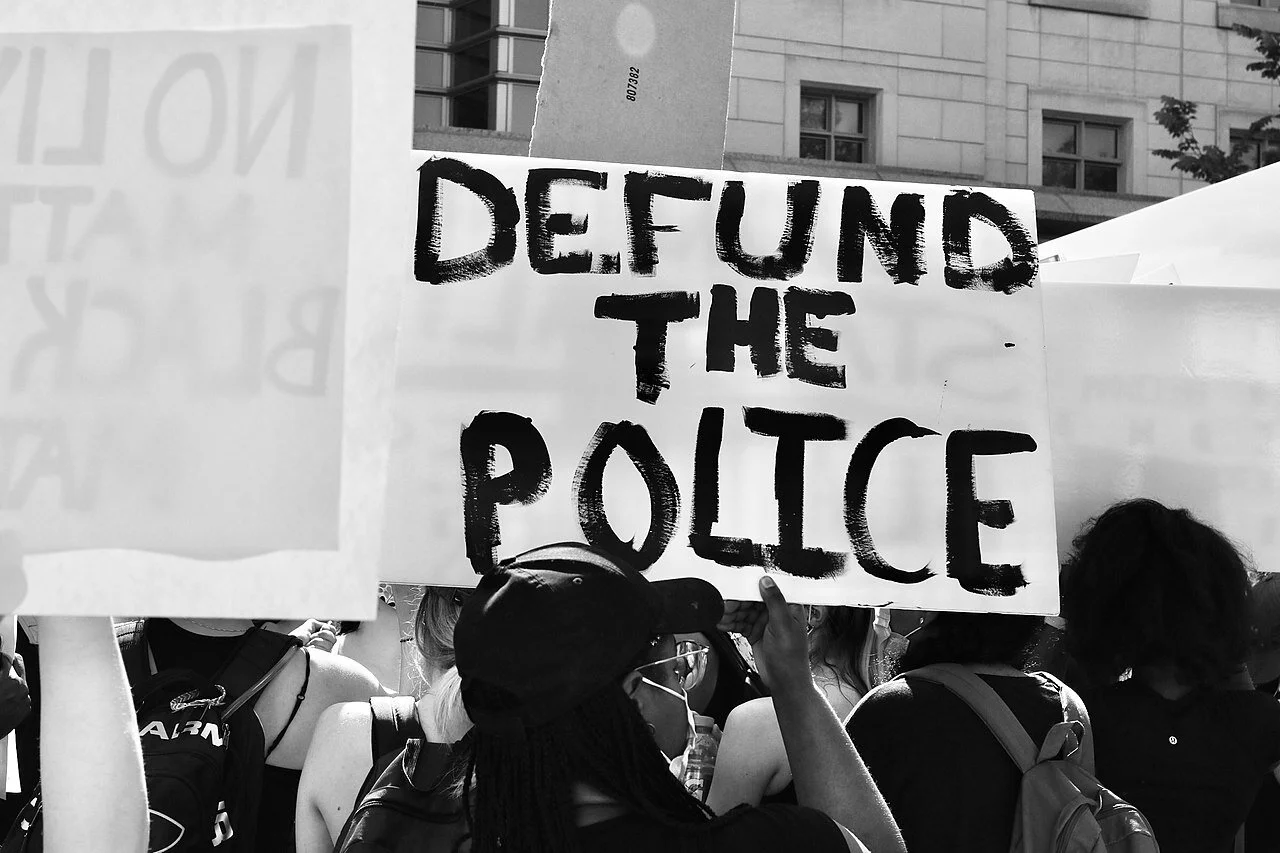
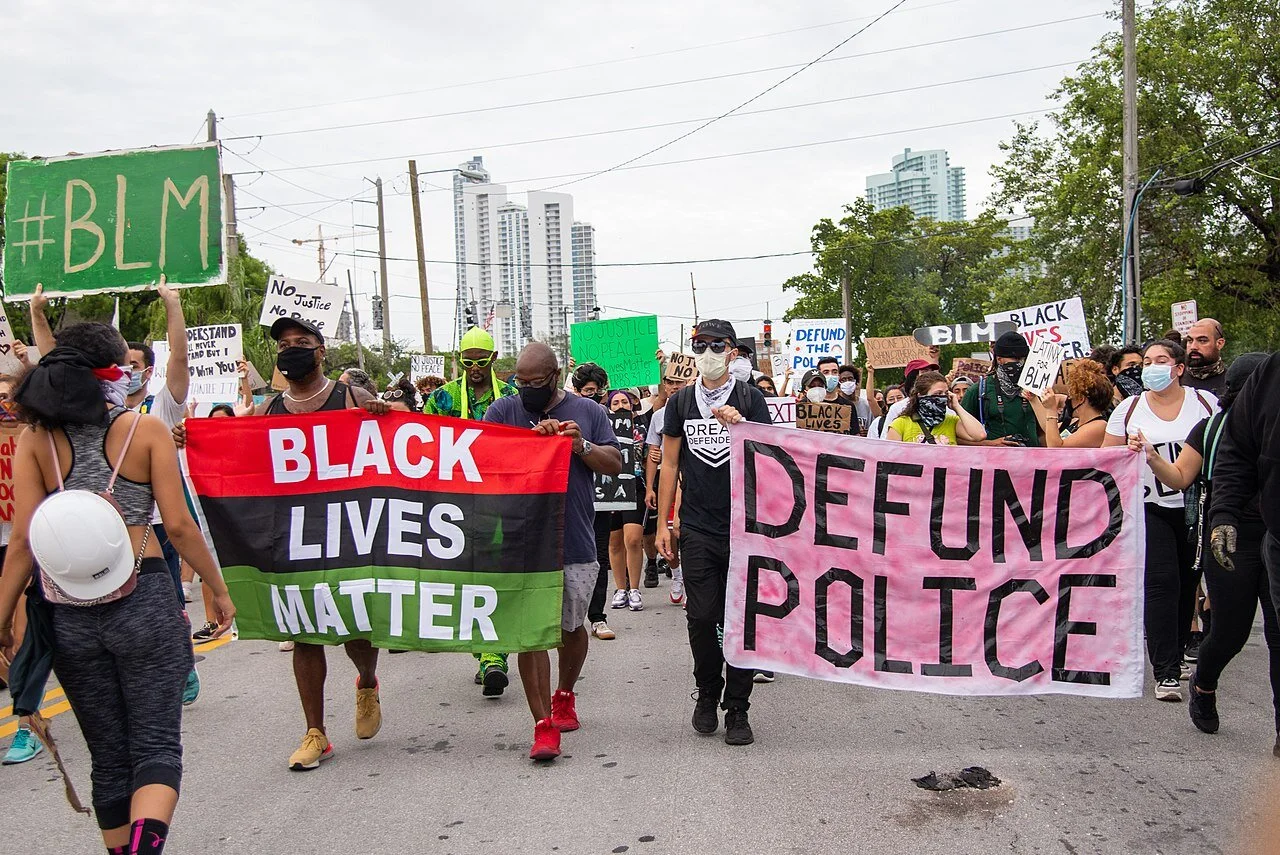
Criticisms of Ballot Measure 110 go beyond the issue of how to treat epidemic rates of drug addiction. They speak to a concern about the ability of Oregon’s health care infrastructure to manage the flow of drug users from prisons to ARCs. This transition plays into a more ambitious, long-term agenda that many advocates of Ballot Measure 110 advocate for: defunding the police. By turning criminals into patients, ARCs would take the issue of drug addiction and mental health crises away from police; Oregon is even considering an alternative to 911 that people can call for drug-related issues or mental health crises.          

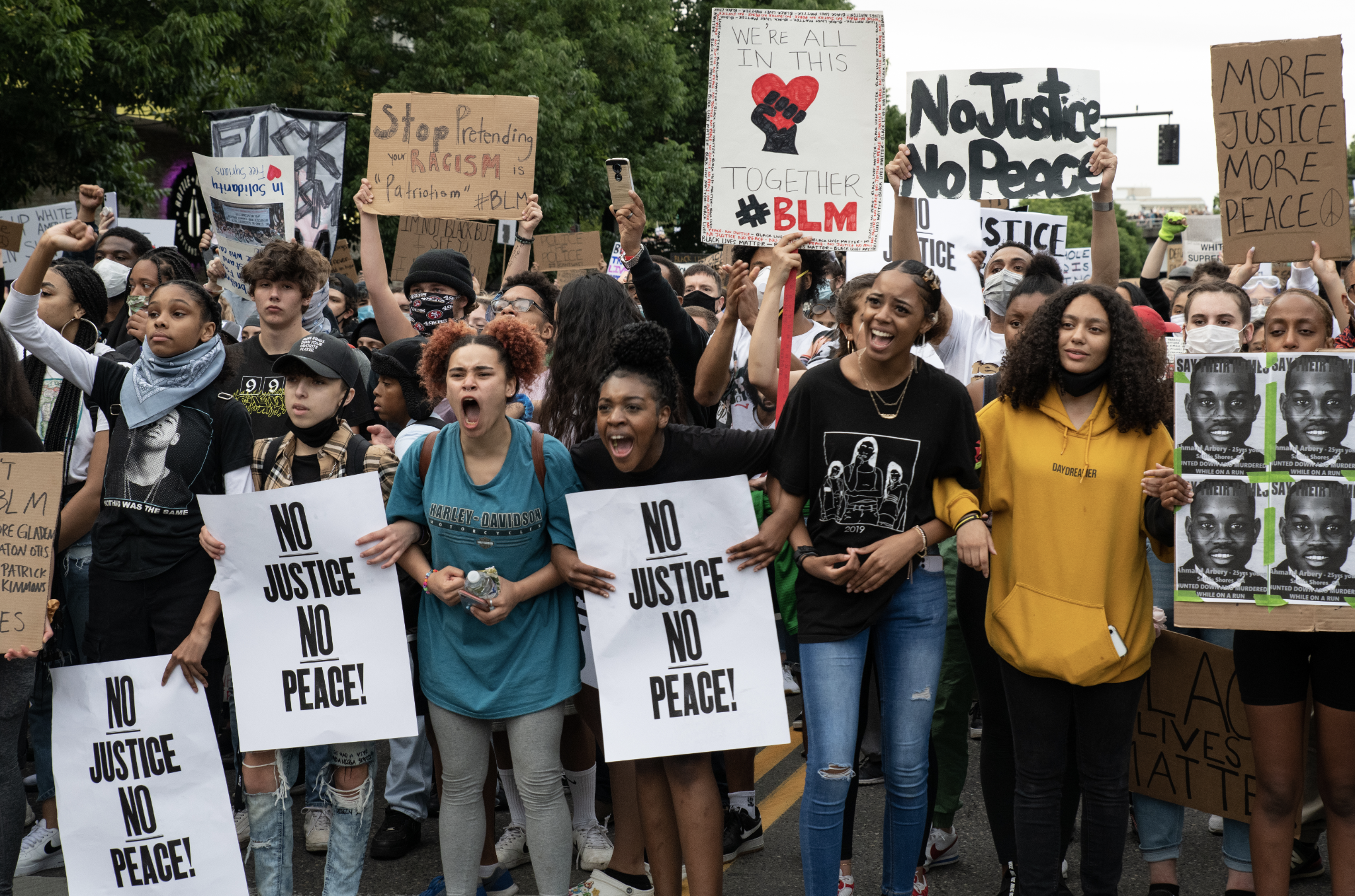
A Black Lives Matter protest in Portland, Oregon. Matthew Roth. CC BY-NC 2.0.

Washington state is considering a similar transition with House Bill 1499, which if passed would decriminalize drugs much the same way as Oregon’s Ballot Measure 110. Revenue for Washington state’s ARCs would come not from marijuA Black Lives Matter protest in Portland, Oregon. Matthew Roth. CC BY-NC 2.0.ana sales but from taxes on pharmaceutical companies, which played a large role in starting the opioid epidemic. Washington state currently has a program designed to lead drug addicts away from the criminal justice system and into treatment centers, the Law Enforcement Assisted Diversion (LEAD) program. It differs from other diversion programs in that it provides care before, not after, an arrest and takes referrals from community members, not just law enforcement. Nationwide, the program has been held up as a model diversion program.

Both states will struggle to make a seamless transition from prisoners to patients. It requires reforming two systems that often become embroiled in partisan conflicts. When the Seattle City Council cut its police department’s budget by 11%, in part to fund diversion programs, 186 police officers quit in response. Oregon will labor to build 15 ARCs by October, even with abundant funding from marijuana sales. Despite the state’s efforts, success depends largely on ever-shifting political winds.


Michael McCarthy

Michael is an undergraduate student at Haverford College, dodging the pandemic by taking a gap year. He writes in a variety of genres, and his time in high school debate renders political writing an inevitable fascination. Writing at Catalyst and the Bi-Co News, a student-run newspaper, provides an outlet for this passion. In the future, he intends to keep writing in mediums both informative and creative.

Environmental Racism is Poisoning Black Communities in the US

Black Americans are 79% more likely than White Americans to live in areas where industrial pollution poses a health threat. The environmental injustice that members of the community face is rooted in centuries of systemic racism and segregation. 

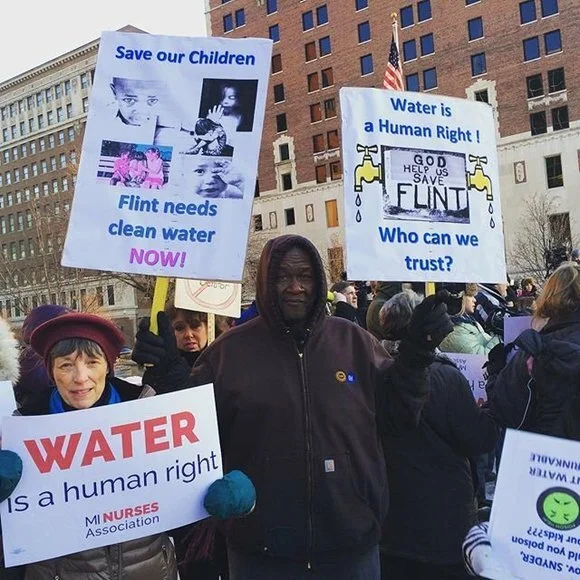
In 2016, Flint, Michigan, was declared to be in a state of emergency by its mayor, Michigan’s governor, and then-President Barack Obama. These state of emergency declarations brought national attention to a crisis that citizens of Flint, a majority-Black community, had been dealing with for two years at that point: undrinkable water. In 2014, the city switched its drinking water supply from Detroit’s system to the Flint River in an attempt to cut costs. The Flint River runs through the center of town and has historically been used as an unofficial disposal site for refuse from local factories and mills. The river’s pollution, combined with inadequate water treatment and testing, led to discolored, bad-smelling water being pumped into Flint homes. Water from the Flint River caused rashes and hair loss, and it also potentially contributed to an outbreak of Legionnaires’ disease that killed 10 people. Later studies showed that the contaminated water had also led to increased cases of elevated blood lead levels in Flint’s children, a condition which can create a range of developmental problems. Flint is still dealing with lead in its water supply because of corroded pipes. The Michigan Civil Rights Commission concluded that the government’s poor response to the Flint water crisis was a result of implicit bias and systemic racism. 

Flint is not the only city to fall victim to environmental injustice, the phenomenon of certain communities, such as communities of color and poor communities, being disproportionately subjected to environmental risk. Environmental injustice is believed to be rooted in systemic racism, and is sometimes referred to as environmental racism. While White people generally breathe 17% less air pollution than they are responsible for generating, Black people breathe 56% more than they cause. In 19 states, Black Americans are at least 79% more likely than White Americans to live in areas where industrial pollution is a health threat. 

St. James Parish, Louisiana, is riddled with factories, chemical plants and refineries. Residents in the area have some of the highest cancer rates in the country, and the region has been nicknamed “Cancer Alley.” Environmentalists say that the area’s fossil fuel industry is the reason for the community’s dismal health. Residents of Grays Ferry, a neighborhood in South Philadelphia, also face disproportionate rates of cancer, which experts attribute to the community’s proximity to a massive refinery. Like Flint, St. James Parish and Grays Ferry are majority-Black communities. 

Factories, refineries and other forms of polluting infrastructure have historically been built in low-income communities of color. Many of these communities were created through segregation and redlining, the refusal of the Federal Housing Administration to issue mortgages in Black neighborhoods. Housing policies under the New Deal were geared toward providing housing to middle-class White families, pushing people of color into urban housing projects. The Federal Housing Administration subsidized the production of subdivisions for White families, requiring that none of the homes be sold to people of color. White neighborhoods received more community investment and better infrastructure, while communities of color suffered from poverty and poor amenities. Companies began exploiting this segregation by buying out Black residents in order to use the land for industrial purposes. After all, people in low-income communities often lacked the means necessary to hire legal representation that could fight back against major corporations. 

The systemic racism that led to segregation and the creation of many low-income communities of color in some ways still perseveres, as these communities are taken advantage of by companies at the expense of residents’ health. Black people have historically been left out of the environmentalist movement, with White people making up 80% of the staff of environmental nonprofits. More recently, Black communities have begun advocating for environmental justice. Activists hope to combine the National Environmental Policy Act, which requires federal agencies to consider the environmental impact of proposed projects and infrastructure, with Title VI of the 1964 Civil Rights Act, which prohibits federally funded entities from discriminating on the basis of race, to create a policy that would dismantle environmental injustice. Environmental policy changes are considered by many to be badly needed, and until they occur, companies will continue to prosper at the expense of Black communities.


Rachel Lynch

Rachel is a student at Sarah Lawrence College in Bronxville, NY currently taking a semester off. She plans to study Writing and Child Development. Rachel loves to travel and is inspired by the places she’s been and everywhere she wants to go. She hopes to educate people on social justice issues and the history and culture of travel destinations through her writing.
Bad Blood: Vaccine Skepticism Spreads in Tuskegee, Alabama

Fewer than half of US Black adults plan to get the vaccine, and in Tuskegee, Alabama, where the deadly syphilis study occurred in 1932, skepticism is high. At that time, 600 Black men entered a US Gov’t sponsored study, in which participants were told they would be treated for “bad blood” but were left untreated and 128 died. Memories of this are still very much alive in this region.

Read More

America’s Prison Abolition Movement Fights On

The United States is home to nearly 25% of the world’s prison population. Activists are fighting to dismantle the prison system, hoping to strengthen communities instead. 

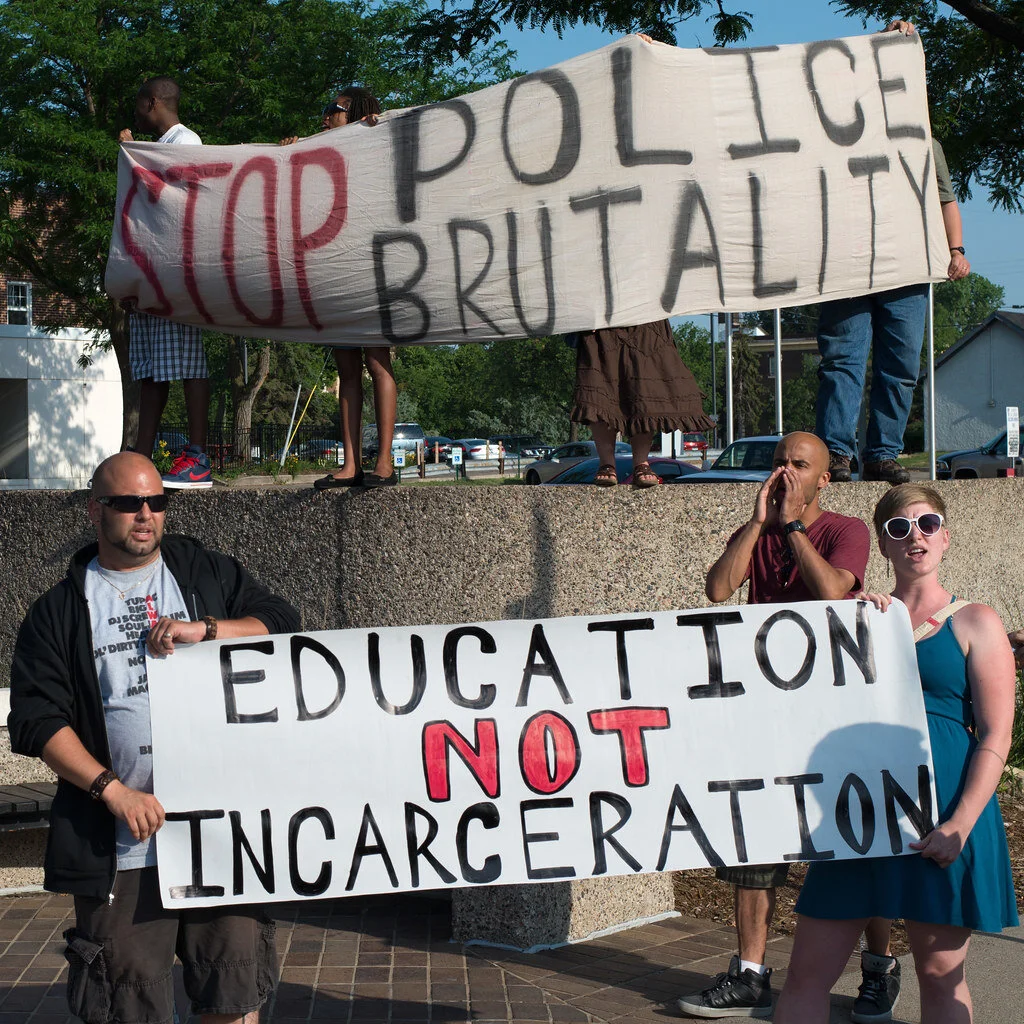
Protest against police brutality in Minnesota, 2013. Fibonacci Blue. CC BY 2.0   

The United States maintains the highest prison population rate in the world. Despite making up only 5% of the world’s population, the United States is home to 25% of the world’s prisoners. There is no question that the United States has a mass incarceration problem. For decades, activists have argued that the prison system perpetuates racism, sexism and inequality, leading to what is often seen as a radical solution: prison abolition. 

In the wake of the recent stream of anti-police brutality protests, discussion has turned toward prison abolition. Prison abolition is not just about getting rid of physical prisons; abolitionists aim to undo societal structures that lead to incarceration, known as the prison-industrial complex. The prison-industrial complex is a term used to describe “the overlapping interests of government and industry that use surveillance, policing and imprisonment as solutions to economic, social and political problems.” Prison abolition is really the abolition of the prison-industrial complex, with the ultimate goal being to eliminate policing, imprisonment and surveillance and to redistribute government spending from these industries to support housing, education, jobs and health care. 

The concept of prison abolition has been around since the 1980s. Following the war on drugs, which increased prison sentences for both drug dealers and users and more than doubled the prison population from 1980 to 2000, activists began protesting the prison system. They argued that too many nonviolent offenders were being incarcerated, that wealth inequality was a major factor in who was locked up, and that people of color were disproportionately imprisoned. Black and Hispanic people in the U.S. are still incarcerated at higher rates than White people, data shows. The movement gained prominence in the 1990s, when Angela Davis and Ruth Wilson Gilmore co-founded Critical Resistance, a national anti-prison organization with a focus on the prison-industrial complex and abolition. In 1998, Critical Resistance hosted a three-day conference to examine and challenge the prison-industrial complex. The conference was considered a success, but made clear how much work still had to be done to undo a society that maintains mass incarceration. 

“The abolition movement focuses on preventive rather than punitive measures.”

Skeptics of the abolition movement often ask what will happen to violent offenders, like murderers and rapists, if prisons are shut down. The movement’s supporters have two responses. First, abolition activists ask: is the current prison-industrial complex actually effectively addressing the issues behind rape and murder? Most activists say no. Despite the copious amounts of money funneled into supporting the prison-industrial complex annually, the threats of sexual assault and murder, among other crimes, are still sources of concern across the country. The prison-industrial complex locks criminals up, but has not actually addressed the root of the crimes in society. Plus, as prison abolition activist Woods Ervin points out, the prison-industrial complex itself perpetuates some crimes, like when prison guards sexually assault incarcerated people. Second, supporters point out that abolitionists want to help communities address underlying issues, like wealth inequality, that contribute to the rise of crime in the first place. Abolitionists want to build up infrastructures in communities in order to reduce interpersonal issues and create a world where people don’t feel driven into committing crimes. The abolition movement focuses on preventive rather than punitive measures. Ultimately, how crime is dealt with after prison abolition “is going to depend on each scenario,” Ervin says, and on the community in which it takes place. 

Prisons won’t be shut down tomorrow, but activists in the abolition movement are fighting to ensure that prisons will one day be obsolete, and communities will have a stronger foundation to deal with eliminating inequality. The recent killings by police officers and subsequent anti-police brutality protests have illuminated some of the issues with the prison-industrial complex, and highlight the need for a new system. 

To Get Involved: 

To locate your local chapter of Critical Resistance, the national anti-prison organization, and find information on volunteer opportunities or how to become a member, click here.


Rachel Lynch

Rachel is a student at Sarah Lawrence College in Bronxville, NY currently taking a semester off. She plans to study Writing and Child Development. Rachel loves to travel and is inspired by the places she’s been and everywhere she wants to go. She hopes to educate people on social justice issues and the history and culture of travel destinations through her writing.
8 Surprisingly Vibrant Desert Destinations

Deserts are much more than the beating sun and rolling sand dunes we often picture. These eight destinations showcase the incredible natural beauty of the desert, from salt flats and chalk formations to mountains and glaciers. 

Though deserts are often thought of as just hot, dry expanses of sand, they come in a variety of climates and landscapes and hold some of the world’s most fascinating natural formations. Deserts “are areas that receive very little precipitation,” making them arid but not necessarily hot and sandy. Many deserts are mountainous, and others are large expanses of rock or salt flats. Though their arid environment makes water in deserts scarce, they are far from lifeless. Plants and animals, including humans, have adapted to desert life. One-sixth of the Earth’s population lives in deserts, which are found on every continent. 

These eight desert destinations range from freezing to boiling in temperature and are all unique, with their own attractions and plant and animal life. Each of these stunning deserts is worth a visit, and they may change your opinion of the desert as a stark, lonely place to one of beautiful landscapes blooming with culture, history and life. 

White and Black Deserts, Egypt 

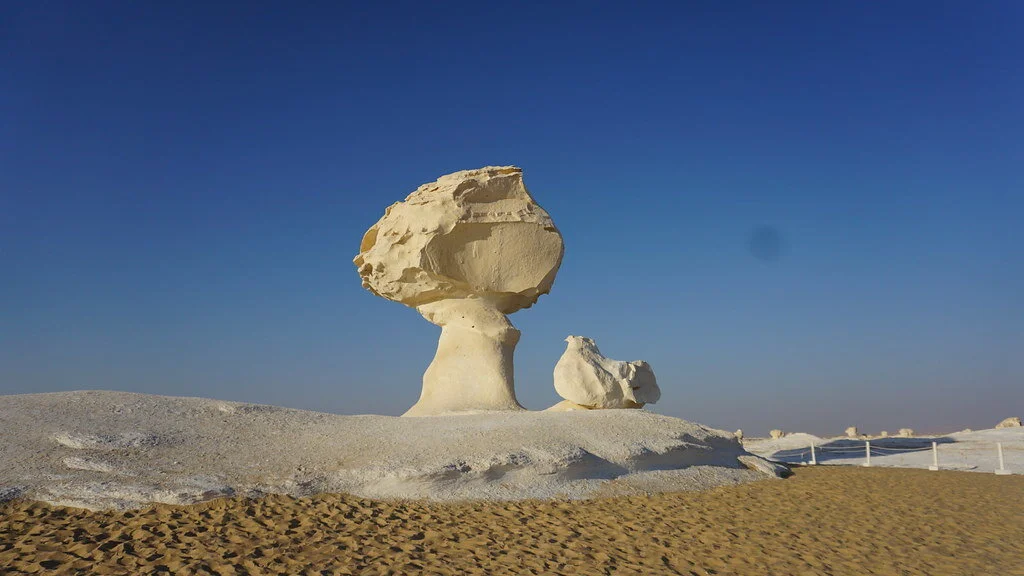
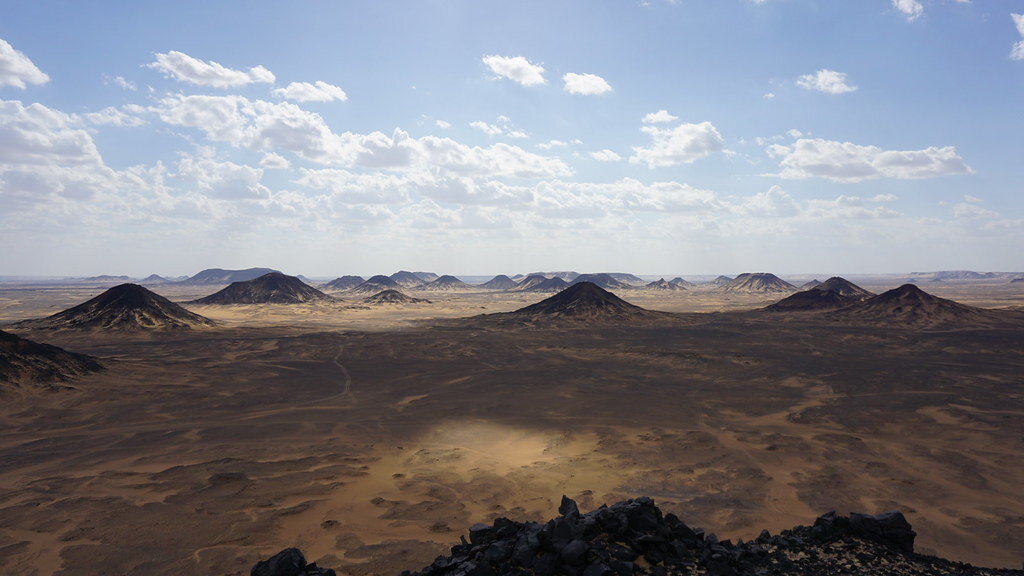
Located just a few hours from Cairo, Egypt’s White and Black deserts are two stunning and underappreciated visitor attractions. The White Desert is located in the Farafra Depression, a section of Egypt’s Western Desert, and boasts some of the most unique geological landscapes in the country. Incredible wind-carved white chalk formations rise from the sand in the shapes of towering mushrooms and pebbles, giving the White Desert its name. The White Desert stretches over 30 miles, and the most visited area is the southern portion closest to Farafra. To the north of the White Desert is the Black Desert, where volcanic mountains have eroded to coat the sand dunes with a layer of black powder and rocks. In the Black Desert, visitors can climb up English Mountain and look out over the landscape. The Egyptian Tourism Authority recommends booking a tour to explore the deserts in depth, and travelers can even stay in the White Desert overnight. 

Joshua Tree National Park, California 

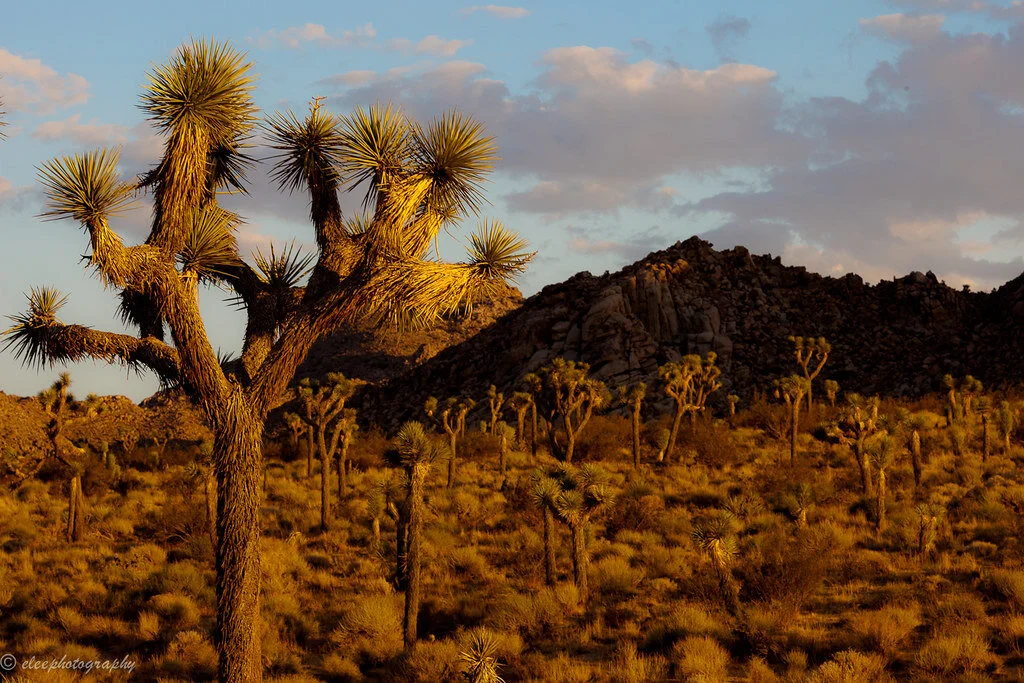
Joshua Tree National Park in Southern California is where two different desert ecosystems meet. Parts of the Mojave and the Colorado deserts are both found in Joshua Tree, along with a distinctive variety of plant and animal life. The Joshua tree, the park’s namesake, is the most identifiable of the plants, with its twisted, spindly branches and spiky clusters of greenery. Some of the park’s most popular attractions are Skull Rock; Keys View, a lookout with views of the Coachella Valley and the San Andreas Fault; and Cottonwood Spring Oasis, which was a water stop for prospectors and miners in the late 1800s. Joshua Tree National Park has roughly 300 miles of hiking trails for visitors to explore. The park is open 24 hours and can be visited at any time of the year, but visitation rises during the fall due to the cool weather and is at its height during the wildflower bloom in the spring. 

Atacama Desert, Chile 

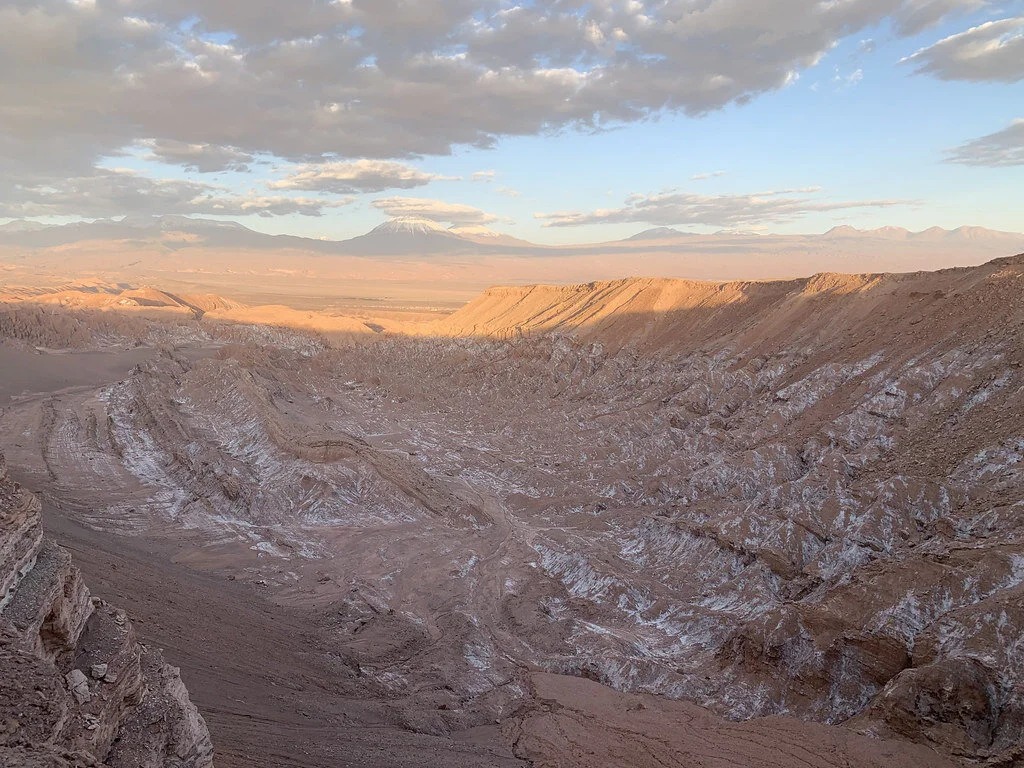
Trips to the Atacama Desert in northern Chile are likened to visiting Mars on Earth. The dry, rocky terrain is so similar to that of Mars that NASA tests its Mars-bound rovers here. The Atacama Desert, the driest desert on Earth, spans over 600 miles between the Andes and the Chilean Coastal Range. Some weather stations set up in the Atacama have never seen rain. Despite its dryness, the desert is home to thousands of people, as well as plants and animals. People have been living in the Atacama Desert for centuries; mummies were discovered in the Atacama dating back to 7020 B.C., even before the oldest known Egyptian mummies. Attractions in the Atacama Desert include El Tatio geyser field, the Chaxa Lagoon, the Atacama salt flats, and sand dunes over 300 feet tall. The Atacama Desert is also said to have some of the clearest night skies in the world, making it perfect for stargazing. It is best to avoid a trip to the Atacama during the summer months, as the high temperatures make for a sweltering visit. 

Salar de Uyuni, Bolivia 

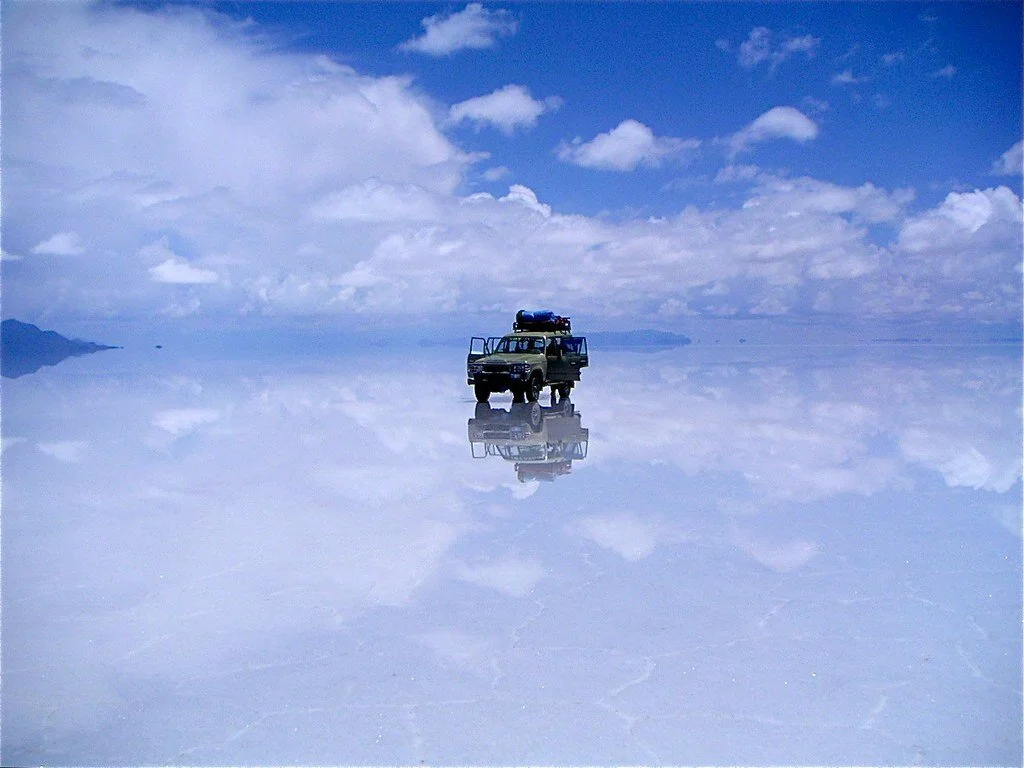
The world’s largest salt flat, Salar de Uyuni, covers 3,900 square miles in the southwestern corner of Bolivia. Salar de Uyuni is so large it can be seen from space and holds an estimated 10 billion tons of salt. Beneath the salt flat is approximately 70% of the world’s lithium reserves. This lithium is carefully extracted and used for powering laptops, electric cars and smartphones. Salar de Uyuni is surrounded by scenic lakes, geysers and rock formations, and is one of the world’s most beautiful and untouched natural landscapes. Tours of Salar de Uyuni take visitors to the Valley of Rocks; Morning Sun, which is home to geysers and mud pots; Colchani, a salt-processing village; and the Polques Hot Springs, where travelers can soak in warm thermal water. The landscape of Salar de Uyuni changes based on the seasons, so travelers should plan their visits around what they want to see. From July to October, access to all sites of Salar de Uyuni is unrestricted, but during the rainy season from December to April, visitors may be able to witness the salt flat’s famous mirror effect, where a thin layer of water over the salt transforms the land into the world’s largest mirror. 

Tanque Verde Ranch, Arizona 

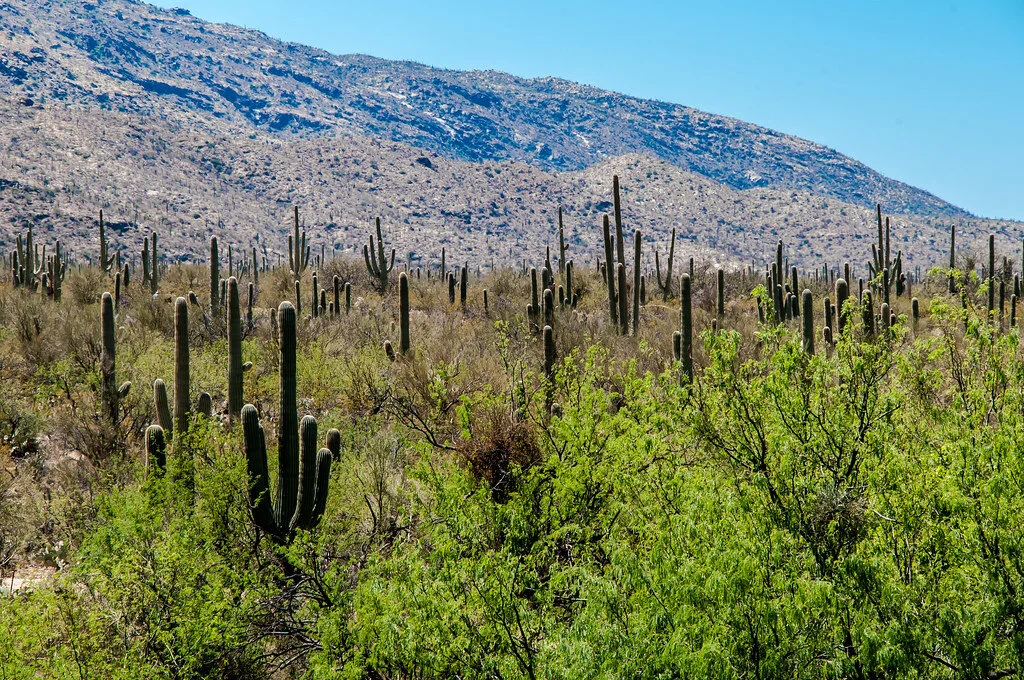
Located just outside of Tucson, Arizona, near Saguaro National Park and the Rincon Mountains, Tanque Verde Ranch gives visitors “the ultimate dude ranch experience.” The ranch sprawls over 640 acres and stocks over 150 horses. Visitors to the ranch can get a real-life cowboy experience, including horseback riding and team penning. Riders of all experience levels will find something to do at Tanque Verde, where visitors can take beginning, intermediate and advanced lessons and then go on a sunrise or sunset trail ride through the Arizona desert. Tanque Verde Ranch offers kids’ riding activities too, as well as activities for non-riders such as yoga, mountain biking, fishing, swimming and pickleball. Visitors should pack long pants and closed-toe shoes if they plan to ride, and casual wear is appropriate for all non-riding times. Trips to the ranch usually last around four days, and visitors stay on the property. Tanque Verde Ranch is open to visitors year-round. 

Gobi Desert, Mongolia 

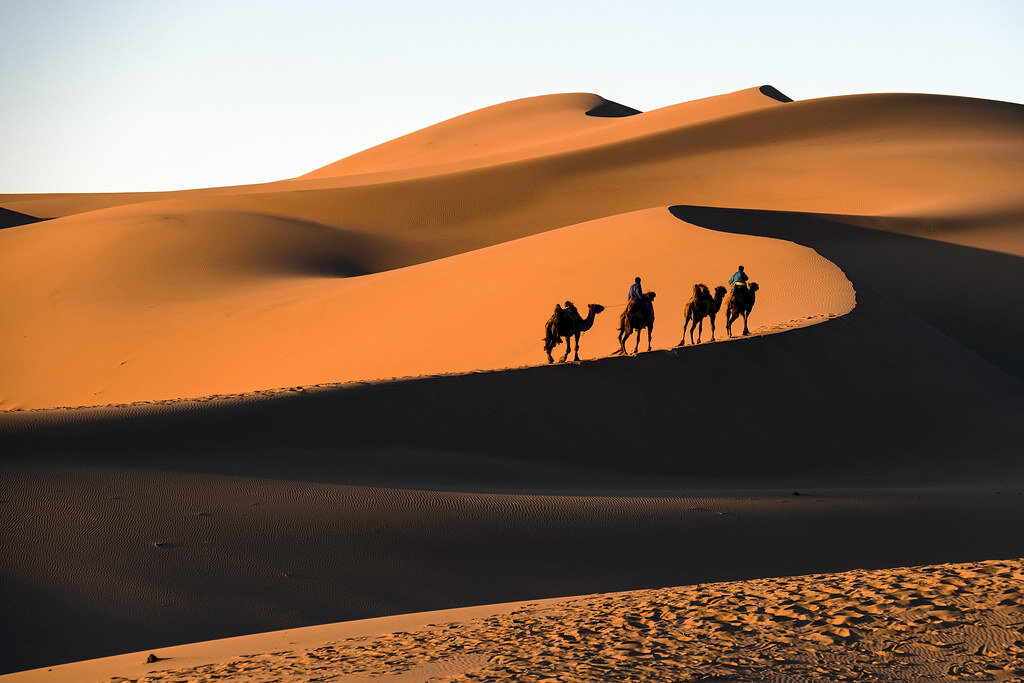
Spanning most of southern Mongolia and its border with China, the Gobi Desert contains stunning views and years of history. The region was once populated by dinosaurs, and some of the best-preserved fossils in the world were found near the Flaming Cliffs of Bayanzag. The Gobi Desert showcases a variety of natural beauty, from towering sand dunes to incredible white granite formations. Dry desert plants that come to life after rain make the Gobi unique, as well as ”saxaul forests” made up of sand-colored shrubbery. Visitors to the Gobi Desert should explore the Khongor Sand Dunes, an area that offers rocky and mountainous terrain in the south, dry and barren terrain in the center, and several oases in the north. Other major attractions are the Flaming Cliffs of Bayanzag, where red clay seems to glow in the sun, and the Gobi Waterfall, which looks like a city in ruins but is a completely natural formation. The best time to visit the Gobi Desert is either in late spring or in autumn, when the weather is neither too hot nor too cold.

Nk’Mip Desert, Canada 

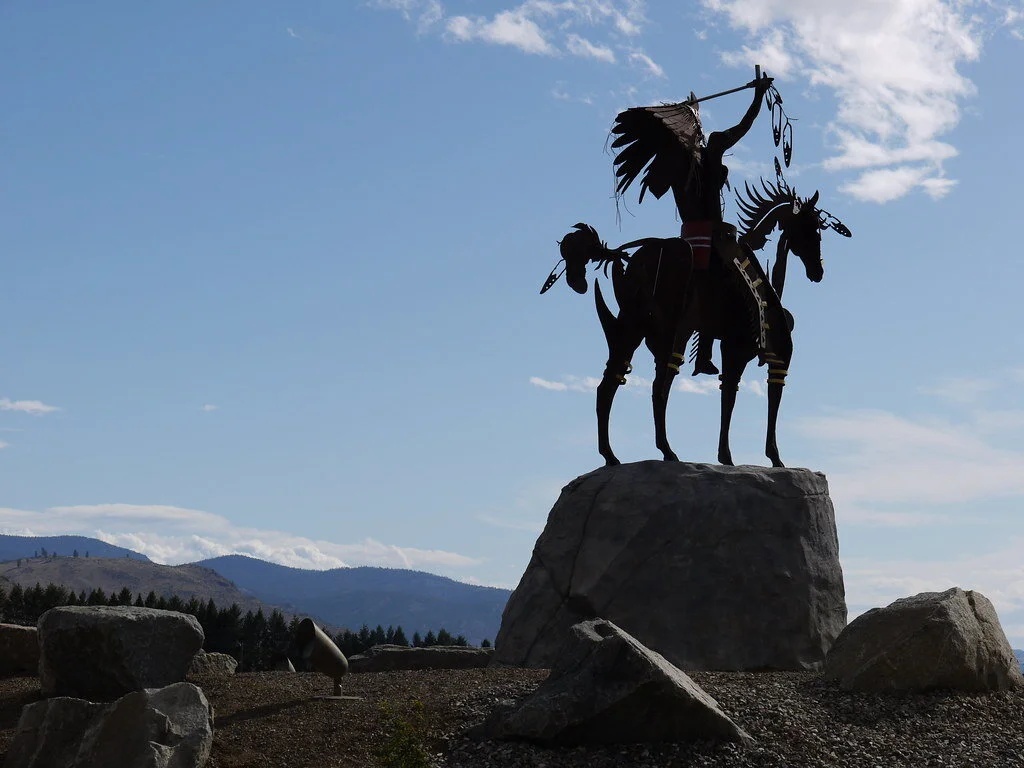
Also called the Okanagan Desert, Canada’s Nk’Mip Desert contains the most endangered landscape in Canada. Located in Osoyoos in British Columbia, the Nk’Mip Desert Cultural Center is a 1,600-acre area of the Okanagan Desert managed by the Osoyoos Indian Band, and is the only fully intact area of desert in Canada. The desert is situated in a semiarid microclimate. The cultural center was designed to be eco-friendly and resembles the traditional winter homes of the Osoyoos Indian Band. Visitors can explore the desert on walking trails, which are surrounded by sage, prickly pear cactuses and antelope brush, as well as sculptures of desert creatures and native peoples by Smoker Marchand. The trails take visitors through a traditional Osoyoos village, where they will find a traditional sweat lodge and pit house. Many visitors prefer to explore Nk’Mip Desert in the summer due to the region’s relatively cold winters. 

Patagonian Desert, Argentina and Chile

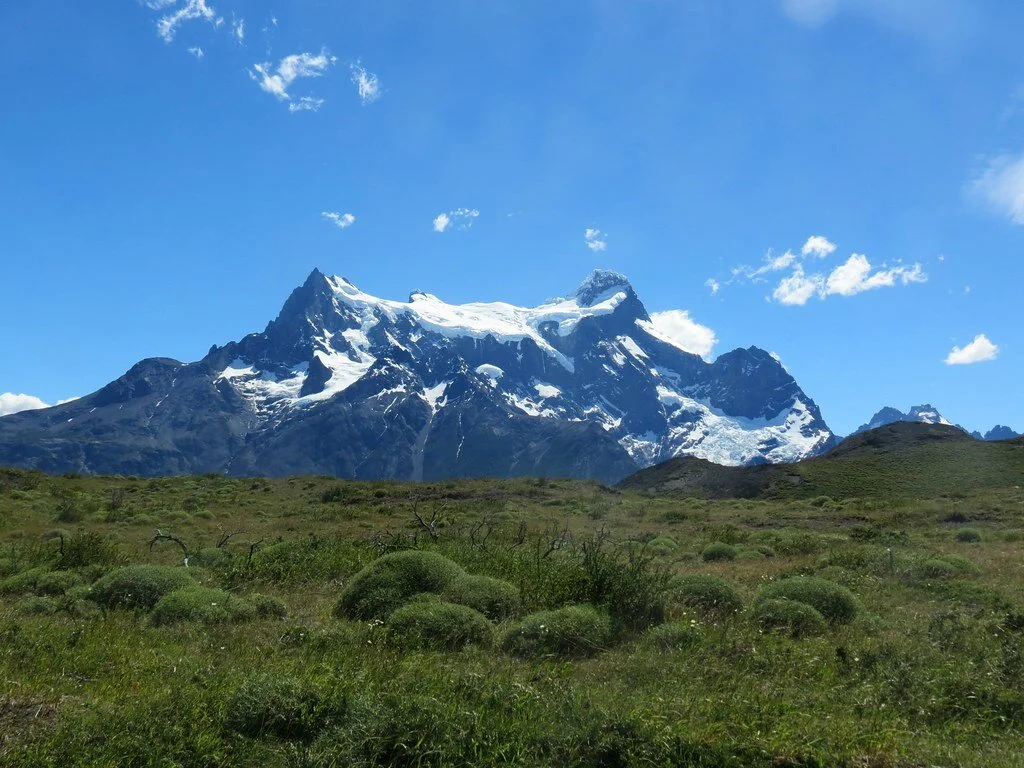
The Patagonian Desert is South America’s largest desert and the seventh-largest in the world. It covers parts of southern Argentina and Chile, and is a cold desert, sometimes reaching a high temperature of 68 degrees Fahrenheit. The Patagonian Desert is home to two national parks: Torres del Paine National Park in Chile and Los Glaciares National Park in Argentina. Torres del Paine and Los Glaciares aren’t typical desert environments, but since the Patagonian is a cold desert, its landscape is different from that of most deserts. Before the Andes were formed, the Patagonian Desert was likely covered by temperate forests, so the region containing the desert, Patagonia, is extremely ecologically and geographically diverse. Torres del Paine National Park is known for its towering granite structures, which were shaped by glaciers. Los Glaciares is home to large glaciers, as well as scenic mountains, lakes and woods. The Cueva de las Manos, or “Cave of Hands,” is a series of caves in Argentinian Patagonia which are filled with paintings of hands dating back to 700 A.D., likely made by ancestors of the Tehuelche people. Tehuelche people live in Patagonia today, some still following a nomadic lifestyle. The best time to visit Patagonia is generally said to be in the summer (December to February), when the days are warm and the fauna is in full bloom, but there are merits to exploring the area at all times of year. 


Rachel Lynch

Rachel is a student at Sarah Lawrence College in Bronxville, NY currently taking a semester off. She plans to study Writing and Child Development. Rachel loves to travel and is inspired by the places she’s been and everywhere she wants to go. She hopes to educate people on social justice issues and the history and culture of travel destinations through her writing. 
Land Witness Project Fights Climate Change in New Mexico

New Mexico is one of the states most vulnerable to climate change. The Land Witness Project shares stories of how climate change has impacted New Mexico communities and what needs to be done to prevent its effects. 

The time to reverse the environmental damage caused by humans is now. Climate change is worsening, and the window to mitigate and undo the harm to our environment narrows every day. The Land Witness Project, which launched in September, is a collection of stories from people with “deep emotional and physical ties to New Mexico” about the way climate change has impacted their lives. 

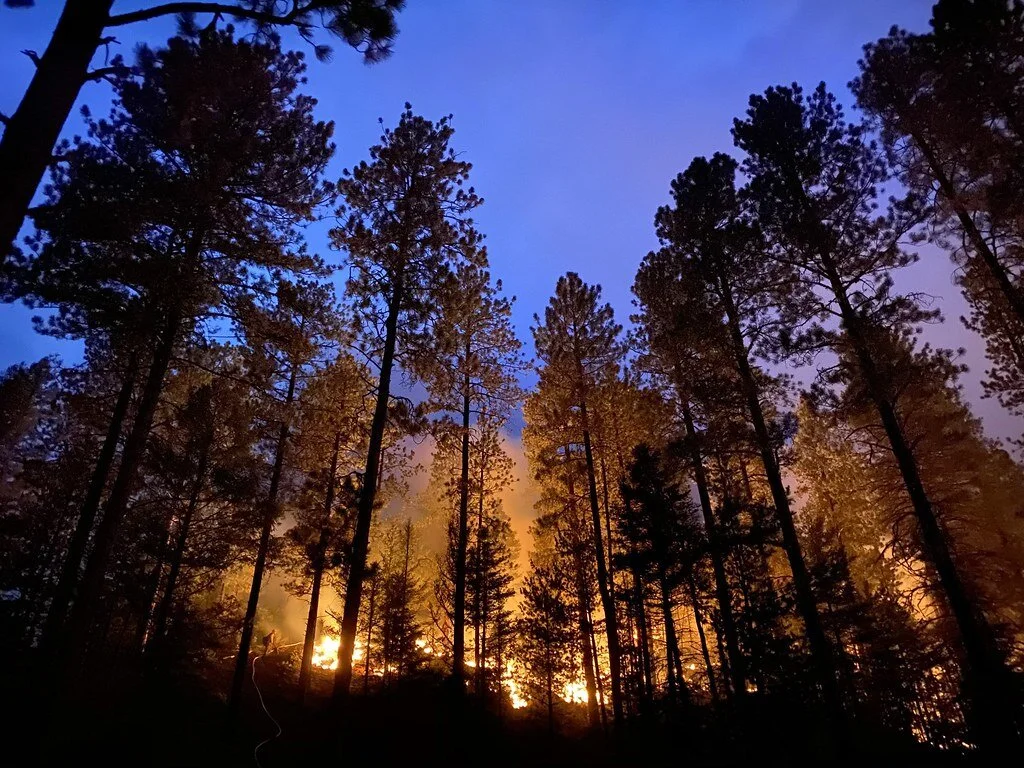
Focus areas of the project, according to its website, are water, temperature, snowfall and fire. New Mexico is one of the states in the U.S. most vulnerable to climate change. The Union of Concerned Scientists wrote in a 2016 article that climate change alters weather patterns that impact temperature, water availability and weather extremes in New Mexico. Average annual temperatures in the state have increased 2.7 degrees Fahrenheit since 1970, causing hotter summers, shorter and less predictable winters, and early springs. Early springs mean earlier snowmelt, which leads to low stream flows during later, more environmentally and economically critical, parts of the year. Since the article was published in 2016, New Mexico’s climate situation has only grown more dire. 

The Land Witness Project shares stories from New Mexicans about “families and traditions, doubt and worry, land and water, and love and commitment” from ranchers, farmers, conservationists, business owners and environmental justice activists. The project is inclusive, with stories from a diverse range of New Mexicans, including Indigenous communities. Beata Tsosie-Pena, a member of the Santa Clara Pueblo, is one of the first people whose story is up on the website. Over 80% of Santa Clara Pueblo’s tribal lands have been lost due to wildfires, and Tsosie-Pena describes how long-term drought and nuclear weapons production are factors in this loss of land. Tsosie-Pena also discusses how Indigenous people are both more vulnerable to the effects of climate change and uniquely positioned to offer solutions to climate change that could benefit everyone. 

The Land Witness Project was funded by 350 New Mexico and the Isora Foundation. 350 New Mexico’s goal is to create an inclusive movement to prevent climate change and climate injustice in New Mexico while allowing New Mexicans to fight the fossil fuel industry and transition to renewable energy. The Isora Foundation is an Albuquerque, New Mexico-based family foundation that aims to empower individuals to make positive change within their communities in areas like health, social justice, education and economic development. 

The Land Witness Project is accepting submissions of stories about how New Mexico communities are impacted by climate change, which can be sent in through their website here. In addition to providing firsthand accounts about climate change in order to inspire change, the project’s website has a list of resources for how individuals can get involved in the fight, including volunteer opportunities and organizations seeking donations.


Rachel Lynch

Rachel is a student at Sarah Lawrence College in Bronxville, NY currently taking a semester off. She plans to study Writing and Child Development. Rachel loves to travel and is inspired by the places she’s been and everywhere she wants to go. She hopes to educate people on social justice issues and the history and culture of travel destinations through her writing.
Street Artists Save Protest Masterpieces

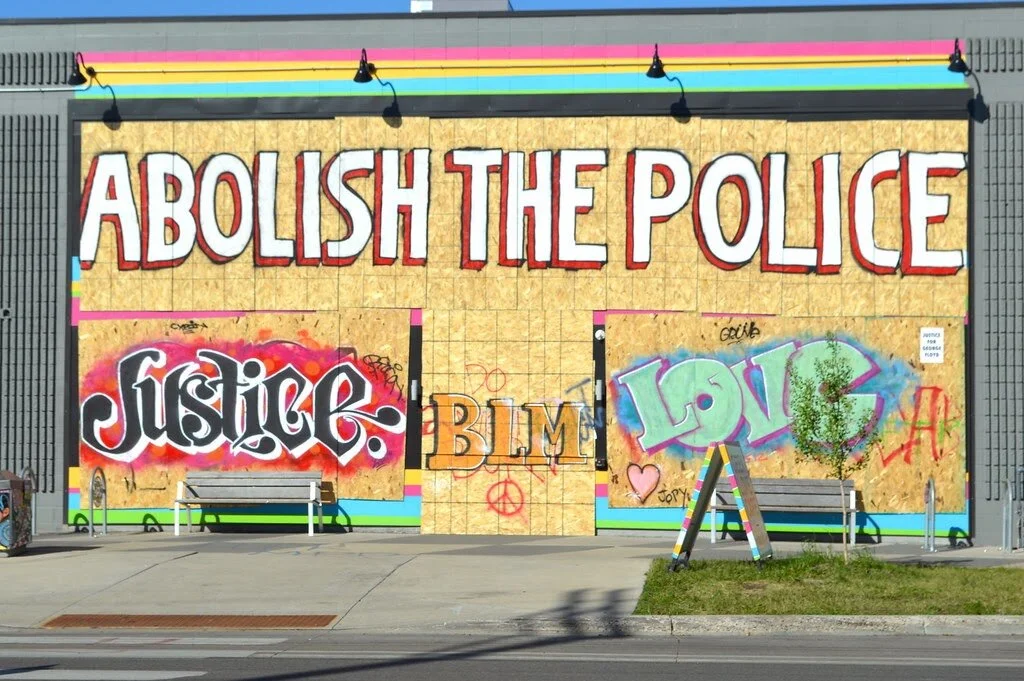
Artists adorned New York City with Black Lives Matter tributes. But what becomes of graffiti when the world tries to erase it?

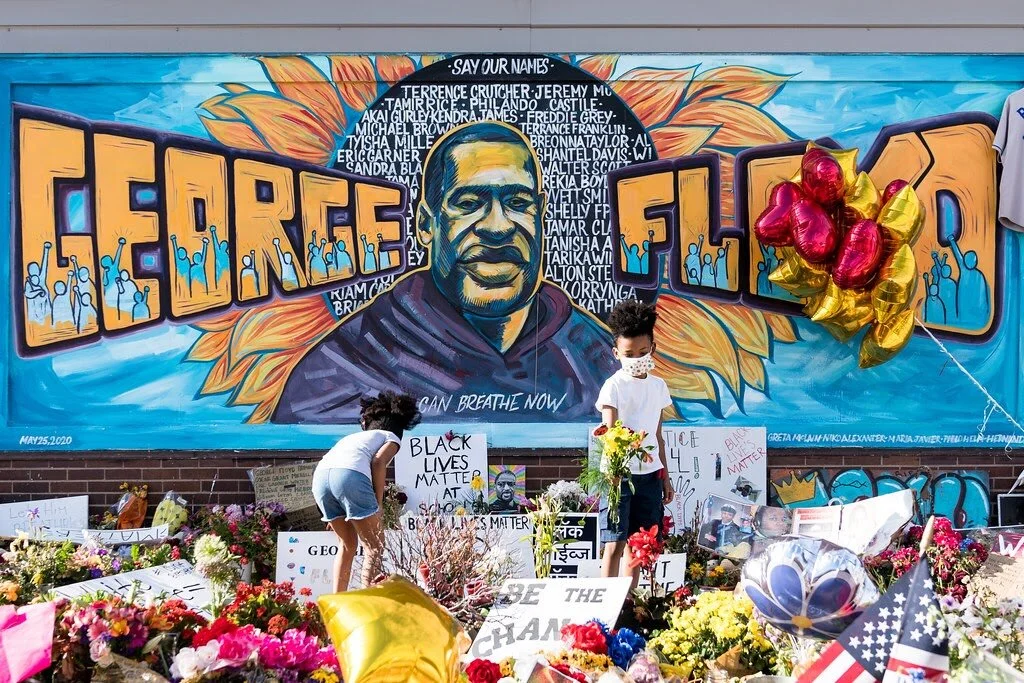
A mural in Minneapolis remembers George Floyd’s life. Lorie Shaull. CC BY-SA 2.0.

SoHo prepared for the worst. In the days before the election, the Manhattan neighborhood’s famed boutiques and shops barricaded their windows with plywood to protect their merchandise from looters. After a summer of uprising, one more round of rioting seemed inevitable. The wooden boards provided yet another reminder of how unlivable 2020 had become. It was as if the neighborhood shut its eyes to a reality too bleak to bear. 

Enter into this dismal cityscape the artists who first put SoHo on the map. Before high-end shops and wealthy shoppers gentrified this stylish slice of Manhattan, street artists like Keith Haring and Jean-Michel Basquiat adorned its concrete buildings with graffiti. In the ‘80s and ‘90s, countless creatives made SoHo an international hub for artists of all stripes. Now, history comes full circle. Street artists see a rare and irresistible opportunity to take the plywood covering SoHo’s shops and create masterpieces. 

Peace, love and police abolition. iamrenny. CCO 1.0.

Among them are Konstance Patton and Trevor Croop. This past summer, Patton focused on her Goddess Project, adorning the streets with vibrant, noble portraits of Black and Indigenous women. Croop spent much of 2020 abroad, leading art workshops and reconnecting with his Lebanese heritage. Within days of his return to the U.S., the two met on the street, throwing up artwork side by side. 

Both seasoned street artists, they knew firsthand how transitory the form can be. An artist might spend hours on a painting that will be erased in a matter of days. The situation in SoHo is much more fraught. When businesses began reopening, they trashed the pieces painted on sheets of plywood. Others scrambled to grab as many panels as they could and loaded them into vans to sell to the highest bidder. 

Can’t we just get along? iamrenny. CCO 1.0.

Recognizing the inestimable value of these pieces of art, Patton and Croop founded the SoHo Renaissance Factory (SRF), which stores wooden boards bearing protest art in an empty SoHo dance studio. It consists of themselves and three fellow artists: Sule, Amir Diop and Brendan McNally. They developed an extensive network of friends, artists and security guards who alert them when a work of art is about to be trashed. They rush to the scene in an attempt to save the piece. Sometimes they arrive in the nick of time; other times they do not.

SRF member Amir Diop experienced the latter firsthand. During the protests demanding justice for the death of George Floyd, Diop painted a mural on the plywood boards covering the Museum of Modern Art’s (MoMA) design store. It showed smiling faces circling around a black hole beneath the words “Take me to a place where Black Lives Matter.” Only days after he painted it, MoMA tore down the piece and shredded it. In the words of Diop, “They said that place doesn’t exist and they just threw it in the garbage.”

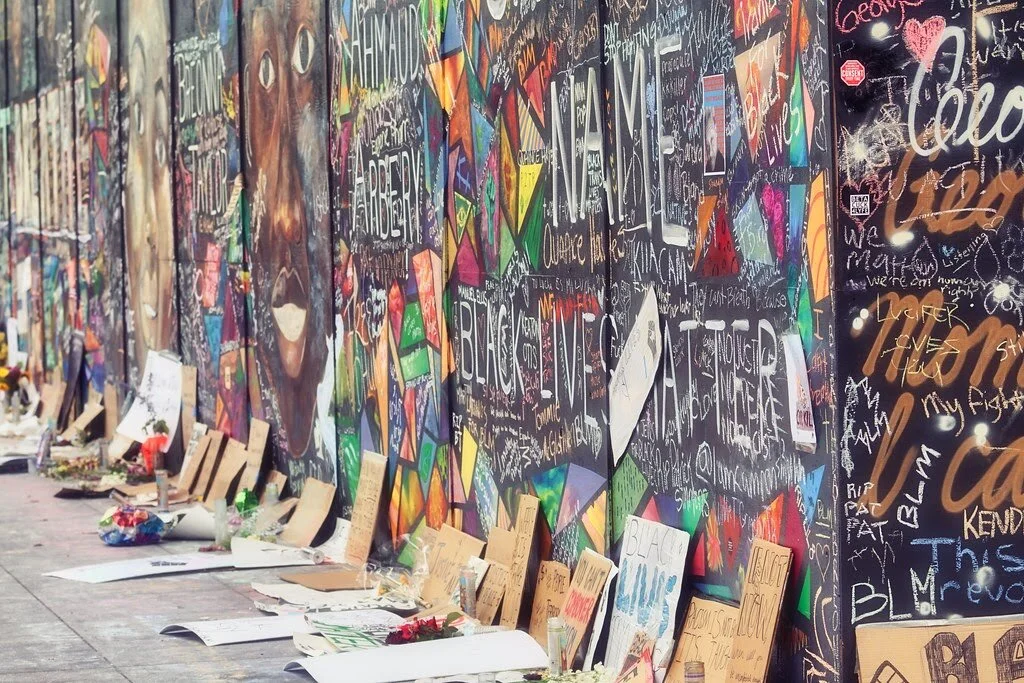
Spray their names. drburtoni. CC BY-NC-ND 2.0.

Street artists enjoy few legal protections. The Visual Artists Rights Act (VARA) of 1990 protected art from being mutilated or destroyed but only if it reached a “recognized stature.” In the digital age, this term is ambiguous. Instead of a signature, artists leave their social media handles in a painting’s corner, raising the question of whether online fame qualifies under VARA. For the time being, however, artists cannot depend on the art establishment. If the MoMA won’t recognize art, it is unlikely that a court will. 

A moment to remember. drburtoni. CC BY-NC-ND 2.0.

The future of the SRF is unclear, but it does look promising. The group recently struck a deal with Mana Contemporary, an arts center in New Jersey, to display the wooden boards in a public show next year when COVID-19 restrictions hopefully ease up. For now, the SRF has moved to a spacious studio in the NoMo SoHo Hotel, where it landed a residency. The new space offers a comfortable environment to create art, but the work of the SRF will always be rooted in the streets.
See the work of the SoHo Renaissance Factory on its website:

https://sohorenaissancefactory.com/

Or check out each artist’s work on their Instagram pages:

Konstance Patton - @konartstudio

Trevor Croop - @light.noise

Sule - @sulecantcook

Amir Diop - @amir.diop99

Brendan McNally - @brendantmcnally

You can also support the mission of the SoHo Renaissance Factory by getting involved with organizations that support racial justice, some of them listed below:

Black Lives Matter - https://secure.actblue.com/donate/ms_blm_homepage_2019

Color of Change - https://secure.actblue.com/contribute/page/support-us?refcode=coc_website_popup

SURJ - https://www.showingupforracialjustice.org/donate-to-surj.html

Organizations for Black Struggle - https://www.obs-stl.org/

Project South - https://projectsouth.org/


Michael McCarthy

Michael is an undergraduate student at Haverford College, dodging the pandemic by taking a gap year. He writes in a variety of genres, and his time in high school debate renders political writing an inevitable fascination. Writing at Catalyst and the Bi-Co News, a student-run newspaper, provides an outlet for this passion. In the future, he intends to keep writing in mediums both informative and creative.

10 Isolated Travel Destinations in the US 

Thinking about your next trip once the pandemic eases? This year, try one of these remote spots where isolation will be the theme. From Maine to Montana, explore nature free from crowds.

Read More

10 Places to Honor Black History and Culture

Through artwork, literature, music and history, these institutions amplify Black voices and address race relations in America.  

George Floyd protests in Charlotte, North Carolina. Clay Banks. Unsplash.

Amid global protests against racial injustice, a growing number of people are educating themselves on systemic racism and white privilege.

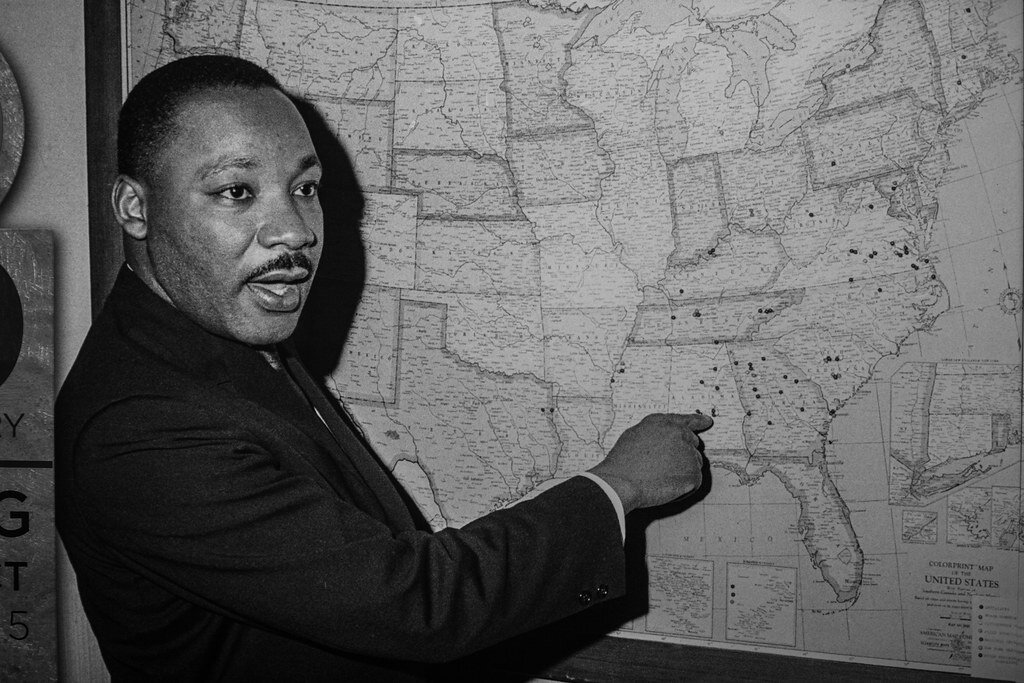
1. Martin Luther King Jr. National Historical Park - Atlanta, Georgia

Martin Luther King Jr. locating civil rights protests. Thomas Hawk. CC BY-NC 2.0

Located in one of Atlanta’s historic districts, the Martin Luther King Jr. National Historical Park honors the activist who strove for racial equality. The site includes a museum chronicling the American civil rights movement, as well as Dr. King’s childhood home, garden and gravesite. With 185 varieties of roses, the “I Have a Dream” World Peace Rose Garden promotes peace between diverse world communities. Each year, students from the greater Atlanta area write poems that express the ideals of MLK, such as using civil disobedience to reach seemingly impossible goals. These “Inspirational Messages of Peace” are exhibited among the flowers and are read by thousands of visitors each year. Directly across the street is the final resting place of Dr. King and Coretta Scott King, his wife, surrounded by a reflection pool. 

Until his assassination in 1968, King preached at Ebenezer Baptist Church, known as “America’s Freedom Church.” The church has continued to serve the Atlanta community since his death, vowing to “feed the poor, liberate the oppressed, welcome the stranger, clothe the naked and visit those who are sick or imprisoned.” While sitting in the pews, visitors hear prerecorded sermons and speeches from Martin Luther King Jr. Most recently, the funeral of Rayshard Brooks, a Black man fatally shot by police, was held at the church, with hundreds of prominent pastors, elected officials and activists in attendance. 

2. National Museum of African American History and Culture - Washington, D.C.

A student at the NMAAHC uses an interactive learning tool. U.S. Department of Education. CC BY 2.0

The National Museum of African American History and Culture (NMAAHC) is the only museum devoted exclusively to African American life, history and culture. In the words of Lonnie Bunch III, founding director of the NMAAHC, “The African American experience is the lens through which we understand what it is to be an American.” From slavery to the civil rights movement, the museum aims to preserve and document Black experiences in America. With the launch of the Many Lenses initiative, students will gain a greater understanding of African American history by studying museum artifacts and discussing cultural perspectives alongside scholars, curators and community educators. Through the Talking About Race program, the museum provides tools and guidance to empower people of color and inspire conversations about racial injustice. 

3. Black Writers Museum - Philadelphia, Pennsylvania

Langston Hughes, a famous writer featured at the BWM, signs autographs. Washington Area Spark. CC BY-NC 2.0

Built in 1803, the historic Vernon House includes the Black Writers Museum (BWM), the first museum in the country to exhibit classic and contemporary Black literature. The BWM celebrates Black authors, like Langston Hughes and Zora Neale Hurston, who documented the resilience and resistance of African Americans throughout history. Supreme D. Dow, founder and executive director of the Black Writers Museum, noted, “There was a time in American history when Black people were denied the human right to read or write. But, because of the innate drive to satisfy the unquenchable thirst for self determination, our ancestors taught themselves how to read and write in righteous defiance of the law, and in the face of fatal repercussions.” Through books, newspapers, journals and magazines, the museum honors the Black narrators of history. The BWM also strives to inspire future African American authors with community activities like poetry readings, cultural arts festivals and book signings. 

4. Tubman Museum - Macon, Georgia

Artwork depicting Harriet Tubman on the Underground Railroad. UGArdener. CC BY-NC 2.0

Named after Harriet Tubman, the “Black Moses” who led hundreds of slaves to freedom, the Tubman Museum has become a key educational and cultural center for the entire American Southeast. Through artwork and artifacts, the main exhibits recount the struggles and triumphs of Tubman, a former slave, abolitionist and spy. The “From the Minds of African Americans” Gallery displays inventions from Black inventors, scientists and entrepreneurs, such as Madam C.J. Walker and George Washington Carver. The Tubman Museum also actively contributes to the Macon, Georgia, community. The Arts & History Outreach program takes Black history beyond museum walls. Local African American artists and teachers bring museum resources into the classroom, promoting hands-on learning. Due to COVID-19, the museum recently launched a distance learning program to provide people at home with a deeper understanding of the African American experience. 
5. Museum of the African Diaspora - San Francisco, California

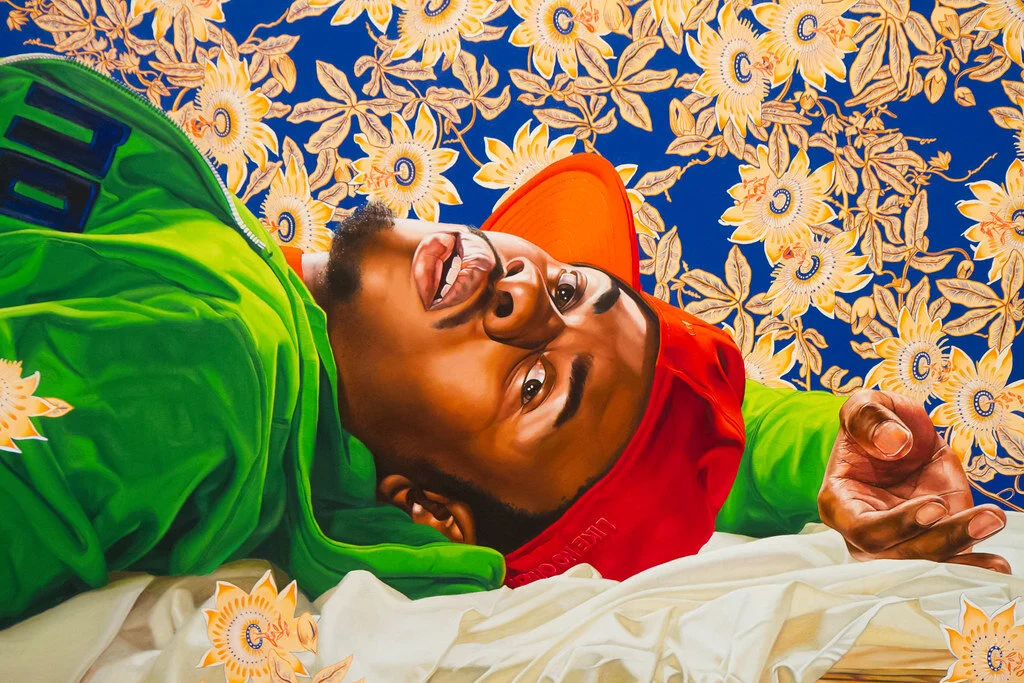
Contemporary art by Kehinde Wiley exhibited at the MoAD. Garret Ziegler. CC BY-NC-ND 2.0

The Museum of the African Diaspora (MoAD), a contemporary art museum, celebrates Black culture from the perspective of African diaspora. Focused exclusively on African migration throughout history, the museum presents artwork, photography and artifacts related to the themes of origin, movement, adaptation and transformation. Currently, MoAD is featuring various exhibitions from emerging artists that explore ancestral memory and Black visibility. As active members of the San Francisco community, museum curators offer various programs like public film screenings, artist talks and musical performances. In response to worldwide protests, the museum created a guide with resources to support Black Americans, as well as a video series that promotes community resilience. Monetta White, MoAD’s executive director, announced, “Now more than ever, we affirm that Museums are Not Neutral. As humanitarian educators and forums for conversation, museums are a space to confront some of the most uncomfortable conversations in human history.”

6. National Museum of African American Music - Nashville, Tennessee

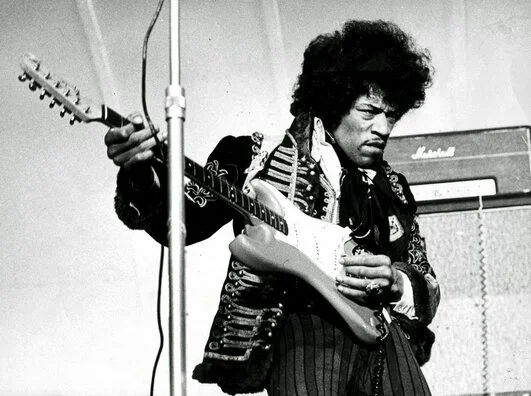
Jimi Hendrix, a featured musician at the NMAAM. Clausule. Public Domain.

Scheduled to open its doors for the first time on Sept. 5, the National Museum of African American Music (NMAAM) will be the first museum in the world to showcase African American influence on various genres of music, such as classical, country, jazz and hip-hop. NMAAM will integrate history and interactive technology to share music through the lens of Black Americans. “African American music has long been a reflection of American culture. Additionally, African American musicians often used their art as a ‘safe’ way to express the way they felt about the turbulent times our country faced,” said Kim Johnson, director of programs at the museum. NMAAM will also support the Nashville community through various outreach programs. From Nothing to Something explores the music that early African Americans created using tools like spoons, banjos, cigar box guitars and washtub basins. Children receive their own instruments, learning how simple resources influenced future music genres. Another program, Music Legends and Heroes, promotes leadership, teamwork and creativity in young adults. Students work together to produce a musical showcase in honor of Black musicians. In 2015, student guitarists paid tribute to Jimi Hendrix, the rock icon. “This opportunity gave them a real-life connection to an artist they had only seen in their textbooks or online,” said Hope Hall, librarian at the Nashville School of the Arts.

7. The Legacy Museum: From Enslavement to Mass Incarceration - Montgomery, Alabama

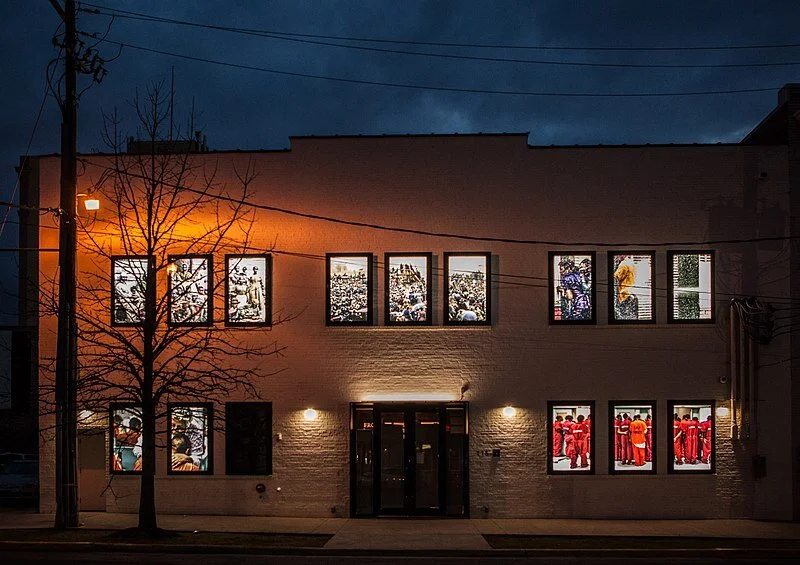
Exterior of the Legacy Museum. Sonia Kapadia. CC BY-SA 4.0

The Legacy Museum is located in a former slave auction warehouse, where thousands of Black people were trafficked during the domestic slave trade. The museum employs unique technology to portray the enslavement of African Americans, the evolution of racial terror lynchings, legalized racial segregation and racial hierarchy in America. Visitors encounter replicas of slave pens and hear first-person accounts of enslaved people, along with looking at photographs and videos from the Jim Crow laws, which segregated Black Americans until 1965. The Legacy Museum also explores contemporary issues of inequality, like mass incarceration and police violence. As part of the Equal Justice Initiative (EJI), the museum is committed to ending mass incarceration and excessive punishment in the United States, with proceeds going toward marginalized communities. “Our hope is that by telling the history of the African American experience in this country, we expose the narratives that have allowed us to tolerate suffering and injustice among people of color,” says Sia Sanneh, member of EJI. 

8. African American Military History Museum - Hattiesburg, Mississippi 

Circa 1942, the Tuskegee Airmen pose in front of their aircraft. Signaleer. Public Domain.

The African American Military History Museum educates the public about African American contributions to the United States’ military. During World War II, the building functioned as a segregated club for African American soldiers. Transformed in 2009, the museum now commemorates the courage and patriotism of Black soldiers, who have served in every American conflict since the Revolutionary War. Artifacts, photographs and medals tell the story of how African Americans overcame racial boundaries to serve their country. For instance, the World War II exhibit features the Tuskegee Airmen, the first African American soldiers to successfully enter the Army Air Corps. 

9. National Voting Rights Museum and Institute - Selma, Alabama 

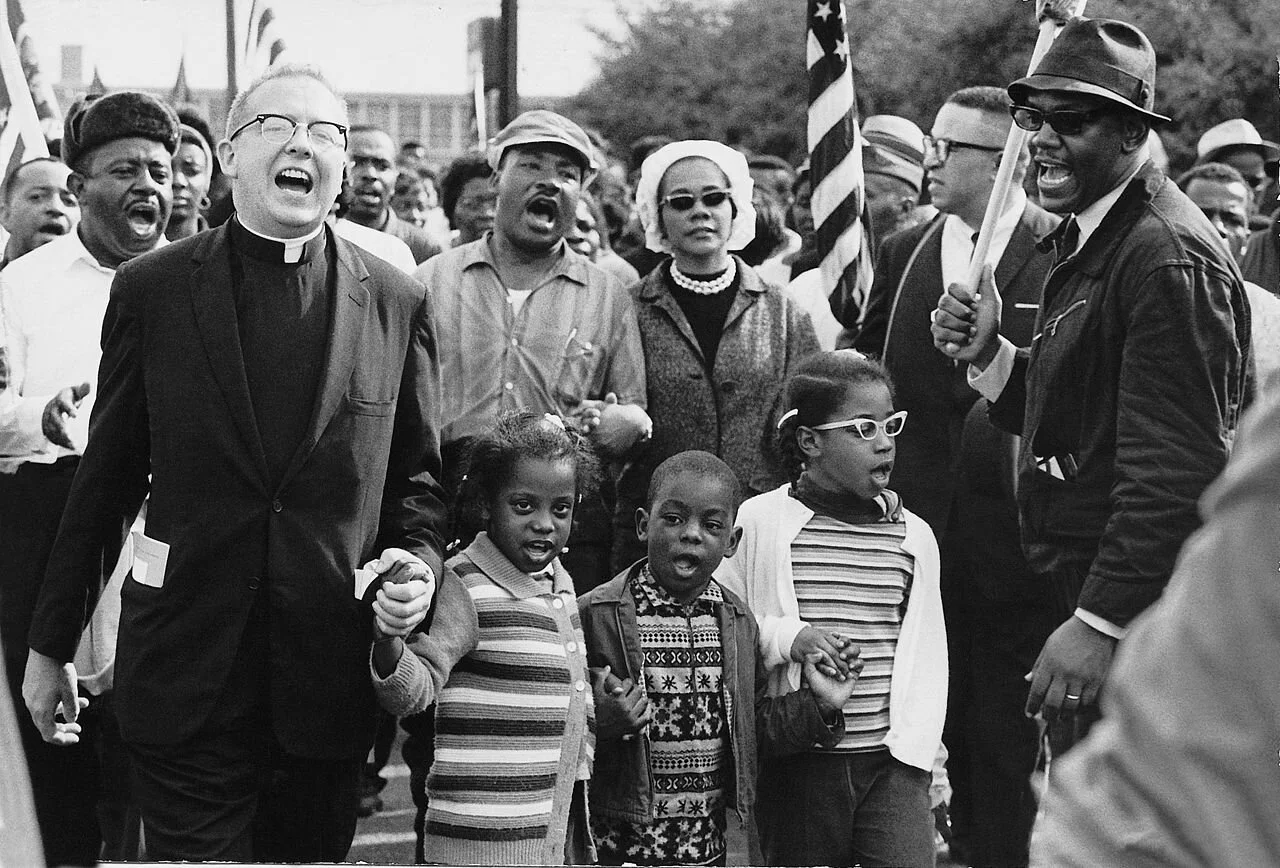
The 1965 march from Selma to Montgomery for the right to vote. Abernathy Family. Public Domain.

In the historic district of Selma, Alabama, the National Voting Rights Museum and Institute honors the movement to end voter discrimination. With memorabilia and documentation, the museum illustrates the struggle of Black Americans to obtain voting rights. In 1965, nearly 600 civil rights marchers crossed the Edmund Pettus Bridge, hoping to reach Montgomery. However, the day became known as “Bloody Sunday” as local law enforcement attacked peaceful protesters with clubs and tear gas. While the Voting Rights Act of 1965 outlawed voting practices that disenfranchised African Americans, many believe voter suppression still exists through strict photo ID laws for voters, a failure to provide bilingual ballots, and ex-felon disenfranchisement laws. By educating the public, the museum hopes to forever dismantle the barriers of voting in the United States. 

10. National Underground Railroad Freedom Center - Cincinnati, Ohio

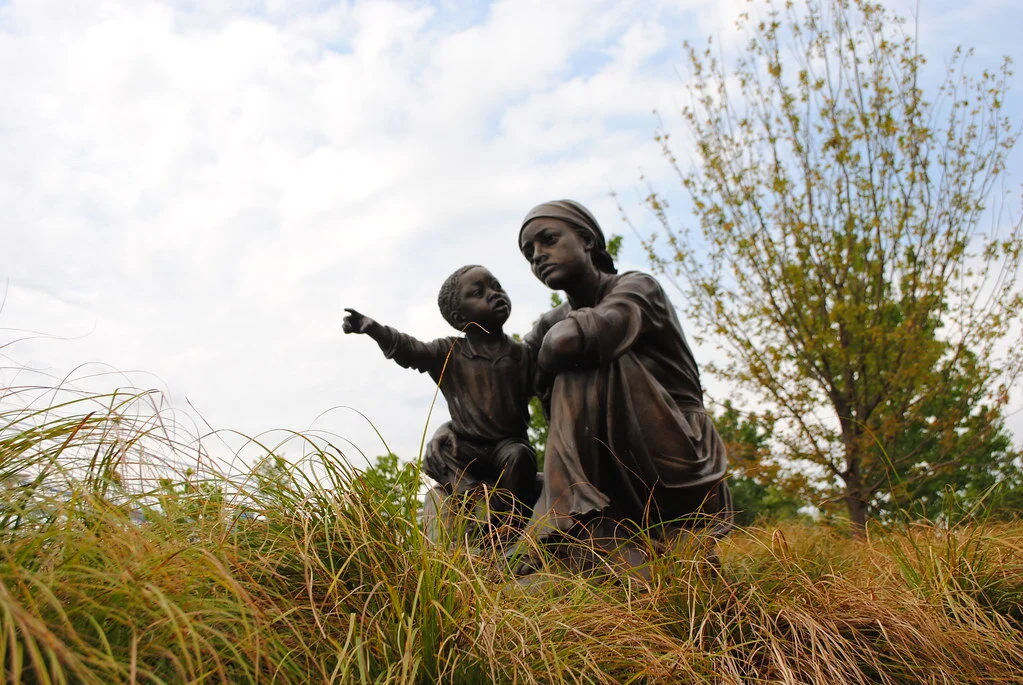
On the banks of the Ohio River, a statue depicts a mother and her child escaping slavery. Living-Learning Programs. CC BY-NC-ND 2.0

Near the Ohio River, where thousands of slaves traveled in search of freedom, the National Underground Railroad Freedom Center reveals the ongoing struggle for autonomy. From the historical vantage point of the Underground Railroad, the museum promotes the modern abolition of slavery. Due to widespread human trafficking, nearly 40 million people are currently enslaved around the world. As stated on the museum’s website, “Despite the triumphant prose of our American history books, slavery didn’t fully end 150 years ago. Today and throughout time, people around the world have struggled for their freedom. Yet, as forms of slavery evolve, so do the imaginations of those fighting for freedom.” Through artifacts, photographs and first-person accounts, the museum introduces the men and women who have resisted slavery. “Invisible: Slavery Today” is the world's first permanent exhibition on the subjects of modern-day slavery and human trafficking, challenging and inspiring visitors to promote freedom today. 


Shannon Moran

is a Journalism major at the University of Georgia, minoring in English and Spanish. As a fluent Spanish speaker, she is passionate about languages, cultural immersion, and human rights activism. She has visited seven countries and thirty states and hopes to continue traveling the world in pursuit of compelling stories.

The Threat to America that’s been Growing Inside America

While the Middle East and the border crisis get all the attention, Charlottesville and El Paso remind us that America’s worst threat is right here at home.

White supremacists gathered for the Unite the Right rally in Charlottesville, Virginia. By Anthony Crider. CC by 2.0.

August 12th 2017, fresh out of my first year at the University of Virginia, I sat in front of my TV horrified, watching white supremacists marching through a place I had recently starting calling home. Headlines on every major paper ran with Trump’s quote regarding “fine people on both sides.”

When classes started in the fall, my peers and I returned to Charlottesville deeply unsettled by what had happened on our grounds. Our community was rocked to its core. However, the rest of the world quickly moved on without us.

 The past two years, this weekend has marked a time for remembrance, but also caution and fear in Charlottesville. The dates, August 11th and 12th, have become something of the towns very on 9/11, and the police presence during these two days isn’t easy to ignore. The events that took place to years ago are on our minds, however, not on the mind of the nation.  

The march on Charlottesville was the last time I saw white supremacy dominate all the major headlines, that is, until this weekend’s mass shooting in El Paso. We, as a nation, let ourselves become distracted and forgetful of a real problem that’s been growing in the heart of our country. We can point to how the nation has so eagerly embraced the narrative of the “dangerous outsider” to explain why.  

 A decade ago, the Department of Homeland Security released a report on the growing threat of right wing extremism, correctly predicting “the potential emergence of terrorist groups or lone wolf extremists capable of carrying out violent attacks.” However, this warning was not given serious merit by the Trump administration. President Trump’s transition team made it clear to the DHS that it wanted to focus on Islamic terrorism and reorient programs meant to counter violent extremism to exclusively target international threats like al-Qaeda and ISIL. These Islamic terrorist groups have stayed in the headlines, despite the fact they no longer pose a serious domestic threat. It should come as no surprise that this June the FBI reported a significant rise in white supremacist domestic terrorism in recent months.

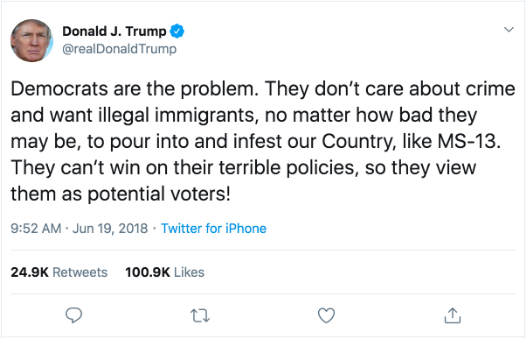
 President Trump’s rhetoric has also turned American’s attention away from the alt-right matter at hand, and turned our attention to what he would call an “infestation.” Searching through theTrump Twitter Archive, I failed to find one mention of domestic terrorism, white nationalists or the growing menace they pose to our country. After all, why shouldn’t Trump protect his loyal voter base? It’s no secret that white nationalists are Trump supporters; alt right leaders have even been spotted at his rallies.

President Trump says immigrants “infest” our country. Via Twitter. June 19, 2018.

The president has protected these terrorists by turning the national discussion elsewhere -the southern border. As a result, liberals have kept themselves busy investigating the disgusting conditions of border control centers and “children in cages,” while conservatives call for further border restrictions. These leaves no one time for anyone to wage war against the real domestic threat --white supremacy. 

Trump denounced “racist hate” Monday after the shooting this weekend. He blamed violent video games, mental health and, ironically, internet bigotry from prompting the Dayton and El Paso attacks. He failed to make mention of any real action that might be taken against white supremacist terrorism, let alone endorse gun law reform. 

 Had the attackers been Black, Hispanic or Middle Eastern, the White House would surely be taking extreme action. However, just like during the aftermath of Charlottesville, nothing serious is being done to combat alt-right violence. 

 Now,in light of the two year anniversary, I can’t help but wonder if our country truly took notice of the event that shook our little community two years ago. I still pass by the street where Heather Heyer was killed by a domestic terrorist who drove his car into a crowd of people two years ago. The street, now named Heather Heyer Way, remains adorned with chalk writing, flowers and crosses dedicated to her memory. How many more memorials must we lay in El Paso, and the rest of the world, before we address the white supremacist threat?  


EMILY DHUE is a third year student at the University of Virginia majoring in media. She is currently studying abroad in Valencia, Spain. She's passionate about writing that makes an impact, and storytelling through digital platforms.


The LGBTQ Migrant Caravan that Sought Asylum in the US

LGBTQ migrants from Central America seeking asylum in the US faced hardship and discrimination not only from gangs that prey on migrants as they travel, but also from their fellow travelers. They were a part of a “caravan” of 3,600 asylum seekers that started to journey from San Pedro Sula, Honduras, in October 2018, traveled through Mexico, and reached the Northern Mexican city of Tijuana, bordering the US, in November 2018. The members of the caravan were escaping all kinds of violence in their home countries of Honduras, Guatemala, and El Salvador.

Read More