Reduce Your Carbon Footprint by Home Composting

Self made compost can take time to make, but it can easily lower someone’s carbon footprint.
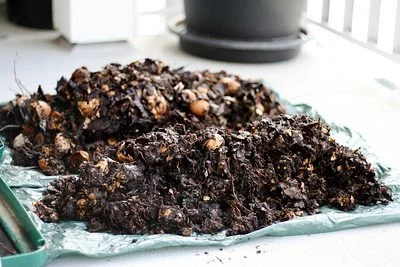
Compost Pile. Lindsay. CC BY 2.0

Food waste is a major component of global warming, with all the methane that food produces in landfills when it rots. However, even if someone can’t finish all their food and have a little bit left, they can still lessen their food waste and overall carbon footprint in various ways like home composting. Since around ⅓ of the food produced in the entire world is wasted, composting organic waste can reduce roughly half of greenhouse gasses equivalent to carbon dioxide between 2020 to 2050. Composting is a process of turning organic waste into soil or mulch, and the compost that comes from it is nutrient rich and good for plants, so by composting, people can reduce their food waste and help plants grow. 

For composting at home, there are multiple things to keep in mind before starting. The first is that composting is going to take a lot of time, with anywhere between six weeks to an entire year depending on the method, and how much effort is being put into making the compost. The second is that there are two types of items to compost, “green” and “brown” items. Green means the food scraps, grass clippings, coffee grounds and tea leaves that are full of nitrogen, while brown ones are the carbon-rich items, like cardboard, egg cartons, dried leaves and wood shavings. Since the green items tend to be “wetter”’ and the brown ones more “dries”, an equal mix is good, though some say it is better to have a 1:3 green to brown ratio. As long as the pieces in the mix aren’t extremely large, and there is good moisture and access to air and oxygen, the pile will decompose into compost. Turning the mix every few days will help bring in more oxygen to help the process and control the odor. The oxygen is especially important because without it, the food will still compost but in an anaerobic way, which will produce a gas that is half methane and half carbon dioxide. Methane traps radiation much better than carbon dioxide, so it contributes to global warming 25 times more per pound.
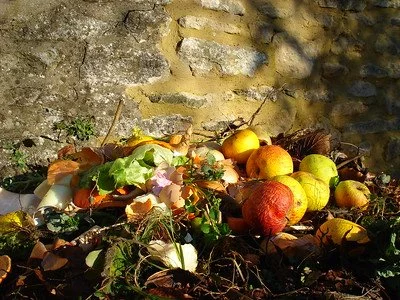
Fruit on Compost Pile. Allispossible. CC BY 2.0

There are multiple methods of composting at home, but the fastest way is to simply get a home composting bin. There are many composting bins available for sale, but it is also possible to make a homemade one. With a compost bin, all that is required is to place the waste inside and let it decompose at a faster rate than leaving it outside. Some bins will continuously compost materials, while others will make batches of it.

Though using a bin is the easiest method, it is possible to do home composting without one. It is a little slower since the heat isn’t contained, but it works just as well. Trench composting is a technique that involves digging a hole roughly a foot wide and deep, then filling it halfway with kitchen scraps and other organic food waste inside before covering it up. Creating a heap and layering the materials in it also works, though it is better with some space as it may attract flies as the food rots. But, it has access to air, and needs access to water, and within a few months, the compost pile will be ready. To speed up the process, it is possible to use worms or other accelerators. 

Composting is a popular method around the world, especially among European countries. Germany has a high recycling and composting rate, sustainably getting rid of 65% of their waste as of 2019. Austria, Slovenia, Belgium and Taiwan also have recycling and composting rates higher than 50%. South Korea, however, recycles around 95% of its food waste by turning it into compost, animal feed, or biofuel. Their laws against sending food waste to landfills and having biodegradable food scrap bags that could be composted and compost bins for people to use have greatly added to this, as well as some places that track food waste per household and charge them for it. 

To Get Involved

Many communities have composting programs that aim to advertise the benefits of composting and will help people do it. Even in large cities where people live in apartments and don’t have a backyard to compost in, there are organizations that will take in food waste and compost it for people. In New York City, the Department of Sanitation (DSNY) has multiple programs just like this, focused on composting, educating, and waste management. CompostNow is an organization that has community gardens and programs in multiple locations that will take in food waste to be composted. Ecoscraps is another company that collects food waste, recycles it, and then sells the resulting compost. Their compost is available all over the country in stores like Home Depot and Walmart.

To find out more about the DSNY, click here.

To find out more about CompostNow, click here.

To find out more about Ecoscraps, click here.



Katherine Lim

Katherine Lim is an undergraduate student at Vassar College studying English literature and Italian. She loves both reading and writing, and she hopes to pursue both in the future. With a passion for travel and nature, she wants to experience more of the world and everything it has to offer.
Soldiers Speak: War Crimes in Myanmar

Recent atrocities and war crimes have been reported by military soldiers in Myanmar as the civil war rages on. 

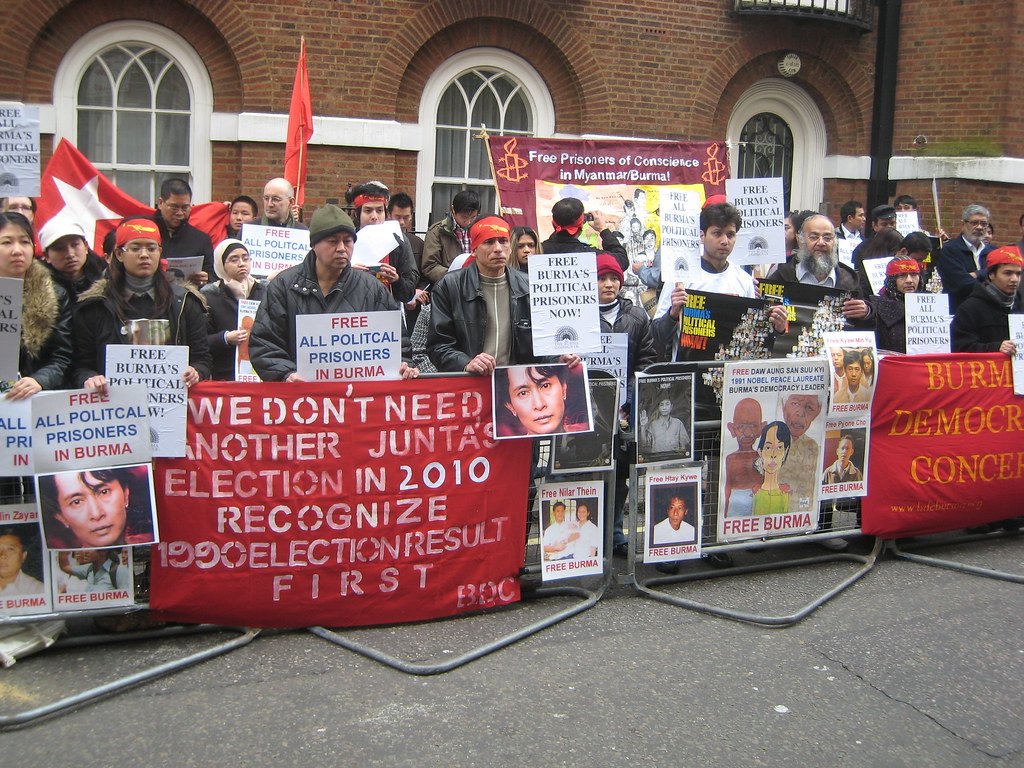
Human rights protest for Burma in France. Totaloutnow. BY-NC-ND 2.0.

Myanmar has a dirty, bloody history attached to the political and military conflicts that have furiously swept through their country. The civil war that rages on adds to this history, and the war crimes and atrocities that are currently occuring illuminate the fragility and deep rooted struggles between the Burmese government and its citizens.

The civil war started in February of 2021 after Myanmar’s military powers – known as the Tatmadwa – seized the government from the elected officials of the National League for Democracy (NDL), the leading civilian party in Myanmar. The NDL had won the election in 2021 by 83%, the New York Times reports, but the military ignored these results, an action said to be linked to the government's dislike for Aung San Suu Kyi. She was the leader of the NDL who would have become the elected official of the Burmese government. 

The military coup that overthrew the government in 2021 was the event that turned the tide of the political state of the country, and now battles between military soldiers in the Tatmadaw and pro-democracy armed civil militias have erupted and raged now for almost two years. 

The military powers in charge currently – referred to as the junta: a “group of military leaders” as BBC explains – are led by General Ming Aung Hlaing. He was given power from military leaders after the coup in 2021. General Ming is responsible for the imprisonment of countless NDL members, as well as multiple ‘campaigns against ethnic minority groups’ including the Rohingya Muslim Genocide that has been taking place in Myanmar for years.

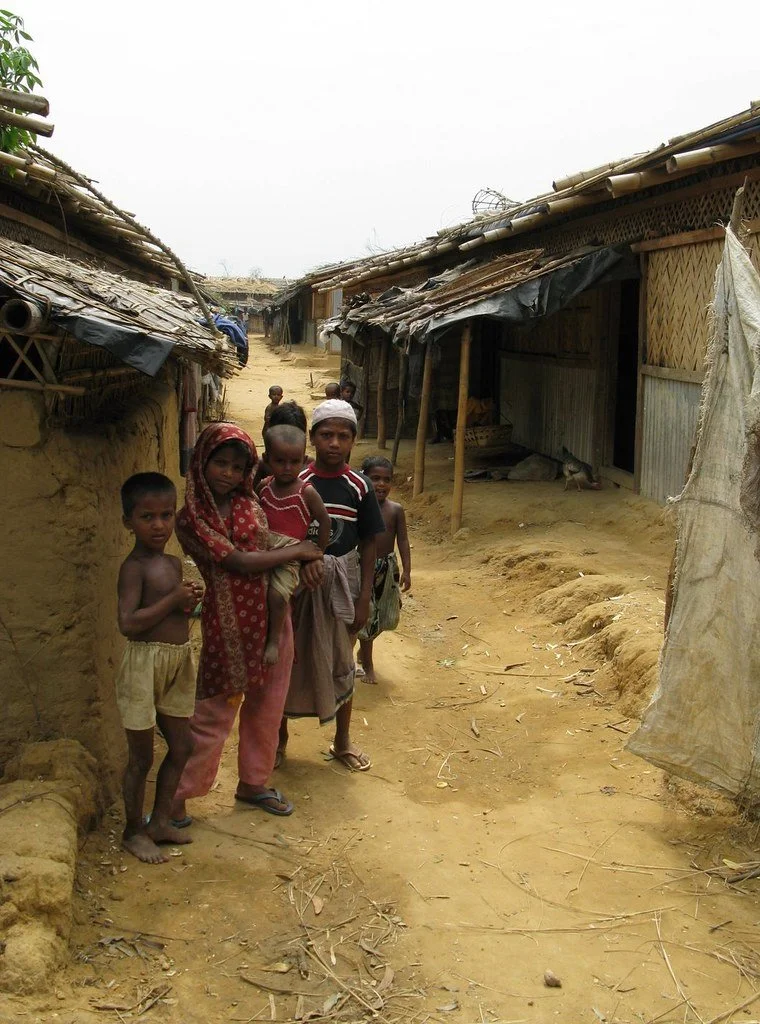
Rohingya refugees. Austcare-World Humanitarian Aid. CC BY-NC-ND 2.0.

As the war continues to rage on, Tatmadaw soldiers have started to come forward with stories of the atrocious war crimes that they were ordered to commit onto the civilians of Myanmar. BBC has reported that soldiers have admitted to “killing, torturing and raping civilians”. Large scale human rights violations have continued to occur as well, including the imprisonment of protesters, the treatment and killing of political prisoners and the treatment of civilians during wartime conflicts has sparked dialogue from the United Nations (UN). The UN reports that military powers have “directly targeted civilians” with airstrikes and attacks, and have already killed “at least 1,600 people”.

Six anonymous soldiers agreed to an interview with BBC, where they told the story of crimes against humanity, one of the few crimes that can be prosecuted at the Internationcal Criminal Court, being committed at the hands of the unstable Tatmadaw military regime. One reported that they had been told to “shoot anything they saw; another was ordered to burn down a house with civilians locked inside it. Other soldiers admitted to witnessing women being raped at gun point after soldiers believed the victims to be supporters of the People’s Defence Force (PDF) – an armed civilian militia organization. These six soldiers also discussed the energy of other members of the regime, stating that some soldiers would ‘boast’ about their crimes and actions.

Villages have burned to the ground, civilians have been abused, killed and looted. This is the current fate of the Burmese people, but the civilian militias continue to fight back and continue to push for democracy. In a country so often torn between citizens and the military state, the fate of the people of Myanmar has remained undecided. The UN states in their report that “despite spiraling violence… ‘the will of the people has clearly not been broken.’” Determined to return to a time of democratic rule, the civilian population of Myanmar continues to fight against the horrors of the military regime wishing to dominate them.

TO GET INVOLVED

The Committee Representing Pyidaungsu Hluttaw is, as Insider states, “the country’s democratically elected legislature,” the very same that was overthrown in the coup in 2021. They have a GoFundMe, which is run by the Citizen of Burma Award Organization, that uses the money to support pro-democracy protests and encourages civil disobedience against the junta military regime. To donate to the protestors, click here .

The Civil Disobedience Movement also collects donations which are sent directly to people in Myanmar to fund and support civil disobedience and protests against the government. To donate, click here.

Additional ways to GET INVOLVED can be found in Insider’s “5 Ways to Help Anti-Coup Protests on the Ground in Myanmar Right Now”. This article discusses multiple ways to donate, to educate oneself and to create constructive and far reaching conversations about the injustices befalling the Burmese people. To read more, click here.


Ava Mamary

Ava is an undergraduate student at the University of Illinois, double majoring in English and Communications. At school, she Web Writes about music for a student-run radio station. She is also an avid backpacker, which is where her passion for travel and the outdoors comes from. She is very passionate about social justice issues, specifically those involving women’s rights, and is excited to write content about social action across the globe. 

Wealth Inequality in South Africa

Due to lingering remnants of apartheid, South Africa has the highest income gap in the world, with 10% of the population owning 80% of the country’s wealth.

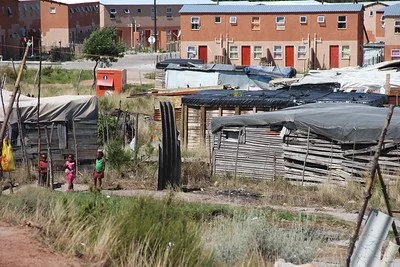
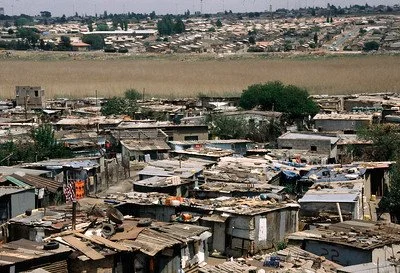
Town in Soweto. Eugene Wei. CC BY-NC-SA 2.0

Though apartheid ended in 1994, many traces and effects of it still exist today, almost thirty years later. The World Bank demonstrates that South Africa has the highest rate of wealth inequality out of any country in the world. The spacial and racial segregation caused by colonialism and apartheid in the 1990s continue to affect South African society.

The United Nations University (UNU) wrote a policy brief in 2019 discussing the socio-economic inequality in the country, and mentioned that a majority of the wealth earned in South Africa goes to the top 5% of people. A recent article by Bscholarly covered the richest people in South Africa, and almost all of them were white men. Many were born in the country and are old enough to have lived through apartheid, benefitting from it in a way the non-white South Africans did not. So many people were living in abject poverty during that time period, and though it is over, many people are still suffering.

In the UNU’s policy brief, they mention how equalizing wages for workers, as well as gender and racial inequality needs to be progressed. Since so much of the economic gains go to the richest people in the country, most of whom are white, the poorer, non-white people are suffering. By increasing the income of low wage workers and therefore distributing the wealth to other people, the economic disparity would decrease. Even until 2019, the average white South African was making three times more than the average black South African, and Time magazine said, in 2021, that the wealth gap in the country has not changed since apartheid ended. The effects of the racial segregation go beyond just the wage gap, into the poor education system for black Africans and even the layout of towns, since the people were forced into parts of their towns that were away from where a lot of jobs are. 

Comparison of houses. UK Department for International Development. CC BY 2.0

In addition, the COVID-19 pandemic has only served to highlight the inequalities within the country. The job market’s difficulties, in particular, were highlighted during the pandemic as unemployment increased and low wage workers suffered, much more so than their high wage counterparts. Many of these low income workers are black Africans, which further shows the racial inequalities. Younger people were also disproportionately affected by the unemployment rates compared to higher age groups. The labor inactivity, high unemployment and lack of many self-employed workers are all key factors that are affecting the labor market, and, as a result, the overall economy of the country. If the government were to invest more and build up this area, the economy would improve and the wealth disparity would decrease, since people on the lower end of it would earn more money to improve their circumstances, as well as those of the people around them. Simply strengthening the labor market and especially investing in self-employment and entrepreneurship would help this problem, especially the entrepreneurship factor, since helping people with financing and learning new skills will lead to more self-employment which would lead to the growth of smaller businesses that can help poorer groups.

To get involved:

There are multiple organizations dedicated to social justice in South Africa. For example, Oxfam South Africa is an organization working to educate people on the wealth disparity and its impacts. They also aim to create an accountable government to help the people, and protect natural resources. The effects of COVID-19 have emboldened them as the problems were highlighted from responses to the virus. 

To learn more about Oxfam South Africa or to donate to them, click here.

Other organizations such as Siyabonga Africa and CHOSA are also focused on reducing the poverty and lack of education in South Africa. Siyabonga Africa provides necessary items for the impoverished, has created various skill courses for people to learn, and supports small businesses to help people get jobs. 

To learn more about Siyabonga Africa or to donate to them, click here

CHOSA, the Children of South Africa, aims to reduce child poverty by focusing on families and how to improve impoverished communities. They help fund necessary expenses such as food and electricity and offer after school tutoring and mentoring to better educate the children.

To learn more about CHOSA or to donate to them, click here.


Katherine Lim

Katherine Lim is an undergraduate student at Vassar College studying English literature and Italian. She loves both reading and writing, and she hopes to pursue both in the future. With a passion for travel and nature, she wants to experience more of the world and everything it has to offer.
Nearly Extinct Rhino Species Found Only in Indonesia

The Javan Rhinoceros is one of the world’s most endangered species, with only sixty remaining in Indonesia’s Ujung Kulon National Park. 

Javan rhino. Courtesy of Indonesian Ministry of Environment/Forestry.

Javan Rhinoceroses used to be common throughout the continent of Asia, until poaching and habitat loss dwindled the population down to what is now a mere 60-68 rhinos, all found in Ujung Kulon National Park in Indonesia. The poaching of Javan rhinos largely began in colonial times, with the animal being a trophy for hunters. Now, the rhinos are poached primarily for their horns, which are extremely expensive and are sometimes used as status symbols among the extremely wealthy. Javan rhinos were declared extinct in Vietnam in 2010, when the last rhino in the country was poached, and now the only surviving Javan rhinos exist in Indonesia. 

While poaching Javan rhinos is illegal, and they are considered a protected endangered species, reviving the population presents a major challenge for two main reasons. The first is that the extremely small number of surviving Javan rhinos doesn’t allow for much genetic diversity. The second issue is habitat loss as a result of both human intervention and natural disaster. Human activity near Ujung Kulon National Park has interfered with the rhinos’ natural habitats, and the push  for more property development in the area threatens the security of the park. In terms of natural disasters threatening the rhinos’ last remaining habitat, the national park is located in an area that is susceptible to tsunamis and rising water levels as a result of climate change, and also happens to be near an active volcano, Anak Krakatau. Many conservationists are extremely nervous that if one of these natural disasters occured, all hope would be lost for the species even if there were a few survivors, because of the already miniscule genetic diversity within the population. 

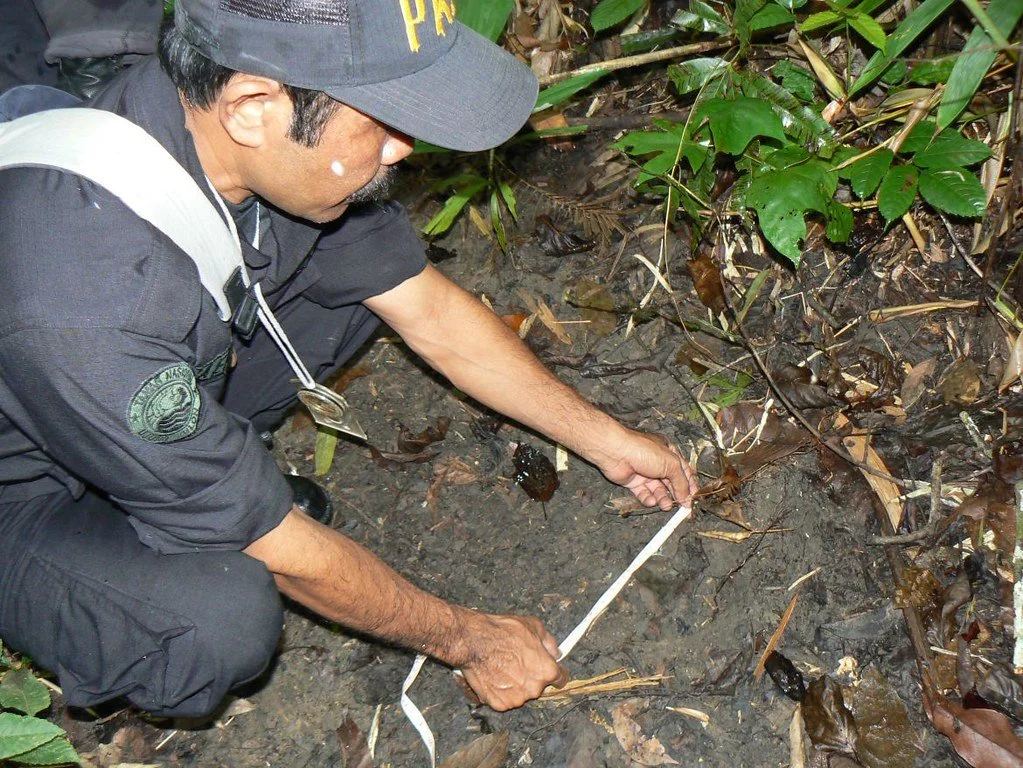
A member of the Rhino Protection Unit measures a Javan rhino’s footprint in Ujung Kulon National Park. U.S. Department of State. CC BY 2.0.

Even without the threat of natural disaster and human interference, Javan rhinos face an existing setback within their protected habitat. An invasive species called Arenga Palm grows in Ujung Kulon National Park. This plant blocks the sun, which prevents the plants that the rhinos eat from growing. The park has made clearing Arenga Palm a priority, but since it is an invasive species, eliminating it from the park entirely is not an easy task.

Ujung Kulon National Park does offer tours, providing an opportunity to ethically see the nearly extinct rhinos. However, since these tours are meant to be non-invasive, there is no guarantee that a Javan rhino will come into view during your time in the park. With that being said, tourists often see traces of the rhinos, such as footprints, like in the photo featured above. 

Get Involved

The best way to get involved with this issue is to raise awareness and money for organizations working to sustain and increase the population of Javan Rhinoceros. Some of these organizations include World Wildlife, which is working on eliminating Arenga Palm and also hopes to one day transfer some Javan rhinos to an area which is not in the danger zone of the volcano Anak Krakatau. Another good organization to support is the International Rhino Foundation, which works directly with the staff of Ujung Kulon National Park. On a more general level, raising awareness about climate change and supporting organizations which respond to extreme weather is a way to get involved with this issue as well as many others, as climate change has only compounded the plight of the Javan Rhinoceros.


Calliana Leff

Calliana is currently an undergraduate student at Boston University majoring in English and minoring in psychology. She is passionate about sustainability and traveling in an ethical and respectful way. She hopes to continue her writing career and see more of the world after she graduates. 

How King Leopold’s Colonial Legacy Still Haunts the Congo Today

Occupied by Belgians for almost 80 years, the effects of colonization still resonate in the Democratic Republic of the Congo decades after independence.

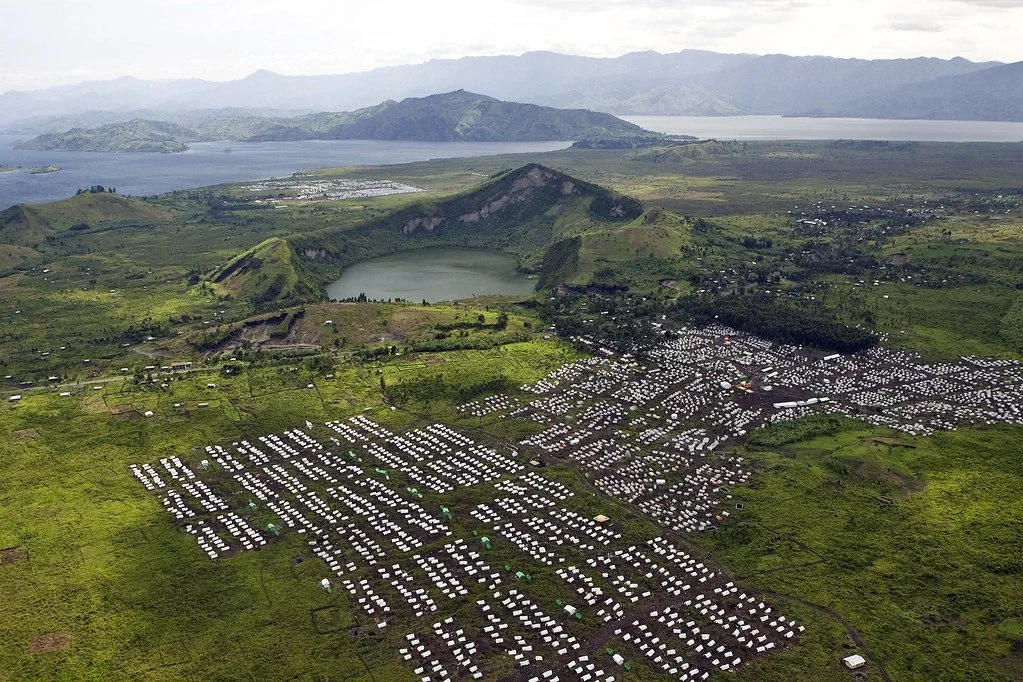
A refugee center in the Democratic Republic of the Congo. United Nations Photo. CC BY-NC-ND 2.0.

As the leader of the small European country of Belgium in the 1880s, King Leopold II did not have much political clout with his fellow European statesmen. He wanted more political power so he achieved this by gaining personal control of a vast swath of Central Africa, which became the Congo Free State. King Leopold ruthlessly subjugated the local populations of the region in order to extract as much raw materials such as ivory and rubber as possible, committing human rights violations in the process. It was not until 1902 when Joseph Conrad published the novel Heart of Darkness criticizing Leopold’s administration of the Congo and in 1904 when Edmund Dene Morel published a report detailing the atrocities in the Congo did Western public opinion turn against King Leopold, who was forced in 1908 to relinquish control of the Congo Free State to the Belgian government.

Today, those atrocities committed by King Leopold and the Belgians are still felt by the area, now the Democratic Republic of the Congo (DRC). The relationship that the Belgian colonial administration espoused was one of paternalism, where the Congolese were treated like children, which resulted in them unprepared for self-determination. When the DRC gained independence in 1960, it plunged into a state of sporadic political conflicts due to the dictatorship of Mobutu Sese Seko that lasted until the 1990s. The peace that ended that drawn out conflict only lasted a short time, and violence soon erupted again. 

Currently, the eastern region of the country is held by at least 122 rebel groups, with the legitimate government struggling to control the region. That has caused more than 5 million people to be displaced between 2017 and 2019 and an additional 72,000 and counting since May 2022, with many fleeing areas controlled by rebel groups. Many areas receiving refugees are overwhelmed and do not have the proper infrastructure to support them.

The almost incessant warfare since independence may seem unconnected to the legacy of imperialism, but that is not the case. The seeds for the present political instability were sowed when the Congo was under Belgian rule. The Congo is a region with vast natural resources, from ivory and rubber of old to the mineral wealth of today. The abundance of raw materials and resources  was exactly why Congo was colonized. When the borders of Africa were carved up by European powers, no regard was made to the various tribes already living in the area. Some groups of people were divided between different countries, and enemy tribes sometimes found themselves within the same domain. When the DRC gained independence, the various tribes were not united, leading to no coherent vision for the future of the country, thus sowing political instability.

In addition, since the purpose of the Congo Free State was solely to enrich King Leopold and later Belgium, there was no effort to develop a political or academic class among the local population. As such, at independence, there was no model of self-governance to follow after decades of infantilization by Europeans. That caused Mobutu Sese Seko to take advantage of the power vacuum and install himself dictator for more than 30 years.

The international response to the violence in the DRC has deprived the country of even more of its sustenance. International companies are refusing to do business with the DRC due to its human rights violations, depriving many of the mining jobs that they depend on. In order to survive, those people end up joining rebel groups, further perpetuating the violence. 

The cycle of violence that started with Belgian occupation did not end in the 1990s. Subsequent leaders of the DRC used violence to consolidate their rule, since that was the only method they ever experienced. But, efforts have been made to ensure a sustainable future. The UN is stepping in by giving the DRC a peacebuilding fund to provide services to ex-rebels to reintegrate into their communities and to support over 300 women miners to better manage their sites and defend their rights. UNICEF also supports school reopenings, an essential indicator of peace. By prioritizing the reopening of schools in conflict zones, UNICEF ensures peaceful coexistence after prolonged conflict. The outside aid that the DRC is receiving gives local communities the agency to control their future. 

To Get Involved

Cordaid is one organization providing humanitarian aid to the region. Another organization working to improve conditions by enabling local communities to form cooperatives that can successfully sustain peace in the communities in the DRC is Peace Direct.


Bryan Fok

Bryan is currently a History and Global Affairs major at the University of Notre Dame. He aims to apply the notion of Integral Human Development as a framework for analyzing global issues. He enjoys hiking and visiting national parks.

How Climate Change and Political Unrest Created a Famine in Sudan

The war in Ukraine has drastically raised the price of food, worsening an already dire situation in Sudan. 

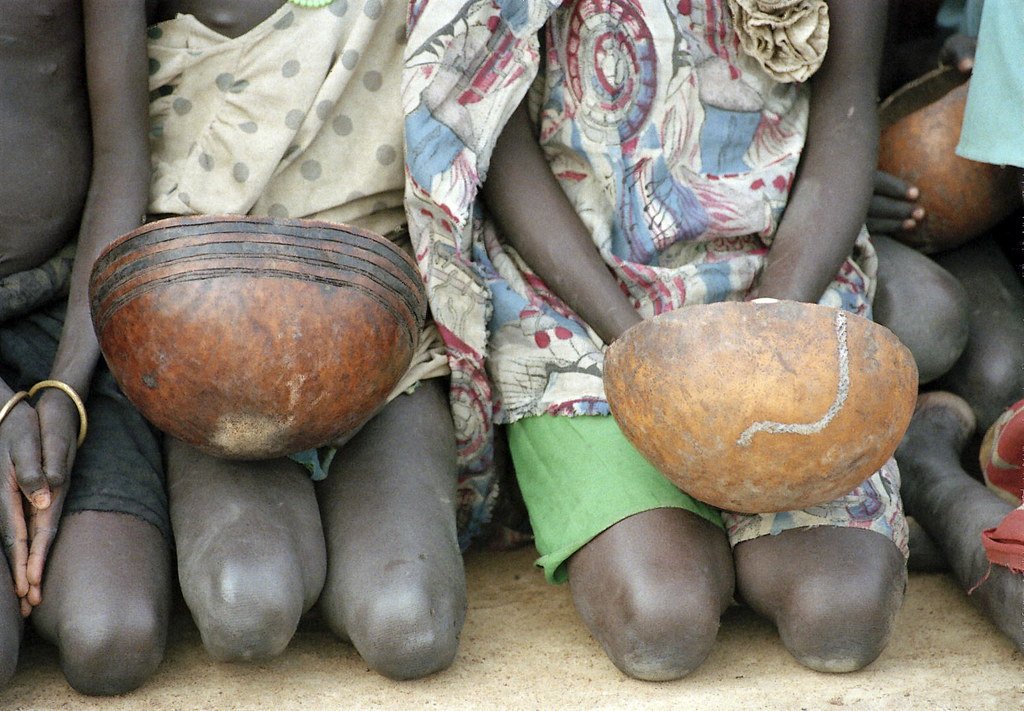
Children in Bahr El Ghazal, Sudan wait for food from the World Food Programme. United Nations Photo. CC BY-NC-ND 2.0.

Famine was officially declared in Sudan more than five years ago, due to a variety of factors which range from climate change to political unrest. South Sudan was engaged in a civil war for  roughly five years from 2013, which tragically left about 4,000 people dead and a staggering four million displaced and fleeing. While a ceasefire was reached in 2018, peace was rocky and sporadic attacks continued to make production nearly impossible for Sudanese farmers.

With famine being officially declared in 2017, the suffering still raged on in 2019, when extreme rain and flooding began to hit Sudan. The flooding continues in 2022, as the global political situation only makes matters worse in Sudan. The war between Ukraine and Russia has had an impact on Sudan in a number of ways. With over half of Sudan’s wheat being exported from the Black Sea region in Turkey, the war has caused food prices to skyrocket. Additionally, food aid programs are primarily focusing their efforts on Ukraine at the moment. While Ukraine clearly needs aid as well, Sudan has been all but abandoned and ignored in this dire moment due to global attention to other political conflicts. 

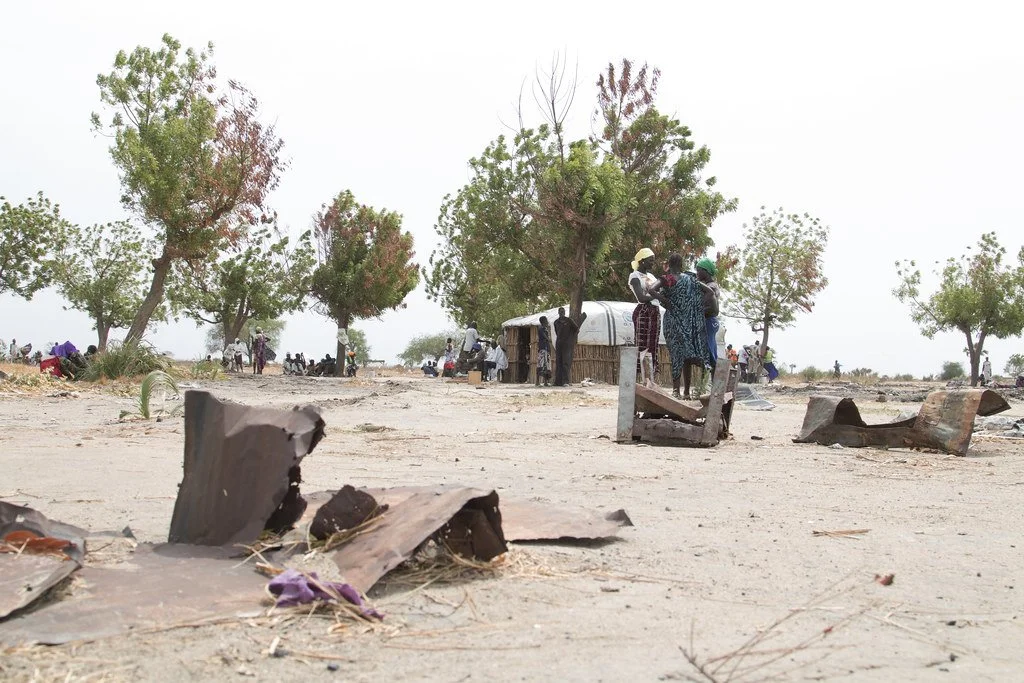
What used to be a market in Thonyor, Sudan. DFID - UK Department for International Development. CC BY 2.0. 

CBS News interviewed a Sudanese mother, Nyabany Kong, who reported not having eaten in two weeks. Like many others, she had to flee her home, which was subject to torrential floods that completely destroyed her farm. Kong has also lost her husband and her other child to this flooding and famine. Kong’s horrifying story is one of thousands. 

Get Involved

Unfortunately, Sudan’s situation has been exacerbated severely by aid organizations lacking funds due to massive allocation to Ukraine. The best way to get involved is to donate to food relief organizations such as The World Food Programme, which is trying to get as much food as possible to Sudan, but simply doesn’t have the funds to do so. If monetary donations are not an option, simply spreading the word about the crisis and suffering in Sudan is also essential. Unfortunately, the western world often gets weary when spreading awareness, and suffering continues without any attention. The war in Ukraine has also required a lot of attention and money, which has drained Sudan of aid even more than before. Doing your own research about this conflict and then alerting the people in your life to the critical need in Sudan can also help organizations deliver the resources that are needed.


Calliana Leff

Calliana is currently an undergraduate student at Boston University majoring in English and minoring in psychology. She is passionate about sustainability and traveling in an ethical and respectful way. She hopes to continue her writing career and see more of the world after she graduates. 

Structural Violence: How Societal Factors Affect Health

Income, race and geographic location are often weaponized against communities, preventing them from accessing and achieving health and wellness.

A routine doctor’s appointment may be rare for those living in poverty, causing them to not seek treatment for incipient medical issues. #PACOM. CC BY-NC-ND 2.0.

Income, geographical location, climate and access to resources all affect people’s health in various ways. Indeed, it is rare to get malaria, a mosquito-borne disease in the Arctic. It is also comparatively easier for a wealthy person who has access to top-notch treatments to recover from cancer than a disadvantaged person who cannot afford a routine doctor’s appointment. These societal factors have a proven link to health outcomes, and they are usually not controlled by individuals. To fully foster public health, it is necessary to eliminate those societal factors that precipitate health concerns.

There are both biological and societal factors that affect health. Biologically, genetics can affect one’s health, as the causal relationship between genetics and diseases such as cystic fibrosis have been demonstrated through medical research. However, biological factors are not the only thing that affects health; societal factors do as well. The World Health Organization (WHO) defines social determinants of health as: 

The non-medical factors that influence health outcomes. They are the conditions in which people are born, grow, work, live, and age, and the wider set of forces and systems shaping the conditions of daily life. These forces and systems include economic policies and systems, development agendas, social norms, social policies and political systems.

Sometimes, the system itself is rigged against a substantial part of the population from attaining complete physical, social and emotional well-being. That is called structural violence. These arrangements are ‘structural’ because they are “embedded in the political and economic organization” of society, and they are ‘violent’ because they harm people, whether physically or not. 

Lowndes County, Alabama, where the low-income Black population suffers disproportionately from hookworm infections due to structural violence. jimmywayne. CC BY-NC-ND 2.0.

One example of these biosocial determinants and structural violence in play can be found in rural Alabama, where hookworm, a disease thought to be eradicated years ago, is making a resurgence in Lowndes County. That county is 72% Black and has a poverty rate of 21.9%, almost double the national average of 11.4% in 2020. Low-income Blacks in the county are more prone to hookworm because they live next to pools of raw sewage, the perfect breeding ground for the worms. 

Structural violence is also at play here, as the Black population live near the pools of raw sewage because they cannot afford proper sewage systems. The local and state government, in turn, perpetuates this problem by turning a blind eye on the issue and not providing any assistance to the residents. Through no fault of their own, Blacks in Lowndes County have a heightened risk for hookworm due to the circumstance in which society makes them live.

Cultural practices can also precipitate or hinder disease. West African countries that already had fragile healthcare systems were particularly affected by the 2014 Ebola outbreak because of cultural practices regarding funerals. In those cultures, funerals involve washing the dead body by hand before burial and paying respect to the dead through physical contact, both of which are exceptionally high-risk activities with regards to the spread of Ebola, since the virus is still present in the corpse. Controlling the Ebola outbreak must address these cultural issues.

Finally, around the world, food deserts are scattered around urban centers, usually located in areas of poverty. Food deserts are areas with a dearth of supermarkets and other sources of healthy foods, forcing people living there to travel further for quality foods or to settle for cheaper unhealthy foods. Since many food deserts are in areas of poverty, the people living in those areas usually have no choice but to buy cheap  foods with subpar qualities. The unhealthy diet of many in those areas lead to higher rates of obesity and cardiovascular disease.

Structural violence affects food deserts, as the economic disincentives for healthy food sources to serve low-income areas show that society does not provide adequate support to them. In northern Ireland, food deserts are especially pronounced since 32% of households do not have a car. Some food deserts are the result of years of neglect of marginalized communities. Failure of the UK government to provide adequate public transportation in northern Ireland demonstrates that neglect.

Simply treating disease without regard for the underlying causes of it will not eliminate the issue. To eliminate hookworm, proper sanitation services must be implemented. Containing Ebola means educating local communities about safe methods to bury the dead in a way that does not denigrate their culture. To eliminate obesity, focus should be on providing access to healthy foods instead of just telling people to change their diet. It is important to treat diseases as complex issues instead of having a singular focus on the cure. Removing societal barriers to good health is instrumental in ensuring the physical, social and emotional health for all.

To Get Involved

The organization Partners in Health serves to improve healthcare in developing countries through patient-provider partnerships. Partners in Health works to create sustainable healthcare systems that serve all, emphasizing healthcare as a human right.

Often, the best way to remove the societal factors that affect health negatively is by advocacy. Writing to your elected officials is a good way to draw attention to those issues, which may spur them to act on your recommendations. To find your representative in Congress, click here.


Bryan Fok

Bryan is currently a History and Global Affairs major at the University of Notre Dame. He aims to apply the notion of Integral Human Development as a framework for analyzing global issues. He enjoys hiking and visiting national parks.

The Danger of Selective Dog Breeding

Selective breeding has produced many of the dog breeds we know and love today, but also poses a serious threat to their safety.

Great Danes are selectively bred in order to maintain their large size. Paul Brennan. CC0.

Out of the over 300 dog breeds alive today, many are the result of a process called selective breeding. Dating back almost 200 years, the practice has resulted in many of these breeds developing significant health problems as a result of their breeding. Breeders bred dogs to create or accentuate physical characteristics that were considered aesthetically pleasing to their customers, like the tiny physiques of toy and teacup poodles or the flat faces of French bulldogs.

 Selective breeding describes the specific selection of dogs to mate in order to produce a litter with specific traits. In theory, this will allow breeders to add, remove or change various characteristics of the offspring depending on what their clients are looking for. This, of course, takes place in contrast to natural breeding which is when the mating process between the dogs is left up to them.

 A newborn litter of purebred St Bernard puppies at a breeding center. Royvon. CC BY-NC 2.0.

The motivations behind selective breeding fall broadly into two categories, the first being the desire to breed purebred dogs. In order to have a litter of purebred puppies, breeders must ensure that both parents come from pure lineages of the breed in question. This type of breeding largely occurs when buyers are looking to show their dogs at competitions, although some may simply have a preference for purebreds.

 The second main cause of selective breeding has to do with the addition, removal or reinforcement of certain traits. By mating a dog that displays a certain dominant trait with one that doesn’t, breeders can introduce the trait into the lineage. Similarly, if breeders are trying to produce dogs that are specifically skilled in certain areas -- hunting, trainability or strength, for example -- they will likely choose to mate dogs that display these traits in order for the offspring to receive them as well. Conversely, by mating a dog with an undesirable trait with a dog that doesn’t, it will be much less likely for the offspring to display the trait. This last technique is often done when breeders are trying to remove traits for certain heritable diseases.

Teacup poodles are the product of selective breeding and are also at risk of a large variety of health problems because of their miniature size. Animal Corner. CC BY-NC-ND 2.0.

While there can be benefits to selective breeding like preventing the inheritance of certain disease-causing genetic traits, the process is still a very controversial one because of the many dangers associated with it. Most prominently among these are the many unethical breeders who treat their dogs very badly in order to maximize the production of offspring. Because selective breeding can be a very lucrative business, especially when producing purebred puppies that will go on to compete, it is extremely important to choose a breeder who prioritizes the health and safety of the dogs over their profit. It is also very important to find breeders who don’t engage in inbreeding (forcing dogs who are related to one another to mate), as this can cause a variety of health problems ranging from decreased immunity to genetic disorders.

Bulldogs are one of the many breeds of dog that have arisen from selective breeding. Stockvault. CC0.

Breeding dogs that are too genetically similar can also worsen pre-existing health conditions in the parent dogs. A very common example of this occurs in bulldogs which were selectively bred in order to accentuate their stout physiques. Their skulls were enlarged, snouts and legs shortened and underbite exaggerated, all to produce a dog that looked appealing to customers. The breeding is so extreme that almost 95% of bulldog births must be achieved by Cesarean section because the puppies’ heads are too large for the mother to give birth naturally. Their flattened faces tend to cause respiratory problems, while their excessive folds of skin can result in skin infections and eyelid problems. Their forcibly shortened limbs and tails often develop joint problems, and their eyesight may also be compromised due to the weight of the excessive skin around their faces.

All of these health issues can be directly traced back to the selective breeding that created the breed in the first place, and bulldogs are just one of many such examples. Until money stops flowing into the industry however, putting a complete end to selective breeding will prove extremely difficult.

TO GET INVOLVED

Many animal rights groups have long been advocating for the end of selective breeding given the potential risk to the dogs. Prominent among these are People for the Ethical Treatment of Animals (PETA), a group which has long demonstrated against animal abuse and the wrongful breeding practices. The Dog Breeding Reform Group (DBRG) has published a number of welfare reports on the state of dog breeding in the UK. The Universities Federation for Animal Welfare (UFAW) also provides a number of resources to prospective pet owners about the dangers of selective breeding and better alternatives.

To discover more about PETA’s position, click here.

To read the DBRG’s welfare reports, click here.

To explore the UFAW’s resources, click here.


From Plants to Pleather: The Vegan Fashion Revolution

Nike’s newest plant-based products are the latest in a long line of collections to hit shelves.

Customers lining up outside of a Nike store in China. gunman47. CC BY-NC-ND 2.0.

As vegan activism rapidly increases in popularity around the world, consumers are pressuring more than just food manufacturers and restaurants to provide them with vegan options. These products are made entirely from plant-based or synthetic materials and don’t rely on animal products at all. This gives them much smaller carbon footprints, while also making them cheaper to produce because they aren’t associated with the exorbitant costs of leather and fur production. More recently, clothing and fashion brands have begun expanding their product lines to include vegan versions of their products in order to serve the growing popularity of veganism. In September of 2021, sportswear giant Nike also bought into the trend through a collaboration with popular musician Billie, which included vegan versions of their Air Jordan 1 and 15 sneakers that are normally made of leather and are therefore non-vegan.

The partnership was their second foray into intentionally plant-based products, and they’ve teamed up with Billie again this year to release an entirely new model of sneaker which is being described as being her “unique spin on the iconic Air Force 1” silhouette. Prior to this collaboration, Nike’s first release of vegan Air Force 1s were made with pineapple leather, but this new line is made using an entirely synthetic leather-like material which is produced from 80% recycled components. The collection also includes a line of matching tan-colored vegan apparel in Billie’s signature oversized style.

Singer Billie Eilish modeling apparel and sneakers from her latest vegan collaboration with Nike. Nike. CC BY-NC 2.0. 

Nike’s desire to include plant-based products in their already massive product line closely matches growing trends in favor of cruelty-free and environmentally sustainable goods. Consumers are becoming much more conscious about the harmful practices associated with harvesting high quality leather and fur, largely thanks to awareness campaigns by activist groups like People for the Ethical Treatment of Animals(PETA). From a commercial standpoint, the vegan fashion market for women’s apparel was valued at just under $400 billion USD in 2019, a number which is set to increase significantly over the coming decade. This makes vegan product lines a great investment for fashion brands both established and upcoming.

Although their collaboration has received a lot of publicity, Nike definitely isn’t the first large brand to release a commercially successful plant-based product line. Fashion designer Stella McCartney’s eponymous luxury brand has proudly advertised their vegetarian products from the get go. This high-end collection, among others by Hermes, Balenciaga, and Chanel to name a few, have received a lot of support from celebrities who provide excellent publicity for the movement by wearing plant-based pieces on the red carpet. In fact, it was Billie Eilish that famously convinced haute couture brand Oscar de la Renta to stop using fur altogether in exchange for her wearing one of the fashion house’s dresses to the MET Gala in 2021.

Models backstage at the Stella McCartney fashion show during Paris Fashion Week. Kris Krüg. CC BY-NC-SA 2.0.

It may be hard to believe, but the widespread prevalence of vegan products is actually quite a new phenomenon. As recently as 2014, PETA made headlines for their protests outside international winter-wear producer Canada Goose’s first store in the UK. Activists gathered in London to peacefully demonstrate against the brand’s unethical treatment of geese and their extensive use of various animal furs in the production of their globally popular parkas. It wasn’t until mid 2021 that representatives of the company finally announced that they would stop using fur by the end of 2022.

As brands continue to research and innovate new ways to produce environmentally friendly and cruelty free products, it is ultimately up to consumers to continue pushing the market in a sustainable and plant-based direction. Buying from producers whose priorities align with these values is a great way to support the movement, and the list of brands who have done so ranges from high-fashion and couture brands to affordable, off-the-shelf sellers like TopShop and Zara. It’s clear that vegan products have made their mark and are here to stay, so now it’s simply a question of how long it will take for them to completely take over the market.


Tanaya Vohra

Tanaya is an undergraduate student pursuing a major in Public Health at the University of Chicago. She's lived in Asia, Europe and North America and wants to share her love of travel and exploring new cultures through her writing.

Cancer Alley: Fighting For Environmental Justice in Louisiana

Petrochemical plants have been polluting an area of Louisiana known as Cancer Alley for years, and now the residents there are taking action.

The petrochemical plants of Cancer Alley. GinesAlberto. CC BY-NC-ND 2.0.

Along an 85 mile stretch of the Mississippi River between New Orleans and Baton Rouge, Louisiana, the landscape is dotted with petrochemical plants. They were built in the 1980s, when it was thought the plants would bring an economic boom to the region. Now, the residents of the region, known as Cancer Alley, believe that the preponderance of petrochemical plants have caused great harm to their communities.

Today, Cancer Alley contains 25% of the United State’s petrochemical plants. The concentration of petrochemical plants in the area has resulted in widespread pollution. The state of Louisiana produced 145.9 million pounds of toxic waste in 2018, with much of it coming from the petrochemical plants of Cancer Alley. The chemical chloroprene is especially prone to increasing the risk of cancer, as is benzene. Over the course of 2019, the ExxonMobil Baton Rouge Refinery and Chemical Plants increased its release of benzene from 6.5 micrograms per cubic meter to 8.5 micrograms per cubic meter.

The widespread pollution of the region has led to health disparities among its residents. Emissions from a chloroprene manufacturing plant in St. John the Baptist Parish have caused the area around it to have a cancer risk 700 times above the national average. And while there may be a dispute about the true connection between the pollution and cancer rates—research has shown that of over 400 cancer clusters examined in the last 20 years, only one can be identified as a true cancer cluster—there is no dispute that the cancer disproportionately affects impoverished and Black communities.

Cancer Alley is 40% Black, compared to 12% nationally. Over 79 census tracts in Jefferson, St. John the Baptist, East Baton Rouge and Orleans Parishes report being 90% Black and extremely low household income. Those living low-income census tracts have a cancer risk of 12% more than those living in high-income tracts, and those living in predominantly Black areas have a 16% elevated risk of cancer compared to those in predominantly white areas. 

Petrochemical companies have traditionally taken advantage of the impoverished communities of the region, building their plants there without the regard for the local communities. They also employ surprisingly few residents of the local community, with a 1995 survey revealing that only 9% of the jobs at those plants were held by local residents. The communities surrounding those plants have now had enough. They are starting to organize to prevent further expansions of the petrochemical industry in the area and are holding the companies accountable for the amount of pollutants that they release.

In 2018, Louisiana’s Department of Environmental Quality granted Formosa, a Taiwanese petrochemical company, approval to build a new plant in St. James Parish. When Sharon Lavigne first heard of those plans, she immediately expressed her disapproval and turned her outrage into a grassroots community organization RISE St. James. That group opposes the new construction or expansion of petrochemical plants in Cancer Alley. 

Other efforts have also been made to oppose the petrochemical companies. In St. Gabriel, residents pushed to incorporate their town in the 1990s so the residents themselves could control building permits in the area, rather than county officials working an hour’s drive away. That effort was successful, and in 2015, the municipal government denied a Chinese company’s request to build an industrial complex. In 2017, the town also denied an expansion by hazardous waste incinerator Absorbent Solutions. 

However, unincorporated communities do not have the ability to push back against new plants, and the county and state government have a history of ignoring concerns of the local communities of Cancer Alley. In fact, UN experts have called the government policy regarding Cancer Alley to be a prime example of environmental racism. However, the outlook is changing, as the EPA is opening a civil rights investigation over pollution in Cancer Alley, examining whether the factors that cause the preponderance of petrochemical plants in the region violate the rights of African Americans. In a victory for RISE St. James, the Army Corps suspended the permit for the Formosa plant on October 4, 2020.


Bryan Fok

Bryan is currently a History and Global Affairs major at the University of Notre Dame. He aims to apply the notion of Integral Human Development as a framework for analyzing global issues. He enjoys hiking and visiting national parks.

Mosquito Borne Illness: Transmission, Treatment, Prevention

The World Mosquito Program has successfully prevented outbreaks of Dengue and Zika using a unique and effective method. 

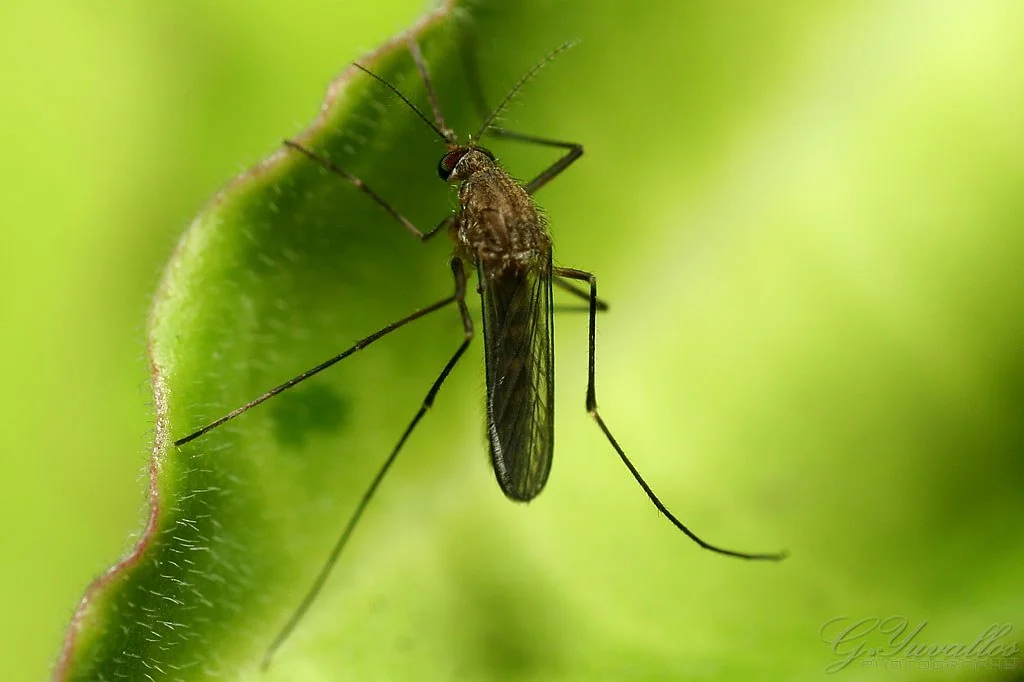
Mosquito. Gerald Yuvallos. CC BY-ND 2.0. 

The World Mosquito Program (WMP) is an Australian-based nonprofit organization working to eradicate several diseases carried and spread by mosquitoes, specifically Dengue and Zika. About 50 million people per year contract Dengue, while there are roughly between 100,000 and 500,000 cases of Zika per year worldwide. Both Dengue and Zika are mosquito-born illnesses, but they have very different effects. Dengue has a wide range of symptoms, and in the worst cases, the disease can end in hospitalization and death. Dengue is primarily a problem in Asia, with 70% of global cases occurring in the continent, though cases have been reported in 129 countries total. There is a vaccine for Dengue, but regardless, Dengue is still a leading cause of death in certain places in Asia and South America. 

Zika, on the other hand, rarely causes death, but it is known for causing birth defects if caught by pregnant women. In addition to issues for fetuses, if caught by teens or adults, Zika can cause Guillain-Barré syndrome, in which the body’s immune system attacks its nervous system, leading to nerve damage of differing severity. There is no vaccine for Zika, and thus, the World Mosquito Program’s work is necessary in this area.   

The primary strategy for WMP is breeding mosquitoes that carry a specific bacteria—Wolbachia—which prevents the mosquitoes from spreading these diseases. Once WMP has bred the Wolbachia mosquitoes, they work with governments to determine a plan to disperse the mosquitoes. The goal is that eventually, the non-Wolbachia carrying mosquitoes will die out by natural evolutionary processes. This method has produced positive results multiple times. While it takes some time  to see results, the Wolbachia method has been praised for the fact that it uses a naturally occurring bacteria. Thus, it has a minimal impact on the ecosystem. Though there are treatments for Zika and Dengue, there are very few prevention methods other than the Dengue vaccine, which makes the Wolbachia method unique in its field. While Dengue and Zika are both serious and dire diseases, the most well-known mosquito-borne disease is malaria. Zika and Dengue are spread by the same type of mosquito, while malaria is transmitted by a different type, which is why the Wolbachia method cannot be used for malaria prevention.  

I had the opportunity to interview Christie Hubbard, the Director of Philanthropic Partnerships for WMP. She explained in a bit more detail how the Wolbachia method is carried out. Hubbard explained the function of the bacteria, and the surprising simplicity of the process, saying: “This bacteria, Wolbachia, renders the female unable to transmit disease… Because it naturally occurs we don’t have to modify it, and we literally breed mosquitoes.” These “Wolbachia mosquitoes” are then released (with governmental permission) into areas suffering from Dengue outbreaks, under the assumption that through natural reproduction eventually the disease carrying mosquitoes will die out. 

In terms of the tangible impact that WMP has had, Hubbard gave a few examples: “We did a gold standard trial in Indonesia… it resulted in a 77% reduction in Dengue and an 80% reduction in hospitalizations, which is really big… We’ve also seen success in Australia, which is where we’re founded and there’s a lot of Dengue. That’s where the program really first started and where we really… we never say eradicate, but we eliminated Dengue.” The near elimination of Dengue in two countries is an extreme feat, and WMP’s website also lists some other countries in which their method has seen success, such as Mexico and Sri Lanka. In both of these countries, there have not been any Dengue outbreaks in the areas where the Wolbachia mosquitoes were released in the years following their release.

Wolbachia method is launched by Brazil Ministry of Health. Ministério da Saúde. CC BY-NC-SA 2.0.

An obvious complication to WMP’s approach is that they are an Australian-based organization going into other countries. Hubbard addressed this, saying, “Our intervention is really geared towards governments and countries, so that’s who we work with and not so much private individuals. So yeah, we just go in, we release the mosquitoes, but it’s not as simple as that. It takes a long time, you’ve got to get the eggs to the country—we’ve got an insectary in every country—and of course there’s a big piece with community engagement, because you don’t just walk into another country and say, ‘hi, we’re bringing in more mosquitoes’... and working very closely with the ministries of health, and government officials.” WMP works in conjunction with the governments and the health officials of the countries which they work in, trying to eliminate any disruption or possible harm to the local communities. WMP’s website also publicly lists the percentage of the population of each place it works in that supports their intervention. 

Get Involved

In terms of getting involved with WMP, there are few volunteer opportunities outside of the places where they are currently working. However, their website does have a page listing the places where they have or are currently working. Another, more accessible way to get involved that doesn’t require money is by simply raising awareness for WMP, and for the issue of mosquito-borne illness in general. Following and promoting their instagram, or even just educating yourself further on the issue through reading articles and sharing them with the people you know is a way to get involved, as this issue is not a high profile one.


Calliana Leff

Calliana is currently an undergraduate student at Boston University majoring in English and minoring in psychology. She is passionate about sustainability and traveling in an ethical and respectful way. She hopes to continue her writing career and see more of the world after she graduates. 

Restoring the Amazon Rainforest

Deforestation of the Amazon rainforest has hurt it immensely but reforestation efforts are working to restore its former glory.

Amazon Rainforest. Neil Palmer. CC BY-NC-ND 2.0

Deforestation is the process of destroying the tree cover in a forest, so technically it started when humans first started cutting down trees for fires and to build homes. However, the Industrial Revolution in the 1800s caused a massive jump in deforestation, with 177 million square miles of trees having been destroyed just by 1850. Though the issue has persisted, it is only in the last 70 years that people have realized it is a major environmental problem. Even today, around 25 million hectares of forest are being destroyed every year. The agricultural industry is the leading cause of deforestation as people destroy forest land for commercial farming, especially for livestock feeding, soy and palm oil. Other industries such as the textile industry, food industry, chemical and construction industries also benefit from the deforestation. Also, one method of deforestation is slashing and burning the trees, which harms the soil and makes it harder for plants to grow in the future. This affects not just the forest, but the farmers who take over the land because they are unable to grow crops for many years and need to keep cutting down more trees. 

One forest in particular that has continuously suffered from deforestation is the Amazon rainforest, the largest rainforest in the world. It spans across Bolivia, Brazil, Colombia, Ecuador, French Guiana, Guyana, Peru, Suriname and Venezuela, which covers around 40% of South America. The ecosystem of Amazon forest is incredibly diverse, with more species of plants and animals than any other terrestrial ecosystem in the entire world. With industrialization and the continuous deforestation, large sections of the rainforest have vanished.

However, many forest restoration efforts have happened in an attempt to save it. Forest restoration is a process to improve the health of a forest, though nothing will fully restore it to its original glory because of destroyed soil and invasive species of both plants and animals. The process aims to heal the destruction caused by deforestation as much as it can, but it isn’t as simple as people replanting the trees. The soil has to be improved, the wildlife must be protected and anyone who uses the land needs to use it sustainably. 

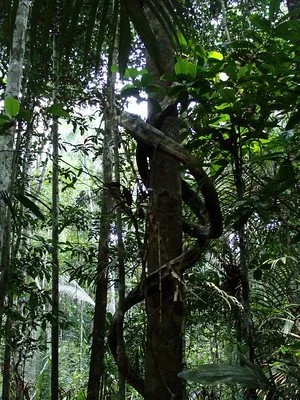
Vine in the Amazon Rainforest. Ben Sutherland. CC BY 2.0

In terms of the Amazon specifically, many efforts are starting to be made as people recognize the increasingly negative impact they have been causing on the rainforest. For example, in Colombia, a business in bioeconomy is gaining popularity. Forest schools such as the Amazonía Emprende - Escuela Bosque teach local communities to have sustainable business practices, and restore thousands of hectares of land within the next few years. Nature tourism is another method that people are using. It is a way for Indiginous communities to show and teach others about the rainforest, and raising awareness like this also helps improve the living conditions of the people. Another way Colombia is making efforts to preserve the rainforest is simply just growing food more sustainably. There are companies that grow plants in an eco-friendly way, and help families who make a living doing this. 

There are also programs such as the Amazon Sustainable Landscape Program (ASL), which aims to improve the overall management of landscape and ecosystem of the rainforest. The ASL combines efforts from many organizations, such as the World Bank, World Wildlife Fund, International Fund for Agricultural Development and more. With the ASL, these groups have a way to collaborate in a massive effort to restore the rainforest. Big organizations and communities working together is needed for large scale efforts like this to be truly effective in restorating the Amazon.

To Get Involved

There are many organizations trying to help rainforests. The Rainforest Action Network RAN) has a Protect an Acre program, similar to buy-an-acre programs that allow for people to buy an acre of forest land so it won’t be destroyed. The Amazonía Emprende school mentioned earlier educates people about sustainable business practices. The ASL wants to better the management of the Amazon.

To discover more about the Amazonía Emprende school, click here.

To discover more about the ASL and its goals, click here.

To discover more about the RAN and how to donate to them, click here.


Katherine Lim

Katherine is an undergraduate student at Vassar College studying English literature and Italian. She loves both reading and writing, and she hopes to pursue both in the future. With a passion for travel and nature, she wants to experience more of the world and everything it has to offer.
The Decriminalization of Illicit Drugs in British Columbia

Canada has announced their plans to decriminalize small amounts of illicit drugs in British Columbia by January of 2023. They are hopeful this will lower high rates of overdoses.

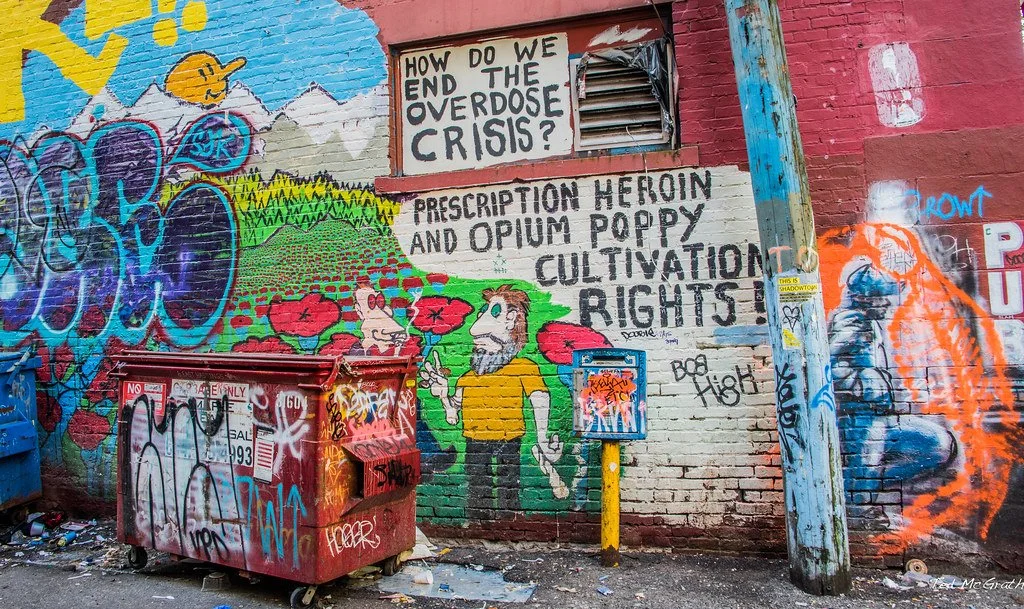
Graffiti about drug decriminalization. Ted’s Photos. CC BY-NC-SA 2.0.

In British Columbia, Canada, where thousands of overdose deaths occur each year, officials have decided to try decriminalizing small amounts of illicit drugs. The illicit drugs in question include heroin, cocaine, opioids, methamphetamine and more. Residents of British Columbia 18 years or older will be allowed to possess a maximum of 2.5 grams of these drugs without penalty, a policy that will take effect in January of 2023. This policy comes from an exemption from the Controlled Drugs and Substances Act that makes these drugs illicit, which was granted to British Columbia for a three-year trial run.

Officials hope that by decriminalizing small amounts of these drugs, dependent users will feel less afraid of prosecution and stigmatization if they do decide to seek drug-related help. Further, by tackling rates of drug deaths as a public health issue, BC Government News says “the Province will create new pathways to support those seeking treatment.”

Since the height of the pandemic in 2020, British Columbia has struggled with high rates of illicit drug abuse and overdose deaths. In 2020, drug-related death rates rose into the two-thousands, a problem that since 2016 had been declared a public health crisis. Most of these deaths occur when drug users hide their addiction from friends and family, fearing the reaction or stigmatization that will come from their loved ones learning of their addiction.

By decriminalizing these drugs, Canada hopes to reverse this effect; Dr. Theresa Tam, Canada’s chief public health officer, wrote in a tweet: “Stigma and fear of criminalization cause some people to hide their drug use, use alone, or use in ways that increase the risk of harm. This is why the Government of Canada treats substance use as a health issue, not a criminal one.”

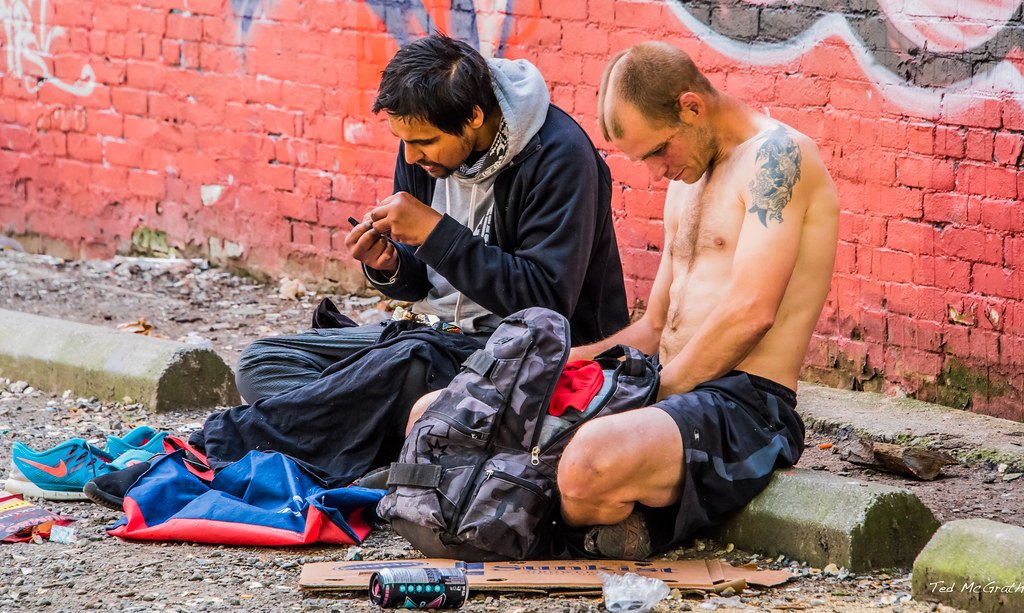
Street use in Vancouver. Ted’s Photos. CC BY-NC-SA 2.0.

The exemption to be instituted in 2023 has found support from family and friends of deceased drug users and was even supported by the police associations and chief coroner. Though some call for even further decriminalization – a policy that would expand the 2.5 gram limit to larger amounts – health officials in Canada believe 2.5 grams is a good trial starting point. Harm reduction is their main goal; British Columbia’s Provincial Health Official Dr. Bonnie Henry stated, “This is not one single thing that will reverse this crisis but it will make a difference.”

In requesting an exemption from the Controlled Drug and Substances Act, British Columbia also stated that drug-related felonies and arrests disproportionately affect already marginalized communities. In decriminalizing small amounts of drugs, the authorities will reduce  punitive actions and may help to decrease the stigmas around drug use that cause people to hide their addictions. 

Turning Point of Tampa has also stated that experts on drug incarceration have stated that imprisonment does not deter drug use, and problems such as substance abuse, mental health issues and fear of open drug use worsen when sentenced to prison time. Peer clinical adviser Guy Felicella told the New York Times, “Arresting me and incarcerating me for all those years for using drugs never stopped me once from using drugs — even when I went to prison. It didn’t do anything except create stigma and discrimination, shame,” which is the exact thing Canada is trying to end through decriminalization.

Hoping to reduce the stigma surrounding drug use that leads to deaths due to fear of judgment and sequentially more dangerous usage, Canada is waiting to see how this exemption in 2023 will reduce rates of drug-related deaths, and whether further decriminalization is needed. 

To Get Involved:

The Canadian Drug Policy Coalition (CDPC) is an advocacy organization that is fighting against the harm caused by drug prohibition laws. Campaigning with a platform centered on decriminalization, the Coalition strives to reduce the high rates of drug overdose deaths in Canada. To learn more about the CDPC’s mission and to support their work, click here.


Ava Mamary

Ava is an undergraduate student at the University of Illinois, double majoring in English and Communications. At school, she Web Writes about music for a student-run radio station. She is also an avid backpacker, which is where her passion for travel and the outdoors comes from. She is very passionate about social justice issues, specifically those involving women’s rights, and is excited to write content about social action across the globe. 

LGBTQ+ Life and Culture in Iceland

Iceland has a reputation for being one of the safest and most accepting countries for the LGBTQ+ community, travelers as well as Icelandic residents.

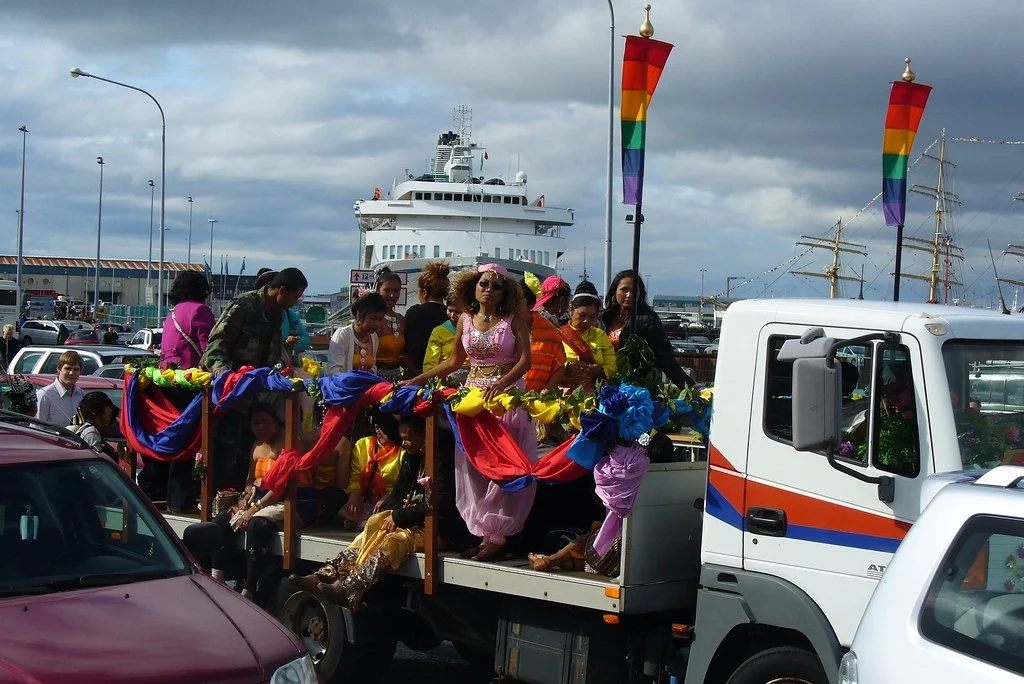
Pride flags in Reykjavík. Symbioticadesign. CC BY-NC 2.0.

While Iceland is an unusually safe and accepting place today, it has had a rocky history with LGBTQ+ rights just like everywhere else. Because Iceland is so geologically isolated from the rest of the world, Icelandic people rarely even married people from other countries prior to World War II. During World War II, Icelandic women began coupling up with and marrying non-Icelandic soldiers who were stationed in the country, and even these heterosexual relationships were met with disdain. This attachment to “traditional marriage” bled over into the public perception of LGBT+ relationships, meaning that homophobia was also rampant at that time. Even thirty years later, the first famous Icelander to come out as gay in the 1970s, Hörður Torfason, was driven out of Iceland by the extreme homophobia he faced.

However, the tide turned relatively quickly in Iceland between the 1970s and the 1990s, but not without great struggle. In 1978, the Icelandic National Queer Organization was formed, which played a major role in promoting gay rights in Iceland. In 1996, Iceland became the fourth European country to officially recognize same-sex unions. By 2004, 87% of Icelanders supported gay marriage (which was officially legalized in 2010) while in 2004, only 42% of Americans did.

Today, Iceland is a popular travel destination for LGBTQ+ travelers wishing to go somewhere that they can feel comfortable and safe. In fact, Iceland has several popular travel guides and agencies that specifically serve LGBTQ+ travelers: Gay Ice and Pink Iceland. While these websites acknowledge that like anywhere, queer people can still be targetted in Iceland, it is apparently rare, and most hotels, nightlife, gyms and other public places are known to be accommodating of same-sex relationships as well as transgender and nonbinary identities, providing gender-neutral facilities and acknolwedging and respecting preferred pronouns. 

Reykjavík Pride 2009. Filip J. Cauz. CC BY-NC-SA 2.0. 

A large number of businesses and homes in Iceland have pride flags outside their windows, and Iceland hosts several LGBTQ+ events throughout the year that attract hundreds of thousands of tourists. In fact, travelers for the Reykjavík Pride Festival, which occurs in August, account for nearly a quarter of the people in Iceland that month. Reykjavík Pride is regarded as one of the major events of the year in Iceland for everyone, not only people who identify under the queer umbrella. How widespread and anticipated Reykjavík Pride is each year reflects how far Iceland has come in terms of acceptance and safety for LGBTQ+ people. Reykjavík also has a festival in February, called the Reykjavík Rainbow Festival. This is another highly anticipated and attended LGBTQ+ festival in Iceland. Additionally, there are smaller celebrations throughout the year all over the country. 

Iceland is known for being very open about same-sex relationships, with queer couples openly showing affection in public generally without fear. There are also LGBTQ+ historical landmarks in Iceland: Gay Ice recommends the LGBT History Walk, which is a walking tour through Reykjavík’s most important LGBTQ+ destinations, along with information about historical events in Iceland throughout the LGBTQ+ rights movement. 

Iceland is an excellent destination at any time of year for anyone, but especially travelers in the LGBTQ+ community. However, August and February are two of the most interesting and inspiring times to visit, so that one can catch the famous pride festivals.


Calliana Leff

Calliana is currently an undergraduate student at Boston University majoring in English and minoring in psychology. She is passionate about sustainability and traveling in an ethical and respectful way. She hopes to continue her writing career and see more of the world after she graduates. 

Ethical Travel: Is it Possible in a World Beset by Climate Inequality?

The tourism industry supports many countries’ economies, but this financial gain can also have environmental consequences. Traveling ethically is possible but requires research and dedication on both sides to ensure the health of unique cultures and wildlife. 

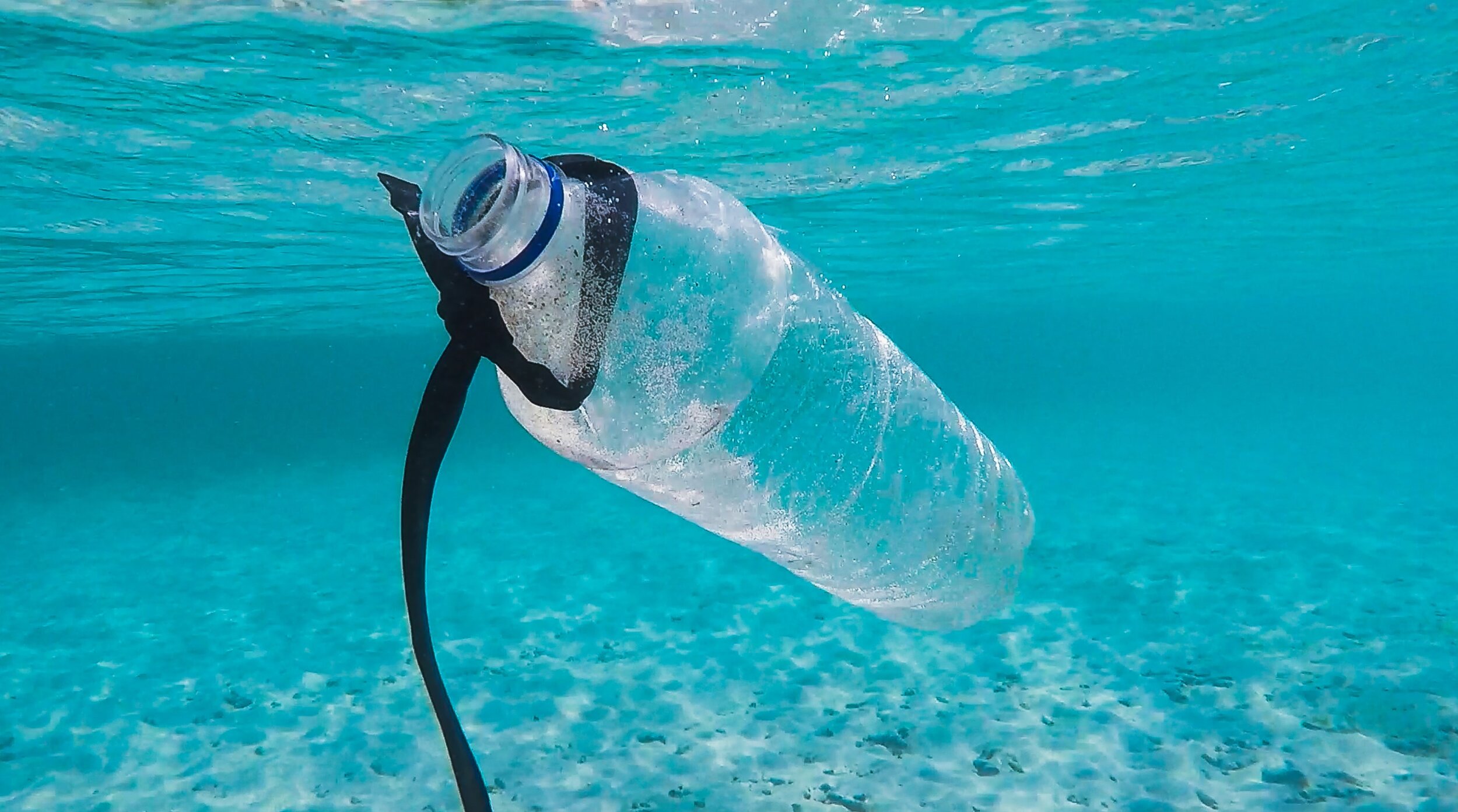
A single-use plastic water bottle found in the Gili Islands of Indonesia. Brian Yurasits. Unsplash (Public Domain).

2020 is on track to become the hottest year on record. With wildfires scorching the American West Coast and threats of drought plaguing India, it is clear that the effects of climate change can no longer be ignored. Subsequently, many are asking: can sustainability and tourism coexist? 

In a 2017 study published by the Journal of Sustainable Tourism, researchers Xavier Font and Ann Hindley highlight the “travel entitlement that is enshrined” in Western culture. The study also found that people felt their “sustainable behavior at home” absolved them of their holiday emissions.

Between 2009 and 2018, the tourism industry’s carbon emissions jumped from 3.9 to 4.5 billion metric tons. Vulnerable destinations like Iceland and the Maldives are further strained by a constant influx of tourists and their expected needs. While minimizing environmental extraction would aid the planet’s livelihood, Font and Hindley’s study also suggests the importance of reexamining human motivations and behavior.

In “Hosts and Guests: The Anthropology of Tourism,” Dennison Nash defines imperialism as an expansion of a society’s influence abroad whether through political or economic means. Tourism can ultimately be viewed as a modern form of imperialism meant to bring leisure to one population at the cost of another’s resources and people.

The outbreak of COVID-19 revealed how many countries are reliant on the tourism industry. In Mexico alone, tourism provides 11 million jobs to people directly and indirectly. Despite the ease at which COVID-19 can spread, many in Mexico are ready to return to work. As quoted in The Washington Post, Rodrigo Esponda, head of the Los Cabos Tourism Board, said, “It’s life or death for us … it’s tourism or nothing.”

Consequently, some are taking the pandemic lockdown as an opportunity to overcome these dependencies. Sociology professor Mimi Sheller at Drexel University released a 2020 study on the intersections of pandemic recovery, climate resilience and ethical tourism in the Caribbean. Instead of waiting for timeshare holders and cruise companies, Sheller writes on the necessity of returning to original practices that might make the Caribbean more resilient to climate disaster. Caribbean activists themselves are setting up vertical gardens, hydroponics systems and other sustainable methods to overcome “extractive and colonial legacies” that have prevented the islands from achieving true economic independence.

Countries like Bhutan set their own measures, thus returning some agency into their hands. The country exacts its own “tourist fee” which caps the number of tourists, consequently mitigating environmental and social disruption. On Sept. 9, Thailand took advantage of pandemic conditions to reevaluate its animal welfare policy, namely the treatment of its elephants and monkeys.

Ultimately, the path to sustainable tourism is possible and relies on the efforts of both host nations and guests alike. Before heading out, travelers can minimize their impacts by researching cultural norms beforehand, supporting family-owned hostels instead of corporate ones, refusing plastic and keeping consumption—from souvenirs to food—local.


Rhiannon Koh

Rhiannon earned her B.A. in Urban Studies & Planning from UC San Diego. Her honors thesis was a speculative fiction piece exploring the aspects of surveillance technology, climate change, and the future of urbanized humanity. She is committed to expanding the stories we tell.

The Influx of ‘Pisupo’: Food Colonialism in the South Pacific

Globalization has created an influx of unhealthy canned food in the South Pacific region, leading to a dependency on it and increasing health issues associated with an unhealthy diet. 

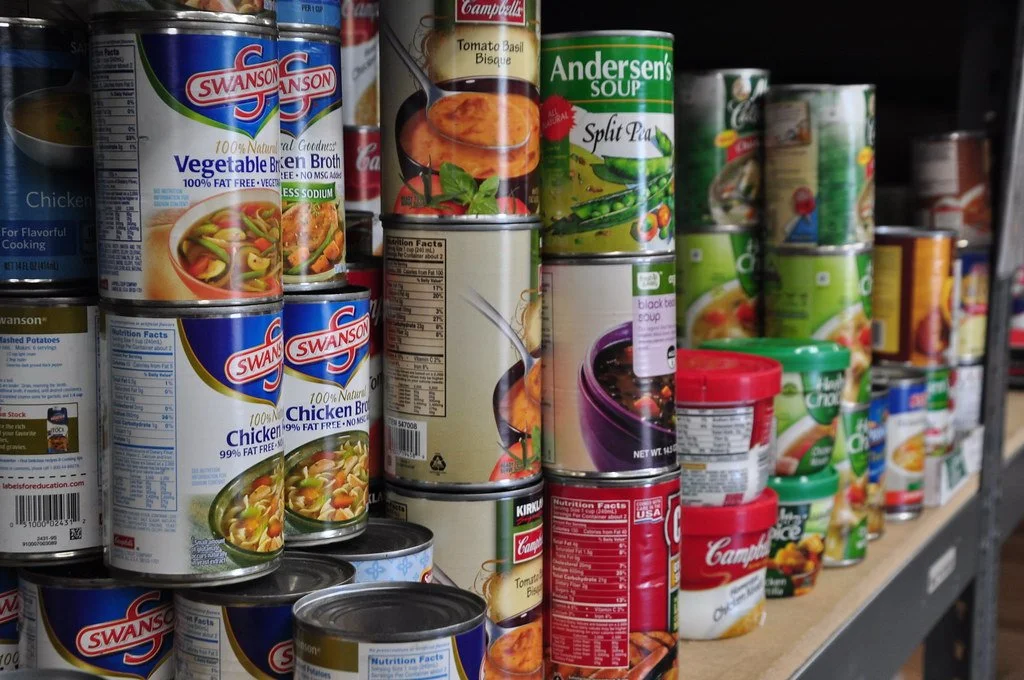
The influx of canned food in the South Pacific has led to a variety of problems. Salvation Army USA West. CC BY 2.0.

The legacy of colonialism has a lasting impact on the island of the South Pacific. Many of those islands have been colonized by Western powers, and some of them are still under the control of foreign countries. Due to this, Western influences are still pervasive throughout the region. 

One lasting legacy of Western imperialism in the South Pacific is the introduction of canned and processed food. The first canned food to be brought to the region was pea soup, and therefore, Samoan and a few other languages of the region, the word for canned food in general is “pisupo.” Today, the predominant type of canned food in the region is corned beef.

The prevalence of canned food in the South Pacific has changed the diets of the people living there and has caused a dependence on them. The new diets of the South Pacific Islanders are not necessarily an improvement from their traditional diets. However, as canned and processed foods are generally unhealthy and lacking in nutrients. That has resulted in an increase of obesity, diabetes and heart disease. Between 1990 and 2010, the total disability-adjusted life years lost to obesity also quadrupled in the region.

The traditional diets of South Pacific Islanders provide the nutrients needed for a healthy life. whl.travel. CC BY-NC-SA 2.0.

In order to provide these new foods, livestock such as cattle and pigs have been introduced to the islands, causing ecological damage. The island ecosystems are fragile, and large-scale ranching can easily destroy them. The dependence on canned food introduced by the West has resulted in not only harm to health, but also harm to the environment.

The proliferation of packaged and processed food has affected other parts of society as well, not just the typical diets. In marriage and birthday ceremonies in traditional South Pacific cultures, people often exchange gifts. While in the past, common gifts included fine mats and decorated barkcloths, but today, canned corned beef is one of the more popular gifts at those events. The introduction of canned foods has even changed traditional practices and contributed to the prevalent unhealthy diets of the South Pacific Islanders.

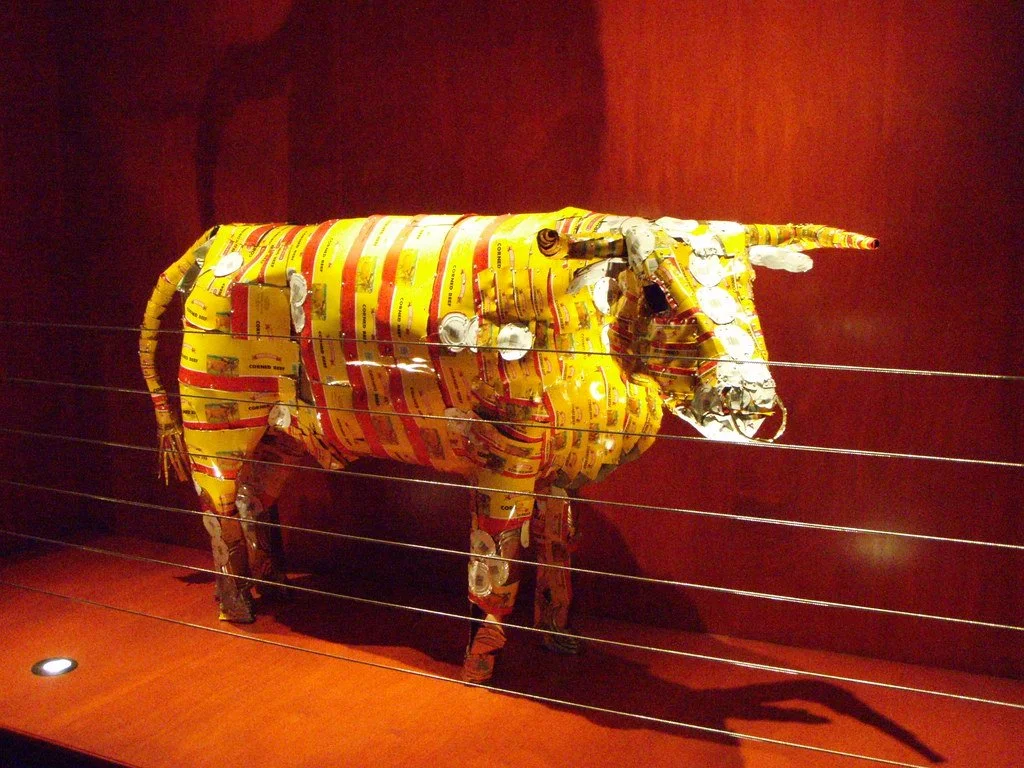
“Pisupo Lua Afe (Corned Beef 2000)” is a piece of art by Michael Tuffery that critiques the food dependency of the South Pacific. Sheep’R’Us. CC BY-NC-ND 2.0.

The neocolonial nature of these developments has its critics. One of them, Michael Tuffery, offers a unique interpretation through his artwork, with one of the most notable being “Pisupo Lua Afe,” a sculpture of a bull made from canned corned beef. He says that his art addresses the impact that the “exploitation of the Pacific’s natural resources has wrought on the traditional Pacific lifestyle.” His choice of subject matter and the material show his thoughts on the influx of canned food in the South Pacific. Bulls were a common presence at the aforementioned ceremonies, and the fact that the bull is covered in canned corned beef represents the fact that more traditional practices. Tuffery laments the changes that globalization has brought to his traditional Samoan culture, which has led to a “decline of indigenous cooking skills.”

With so much waste being created in the making of “Pisupo Lua Afe,” Tuffery calls into question whether the physical and cultural costs of food dependence are worth it. Could the South Pacific do better without the influx of canned food? Tuffery argues that it could. But even if the South Pacific Islanders decide to shun the prevalence of canned food, hurdles remain to improve the health of both the land and people of the region.


Bryan Fok

Bryan is currently a History and Global Affairs major at the University of Notre Dame. He aims to apply the notion of Integral Human Development as a framework for analyzing global issues. He enjoys hiking and visiting national parks.

Holding Corporations Responsible For Abusive Practices

The supply chain of a company represents every step along the way of production, meaning that abuses can happen thousands of miles from a company’s base and never be caught or noticed.

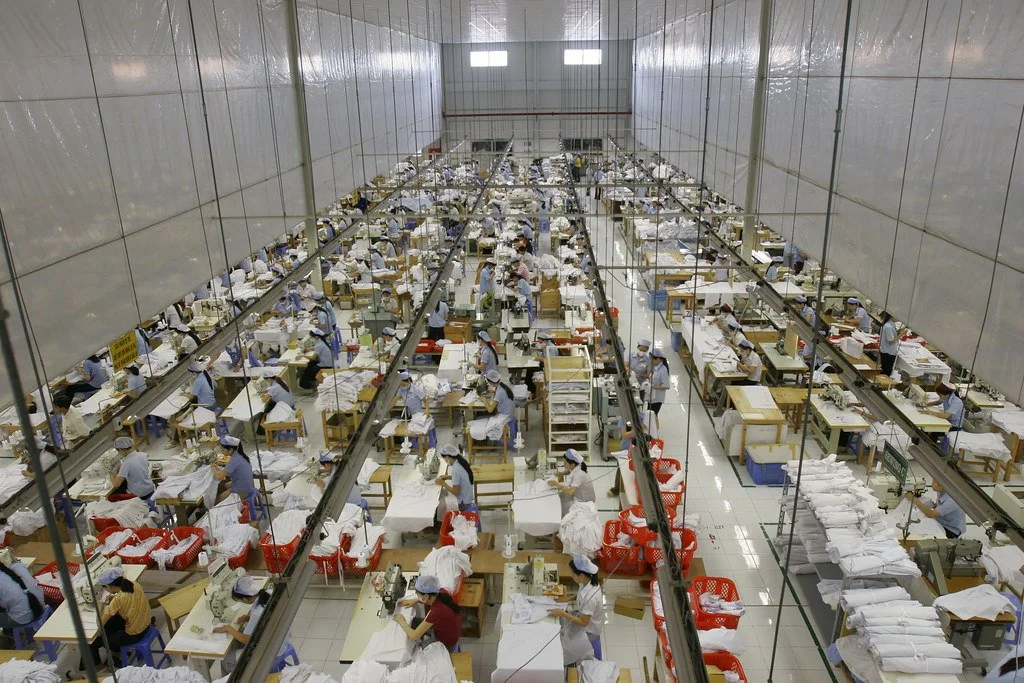
Garment factory in Vietnam. United Nations Industrial Development Organization. CC BY-ND 2.0.

A corporation’s supply chain is the structure of sources, suppliers, and producers of a corporation’s products . Because there are so many steps between an idea and the sale of the actual product, it’s easy for companies to engage in unethical work conditions—whether that be environmental or in terms of human rights—and often these abuses go unaccounted for. Recently, there’s been a push to track and regulate companies’ supply chains to reduce the number of environmental and human rights abuses throughout supply chains.

The most prominent issue in most companies’ supply chains is some form of forced labor. This can present in a very straightforward way: full on modern slavery, with workers working entirely against their will(s). However, this can also manifest in less obvious but also horrifying ways such as unfair and unlivable wages, unsafe working conditions and the impossibility for workers to quit if and/or when they want to. The reason that all of these abuses are called “supply chain issues” is because whichever company that makes the final product must be held responsible for human rights abuses at any point in its production, even if it seems far removed from the final product. 

In addition to overworking and underpaying workers overseas, there have been many reports of sexual violence and even murder within garment factories. In 2021, a garment worker in India named Jayasre Kathiravel was murdered by her boss after months of sexual harassment at his hands. Prior to her death, she reported to friends and family that she felt extremely unsafe and did not feel it was possible to leave her job. There have also been fires in garment factories due to unsafe and crowded working conditions, such as the fire in 2012 in Bangladesh which tragically killed at least 112 people. Despite efforts following the fire to improve safety in these factories, garment workers in Bangladesh continue to report feeling unsafe today. There are several organizations that are striving to hold companies accountable for egregious abuses such as these, because even if the company is based halfway across the world, if the root of the problem is not regulated, change is unlikely.

Women in Bangladesh protest for workers’ rights. USAID U.S. Agency For International Development. CC BY-NC 2.0. 

Another issue, in addition to human rights abuses, is the environmental impact of large corporations. The fast fashion industry alone is responsible for 10% of pollution. Much of this pollution occurs in ways that the consumer doesn’t see. By producing so much clothing so rapidly, and then having to transport all of that clothing all around the world on a daily basis, massive amounts of resources are used, and a massive amount of CO2 is released into theatmosphere. Many of the same laws and organizations that are tackling the regulation of working conditions for large corporations are also pushing for environmental regulations. 

One organization that is working hand in hand with lawmakers in the U.S. to improve supply chain issues is the New Standard Institute. The New Standard Institute primarily focuses on the fashion industry, which is widely known for being one of the worst industries in terms of egregious human rights abuses as well as environmental damage. The New Standard Institute is working to push for The Fashion Sustainability and Social Accountability Act (The Fashion Act), a law which has been proposed in the state of New York  but would have repercussions throughout the entire world. The Fashion Act would regulate clothing and footwear brands with over $100 million revenues, forcing them to map the majority of their supply chain. The brands would then have to figure out which area of their supply chain produces the worst environmental and social effects (in terms of pay equality and greenhouse gas emissions specifically) and provide an enactable agenda for how to improve in those areas. If the brand in question has not made the progress that they promised within 12 to 18 months they would be subject to fines of up to 2% of their annual income. The companies would also have to make their environmental and human rights statistics readily available on the internet. While this law has only been proposed in New York, most supply chain abuses for major companies occur outside of the United States, and since New York provides such a major market, it will be in these corporations’ best interests to comply with the The Fashion Act if it is passed.

 Forever 21 in Times Square. Krogers2013. CC BY-ND 2.0.

California passed a similar law in 2010 which focused on slavery in the garment industry, and other European countries as well as Australia have fair trade laws. So, the Fashion Act would not be the first law of its kind if passed, but given the revenue brought in from New York, it would likely have a significant impact globally.


TO GET INVOLVED

There are several things that an individual can do to support supply chain regulation and a decrease in human rights abuse and pollution. As a consumer, one can be mindful of the brands that they support, and research a brand’s track record when it comes to workers’ rights and the environment. Unfortunately, most affordable brands are able to stay so affordable due to poor wages or completely unpaid labor. However, if limiting where you buy from is not an option, you can also research to see which affordable brands have plans in place to decrease their negative impact within the next few years. Additionally, there are several organizations pushing for regulation to support, such as the New Standard Institute (mentioned above), and the Ethical Training Initiative, which hosts training on how to be an ethical consumer, and supports workers in their unionization efforts and more. Additionally, you can contact your representative and tell them you support The Fashion Act, and ask what they have done to support regulation in their area. And finally, the simplest way to help with this problem is just to buy less.


Calliana Leff

Calliana is currently an undergraduate student at Boston University majoring in English and minoring in psychology. She is passionate about sustainability and traveling in an ethical and respectful way. She hopes to continue her writing career and see more of the world after she graduates.