Evo Morales Returns in Triumph to Bolivia, Ending a Year in Exile

One year after he stepped down amid a contested election, the popular left-wing leader is back. Will he be content with his supporters’ love, or will he seek power as well?

Evo Morales waving the Wiphala, a symbol for South America’s Indigenous people. Brasil de Fato. CC BY-NC-SA 2.0.

Exiled leaders rarely return so triumphantly. Evo Morales, president of Bolivia for 14 years before fleeing the country in November 2019, greeted a jubilant crowd when he crossed the border from Argentina and trekked to his home province of Chapare. Many expected a more forceful return, perhaps a march to the seat of government in La Paz. Rather, Morales traveled to where he started his political career at the precise moment when that career seems set to either end or begin again. 

If Morales plans to kick-start a new phase in his political career, he reenters in a much better position than when he started. Born to a poor family in the Orinoca region in 1959, his family moved with countless other families from the highland altiplanos to work on lowland coca farms, which provided poor Bolivians the best shot at a livable wage. The young Evo became a union leader, fiercely advocating for the rights of farmers when the United States’ war on drugs demanded the Bolivian government slash its supply of coca, its most profitable crop. In Bolivia, people chew on it or brew tea, but one ton of leaves can be refined into two pounds of cocaine base paste. 
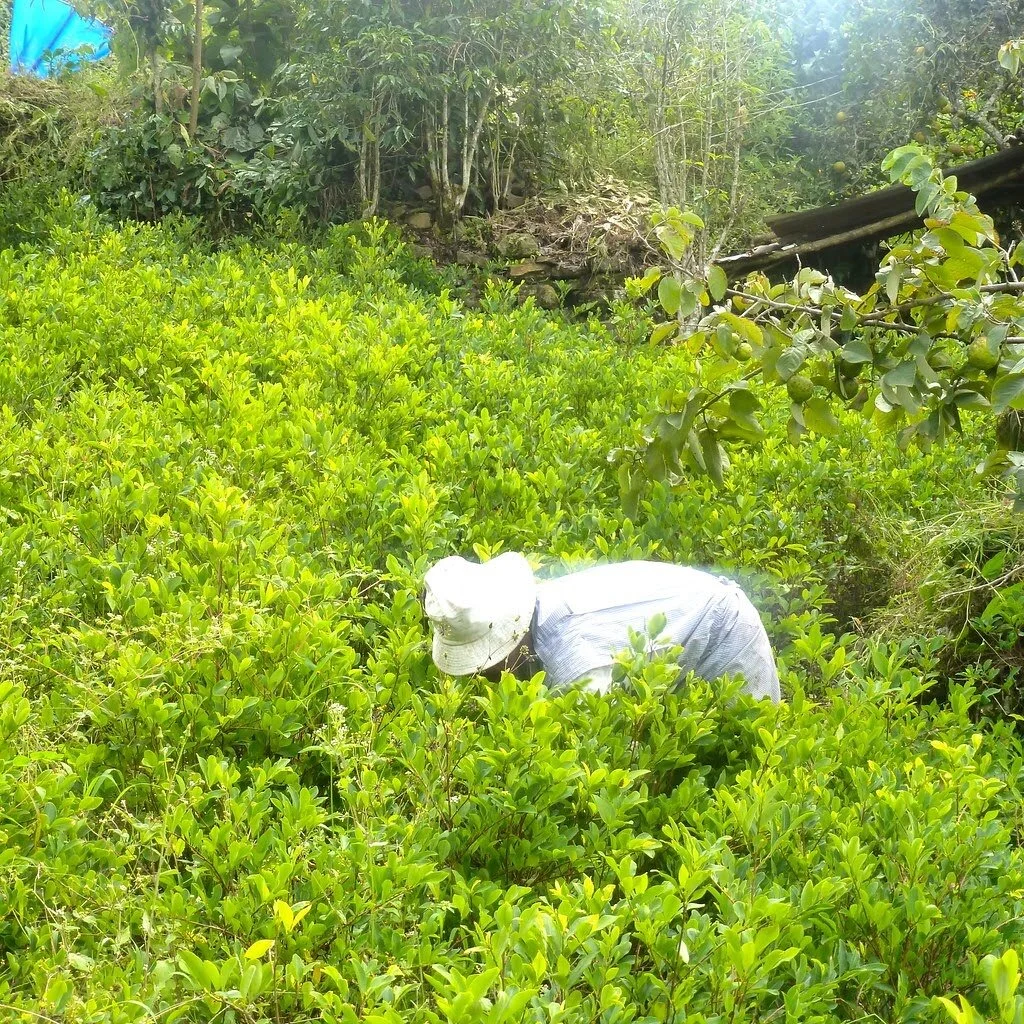
A farmer pruning coca. Erik Cleves Kristensen. CC BY 2.0.

Morales’ experiences there fostered a brand of politics staunchly devoted to the poor and Indigenous communities through the institution of socialism. He joined and soon transformed the Movement for Socialism party (MAS) and became a one-term congressman. After leading violent street altercations that forced two presidents to resign, his ambitions expanded to the national realm. In 2006, the Bolivian people voted him in as president, beginning a 14-year-long tenure which would prove revolutionary.

For one, he was the first Indigenous president since the country’s independence in 1825. In a nation that is 42% Indigenous, this seems strange, but centuries of colonization and racism led to a society of haves and have-nots. An ethnic Aymara, Morales expanded MAS’s appeal to all Indigenous people, chafing many Whites and Mestizos who supported MAS in far fewer numbers. Some Indigenous communities found Morales’ embrace of Indigenous peoples hollow; he allowed drilling in forest reserves and expanded the amount of land settlers could clear. 
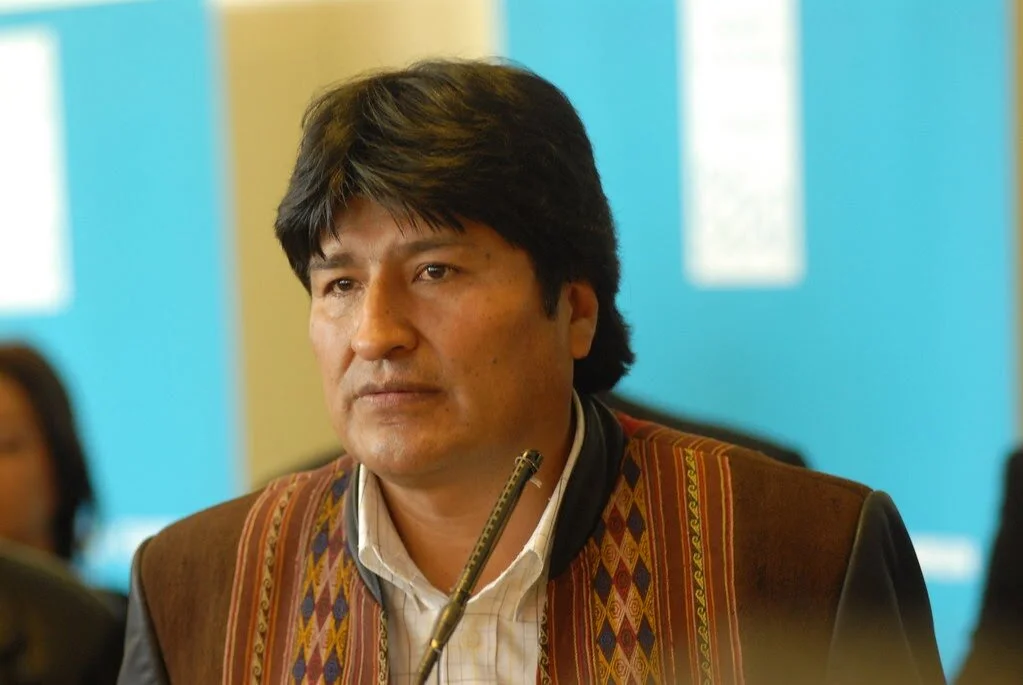
Man without a plan. Alain Bachellier. CC BY-NC-ND 2.0. 

Most of all, however, he presided over what many view as an economic miracle. Morales’ government reduced by two-thirds the amount of people living on less than $1.90 a day, the World Bank’s definition of extreme poverty. The high price of petroleum, another of Bolivia’s largest exports, allowed his administration to invest heavily in innovation and modernization. The widespread prosperity led many to ignore Morales’ authoritarian streak. He would often jail critics and journalists while piling lawsuits on his political rivals.

But when Morales ran for a fourth term against constitutional term limits, opponents found it unforgivable. A pause in vote-counting led many to believe he planned to rig the election, so thousands stormed the streets to protest the election results. Clashes broke out between pro- and anti-Morales protesters; 36 people died amid the violence. Once the military “recommended” Morales step down, he boarded a plane to Mexico and left Bolivia in the hands of little-known senator Jeanine Anez. 

She was a right-wing politician with exactly the opposite views of Morales. Where he proudly represented Indigenous peoples, Anez called them “savages.” (In his triumphant return, Morales sarcastically quipped, “The Bolivian right and the global right should know: the savages are back in government.”) Anez presided over an economic slump due to political unrest and COVID-19. She governed for 11 months before the electorate put in office Morales’ own protege Luis Arce.

Morales’ protege Luis Arce. Casa de América. CC By-NC-ND 2.0.

A bland, uncharismatic technocrat, Arce won broad appeal precisely because he was Morales’ choice. He engineered the economy during Morales’ presidency, so he can take credit for much of Bolivia’s prosperity. His support from the former president may prove both a blessing and a curse, however. He will struggle to distance himself from a controversial figure who still holds strong sway over MAS. His primary responsibility will be to maintain distance from Morales to the greatest extent possible.

For the time being, however, Morales will enjoy his warm welcome home. Crowds gleefully waved the Wiphala, a colorful checkered flag representing Indigenous peoples. Supporters dressed in their finest, most colorful Indigenous attire to celebrate his homecoming. Luis Arce neither met him in Chapare nor sent him a word of greeting. So far they hold no communication. For the sake of Bolivia’s democracy, many hope it will stay that way. 


Michael McCarthy

Michael is an undergraduate student at Haverford College, dodging the pandemic by taking a gap year. He writes in a variety of genres, and his time in high school debate renders political writing an inevitable fascination. Writing at Catalyst and the Bi-Co News, a student-run newspaper, provides an outlet for this passion. In the future, he intends to keep writing in mediums both informative and creative.
Syria’s Allies Exploit the Nation’s Strife

With friends like these, who needs enemies?

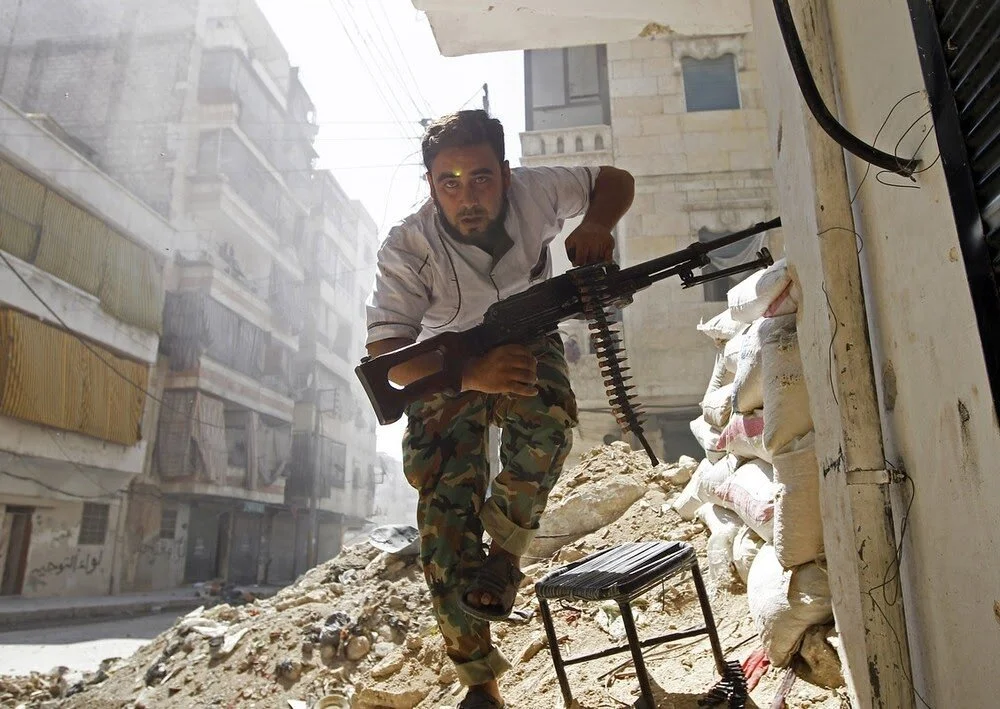
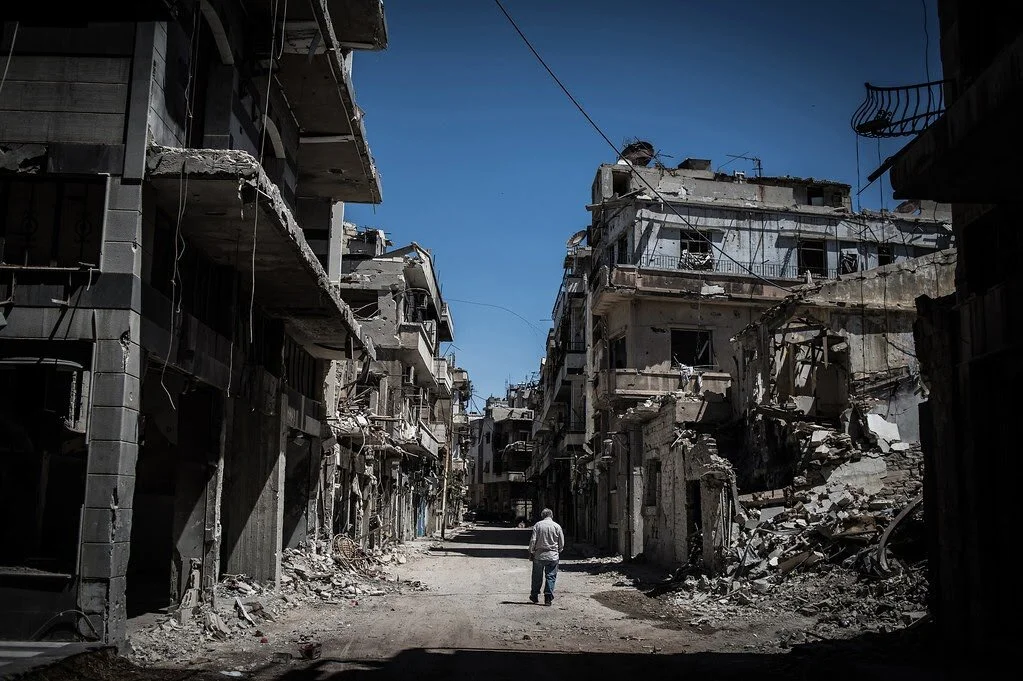
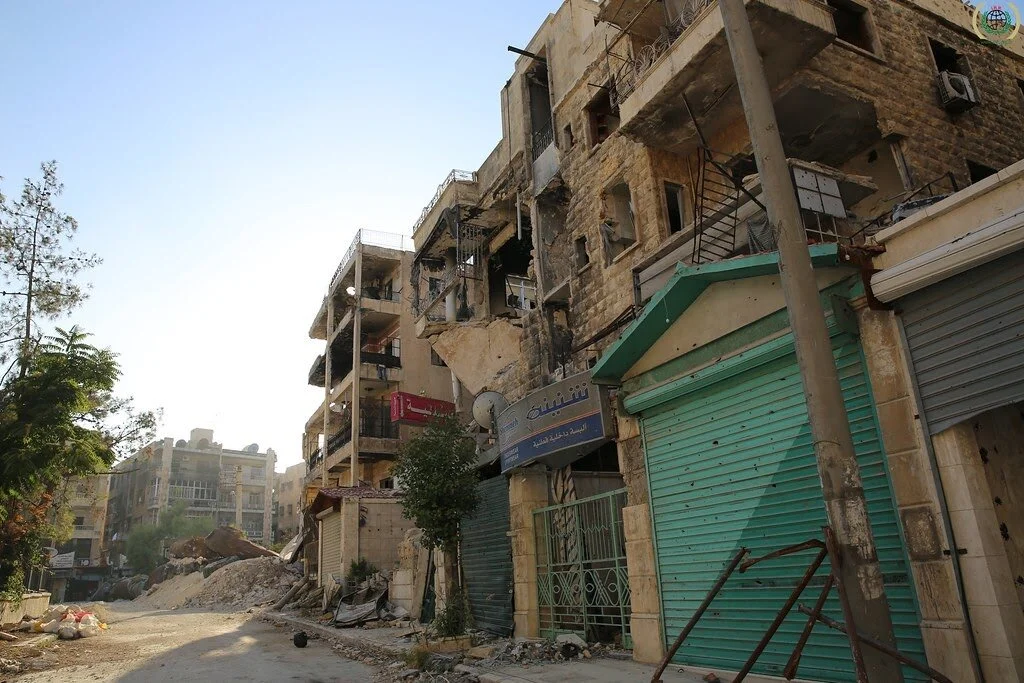
A long road to recovery. Chaoyue Pan. CC BY-NC-ND 2.0.

Bashar Assad didn’t survive his country’s civil war alone. Only with the help of Russia was he able to resist rebel forces and reestablish his grip on Syria. Now, his grip on power seems unshakable, and the question has moved from who will win to how Syria will rebuild. This challenge, however, Assad might have to do alone.

It will be a mighty task. Every aspect of Syria’s economy suffered in the almost decade long civil war. Oil, the country’s primary export, is being produced at one-sixth its prewar level, and last year’s wheat crop was half the prewar average. 60% of businesses have closed either permanently or temporarily. What savings citizens had are losing value fast, for the Syrian currency lost 70% of its value against the dollar. The forthcoming peace is preferable to war but far from easy. 

COVID-19 only adds to the country’s plight. The Assad regime has attempted to hide the extent of the devastation by blaming COVID-19 deaths on “pneumonia,” but the damage is clearly intense. Desperate for food and cash, many Syrians shirked lockdown measures. Other measures enforced in other countries are impossible to follow in a war zone. What little medical infrastructure existed has been swiftly overwhelmed. 

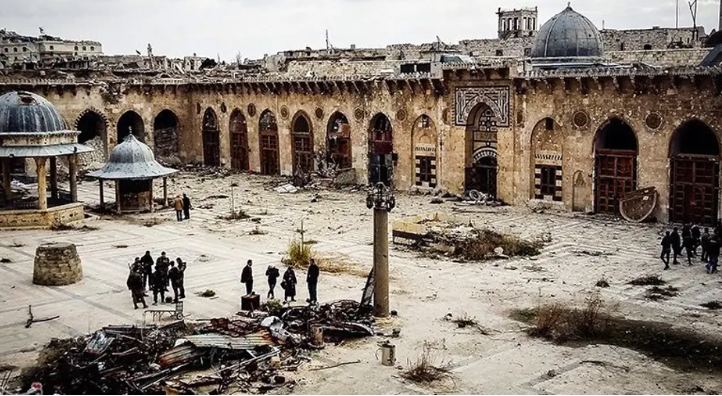
The ruins of Aleppo. Ihh Insani Yardim. CC BY-NC-ND 2.0.

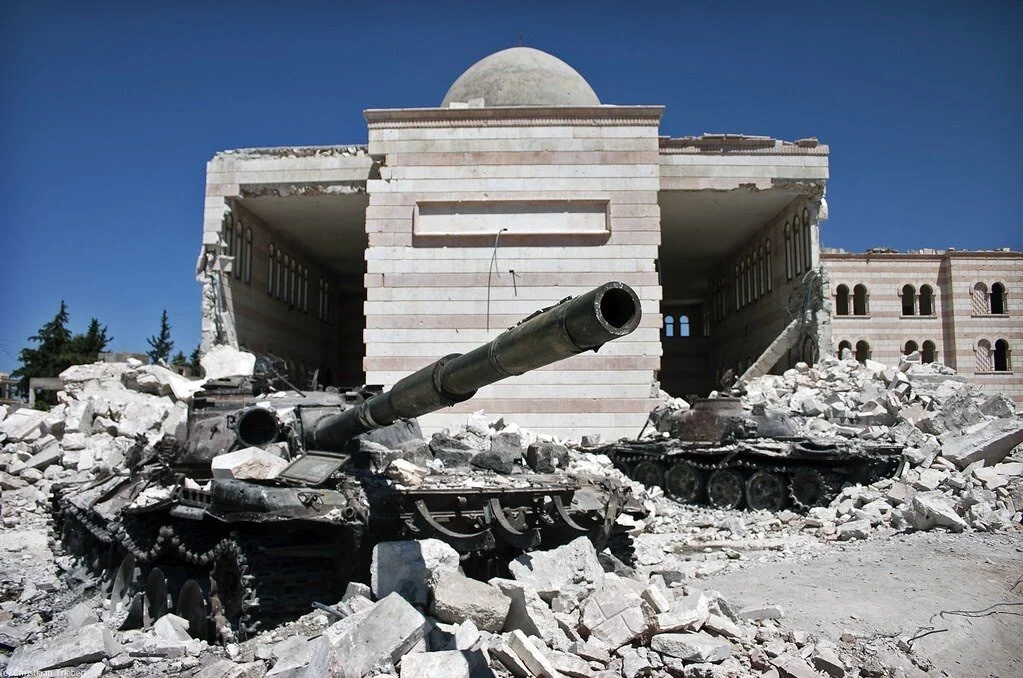
Syria’s allies and neighbors seem content to watch its slow death and profit where they can. Recently, Russian Foreign Minister Sergei Lavrov visited not to help with reconstruction efforts but to scope out energy and construction contracts. Russia knows it can depend on Syria’s loyalty because the Assad regime has nowhere else to turn. Turkish involvement in Syria, meanwhile, focused on supporting anti-Assad rebels along with limiting the influence of regional Kurds, an ethnic group with aspirations of a nation-state.

What’s left of Azaz. Christiaan Triebert. CC BY-NC 2.0.

The United States and Europe provide only humanitarian aid. The U.S. heaped sanctions on Assad’s government in an effort to force at least a semi-democratic settlement, but Assad drifts still further into authoritarianism. At one point, President Donald Trump entertained assassinating the Syrian leader after his use of chemical weapons in 2018. “I would have rather taken him out. I had him all set. Mattis didn’t want to do it,” Trump said, referring to former Secretary of Defense James Mattis. To switch from a desire for assassination to a respectful negotiation would be a stark, and unlikely, change. 

Rather than give aid, Russia seems content to exploit Syria’s weaknesses. As always, the decisions of Syria’s leaders and allies will mainly affect Syrian citizens. The Assad regime’s finances have been bled so dry that it is rumored that customs officers and generals impound trucks and confiscate goods just to charge hefty bribes for their return. 

The plight of Syrian mercenaries illustrates just how dire life the situation has become. Years of fighting created a generation of young men whose only marketable skill is waging war. With no fighting left to be done at home and hungry families to feed, these men have enlisted as mercenary soldiers for Turkey and Russia. Once on the fringe of Syrian life, brick and mortar offices now house recruiters who advertise on WhatsApp, often lying about the safety of certain deployments. Families have more or less accepted fighting as a necessary means to make a living. In the current economy, there are no other options. 

Nowhere left to run. a.anis. CC BY-ND 2.0.

What these fighters make can hardly be called a living. A soldier earns the equivalent of $1 a day, most of which has to be sent home to their family. Syrian mercenaries were deployed in 2019 to fight the conflict in Libya, and just recently, they were deployed to fight for Azerbaijan against Armenia in the disputed Nagorno-Karabakh territory. Russia and Turkey have made pawns out of Syria’s most desperate citizens to support their foreign policy expansions. As one Syrian businessman loyal to Assad observed, “Our saviors have become vultures.”

Syria’s isolation will only intensify in the near future. The Netherlands recently announced that it is preparing a case for the International Criminal Court at The Hague for “gross human rights violations and torture in particular.” Russia repeatedly blocked efforts from the U.N. Security Council to refer such a case, but the Netherlands has bypassed the U.N. altogether. It is yet another thrust from the international community to move Assad in a more democratic direction., For the time being, however, Assad refuses to budge and the plight of Syrians is likely to continue. 


Michael McCarthy

Michael is an undergraduate student at Haverford College, dodging the pandemic by taking a gap year. He writes in a variety of genres, and his time in high school debate renders political writing an inevitable fascination. Writing at Catalyst and the Bi-Co News, a student-run newspaper, provides an outlet for this passion. In the future, he intends to keep writing in mediums both informative and creative.
Unpacking the Nagorno-Karabakh Conflict and the Armenian Diaspora

The renewed conflict in the South Caucasus region has its roots in long-standing historical divisions between Turkey and Armenia. 

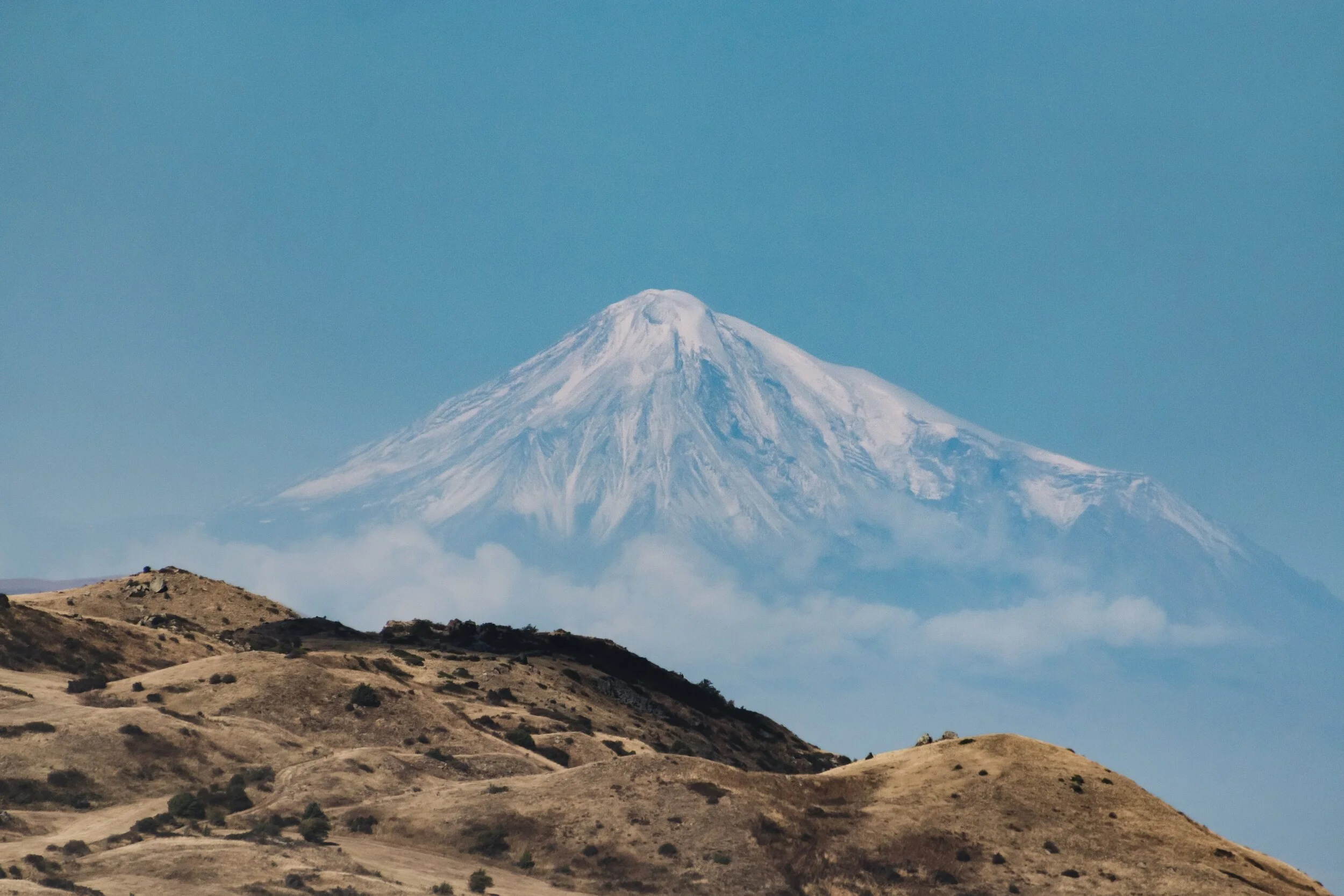
A view of Mount Ararat. West. CC2.0

Tensions between Azerbaijan and Armenia have been renewed due to the ongoing territorial dispute over Nagorno-Karabakh. Fighting started up again on Sept. 27 and has caused massive upheaval and casualties on both sides. Backed by Turkey, the Azerbaijani military bombed Nagorno-Karabakh’s regional capital of Stepanakert with intense artillery fire, while Armenia launched missiles at Ganja (Azerbaijan’s second-largest city), putting citizens in grave danger. Officials speculate that the last two weeks of fighting have proven to be the worst since a cease-fire was brokered by Russia in 1994. Although another cease-fire is a possibility, there is no prediction of what will come next. “Don’t discount the possibility of this turning into something much larger,” said Kevork Oskanian from the University of Birmingham in England. “Once a conflict like this kicks off, it has a dynamic of its own and you don’t know where it will go.”

A Brief History of the Nagorno-Karabakh Dispute

A map of the Nagorno-Karabakh region. Achemish. Wikimedia Commons. CC4.0

The recent fighting is a result of a renewed 32-year-long military conflict between Azerbaijan and Armenia. The territory of Nagorno-Karabakh, also known as Artsakh to Armenians, contains a population of about 150,000. Although completely surrounded by Muslim-majority Azerbaijan, it is governed and claimed by Christian Armenians. Josef Stalin gave the territory to Azerbaijan in 1921 and made it an autonomous region two years later. Initially, the territorial dispute was not violent, as both Armenia and Azerbaijan were under the stronghold of the Soviet Union. However, nationalistic and militaristic tensions increased between the two nations when the USSR began to dissolve. The fighting began in 1991, which resulted in 30,000 casualties and over one million displaced. Although a cease-fire was agreed to in 1994, no official peace deal has been reached. Armenia is happier with the status quo than Azerbaijan, as it was able to reclaim 20% of surrounding land during the fighting in the ‘90s (shown in yellow on the map above). However, Azerbaijan still has a large population of people displaced by the fighting who want to return to their homes. 

Why Turkey is Supporting Azerbaijan

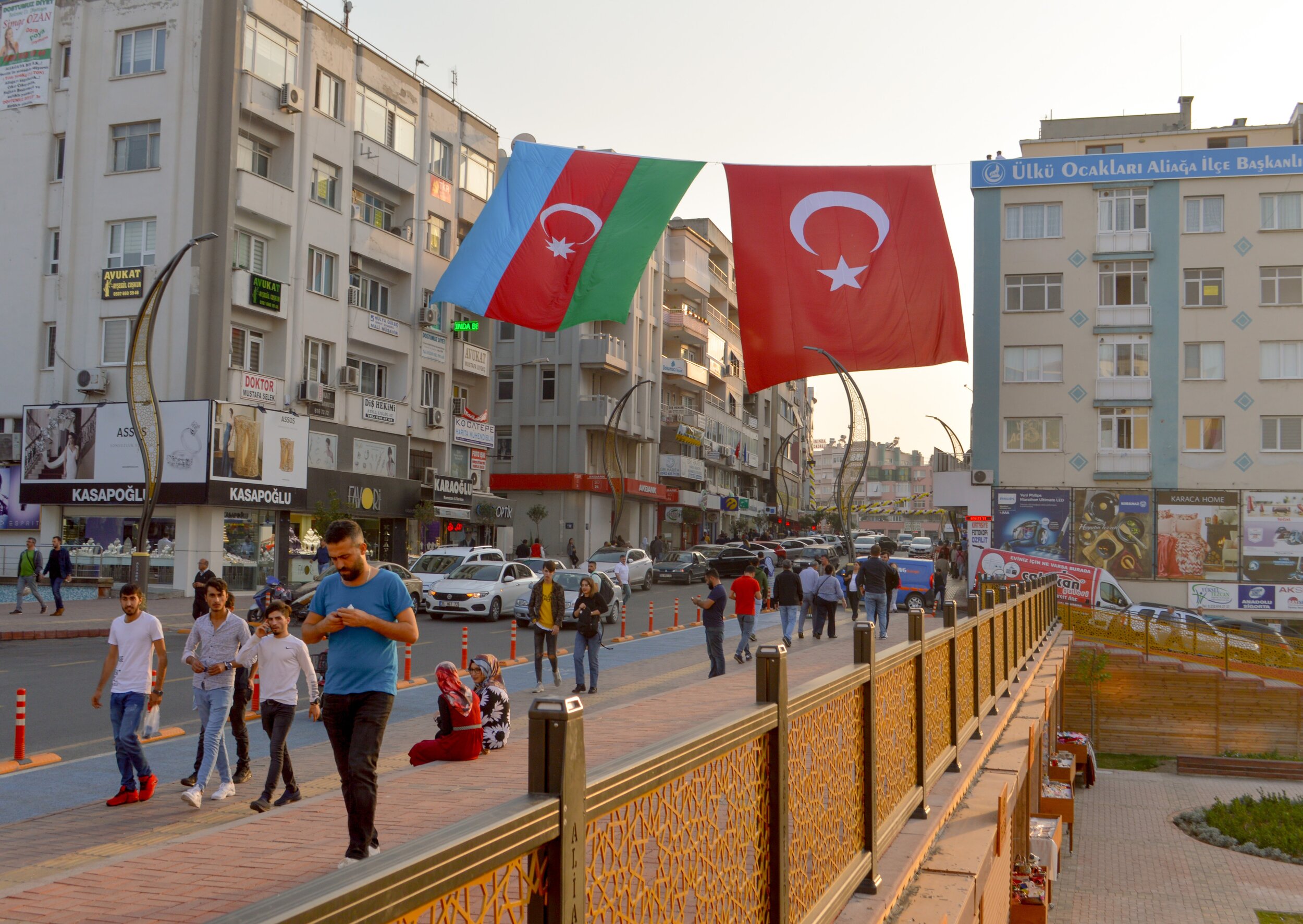
Azerbaijani and Turkish flags in Izmir, Turkey. Anzola. CC 2.0

Azerbaijan is often referred to as a little brother to Turkey, due to the two nations’ connections through cultural, linguistic and religious ties.The two have a relationship built on trade and mutual exchange. Azerbaijan provides a large portion of Turkey’s gas and oil, where the money in return is used to buy weapons from Turkey. Azerbaijan is currently using military weapons provided by Turkey to strike Nagorno-Karabakh, allowing Turkey to increase its political presence in the region. Underpinning Turkey’s involvement in the conflict are the events of 1915, where 1.5 million Armenians were killed under the direction of the Ottoman Empire (present-day Turkey), which many consider a genocide but Turkey denies. Many Armenians see Azerbaijan’s alliance with Turkey as a resurfacing of these events, providing an ultimate threat to their existence and statehood. 

The Conflict Reaches the Armenian Diaspora

An Armenian church in Los Angeles. Steeds. CC2.0

Although Armenia has a population of 3 million, the diaspora population is estimated to be much larger, with notable communities in Australia, Russia, Lebanon, France and Southern California. Although the events of 1915 resulted in mass migrations of Armenians around the world, the diaspora goes as far back as the Middle Ages. Throughout history, many Armenians migrated to new corners of the world due to political upheaval. Armenian merchants often traveled to trade and sell wares, playing a key role in the economies of China, India and Persia. Armenia’s long history of migration and displacement has resulted in a strengthened cultural identity in diaspora communities. Many notable Armenian celebrities, including Kim Kardashian and Serj Tankian, are strong proponents of the Armenian cause, posting on social media to raise awareness of the Nagorno-Karabakh dispute. Armenian lobby groups have held protests in Southern California, as well as asking Armenian-Americans to bring awareness of the conflict to representatives and congresspeople. Some Armenians even contemplate returning to their country to fight Azerbaijan. According to Alex Galitsky, part of the Armenian National Committee of America’s western region, “I think a lot of people see themselves as bearing some responsibility for the defense of our nation.” 

The conflict in Nagorno-Karabakh continues to escalate as nationalistic and militaristic tendencies fuel both sides. True peace will only be reached if Turkey, Armenia and Azerbaijan are willing to begin the difficult work of listening and embracing each other’s conflicting histories and narratives.


Megan Gürer

Megan is a Turkish-American student at Wellesley College in Massachusetts studying Biological Sciences. Passionate about environmental issues and learning about other cultures, she dreams of exploring the globe. In her free time, she enjoys cooking, singing, and composing music.