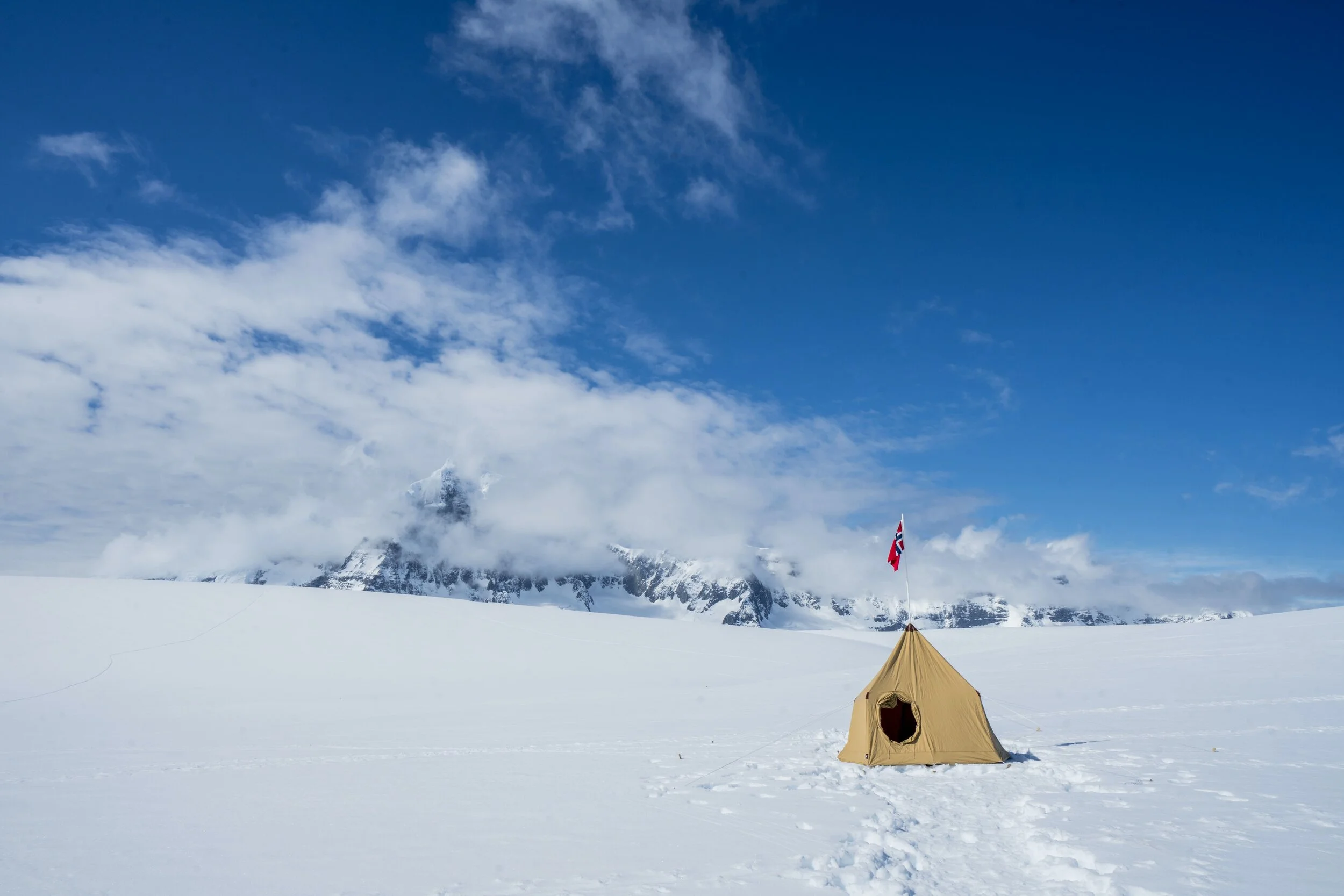
Antarctica is the only continent without any reported cases of COVID-19. As lucky as Antarctica’s temporary residents might consider themselves, they know that a single diagnosed case could be devastating for the 5,000 people living there. Not only is there a lack of medical equipment, but also of resources because nearly all of them have to be brought from elsewhere in the world. The continent has already had a few close calls with the virus thanks to cruise ships coming to visit. The most alarming incident occurred when almost 60% of the passengers on board the Greg Mortimer, an Antarctica-bound cruise liner, tested positive for the virus in late March.
Isolation is, in many ways, already an innate aspect of living in Antarctica. Nevertheless, those on the continent are still taking precautions against the virus. Rob McKay, director of the Antarctic Research Centre in Wellington, New Zealand, summed up the situation: “Antarctica's an isolated environment - if you had a medical emergency with a high number of people sick, you just don't have the capacity to deal with it. And with close-quarter, confined environments, it's kind of like living on a cruise ship down there.” Many researchers and scientists currently stationed on the continent have been forced to reassess their travel plans as well as their research. As the Antarctic winter approaches and the world wrestles with COVID-19, residents are growing increasingly concerned.
Life in Antarctica
There are over 80 bases established across Antarctica, each of which has its own community and is adjusting to COVID-19 independently from its neighbors. Although the bases are run by a multitude of countries and organizations, there is a universal understanding that the virus cannot reach Antarctic shores. If it does, there are plans for the virus to be dealt with immediately with methods such as isolation and contact tracing. Multiple organizations have announced that their priorities lie in keeping the stations safe for inhabitants and in continuing to operate the various base locations, even if it means redirecting resources. This reorganization means that construction and many major research projects have been canceled or postponed, leaving scores of researchers potentially cut off from a trip to the region.
For some stations, day-to-day life has continued mostly as normal. Davis Station, a research base between Australia and Africa, is home to 23 researchers who are still enjoying communicable luxuries such as a shared gym, sauna and bar. Fortunately, people who are living in Antarctica were trained before going there and taught how to live an isolated lifestyle. Nevertheless, the age of COVID-19 has brought isolation to a new level and even the smallest connections are being cut off. At the Bharati base, one of the more remote research outposts, residents say that although they typically get “regular visits” from nearby expeditions and bases, they have not seen anyone from another facility since the beginning of March. Australia has stopped shuttling people between its three Antarctic bases because they typically make stops at other nations’ places. Even in a place with no cases of COVID-19, there is a fear of inadvertently spreading the virus; people are wary of cross-continental travel, even if it's with residents who have been in Antarctica for months.
People in Antarctica have been watching the virus unfold from a distance. Some are struggling to conceptualize what a quarantined world looks like and wonder if they should practice social distancing to create good habits in anticipation of their return home. Everyone is worried about their loved ones, all of whom are at the very least 774 miles away.
Coming Home
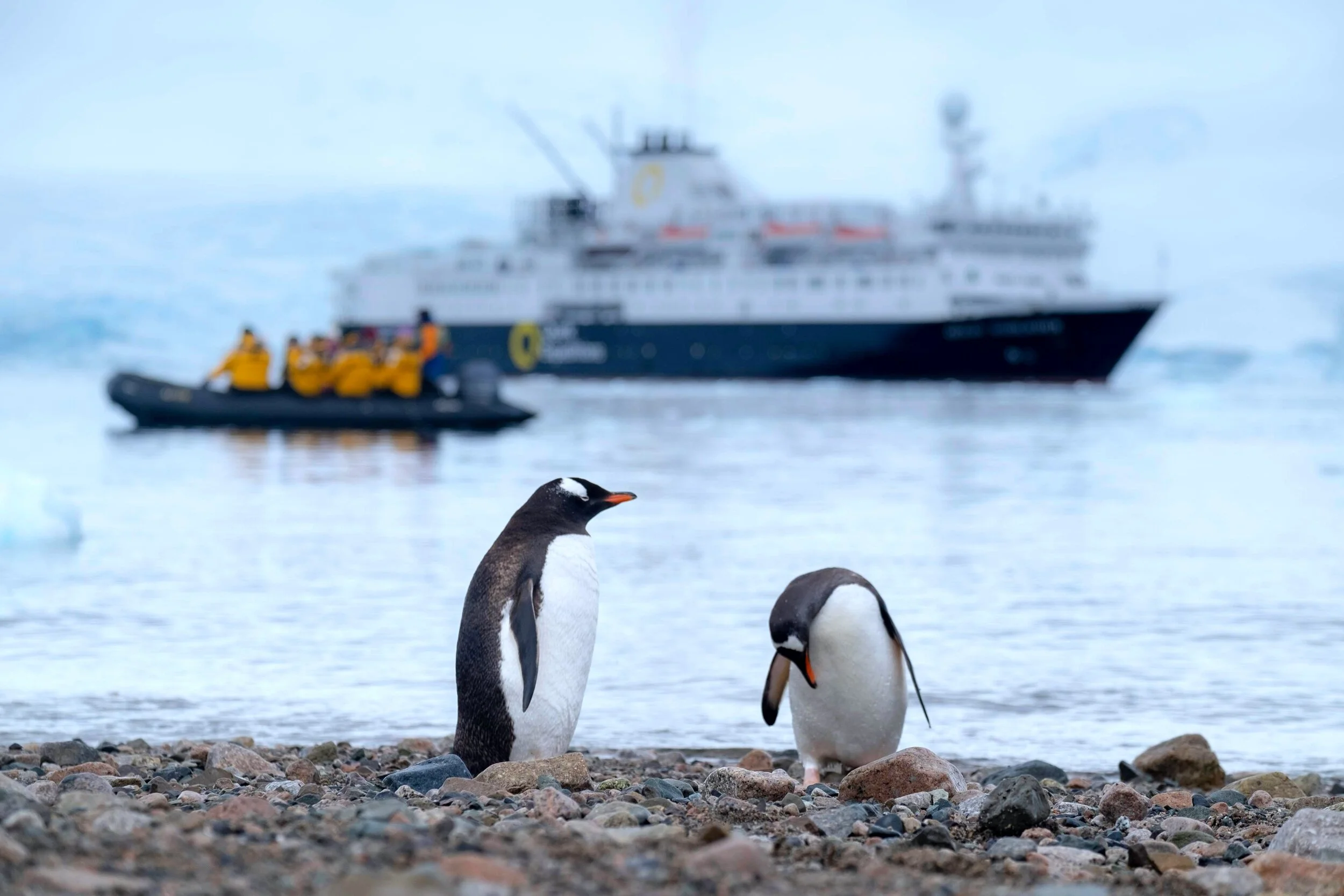
Penguins on a stony beach on the Antarctic Peninsula while an expedition ship transfers passengers in the background. Derek Oyen. Unsplash
Beyond setting high levels of restriction in order to enter Antarctica, isolation policies in the rest of the world have affected people’s ability to leave the continent as well. Many organizations wishing to bring people back are encountering closed borders, forcing travelers to reroute. Out of anyone to face these problems, however, Antarctic researchers seem to be the best suited. Despite running into major barriers about a month ago, organizations have been working to resolve this problem and have determined various ways of getting people out of Antarctica, especially in anticipation of the Antarctic winter. As one researcher said, “...that's the kind of the thing that we have to deal with. We have to be completely adaptable because working in Antarctica is like that - conditions change, the weather changes. So, we have to be ready.”

Phoebe Jacoby
is a Media Studies major and Studio Art minor at Vassar College who believes in the importance of sharing stories with others. Phoebe likes to spend her free time reading, drawing, and writing letters. She hopes to continue developing her skills as a writer and create work that will have a positive outward effect.