
Here is how the sacred site of Mecca in Saudi Arabia shapes faith, identity and worship in Islam.
Read More8 Musical Travel Reads
Refresh your playlist and discover musicians from around the world with these books.
Read MoreDrag Culture: A Global Perspective
Drag culture in Thailand, Brazil, South Africa and Australia has played a significant role in celebrating gender diversity and promoting freedom of self-expression.
Read More6 Best International Films Showcased at Cannes
From political thrillers to coming-of-age dramas, the 2025 Cannes Film Festival showcased stories about family, power, survival and more. Here are this year’s major award winners.
Read MoreSami Life in Scandinavia: An Indigenous Journey Through Reindeer Lands and Joik
A winter journey through where cultural traditions such as reindeer herding, joik and land rights endure amid growing climate and industrial pressures.
Read MoreIndigenous Voices Reclaim Language Through Story
In the wake of Canada’s residential school system, Indigenous writers like Gregory Scofield and Lindsay Nixon are reclaiming culture through ancestral language and storytelling.
Read More7 Loving Mother’s Day Traditions Across the Globe
From observing religious customs to simply gifting their mothers flowers, individuals around the world take part in cherishing maternal figures through their own Mother’s Day celebrations.
Read MoreThe Supernatural Role of Masks in Nigeria’s Yoruba Tribal Culture
Julia Kelley
Whether the feminine celebration of the Gelede mask or the spiritual transformation through the Egungun mask, these cultural objects perform an imperative role in the Yoruba people’s religious culture.

Egungun Festival Masks. Fermi12. CC BY-SA 4.0.
African masks have been functionally used for thousands of years. Recognized for their supernatural qualities, they transform wearers into new entities, symbolize animal or ancestor spirits, mythological heroes, or moral values, and can even be a way of honoring specific individuals. Moreover, specific ceremonies and masks act as visual representations of local customs. With a vibrant music and dance tradition, the Yoruba people are known for their notable mask culture. The Yoruba are one of Nigeria’s largest ethnic groups, mainly concentrated in the southwestern part of the country but also found in smaller groups throughout Benin and Togo. For over 1,500 years, they have also been defined by their advanced urban kingdoms, strong economy and unique artistic tradition. Ceremonies are imperative to their way of life; vibrant festivals, rituals and weddings display cultural pride, celebrate history and connect the physical realm to the spiritual. Beyond the symbolic instruments and costumes used during these occasions, masks are also extremely vital due to their mystic transformative qualities.
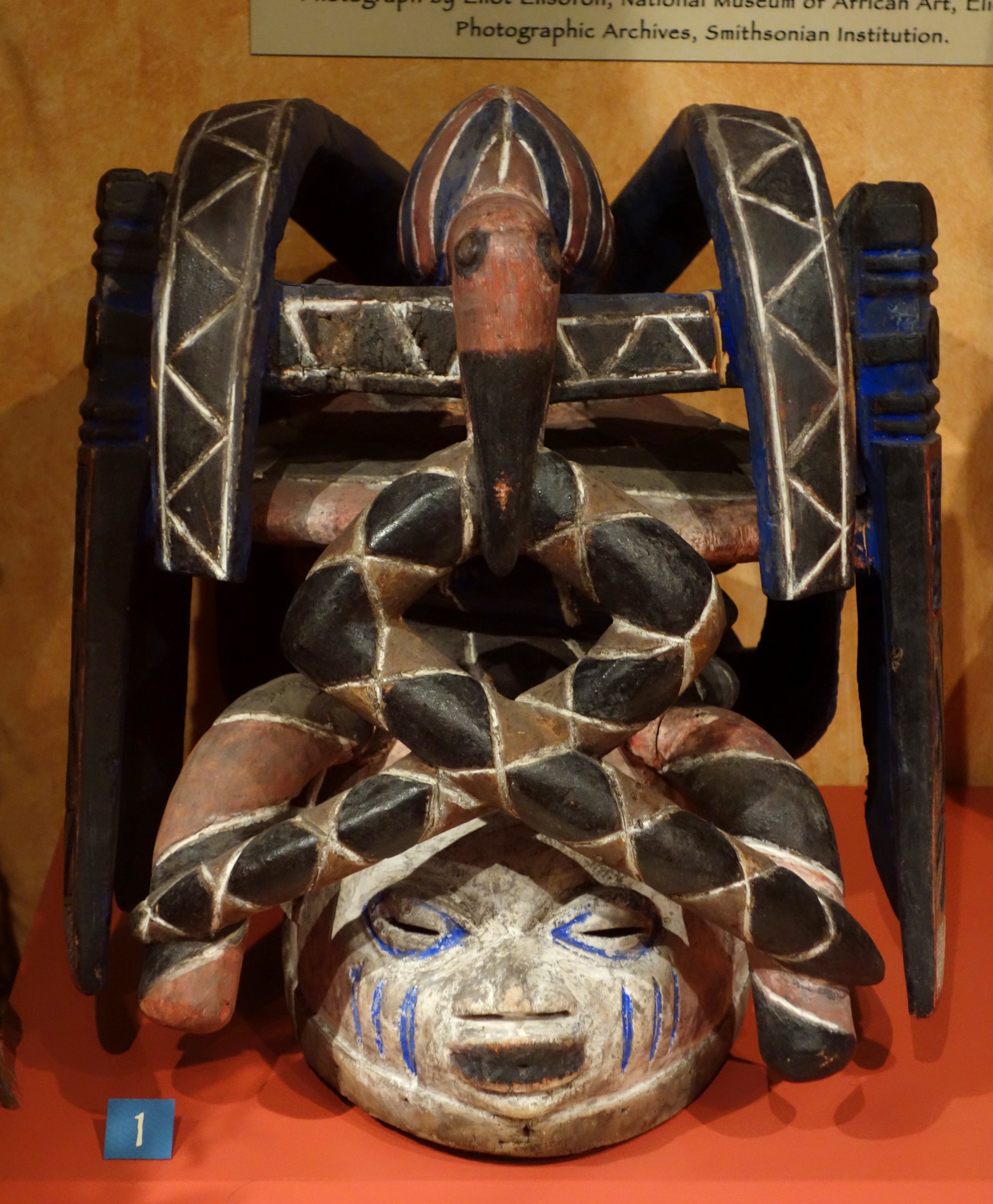
Gelede Mask With Animal Figure. Daderot. CC0 1.0.
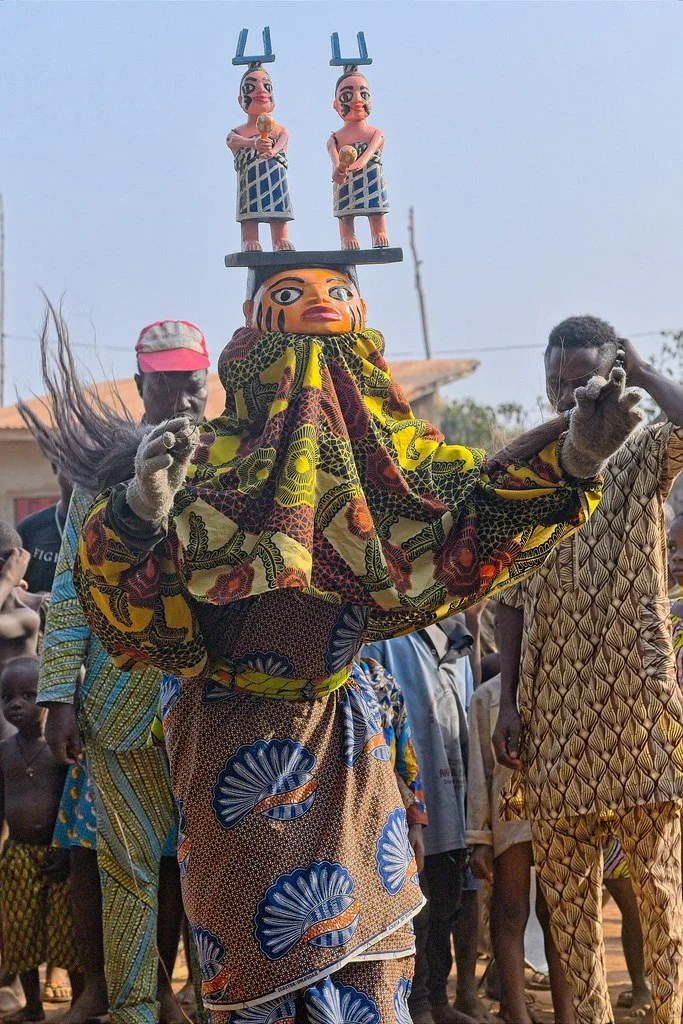
Gelede Dance. dave massie. CC BY 2.0.
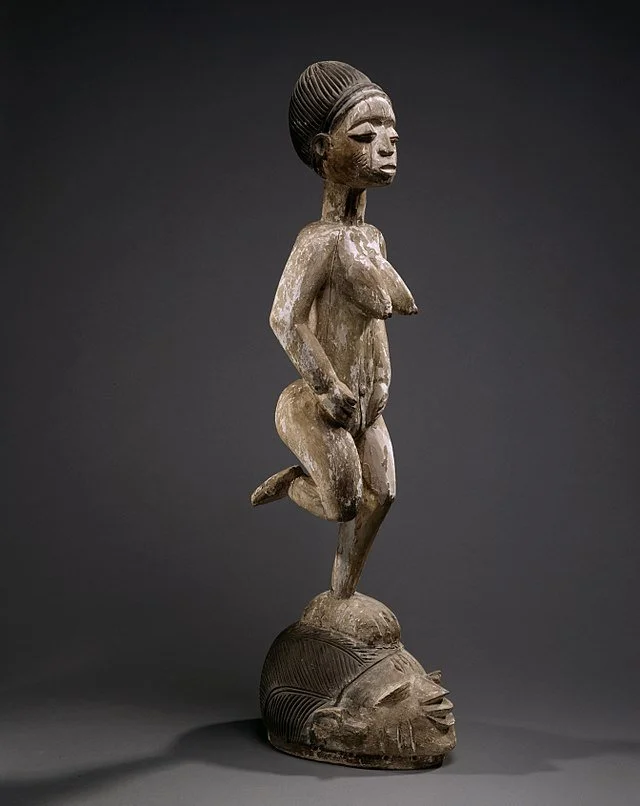
Gelede Mask With Woman Figure. Kugbenu (Vervaardiging). CC0.
However, when and how masks are used depends on their corresponding festivals. The Gelede mask, for example, is used during the Gelede dance. This ceremony is performed as a way to pay tribute to the primordial mother Iyà Nlà and recognize women’s role in social organization and development. Retracing the history and myths of the people, the Gelede takes place annually after harvests and during times of drought and epidemics. The masks, adorned with intricate motifs and vibrant colors, are worn as a way to honor “mothers,” or good witches who have power over bad ones, in their efforts to protect the community from negative forces. Individual masks reflect local traditions, such as through unique facial markings or figures included on the masks.
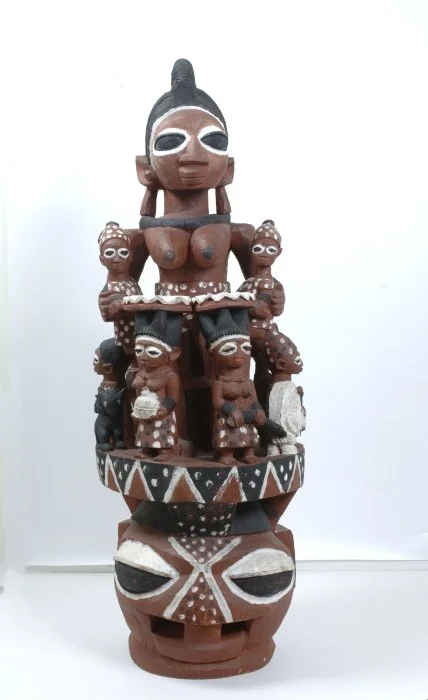
Epa Festival Mask. Beeldhouwer / sculptor: Jospeph Agbana. CC BY-SA 3.0.
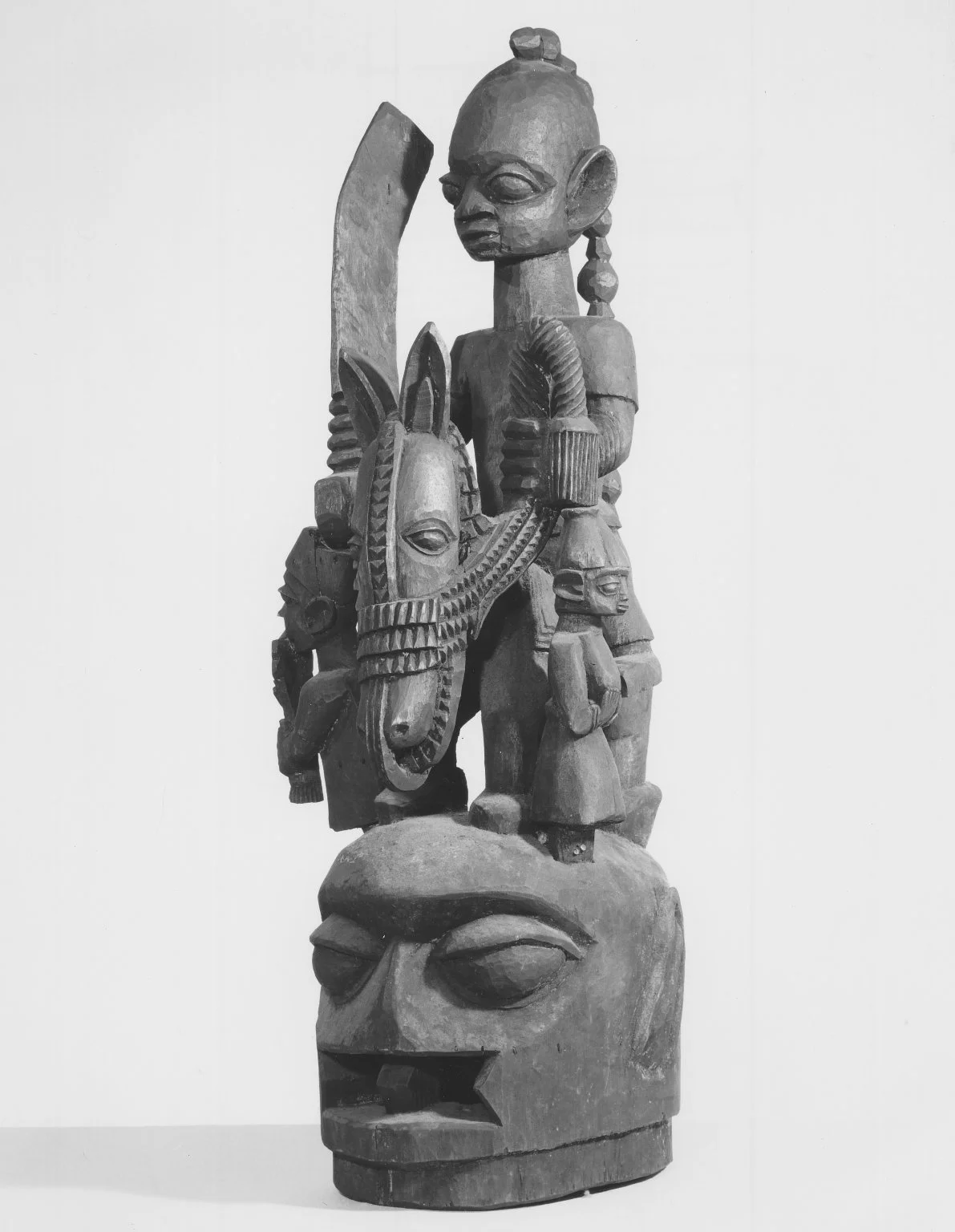
Epa Mask With Warrior Figure. Unknown author. CC BY 3.0.
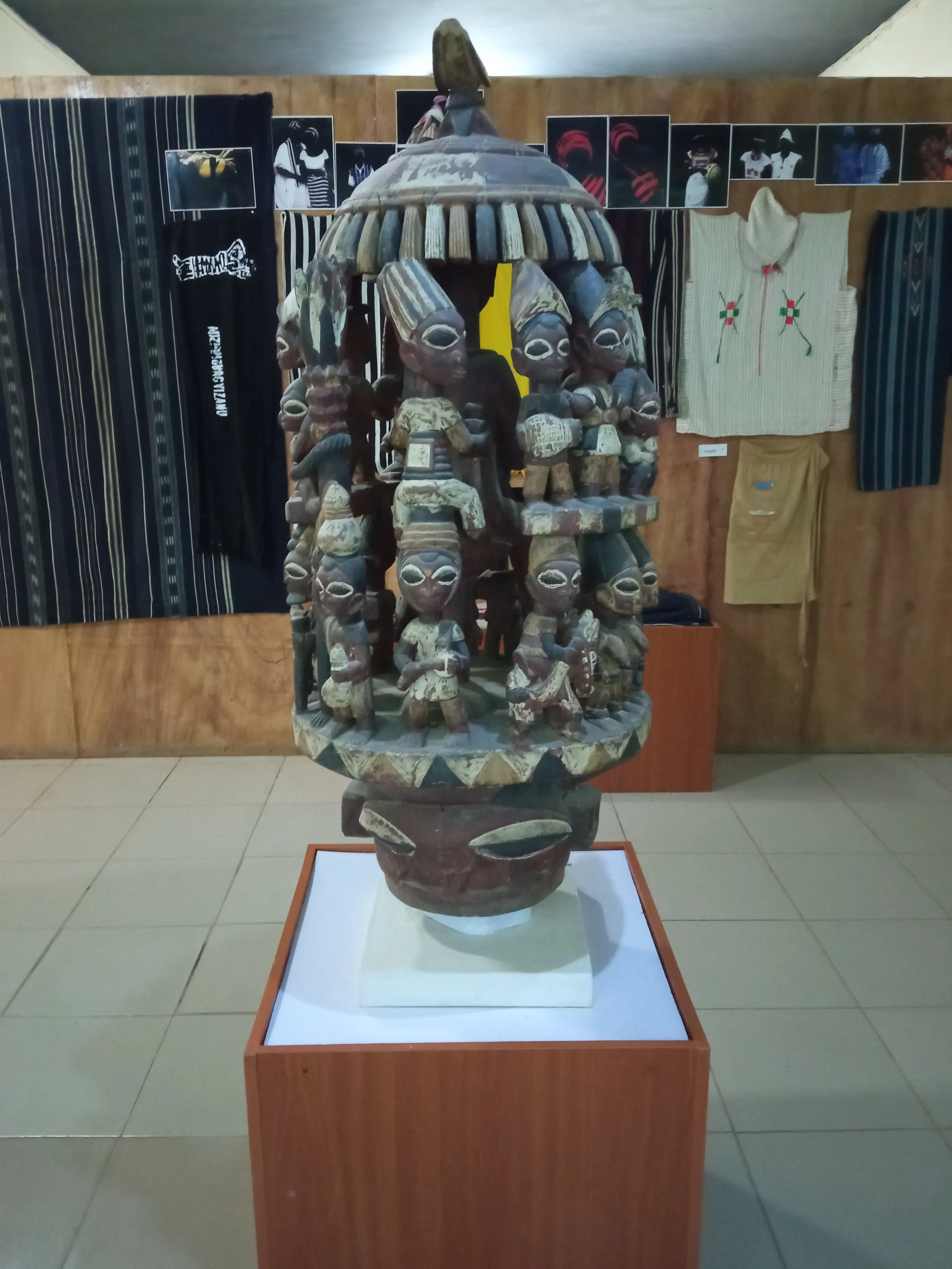
Large Epa Helmet Mask. Em-mustapha. CC BY-SA 4.0.
Epa masks are worn during yam harvest festivals by young male dancers as they leap onto mounds. The rigorous movements of this dance indicate the community’s fate over the next year; if the dancer successfully leaps, then all is well, but if not, sacrifices are made to the forces that made him fail. Leading up to these ceremonies, the masks are kept in shrines, where they are fed to increase their power and efficacy. Since they are believed to contribute to the wearer’s success, heavy weight and symbols associated with war are characteristic of these masks.
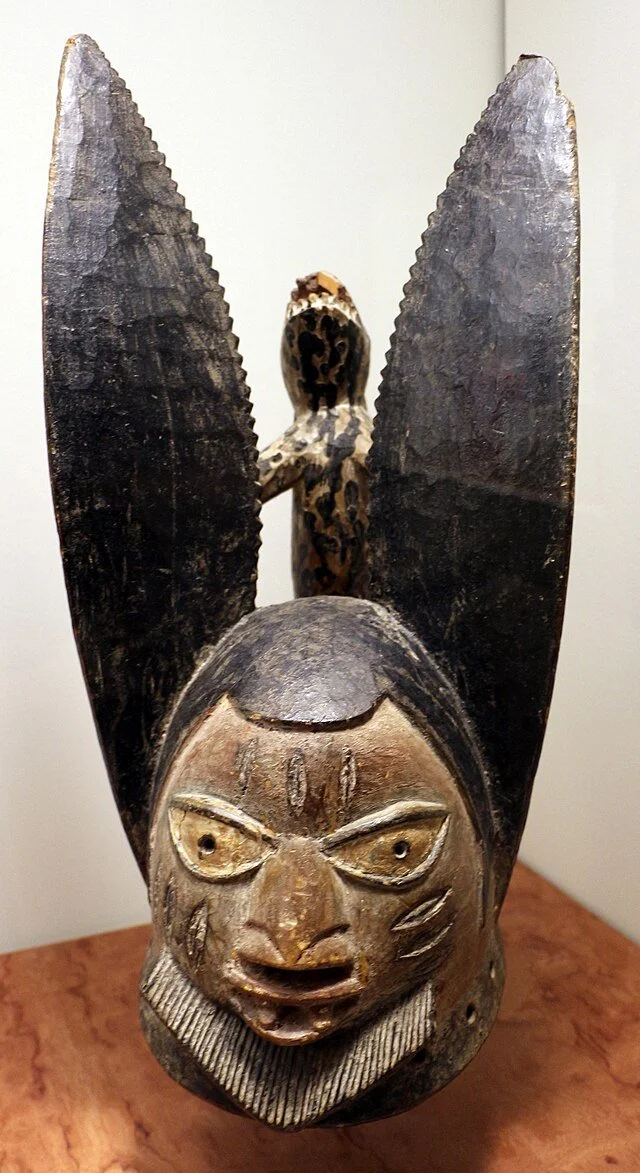
Ancestor Egungun Mask. Sailko. CC BY 3.0.

Egungun Festival. Fermi12. CC BY-SA 4.0.
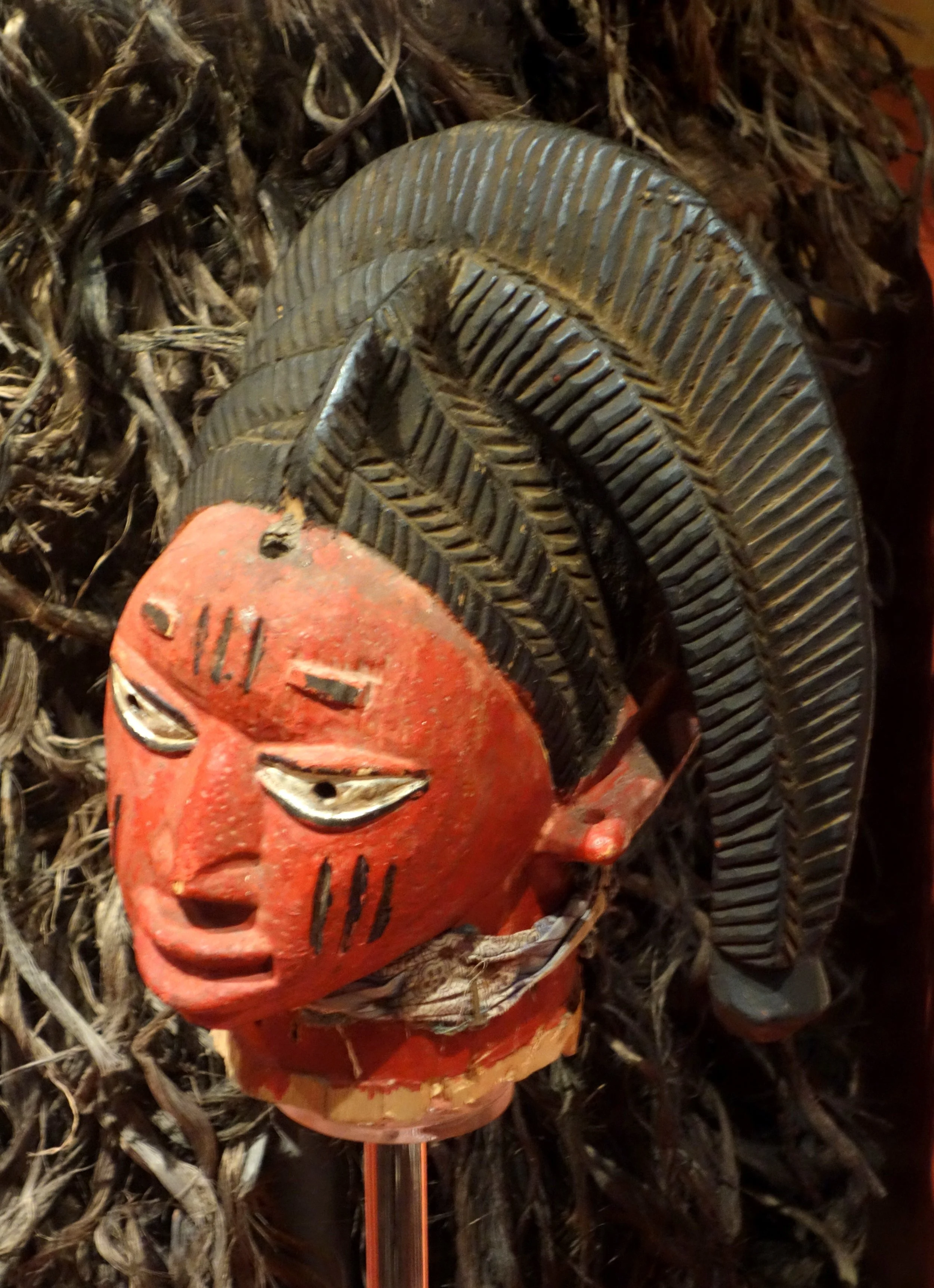
Yoruba Egungun Mask. Daderot. CC0 1.0.
One of the most important masks in their ritual culture, the Yoruban Egungun masks are worn to worship ancestors. These are used during Odun Egungun or “masquerade” festivals, during which men move through town wearing masks as they embody their ancestors. These masks act as a visual manifestation of those being depicted, offering members of the community the opportunity to strengthen their familial bonds and ask for protection or blessings.
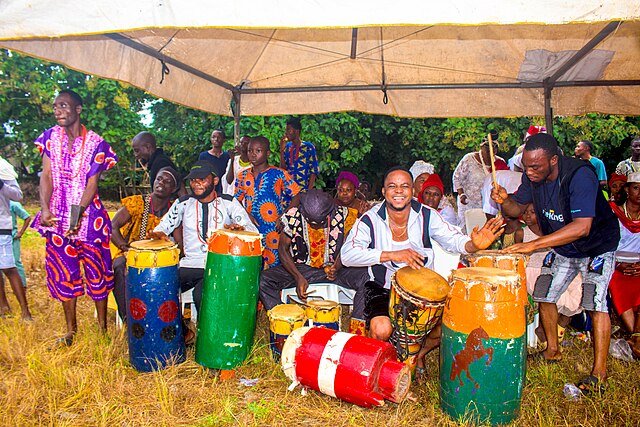
Yoruba Festival Music and Dance. Tunde Akangbe. CC BY-SA 4.0.
Developed over centuries, ceremonial masks remain a significant part of Yoruban culture. African masks have also become admired in museums worldwide for their intricate designs, but contemporary artists and historians have noted that they are exhibited mostly as ethnography. Moreover, African masks have inspired many well-known European artworks, most notably in Picasso’s 20th-century modernist paintings. This Westernization has helped shape stereotypes around African communities, decontextualizing their current cultural significance. However, as the Yoruba masks demonstrate, festivals recommence every year, and the masks continue to visually represent the community’s rich history and religious tradition.
Julia Kelley
Julia is a recent graduate from UC San Diego majoring in Sociocultural Anthropology with a minor in Art History. She is passionate about cultural studies and social justice, and one day hopes to obtain a postgraduate degree expanding on these subjects. In her free time, she enjoys reading, traveling, and spending time with her friends and family.
Where Protest Lives in Paint: Oaxaca’s Murals of Resistance
Kennedy Kiser
Oaxaca’s vibrant street murals speak out against injustice, preserve Indigenous identity and invite travelers to witness resistance in color.
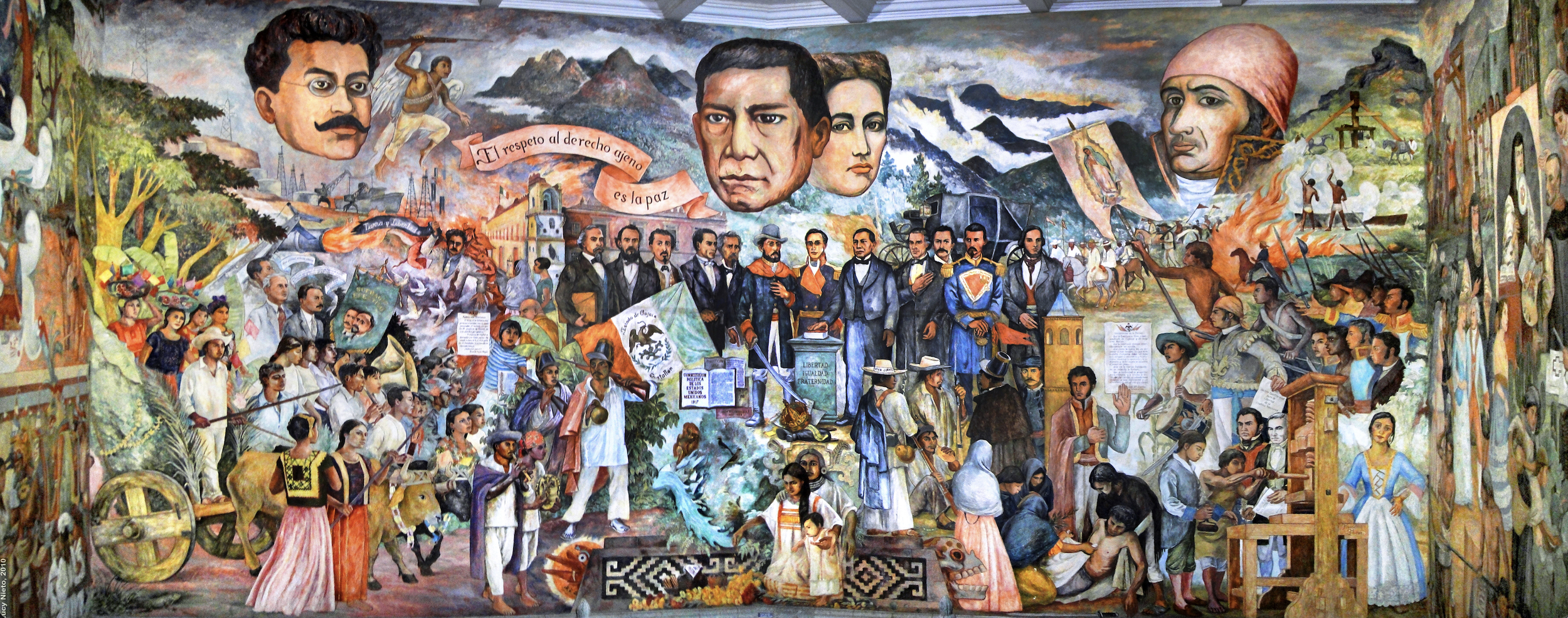
Oaxaca mural of revolutionary figures and Mexican
In the southern Mexican state of Oaxaca, visual art spills onto the streets and across crumbling walls, telling stories rarely captured in textbooks or by tour guides. Oaxaca has long been a hub for both Indigenous culture and political resistance. Its murals reflect this layered history with vibrant and sometimes defiant voices, often highlighting legacies of colonialism and systemic inequality.
Many amplify the voices of the Zapotec and Mixtec peoples, who have long resisted marginalization and assimilation. As scholar Bethany J. Welch explains, murals function as a way for Indigenous communities to reclaim public space and narrate their histories, refusing to allow their story to be filtered through state-sanctioned narratives and the lens of tourism.
Mural referencing the 43 missing students in Oaxaca, Mexico. Tobias Versus. CC BY 2.0.
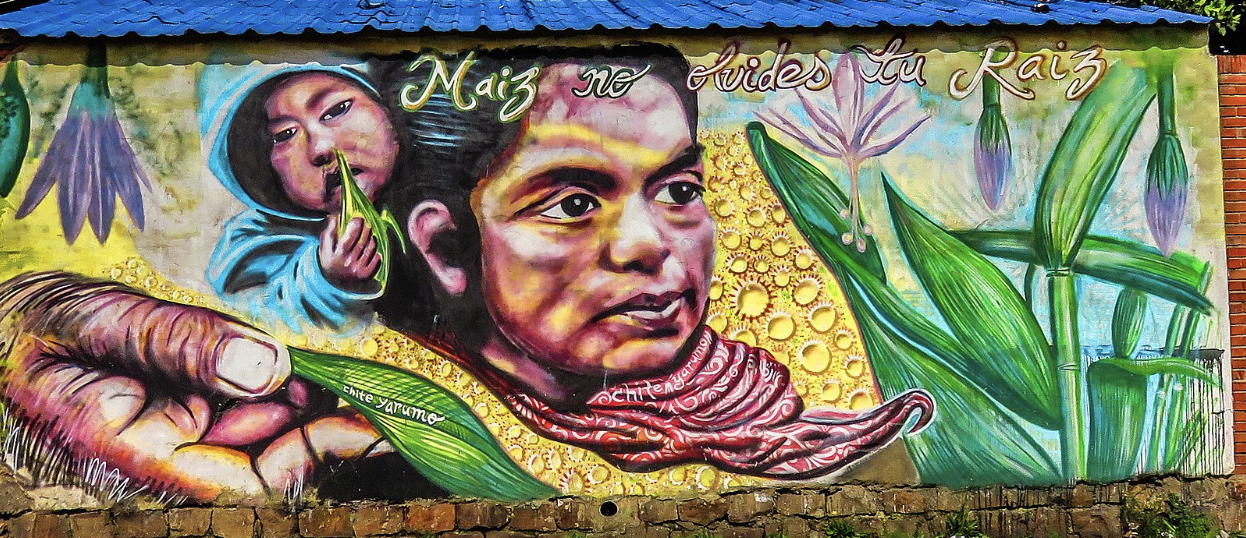
Strolling through neighborhoods like Jalatlaco or Xochimilco becomes a visual lesson in autonomy. On Jose Lopez Alavez Street, bold images of Indigenous women, animal protectors and corn deities appear on walls beside neighborhood cafes and galleries. The murals mix ancient Zapotec symbols with messages of resistance to gentrification, environmental destruction and cultural erasure.
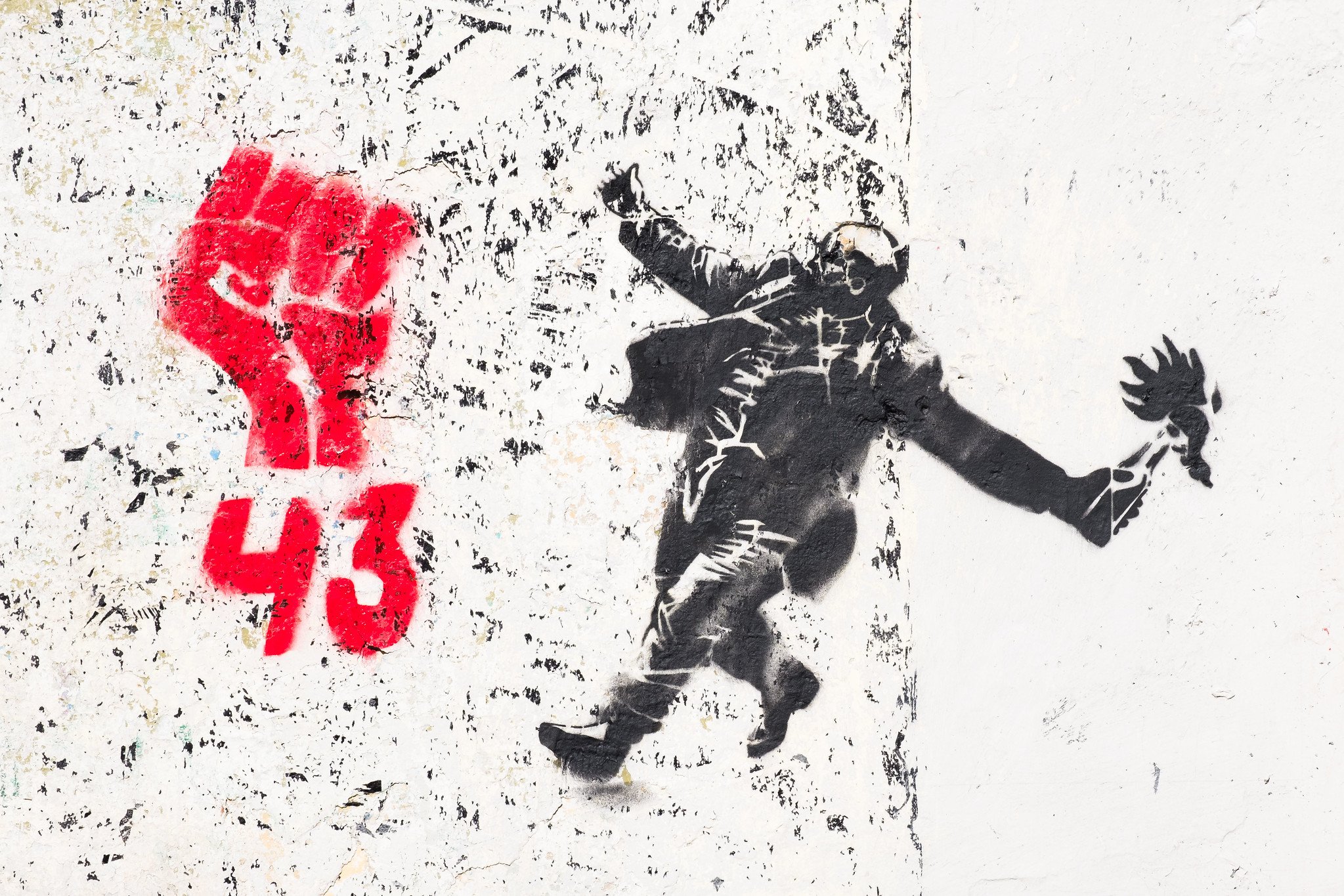
Mural referencing the 43 missing students in Oaxaca, Mexico. Tobias Versus. CC BY 2.0.
In central Oaxaca, a wall along Berriozabal Street honors the 43 students from the Ayotzinapa Rural Teachers' College who disappeared in 2014 while on their way to a protest. Created by the Urtarte Collective, the mural preserves their names and images, reminding passersby of the unresolved violence that continues to haunt their community. Elsewhere, recurring symbols like the possum — a local protest motif — emerge in politically charged artwork critiquing police violence and land theft.

Muralist painting wall for Casa de la Cultura in Oaxaca. Alejandro Linares Garcia. CC BY-SA 4.0.
Murals also serve as visual protests against environmental injustice. Canadian mining company Fortuna Silver Mines carries out operations near San Jose del Progreso despite long-standing resistance from locals. Murals in neighborhoods like La Noria depict masked water defenders, cracked land and slogans like “El agua vale más que el oro,” or in English, “water is worth more than gold.”

Feminist mural reading “Sin mujeres no hay revolución” in Mexico City. Wendy Aviles R. CC BY-SA 4.0.
Themes of gender injustice are equally prevalent. Oaxaca, like many parts of Mexico, faces an ongoing femicide crisis. In response, murals around the Santo Domingo Cultural Center and near Carmel Alto feature the faces of missing women, alongside phrases like “Ni Una Menos” (meaning “not one less” in English).
While often photographed, these murals are not decorative. They are part of an ongoing dialogue between community and state, artist and audience. Travelers can deepen their understanding by participating in walking tours run by local artists, such as Caminos del Arte, which provide historical and political context while ensuring support flows back into the neighborhoods depicted on the walls.
Oaxaca’s murals are not permanent fixtures. They adapt in response to elections, tragedies and resistance movements. Some are painted over, others quietly fade and many are reborn in new forms. This continued renewal reflects a larger truth: in Oaxaca, street art is a living archive — one that documents what official records often omit.
Kennedy Kiser
Kennedy is an English and Comparative Literature major at UNC Chapel Hill. She’s interested in storytelling, digital media, and narrative design. Outside of class, she writes fiction and explores visual culture through film and games. She hopes to pursue a PhD and eventually teach literature!
Buddhism in Tibet and the Sacred Dzogchen Caves
Julia Kelley
Spotting the landscape of Eastern Tibet are the Sacred Dzogchen Mountain Caves, natural formations that have been revered for centuries as sites of historic Buddhist enlightenment.
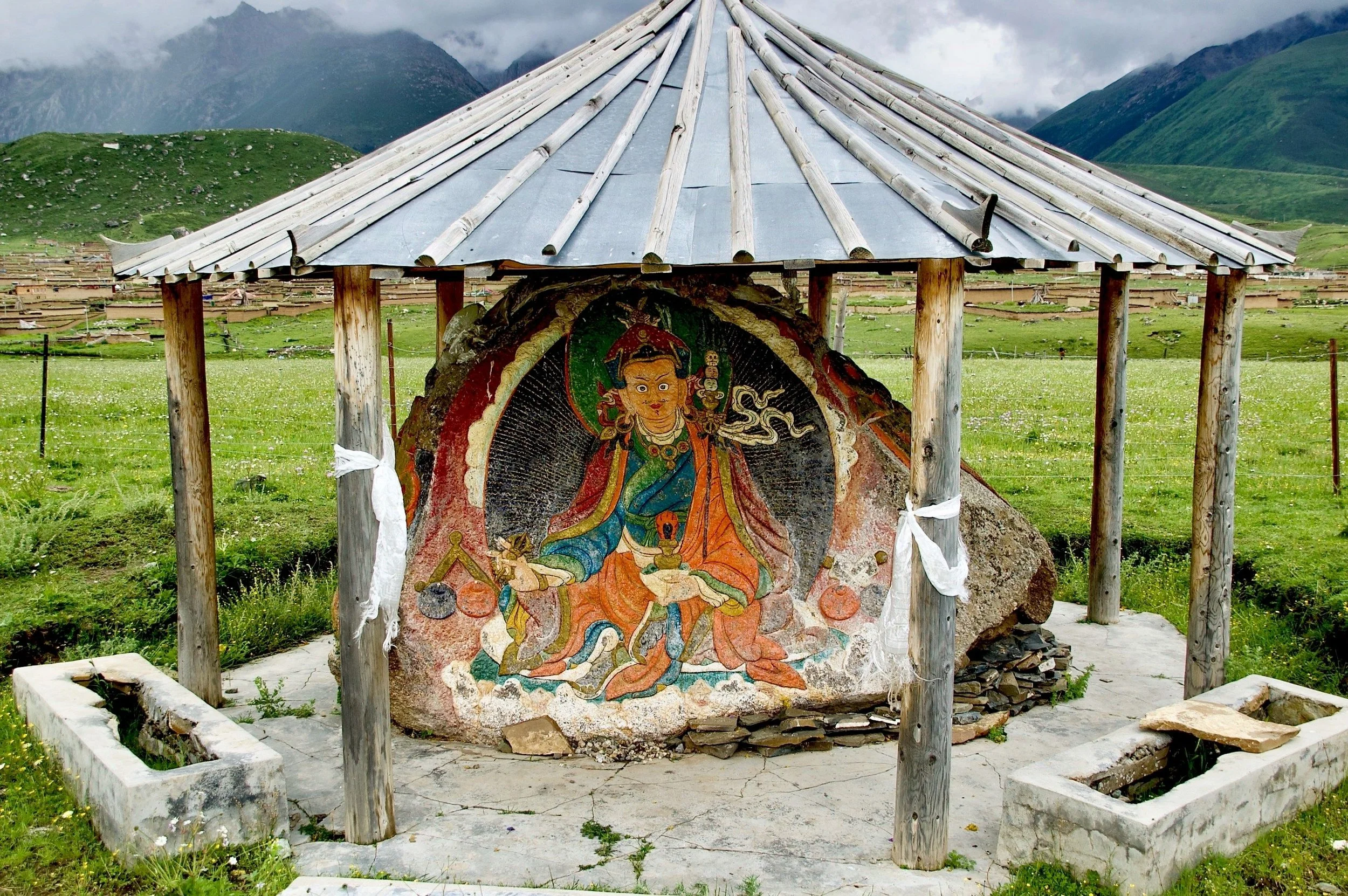
Entrance to Pilgrimage Road in Dzogchen Monastery. Mario Biondi. CC BY-SA 4.0.
Found in the mountains of Eastern Tibet, also known as Kham, is the Rudam Valley. Here, 4,000 meters (13,123 feet) above sea level, plateaus imprinted with lakes and waterfalls are home to a population of more than 850,000 people. Tibetan Buddhist monasteries dot the landscape, reflecting the valley’s religious significance and contributing to its diverse culture. Most notably, in the Holy Dzogchen Area, surrounding communities have their own cultural expressions marked by distinct seasonal ceremonies and local traditions. The population in the Holy Dzogchen Area widely practices Vajrayana Buddhism, a form of Tantric Buddhism that emphasizes one’s potential to achieve enlightenment in a single lifetime rather than through many. This doctrine is taught in the Dzogchen Monastery, which offers a religious education to young people who desire a monastic life and serves as the main monastery for hundreds of branches throughout Tibet.
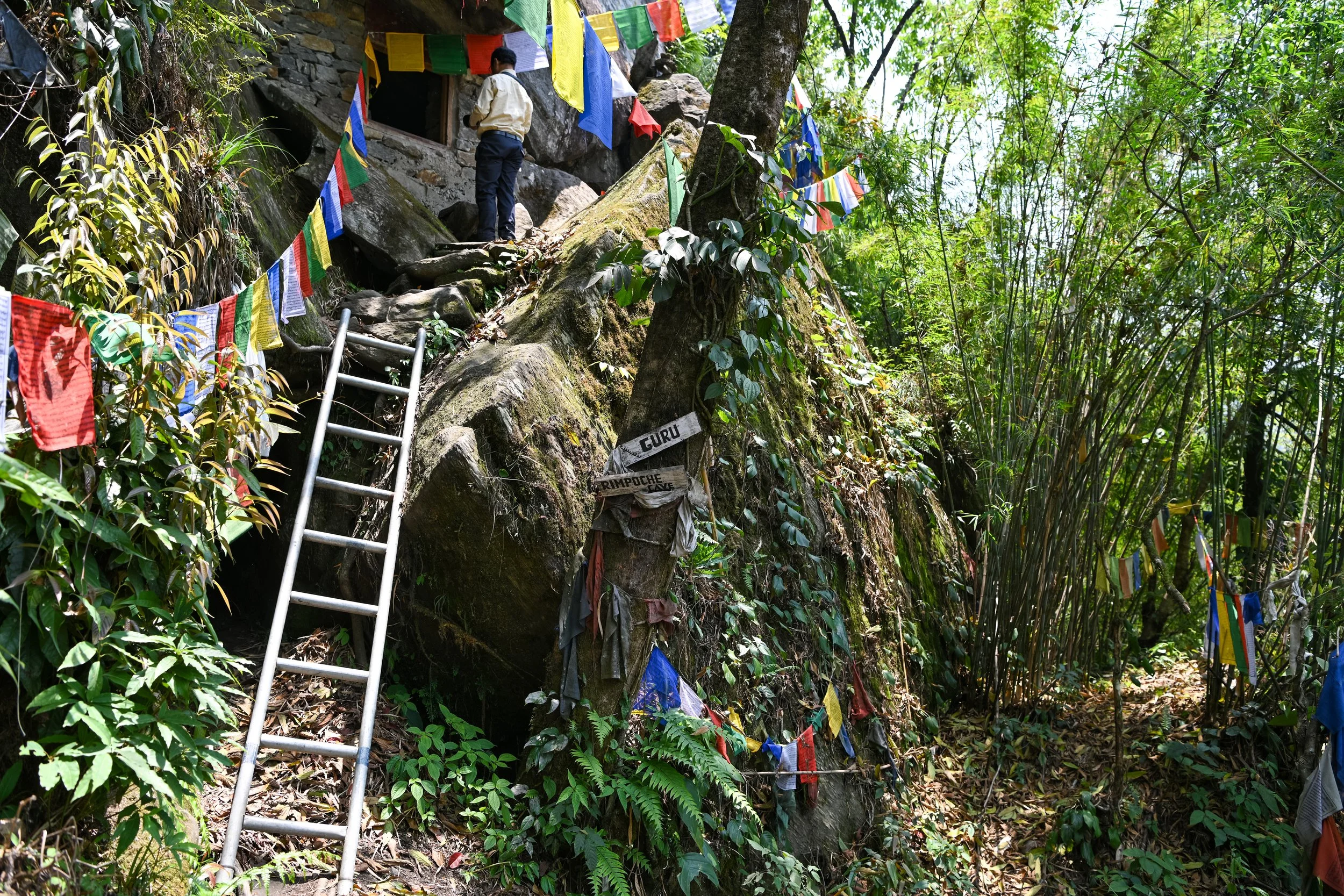
Guru Rimpoche Cave. Anjan Kumar Kundu. CC BY 4.0.
The Holy Dzogchen Area’s beauty and devout culture are further exhibited through its natural cave complex, known as the Sacred Dzogchen Mountain Caves. From mountains to valleys, the thousands of caves that make up this system are a powerful feature of the local religious practice. The significance of these natural formations can be traced back to a series of influential Dzogchen Vajra masters who lived in them to reach enlightenment. Buddhism was first introduced to Tibet in the 7th century C.E., and was not translated until 641 C.E., when Tibetan king Songtsen Gampo unified the region and converted to Buddhism with his marriage to two Buddhist princesses. The king also invited important Buddhist masters, Padmasambhava and Shantarakshita, to teach the doctrine throughout the country. This included instruction in Dzogchen, an advanced system of meditation that gives the Holy Dzogchen Area its name. These leaders and their students utilized the isolated and serene nature of the surrounding caves to facilitate their enlightenment. The Snow Mountain caves, Shinje and Senge Druppuk caves, and Canyon caves are only a few of the sites that have become revered for their religious history, as Vajra masters such as Shri Singha and Padmasambhava lived and meditated in their solitude to achieve high realization.
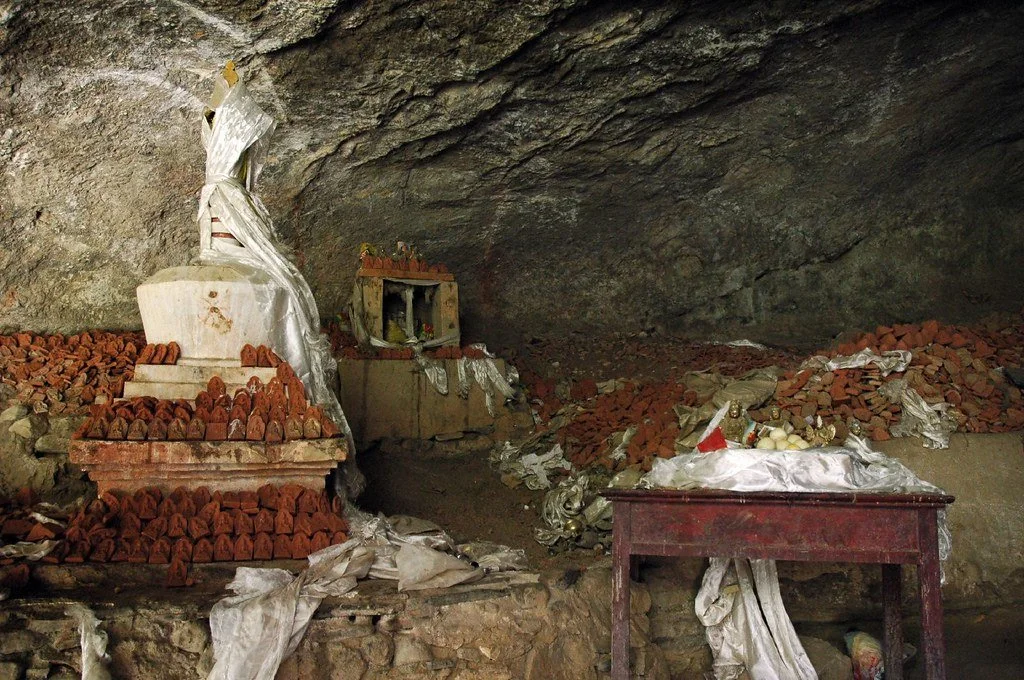
Sacred Cave Interior. slobo486. CC BY-NC-SA 2.0.
This long history as a Buddhist religious symbol has made the Dzogchen cave system a common pilgrimage route. Beyond the caves, the entirety of the Dzogchen Area has become associated with enlightenment due to these countless sacred sites. Many pilgrims first journey to the Dzogchen Monastery, where they can practice retreats and meditations in the monastery’s retreat center. From there, devotees travel to surrounding temples and sacred caves, walking in the footsteps of Buddhist leaders. On their blog, Yowangdu Experience Tibet, travelers Lobsang and Yolanda write about their personal experience with the pilgrimage. They describe one of the caves as “a sacred spot where the great Buddhist master had honed his wisdom and compassion in decades of meditation” and where “he had written the text that had moved and inspired” them, echoing Dzogchen followers’ continued belief and devotion to these holy spaces.
Julia Kelley
Julia is a recent graduate from UC San Diego majoring in Sociocultural Anthropology with a minor in Art History. She is passionate about cultural studies and social justice, and one day hopes to obtain a postgraduate degree expanding on these subjects. In her free time, she enjoys reading, traveling, and spending time with her friends and family.
Royal Worship: Vanuatu’s Reverence for Prince Philip
Learn about the unique religious beliefs of Tanna’s Yaohnanen people, who view Prince Philip as a spiritual figure and savior, celebrated through sacred rituals and ceremonial dances.
Read MoreOn the Ice: The Timeless Tradition of Canada’s Skating Paths
Explore the timeless tradition of skating through Canada's winter wonderland, where communities bond on outdoor rinks like the world-renowned Rideau Canal, despite the challenges of climate change.
Read MoreLondon is a Multicultural Dining Destination
With bustling markets like Borough and Spitalfields, and iconic restaurants such as Dishoom and Chishuru, London proves to be a multicultural dining destination for food lovers worldwide.
Read More7 Valentine’s Day Traditions Around the World
Explore unique Valentine’s Day traditions from around the world.
Read MoreDanish Cozy Culture
Explore the cozy, happiness-driven culture of Denmark, where hygge—an intentional pursuit of comfort and joy—has become central to daily life.
Read MoreLights, Camera, Action: 7 of the Best International Films
With the 2024-2025 movie awards season in full swing, let’s look at what filmmakers had the world watching — and discussing — last year. This article highlights seven international films from the past year, each transcending borders and language barriers to tell untold stories, raise global awareness, and reveal universal truths.
Read More10 International New Year Food Traditions that Bring Good Luck
A plethora of ways cultures worldwide celebrate the new year through delicious cuisine.
Read More7 Holiday Foods From Around the World — With Recipes
Spice up this holiday season by preparing one of these mouthwatering global cuisine dishes, recipes included!

Dongzhi (Winter Solstice) Festival Food, Tangyuan. Cats Coming. CC0.
Let’s face it: the holiday season can be stressful. Whether you’re preoccupied with finding the perfect gift for your mother-in-law or figuring out who is hosting your annual family holiday party, sometimes the warmth of this season of festivity gets lost. What won’t be stressful this year, however, is finding a new, unique recipe to try out. These seven holiday foods from around the world will keep everyone’s taste buds happy — even your in-laws! Whether your family prefers the coziness of a sweet treat or a savory dish that packs a punch, there is something on this list for everyone.
France — Buche de Noel

A Buche de Noel Cake with an intricate spiral. Mitantig. CC by 4.0.
Starting off strong with a chocolate lover’s dream, buche de Noel is a sugary confection that hails from France. Also known as a Yule Log, this confection is a rolled chocolate cake filled with rich cream. Both its shape and color are meant to resemble a—you guessed it—log. The dessert’s unconventional shape, however, is completely intentional. The history of the desert can be traced back to feudal taxes in medieval France, whereby peasants would bring logs to the homes of both feudal lords and their own families. Other accounts of the dessert’s history claim that families burned logs in their own home as a pagan rite to ensure a bountiful harvest for the coming year. In any case, Mon Petit Four provides a traditional recipe here.
2. Italy — Feast of the Seven Fishes
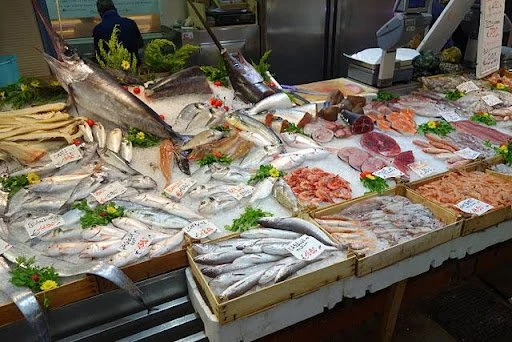
A seafood market in Genoa, Italy. Dade Rot. CC0.
A polar opposite of the sugary-sweet Buche de Noel Cake, Italy’s Feast of the Seven Fishes combines salty and savory flavors to create an elaborate selection of seafood dishes. On Christmas Eve, Italians and Italian-Americans gather around their kitchens and partake in this intergenerational tradition. Although the types of seafood dishes vary from family to family, the bonding and warmth that cooking this meal facilitates is universal. Whether plating more simple shellfish or an elaborate seafood pasta, however, the dishes hold a sense of significance. Both Italy’s long coastlines and large Roman Catholic population (many of whom either do not eat meat on Friday or on the eve of some holidays) have contributed to the beginnings of this tradition. A variety of seafood recipes featured in this iconic feast can be found here.
3. India — Gulab Jamun

Gulab Jamun. Cabeza2000. CC by 4.0.
Although this dessert is eaten on a variety of celebratory occasions—including birthdays and marriages—it is also eaten during Hindu holidays such as Diwali. Although this year's Diwali has already passed, gulab jamun is still the perfect treat to make during the winter months. These sphere shaped sweets are made of deep fried flour and khoya (dried, thickened milk), and can be eaten both cold or hot. Often they are served swimming in a sugar mixture and have a semi-sticky consistency. This dessert is popular in India as well as Pakistan, Nepal and the Maldives. Moreover, the gulab jamun is similar to the Arabic dessert Luqmat-al-Qadi. A simple, yet thorough, recipe to make gulab jamun can be found here.
4. West Africa (Senegal) — Jollof Rice
Jollof Rice Served with Plantains. Bukky658. CC by 4.0.
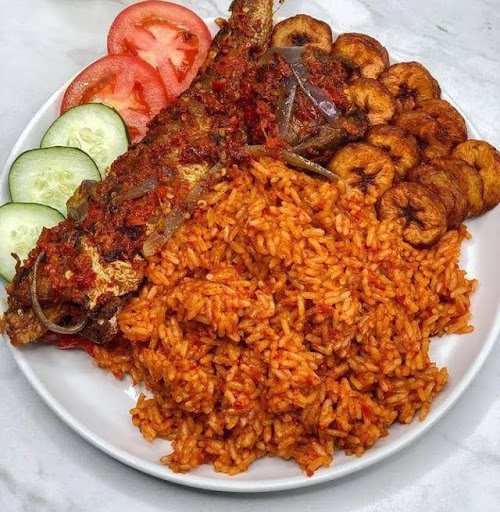
Jollof Rice Served with Plantains. Bukky658. CC by 4.0.
Another versatile dish, jollof rice is eaten during a variety of occasions in many different countries. Although its origin is disputed, the dish is believed to have come from the Wolof people of Senegal in West Africa—the word jollof comes from the Wolof language and can be translated as “one pot.” Indeed, in this meal many vegetables, including bell peppers and tomatoes, are combined with rice and cooking oil in a pot. Jollof's orange tint comes from these vegetables as well as fragrant spices such as turmeric and paprika. During the holiday season, jollof rice is commonly served among families who celebrate Christmas or Kwanzaa. Moreover, the dish is common in many African countries, including (but not limited to) Nigeria and The Gambia. More detailed information about spices and vegetables to include can be found in this recipe here.
5. Mexico — Tamales
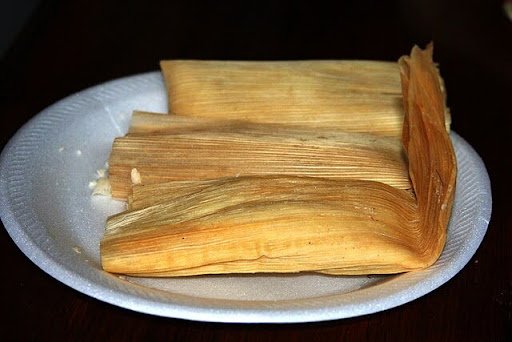
Tamales wrapped in corn husks. Richard Elzey. CC by 2.0.
Cooking tamales isn’t simply about creating food; it also involves forging a sense of togetherness. Many Mexican and Mexican-American families come together every December to make this corn-based dish. Tamales can be traced back to Indigenous people in Mesoamerica, who offered bundles of corn as sacrifices to the gods. Today, families make tamales throughout the month of December leading up to Christmas. Tamales can be stuffed with a variety of meats, such as chicken or beef, as well as vegetarian-friendly beans and cheese. Traditionally, tamales are wrapped and cooked in corn husks or banana leaves, but these wrappings are not eaten. An authentic pork tamale recipe can be found here.
6. Australia — Grilled Prawns
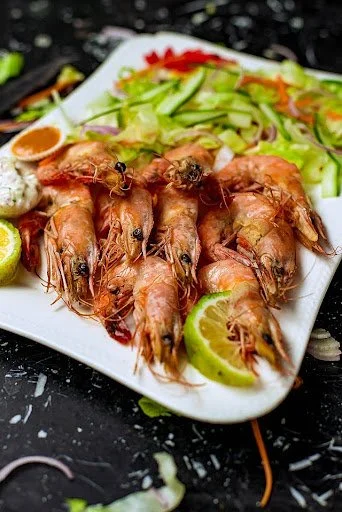
Prawns with a lime garnish. Rasheed Rasheed. CC by 4.0.
In some places around the world, the holiday months trade in snowflakes for seasides and warm temperatures. Down under in Australia, seafood fills festive dinner menus because many winter holidays for those living in the Northern Hemisphere fall during the Southern Hemisphere's summer months. To stay cool, Australians will grill prawns outside rather than using their ovens to cook a traditional, elaborate holiday meal. In fact, during the month of December Australians consume 40% of their yearly prawn intake. Most families like to keep it simple and dress their prawns in garlic, lemon juice or olive oil to keep their feast refreshing and light during sweltering heat. A delicious, garlicky prawn recipe can be found here.
7. China — Tangyuan (Glutinous Rice Balls)
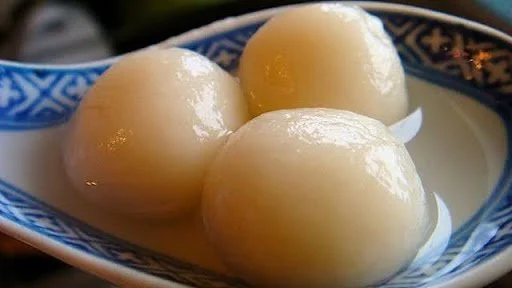
Tangyuan served in syrup. Wu Xiao. CC0.
The Dongzhi, or Chinese Winter Solstice Festival, would not be complete with Tangyuan. These glutinous rice balls are often filled with sesame paste, and have a nutty and semi-sweet flavor. This food has been eaten for at least over 1,000 years, although its origin is disputed; one possible account is that Tangyuan was either created or popularized during the Song dynasty. And, to keep warm during the solstice, the rice balls are always served warm. Their texture is similar to and yet less dense than mochi. A simple, quick recipe can be found here.

Carina Cole
Carina is a Media Studies student with a Correlate in Creative Writing at Vassar College. She is an avid journalist and occasional flash fiction writer. Her passion for writing overlaps with environmentalism, feminism, social justice, and a desire to travel beyond the United States. When she’s not writing, you can find her meticulously curating playlists or picking up a paintbrush.
10 New Year’s Traditions Around the World
From eating 12 grapes before midnight in Spain to drinking champagne with ashes and planting underwater trees in Russia, check out these 10 countries and how they celebrate the New Year in different ways. You might find some new ideas for your own New Years in 2024.
Read More5 Stunning Temples in Cambodia
From Hindu to Buddhist, Cambodia is home to some of the most architecturally rustic and traditional temples in the world.
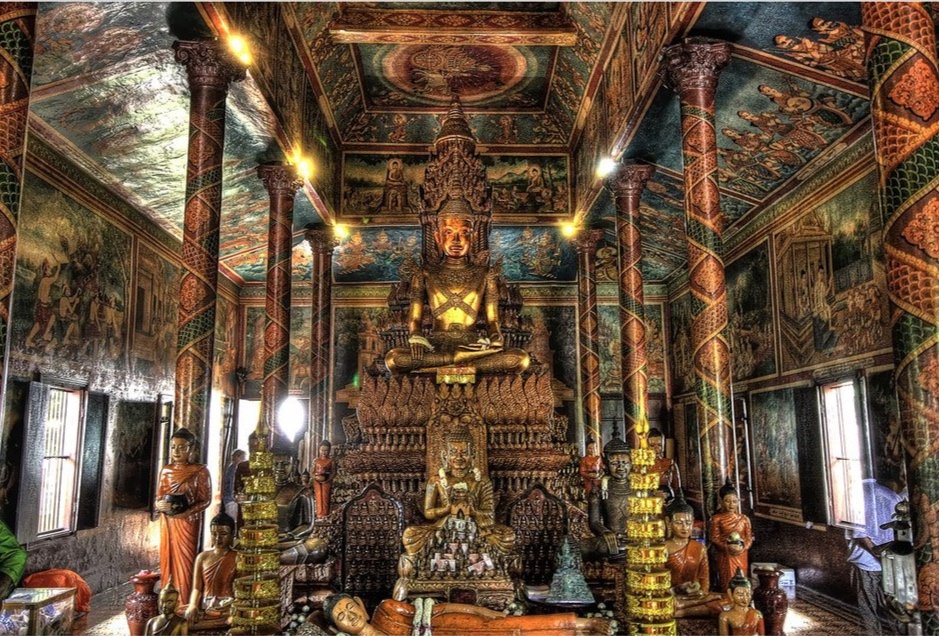
Inside of Wat Phnom. Daniel Mennerich. CC BY-NC-ND 2.0.
While Angkor Wat is on most traveler’s lists when they visit Cambodia, the country also has many other extraordinary and one-of-a-kind temples which each hold immense historical, cultural, religious and artistic significance.
1. Banteay Srei

Banteay Srei. Uwe Schwarzbach. CC BY-NC-SA 2.0.
The temple Banteay Srei, located in Angkor, Cambodia, is believed to have been built in the tenth century by and for some sort of spiritual guru to a royal, though not much is known about the person themselves. In addition to its fascinating origin, Banteay Srei’s architecture is unique for the area, built almost entirely out of a shining pink sandstone and surrounded by a moat. In terms of the architeccture’s cultural significance, the temple features a large and ornate statue of the Hindu God Shiva. Nowadays, Banteay Srei is primarily known for its meaning to women. Banteay Srei directly translates to “the women’s temple”, and the statue of Shiva is surrounded by other statues of women including Hindu gods and saints.
2. Ta Prohm
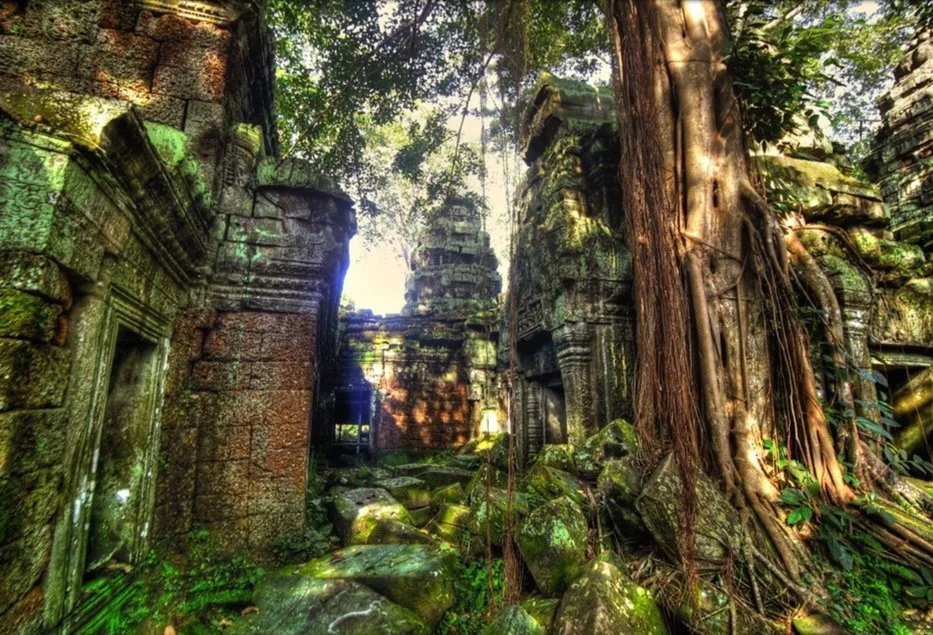
Tree growing in Ta Prohm. Daniel Mennerich. CC BY-NC-ND 2.0.
The temple Ta Prohm, located in Krong Siem Reap, Cambodia, is one of few historical sites to have been left untouched by archaeologists and society in general. It was built around the 12th to 13th century, and it was a temple of enormous scale surrounded by a village of an estimated 79,000 people who worked to maintain it. Unlike Banteay Srei, Ta Prohm was built by a Khmer king. Today, only the ruins of Ta Prohm remain, and its beauty and intrigue have only increased with growing trees surrounding the temple. Visitors can see a tree whose roots have grown over the roof of a corridor, and another stands tall in the middle of a courtyard. While visitors can walk through Ta Prohm, they are no longer permitted to climb on the stone walls, as the temple’s foundation is so old and precarious that damage can easily be done.
3. Wat Phnom
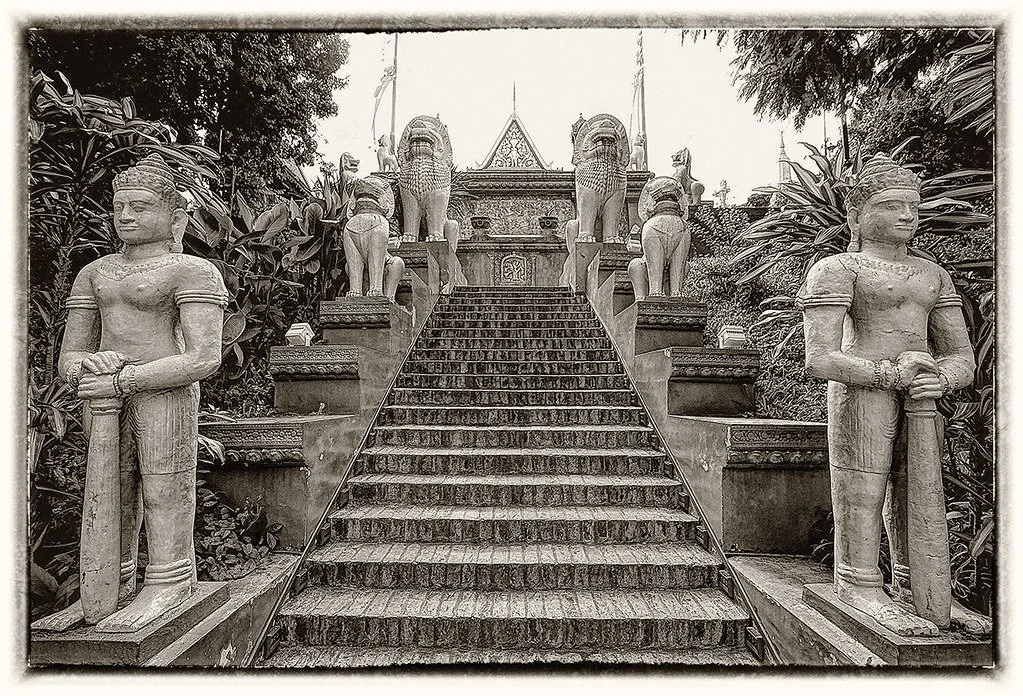
Staircase to Wat Phnom. Daniel Mennerich. CC BY-NC-SA 2.0.
In contrast to Ta Prohm, which has maintained a rustic look, temple Wat Phnom is located in the major city Phnom Penh, at the top of the only hill in the city. Unlike many other ancient temples, historians know Wat Phnom was built in 1372. A large and ornate staircase lined with animal sculptures such as lions and five-headed snakes leads the way to the temple. The temple is a place of worship, as people go to make wishes, requests and prayers for themselves and their loved ones. Wat Phnom is known to be a bustling and busy center, with vendors selling cold drinks and birds flying through the temple.
4. Sambor Prei Kuk

Sambor Prei Kuk temple. Plb06. CC BY-NC-ND 2.0.
The Sambor Prei Kuk temples are unique from the other temples on this list primarily because of their age and striking architecture. Sambor Prei Kuk is a collection of temples built in the 6th to 7th century CE, in the Pre-Angkorean architectural style which favored more natural looking octagonal temple structures that were less outwardly ornate than later temples. Sambor Prei Kuk was named an UNESCO World Heritage Site in 2017 due largely to its architecture, which represents a significant period in the history of Cambodia. The religious symbols inside the temple also reflect the significance of the relatively new cross-continental trade that was emerging at the time in Asia. The inscriptions and statues feature a mix of Buddhist and Hindu figures and messages, as well as displaying the “God-kings” who ruled the region at the time by claiming divine connections.
5. Angkor Wat
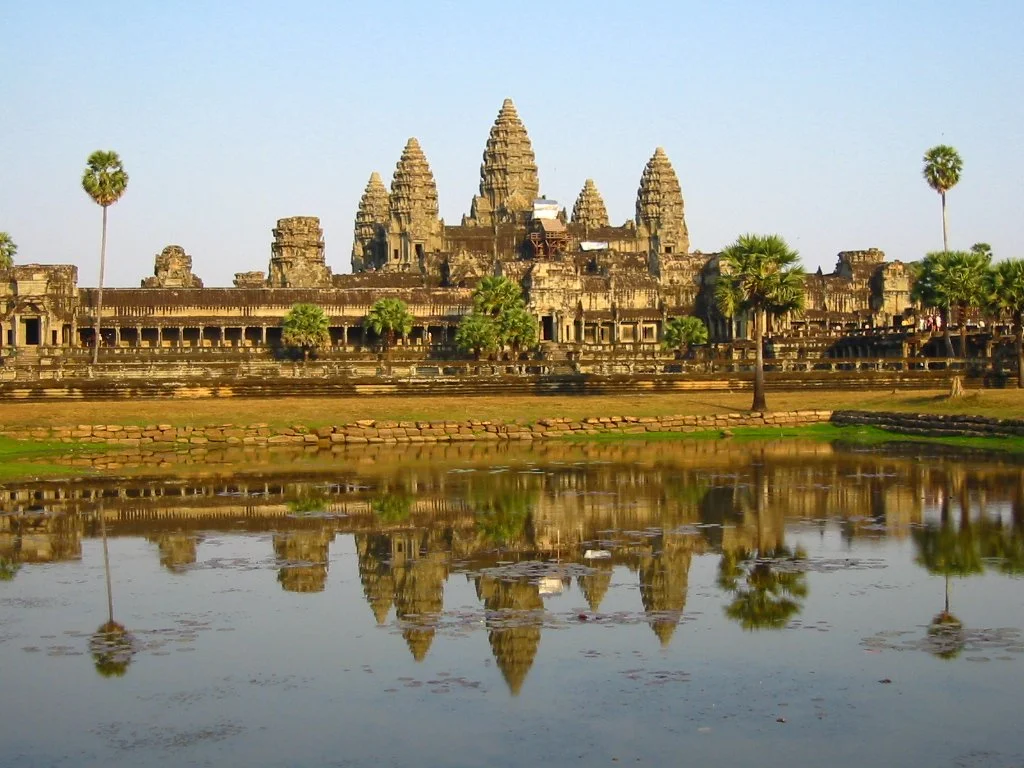
Angkor Wat. Pigalle. CC BY-NC-SA 2.0.
A Cambodian temples list wouldn’t be complete without Angkor Wat. The temple, located in Angkor, was built in the 12th century and is one of the most famous temples in the world, as well as one of Cambodia’s most famous sites. The compound contains hundreds of buildings, and is the largest religious structure globally. Originally, Angkor Wat was a Hindu temple, but in 1177 after losing a battle and thus losing faith in Hinduism, the king at the time (King Jayavarman VII) converted Angkor Wat into a Buddhist temple. In 1992, Angkor Wat became a UNESCO World Heritage Site, and an estimated 500,000 people per year travel to see the historic temple.

Calliana Leff
Calliana is currently an undergraduate student at Boston University majoring in English and minoring in psychology. She is passionate about sustainability and traveling in an ethical and respectful way. She hopes to continue her writing career and see more of the world after she graduates.