Where Protest Lives in Paint: Oaxaca’s Murals of Resistance

Kennedy Kiser

Oaxaca’s vibrant street murals speak out against injustice, preserve Indigenous identity and invite travelers to witness resistance in color.
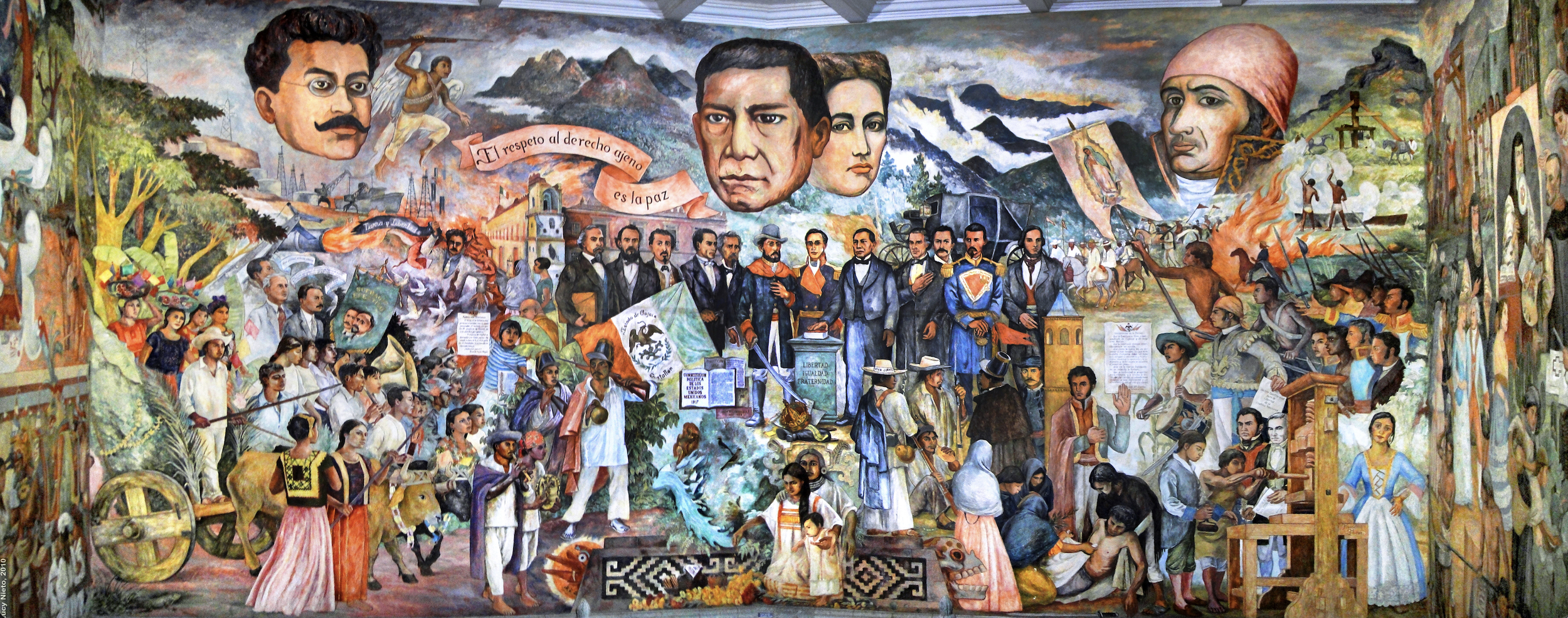
Oaxaca mural of revolutionary figures and Mexican History

Oaxaca mural of revolutionary figures and Mexican

In the southern Mexican state of Oaxaca, visual art spills onto the streets and across crumbling walls, telling stories rarely captured in textbooks or by tour guides. Oaxaca has long been a hub for both Indigenous culture and political resistance. Its murals reflect this layered history with vibrant and sometimes defiant voices, often highlighting legacies of colonialism and systemic inequality. 

Many amplify the voices of the Zapotec and Mixtec peoples, who have long resisted marginalization and assimilation. As scholar Bethany J. Welch explains, murals function as a way for Indigenous communities to reclaim public space and narrate their histories, refusing to allow their story to be filtered through state-sanctioned narratives and the lens of tourism.
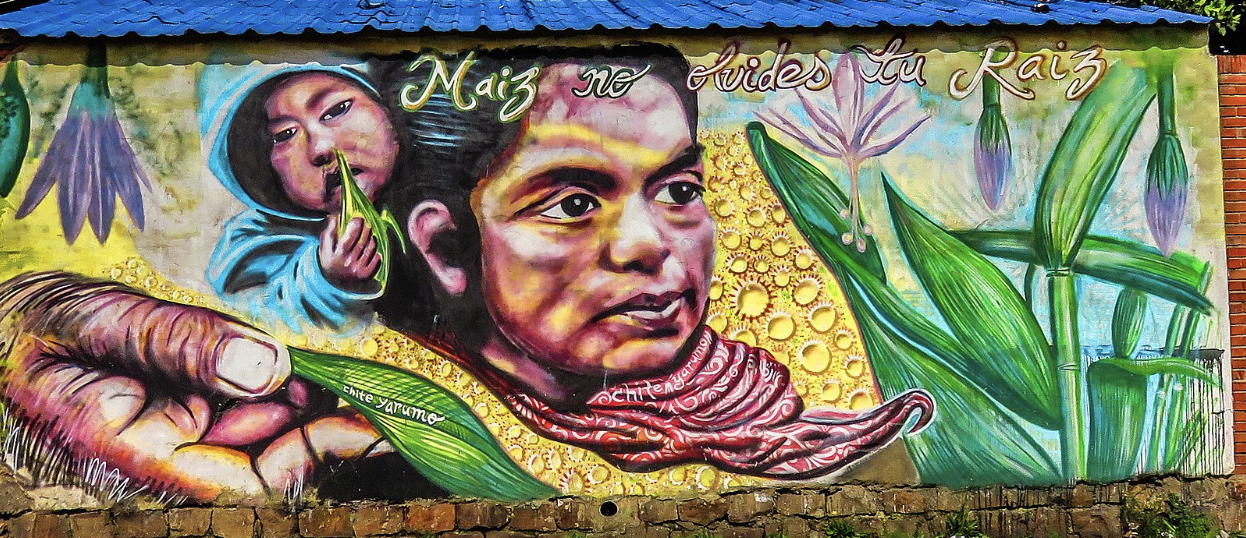
Corn mural with “Don’t forget your roots” text

Mural referencing the 43 missing students in Oaxaca, Mexico. Tobias Versus. CC BY 2.0.

Strolling through neighborhoods like Jalatlaco or Xochimilco becomes a visual lesson in autonomy. On Jose Lopez Alavez Street, bold images of Indigenous women, animal protectors and corn deities appear on walls beside neighborhood cafes and galleries. The murals mix ancient Zapotec symbols with messages of resistance to gentrification, environmental destruction and cultural erasure.

Mural referencing the 43 missing students in Oaxaca, Mexico

Mural referencing the 43 missing students in Oaxaca, Mexico. Tobias Versus. CC BY 2.0.

In central Oaxaca, a wall along Berriozabal Street honors the 43 students from the Ayotzinapa Rural Teachers' College who disappeared in 2014 while on their way to a protest. Created by the Urtarte Collective, the mural preserves their names and images, reminding passersby of the unresolved violence that continues to haunt their community. Elsewhere, recurring symbols like the possum — a local protest motif — emerge in politically charged artwork critiquing police violence and land theft.

Muralist painting wall for Casa de la Cultura in Oaxaca.

Muralist painting wall for Casa de la Cultura in Oaxaca. Alejandro Linares Garcia. CC BY-SA 4.0.

Murals also serve as visual protests against environmental injustice. Canadian mining company Fortuna Silver Mines carries out operations near San Jose del Progreso despite long-standing resistance from locals. Murals in neighborhoods like La Noria depict masked water defenders, cracked land and slogans like “El agua vale más que el oro,” or in English, “water is worth more than gold.”

Feminist mural reading “Sin mujeres no hay revolución” in Mexico City

Feminist mural reading “Sin mujeres no hay revolución” in Mexico City. Wendy Aviles R. CC BY-SA 4.0.

Themes of gender injustice are equally prevalent. Oaxaca, like many parts of Mexico, faces an ongoing femicide crisis. In response, murals around the Santo Domingo Cultural Center and near Carmel Alto feature the faces of missing women, alongside phrases like “Ni Una Menos” (meaning “not one less” in English).

While often photographed, these murals are not decorative. They are part of an ongoing dialogue between community and state, artist and audience. Travelers can deepen their understanding by participating in walking tours run by local artists, such as Caminos del Arte, which provide historical and political context while ensuring support flows back into the neighborhoods depicted on the walls.

Oaxaca’s murals are not permanent fixtures. They adapt in response to elections, tragedies and resistance movements. Some are painted over, others quietly fade and many are reborn in new forms. This continued renewal reflects a larger truth: in Oaxaca, street art is a living archive — one that documents what official records often omit.

Learn more

Kennedy Kiser

Kennedy is an English and Comparative Literature major at UNC Chapel Hill. She’s interested in storytelling, digital media, and narrative design. Outside of class, she writes fiction and explores visual culture through film and games. She hopes to pursue a PhD and eventually teach literature!
Buddhism in Tibet and the Sacred Dzogchen Caves

Julia Kelley

Spotting the landscape of Eastern Tibet are the Sacred Dzogchen Mountain Caves, natural formations that have been revered for centuries as sites of historic Buddhist enlightenment. 

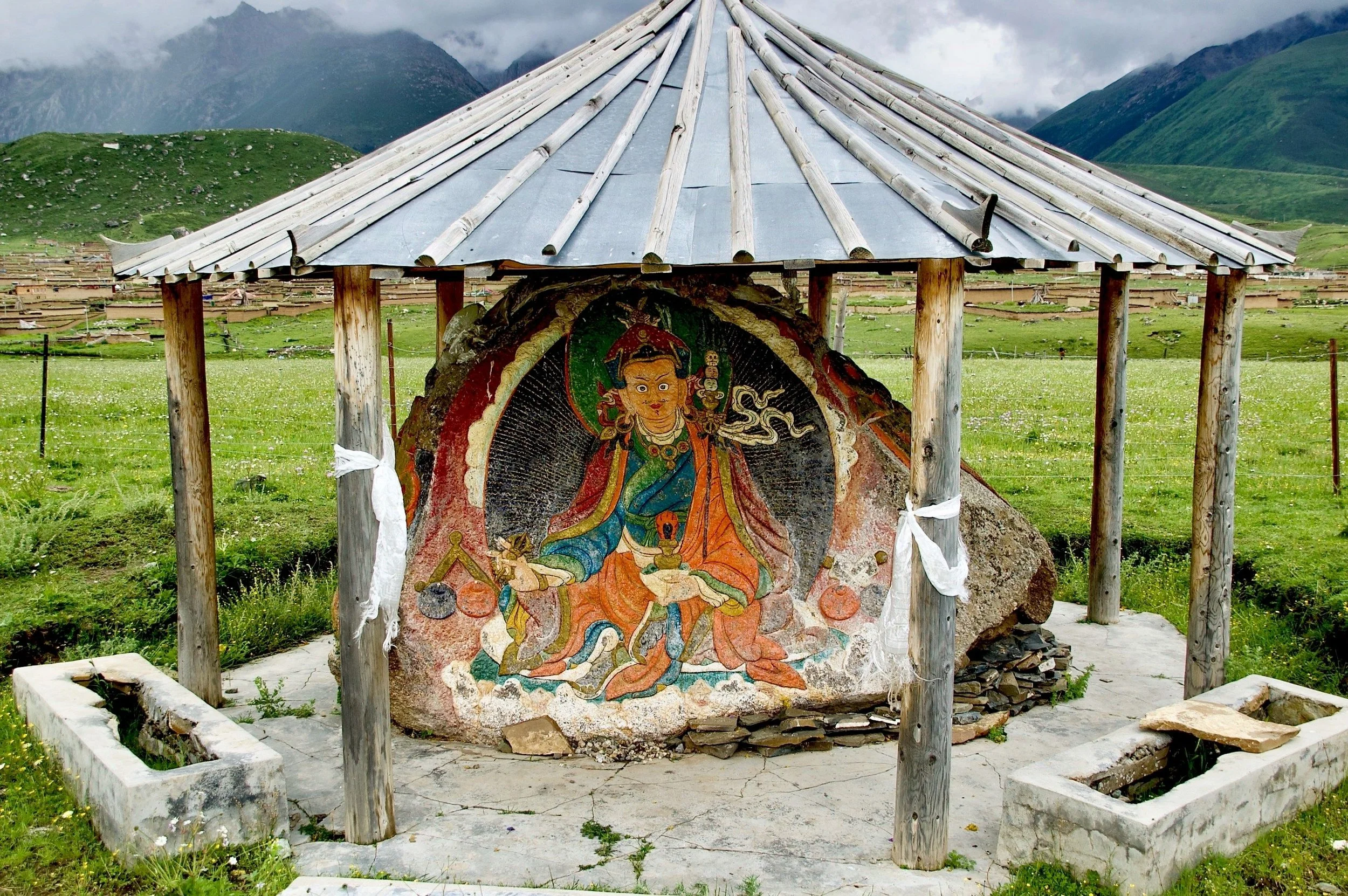
Entrance to Pilgrimage Road in Dzogchen Monastery

Entrance to Pilgrimage Road in Dzogchen Monastery. Mario Biondi. CC BY-SA 4.0.

Found in the mountains of Eastern Tibet, also known as Kham, is the Rudam Valley. Here, 4,000 meters (13,123 feet) above sea level, plateaus imprinted with lakes and waterfalls are home to a population of more than 850,000 people. Tibetan Buddhist monasteries dot the landscape, reflecting the valley’s religious significance and contributing to its diverse culture. Most notably, in the Holy Dzogchen Area, surrounding communities have their own cultural expressions marked by distinct seasonal ceremonies and local traditions. The population in the Holy Dzogchen Area widely practices Vajrayana Buddhism, a form of Tantric Buddhism that emphasizes one’s potential to achieve enlightenment in a single lifetime rather than through many. This doctrine is taught in the Dzogchen Monastery, which offers a religious education to young people who desire a monastic life and serves as the main monastery for hundreds of branches throughout Tibet. 

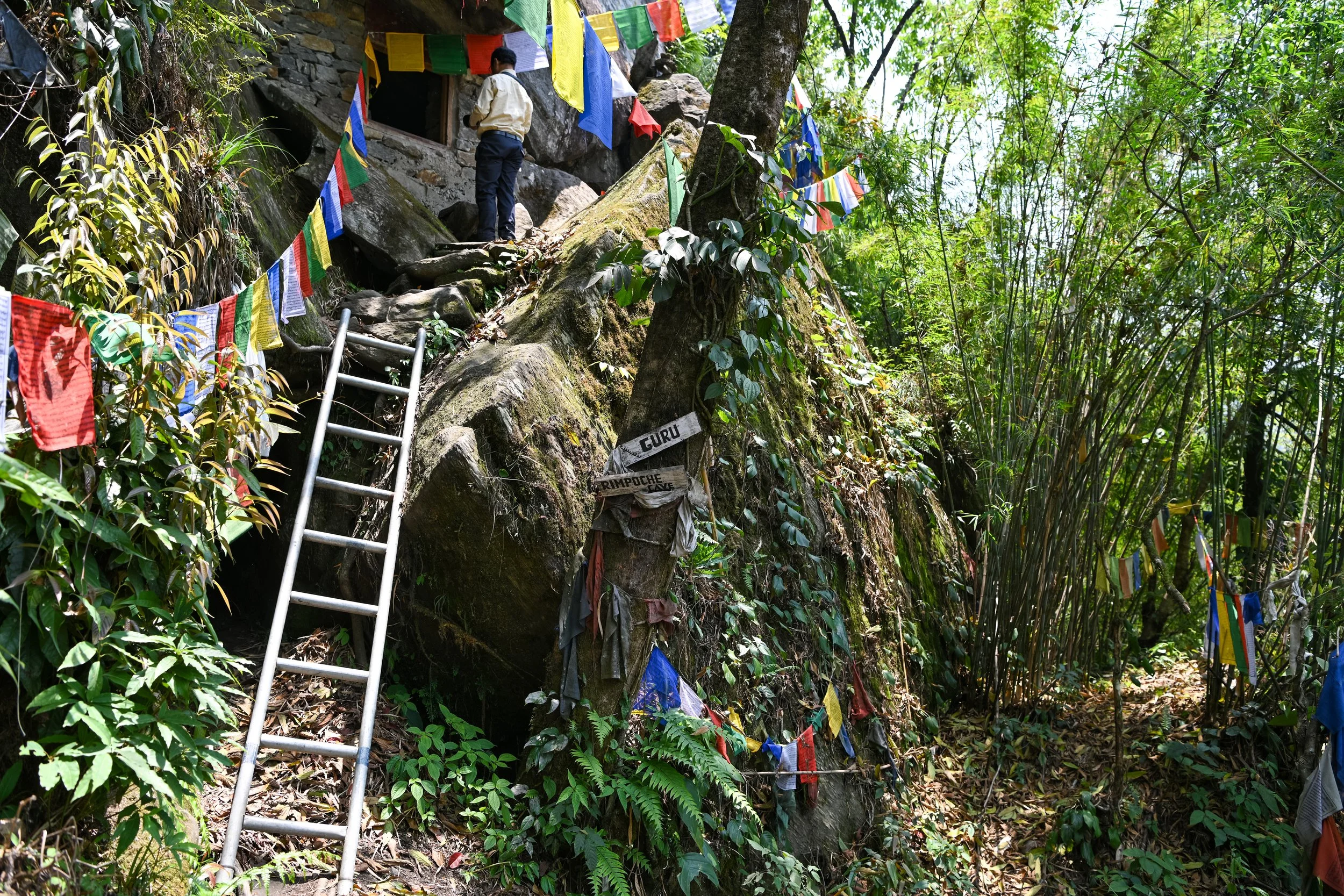
Guru Rimpoche Cave

Guru Rimpoche Cave. Anjan Kumar Kundu. CC BY 4.0.

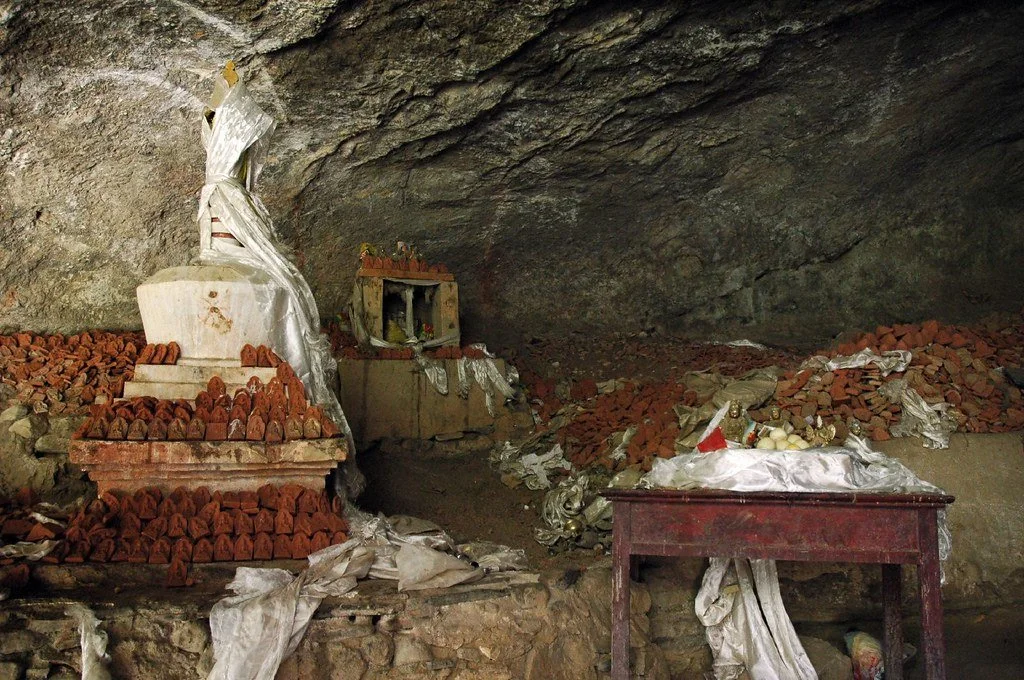
The Holy Dzogchen Area’s beauty and devout culture are further exhibited through its natural cave complex, known as the Sacred Dzogchen Mountain Caves. From mountains to valleys, the thousands of caves that make up this system are a powerful feature of the local religious practice. The significance of these natural formations can be traced back to a series of influential Dzogchen Vajra masters who lived in them to reach enlightenment. Buddhism was first introduced to Tibet in the 7th century C.E., and was not translated until 641 C.E., when Tibetan king Songtsen Gampo unified the region and converted to Buddhism with his marriage to two Buddhist princesses. The king also invited important Buddhist masters, Padmasambhava and Shantarakshita, to teach the doctrine throughout the country. This included instruction in Dzogchen, an advanced system of meditation that gives the Holy Dzogchen Area its name. These leaders and their students utilized the isolated and serene nature of the surrounding caves to facilitate their enlightenment. The Snow Mountain caves, Shinje and Senge Druppuk caves, and Canyon caves are only a few of the sites that have become revered for their religious history, as Vajra masters such as Shri Singha and Padmasambhava lived and meditated in their solitude to achieve high realization. 

Sacred Cave Interior Rocks

Sacred Cave Interior. slobo486. CC BY-NC-SA 2.0.

This long history as a Buddhist religious symbol has made the Dzogchen cave system a common pilgrimage route. Beyond the caves, the entirety of the Dzogchen Area has become associated with enlightenment due to these countless sacred sites. Many pilgrims first journey to the Dzogchen Monastery, where they can practice retreats and meditations in the monastery’s retreat center. From there, devotees travel to surrounding temples and sacred caves, walking in the footsteps of Buddhist leaders. On their blog, Yowangdu Experience Tibet, travelers Lobsang and Yolanda write about their personal experience with the pilgrimage. They describe one of the caves as “a sacred spot where the great Buddhist master had honed his wisdom and compassion in decades of meditation” and where “he had written the text that had moved and inspired” them, echoing Dzogchen followers’ continued belief and devotion to these holy spaces. 


Learn more

Julia Kelley

Julia is a recent graduate from UC San Diego majoring in Sociocultural Anthropology with a minor in Art History. She is passionate about cultural studies and social justice, and one day hopes to obtain a postgraduate degree expanding on these subjects. In her free time, she enjoys reading, traveling, and spending time with her friends and family.

Cholera Outbreaks: Nigeria’s Struggle with a Reoccurring Epidemic

Julia Kelley

Poor access to clean water and underdeveloped facilities has led Nigeria to face a decades-long, deadly battle against cholera. 

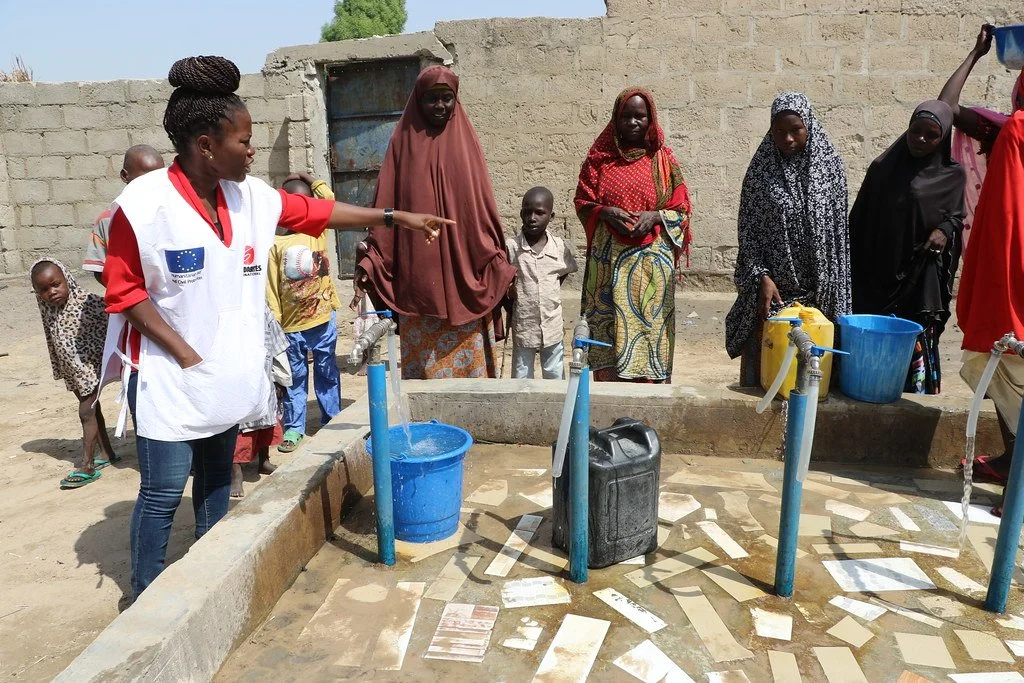
Safe water sprouts in Nigeria

Access to Safe Water in Nigeria. EU Civil Protection and Humanitarian Aid. CC BY-NC-ND 2.0.

For decades, Nigeria has faced major cholera outbreaks throughout the country, posing a serious threat to public health. The disease, an acute diarrheal infection caused by ingesting food or water contaminated with the bacterium Vibrio cholerae, is a major indication of inequity, as well as a lack of social and economic development in the areas where it forms. Since 1972, cholera has plagued Nigeria in intermittent outbreaks that have claimed thousands of lives, the worst being in 1991, with a high of 59,478 reported cases and 7,654 deaths. Despite numerous attempts by the World Health Organization, the Nigeria Center for Disease Control and the Borno State Ministry of Health to provide support through free cholera vaccines and implement prevention and preparedness, the country continues to fight against large, destructive outbreaks. 

Many factors make Nigeria especially prone to these widespread epidemics, including a lack of access to safe drinking water, a lack of infrastructure necessary for water supply and waste disposal and a lack of health facilities. Particularly in smaller communities and remote villages, sourcing clean water is a challenge that leads residents to dig their own wells. Moreover, during the dry season, these wells dry up and leave individuals only with the more hazardous alternative of shallow streams. Poor weather conditions worsen this significant obstacle to clean water and sanitation. Flooding, for example, increases food insecurity by destroying farmland, creating economic loss, demolishing sanitation facilities and contaminating sources of clean water. Several financial issues, including poor investment, funding allocation and low human capital, in conjunction with already deficient infrastructure and low community participation, also contribute to a lack of secure water infrastructure. Not only does this make for a higher potential of infection, but Nigera’s healthcare infrastructure is also underdeveloped, lacking the medical facilities and supplies necessary to treat those infected with cholera. Limited medical equipment and supplies, as well as a lack of internet connectivity, make it extremely difficult to heal patients and facilitate important reporting of cholera data. 

These issues remain significant and continue to threaten the lives of Nigeria’s citizens. This is exemplified by the country’s most recent outbreak in 2024, which saw about 11,000 recorded cases and 359 deaths in October that year. Intense rains throughout the year led to widespread floods and dam breaks across Nigeria, weakening water infrastructure, destroying farmland and leaving many homeless in damaged areas, overall causing a large part of the country to be vulnerable to diseases like cholera. This most recent epidemic was met with policy and prevention program recommendations in the hope of impeding future spreads, the most critical of which being Water, Sanitation and Hygiene services. These accelerate and sustain access to safe water, sanitation services and good hygiene practices, all of which are the main deterrents of cholera spread. While this strategy proved effective when instituted by the Nigerian government during the 2018 outbreak, it still requires increased government funding and outside investment to remain effective. Public health and safety continue to endure disadvantages, as the threat of cholera looms over the country. 

GET INVOLVED:

For those looking to get involved in supporting the fight against cholera outbreaks in Nigeria, check out organizations such as WaterAid, Bread and Water for Africa, Save the Children and The Water Project, groups focused on supplying safe drinking water and sanitation to Nigeria, as well as many other countries in Africa. In addition, organizations like Doctors Without Borders, the World Health Organization, ICAP Global Health and Gavi, The Vaccine Alliance provide medical support to cholera patients in Nigeria and contribute to the development of disease control and prevention. 


Julia Kelley

Julia is a recent graduate from UC San Diego majoring in Sociocultural Anthropology with a minor in Art History. She is passionate about cultural studies and social justice, and one day hopes to obtain a postgraduate degree expanding on these subjects. In her free time, she enjoys reading, traveling, and spending time with her friends and family.

The Hidden Cost of Counterfeit Luxury

Zoe Lodge

Though the price tag might be tempting, counterfeit goods have a broader negative societal and environmental impact than many realize.

Counterfeit Bags in Pile

Street stand selling counterfeit bags. Nick Adams. CC BY-NC-SA 2.0.

The counterfeit goods market has expanded dramatically in recent years, moving far beyond street vendors in tourist hotspots to major online marketplaces like Temu, AliExpress and DHGate. Emma Warbey, Detective Chief Inspector of the Police International Property Crime Unit in London, noted that “it’s becoming easier for counterfeit goods to enter the marketplace, with online sales portals, social media, and apps.”

What was once a niche market has become a booming industry, driven in part by social media influencers showcasing “dupe hauls” of fake designer bags, shoes and clothing, promoting the overconsumption of counterfeit luxury goods. While these “dupe” items offer an affordable way to mimic luxury, the reality of their production and ethical impact is far less glamorous.

Luxury fashion is synonymous with exclusivity, as high-end designer items remain out of reach for most consumers due to high prices and limited availability. Through nearly identical copies of luxury items sold at a fraction of the price, counterfeit goods offer an illusion of prestige without the financial burden. Social media influencers have only fueled this trend by normalizing the purchase of fake goods, often describing them as “budget-friendly” alternatives rather than illegal imitations. 

Growing demand has created an underground economy that thrives on accessibility and affordability. According to Keith Goldstein, the president and COO of VerifyMe, “the total amount of counterfeit goods sold each year comes in at around $1.7 trillion to $4.5 trillion, which would make counterfeiting at least the tenth largest economy […] It’s also responsible for 2.5 million jobs lost globally.”

Despite their popularity, purchasing counterfeit goods comes with a number of ethical issues. First and foremost, they are illegal to manufacture, sell, and, in many cases, even possess. Many countries have strict intellectual property laws prohibiting the production and distribution of fake designer products, with penalties ranging from hefty fines to imprisonment. Luxury brands invest significant resources in protecting their designs through trademarks, and counterfeit operations directly undermine these efforts.

Additionally, the quality of counterfeit goods is often leagues below the original. Many are made from cheap materials that do not match the durability or craftsmanship of genuine designer pieces. While the items may look similar at first glance, they can fall apart and show signs of wear after minimal use, making them a poor investment even at a lower price point.

Beyond the personal drawbacks of purchasing counterfeit items, the industry itself has serious ethical and environmental implications. Counterfeit production often relies on exploitative labor conditions, including underpaid workers, child labor and unsafe workplaces. Many counterfeit factories operate in countries with weak labor regulations, allowing manufacturers to cut costs and skirt the law at the expense of workers’ rights and safety.

The industry’s environmental impact is equally concerning. Counterfeit goods are frequently produced using toxic materials, synthetic dyes and low-quality plastics that contribute to pollution and waste. The sheer volume of goods produced and shipped worsens global overconsumption, contributing more products to landfills. Unlike reputable brands that are increasingly prioritizing sustainability and ethical sourcing, counterfeit manufacturers have no incentive to follow environmental guidelines. The result is a shadowy industry that promotes unsustainable practices while flooding the market with disposable, low-quality goods.

As counterfeit luxury items continue to gain popularity, consumers must be mindful of their purchasing decisions. The short-term benefit of a cheap designer look comes at the considerably higher cost of legal risks, poor quality, exploitative labor and environmental harm. 

GET INVOLVED:

Instead of opting for counterfeits, consumers can explore ethical alternatives by shopping at second-hand luxury markets, designer rental services and brands that prioritize affordability without compromising quality or ethics.

For example, The RealReal is a verified online retailer featuring secondhand designer goods at reasonable prices, allowing consumers to shop at lower cost to both their wallet and the environment. 

Apps and websites such as Pickle, Rent the Runway and Nuuly offer short-term rentals of designer items at a fraction of the cost, enabling a cyclical and sustainable use of well-crafted fashion items.


sign up for our newsletter

Zoe Lodge

Zoe is a student at the University of California, Berkeley, where she is studying English and Politics, Philosophy, & Law. She combines her passion for writing with her love for travel, interest in combatting climate change, and concern for social justice issues.

Photographing the World With Laura Grier

Zoe Lodge

A peek into the fascinating life and career of a travel photographer.

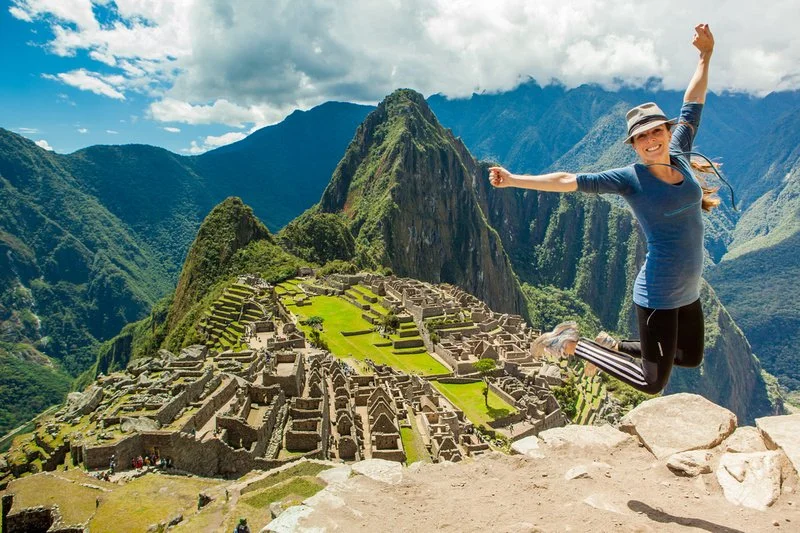
Laurel Grier at Manchu Picchu

Laura Grier in Peru. Courtesy of Laura Grier.

Having visited over 100 countries across all seven continents, photographer Laura Grier has hardly been chained to a desk throughout her career. Raised by two parents in the CIA, Grier was exposed to global travel at a young age. She spent part of her youth living in Jakarta, Indonesia, where her parents encouraged her to embrace travel and global living. She always knew that she didn’t want to spend her life in an office, and her dream career was something of a treasure hunter. “I was always interested in being sort of an Indiana Jones-like archaeologist, or a Jacques Cousteau marine biologist,” Grier said. “I’ve always been really interested in exploring the world and knowing more about it in general.” Her avenue to do so ended up being photography, which has enabled Grier to visit 101 countries and all seven continents to date. She hit the 100 mark last year, visiting 10 new countries on a road trip through Eastern Europe, primarily the former countries of Yugoslavia. Now, Grier’s work is concentrated around her social enterprise, Andeana Hats, and leading philanthropic group trips. “I’m bringing a group in September to Greenland and Iceland, meeting about 25 people, doing thought-provoking conversations, fun adventures, and photo shoots along the way.”

Grier discovered her passion for photography at 13 years old, after realizing she disliked being confined to a lab in science class. Encouraged by her mother, she pursued photography as a creative outlet and career path, eventually earning a dual degree in photojournalism and art photography from Syracuse University. Studying abroad in London and Florence deepened her love for travel, and she began photographing weddings in Europe while visiting her sisters. Offered a CIA job after college, she instead moved to Los Angeles, working at a photography studio and bartending to support side shoots. She launched a wedding photography division, eventually breaking into celebrity and destination weddings, which propelled her career into extensive global travel. “I love it because it's never the same thing. Like, that whole idea where I can't be stuck in an office and do the same thing every day—this is definitely the perfect kind of job for me,” she said. “It's never the same assignment or place you're going to or whatever, but it is a hustle.”

National Geographic brought Grier to Peru, which she noted as being one of her favorite destinations due to the country’s diversity, both in landscape and culture. “There are not many places in the world I like going back to, and I go back to Peru over and over,” Grier said. “It has anything you could possibly want. There are mountains that look like the Swiss Alps, the Amazon jungle, the most incredible ruins and culture, and deserts that look like the Sahara.” She recounted her first visit to Peru, where she had a “magical experience” swimming with pink Amazon river dolphins and piranhas at the Treehouse Lodge, nestled deep in the Amazon rainforest.

Laura Grier on a hike in her travels. Courtesy of Laura Grier.

Grier also holds a certain fondness for the places she has visited that are virtually untainted by human development, such as the Galapagos Islands or Antarctica. “Going to Antarctica was really, really special for me,” she said. “It was so mountainous and so pristine and the water was like nothing I’ve ever seen anywhere else in the world. It’s kind of magical to see that much vast, untouched land.” Grier visited Antarctica on a cruise, joining a small fraction of the population who have visited the remote continent. “There aren’t many places left on the planet where animals aren’t afraid of you,” she said, impressed by the almost complete lack of human impact. She had a similar experience when visiting the Galapagos Islands, saying, “It’s that same feeling [as visiting Antarctica] where you’re really part of nature.”

Upon establishing herself as a travel photographer, Grier reconnected with National Geographic, where she had previously worked. She began shooting for Novica, National Geographic’s artisan catalog, sparking her next big project, shooting “vanishing crafts” worldwide. Her work with artisans through National Geographic led her to an entirely new endeavor in Peru, which has become one of the most impactful places that Grier has visited in her career. Seeing an opportunity to share a cultural craft with the world, Grier and a friend launched a social enterprise called Andeana Hats to support female artisans in Sacred Valley, Peru, who have limited income opportunities, selling their handcrafted hats abroad and returning a much more significant profit to the artisans than they would have received through National Geographic or other large-scale artisan catalogs.

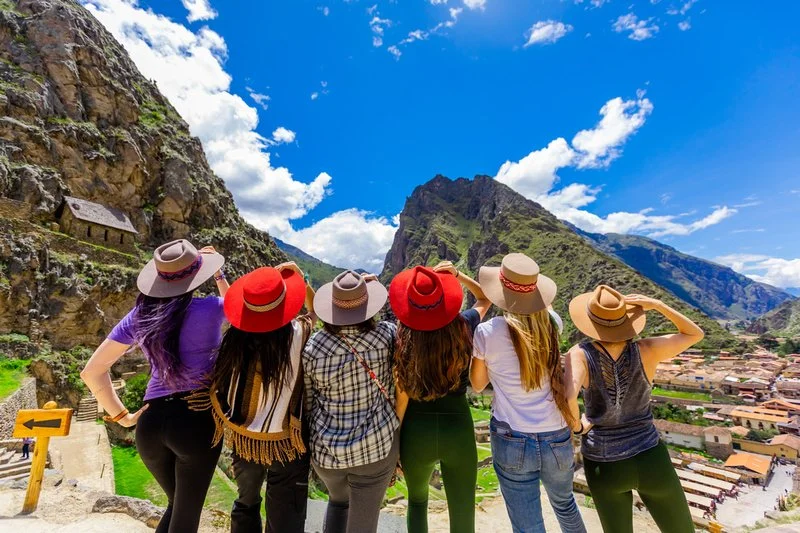
A group wearing hats and intention bands in Peru. Courtesy of Laura Grier.

The hats and their “intention bands,” which are decorative bands that carry unique designs and meanings derived from the Quechua language, help keep Indigenous Peruvian culture and history alive. “It first started off as what I thought would be a pretty simple passion project, and now it's taking over my house and my…everything,” she said. “I'm flying all over the world and doing markets and schlepping hats and meeting with artisan groups and it's really fun, but it's a lot of work.” Despite the challenges, Grier finds fulfillment in her work, knowing it creates a positive impact by benefitting these female artisans directly. Through it all, her career seems to keep circling back to National Geographic, the organization that shaped her path early on. “It’s funny because it just keeps on coming back full circle to National Geographic.”

Sign Up For Our Newsletter

Zoe Lodge

Zoe is a student at the University of California, Berkeley, where she is studying English and Politics, Philosophy, & Law. She combines her passion for writing with her love for travel, interest in combatting climate change, and concern for social justice issues.

First Amendment Freedoms in Danger: Greenpeace Ordered to Pay $667M to Oil Company

Julia Kelley

A North Dakota jury has ordered environmental group Greenpeace to pay Dakota Access Pipeline’s operating oil company in a case sparking controversy around Americans’ right to freedom of speech and protest. 

Dakota Pipeline Protest

Protest Against Dakota Access Pipeline. John Duffy. CC BY 2.0

On March 19, 2024, a North Dakota jury found Greenpeace, a global environmental nonprofit network, guilty of defamation and destructive protest action against the Dakota Access Pipeline, ordering the nonprofit to pay its operating oil company $667 million. This decision comes after years of national pushback against the Dakota Access Pipeline due to the project’s potential environmental hazards; the 1,172-mile-long underground pipeline transfers crude oil from North Dakota to an oil terminal in Patoka, Illinois. Moreover, the pipeline stretches within a half-mile of the current Standing Rock Sioux Reservation boundaries, posing potential risks to significant cultural and burial sites. As such, since its approval in 2016, protests led by Native tribes and environmental groups such as Greenpeace began sprouting up around the pipeline’s construction sites and sacred Native American areas. In many instances, demonstrations resulted in violence between protesters and law enforcement. It is because of these protests that the builders of the pipeline, oil company Energy Transfer, praised the jury’s March 19 decision, echoed in its counsel’s statement: “Peaceful protest is an inherent American right; however, violent and destructive protest is unlawful and unacceptable.” 

In response to this decision, however, environmental activists and Tribal nations have taken a much different position. Contrary to Energy Transfer’s sentiment, many have determined this verdict to be an attack on First Amendment rights rather than a protection against unnecessary violence and destruction. Those associated with Greenpeace have even named the case a Strategic Lawsuit Against Public Participation, or a suit that intentionally targets those speaking out against public interest issues in an attempt to intimidate critics and force them to spend money. To those opposing the pipeline, not only has this lawsuit silenced years-long appeals for environmental safety and Native land protection, but has also cost Greenpeace an immense amount of money to defend its position, thus delaying progress in such areas. Despite being a major nonprofit, Greenpeace has previously warned that losing this case could potentially lead to bankruptcy. Those involved now fear that this could be a reality, as financial reports demonstrate that its total assets from 2023 may not be enough to ensure a supersedeas bond, in which a surety insurer would put up the bond necessary to pay the court-ordered amount. If not, then Energy Transfer would be able to begin seizing Greenpeace’s assets, including all cash needed to keep it operating.  

Moreover, Greenpeace has come to represent freedom of speech and protest in general. In an interview with Democracy Now, Steven Donziger described the trial as a way to “silence people’s legitimate constitutionally protected right to speak out,” founded on a false narrative that protesters were violent while it was actually “law enforcement agencies […] hired by Energy Transfer that were really committing violence.” Critics warn that this will have effects that go beyond support for environmental and Native protections, potentially posing detrimental risks to nonprofit work as a whole. With a rise in anti-protest bills since 2017 mirroring a rise in major protest movements, much of this newly proposed legislation calls for increased liability against organizations not directly involved with protests but who offer support, including nonprofits or religious groups. In addition, the potential bankruptcy of Greenpeace, a substantial and largely influential organization, signals even fewer protections for smaller nonprofits, who may not have the same amount of financial support or as wide of a network. This could significantly decrease charities’ ability to speak out on various issues, for fear that they could easily be sued by larger corporations. Such concern would halt imperative support for causes across the country, a major blow to many movements. . 

In the wake of the lawsuit, supporters of Greenpeace, environmental protection and the Standing Rock Sioux Tribe have critiqued and denounced the jury’s final decision. Despite the shock that the trial has caused, such advocates find hope in Greenpeace’s intention to appeal the case, as the organization declared in a statement released a day after the verdict. In addition to this, Greenpeace also highlighted the increased support it has gained over the past year, as opposed to a dissolution of its movement risked by the court case. The statement’s overall message affirms Greenpeace’s continued efforts as well, signaling that their work is still not over: “we will not be silenced, and our movement will endure.” 

GET INVOLVED:

For those looking to get involved with environmental protection in the United States, researching local or state legislation is a great place to start. Looking into advocacy on a federal scale can be powerful as well, especially through staying updated on EPA regulations and making comments. In addition, check out organizations like the Environmental Defense Fund, The Nature Conservancy, We Act For Environmental Justice or the National Environmental Education Foundation, all of which are focused on making environmental change and expanding awareness through public policy support and education. Those interested in supporting Native American rights can look into the Native American Rights Fund, the Association on American Indian Affairs, the American Indian Policy Institute or Cultural Survival


Sign Up For Our Newsletter

Julia Kelley

Julia is a recent graduate from UC San Diego majoring in Sociocultural Anthropology with a minor in Art History. She is passionate about cultural studies and social justice, and one day hopes to obtain a postgraduate degree expanding on these subjects. In her free time, she enjoys reading, traveling, and spending time with her friends and family.

6 St. Patrick’s Day Celebrations from Around the World 

By Julia Kelley

From enjoying Irish cuisine to celebrating local history, countries across the globe from Argentina to Malaysia celebrate their relationship with Ireland on St. Patrick’s Day.

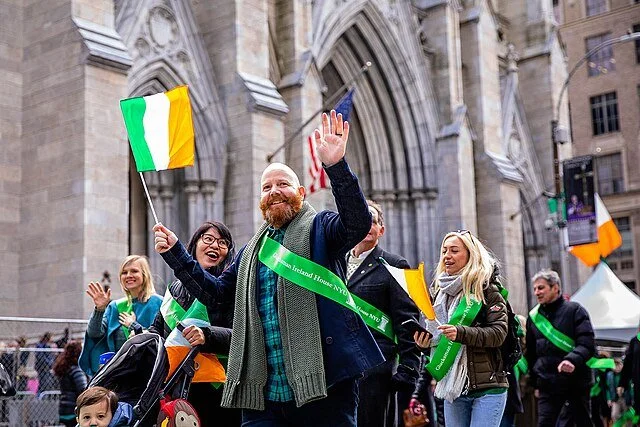
St. Patrick’s Day Parade in New York. James Felder. CC BY 2.0. 

Every year on March 17, St. Patrick’s Day marks the feast day of Saint Patrick, the patron saint of Ireland. The holiday has become synonymous with a celebration of Irish culture and heritage, usually identified by customary symbols of shamrocks, leprechauns and the color green. While the day began as a uniquely Irish tradition, celebrations outside of the country have grown in popularity, as foreign countries honor their history with Ireland. What results is a cultural mixing and blending of Irish celebrations, like kilt-wearing or Celtic dancing, with local religious and historical traditions. Around the world, Irish heritage is celebrated as a pillar of cultural appreciation. 

The Green River in Chicago

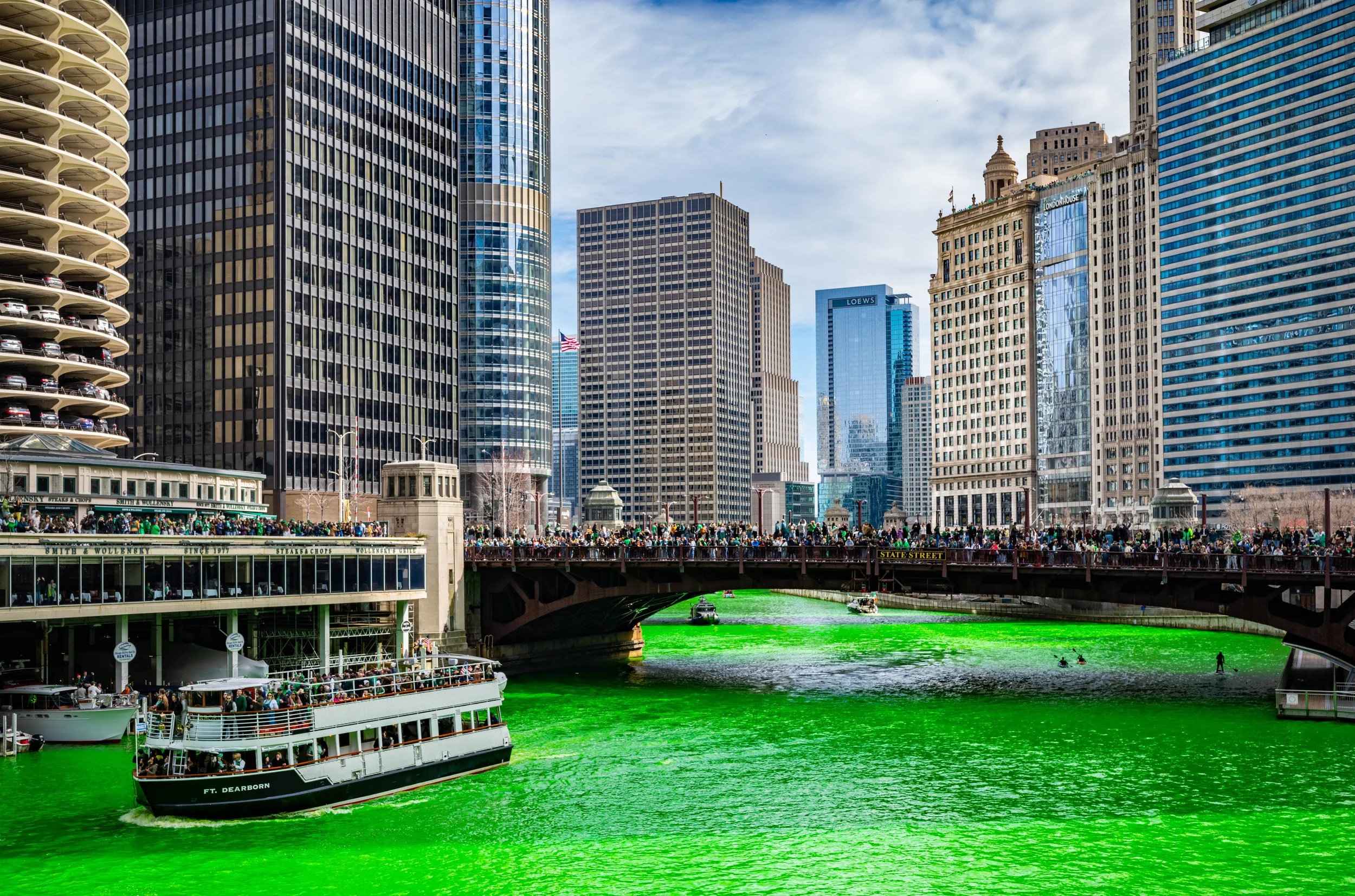
The Green River in Chicago. R Boed. CC BY 2.0. 

1. The United States

St. Patrick’s Day is not only widely observed across the United States but is one of the country’s largest annual celebrations. Since its introduction to the U.S. by Irish soldiers in the 18th century, St. Patrick’s Day has been marked by a series of traditional Irish emblems: shamrocks, parades and the color green. The city of Chicago upholds a particularly strong Irish appreciation. Cook County, which includes Chicago, has the largest population of Irish Americans in the U.S. Chicago’s famous St. Patrick’s Day Parade was first held in 1843 and has since become one of the largest parades in the country, featuring the city’s premier Irish band wearing green kilts and colorful floats adorned with Irish flags. Even more famous is the annual dyeing of the Chicago River. Beginning in 1962, city workers have traditionally dumped hundreds of pounds of green dye into the downtown Chicago River, turning the water a vibrant emerald hue. Originally beginning as part of an effort to clean up the river, the tradition stuck and has been a favored celebration ever since. New York City’s St. Patrick’s Day Parade is another famous U.S. custom that finds its roots in 1762, before the signing of the Declaration of Independence. The oldest and largest St. Patrick’s Day parade in the world, it is a hallmark of Irish appreciation in the country and remains a celebration of cultural pride.

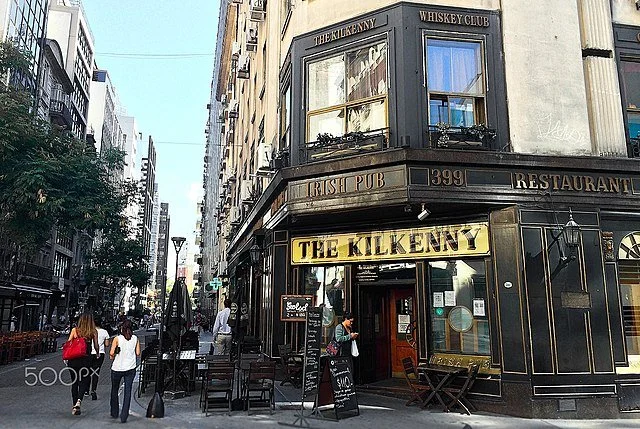
Irish Pub in Buenos Aires

Irish Pub in Buenos Aires. Marcelo Campi. CC BY-SA 3.0. 

2. Argentina

South of the U.S., one can also find lively St. Patrick’s Day celebrations in Argentina. Currently, about half a million people of Irish descent reside in the country, the fifth largest Irish diaspora population in the world. Moreover, Argentina is Ireland’s oldest Latin American ally, with the first South American Irish Embassy opening in Buenos Aires in 1948. As such, strong cultural and historical ties link the two countries, with Buenos Aires demonstrating one of the largest St. Patrick’s Day celebrations in Latin America. Featuring vibrant festivities, the main event takes place along the Avenida de Mayo, where visitors can enjoy various Irish foods and drinks, Celtic music and Irish dancing. Nighttime celebrations come alive through “La Noche Verde,” where parades and music continue long after sunset. Celebrants can also patronize the city’s long-standing Irish pubs, such as DownTown Matías, John John and The Kilkenny. However, no matter where or how one commemorates the day, St. Patrick’s Day celebrations in Argentina are a festive reminder of the country’s cherished connection with Ireland. 

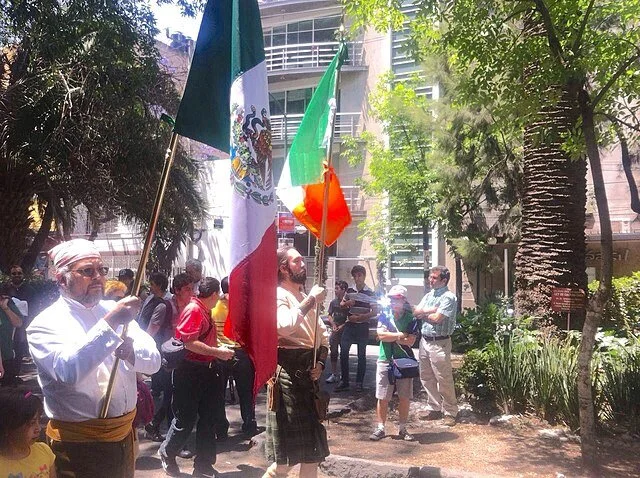
St. Patrick’s Day Parade in Mexico City

St. Patrick’s Day Parade in Mexico City. Flama23. CC BY-SA 4.0. 

3. Mexico

Mexico has a long and respected history with Ireland, rooted in diplomatic, economic and cultural exchanges dating back to the Mexican-American War. Irish American soldiers played an important role in this battle, fighting on Mexico’s side in Saint Patrick’s Battalion. These Irish immigrant fighters saw a mutual struggle with the Mexican army, recognizing the threat to Mexico’s land and rights as a mirror for their own hardships at home. Ever since, Mexico has regarded St. Patrick’s Day as a time to commemorate and honor these soldiers. Spanning over the month of March, Mexico City holds San Patricio Fest Mexico, one of the country’s largest celebrations. Festivities culminate on the weekend closest to St. Patrick’s Day, with events ranging from telling Irish history and stories to Celtic music concerts. Coyoacan’s St. Patrick’s Day Parade is another highlight, following a route from the Hidalgo Garden to the National Museum of Interventions in tribute to Irish immigrants in Mexico. During this event, the Mayor’s Office reflects on the close connection between the two countries, reminding attendees of the strong and passionate community shared between Ireland and Mexico.  

Flag of Montserrat in Sky

Flag of Montserrat. Foreign, Commonwealth & Development Office. CC BY 2.0. 

4. Montserrat

Located in the West Indies, Montserrat or the “Emerald Isle of the Caribbean,” is another region that represents a large population of people with an Irish heritage. The island has been a territory of the United Kingdom since the 17th century, when then Governor of Saint Kitts Sir Thomas Warner sent a group of Irish Catholics to Montserrat to create a settlement. Moreover, during this time was the arrival of slaves from West Africa, resulting in a unique blend of cultural diversity throughout the island. Today, Montserrat is the only country outside of Ireland to observe St. Patrick’s Day as a national holiday. On the island, the day not only celebrates Montserrat’s Irish influence but also honors the enslaved population who rebelled against the island’s leaders on March 17, 1768, while they were enjoying an Irish feast. As such, the day remains an important reminder of both cultures’ histories on the island, celebrated through large events and traditions, such as the St. Patrick’s Day Festival. Here, one can experience African-inspired activities, such as a freedom run or a masquerade dance, traditional Caribbean foods and Irish-inspired green clothing or beer. The festivities last for ten days and also include parades wherein individuals wear both African prints and kilts, a visual representation of the country’s fusion of cultures. 

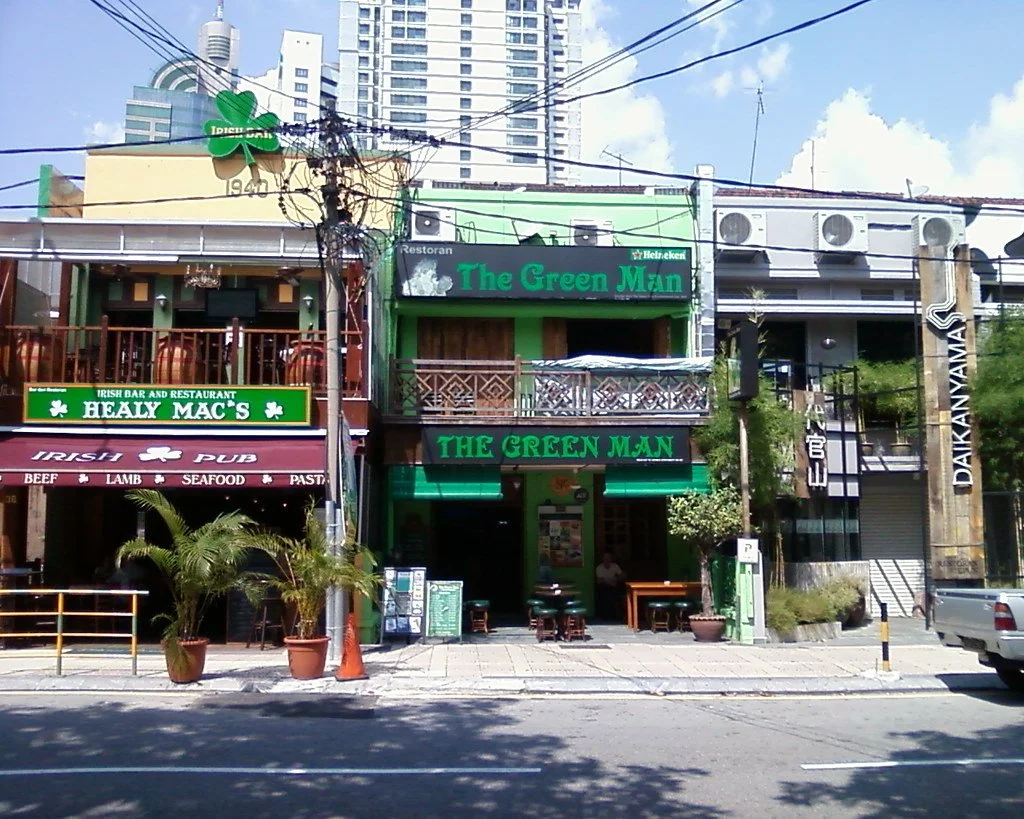
Irish Resturants in Malaysia

Irish Restaurants in Malaysia. Robin McKay. CC BY-NC-SA 2.0. 

5. Malaysia

Across the world in Southeast Asia, Malaysia commemorates its relationship with Ireland through St. Patrick’s Day celebrations. There is a large Irish community in the country, dating back to Irish missionaries who influenced Malaysia’s education system in the 19th century. This impact resulted in the founding of the St. Patrick’s Society of Selangor in 1925, a group whose primary role was to arrange the anniversary of St. Patrick’s death. The Society maintains many other functions outside of this, including annual charity auctions for local causes and working closely with the Irish embassy. Their annual St. Patrick’s Ball is the largest St. Patrick’s Day ball held outside of Ireland or the U.S. The gala includes traditional Irish entertainment, including musicians and a troupe of locally trained dancers. The organization also performs significant outreach, as proceeds from the event go to local Malaysian charities. The beer brand, Guinness, also holds a celebration that invites Malaysians to gather in pubs with their friends and family. The two-day festival, held in The Gasket Alley in Selangor, Malaysia, includes a variety of Irish-inspired entertainment and foods, allowing locals to partake in a vibrant range of St. Patrick’s Day traditions. 

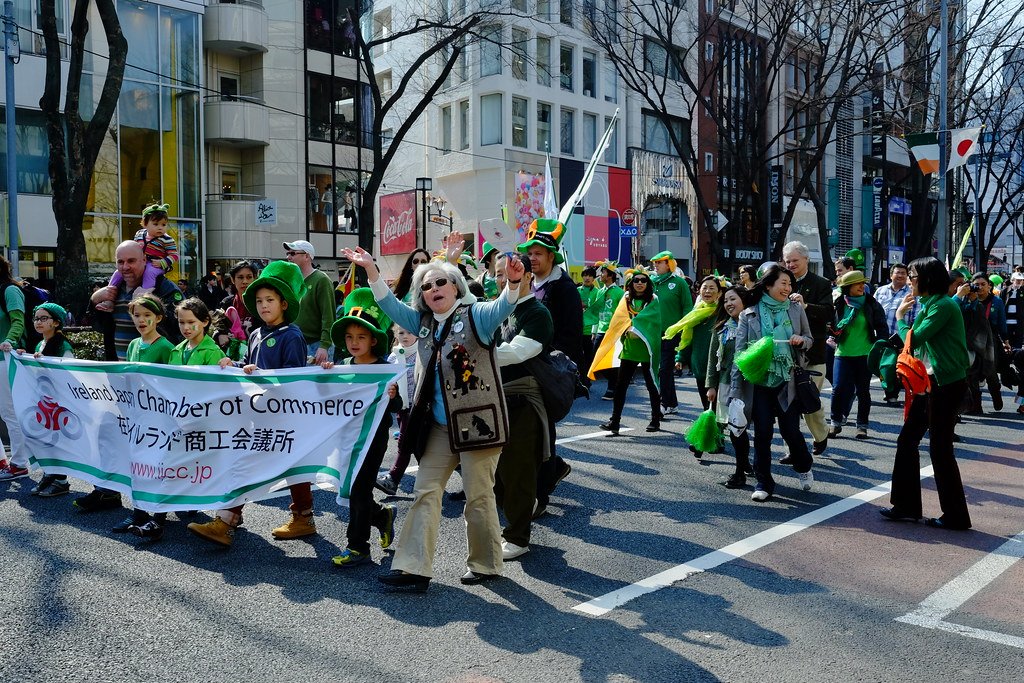
St. Patrick’s Day in Japan

St. Patrick’s Day in Japan. HAMACHI!. CC BY-NC-ND 2.0.

6. Japan

With a strong, mutual desire to nourish relations between the two countries, Japan has also eagerly embraced Irish traditions. Japan is the largest source of foreign investment into Ireland from the Asia-Pacific region, and there is a large population of Irish citizens residing in Japanese cities. As such, celebrations like St. Patrick’s Day have become a hallmark of cultural appreciation, facilitated by groups like the Irish Network Japan, a non-profit run by the Irish community in Japan. Aiming to promote Irish culture in Japan, the group holds an annual St. Patrick’s Day Parade in Tokyo, the oldest in Asia. The procession takes place in Tokyo’s largest boulevard, Omotesando, embellished with Irish and Japanese flags, green decorations and Irish musicians and dancers. Another large event is the Green Ireland Festival, which includes even more live performances and Irish cuisine. Moreover, evidence of cultural blending is visible as well, such as in the St. Patrick’s Day march in Ise, Japan. Attendees here begin their parade from the Ise Shrine to honor the Shinto sun goddess Amaterasu. Along the way, one can see both Irish and Japanese flags, bagpipes, leprechaun costumes and smaller portable shrines.


sign up for our newsletter

Julia Kelley

Julia is a recent graduate from UC San Diego majoring in Sociocultural Anthropology with a minor in Art History. She is passionate about cultural studies and social justice, and one day hopes to obtain a postgraduate degree expanding on these subjects. In her free time, she enjoys reading, traveling, and spending time with her friends and family.

The Price of Preservation: Famous Sites Limit Tourism

By: Zoe Lodge

As overtourism threatens popular sites, the only solution seems to be restricting access, a controversial move. 

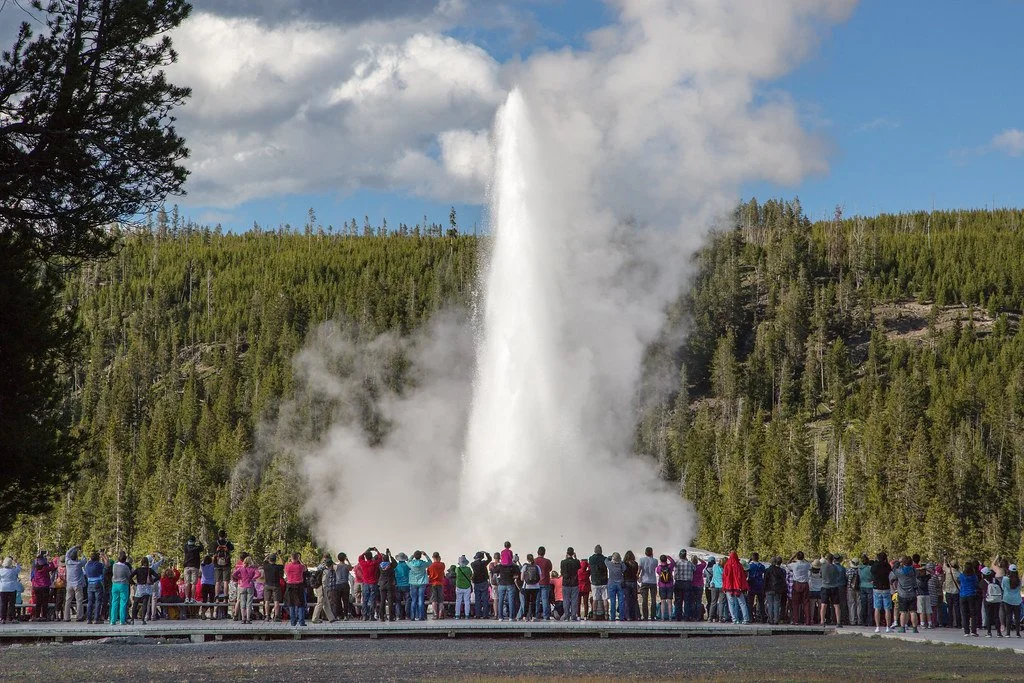
yellowstone crowd at geiser

Tourists crowd Yellowstone National Park. Neal Herbert. PDM 1.0.

From Yosemite to Machu Picchu, many of the world’s most incredible natural wonders and historical landmarks are facing the complex challenge of overtourism. While these destinations attract millions of eager visitors who enable economic circulation, the surge in foot and vehicle traffic has led to environmental, cultural and infrastructural concerns. To combat these issues, many national parks and heritage sites have implemented reservation systems and strict visitor limits, measures that while frustrating to some, are essential for long-term preservation.

National parks and global historical landmarks are not merely attractions; they are delicate sites that require careful management. Overtourism can lead to severe consequences such as soil erosion, damage to plant life, disruption of local wildlife and even structural harm to historical sites. In places like Yellowstone National Park, off-trail hiking, wildlife harassment and increased vehicle traffic have led to environmental destruction and tourist injury. Similarly, Machu Picchu has suffered from footpath erosion, instances of vandalism and structural strain due to the high number of daily visitors. Without intervention, these sites risk being permanently damaged or potentially lost to future generations.

Recognizing these risks, many national parks and historical sites have begun introducing reservation systems and ticketing policies to manage visitor numbers. These restrictions help reduce congestion, minimize environmental damage and ensure more responsible tourism. While ticketing specific attractions is not a new concept, regulations limiting the number of people allowed in a park or site at a given time are becoming increasingly common. Yosemite National Park, for example, has experimented with reservation-only entry during peak seasons to control the flow of tourists. Zion National Park has implemented a permit system for some of their most popular hiking routes to prevent environmental damage and danger caused by overcrowding. Similarly, Peru has imposed strict daily limits on visitors to Machu Picchu and even restricted access to certain trails to prevent excessive wear.

Some travelers have voiced frustration with these limitations, arguing that they complicate trip planning and reduce the chance for spontaneity. However, these restrictions exist precisely because the unrestricted flow of visitors has contributed to significant degradation of these sites. Unlimited access to national parks and heritage sites might seem appealing, but unregulated tourism is not worth the cost, causing irreparable damage to the landscapes, historical structures and environments that make these destinations so remarkable.

Beyond preservation, limits ultimately enhance visitors’ experience. With fewer crowds, tourists can enjoy these sites in a more serene environment, appreciating natural and cultural significance without the chaos of overcrowding. Less congestion also means improved safety and reduced strain on park staff and infrastructure, an already complicated issue in the United States. 

While restrictions on tourism might be inconvenient for some, they are a necessary measure to protect the world’s most cherished natural and cultural landmarks. Managing visitor numbers is not about keeping people out but about protecting the environmental integrity of these sites. Ultimately, it is for the good of the sites, the world and visitors, as they will then have to deal with less traffic, fewer crowds and be able to enjoy these locations more in tune with the way that nature intended.


sign up for our newsletter

Zoe Lodge

Zoe is a student at the University of California, Berkeley, where she is studying English and Politics, Philosophy, & Law. She combines her passion for writing with her love for travel, interest in combatting climate change, and concern for social justice issues.

The Case for Slow Travel

While many travelers hope to get the most out of their journey with faraway plane rides, consider slowing down and finding your way to the road less traveled. 

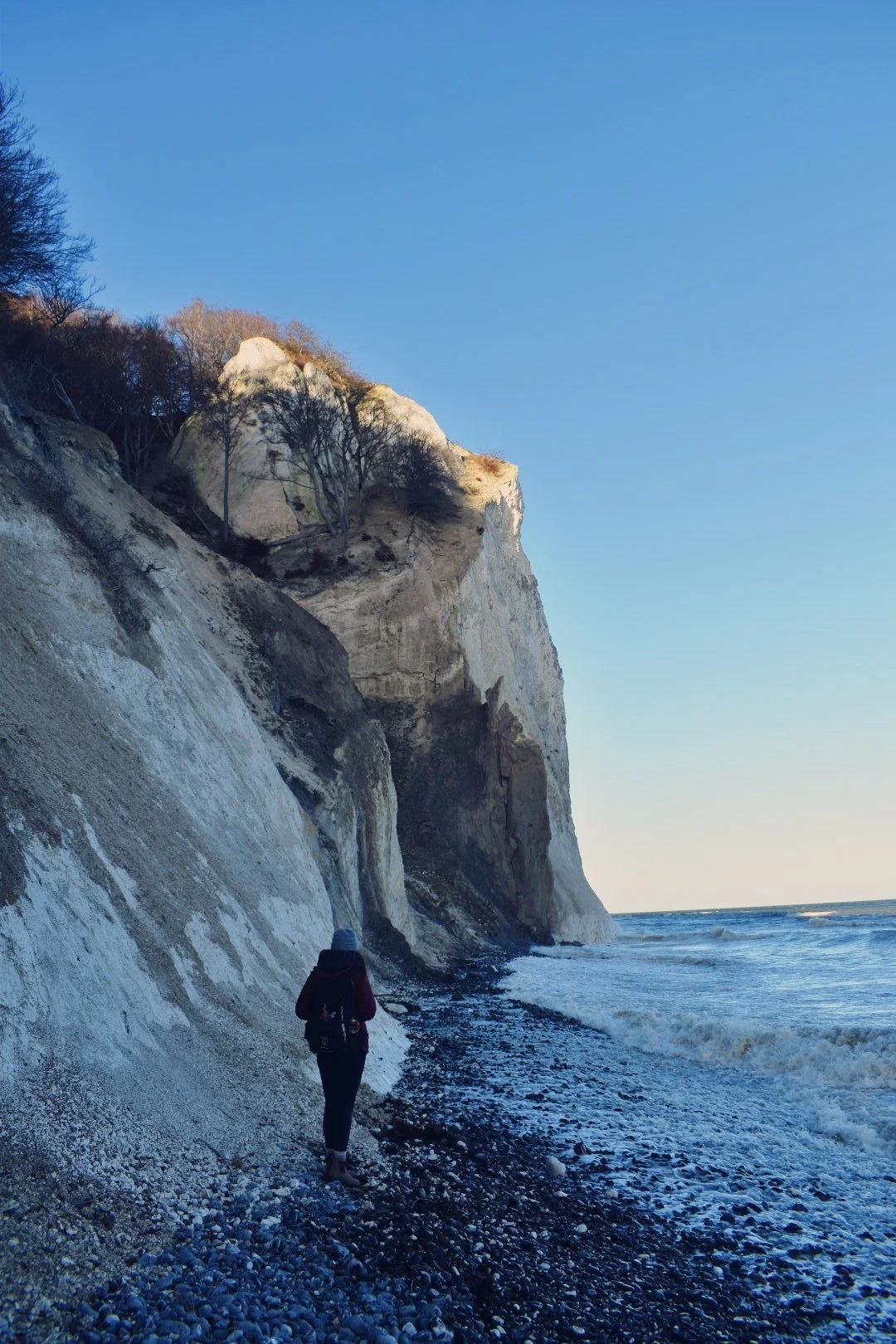
Walking on the beach at Møns Klint

Walking on the beach at Møns Klint. Libby Scaperotta. 

In the spring of 2022, I studied abroad in Copenhagen. My friends and I took advantage of the amazing public transit and metro system to get nearly everywhere. So, when it came time to plan an adventure to the limestone cliffs of Mons Klint, we didn’t even consider renting a car. Instead, we quickly opened our phones to the public transit app to route our trip the night before. 

It’s the next morning, and the clock strikes 4:55 a.m. My roommate and I bounced out of bed, hopping into the clothes we had laid out the night before and grabbing our pre-packed bags before heading next door to knock on the neighbor’s apartment. With some begrudging groans from the boys next door, in under 10 minutes we were out the front door and headed toward the metro station. 

Our journey began with a metro ride, two trains and two buses. After being dropped off and walking a short distance to the next bus stop, we waited patiently for what we thought would be the last leg of our trip, which never came. We had miscalculated a seasonal closure of part of the route’s timing. This led to the eight of us walking the last three kilometers of the trip on a beautiful sunny day in the Danish countryside. We walked among neighborhoods with quaint homes, beside farm animals and through pastures until we were dropped off at the magnificent cliffside of Mons Klint. 

Danish Country Side

A friend walking along the backroad in the Danish countryside during our adventure to Mons   Klint. Libby Scaperotta.

We repeated this process backward at the end of the day. But, as we waited at bus stops and train stations while the sun set, we giggled, shivered, danced and dreamed of a large pizza. 

Although this journey to Mons Klint would have taken probably a quarter of the time had we just rented two cars for the group, the day’s adventure was unforgettable. 

When traveling, we often try to maximize our two weeks of paid time off with ambitious plans to travel far by plane or private vehicle. 

Yet, I am here to convince you to try slower travel. Try taking public transit instead of driving and see where the adventure may lead you. Or, try slowing down on your backpacking trip and volunteer in an area instead of packing up so quickly. 

Traveling slowly is not only less costly for your wallet but also for the environment. My first introduction to a flight emissions calculator was a deeply upsetting experience that made me reconsider how I fly. Slower travel, which emphasizes public transport or staying in one place, may be a better option for eco-conscious travelers who hope to explore while still being mindful of their carbon footprint. 

If you are interested in slowing down your travels, I highly recommend a volunteer experience or work exchange. These will allow you to stay in one place and save on accommodation and meals while immersing yourself in an area’s pace of life and community. From there, you may be able to take short day trips or weekends away in areas that you may have never otherwise explored. There are several platforms that my friends and I have used to find and plan work exchanges: WWOOF, Workaway and Worldpackers

You can even integrate slow travel into your daily life. Grab your local public transit card and explore the destinations you may get to by bus or train! You might find a sweet town, a new beach or an adventure within arm’s reach. 

Slowing down can be good for you and the earth. And, it may even allow you to decide for yourself if exploring the road less traveled does make all the difference.


Sign Up For Our Newsletter

Libby Scaperotta

Libby is a recent graduate from Middlebury College, where she studied Environmental Policy and Geography. She enjoys travel, photography, and spending time outdoors with people she loves. She plans to pursue a career dedicated to environmental work and wishes to share important stories that may inspire action. 

The History of Favelas, Brazil’s Impoverished Towns

Since their emergence in the 19th century, favelas have faced continuous struggles with poverty and crime, a symbol of the tension between Brazil’s government and its underrepresented communities.    

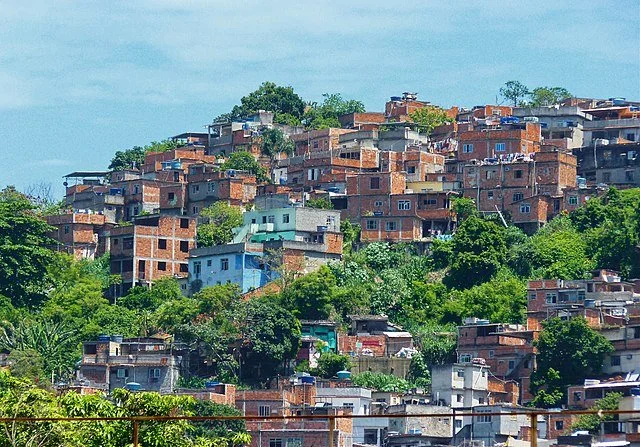
Favela of Telegrafo Hillside Brazil

Favela of Telegrafo. patano. CC BY-SA 3.0. 

Scattered throughout Brazil are built-up communities known as favelas. These towns, principally found on the outskirts of large cities like Rio de Janeiro or Sao Paulo, are settlements marked by their unique urban development. While they are often associated with drugs, crime and poverty, these neighborhoods are a symbol of Brazil’s complex history. 

Finding their origins in the late 19th century, favelas emerged amid a period of tumultuous political and social change in Brazil. They initially formed after the country abolished slavery in 1888. With a large number of impoverished former slaves left homeless and unemployed, they started forming temporary shelters. These were mainly squatter settlements near their work, which was often found in cities. Over the years, these communities grew in number and size. However, it was only after the Canudos War in 1898 when they became the large settlements we know today. The War on Canudos, a deadly civil war that saw a massacre in the small town of Canudos, left almost 20,000 ex-soldiers homeless after their return from the conflict. With nowhere to live, the group established the first favelas in the federal state of Bahia. 

As Brazil’s class divide grew, more favelas popped up from the 1940s to the 1970s, becoming more organized with newly created residents’ associations serving as communicators between the towns and the government. Collaboration between the two led to agreements about water and electricity accessibility and construction investment, playing a large role in the favelas’ maintenance. However, rising politicians during this era also targeted the favelas for political gain, stereotyping their existence as slums breeding disease, illiteracy, crime and moral corruption. Many favelas were “removed” as a result, but other methods were sought out to build up and sustain the communities’ infrastructure. Despite various programs intending to improve buildings, Brazil’s economic crisis led to failed attempts at providing adequate housing in many areas. At the same time, cocaine markets were growing globally, and Brazil became a prominent drug producer and transit point between European and U.S. markets. These criminal groups formed during the 1980s and solidified in the early 2000s, attracting more police attention to the neighborhoods. 

In 2022, about 8.1% of Brazil’s population lived in favelas. Because of their densely built-up infrastructure and continuous struggles with crime and drugs, favelas have also become synonymous with slum life. Widespread poverty, in particular, has grown to be favela residents’ largest struggle, with economic hardship producing limits on food, healthcare and education. The government has proposed various methods to help tackle these ongoing issues and support the overall conditions of these communities. Authorities have introduced programs to help residents: setting up training programs, providing low-interest loans or materials to construct accommodations and building facilities such as health clinics or schools. Despite these attempts, favela residents still lack full sociopolitical representation and face police violence. Thus, activism in favela communities remains imperative, as residents continue to search for peace and draw attention to the need for social development and increased rights. 

GET INVOLVED:

Residents living in favelas struggle against police brutality, discrimination and stark poverty daily. Those looking to help address these issues can do so in several ways, including through making donations. Outreach organizations include: The Favela Foundation, focusing on the development of sustainable social and educational programs; Catalytic Communities, an NGO based in Rio de Janeiro bringing sustainable programs and legislative support to favelas; and The Gerando Falcões Fund of BrazilFoundation, bringing education and economic development to the favelas. Supporting favela locals in their fight to speak out against systemic violence is also very important. Using social media to follow, share and repost activism can help circulate news and reframe the stereotypes usually associated with favela communities. 


Learn more

Julia Kelley

Julia is a recent graduate from UC San Diego majoring in Sociocultural Anthropology with a minor in Art History. She is passionate about cultural studies and social justice, and one day hopes to obtain a postgraduate degree expanding on these subjects. In her free time, she enjoys reading, traveling, and spending time with her friends and family.