The Price of Preservation: Famous Sites Limit Tourism

By: Zoe Lodge

As overtourism threatens popular sites, the only solution seems to be restricting access, a controversial move. 
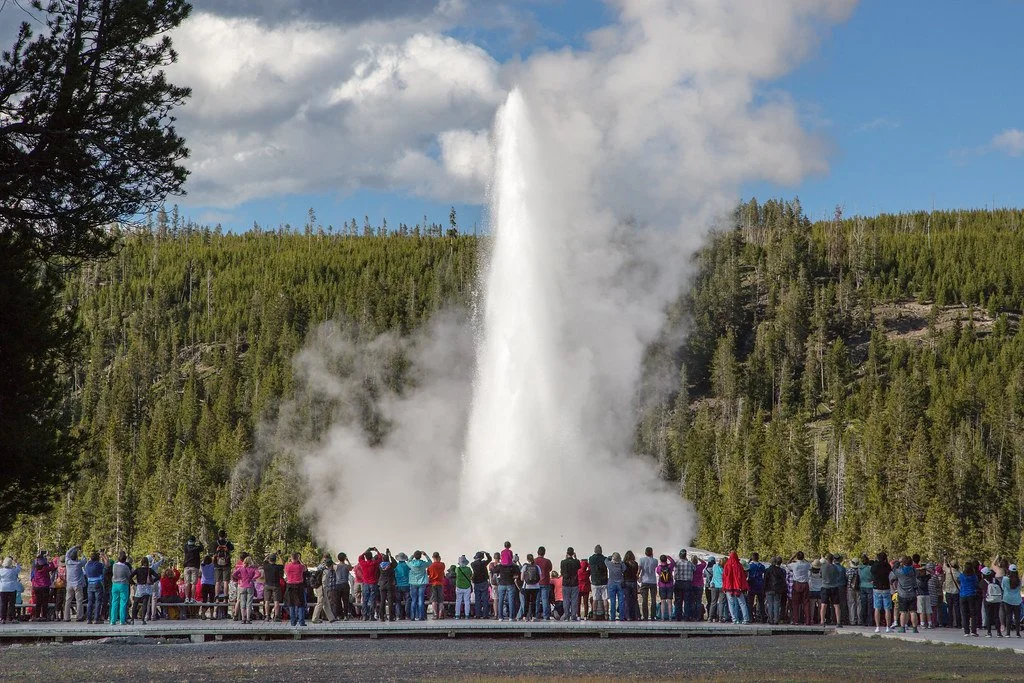
yellowstone crowd at geiser

Tourists crowd Yellowstone National Park. Neal Herbert. PDM 1.0.

From Yosemite to Machu Picchu, many of the world’s most incredible natural wonders and historical landmarks are facing the complex challenge of overtourism. While these destinations attract millions of eager visitors who enable economic circulation, the surge in foot and vehicle traffic has led to environmental, cultural and infrastructural concerns. To combat these issues, many national parks and heritage sites have implemented reservation systems and strict visitor limits, measures that while frustrating to some, are essential for long-term preservation.

National parks and global historical landmarks are not merely attractions; they are delicate sites that require careful management. Overtourism can lead to severe consequences such as soil erosion, damage to plant life, disruption of local wildlife and even structural harm to historical sites. In places like Yellowstone National Park, off-trail hiking, wildlife harassment and increased vehicle traffic have led to environmental destruction and tourist injury. Similarly, Machu Picchu has suffered from footpath erosion, instances of vandalism and structural strain due to the high number of daily visitors. Without intervention, these sites risk being permanently damaged or potentially lost to future generations.

Recognizing these risks, many national parks and historical sites have begun introducing reservation systems and ticketing policies to manage visitor numbers. These restrictions help reduce congestion, minimize environmental damage and ensure more responsible tourism. While ticketing specific attractions is not a new concept, regulations limiting the number of people allowed in a park or site at a given time are becoming increasingly common. Yosemite National Park, for example, has experimented with reservation-only entry during peak seasons to control the flow of tourists. Zion National Park has implemented a permit system for some of their most popular hiking routes to prevent environmental damage and danger caused by overcrowding. Similarly, Peru has imposed strict daily limits on visitors to Machu Picchu and even restricted access to certain trails to prevent excessive wear.

Some travelers have voiced frustration with these limitations, arguing that they complicate trip planning and reduce the chance for spontaneity. However, these restrictions exist precisely because the unrestricted flow of visitors has contributed to significant degradation of these sites. Unlimited access to national parks and heritage sites might seem appealing, but unregulated tourism is not worth the cost, causing irreparable damage to the landscapes, historical structures and environments that make these destinations so remarkable.

Beyond preservation, limits ultimately enhance visitors’ experience. With fewer crowds, tourists can enjoy these sites in a more serene environment, appreciating natural and cultural significance without the chaos of overcrowding. Less congestion also means improved safety and reduced strain on park staff and infrastructure, an already complicated issue in the United States. 

While restrictions on tourism might be inconvenient for some, they are a necessary measure to protect the world’s most cherished natural and cultural landmarks. Managing visitor numbers is not about keeping people out but about protecting the environmental integrity of these sites. Ultimately, it is for the good of the sites, the world and visitors, as they will then have to deal with less traffic, fewer crowds and be able to enjoy these locations more in tune with the way that nature intended.


sign up for our newsletter

Zoe Lodge

Zoe is a student at the University of California, Berkeley, where she is studying English and Politics, Philosophy, & Law. She combines her passion for writing with her love for travel, interest in combatting climate change, and concern for social justice issues.
The Case for Slow Travel

While many travelers hope to get the most out of their journey with faraway plane rides, consider slowing down and finding your way to the road less traveled. 

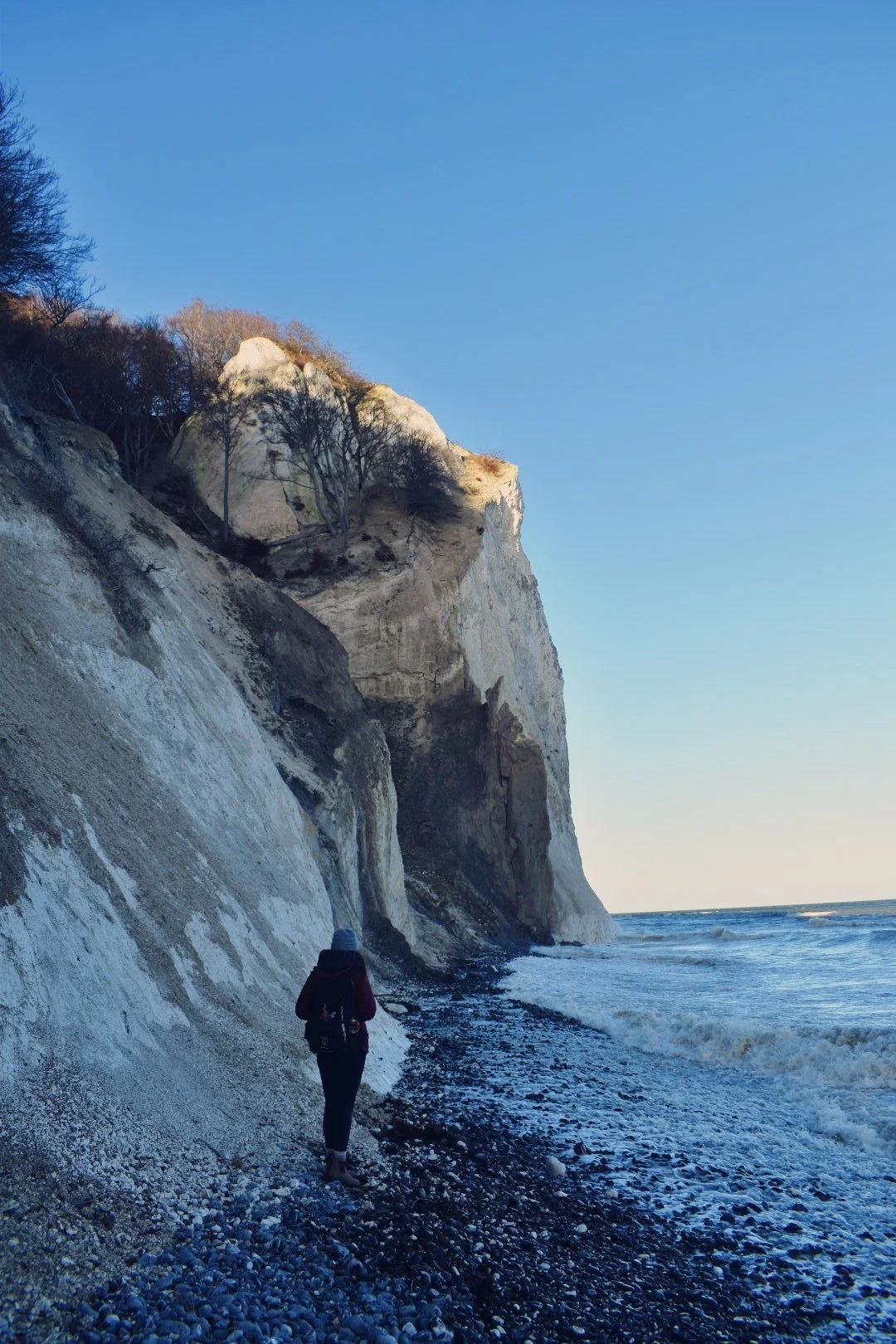
Walking on the beach at Møns Klint

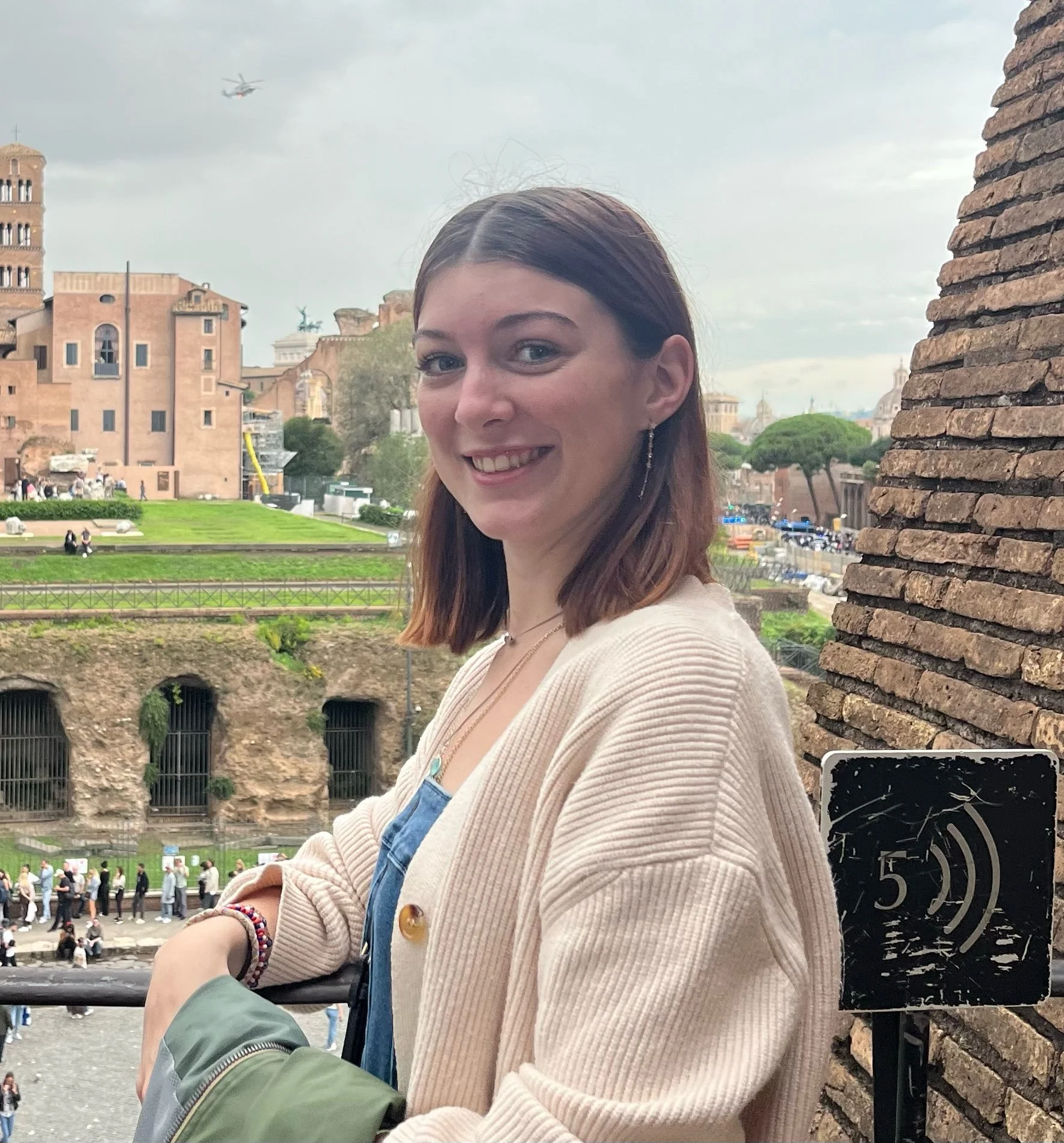
Walking on the beach at Møns Klint. Libby Scaperotta. 

In the spring of 2022, I studied abroad in Copenhagen. My friends and I took advantage of the amazing public transit and metro system to get nearly everywhere. So, when it came time to plan an adventure to the limestone cliffs of Mons Klint, we didn’t even consider renting a car. Instead, we quickly opened our phones to the public transit app to route our trip the night before. 

It’s the next morning, and the clock strikes 4:55 a.m. My roommate and I bounced out of bed, hopping into the clothes we had laid out the night before and grabbing our pre-packed bags before heading next door to knock on the neighbor’s apartment. With some begrudging groans from the boys next door, in under 10 minutes we were out the front door and headed toward the metro station. 

Our journey began with a metro ride, two trains and two buses. After being dropped off and walking a short distance to the next bus stop, we waited patiently for what we thought would be the last leg of our trip, which never came. We had miscalculated a seasonal closure of part of the route’s timing. This led to the eight of us walking the last three kilometers of the trip on a beautiful sunny day in the Danish countryside. We walked among neighborhoods with quaint homes, beside farm animals and through pastures until we were dropped off at the magnificent cliffside of Mons Klint. 

Danish Country Side

A friend walking along the backroad in the Danish countryside during our adventure to Mons   Klint. Libby Scaperotta.

We repeated this process backward at the end of the day. But, as we waited at bus stops and train stations while the sun set, we giggled, shivered, danced and dreamed of a large pizza. 

Although this journey to Mons Klint would have taken probably a quarter of the time had we just rented two cars for the group, the day’s adventure was unforgettable. 

When traveling, we often try to maximize our two weeks of paid time off with ambitious plans to travel far by plane or private vehicle. 

Yet, I am here to convince you to try slower travel. Try taking public transit instead of driving and see where the adventure may lead you. Or, try slowing down on your backpacking trip and volunteer in an area instead of packing up so quickly. 

Traveling slowly is not only less costly for your wallet but also for the environment. My first introduction to a flight emissions calculator was a deeply upsetting experience that made me reconsider how I fly. Slower travel, which emphasizes public transport or staying in one place, may be a better option for eco-conscious travelers who hope to explore while still being mindful of their carbon footprint. 

If you are interested in slowing down your travels, I highly recommend a volunteer experience or work exchange. These will allow you to stay in one place and save on accommodation and meals while immersing yourself in an area’s pace of life and community. From there, you may be able to take short day trips or weekends away in areas that you may have never otherwise explored. There are several platforms that my friends and I have used to find and plan work exchanges: WWOOF, Workaway and Worldpackers

You can even integrate slow travel into your daily life. Grab your local public transit card and explore the destinations you may get to by bus or train! You might find a sweet town, a new beach or an adventure within arm’s reach. 

Slowing down can be good for you and the earth. And, it may even allow you to decide for yourself if exploring the road less traveled does make all the difference.


Sign Up For Our Newsletter

Libby Scaperotta

Libby is a recent graduate from Middlebury College, where she studied Environmental Policy and Geography. She enjoys travel, photography, and spending time outdoors with people she loves. She plans to pursue a career dedicated to environmental work and wishes to share important stories that may inspire action. 

The History of Favelas, Brazil’s Impoverished Towns

Since their emergence in the 19th century, favelas have faced continuous struggles with poverty and crime, a symbol of the tension between Brazil’s government and its underrepresented communities.    

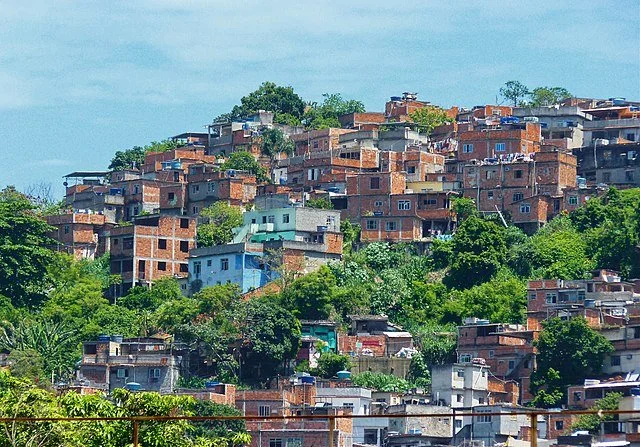
Favela of Telegrafo Hillside Brazil

Favela of Telegrafo. patano. CC BY-SA 3.0. 

Scattered throughout Brazil are built-up communities known as favelas. These towns, principally found on the outskirts of large cities like Rio de Janeiro or Sao Paulo, are settlements marked by their unique urban development. While they are often associated with drugs, crime and poverty, these neighborhoods are a symbol of Brazil’s complex history. 

Finding their origins in the late 19th century, favelas emerged amid a period of tumultuous political and social change in Brazil. They initially formed after the country abolished slavery in 1888. With a large number of impoverished former slaves left homeless and unemployed, they started forming temporary shelters. These were mainly squatter settlements near their work, which was often found in cities. Over the years, these communities grew in number and size. However, it was only after the Canudos War in 1898 when they became the large settlements we know today. The War on Canudos, a deadly civil war that saw a massacre in the small town of Canudos, left almost 20,000 ex-soldiers homeless after their return from the conflict. With nowhere to live, the group established the first favelas in the federal state of Bahia. 

As Brazil’s class divide grew, more favelas popped up from the 1940s to the 1970s, becoming more organized with newly created residents’ associations serving as communicators between the towns and the government. Collaboration between the two led to agreements about water and electricity accessibility and construction investment, playing a large role in the favelas’ maintenance. However, rising politicians during this era also targeted the favelas for political gain, stereotyping their existence as slums breeding disease, illiteracy, crime and moral corruption. Many favelas were “removed” as a result, but other methods were sought out to build up and sustain the communities’ infrastructure. Despite various programs intending to improve buildings, Brazil’s economic crisis led to failed attempts at providing adequate housing in many areas. At the same time, cocaine markets were growing globally, and Brazil became a prominent drug producer and transit point between European and U.S. markets. These criminal groups formed during the 1980s and solidified in the early 2000s, attracting more police attention to the neighborhoods. 

In 2022, about 8.1% of Brazil’s population lived in favelas. Because of their densely built-up infrastructure and continuous struggles with crime and drugs, favelas have also become synonymous with slum life. Widespread poverty, in particular, has grown to be favela residents’ largest struggle, with economic hardship producing limits on food, healthcare and education. The government has proposed various methods to help tackle these ongoing issues and support the overall conditions of these communities. Authorities have introduced programs to help residents: setting up training programs, providing low-interest loans or materials to construct accommodations and building facilities such as health clinics or schools. Despite these attempts, favela residents still lack full sociopolitical representation and face police violence. Thus, activism in favela communities remains imperative, as residents continue to search for peace and draw attention to the need for social development and increased rights. 

GET INVOLVED:

Residents living in favelas struggle against police brutality, discrimination and stark poverty daily. Those looking to help address these issues can do so in several ways, including through making donations. Outreach organizations include: The Favela Foundation, focusing on the development of sustainable social and educational programs; Catalytic Communities, an NGO based in Rio de Janeiro bringing sustainable programs and legislative support to favelas; and The Gerando Falcões Fund of BrazilFoundation, bringing education and economic development to the favelas. Supporting favela locals in their fight to speak out against systemic violence is also very important. Using social media to follow, share and repost activism can help circulate news and reframe the stereotypes usually associated with favela communities. 


Learn more

Julia Kelley

Julia is a recent graduate from UC San Diego majoring in Sociocultural Anthropology with a minor in Art History. She is passionate about cultural studies and social justice, and one day hopes to obtain a postgraduate degree expanding on these subjects. In her free time, she enjoys reading, traveling, and spending time with her friends and family.

6 Surf Hostels Around the World

These budget-friendly accommodations offer more than a bed—they provide a community connection that unites oceans. 

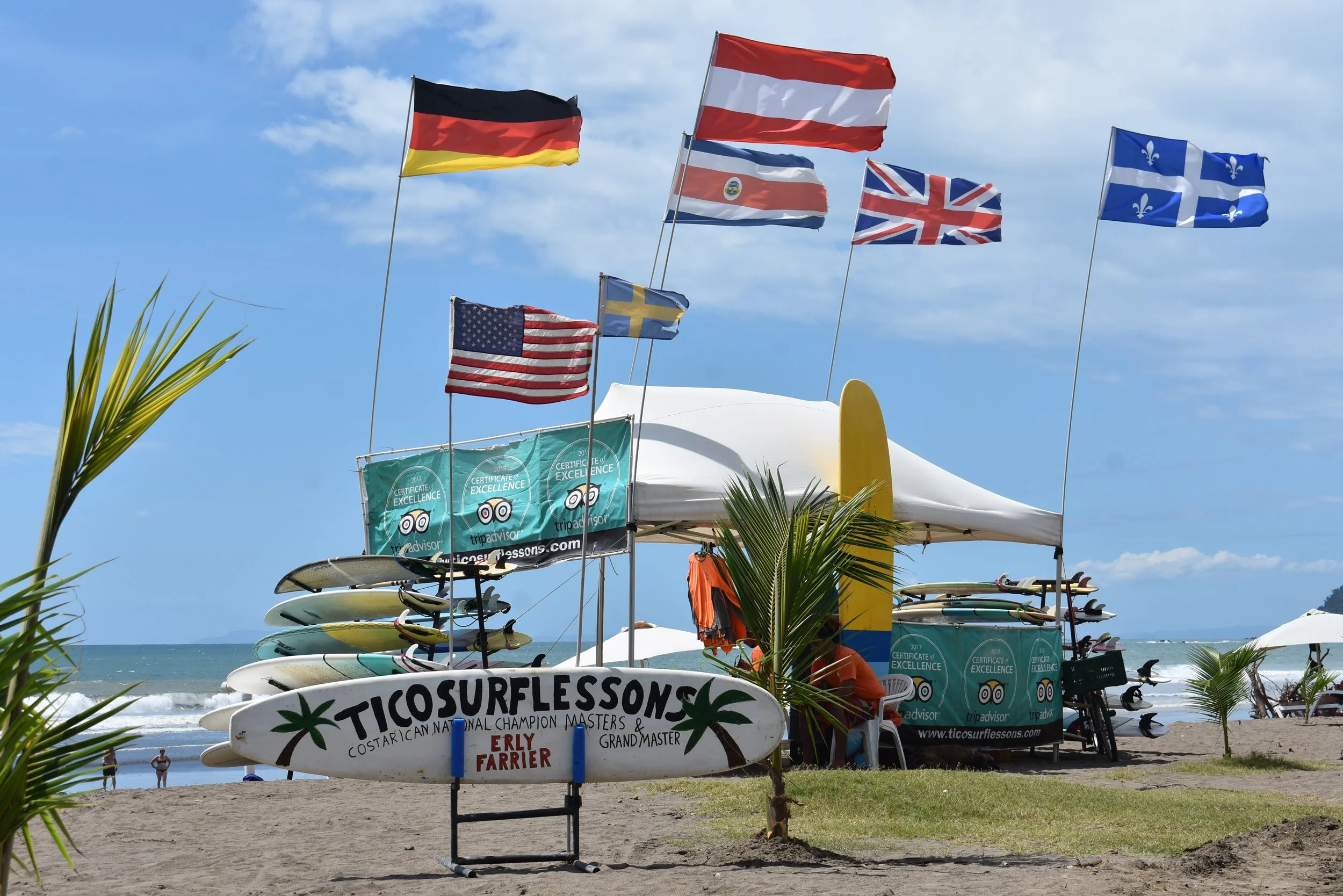
A beach with multiple nation's flags blowing in the wind, attached to a pop-up tent that has a myriad of surfboards in racks on either side. A surfboard in front advertises Surf Lessons.

Main entrance of Playa Jaco, Costa Rica. Armando Olivo Martín del Campo. CC BY-SA 4.0 

Wake up to crashing waves, grab your board, and paddle out. Surf hostels are not just places to rest your head; they’re miniature global hubs where travelers, surf enthusiasts and adventure seekers converge. Whether you’re a solo backpacker or part of a group, surf hostels foster friendships and shared experiences such as communal dinners, bonfires on the beach, and impromptu jam sessions with fellow travelers.

Hostels often offer surfboard rentals and lessons, making it an easy way to pick up new skills. Each hostel has its unique flavor, influenced by its location and culture. From Bali’s laid-back vibes to Portugal’s rugged beauty, you’ll taste local cuisines, explore places through their waters and witness unforgettable sunrises and sunsets.

 1. 99 Surf Lodge - Popoyo, Nicaragua 

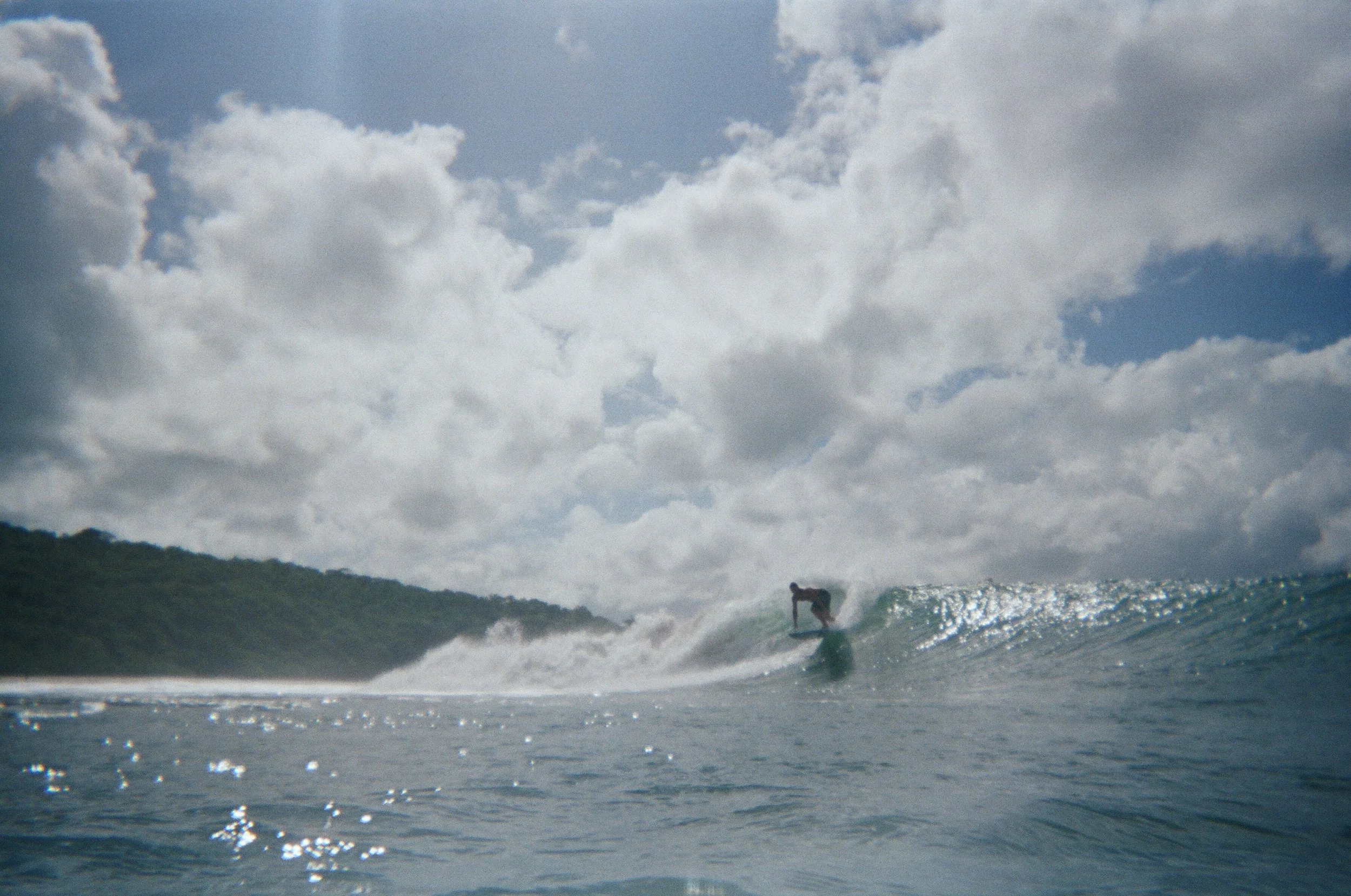
Person surfing on a blue wave under a partly cloudy sky

Surfing in Popoyo, Nicaragua. Dylan Wooters. CC BY-SA 2.0 

99 Surf Lodge in Popoyo, Nicaragua, is a sleek, low-slung modernist hotel that perfectly balances style and unpretentiousness. Situated right on the legendary surf beach of Popoyo, it offers a unique blend of comfort and adventure in a region that is hospitable yet not overdeveloped. Each room boasts an ocean view, allowing guests to check surf conditions from the comfort of their beds. The bungalows and suites, which can accommodate up to four guests, feature private verandas to enjoy the constant offshore breeze. Despite its design-hotel aesthetics, 99 Surf Lodge remains affordable, making it a great value destination. Surfing is the main attraction, but guests can enjoy various water activities and nearby mountain hikes. The hotel’s gym and the on-site restaurant, Taberna 99, provide additional amenities to fuel and rejuvenate guests. With yoga classes, retreats and two seasonal restaurants, including Mesquite, 99 Surf Lodge ensures a memorable stay. Whether surfing, dining or simply relaxing, this beachfront retreat perfectly blends modern comfort and natural beauty. 99 Surf Lodge is a higher-end surf hostel and rates start at $130 per night. 

2. San Sebastian Surf Camp (Stoke Travel) - San Sebastian, Spain

Aerial view of a surfer carving on a wave, with others paddling out and a small city on the coast.

Scenic view from the comb of the wind ride to the Ondarreta beach. Laura Peña. CC BY-SA 3.0 

San Sebastian Surf CAMP, an all-inclusive surf house in the Spanish Basque Country, offers an exhilarating blend of surf, yoga, and vibrant nightlife. Since 2005, Stoke Travel’s Surf Camps have been the go-to destination for exploring San Sebastian and the Basque Country, providing an unbeatable combination of surfing and partying. Now located in a converted Basque farmhouse near Zarautz, the camp has only improved. The communal atmosphere is enhanced by staff who double as surf instructors and prepare all meals, ensuring a seamless experience. The basic package includes dorm accommodation in the scenic Pagoeta nature reserve, healthy homemade meals, daily pickups to Zarautz, introductory surf lessons, and daily yoga classes. Guests can also enjoy unlimited access to surf equipment, local activities, and an open bar for a small fee. With hearty home-cooked meals, welcoming vibes, and awesome parties, this surf camp promises an unforgettable experience. San Sebastian Surf CAMP offers a unique and immersive adventure in a stunning natural setting. There is a two-day minimum and rates start at $50 per night. Get in touch with San Sebastian Surf Camp (Stoke Travel) here. 

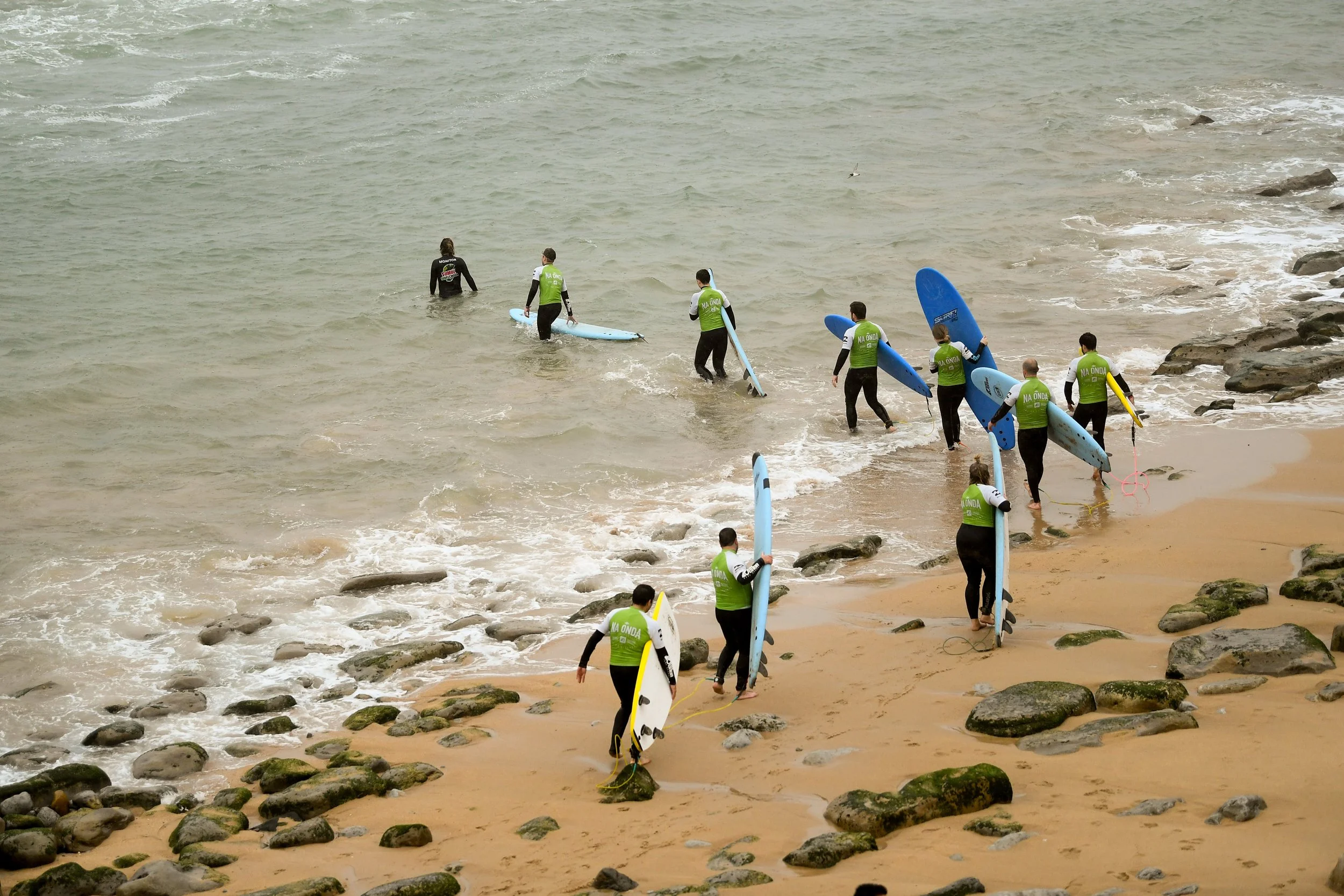
3. Hostel & Surf Camp 55 - Ericeira, Portugal

A surf lesson of almost ten people following the instructor out from shore into the sea

Surfing at Praia do Matadouro. Web Summit. CC BY 2.0 

Hostel & Surfcamp 55 in Ericeira, Portugal, is a fantastic destination for surfing beginners, embodying the slogan “When you feel the Ericeira 55 vibe you don’t want to leave…” Overlooking the ocean and located in the heart of Ericeira, this unique hostel offers a true surf and travel experience. It accommodates up to 22 guests in seven thematic rooms with sea views, providing a relaxed and colorful atmosphere. Guests can enjoy surf lessons, guiding and equipment on-site, as well as daily yoga retreats. The communal lounge area is perfect for socializing, and the shared kitchen allows guests to prepare their own meals or join themed dinners and wine tasting sessions. Located just a five-minute walk from the beach, Hostel 55 also offers free WiFi and various discounts on local activities, including bicycle and board rentals. With clean facilities, friendly staff, and a vibrant communal feel, Hostel & Surfcamp 55 ensures an unforgettable stay in the picturesque fishing village of Ericeira. The nightly rate is $40 and you can contact them here Hostel & Surf Camp 55.  

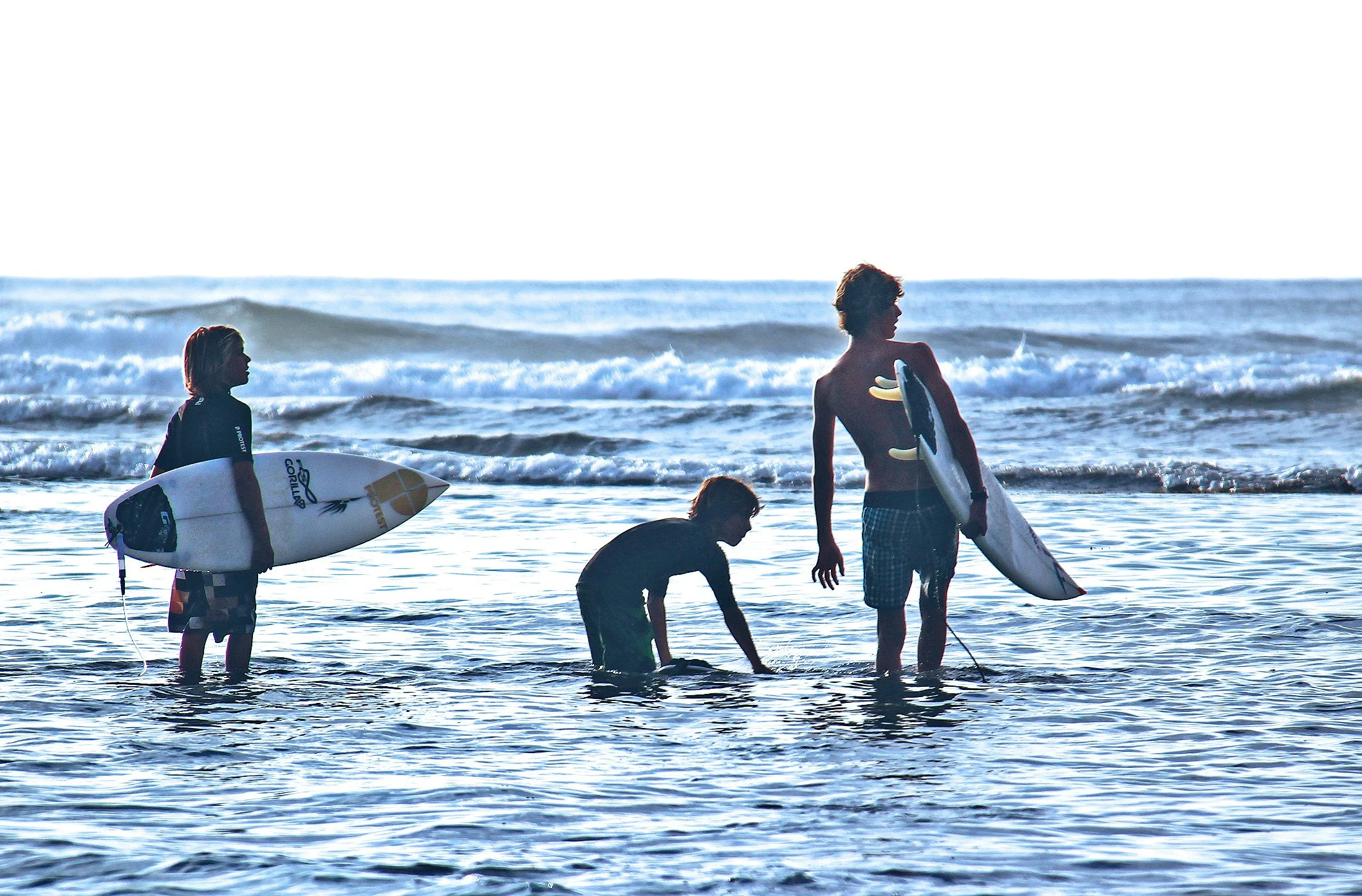
4. Farm Hostel - Canggu, Indonesia

Three young surfers stand with their backs to the camera, looking out at the small waves.

Young surfers in Bali, Indonesia. Tiket2. CC BY 2.0 

The Farm Hostel in Canggu, Indonesia, offers an exceptional experience for travelers. With five different types of dorms, all air-conditioned and equipped with en-suite bathrooms, the hostel ensures maximum comfort and privacy. Each bed is larger than average, featuring curtains, a reading light, an international power outlet, and a large locker for personal belongings. Located just 1.2 miles from Batu Bolong Beach and Canggu Beach, The Farm Hostel provides accommodations with an outdoor swimming pool, free private parking, a garden and a shared lounge. Guests can enjoy free WiFi, a bar, and a restaurant serving international cuisine with vegetarian, dairy-free, and vegan options. The hostel also offers a paid airport shuttle service. 

Nestled at the end of a peaceful cul-de-sac surrounded by rice fields, banana trees, bamboo and a running stream, The Farm Hostel is a tranquil retreat. Despite its serene location, it is just minutes away from great surf spots, tasty food, vibrant nightlife, and excellent coffee. Since its opening in 2015, The Farm has grown from 22 beds to 118 beds, featuring nine mixed dorms and seven female dorms. With high-speed internet, a small breakfast included, two pools, multiple common areas and a central location in Canggu, The Farm Hostel is a must-stay destination in Bali and rates start at $36 per night. 

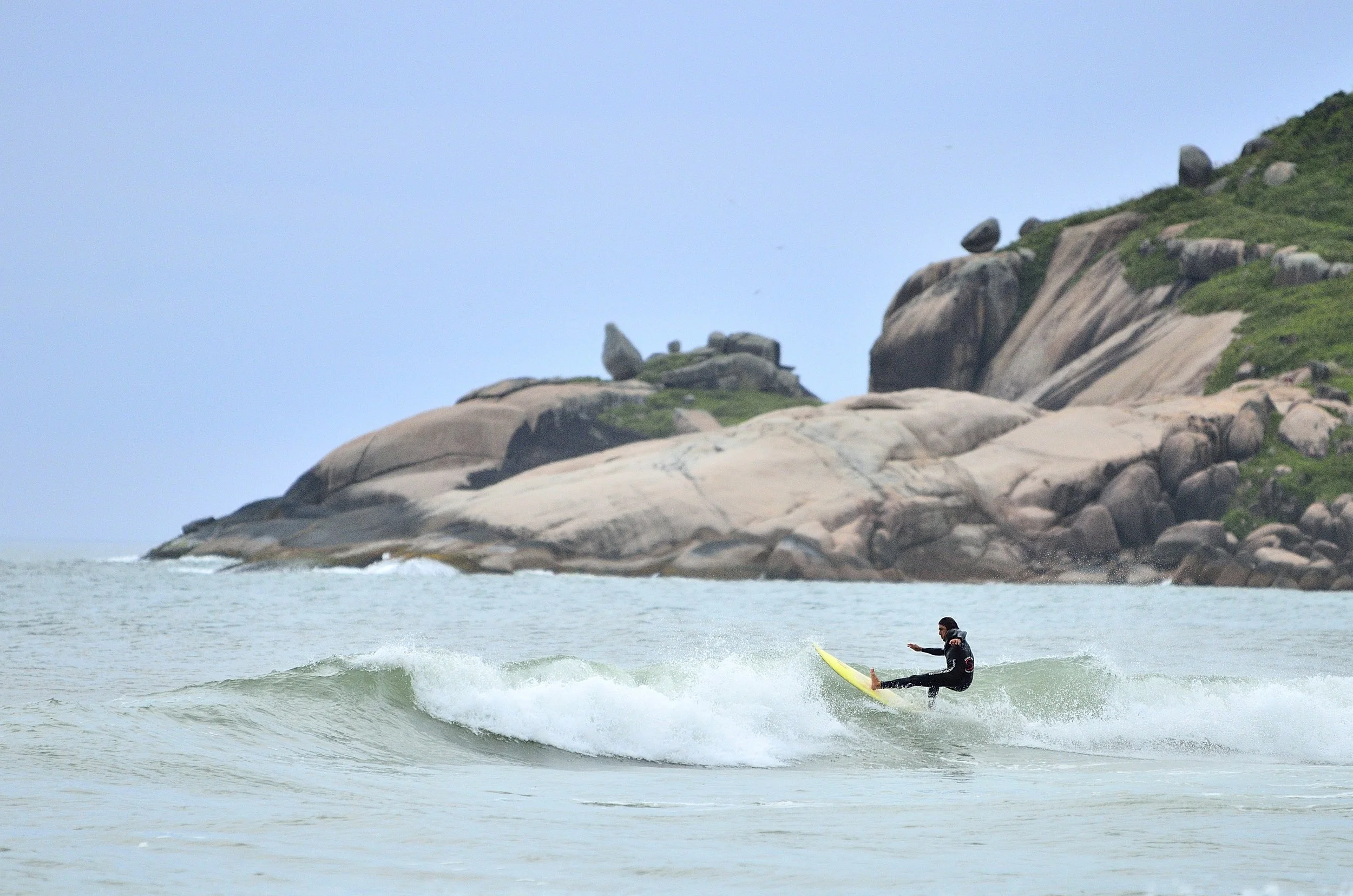
5. Rosemary Hostel - Florianópolis, Brazil

A surfer making a turn on a wave, impressive smooth rock coastline stands in the background

Praia Mole, Florianopolis, SC, Brasil. Papa Pic from Eldorado, Argentina. CC0

Rosemary Hostel in Florianopolis, Brazil, offers a unique and empowering experience for travelers. Located just a minute’s walk from Trilha Da Galheta and a short distance from Praia da Barra da Lagoa, this hostel provides an ideal setting for reconnecting with nature. With eight rooms featuring climate control, private balconies and mini fridges, guests can enjoy a comfortable and convenient stay. The hostel is well-connected to local attractions, including the Open Sea Turtle Museum and Barra da Lagoa Natural Pools. Guests can savor South American cuisine at the nearby Restaurante Maria & Maria or explore the vibrant Praia Barra da Lagoa district. Rosemary Hostel is designed to challenge both body and mind, offering exceptional accommodation, healthy meals and inspiring activities. Whether you’re looking to relax or embark on an adventure, Rosemary Hostel promises a memorable stay with its international family, the Dream Team. The Rosemary Hostel’s nightly rates begin at $33, and there are several different types of accommodation. 

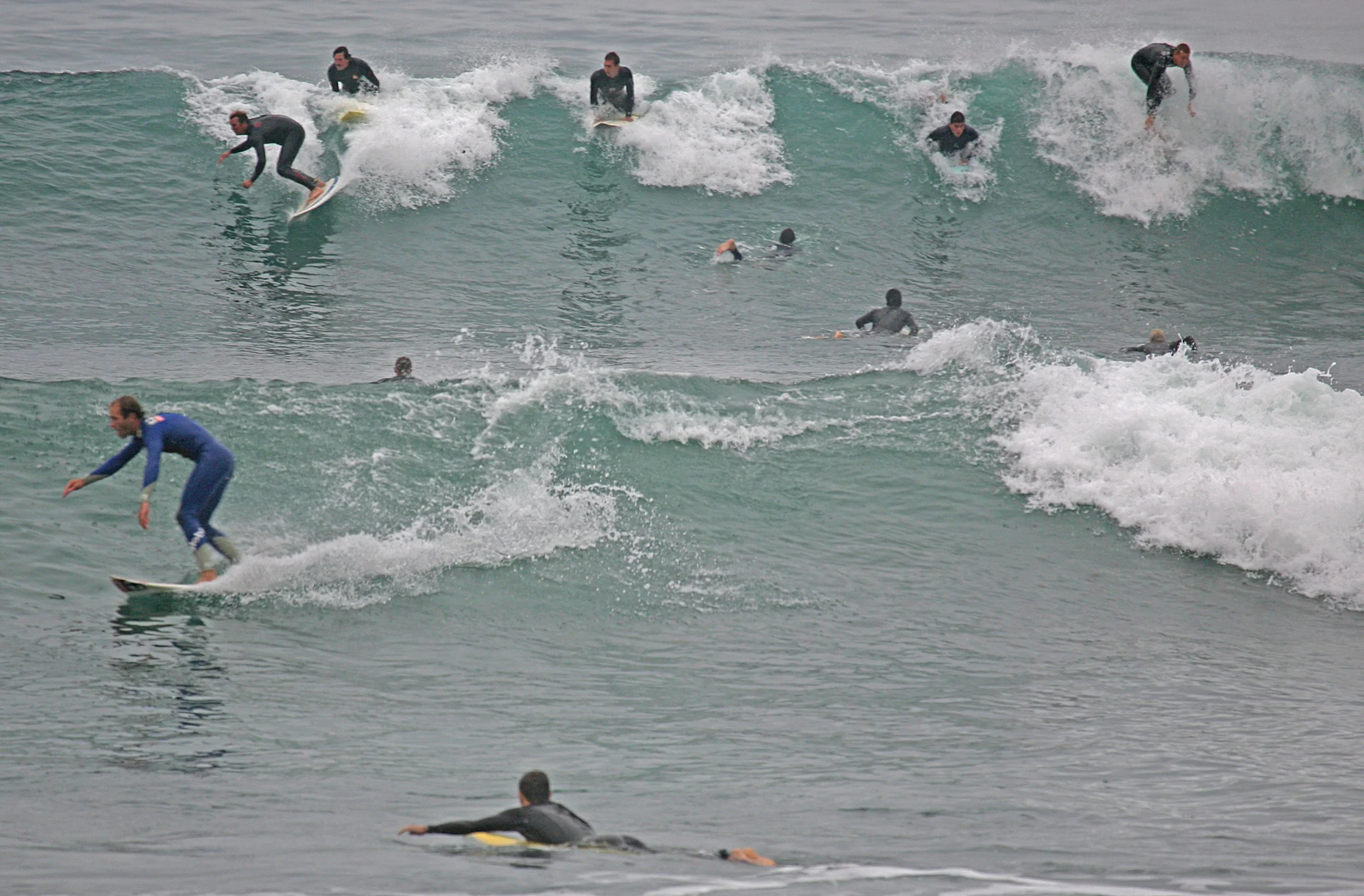
6. ITH Beach Bungalow Surf Hostel - San Diego, CA, USA

A crowded lineup and waves. Multiple surfers in wetsuits go to catch the same wave while others duck under water

Surfing in San Diego, California. Bengt Nyman. CC BY 2.0 

ITH Beach Bungalow Surf Hostel in San Diego offers an unparalleled experience right on the boardwalk overlooking the ocean in Pacific Beach. Known for its cozy beds, beachfront facilities, and friendly hosts passionate about showcasing local culture, this hostel invites guests to bring their beach clothes and flip-flops and immerse themselves in the surf lifestyle. The hostel emphasizes sustainable lodging, cultural contact and providing a unique hosted experience. Guests can enjoy oceanfront accommodations just 1.9 miles from Belmont Amusement Park, with amenities including BBQ facilities, a garden and a shared lounge. A daily free continental breakfast is provided, featuring bread, fruit, cereal, oatmeal and coffee. The hostel also offers a 24-hour front desk, indoor lounge with workstations and table tennis. With several room options, including female-only, coed dorms, and private rooms, all with ensuite bathrooms, ITH Beach Bungalow Surf Hostel ensures a comfortable stay. The large private outdoor deck is perfect for socializing, checking out the waves and soaking up the sunshine. Hosted social events, surfboard, wetsuit and bike rentals, as well as partnerships with top-rated wellness and yoga studios, make this hostel a legendary spot for travelers since the 1980s. Whether you’re surfing, relaxing or exploring, ITH Beach Bungalow Surf Hostel promises a social, friendly, and fun atmosphere with rates starting at $49 a night


sign up for our newsletter

Julz Vargas

Julz is a student at Wellesley College studying Anthropology and Spanish. She grew up in Los Angeles, CA, and has studied all around the world in places such as Costa Rica, Greece, Iceland, and Spain. She is passionate about employing writing as a tool to explore human connection and diversity. Julz aspires to foster cross-cultural connections through community-based research, amplifying inclusive and diverse media about global cultures, foods, and people, to encourage individuals to engage more wholly with the world.