
Hog farming in North Carolina's Black Belt is disproportionately impacting Black and Brown communities, leading to severe health and environmental consequences.
Read MoreHow Countries Are Using AI to Manage Natural Disasters
Countries worldwide are leveraging AI and machine learning to enhance natural disaster management and resilience, with initiatives like the Global Initiative on Resilience to Natural Hazards through AI Solutions leading the way.
Read MoreTrump’s USAID Freeze: A Staggering Loss for Humanitarian Aid
Trump’s decision to freeze USAID threatens millions worldwide who rely on humanitarian aid for survival
Read More7 Valentine’s Day Traditions Around the World
Explore unique Valentine’s Day traditions from around the world.
Read MoreGhanaians Knee Deep in Clothing Waste
Ghana is struggling with the overwhelming influx of textile waste from the fast fashion industry, with millions of garments dumped each week, much of it unfit for resale
Read More7 Sustainable Alternatives to Overtouristed Destinations
Discover seven sustainable alternatives to over-touristed destinations where you can enjoy nature and culture while supporting eco-friendly practices.
Read MoreDanish Cozy Culture
Explore the cozy, happiness-driven culture of Denmark, where hygge—an intentional pursuit of comfort and joy—has become central to daily life.
Read MoreLights, Camera, Action: 7 of the Best International Films
With the 2024-2025 movie awards season in full swing, let’s look at what filmmakers had the world watching — and discussing — last year. This article highlights seven international films from the past year, each transcending borders and language barriers to tell untold stories, raise global awareness, and reveal universal truths.
Read MoreChild Slavery in Congo’s Cobalt Mines
The world’s high demand for cobalt mining has led to the exploitation of child labor in the Congo.
Read MoreThe Ethics of Poverty Tourism in Brazil’s Favelas
Understand the implications of poverty tourism in Brazil, what a favela is, and how the growing tourist rates raise concerns about safety.
Read MoreSolo Female Travel: The Rise and Rage of Traveling Alone
Learn a few tips on how to stay safe as a solo female traveler.
Read More4 Destinations That Are a Bookworm’s Dream
Explore four enchanting destinations where book lovers can step into the pages of their favorite stories, from the misty hills of Hobbiton to the eerie halls of Dracula’s Castle. Whether retracing Mrs. Dalloway’s London stroll or riding the luxurious Orient Express, these literary-inspired journeys bring iconic settings to life.
Read MoreUS Declares Genocide in Sudan
After two years of famine, disease, and misery, the U.S. has given an official deemed the ongoing conflict in Sudan as genocide.
Read MoreSmall Towns Redefining Sustainable Tourism
Environmentally conscious values have made their way to the forefront of travel so lesser-known destinations can leap into the ecotourism limelight. Learn how small towns are redefining sustainable tourism.
Read MoreLive Like a Local in Madrid
Skip the tourist traps in this fantastic Spanish city with advice from a traveler who has food, wine, sunset, bars, and dancing recommendations in the city of Madrid.
Read MoreCelebrating Lunar New Year Across China
Falling on Jan. 29, 2025, the Lunar New Year is a time of celebration across China, commemorated by unique traditions found in each of its culturally diverse regions.
Read More5 Ancient Pilgrimages You Can Still Hike Today
Five ancient pilgrimages around the world you can still hike today! Visit them in Spain, Japan, Peru, the Middle East, and Sri Lanka.
Read More6 Tropical Countries To Escape the Winter Chill
Avoid the cold temperatures of winter by taking off to these six tropical destinations around the world, each offering a lush climate and magical adventures.
Read MoreA New Dawn for Syrian Refugees
The fall of Assad’s regime has left the world wondering about the future of Syrian refugees abroad who plan to return home.
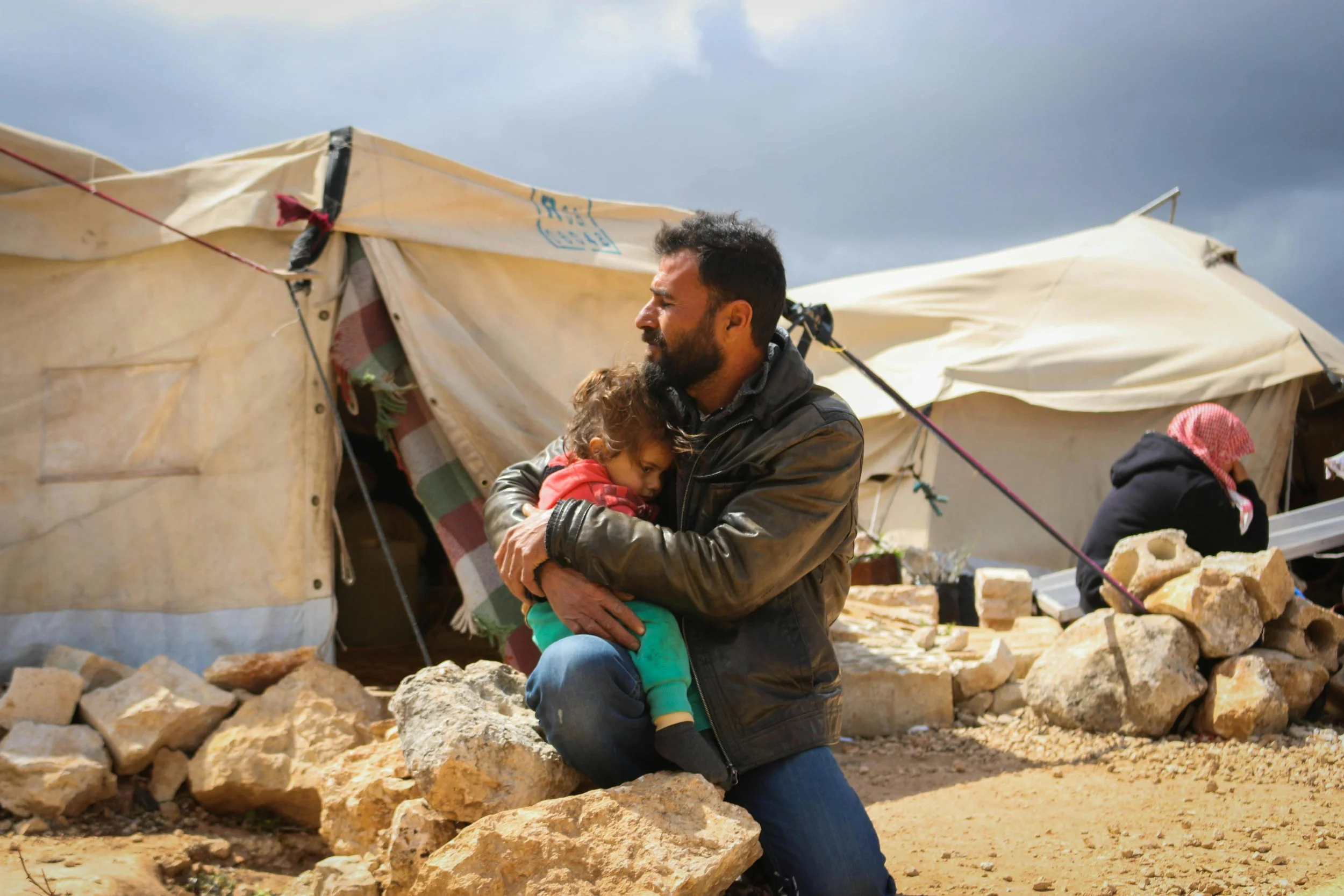
Man and daughter at Syrian refugee camp. Ahmed Akacha. CC0.
The Syrian Refugee Crisis is one of the largest humanitarian crises in history and the largest refugee crisis to date, with over 14 million people both internally and externally displaced. Over six million Syrians fled the country following the civil war that broke out in 2011; the majority of refugees currently live in Turkey, Lebanon, Jordan, Iraq, Egypt and Germany.
President Bashar al-Assad’s violent suppression of pro-democracy protests in 2011 provoked civil conflict, leading to the creation of oppositional militias and rebel groups that began to fight back by 2012. On Dec. 8, 2024, the civil war came to a head when rebel groups seized the Syrian capital, Damascus, forcing Assad to flee to Russia. Assad’s family had ruled Syria under a strict police regime since the 1960s, leading to widespread celebration across the capital as political prisoners were freed.
Despite rebel groups declaring the country free from the autocratic regime, considerable uncertainty remains about the future of the government and Syria’s stability. Some states have expressed a concern that toppling the government may make the country vulnerable to ISIS, whereas others have noted the encroachment of Israeli forces into Syrian buffer zones. The European Union issued a statement claiming that the conditions in Syria have not yet met the conditions for the safe return of refugees, as thousands have continued to flee following the rebel takeover. However, in the days following, videos swept across social media and news outlets featuring thousands of refugees returning home from Turkey, Jordan and Lebanon.
European countries hosting hundreds of thousands of Syrian refugees, including Germany and Austria, have jumped at the opportunity to tighten their asylum regulations. In December 2024, both Germany and Austria paused asylum applications, and Austria announced that they would issue a “return bonus” to Syrians who decided to return to Syria.
Providing incentives or forcing refugees to leave the country could adversely affect host countries, particularly Germany. Approximately two-thirds of employed Syrian refugees in Germany work in critical sectors of the labor force, including healthcare, transportation and food services. Whether forced or voluntary, any kind of mass exodus could negatively affect Germany’s economy by disrupting these industries and causing labor shortages.
Following an outcry from far-right German politicians to close the country’s borders and begin the expulsion of non-naturalized Syrians, current Chancellor Olaf Scholz said that Syrians who are “well-integrated remain welcome in Germany.” However, the Chancellor’s statement may prove unstable, presenting no active policy arrangements if the far-right parties gain control in the upcoming elections and creating further uncertainty for Syrians currently living in Germany.
The United Nations High Commissioner for Refugees advised that countries housing refugees should not forcibly deport them, as Syria is not yet deemed politically stable, and it is estimated that over one million Syrians will return to Syria of their own accord in the first few months of 2025.
Despite this monumental step forward, considerable humanitarian and governmental uncertainty remains surrounding the future of Syrians worldwide, a resolution that may take years to completely unfold.

Zoe Lodge is a student at the University of California, Berkeley, where she is studying English and Politics, Philosophy, & Law. She combines her passion for writing with her love for travel, interest in combatting climate change, and concern for social justice issues.
A Portable Solution to the World’s Water Crisis
Hydro Wind Energy’s Quench Sea device offers a portable solution to the global water crisis, providing communities with access to clean drinking water through innovative desalination technology.
Read More