In the Czech Countryside, a City Eaten Alive by Its Own Beauty

Since the fall of communism, Český Krumlov has transformed from relic to hotspot—but has it lost its authentic appeal along the way?

The Czech capital of Prague is known the world over for its storybook beauty, manifesting most dramatically in the towering gothic facade of the St. Vitus Cathedral and the sprawling tableau of red rooftops visible from atop Petřín Hill. Yet just over 100 miles away is another sparkling jewel in the Czech Republic’s crown: Český Krumlov, a city of only 13,000 residents whose 13th-century castle and picturesque riverbanks have brought it not only recognition as a UNESCO World Heritage site but also an increasing influx of tourists that now threatens its very identity. 

Former Czechoslovakia’s communist regime, which lasted from 1948 to 1989 before it was ushered out by the Velvet Revolution, left much of Český Krumlov in disrepair. Yet the city’s neglected state lent it a sense of mystery and charm. In the years since, Krumlov—much like the country’s capital, Prague—has been transformed into a tourist wonderland, with historic buildings being renovated and revitalized and ensuing increases in tourist income bolstering the city’s economy.
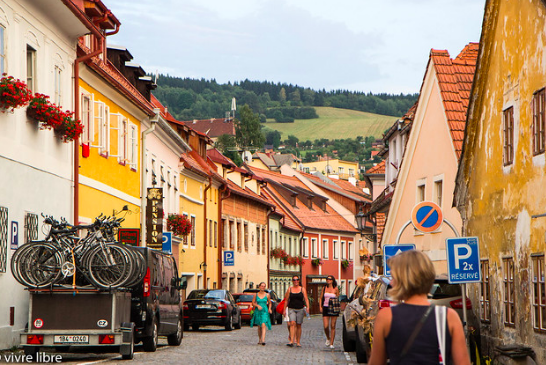
City streets. Hindol Bhattacharya. CC BY-SA 2.0

As the city has changed, so have the demographics of its visitors. In an interview with Radio Praha, Krumlov’s mayor, Dalibor Carda, explained that an initial boom of Austrian and German tourists after 1989 gave way to an influx of Americans, many of whom settled in the city indefinitely. Today, for locals—whether native-born or transplants—the off-season is a thing of the past, with tour groups flooding the city on a year-round basis. “[I]f you want to have a pristine Krumlov,” writes Jan Velinger in a piece for Radio Praha, “you have to get up very early to ever have its romantic streets, or overlooking castle, ramparts to yourself.” Fed up with the unrelenting crowds, locals have largely migrated to the outskirts of the city, resulting in an exodus of local businesses: Bakeries, hardware stores, and family-owned shops are now difficult to find, having been replaced with bars, restaurants, and hostels catering to short-term visitors.

One of Český Krumlov’s bars, popular among tourists. kellerabteil. CC BY-NC 2.0

In some respects, Český Krumlov has moved to mitigate the encroaching tendrils of tourism, notes reporter Chris Johnstone, pointing to a ban on advertising and the exclusion of cars and buses from the city center. Moreover, just this June, the city established a tariff on buses in an effort to regulate the influx—up to 20,000—arriving each year. The plan is the first of its kind in the Czech Republic, although Salzburg and other Austrian cities have imposed similar measures. Now, all buses rolling into Krumlov must book in advance, navigate to one of two designated stops, and pay the toll of CZK 625, approximately $28.

Tourism has inspired not only legislative changes, but also works of art—as in the case of “UNES-CO,” a 2018 project by renowned conceptual artist Kateřina Šedá. Responding to the profound impact of visitors on the distribution of local populations, Šedá conceived of a work that involved relocating a group of individuals and families to the heart of Český Krumlov for three months at the height of the tourist season. The participants were provided with starter apartments and jobs “on the basis of what Krumlov most needs,” which Šedá deemed to be “the pursuit of normal life.” The title played on the city’s status as a UNESCO World Heritage site and on the Czech words “unést” and “co,” meaning “take away” and “what,” as in “What do visitors get out of this place?” Šedá, whose work often involves social themes and who is famed for relocating an entire Czech village to London’s Tate Modern in 2011, stressed that the project was not intended to be a show for tourists, but rather a social experiment.
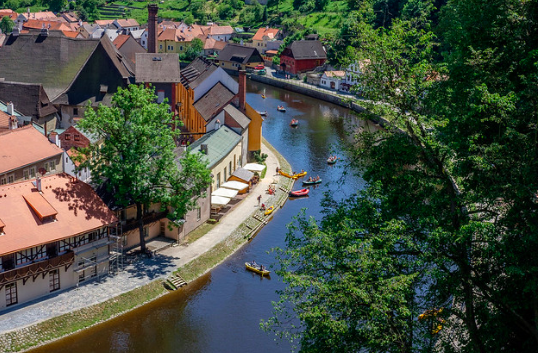
Houses along the banks of the Vltava River. P. N. CC BY-SA 2.0

On the opposite side of the artistic spectrum, Huawei—the Chinese electronics behemoth currently facing scrutiny from the U.S. for potential security issues—announced in January that it would build an exact facsimile of Český Krumlov at its headquarters. The Huawei campus, which lies just outside of Shenzhen in the city of Dongguan, will also count Granada, Verona, Paris, Budapest, and Bruges among its plethora of reconstructed European cities. “I heard about it when they started preparing it,” commented Cardo. “The fact that they [are] building it without at least contacting the city does not sit well with me.”

The Krumlov replica may well draw more Chinese tourists, who already represent the largest segment of visitors to the historic city. Yet for embittered locals, the mini-city could be a grimly apt representation of what their home has become: a mere palimpsest of its original iteration, and a cautionary tale depicting how capitalism and tourism can spur unwelcome transformation.



Talya Phelps

Talya hails from the wilds of upstate New York, but dreams of exploring the globe. As former editor-in-chief at the student newspaper of her alma mater, Vassar College, and the daughter of a journalist, she hopes to follow her passion for writing and editing for many years to come. Contact her if you're looking for a spirited debate on the merits of the em dash vs. the hyphen.


Indian Cuisine Is More Than Just Curry

From the steamed seafood dishes of coastal Odisha to the smoky meat skewers of the northern Punjab region, Indian cuisine has an incredible range to offer. 

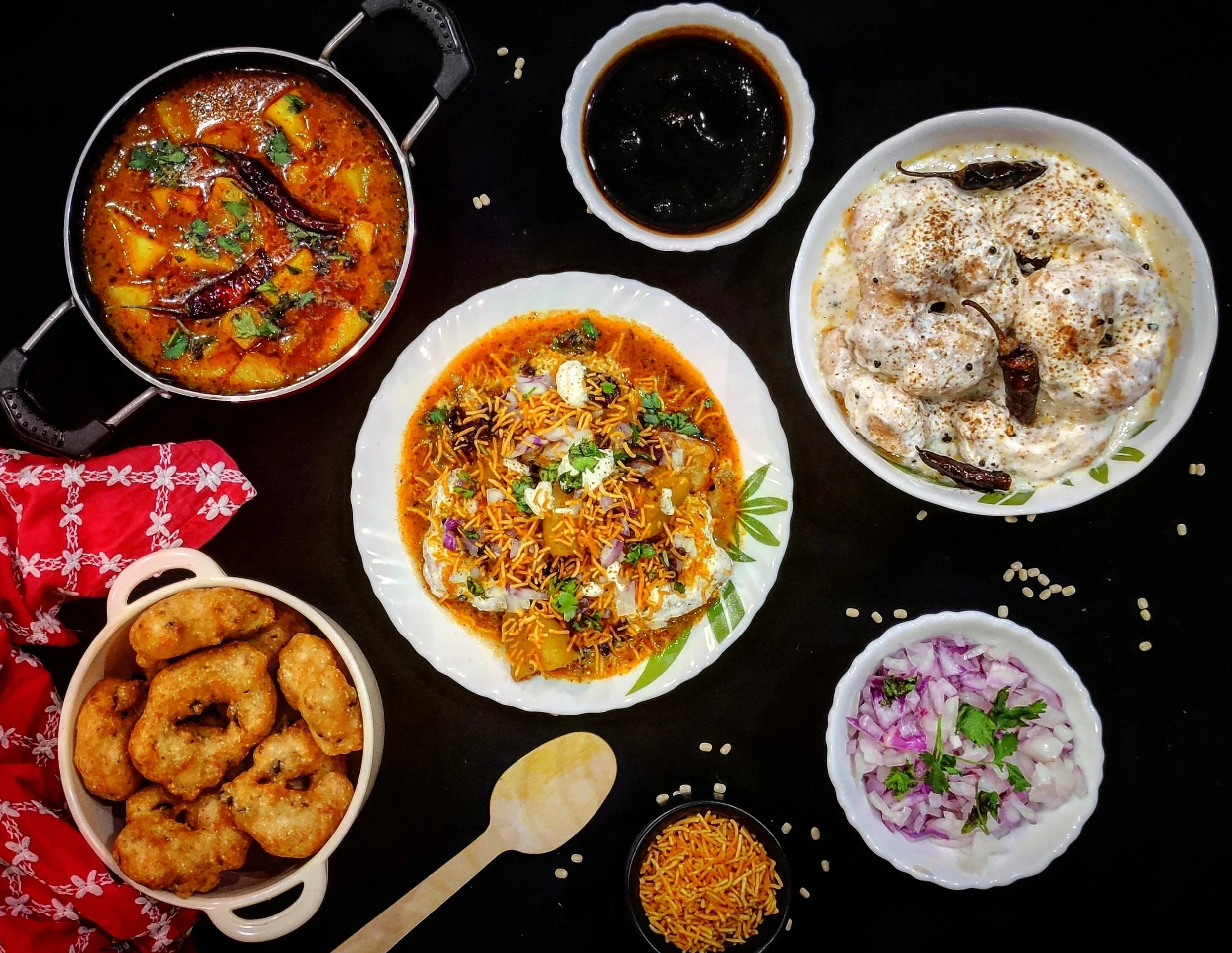
Indian cuisine.CC0.

Despite the popularity of dishes like butter chicken and naan in westernized Indian restaurants, the rich history of the Indian subcontinent actually has a surprisingly diverse cuisine that ranges far beyond the bright red curries and steaming roti that often comes to mind. Thanks to the diverse geography across the country, each region has its own go-to meats, vegetables, grains and most importantly, spices. 

Indian cuisine has also been hugely impacted by its colonial history, and not just the British one that we are familiar with; the Portuguese and French also set up colonies across the southern and western parts of the country—both of which influenced the cooking styles of those regions. This, in addition to flavors from neighboring Persia, China and a variety of religious influences, have transformed Indian cuisine into a hugely popular cuisine not just across Asia, but in the western world as well. 

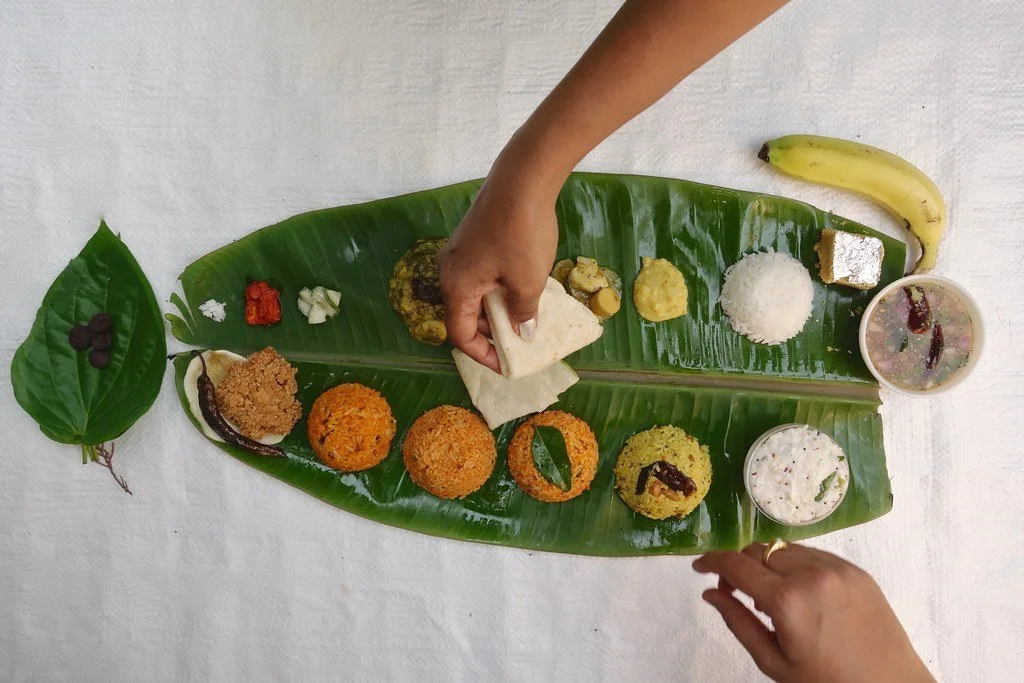
Setting the south Indian plate. Rajesh Pamnani. CC BY-NC-ND 2.0. 

The coastal state of Kerala lies on the southwestern tip of India and is most well known for its unique geography and natural beauty. This makes it an ideal travel destination for people interested in Ayurvedic healing, a centuries old natural medical technique that relies on a number of herbal remedies. Ayurvedic cooking is based on trying to re-balance the patient’s internal constitution using the six rasas or flavor profiles: sweet, sour, salty, bitter, pungent and astringent. The local food and culture are both heavily influenced by the region’s 200 years as a colony under the rule of Arab settlers, the Portuguese and finally the Dutch, which added to the large Christian population in the area.

Keralan cuisine is known for its generously seasoned seafood dishes, as well as its use of tapioca, banana leaves and most famously, coconuts. The long monsoon season in this region of the country is conducive to paddy farming, making rice and rice-flour based dishes like idli and appam, different types of rice cakes and common dietary staples. Because of its coastal location, Kerala received huge imports of spices from the Middle East, which to this day can be seen in the extensive use of cardamom, cinnamon, chili and black pepper in both seafood curries and vegetarian stews. A popular dish amongst Western travelers is vindaloo, which is the local south-western variation on a Portuguese dish known as carne de vinha d’alhos, a pork dish flavored with garlic, wine and vinegar.

Odishan pakhala platter. Lopanayak. CC BY-ND 2.0.

Formerly known as Orissa, the mountainous state of Odisha is home to more than 700 beautifully preserved Hindu temples, many of which are still in use by the state’s huge Brahman population to this day. The local food is heavily influenced by the many thriving tribal cultures as well as the religious restrictions of the social caste system, which survived despite the region being part of the Muslim Mughal empire and later the southern Marathas dynasty before coming under British rule in the early 1800s.

Because of the prominent role of religion in Odia life, most of the local cuisine is based on foods believed to be the favorites of Hindu gods so that they can be given as offerings. Most dishes are prepared with ghee, a form of clarified butter, instead of regular cooking oil, and unlike most other regional Indian cuisines, not a lot of chili is used either. The local climate is favorable for the growth of mustard leaves, which is a common flavoring agent in a number of popular curries and chutneys. Odia desserts are also very unique to the region given their heavy use of dairy products, especially paneer, a local preparation of cottage cheese. It can be deep fried with brown sugar to make jalebis and is a very popular snack because of the sugar syrup it soaks in.  Paneer can also be scrambled and soaked in milk, giving it a much softer and fluffier texture before adding various flavors to make a porridge-like dish called kheer. Most commonly, the raw paneer is shaped into cake-pop sized balls and boiled in sugar syrup to make gulab jamun and rasgullas.

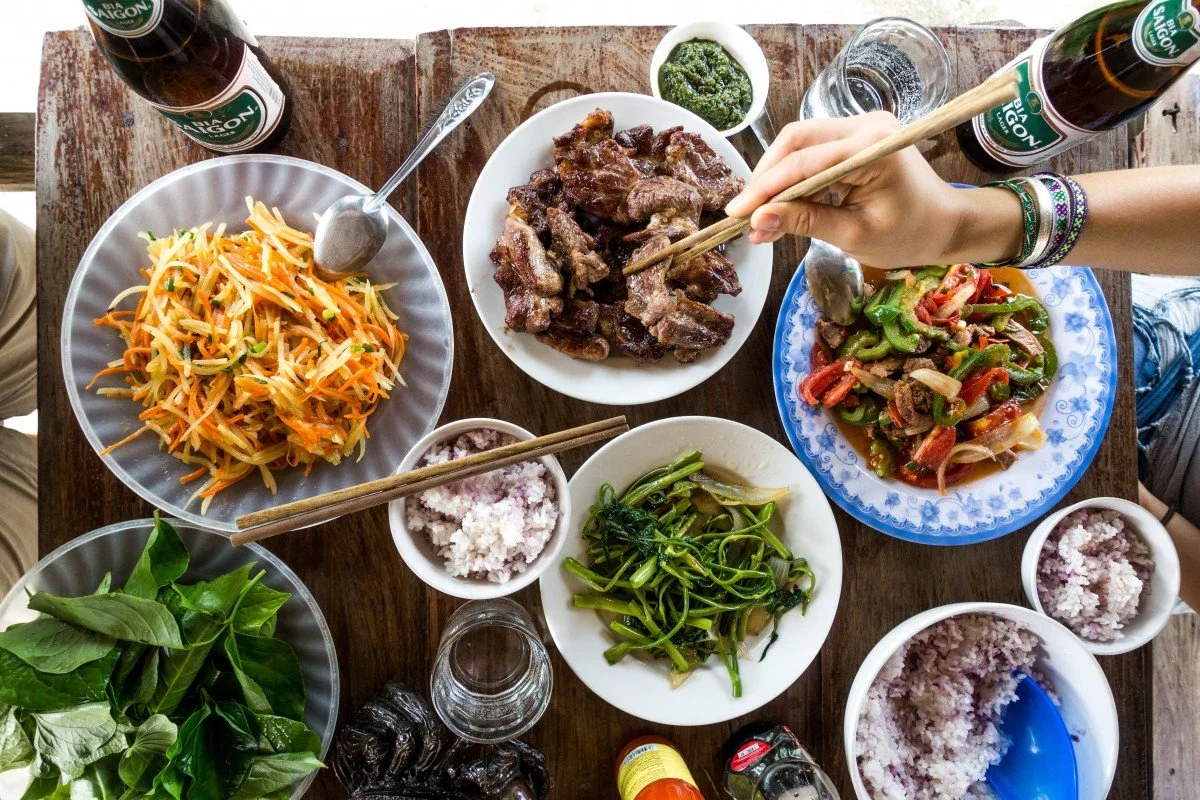
Traditional Meghalayan meal. Jakub Kapnusak. CC BY 2.0.

The northeastern state of Meghalaya is one of the Seven Sister States tucked between Bangladesh and Bhutan, with nearby Myanmar not too far to the east. It is located entirely on a mountain plateau and is often subject to heavy precipitation, which gives it a unique range of local vegetation. Tribal cultures are still very prominent, many of which are reminiscent of more East Asian groups due to the region’s proximity to China, which also heavily influences the local cuisine.

The two most staple ingredients in Meghalaya cuisine are rice and pork, especially when prepared with the local spice mix known as purambhi masala. In fact, local tribes even brew their own rice liquor, a clear yellow liquid called kiad that tends to contain up to 70% alcohol and is believed to have healing and curative properties. Rice noodles and dumplings made with rice paper wrappers are also very popular in the area. In parts of the state with higher altitude, locals may substitute pork for yak meat instead, which is a local delicacy that also shows the heavy influence of nearby Bhutan. Many of the local vegetable dishes make use of fermented soybeans, bamboo shoots, tree tomatoes, banana flowers and sesame seeds for texture and flavor.

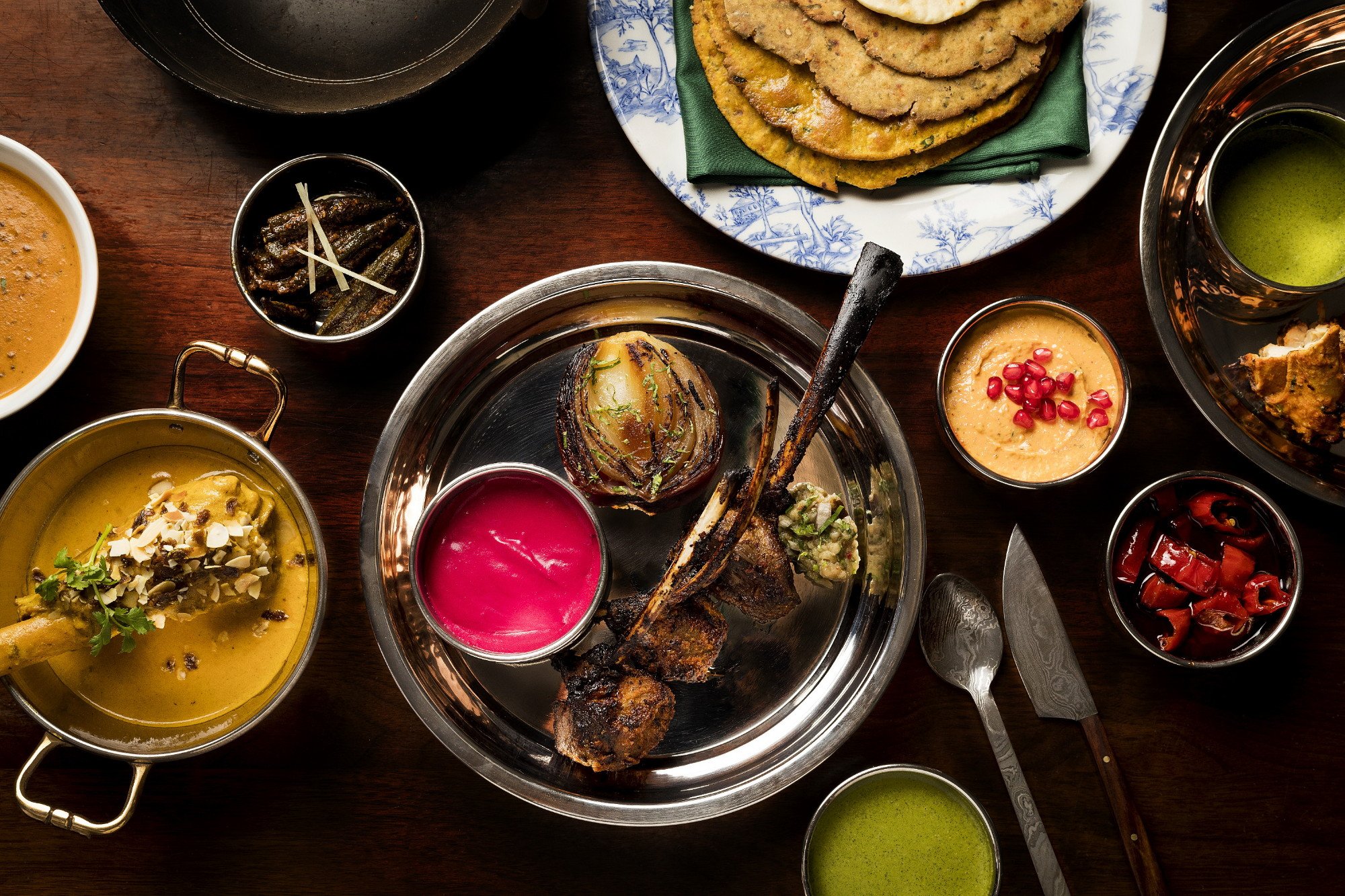
Punjabi food. What The Fox Studio. CC BY-NC 2.0.

Punjab is a state located in the northwestern part of India, right on the border with Pakistan. While Sikhs make up the majority of the local population, many are descendants of Greek and Aryan invaders who came into the country thousands of years ago. The state is also completely landlocked and receives most of its irrigation from the Sutlej and Beas rivers that flow through it. This, in addition to extremely hot and dry summers, makes the area very favorable for growing wheat, which earned the state the nickname of “India’s bread-basket”.

Besides garam masala, the local spice mix composed of cumin, nutmeg, cardamom and black pepper among other condiments, pickled vegetables are a local favorite to be eaten alongside the tandoori dishes unique to Punjab. The meter-tall clay tandoor ovens are often buried in the ground and house a small wood charcoal fire at their base. They are filled with meat skewers that have been soaked in yogurt based marinades while pre-rolled naan are stuck to the sides to bake. Aside from the dry tandoori meats, Punjabi cuisine also features a variety of sauce-heavy dishes, including murgh makhani which is famously known worldwide as butter chicken. Another local favorite is kulfi, the Punjabi take on ice cream made from churned milk and sugar, often flavored with fresh mango, especially during the hot summer months.



Tanaya Vohra

Tanaya is an undergraduate student pursuing a major in Public Health at the University of Chicago. She's lived in Asia, Europe and North America and wants to share her love of travel and exploring new cultures through her writing.

5 Cave Painting Sites that Paint a Picture of Prehistoric Life

Cave paintings provide valuable knowledge about the culture of prehistoric civilizations. These five cave painting sites contain some of the oldest and most fascinating prehistoric art from around the world.

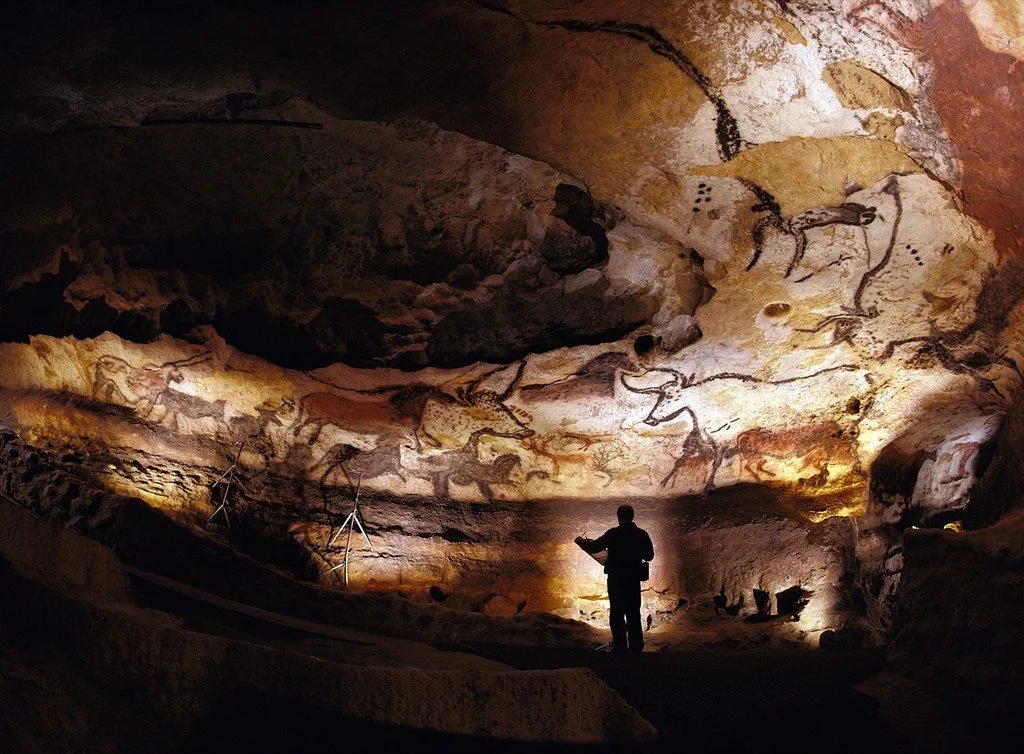
Lascaux Cave paintings in France. Bayes Ahmed. CC BY 2.0.

From Argentina to Bulgaria, humans have been creating art since the dawn of civilization. This art is sometimes the only way to glean certain details about prehistoric culture in various parts of the world. Each of the following five sites provides a unique insight into culture, religion, social life and more, as early as the Stone Age, which spanned from about 2.5 million years ago to 5,000 years ago. 

1. Bhimbetka Rock Shelters - India

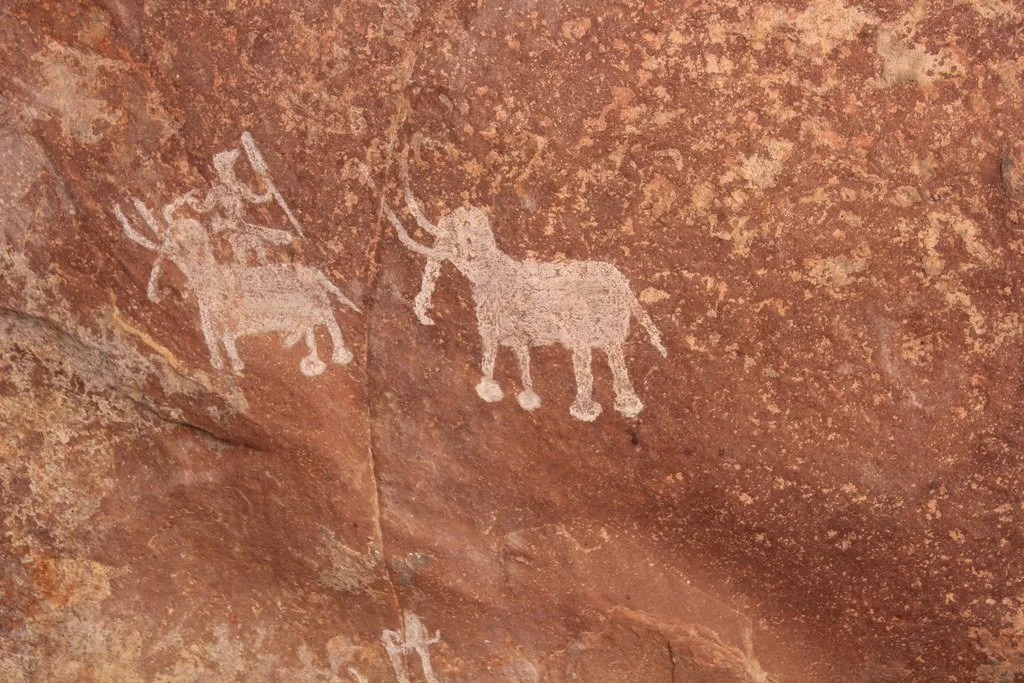
Paintings of animals at Bhimbetka Rock Shelters. Arian Zwegers. CC BY 2.0. 

The cave paintings at the Bhimbetka Rock Shelters in Madhya Pradesh, India,  date from the late stone age to early historic period. These paintings and carvings reflect many realities of prehistoric life, depicting animals, religious rituals, agricultural practices and social life. Many artifacts have also been found in the Bhimbetka Rock Shelters, such as stone tools likely used for agricultural purposes. Because of the significant facts about early Indian life that have been provided by this cave art, the Bhimbetka Rock Shelters have been declared a World Heritage Site.

2. La Cueva de Los Manos - Argentina

Handprint paintings. Ryan Somma. CC BY-SA 2.0.

La Cueva de Los Manos or “the cave of hands” is aptly named; this cave painting located in Santa Cruz, Argentina is mostly a collection of handprints, estimated to have been created between 9,500 and 13,000 years ago. The handprints are believed to have been made from mineral pigments by early hunter-gatherer tribes. The meaning of the hands is unknown, but some have theorized they represent an initiation of teen boys into adulthood, due to the size of the hands. In addition to the hands, the cave also contains paintings of animals such as llamas, birds and pumas. 

3. The Magura Cave - Bulgaria

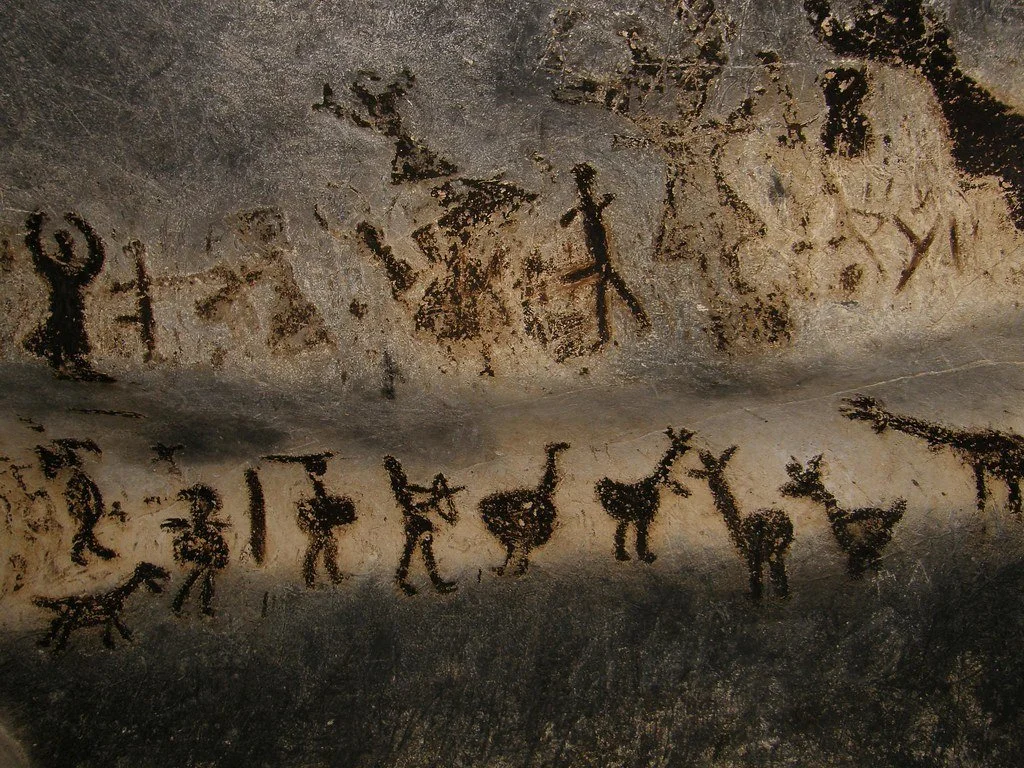
Paintings at Magura Cave. Klearchos Kapoutsis. CC BY 2.0. 

The Magura Cave in Belogradchik, Bulgaria contains an extensive number of paintings made of bat droppings between 4000-8000 years ago. There are approximately 700 paintings in the cave. The paintings depict anything from people dancing and hunting to religious rituals. The cultural significance of the themes painted, as well as the sheer number of paintings, makes the Magura Cave a significant cultural monument. 

4. Lascaux Cave Paintings - France

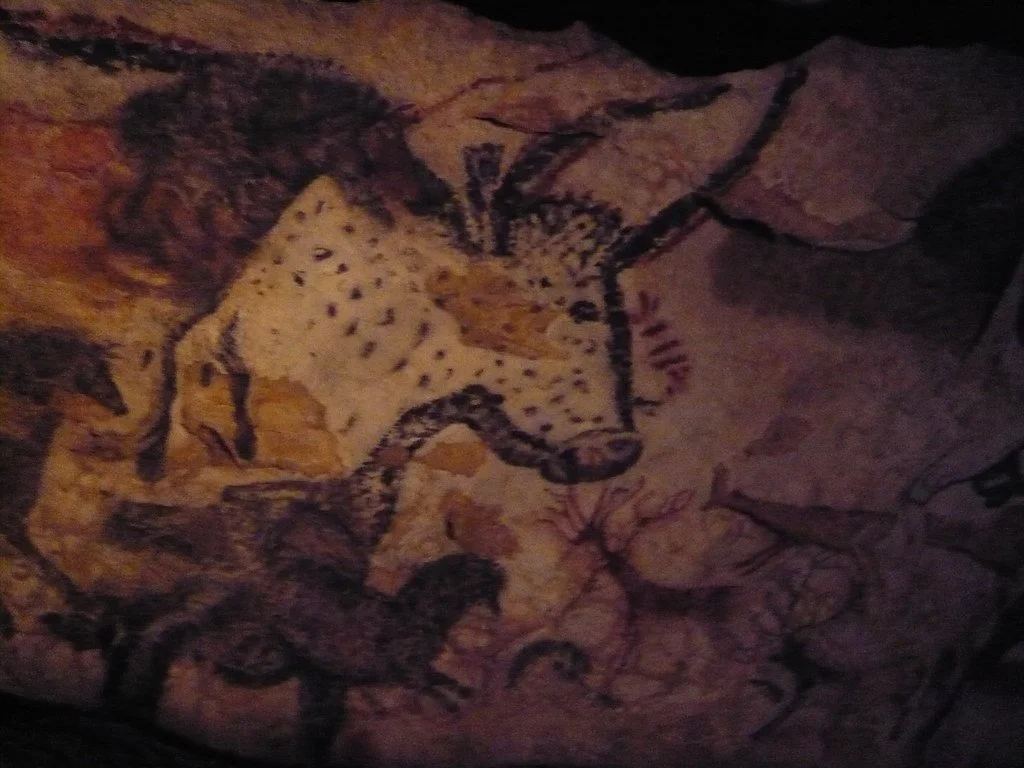
Painting of an animal in Lascaux Cave. Christine. McIntosh. CC BY-ND 2.0. 

The paintings of the Lascaux Cave in Dordogne, France are estimated to be 15,000-17,000 years old, stumbled upon by a group of teenage boys in 1940. Interestingly, among the approximately 600 paintings and 1,500 engravings, there is only one image of a human, making this site differ significantly from the others mentioned, which all depict daily human life in some way. In fact, the human form painted has the head of a bird. Other than this, most of the paintings are of various animals, both real and imaginary. What would be known as a modern day unicorn is even depicted. The Lascaux Cave tells us more about the imagination and storytelling practices of the people of prehistoric France than it does their concrete, daily practices.

5. Laas Geel - Somalia

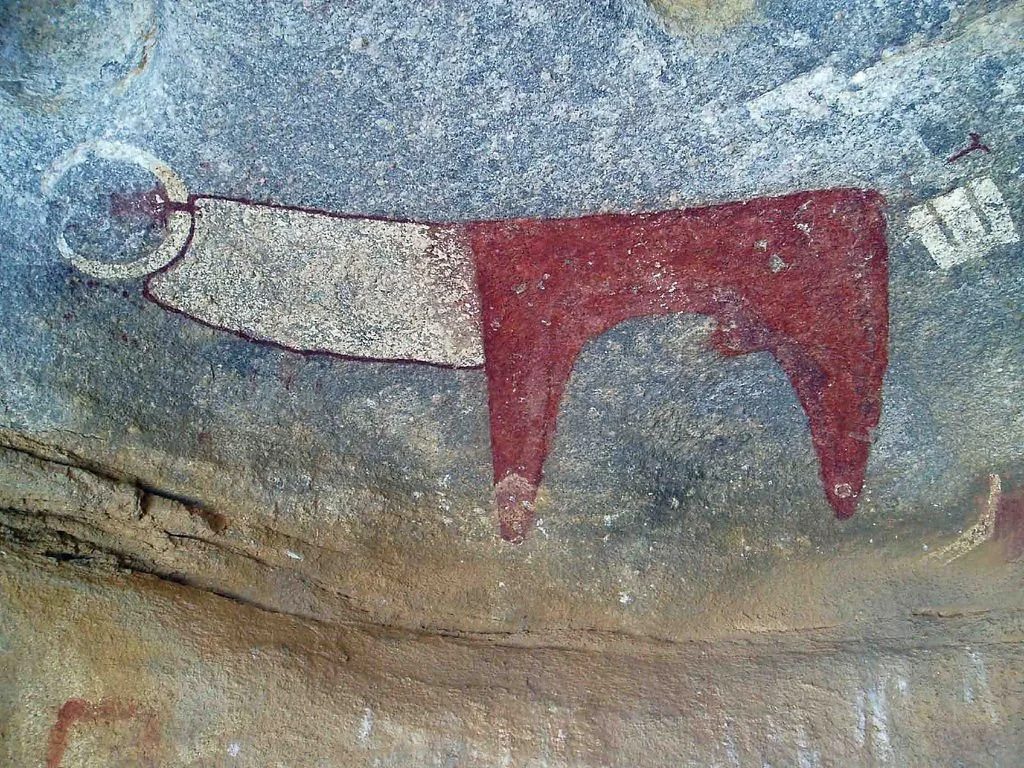
Cow at Laas Geel. Najeeb. CC BY- SA 2.0. 

Laas Geel, in Hargeisa, Somalia, is a collection of rock paintings discovered in 2002. Laas Geel depicts cows, painted with a vibrant red pigment. What is interesting about these cows is that they appear to have some type of ceremonial necklace or hanging around their necks. Many of the cows also appear to be wearing crowns or have some sort of halo-like object around their heads. The cows are often depicted next to humans and dogs. These depictions indicate that cows played some sort of ceremonial role, bringing up important questions about early religion and culture in Somalia. 


Calliana Leff

Calliana is currently an undergraduate student at Boston University majoring in English and minoring in psychology. She is passionate about sustainability and traveling in an ethical and respectful way. She hopes to continue her writing career and see more of the world after she graduates. 

6 Things to Know About Kilimanjaro From a Past Climber

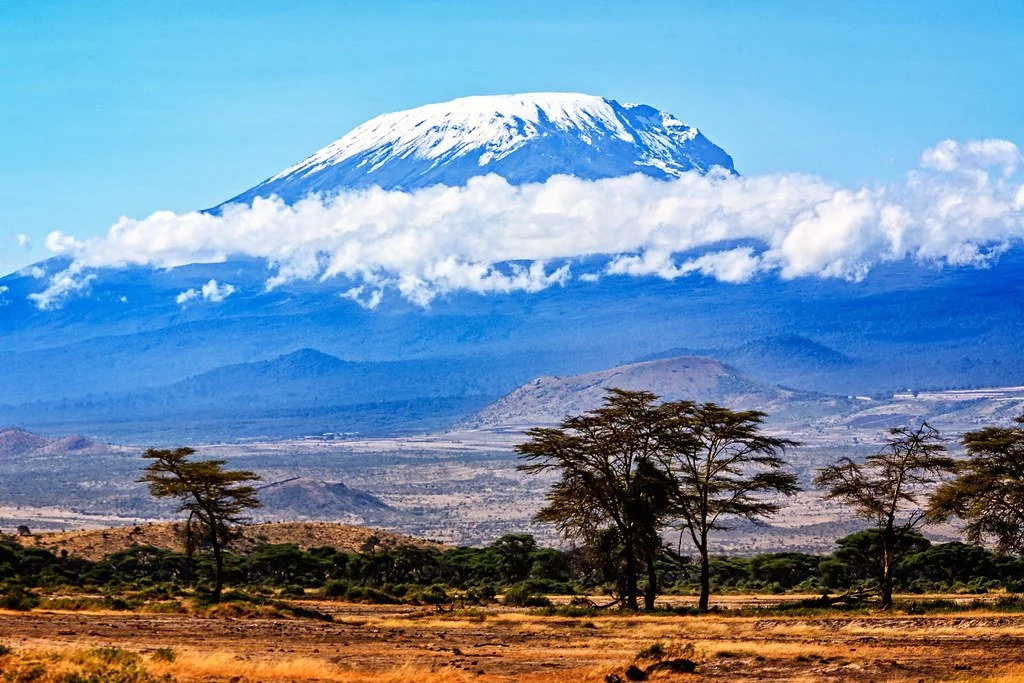
Tanzania is home to the tallest mountain in Africa, Mount Kilimanjaro. However, here are six things everyone should know before deciding if they are ready to brave the mountain. 

Mount Kilimanjaro. Gary Craig. CC BY-NC-ND 2.0.

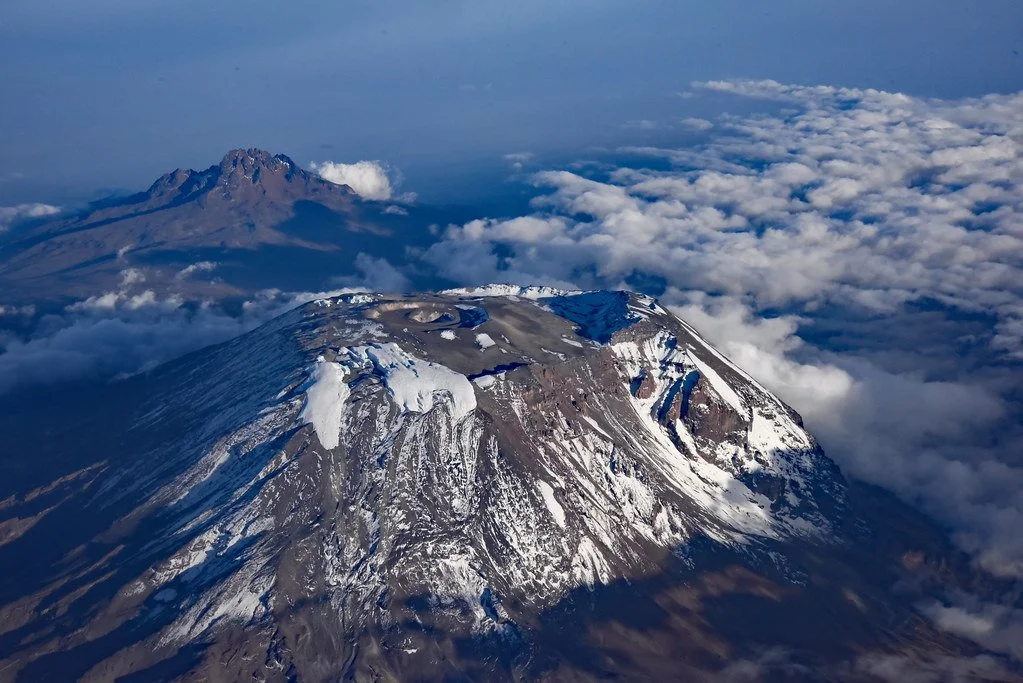
Mount Kilimanjaro was created by three volcanic cones called Kibo, Shira, and Mawenzi about 2.5 million years ago. Standing at 19,341 feet, it is home to almost every ecological system: cultivation, forest, heather-moorland, alpine desert, and arctic summit zones. Climbers pass through each of these ecosystems in stages based on elevation. What many may not realize is that Kilimanjaro is dormant, not dead. This means the dormant Kibo cone could erupt again.

I made the climb in January. I will be extremely honest; it was quite miserable at times. It is simply impossible to put into words what hiking a mountain like that will do to you. From the daily struggles of altitude sickness and the feeling of breathing almost nonexistent air, to being the most exhausted you have ever been in your life, dehydrated, starving but unable to keep food down, to having to use the “bathroom” behind a rock right on the side of the trail. I even saw someone lose their life from cardiac arrest. Though it is, thankfully, not a common occurrence, it was rough.

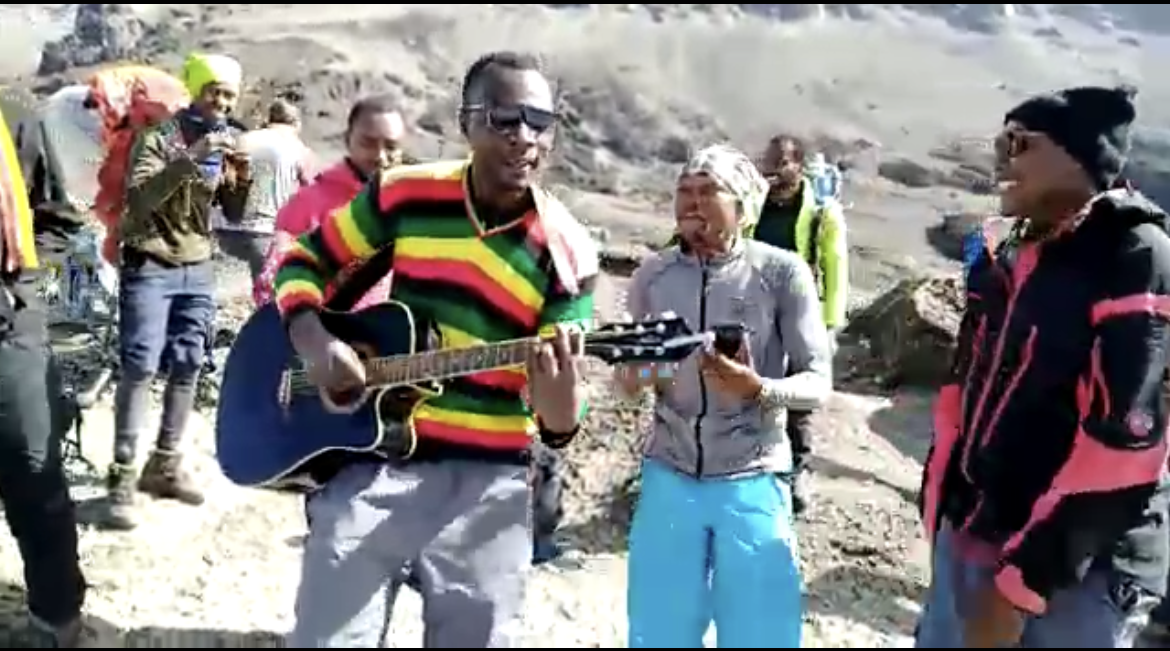
With that said, the struggles make the reward that much sweeter. When I reminisce on my experience, I remember the hard times, but the beautiful moments I was fortunate enough to be a part of are more prominent. The dance and guitar sessions the group would have on our breaks, the feeling of being in a place completely isolated from the world, climbing higher than the plane that got me there, finding a new strength in myself that otherwise would have remained unknown. Kilimanjaro is a monster mountain, but it was the best experience of my life.

 1. “Pole, Pole” are words to live by 

“Pole, pole” translates to “slowly,” and I cannot stress enough how important this simple phrase is. It doesn’t matter what your physical abilities are, if you do not take your time, you will be hurting. Taking at least five days (depending on your route), this hike is no joke. It’s important to put your pride aside and accept that you might not be the fastest person to get up the mountain, and that’s completely OK! This was something I quickly learned. On the first day, I tried keeping up with the front of my group and very quickly learned I simply wouldn’t make it all six days if I kept that up. No matter what your pace, a guide will always stay by your side, carry things for you if you are struggling, and motivate you to keep going. Guides want you to succeed just as much as you want to, so definitely listen to their advice. They’re lifesavers—literally!

2. You will create amazing connections with your guides and porters

Photo taken by John Willard, my guide on my Kilimanjaro hike. 

Your team on Kili will be absolutely amazing, no doubt about it. They will do whatever they can to help you summit, practically carry you if need be. They are extremely selfless and charismatic people, and they make the experience so much more enjoyable. Porters are the men and women who dedicate themselves to carrying all of your gear up the mountain, setting up camp, cooking meals, and creating a vibrant hike experience. Guides spend time with you on your hike—helping you stay on the trail, keeping an eye on your health, and really just guiding you to the summit. On my trip, the team loved to dance and sing and always invited us to join them on breaks and when at camp. They welcomed us to become immersed in the culture and understand the historical importance of Mount Kilimanjaro. The guides and porters truly enhanced the experience, so much that you simply won’t want to leave them. You will want to have WhatsApp downloaded on your phone so you can put in your favorite porters’ and guides’ numbers; when you get home, having those connections will keep a piece of Kili in your heart forever. 

3. You will probably get sick 

I hate to be the bearer of bad news, but if you decide to climb Kili, you will most likely find yourself experiencing at least some altitude sickness symptoms. It’s inevitable when going up 19,000 feet. Headache, nausea, and exhaustion are some of the more common symptoms. They will not end your hike early, but they will make life a little more miserable on the mountain. You just have to push through! Your guides will keep track of your vitals every day and will encourage you to eat and drink as much as your body will allow—food and water will be your best friend up there. You may hear people say that getting to high elevations eliminates your appetite, and this is very true. I found it hard to stomach even soup broth on my hike. It is best to pack some of your favorite snacks to help get past your lack of appetite. Many people, including myself, take altitude sickness pills to help combat symptoms. They are worth taking as long as they don’t cause negative effects on your body. They helped lessen the severity of my symptoms. 

4. It is like being in a movie 

Aerial View of Mount Kilimanjaro.Takashi Muramatsu. CC BY-ND 2.0.

Kilimanjaro is absolutely breathtaking. I remember feeling like I was living in a Star Wars scene for the majority of the hike. The sunsets and sunrises are unlike anything you will ever see again. Barranco Camp, where you will find yourself after hiking from Shira to Lava Tower to Barranco, was the highlight of my entire hike. Beautiful waterfalls, camping on a cliff in the clouds, being surrounded by the massive Barranco Wall (which you will be climbing up the next morning)—it is a beautiful and untouched part of the world. It makes the everyday battle worth it. When you’re feeling like giving up, just stop and turn around. The view you see will give you the courage to keep going. 

5. You may see some horrific things 

Barranco Wall on Mount Kilimanjaro. Haleigh Kierman 

This is not a guarantee, but it is best to know what can happen. During my hike, I witnessed a man pass away right on the trail from cardiac arrest. I never thought I would see something like this, so it is important you know that really anything is possible before deciding if the hike is right for you. It is much more common to see people get physically sick or use the “bathroom” in clear sight, which are things we can typically move on with. With that said, there is always the possibility you can see something more severe. Do not fear though, Kilimanjaro is remarkably safe given its size. Around 30,000 hikers attempt each year with only a 0.03% death rate. If you know and trust your individual abilities and health, there is little to be concerned about.  

6. You will discover an unimaginable amount of self-pride when you finish 

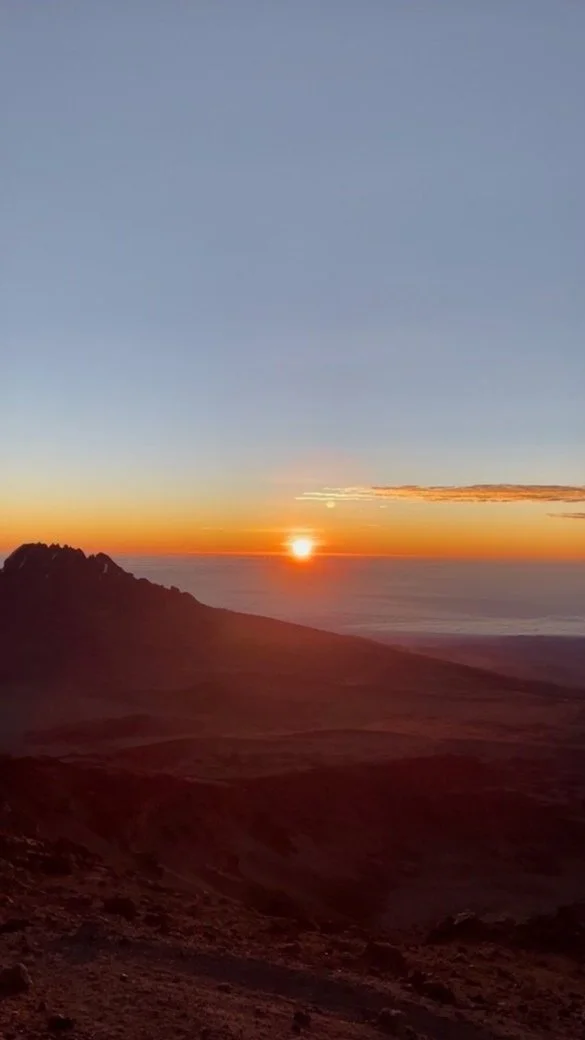
Sunrise on Summit Day. Haleigh Kierman

Summit day: it’s killer. You begin the final trek to the summit around 11:30 p.m. and get to the top around 8 a.m., depending on your pace. At this point, you will be sleep-deprived, feeling as though you are suffocating with every step you take because the air is so thin. But somehow, you will find that strength in you to keep going. And when you finally make it to the top, all you will feel is euphoria. You may even shed a tear or two. Kili will push you to your limit and then past that. You really will discover a new part of yourself you didn’t know was there. If you set your mind to conquering Kilimanjaro, you can do it. It will be one of the hardest things you will ever do, but the reward is a feeling of accomplishment that will change your life forever.


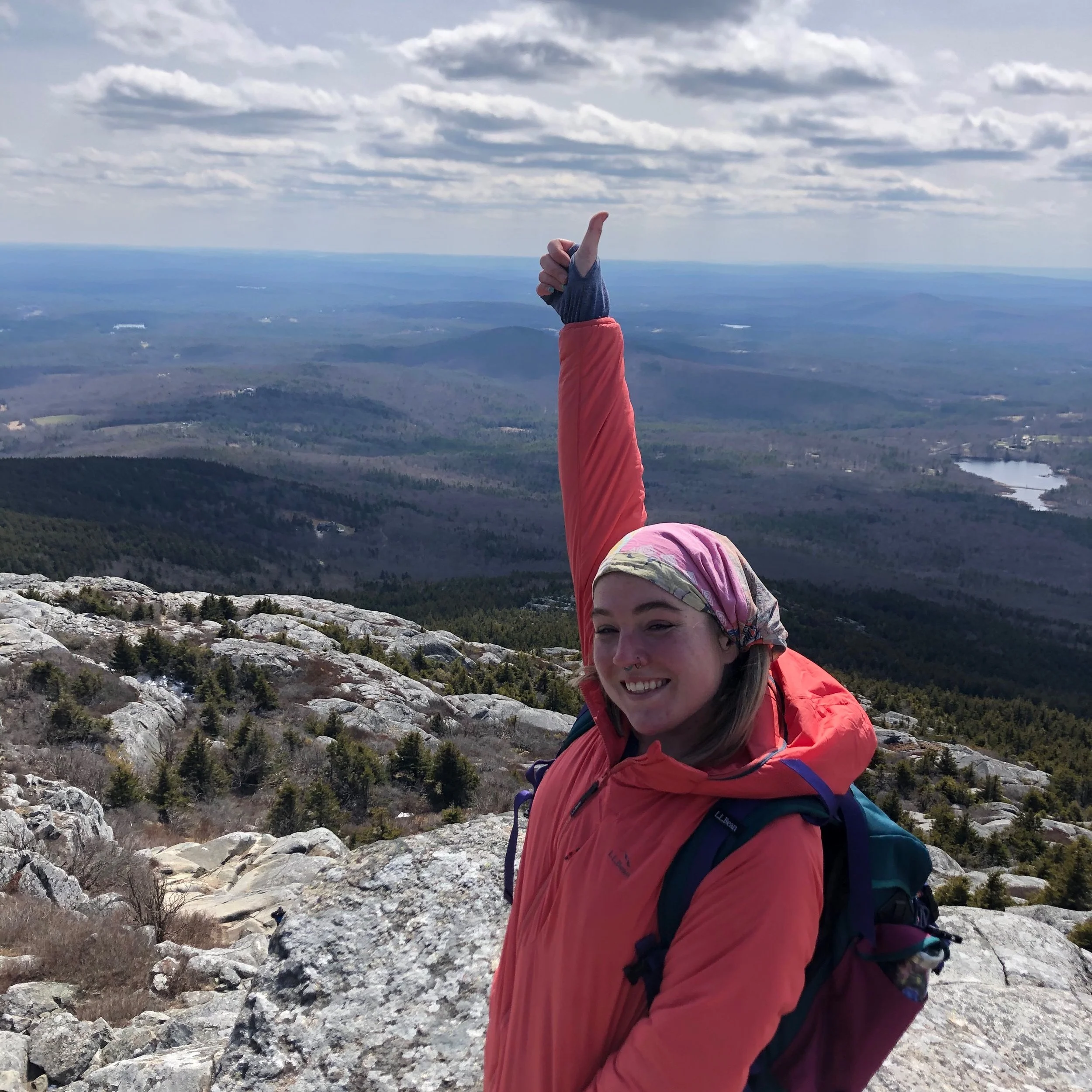
Haleigh Kierman

Haleigh is a student at The University of Massachusetts, Amherst. A double Journalism and Communications major with a minor in Anthropology, she is initially from Guam, but lived in a small, rural town outside of Boston most of her life. Travel and social action journalism are her two passions and she is appreciative to live in a time where writers voices are more important than ever.

Eradicating Guinea Worm Disease: The Countdown to Zero

Guinea worm disease is on track to be the second disease eradicated from the world, but there is still work left to be done.

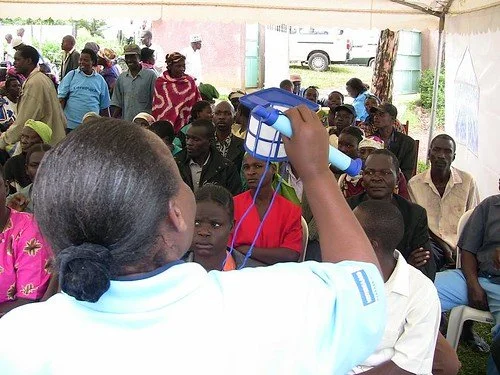
Health workers explain how to use water filters. uncultured. CC BY-NC-SA 2.0.

Guinea worm disease, also known as dracunculiasis, is an infection caused by the parasite Dracunculus medinensis. Larvae of the parasite are found in water sources in sub-Saharan Africa, and they can contaminate drinking water. Once consumed, the parasite stays inside the infected individual for up to a year as it grows into a worm until it removes itself from the human host, leaving through the skin. 

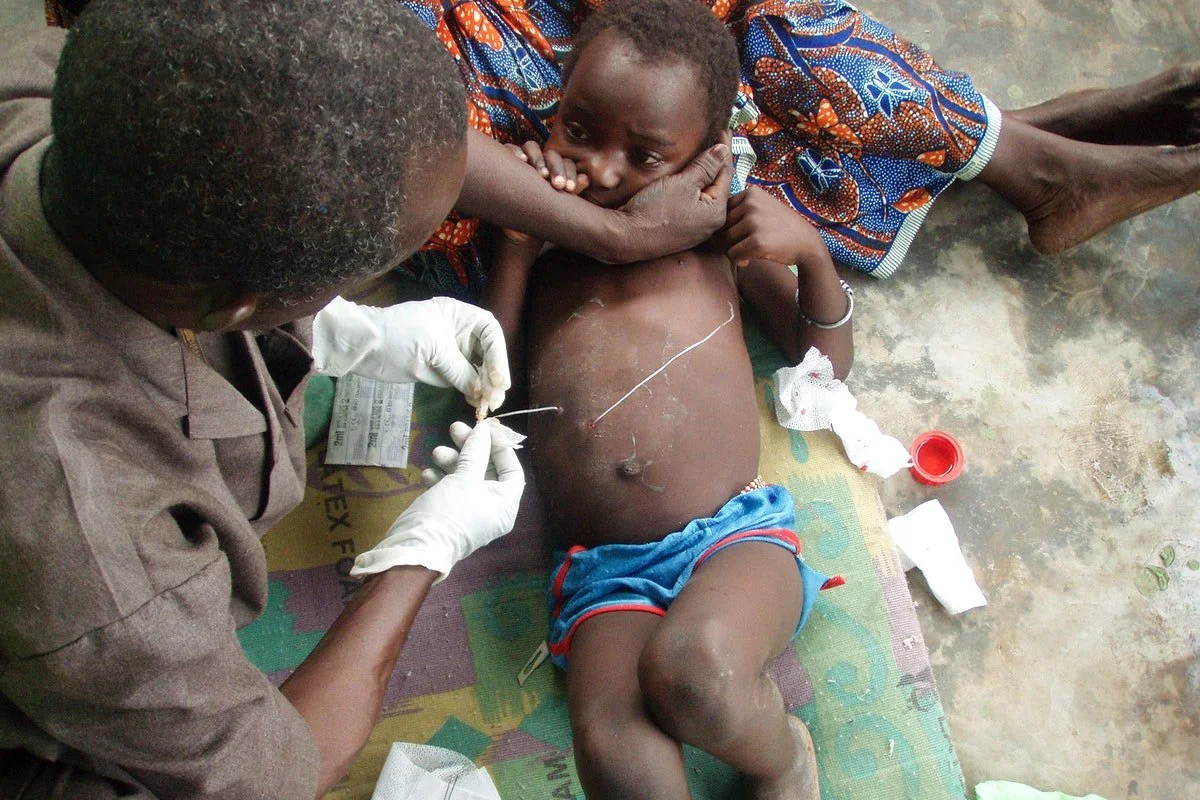
When the worm emerges from the human, it causes a painful skin blister, possibly resulting in a fever or secondary infection. There have been cases of people becoming crippled by a Guinea worm infection. The worm needs to be pulled out from the human body, several centimeters per day, by winding it around some gauze or a small stick. 

Health worker treating an infant with Guinea worm disease. Centers for Disease Control and Prevention. CC0 1.0.

In 1986, the Carter Center, the foundation of former president Jimmy Carter, began to lead the global campaign to eradicate Guinea worm disease. When the campaign started, there were 3.5 million cases of the disease in that one year. In 2021, there were only 15 reported human cases worldwide. This dramatic reduction of cases was the result of several carefully planned interventions.

The program to eradicate Guinea worm disease is community-based and relies on extensive villager volunteers. This approach respects the dignity of the people affected and builds trust between the community members and health professionals. The Carter Center aims to work with ministries of health to provide comprehensive health education and maintain political will.

Surveillance and supervision is instrumental in containing the spread of the disease. In the Gambella region of Ethiopia, village volunteers try to ascertain possible cases among their peers every week. When a suspected case is found, an investigation occurs. A lab test is needed to confirm a case of Guinea worm disease. The infected person’s demographics and symptoms are also tracked, as is information about the water sources that the person used. There are also community meetings to inform them of those infected. This is why gaining the trust of communities is so important. Community participation, especially in light of the stigma associated with the disease, is vital in containing the disease, and it all depends on trust.

As Guinea worm disease is waterborne and is contracted by drinking water contaminated with the larvae, interventions that involve treating water before it is drunk is essential. The Carter Center has distributed pipe filters to affected populations and taught them how to use them to prevent the new cases of the disease. In some places, the pesticide abate is applied to water sources to kill the larvae that cause Guinea worm disease. These interventions have drastically reduced the prevalence of Guinea worm disease, but the fight is not over yet.

While great progress has been made in eliminating Guinea worm disease in much of the world, some challenges have arisen. Civil unrest and political instability in some places where Guinea worm disease is prevalent have prevented efforts to combat the disease. Ethiopia, which had some of the highest rates of the disease, is mired in a civil war, making it hard to reach everyone affected by Guinea worm disease. Recently, cases of Guinea worm disease have also started to appear in animals. Today, most cases of Guinea worm disease occur in other animals, not humans. Complete eradication of Guinea worm disease cannot be completed until the world is free of the disease in both humans and animals.

To Get Involved

While the Carter Center is the leader in the drive to eradicate Guinea worm disease, there are also other partners and stakeholders in the campaign who can be supported through donations and volunteering. Among them include the ministries of health of affected countries, UNICEF, WHO, Ethiopian Public Health Institute and the UNHCR.


Bryan Fok

Bryan is currently a History and Global Affairs major at the University of Notre Dame. He aims to apply the notion of Integral Human Development as a framework for analyzing global issues. He enjoys hiking and visiting national parks.

7 Famous Trees of The World

Today, trees face threats such as deforestation, habitat reduction and fires fueled by climate change. Despite it all, these seven tree species continue to symbolize the lands they call home.

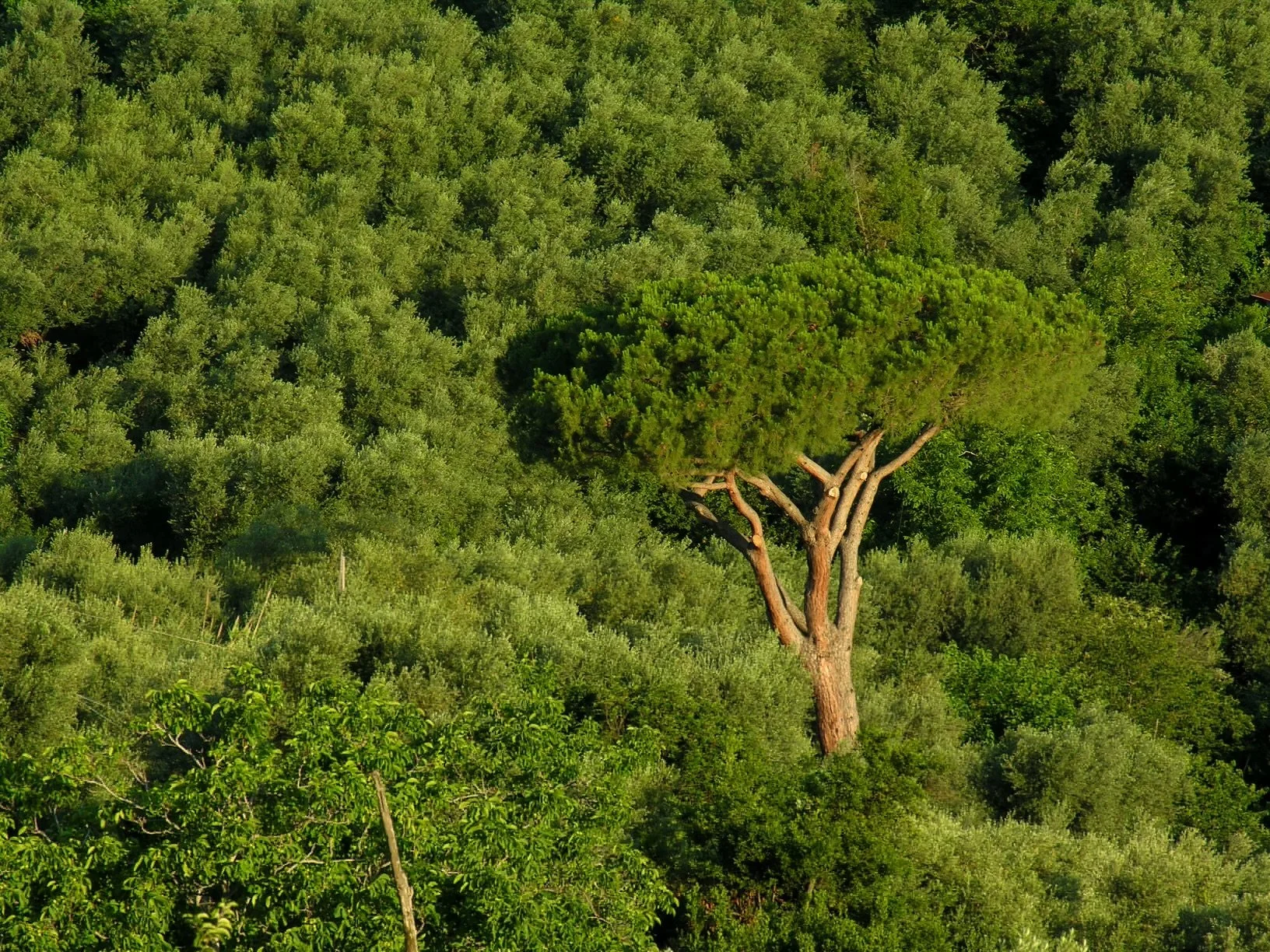
Forest in Italy. Giuseppe Costanza. CC0 1.0

As urbanization and overpopulation fuel clearcutting around the globe, these trees stand in their own glory. Granted protection status, having festivals in their honor and attracting admirers from around the world, this is a list of trees that have made a name for themselves and their roots. 

1. Baobabs, Madagascar 

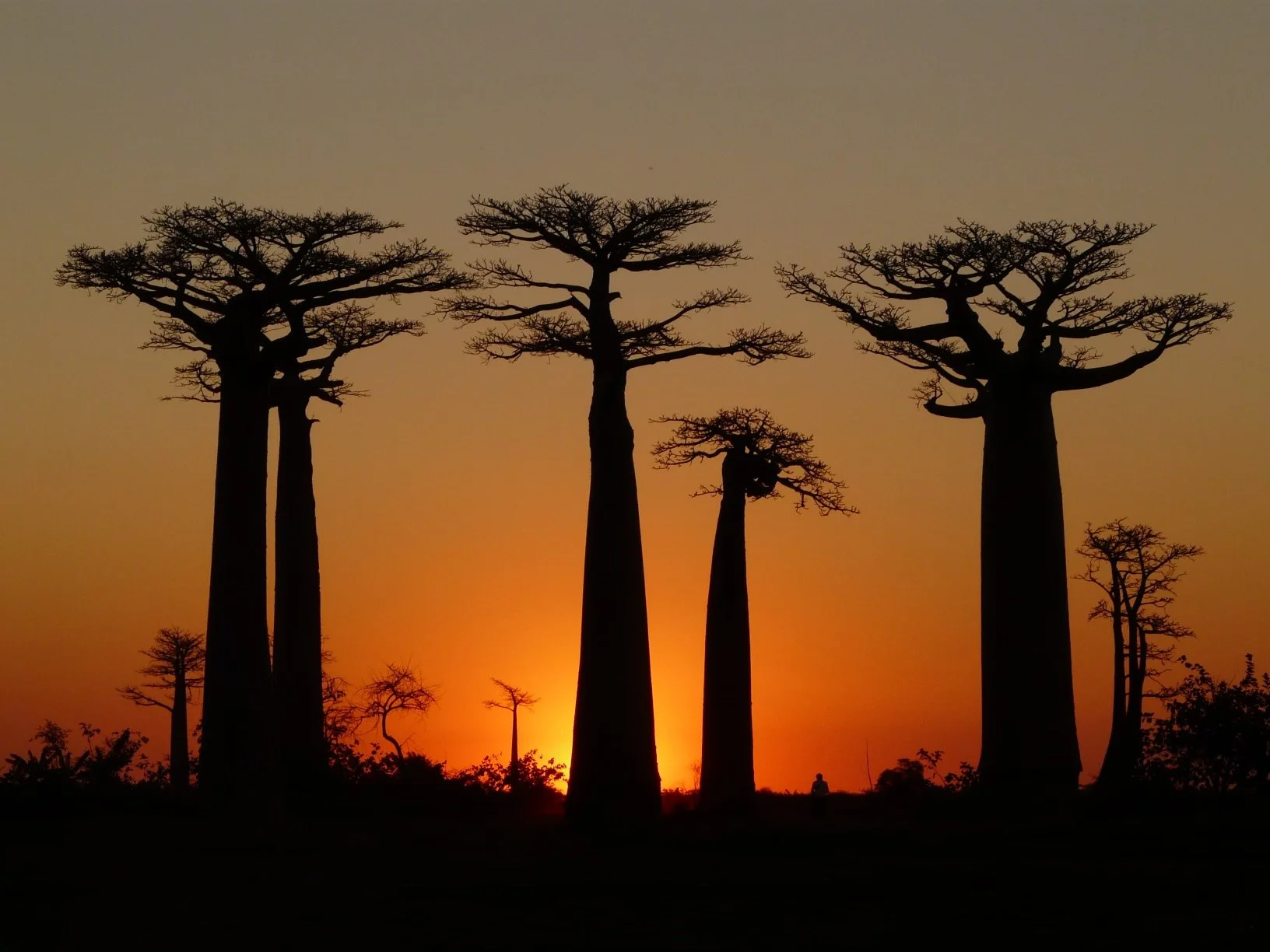
The Avenue of Baobabs. Zigomar. CC BY-SA 2.0

For many, the Avenue of Baobabs is the first thing that comes to mind when they hear the word "Madagascar." Approximately 50 baobab trees line the dusty road and surrounding groves between Morondava and Belon'i Tsiribihina. Endemic to the island, the trees are referred to as "renala," or "mother of the forest," by locals. The avenue has gained international fame, attracting crowds during sunset and became the first protected natural monument in Madagascar in 2007 when it was granted temporary protection status. 

2. Yucca Trees of Joshua Tree State Park, California, USA

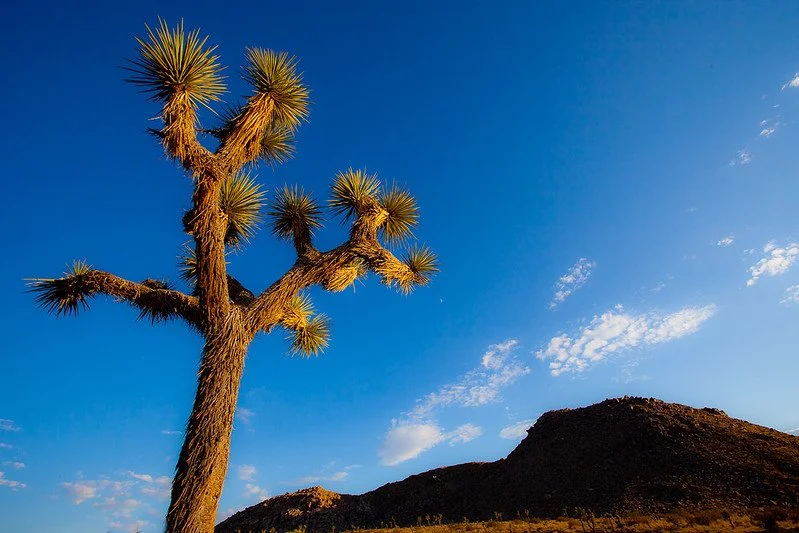
YuccaTree in Joshua Tree State Park.Esther Lee. CC BY 2.0

The yucca trees, for which California's Joshua Tree State Park was named, got the nickname “Joshua” from a band of Mormons traveling from Nebraska. The lunar desert climate is ideal for yuccas, which have grown adapted to storing water inside their trunks and twisted branches. They are said to be able to survive on very little rainfall a year, but if the weather happens to bring rain in the spring, the yuccas will give thanks with a sprout of flowers. 

3. Cherry Blossoms, Japan

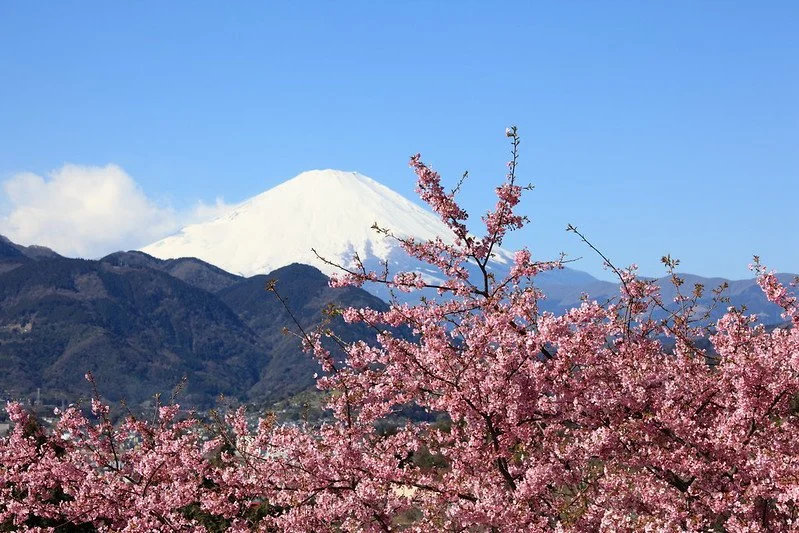
Cherry blossoms at Mount Fuji. Tanaka Juuyo. CC BY 2.0

The cherry blossom, or sakura, is considered the national flower of Japan. Hanami, the Japanese custom of enjoying the flowers, attracts locals and visitors to popular viewing spots across the country during the annual Cherry Blossom Festival. Peak bloom time depends on the weather, and the cherry trees have been flowering earlier and earlier each year due to climate change. On average, the cherry trees reach peak bloom in mid to late March and last around two weeks.

4. Jacaranda Trees, Mexico City, Mexico

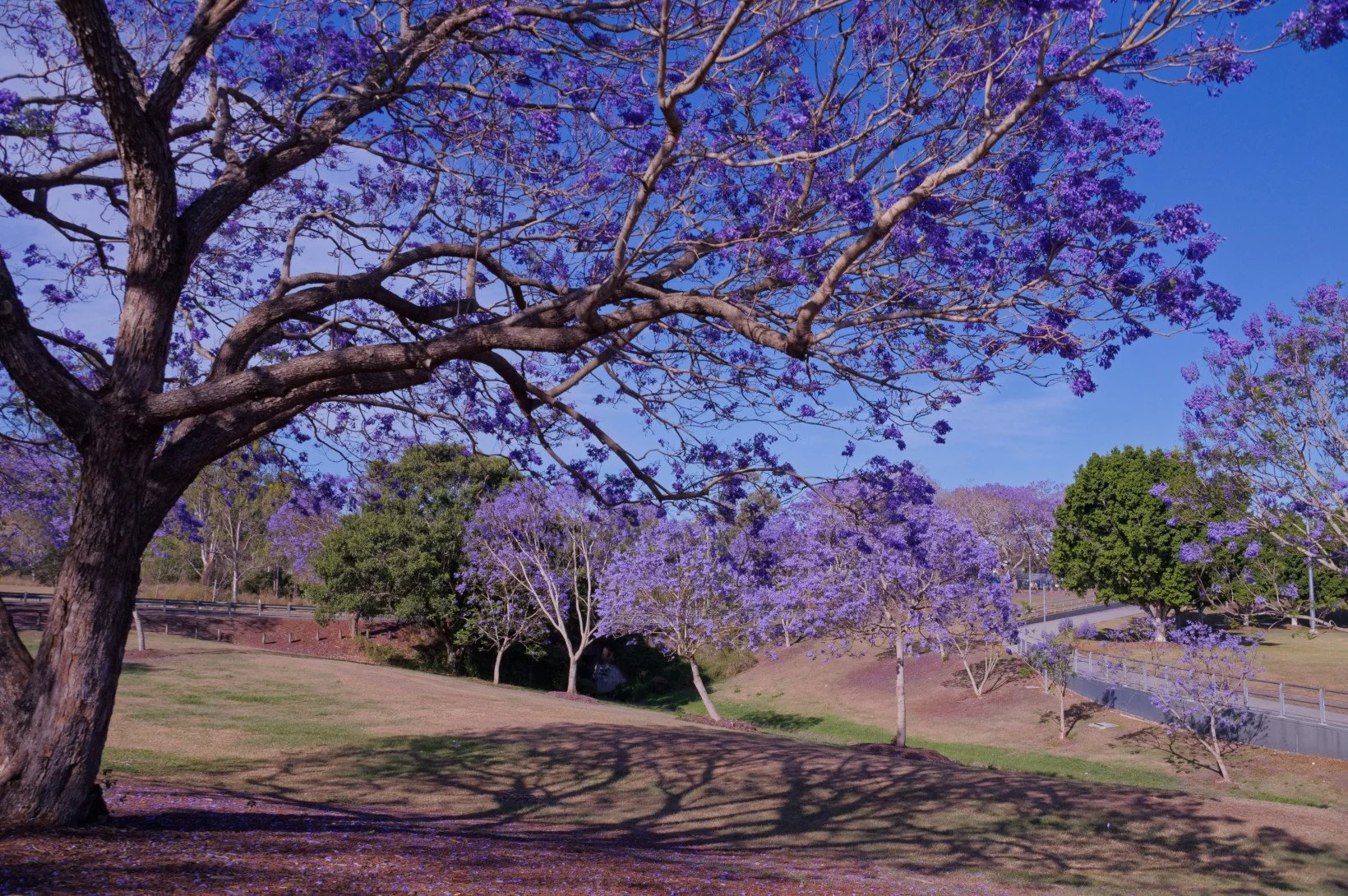
Jacaranda trees. Tatters. CC BY-NC 2.0

Every spring, the already vibrant streets of Mexico City are lined with the jacaranda's violet bloom. President Álvaron Obregón commissioned Tatsumi Matsumoto, an imperial landscape architect from Japan, to plant the trees along the city's main avenues in 1920. Matsumoto was the first Japanese immigrant to come to Mexico, arriving a year before the first mass emigration in 1897 and staying until his death in 1955. Today the jacarandas are considered native flowers and symbolize international friendship. 

5. Rubber Fig Trees, Meghalaya, India

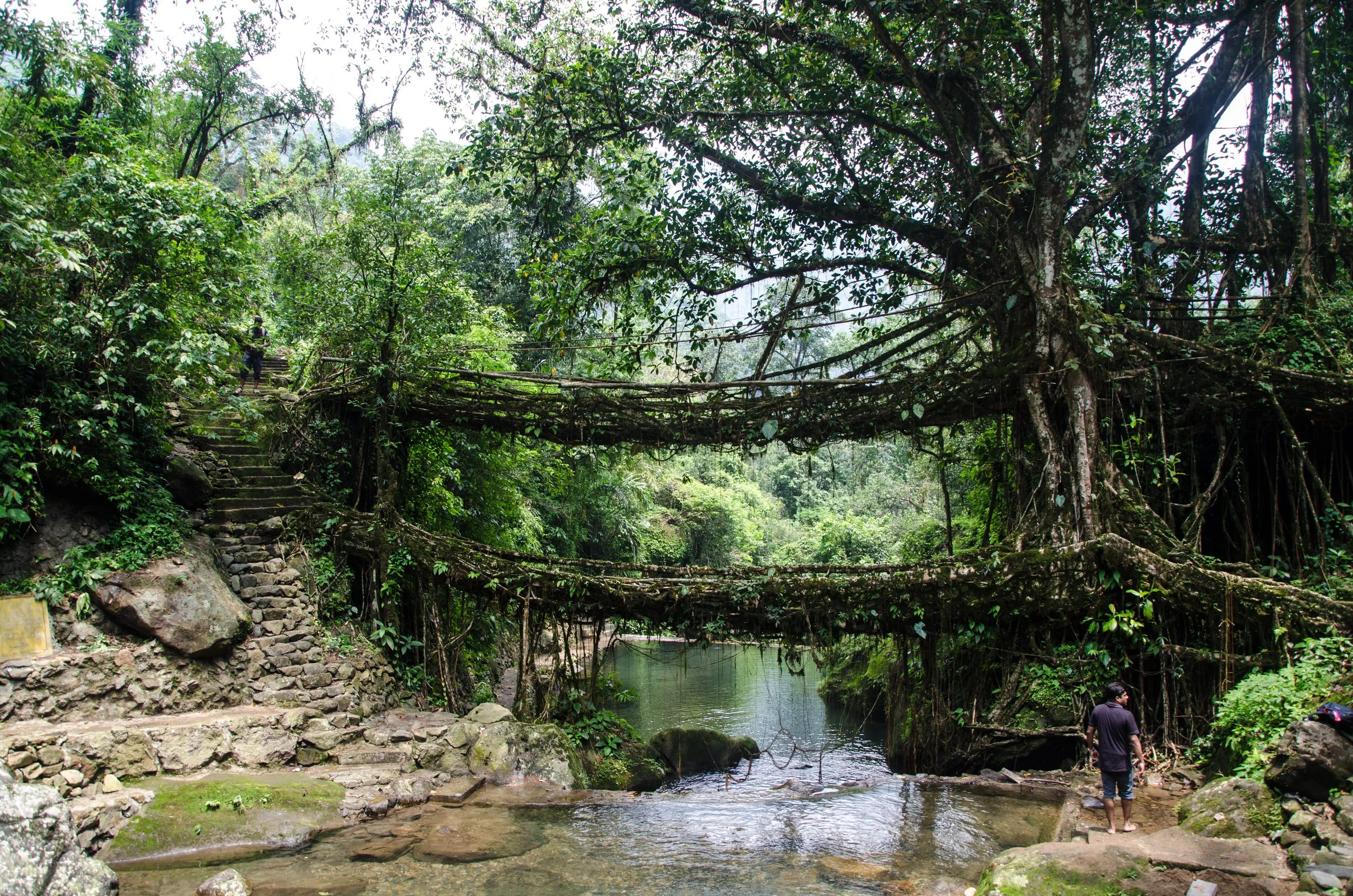
Double-decker living roots bridge. Ashwin Kumar. CC BY-SA 2.0

Widely considered the wettest region in the world, villagers of the northeast Indian state of Meghalaya are separated by deep valleys and running rivers every monsoon season. The living roots bridges are handmade by the Khasi and Jaintia people with the aerial roots of rubber fig trees. The bridges grow strong as the tree's roots thicken with age, holding more than 50 people and lasting centuries if maintained. The double root bridge, pictured above, is almost 180 years old, stands at 2,400 feet high and suspends 30 meters in length. 

6. Argan Trees, Morocco

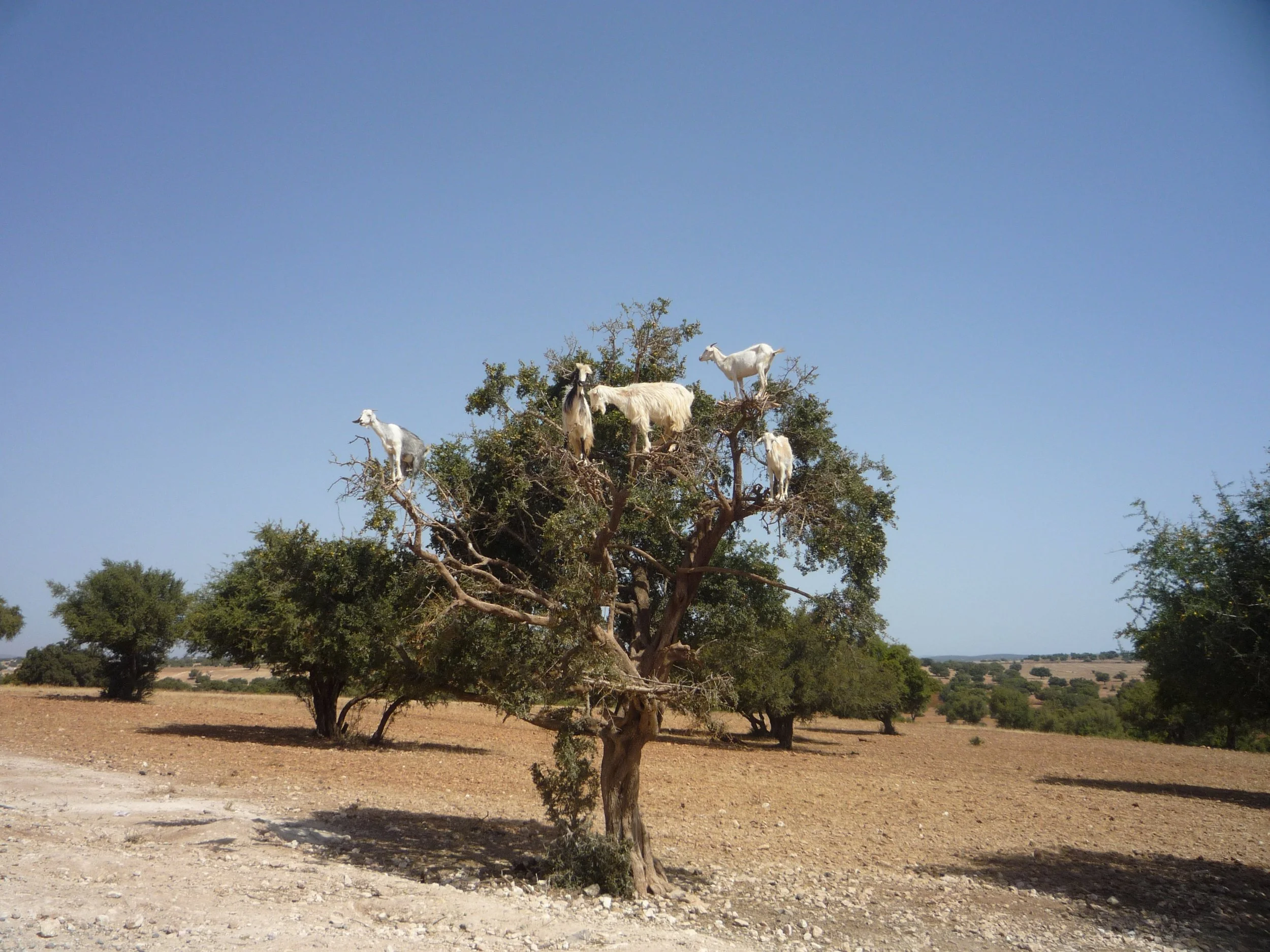
Goats in an Argania tree. remilozach. CC0 1.0

Built to survive the Saharan climate, Argan trees are endemic to southwestern Morocco. Their scientific name, Argania, is derived from the native Berber language of Shilha (also known as Tashelhit). The trees grow fruits used to make argan oil, an ingredient found in many beauty products. Rights to collect the fruit are controlled by law and village traditions, while several women's co-operatives produce the oil. Goats are frequently photographed climbing argan trees and help in the production process by eating the nuts, leaving the vitamin-rich seeds for the locals to collect. 

7. Trees of the Hoh Valley, Washington, USA

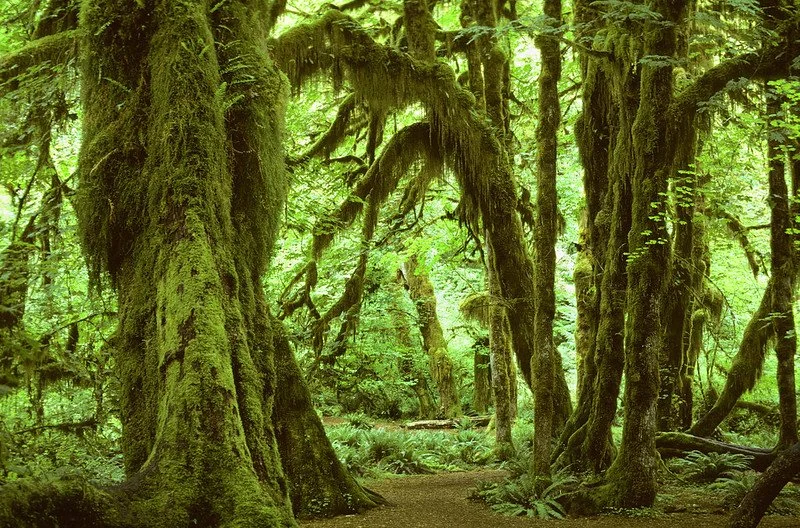
Trees in Hoh Valley. James Gaither. CC BY-NC-ND 2.0

On the Pacific side of the Olympic Mountains in the Hoh Rainforest, lush yellow and green moss covers some of North America's giants, including the Sitka Spruce, Red Cedar, Big Leaf Maple and Douglas Fir. As a result of the area's average 140 inches of rainfall per year, the moss is not only enchanting but beneficial. Moss plays an essential role in supporting the forest's biodiversity; like a sponge, it decays, absorbs and finally releases nutrients for the trees’ roots to feed off. 


Claire Redden

Claire is a freelance journalist from Chicago, where she received her Bachelor’s of Communications from the University of Illinois. While living and studying in Paris, Claire wrote for the magazine, Toute La Culture. As a freelancer she contributes to travel guides for the up and coming brand, Thalby. She plans to take her skills to London, where she’ll pursue her Master’s of Arts and Lifestyle Journalism at the University of Arts, London College of Communication.

Donating Used Clothing May Do More Harm Than Good

Donated clothes rarely end up in the hands of someone who needs them. Instead, they usually end up in landfills or overwhelming already struggling industries.

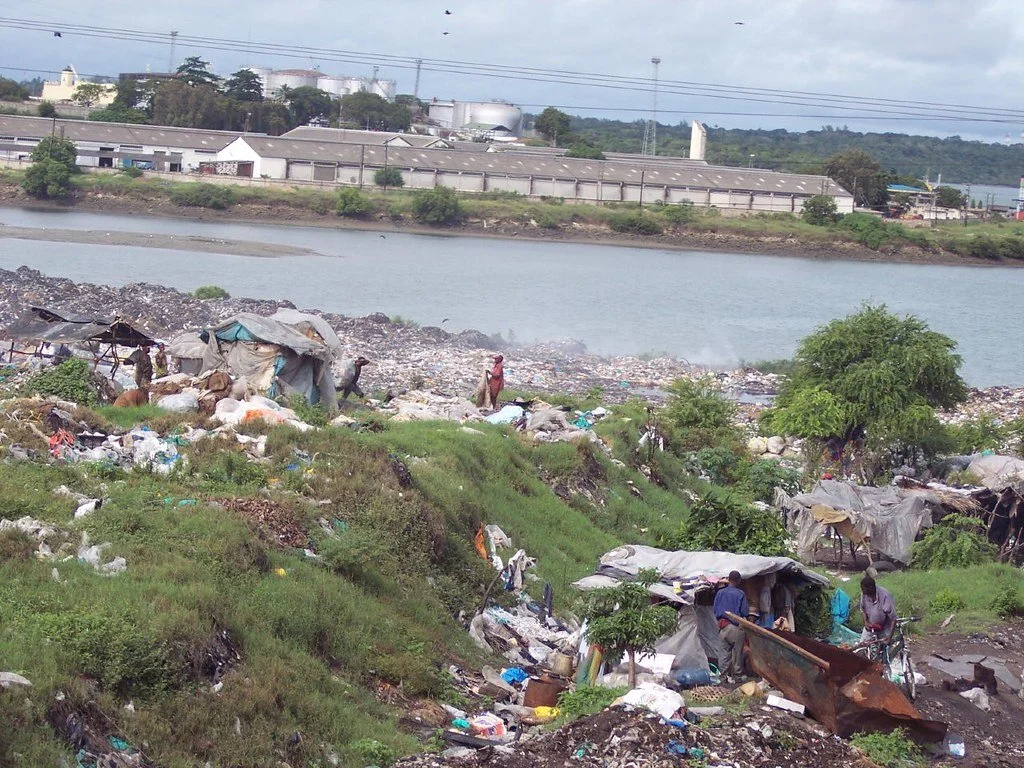
Landfill in Kenya. Thad K. CC BY-SA 2.0. 

Many Americans assume donating is the best thing they could do with their old, unwanted clothing. However, in reality, more than 80% of donated clothing ends up in landfills. Only clothing in the best condition is accepted into secondhand stores in the U.S., such as Goodwill or Buffalo Exchange. Even then, if the clothing remains in the store without being purchased for weeks at a time, the store itself often disposes of it. The rejected clothing often ends up in landfills or is shipped overseas. 

Americans buy five times as much clothing, on average, than they did 30 years ago. However, the quality of the clothing most people buy has decreased due to fast fashion trend cycles, resulting in an average of only seven wears per piece. The increase in purchasing combined with the decrease in wear time has resulted in an overwhelming influx of clothing donations in the past 30 years. 

In theory, shipping unwanted clothing to countries seems like a good thing; it has the potential to create jobs and provide more affordable clothing. Unfortunately, many countries (mostly in East Africa, where unwanted clothes are most commonly sent to, with the exception of Ghana)  cannot handle the sheer mass of the clothing they are receiving. The U.S. ships up to 700,000 tons of clothing overseas every year, which is simply too much for the textile and clothing industries to disperse. Additionally, secondhand clothing sells for such a small fraction compared to new clothing in East Africa, causing local companies unable to compete with cheap clothing to go out of business. 

Clothing Donation Stop. Laura0509. CC BY-SA 2.0.

Several East African countries (Tanzania, Kenya, Uganda, Burundi and Rwanda) even signed a ban on the importation of used clothing from the U.S. in 2016. The Trump administration negotiated with the East African Community (EAC) to reverse the ban, which they did, mostly due to international pressure. With that being said, certain countries, such as Kenya, claim to rely on the influx of clothing from the U.S. to keep their textile industry up and running. But while that is the case for Kenya, donated clothing does more harm than good for the majority of East African countries. 

In terms of the environment, secondhand clothing markets in every country in the world are simply unable to keep up with the amount of discarded clothing as the fast fashion industry continues to ramp up production exponentially. Whether the clothing begins its journey in a thrift store in the U.S. or on a plane to Kenya, it is ultimately most likely to end up creating more waste. The myth of clothing donation is part of what propels the fast fashion industry; people think donating their clothes will have an ultimately positive impact, and so they feel justified in continuing to amass more clothing. 

Ultimately, the most effective fix for this problem would be to reduce collective clothing consumption. The less unnecessary clothing that is bought, the less clothing waste will be produced. With that being said, there are other options to reduce your clothing waste. Instead of donating your unwanted clothing, giving it directly to someone that you know wants and will use it ensures that it won’t end up in a landfill, at least in the short-term. Donating your clothing to homeless or women’s shelters is also another option, as they have more need than thrift stores such as Goodwill or Salvation Army. However, even when it comes to donating clothing to shelters, the clothing must be in good enough condition to actually be worn. If it’s not, another option is to keep and repurpose it yourself. Old fabric can be used as stuffing or kept for a future art project. All in all, donating excess clothing can be the last resort, which comes after making an effort to buy less, trade within your own circles and repurpose used materials.


Calliana Leff

Calliana is currently an undergraduate student at Boston University majoring in English and minoring in psychology. She is passionate about sustainability and traveling in an ethical and respectful way. She hopes to continue her writing career and see more of the world after she graduates.

Travel and Work for Food on Organic Farms

Organic farms look for travelers to help in exchange for housing, meals and an opportunity to learn—providing a unique mode of affordable, ethical travel. 

Organic farm in Cyprus, Greece. George M. Groutas. CC BY 2.0. 

Worldwide Opportunities on Organic Farms (WWOOF) is the most widespread and popular organization that pairs people interested in volunteering on organic farms throughout the world with host families who run their own organic farms. The idea is that volunteers would be just that: unpaid volunteers, who work part-time on a close-knit and often family-run farm in exchange for free housing and meals with the family. In fact, WWOOF bans any exchange of money between the host and the volunteer. Often, these volunteer stints are short (a few weeks) or part-time, allowing for the volunteer to obtain paid work and/or spend time exploring the area they are living in while also growing  the food they will eat during their stay, immersing themselves in culture, helping a local organization and learning from experienced farmers. Below are some detailed opportunities from every continent in the world. 

North America: Consecon, Canada

Stonefield Alpaca Farm in Consecon, Canada is a 100-acre family-owned and operated farm powered by solar panels and windmills. The owners are looking for volunteers to help maintain the straw bale home they built together, grow their own food and take care of the animals (alpacas and poultry). They hope to become completely self-sufficient in terms of food, and that volunteers can help them do so while also learning from them and exploring Ontario. Learn more here

South America: Belize City, Belize

An individual who bought and began his own 14-acre pesticide-free, organic farm in Belize City, Belize offers an opportunity to help develop his farm further in terms of sustainable energy production and other sustainable farming methods. He became a host because he was a WWOOF participant in the past. His farm has goats, monkeys, parrots and sheep. Responsibilities would include taking care of the animals, gardening, landscaping and sharing ideas on how to improve the farm’s organic practices. Learn more here

Africa: Apam, Ghana

This family-owned farm in Apam, Ghana is not only a farm located on the coast, in the center of a fishing community, but also an educational and charitable center focused on agriculture and helping the larger community. The hosts are looking for volunteers to help with typical farming tasks, such as taking care of animals and harvesting, as well as build ecological houses and participate in the local fishing. This is a unique opportunity to not only help the environment and one local family, but the entire community as well. Learn more here.

Australia: Upper Kangaroo River

Winderong Farm is a cooperation of 10-15 employees and volunteers working together to revive their surrounding environment in Upper Kangaroo River, Australia. They’re looking for volunteers interested in conservation to work on composting, permaculture and regeneration of the Australian bush. This farm differs from most as it is a larger, community-based effort as opposed to a small family-run farm. Learn more here.

Asia: Kampot, Cambodia

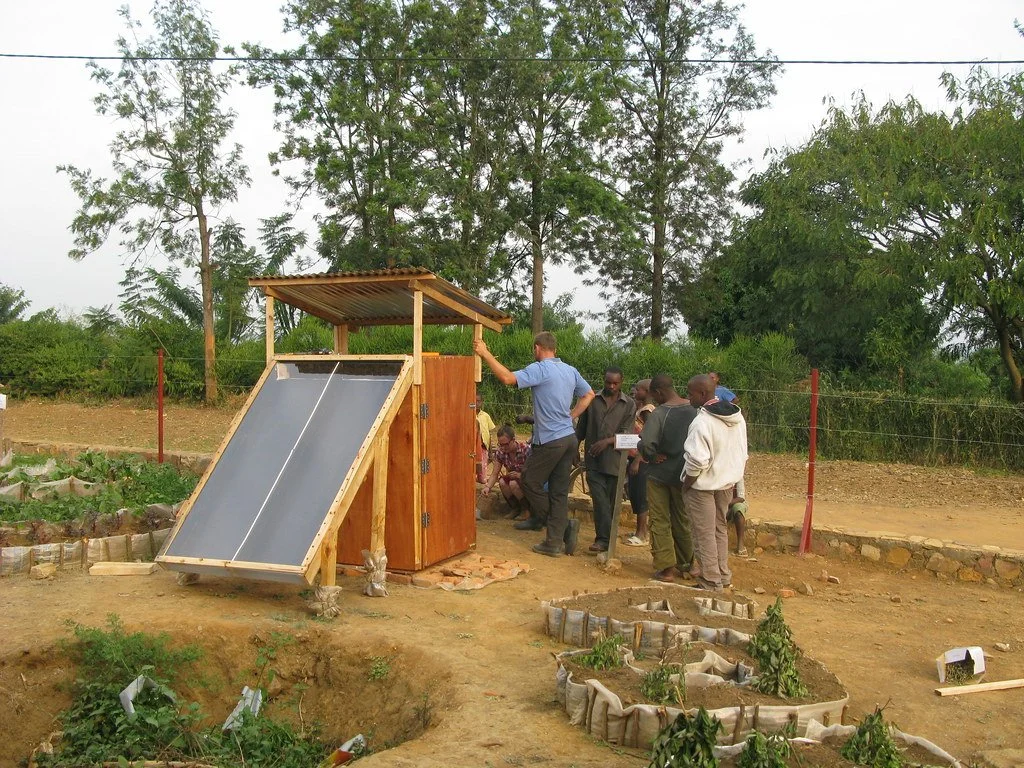
Nakupenda Farm in Kampot, Cambodia is a family and community farm focused on sustainability. They are completely sustainable in terms of energy and are working towards growing all of their own food. They would like volunteers to help harvest food and help them reach their goal of becoming entirely self-sufficient. They have also worked on projects in the past such as building earth houses and solar dehydrators, which dry fruits and vegetables to preserve them. Nakupenda Farm sits on 3.5 acres of land. Learn more here.

Passive solar dehydrator. Colleen Taugher. CC BY 2.0. 

Europe: Hvolsvöllur, Iceland

The Farm Buland is a certified organic dairy farm run by three generations of one family. They would primarily be looking for help with the cows and other livestock, such as chicken, horses and sheepdogs. The owner is passionate about environmentalism and has studied natural healing and medicine. They have over 50 humanely treated cows, providing an opportunity to work on a large-scale ethical and organic farm. Learn more here.

These are only a few examples of the types of farms looking for volunteers; there are hundreds of local and family-owned farms all over the globe searching for people passionate about agriculture and the environment to help them while learning from their experience. In addition to WWOOF, potential volunteers can find more opportunities through similar organizations like World Packers, as well as through the websites of individual independent farms on the lookout for volunteers, such as Red Hook Farm.


Calliana Leff

Calliana is currently an undergraduate student at Boston University majoring in English and minoring in psychology. She is passionate about sustainability and traveling in an ethical and respectful way. She hopes to continue her writing career and see more of the world after she graduates. 

Drought, Agriculture and the Water Crisis in Spain

In Spain, where drought and agricultural contaminants are affecting drinking water, the precious resource has become a rarity. 

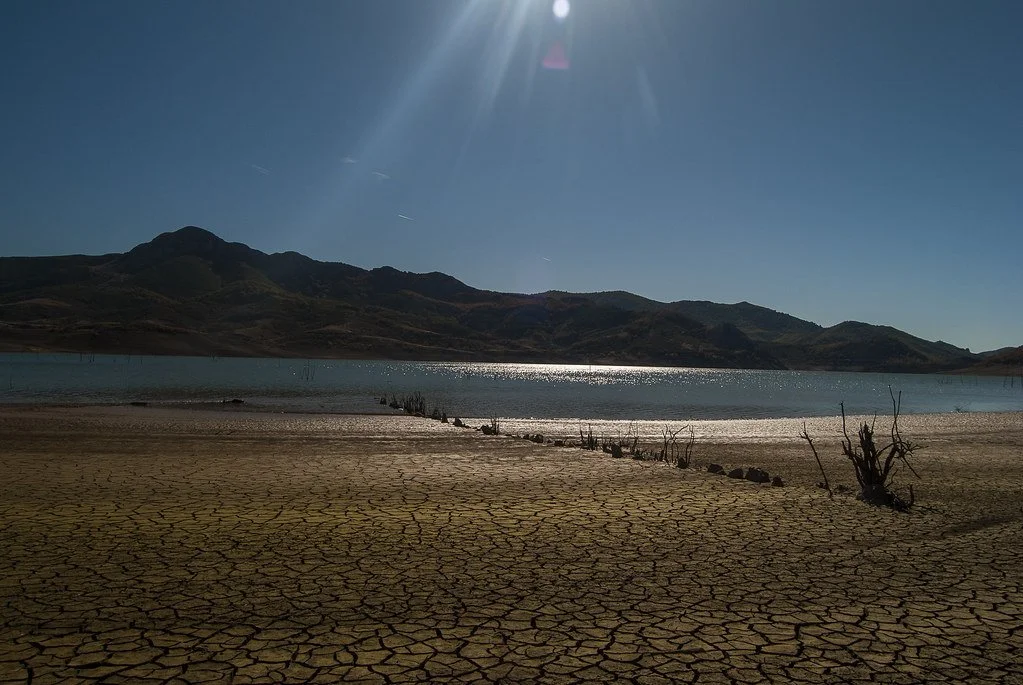
The drought’s effects on water in Spain. Oscar F. Hevia. CC BY-NC-ND 2.0.

After one of the driest winters of the past 20 years, Spain is experiencing record-low levels of water, which has severely impacted the country’s people. Spain collects the majority of its water through reservoirs and basins, which capture groundwater and rain. At this time of year, these reservoirs are typically at 70 percent. However, due to the drought Spain is currently experiencing, such reservoirs and basins are only at about 40 percent capacity—a palpable cause for concern for all Spanish citizens. 

Due to the severe lack of water, Spain has placed regulations on what the limited supply should be used for. Pools remain unfilled as the weather gets hotter, city fountains are shut off, and villagers in towns closer to the interior of the country find it hard to get a sustainable supply of drinkable water. Villagers from interior areas of Spain, like Lastras de Cuéllar, depend heavily on bottled water sold in their town square. But the purchasing of bottled water is not a sustainable solution to the current water crisis. Older members of the community struggle to carry enough back home, and although many places discount their prices, bottled water is not cost effective. As summer approaches, the people of Spain worry about how long their reserves will last them and hope for heavier rainfall in the spring months to come. 

The drought is being credited to climate change, and the ever-rising temperatures felt across the globe are now creating drastic impacts on the ways people will have to start managing their resources. Calls for water-management reform have begun from many scientists in Spain, the main argument being that due to rising temperatures, old ways of managing and transporting drinking water may need to change. Interior towns of the country that heavily depend on rain water to sustain them may have to rethink their system all together.

Park fountain without water.  Ell Brown. CC BY-NC-SA 2.0.

On top of the drought, agricultural contaminants have threatened what little water resources Spain has left. Spain is a global leader in pork production, a process that actively affects groundwater resources commonly collected in the basins used to hold drinking water. Pig manure is loaded with toxins that make drinking this groundwater very dangerous. Wired Magazine explains that “pig feed is high in a chemical called phytate, which swine excrete as phosphorus.” When farmers use pig manure to fertilize their land, “phosphorus can become concentrated in the soil and leach to groundwater.” This concentrated phosphorus in groundwater can make humans extremely sick, another reason why clean water has become so rare in Spain.

Besides phosphorus, pig manure also secretes nitrates, something also commonly found in fertilizers used in the agricultural production of crops. Therefore, on top of the dangerous toxins found in pig manure, the nitrates in fertilizer are also seeping into groundwater and impacting the purity of Spain’s limited drinking water. The Local, an online magazine dedicated to covering news in European countries, states that “22 percent of Spain’s overall surface area…is exposed to nitrate pollution,” a startling statistic, considering Spain’s clean water crisis. 

The implications of the drought—combined with the continuation of agricultural contaminants that are consistently finding their way into Spain’s drinking water—are extremely severe. If Spain doesn’t experience a spring with heavy rainfall, this issue may turn into a crisis. Spain has been for many years a water-insecure region, but as the effects of climate change excellerate and agricultural production continues to pollute the land, the issue only becomes more dire. For now, Spaniards can only hope for rain to counter the drought, and for water-management reform to make their drinking water safer. With those hopes in mind, they wait to see what the impending summer heat will mean for their depleted clean water supply.

To Get Involved:

The Organization for Economic Co-operation and Development (OECD) is an organization designed to assist economic and trade progress on a global scale. Learn about the OECD’s assessment of how water resources in Spain are allocated and how the OECD recommends to improve such allocations as conditions in Spain change here.

Circle of Blue is a non-profit organization dedicated to discussing critical research and the challenges involved with global water insecurity. Uniting journalism and data literacy, Circle of Blue serves to educate readers on global issues linked to water and provide research on ways others can get involved to fight global water insecurity. Learn more on how to eliminate global water insecurity here.  


Ava Mamary

Ava is an undergraduate student at the University of Illinois, double majoring in English and Communications. At school, she Web Writes about music for a student-run radio station. She is also an avid backpacker, which is where her passion for travel and the outdoors comes from. She is very passionate about social justice issues, specifically those involving women’s rights, and is excited to write content about social action across the globe.

Mass Killings of the Gray Wolf near Yellowstone

With the 150th anniversary of Yellowstone, attention is drawn to the mass killings of the gray wolf. The park’s bordering states have no laws to protect this species, as the wolves reach a record low number. 

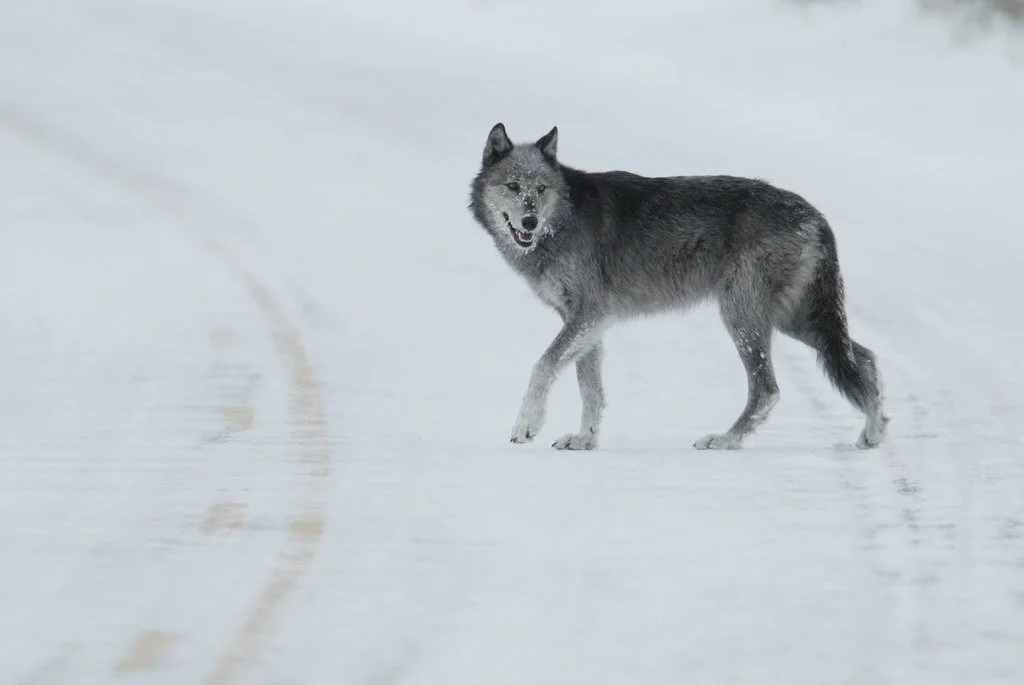
Gray wolf traveling. Yellowstone National Park. CC BY-SA 2.0.

March 1 marked the 150 years of Yellowstone National Park’s existence. However, a sad reality emerges regarding the hunting and killing of wolves. Although this event should be a time of commemoration for the park, an impending issue may finally be getting the necessary public attention. 

While hunting is illegal within Yellowstone, the boundaries of the park line states like Montana, Idaho and Wyoming, which offer no protection to what crosses into their private territory. As a result, the highest number of gray wolf killings has occurred within a century this season alone, which is less than halfway over. 

There are several reasons why this attack on the gray wolf has been escalating. In 2020, the Trump Administration abolished protection of the gray wolf species, meaning that they no longer receive protection as an endangered species. Two years later, though, the federal court worked to reinstate protection for the wolves. Although this preservation was successful in some states, those bordering Yellowstone were excused from this active protection. As a result, hunters in Montana, Idaho and Wyoming have brought the total population down to just 90 wolves

Although there are strict hunting rules within Yellowstone, they now hold little value due to the ways in which these bordering states support the war on wolves. These mass killings are not only exponentially growing for the first time in a century, but pose extreme risks for the balance of the ecosystem. The gray wolf plays a key role in the ecosystem, which further affects the physical environment the park is surrounded with, as well as the stability of other organisms. 

For example, the diminishing number of wolves negatively impacts the ecosystem as the species feeds on deer and elk populations, keeping them at a healthy population. When wolves eat deer or elk, they also leave their carcasses scattered which provides nutrients for other members of the system. Aside from the gray wolf affecting other species, they have large impacts on trees, plants and the physical environment at large. With the absence of the gray wolf working as predators, an abundance of elk would feed on different types of trees, which further translates into the stagnation of the species. 

The issue is growing rapidly, as the entire Phantom Lake Pack has been slaughtered due to the lack of protection. New laws in Idaho encourage these killings; the governor of Montana is an active hunter himself who recently trapped and killed a wolf without following protocol. As these states fail to protect the important wildlife that walks into their territory, it is increasingly concerning why there is little to no federal concern on this issue. 

Those who demand change are former members of the Fish and Wildlife Commission, who have seemingly followed the journey of the gray wolf, watching them go from full protection to total vulnerability. Although gray wolf deaths reach dangerous numbers, the problem is seemingly insular to the park itself, only being made known to the outside when action is demanded. When there is no personal connection between the park and the outside influences that have ability to make a change, protection is only considered when irreversible ecological damage to the park is noticed. Whether the federal government and commission chooses to protect the gray wolves or not is ultimately determined by their care for the environment, economics and the ecological community.  

GET INVOLVED

Citizens can put active pressure on the federal government and commission to keep the Endangered Species Act protections for gray wolves in 48 states throughout the Biden Administration. This pressure would also help the wolves have protection under federal law, rather than leaving responsibility to the surrounding states. 

Here, you can sign a petition to Secretary Haaland to promote this protection of wolves.


Talia Rueda

Talia is an English major and Marketing minor at Providence College. She works as a Staff Writer and Social Media Coordinator for their student-led newspaper, The Cowl. She is a lover of all things entertainment media and is happy to now grow her experience in writing about social action and travel. In the future, she hopes to work for a major entertainment magazine to continue the conversation about growing trends and popular culture.

Trail Angels and Trail Magic on the Appalachian Trail

As thru-hikers backpack the Appalachian Trail from Maine to Georgia, people dedicated to assisting the hiking community volunteer their time to perform services to the hikers who need it most.

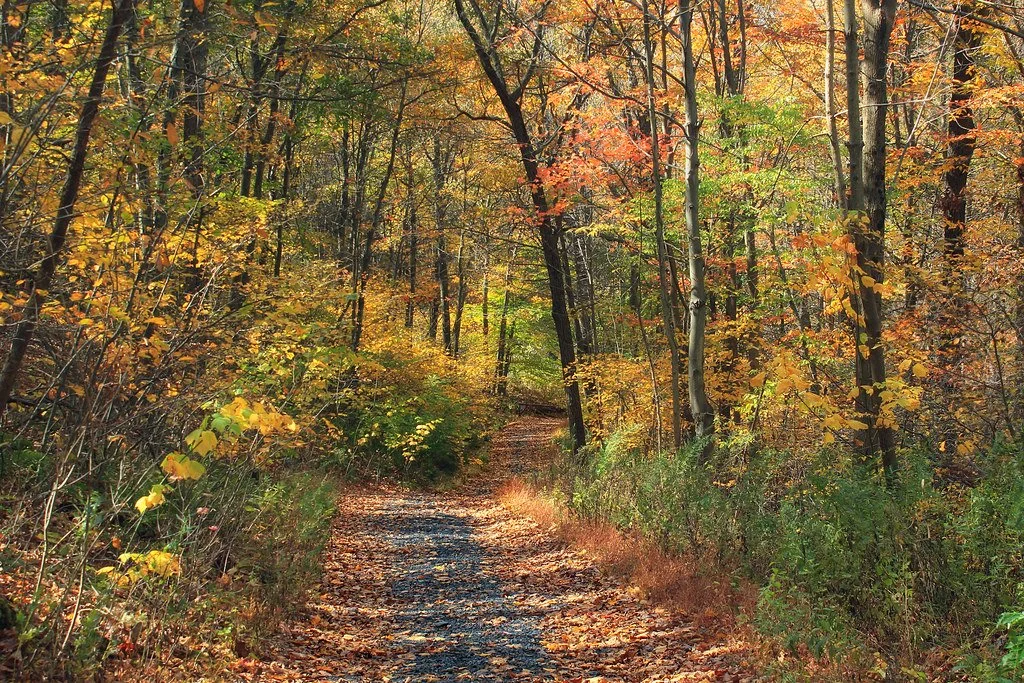
The Appalachian Trail in the fall. Nicholas T. CC BY 2.0.

Sporadically stationed along the Appalachian Trail (AT)—a hike that spans through 14 states starting in Maine and coming down through Georgia—volunteers dubbed “Trail Angels” set up to assist thru-hikers on their journey across the mountains.

The Appalachian Mountain Range has become one of the three major hiking trails in the U.S. and a welcome challenge for some of the most experienced backpackers in the country. The Appalachian Trail Conservatory (ATC) website states the trail is over 2,190 miles, and to do it in one trip “typically takes five to seven months.” Despite the challenge, thru-hikers travel in droves to attempt the AT every year, facing the physical and mental fatigue that accompanies months of full-day hikes, low calorie meals and poor sleeping and hygiene conditions. But in tests of true strength, a little help is always welcome, and the thru-hiking community shows an aptitude for providing some magic just when it’s needed most. 

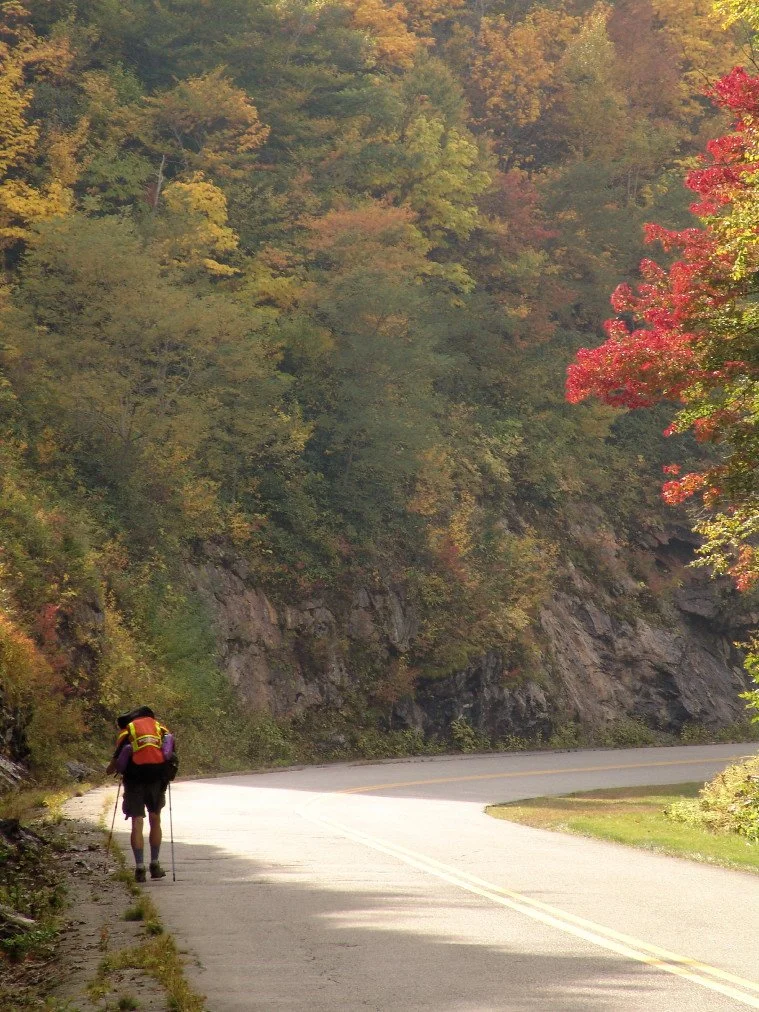
A thru-hiker on his journey. @Zen. CC BY-NC-SA 2.0.

Trail Angels are volunteers who provide free services to thru-hikers during their journey across the mountains, a fitting name for their selfless acts of kindness. Trail Angels typically provide what has been called Trail Magic. The Appalachian Trail Conservatory explains Trail Magic as “finding what you need most when you least expect it,” emulating why the work Trail Angels do is so special; it is an unexpected surprise in an environment where everyday is so monotonous - hiking, eating, camping and repeating the process for days on end. Further, in stretches of the Appalachian Trail where the terrain is most daunting, Trail Magic can make a world of difference to thru-hikers contemplating quitting or even more severely, thru-hikers in desperate, life-or-death need of food, water, or shelter.

The services Trail Angels provide generally reside within three realms: food services, ride and supply services, and general care. The ATC explains the phenomena of “hiker feeds”, which is when Angels set up a station along the trail or near trailheads and provide hot meals, beverages, fruit and more to help feed any ravenous backpackers. Additionally, Trail Angels will provide ride services into town for any much needed supplies, including food, propane tanks used for portable stoves and hygiene products. As well as providing Magic on the Trail, Angels occasionally facilitate off-trail services, allowing hikers to spend the night in their personal homes so they can get much needed sleep and hygienic care.

Trail Angel leaving some Magic. @Cyclotourist. CC BY-NC 2.0.

Chatrooms, Facebook groups and Twitter accounts have all been made to connect Trail Angels with thru-hikers in need. Although Trail Magic is typically an unexpected surprise, hikers can occasionally request help during their hike from those willing to give it. The Trail Angel List is a collective organization that specializes in connecting hikers with those wishing to help them. In their online forum, folks can be seen offering their services to the thru-hiking community. 

Most Trail Angels have personal connections, linking their service on the AT with experiences they or a family member has had while backpacking. On the forum, folks like Stan Mordensky write, “I became a Trail Angel well before the summer of 2013 when my son was a thru-hiker on the AT,” following up his post by saying he teaches high-adventure skills and drives around the New Jersey-Pennsylvania border area to help thru-hikers in need. Another thru-hiker, Megan Lynne, states “I have been an avid high-altitude climber…and would like to help with rides, meals…lodging, laundry, showers,” connecting her own past with hiking to her reasons for service to the AT community.

Alongside the veteran-hikers-turned-Trail-Angels, there are also numerous people on forums such as The Trail Angels List that do this work for no plausible reason at all. Maybe they enjoy volunteering in a community so thankful for any help they are given or they like inspiring hikers to continue on with their journey. Maybe they enjoy listening to the stories of the people they meet along the way. Regardless of the reason, no matter the motivation, it is undeniable that Trail Angels are at the heart of the thru-hiking community and demonstrate the power of selfless, genuine community service.


Ava Mamary

Ava is an undergraduate student at the University of Illinois, double majoring in English and Communications. At school, she web writes about music for a student-run radio station. She is also an avid backpacker, which is where her passion for travel and the outdoors comes from. She is very passionate about social justice issues, specifically those involving women’s rights, and is excited to write content about social action across the globe.