Ski Trips Make a Comeback in Afghanistan

Untamed Borders navigates powder and a new administration as adventure enthusiasts transcend cultural and geographical borders
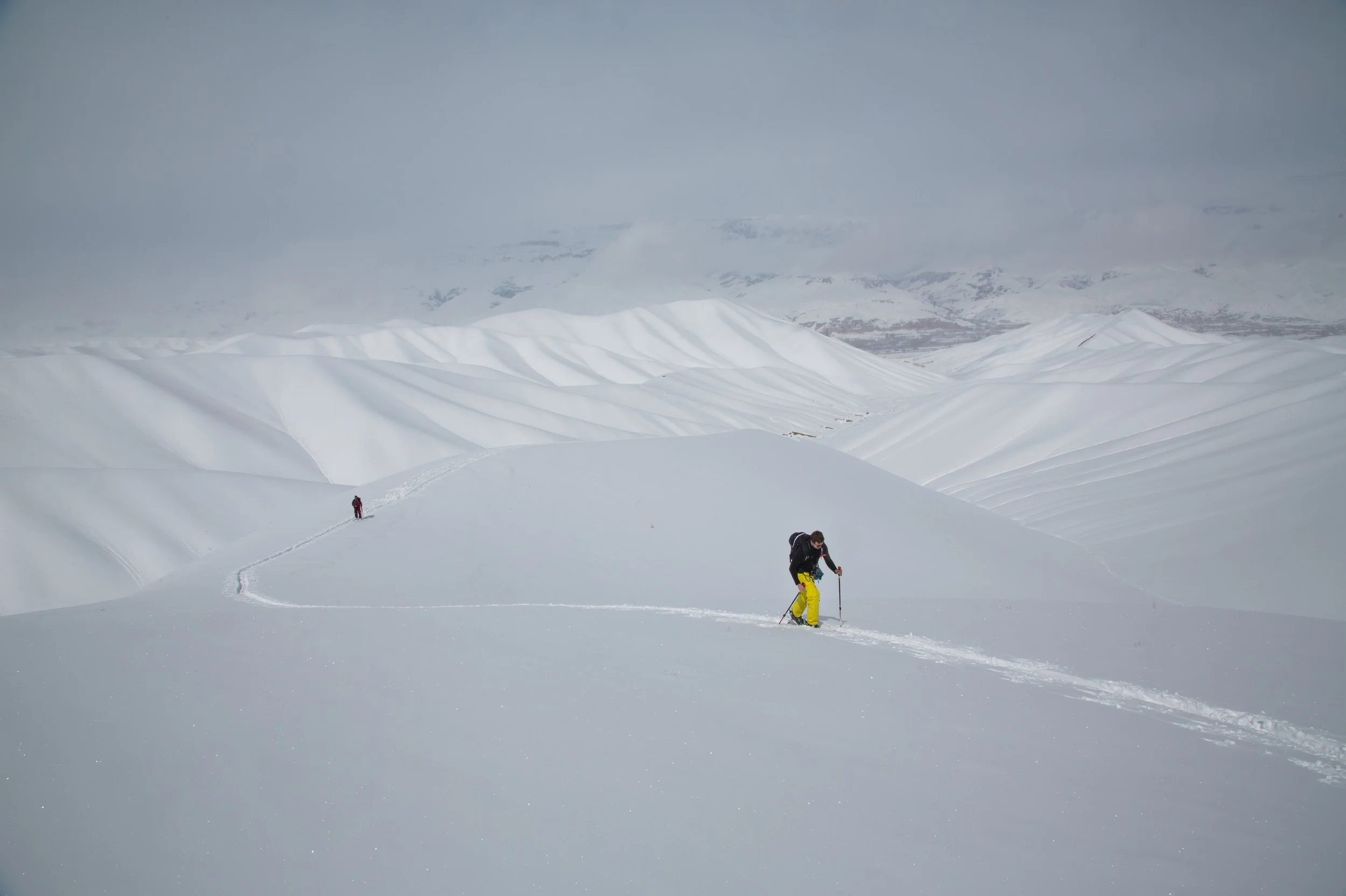
Two people in an open hilly and snowy landscape ski touring.

Tourist Skiing in Afghanistan. Neil Silverton

Afghanistan’s ski slopes have witnessed the return of tourists for the first time since the new Taliban government came into power in 2021. Untamed Borders is a UK based travel company, formed in 2008, that focuses on providing travel opportunities to some of the world's most interesting and inaccessible places. In 2011 it pioneered excursions to Afghanistan, and has recently decided to resume its trips to the non-traditional ski tourism destination.

The group sponsored one trip in the winter of 2024 that lasted from February 22nd to March third. It began in Islamabad, Pakistan and ended in Kabul, Afghanistan. It was a magnet for those looking to experience the region’s rugged yet beautiful landscape. Skiers started in Pakistan, where they received visas, before flying to Kabul and driving to Bamian to spend four days skiing.
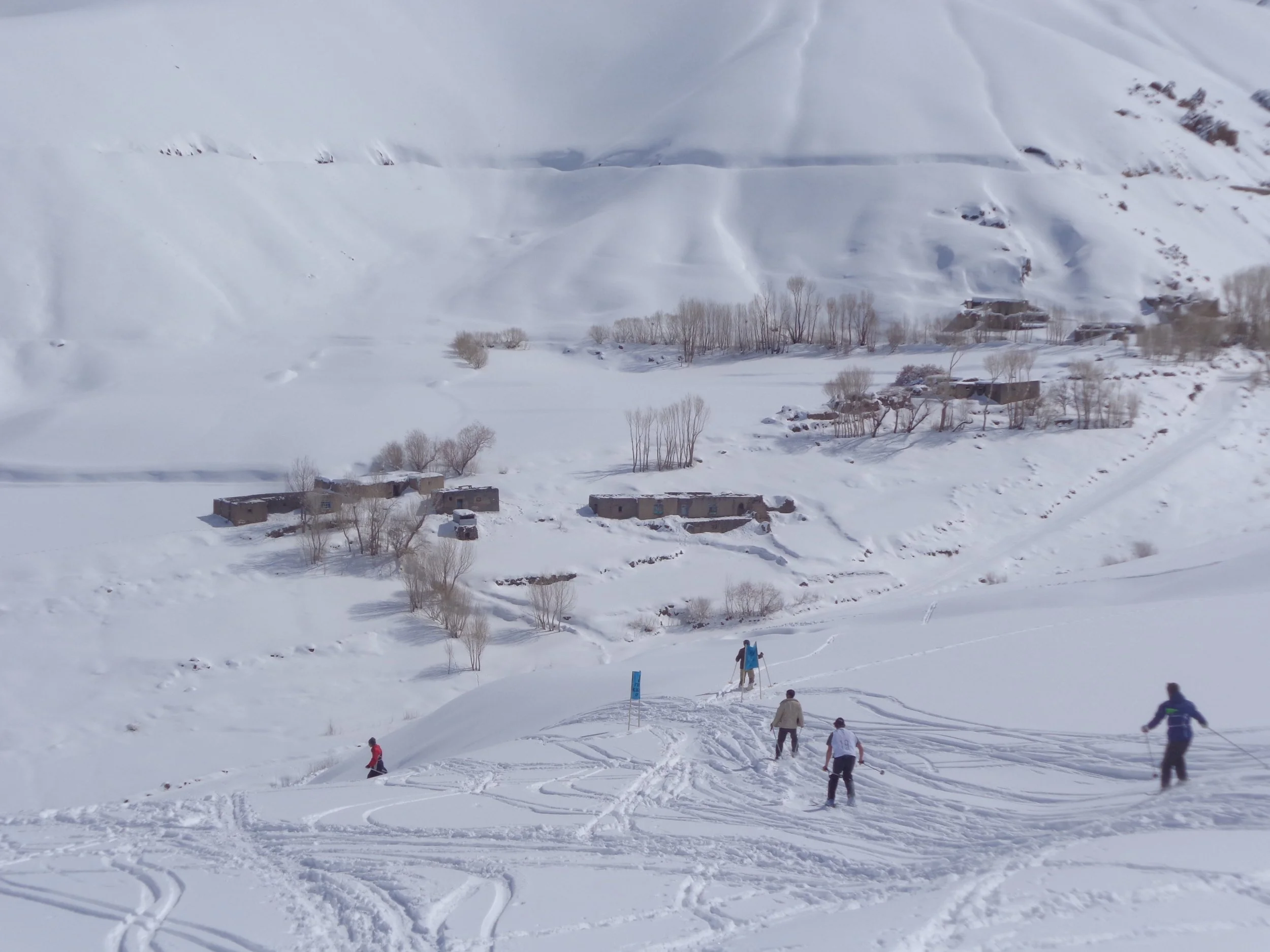
A group downhill skiing through a powder field in the vast snowy landscape.

Group Skiing in Afghanistan. Ana Tasič, Untamed Borders

In 2025, the company is set to continue its trips to Afghanistan. For this upcoming year the trip will be set in the Bamian Province once again, with skiing taking place in the Koh e Baba Mountain range. Similar to past trips, travelers are expected to end in Kabul and begin by venturing through Islamabad and Peshiwar, Pakistan. Skiers will have the opportunity to be led by local guides, who will help them explore Afghanistan’s popular slopes and to experience backcountry skiing on routes that may have never been skied before. Travelers will additionally have the opportunity to visit the remains of Bamian’s famous Buddha statues, the ancient city of Shahr e Zohak and take part in the Afghan Peak Ski Race.

Ana Tasič, an international guide for Untamed Borders, emphasized the beauty of the trip to Bamian Province, highlighting the drive through the outskirts of the snowy Hindu Kush Mountains. She explained that it typically takes around four to six hours to get to the Province but that “the journey through the mountains is spectacular.”
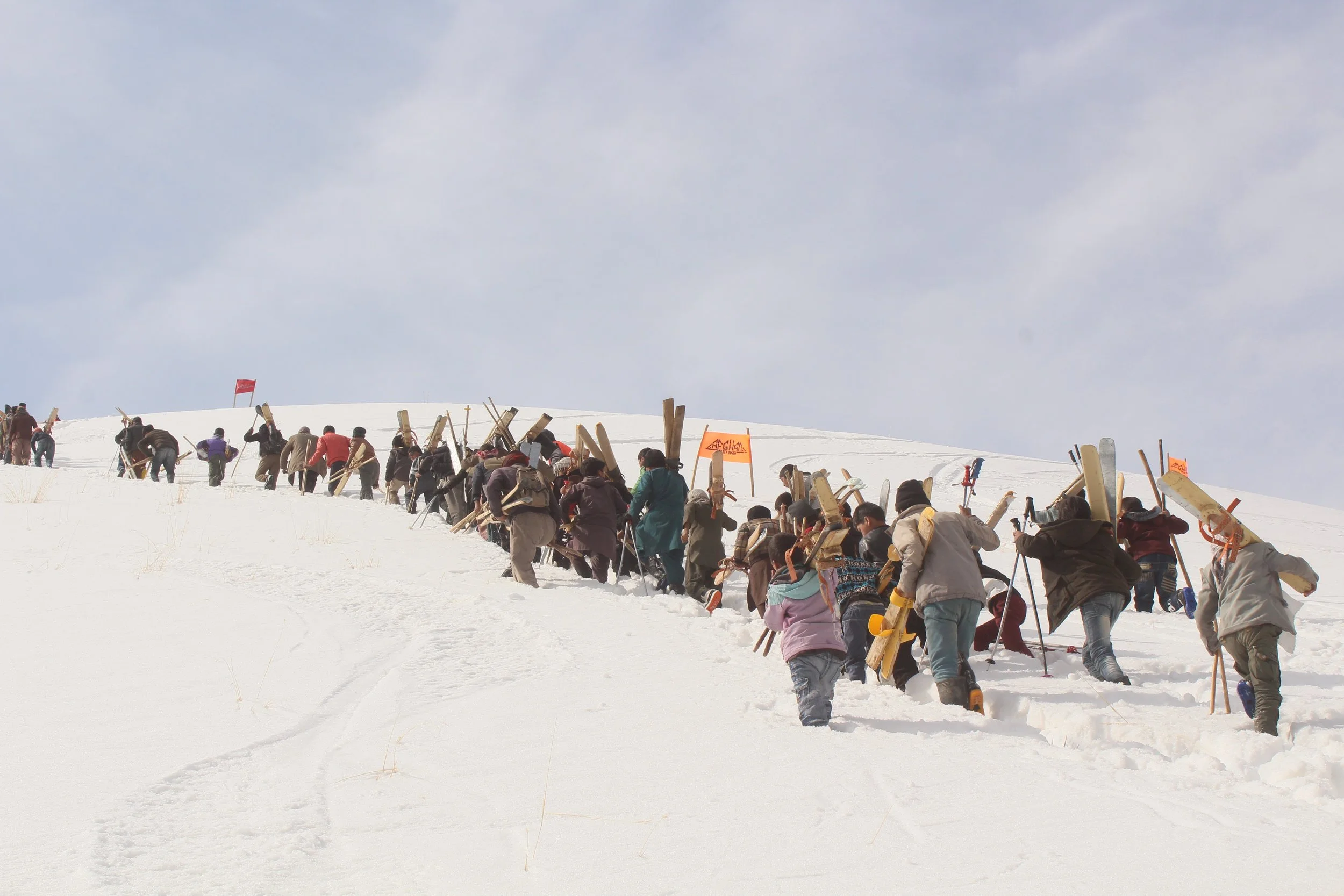
A crowd of people hikes up along the mountainside with their skis in tow.

Afghan Peaks Ski Race. Afghan Peaks Charitable Trust.

Each year, the annual ski trip run by Untamed Borders coincides with Afghanistan’s annual Afghan Peak Ski Race. International groups will be offered the opportunity to take part in it alongside locals. The race typically includes two different types of skiing. One race is for people using wooden skis and the other is for those using conventional skis. The competition allows people of all ages to compete, but has faced some challenges that allow women to participate as a result of the Taliban taking over. Tasič, a former teacher of the ski club for girls, mentioned the changes in government over the past couple of years that have prevented the participation of women.

“We can’t do anything with women in sports anymore, so this has definitely changed but there’s not much that we can do about it. We’re hoping that this changes in the next few years,” she said.

The new regime in Afghanistan has not created the need for Untamed Borders to up security considerations. Because the Taliban now run Afghanistan there is less of a worry over unpredictable attacks than before, although getting into the country has become complicated. While some changes have been made in regards to travel planning, Tasič reassured those considering the trip that although “a lot has changed in the last eight years, one thing that stands out is the hospitality of the people there.” She mentioned how the trip is an opportunity for travelers to not just meet locals but to spend a week with them and get to see how they live.

“We get to experience Afghanistan in a way that most people don’t. It’s not just a ski trip, but it’s also a cultural and hospitality trip,” Tasič said.

TO GET INVOLVED

For the 2025 trip, those interested can find more information on Untamed Borders’ website. The trip to Afghanistan costs $2,850 USD and dates are not yet finalized, but when they are they will be posted to the same site for travelers to easily access.


Mira White

Mira is a student at Brown University studying international and public affairs. Passionate about travel and language learning, she is eager to visit each continent to better understand the world and the people across it. In her free time she perfects her French, hoping to someday live in France working as a freelance journalist or in international affairs.

How to Authentically Experience Culture While Supporting Locals

Getting in touch with locals is the perfect way to engage meaningfully with all a destination has to offer.

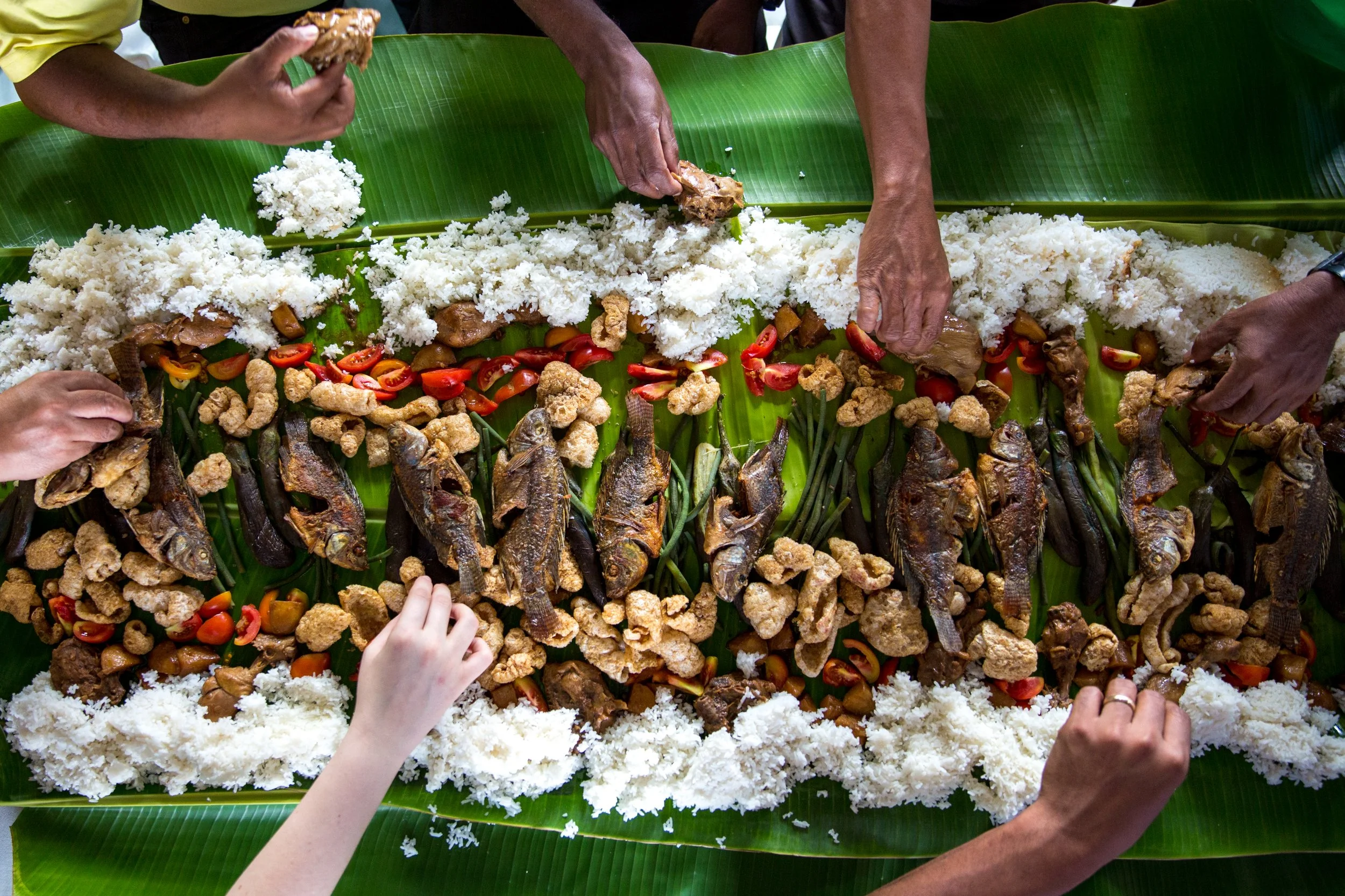
Looking down at a meal of fried fish, rice, and other foods served on a large leaf, multiple hands from every side are grabbing part to eat.

A meal shared in the Philippines. Avel Chuklanov. CC0 1.0

Whether you are growing distrustful of hyped social media recommendations when traveling somewhere new or are merely trying to find a way to support locals on your journey, there are many ways to create an enjoyable trip while experiencing the beauty of a city from the perspective of one of its inhabitants. From sharing meals to discovering the delights of a city beyond mere tourist attractions, engaging with locals is an excellent way to enjoy the unadulterated beauty of a destination.

For many, part of immersing themselves in a culture revolves around the dinner table. Although both dives and upscale restaurants offer a plethora of meal-sharing experiences, there is nothing like enjoying a home-cooked meal. Spanning 6 continents, Traveling Spoon connects travelers with locals hoping to welcome tourists to their culture through the power of food. Whether it be a traditional cooking class using family recipes in Ecuador or gaining new insight into French cuisine through a vinegar tour in Cognac, the website provides a variety of options for travelers to experience a full range of culinary experiences. From market tours to cooking classes, Traveling Spoon cultivates connections and allows those coming from near or far to feel at home when abroad.

Similar to Traveling Spoon, Eat With is a popular sight for travelers looking to get an authentic food experience. While Traveling Spoon offers more destinations, eatwith.com is a good source for those visiting major cities such as New York, Rome and Paris. Both sites offer experiences as low as $15, but some vendors can charge into the hundreds of dollars depending on the city and precise details of the experience.

With 151 destinations spanning 40 countries, the International Greeter Association is a non-profit offering free walking tours around various cities. Started in 1992 in New York City, this free-of-charge service is now expanding again after the Covid-19 pandemic. The greeter network is composed of passionate locals looking to show off what their city has to offer and to provide a friendly face to those visiting.

The not-for-profit nature of the organization makes utilizing the International Greeter Association an excellent way for tourists to engage with a city and its culture from an insider's perspective; learning about local gems, using public transport and discussing the greeter’s personal relationship with their city can be a great way to engage on with a destination on a whole new level, and maybe make a friend along the way.

Although social media is riddled with hyped restaurants and attractions that can make searching for cultural authenticity difficult, following creators that unveil local secrets is an excellent way to leverage new technology. For example, Elizabeth and Sophie Michilli are a mother-daughter duo from Italy who showcase their experiences in Puglia and Rome, highlighting local favorite restaurants and boutiques. Though it can be difficult to navigate through sponsored and algorithmically recommended content, using social media as a tool to engage with local creators can be an effective way to meaningfully tailor your trip to support local establishments.


Nicola DeGregorio

Nicola is studying English Literature at George Washington University, where she also reports for the student newspaper, The Hatchet. Nicola's passion for literature and writing has sparked an interest in exploring the broader context surrounding written texts. Researching and writing for Catalyst Planet allows her to investigate nuanced issues that intersect with her interests in art history, culinary practices, and cultural traditions.

8 Reasons to Visit Oman

Oman is truly a feast of the senses—a remarkable getaway for anyone seeking a fulfilling adventure.

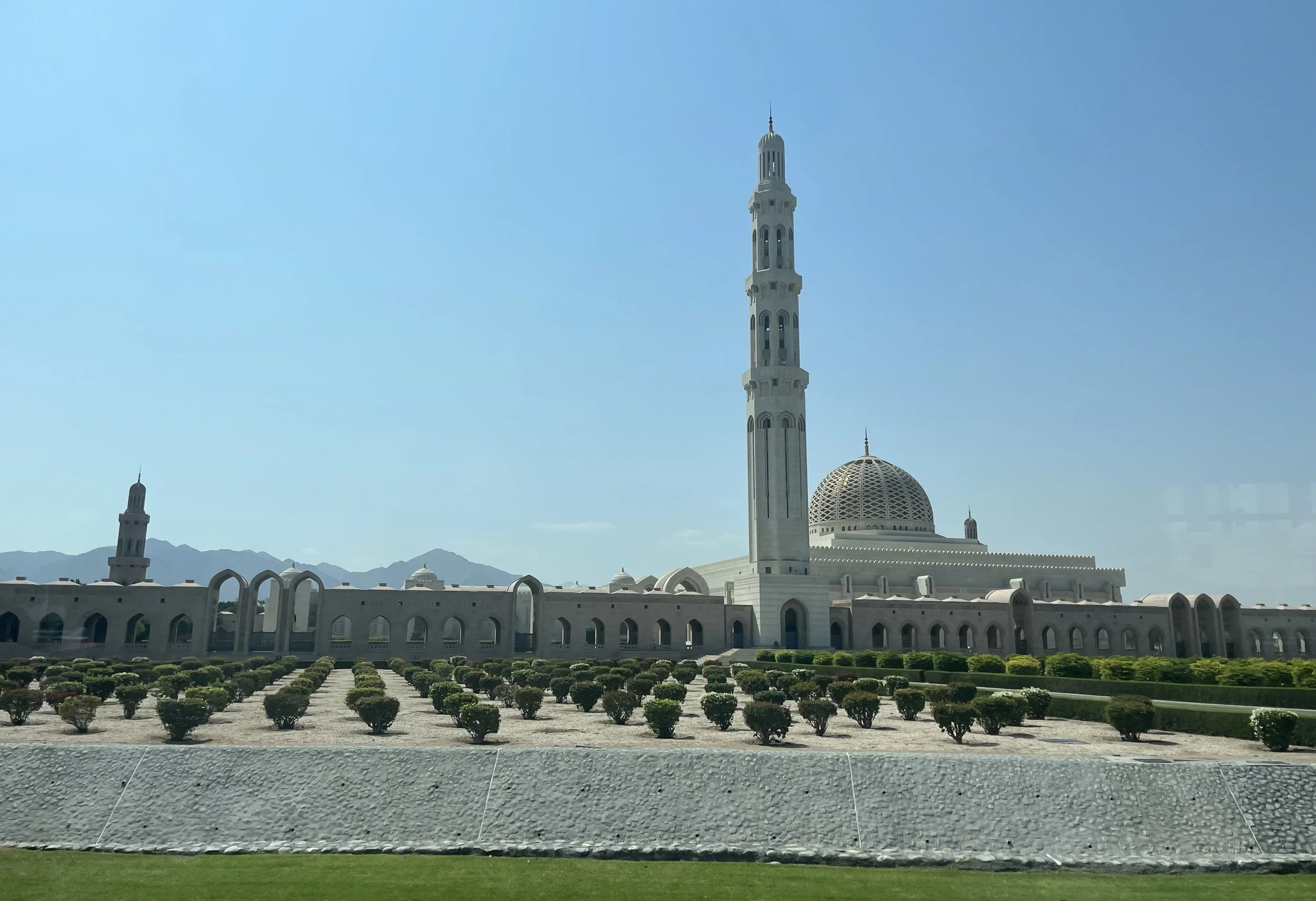
An image of the gran mosque, organized hedge garden, and mountains in the background

The Grand Mosque in Muscat, Oman. Madison Paulus

After returning from study abroad in Oman, I have a newfound admiration for the country’s history, culture, views and activities. The vitality of Omani culture despite outside influence is admirable and I could see it reflected everywhere I went. From the very first day, I felt welcomed and immersed within the Omani lifestyle. This trip was an incredible experience, inspiring me to share eight reasons why you should experience Oman.

1. Rich History 

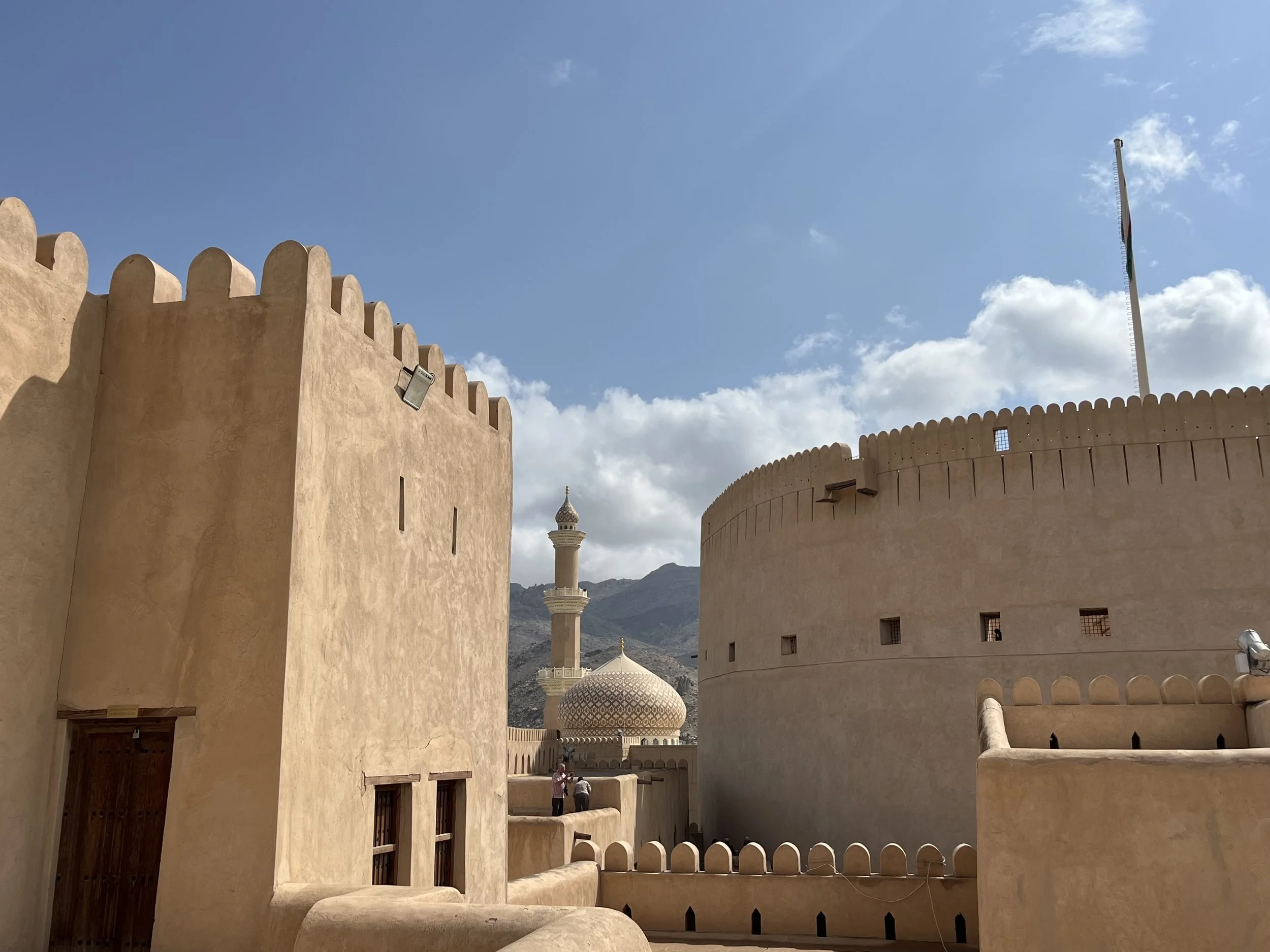
View of a fort, two people stand on a balcony taking a photo over the sandy walls.

View of a mosque from the Nizwa Fort. Madison Paulus

Oman is the oldest independent nation in the region, brimming with about 1,000 well preserved historical sites. While civilization in Oman began around 100,000 years ago, many popular historical sites came about during Portuguese occupation between 1507 and 1650. 

In Muscat, the capital of Oman, explorers can find several forts. The Muttrah Fort, which the Portuguese built in 1507 can be found at the heart of Muscat's coast. Here, travelers can gaze upon 500-year-old lookouts. 

The Mutrah Fort serves as a vantage point for travelers as it is nearby several other must-see spots, including the Mutrah Market, Al Alam Palace and the National Museum of Oman. Many other castles and forts can be found strewn across Oman, including the Nizwa Fort and Jibreen Castle.

2. Fruitful Culture 

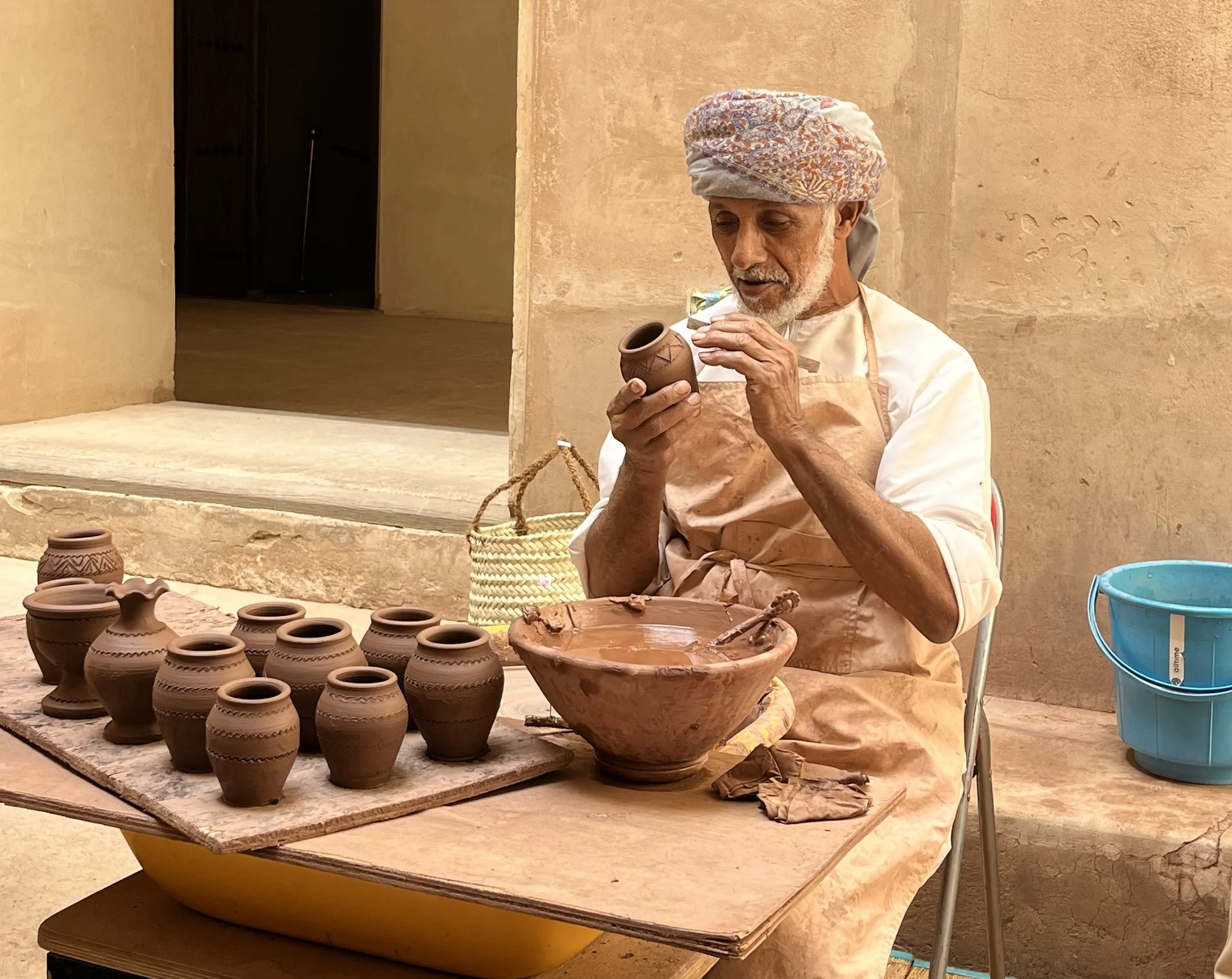
A street vendor man in apron etching a design into handmade clay vase. He has other ornate vase designs on the table in front of him.

A man making pottery at the Jibreen Castle. Madison Paulus

Oman boasts an impressive blend of cultures. The Omani empire once ruled an area spanning from the east coast of Africa up to present-day Oman. Because of the vast territory and major role in trade, African, Arabian and Asian influences can be found embedded within Omani culture.

Home to more than 130 various types of traditional dances and music, Oman’s performance arts delight travelers and locals alike. Omanis are also expressive through their dress. Women can often be seen in vibrant clothing featuring intricate designs that are unique to each region. Men wearing dishdashas dot the streets, sometimes sporting traditional Khanjars (daggers) on special occasions.

Omani hospitality is another key feature of Omani culture. Omanis are known to be warm and welcoming to travelers, sure to offer friendly interactions and generous gifts for guests including coffee, dates and frankincense. For those searching for opportunities to immerse in Omani culture, there are many festivals open to travelers, including the Muscat Festival and the Salalah Festival.

3. Culinary Diversity 

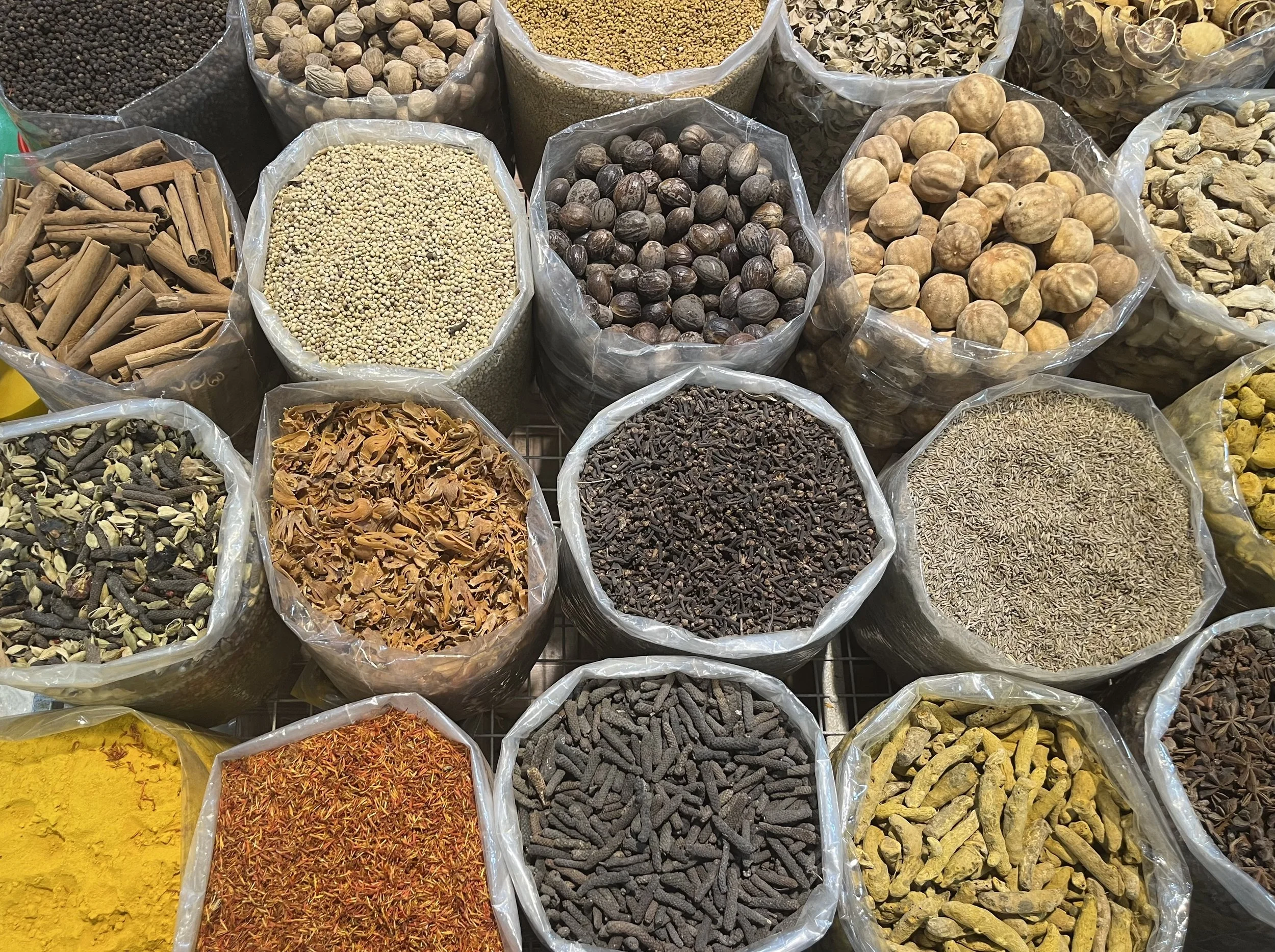
Looking from above at 12 bags of various spices at an Omani market.

A variety of spices at the Nizwa Market. Madison Paulus

As with the culture, Omani food features Arabian, Asian and African influences. Some renowned Omani dishes include Shuwa, Rukhal bread and Halwa. Shuwa is a unique dish saved for special occasions. Meticulously prepared, Shuwa consists of meat cooked in a clay oven underground for up to two days, giving way to a tender, spice-filled delicacy.

Rukhal bread is a delightful addition that can be found accompanying any meal. Traditionally cooked over flaming palm leaves, Rukhal bread is round and thin, often served with honey or date syrup in the morning or sprinkled across meat and rice dishes throughout the rest of the day. 

Halwa is a labor of love, often symbolic of Omani hospitality. A sticky, gelatinous treat, Halwa is usually made by combining water, ghee, corn flour, sugar and additional flavorings such as rose water or saffron in a large copper pot. Beyond the restaurants and markets, an ideal place where explorers can indulge in Omani cuisine is the Muscat Eat Food Festival.

4. Unique Commodities 

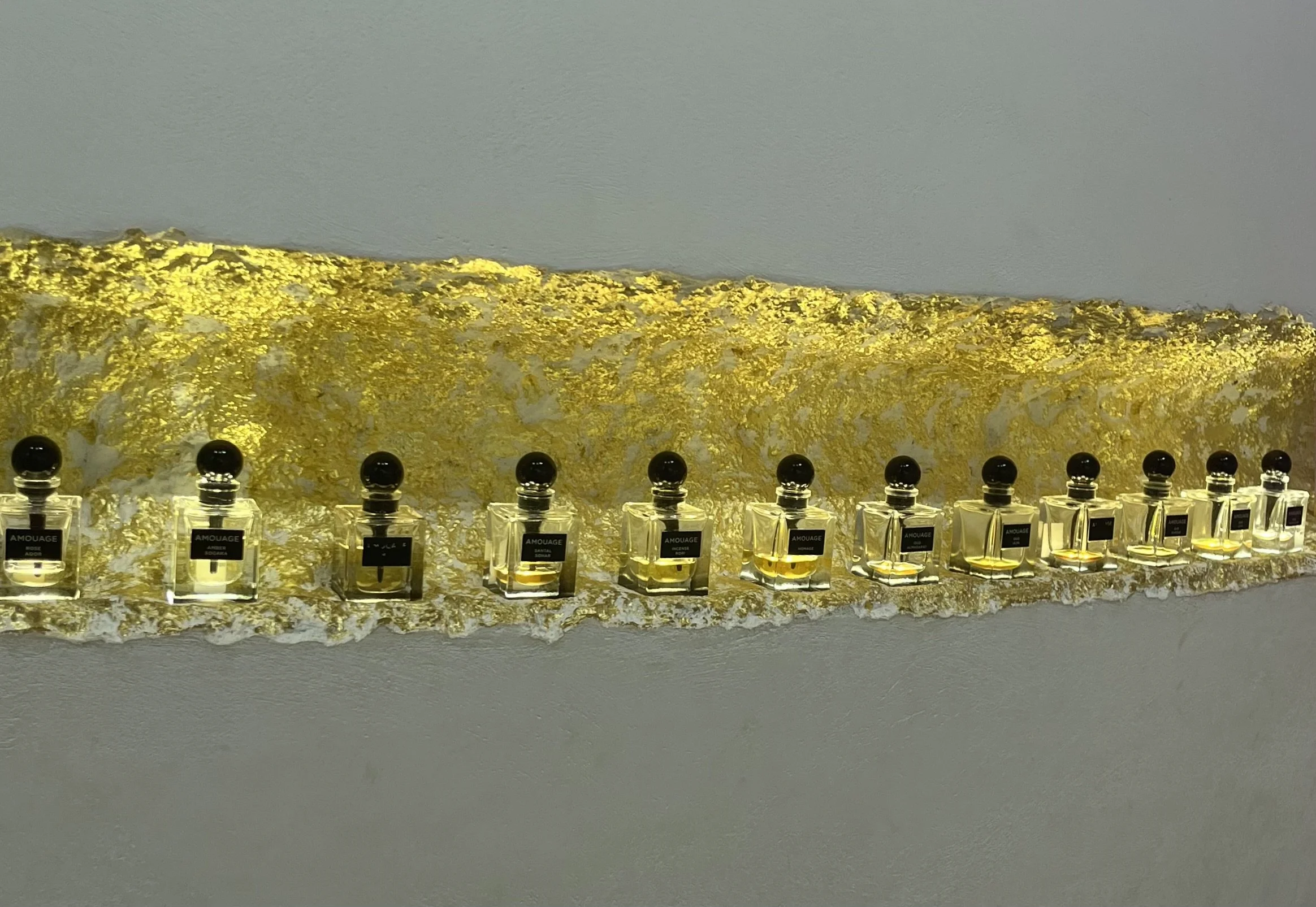
Display of Amouage perfumes lined up on a gold-foiled shelf.

A display of Amouage perfume at the Mall of Oman. Madison Paulus

With an abundance of frankincense and other natural resources, Oman is home to many exceptional goods. Fragrances in particular are an Omani specialty, and Amouage is an exhibition of this expertise. A popular Omani luxury fragrance brand, Amouage draws from Oman’s natural wonders to create enchanting scents, incorporating locally sourced rock roses, ambergris and frankincense. 

While the products aren't budget friendly for many people, travelers can tour the only Amouage factory in the world for free in Muscat, getting a behind-the-scenes look and while sampling their extravagant fragrances along the way. 

If perfumes aren’t your thing, the smell of burning frankincense and oud can be experienced all over the country. For those who wish to bring the essence of Oman home with them, these products, along with traditional burners, can be found easily at shops and markets.

5. Vibrant Art

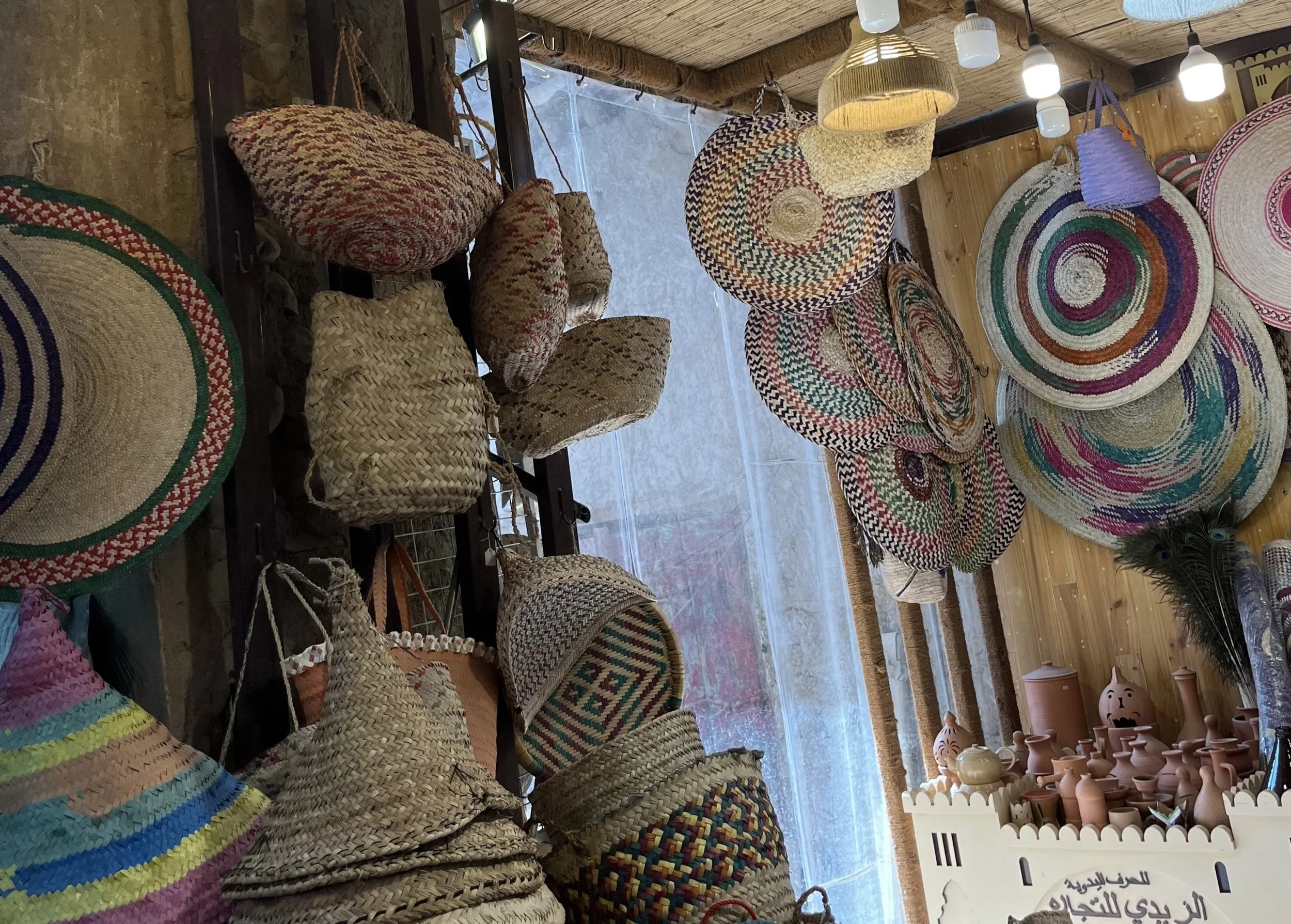
An array of hand-woven bags, hats, and baskets hung from the walls of a small shop.

Hand-woven baskets on display at the Nizwa Market. Madison Paulus

Many art forms have been intertwined with Omani culture for thousands of years. Pottery is a 5,000-year-old tradition in Oman that is still present across the country. Holding great historical value, pottery has been integral in the lives of Omanis for thousands of years. 
While pottery today is often decorative, its historical and cultural value has been maintained here. In the ancient Omani state of Bahla, explorers can buy pottery from local sculptures or even learn how to make their own at the Al Adawi factory. 
Other intriguing Omani handicrafts include basket weaving and silversmithing. Hand-woven baskets made of date palm or other natural fibers can be found in markets across the country, and travelers can witness the process in action at the Nizwa Fort. Silver goods like khanjar (daggers) and jewelry can also be found throughout Oman’s markets, symbolic of Omani heritage and good fortune.

6. Comfortable Climate 

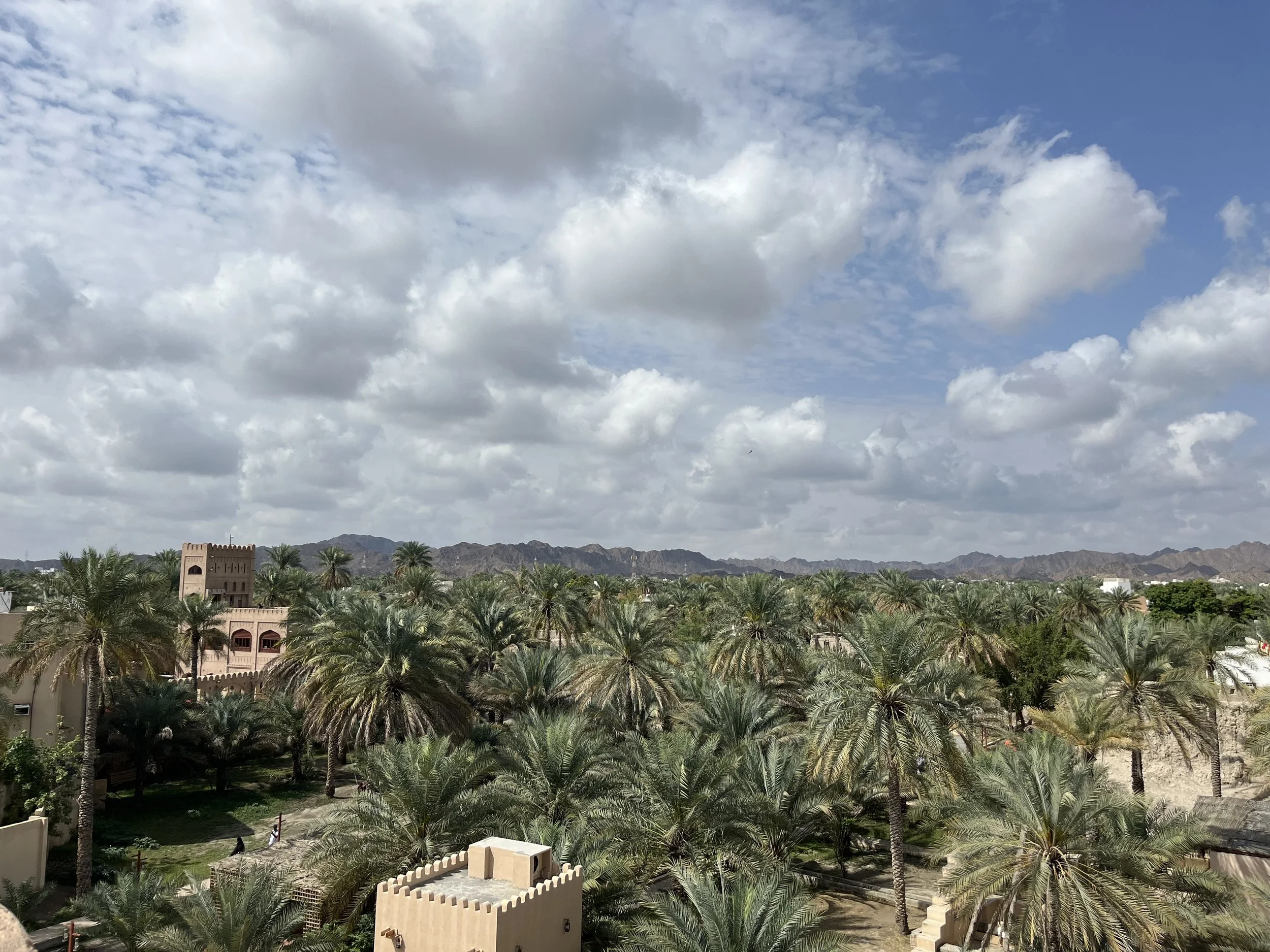
View of the palm-tree covered landscape of Oman.

A view of the landscape from atop the Nizwa Fort. Madison Paulus

Oman’s weather and climate vary significantly by region, easily accommodating travelers’ preferences. With the interior's dry deserts surrounded by southwest summer monsoons and hot, humid coastlines, Oman offers a warm getaway whether you like sun or rain.

Because of this variation, Oman is a year-round destination, with northern Oman attracting many during the months of October through April, and the South drawing explorers most during July, August, and September, according to a presentation by Zahara Tours.

7. Natural Wonders 

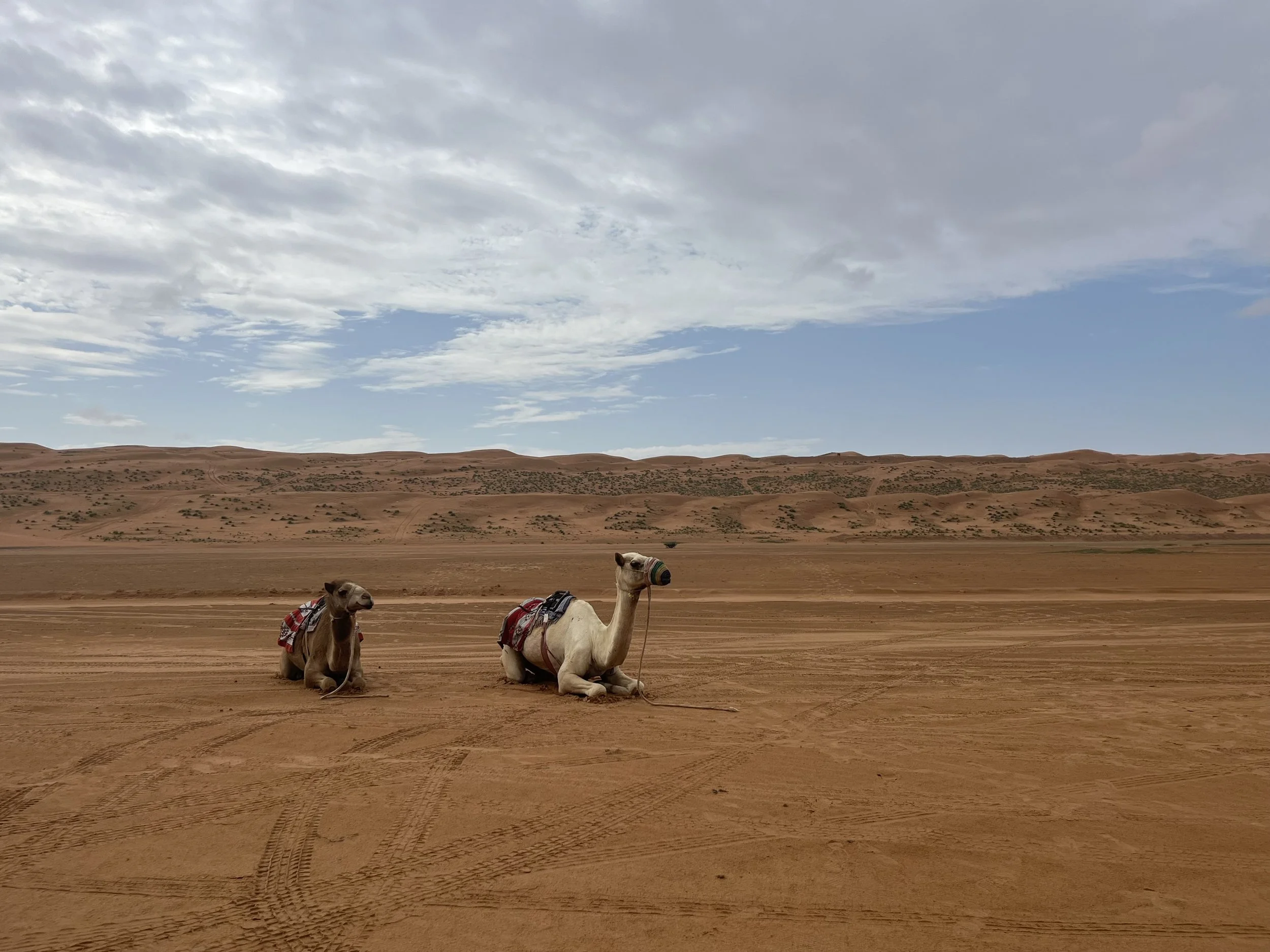
Two camels sitting in the red sand of the Omani desert, red dunes are in the background.

Camels sit in the sand outside the Arabian Oryx Camp. Madison Paulus

Oman’s ecosystems feature a huge diversity of plants and animals, from rock roses and apricots to turtles and camels. With 20 official nature reserves, travelers are offered a wide array of destinations to appreciate Oman’s natural beauty from the mountains to the sea.

Some iconic destinations for explorers to witness nature at its finest include the Al Jinz Turtle Reserve and Daymaniyat Island, where you can swim with whale sharks as they migrate south every summer.

With several caves beneath the earth and many wonders like waterfalls and valleys above, Oman’s astonishing ecology is situated in equally breathtaking natural landscapes. 

8. Adventurous Activities 

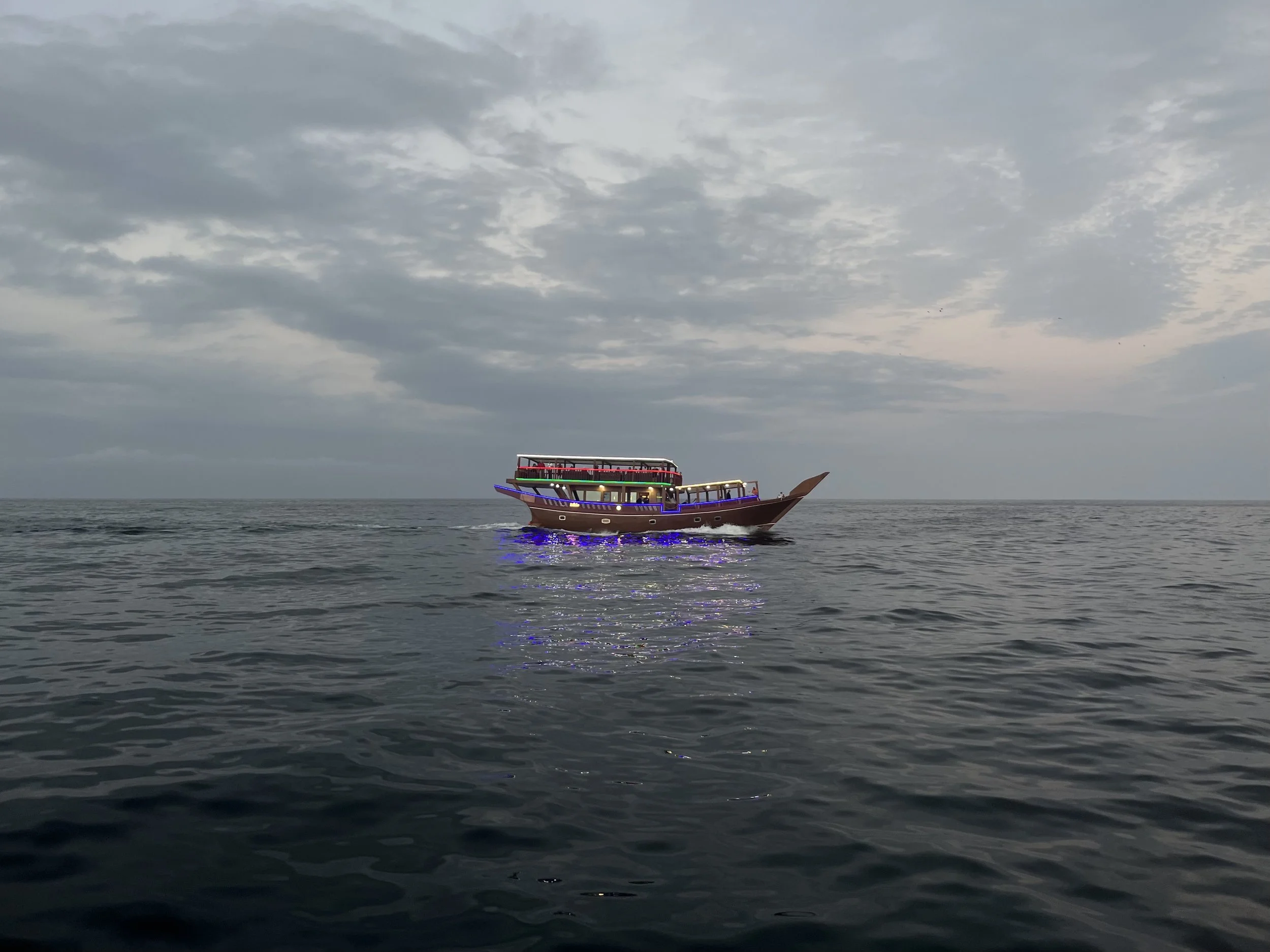
A neon-lit boat navigating the deep blue ocean.

A Dhow boat sailing in the Gulf of Oman. Madison Paulus

Travelers itching for activity have countless options in Oman. Hikers will feel right at home, with many trails at varying levels of difficulty found throughout the Hajar and Musandam mountains. 

Travelers can also explore the desert on camel-back or by riding on ATVs. The Arabian Oryx Camp is a perfect spot for either, in addition to offering Bedouin-style accommodations and authentic Arab cuisine.

For those who prefer to spend time in the water, Oman’s nearly 1,300 miles of coastline offers beaches where travelers can swim and snorkel through blue waters.


Madison Paulus

Madison is a student at George Washington University studying international affairs, journalism, mass communication, and Arabic. Born and raised in Seattle, Washington, Madison grew up in a creative, open-minded environment. With passions for human rights and social justice, Madison uses her writing skills to educate and advocate. In the future, Madison hopes to pursue a career in science communication or travel journalism.

Underwater Paradise: Raja Ampat, Indonesia

With over 70% of the Earth covered by water, it’s only logical for the planet’s greatest beauty to lie beneath the waves. Raja Ampat holds a special place in the hearts of divers and naturalists alike.  

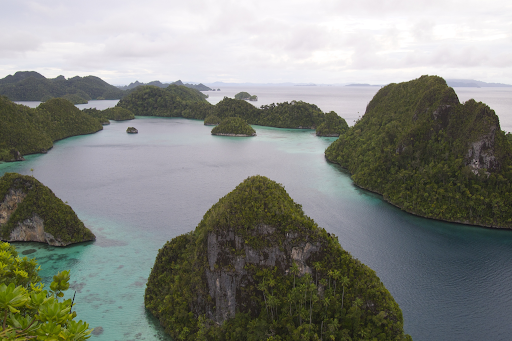
An image of tall limestone islands dotting the turquoise waters and reefs.

Wayang Island within Raja Ampat. Elias Levy. CC BY 2.0.

Situated northwest off of Papua, Indonesia’s most eastern island, the Raja Ampat archipelago is heralded as a top-tier site for scuba diving and marine biodiversity. Raja Ampat comprises over 28,000 square miles of ocean and hundreds of cays and shoals still to be discovered. Plate tectonics exposed ancient limestone seabeds to tidal erosion which yielded a series of islands seeming to levitate above the waves. As the archipelago straddles the Earth’s equator, it naturally experiences a tropical climate. 

But Raja Ampat’s most signature feature is its sheer scope of species diversity. Home to at least 75% of the world’s hard corals and at least 1,500 different species of fish, Raja Ampat is considered the global epicenter of marine animal diversity. Due to a confluence of warm, shallow water and nutrient-rich currents from the Pacific and Indian oceans, Raja Ampat has thrived for decades as a haven for endangered aquatics. A slew of rare sea species from dugongs and blue whales to dolphins and leatherbacks live in relative geographic isolation and pristine marine ecosystems.

  Northern Raja Ampat

A colorful and striped underbelly of a lionfish swimming in the clear waters of Raja Ampat.

Marine biodiversity is unmatched within Raja Ampat. Nazir Amin. CC BY 2.0.

The northern islands of Gam, Kri, Waigeo and Batanta are bounded by the Dampier Strait. It serves as a popular entryway to Raja Ampat thanks to the city of Sorong on the west coast of Papua which hosts its own airport. With mainland access via ferries, most visitors flock to the north to dive at famous sites such as Cape Kri, Blue Magic and Manta Sandy.   

Cape Kri is a renowned hotspot for marine biodiversity. Once recorded as the site with the highest quantity of distinct fish species observed in a single dive, visitors can expect to see reef sharks, moray eels, turtles, Humphead wrasse, cuttlefish, porcupinefish, crevalle jack, snapper and barracuda.

Blue Magic offers a variety of soft and hard coral reefs to check out. Though divers will face strong currents in the water, the struggle is worth the chance to meet dogfish tuna, giant trevally, spanish mackerel, bumphead parrotfish and even octopi.

Manta Sandy is a shallow site teeming with plankton, and of course, ocean manta rays. Divers must try their luck to encounter the rare black manta.

South Raja Ampat

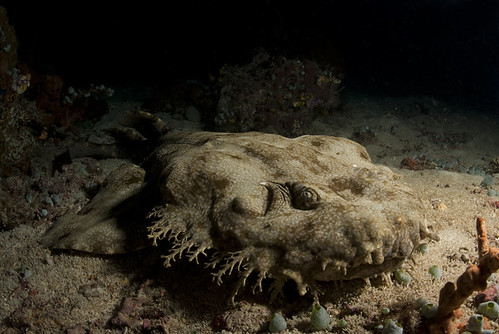
A flat shark camouflaged with the sandy ocean floor.

A Wobbegong shark. Nazir Amin. CC BY 2.0.

South Raja Ampat is noticeably inaccessible to the lay visitor as overnight ferries must be taken from Sorong to reach this remote area. However, the reefs in South Raja Ampat are picturesque, with premier visibility for pygmy seahorses, colorful nudibranchs and other wowing wildlife.

The island of Misool is the pinnacle of biodiversity conservation, as much of the area is protected as part of the Misool Marine Reserve. There’s only one option for overnight lodgings: the Misool Eco Resort, an eco-friendly hotel dedicated to conservation and sustainability. The resort’s founders dedicate a portion of both their profits towards biodiversity recovery; there’s been a 250% increase in local biomass and a doubling of reef fishes within six years. Visitors are welcome to trek or boat to neighboring islands for beautiful beaches, native seabirds and rock petroglyphs dating back 4,000 years.

Hundreds of reef fish are visible from above the water’s edge. Nazir Amin. CC BY 2.0.

Raja Ampat’s natural beauty belies political and economic trouble. 

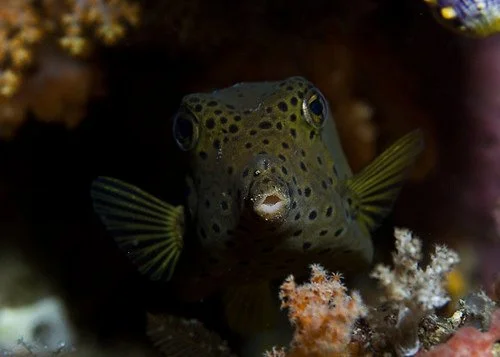
A brightly spotted fish poking its head out of a coral reef underwater in Raja Ampat

Though visitors will certainly enjoy Raja Ampat’s scenic environments and exotic wildlife, they may feel the effects of local turmoil.

In 1961 the people of West Papua, an area which includes Raja Ampat, voted to become a part of Indonesia in a much disputed referendum. However, a pro-independence movement has emerged throughout Papua, eliciting police and military crackdowns alongside communal tensions. Furthermore, around 9,000 of Raja Ampat residents live in poverty, lacking sanitation facilities and healthcare. Clean drinking water is imported into the islands approximately once a month; there is no electrical or telecommunications infrastructure available for most villagers. Most inhabitants either fish or mine to earn their living, and often incur debts to small businesses for consumer goods and fuel prices. Raja Ampat’s ecotourism industry is partnering with local residents to promote their security and welfare. 


Rohan Ratogi

Rohan is an engineering graduate from Brown University. He is passionate about both writing and travel, and strives to blend critical thinking with creative communication to better understand the places, problems, and people living throughout the world. Ultimately, he hopes to apply his love for learning and story-sharing skills to resolve challenges affecting justice, equity, and humanity.

A Literary Pilgrimage: Colombia with Gabriel García Márquez

A travel itinerary for bibliophiles, Gabo fans and adventurers alike

Author Gabriel García Márquez, affectionately nicknamed “Gabo,” put his native country of Colombia on the literary map through his novels and short stories. 

Critics lauded his novel Love in The Time of Cholera, a tale of romance between social classes, as one of the best love stories of the 20th century. His work One Hundred Years of Solitude, a multi-generational novel about a family from an isolated town, is considered the Bible of magical realism, a genre that describes fantastical events in an otherwise realistic tone. 

Adventurous travelers and bibliophiles alike can experience the magic and romance of Colombia through García Marquez's eyes with an itinerary based on his life and literature.

1. Cartagena

In an interview with actor and filmmaker Salvatore Basile, García Márquez said, “I would say that I completed my education as a writer in Cartagena.” With that in mind, Caribbean-flanked Cartagena is the ideal place to begin your Gabo-inspired tour of Colombia. 

García Márquez lived in Cartagena for a year as a young man and kept a winter house in the city as an older man. He sets much of Love in The Time of Cholera in Cartagena. During his time in Cartagena, he was known for lingering on the plazas, waiting for something interesting to happen. 

To experience the city from Gabo’s perspective, people watch at the lush, lively Plaza Fernandez de Madrid and historic, central Plaza Bolivar. Grab a drink at El Coro, the upscale cocktail bar in The Sofitel Santa Clara hotel, which García Márquez frequented. Visit Gabo’s marble-clad final resting place at La Merced monastery on the University of Cartagena’s campus. 

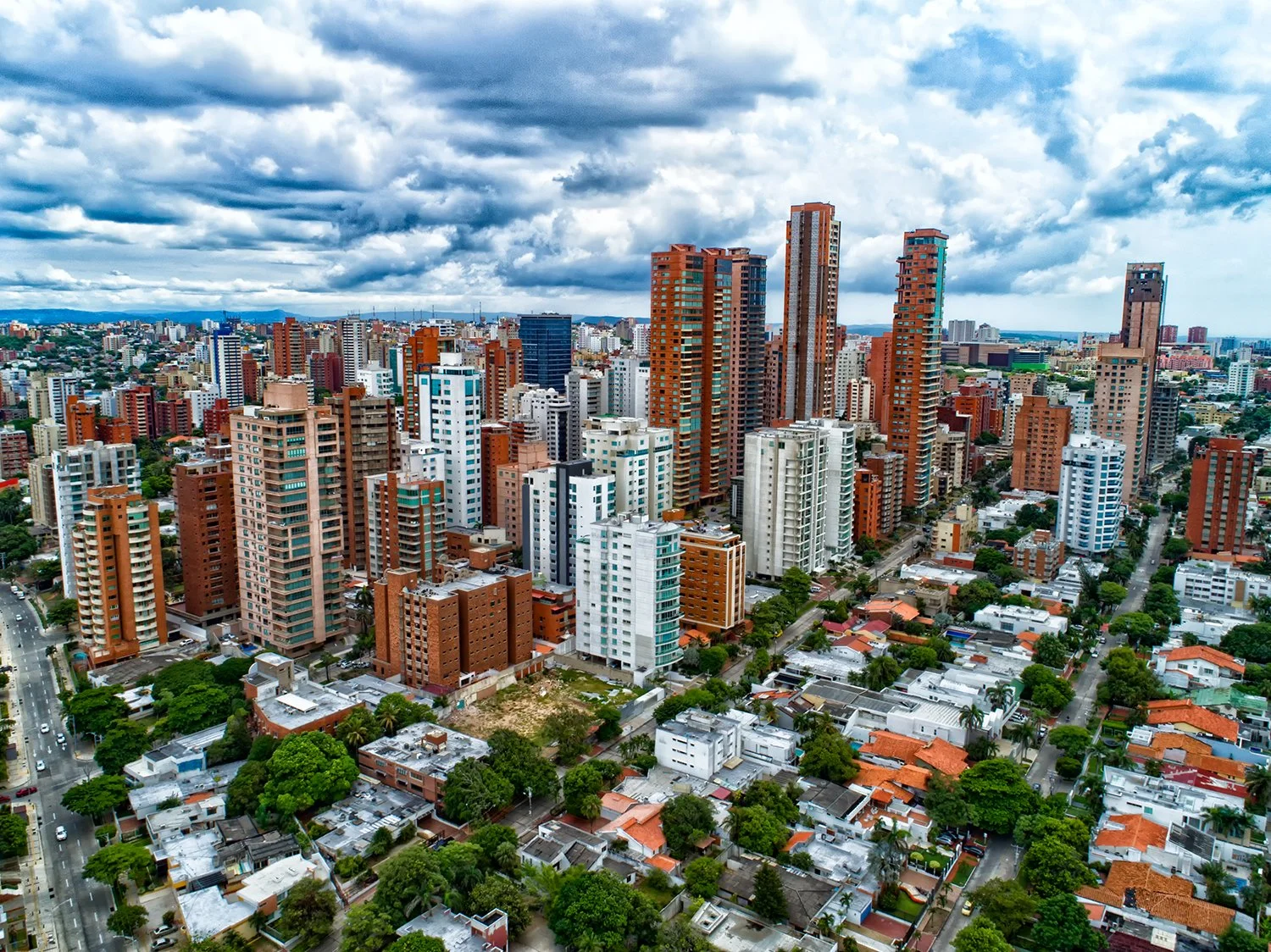
The orange hue of an aerial view of Barranquilla, with white and orange tall skyscrapers and smaller apartment buildings.

The orange-tinted cityscape of Barranquilla. Fernando Orozco. CC BY-NC-SA 2.0

2. Barranquilla

Following Gabo’s footsteps, travel from Cartagena to Barranquilla, a seaport known as Colombia’s “Golden Gate" because here the Caribbean meets the country’s major Magdalena River. Gabo lived here in the 1950s while he worked as a journalist.

While living in Barranquilla, García Márquez was a part of the Barranquilla Group, a collection of writers, journalists and philosophers who met Barranquilla in the mid-twentieth century. In addition to García Márquez, notable members include Álvaro Cepeda Samudio, Germán Vargas and Alfonso Fuenmayor. Allegedly, Gabo’s relationship with these men inspired the characters of the “four friends of Macondo” in One Hundred Years of Solitude.

Connect with Gabo and his Barranquilla Group friends at La Cueva, a bar where the Barranquilla Group of writers and journalists met. It continues to serve as a hub of cultural activity, serving traditional food like Butifarra ceviche and Cashew rice, as well as supporting Colombian literary magazines. Tour the peach-colored church, Iglesia Nuestra Senora del Perpetuo Socorro, where Gabo married his wife Mercedes Barcha.

3. Aracataca

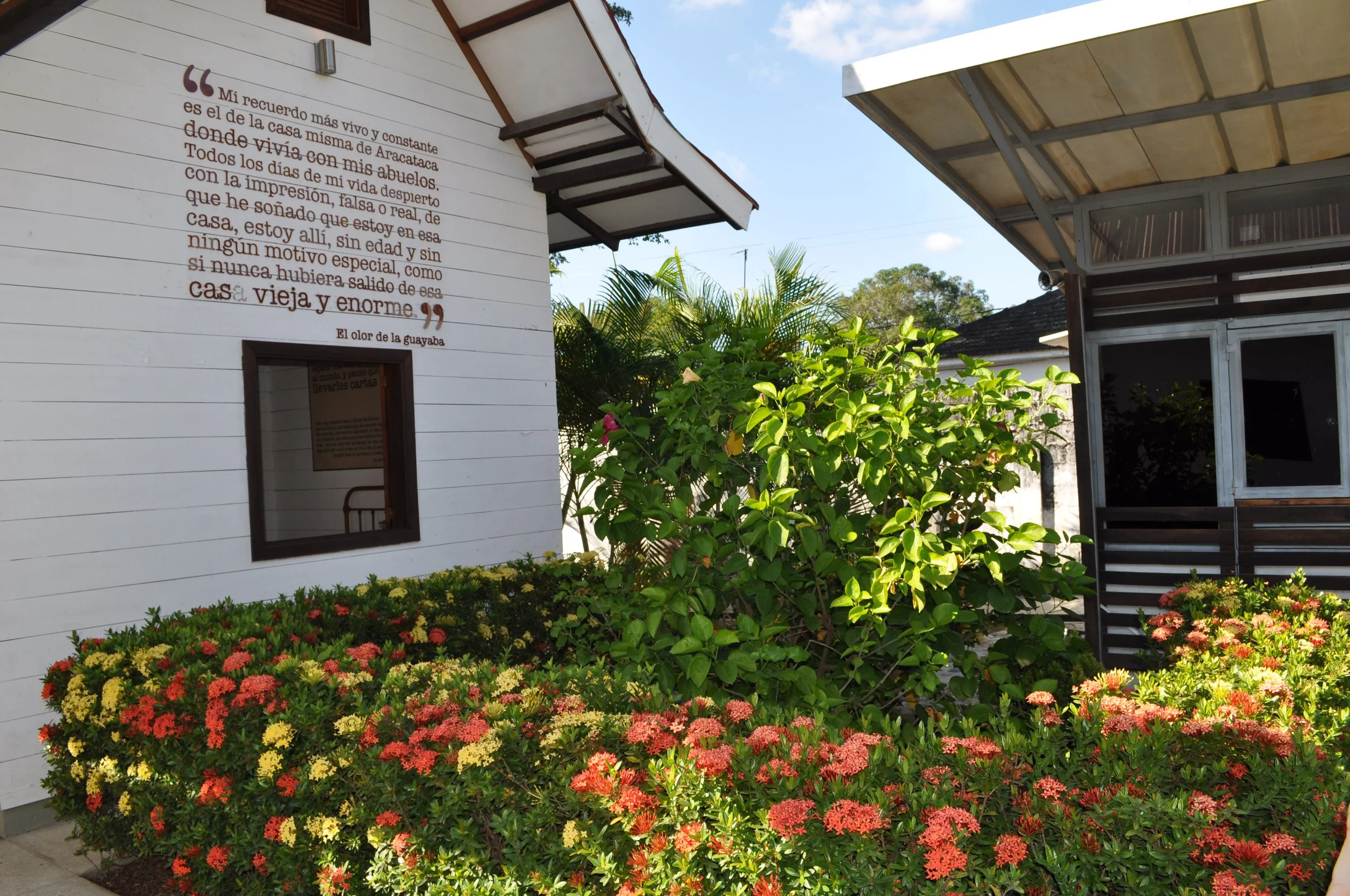
After connecting with García Márquez’s early days as a writer in Barranquilla and Cartagena, go back to where it all began in Aracataca: Gabo’s steamy, sleepy and tropical hometown. Gabo’s success put Aracataca on the map, rejuvenating the town as small groups of literary tourists trickled in to see where a genius grew up. You can meander through the white house and its verdant garden where García Márquez lived until he was eight, Casa Museo Gabriel García Márquez. 

In addition to being the locale of Gabo’s childhood, Aracataca inspired Macondo, the setting for One Hundred Years of Solitude. Stop for a photo opportunity in front of Aracataca’s bright, multicolored welcome sign, which includes an equally vivid Macando welcome sign in smaller letters.

4. Bogota

Conclude your tour of Gabo’s Colombia in mountainous Bogota. While not Gabo’s favorite city in Colombia, he called it “a remote, lugubrious city where an insomniac rain had been falling since the beginning of the sixteenth century” in his autobiography—it played a crucial role in his education. 

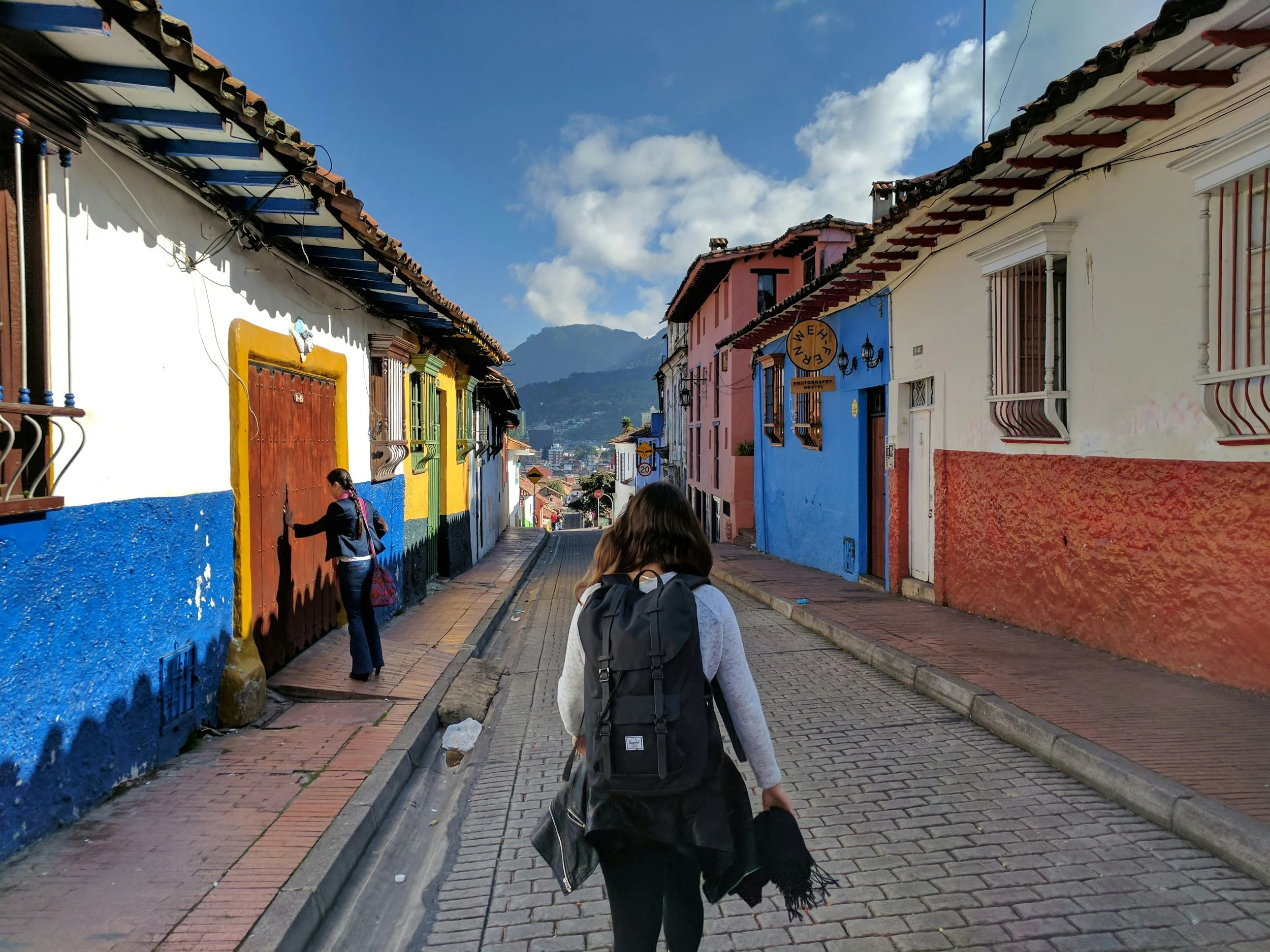
García Márquez attended secondary school and earned a law degree in Bogota. He published his work in the city’s newspaper El Espectador. He also lived here temporarily with his wife later in his life, in the colonial neighborhood La Candelaria.

Learn more about his work and life at the Centro Cultural Gabriel García Márquez, a museum and hub of artistic activity in a circular building with its roof offering views of Bogota’s mountains and cityscape. Sip a coffee at Cafe Pasaje, an old-school coffee shop where Gabo allegedly had his java each day when he was a young journalist.


Annie O’Brien

Annie is a third-year student at George Washington University studying English, Creative Writing, and History. From Philadelphia, she is an avid reader, pop-culture enthusiast, and traveler. She’s always eager to talk about her adventures abroad and domestically, whether it's telling about the time she hitch-hiked in Bavaria or offering recommendations for the best bookstores in Key West. She hopes to become a published author one day. Enjoy more of her writing on her Substack.

Fairies and Folklore: The Magic of Scotland and England

From castles to coves, uncover destinations steeped in the mythological histories of Scotland and England.

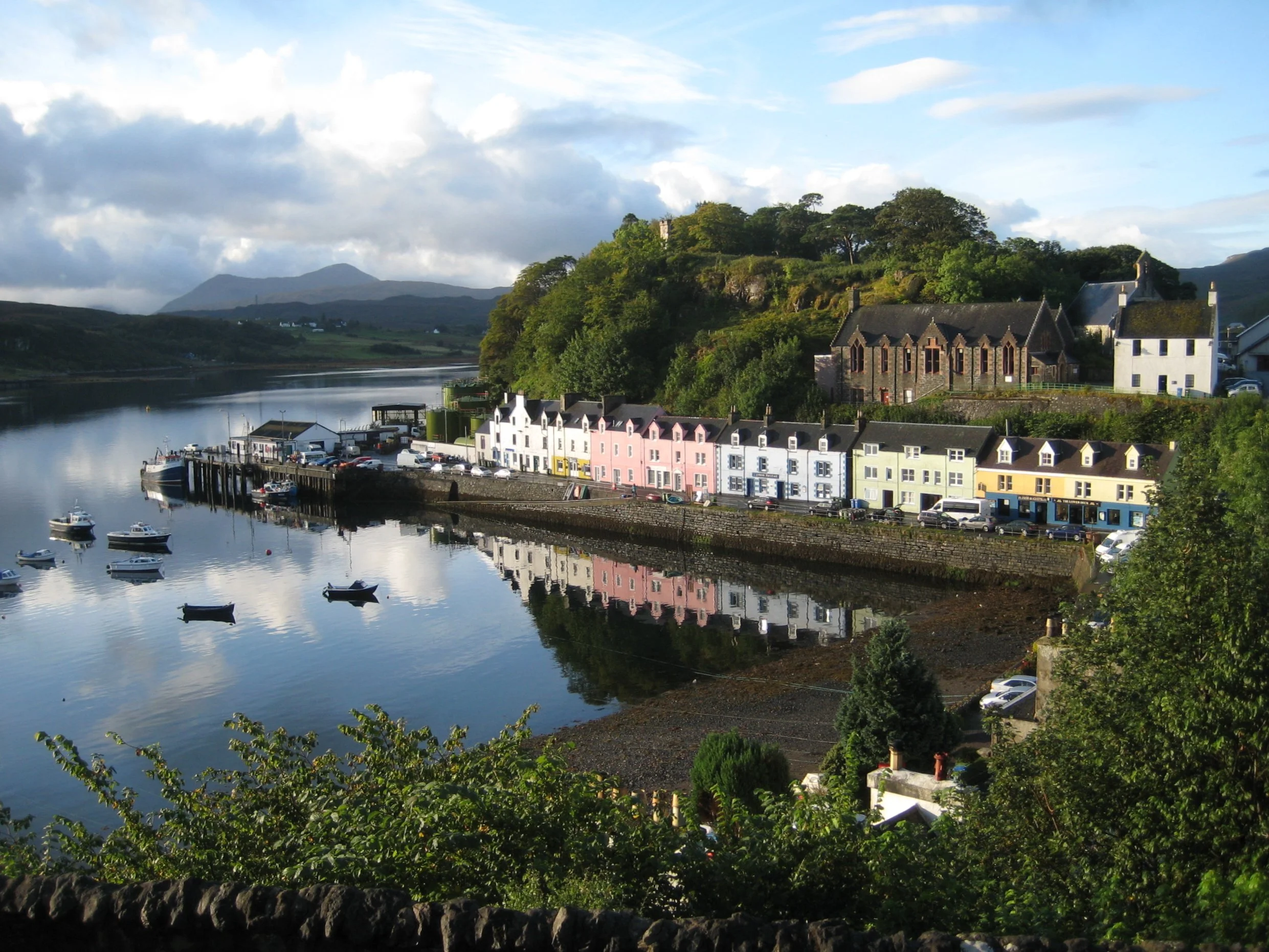
Portree, Isle of Skye’s capital city. CC BY 3.0

Whether your knowledge of fairies comes from nostalgic childhood tales or the well-informed worldbuilding of Tolkein, much of the folklore that has made its way into the popular imagination is embedded deep within the rolling hills of Scotland and England.  

While each country has its variations of the myth, taking a tour through the whimsical high grassed countryside and rocky shores is a great way to take in some awe-inspiring views and understand the magic embedded in these countries.

Scotland

Located off of Scotland's northwest coast, the Isle of Skye is full of picturesque villages, cliffed shores and quaint fishing towns. But rather than only enjoying the colorful coastal houses on Portree, the island's capital, extend your adventure and visit various sights around the island boasting mythical pedigrees.

Fairy Pools

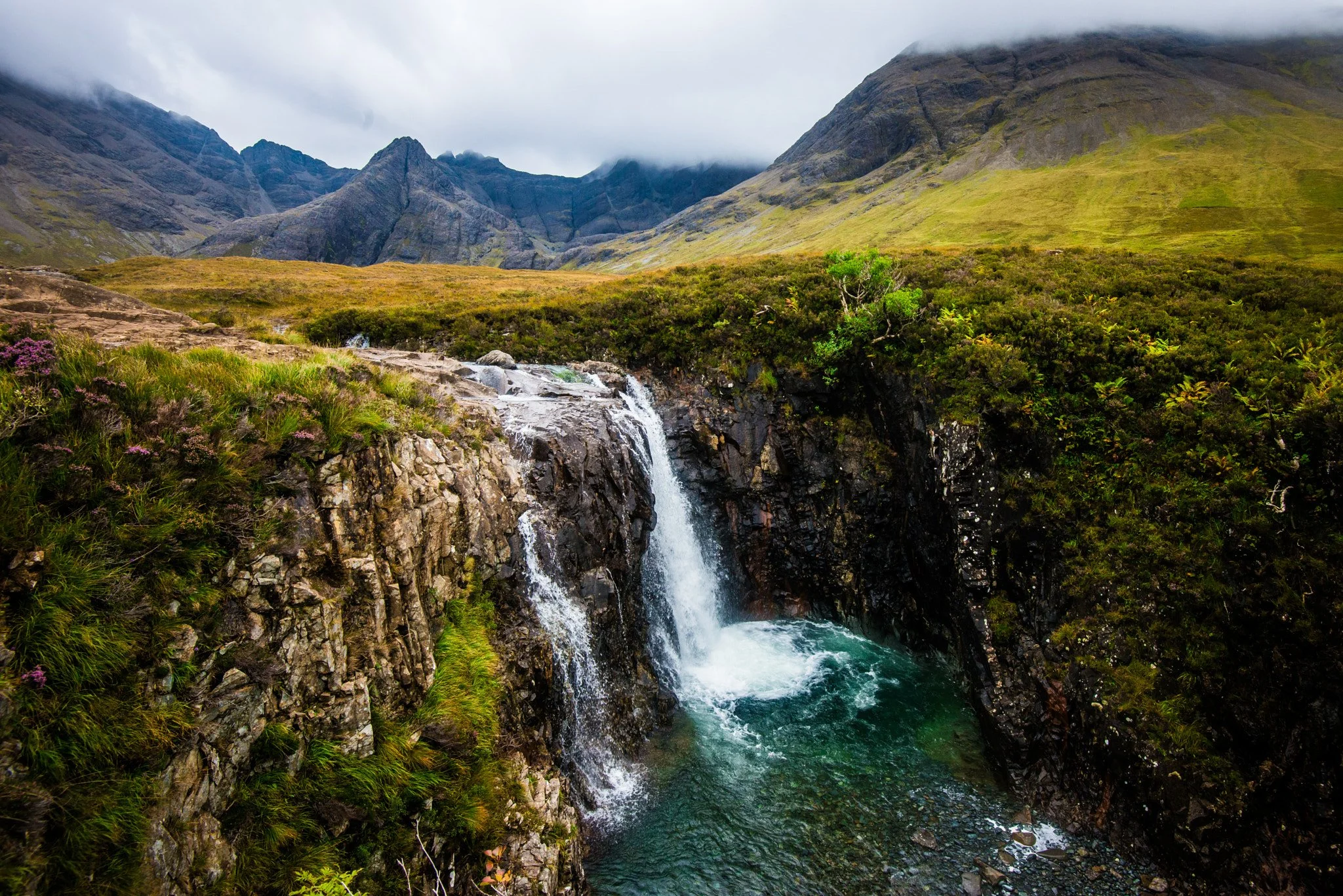
A waterfall falling from a grassy meadow into bright water pools below. the landscape behind is misty and moutainous.

A waterfall at the Fairy Pools on the Isle of Skye. CC BY 3.0

A waterfall phenomenon in Glen Brittle, the falls are surrounded by sky-capped mountains and boast aqua-blue waters of astonishing clarity. Some claim if you’re lucky, you may spot a fae or two amongst the willowing grasses and purple flowers; if not, the red deer, sheep, and rabbits inhabiting the area will have to suffice.

The pool's name comes from the local legend that claims a Clan McLeod Chief married a fairy Princess. Additionally, the pools are said to attract selkies, a group of mythical creatures that spend the day on the coast as seals and then enjoy the pools at night after transitioning to human form. 

Despite their charm, the Fairy Pools feature some brutally cold water temperatures, although it may be worthwhile to take a dip; as locals say, holding your head underwater for seven seconds is enough to bless you with the gift of eternal youth.

From the capital city of Portree, the Fairy Pools are a 35-minute drive and can be accessed through various tours operating on the island or of your own volition. The Fairy Pools walk is a 1.5-mile, easy hike to the pools from the parking lot.

Dunvegan Castle and Gardens

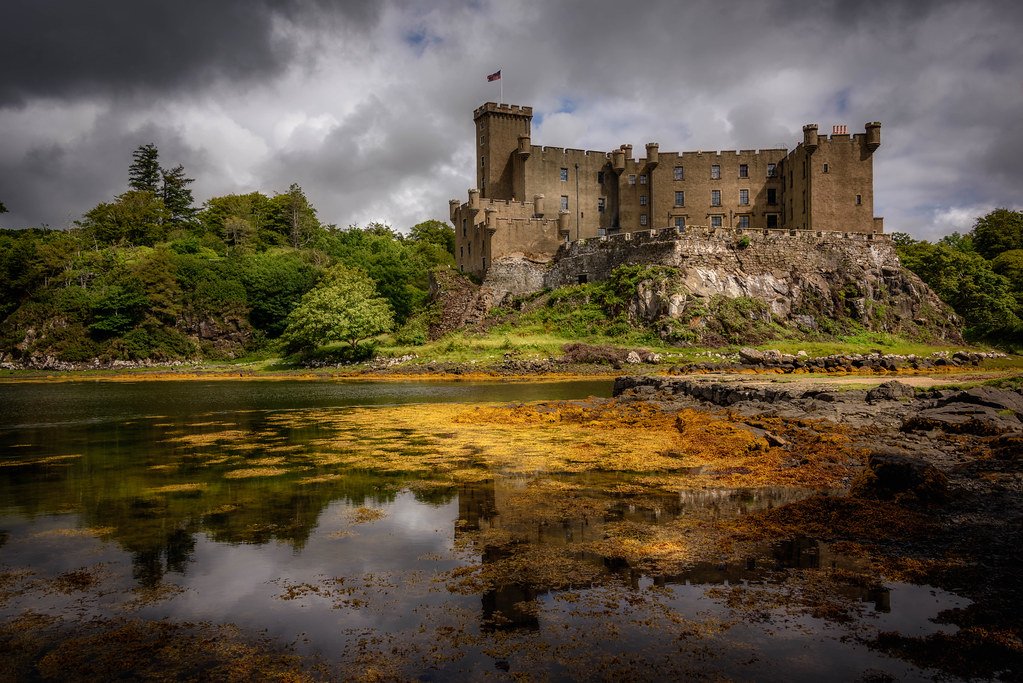
An old castle on the hill on a stormy day with a swampy river in the foreground

The Dunvegan Castle. CC BY-NC-ND 2.0 DEED

Open from March 29 to October 15, the Dunvegan Castle and Gardens is a medieval fortress dating back to the 1200s. Occupied by the same family for the last 800 years, the Hebridean castle is home to a few pieces of myth. On the Dunvegan property, one can walk across Fairy Bridge while exploring the grounds and even see the Fairy Flag, which is housed in the Castle.

The Fairy Flag is the prized silk scarf woven in the 4th century AD, either in Syria or Rhodes, and is said to possess miraculous powers instrumental in MacLeod’s battle victories. While there are two points of origin, a fairy origin and a crusader origin, the Fairy Bridge and Tower versions give the flag roots in folklore.

The Fairy Tower myth tells the tale of a restless MacLeod chief’s baby who was comforted one night by a fairy. The Fairy Bridge myth relates to the previously mentioned story of the MacLeod Chief and Fairy Princess; the story goes that the two parted ways on Fairy Bridge at Dunvegan, and the banner was his gift.

An astounding horticultural destination, Dunvegan boasts multiple gardens and woodland trails. The landscape and fauna are a wonder unto themselves. The gardens also feature lily ponds, gazebos and rare artifacts, such as a 17th-century sundial.

Located a 30-minute drive from Portree, the castle makes for an excellent excursion when visiting Scotland. While the Dunvegan Castle and Gardens offers visitor tours daily and make for a great day trip, the property's five holiday cottages allow visitors to enjoy an enchanting multi-day stay on the secluded property.

Fairy Glen

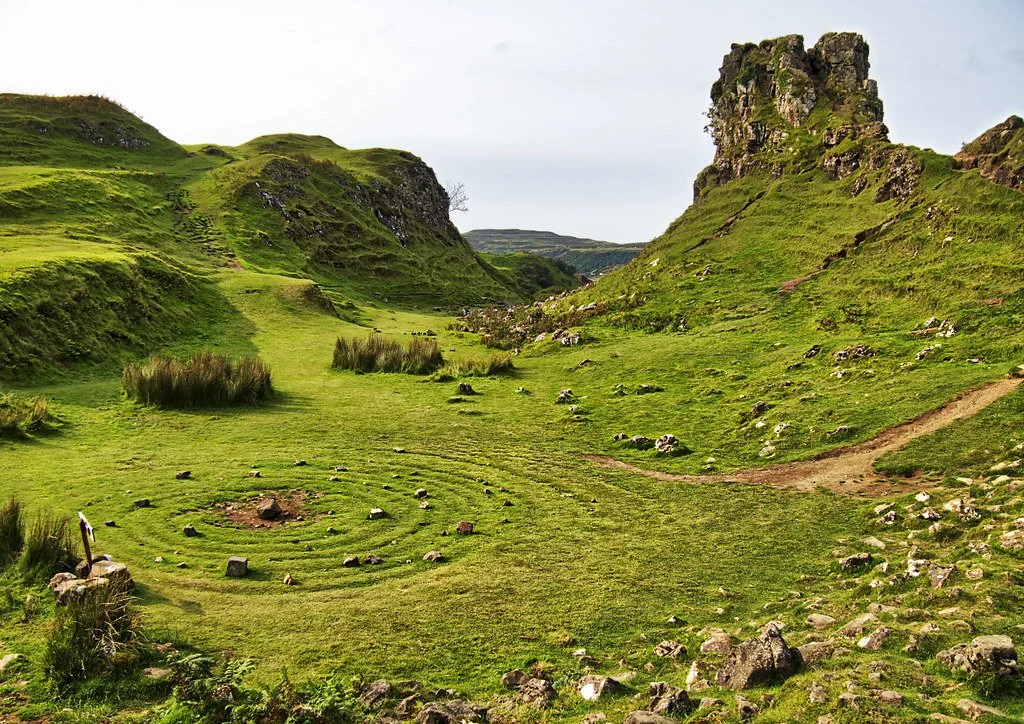
In a bright green meadow surrounded by whimsical rock and mountain formations lies a circular labyrinth.

The labyrinth and peak at Fairy Glen on the Isle of Skye. CC BY NC-2.0

Protruding from the surrounding farmlands, Fairy Glen is a geographical landscape formed by an ancient landslide. The craggy formations and valleys are blanketed by a lush layer of green and are rumored to be home to the fae.  

Climbing up Fairy Glen’s peak or walking beneath the cover of moss-engulfed trees will make anyone feel like they are walking amongst the faeries. Be sure to stop and make a wish at the stone labyrinth when you are making your way through.

Fairy Glen is about a 25-minute drive from Portree, and various tours include this location as a stop. From the destination's parking lot there is a one-mile walking circuit that showcases the grounds, but feel free to adventure on your own and enjoy this majestic landscape.

England

On the rugged Southwestern tip of England, Cornwall is home to many of the country's mythical and folktales. Cornwall has its own variety of fairies, the Piskeys, a lively and mischievous people who originated from tales of a Pygmy race in Cornwall during the Neolithic period. More than just fairies, Cornwall is rumored to be home to mermaids, giants, and various King Arthur myths.

Sennen Cove

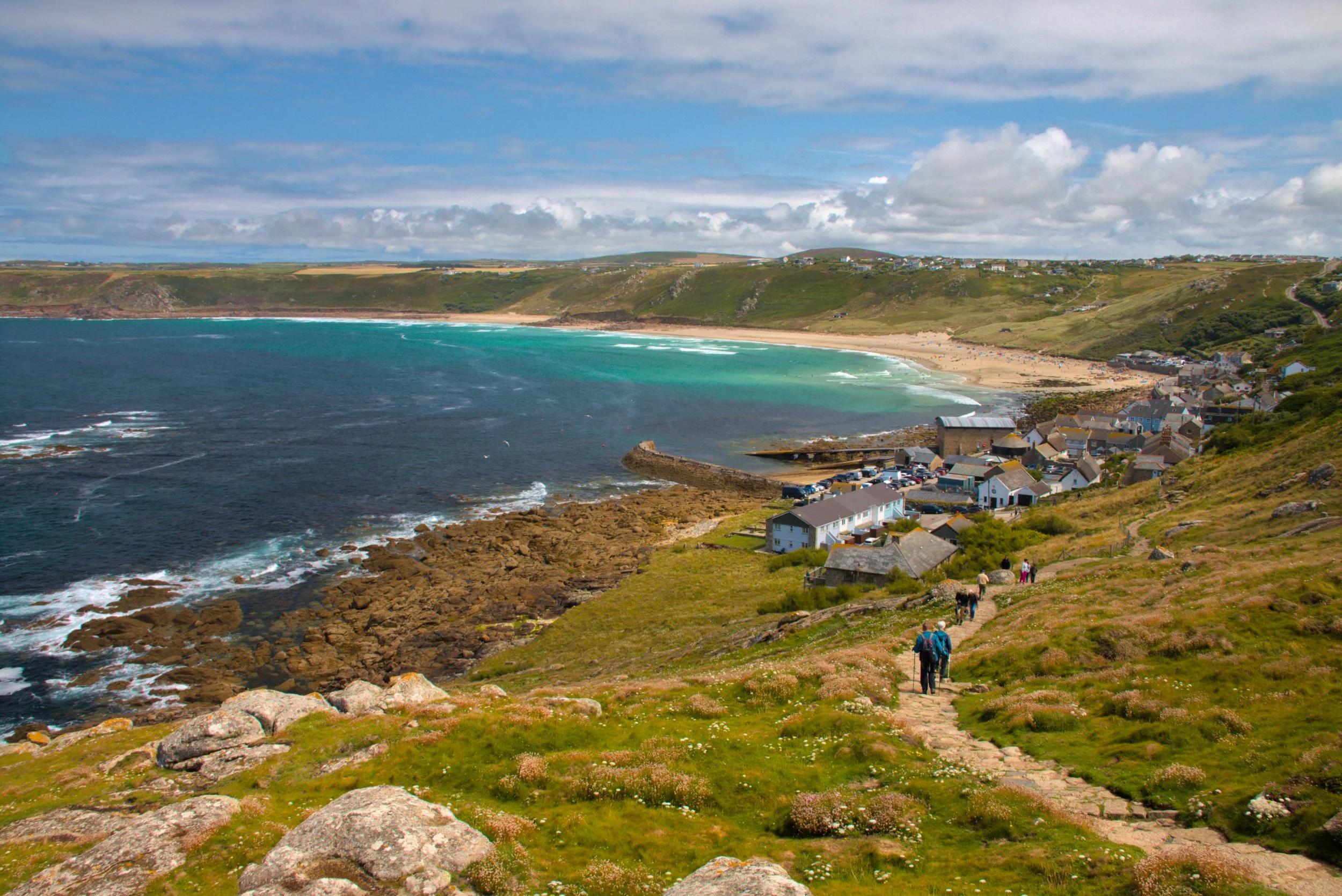
The coastline and surrounding shore at Sennen Cove. CC BY-SA 4.0 DEED.

England’s most westerly beach, Sennen Cove, is a white sand beach renowned for its excellent surfing conditions. In the early 20th century, American Anthropologist Walter Evan Wentz published "The Fairy Faith In Celtic Countries", conducting some of his research at Sennen Cove by speaking to locals about the dancing fairies. A study published at a similar time in the Journal of the Society for Psychic Research tells the story of Grace Penrose as written by E. Westlake. She speaks of miniature people in white dancing in the moonlight before being frightened and disappearing into a rock face along the shore.

To get to Sennen Cove, visitors can take a bus that leaves every two hours from Penzance or make the 20-minute drive themselves. Once at the Cove, you can enjoy Whitesands Bay, the stretch of white sand beach on the Cove’s coast. Overlooking the cove, stop at the Old Success Inn, a pub dating back to the 17th century, for lunch and drink. The Inn has a rich history in Sennen Cove and is rumored to be a site for mermaid sightings.

Elusive in nature, when visiting Sennen Cove, you may not stumble upon any fairies in the moonlight or catch a glimpse of mermaid tales ducking under the blue waves, but the Cove is perfect for a beach getaway anyway.

St. Michael’s Mount

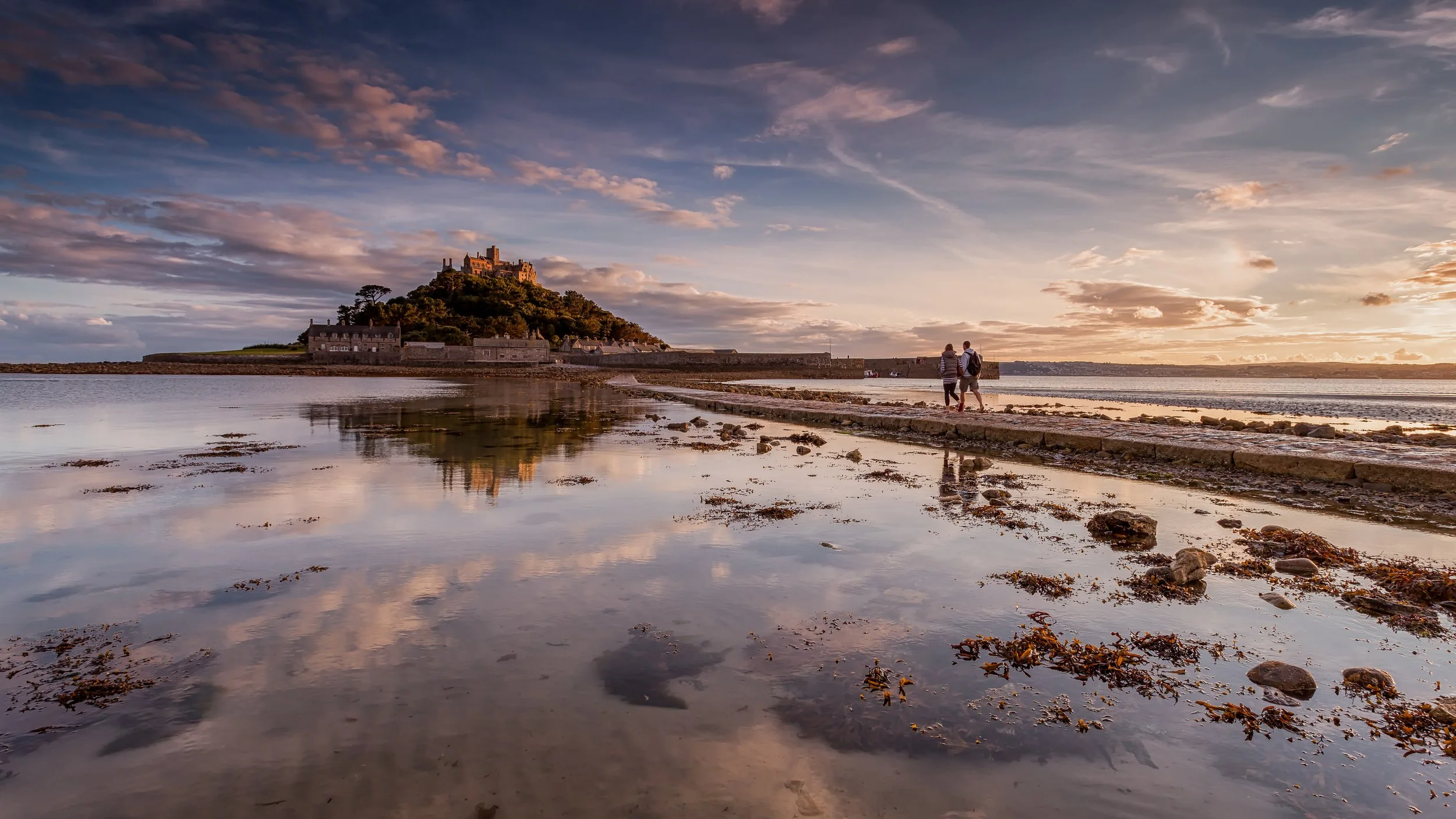
The castle and causeway leading up to St. Michael’s Mount. CC BY-SA 3.0 DEED

A tidal island in Cornwall’s Mount Bay, St. Michael’s Mount is home to one of England’s most famous legends. Rumors of mermaids luring sailors to the island’s shores date as far back as 495 AD, but even more prominent is the Cornish tale of Jack the Giant Killer. With the island as his home, the evil Cormoran was defeated by none other than Jack after a long reign of terror. Per the legend, when visiting, be sure to hike up the mountain and around the island in search of the giant's missing stone heart.

Outside of folklore, the site is also a religious destination. Archangel Michael was rumored to have guided sailors to safety at the current location of the castle’s entry. Named after that patron saint of fishermen, St. Michael’s causeway allows travelers and pilgrims alike to walk from the mainland to the island during low tide.

To reach the island, walking over the causeway is one option; however, if it happens to be high tide, from March 29 to October 31 there are boats running from Marazion Beach to the island. Riddled with history, the castle, church and surrounding gardens offer a fusion of folk and faith, making Mount St. Michael a beautiful, enchanting destination on a Celtic fairytale tour.

Nicola is studying English Literature at George Washington University, where she also reports for the student newspaper, The Hatchet. Nicola's passion for literature and writing has sparked an interest in exploring the broader context surrounding written texts. Researching and writing for Catalyst Planet allows her to investigate nuanced issues that intersect with her interests in art history, culinary practices, and cultural traditions.


Nicola is studying English Literature at George Washington University, where she also reports for the student newspaper, The Hatchet. Nicola's passion for literature and writing has sparked an interest in exploring the broader context surrounding written texts. Researching and writing for Catalyst Planet allows her to investigate nuanced issues that intersect with her interests in art history, culinary practices, and cultural traditions.


Nicola is studying English Literature at George Washington University, where she also reports for the student newspaper, The Hatchet. Nicola's passion for literature and writing has sparked an interest in exploring the broader context surrounding written texts. Researching and writing for Catalyst Planet allows her to investigate nuanced issues that intersect with her interests in art history, culinary practices, and cultural traditions. Nicola is studying English Literature at George Washington University, where she also reports for the student newspaper, The Hatchet. Nicola's passion for literature and writing has sparked an interest in exploring the broader context surrounding written texts. Researching and writing for Catalyst Planet allows her to investigate nuanced issues that intersect with her interests in art history, culinary practices, and cultural traditions.

Nicola Degregorio

Nicola is studying English Literature at George Washington University, where she also reports for the student newspaper, The Hatchet. Nicola's passion for literature and writing has sparked an interest in exploring the broader context surrounding written texts. Researching and writing for Catalyst Planet allows her to investigate nuanced issues that intersect with her interests in art history, culinary practices, and cultural traditions.

Dive into Songkran: The Thai New Year Festival

Want to experience a month-long celebration featuring water battles in the streets and other amazing festivities? Discover the Thai Songkran Festival.

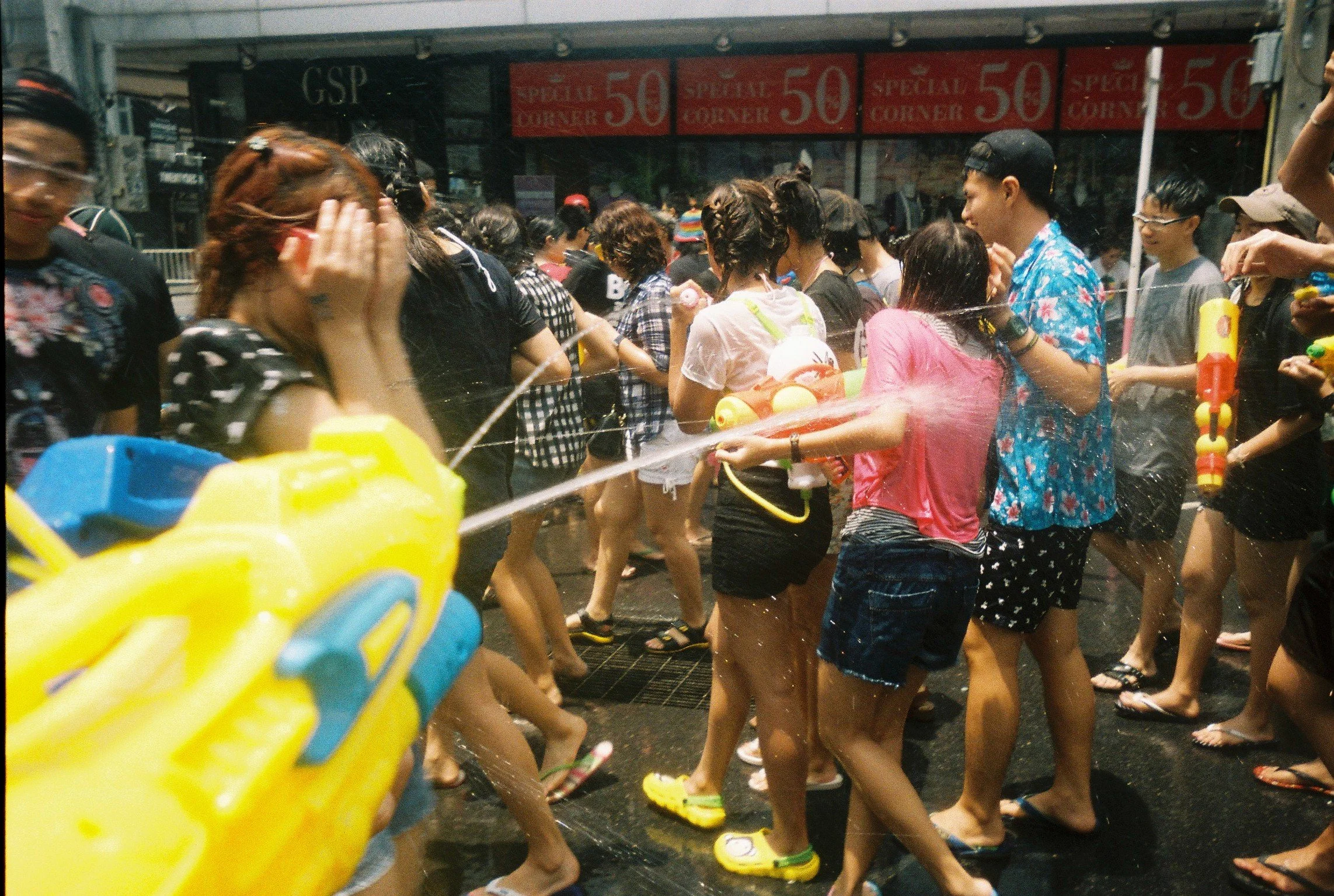
A blurry photo of a water fight among the streets of Thailand.

A water fight during the 2015 Songkran Festival in Thailand. Sano Rin. CC BY-NC 2.0

Thousands of international travelers are drawn to Thailand each year to celebrate the Songkran Festival, also known as Thai New Year. Songkran has been celebrated for thousands of years, but this year is special. In 2023, UNESCO (United Nations Educational, Scientific and Cultural Organization) added the festival to the Intangible Cultural Heritage of Humanity list. In honor of this recognition, the Thai government plans to hold Songkran festivities for the entire month of April 2024, instead of the usual three-day period between April 13th and 15th

The Songkran Festival has evolved over the years. The first recorded reference to the holiday dates back to the 15th century, with some scholars theorizing that it was derived from the Indian Holi Festival. The Sanskrit word for “movement” is the root of the term “Songkran,” which refers to the movement of the sun from the astrological months of Pisces to Aries during April. 

Water is a focal point of many Songkran Festival traditions, symbolizing cleansing and good fortune for the coming year. Rod Nam Dam Hua is a tradition in which youngsters pour scented water on their elders' hands to express gratitude. Scented water is also sprinkled on Buddha statues to bring prosperity, and respect for ancestors is shown by bathing their urns. According to some scholars, the notorious water battles began to promote tourism during the 20th century. Other traditions include offering food to Buddhist monks and bringing sand pagodas to local temples to replenish the sand tracked out of the temples throughout the year. 

April is the hottest part of the year in Thailand. If you want to beat the heat by getting soaked during the water battles, check out streets like Khao San Road in Bangkok, or other popular walking streets in cities like Pattaya or Chiang Mai. As locals and tourists drench each other with buckets and colorful squirt guns, music and the aromas of street foods like Thai fried chicken (called Gai Tod) fill the air. 

If water fights aren’t your thing, April is still a great time to experience Thailand. Travelers can experience a variety of activities from Thai beauty pageants to boat races. Thailand's natural environments boast breathtaking destinations from white sand beaches featuring coral reefs to lush hiking trails. For those yearning to see some historical wonders, Thailand offers ancient destinations like the city of Ayutthaya and the Phanom Rung temple complex. You can then recover from a long day of fun with revitalizing Thai dishes such as beef curried noodles, called Christao Khao Soy Nuea, or Bangkok Glutton Som Tum, a Green Papaya salad. 

As Thais gear up for this year's Songkran Festival, it is important for travelers to stay up to date on Covid-related travel protocols and other ways to be respectful during the celebrations. For all the water-loving cultural fanatics, the 2024 Songkran Festival awaits you.


Madison Paulus

Madison is a student at George Washington University studying international affairs, journalism, mass communication, and Arabic. Born and raised in Seattle, Washington, Madison grew up in a creative, open-minded environment. With passions for human rights and social justice, Madison uses her writing skills to educate and advocate. In the future, Madison hopes to pursue a career in science communication or travel journalism.

5 Adventures in Borneo

Borneo, the third-largest island in the world, boasts an enriching culture and a variety of adventurous nature excursions.

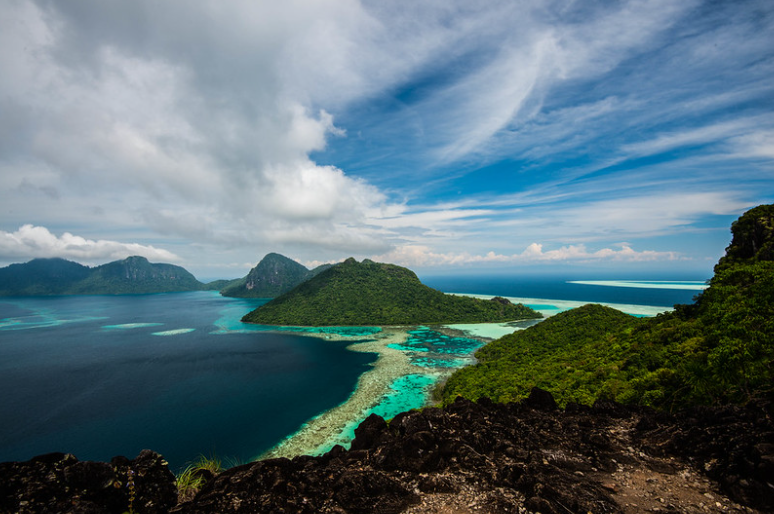
Bohey Dulang—Borneo. JohnJoDeery. CC by 2.0.

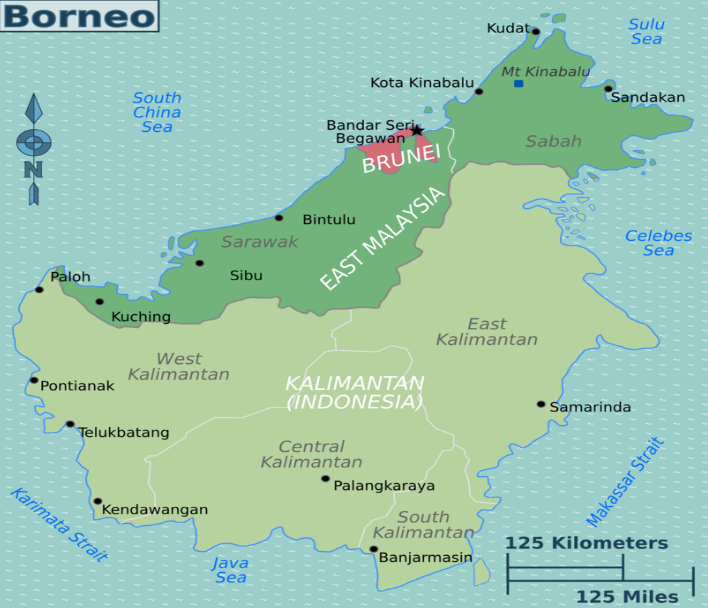
Borneo, an island located in the southwestern portion of the Pacific Ocean, is the third-largest island in the world, and the only one that is shared by three countries—Malaysia, Indonesia, and Brunei. The Malaysian part of the island consists of the two states Sabah and Sarawak, with Indonesia holding sway over five provinces in what its citizens Kalimantan and Brunei possessing the smallest section of land named after the country itself. As a part of the Greater Sunda Islands group, Borneo is bordered by two other islands, Sulawesi to the east and Sumatra to the west. The island of Borneo has approximately 292,000 square miles of territory in total, and harbors a significant population of 21.26 million people. Even divided, Borneo is an intriguing and obscure place that most travelers are not aware of; its hot and humid climate makes for an ideal tropical destination. From the soaring heights of Mount Kinabalu to the mysterious depths of the Mulu Caves, the island provides many opportunities for adventurers.

Map of Borneo. Peter Fitzgerald. CC by 2.0.

Sea Diving in Sipadan Island

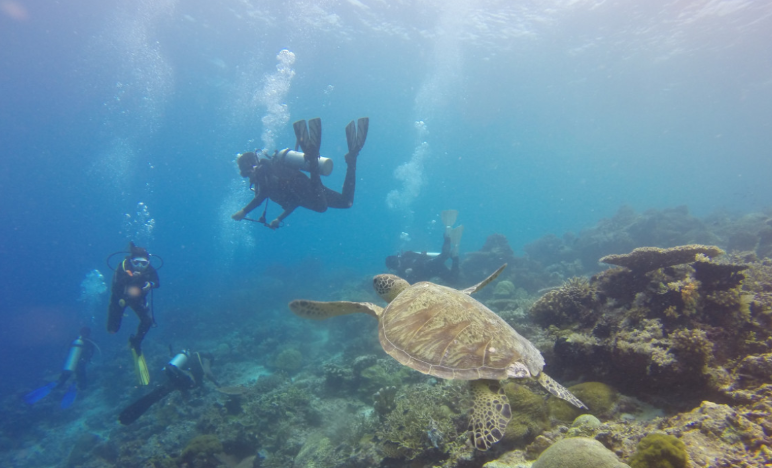
Scuba Diving in Sipadan Island. CC0.

Sipadan Island, located in the Celebes Sea and situated off the northeastern coast of Borneo, is renowned as one of the world's premier dive destinations, known especially for its marine biodiversity and pristine coral reefs. Diving in the waters surrounding Sipadan offers a scenic experience, where the coral gardens provide a backdrop to an incredible array of marine life. Schools of barracuda, jackfish and sea turtles are all present in these waters, so they’re easy to spot. The island's underwater landscape, featuring dramatic drop-offs and caverns, adds an element of excitement to the exploration. With its protected status as a national park under Sabah Parks, its limited dive permits and its no-fishing policy, Sipadan ensures a sustainable underwater environment, allowing divers to witness the beauty of the ocean.

Exploring the Ancient Mulu Caves

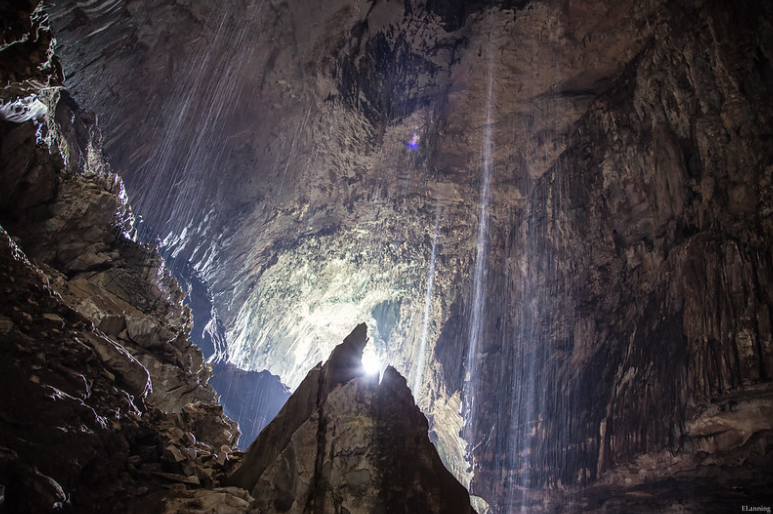
Caves of Mulu. Eric Lanning. CC by 2.0.

Exploring the Mulu Caves in Borneo involves a journey into the depths of one of the world's most fascinating landscapes. Situated in Gunung Mulu National Park, a UNESCO World Heritage Site, the Mulu Caves system is a network of limestone caverns, tunnels and chambers, shaped over millions of years. The expansive caves are full of stalactites and stalagmites, creating an otherworldly environment that transports visitors into a space of natural wonder. The Deer Cave, one of the largest subterranean passages globally, impresses with its vast chambers. Adventure-seekers can also participate in guided tours, which include crossing rope bridges and navigating through passages, providing a sense of exhilaration.

The World's Largest Floating Village in Brunei

At Kampong Ayer. Watchsmart. CC by 2.0.

Kampong Ayer, often referred to as the "The World’s Largest Floating Village," is a water town situated in the heart of Bandar Seri Begawan, the capital of Brunei. This settlement is one of the largest global stilted communities, consisting of intricately connected houses, schools, mosques and markets that rise above the Brunei River on wooden supports. The village has a history dating back centuries, with traditional wooden architecture and a lifestyle deeply rooted in the water. Approximately 13,000 people still reside in their traditional houses, and instead of using roads or cars as methods of transportation, water taxis take residents from one place to another. The water village showcases a unique way of life that one doesn’t see often, and it has endured for generations in Brunei.

Outdoor Adventures in Kalimantan

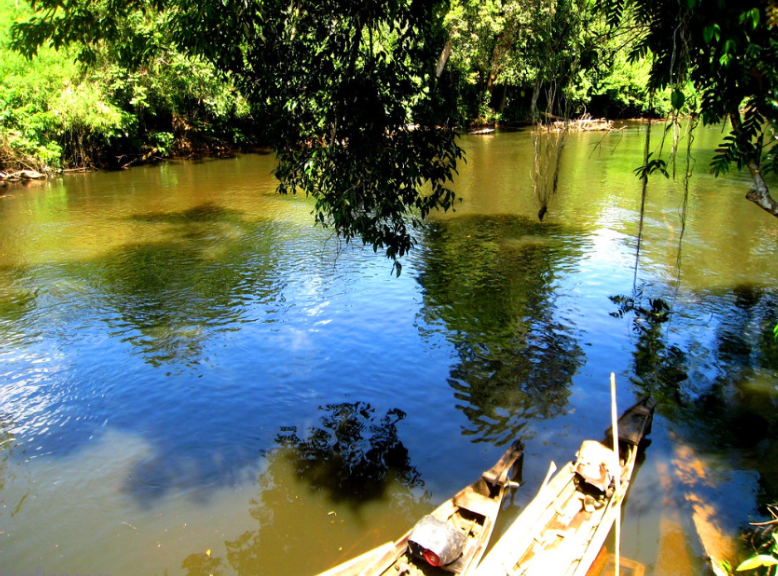
Batang Kawah River, West Kalimantan. DN.Zrr. CC by-NC-SA 2.0.

Kalimantan, the Indonesian portion of Borneo, is a treasure trove for outdoor enthusiasts seeking thrilling adventures and nature. The region is renowned for its dense rainforests, winding rivers and diverse wildlife, creating the opportunity for a variety of outdoor activities. Adventure seekers can embark on multi-day treks through the rainforests, seeing tropical flora and fauna and perhaps even getting the chance to discover orangutans. The rivers of Kalimantan offer opportunities for exciting activities such as white-water rafting, with rapids making the excursion more fun. For those seeking a more serene activity, cruising along the territory's scenic rivers on wooden boats provides a tranquil way to take in the breathtaking surroundings.

Hiking at Mount Kinabalu

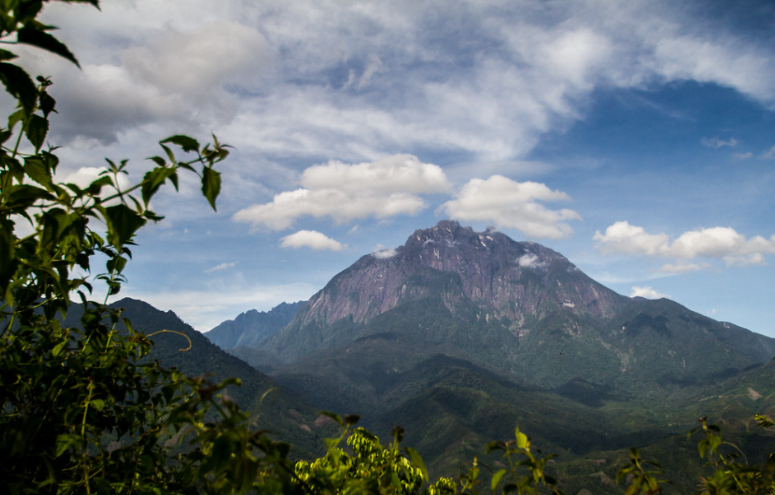
Mount Kinabalu, Borneo. Paul Williams. CC by-NC 2.0.

Hiking Mount Kinabalu is an experience that beckons adventurers to the landscapes of Borneo. It is a challenging hike and rigorous pace, and usually can last around two days. As Southeast Asia's highest peak, standing proudly at 4,095 meters (13,435 feet), Mount Kinabalu dominates the Malaysian state of Sabah. The ideal time period for completing this excursion is between March and April. The ascent begins in the foothills and takes hikers through the ecosystems, from rainforests to meadows. There are even different routes you can choose to partake in, including the Ranau and Kota Belud Trails. The journey reveals panoramic views and a variety of flora and fauna—including 5,000 types of plants, 326 different birds and over 100 mammal species all on this single mountain. Mount Kinabalu, because of its partially difficult trek, is a physical accomplishment that leaves a lasting impact, making it a must-see in Southeast Asia.


Riley Baker

Riley Baker is a first-year student at James Madison University majoring in Writing, Rhetoric, and Technical Communication.  She enjoys elements of storytelling and creative writing and likes listening to music. In addition, she is interested in journalistic-style writing and editing, and intends to focus on writing articles about lesser known travel locations and impactful world topics.