Indian Cuisine Is More Than Just Curry

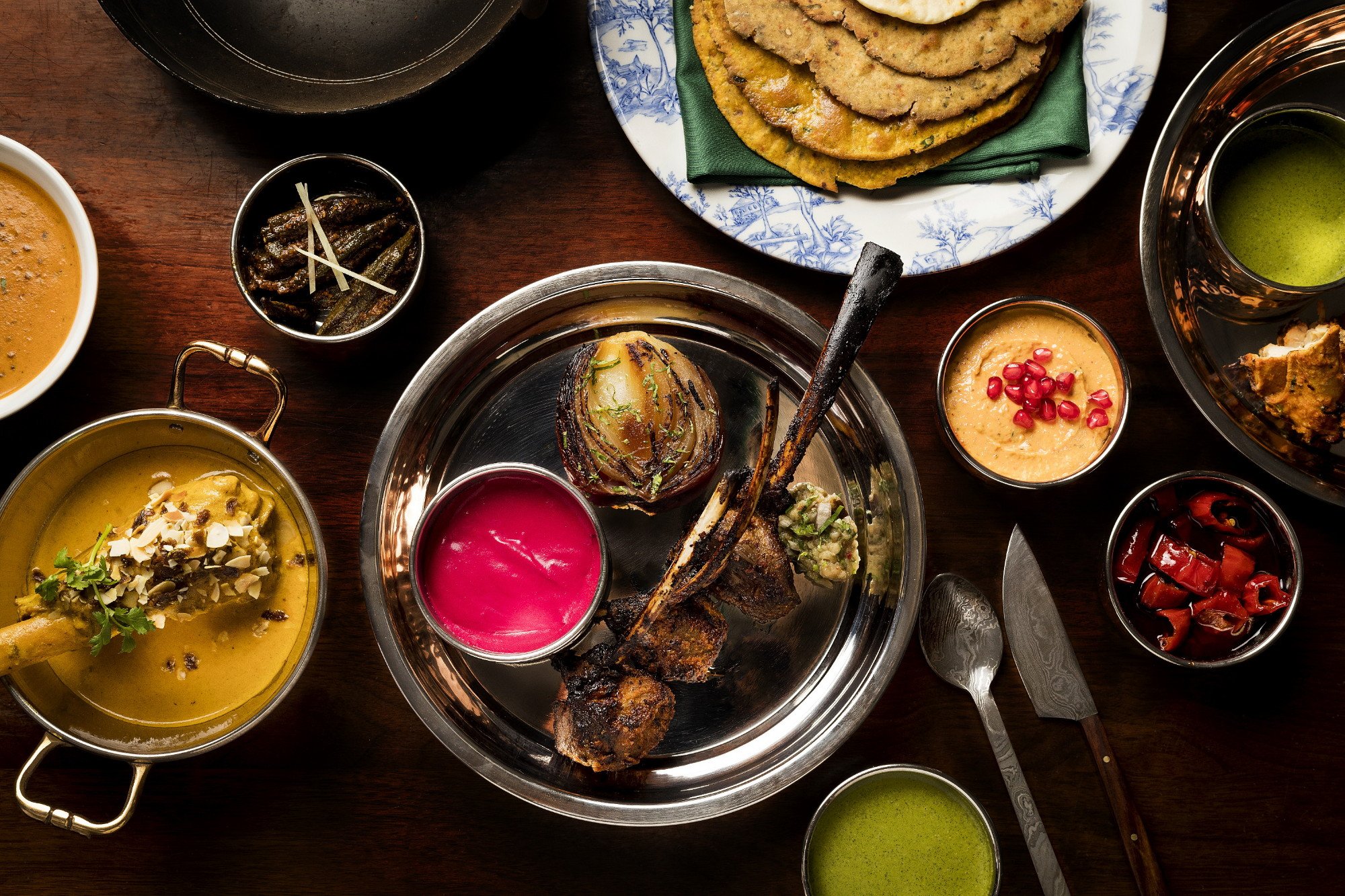
From the steamed seafood dishes of coastal Odisha to the smoky meat skewers of the northern Punjab region, Indian cuisine has an incredible range to offer. 

Indian cuisine.CC0.

Despite the popularity of dishes like butter chicken and naan in westernized Indian restaurants, the rich history of the Indian subcontinent actually has a surprisingly diverse cuisine that ranges far beyond the bright red curries and steaming roti that often comes to mind. Thanks to the diverse geography across the country, each region has its own go-to meats, vegetables, grains and most importantly, spices. 

Indian cuisine has also been hugely impacted by its colonial history, and not just the British one that we are familiar with; the Portuguese and French also set up colonies across the southern and western parts of the country—both of which influenced the cooking styles of those regions. This, in addition to flavors from neighboring Persia, China and a variety of religious influences, have transformed Indian cuisine into a hugely popular cuisine not just across Asia, but in the western world as well. 

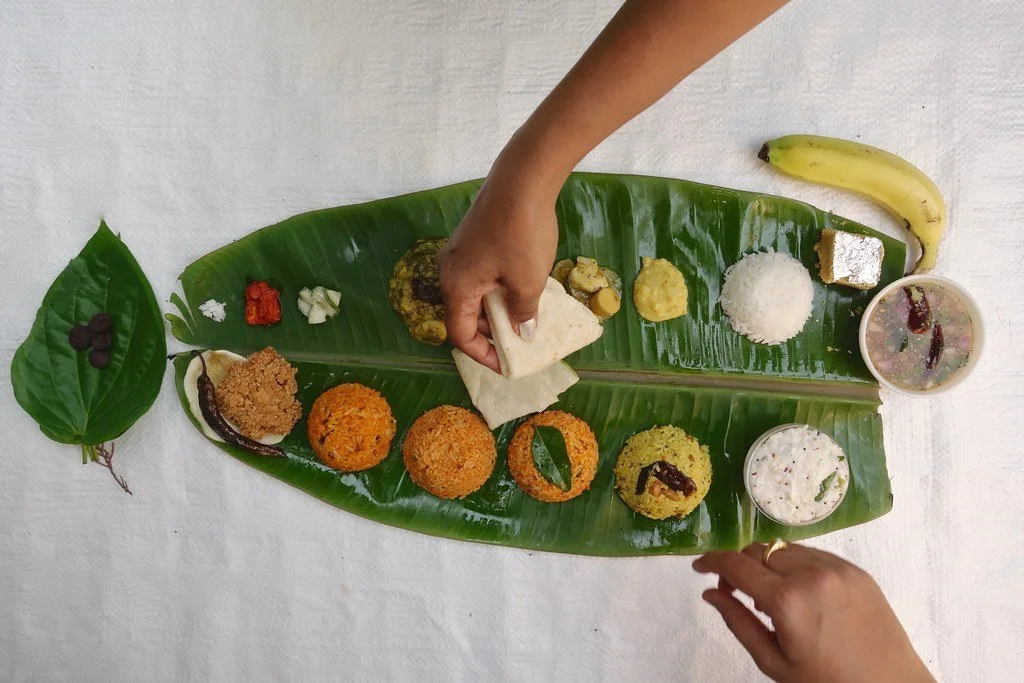
Setting the south Indian plate. Rajesh Pamnani. CC BY-NC-ND 2.0. 

The coastal state of Kerala lies on the southwestern tip of India and is most well known for its unique geography and natural beauty. This makes it an ideal travel destination for people interested in Ayurvedic healing, a centuries old natural medical technique that relies on a number of herbal remedies. Ayurvedic cooking is based on trying to re-balance the patient’s internal constitution using the six rasas or flavor profiles: sweet, sour, salty, bitter, pungent and astringent. The local food and culture are both heavily influenced by the region’s 200 years as a colony under the rule of Arab settlers, the Portuguese and finally the Dutch, which added to the large Christian population in the area.

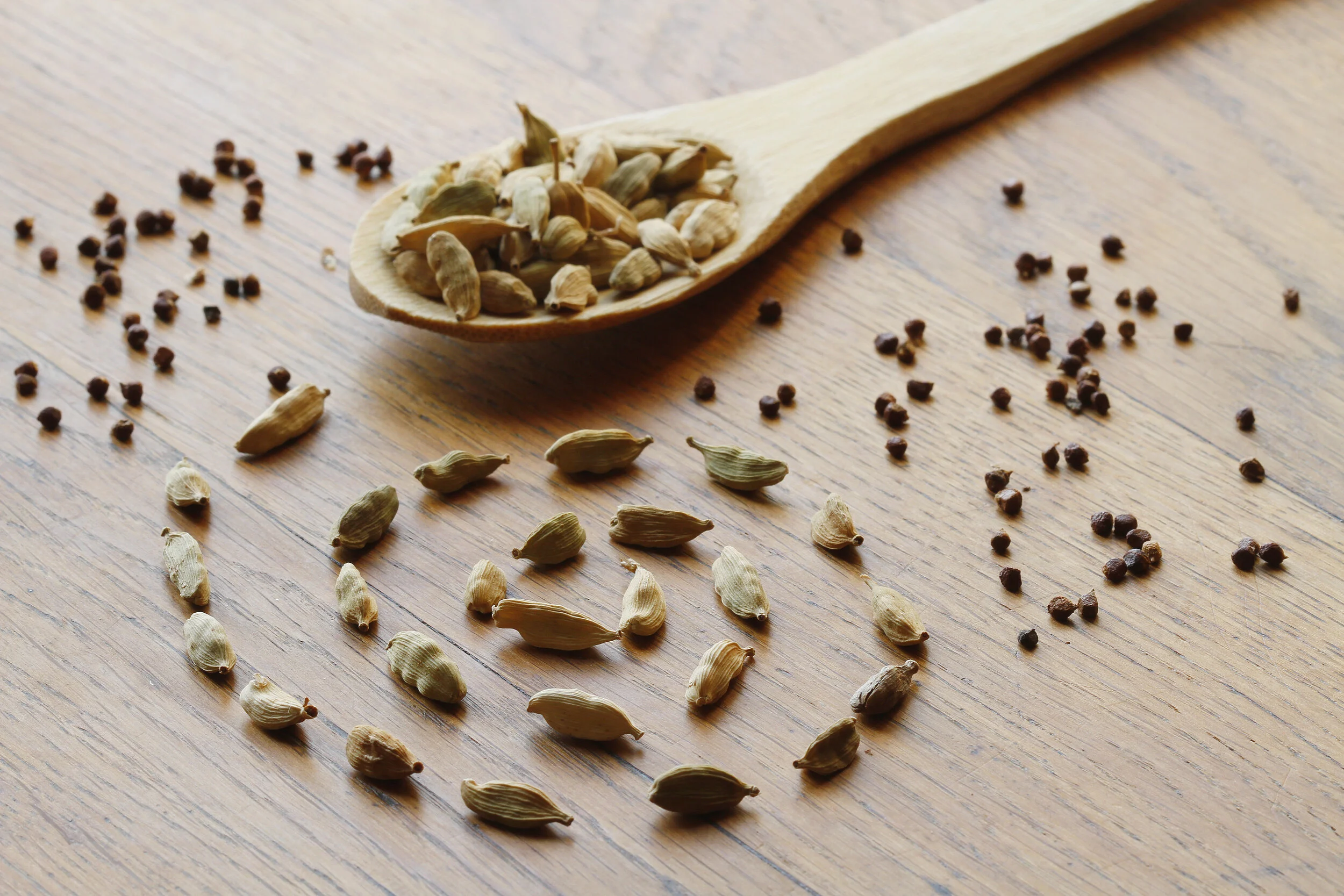
Keralan cuisine is known for its generously seasoned seafood dishes, as well as its use of tapioca, banana leaves and most famously, coconuts. The long monsoon season in this region of the country is conducive to paddy farming, making rice and rice-flour based dishes like idli and appam, different types of rice cakes and common dietary staples. Because of its coastal location, Kerala received huge imports of spices from the Middle East, which to this day can be seen in the extensive use of cardamom, cinnamon, chili and black pepper in both seafood curries and vegetarian stews. A popular dish amongst Western travelers is vindaloo, which is the local south-western variation on a Portuguese dish known as carne de vinha d’alhos, a pork dish flavored with garlic, wine and vinegar.

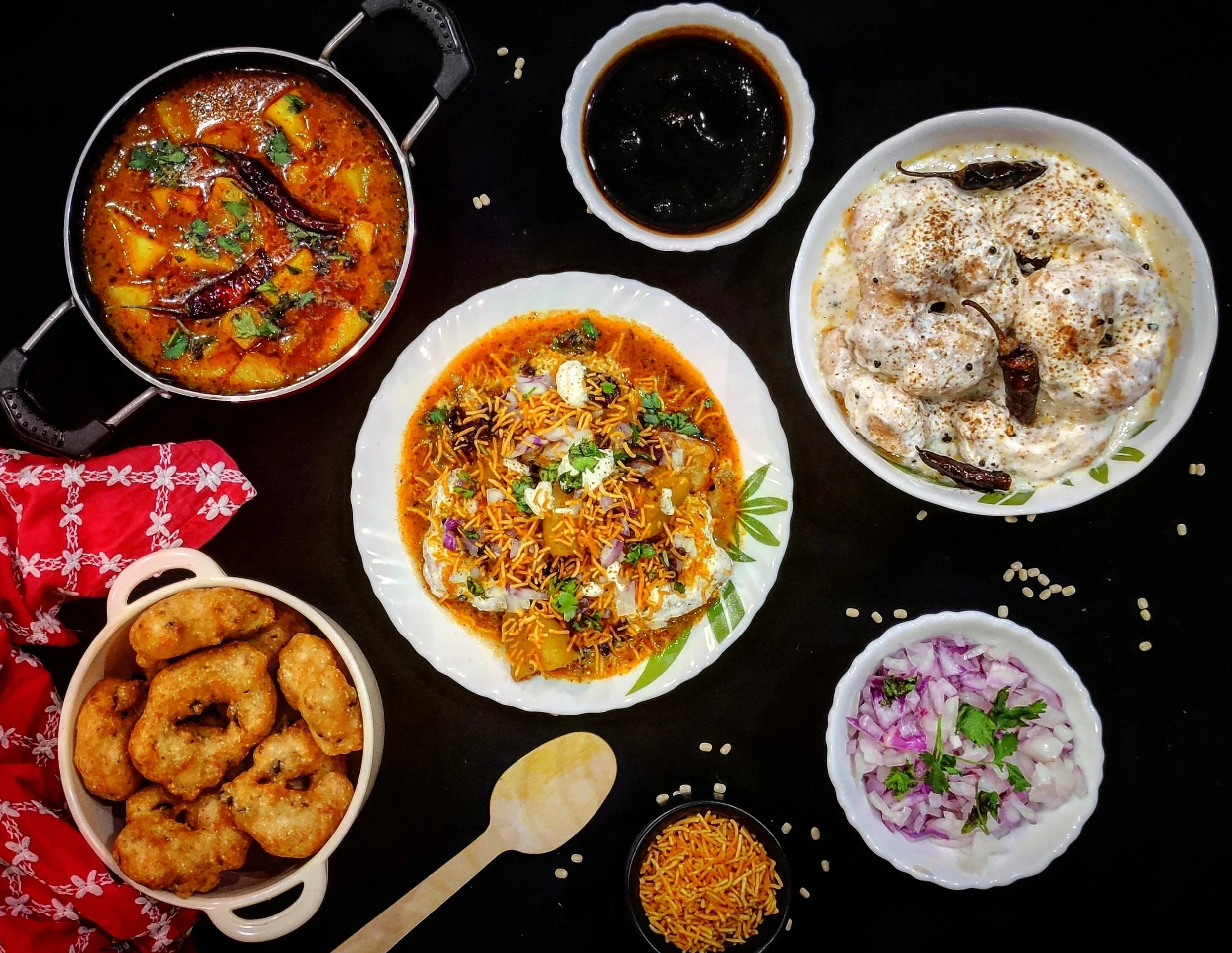
Odishan pakhala platter. Lopanayak. CC BY-ND 2.0.

Formerly known as Orissa, the mountainous state of Odisha is home to more than 700 beautifully preserved Hindu temples, many of which are still in use by the state’s huge Brahman population to this day. The local food is heavily influenced by the many thriving tribal cultures as well as the religious restrictions of the social caste system, which survived despite the region being part of the Muslim Mughal empire and later the southern Marathas dynasty before coming under British rule in the early 1800s.

Because of the prominent role of religion in Odia life, most of the local cuisine is based on foods believed to be the favorites of Hindu gods so that they can be given as offerings. Most dishes are prepared with ghee, a form of clarified butter, instead of regular cooking oil, and unlike most other regional Indian cuisines, not a lot of chili is used either. The local climate is favorable for the growth of mustard leaves, which is a common flavoring agent in a number of popular curries and chutneys. Odia desserts are also very unique to the region given their heavy use of dairy products, especially paneer, a local preparation of cottage cheese. It can be deep fried with brown sugar to make jalebis and is a very popular snack because of the sugar syrup it soaks in.  Paneer can also be scrambled and soaked in milk, giving it a much softer and fluffier texture before adding various flavors to make a porridge-like dish called kheer. Most commonly, the raw paneer is shaped into cake-pop sized balls and boiled in sugar syrup to make gulab jamun and rasgullas.

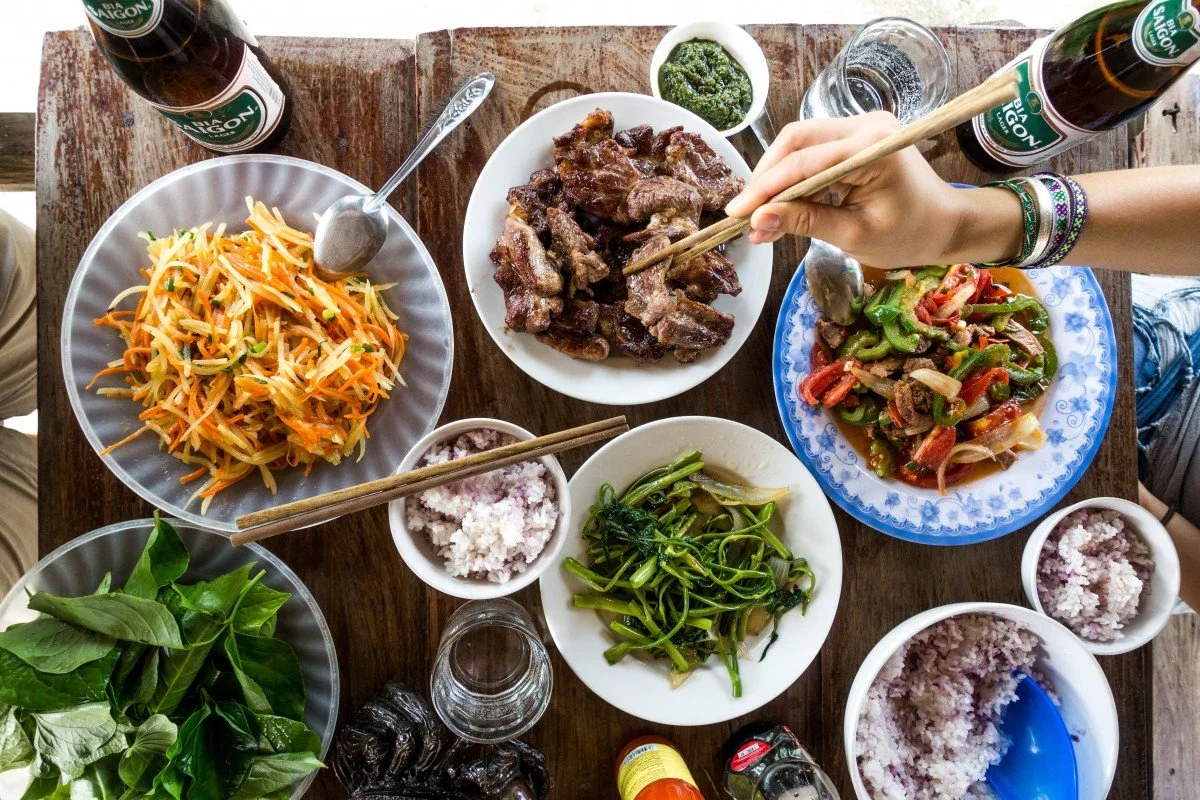
Traditional Meghalayan meal. Jakub Kapnusak. CC BY 2.0.

The northeastern state of Meghalaya is one of the Seven Sister States tucked between Bangladesh and Bhutan, with nearby Myanmar not too far to the east. It is located entirely on a mountain plateau and is often subject to heavy precipitation, which gives it a unique range of local vegetation. Tribal cultures are still very prominent, many of which are reminiscent of more East Asian groups due to the region’s proximity to China, which also heavily influences the local cuisine.

The two most staple ingredients in Meghalaya cuisine are rice and pork, especially when prepared with the local spice mix known as purambhi masala. In fact, local tribes even brew their own rice liquor, a clear yellow liquid called kiad that tends to contain up to 70% alcohol and is believed to have healing and curative properties. Rice noodles and dumplings made with rice paper wrappers are also very popular in the area. In parts of the state with higher altitude, locals may substitute pork for yak meat instead, which is a local delicacy that also shows the heavy influence of nearby Bhutan. Many of the local vegetable dishes make use of fermented soybeans, bamboo shoots, tree tomatoes, banana flowers and sesame seeds for texture and flavor.

Punjabi food. What The Fox Studio. CC BY-NC 2.0.

Punjab is a state located in the northwestern part of India, right on the border with Pakistan. While Sikhs make up the majority of the local population, many are descendants of Greek and Aryan invaders who came into the country thousands of years ago. The state is also completely landlocked and receives most of its irrigation from the Sutlej and Beas rivers that flow through it. This, in addition to extremely hot and dry summers, makes the area very favorable for growing wheat, which earned the state the nickname of “India’s bread-basket”.

Besides garam masala, the local spice mix composed of cumin, nutmeg, cardamom and black pepper among other condiments, pickled vegetables are a local favorite to be eaten alongside the tandoori dishes unique to Punjab. The meter-tall clay tandoor ovens are often buried in the ground and house a small wood charcoal fire at their base. They are filled with meat skewers that have been soaked in yogurt based marinades while pre-rolled naan are stuck to the sides to bake. Aside from the dry tandoori meats, Punjabi cuisine also features a variety of sauce-heavy dishes, including murgh makhani which is famously known worldwide as butter chicken. Another local favorite is kulfi, the Punjabi take on ice cream made from churned milk and sugar, often flavored with fresh mango, especially during the hot summer months.


Tanaya Vohra

Tanaya is an undergraduate student pursuing a major in Public Health at the University of Chicago. She's lived in Asia, Europe and North America and wants to share her love of travel and exploring new cultures through her writing.

5 Cave Painting Sites that Paint a Picture of Prehistoric Life

Cave paintings provide valuable knowledge about the culture of prehistoric civilizations. These five cave painting sites contain some of the oldest and most fascinating prehistoric art from around the world.

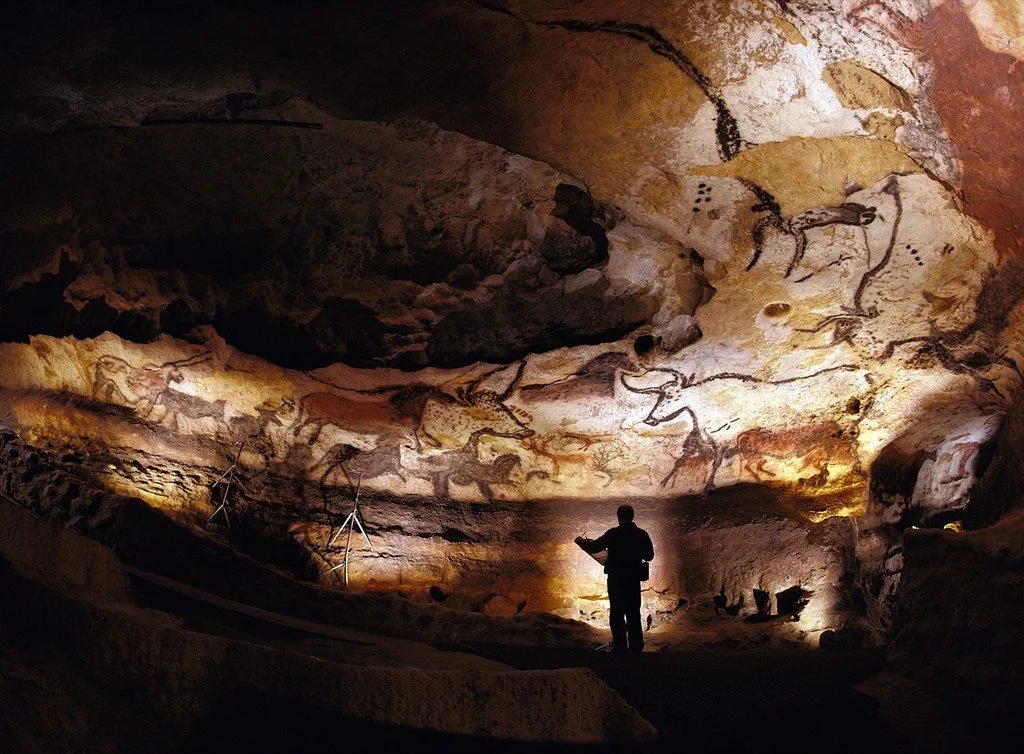
Lascaux Cave paintings in France. Bayes Ahmed. CC BY 2.0.

From Argentina to Bulgaria, humans have been creating art since the dawn of civilization. This art is sometimes the only way to glean certain details about prehistoric culture in various parts of the world. Each of the following five sites provides a unique insight into culture, religion, social life and more, as early as the Stone Age, which spanned from about 2.5 million years ago to 5,000 years ago. 

1. Bhimbetka Rock Shelters - India

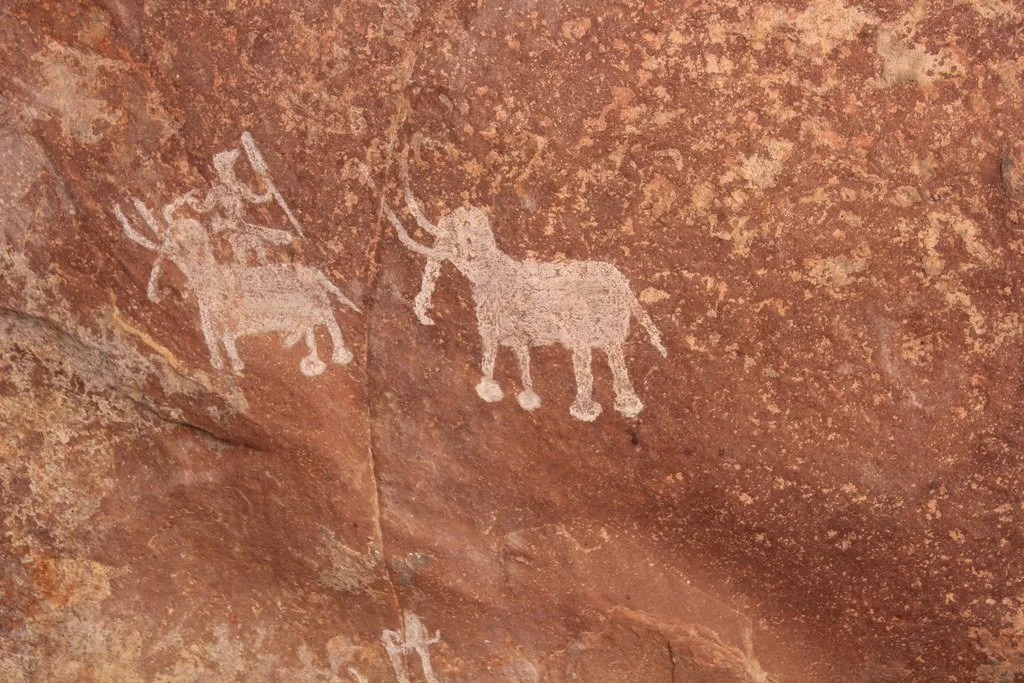
Paintings of animals at Bhimbetka Rock Shelters. Arian Zwegers. CC BY 2.0. 

The cave paintings at the Bhimbetka Rock Shelters in Madhya Pradesh, India,  date from the late stone age to early historic period. These paintings and carvings reflect many realities of prehistoric life, depicting animals, religious rituals, agricultural practices and social life. Many artifacts have also been found in the Bhimbetka Rock Shelters, such as stone tools likely used for agricultural purposes. Because of the significant facts about early Indian life that have been provided by this cave art, the Bhimbetka Rock Shelters have been declared a World Heritage Site.

2. La Cueva de Los Manos - Argentina

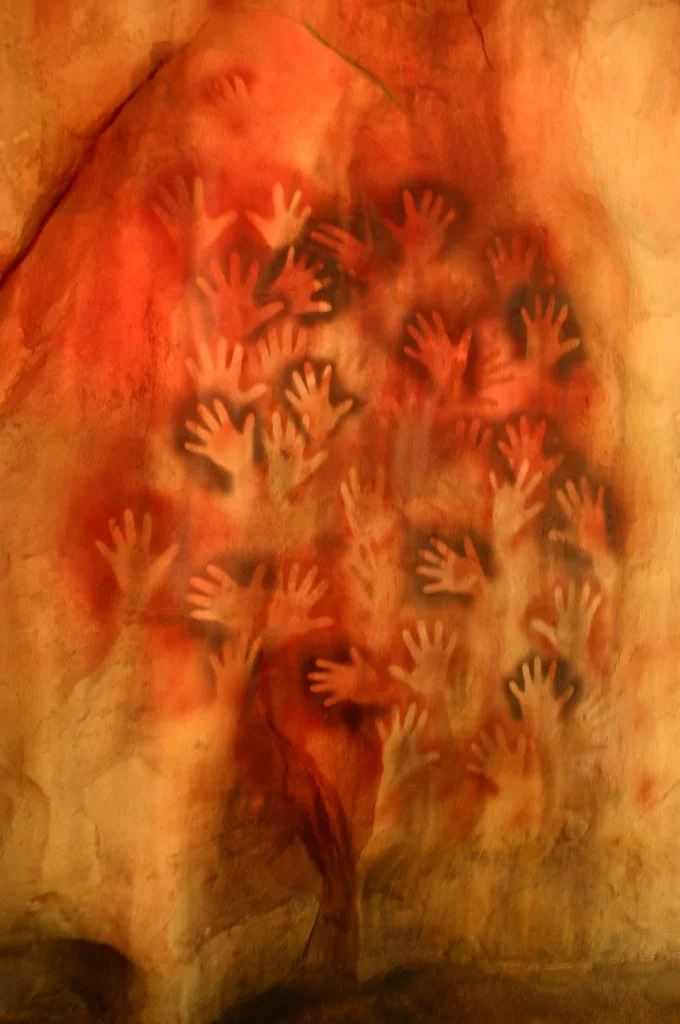
Handprint paintings. Ryan Somma. CC BY-SA 2.0.

La Cueva de Los Manos or “the cave of hands” is aptly named; this cave painting located in Santa Cruz, Argentina is mostly a collection of handprints, estimated to have been created between 9,500 and 13,000 years ago. The handprints are believed to have been made from mineral pigments by early hunter-gatherer tribes. The meaning of the hands is unknown, but some have theorized they represent an initiation of teen boys into adulthood, due to the size of the hands. In addition to the hands, the cave also contains paintings of animals such as llamas, birds and pumas. 

3. The Magura Cave - Bulgaria

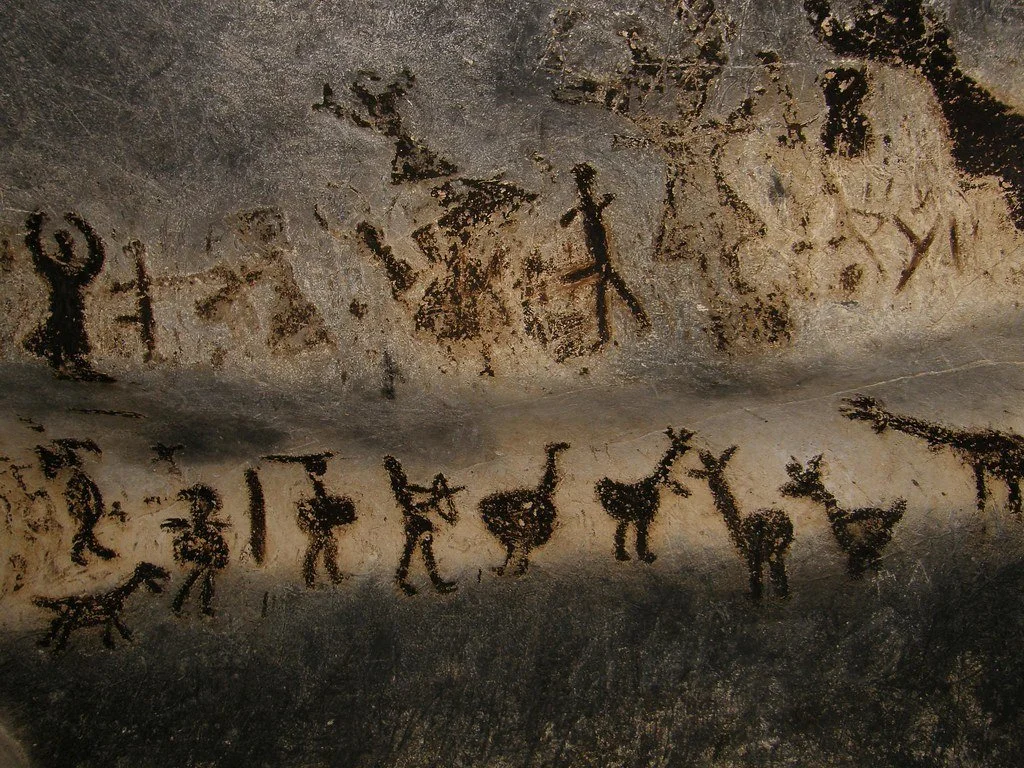
Paintings at Magura Cave. Klearchos Kapoutsis. CC BY 2.0. 

The Magura Cave in Belogradchik, Bulgaria contains an extensive number of paintings made of bat droppings between 4000-8000 years ago. There are approximately 700 paintings in the cave. The paintings depict anything from people dancing and hunting to religious rituals. The cultural significance of the themes painted, as well as the sheer number of paintings, makes the Magura Cave a significant cultural monument. 

4. Lascaux Cave Paintings - France

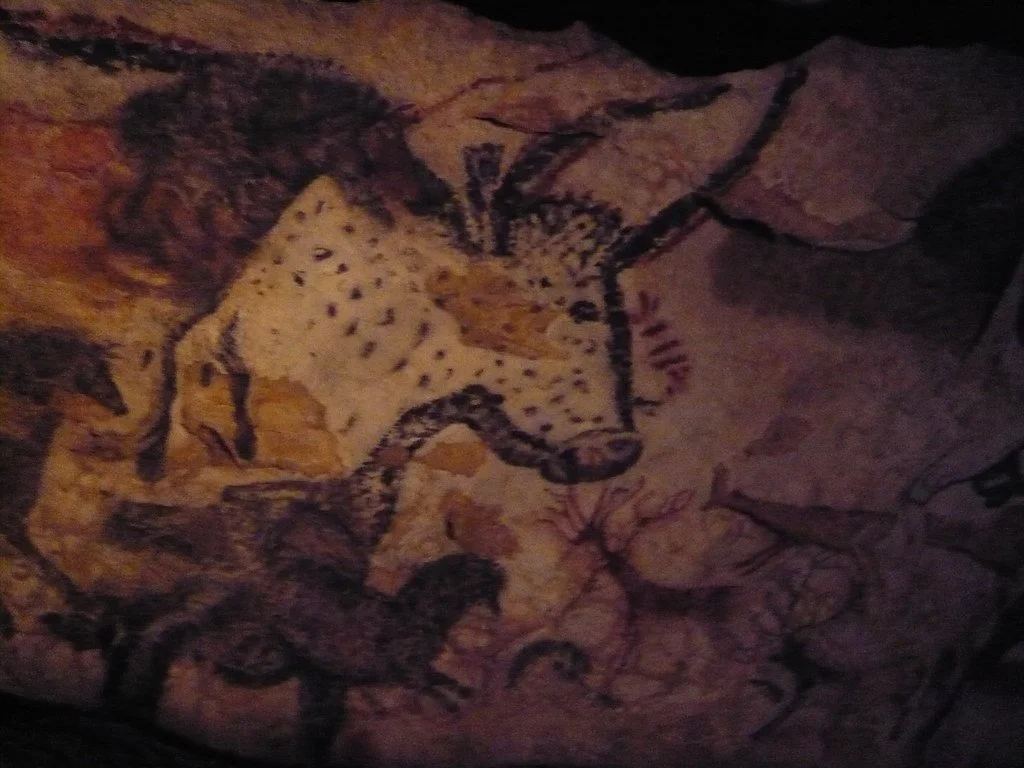
Painting of an animal in Lascaux Cave. Christine. McIntosh. CC BY-ND 2.0. 

The paintings of the Lascaux Cave in Dordogne, France are estimated to be 15,000-17,000 years old, stumbled upon by a group of teenage boys in 1940. Interestingly, among the approximately 600 paintings and 1,500 engravings, there is only one image of a human, making this site differ significantly from the others mentioned, which all depict daily human life in some way. In fact, the human form painted has the head of a bird. Other than this, most of the paintings are of various animals, both real and imaginary. What would be known as a modern day unicorn is even depicted. The Lascaux Cave tells us more about the imagination and storytelling practices of the people of prehistoric France than it does their concrete, daily practices.

5. Laas Geel - Somalia

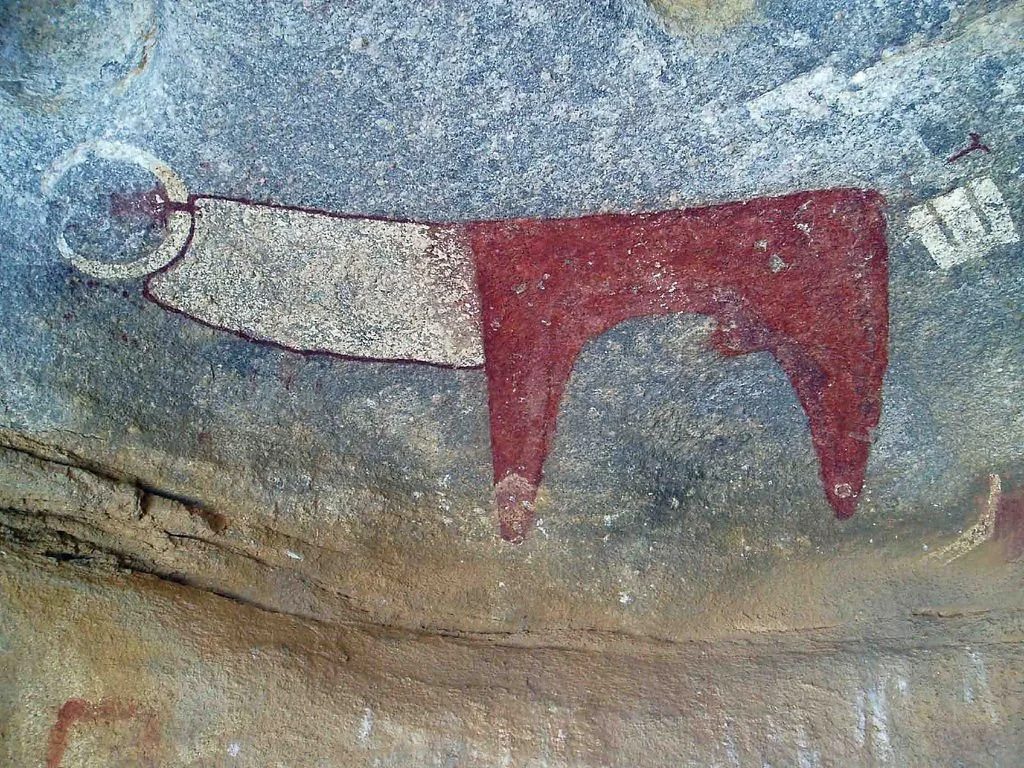
Cow at Laas Geel. Najeeb. CC BY- SA 2.0. 

Laas Geel, in Hargeisa, Somalia, is a collection of rock paintings discovered in 2002. Laas Geel depicts cows, painted with a vibrant red pigment. What is interesting about these cows is that they appear to have some type of ceremonial necklace or hanging around their necks. Many of the cows also appear to be wearing crowns or have some sort of halo-like object around their heads. The cows are often depicted next to humans and dogs. These depictions indicate that cows played some sort of ceremonial role, bringing up important questions about early religion and culture in Somalia. 


Calliana Leff

Calliana is currently an undergraduate student at Boston University majoring in English and minoring in psychology. She is passionate about sustainability and traveling in an ethical and respectful way. She hopes to continue her writing career and see more of the world after she graduates. 

6 Things to Know About Kilimanjaro From a Past Climber

Tanzania is home to the tallest mountain in Africa, Mount Kilimanjaro. However, here are six things everyone should know before deciding if they are ready to brave the mountain. 

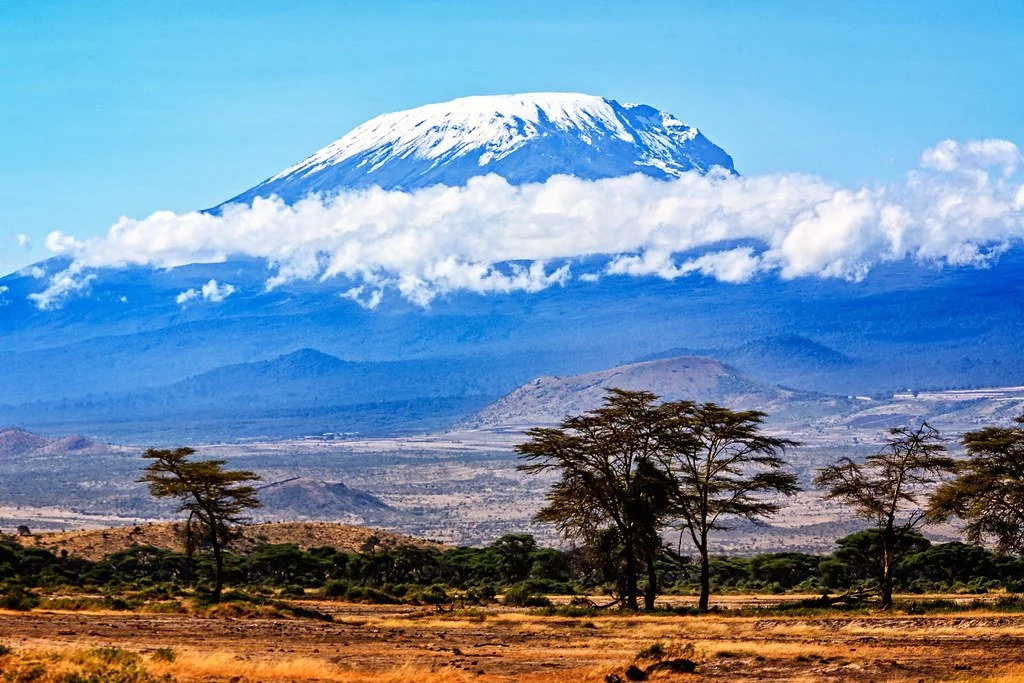
Mount Kilimanjaro. Gary Craig. CC BY-NC-ND 2.0.

Mount Kilimanjaro was created by three volcanic cones called Kibo, Shira, and Mawenzi about 2.5 million years ago. Standing at 19,341 feet, it is home to almost every ecological system: cultivation, forest, heather-moorland, alpine desert, and arctic summit zones. Climbers pass through each of these ecosystems in stages based on elevation. What many may not realize is that Kilimanjaro is dormant, not dead. This means the dormant Kibo cone could erupt again.

I made the climb in January. I will be extremely honest; it was quite miserable at times. It is simply impossible to put into words what hiking a mountain like that will do to you. From the daily struggles of altitude sickness and the feeling of breathing almost nonexistent air, to being the most exhausted you have ever been in your life, dehydrated, starving but unable to keep food down, to having to use the “bathroom” behind a rock right on the side of the trail. I even saw someone lose their life from cardiac arrest. Though it is, thankfully, not a common occurrence, it was rough.

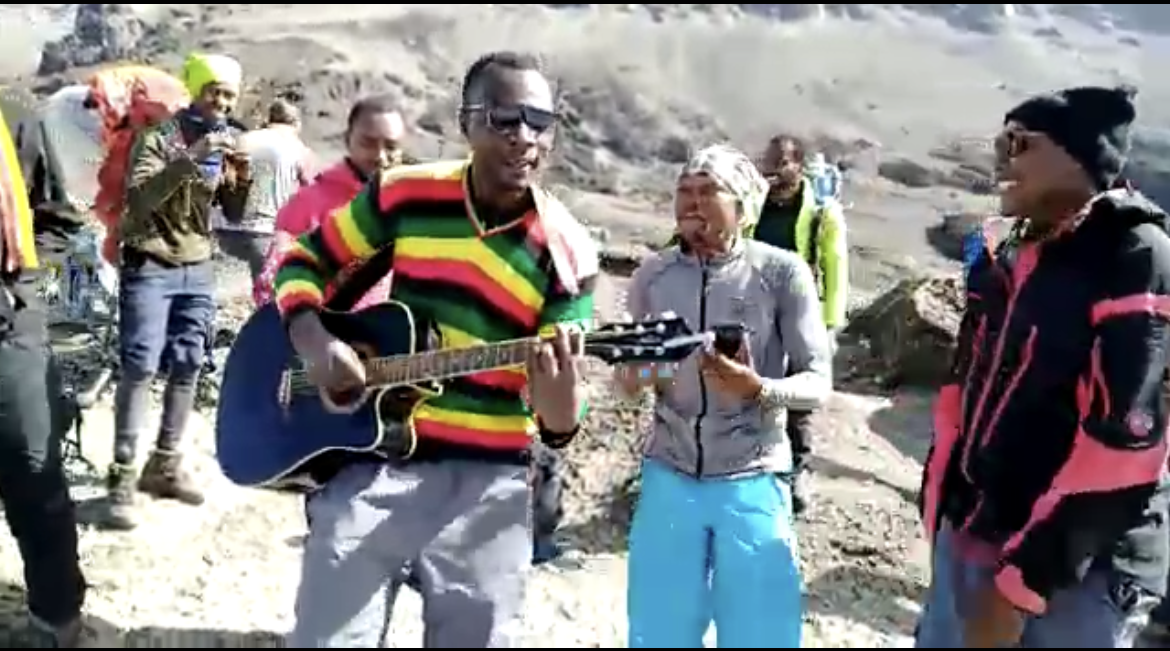
With that said, the struggles make the reward that much sweeter. When I reminisce on my experience, I remember the hard times, but the beautiful moments I was fortunate enough to be a part of are more prominent. The dance and guitar sessions the group would have on our breaks, the feeling of being in a place completely isolated from the world, climbing higher than the plane that got me there, finding a new strength in myself that otherwise would have remained unknown. Kilimanjaro is a monster mountain, but it was the best experience of my life.

 1. “Pole, Pole” are words to live by 

“Pole, pole” translates to “slowly,” and I cannot stress enough how important this simple phrase is. It doesn’t matter what your physical abilities are, if you do not take your time, you will be hurting. Taking at least five days (depending on your route), this hike is no joke. It’s important to put your pride aside and accept that you might not be the fastest person to get up the mountain, and that’s completely OK! This was something I quickly learned. On the first day, I tried keeping up with the front of my group and very quickly learned I simply wouldn’t make it all six days if I kept that up. No matter what your pace, a guide will always stay by your side, carry things for you if you are struggling, and motivate you to keep going. Guides want you to succeed just as much as you want to, so definitely listen to their advice. They’re lifesavers—literally!

2. You will create amazing connections with your guides and porters

Photo taken by John Willard, my guide on my Kilimanjaro hike. 

Your team on Kili will be absolutely amazing, no doubt about it. They will do whatever they can to help you summit, practically carry you if need be. They are extremely selfless and charismatic people, and they make the experience so much more enjoyable. Porters are the men and women who dedicate themselves to carrying all of your gear up the mountain, setting up camp, cooking meals, and creating a vibrant hike experience. Guides spend time with you on your hike—helping you stay on the trail, keeping an eye on your health, and really just guiding you to the summit. On my trip, the team loved to dance and sing and always invited us to join them on breaks and when at camp. They welcomed us to become immersed in the culture and understand the historical importance of Mount Kilimanjaro. The guides and porters truly enhanced the experience, so much that you simply won’t want to leave them. You will want to have WhatsApp downloaded on your phone so you can put in your favorite porters’ and guides’ numbers; when you get home, having those connections will keep a piece of Kili in your heart forever. 

3. You will probably get sick 

I hate to be the bearer of bad news, but if you decide to climb Kili, you will most likely find yourself experiencing at least some altitude sickness symptoms. It’s inevitable when going up 19,000 feet. Headache, nausea, and exhaustion are some of the more common symptoms. They will not end your hike early, but they will make life a little more miserable on the mountain. You just have to push through! Your guides will keep track of your vitals every day and will encourage you to eat and drink as much as your body will allow—food and water will be your best friend up there. You may hear people say that getting to high elevations eliminates your appetite, and this is very true. I found it hard to stomach even soup broth on my hike. It is best to pack some of your favorite snacks to help get past your lack of appetite. Many people, including myself, take altitude sickness pills to help combat symptoms. They are worth taking as long as they don’t cause negative effects on your body. They helped lessen the severity of my symptoms. 

4. It is like being in a movie 

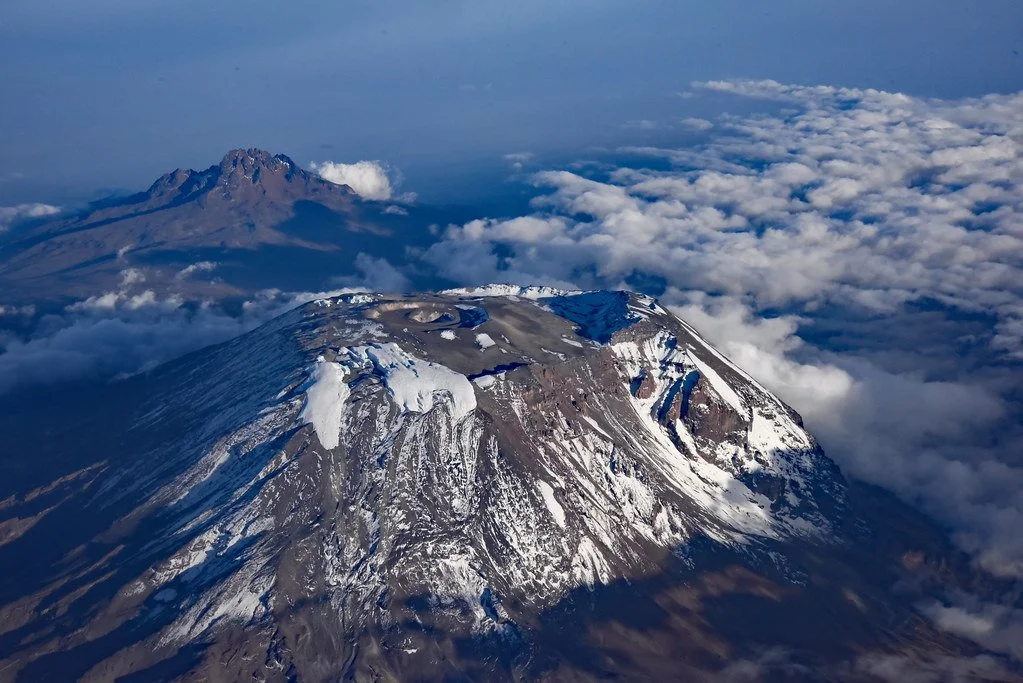
Aerial View of Mount Kilimanjaro.Takashi Muramatsu. CC BY-ND 2.0.

Kilimanjaro is absolutely breathtaking. I remember feeling like I was living in a Star Wars scene for the majority of the hike. The sunsets and sunrises are unlike anything you will ever see again. Barranco Camp, where you will find yourself after hiking from Shira to Lava Tower to Barranco, was the highlight of my entire hike. Beautiful waterfalls, camping on a cliff in the clouds, being surrounded by the massive Barranco Wall (which you will be climbing up the next morning)—it is a beautiful and untouched part of the world. It makes the everyday battle worth it. When you’re feeling like giving up, just stop and turn around. The view you see will give you the courage to keep going. 

5. You may see some horrific things 

Barranco Wall on Mount Kilimanjaro. Haleigh Kierman 

This is not a guarantee, but it is best to know what can happen. During my hike, I witnessed a man pass away right on the trail from cardiac arrest. I never thought I would see something like this, so it is important you know that really anything is possible before deciding if the hike is right for you. It is much more common to see people get physically sick or use the “bathroom” in clear sight, which are things we can typically move on with. With that said, there is always the possibility you can see something more severe. Do not fear though, Kilimanjaro is remarkably safe given its size. Around 30,000 hikers attempt each year with only a 0.03% death rate. If you know and trust your individual abilities and health, there is little to be concerned about.  

6. You will discover an unimaginable amount of self-pride when you finish 

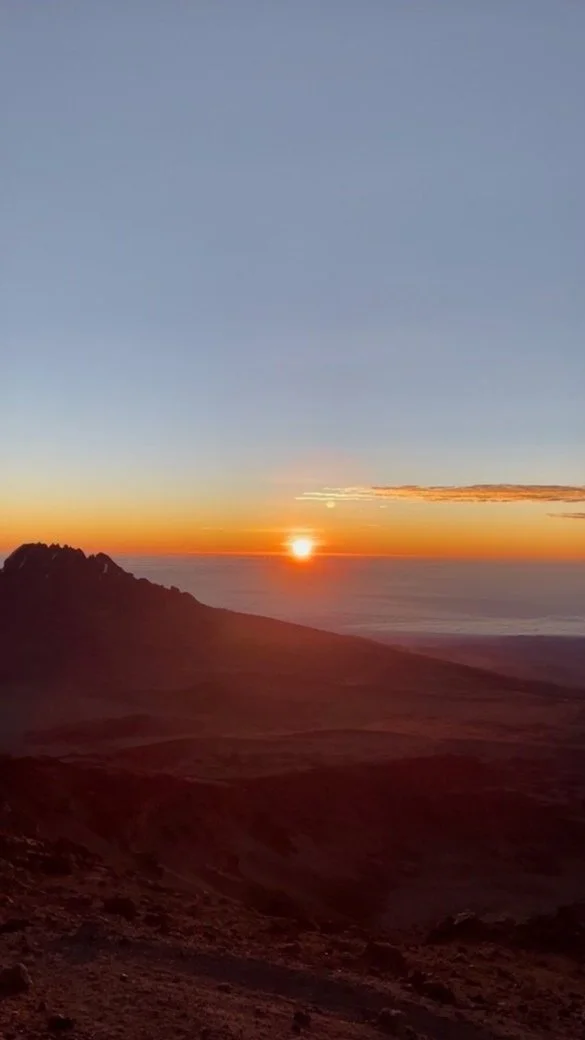
Sunrise on Summit Day. Haleigh Kierman

Summit day: it’s killer. You begin the final trek to the summit around 11:30 p.m. and get to the top around 8 a.m., depending on your pace. At this point, you will be sleep-deprived, feeling as though you are suffocating with every step you take because the air is so thin. But somehow, you will find that strength in you to keep going. And when you finally make it to the top, all you will feel is euphoria. You may even shed a tear or two. Kili will push you to your limit and then past that. You really will discover a new part of yourself you didn’t know was there. If you set your mind to conquering Kilimanjaro, you can do it. It will be one of the hardest things you will ever do, but the reward is a feeling of accomplishment that will change your life forever.


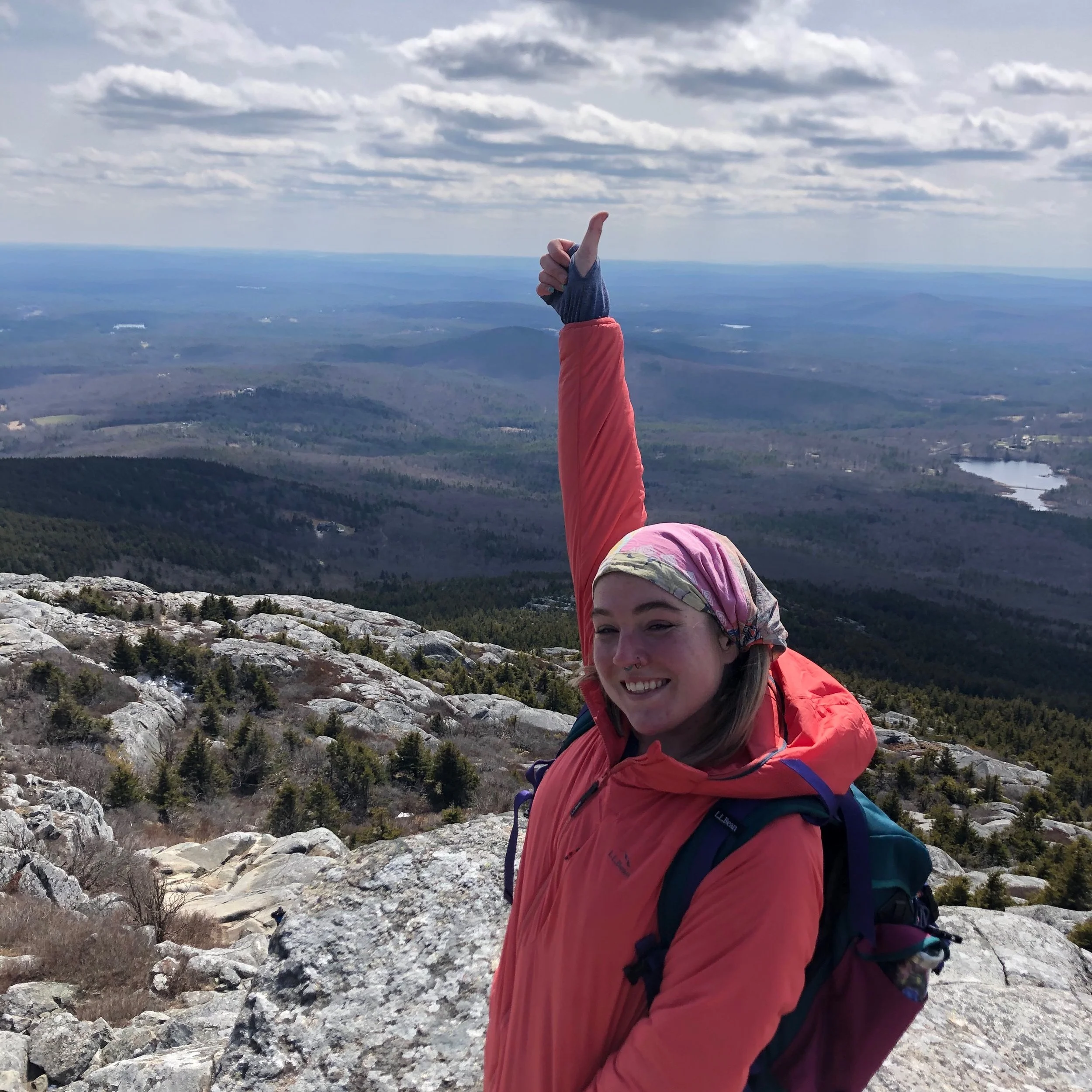
Haleigh Kierman

Haleigh is a student at The University of Massachusetts, Amherst. A double Journalism and Communications major with a minor in Anthropology, she is initially from Guam, but lived in a small, rural town outside of Boston most of her life. Travel and social action journalism are her two passions and she is appreciative to live in a time where writers voices are more important than ever.

7 Famous Trees of The World

Today, trees face threats such as deforestation, habitat reduction and fires fueled by climate change. Despite it all, these seven tree species continue to symbolize the lands they call home.

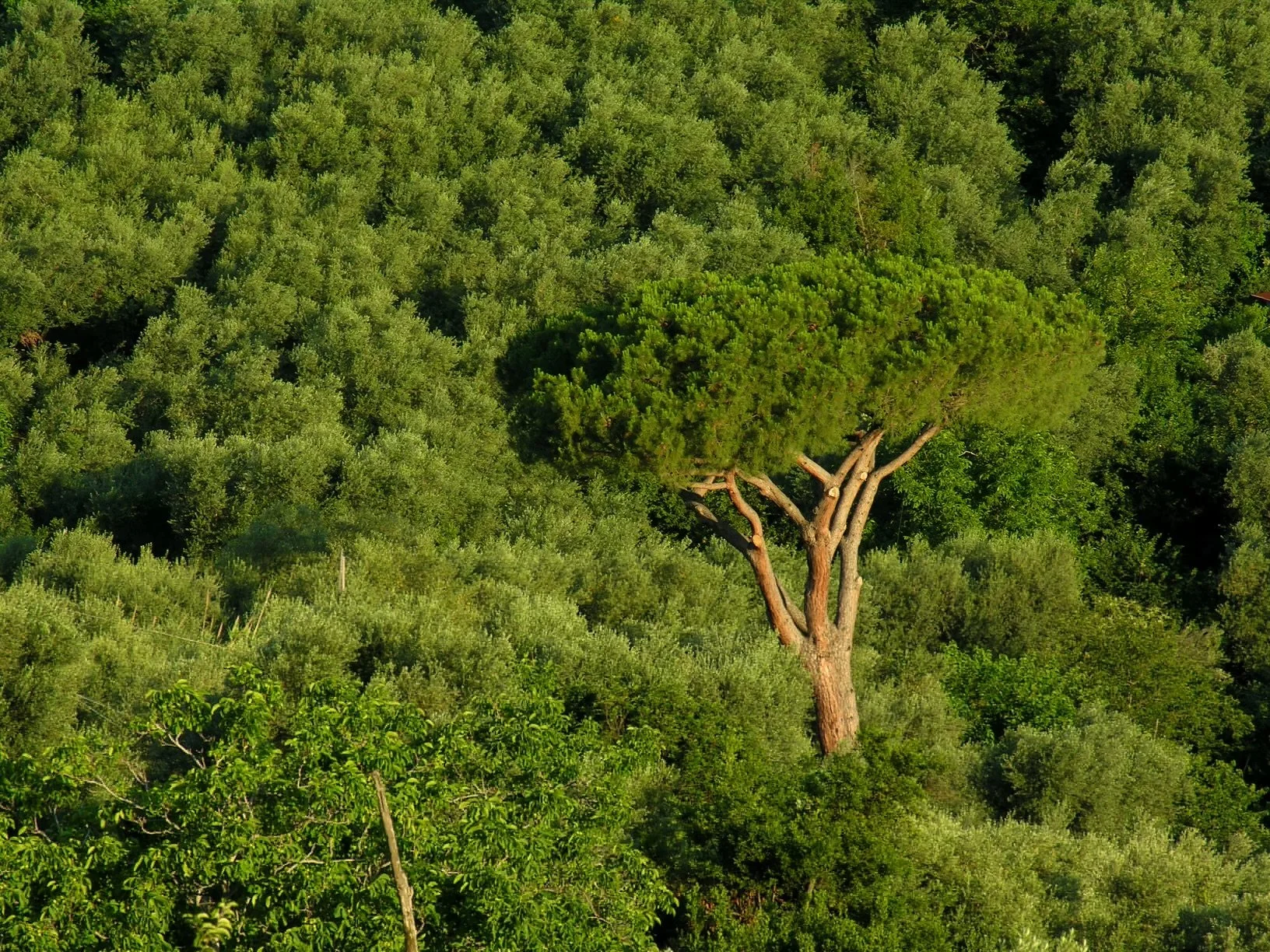
Forest in Italy. Giuseppe Costanza. CC0 1.0

As urbanization and overpopulation fuel clearcutting around the globe, these trees stand in their own glory. Granted protection status, having festivals in their honor and attracting admirers from around the world, this is a list of trees that have made a name for themselves and their roots. 

1. Baobabs, Madagascar 

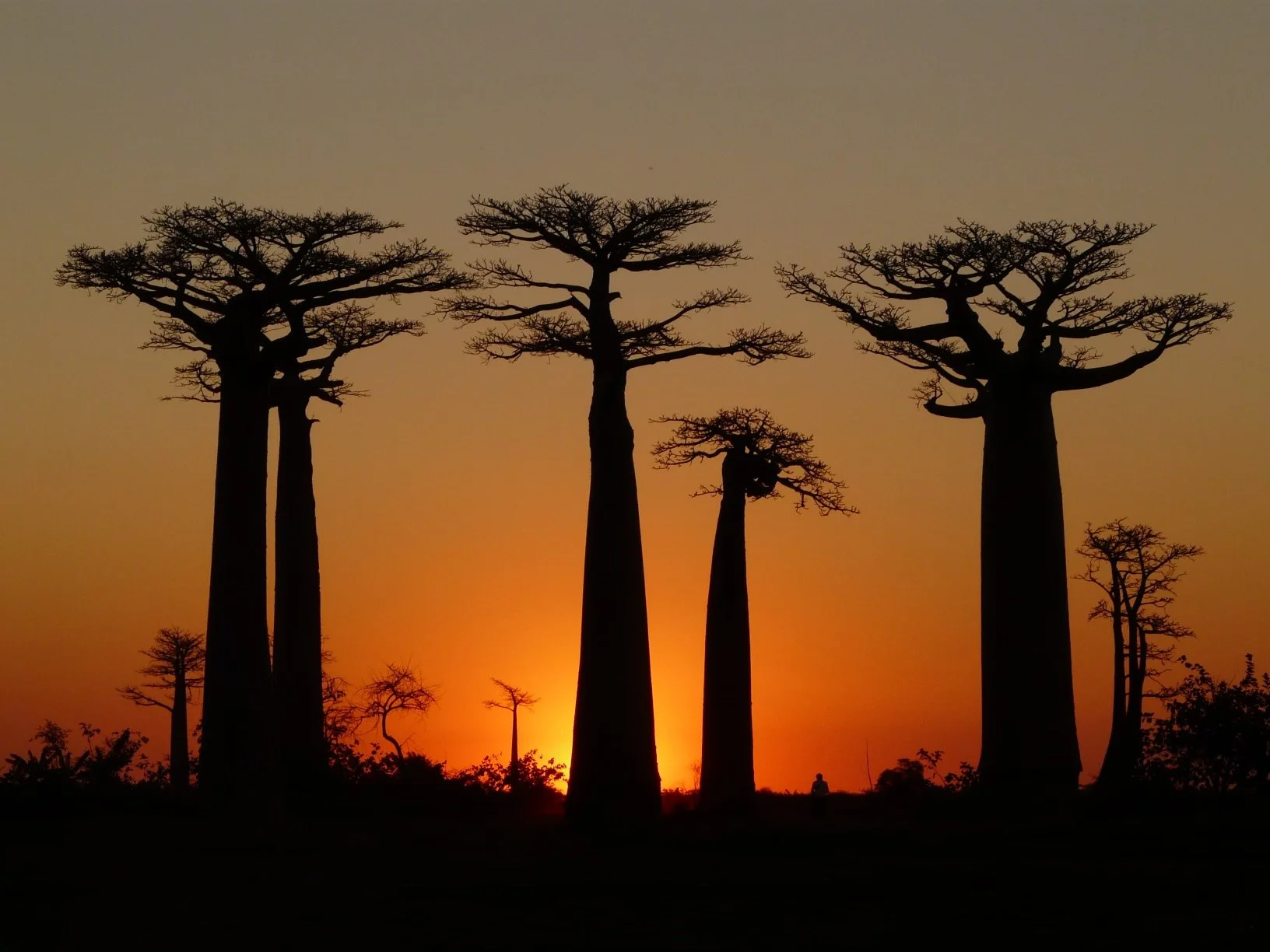
The Avenue of Baobabs. Zigomar. CC BY-SA 2.0

For many, the Avenue of Baobabs is the first thing that comes to mind when they hear the word "Madagascar." Approximately 50 baobab trees line the dusty road and surrounding groves between Morondava and Belon'i Tsiribihina. Endemic to the island, the trees are referred to as "renala," or "mother of the forest," by locals. The avenue has gained international fame, attracting crowds during sunset and became the first protected natural monument in Madagascar in 2007 when it was granted temporary protection status. 

2. Yucca Trees of Joshua Tree State Park, California, USA

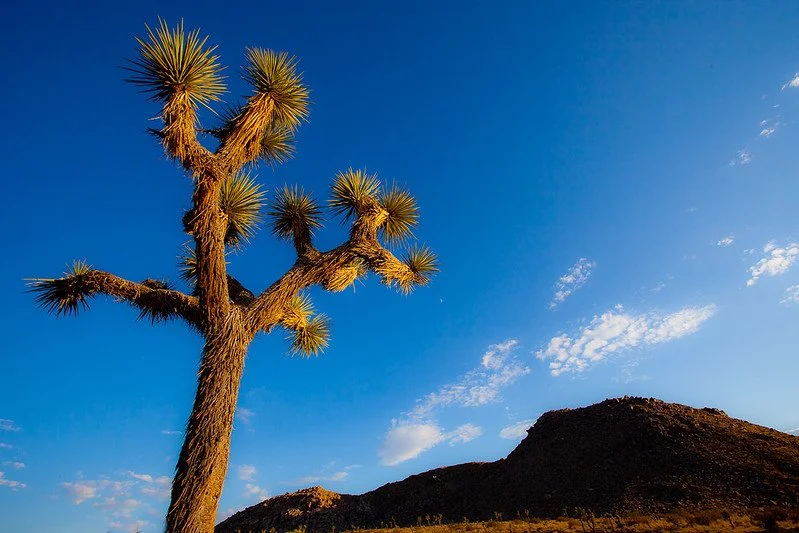
YuccaTree in Joshua Tree State Park.Esther Lee. CC BY 2.0

The yucca trees, for which California's Joshua Tree State Park was named, got the nickname “Joshua” from a band of Mormons traveling from Nebraska. The lunar desert climate is ideal for yuccas, which have grown adapted to storing water inside their trunks and twisted branches. They are said to be able to survive on very little rainfall a year, but if the weather happens to bring rain in the spring, the yuccas will give thanks with a sprout of flowers. 

3. Cherry Blossoms, Japan

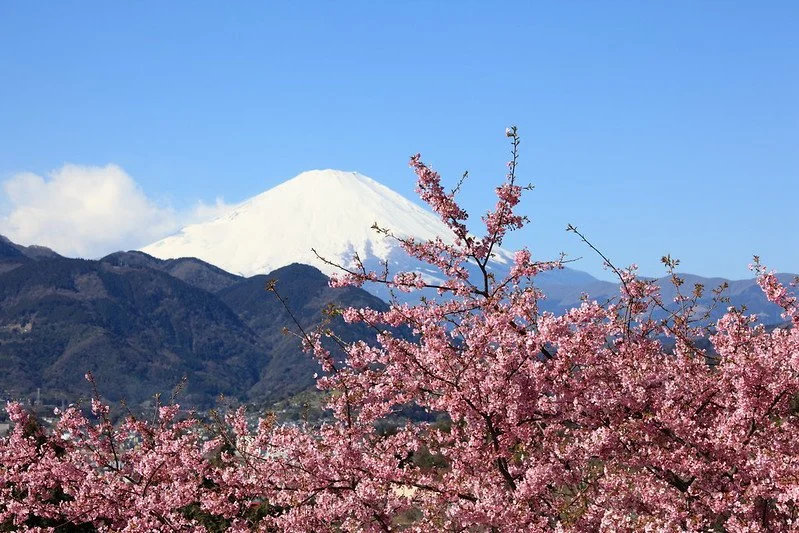
Cherry blossoms at Mount Fuji. Tanaka Juuyo. CC BY 2.0

The cherry blossom, or sakura, is considered the national flower of Japan. Hanami, the Japanese custom of enjoying the flowers, attracts locals and visitors to popular viewing spots across the country during the annual Cherry Blossom Festival. Peak bloom time depends on the weather, and the cherry trees have been flowering earlier and earlier each year due to climate change. On average, the cherry trees reach peak bloom in mid to late March and last around two weeks.

4. Jacaranda Trees, Mexico City, Mexico

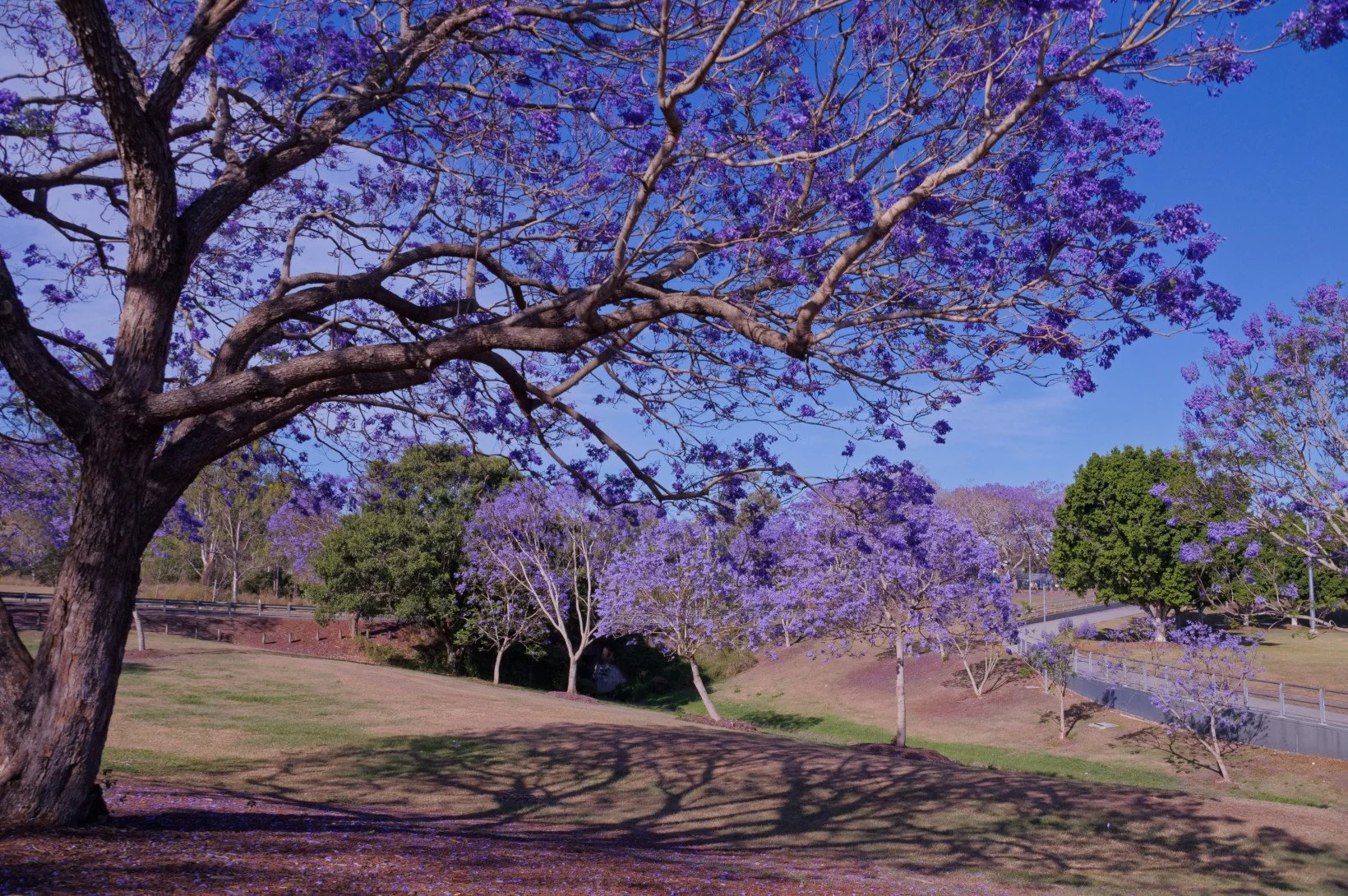
Jacaranda trees. Tatters. CC BY-NC 2.0

Every spring, the already vibrant streets of Mexico City are lined with the jacaranda's violet bloom. President Álvaron Obregón commissioned Tatsumi Matsumoto, an imperial landscape architect from Japan, to plant the trees along the city's main avenues in 1920. Matsumoto was the first Japanese immigrant to come to Mexico, arriving a year before the first mass emigration in 1897 and staying until his death in 1955. Today the jacarandas are considered native flowers and symbolize international friendship. 

5. Rubber Fig Trees, Meghalaya, India

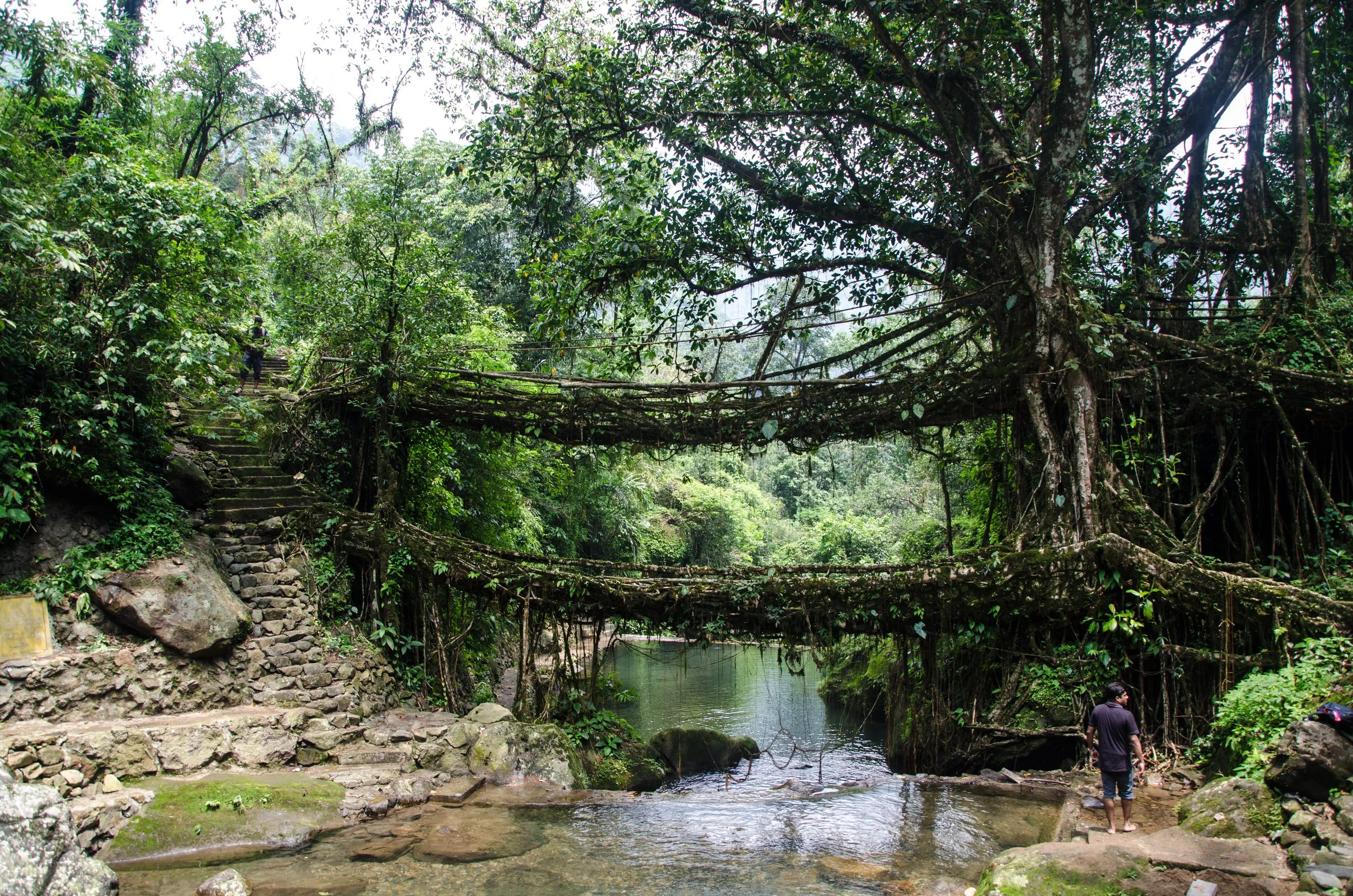
Double-decker living roots bridge. Ashwin Kumar. CC BY-SA 2.0

Widely considered the wettest region in the world, villagers of the northeast Indian state of Meghalaya are separated by deep valleys and running rivers every monsoon season. The living roots bridges are handmade by the Khasi and Jaintia people with the aerial roots of rubber fig trees. The bridges grow strong as the tree's roots thicken with age, holding more than 50 people and lasting centuries if maintained. The double root bridge, pictured above, is almost 180 years old, stands at 2,400 feet high and suspends 30 meters in length. 

6. Argan Trees, Morocco

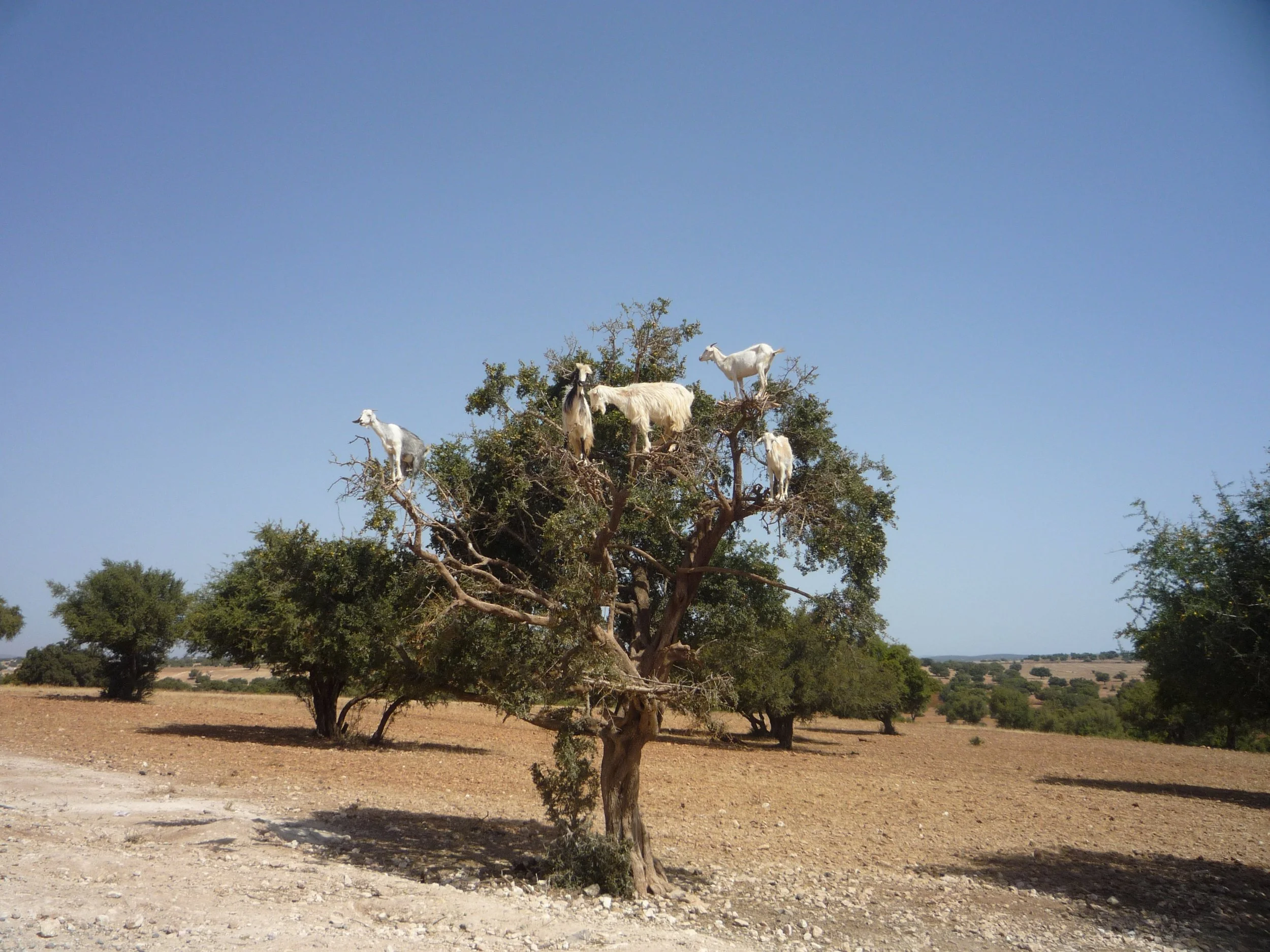
Goats in an Argania tree. remilozach. CC0 1.0

Built to survive the Saharan climate, Argan trees are endemic to southwestern Morocco. Their scientific name, Argania, is derived from the native Berber language of Shilha (also known as Tashelhit). The trees grow fruits used to make argan oil, an ingredient found in many beauty products. Rights to collect the fruit are controlled by law and village traditions, while several women's co-operatives produce the oil. Goats are frequently photographed climbing argan trees and help in the production process by eating the nuts, leaving the vitamin-rich seeds for the locals to collect. 

7. Trees of the Hoh Valley, Washington, USA

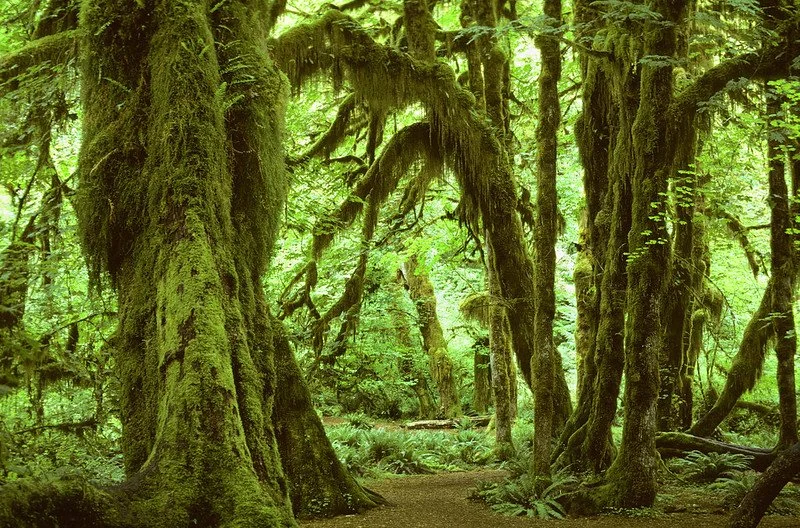
Trees in Hoh Valley. James Gaither. CC BY-NC-ND 2.0

On the Pacific side of the Olympic Mountains in the Hoh Rainforest, lush yellow and green moss covers some of North America's giants, including the Sitka Spruce, Red Cedar, Big Leaf Maple and Douglas Fir. As a result of the area's average 140 inches of rainfall per year, the moss is not only enchanting but beneficial. Moss plays an essential role in supporting the forest's biodiversity; like a sponge, it decays, absorbs and finally releases nutrients for the trees’ roots to feed off. 


Claire Redden

Claire is a freelance journalist from Chicago, where she received her Bachelor’s of Communications from the University of Illinois. While living and studying in Paris, Claire wrote for the magazine, Toute La Culture. As a freelancer she contributes to travel guides for the up and coming brand, Thalby. She plans to take her skills to London, where she’ll pursue her Master’s of Arts and Lifestyle Journalism at the University of Arts, London College of Communication.

Travel and Work for Food on Organic Farms

Organic farms look for travelers to help in exchange for housing, meals and an opportunity to learn—providing a unique mode of affordable, ethical travel. 

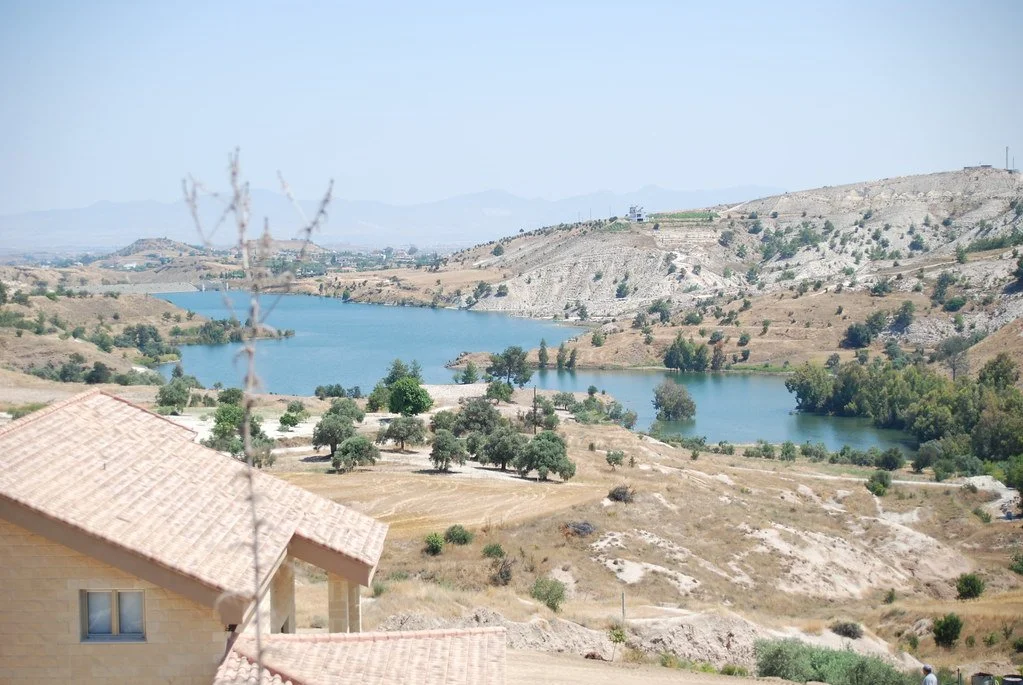
Organic farm in Cyprus, Greece. George M. Groutas. CC BY 2.0. 

Worldwide Opportunities on Organic Farms (WWOOF) is the most widespread and popular organization that pairs people interested in volunteering on organic farms throughout the world with host families who run their own organic farms. The idea is that volunteers would be just that: unpaid volunteers, who work part-time on a close-knit and often family-run farm in exchange for free housing and meals with the family. In fact, WWOOF bans any exchange of money between the host and the volunteer. Often, these volunteer stints are short (a few weeks) or part-time, allowing for the volunteer to obtain paid work and/or spend time exploring the area they are living in while also growing  the food they will eat during their stay, immersing themselves in culture, helping a local organization and learning from experienced farmers. Below are some detailed opportunities from every continent in the world. 

North America: Consecon, Canada

Stonefield Alpaca Farm in Consecon, Canada is a 100-acre family-owned and operated farm powered by solar panels and windmills. The owners are looking for volunteers to help maintain the straw bale home they built together, grow their own food and take care of the animals (alpacas and poultry). They hope to become completely self-sufficient in terms of food, and that volunteers can help them do so while also learning from them and exploring Ontario. Learn more here

South America: Belize City, Belize

An individual who bought and began his own 14-acre pesticide-free, organic farm in Belize City, Belize offers an opportunity to help develop his farm further in terms of sustainable energy production and other sustainable farming methods. He became a host because he was a WWOOF participant in the past. His farm has goats, monkeys, parrots and sheep. Responsibilities would include taking care of the animals, gardening, landscaping and sharing ideas on how to improve the farm’s organic practices. Learn more here

Africa: Apam, Ghana

This family-owned farm in Apam, Ghana is not only a farm located on the coast, in the center of a fishing community, but also an educational and charitable center focused on agriculture and helping the larger community. The hosts are looking for volunteers to help with typical farming tasks, such as taking care of animals and harvesting, as well as build ecological houses and participate in the local fishing. This is a unique opportunity to not only help the environment and one local family, but the entire community as well. Learn more here.

Australia: Upper Kangaroo River

Winderong Farm is a cooperation of 10-15 employees and volunteers working together to revive their surrounding environment in Upper Kangaroo River, Australia. They’re looking for volunteers interested in conservation to work on composting, permaculture and regeneration of the Australian bush. This farm differs from most as it is a larger, community-based effort as opposed to a small family-run farm. Learn more here.

Asia: Kampot, Cambodia

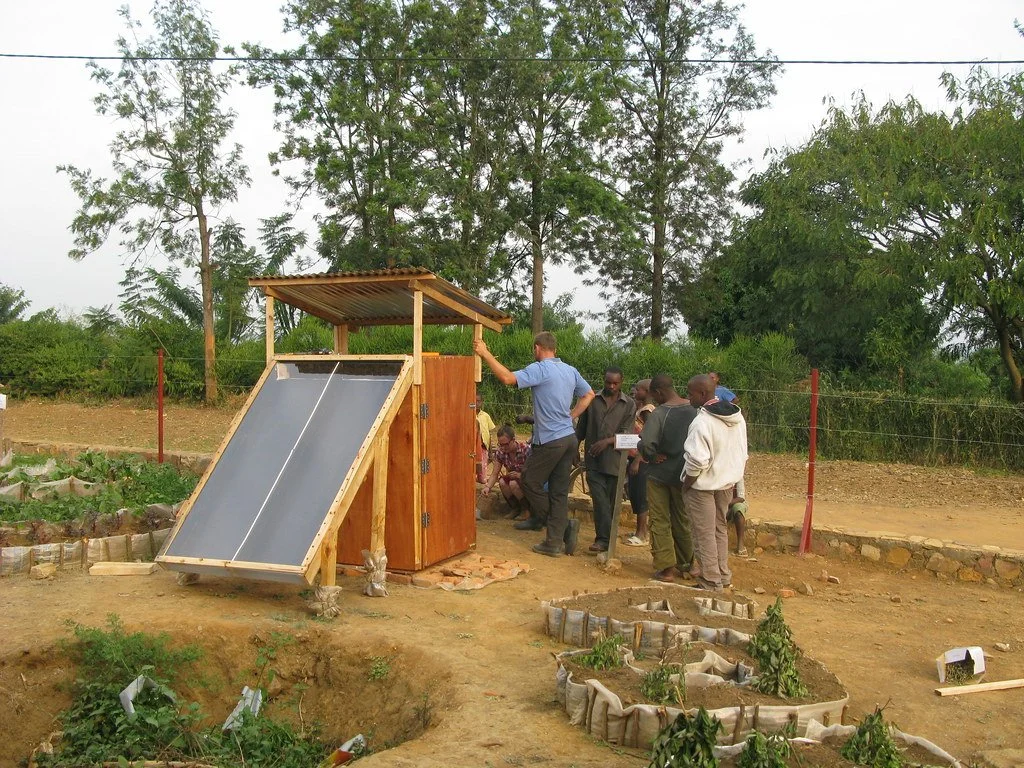
Nakupenda Farm in Kampot, Cambodia is a family and community farm focused on sustainability. They are completely sustainable in terms of energy and are working towards growing all of their own food. They would like volunteers to help harvest food and help them reach their goal of becoming entirely self-sufficient. They have also worked on projects in the past such as building earth houses and solar dehydrators, which dry fruits and vegetables to preserve them. Nakupenda Farm sits on 3.5 acres of land. Learn more here.

Passive solar dehydrator. Colleen Taugher. CC BY 2.0. 

Europe: Hvolsvöllur, Iceland

The Farm Buland is a certified organic dairy farm run by three generations of one family. They would primarily be looking for help with the cows and other livestock, such as chicken, horses and sheepdogs. The owner is passionate about environmentalism and has studied natural healing and medicine. They have over 50 humanely treated cows, providing an opportunity to work on a large-scale ethical and organic farm. Learn more here.

These are only a few examples of the types of farms looking for volunteers; there are hundreds of local and family-owned farms all over the globe searching for people passionate about agriculture and the environment to help them while learning from their experience. In addition to WWOOF, potential volunteers can find more opportunities through similar organizations like World Packers, as well as through the websites of individual independent farms on the lookout for volunteers, such as Red Hook Farm.


Calliana Leff

Calliana is currently an undergraduate student at Boston University majoring in English and minoring in psychology. She is passionate about sustainability and traveling in an ethical and respectful way. She hopes to continue her writing career and see more of the world after she graduates. 

Trail Angels and Trail Magic on the Appalachian Trail

As thru-hikers backpack the Appalachian Trail from Maine to Georgia, people dedicated to assisting the hiking community volunteer their time to perform services to the hikers who need it most.

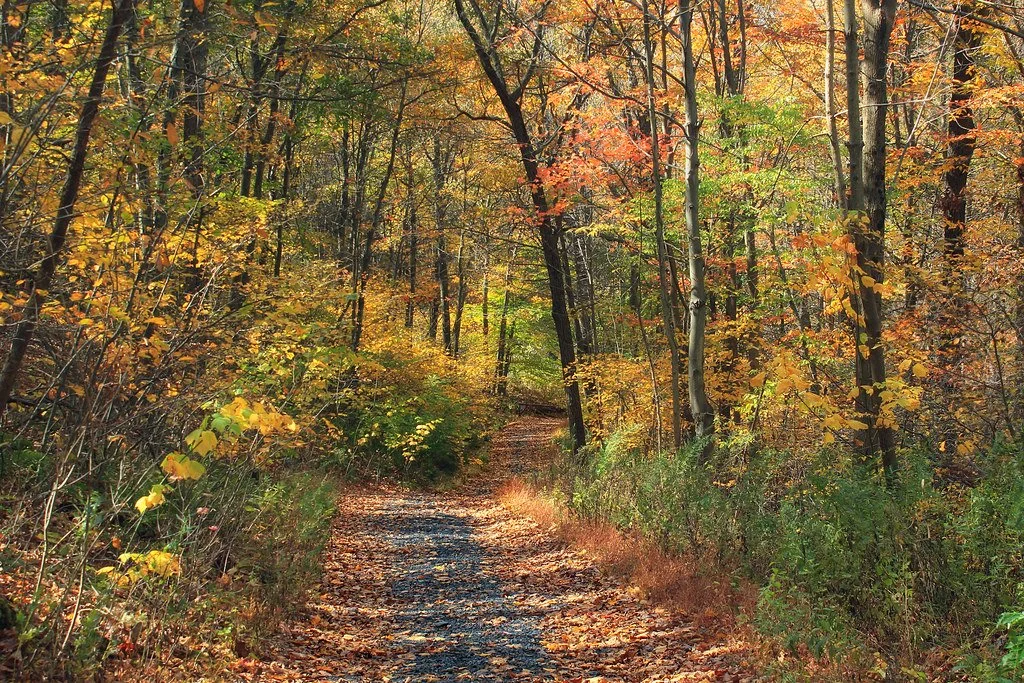
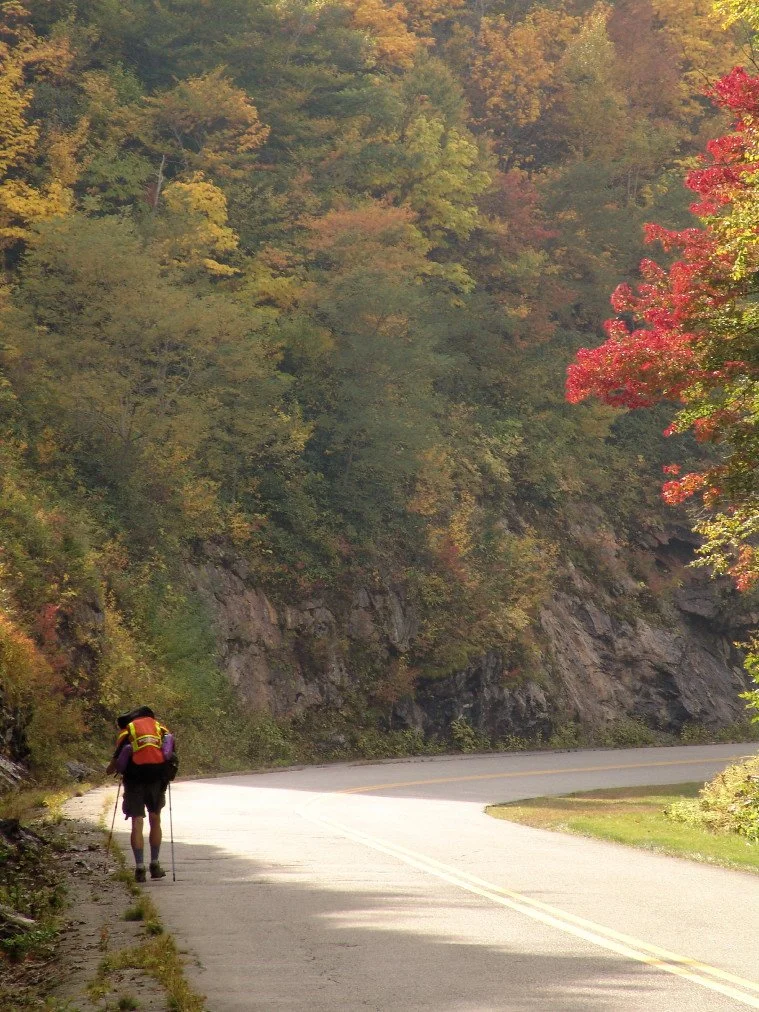
The Appalachian Trail in the fall. Nicholas T. CC BY 2.0.

Sporadically stationed along the Appalachian Trail (AT)—a hike that spans through 14 states starting in Maine and coming down through Georgia—volunteers dubbed “Trail Angels” set up to assist thru-hikers on their journey across the mountains.

The Appalachian Mountain Range has become one of the three major hiking trails in the U.S. and a welcome challenge for some of the most experienced backpackers in the country. The Appalachian Trail Conservatory (ATC) website states the trail is over 2,190 miles, and to do it in one trip “typically takes five to seven months.” Despite the challenge, thru-hikers travel in droves to attempt the AT every year, facing the physical and mental fatigue that accompanies months of full-day hikes, low calorie meals and poor sleeping and hygiene conditions. But in tests of true strength, a little help is always welcome, and the thru-hiking community shows an aptitude for providing some magic just when it’s needed most. 

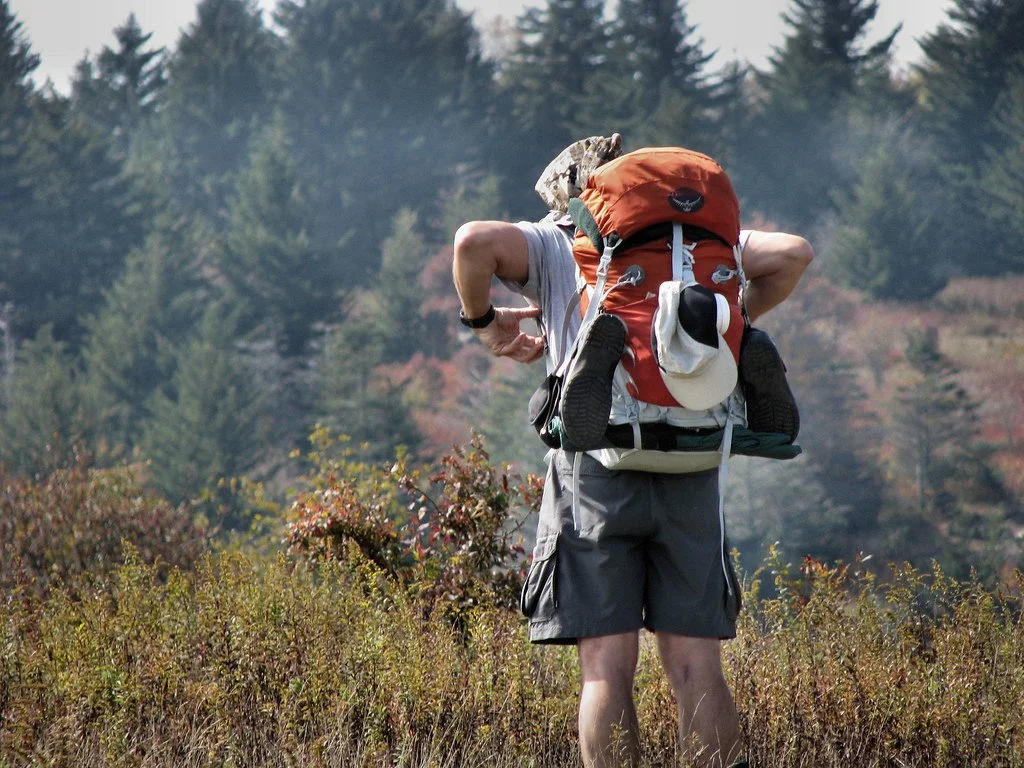
A thru-hiker on his journey. @Zen. CC BY-NC-SA 2.0.
Trail Angels are volunteers who provide free services to thru-hikers during their journey across the mountains, a fitting name for their selfless acts of kindness. Trail Angels typically provide what has been called Trail Magic. The Appalachian Trail Conservatory explains Trail Magic as “finding what you need most when you least expect it,” emulating why the work Trail Angels do is so special; it is an unexpected surprise in an environment where everyday is so monotonous - hiking, eating, camping and repeating the process for days on end. Further, in stretches of the Appalachian Trail where the terrain is most daunting, Trail Magic can make a world of difference to thru-hikers contemplating quitting or even more severely, thru-hikers in desperate, life-or-death need of food, water, or shelter.

The services Trail Angels provide generally reside within three realms: food services, ride and supply services, and general care. The ATC explains the phenomena of “hiker feeds”, which is when Angels set up a station along the trail or near trailheads and provide hot meals, beverages, fruit and more to help feed any ravenous backpackers. Additionally, Trail Angels will provide ride services into town for any much needed supplies, including food, propane tanks used for portable stoves and hygiene products. As well as providing Magic on the Trail, Angels occasionally facilitate off-trail services, allowing hikers to spend the night in their personal homes so they can get much needed sleep and hygienic care.

Trail Angel leaving some Magic. @Cyclotourist. CC BY-NC 2.0.

Chatrooms, Facebook groups and Twitter accounts have all been made to connect Trail Angels with thru-hikers in need. Although Trail Magic is typically an unexpected surprise, hikers can occasionally request help during their hike from those willing to give it. The Trail Angel List is a collective organization that specializes in connecting hikers with those wishing to help them. In their online forum, folks can be seen offering their services to the thru-hiking community. 

Most Trail Angels have personal connections, linking their service on the AT with experiences they or a family member has had while backpacking. On the forum, folks like Stan Mordensky write, “I became a Trail Angel well before the summer of 2013 when my son was a thru-hiker on the AT,” following up his post by saying he teaches high-adventure skills and drives around the New Jersey-Pennsylvania border area to help thru-hikers in need. Another thru-hiker, Megan Lynne, states “I have been an avid high-altitude climber…and would like to help with rides, meals…lodging, laundry, showers,” connecting her own past with hiking to her reasons for service to the AT community.

Alongside the veteran-hikers-turned-Trail-Angels, there are also numerous people on forums such as The Trail Angels List that do this work for no plausible reason at all. Maybe they enjoy volunteering in a community so thankful for any help they are given or they like inspiring hikers to continue on with their journey. Maybe they enjoy listening to the stories of the people they meet along the way. Regardless of the reason, no matter the motivation, it is undeniable that Trail Angels are at the heart of the thru-hiking community and demonstrate the power of selfless, genuine community service.


Ava Mamary

Ava is an undergraduate student at the University of Illinois, double majoring in English and Communications. At school, she web writes about music for a student-run radio station. She is also an avid backpacker, which is where her passion for travel and the outdoors comes from. She is very passionate about social justice issues, specifically those involving women’s rights, and is excited to write content about social action across the globe.

A Pilgrimage to Lourdes: Why a Tiny Town in France Attracts so Many Visitors

Every year, 6 million pilgrims descend upon the town of Lourdes. Explore how the town’s history and developments in the Catholic Church made it so popular.

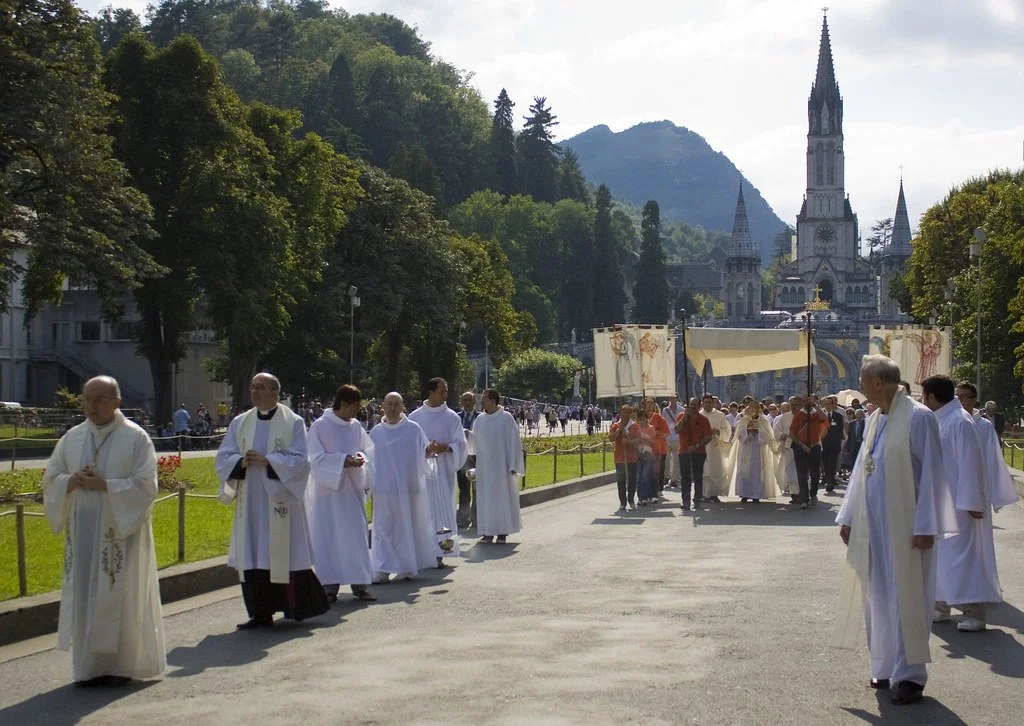
Lourdes Eucharistic Procession. Lawrence OP. CC BY-NC-ND 2.0.

In 1858, 14-year-old Bernadette Soubirous, purportedly saw visions of the Virgin Mary by a spring in Lourdes, a tiny French town in a remote corner of the Pyrenees Mountains. It was almost unbelievable that the Virgin Mary decided to reveal herself to Soubirous, a poverty-stricken, sickly, illiterate girl. The town was immediately thrown into upheaval, with some questioning the veracity of the apparitions and others trying to see the sight themselves. Nobody else besides Soubirous ever saw the apparitions. But the spring besides the Grotto where she saw the apparitions was later revealed to have healing powers. The town was put on the map, and pilgrimages started soon after, continuing to this day. 

The story of how Lourdes became so popular is intricately linked to the developments in the Catholic Church. After the horrors of the French Revolution, Catholics found solace in miracles, pilgrimages and processions. The 19th century was an era of Catholic revival, with an increase in devotion to the Virgin Mary. In 1854, Pope Pius IX proclaimed the dogma of the Immaculate Conception of Mary, meaning Mary was preserved from original sin. The appearance of Mary just four years after that proclamation threw the town into great excitement. The apparitions at Lourdes and the subsequent pilgrimages fit into the pattern of Catholic revival of the time.

That century also saw the consolidation of papal power in Rome. Papal authority became more prominent as Catholics became increasingly loyal to Rome. While there were other alleged Marian apparitions reported in the 19th century, Lourdes became the most famous because it had the Vatican stamp of approval. Pope Pius IX declared Lourdes an official pilgrimage site in 1876, demonstrating the increasingly tight link of remote villages to Rome.

The pilgrimages to Lourdes also reflect the expanding reach of the globalizing Catholic Church. Pilgrims going to Lourdes were not limited to Europeans; they came from all over the world. According to John T. McGreevy, a Bengali journalist made the trip to Lourdes and found “infallible proof” of God. Vietnamese soldiers in France during World War I toured Lourdes soon after their arrival. The diverse group of people who visit Lourdes show that the Catholic Church has become a transnational institution.

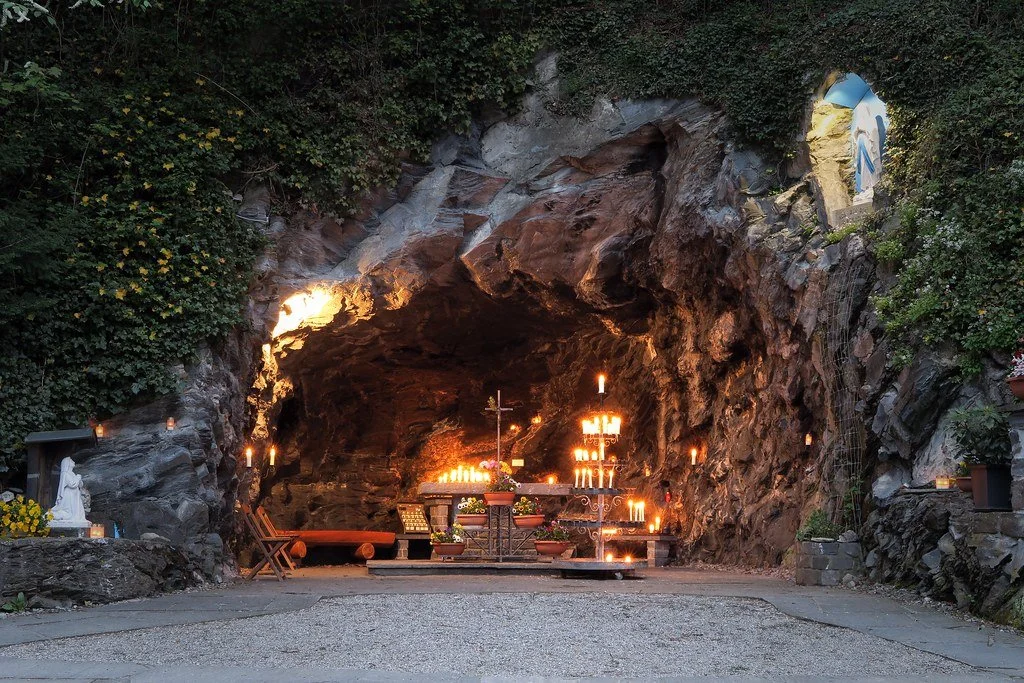
Lourdes Grotto. Kecko. CC BY 2.0.

Not only did the diverse array of visitors reflect the globalization of the Catholic Church, but the export of Lourdes to places around the world proved the same. Not long after people first became fascinated with Lourdes, aspects of Lourdes diffused to the home countries of visitors. The result was the creation of numerous replicas of Lourdes Grottos around the world, from the Vatican Gardens to Northern Indiana to Aruba

Today, Lourdes is a vibrant community—much more than the sleepy village of 1858—that attracts 6 million visitors annually from around the world. But tradition is still observed. Catholic Masses take place daily in the Sanctuary of Our Lady of Lourdes, and processions are still a common occurrence. People bathe in the water from the springs, hoping for a miraculous healing. Despite the global reach of the village of Lourdes, it still manages to preserve the Catholicism that brought it to fame.


Bryan Fok

Bryan is currently a History and Global Affairs major at the University of Notre Dame. He aims to apply the notion of Integral Human Development as a framework for analyzing global issues. He enjoys hiking and visiting national parks.

5 Cultures That Acknowledge More Than Two Genders

A close look at these 5 cultures shows the existence of more than two genders has been part of the human experience for thousands of years.

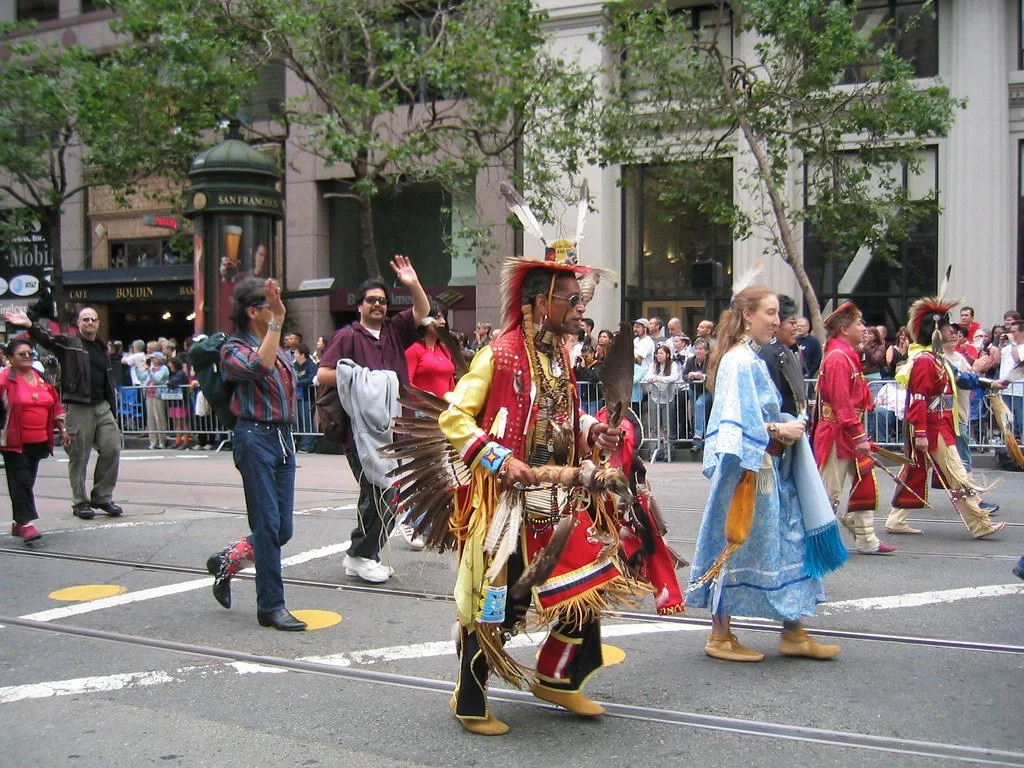
Two-Spirit person at a march. Mia Culpa. CC BY-NC-SA 2.0.

Several societies have understood and sometimes honored genders outside of the binary for hundreds or thousands of years. The way gender is expressed differs between cultures and has been greatly influenced by globalism and colonialism. An exploration into the following five genders demonstrates the complexity of nonbinary genders and their role in society.

Two-Spirit

 Two-Spirit banner at a Bay Area Pride Parade. Quinn Dombrowski. CC BY-SA 2.0.

To be Two Spirit is to contain the spirits of both the male and the female in Indigenous North American society. For one person to have both of these perspectives is regarded as a great honor and historically indicated a different role in society in terms of responsibilities and jobs. For example, Two-Spirit people were often entrusted with creating art in the Navajo Nation. While this identity has existed for hundreds of years across several Indigenous North American tribes, the title “Two-Spirit” itself was created in 1990 as an all-inclusive term for intersex, transgender and nonbinary people across Indigenous tribes.

Hijra

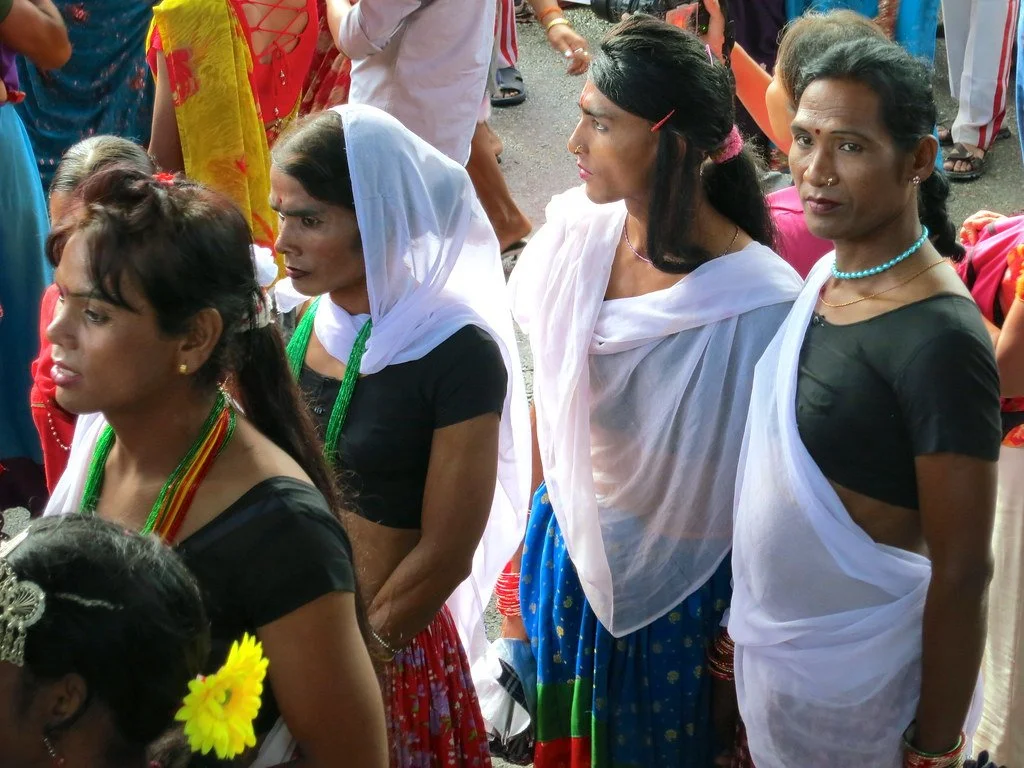
Hijras at a festival. Sabatica Sabata. CC BY-NC-SA 2.0. 

‘Hijra’ is a third gender acknowledged in Hinduism. Hijras are often people born biologically male who dress traditionally feminine or intersex people. Regardless of their biological sex, hijra is regarded as an independent third gender. Like Two-Spirit people, hijras have a special and honored place in traditional Hindu society. They were believed to have the power to instill fertility upon couples and often live in groups to be mentored by an elder in the community. However, being hijra was criminalized by the British upon their colonization of India. Much of the way hijras are treated today as well as the opportunities available to them continue to suffer as a result of British oppression. For example, hijras are often still denied work today.

Māhū

Scholar Hinaleimoana Wong-Kalu. University of Hawai‘i–West O‘ahu. CC BY-ND 2.0 

The Hawaiian māhū are people who are understood to have aspects of both genders within them. When Europeans arrived in Hawaii, they took the term and gave it a derogatory and homophobic and transphobic meaning. The term still carries a negative association for some because of the impact of colonialism. However, prior to European arrival, and still among many in the community today, māhū means “in the middle” (of male and female) and is regarded in traditional Hawaiian culture as a meaningful identity indicating a wealth of wisdom and knowledge. 

Muxes

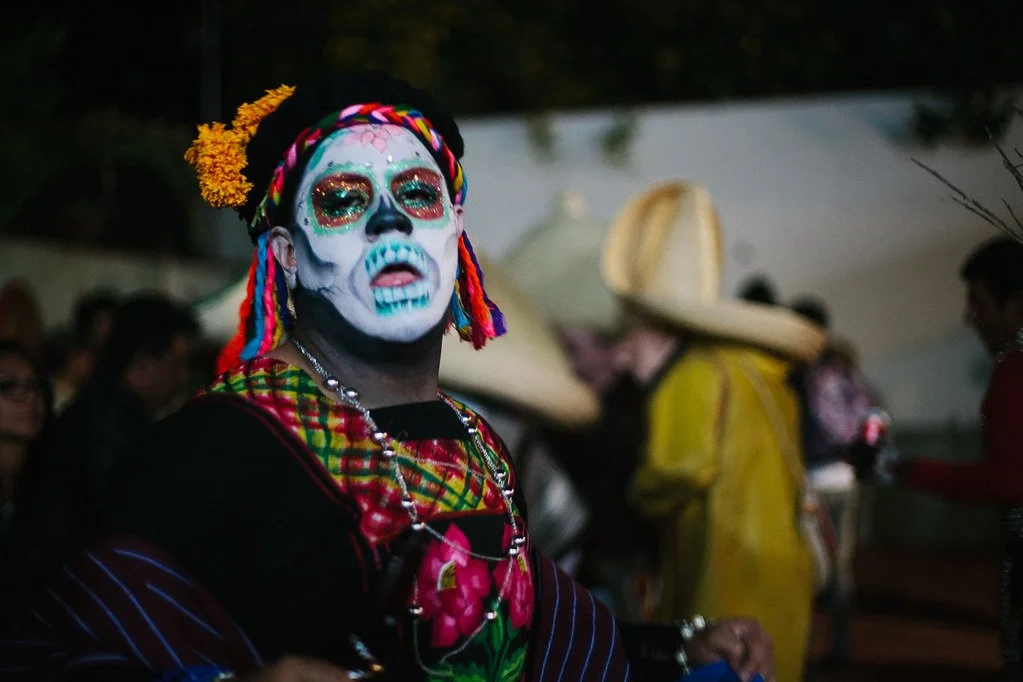
Muxe. Arnaud B. CC BY-SA 2.0.

Muxe is a gender that exists in Oaxaca, Mexico, in the Zapotec community. Muxes have a strong tie to Zapotec tradition, as they continue to practice certain Zapotec customs that most no longer take part in, such as dressing traditionally. Muxes are generally people assigned male at birth who present traditionally feminine, but muxe is considered a third gender as opposed to a transgender woman. Like Two-Spirit and hijra people, muxes play a distinct role in Zapotec society, different from those who identify with their assigned sex at birth.

Six Genders of Classical Judaism

Talmud. Chajm Guski. CC BY-SA 2.0.

The ‘Talmud’ is a book of the ancient teachings of various rabbis and Jewish religious scholars. While it isn’t a holy book itself, it contains valuable interpretations of the Torah still referenced today. The Talmud acknowledges six genders as opposed to two. The Talmud is thousands of years old, demonstrating that the idea of gender fluidity has existed for much longer than most people would think. “Zachar” and “Nekevah” translate roughly to “male” and “female” respectively, and they refer to people who grow up resembling the sex they were identified as at birth. “Androgynos” was a term used for someone with both male and female characteristics, while “Tumtum” was a term used for someone who seems to present neither male nor female characteristics. “Ay’lonit” and “Saris” are used to describe people who were assigned female or male at birth (respectively) but grow up to resemble the opposite gender. All of these terms are parallel to identities common today, suggesting that people who do not fit into the gender binary have existed throughout human history. 


Calliana Leff

Calliana is currently an undergraduate student at Boston University majoring in English and minoring in psychology. She is passionate about sustainability and traveling in an ethical and respectful way. She hopes to continue her writing career and see more of the world after she graduates. 

9 Beautiful Houses of Worship Around the World 

Different religions have different ways of showcasing their houses of faith. 

For many centuries across the globe, people have built houses of faith to honor the higher power(s) they worship. Below is a list of different architectural representations of these sacred spaces. 

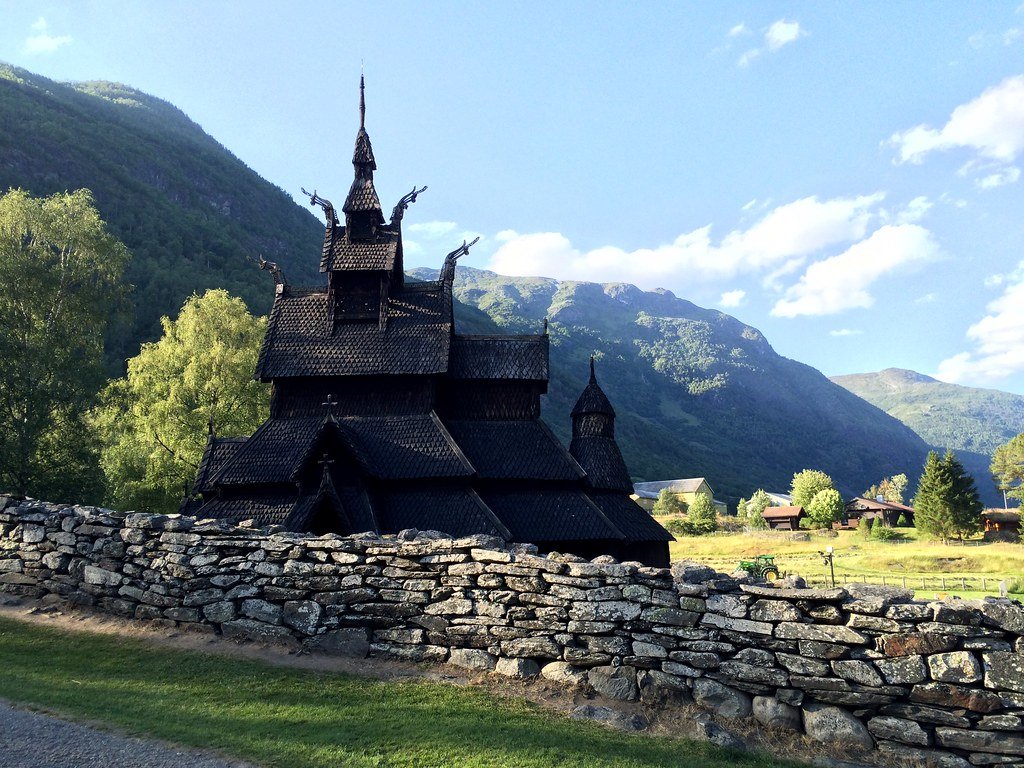
1. Borgund Stave Church

Borgund, Norway

The portrayal of dragon heads on the roof of the Borgund Stave Church in  Norway was built to ward off spirits in 1180. The church was dedicated to Apostle Andrew and has been incredibly preserved. The medieval church received certification in 2010 for being an environmental lighthouse. The church is set to reopen to visitors on April 15.

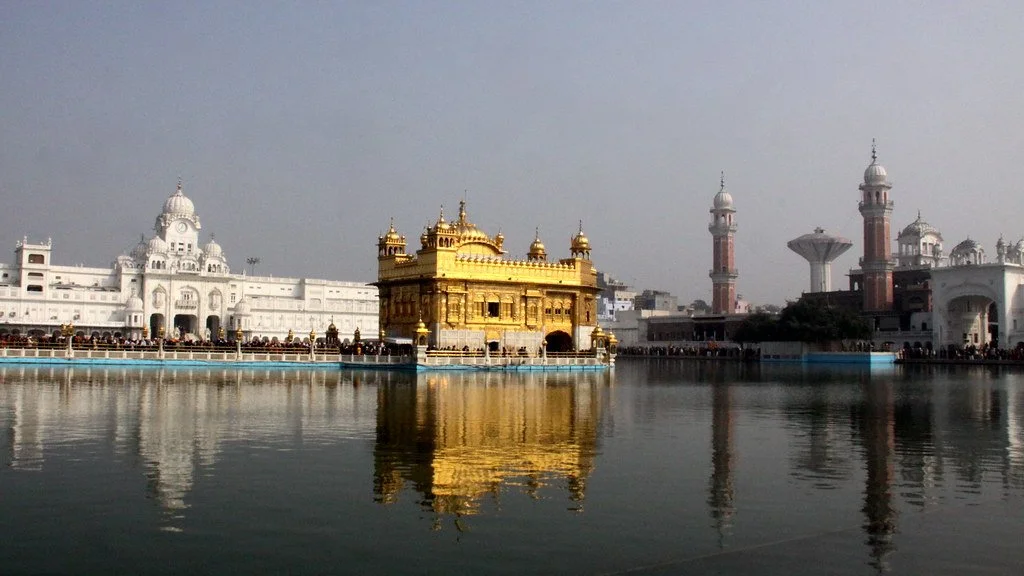
2. Golden Temple

Amritsar, India

Named the holiest temple in the Sikh faith, the Golden Temple’s upper floors are covered in 750 kilos of pure gold. It was built by Guru Arjan in 1604 and is located in the Northwest of India, near the border of Pakistan. It is said that the waters surrounding the temple in the river Ganga cleanse one’s bad karma when taking a dip. It is visited by 100,000 worshippers daily. 

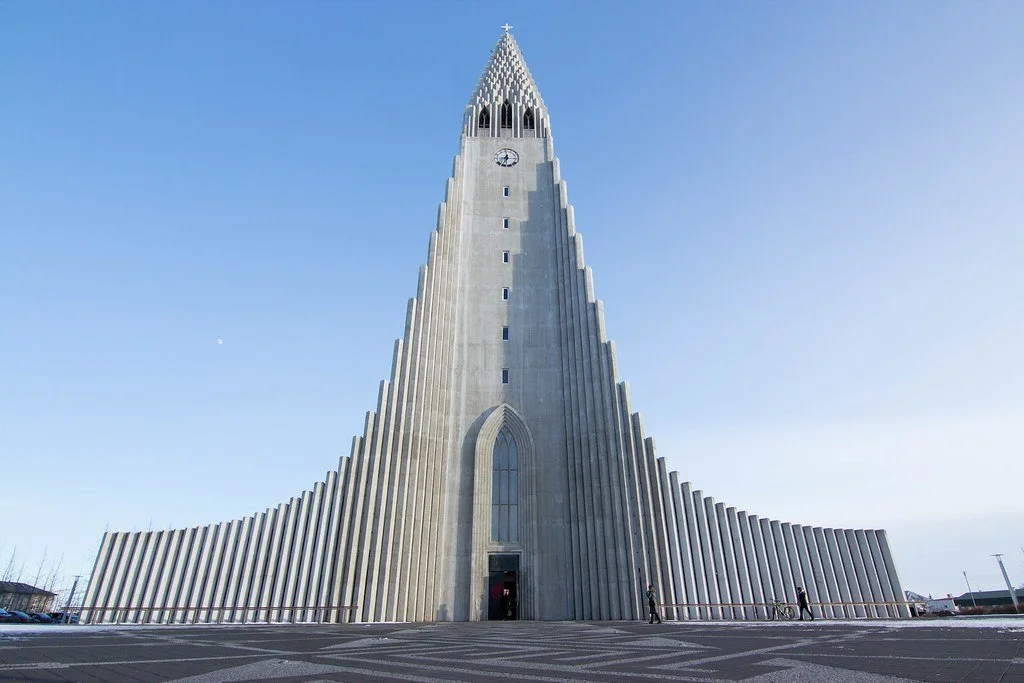
3. Hallgrímskirkja

Reykjavik, Iceland

This Lutheran Icelandic church was built by architect Guðjón Samúelsson and, at 240 feet, stands as the tallest building in the capital and the second tallest in all of Iceland. The design is influenced by the country's volcanoes and the natural surroundings that inhabit the nation. Visible from almost any point in the city, the church is known as one of Iceland’s landmarks and largest church. 

4. Kizhi Pogost

Kizhi Island, Russia

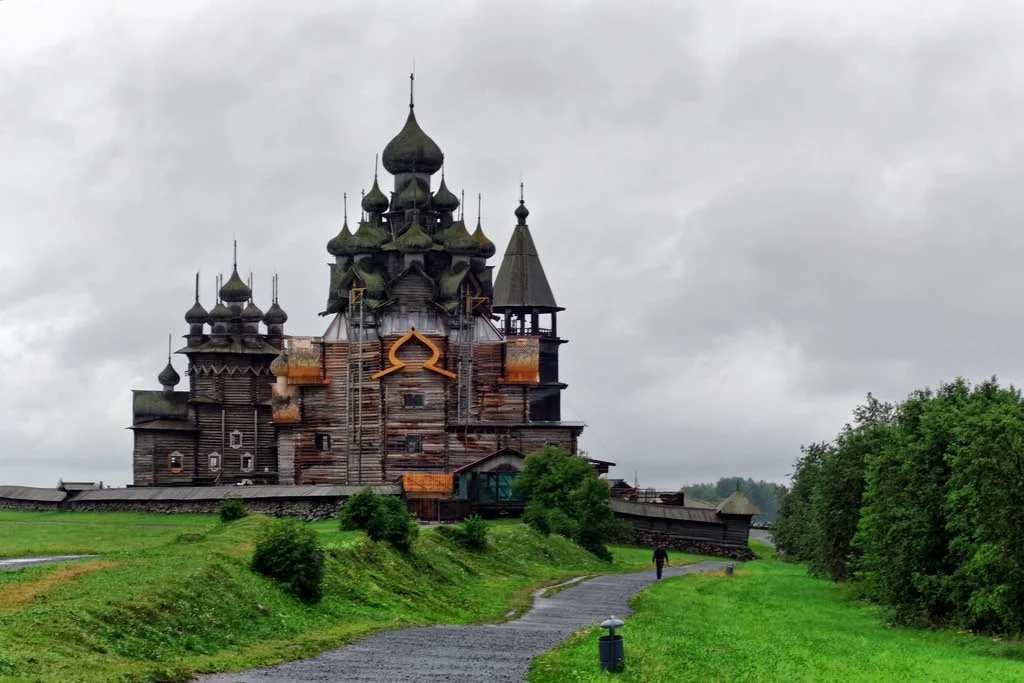
Set on Kizhi Island in Russia’s Lake Onega, Kizhi Pogost is a  UNESCO World Heritage site consisting of two wooden churches and a bell tower built in 1714. What makes this an incredible architectural structure is that it was made completely of wood, with no metal or nails involved. Today, the churches are an open air museum

5. Wat Rong Khun

Chiang Rai Province, Thailand

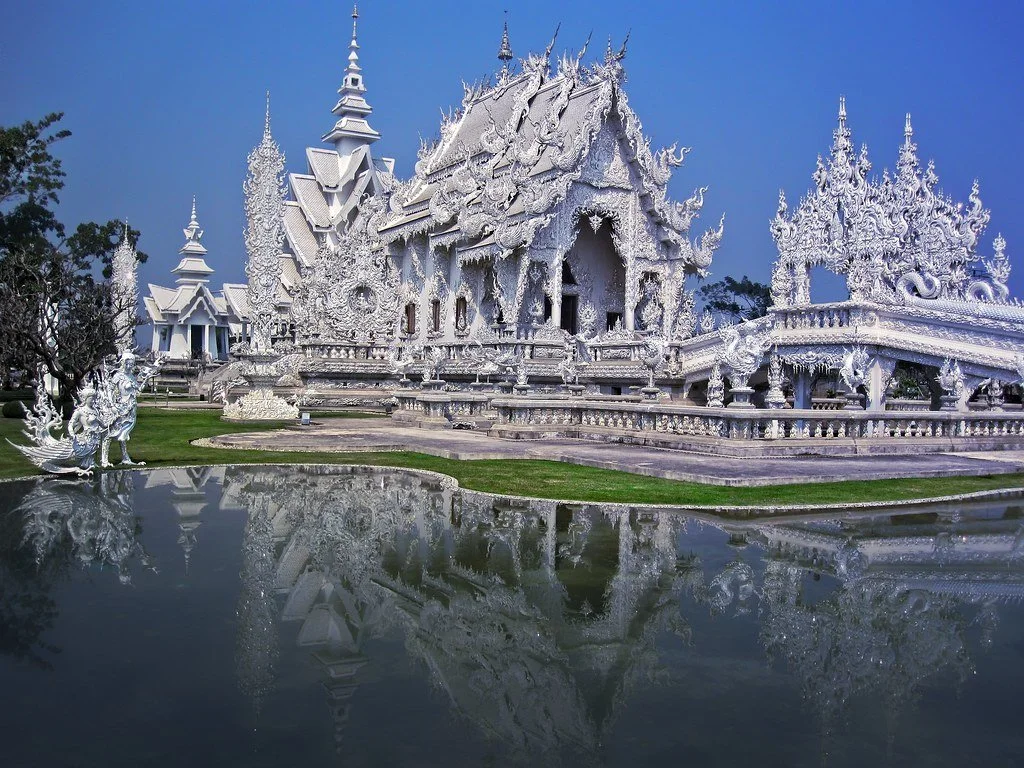
Designed by Thai visual artist Chalermchai Kositpipat, Wat Rong Khun (also known as The White Temple) was created to honor Buddha’s purity. There are many intricate details in the space, including carvings of monkeys, people and hands among other things. Today, Kositpipat has only completed three of the nine buildings he has plans for. The temple entrance cost is $1.50, Kositpipat will not accept more because he does not want large donors to influence his art. The temple is being run by a team of volunteers. 

6. Las Lajas Sanctuary

Ipiales, Colombia 

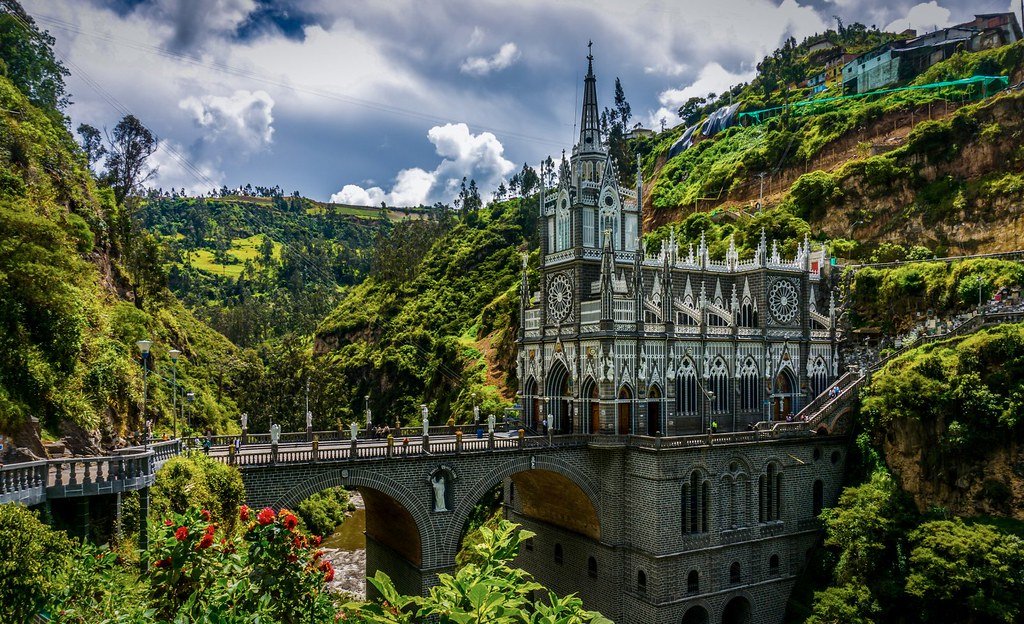
Located less than seven miles from the Ecuadorian border, Las Lajas Sanctuary sits over the Guaitara River. The Roman Catholic basilica has three iconic features. First, the bridge has statues of angels playing instruments on each side. The second is the stained glass by Italian artist Walter Wolf. Lastly, there is an image of the Virgin Mary painted on the back stone wall. The neo-Gothic basilica is surrounded by lush vegetation and was named the most beautiful church in 2015 by The Telegraph

7. Great Mosque of Djenné

Djenné, Mali

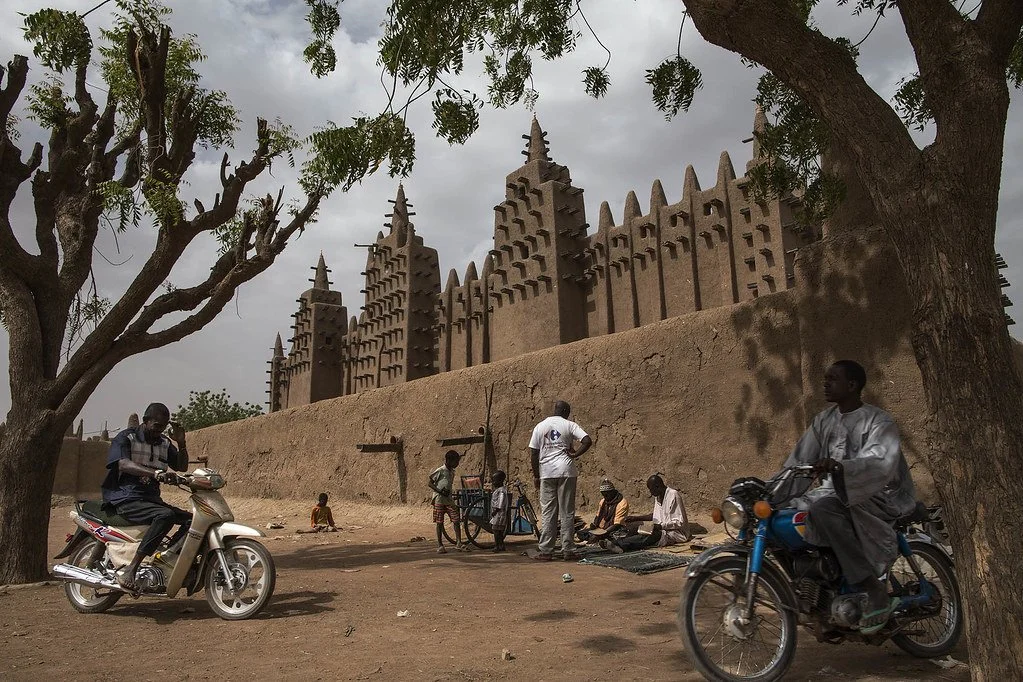
Globally known as an example of Sudano-Sahelian architecture and one of Africa’s most famous structures, the Great Mosque of Djenné was built in  1907 from mud and brick, which needs regular replastering to keep its form. Today, the Great Mosque is a UNESCO World Heritage Site and a sacred destination for Muslims. 

8. Jubilee Synagogue

Prague, Czech Republic

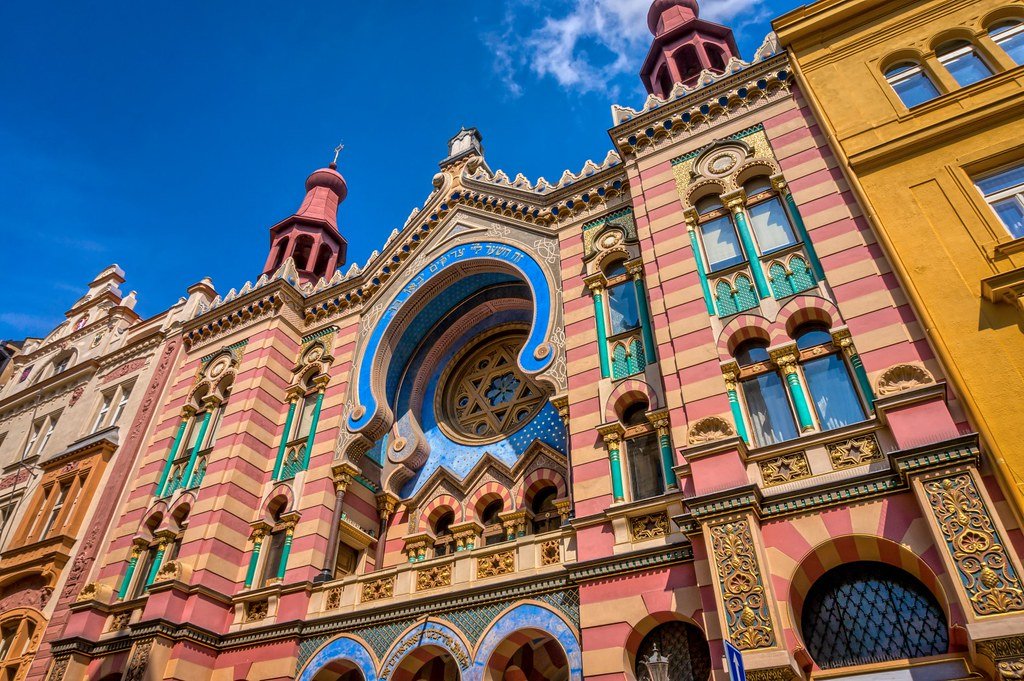
Jubilee Synagogue. BORIS G. CC BY 2.0

The colorful and intricate Jewish Jubilee Synagogue, also known as the Jerusalem Street Synagogue, was built in 1906 by architect Wilhelm Stiassny to commemorate the Emperor Franz Joseph I’s ascension to the throne. A preserved organ by composer Emanuel Stephen Peter is played for visitors. Today, it is open to the public and used for Orthodox prayer services.

9. Szeged Synagogue 

Szeged, Hungary

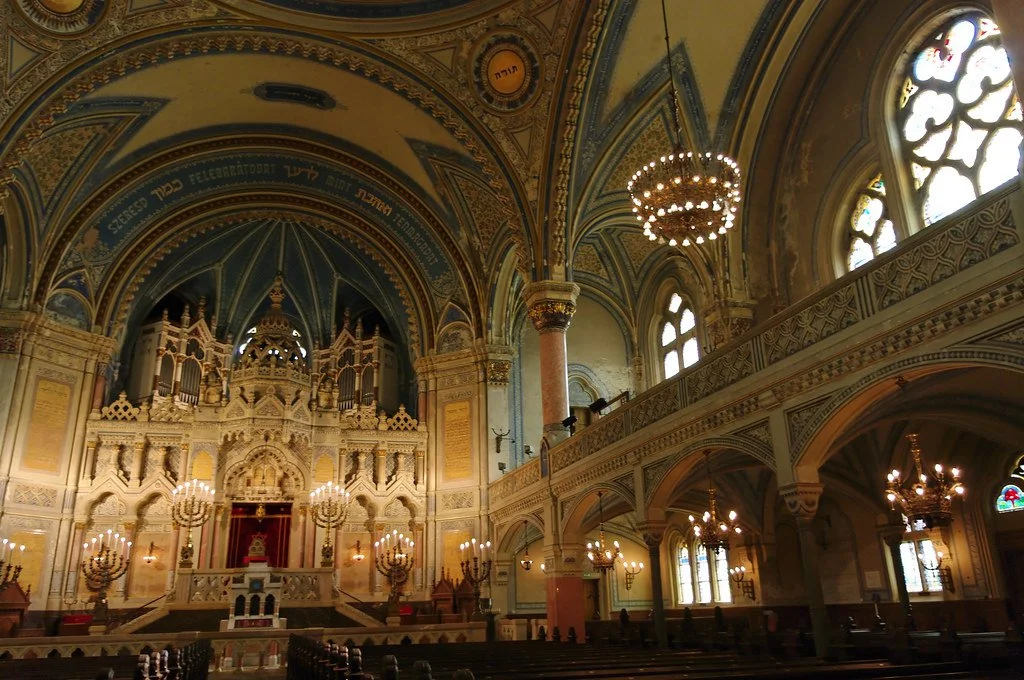
New Synagogue. Emmanuel Dyan. CC BY-NC-SA 2.0

The second largest synagogue in Hungary, Szeged Synagogue merges Art Nouveau with Gothic, Moorish, Byzantine, Roman and Baroque interior design. The sanctuary’s seating faces a Torah ark made with wood from the banks of the Nile River. The triumphal arch of the building displays the biblical commandment, “Love your neighbor as yourself" in both Hebrew and Hungarian. 

10. Temple of Heaven

Beijing, China 

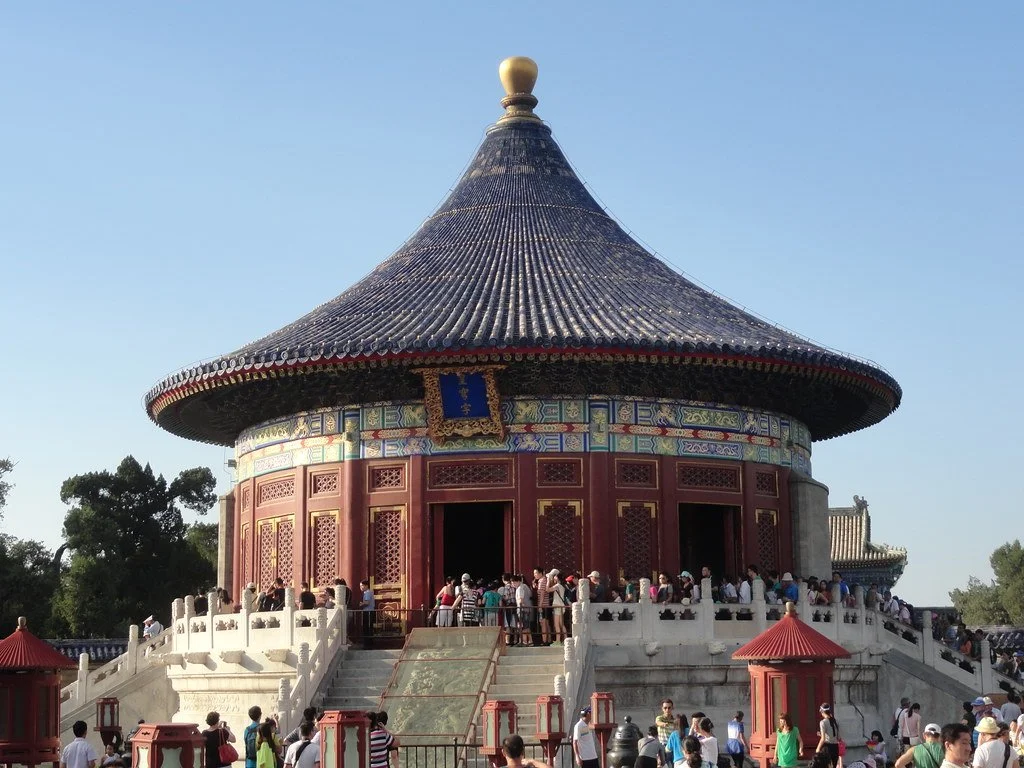
Temple of Heaven in Beijing. Fabio Achilli. CC BY 2.0

An imperial sacrificial altar, the Temple of Heaven in Dongcheng District, Beijing is considered the “supreme achievement of traditional Chinese architecture.” It is 273 acres and located in a large park, measuring 38 meters high and 30 meters in diameter, built on three levels of marble stones. It was completed during the Ming dynasty in 1420 and used to pray for harvest and for worship. In 1998, it was named a UNESCO World Heritage Site.


Jennifer Sung

Jennifer is a Communications Studies graduate based in Los Angeles. She grew up traveling with her dad and that is where her love for travel stems from. You can find her serving the community at her church, Fearless LA or planning her next trip overseas. She hopes to be involved in international humanitarian work one day.