
This footage of Thailand serves as the second installment in Vincent Urban’s series: “In Asia.” The video features glimpses into the vibrant streets of Bangkok and the natural scenery of Northern Thailand. He also features footage from the small but lively town of Pai, located near a mountain base in Northern Thailand. The director includes evocative imagery of Buddhist temples from his visit to the city of Chiang Mai, capital of Chiang Mai province. German director Vincent Urban, based in New York City, concludes the episode teasing his next stop, Laos, for the following installment of the series.
5 Alcoholic Drinks Made By European Monks
Catholic monks throughout Europe make and sell liquors, beers and wines to travelers, using recipes they have cultivated and perfected over centuries.
Read MoreTravel and Work for Food on Organic Farms
Organic farms look for travelers to help in exchange for housing, meals and an opportunity to learn—providing a unique mode of affordable, ethical travel.
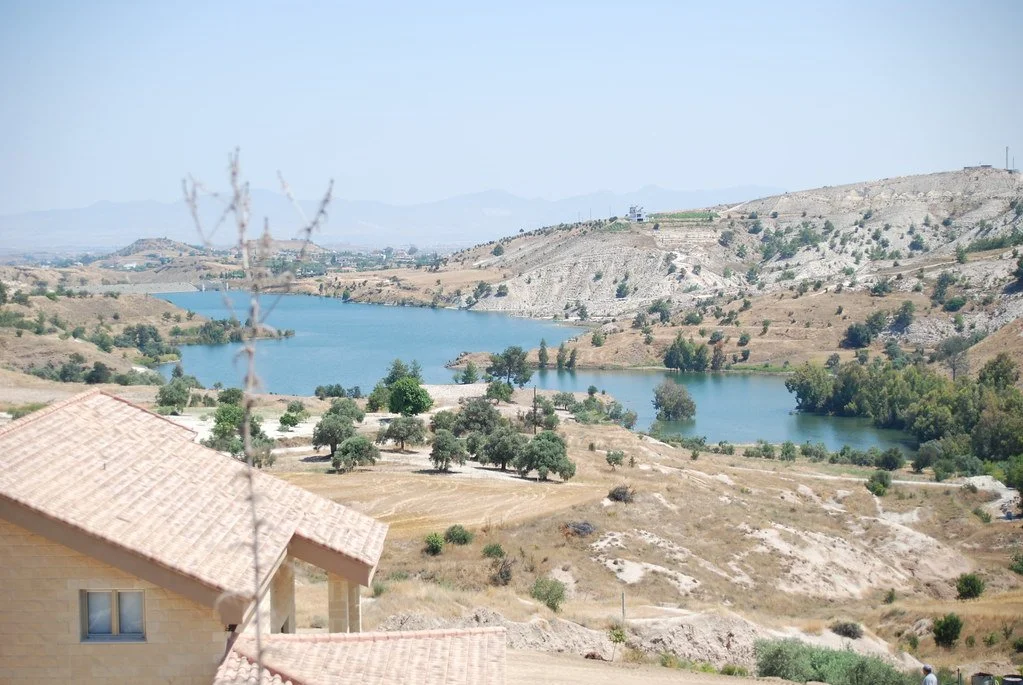
Organic farm in Cyprus, Greece. George M. Groutas. CC BY 2.0.
Worldwide Opportunities on Organic Farms (WWOOF) is the most widespread and popular organization that pairs people interested in volunteering on organic farms throughout the world with host families who run their own organic farms. The idea is that volunteers would be just that: unpaid volunteers, who work part-time on a close-knit and often family-run farm in exchange for free housing and meals with the family. In fact, WWOOF bans any exchange of money between the host and the volunteer. Often, these volunteer stints are short (a few weeks) or part-time, allowing for the volunteer to obtain paid work and/or spend time exploring the area they are living in while also growing the food they will eat during their stay, immersing themselves in culture, helping a local organization and learning from experienced farmers. Below are some detailed opportunities from every continent in the world.
North America: Consecon, Canada
Stonefield Alpaca Farm in Consecon, Canada is a 100-acre family-owned and operated farm powered by solar panels and windmills. The owners are looking for volunteers to help maintain the straw bale home they built together, grow their own food and take care of the animals (alpacas and poultry). They hope to become completely self-sufficient in terms of food, and that volunteers can help them do so while also learning from them and exploring Ontario. Learn more here.
South America: Belize City, Belize
An individual who bought and began his own 14-acre pesticide-free, organic farm in Belize City, Belize offers an opportunity to help develop his farm further in terms of sustainable energy production and other sustainable farming methods. He became a host because he was a WWOOF participant in the past. His farm has goats, monkeys, parrots and sheep. Responsibilities would include taking care of the animals, gardening, landscaping and sharing ideas on how to improve the farm’s organic practices. Learn more here.
Africa: Apam, Ghana
This family-owned farm in Apam, Ghana is not only a farm located on the coast, in the center of a fishing community, but also an educational and charitable center focused on agriculture and helping the larger community. The hosts are looking for volunteers to help with typical farming tasks, such as taking care of animals and harvesting, as well as build ecological houses and participate in the local fishing. This is a unique opportunity to not only help the environment and one local family, but the entire community as well. Learn more here.
Australia: Upper Kangaroo River
Winderong Farm is a cooperation of 10-15 employees and volunteers working together to revive their surrounding environment in Upper Kangaroo River, Australia. They’re looking for volunteers interested in conservation to work on composting, permaculture and regeneration of the Australian bush. This farm differs from most as it is a larger, community-based effort as opposed to a small family-run farm. Learn more here.
Asia: Kampot, Cambodia
Nakupenda Farm in Kampot, Cambodia is a family and community farm focused on sustainability. They are completely sustainable in terms of energy and are working towards growing all of their own food. They would like volunteers to help harvest food and help them reach their goal of becoming entirely self-sufficient. They have also worked on projects in the past such as building earth houses and solar dehydrators, which dry fruits and vegetables to preserve them. Nakupenda Farm sits on 3.5 acres of land. Learn more here.
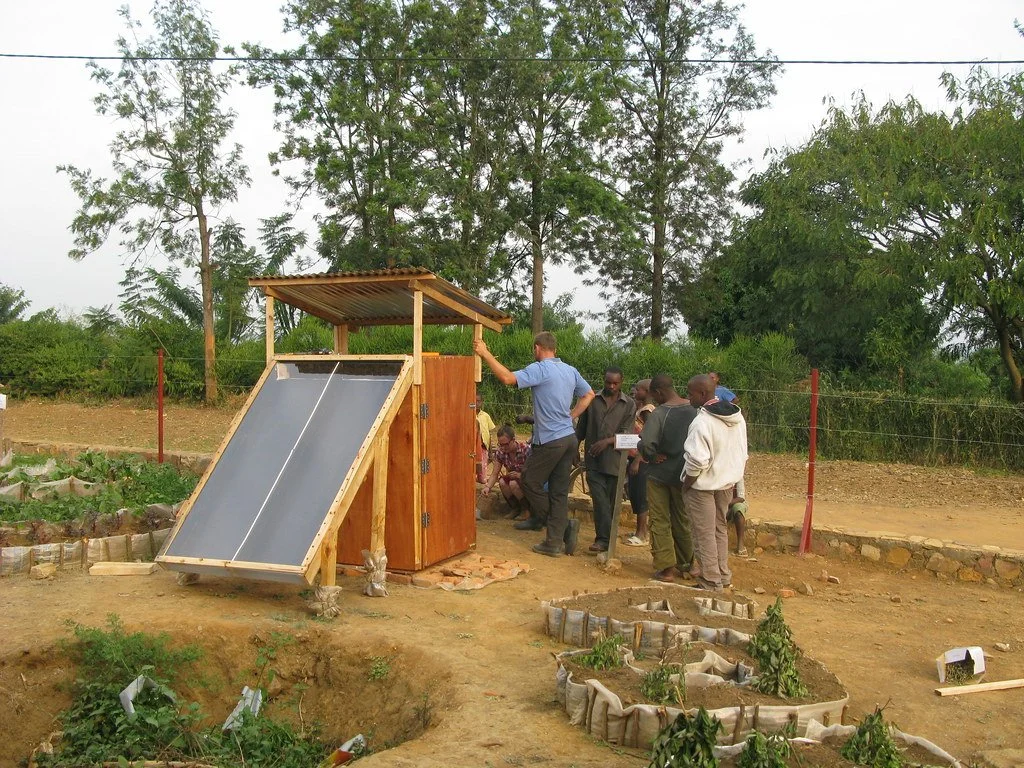
Passive solar dehydrator. Colleen Taugher. CC BY 2.0.
Europe: Hvolsvöllur, Iceland
The Farm Buland is a certified organic dairy farm run by three generations of one family. They would primarily be looking for help with the cows and other livestock, such as chicken, horses and sheepdogs. The owner is passionate about environmentalism and has studied natural healing and medicine. They have over 50 humanely treated cows, providing an opportunity to work on a large-scale ethical and organic farm. Learn more here.
These are only a few examples of the types of farms looking for volunteers; there are hundreds of local and family-owned farms all over the globe searching for people passionate about agriculture and the environment to help them while learning from their experience. In addition to WWOOF, potential volunteers can find more opportunities through similar organizations like World Packers, as well as through the websites of individual independent farms on the lookout for volunteers, such as Red Hook Farm.

Calliana Leff
Calliana is currently an undergraduate student at Boston University majoring in English and minoring in psychology. She is passionate about sustainability and traveling in an ethical and respectful way. She hopes to continue her writing career and see more of the world after she graduates.
TikTok Creator Highlights Living Near North Pole
Living with no running water, and four months of complete darkness sounds like an extreme way of living for most of us, but for Tik Tok creator Cecilia Blomdhal it is her daily normal. By showing her minimalist living in the most extreme conditions she has gained her over a million followers.
Trail Angels and Trail Magic on the Appalachian Trail
As thru-hikers backpack the Appalachian Trail from Maine to Georgia, people dedicated to assisting the hiking community volunteer their time to perform services to the hikers who need it most.
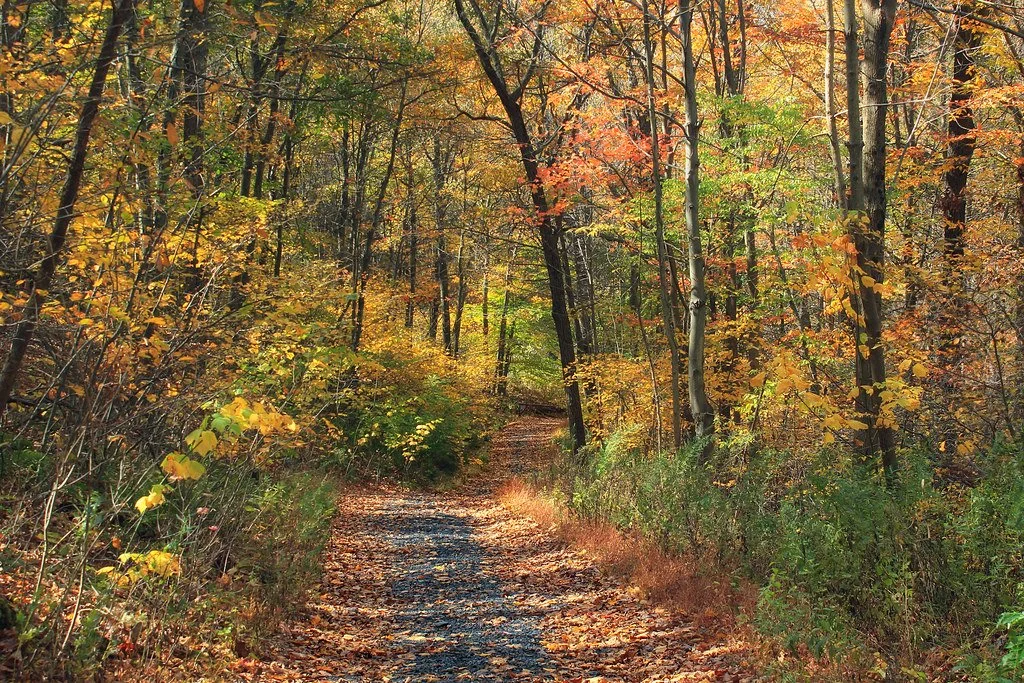
The Appalachian Trail in the fall. Nicholas T. CC BY 2.0.
Sporadically stationed along the Appalachian Trail (AT)—a hike that spans through 14 states starting in Maine and coming down through Georgia—volunteers dubbed “Trail Angels” set up to assist thru-hikers on their journey across the mountains.
The Appalachian Mountain Range has become one of the three major hiking trails in the U.S. and a welcome challenge for some of the most experienced backpackers in the country. The Appalachian Trail Conservatory (ATC) website states the trail is over 2,190 miles, and to do it in one trip “typically takes five to seven months.” Despite the challenge, thru-hikers travel in droves to attempt the AT every year, facing the physical and mental fatigue that accompanies months of full-day hikes, low calorie meals and poor sleeping and hygiene conditions. But in tests of true strength, a little help is always welcome, and the thru-hiking community shows an aptitude for providing some magic just when it’s needed most.
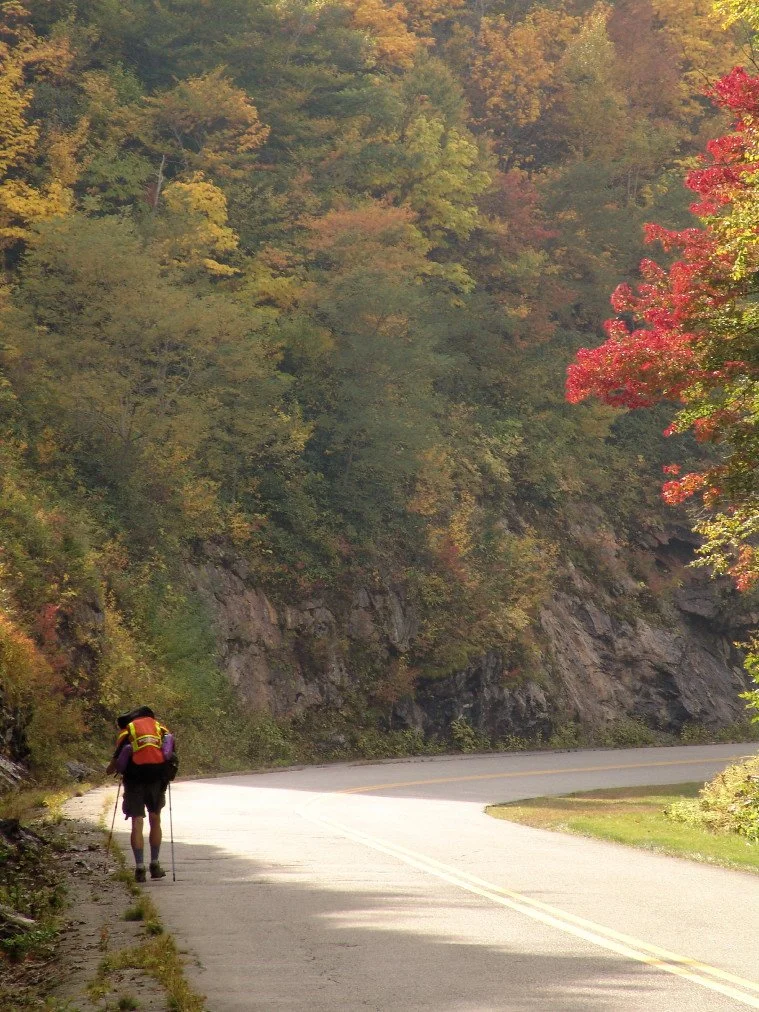
A thru-hiker on his journey. @Zen. CC BY-NC-SA 2.0.
Trail Angels are volunteers who provide free services to thru-hikers during their journey across the mountains, a fitting name for their selfless acts of kindness. Trail Angels typically provide what has been called Trail Magic. The Appalachian Trail Conservatory explains Trail Magic as “finding what you need most when you least expect it,” emulating why the work Trail Angels do is so special; it is an unexpected surprise in an environment where everyday is so monotonous - hiking, eating, camping and repeating the process for days on end. Further, in stretches of the Appalachian Trail where the terrain is most daunting, Trail Magic can make a world of difference to thru-hikers contemplating quitting or even more severely, thru-hikers in desperate, life-or-death need of food, water, or shelter.
The services Trail Angels provide generally reside within three realms: food services, ride and supply services, and general care. The ATC explains the phenomena of “hiker feeds”, which is when Angels set up a station along the trail or near trailheads and provide hot meals, beverages, fruit and more to help feed any ravenous backpackers. Additionally, Trail Angels will provide ride services into town for any much needed supplies, including food, propane tanks used for portable stoves and hygiene products. As well as providing Magic on the Trail, Angels occasionally facilitate off-trail services, allowing hikers to spend the night in their personal homes so they can get much needed sleep and hygienic care.
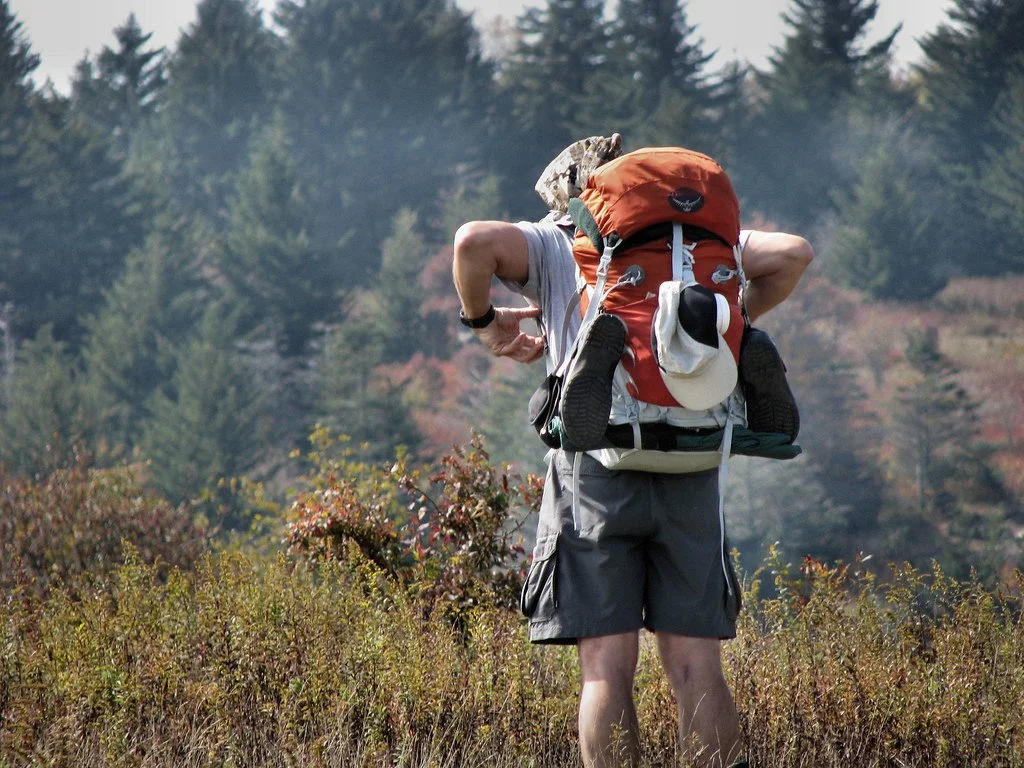
Trail Angel leaving some Magic. @Cyclotourist. CC BY-NC 2.0.
Chatrooms, Facebook groups and Twitter accounts have all been made to connect Trail Angels with thru-hikers in need. Although Trail Magic is typically an unexpected surprise, hikers can occasionally request help during their hike from those willing to give it. The Trail Angel List is a collective organization that specializes in connecting hikers with those wishing to help them. In their online forum, folks can be seen offering their services to the thru-hiking community.
Most Trail Angels have personal connections, linking their service on the AT with experiences they or a family member has had while backpacking. On the forum, folks like Stan Mordensky write, “I became a Trail Angel well before the summer of 2013 when my son was a thru-hiker on the AT,” following up his post by saying he teaches high-adventure skills and drives around the New Jersey-Pennsylvania border area to help thru-hikers in need. Another thru-hiker, Megan Lynne, states “I have been an avid high-altitude climber…and would like to help with rides, meals…lodging, laundry, showers,” connecting her own past with hiking to her reasons for service to the AT community.
Alongside the veteran-hikers-turned-Trail-Angels, there are also numerous people on forums such as The Trail Angels List that do this work for no plausible reason at all. Maybe they enjoy volunteering in a community so thankful for any help they are given or they like inspiring hikers to continue on with their journey. Maybe they enjoy listening to the stories of the people they meet along the way. Regardless of the reason, no matter the motivation, it is undeniable that Trail Angels are at the heart of the thru-hiking community and demonstrate the power of selfless, genuine community service.

Ava Mamary
Ava is an undergraduate student at the University of Illinois, double majoring in English and Communications. At school, she web writes about music for a student-run radio station. She is also an avid backpacker, which is where her passion for travel and the outdoors comes from. She is very passionate about social justice issues, specifically those involving women’s rights, and is excited to write content about social action across the globe.
A Pilgrimage to Lourdes: Why a Tiny Town in France Attracts so Many Visitors
Every year, 6 million pilgrims descend upon the town of Lourdes. Explore how the town’s history and developments in the Catholic Church made it so popular.
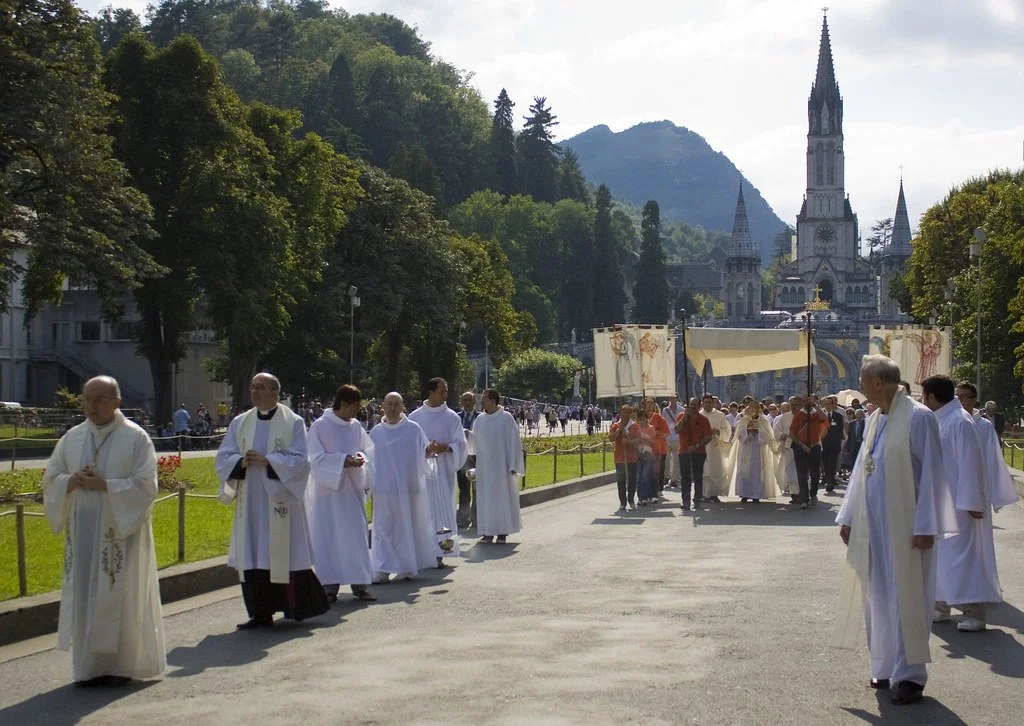
Lourdes Eucharistic Procession. Lawrence OP. CC BY-NC-ND 2.0.
In 1858, 14-year-old Bernadette Soubirous, purportedly saw visions of the Virgin Mary by a spring in Lourdes, a tiny French town in a remote corner of the Pyrenees Mountains. It was almost unbelievable that the Virgin Mary decided to reveal herself to Soubirous, a poverty-stricken, sickly, illiterate girl. The town was immediately thrown into upheaval, with some questioning the veracity of the apparitions and others trying to see the sight themselves. Nobody else besides Soubirous ever saw the apparitions. But the spring besides the Grotto where she saw the apparitions was later revealed to have healing powers. The town was put on the map, and pilgrimages started soon after, continuing to this day.
The story of how Lourdes became so popular is intricately linked to the developments in the Catholic Church. After the horrors of the French Revolution, Catholics found solace in miracles, pilgrimages and processions. The 19th century was an era of Catholic revival, with an increase in devotion to the Virgin Mary. In 1854, Pope Pius IX proclaimed the dogma of the Immaculate Conception of Mary, meaning Mary was preserved from original sin. The appearance of Mary just four years after that proclamation threw the town into great excitement. The apparitions at Lourdes and the subsequent pilgrimages fit into the pattern of Catholic revival of the time.
That century also saw the consolidation of papal power in Rome. Papal authority became more prominent as Catholics became increasingly loyal to Rome. While there were other alleged Marian apparitions reported in the 19th century, Lourdes became the most famous because it had the Vatican stamp of approval. Pope Pius IX declared Lourdes an official pilgrimage site in 1876, demonstrating the increasingly tight link of remote villages to Rome.
The pilgrimages to Lourdes also reflect the expanding reach of the globalizing Catholic Church. Pilgrims going to Lourdes were not limited to Europeans; they came from all over the world. According to John T. McGreevy, a Bengali journalist made the trip to Lourdes and found “infallible proof” of God. Vietnamese soldiers in France during World War I toured Lourdes soon after their arrival. The diverse group of people who visit Lourdes show that the Catholic Church has become a transnational institution.
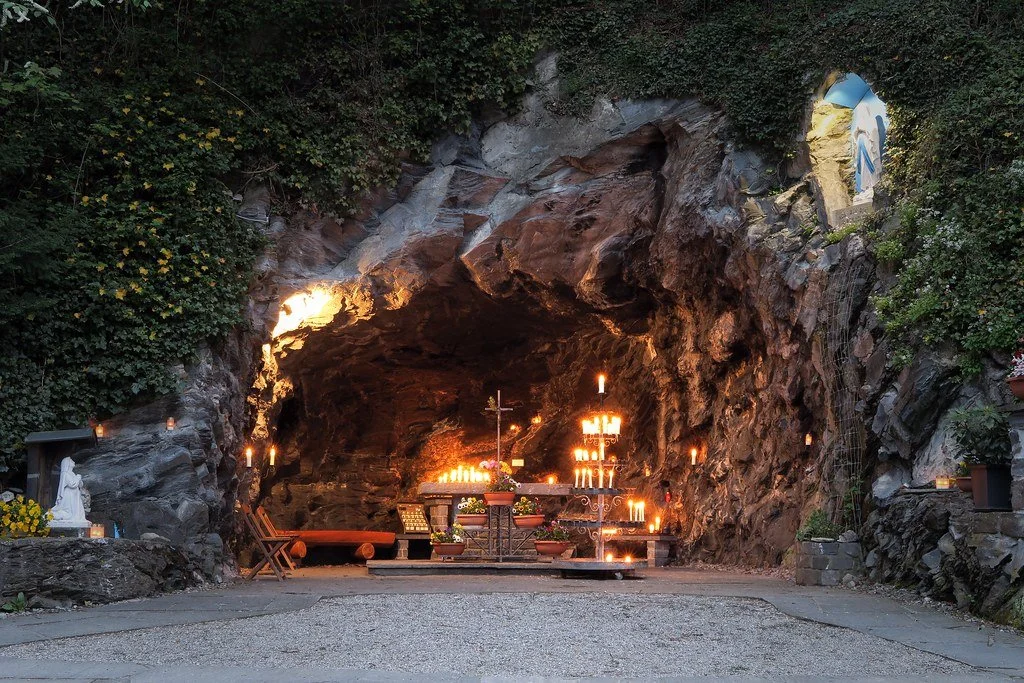
Lourdes Grotto. Kecko. CC BY 2.0.
Not only did the diverse array of visitors reflect the globalization of the Catholic Church, but the export of Lourdes to places around the world proved the same. Not long after people first became fascinated with Lourdes, aspects of Lourdes diffused to the home countries of visitors. The result was the creation of numerous replicas of Lourdes Grottos around the world, from the Vatican Gardens to Northern Indiana to Aruba.
Today, Lourdes is a vibrant community—much more than the sleepy village of 1858—that attracts 6 million visitors annually from around the world. But tradition is still observed. Catholic Masses take place daily in the Sanctuary of Our Lady of Lourdes, and processions are still a common occurrence. People bathe in the water from the springs, hoping for a miraculous healing. Despite the global reach of the village of Lourdes, it still manages to preserve the Catholicism that brought it to fame.

Bryan Fok
Bryan is currently a History and Global Affairs major at the University of Notre Dame. He aims to apply the notion of Integral Human Development as a framework for analyzing global issues. He enjoys hiking and visiting national parks.
VIDEO: Skating the Indian Holi Festival
Holi is a festival celebrated widely throughout India and is also known as the “festival of love.” Often represented through the popular activity of throwing vibrantly colored powder, it is a celebration in which people shed resentments of the past to rejoice together. Though originating from the Hindu religion, Holi helps unite different groups, as non-Hindus participate in the holiday as well. Throughout the country, different regions celebrate Holi in different ways; the state of Manipur enjoys a six-day festival, while other groups celebrate for one day and one night. Holi is rooted in multiple religious tales that celebrate the triumph of good over evil and truth over falsehood. For example, the famous colored powder originates from the story of the deities Krishna and Radha, and each color represents something (like red for love and green for new beginnings). Above all, Holi is a time to have fun and enjoy the loosening of social constraints; to drink bhang (an intoxicating drink made from cannabis leaves and buds), play practical jokes and dance.
Michael Mackrodt and Vladik Scholz had the opportunity to skateboard in Rajasthan during the festival. Their “wingman” David Zvereff describes skateboarding as “an activity that combines athletic endeavor with the urge to explore the cities of the world.” Director Patrik Wallner captured their journey and has also produced skateboarding films set in the Maldives, Georgia, Aremania, Lesotho, Namibia, South Africa and many other countries.
5 Cultures That Acknowledge More Than Two Genders
A close look at these 5 cultures shows the existence of more than two genders has been part of the human experience for thousands of years.
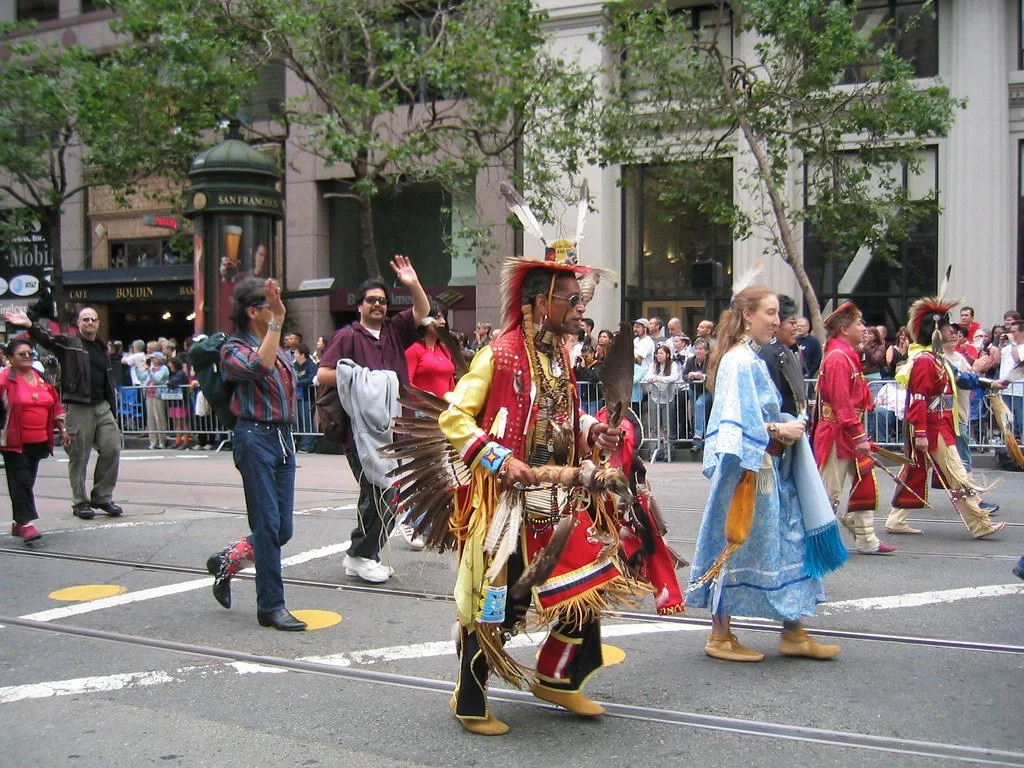
Two-Spirit person at a march. Mia Culpa. CC BY-NC-SA 2.0.
Several societies have understood and sometimes honored genders outside of the binary for hundreds or thousands of years. The way gender is expressed differs between cultures and has been greatly influenced by globalism and colonialism. An exploration into the following five genders demonstrates the complexity of nonbinary genders and their role in society.
Two-Spirit

Two-Spirit banner at a Bay Area Pride Parade. Quinn Dombrowski. CC BY-SA 2.0.
To be Two Spirit is to contain the spirits of both the male and the female in Indigenous North American society. For one person to have both of these perspectives is regarded as a great honor and historically indicated a different role in society in terms of responsibilities and jobs. For example, Two-Spirit people were often entrusted with creating art in the Navajo Nation. While this identity has existed for hundreds of years across several Indigenous North American tribes, the title “Two-Spirit” itself was created in 1990 as an all-inclusive term for intersex, transgender and nonbinary people across Indigenous tribes.
Hijra
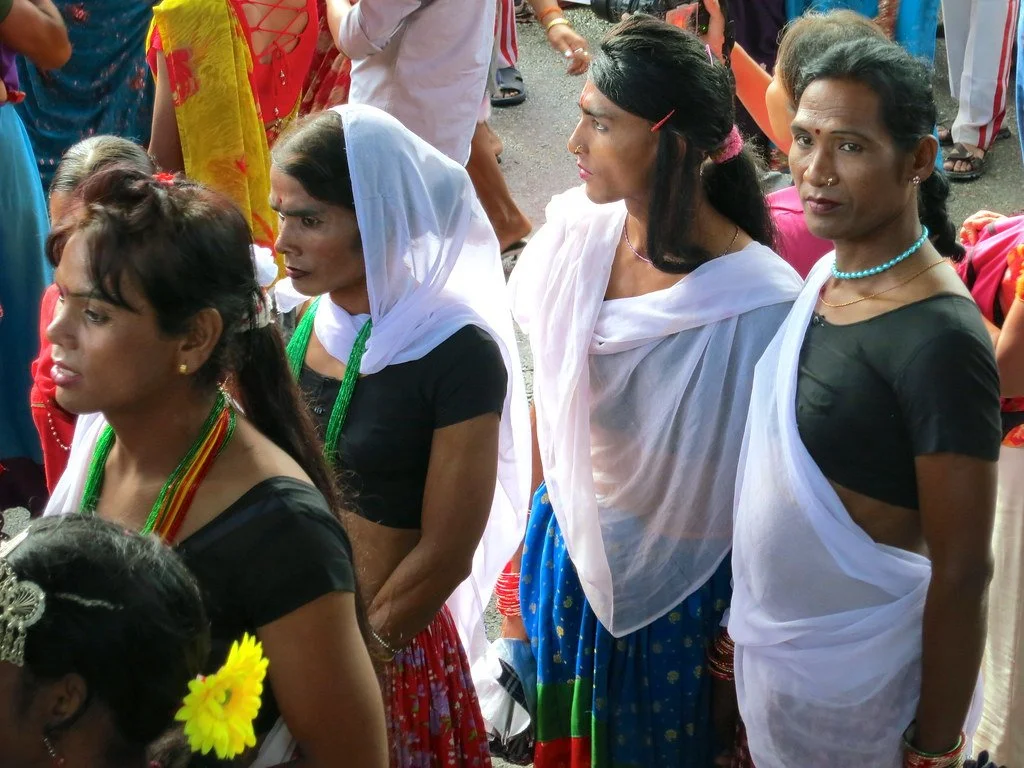
Hijras at a festival. Sabatica Sabata. CC BY-NC-SA 2.0.
‘Hijra’ is a third gender acknowledged in Hinduism. Hijras are often people born biologically male who dress traditionally feminine or intersex people. Regardless of their biological sex, hijra is regarded as an independent third gender. Like Two-Spirit people, hijras have a special and honored place in traditional Hindu society. They were believed to have the power to instill fertility upon couples and often live in groups to be mentored by an elder in the community. However, being hijra was criminalized by the British upon their colonization of India. Much of the way hijras are treated today as well as the opportunities available to them continue to suffer as a result of British oppression. For example, hijras are often still denied work today.
Māhū

Scholar Hinaleimoana Wong-Kalu. University of Hawai‘i–West O‘ahu. CC BY-ND 2.0
The Hawaiian māhū are people who are understood to have aspects of both genders within them. When Europeans arrived in Hawaii, they took the term and gave it a derogatory and homophobic and transphobic meaning. The term still carries a negative association for some because of the impact of colonialism. However, prior to European arrival, and still among many in the community today, māhū means “in the middle” (of male and female) and is regarded in traditional Hawaiian culture as a meaningful identity indicating a wealth of wisdom and knowledge.
Muxes
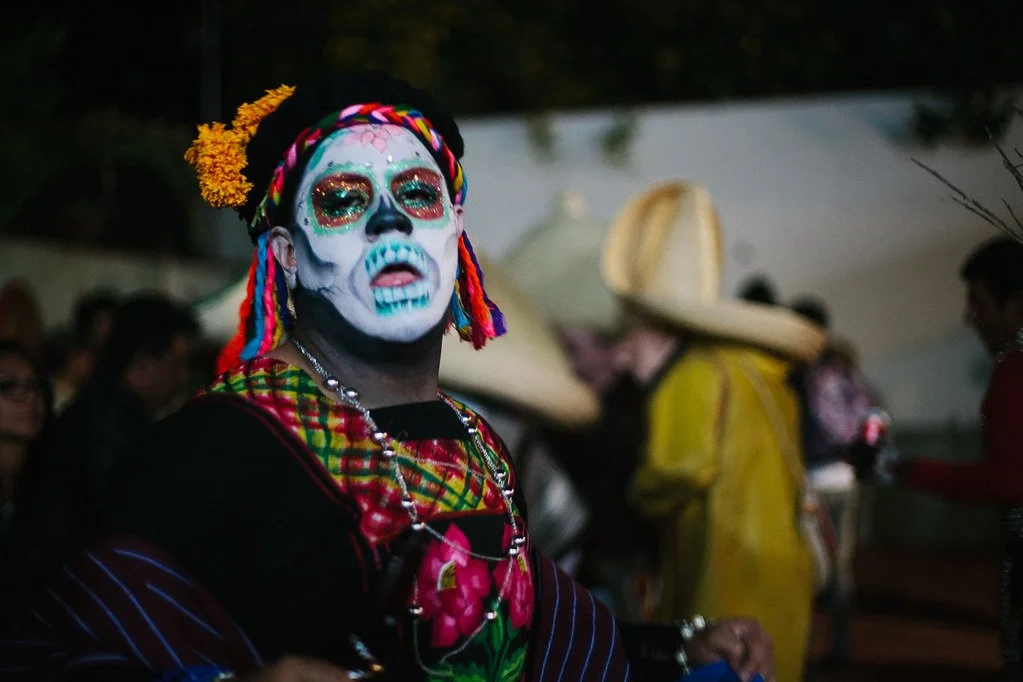
Muxe. Arnaud B. CC BY-SA 2.0.
Muxe is a gender that exists in Oaxaca, Mexico, in the Zapotec community. Muxes have a strong tie to Zapotec tradition, as they continue to practice certain Zapotec customs that most no longer take part in, such as dressing traditionally. Muxes are generally people assigned male at birth who present traditionally feminine, but muxe is considered a third gender as opposed to a transgender woman. Like Two-Spirit and hijra people, muxes play a distinct role in Zapotec society, different from those who identify with their assigned sex at birth.
Six Genders of Classical Judaism

Talmud. Chajm Guski. CC BY-SA 2.0.
The ‘Talmud’ is a book of the ancient teachings of various rabbis and Jewish religious scholars. While it isn’t a holy book itself, it contains valuable interpretations of the Torah still referenced today. The Talmud acknowledges six genders as opposed to two. The Talmud is thousands of years old, demonstrating that the idea of gender fluidity has existed for much longer than most people would think. “Zachar” and “Nekevah” translate roughly to “male” and “female” respectively, and they refer to people who grow up resembling the sex they were identified as at birth. “Androgynos” was a term used for someone with both male and female characteristics, while “Tumtum” was a term used for someone who seems to present neither male nor female characteristics. “Ay’lonit” and “Saris” are used to describe people who were assigned female or male at birth (respectively) but grow up to resemble the opposite gender. All of these terms are parallel to identities common today, suggesting that people who do not fit into the gender binary have existed throughout human history.

Calliana Leff
Calliana is currently an undergraduate student at Boston University majoring in English and minoring in psychology. She is passionate about sustainability and traveling in an ethical and respectful way. She hopes to continue her writing career and see more of the world after she graduates.
Climb an Active Volcano in Guatemala
Have a passion for hiking, here’s your chance to embark on a whole new experience. Travel to Guatemala to follow a guide, either by horseback or foot, to climb Volcan Pacaya.
Read More9 Beautiful Houses of Worship Around the World
Different religions have different ways of showcasing their houses of faith.
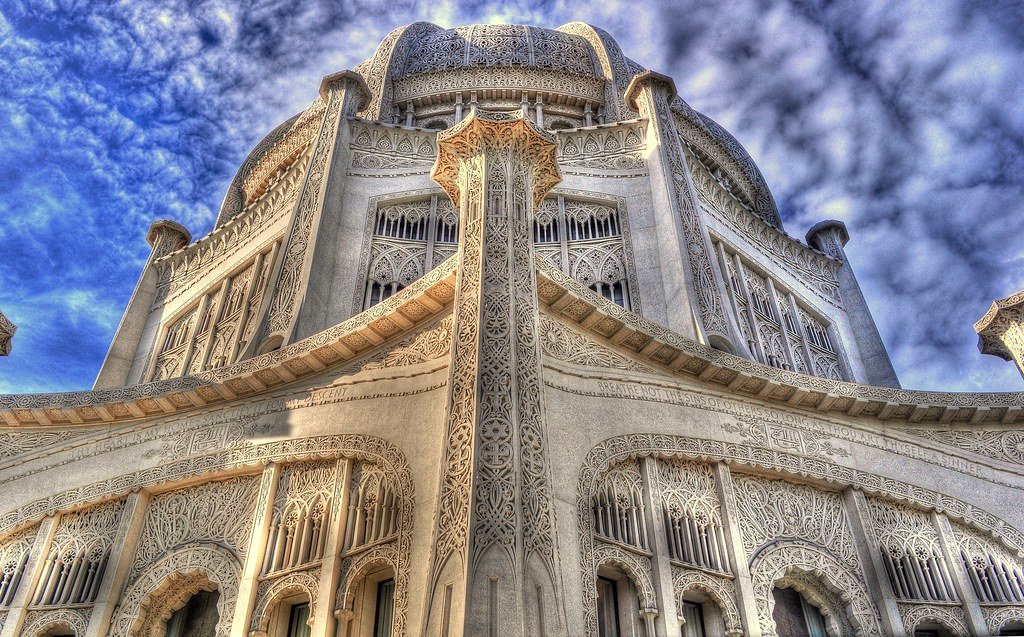
For many centuries across the globe, people have built houses of faith to honor the higher power(s) they worship. Below is a list of different architectural representations of these sacred spaces.
1. Borgund Stave Church
Borgund, Norway
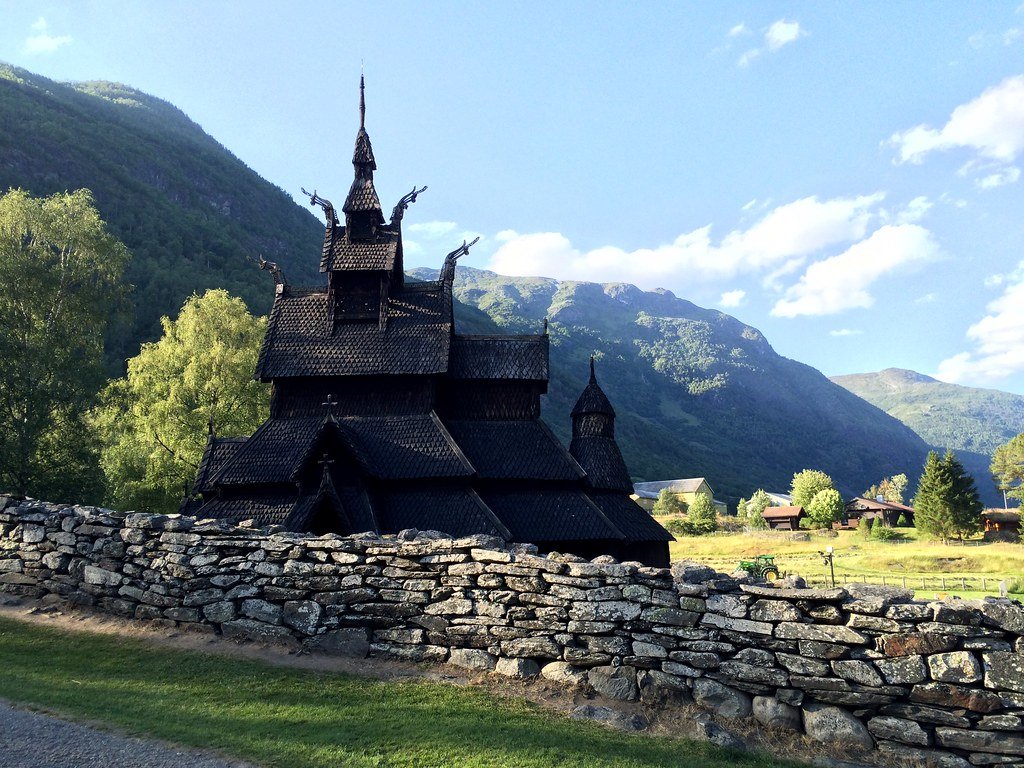
The portrayal of dragon heads on the roof of the Borgund Stave Church in Norway was built to ward off spirits in 1180. The church was dedicated to Apostle Andrew and has been incredibly preserved. The medieval church received certification in 2010 for being an environmental lighthouse. The church is set to reopen to visitors on April 15.
2. Golden Temple
Amritsar, India
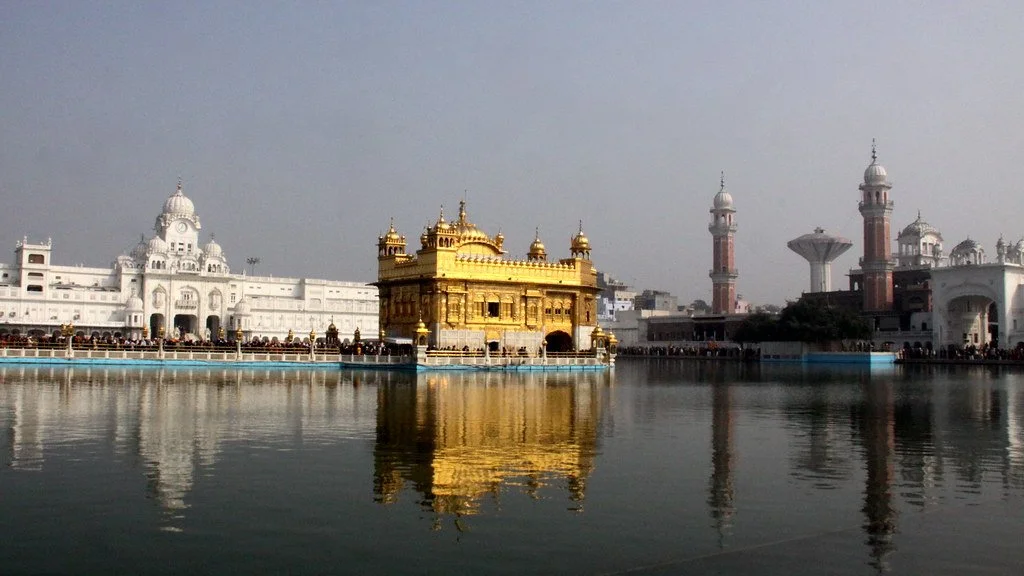
Named the holiest temple in the Sikh faith, the Golden Temple’s upper floors are covered in 750 kilos of pure gold. It was built by Guru Arjan in 1604 and is located in the Northwest of India, near the border of Pakistan. It is said that the waters surrounding the temple in the river Ganga cleanse one’s bad karma when taking a dip. It is visited by 100,000 worshippers daily.
3. Hallgrímskirkja
Reykjavik, Iceland
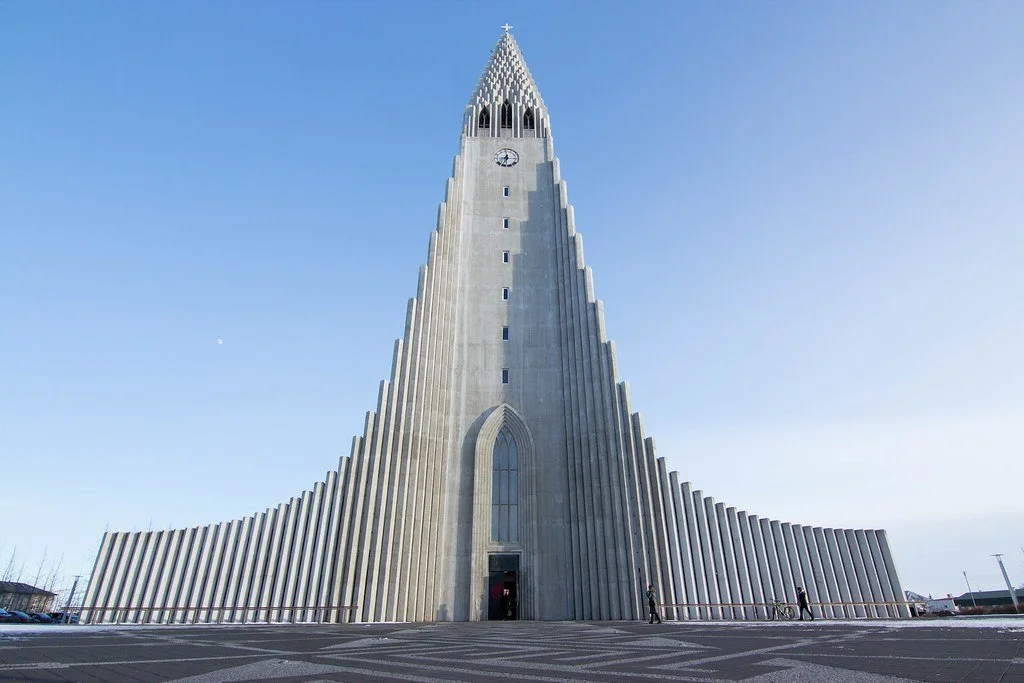
This Lutheran Icelandic church was built by architect Guðjón Samúelsson and, at 240 feet, stands as the tallest building in the capital and the second tallest in all of Iceland. The design is influenced by the country's volcanoes and the natural surroundings that inhabit the nation. Visible from almost any point in the city, the church is known as one of Iceland’s landmarks and largest church.
4. Kizhi Pogost
Kizhi Island, Russia
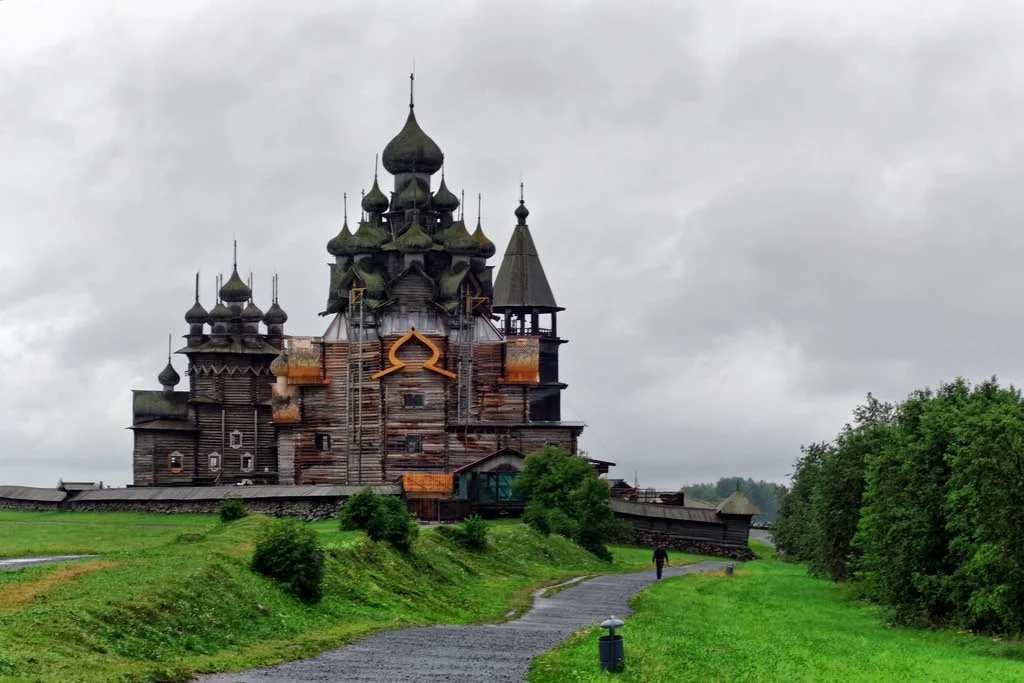
Kizhi Pogost. Alexxx Malev. CC BY-NC 2.0
Set on Kizhi Island in Russia’s Lake Onega, Kizhi Pogost is a UNESCO World Heritage site consisting of two wooden churches and a bell tower built in 1714. What makes this an incredible architectural structure is that it was made completely of wood, with no metal or nails involved. Today, the churches are an open air museum.
5. Wat Rong Khun
Chiang Rai Province, Thailand
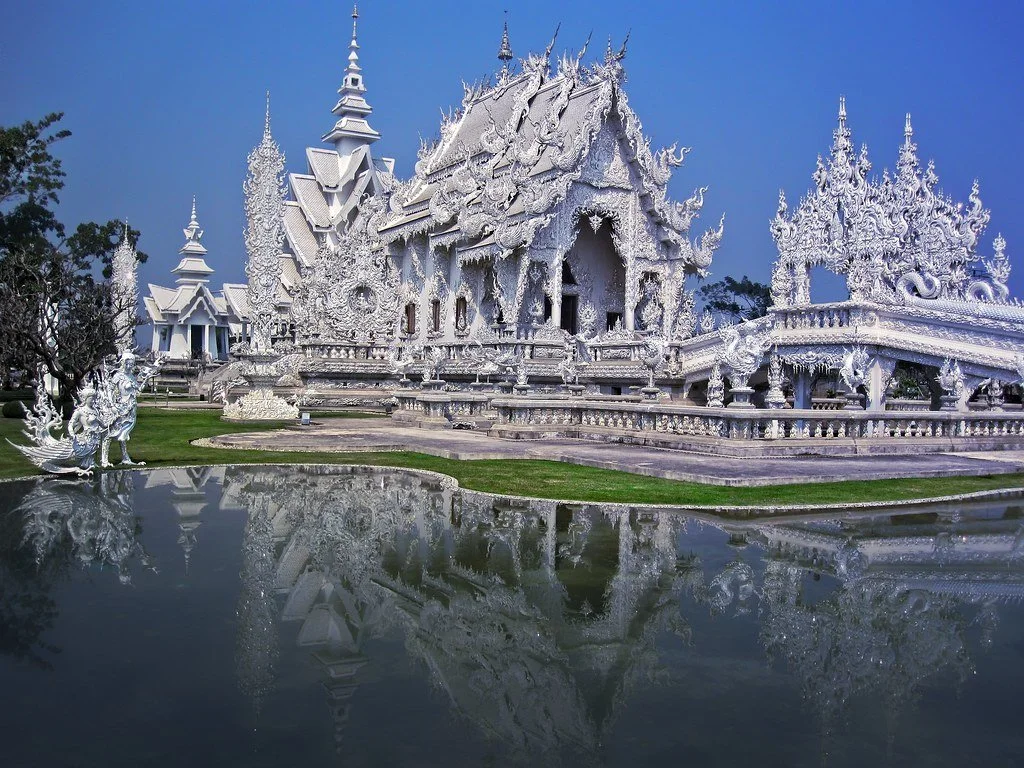
Designed by Thai visual artist Chalermchai Kositpipat, Wat Rong Khun (also known as The White Temple) was created to honor Buddha’s purity. There are many intricate details in the space, including carvings of monkeys, people and hands among other things. Today, Kositpipat has only completed three of the nine buildings he has plans for. The temple entrance cost is $1.50, Kositpipat will not accept more because he does not want large donors to influence his art. The temple is being run by a team of volunteers.
6. Las Lajas Sanctuary
Ipiales, Colombia
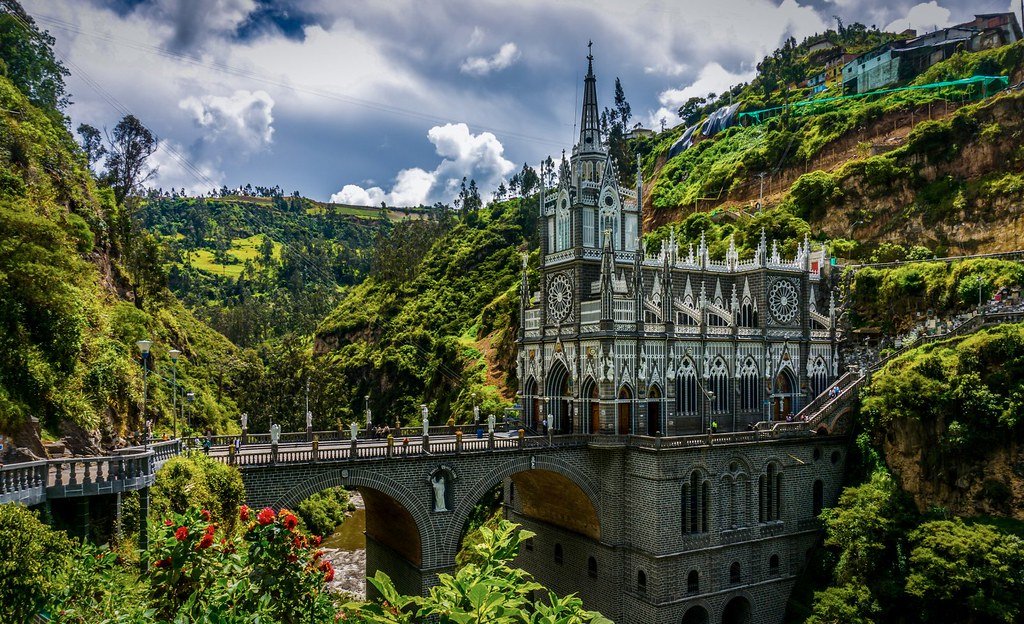
Las Lajas Sanctuary. BORIS Gt. CC BY-NC-ND 2.0
Located less than seven miles from the Ecuadorian border, Las Lajas Sanctuary sits over the Guaitara River. The Roman Catholic basilica has three iconic features. First, the bridge has statues of angels playing instruments on each side. The second is the stained glass by Italian artist Walter Wolf. Lastly, there is an image of the Virgin Mary painted on the back stone wall. The neo-Gothic basilica is surrounded by lush vegetation and was named the most beautiful church in 2015 by The Telegraph.
7. Great Mosque of Djenné
Djenné, Mali
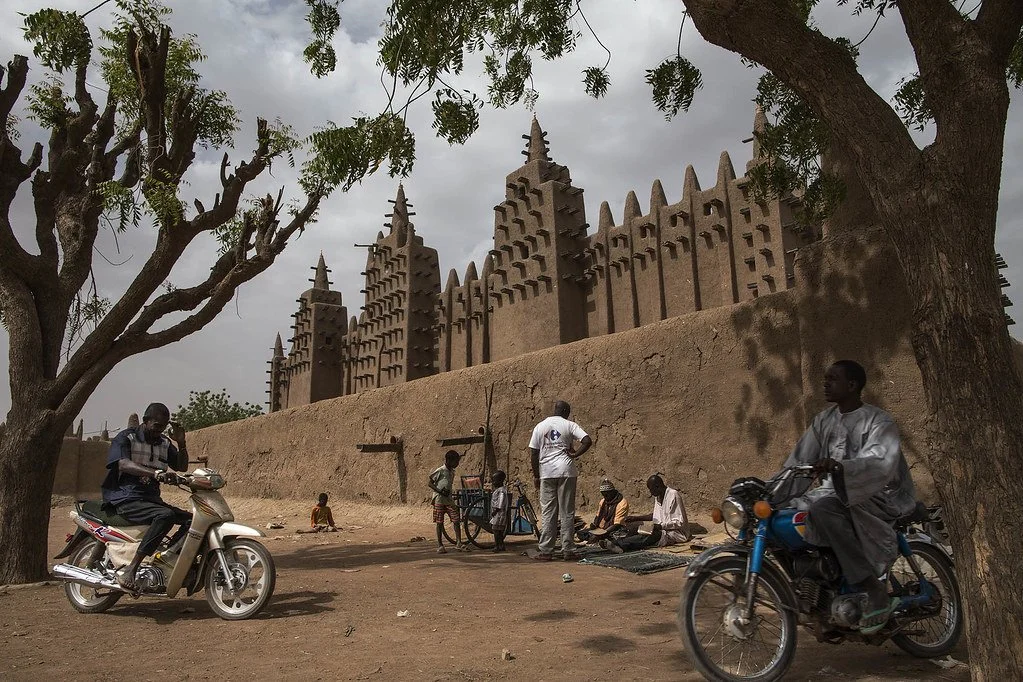
Great Mosque of Djenné. Mission de l'ONU au Mali. CC BY-NC-ND 2.0
Globally known as an example of Sudano-Sahelian architecture and one of Africa’s most famous structures, the Great Mosque of Djenné was built in 1907 from mud and brick, which needs regular replastering to keep its form. Today, the Great Mosque is a UNESCO World Heritage Site and a sacred destination for Muslims.
8. Jubilee Synagogue
Prague, Czech Republic
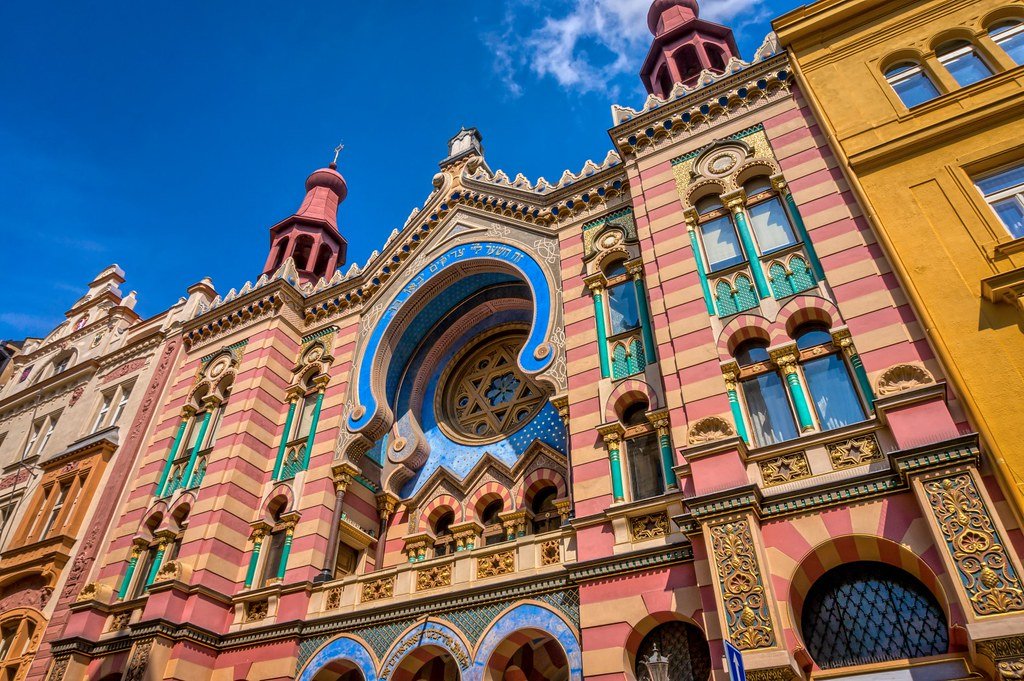
Jubilee Synagogue. BORIS G. CC BY 2.0
The colorful and intricate Jewish Jubilee Synagogue, also known as the Jerusalem Street Synagogue, was built in 1906 by architect Wilhelm Stiassny to commemorate the Emperor Franz Joseph I’s ascension to the throne. A preserved organ by composer Emanuel Stephen Peter is played for visitors. Today, it is open to the public and used for Orthodox prayer services.
9. Szeged Synagogue
Szeged, Hungary
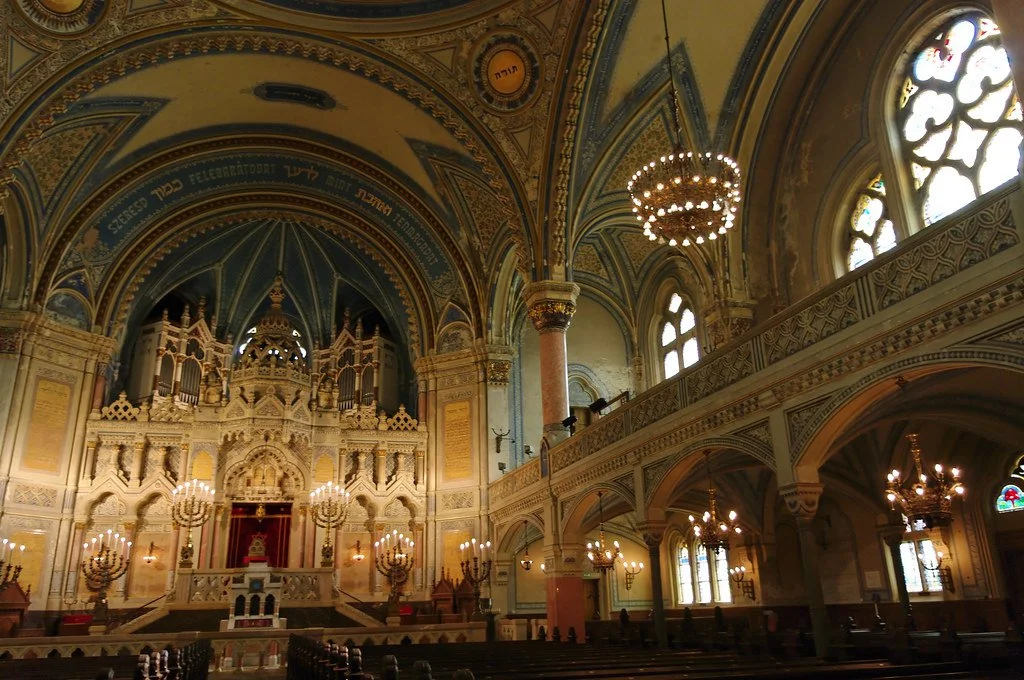
New Synagogue. Emmanuel Dyan. CC BY-NC-SA 2.0
The second largest synagogue in Hungary, Szeged Synagogue merges Art Nouveau with Gothic, Moorish, Byzantine, Roman and Baroque interior design. The sanctuary’s seating faces a Torah ark made with wood from the banks of the Nile River. The triumphal arch of the building displays the biblical commandment, “Love your neighbor as yourself" in both Hebrew and Hungarian.
10. Temple of Heaven
Beijing, China
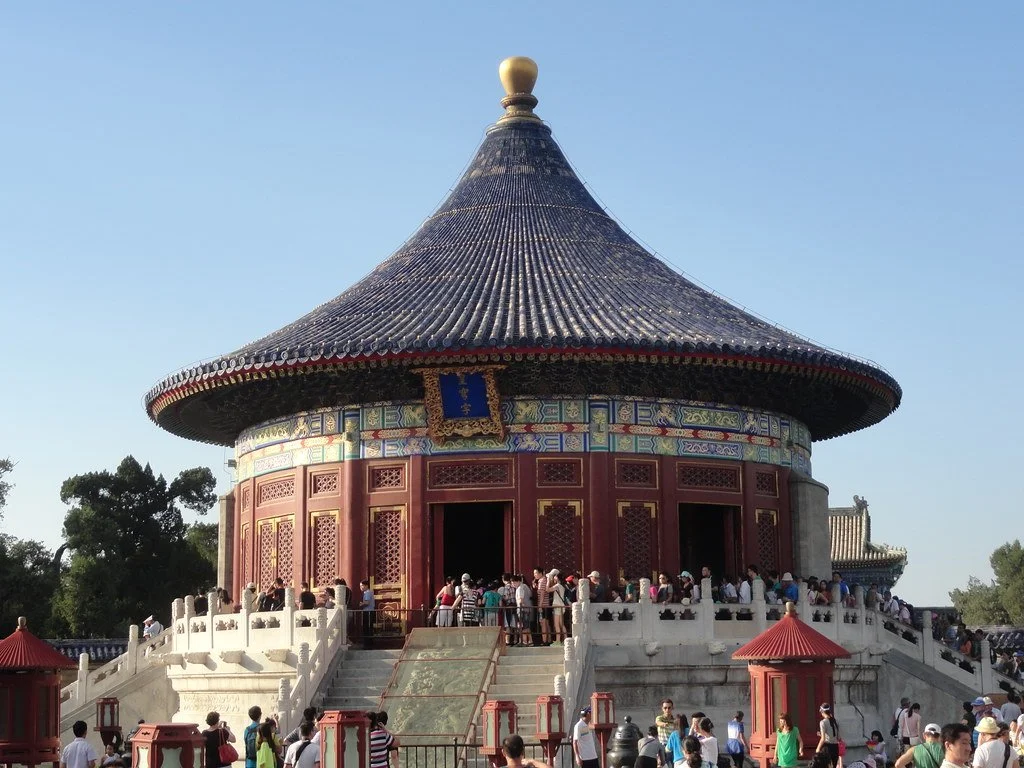
Temple of Heaven in Beijing. Fabio Achilli. CC BY 2.0
An imperial sacrificial altar, the Temple of Heaven in Dongcheng District, Beijing is considered the “supreme achievement of traditional Chinese architecture.” It is 273 acres and located in a large park, measuring 38 meters high and 30 meters in diameter, built on three levels of marble stones. It was completed during the Ming dynasty in 1420 and used to pray for harvest and for worship. In 1998, it was named a UNESCO World Heritage Site.

Jennifer Sung
Jennifer is a Communications Studies graduate based in Los Angeles. She grew up traveling with her dad and that is where her love for travel stems from. You can find her serving the community at her church, Fearless LA or planning her next trip overseas. She hopes to be involved in international humanitarian work one day.
8 Only-in-Madagascar Experiences
You may know about lemurs and baobabs, but here are more amazing and unique cultural and wildlife experiences that the island nation of Madagascar has to offer.
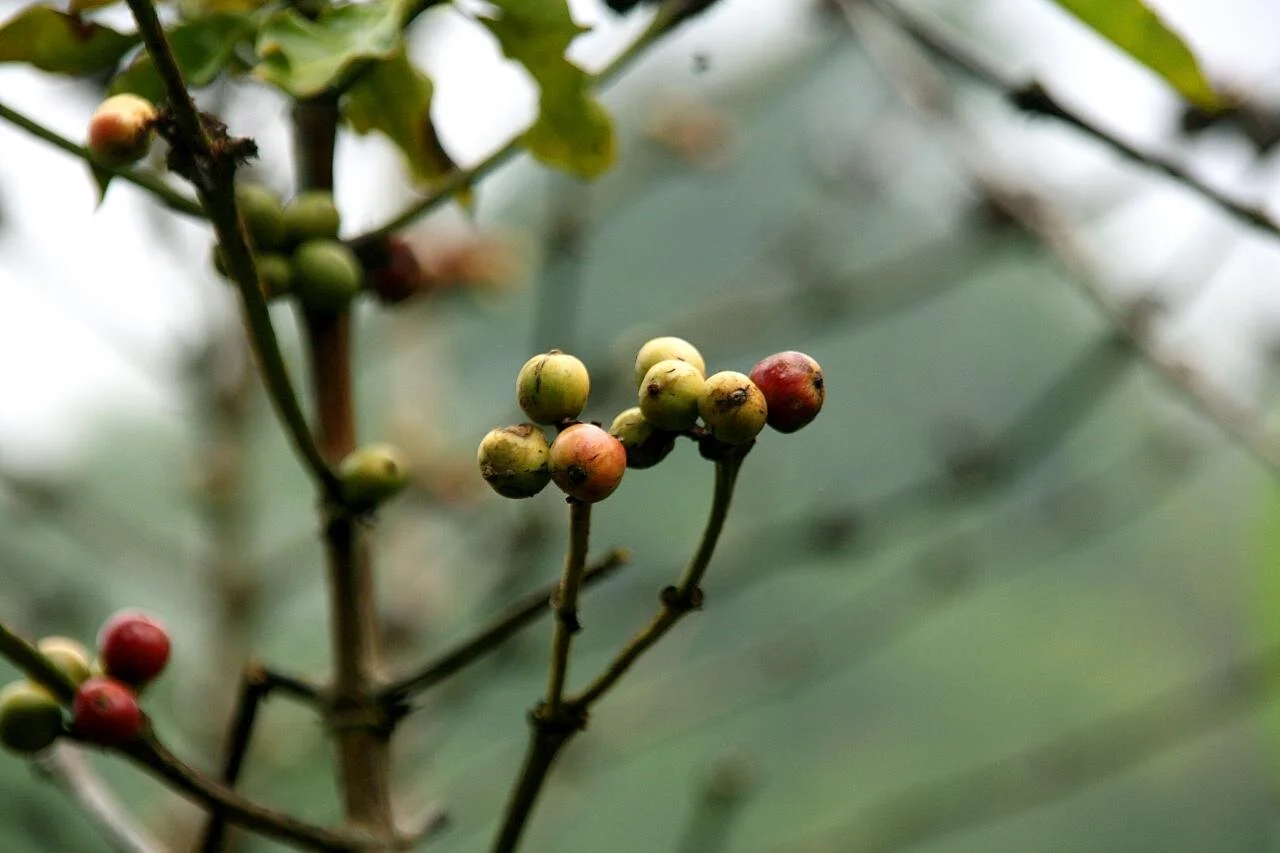
Unripe coffee beans grown in a field. ZeePack. CC BY-ND 2.0.
7 Distinctive Coffee Drinks from Around the World
Coffee is enjoyed in every corner of the globe. The caffeinated beverage, which is made using beans grown best in the tropics, is enjoyed on its own or as a starting point to make an endless number of lattes, cappuccinos, cocktails, smoothies, desserts and other foods and beverages.
While most in the West are familiar with the quick caffeine fixes afforded by Starbucks and Dunkin’, countries around the world maintain their own unique coffees which can be made with a handful of ingredients, a little bit of time and the curiosity to try something new. Here are seven coffee beverages from around the world that can be made in your own kitchen.
1. Flat White - Australia
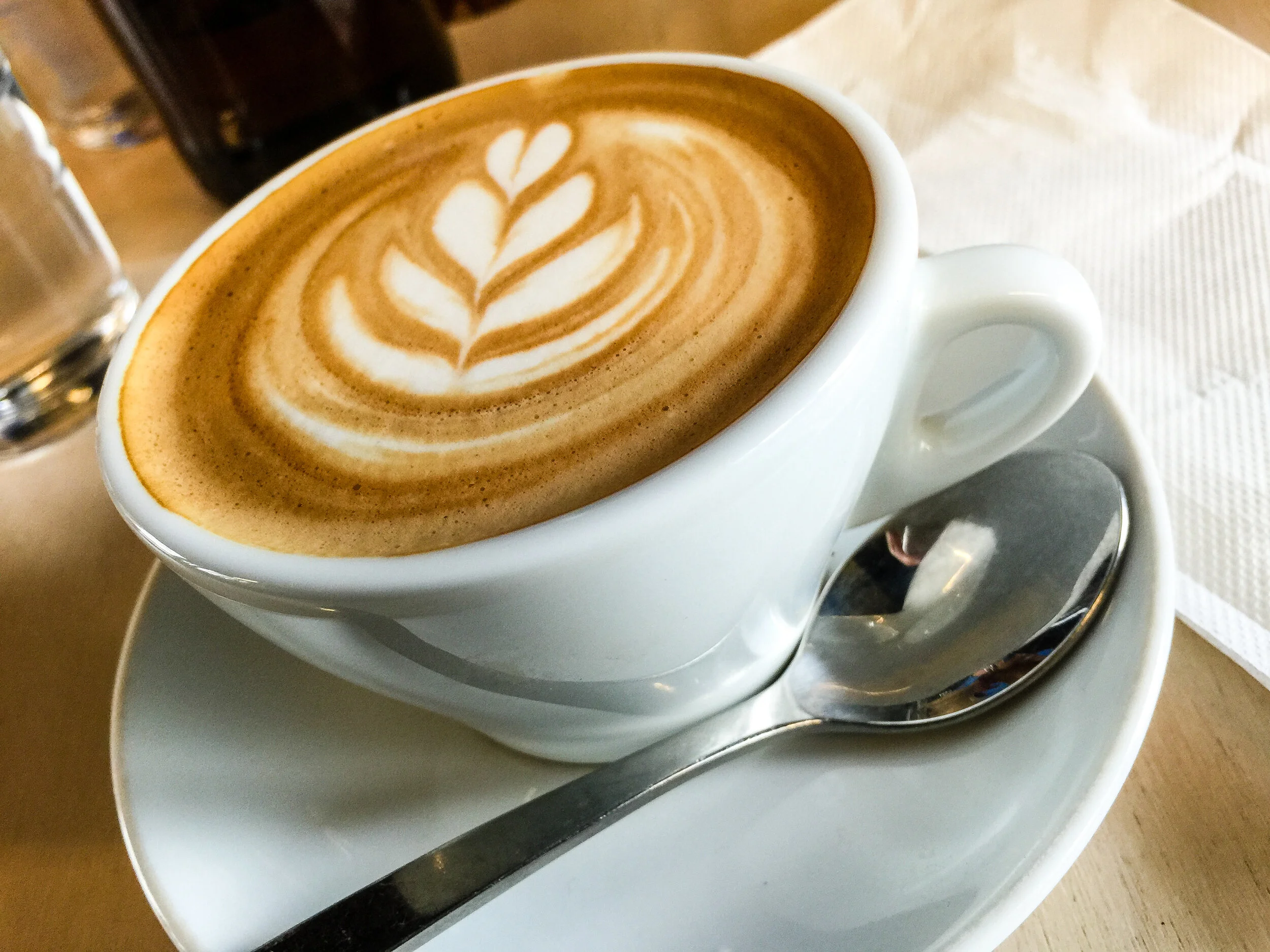
A basic flat white. Katherine Lim. CC BY 2.0.
The flat white, sometimes known as the wet cappuccino, is Australia’s favorite caffeinated beverage. The drink has gained global recognition in recent years, with Starbucks adding the drink to its United States menu in 2015. What distinguishes the flat white from a traditional latte is the ratio of milk to espresso—flat whites have less steamed milk than lattes, which yields a more complex coffee flavor in the drink.
Ingredients:
Double shot of espresso
4 ounces of your milk of choice
Espresso machine with a steam wand
Steaming pitcher
6-ounce mug, warmed
Steps:
Brew your espresso shot. You can place your 6-ounce mug directly under the filter head of your espresso machine so the espresso can be brewed directly into the cup.
Pour your milk of choice into the steaming pitcher and froth it with the steam wand.
Pour your steamed milk slowly into the center of the 6-ounce mug, directly onto the espresso. Latte art is optional.
2. Ca Phe Sua Da - Vietnam
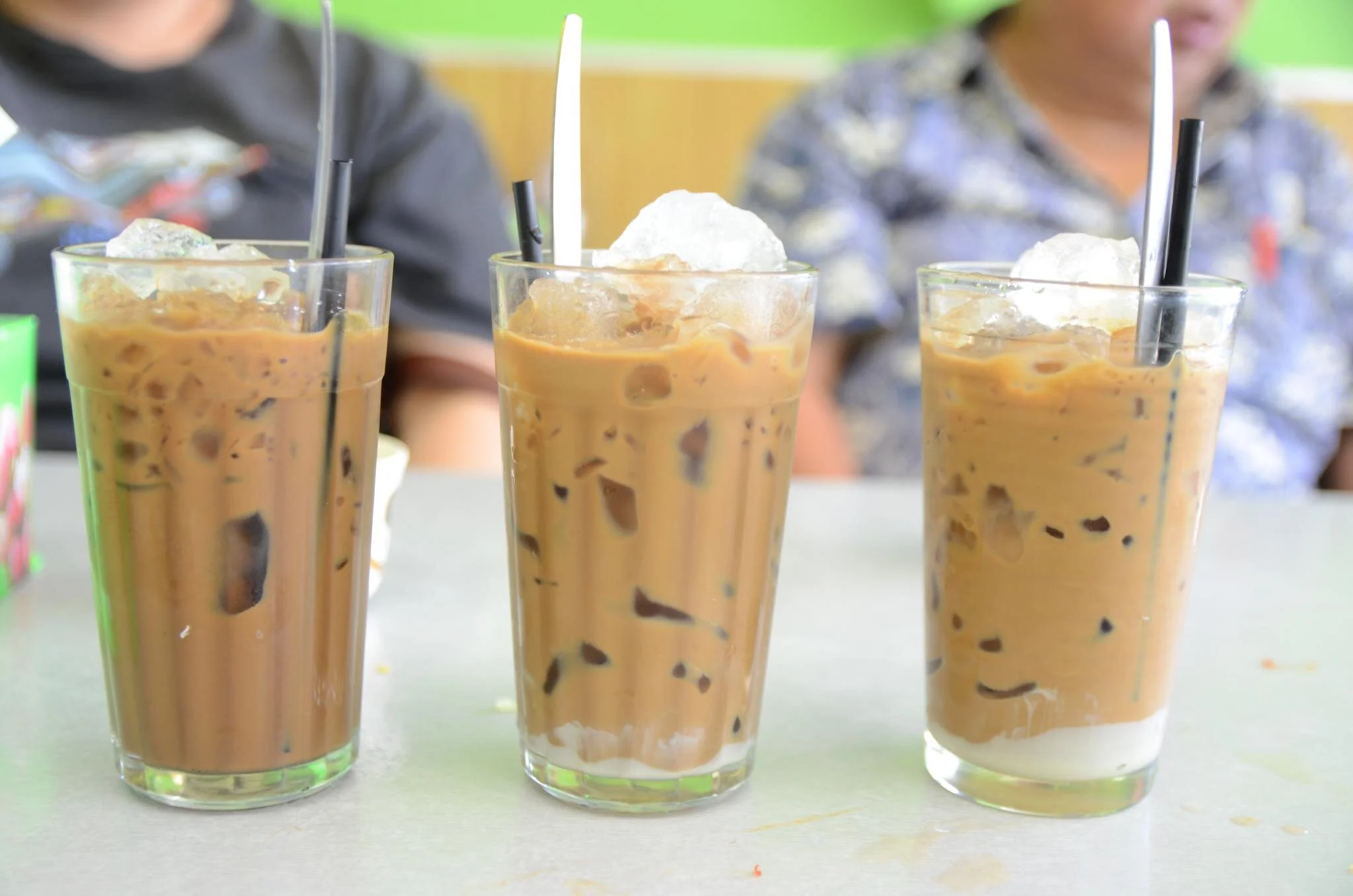
Three cups of ca phe sua da, known in English as Vietnamese iced coffee. Alpha. CC BY-NC-SA 2.0.
Ca phe sua da, commonly known in English as Vietnamese iced coffee, is a popular beverage in the world’s second-largest producer of coffee beans. This treat is traditionally made with robusta beans, which have a deeper, more dynamic flavor than their Arabica counterparts, in a phin filter, which is a slow-drip brewing method popular in Vietnam. Ca phe sua da is a sweet, highly caffeinated and refreshing beverage best shared with friends and family.
Ingredients:
2 tablespoons of ground coffee (robusta beans sourced from Vietnam are best, but you can also use your favorite blend)
2 tablespoons of sweetened condensed milk
1 cup of boiling water
Phin filter (if you don’t have a phin, you can steep your coffee grounds with 2/3 cup of boiling water in a heatproof container for 4 minutes)
Steps:
Remove the top screen from your phin, add the coffee grounds and screw back on the top screen. Place your phin on top of a glass cup or measuring cup.
Pour a splash of boiling water into the phin filter and let sit. Once the coffee begins to drip through the filter into the glass, add in enough of your remaining water to reach the top of the phin. Place the lid back on the phin and let the coffee drip for approximately 4 minutes.
Stir in the sweetened condensed milk until thoroughly blended, and serve with ice.
3. Affogato - Italy

Two classic affogatos. Jen. CC BY 2.0.
Affogato is a deliciously simple dessert popular throughout Italy. The sundae combines the sweetness of vanilla gelato with the bold and nutty flavors of espresso to create a refreshing dessert perfect for enjoying on a warm summer night. If you’re worried about having caffeine late at night but want to still enjoy an affogato, try using decaf beans for your espresso.
Ingredients:
1 scoop of vanilla gelato
Double shot of espresso
Chilled bowl
Steps:
Place the scoop of gelato into your chilled bowl. Make sure the bowl is big enough to fit both your gelato and espresso.
Pour your espresso over the gelato quickly to ensure minimal melting.
Enjoy your affogato on its own or topped with whipped cream, fresh fruit or nuts.
4. Cafe de Olla - Mexico
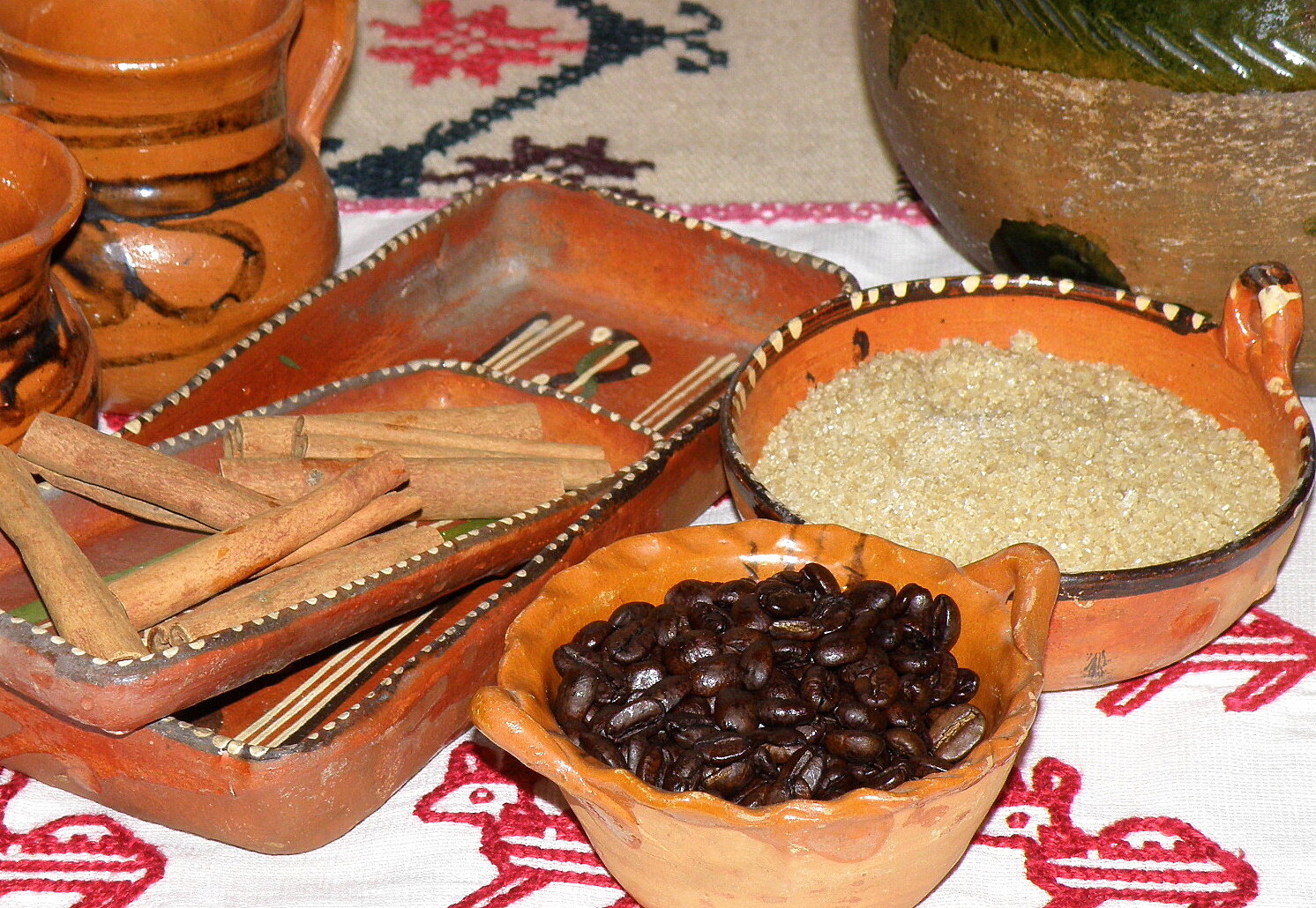
Ingredients to make cafe de olla. Susannah Anderson. CC BY-NC-ND 2.0.
Translated in English to mean “coffee from a pot,” cafe de olla is a coffee drink popular throughout Mexico made traditionally in a small earthen clay pot, which gives the drink its distinct, hearty flavor. However, the drink can also be made in a small saucepan. Commonly enjoyed in rural regions with cold climates, cafe de olla is the perfect drink to enjoy on a cold winter day.
Ingredients:
8 cups of cold water
3 piloncillo cones, or 1/3 cup of dark brown sugar
1 cinnamon stick
8 tablespoons of coarsely ground Mexican coffee
1 saucepan
Ladle
Steps:
In your saucepan, add the water, cinnamon stick, and either your piloncillo cones or dark brown sugar.
Bring the water mixture to a boil and let the sugar dissolve fully before removing the saucepan from the heat and adding in the coffee grounds. Let your coffee steep for 8-10 minutes.
Using your ladle, serve the cafe de olla immediately.
5. Cafe Touba - Senegal
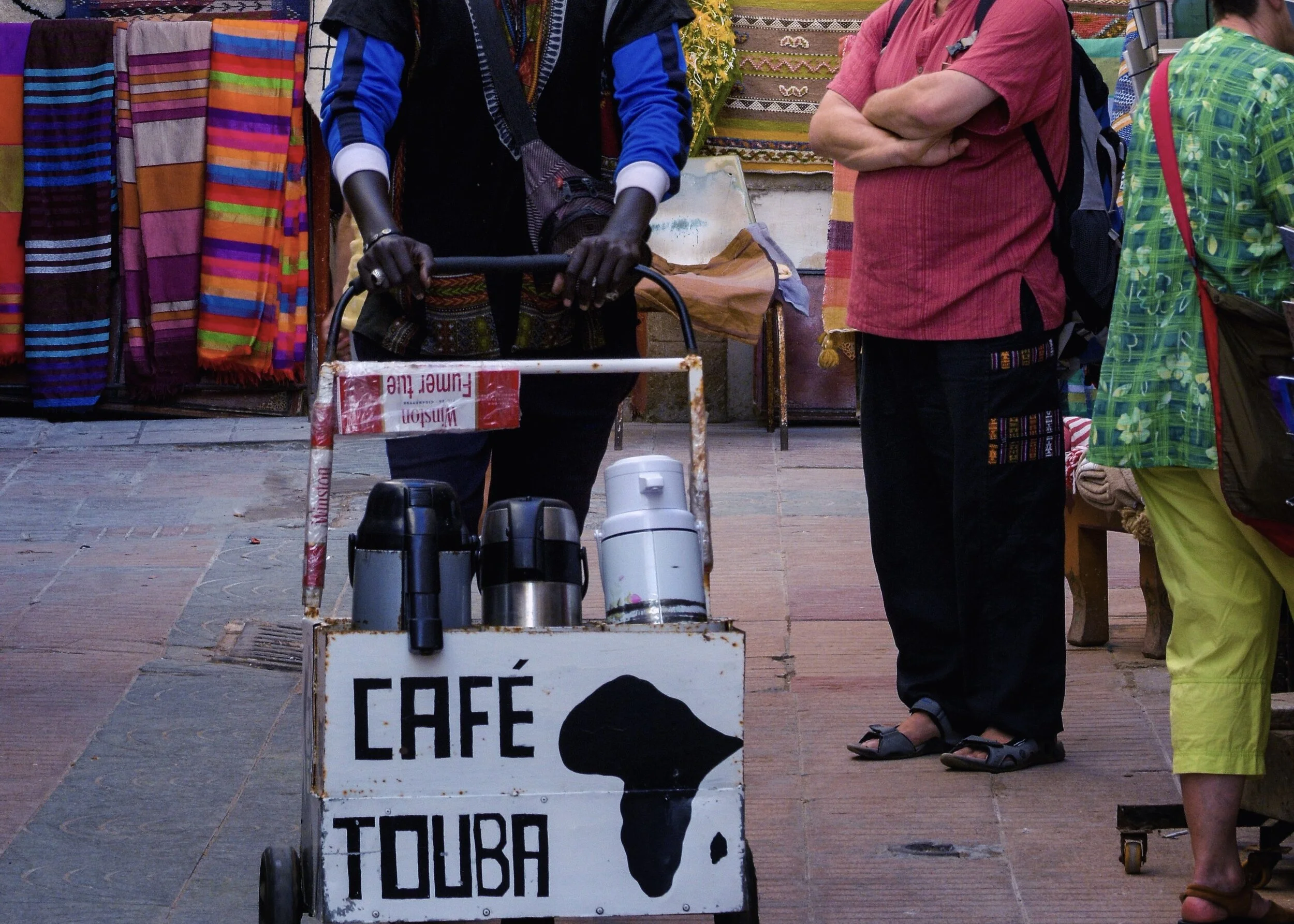
A vendor selling cafe touba. George D. Manta. CC BY-SA 4.0.
Popular throughout West Africa, cafe touba is a spiced coffee drink named after the Senegalese city of the same name. What distinguishes the beverage from other types of spiced coffee is that cafe touba is brewed using a powder made by combining coffee beans with selim pepper grains, an aromatic spice commonly used throughout West Africa. The drink is a great source of antioxidants, helps with digestion and has antidepressant properties.
Ingredients:
1 tablespoon of coffee beans
1/2 teaspoon of selim pepper grains
1 cup of cold water
Coffee grinder
Small saucepan
Single cup pour-over coffee maker with a filter
Steps:
Heat your saucepan over medium heat and add in the selim pepper grains. Roast the grains in the pan for a few minutes until they become aromatic, but not burnt.
Add the pepper grains and coffee beans to a grinder and grind together until the mixture has a coarse texture.
Add your mixture to the cold water in the saucepan. Bring to a boil and let simmer for 5 minutes.
Pour your mixture into the filtered pour-over coffee maker and let drip through fully before serving.
6. Cafezinho - Brazil

A mug with cafezinho. Ricardo. CC BY-NC-SA 2.0.
Synonymous with hospitality throughout Brazil, cafezinho is served throughout the country as a way to welcome folks and invite them in for conversation, whether that be at home, in the workplace or out and about. The drink is much thicker than traditionally brewed coffee, has stronger caffeination than pure espresso, and is naturally sweet and creamy. Invite some friends and family over to share cups of cafezinho with good conversation.
Ingredients:
3/4 cups of cold water
1 heaping tablespoon of espresso-ground coffee beans
1 teaspoon of sugar
Small saucepan
Paper coffee filter
Steps:
Add water and sugar to your small saucepan and heat until the mixture is just about to boil.
Mix in your coffee grounds, remove the saucepan from heat and stir thoroughly.
Pour your coffee mixture into the filter over an espresso cup and allow the drink to drip through the filter completely.
7. Qahwa - Saudi Arabia

Cardamom pods, which are a key ingredient in qahwa. Etienne. CC BY-NC-ND 2.0.
Qahwa is a traditional Arabic coffee drink most popular in Saudi Arabia. The yellow beverage is unique from other coffees in that it is made using green coffee beans, which yields a weaker brew, and cardamom, an ingredient which gives the drink its iconic color. This low-caffeine beverage is delicious on its own or mixed with saffron, rosewater or cinnamon.
Ingredients:
1 tablespoon of coarsely ground green coffee beans
1 tablespoon of crushed cardamom pods
2 1/2 cups of water
Small saucepan
Coffee filter
Steps:
Bring water to a boil in the saucepan, and add in the coffee grounds. Let the mixture boil for 10 minutes.
Add in your crushed cardamom and continue to boil for 5 more minutes.
Remove the pot from heat and allow the grounds to settle completely at the bottom of the pan.
Filter the coffee into a teapot or mug for serving.

Jacob Sutherland
Jacob is a recent graduate from the University of California San Diego where he majored in Political Science and minored in Spanish Language Studies. He previously served as the News Editor for The UCSD Guardian, and hopes to shed light on social justice issues in his work.
VIDEO: Experience Southeast Asia
In his trailer for “In Asia,” German director Vincent Urban highlights memorable experiences in his trip to Southeast Asia. Over two months, Urban traveled to Thailand, Cambodia, Malaysia and Laos. We are transported to Bangkok, the capital of Thailand, a city with night skies full of fireworks and streets teeming with music. Urban next introduces us to the Southeast Asian landscapes he encounters. He highlights the tropical climates of Thailand, Cambodia, Malaysia and Laos with footage of waterfalls, aquamarine waters, beaches and coral reefs. Urban also highlights Buddhist culture by featuring images of the Angkor Wat temple in Cambodia, the largest temple complex in the world. The individual episodes of “In Asia” provide greater context for the footage within this trailer and are certainly worth viewing if you would like to learn more about Thai, Cambodian, Malaysian and Laotian cultures.
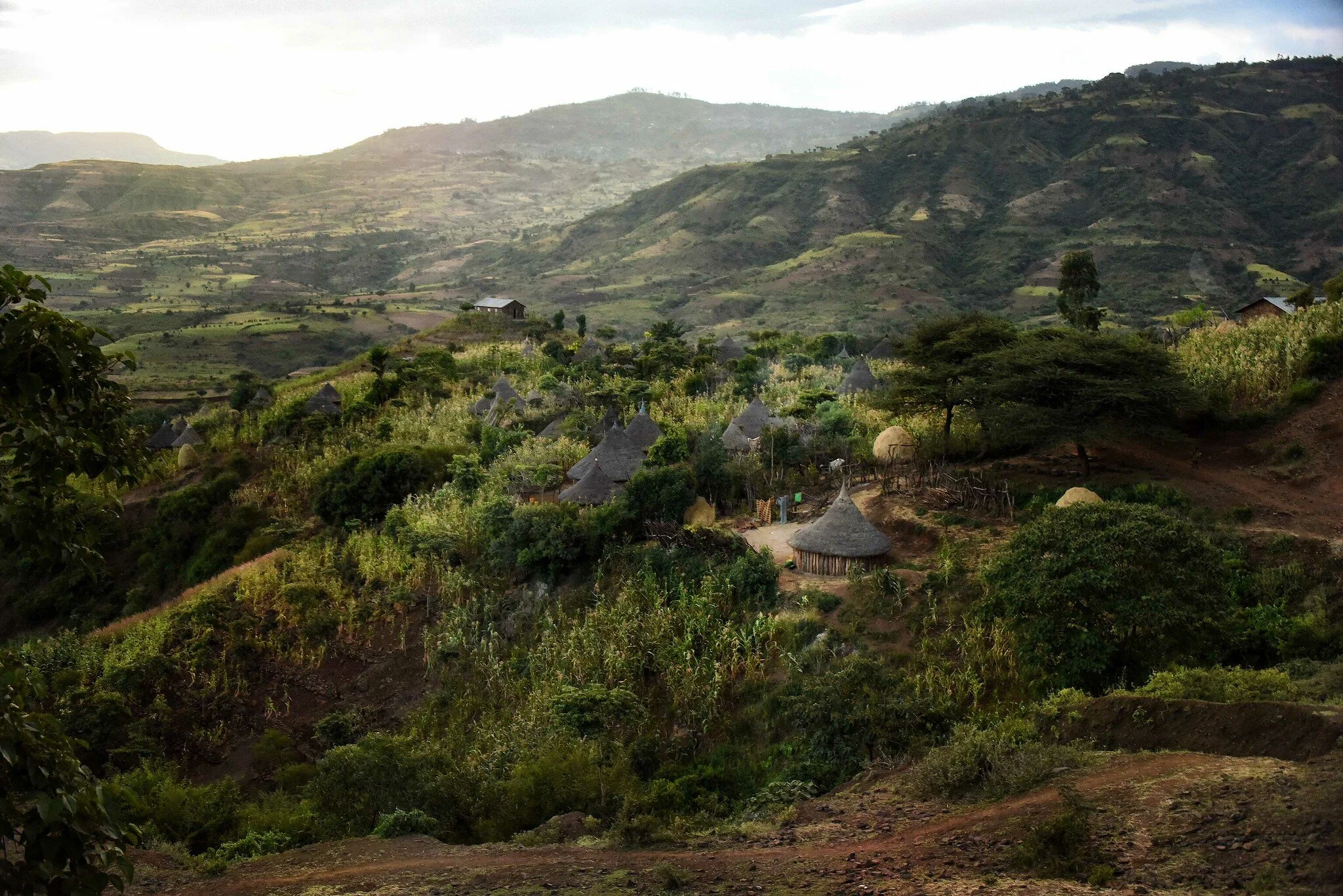
Like so many others across the country, this village in Ethiopia’s Omo Valley blends seamlessly into its colorful surroundings. Rod Waddington. CC BY-SA 2.0
Top 5 Sites to Visit in Ethiopia, Africa’s Hidden Gem
Boasting a stunningly diverse landscape, a rich culture and nine UNESCO World Heritage Sites, Ethiopia belongs on every traveler’s bucket list. As word gets out, more and more visitors are discovering – and falling in love with – the East African country’s seemingly endless charms.
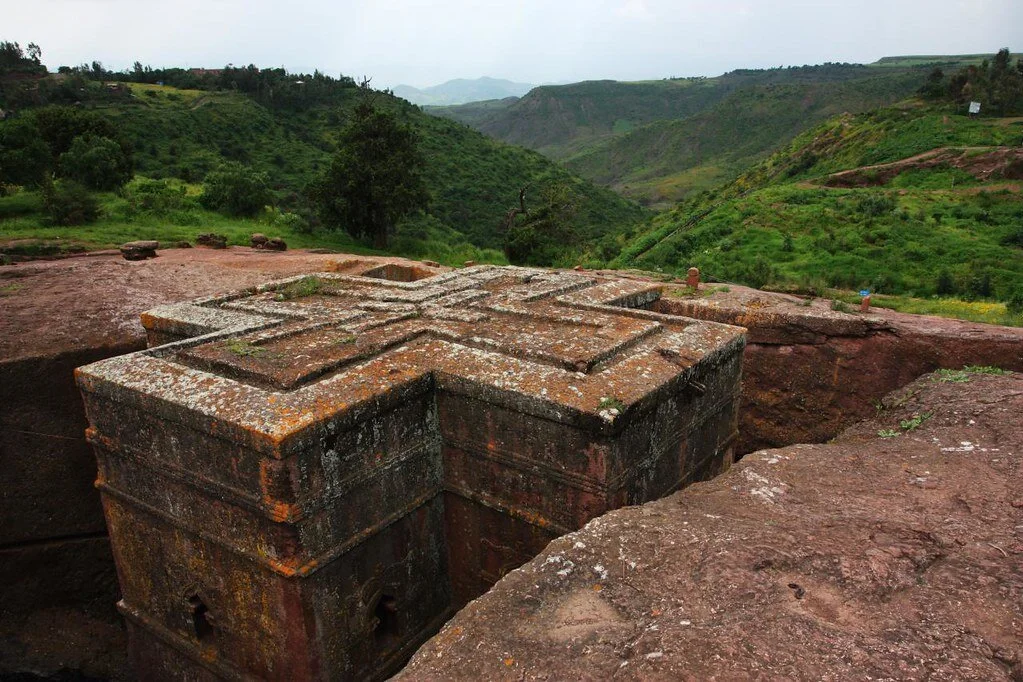
Seen from above, the Church of Saint George looks impressive. From below, it’s simply unreal. Bryan_T. CC BY-ND 2.0
Lalibela
Painstakingly chiseled out of rock in the 13th century, the 11 churches of Lalibela stand as powerful symbols of Ethiopia’s devotion to Christianity. After Jerusalem’s fall to Islamic conquest, King Lalibela ordered construction of a “New Jerusalem” in his own land. The results are spectacular: the Church of Saint George rests in the shape of a cross, seemingly inaccessible due to its position below ground. It’s nearly incomprehensible that the churches of Lalibela were carved out by hand 800 years ago. You may come to believe, as many locals do, that angels alone could have built such a masterpiece.
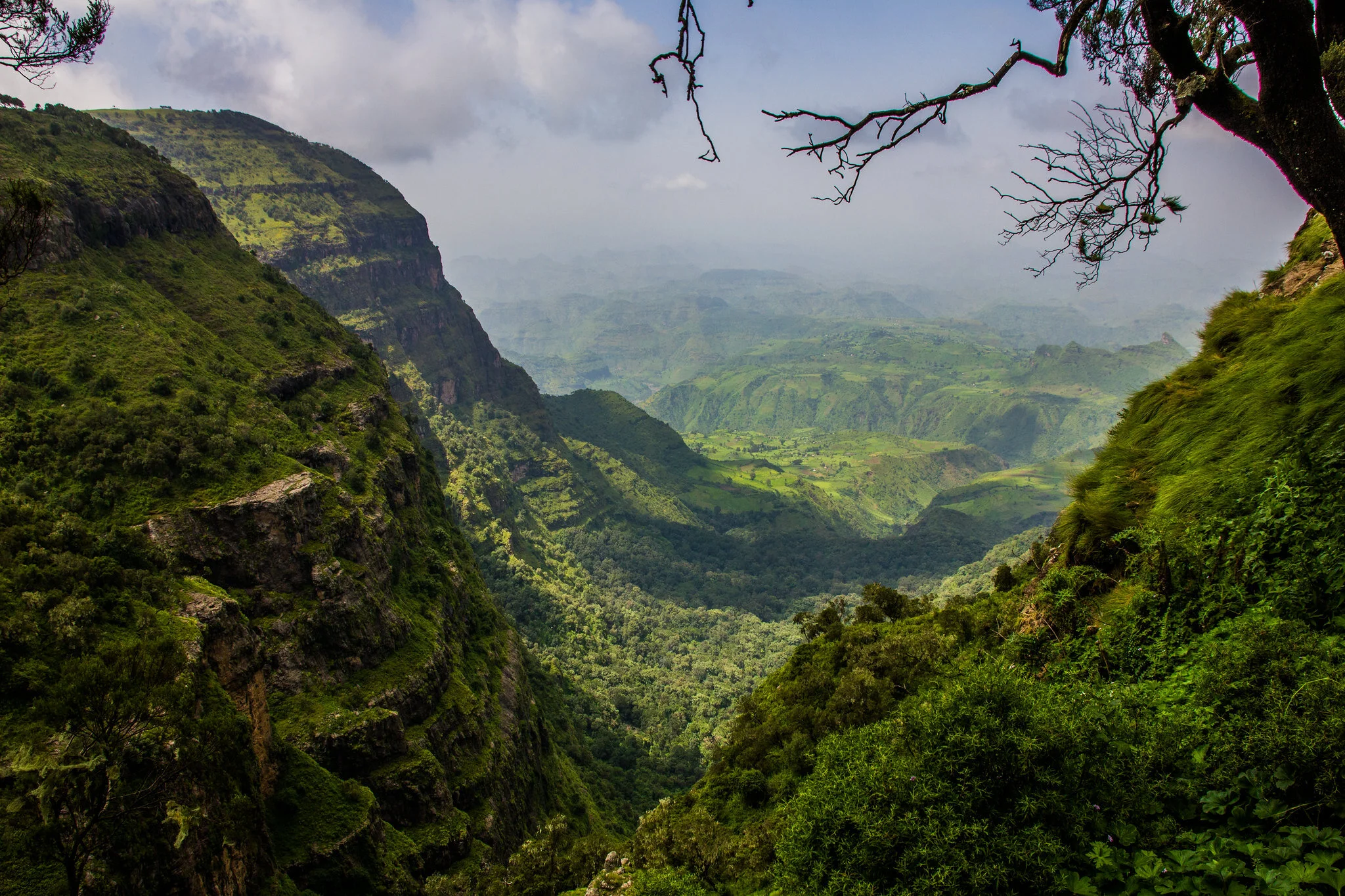
The Simien Mountains, often known as the “Water Tower of Africa,” are one of the top contributors to the Nile River. Thomas Maluck. CC BY-ND 2.0
Simien Mountains National Park
Known as the “Roof of Africa,” the Simien Mountains present a landscape of sheer cliffs, winding canyons and peaks once described by Homer as the “chess set of the gods.” Few places in Africa offer such breathtaking scenery; however, travel here takes some work. To fully experience the Simiens, prepare for long days of trekking and nights spent in remote villages. The trip may be tough, but travelers who persevere can expect jaw-dropping scenery unlike anywhere else on earth.
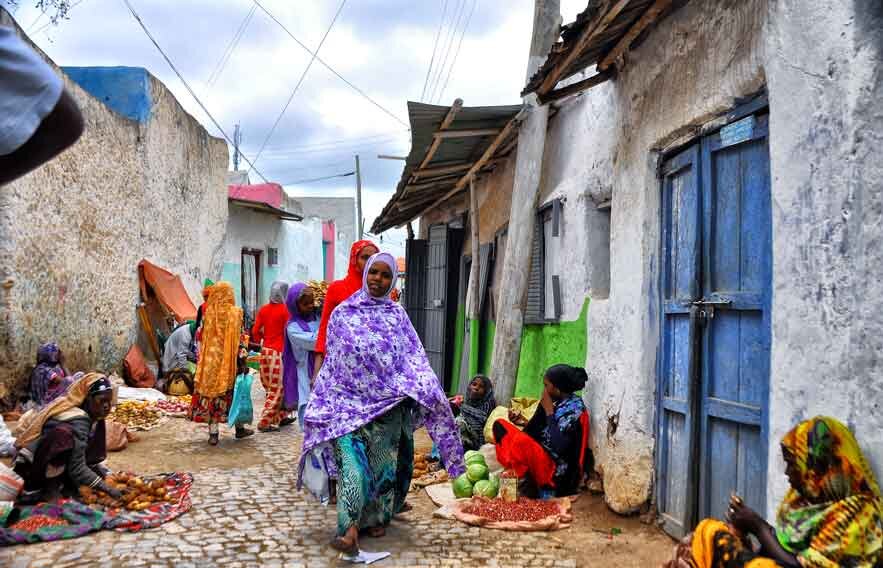
Eerily similar to the mazelike medinas of North Africa, Harar holds no comparisons across Ethiopia. Rod Waddington. CC BY-SA 2.0
Harar Jugol
Considered the fourth-holiest city of Islam, Harar gives off a distinct vibe from the rest of Ethiopia. Visitors head to Jugol, the fortified city, to take in the area’s maze of 368 alleyways and 48 mosques – all packed into less than a half a square mile.
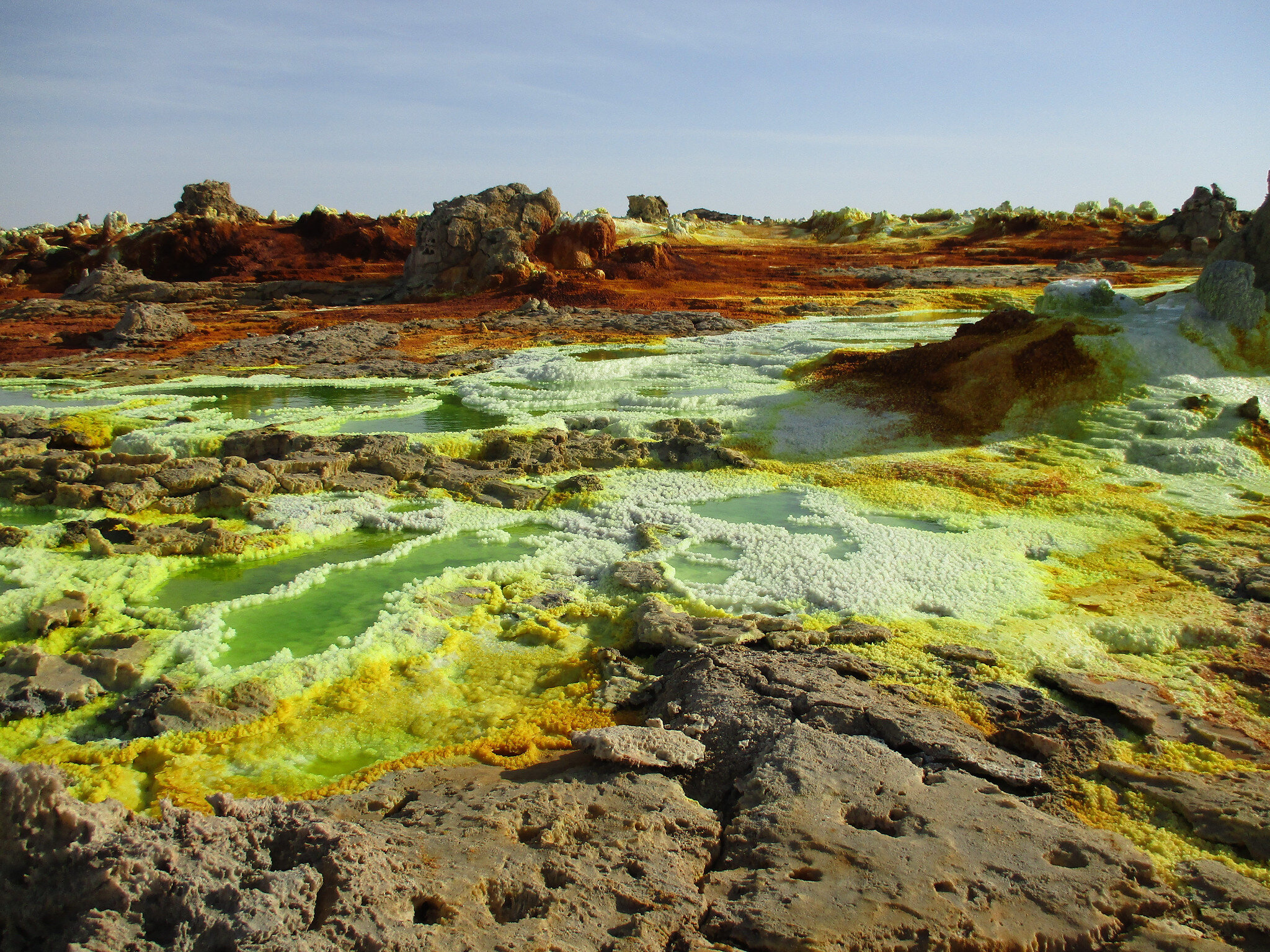
Sulfur pools are one of the many anomalies that draw visitors to the harsh landscapes of the Danakil Depression. Ian Swithinbank. CC BY-ND 2.0
Danakil Depression
Lying 400 feet below sea level and recognized as one of the hottest places on earth, the Danakil Depression is downright inhospitable. Scientists flock to the region to test out whether microbes can survive the environment, believing its harshness to be about equal to that of Mars. Visitors are equally enticed by the Danakil Depression’s otherworldliness, seeking out neon-colored lakes, steaming fissures and bubbling lava patches. Travel to the area is not for the faint of heart; daytime temperatures reach up to 120 degrees Fahrenheit and the condition of the “roads” is equally hideous.
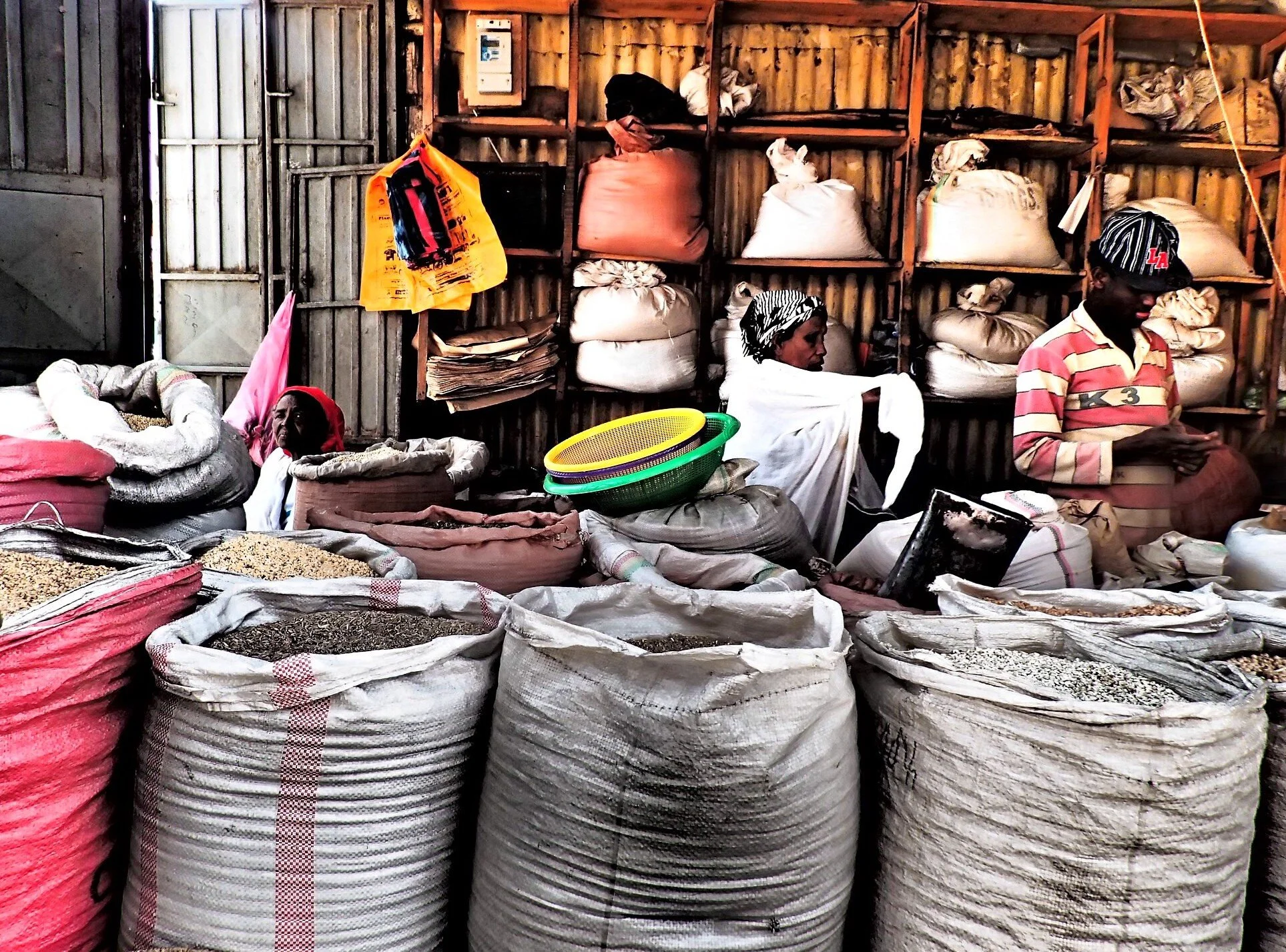
Nearly anything can be found at the Mercato, the largest open-air market in all of Africa. Jasmine Halki. CC BY 2.0
Addis Ababa
Ethiopia’s capital and largest city may not hold many star attractions, but nowhere else does the country’s culture so vividly come to life. Indulge in a cup of coffee in one of Addis Ababa’s countless cafés; this is, after all, the birthplace of the drink. Lucky visitors may receive an invite to an Ethiopian coffee ceremony, a tradition that lasts for hours and is reserved for close friends. Addis also contains some of Ethiopia’s best food. Make sure to try injera, a spongy bread filled with meat, vegetables and countless spices. Finish off the stay by visiting the Mercato, Africa’s largest open-air market. A dizzying array of gifts can be found, helping to carry the delightful essence of Ethiopia all the way home.

Stephen Kenney
Stephen is a Journalism and Political Science double major at the University of North Carolina at Chapel Hill. He enjoys sharing his passion for geography with others by writing compelling stories from across the globe. In his free time, Stephen enjoys reading, long-distance running and rooting for the Tar Heels.
Destination Travel in the Age of Social Media
When it comes to being inspired by social media, Instagram travel feeds are there ready to lure us in. Each feed presents itself like a journey all on their own — with enviously gorgeous images beckoning a traveler onward. It’s a shame to learn then they’re ruining it for the rest of us.
In fact, according to the National Park Service, between 2008 and 2017 places like Yellowstone National Park gained a 40% increase of visitors. And since the onset of COVID-19, those numbers have only got worse. In an interview with The Guardian, the former superintendent of the park, Dan Wenk says, “Our own species is having the greatest impact on the park and the quality of the experience is becoming a casualty.” And national parks aren’t alone, it’s even affecting farmers like those at Bogle Seeds.
Hundreds of people showed up to take photos in front of the sunflowers that grow at Bogle Farms; you’ve all seen those IG worthy shots, like this:

@protectour_publiclands. Instagram.com
After his farm went viral on Instagram, owner, Mr. Bogle was quoted saying, “I’ve described it as a zombie apocalypse. There were so many cars. People were walking in and around them. No one would move.” People crowded the farm to take selfies and were then accused of doing a lot of damage to flowers.
CBC news in Canada described the sight as “chaos”; and shortly after opening to the public the owners closed it to them for good.
Mr. Bogle is not alone. Just a few miles out from The Grand Canyon, resident of Page, AZ, Bill Diako says that the natural attraction Horseshoe Bend saw a massive spike of visitors when Instagram launched in 2010. He says the numbers grew from a few thousand annual visitors to 100,000 that year. And the phenomenon doesn’t just affect the United States, getting that perfect shot for social media is an international phenomenon.
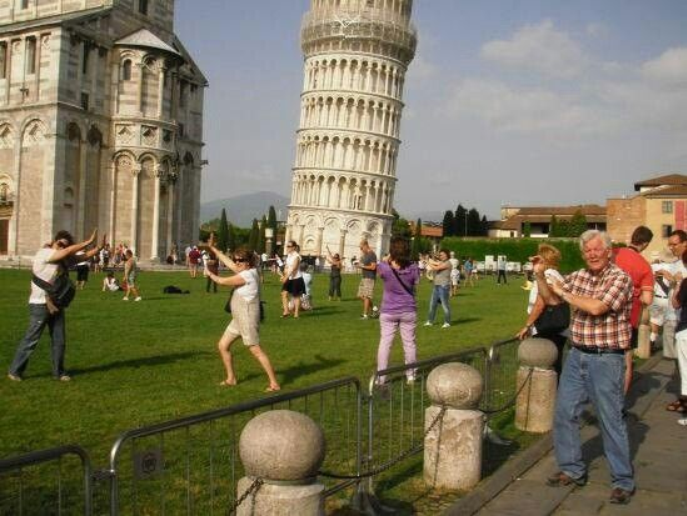
Tourists posing “holding up” Leaning Tower of Pisa. Pinterest
It’s not just the crowds that are ruining the experience for sustainable travelers. Just like the damage done to the sunflowers at Bogle Seeds, the Great Wall of China has been affected by mistreatment and even theft. Today, if you don’t want to navigate a sea of tourists there, you’ll have to go off-season and in the snow.
Great Wall of China packed with visitors over holiday.
On July 26th Associated Press announced that the Yankee Jims pristine swimming hole in Northern California was closed to motor vehicles due to over crowding. There were about 300 cars spotted parked along the freeway due to the fact that the swimming hole only has 12 spots, which used to suffice. And the local authorities claim that social media is to blame for the surge.
Getting that perfect shot no matter the cost has been a catalyst for movements of change and education. There are even petitions on Change.org to encourage social media users to be more aware of their behaviors when traveling. It would seem that the age of COVID-19 and our need for fresh-air and social distancing has backfired, as the problem only seems to be getting worse. Many would agree there needs to be a sustainable and long term way to travel in the age of social media to prevent the lasting effects on the cultural and historic sites, monuments and lives of people all over the world.

Raeann Mason
Raeann is an avid traveler, digital storyteller and guide writer. She holds a Bachelor’s degree in Mass Comm & Media Studies from the Walter Cronkite School of Journalism & Mass Communication. Passionate about a/effective journalism and cultural exchange, she is an advocate of international solidarity and people's liberation. As the founder of ROAM + WRITE and EIC of Monarch Magazine, Raeann hopes to reshape the culture of travel and hospitality to be both ethically sound and sustainable.
VIDEO: Angkor Wat to Phnom Penh, Cambodia
Set to a mesmerizing soundtrack, this footage of Cambodia highlights the natural beauty of the country’s tropical landscape, as well as provides insight into the daily lives of its people. As viewers, we travel from surrene Angkor Wat—the world famous Buddhist temple complex—to Phnom Penh, Cambodia’s lively and bustling capital city. German director Vincent Urban, who is from Munich now based in New York City, concludes the episode teasing his next stop, Thailand, for the following installment of his series: “In Asia.”
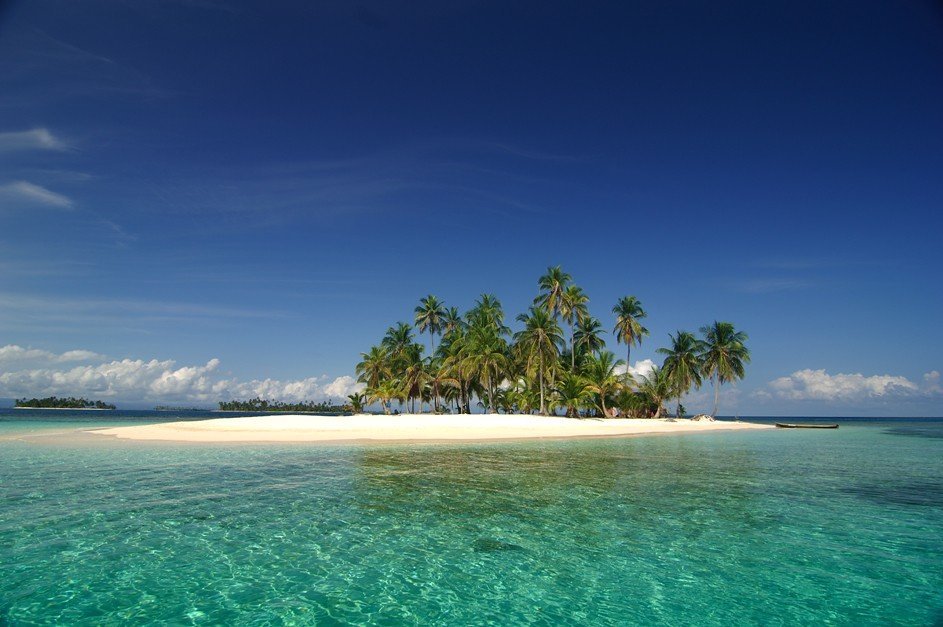
The San Blas Islands, Panama. Whl.travel. BY-NC-SA 2.0
8 Central American Islands You May Have Never Heard Of
Known mostly to locals and frequented by few travelers, these islands have an expansive amount of marine life and culture. This list includes islands in Belize, Honduras, Costa Rica, Nicaragua and Panama.
1. Glover’s Reef Atoll
Belize
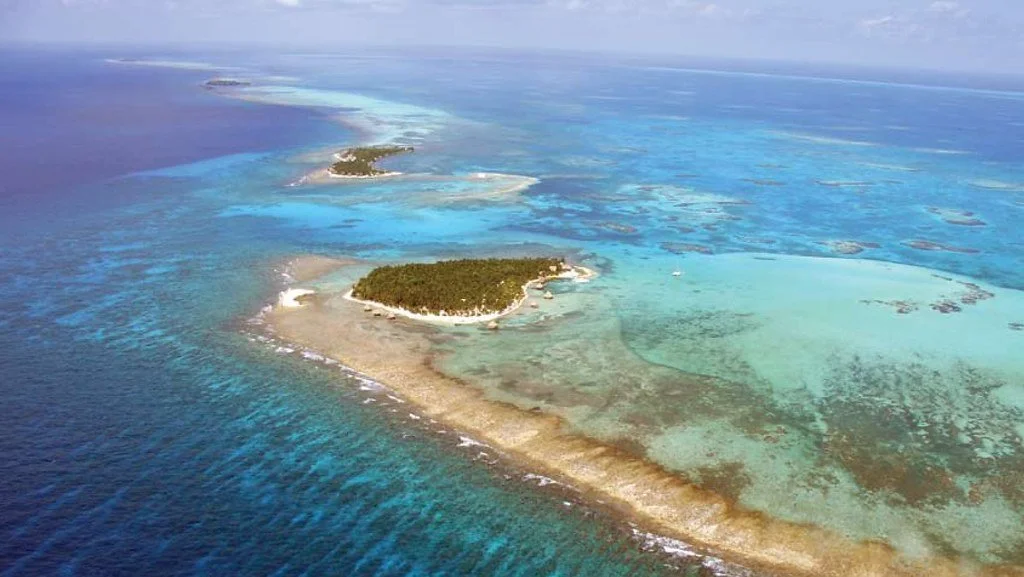
Opened to only a few visitors at a time, this 9-acre island is surrounded by Glover’s Reef—a 90 square mile stretch of reef made up of 700 individual patch reefs in a lagoon. This reef is thought to be the richest marine environment in the Caribbean Sea. There are many things to do on the island, such as kayaking, snorkeling, attending a yoga retreat or just relaxing. Once frequented by pirates, this protected marine reserve has been a designated World Heritage Site since 1996.
2. Isla del Caño
Costa Rica
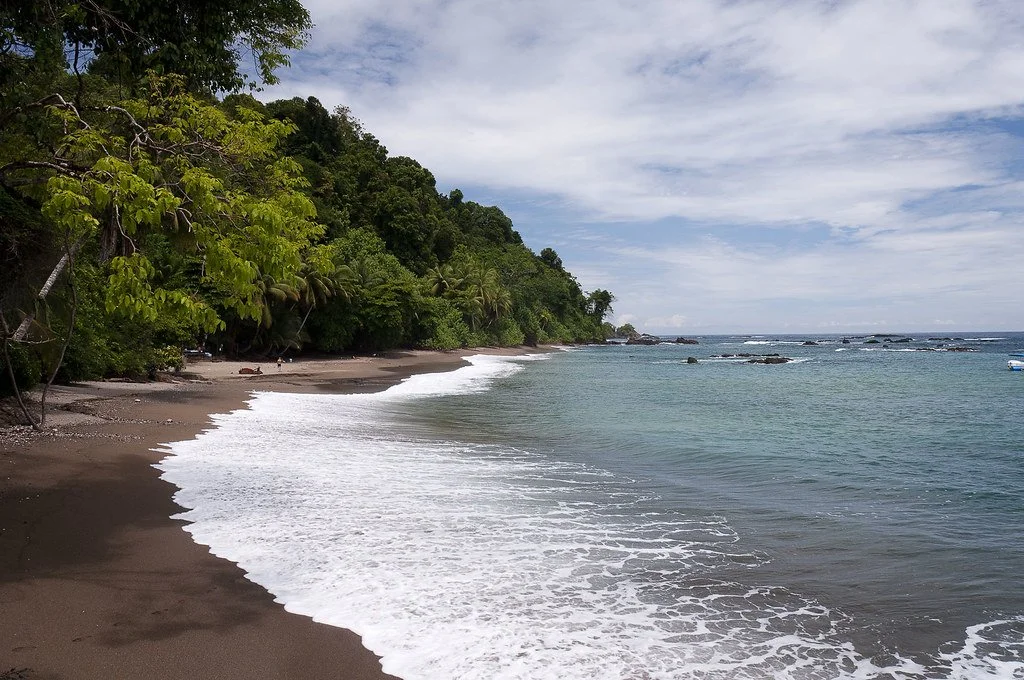
Isla del Caño, Costa Rica. Chris Varley. CC BY-NC 2.0
During pre-Columbian times, this island was a cemetery and home to Indigenous cultures. Located just 10 miles off the Osa Peninsula, it is a protected biological reserve surrounded by five platforms of low coral reefs. It is also home to an abundance of marine life, including sharks, whale sharks, dolphins, moray eels, sting rays and a variety of tropical reef fish. There are no hotels or guesthouses on the island; staying overnight is not allowed.. There are many tours available right outside of the Ballena Marine National Park. Your day trip or overnight stay can begin at the Osa Peninsula, Uvita or Sierpe.
3. Hog Islands
Honduras
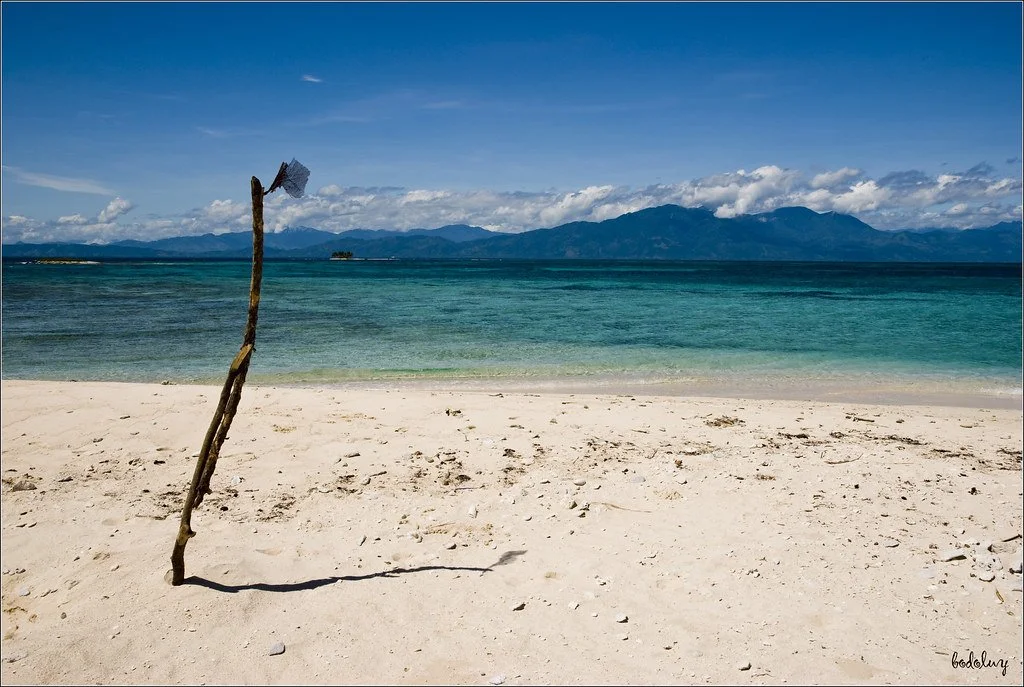
Cayos Cochinos a.k.a Hog Islands, Honduras. Bodoluy. CC BY-NC-SA 2.0
Off of the northern mainland coast of La Ceiba in Honduras lie the Hog Islands, known in Spanish as Cayos Cochinos. They consist of two small islands and 13 tiny sand cays. It’s inhabited by the Garifuna people, and they are the only ones allowed to fish the waters. The islands are managed by the Cayos Cochinos Foundation; they work in unison with the Honduran government and the Garifuna people to preserve the water’s health. The smaller of the two islands is used exclusively as a center for scientific investigation. Cayos Cochinos is a Marine Protected Area (MPA), which includes part of the world's second largest coral reef system known as the Mesoamerican Barrier Reef.
4. Isla Guadalupe
Mexico's Baja Peninsula
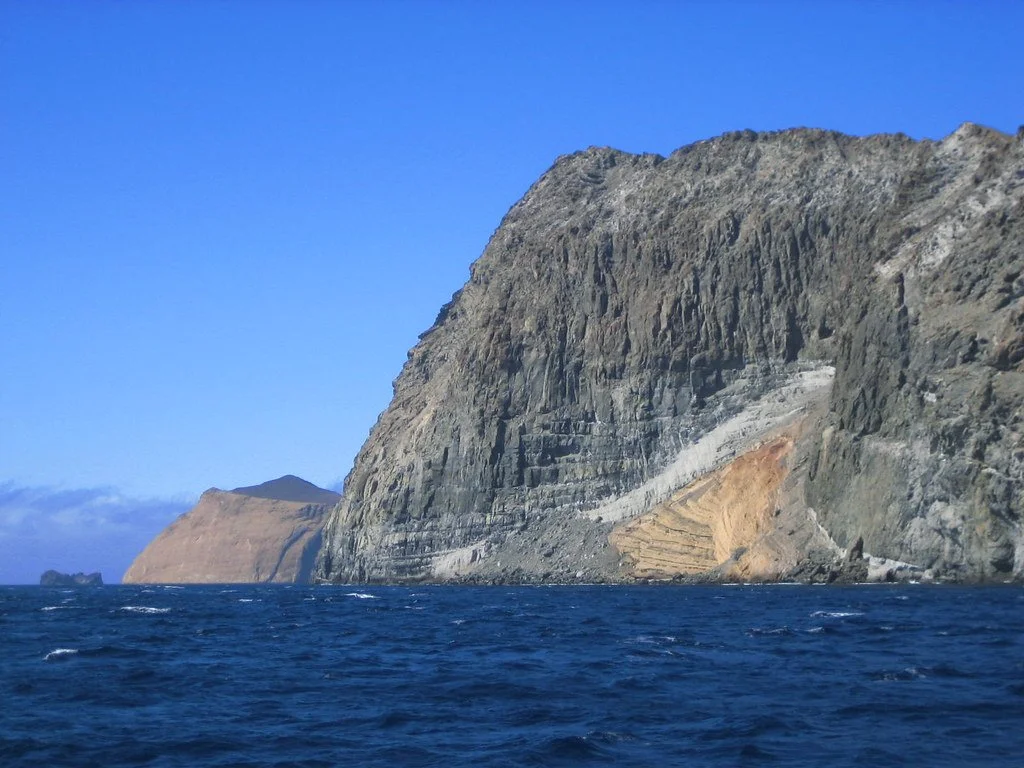
Isla Guadalupe. StJenna. CC BY-NC 2.0
The remote volcanic island of Isla Guadalupe, which is Spanish for Guadalupe Island, is located off the west coast of Mexico’s Baja Peninsula. The island is home to elephant seals and Guadalupe seals and is inhabited by scientists, military personnel operating a weather station and a small group of seasonal fishermen. The waters surrounding Isla Guadalupe drive experienced divers to take in the views of underwater life; it is known to consistently outperform South Africa and Australia with shark-seeing consistency. The diving tours leave the ports of Ensenada and San Diego and last on average five days.
5. Isla Ometepe
Nicaragua
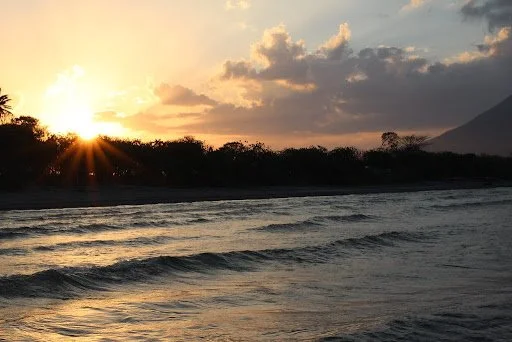
Isla Ometepe Sunset. Katie Laird. CC BY-NC-SA 2.0
Located southwest of Lake Nicaragua, Isla Ometepe is home to twin volcanoes: Concepción and Maderas. The island is inhabited with dense forests, natural springs, lake views and hiking trails. There are also diverse plant and animal species, including white-headed capuchins, yellow-naped Parrots and guayabón fruit trees. The island is visited by backpackers and nature seeking enthusiasts, with locals sharing that more eco-tourists are arriving. The best time to visit is during the dry season, which runs from November to April. In the dry season, the butterfly garden is open in Charco Verde, the ecological reserve.
6. Little Corn Island
Nicaragua
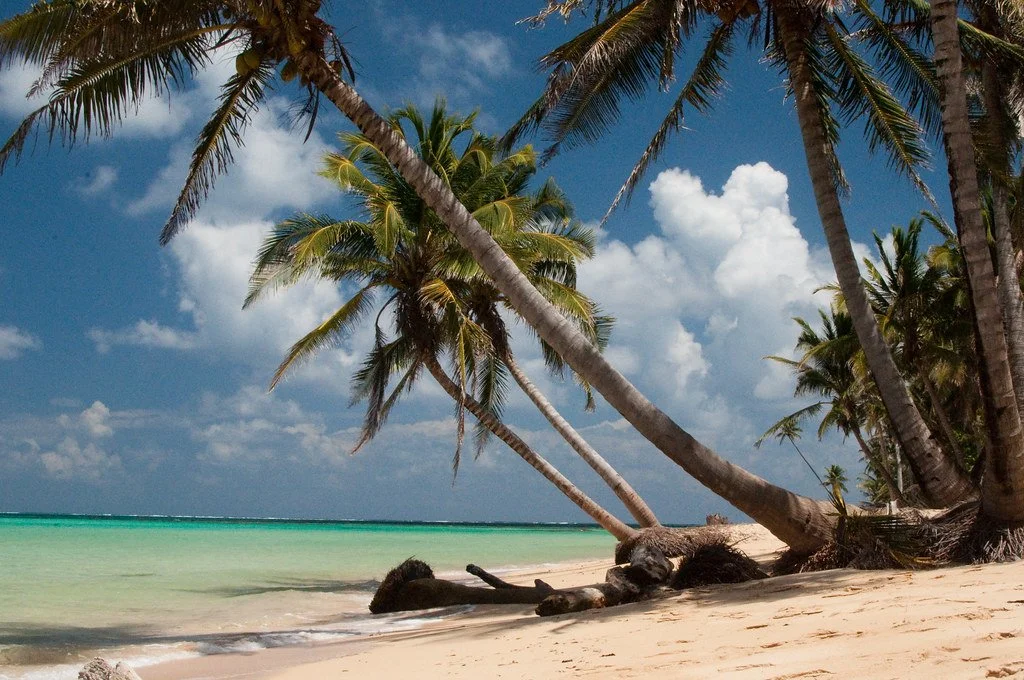
Little Corn is the smallest of the Corn Islands off Nicaragua’s Caribbean coast. Once ruled by the British, this remote island produces coconut oil, lobsters and shrimp and is inhabited by roughly 850 people. There are no cars, golf carts, motorcycles or an airport. Seeing the island is possible, but requires two or more connection flights, as well as a 30-minute boat ride from Bluefields, Nicaragua. It’s visited by many who enjoy diving due to the hundreds of dive spots that surround the island. Featuring cheap dining prices, a beer on the island is less than a dollar, and a fresh caught lobster dinner is on average $12.
7. Islas Zapatillas
Panama
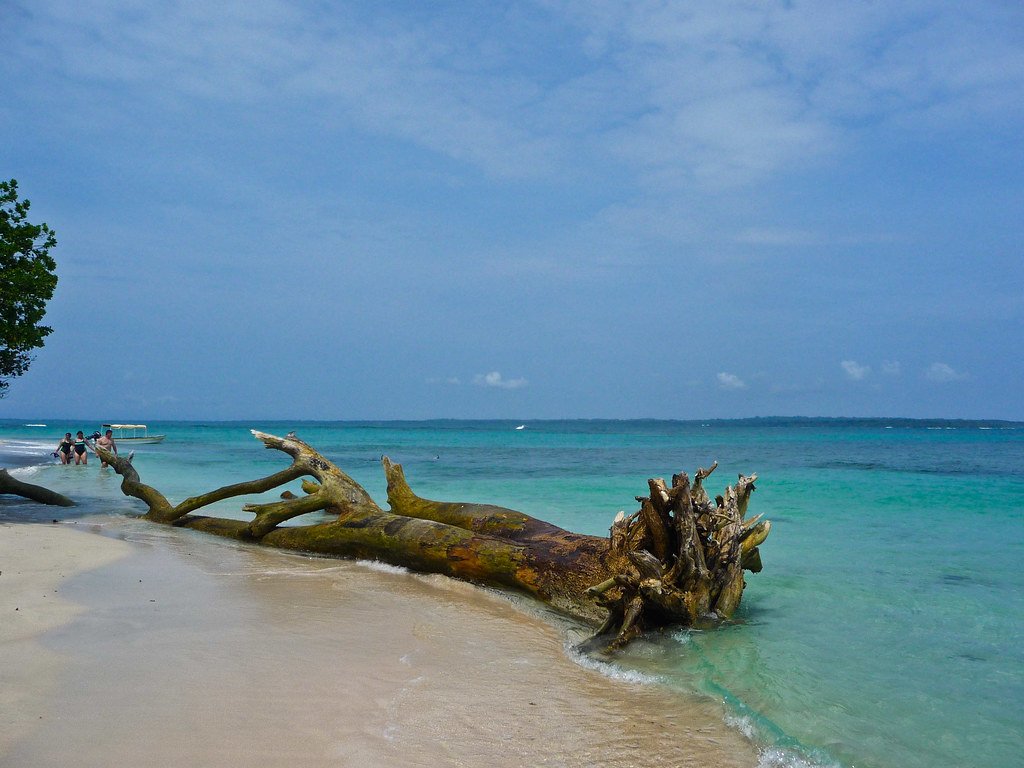
Isla Zapatilla. Michael McCullough. CC BY 2.0
Islas Zapatillas or Little Shoes Cays (named for their resemblance to footprints) are two small islands in Bocas del Toro, Panama. The islands are inhabited by sloths and protected by the Bastimentos National Marine Park. Islas Zapatillas are important ecological sites for the endangered hawksbill sea turtles that nest on their shores. You can explore the island through a tour or by charting a private boat to have a more intimate experience. The island is uninhabited, so making sure you have enough water, food, sunscreen and all other necessities is key to enjoying yourself here.
8. San Blas Islands
Panama
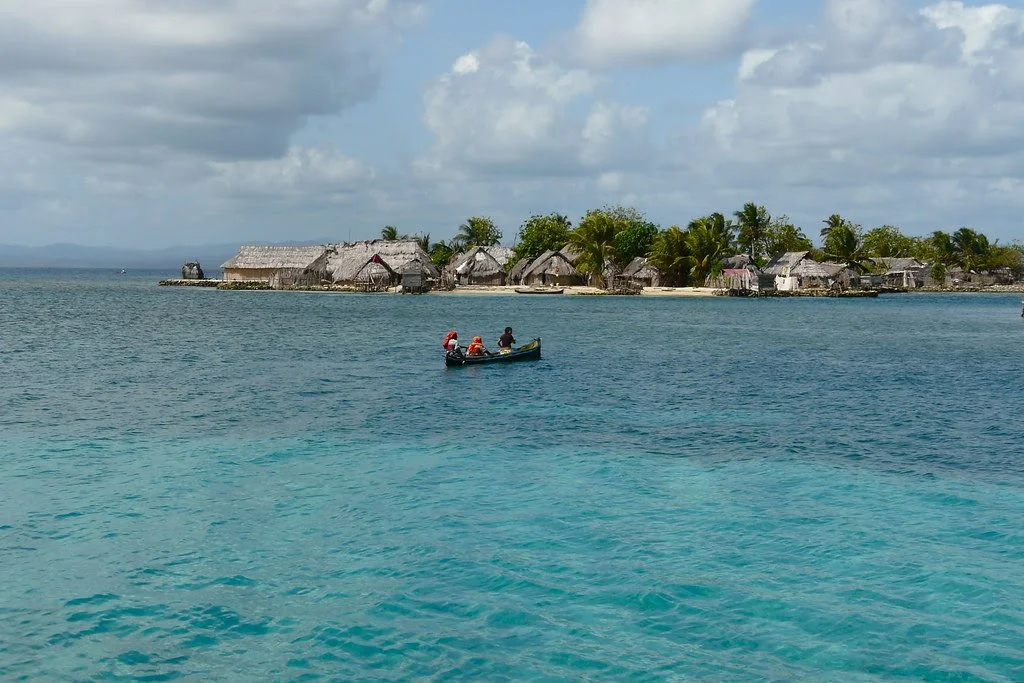
San Blas, Panama. Rita Willaert. CC BY-NC 2.0
The San Blas Islands are located in the Caribbean Sea off the coast of Panama. The Kuna Tribe of Panama inhabit the islands and have strictly controlled development and tourism here. All of the money spent on the islands falls directly into the hands of the Kuna Community. Day trips are available, but if staying overnight is an option you’d like to explore, palm-thatched cabins with a sand floor are available. They also offer overwater bungalows or even options for camping. There are visitors who decide to experience the Kuna lifestyle and culture; in those cases, they organize to stay in a dorm of a Kuna family. The island is filled with water activities and scenic views. However, researchers claim that the islands are at risk of disappearing in a matter of decades due to erosion and poor resource management.

Jennifer is a Communications Studies graduate based in Los Angeles. She grew up traveling with her dad and that is where her love for travel stems from. You can find her serving the community at her church, Fearless LA or planning her next trip overseas. She hopes to be involved in international humanitarian work one day.
The Maasai Spirit
This series of images was taken while on assignment in the Maasai Mara Game Reserve in Kenya.


As we were leaving the reserve one day our driver suggested we stop at a nearby Maasai village. I thought it would be just a quick stop and a chance to pickup some handmade souvenirs.
Knowing that the Maasai depend on tourists to supplement their subsistence farming, I didn't expect the warmth of our welcome and the genuine dialogue I would have with the chief. He introduced us to the village, showing every aspect of their daily life. Speaking passionately about the realities confronting the Maasai people and the hard choices they must make in order to preserve their cultural identity — from environmental issues threatening their homes and grazing lands, exposure to tourists and the lure of modern life.
He was an erudite speaker, having mastered English and more than 6 African languages. This worldliness empowered him to make mindful decisions governing the collective future of his tribe. All the while recognizing the hypocrisies of a developed worlds existence. In his village no one went hungry, loneliness and depression did not exist and the elders were a revered and integral part of the social dynamic.
He encouraged me to take photos, wanting to share their simple but dignified life, beautiful aesthetic and overt happiness. I hope these images honor the chief's wishes and convey some of the Maasai spirit.
RELATED CONTENT:
Julien Campeil
Julien is an Australian born photographer living in New York. His work has appeared in many publications worldwide including Vogue, GQ and Conde Nast Traveler.
You can view more of his work online at: www.juliencapmeil.com
For print purchases Email: info@juliencapmeil.com
10 Quotes to Inspire You to Travel
Consider yourself an adventurer on a temporary hiatus? Life’s distractions make it easy to put travel on the backburner: financial difficulties, the dog ate your atlas, your significant other has a case of the measles. If any of these excuses sound familiar, you’re in need of a reminder why travel is rejuvenating for the mind and spirit. And, as we’ve discussed before, it can be low-cost! The following 10 authors, entrepreneurs and leaders lived in vastly different time periods, locations and social contexts. However, they shared one common interest: a love of travel. Still not convinced? Look at what they have to say.

1. "Travel is like knowledge. The more you see, the more you know you haven't seen." — Mark Hertsgaard
Mark Hertsgaard is a contemporary journalist and author from the United States. As the environmental correspondent for The Nation, Hertsgaard remains an independent journalist in order to pursue any story that catches his attention. He’s traveled around the world twice and reported from 26 countries. With all his jet setting, you’d think Hertsgaard would be tired of it. Yet to him, every adventure is a reason to seek out more.
2. “Take only memories. Leave nothing but footprints.” — Chief Seattle
Chief Seattle was a Suquamish Tribe and Dkhw’Duw’Absh chief during the 19th century. As a prominent figure among his people, Seattle sought accommodation over conflict when white settlers compromised the land. His message remains powerful today, especially when considered from an environmentalist perspective. From a personal perspective, one is reminded of the power of memory: travel lightly. Your mind is your scrapbook.
3. "I live my life in widening circles that reach out across the world." — Rainer Maria Rilke
Rainer Maria Rilke was a Bohemian-Austrian poet and novelist at the start of the 20th century. Critics often describe his work as inherently “mystical,” which resonates with the analogy of widening circles. To live life in widening circles is to push against external limitations. One way to make this analogy a reality is to travel! Global exploration provides opportunity to connect with others and to strengthen social networks. The farther you go, the more you’ll feel at home in any location.
4. “Traveling is like flirting with life. It's like saying, 'I would stay and love you, but I have to go; this is my station.'" — Lisa St. Aubin de Teran
Lisa St. Aubin de Teran is a contemporary English novelist. In her quotation, travel itself is the object of affection. Every opportunity to visit a new place is a chance to flirt with an unfamiliar slice of life. With the whole world in front of you, how can you ever get lonely?

8. “It is only in adventure that some people succeed in knowing themselves – in finding themselves.” – Andre Gide
Andre Gide was a French author who wrote during the early 20th century. His advocacy for adventure is a reminder of what helps us grow: the unknown. To set out on an adventure is to face uncertainty head on. It’s often in these moments when our true colors show. Adventure can be found around every corner. So get out there and explore!
6. “I see my path, but I don’t know where it leads. Not knowing where I’m going is what inspires me to travel it.” – Rosalia de Castro
Rosalia de Castro was a Galacian romanticist, writer and poet during the late 19th century. Although her quotation speaks to metaphorical travel, the sentiment remains: not knowing your destination is half the fun! You never know where a chance-encounter might lead.
7. “It is good to have an end to journey toward; but it is the journey that matters, in the end.” ― Ernest Hemingway
Ernest Hemingway was an American novelist whose writing style had a strong influence on 20th-century fiction. Like Rosalia de Castro, Hemingway is celebrating the journey. To begin a trip with preliminary plans is helpful: embracing the unexpected is what turns a trip into a journey!
8. “A ship in harbor is safe, but that is not what ships are built for.” – John A. Shedd
John A. Shedd was an American author and professor who lived during the first half of the 20th century. Travel propels us outward – by land or by sea. If you have the motivation, what’s holding you back? Like ships at sea, humans are equipped for mobility. It’s difficult to experience the world from the confines of your neighborhood. Next time you think you should play it safe and skip the trip, remember what you’re capable of – don’t let it go to waste!
9. “We wander for distraction, but we travel for fulfillment.” – Hilaire Belloc
Hilaire Belloc was an Anglo-French writer and historian at the start of the 20th century. In this quote, he makes a distinction between wandering and traveling. While both activities can be productive, Belloc says that travel will provide greater satisfaction. Travel with a purpose, even if that purpose is simply ‘to go.’
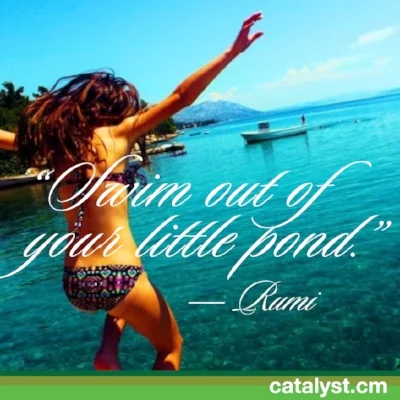
10. "Swim out of your little pond." — Rumi
Rumi was a 13th-century Persian poet; his quotation speaks for itself. There’s an ocean of opportunity beyond the boundaries of your local pond, so dive in and swim!

Sarah Sutphin
Sarah is an undergraduate at Yale University and a content editor for CATALYST. As a traveler who has visited 30 countries (and counting!), she feels passionate about international development through sustainable mechanisms. Sarah has taken an interest in the intersection between public health and theater, and hopes to create a program that utilizes these disciplines for community empowerment. She is a fluent Spanish speaker with plans to take residence in Latin American after graduation.
7 Caves, Temples and Cities Carved in Mountains
These ancient sites were once carved into the surrounding landscape and continue to stand today.
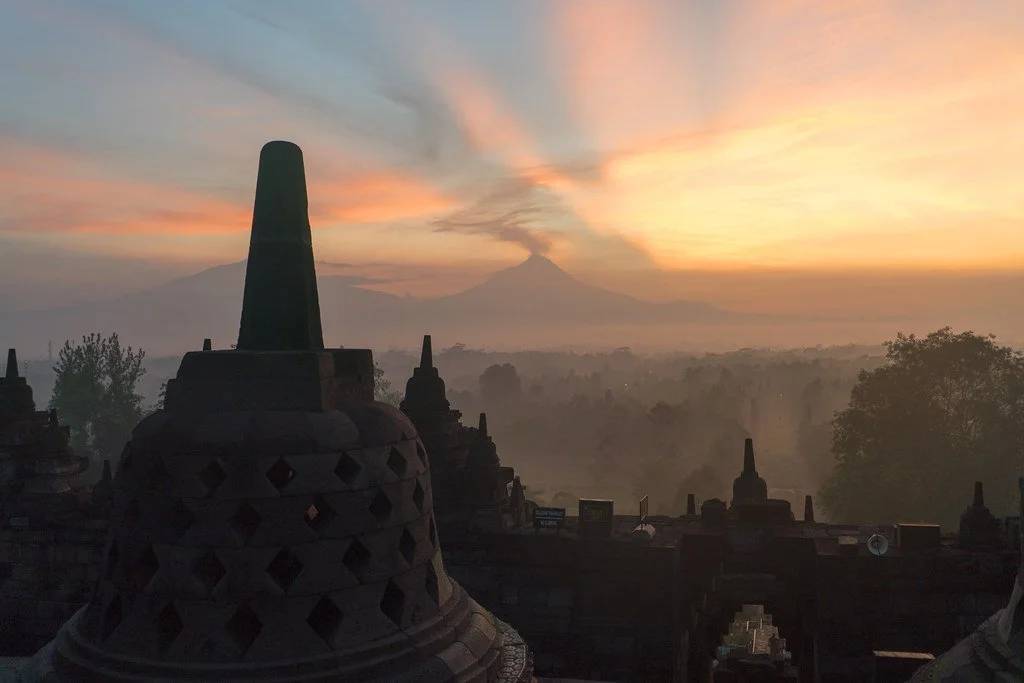
Created at a time when construction vehicles and advanced building tools did not exist, these caves, temples and cities demonstrate the craftsmanship of their ancient peoples all over the world.
1. Petra
Petra, Jordan
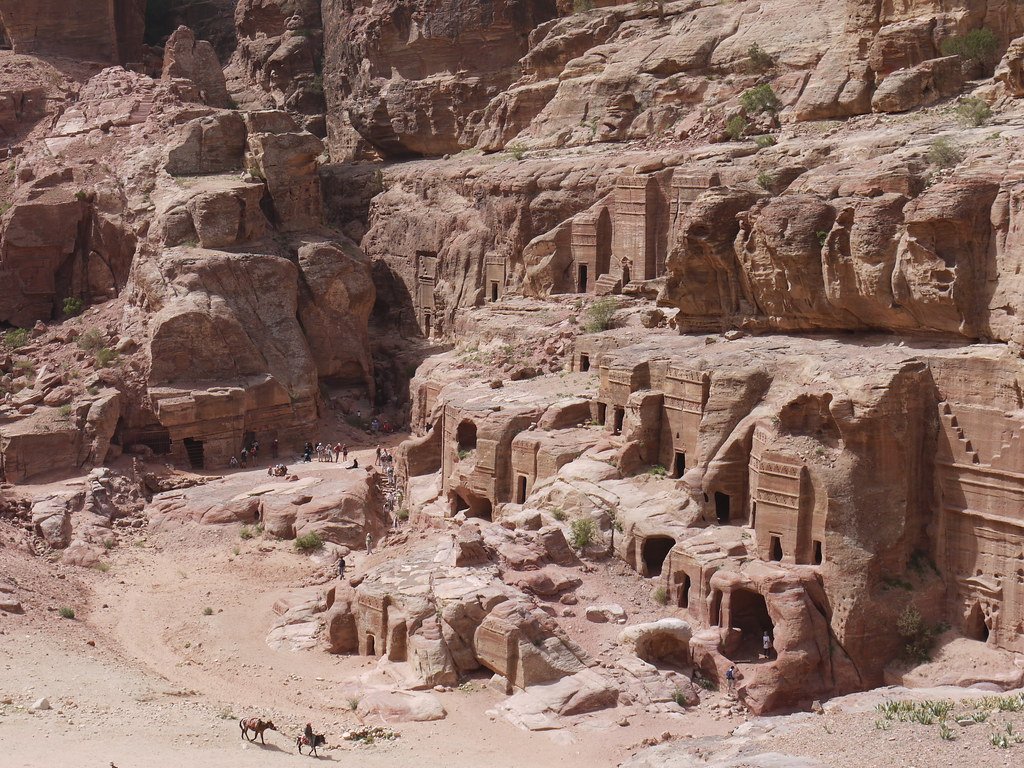
Petra, which is also known as “Rose city” for its pink-hued rock carvings, is located between the Red Sea and the Dead Sea in Jordan. The archaeological site is home to several rock-cut temples and tombs, including Al Khazneh, Al-Deir, the Palace Tomb and Urn Tomb. Today this carved site is both a UNESCO World Heritage Site and one of the New 7 Wonders of the World.
2. Longmen Grottoes
Luoyang, China
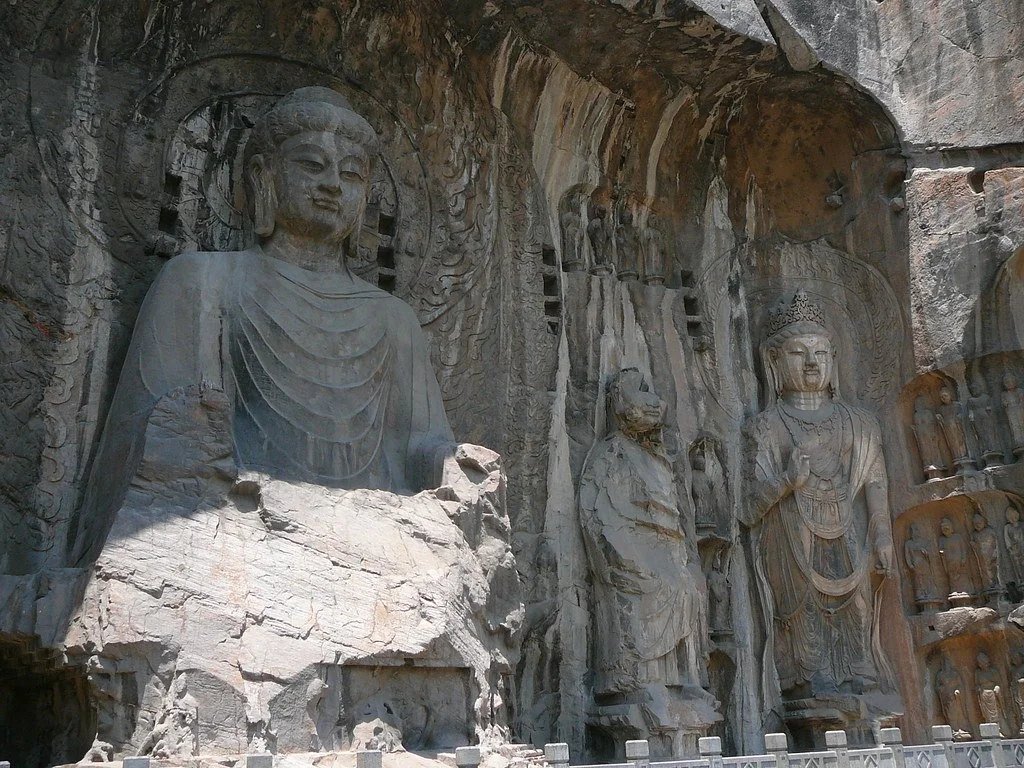
Longmen Grottoes. Dericafox. CC BY-NC-ND 2.0
Considered one of the best examples of Chinese Buddhist art, the Longmen Grottoes date back to the 5th century. The site contains more than 2,000 artificial caves and over 100,000 Buddhas carved into the limestone cliffs of the Xiangshan and Longmenshan mountains. The Longmen Grottoes cover an area of 30,000 square meters and the statues range in size (0.7 in- 53 ft). The site became a UNESCO site in 2000.
3. Ellora Caves
Maharashtra,India
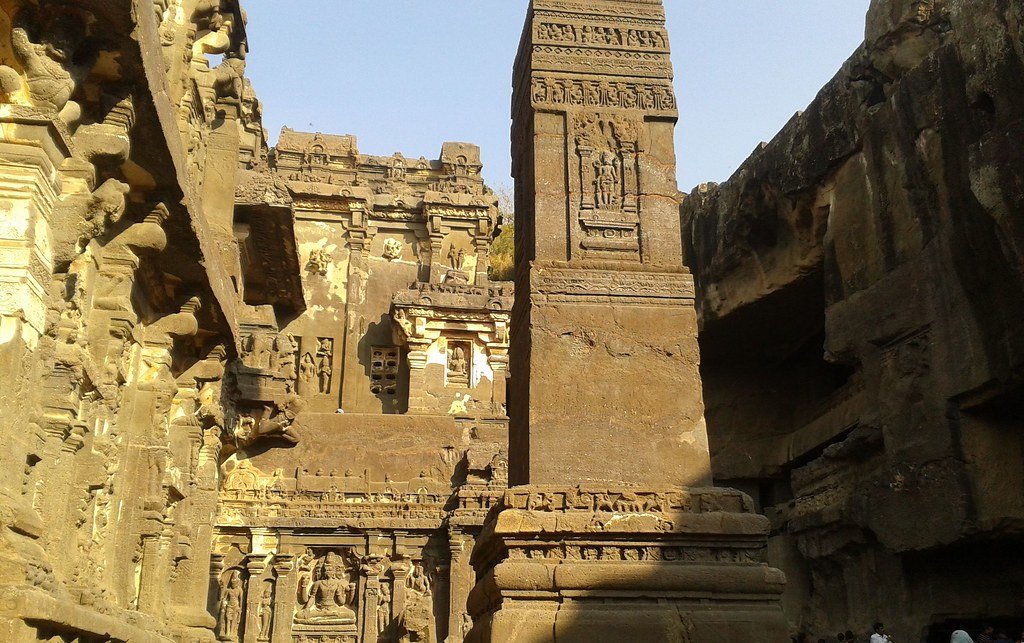
Ellora Caves: Kailasanatha Temple. DdasedEn. CC BY-NC-ND 2.0
Stretching more than a mile long in distance, the Ellora cave temples date back to the 5th century. Located in Maharashtra, India the 34 caves are dedicated to Buddhism, Hinduism and Jainism. Designated a UNESCO World Heritage site in 1983, the Ellora Caves were hand carved into hillside rock.
4. Mesa Verde National Park
Montezuma, Colorado
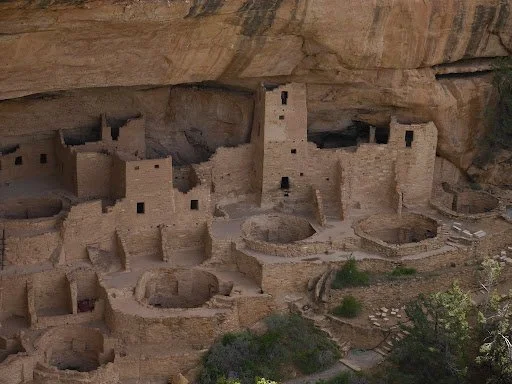
Mesa Verde National Park. Usareisetipps. CC BY-SA 2.0
Within Colorado’s Mesa Verde National Park you’ll find the largest archeological preserve in the US. Located in Montezuma County and occupying 81 square miles, the more than 4,000 Pueblo Indian sites date back to the 6th century. As well as 600 cliff carved dwellings including the famous Cliff Palace and Long House. It is frequently visited by mountain lions, elk and bears as well as lizards and snakes which roam the National Park.
5. Goreme National Park
Nevşehir, Turkey
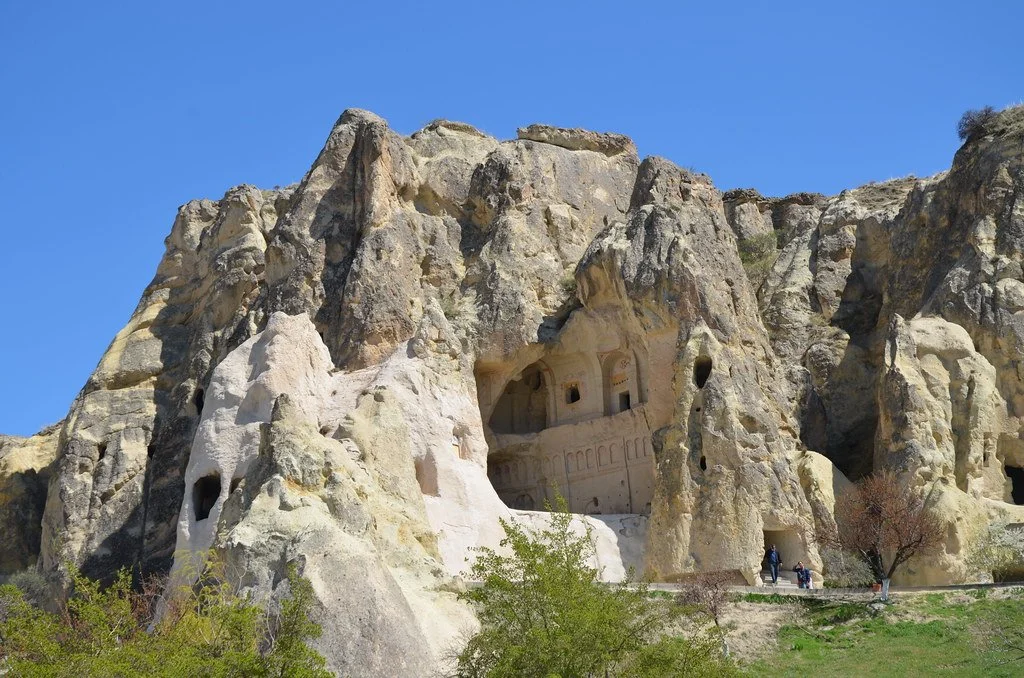
Sculpted by erosion, the Göreme National Park is in Cappadocia, Turkey and contains rock-hewn sanctuaries, houses, monasteries, churches and underground cities. These were inhabited and built in the 4th century, Neolithic pottery and tools found in Cappadocia attest to an early human presence in the region. Clay tablets recovered from the remains of an Assyrian merchant colony at Kanesh are among the oldest written documents discovered in Turkey.
6. Abu Simbel
Aswan, Egypt
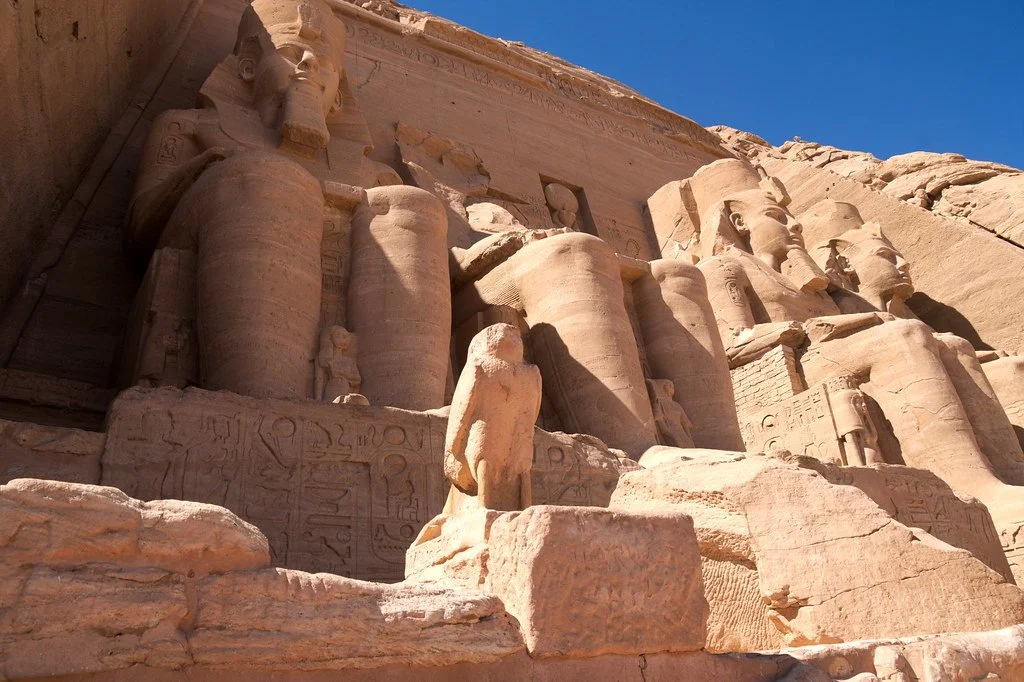
An ancient temple complex, Abu Simbel was built by Egyptian King Ramses II to intimidate his enemies and seat himself amongst the gods. The 66-foot seated figures of Ramses are set against the recessed face of the cliff, two on either side of the entrance to the main temple. Carved around their feet are small figures representing Ramses’ children, his queen, Nefertari, and his mother, Muttuy. The temples were unknown to the outside world until their rediscovery in 1813 by the Swiss researcher Johann Ludwig Burckhardt.
7. Lycian Tombs
Anatolia, Turkey
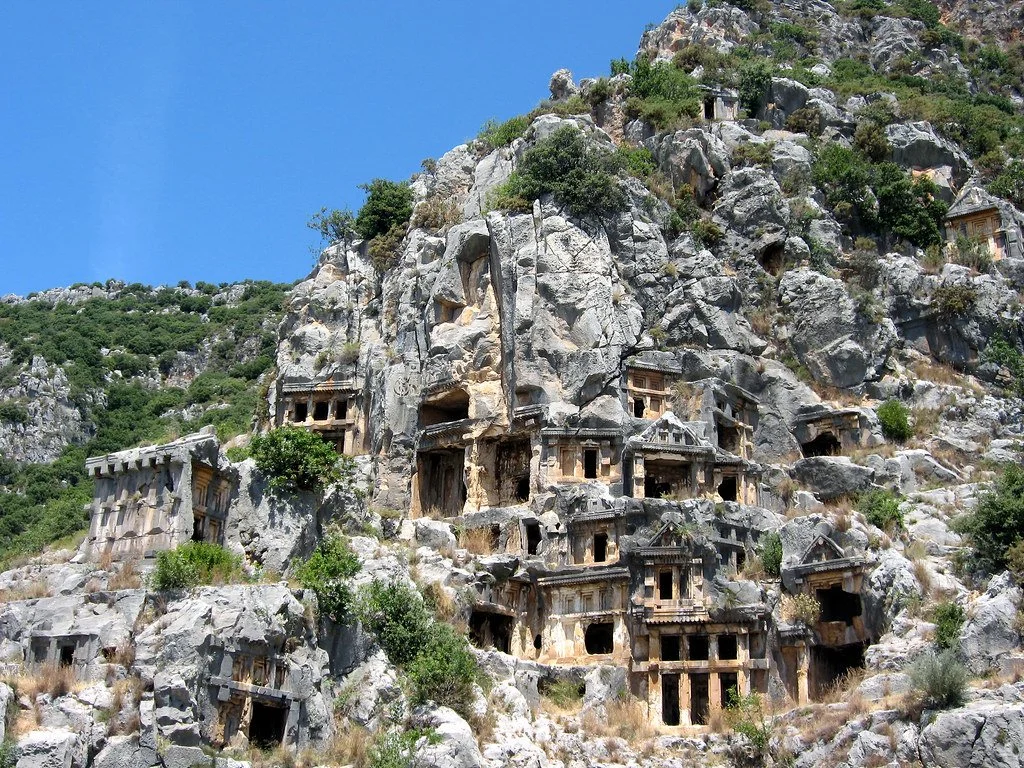
The 4th century Lycian tombs of Turkey contain carved tombs into the side of the region’s mountains, demonstrating a form of ancestral worship. More than a thousand tombs are there today varying in many intricate styles. Some with Romanian columns and other decorative features. The Lycian people believed the dead were carried to the afterlife by winged creatures, hence helping the process by laying them to rest in high cliffside tombs.

Jennifer Sung
Jennifer is a Communications Studies graduate based in Los Angeles. She grew up traveling with her dad and that is where her love for travel stems from. You can find her serving the community at her church, Fearless LA or planning her next trip overseas. She hopes to be involved in international humanitarian work one day.