Throwing Tomatoes: Spain’s Festival of La Tomatina 

Sometimes organized chaos is just what a town needs to bring its residents together. Spain’s annual tomato-throwing festival of La Tomatina has certainly proven this true. 
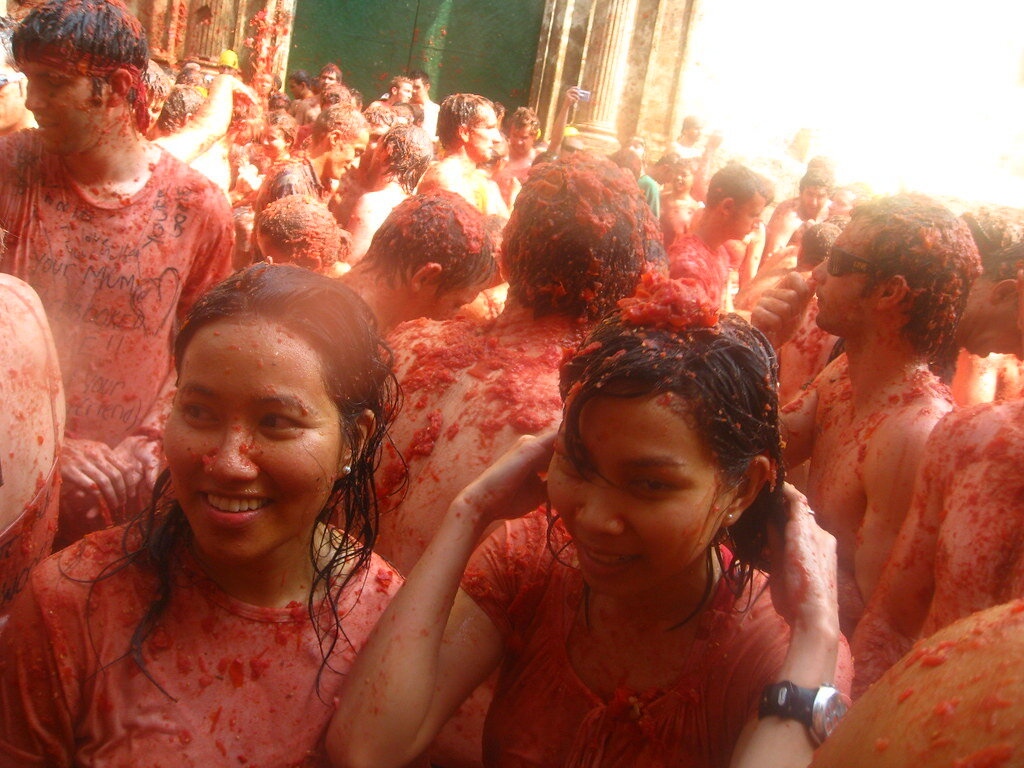
Festivalgoers covered in tomatoes. dahon. CC BY-ND 2.0. 

Considered the world’s biggest food fight, Spain’s annual festival of La Tomatina draws countless residents and visitors to the streets. Held in the small town of Bunol near Valencia, Spain, the festival brings in over 20,000 people every year. The town, which is home to only 10,000 residents, doubles in size during La Tomatina.

The festival takes place on the last Wednesday of August, but has been canceled this year due to COVID-19 restrictions. 

Over the past several years, the festival’s appeal to visitors has skyrocketed. What was once an informal celebration now requires tickets to limit the guests to the small space available; the town plaza comfortably fits 9,000 people but well over 20,000 take part. 

The origin of the festival dates back to 1945, when it is told that a group of rambunctious boys started this cherished tradition. It is said that during a town festival, one of the boys fell down in the chaos of the parade. He then knocked over a vegetable cart, causing anger among the other observers. People began throwing the tomatoes at each other, and thus this tradition was born. 

The festival tickets can only be purchased if you are 18 years or older, but there is still a place for young feisty participants. Another festival called Tomatina Infantil, or Tomatina Kids, is held for children between the ages of 4 and 14. It takes place on the last Saturday of August, a few days after the main celebration. 

The festival itself is a brief event lasting only one to two hours. Shopkeepers prepare for the mess by using large plastic covers to protect their shops being painted red. Large trucks pull into the town center and volunteers toss tomatoes to participants eager to load for battle. The beginning of the festival is marked by a cannon shot at noon, and an hour or so later, a second cannon is shot to mark the end of the festival. Over 300,000 pounds of tomatoes are tossed around. Additionally, participants are given quite a few rules to prevent injury and severe pummeling. These rules include no bottles or hard objects, no tearing or tugging on your own or others’ clothing, requiring all tomatoes to be squashed before throwing, and participants needing to stop throwing tomatoes once the second cannon is shot. 

Once the fight has concluded, helpers hose down the painted buildings while participants wash each other. Meanwhile, other participants take a dip in the Bunol River to wash off. 

Although chaotic, La Tomatina is a testament to the power of happy accidents bonding a town and its many welcomed visitors.

Ella Nguyen

is an undergraduate student at Vassar College pursuing a degree in Hispanic Studies. She wants to assist in the field of immigration law and hopes to utilize Spanish in her future projects. In her free time she enjoys cooking, writing poetry, and learning about cosmetics.
What Makes Bhutan So Happy?

Meet the country which prioritizes the contentment of its citizens before everything else through its “Gross National Happiness” program.

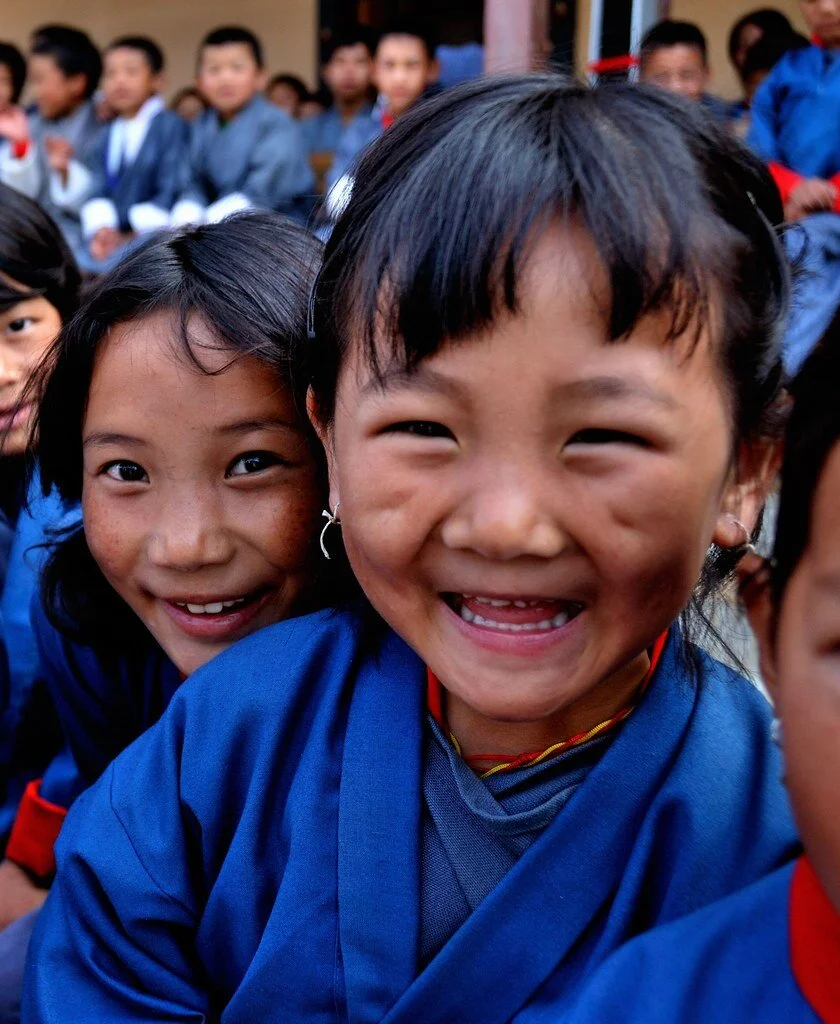
Bhutanese children. r y _ _ _ _ . CC BY-NC 2.0

Imagine a country hidden away from the rest of the world. Tucked in between China and India, the world’s most populous countries, little Bhutan rests at the base of the Himalayan mountains. The rural country long ago made the decision to close off its borders to most tourism in hopes of preserving the nation’s unique Buddhist culture and the identity of its 740,000 people. In 1974 the country gradually reopened, though the Bhutanese monarchy was reluctant for the nation to be connected with the rapidly urbanizing world. Bhutan could not be completely isolated for long due to globalization, and in 1999 internet and Wi-Fi were quickly introduced. Being alone for so long, Bhutan was innovative in ways that made sense for its culture and ecosystem.
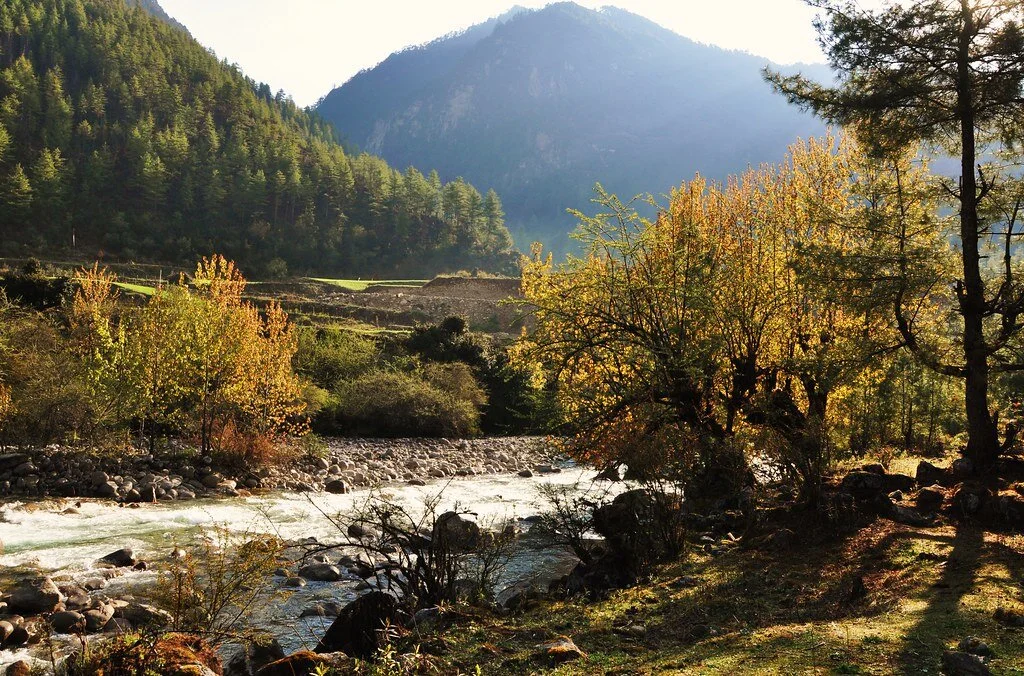
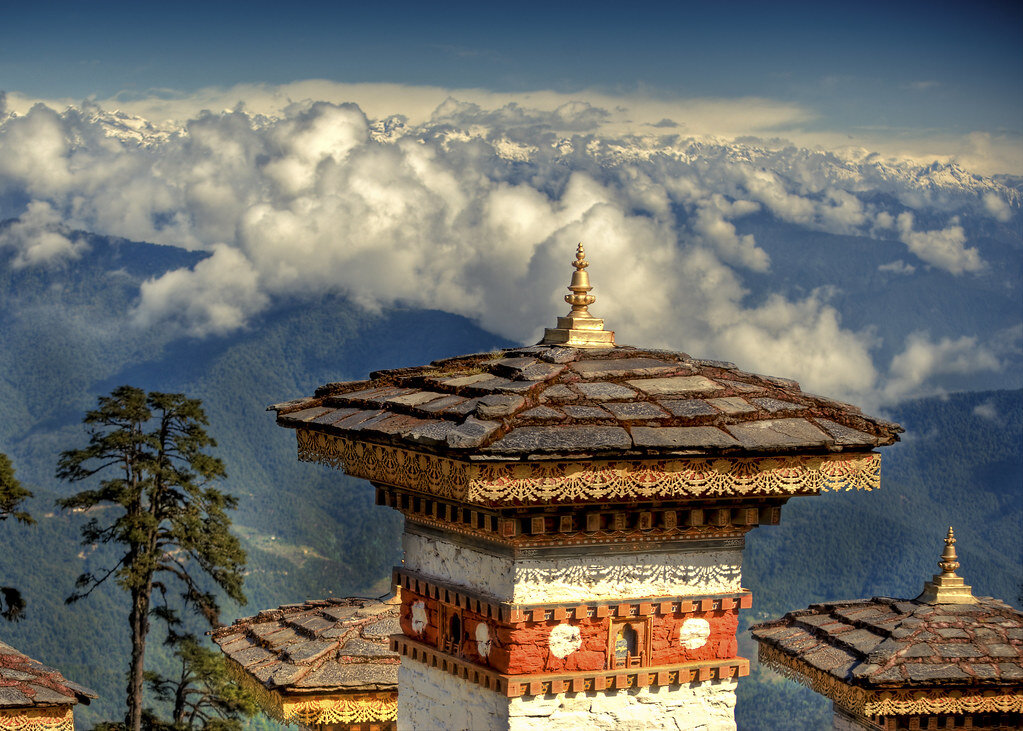
Dochula Pass. Göran Höglund (Kartläsarn). CC BY 2.0

Bhutan is unique in its location and recent connections to the outside world, but it’s the traditions and customs within Bhutan that really make it a sight to behold. Even during the age of colonization and imperialization, Bhutan was never colonized. The country’s official religion remains Vajrayana Buddhism, a deity-dense, merit-based and karma-focused faith implemented into everyday life and routines. 

Bhutan Buddhist monk sand art. John K. CC BY-NC-ND 2.0

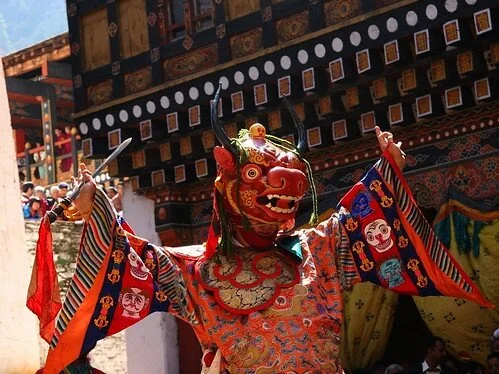
Dance of the death god. jmhullot. CC BY-SA 2.0

Ecology is everything. Bhutan is the only carbon negative nation in the modern world, absorbing three times more carbon than it produces. In light of climate change, that feat is revolutionary. Its government has established laws that require Bhutan to always have its area 60% covered in forest lands. Keeping in mind its minimal carbon footprint, Bhutan is still vigilant about tourists who enter the country, always prioritizing  the preservation of the nation’s cohesive identity. The tourist industry is nationally regulated, making it expensive and difficult to travel to. Documents and visas are issued by state-appointed companies and provide visitors with everything, including hotels, insurance and most importantly a guide who must accompany travelers at all times

Ecology is everything. 360around. CC BY 2.0

Ecology and tourism are not the only things the government has taken to regulating. Bhutan is once again unique in national policy, measuring its nation’s happiness. Outsiders like to say that Bhutan is the “happiest country in the world” and the statistics given by Bhutan back up this claim. In 2015, the annual extensive survey that gauges the nation’s happiness concluded that 91% of its population was happy.” The Ministry of Happiness measures the contentment of its population with “Gross National Happiness” (GNH). 

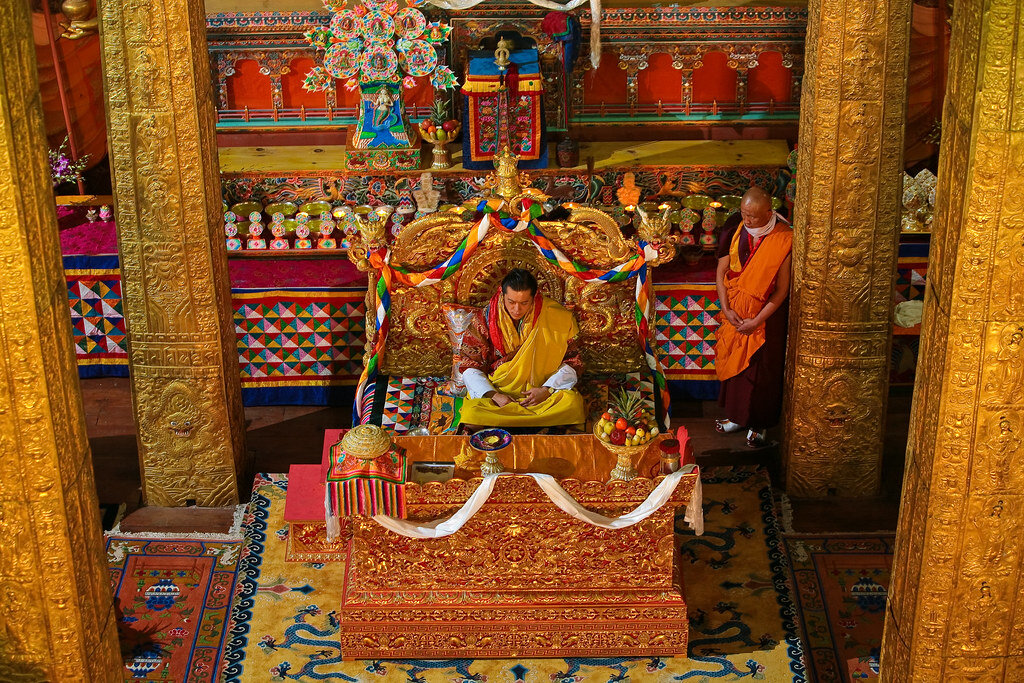
King of Bhutan. Bhutan-360. CC BY-NC-SA 2.0

Ex-Prime Minister Tshering Tobgay defined it as “a developing philosophy that acknowledges that economic growth is important, but that growth must not be mindless, but sustainable.”

Much like a country’s gross domestic product, GNH is considered important. Established in 2008, the Gross National Happiness Commission was appointed to take into consideration and care the inner peace of Bhutan’s people. Broken down into four pillars, nine domains and 72 indicators, GNH is a difficult concept to comprehend. The country’s leaders take into account how happy its people are in every aspect of life: governance, health, education, living standards, culture, ecology, time use and psychological well-being. 

Tobgay breaks Bhutan’s complicated process down to three components: the key to happiness is security, identity and purpose. These things are not mutually exclusive; they reinforce one another in every direction, both on an individual and a national level. He says that, “The government has a responsibility to ensure the whole nation has individual pursuit of the keys to happiness.” 

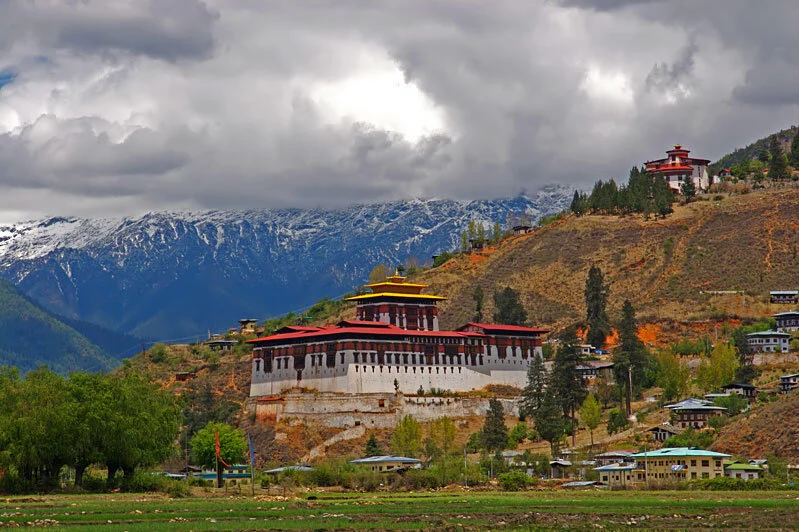
Temple overlooking the Himalayas. Jean Marie Hullot. CC BY-SA 2.0

The Bhutanese are often misunderstood. Outsiders often believe that just because they have GNH, it automatically makes them the happiest country in comparison to all others. They have free health care, free education, clean air, a thriving environment and a strong sense of community. But Tobgay argues that the Bhutanese still struggle because that is what it means to be human. Bhutan is a “real country with real people, and real desires.” Although every person may suffer from inner turmoil for whatever reason, the Bhutanese should be happy knowing that they have been given the keys to happiness.


Yuliana Rocio

Yuliana is currently a Literature/Writing major at the University of California San Diego. Yuliana likes to think of herself as a lover of words and a student of the world. She loves to read, swim, and paint in her free time. She spent her youth as part of a travel-loving family and has grown up seeking adventure. She hopes to develop her writing skills, creating work that reflects her voice and her fierce passion for activism.

10 Mouthwatering Rice Dishes from Around the World

The world is filled with a variety of rice dishes. 

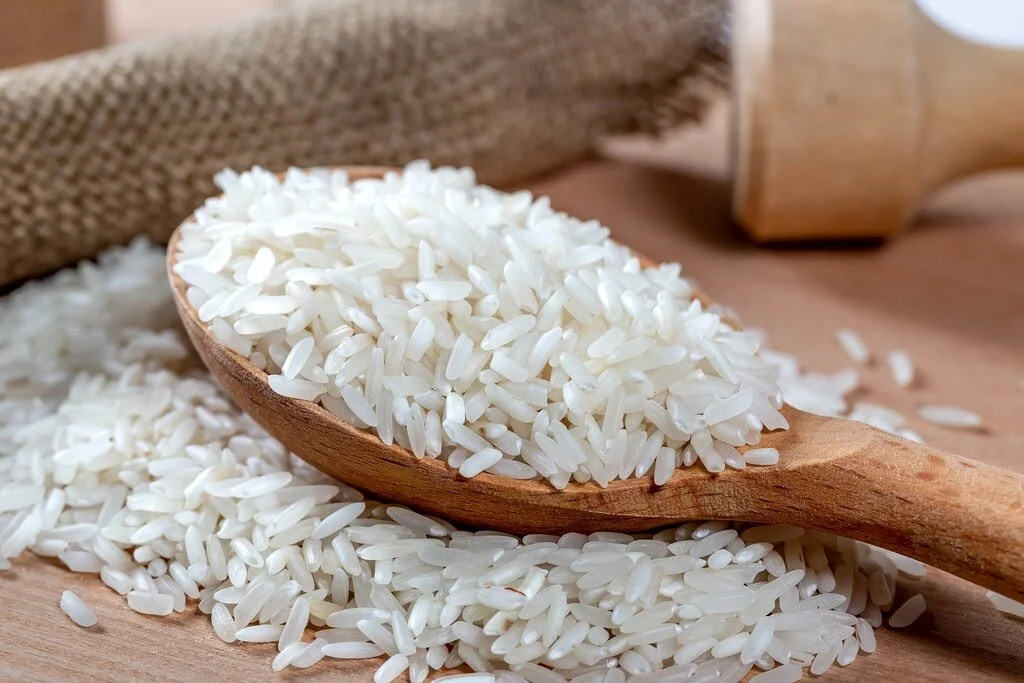
Rice grains. Verch. CC2.0

No matter where you are in the world, rice is a much loved staple. First cultivated in China and spread through international trade and migration, every region has its own way of preparing rice with local spices and ingredients. Here is a sample of 10 unique and culturally significant rice dishes from around the world. 

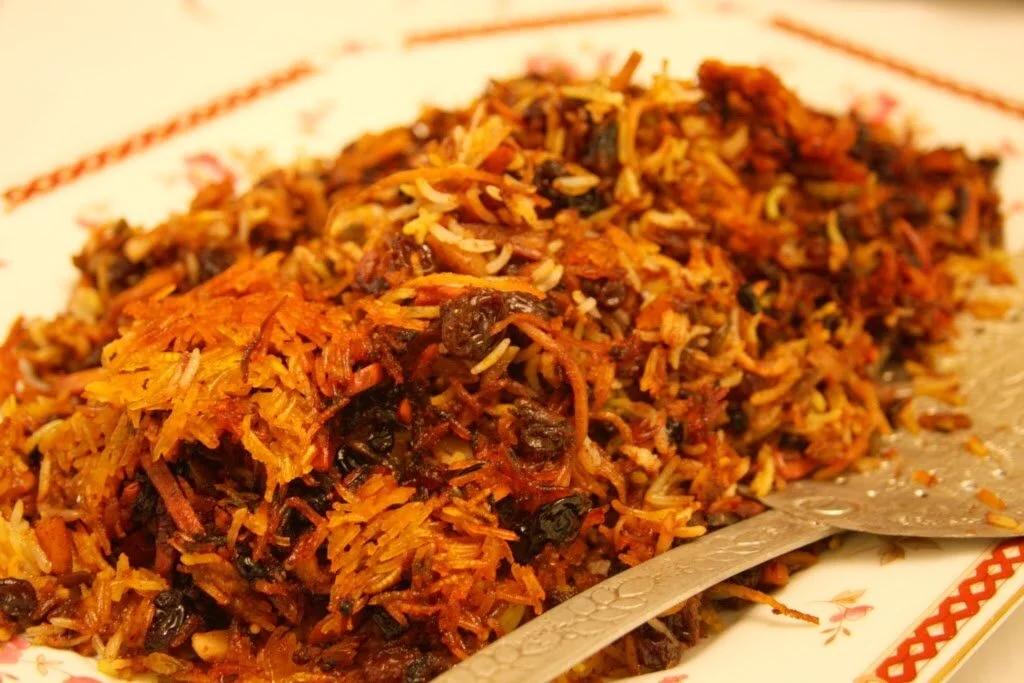
Morasa polo with tahdig. Moos. CC2.0

1. Morasa polo (jeweled rice): Iran

Morasa polo (jeweled rice in Farsi) is one of Iran’s most festive dishes, traditionally served at celebrations and weddings to bring “sweetness” to a married couple. The rice is topped with various types of fruits and nuts, each representing a desired jewel. For example, barberries represent rubies and pistachios represent emeralds. Each component of the rice is cooked separately in sugar to give the dish a little sweetness. No plate of rice in Iran is complete without tahdig (literally “bottom of the pot”), referring to the crispy layer of rice at the bottom of the pan. One of the most coveted and challenging techniques to master in Persian cuisine, tahdig can be made several ways by using ghee, saffron, potatoes and lavash bread to give that desired crunch. 

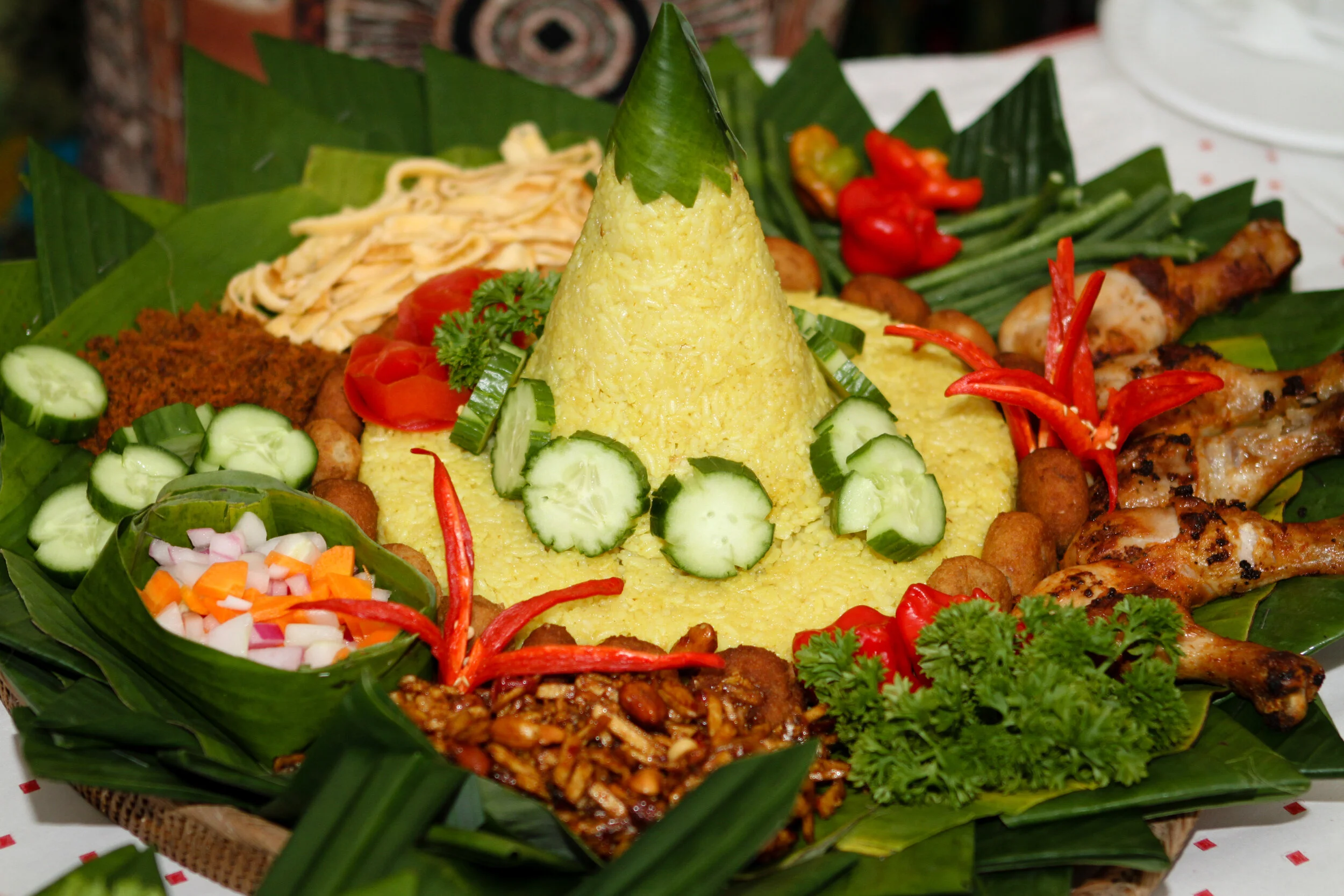
Nasi tumpeng. Kenwrick. CC2.0

2. Nasi tumpeng: Indonesia

Nasi tumpeng is a traditional rice dish served at a selamatan, a traditional ceremony for special occasions such as birthdays and weddings. The dish consists of a tall rice cone in the center, usually yellow rice, which represents the mountains and volcanoes of Indonesia’s landscapes. According to tradition, the yellow mountain of rice refers to Mount Semeru, home of the hyang, the spirits of Indonesian ancestors and the Hindu gods. The dish is accompanied by seven side dishes with a balance of chicken, seafood, eggs and vegetables that represent the helping hands of God. Nowadays, the dish has been ingrained in Indonesia’s Muslim culture representing gratitude toward God. 

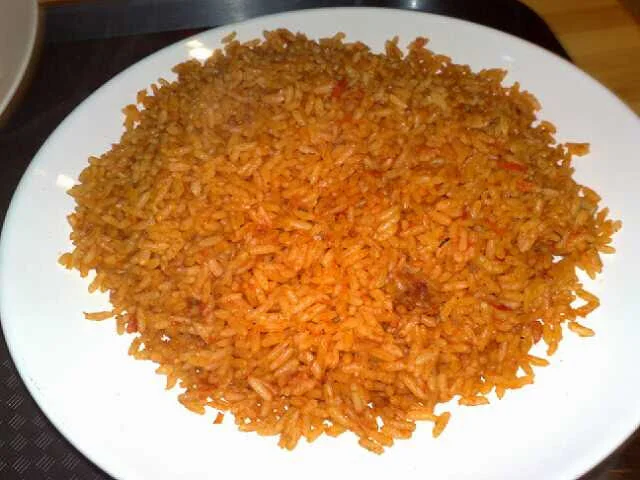
Jollof rice. Secretlondon123. CC2.0

3. Jollof rice: West Africa

Widely enjoyed across Africa, there is perhaps no dish that has sparked such heated discussion over its origins as jollof. A staple in social gatherings and weddings across West Africa, the rice is cooked with tomatoes, onions and peppers with additional seasonings depending on the region. Historians credit the origin of jollof rice to the Senegambia region, with cultural exchange then spreading it across the rest of West Africa. However, Nigerians, Ghanaians and Senegalese all claim the origins of this dish and are eager to debate which version is better with online battles (#JollofWars) and cook-offs. The dish is also popular among the African diaspora in the American South. In fact, popular dishes such as jambalaya and gumbo are believed to have their origins in jollof rice.  

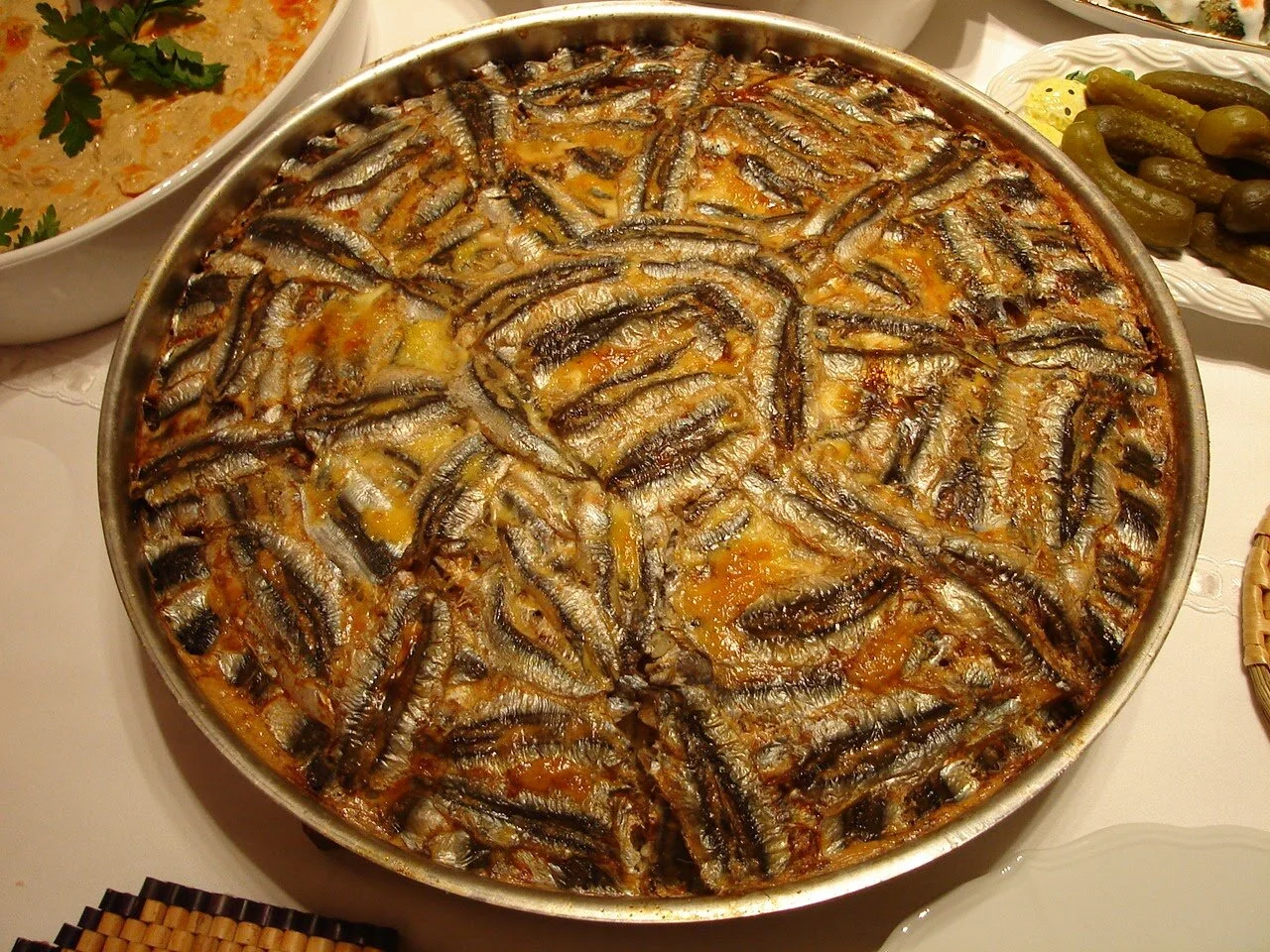
Hamsili pilav. Vardar. CC2.0

4. Hamsili pilav: Turkey 

Although there are many types of pilaf in Turkey and the Middle East, hamsili pilav is one of the most unique and visually striking versions, with layers of fish covering up rice. Hamsi, also known as European anchovies, are considered Turkey’s national fish and play a crucial role in the culture and cuisine of the Black Sea region. Many poems and songs have been written about hamsi and the small but mighty fish is used in a variety of dishes, from breads to pickles and even jam. Known to be a favorite of the sultans during the Ottoman Empire, hamsili pilav is still a favorite in Turkish homes, especially among the Laz people living in the northeastern regions of the country. 

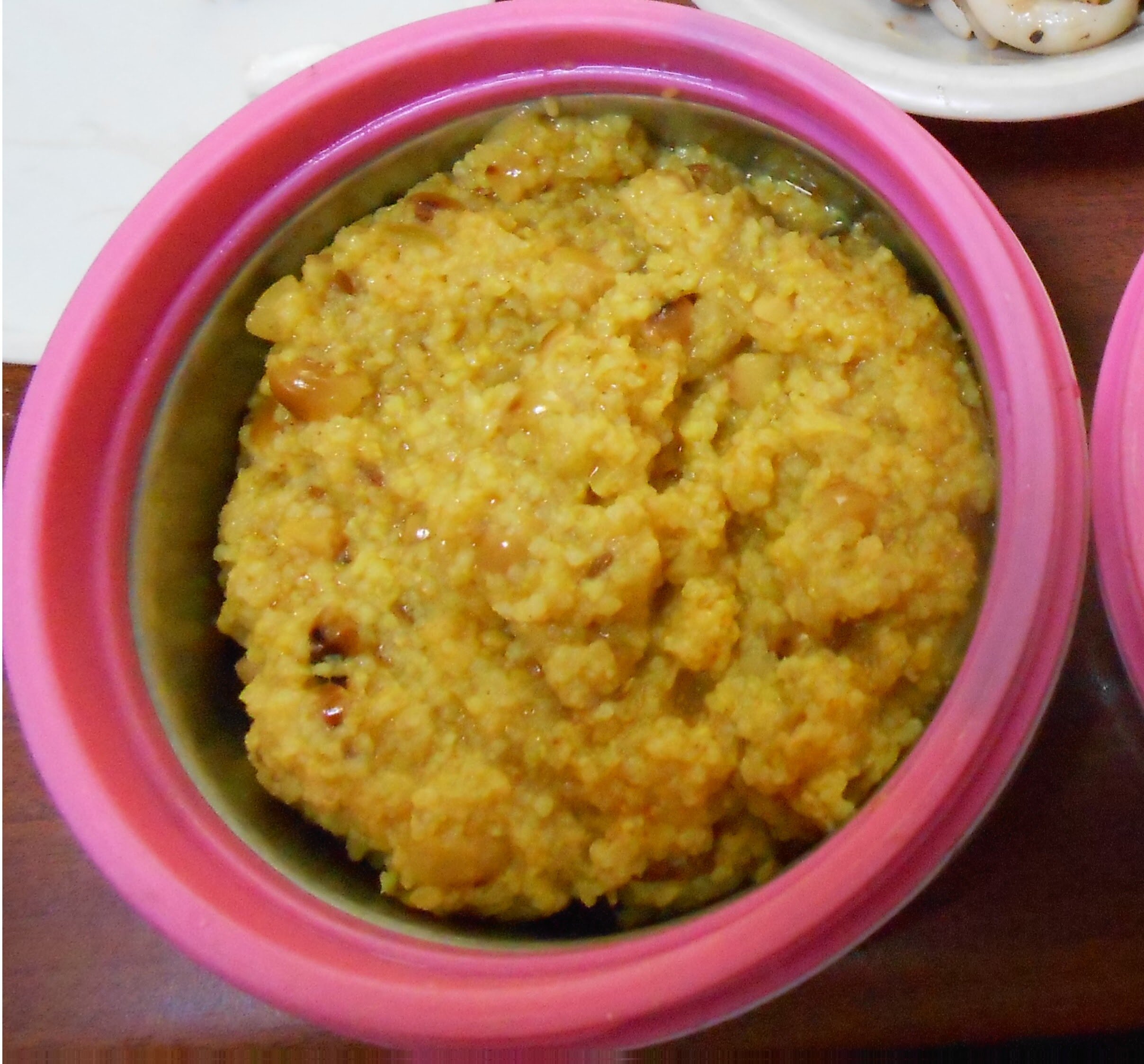
Khichdi. Tushar. Wikimedia Commons. CC4.0

5. Khichdi: Indian Subcontinent

This humble but delicious dish is heavily ingrained in South Asian food culture. Most commonly made with rice and moong dal (a type of legume), it is one of the first foods that babies eat in Hindu culture. Easily digestible and nutritious, khichdi is popular across South Asia, including in India, Pakistan, Nepal and Bangladesh. Many regional variations of khichdi exist, adding available ingredients such as vegetables, spices, dried fruits and coconut. The Bengali variation, known as khichuri, is a rather elaborate version, served with an array of vegetable dishes, fried fish and curries. 

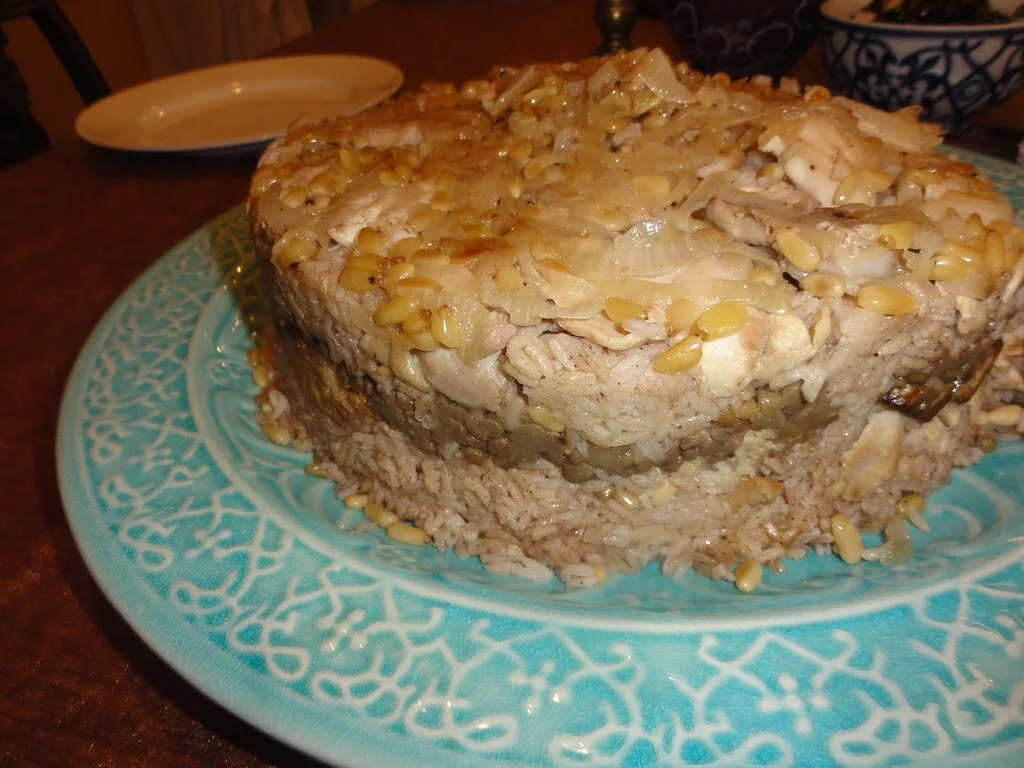
Maqluba. Homan. CC2.0.

6. Maqluba: Palestine 

Often considered Palestine’s national dish, maqluba is enjoyed at least once a week by many Palestinian families. Meaning “upside down” in Arabic, the dish is cooked in one pot with layers of meat (chicken or lamb), vegetables (most commonly potato and eggplant) and rice. Once the dish is cooked, it is flipped over onto a plate and served. 

Cooking traditional foods allows Palestinians to cherish their culture while empowering themselves and their families. The Noor Women’s Empowerment Group is run by 13 Palestinian women working to overcome social stigmas faced by women and disabled children in Aida refugee camp. The organization holds traditional Palestinian cooking classes as a way to generate income to support their families and give visitors an insight into Palestinian life and culture. The organization has garnered international attention and received a visit by celebrity chef Anthony Bourdain in 2013. 

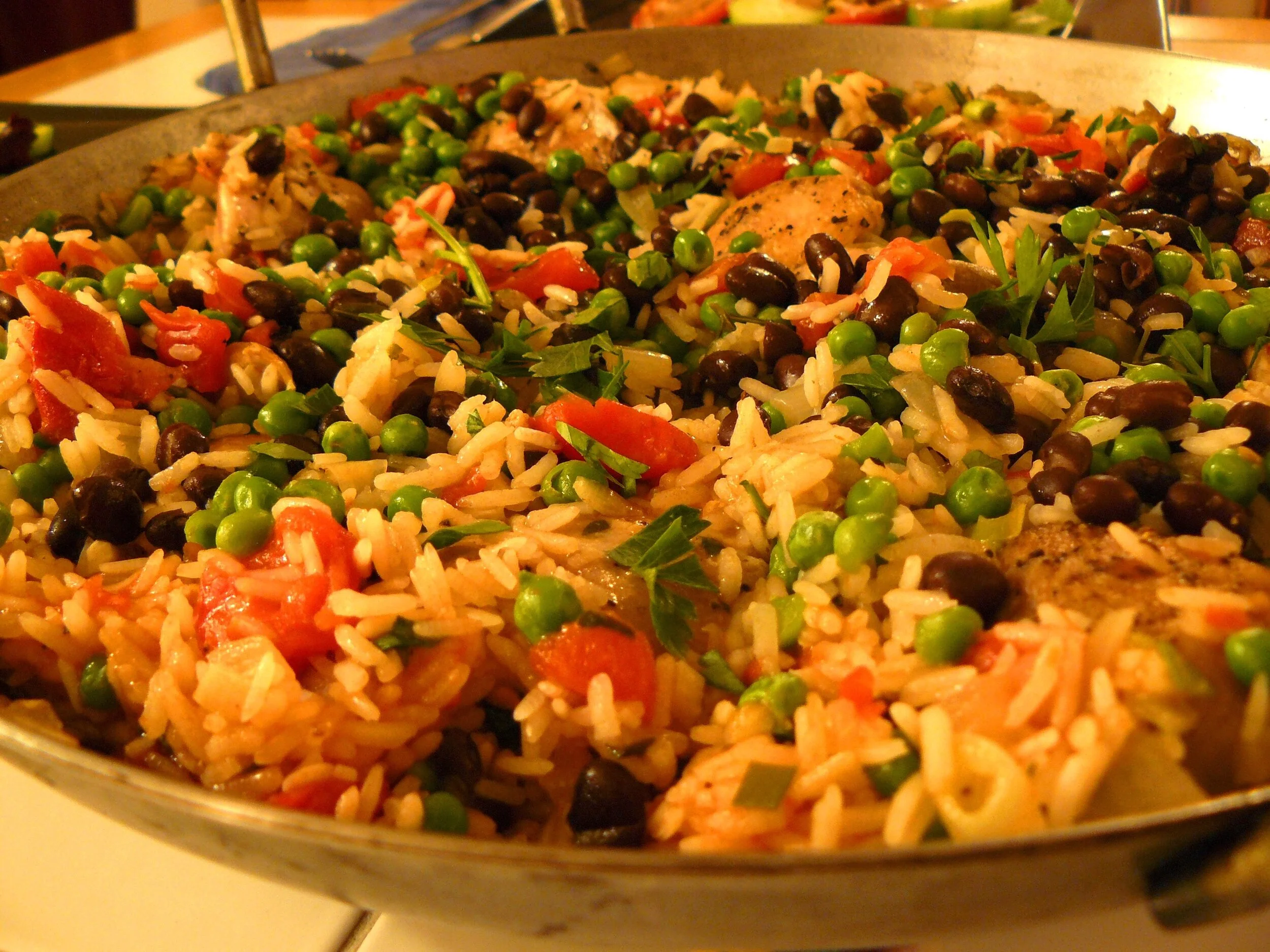
Arroz con pollo. Sea turtle. CC2.0

7. Arroz con pollo: Latin America and Spain

Translating as “rice with chicken,” this incredibly versatile rice dish is enjoyed across Latin America and Spain. The dish is thought to be connected to the Spanish paella and could have its origins from Arab influence in Spain as early as the 8th century. However, there is some debate as to whether the dish actually originated in Puerto Rico, as it is one of the island’s classic dishes. Arroz con pollo is seared chicken cooked with rice and vegetables, although seasonings vary from country to country across Latin America. For example, Mexican versions use chile, Colombian versions use a sofrito (blend of flavors including tomato and saffron) and Peruvian versions include cilantro and dark beer. 

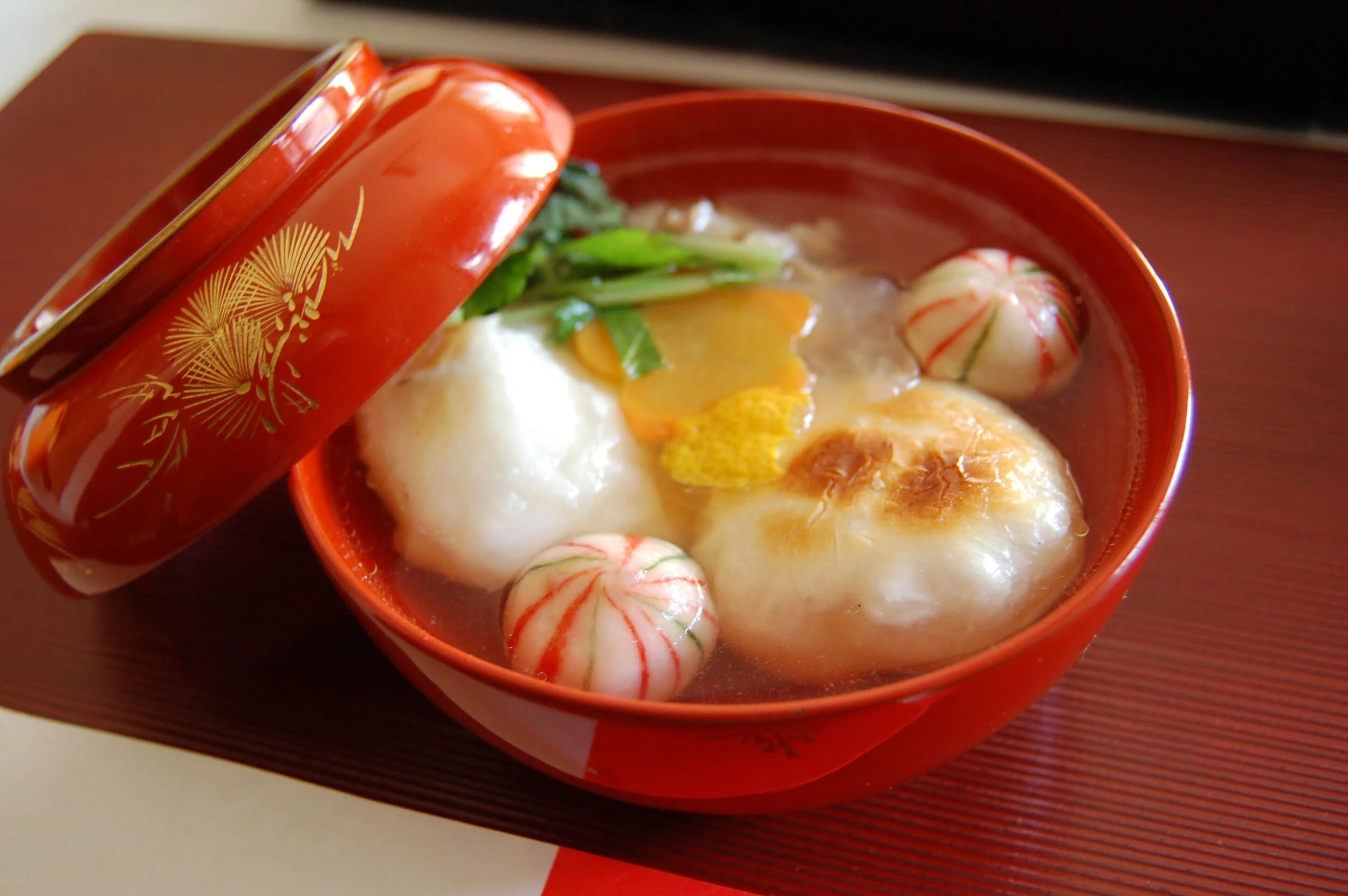
Ozoni. David Z. CC2.0

8. Ozoni: Japan 

Ozoni (also spelled as zoni) is a soup that is eaten on the morning of New Year’s Day in Japan. The soup contains mochi cakes, either round or square-shaped, a clear dashi broth (made of dried kelp and bonito flakes) and other ingredients depending on the region. In areas closer to the water, seafood is added to the broth while more vegetables are used in inland areas. All ingredients have a special meaning that guarantees luck for the upcoming year. As mochi is stretchable, it represents longevity. Local produce is added for a bountiful harvest in the new year. 

Wild rice. Emily. CC2.0. 

9. Wild rice: North America

Considered to actually be an “aquatic grass seed,” wild rice has a higher nutritional value than regular rice. Wild rice is a staple of the Ojibwe people of southern Canada and the United States’ northern Midwest. The month of September was called “ricing moon”, when the Ojibwe left their homes to begin the weeklong process of harvesting the rice. Wild rice was a popular commodity at trading posts and was used to feed canoers transporting fur to and from the posts. The Ojibwe people would wait near rice fields to hunt birds, as ducks and geese use wild rice as a food source. 

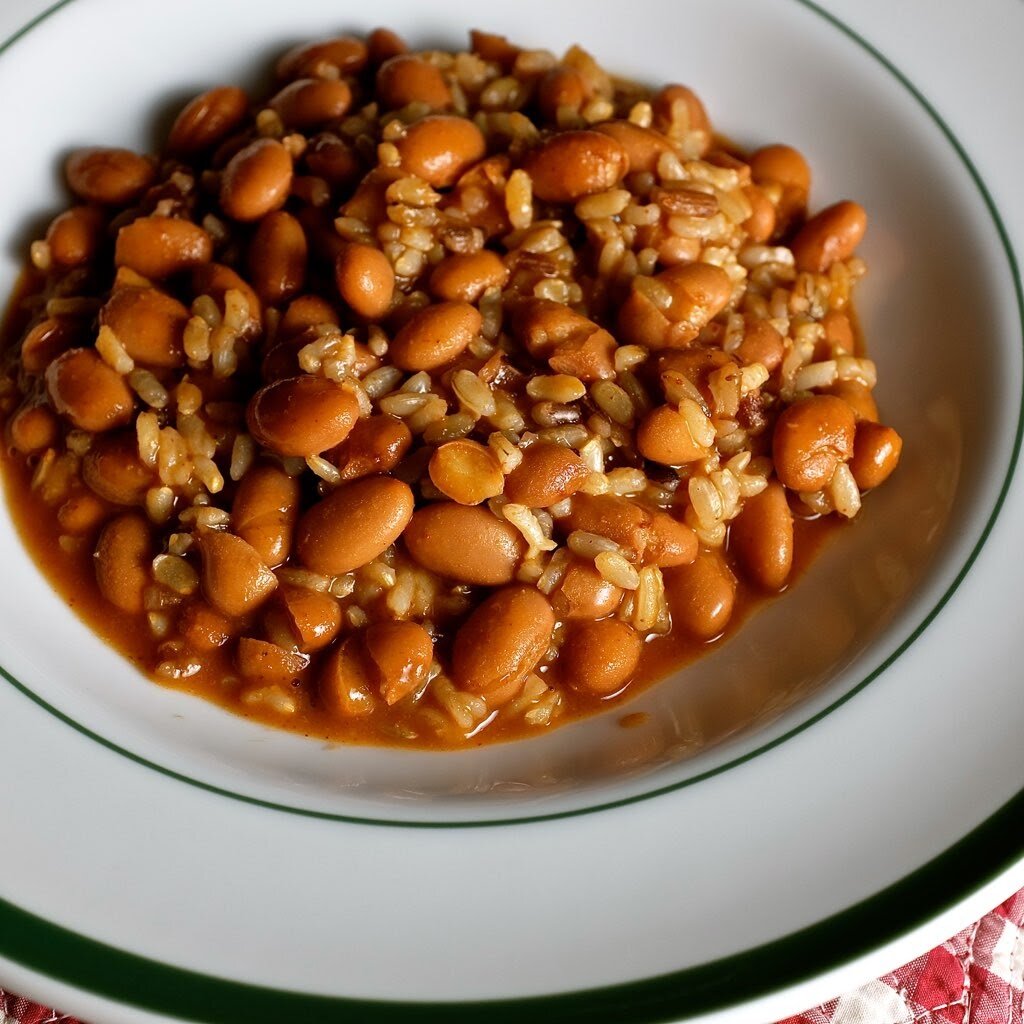
Rice and beans. The Marmot. CC2.0

10. Rice and beans: widely consumed across Latin America and Africa

Rice and beans is a staple in many Latin American and African countries and has become a pivotal part of their cuisines. Nutritious and filling, rice and beans have been a pairing in Latin America for thousands of years, known as the “matrimonio” or marriage in Central America. The types of beans and the preparation of the dish varies from country to country. For example, pinto beans are common in Mexico, fava beans are popular in Peru and black beans are a staple in Brazil and Cuba. Kidney beans and black-eyed peas are widely enjoyed across West Africa and the rest of the continent as well as in the American South. In Jamaica and other parts of the Caribbean, rice and pigeon or field peas are quite popular, while the rice is cooked in coconut milk. 

From Iran to North America, the preparation of rice differs vastly. Despite many differences, food is something that brings the world together and fosters an appreciation of Earth’s incredible cultural diversity.


Megan Gürer

Megan is a Turkish-American student at Wellesley College in Massachusetts studying Biological Sciences. Passionate about environmental issues and learning about other cultures, she dreams of exploring the globe. In her free time, she enjoys cooking, singing, and composing music.

10 Isolated Travel Destinations in the US 

Thinking about your next trip once the pandemic eases? This year, try one of these remote spots where isolation will be the theme. From Maine to Montana, explore nature free from crowds.

Read More

10 Places to Honor Black History and Culture

Through artwork, literature, music and history, these institutions amplify Black voices and address race relations in America.  

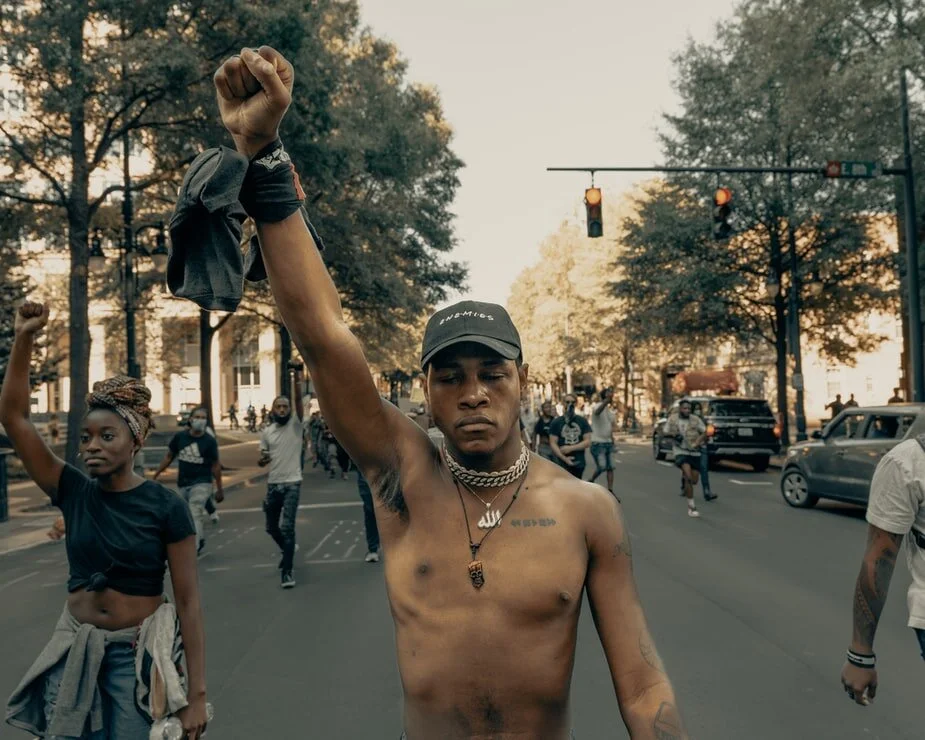
George Floyd protests in Charlotte, North Carolina. Clay Banks. Unsplash.

Amid global protests against racial injustice, a growing number of people are educating themselves on systemic racism and white privilege.

1. Martin Luther King Jr. National Historical Park - Atlanta, Georgia

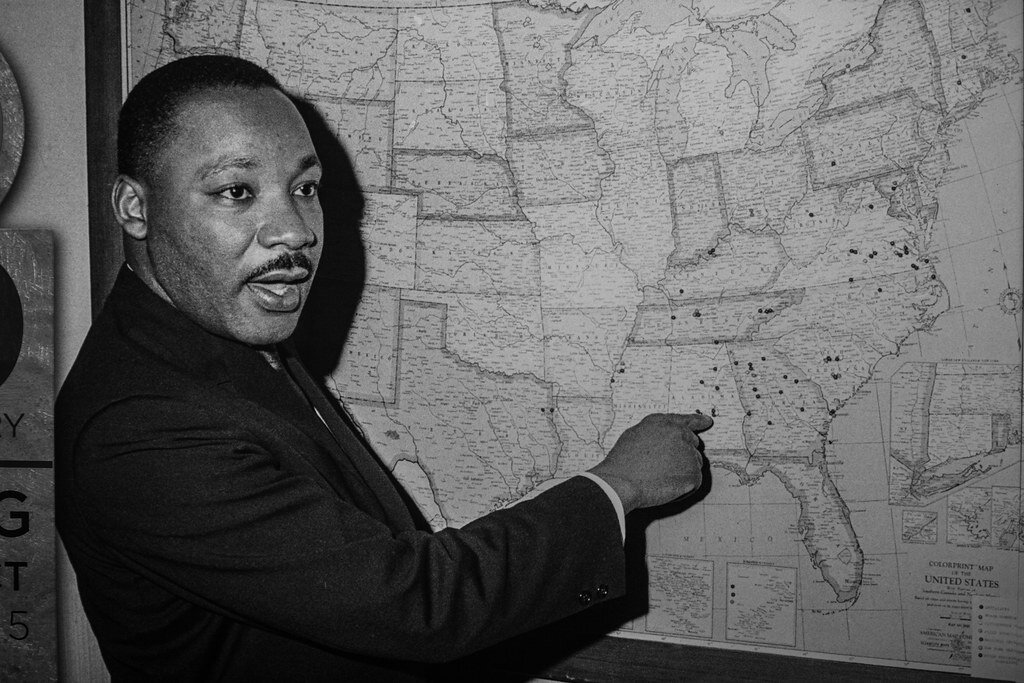
Martin Luther King Jr. locating civil rights protests. Thomas Hawk. CC BY-NC 2.0

Located in one of Atlanta’s historic districts, the Martin Luther King Jr. National Historical Park honors the activist who strove for racial equality. The site includes a museum chronicling the American civil rights movement, as well as Dr. King’s childhood home, garden and gravesite. With 185 varieties of roses, the “I Have a Dream” World Peace Rose Garden promotes peace between diverse world communities. Each year, students from the greater Atlanta area write poems that express the ideals of MLK, such as using civil disobedience to reach seemingly impossible goals. These “Inspirational Messages of Peace” are exhibited among the flowers and are read by thousands of visitors each year. Directly across the street is the final resting place of Dr. King and Coretta Scott King, his wife, surrounded by a reflection pool. 

Until his assassination in 1968, King preached at Ebenezer Baptist Church, known as “America’s Freedom Church.” The church has continued to serve the Atlanta community since his death, vowing to “feed the poor, liberate the oppressed, welcome the stranger, clothe the naked and visit those who are sick or imprisoned.” While sitting in the pews, visitors hear prerecorded sermons and speeches from Martin Luther King Jr. Most recently, the funeral of Rayshard Brooks, a Black man fatally shot by police, was held at the church, with hundreds of prominent pastors, elected officials and activists in attendance. 

2. National Museum of African American History and Culture - Washington, D.C.

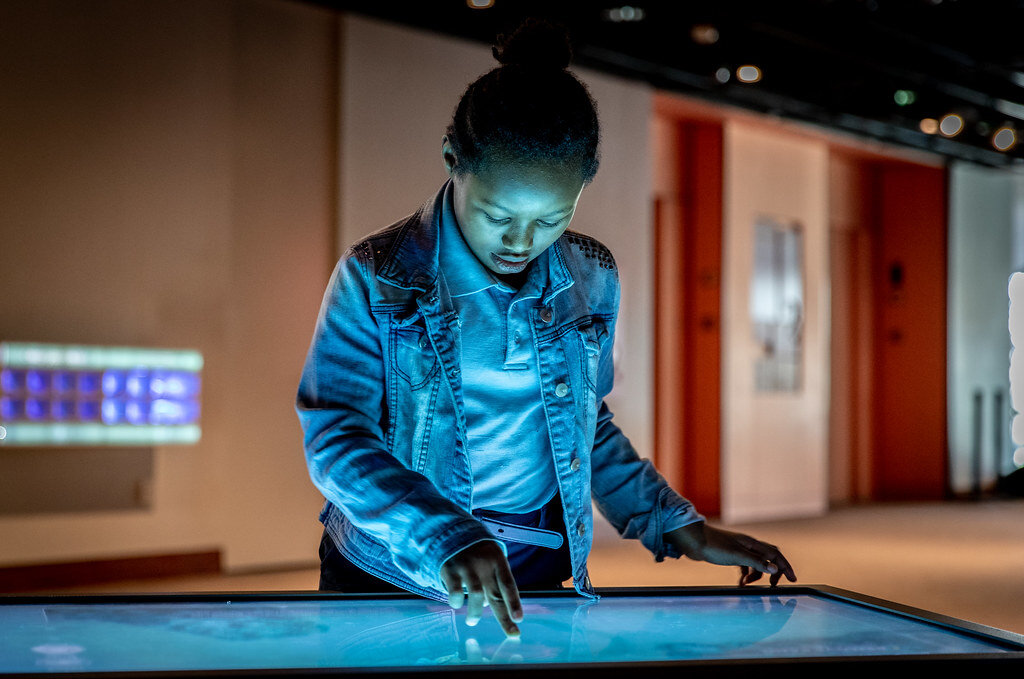
A student at the NMAAHC uses an interactive learning tool. U.S. Department of Education. CC BY 2.0

The National Museum of African American History and Culture (NMAAHC) is the only museum devoted exclusively to African American life, history and culture. In the words of Lonnie Bunch III, founding director of the NMAAHC, “The African American experience is the lens through which we understand what it is to be an American.” From slavery to the civil rights movement, the museum aims to preserve and document Black experiences in America. With the launch of the Many Lenses initiative, students will gain a greater understanding of African American history by studying museum artifacts and discussing cultural perspectives alongside scholars, curators and community educators. Through the Talking About Race program, the museum provides tools and guidance to empower people of color and inspire conversations about racial injustice. 

3. Black Writers Museum - Philadelphia, Pennsylvania

Langston Hughes, a famous writer featured at the BWM, signs autographs. Washington Area Spark. CC BY-NC 2.0

Built in 1803, the historic Vernon House includes the Black Writers Museum (BWM), the first museum in the country to exhibit classic and contemporary Black literature. The BWM celebrates Black authors, like Langston Hughes and Zora Neale Hurston, who documented the resilience and resistance of African Americans throughout history. Supreme D. Dow, founder and executive director of the Black Writers Museum, noted, “There was a time in American history when Black people were denied the human right to read or write. But, because of the innate drive to satisfy the unquenchable thirst for self determination, our ancestors taught themselves how to read and write in righteous defiance of the law, and in the face of fatal repercussions.” Through books, newspapers, journals and magazines, the museum honors the Black narrators of history. The BWM also strives to inspire future African American authors with community activities like poetry readings, cultural arts festivals and book signings. 

4. Tubman Museum - Macon, Georgia

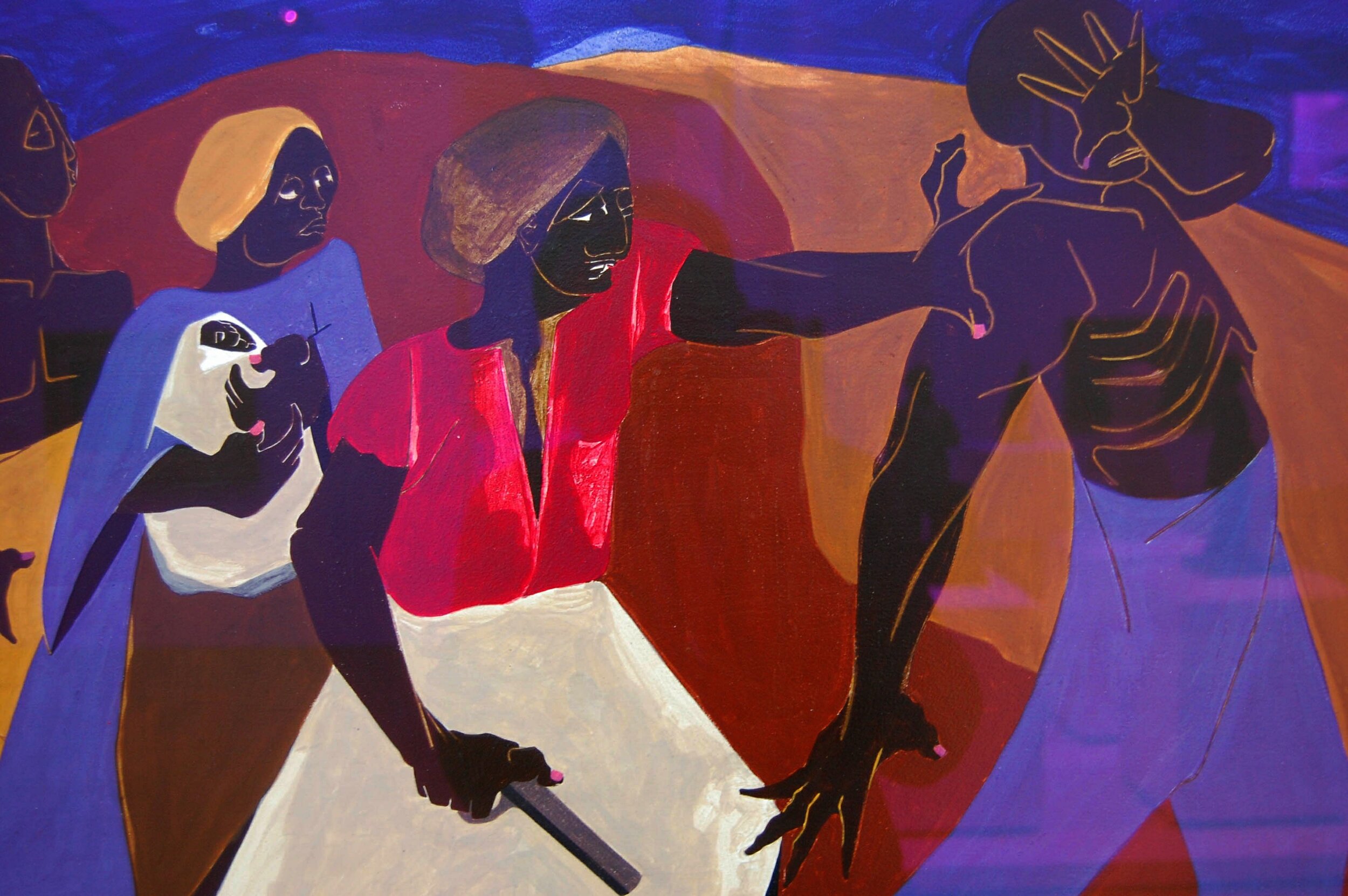
Artwork depicting Harriet Tubman on the Underground Railroad. UGArdener. CC BY-NC 2.0

Named after Harriet Tubman, the “Black Moses” who led hundreds of slaves to freedom, the Tubman Museum has become a key educational and cultural center for the entire American Southeast. Through artwork and artifacts, the main exhibits recount the struggles and triumphs of Tubman, a former slave, abolitionist and spy. The “From the Minds of African Americans” Gallery displays inventions from Black inventors, scientists and entrepreneurs, such as Madam C.J. Walker and George Washington Carver. The Tubman Museum also actively contributes to the Macon, Georgia, community. The Arts & History Outreach program takes Black history beyond museum walls. Local African American artists and teachers bring museum resources into the classroom, promoting hands-on learning. Due to COVID-19, the museum recently launched a distance learning program to provide people at home with a deeper understanding of the African American experience. 

5. Museum of the African Diaspora - San Francisco, California

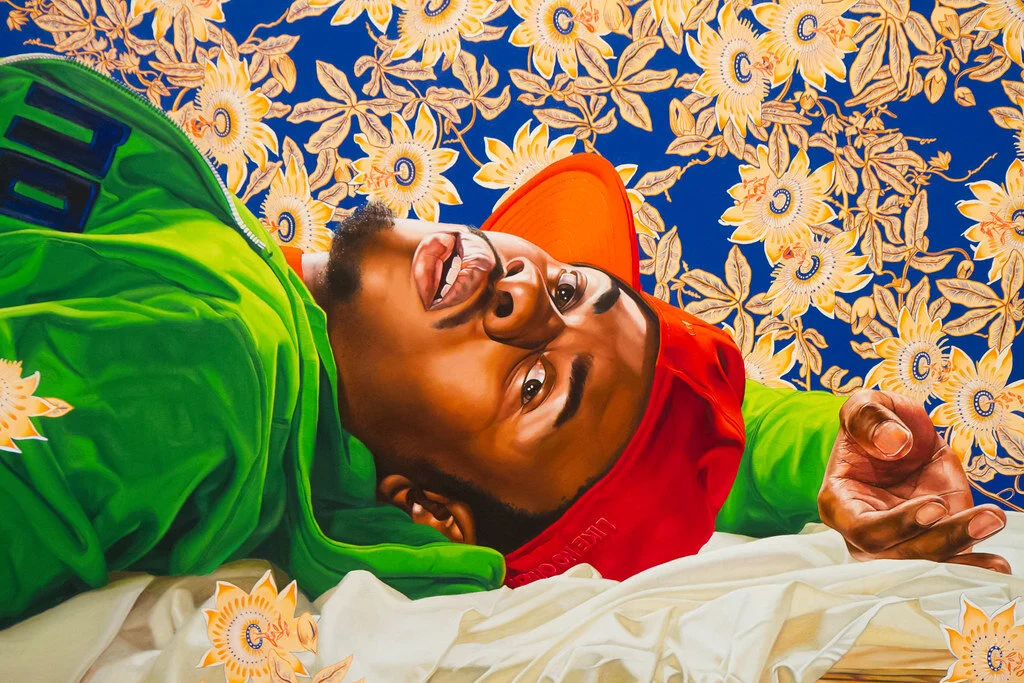
Contemporary art by Kehinde Wiley exhibited at the MoAD. Garret Ziegler. CC BY-NC-ND 2.0

The Museum of the African Diaspora (MoAD), a contemporary art museum, celebrates Black culture from the perspective of African diaspora. Focused exclusively on African migration throughout history, the museum presents artwork, photography and artifacts related to the themes of origin, movement, adaptation and transformation. Currently, MoAD is featuring various exhibitions from emerging artists that explore ancestral memory and Black visibility. As active members of the San Francisco community, museum curators offer various programs like public film screenings, artist talks and musical performances. In response to worldwide protests, the museum created a guide with resources to support Black Americans, as well as a video series that promotes community resilience. Monetta White, MoAD’s executive director, announced, “Now more than ever, we affirm that Museums are Not Neutral. As humanitarian educators and forums for conversation, museums are a space to confront some of the most uncomfortable conversations in human history.”

6. National Museum of African American Music - Nashville, Tennessee

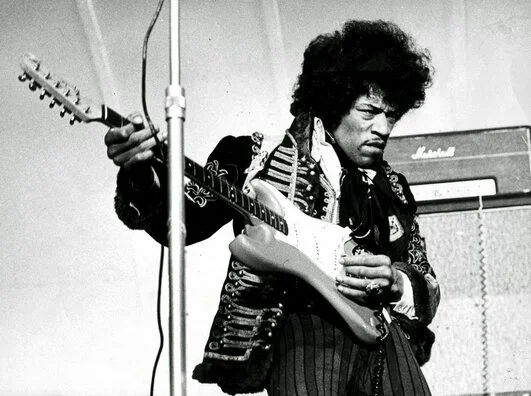
Jimi Hendrix, a featured musician at the NMAAM. Clausule. Public Domain.

Scheduled to open its doors for the first time on Sept. 5, the National Museum of African American Music (NMAAM) will be the first museum in the world to showcase African American influence on various genres of music, such as classical, country, jazz and hip-hop. NMAAM will integrate history and interactive technology to share music through the lens of Black Americans. “African American music has long been a reflection of American culture. Additionally, African American musicians often used their art as a ‘safe’ way to express the way they felt about the turbulent times our country faced,” said Kim Johnson, director of programs at the museum. NMAAM will also support the Nashville community through various outreach programs. From Nothing to Something explores the music that early African Americans created using tools like spoons, banjos, cigar box guitars and washtub basins. Children receive their own instruments, learning how simple resources influenced future music genres. Another program, Music Legends and Heroes, promotes leadership, teamwork and creativity in young adults. Students work together to produce a musical showcase in honor of Black musicians. In 2015, student guitarists paid tribute to Jimi Hendrix, the rock icon. “This opportunity gave them a real-life connection to an artist they had only seen in their textbooks or online,” said Hope Hall, librarian at the Nashville School of the Arts.

7. The Legacy Museum: From Enslavement to Mass Incarceration - Montgomery, Alabama

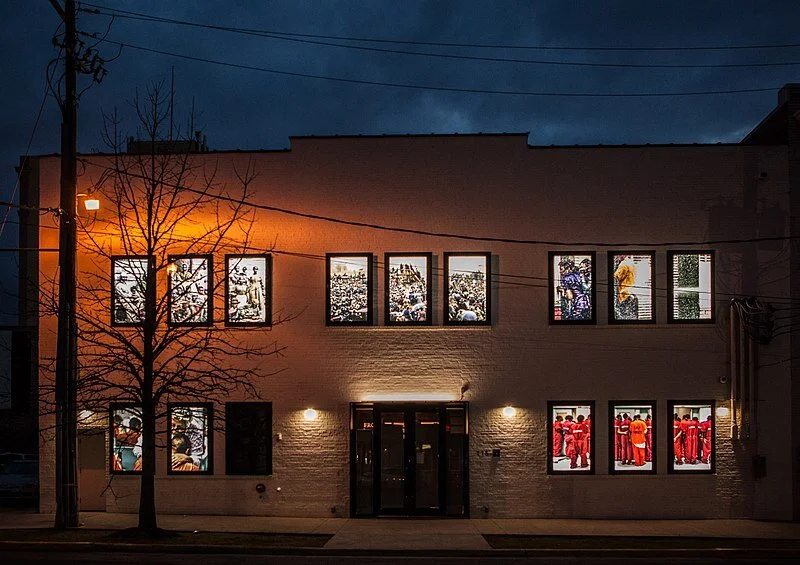
Exterior of the Legacy Museum. Sonia Kapadia. CC BY-SA 4.0

The Legacy Museum is located in a former slave auction warehouse, where thousands of Black people were trafficked during the domestic slave trade. The museum employs unique technology to portray the enslavement of African Americans, the evolution of racial terror lynchings, legalized racial segregation and racial hierarchy in America. Visitors encounter replicas of slave pens and hear first-person accounts of enslaved people, along with looking at photographs and videos from the Jim Crow laws, which segregated Black Americans until 1965. The Legacy Museum also explores contemporary issues of inequality, like mass incarceration and police violence. As part of the Equal Justice Initiative (EJI), the museum is committed to ending mass incarceration and excessive punishment in the United States, with proceeds going toward marginalized communities. “Our hope is that by telling the history of the African American experience in this country, we expose the narratives that have allowed us to tolerate suffering and injustice among people of color,” says Sia Sanneh, member of EJI. 

8. African American Military History Museum - Hattiesburg, Mississippi 

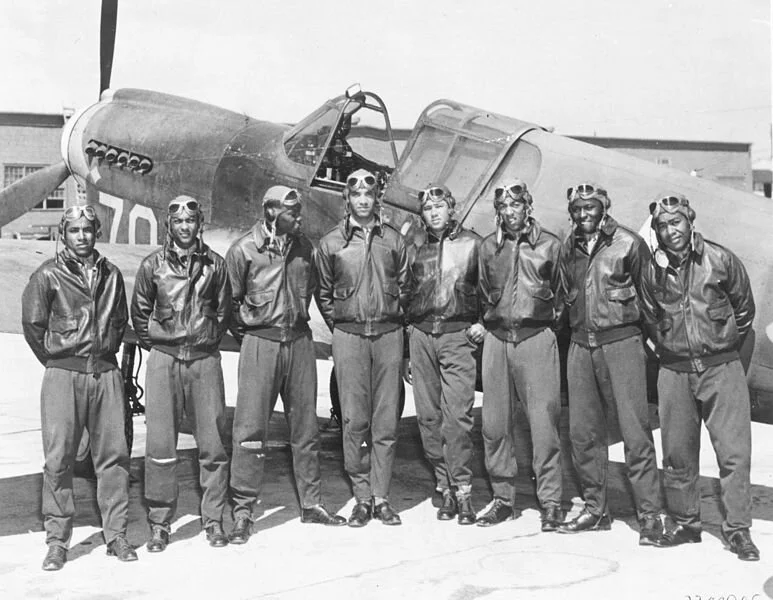
Circa 1942, the Tuskegee Airmen pose in front of their aircraft. Signaleer. Public Domain.

The African American Military History Museum educates the public about African American contributions to the United States’ military. During World War II, the building functioned as a segregated club for African American soldiers. Transformed in 2009, the museum now commemorates the courage and patriotism of Black soldiers, who have served in every American conflict since the Revolutionary War. Artifacts, photographs and medals tell the story of how African Americans overcame racial boundaries to serve their country. For instance, the World War II exhibit features the Tuskegee Airmen, the first African American soldiers to successfully enter the Army Air Corps. 

9. National Voting Rights Museum and Institute - Selma, Alabama 

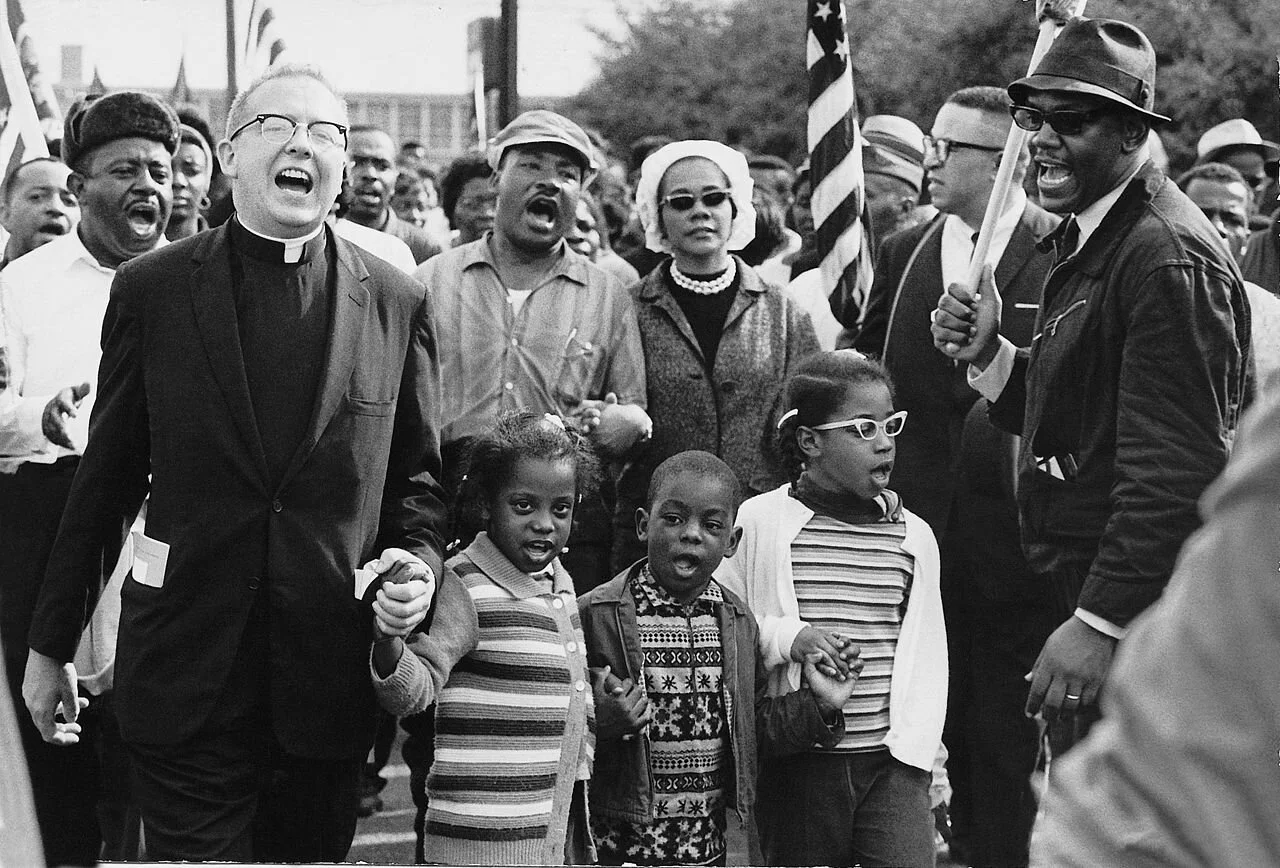
The 1965 march from Selma to Montgomery for the right to vote. Abernathy Family. Public Domain.

In the historic district of Selma, Alabama, the National Voting Rights Museum and Institute honors the movement to end voter discrimination. With memorabilia and documentation, the museum illustrates the struggle of Black Americans to obtain voting rights. In 1965, nearly 600 civil rights marchers crossed the Edmund Pettus Bridge, hoping to reach Montgomery. However, the day became known as “Bloody Sunday” as local law enforcement attacked peaceful protesters with clubs and tear gas. While the Voting Rights Act of 1965 outlawed voting practices that disenfranchised African Americans, many believe voter suppression still exists through strict photo ID laws for voters, a failure to provide bilingual ballots, and ex-felon disenfranchisement laws. By educating the public, the museum hopes to forever dismantle the barriers of voting in the United States. 

10. National Underground Railroad Freedom Center - Cincinnati, Ohio

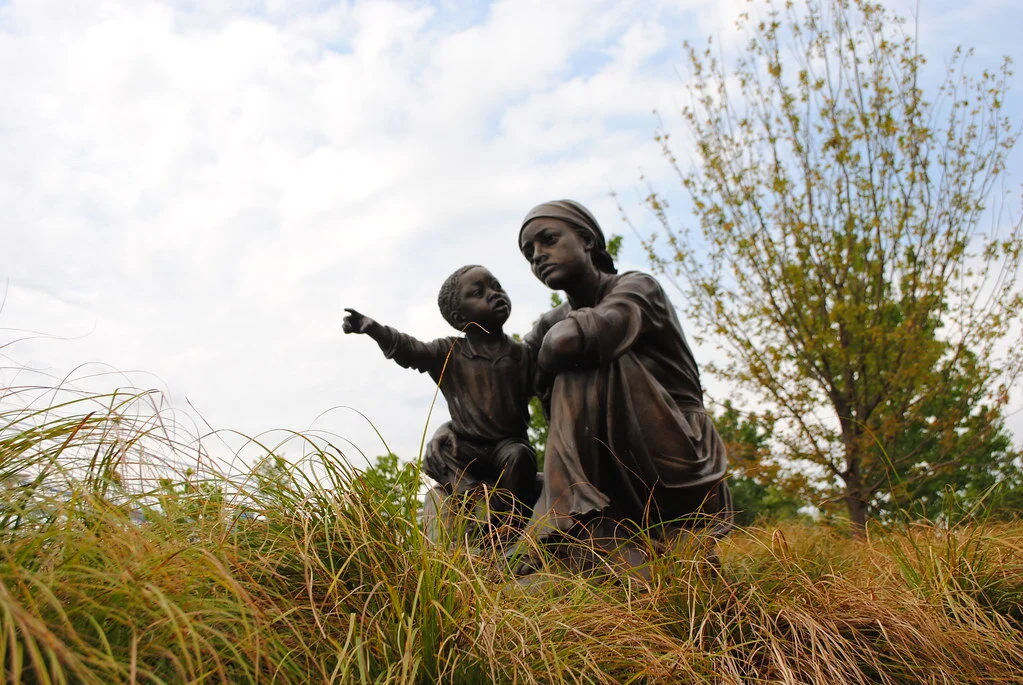
On the banks of the Ohio River, a statue depicts a mother and her child escaping slavery. Living-Learning Programs. CC BY-NC-ND 2.0

Near the Ohio River, where thousands of slaves traveled in search of freedom, the National Underground Railroad Freedom Center reveals the ongoing struggle for autonomy. From the historical vantage point of the Underground Railroad, the museum promotes the modern abolition of slavery. Due to widespread human trafficking, nearly 40 million people are currently enslaved around the world. As stated on the museum’s website, “Despite the triumphant prose of our American history books, slavery didn’t fully end 150 years ago. Today and throughout time, people around the world have struggled for their freedom. Yet, as forms of slavery evolve, so do the imaginations of those fighting for freedom.” Through artifacts, photographs and first-person accounts, the museum introduces the men and women who have resisted slavery. “Invisible: Slavery Today” is the world's first permanent exhibition on the subjects of modern-day slavery and human trafficking, challenging and inspiring visitors to promote freedom today. 


Shannon Moran

is a Journalism major at the University of Georgia, minoring in English and Spanish. As a fluent Spanish speaker, she is passionate about languages, cultural immersion, and human rights activism. She has visited seven countries and thirty states and hopes to continue traveling the world in pursuit of compelling stories.