
A decades-old conflict in Central Africa threatens to reignite in full, with worldwide implications.
Read MoreUniversity Encampments and the Future of Free Speech
What the pro-Palestine encampments and the official responses to them mean for the future of protest.
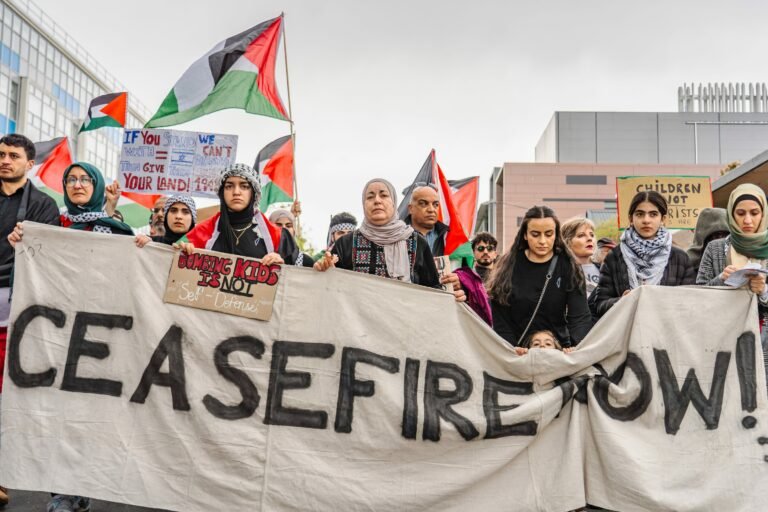
Protestors holding up a pro-Palestine “Cease Fire Now!” banner. Sword & Shield. CC BY 3.0 NZ
Will encampments continue to be an effective mode of protest? Palestine solidarity is growing worldwide, especially among college students. Inspired by protests at Columbia, students at numerous universities have established pro-Palestine encampments, urging the institutions to divest funds that support Israel, aiming to halt the mass killing in Gaza. Since October 7, thousands of Palestinians have been killed, and nearly half the population is suffering from malnutrition. Encampments sprang up at major universities worldwide, including McGill, Trinity, Oxford and the University of Tokyo. Robert Cohen, a professor at NYU, told ABC News that he considers encampments to be the biggest student movement of the 21st century. The varying responses globally reflect the nuanced nature of encampments, balancing concerns for student safety with protecting their right to freedom of speech. Some universities, such as Wesleyan University and Oxford University, are more tolerant of the encampments, allowing them to continue so long as they remained nonviolent and nondisruptive. Other schools, such as UCLA and UT Austin, have taken a different approach and alerted the police and attempted to remove encampments by force, leading to thousands of student arrests. Students at Brown University and UC Berkeley dismantled encampments after reaching agreements with officials to discuss divestment strategies. Pro-Palestine encampments and the varied responses to them have compelled students to reflect on the extent to which their right to freedom of speech is protected.
While “freedom of speech” is a broad term, the US Constitution's First Amendment specifies that it includes the right to peacefully assemble and the right to petition the government, but it has limits and cannot justify violence. According to FIRE (Foundation for Individual Rights and Expression), while police can dismantle encampments that disrupt class or block student traffic, they can not interfere or issue arrests out of personal bias. However, rights to freedom of speech vary by institution, especially between public and private schools. Private universities are not necessarily required to follow constitutional rights, and universities driven by religious or military interests may prioritize other values over freedom of speech. In the context of encampments, there doesn’t seem to be a large correlation between university type and response from officials. One pattern that has emerged is that most student arrests are occurring in urban areas like New York and Los Angeles. The media has wielded a dual influence, serving as both an inspiration for global encampments and a source of delegitimization. Across the internet, students are labeled as “entitled” and “immature,” facing criticism from professors, government officials and religious leaders who deride their anti-imperialist goals as unrealistic.
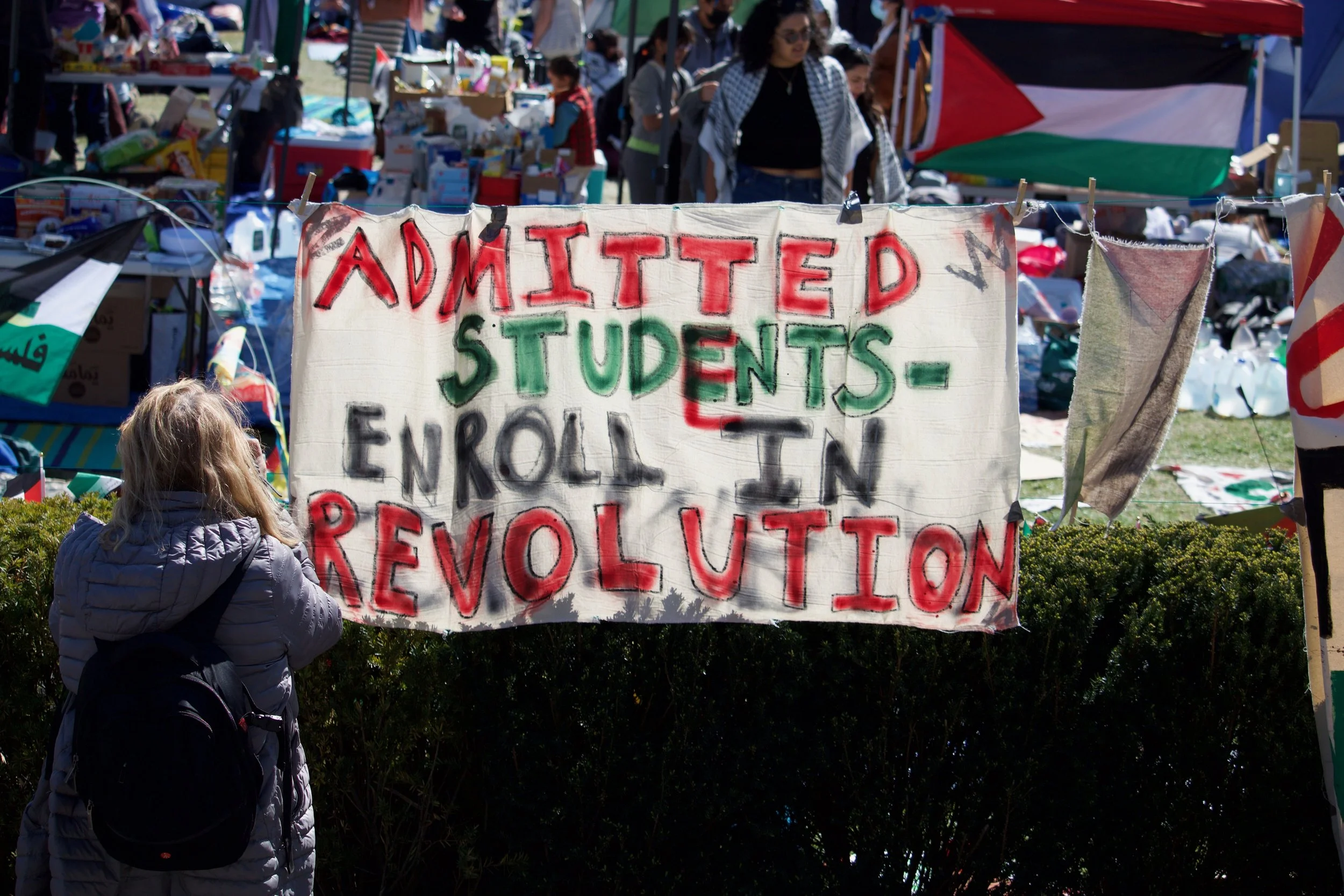
Columbia Encampment Day After NYPD Raid. Pamela Drew. CC BY-NC 2.0
Some argue that history is repeating itself with the rise of pro-Palestine encampments. During the Vietnam War, students at universities worldwide urged institutions to cut ties with the military and ultimately end the war through pro-peace propaganda and counterculture lifestyles, most notably at UC Berkeley and Columbia. Students held abolitionist views toward the armed forces, viewing the military as systematically oppressive.
With semesters wrapping up and campuses quieting down, encampments are naturally disassembling, even if no agreements have been reached with universities. As November's election approaches, more members of Gen Z are eligible to vote. It remains unclear as to whether or not young voters will support Biden, as they criticize his support for the Israeli military, emphasizing a lack of unity amongst Democrats. Regardless of short-term and long-term outcomes, pro-Palestine encampments have demonstrated the role students can play in fostering dialogue and raising awareness, ultimately reshaping public opinion. Recent events have prompted discussions about whether or not students are protected by their First Amendment rights when establishing encampments, forcing us to reconsider the essence of free speech.
TO GET INVOLVED
UNRWA (United Nations Reliefs and Works Agency) is an organization that provides direct relief to Palestine refugees. Donate to provide humanitarian relief to those affected here.
Call on Congress and President Biden for an immediate cease-fire via moveon.org
Check out the Palestine Resource Guide, which provides updates on the latest news and resources pertaining to Palestine. Find a protest/event near you here.
Agnes Moser Volland
Agnes is a student at UC Berkeley majoring in Interdisciplinary Studies and minoring in Creative Writing, with a research focus on road trip culture in America. She currently writes for BARE Magazine and Caravan Travel & Style Magazine. She is working on a novel that follows two sisters as they road trip down Highway 40, from California to Oklahoma. In the future, she hopes to pursue a career in journalism, publishing, or research.
Madagascar’s Cyclone Gamane—The Devastating Storm Nobody’s Talking About
Thousands of homes were destroyed and families displaced, with almost no American news coverage.
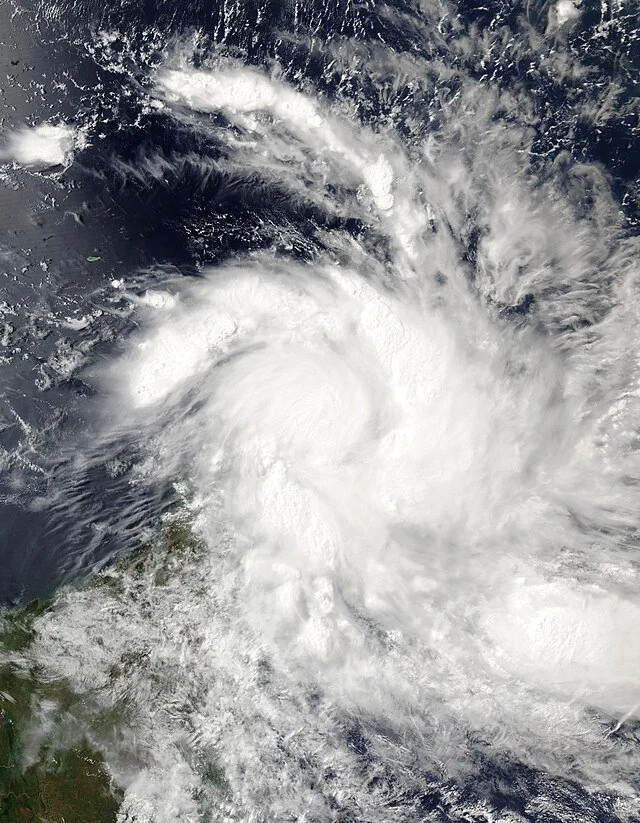
Cyclone Gamane over Madagascar. NASA, CC0
A few weeks ago, Cyclone Gamane made landfall on Madagascar. It devastated the island in no time flat, leaving tens of thousands of people homeless and without food or electricity. It arrived on March 27th; the government declared a state of emergency on April 3rd. And despite all of this, there was almost no American news coverage about the disaster.
Gamane began as a tropical cyclone over the South Indian Ocean. By the time it reached Madagascar, its wind speed was clocked at an average of 93 mph, with gusts up to 130 mph recorded. Thirty-three communes were flooded in the three days it pummeled the northern coast, and more than 780 houses were destroyed. Eighteen people were killed and more than 22,000 were displaced from their homes. Estimates suggest that there are roughly 220,000 people in need of humanitarian assistance on the island.
Even before the cyclone, Madagascar was numbered among the worst off in the Global Hunger Index in 2023. Before the flooding in February and with Gamane, much of the island was unable to produce enough food to support the population. Roughly 1.6 million citizens are food insecure, relying instead on humanitarian aid. Additionally, the cyclone came at the beginning of Madagascar’s notoriously dry lean season, which lasts from late March until May. If conditions don’t improve quickly, there are concerns that large chunks of the country will experience crisis-level food insecurity.
Emergency supplies on the island are already low—Gamane is only the third crisis to hit Madagascar in 2024, after the Alvaro storm in January and heavy flooding in February. Local humanitarian associations have made efforts to help the populace recover, but without resources, the government has had to call for aid from other countries.
The UN has set up a funding program under the CERF, the Central Emergency Response Fund, to accumulate funds to send to Madagascar. As of April 21st, the program is 20% funded, and is seeking to raise 90 million dollars. Smaller humanitarian organizations, such as the Redemptorist Solidarity Office (headquartered in Cork, Ireland), have taken action in the meantime to provide what help they can. According to their website, the RSO has provided 15,000 pounds for financial support and is shipping several tons of food items and medical kits. They hope to raise enough money to help provide shelter-building supplies for the displaced as well.
Madagascar is uniquely situated as one of the most susceptible places on Earth to natural disasters. Over the last 35 years, more than 50 hazards, including locust swarms, droughts, and heavy flooding, have struck the country and affected nearly half of the entire population. This has, to some degree, resulted in less coverage being dedicated to each event; even now, almost a month since the storm first made landfall, it has received very little publicity in the United States. But despite this lack of interest, humanitarian action is still being taken. It will be an uphill battle, between the fallout from the storm and the height of the lean season approaching, but with the help of the UN and other independent aid groups, Madagascar can and will recover.
Get Involved
At the moment, due to the lack of publicity that the crisis has received in the US, there are not many volunteer opportunities within the country. Those looking to help can donate to SEED Madagascar (which seeks to combat food insecurity), UNICEF Madagascar (which is working to minimize the effects of climate change on the island), or the World Food Programme’s Madagascar mission (which aims to supply over 1.6 million people with humanitarian assistance).
Ryan Livingston
Ryan is a senior at The College of New Jersey, majoring in English and minoring in marketing. Since a young age, Ryan has been passionate about human rights and environmental action and uses his writing to educate wherever he can. He hopes to pursue a career in professional writing and spread his message even further.
How Geoffrey Chaucer Inspired Pro-Migrant Literary Social Action in the U.K.
In the U.K., writers and refugees collaborate to end indefinite detention.
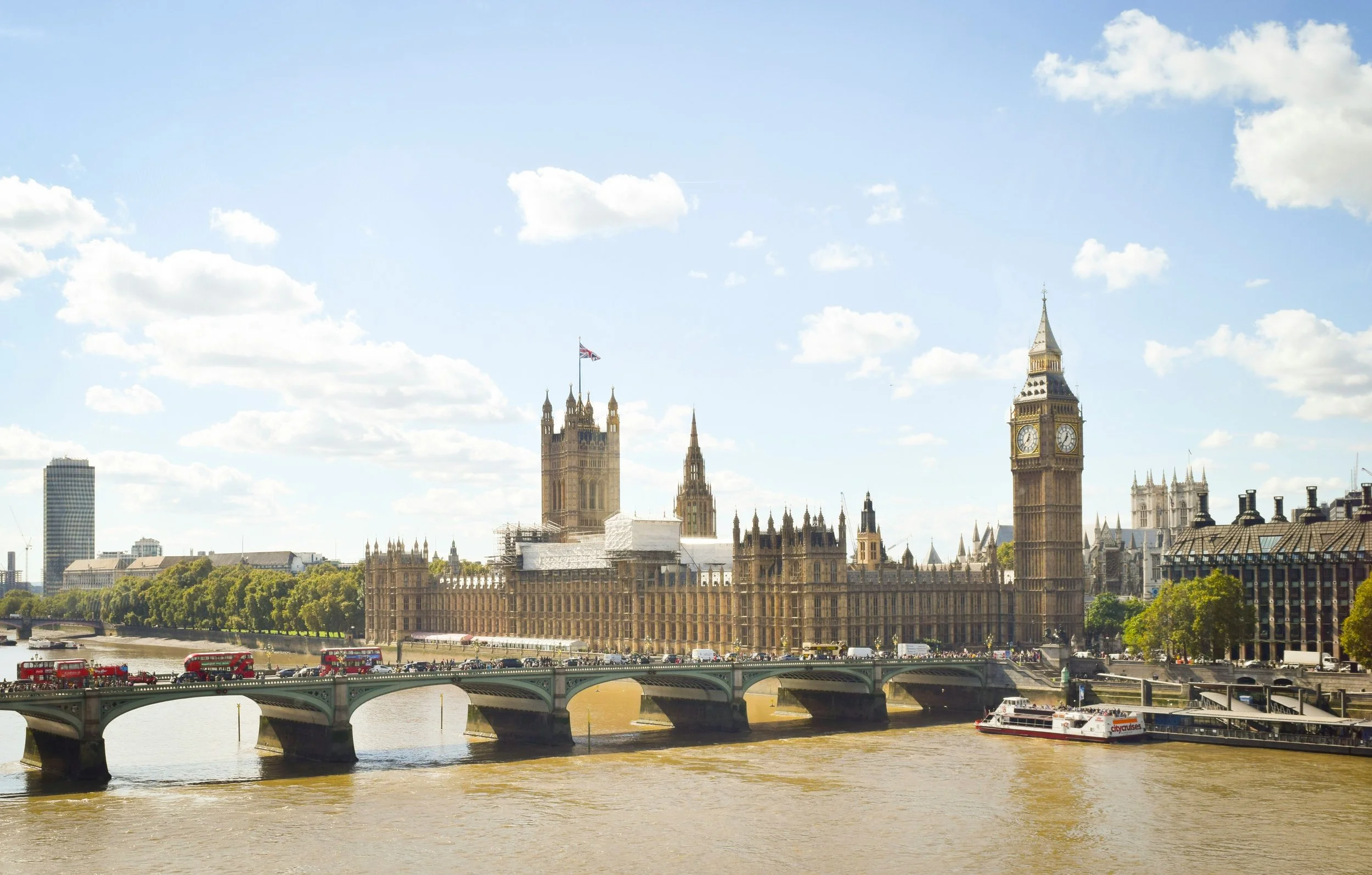
Westminster in the sunlight, the destination of the Refugee Tales walk. Aswin Mahesh. CC0.
The United Kingdom’s immigration policy allows it to detain migrants indefinitely while the government resolves their immigration status. The U.K. is the only country in Western Europe with this law; other European nations have a maximum time limit to detain people, usually ranging from about a month in France to six weeks in Germany. In 2015, a group of writers and activists in the United Kingdom combined forces to create the Refugee Tales—a short story collection and an annual walk to raise awareness about indefinite detention for migrants in the U.K. The Refugee Tales seeks to put a 28-day time limit on immigration detention.
The walk mimics the style of fourteenth-century poet Geoffrey Chaucer’s “The Canterbury Tales.” In his poem, a diverse group travels from London to Canterbury, telling stories throughout the journey to entertain each other. The Refugee Tales takes a broader scope, engaging people worldwide for social change.

The Ellesmere Manuscript of The Canterbury Tales. Rob Corder. CC BY-NC 2.0
As a part of the Refugee Tales, established writers partner with those impacted by the U.K.’s indefinite detention model. The writer transcribes their narratives. Those sharing their stories may work within the immigration system as social workers or interpreters. Oftentimes, they are migrants who have experienced indefinite detention. Writers share these stories with walkers during the evening—as Chaucer’s characters did with their tales—and compile them in short story collections, read them aloud in videos, and share them in news outlets.
The written work created between author and refugee lies at the heart of the movement. Storytelling works to raise awareness about the problems migrants face on their journey to the U.K. and in these detention centers.
Scottish author Ali Smith, who wrote “How to be Both” and won the Baileys Women’s Prize for Fiction, is the patron of The Refugee Tales. She described storytelling as “an act of profound hospitality.” Transcribing the stories refugees tell elicits “sympathy and empathy” from listeners.
Smith wrote “The Detainee’s Tale,” telling of a young man who arrived in the U.K. as a victim of human trafficking. After escaping, he found a community at a church that advised him to reach out to the Home Office—the U.K.’s ministerial department responsible for security and immigration—for help.
“You do it,” Smith writes as the young man says. “You write to the Home Office. They come. They arrest you. They put you in prison for six months because the passport you’ve got is the wrong kind.”
Many British literature scholars view Chaucer as the “Father of English poetry.” “The Canterbury Tales” is a staple in many British literature classes. Telling refugees’ stories in the style of a quintessential British text is a political statement, making these refugees a part of the cultural canon and saying they deserve a place in the United Kingdom.
TO GET INVOLVED:
The Walk: The Refugee Tales will host their annual walk this year from July 6-10 from Edenbridge in Kent to Westminster in London. You can buy tickets to participate in the walk.
The Stories: For easier yet impactful involvement, listen to or purchase the books full of the U.K.’s refugees’ tales.

Annie O’Brien
Annie is a third-year student at George Washington University studying English, Creative Writing, and History. From Philadelphia, she is an avid reader, pop-culture enthusiast, and traveler. She’s always eager to talk about her adventures abroad and domestically, whether it's telling about the time she hitch-hiked in Bavaria or offering recommendations for the best bookstores in Key West. She hopes to become a published author one day. Enjoy more of her writing on her Substack.
Palestine and Picasso: The Evolution of “Guernica” as a Symbol for Peace
As an iconic anti-war symbol, “Guernica” evolves once more amid the Israel-Palestinian conflict

Guernica on display at the Museo Nacional Centro de Arte Reina Sofía. CC BY-NC-ND 2.0.
First exhibited at the 1937 Exposition Universelle, Pablo Picasso’s “Guernica” is a mural with deeply rooted political history that extends beyond the reasoning for its inception. Commissioned by the Spanish Republican government as a work of propaganda against fascism, “Guernica” was inspired by the bombing of civilians Guernica, Spain by forces allied to Hitler. Since then, the piece has become the emblem for various anti war movements, and most recently has been adopted by those in support of Palestine.
After being exhibited at the fair in 1937, in 1939 “Guernica” made its way across various U.S. cities, and eventually was housed in the Museum of Modern Art in Manhattan for 41 years until it returned to Spain in 1981. The mural was a formidable inspiration for many American artists, such as Jackson Pollock.
Moreover, the Art Workers Coalition, a group of artists, museum staff, critics and writers, adopted “Guernica” as part of their movement against American involvement in the Vietnam War. Throughout the 60s and 70s, the group created posters featuring the mural to use alongside various slogans like, “Stop the war in Vietnam now!”
In the decades since the Vietnam War, “Guernica” has been at the root of various different protests, and was even on one occasion vandalized with the words, “kill lies all.” Most recently, the piece has been integrated into the movement for solidarity with Gaza.
This past December, a protest held at the Pasialeku Market Place in Guernica was organized by the Guernica-Palestine Citizens’ Initiative. Thousands assembled at the market and when aerially viewed, created a mosaic of the Palestinian Flag and a section of “Guernica.” The location of the protest was intentional, designed to draw similarities between the current conflict in Palestine and the civilian bombing in 1937 that served as the initial catalyst for the piece.
Though not directly related to the painting, Guernica is also a non profit literary magazine dedicated to art and global politics. The magazine features a plethora of Palestinian writers, as well as pieces on addressing the nuances of this conflict.
Recently, however, the outlet is facing backlash for releasing an article by Joanna Chen in its March issue, entitled “From the Edges of a Broken World.” The article’s publication resulted in mass resignation of the magazine’s editors. In particular, people had issues with the following: “A neighbor told me she was trying to calm her children, who were frightened by the sound of warplanes flying over the house day and night. ‘I tell them these are good booms.’ She grimaced, and I understood the subtext, that the Israeli army was bombing Gaza,” which could be interpreted as approving of the bombardment.
Some regarded the piece as “white colonialism masquerading as goodness,” in reflection of Chen’s British origins. However, in light of the controversy, many readers seeking out the essay found no problems with its content. April Zhu, a senior editor, wrote that she believed the article did not align with an “earnest, urgent, and risky resistance to U.S. imperialism and all others,” which she felt Guernica, the magazine, embodied and was founded on.
Although Guernica’s editor-in-chief, Jina Moore, resigned on April 5 amid the backlash, she maintains that the article aligns with what the publication is known for. In her statement of resignation, she said, “I saw the piece as an example of the difficult work that Guernica is known for: capturing, with complexity and nuance, how such violence is normalized, and how a violent state extracts complicity from its citizens.” Ultimately, her decision to resign reflects her support for the article, despite the magazine maintaining its decision to retract the piece. Aligned with the history of the painting, Guernica as a magazine shows that voices can diverge, even with the goal of peace at their roots.

Nicola DeGregorio
Nicola is studying English Literature at George Washington University, where she also reports for the student newspaper, The Hatchet. Nicola's passion for literature and writing has sparked an interest in exploring the broader context surrounding written texts. Researching and writing for Catalyst Planet allows her to investigate nuanced issues that intersect with her interests in art history, culinary practices, and cultural traditions.
Noon Against Putin: Russian Citizens Continue Navalny’s Mission
In Russia, protests in opposition to Putin’s rule continue despite the death of Alexei Navalny.
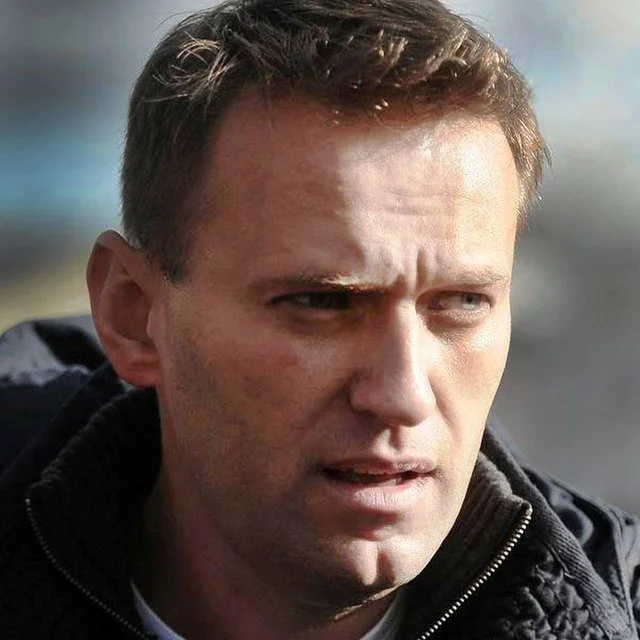
The late Alexei Navalny. Mitya Aleshkovskiy. CC BY-SA 4.0
On February 16, 2024, Alexei Navalny, outspoken critic of Vladimir Putin and major activist in Russian domestic politics, died in a Russian prison. On March 17, 2024, believers in Navalny’s vision took the next step in opposition to the president.
Despite his death, Navalny’s anti-Putin rhetoric continues to echo through the streets of Moscow. On the final day of the 2024 Russian presidential election, groups of silent protestors gathered at polling places across the country at exactly twelve o'clock noon in a demonstration dubbed “Noon Against Putin.” The plan had been endorsed by Navalny prior to his death, and the call was taken up afterwards by his widow, Yulia Navalnaya, via a video on YouTube in the days before the election.
The demonstrators voiced their disapproval of the unfair elections by either writing in Navalny’s name on their ballots, invalidating their vote, or simply leaving without voting at all. Around the world, Russian citizens also formed silent queues at embassies in Berlin and London, standing in solidarity with the demonstrators in Siberia and Moscow. Many also took to social media to decry what they called an unfair and rigged election, denying the Kremlin’s repeated claims that their president is always democratically chosen.
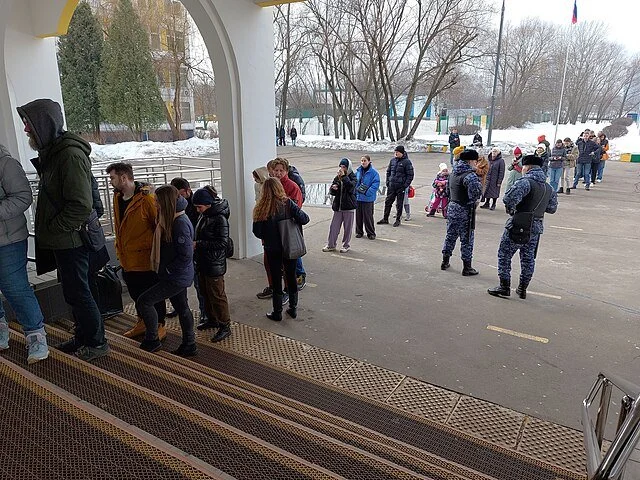
Protestors outside of a polling place in Moscow. Konopeg, CC0
Navalny was one of the few Russian citizens willing to outright oppose Vladimir Putin’s rule. He was arrested several times for leading protests against corruption in the Kremlin and eventually joined a centrist political party to work towards fair and just elections, among other humanitarian improvements in the daily lives of the Russian people. Navalny’s death in a Russian prison in the Arctic sparked outcry worldwide, with many world leaders accusing Putin of direct involvement.
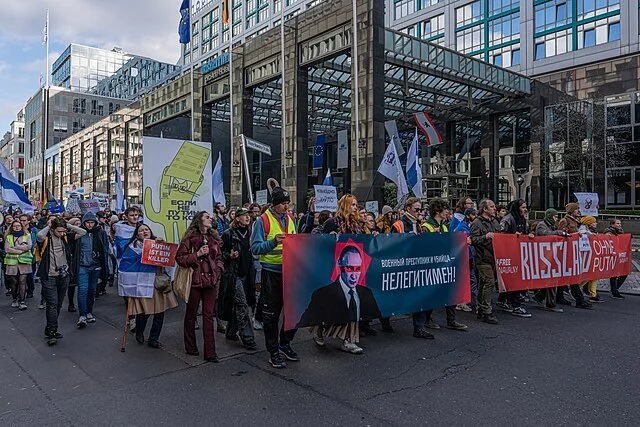
A procession outside the Russian Embassy in Berlin. A.Savin, Free Art License
“Noon Against Putin” was carried out with the knowledge that some arrests were inevitable. The demonstration ended with at least 60 citizens imprisoned and 15 criminal charges filed. Not only did the people gathering at the ballot boxes understand that their demonstration would not change the election, but they also came in spite of the laundry list of potential punishments from the authorities. The threats of imprisonment, and possibly death in captivity, hang over the heads of any Russian citizen who speaks out against the Kremlin. But the community that Navalny has built seems unafraid of these consequences. Even though Putin was still reelected, this brief and solemn display of unity among the Russian people shows that even without their vocal leader, the anti-Putin masses are still here, and are still willing to show their disapproval.
The Kremlin, and thus Vladimir Putin, still holds complete control over Russia and its government, but the forward momentum that these protestors represent, no matter how small it may appear now, suggests a potential shift in the balance of power. In the past, Russian citizens have had little choice but to put their heads down and keep moving forward. Today, Navalny’s memory has spurred those same citizens to take action towards a vision of change.
Ryan Livingston
Ryan is a senior at The College of New Jersey, majoring in English and minoring in marketing. Since a young age, Ryan has been passionate about human rights and environmental action and uses his writing to educate wherever he can. He hopes to pursue a career in professional writing and spread his message even further.
Beyond the Quakes: Taiwan’s Earthquake Preparedness
Despite being hit with a 7.4 magnitude earthquake during rush hour on April 3rd, 2024, Taiwan has emerged largely unscathed. Why is that?

A seismogram of the April 3rd, 2024 earthquake in Taiwan. James St. John. CC BY 2.0
On April 3rd, 2024, the strongest earthquake in about 25 years rocked the streets in and around Hualien on the east coast of Taiwan, followed by hundreds of aftershocks. While the search for survivors remains underway, so far 13 people have been found dead, and nearly 1,000 people have reported injuries. While any number of deaths and injuries is tragic, these figures are minuscule compared to the near 2,500 dead and 100,000 injured during the 7.7 magnitude earthquake that struck in 1999 and left approximately 50,000 homes destroyed.
Considering its location along the Ring of Fire and the presence of three seismic belts in the country, Taiwan has a long history of earth-shaking events. The Ring of Fire refers to a fault line around the Pacific Ocean that is home to a majority of the world’s earthquakes. Because of this, Taiwan records an average of about 2,200 earthquakes every year, with a record of nearly 50,000 during 1999. Taiwan’s mountains then amplify the impact of earthquakes, which resulted in the landslides that accounted for most of the deaths on April 3rd.
Because of this susceptibility and catastrophic earthquakes in the past, Taiwan has developed some of the best earthquake preparedness techniques in the world. Following the devastating Chi-Chi earthquake in 1999, the Taiwanese government began reforming construction regulations. This included seismic retrofitting in buildings and infrastructure across the country and the prosecution of inadequate construction practices. Years of experience have also resulted in efficient emergency response, aided by surveillance cameras and social media used to identify locations requiring aid.
Educating the public has been another initiative to prevent deaths during earthquakes and aftershocks. In addition to public awareness campaigns, the Central Weather Administration frequently publishes resources including information and tips surrounding earthquake preparedness. The Central Weather Administration has also run a real-time seismic network since 1994, which tracks data and notifies the public of seismic activity through an early warning system. The data collected by the seismic network is also used to update building codes.
GET INVOLVED
Ways for people to support Taiwan’s emergency response and earthquake preparedness include donating to and supporting organizations such as the Red Cross, Taiwan Root Medical Peace Corps and Peace Winds America.

Madison Paulus
Madison is a student at George Washington University studying international affairs, journalism, mass communication, and Arabic. Born and raised in Seattle, Washington, Madison grew up in a creative, open-minded environment. With passions for human rights and social justice, Madison uses her writing skills to educate and advocate. In the future, Madison hopes to pursue a career in science communication or travel journalism.
Family Planning or Ethnic Cleansing in Peru?
In the 90s, hundreds of thousands of impoverished and often Indigenous Peruvian women were forcibly sterilized. Now, they seek justice.

Quechua Women and Children. Josh Walczak. CC BY-NC-SA 2.0.
In December of 2023, a fight that has spanned decades was dealt two major blows when former Peruvian President Alberto Fujimori was released from prison on the same day that Peru’s Supreme Court annulled an investigation into state-sponsored sterilizations. Fujimori, who oversaw the sterilization program during his presidency, had been serving time in prison after being found guilty of crimes against humanity by Interpol. Peru’s Constitutional Court authorized his release on humanitarian and health grounds less than two years after the Inter-American Court of Human Rights had overruled his pardon in 2022. Elected in 1990 during a period of great economic and political unrest in the country, Fujimori presided over an administration fraught with corruption, controversy, and human rights abuses. Most notoriously, he oversaw the Barrios Altos Massacre, for which he was charged and sentenced.
Although their cases are the most widely publicized, political dissidents were not Fujimori’s only victims. After his re-election in 1995, the President introduced the National Reproductive Health and Family Planning Program (also known as the National Population Program) to address issues of poverty, economic instability and overpopulation. Fujimori presented the program as a feminist undertaking that would assure the reproductive rights of Peruvian women. Prior to the implementation of the program in 1996, women could only be approved for sterilization if they met a number of prerequisites, such as age or health risk factors. The National Population Program did away with the majority of those prerequisites. As a result, 272,028 women were sterilized by the government. Many of those women, however, have since come forward to say that they were subjected to the procedure against their will.
In what has been called a genocide or ethnic cleansing Fujimori’s administration mainly targeted women from impoverished backgrounds for sterilization, many of whom were members of Peru’s Indigenous communities. The sterilization program utilized policies developed by the Peruvian military in their Plan Verde, a military operation initially conceived as part of a coup against Fujimori’s predecessor. In one volume titled "Driving Peru into the 21st Century," the plan emphasized the convenience of sterilizing “culturally backward and economically impoverished groups.” Fujimori’s government employed unethical practices to manipulate and downright coerce women into undergoing the sterilization procedure, including by luring women to clinics under false pretenses, locking women inside the clinics, refusing essential healthcare unless they consented to the procedure, and holding the women down and injecting them with anesthesia. Doctors employed abusive language, accusing women with large families of acting like animals and of being useless. Even women who were already using other birth control methods, such as a Copper IUD, were subjected to sterilization. Many Indigenous women spoke Quechua rather than Spanish as a first language and did not understand what they were agreeing to, raising issues of informed consent.
“The Quipu Project,” developed in collaboration with MIT, is an online, interactive documentary that seeks to record and share the stories of women who were forcibly sterilized. Testimonies from Peruvian women document the suffering inflicted by the National Population Program. Many women were promised support and treatment during the recovery stage, only to be sent home immediately after the procedure, swollen, covered in rashes, with a variety of lasting medical issues. Some women, such as Celia Edith Ramos Durand, passed away from medical complications following the procedure. One woman from San Juan described the impact the operation has had on her life, saying “I don’t know if I will ever get better. I don’t believe I will ever heal … My whole body hurts. We are all in pain. Even my vagina hurts.”
Rather than serving as a remedy to economic woes, the program National Population Program has devastated vulnerable impoverished and Indigenous communities. “Ever since I was sterilized, I haven’t been able to work as before,” one woman confessed to the Quipu hotline. “We want justice,” another says, “We have been suffering for so many years. There’s not even a doctor to check our health.”
Peru’s Supreme Court decided to annul the investigation into government-sponsored forced sterilization in December following a lawsuit filed by Fujimori’s Minister of Health, Alejandro Aguinaga, citing the statute of limitations as well as lack of evidence. This is not the first time the investigation has been impeded. For decades, the fight has been an uphill battle, as the investigation has been opened, closed and reopened many times. In 1999, various human rights groups collaborated to bring the case of Mamerita Mestanza Chavez, another woman who died following the sterilization procedure, before the Inter-American Commission on Human Rights. In 2001, the Truth and Reconciliation Commission was established to investigate human rights abuses that occurred under Fujimori’s administration. Maria Isabel Cedano, a lawyer with the nonprofit organization DEMUS, is representing over one thousand plaintiffs before the IACHR. Unfortunately, none of these efforts have yet to yield results for the victims as the Peruvian government continues to dismiss cases and throw up legal roadblocks in an incredibly complex case that encompasses issues surrounding the definitions of consent, sexual violence and genocide. It is now up to the Attorney General’s office to demonstrate that the crimes committed represent an extreme violation of human rights in order to negate the statute of limitations.
TO GET INVOLVED
Quechua Benefit: Quechua Benefit is a nonprofit organization that aims to empower Quechua people in Peru’s highlands. It provides education, economic support and medical services.
DEMUS: DEMUS is a Peruvian Feminist Organization that focuses on protecting women’s sexual and reproductive rights. One of their campaigns, “Somos 2074 Y Muchas Mas,” seeks reparations for the victims of Peru’s forced sterilization program.

Rebecca Pitcairn
Rebecca studies Italian Language and Literature, Classical Civilizations, and English Writing at the University of Pittsburgh. She hopes to one day attain a PhD in Classical Archeology. She is passionate about feminism and climate justice. She enjoys reading, playing the lyre, and longboarding in her free time.
Fungi: Nature’s Solution to Plastic Waste
With 350 million metric tons of plastic waste flooding the planet every year, fungus and other microorganisms could be a surprising solution.
Read MoreNature’s Day in Court: Ireland’s Green Revolution
Ireland may become the first European country to constitutionally recognize that ecosystems possess legal rights.

Seascape in Ireland. Giuseppe Milo. CC BY 2.0 DEED
Ireland, a nation renowned for breathtaking landscapes, may become the first European country to enshrine the rights of its nature into the national constitution. In December, the Oireachtas Joint Committee on Environment and Climate Action called on the government to begin steps towards a referendum. The referendum, if successful, would recognize that ecosystems possess legal rights comparable to those of humans and corporations.
In December, the Joint Committee on Environment and Climate Action proposed a series of administrative measures for drafting constitutional amendments to the Irish government. The amendments would bestow nature with inherent rights to existence, perpetuation and restoration. Elements of nature would be seen as having the rights to flourish and be respected. The amendment would additionally recognize that humans have a right to a clean environment and protect the right of any person or organization to defend or enforce those rights on the behalf of nature.
The movement to legislate the rights of nature has grown in recent years. In Ireland, the proposition to amend the constitution emanated from the loss of biodiversity within the country as of 2023. The Citizens’ Assembly on Biodiversity Loss addressed the unprecedented rate at which human activity has driven the mass extinction of plants and animals, with over 1 million more at risk of the same. The danger to Ireland's native species has been attributed to the overall change in its climate.
Similar to Ireland, the ecosystems of other countries have equally felt the effects of climate change. In the Andean plain of Bolivia, reduced precipitation and increased temperatures have facilitated rapid desertification. In Uganda, the pace of species extinctions has accelerated as a result of prolonged periods of drought and erratic rainfall due to deforestation. These countries, among others including Ecuador, New Zealand, and Spain, have a form of national law to recognize the rights of nature, or legal personhood for ecosystems. These laws typically provide a higher level of protection to ecosystems than environmental protection laws alone, although not all are constitutionally bound. Some countries that have written the Rights of Nature include Ecuador, New Zealand, India and Mexico.
Policymakers around the world have begun to embrace a changing idea of how nature itself is treated under law. Several governments have legally bound the ‘rights of nature’ to protect certain land and water from human development. In Bangladesh, all rivers are now under legal protection. In Colombia, the Supreme Court recognized the rights of the Amazon River. Ecuador, the first country in the world to recognize the rights of nature, gives “Mother Earth” legal standing in its constitution. This jurisprudence has prompted a massive shift away from the view of nature as a ‘thing’ that humans have a right to use and eventually destroy. Dr Peter Doran of the School of Law at Queen's University Belfast argued to the Joint Committee in Ireland that granting constitutional protection to nature would not only save species and habitats but also reorient human priorities, which would have much more long term positive consequences.
Despite the good intentions behind giving nature constitutional rights, some have called the law ‘anti-human,’ claiming that it will stop extractive projects such as mining or that the rights for nature are unlikely to provide a plausible solution to the issues environmentalists aim to resolve. Proponents respond that the laws aim to protect the integrity of nature so that it may persist in the future, not abolish the rights that humans have to, among other things, private property.
The Center for Democratic and Environmental Rights appeared before Ireland’s Joint Committee to testify for why the rights of nature should be constitutionally recognized. This next step for Ireland is now in the hands of the government and the Oireachtas (parliament). For legal effect, the amendments must be approved by both houses of the Oireachtas, Dail Eireann and the Seanad, and win a majority of the popular vote in a national referendum.
TO GET INVOLVED:
The Nature Conservancy is an organization focused on creating solutions to climate change and biodiversity loss. By tackling these issues with projects involving clean energy policies, carbon storage and agricultural innovation, there is no shortage of opportunities for the public to help. The organization lists ways to get involved on their website that range from volunteering to taking a pledge to donating.
Global Alliance for Rights of Nature is a global network of organizations made up of people from all walks of life who are committed to the recognition of the Rights of Nature. The group aims to honor the relationship between humans and nature, additionally pursuing the creation of a system that treats nature as a rights-bearing entity, not a resource to be exploited at will. To better emphasize the interconnectedness of humans and their environment, the group offers the opportunity to get involved as a member, donate, or even participate in internships.
Community Environmental Legal Defense Fund aims to build sustainable communities that assist people in asserting their right to local self-governance and the rights of nature. The group assists indigenous peoples, civil societies and communities in advancing laws for the protection of nature that involves providing legislative and policy drafting, legal research, and public engagement and education. With this, the public is able to join the movement, which offers many opportunities to volunteer in a community or help to organize a campaign.
EarthJustice is a nonprofit public interest environmental law organization that is founded on the belief that everyone has the right to a healthy environment. Through projects focusing on defending a right to clean air, clean water and wild places, the group believes that a better future can be built. With 15 offices and 200 lawyers, as well as an impressive total of 500 legal cases it has represented free of charge, there is no shortage of opportunities for the public to participate, whether through signing petitions or donating.
Mira White
Mira is a student at Brown University studying international and public affairs. Passionate about travel and language learning, she is eager to visit each continent to better understand the world and the people across it. In her free time she perfects her French, hoping to someday live in France working as a freelance journalist or in international affairs.
Women Tuk-Tuk Drivers in Cambodia Fight Discrimination
Women in Cambodia fight discrimination to become Tuk-Tuk drivers as global corporations, such as Uber and Lyft, implement initiatives to promote the safety of female and non-binary drivers and passengers.
Read MoreThe Dark Side of Light Pollution
As light pollution engulfs over 80 percent of the world's skies, artificial light has demonstrated its detrimental impacts on the health of humans, ecosystems and the planet.

Light pollution in Los Angeles. Erik Levin. CC BY-NC 2.0
Artificial lighting fixtures like street lights and billboards have become commonplace for billions across the globe. While artificial light has been in use for centuries, light pollution has dramatically increased over the past few decades. Considering the global urban population is projected to rise by up to 68 percent in the next 25 years, the demand for artificial light is unlikely to subside.
Light is integral to life on Earth, influencing the planet's creatures down to their DNA. From reproduction to protection from predators, many life-sustaining behaviors rely on the cycle of day and night. Artificial light has been shown to disrupt life in many kinds of ecosystems. In the wetlands, artificial light interferes with nocturnal mating rituals. Starlight and the Sun's rays also serve as important navigation devices for many animals and insects. When artificial light disrupts these natural signals animals like baby sea turtles and birds can be drawn to their demise.
Within ecosystems, seemingly small changes brought by the presence of artificial light can have cascading effects. For example, some predators have evolved to target insects swarming artificial light. As vital members of the food chain, the decline of insect populations poses a threat to everything in the food web.
The reach of artificial light is not limited to urban areas, as it has been found to seep below the soil and into the oceans. Artificial light hinders the ability of microorganisms in the dirt to use carbon. Meanwhile, artificial light in the oceans has been found at depths of more than 66 feet, affecting the life-sustaining activities of many marine species.
The negative effects of artificial light are not always direct. The electricity required to sustain the current consumption of artificial light mostly comes from coal-fueled power plants. This production emits 15 million tons of carbon dioxide into the atmosphere every year, contributing to climate change and posing further threats to ecosystems.
People are not immune to the negative effects of their own creations. A mere 15 minutes of exposure to bright artificial light has the power to halt melatonin production. Due to its disruptive effects on circadian rhythms, artificial light can contribute to health conditions ranging from sleep disorders to heart disease. While artificial light is often used as a tool for safety and security, it can have the opposite effect. For example, glaring light can cause poor visibility.
While artificial light may be necessary for people to function at night, nearly one-third of all lighting is unnecessary, leaving ample room to cut down on its negative effects. Scholars propose prioritizing dark sky conservation in electric lighting design, using warm-colored light, and avoiding blue-colored light. Blue-colored light is particularly harmful for people and ecosystems alike because it scatters farther than warm-colored light. People can limit their light pollution by shielding, dimming, and turning off lights. Advocacy organizations suggest keeping light pollution in mind when shopping for lighting products. Environmentally friendly models will have adequate shielding to prevent glare and limit the amount of light escaping into surrounding areas.
TO GET INVOLVED
To advocate for limiting light pollution, get involved in non-profits like DarkSky and Light Justice, which offer opportunities for advocacy and education.
Madison Paulus
Madison is a student at George Washington University studying international affairs, journalism, mass communication, and Arabic. Born and raised in Seattle, Washington, Madison grew up in a creative, open-minded environment. With passions for human rights and social justice, Madison uses her writing skills to educate and advocate. In the future, Madison hopes to pursue a career in science communication or travel journalism.
Rural Roots, Green Future: Forest Conservation in Romania
With the loss of centuries-old trees, Romania looks to the preservation of its ecosystem to protect both past and future.
Read MoreChile’s Forest Fires: A Glimpse Through the Smoke
Wildfires are engulfing Chile, claiming the lives of about 130 people so far and sparking questions about potential causes and solutions.
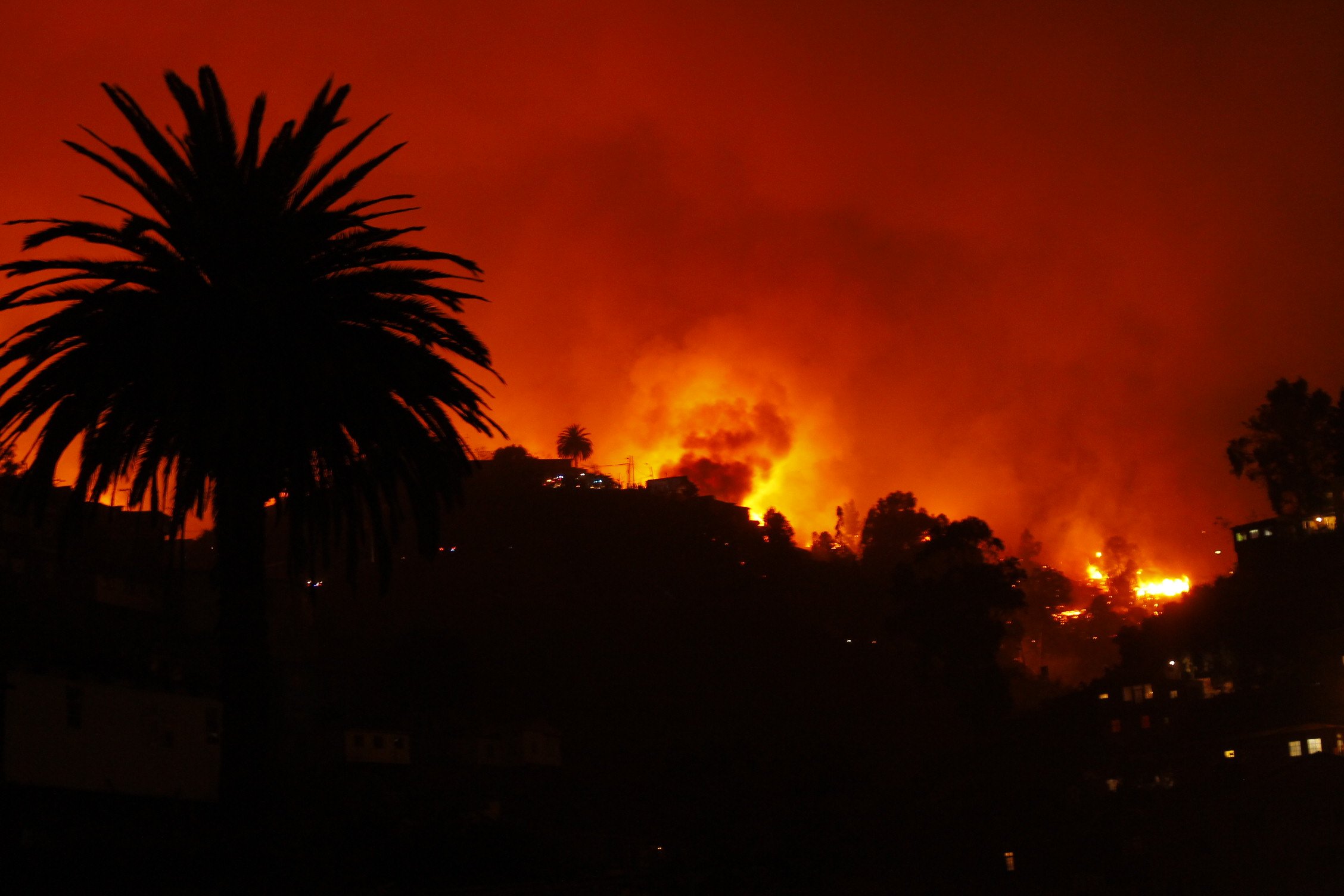
A 2014 forest fire in the Valparaíso region of Chile. Gabriela. CC BY-NC 2.0
As of February 9, 2024, nearly 5,000 people have been affected by what appear to be Chile’s deadliest forest fires on record. These devastating waves of flame follow the planet's hottest year and hottest January to date. Chile is not the only South American country to face an inferno following a scorching January, with forest fires reported in Colombia and Argentina as well.
Fires and climate change are in a feedback loop, amplifying each other. Consequences of climate change, including higher temperatures and heat waves, contribute to drier conditions and longer fire seasons. The fires create areas of dead, dry vegetation at greater risk of future fires, while the smoke from the fires pumps carbon dioxide to the atmosphere, further warming the planet.
As the planet continues to warm, natural phenomena such as El Nino are intensified, resulting in hotter heat waves accompanied by dry spells, particularly affecting countries in northern South America such as Colombia and Venezuela. As recorded in 2018, about 21% of Chile is forest. The nation's tree cover, paired with its long dry season and heat waves, has proved to be a deadly combination. Forest fires in Chile have contributed to a range of destructive consequences throughout the years, including the loss of lives and biodiversity.
Chile’s government has made strides to address climate change as a member of 20 international environmental agreements. Chile’s Forestry Service (CONAF) collaborates with the private forestry sector to implement preventative measures. In 2021, former Chilean President Sebastián Piñera presented the National Forest Fire Protection Plan. This plan allocated necessary resources to fire prevention and management, including firefighters, vehicles and technologies to predict and monitor fires. Despite these efforts, forest fires have continued in the country.
Scholars have identified that preventative measures are necessary in addressing forest fires. For example, controlled burns have been used by Indigenous People in North America for millenniums. Controlled burns are meticulously planned fires intentionally set to improve the health of a forest and reduce the risk of large-scale forest fires by decreasing the presence of dry vegetation. Other innovative measures to prevent forest fires include a gel-like fire retardant developed by researchers at Stanford University and technologies that can predict wildfires like Chile’s “Red Button” program.
Despite the issue of wildfires being amplified by climate change, about 99% of forest fires in Chile are caused by people, which is why education is another critical preventative measure. Tactics people can employ to prevent forest fires include taking steps to avoid creating sparks or fire when the area is hot, dry and windy and to refrain from driving over dry vegetation, as vehicle exhaust can reach temperatures over 1,000 degrees Fahrenheit.
Currently, the Chilean government is working tirelessly to combat the ongoing forest fires. For those looking to support these efforts, nonprofits like GlobalGiving provide platforms to donate to those affected, and social media offers a way for everyone to raise awareness.
Madison Paulus
Madison is a student at George Washington University studying international affairs, journalism, mass communication, and Arabic. Born and raised in Seattle, Washington, Madison grew up in a creative, open-minded environment. With passions for human rights and social justice, Madison uses her writing skills to educate and advocate. In the future, Madison hopes to pursue a career in science communication or travel journalism.
The Rules of War in the Israel-Hamas Conflict
Human rights organizations report on dire humanitarian conditions in Israel and Palestine, alleging violations of international law.
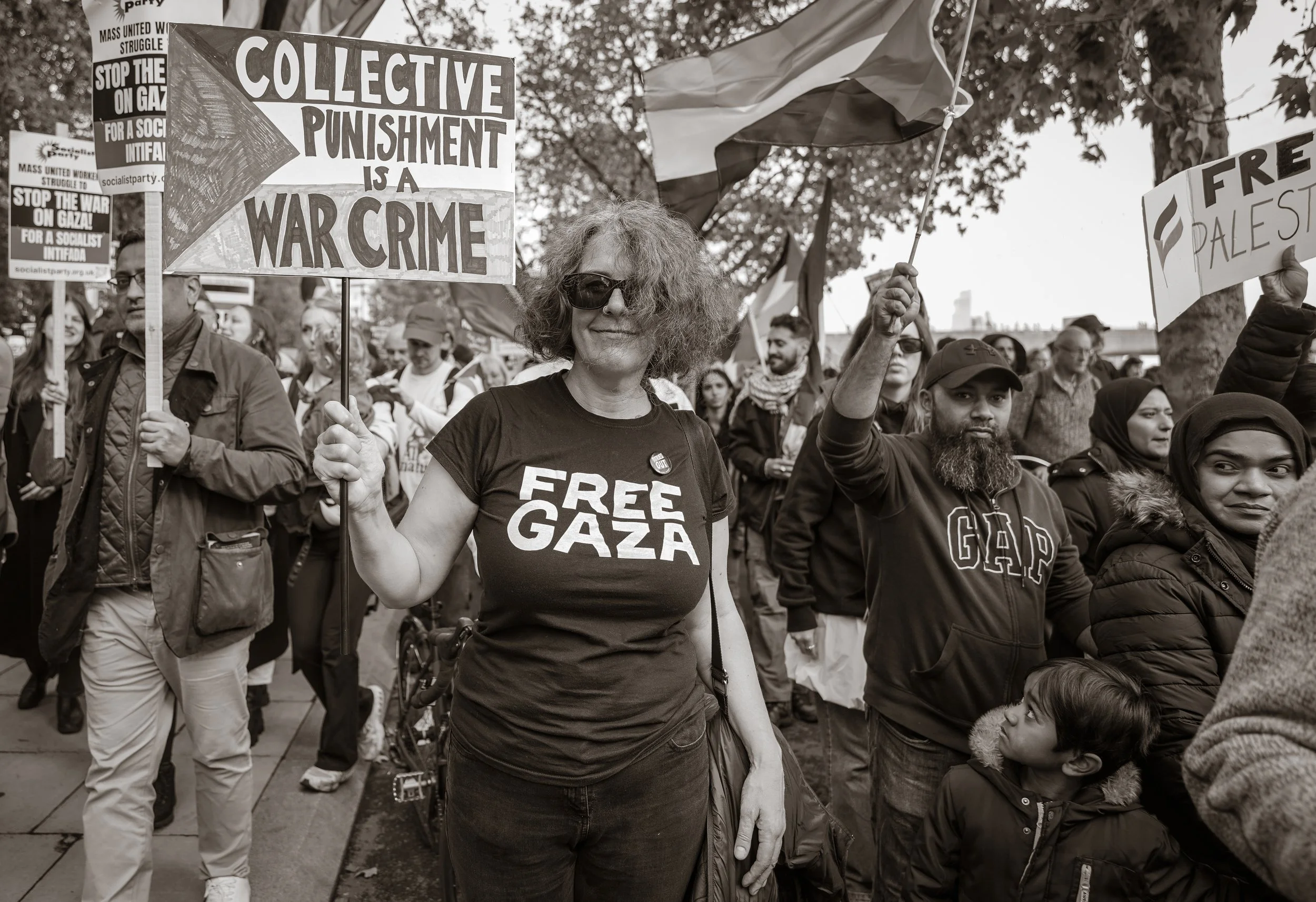
London Demonstration for Palestine. Alisdare Hickson. CC BY-SA 2.0 DEED
Since the escalation of violence in the conflict between Israeli forces and Palestinian armed factions, alleged violations of International Humanitarian Law (IHL) have surfaced. Both sides have faced criticism regarding allegations that may constitute a breach of IHL.
The United Nations Office for the Coordination of Humanitarian Affairs (OCHA) describes IHL law designed to safeguard civilians and prohibit indiscriminate attacks against them. This provision is binding on all armed groups involved in a conflict, regardless of reciprocal actions. The OCHA, with this law in mind, has drawn up potential allegations against Israeli and Palestinian combatants, which take aim at Israeli military tactics and use of prohibited weapons as well as Palestinian armed groups’ conduct.
With the intensification of the violence and the number of Palestinians who have been displaced, there has been rising criticism regarding the weaponry and tactics that Israel has employed against Palestine. More serious allegations include the use of white phosphorus in well-populated areas of Gaza, which has harmful effects on human tissue. This, among other tactics such as blockades and airstrikes, have resulted in high civilian casualties, raising questions with regard to the potential for indiscriminate suffering and collective punishment.
Palestinian actors have also breached rules of IHL. Human Rights Watch reports that armed groups, such as Hamas, have used indiscriminate rocket firing into Israeli territories, giving reason to accuse those involved of targeting Israeli civilians specifically, warranting a war crime.
Apart from OCHA, other human rights organizations have also begun to contend the violence as war crime and collective punishment. Amnesty International, an organization focused on human rights, has found Israel’s system of governing Palestinians in Israel and the Occupied Palestinian Territories to be oppressive and discriminatory. Citing the forced eviction of thousands of Palestinians, use of arbitrary detention by Israeli authorities and torture or ill-treatment of civilians, Amnesty has expressed the belief that Israel’s actions constitute a system of aparthied under international law.
The International Federation For Human Rights (FIDH) has additionally expressed concern over the targeting of civilians and human rights violations in Israel and the occupied territories. From the gathered evidence of human rights abuses, FIDH has acknowledged a tightened system of apartheid by Israel, involving the displacement of Palestinians in the West Bank, denial of freedom of movement and incidents of torture, all amounting to crimes against humanity. As of November 2023, Israel held close to 7,000 Palestinians that, with restrictions on water and overcrowded conditions, subjected detainees to what is now being considered ill-treatment and collective punishment. Tal Steiner, executive director of the Public Committee Against Torture in Israel, commented on the treatment of Palestinian detainees, saying that “Punitive detention conditions, arbitrary violence and humiliation of detainees and the intentional infliction of torture, should all be absolutely prohibited and unacceptable.”
The International Criminal Court (ICC) has become involved with the conflict as a potential route for prosecuting those accused of war crime and human rights abuses. Israel has argued that the ICC does not have jurisdiction because of its views regarding Palestine’s statehood, however, the mandate by ICC has gathered international support as viable protection against war crimes. The collection of evidence gathered by human rights organizations has aided in the investigation by the ICC, and the pursuit of accountability in this current situation has been viewed as one of the most crucial steps in ending the violence.
Both the Israeli and Palestinian governments and terrorist organizations like Hamas are responsible for upholding human rights, regardless of the applicability of international law in the case of the conflict between the two. Those infractions adjudicated as war crimes may be subject to legal repercussions, but as the international community awaits further development, accountability as an avenue for resolution remains integral.
Mira White
Mira is a student at Brown University studying international and public affairs. Passionate about travel and language learning, she is eager to visit each continent to better understand the world and the people across it. In her free time she perfects her French, hoping to someday live in France working as a freelance journalist or in international affairs.
The First Documentary? Or an Utter Falsehood?: "Nanook of the North"
Cemented as a piece of cultural iconography of the Inuit Peoples, "Nanook of the North" exemplifies how art and exploitation can coexist.
Read MoreThe War on Journalists in the Israel-Hamas War
The Israel-Hamas War is the deadliest conflict for journalists in 30 years, at least 83 journalists have been confirmed dead.
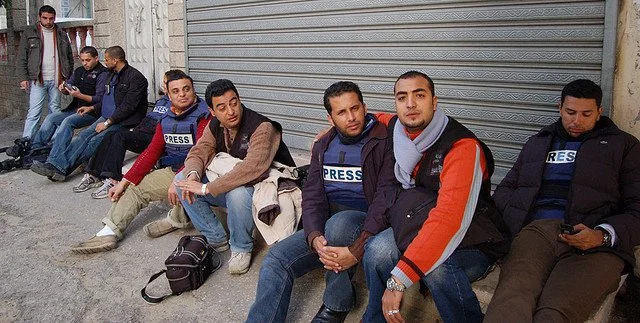
Al Jazeera’s Gaza crew and journalists. Global Panorama. CC BY-SA 2.0 DEED
Since the start of the Israel-Hamas war on October 7, there has been an unprecedented amount of journalist death and injury. Facing high risks to cover the unfolding conflict without guaranteed safety, this war has claimed more journalists than any other in the last 30 years.
As of January 24, at least 83 journalists and media workers have been confirmed dead. Among them, 76 were Palestinian, four Israeli and three Lebanese, according to the Committee to Protect Journalists (CPJ). Similarly, the International Federation of Journalists (IFJ) reported an estimated 94 journalists that have been killed and 400 others imprisoned. IFJ has called on the International Criminal Court (ICC) prosecutors to investigate the deaths of these journalists, though Israel has argued that the ICC has no jurisdiction in the conflict because the Palestinian territories are not an independent sovereign state.
The Israel-Gaza war has become the most deadly conflict for members of the press. In 2022, 15 journalists were killed in Ukraine, 30 in Latin America and at least five in Haiti, making the amount of journalists killed in Gaza in just a few months of war greater than all of those killed worldwide in 2022. Because of such an increase, some believe that journalists are being explicitly targeted for the information that they aim to provide to the public.
On November 21, correspondent Farah Omar and cameraman Rabih al-Maamari were killed in Lebanon by two missiles fired by an Israeli warplane. The Al-Mayadeen TV channel that the broadcasters worked for announced that they were covering back and forth fire on the Tayr Harfa/Al-Jebin triangle in Southern Lebanon between Israeli forces and Hezbollah when they were hit. In a statement, the TV channel said that it believes its journalists were deliberately targeted for its — the channel’s — pro-Palestinian views. In a separate statement, Lebanese Prime Minister Najib Mikati alleged that the Israeli strike was an attempt to silence the media.
Consequently, the CPJ has accused the Israeli military of targeting journalists in Gaza. One instance includes Al Jazeera camera operator Samir Abudaqa, who was injured during a drone strike and forced to take shelter in a UN school. Those who tried to help Abudaqa to get him to safety were shot and Abudaqa died due to his injuries.
Other journalists have reported similar instances, but where their families have been targeted. Anas Al-Sharif, Al Jazeera journalist, told the news channel of phone calls that he had received from the Israeli army instructing him to cease his news coverage and leave Gaza. Following these threats, Al-Sharif’s father was killed by an Israeli airstrike on his home. Such death and violence resulted in a report last May by the CPJ that documented a “deadly pattern” of journalists deaths by Israeli forces; a pattern of killing journalists that was observed even before the latest conflict in Gaza.
Across global media there has been outrage over a lack of accountability of Israel’s killing of journalists in Gaza. In the United States some journalists have held vigils for fallen colleagues, but there has been an overall lack of public commentary from journalistic institutions themselves. Staff at the Los Angeles Times displayed their solidarity with fellow journalists in Gaza by signing an open letter condemning the killings and criticizing Western media’s lack of coverage of Israel’s actions. The paper subsequently suspended these staff members from coverage of the war for what LA Times cited as a violation of its ethics policy. This outcome has caused some journalists to remove their names from the letter, fearing reprisal from their workplaces, and left others questioning the Biden administration's support of press freedom and Israeli accountability.
Journalists have additionally reported feeling less safe wearing a press vest and that being identified as a member of the fourth estate could make them or their families targets for Israeli forces.
These patterns of violence have left journalists in a precarious situation that has broader global implications. Without being able to report what is going on in Gaza, the role of these journalists only becomes more vital. Millions of people have relied on the accurate information provided by journalists to understand this conflict, and without them are left only with misinformation that may instead fuel it further.
Mira White
Mira is a student at Brown University studying international and public affairs. Passionate about travel and language learning, she is eager to visit each continent to better understand the world and the people across it. In her free time she perfects her French, hoping to someday live in France working as a freelance journalist or in international affairs.
Confronting Houselessness Crisis Worldwide
With the 2023 Supreme Court case of City of Grants Pass, Oregon v. Gloria Johnson circulating the headlines and threatening the rights of 653,104 unhoused people in the United States, understanding how other countries are addressing the issue of houselessness can help provide perspective.
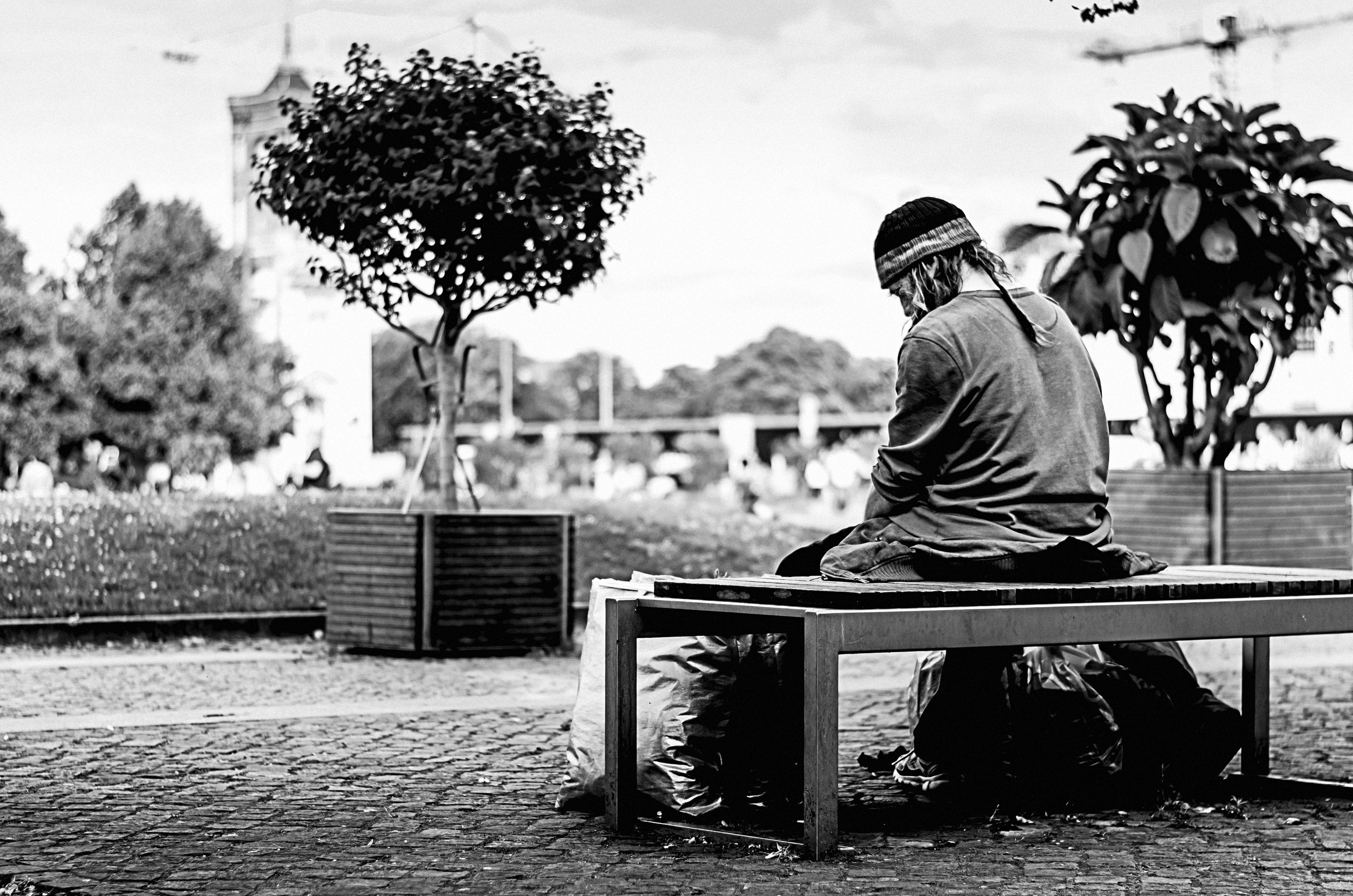
A person sits on a bench with their belongings. Grego. CC0 1.0
In 2020, the world denied an estimated 1.6 billion people the human right to adequate housing. Societies often stigmatize houselessness, leading to discrimination against unhoused people. This stigma often contributes to the criminalization of houselessness.
Houselessness is criminalized when laws can punish people for partaking in life-sustaining activities in public spaces. Examples of these laws include prohibitions on panhandling or allowing the confiscation of personal property, often referred to as “sweeping.”
The Supreme Court's decision in the City of Grants Pass, Oregon v. Gloria Johnson case will determine whether it is constitutional for states to fine or arrest people for sleeping outside, even when adequate shelter is unavailable. This comes at a time when houselessness is on the rise across the U.S., with a 12 percent increase between 2022 and 2023. Los Angeles and New York City are home to about a quarter of America's unhoused population.
In the U.S., houselessness is a highly politicized issue. The 2020 Democratic platform endorsed a Housing First policy that prioritizes accessible permanent housing, stating that, “Having a stable and safe place to live is essential to helping a person tackle any other challenges.” In contrast, Republicans on the Joint Economic Committee released a report in 2022 criticizing Housing First policy for failing to “to address deeper problems that often drive homelessness”. The lawmakers proposed that Housing First policy be replaced with policy that prioritizes health and employment resources. The debate over solutions persists as houseless populations rise.
The City of Grants Pass, Oregon v. Gloria Johnson case is not the first time laws explicitly criminalizing houselessness have been on the global radar. In 2018, Hungary enacted a new constitutional provision that put houseless people sleeping in public spaces at risk of fines or arrest. Since the passage of this law, the number of houseless people in Hungary has not changed, with an estimated 30,000 houseless people in both 2018 and 2024.
Hungary is far from the only country to combat houselessness with criminalization. Many governments have turned to this strategy, from the forced institutionalization of houseless children in Brazil to laws authorizing the arrest of people loitering in Sierra Leone and Nigeria.
Other countries have taken a different route in tackling this crisis by increasing accessible housing and resources. Finland’s Housing First Policy focuses on providing people with housing and addressing underlying conditions and factors contributing to their houselessness. Since the Housing First policy began in 2008, the number of long-term houseless people in Finland decreased by more than 35 percent. Some policies combine punitive and welfare measures. The government in Tokyo, Japan has combined these strategies by punishing people for residing in public spaces while redirecting them to welfare resources.
Beyond policy, technological innovations present potential solutions for this issue. In India, Tvasta Manufacturing Solutions collaborated with Habitat for Humanity to create 3D-printed homes. These homes can be built in five days or less, are about 30 percent cheaper than traditional construction and create less waste. The 3D-printed homes industry is now present across the globe from Africa to Mexico.
Beyond the world of policy and technology, everyday people can directly take action to help address houselessness. Destigmatization is an important step in addressing this issue. Experts recommend advocacy and creating public education campaigns to help people understand and empathize with unhoused people. Attending educational opportunities such as events hosted by the UN Working Group to End Homelessness is a great way to learn and engage with people fighting for the right to adequate housing.
For those looking to make an impact on a local scale, there are many volunteering opportunities with organizations such as CaringWorks or the National Coalition for the Homeless. With an estimated 1.6 billion people expected to be impacted by the housing crisis in 2025 and an estimated two billion people fearing climate-related displacement, the time to act is now.
Madison Paulus
Madison is a student at George Washington University studying international affairs, journalism, mass communication, and Arabic. Born and raised in Seattle, Washington, Madison grew up in a creative, open-minded environment. With passions for human rights and social justice, Madison uses her writing skills to educate and advocate. In the future, Madison hopes to pursue a career in science communication or travel journalism.
5 Animals at Risk of Extinction
The risk of depleting ocean resources and the practice of poaching is driving many vulnerable species to extinction.

Two elephants playing in a forest scene. Future Kiiid. CC0.
A growing number of the planet's animals are teetering on the brink of extinction. These critically endangered species face an uncertain future due to the dire effects of poaching, habitat loss, climate change and other environmental pressures. Wildlife populations of a variety of species have been declining in recent years in a phenomenon known as the Global Extinction Crisis. The risks this entails are a drop in biodiversity as well as decreased resource availability for people. Efforts to combat this trend include the protection of natural habitats, reduced pollution and the enactment of measures to restrict or eliminate overfishing and overhunting.
Blue Whale
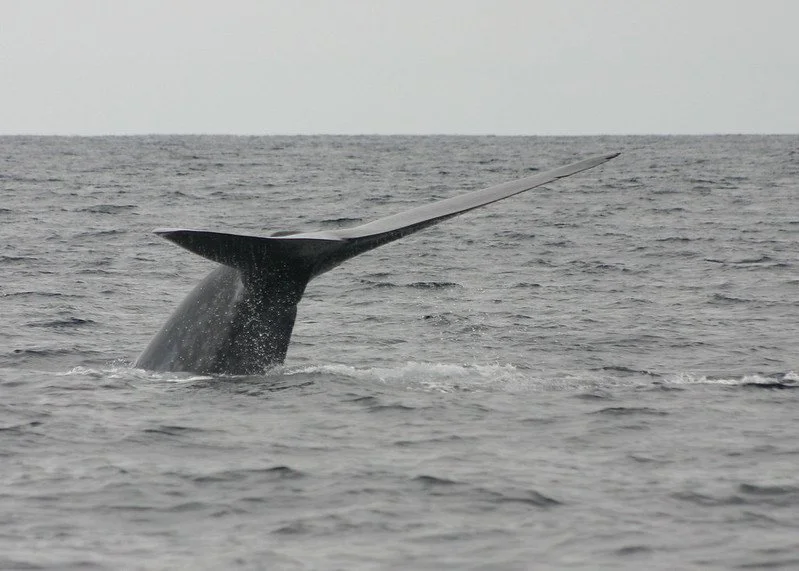
Blue Whale Tail Deep Dive. Seabass London. CC by 2.0.
The blue whale, or Balaenoptera musculus, is the largest creature on Earth and a symbol of oceanic grandeur. Despite their colossal size, blue whales are surprisingly vulnerable due to various human-induced factors. Collisions with large vessels and entanglement in fishing gear pose grave risks to their survival. Furthermore, the pervasive issue of climate change has disrupted the availability of their primary prey, krill, as warming oceans alter the distribution of these tiny crustaceans. Efforts such as establishing marine protected areas, restricting boat speed and advocating for sustainable fishing practices are crucial steps to safeguard the future of blue whales.
Black Rhino
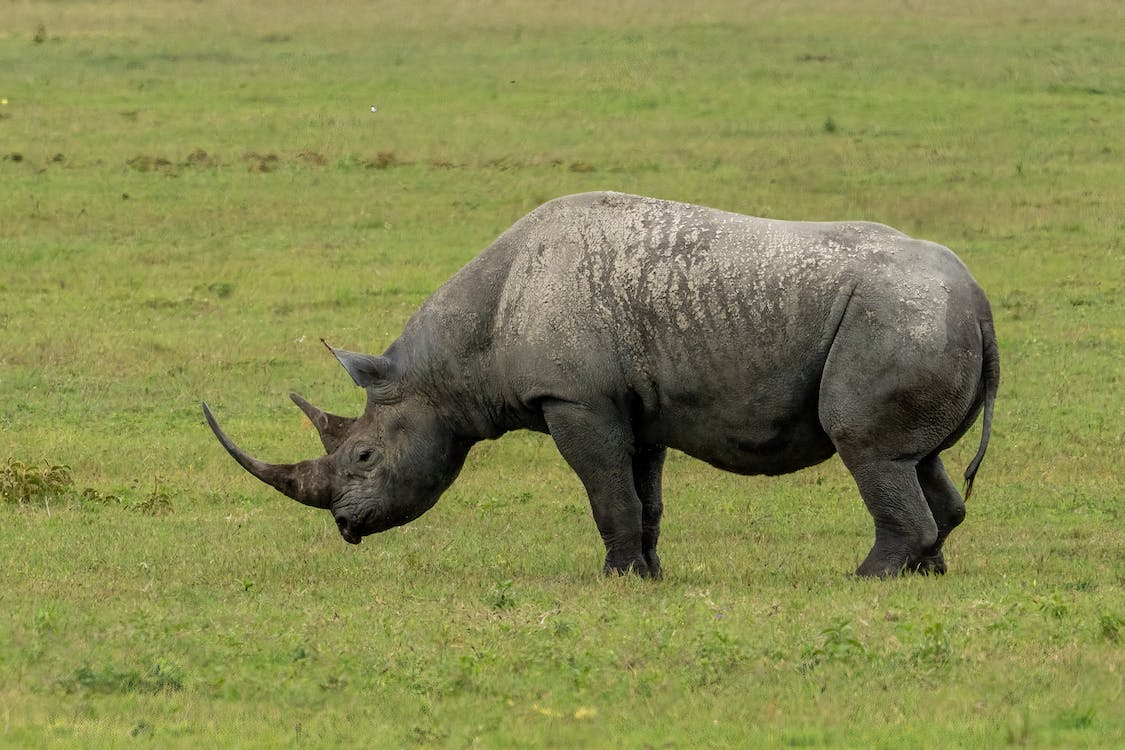
Black Rhino in the Savannah. Chris Clark. CC0.
The black rhinoceros, alternately diceros bicornis in scientific Latin, resides in climatically warm eastern and southern Africa in countries like Kenya and Zambia. They are the smaller of the two main African rhino species, the other being the white rhino, but just as threatened. Overall, the species is listed as “critically endangered”, but three subspecies of the rhinoceros, including the western and southern black rhino, have already been declared extinct. By the International Union for Conservation of Nature’s (IUCN) approximation, there are just under 6,500 black rhinos in Africa, a number currently increasing due to conservation efforts.. Despite this, they are threatened by habitat reduction and poaching, the animals long being prized for their famous horns. Between 1960 and 1995, the population suffered severe reduction in its numbers and survival rates because of this brutal practice. Conservation efforts, such as anti-poaching laws, community measures and habitat awareness are critical to preventing the complete disappearance of the black rhino from our planet.
Yangtze Finless Porpoise
Finless Porpoises Swimming. Foooomio. CC by 2.0.
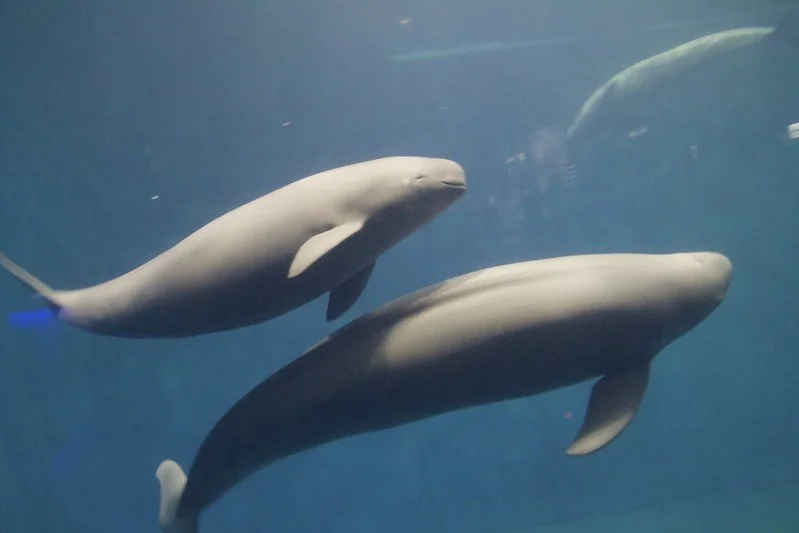
The Yangtze Finless Porpoise (Neophocaena asiaeorientalis) inhabits the Yangtze River in China, and is the only living freshwater porpoise in the world. Members of this species are sleek and snoutless, with no fin on their dorsal ridge, the latter giving them their name. These aquatic creatures have adapted to the turbulent and often complex environment of the river, but they are still struggling; They are primarily threatened by overfishing, pollution, dam construction along the Yangtze and accidental entanglement in fishing nets and equipment. This reduces the population very quickly, so much that there are only between 1,000 and 1,500 viable cetaceans remaining currently. In order to combat the increasing annual decline, China has established finless porpoises as “first level protected species,” the highest level of protection the country offers.
Sumatran Elephant

Sumatran elephant in Tesso Nilo National Park, Indonesia. NonprofitOrgs. CC by 2.0.
The Sumatran Elephant (Elephas maximus sumatranus) is one of three subspecies of Asian elephants, native to the island of Sumatra in Indonesia. They have a smaller build than an African elephant and sometimes possess a curved back. The unfortunate fact about their population in the wild is that it has declined by four fifths 80% in the past three elephant generations. This is due to the illegal poaching for their ivory and their body parts, which further compounds the threats faced by the Sumatran elephant. Also because of deforestation and logging, a large portion of the forest in which they live is too small to contain a significant population. Because of the fragmentation of their habitats, the elephants stray into agricultural areas in search of food, which worsens elephant and human contact. Due to these factors, there are an estimated 2,800 elephants residing on all of Sumatra. Collaborative initiatives pertaining to reforestation and involving both the government and communities would be the best course of action in preserving the Sumatran elephant.
Hawksbill Turtle
Hawksbill Sea Turtle at Carey de Concha. USFWS/Southeast. CC0.
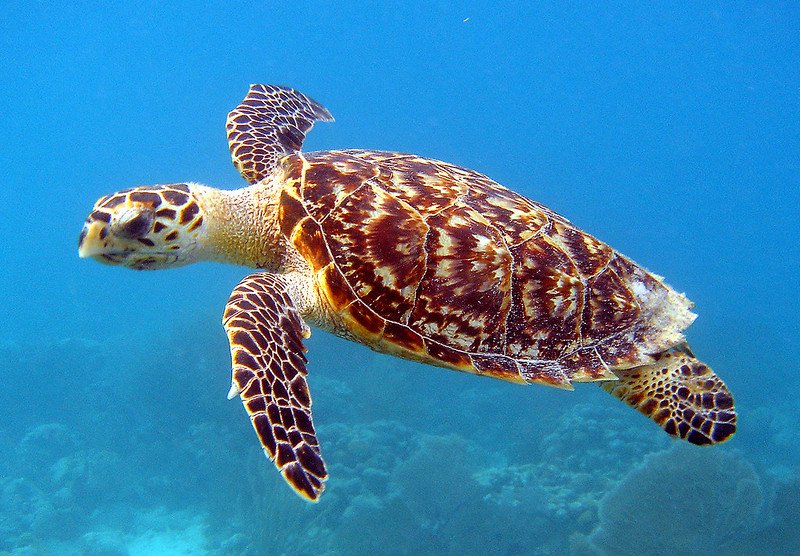
The Hawksbill Turtle, or Eretmochelys imbricata, is mainly found in subtropical/tropical areas of the ocean. It is distinguished by its flatter body shape and beakish sharp mouth. Hawksbill turtles play a huge role in maintaining the health of coral reef systems by controlling sponge populations. Like many iconic creatures, hunting represents the biggest encroachment on the reptile's livelihood, with poachers targeting the turtles for their eggs, skin and shells. Their beautifully patterned shells fetch an unfortunately high price on the black market. In the last 30 years, turtle populations have declined by 80% because of other causes like climate change, plastic pollution, rising sea levels, and accidental capture in fishing gear. Because of these significant factors, there are possibly only 57,000 Hawksbill turtles left.
So how can we help? People can support conservation organizations by volunteering their time to the protection of endangered species. Your involvement or donations can help fund critical conservation projects. People can practice responsible tourism, choosing eco-friendly and ethical wildlife tourism options that do not harm natural habitats. Thirdly, you can advocate for and support initiatives that intend to restore habitats for endangered species, such as reforestation efforts and marine-protected areas. Finally, we can work to make pollution less of a concern by recycling and supporting clean energy to mitigate climate change.
TO GET INVOLVED
Find out more about the World Wildlife Fund, which works to eliminate the worst effects on animals remaining in the world and protect diverse species.
Discover SeeTurtleOrg’s mission, which includes volunteering trips and organizations that dedicate their resources to saving marine life, specifically sea turtles.
Find out about the Defenders of Wildlife, which works to prevent animals and their habitats from becoming vulnerable or imperiled, as well as aims to protect the health of susceptible species.

Riley Baker
Riley Baker is a first-year student at James Madison University majoring in Writing, Rhetoric, and Technical Communication. She enjoys elements of storytelling and creative writing and likes listening to music. In addition, she is interested in journalistic-style writing and editing and intends to focus on writing articles about lesser-known travel locations and impactful world topics.
Miles4Migrants' Pledge to Reunite 70,000 Families
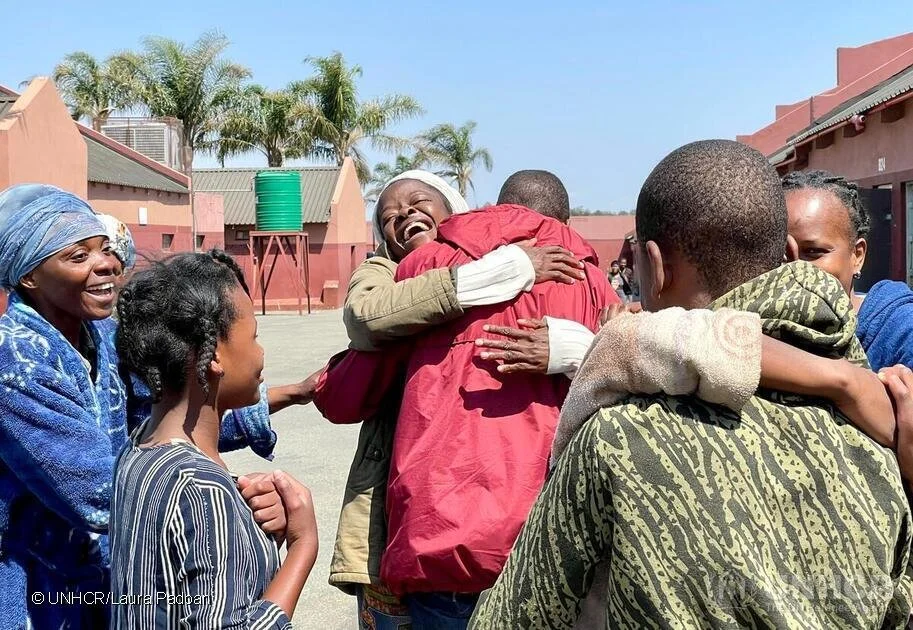
Through the donation of unused travel rewards, Miles4Migrants has leveraged $17 million worth of donated frequent flier miles to reunite vulnerable individuals affected by war, persecution or climate disaster with their families.
Courtesy of UNHCR.
Founded in 2016 by Seth Stanton, Nick Ruiz and Andy Freedman, Miles4Migrants (M4M) emerged as a philanthropic force dedicated to the cause of preventing families from being torn apart by displacement. With a resolute focus on leveraging donated frequent flyer miles and points, the non-profit organization strategically orchestrates flights, intricately navigating global airline alliances, airline routes and immigration regulations for families who have received legal approval for relocation.
Donors are asked to commit a minimum of 1,000 to 47,500 points or miles, depending on the program. After pledging, the flight booking team at M4M will match the donated miles with an individual or family seeking asylum or with refugee status but who cannot afford airfare to relocate. The matching process looks at which itinerary will get the most out of a donation, which case will keep the most family members together on the same reservation, the fastest flight route, and the least booking friction for the donor. The matching process may take several weeks, and M4M will keep donors informed, providing the recipient's photo(s) and a story detailing how their contribution has made a difference. In addition to frequent flyer miles, donors can contribute travel vouchers and cash. Miles4Migrants presently accepts a wide range of vouchers, including those from Alaska Airlines, American Airlines, United Airlines, Delta Air Lines, Southwest Airlines, JetBlue, Allegiant Air and others.
Miles4Migrants has achieved remarkable feats since its inception, facilitating travel for an impressive 43,187 individuals spanning 98 countries. This commendable endeavor, valued at an astounding $17 million, has been made possible by redeeming an impressive 775 million miles, courtesy of generous donors.
The organization's recent appearance at the UNHCR Global Refugee Forum in Geneva underscored its commitment to an innovative and ambitious strategy. M4M’s Executive Director Glaydon de Freitas revealed a visionary multi-currency system, integrating money, frequent flyer miles, credit card points, and travel vouchers. This multi-faceted approach, coupled with M4M's expertise in flight booking and strategic partnerships with major airlines, ensures a cost-effective and efficient procurement of airline tickets.
During the forum, Miles4Migrants boldly pledged to reunite 70,000 forcibly displaced individuals with their families by 2030, with an initial goal of reuniting 10,000 families in the upcoming year. This resolute commitment aligns seamlessly with Global Compact On Refugee’s Roadmap 2030 on third-country solutions for refugees and the broader multi-stakeholder initiative to reunite at least 1 million refugee families by 2030.
To achieve these tremendous family reunification goals, Miles4Migrants has meticulously outlined specific strategies. These include identifying the most value-efficient flight options across all airlines, proactively mobilizing resources, utilizing a comprehensive database system for efficient tracking, providing post-booking support to NGO partners, and fostering crucial partnerships with airlines and corporations.
In fact, corporate partnerships and long-term sponsorships have emerged as linchpins in Miles4Migrants' operation. The Shapiro Foundation, led by President Ed Shapiro, stands as a keystone partner, generously committing to funding 500 flights in 2024, contributing significantly to the nonprofit's goal of reuniting 70,000 families by 2030. A recent collaboration with The Points Guy (TPG), a prominent name in the travel industry, further exemplifies the importance of corporate support. TPG became an official corporate sponsor and pledged to match cash donations of up to $15,000. At the end of its five-week campaign, TPG raised 5,561,479 miles (worth nearly $120,000), receiving more than $1,487 in flight vouchers, and—thanks to TPG and Lonely Planet matches—raised $30,275 in cash donations. Miles4Migrants said it was the second-highest number of miles contributed from any partner campaign and also one of the highest cash amounts it has been able to raise. The donations were enough to fly around 500 people to safety.
Get Involved
The call to action is clear—dormant travel rewards can catalyze change. Miles4Migrants implores individuals to consider donating unused frequent flyer miles, credit card points or travel vouchers to play a pivotal role in reuniting families and offer fresh starts to those in need. The organization encourages supporters to amplify its cause through social media, whether that be through sharing impactful stories, motivating friends and family to contribute unused rewards, or organizing local events to bolster collective efforts.

Raeann Mason
Raeann is a traveler, digital storyteller, and guide writer with a Mass Communication & Media degree from the Walter Cronkite School of Journalism. She is passionate about a/effective journalism and cultural exchange and advocates for international solidarity and people's liberation. Her work at CATALYST focuses on reshaping the culture of travel and hospitality to be more ethically sound and sustainable.