Argentina Times Two: Country Declares Rule over Antarctica—and the Falklands

The nation claims disputed territories in Antarctica. Will anyone notice?
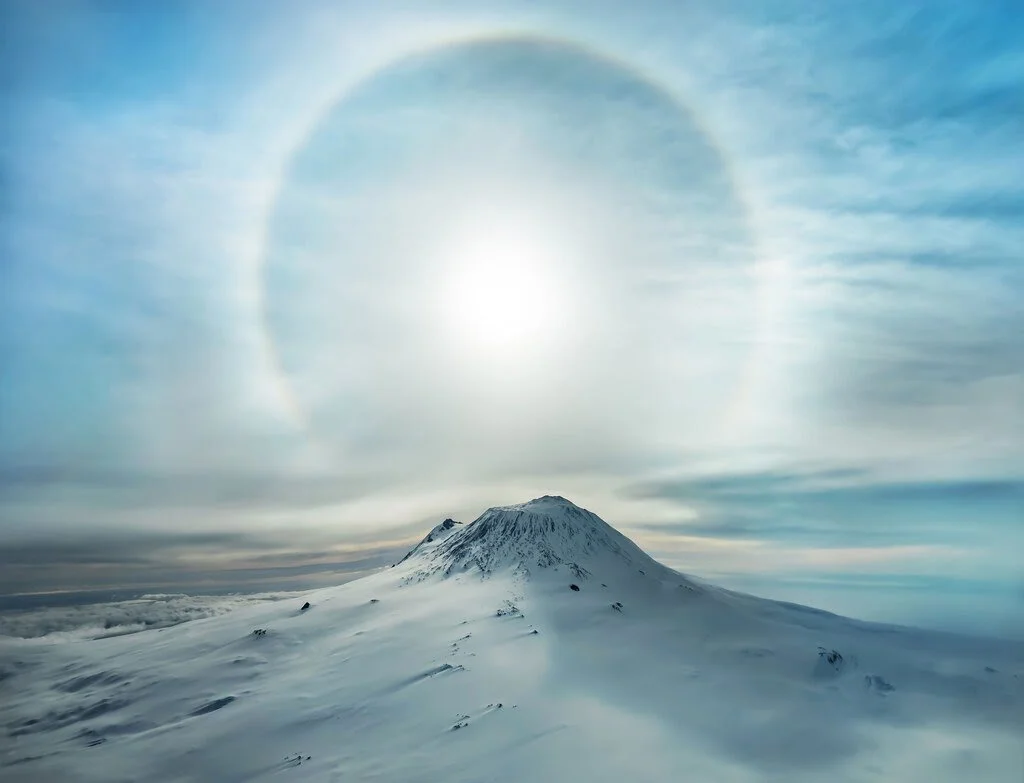
A disputed no man’s land. Trey Ratcliff. CC BY-NC-SA 2.0.

Argentina recently doubled in size, according to Argentina. President Alberto Fernandez signed into law a 650,000-square-mile expansion of Argentinian territory from its southernmost tip to the South Pole, including maritime territory in between. Though the law was signed in August, its effects are just beginning to be felt. Next school year, Argentinian children will receive textbooks proclaiming their country to be twice the size it was when their parents went to school. 

The law’s legal reasoning is rooted in the United Nations Convention on the Law of the Sea, which provides President Fernandez a somewhat adequate basis for such an expansion. Argentina’s geographical shelf extends far into the sea, and the water is shallow enough to extend the country’s claim beyond the standard limit of 200 nautical miles from the nation’s coast. Though the move is grounded in international law, it has the potential to produce some controversy. 

Most strikingly, the law asserts what President Fernandez calls “Argentina’s claim to the Malvinas,” also known as the Falkland Islands. Fighting erupted between Britain and Argentina in 1982 when Argentina attempted to seize control of the Falklands, only to be rebuffed by Britain’s navy. While Britain still maintains control, most Argentinians support President Fernandez’s insistence that they have a rightful claim to the islands. 
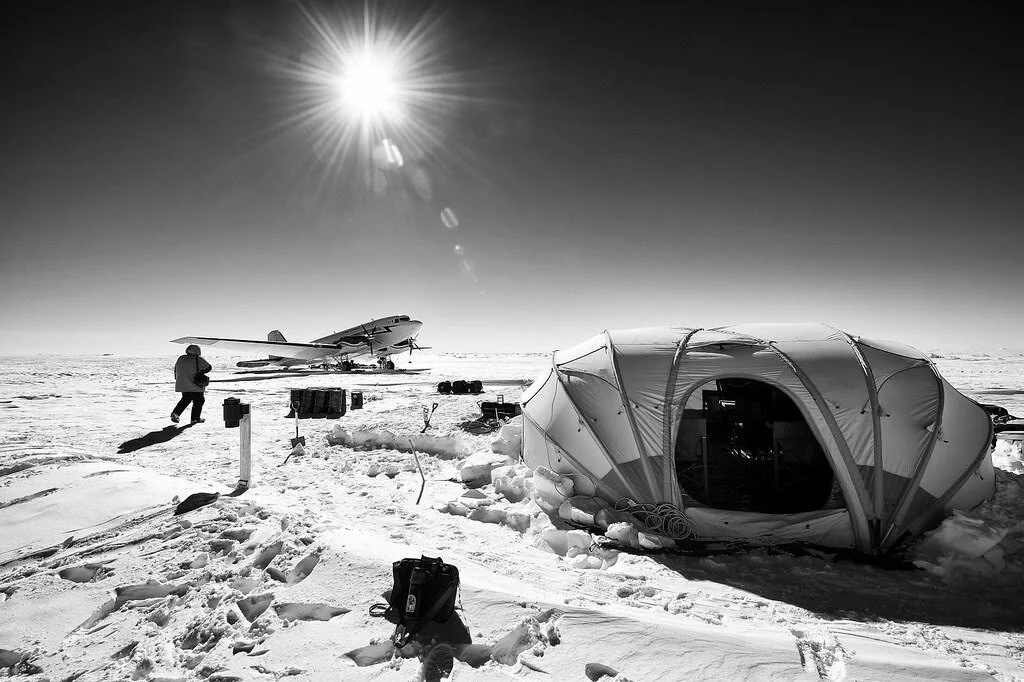
Life on the ice. Christopher.Michel. CC BY 2.0.

For the time being, however, the conflict over the Falklands is as frozen as Antarctica itself. Other territorial spats are unlikely to occur. Since explorers began mapping the continent, numerous nations have claimed it as their own. International negotiations over land claims in Antarctica culminated in the Antarctic Treaty System in 1961. It provided freedom of scientific research for all nations and banned military activity, mineral mining and nuclear waste disposal. 

Argentina’s new waters offer much more than the snowy lands of Antarctica. Commercial fishing is lucrative just off the British-controlled island of South Georgia. There, fishermen enjoy prime access to abundant schools of Patagonian toothfish, icefish and Antarctic krill. While the COVID-19 pandemic has stopped most tourism, Antarctica contains myriad natural wonders for tourists strong-willed enough to endure the frigid temperatures. 

For now, disputed waters in Antarctica are unlikely to ignite any conflicts. The regions are sparsely populated and for the most part strategically unimportant. Even the Falkland Islands, the flashpoint of the war with Britain, has only 2,500 residents.

Scientific research at the end of the world. NASA Goddard Photo and Video. CC BY 2.0.

In fact, the brave few Argentinians who currently live in Antarctica enjoy a unique perk: safety from the coronavirus. The 400 people from the country in Antarctica reside on the only continent without a single case of COVID-19. These scientists and soldiers conduct scientific research but with far less staff than in prior years. To prevent the spread of the virus, Argentina opted to send only 400 researchers rather than the usual 2,000. Every person sent will take a test and quarantine before traveling to Argentina’s facilities, and since they won’t have many medical resources, people will be evacuated at the first sign of infection. Argentinian researchers can rest assured, though, that their president believes they tread not on a foreign continent but on their own home turf.

Michael McMarthy

is an undergraduate student at Haverford College, dodging the pandemic by taking a gap year. He writes in a variety of genres, and his time in high school debate renders political writing an inevitable fascination. Writing at Catalyst and the Bi-Co News, a student-run newspaper, provides an outlet for this passion. In the future, he intends to keep writing in mediums both informative and creative.

Aotearoa: Reclaiming Maori Language and Identity in New Zealand 

Compared to Indigenous groups around the world, the Maori in New Zealand enjoy more agency because of the Treaty of Waitangi, a founding document that recognizes Maori ownership of land and their subsequent autonomy in the country’s government. However, some feel that more can be done to create a bicultural and celebratory society—one that puts the Maori language at the forefront. 

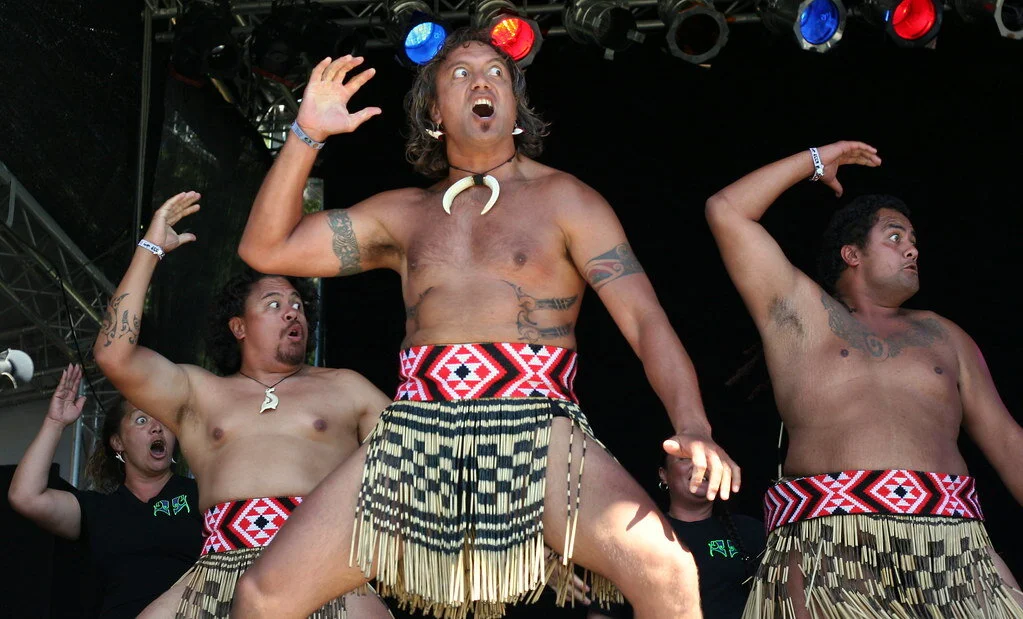
A performance of the haka, a traditional Maori dance. Matthieu Aubry. CC BY-NC-SA 2.0.

New Zealand is an island country known for its scenic views, its native kiwi bird and its iconic role as the fictional Middle Earth. The country, named Aotearoa (meaning “long white cloud”) in the Maori language, is also steeped in rich history and culture.

Before European settlement, New Zealand was home to the Maori, one of the region’s many Polynesian ethnic groups. According to their oral histories, the Maori first voyaged from present-day Tahiti. They arrived and began inhabiting Aotearoa as early as 1300 A.D. Once settled, the Maori formed tribal societies. Their culture revolves around respect for the natural environment. The Maori also possess elements of a warrior culture—they craft unique performative arts such as the haka, a war dance turned into a ceremonial celebration.

Although the first Europeans—Dutch navigators—made contact with the Maori in 1642, the Maori way of life was not significantly impacted until the late 1700s. With the arrival of British Capt. James Cook, the scramble for New Zealand ensued. As nearby French voyagers and ungoverned sealers and whalers reaped profits from the islands’ natural resources, the British moved to make New Zealand a colony in 1840.

Reconstruction of the signing of the Treaty of Waitangi. Archives New Zealand. CC BY 2.0

In that same year, the Treaty of Waitangi was created. This artifact is not only recognized as a founding document but also as one that acknowledges Maori rights to the land. Despite its contentious nature, the Treaty of Waitangi is still considered a key success for the treatment of Indigenous people in New Zealand. In countries like Canada and Australia, Indigenous groups suffer a lower quality of life and enjoy less autonomy than their counterparts in New Zealand. These disparities can be traced back to the absence of a document acknowledging Indigenous people’s land rights. 

Although the status of the Maori in New Zealand may be considered a model for Indigenous treatment across the globe, there are still discrepancies that prevent them from fully embracing their dual identities. Though Maori is considered one of the national languages and has been celebrated every September since 1975, a national study found that only 148,000 people in New Zealand can hold a conversation in it.

In a piece for The Guardian, Leigh-Marama McLachlan explains her rejection of Maori culture to sustain success in New Zealand. She writes, “Back then, almost no one in my family spoke [Maori]. My grandmother was like so many Maori of that generation who were led to believe that our language would be of no use to their children.” Although McLachlan possesses some rudimentary Maori, she laments the overwhelmingly monolingual sentiment of the country.

The personal rejection of Maori culture can be traced back to the early stages of New Zealand’s modernization. In a 2015 study, Maori education professors Lesley Rameka and Kura Paul-Burke found that education for children dismissed the value of Maori. Textbooks failed to frame Maori history in a positive light, rendering the culture and language as “unintellectual, trivial and strange.”

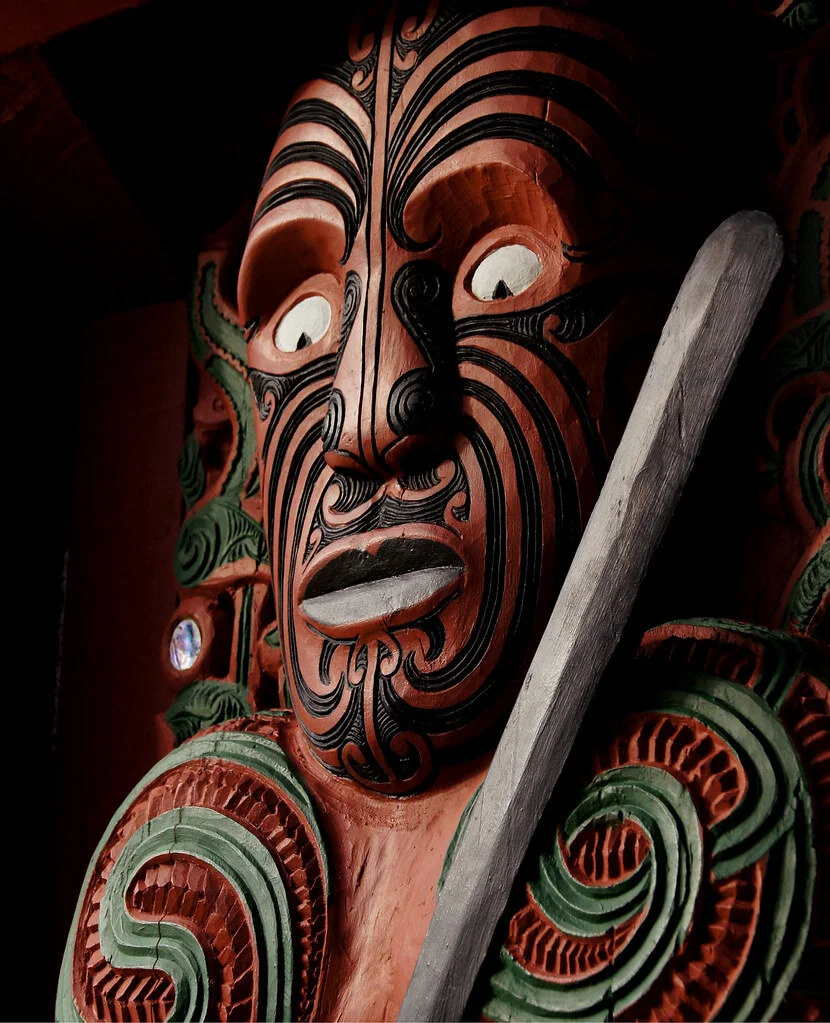
A Maori carving. Bernard Spragg.

Since the last Maori Language Week in September, some feel that it is time to restore places to their rightful Maori names. Since the protests against racial injustice in the United States, policymakers and stakeholders were forced to reexamine New Zealand’s racist past of colonialism and disenfranchisement. With an overall renewed interest in Maori rights and treatment, several telecommunications firms in the country have already changed their names to include “Aotearoa.”


Rhiannon Koh

Rhiannon earned her B.A. in Urban Studies & Planning from UC San Diego. Her honors thesis was a speculative fiction piece exploring the aspects of surveillance technology, climate change, and the future of urbanized humanity. She is committed to expanding the stories we tell.

Polish Leaders Reject Criticism of LGBTQ+ Policies 

50 ambassadors and international representatives published an open letter pressing Poland to work for the tolerance of LGBTQ+ people. Polish leaders responded by saying that the rights of LGBTQ+ Poles are not threatened.

Polish leaders denied that the rights of LGBTQ+ citizens have been restricted after an open letter from 50 ambassadors and international representatives expressed concerns over the policies of President Andrzej Duda’s government. 

The letter, posted on Sept. 27, asserts that Poland needs to work for “nondiscrimination, tolerance and mutual acceptance,” particularly in the education, health, social affairs, public service, public documents and citizenship sectors. It goes on to say that “human rights are universal and everyone, including LGBTI persons, are entitled to their full enjoyment” and affirms that “this is something that everyone should support.” 

Poland’s LGBTQ+ community has dealt with persecution from a number of sources, including the Catholic Church, local communities and the government. This summer, President Duda won reelection after campaigning against LGBTQ+ “ideology,” which he labeled as “more destructive” than communism. During his campaign, Duda agreed with another politician who claimed that “LGBT is not people,” but an ideology that threatens the young and those in traditional families.  

U.S. Ambassador Georgette Mosbacher, one of the letter’s signatories, tweeted a link to the letter with the caption: “Human Rights are not an ideology—they are universal. 50 Ambassadors and Representatives agree.” Joachim Brudzinski, of Poland’s ruling Law and Justice party, responded that “we in Poland also agree.” Brudzinski followed the statement with a call for a letter in defense of Christians, who he alleges have faced mistreatment. Poland is majority Catholic, and Christians are generally considered to not experience oppression. This summer, Brudzinski tweeted that “Poland without LGBT is most beautiful.” 

The rhetoric of Duda, Brudzinski and other politicians has led to a number of towns in conservative parts of Poland passing resolutions pronouncing themselves free of “LGBT ideology.” These towns, widely known as “LGBT-free zones,” house nearly 32% of Poland’s population, according to an LGBTQ+ rights group tracking the resolutions. 

Bart Staszewski, a Polish activist, protests these resolutions by briefly attaching a sign that reads “LGBT-FREE ZONE” in four languages next to the towns’ signs. He posts pictures of the signs on Instagram, often including an LGBTQ+ person from the town in his shot. Staszewski’s signs are a form of performance art that offers a visual representation of Poland’s anti-LGBTQ+ policies, which Staszweski and other activists say harm an already marginalized community. 

During a news conference in response to the open letter, Prime Minister Mateusz Morawiecki called Staszewski’s protests a “falsified reality” that presents LGBTQ+ rights in Poland as under attack. Morawiecki also addressed the ambassadors directly, saying, “To the dear ambassadors, I can only say that tolerance belongs to Polish DNA … Nobody needs to teach us tolerance.” He concurred with the letter’s claim that every person is entitled to the enjoyment of rights, but rejected the idea that LGBTQ+ Poles were being denied these. 

Poland is not particularly LGBTQ+ friendly, despite what its leaders have said in recent days. Members of the community are angry and fearful after Duda’s reelection on an anti-LGBTQ+ platform. Activists are currently advocating for legislation criminalizing hate speech based on sexual identity. The open letter praises the kind of work done by Polish activists, urging the government to support all people’s “fundamental rights.” 

Rachel Lynch

is a student at Sarah Lawrence College in Bronxville, NY currently taking a semester off. She plans to study Writing and Child Development. Rachel loves to travel and is inspired by the places she’s been and everywhere she wants to go. She hopes to educate people on social justice issues and the history and culture of travel destinations through her writing.

Algeria’s Relationship with the Media Grows Tense Amid Political Woes

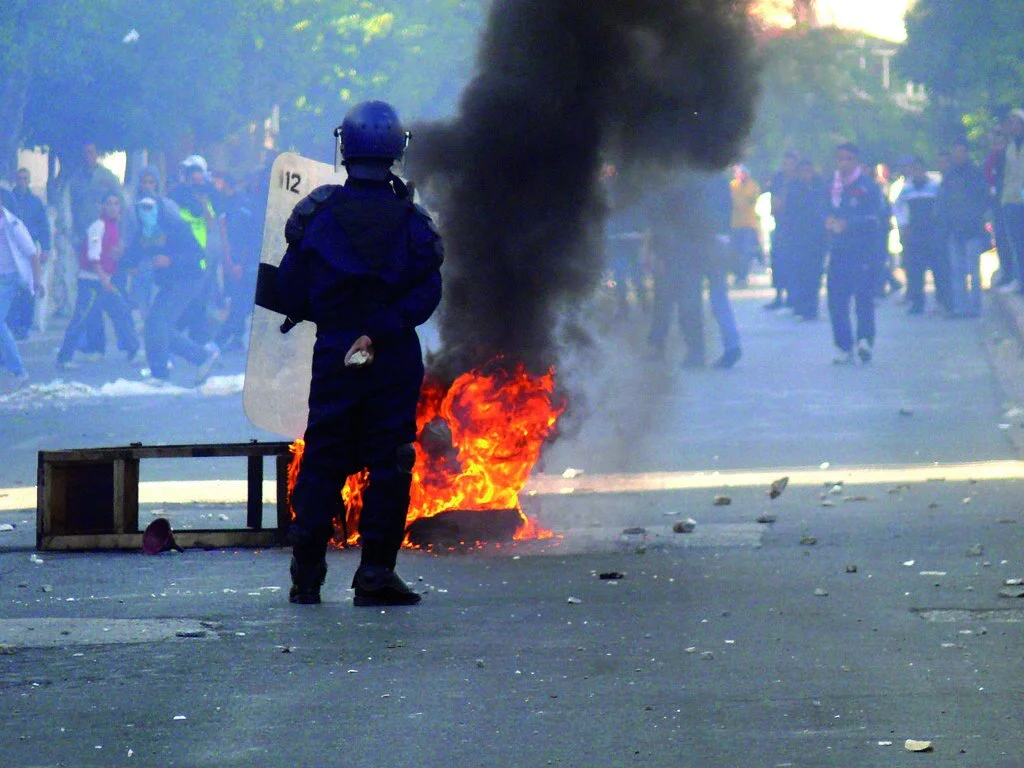
On Aug. 10, Algerian officials sentenced journalist Khaled Drareni to three years in prison for reporting on the 2019 Hirak protests. Calling for the removal of Algerian President Abdelaziz Bouteflika, the Hirak pro-democracy protests were some of the largest anti-government demonstrations since the Algerian civil war in the 1990s. While the protests were successful in removing Bouteflika from power, Algerian activists are unsatisfied with the corruption that still drives the Algerian government. Drareni’s sentencing has amplified the divide between independent publications and state-run media, drawing attention to the censorship that Algerian journalists face.

Hirak protests in Algiers. Becker. CC BY 2.0.

From 1991 to 2002, Algeria was engaged in a civil war between the government and Islamist political groups. Throughout this unrest, journalists in Algeria explored the many human rights abuses present in the country. As the war began to resolve in 1999, Abdelaziz Bouteflika was elected president of Algeria. With his 2005 Charter for Peace and National Reconciliation, he offered amnesty to groups that committed violence between 1992 and 2006. While this charter protected many Algerians from prosecution, Bouteflika also used it to restrict the press from investigating human rights violations. 

Following the enactment of this charter, independent publications were allowed a modicum of freedom as they operated independently of the state. However, the divide between independent publications and the Algerian state-run media only grew as Bouteflika consolidated his power.

An Algerian soldier barricades a street. Magha Rebia. CC BY 2.0.

In recent years, as pro-democracy movements gain traction in Algeria, independent publications have generally been the only media covering the protests. With tensions between Algerian citizens and the government mounting over the past decade, independent publications have been increasingly villainized by the state. Using state-owned companies as leverage, the Algerian government has stripped most independent publications of their primary source of income—advertisements. 

Within the past year, multiple independent media outlets critical of the regime have been blocked, including Maghreb Emergent and Radio M. Reporters Without Borders, an international organization that works to protect freedom of the press globally, now ranks Algeria 146th out of 180 countries in the 2020 World Press Freedom Index, which evaluates the degree of freedom awarded to journalists. Algeria’s ranking in this index has dropped drastically in the past five years -- in 2015, Algeria was ranked 27 places higher. 


The imprisonment of Khaled Drareni only amplifies the harsh restrictions being gradually imposed on the Algerian media. In April 2020, Algeria passed a law criminalizing “fake news” to maintain “public order and state security.” This law increases the repression of journalists in an already corrupt state. With privately-owned media facing severe blockades, social media has become a driving force in disseminating information to young people across the country. Social media platforms have become a pivotal tool for activists, allowing them to coordinate nonviolent protests and spread news that is not aired on radio or television. This movement has encouraged reporters at state-backed media companies to resign and actively fight for marginalized voices to be heard. Algeria remains in a state of flux as reporters stripped of their formal platforms are actively working toward freedom of the press through alternative means of communication.

Sarah Leidich

is currently an English and Film major at Barnard College of Columbia University. Sarah is inspired by global art in every form, and hopes to explore the intersection of activism, art, and storytelling through her writing.

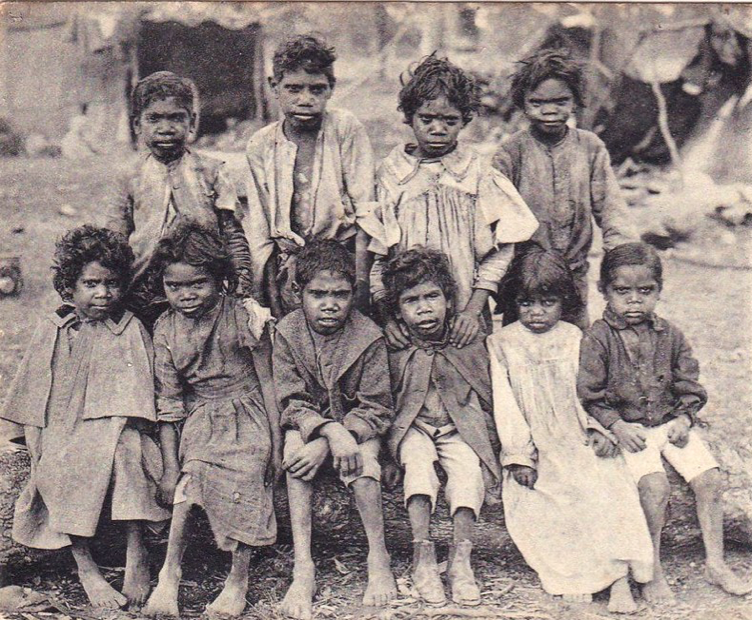
Locked Up: Unmasking Australia’s Aboriginal Youth Prison Crisis

The Aboriginal people have been severely marginalized by Australia’s government, but among the most impacted are the group’s children.

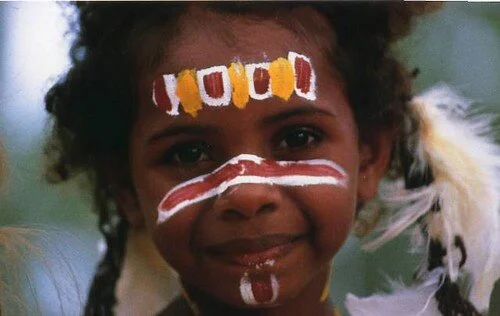
A young Aboriginal girl. mingzhuxia. CC BY-NC-SA 2.0

Indigenous people make up approximately 3% of Australia’s overall population and are considered the country’s most disadvantaged group. It is believed that the Aboriginal people lived in Australia for over 47,000 years prior to European colonization. Even today, the Aboriginal people continue to suffer some of the consequences of violent colonization such as low literacy rates, low life expectancy and a high unemployment rate.

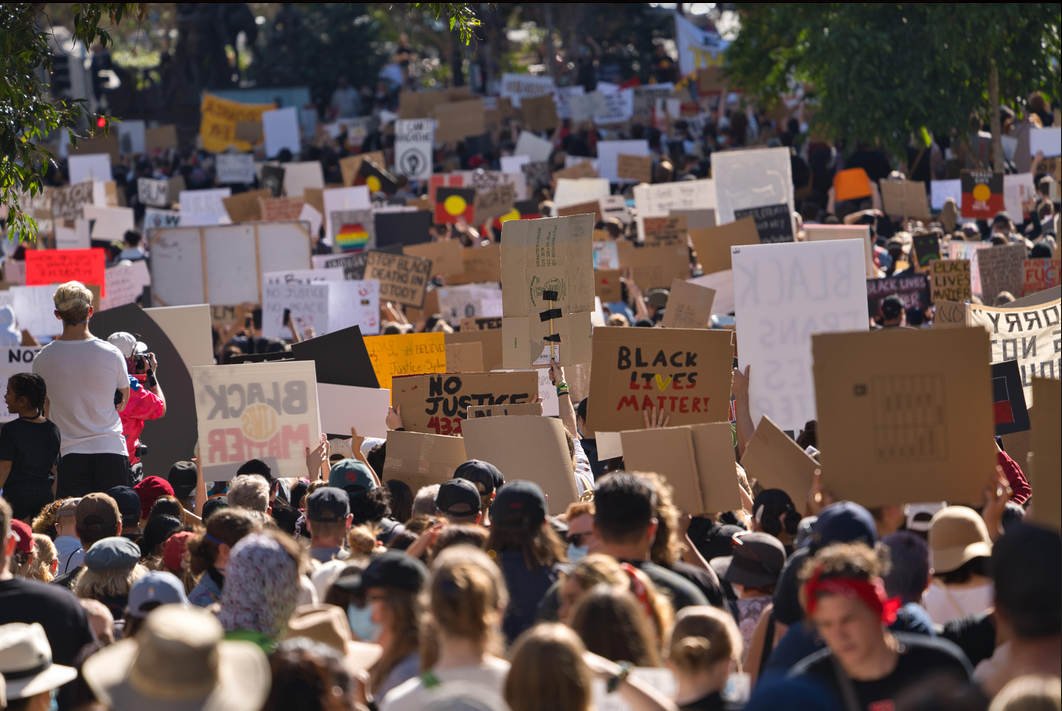
Aboriginal children in particular are 30 times more likely to be stopped and prosecuted than other Australian youths. This reveals a pattern of racial profiling and stereotyping that has been called out by protests affiliating with the U.S.’s Black Lives Matter movement. 

Progress was made in 2018, when police in Western Australia apologized for practicing “forceful removal,” the separation of Indigenous children from their families. Forceful removal was popular throughout the late 19th century and was legal until 1969. Many refer to those impacted by forceful removal as the “Stolen Generation.” 

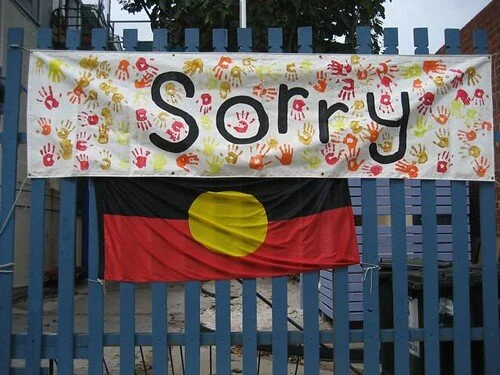
Since May 26, 1998, Australians have observed “National Sorry Day” as a way to apologize to the Aboriginal people for the harmful practice. It is a nationwide campaign committed to paying homage to affected groups while teaching youth of Australia’s harmful past actions. In 2008, former Prime Minister Kevin Rudd made a proposal in front of Parliament to help bridge the gap between Indigenous and non-Indigenous people

Australia’s National Sorry Day in 2015. butupa. CC BY-NC-ND 2.0

Yet, the gap between the Aboriginal community and other Australians remains as wide as ever. In February, the police of New South Wales revealed details about the Suspect Targeting Management Plan, which is intended to prevent future crimes by targeting likely or repeat offenders. Reports from 2016 to 2018 show that up to 72% of targeted children were likely from Indigenous descent. The youngest child identified was 9 years old. 

The minimum age of criminal responsibility in Australia is one of the lowest in the world, allowing children as young as 10 to be sentenced to jail. Additionally, Aboriginal children are 17 times  more likely to be jailed than non-Indigenous youth. Statistics from Western Australia say that 60 to 70% of children currently being held in the state’s detention centers are of an Aboriginal background. 

As of now, very little research proves that locking up children reduces criminal activity in the future. In fact, youth already in the criminal justice system are far more likely to be repeat offenders, challenging the original intent of New South Wales’ Suspect Target Management Plan. 

There is a push by lawyers and advocacy groups to raise the age of criminal responsibility in Australia to at least 14. Others believe that an alternative is to provide better health care and other social services in an attempt to elevate Aboriginal children’s socioeconomic standing. The end goal would be to improve their overall quality of life, allowing for better employment opportunities and an end to the societal obstacles currently facing the group.


Eva Ashbaugh

Eva is a Political Science and Gender, Sexuality, and Women's Studies double major at the University of Pittsburgh. As a political science major concentrating on International Relations, she is passionate about human rights, foreign policy, and fighting for equality. She hopes to one day travel and help educate people to make the world a better place.

As Acai Demand Rises, Amazonian Communities Seek Out their Role

The acai palm is one of the many native plants that has been commodified for Western consumption. This has shifted acai consumption and production practices within Indigenous Amazonian communities. 

Acai bowls are the most common form of Western acai consumption. Ella O, CC BY 2.0

Prior to 2000, Indigenous Amazonian communities utilized the acai palm plant on a local scale. The purple berry then found its way to the U.S., appealing to surfers in Hawaii and Southern California. It has since been in the spotlight, spurring new industries and finding its way into the global marketplace. The acai palm plant is one of many Indigenous plant foods that has been commodified for foreign consumption, shifting acai usage and production practices among Brazil’s Amazonian tribes. Indigenous Amazonian communities, who have utilized acai as a diet staple for centuries, are now exporting it  for profit, hoping not to forfeit their land to multinational corporations. 

Companies that sell acai heavily market its health benefits, calling it a superfood that allows individuals to reach maximum health. Acai specifically offers anti-aging benefits, improved digestive health, increased energy levels and a strengthened immune system. The berry contains high amounts of antioxidants, omega-6 and omega-9 fatty acids, fiber, protein, vitamins and minerals. When globally transported, the acai berry is processed and packaged into various forms. When reduced to powders, capsules and liquids, the acai berry becomes a watered-down entity detached from Amazonian food culture. While many understand acai’s countless health benefits, few consumers know the context from which it comes. 

Grown on tall acai palm trees, the acai berry sprouts in large, clustered bunches. The trees grow to between 50 and 100 feet tall, bearing the fruit from their extended branches. In the village of Acaizal on the Uaca Indigenous reserve, villagers loop a palm leaf tied around their feet and scale the tree, knife gripped firmly between their teeth. Children, some as young as seven, learn this harvesting method. Once collected, acai pulp is served chilled and often mixed with sugar and tapioca. 

Increased demand for acai pushes Indigenous groups to formalize and industrialize this cultivation process. Amazonian tribes subsequently alter their traditional production to accommodate increased consumption. In the state of Amapa, Indigenous communities want to explore potential business arrangements and have identified acai production as a top priority for natural resource management. In a workshop hosted by local government agency Secretary Extraordinary of Indigenous People, Acaizal village chief Jose Damasceno Karipuna learned how to capitalize on acai harvesting processes. The increase in acai demand creates a flourishing job market for large-scale Amazonian farmers; however, it harms farmers who rely on small-scale production. With an ever-increasing demand for acai, protection of natural areas is crucial to preservation. For the villagers in Acaizal, proper environmental management will increase productivity while ensuring sustainability. Acai companies emphasize this business exchange as mutually beneficial, bettering individuals’ health and the Brazilian economy alike. However, the mass consumption and commodification of acai is ultimately a gray area, creating an uncertain future for Indigenous communities.


Anna Wood

Anna is an Anthropology major and Global Health/Spanish double minor at Middlebury College. As an anthropology major with a focus in public health, she studies the intersection of health and sociocultural elements. She is also passionate about food systems and endurance sports.

Academic Freedom: Repressive Government Measures Taken Against Universities in More Than 60 Countries

Universities around the world are increasingly under threat from governments restricting their ability to teach and research freely. Higher education institutions are being targeted because they are the home of critical inquiry and the free exchange of ideas. And governments want to control universities out of fear that allowing them to operate freely might ultimately limit governmental power to operate without scrutiny.

My recent report, co-authored with researcher Aron Suba for the International Centre for Not-for-Profit Law, has found evidence of restrictive and repressive government measures against universities and other higher education institutions in more than 60 countries.

This includes government interference in leadership and governance structures to effectively create state-run institutions that are particularly vulnerable to government actions. It also includes the criminalisation of academics for their work as well as the militarisation and securitisation of campuses through the presence of armed forces or surveillance by security services. We also found evidence that students have been prevented from attending university because of their parents’ political beliefs, while others have been expelled or even imprisoned for expressing their own opinions.

Some of the more shocking examples of repressive practices have been widely publicised, such as the firing of thousands of academics and jailing of others in Turkey. But much of what is happening is at an “administrative” level – against individual institutions or the entire higher education system.

There are examples of governments that restrict access to libraries and research materials, censor books and prevent the publication of research on certain topics. Governments have also stopped academics travelling to meet peers, and interfered with curricula and courses. And our research also found governments have even interfered in student admissions, scholarships and grades.

Repression, intimidation

Hungary provides a particularly glaring recent example of government interference with university autonomy. The politicised targeting of the institution I work at –- Central European University –- has been well documented. But the government has also recently acted against academic life in the country more broadly. It has effectively prohibited the teaching of a course (gender studies) and taken control of the well-regarded Hungarian Academy of Social Sciences.

What makes the Hungarian example especially disturbing is that it is happening within the European Union – with seemingly no consequences for the government. This is despite the EU Charter of Fundamental Rights which states that: “The arts and scientific research shall be free of constraint. Academic freedom shall be respected.” Meanwhile the Hungarian government still has all the privileges of being an EU member state, which includes receiving large sums of EU money.

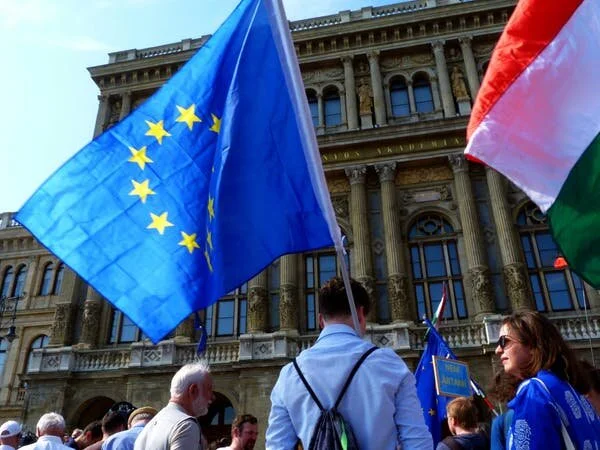
Public demonstration in front of the Hungarian Academy of Science building against the removal of the Academy Science Research Institute’s autonomy. Istvan Balogh/Shutterstock

The inexplicable failure by the EU to enforce its own standards is particularly troubling and helps to normalise this behaviour. Indeed, there are clear signs such repressive practices are spreading. Anti-human rights legislation, policy and practice that begins in one country is frequently copied in another. Anti-civil society legislation recently adopted in Hungary and Israel, for example, which aims to stop protests and minimise the number of organisations receiving funds from abroad, was previously adopted in Russia.

Repressive practices against universities are starting to spread in Europe. Earlier this year it was reported that the Ministry of Justice in Poland planned to sue a group of criminal law academics for their opinion on a new criminal law bill.

Academics in distress

The freedom of academics and university autonomy is not entirely without scrutiny. There are some excellent organisations, such as Scholars At Risk and the European University Association who actively monitor this sector. But, at an international level, university autonomy is rarely raised when governments’ human rights records are being examined. And there is no single organisation devoted to monitoring the range of issues identified in our recent report.

Without proper monitoring, universities, academics and students are even more vulnerable because there is little attention paid to these issues. And there is little pressure on governments not to undertake repressive measures at will.

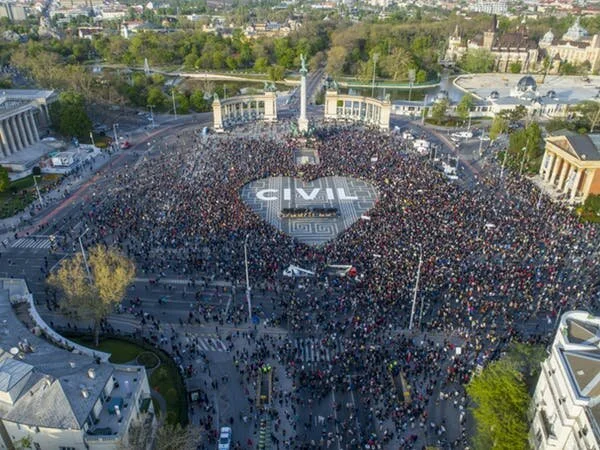
Thousands demonstrate in central Budapest against higher education legislation seen as targeting the Central European University. Drone Media Studio/Shutterstock

A global monitoring framework is needed, underpinned by a clear definition of university autonomy. The UN and EU institutions also need to pay more attention to the dangers that such attacks on universities pose to democracy and human rights. A stronger line against governments who are acting in violation of existing standards should also be taken.

Universities should be autonomous in their operations and exercise self-governance. These institutions are crucial to the healthy functioning of democratic societies. Yet academic spaces are closing in countries around the world. This should be a concern for all. The time for action is now, before this trend becomes the new norm.


Kirsten Roberts Lyer is a Associate Professor of Practice, Acting Director Shattuck Centre, Central European University.

THIS ARTICLE WAS ORIGINALLY PUBLISHED ON THE CONVERSATION