The Decriminalization of Illicit Drugs in British Columbia

Canada has announced their plans to decriminalize small amounts of illicit drugs in British Columbia by January of 2023. They are hopeful this will lower high rates of overdoses.
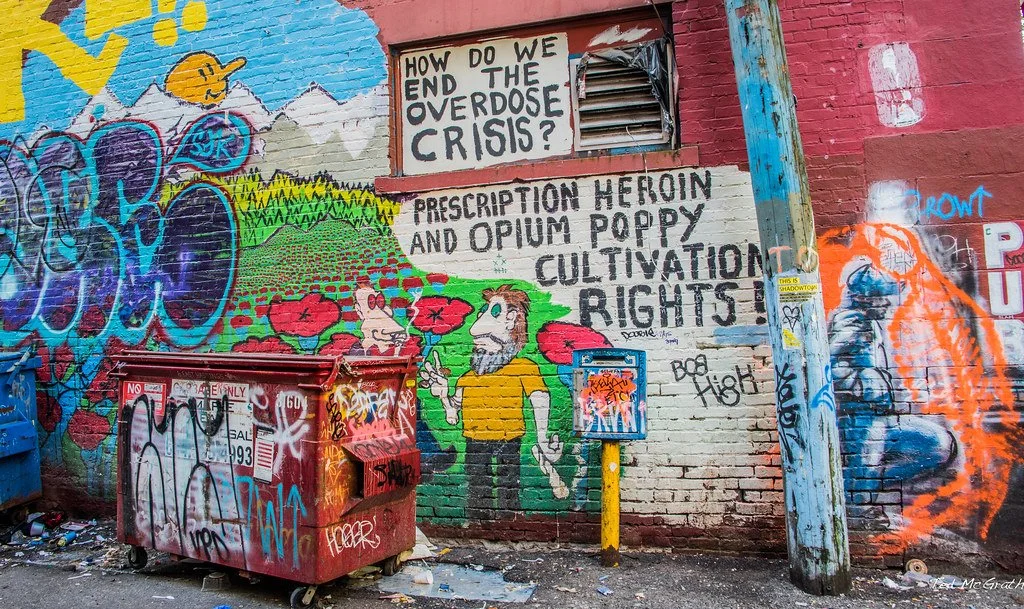
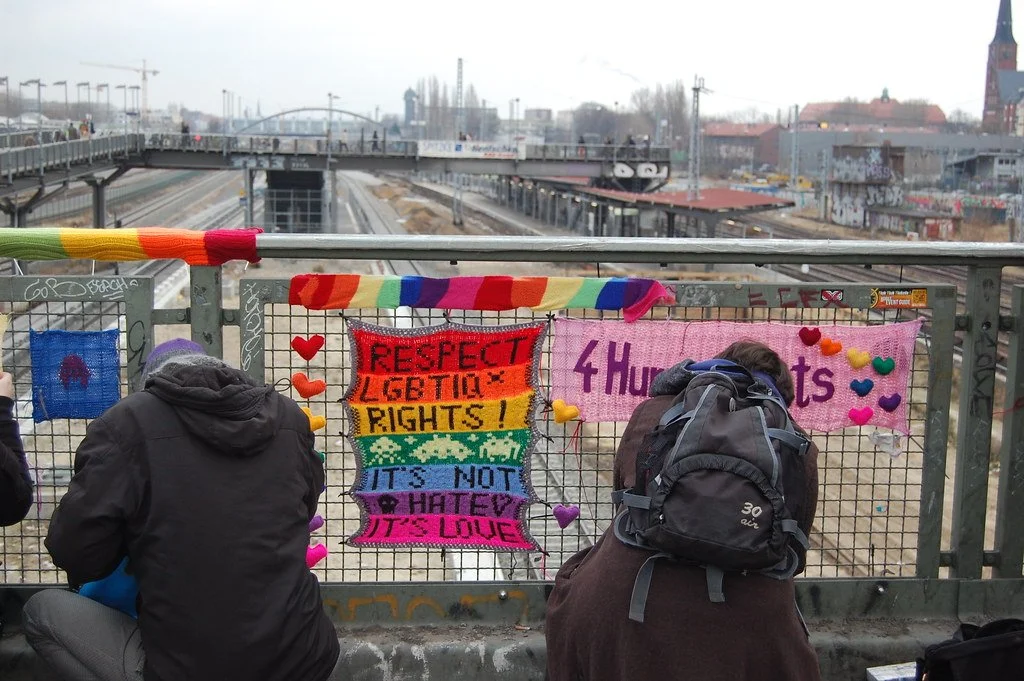
Graffiti about drug decriminalization. Ted’s Photos. CC BY-NC-SA 2.0.

In British Columbia, Canada, where thousands of overdose deaths occur each year, officials have decided to try decriminalizing small amounts of illicit drugs. The illicit drugs in question include heroin, cocaine, opioids, methamphetamine and more. Residents of British Columbia 18 years or older will be allowed to possess a maximum of 2.5 grams of these drugs without penalty, a policy that will take effect in January of 2023. This policy comes from an exemption from the Controlled Drugs and Substances Act that makes these drugs illicit, which was granted to British Columbia for a three-year trial run.

Officials hope that by decriminalizing small amounts of these drugs, dependent users will feel less afraid of prosecution and stigmatization if they do decide to seek drug-related help. Further, by tackling rates of drug deaths as a public health issue, BC Government News says “the Province will create new pathways to support those seeking treatment.”

Since the height of the pandemic in 2020, British Columbia has struggled with high rates of illicit drug abuse and overdose deaths. In 2020, drug-related death rates rose into the two-thousands, a problem that since 2016 had been declared a public health crisis. Most of these deaths occur when drug users hide their addiction from friends and family, fearing the reaction or stigmatization that will come from their loved ones learning of their addiction.

By decriminalizing these drugs, Canada hopes to reverse this effect; Dr. Theresa Tam, Canada’s chief public health officer, wrote in a tweet: “Stigma and fear of criminalization cause some people to hide their drug use, use alone, or use in ways that increase the risk of harm. This is why the Government of Canada treats substance use as a health issue, not a criminal one.”
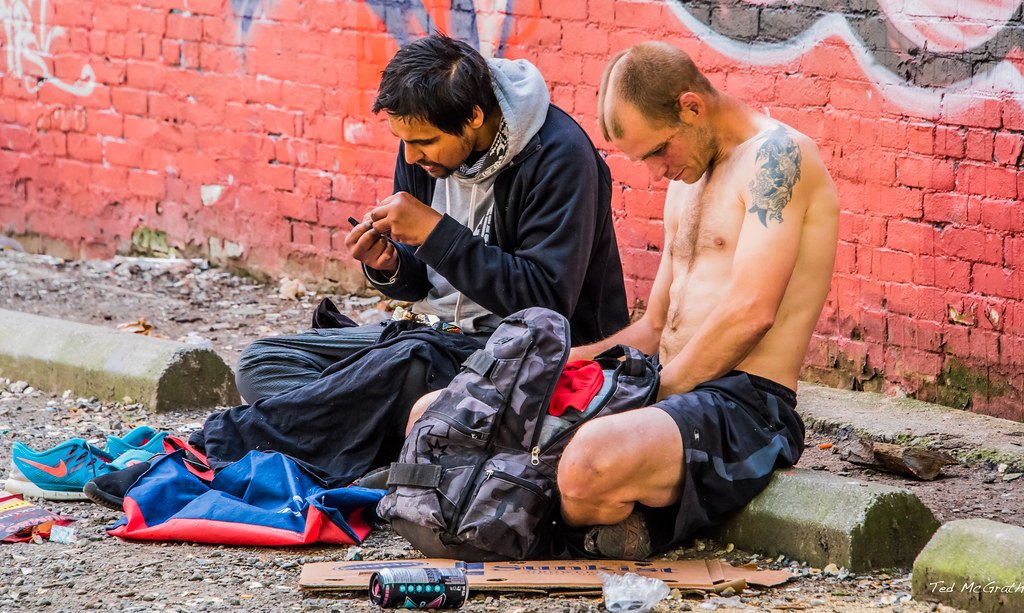
Street use in Vancouver. Ted’s Photos. CC BY-NC-SA 2.0.

The exemption to be instituted in 2023 has found support from family and friends of deceased drug users and was even supported by the police associations and chief coroner. Though some call for even further decriminalization – a policy that would expand the 2.5 gram limit to larger amounts – health officials in Canada believe 2.5 grams is a good trial starting point. Harm reduction is their main goal; British Columbia’s Provincial Health Official Dr. Bonnie Henry stated, “This is not one single thing that will reverse this crisis but it will make a difference.”

In requesting an exemption from the Controlled Drug and Substances Act, British Columbia also stated that drug-related felonies and arrests disproportionately affect already marginalized communities. In decriminalizing small amounts of drugs, the authorities will reduce  punitive actions and may help to decrease the stigmas around drug use that cause people to hide their addictions. 

Turning Point of Tampa has also stated that experts on drug incarceration have stated that imprisonment does not deter drug use, and problems such as substance abuse, mental health issues and fear of open drug use worsen when sentenced to prison time. Peer clinical adviser Guy Felicella told the New York Times, “Arresting me and incarcerating me for all those years for using drugs never stopped me once from using drugs — even when I went to prison. It didn’t do anything except create stigma and discrimination, shame,” which is the exact thing Canada is trying to end through decriminalization.

Hoping to reduce the stigma surrounding drug use that leads to deaths due to fear of judgment and sequentially more dangerous usage, Canada is waiting to see how this exemption in 2023 will reduce rates of drug-related deaths, and whether further decriminalization is needed. 

To Get Involved:

The Canadian Drug Policy Coalition (CDPC) is an advocacy organization that is fighting against the harm caused by drug prohibition laws. Campaigning with a platform centered on decriminalization, the Coalition strives to reduce the high rates of drug overdose deaths in Canada. To learn more about the CDPC’s mission and to support their work, click here.


Ava Mamary

Ava is an undergraduate student at the University of Illinois, double majoring in English and Communications. At school, she Web Writes about music for a student-run radio station. She is also an avid backpacker, which is where her passion for travel and the outdoors comes from. She is very passionate about social justice issues, specifically those involving women’s rights, and is excited to write content about social action across the globe. 

Photo Essay: On the Ground with Waves For Water in the Philippines

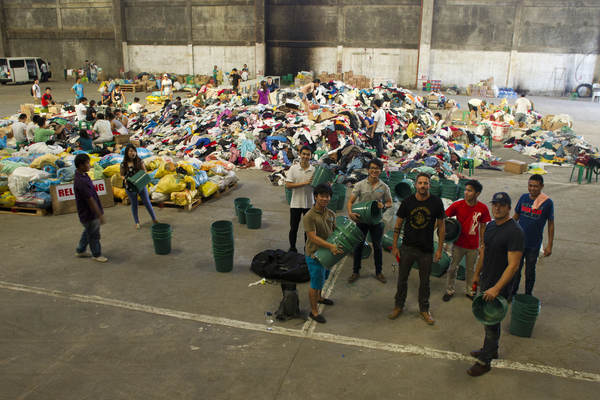
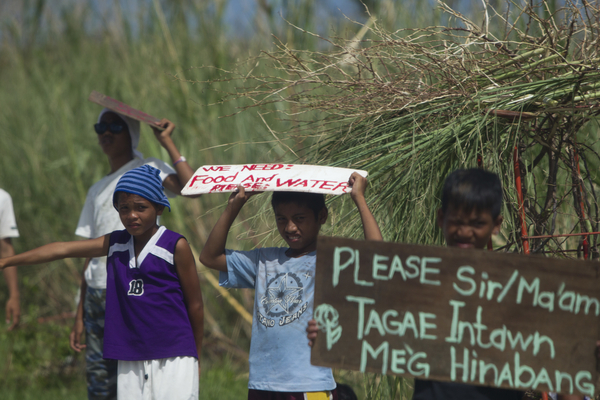
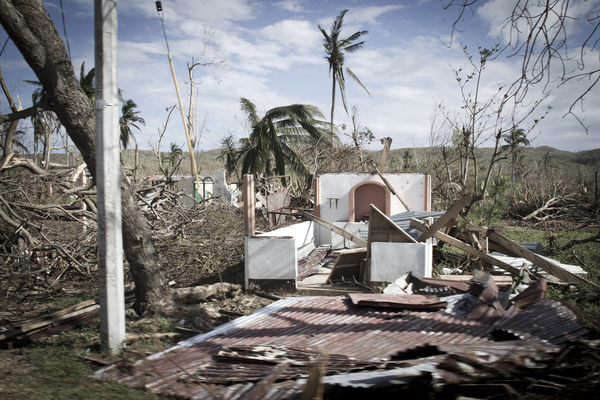
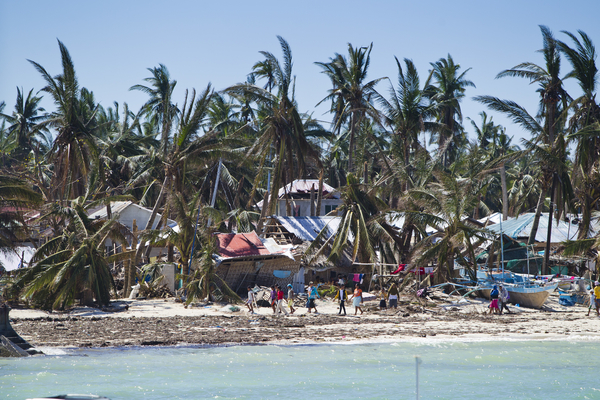
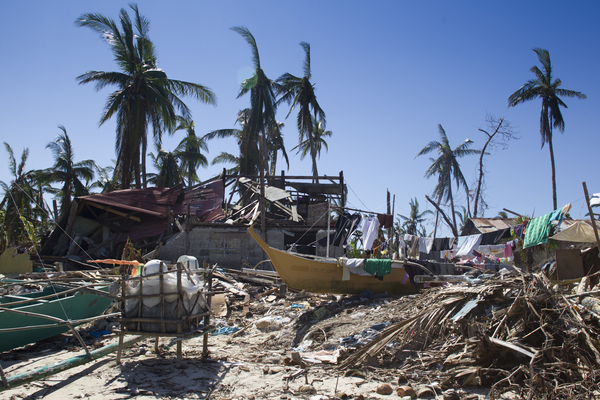
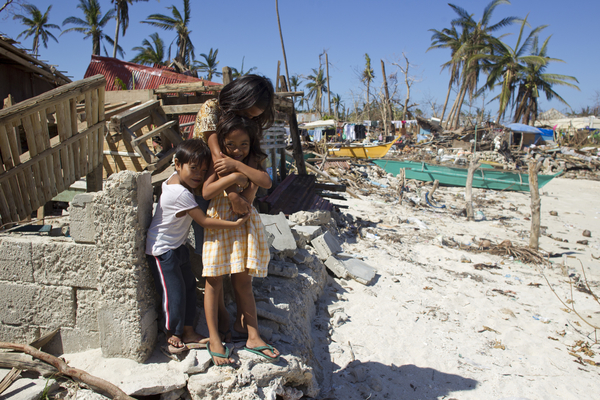
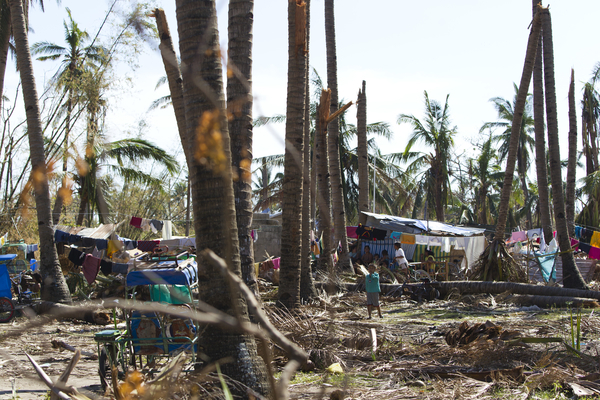
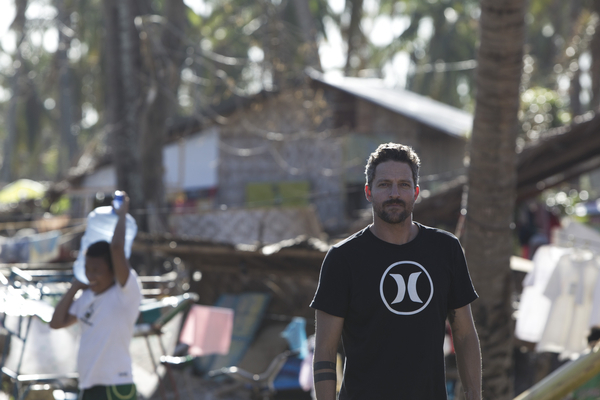
While the Philippine Islands were being struck by Super Typhoon Haiyan’s wrath, Jon Rose, Founder of Waves For Water, was already hatching his plan to help.

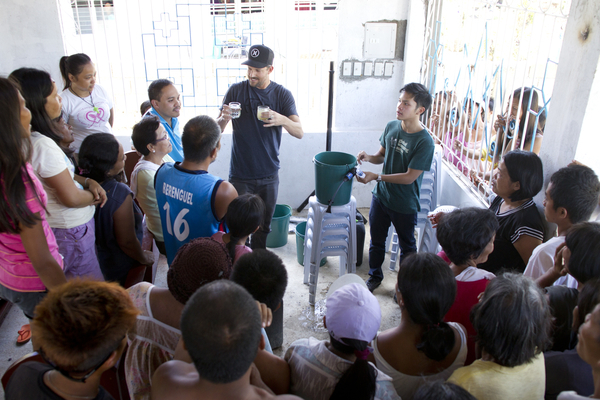
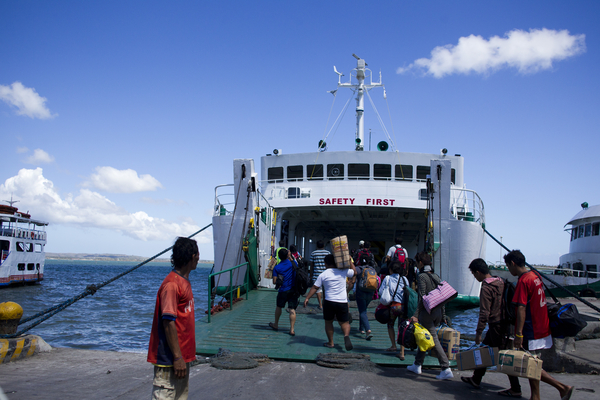
W4W began work in the Philippines in response to Typhoon Haiyan and continues to support areas with water shortages. 

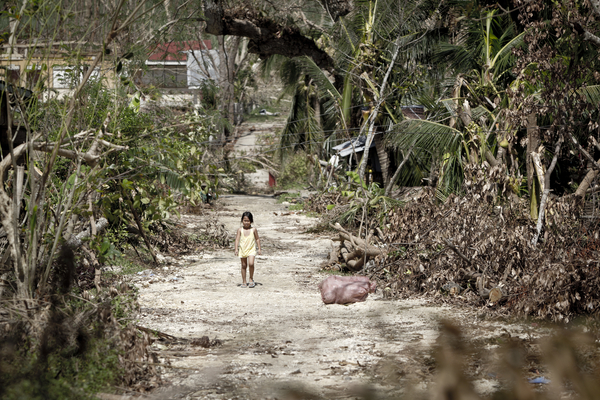
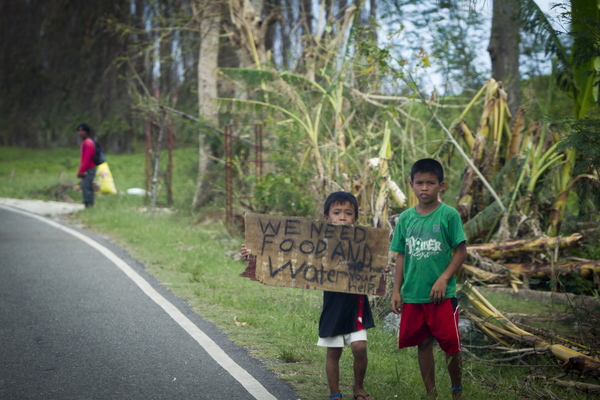
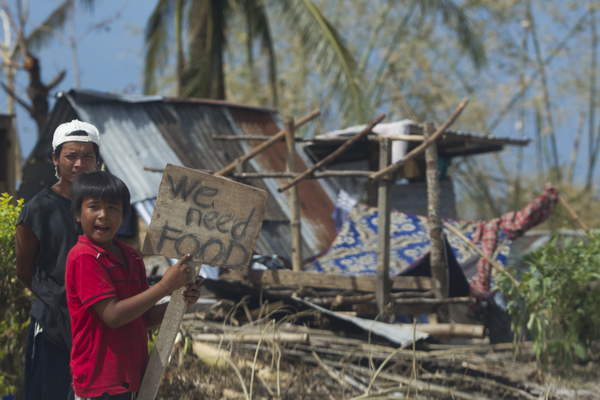
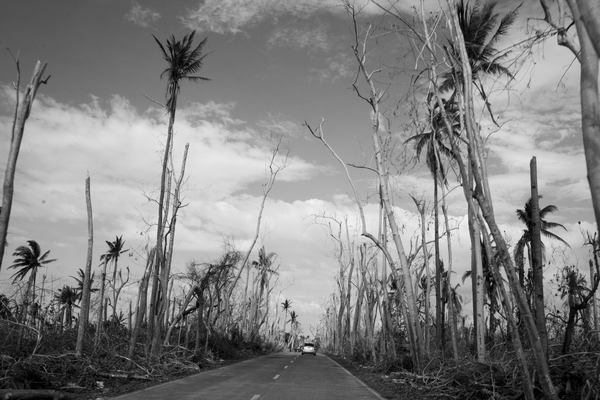
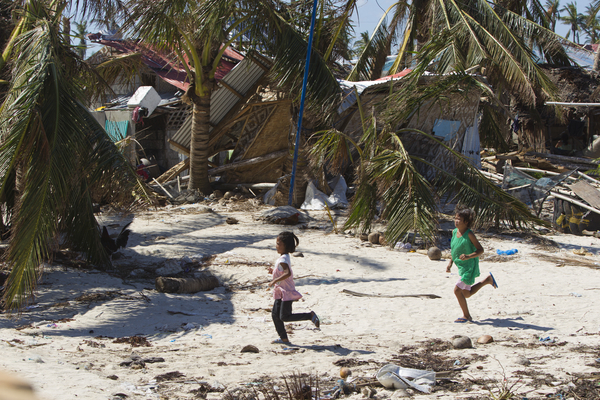
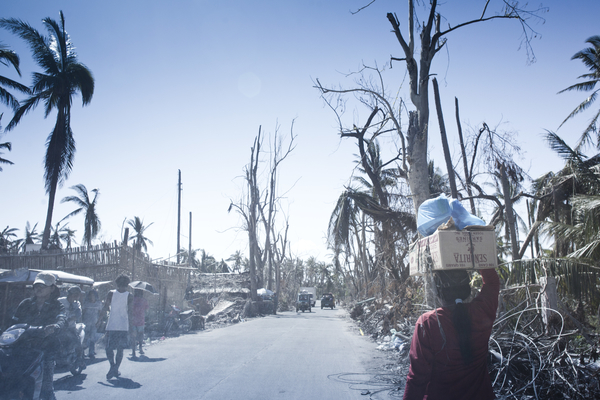
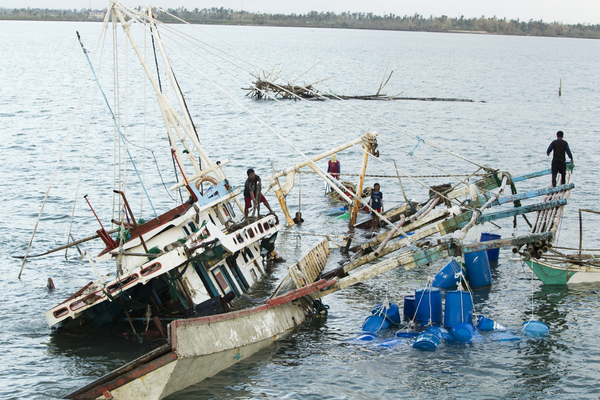
In 2013, the Philippines was hit by one of the most devastating typhoons ever recorded: Typhoon Haiyan. The natural disaster affected people throughout Southeast Asia and killed 6,300 people in the Philippines alone. Throughout the country, over 4.3 million people were affected. One major impact of the typhoon was its obstruction of access to clean water. 

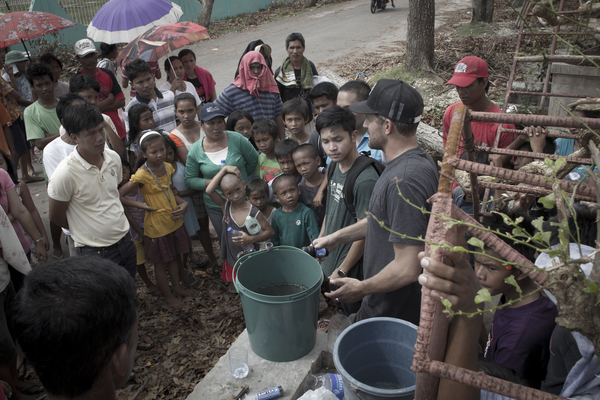
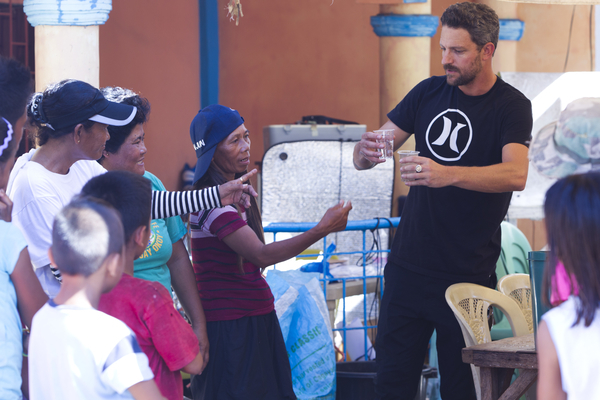
To address this problem, Jon Rose, founder of Waves for Water (W4W), arrived in the Philippines ready to distribute his organization’s water filters among “forgotten pockets,” communities that were not “the focal point of major relief efforts.” His method of distribution and relief relied on the “train-the trainer, local-based model” in which W4W organizers “empower” and “facilitate” for local people rather than decide “who gets what, when, where and how.” Two years after the typhoon, W4W established an office in the Philippines, where it is currently registered as a non-profit organization. Since 2015, W4W has built 66 rainwater catchment systems and provided over a million Filipinos with access to clean water. In December of 2021, the organization helped to address the devastation caused by Hurricane Odette in Siargao, Philippines through a partnership with Billabong. Currently, W4W is providing aid for those impacted by Tropical Depression Agaton, which has displaced 1.9 million people in Visayas and Mindanao, Philippines. You can contribute to this specific effort here

W4W’s humanitarian efforts are not limited to the Philippines. Since its inception in 2009, the organization has made an impact in 44 countries, including Mozambique, Ecuador, Sierra Leone and Chile, and has helped 3.75 million people gain reliable access to clean drinking water. W4W currently has 24r active programs helping to address water access issues. These programs seek to provide aid to citizens of Ukraine, Australia, Haiti and Guatemala. You can learn more and help out here.


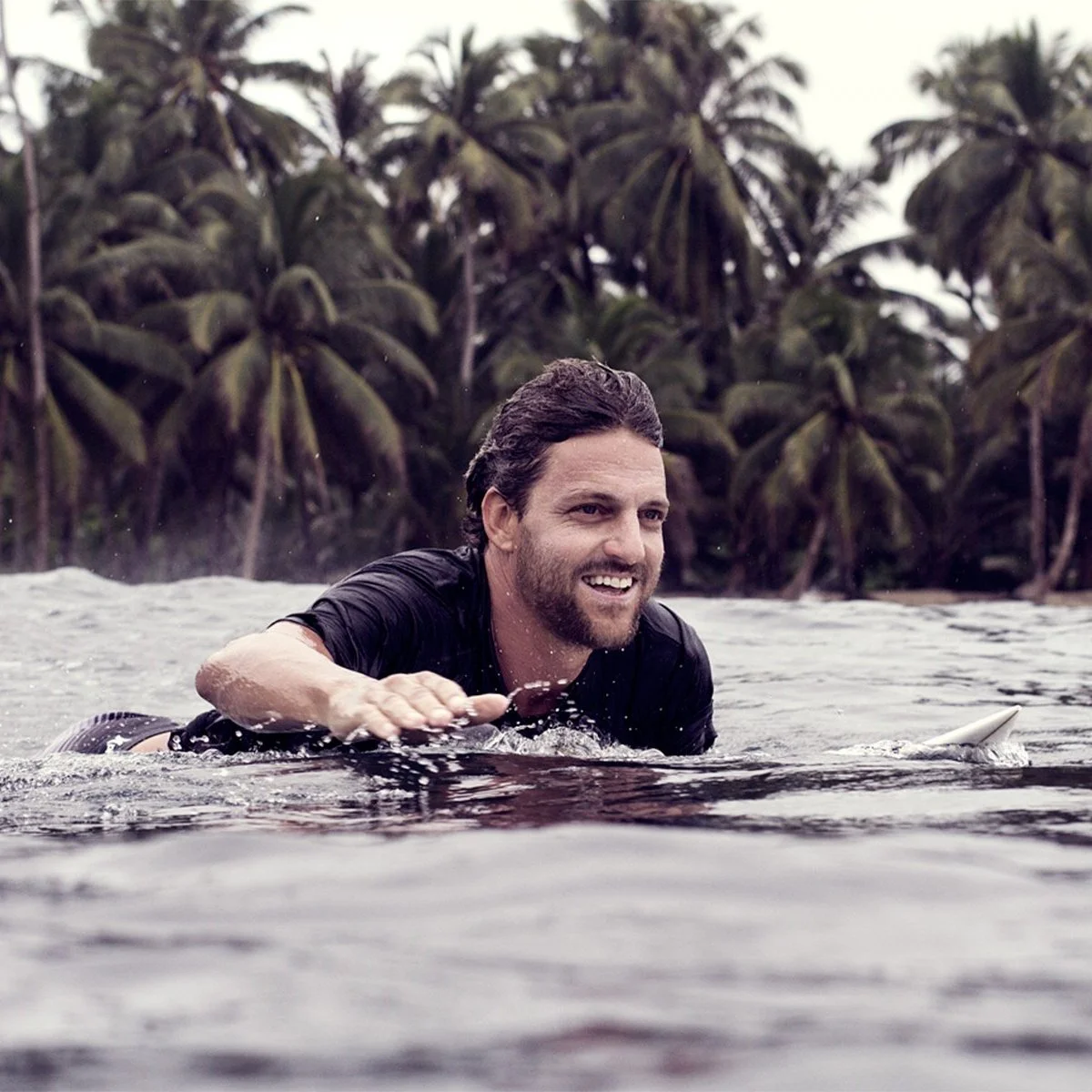
Jon Rose

As a pro surfer of 13 years, Jon Rose traveled the world in pursuit of perfect waves. It was this passion that led him to development of Waves for Water in 2009. He hopes to see W4W enlist and empower travers to help solve the world water crisis.

Pride and Punishment: The Struggles of the LGBTQ+ Community of Africa

In 32 African countries, homosexuality is deemed unlawful—punishable by imprisonment and in some cases, death. The LGBTQ+ community is fighting prejudice in a battle to be their truest selves.

Ugandan citizens at a pride parade. Chrisjohnbeckett. CC BY-NC-ND 2.0.

Out of the 54 countries that make up the African continent, 32 of them outlaw homosexuality. Historically a continent that traveling members of the queer community steer clear of, Africa has a deep and intricate history with politics surrounding sexuality. However, Africans who identify with the LGBTQ+ community fight fiercely to change legislation, stigma and prejudice in their respective countries, challenging this lineage of controversy. Those who are brave enough to protest for their rights to love whomever they desire organize in-person parades and protests, while those under threat of harm—or even death—find ways to demonstrate their pride in, generating virtual communities and workshops that allow for the LGBTQ+ community to connect across the globe without leaving the safety of their homes.

Map of African countries with anti-gay laws. Amnesty International. CC BY-ND

To understand the hardships facing the LGBTQ+ community of Africa today, it is important to know the causal factors that led to such a homophobic climate. Anti-queer sentiments were introduced to the continent during Western colonization; previous to imperialism affects on the continent, African tribes in many regions practiced homosexuality freely. Val Kalende writes in The Guardian that “there is ethnographic evidence of same-sex relationships in pre-colonial Africa.” This cultural history also demonstrates the lack of importance placed on strict gender roles. 

Additionally, the evidence also shows the practice of choice-based pronoun usage; women in positions of power would occasionally label themselves with male pronouns. Post-colonization laws that targeted the cultural muting of African traditions and practices formed the foundations for homophobia by outlawing same-sex relationships and visibly impacted African sentiments around the LGBTQ+ community for the foreseeable future.

Now, on the foundations of decades of hatred inspired by colonizers and imperialists, queer citizens of countries throughout Africa struggle under harsh legislation to simply be their truest selves. In most of the 32 countries that outlaw same-sex relationships, legislation punishes queer people by prison time and fines. Financial punishments vary in size and currency depending on the country. Prison sentences also range widely, varying anywhere between one year (as demonstrated in Ethiopia’s legislation) and lifetime imprisonment (such is the law in Kenya). 

There are four countries in Africa that make same sex relationships punishable by death: Mauritania, Somalia, Nigeria and South Sudan. In Nigeria, a country ranked by Forbes as #1 in “The 20 Most Dangerous Places for LGBTQ+ Travelers,” members of the LGBTQ+ community who are found out be participating in homosexual relationships face death by stoning.  

LGBTQ+ activists hanging signs. Distelfliege. CC BY 2.0.

Despite the gravity of the punishments for being queer, brave members of the LGBTQ+ community continue to demonstrate their pride. Unwilling to be silenced, queer people all around Africa organize pride parades, protests and online conferences to discuss ways they can fight the systemic homophobia they face in legislation. Further, the same people work hard to destigmatize same-sex relationships, challenging the post-colonial homophobia that has overpowered the original nature of African culture. 

Groups like PRIDE OF AFRICA (POA) organize yearly events to celebrate pride, inviting and encouraging queer Africans to “live their most authentic selves.” POA also founded the Johannesburg Pride Parade in 2019, which has recently gone online due to the COVID-19 pandemic, but continues to invite members of the LGBTQ+ community to speak and rally. POA also holds online conferences, so those who wish to stay at home and stay anonymous can do so to limit the threat of prejudicial punishments. 

For activists in imminent danger should their sexuality be outed, their protesting and pride demonstrations are more closely guarded. For those who need to seek exile in other countries or continents after being unexpectedly outed, journalism, photography and participation in parades like UK Black Pride (which focuses on Pride in the Black community and is based in London) are their only options to avoid death while still being able to demonstrate their pride. 

To Get Involved

There are a handful of organizations centered on the eradication of hate crimes, stigmatization, improper health care and prejudicial legislation that accept donations to support their missions. Organizations like OUT that support the destigmatization of queer lifestyles and SHE (Social, Health and Empowerment Collective) specifically serve the African queer community. To find a collective list of legitimate organizations including OUT, SHE, and other foundations actively assisting the LGBTQ+ community of Africa, click here.

POA and UK Black Pride serve the same purposes: to allow for queer Africans to have a safe place to demonstrate their pride. POA takes place mostly online and in South Africa, and UK Black Pride is held in London.

To learn more about POA events, mission statements, and goals, click here.

To learn more about the UK Black Pride Parade and their mission statements, click here.


Ava Mamary

Ava is an undergraduate student at the University of Illinois, double majoring in English and Communications. At school, she Web Writes about music for a student-run radio station. She is also an avid backpacker, which is where her passion for travel and the outdoors comes from. She is very passionate about social justice issues, specifically those involving women’s rights, and is excited to write content about social action across the globe.
Eradicating Guinea Worm Disease: The Countdown to Zero

Guinea worm disease is on track to be the second disease eradicated from the world, but there is still work left to be done.

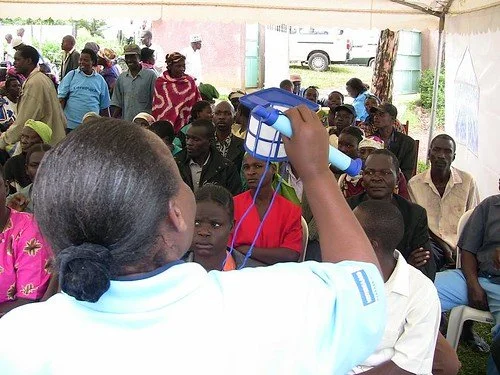
Health workers explain how to use water filters. uncultured. CC BY-NC-SA 2.0.

Guinea worm disease, also known as dracunculiasis, is an infection caused by the parasite Dracunculus medinensis. Larvae of the parasite are found in water sources in sub-Saharan Africa, and they can contaminate drinking water. Once consumed, the parasite stays inside the infected individual for up to a year as it grows into a worm until it removes itself from the human host, leaving through the skin. 

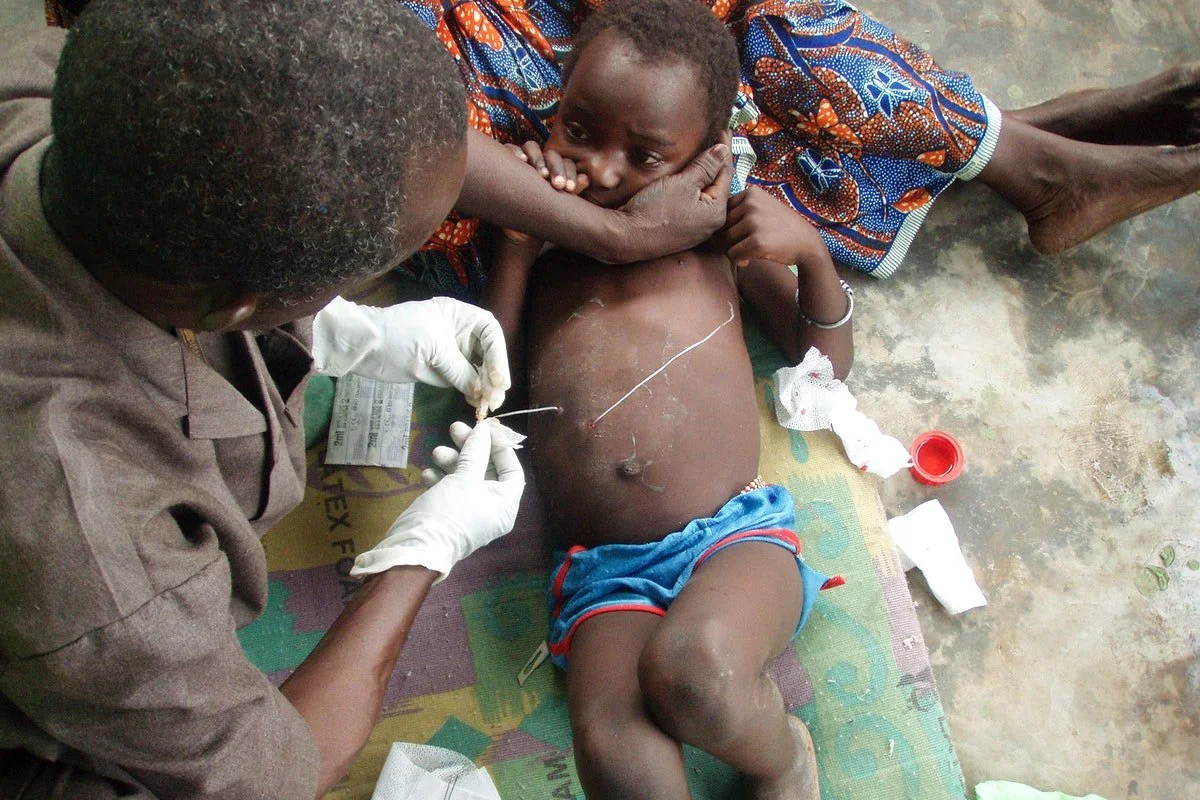
When the worm emerges from the human, it causes a painful skin blister, possibly resulting in a fever or secondary infection. There have been cases of people becoming crippled by a Guinea worm infection. The worm needs to be pulled out from the human body, several centimeters per day, by winding it around some gauze or a small stick. 

Health worker treating an infant with Guinea worm disease. Centers for Disease Control and Prevention. CC0 1.0.

In 1986, the Carter Center, the foundation of former president Jimmy Carter, began to lead the global campaign to eradicate Guinea worm disease. When the campaign started, there were 3.5 million cases of the disease in that one year. In 2021, there were only 15 reported human cases worldwide. This dramatic reduction of cases was the result of several carefully planned interventions.

The program to eradicate Guinea worm disease is community-based and relies on extensive villager volunteers. This approach respects the dignity of the people affected and builds trust between the community members and health professionals. The Carter Center aims to work with ministries of health to provide comprehensive health education and maintain political will.

Surveillance and supervision is instrumental in containing the spread of the disease. In the Gambella region of Ethiopia, village volunteers try to ascertain possible cases among their peers every week. When a suspected case is found, an investigation occurs. A lab test is needed to confirm a case of Guinea worm disease. The infected person’s demographics and symptoms are also tracked, as is information about the water sources that the person used. There are also community meetings to inform them of those infected. This is why gaining the trust of communities is so important. Community participation, especially in light of the stigma associated with the disease, is vital in containing the disease, and it all depends on trust.

As Guinea worm disease is waterborne and is contracted by drinking water contaminated with the larvae, interventions that involve treating water before it is drunk is essential. The Carter Center has distributed pipe filters to affected populations and taught them how to use them to prevent the new cases of the disease. In some places, the pesticide abate is applied to water sources to kill the larvae that cause Guinea worm disease. These interventions have drastically reduced the prevalence of Guinea worm disease, but the fight is not over yet.

While great progress has been made in eliminating Guinea worm disease in much of the world, some challenges have arisen. Civil unrest and political instability in some places where Guinea worm disease is prevalent have prevented efforts to combat the disease. Ethiopia, which had some of the highest rates of the disease, is mired in a civil war, making it hard to reach everyone affected by Guinea worm disease. Recently, cases of Guinea worm disease have also started to appear in animals. Today, most cases of Guinea worm disease occur in other animals, not humans. Complete eradication of Guinea worm disease cannot be completed until the world is free of the disease in both humans and animals.

To Get Involved

While the Carter Center is the leader in the drive to eradicate Guinea worm disease, there are also other partners and stakeholders in the campaign who can be supported through donations and volunteering. Among them include the ministries of health of affected countries, UNICEF, WHO, Ethiopian Public Health Institute and the UNHCR.


Bryan Fok

Bryan is currently a History and Global Affairs major at the University of Notre Dame. He aims to apply the notion of Integral Human Development as a framework for analyzing global issues. He enjoys hiking and visiting national parks.

11 Ways to Help Ukraine

Help support the Ukrainian people as their country is invaded.

The ongoing war in Ukraine has caused hundreds of civilian deaths, with more than 2 million refugees having already fled the country. It is crucial in these trying times that Ukrainians know they have support. Here are some ways to help. 

Meduza

“Within a few days, maybe even today, it is possible that there will be no independent media left in Russia,” read a post on Meduza’s website. Meduza is an independent media source at extreme risk of losing its platform to inform the public. Russian President Vladimir Putin is working to have complete control over censorship in Russia and Ukraine, meaning citizens of these countries will no longer have access to any information besides what Russia’s government allows. Meduza has already been blocked in Russia, and now it is fighting to stay alive through the support of allies outside of these countries. The organization is looking for financial support and social media awareness.

For more information and to donate, visit Meduza’s website

Reporters Without Borders

Reporters Without Borders is a worldwide independent media organization that works to keep freedom of the press and information to citizens of the world. According to their site, on March 4, Russia adopted a new law making the “publication of ‘false’ or ‘mendacious’ information about the Russian armed forces punishable by up to 15 years in prison.” This threatens every single independent media outlet in Russia and Ukraine. Support Reporters Without Borders through sponsorship, donations, volunteering and more listed on the website. 

For more information and to support, visit Reporters Without Borders’ website. 

The Kyiv Independent

The Kyiv Independent was launched three months ago by journalists who had been fired in Ukraine for defending editorial independence. Now, they are playing a vital role in keeping the freedom of the press alive in Russia and Ukraine. On their website, they have options to “become a patron” and donate to the organization’s GoFundMe.

For more information and to support, visit The Kyiv Independent’s website.  

Doctors Without Borders

Working in conflict zones, Doctors Without Borders focuses on helping citizens in need after natural disasters, wars, epidemics and more. Responding to the Ukraine crisis, the organization sent 1,400 cubic feet of medical supply shipments on March 6, along with members of the organization. There are multiple ways to get involved with Doctors Without Borders from working in offices to working in the field, and if a career path isn’t something you’re considering, donating is another great way to show support. 

For more information and to support, visit Doctors Without Borders’ website. 

International Medical Corps

A global first responder organization, International Medical Corps provides emergency medical assistance to people in need in any circumstances. A hub in Poland has been created, so members of the organization can assist members of Ukraine and surrounding countries with physical and mental health situations. International Medical Corps is looking for donations to continue its efforts in Poland. 

For more information and to support, visit International Medical Corps’ website. 

Contact Government Representatives 

Don’t have the money to donate? Another way to get involved if you are in the United States or Europe is by contacting government representatives in efforts to accept as many Ukrainian refugees as possible. Boundless offers great tips for formatting emails, finding your elected officials and learning information about what your contribution will do for citizens in need. 

To find your representative, visit the U.S. House of Representatives’ website. 

Global Giving

Global Giving is a nonprofit that connects other nonprofits with donors and companies. Helping to properly equip humanitarian projects in distressed communities and donating to the Ukraine Crisis Fund creates a direct impact on citizens in need. With a goal of $10,000,000, Global Giving has promised that all funds raised will go to providing shelter, food, clean water, health support, psychosocial support and more. 

For more information and to support, visit Global Giving’s website.

The World Food Programme 

As the world's largest humanitarian organization, The World Food Programme works to provide meals to all people in emergency situations. Working directly with citizens in Ukraine who have been forced from their homes and into hunger, donating to The World Food Programme will provide families with meal packages and more.

For more information and to support, visit The World Food Programme’s website.

UNICEF

UNICEF is running an emergency response for Eastern Ukraine, leading health, social policy, child protection and many more programs to aid families affected by the conflict. UNICEF is looking for volunteers, donors, social media support and reporters to help with the efforts in Ukraine

For more information and to support, visit UNICEF’s website. 

United Help Ukraine

An organization started directly in response to the attack on Ukraine, United Help is focusing on wounded warriors, humanitarian aid, medical supplies and raising awareness. Donating to United Help Ukraine will directly help Ukrainian citizens, soldiers and frontline volunteers. 

For more information and to support, visit United Help Ukraine’s website.

Airbnb

Offering free short-term housing for over 100,000 Ukrainian refugees, Airbnb is relying on the help of citizens across the world. Airbnb is looking for donations and possible hosts to house refugees. Nonprofits are working with Airbnb during this time to book homes for eligible citizens. 

For more information and to support, visit Airbnb’s Help Ukraine website. 

Knowing what organizations have the best intentions and support for people in need can be difficult. The American Endowment Foundation provides a great resource for choosing the right organizations where your support will make the biggest difference.


Haleigh Kierman

Haleigh is a student at The University of Massachusetts, Amherst. A double Journalism and Communications major with a minor in Anthropology, she is initially from Guam, but lived in a small, rural town outside of Boston most of her life. Travel and social action journalism are her two passions and she is appreciative to live in a time where writers voices are more important than ever.

Half of South Korean Elderly Are Living in Extreme Poverty

The pension retirees receive is only a quarter of the amount needed for single households, causing many elderly to return to work. 

Elderly South Korean woman. Mctrent. CC BY-NC 2.0

South Korea is known for high rise buildings, luxury skin care and high tech devices. Yet with all of these advances, it has the worst senior poverty rate among developed nations. The population has been struggling to stay off the streets with only 35% of seniors receiving a monthly pension. Fewer than half of seniors receive government assistance and it is only a quarter of the amount needed to cover basic necessities. 

The Confucian tradition of children taking care of their parents is fading in South Korea. In previous generations the elderly turned to their children for financial assistance, often living with their children until their passing. However, the Census has shown that one in three Korean seniors live alone today and six out of ten elderly are supporting themselves. It has become difficult for children to help aging parents due to the expensive cost of living and the high unemployment rate. The country’s legal retirement age is 60, but many employees at private companies are pressured to leave around age 50 due to scarce executive or high-ranking jobs. When they retire at such a young age, they realize their pensions or severance packages are far below the cost of living and that the social safety net is insufficient. They are forced to re-enter the working world, but often in positions that are temporary or day-to-day, offering very low pay.

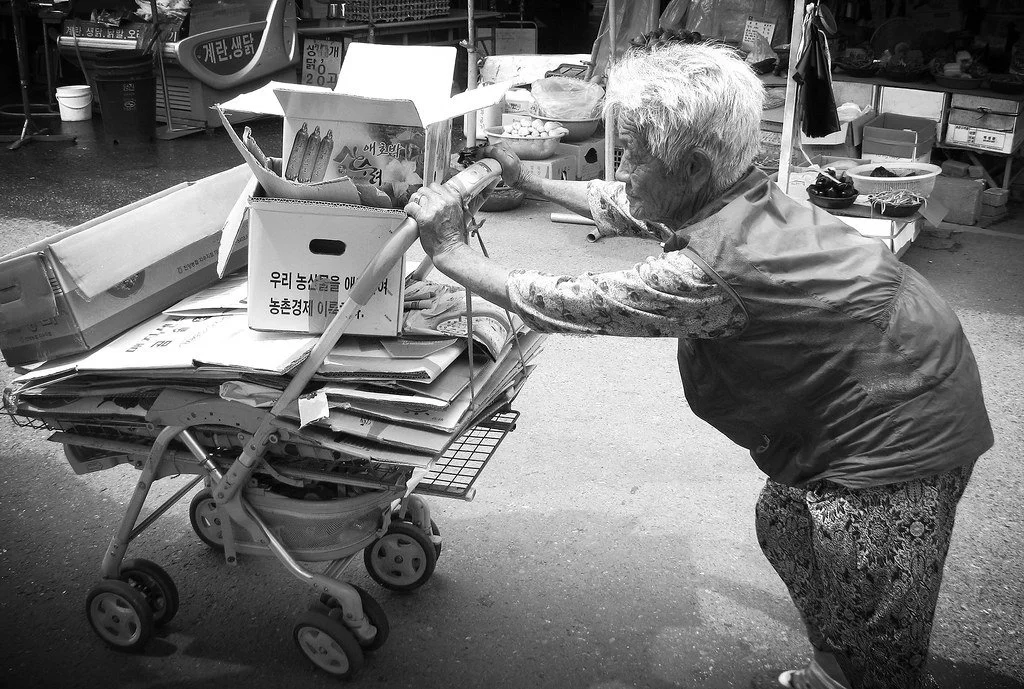
Retiree collecting cardboard boxes. Mariej55quebec. CC PDM 1.0

In order to make a living, many retirees collect anything that can be recycled and transported to the local junk yard using makeshift handcarts. Cardboard boxes are what they tend to collect most because they are the easiest to come across. Although prices vary, the average income per kilogram (2.2 lbs.) is 40 won ($0.33). On a 12 hour day, retirees earn about $6.68: a salary that’s far below the poverty line. South Korea is expected to become a “super-aged society” with more than 20% of its population aged 65 years and older by 2026. A fall in the fertility rate and rising longevity are the two fundamental contributors to the country’s growing ageing population. 

Pre-pandemic, soup kitchens were a social gathering place for many retirees. A popular one among the elderly was Angel Soup Kitchen. On average, they served more than 350 free meals three times a week: operating 26 centers across South Korea. Retirees would line up in the early hours of the day to guarantee a spot in line. It was a place where they could be among other seniors enjoying a meal. However, with the pandemic and the elderly being the most vulnerable, Angel Soup Kitchen closed and now distributes take home meals. With so many soup kitchens closing, Warm Chaeumteo was one of the few that remained open. They provide three meals a day, seven days a week. Due to the temporary closure of other soup kitchens, the center is getting approximately 100 more visitors a day, compared with the normal turnout before the outbreak. They receive just under 1,000 people per day. It is becoming harder to keep soup kitchens open with the decline in volunteers, many deciding they want to avoid face to face interactions.

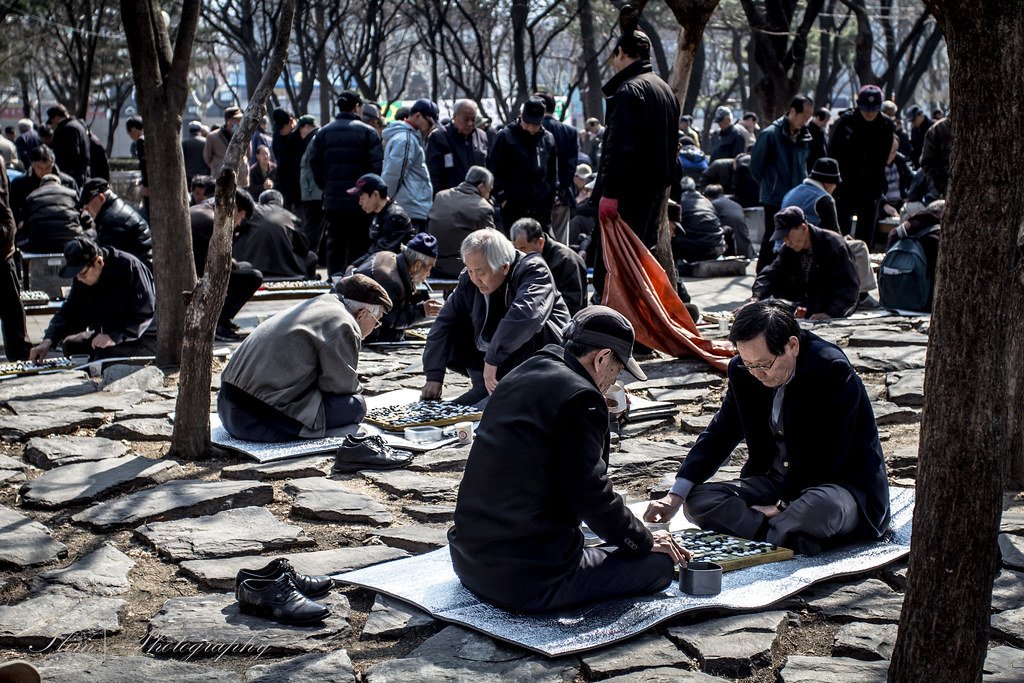
Senior Koreans Playing Chess at a Park. Terence. CC BY-ND 2.0

The mental health of retirees has seen a spike in recent years. The disruption of the traditional family unit is a large reason why. Children often lose contact with their parents, leaving the retired elderly to feel lonely and isolated. A long term effect of these feelings will trigger depression, anxiety and loneliness. To socialize, retirees frequent parks and public areas, but with the restrictions of the pandemic, most areas are now closed. This forces the elderly into further isolation and a toll on their mental health. Health Insurance Review and Assessment Service reported that about 40% of the 684,000 Koreans diagnosed with severe depression were over age 60. With an aging population that will only continue to grow, countries with large elderly populations are facing an unprecedented issue: how to properly care for a large influx of elderly people, while still moving towards the future. Living longer is usually associated as being a hallmark of success, but current societal structures in many countries are not equipped to provide the social services needed. 

As South Korea and the globe try to figure out how to care for this large wave of retirees living longer, there are startups like EverYoung. A company that only hires employees aged 55 and older. Employees monitor blog content and detect sensitive information, as well as perform other IT tasks. There are 420 seniors from a variety of career backgrounds employed. Moreover, a mandated 10-minute break for every 50 minutes of work, and staff are rostered on four-hour shifts. Manager Kim Seong-Kyu told ChannelNews Asia that older employees have detail-oriented skills not common in the younger workforce, with distracting cell phones stored away during work time. Kyu said, “they are full of passion. The time that they have, and their interest in this work, are primarily why they come to work”.

To Get Involved:

The Korea Legacy Committee and Asian Boss have partnered to provide free meals every Sunday for the South Korean elderly. They aim to become a safe haven for impoverished seniors and expand the meal program around the country.  

To learn more about Korea Legacy Comittee click here.

To support the South Korean elderly during the pandemic click here.


Jennifer Sung

Jennifer is a Communications Studies graduate based in Los Angeles. She grew up traveling with her dad and that is where her love for travel stems from. You can find her serving the community at her church, Fearless LA or planning her next trip overseas. She hopes to be involved in international humanitarian work one day.

How to Be a Global Citizen

From reading about the world and taking political action to volunteering effectively and traveling sustainably, here is a step by step guide to be a global citizen. Wherever you live, your home extends beyond national borders and here are some ways to acknowledge that. Check out these 7 steps on this path.

Read More

Child Slavery in Ghana

When Elizabeth Tulsky participated in NYU’s study abroad program in Ghana, she also independently volunteered with City of Refuge, a local organization that uses education as a tool to combat child slavery. She said of her experience that it had “a tremendous impact on my life and what I want to do in the future.”

In Ghana, children are often enslaved, maltreated and many mothers struggle to see their children as more than a financial burden. While there are no statistics on the actual number of children trafficked, estimates are in the thousands. What is known is that 25% of Ghanaian children ages 5-14 years are involved in child labor. Child labor and human trafficking are both against the law in Ghana, however, laws are not enforced.

City of Refuge fights against child slavery by educating small villages about the harms of keeping children out of school and depriving them of a childhood. The organization is founded on the belief that if they can empower single mothers educationally and economically then they will no longer be vulnerable to selling their children as slaves.

Can you tell me a bit about City of Refuge and the work they do?

City of Refuge workers enter villages and open discussions with the chiefs in a respectful manner and work to free children who are in dangerous and/or miserable conditions and separated from their families. On a daily basis, City of Refuge provides home, happiness, and sanctuary to many rescued children. Furthermore, City of Refuge runs the only public school in the city, Doryumu. The organization works at the root of the problem, beginning with single mothers. Many children end up in slavery because mothers simply have absolutely no means of supporting themselves, much less their young children. Selling them, as hard as it may be to believe, truly seems like the only option for many women. Thus, City of Refuge works with single mothers to find alternative solutions to make ends meet, and have started two local businesses to be run by single mothers to increase opportunities for mothers and in turn, reduce the number of children sold into horrific situations.

How were you involved with the organization?

I worked in the small school where the children living with the City of Refuge family were educated and spent my evenings at the home playing with children and helping them with their homework. I also spent time shadowing the founders and through this I learned much about the process.

What do you know about child slavery in Ghana?

Children are targeted as slaves for fishermen for several reasons. First, children are easy to acquire as so many parents are impoverished and feel financially helpless. Second, children’s small hands are ideal for making and untangling fishing nets. When the nets get trapped in trees in the lake, children are sent in the water to untangle them. Unfortunately, this means many of the child slaves are incredibly susceptible to water-borne disease and illness and sadly, some do not know how to swim and may drown in the water. Children who are enslaved receive no form of education or care and spend up to eighteen hours a day working on the lake. They are often fed no more than one meal a day, which frequently consists of just gari, a food made from cassava, soaked in the lake water.

Any advice for travelers going to Ghana?

This is probably true for every country, but just approach everything with an open mind, try new things, immerse yourself in the culture as much as possible.

How can readers help the victims of Child Slavery in Ghana?

Check out City of Refuge for more information.

Other organizations doing good work include Youth Generation Against Poverty (YGAP), an organization that inspires volunteers through creative fundraising opportunities. They have created several projects partnered with City of Refuge.


Elizabeth Tulsky

Elizabeth studied social work at NYU and has experience working with trauma, grief, family issues, depression, anxiety, ADHD, and general life transitions. She hopes to use her work to create culturally responsive, affirming and inclusive healing spaces while promoting the use of person-centered, strengths-based, trauma-informed, anti-racist and social-justice frameworks.

Yemen Experiences World's Worst Humanitarian Crisis

Yemen’s ongoing civil war has left 24 million in need of assistance and more than 100,000 dead since the conflict began in late 2014. Today, Yemen is considered the world’s worst humanitarian crisis and is on the brink of being labeled by the United Nations as the world’s worst famine in 100 years. 

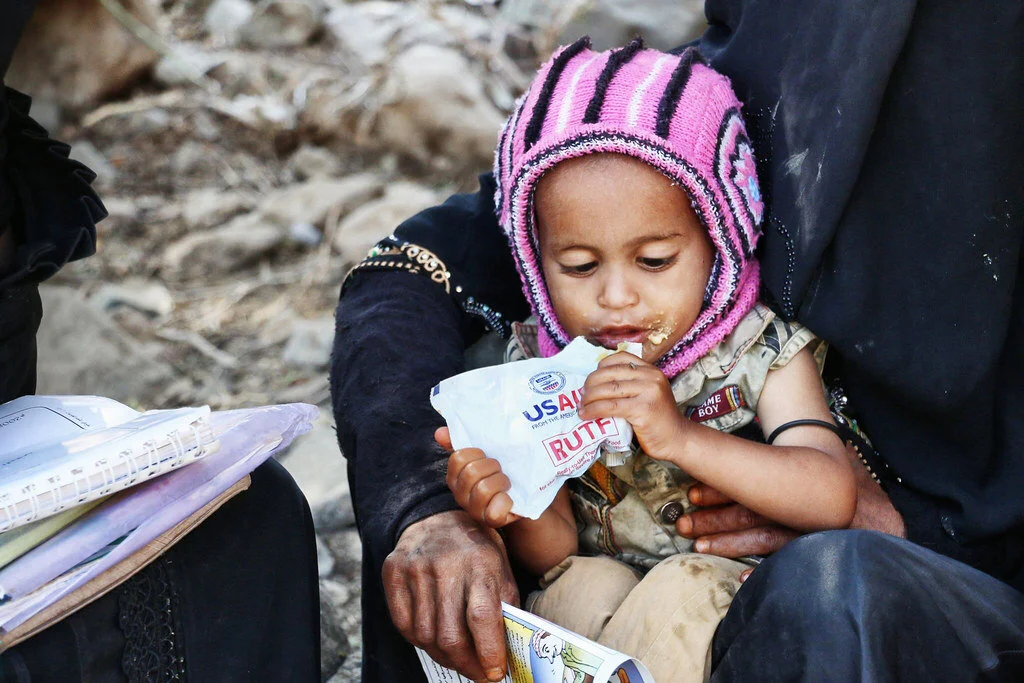
A hungry Yemeni child eats a food bag. USAID_IMAGES. CC BY-NC 2.0.

Hunger, malnutrition, famine, displacement and mental health issues are among some of the devastating consequences imposed upon Yemeni civilians by the country’s civil war. Although the conflict between Yemeni President Abdrabbuh Mansour Hadi’s government and the Houthi, or Ansar Allah, armed movement broke out in late 2014, Yemen was already one of the most vulnerable countries in the Middle East.

Following the Arab Spring in late 2011, previous Yemeni President Ali Abdullah Saleh was forced to turn over his power to his deputy, Abdrabbuh Mansour Hadi. Since then, the country has been enthralled in a civil war which has left millions of civilians hungry homeless, or dead. Houthi forces took over Sana’a, the capital of Yemen, in late 2014, instigating the war. By early 2015, Houthi officials declared mobilization to overthrow Hadi’s regime and, only a day later, fighting broke out in Lahij Governorate. Lahij Governorate quickly succumbed to Houthi rule and President Hadi fled the nation. 

With the help of the United Arab Emirates, Saudi Arabia created a coalition of mostly Sunni Arab states to combat Houthi forces and the rise of Iranian influence in the Middle East in 2015. Today, much of the conflict in Yemen is a proxy conflict for the power struggle between Iran and Saudi Arabia in the region. 

The Arab coalition conducted countless air campaigns to drive out Houthi forces from Yemen and facilitate the return of Hadi’s government, despite the trail of destruction these air strikes leave behind. Funerals, weddings, homes, mosques, schools and hospitals have all fallen victim to these bombs. In response to an attack on Saudi Arabia’s eastern oil fields—which disrupted nearly five percent of the world’s global oil supply—Saudi Arabia spearheaded a bombing campaign. According to the Yemen Data Project, the conflict and air strikes since 2015 left around 17,000 Yemeni civilians dead or injured, as of March of 2019. 

According to the United Nations, Yemen remains the world’s worst humanitarian crisis. With over 100,000 people killed and 85,000 children dead from famine, the UN warned that millions of Yemenis could face starvation in what could be “the world’s worst famine in 100 years.” Currently, 16.2 million Yemenis are food insecure while famine continues to rise; child malnutrition there is one of the highest in the world, with two million children in need of acute malnutrition assistance; and at least one child dies of malnutrition or diarrhea every 10 minutes in Yemen. 

Displacement is another major consequence of the war in Yemen. With more than five million people estimated to have been forced to flee their homes, four million Yemenis remain displaced today. These displaced families live in camps of makeshift shelters, forcing them to continue moving around and making them vulnerable to severe weather conditions, air strikes and other dangers. In addition to the overwhelming number of displaced and homeless Yemenis, the nation is also home to around 300,000 refugees mostly from the Horn of Africa.

The devastating impacts of Yemen’s ongoing war does not stop at the physical realm—consequences of the violence have affected the mental health of Yemeni youth. According to Columbia Global Centers’ PGIF Project, a 25-year-old living in Yemen today “has already lived through 15 major conflicts and wars,” making depression, PTSD and other mental health disorders common in Yemen’s youth. Considering the lack of infrastructure and medical facilities already in Yemen, mental health concerns are pushed to the backburner. With roughly one psychiatrist per 500,000 people, only three mental health hospitals exist in Yemen. The lack of mental health services and resources has forced individuals who battle with mental health issues to turn to alternate methods of help, such as Quranic healing, while professional help is reserved for more extreme disorders, such as psychosis. 

PTSD is one of the most common products of war, and this is evident with  Yemeni children. Growing up with bombs dropping all around them, PTSD in Yemeni civilians and children is often triggered by loud noises and the sounds of planes whooshing overhead. Behavioral changes such as bedwetting, isolating oneself and emotional detachment are common consequences of PTSD in children. 

Beyond death by air strike or on-the-ground fighting, many Yemenis have lost their lives to hunger and diseases because of restrictions on humanitarian assistance, imports and access to essential services. Because of this, UN Secretary-General Antonio Guterres refers to Yemen’s crisis as “man-made.” Many third party nations, organizations and institutions have requested the warring countries involved to improve civilian protection, but have experienced little success. Now, many activists have taken to social media to garner support and aid for Yemen’s children, as well as raise awareness of Yemen’s situation—for being the world’s worst humanitarian crisis, Yemen is often underrepresented in the media.

GET INVOLVED

Despite the restrictions on humanitarian aid in Yemen, there are still ways to help. Save the Children is one of the largest organizations operating in Yemen and is currently aiding children suffering from malnutrition, supporting health facilities in hard-to-reach areas and leading educational programs. 

The international organization, World Food Programme, aims to provide 13 million people with food assistance across Yemen. To accomplish this goal and ensure their efforts are uninterrupted in 2021, the WFP is seeking to raise $1.9 billion. 

The Danish Refugee Council offers partnership opportunities to private companies, where partners will have the opportunity to help solve the global displacement crisis. The DNC is a trusted partner of the United Nations, is rated the world’s third best non-governmental organization, and is a Core Humanitarian Standards certified organization.


Mia Khatib

Mia is a rising senior at Boston University majoring in journalism and minoring in international relations. As a Palestinian-American, Mia is passionate about amplifying the voices of marginalized communities and is interested in investigative and data-driven journalism. She hopes to start out as a breaking news reporter and one day earn a position as editor of a major publication.

Future of Afghan Women in Limbo after U.S. Troops Leave

After U.S. troops recently left the largest American base in Afghanistan, Bagram Air Base, the future of Afghanistan remains unknown. In particular, the lives of Afghan women are now at stake due to the gender inequality that still exists in the country.

Midwifery students in Afghanistan. United Nations Photo. CC BY-NC-ND 2.0.

Due to the Taliban’s strict rules restricting women’s rights, gender inequality remains a threatening reality in Afghanistan. Countries retreating from Afghanistan—the U.S. included—are leaving behind a dark future for Afghan women and girls, who face serious crises of health, education and violence. The U.S. left Bagram Air Base, its largest base in Afghanistan, on July 1.

Afghanistan has a history of violence within the country after foreign forces have retreated their troops. For example, when the Soviets withdrew from Afghanistan in 1988, the U.S. looked away, and Afghanistan erupted in a factional war that killed thousands. During this conflict, Afghan women were raped by fighting forces.

Photos of Afghan women cowering under the whips of Taliban members haunt history, and they were the cause of feminist sympathies that emerged across the U.S. Those activists hoped that American involvement in the area would bring relief to a tortured country.

Since the Taliban were ousted in 2001, Afghan women have not wasted one minute in fighting for their rights.  Today, many women serve in important governmental roles, like as parliament members and ambassadors. Many women are also musicians, artists, entrepreneurs, or inventors. In fact, during the pandemic, the Afghan girls robotics team created low-cost ventilators to treat COVID-19 patients.

Women on the job in Afghanistan. United Nations Photo. CC BY-NC-ND 2.0.

In more good news, infant mortality has decreased and life expectancy has increased. Foreign involvement has had a big hand in accomplishing this. However, now that international troops are withdrawing, aid has been shrinking and pledges to help Afghanistan are less frequent.

Along with the U.S., several other embassies have also withdrawn their troops from Afghanistan, including Australia.

In an interview with Human Rights Watch, Afghan women said that they now face obstacles in accessing care due to costs, insecurity, and scarcity of providers. Furthermore, as countries withdraw from Afghanistan, the unknown future of the country could mean further violence that would produce even more problems for women and families.

GET INVOLVED

To help the fight for women’s rights in Afghanistan, consider working, interning, or volunteering with Women for Afghan Women WAW. WAW was founded to advocate for women then living under the brutal rule of the Taliban in Afghanistan. Now, it is the largest organization for Afghan women and girls globally and the largest women’s organization in Afghanistan. Afghan Women’s Educational Center also focuses on Afghan women’s rights—they are a non-profit women-led national organization that reduces vulnerability among marginalized communities with a special focus on women and children. They offer various jobs and projects to get involved with.


Isabelle Durso

Isabelle is an undergraduate student at Boston University currently on campus in Boston. She is double majoring in Journalism and Film & Television, and she is interested in being a travel writer and writing human-interest stories around the world. Isabelle loves to explore and experience new cultures, and she hopes to share other people's stories through her writing. In the future, she intends to keep writing journalistic articles as well as creative screenplays.

COVID-19 Has Fueled Child Labor in Nepal

With the closing of schools due to COVID-19 and insufficient government aid, children in Nepal are being pushed into dangerous labor.

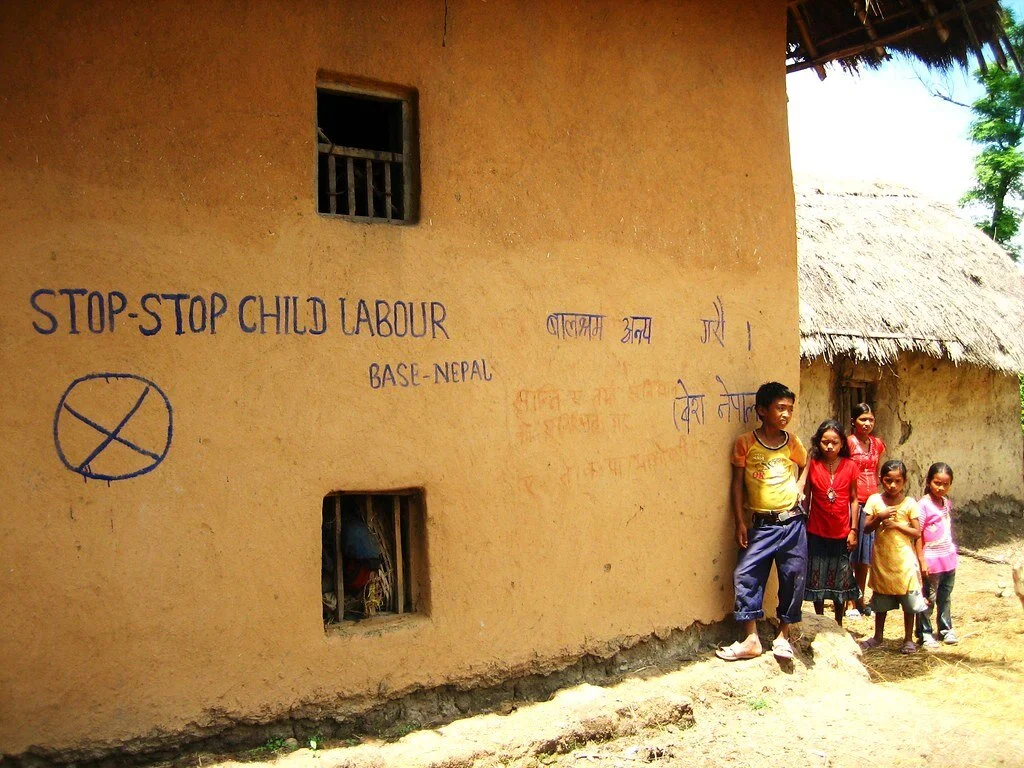
Stop Child Labor Graffiti in Kothari. The Advocacy Project. CC BY-NC-SA 2.0.

The COVID-19 pandemic has affected all aspects of life in Nepal, including education, government assistance, employment and domestic life. Due to adults losing their jobs and income, the rising illness and death rates among caregivers, and even more lockdowns, children are being forced into exploitative labor so they can provide for their families.

The second wave of COVID-19 cases in Nepal continues to put children at risk of child labor. Many children feel that they have no choice in the matter—they work long, grueling hours to help their families survive and provide food.

In Nepal, children work at places like brick kilns, carpet factories and in construction, or as carpenters or vendors selling various items. Some children carry heavy bags at mining sites or crush ore with hammers, all while breathing in dust and fumes from machines and acquiring injuries from sharp objects or particles.

Human Rights Watch interviewed 25 Nepali children between ages 8 and 16, and nearly all of them said that the COVID-19 pandemic had a negative effect on their family income. According to this report, one-third of the children interviewed worked at least 12 hours per day, and some even worked seven days per week. Among the reported side-effects of working long hours, children listed fatigue, dizziness and muscle pain. In addition, many children described hazardous working conditions; many have experienced violence, harassment and pay theft.

A majority of children interviewed also reported that they made less than Nepali minimum wage for their work, which is 517 rupees per day ($4.44 in U.S. dollars). Some children said their employers paid their parents based on a piece rate instead of paying them directly.

Nutrition education seminar in Bandarkharka, Nepal. Bread for the World. CC BY-NC-ND 2.0.

One of the biggest factors contributing to the rise in child labor is the lack of access to education due to COVID-19. In Nepal, school closures began on March 18, 2020, which affected more than 8 million students. A majority of Nepali students were unable to learn online as well, leaving them without education for over a year. In that education gap, children were often forced to work for their families.

Although most schools reopened in Nepal in January and February of 2021, some children continued to work because their families still needed their child’s income to prevent  going into debt. However, in April 2021, schools closed again due to a second wave of COVID-19, and children were put back to work.

Several of Nepal’s neighboring countries, including Bangladesh, India and Pakistan, have expanded cash allowances in order to cover more families. However, Nepal has not yet taken this step. Nepal needs to expand cash allowances so children can be taken out of dangerous labor and put back into school, as well as to enable families to maintain adequate standards of living without relying on child labor.

TO GET INVOLVED

To aid in the global fight against child labor, volunteer with Global March Against Child Labor, a wide network of organizations that work together to eliminate and prevent all forms of child labor through volunteering, fundraising and donating. Love 146, an international human rights NGO working to end child trafficking and exploitation, also provides many ways for people to help. Among many opportunities to help, Love 146 encourages people to get active and start a workout or host a 5k to help raise funds for their work.


To learn more about child labor and find more ways to take action, visit UNICEF’s page on global child labor.


Isabelle Durso

Isabelle is an undergraduate student at Boston University currently on campus in Boston. She is double majoring in Journalism and Film & Television, and she is interested in being a travel writer and writing human-interest stories around the world. Isabelle loves to explore and experience new cultures, and she hopes to share other people's stories through her writing. In the future, she intends to keep writing journalistic articles as well as creative screenplays.

Gen Z’s Online Activism Helps and Harms Social Movements

Gen Z, those currently ages 11-25, have been using the Internet and social media all their lives. More informed about social issues through Instagram and TikTok, they are also more vulnerable to misinformation as much content on such platforms is not fact-checked or verified.

Read More

America’s Prison Abolition Movement Fights On

The United States is home to nearly 25% of the world’s prison population. Activists are fighting to dismantle the prison system, hoping to strengthen communities instead. 

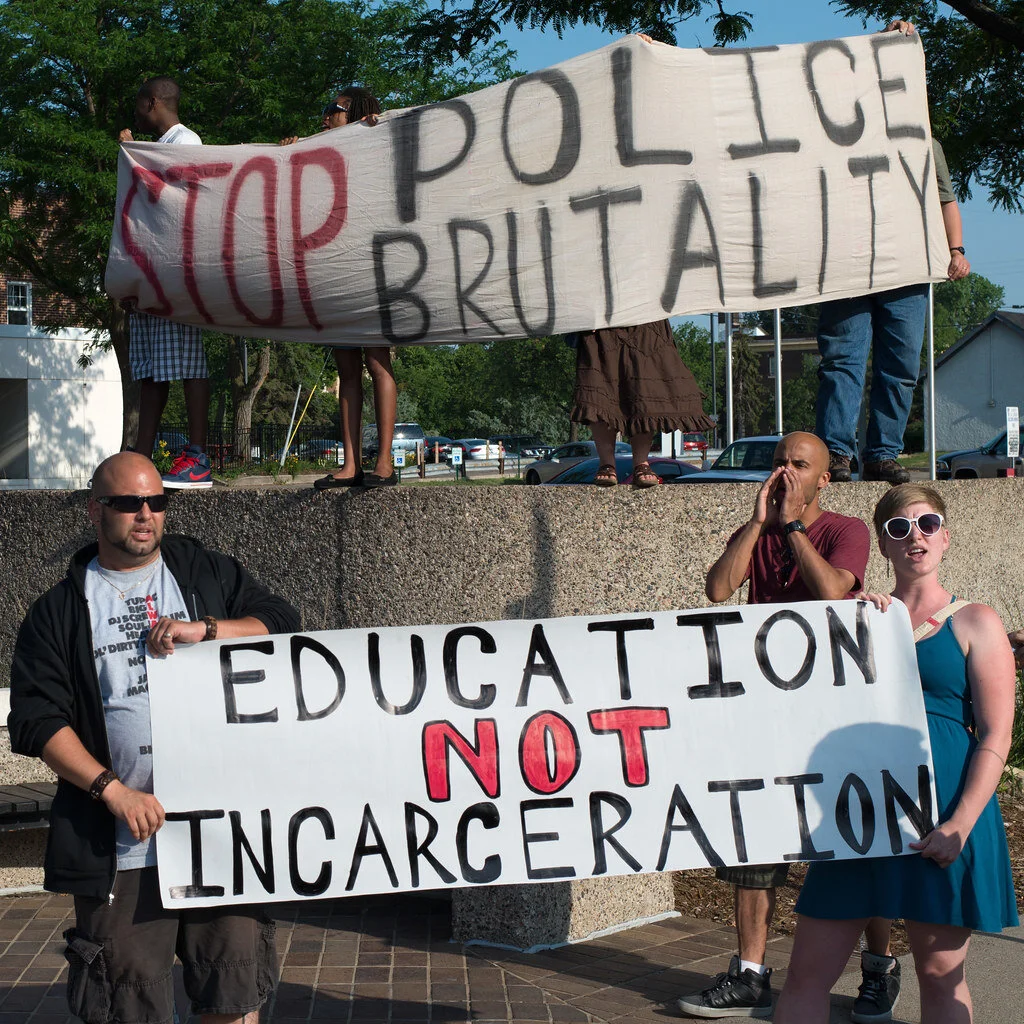
Protest against police brutality in Minnesota, 2013. Fibonacci Blue. CC BY 2.0   

The United States maintains the highest prison population rate in the world. Despite making up only 5% of the world’s population, the United States is home to 25% of the world’s prisoners. There is no question that the United States has a mass incarceration problem. For decades, activists have argued that the prison system perpetuates racism, sexism and inequality, leading to what is often seen as a radical solution: prison abolition. 

In the wake of the recent stream of anti-police brutality protests, discussion has turned toward prison abolition. Prison abolition is not just about getting rid of physical prisons; abolitionists aim to undo societal structures that lead to incarceration, known as the prison-industrial complex. The prison-industrial complex is a term used to describe “the overlapping interests of government and industry that use surveillance, policing and imprisonment as solutions to economic, social and political problems.” Prison abolition is really the abolition of the prison-industrial complex, with the ultimate goal being to eliminate policing, imprisonment and surveillance and to redistribute government spending from these industries to support housing, education, jobs and health care. 

The concept of prison abolition has been around since the 1980s. Following the war on drugs, which increased prison sentences for both drug dealers and users and more than doubled the prison population from 1980 to 2000, activists began protesting the prison system. They argued that too many nonviolent offenders were being incarcerated, that wealth inequality was a major factor in who was locked up, and that people of color were disproportionately imprisoned. Black and Hispanic people in the U.S. are still incarcerated at higher rates than White people, data shows. The movement gained prominence in the 1990s, when Angela Davis and Ruth Wilson Gilmore co-founded Critical Resistance, a national anti-prison organization with a focus on the prison-industrial complex and abolition. In 1998, Critical Resistance hosted a three-day conference to examine and challenge the prison-industrial complex. The conference was considered a success, but made clear how much work still had to be done to undo a society that maintains mass incarceration. 

“The abolition movement focuses on preventive rather than punitive measures.”

Skeptics of the abolition movement often ask what will happen to violent offenders, like murderers and rapists, if prisons are shut down. The movement’s supporters have two responses. First, abolition activists ask: is the current prison-industrial complex actually effectively addressing the issues behind rape and murder? Most activists say no. Despite the copious amounts of money funneled into supporting the prison-industrial complex annually, the threats of sexual assault and murder, among other crimes, are still sources of concern across the country. The prison-industrial complex locks criminals up, but has not actually addressed the root of the crimes in society. Plus, as prison abolition activist Woods Ervin points out, the prison-industrial complex itself perpetuates some crimes, like when prison guards sexually assault incarcerated people. Second, supporters point out that abolitionists want to help communities address underlying issues, like wealth inequality, that contribute to the rise of crime in the first place. Abolitionists want to build up infrastructures in communities in order to reduce interpersonal issues and create a world where people don’t feel driven into committing crimes. The abolition movement focuses on preventive rather than punitive measures. Ultimately, how crime is dealt with after prison abolition “is going to depend on each scenario,” Ervin says, and on the community in which it takes place. 

Prisons won’t be shut down tomorrow, but activists in the abolition movement are fighting to ensure that prisons will one day be obsolete, and communities will have a stronger foundation to deal with eliminating inequality. The recent killings by police officers and subsequent anti-police brutality protests have illuminated some of the issues with the prison-industrial complex, and highlight the need for a new system. 

To Get Involved: 

To locate your local chapter of Critical Resistance, the national anti-prison organization, and find information on volunteer opportunities or how to become a member, click here.


Rachel Lynch

Rachel is a student at Sarah Lawrence College in Bronxville, NY currently taking a semester off. She plans to study Writing and Child Development. Rachel loves to travel and is inspired by the places she’s been and everywhere she wants to go. She hopes to educate people on social justice issues and the history and culture of travel destinations through her writing.

Zimbabwean Teens Kick Away Child Marriage with Taekwondo

One town in Zimbabwe has learned to bear the weight of history by “kicking” child marriage customs away. 

Zimbabwean woman. ScotchBroom. CC BY-NC 2.0. 

In the small settlement of Epworth southeast of Harare, Zimbabwe’s capital, is a growing community of taekwondo enthusiasts. One member, 17-year-old Natsiraishe Maritsa, has taken it upon herself to organize taekwondo classes for the girls of her community. The participants of her classes are underage girls, some as young as 10, who have been subjected to the harrowing practice of child marriage that plagues Zimbabwe. 

The Statistics

Child marriage is a tradition practiced all around Zimbabwe, but it runs particularly rampant in rural areas. The Zimbabwean countryside was found to have a child marriage rate of about 40% compared to the urban areas that show a rate of 19%. 

In Zimbabwe, 34% of girls are married off before the age of 18, while another 5% are married before the age of 15. The issue of child marriage, although an occurence involving mostly underage women, affects more than just women. About 2% of boys are forced into the practice before the age of 18. 

Complications of Elimination

The task of eliminating child marriage has proven to be especially difficult due to the many conditions and societal beliefs that worsen girls’ ability to escape the practice. There are four main reasons that girls are easily trapped in the tradition: 

First, gender inequality ranks women as inferior to men, thereby allowing the men of the family to force the women into submission. 

Second, and a particularly large piece of the problem, is poverty. The practice of child marriage is often used as an economic tool; the price for a bride is used to cover household expenses. Because marrying off daughters of the family can be the decision between life and death, the pressure to commit these practices is often insurmountable. With poverty increasing due to COVID-19, this problem has become particularly difficult. 

Third, the need to avoid shame causes many families to marry off their daughters. In Zimbabwe, the act of a daughter committing premarital sex is seen as shameful to the family, so it is resolved by forcing the daughter to marry her boyfriend. The girls will submit to these demands, especially if they became pregnant, in order to avoid abuse by their family members. 

Fourth, a lack of education pushes girls into the trap of child marriage. Many poorer households are unable to pay for their daughters to attend school, which increases the risk that they will be forced into a marriage. 

It is an oppressive cycle. Studies find that poverty causes child marriage, and in return, child marriage feeds into poverty. 

Seventeen-year-old Maritsa has chosen to use taekwondo education to empower the girls of her community, hoping they can use their newfound confidence and skills to reshape their futures. She holds classes in a small dirt yard in front of her house, while her parents use their small income to supply some food for the attendees. 

Maritsa’s class has proven to be empowering, with each class used as a safe space for girls to talk about the physical, mental and emotional abuse they endure from their husbands. 

She has proven that although oppressive practices are formidable opponents, the power of education and community can undo even the most controlling traditions. 

To Get Involved

Nonprofit organization FORWARD is led by African women seeking to end violence and the oppression of women in Africa, including child marriage. To read more about how to lend a hand, click here

Global partnership Girls Not Brides has combined the efforts of over 300 organizations dedicated to empowering women on nearly every continent. To see how you can support bills and other legislation they are pushing, click here


Ella Nguyen

Ella is an undergraduate student at Vassar College pursuing a degree in Hispanic Studies. She wants to assist in the field of immigration law and hopes to utilize Spanish in her future projects. In her free time she enjoys cooking, writing poetry, and learning about cosmetics.

Middle Eastern Countries Combat Stigma Surrounding Mental Health

While the stigmatization of mental health issues is common worldwide, sociocultural factors specific to the Middle East often prevent individuals from seeking treatment.

A drawing depicting mental health issues. Pixabay.

Mental health services are more urgently needed now than ever before. The world is currently facing a mental health epidemic, with over 264 million people struggling with depression in 2019. The additional stress and uncertainty caused by the COVID-19 pandemic have caused anxiety and depression levels to skyrocket. For many individuals, it has become even harder to participate in counseling programs. According to the World Economic Forum, over 93% of countries have reported a disruption in their mental health services since the pandemic started. 

In the Middle East, mental health awareness continues to rise, especially in the Gulf countries among the nations’ youth. A recent poll conducted in the Gulf region reported that 62% of youth agree that mental health issues are important. Even so, a recent survey in Saudi Arabia revealed that 80% of people struggling with severe mental health issues do not seek treatment. Similarly, this year’s Arab Youth Survey, which interviewed 4,000 young adults ages 18-24 from 17 Arab countries, revealed that mental health issues are rampant, with the number of people affected continuing to rise. 

Difficulties in Obtaining Proper Mental Health Care

The Kaaba in Mecca, Saudi Arabia, the holiest site in Islam. Konevi, Pixabay.

A prevalent culture of stigmatization in Middle Eastern countries prevents many individuals from seeking treatment in the first place. Due to the shame associated with mental health issues, privacy between the client and their mental health professional is of utmost concern. In many cases, mental health issues place a burden on a family’s reputation and social status. Rania Raine, a 43-year-old British-Egyptian art teacher who struggles with mental health, states that, “It’s the ‘shame’ families have, that their child isn’t perfect, that their lives are not perfect and what will people say, what will the neighbors say, society say–and then it all leads to marriage, how no one will marry the child who has a mental health condition, or worse still, ruin the chances of marriage of the other siblings.” 

Although the stigmatization of mental health conditions is common in Muslim communities, Ph.D. researcher Mounira al-Dousari states that they are “reflections of cultural practices and discourse.” There is a growing movement among mental health professionals to include faith in therapy, which results in a faster recovery for some clients. It’s also important to note that many forms of therapy use predominantly Western practices, which need to be diversified to appeal to a larger audience. According to Dousari, “When it comes to Islam, Muslim scholars and those working in the mental health field are working harder than ever to establish well-structured Islamically integrated psychotherapy models.”

Additionally, the financial burdens of seeking mental health treatment raise another concern. Even though mental health care is free in some public hospitals, many people do not trust them due to privacy concerns. Prices for private mental health care sessions are quite expensive. For example, Dousari’s research sessions cost $225 an hour, a large sum even for well-off families. 

Historic Treatment of Mental Illness in the Middle East

An entrance to the Moristan of Kala’oon, a mental health hospital in Egypt, 1878. Werner. CC2.5

Although mental health remains a prevalent issue in the region, the Middle East was well known for mental health treatment during the Islamic Golden Age. The term bimaristan, Persian for “home for the sick,” refers to entire psychiatric hospitals where a patient’s mind, body and soul were considered part of the treatment process. First opened in Fez, Morocco, and in Baghdad in the eighth century and later in Cairo, Damascus and Aleppo in the ninth, the practice was initially introduced by physician Ahmed ibn Sahl al-Balkhi. A famous manuscript written by Balkhi called “Sustenance for Bodies and Souls” was written in clear, understandable language and helped make mental health education more accessible to the public. Unfortunately, the practice declined throughout the centuries and does not occur in the mainstream today. 

Additionally, Dr. Mamoun Mobayed, director of the treatment and rehabilitation department at Behavioral Healthcare Center in Qatar, emphasizes that the stigmatization of diseases is a global phenomenon. “Any disease thought to be infectious or bizarre-looking, like leprosy, has always been stigmatized. Even with COVID-19, there have been cases where paramedics working with COVID-19 patients have been avoided due to the fear and stigma attached to the virus.”

In recent years, mental health awareness in the Middle East has become a top priority, with many countries starting their own wellness initiatives and campaigns. 

Qatar Paves the Way in the Gulf

Sidra Medical and Research Center in Qatar. Sergeev. CC3.0

Qatar launched a new mental health program in conjunction with World Mental Health Day. Being the first country in the Gulf to start such an initiative, the Wellness Ambassadors program aims “to promote mental health support and break the stigma attached to mental health conditions at school level.” Program ambassadors received comprehensive training on mental health issues such as anxiety, depression and bullying while breaking cultural misconceptions surrounding mental health. Dr. Mobayed states that educating individuals about mental health issues serves “to remove the barriers associated with mental health and know they are normal humans with a disorder in the mind.” 

Turkish Counseling Services Provide Assistance

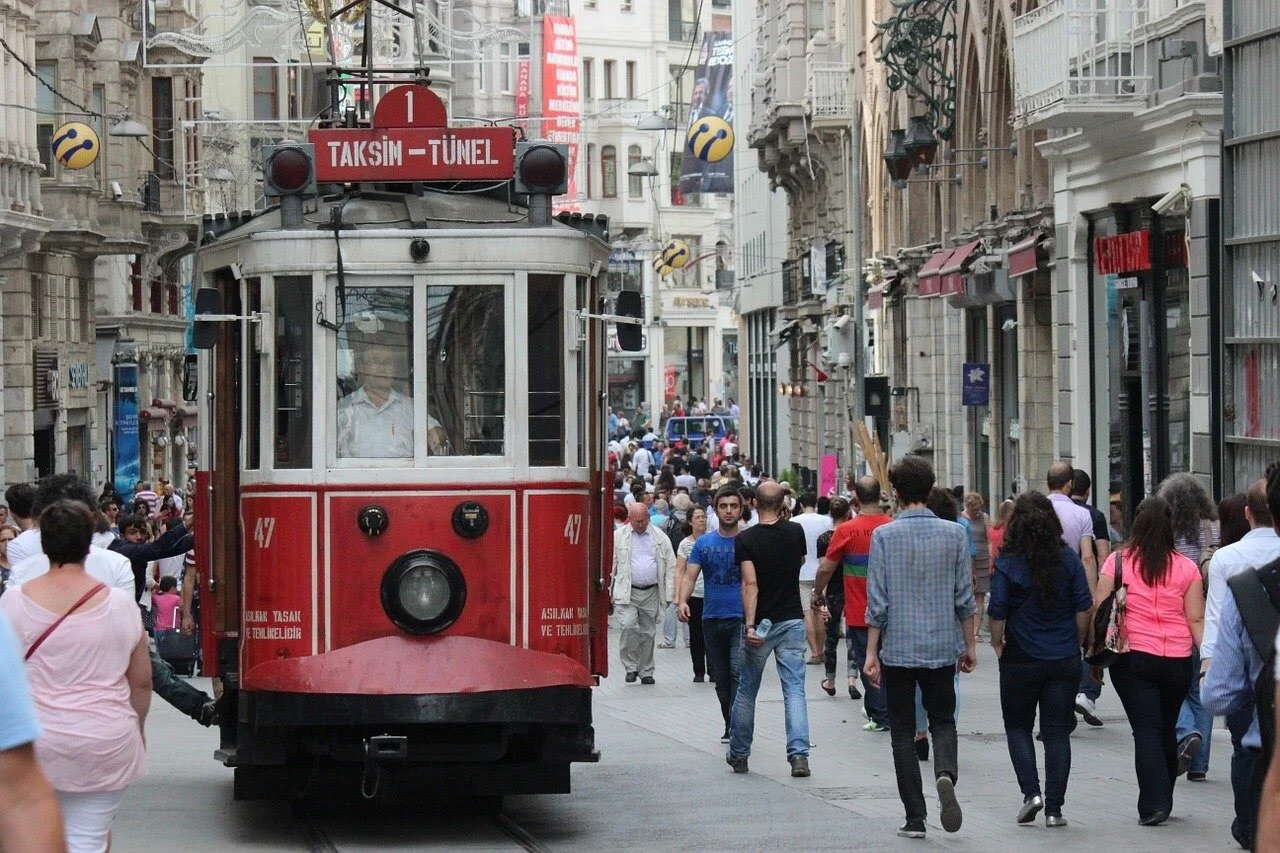
Taksim Square in Istanbul. Pixabay.

A crisis helpline in Turkey helps those struggling with mental health issues during the pandemic. Supported by the World Health Organization, the service is accessible in all of Turkey’s 81 provinces and consists of 418 staff members trained in helping individuals manage stress and access mental health resources. So far, the service has offered more than 80,000 consultations since its inception. 

Social Media Campaigns in Kuwait Lead to Legislative Action

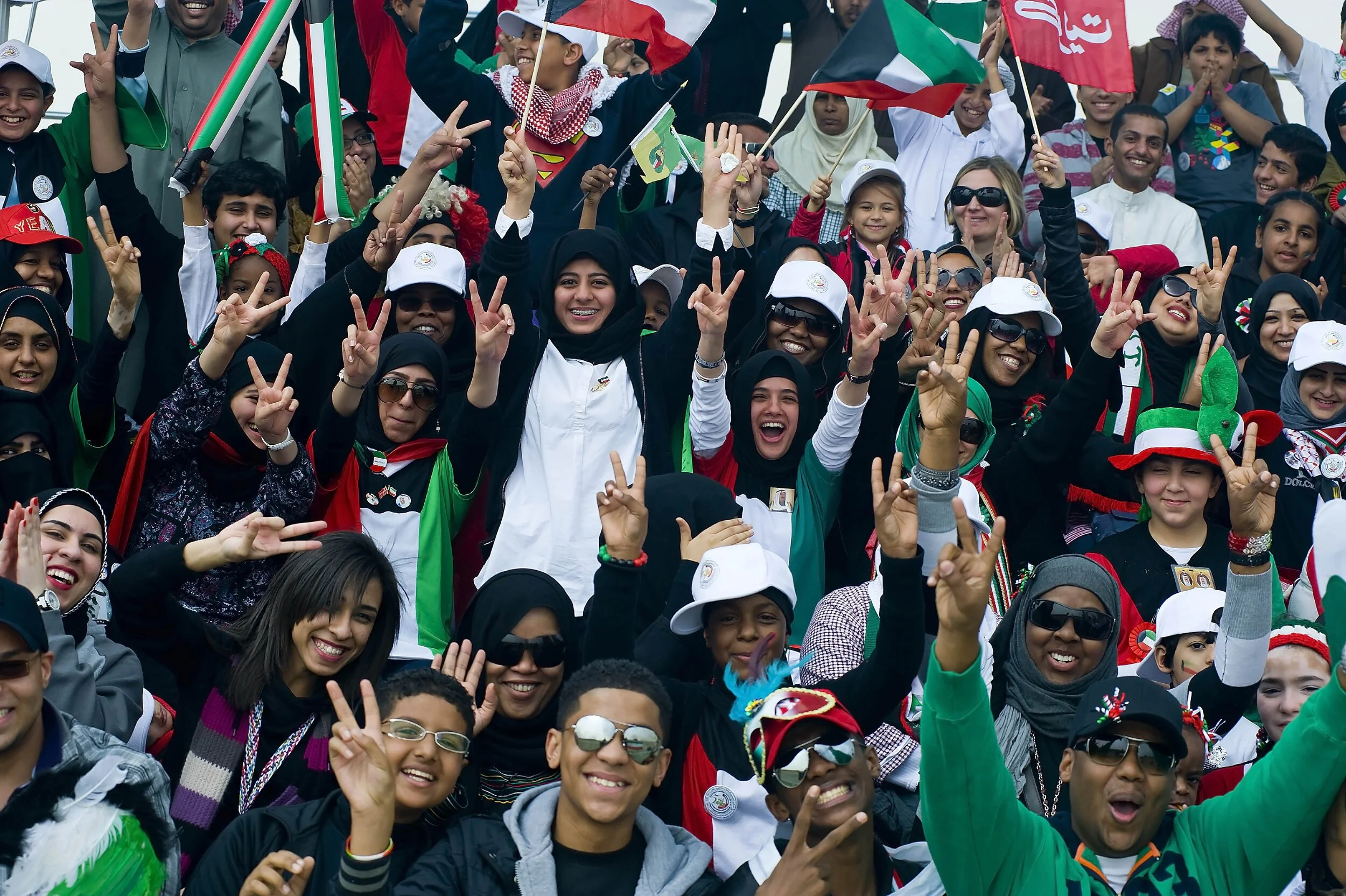
Youth in Kuwait. Wikimedia Commons. CC2.0

Kuwait enacted its first mental health law in 2019, which passed unanimously through the national assembly. Instrumental to this success were numerous social media campaigns led by youth, artists and mental health advocates. The founder of ASAP Beauty, Sheika Majda al-Sabah, credits her involvement in the campaign to her own struggles with depression. Other campaigns include “Mind Me”, “Human Line Organization” and “Taqabal”, with trending hashtags such as #noshame working to spread awareness. Outreach events helped to create a welcoming climate where people could speak more openly and denounce negative stereotypes surrounding mental illness. Since the onset of the COVID-19 pandemic, an online program called Corona Care provides mental health services for those in need. Additionally, the Gulf Program for Mental Health encourages countries to develop comprehensive mental health programs that adhere to international standards. 

Although there is still work needed to break down barriers surrounding mental health treatment, Middle Eastern countries seem ready to rise to the challenge. 

To Get Involved: 

Check out social media campaign pages “Mind Me”, “Human Line Organization” and “Taqabal” working toward mental health awareness in Kuwait. Visit the website of the Institute for Muslim Mental Health, which focuses on providing support for Muslims in the United States. The Journal of Muslim Mental Health is an excellent resource to learn about issues affecting the Muslim community in the United States and globally. 


Megan Gürer

Megan is a Turkish-American student at Wellesley College in Massachusetts studying Biological Sciences. Passionate about environmental issues and learning about other cultures, she dreams of exploring the globe. In her free time, she enjoys cooking, singing, and composing music.

Nonprofits Reach Syrian Refugee Children Through Education

As the Syrian refugee crisis enters its 10th year, children continue to suffer from mass displacement and a lack of educational opportunities. 

Syrian primary schoolchildren. DFID. CC2.0

The Syrian refugee crisis is considered by many to be the most urgent humanitarian crisis of the decade. Since 2011, the conflict has displaced 11 million people through the destruction of countless homes, hospitals, schools and public buildings. An equally large number of Syrians require humanitarian assistance, over half of them being children. Many of these young children lack safe spaces to play, face childhood neglect and have witnessed horrific violence in their lives. Numerous children are at risk of developing toxic stress, which is a biological response that impedes growth and development when humans have experienced too much hardship. 

However, with hardship also comes hope. Reaching children early and providing educational opportunities have been shown to alleviate toxic stress, allowing children to live productive and happy lives. However, educational resources for Syrian refugee children remain in short supply. Despite its importance in providing children a brighter and more stable future, education efforts only receive 3% of humanitarian aid annually. Additionally, many humanitarian organizations do not provide adequate educational resources for children to increase school enrollment. 

Students in Syria start to drop out at the age of 12, when they are in secondary school. A study conducted on Syrian refugee children in Jordan showed that only 25% of students are enrolled in secondary school, citing a lack of safe transportation, limited educational resources available, poverty and limited professional opportunities as contributing factors. Children who drop out of school are at increased risk of experiencing hardship in their lives, including living in poverty, being subjected to child marriage and facing sexual violence. Adequate educational resources and child support are essential to help provide resilience and much-needed support for Syrian refugee children. Some nonprofit organizations are aiming to do just that.

Making a Difference in Syrian Refugee Children’s Lives

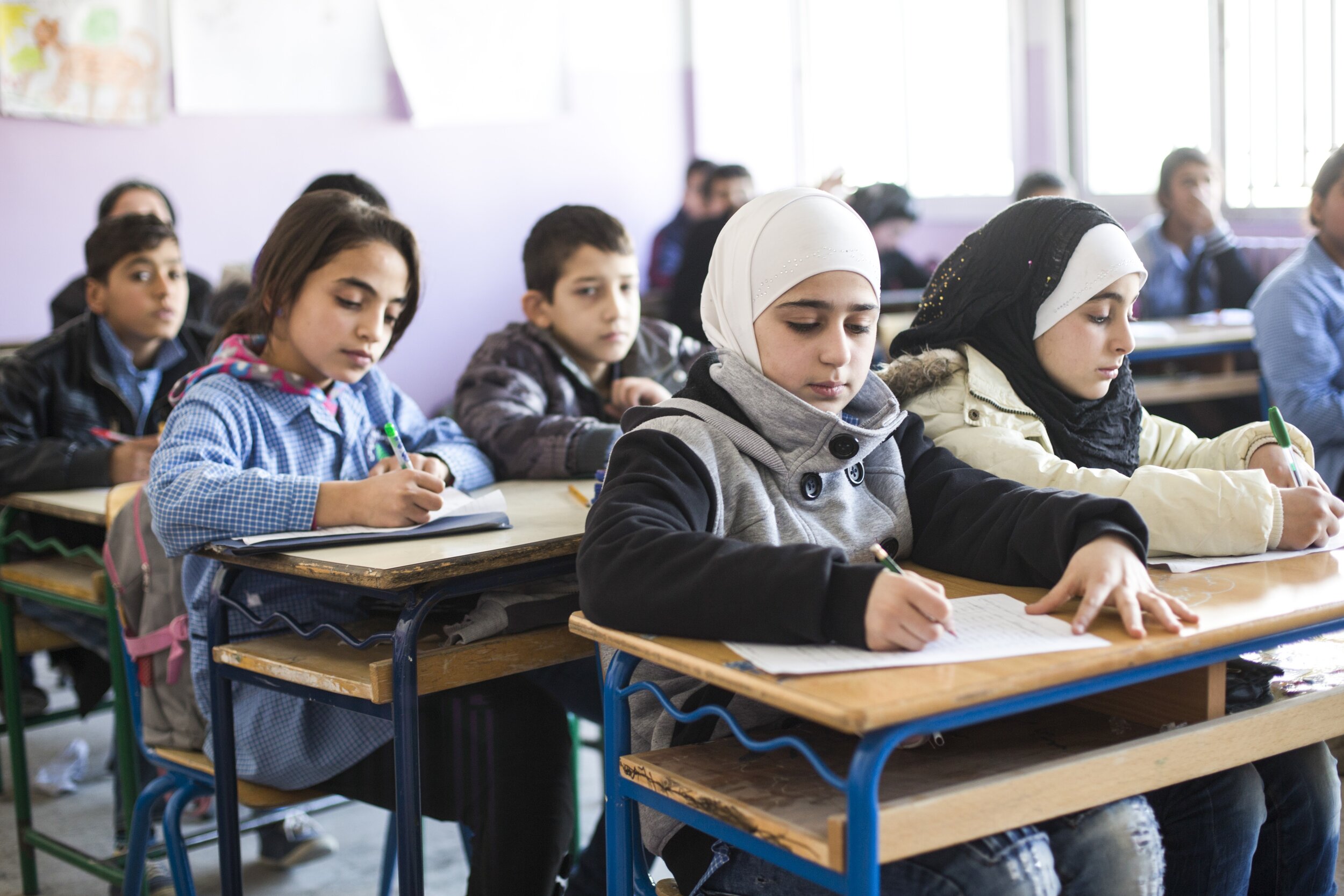
Syrian refugee children at a school in Lebanon. DFID. CC2.0

A new educational program developed by the International Rescue Committee (IRC) and Sesame Workshop aims to provide adequate educational resources for Syrian refugee children. Called Ahlan Simsim, which translates to “Welcome Sesame” in Arabic, the program aims to combine the IRC’s experience working in conflict zones with the TV show “Sesame Street,” which is known for its educational and nurturing effects on children. Program resources include safe spaces for young children to play, an Arabic-language version of ”Sesame Street,” parenting resources for caregivers, and partnerships with nonprofits and local governments to ensure child access to education. In light of COVID-19, educational programming takes place through WhatsApp and online video. 

Ahlan Simsim provides children with skills in literacy and numeracy while helping them develop emotional resilience. For example, the program will teach students how to deal with difficult situations, understand their feelings and empathize with others. The program is a winner of the MacArthur Foundation’s 100&Change grant competition and is among the most ambitious early childhood development programs ever attempted by the humanitarian system. According to Sherrie Westin, executive vice president for global impact and philanthropy at Sesame Workshop, “The issue we are addressing is the greatest humanitarian crisis of our time. We know we can make a difference in the long term if we reach children early. Without that, there’s an entire generation at risk, and that has repercussions not just for their future, but for a more peaceful, stable world for all children.”

To Get Involved: 

Check out this link to the International Rescue Committee’s webpage to learn more about the Ahlan Simsim initiative.


Megan Gürer

is a Turkish-American student at Wellesley College in Massachusetts studying Biological Sciences. Passionate about environmental issues and learning about other cultures, she dreams of exploring the globe. In her free time, she enjoys cooking, singing, and composing music.
Rising Tensions in Ethiopia’s Tigray Region Pose Dangers for Millions

The East African country has recently been overrun by natural disasters, COVID-19 and internal violence.

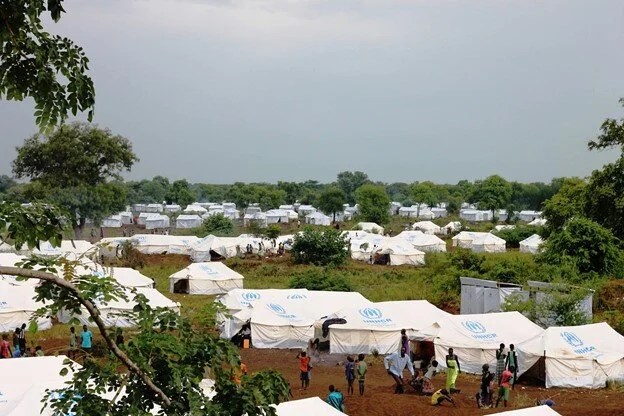
A refugee camp in Ethiopia. Oberhaus. CC2.0

Rising tensions in northern Ethiopia’s Tigray region pose a severe threat for the East African country and for stability across the Horn of Africa. Most urgently, the fighting places millions of people in danger and in dire need of humanitarian assistance.  

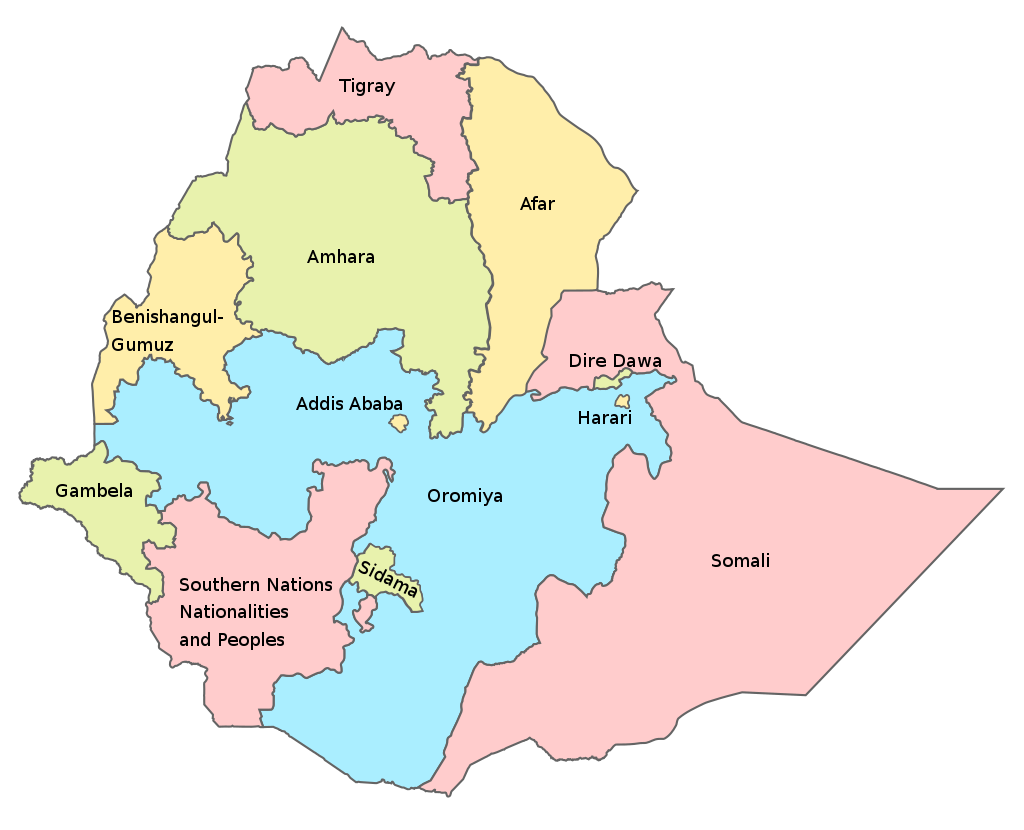
Map of Ethiopia’s regions, with Tigray in the far north. Jfblanc. CC4.0

An Overview of the Conflict in Tigray

Ethiopia, the largest and most populous country in the Horn of Africa region, is home to many different religions, languages and ethnic groups. The recent fighting is taking place in Tigray, Ethiopia’s northernmost region along the border with Eritrea. The conflict is between Ethiopia’s central government led by Prime Minister Abiy Ahmed and the Tigray People’s Liberation Front (TPLF). The TPLF came to power in 1991 and established a coalition where Ethiopia was divided into 10 distinct regions that each had political autonomy, allowing the TPLF to become a key player in Ethiopian politics. The TPLF remained in power for 27 years until rising concerns of political corruption and human rights abuses resulted in nationwide protests. As a result, Abiy Ahmed was elected the prime minister of Ethiopia in 2018 and began to reduce the TPLF’s power. While Ahmed advocates for a strong federal government that unites all Ethiopians regardless of ethnicity, the TPLF wants more political autonomy and sees Ahmed’s central government as a hindrance to the TPLF’s political agenda. 

The current dispute began when the TPLF wanted to hold a regional election in September. Prime Minister Ahmed denied the request, since all national elections in Ethiopia were canceled due to COVID-19. Fighting began on Nov. 4 when Tigrayan forces were accused of attacking a military base belonging to Ahmed’s government. The violence in the region continues to escalate. 

Abiy Ahmed is widely recognized for brokering peace and ending a military conflict with neighboring Eritrea, an effort that resulted in Ahmed receiving the Nobel Peace Prize in 2019. However the current escalating violence is causing the international community to raise its eyebrows. According to Kjetil Tronvoll, a scholar of Ethiopian politics at Bjorknes University College in Norway, “The Nobel Peace Prize has until recently shielded Prime Minister Abiy Ahmed from international scrutiny and criticism. However, the warfare on Tigray has opened the eyes of many diplomats to the way political power is wielded in Ethiopia.”

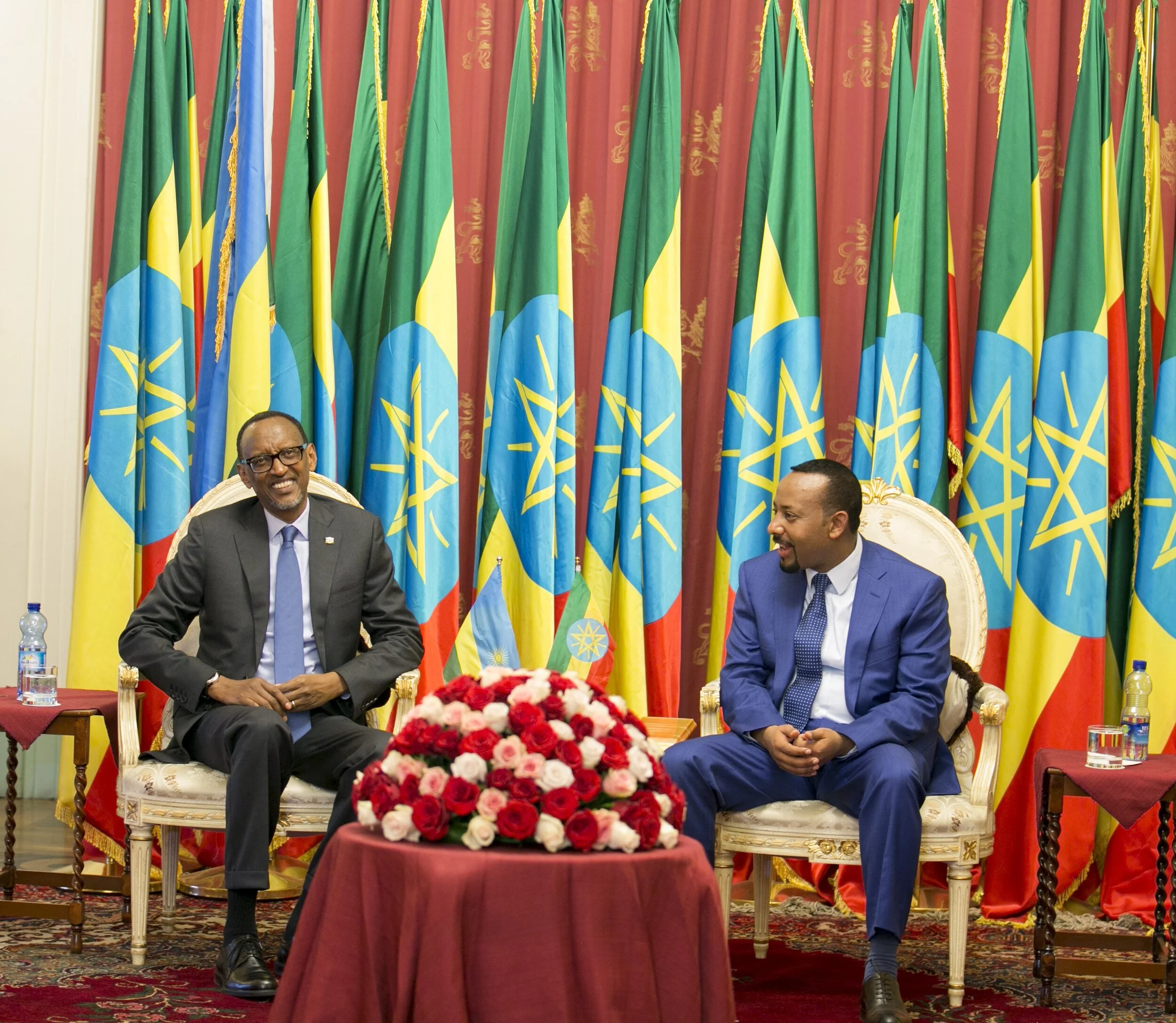
Rwandan President Paul Kagame (left) and Prime Minister Abiy Ahmed (right). Kagame. CC2.0

What is Happening Now? 

On Nov. 28, the Ethiopian army gained control of the Tigrayan regional capital of Mekelle, with Prime Minister Ahmed declaring victory shortly thereafter. However, Tigrayan forces have yet to surrender. Since the conflict began, telephone, internet and road access to the Tigray region has been suspended, making it difficult to know what is happening on the ground. Shortly after Ahmed declared victory, rockets were fired at the Eritrean capital of Asmara, where according to the U.S. embassy, “Six explosions occurred in the city at about 10:13 p.m.” The Ethiopian government has declared a six-month-long state of emergency in the Tigray region. There is concern that the conflict could exacerbate ethnic division in other parts of Ethiopia, or even spread to neighboring countries such as Eritrea, Sudan and Somalia. With the conflict having no end in sight, it is unclear to predict whether current military efforts are enough to end the fighting.

Refugee children in Ethiopia. United Nations Photo. CC2.0

Impact on Internally Displaced People and Refugees

Before the recent fighting broke out in Tigray, the region was already home to over 200,000 refugees, the majority coming from Eritrea. The current fighting is estimated to affect over 2 million people, with larger estimates of up to 9 million. As many as 43,000 have already fled to neighboring countries, with Sudan preparing to accept as many as 200,000 refugees. Thousands of people are internally displaced in Shire, near the border with Eritrea. Aid groups are urging the Ethiopian government to allow access to roads crucial to the Tigray region. This year has been especially difficult in Ethiopia, as a devastating locust outbreak, floods and the ongoing COVID-19 pandemic have ravaged the country. According to the International Rescue Committee, the most important thing that can be done by forces is to adhere to international law, ensure that schools, hospitals and homes are not targets, and allow humanitarian aid to get to where it is needed. 

To Get Involved:

Check out the International Rescue Committee, a global aid and development organization providing crucial humanitarian assistance to communities in Tigray, here


Click here to access the website of the United Nations High Commissioner for Refugees (UNHCR), which is working to establish a new shelter site for Tigrayan refugees in Sudan.


Megan Gürer

Megan is a Turkish-American student at Wellesley College in Massachusetts studying Biological Sciences. Passionate about environmental issues and learning about other cultures, she dreams of exploring the globe. In her free time, she enjoys cooking, singing, and composing music.