
For a coalition built in the era of the climate crisis, the question is not just how to save the planet but how to salvage the fate of humanity as we know it.
Read More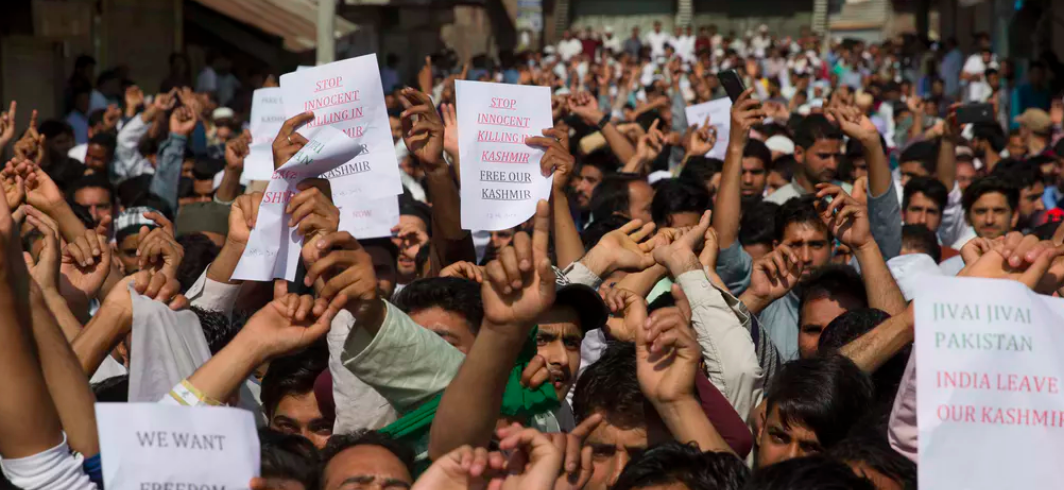
Kashmiri Muslims shout slogans during a protest after Eid prayers in Srinagar. AP Photo/ Dar Yasin
What’s Behind the Protests in Kashmir?
India recently enacted a law which will end a special autonomous status given to the state of Jammu and Kashmir, known in the West as simply “Kashmir.”
Amit Shah, India’s minister for home affairs, announced in Parliamentthat the Bharatiya Janata Party government was revoking Article 370 of the Indian Constitution in the name of bringing prosperity to the region.
Since 1954, this article has governed federal relations between India and Kashmir, India’s only Muslim majority state.
I’m a scholar of South Asian politics and have written extensively on the evolution of the India-Pakistan conflict in Kashmir.
Article 370 is woven into that history.
History of Kashmir’s autonomy
Article 370 originated in the particular circumstances under which the former prince and last ruler of Kashmir acceded to India shortly after the partition of the British Indian Empire into the independent states of India and Pakistan in 1947.
The prince, or maharaja, agreed to have Kashmir become part of India under duress. His rule was threatened by an insurrection supported by Pakistan.
Article 370 was designed to guarantee the autonomy of the Muslim majority state, the only one in predominantly Hindu India. The clause effectively limited the powers of the Indian government to the realms of defense, foreign affairs and communications. It also permitted the Kashmiri state to have its own flag and constitution.
More controversially, Article 370 prohibited non-Kashmiris from purchasing property in the state and stated that women who married non-Kashmiris would lose their inheritance rights.
Changes over time
But the independence of the Kashmiri state has been declining for decades. Beginning in the early 1950s, a series of presidential ordinances, which had swift effect much like American executive orders, diluted the terms of the article.
For example, in 1954, a presidential order extended Indian citizenship to the “permanent residents” of the state. Prior to this decision the native inhabitants of the state had been considered to be “state subjects.”
Other constitutional changes followed. The jurisdiction of the Indian Supreme Court was expanded to the state in 1954. In addition, the Indian government was granted the authority to declare a national emergency if Kashmir were attacked.
Many other administrative actions reduced the state’s autonomy over time. These have ranged from enabling Kashmiris to participate in national administrative positions to expanding the jurisdiction of anti-corruption bodies, such as the Central Vigilance Commission and the Central Goods and Services Act of 2017, into the state.
What it means for India and the world
What has happened as a result of the move to revoke Article 370?
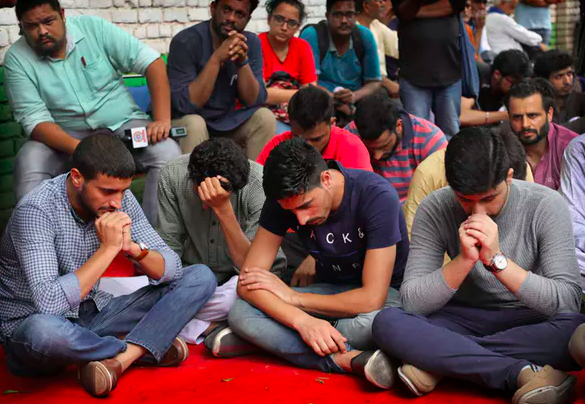
Kashmiris living in New Delhi gather for a function to observe Eid al-Adha away from their homes in New Delhi. AP Photo/Manish Swarup
Kashmiris living in New Delhi gather for a function to observe Eid al-Adha away from their homes in New Delhi. AP Photo/Manish Swarup
The decision has been met with considerable unhappiness and resentment in the Kashmir Valley, which has a Muslim population close to 97% – versus 68% of the population of the state as a whole. The government of Jammu and Kashmir, meanwhile, does not have the legal power to challenge the move.
China and Pakistan have expressed displeasure.
Pakistan has long maintained that it should have inherited the state based upon its geographic contiguity and its demography.
India and Pakistan have fought three wars over Kashmir. While I don’t believe Pakistan will initiate another war with India over this issue at this time, I doubt it will quietly resign itself to the changed circumstances. At the very least, it will seek to draw in members of the international community to oppose India’s action, as it has sought to do in the past.
China, which considers Pakistan to be its “all-weather ally,” has stated that the decision was “not acceptable and won’t be binding.”
SUMIT GANGULY is a Distinguished Professor of Political and the Tagore Chair in Indian Cultures and Civilizations at Indiana University.
THIS ARTICLE WAS ORIGINALLY PUBLISHED ON THE CONVERSATION.
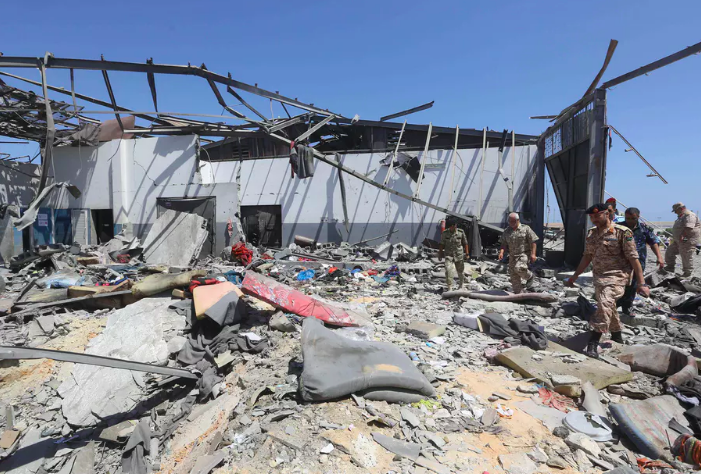
Death in detention: the aftermath of an airstrike on the Tajoura camp in Tripoli in July 2019. EPA
Libya: Ongoing Atrocities Reveal the Trouble with International Military Intervention
It’s been eight years since the NATO-led military intervention in Libya. Many analysts consider the action a crucial step forward in protecting civilians from looming atrocity. But today, Libya stands further from peace than ever.
Since April 2019, battles between the UN-sponsored Government of National Accord (GNA) and General Khalifa Haftar’s Libyan National Army have raged in Tripoli. By the end of July, an estimated 1,100 people had been killed and a further 104,000 displaced.
In early July, an airstrike on Tajoura migrant detention centre near the Libyan capital Tripoli reportedly killed more than 50 civilians and injured 130. When a strike landed close to the centre just six weeks before, Amnesty International warned of the dangers faced by detainees. Their warnings were ignored and 610 migrants were trapped in Tajoura when a bomb struck. According to one doctor working for Médecins Sans Frontières, there were “bodies everywhere, and body parts sticking out from under the rubble”.
As our new book chronicles, today’s battle for Tripoli is the latest in a long line of horrors. Post-intervention Libya has faced political and economic collapse, with 7,578 violent deaths recorded between 2012 and 2018. Hundreds of thousands of people have been displaced and weapons have spread across the region.
Read more: Libya conflict boils down to the man driving the war -- Khalifa Haftar
While spectacular acts of violence dominate headlines, the horrors facing civilians in Libya are routine and every day. Migrants are left to die from treatable illness in awful detention centres. One migrant in Libya, writing anonymously for The Independent, said: “We panic every day, we are dying slowly, because of too much depression and starvation.”
Back in late November 2017, the European Union’s migration commissioner, Dimitris Avramopoulos, said he was, “conscious of the appalling and degrading conditions in which some migrants are held in Libya”. And yet, extreme human rights abuses are still being actively enabled by European policies.
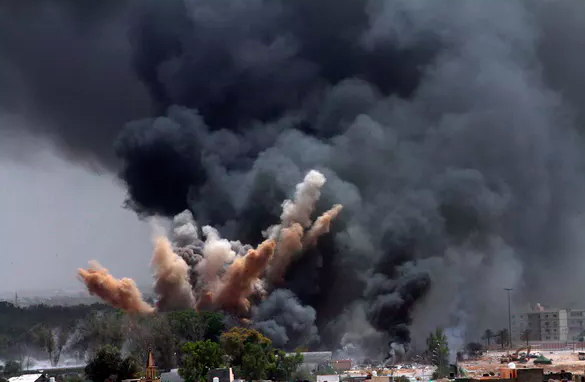
Targeting Gadaffi: NATO bombs hit the Libyan leader’s compound in June 2011. EPA
Humanitarian rescue missions have been criminalised, leaving people to drown in the Mediterranean. Migrants captured at sea are sent back to detention centres, including 90 who were forced to return to Tajoura mere days after the airstrike.
Read more: EU sued at International Criminal Court over Mediterranean migration policy – as more die at sea
Fuelling more violence
Ghassam Salame, special representative of the UN Secretary-General and head of the UN Support Mission in Libya, reports that “external support has been instrumental in the intensification of airstrikes”.
The UN is currently investigating allegations that the United Arab Emirates has supplied Haftar with weapons in violation of a UN arms embargo, and French weapons have been found at a Haftar base. Meanwhile, Turkey is providing weapons to fighters from the GNA.
The G7 and the UN have condemned the violence in Libya. In practice, however, the actions of some of their members fuel the killing and prevent co-ordinated diplomatic action.
It’s often argued that Libya shows the need for more robust post-intervention planning of humanitarian military interventions. This is misleading. Instead, the situation highlights the need for new thinking on civilian protection.
The question of intervention usually emerges at that dramatic moment when civilians are at risk of extreme violence. Often brushed aside is the every day atrocity of the kind seen in Libya today: civilians at risk of starvation, death through treatable illness and killing at the hands of callous policies. This is not only an atrocity in its own right. As our research shows, it also creates an ideal habitat for mass atrocity crimes including genocide and ethnic cleansing. Instead of calling for military action when atrocity crimes occur, our focus should shift towards addressing the injustices that help create them.
Also forgotten is the role the international community plays in fuelling conflict through stoking division and selling arms. France provided Rwanda with weapons used to commit genocide in 1994. Claims that France also provided military training for perpetrators are under investigation by a French commission of experts. US and UK arms are being used against Yemeni civilians. Moreover, members of the international community have supported different sides in the Syrian civil war.
Read more: Why British arms sales to Saudi Arabia ruled unlawful – what this means for the future
Other options
Events in Libya show what can happen when international players claim to do good things through military action. To prevent future atrocities, the international community must recognise the absurdity of dropping bombs to protect people while also detaining migrants in the centre of war zones, dealing arms, and preventing rescue missions.
Military intervention does not protect civilians. We should call on the international community to change their callous policies that kill every day. We should demand that they stop fuelling atrocity crimes. And we should support non-violent forms of protection such as unarmed civilian peacekeeping, which have proven effective in Colombia, South Sudan, Kosovo and Sri Lanka.
To support military intervention gives further licence to the militarism of those already fanning the flames of atrocity. This will only result in more of the violence seen in Libya today.
MICHAEL NEU is a Senior Lectuer in Politics, Philosophy and Ethics at the University of Brighton.
ROBIN DUNFORD is a Principal Lecturer in Globalisation and War at the University of Brighton.
THIS ARTICLE WAS ORIGINALLY PUBLISHED ON THE CONVERSATION.
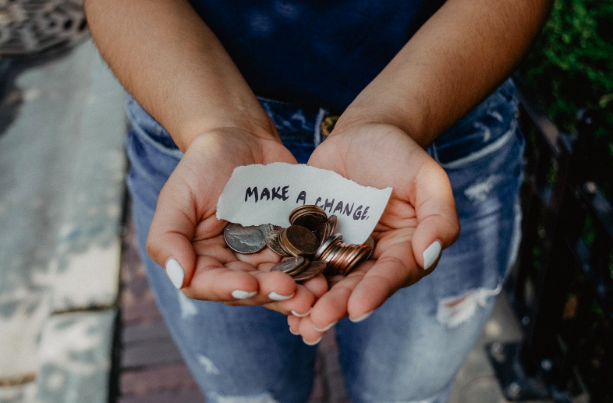
Small change can make a difference. Photo by Kat Yukawa.
7 websites and apps that make giving easy!
New technology has allowed giving to be easier, and more accessible for those who don’t have the time or funds to give hundreds to charities or conduct due-diligence. Organizations have created websites and apps that allow anyone to give directly from their cell.
Good Today members give a small amount to charity every day. You can sign up for a payment plan of as little as $.25 a day. Each day, members receive an email with the cause of the day, and then an option of two different charities that have the cause as their mission. You can then select which charity you would like your money to go to, or have your money roll over to the next day.
2. Amazon Smile
With Amazon Smile, you can shop for the same exact products as Amazon.com. However, .5% of the price of each item that you purchase will go to the registered charity of your choice. Just do your shopping on smile.amazon.com.
3. Budge
On Budge, you can play games and play charity at the same time! You can create an account, and then challenge a friend to any game of your choice. If you win, your opponent will make a small donation to charity. But if you lose, you give.
For those who need an extra incentive to work out, Charity Miles can help you and others. The best part? All of the money donated is from outside corporations, so you don’t need to give anything yourself. Download the app, and for every mile you move, you earn money for an organization from Charity Miles’ corporate sponsorship pool.
This app is sponsored by Johnson and Johnson. Donate a Photo curated a list of charities that Johnson and Johnson will donate to every time you share any photo to their app.
6.JustGive
JustGive is an online platform that makes fundraising and donating easy and seamless. You can provide direct support to a charity or family in need. Or, you can create a fundraising campaign yourself!
If you want to give time instead of money, VolunteerMatch is the website for you. Just type in your area and VolunteerMatch will provide you with a multitude of volunteer opportunities for organizations.
With these apps and websites, giving has never been easier. There is no need to write large checks in order to be a philanthropist.
ELIANA DOFT loves to write, travel, and volunteer. She is especially excited by opportunities to combine these three passions through writing about social action travel experiences. She is an avid reader, a licensed scuba diver, and a self-proclaimed cold brew connoisseur.

Syria’s Struggle: How 10-Day Span Air Raid Wiped Out Over 100 Civilians
On July 26, 2019, an air raid over Syria caused many casualties and sparked concern about why the violence was not being addressed by media outlets.
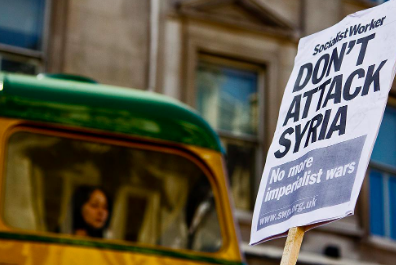
Protestor sign in London. chrisjohnbeckett. CC BY-NC-ND 2.0.
Many people have lost their lives in an air-bombing raid in Syria in the past few weeks. The raid killed 103 people in only 10 days. Michelle Bachelet, human rights advocate, blames the government for the mass bombings, condemning the “failure of leadership by the world’s most powerful nations”. Syria, as well as Syria's ally – Russia, have denied the attack on civilians, claiming they are not responsible for the violence.
UN specialist Michelle Bachelet, brought the UN’s attention to what was going on, stating that “These are civilian objects, and it seems highly unlikely, given the persistent pattern of such attacks, that they are all being hit by accident,” she added. “Intentional attacks against civilians are war crimes, and those who have ordered them or carried them out are criminally responsible for their actions.”
The air raids occurred over the Idlib regioni and in rural Aleppo region. Bachelet states, the areas “have experienced civilian casualties as a result of airstrikes in the past ten days alone, causing a minimum of 103 civilian deaths, including at least 26 children”. The reason Bachelet was so passionate about bringing the UN attention to the violence was because no one else was. The events happened over a 10 day span and in those ten days, little to no coverage was happening to address and possibly stop the violence. Bachelet states that she is “concerned that the continued carnage in Syria ‘is no longer on the international radar.’”
The air raids targeted a rebel-populated base, attacking “medical facilities, schools and other civilian infrastructure such as markets and bakeries”. These frequent and malicious attacks are too premeditated to be labeled as an “accident”, claims Bachelet.
According to a statement made in the Daily Star, “The region under attack is home to some three million people, nearly half of them already displaced from other parts of the country. It covers nearly all of Idlib and parts of Aleppo, Hama, and Latakia provinces. The Idlib region is controlled by jihadist alliance Hayat Tahrir al-Sham, led by Al-Qaeda’s former Syria affiliate.” Still, because there was such a lack of response to the air raids, no one is taking responsibility.
The office for the coordination of humanitarian affairs (OCHA) issued a statement claiming the air raids were seen as the “deadliest days” in the Idlib and Aleppo regions.
Bachelet states, “This is a failure of leadership by the world’s most powerful nations, resulting in tragedy on such a vast scale that we no longer seem to be able to relate to it at all.”
OLIVIA HAMMOND is an undergraduate at Emerson College in Boston, Massachusetts. She studies Creative Writing, with minors in Sociology/Anthropology and Marketing. She has travelled to seven different countries, most recently studying abroad this past summer in the Netherlands. She has a passion for words, traveling, and learning in any form.
Senior Welfare Benefits Universal Across Uganda
Uganda recently raised the age for welfare benefits to 80. At the same time, the government expanded the program to be universal across the country, thus both increasing and cutting the number of people who will receive benefits used for necessities.
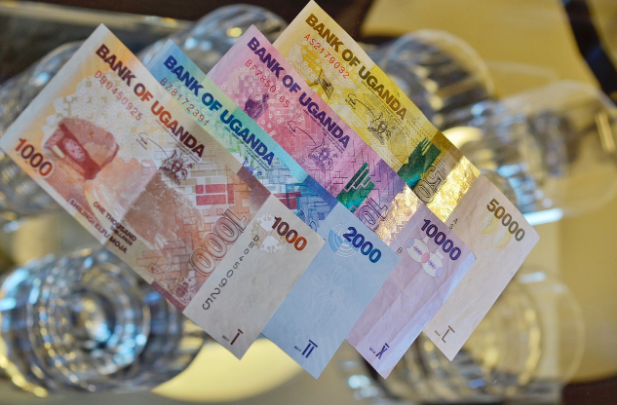
Uganda’s Senior Citizens grant gives 25,500 Ugandan shillings each month to those who are part of the program, which launched in 2010. Vjkombajn. CC0.
It is estimated that 8 million Ugandans (out of 37.7 million people) live below the poverty line. With a faltering tradition of family support, people are forced to continue working past the point when they should. Generally, they continue with trade or small-scale farming. Those who are ill or otherwise unable to work doubly suffer.
In 2010, Uganda, together with the UK Department for International Development, Irish Aid and the United Nations Children’s Fund, began to create social pensions that assist those who have such precarious incomes.
As of July, Uganda’s welfare Senior Citizens grant, part of their Social Assistance Grants for Empowerment (SAGE) program, has raised their age of entry to 80, which cuts people out between the ages of 65 and 79 who had previously been eligible. These people will have no access to monthly benefits as of the upcoming year. However, at the same time, they expanded the grant so it is universal in Uganda. For the first 100,000 people who joined, the age for eligibility was 65, which was lowered to 60 in Karamoja due to the lower life expectancy there. After that number was reached, the government rolled out the pension to another 40 districts. However, with those districts, it was available only to the 100 oldest in a village. Now, the pension is universal, though the entry age is 80. As of June, according to HelpAge, more than 160,000 people have been enrolled in the program. Due to making everyone eligible, roughly 365,000 Ugandans now have the opportunity to receive a pension. The exact number is unclear.
There is also the problem of earlier deaths, possibly increased by the enlarged population of those living below the poverty line. Julius Mukunda, co-ordinator of the Civil Society Budget Advocacy Group, believes that the government’s failure to care for the elderly is because of their prioritization of political projects, according to The East African. Inflation pressures have also lowered power levels for SAGE benefits.
The non-contributory pension gives each person 25,000 Ugandan shillings, which converts to $7 US, each month. People use it for food, school supplies, and other necessities. "[The pension] has been instrumental in my life. When I get the money, I become happy. I have used it to buy a goat for my family to rear. I use it to pay school fees and buy books for my children," said Longora, an older man in Napak, Uganda, according to HelpAge.
Households that receive the grants have had their poverty reduced by 19 percent while spending has gone up 33 percent. Households also use the pension to further increase their income, for example by buying livestock. Children who are part of these households have been found to have better education and are less likely to be involved in child labor.
Several other countries in Africa, such as Mauritius, Kenya and Zanzibar, have implemented a social welfare pension, while Mozambique is planning to create a social protection program. However, issues persist, such as mobility issues in getting to the pay point, missing records, and financial abuse.
If the people receiving these pensions continue to speak out about how they have helped themselves and their families, they can hold their governments to account for how services are used. This assertion helps to reduce long-term problems such as financial abuse and other errors. It is each government’s responsibility to make sure citizens are aware of social protection programs and that those services are accessible, inclusive, and efficient.
NOEMI ARELLANO-SUMMER is a journalist and writer living in Boston, MA. She is a voracious reader and has a fondness for history and art. She is currently at work on her first novel and wants to eventually take a trip across Europe.

A Crisis of Violence Pushes Honduran Women to the U.S. Border
For women facing rampant femicide and rape in Honduras, the risks of a treacherous trip across the border are minor compared to the dangers of remaining at home.
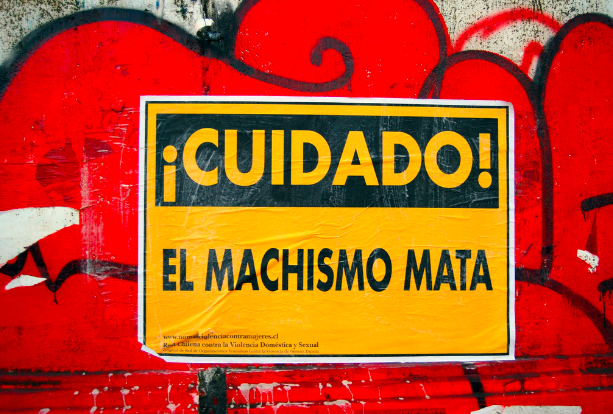
High rates of violence against women in Honduras has been attributed to a culture of machismo. Paul Lowry via Wikimedia Commons. CC BY-SA 2.0
Yo no quiero ser violada.
I do not want to be raped.
So read the signs plastered across walls and doors in the cities of Honduras. Simple black lettering is inscribed beneath a pair of thickly lashed eyes, with the eyebrows above turned downwards in an expression of anger—or, more accurately, indignation—at the dangerous injustices Honduran women face every day.
Honduras has been called the most dangerous place on Earth to be a woman, and with good reason: As of 2015, the Central American nation ranked alongside war-torn countries like Syria and Afghanistan for the highest rates of violent deaths among women. Although the overall murder rate of Honduras, which has long been wracked by drug- and gang-related violence, has declined in recent years, murder remains the second-leading cause of death for women of childbearing age.
In 2014, a high-profile “femicide”—the murder of a woman because she is a woman—rocked the nation and brought its murder rates into the international spotlight. Nineteen-year-old Miss Honduras winner Maria Jose Alvarado, just days from departing for London to compete for the title of Miss World, was brutally murdered and buried in a shallow grave in a riverbank. Authorities surmised that her sister’s boyfriend, 32-year-old Plutarco Ruiz, shot his girlfriend, Sofia Trinidad, before opening fire on Maria Jose as she attempted to flee. The ensuing investigation yielded the sisters’ bodies within a week, but their mother, Teresa Muñoz, believed it would not have happened at all if Maria Jose had not been famous: “Here in Honduras, women aren’t worth anything,” she told ABC News.
In 2013, the year before Maria Jose’s violent death, statistics showed that 636 women were murdered during the year, one every 13.8 hours. Most victims lived in urban areas, particularly San Pedro Sula and the Central District—in fact, 40 percent of all murders of women could be traced to those two areas. Nearly half of all women targeted annually were young, with the 20–24 age range being the most at risk. And murder is far from the only danger facing Honduran women. Rape, assault, and domestic violence are also rampant, and perpetrators enjoy near-total impunity: In 2014, the UN found that 95 percent of sexual violence and femicide cases were never investigated.
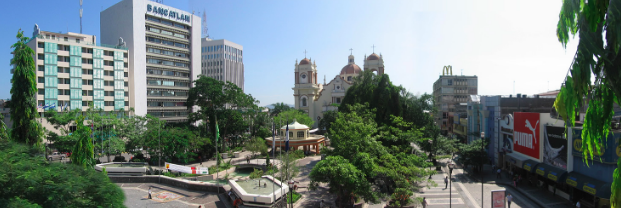
San Pedro Sula, a city with high rates of femicide. Gervaldez. CC BY-SA 4.0, CC BY-SA 3.0, CC BY-SA 2.5, CC BY-SA 2.0, CC BY-SA 1.0
Honduras’ shocking levels of violence against women can be traced in part to harmful attitudes bubbling below the surface. Suyapa Martínez, a local feminist and co-director of the Center for Women’s Studies—Honduras, points to “machismo,” a Spanish term describing a society built by men “who consider themselves to be the owners of women’s bodies.” In such a society, women have historically lacked political power: Only about half of Honduran women work outside the home, and when they do, they earn just half of what their male colleagues bring in.
Meanwhile, those ostensibly tasked with protecting all Honduran citizens—women included—have done little to mitigate the crisis. A 2015 report from the UN special rapporteur on violence against women concluded that the administration has paid “minimal attention” to gender empowerment and implemented only “ineffective measures” to address social reform. And in many cases, the government inflames the problem by limiting women’s options after sexual violence: Emergency contraception is completely banned, as is abortion, even in the case of rape, incest, or threat to the mother’s life. Women who seek abortion can receive a prison sentence of up to six years. These strict rules stem from the stranglehold of the Catholic and Evangelical churches, who have resisted even minor liberalizations to legislation—even after the UN joined with other human rights groups in 2017 to call for the allowance of abortion in cases of rape, incest, or possibility fatality. To make matters worse, the government is expected to decrease the penalty for violence against women later this year to between one and four years in prison.
Trapped in a repressive society and seeing little hope for a safer future, huge influxes of women and children have embarked on the treacherous journey to America’s southern border. In what the UN has called an “invisible refugee crisis,” women from the Northern Triangle—which includes Honduras, El Salvador, and Guatemala—have been fleeing in droves, with more than half listing violence as their reason for requesting entry to the United States. Lori Adams, director of the U.S.-based Immigration Intervention Project at Sanctuary for Families, told Politico, “Women are leaving with no other option but to flee north, even knowing that the journey itself might be life-threatening, but knowing it’s a near certainty that they will be killed if they remain.”
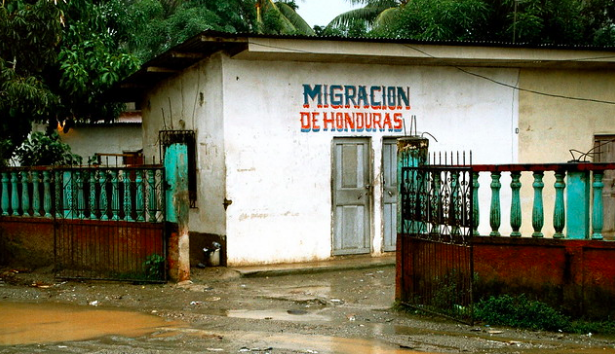
Migration office in Honduras. KriKri01. CC BY-NC-ND 2.0
Yet even if women survive the trek north, their hopes are often dashed when they reach the border. According to researchers at Syracuse University, the percentage of asylum applicants denied by U.S. immigration courts has been increasing since 2012, reaching 65 percent in 2018. That year, prospects for Hondurans were particularly grim, with judges granting just 21 percent of asylum cases. And as of mid-August, new policies from the Trump administration will privilege green-card applicants—immigrants aiming to become naturalized citizens—who are educated and monied while denying those who are considered likely to rely on government welfare programs. Given the financial dynamics of Latin America, the new rule will almost certainly affect Honduran women seeking safety in the United States. Dario Aguirre, a Denver-based immigration lawyer, told the New York Times that Trump’s policy gives officers carte blanche to deny green cards to many working-class immigrants from less developed countries, such as El Salvador, Guatemala and Honduras. Thus, another option is ripped from the hands of already desperate Honduran women—and until the U.S. government or Honduran officials enact substantive change, their eyes will stay wide open like the posters on the walls, watching keenly for danger.
TALYA PHELPS hails from the wilds of upstate New York, but dreams of exploring the globe. As former editor-in-chief at the student newspaper of her alma mater, Vassar College, and the daughter of a journalist, she hopes to follow her passion for writing and editing for many years to come. Contact her if you're looking for a spirited debate on the merits of the em dash vs. the hyphen.

President Duterte Calls to Revive the Death Penalty
The president of the Philippines, Rodrigo Duterte, requested to revive the death penalty a few days ago, solely for drug-related crimes.
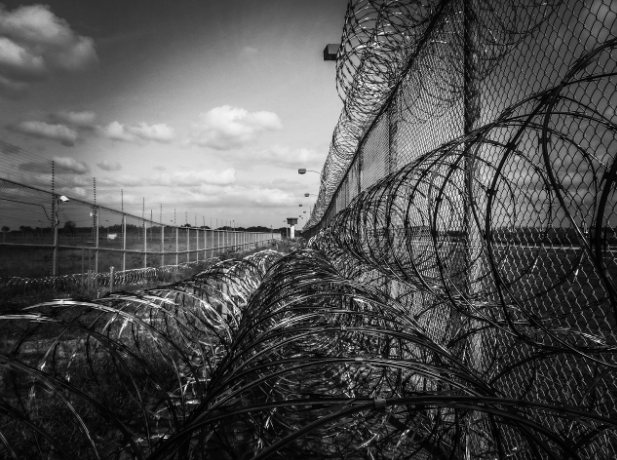
HIgh level drug offenders could go from prison to the death penalty, if Filipino President Rodrigo Duterte’s call to revive it is sucessful. Jody Davis. CC0.
Filipino President Rodrigo Duterte asked Congress to revive the death penalty for drug-related crimes on July 22, during his State of the Nation Address (SONA).
Speaking before a joint session of Congress, he first brought up the revival as the first priority legislative measure in his fourth Address, according to Rappler. His party, PDP-Laban, currently has a supermajority in the House of Representatives. He mentioned the 5-month siege that evolved between the state and extremists after terrorists held onto drugs in Marawi in May 2017, citing it as a prime example as to why further action and harsher actions were and are necessary.
Duterte’s war on drugs has been ongoing since his candidacy in 2016. He has been calling for the reinstatement of the death penalty for the same length of time. He also requested capital punishment in his 2017 SONA.
Senator Ronald dela Rosa, a trusted aide to the president, won his senatorial election in 2019 on a single promise: to bring back the death penalty for drug-related crimes.
Duterte also effectively began a war on corruption in Filipino society. On July 19, three dozen of Duterte’s critics were charged with sedition and cyber libel after a series of anonymous videos that accuse the president and his family of having monetary links to the illegal drug trade, according to Newsweek.
Amnesty International believes the call will only increase the country’s environment of exemption from punishment during the continuous war on drugs.
However, Senate President Vicente Sotto III believes that restricting the reinstatemnt of capital punishment to high-level offenders would be more likely to pass in the Senate. He also mentioned this bill would be among the first to be discussed. Two years ago, the House of Representatives passed a measure for the death penalty for crimes related to drugs.
“The state of our nation is a state of mourning. We should not be burying our children amid deadly and ill-conceived police raids,” said Butch Olano, Section Director for Amnesty International Philippines, according to Amnesty International.
There has been one conviction of police officers, for the killing of a 17-year-old boy. During a police operation in late June 2019, a three-year-old girl and a police officer were killed. The girl’s mother and the government both have different stories about the operation. Overall, so far the Philippine government has noted at least 6,000 killings at the hands of police officers. Amnesty International has found that there are many more unlawful killings, likely done by armed people with ties to the police.
Olano says that, despite being told to file cases before the courts if they feel there has been an unlawful death or that the police have acted illegally, many families are too afraid to speak up. There are also the problems of costs or being unable to secure evidence or the police reports.
The Office of the High Commissioner for Human Rights is meant to deliver a report in June 2020 on the state of human rights in the Philippines. President Duterte’s remarks didn’t commit to assisting with this report, which was requested last month in a resolution by the UN Human Rights Council, particularly since Duterte has been accused of human rights abuses.
Duterte has been battling against drugs since before he was elected in 2016. Requesting the revival of the death penalty for drug-related crimes may be extreme, but it isn’t terribly unexpected from this president. If this request passes, Duterte’s war on society’s corruption will most likely increase, as he will have already have gained one victory. Amnesty International’s prediction also seems likely of coming true. However, if this request isn’t passed, it’ll be a blow to Duterte’s war on drugs. The war itself will continue, but this particular battle won’t. The human rights report will be written throughout this year and next, regardless of what happens with the death penalty. President Duterte is already under investigation, though the Philippines will become an even more dangerous place if the death penalty is passed in any form.
NOEMI ARELLANO-SUMMER is a journalist and writer living in Boston, MA. She is a voracious reader and has a fondness for history and art. She is currently at work on her first novel and wants to eventually take a trip across Europe.

This Is the Only Shelter for Refugees in NYC
Edafe Okporo is the director of the only shelter in New York City that provides housing for asylum seekers, refugees and migrants. He knows what it’s like to arrive in the U.S. with nowhere to go. Okporo left Nigeria seeking asylum after he was attacked by a mob because of his sexual orientation. With the hope of a better life, he came to the U.S., but soon realized he faced another battle. Refugees can undergo harsh treatment, having to navigate complex asylum law and face time in detention centers. Still, he persevered, and built a life for himself. Now, Okporo is helping others do the same.
Swimming in Toxic Water
There’s a reason no one has gone for a dip in New York City’s Newtown Creek in recent history. In Christopher Swain’s words, it’s like “swimming through a dirty diaper garnished with oil, gasoline and trash.” He’s a clean water activist who has swum over 3,000 miles in 25 different contaminated waterways across North America as a means of advocating for their cleanup. Taking a dip in these waterways does not come without its risks. Despite the precautions Christopher takes—wearing a puncture-resistant drysuit, goggles, ear plugs, etc.—he still gets sick from the various contaminants. It’s the hazards that come along with the cause, but Christopher continues to swim, all out of love for the water.

Dalia Yashar, one of the first Saudi female students in training to become commercial pilot, pictured on July 15, 2018. Her future passengers will include solo women travelers, too. Reuters/Hamad I Mohammed
Saudi Women are Fighting for Their Freedom – and Their Hard-Won Victories are Growing
Saudi women will soon be allowed to obtain passports and travel without permission of a male relative, a big change from Saudi Arabia’s “guardianship system” which puts men in charge of their female relatives.
Read MoreMisfits Market: A Cheaper, More Sustainable Way to Buy Groceries
Quirky produce doesn’t have to be thrown out

Markets typically like to display “perfect” produce. Photo by Ja Ma.
Have you ever felt excited when you found a cute mini potato in your groceries? Or marveled at a cool way that carrots grew intertwined together? Produce with quirks can be fascinating, and not dangerous to eat. However, many supermarkets have become obsessed with finding the “perfect” produce—the picture-perfect produce that customers would want to buy. Therefore, the produce that don’t fit the bill will end up as waste.
Misfits Market is a service that simultaneously helps the world and your wallet. They collect food from farmers that would normally go to waste, and package it to sell to their customers. The customers get their produce at a markdown of up to 50% compared to regular grocery stores, while the farmers are able to make extra money. So, customers save money, farmers make money, and both Misfits Market and their patrons are working to reduce the 3.3 billion tons of carbon dioxide that are generated annually because of food waste.
Misfits Market makes life easier by delivering your groceries straight to your door. You can subscribe to the Mischief Box or a larger Madness Box, that can be delivered either once a week or every other week. Misfits Market delivers to a large number of states in the US, but it is growing quickly. The produce varies by season, and is always organic.
Additionally, their packaging is entirely eco-friendly. The boxes are recyclable and compostable, and the insulation to protect the produce from the elements during delivery is also home-compostable. Misfits Market’s website gives directions for how to compost the insulation at home.
Check out Misfits Market’s blog to see recipes to make with their produce.
ELIANA DOFT loves to write, travel, and volunteer. She is especially excited by opportunities to combine these three passions through writing about social action travel experiences. She is an avid reader, a licensed scuba diver, and a self-proclaimed cold brew connoisseur.

VIDEO: Bhutan
Explore the country of Bhutan with this unique video.
Read MoreIslands of Aloha
There's more to Hawaii than beaches and volcanos. In this video, you'll see waterfalls, stunning mountain ranges, star studded skies and even temples. "Islands of Aloha" captures what makes the most isolated inhabited landmass in the world so special.
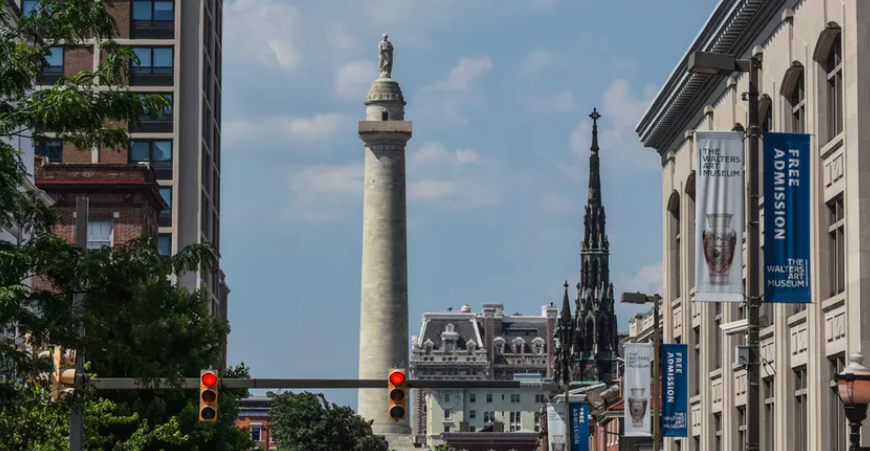
Residents of Baltimore, Maryland, seen here, were the object of dehumanizing language from President Trump. REUTERS/Stephanie Keith
There’s a Dark Political History to Language That Strips People of Their Dignity
Dehumanizing language often precedes genocide.
One tragic example: Extreme dehumanizing language was a strong contributor to the 1994 genocide in Rwanda. As I have written, the Hutu majority used a popular radio station to continually refer to Tutsi tribal members, a minority in Rwanda, as “cockroaches.”
As support for this characterization grew among Hutus, it essentially stripped away any moral obligation to see Tutsis as fellow humans. They were just vermin that needed to be eradicated.
Students of 20th century history will also recognize this pattern of dehumanizing language in the lead-up to the genocide committed by the Turks against Armenians, where Armenians were “dangerous microbes.” During the the Holocaust, Germans described Jews as “Untermenschen,” or subhumans.
On July 27, President Trump tweeted that Baltimore was a “"disgusting, rat and rodent infested mess” and “No human being would want to live there.”
The Baltimore Sun charged back with an editorial headlined “Better to have a few rats than to be one.”
I’m a scholar of conflict management. This back-and-forth got me reflecting on how extreme, dehumanizing exchanges like this can escalate into destructive outcomes.

President Donald Trump. AP/Carolyn Kaster
Insults and conflict
The goal of my research in hostage negotiation and divorce mediation is to help police negotiators and court mediators shift out of a charged situation into problem solving.
Generally, when people respect one another they have a fairly easy time problem solving. But when one person challenges the other’s identity with personal insults, both parties forget about the problem-solving task and focus only on what I call “identity restoration,” which means trying to save face and restore personal dignity.
This shift pushes them into a charged conflict that can quickly escalate.
After all, many studies over the last several decades have reinforced the finding that a human being’s group identity is their most prized possession. People craft their identities to fit into a core group – as a member of a family, a profession or a tribe, for example – that is vital to our social standing. In some cases, such as adopting the identity of a U.S. Marine, for example, group belonging may be necessary to personal survival.
Most of the time identity challenges are fairly minor and easily ignored so that problem solving doesn’t get off track too quickly. A boss might say at a meeting, “Weren’t you supposed to have that report ready today?” A quick defense of one’s identity as a competent professional for that company and the matter is dropped and we’re back to work.
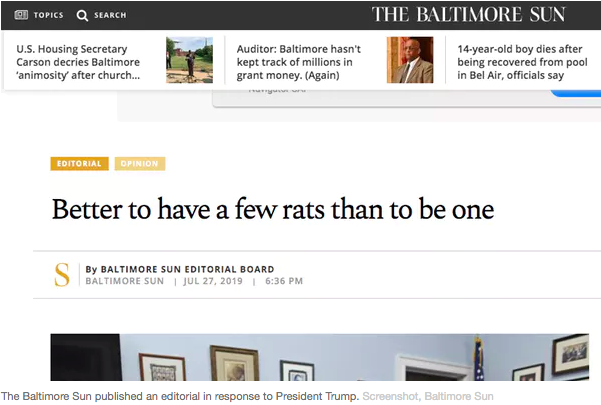
Conflict and Escalation
When the challenges are more severe, the identity defense becomes fiercer. Voices get raised, emotions swell and people become locked in a spiraling conflict, which is characterized by a sustained attack-and-defend cycle.
Hostage negotiators and divorce mediators are trained to shift dialogue away from identity threats and into problem solving by isolating divisive issues and coming up with specific proposals to address them.
Unfortunately, if there are no controls over language escalation, and parties start making references that can be interpreted in extreme, dehumanizing terms, they may come to believe that the only way to restore their identities is by physical domination.
Words no longer work. When parties cross over this very thin line, they fall into an identity trap with little hope of escape until the violence ends.
While I don’t expect the conflict between the president and Baltimore to escalate into actual violence, these kinds of exchanges can make it more acceptable for followers to use this kind of language.
When the President encourages crowds to chant, “Lock her up,” and “Send her back” at rallies, or describes a city as a “disgusting, rat and rodent infested mess” where “no human being” would want to live, it sets a climate in which using lethal, dehumanizing language seems normal. That is simply dangerous.
WILLIAM A. DONOHUE is a distinguished Professor of Communication at Michigan State University.
THIS ARTICLE WAS ORIGINALLY PUBLISHING ON THE CONVERSATION.
The Threat to America that’s been Growing Inside America
While the Middle East and the border crisis get all the attention, Charlottesville and El Paso remind us that America’s worst threat is right here at home.

White supremacists gathered for the Unite the Right rally in Charlottesville, Virginia. By Anthony Crider. CC by 2.0.
August 12th 2017, fresh out of my first year at the University of Virginia, I sat in front of my TV horrified, watching white supremacists marching through a place I had recently starting calling home. Headlines on every major paper ran with Trump’s quote regarding “fine people on both sides.”
When classes started in the fall, my peers and I returned to Charlottesville deeply unsettled by what had happened on our grounds. Our community was rocked to its core. However, the rest of the world quickly moved on without us.
The past two years, this weekend has marked a time for remembrance, but also caution and fear in Charlottesville. The dates, August 11th and 12th, have become something of the towns very on 9/11, and the police presence during these two days isn’t easy to ignore. The events that took place to years ago are on our minds, however, not on the mind of the nation.
The march on Charlottesville was the last time I saw white supremacy dominate all the major headlines, that is, until this weekend’s mass shooting in El Paso. We, as a nation, let ourselves become distracted and forgetful of a real problem that’s been growing in the heart of our country. We can point to how the nation has so eagerly embraced the narrative of the “dangerous outsider” to explain why.
A decade ago, the Department of Homeland Security released a report on the growing threat of right wing extremism, correctly predicting “the potential emergence of terrorist groups or lone wolf extremists capable of carrying out violent attacks.” However, this warning was not given serious merit by the Trump administration. President Trump’s transition team made it clear to the DHS that it wanted to focus on Islamic terrorism and reorient programs meant to counter violent extremism to exclusively target international threats like al-Qaeda and ISIL. These Islamic terrorist groups have stayed in the headlines, despite the fact they no longer pose a serious domestic threat. It should come as no surprise that this June the FBI reported a significant rise in white supremacist domestic terrorism in recent months.
President Trump’s rhetoric has also turned American’s attention away from the alt-right matter at hand, and turned our attention to what he would call an “infestation.” Searching through theTrump Twitter Archive, I failed to find one mention of domestic terrorism, white nationalists or the growing menace they pose to our country. After all, why shouldn’t Trump protect his loyal voter base? It’s no secret that white nationalists are Trump supporters; alt right leaders have even been spotted at his rallies.
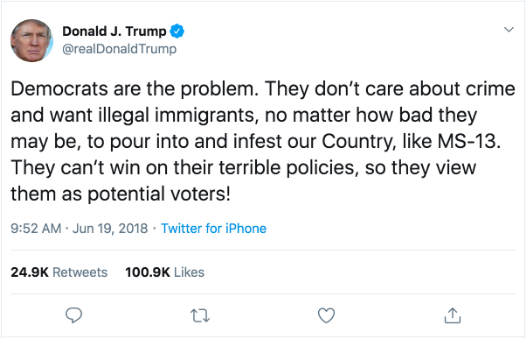
President Trump says immigrants “infest” our country. Via Twitter. June 19, 2018.
The president has protected these terrorists by turning the national discussion elsewhere -the southern border. As a result, liberals have kept themselves busy investigating the disgusting conditions of border control centers and “children in cages,” while conservatives call for further border restrictions. These leaves no one time for anyone to wage war against the real domestic threat --white supremacy.
Trump denounced “racist hate” Monday after the shooting this weekend. He blamed violent video games, mental health and, ironically, internet bigotry from prompting the Dayton and El Paso attacks. He failed to make mention of any real action that might be taken against white supremacist terrorism, let alone endorse gun law reform.
Had the attackers been Black, Hispanic or Middle Eastern, the White House would surely be taking extreme action. However, just like during the aftermath of Charlottesville, nothing serious is being done to combat alt-right violence.
Now,in light of the two year anniversary, I can’t help but wonder if our country truly took notice of the event that shook our little community two years ago. I still pass by the street where Heather Heyer was killed by a domestic terrorist who drove his car into a crowd of people two years ago. The street, now named Heather Heyer Way, remains adorned with chalk writing, flowers and crosses dedicated to her memory. How many more memorials must we lay in El Paso, and the rest of the world, before we address the white supremacist threat?
EMILY DHUE is a third year student at the University of Virginia majoring in media. She is currently studying abroad in Valencia, Spain. She's passionate about writing that makes an impact, and storytelling through digital platforms.

Deserts of Chile
Explore the desert of Chile like you've never seen before. This video highlights the vibrate night sky of the chilean desert; you'll see breathtaking star-scapes, constellations and eclipses. Some of the best views of our galaxy, here.
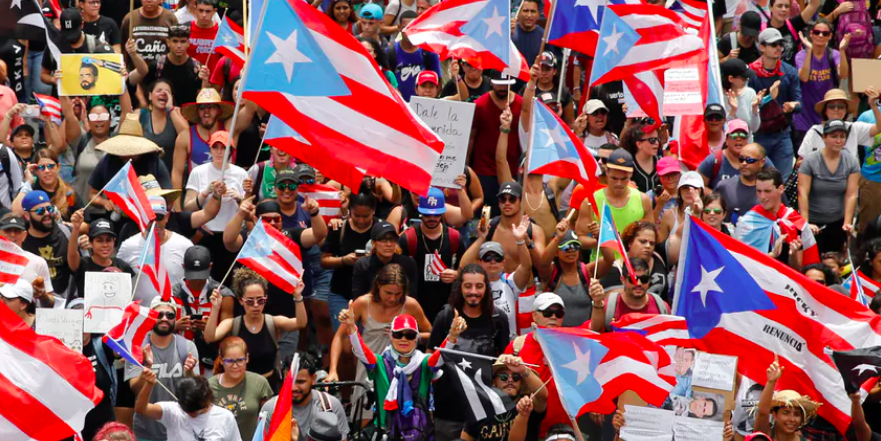
People wave Puerto Rican flags as they attend a rally to celebrate the resignation of Puerto Rican Governor Ricardo Rosselló in San Juan, Puerto Rico on July 25. REUTERS/Marco Bello
Puerto Ricans Unite Against Rosselló – And More Than a Decade of Cultural Trauma
Puerto Ricans wrote a new chapter in their history on July 24.
Governor Ricardo Rosselló finally resigned after 12 days of massive protests in Puerto Rico, as well as protests abroad, that demanded his resignation; all the protests used the hashtag #RickyRenuncia.
The beginning of the protests can be traced to the release by Centro de Periodismo Investigativo of 889 pages of a Telegram chat transcript that exposed offensive and unethical comments made by the governor and his inner circle.
But the chat was only the latest blow. A series of natural and human-made disasters have caused turmoil and trauma in Puerto Ricans’ lives, including the more than decade-long recession that started in 2006; the financial crisis and subsequent enactment of the PROMESA law in 2016that reinforced Puerto Rico’s colonial status; and the devastation caused by Hurricanes Irma and Maria in 2017.
Rosselló’s corruption further compromised the post-disaster recovery of Puerto Ricans, many of whom continue to suffer personal and cultural trauma.
Whereas personal trauma “involves a wound and the experience of great emotional anguish by an individual,” by cultural trauma, we mean what sociologist Jeffrey Alexander says “occurs when members of a collectivity feel they have been subjected to a horrendous event that leaves indelible marks upon their group consciousness, marking their memories forever and changing their future identity in fundamental and irrevocable ways.”
The chat’s transcript served as a catalyst for Puerto Ricans to come together in indignation.
Personal and cultural trauma
Together, we have been studying Puerto Rican activism, the diaspora’s political ideologies and migration, particularly in Central Florida, for many years.
After Hurricanes Irma and Maria, approximately 159,000 to 176,000 Puerto Ricans moved to the continental U.S. This major movement is expected to continue, with an anticipated 14% of the island population leaving over the next two years.
We wanted to understand the conditions under which post-disaster Puerto Rican migrants successfully integrated into continental U.S. society, and the challenges they face. We will soon begin a two-year study on how those leaving the island after the hurricanes have fared in Central Florida.
Data we have collected already suggest that post-disaster migrants continue to experience personal trauma and stress long after the immediate disasters passed.
Some Puerto Ricans not only lost family members or everything they owned, but, even a year after impact, many in Puerto Rico still lacked access to basic necessities such as potable water, warm food, shelter, medicines, and electricity.
Of the 19 Puerto Ricans we have interviewed so far, as well as over 100 surveyed, many were deeply impacted by Hurricane Maria and its aftermath. For those in our sample who lived on the island during the hurricane but have since moved to Florida, many felt traumatic loss in leaving their homes and families behind to survive the slow recovery.
Many told us that they lost their jobs, suffered health problems and, upon migration, faced racism and downward occupational mobility in the continental U.S.
Members of the diaspora also experienced personal trauma during the days and weeks after the hurricanes, not knowing about the status of their loved ones in Puerto Rico.
One of the Puerto Ricans we interviewed, John, explained the agony he felt in the aftermath of the storm waiting to hear from his father in Puerto Rico: “I talked to my dad the night before it was supposed to hit and he said he’ll call me as soon as he can. And then I didn’t hear from him for a couple days, so it was definitely stressful,” he said.
His father finally called; John said, “That was one of the most important phone calls I ever received… I cried because I was just excited to hear from him.”
In recent years, the totality of personal traumas Puerto Ricans have faced, including the recent chat scandal, amount to an arc of cultural trauma.
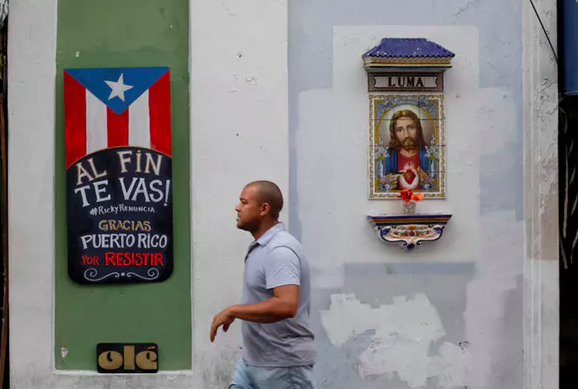
A man walks past a sign that reads ‘You are finally leaving. Ricky resign. Thanks Puerto Rico for resisting’ on the street that leads to La Fortaleza, the official residence of the governor of Puerto Rico. REUTERS/Marco Bello
Resiliency and resistance
Puerto Ricans told us that they have used a range of coping mechanisms to contend with their challenges. Some of the main coping strategies to deal with personal trauma were connecting with family and friends for support; finding solace in their faith; trying to adapt to new daily routines; and trying to secure a job to provide for their families.
All of these resilient acts bring meaning to their sacrifices and losses. Our interviewees are actively recreating their homes, whether in Puerto Rico or elsewhere.
We see the current collective protests as acts of resistance to their cultural trauma. The protests have brought about a sense of group solidarity that has strengthened cohesion among the people of Puerto Rico, regardless of where they are geographically. These protests also signal that Puerto Ricans are actively reconstructing a more democratic society.
That is why journalists and participants have compared these recent protests to the “Todo Puerto Rico con Vieques” (All of Puerto Rico with Vieques) movement that aimed to remove the U.S. Navy from using the island of Vieques – part of Puerto Rico – for military exercises, particularly, the “Paz para Vieques” march on February 21, 2000. Back then, these collective actions aimed to hold the U.S. government accountable for the damages caused by the bombings in Vieques and the poor health of its residents. The protests were successful in removing the navy, although Vieques residents are still battling in court for reparations and clean-up.
Research shows that these types of group political actions can help to foster a process of collective healing, notably when the objectives are achieved.
While the Telegram chat was the latest shock in an arc of cultural trauma afflicting Puerto Ricans, we think that Puerto Ricans have demonstrated powerful acts of resilience in rebuilding a hopeful future for Puerto Rico. A simple hashtag – #RickyRenuncia – represents resistance against more than a decade of struggles, yet it is only the beginning of what is to come.
ELIZABETH ARANDA is a Professor of Sociology at the University of South Florida.
ALESSANDRA ROSA is a Postdoctoral Scholar in Anthropology and Sociology at the University of South Florida.
THIS ARTICLE WAS ORIGINALLY PUBLISHED ON THE CONVERSATION.
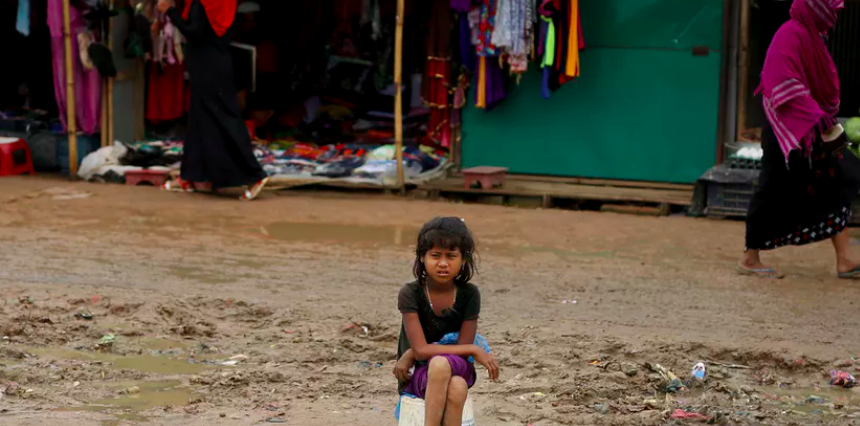
A Rohingya refugee girl sells vegetables in Kutupalong refugee camp, Bangladesh. Access to education is extremely limited in the camps, and most children — particularly girls — receive little to no formal education, Aug. 28, 2018. AP Photo/Altaf Qadri
Without School, A ‘Lost Generation’ of Rohingya Refugee Children Face Uncertain Future
The boy’s eyes lit up when he talked about his dream of becoming a doctor.
Seven-year-old “Mohammad” – not his real name – is a Rohingya Muslim from Myanmar. I met him at a learning center at a refugee camp in Cox’s Bazar, Bangladesh, in early July 2019.
After sharing his aspirations, Mohammed quickly remembered reality.
“I know my dreams will never come true,” he said with a faint smile.
Refugee crisis of global proportions
Mohammed is among the more than 700,000 Rohingya who have taken refuge in Bangladesh after an ethnic cleansing campaign of rape, killing and torture by the Myanmar military in mid-2017. They joined the more than 200,000 Rohingyas who had previously fled Myanmar’s brutal efforts to rid the Buddhist-majority country of this marginalized Muslim minority.
Of the newly arrived Rohingya, three-quarters are women and children, according to the United Nations.
In a noteworthy humanitarian gesture, the Bangladeshi government has given refuge to these persecuted people. Aided by Bangladeshi community organizations, various UN agencies and other international donors, the Rohingya have been receiving shelter, food, clothes and basic health care since the massive exodus in 2017.
This essential care, which cost an estimated US$920.5 million in 2019 represents a gargantuan global effort. Still, the resources are woefully inadequate.
Most Bangladeshi refugee camps are overcrowded and, as a result, unhygienic. Residents survive on the absolute bare minimum of nutrition and other necessities. Monsoon rain, cold and landslides are everyday threats for these Rohingya, as I’ve witnessed firsthand during my visits to Bangladeshi camps in 2017 and 2019.
It is a dismal existence for all. But it is the plight of the roughly 500,000 Rohingya children living in limbo that strikes me as bleakest.
Concerns of a lost generation
Research shows that future of refugee children grows more imperiled the longer they remain out of school.
In many countries that host substantial refugee populations, including Turkey, Lebanon and Uganda, the United Nation’s refugee agency and the United Nations Children’s Fund ensure children receive a quality, full-time education, either at the camps or in nearby public schools.
Even so, just 23% refugee children worldwide are enrolled in secondary school, according to the UN’s High Commission on Human Rights. Just 1% attend university.
Because Bangladeshi authorities have not granted the Rohingya official refugee status and consider them instead “forcibly displaced Myanmar nationals,” the roughly 500,000 Rohingya children in the country have no access to a formal education. Rohingya children are not permitted to attend Bangladeshi public schools.
The United Nations Children’s Fund and its partners offer Rohingya refugees aged 4 to 14 two-hour daily lessons on Burmese, English, math and life skills at about 1,600 learning centers located at the camps. These classes keep about 145,000 Rohingya children – or about 30% of the Rohingya youngsters in Bangladesh – occupied for part of the day but do not provide the kind of formal education that will allow the children to work toward a high school degree and enter the job market.
The camps offer no schooling at all for Rohingya refugee adolescents aged 15 to 18.
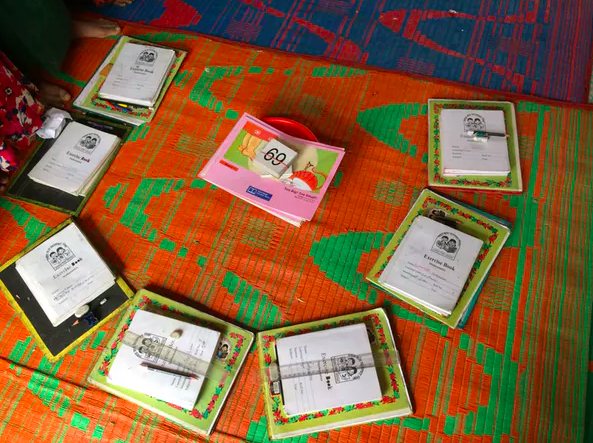
English-language exercise books at a UNICEF-supported ‘learning center’ at one of the Kutupalong refugee camps in Bangladesh. Rubayat Jesmin, Author provided
Some teenagers, mostly boys, have turned to madrassas, or Islamic learning centers, where they can receive a religious education.
The remaining Rohingya children who attend neither UNICEF classes nor madrassas are simply left to fill their own day. At the Rohingya camps, I saw boys working in shops, playing cards or sitting idle at all hours of the day.
When I asked Mohammad what he does when he is not in school, he told me that he “takes care of his family.”
“I play with the other kids, too,” he added with a grin.
Adolescent girls, I learned, are often kept at home by their parents because of the Rohingya’s conservative social and religious norms.
The camps can also be dangerous for girls. Human traffickers have been known to target young Rohingya women, promising them jobs outside the camps. Girls face other forms of violence and human rights abuse at Bangladesh’s camps, too, including child marriage.

Bangladeshi camps for the Rogingyas are typically overcrowded, unhygienic, muddy and prone to landslides. Rubayat Jesmin, Author provided
Rohingya repatriation
Growing up in unstable conditions, with no possibility of study, Rohingya children like Mohammed are at risk of becoming a lost generation.
Their limbo may not last forever. In response to heightened international pressure, Myanmar in November 2017 agreed to take the Rohingyas back starting November 2018.
However, their return was postponed due to protests by the refugees, who feared conditions in Myanmar was not yet safe. The United Nations and other international refugee services have also voiced concern about sending the Rohingya back, saying there was no indication that the Myanmar government had punished the people responsible for the crimes in Rahkine state, nor agreed to give the Rohingya citizenship.
Considered foreigners in both Myanmar, their native country, and Bangladesh, where they’ve sought refuge, the Rohingya Muslims are the world’s largest stateless people.
While the negotiations for their repatriation continue, a generation of traumatized Rohingya children wait for their futures to begin.
RUBAYAT JESMIN is a Doctoral Student at the College of Community and Public Affairs, Binghamton University, State University of New York.
THIS ARTICLE WAS ORIGINALLY PUBLISHED ON THE CONVERSATION
Enter Kenya’s Rose Oasis
Some of the best roses in the world bloom in Kenya. While the country is widely known for its scenic national parks and wildlife reserves, it’s also a major flower producer. Winnie Gathonie Njonge is the production manager at Nini Flowers, which sits on the shores of Lake Naivasha. She knows all there is about growing perfect roses and oversees the harvesting of 300,000 to 450,000 a day. “The ultimate goal of growing roses is to make other people happy,” she says. It brings her joy to know the roses she cultivates are sent to the United States, Japan and other countries, spreading love and beauty all over the world.