
Get inspired by Veronika Scott, the 24-year-old founder and CEO of The Empowerment Plan, a non-profit that empowers women to be live the lives they want to lead.
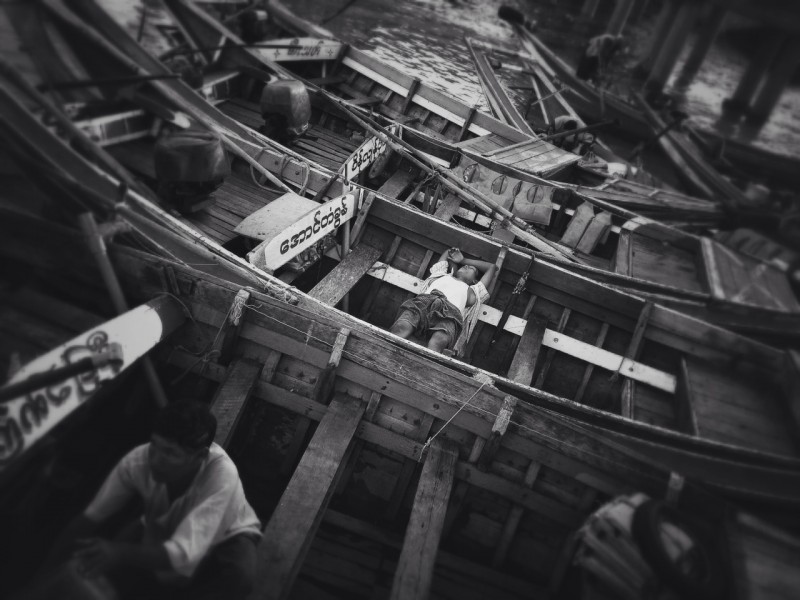
Photo from Featured Collectives by Thet Paing Htay. Life of Ferry Boats. Yangon, Myanmar. 2015. CC License
MYANMAR: Crowdsourced Photography Website Showcases the Beauty of Everyday Life
A crowdsourced photo blogging website, Featured Collectives, encourages submissions from photographers who capture the day-to-day of Myanmar's ordinary people.
Photographer Chit Min Maung, who is running the site, told Global Voices that the online project is intended to showcase the creativity of Myanmar's photographers and link them to the international community. He said:
“In Myanmar, we usually shoot landscapes and portraits and we don’t make much choices. So, we wanted to show that we still have different types of photography other than those two.”
Myanmar, formerly known as Burma, was under military dictatorship for more than 50 years until it transitioned to constitutional democracy in 2010. During the military rule, Myanmar largely remained detached from the rest of the world, preserving a unique culture and way of life. Last year, the opposition defeated the military-backed party in a historic election that could usher in a new era in Myanmar society.
As Myanmar prepares to pursue more reforms in the next few months, websites like Featured Collectives are essential in documenting everyday life in a rapidly changing society.
The photoblog features photo essays and individual photos submitted by photographers from both inside and outside the country. For example, one collection shows a man creating wooden beads.
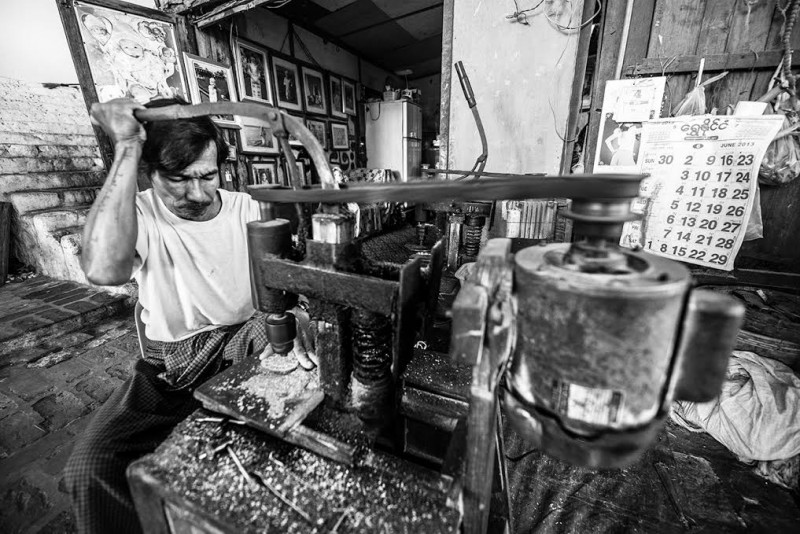
Photo from Featured Collectives by ThuYein. © ThuYein Photography. CC License
The essay reads:
“Beads are an essential object for Myanmar people. It is evident that it has also been a form of women’s jewelry. Bead necklaces from the Pyu era 2,000 years ago were famous. […] Ornamental beads may not be used by everyone but meditation beads are important for every Myanmar Buddhist. […] Meditation beads are primarily made from wood. As it is considered sacred, they are made using fragrant wood. […] Mandalay is the centre for providing almost all of the country’s meditation beads. […] Leftover fragrant wood from the production are not simply thrown away after making beads. They will be used during the holy festival, called Da Poe Twe, to offer fire to the Buddha image.”
Here are some more of our favorite photos that depict everyday street scenes in Myanmar. Make sure to visit the website to see more amazing photos.
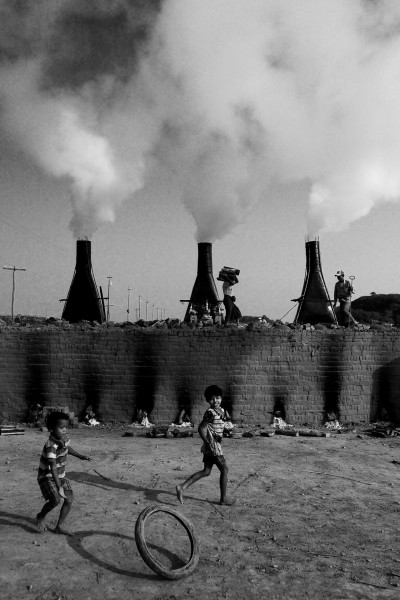
Photo from Featured Collectives by Phyo Hein Kyaw. Childhood. Mandalay, Myanmar. 2015. CC License
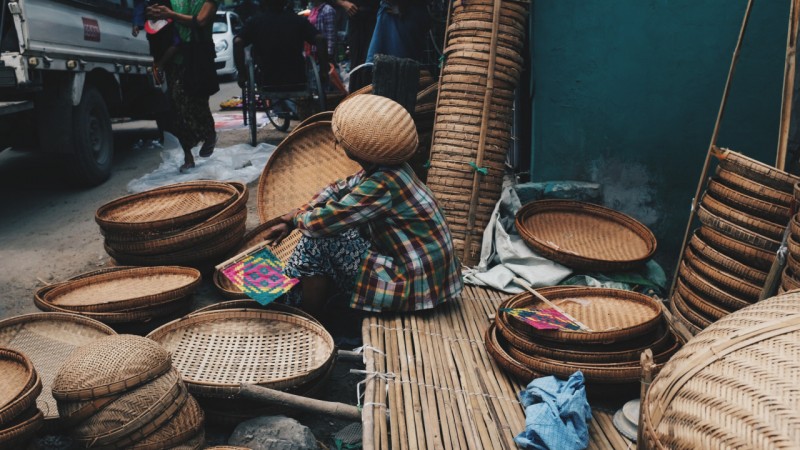
Photo from Featured Collectives by Khant Min Htun. Mandalay, Myanmar. 2016. CC License
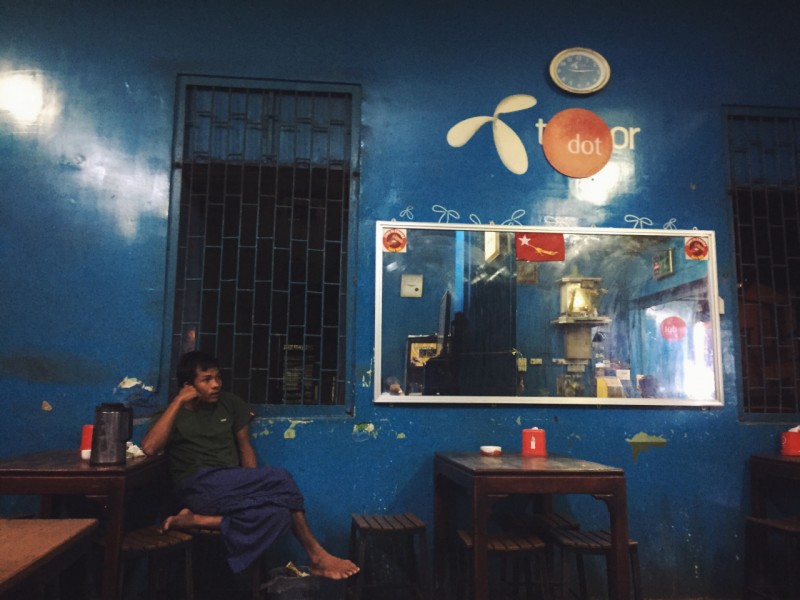
Photo from Featured Collectives by Thant Zaw. The Coffee Shop. Yangon, Myanmar. 2015. CC License
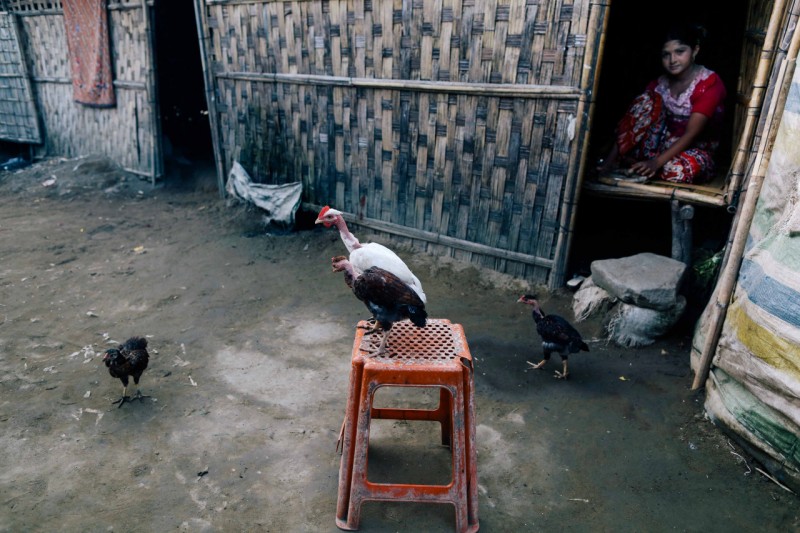
Photo from Featured Collectives by Myat Thu. Rakhine State, Myanmar. 2015. CC License
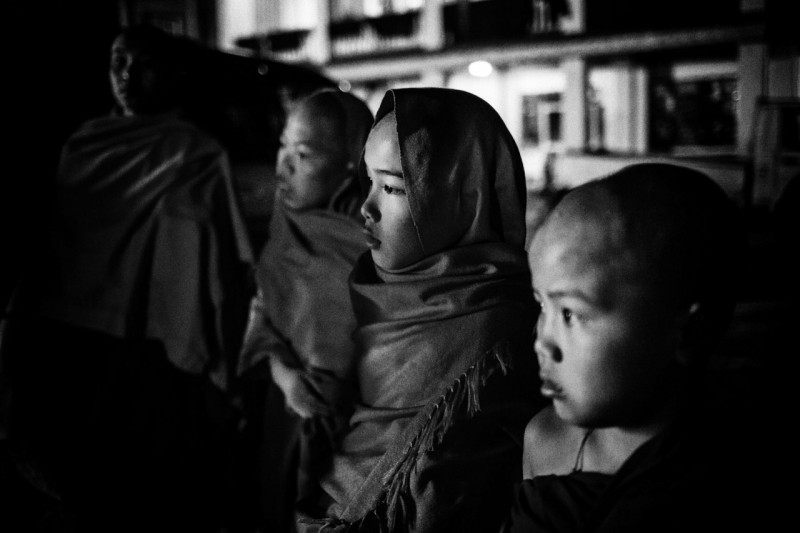
Photo from Featured Collectives by Zarni Phyo.Novices. Lashio, Shan State, Myanmar. 2015. CC License
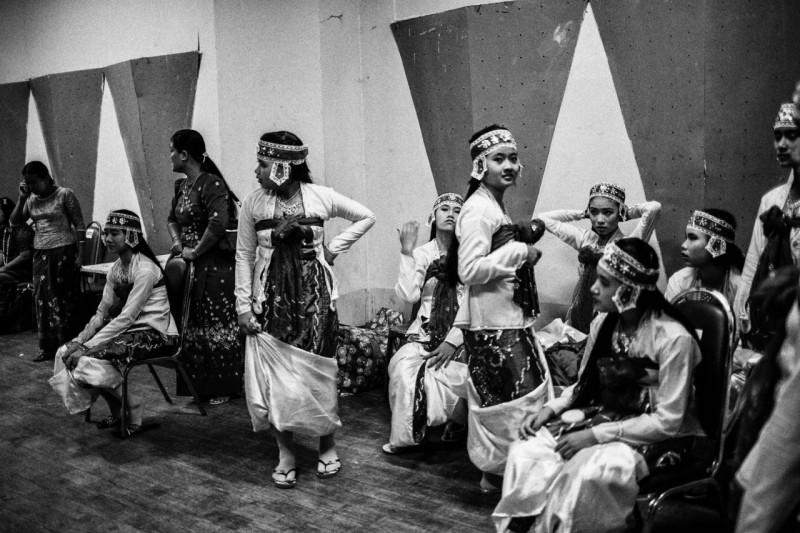
Photo from Featured Collectives by Zarni Phyo. Yangon, Myanmar. 2015. CC License
THANT SIN
Thant Sin is a post-grad media and development student at SOAS. He is interested in all things about Myanmar society, linguistics and history. Also Burmese language lingua editor at GV Myanmar. Feel free to drop him a line.
AUSTRALIA: Nowhere Line - Voices from Manus Island
Nowhere Line: Voices from Manus Island is an animated short film, narrated by two asylum-seeking men in Australia's Manus Island Offshore Processing Centre. During the interview, the men recount the dangerous journeys that brought them to the island, as well as their memories of a large riot that erupted in 2014.
CHINA: Love is Blind
The recently relaxed one-child policy in China led many parents to abandon children who were born with mental or physical disabilities.
Photographer Alice Carfrae travelled between Beijing and Zhengzhou to visit two projects run by Bethel, a dedicated organization that is set up to provide high-quality care, education, life skills and livelihood opportunities to blind and visually impaired children in China through foster care projects. Bethel also runs an associate programme in training and outreach called 555, which aims to prevent blindness, lower orphan rates and conduct eye screenings to identify young visually-impaired children living in the country.
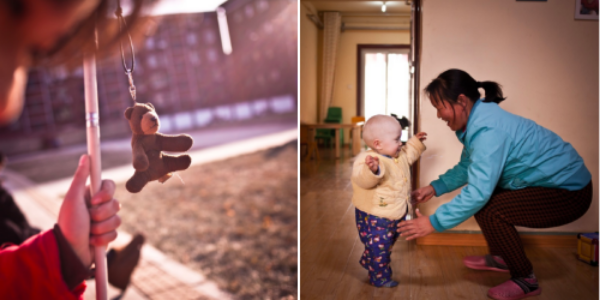
Above: (Left) Cane belonging to En Hong who arrived at Bethel in 2008. They believe she may have been living on the streets. (Right) Yuan Ming has albinism. He came into Bethel’s care when he was just a year old. He has learned to walk and he is now talking a lot.
Almost all of the children helped by Bethel have been abandoned by their parents, because they have a physical or mental health problems. Susan Ou, manager of Bethel’s Love is Blind project, says minor disabilities such as missing fingers can be reason enough for parents to abandon a child.
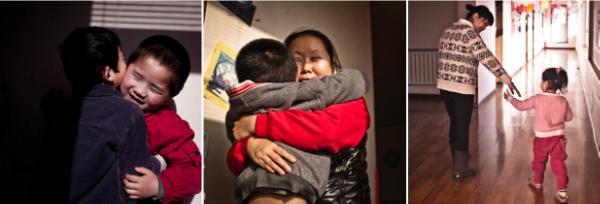
Above: (Far left) Gui Gui hugs his friend as they wait in line for lunch and then gives his teacher a big hug (middle). (Right) A teacher takes Ai Fei’s hand and guides her to class.
In the past decades, China’s One Child policy has exacerbated this problem as a great deal of pressure is put on the child to provide for the rest of the family, especially for their parents as they reach old age. If they are unable to work, they cannot meet this requirement or support the family, and this leads some parents to abandon their child.
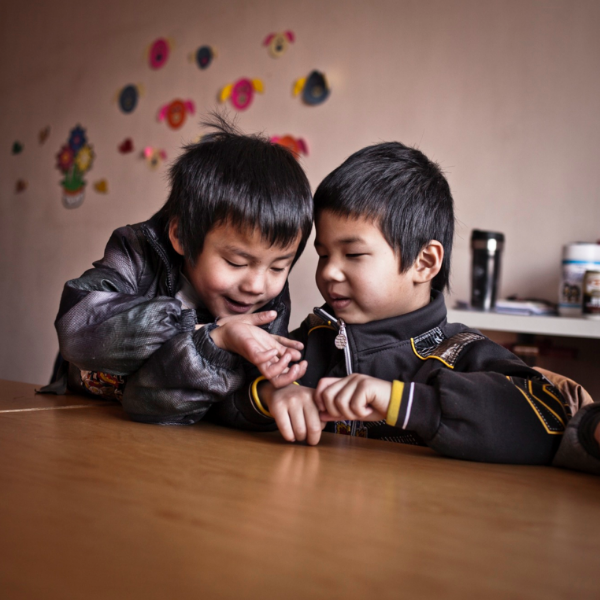
Above: Children attend a cognitive skills class at Bethel. Developing cognitive skills by moving parts of the body and using the senses at a young age is a very important for a child with a visual impairment.
There are two projects within the Love is Blind programme. The first is a partnership between Bethel and an orphanage in Zhengzhou and another orphanage in Dou Dian, outside Beijing, which includes a farm, school and home for visually impaired children.
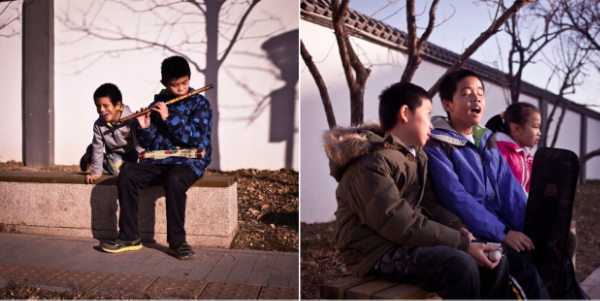
Above: (Left) Hong Fa plays the Chinese flute whilst his friend Xiao Dong listens. Peter (middle, right) loves to sing and has a perfect tenor voice. He was awarded a scholarship for his excellent work which he spent on music lessons.
Speech therapy is now regarded as a vital component for many of the children, and music also plays a huge part in the children’s lives, with specially designed music rooms offering stimulation and relaxation.
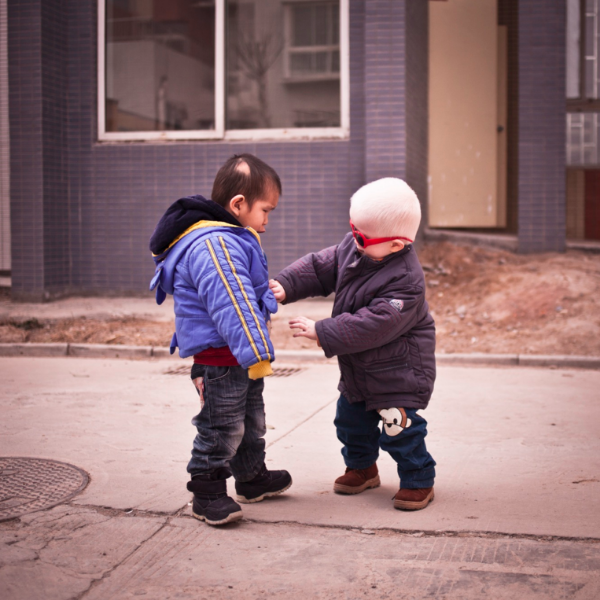
Above: Jian Ang (left) helps Jianshan do up his jacket at the orphanage in Zhengzhou.
Early on, children are encouraged to understand the concept of their own bodies, which instils confidence and a strong sense of self. At Bethel, both the environment and the children are very well cared for, and this, in turn, helps to prevent the kind of discrimination against disabilities, which has pervaded wider Chinese society for many years.
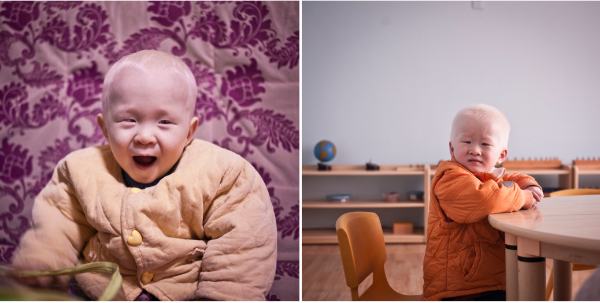
Above: (Left) Yuan Ming has albinism, when he came into Bethel’s care he was just a year old. He has learned to walk and he is now talking a lot. (Right) Jian Ang also has albinism. When he arrived, he was a tiny, weak baby. Now he runs everywhere and does well in class.
The role of education, whatever their needs, is paramount.
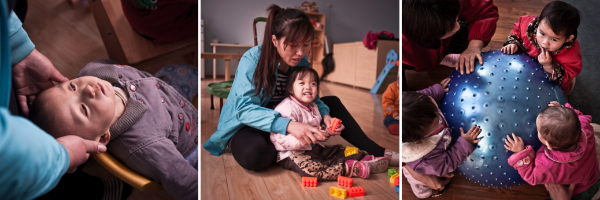
Above: (Left) a caregiver touches the head of a child and describes what it does so that he understands the concept of his body. (Middle) Xuerou plays with her teacher, before coming to Bethel she could not even sit up. (Right) Children are encouraged to play and explore.
In Alice's words:
Zhengzhou is not the prettiest city. Its grey buildings are shrouded by a grey choking smoke. Henan is one of China’s poorer provinces and its capital reflects this. The Zhengzhou City Children’s Welfare Institute is located on the very outskirts of the city, where land is cheaper.
Despite being newly painted, the centre still did not look especially inviting from the outside, but we were welcomed warmly by Ma Jingya, who has been working as a teacher there for two years.
When we arrived, the twelve children in Bethel’s preschool initiative were taking an after lunch nap. We took this chance to look around one of the apartments they share, including a girl’s room, a boy’s room and a separate space for babies. The apartment looked very cosy with the kitchen and living room especially feeling like family homes. The only clue to the nature of the environment is stickers with children’s names and pictures to identify chairs, cups and toothbrushes.
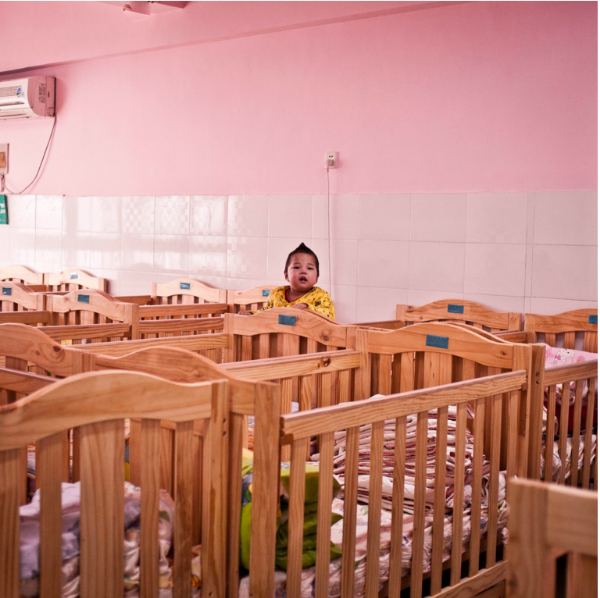
Above: Baby room at the Zhengzhou orphanage.
The first child to wake was Xuerou. As I walked over to her cot I could see her yawning and smiling to herself. I whispered hello and she squealed with delight. Susan Ou, Bethel’s manager, told me she loves being talked to and cuddled. Xuerou is a child in whom they have seen the most significant changes since her arrival, very weak and malnourished.
Xuerou’s former circumstances are not known, but at first, she couldn’t even sit up or eat solid food, nor had she ever been taught how to walk or talk. It took six months of intensive care for her to respond to food and three years before she was able to stand. Now she is six, and can walk, but remains very small for her age. Susan told me that she understands when you tell her she is beautiful and will let you brush her hair.
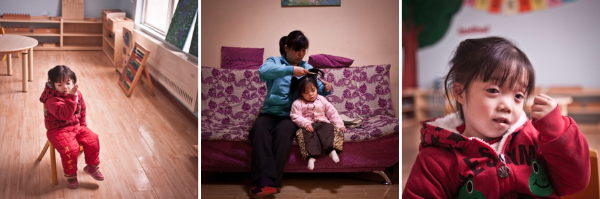
Above: When Xuerou first arrived at age 4, she was very weak. She couldn’t sit up or eat any solid food. She now understands when you tell her that she is beautiful and she loves being cuddled and having her hair brushed.
I also spent a day with Gui Gui, a five year old boy who came into Bethel’s care at 18 months, after being abandoned by his parents. Gui Gui was expecting us but was feeling too shy to say hello. However, his shyness dissipated as soon as his Braille class started. The teacher, who is also blind, formed the children into a group to act out the Braille dots. Gui Gui was particularly quick and bossy, shouting out answers and physically putting the others in the correct place.

Gui Gui has transformed over the years, staff told me, from a terrified little boy who couldn’t walk or talk into the smiling bundle of energy I see today, who jumps downstairs in his haste to get to lunch. It wasn’t long before he was taking my hand and guiding me round his home.
He took particular interest in my camera, feeling his way around the buttons and the shutter. He would shout for his friends and the teacher and when he located them he would point the camera in their direction and push the shutter button in rapid succession as though firing a gun.
Gui Gui showed me one of his favorite places, the music room. He can play many instruments including the piano, which he asked me to play with him. When he realized I am not musical, he sat himself on my lap, took my hands in his and guided my fingers to the right keys to help me play Twinkle Twinkle Little Star — which is exactly what he is.
ORIGINALLY PUBLISHED ON MAPTIA
Text by Legatum Foundation

ALICE CARFRAE
Alice Carfrae is an English documentary photographer currently based in Beijing, China. She works for clients such as The Telegraph magazine, Ford Foundation, Legatum, The Welsh Ruby Union, the Youth Justice Board, and Billionaire.com.
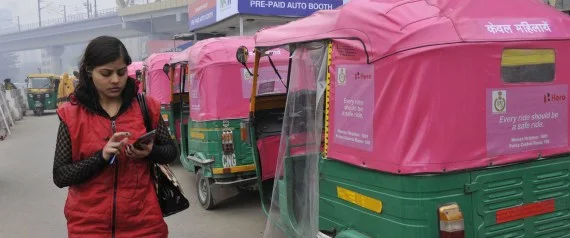
INDIA: Mumbai Will Soon Get Pink Autos For Women And By Women
For all the women traveling alone in Mumbai, there's some great news. In a first in the city, 548 women from across Maharashtra were granted autorickshaw permits through a lottery process organized at the Andheri RTO on Tuesday. These autorickshaws will be driven by women and will mostly cater to women commuters.
This comes after the government introduced a five percent reservation system for women autorickshaw drivers.
So, how are you going to identify these autos? It will be coloured either pink or light orange, reports Times Of India.
The city already has an exclusive women-only taxi service driven by women drivers. However, because their number is limited and most of them operate near airports and luxury hotels, it's not an easy option for most women commuters. The auto services will be more affordable and be available almost everywhere.
Meanwhile, the government is welcoming more applications from women as there are still 1,316 permits that remain to be allotted.
While certain rules have been relaxed for the female applicants, most of them are the same for drivers of both genders: they have to show that they have lived in Maharashtra for at least 15 years and they have to be fluent in speaking Marathi. It is not necessary for them to have any educational qualifications.
Among all the rules, speaking Marathi seems to be the most important one. Transport minister Diwakar Raote also stressed the importance of the rule, adding that it was non-negotiable.
"I am glad that online applications were also in Marathi. If any driver who gets a permit is found not to know the local language, we will take disciplinary action against the officials who cleared his files," he said.
Mumbai is not the first city to start the pink auto initiative. In 2012, Ranchi had started it following the Delhi gangrape. In Odisha, Bhubaneshwar and Cuttack also launched the 'pink auto' service last year after several complaints of harassment from women commuters.
In Gurgaon too, the pink auto service was launched in January 2013 following the Delhi gangrape. However, the operation was shut down due to lack of safety features. It was re-launched in 2015 with panic button and light and sound button installed in it.
ORIGINALLY PUBLISHED ON HUFFINGTONPOST.IN

ADRIJA BOSE
Adrija Bose is the Social Media Editor at HuffPost India. A resident of New Dehli, Adrija has an affinity for economics, viral videos, tea, rain and the outdoors.
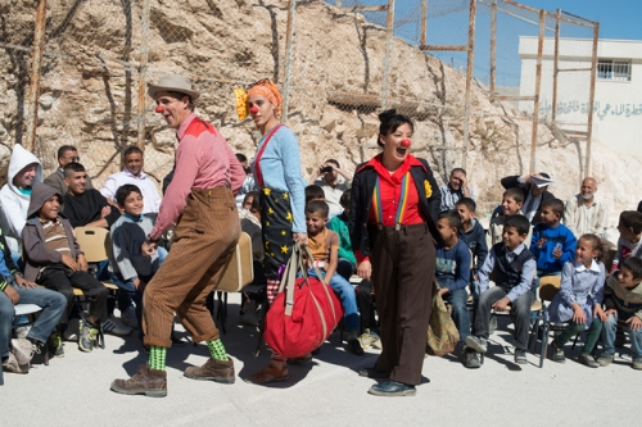
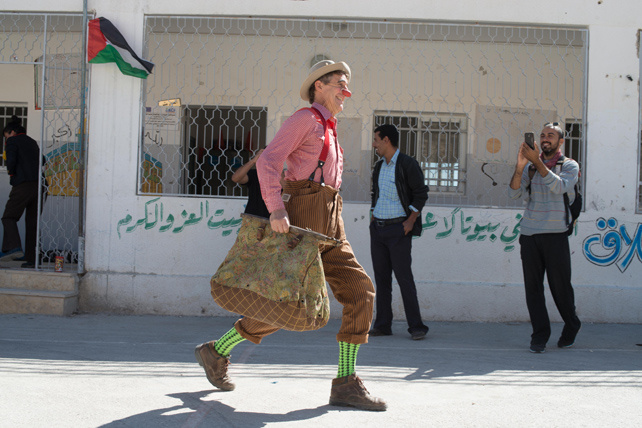
All photos courtesy of Clowns Without Borders. Palestine, 2013. Photo by Baruch Rafiach.
Clown Without Borders Go Into War Zones Armed Only with a Smile
In July 1993, a clown from Barcelona named Tortell Poltrona traveled to war-torn Croatia to do his act at a refugee camp. He had his doubts about how his performance would be received, but after an unexpectedly massive crowd of over 700 rapt children showed up to watch him, he left convinced of the value of comedy in crisis and conflict areas. That trip inspired Poltrona to found Clowns Without Borders, an organization devoted to bringing humor into lands where clowns usually dare not tread.
A year later, the internationally renowned clown Moshe Cohen, who had been bringing men and women with red noses and oversized shoes into dangerous places since 1990, opened an American chapter of Clowns Without Borders. Although it remains one of the organization’s smaller chapters (CWB has a presence in nine countries and is especially well established in France, Spain, and Sweden) and has only one part-time paid staffer, Clowns Without Borders USA now includes a board of 13 clowns, four logistical volunteers, and 30 active performers, some amateur and some professional.
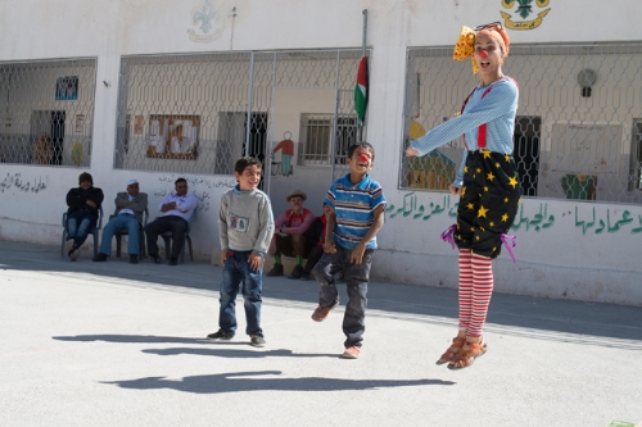
Palestine, 2013. Photo by Baruch Rafiach.
One of the earliest American Clowns Without Borders was David Lichtenstein, who had been clowning with Moshe in areas of Chiapas, Mexico affected by the Zapatista uprising since 1990. He went on to serve as a board member until, after returning from a tour in Palestine last October, he was promoted to president of the board—or the “Chief of Clown,” as he calls himself. He took over for Tim Cunningham, a graduate of the Dell’arte School of Physical Theater who got hooked on clowning when, at the invitation of fellow clown Rudy Galindo, he joined CWB on a 2003 trip to Chiapas. He later performed in Colombia, Ecuador, Haiti, Lesotho, Peru, South Africa, and Swaziland, and has promoted the organization in Brazil and America. In 2007, Tim became an emergency nurse and this year began research on the impact of clowns in crisis zones as part of a doctorate in public health at Columbia University.
Using juggling clubs and seltzer water to cheer up refugees who have lost their homes and family members is a pretty unique way to spend one’s time, so I called up David and Tim to ask them why they do what they do, and how.
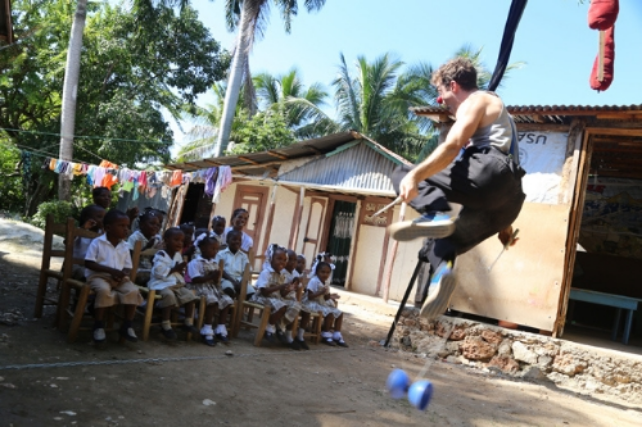
Haiti, 2013. Photo by Bobby Kintz.
Your organization is built around the concept of walking into places that have just suffered major disasters or are in the midst of armed conflict. As clowns. Isn’t that dangerous?
David Lichtenstein: We try to target the neediest people in the world. And yeah, a lot of these places are dangerous. Some of them are dangerous for the boring things like transportation issues—problems with cars and roads. Although we have been in war zones, we haven’t been too close to heated war. Still, there is often random violence in those places.
What are some of the most dangerous situations you’ve been in?
David: I’ve just been to Haiti, Guatemala, Palestine, and Chiapas, Mexico, during the [Zapatista uprisings].
Tim Cunningham: We’ve sent teams to work in Bhutanese refugee camps. I think [that we mainly ship clowns to] places that are proximal to war. In Colombia, we recently did a project along the Ecuador border and one of the towns we worked in was about 100 yards away from a FARC camp. But that [presence of violence] is in the background.
David: On that first trip to Chiapas, though, [Tim and another clown] were both robbed by Mexican police, or at least we thought they were police—we’ve been unable to find out whether they were real cops or thieves in uniforms. And during a show, Tim was lassoed by somebody and dragged by his feet on horseback. That was his first trip and he still came back for more.
Tim: I was hooked. I was like, This is real performance. This is engagement with my audience.
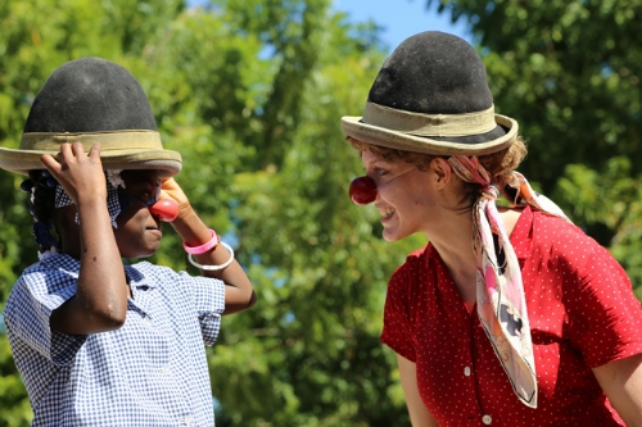
Haiti, 2013. Photo by Caitlyn Larsson.
Why did the guy lasso you?
Tim: We were in a really rural area and he was known as the regional drunk. We were doing a slapstick piece where I was working with this other clown, this really beautiful, sweet performer. And you could tell from the beginning he had his eyes set on her. He followed everything she did and was laughing really loud. In the slapstick routine we hit each other with this newspaper. She takes it from me, hits me; I take it from her… we go back and forth. Really classic slapstick. I think he decided he needed to save her, so he let out a yell during the bit and reared back on his horse like the Lone Ranger. The crowd split and I guess I was too dumb to split with everybody else. I was like, Great, I’ve touched this guy. And he touched me with his lasso. And dragged me down the road.
A lot of the places you go are very rural and have had little exposure to foreigners, much less to foreign clowns. Do you consider security risks when you travel? Like guys with lassos?
Tim: We go where we’re invited. If we have connections with other NGOs that have bases on the ground, that gives us some security. Or we have friends and family who are doing work in a place and know where we could do a show. We rarely say, “Hey guys, I think we should pack up and go to Ecuador this week and do clown work because we think it’s needed.” Haiti’s a good example of that. We’ve been working there since 2006 and wanted to go back down after the earthquake. As an organization we decided not to go until people started asking us to come. We didn’t think it was appropriate for us to go right after the catastrophe because people needed food, shelter, water… they needed life basics. We thought they would send for us six months, maybe a year later, but within a month of the earthquake we started getting calls.
It’s partially for security, but also I don’t think clowns are always appropriate. When we connect with other NGOs, where we’re welcomed and where people know we’re coming, I think it’s more ethical and effective.
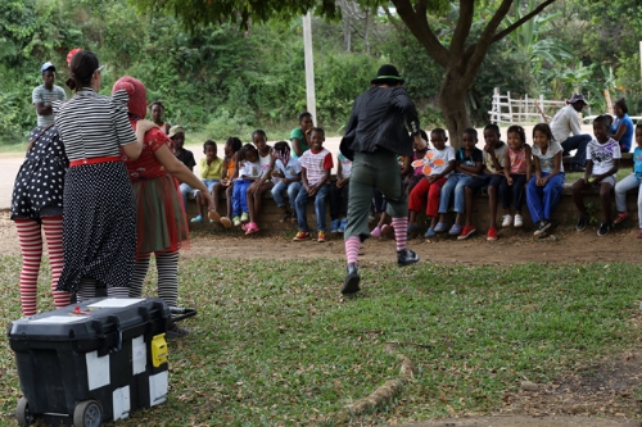
Colombia, 2013. Photo by Mauro Rebolledo.
Clowns must seem really trivial sometimes in such hard-hit areas. Are you ever criticized for what you do?
Tim: A couple of years ago I got an email from a donor who was very upset with us for what we do. He said, “You’re going to these places and you’re not bringing food, you’re not bringing shoes… what are you doing?”And I wrote back and said, “Hey, I appreciate your email and if you want to support those groups, here is a list of them that are doing exactly what you say.” But we’ve also met people who have had their minds changed after they see us with the kids, and see what a space is like when we come in, and then the change that has happened when we leave.
Is it trivial when you have people who are starving and have no medicine and you go in and clown for them? That’s a good question to ask. It’s a hard question and we certainly get a lot of pushback. We should, though. If everyone agrees with what you do, you’re probably doing something wrong.
David: As an aid group, we are a side dish. We come after medicine and water and food [aid] is underway. We’re also a volunteer-only organization. We just come in for a few weeks and do a few shows. We’re not affecting the economy. We’re doing ten major projects a year and a few small domestic projects on an annual budget of $40,000. We’re just a li’l guy in the aid world.
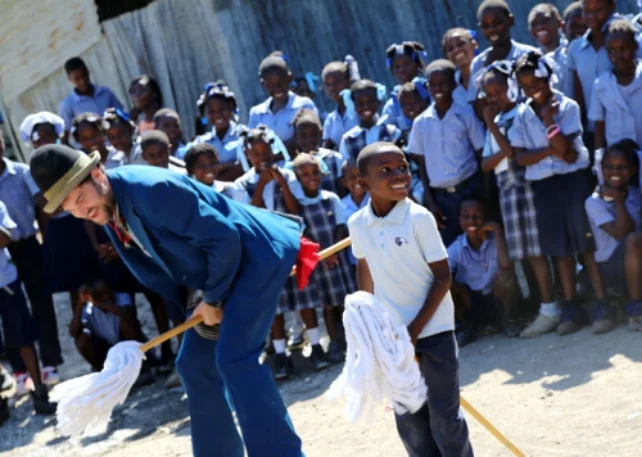
Haiti, 2013. Photo by Caitlyn Larsson
Have you had an experience where you were like, Oh, this is why I do this. This makes it all worthwhile?
Tim: In Haiti in 2006 we were working in a small, rural community called Torbeck. The kids there loved us, and one night when I was exhausted after a long day I suddenly felt this weight on my back. Before I could figure out what was going on this kid was standing on my shoulders. It was this clear night and we were looking up at the moon and I said, “Hey, hey, Jo-Jo, you and I, we’re going to go climb up to the moon.” And he laughed and looked down at me and said, “No no no, nous manger la lune [we’re going to eat the moon].”
So during this imaginary game it struck me that this kid was really malnourished. He was constantly asking us for food, but after the show and while playing with us he still had this fire of imagination that every kid in the world is capable of having. And to see his imagination explode like that just showed some really amazing resilience. I think we see that resilience with kids all over the world.
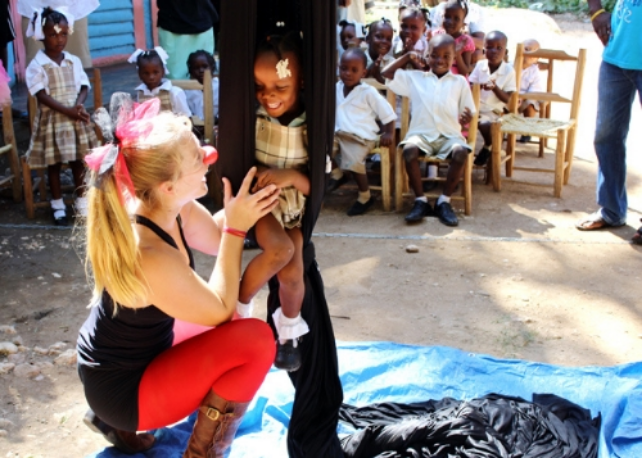
Haiti, 2013. Photo by Menley Mazile.
I imagine a lot of the people you are performing for havegone through serious trauma. And while there are some universal comedy truths—I’ve been laughed at all over the world for falling on my ass—your particular brand of performance must be unfamiliar sometimes. Do your acts ever upset people or fall flat?
David: One of the fun things for us as performers is that we get to work on a very basic, elemental version of clowning. In the US, maybe people would want something more sophisticated, but basic clowning generally works everywhere.
Tim: For example, we’ve got a bit that involves a clown finding a balloon. The clown finds the balloon, picks it up, stretches it out, slaps himself in the face by accident, and tries to blow it up. He’s not able to do it and we do all these funny things trying to figure out how to blow up the balloon. Then the bit ends with the clowns bringing a child up on stage. One of the clowns is holding the balloon in his mouth and his arm is out to the side making a half-T shape. The kid pumps his arm up and down, and that blows up the balloon. So the kid keeps pumping the arm and everyone’s laughing, but then the balloon pops. All of the clowns look at these balloon shards that are on the ground and they start crying and bawling and we have this balloon funeral.
In Haiti, we were talking with one of our sponsors about the program that we do. We told him about this funeral bit and he said, “You know, this is how women cry.” And he showed us this little hand-waving thing that women do when they wail. So we said, “OK, we’ll add that into our crying bit.”
So at the performance the female clown starts crying like that, and the kids all giggle. Then the male clowns look over to the female clown and go like, Oh, OK, that’s how we cry. So the male clowns start doing it. But in Haiti, when a male does that it’s a symbol of being gay, which is taboo—but the crowd loved it. It was one of their favorite parts on that tour because they saw us as people who didn’t know these taboos, demonstrating them in a very safe way and allowing people to laugh at them. In a way, I think we have some license through the form that you wouldn’t have if you didn’t have the nose or the character or the situation that you’re in.

Haiti, 2013. Photo by Menley Mazile.
Have you always been that lucky with taboos? Has it ever just fallen apart?
David: In Palestine last week we developed a little checkpoint clown piece, and that worked really well there because checkpoints are a part of their daily life—not being let through, not being let out. When we started the checkpoint clowning the crowd just went quiet, but then they would laugh at the gags. Also, it’s a Muslim area and we were a mixed male and female group of clowns, as usual. We had prepared for a Muslim audience, though. We took out a lot of touching and a couple of parts where there was hip-swinging dancing because we wanted to be safe. But then we wound up putting a lot of that back in because we realized that clowns can get away with breaking the rules. It’s OK for a male and female clown to touch each other, to bang into each other or whatever, in slapstick. Clowns have different rules.
Why do you think clowns can get away with breaking taboos in so many different cultures?
David: Making fun of life is a pretty universal phenomenon. I watched a video of a Brazilian clowning troupe that went into the Amazon jungle to clown for an indigenous group. The locals had a guy who was like a clown, who made his living just going around being silly and making fun of the daily tasks that everybody else did, and the clown troupe just went in and improvised with this guy.
Speaking of universal, have you ever had any issues with coulrophobia, the fear of clowns that’s such a trope in the West, during your travels?
David: It’s the big white face and clown costume that sets it off. We’re in fairly normal costumes—goofy clothes but natural faces, with perhaps a clown nose.
Tim: In Haiti we had a clown who wore stilts. We opened the show and the kids were cheering, but as soon as the clown on stilts came around the corner they freaked out—everyone was crying and trying to back away. So the clown kind of eased off and we quieted down the music. She got the stilts off in a really funny way. Then, after about three or four minutes, they were back to sitting there, laughing with us. So there was a fear of this big thing, but I wouldn’t call it a fear of clowns.

Haiti, 2013. Photo by Bobby Kintz.
Tim, you recently started a project at Columbia to measure the impact of clowning fieldwork. What have you learned so far?
Tim: There is not a lot of evidence out there at all. People have explored clowns in hospitals and done somewhat rigorous studies looking at the benefits of stress relief for preoperative patients, as well as reducing the stress of doctors and nurses in some cases. But really very little has been done examining what Clowns Without Borders does in refugee camps, conflict zones, and zones in crisis.
There was one study where they were saying, I guess, that you can increase your chance of success with in vitro fertilization if you’re entertained by a clown while they’re doing the IVF. People say you’re less stressed and your body is more accepting of what’s going on.
Well, that’s an image.
Tim: Yeah, I don’t think I’d want to be watching a clown while I… but I guess they’ll never do that to me.
What I’d like to see, though, is if you’d have lower levels of stress in conflict zones. I’d guess there might be better community adherence. We know that using performing arts and art therapy is a whole other way for people to work with psychological trauma and find creative spaces to do something positive. I’d like to build a body of evidence that shows that. Or doesn’t show that. Who knows? Maybe what we’re doing isn’t right. That should be examined as well.
MARK HAY
Mark Hay is a sometimes-freelance write, sometimes-blogger, and former graduate student at the University of Oxford. His work appears in Asoko News, Capital New York, Esquire, The Economist, Foreign Service Journal, GOOD Magazine, Men’s Journal, Roads & Kingdoms, Slate, and VICE, among numerous other minor publications. He writes about anything under the big tent of culture, faith, identity, politics, and sexuality — basically anything human beings will fight over.
2016 Travel Guide for Global Citizens
Global Citizen
Travel is a beautiful thing. Journeys to unfamiliar places can inspire new customs, alter previously held perceptions, encourage big ideas, and evoke a newfound appreciation for things long underappreciated.
And the benefits of travel aren’t exclusive to the traveler. Tourism has become one of the main income sources for many developing countries, representing a key driver of socio-economic progress.
But too often tourism remains restricted to a small selection of hotspots. Too many Instagram accounts are displaying travel photos that differ only in their levels of brightness and saturation.
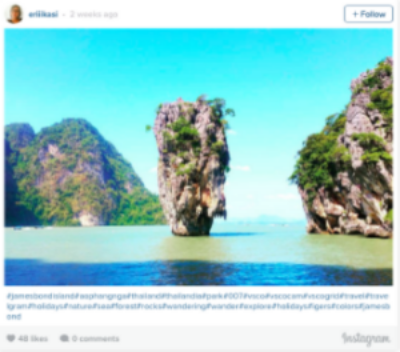

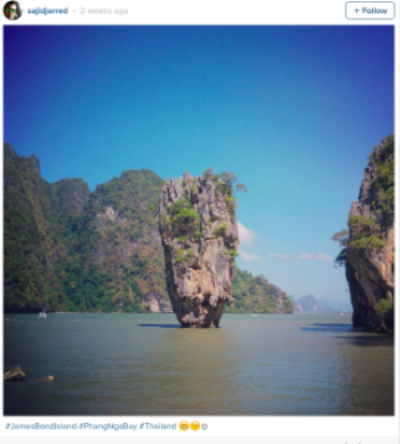
This type of trendy trip planning is having an unfortunate impact on these popular destinations. Constant crowds are eroding natural landscapes and overusing scarce resources. Tourists are being lured into areas where they are disturbing cultural customs and unintentionally exploiting local communities and wildlife.
In the age of mass tourism, travel has lost a bit of its beauty.
It’s time to give travel a makeover. This year, take the road less traveled. Challenge yourself to visit destinations undiscovered by your friends, and take the time to research how you can mitigate your negative impact on local landscapes and communities.
For a bit of inspiration, check out this list of destinations that could make great alternatives to those currently teeming with tourists (and their iPhones).
Instead of Thailand, go to the Philippines.
With beautiful islands, drool-worthy food, grand temples, Full Moon parties, and lush jungles, Thailand can seem like the perfect travel destination. It’s why Bangkok, Chiang Mai, and Phuket make it on the itineraries of many first-time travelers.
These days, too many travelers are getting caught in Thailand’s tourist traps (e.g., monkey islands, zoos filled with mistreated elephants and sedated tigers) and are missing out on the real cultural experience.
Take a break from Thailand, and plan a trip to the equally enticing Philippines instead.

Instead of the Galapagos Islands in Ecuador, go to the Pantanal swamp in Brazil.
It’s every science geek’s dream to see the species that inspired Darwin’s theory of evolution. It could also be argued that there’s no better place than the Galapagos to gaze at unique wildlife standing inches away from your face.
However, the region’s unique ecosystems may not be able to survive the pressure of mass tourism. And the annual influx of money from tourism isn't being fairly distributed among local residents who struggle with poverty.
If you want to see wildlife, visit the Pantanal swamp in Brazil, one of the world’s largest wetlands. If you’re lucky, you may even spot a jaguar!

Check out GLOBALCITIZEN.ORG for more tips!

CARYN CARVER
Caryn Carver is an Audio-Visual Content Creator for Global Citizen. Prior to working at Global Citizen, she worked for a nonprofit consulting firm where she learned a lot about what is and isn't working to help eradicate poverty. She then spent a year living and working in South America where she developed a deeper passion for global issues, especially human rights. Caryn also loves to sing about what she is doing, search for the best cheap eats, and daydream about the next place she will visit.
UGANDA: Kids from This Slum Are Dancing Their Way Out of Poverty
There are several aspects of human life I strongly believe unite the world. You don’t need to speak the same language or share the same background to connect on any of these and that’s awesome!
What are they?
Food, science, math, sports, and the most fun… music and dancing. Which is partly why this video is so inspiring and went viral with over 14 million views last year.
Yes, these kids should clearly be onstage with Beyoncé for their incredible dance moves. But that’s not the only reason this video is fantastic.
The kids dancing in this video are known as the Ghetto Kids. They are from the slums in Kampala, Uganda, and thanks to their math teacher Dauda Kavuma they train almost daily to improve their dance techniques and the quality of lives for their families.
The Ghetto Kids dance video has allowed some of the children in this video to afford school supplies, stay in school, and even provide better homes for their families.
Sometimes it doesn’t take much to improve the lives of those living in poverty. In this case— a great teacher and people like you willing to share how incredible these kids truly are can make a huge difference.
Update: The Ghetto Kids are now working on creating high production videos, continuing to dance and perform and most importantly continuing their education, according to BBC. I hope to see these kids onstage with Beyoncé at the next Global Citizen Festival (if it’s okay with their math teacher and parents first).
You can go to TAKE ACTION NOW and help kids get the education they need and deserve.

MEGHAN WERFT
Meghan is a Digital Content Creator at Global Citizen. After studying International Political Economy at the University of Puget Sound she moved to New York. Originally from California she brings her love of yoga, kayaking and burritos to the big city. She is a firm believer that education and awareness on global issues has the power to create a more sustainable, equal world where poverty does not exist.
The True Cost
'The True Cost' is a story about clothing. It's about the clothes we wear, the people who make them, and the impact the industry is having on our world. Check out the trailer for this groundbreaking documentary that pulls back the curtain on untold stories of workers along the supply chain, leading the viewer to consider: who really pays the price for our clothing?
28 Millimetres Project
Meet French artist and TED Prize winner JR whose public art installations in France, Sierra Leone, Kenya, Brazil, Israel, and Palestine encourage people to see the world in a new way. INSIDE OUT is his participatory art project that transforms messages of personal identity into pieces of artistic work. “Stand up for what you care about” JR says, “and together we’ll turn the world INSIDE OUT.”
TAKE YOUR PICTURE AND SUBMIT IT TO HIM AT INSIDEOUTPROJECT.NET
Somalia: Daily Life
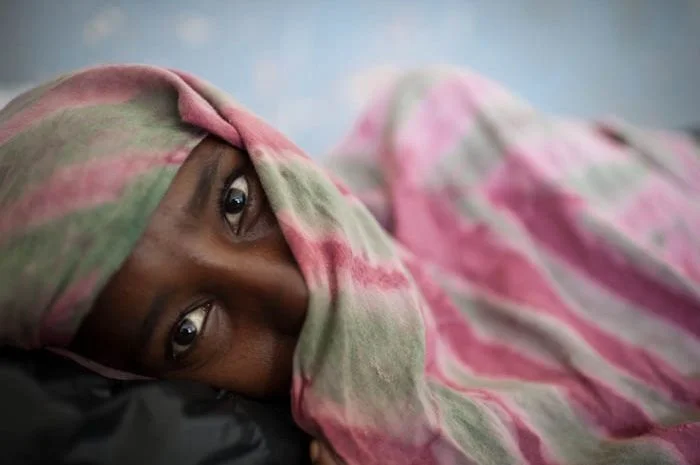
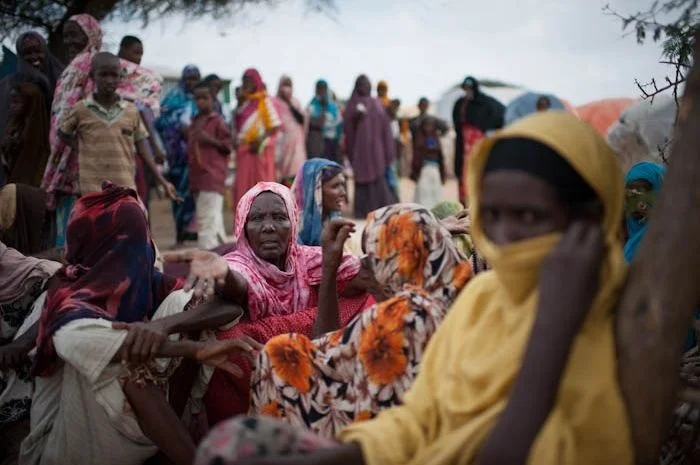
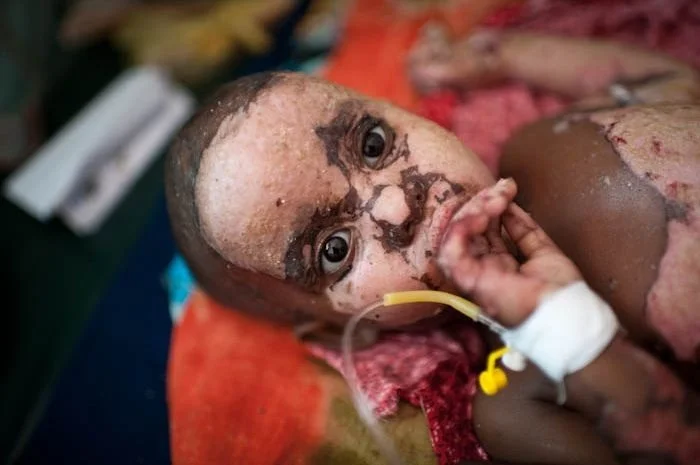
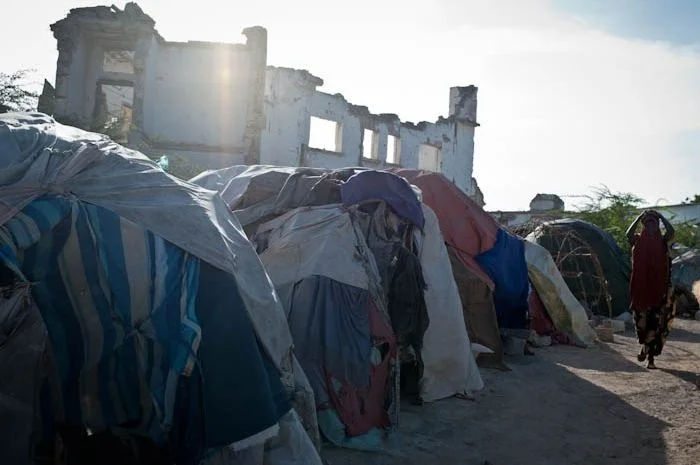
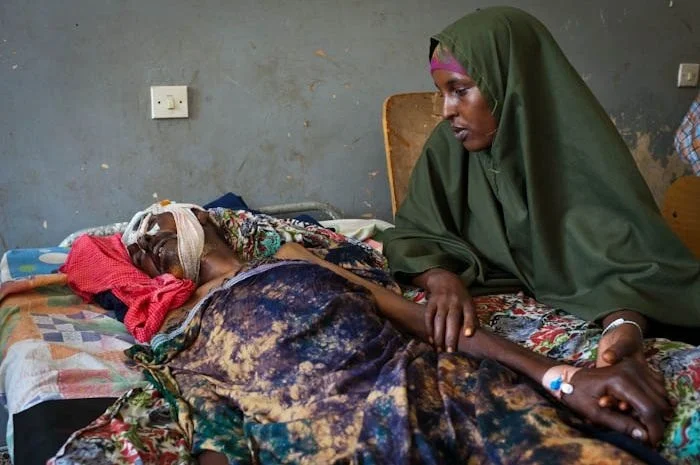
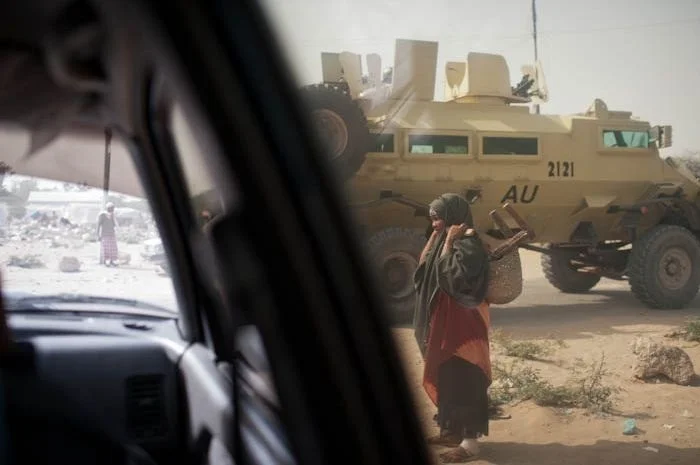
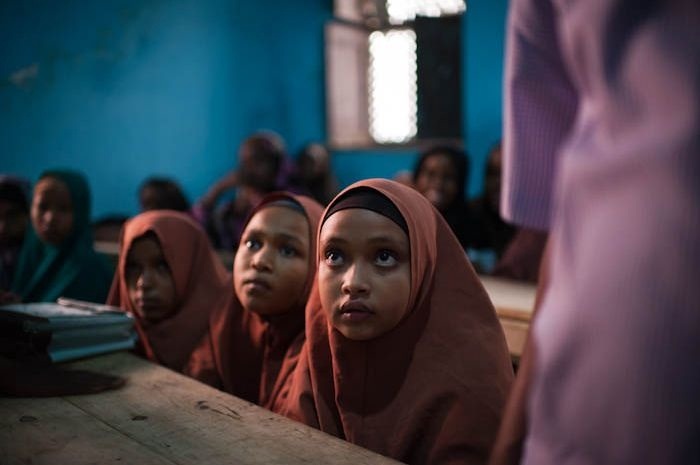
At 8:30 am the streets are crowded after the Islamic call to prayer. The echo of gunfire in the distance is a normal, and seemingly daily occurrence, in present day Mogadishu. Pick up trucks armed with groups of men carrying machine guns firing rounds to hurry along busy traffic is common, and it carries on throughout the day and into the bat-studded night sky. Mogadishu has been called the most dangerous city on earth and the country has been wrought with civil war between Islamist extremists and a failing government since 1991. Since then there has been no central government control over the country’s territory and the region has been stricken with devastating violence and famine. There are an estimated 3.7 million Somali’s living without enough food and the rate of malnutrition is approximately 50%, the highest in the world. It’s difficult for aid agencies to gain access into Somalia because many have been blocked by al-Shabab—the Somali cell of al-Qaeda—leaving nearly a quarter million people trapped without access to food. Photographer Anthony Karen ventured to Somalia’s capital in January 2012 to document the daily life of the people who call the war-torn country home and to visit the the Dadaab refugee camp on the Kenyan-Somali border.
Famine in Somalia
The United Nations declares a famine when 20% of households face severe food shortages. more than 30 % of the population is malnourished, and two out of every 10,000 people die from hunger each day. In July 2011, in the midst of the worst drought the country had seen in more than 60 years, the UN officially declared a famine in Somalia. The anti-Western, al-Qaeda linked militant group, al-Shabab made the situation worse, banning Western aid agencies from entering the territory and subsequently blocking starving individuals from gaining access to food. Al-Shabab has accused foreign aid workers of being spies as well as killed and kidnapped workers. The group has also diverted food supplies for themselves, leaving starving Somalis without any options and aid organizations in a tricky spot.
In February 2012, the UN declared the famine in Somalia to be over, but the country still remains in crisis with widespread hunger and violence. Since the collapse of its central government two decades ago and the civil war that ensued in 1991, Somalia has been faced with myriad disasters and has ranked as one of the poorest, most violent countries on earth. Last year, a drought killed livestock and farms which spiked death and malnutrition rates. Desperate Somalis trekked across the desert in search of aid and some arrived in Kenyan refugee camps while the few hospitals in Mogadishu were overcrowded with malnourished people affected by famine and violence.
The United Nations helped to raise more than $1 billion for relief efforts across Somalia and organizations such as the Turkish Red Crescent Society and The World Food Program have been working towards providing humanitarian relief in the country. Also, with the help of heavy rains in November, famine conditions began to subside in some parts of the country. However, the crisis is far from over and violence, instability and hunger is still widespread across Somalia.
Doctors Without Borders/Médecins Sans Frontières (MSF) is a leading humanitarian organization that provides medical care to people caught in crises. They work within over 60 countries and remain the main provider for free medical services in central and southern Somalia.
The World Food Programme reaches up to 1.3 million peopole with food relief to areas of Somalia which they have access to including, Mogadishu, Puntland, Somaliland, central regions and some border areas of the south. They have increased their nutrition programs to treat and prevent malnutrition.

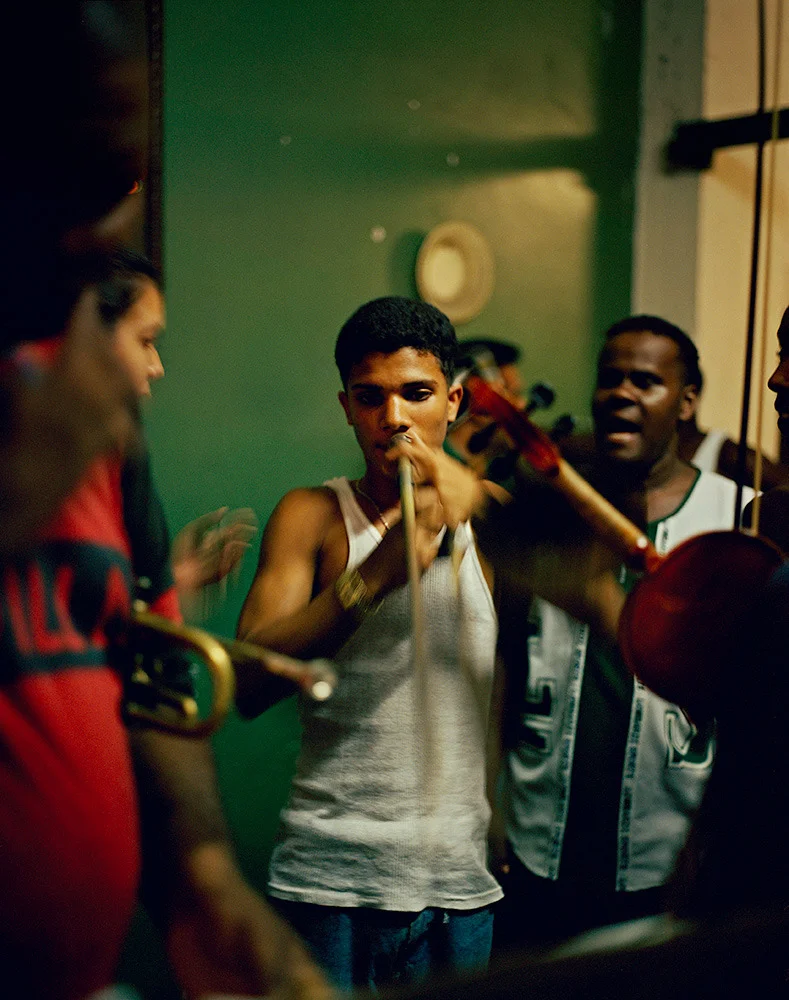




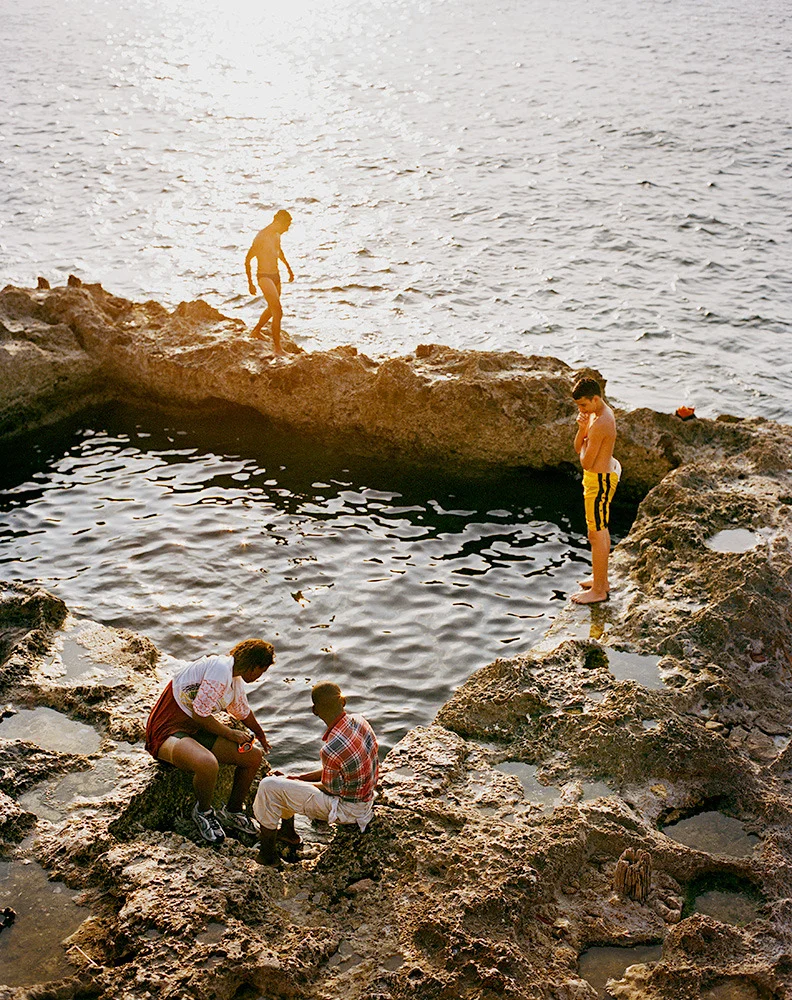
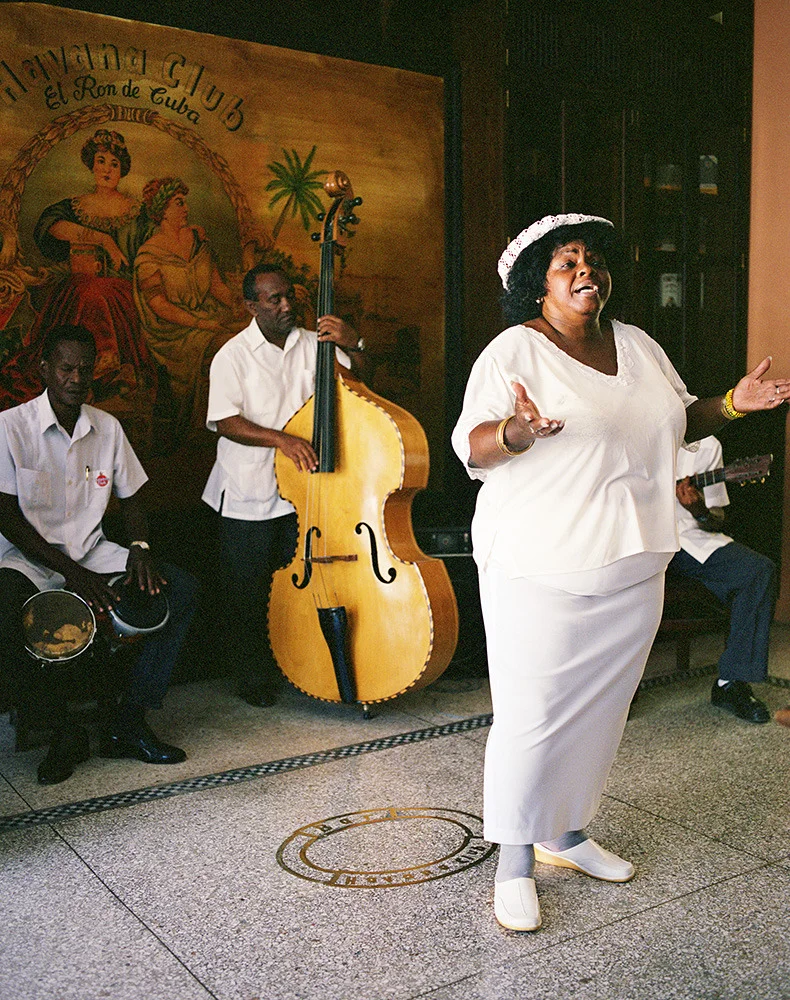
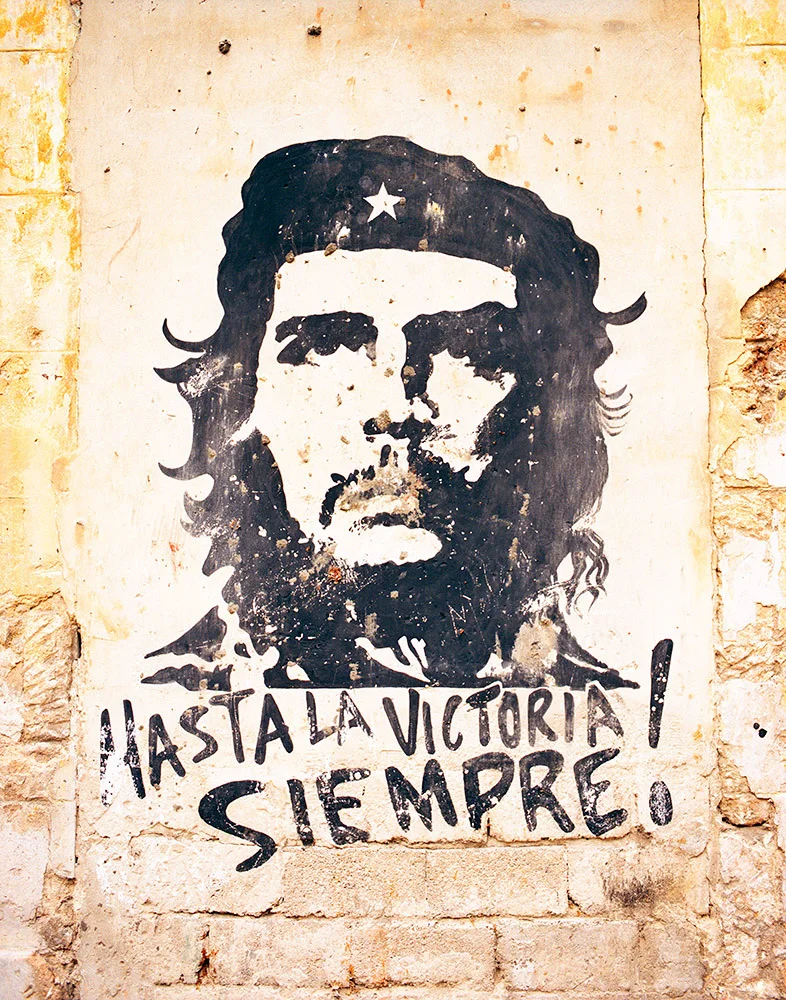

CUBA: Havana's Smile
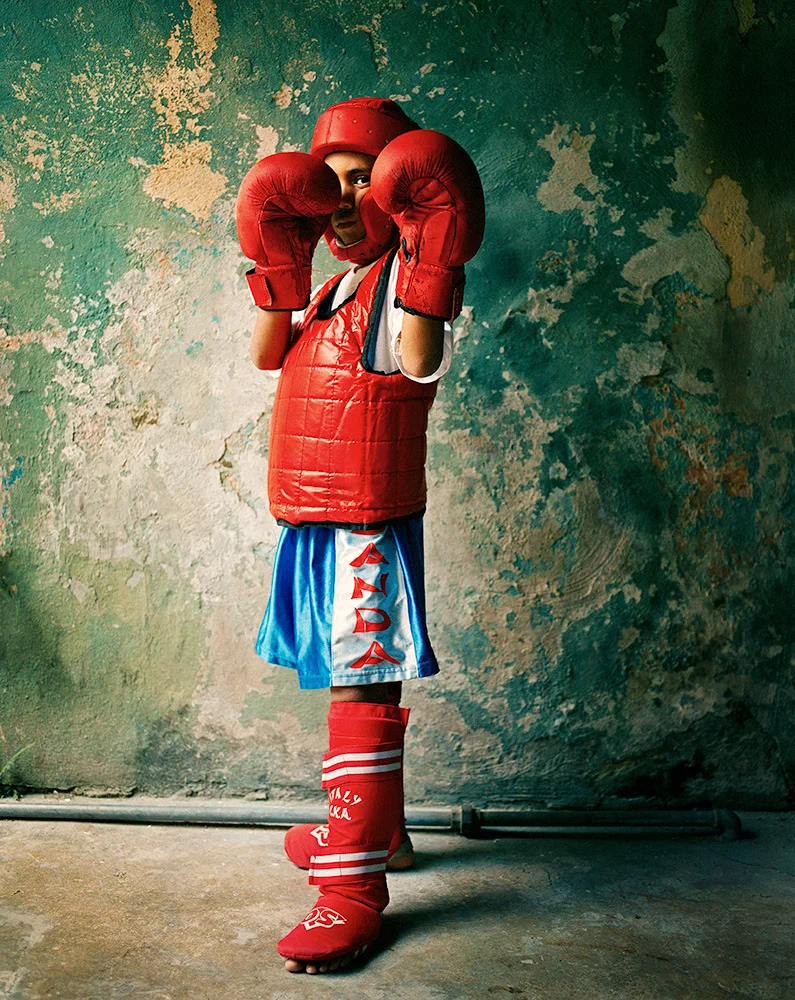
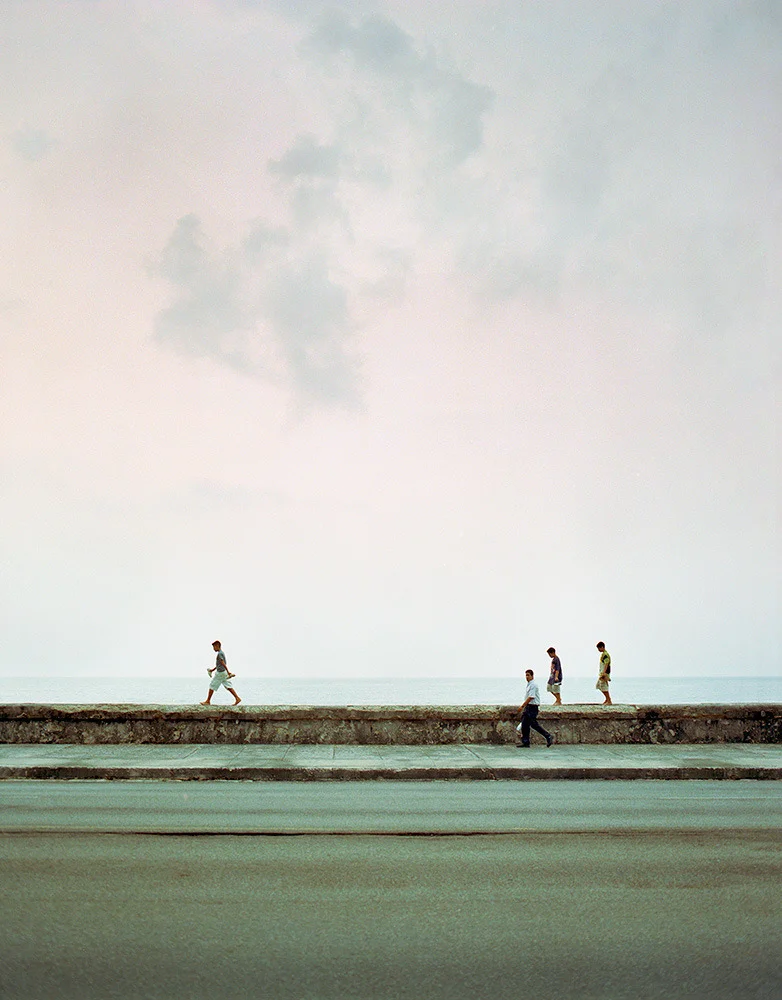
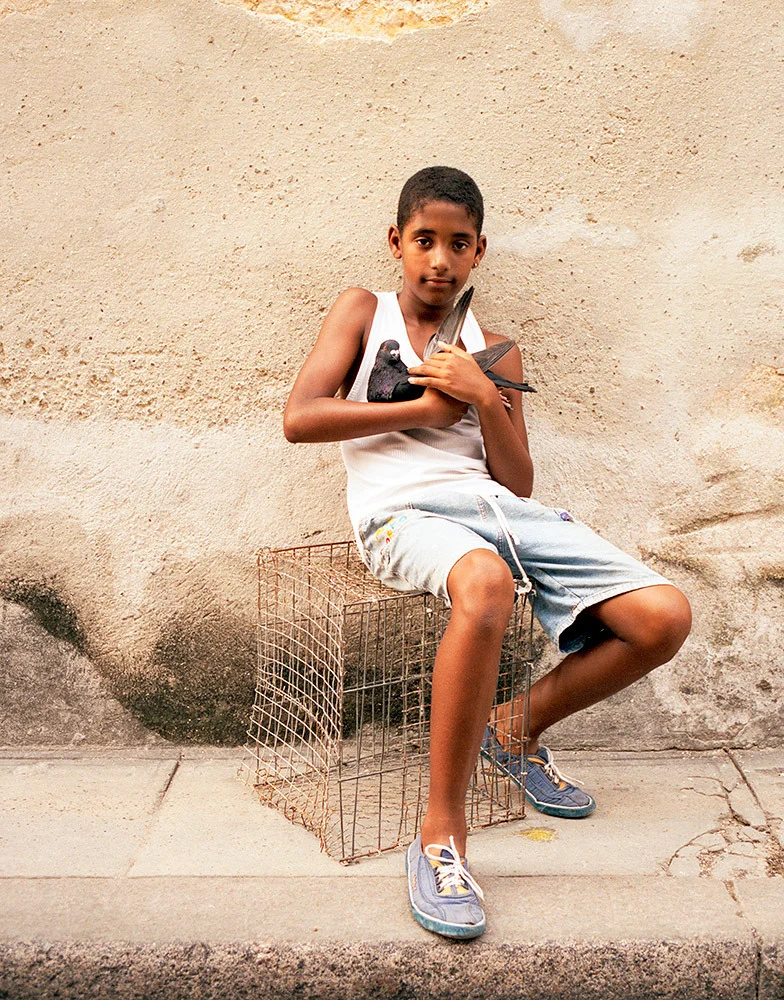
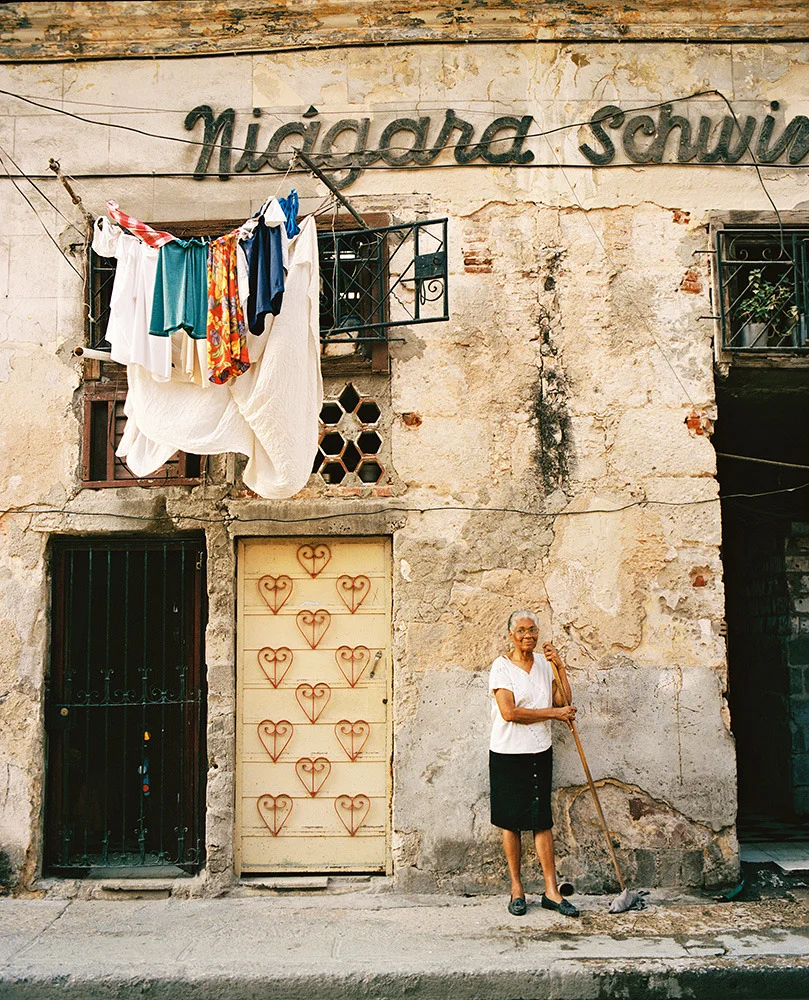
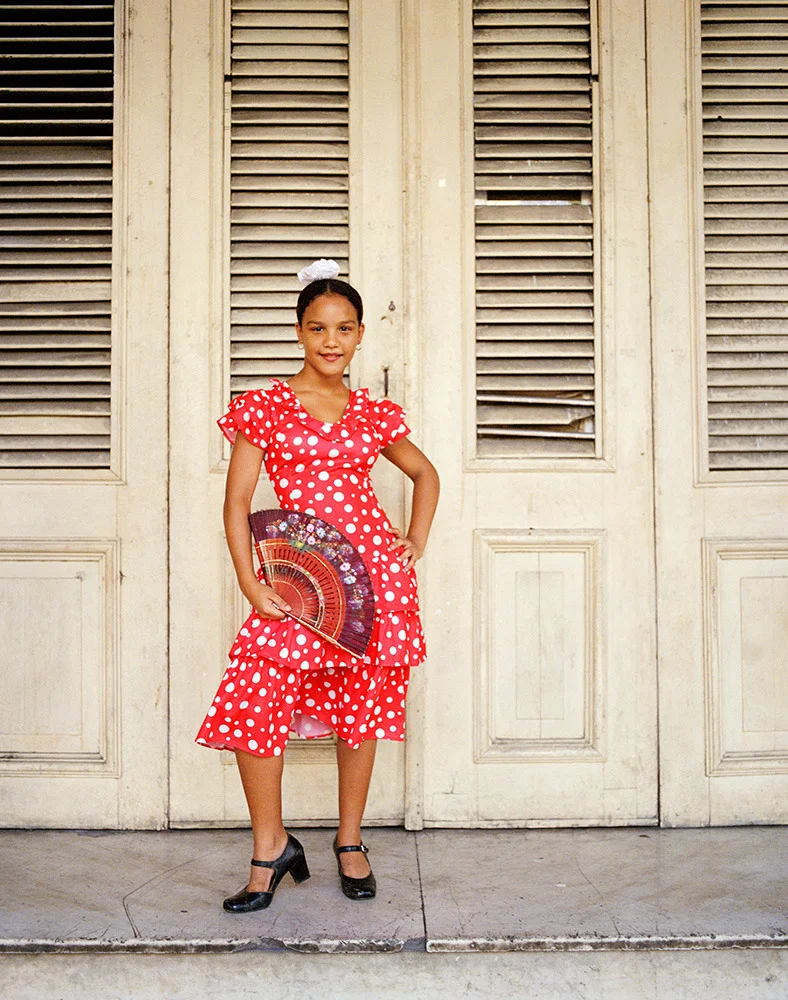
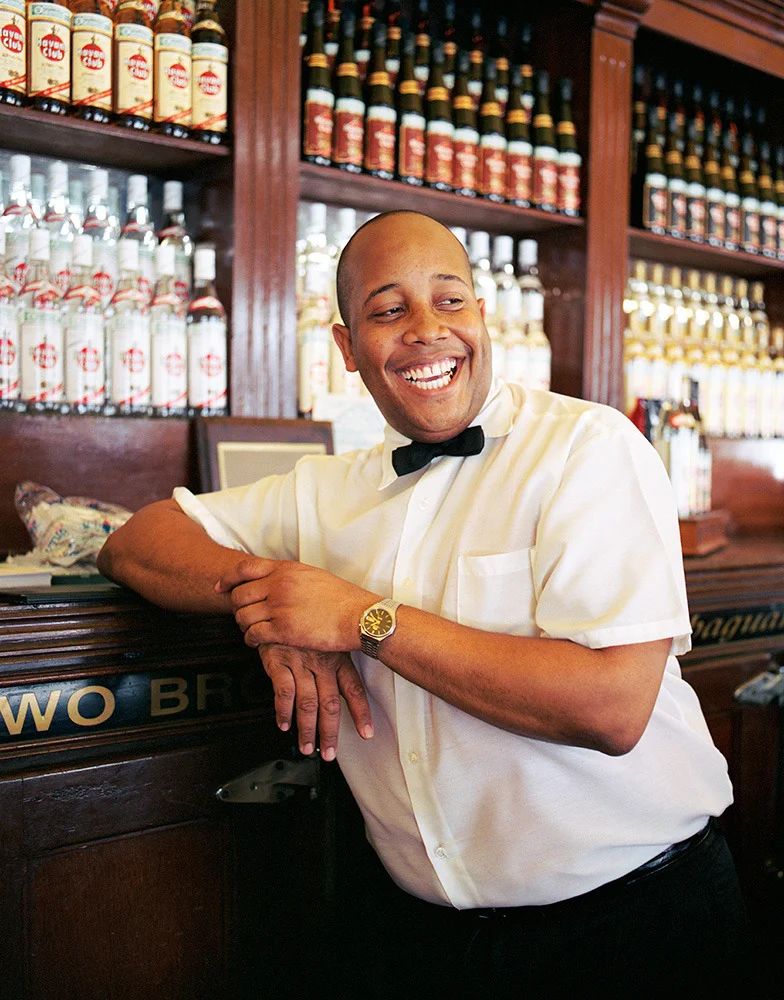
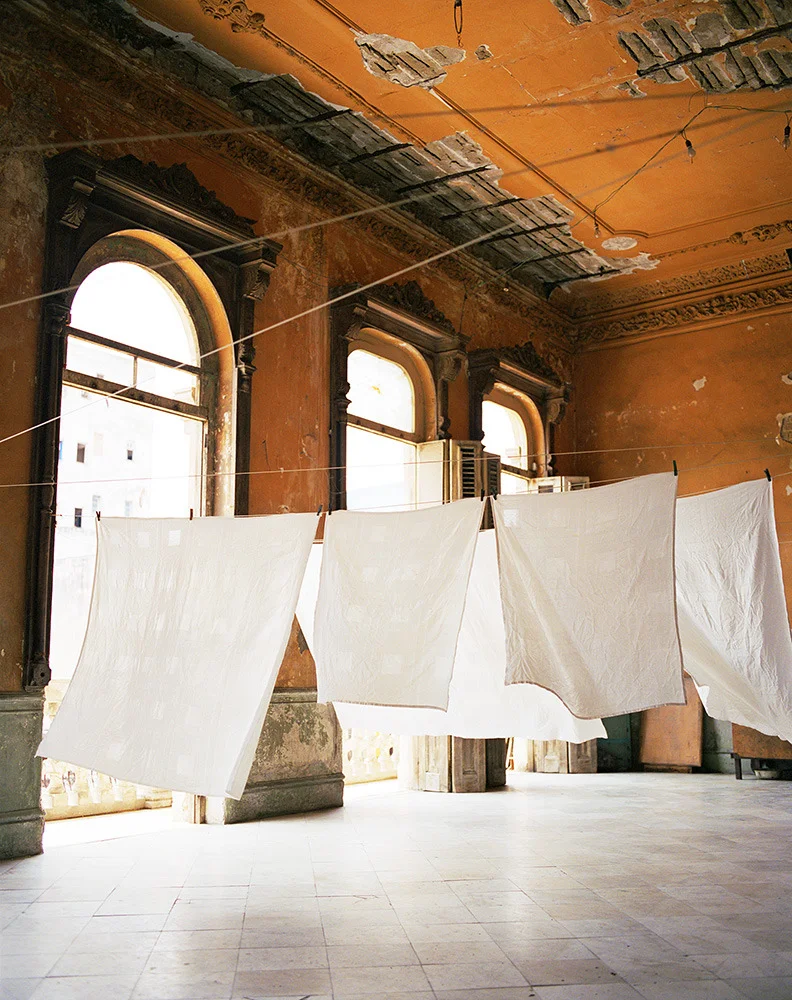
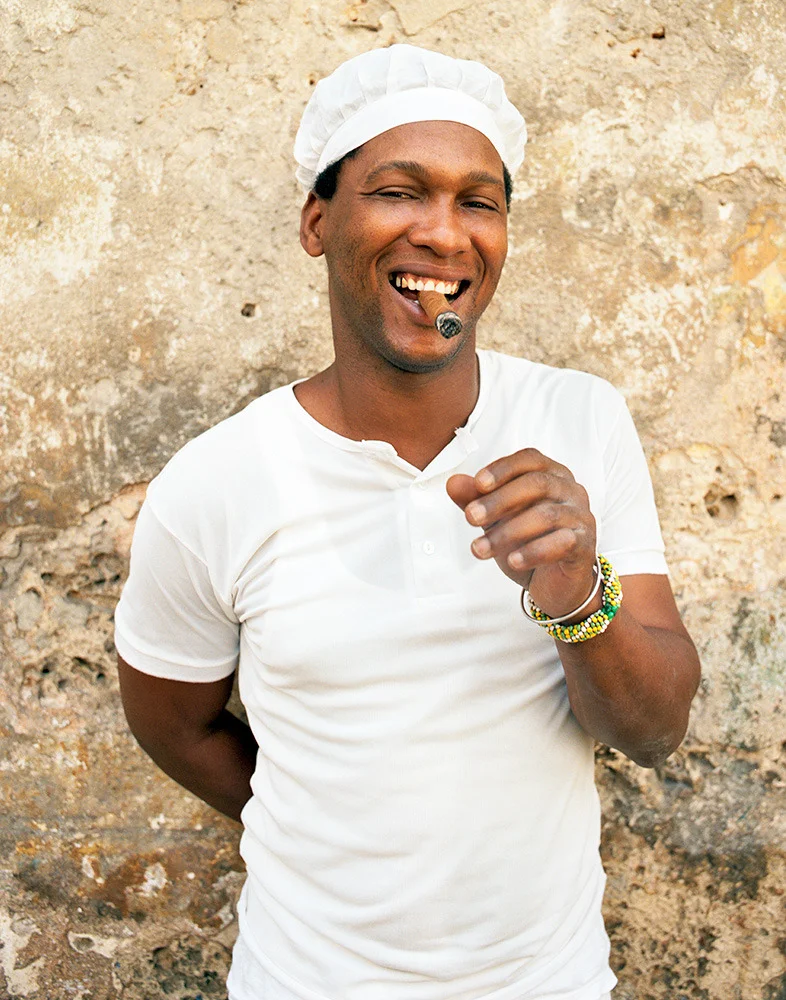
Regardless of poverty, ubiquitous propaganda, scarcity or hypocrisy Havana continues to smile. Not a sly smirk or rueful grin but a broad, welcoming smile. One that welcomes you into its home, shares its simple meals and lures you to dance to its infectious rhythms.
Walking the streets is a cultural excursion, from the ornate buildings of a former prosperous nation passing the bullet-ridden walls of revolution to the rubble of a stalled Communist state. Yet it is impossible to not be struck by the beauty of this city suspended in time.
Creaking old cars held together by paint that sputter down pot-holed avenues. Images of Che invoked on countless walls; men playing dominos by the roadside. Almost clichés of a city that you hardly believe still exists.
The city raises endless questions, none of which, even if hotly debated, can be easily answered. People continually remind you of the failings of the revolution and the difficulties they endure under the regime. But it is precisely these factors that have preserved Havana, enveloped it in a hazy, tainted nostalgia.
Finally change is under way, I hope it brings prosperity but does not tarnish that smile.
PHOTO + TEXT: JULIEN CAPMEIL Julien Capmeil is an Australian born photographer living in New York. His work has appeared in many publications worldwide including Vogue, GQ and Conde Nast Traveler.
You can view more of his work online at: JulienCapmeil.com For print purchases Email: info@juliencapmeil.com
PHOTO ESSAY CURATED BY NELIDA MORTENSEN
INDONESIA: Life Is Short
Explore coastal Indonesia with Etienne Calmelet, who journeyed to West Sumatra with AIESEC, the world’s largest student-run organization, which focuses on providing a platform for youth leadership development. Etienne’s video diary documents the four months he spent in the city of Padang, where he worked at a radio station and lived with a local family. Each day, Etienne was visited by dozens of locals who had never met a foreigner before.
LEARN MORE ABOUT FILMMAKER ETIENNE CALMELET
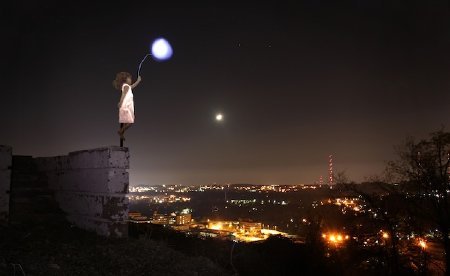
THAILAND: Street Orphans Transform Into Art
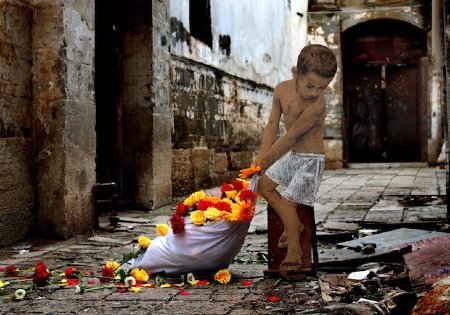
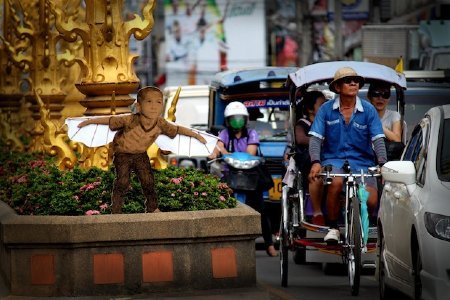
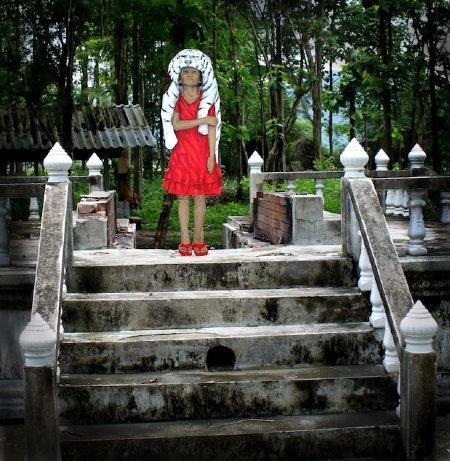
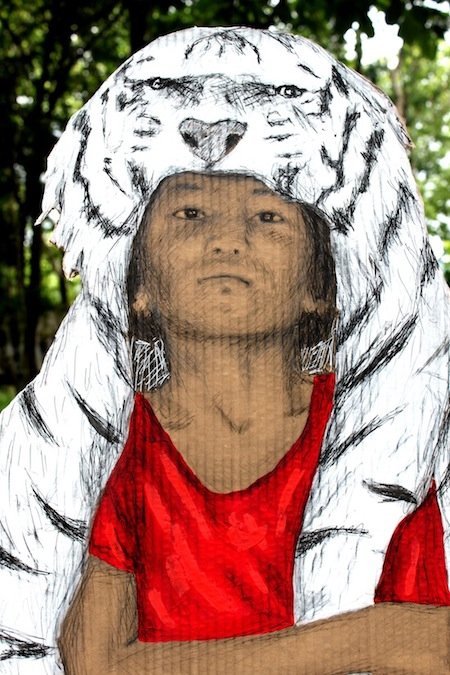
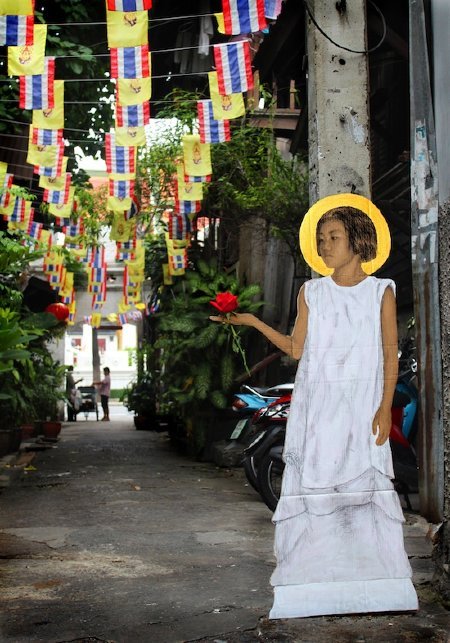
I've been making street art since 2009 and have traveled to 13 countries to focus on children who are homeless and living on the street. I make cardboard cutouts that I mount to walls with high tack mounting tape or propped up as stand alone pieces. If no one removes them from the streets, the pieces will decay and be destroyed by the harsh environment. If someone does take it, then they can keep it in their home. If it survives, there is hope for them to continue on as pieces of art, just like there is hope for the actual homeless and street kids.
During my last trip to Asia I stayed in an orphanage in northern Thailand and got to know the kids there. I spent two months with them, listening to their stories, and then I represented these young people in this body of my recent work.
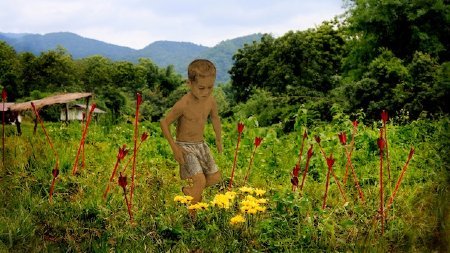
The most memorable stories were of two children named Chai and Lee, who were so malnourished that their little stomachs were swollen when they first came to the orphanage. To get food they would steal the offerings to Buddha in their tribal villages. With this money they would buy snacks, since the only thing they had to eat was white rice, which has hardly any nutritional value. The piece with the arrows (below) is about how Chai had a lot of things in life thrown at him, trying to destroy him, but instead, he focused on the beauty in life. The main thing I learned from this trip is that children find beauty and can reveal it to the rest of us.
MICHAEL AARON WILLIAMS : My art is a narrative, visual poetry, making a social statement to move the viewer to action or realization. An important part of my work focuses on the street, the place where people live their daily lives. This allows me to interact with an audience on their own turf and observe how they react to the art; it is a social experiment. These open-air installations focus on the ephemeral state of street people and enable the viewer to participate in the outcome of the pieces, whether the viewer leaves or saves them from the street. My goal in depicting street people is to show their beauty, fragility, and to bring their situation into the eyes of the viewer, refusing to let them be forgotten or ignored.
Learn about how to help the orphanage at Orphans Assistance and Rescue
AFGHANISTAN: No Burqas Behind Bars
In this upcoming, feature-length documentary by Nima Sarvestani, the viewer is taken inside one of the world's most restricted environments: an Afghan women's prison. Through the prisoners' stories we explore how "moral crimes" are used to control women in post-Taliban Afghanistan. And no — full burqas are not allowed inside the prison gates!
CONFLICT
What happens off the front lines, when the combat concludes (or has not yet begun), but guns and poverty abound? Pete Muller is an award-winning photojournalist whose work work provides insight into the tensions that lie beneath conflict cycles.
Billions in Change Solution: Free Electric Overview
Access to electric power is the first step toward economic advancement for billions of people in poverty. Free Electric can light their homes and shops, make food storage possible, and usher them into the 21st century.
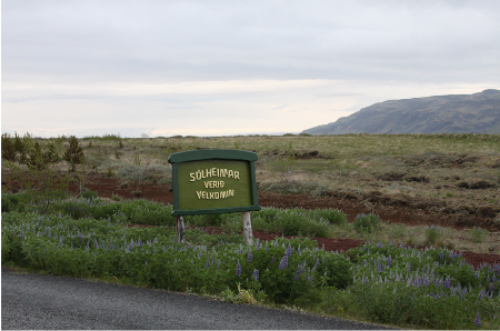
ICELAND: Home of the Sun — My Stay in an Eco-Village
We stood in a circle, holding hands. The early morning dew clung to and soaked the bottoms of my shoes, and I shivered from the wind and the excitement at welcoming the day with the people of Sólheimar. My eyes followed the held hands around, taking in a couple of young twenty-year-olds embedded in between more sober looking adult leaders of the community and the elderly.
Earlier, as groups made their way over to the morning meeting, the warmth with which the young and old greeted each other warmed me up despite the cold and the constant overcast sky. Here in the middle of farmlands and sheep, Sólheimar is an eco-village, an intentional community where the abled live along the disabled in a sustainable manner.
Sólheimar owes its founding to Sesselja Hreindís Sigmundsdóttir in 1930. Ahead of her time, especially in pre-industrial Iceland, Sesselja created the first orphanage at Sólheimar for children who are mentally disabled. She believed strongly in encouraging artistic expression in the mentally disabled, a novel concept from Rudolf Steiner in Germany. Sesselja, regarded as crazy by some in the Icelandic government for her insistence on allowing interactions between normal and disabled children and her equally important work in biodynamic farming, experienced significant roadblocks in the establishment and expansion of Sólheimar, but she overcame the judgment of the skeptics and eventually secured funding and approval from the government for her work.
The village of a hundred inhabitants sits snuggly and unassumingly in the geothermal region of southwestern Iceland; its location keeps it far-removed from the bustle of the modern capital of Reykjavik. Instead, people at Sólheimar farm and make crafts to sustain their peaceful lifestyle. Today, the President of Iceland scheduled a visit. The occasion has sent all the residents of Sólheimar busy bustling in preparation. Compared to government opposition to the project during Sólheimar’s early history, this occasion reveals that much has changed in the way Iceland perceive ideas of sustainability and social equity.
Sólheimar has embraced the concept of reverse integration where abled people accommodate and structure their lives around the disabled. Every inhabitant of Sólheimar is employed in some way in the village, whether it is cooking, taking care of the greenhouse vegetables, or making candles in the craft workshops, so everyone has a stake in the wellbeing of the community.
The first thing that caught my eye when I walked into the guest rooms was the extensive recycling system, consisting of five or six multicolored buckets each labeled with a different type of material. Sólheimar strives to function with 100% sustainability on all three pillars — environmental, economic, and social. Nevertheless, waste remains, and Sólheimar depends on outside funding.
Socially, the society functions like a well-oiled machine. The residents are the friendliest people I’ve ever met. The four-day stay here is filled with smiles, offers to try the cucumbers in the greenhouse, sharing their artwork. In the corner of the village sits a troll garden, and the dim light makes you believe that maybe, just maybe, fairies live here.
ORIGINALLY PUBLISHED ON THE YALE GLOBALIST

JINCHEN ZOU
Jinchen is an undergraduate at Yale University from Houston, Texas. As a contributor to The Yale Globalist, she is an avid traveler. Jinchen also contributes to TheProspect.net, a culture/lifestyle magazine that includes helpful resources for college applicants.
The World From Space
As citizens of a global community, it is important to be reminded of what it means to be "home."
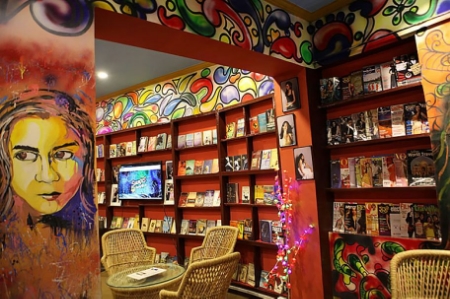
INDIA: A Café Run by Acid Attack Survivors Attracts Visitors from around the World
The women of Sheroes' Hangout serve coffee and share their personal stories.
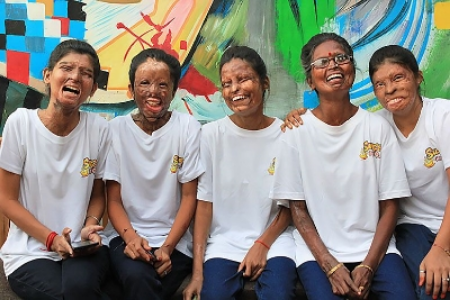
Ritu Saini, Chanchal Kumari, Neetu Mahor, Gita Mahor, and Rupa at the café. (Photo: Courtesy Sheroes’ Hangout)
The Taj Mahal may be one of the world’s top architectural wonders, but just a half mile away, a new destination is gaining attention: Sheroes’ Hangout.
“I was exhilarated the first time a group of Indian tourists who visited the café told me how much they appreciate my courage,” says Rupa (who goes by one name), a 22-year-old survivor of acid violence who, along with four other women, runs the café Sheroes’ Hangout. “Since then, we have had regular customers who come here not only to enjoy a cup of joe but also to talk to us.”
Visitors to Sheroes’ Hangout always leave with a sense of fulfillment. It’s not only because of the cutting-edge coffee and delicious snacks the café serves.
Opened in December 2014 in Agra, a city in the north Indian state of Uttar Pradesh, Sheroes’ Hangout started as a crowdfunding project by Stop Acid Attacks, a group committed to ending acts of violence against women. Its “pay as you wish” contributions go toward the rehabilitation of survivors of acid violence in India.
“Our visitors are mostly people from around the world who hear about us in the news,” says 20-year-old Chanchal Kumari, another survivor who helps operate the café. A man whose marriage proposal she refused attacked Kumari in 2012. “They come here to see how acid attack survivors like us are coping with our lives.”
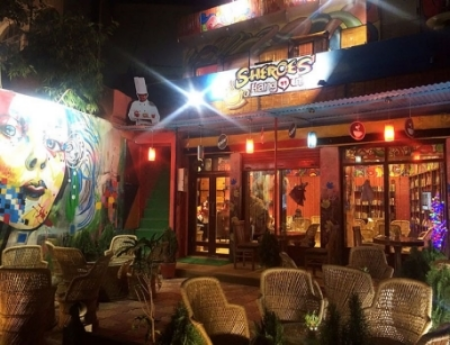
(Photo: Courtesy Sheroes' Hangout)
Kumari, who is recovering from her fifth reconstructive surgery, works alongside Rupa, Ritu Saini, Gita Mahor, and Neetu Mahor, all of whom lived a secluded life in their homes for several years, dealing with the pain of a charred face and a scarred soul. Then they discovered "Stop Acid Attacks," a Facebook campaign that was started on International Women’s Day in 2013. Based in New Delhi, SAA works with acid attack survivors in India, assisting them with legal and medical issues and helping them deal with the trauma of the attack. Sheroes’ Hangout is one of its several initiatives.
Acid attacks are a gruesome reality in India. The National Crime Records Bureau, a government organization that recently began recording acid violence, estimates that more than 1,000 such crimes are committed around the country every year, though the majority of attacks go unreported because of the shame the girl and her family feel and the fear of being attacked again.
SAA has been collecting data through its volunteers across the country and has information on 430 survivors, 350 of whom were attacked in the last two years. It is in touch with, and has assisted, more than 70 of them. According to the data collected, about 70 percent of victims are women, more than 50 percent of whom are attacked by spurned lovers. One of the biggest reasons behind the high rate of acid attacks is the lack of laws against the free sale of acid in India—a liter can be purchased for just 50 cents.
SAA wanted to do something for Gita Mahor, 42, and her daughter Neetu, 26, who were attacked with acid 23 years ago by Mahor’s husband, Neetu’s father. Both were left with mutilated faces and limited vision. Neetu’s one-year-old sister was sleeping next to her during the attack and succumbed to the injuries the acid caused to her. With no one else to support them, mother and daughter were forced to continue living with their assailant. To relieve them from their everyday distress and further domestic violence, SAA found it important to provide them an avenue of earning a livelihood so they could gradually move away from their home and lead a happier life.
“Acid attack survivors’ lives become even more traumatic when they start facing rejection from society due to their disfigured faces. They need someone to hold their hand and restore their self-confidence,” says SAA founder Alok Dixit.
Today, Mahor and Neetu dress up every morning and go to the café to serve coffee and treats—and share their stories with customers.
One of the objectives of SAA at Sheroes’ Hangout was to provide skills training in the subject that each survivor was interested in learning. With SAA’s help, Mahor took a baking course at a hotel in Agra and will soon be serving cookies and cupcakes to customers. Neetu, who is almost blind, is taking singing lessons from an SAA volunteer. “I love to welcome the guests at the café cheerfully, so that they know we are coping well,” she says.
Saini, 19, played volleyball for India before suffering an acid attack by a male cousin in 2012 over a family property dispute, resulting in the loss of her left eye. She is unable to compete in the sport anymore, and she now handles accounts at the café. “My life changed ever since I joined SAA,” she says. “With the emotional support I received, I regained the confidence to go out with my face uncovered. Now I don’t care what people think of my disfigured face.”
Rupa—whose stepmother attacked her with acid when she was just 12—is a skilled tailor and an amateur apparel designer. The outfits she designs are exhibited and sold at the café. “Sheroes’ Hangout is not only giving us a chance to move our lives forward; it is also getting our stories out,” she says.
“True that,” says customer Shikha Singh, 20, a student of fashion design who finds herself in the café at least once a week. “I would never have known about the reality behind acid attack survivors had I not met these women. It is amazing the way they are working to fulfill their dreams despite the hurdles. I now prefer to spend on Sheroes’ Hangout rather than a McDonald’s or KFC. At least I’m sure the money will be used for a good cause.”
ORIGINALLY PUBLISHED ON TAKEPART
PRITI SALIAN
Priti is a Bangalore-based journalist whose work has appeared in The Christian Science Monitor, The Women's International Perspective, The National, Femina.in, Prevention, Discover India, and many other publications.