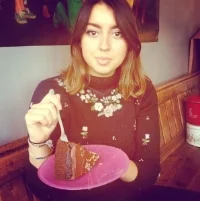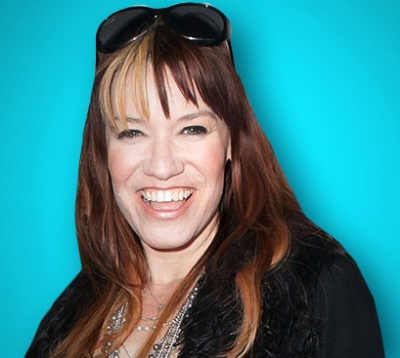
MEET: Amber J Lawson, Founder and CEO of Good Amplified

Amber J Lawson is an American producer, entrepreneur, and online content and development executive. In another step toward her goal to “do good to scale,” Amber J. is the founder and CEO of Good Amplified, a YouTube Network solely focused on helping nonprofits evolve their donor engagement and retention via storytelling. In anticipation of Good Amplified’s launch, CATALYST connected with Amber J. to find out more about her new project and the future of content marketing.

Amber J Lawson founded Internetnetworksstudio.com in 1999 (after focusing on the performing arts at the University of Missouri). What motivated the transition from acting to developing online content and producing? 

When I first moved to L.A. (a few years after college), I loved performing. However, I disliked the way in which an acting career often left my fate to the whims and demands of other people. I wanted to make my own opportunities! So I became a producer and started writing my own content in order to have the roles I was interested in playing. This transition was taking place during the first Internet boom, and my friend said to me: “You know, I think this Internet thing is here to stay.” My initial reaction was, “What? That’s crazy!” Yet he and I (along with an 18 year-old stock market genius we worked with at a restaurant) set out to create Internetworksstudios.com. 

Our first show invited people from around the world to submit videotapes of them singing and dancing; the online community then voted for its favorites. We were a little ahead of our time — it was like our own American Idol — but after burning through the initial seed money, we created an hour-long pilot called Alyx. We partnered with Madonna on this program, which helped us sell the show to ABC/ Touchstone. 

It was all just a little ahead of its time — a notion that I’d say has defined my career so far. I’ve been involved in multiple projects that were ahead of their time, but hopefully right now (with Good Amplified) we’ll be perfectly aligned with the coming-of-age, millennial generation.  

What inspired you to create Good Amplified?

I worked as the head of programming at AOL. It was my dream job! I absolutely lived, ate, slept and breathed it. When I left my position, I thought, ‘I love doing these kinds of things.’ I believe that you can do good for the world and make money, so I contemplated how to strike that balance. I thought about what I love (entertainment), which led me to the idea of helping nonprofits across platforms to raise money through storytelling. 

I started looking for a way to do good to scale: a way that would build upon itself. I wanted to help leverage what nonprofit organizations are already doing through a platform (YouTube) that the millennial generation utilizes to consume content. And that’s when I concocted Good Amplified. 
What do you think the benefits are for a nonprofit to focus its media campaign on video production/sharing over traditional forms of digital content (e.g. articles)?

A potent form of marketing is storytelling, and every nonprofit has stories to tell. So they already have the key, potent pieces. The piece that’s missing, though, is leveraging the largest video platform (and second largest search engine) on the planet: YouTube. If you’re not there, it’s kind of like you don’t exist. 

By optimizing content that nonprofits are already making on YouTube, they can deliver their mission to the next generation. The reason I say it’s critical to be on YouTube is because millennials donate through views. If you monetize your video, and people watch it, they are (in essence) donating through their viewership. The next step in showing their commitment is becoming a subscriber. I look at this as a new donor-retention program: subscribers receive notifications about updates, which helps maintain their connection. 

According to standard marketing technique, it takes six to eight “touchpoints” for brand recognition to stick. With YouTube, this is something nonprofits would never have to think about again. All they need to do is continue telling their story to create those touchpoints in an organic way. So both the content and future viewers are present: nonprofits just have to facilitate the connection on a familiar platform. It’s an easier conversion than asking potential donors go to a website, or a new app, or something that’s completely different. 

How is Good Amplified being funded?

At first, we set ourselves up to work as a tradition Multi-Channel Network (MCN). Most MCNs operate in three steps: there is a content creator; the creator monetizes its content; when revenue is produced, the profit is shared among creator, YouTube and the MCN. This works for some companies, but with a lot of nonprofits, we found that this was a difficult system to adopt. First off, there needed to be a value in the services we (GA) are giving — it’s human nature to pay more attention to something that costs money. 

The second piece is that some nonprofits can’t take what is called Unrelated Business Income Tax (UBIT). It’s costly (and an accounting headache) to resolve this legality, which is why we have elected to give the nonprofits the option to pay a monthly fee to manage nonprofits’ YouTube channels. We run every aspect of it — titling, tagging, optimizing search algorithms — but we also educate the organization in the process. Over time, the nonprofit builds up a case for its team to start turning on the monetization (through ads) and collecting that revenue. 

Has working on Good Amplified changed your perspective at all with respect to digital media and technology consultancy? 

I feel like it has because there’s been a bit of an education process. For me, storytelling is the most powerful medium, period. While talking with nonprofits, we have found that they are waking up to the power of YouTube, but they need assistance. Quite frankly, some of the most successful nonprofits on YouTube have been the smallest organizations. In the absence of a complex, institutional process that drives internal operations, these organizations are more receptive to change. I think this is what our social media landscape demands: real-time interaction. This is how lasting relationships with online audiences are formed. 

It doesn’t cost a lot of money to get in the game, but it does cost time. A lot of organizations lack the time to curate their YouTube presence, and that’s when they bring Good Amplified onboard. Our goal is to get into the DNA of an organization: every time they create a piece of content, YouTube should be a part of its checklist for sharing. 

Most organizations use YouTube as a library or repository for past content. In reality, this material could be doing all the work for them! I use the example of Kobe Bryant, who granted a wish for Make-A-Wish Foundation a while ago. Contrary to popular belief, celebrity videos don’t always get a lot of views. Rather, a video has to be optimized on its platform in order to be picked up by the search algorithm. Once the video of LeBron got picked up, it started to generate 50,000 more views per week. That’s Kobe more people reached with your message! It’s all about the optimization and getting picked up in the algorithm. I know those things sound tedious, but they make all the difference in the world for getting your word out.
What advice can you offer people and organizations that are trying to utilize online platforms for social good? 

Number one is that you have to engage with social platforms. This is where the next generation of givers can be found, and the old techniques don’t work for them. I believe that older institutions have to disrupt what they’re doing in order to survive. Every year, we lose various nonprofits because they aren’t receiving enough funding. These organizations were doing great work, but they weren’t reaching that generation of future supporters and advocates. 

In addition to social platforms, content marketing is everything right now. What we’re talking about (brand recognition through storytelling) is exactly like branding for companies like Taco Bell or Target. Given that the commercial is going away, brands have to find different ways to engage with an audience through content that is entertaining and relatable. Why should the task of nonprofits be any different?

Good Amplified is committed to doing good to scale. We are looking forward to working with any nonprofit that has an appetite for content, and I think that is the distinction for how we can help. We are committed to making nonprofits successful — that’s our goal — but they have to have the desire for storytelling and content creation. I truly believe storytelling is the way of the future, which is why nonprofits have to embrace it now. 



SARAH SUTPHIN

sarah.sutphin@mission.tv

Sarah is an undergraduate at Yale University and a content editor for CATALYST. As a traveler who has visited 30 countries (and counting!), she feels passionate about international development through sustainable mechanisms. Sarah has taken an interest in the intersection between public health and theater, and hopes to create a program that utilizes these disciplines for community empowerment. She is a fluent Spanish speaker with plans to take residence in Latin American after graduation. 
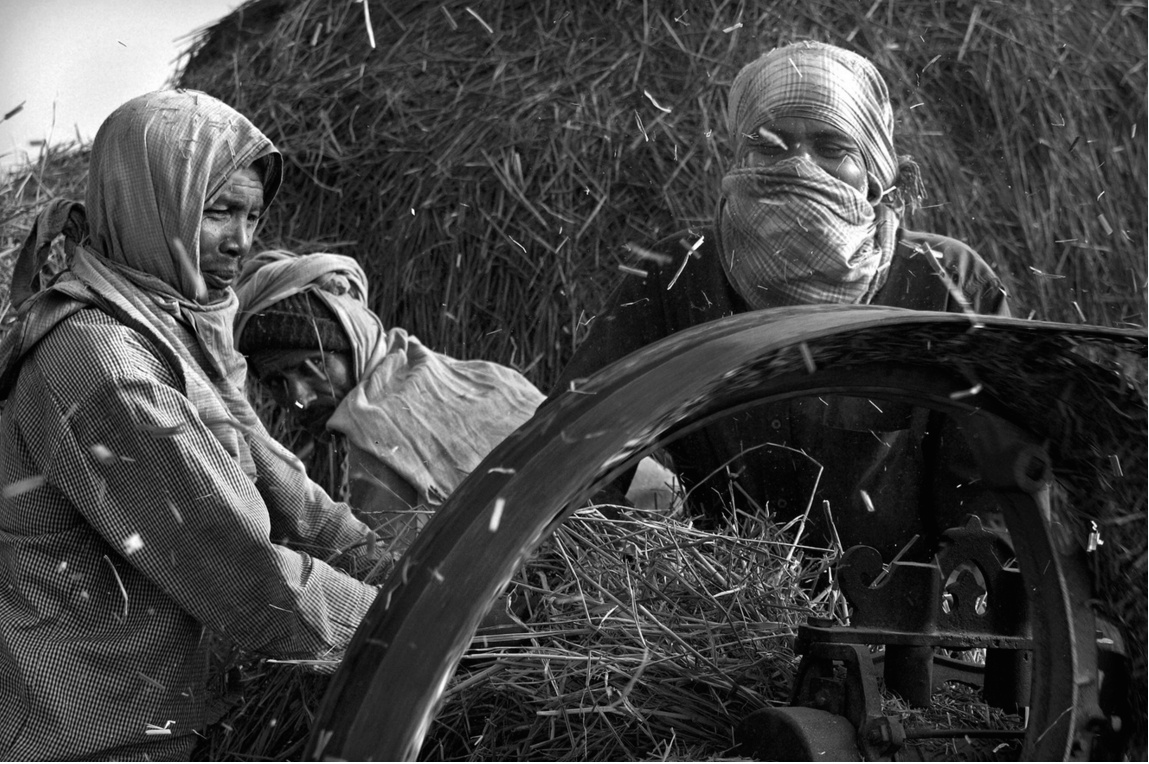
NEPAL: Invisible Farmers

In the southern lowlands of Nepal, where the cold still bites harshly in winter, lives a voiceless, landless community of marginalized ethnic groups who have spent their whole lives working for others. With no piece of land in their names, and no opportunities, they are Nepal’s invisible farmers.

NO LAND FOR US

I have worked on farms for more than forty years for landlords, and yet I don’t have a piece of land. What else can I do?
— Jaga Majhi

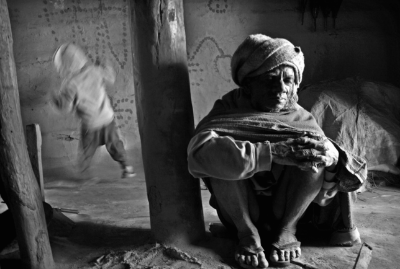
Above: Jaga Majhi, a landless inhabitant of Bagaiya village.

Meet Jaga Majhi, an elderly inhabitant from the small village of Bagaiya in the Bara District, located in the southern lowlands of Nepal. Like many of the older generation here, Jaga tells me that he can’t remember exact year of his birth, although his citizenship card states 1938. He died of old age in August 2015.

Jaga's grandchildren play within their home.

Over the last few decades landless squatters in this region have built meagre huts to house their families. They have been here for all or most of their lives, and yet have no formal title to the land they live on, and most of them work on farms for their landlords, on a daily wage basis.

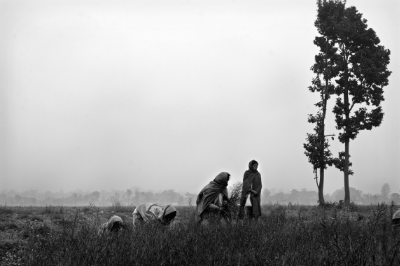
Above: [1] Locals struggle with the cold in the early winter morning. Poor housing and lack of sufficient clothing make life difficult during winters. [2] Shyam Chaudhari works in the field for a daily wage. [3] Keeping goats can help earn a living. [4] Daily wage workers. 

Most of the inhabitants here belong to marginalized ethnic groups such as Tharu, Musahar, Chamar, and Majhi. These ethnic groups are also viewed as ‘untouchables’ by the traditional and complex caste system, that is still present in many parts of Nepal.

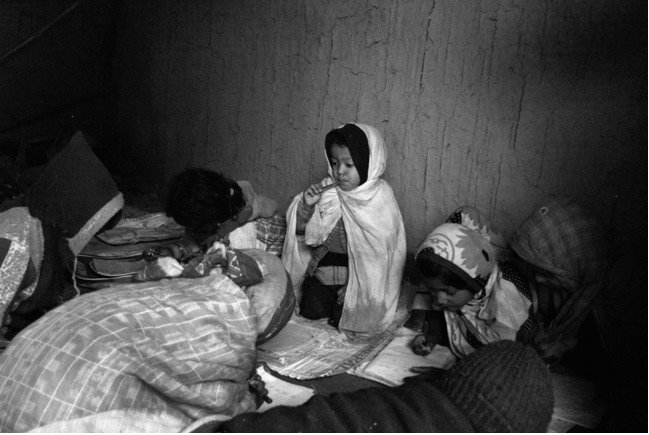
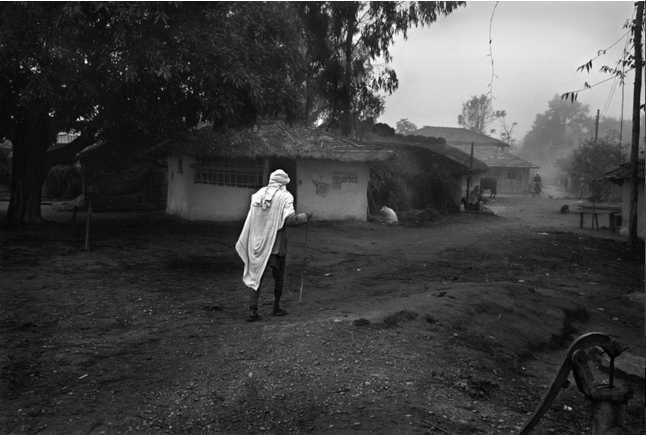
Above: [1] Children inside a classroom at the local primary school. The school has two rooms with no furniture inside. They were able to make this school building at the end of 2010. Around 60 children come to study here. [2] An old man walks into a village of landless squatters. 

With no piece of land in their name and an utter lack of opportunity, they remain as impoverished as ever. This is the story of those who have spent their entire lives working for others — they are Nepal’s invisible farmers.

Above: The women also work in the fields on a daily wage basis, but receive a lesser payment than men for an equal day’s work. 

ORIGINALLY PUBLISHED ON MAPTIA 


KISHOR SHARMA

@Kishor_ksg 

Kishor is a freelance documentary photographer based in Kathmandu, Nepal. He studied Photojournalism at the Danish School of Media and Journalism and is interested in using photography as a means of storytelling.


8 People Who Broke the Law to Change the World

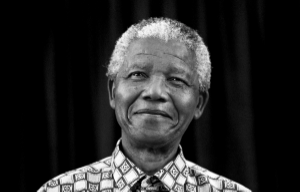
1. Nelson Mandela

Nelson Mandela is, hands down, one of the most important and celebrated figures of our lifetime.

Mandela represents equality, fairness, democracy and freedom in an often unequal, unfair and undemocratic world. But he wasn’t always seen like this…

Twenty-five years ago he was getting his first taste of freedom after being imprisoned for 27 years. Yes, you read that right. For what? What could he have done to get such a long sentence? Well, he stood up for what he believed. In 1942 he joined the African National Congress and fought against apartheid in South Africa, and was imprisoned for sabotage.

Without Nelson Mandela’s commitment to the abolition of apartheid in the face of oppression and imprisonment, the world could be a very different place. It is because of Mandela, and others like him, many more people live a free and fair life. 

To honor his bravery and determination, we take a look at 7 other brave and committed people who have been prosecuted or persecuted for standing up for what they believe in:

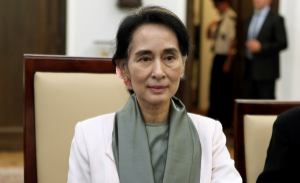
2. Aung San Suu Kyi

Aung San Suu Kyi has become an international symbol of peaceful resistance in the face of oppression.

Now the Burmese opposition politician and chairperson of the National League for Democracy in Burma, she spent 15 years under house arrest for advocating for democracy.

Suu Kyi, who was heavily influenced by Gandhi’s philosophy of non-violent protest,  helped to found the National League for Democracy. Because of her campaign for democracy in military-ruled Myanmar (Burma), she was detained and kept imprisoned by the government, as it viewed her as someone “likely to undermine the community peace and stability” of the country.

She was offered freedom if she left the country, but she refused to let her party down and stayed in Mynanmar.

In one of her most famous speeches, she said: “It is not power that corrupts, but fear. Fear of losing power corrupts those who wield it and fear of the scourge of power corrupts those who are subject to it.”

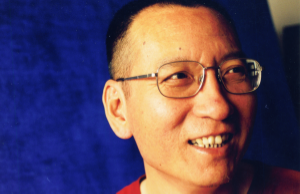
3. Liu Xiaobo

Liu Xiaobo is a Chinese writer, professor, and human rights activist who called for political reforms and the end of communist single-party rule. He is a political prisoner.

Liu was detained in 2008 because of his work with the Charter 08 manifesto, which called for an independent legal system, freedom of association and the end of one-party rule.

He was arrested in 2009 on suspicion of “inciting subversion of state power”. He was sentenced to eleven years’ in jail and two years’ deprivation of political rights.

During his fourth prison term, he was awarded the 2010 Nobel Peace Prize for “his long and non-violent struggle for fundamental human rights in China.”

He is the first Chinese citizen to be awarded a Nobel Prize of any kind while residing in China and is the third person to be awarded the Nobel Peace Prize while in prison or detention, after Germany’s Carl von Ossietzky (1935) and Aung San Suu Kyi (1991).

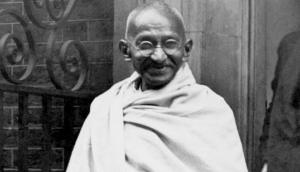
4. Mahatma Gandhi

India’s great independence leader first went to prison in 1922 for civil disobedience and sedition after a protest march turned violent, and resulted in the deaths of 22 people. The incident deeply affected Gandhi, who called it a “divine warning’.

He was released from prison after serving 5 years of his 6 year sentence, and went on to become the most famous advocate of peaceful protest and campaigning in the world.

Gandhi famously led Indians in challenging the British-imposed salt tax with the 400 km Dandi Salt March in 1930, for which he was imprisoned for a year without trial, and later lead the Quit India Movement, calling for Britain’s withdrawal.  He was arrested many times but never gave up. An advocate until the end, Gandhi sadly paid for his beliefs with his life when he was assassinated by a militant nationalist in 1948.

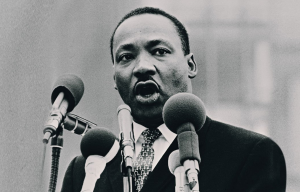
5. Martin Luther King Jr.


Martin Luther King had a seismic impact on race relations in the United States, as the face of the Civil-Rights movement in the 1950’s.

Through his activism, he played a pivotal role in ending the legal segregation of African-American citizens, as well as the creation of the Civil Rights Act of 1964 and the Voting Rights Act of 1965. King received the Nobel Peace Prize in 1964, among several other honors.

King was arrested 5 times, and wrote his second most influential speech whilst in prison in 1963 for protesting against the treatment of the black community in Birmingham, Alabama. Letter From Birmingham Jail, which was written on the margins of a newspaper and smuggled out of the prison, defends the strategy of nonviolent resistance to racism, arguing that people have a moral responsibility to break unjust laws.

Tragically, in 1968 he was assassinated in his hotel at the age of just 39.

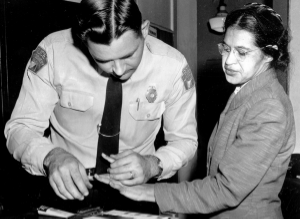
6. Rosa Parks


Rosa Parks was an African-American Civil Rights activist who became famous when she stood up for what she believed – by sitting down. On the evening of December 1, 1955, Parks was sat on a bus in Alabama, heading home after a long day of work.

During her journey she was asked by a conductor to give up her seat to a white passenger, but she refused, and she was arrested for disobeying an Alabama law requiring black people to relinquish seats to white people when the bus was full. Her arrest sparked a 381-day boycott of the Montgomery bus system. It also led to a 1956 Supreme Court decision banning segregation on public transportation.

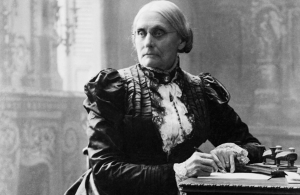
7. Susan Brownell Anthony

Or Susan B as some gender studies students know her as, was an American social reformer and feminist who played a pivotal role in the women’s suffrage movement.

Actively involved in social justice from a young age, Anthony and friend Elizabeth Cady Stanton, founded the Women’s Loyal National League, which conducted the largest petition drive in the nation’s history up to that time, collecting nearly 400,000 signatures in support of the abolition of slavery.

In 1866, they initiated the American Equal Rights Association, which campaigned for equal rights for both women and African Americans, and in 1872, Anthony was arrested for voting in her hometown of Rochester, New York, and convicted in a widely publicised trial. Although she refused to pay the fine, the authorities declined to take further action. In 1878, Anthony and Stanton arranged for Congress to be presented with an amendment giving women the right to vote. Popularly known as the Anthony Amendment, it became the Nineteenth Amendment to the U.S. Constitution in 1920!

8. Roxana Saberi

Roxana Saberi is an American journalist who was arrested in Iran and detained for 100 days after being falsely accused of espionage. She had been living in Iran for six years, doing research for a book that she hoped would show a more complete and balanced picture of Iranian society. Under pressure and being threatened with a 10-20 year sentence or even execution, Roxana falsely confessed to being a spy. She quickly realized this was a mistake and recanted her confession – knowing this would jeopardize her freedom. Instead of freeing her, her case was sent to trial, sentencing her in eight years of prison.

 “I would rather tell the truth and stay in prison instead of telling lies to be free.”

After her trial, she began her hunger strike – only drinking water with sugar. After two weeks, Roxana’s attorney appealed her conviction. She was released from prison after an appeals court cut her jail term to a two-year suspended sentence.

 “I learned that maybe other people can hurt my body, maybe they could imprison me, but I did not need to fear those who hurt my body, because they could not hurt my soul, unless I let them.

ORIGINALLY PUBLISHED ON ONE.ORG 


CLEA GUY-ALLEN

@PerfectlyClea

Clea hails from Brighton, United Kingdom and was the UK Global Citizen Editor. Now she works as the digital coordinator for ONE, a campaigning and advocacy organization to end extreme poverty and preventable disease. 

MEXICO: The Enormous Mural That Made This Neighborhood 'Magical'

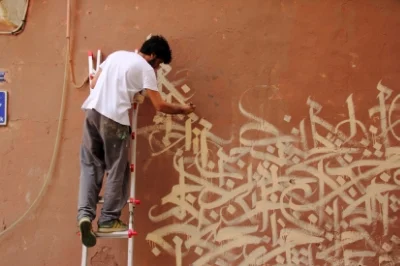
In the center of a small neighborhood located in the city of Pachuca, Hidalgo, the largest graffiti mural in all of Mexico, painted onto a canvas of 200 homes, was inaugurated this July. But the “macro mural” has done much more than simply give some color to the hillside district of Las Palmitas, a predominantly rural neighborhood with a certain degree of poverty and crime.

Read More

Education of Girls in the Developing World & How Le Dessein Helps

If women in the developing countries completed secondary education, 3 million children under the age of 5 would be saved every year.

This unfortunate statistic by the I.M.F. is just one the many plights young girls and women in general are facing in parts of Africa, Asia and Latin America. 

Here are some more startling facts:

1) More than 115 million 6 to 12-year old children are not in school in the developing world; three-fifths of them are girls.

2) When a girl in the developing world receives seven or more years of education, she marries four years later and has 2.2 fewer children.

3) A woman with six or more years of education is more likely to seek prenatal care, assisted childbirth, and postnatal care, reducing the risk of maternal and child mortality and illness.

4) When women and girls earn income, they reinvest 90 percent of it into their families, as compared to only 30 to 40 percent for a man.

5) Today, the U.S. invests in its future by spending about $6,800 a year per primary student on public education. In Iran the figure is $156 per student per year, in India $64, in Laos $30, and in Rwanda, $30.

6) An extra year of primary school boosts girls’ eventual wages by 10 to 20 percent. An extra year of secondary school: 15 to 25 percent.

Young girls in developing nations have not been given the attention they highly deserve in education. Yet they have the undeniable power to help uplift their communities out of poverty through education and the earning power it will generate. 

Through fashion, art, and socially responsible actions, we’ve designed a way to get involved. Le Dessein is a fashion line aimed at funding the education of underprivileged girls around the world by featuring their designs on our fashion. We then contribute 25% of our proceeds to the girls’ yearly school tuition.

The nature of our effort is not just monetary – our ultimate vision is to create independence and freedom through the empowerment of our girls. A critical component of this whole vision being self esteem – we were adamant on making sure that our girls would be intimately tied to the creation of the designs which would end up on garments. The success of their artistic journey through their participation and engagement would create a profound sense of OWNERSHIP, which is essential in affecting one’s self-esteem. Indeed, we wanted to demark ourselves from the traditional form of aid towards developing countries, which has consisted mainly of charity, and instead have “ownership” be the driving factor in maintaining this self-sustaining endeavor.

Creating an impact in these young girls’ lives will take collective effort from various committed parties. Inculcating the notion of “Ownership” though noble, can be an arduous task and required collaboration. And we’ve had the fortune and pleasure of being aligned with the More Than Me Foundation – “The More Than Me Foundation is on a mission to make sure education and opportunity, not exploitation and poverty, define the lives of the most vulnerable girls from the West Point Slum of Liberia.” Its motto is: “When she graduates, she will decide what comes next for her life.”

Indeed, for our girls, this is about reclaiming and redefining their own sense of self. For far too long, girls and women from the developing world have been subjected to a strongly patriarchal society – a society where their “value” was unilaterally decided by men – So “Ownership” to us is simply the final destination defined by an effort that consists of arming our girls and presenting them with opportunities susceptible to make this journey a worthy one.

Our fashion linehiis elegant and sophisticated and aims at serving a market that for too long has had to sacrifice quality and design for purpose and mission.

Learn more about Le Dessein. 

ERIC COLY

@Le_Dessein

Eric is the founder and CEO of Le Dessien. Eric grew up in Dakar, Senegal, where he was influenced by his mother's passion, drive, and fashion sense at a young age. His mother would eventually inspire him to start Le Dessein. He attended UCLA Business School and began his career in investment banking.

SOUTH KOREA: Surfing the Demilitarized Zone

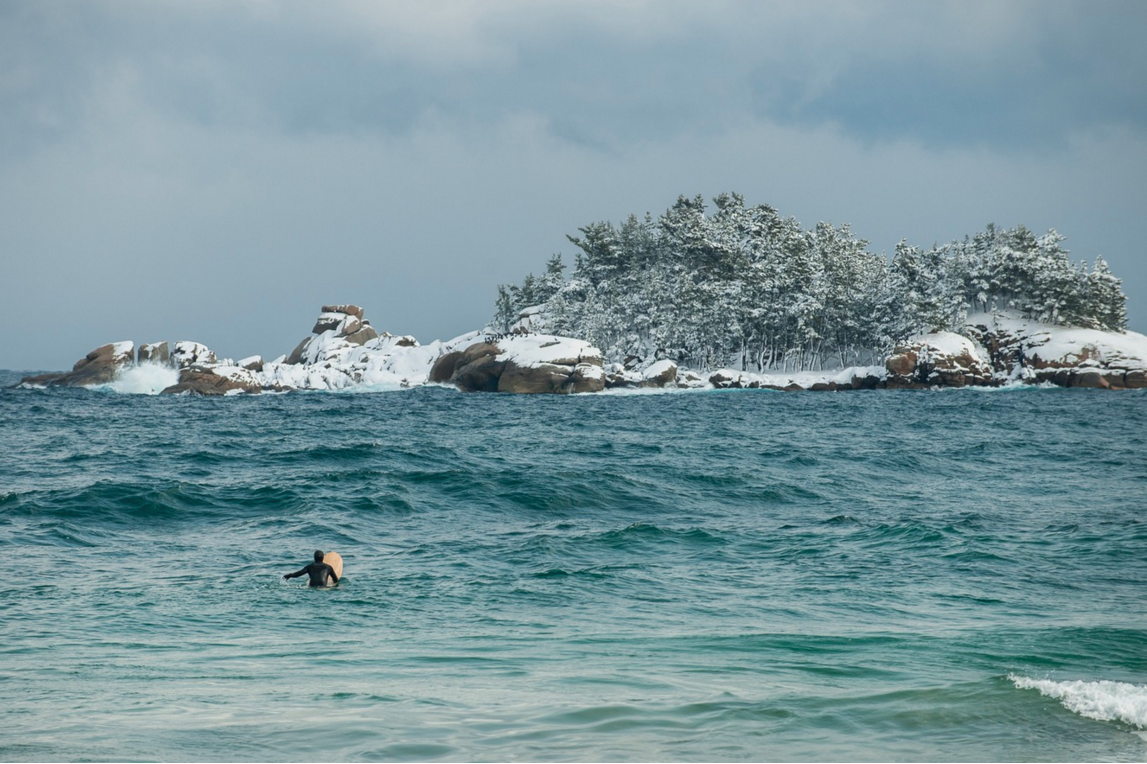
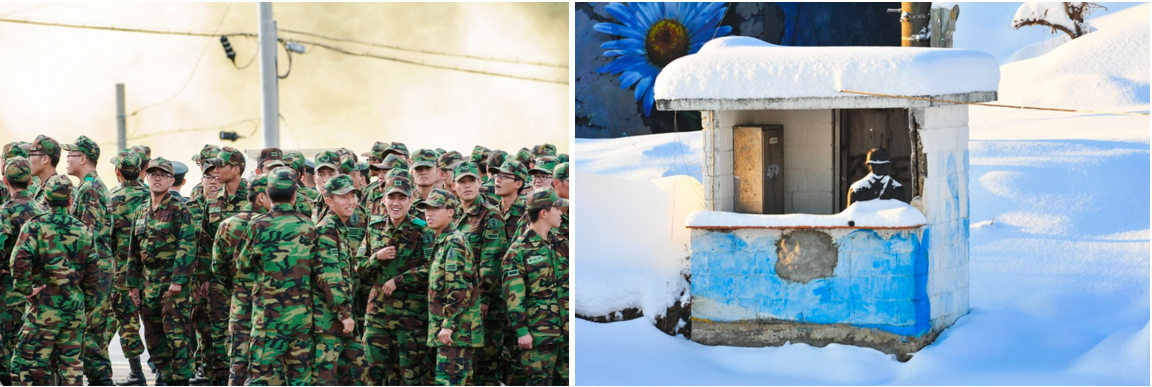
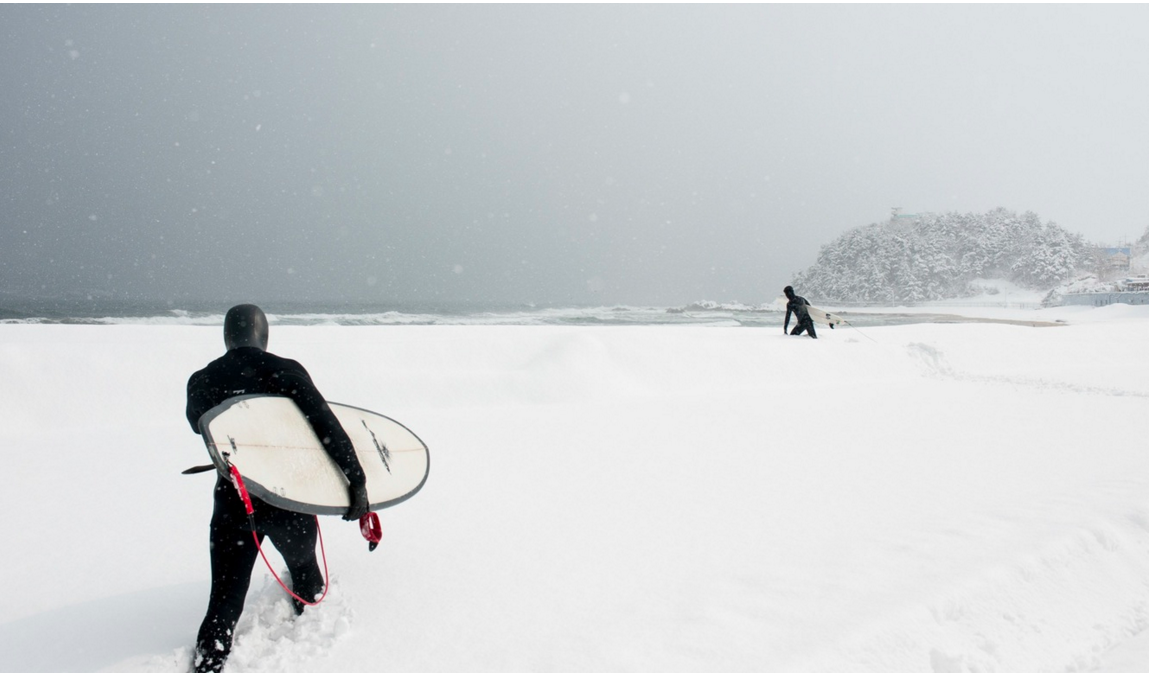
38th Parallel Beach is located just 50 kilometres south of one of the most dangerous places on Earth — the line dividing North and South Korea. 


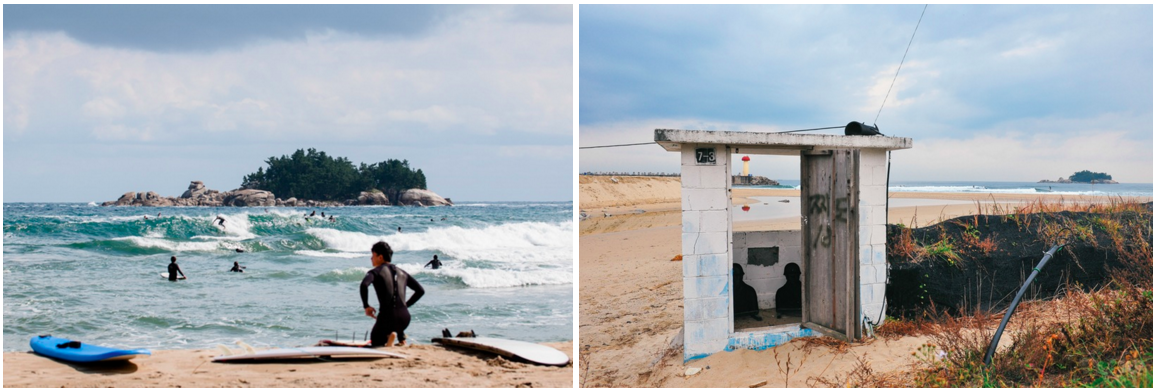
Known as sahm-parl in Korean (the numbers 3 and 8), 38th Parallel Beach is a harbour, military base, beach and a highway rest stop. Weary travelers can stop for strong, sweet coffee, spicy food and tacky souvenirs. They can inspect the coastline and enjoy the rare beauty of the Gangwando coastline. Today it is also a rather unusual surfing spot.

While living in Seoul working as a university teacher, I spent three years photographing and surfing with the Korean and foreign surfers who were establishing the area as a legitimate surfing community.

I was drawn in by bar tales spun by roughish Australians who said they had surfed with local Koreans in blizzards, but pre-Facebook and iPhones, proof was murky. Poor photos of clean waves in deep snow and a complex myriad of forecasting and unreliable local bus info made it even more confusing. Eventually these rumours led me down a three-hour stretch of highway from Seoul to the 38th Parallel on Korea’s east coast.

As I left, my Korean co-workers giggled at me for coming to the country with a surfboard, but a peninsula must have wind I thought — and where there is wind and water, well, there must be waves.

Arriving at a protected harbour I could immediately see some small but nicely shaped waves, peeling intermittently down a well-defined bank. I was impressed and could see its potential, so we jumped in.

It was a fun spot. Surprisingly, when we came in a film camera was shooting us as we came up the beach together. Turns out they were filming a commercial for nuclear waste storage and our water exit appealed to them. I posed for a photo with the bespectacled producer and later learned that we had made it into the commercial.

38th Parallel beach felt special from day one and this slightly surreal first experience would set the tone for my future visits.

In the months to come, I discovered some of the best waves I had seen in the country, and to my surprise there were a lot of surfers, too. Koreans, Kiwi surf rats, and even some wobbly Nova Scotians, all hunting for peaks to break the grind of Korean ex-pat life. The good surf days remain particularly vivid in my mind because my lowered expectations only amplified my ‘stoke’. The surf and culture on the east coast of Korea surprised me and my experiences were in a word, unique.

Surfing in Korea is tinged with madness and magic. Koreans tend to go full throttle with everything they do, and surfing is no different.

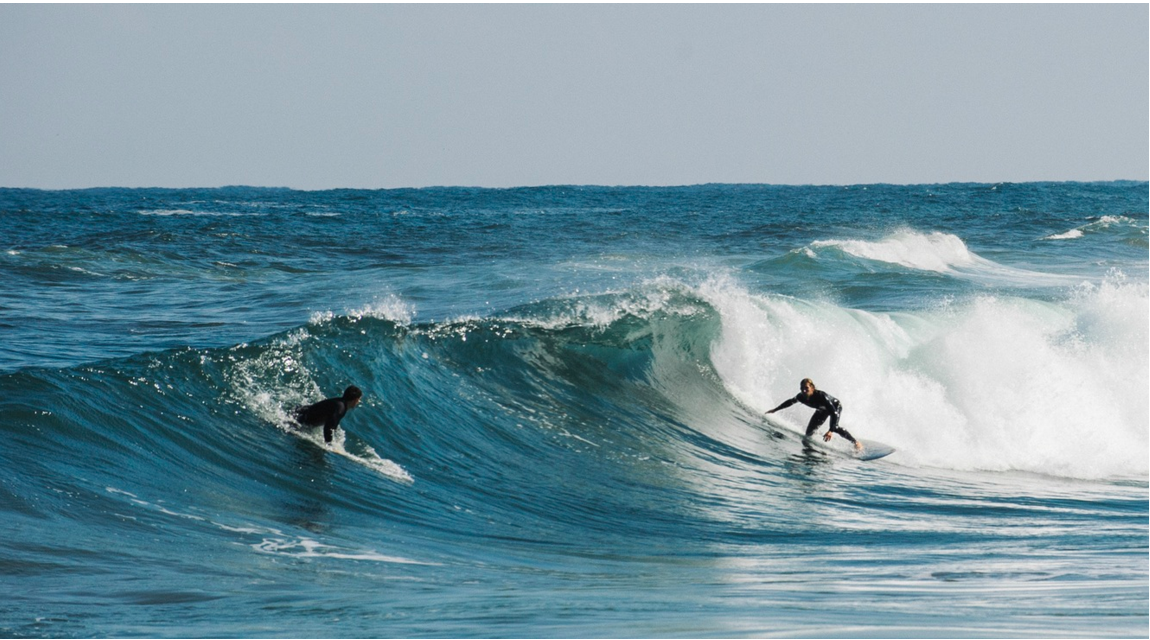
On a weekend, the line-up resembles a chaotic Korean market place with people and boards going every direction. Korea is small country with an enormous amount of people, so fighting for your position is a way of life and the surfing line-up is no different. Luckily, over 3ft Mother Nature takes control of the space politics and the line-up clears out significantly.

South Korea has gotten the surf bug badly, and 38th Parallel Beach has fast become a hub for Seoul’s young jet-setting surfer class, traveling down through scenic Gangwando to reach this barbed wired bay.

On any given day, and in any of Korea’s four distinct and extreme seasons, you will see trendies, gangsters, Hongdae hipsters, Gangnam DJs, and foreign English teachers all jostling for a wave.

The car park overflows on every swell with Seoul surfers chain-smoking in the latest gear and waxing up only the hippest of shapes. Koreans love to do things together, be it banquet-style eating, all night drinking, or raucous socialising. Surfing has become another activity to share and the entire culture is geared up for it with various surf stores and camps along the coast catering to the dedicated Seoul surfing clique.

With some of the most consistent and powerful waves in the country and with ever improving forecasting technology, modern social media and South Korean connectivity, the short lived swells that originate in the East Sea are no longer left un-surfed, even in the deepest of winter.

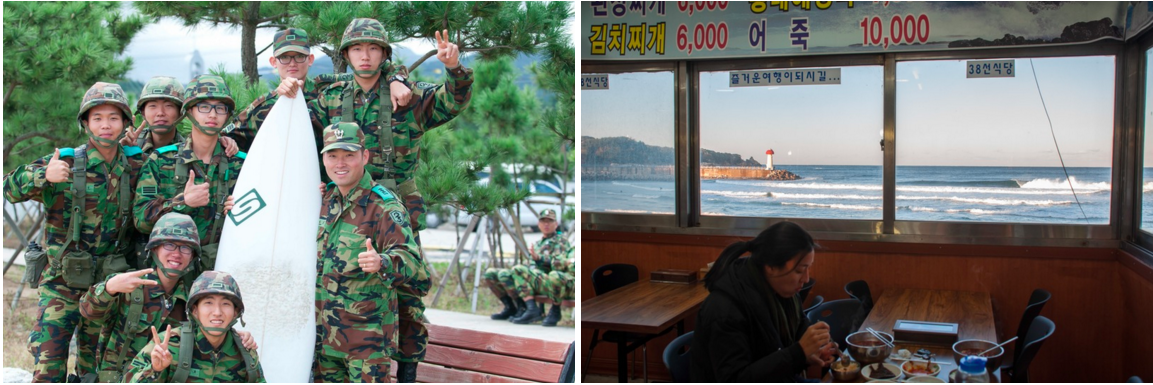
Koreans adore trends, and the newest trend, surfing is red hot. The surf community at 38th Parallel Beach has grown rapidly, enjoying a strange co-existence with the local fishing community and the ever-present ROK (Republic of Korea) defence force, who have been protecting South Korea from the distant threat of a North Korean attack or DPRK defectors since the 1950s.  

Being a lifelong surfer, the mixture of this semi-remote location, the exotic culture, and these three dramatically different groups all occupying the same space is incredible to me. Over the next few years I tried to spend as much time as I could out at 38th Parallel Beach, getting my surf fix and capturing the amazing and strange things I saw.


ORIGINALLY PUBLISHED ON MAPTIA


Shannon Aston

www.shannonaston.com

Shannon Aston is a world traveler, surfer, and photographer from New Zealand. 

USA: Skateboarding with Lakota Youth

‘Skateboarding In Pine Ridge’ chronicles a skatepark build and the life of the Lakota youth in Pine Ridge, South Dakota. After watching it, we hope you are moved by the incredible work of the Stronghold Society - an organization dedicated to empowering youth through skateboarding, art and music. #skateboardingsaveslives www.levi.com/skateboarding Directed by Greg Hunt Original Score by David Pajo Additional Track by Cat Power Special thanks to Imprint Projects http://strongholdsociety.org

'Skateboarding in Pine Ridge' chronicles a skatepark build and the lives of Lakota youth in Pine Ridge, South Dakota. The director hopes to put a spotlight the hard work of the Stronghold Society, an organization dedicated to empowering youth through skateboarding, art, and music.

LEARN MORE HERE

PAKISTAN: Meet 25-Year-Old Shazia, Her Country's First Female Firefighter Who Is Redefining Badass

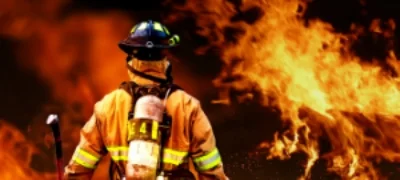
When we talk about firefighting, most of us picture robust men running out of red fire vans, jumping right into the blazing fire, not giving a damn about their own safety and saving lives. Little or no women choose the profession, at least if you go by the figures in Asia. 

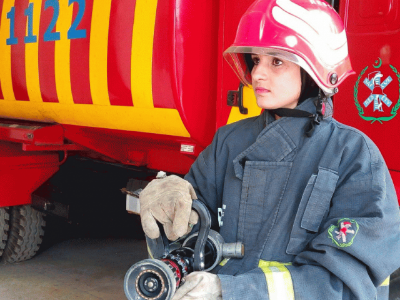
While India got it's first set of women firefighters in Mumbai in 2012, Pakistan has followed suit and 25-year-old Shazia Perveen proudly stands as the first firefighter in the country, according to Rescue 1122, a firefighting training organisation based out of Pakistan. 

Source : vehari.sujag.org

A certified firefighter, Shazia usually helps other firefighters when women victims are involved. 

In a male-dominated profession, Perveen has not only made a mark, but also stands as an inspiration for women across the globe to opt for a profession they usually wouldn't.  

Hailing from the Vehari district in Punjab, Pakistan, Perveen joined the Rescue 1122 emergency services as a firefighter in 2010. What made her choose the profession? Perveen says this has always been a dream job for her and she jumped at the opportunity when Rescue 1122 opened a Women’s Department. 

Source :  www.learyfirefighters.org

Talking to a Pakistani portal, vehari.sujag.org, she said she was enthusiastic about working shoulder-to-shoulder with men. However, it wasn't an easy journey for her. Out of the 600 women who signed up for the training, only she completed it, like a boss! The training included learning to swim, jump, fight fire, and climbing roofs with the help of ropes.

“At the outset, people would laugh at me when they saw me working with male workers. But afterwards, when I saved their precious properties during fires, they started admiring me,” she added. 

“Here, it is believed that women are only able to start fires, whereas I have disproved this old adage and now I extinguish fires,” she signs off.


ORIGINALLY PUBLISHED ON SCOOPWHOOP


Isha Jalan

@Jalanisha 

Isha Jalan is a staff writer for ScoopWhoop, who is "exploring the world outside, and the one inside."

What is Social Justice?

Pop culture has many definitions of the word social justice. After years of working with these issues as an org. and seeing our community make an impact in this world. We are raising our hand and asking "What is Social Justice to you?" We have started this campaign to support individuals and groups in what they are currently doing and to encourage them to get more involved with these issues. This campaign is meant to be a positive and uplifting voice to the conversation about social justice. So we ask...What is social justice to you? www.whatissocialjustice.com

Pop culture has many definitions of the word social justice. After years of working with these issues as an org. and seeing our community make an impact in this world. We are raising our hand and asking "What is Social Justice to you?"


The Love Alliance has started this campaign to support individuals and groups in what they are currently doing and to encourage them to get more involved with these issues. This campaign is meant to be a positive and uplifting voice to the conversation about social justice.
So we ask...What is social justice to you?

LEARN MORE AT whatissocialjustice.com

Travel Where You Live

What if we live the same way we travel? Travel where you Live - A film by www.Sebastian-Linda.de - on.fb.me/1xVxHAX
 - http://instagram.com/seblinda/ Supported by www.So-Geht-Saechsisch.de - www.simply-saxony.com/ DJI Ronin by Globe Flight www.globe-flight.de/ Behind the Scenes: http://sebastian-linda.de/?p=1469 Assistance, Color Grading, Second Camera Steffen Krones Sounddesign by www.Bony-Stoev.de Making of Sound - http://bit.ly/15LBGbH Music by Tony Anderson - Dwell https://soundcloud.com/23violins/dwell Still Photography by www.Erik-Gross.net - http://on.fb.me/1D30l6M Skateboarding by Tom Kleinschmidt, Erik Gross & Christian Döbrich Freerunning by Frab Parkour & Freerunning Filmed in Dresden, Leipzig, Machern, Steina, Sächsische Schweiz, Saurierpark Bautzen and many other places of Saxony. Filmed with 5d Mark III Raw
 Lumix Gh4 Samyang 14mm 2,8 
 Canon 24mm 1,4 L 
Canon 50mm 
 Canon 100mm 2,8 Macro Voigtländer 0,95 25mm 12mm DSLR Magic. Edited in Premiere CC 2014 Graded in Davinci Resolve LIte

What if we live the same way we travel?

The World's 10 Hungriest Countries

There are over 870 million people in the world who are hungry right now. I'm not talking about could use a snack before lunch hungry, not even didn’t have time for breakfast hungry, but truly, continually, hungry.

Of these 870 million people, it's been estimated by the World Food Programme that 98% live in developing countries, countries that perversely produce most of the world’s food stocks. So why is this the case?

Here we look at the top 10 worst affected countries and see what obstacles are making them hungry and why:

1. Burundi

Image: Imgur


73.4% of the population is believed to be undernourished.
Sitting between Rwanda, the Democratic Republic of the Congo and Tanzania, Burundi is a landlocked country, which means that on average it will experience 6% less economic growth than non landlocked countries, mainly due to the cost of transport for import and export transactions.

Over half of Burundi’s 9.85 million citizens live below the poverty line, with an estimated 35% of the population being out of work.

The main problem with Burundi is not that it can’t produce food, but that due to overpopulation, soil erosion, climate change, high food prices and an ongoing civil war, the country has to import more than they are exporting. In the last few years alone due to these factors, and the increase of internally displaced citizens who can’t produce their own food, the subsistence economy of Burundi has contracted by 25%.

Looking at the current economic and political climate of Burundi it is clear to see that poverty alone isn’t the cause of hunger, but that many external factors contribute to the hardship being endured.

2. Eritrea

Image: Imgur


65.4% of population have been classified as undernourished.

Eritrea, which is located in the Horn of Africa, has experienced considerable growth to its economy in recent years, but unfortunately the effect of this hasn’t trickled down to its citizens or the food chain.

In 2004, agriculture employed nearly 80 percent of the population but accounted for only 12.4 percent of gross domestic product (GDP). The agricultural sector has improved with the use of modern farming equipment and techniques; however, it is still compromised by a lack of financial services and investment.

Another big problem facing Eritrea is that, as a result of the war between Eritrea and Ethiopia, almost a quarter of the country’s most productive land remains unused. This can be attributed to a number of issues, but it’s largely because of the displacement of nearly 1 million Eritreans during the 1998-2000 Eritrean Ethiopian war, which left the country with a lack of skilled agricultural workers, and because of the widespread presence of land mines on the ground meaning that the plots are ruined.

3. Comoros

Image: Imgur


70% of the population are estimated to be undernourished.
Comoros, which is made up of 3 tiny islands of the coast of Mozambique, has a population of just 800,000 people. Around half of the population live below the poverty line.

The reason for such high numbers of poverty and undernourishment are varied. One of the biggest problems is that although there is a rapidly increasing young population entering into the agricultural workforce, their low educational levels mean that innovation and economic growth aren’t in correlation. 

Because of these factors it is essential that Comoros continues to receive foreign support in order to develop the right educational and economic infrastructures to be able to drive levels of poverty and undernourishment down. 

4. Timor Leste

Image: Imgur


38% of the population in Timor-Leste are undernourished.
Sitting between Indonesia and Australia Timor-Leste is a small island with a population of just over 1 million people. 

It continues to suffer the after-effects of a decades-long struggle for independence against Indonesian occupation, which severely damaged the country's infrastructure.

Private sector development has lagged due to human capital shortages, infrastructure weakness, an incomplete legal system, and an inefficient regulatory environment. 

Because of this nearly half of the population suffer from undernourishment, with Timor famously suffering through ‘hunger season’ between November and March when old stores have run out and new crops haven’t been harvested.

5. Sudan

Image: Imgur


Around 25% of Sudan’s population is undernourished and hunger is on the rise.
Hunger is rife because Sudan suffers from several challenges, for much of Sudan's history the nation has suffered from rampant ethnic strife and has been plagued by internal conflicts including two civil wars and the War in the Darfur region.

Another reason that Sudan is suffering is because of the extreme climate conditions that the country suffers from, which is something that is unfortunately out of their control. 

6. Chad

Image: Imgur


33.4% of population of the population in Chad are undernourished.

Poverty in Chad has been aggravated by numerous conflicts during its 50 years of independence. Tensions between the country’s northern and southern ethnic groups have further contributed to political and economic instability, and Chad’s landlocked location and desert climate in the north inhibit economic development. The Sahelian zone (central and eastern Chad) is particularly affected by chronic food deficits. Moreover, Chad is subject to spill-over effects from crises in neighboring Sudan and the Central African Republic. It is estimated that there are 330,000 refugees in Chad, which puts additional pressure on the limited resources of the already highly vulnerable local population.

Chad relies heavily on external assistance for its food security, especially in the Sahelian zone. Cereal production is heavily affected by erratic rains, cyclical droughts, locust infestations and poor farming practices. The 2011 drought, which resulted in a 30 percent deficit in the population’s cereal needs, was then followed by a severe food and nutrition crisis in 2012.

7. Yemen Republic

Image: Imgur


Undernourished: 32.4% of population
Yemen has had an extreme change in it’s food security over the last 10 years. Because of large-scale displacement, civil conflict, political instability, high food prices, endemic poverty and influxes of refugee and migrants. In 2013, the World Food Programme is aiming to provide almost 5 million people in 16 governorates with food assistance and is working to build communities’ resilience. In 2013, WFP conducted an Updated Food Security Monitoring Survey which found that 43 percent (10.5 million people) of the population is food insecure. Some 4.5 million of those people were found to be severely food insecure, unable to buy or produce the food they need, and 6 million are moderately food insecure.

Child malnutrition rates are among the highest in the world with close to half of Yemen’s children under 5 years, that is two million children, stunted and one million acutely malnourished.

8. Ethiopia

Image: Imgur


In Ethiopia an alarming 40.2% of population are undernourished.
The 2011 Horn of Africa drought left 4.5 million people in Ethiopia in need of emergency food assistance.  Pastoralist areas in southern and south-eastern Ethiopia were most severely affected by the drought.  At the same time, cereal markets experienced a supply shock, and food prices rose substantially, resulting in high food insecurity among poor people.  By the beginning of 2012, the overall food security situation had stabilized thanks to the start of the Meher harvest after the June-to-September rains -- resulting in improved market supply -- and to sustained humanitarian assistance. While the number of new arrivals in refugee camps has decreased significantly since the height of the Horn of Africa crisis, Ethiopia still continues to receive refugees from Somalia, Sudan and South Sudan.

The Humanitarian Requirements Document issued by the government and humanitarian partners in September 2012 estimates that 3.76 million people require relief food assistance from August to December 2012. The total net emergency food and non-food requirement amounts to US$189,433,303.

Ethiopia remains one of the world’s least developed countries, ranked 174 out of 187 in the 2011 UNDP Human Development Index.

9. Madagascar

Image: Imgur


33.4% of the population of Madagascar are undernourished.
The country is prone to natural disasters such as cyclones, flooding and drought. In 2013, the island faced its worst ever locust plague, which hampered agricultural production and threatened food security.

The increasing fragility of the ecosystem, due to deforestation and poor land management, is a major cause of the increased vulnerability to shocks and related food insecurity. Deforestation has become a major concern: 85 percent of its rainforests have been lost due to the use of wood and charcoal for cooking, and slash and burn agricultural practices.

Approximately 28 percent of rural households suffer from food insecurity - of which 2.7 percent are severely food insecure and nearly 25 percent moderately food insecure. In total, about four million people are facing hunger  in 2013. The food security of a further 9.6 million people could deteriorate as food prices increase during the lean season,when crops are planted but not yet harvested. Also of concern is the cyclone season, which runs from November to March.

10. Zambia

Image: Imgur


47.4% of the population are under nourished
Numerous challenges burden the country, including high rates of malnutrition, poverty, food insecurity, HIV and AIDS and malaria. While Zambia has reduced the rate of extreme poverty from 58 percent (1991) to 42.7 percent (2010), extreme poverty continues to be much higher in rural areas (57 percent) compared to urban areas (13 percent ). Zambia's food security challenges are worsened by a high dependence on rain-fed agriculture and the absence of market incentives to encourage a fundamental shift from subsistence farming.

Consequently, access to food is a challenge for many. According to the Zambia Vulnerability Assessment Committee, the number of people at risk of food insecurity is up from about 63,000 in 2012 to about 209,000 in 2013. This is attributed to localized poor crop production due to poor weather conditions in some parts of the country.

It calculated a ‘global hunger’ score for countries by looking at the percentage of the population that is undernourished, children younger than five who are underweight, and the percentage of children dying before the age of five.

ORIGINALLY PUBLISHED ON GLOBAL CITIZEN

Clea Guy-Allen

@PerfectlyClea

Clea hails from Brighton, United Kingdom and was the UK Global Citizen Editor. Now she works as the digital coordinator for ONE, a campaigning and advocacy organization to end extreme poverty and preventable disease. 


Systemic Discrimination Against Haitian Workers in the Dominican Republic

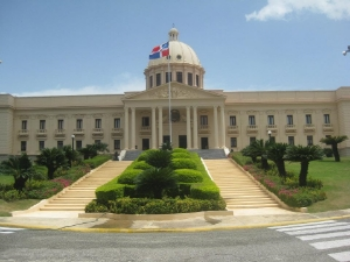
Capitol Building in Santo Domingo, DR

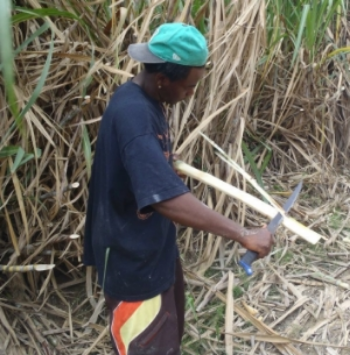
In July 2012, I lived within the sugar cane communities of the Dominican Republic, known as the “Bateyes,” as a volunteer for Save the Children, a nonprofit that advocates for children’s rights. Recent media attention to Dominican immigration reform has provoked international criticism for its perceived racial bias, as it threatens to deport thousands of Hatian workers. My experiences on the ground exposed me to some of the hardships that individuals from this region endure. For members of the Bateyes, destitution and food insecurity are systemic challenges that define everyday life. After hours of hard labor under the Caribbean sun, cane cutters earn an average of less than two dollars per day. Walking between the tall sugar stocks on an impromptu tour of a community, a local resident demonstrated the proper way to cut cane. Since the plants are sensitive, agricultural machinery is less effective than individuals with machetes and gardening tools. The man explained that cane cutters leave for the fields at dawn and work until dusk. The only available form of nutrition is the sugar cane, which is absorbed from bits of chewed stock consumed throughout the day. 

Cane cutting demonstration in Bateye Margarita

Back in the communities, families stretch their two-dollar income to purchase food such as rice from the sundry store. When fellow volunteers and I asked the kids at a small, under-resourced school what they wanted to be when they grew up, they were excited to share dreams that resembled those of children everywhere: doctors, police officers, astronauts, and beyond. I thought back to the truck of cane cutters I watched disappear into the fields earlier that day and was reminded of the tragic reality that awaits this population: Undocumented in the eyes of the law, these children will either remain in the Bateyes as workers and wives or else be deported to Haiti. 

In 2004, Dominican authorities passed an immigration law specifying that children born to undocumented immigrants would be excluded from Dominican nationality. Over the past 50 years, the DR has recruited thousands of Haitian laborers to cut sugar cane under two bilateral agreements signed by the countries in 1959 and 1966. First-person accounts describe a form of modern slavery, in which Haitians were deceived by promises of better opportunities, taken across the border in buses in the middle of the night, then stripped of their papers that declare citizenship status. The impoverished families were left with no alternative but to work in the cane fields and reside in the neglected communities they now call home. 

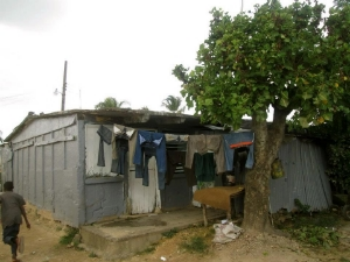
Typical home in Bateye Experimental

After decades of struggle in the Bateyes, a population that is 90% Haitian, a 2013 Dominican Constitutional Court decision reinterpreted the immigration law. This decision altered the law to extend its definition to individuals born between 1929 and 2010, and ordered government officials to revoke citizenship from those who no longer qualified. A naturalization law was passed the same year as a pathway to gain citizenship, but the process was marred with bureaucratic roadblocks and inconsistencies. The deadline to register passed at the end of June 2015: Almost 200,000 individuals remain at risk of deportation back to Haiti. 

During my time in the Bateyes, I stayed at a quasi-hostel run by a missionary. In addition to lodging, the woman created a pathway for the undocumented to restore their citizenship. While her service has provided an opportunity to rise above the inescapable cycle, the cost is $40 dollars (American). It often takes years — if not decades or a lifetime — to save that much money. And since the communities are nestled across a large swath of farmland, the missionary shared stories of people walking up to 18 miles to reach her office. The line is always out the door, and if the father of a household is the one to obtain the papers, he has to take a day off work. 

Children at play in Bateye Don Juan

A long legacy of racial and political tensions between the two countries that divide the island of Hispaniola contributes to a national ambivalence toward the situation. Sugar is also one of the Dominican Republic’s most lucrative exports. One of the main buyers is Hershey, which is popular in countries like the United States. As consumers, it is our responsibility to be conscious of the supply chain behind the products we purchase: Ignorance should not be an excuse. 

While inflammatory headlines such as Huffington Post’s “Thousands Woke Up At Risk Of Deportation In The Dominican Republic. Almost All Of Them Are Black,” help shed light upon the issue, they also run the risk of dehumanizing what’s occurring. International pressure has prompted the DR to reform policy in the past, but another way to help these people is to practice conscious consumerism. Choosing not to buy products that contain sugar from the Dominican Bateyes, for example,candy from The Hershey Company, demonstrates individual dissatisfaction with abusive work practices. I am grateful for my opportunity to have volunteered in the sugar cane communities and will never forget the people I worked alongside during that time.


SARAH SUTPHIN

Sarah is an undergraduate at Yale University and a content editor for CATALYST. As a traveler who has visited 30 countries (and counting!), she feels passionate about international development through sustainable mechanisms. Sarah has taken an interest in the intersection between public health and theater, and hopes to create a program that utilizes these disciplines for community empowerment. She is a fluent Spanish speaker with plans to take residence in Latin American after graduation. 
Bridging the Inequality Gap for Panama’s Darién Province

Photo by Katie Chen on Unsplash

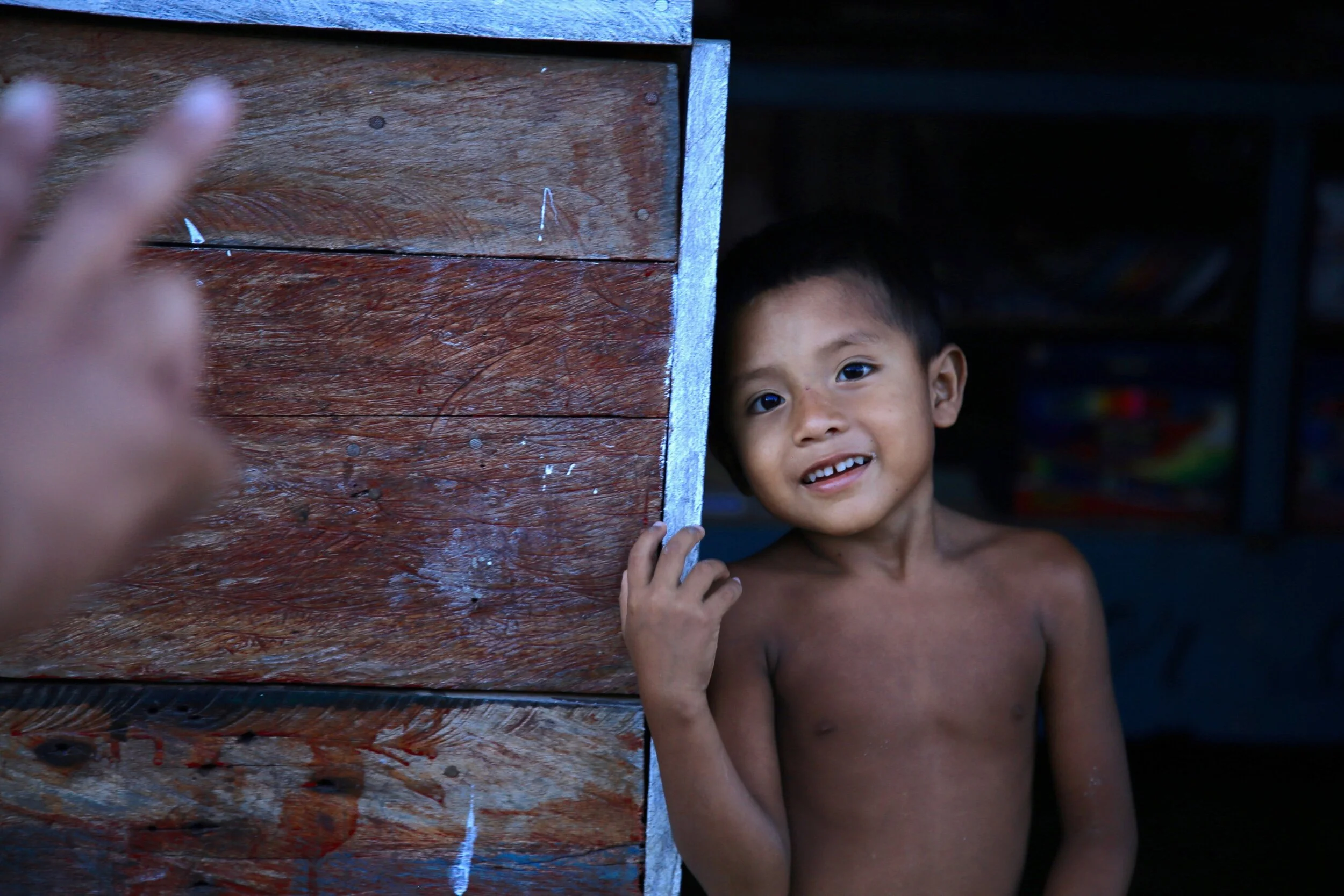
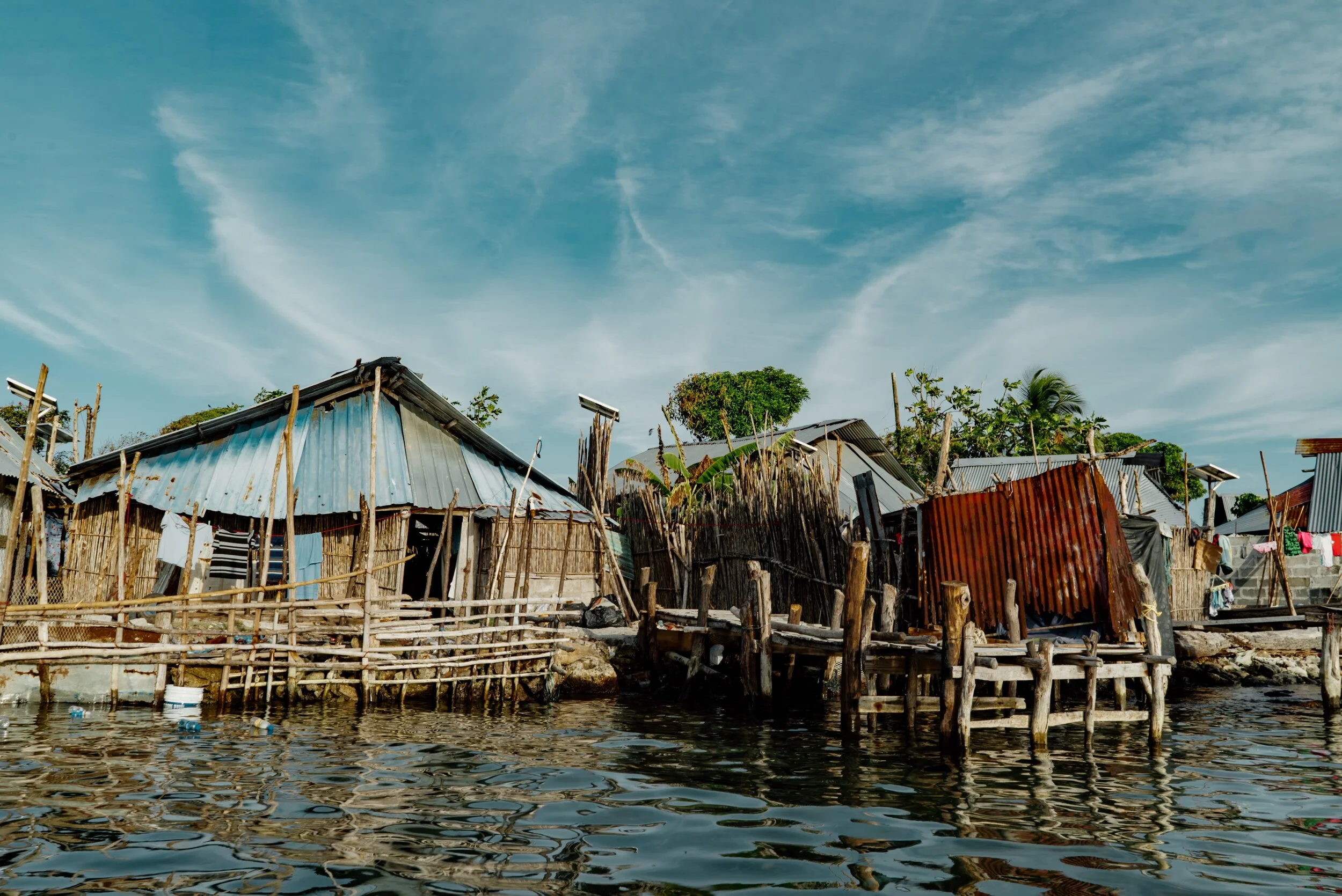
The Gallup-Healthways Global Well-Being Index has ranked residents of Panama as the leaders in “well-being” for two consecutive years. However, three weeks in communities of the Darién province exposed me to the destitution and gubernatorial neglect that blankets this eastern region. Inhabitants of the Darién have been stigmatized, leaving them without access to clean water, health care facilities, or economic opportunity. My experience led me not only to question the validity of the Index, but also to consider the ways we can empower a forgotten sub-population.

“A little further down the road, you’ll find that it comes to an end,” my local Panamanian guide remarked while en route to the compound where we reside for the following three weeks. At the time, the idea of a place with no road was beyond comprehension. How could people stay connected? How could they receive supplies? The answer to these questions is simple —they don’t.

Soon after arriving in Panama, I began to comprehend the “Darién Gap” which is a 99-mile swath of undeveloped swampland and forest located within Panama’s Darién province — a symbol of the many development projects that have been discontinued in the region over the past decades. I found that the double-edged sword of indigenous isolation offers cultural preservation on one side, clean water and healthcare deficiencies on the other.

The border between Panama and Colombia is the only one in the world that remains unpaved! While the decision to stop construction of the Pan-American Highway provided benefits to some groups, such as law enforcement officers against drug traffickers and indigenous inhabitants of the Gap who wish to preserve a traditional lifestyle, it also resulted in neglect of an entire region. With the fastest-growing economy in the Americas, Panama now has an opportunity to improve the quality of life for all of its citizens. Yet, despite the recent boom, the nation has the greatest economic inequality in the Americas with nearly 40 percent of the country living in poverty. Many of those who endure economic destitution live in the eastern half of the country, particularly in the Darién. 

My three weeks in Panama were dedicated to community visits throughout this beleaguered province. We met with officials and members of individual households, and conducted surveys to determine the accessibility to fundamental necessities, such as clean water, health care, and education. I was an intern for a nonprofit based in Panama City, but which conducts most of its projects with American undergraduates serving communities of the Darién. This nonprofit creates partnerships with communities located in proximity to a road or a rocky pathway that Panamanian officials call highway. More indigenous groups are sheltered within the Darién Gap, undisturbed and unacknowledged.

According to community members who responded to our surveys in July 2014, lack of access to clean water is the main problem affecting daily life for an appreciable number of residents in the Darién province. Although the Panamanian government’s Ministry of Health is responsible for water distribution by means of aqueduct systems, complications such as project incompletion, water shortages, pipeline damages, and contamination from pesticides/animals inhibit achievement of the goal. Residents described complex, inconsistent, and seasonally based methods for receiving water. In the past, families might go two months without water when a government-constructed pipeline to a water tank is broken. When water finally arrives, it will sometimes come out dirty or contaminated from passage through farmland. 

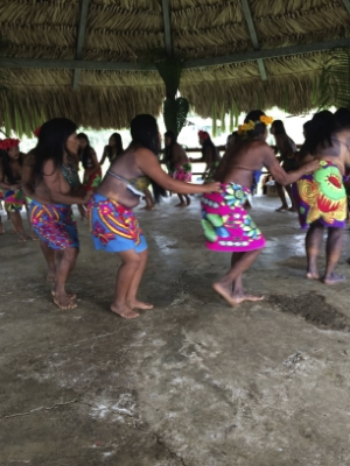
Observation and conversation with members of various communities taught me that collaboration between locals and external, resource-rich groups has been a driver for successful growth in this area. Yet, one person I met described the Darién province as “the temple of abandoned development projects” for the number of missionary and nonprofit groups that have attempted and failed to provide assistance to families in the greatest need. In an indigenous community named Emberá Puru, I noticed little blue water filters strewn about the property. The leaders explained that a missionary group had provided over 100 filters, but not explained how to use them. The group left after a week of what could be described as “voluntourism” — volunteering abroad that resembles a tourism opportunity — and the community was left with pieces of plastic polluting the land.

The neglected Darién province is not a unique case. Panamanians from other parts of the country (like Panama City) expressed surprise and/or distaste when my group revealed we were working in this eastern region. These people hold onto misconceptions, such as the idea that the Darién is filled with dangerous members of drug cartels or that it’s a completely unlivable swampland.

While the “Darién Gap” might lack a constructed road, the population of this area has done its best to overcome deficiency through resiliency. When a government or its people show indifference toward improving the lives of an entire population sector, outside measures need to be taken to reduce inequality. However, these outside measures should also be performed through culturally conscious and responsible mechanisms in order to achieve sustainable success. No clear-cut solution exists to resolve problems such as clean water, healthcare, and education inaccessibility in the Darién province, Panama. However, creative and collaborative efforts have the power to mediate substandard conditions and to catalyze change one household at a time.


SARAH SUTPHIN

Sarah is an undergraduate at Yale University and a content editor for CATALYST. As a traveler who has visited 30 countries (and counting!), she feels passionate about international development through sustainable mechanisms. Sarah has taken an interest in the intersection between public health and theater, and hopes to create a program that utilizes these disciplines for community empowerment. She is a fluent Spanish speaker with plans to take residence in Latin American after graduation. 

A Criminal State of Affairs

THERE ARE ENOUGH LAWS TO TACKLE IT.

THEN WHY IS UNTOUCHABILITY STILL PERPETUATED?

Ten Years ago, I started on a journey to document practices of untouchability across several states and religions of India. 25,000 kilometres, 9,000 minutes of footage and four years later, I put together a documentary called India Untouched. The main reason for making this film was to challenge the belief of most Indians that untouchability is a thing of the past.

In the years since the making of that film, little has changed. We still receive reports of barber shops refusing to shave Dalits. Homeowners unwilling to rent their houses to Dalits. Children segregated and discriminated in schools, women not allowed to draw water from wells, families pushed out of temples. Segregated mosques, churches, even crematoriums. Pervasive violence aimed at those who challenge caste discrimination. Social and economic boycotts for those who dare to transgress caste boundaries. Newly-weds chased and killed because they chose to marry outside their own caste. Rapes. Acid attacks. The list goes on shamelessly.
What is more shameful is that these practices are manifestations of a belief that views certain castes as nothing but an impure sect, which should remain servile and accepting of its lesser status. Our failure is to see this belief as endorsing of and perpetuating criminal behaviour.

Article 17 of the Indian Constitution states that “Untouchability is abolished and its practice in any form is forbidden. The enforcement of any disability arising out of untouchability shall be an offence punishable in accordance with law.” However, society continues to look at untouchability as a social given, grounded in ‘tradition’. Instead, we should see such practices for what they are: criminal acts. If your house were burgled, you would expect the case to be treated as a criminal act/offence. Such a luxury is not afforded, however, to Dalits facing discrimination and persecution. The laws in place to address the scourge of caste-based discrimination may be progressive, but the mechanisms that exist to enforce legislation are regressive.
A large part of the problem is that law enforcement agencies operate in a reactive rather than a proactive manner. Despite the prevalence of caste-based behaviour leading to untouchability (criminal offences) these agencies wait for an aggrieved party to file a complaint — and report violation of Article 17 — rather than do their job in enforcing the law. How else does one explain the fact that police stations and courts have not taken any suo moto cognizance of these everyday events? How else can we understand that there are no public or government campaigns to remind citizens that untouchability has been abolished, and that those practicing it will be treated as criminals? In order to fall in line with the shifted morality and ethics of our time, we need a strong and proactive law enforcement mechanism. We do not have this in India.

On 14 April 2012, we launched a campaign at Video Volunteers (a media and human rights organisation) to draw attention to the issue of untouchability. To date, we have collated 30 videos that document breaches of Article 17. Together with the videos, we collected 2,800 signatures that were sent to the National Commission for Scheduled Castes (NCSC) with an appeal that the videos be taken as evidences of offences, and that those involved be prosecuted. Despite submitting the petition and video evidence twice over, we have not received any sort of acknowledgement — let alone action — from the NCSC. We have now sought answers with an application under the RTI Act. It’s a sign of the times when one needs to file an RTI with the institution responsible for protecting the rights of Scheduled Castes, just to find out what is going on.

As a society, when we hear about untouchability practices, we should feel outraged, as we would with other criminal acts like murder and rape. It’s time we accepted that the practice of untouchability is not the vestigial remains of some backward, social phenomenon or tradition: it’s a criminal offence. Let’s start calling it what it is.

ORIGINALLY PUBLISHED IN TEHELKA.COM


Stalin K. 

@stalink 

Stalin is the Managing Trustee of Video Volunteers India. He is a leading voice in the community media movement in India (including as co-drafter of the government’s recent community radio policy), a human rights activist focused on issues of caste and communal violence, an award-winning filmmaker (screened at Hamptons and winner of the Mumbai International Film Festival and Indo-american Arts Council Film Fest in NY, Earth VIsion Film Festival, Tokyo), and a sought after trainer and guest lecturer in media and human rights at universities around the world. He has produced 25 films on development issues, set up two community radio stations, designed a dozen rights-based campaigns, and conducted over 300 training workshops. Stalin has worked with more than 100 NGOs and regularly distributes his films to over 1000 groups, placing him at the heart of India’s NGO networks.

Why Working Your Bag Off Is Spiritual

In my favorite book of all time, “Autobiography of a Yogi,” there is a story about a typical 33-year-old man in India who is approached by an enlightened guru who helps him to remember his past lifetimes when he too was an enlightened master. The guru, wanting this man to become enlightened again, materializes all the wealth that the man could ever want, right before his eyes. The guru does this so all of the last earthly desire the man had, which was being wealthy, could be satisfied so he can move past it and onto enlightenment. The guru says that desire is what chains us to the reincarnation wheel.

While some self-identifying spiritual people speak of wanting less, desiring nothing, and frown upon striving for money or material success, I believe satisfying earthly desires can be one the most spiritual things you can do. I don’t mean just trying to have the biggest boat for the sake of being able to say you have the biggest boat. I mean acknowledging your inner desires and looking them right in the eye. And when you feel like attaining them is part of your growth and purpose, GO FOR IT, regardless of whether it is focused on material gain.

While many people cite their darkest hours, such as being on their deathbed or losing everything, as the times they learned what is truly important in life, I had a number of different (you could say opposite) experiences. When I was 25, I busted my ass for 365 days straight selling real estate to reach a highly coveted award level and recieve the big plaque that came with it. After I reached that goal  and became the highest grossing new Realtor in North America, I relaxed for the first time in a year and enjoyed it. Well, I enjoyed it until I realized that if I wanted to keep my success going, I would need to go out and bust my hump for another year to win another big award. It was when I reached the top of my game that I realized that the great feeling success brings is temporary, fleeting, not real, illusory. It is not anything close to true happiness.

This scenario played out over and over again in my 20s and I reached higher and higher goals in business, physical fitness, romantic relationships, and finances. However, each success became less and less fulfilling to the point where I said “screw it!”, sold everything, and took up social entrepreneurship full time.

It was largely because of fulfilling huge goals that I abandoned the notion of “more” equaling happiness. It was because of reaching my goals goals that my entire life is now dedicated to service. It’s not that I made a boatload of cash and became a wealthy philanthropist. Heck no. I sold everything I owned to fund my current venture that has now funded 60 schools and libraries in 9 developing countries for 60,000 kids, and I am flat broke because of it.

But, you would not believe how great I sleep at night, with a big, stupid smile on my face.

Why? Because a number in a bank account doesn’t define me. And it doesn’t define you either.

Like the man from the story, I had desires that needed to be fulfilled. Thanks to going after those desires 100%, I can now say with personal experience that money, success, and reaching goals don’t mean squat to me. What matters to me is loving yourself, serving others, and taking pleasure in simplicity.

Striving after material success in my 20s ended up being the most spiritual thing I could have done. It was my way of materializing my desires so I could see the illusion they actually are. I am nowhere closer to enlightenment than anyone reading this, but I do know what makes me happy, and that feels really good. 


Taylor Conroy

Taylor is the founder of Change Heroes and Destroy Normal Consulting, which focus on innovative philanthropy and building projects like schools, wells, and libraries all over the developing world. His most recent efforts have seen schools funded in India, Nepal, Kenya, Sierra Leone, and Tanzania, impacting over 30,000 children. He has set foot on every continent, dozens of countries, and has worked as a professional fire fighter, real estate broker, and currently as an avid social entrepreneur.

How Life Below the Line Affects Us All

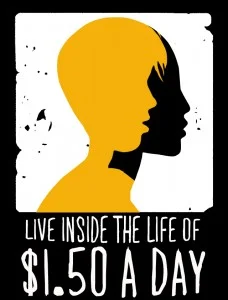
There are lines everywhere. Lines being drawn, crossed, walked around, and even erased when necessary, or when someone has the power to do so. There is an ugly, unjust line that isn’t serving any of us, and killing many who live below it. This is the poverty line. Today, 1.2 billion people around the world live at or below the poverty level, and they exist on $1.50 per day. This sounds unfathomable, but it’s a real fact and a real crisis. To address the issue, the Global Poverty Project created the Live Below the Line campaign challenging everyone to spend five consecutive days eating and drinking on just $1.50 per day.

The challenge runs from April 29 to May 3rd. Istarted a couple of days early on behalf of UNICEF. Since I’m traveling most of this week, I figured it would be wise to begin the challenge while I’m stationary and more in control of my schedule. So far, so good.

My breakfasts have consisted of oatmeal, bananas and honey. For lunch, I’ve been eating a baked potato a day, and for dinner I’ve been gobbling up  half a cup of rice mixed with vegetables.

Am I hungry? A little. Am low in energy? No. Am I truly living below the line? No. To do that I would need to experience living without a roof over my head, clean running water, sanitized food, and a number of other elements I’ve taken for granted, which would be viewed as luxuries to people surviving in impoverished communities across the globe.

Am I becoming more and more conscious about what my body consumes, and how gluttonous and wasteful I normally am? Oh, yes. There is no need to eat nearly the amount of food that I ingest on a regular basis. The sugar, the large portions, the plastic and paper packaging of food, and the money that goes into it all is JUST. SO. EXCESSIVE.

Someone asked me if I felt that participating in this campaign was life-changing. I don’t know that I would describe the experience as such, but I will say that it is life-affirming and awakening. I have so much to be thankful for, and I don’t count my blessings nearly enough. To have a voice, the ability to write, and the means to pursue all my heart’s aspirations is a gift. More so than that, it’s a miracle. I say this because I entered the world without a family. Fortunate enough to be adopted, I’ve lived a charmed life. There were times that I struggled. There were times I was broke. But there has never been a time that I lived below the line, and that is because of the good will and compassion of others.

So, this just makes me wonder. If thousands of people collectively bestowed their good will and compassion to those in need, could’t more miracles arise?

There are people across the globe, some in the backyards of our very own cities, who have no voice because no one is listening. And if they continue to endure living in poverty their children will grow up in poverty, and their children’s children will be raised in poverty. And these crimes against humanity may lead to those children leading lives of crime, in order to survive. Counter-productivity, the loss of goods and services, and the tragedies that occur because of such extreme aridity are just a few reasons to combat destitution to the best of our ability.

While the Live Below The Line campaign is about engaging our moral fiber to benefit those who cannot help themselves, its potential impact can transcend that monumental summit and shift the human condition. Global poverty affects all of us, and we can all do something to squash it.

Thanks to everyone who has donated so far, we’ve already surpassed my initial  fundraising goal. Thank you and good luck to the thousands of people around the world who are participating in the program starting today. It is an absolute privilege and honor to be in your company. Together, we can erase the poverty line and make miracles happen.
ORIGINALLY PUBLISHED ON INCENTIVIZE


MELISSSA JUN ROWLEY

@MelissaRowley

Melissa is a journalist and impact producer focused on promoting STEAM (Science, Technology, Engineering, Art & Math) to advance humanity.