
Thinking about your next trip once the pandemic eases? This year, try one of these remote spots where isolation will be the theme. From Maine to Montana, explore nature free from crowds.
Read More10 Places to Honor Black History and Culture
Through artwork, literature, music and history, these institutions amplify Black voices and address race relations in America.
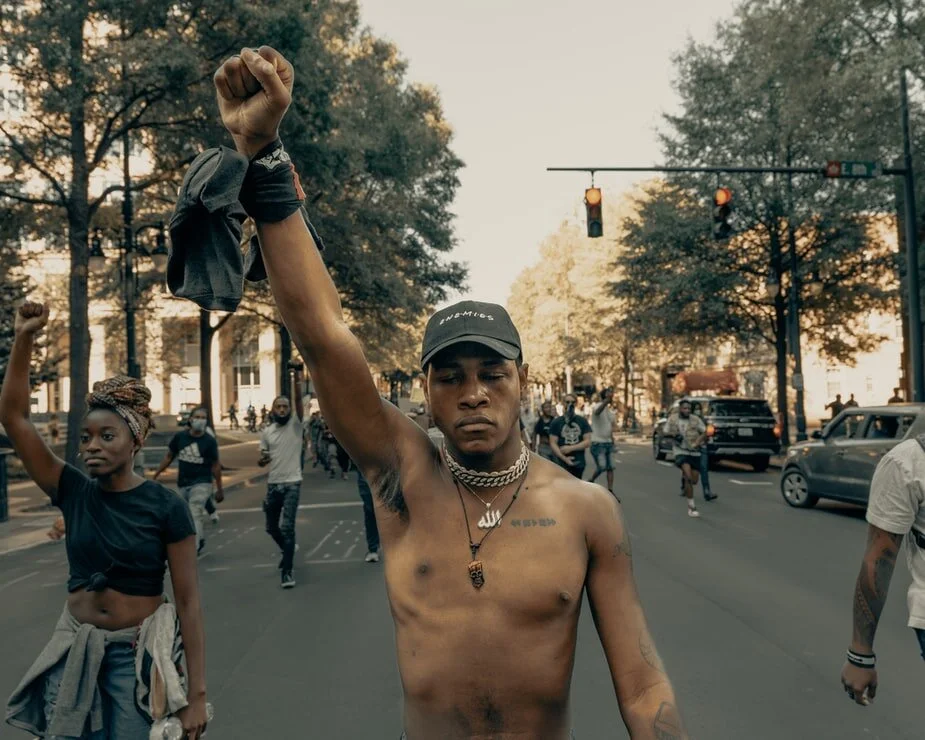
George Floyd protests in Charlotte, North Carolina. Clay Banks. Unsplash.
Amid global protests against racial injustice, a growing number of people are educating themselves on systemic racism and white privilege.
1. Martin Luther King Jr. National Historical Park - Atlanta, Georgia
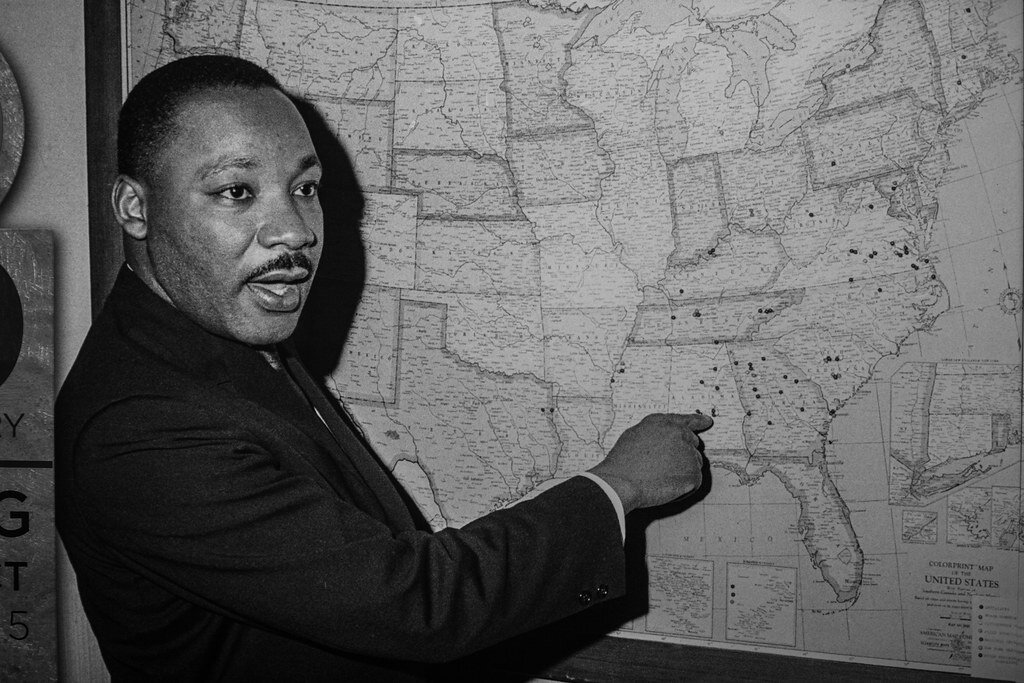
Martin Luther King Jr. locating civil rights protests. Thomas Hawk. CC BY-NC 2.0
Located in one of Atlanta’s historic districts, the Martin Luther King Jr. National Historical Park honors the activist who strove for racial equality. The site includes a museum chronicling the American civil rights movement, as well as Dr. King’s childhood home, garden and gravesite. With 185 varieties of roses, the “I Have a Dream” World Peace Rose Garden promotes peace between diverse world communities. Each year, students from the greater Atlanta area write poems that express the ideals of MLK, such as using civil disobedience to reach seemingly impossible goals. These “Inspirational Messages of Peace” are exhibited among the flowers and are read by thousands of visitors each year. Directly across the street is the final resting place of Dr. King and Coretta Scott King, his wife, surrounded by a reflection pool.
Until his assassination in 1968, King preached at Ebenezer Baptist Church, known as “America’s Freedom Church.” The church has continued to serve the Atlanta community since his death, vowing to “feed the poor, liberate the oppressed, welcome the stranger, clothe the naked and visit those who are sick or imprisoned.” While sitting in the pews, visitors hear prerecorded sermons and speeches from Martin Luther King Jr. Most recently, the funeral of Rayshard Brooks, a Black man fatally shot by police, was held at the church, with hundreds of prominent pastors, elected officials and activists in attendance.
2. National Museum of African American History and Culture - Washington, D.C.
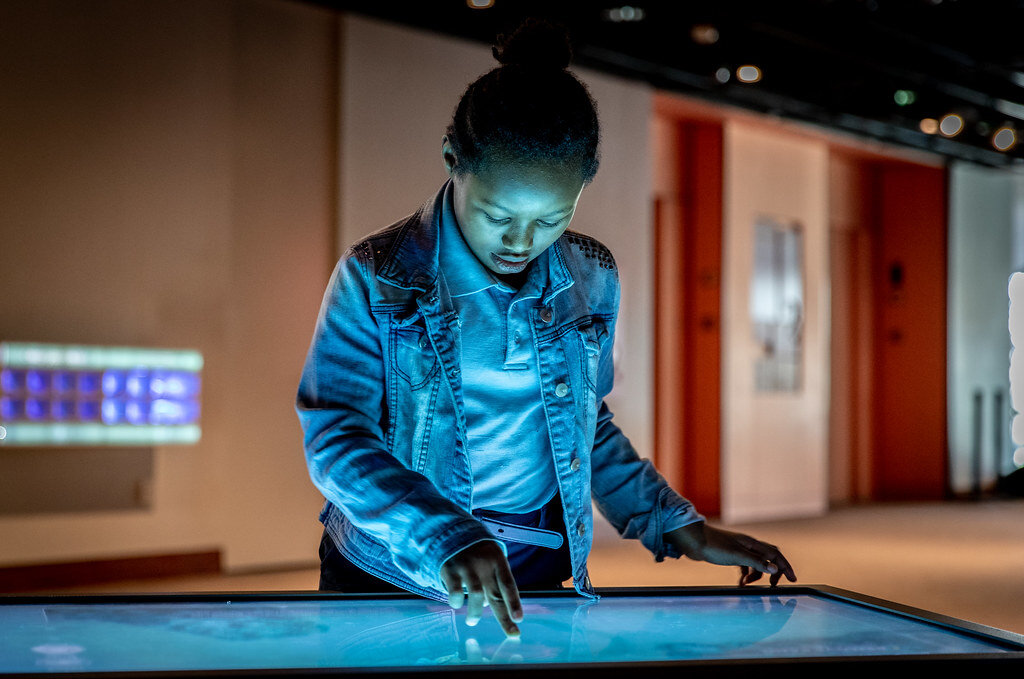
A student at the NMAAHC uses an interactive learning tool. U.S. Department of Education. CC BY 2.0
The National Museum of African American History and Culture (NMAAHC) is the only museum devoted exclusively to African American life, history and culture. In the words of Lonnie Bunch III, founding director of the NMAAHC, “The African American experience is the lens through which we understand what it is to be an American.” From slavery to the civil rights movement, the museum aims to preserve and document Black experiences in America. With the launch of the Many Lenses initiative, students will gain a greater understanding of African American history by studying museum artifacts and discussing cultural perspectives alongside scholars, curators and community educators. Through the Talking About Race program, the museum provides tools and guidance to empower people of color and inspire conversations about racial injustice.
3. Black Writers Museum - Philadelphia, Pennsylvania

Langston Hughes, a famous writer featured at the BWM, signs autographs. Washington Area Spark. CC BY-NC 2.0
Built in 1803, the historic Vernon House includes the Black Writers Museum (BWM), the first museum in the country to exhibit classic and contemporary Black literature. The BWM celebrates Black authors, like Langston Hughes and Zora Neale Hurston, who documented the resilience and resistance of African Americans throughout history. Supreme D. Dow, founder and executive director of the Black Writers Museum, noted, “There was a time in American history when Black people were denied the human right to read or write. But, because of the innate drive to satisfy the unquenchable thirst for self determination, our ancestors taught themselves how to read and write in righteous defiance of the law, and in the face of fatal repercussions.” Through books, newspapers, journals and magazines, the museum honors the Black narrators of history. The BWM also strives to inspire future African American authors with community activities like poetry readings, cultural arts festivals and book signings.
4. Tubman Museum - Macon, Georgia
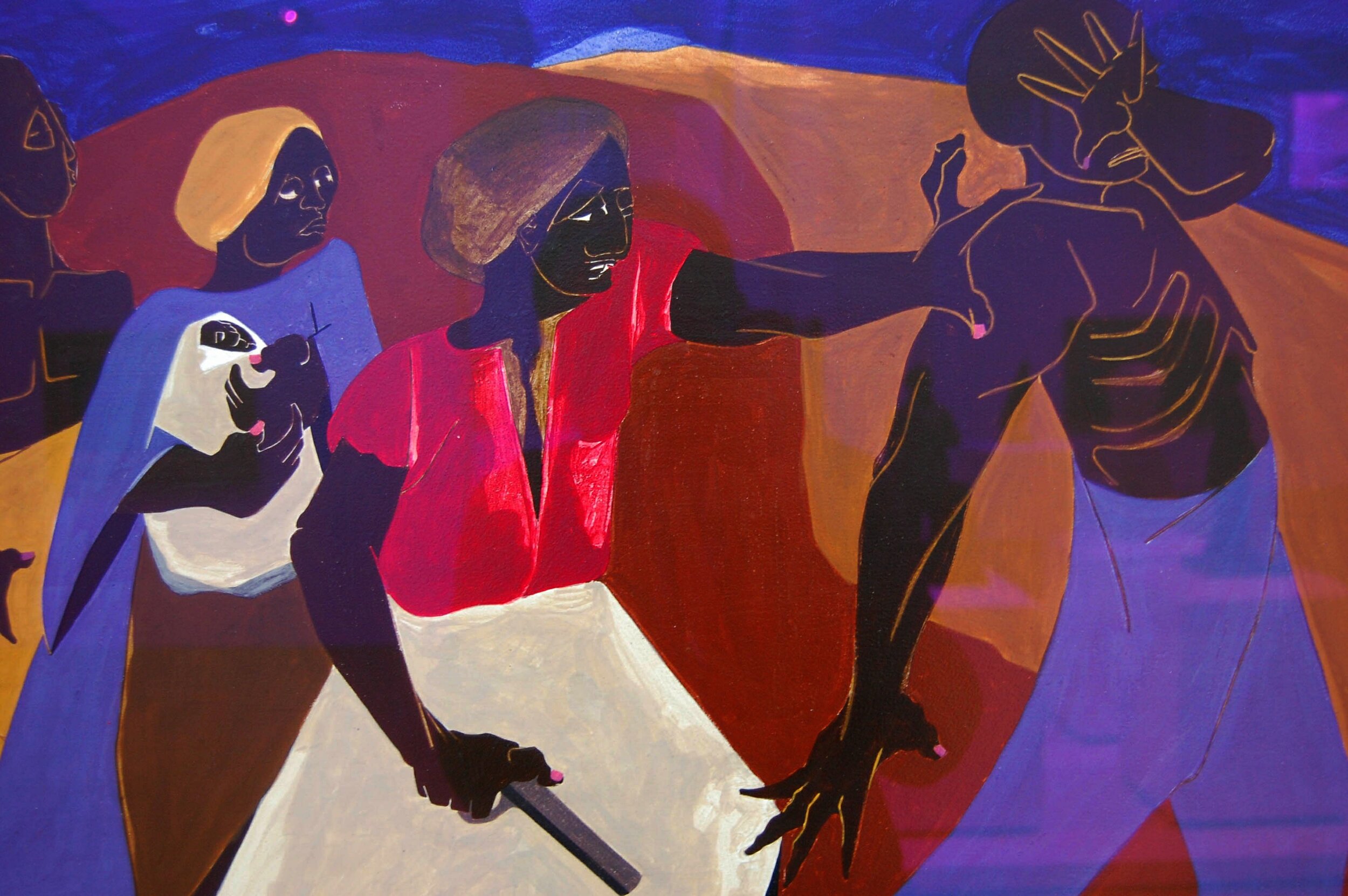
Artwork depicting Harriet Tubman on the Underground Railroad. UGArdener. CC BY-NC 2.0
Named after Harriet Tubman, the “Black Moses” who led hundreds of slaves to freedom, the Tubman Museum has become a key educational and cultural center for the entire American Southeast. Through artwork and artifacts, the main exhibits recount the struggles and triumphs of Tubman, a former slave, abolitionist and spy. The “From the Minds of African Americans” Gallery displays inventions from Black inventors, scientists and entrepreneurs, such as Madam C.J. Walker and George Washington Carver. The Tubman Museum also actively contributes to the Macon, Georgia, community. The Arts & History Outreach program takes Black history beyond museum walls. Local African American artists and teachers bring museum resources into the classroom, promoting hands-on learning. Due to COVID-19, the museum recently launched a distance learning program to provide people at home with a deeper understanding of the African American experience.
5. Museum of the African Diaspora - San Francisco, California
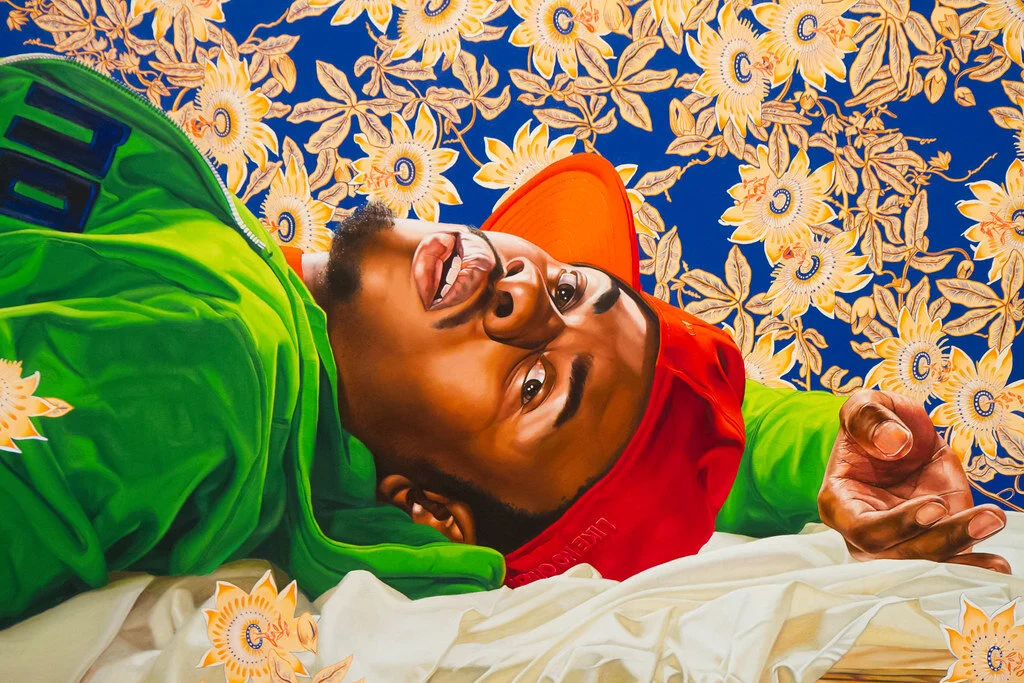
Contemporary art by Kehinde Wiley exhibited at the MoAD. Garret Ziegler. CC BY-NC-ND 2.0
The Museum of the African Diaspora (MoAD), a contemporary art museum, celebrates Black culture from the perspective of African diaspora. Focused exclusively on African migration throughout history, the museum presents artwork, photography and artifacts related to the themes of origin, movement, adaptation and transformation. Currently, MoAD is featuring various exhibitions from emerging artists that explore ancestral memory and Black visibility. As active members of the San Francisco community, museum curators offer various programs like public film screenings, artist talks and musical performances. In response to worldwide protests, the museum created a guide with resources to support Black Americans, as well as a video series that promotes community resilience. Monetta White, MoAD’s executive director, announced, “Now more than ever, we affirm that Museums are Not Neutral. As humanitarian educators and forums for conversation, museums are a space to confront some of the most uncomfortable conversations in human history.”
6. National Museum of African American Music - Nashville, Tennessee
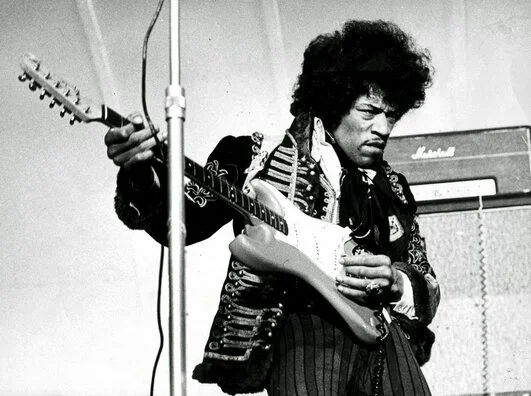
Jimi Hendrix, a featured musician at the NMAAM. Clausule. Public Domain.
Scheduled to open its doors for the first time on Sept. 5, the National Museum of African American Music (NMAAM) will be the first museum in the world to showcase African American influence on various genres of music, such as classical, country, jazz and hip-hop. NMAAM will integrate history and interactive technology to share music through the lens of Black Americans. “African American music has long been a reflection of American culture. Additionally, African American musicians often used their art as a ‘safe’ way to express the way they felt about the turbulent times our country faced,” said Kim Johnson, director of programs at the museum. NMAAM will also support the Nashville community through various outreach programs. From Nothing to Something explores the music that early African Americans created using tools like spoons, banjos, cigar box guitars and washtub basins. Children receive their own instruments, learning how simple resources influenced future music genres. Another program, Music Legends and Heroes, promotes leadership, teamwork and creativity in young adults. Students work together to produce a musical showcase in honor of Black musicians. In 2015, student guitarists paid tribute to Jimi Hendrix, the rock icon. “This opportunity gave them a real-life connection to an artist they had only seen in their textbooks or online,” said Hope Hall, librarian at the Nashville School of the Arts.
7. The Legacy Museum: From Enslavement to Mass Incarceration - Montgomery, Alabama
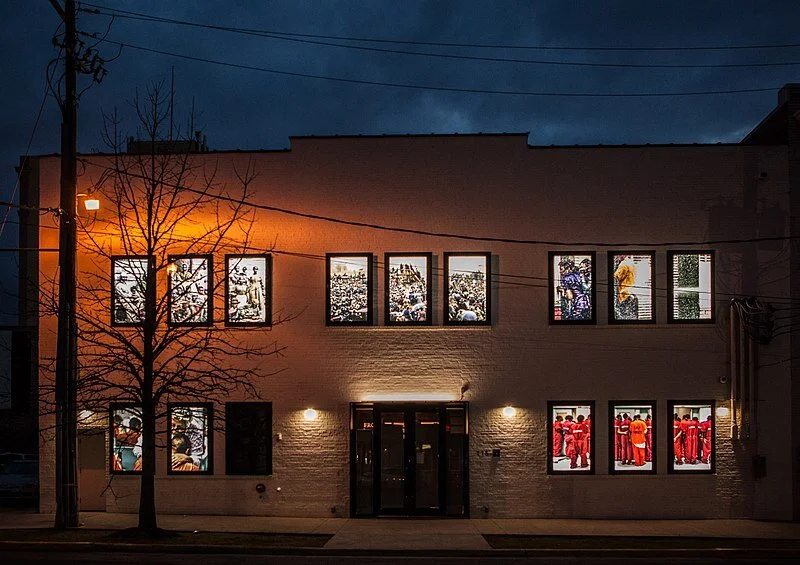
Exterior of the Legacy Museum. Sonia Kapadia. CC BY-SA 4.0
The Legacy Museum is located in a former slave auction warehouse, where thousands of Black people were trafficked during the domestic slave trade. The museum employs unique technology to portray the enslavement of African Americans, the evolution of racial terror lynchings, legalized racial segregation and racial hierarchy in America. Visitors encounter replicas of slave pens and hear first-person accounts of enslaved people, along with looking at photographs and videos from the Jim Crow laws, which segregated Black Americans until 1965. The Legacy Museum also explores contemporary issues of inequality, like mass incarceration and police violence. As part of the Equal Justice Initiative (EJI), the museum is committed to ending mass incarceration and excessive punishment in the United States, with proceeds going toward marginalized communities. “Our hope is that by telling the history of the African American experience in this country, we expose the narratives that have allowed us to tolerate suffering and injustice among people of color,” says Sia Sanneh, member of EJI.
8. African American Military History Museum - Hattiesburg, Mississippi
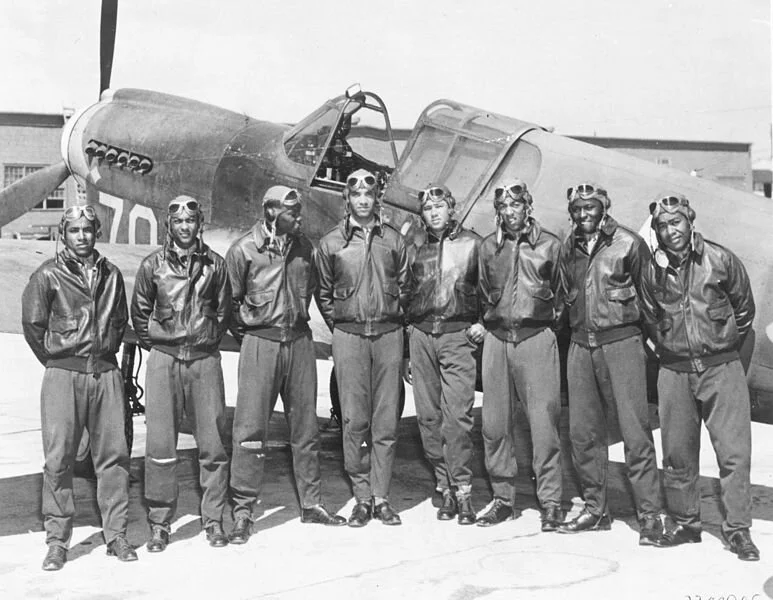
Circa 1942, the Tuskegee Airmen pose in front of their aircraft. Signaleer. Public Domain.
The African American Military History Museum educates the public about African American contributions to the United States’ military. During World War II, the building functioned as a segregated club for African American soldiers. Transformed in 2009, the museum now commemorates the courage and patriotism of Black soldiers, who have served in every American conflict since the Revolutionary War. Artifacts, photographs and medals tell the story of how African Americans overcame racial boundaries to serve their country. For instance, the World War II exhibit features the Tuskegee Airmen, the first African American soldiers to successfully enter the Army Air Corps.
9. National Voting Rights Museum and Institute - Selma, Alabama
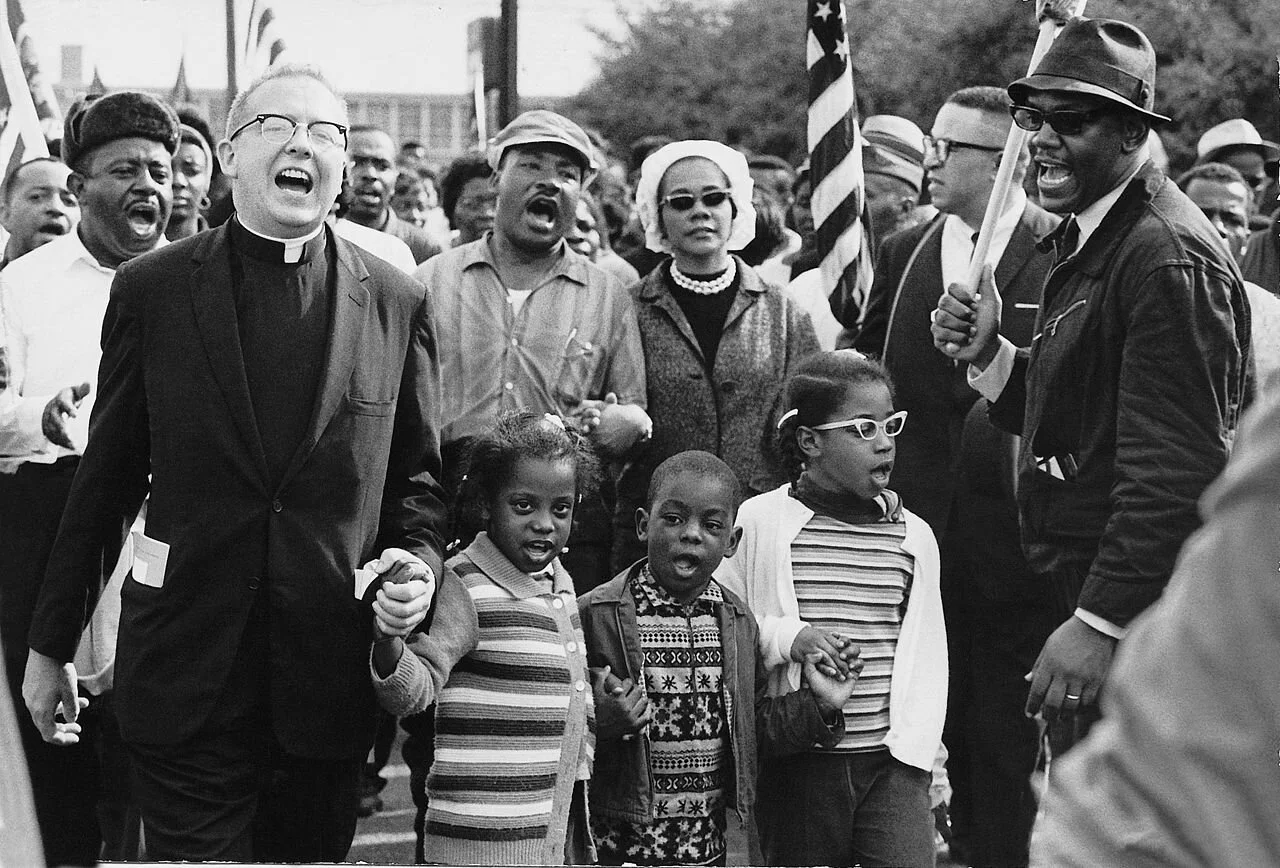
The 1965 march from Selma to Montgomery for the right to vote. Abernathy Family. Public Domain.
In the historic district of Selma, Alabama, the National Voting Rights Museum and Institute honors the movement to end voter discrimination. With memorabilia and documentation, the museum illustrates the struggle of Black Americans to obtain voting rights. In 1965, nearly 600 civil rights marchers crossed the Edmund Pettus Bridge, hoping to reach Montgomery. However, the day became known as “Bloody Sunday” as local law enforcement attacked peaceful protesters with clubs and tear gas. While the Voting Rights Act of 1965 outlawed voting practices that disenfranchised African Americans, many believe voter suppression still exists through strict photo ID laws for voters, a failure to provide bilingual ballots, and ex-felon disenfranchisement laws. By educating the public, the museum hopes to forever dismantle the barriers of voting in the United States.
10. National Underground Railroad Freedom Center - Cincinnati, Ohio
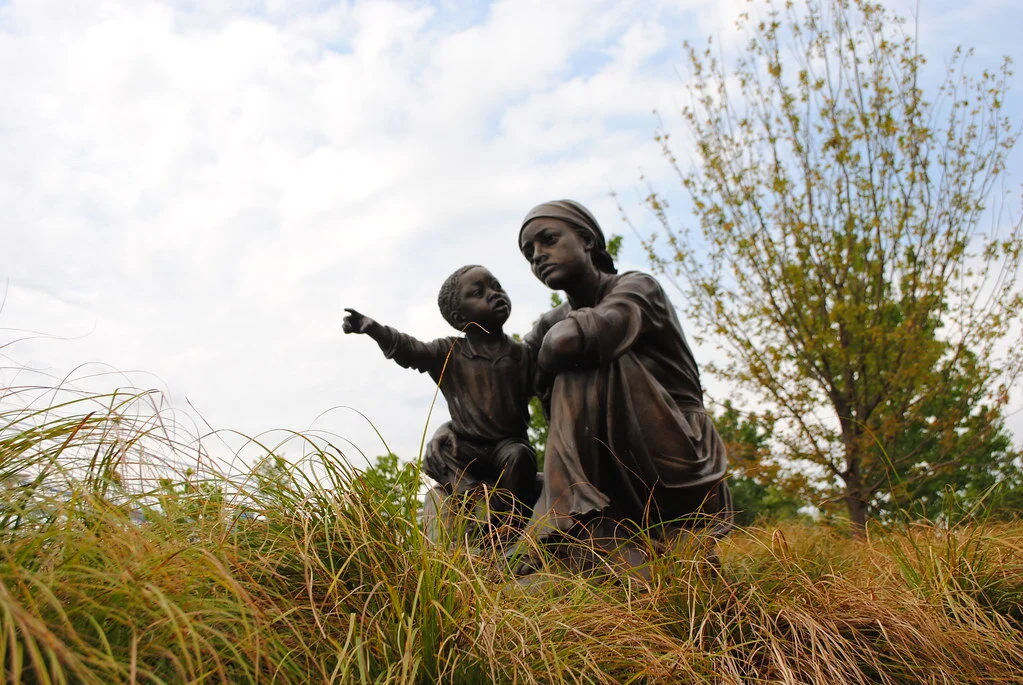
On the banks of the Ohio River, a statue depicts a mother and her child escaping slavery. Living-Learning Programs. CC BY-NC-ND 2.0
Near the Ohio River, where thousands of slaves traveled in search of freedom, the National Underground Railroad Freedom Center reveals the ongoing struggle for autonomy. From the historical vantage point of the Underground Railroad, the museum promotes the modern abolition of slavery. Due to widespread human trafficking, nearly 40 million people are currently enslaved around the world. As stated on the museum’s website, “Despite the triumphant prose of our American history books, slavery didn’t fully end 150 years ago. Today and throughout time, people around the world have struggled for their freedom. Yet, as forms of slavery evolve, so do the imaginations of those fighting for freedom.” Through artifacts, photographs and first-person accounts, the museum introduces the men and women who have resisted slavery. “Invisible: Slavery Today” is the world's first permanent exhibition on the subjects of modern-day slavery and human trafficking, challenging and inspiring visitors to promote freedom today.
Shannon Moran
is a Journalism major at the University of Georgia, minoring in English and Spanish. As a fluent Spanish speaker, she is passionate about languages, cultural immersion, and human rights activism. She has visited seven countries and thirty states and hopes to continue traveling the world in pursuit of compelling stories.
Zacatecas: a Vibrant Community in the Heart of Mexico
Travel deep enough into the Chihuahuan Desert and you’ll find yourself in Zacatecas. The Mexican state, known for its mining industry and colonial architecture, is often overlooked by travelers in favor of more popular cities such as Guadalajara, Mexico City and Acapulco.
Read More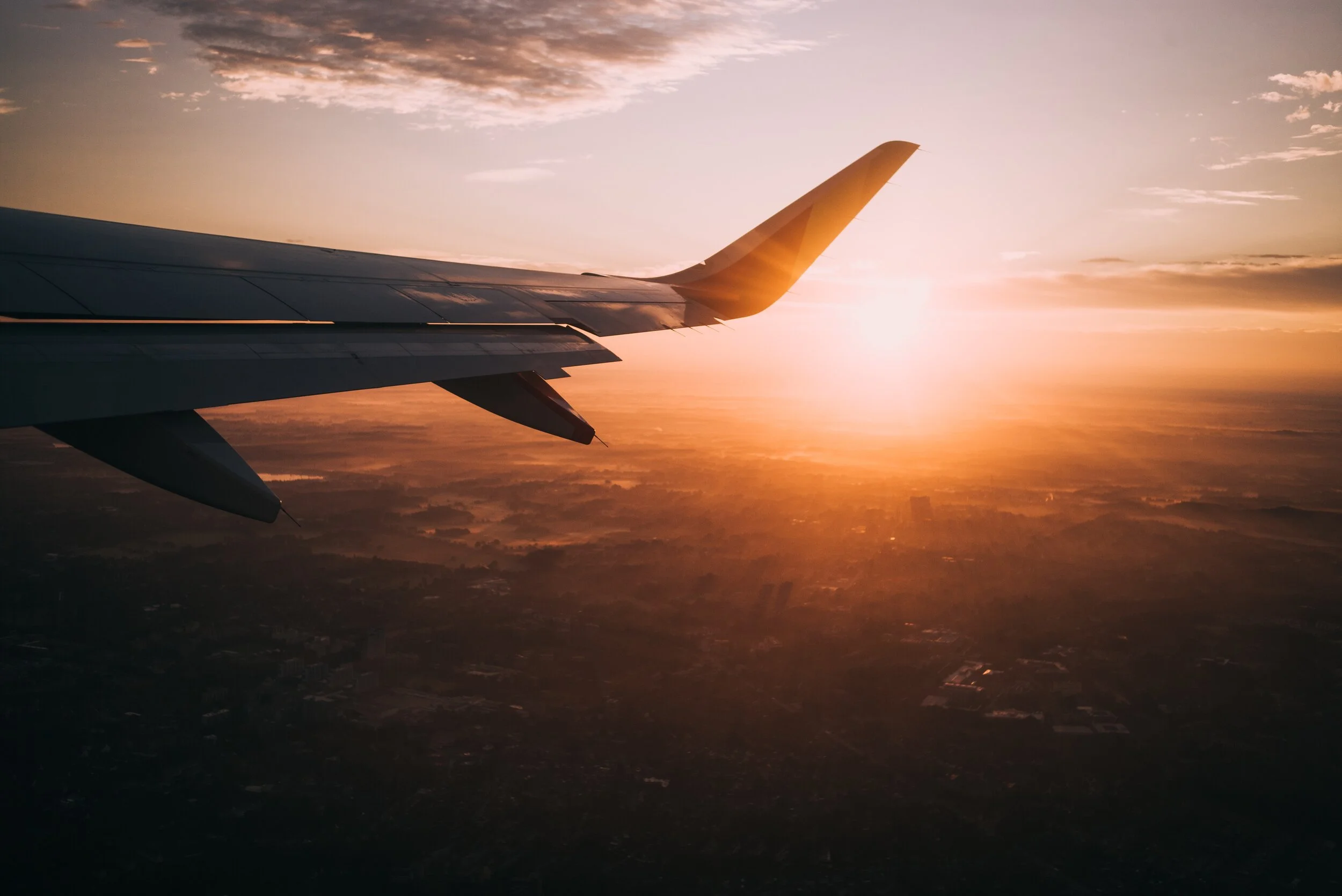
A sunrise view. Nils Nedel. Unsplash.
Ready to Travel? An International Guide to Which Countries are Welcoming Travelers Now
Around the world, countries vary in terms of their travel restrictions. Most of South America bans all foreign travelers from entering, while Europe is opening up but has a ban on travelers from the US. Here is a worldwide guide to where you can go and not go.
10 Animal Festivals From Around the World That You’ve Likely Never Heard Of
The festival of lights honors and worships Lakshmi, the Hindu goddess of wealth, prosperity and beauty, and celebrates the relationship between humans and animals.
Read More7 Whimsical Outdoor Adventures Sure to Pique Your Interest in New Zealand
From natural wonders such as glowworm caves and geothermal pools (considered Maori sacred waters) to whimsical spots such as Teapotland, home to a garden of 1,200 quirky teapots—New Zealand will not disappoint.
Read MoreNew Zealand: Aotearoa
“Rich greenery, rough landscapes and unreal scenery. Footage shot over a time period of eight months features New Zealand in a way never seen before. German electronic music artist “The Road up North” exclusively created surreal soundscapes to accentuate the unique mood of this journey through territory and changing seasons.” -Birk Poßecker
The Truffle Kingpin And Young Entrepreneur Based In New York City
At first glance, 24-year-old Ian Purkayastha seems like any other entrepreneur: he's motivated, crafty, disciplined, and personable. But behind the facade of a clever businessman lies a youthful energy and a passion for selling some of the rarest food on the planet: truffles. Purkayastha sells all kinds of truffles to 90 percent of New York's fine dining restaurants and has been peddling the fungi out of his backpack to the likes of Eleven Madison Park, Le Bernadin, and other Michelin-starred restaurants for nine years now.
THIS ARTICLE WAS ORIGINALLY PUBLISHED ON GREAT BIG STORY
Bloom: Japan
In April this year, director Julian Lucas went on holiday to Japan - his camera came with him.
The result is the film Bloom.
He discovered a peculiar sense of quiet, desolation, and loneliness among the people.
In a country so packed with lights and trains and crowds and experiences, from the theatrical to the serene to patently bizarre, Bloom captures this lovely dichotomy between the people and the cities they inhabit. Inside the noise and the chaos, Julian captures people alone, wandering the streets, buried in telephones - a dull, menacing and peaceful nothingness below the surface.
What’s most inspiring about the footage is the way that it doesn’t struggle or form its way into any kind of narrative - Julian just lets the film be exactly what it is. But in that loose process, which is unlikely an accident, there’s this dizzying repetition that tells us something quite profound about Japanese culture. The score, too, by Matt Hadley, dances with the vision. At times intense and jarring, edited cleverly to interplay with the captured audio. At times serene and beautiful, with layered synths and string lines that dance softly up and down the keyboard.
“I wanted the soundtrack to be it's own character,” says Julian. “I wanted the viewer to be as audibly stimulated as they are visually. And I wanted sounds from the real world to contribute to the rhythm and pacing of the piece.”
ECUADOR: The Galapagos
Andrew Norton recently got invited to visit the Galapagos islands in Ecuador. Just before returning home he called his wife, Katie, to tell her about it. A tale of trying quasi-adventurous things, Darwin marrying his cousin and riding a tortoise, and a kid that can do 1000 kick-ups, among other things.
The Spirit of Morocco: Music, Architecture, and Living Heritage
There is more to Morocco than the gorgeous sand dunes of Merzouga in the Sahara or the majestic Atlas Mountains of the Maghreb region. Morocco’s music can take you on a journey through Spain, with flavors of Berber, hints of Arabic, and the Saharan style. Its architecture is a show stopping feature of pisé buildings, the finesse of Moorish exiles, and a glimpse into the Islamic influence of the Idrisid dynasty. The people bring craftsmanship and skill to their communities, combining history and culture in a way only Morocco can do.
Read MoreLocation: Morocco / Ait Ben Haddou
Shot / Edit / Grade by Laurent Tixhon
Beyond The Kasbah
In Morocco, the word Kasbah is used to reference a bustling city center, a citadel, something kept apart from its rural counterparts.
Read MoreVIDEO: Bhutan
Explore the country of Bhutan with this unique video.
Read MoreMexico
The videographer is Face du Monde and these are his comments on the video:
Read MoreDigital Nomads: Connecting to Wifi and Communities Around the Globe
With an uptick in digital nomad lifestyles and coworking tourism, how are digital nomads positively or negatively impacting the world?
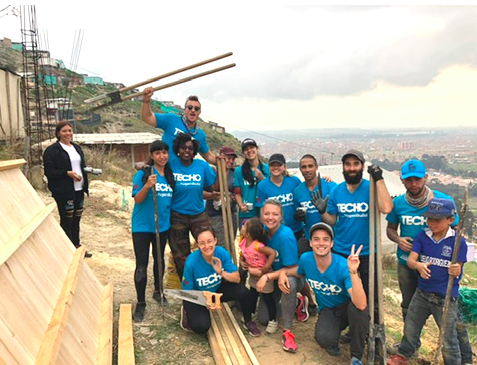
Remote Year Kahlo group volunteering in Bogota, Colombia with former partner, TECHO, a Latin American organization that seeks to overcome poverty through the help of locals and volunteers. Photographer and CC Travis King.
Birds sing melodically against the white-washed backdrop on a sunny Greek isle as Travis King shares, over Zoom, how his passion for purposeful travel evolved into his role. King collaboratively runs social impact projects across the globe at the digital nomad program, Remote Year.
“I fell in love with the world and the way we can connect with new people and cultures,” King says. For close to five years, he did everything - from working on an Alaskan fishing boat to attaining a one year work VISA in Australia in order to extend the adventure.
“I kept working and volunteering and realized I wanted more,” King says.
When King started out as a Remote Year Program Leader, he found the group he led shared a deep interest in doing good. Each Remote Year community is a group of digital nomads that will stay together throughout the year, sharing experiences, lodging, and coworking spaces in 12 different cities around the world.
“My community’s identity was connected to giving back. We made a commitment - every month we would do one big service event in each new city.”
Digital nomads, defined as people who choose to embrace a location-agnostic, technology-enabled lifestyle that allows them to travel and work remotely globally are increasing in numbers, according to MBO Partner's research. As of 2019, 4.8 million remote workers currently describe themselves as digital nomads, and upwards of 17 million aspire to someday become nomadic.
“I think we’re on the tipping point of this cloud-based revolution where most laptops can connect to the internet anywhere - it gives us ultimate freedom,” King says.
As location-agnostic lifestyles continue to grow, how are digital nomads positively or negatively impacting the places they travel and how are these programs addressing social and environmental impact?
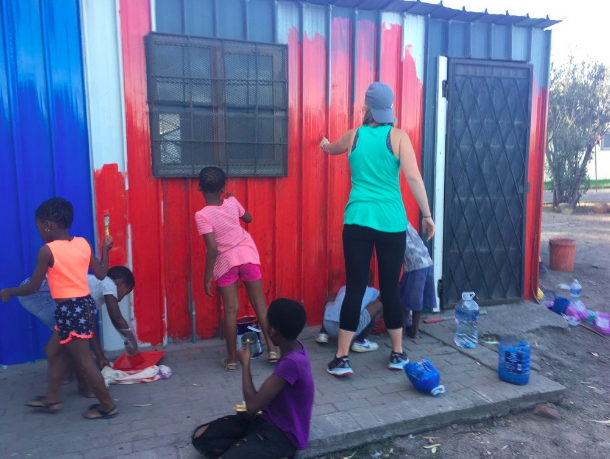
Remote Year Ohana group volunteering in Cape Town, South Africa with partner, Phillipi Music Project, a social enterprise aiming at offering an infrastructure to the musicians from the townships. Photographer and CC Travis King.
Making an impact is in the fabric of Remote Year, according to King, but it began as one-off projects that lacked sustainable results. “The early groups were doing great things with intention and heart - but everything was scattered,” King says.
According to King, one group would go to Buenos Aires, Argentina and plant trees in the mangroves and the next group would find an orphanage to sponsor in Cambodia, while another group would paint families’ homes outside of Medellín, Colombia.
“We realized if we connect the efforts, our impact overtime will be magnified,” King says.
“A lot of problems with social and environmental impact programs are it’s a one time experience and then you’re gone,” says recent Remote Year participant, Rebecca Stone.
“The cool thing about Remote Year is my group could start working on a project, and when we left at the end of the month, there’s a new group that came to take our place,” says Stone.
Stone completed first-hand reporting and travel industry data for Skift during her Remote Year. Like the 40 others in her group, she didn’t want to put her career on hold to travel the world. Remote Year took care of the infrastructure so she could pursue her other interests, including studying tourist impact on cities.
Since Remote Year runs several long-term programs, new groups arrive on a rotating basis to the same 12 to 15 cities, which, according to Stone, mitigates unnecessary negative tourism impact. “I’m in a city like Split, Croatia for one month. I don’t take jobs away from locals. All I do is add my income into the city via eating out, participating in activities, volunteering, all while knowing my tourism dollars are going into the city.”
Now, Remote Year impact projects focus on long-term partnerships. These partnerships touch on a diverse array of social issues. “You’ll get to see a different layer of each city you wouldn’t necessarily be exposed to,” says King about those who get involved.
With a rise in volunteering while traveling among digital nomads, some argue that this can do more harm than good. Medium contributor, Paris Marx writes in an article, “Digital nomads are far less likely to work toward positive local change or halt the gentrification that displaces long-term residents .”
When asked whether he thinks this is changing, Marx responds, “there are some people trying to ‘give back’ in various ways, but the people taking part in these programs don't actually spend much time in these cities. They consume them; they don't live in them.”
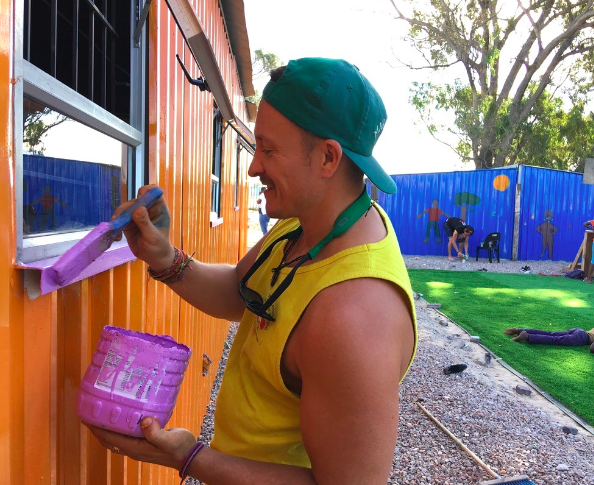
Remote Year’s Director of Community Development and Positive Impact, Travis King, volunteering with the RY Ohana group in Cape Town, South Africa, with partner, Phillipi Music Project. Photographer and CC Travis King.
When asked about the criticism of volunteering abroad, King responds, “My biggest concern is that the conversation has gone too far and people would do nothing than do something, because they worry it may be considered hurtful.” He sees this as a hurdle and encourages people to always research viable organizations and causes to put energy and funding toward while traveling.
As of 2019, Remote Year communities have volunteered 14,842 hours, worked on 312 service projects and fundraisers, raised $134,390 and engaged 2,063 locals in their efforts.
With an uptick in coworking tourism, companies like Remote Year, Unsettled, Venture with Impact, and Nomad Cruise are growing rapidly as more people seek innovative ways to take their profession on the road.
What’s next?
“I would love to see our net cast wider to people of a variety of socioeconomic backgrounds so everyone has an opportunity to be part of Remote Year,” says King. He shares his last stories from Valencia, Spain where they are launching a new program to help nomadic communities preserve and share their arts with the larger Spanish population.
Lasting impact is challenging to measure. According to Marx, real impact abroad “means getting politically involved in one's community to fight for and enact social change in the interests of working-class people. There is hope for positive change but digital nomadism isn't a vehicle for broad-based political action.”
While some people, like Marx, believe digital nomads are a highly individualized group of privileged Westerners who make little positive impact on local communities, others, like King, believe in a broader approach to giving back.
A traveler who can explore and live in new countries and cultures has a unique opportunity. Some will give back, while others may not.
In the end, whatever one is seeking abroad, an excellent way to find yourself is to lose yourself in the service of others.
JULIA KRAMER is a New York-based writer and avid traveler who addresses systems changes to social challenges through storytelling and community building. When she’s not writing or on the road, you will find her cooking something from her urban garden or hiking. Read more of her articles on travel and social impact at julia-roos.com.

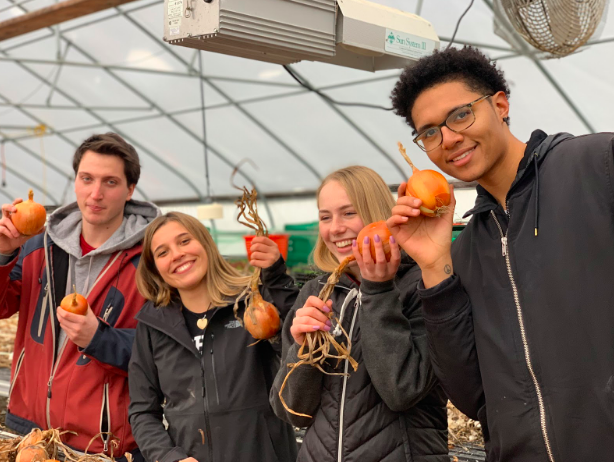
Eco-Gap Participants in the Greenhouse. Photo provided by Eco-Gap.
Take a Gap Year to Learn about Yourself and the Environment
Gap years are on the rise. More and more, young adults are being encouraged to defer their acceptance to college to take a break from the grind of school, mature, and learn more about themselves. For some, taking a gap year serves as an introduction to living away from home. For others, a gap year provides work experience, and the opportunity to make extra cash to pay for college and other expenses. Articles and opinion pieces are frequently being published, attesting to a gap year’s ability to provide crucial preparation for college.
But gap years can serve a purpose other than bettering oneself. Some gap year programs have been created with the goal of fostering a generation of environmentally aware young adults. These programs have an eco-focus, encouraging their participants to live socially and environmentally conscious lifestyles.
International School for Earth Studies
The Cushing family runs the International School for Earth Studies in Southern Alberta. According to Co-Founder, CEO, and Director of Operations Geoffrey Cushing, he and his family were, and remain, “Eco-tourism pioneers.” The International School for Earth Studies run programs that educate and connect people to the environment. They accepted their first gap year student in 2005, and they have maintained a vibrant program ever since.
At the core of their gap year program are four pillars:
Environmental Literacy
Self Defense
(Non Motorized) Outdoor Recreation
Animal connection
The International School for Earth Studies runs two sessions of gap year programs: an Autumn and a Winter session. In addition to living and learning on the institution’s immense property that includes a private lake, diverse animals, and a stable, participants travel to other important places such as the Great Lakes, and the largest concentration of power plants in North America. The gap year students will learn from knowledgeable and experienced staff and speakers, including first nation biologists.
Geoffrey explained that students experience an “immersion into an outdoor lifestyle,” as students spend six to eight hours a day working outdoors. A typical day is split up into morning, afternoon, and evening sessions. In the morning and afternoon, participants will learn how to work and connect with animals, or develop outdoor survival techniques. Evening sessions are more discussion based. Sometimes, participants will stargaze. Other times, a participant will lead a discussion. Geoffrey said that the discussions can get particularly deep and emotional.
Geoffrey hopes that participants will leave this program as more educated global citizens, and will feel the urgency of Earth’s environmental situation. “We feel that the world is in crisis environmentally,” Geoffrey said. “We try to use animals, the voiceless, as the platform for our students to realize how desperate the situation is.”
Eco-Gap at EcoVillage at Ithaca
Ecovillage at Ithaca, NY is comprised of three neighborhoods organized as housing cooperatives. Learn@ecovillage’s gap year program is brand new, they just initiated their first cohort last year.
Liz Walker, Director and Co-Founder of EcoVillage explained that Eco-Gap is unique, as it is set in the Ecovillage, a community that is completely environmentally oriented. Participants live with families in the communities.
There are two opportunities for gap year students:
The Eco-Gap immersion program
The Eco-Gap internship program
The Eco-Gap immersion program is an eight-week structured program in the fall, for a small cohort of eight participants. Liz outlined the major, and varied, components of the Eco-Gap immersion program:
Agriculture: local food and farming. Participants will work on the Ecovillage’s four organic farms, and learn to prepare food for themselves and for the needy.
Health and Wellness: Participants will learn yoga and meditation skills, as well as tap into their own artistic creativity,
Building Skills: Participants will learn about green building, and learn carpentry skills to build their own small shed.
Living and leadership skills: Participants will learn how to express themselves fully, and how to deal with conflict through non-violence.
For those that want more work experience, or a more flexible timeline, the Eco-Gap internship program offers individual mentoring.
Through Eco-Gap’s programming, Liz aims to teach from a “context of environmental and social sustainability and social justice.” Her goal is that her participants “obtain practical skills for transforming oneself and the world.”
These are just two examples of environmentally focused gap year programs. There are more out there, all around the world. Additionally, gap year students can volunteer for the environment independently, without an organized program.

Eliana Doft
Eliana Doft loves to write, travel, and volunteer. She is especially excited by opportunities to combine these three passions through writing about social action travel experiences. She is an avid reader, a licensed scuba diver, and a self-proclaimed cold brew connoisseur.
Explore the Melting Ice Caves of Alaska’s Mendenhall Glacier
Mendenhall Glacier is a spectacular 12-mile-long glacier near Juneau, Alaska. Ice caves make up its surreal interior. Only the truly adventurous can access its icy walls, as the trip to see them requires a kayak trip, an ice climb and—once you're inside—the faith that the glacier’s melting walls won't give way. But this natural wonder is under threat. The glacier has been retreating incredibly quickly in recent years due to warmer temperatures and rising sea levels. Since 1958, it has receded by almost two miles. What remains, however, is an utterly breathtaking fantasyland.
VIDEO: Nepal Times
James Baker took this video to portray his adventures in the mystical land of Nepal. The video shows a cross-section through jungle, city, and mountains in Nepal.
In Japan, Repairing Buildings Without a Single Nail
In the past, making and developing metal was too costly for carpenters in Japan. So instead of using nails, carpenters called “miyadaiku” developed unique methods for interlocking pieces of wood together, similar to a giant 3D puzzle. Takahiro Matsumoto has been a miyadaiku carpenter for over 40 years. He runs his company in Kamakura, Japan, where he assesses and repairs damage sustained by the many ancient temples in his city. Using ancient techniques, he ensures that these spiritual structures stay standing for generations to come.
Cultivating Japan’s Rare White Strawberry
In Japan, there's a specialty fruit craze sweeping the nation, from square watermelons to grapes the size of Ping-Pong balls. Still, the crown jewel of the luxury fruit basket is the white strawberry, bred to be a whole lot bigger and a whole lot sweeter than its classic red counterpart. We took a tour of Yasuhito Teshima's farm in Karatsu, Japan, to find out why so many people are spending a pretty penny for a taste of these famous white berries.