Beyond the Quakes: Taiwan’s Earthquake Preparedness

Despite being hit with a 7.4 magnitude earthquake during rush hour on April 3rd, 2024, Taiwan has emerged largely unscathed. Why is that?

A seismogram, a chart with undulating lines, for the 2024 earthquake. There is a trend of greater magnitude toward the beginning and it tapers lower.

A seismogram of the April 3rd, 2024 earthquake in Taiwan. James St. John. CC BY 2.0 

On April 3rd, 2024, the strongest earthquake in about 25 years rocked the streets in and around Hualien on the east coast of Taiwan, followed by hundreds of aftershocks. While the search for survivors remains underway, so far 13 people have been found dead, and nearly 1,000 people have reported injuries. While any number of deaths and injuries is tragic, these figures are minuscule compared to the near 2,500 dead and 100,000 injured during the 7.7 magnitude earthquake that struck in 1999 and left approximately 50,000 homes destroyed.

Considering its location along the Ring of Fire and the presence of three seismic belts in the country, Taiwan has a long history of earth-shaking events. The Ring of Fire refers to a fault line around the Pacific Ocean that is home to a majority of the world’s earthquakes. Because of this, Taiwan records an average of about 2,200 earthquakes every year, with a record of nearly 50,000 during 1999. Taiwan’s mountains then amplify the impact of earthquakes, which resulted in the landslides that accounted for most of the deaths on April 3rd.

Because of this susceptibility and catastrophic earthquakes in the past, Taiwan has developed some of the best earthquake preparedness techniques in the world. Following the devastating Chi-Chi earthquake in 1999, the Taiwanese government began reforming construction regulations. This included seismic retrofitting in buildings and infrastructure across the country and the prosecution of inadequate construction practices. Years of experience have also resulted in efficient emergency response, aided by surveillance cameras and social media used to identify locations requiring aid. 

Educating the public has been another initiative to prevent deaths during earthquakes and aftershocks. In addition to public awareness campaigns, the Central Weather Administration frequently publishes resources including information and tips surrounding earthquake preparedness. The Central Weather Administration has also run a real-time seismic network since 1994, which tracks data and notifies the public of seismic activity through an early warning system. The data collected by the seismic network is also used to update building codes.

GET INVOLVED

Ways for people to support Taiwan’s emergency response and earthquake preparedness include donating to and supporting organizations such as the Red Cross, Taiwan Root Medical Peace Corps and Peace Winds America.


Madison Paulus

Madison is a student at George Washington University studying international affairs, journalism, mass communication, and Arabic. Born and raised in Seattle, Washington, Madison grew up in a creative, open-minded environment. With passions for human rights and social justice, Madison uses her writing skills to educate and advocate. In the future, Madison hopes to pursue a career in science communication or travel journalism.



Family Planning or Ethnic Cleansing in Peru?

In the 90s, hundreds of thousands of impoverished and often Indigenous Peruvian women were forcibly sterilized. Now, they seek justice.

Two Quechua women in traditional dress in city square, they hold the hands of two young smiling children and hold a small goat.

Quechua Women and Children. Josh Walczak. CC BY-NC-SA 2.0.

In December of 2023, a fight that has spanned decades was dealt two major blows when former Peruvian President Alberto Fujimori was released from prison on the same day that Peru’s Supreme Court annulled an investigation into state-sponsored sterilizations. Fujimori, who oversaw the sterilization program during his presidency, had been serving time in prison after being found guilty of crimes against humanity by Interpol. Peru’s Constitutional Court authorized his release on humanitarian and health grounds less than two years after the Inter-American Court of Human Rights had overruled his pardon in 2022. Elected in 1990 during a period of great economic and political unrest in the country, Fujimori presided over an administration fraught with corruption, controversy, and human rights abuses. Most notoriously, he oversaw the Barrios Altos Massacre, for which he was charged and sentenced. 

Although their cases are the most widely publicized, political dissidents were not Fujimori’s only victims. After his re-election in 1995, the President introduced the National Reproductive Health and Family Planning Program (also known as the National Population Program) to address issues of poverty, economic instability and overpopulation. Fujimori presented the program as a feminist undertaking that would assure the reproductive rights of Peruvian women. Prior to the implementation of the program in 1996, women could only be approved for sterilization if they met a number of prerequisites, such as age or health risk factors. The National Population Program did away with the majority of those prerequisites. As a result, 272,028 women were sterilized by the government. Many of those women, however, have since come forward to say that they were subjected to the procedure against their will. 

In what has been called a genocide or ethnic cleansing Fujimori’s administration mainly targeted women from impoverished backgrounds for sterilization, many of whom were members of Peru’s Indigenous communities. The sterilization program utilized policies developed by the Peruvian military in their Plan Verde, a military operation initially conceived as part of a coup against Fujimori’s predecessor. In one volume titled "Driving Peru into the 21st Century," the plan emphasized the convenience of sterilizing “culturally backward and economically impoverished groups.” Fujimori’s government employed unethical practices to manipulate and downright coerce women into undergoing the sterilization procedure, including by luring women to clinics under false pretenses, locking women inside the clinics, refusing essential healthcare unless they consented to the procedure, and holding the women down and injecting them with anesthesia. Doctors employed abusive language, accusing women with large families of acting like animals and of being useless. Even women who were already using other birth control methods, such as a Copper IUD, were subjected to sterilization. Many Indigenous women spoke Quechua rather than Spanish as a first language and did not understand what they were agreeing to, raising issues of informed consent.

“The Quipu Project,” developed in collaboration with MIT, is an online, interactive documentary that seeks to record and share the stories of women who were forcibly sterilized. Testimonies from Peruvian women document the suffering inflicted by the National Population Program. Many women were promised support and treatment during the recovery stage, only to be sent home immediately after the procedure, swollen, covered in rashes, with a variety of lasting medical issues. Some women, such as Celia Edith Ramos Durand, passed away from medical complications following the procedure. One woman from San Juan described the impact the operation has had on her life, saying “I don’t know if I will ever get better. I don’t believe I will ever heal … My whole body hurts. We are all in pain. Even my vagina hurts.” 

Rather than serving as a remedy to economic woes, the program National Population Program has devastated vulnerable impoverished and Indigenous communities. “Ever since I was sterilized, I haven’t been able to work as before,” one woman confessed to the Quipu hotline. “We want justice,” another says, “We have been suffering for so many years. There’s not even a doctor to check our health.”

Peru’s Supreme Court decided to annul the investigation into government-sponsored forced sterilization in December following a lawsuit filed by Fujimori’s Minister of Health, Alejandro Aguinaga, citing the statute of limitations as well as lack of evidence. This is not the first time the investigation has been impeded. For decades, the fight has been an uphill battle, as the investigation has been opened, closed and reopened many times. In 1999, various human rights groups collaborated to bring the case of Mamerita Mestanza Chavez, another woman who died following the sterilization procedure, before the Inter-American Commission on Human Rights. In 2001, the Truth and Reconciliation Commission was established to investigate human rights abuses that occurred under Fujimori’s administration. Maria Isabel Cedano, a lawyer with the nonprofit organization DEMUS, is representing over one thousand plaintiffs before the IACHR. Unfortunately, none of these efforts have yet to yield results for the victims as the Peruvian government continues to dismiss cases and throw up legal roadblocks in an incredibly complex case that encompasses issues surrounding the definitions of consent, sexual violence and genocide. It is now up to the Attorney General’s office to demonstrate that the crimes committed represent an extreme violation of human rights in order to negate the statute of limitations. 

TO GET INVOLVED

Quechua Benefit: Quechua Benefit is a nonprofit organization that aims to empower Quechua people in Peru’s highlands. It provides education, economic support and medical services.

DEMUS: DEMUS is a Peruvian Feminist Organization that focuses on protecting women’s sexual and reproductive rights. One of their campaigns, “Somos 2074 Y Muchas Mas,” seeks reparations for the victims of Peru’s forced sterilization program. 


Rebecca Pitcairn

Rebecca studies Italian Language and Literature, Classical Civilizations, and English Writing at the University of Pittsburgh. She hopes to one day attain a PhD in Classical Archeology. She is passionate about feminism and climate justice. She enjoys reading, playing the lyre, and longboarding in her free time. 

Nature’s Day in Court: Ireland’s Green Revolution

Ireland may become the first European country to constitutionally recognize that ecosystems possess legal rights.

The rocky coastline of Ireland and a dark ocean in its coves.

Seascape in Ireland. Giuseppe Milo. CC BY 2.0 DEED

Ireland, a nation renowned for breathtaking landscapes, may become the first European country to enshrine the rights of its nature into the national constitution. In December, the Oireachtas Joint Committee on Environment and Climate Action called on the government to begin steps towards a referendum. The referendum, if successful, would recognize that ecosystems possess legal rights comparable to those of humans and corporations.

In December, the Joint Committee on Environment and Climate Action proposed a series of administrative measures for drafting constitutional amendments to the Irish government. The amendments would bestow nature with inherent rights to existence, perpetuation and restoration. Elements of nature would be seen as having the rights to flourish and be respected. The amendment would additionally recognize that humans have a right to a clean environment and protect the right of any person or organization to defend or enforce those rights on the behalf of nature.

The movement to legislate the rights of nature has grown in recent years. In Ireland, the proposition to amend the constitution emanated from the loss of biodiversity within the country as of 2023. The Citizens’ Assembly on Biodiversity Loss addressed the unprecedented rate at which human activity has driven the mass extinction of plants and animals, with over 1 million more at risk of the same. The danger to Ireland's native species has been attributed to the overall change in its climate.

Similar to Ireland, the ecosystems of other countries have equally felt the effects of climate change. In the Andean plain of Bolivia, reduced precipitation and increased temperatures have facilitated rapid desertification. In Uganda, the pace of species extinctions has accelerated as a result of prolonged periods of drought and erratic rainfall due to deforestation. These countries, among others including Ecuador, New Zealand, and Spain, have a form of national law to recognize the rights of nature, or legal personhood for ecosystems. These laws typically provide a higher level of protection to ecosystems than environmental protection laws alone, although not all are constitutionally bound. Some countries that have written the Rights of Nature include Ecuador, New Zealand, India and Mexico.

Policymakers around the world have begun to embrace a changing idea of how nature itself is treated under law. Several governments have legally bound the ‘rights of nature’ to protect certain land and water from human development. In Bangladesh, all rivers are now under legal protection. In Colombia, the Supreme Court recognized the rights of the Amazon River. Ecuador, the first country in the world to recognize the rights of nature, gives “Mother Earth” legal standing in its constitution. This jurisprudence has prompted a massive shift away from the view of nature as a ‘thing’ that humans have a right to use and eventually destroy. Dr Peter Doran of the School of Law at Queen's University Belfast argued to the Joint Committee in Ireland that granting constitutional protection to nature would not only save species and habitats but also reorient human priorities, which would have much more long term positive consequences.

Despite the good intentions behind giving nature constitutional rights, some have called the law ‘anti-human,’ claiming that it will stop extractive projects such as mining or that the rights for nature are unlikely to provide a plausible solution to the issues environmentalists aim to resolve. Proponents respond that the laws aim to protect the integrity of nature so that it may persist in the future, not abolish the rights that humans have to, among other things, private property.

The Center for Democratic and Environmental Rights appeared before Ireland’s Joint Committee to testify for why the rights of nature should be constitutionally recognized. This next step for Ireland is now in the hands of the government and the Oireachtas (parliament). For legal effect, the amendments must be approved by both houses of the Oireachtas, Dail Eireann and the Seanad, and win a majority of the popular vote in a national referendum.

TO GET INVOLVED:

The Nature Conservancy is an organization focused on creating solutions to climate change and biodiversity loss. By tackling these issues with projects involving clean energy policies, carbon storage and agricultural innovation, there is no shortage of opportunities for the public to help. The organization lists ways to get involved on their website that range from volunteering to taking a pledge to donating.

Global Alliance for Rights of Nature is a global network of organizations made up of people from all walks of life who are committed to the recognition of the Rights of Nature. The group aims to honor the relationship between humans and nature, additionally pursuing the creation of a system that treats nature as a rights-bearing entity, not a resource to be exploited at will. To better emphasize the interconnectedness of humans and their environment, the group offers the opportunity to get involved as a member, donate, or even participate in internships.

Community Environmental Legal Defense Fund aims to build sustainable communities that assist people in asserting their right to local self-governance and the rights of nature. The group assists indigenous peoples, civil societies and communities in advancing laws for the protection of nature that involves providing legislative and policy drafting, legal research, and public engagement and education. With this, the public is able to join the movement, which offers many opportunities to volunteer in a community or help to organize a campaign.

EarthJustice is a nonprofit public interest environmental law organization that is founded on the belief that everyone has the right to a healthy environment. Through projects focusing on defending a right to clean air, clean water and wild places, the group believes that a better future can be built. With 15 offices and 200 lawyers, as well as an impressive total of 500 legal cases it has represented free of charge, there is no shortage of opportunities for the public to participate, whether through signing petitions or donating.

Mira White

Mira is a student at Brown University studying international and public affairs. Passionate about travel and language learning, she is eager to visit each continent to better understand the world and the people across it. In her free time she perfects her French, hoping to someday live in France working as a freelance journalist or in international affairs.

The Dark Side of Light Pollution

As light pollution engulfs over 80 percent of the world's skies, artificial light has demonstrated its detrimental impacts on the health of humans, ecosystems and the planet.

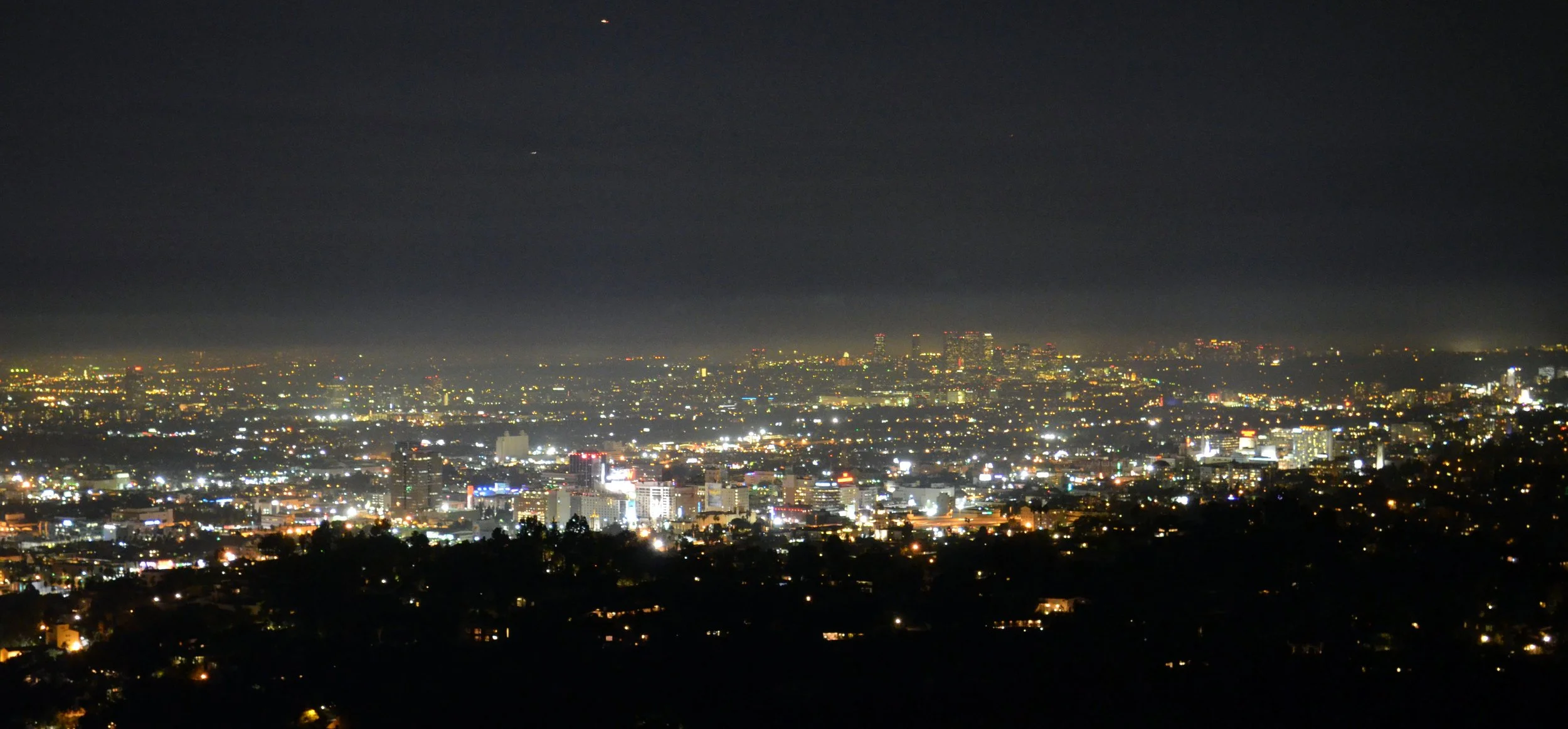
A view of lit up  Los Angeles at night, the lgihts creating a haze over the city.

Light pollution in Los Angeles. Erik Levin. CC BY-NC 2.0

Artificial lighting fixtures like street lights and billboards have become commonplace for billions across the globe. While artificial light has been in use for centuries, light pollution has dramatically increased over the past few decades. Considering the global urban population is projected to rise by up to 68 percent in the next 25 years, the demand for artificial light is unlikely to subside.

Light is integral to life on Earth, influencing the planet's creatures down to their DNA. From reproduction to protection from predators, many life-sustaining behaviors rely on the cycle of day and night. Artificial light has been shown to disrupt life in many kinds of ecosystems. In the wetlands, artificial light interferes with nocturnal mating rituals. Starlight and the Sun's rays also serve as important navigation devices for many animals and insects. When artificial light disrupts these natural signals animals like baby sea turtles and birds can be drawn to their demise.

Within ecosystems, seemingly small changes brought by the presence of artificial light can have cascading effects. For example, some predators have evolved to target insects swarming artificial light. As vital members of the food chain, the decline of insect populations poses a threat to everything in the food web.

The reach of artificial light is not limited to urban areas, as it has been found to seep below the soil and into the oceans. Artificial light hinders the ability of microorganisms in the dirt to use carbon. Meanwhile, artificial light in the oceans has been found at depths of more than 66 feet, affecting the life-sustaining activities of many marine species.

The negative effects of artificial light are not always direct. The electricity required to sustain the current consumption of artificial light mostly comes from coal-fueled power plants. This production emits 15 million tons of carbon dioxide into the atmosphere every year, contributing to climate change and posing further threats to ecosystems.

People are not immune to the negative effects of their own creations. A mere 15 minutes of exposure to bright artificial light has the power to halt melatonin production. Due to its disruptive effects on circadian rhythms, artificial light can contribute to health conditions ranging from sleep disorders to heart disease. While artificial light is often used as a tool for safety and security, it can have the opposite effect. For example, glaring light can cause poor visibility.

While artificial light may be necessary for people to function at night, nearly one-third of all lighting is unnecessary, leaving ample room to cut down on its negative effects. Scholars propose prioritizing dark sky conservation in electric lighting design, using warm-colored light, and avoiding blue-colored light. Blue-colored light is particularly harmful for people and ecosystems alike because it scatters farther than warm-colored light. People can limit their light pollution by shielding, dimming, and turning off lights. Advocacy organizations suggest keeping light pollution in mind when shopping for lighting products. Environmentally friendly models will have adequate shielding to prevent glare and limit the amount of light escaping into surrounding areas. 

TO GET INVOLVED

To advocate for limiting light pollution, get involved in non-profits like DarkSky and Light Justice, which offer opportunities for advocacy and education.


Madison Paulus

Madison is a student at George Washington University studying international affairs, journalism, mass communication, and Arabic. Born and raised in Seattle, Washington, Madison grew up in a creative, open-minded environment. With passions for human rights and social justice, Madison uses her writing skills to educate and advocate. In the future, Madison hopes to pursue a career in science communication or travel journalism.

Chile’s Forest Fires: A Glimpse Through the Smoke

Wildfires are engulfing Chile, claiming the lives of about 130 people so far and sparking questions about potential causes and solutions. 

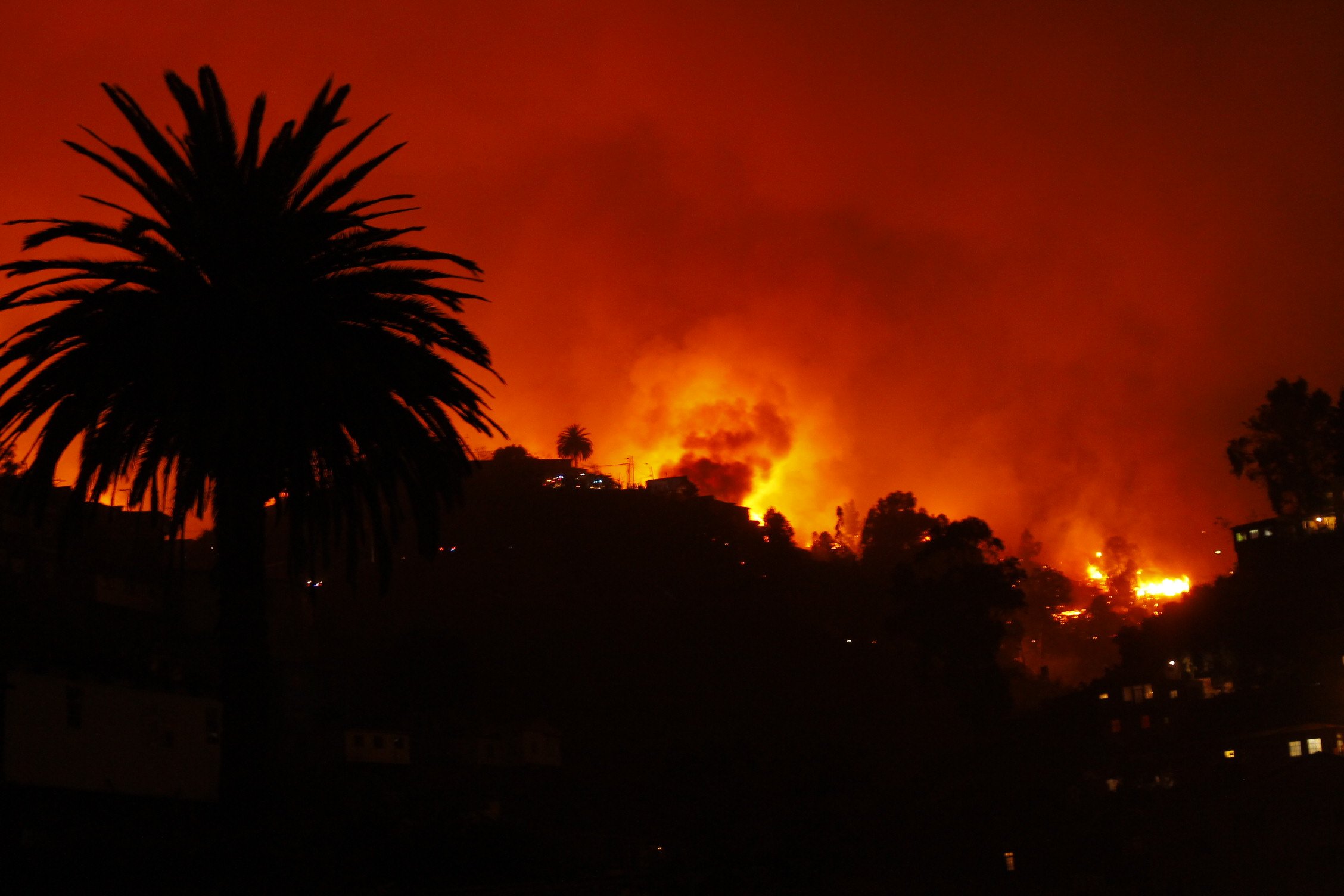
Silhouette of the chilean forest at night, engulfed in flames.

A 2014 forest fire in the Valparaíso region of Chile. Gabriela. CC BY-NC 2.0

As of February 9, 2024, nearly 5,000 people have been affected by what appear to be Chile’s deadliest forest fires on record. These devastating waves of flame follow the planet's hottest year and hottest January to date. Chile is not the only South American country to face an inferno following a scorching January, with forest fires reported in Colombia and Argentina as well.

Fires and climate change are in a feedback loop, amplifying each other. Consequences of climate change, including higher temperatures and heat waves, contribute to drier conditions and longer fire seasons. The fires create areas of dead, dry vegetation at greater risk of future fires, while the smoke from the fires pumps carbon dioxide to the atmosphere, further warming the planet. 

As the planet continues to warm, natural phenomena such as El Nino are intensified, resulting in hotter heat waves accompanied by dry spells, particularly affecting countries in northern South America such as Colombia and Venezuela. As recorded in 2018, about 21% of Chile is forest. The nation's tree cover, paired with its long dry season and heat waves, has proved to be a deadly combination. Forest fires in Chile have contributed to a range of destructive consequences throughout the years, including the loss of lives and biodiversity. 

Chile’s government has made strides to address climate change as a member of 20 international environmental agreements. Chile’s Forestry Service (CONAF) collaborates with the private forestry sector to implement preventative measures. In 2021, former Chilean President Sebastián Piñera presented the National Forest Fire Protection Plan. This plan allocated necessary resources to fire prevention and management, including firefighters, vehicles and technologies to predict and monitor fires. Despite these efforts, forest fires have continued in the country.

Scholars have identified that preventative measures are necessary in addressing forest fires. For example, controlled burns have been used by Indigenous People in North America for millenniums. Controlled burns are meticulously planned fires intentionally set to improve the health of a forest and reduce the risk of large-scale forest fires by decreasing the presence of dry vegetation. Other innovative measures to prevent forest fires include a gel-like fire retardant developed by researchers at Stanford University and technologies that can predict wildfires like Chile’s “Red Button” program.

Despite the issue of wildfires being amplified by climate change, about 99% of forest fires in Chile are caused by people, which is why education is another critical preventative measure. Tactics people can employ to prevent forest fires include taking steps to avoid creating sparks or fire when the area is hot, dry and windy and to refrain from driving over dry vegetation, as vehicle exhaust can reach temperatures over 1,000 degrees Fahrenheit.

Currently, the Chilean government is working tirelessly to combat the ongoing forest fires. For those looking to support these efforts, nonprofits like GlobalGiving provide platforms to donate to those affected, and social media offers a way for everyone to raise awareness.


Madison Paulus

Madison is a student at George Washington University studying international affairs, journalism, mass communication, and Arabic. Born and raised in Seattle, Washington, Madison grew up in a creative, open-minded environment. With passions for human rights and social justice, Madison uses her writing skills to educate and advocate. In the future, Madison hopes to pursue a career in science communication or travel journalism.
The Rules of War in the Israel-Hamas Conflict

Human rights organizations report on dire humanitarian conditions in Israel and Palestine, alleging violations of international law.

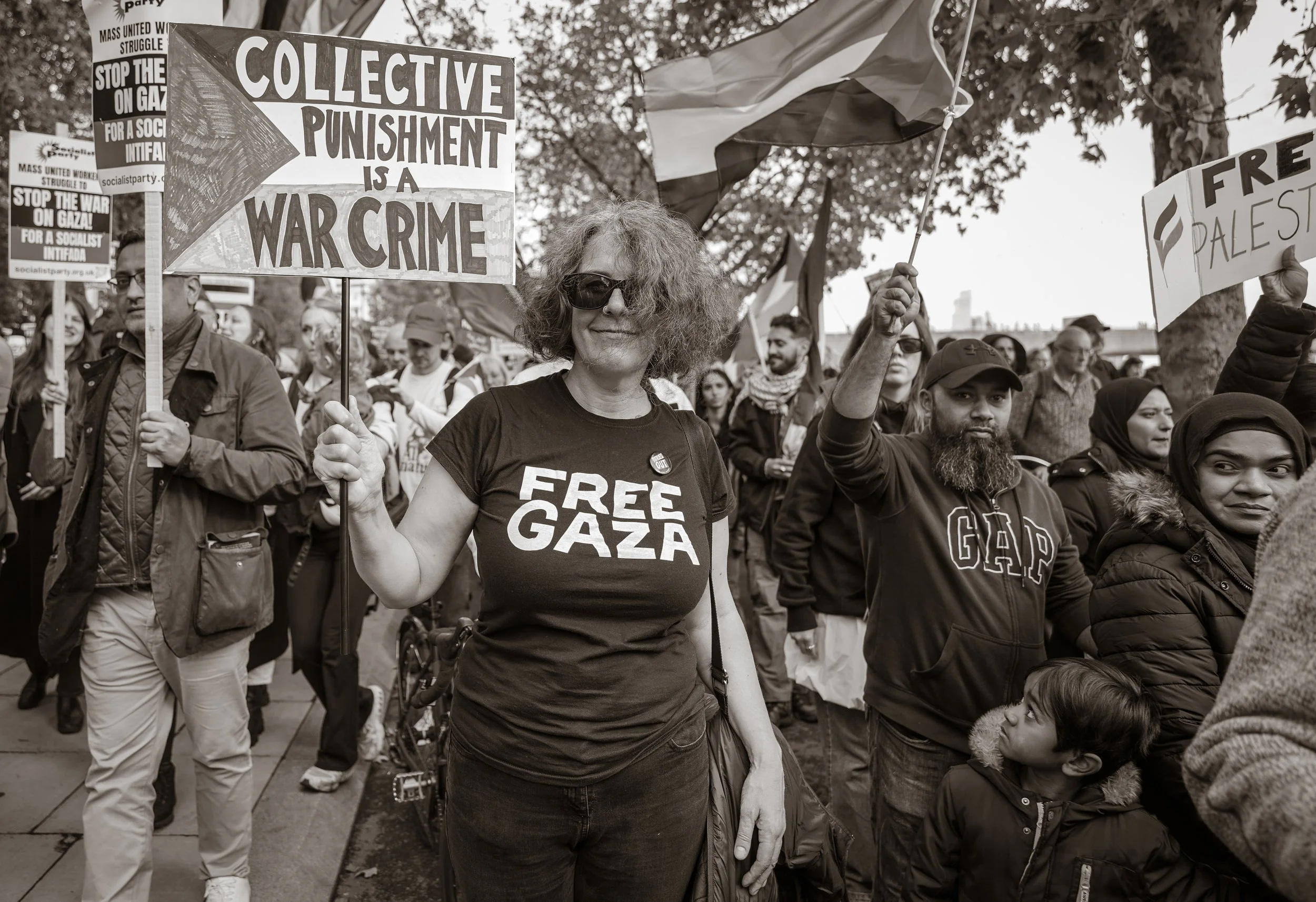
A Palestinian solidarity protest in London, a close up of a woman holding a sign that says "collective punishment is a war crime," fit into the Palestinian flag.

London Demonstration for Palestine. Alisdare Hickson. CC BY-SA 2.0 DEED

Since the escalation of violence in the conflict between Israeli forces and Palestinian armed factions, alleged violations of International Humanitarian Law (IHL) have surfaced. Both sides have faced criticism regarding allegations that may constitute a breach of IHL.

The United Nations Office for the Coordination of Humanitarian Affairs (OCHA) describes IHL law designed to safeguard civilians and prohibit indiscriminate attacks against them. This provision is binding on all armed groups involved in a conflict, regardless of reciprocal actions. The OCHA, with this law in mind, has drawn up potential allegations against Israeli and Palestinian combatants, which take aim at Israeli military tactics and use of prohibited weapons as well as Palestinian armed groups’ conduct.

With the intensification of the violence and the number of Palestinians who have been displaced, there has been rising criticism regarding the weaponry and tactics that Israel has employed against Palestine. More serious allegations include the use of white phosphorus in well-populated areas of Gaza, which has harmful effects on human tissue. This, among other tactics such as blockades and airstrikes, have resulted in high civilian casualties, raising questions with regard to the potential for indiscriminate suffering and collective punishment.

Palestinian actors have also breached rules of IHL. Human Rights Watch reports that armed groups, such as Hamas, have used indiscriminate rocket firing into Israeli territories, giving reason to accuse those involved of targeting Israeli civilians specifically, warranting a war crime.

Apart from OCHA, other human rights organizations have also begun to contend the violence as war crime and collective punishment. Amnesty International, an organization focused on human rights, has found Israel’s system of governing Palestinians in Israel and the Occupied Palestinian Territories to be oppressive and discriminatory. Citing the forced eviction of thousands of Palestinians, use of arbitrary detention by Israeli authorities and torture or ill-treatment of civilians, Amnesty has expressed the belief that Israel’s actions constitute a system of aparthied under international law. 

The International Federation For Human Rights (FIDH) has additionally expressed concern over the targeting of civilians and human rights violations in Israel and the occupied territories. From the gathered evidence of human rights abuses, FIDH has acknowledged a tightened system of apartheid by Israel, involving the displacement of Palestinians in the West Bank, denial of freedom of movement and incidents of torture, all amounting to crimes against humanity. As of November 2023, Israel held close to 7,000 Palestinians that, with restrictions on water and overcrowded conditions, subjected detainees to what is now being considered ill-treatment and collective punishment. Tal Steiner, executive director of the Public Committee Against Torture in Israel, commented on the treatment of Palestinian detainees, saying that “Punitive detention conditions, arbitrary violence and humiliation of detainees and the intentional infliction of torture, should all be absolutely prohibited and unacceptable.”

The International Criminal Court (ICC) has become involved with the conflict as a potential route for prosecuting those accused of war crime and human rights abuses. Israel has argued that the ICC does not have jurisdiction because of its views regarding Palestine’s statehood, however, the mandate by ICC has gathered international support as viable protection against war crimes. The collection of evidence gathered by human rights organizations has aided in the investigation by the ICC, and the pursuit of accountability in this current situation has been viewed as one of the most crucial steps in ending the violence.

Both the Israeli and Palestinian governments and terrorist organizations like Hamas are responsible for upholding human rights, regardless of the applicability of international law in the case of the conflict between the two. Those infractions adjudicated as war crimes may be subject to legal repercussions, but as the international community awaits further development, accountability as an avenue for resolution remains integral.


Mira White

Mira is a student at Brown University studying international and public affairs. Passionate about travel and language learning, she is eager to visit each continent to better understand the world and the people across it. In her free time she perfects her French, hoping to someday live in France working as a freelance journalist or in international affairs.

The War on Journalists in the Israel-Hamas War

The Israel-Hamas War is the deadliest conflict for journalists in 30 years, at least 83 journalists have been confirmed dead.

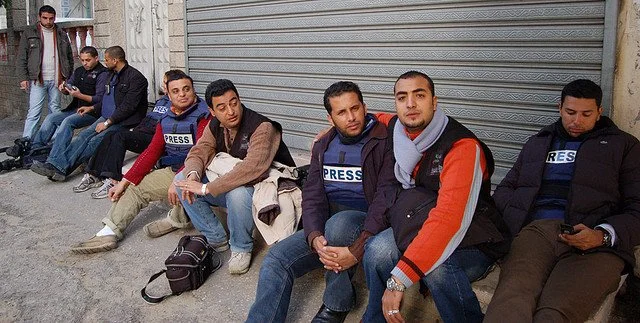
A group of journalists wearing "Press" vests sitting on the road in Gaza.

Al Jazeera’s Gaza crew and journalists. Global Panorama. CC BY-SA 2.0 DEED

Since the start of the Israel-Hamas war on October 7, there has been an unprecedented amount of journalist death and injury. Facing high risks to cover the unfolding conflict without guaranteed safety, this war has claimed more journalists than any other in the last 30 years.

As of January 24, at least 83 journalists and media workers have been confirmed dead. Among them, 76 were Palestinian, four Israeli and three Lebanese, according to the Committee to Protect Journalists (CPJ). Similarly, the International Federation of Journalists (IFJ) reported an estimated 94 journalists that have been killed and 400 others imprisoned. IFJ has called on the International Criminal Court (ICC) prosecutors to investigate the deaths of these journalists, though Israel has argued that the ICC has no jurisdiction in the conflict because the Palestinian territories are not an independent sovereign state.

The Israel-Gaza war has become the most deadly conflict for members of the press. In 2022, 15 journalists were killed in Ukraine, 30 in Latin America and at least five in Haiti, making the amount of journalists killed in Gaza in just a few months of war greater than all of those killed worldwide in 2022. Because of such an increase, some believe that journalists are being explicitly targeted for the information that they aim to provide to the public.

On November 21, correspondent Farah Omar and cameraman Rabih al-Maamari were killed in Lebanon by two missiles fired by an Israeli warplane. The Al-Mayadeen TV channel that the broadcasters worked for announced that they were covering back and forth fire on the Tayr Harfa/Al-Jebin triangle in Southern Lebanon between Israeli forces and Hezbollah when they were hit. In a statement, the TV channel said that it believes its journalists were deliberately targeted for its — the channel’s — pro-Palestinian views. In a separate statement, Lebanese Prime Minister Najib Mikati alleged that the Israeli strike was an attempt to silence the media.

Consequently, the CPJ has accused the Israeli military of targeting journalists in Gaza. One instance includes Al Jazeera camera operator Samir Abudaqa, who was injured during a drone strike and forced to take shelter in a UN school. Those who tried to help Abudaqa to get him to safety were shot and Abudaqa died due to his injuries. 

Other journalists have reported similar instances, but where their families have been targeted. Anas Al-Sharif, Al Jazeera journalist, told the news channel of phone calls that he had received from the Israeli army instructing him to cease his news coverage and leave Gaza. Following these threats, Al-Sharif’s father was killed by an Israeli airstrike on his home. Such death and violence resulted in a report last May by the CPJ that documented a “deadly pattern” of journalists deaths by Israeli forces; a pattern of killing journalists that was observed even before the latest conflict in Gaza.

Across global media there has been outrage over a lack of accountability of Israel’s killing of journalists in Gaza. In the United States some journalists have held vigils for fallen colleagues, but there has been an overall lack of public commentary from journalistic institutions themselves. Staff at the Los Angeles Times displayed their solidarity with fellow journalists in Gaza by signing an open letter condemning the killings and criticizing Western media’s lack of coverage of Israel’s actions. The paper subsequently suspended these staff members from coverage of the war for what LA Times cited as a violation of its ethics policy. This outcome has caused some journalists to remove their names from the letter, fearing reprisal from their workplaces, and left others questioning the Biden administration's support of press freedom and Israeli accountability.

Journalists have additionally reported feeling less safe wearing a press vest and that being identified as a member of the fourth estate could make them or their families targets for Israeli forces. 

These patterns of violence have left journalists in a precarious situation that has broader global implications. Without being able to report what is going on in Gaza, the role of these journalists only becomes more vital. Millions of people have relied on the accurate information provided by journalists to understand this conflict, and without them are left only with misinformation that may instead fuel it further.


Mira White

Mira is a student at Brown University studying international and public affairs. Passionate about travel and language learning, she is eager to visit each continent to better understand the world and the people across it. In her free time she perfects her French, hoping to someday live in France working as a freelance journalist or in international affairs.

Confronting Houselessness Crisis Worldwide

With the 2023 Supreme Court case of City of Grants Pass, Oregon v. Gloria Johnson circulating the headlines and threatening the rights of 653,104 unhoused people in the United States, understanding how other countries are addressing the issue of houselessness can help provide perspective.

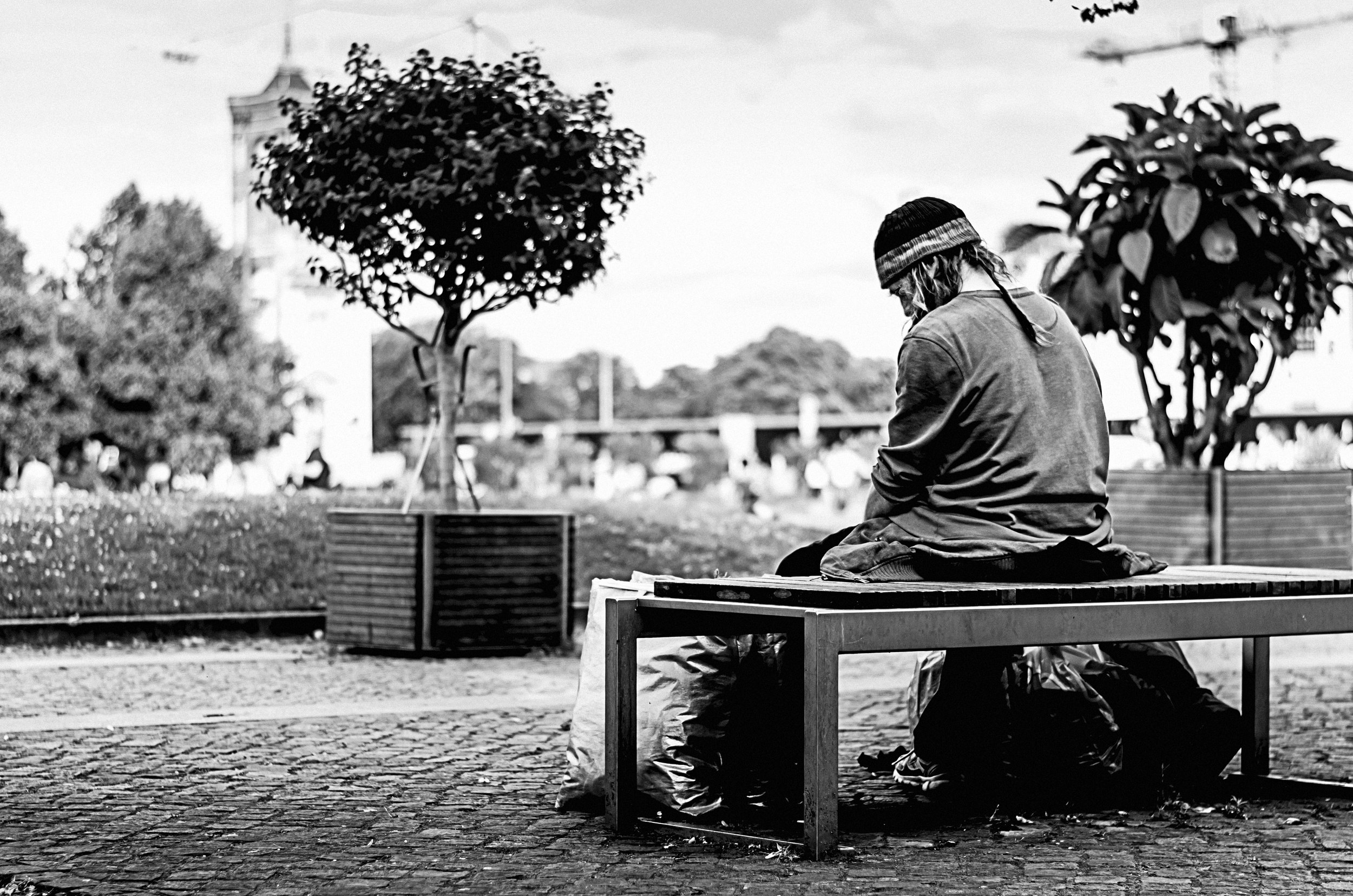
A black and white image in a city park of the back of a person sitting with their belongings on a bench

A person sits on a bench with their belongings. Grego. CC0 1.0

In 2020, the world denied an estimated 1.6 billion people the human right to adequate housing. Societies often stigmatize houselessness, leading to discrimination against unhoused people. This stigma often contributes to the criminalization of houselessness. 

Houselessness is criminalized when laws can punish people for partaking in life-sustaining activities in public spaces. Examples of these laws include prohibitions on panhandling or allowing the confiscation of personal property, often referred to as “sweeping.” 

The Supreme Court's decision in the City of Grants Pass, Oregon v. Gloria Johnson case will determine whether it is constitutional for states to fine or arrest people for sleeping outside, even when adequate shelter is unavailable. This comes at a time when houselessness is on the rise across the U.S., with a 12 percent increase between 2022 and 2023. Los Angeles and New York City are home to about a quarter of America's unhoused population. 

In the U.S., houselessness is a highly politicized issue. The 2020 Democratic platform endorsed a Housing First policy that prioritizes accessible permanent housing, stating that, “Having a stable and safe place to live is essential to helping a person tackle any other challenges.” In contrast, Republicans on the Joint Economic Committee released a report in 2022 criticizing Housing First policy for failing to “to address deeper problems that often drive homelessness”. The lawmakers proposed that Housing First policy be replaced with policy that prioritizes health and employment resources. The debate over solutions persists as houseless populations rise.

The City of Grants Pass, Oregon v. Gloria Johnson case is not the first time laws explicitly criminalizing houselessness have been on the global radar. In 2018, Hungary enacted a new constitutional provision that put houseless people sleeping in public spaces at risk of fines or arrest. Since the passage of this law, the number of houseless people in Hungary has not changed, with an estimated 30,000 houseless people in both 2018 and 2024. 

Hungary is far from the only country to combat houselessness with criminalization. Many governments have turned to this strategy, from the forced institutionalization of houseless children in Brazil to laws authorizing the arrest of people loitering in Sierra Leone and Nigeria. 

Other countries have taken a different route in tackling this crisis by increasing accessible housing and resources. Finland’s Housing First Policy focuses on providing people with housing and addressing underlying conditions and factors contributing to their houselessness. Since the Housing First policy began in 2008, the number of long-term houseless people in Finland decreased by more than 35 percent. Some policies combine punitive and welfare measures. The government in Tokyo, Japan has combined these strategies by punishing people for residing in public spaces while redirecting them to welfare resources.

Beyond policy, technological innovations present potential solutions for this issue. In India, Tvasta Manufacturing Solutions collaborated with Habitat for Humanity to create 3D-printed homes. These homes can be built in five days or less, are about 30 percent cheaper than traditional construction and create less waste. The 3D-printed homes industry is now present across the globe from Africa to Mexico. 

Beyond the world of policy and technology, everyday people can directly take action to help address houselessness. Destigmatization is an important step in addressing this issue. Experts recommend advocacy and creating public education campaigns to help people understand and empathize with unhoused people. Attending educational opportunities such as events hosted by the UN Working Group to End Homelessness is a great way to learn and engage with people fighting for the right to adequate housing.

For those looking to make an impact on a local scale, there are many volunteering opportunities with organizations such as CaringWorks or the National Coalition for the Homeless. With an estimated 1.6 billion people expected to be impacted by the housing crisis in 2025 and an estimated two billion people fearing climate-related displacement, the time to act is now.


Madison Paulus

Madison is a student at George Washington University studying international affairs, journalism, mass communication, and Arabic. Born and raised in Seattle, Washington, Madison grew up in a creative, open-minded environment. With passions for human rights and social justice, Madison uses her writing skills to educate and advocate. In the future, Madison hopes to pursue a career in science communication or travel journalism.
5 Animals at Risk of Extinction

The risk of depleting ocean resources and the practice of poaching is driving many vulnerable species to extinction.

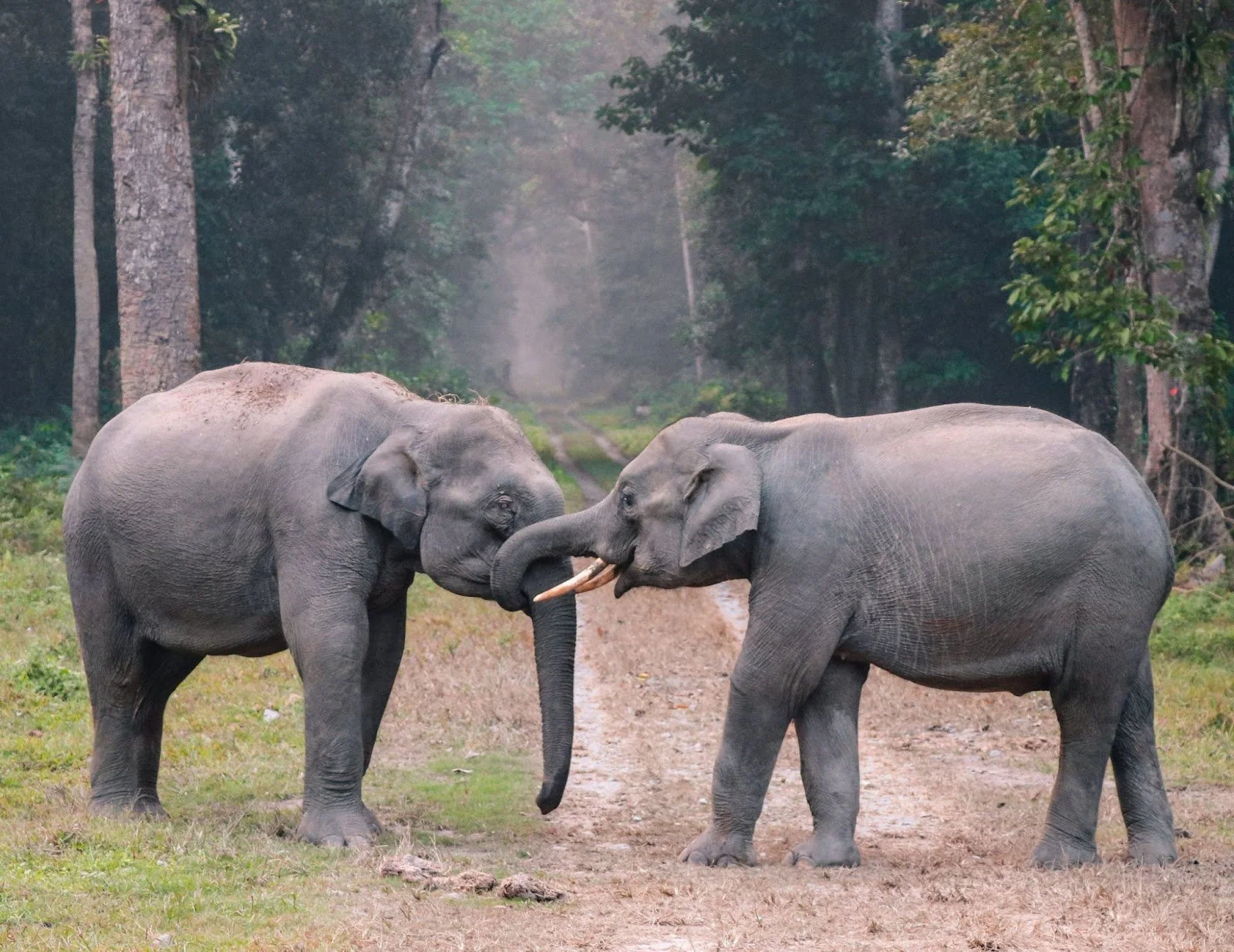
Two elephants among a tall forest playing.

Two elephants playing in a forest scene. Future Kiiid. CC0.

A growing number of the planet's animals are teetering on the brink of extinction. These critically endangered species face an uncertain future due to the dire effects of poaching, habitat loss, climate change and other environmental pressures. Wildlife populations of a variety of species have been declining in recent years in a phenomenon known as the Global Extinction Crisis. The risks this entails are a drop in biodiversity as well as decreased resource availability for people. Efforts to combat this trend include the protection of natural habitats, reduced pollution and the enactment of measures to restrict or eliminate overfishing and overhunting.

Blue Whale

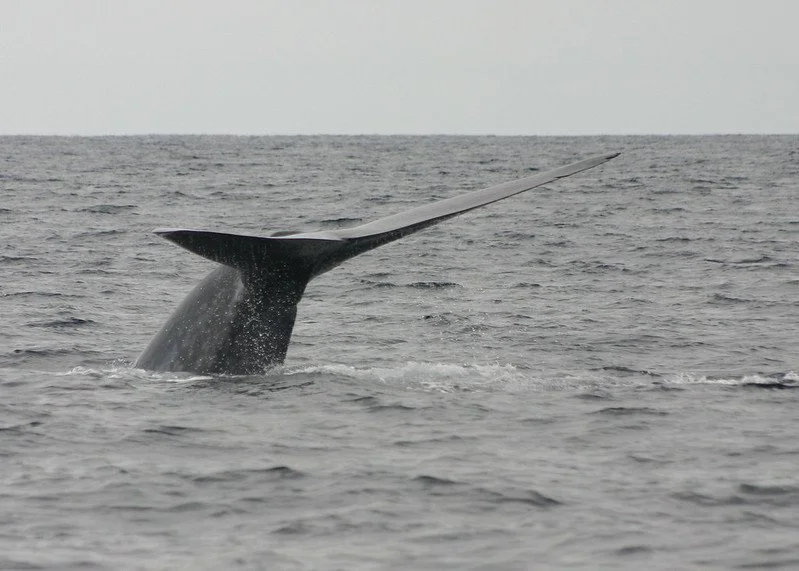
A blue whale's tail flipping out of the dark ocean.

Blue Whale Tail Deep Dive. Seabass London. CC by 2.0.

The blue whale, or Balaenoptera musculus, is the largest creature on Earth and a symbol of oceanic grandeur.  Despite their colossal size, blue whales are surprisingly vulnerable due to various human-induced factors. Collisions with large vessels and entanglement in fishing gear pose grave risks to their survival. Furthermore, the pervasive issue of climate change has disrupted the availability of their primary prey, krill, as warming oceans alter the distribution of these tiny crustaceans. Efforts such as establishing marine protected areas, restricting boat speed and advocating for sustainable fishing practices are crucial steps to safeguard the future of blue whales.

Black Rhino

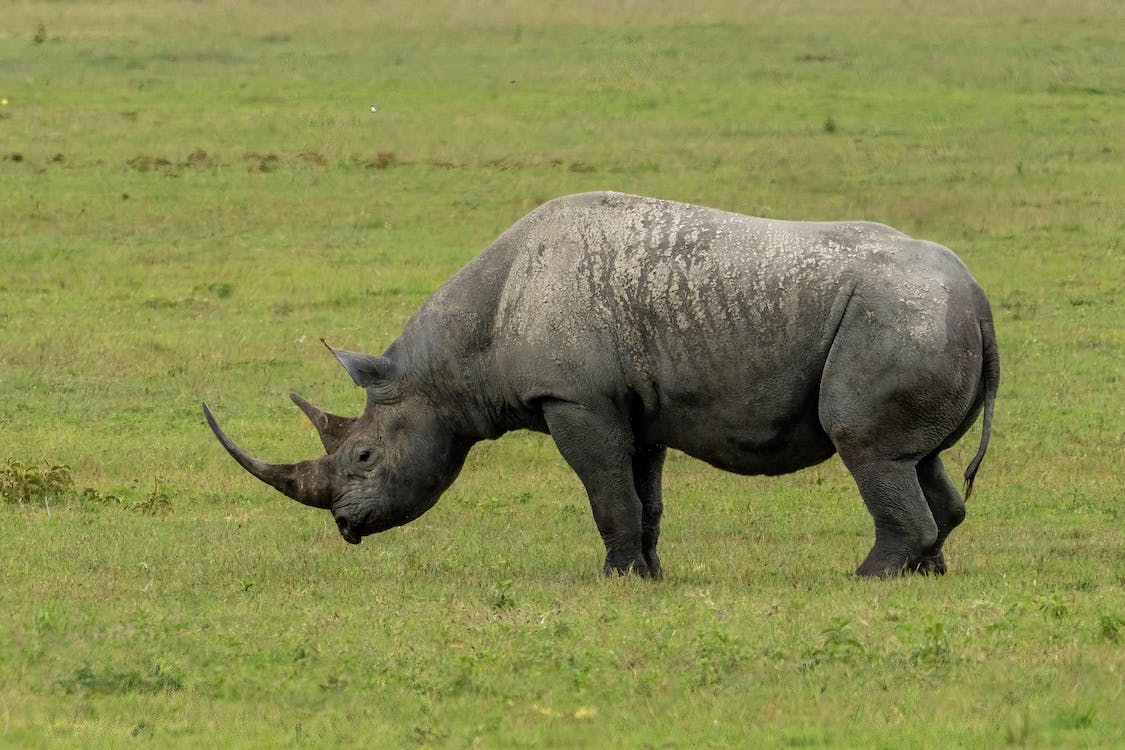
A black rhino standing alone among a green grassy field in the Savannah.

Black Rhino in the Savannah. Chris Clark. CC0.

The black rhinoceros, alternately diceros bicornis in scientific Latin, resides in climatically warm eastern and southern Africa in countries like Kenya and Zambia. They are the smaller of the two main African rhino species, the other being the white rhino, but just as threatened. Overall, the species is listed as “critically endangered”, but three subspecies of the rhinoceros, including the western and southern black rhino, have already been declared extinct. By the International Union for Conservation of Nature’s (IUCN) approximation, there are just under 6,500 black rhinos in Africa, a number currently increasing due to conservation efforts.. Despite this, they are threatened by habitat reduction and poaching, the animals long being prized for their famous horns.  Between 1960 and 1995, the population suffered severe reduction in its numbers and survival rates because of this brutal practice.  Conservation efforts, such as anti-poaching laws, community measures and habitat awareness are critical to preventing the complete disappearance of the black rhino from our planet.

Yangtze Finless Porpoise

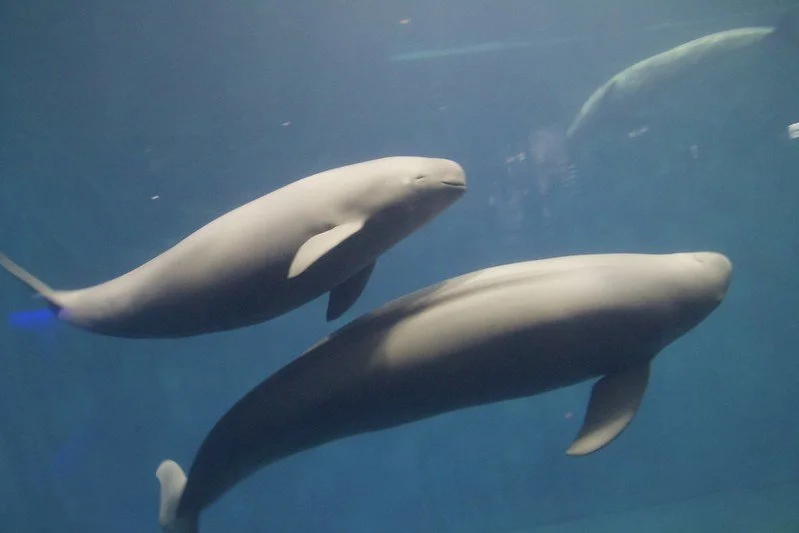
Two smooth gray porpoises swimming peacefully through the blue water.

Finless Porpoises Swimming. Foooomio. CC by 2.0.

The Yangtze Finless Porpoise (Neophocaena asiaeorientalis) inhabits the Yangtze River in China, and is the only living freshwater porpoise in the world. Members of this species are sleek and snoutless, with no fin on their dorsal ridge, the latter giving them their name. These aquatic creatures have adapted to the turbulent and often complex environment of the river, but they are still struggling;  They are primarily threatened by overfishing, pollution, dam construction along the Yangtze and accidental entanglement in fishing nets and equipment. This reduces the population very quickly, so much that there are only between 1,000 and 1,500 viable cetaceans remaining currently. In order to combat the increasing annual decline, China has established finless porpoises as “first level protected species,” the highest level of protection the country offers.

Sumatran Elephant

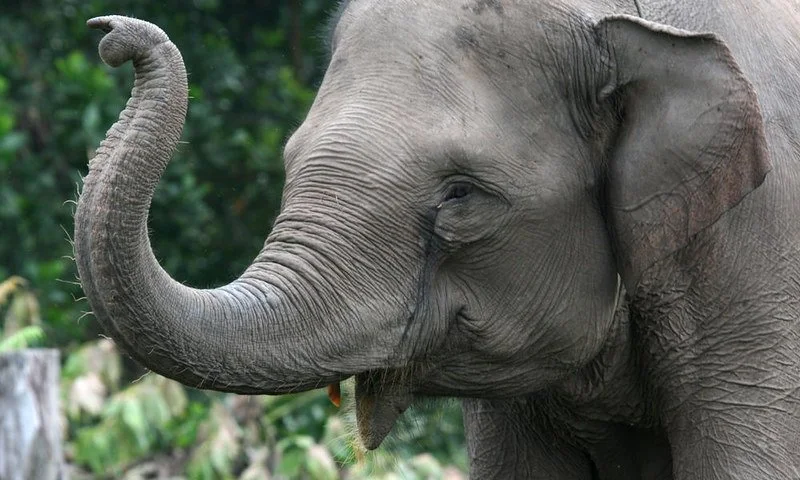
Close up on a Sumatran Elephant's fface, with his mouth open and trunk held up.

Sumatran elephant in Tesso Nilo National Park, Indonesia. NonprofitOrgs. CC by 2.0.

The Sumatran Elephant (Elephas maximus sumatranus) is one of three subspecies of Asian elephants, native to the island of Sumatra in Indonesia. They have a smaller build than an African elephant and sometimes possess a curved back. The unfortunate fact about their population in the wild is that it has declined by four fifths 80% in the past three elephant generations. This is due to the illegal poaching for their ivory and their body parts, which further compounds the threats faced by the Sumatran elephant. Also because of deforestation and logging, a large portion of the forest in which they live is too small to contain a significant population. Because of the fragmentation of their habitats, the elephants stray into agricultural areas in search of food, which worsens elephant and human contact.  Due to these factors, there are an estimated 2,800 elephants residing on all of Sumatra.  Collaborative initiatives pertaining to reforestation and involving both the government and communities would be the best course of action in preserving the Sumatran elephant.

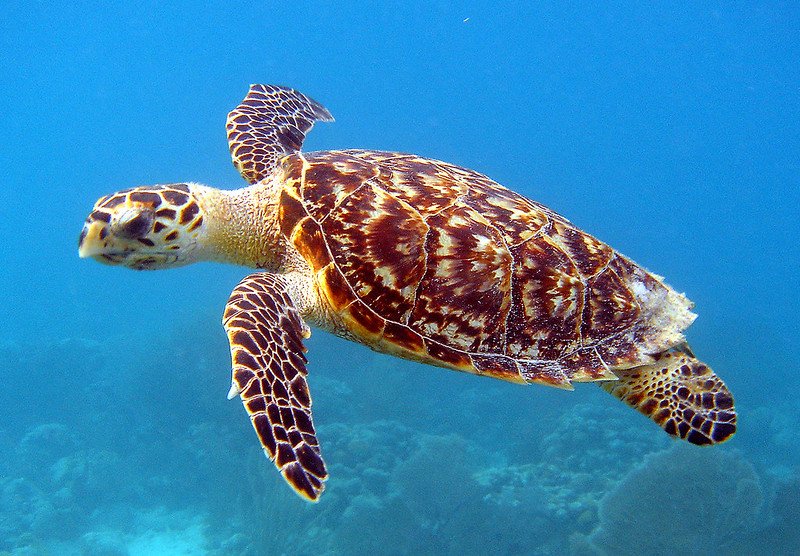
Hawksbill Turtle

A brown and white patterned sea turtle swimming underwater among a distant reef.

Hawksbill Sea Turtle at Carey de Concha. USFWS/Southeast. CC0.

The Hawksbill Turtle, or Eretmochelys imbricata, is mainly found in subtropical/tropical areas of the ocean. It is distinguished by its flatter body shape and beakish sharp mouth. Hawksbill turtles play a huge role in maintaining the health of coral reef systems by controlling sponge populations.  Like many iconic creatures, hunting represents the biggest encroachment on the reptile's livelihood, with poachers targeting the turtles for their eggs, skin and shells. Their beautifully patterned shells fetch an unfortunately high price on the black market.  In the last 30 years, turtle populations have declined by 80% because of other causes like climate change, plastic pollution, rising sea levels, and accidental capture in fishing gear.  Because of these significant factors, there are possibly only 57,000 Hawksbill turtles left.

So how can we help? People can support conservation organizations by volunteering their time to the protection of endangered species. Your involvement or donations can help fund critical conservation projects. People can practice responsible tourism, choosing eco-friendly and ethical wildlife tourism options that do not harm natural habitats. Thirdly, you can advocate for and support initiatives that intend to restore habitats for endangered species, such as reforestation efforts and marine-protected areas. Finally, we can work to make pollution less of a concern by recycling and supporting clean energy to mitigate climate change.

TO GET INVOLVED

Find out more about the World Wildlife Fund, which works to eliminate the worst effects on animals remaining in the world and protect diverse species.

Discover SeeTurtleOrg’s mission, which includes volunteering trips and organizations that dedicate their resources to saving marine life, specifically sea turtles.

Find out about the Defenders of Wildlife, which works to prevent animals and their habitats from becoming vulnerable or imperiled, as well as aims to protect the health of susceptible species.


Riley Baker

Riley Baker is a first-year student at James Madison University majoring in Writing, Rhetoric, and Technical Communication.  She enjoys elements of storytelling and creative writing and likes listening to music. In addition, she is interested in journalistic-style writing and editing and intends to focus on writing articles about lesser-known travel locations and impactful world topics.

Miles4Migrants' Pledge to Reunite 70,000 Families

Through the donation of unused travel rewards, Miles4Migrants has leveraged $17 million worth of donated frequent flier miles to reunite vulnerable individuals affected by war, persecution or climate disaster with their families.

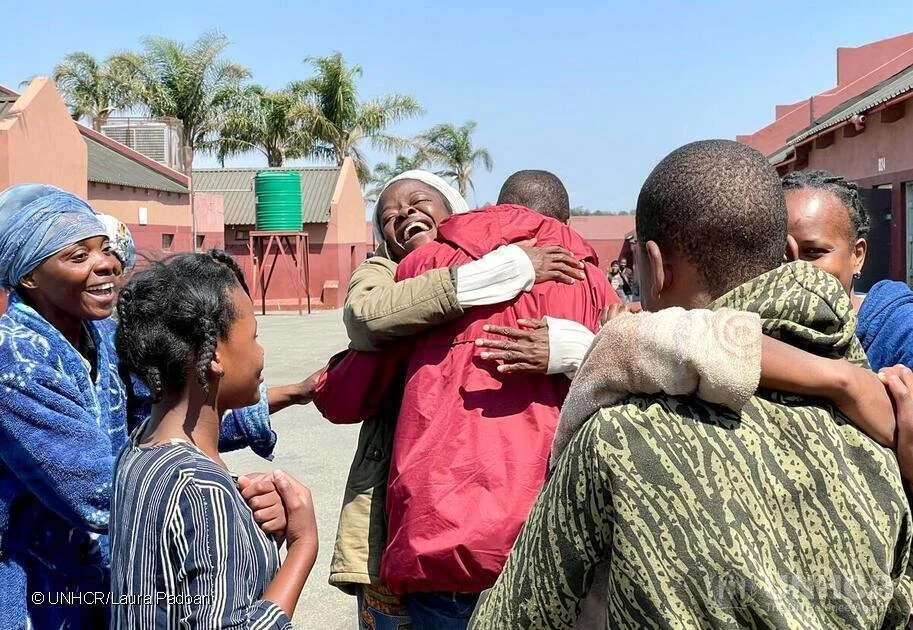
A group of people embracing in hugs and big smiles in a small town courtyard.

Courtesy of UNHCR.

Founded in 2016 by Seth Stanton, Nick Ruiz and Andy Freedman, Miles4Migrants (M4M) emerged as a philanthropic force dedicated to the cause of preventing families from being torn apart by displacement. With a resolute focus on leveraging donated frequent flyer miles and points, the non-profit organization strategically orchestrates flights, intricately navigating global airline alliances, airline routes and immigration regulations for families who have received legal approval for relocation. 

Donors are asked to commit a minimum of 1,000 to 47,500 points or miles, depending on the program. After pledging, the flight booking team at M4M will match the donated miles with an individual or family seeking asylum or with refugee status but who cannot afford airfare to relocate. The matching process looks at which itinerary will get the most out of a donation, which case will keep the most family members together on the same reservation, the fastest flight route, and the least booking friction for the donor. The matching process may take several weeks, and M4M will keep donors informed, providing the recipient's photo(s) and a story detailing how their contribution has made a difference. In addition to frequent flyer miles, donors can contribute travel vouchers and cash. Miles4Migrants presently accepts a wide range of vouchers, including those from Alaska Airlines, American Airlines, United Airlines, Delta Air Lines, Southwest Airlines, JetBlue, Allegiant Air and others.

Miles4Migrants has achieved remarkable feats since its inception, facilitating travel for an impressive 43,187 individuals spanning 98 countries. This commendable endeavor, valued at an astounding $17 million, has been made possible by redeeming an impressive 775 million miles, courtesy of generous donors.

The organization's recent appearance at the UNHCR Global Refugee Forum in Geneva underscored its commitment to an innovative and ambitious strategy. M4M’s Executive Director Glaydon de Freitas revealed a visionary multi-currency system, integrating money, frequent flyer miles, credit card points, and travel vouchers. This multi-faceted approach, coupled with M4M's expertise in flight booking and strategic partnerships with major airlines, ensures a cost-effective and efficient procurement of airline tickets.

During the forum, Miles4Migrants boldly pledged to reunite 70,000 forcibly displaced individuals with their families by 2030, with an initial goal of reuniting 10,000 families in the upcoming year. This resolute commitment aligns seamlessly with Global Compact On Refugee’s Roadmap 2030 on third-country solutions for refugees and the broader multi-stakeholder initiative to reunite at least 1 million refugee families by 2030.

To achieve these tremendous family reunification goals, Miles4Migrants has meticulously outlined specific strategies. These include identifying the most value-efficient flight options across all airlines, proactively mobilizing resources, utilizing a comprehensive database system for efficient tracking, providing post-booking support to NGO partners, and fostering crucial partnerships with airlines and corporations.

In fact, corporate partnerships and long-term sponsorships have emerged as linchpins in Miles4Migrants' operation. The Shapiro Foundation, led by President Ed Shapiro, stands as a keystone partner, generously committing to funding 500 flights in 2024, contributing significantly to the nonprofit's goal of reuniting 70,000 families by 2030. A recent collaboration with The Points Guy (TPG), a prominent name in the travel industry, further exemplifies the importance of corporate support. TPG became an official corporate sponsor and pledged to match cash donations of up to $15,000. At the end of its five-week campaign, TPG raised 5,561,479 miles (worth nearly $120,000), receiving more than $1,487 in flight vouchers, and—thanks to TPG and Lonely Planet matches—raised $30,275 in cash donations. Miles4Migrants said it was the second-highest number of miles contributed from any partner campaign and also one of the highest cash amounts it has been able to raise. The donations were enough to fly around 500 people to safety.

Get Involved

The call to action is clear—dormant travel rewards can catalyze change. Miles4Migrants implores individuals to consider donating unused frequent flyer miles, credit card points or travel vouchers to play a pivotal role in reuniting families and offer fresh starts to those in need. The organization encourages supporters to amplify its cause through social media, whether that be through sharing impactful stories, motivating friends and family to contribute unused rewards, or organizing local events to bolster collective efforts.


Raeann Mason

Raeann is a traveler, digital storyteller, and guide writer with a Mass Communication & Media degree from the Walter Cronkite School of Journalism. She is passionate about a/effective journalism and cultural exchange and advocates for international solidarity and people's liberation. Her work at CATALYST focuses on reshaping the culture of travel and hospitality to be more ethically sound and sustainable.

Beyond Entertainment: 10 Social Action Films to Watch Now

Social action films advocate for justice and raise global awareness — here is some powerful cinema to watch on streaming and in theaters.

Within the realm of cinema, some films have transcended beyond just entertainment and have acted as powerful catalysts for social change. Social action films have served as a medium for presenting audiences with compelling stories while additionally shedding light on contemporary issues. Behind the central issues, these films advocate for justice and humanize marginalized voices, common themes to generate broader global relevance. 

Such a blend of advocacy and storytelling has served as a powerful tool to raise awareness. With a type of transformative power, these films have illuminated social injustices and empowered audiences to rewrite their scripts.

1. “Praying for Armageddon” (Tonje Hessen Schei)

In this chilling documentary, Schei follows the influence of the fundamentalist Christian lobby on U.S. politics. The political thriller explores the consequences of the fusion of Evangelical Christianity with American politics—a weakened democracy—that could ultimately destroy our civilization. Driven by faith, the movement does not just want the world to end but is working to start such a spiral. (Festival streaming this year and upcoming)

2. “Bobi Wine: The People’s President” (Moses Bwayo)

In this powerful account of Ugandan leadership, Bwayo delivers a remarkable documentary about Bobi Wine. Wine, opposition leader and musical star, used his music to fight an authoritarian regime by Yoweri Museveni. Much of the film charts Wine’s unlikely rise from pop star to politician as he seeks to restore democracy and oust Uganda’s brutal and corrupt dictatorship. (Stream it on Disney+ and Hulu)

3. “Navalny” (Daniel Roher)

In this fly-on-the-wall documentary, Roher homes in on the anti-authoritarian Russian opposition leader, Alexei Navalny. Making its debut at the virtual Sundance Film Festival, the film has introduced the Western world to a voice of the opposition in a country governed by fear with intense geopolitical stakes. Much like Roher, viewers are quite literally watching history unfold as Navalny uncovers the truth about an attempt on his life, with a finale yet to be written. (Stream it on Amazon Prime Video)

4. “Call Me Dancer” (Leslie Shampaine)

In her heart-touching and hopeful documentary, Shampaine tells the story of a disadvantaged Indian teenager who struggles against his parents’ insistence to follow a traditional path. When he meets an Israeli ballet master, he is determined to make it as a professional dancer despite the odds stacked against him. Debuting at the Santa Barbara International Film Festival, the film has won awards here and at other festivals, inspiring audiences with its joyride of mentorship, perseverance and passion. (In theaters)

5. “The Persian Version” (Maryam Keshavarz)

In her energetic semi-autobiographical feature, Kesharvarz follows Leila, a young Iranian-American woman as she navigates her family and personal life. As a vibrant portrayal of culture clashes and generation gaps, Keshavarz illustrates an affecting story about what womanhood demands versus imagines through the immigrant experience with the American dream. Just as Leila tries to strike a balance in embracing her opposing cultures, the film equally strikes a balance between heart and humor. (Stream it on Amazon Prime Video and YouTube)

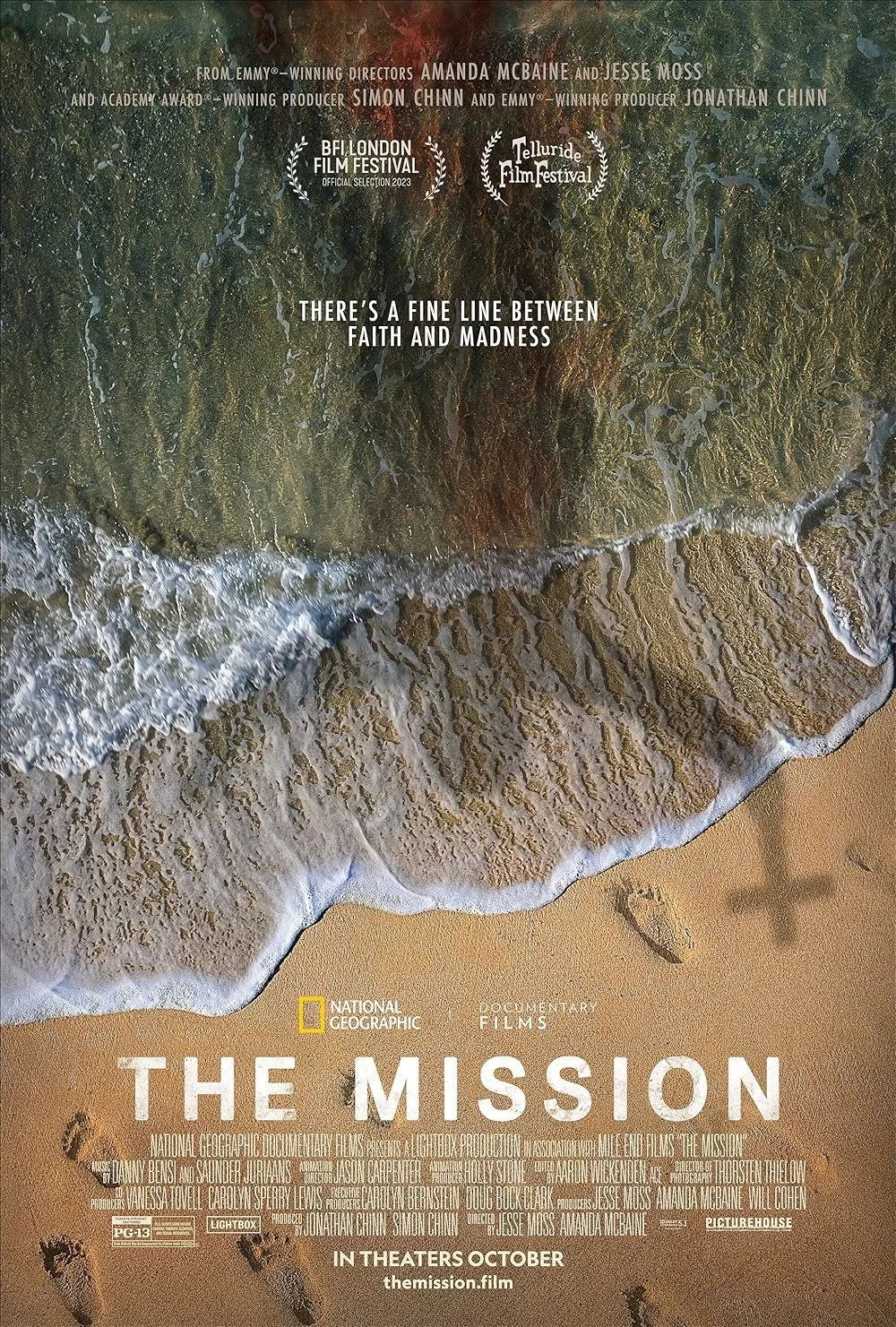
6. “The Mission” (Amanda McBaine)

On North Sentinel Island, the Sentinelese encounter a foreigner who tries to bring Christianity to them, an illegal venture that results in his death. With a compassionate and nuanced approach to retelling a tragedy, McBaine explores this contextual difference between murder and self-defense. The film presents a sorrowful but introspective look at colonialism and cultural superiorities long deserving of scrutiny. (Stream it on Hulu)

7. “Oppenheimer” (Christopher Nolan)

In his unique and nuanced portrait of Robert Oppenheimer, Nolan explores themes of unchecked bureaucracy and science run amok. The film highlights the genius of its central figure while examining the detrimental effects of the atomic bomb he built at the Los Alamos National Laboratory during WWII, a creation that we were not ready for, or rather one we should not have been trusted with. (Stream it on Amazon Prime Video and Youtube)

8. “Smoke Sauna Sisterhood” (Anna Hints)

Hints’s film follows a group of women who share their secrets and intimate experiences in the darkness of a smoke sauna. As a feminist film that reveals the infinite faces of womanhood, the women wash off any shame that was trapped within them and regain their strength. The sauna and the film feel like a work of reflective art, where stories of relatable pains and joys as women are weaved together. (Available for select streaming and on Vudu)

9. “The Menu” (Mark Mylod)

In this social commentary, Mylod satirizes elitism in the world of fine dining restaurants. Focusing on class anxiety and capitalistic greed, the film examines the ethics behind “eating the rich” and the hypocrisy of “ethical consumption.” Serving a tailored dish on a rigid perspective of the wealthy, the film portrays society’s tendency to pay a high price for what it wants, no matter how corrupt. (Stream it on Amazon Prime Video and Hulu)

10. “Origin” (Ava DuVernay)

Inspired by the 2020 book “Caste,” DuVernay presents an argument about the history and hierarchies of power in the United States. In order to understand these elements, people must look past race and see that caste sets the presumed supremacy of one group against the presumed inferiority of others. As an approach to simultaneously educate and entertain an audience, DuVernay examines the book’s age-old themes and gives an ambitious new way to process them. (Opening Jan. 19 in theaters)


Mira White

Mira is a student at Brown University studying international and public affairs. Passionate about travel and language learning, she is eager to visit each continent to better understand the world and the people across it. In her free time she perfects her French, hoping to someday live in France working as a freelance journalist or in international affairs.

Surfing at 2024 Olympics Destroys Coral Reefs in Tahiti

Teahupo’o locals and scientists protest the building of 2024 Olympic Games infrastructure over environmental and economic concerns.

Surfing in French Polynesia. Duncan Rawlinson. CC BY-NC 2.0 DEED

In preparation for the 2024 Olympics, Paris has placed sustainability at the heart of its environmental ambitions. In keeping with the city's aim to “assume its responsibilities” for the games' environmental and social challenges, there have been many contributions to fight carbon impact, food waste and destructive construction. However, organizers have recently faced backlash for the erection of an aluminum tower in Tahiti, built specifically for the new surfing competition, that has damaged both coral and the competition's reputation.


To take the games to new heights, Paris has decided to host a new surfing competition, set to take place in Teahupo’o, Tahiti. This setting will offer the opportunity to host a unique competition and allow France to engage with its overseas territories. Teahupo’o, described as a paradise and dream spot by surfers and travelers alike, is anticipated to bring fans and athletes together. This influx of people to the island has called for the construction of a new venue; a 14 ton aluminum tower with concrete foundations, set to host 40 people judging and televising the competition.

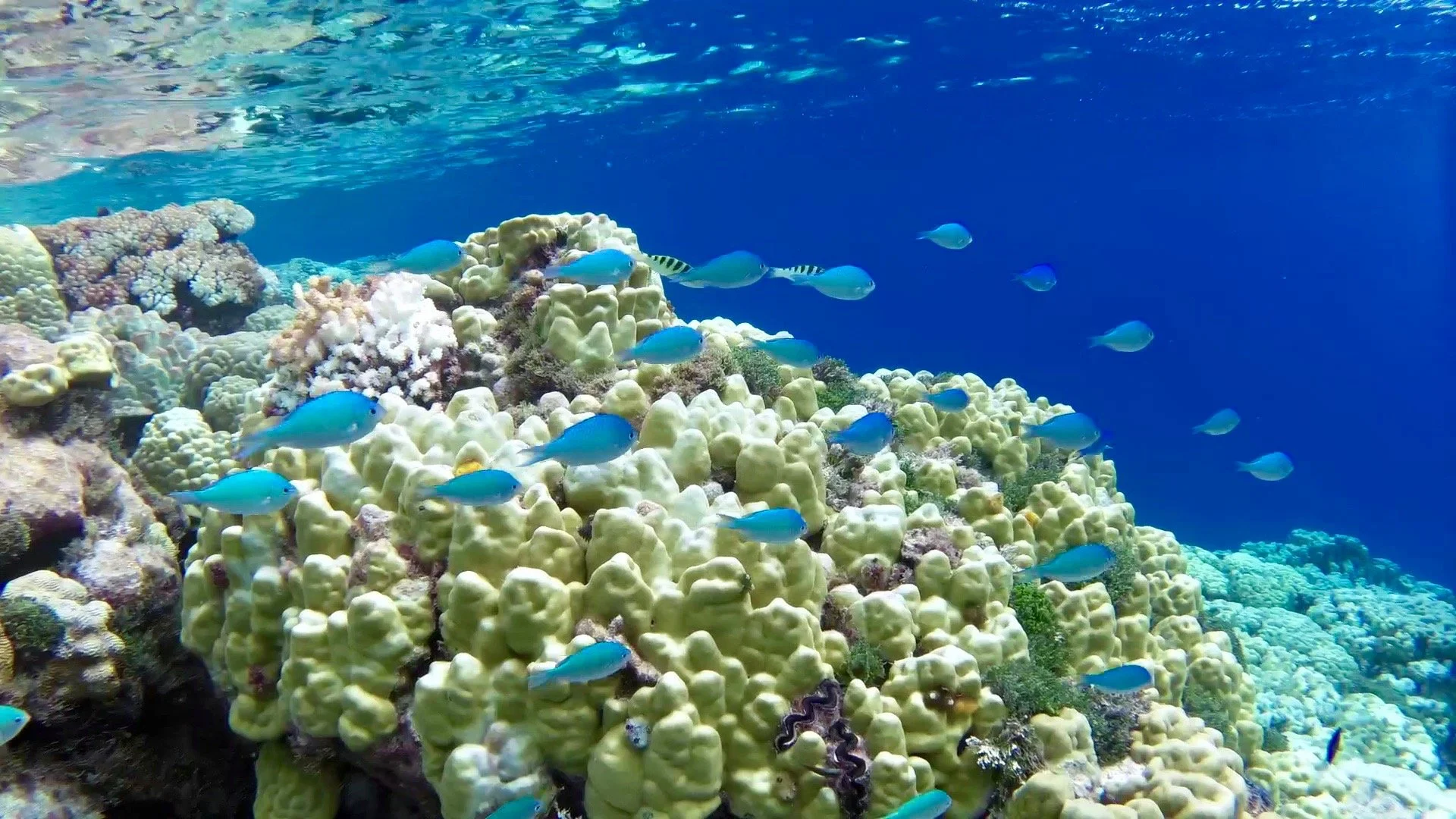
Coral Reefs in Tahiti. Jeremy H. CC BY-NC-ND 2.0 DEED

On 1 December, a barge intended to help build the tower got caught on a reef and damaged local coral. Save Teahupo’o Reef, a group made up of locals, surfers and NGOs, posted a video showing the broken coral and damaged boat propeller on their Instagram. After this initial damage, work was stopped to find a small barge and better route for it so as to not damage any more coral.

Plans to build the tower have been met with more resistance from locals in the form of social media campaigns or protests. Residents have fought against the construction, claiming that building it risks impacting the marine ecosystem and damaging the coral reef. Scientists based in Hawaii have advocated with locals and defended their call to stop building the tower, citing its environmental impact. Using 3D photogrammetry techniques, the researchers created maps of the reef habitat where the tower is set to be built and of the lagoon that its materials will be transported through. Their findings indicate that Teahupo’o would face devastating effects. Of the 3,500 square feet that this development would impact, there are over 1,000 corals from 20 different species. The cost of this dredging and building is estimated at $1.3 million. One of the scientists, Dr. Burns, offered no recommendation for construction that would minimize reef damage as there will be substantial damage regardless of alterations to the process. He suggested alternative solutions to broadcasting the games that included a judge in a boat, using drones or playing a live video feed, all of which are more cost-effective, environmentally friendly and presumably better aligned with the ambitions of the organizers.


Efforts to protest the tower have primarily come from groups like Association Vai Ara o Teahupo’o, who have created an online petition that has garnered over 223,000 signatures. The group is composed primarily of locals who rely on the marine environment for their livelihood and feel it is an important part of their heritage that they would like to preserve.

Coral Reefs in French Polynesia. Adam Reeder. CC BY-NC 2.0 DEED

Following the barge incident, the Olympic Committee made the decision to reduce the size of the tower by 25%. To decrease the weight placed on the foundations, the weight has been reduced from 14 tons to nine and will instead be installed at the same site as the old wooden tower. The original design required 72 four meter tall rods that would be drilled into the reef, but as a result of the now smaller design, rod length will be shortened so as to not be driven down as far. The tower is also being built in an area with fewer corals, and existing ones will be removed and taken care of to ensure regrowth.

Despite growing concern over the risk posed to marine life, there will be some benefits of the event after the games conclude. These include new infrastructure such as a pedestrian bridge, fiber internet cables and the money brought into the local economy by those renting places to stay for the games.

Paris has certainly given more thought to sustainability efforts relative to other Olympic hosts, and has certainly made concerted efforts to reduce the games' environmental impact. However, it is important to recognize the destruction that the tower has caused and the long-lasting effects that it will have even after the games end. If Paris does intend to follow through on its sustainability goals, it must ensure that the Teohupo’o reef is left undamaged not just for the short duration of the games, but even after they end. In doing this, Paris and the organizers of the games would prove themselves dedicated to both sustainability and the island's people, bringing about a new era of true environmental conservation.


Mira White

Mira is a student at Brown University studying international and public affairs. Passionate about travel and language learning, she is eager to visit each continent to better understand the world and the people across it. In her free time she perfects her French, hoping to someday live in France working as a freelance journalist or in international affairs.

Clean Cookware Used to Improve Women’s Health and Combat Climate Change

Millions of women in developing countries lack access to clean cookware. International organizations are working to change that. 

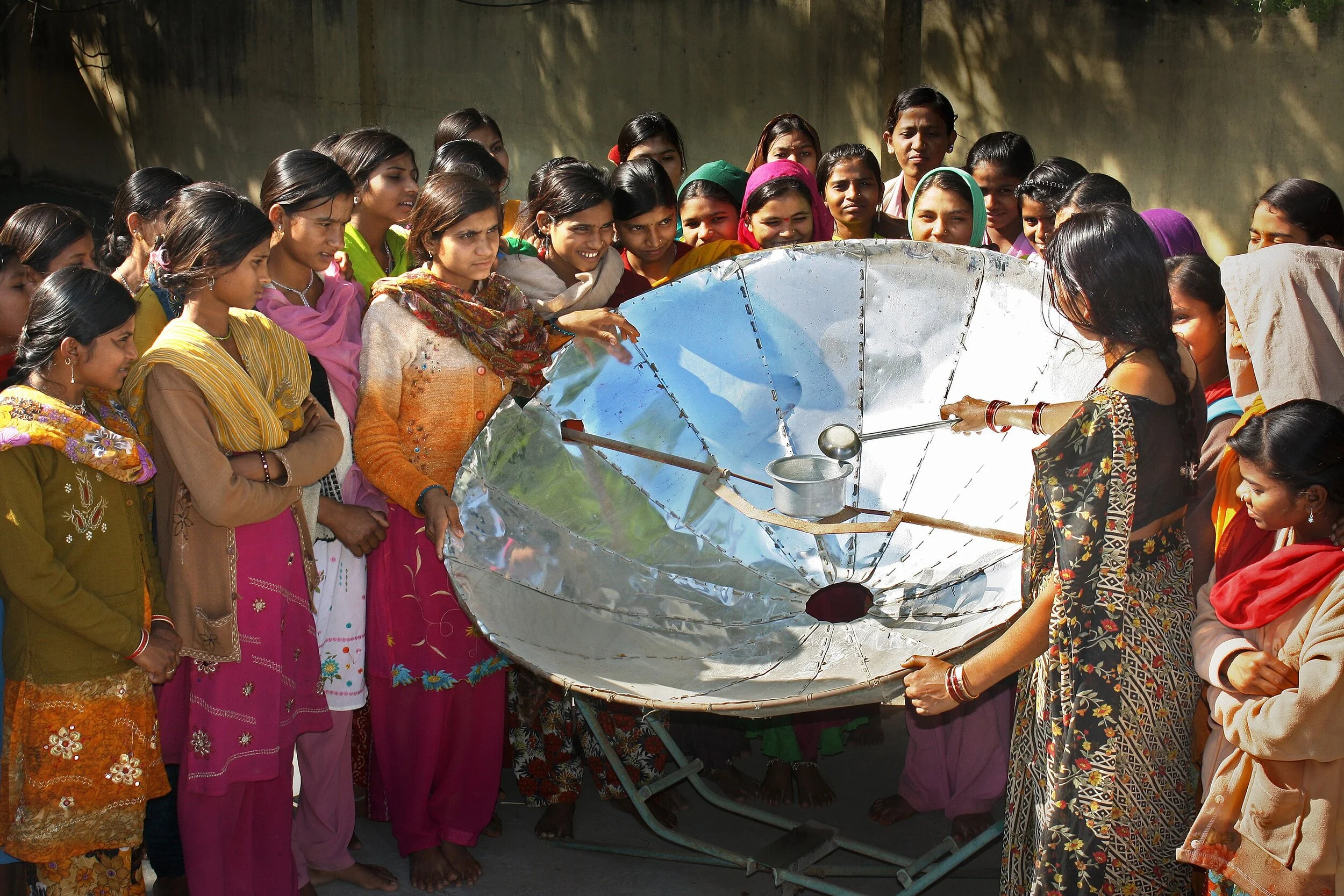
Women in India testing a solar cooker. United Nations Development Program. CC BY-NC-ND 2.0

Although the Beijing Declaration and Platform for Action in 1995 made groundbreaking strides toward gender equality, one key issue was never addressed: providing households with clean cookstoves. At least 3 billion people across the developing world rely on open fires to cook their food, a task mainly entrusted to women. Cooking on open fires can hold severe environmental and health implications for women and their families. 

According to the Clean Cooking Alliance, cooking over open fires is the second-largest contributor to global warming aside from carbon dioxide emissions. The burning process releases black carbon, or soot, which lowers the reflective quality of glaciers and sea ice, causing them to melt. Additionally, the demand for wood as fuel results in unsustainable harvesting and deforestation. Studies indicate that at least 30% of the wood used in the developing world is unsustainably harvested, negatively affecting the ecosystem’s health, biodiversity and erosion. The absence of trees prevents carbon dioxide from being absorbed from the atmosphere through photosynthesis, further compounding the effects of global warming. 

Cooking on an open fire also exposes women and children to toxic levels of household air pollution, sometimes over 35 times the amount deemed safe by the World Health Organization. Exposure to air pollution can have detrimental effects on one’s health, causing increased risks of childhood pneumonia, lung cancer, strokes and atherosclerosis. In some cases, exposure to high levels of air pollution has led to complications during birth. Health conditions related to smoke inhalation kill over 4 million people each year. 

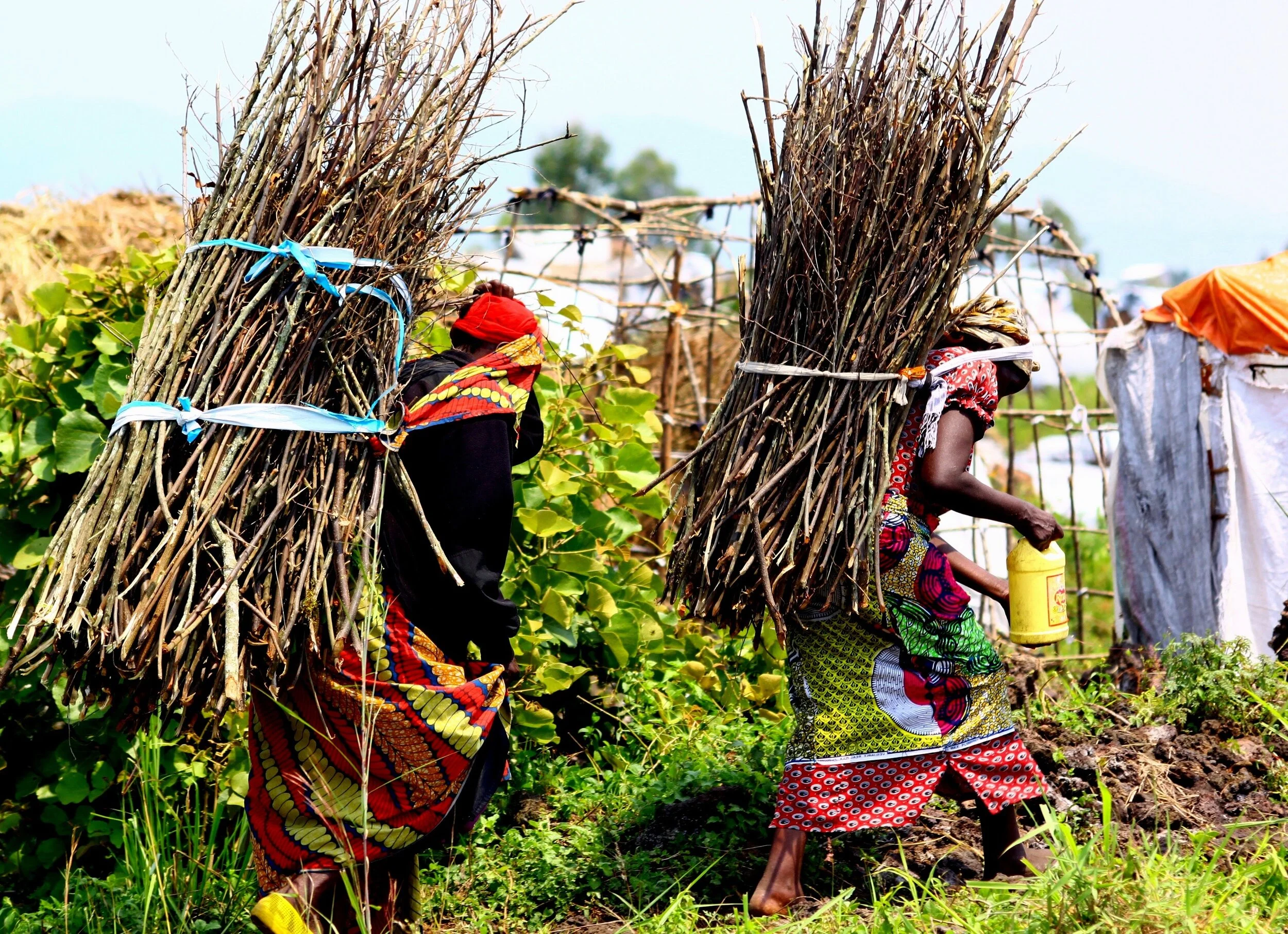
Access to safe cookware in the developing world remains limited, especially in areas torn apart by humanitarian crises. Women often put themselves in dangerous and even life-threatening situations while searching for cooking fuel. Women collecting firewood near refugee camps and conflict zones face increased risks of gender-based violence. Additionally, children accompanying their mothers to find firewood cannot attend school and miss out on available educational opportunities. The time spent gathering firewood further prevents women from seeking valuable opportunities to generate income for their families and children. 

Empowering Women Through the Clean Cooking Alliance 

Women collecting firewood in the Democratic Republic of Congo. Oxfam International. CC BY-NC-ND 2.0

Founded in 2010, the Clean Cooking Alliance is an U.N.-backed organization focused on gender equality through cooking. The alliance works with a global team to ensure that 3 billion people gain access to clean cookstoves. Its focus is on increasing consumer demand and supporting local businesses while developing a clean cooking industry in seven countries: Bangladesh, China, Ghana, India, Kenya, Nigeria and Uganda. Modern cookstoves have reduced black carbon emissions by 30-60% and help to combat climate change. Additionally, having access to cooking equipment can save women up to 300 hours and $200 per year, giving them more free time to spend with their families or economic pursuits. As the Clean Cooking Alliance expands its reach, hopes are high that women and their families will be empowered across the developing world. 

To Get Involved: 

Check out the Global Cooking Alliance’s initiatives on its website or head to its fundraising page. 


Megan Gürer

Megan is a Turkish-American student at Wellesley College in Massachusetts studying Biological Sciences. Passionate about environmental issues and learning about other cultures, she dreams of exploring the globe. In her free time, she enjoys cooking, singing, and composing music.

CATALYST PLANET's 50 BEST BOOKS OF 2023

A wealth of captivating new books flooded the shelves in 2023, enticing readers with diverse narratives and ideas—here are our top picks. These books will take you all over the world, from Malaysia to Argentina, from Palestine to Turkey, and through all of the major social issues of our time.

Fiction

1. Covenant of Water 

by Abraham Verghese

Abraham Verghese's "The Covenant of Water" intricately weaves a haunting saga across three generations in Kerala, South India, exploring a family's struggle with a mysterious pattern of drownings from 1900 to 1977. Amidst the omnipresent waters of Kerala, this poignant narrative delves into love, faith and resilience, creating a vivid portrayal of human endurance, medical progress and intergenerational sacrifices in a changing India—a captivating literary masterpiece hailed by Oprah Winfrey as "unputdownable."

2. Our Share of Night 

by Mariana Enriquez

In 'Our Share of Night,' a father and son confront a sinister family obsessed with immortality, spanning time and escaping the clutches of a menacing cult across different eras from 1960s London to Argentina's turbulent history. This narrative of family, the supernatural, and queer themes poses the question: Can anyone escape fate, or will love and sacrifice prevail? It's a compelling work by a visionary Latin American storyteller praised as 'mesmerizing' by Dave Eggers.

3. The House of Doors 

by Tan Twan Eng

In 1921 Penang, "The House of Doors" follows Lesley Hamlyn and her husband Robert, alongside writer Somerset Maugham and his secretary Gerald. Maugham, dealing with a troubled marriage and seeking inspiration, discovers Lesley's intriguing past involving Dr. Sun Yat Sen. This captivating novel explores race, gender and power dynamics within the British Empire, weaving a tale of complex relationships and hidden truths.

4. Small Mercies 

by Dennis Lehane

In Boston's 1974 heatwave, Mary Pat Fennessy's quest for her missing daughter intertwines with the mysterious death of a young Black man. As she delves into dangerous inquiries, she clashes with the Irish mob amid the city's explosive school desegregation turmoil. Dennis Lehane's "Small Mercies" is a gripping thriller exposing criminality, power dynamics and the chilling realities of American racism during this tumultuous period.

5. Straw Dogs of the Universe 

by Ye Chun

Straw Dogs of the Universe follows the journey of Sixiang, a young girl sold in America, desperate to reunite with her father, a railroad worker in California, amid the challenges presented by the anti-Chinese movement. This sweeping historical saga spans generations from Chinese villages to the American West, exploring family resilience and the struggle for survival in a country that relies on and rejects its laborers.

6. The Reformatory

by Tananarive Due

In 1950, in Gracetown, Florida, twelve-year-old Robbie Stephens, Jr., is sent to The Reformatory to defend his sister, Gloria. His gift of seeing ghosts turns from solace to a window, revealing the horrors within. As the boys vanish, Robbie learns survival from friends Redbone and Blue while Gloria fights to rescue him. Tananarive Due's haunting historical fiction, "The Reformatory," unravels the hidden truths of the Jim Crow South and the notorious Dozier School for Boys, illuminating long-buried tragedies through Robbie's gripping narrative.

7. The Heaven & Earth Grocery Store 

by James McBride

In 1972 Pottstown, Pennsylvania, the discovery of a skeleton in Chicken Hill, a neighborhood where Jewish immigrants and African Americans lived side by side, unravels long-held secrets. James McBride's "The Heaven & Earth Grocery Store" delves into the intertwined lives of Moshe, who integrated a theater, and Chona, who ran a grocery store, revealing their struggles and the community's resilience against adversity. 

8. If I Survive You

by Jonathan Escoffery

In the 1970s, Topper and Sanya fled Kingston, Jamaica's political violence for Miami, only to face exclusion and hardship as Black immigrants. Jonathan Escoffery's "If I Survive You" follows Trelawny, navigating financial turmoil, racism, and family struggles with resilience. Through humor and vibrant storytelling, Escoffery unravels the challenges of being between cultures, offering a profound commentary on survival in a world shaped by capitalism and systemic biases. This debut marks Escoffery as a distinctive voice, chronicling the grim and hopeful aspects of American life.

9. Enter Ghost 

by Isabella Hammad

Actress Sonia Nasir returns to Haifa, facing her fractured connection to Palestine. She gets involved in a West Bank Hamlet production, finding camaraderie among Palestinian actors determined to cross barriers. This poignant novel explores diaspora and resistance in present-day Palestine, highlighting the transformative power of artistry amid occupation.

10. What Napoleon Could Not Do 

by DK Nnuro

This book follows siblings Jacob and Belinda Nti from Ghana and Wilder, a Texan businessman. Their varied perspectives unravel the American dream—Jacob's visa struggles, Belinda's success in education, and her marriage to Wilder, who confronts racial challenges. This poignant narrative explores their aspirations and experiences, shedding light on the promises and pitfalls of life in the U.S., capturing dashed hopes and realized dreams.

11. Loot 

by Tania James

Abbas, a gifted woodcarver, enters Tipu Sultan's service, crafting a grand tiger automaton for the Sultan's sons. As war wreaks havoc across India and Europe, Abbas collaborates with renowned clockmaker Lucien du Leze. When invited to France, Abbas discovers the tiger's disappearance after British forces loot Tipu's palace. His mission changes to retrieving the automaton from an English estate, testing his skills and loyalty amid a backdrop of plundered art.

12. Chain Gang All Stars 

By Nana Kwame Adjei-Brenyah

"Chain-Gang All-Stars" follows Loretta Thurwar and Hamara "Hurricane Staxxx" Stacker, stars of CAPE's death matches in a profit-driven private prison program. As fan favorites, they compete for freedom while grappling with their relationship and the brutal nature of the games. Thurwar, on the brink of freedom, wrestles with the ethical toll on her fellow Links. This searing novel examines systemic racism, capitalism, and mass incarceration in America's prison system, offering a poignant reflection on the true meaning of freedom.

13. Kantika 

by Rebecca Cohen

This novel paints a vivid portrait of Rebecca Cohen, the spirited daughter of Istanbul's Sephardic elite. Displaced in Barcelona due to financial loss, Rebecca navigates life's joys and hardships, from a failed marriage to motherhood, across Spain, Cuba and New York. Her story delves into identity, exile, and the female experience in work, art and love, emphasizing resilience amid suffering and embracing life's beauty. Elizabeth Graver's lyrical novel celebrates women's strength and determination in seizing their destinies.

14. No One Prayed Over Their Graves 

by Khaled Khalifa

The lives of Hanna and Zakariya are altered forever as they return to their village near Aleppo, Syria, to find it devastated by a massive flood. Hanna, once a wealthy libertine, transforms into an ascetic mystic after losing everything, delving into the meaning of life and death. The novel navigates their lives in Aleppine society at the turn of the 20th century, capturing the rich tapestry of friendships, love, and societal changes amidst the city's diverse communities.

15. Crook Manifesto 

by Colson Whitehead

In this novel, set from 1971 to 1976, furniture store owner Ray Carney grapples with a chaotic city, the NYPD's clash with the Black Liberation Army, and a return to the criminal world for Jackson 5 tickets. Pepper, Carney's partner, ventures into Blaxploitation shoots, encountering Hollywood stars and criminals while displaying his prowess. Amid Harlem's upheaval in 1976, Carney and Pepper uncover corruption while facing family challenges in a crumbling city.

16. I Will Greet The Sun Again 

by Khashayar J. Khabushani

"I Will Greet the Sun Again" traces K's struggle with identity as a young Iranian immigrant in the San Fernando Valley, dealing with feelings for his friend Johnny while navigating his family's expectations. After returning from Iran, K grapples with reconstructing his identity in a changed world. Khashayar J. Khabushani's novel delves into the challenges of being queer and Muslim in America, depicting a tender journey of self-discovery and belonging.

17. Birnam Wood 

by Eleanor Catton

A New Zealand landslide isolates Thorndike town, prompting a guerrilla gardening group, Birnam Wood, to seize an abandoned farm for financial stability. However, an enigmatic billionaire, Robert Lemoine, claims the land for an end-times bunker, sparking a clash of ideologies and trust issues. This gripping thriller explores human survival instincts, alliances and the complexities of human nature in a tense narrative.

18. Faraway World 

by Patricia Engel

This short story collection portrays Colombian expats in New York City, a Cuban woman seeking her brother's stolen bones and a couple hustling in Miami, each grappling with their pasts. These intimate and panoramic stories capture regret's liminality, the vitality of community and moments of love, offering a compassionate view of human connections.

19. Same Bed Different Dreams 

by Soon Sheen

Reimagining a world where the Korean Provisional Government persists, working covertly towards a unified Korea, this novel intertwines narratives and mysterious images. Author Soon Sheen, employed by tech giant GLOAT, discovers an unfinished manuscript linking various personalities, blending reality and fiction. This imaginative tale by the acclaimed author of "Personal Days" offers an alternate reality where a unified Korea feels within reach.

20. Victory City

by Salman Rushdie

"Victory City" narrates the epic tale of Pampa Kampana, a nine-year-old girl in fourteenth-century southern India, chosen by a goddess after a divine encounter. Over 250 years, her life deeply intertwines with the rise and fall of Bisnaga, a magnificent city, sown from magical seeds and eventually ruined by human folly. Pampa strives to empower women in a patriarchal society, yet the city's complexities grow beyond her control. Crafted as an ancient epic, this saga embodies the enduring power of storytelling through love, adventure and myth.

21. A History of Burning 

by Janika Oza

In 1898, an Indian teen named Pirbhai works for the British on the East African Railway, committing a fateful act. Janika Oza's multi-generational epic spans continents and time as Pirbhai's family navigates the repercussions of his deed. Born in Uganda during colonial rule's decline, his granddaughters faced upheaval and fled Idi Amin's sadistic dictatorship in 1972. The family's scattering leads to a global journey, questioning loyalties and defining their place in the world. "A History of Burning" traces an intimate saga of family, complicity, and resilience across generations.

22. The Most Secret Memory of Men 

By Mohamed Mbougar Sarr and Lara Vergnaud

Winner of France's highly prestigious Prix Goncourt, "The Most Secret Memory of Men" follows Senegalese writer Diégane Latyr Faye's quest in Paris to uncover the mysterious author of a scandalous 1930s book. It delves into history's tragedies and explores themes of exile, art and cultural convergence between Africa and the West, celebrating the timeless power of literature.

23. Tremor 

by Teju Cole

"Tremor" is Teju Cole's riveting exploration of life's complexities through Tunde, a West African photographer in New England. Amidst historical reflections, racial tensions and personal revelations, the novel delves into time's passage and the human capacity for survival and joy. Cole's masterful storytelling in this realistic yet inventive work resonates with literature, music and the profound experience of existence.

24. Age of Vice 

by Deepti Kapoor

"Age of Vice" delves into how the Wadia family's opulence is tainted by violence, power and desire in contemporary India. Ajay, Sunny and Neda navigate ambition, corruption and forbidden romance in a gripping tale that spans from villages to the metropolis of New Delhi, revealing greed's consequences.

25. Family Lore 

By Elizabeth Acevedo

Flor holds a unique power: foreseeing death dates. When she plans a living wake, her sisters wonder about her intentions and their own hidden truths. As the Marte women gather for the celebration, Elizabeth Acevedo's "Family Lore" unfolds, intertwining past and present in a vibrant tale of sisterhood, legacy, and revelations over three significant days.

26. Let Us Descend 

by Jesmyn Ward

"Let Us Descend" is a vivid reimagining of American slavery, following Annis' harrowing journey from the Carolinas to a Louisiana sugar plantation. Jesmyn Ward intricately weaves family, spirituality and resilience themes in this powerful tale of sorrow and redemption set against the haunting backdrop of the American South's landscapes.

27. The Deluge 

By Stephen Markley

In a turbulent 21st-century world, "The Deluge" weaves a gripping narrative involving Tony Pietrus, a threatened scientist, and a diverse array of characters. Their interconnected journeys traverse landscapes from California to Wyoming, unveiling a tale of courage, chaos and hope amid an impending ecological crisis and political upheaval. This ambitious novel confronts sacrifices made for humanity's survival, capturing a pivotal moment in time with unparalleled depth

NonFiction

28. King: A Life 

by Jonathan Eig

Jonathan Eig's "King: A Life" is an extensively researched and vividly written biography, offering a fresh perspective on Martin Luther King Jr. It delves into his complex relationships, internal struggles, and his pivotal role in reshaping American race relations. This landmark biography captures MLK's brilliance as a strategist and his unwavering commitment to justice, making his message as relevant today as it was in his era.

29. Waiting to be Arrested at Night 

by Tahir Hamut Izgil

In "Waiting to Be Arrested at Night," Tahir Hamut Izgil recounts the harrowing ordeal of the Uyghur people in China under the government's brutal crackdown. As a poet and intellectual, Tahir experienced the persecution firsthand, witnessing the disappearance of friends and neighbors into internment camps. His book is a plea for global awareness of the crisis and a tribute to silenced Uyghur voices.

30. The Rediscovery of America 

by Ned Blackhawk

This narrative spans five centuries, highlighting how Indigenous history has shaped America. The author unveils pivotal moments where Native nations influenced colonization, the American Revolution, the Civil War and 20th-century activism. Blackhawk's retelling emphasizes Indigenous peoples’ enduring resilience and impact on the United States' history and identity.

31. Cobalt Red 

by Siddharth Kara

"Cobalt Red" uncovers the grim truth of cobalt mining in the Congo through personal stories. Siddharth Kara delves into the harsh realities of child labor, militia control and global tech reliance on Congo's cobalt. With a call for global awareness, Kara highlights the urgent need to address this human rights and environmental crisis.

32. The Half-Known Life: In Search of Paradise 

by Pico Iyer

One of the world’s greatest travel writers, explores this 3.64 Pico Iyer’s exploration in “Paradise,” which takes readers across diverse landscapes and beliefs, challenging our notions of utopia and peace. From Iran to North Korea and even high up in the Himalayas, he questions the essence of paradise, pondering its existence in the here and now amid life's complexities and suffering. With decades of global experiences, Iyer delivers an original, transformative perspective on finding moments of paradise within our everyday realities

33. How to Say Babylon 

by Safiya Sinclair

This memoir recounts the author’s struggle against oppression within a strict Rastafari household, finding her voice through poetry and education. The book delves into her journey of breaking free from cultural constraints to reclaim her autonomy and power.

34. Some People Need Killing 

by Patricia Evangelista

This gripping chronicle delves into the Philippines' drug war under Rodrigo Duterte. With meticulous reporting, Evangelista uncovers the brutal killings carried out in the name of law and order, shedding light on the nation's frightening atmosphere and the human impulses behind such violence.

35. The 272: The Families Who Were Enslaved and Sold to Build the American Catholic Church 

by Rachel L. Swarns

Unveiling Georgetown University's connection to slavery by tracing the Mahoney family's multigenerational story, this groundbreaking account exposes the Catholic Church's reliance on enslaved labor, sparking a national conversation about reparations and the Church's role in American history.

36. We Were Once a Family 

by Roxanna Asgarian

This gripping expose delves into a tragic murder-suicide involving six children adopted by a white couple. "We Were Once a Family" uncovers systemic faults in the foster care system, revealing racial biases and neglect. Asgarian's immersive journalism highlights the lives of the adopted children, their birth families and the failures of a flawed system that continues to endanger vulnerable youths.

37. Liliana’s Invincible Summer 

by Cristina Rivera Garza

This poignant memoir, "Liliana's Invincible Summer," chronicles her quest for justice following her sister's tragic murder by an abusive ex-boyfriend. Rivera Garza honors Liliana’s vibrant spirit in luminous prose, tracing her life and final summer of 1990. Through a blend of scholarly insight and personal narrative, she confronts her the loss of her sister, crafting a moving testament to resilience and the ongoing fight against gendered violence.

38. The Great Escape :A True Story of Forced Labor and Immigrant Dreams in America

by Saket Soni

The gripping story of immigrant workers trapped in dire conditions on the Gulf Coast. Their daring escape, march to Washington, DC, and determined hunger strike unfold against the backdrop of their fight for dignity and justice. Saket Soni's narrative reveals the realities of forced labor and the challenges these workers face in their quest for fair treatment and human rights.

39. The Land of Hope and Fear 

by Isabel Kershner

This expose delves into the lives of Israel’s diverse citizens, capturing the nation's divisions, aspirations and challenges through vivid narratives and on-the-ground insights.

40. Built from the Fire

by Victor Luckerson

Subtitled "The epic story of Tulsa’s Greenwood District, America’s Black Wall Street," this book unveils the story of a thriving Black community before and after the Tulsa Race Massacre. Through personal accounts and generational experiences, journalist Victor Luckerson narrates the neighborhood's legacy of strength, struggle against racism and its fight for survival in the face of adversity and urban renewal.

41. Fire Weather 

by John Vaillant

"Fire Weather" recounts the 2016 Fort McMurray wildfire, highlighting its implications in our worsening climate crisis. John Vaillant examines fire's historical impact on societies, intertwining the evolution of North America's oil industry and climate science with the devastating effects of contemporary forest fires. This urgent narrative portrays our world's vulnerability to fire in an era of escalating climate change.

42. Pageboy 

by Elliot Page

This poignant memoir navigates the highs and lows of fame, revealing the inner struggle of self-discovery and authenticity. From Juno's success to the suffocating pressures of Hollywood, Page shares a candid journey toward genuine self-empowerment and acceptance in a world constantly trying to define us. 

43. The Secret Gate 

by Homeira Qaderi

The chronicle of the gripping escape of Afghan author Homeira Qaderi and her son, aided by American diplomat Sam Aronson during the tumultuous Fall of Kabul. Amid the chaos, Sam orchestrated their daring passage through a secret entrance at the airport, navigating danger and gunfire to ensure their safety. This poignant narrative encapsulates bravery and survival against the backdrop of a collapsing Afghanistan.

44. Winnie and Nelson 

by John Steinberg

Jonny Steinberg explores the intricate marriage of Nelson and Winnie Mandela, revealing their differing political paths and personal struggles amid the fight against apartheid. Steinberg unravels the complex relationship, offering a compelling narrative about love, political divergence and its impact on South African history.

45. Anansi’s Gold

by Yepoka Yeebo

The author uncovers a captivating saga of post-independence Ghana, detailing a charismatic scammer's audacious plot to exploit the nation's newfound independence. John Ackah Blay-Miezah's intricate deceptions and the chase to find Ghana's missing wealth make for a gripping narrative entwined with Cold War politics, international finance and the quest for truth in history

46. A Fever in the Heartland

by Timothy Egan

Pulitzer and National Book Award-winning author Egan delves into the rise of the Ku Klux Klan during the 1920s. The book focuses on D.C. Stephenson, the charismatic leader behind the Klan's growth, and Madge Oberholtzer, whose testimony became instrumental in its downfall. Egan delivers a gripping narrative that uncovers this dark episode in American history with compelling detail and historical depth.

47. Crossings: How Road Ecology is Shaping the Future of Our Planet

by Ben Goldfarb

Delving into the significant impact of roads on wildlife and habitats worldwide, Goldfarb explores the harm caused by roads, from animal deaths to habitat destruction, while showcasing innovative solutions like wildlife bridges. The book highlights the urgent need to minimize these environmental impacts for the well-being of all living creatures.

48. Poverty By America 

by Matthew Desmond

In his eye-opening book, sociologist Matthew Desmond reveals how the affluent contribute to persistent poverty in the United States. He highlights how the wealthy drive down wages, inflate housing costs and limit financial access for the poor. Desmond calls for a reevaluation of the welfare system and collective action to achieve shared prosperity and real freedom for everyone.

49. American Gun: True Story of AR-15 

by Eugene Stoner

"American Gun" explores the AR-15's journey from its creation by Eugene Stoner to its polarizing impact on American society. Authors Cameron McWhirter and Zusha Elinson investigate the rifle's rise in popularity, its adoption by the military and its controversial role in mass shootings and gun debates. They offer a balanced view of America's relationship with the AR-15, examining its allure, devastating effects and the political tensions surrounding its regulation.

50. An Inconvenient Cop 

by Edwin Raymond

Edwin Raymond, the highest-ranking whistleblower in NYPD history, unveils the flaws in modern policing. His memoir reveals systemic issues, including racial profiling, moral dilemmas for officers and institutional structures that reward bias. Despite personal and professional struggles, Raymond remains committed to advocating for justice and reform within law enforcement, envisioning a future where police prioritize serving communities over statistics.


Raeann Mason

Raeann is a traveler, digital storyteller, and guide writer, with a degree in Mass Communication & Media from the Walter Cronkite School of Journalism. She is passionate about a/effective journalism and cultural exchange, and is an advocate of international solidarity and people's liberation. Her work at CATALYST focuses on reshaping the culture of travel and hospitality to be more ethically sound and sustainable.