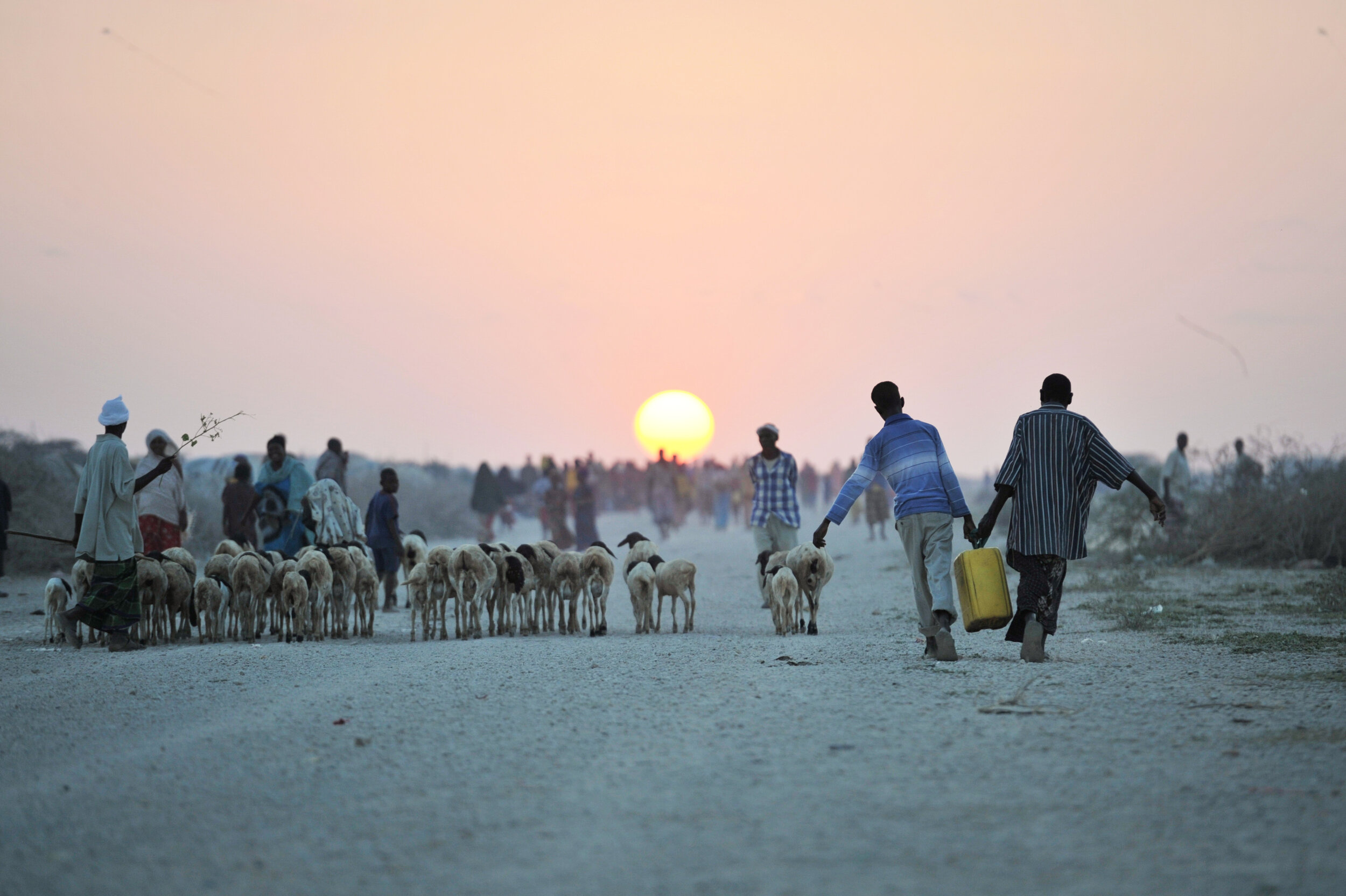
Earthquake in Turkey and Syria: What This Means for Regional Development

In the early hours of February 6th, Turkey and Syria were struck by a destructive earthquake that will have lasting implications for living standards.
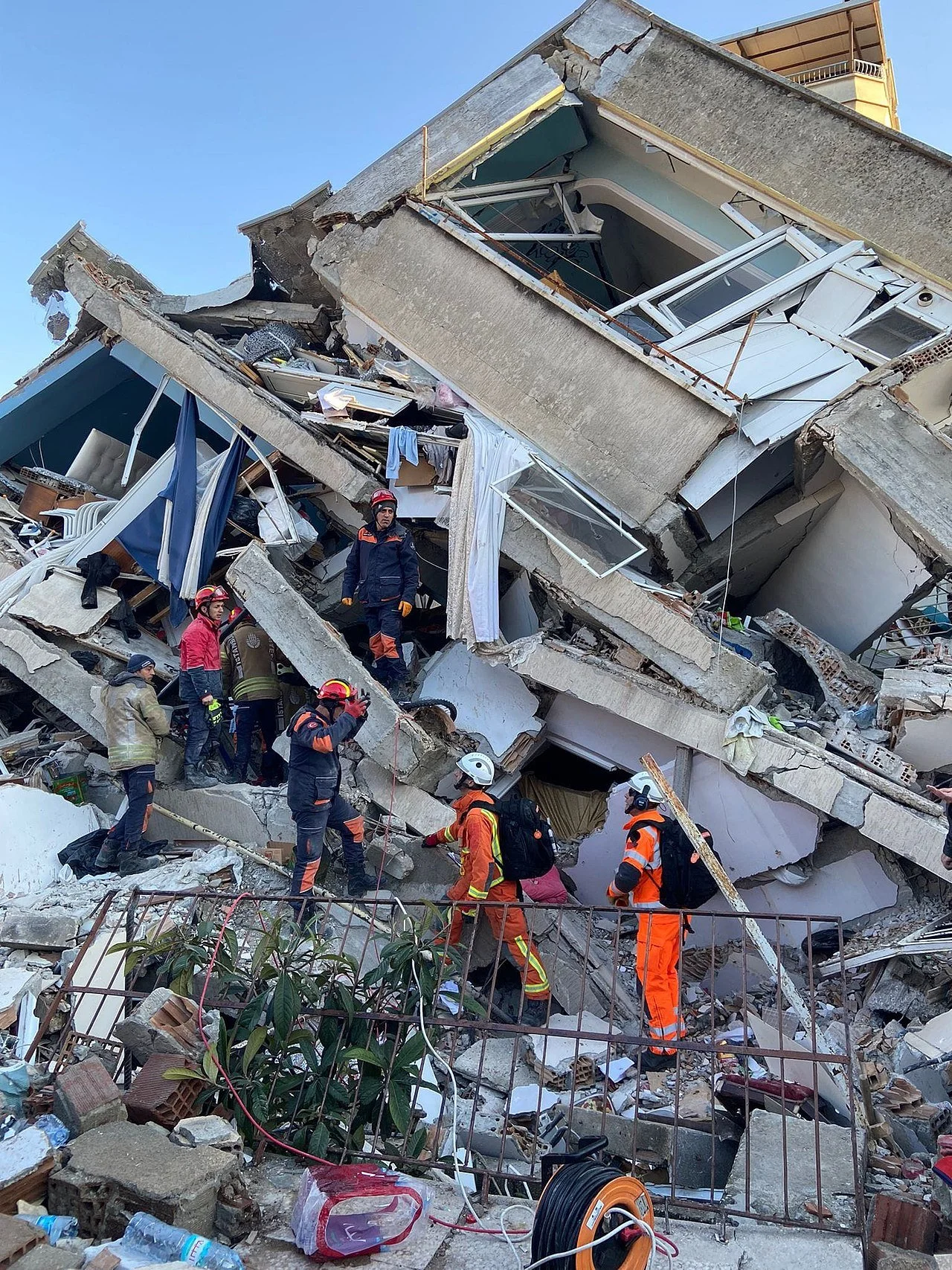
Hatay, Turkey, 9 February 2023. CC BY 2.0

In the early morning of February 6, southeastern Turkey was hit by a magnitude 7.8 earthquake, running all the way through most parts of Syria. About 9 hours later another 7.5 quake rocked the Turkey-Syria border, with over 200 aftershocks recorded. The seismic phenomena have left  over 33,000 dead, a number that is expected to rise, buildings turned to rubble, and a region on the brink of developmental disaster. Survivors have been left homeless in the streets in sub-freezing temperatures with no access to food or water, struggling to find their loved ones amid the remains. 

Sitting on the Anatolian plate between two major faults - the North Anatolian Fault and the East Anatolian Fault - Turkey is vulnerable to strike-slip seismic activity. The main earthquake that occurred on Tuesday morning had its epicenter in the city of Nurdaği, located in the Gaziantep province, which is home to many Syrian refugees who have escaped that country’s Civil War. A developing nation, Turkey struggles to implement legitimate housing laws that keep buildings up to safety standards. The nation’s president, Recep Tayyip Erdoğan, has reported that poorly enforced regulations played a role in making earthquakes so damaging, as buildings quickly collapsed due to their already vulnerable state. In Syria 11 years of conflict have made it nearly impossible to enforce building standards, and most cities already host vulnerable living conditions, the war leaving buildings and areas unstable and unprepared for seismic activity. 

What are the long-term implications of such natural disasters on this region of the world? Sitting on such an active fault line, with Syria to the south on the Arabia Plate Tectonic, Turkey and its neighbor could experience more quakes. Buildings which have not collapsed from this earthquake are at risk if there is any more seismic activity. At the moment Turkey and Syria both face a deep humanitarian crisis, and will soon have to come up with the money to rebuild. Turkey, already facing a turbulent economic situation, must now spend billions of dollars in a rebuilding project, combined with upcoming elections on May 14. The nation’s economic growth for 2023 could now be up to 2 percentage points less,  leaving the nation behind in its development goals. 

President Erdoğan has continued to threaten Syria’s Assad regime on political matters, which include his habitual threats to attack Kurdish groups in the northern part of Assad’s domain. However, both nations have agreed to offer each other diplomatic assistance and aid after this disaster, and accept international help for the wellbeing of their citizens. This type of earthquake diplomacy is also paving the way for other states with bilateral tensions, such as the United States and Russia, to collaborate with one another and assist Turkey and Syria for the sake of supporting human life and future development in the region.  

TO GET INVOLVED:

UNICEF is accepting donations and financial contributions to help on-the-ground volunteers get aid to children and families affected in both Turkey and Syria. For more information on getting involved, click here.

Save the Children is accepting donations to help surviving children receive food and shelter. To get involved, click here.

CDP has opened a Recovery Fund to help in the reconstruction of buildings in Turkey and Syria, as well as provide aid and resources for survivors. To donate, click here.


Kimberly Hidalgo

Having obtained a MA in International Policy, Kimberly seeks to bridge the gap between global development and government legislation. Growing up between the United States and Spain, she believes that travel is the best way to discover yourself and understand the world. Her goal is to promote a deeper awareness of the effects of climate change in society and politics.


Food Deserts, Food Swamps and Food Apartheid

Around 2.2 percent of all U.S. households live in areas without access to inexpensive healthy foods, leading to higher rates of obesity. These “food deserts” stem from a history of racism and inequality. 

Food deserts are areas where residents don’t have easy access to healthy, affordable food. Instead, they may be overrun with fast food options. Mike Mozart. CC BY 2.0 

Approximately 23.5 million Americans live in areas with limited or no access to affordable, healthy foods—especially fresh fruit and vegetables. These areas are commonly known as “food deserts” and are disproportionately found in low-income, minority communities. 

Food deserts occur when there are few or no grocery stores within convenient distance; for example, a survey by the U.S. Department of Agriculture found that 2.3 million people live more than one mile away from a grocery store and do not have a car. In urban areas, the nearest grocery store might be a long trip away via public transportation, and not everyone is able to take time out of their day to make the trek, especially those in low-income neighborhoods who may be working more than one job. 

Despite common misconceptions, living in a food desert does not necessarily mean that a person is food insecure. In fact, food deserts are often flooded with food choices—just not ones that are both healthy and affordable. A food desert may have plenty of smaller stores to buy food from, but these stores typically have limited options compared to  grocery stores, specifically in the availability of fresh produce. Without  easy access to grocery stores, people living in food deserts must turn to more convenient and affordable options, namely fast food. 

Experts have coined the term “food swamp” to describe areas that are oversaturated with unhealthy food options. A study by the University of Connecticut’s Rudd Center for Food Policy and Obesity found that an average food swamp has four unhealthy eating options for every one healthy option. 

Because people living in food deserts and food swamps have easier access to unhealthy food than healthy options, these areas also suffer from higher obesity rates. Studies have shown that food swamps may be a more accurate predictor of obesity rates than food deserts. However,food swamps and deserts tend to occur in the same areas, and more often than not these areas are low-income, minority communities. 

The USDA has identified over 6,500 of what they refer to as “food desert tracts” based on census data and data about the locations of large grocery stores. In a 2012 study about the characteristics and causes of food deserts, the USDA found that areas with greater levels of poverty were more likely to be—or to become—food deserts. The study also concluded that “food desert tracts have a greater concentration of all minorities” than tracts that are not considered food deserts. 

Because of the way that food deserts disproportionately impact minority communities, some food justice activists, like Karen Washington, prefer the term “food apartheid,” as it better captures the racial and economic nuances of the situation. Washington points out that “food desert” brings to mind “an empty, absolutely desolate place” with no food to be found, but this is not what a community with poor access to healthy food looks like. Nina Sevilla, another food justice activist, notes that “desert” implies that these areas are naturally occurring, which is not the case. 

“Food deserts” are the result of decades of systemic racism that led to housing segregation; under the Federal Housing Administration starting in the 1930s, middle and lower-class white families migrated to the suburbs while minority families remained in urban housing projects. Redlining policies prevented minority groups from moving into what were seen as white neighborhoods. As white middle-class residents shifted to the suburbs, so did new supermarkets, leaving minority neighborhoods without easy access to a wide variety of food. 

The term “food apartheid” highlights how these racist policies shaped low-income minority communities’ access to healthy food. 

Since food inequality and so-called food deserts and food swamps are so rooted in racism, they are not an easy problem to address. However, there are many organizations working on different solutions to food apartheid, from championing policy reform to building alternative food systems, such as urban and small-scale farming and affordable organic grocery stores. 

To Get Involved: 

To learn more about where “food deserts” in the U.S. are located, look at  the USDA’s Food Access Research Atlas here.

For a comprehensive policy platform on food, visit the HEAL Food Alliance here.


Rachel Lynch

Rachel is a student at Sarah Lawrence College in Bronxville, NY currently taking a semester off. She plans to study Writing and Child Development. Rachel loves to travel and is inspired by the places she’s been and everywhere she wants to go. She hopes to educate people on social justice issues and the history and culture of travel destinations through her writing.

A Cycle of Dependency: How Donations Worsen Income Inequality

Regardless of the good intentions behind donations, the short-term gain experienced by poor communities often leads to the persistence of income inequality and an endless cycle of dependency. 

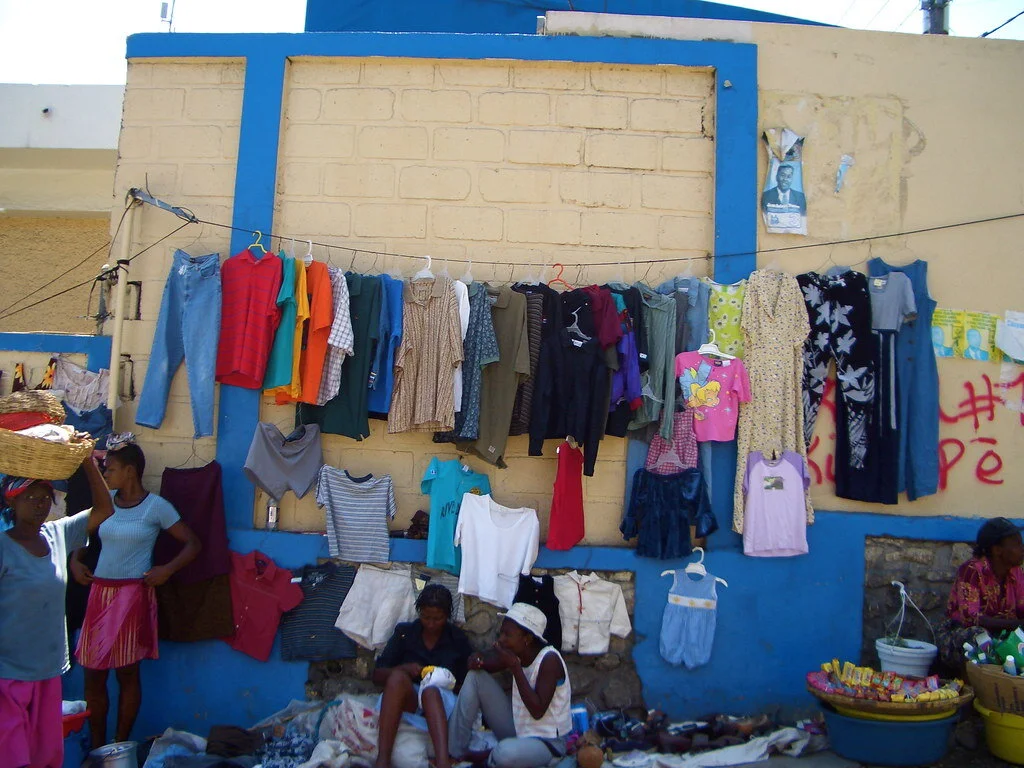
Secondhand clothing in Haiti. Vanberto. CC BY-NC-SA 2.0 

Donations are often associated with a positive image of helping destitute populations get the resources they lack. Yet, this short-term aid often results in far-reaching consequences detrimental to a country’s economy, which leads to the persistence of income inequality.

The donation of money that goes toward buying resources for impoverished communities often creates an endless cycle of dependency, especially if such service is repeatedly conducted through organizations or companies. First, the repeated nature of such service creates a false assumption among receivers that there will always be a supply of that resource without work, making them reliant on such aid. Moreover, the organizations themselves are indirectly relying on marginalized areas to promote their businesses’ charitable work. For instance, back in 2006, when TOMS started its “one for one” program, it would donate a pair of shoes for every pair that was purchased. Although the company’s motive seemed to be pure, it relied on underprivileged populations’ need for shoes to increase its business revenue

84% of unwanted clothing is thrown into landfills

When donations are consistently provided, those living in poverty often learn to become dependent on the donors as they see less reason to get out of their current situation. Local businesses also shut down, as the need to produce items goes away when high-quality donations are provided at a minimal price from external sources. Although that may come as great news for citizens of developing countries, most of the profit in this exchange goes to the exporters. A 2006 report found that, “textile and clothing employment in Ghana declined by 80% from 1975 to 2000; in Zambia it fell from 25,000 workers in the 1980s to below 10,000 in 2002; and in Nigeria the number of workers fell from 200,000 to being insignificant.” Such statistics imply that despite the good nature of external aid, it often comes at the expense of the receiving countries.

Haiti is a common dumping ground for secondhand clothing primarily from the United States, and due to its regular occurrence, locals have given this process the name “Pepe.” The Netflix documentary “The True Cost” elaborates on how Haiti’s textile industry is suffering due to the widespread popularity of Pepe, leading the country’s local clothing industry to disappear. For this reason, some countries have started to refuse the import of secondhand clothing, and more of it ends up in recycling facilities. Yet according to Newsweek, 84% of unwanted clothing is thrown into landfills. 

To combat waste, then, the fast-fashion industry needs to start recycling its own goods, minimize seasonal sales, make more durable products and normalize wearing recycled apparel. Additionally, governments need to start promoting the creation of more jobs for impoverished communities, so that all the necessary resources are available in the market at reasonable prices. Finally, donors should remember that regardless of good intentions, deprived communities may suffer long-term consequences due to misunderstood charity work.


Swati Agarwal

Swati Agarwal is a sophomore at University of California, San Diego, where she is studying Environmental Sciences and Theatre. Although born in India, she was raised in Tokyo, which gave her the opportunity to interact with diverse people from distinct cultures. She is passionate about writing, and hopes to inspire others by spreading awareness about social justice issues and highlighting the uniqueness of the world.

Structural Violence: How Societal Factors Affect Health

Income, race and geographic location are often weaponized against communities, preventing them from accessing and achieving health and wellness.

A routine doctor’s appointment may be rare for those living in poverty, causing them to not seek treatment for incipient medical issues. #PACOM. CC BY-NC-ND 2.0.

Income, geographical location, climate and access to resources all affect people’s health in various ways. Indeed, it is rare to get malaria, a mosquito-borne disease in the Arctic. It is also comparatively easier for a wealthy person who has access to top-notch treatments to recover from cancer than a disadvantaged person who cannot afford a routine doctor’s appointment. These societal factors have a proven link to health outcomes, and they are usually not controlled by individuals. To fully foster public health, it is necessary to eliminate those societal factors that precipitate health concerns.

There are both biological and societal factors that affect health. Biologically, genetics can affect one’s health, as the causal relationship between genetics and diseases such as cystic fibrosis have been demonstrated through medical research. However, biological factors are not the only thing that affects health; societal factors do as well. The World Health Organization (WHO) defines social determinants of health as: 

The non-medical factors that influence health outcomes. They are the conditions in which people are born, grow, work, live, and age, and the wider set of forces and systems shaping the conditions of daily life. These forces and systems include economic policies and systems, development agendas, social norms, social policies and political systems.

Sometimes, the system itself is rigged against a substantial part of the population from attaining complete physical, social and emotional well-being. That is called structural violence. These arrangements are ‘structural’ because they are “embedded in the political and economic organization” of society, and they are ‘violent’ because they harm people, whether physically or not. 

Lowndes County, Alabama, where the low-income Black population suffers disproportionately from hookworm infections due to structural violence. jimmywayne. CC BY-NC-ND 2.0.

One example of these biosocial determinants and structural violence in play can be found in rural Alabama, where hookworm, a disease thought to be eradicated years ago, is making a resurgence in Lowndes County. That county is 72% Black and has a poverty rate of 21.9%, almost double the national average of 11.4% in 2020. Low-income Blacks in the county are more prone to hookworm because they live next to pools of raw sewage, the perfect breeding ground for the worms. 

Structural violence is also at play here, as the Black population live near the pools of raw sewage because they cannot afford proper sewage systems. The local and state government, in turn, perpetuates this problem by turning a blind eye on the issue and not providing any assistance to the residents. Through no fault of their own, Blacks in Lowndes County have a heightened risk for hookworm due to the circumstance in which society makes them live.

Cultural practices can also precipitate or hinder disease. West African countries that already had fragile healthcare systems were particularly affected by the 2014 Ebola outbreak because of cultural practices regarding funerals. In those cultures, funerals involve washing the dead body by hand before burial and paying respect to the dead through physical contact, both of which are exceptionally high-risk activities with regards to the spread of Ebola, since the virus is still present in the corpse. Controlling the Ebola outbreak must address these cultural issues.

Finally, around the world, food deserts are scattered around urban centers, usually located in areas of poverty. Food deserts are areas with a dearth of supermarkets and other sources of healthy foods, forcing people living there to travel further for quality foods or to settle for cheaper unhealthy foods. Since many food deserts are in areas of poverty, the people living in those areas usually have no choice but to buy cheap  foods with subpar qualities. The unhealthy diet of many in those areas lead to higher rates of obesity and cardiovascular disease.

Structural violence affects food deserts, as the economic disincentives for healthy food sources to serve low-income areas show that society does not provide adequate support to them. In northern Ireland, food deserts are especially pronounced since 32% of households do not have a car. Some food deserts are the result of years of neglect of marginalized communities. Failure of the UK government to provide adequate public transportation in northern Ireland demonstrates that neglect.

Simply treating disease without regard for the underlying causes of it will not eliminate the issue. To eliminate hookworm, proper sanitation services must be implemented. Containing Ebola means educating local communities about safe methods to bury the dead in a way that does not denigrate their culture. To eliminate obesity, focus should be on providing access to healthy foods instead of just telling people to change their diet. It is important to treat diseases as complex issues instead of having a singular focus on the cure. Removing societal barriers to good health is instrumental in ensuring the physical, social and emotional health for all.

To Get Involved

The organization Partners in Health serves to improve healthcare in developing countries through patient-provider partnerships. Partners in Health works to create sustainable healthcare systems that serve all, emphasizing healthcare as a human right.

Often, the best way to remove the societal factors that affect health negatively is by advocacy. Writing to your elected officials is a good way to draw attention to those issues, which may spur them to act on your recommendations. To find your representative in Congress, click here.


Bryan Fok

Bryan is currently a History and Global Affairs major at the University of Notre Dame. He aims to apply the notion of Integral Human Development as a framework for analyzing global issues. He enjoys hiking and visiting national parks.

The Influx of ‘Pisupo’: Food Colonialism in the South Pacific

Globalization has created an influx of unhealthy canned food in the South Pacific region, leading to a dependency on it and increasing health issues associated with an unhealthy diet. 

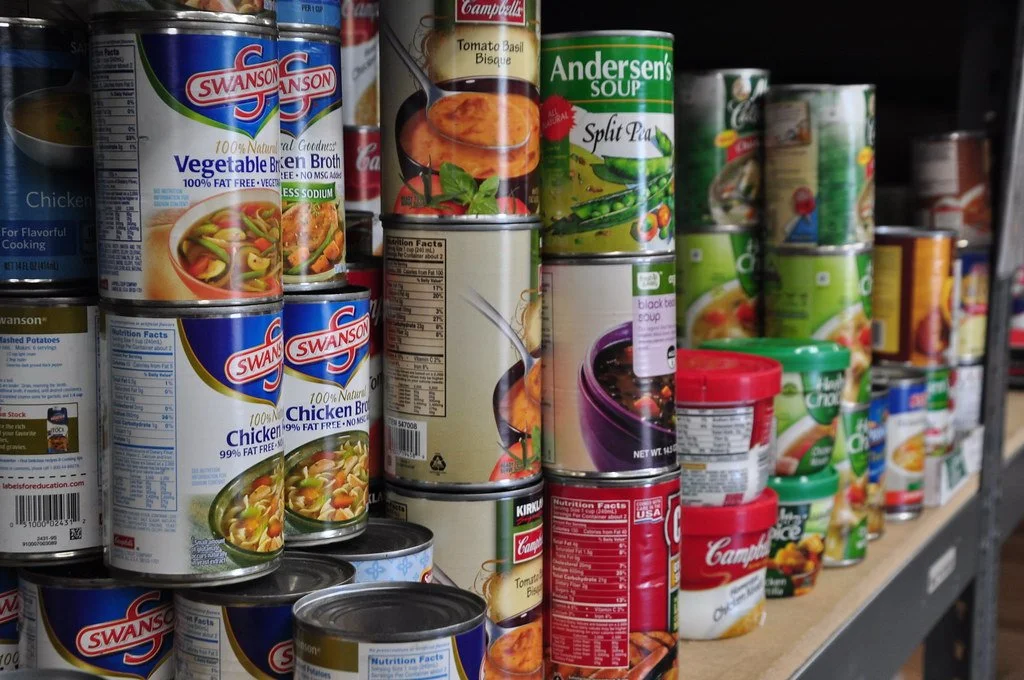
The influx of canned food in the South Pacific has led to a variety of problems. Salvation Army USA West. CC BY 2.0.

The legacy of colonialism has a lasting impact on the island of the South Pacific. Many of those islands have been colonized by Western powers, and some of them are still under the control of foreign countries. Due to this, Western influences are still pervasive throughout the region. 

One lasting legacy of Western imperialism in the South Pacific is the introduction of canned and processed food. The first canned food to be brought to the region was pea soup, and therefore, Samoan and a few other languages of the region, the word for canned food in general is “pisupo.” Today, the predominant type of canned food in the region is corned beef.

The prevalence of canned food in the South Pacific has changed the diets of the people living there and has caused a dependence on them. The new diets of the South Pacific Islanders are not necessarily an improvement from their traditional diets. However, as canned and processed foods are generally unhealthy and lacking in nutrients. That has resulted in an increase of obesity, diabetes and heart disease. Between 1990 and 2010, the total disability-adjusted life years lost to obesity also quadrupled in the region.

The traditional diets of South Pacific Islanders provide the nutrients needed for a healthy life. whl.travel. CC BY-NC-SA 2.0.

In order to provide these new foods, livestock such as cattle and pigs have been introduced to the islands, causing ecological damage. The island ecosystems are fragile, and large-scale ranching can easily destroy them. The dependence on canned food introduced by the West has resulted in not only harm to health, but also harm to the environment.

The proliferation of packaged and processed food has affected other parts of society as well, not just the typical diets. In marriage and birthday ceremonies in traditional South Pacific cultures, people often exchange gifts. While in the past, common gifts included fine mats and decorated barkcloths, but today, canned corned beef is one of the more popular gifts at those events. The introduction of canned foods has even changed traditional practices and contributed to the prevalent unhealthy diets of the South Pacific Islanders.

“Pisupo Lua Afe (Corned Beef 2000)” is a piece of art by Michael Tuffery that critiques the food dependency of the South Pacific. Sheep’R’Us. CC BY-NC-ND 2.0.

The neocolonial nature of these developments has its critics. One of them, Michael Tuffery, offers a unique interpretation through his artwork, with one of the most notable being “Pisupo Lua Afe,” a sculpture of a bull made from canned corned beef. He says that his art addresses the impact that the “exploitation of the Pacific’s natural resources has wrought on the traditional Pacific lifestyle.” His choice of subject matter and the material show his thoughts on the influx of canned food in the South Pacific. Bulls were a common presence at the aforementioned ceremonies, and the fact that the bull is covered in canned corned beef represents the fact that more traditional practices. Tuffery laments the changes that globalization has brought to his traditional Samoan culture, which has led to a “decline of indigenous cooking skills.”
With so much waste being created in the making of “Pisupo Lua Afe,” Tuffery calls into question whether the physical and cultural costs of food dependence are worth it. Could the South Pacific do better without the influx of canned food? Tuffery argues that it could. But even if the South Pacific Islanders decide to shun the prevalence of canned food, hurdles remain to improve the health of both the land and people of the region.


Bryan Fok

Bryan is currently a History and Global Affairs major at the University of Notre Dame. He aims to apply the notion of Integral Human Development as a framework for analyzing global issues. He enjoys hiking and visiting national parks.

Why Explosive Population Growth Is Unsustainable

The world is experiencing massive population growth, most of it in the Global South. If nothing is done to slow the rate, repercussions will be felt in politics, the economy and the environment.

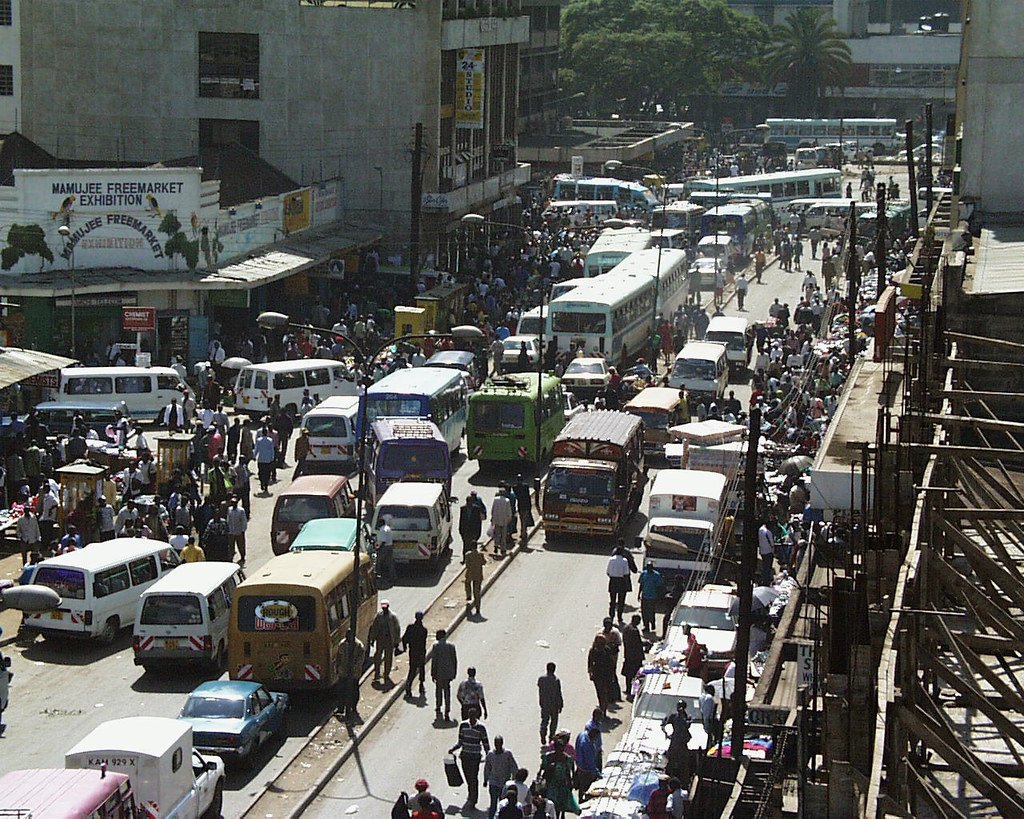
A crowded street in Nairobi, Kenya, which has one of the highest population growth rates in the world. rogiro. CC BY-NC 2.0.

The world’s population is growing at an alarming rate. In 1950, the world’s population was estimated to be around 2.6 billion. In 2022, it is almost 7.9 billion. While it is true that the world theoretically has enough resources to support the entire current global population with room to spare, the rate of population increase is a cause for concern. Most of the world’s resources are concentrated in the countries of North America and Europe, but most of the world’s population growth is located in the Global South, which can negatively affect the development of those countries.

When agricultural societies start to industrialize, the death rate usually drops due to advances in medical care. The birth rate stays high for a while until social changes encourage more women to join the workforce and have fewer children. Many countries in sub-Saharan Africa are stuck in a demographic transition trap.

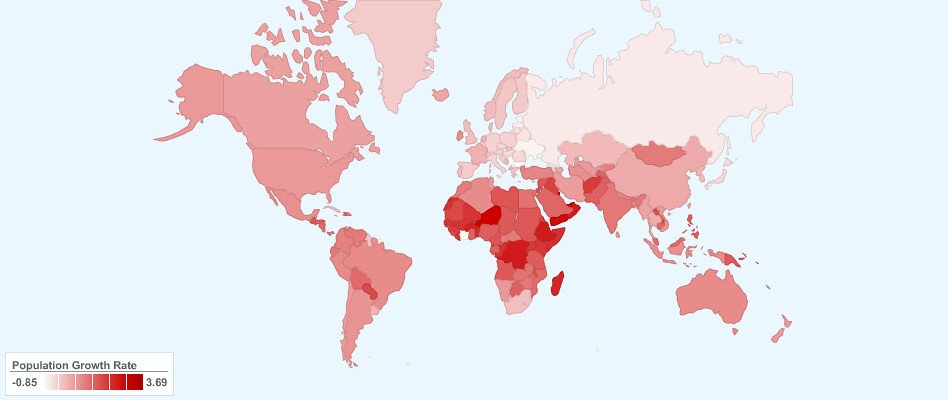
Current world population growth rate by country. Digital Dreams. CC BY 2.0.

As countries in the Global South start to industrialize, their death rates are falling, but their birth rates are not dropping to match the death rate, resulting in explosive population growth. This demographic trap occurs when “falling living standards reinforce the prevailing high fertility, which in turn reinforces the decline in living standards.” When developing countries do not make the necessary social changes to accompany industrialization, the birth rate stays high even as the economy transitions away from agriculture. These countries are slow to change their view on the ideal family size in light of emerging industrialization, and many are still engaged in labor intensive industries which reinforce the need for many children to provide free labor.

This explosive population growth has detrimental effects on both the developing country’s economy and environment. It leads to political instability, as the deluge of people overwhelm governments, causing states to fail. Governments likely cannot provide enough resources to the ever-growing population, trapping people in a cycle of poverty. Many families are impoverished due to using their resources for taking care of many children, perpetuating a cycle of poverty. 

The inability for a government to provide for its population results in a failed state. Of the 20 top failing states defined by the Failed States Index, 15 of them are growing between 2 and 4 percent a year. In 14 of those states, 40% or more of the population are under the age of 15. Large families are the norm in failing states, with women having an average of six children.

Not only does excessive population growth lead to failed states and economic problems, but it also leads to environmental problems as well. As the Global South develops, more and more people there are becoming consumers of energy and resources, contributing to climate change. In Madagascar, population growth has “triggered massive deforestation and massive species extinction.” The current rate of population growth is unsustainable in the long run economically, politically and environmentally.

However, previous efforts to decrease the birth rate in the Global South has led to the dehumanization of many women. According to Columbia professor Dr. Matthew Connelly, Americans developed programs to “motivate medical workers to insert IUDs [intrauterine devices] in more women” in South Korea and Taiwan, causing “untold misery” as there were not enough clinics to deal with the possible side effects of those procedures. Puerto Rico became a “proving ground for both the birth control pill and state-supported sterilization” due to American policy despite pushback from religious authorities. These efforts deprive women of their agency to plan their own families.

Interventions to limit population growth must ensure that families, and specifically women, have agency over their bodies. Comprehensive sexual education is an option to enable people to understand the reasons behind the different methods to decrease birth rates. Families must be able to make an informed choice on their family size, and such sexual education is a popular idea to achieve that in a humane and dignified manner.


Bryan Fok

Bryan is currently a History and Global Affairs major at the University of Notre Dame. He aims to apply the notion of Integral Human Development as a framework for analyzing global issues. He enjoys hiking and visiting national parks.

World Central Kitchen: Relief Through Food

World Central Kitchen is a relief program that sends food and cooks to areas affected by disaster, that recently had a base in Ukraine hit by a Russian missile. Read to learn more about World Central Kitchen and how to support its efforts. 

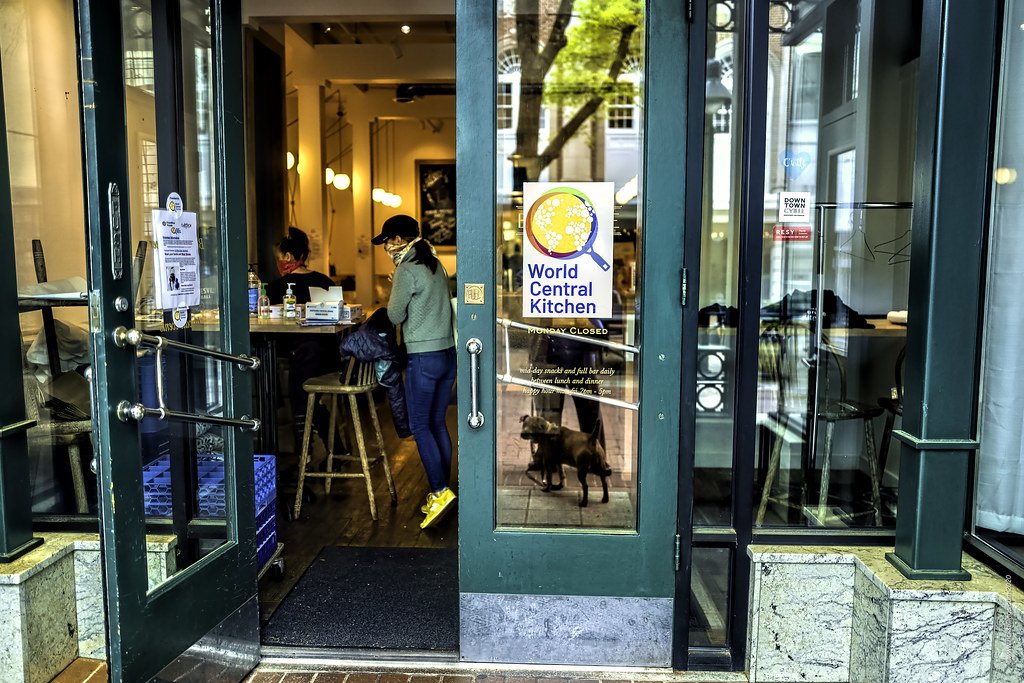
World Central Kitchen location in Charlottesville, Va. Rick Stillings. CC BY-NC-SA 2.0.

José Andrés founded World Central Kitchen in 2010 when Haiti was hit by an earthquake. The philosophy behind World Central Kitchen is that it isn’t simply food needed after a disaster, but chefs who are willing and able to cook food in the style that the people in the affected area are accustomed to, as a source of not only nourishment but also comfort. Ever since, World Central Kitchen has responded to disasters both environmental and humanitarian. 

While World Central Kitchen works to support any area in crisis, it has a specific Climate Disaster Fund. The fund is committed to spending $1 billion over the next ten years to combat climate change and assist those affected by extreme weather. It focuses on three areas: food provision for victims of climate disasters, investment in the communities most impacted by climate change and climate policy change. In terms of investing directly into communities, World Central Kitchen has a program called the Food Producer Network, which works directly with and financially supports independent farmers, fisherman and other food providers within these communities. The Food Producer Network provides grants and loans, as well as sending volunteers to work for these small businesses (if volunteers are desired). The Food Producer Network specifically operates in the Bahamas, Guatemala, Puerto Rico and the U.S. Virgin Islands. 

World Central Kitchen/World Food Programme Volunteers in Beira, Mozambique. DFID - UK Department for International Development. CC BY 2.0.

World Central Kitchen recently received a lot of publicity because its base in Kharkiv, Ukraine was destroyed by a Russian missile on April 15. This is the first time that World Central Kitchen has set up a kitchen in an active war zone, and the kitchen was not the only place hit; residences and businesses in Kharkiv were hit as well, as the missile directly hit the building across the street from the kitchen. Despite several staff members being hospitalized as a result of the missile, World Central Kitchen intends to set up another location elsewhere in Ukraine

World Central Kitchen accepts monetary donations and trains volunteers in or adjacent to the places that they are currently serving. As of May 17, they are looking for volunteers in Poland, Madrid, Barcelona, Málaga, Puerto Rico, Virgin Islands, The Bahamas and Guatemala. Some other food relief programs currently working to provide food (or money, through food) for the disaster in Ukraine are Cook For Ukraine, founded by Eastern European chefs working in conjunction with UNICEF, and Bakers Against Racism’s “Bake For Ukraine” campaign, which is an international bake sale program that has raised over $2.5 million for several global causes.


Calliana Leff

Calliana is currently an undergraduate student at Boston University majoring in English and minoring in psychology. She is passionate about sustainability and traveling in an ethical and respectful way. She hopes to continue her writing career and see more of the world after she graduates. 

Eradicating Guinea Worm Disease: The Countdown to Zero

Guinea worm disease is on track to be the second disease eradicated from the world, but there is still work left to be done.

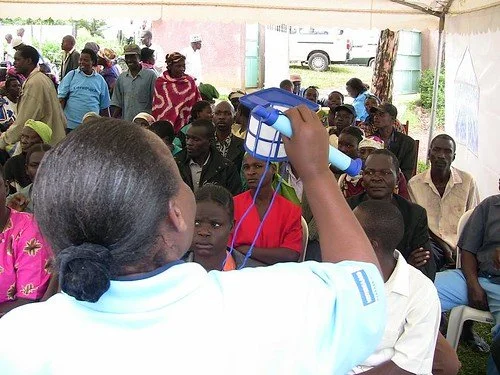
Health workers explain how to use water filters. uncultured. CC BY-NC-SA 2.0.

Guinea worm disease, also known as dracunculiasis, is an infection caused by the parasite Dracunculus medinensis. Larvae of the parasite are found in water sources in sub-Saharan Africa, and they can contaminate drinking water. Once consumed, the parasite stays inside the infected individual for up to a year as it grows into a worm until it removes itself from the human host, leaving through the skin. 

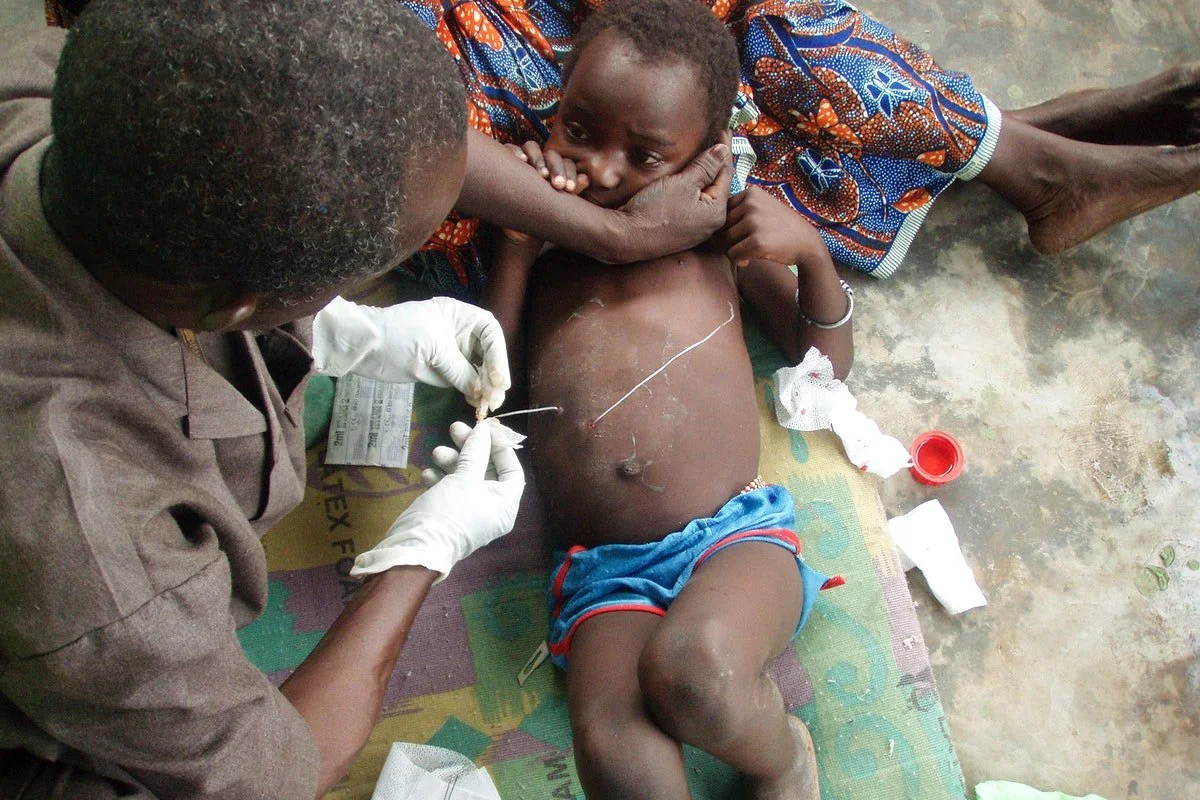
When the worm emerges from the human, it causes a painful skin blister, possibly resulting in a fever or secondary infection. There have been cases of people becoming crippled by a Guinea worm infection. The worm needs to be pulled out from the human body, several centimeters per day, by winding it around some gauze or a small stick. 

Health worker treating an infant with Guinea worm disease. Centers for Disease Control and Prevention. CC0 1.0.

In 1986, the Carter Center, the foundation of former president Jimmy Carter, began to lead the global campaign to eradicate Guinea worm disease. When the campaign started, there were 3.5 million cases of the disease in that one year. In 2021, there were only 15 reported human cases worldwide. This dramatic reduction of cases was the result of several carefully planned interventions.

The program to eradicate Guinea worm disease is community-based and relies on extensive villager volunteers. This approach respects the dignity of the people affected and builds trust between the community members and health professionals. The Carter Center aims to work with ministries of health to provide comprehensive health education and maintain political will.

Surveillance and supervision is instrumental in containing the spread of the disease. In the Gambella region of Ethiopia, village volunteers try to ascertain possible cases among their peers every week. When a suspected case is found, an investigation occurs. A lab test is needed to confirm a case of Guinea worm disease. The infected person’s demographics and symptoms are also tracked, as is information about the water sources that the person used. There are also community meetings to inform them of those infected. This is why gaining the trust of communities is so important. Community participation, especially in light of the stigma associated with the disease, is vital in containing the disease, and it all depends on trust.

As Guinea worm disease is waterborne and is contracted by drinking water contaminated with the larvae, interventions that involve treating water before it is drunk is essential. The Carter Center has distributed pipe filters to affected populations and taught them how to use them to prevent the new cases of the disease. In some places, the pesticide abate is applied to water sources to kill the larvae that cause Guinea worm disease. These interventions have drastically reduced the prevalence of Guinea worm disease, but the fight is not over yet.

While great progress has been made in eliminating Guinea worm disease in much of the world, some challenges have arisen. Civil unrest and political instability in some places where Guinea worm disease is prevalent have prevented efforts to combat the disease. Ethiopia, which had some of the highest rates of the disease, is mired in a civil war, making it hard to reach everyone affected by Guinea worm disease. Recently, cases of Guinea worm disease have also started to appear in animals. Today, most cases of Guinea worm disease occur in other animals, not humans. Complete eradication of Guinea worm disease cannot be completed until the world is free of the disease in both humans and animals.

To Get Involved

While the Carter Center is the leader in the drive to eradicate Guinea worm disease, there are also other partners and stakeholders in the campaign who can be supported through donations and volunteering. Among them include the ministries of health of affected countries, UNICEF, WHO, Ethiopian Public Health Institute and the UNHCR.


Bryan Fok

Bryan is currently a History and Global Affairs major at the University of Notre Dame. He aims to apply the notion of Integral Human Development as a framework for analyzing global issues. He enjoys hiking and visiting national parks.

Half of South Korean Elderly Are Living in Extreme Poverty

The pension retirees receive is only a quarter of the amount needed for single households, causing many elderly to return to work. 

Elderly South Korean woman. Mctrent. CC BY-NC 2.0

South Korea is known for high rise buildings, luxury skin care and high tech devices. Yet with all of these advances, it has the worst senior poverty rate among developed nations. The population has been struggling to stay off the streets with only 35% of seniors receiving a monthly pension. Fewer than half of seniors receive government assistance and it is only a quarter of the amount needed to cover basic necessities. 

The Confucian tradition of children taking care of their parents is fading in South Korea. In previous generations the elderly turned to their children for financial assistance, often living with their children until their passing. However, the Census has shown that one in three Korean seniors live alone today and six out of ten elderly are supporting themselves. It has become difficult for children to help aging parents due to the expensive cost of living and the high unemployment rate. The country’s legal retirement age is 60, but many employees at private companies are pressured to leave around age 50 due to scarce executive or high-ranking jobs. When they retire at such a young age, they realize their pensions or severance packages are far below the cost of living and that the social safety net is insufficient. They are forced to re-enter the working world, but often in positions that are temporary or day-to-day, offering very low pay.

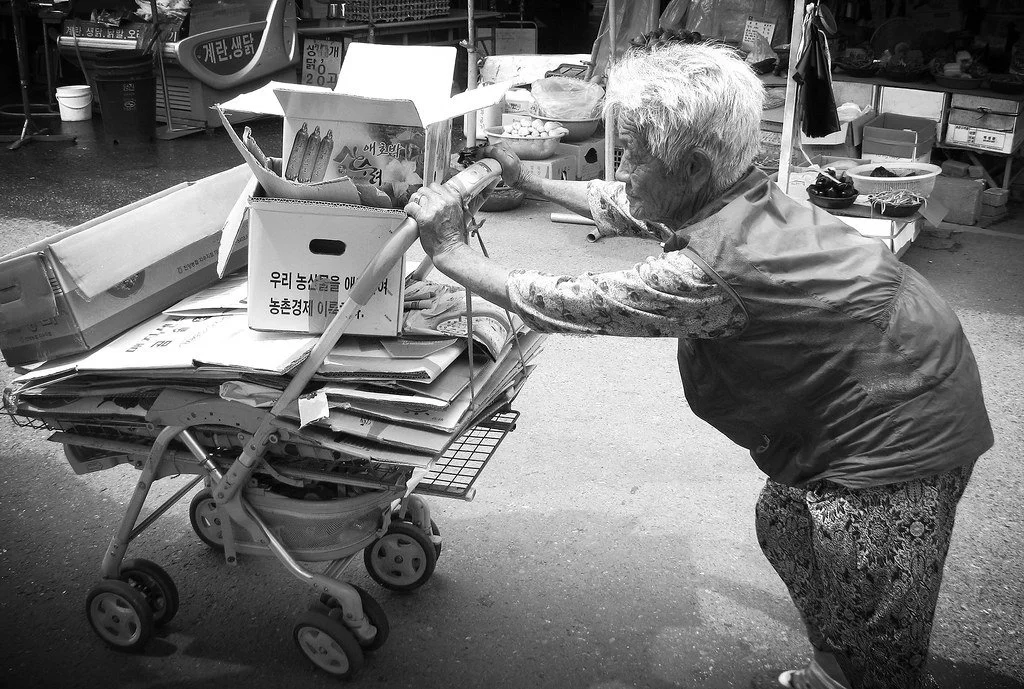
Retiree collecting cardboard boxes. Mariej55quebec. CC PDM 1.0

In order to make a living, many retirees collect anything that can be recycled and transported to the local junk yard using makeshift handcarts. Cardboard boxes are what they tend to collect most because they are the easiest to come across. Although prices vary, the average income per kilogram (2.2 lbs.) is 40 won ($0.33). On a 12 hour day, retirees earn about $6.68: a salary that’s far below the poverty line. South Korea is expected to become a “super-aged society” with more than 20% of its population aged 65 years and older by 2026. A fall in the fertility rate and rising longevity are the two fundamental contributors to the country’s growing ageing population. 

Pre-pandemic, soup kitchens were a social gathering place for many retirees. A popular one among the elderly was Angel Soup Kitchen. On average, they served more than 350 free meals three times a week: operating 26 centers across South Korea. Retirees would line up in the early hours of the day to guarantee a spot in line. It was a place where they could be among other seniors enjoying a meal. However, with the pandemic and the elderly being the most vulnerable, Angel Soup Kitchen closed and now distributes take home meals. With so many soup kitchens closing, Warm Chaeumteo was one of the few that remained open. They provide three meals a day, seven days a week. Due to the temporary closure of other soup kitchens, the center is getting approximately 100 more visitors a day, compared with the normal turnout before the outbreak. They receive just under 1,000 people per day. It is becoming harder to keep soup kitchens open with the decline in volunteers, many deciding they want to avoid face to face interactions.

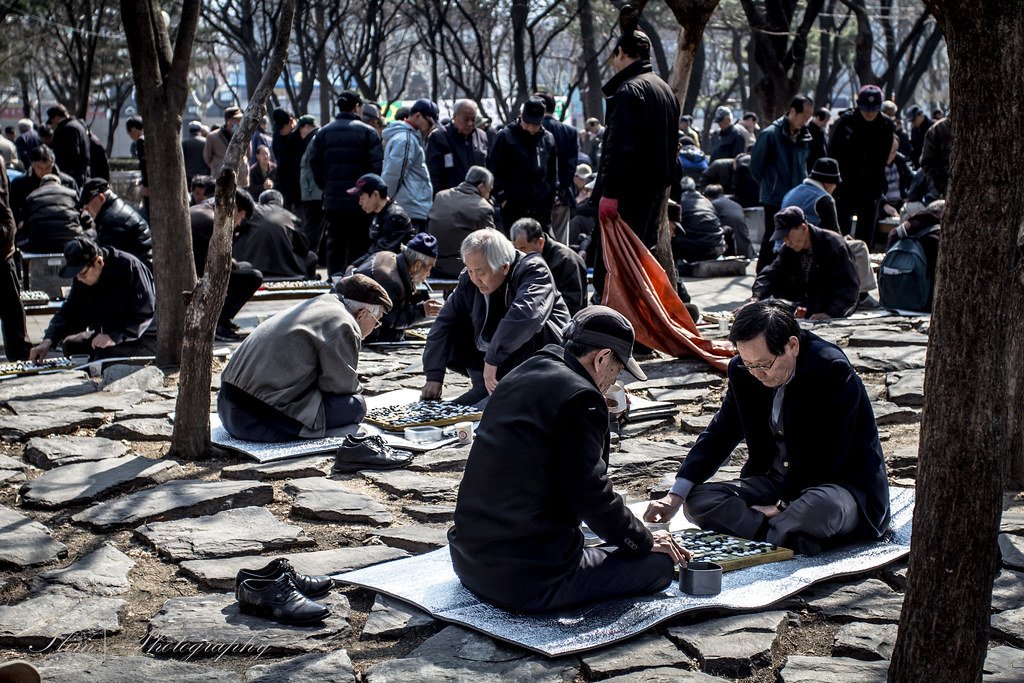
Senior Koreans Playing Chess at a Park. Terence. CC BY-ND 2.0

The mental health of retirees has seen a spike in recent years. The disruption of the traditional family unit is a large reason why. Children often lose contact with their parents, leaving the retired elderly to feel lonely and isolated. A long term effect of these feelings will trigger depression, anxiety and loneliness. To socialize, retirees frequent parks and public areas, but with the restrictions of the pandemic, most areas are now closed. This forces the elderly into further isolation and a toll on their mental health. Health Insurance Review and Assessment Service reported that about 40% of the 684,000 Koreans diagnosed with severe depression were over age 60. With an aging population that will only continue to grow, countries with large elderly populations are facing an unprecedented issue: how to properly care for a large influx of elderly people, while still moving towards the future. Living longer is usually associated as being a hallmark of success, but current societal structures in many countries are not equipped to provide the social services needed. 

As South Korea and the globe try to figure out how to care for this large wave of retirees living longer, there are startups like EverYoung. A company that only hires employees aged 55 and older. Employees monitor blog content and detect sensitive information, as well as perform other IT tasks. There are 420 seniors from a variety of career backgrounds employed. Moreover, a mandated 10-minute break for every 50 minutes of work, and staff are rostered on four-hour shifts. Manager Kim Seong-Kyu told ChannelNews Asia that older employees have detail-oriented skills not common in the younger workforce, with distracting cell phones stored away during work time. Kyu said, “they are full of passion. The time that they have, and their interest in this work, are primarily why they come to work”.

To Get Involved:

The Korea Legacy Committee and Asian Boss have partnered to provide free meals every Sunday for the South Korean elderly. They aim to become a safe haven for impoverished seniors and expand the meal program around the country.  

To learn more about Korea Legacy Comittee click here.

To support the South Korean elderly during the pandemic click here.


Jennifer Sung

Jennifer is a Communications Studies graduate based in Los Angeles. She grew up traveling with her dad and that is where her love for travel stems from. You can find her serving the community at her church, Fearless LA or planning her next trip overseas. She hopes to be involved in international humanitarian work one day.

A Cage Home Away from Being Homeless in Hong Kong

Cage homes have become the dangerous solution to living in the most expensive housing market in the world: Hong Kong.

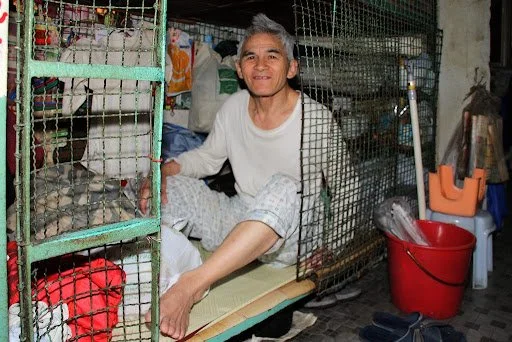
Man Living in a Cage Home. Pondspider. CC BY-NC-SA 2.0

Hong Kong is considered one of the most expensive cities to live in the world. The population of 7.4 million people live in a metropolis 110 times smaller than New York City.  Many struggle with the mounting housing prices which seem to keep rising. As a dangerous solution, low income individuals have developed "cage homes'' or “coffin homes” in which they reside. It consists of a bed-space, usually made of wood or wired boxes, large enough to only fit a bed and one or two personal items. An estimated 200,000 people, including 40,000 children live in cage homes in Hong Kong. The poor and elderly are the ones experiencing the effects the housing crisis Hong Kong has caused. 

Out of desperation, many people are deciding to live out of these cage homes in order to avoid living on the streets. These barbed wire “homes” were created in the 1950’s due to an influx of refugees coming from mainland China. They provided cheap labor for Hong Kong and, therefore, a demand for low cost bed space apartments. The apartment operators decided to make more profit by stacking bunk beds known as cages on top of each other, and the term “cage home” was created. Since then, the inhabitants have grown from immigrant workers to elderly men and women and children.

An average home in Hong Kong is about $1.28 million USD and a tiny “nano” apartment is on average $500,000 USD. Cage homes are approximately $230-$300 USD a month. They are the size of a parking space in the US, 7.5 feet in width and about 10 feet in length. They’re stacked on one another and there are approximately 30 cage homes in one room. All of the renter’s personal items are locked away at night or when renter’s go out for the day. Bathrooms are mostly communal and often there are no kitchens, just electric portable burners. While living in these homes, renters usually have no privacy or natural light coming in. Most windows are away from where the cage homes are placed. Many of the cage homes are in older urban districts, such as, West Kowloon, Sham Shui Po and Mongkok. 

The mental and physical effects of living in a cage home are concerning. The people who live in these spaces are dealing with depression, anxiety and stress due to their financial situation and cramped living space. Although they live among others, they often feel isolated and alone. Hygiene is also a big issue when living in these confined spaces. Up to a dozen people share bathrooms and kitchen areas, which are at times both in one room. In addition, there are poor safety regulations due to the buildings’ age and the number of people living in these tight spaces. The inadequate fire protection is a big risk many face when choosing to live in constricted spaces like these. Renters often have to deal with the infestation of rodents, roaches and bed bugs, which in turn affects their sleep and adds to health issues. There is poor air quality and no ventilation systems, with summer temperatures making it unbearable. Some elderly people have described their lives in their cage homes as “waiting for death.”

The new coronavirus pandemic has made it extremely difficult to live in these confined spaces. The cage home inhabitants find it impossible to quarantine safely as they do not have any walls or personal space. Most of them have to wear masks to sleep in order to avoid contracting the virus from others in their room. Many who live in the cage homes used to escape their reality by spending the day in parks, librairies or jungle gyms, however the pandemic has forced all public areas to close. Now cage home dwellers pass the time by, napping, listening to music or watching TV. Volunteers visit the people living in these spaces and bring food to donate, while also spending time with the residents to ease their loneliness.

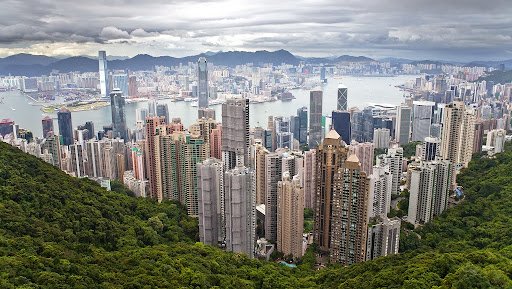
Panorama of Hong Kong. CC BY-NC 2.0

The reason for the rising costs in the housing market is Hong Kong’s dense population, in which only seven percent of the city’s land is used for residential living. The pace of land supply and creation has slowed down in recent years. With low supply and high demand for living space, Hong Kong’s housing prices have no chance to come down. Chief Executive of Hong Kong Carrie Lam has proposed a variety of measures to boost the number of homes in the residential market. Her plan includes an aggressive target to turn the remote northern part of the city into a “metropolis” for 2.5 million people, a project that will take decades to complete. In July, Director of the Hong Kong and Macau Affairs Xia Baolong set a city goal to eliminate its ‘infamously small apartments’ by 2049. This refers to less than 500 square foot apartments many residents live in. The Hong Kong government legally recognised cage homes, but did so under the label “bedspace apartments,” which are defined as “any flat in which there are 12 or more bed spaces occupied or intended to be occupied under rental agreements.” The United Nations has taken notice and calls the poor conditions present “an insult to human dignity”.


Jennifer Sung

Jennifer is a Communications Studies graduate based in Los Angeles. She grew up traveling with her dad and that is where her love for travel stems from. You can find her serving the community at her church, Fearless LA or planning her next trip overseas. She hopes to be involved in international humanitarian work one day.

The World’s Electronic Waste is Ending Up in Ghana’s Landfill

While new tech gadgets launch every few months, the buildup of electronic waste is being sent to Ghana and damaging the citizens’ health. 

Location, Ghana. Fairphone. CC BY-NC 2.0

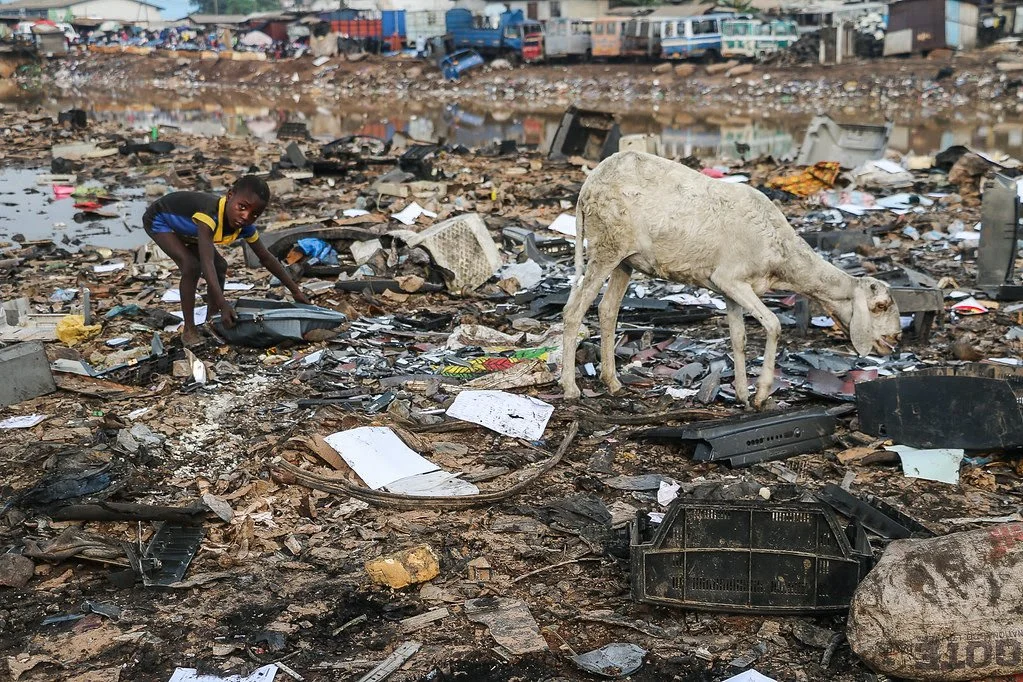
The capital city of Accra in Ghana is home to the largest e-waste landfill, Agbogbloshie. Electronic waste or e-waste is waste material with any battery or power cable. It ranges from everyday appliances to laptops, circuit boards, lamps, phones, etc. If these items are not disposed of properly, they can become harmful to the environment and people. An estimated 250,000 tons of electronics are sent every year to the dumpsite. The site not only houses e-waste, but about 40,000 Ghanaians inhabit the area alongside livestock. 

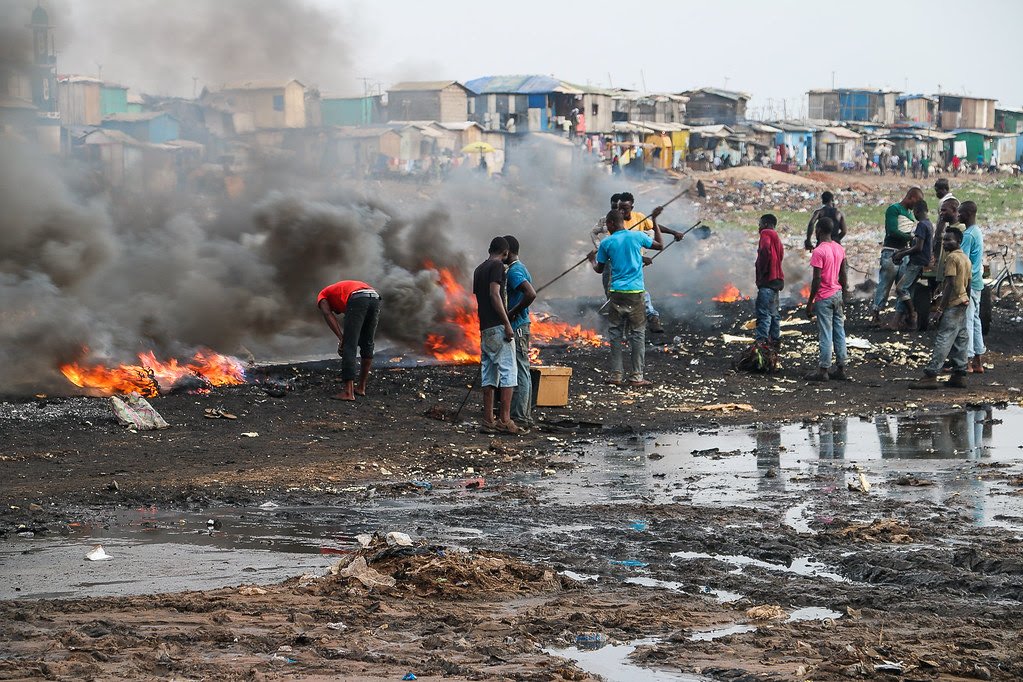
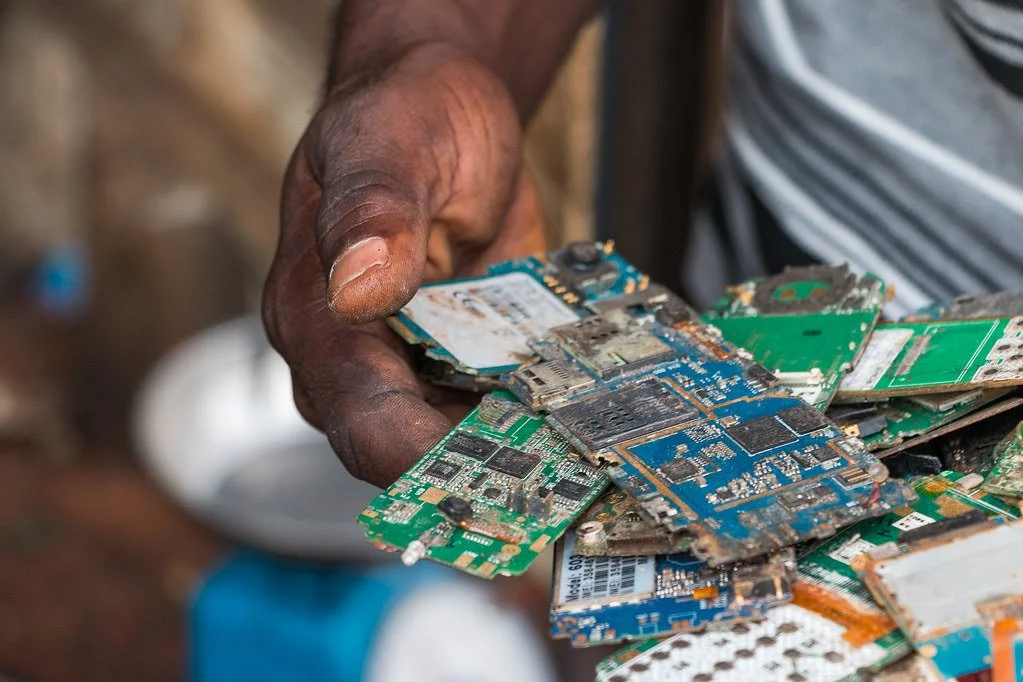
The e-waste arrives in Ghana through the Port of Tema, about 20 miles east of Agbogloshie. Most of the items in the container ships are from the United States or Western Europe. The electronics are secondhand and sent to Ghana with the idea of being refurbished then sold.  The majority of the items cannot be fixed and become e-waste, which is then taken to Agbogbloshie. Once the electronics arrive at the dumpsite, there is an entire process the electronics go through. First, small collectors sell the items to scrap dealers known as “masters.” The scrap dealers then have their workers, known as “boys,” use their bare hands, hammers and other tools to break apart the valuable metals inside. At times insulated wires are bundled together and taken to the “burner boys” they’re in charge of burning the plastic off of the wires. In doing so, they’re able to retrieve valuable metals. The metals include copper, aluminum, zinc, silver and others. Once the metals are recovered, they are weighed and sold for instant cash. 

PCBs Used to Extract Metals. Fairphone. CC BY-NC 2.0

The supply and demand is what fuels the toxic pollution in Agbogbloshie. As soon as the bulk of metals and wires are sold, they are exported out of Ghana and reused to produce new devices. The men and young boys who do this harmful labor are usually from rural northern cities searching for work to provide for their families back home. A “burner boy” will make about $40-50 Ghanaian cedis a day (US$6-8). Living in extreme poverty and barely making enough to move further up the chain, along with paying the ultimate price with their lives. They work arduously with no protective gear and no government regulations. At times, these young men and children have multiple health issues due to the toxic fumes and chemicals that leak from the electric waste. They face chronic nausea, debilitating headaches, skin diseases, burns, respiratory problems, infected wounds and cancer among others. All these issues are brought on by the toxic work environment, pollution and lack of regulations. Most people know that this line of work is debilitating to their health. However, the desperation for survival is the driving force. 

The people who work and live in Agbogbloshie are not the only ones suffering; the livestock is, too. The toxins are entering the food chain as cattle roam and graze the dumpsite freely. This is concerning as the Agbogbloshie area is home to one of the largest food markets in Accra. Most of the cows and chickens are slaughtered and eaten by the residents, which then ingest the high-level toxins. In addition, the water is also being contaminated as Agbogbloshie is situated on the Korle Lagoon. This lagoon is filled with piled-up waste of all sorts and links to the Gulf of Guinea, the Northeastern part of the Atlantic Ocean. 

Goat Freely Roaming. Fairphone. CC BY-NC 2.0 

Agbogbloshie is known to many of the locals as Sodom and Gomorrah. These biblical cities are synonymous with Agbogbloshie’s difficult living conditions. Although harsh, the people of this slum depend heavily on electrical waste in order to make a living. The Ghanian government has condemned the activity that’s taking place here. However, it has not lessened. As of now, change might be taking place in the near future. The German agency, GIZ, is in the middle of delivering a $5.5 million project for the people of Agbogbloshie. The plan is to build a sustainable recycling system and a health clinic and football pitch for workers. Much more will need to be done to keep the people’s health intact and away from this harmful environment. However, this is a start in bettering the status quo.


Jennifer Sung

Jennifer is a Communications Studies graduate based in Los Angeles. She grew up traveling with her dad and that is where her love for travel stems from. You can find her serving the community at her church, Fearless LA or planning her next trip overseas. She hopes to be involved in international humanitarian work one day.

W.H.O. Approves First-Ever Malaria Vaccine

On October 6,  the World Health Organization recommended the vaccine Mosquirix for widespread use against the deadliest malaria-causing parasite. The vaccine is anticipated to save the lives of over 100,000 young children living in sub-Saharan Africa.

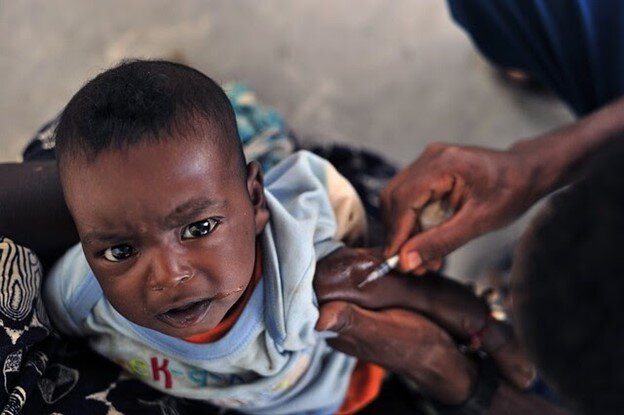
Malaria Vaccine. tpsdave. CC BY 2.0. 

On October 6, the WHO Director-General announced the UN agency’s approval of humanity’s first vaccine against malaria for broad rollout. Dr. Tedros Adhanom Ghebreyesus termed the announcement a ‘historic moment’ and a ‘glimmer of hope’ for sub-Saharan infants and children, who are the most vulnerable demographic to die from the parasitic disease.

Disease Background

Malaria is a life-threatening infectious disease caused by the Plasmodium” family of protozoan parasites. The disease is transmitted via mosquito bites rather than human contact.  Mosquitoes’ saliva can pick up the parasite from an infected person, then give the parasite to the enxt healhty person they bite. Upon contraction, the parasite circulates throughout the human bloodstream and destroys  their red blood cells. Within two to four weeks of contraction, malaria symptoms such as fever, aches, chills, nausea and vomiting occur. Severe cases of malaria can cause anemia and jaundice, and if left untreated, it can cause seizures, kidney failure, coma or death. 

Disease Burden

Though there are nearly 230 million cases of malaria worldwide, Africa pays the greatest price. The continent sees 94% of malaria cases globally, where six countries account for approximately half of all reported malaria deaths: Nigeria (23%), Democratic Republic of Congo (11%), United Republic of Tanzania (5%), Burkina Faso (4%), Mozambique (4%) and Niger (4%). While malaria occurs in other regions such as South America, the disease predominantly wreaks havoc upon the planet’s poorest continent.

Children under the age of five are twice as likely as older patients to die upon contraction. For example, of the 409,000 global deaths caused by malaria in 2019, children five years or younger accounted for 67% of them. 

Africa’s disproportionate prevalence of malaria is the result of a confluence of factors. First, the continent’s tropical and subtropical climates are perfect conditions for marsh mosquitos year-round.  Second, relative socio-political instability and lagging economic development have made it difficult to implement large-scale preventive public health practices like mosquito nets and insecticide sprays that are needed to curtail transmission. 

Vaccine Information

After a decade of clinical trials operating within seven African countries, the World Health Organization coordinated a pilot program to evaluate the safety and efficacy of the Mosquirix vaccine (GlaxoSmithKline’s RTS,S). The trials served 15,000 infants and young children in Ghana, Kenya and Malawi. The trial found that Mosquirix is feasible and cost-effective to deliver to the public, even amidst the COVID-19 pandemic. Equitable access to malaria prevention is now a reality thanks to the Mosquirix vaccine’s approval. 

However, there are some logistical obstacles that countries will need to navigate because Mosquirix is imperfect. The vaccine was shown to prevent about four in ten malaria cases. The dosage structure is also time-intensive. One must receive three doses in three months, followed by a final injection a year later. This vaccination timeline will likely be the biggest obstacle. Peter Agre, the head of Johns Hopkins Malaria Research Institute, acknowledges “from an objective level most are disappointed that [Mosquirix] wasn’t more effective”. 

Nevertheless, public health experts are excited about Mosquirix’s potential. Of more than 2.3 million total doses injected throughout the pilot, the vaccine reduced severe malaria by 30%. In addition it reached two-thirds of children lacking a bed-net to sleep under. As the Director of the WHO Global Malaria Programme, Dr. Pedro Alonso states, “We’ve been looking for a malaria vaccine for over 100 years now. This will save lives and prevent disease.”


Rohan A. Rastogi

Rohan is an engineering graduate from Brown University. He is passionate about both writing and travel, and strives to blend critical thinking with creative communication to better understand the places, problems, and people living throughout the world. Ultimately, he hopes to apply his love for learning and story-sharing skills to resolve challenges affecting justice, equity, and humanity.

Chernobyl Becomes a Symbol of Resilience, 35 Years After Disaster

Time and time again, humans have been ravaged by disaster, only to successfully prove their resilience. Thirty-five years after the Chernobyl nuclear disaster, Ukrainians appear eager to rewrite their story. 

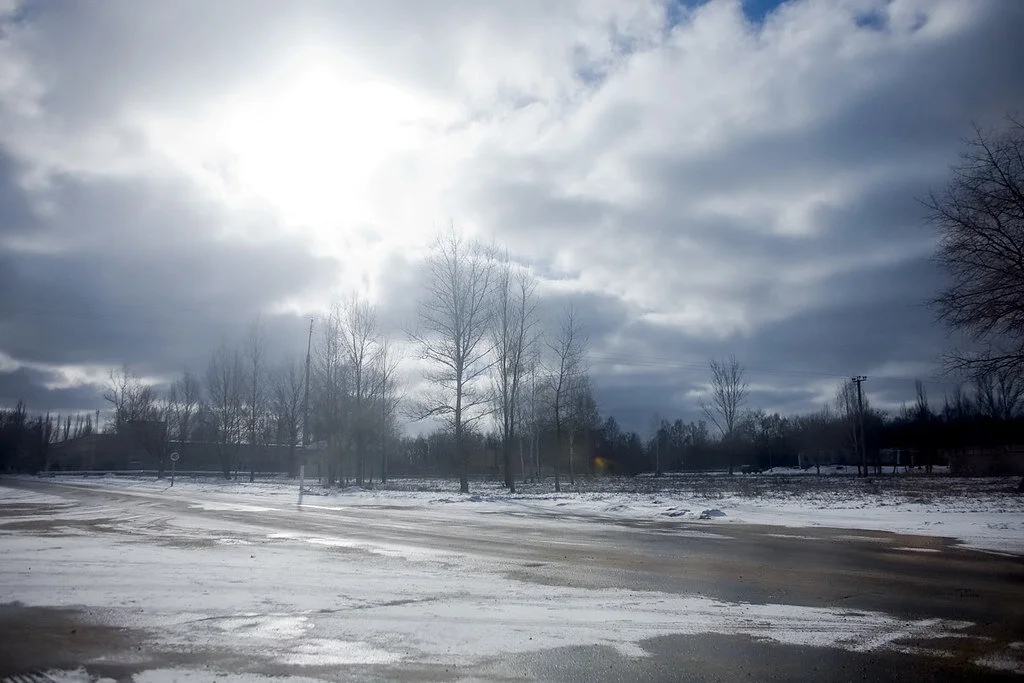
The abandoned streets of Chernobyl, Ukraine. Pedro Moura Pinheiro. CC BY-NC-SA 2.0. 

The Chernobyl nuclear disaster of 1986 marked chaos for the Soviet Union and still influences modern-day Ukraine. The accident was caused by a series of technical faults, resulting in a nuclear explosion that spewed radioactive substances into the air. Chernobyl stands as the most devastating nuclear incident to have ever occurred, with 31 deaths as a direct result of the meltdown, 4,000 cancer deaths from exposure to radiation and millions affected in various other ways. 

President Volodymyr Zelenskyy announced that Chernobyl will now function as a nuclear waste site.

Now, at the 35th anniversary of the Chernobyl disaster, Ukrainians are determined to move forward. Life has slowly begun to return to the area; the “exclusion zone” stands as a prime example of the resilience of nature. What was once a deadly zone, marked as a no man’s land, now abounds with life. Radiation levels in the area have decreased over the years, creating a nature preserve of sorts—elk, deer and other wildlife graze throughout the empty space. 

As frightening as Chernobyl may seem, locals have moved back. Elderly residents have returned to the surrounding area despite being advised against it; for them, the comfort of home outweighs the peril of living in the region. These residents stand as a reminder of the power—and the risks—that follow one’s determination. 

Officials in Ukraine hope that Chernobyl will be added as a World Heritage Site, as many residents believe that the outsize influence of the site merits its inclusion. 

Once wholly abandoned, Chernobyl and the nearby town of Pripyat allow visitors today. Travelers come to the site and find an unconventional experience; the disaster has created a reflective tone, as Chernobyl’s tragic history sheds light on the lows of human struggle and the highs of human triumph. 

On April 26, Ukrainian President Volodymyr Zelenskyy announced that Chernobyl will now function as a nuclear waste site. It is projected that the nuclear waste site will save Ukraine about $200 million per year. 

Zelenskyy also promised to “transform the exclusion zone, as Chernobyl is referred to, into a revival zone.” While it won’t be easy, Ukraine intends to move on from the past and head toward a stronger future.

As time passes, many tragic incidents of history dissolve from the spotlight. With revival on the horizon, Ukraine hopes for a triumph at Chernobyl.


Ella Nguyen

Ella is an undergraduate student at Vassar College pursuing a degree in Hispanic Studies. She wants to assist in the field of immigration law and hopes to utilize Spanish in her future projects. In her free time she enjoys cooking, writing poetry, and learning about cosmetics.

Ten Years After Nuclear Disaster, Recovery Remains Distant in Fukushima

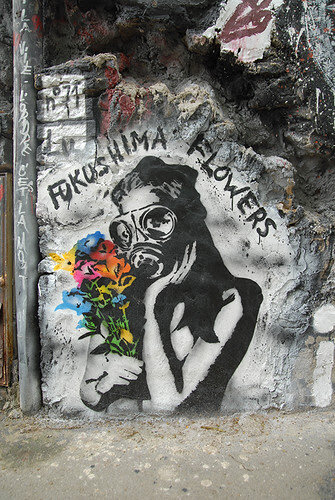
The tsunami and ensuing meltdowns at the Fukushima Daiichi nuclear power plant forced thousands to flee their homes. A decade later, some locals have returned home, but full recovery remains remote.
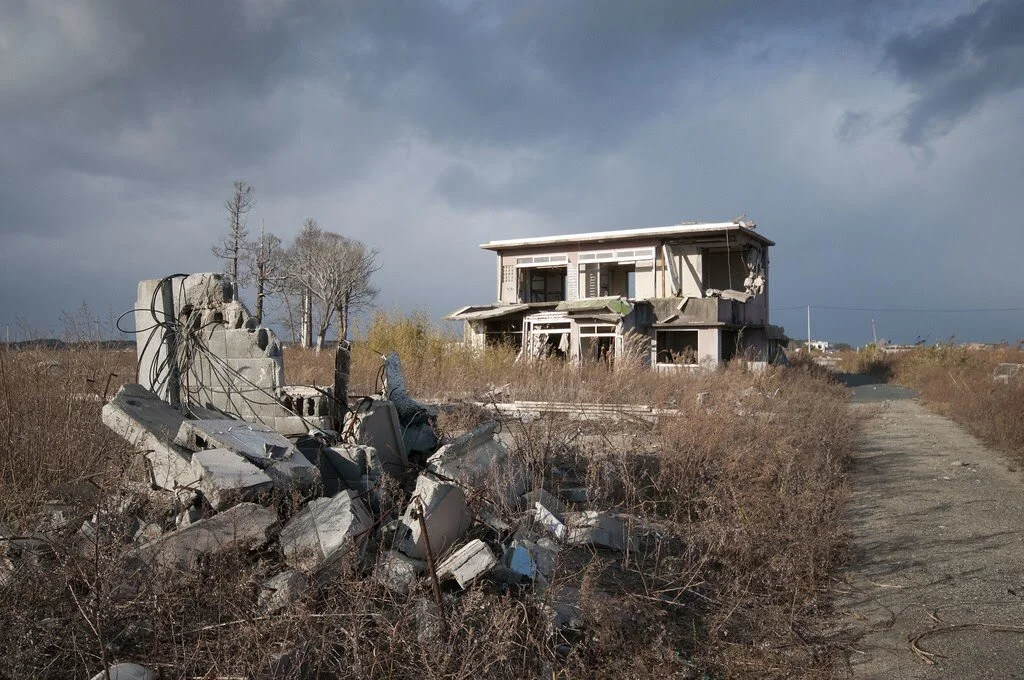
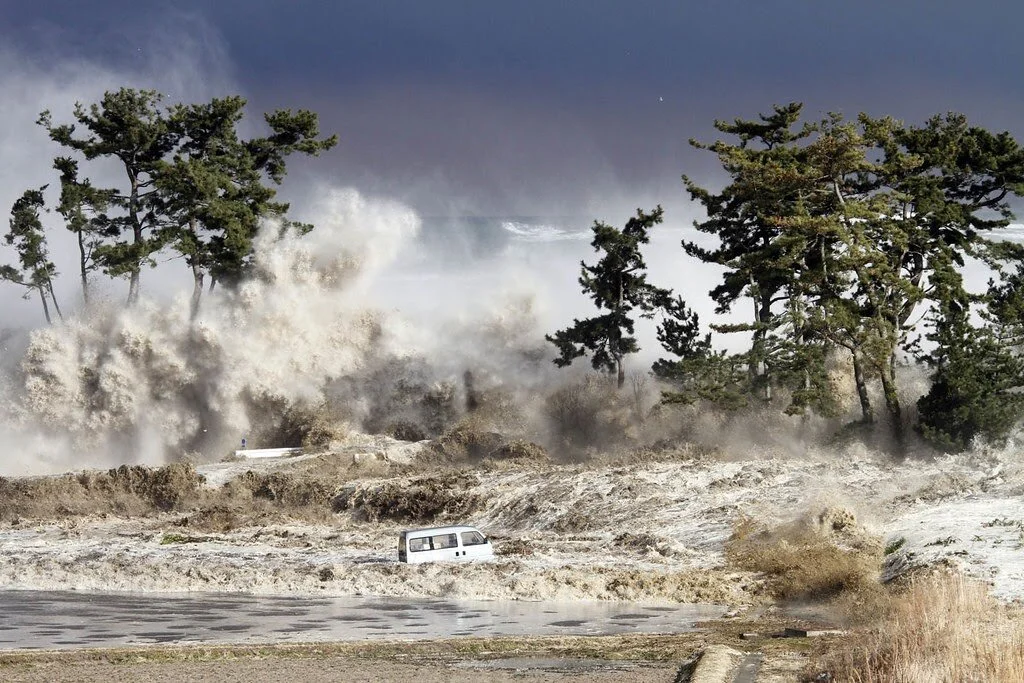
A tsunami’s wreckage. UCLAnewsroom. CC BY-NC-SA 2.0.

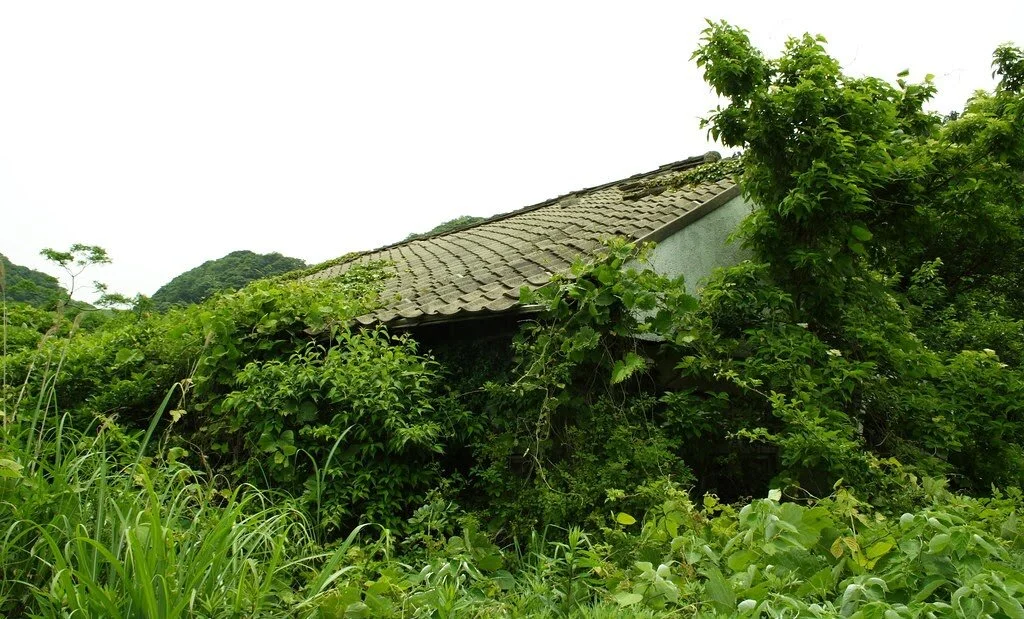
Upon returning home after 10 years away, Masumi Kowata found a monkey in her living room. It wasn’t a joyful homecoming. In 2011, she evacuated her home along with 160,000 locals across Japan’s Fukushima prefecture. A cloud of radiation, spewing from three simultaneous meltdowns at the Fukushima Daiichi nuclear power plant, rendered swaths of land uninhabitable. Only in 2021 did the government allow she and her husband to return. Even then, it was only safe for them to visit for the day. Clad head to toe in plastic protective gear, she tread cautiously through the wreckage of an earthquake, a tsunami and neglect: a house shaken by earthquake, food left to rot for a decade, overgrown plants vining up the walls. The monkey had helped itself to Kowata’s belongings. It pranced around the room “wearing our clothes like the king of the house.”

A house under nature’s dominion. colincookman. CC BY-NC-SA 2.0.

Wild animals have overtaken “difficult-to-return” zones, as the government termed them. Such areas encompass 2.4% of Fukushima prefecture and experience 50 times more radiation than what is considered safe. Boars, raccoon dogs and macaques roam the dangerously radioactive neighborhoods oblivious to the damage but unfettered by human life. They can cross streets without fear of speeding cars and feed on the produce of untended gardens, long overgrown. Human beings have returned much more slowly. Currently, the zones remain stuck in time at the moment of disaster. 

The tsunami crashing through Minamisoma, Fukushima. Warren Antiola. CC BY-NC-ND 2.0

Agriculture struggles to recover as a result. Boars descended from the nearby mountains and invaded farms and rice paddies to feast on the crops. Hunters struggle to control the wild boar population. That is to say, they shoot as many as possible. “When I got married and was about to have my first child,” said one elderly boar hunter, “my mother said to me, ‘You’re going to be a father. Stop killing. Is that really the right thing to do?’ I stopped hunting then.” Now, he ventures out each day to beat back nature’s 10-year-long advance on Fukushima’s villages. “My town is abandoned and overrun with radiated boars,” he says. “It is my duty to help.”

The tasks of hunting down boars, tending to radioactive cattle and repopulating deserted towns fall to the few who have returned. Of the 160,000 who were evacuated after the meltdowns, only one-fourth plan to return. Most of them are elderly. The majority of evacuees found it easier to settle down elsewhere than endure a yearslong wait to return home. Young people especially favored big cities filled with jobs over their provincial hometowns, a trend that predated the disaster. In the nine years before the meltdowns, Fukushima’s population declined by 100,000. In the nine years after, it fell by another 180,000.

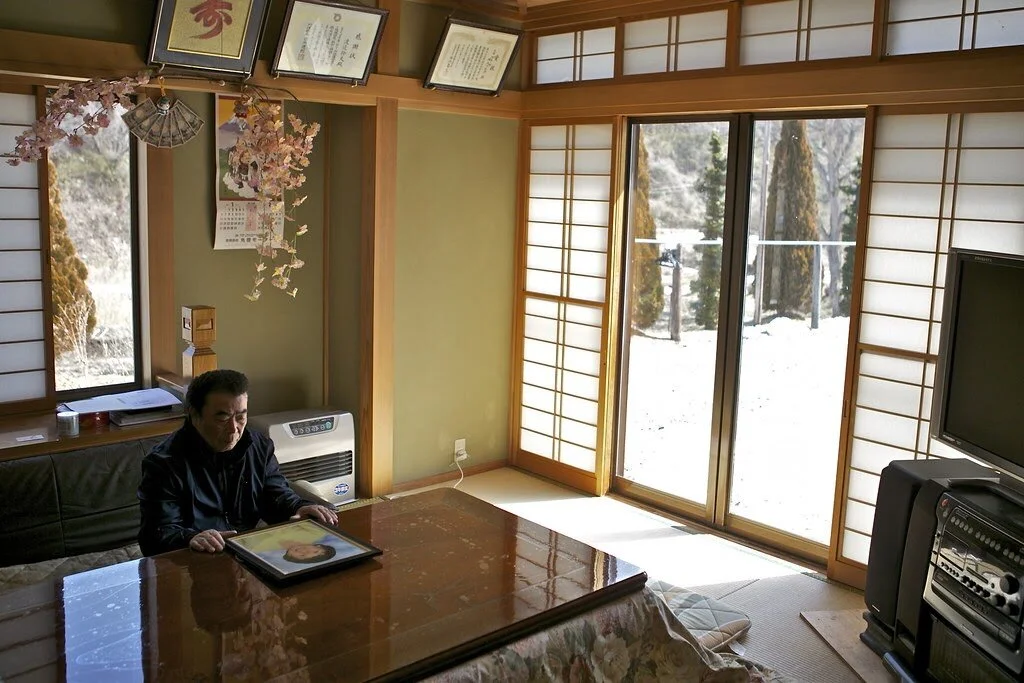
An elderly man with a picture of his late wife. Al-Jazeera English. CC BY-SA 2.0.

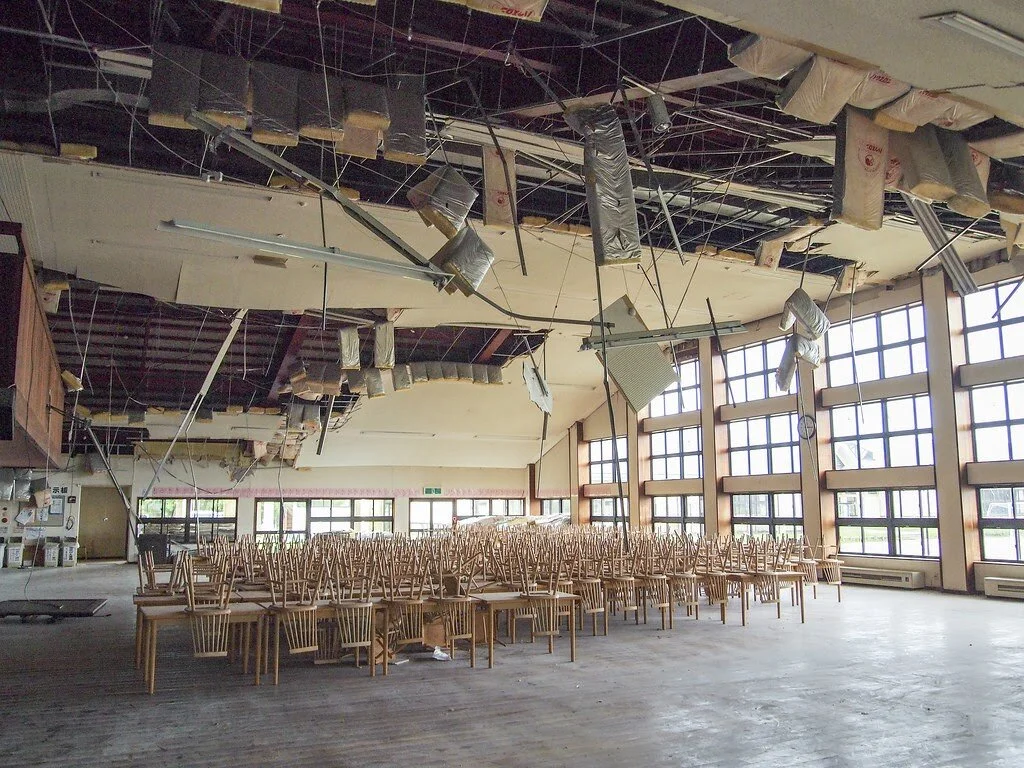
Local communities feel the absence of locals. As residents begin to plan for the future, they struggle to build a new community amid the ruins of an old one. Ancestral homes sit empty. Classrooms are frozen in time at the moment of the tsunami. Farmers spent generations breeding prized lines of livestock which are now useless. Radiated cattle, horses and pigs—as well as hunted boar—cannot be consumed because of radiated meat. Once famous for its produce, the prefecture’s fruits and vegetables now sell for below the national average. Though radiation tests ensure that the food is safe to eat, the stigma of nuclear disaster keeps customers away. 

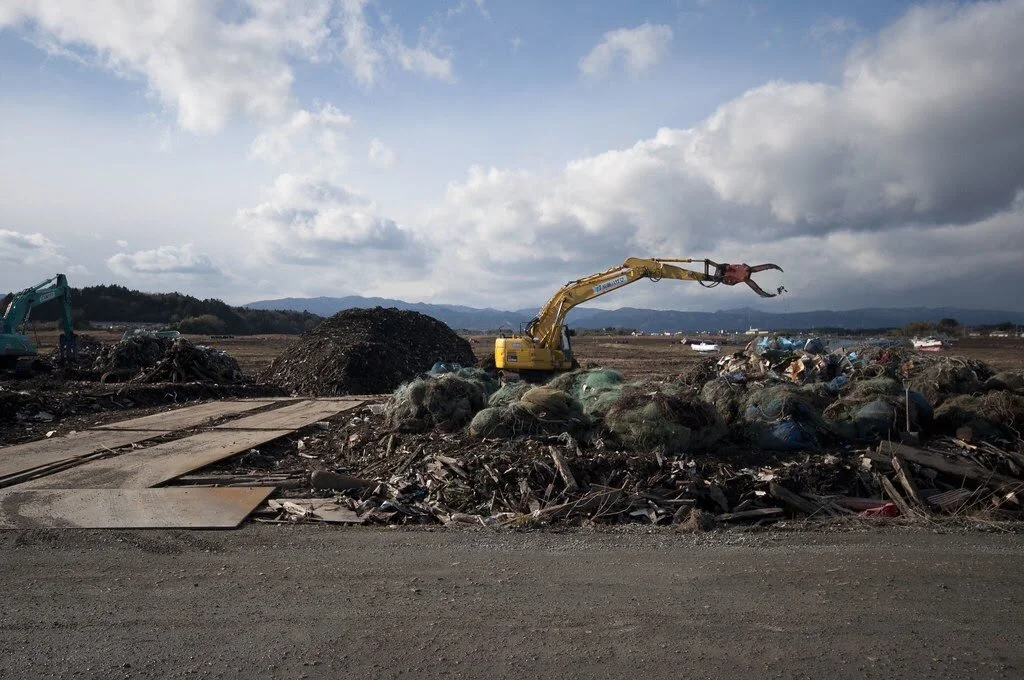
Hope Tourism seeks to make these ruins the foundation of the future. The group offers tours through areas that reflect both the devastation wrought by the nuclear disaster and the communal efforts toward reconstruction. Tourists see the abandoned elementary school in Ukedo, roads bent out of line by the tsunami’s rip current and black bags filled with radioactive soil. They can also tour villages trying to revive their local industries and meet community leaders who spread awareness about the dangers of nuclear fallout. 

Where to put radioactive waste? UCLAnewsroom. CC BY-NC-SA 2.0.

In the face of hardship, locals still express pride in their roots. Iitate village joined the exclusive club of “most beautiful villages of Japan” in 2010, only to be wrecked by the tsunami and ensuing meltdowns. Ten years later, locals gathered to celebrate the opening of a new community center. It was built from parts of abandoned buildings: windows from old businesses, doors from run-down houses, a chalkboard from a school with no children to attend. An elderly woman in a green kimono sang folk tunes while the crowd enjoyed chestnut-filled rice balls. The Hope Tourism website states the village’s motto is a single word: madei. It means “thoughtfully” or “wholeheartedly” in the local dialect. It refers to the steady, persistent progress toward a revived community. 

An abandoned building. Patrick Vierthaler. CC BY-NC 2.0.

The fight against nature’s invasion of Fukushima’s villages still preoccupies recently decontaminated zones. The national government branded the upcoming Olympics as the “Recovery Olympics” to highlight the region’s progress since the disaster. The Olympic torch relay will begin at Fukushima’s J-Village sports complex, which workers used as a base during the crisis in 2011. Japan will need to escape the shadow of the Fukushima disaster if the government is to accomplish key items on its agenda. Prime Minister Yoshihide Suga pledged a carbon neutral Japan by 2050, an unthinkable prospect without nuclear power. 

A radioactive bouquet. Abode of Chaos. CC BY 2.0.

National priorities rarely concern those repopulating Fukushima, though. They focus on the day-to-day resurrections of ghost towns. Some still search for ghosts. “I often tell people that my daughter would be a very independent and successful adult out in the world,” says one man. He lost his entire family in the tsunami, including his young daughter. “She was the type of girl other people could rely on.” With a shovel, a trowel and his gardening gloves, he digs through the soil for his daughter’s remains. “I’ve found about 20% of her, but 80% is still missing,” he says. “That means she’s definitely still here.”

Radiated livestock are marked with a white symbol that tells farmers the animal was affected by the 2011 meltdowns. There is no such symbol for the psychic wounds that Fukushima’s disaster continues to exact on its people. 


Michael McCarthy

Michael is an undergraduate student at Haverford College, dodging the pandemic by taking a gap year. He writes in a variety of genres, and his time in high school debate renders political writing an inevitable fascination. Writing at Catalyst and the Bi-Co News, a student-run newspaper, provides an outlet for this passion. In the future, he intends to keep writing in mediums both informative and creative.

Iran’s Shoddy ‘Satellite Cities’ Test Citizens’ Patience

Thanks to high rent prices and overpopulation, thousands of Iranians have been forced out of their hometowns. But the “satellite cities” built to hold them leave much to be desired. 

An aerial view of Tehran, Iran. Hansueli Krapf. CC BY-SA 3.0

In the 1980s, Iran intentionally tried to grow its own population, aiming to increase its military strength amid the Iran-Iraq war. The 1979 Islamic Revolution had seen Iran’s old monarchy overthrown and a new republic built on Shiite Islam take shape. Student groups and leftist organizations rejoiced at the new rights promised to women; Islamist groups lauded the fact that their country was now a theocracy. But the new government wanted to ensure that the ideas of the revolution would last beyond one generation. So it encouraged polygamy, made birth control nearly impossible to find and lowered the age of marriage to 9 for girls and 15 for boys.

The plan worked—Iran’s population grew enormously. Forty years after the revolution, there are almost 50 million more people living in Iran. But these newcomers are not a new generation of happy, loyal citizens. They are people who the nation was not built to hold. 

Overpopulation was not something Iran was completely unprepared for. Soon after the revolution, 17 new “satellite cities” were planned on the outskirts of the country's major cities. They had names like Pardis (“paradise” in Persian) and Parand ("silk"). They were to provide affordable places to live for people that the larger cities could not hold. But as Iran struggled with unrest and war, these cities wouldn’t begin to be built for decades. They remain half-finished even today.

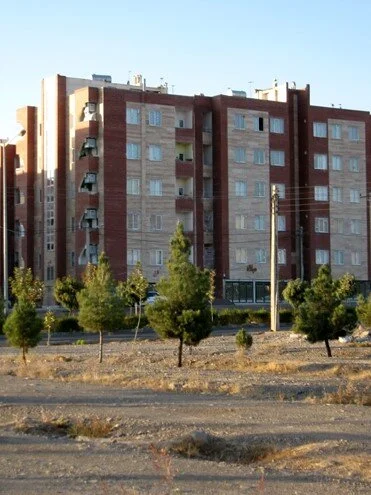
The Mehr housing project in Nishapur, Iran. Sonia Sevilla. CC BY 1.0

In 2007, the Iranian government developed a scheme it hoped would solve the overpopulation problem and make the satellite cities more livable: contract out free land to real estate developers who were willing to build low-income housing units. In this way around 2 million homes were planned to be built throughout Iran. But the Mehr housing project, as it was called, failed to deliver in the cities that needed housing the most. The 400,000 units built were poorly constructed and lacked essential utilities, like plumbing and clean water. The sterile white color that all the high-rises were painted with in Pardis says it all. These buildings didn’t seem like they were meant to be lived in, only passed through. 

But the satellite cities are indeed lived in. In recent years, the overpopulation that plagues Iran’s largest cities has only gotten worse. The Financial Times reported in 2017 that the population of Tehran, Iran’s capital and largest city, “exceeds the optimum level by more than 70%.” The air is full of pollution, and the city’s roads are packed with traffic. But the last straw for many Tehranis is the cost of housing, which according to the New Yorker has more than doubled in the last three years. U.S. sanctions have contributed to this, as did former President Donald Trump’s decision to withdraw from the Iran nuclear deal. With nowhere else to go, droves of Iranians have moved to the satellite cities, where houses are cheaper. In 2019, the population of Parand was 100,000; a year later, that number had doubled.

The unfinished cities have been unable to provide jobs for their populations. Most of the people who make up Pardis must commute each day to work in Tehran. And, as the city lacks most forms of public transport, this means driving—sometimes up to three hours each way. The cities lack recreational areas, stores and the capabilities to provide health care and schooling to their growing populations. It’s no surprise that drug abuse and suicides are common in the cities.

Real estate prices remain high in congested Tehran, and more and more people are expected to leave. The people who make up these satellite cities, despite the lack of basic amenities, are grateful that they have a place to go at all. The Mehr housing project is not finished, and it is possible that in five years the livability of Tehran’s satellite cities will improve. But it is up to the Iranian government to ensure that these improvements do happen, and soon. The well-being of many Iranians depends on it.


Finn Hartnett

Finn grew up in New York City and is now a first-year at the University of Chicago. In addition to writing for Catalyst, he serves as a reporter for the Chicago Maroon. He spends his free time watching soccer and petting his cat.

Oregon and Washington State Rethink the War on Drugs

A new law in Oregon decriminalized possession of small quantities of hard drugs. With Washington state possibly following its lead, the war on drugs might begin to be phased out.

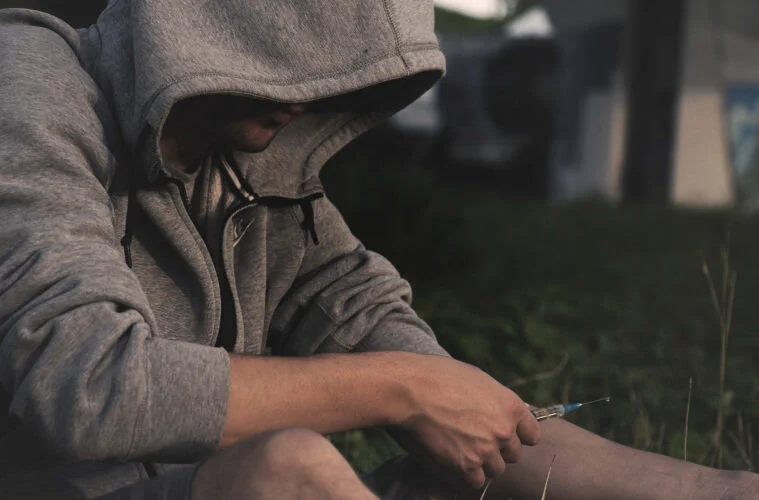
Is the end in sight for the war on drugs? Thomas Martinsen. CC BY-NC-SA 3.0.

Currently, an Oregon police officer cannot arrest someone for possession of small amounts of heroin, meth, LSD or any other hard drug. Ballot Measure 110, voted into law last November, decriminalized the possession of small quantities of such substances. Instead of a felony conviction and jail time, a drug user caught red-handed will face either a $100 fine or a medical evaluation that could direct them to an Addiction Recovery Center (ARC). The new law fundamentally changes the state’s approach to epidemic rates of drug use and could revolutionize the role of Oregon’s police force. 

At its core, Ballot Measure 110 diverts drug users away from the criminal justice system and toward the health care system. The bill requires that a network of 15 ARCs be built to treat drug users and pair them with case workers who can help them reach sobriety. Funding for the ARCs will come, ironically, from tax revenue from legal marijuana sales. Oregon can expect a lot of money from such sales. In 2020, tax revenue from marijuana reached $133 million, a 30% increase from the previous year. Additionally, the state anticipates that more funds will appear as police stop pursuing arrests for drug possession.

The simple demotion of drug possession from a felony to a misdemeanor will have lasting repercussions. Before, an Oregon police officer who saw a pipe in a car could justify searching the car for illegal substances, since the pipe was proof of a possible felony. Now that it would indicate only a misdemeanor, the officer cannot search the vehicle. Arrests will decrease sharply as a result. The Oregon Criminal Justice Commission estimates that there will be 3,679 fewer arrests for possession per year, a 90.7% decrease. Distributors will still face criminal sentences since they possess drugs in large quantities, but users will receive health care, not jail time.

A disease, not a crime. Drugs Treatment Clinic Parus. CC BY-SA 4.0.

Building 15 ARCs by Oct. 1 will be a substantial challenge. Oregon will need to transition from addiction recovery programs focused on prisons to separate health care facilities that require supplies, staff and resources. Already, officers have made fewer arrests for possession to mitigate the risk of COVID-19 outbreaks in prisons. Thousands of drug users who would have landed in jails will now be placed into ARCs. Many who argued against the ballot measure now question whether so many facilities can be built by October. 

They have other qualms, too. As crude as the criminal justice system can be, drug addicts who served time in prison often entered court-mandated treatment programs; this won’t happen now that drug possession is a misdemeanor. County sheriffs expressed concern at a potential surge in illegal drug use now that prison is not a deterrent. Since the ballot measure passed with 58.5% of the vote, it’s clear these arguments weren’t entirely persuasive. 

The least worst option? Michael Kappel. CC BY-NC 2.0.

For one, prison might be the worst place to overcome a drug dependency. An addict is thrust into an unfamiliar environment to undergo withdrawal, and they may cope with trauma by self-medicating when the opportunity arises. The risk for opioid overdose alone is 129 times higher than average in the first two weeks after being released from jail. As for a potential surge in drug use, multiple examples of decriminalization in other countries indicate that this will most likely not occur. After decriminalizing hard drugs in Portugal, rates of drug use remained steady, but drug deaths fell as the percentage of users treated for addiction rose 21% between 2001 and 2008. 

Criticisms of Ballot Measure 110 go beyond the issue of how to treat epidemic rates of drug addiction. They speak to a concern about the ability of Oregon’s health care infrastructure to manage the flow of drug users from prisons to ARCs. This transition plays into a more ambitious, long-term agenda that many advocates of Ballot Measure 110 advocate for: defunding the police. By turning criminals into patients, ARCs would take the issue of drug addiction and mental health crises away from police; Oregon is even considering an alternative to 911 that people can call for drug-related issues or mental health crises.          

A Black Lives Matter protest in Portland, Oregon. Matthew Roth. CC BY-NC 2.0.

Washington state is considering a similar transition with House Bill 1499, which if passed would decriminalize drugs much the same way as Oregon’s Ballot Measure 110. Revenue for Washington state’s ARCs would come not from marijuA Black Lives Matter protest in Portland, Oregon. Matthew Roth. CC BY-NC 2.0.ana sales but from taxes on pharmaceutical companies, which played a large role in starting the opioid epidemic. Washington state currently has a program designed to lead drug addicts away from the criminal justice system and into treatment centers, the Law Enforcement Assisted Diversion (LEAD) program. It differs from other diversion programs in that it provides care before, not after, an arrest and takes referrals from community members, not just law enforcement. Nationwide, the program has been held up as a model diversion program.

Both states will struggle to make a seamless transition from prisoners to patients. It requires reforming two systems that often become embroiled in partisan conflicts. When the Seattle City Council cut its police department’s budget by 11%, in part to fund diversion programs, 186 police officers quit in response. Oregon will labor to build 15 ARCs by October, even with abundant funding from marijuana sales. Despite the state’s efforts, success depends largely on ever-shifting political winds.


Michael McCarthy

Michael is an undergraduate student at Haverford College, dodging the pandemic by taking a gap year. He writes in a variety of genres, and his time in high school debate renders political writing an inevitable fascination. Writing at Catalyst and the Bi-Co News, a student-run newspaper, provides an outlet for this passion. In the future, he intends to keep writing in mediums both informative and creative.

The Immense Impact of COVID-19 on Global Poverty

A pair of boys carry water near a refugee camp in Jowhar, Somalia. The COVID-19 pandemic has made conditions for marginalized groups such as refugees more dire. World Humanitarian Summit. CC BY-NC-ND 2.0

For the past 30 years, the world has been able to make immense progress in international development, with the amount of people living in extreme poverty (making below $1.90 a day) declining from 36% in 1990 to just 10% in 2015. The COVID-19 pandemic is reversing that. For the first time in three decades global poverty is on the rise, and up to half a billion people are now at risk of falling into poverty due to the coronavirus. Even more concerning is the matter of where the economic impacts of the virus are being felt the hardest, with the “global south” countries facing the highest risk of increased poverty for what could be years to come. 

In 2015, the U.N. adopted the 2030 Agenda for Sustainable Development, which included 17 goals acting as guidelines for the sustainable and equitable development of all member states. Known as the “sustainable development goals” (SDGs), the international community hoped that they would act as a framework for reducing inequality and promoting economic development. Poverty reduction is at the forefront of this initiative, with SDG 1 calling for the end of global poverty. That goal will most likely not be achieved by 2030. 

Even before the spread of the coronavirus, countries were not on track to completely eliminate poverty, with the U.N. estimating that 6% of the world population will still live in extreme poverty in 2030. Furthermore, the effects of the COVID-19 pandemic have made that goal even more difficult. In 2020 alone, more than 71 million people have fallen into extreme poverty, and millions more worldwide will likely fall into the same trap as the economic disruptions of the pandemic linger for years to come. 

(T)he number of school-age children facing food insecurity has increased by more than 320 million

The aggregate numbers do not portray the full extent of the impacts of COVID-19 on international development. Regions already susceptible to extreme poverty are being hit hardest by the economic impacts of the pandemic. According to the United Nations University, a 10% contraction in global per capita income would cause between 180 and 280 million people to fall into extreme poverty. However, the situation becomes more dire when one considers where people are expected to face increased rates of extreme poverty. Again assuming a 10% contraction, it is estimated that up to 85% of those newly living in poverty would be located in sub-Saharan Africa or South Asia alone. These regions already face disproportionate levels of poverty relative to their populations. For example, the African continent accounts for only 13% of the world population yet makes up over half of those living in extreme poverty

Those who were already at an increased risk for poverty, such as refugees, informal workers and those living in underdeveloped rural communities, are especially vulnerable to economic disruptions caused by the virus. The International Labor Organization estimates that between 5 and 25 million people could lose their jobs, which would create severe impacts for marginalized workers such as women and migrants. Additionally, the number of school-age children facing food insecurity has increased by more than 320 million according to the World Food Program.

The data shows a worrying trend that the international community must contend with to eliminate global poverty. Since the 1990s, the world has worked together to lift billions of people out of poverty and increase the global standard of living. Now, the COVID-19 pandemic has once again created a barrier to making a poverty-free future possible. The full extent of the virus’s impact has yet to be seen. However, what is already known is its effect on human livelihood, especially for those who are most at risk. The pandemic has created a new challenge for the international community if it wants to make extreme poverty a thing of the past. Yet, what can be achieved with global cooperation is immense, and the world’s vision for a sustainable future is still possible; it just might take a little bit longer than hoped for.


Aerex Narvasa

Aerex is a current student at Occidental College majoring in Diplomacy and World Affairs with a minor in East Asian Studies. He is passionate about sharing people’s stories through writing, and always strives to learn about new places and cultures. Aerex loves finding new music and exploring his hometown of Los Angeles in his free time.