
• Travel Features
  • Global Action
  • Take A Trip
  • Travel Guides
    • Podcast
    • Courses
    • Bookshop
  • About
  • Sign Up
Menu

CATALYST PLANET

  • Travel Features
  • Global Action
  • Take A Trip
  • Travel Guides
  • Discover
    • Podcast
    • Courses
    • Bookshop
  • About
  • Sign Up

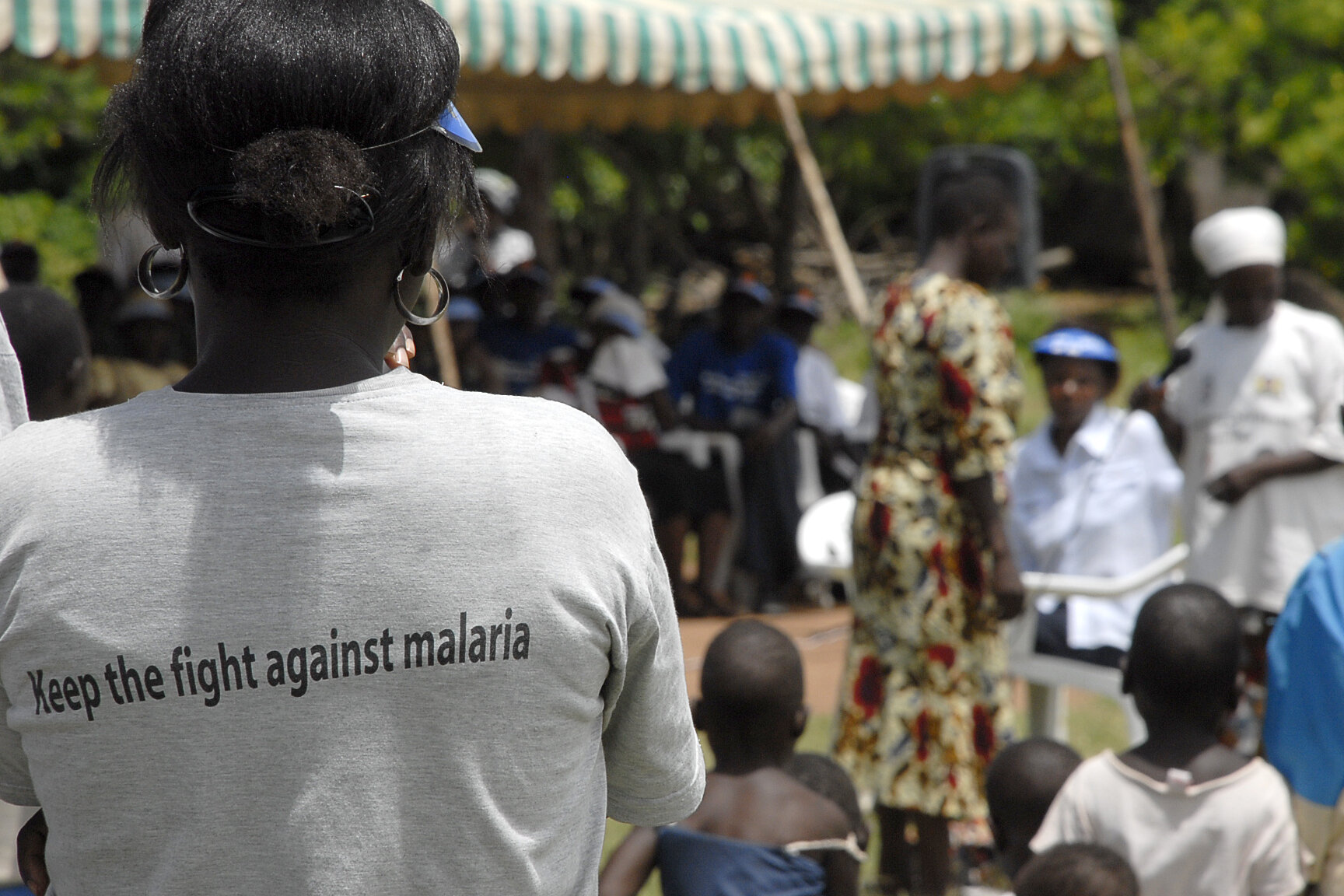
U.S. Army medical researchers taking part in World Malaria Day 2010 in Kenya. U.S. Army Southern European Task Force, Africa. CC BY 2.0.

77% Effective Malaria Vaccine Could Pave Way for Eradication of the Disease

May 13, 2021

A recently concluded clinical trial of a new malaria vaccine has shown a promising efficacy rate in the fight against the mosquito-borne disease. Conducted by researchers from Oxford University and the Clinical Research Unit of Nanoro, the new R21/MM vaccine showed an efficacy rate of 77% during a yearlong clinical trial of 450 children in Burkina Faso. The new shot boasts the highest efficacy rate of any malaria vaccine thus far.

One of the reasons why malaria remains such a prevalent disease in sub-Saharan Africa is because the nature of the disease makes it difficult to vaccinate against. Unlike smallpox, polio and COVID-19, all of which are viruses, malaria is caused by the Plasmodium parasite, which is spread through mosquitoes. Parasites are much more complex than viruses because they are living organisms, which makes them more difficult to target due to multiple life stages.

Worldwide, malaria infects over 200 million people annually

That said, R21/MM is unique in that it is a pre-erythrocytic vaccine, a type of vaccine which targets the Plasmodium parasite in its earliest stages of development. This means that R21/MM intervenes before the parasite multiplies in the liver and reaches the bloodstream, a stage in the parasite’s life cycle when no symptoms yet occur.

While R21/MM’s 77% efficacy rate is far lower than that of other vaccines—the smallpox vaccine is 95% effective, the polio vaccine is 90% effective in two doses and all three approved COVID-19 vaccines in the United States are at least 86% effective or higher in preventing severe cases of COVID-19—the new malaria vaccine retains the highest efficacy rate of any options to date.

The most widely used malaria vaccine, RTS,S, which has been used since 2016, only has an initial efficacy rate of 55% and requires booster shots. According to Vox, RTS,S requires four shots to be fully vaccinated initially, whereas the R21/MM vaccine only requires three, plus a booster shot the following year. While numerous required shots makes vaccine rollout difficult, the fact that the new malaria vaccine is significantly more effective than RTS,S and requires one less shot makes it a noteworthy breakthrough in the fight against malaria.

While malaria has been largely eradicated from much of the world, with the U.S. eliminating the disease by 1951 through the application of DDT to the interior surfaces of rural homes, the draining of wetlands and other mosquito breeding sites and the spraying of insecticides, sub-Saharan Africa has continued to be plagued by the disease. Worldwide, malaria infects over 200 million people annually and kills an average of 400,000, with 94% of global malaria cases in 2019 occurring in Africa.

While COVID-19 remains the most pressing global health issue for most countries, in Africa it is malaria which remains most serious.

A December 2020 report by The BMJ estimated that malaria deaths in Africa throughout 2020 would dwarf those caused by COVID-19. As of May 10, 2021, the entire continent of Africa has reported 124,715 deaths due to COVID-19 since the pandemic began, in comparison with the 386,000 deaths reported from malaria in 2019. As a result, malaria vaccines of any efficacy rate are desperately needed in most of sub-Saharan Africa.
According to Al-Jazeera, the researchers of the R21/MM vaccine plan to conduct final stage trials in about 4,800 children between the ages of five months and three years old in four malaria-prone African countries. Should the efficacy rate from the clinical trials remain consistent, R21/MM could finally begin the hard work of eradicating malaria.


RELATED CONTENT:

Destruction of Habitat and Loss of Biodiversity are Creating the Perfect Conditions for Diseases Like COVID-19 to Emerge

COVID-19 Further Complicates Kenya’s Health Care System

Earth's Most Threatened Tribe


Jacob Sutherland

Jacob is a recent graduate from the University of California San Diego where he majored in Political Science and minored in Spanish Language Studies. He previously served as the News Editor for The UCSD Guardian, and hopes to shed light on social justice issues in his work.

In News and Social Action, Global Health & Crisis Tags Malaria, Africa, mosquito, new vaccine, vaccination, disease, clinical trials, parasite, COVID-19, Global Health
Comment

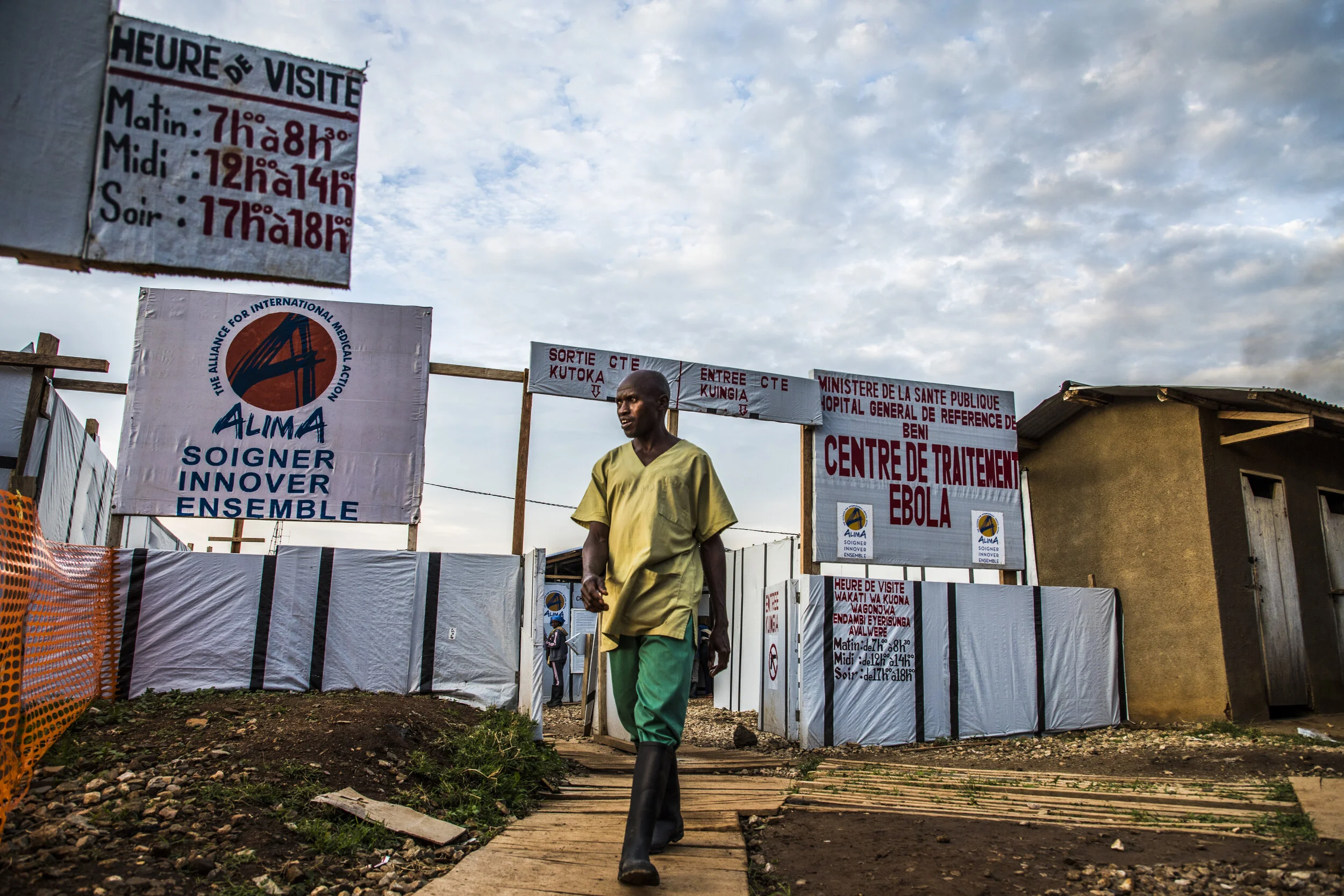
A health worker walking outside of the ALIMA Ebola Treatment Center in the Democratic Republic of Congo in January 2019. World Bank Photo Collection. CC-BY-NC-ND 2.0.

Congo Faces New Ebola Outbreak Amid Global Pandemic

July 23, 2020

The World Health Organization has called on the international community for financial support and aid in combating the latest Ebola outbreak in the Democratic Republic of Congo. This latest outbreak was announced by the country’s government on June 1 and has seen 56 cases reported in the Equateur province, a region which has been a hot spot for the disease in recent years.

Ebola is a deadly disease with outbreaks occurring primarily in Africa. In humans, the virus can be caused by one of four virus species: Ebola virus, Sudan virus, Tai Forest virus and Bundibugyo virus. The virus spreads through direct contact with organic matter from infected humans and animals. Common symptoms include fever, aches, weakness, fatigue, abdominal pain, gastrointestinal symptoms, and hemorrhaging, bleeding and bruising.

This latest outbreak comes as the 11th in a long line of Ebola outbreaks in the Congo since the disease was first discovered in 1976. A couple of weeks ago, the WHO celebrated the end of the country’s 10th outbreak, which began in August 2018. That Ebola outbreak was the deadliest recorded in the DRC and second worst in history, seeing 2,280 deaths.

According to The New York Times, the WHO has gathered $1.75 million to combat the outbreak, but this funding would only last the organization for a couple more weeks. Dr. Matshidiso Moeti, the WHO’s regional director for Africa, called for additional funding to be allocated toward vaccinations, testing and treatment, as well as contact tracing and health education resources.

“Responding to Ebola in the midst of the ongoing COVID-19 pandemic is complex, but we must not let COVID-19 distract us from tackling other pressing health threats,” Dr. Moeti said. “The current Ebola outbreak is running into headwinds because cases are scattered across remote areas in dense rainforests. This makes for a costly response as ensuring that responders and supplies reach affected populations is extremely challenging.”

Dr. Moeti also stated that over 12,000 people living in the Equateur province had been vaccinated since the outbreak was first reported in June.

WHO Director-General Dr. Tedros Adhanom Ghebreyesus echoed Dr. Moeti’s sentiments in a recent news release on the situation.

“This is a reminder that COVID-19 is not the only health threat people face,” Dr. Ghebreyesus said. “Although much of our attention is on the pandemic, WHO is continuing to monitor and respond to many other health emergencies.”

This call for funding follows a challenging six months for the organization, as the WHO has partnered with global leaders to combat the ongoing COVID-19 pandemic.

While much of the world has been supportive of the organization, the United States has been an exception. President Donald Trump pulled the country out of the WHO in late May over concerns about Chinese influence, with the withdrawal going into effect on July 6, 2021. The U.S. is the organization’s single largest financial contributor, having provided over $400 million in 2019.

President Trump has not publicly commented on this latest Ebola outbreak. While the U.S. directed $21 million in aid through the U.S. Agency for International Development for the 10th outbreak in 2019, it is unclear whether the country will direct any funding toward this latest outbreak’s relief efforts.

The WHO is expected to continue Ebola relief operations within the Equateur province for the foreseeable future, as governmental agencies such as the United Nations have directed additional funding to the organization. However, it is unclear how long this funding will last and how the ongoing COVID-19 pandemic will complicate these relief measures.

Jacob Sutherland

is a recent graduate from the University of California San Diego where he majored in Political Science and minored in Spanish Language Studies. He previously served as the News Editor for The UCSD Guardian, and hopes to shed light on social justice issues in his work.

Tags Ebola, Democratic Republic of Congo, DRC, Africa, vaccination, medicine, POTIS, President Trump, United Nations, UN, funding, COVID, Global Health
Comment

Also check out...

Featured
Vietnam’s Floating Markets Are Disappearing
The Supernatural Role of Masks in Nigeria’s Yoruba Tribal Culture
Opening the World to Deaf Travelers with Lily Yu

Featured trips

Featured
Offer NGO Support While Visiting Quito
Experience Life as a Mongolian Nomad
Help Grow Organic Costa Rican Coffee

Sign up for the CATALYST newsletter

Sign up for our newsletter to get the scoop on international travel, global social impact insights, our latest podcast releases, and more from around the world, all delivered right to your inbox!

We respect your privacy.

Thank you!
Newsletter Sign Up | Advertise | Careers + Internships | Privacy Policy | Submissions | Contact Us

Copyright © 2025, MISSION MEDIA LLC. All rights reserved.