Locked Up: Unmasking Australia’s Aboriginal Youth Prison Crisis

The Aboriginal people have been severely marginalized by Australia’s government, but among the most impacted are the group’s children.
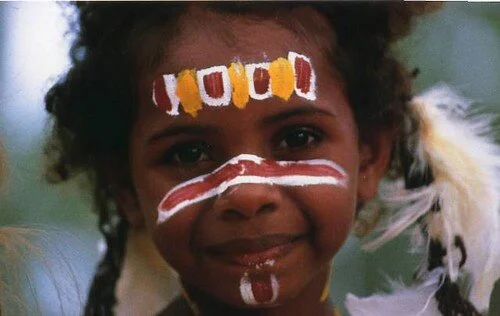
A young Aboriginal girl. mingzhuxia. CC BY-NC-SA 2.0

Indigenous people make up approximately 3% of Australia’s overall population and are considered the country’s most disadvantaged group. It is believed that the Aboriginal people lived in Australia for over 47,000 years prior to European colonization. Even today, the Aboriginal people continue to suffer some of the consequences of violent colonization such as low literacy rates, low life expectancy and a high unemployment rate.

Aboriginal children in particular are 30 times more likely to be stopped and prosecuted than other Australian youths. This reveals a pattern of racial profiling and stereotyping that has been called out by protests affiliating with the U.S.’s Black Lives Matter movement. 

Progress was made in 2018, when police in Western Australia apologized for practicing “forceful removal,” the separation of Indigenous children from their families. Forceful removal was popular throughout the late 19th century and was legal until 1969. Many refer to those impacted by forceful removal as the “Stolen Generation.” 

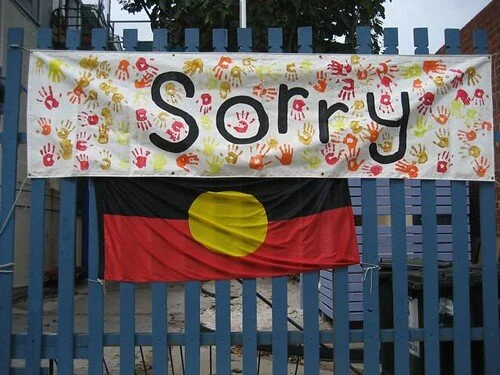
Since May 26, 1998, Australians have observed “National Sorry Day” as a way to apologize to the Aboriginal people for the harmful practice. It is a nationwide campaign committed to paying homage to affected groups while teaching youth of Australia’s harmful past actions. In 2008, former Prime Minister Kevin Rudd made a proposal in front of Parliament to help bridge the gap between Indigenous and non-Indigenous people

Australia’s National Sorry Day in 2015. butupa. CC BY-NC-ND 2.0

Yet, the gap between the Aboriginal community and other Australians remains as wide as ever. In February, the police of New South Wales revealed details about the Suspect Targeting Management Plan, which is intended to prevent future crimes by targeting likely or repeat offenders. Reports from 2016 to 2018 show that up to 72% of targeted children were likely from Indigenous descent. The youngest child identified was 9 years old. 

The minimum age of criminal responsibility in Australia is one of the lowest in the world, allowing children as young as 10 to be sentenced to jail. Additionally, Aboriginal children are 17 times  more likely to be jailed than non-Indigenous youth. Statistics from Western Australia say that 60 to 70% of children currently being held in the state’s detention centers are of an Aboriginal background. 

As of now, very little research proves that locking up children reduces criminal activity in the future. In fact, youth already in the criminal justice system are far more likely to be repeat offenders, challenging the original intent of New South Wales’ Suspect Target Management Plan. 

There is a push by lawyers and advocacy groups to raise the age of criminal responsibility in Australia to at least 14. Others believe that an alternative is to provide better health care and other social services in an attempt to elevate Aboriginal children’s socioeconomic standing. The end goal would be to improve their overall quality of life, allowing for better employment opportunities and an end to the societal obstacles currently facing the group.

Eva Ashbaugh

Eva is a Political Science and Gender, Sexuality, and Women's Studies double major at the University of Pittsburgh. As a political science major concentrating on International Relations, she is passionate about human rights, foreign policy, and fighting for equality. She hopes to one day travel and help educate people to make the world a better place.
U.N. Drops Saudi Arabia-Led Coalition From Blacklist Despite Recent Killings of Children 

With no evidence that children are safe, the U.N. decided to remove the Saudi Arabia-led coalition in Yemen off a blacklist for violations of children’s rights. 

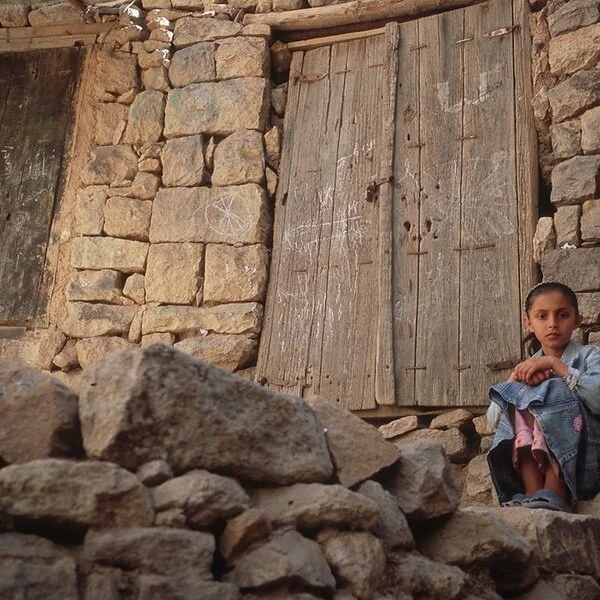
Child in Yemen among the rubble. Carl’s eye. CC BY-NC-ND 2.0

On June 17, the U.N. made the decision to remove the military coalition led by Saudi Arabia from one of its blacklists. The significance of this specific list, which focuses on children in armed conflict, is to shame groups that are guilty of violating the rights of children. Anyone can be placed on the list for a multitude of violations ranging from killing children to the recruitment of children for war. U.N. Secretary-General Antonio Guterres stated that the coalition’s removal was decided by efforts made to reduce the number of deaths and decrease the airstrikes that caused the killings over the previous three years.

However, there is a discrepancy in the decision. According to data released by the U.N., 222 children were hospitalized or killed as a result of these attacks last year. In addition, several hours after the U.N. announced its decision to remove the coalition, four children were killed in an attack in northwest Yemen.           

The war in Yemen can be traced back to 2011. Following the Arab Spring, there has been unrest due to a failed political transition that led to terrorist attacks, a separatist movement and corruption. However, in 2014 a rebel group known as the Houthis, backed by Iran, ousted the government. What started out as a civil war transitioned into a conflict with neighboring countries as the Saudi Arabia-led coalition stepped in, attempting to help restore the government and defeat the Houthis.  

Child of Yemen. Carl’s eye. CC BY-NC-ND 2.0

As of March 2020, it is estimated that 7,700 civilians have died in the war, largely due to airstrikes from the coalition. However, these are only verified deaths. Some statistics estimate it to be as high as 100,000 fatalities. On top of the conflict, Yemen has been experiencing one of the worst famines it has seen in over 100 years. The country is considered the poorest Arab nation, and the war has ruined the economy to the extent that many people, especially children, are considered malnourished.                                                            

There has been backlash over the U.N.’s decision to remove the coalition from the blacklist. From a video posted by Al Jazeera, protests have taken to the streets outside of the U.N. headquarters in Yemen to speak of their disapproval. The main concern is that the removal could leave children vulnerable to future attacks, as voiced by groups like Save the Children. Observers are also questioning the integrity of the blacklist itself, including Iran which said that “the U.N. is giving a free pass.” Iran claims that the Houthis and the Yemeni government have been responsible for the same number of deaths yet only the Houthis remain on the list.

Guterres has said that U.N. would monitor the coalition’s activity over the next year. If there is an increase in children’s casualties, the coalition would be placed back on the list.


Eva Ashbaugh

Eva is a Political Science and Gender, Sexuality, and Women's Studies double major at the University of Pittsburgh. As a political science major concentrating on International Relations, she is passionate about human rights, foreign policy, and fighting for equality. She hopes to one day travel and help educate people to make the world a better place.
Gender Matters in Coastal Livelihood Programs in Indonesia

Significant investments have been made in improving the well-being of Indonesian coastal communities in recent decades. However, most of these programs have not tackled gender inequalities.

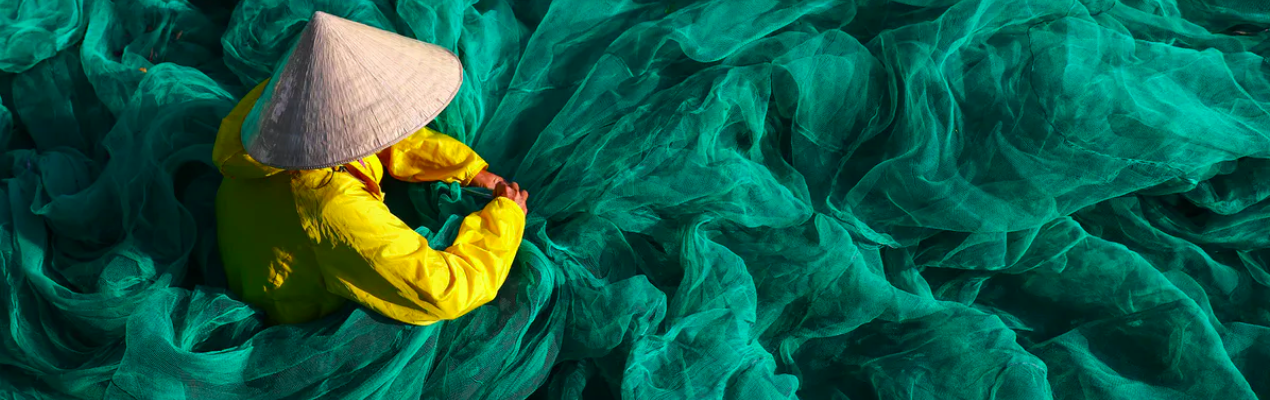
Projects based on comprehensive understanding of gender norms in coastal communities will contribute to improved community wellbeing. www.shutterstock.com

Our team studied 20 coastal livelihood programs implemented across the Indonesian archipelago from 1998 to 2017. Our aim was to see how gender issues were considered in project design and implementation.

The Indonesian government, international governments, international development and lending agencies and non-government conservation organisations funded these projects.

Most projects included women in activities to enhance or introduce new livelihoods. However, 40% of the projects were gender-blind with respect to the design and impact of their activities. This means that activities may have further entrenched processes that disadvantage women by limiting their ability to pursue their own livelihood goals.

Only two projects (10%) used an approach that sought to challenge entrenched gender norms and truly empower women.

We recommend future projects be developed with a comprehensive understanding of gender norms within coastal communities. Participatory approaches that address and challenge these norms should be implemented. This will more effectively contribute to improvements in community well-being.

What we found

Our study, which assessed livelihood programs from various regions throughout Indonesia – including Bali, Sulawesi and West Papua – found 95% of programs had directly or indirectly included women. They did so through activities such as providing training and equipment to support alternative sources of income – e.g. making fish or mangrove-based food products.

Only three of the 20 projects provided gender awareness training for staff members and community facilitators. Only one provided similar training at the community level. In addition, two projects included a gender quota for community facilitators (30-50% female).

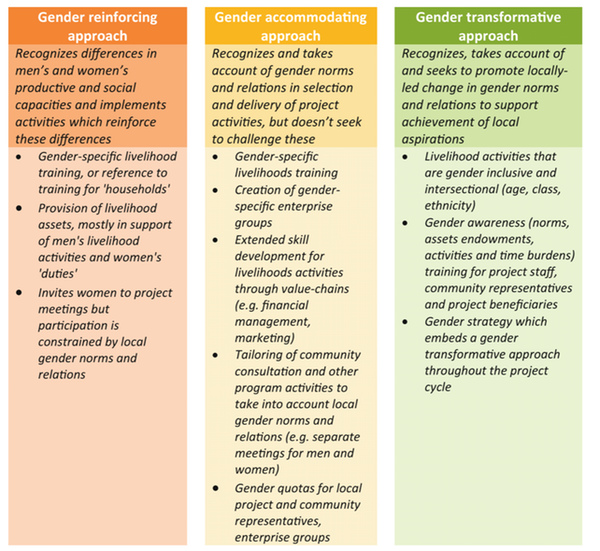
However, we found most projects applied either a “gender reinforcing” approach – reinforcing the existing gender norms and relations that underlie social and economic inequalities between men and women – or a “gender accommodating” approach – recognising these norms and relations but making no attempt to challenge them.

For example, many projects included separate “women’s activities”, such as handicrafts manufacture, or sought to increase household income by engaging women in income-generating enterprise groups. However, there was little consideration of how women would balance these activities with traditional caring and household roles, or of other ways women contributed to the household economy.

What we can do

Based on our findings, we recommend a “gender transformative” approach. Firstly, this approach involves mainstreaming gender issues across entire project cycles. Secondly, it involves working with coastal communities to identify and, where appropriate, challenge existing gender norms and social relations.

A core component of these projects is gender analysis. This is a process that identifies:

  • men’s and women’s activities within the home and community

  • differences in men’s and women’s access to, control over and use of livelihood resources

  • differences in participation in processes that govern management of natural resources

  • the gender norms and relations governing these differences

  • their impact on men’s and women’s livelihood opportunities.

For example, the Coastal Field School program included participatory activities that documented men’s and women’s daily activities. This activity highlighted the time women spent on caring and household duties and unpaid supportive contributions to “men’s activities”.

When undertaken in a participatory manner, this analysis helps communities to identify local, and broader structural, barriers to gender equality. They can then identify options and potential actions for overcoming these barriers. This creates a more equitable social and economic environment.

Summary of the characteristics of approaches to gender in development programs (based on Lawless et al. 2017), with examples of typical project activities drawn from our. study. Stacey et al (2019).

This process must be sensitively facilitated because it may confront traditional power hierarchies within communities. It also takes time, which must be factored into project cycles.

The use of gender-transformative approaches can improve the well-being of coastal communities by identifying and reducing barriers to equitable participation in social and economic life. This increases the ability of men and women to pursue enhanced or alternative livelihood opportunities.

Finally, recognising women’s contributions, building women’s confidence and giving women voice to participate in local community planning processes creates greater opportunities for issues of concern to women to be included in the development agenda.

Natasha Stacey is a Associate Professor, Research Institute for the Environment and Livelihoods, College of Engineering, IT and Environment, Charles Darwin University

Emily Gibson is a PhD Candidate, Research Institute for the Environment and Livelihoods, Charles Darwin University

THIS ARTICLE WAS ORIGINALLY PUBLISHED ON THE CONVERSATION

World’s Youngest Prime Minister Will Head Women-Led Government in Finland

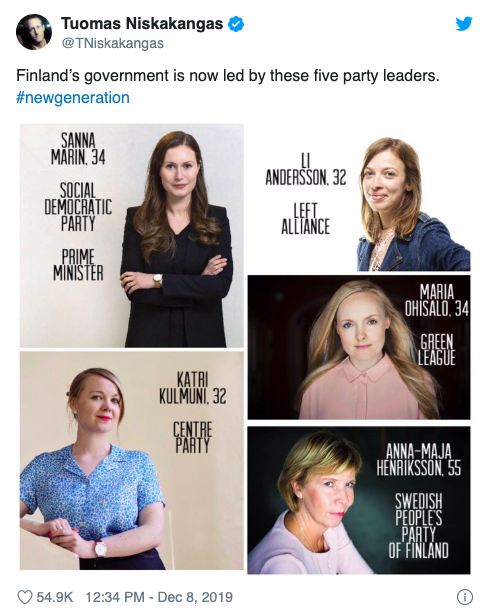
FINLAND IS GETTING a new prime minister, and she’s about to become the world’s youngest leader. Not only that, but she will also head a coalition government of five parties, all of them led by women. Sanna Marin, 34, was nominated by her party on Sunday and will be sworn as prime minister later this week.

Finland’s previous government resigned last week after the Centre Party lost confidence in then-Prime Minister Antti Rinne’s handling of a postal strike.“I myself have never thought about my age or gender,” said Marin, “but rather about the issues for which I took on politics and about the reasons for which we were trusted in the elections.”

For many countries, like the US, electing its first female leader would be a historic occasion. For Finland, however, this isn’t exactly news — the first Finnish female prime minister was elected in 2003 and after elections this year, women make up 47 percent of its parliament. 

Eben Diskin is a staff writer for Matador Network

THIS ARTICLE WAS ORIGINALLY PUBLISHED ON MATADOR NETWORK

The Earth Group Aims to Change the World Through Education and Nourishment

Newly Certified B Corp Collaborates with UN World Food Programme to Help Children Around the Globe.

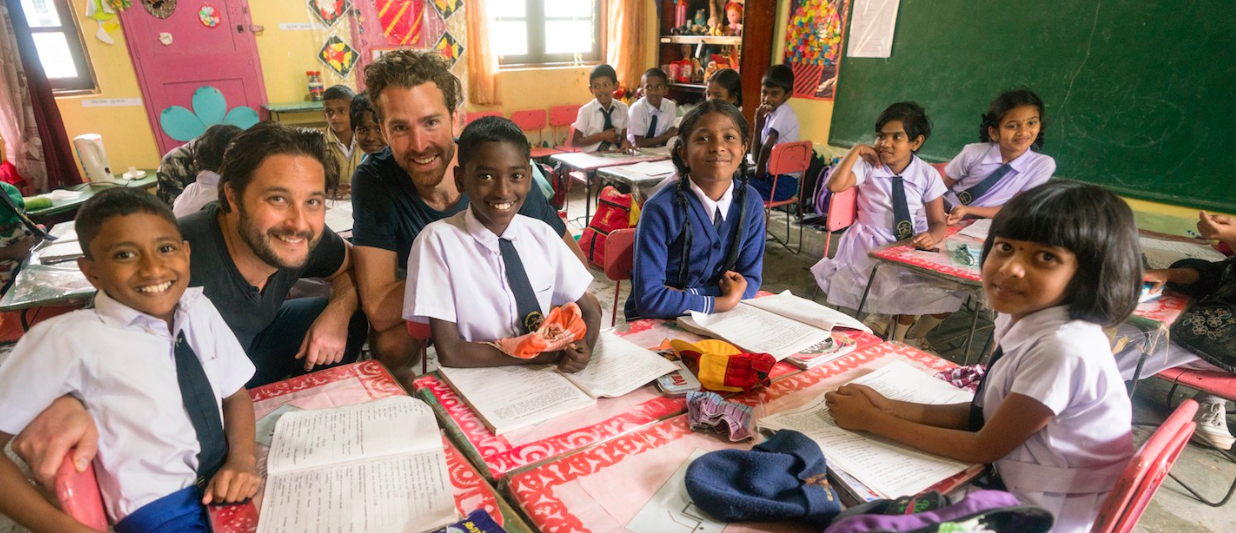
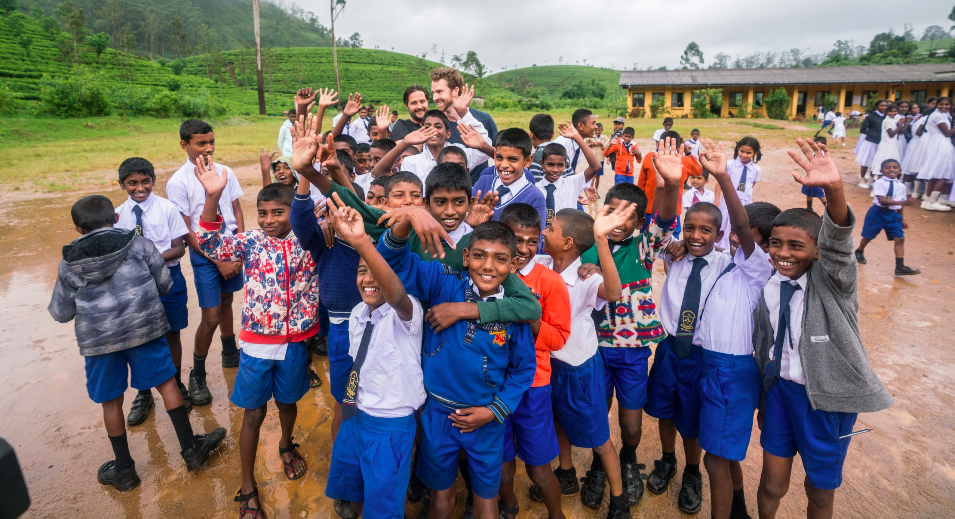
Kori Chilibeck and Matt Moreau at work for The Earth Group and World Food Programme in Sri Lanka. “Becoming a B Corp is an affirmation of what we’ve worked to achieve for so many years.”

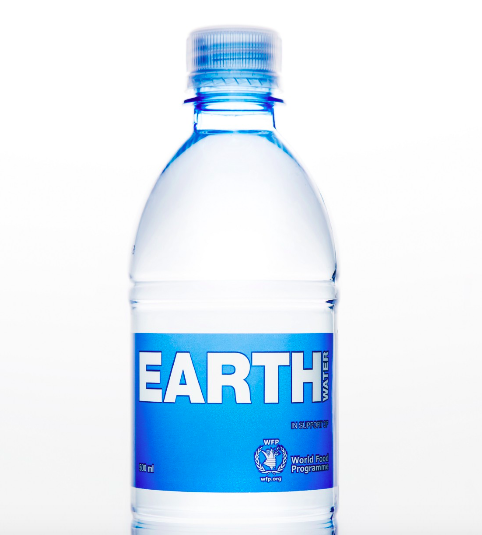
The Earth Group is a Certified B Corporation that supports the United Nations World Food Programme (WFP) through donations that provide school meals, drinking water and education to children in the most troubled areas of our world.

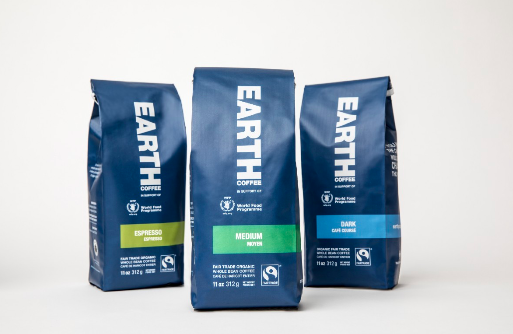
To date, The Earth Group has helped fund more than 3.6 million meals to young school kids while helping them get an education in places like Tajikistan, Madagascar, Sri Lanka, Kenya, Bolivia and the Philippines. The B Corp is dedicated to informing consumers everywhere about the power of their everyday marketplace choices. For example, the simple purchase of a bag of Earth Coffee, one of three consumer products sold by the company, provides a schoolchild with meals for an entire week.

Purchase one bag of Earth Coffee online or in-store to feed one child for one entire week.

When Earth Group founders Matt Moreau and Kori Chilibeck met as fellow employees of a ski shop near the Rocky Mountains 14 years ago, they likely never imagined what lay ahead for them as individuals, new business owners or as proud supporters of the WFP.

Just forging this critical relationship with the WFP seemed daunting enough, but the maze-like process took far longer to realize than anyone could imagine. Eventually, they launched their social enterprise onto the large and complex world stage of fighting hunger, providing clean drinking water and building schools for children where none existed before.

It was at this point that Moreau and Chilibeck realized the real work had begun in earnest for their Canadian B Corp based in Edmonton, Alberta. Seeking to confirm that the aid they worked so diligently to fund would actually make the journey to the end-users, they traveled to Sri Lanka, Bolivia, Tajikistan and the Philippines to see for themselves.

As the photos and videos produced from these expeditions clearly testify, Moreau and Chilibeck landed in their natural element, surrounded by the children and co-workers they had been working so hard to support since creating The Earth Group. The expressions on the faces of not only the children and teachers but of Moreau and Chilibeck and the WFP country managers tell a tale of unselfish dedication.

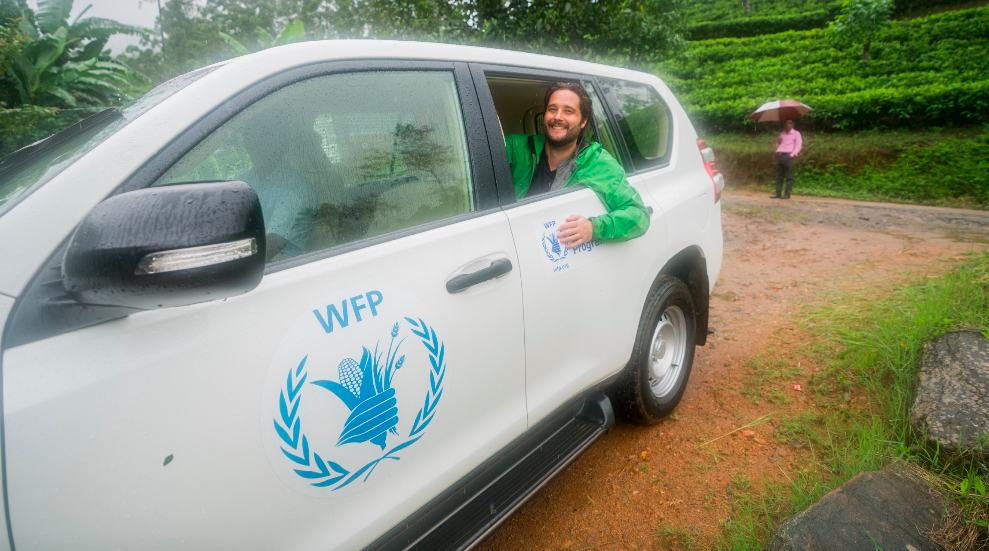
Kori Chilibeck in Sri Lanka hosted by the UN World Food Programme.

Seeing the Progress

The Earth Group maps its path to success through respect for the cultures they are trying to help. In many of these destinations, it is still frowned upon for female children to attend school. By respecting that posture yet also using the intellectual tools at hand, the company funds projects that often furnish female students with an extra helping of food to take home if they attend school, thereby allowing them to obtain an education, the family to benefit from the food, and the attitudes about females attending school to soften.

Schoolyard antics in Sri Lanka with Matt Moreau and Kori Chilibeck of The Earth Group.

The exhilaration of such remote expeditions reached its peak when the duo traveled to the Philippines, arriving in a volatile region where insurgents had blasted grenades and explosives just the day before. Their in-country WFP handlers changed safety tactics at once, and what was scheduled to be a multi-day trip ended up being a shortened-but-packed day of visiting the children in their classes, touring the school facilities, meeting the support staff and then continuing safely out of this troubled zone.

Back home in Edmonton, Moreau and Chilibeck rolled up their sleeves and focused on making their simple products-with-impact list: Fair Trade coffee from Eastern Africa, Indonesia, Central and South America; glacier-sourced drinking water from Whistler, British Columbia, and Rocky Mountain House, Alberta; and organic Alberta-grown teas, available in as many outlets as possible across Canada and around the world. Their online sales are activewith their triple bottom line—people, planet, profit—always remains in focus.

The Earth Group obtains its drinking water from Canadian glacier spring sources near the communities of Rocky Mountain House and Whistler, and their low-weight recyclable plastic bottles are landfill biodegradable. The Earth Group is also partnered with and supports Plastic Bank efforts to reduce ocean plastic.

Paying their dues during long negotiations with large corporations, Moreau and Chilibeck have now succeeded in signing major chain stores in Canada such as IKEA, Safeway, Sobeys, Whole Foods, Save On Foods, IGA and Metro. They also launched their product line in Japan, another major feat for any business run by two people, one employee and a group of dedicated volunteers.

Chilibeck is just back from the unrivaled adventure of presenting The Earth Group products in Japan to the largest food and beverage show in Asia called FOODEX. A receptive audience was excited to hear Earth Water is already available in their marketplace, with more Earth Group products sure to follow.

Path to Success

During certification in 2018 as a B Corporation, B Lab’s independent Standards Advisory Council confirmed The Earth Group’s three essentials: 1) social and environmental performance, 2) transparency and 3) accountability.

“B Corps values are synonymous with ours and embedded in our culture, so working toward the certification was both a pleasure and a reminder of being mindful of the numerous ways in which our work affects people and planet.”

And so it goes for these two young Canadian entrepreneurs and their “overnight success,” which has only taken them 14 years of collaboration, dedication, no-pay and near bankruptcy to arrive at a point where they can now see the results of their work. Having the blessings of understanding spouses has made it all possible, plus a bit of luck at critical moments.

Business gurus will tell start-up entrepreneurs timing is everything, and while this adage does have merit, the hard work and determination to succeed cannot be underestimated.

When Moreau and Chilibeck hatched their road map to success in a ski shop near the Rocky Mountains 14 years ago to create The Earth Group, at the same time Ben Cohen and Mal Warwick’s book Values-Driven Business: How to Change the World, Make Money, and Have Fun was synthesizing best practices and socially responsible business goals and laying the foundation for what would become the first B Impact Assessment, a process still used to certify B Corps.

B the Change gathers and shares the voices from within the movement of people using business as a force for good and the community of Certified B Corporations. The opinions expressed do not necessarily reflect those of the nonprofit B Lab.


GREGORY B. GALLAGHER is a Writer, Filmmaker, Musician and Producer.

THIS ARTICLE WAS ORIGINALLY PUBLISHED ON MEDIUM

Grappling with Sexism: Female Wrestlers in Mongolia

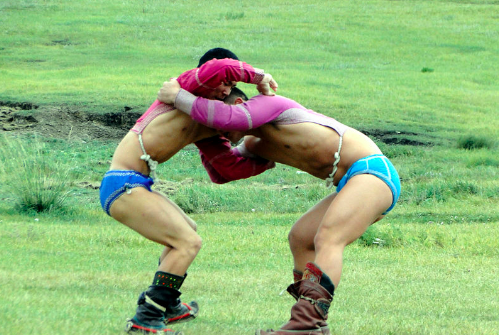
There’s an old legend in Mongolia: A woman wrestler once dressed up as a man and entered an all-male wrestling competition, defeating all challengers. She then pulled up her jacket and revealed her breasts, shocking everyone in attendance. From them on, all wrestlers were required to compete bare-chested, a failsafe to ensure that Mongolia’s prized “manly” tradition remained that way. While the legend may or may not be true, the practice of bare-chested wrestling in Mongolia is real, as is the practice of banning women from the sport. Despite achieving international fame in grappling, female Mongolian wrestlers are still unable to compete in their own native games.

Mongolian Wrestling. A. Omer Karamollaoglu. CC BY 2.0.

The Nadaam festival is held every year in July and is the single most anticipated sporting event in the country. Short for “Eriin Gurvan Naadam” (the three games of men), it is a celebration of the three traditional sports of Mongolia: wrestling, archery, and horseback riding. Nadaam dates back to the 13th century when Genghis Khan would throw celebrations for soldiers after successful military campaigns. After Kahn’s death, warlords continued the tradition, encouraging combat sports in order to prepare men for military service. Nadaam endured and developed throughout the centuries, and today, it is the Mongolian equivalent of the Super Bowl or World Cup. The games are typically held in July. Hundreds of small, county level events lead up to the main competition, which is held in the Mongolian capital of Ulaanbaatar. Wrestling is often featured as the centerpiece of the competition, and in Mongolian, is referred to as “Bokh,” which means “durability.”

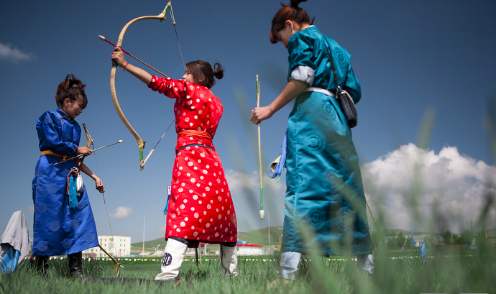
Mongolia experienced a socialist revolution in 1921 that brought with it an emphasis on male-female equality and gradually these values led to women being allowed to compete in Nadaam, but only in archery and horse racing. To fill the void, female grapplers turned their attention to other grappling sports. Soronzonboldyn Battsetseg won a bronze medal for judo in the 2012 Olympics in London, while Sumiya Dorjsuren won a silver medal in judo in the 2016 Olympics and then went on to win gold in the World Judo Championships in 2017. Both women are national heroes in Mongolia, and yet, Nadaam remains closed to them.

Female archers preparing for Nadaam. Taylor Weidman. CC BY SA-3.0.

The fact that a sport has to be guarded against an entire group people suggests a fear that these people could be competent in the sport. Like the wrestler in the old legend, women grapplers like Soronzonboldyn and Sumiya are barred from competing in Bokh, not because they aren't capable, but because they are. Judo is a widely recognized grappling sport, practiced by professional athletes, law enforcement officials, and ordinary citizens in literally every country on the planet. It would not be a stretch to assume that the grit and skill required to master Judo would translate well to Mongolian Bokh, and that the current barring of women from Bokh in Mongolia seems to be more about maintaining a status quo than anything else. When female grapplers will have a chance to challenge this standard is anyone’s guess.


JONATHAN ROBINSON is an intern at CATALYST. He is a travel enthusiast always adding new people, places, experiences to his story. He hopes to use writing as a means to connect with others like himself. 

Indigenous Women in Canada Have Filed a Class Action Lawsuit Over Coerced Sterilization

This practice has affected over 60 women and is a product of racism in Canada’s medical system.

Royal University Hospital in Saskatchewan, Canada. Wendy Cooper. CC BY-NC-SA 2.0

While Canada is known for its progressive policies surrounding human rights and health care, this assumption can often lead to overlooking the country’s history of institutionalized discrimination against indigenous people.

Recently, sixty women have come forward to join a class action lawsuit against doctors in Saskatchewan demanding compensation for forced sterilization. According to a report in the Guardian, these women have had their fallopian tubes tied, burned, or cut, in public government funded hospitals when they were unable to properly consent. This practice not only violates medical ethics, but Canadian law. Although this practice was exposed in 2015, reported cases have continued up to 2017.

In an interview with NPR, Alisa Lombard, the lawyer representing the women said that, “while they were in the throes of labor, they would be approached, pressured, harassed to sign consent forms [for sterilization] in some cases. In other cases, there was no such signing of a consent form. And in yet other cases, they would revoke consent either on the operating table or shortly after they had actually signed.”

This new occurrence of forced sterilization follows a disturbing trend of forced or coerced sterilization that has disproportionately affected - if not only affected - women of color, women with disabilities, incarcerated women, and indigenous women. It stems from the eugenics movement of the nineteenth and twentieth centuries that used racist and ableist ideology to justify forced sterilization of people that were not seen as ‘fit’ to reproduce. The perpetuation of this warped and inhumane theory has become clearly evident in Canada’s upcoming lawsuit.

According to Lombard, “When Indigenous women go in for these health care services and reproductive health care services in the most vulnerable state, I think, a woman can be - having gone through childbirth myself, I can say that this is not the time to have a conversation about whether you ever want to do that again. There are other better times. And so why it happens in one simple word, I think we can just say discrimination - racism, quite plainly.”

Lombard and her team uncovered that Saskatchewan health cards are embossed with a capital R. She says that the R is part of a historic practice indicating that the person holding it is registered as an indigenous person. Thus, the patient’s identity is readily available to their doctor.

While the lawsuit has yet to be certified, Amnesty International said that they would lobby the UN Committee Against Torture in order to pressure the Canadian government to act. According to Amnesty’s Jacqueline Hansen, the organization has examined comparable instances of coerced or forced sterilization in Mexico, Chile, and Peru.

“It’s always done for a very specific reason. It is clear that it’s been linked to policies around wanting to ensure a group of people doesn’t reproduce,” Hansen told the Guardian. “Ultimately, this is about women who are supposed to have the right to make decisions about their bodies, having that right taken away from them.”


EMMA BRUCE is an undergraduate student studying English and marketing at Emerson College in Boston. While not writing she explores the nearest museums, reads poetry, and takes classes at her local dance studio. She is passionate about sustainable travel and can't wait to see where life will take her.