
Having been ravaged by civil war from 1975-2002, Angola is a country still reckoning with its complex history. This legacy of colonization means that Angola has had to rely largely on raw natural resources for economic development. However, it’s been slowly stabilizing for the past decade, recovering from its past and getting ready to face the world of today. Although there has been significant strides in modernization, Angola retains much of its cultural and geographic diversity, boasting both crowded cities and remote salt flats and sea cliffs. This video takes you through many different regions of the country, showing the diversity present in both the people and their environment while giving information about the nation’s history. Each group of people interact differently with their surroundings and cultural influences, emphasizing something westerners often forget: Angola, and Africa itself, is far from a monolith.
Video: The Amazing Perseverance of Girls in Kibera, East Africa’s Largest Slum
Kibera is a slum in the heart of Nairobi, Kenya, and is rife with poverty, economic inequality, and gender disparities. However, the future is far from dark for young girls living in Kibera, many of whom dream of getting an education and improving their communities. The path out of poverty is incredibly difficult, but as more awareness is being given to communities in need, young people are beginning to receive the resources they need, such as safe housing and free education. This video shows the daily life of Eunice Akoth, a fourth grader at the Kibera School for Girls who aspires to one day become a doctor. Eunice has faced many obstacles throughout her life, especially due to the preferential attention given to the education of boys. However, her fun-loving spirit and determination to succeed have helped her overcome these challenges, inspiring hope not just in her, but in the community she calls home.
Zimbabwean Teens Kick Away Child Marriage with Taekwondo
One town in Zimbabwe has learned to bear the weight of history by “kicking” child marriage customs away.
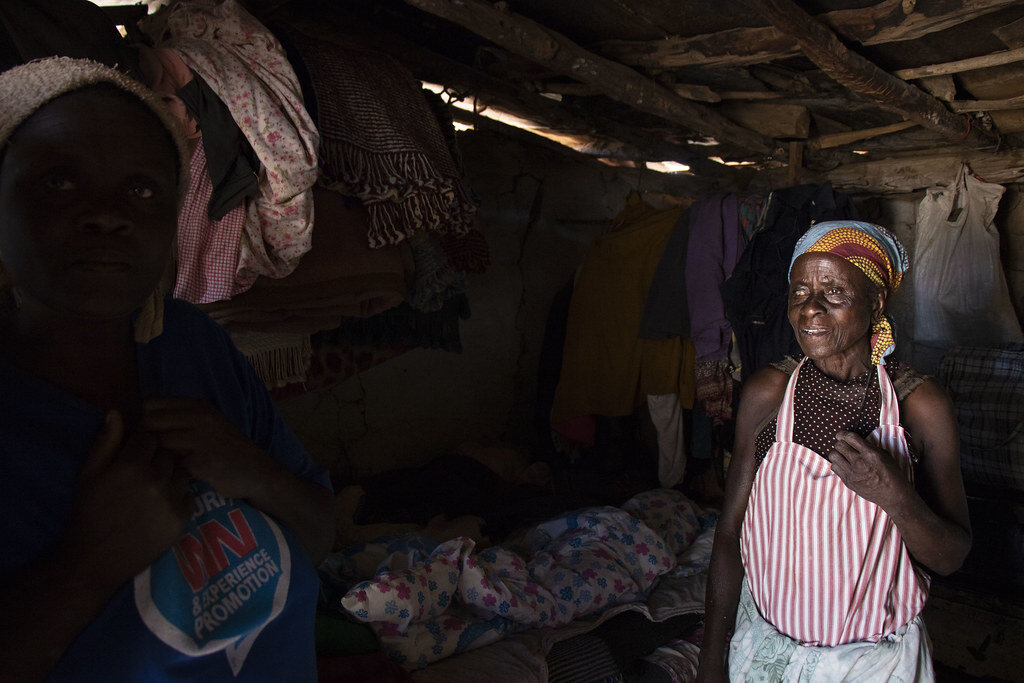
Zimbabwean woman. ScotchBroom. CC BY-NC 2.0.
In the small settlement of Epworth southeast of Harare, Zimbabwe’s capital, is a growing community of taekwondo enthusiasts. One member, 17-year-old Natsiraishe Maritsa, has taken it upon herself to organize taekwondo classes for the girls of her community. The participants of her classes are underage girls, some as young as 10, who have been subjected to the harrowing practice of child marriage that plagues Zimbabwe.
The Statistics
Child marriage is a tradition practiced all around Zimbabwe, but it runs particularly rampant in rural areas. The Zimbabwean countryside was found to have a child marriage rate of about 40% compared to the urban areas that show a rate of 19%.
In Zimbabwe, 34% of girls are married off before the age of 18, while another 5% are married before the age of 15. The issue of child marriage, although an occurence involving mostly underage women, affects more than just women. About 2% of boys are forced into the practice before the age of 18.
Complications of Elimination
The task of eliminating child marriage has proven to be especially difficult due to the many conditions and societal beliefs that worsen girls’ ability to escape the practice. There are four main reasons that girls are easily trapped in the tradition:
First, gender inequality ranks women as inferior to men, thereby allowing the men of the family to force the women into submission.
Second, and a particularly large piece of the problem, is poverty. The practice of child marriage is often used as an economic tool; the price for a bride is used to cover household expenses. Because marrying off daughters of the family can be the decision between life and death, the pressure to commit these practices is often insurmountable. With poverty increasing due to COVID-19, this problem has become particularly difficult.
Third, the need to avoid shame causes many families to marry off their daughters. In Zimbabwe, the act of a daughter committing premarital sex is seen as shameful to the family, so it is resolved by forcing the daughter to marry her boyfriend. The girls will submit to these demands, especially if they became pregnant, in order to avoid abuse by their family members.
Fourth, a lack of education pushes girls into the trap of child marriage. Many poorer households are unable to pay for their daughters to attend school, which increases the risk that they will be forced into a marriage.
It is an oppressive cycle. Studies find that poverty causes child marriage, and in return, child marriage feeds into poverty.
Seventeen-year-old Maritsa has chosen to use taekwondo education to empower the girls of her community, hoping they can use their newfound confidence and skills to reshape their futures. She holds classes in a small dirt yard in front of her house, while her parents use their small income to supply some food for the attendees.
Maritsa’s class has proven to be empowering, with each class used as a safe space for girls to talk about the physical, mental and emotional abuse they endure from their husbands.
She has proven that although oppressive practices are formidable opponents, the power of education and community can undo even the most controlling traditions.
To Get Involved
Nonprofit organization FORWARD is led by African women seeking to end violence and the oppression of women in Africa, including child marriage. To read more about how to lend a hand, click here.
Global partnership Girls Not Brides has combined the efforts of over 300 organizations dedicated to empowering women on nearly every continent. To see how you can support bills and other legislation they are pushing, click here.

Ella Nguyen
Ella is an undergraduate student at Vassar College pursuing a degree in Hispanic Studies. She wants to assist in the field of immigration law and hopes to utilize Spanish in her future projects. In her free time she enjoys cooking, writing poetry, and learning about cosmetics.
10 Nigerian Artists Redefining Africa’s Music Scene
From influencing the #EndSARS protests to confronting the commodification of African culture, these artists have unique approaches to their art.
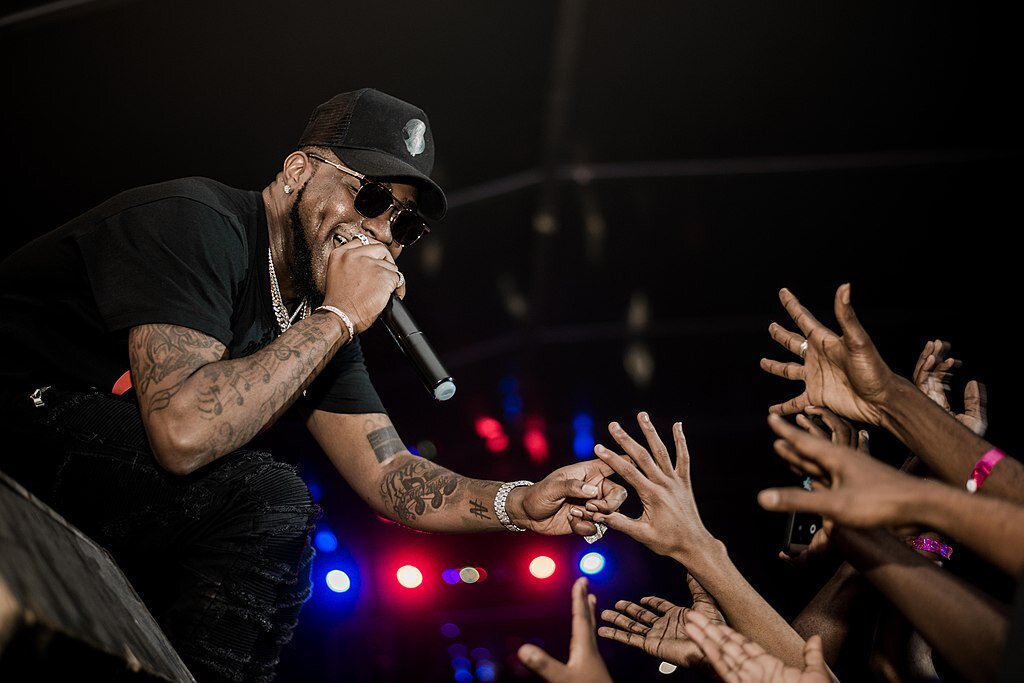
DaVido performing. Wikimedia user Rasheedrasheed. CC BY-SA 4.0.
Nigerian musicians have been spreading their influence all over the world for the past few decades. Following in the footsteps of Fela Kuti, contemporary artists experiment with a plethora of genres, fine-tuning their style as they progress. Renowned artists such as Burna Boy, DaVido and Cruel Santino are the driving forces of the Afrobeats movement, which combines African subgenres, American hip-hop, and R&B. Here are 10 influential Nigerian musicians to listen to.
1. Tony Allen
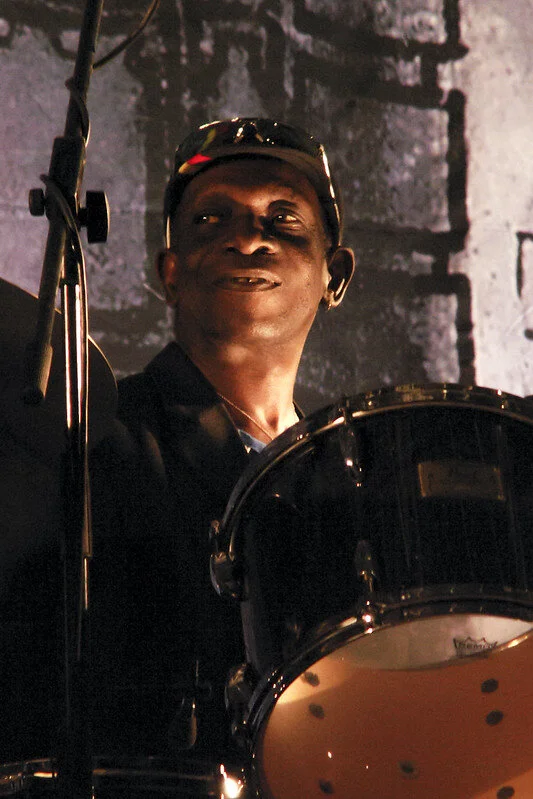
Tony Allen. Pierre Priot. CC BY-NC-ND 2.0.
Tony Allen is the father of the Afrobeat genre. Allen passed away in April 2020 after releasing his final album, “Rejoice,” in collaboration with the late South African jazz artist, Hugh Masekela. Allen’s polyrhythmic drumming complements Masekela’s trumpet in this riveting jazz album. From his earlier days of performing with Fela Kuti to his more recent collaborations with Skepta and Oumou Sangare, Allen has pioneered the combination of American jazz with African beats. After a career which explored a multitude of scenes in the music world, Allen falls back into his Afrobeat roots in his very last album.
2. Naira Marley
Rapper Naira Marley is a contentious figure in Nigeria. Marley is known as a founder of the genre Afro-bashment, a combination of Caribbean influences, American trap rap, West African beats and British rap. Naira Marley is known for his controversial beliefs and ideas; in “Am I a Yahoo Boy,” he offers an unabashed critique of the Nigerian government, higher education and social conservatism. His single “Koleyewon,” which was released in December 2020, is a fast-paced trap song in Yoruba.
3. DaVido
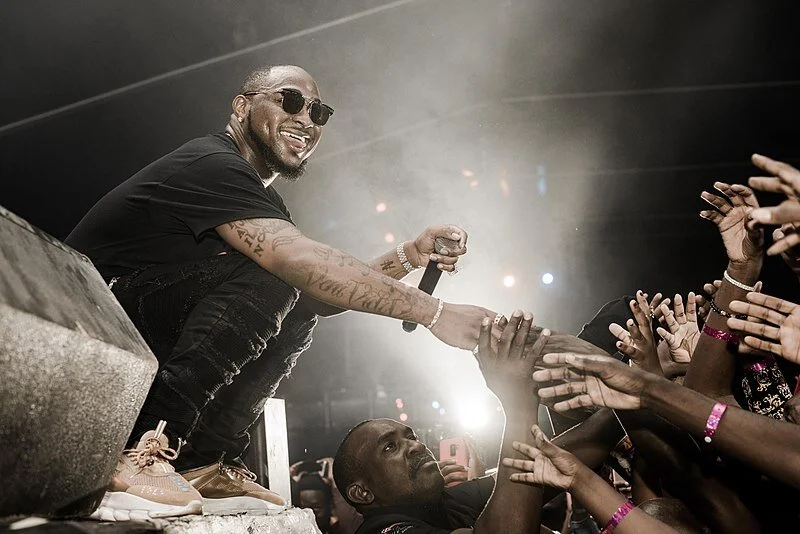
DaVido performing. Wikimedia user Rasheedrasheed. CC BY-SA 4.0.
American-born musician DaVido is a world-renowned Afrobeats artist who synthesizes elements of R&B, rap and Afropop to build up his discography. His heavily auto-tuned vocals and his simple audio production make up his signature sound. DaVido’s most recent album, “A Better Time,” featured Nicki Minaj, Chris Brown and Lil Baby. Despite its famous featured artists, the album’s first track, “FEM,” received the most attention globally. “FEM,” which means “shut up” in Nigerian slang, was labeled the anthem of the #EndSARS protests in Nigeria, which called for the dissolution of the Special Anti-Robbery Squad. Although the artist himself didn’t intend to express a politically charged message, he was nonetheless impassioned by his country’s fight against police brutality.
4. Cruel Santino
Up-and-coming musician Cruel Santino came to the world stage in 2019 with his debut album “Mandy & The Jungle.” Although he is one of the younger artists of the Nigerian music renaissance, Cruel Santino offers an impressive range of styles in his first album. The mellow, laid-back beat of “Sparky” contrasts with the country twang of “Diamonds / Where You Been.” His new single “End of The Wicked” showcases his maturation as a musician and an artist: the solemn piano is redeemed by a syncopated jungle beat, which accompanies his verbose rap.
5. Odunsi (The Engine)
Odunsi (The Engine) is a master of his craft. His discography is all-encompassing: church choirs and spoken word start off his 2018 album “Rare”; an orchestra plays over his verse in his greatest hit “Tipsy”; a vaporwave synth paints “Luv In a Mosh” blue. Odunsi (The Engine)’s album covers visually harmonize with his music. The ethereal blue moon in “Everything You Heard Is True,” which was released in May 2020, mirrors Odunsi’s experimentation with atonal melodies and distortions. On top of this hypnotic album, the musician released two singles in 2020: “Decided” and “Fuji 5000.” Both are dramatically different from each other; the only constant is Odunsi’s effortless flow.
6. Simi

Simi at NdaniTV. NdaniTV. CC BY 3.0.
Simi’s distinctly sweet voice is the honey that binds her music together. Less is more in her 2017 album “Simisola,” where her vocals and the acoustic guitar are the only elements that matter. The Nigerian singer started off as a gospel singer in 2008, but transformed her career in 2014 after the success of her singles “Tiff” and “E No Go Funny.” Simi released “Restless II” in 2020, which is a change of pace from her slow crooning. In an interview with OkayAfrica, the singer admits that, “This project is a risk as well, it’s even more of a risk because it’s R&B and Nigeria is not necessarily the biggest R&B market.” As Simi continues to dabble in hip-hop, she comes out with more powerful hits like “No Longer Beneficial” and “There for You.”
7. Niniola

Niniola. Wikimedia user Naijareview. CC BY-SA 4.0.
Often regarded as the “Queen of Afro-House,” Niniola is a global star who fights to find her footing as an empowered Yoruba woman. Niniola rose to fame from her 2017 hit “Maradona,” a seemingly light pop tune which dealt with the traumas of her upbringing. As a girl growing up in a polygamous household, Niniola experienced the double standards of a patriarchal family. Reckoning with her womanhood, Niniola recounts the experiences of a woman who is cheated on by her husband, woes which are usually kept secret. With an album and a couple of huge hits under her belt, Niniola comes back strong with her new album “Colours and Sounds,” which includes a refreshing take on reggae, pop and dancehall.
8. Burna Boy
Burna Boy’s album “Twice as Tall” covers a variety of topics, from how the artist grapples with the reality of colonialism to the frenzy of a night out. Burna Boy is a household name in the music industry, and this album attests to the singer’s mastery over songwriting and producing. In his song “Monsters You Made,” Burna Boy addresses Western imperialism and how its consequences are still felt today. His song “Alarm Clock” begins with voice recordings, opera and a saxophone, and quickly switches to an upbeat rap song.
9. Deto Black
Model and rapper Deto Black refuses to be labeled as an Afrobeats musician. The feminism and sex positivity of her music is obvious and brought to the forefront of her message as an “alté,” or alternative, artist. As a Lagos-based rapper who lived in the U.K. and the U.S. growing up, Deto Black navigates the different worlds by calling for gender equality in Nigeria.
10. Zlatan Ibile
Zlatan is a new Nigerian singer and dancer who found fame through his viral song “Zanku” (Legwork), which was accompanied by a famous dance. Since 2019, the singer has released three albums, started a record label, and released the successful single “Lagos Anthem.” “Lagos Anthem” is an energetic dance song with darker lyrics criticizing the government for its flawed policies.
These Nigerian musicians are beginning to impact American and British pop music. Although each of these individuals comes from a different discipline and background, they all have a commitment to experimenting in their craft. Some thrive in and renovate the Afrobeats movement, while others resist the umbrella term. The common ground between alté musician Deto Black’s tackling of gender inequality and DaVido’s propelling of the #EndSARS revolution is their commitment to the well-being of Nigeria.
Heather Lim
Heather recently earned her B.A. in Literatures in English from University of California, San Diego. She was editor of the Arts and Culture section of The Triton, a student-run newspaper. She plans on working in art criticism, which combines her love of visual art with her passion for journalism.
Nigeria’s Stolen Schoolboys Reach Freedom
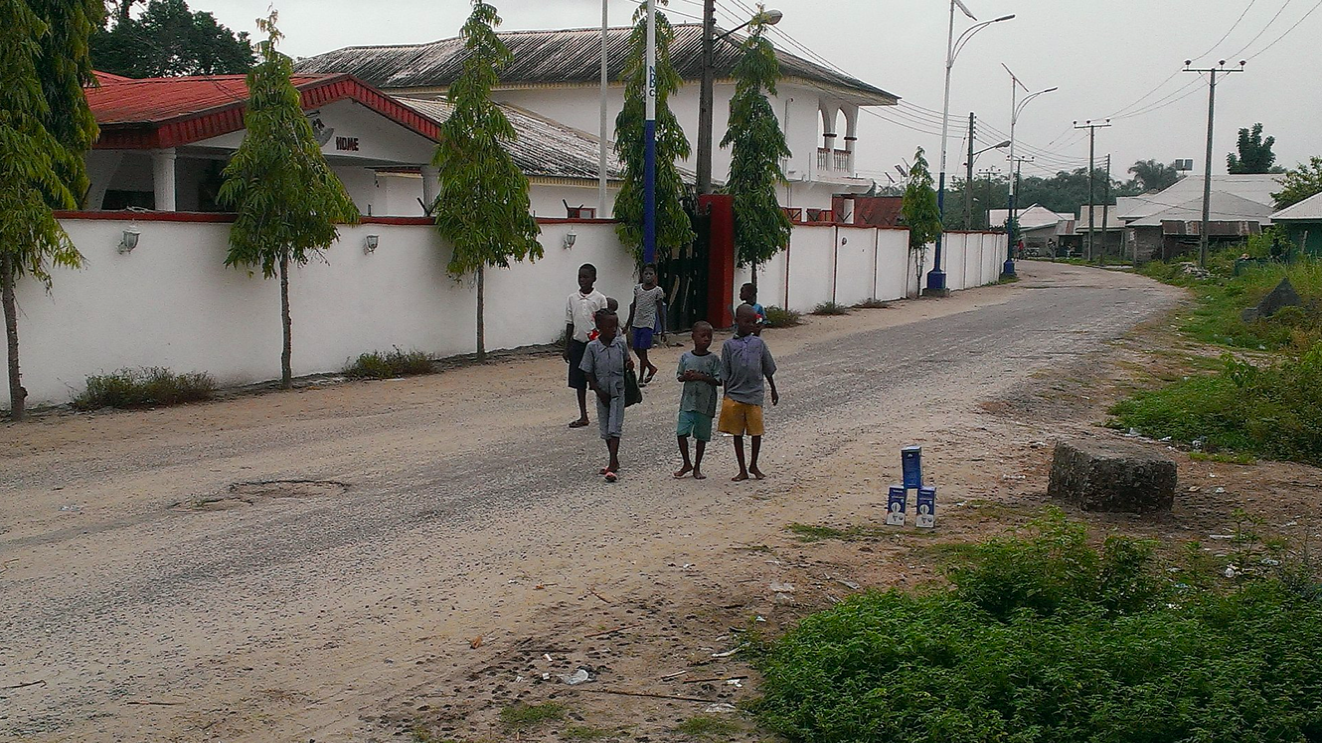
Young people in Nigeria begin their days with walks to school. For boys returning to the Government Science Secondary School in Kankara, these walks will mean something entirely different.
Stibej. CC BY-SA 4.0
In the northwestern Nigerian state of Katsina, the militant group Boko Haram is thought to be responsible for stealing young men. On Dec. 11, unidentified men with guns invaded the Government Science Secondary School in the city of Kankara on motorbikes to kidnap the schoolboys. The gunmen proceeded to march the boys into the Rugu forest of Nigeria, potentially to use them as child soldiers if not freed. The governor, Aminu Bello Masari, says a total of 344 boys held in the forest have now been liberated in the neighboring Zamfara state. In describing what they went through, the boys said they walked through large stretches of forest, stopping during the daytime and walking all night without shoes on stony ground littered with painful brush. There was no clarification on how or why they were freed, or if all the boys stolen were let go. As Boko Haram has executed similar kidnappings in the past, many think the Islamist militant group is behind the event.
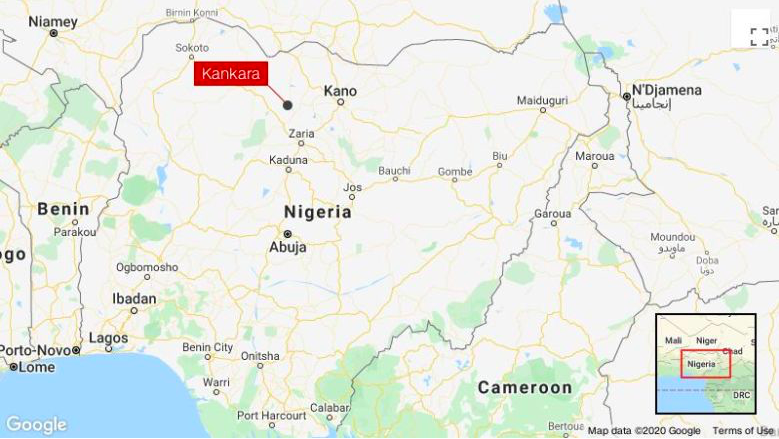
Map of Nigeria with the city of Kankara highlighted. Google Maps.
On Dec. 18, the schoolboys were finally returned home. The governor of Katsina state and Nigeria's president greeted them as they were brought back to their homes by military personnel. “I think we have recovered most of the boys,” Masari said in a televised interview with state channel NTA. The boys that were found have since been medically examined and returned to their families. It is important to note that the search is still ongoing as of Dec. 21.
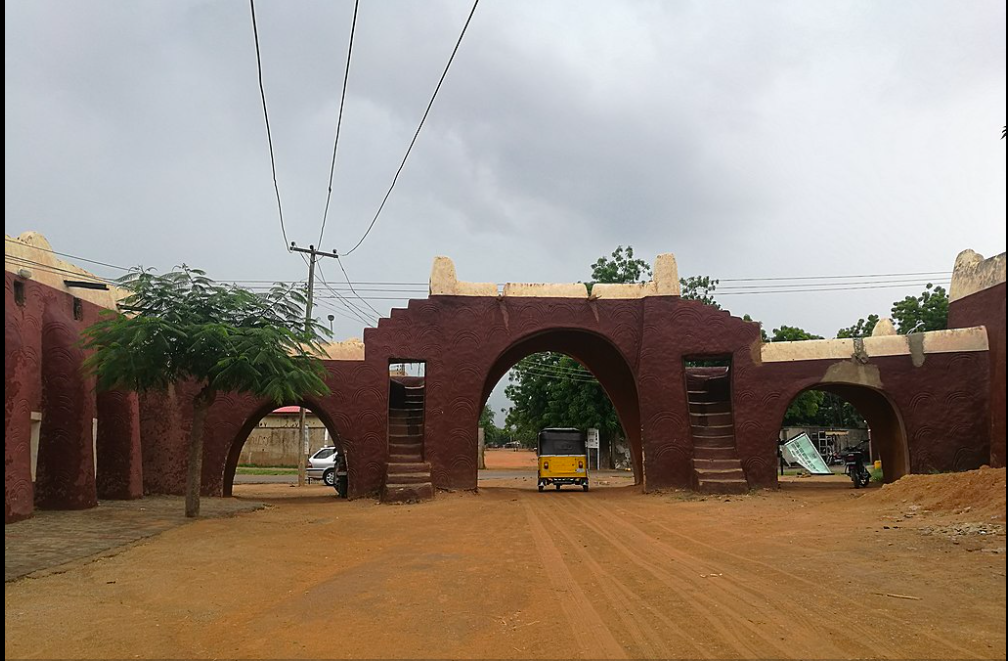
A typical street scene in Katsina state. Adebola Falade. CC BY-SA 4.0
Reports as to who is responsible for the kidnappings are unclear as unverified sources have attributed it to a resurgence of Boko Haram, the extremist group which has kidnapped in the past. In 2014, it executed the kidnapping of more than 270 schoolgirls in the northeastern town of Chibok, and nearly 100 of those girls are still missing. Now, residents of northern Nigeria believe the group is back.
For the families of the boys, their return comes as a celebration. In a quote given to Reuters, retired health worker Shuaibu Kankara, whose 13-year-old son Annas Shuaibu was among the kidnapped boys, said, “I am so happy. We are so grateful to the governor of Katsina and all those who worked hard to secure their release.” The quick and seemingly uncomplicated return of the boys comes as a great shock but an even greater relief.
As mentioned, many suspect that Boko Haram is responsible for the attack. The extremist Islamic rebels have taken responsibility for the abduction, claiming they attacked the school as a punishment for its Western teachings. For now, the investigation is ongoing, but the swift release of the boys sends a hopeful message that the Nigerian government is able to handle attacks quickly and effectively. Although there is fear that Boko Haram will act again, a precedent has been set by the efficient handling of this mass kidnapping.
Renee Richardson
Renee is currently an English student at The University of Georgia. She lives in Ellijay, Georgia, a small mountain town in the middle of Appalachia. A passionate writer, she is inspired often by her hikes along the Appalachian trail and her efforts to fight for equality across all spectrums. She hopes to further her passion as a writer into a flourishing career that positively impacts others.
Rising Tensions in Ethiopia’s Tigray Region Pose Dangers for Millions
The East African country has recently been overrun by natural disasters, COVID-19 and internal violence.
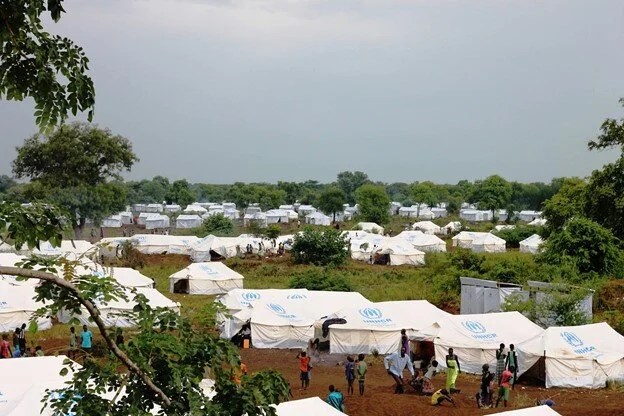
A refugee camp in Ethiopia. Oberhaus. CC2.0
Rising tensions in northern Ethiopia’s Tigray region pose a severe threat for the East African country and for stability across the Horn of Africa. Most urgently, the fighting places millions of people in danger and in dire need of humanitarian assistance.
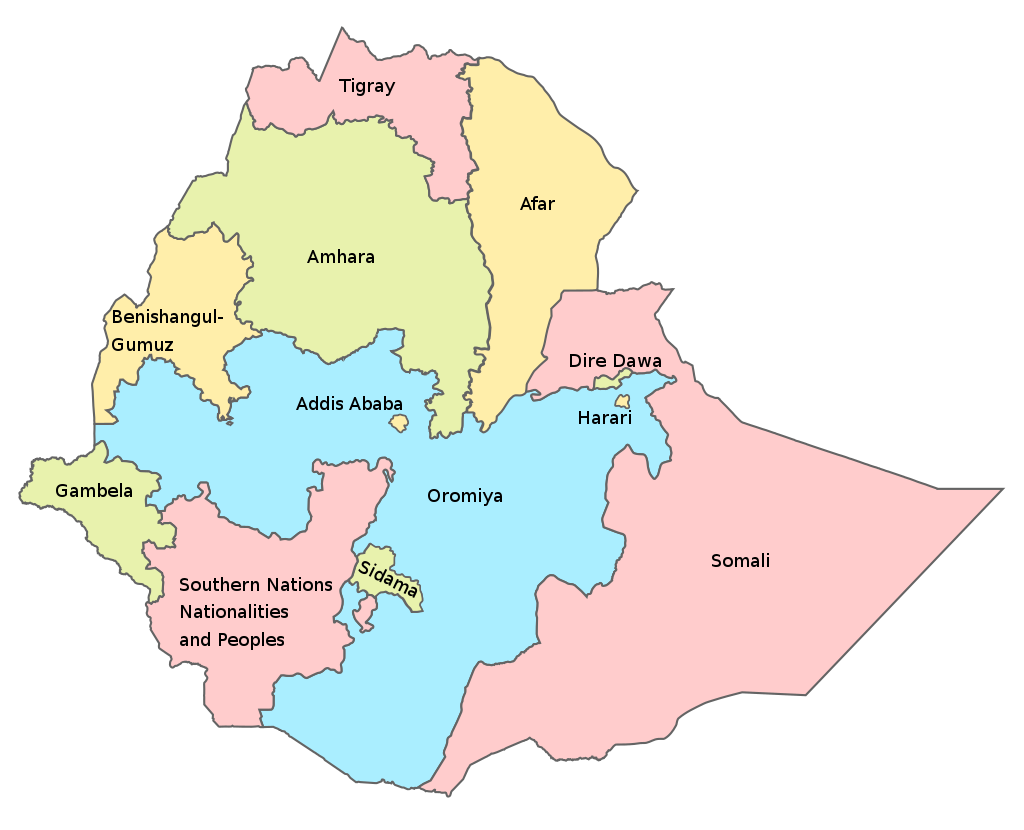
Map of Ethiopia’s regions, with Tigray in the far north. Jfblanc. CC4.0
An Overview of the Conflict in Tigray
Ethiopia, the largest and most populous country in the Horn of Africa region, is home to many different religions, languages and ethnic groups. The recent fighting is taking place in Tigray, Ethiopia’s northernmost region along the border with Eritrea. The conflict is between Ethiopia’s central government led by Prime Minister Abiy Ahmed and the Tigray People’s Liberation Front (TPLF). The TPLF came to power in 1991 and established a coalition where Ethiopia was divided into 10 distinct regions that each had political autonomy, allowing the TPLF to become a key player in Ethiopian politics. The TPLF remained in power for 27 years until rising concerns of political corruption and human rights abuses resulted in nationwide protests. As a result, Abiy Ahmed was elected the prime minister of Ethiopia in 2018 and began to reduce the TPLF’s power. While Ahmed advocates for a strong federal government that unites all Ethiopians regardless of ethnicity, the TPLF wants more political autonomy and sees Ahmed’s central government as a hindrance to the TPLF’s political agenda.
The current dispute began when the TPLF wanted to hold a regional election in September. Prime Minister Ahmed denied the request, since all national elections in Ethiopia were canceled due to COVID-19. Fighting began on Nov. 4 when Tigrayan forces were accused of attacking a military base belonging to Ahmed’s government. The violence in the region continues to escalate.
Abiy Ahmed is widely recognized for brokering peace and ending a military conflict with neighboring Eritrea, an effort that resulted in Ahmed receiving the Nobel Peace Prize in 2019. However the current escalating violence is causing the international community to raise its eyebrows. According to Kjetil Tronvoll, a scholar of Ethiopian politics at Bjorknes University College in Norway, “The Nobel Peace Prize has until recently shielded Prime Minister Abiy Ahmed from international scrutiny and criticism. However, the warfare on Tigray has opened the eyes of many diplomats to the way political power is wielded in Ethiopia.”
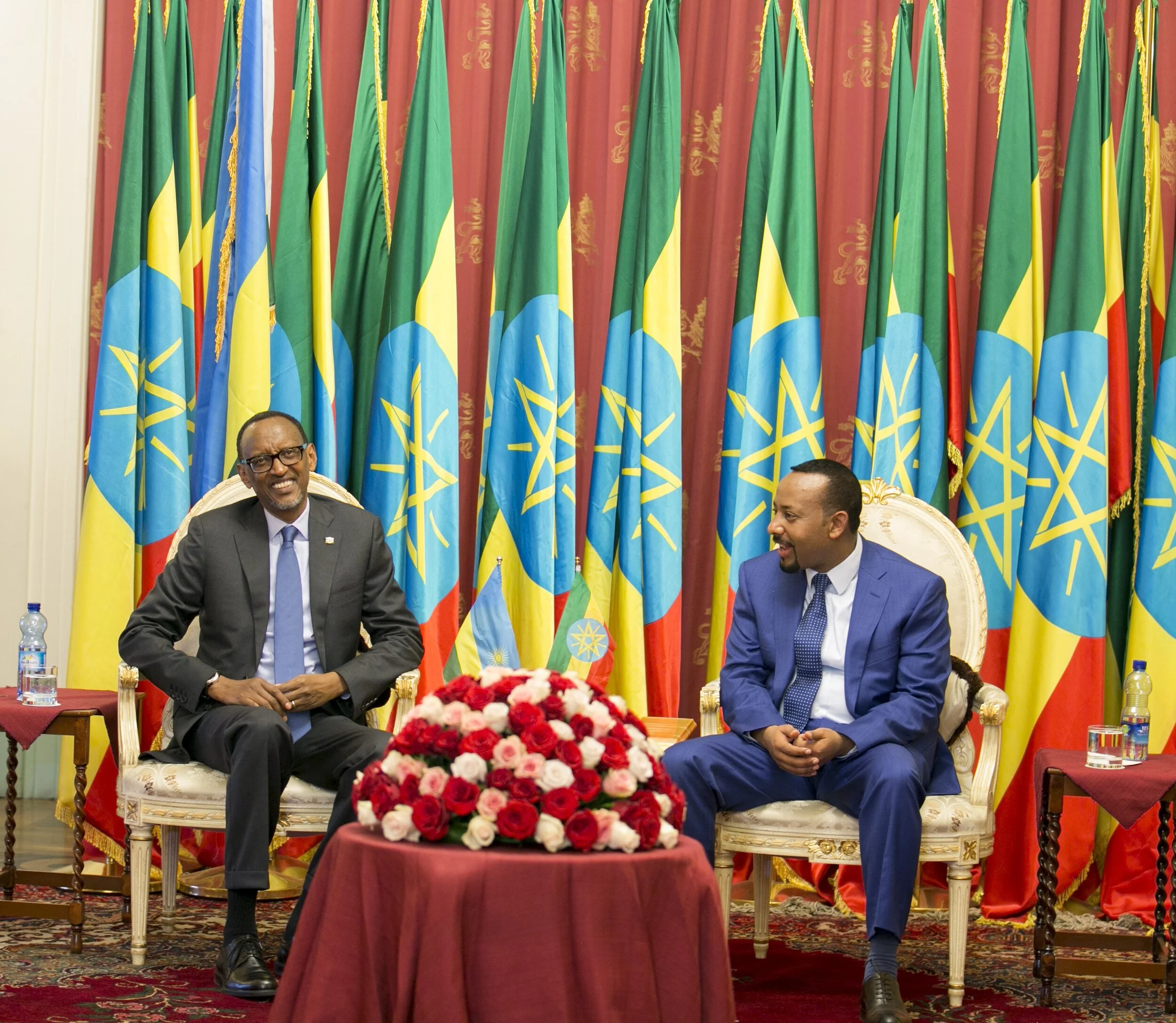
Rwandan President Paul Kagame (left) and Prime Minister Abiy Ahmed (right). Kagame. CC2.0
What is Happening Now?
On Nov. 28, the Ethiopian army gained control of the Tigrayan regional capital of Mekelle, with Prime Minister Ahmed declaring victory shortly thereafter. However, Tigrayan forces have yet to surrender. Since the conflict began, telephone, internet and road access to the Tigray region has been suspended, making it difficult to know what is happening on the ground. Shortly after Ahmed declared victory, rockets were fired at the Eritrean capital of Asmara, where according to the U.S. embassy, “Six explosions occurred in the city at about 10:13 p.m.” The Ethiopian government has declared a six-month-long state of emergency in the Tigray region. There is concern that the conflict could exacerbate ethnic division in other parts of Ethiopia, or even spread to neighboring countries such as Eritrea, Sudan and Somalia. With the conflict having no end in sight, it is unclear to predict whether current military efforts are enough to end the fighting.
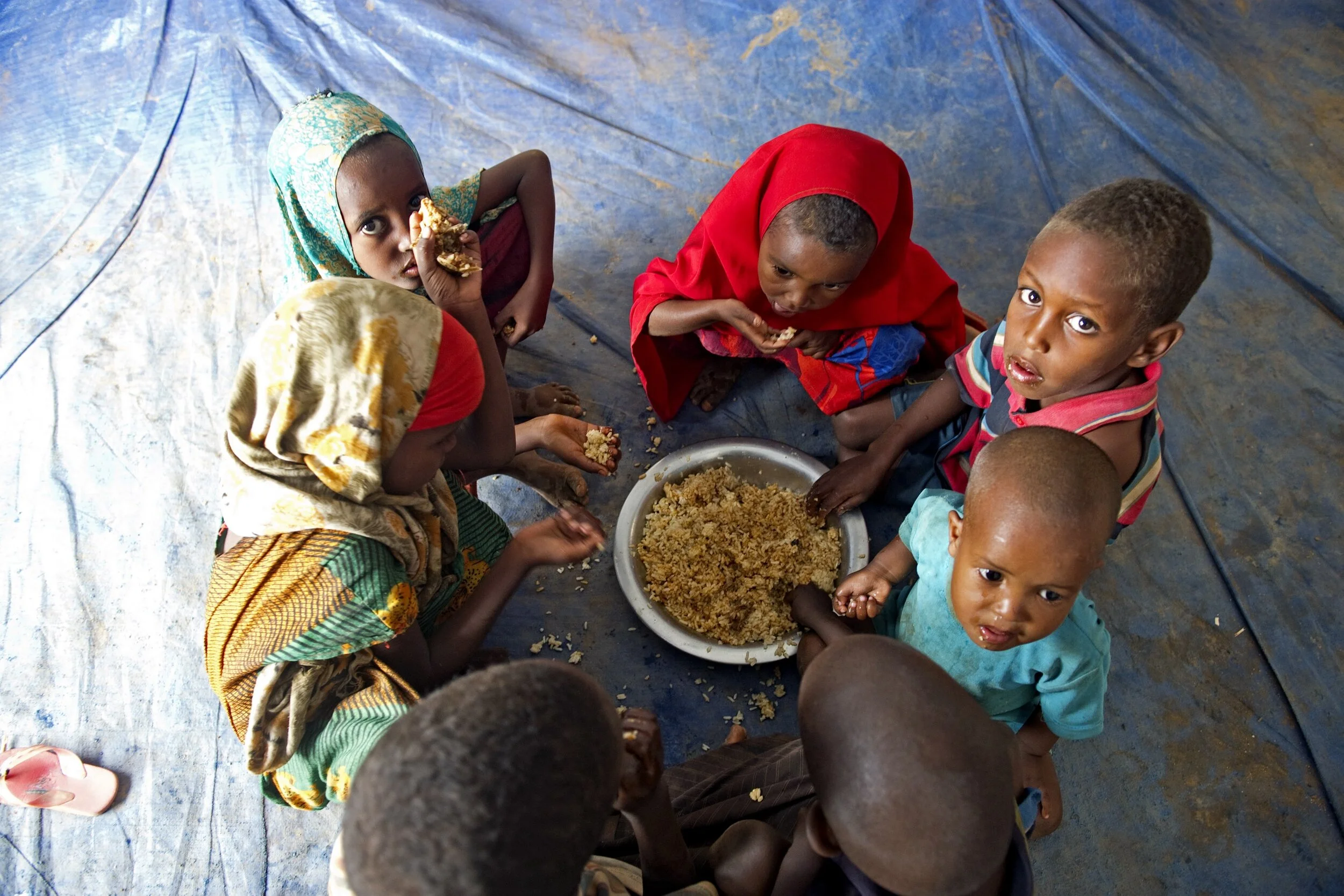
Refugee children in Ethiopia. United Nations Photo. CC2.0
Impact on Internally Displaced People and Refugees
Before the recent fighting broke out in Tigray, the region was already home to over 200,000 refugees, the majority coming from Eritrea. The current fighting is estimated to affect over 2 million people, with larger estimates of up to 9 million. As many as 43,000 have already fled to neighboring countries, with Sudan preparing to accept as many as 200,000 refugees. Thousands of people are internally displaced in Shire, near the border with Eritrea. Aid groups are urging the Ethiopian government to allow access to roads crucial to the Tigray region. This year has been especially difficult in Ethiopia, as a devastating locust outbreak, floods and the ongoing COVID-19 pandemic have ravaged the country. According to the International Rescue Committee, the most important thing that can be done by forces is to adhere to international law, ensure that schools, hospitals and homes are not targets, and allow humanitarian aid to get to where it is needed.
To Get Involved:
Check out the International Rescue Committee, a global aid and development organization providing crucial humanitarian assistance to communities in Tigray, here.
Click here to access the website of the United Nations High Commissioner for Refugees (UNHCR), which is working to establish a new shelter site for Tigrayan refugees in Sudan.
Megan Gürer
Megan is a Turkish-American student at Wellesley College in Massachusetts studying Biological Sciences. Passionate about environmental issues and learning about other cultures, she dreams of exploring the globe. In her free time, she enjoys cooking, singing, and composing music.
No Peace for the People: Ethiopia’s Ethnic Groups Targeted
While citizens and officials alike fear a potential civil war in Ethiopia’s Tigray region, the country’s ethnic groups have become targets of violence. Many fear that the current struggles deepen existing ethnic divides.
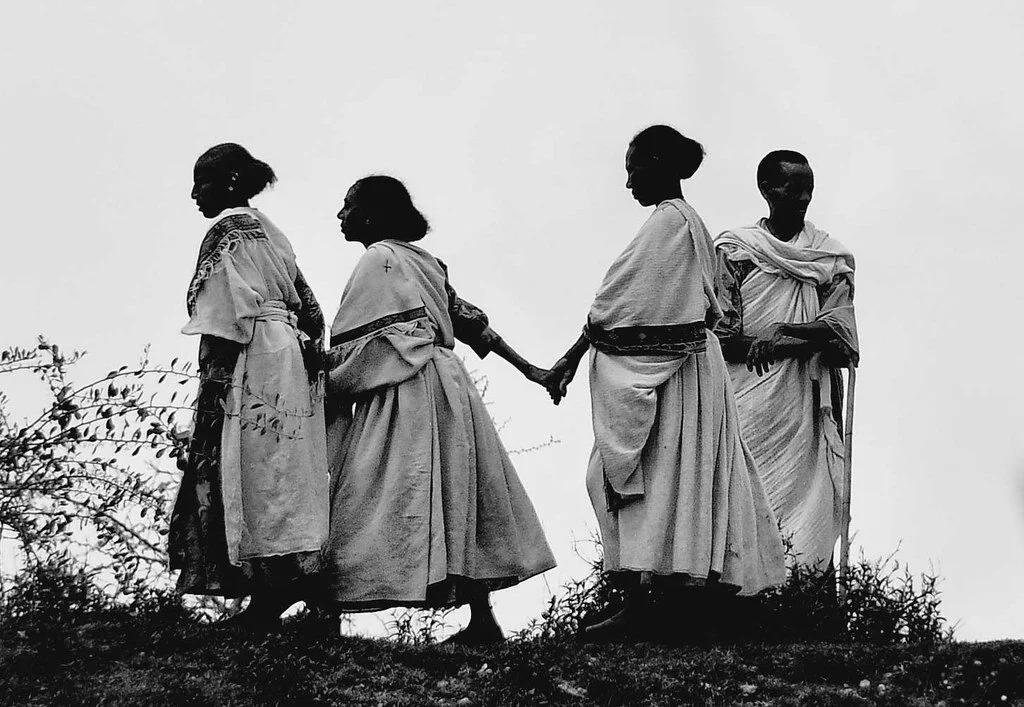
Women of the Tigray region in Ethiopia. Rod Waddington. CC BY-SA 2.0.
Over the past several weeks, the Tigray region of northern Ethiopia has exploded into violence. The current conflict comes after years of mounting tensions between the elected government of the Tigray region and the federal government. The postponement of the September election sparked the most recent series of violent acts; existing ethnic tensions have now transformed into the slaughtering of local ethnic groups, forcing many to flee for safety in Sudan.
A Rising Civil War
The tensions in Ethiopia trace back along a labyrinthine history of political unrest, with the primary combatants being the proponents of the federal government and the officials in the Tigray region. Fighting escalated when Prime Minister Abiy Ahmed accused the Tigray region of attacking a federal military base and responded by sending an attack on the region. However, underlying issues began back in 2018 when Ahmed was first elected.
For decades, Ethiopia’s main political party was the Ethiopian People’s Revolutionary Democratic Front, which began around 1991 when the Tigray People’s Liberation Front (TPLF) aided the overthrow of the previously Marxist government. Up until 2018, the party had controlled both the political and economic components of the country. With Prime Minister Abiy Ahmed’s election, the TPLF’s power within the party it founded began to quickly disappear. Ahmed removed and attempted to convict many officials through potentially corrupt means, many of whom escaped to the Tigray region. He also attempted to combine parties that followed ethnic lines, which deepened divides among the groups.
In response to the prime minister’s recent postponement of the election, the unofficial leaders of the Tigray region made a decision no one in the country had done before: they held their own election. Tigray threatened secession, which is upheld in the nation’s constitution. The federal government, though, responded by withdrawing aid from Tigray and sending in troops.
Ethnic Targeting
Now that the violence has furthered into increasing physical confrontation, many ethnic groups in Ethiopia feel under attack. Recent killings have left ethnic Tigrayans and ethnic Amharas slaughtered in the streets. Calls for peace talks between the two groups have been rejected, and now nearly 15,000 people have fled for safety.
There are major criticisms on both sides, with calls for the TPLF’s unconditional surrender coming from the federal government. Meanwhile, the regional government of Tigray has been accused of igniting fear that is believed to have fed into the violent slaughtering of ethnic Amharas.
Officials fear that these killings could turn into an ethnic cleansing and genocide. Tigrayan locals are dealing with the bulk of the chaos; many are being taken in for questioning and are too fearful to contact family members outside of the region.
Experts warn that Ethiopia’s history of ethnic conflict will likely repeat itself as the nation spirals into political disarray. Only the potential for peace now holds the nation together as its ethnic groups continue to clash.

Ella Nguyen
Ella is an undergraduate student at Vassar College pursuing a degree in Hispanic Studies. She wants to assist in the field of immigration law and hopes to utilize Spanish in her future projects. In her free time she enjoys cooking, writing poetry, and learning about cosmetics.

Sudanese people gathering in front of a mosque. Nina R. CC 2.0.
Sudan Separates Religion and State Following al-Bashir’s Ouster
The Northeast African nation of Sudan has made the decision to separate religion from the state, dissolving 30 years of governance by Islamic law. The country, which has been attempting to rebuild itself after long periods of colonial rule and political strife, came to this decision in an attempt to quell current tensions between religious and military groups.
Sudan was formerly under colonial rule by the United Kingdom, though the British did not make their presence in Sudan a physical one. They maintained control by partnering with Egypt through a dual colonial government known as the Anglo-Egyptian Condominium (1899–1956). This agreement separated the Muslim-dominated north from the majority-Christian south. As colonial presence grew stronger in the region, so did division along ethnic, socioeconomic, religious and linguistic lines.
Sudan was able to gain independence in 1956, but the country is still overwhelmed with tensions as its citizens and government continue to reconcile with issues caused by colonization. They eventually led to the Second Sudanese Civil War (1983-2005) between the central government in Khartoum and the Sudan People’s Liberation Army, causing an eventual 2 million deaths and the creation of an independent South Sudan. This conflict was amplified when Omar al-Bashir took office by way of a military coup in 1989 in the middle of this 22-year-long civil war. He ruled for 30 years and did so through the suppression of political opponents as well as violence against the Sudanese people. During his presidency, multiple arrest warrants were issued to al-Bashir by the International Criminal Court on charges including war crimes and crimes against humanity, such as his attacks on citizens in Darfur.
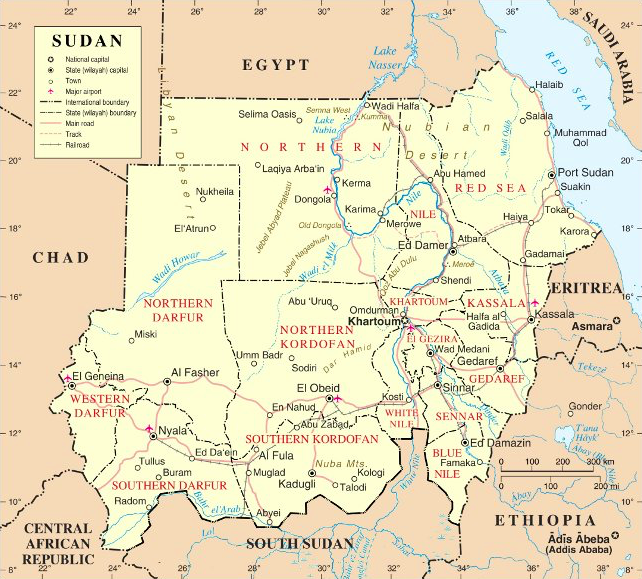
Map of Sudan. Muhammad Daffa Rambe. CC BY-SA 3.0.
Al-Bashir continued to hold his power until April 2019 when, after months of unrest, the Sudanese military toppled him. On Sept. 3, 2020, Sudan issued its declaration to sever ties between mosque and state, saying that, “For Sudan to become a democratic country where the rights of all citizens are enshrined, the constitution should be based on the principle of ‘separation of religion and state,’ in the absence of which the right to self-determination must be respected.”
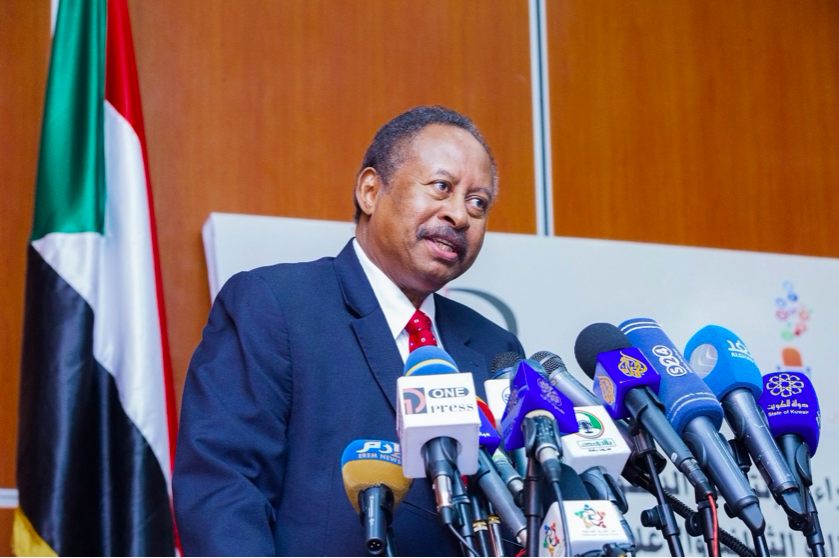
Prime Minister Abdalla Hamdok. Ola A .Alsheikh. CC BY-SA 4.0.
Prime Minister Abdalla Hamdok and Abdelaziz al-Hilu, leader of the Sudan People’s Liberation Movement-North rebel group, signed this document together. Additionally, the document emphasizes its effort toward unity with the statement, “Sudan is a multiracial, multiethnic, multireligious and multicultural society. Full recognition and accommodation of these diversities must be affirmed.” More than simply separating church and state, the declaration gives the country momentum in its push toward unification.
Renee Richardson
Renee is currently an English student at The University of Georgia. She lives in Ellijay, Georgia, a small mountain town in the middle of Appalachia. A passionate writer, she is inspired often by her hikes along the Appalachian trail and her efforts to fight for equality across all spectrums. She hopes to further her passion as a writer into a flourishing career that positively impacts others.
Algeria’s Relationship with the Media Grows Tense Amid Political Woes
On Aug. 10, Algerian officials sentenced journalist Khaled Drareni to three years in prison for reporting on the 2019 Hirak protests. Calling for the removal of Algerian President Abdelaziz Bouteflika, the Hirak pro-democracy protests were some of the largest anti-government demonstrations since the Algerian civil war in the 1990s. While the protests were successful in removing Bouteflika from power, Algerian activists are unsatisfied with the corruption that still drives the Algerian government. Drareni’s sentencing has amplified the divide between independent publications and state-run media, drawing attention to the censorship that Algerian journalists face.

Hirak protests in Algiers. Becker. CC BY 2.0.
From 1991 to 2002, Algeria was engaged in a civil war between the government and Islamist political groups. Throughout this unrest, journalists in Algeria explored the many human rights abuses present in the country. As the war began to resolve in 1999, Abdelaziz Bouteflika was elected president of Algeria. With his 2005 Charter for Peace and National Reconciliation, he offered amnesty to groups that committed violence between 1992 and 2006. While this charter protected many Algerians from prosecution, Bouteflika also used it to restrict the press from investigating human rights violations.
Following the enactment of this charter, independent publications were allowed a modicum of freedom as they operated independently of the state. However, the divide between independent publications and the Algerian state-run media only grew as Bouteflika consolidated his power.
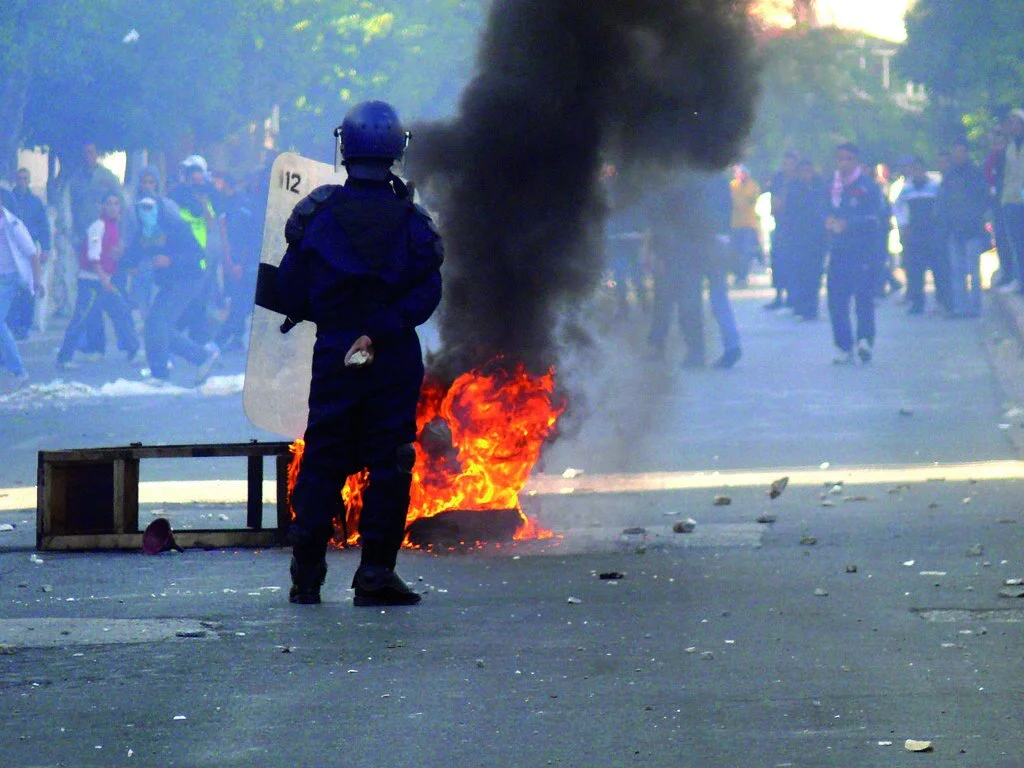
An Algerian soldier barricades a street. Magha Rebia. CC BY 2.0.
In recent years, as pro-democracy movements gain traction in Algeria, independent publications have generally been the only media covering the protests. With tensions between Algerian citizens and the government mounting over the past decade, independent publications have been increasingly villainized by the state. Using state-owned companies as leverage, the Algerian government has stripped most independent publications of their primary source of income—advertisements.
Within the past year, multiple independent media outlets critical of the regime have been blocked, including Maghreb Emergent and Radio M. Reporters Without Borders, an international organization that works to protect freedom of the press globally, now ranks Algeria 146th out of 180 countries in the 2020 World Press Freedom Index, which evaluates the degree of freedom awarded to journalists. Algeria’s ranking in this index has dropped drastically in the past five years -- in 2015, Algeria was ranked 27 places higher.
The imprisonment of Khaled Drareni only amplifies the harsh restrictions being gradually imposed on the Algerian media. In April 2020, Algeria passed a law criminalizing “fake news” to maintain “public order and state security.” This law increases the repression of journalists in an already corrupt state. With privately-owned media facing severe blockades, social media has become a driving force in disseminating information to young people across the country. Social media platforms have become a pivotal tool for activists, allowing them to coordinate nonviolent protests and spread news that is not aired on radio or television. This movement has encouraged reporters at state-backed media companies to resign and actively fight for marginalized voices to be heard. Algeria remains in a state of flux as reporters stripped of their formal platforms are actively working toward freedom of the press through alternative means of communication.
Sarah Leidich
is currently an English and Film major at Barnard College of Columbia University. Sarah is inspired by global art in every form, and hopes to explore the intersection of activism, art, and storytelling through her writing.
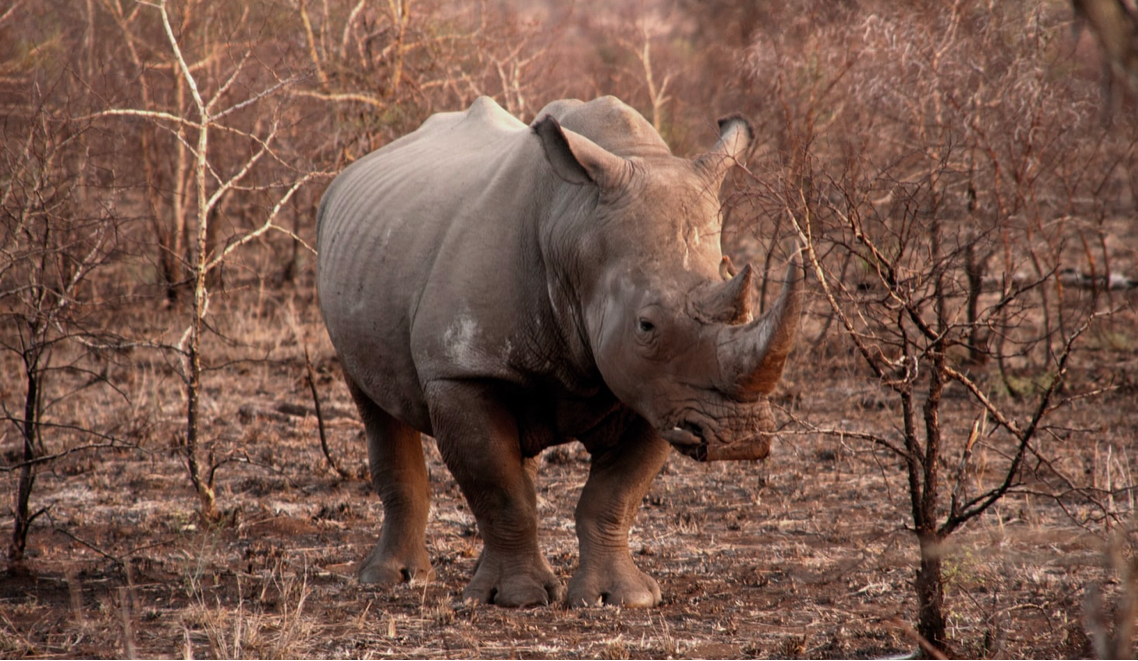
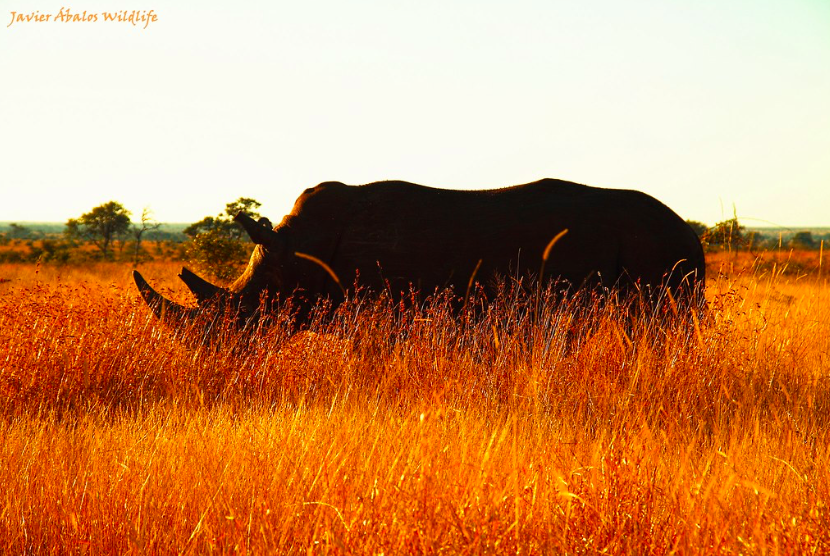
Rhino in South Africa’s Kruger National Park. Glen Carrie. Unsplash.
South Africa’s Success Continues in Slowing Rhino Poaching
Poaching, the illegal hunting and sometimes killing of animals, has always been a serious threat to conservation efforts. Animals like rhinos, elephants, tigers and lions are often the target of poachers looking to make money through exotic pet sales and traditional medicine practices. While habitat destruction does contribute most to the strain on many animal species, the illegal trading and selling of wildlife has gained popularity as e-commerce continues to grow.
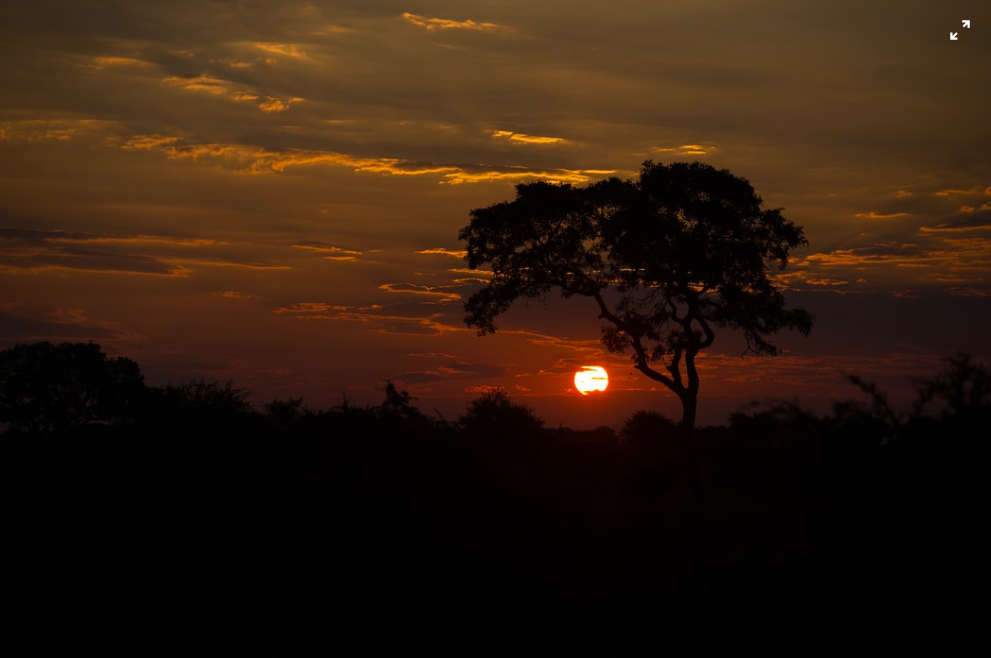
Kruger National Park, South Africa. Vincent van Zalinge. Unsplash.
In South Africa, this illegal practice has finally decreased to the point where native rhino species can finally thrive. Rhinos are often hunted in South Africa because their horns are used for traditional medicine in Asia. In just the first six months of 2020, South African rhino poaching decreased by 53% - a goal that the South African Ministry of Environment, Forestry and Fisheries has been working toward for the past five years. Only 166 rhinos have been poached for their horns in the first six months of 2020. This is a significant drop when compared to the 316 rhinos that were poached in the first six months of 2019.
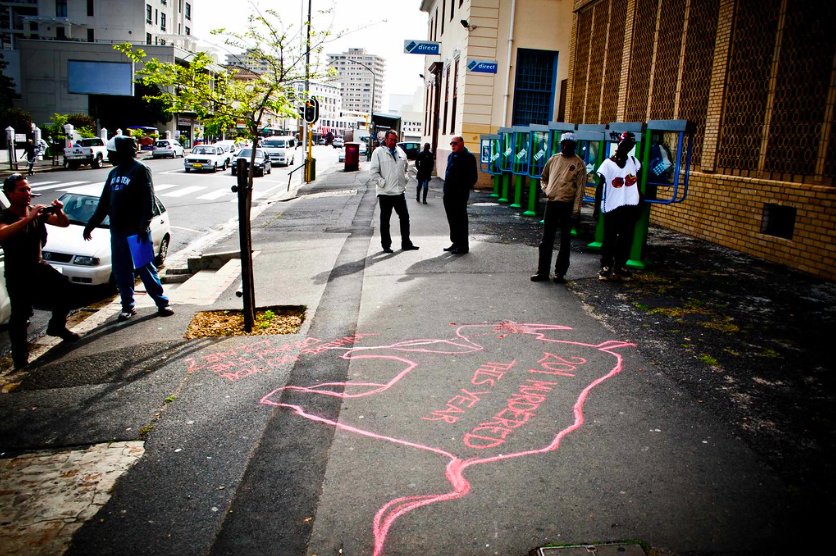
Street art against rhino poaching. Kosmoseleevike. CC BY-NC-ND 2.0.
Barbara Creecy, South Africa’s minister of Environment, Forestry and Fisheries, said, “After a decade of implementing various strategies, and campaigning against ever-increasing rhino poaching by local poachers recruited and managed by crime syndicates, efforts are paying off. We have been able to arrest the escalation of rhino losses.” The ministry credits this success in part to COVID-19 lockdown measures as they kept poachers from actively hunting.
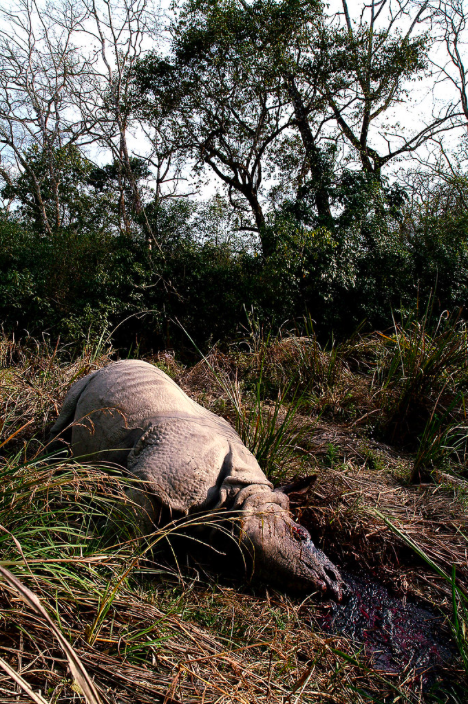
Additionally, the lockdown measures have made poachers much easier to spot. From January to June, 38 suspected rhino poachers have been arrested in Kruger National Park and 23 firearms have been confiscated. These arrests also led to historic convictions as the ministry reports that from January to June, the National Prosecuting Authority managed to obtain convictions in 15 cases marking a conviction rate of 100%. To guarantee that these poachers will not return to poaching, they were given lengthy sentences. Coordinated efforts with the South African Police Service, the Directorate for Priority Crime Investigation (also known as the “Hawks”) and the Department of Justice have curtailed the selling and purchasing of poached rhino horns.
South Africa’s success came just in time to celebrate World Ranger Day on July 31, a day dedicated to rangers who have lost their lives in the line of duty. The minister paid tribute to these brave men and women who have risked their health and safety, both by stopping poachers and risking possible exposure to COVID-19. “Our rangers have remained at the forefront of the battle against poaching, despite the national lockdown, contributing to the decrease in poaching. In this time, rangers have had to face not only the threats posed by poachers, but they, and their families, have also had to deal with the danger of contracting COVID-19,” said the minister. It is apparent that their bravery has paid off as the rhino population of South Africa is now at a decreased risk of population decline.
Renee Richardson
Renee is currently an English student at The University of Georgia. She lives in Ellijay, Georgia, a small mountain town in the middle of Appalachia. A passionate writer, she is inspired often by her hikes along the Appalachian trail and her efforts to fight for equality across all spectrums. She hopes to further her passion as a writer into a flourishing career that positively impacts others.
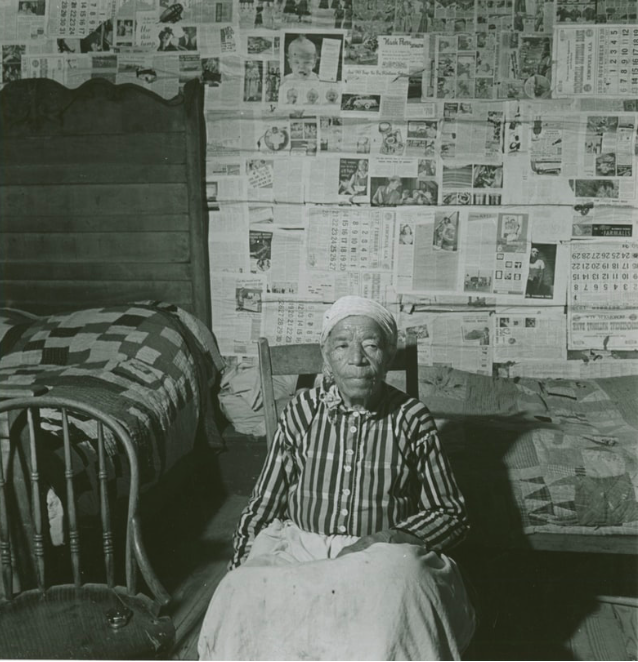
A former slave in her Greensboro, Alabama, home in 1941. The New York Public Library. Unsplash.
Reclaiming African American History, One DNA Test at a Time
“Go back to Africa.” These are the words many African and Black Americans hear from those who have animosity toward the color of their skin. But how can African Americans even consider returning when their ancestors were forced to come to the United States, and little to no records were kept? The United States has a history and a foundation built by hands that were forced to work against their will. These peoples’ origins were never documented and failed to get passed down. Much of the United States’ history has been unanswered for so many people, but now Black and African Americans are finally having some of their questions answered.
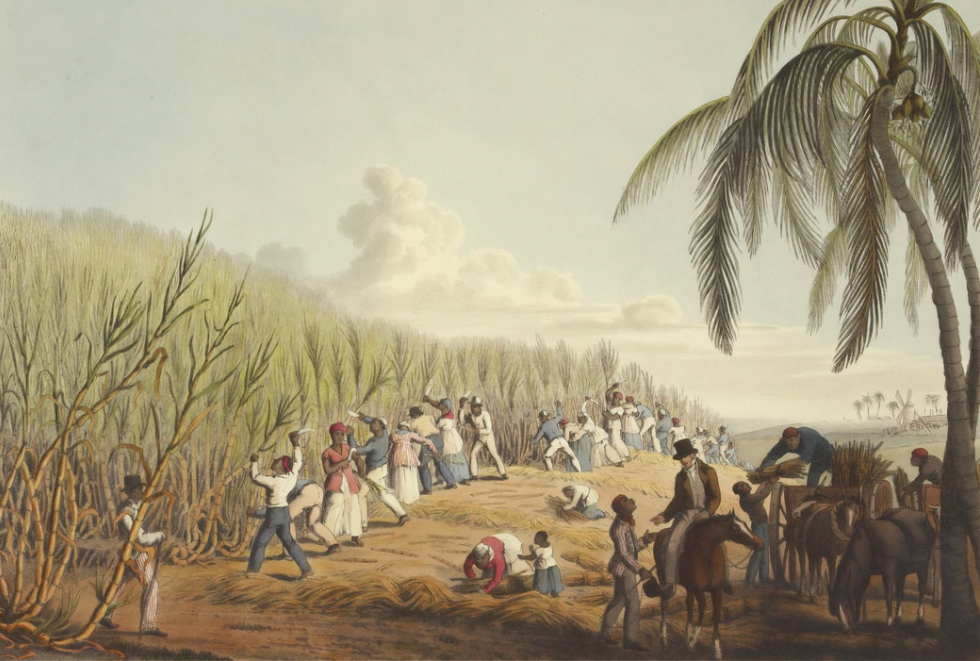
Slaves cutting sugar cane on the island of Antigua in 1823. British Library. Unsplash.
Thanks to the DNA testing site 23andMe, the lineage and heritage of many African Americans have been identified, and key genetic traits are appearing. Joanna Mountain, senior director of research at 23andMe, began on this project before the company even existed. For over 10 years, she and her team built a genetic database of mostly 23andMe customers whose grandparents were born in a geographic region linked to the trans-Atlantic slave trade. Although medical experimentation and research on African Americans has often not been performed for their benefit, all participants consented to have their DNA used in the research.
Essentially, the company created this project to shine a much-needed light upon the genetic impact that slavery has caused and to confirm historical accounts. The report, which includes more than 50,000 people and 30,000 of African ancestry, confirms where people were taken from in Africa and where they were enslaved in the Americas. What was found is significant not only in the sense that so many unknown lineages were tracked, but also regarding the fact that distinctions in genetics have been made. The centuries of mistreatment against Africans brought to America has impacted the structure of their genetics and DNA.
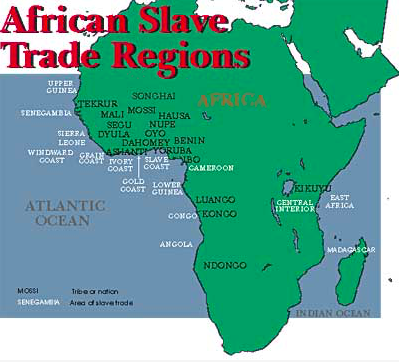
A map of African Slave Trade Regions during the time period of the Atlantic Slave Trade. Queen Mother Kradin Goree. CC BY-SA 4.0
To conduct the current study, researchers compared Mountain’s genetic database with a historical one, Slave Voyages, which holds massive amounts of information about slavery, such as numbers of enslaved men, women and children along with embarkment and disembarkment points. From this historical database, researchers were able to align information. This allowed historians and scientists to discern that 5.7 million people were forced to migrate from West Central Africa to the Americas, explaining why so many African Americans today trace their lineage to Nigeria.
Another finding was that women’s DNA made up much more of the current population’s DNA than males, and European ancestry was common in African American descendants. The study reveals that enslaved women in the United States gave 1.5 times more to the modern-day gene pool of African American people than enslaved men. Additionally, European women contributed three times less to the current gene pool of African Americans than European men. Eric Depradine, a Kansas City, Missouri, resident who participated in the study, said, “It’s part of us, whether we like or not. It’s painful; it sucks having to talk about how our grandmothers were treated a long time ago. Unfortunately we can’t do anything about that in 2019 but just recognize that’s part of us and just don’t let those stories fade into oblivion.” This reveals how deeply rampant sexual assault by European owners was against female slaves, and how that impact on the heritage of many African Americans cannot be ignored.
The 23andMe study has helped merge historical and genetic findings together to bring forth the realities of the trans-Atlantic slave trade. According to the project’s website, the researchers intend to expand the study with the help of funding from the National Institutes of Health in order to “help alleviate some of the existing disparities in genetics research between people of European ancestry and people of African, Latino and Asian ancestry.” Their ultimate goal is to provide genetic insights for populations underrepresented in the studies of genetics and health.
Renee Richardson
Renee is currently an English student at The University of Georgia. She lives in Ellijay, Georgia, a small mountain town in the middle of Appalachia. A passionate writer, she is inspired often by her hikes along the Appalachian trail and her efforts to fight for equality across all spectrums. She hopes to further her passion as a writer into a flourishing career that positively impacts others.
COVID-19 Further Complicates Kenya’s Health Care System
Kenya is facing a double burden of communicable and noncommunicable diseases. Clustering of infections, such as HIV and tuberculosis, and noncommunicable diseases, such as diabetes and high blood pressure, renders Kenyans vulnerable to COVID-19. This has pressured an already overstretched health care system.
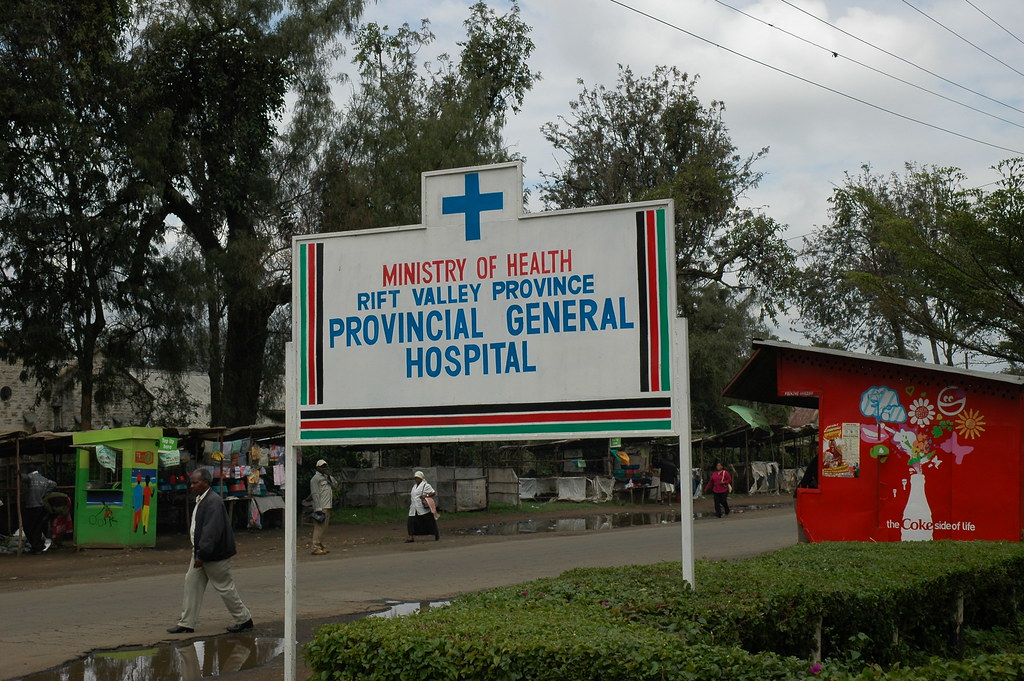
Hospital entrance sign in Kenya’s Rift Valley province. Melanie K Reed. CC BY-NC-ND 2.0
In mid-March, shortly after Kenya’s first confirmed COVID-19 case, the word “corona” began circulating around western Kenya’s villages. Young people used the word as a novelty, and the overall population remained preoccupied with existing illnesses. “This is a disease for whites,” said Sylvanus, a local father of seven. When calling after white people on the street, children replaced their traditional “mzungu!” (white person) with “coronavirus!” At this point, Europe was the pandemic’s epicenter. Kenyans felt that this foreign virus was removed from their world.
However, Kenya’s high prevalence of preexisting health conditions renders a significant portion of the population immunocompromised and therefore vulnerable to the coronavirus. In a country experiencing health issues such as HIV, tuberculosis, diabetes and malaria, the pandemic has posed a threat to an already fragmented health care system. Although less than 4% of Africa’s population is over the age of 65, countries such as Kenya have seen high coronavirus mortality rates.
Global evidence shows that people with underlying medical conditions are at a greater risk from COVID-19. In 2019, half a million Kenyans were living with diabetes, and over half of accounted deaths were associated with noncommunicable diseases. Currently, Kenya’s health care system is structured to manage individual diseases, rather than multiple ones. Because patients frequently carry more than one health condition, the health care system has been overstretched and inadequate. HIV, tuberculosis and malaria treatments are easily accessible, but noncommunicable diseases such as diabetes and cancer often go undiagnosed, and care is costly. The COVID-19 pandemic has exacerbated these shortcomings, as social distancing restrictions prevent Kenyans from accessing medical resources, and a surge of coronavirus cases imposes a double burden of disease. Additionally, front-line workers with undiagnosed, chronic illnesses have critically compromised their health, and hospitals have dealt with equipment shortages.
Transcontinental travel has heavily contributed to the increase in COVID-19 cases across Africa. In order to minimize Kenya’s number of infections, President Uhuru Kenyatta stopped all flights from Europe. Kenyatta also imposed a national curfew and restricted movement between populated areas. Domestically, middle-class, urban dwellers have carried the virus into rural areas. On Kenyan television, villagers have urged educated, urban residents to remain in the city, instead of threatening the lives of others.
In African countries, lockdowns are nearly impossible to implement because they would spur social and economic crises. Many people rely on cash earned daily to sustain themselves and their families. A strict lockdown would result in poverty and starvation. Kinship systems also play a crucial role in social welfare, as relatives care for one another. For people already barely getting by, cutting these social ties would be dangerous. Finally, a lockdown would interrupt the supply chains of essential drugs, preventing access to tuberculosis, HIV and malaria treatments.
According to several African presidents, developed countries are failing to fulfill their pledges of financial support and debt relief. Throughout the pandemic, outside aid has not met the continent’s needs. While wealthy countries in the global north have funneled trillions of dollars into their own stimulus packages and health initiatives, the global south cannot afford such measures. With limited testing capacity, Africa has not confirmed many of the world’s COVID-19 cases, but the continent has been grossly affected by the economic crisis and global trade disruptions. Furthermore, the global shortage of testing kits, hygienic material and personal protective equipment has left developed countries vying for their own supplies, without consideration for underdeveloped nations.
Anna Wood
is an Anthropology major and Global Health/Spanish double minor at Middlebury College. As an anthropology major with a focus in public health, she studies the intersection of health and sociocultural elements. She is also passionate about food systems and endurance sports.
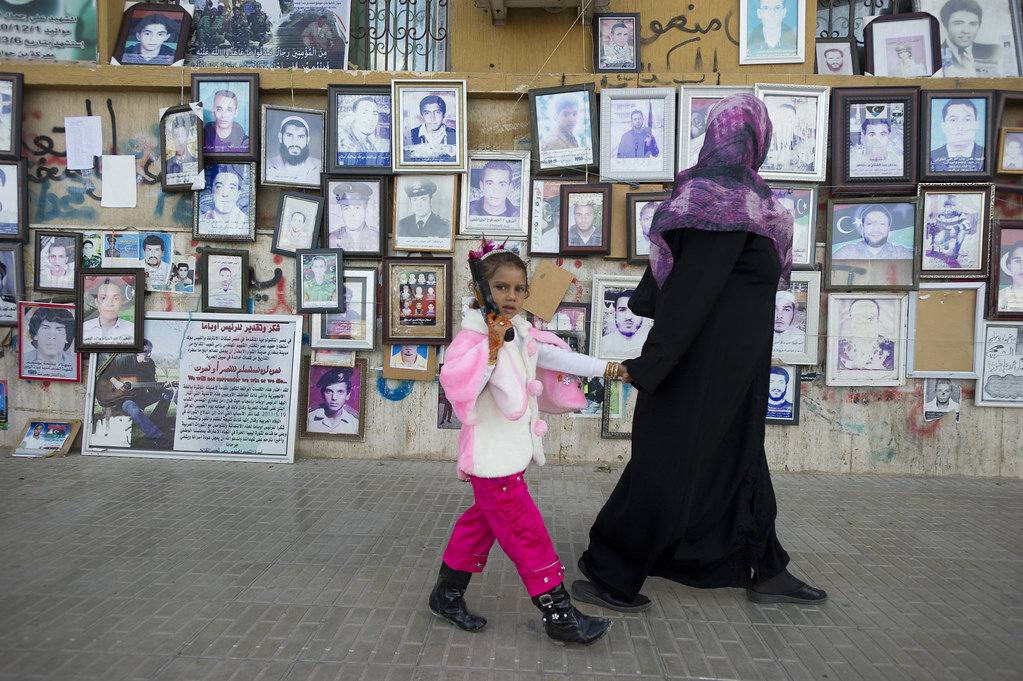
While playing with a toy gun, a child passes a memorial for civilians killed in the Libyan civil war. Teutloff Museum. CC BY-ND 2.0
Nearly a Decade of Strife in Libya
After the overthrow of then-leader Moammar Gadhafi in 2011, Libya has been in a constant state of political unrest. Since 2014, the Government of National Accord (GNA) and the Libyan National Army (LNA) have sought control over the country, sparking a destructive civil war. Based in the Libyan capital, Tripoli, the GNA is recognized by the United Nations. Allied with General Khalifa Hifter, the Benghazi-based LNA receives aid from Russia, France and the United Arab Emirates.
Libyan civilians have endured chaos, including shelling near the front lines, injuries from explosive devices and abductions for ransom. The United Nations High Commissioner for Refugees estimates that 1.3 million Libyans require urgent humanitarian assistance.
Armed Conflict and War Crimes
Weapons proliferation has been a major security concern in Libya, as allied countries provide the GNA and LNA with advanced military equipment. State-provided arms transfers make Libya a volatile battleground. Currently, the country has the world's largest uncontrolled ammunition supply, with an estimated 150,000 to 200,000 metric tons of uncontrolled munitions. Yacoub El Hillo, the U.N.’s resident and humanitarian coordinator in Libya, announced, “The increasing use of explosive weapons has resulted in unnecessary loss of life, displacement, destruction and damage to vital civilian infrastructure.” The Islamic State group has also used the country as a hub to coordinate broader regional violence, further complicating efforts to create a united government.
In April 2019, Khalifa Hifter’s forces attacked Tripoli, resulting in over 1,000 fatalities. As General Hifter continues his campaigns, the International Criminal Court (ICC) warns of potential war crimes, including mass murder, desecration of corpses and kidnappings. In a statement to the U.N. Security Council, chief prosecutor Fatou Bensouda accused the LNA of targeting innocent civilians: "Of particular concern to my Office are the high numbers of civilian casualties, largely reported to be resulting from airstrikes and shelling operations. Intentionally directing attacks against the civilian population or against individual civilians not taking direct part in hostilities is a war crime under the Rome Statute. Likewise, the Rome Statute prohibits the intentional directing of attacks against hospitals and other buildings protected under international law, such as those dedicated to religion or education, when they are not military objectives."
Civilian Victims and Internal Displacement
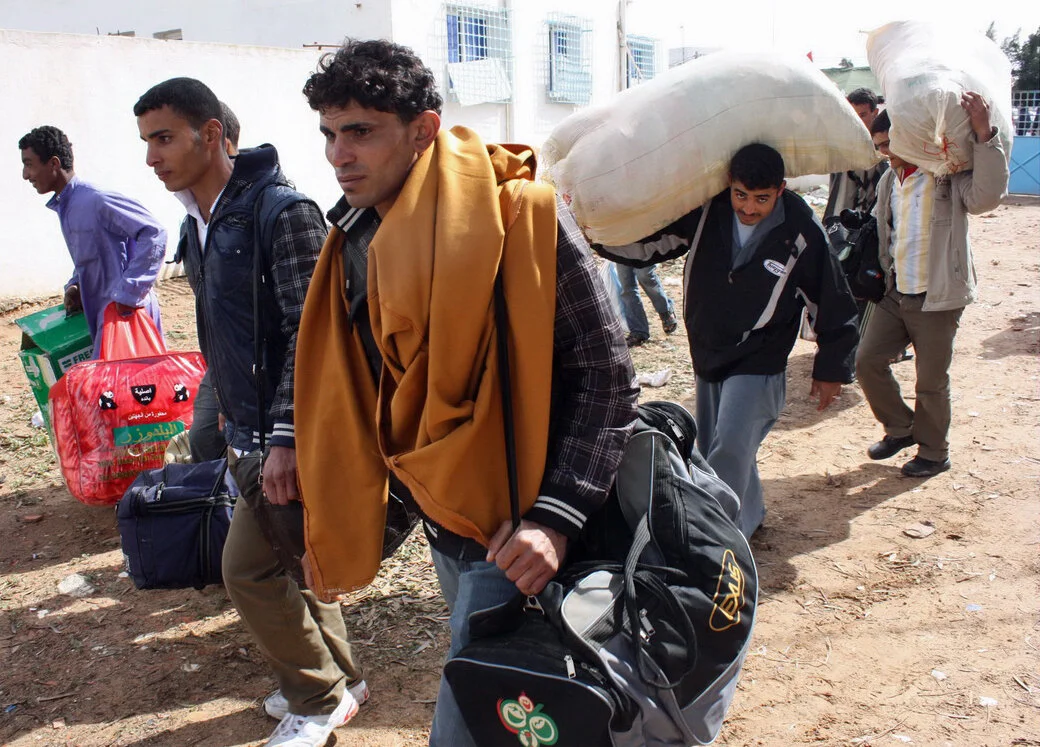
Displaced civilians flee their homes in Libya. Magharebia. CC BY 2.0
Due to ongoing conflict, nearly 400,000 Libyans have been forced to flee their homes and are now internally displaced. According to UNICEF, Libyan hospitals and schools serve as shelters for thousands of displaced civilians around Tripoli. Yet, with military forces continually targeting these makeshift shelters, Libyans face inadequate access to health care, essential medicines, food, safe drinking water and education. School has been suspended indefinitely for nearly 200,000 children, leaving them susceptible to abuse, human trafficking and violence.
Given the lack of eyewitnesses and credible reports, experts can only estimate the total number of fatalities since 2011. Small Arms Survey, a research-based organization, suspects that approximately 27,000 people have perished in the nine-year-long dispute.
Migrants, Refugees and Asylum-Seekers
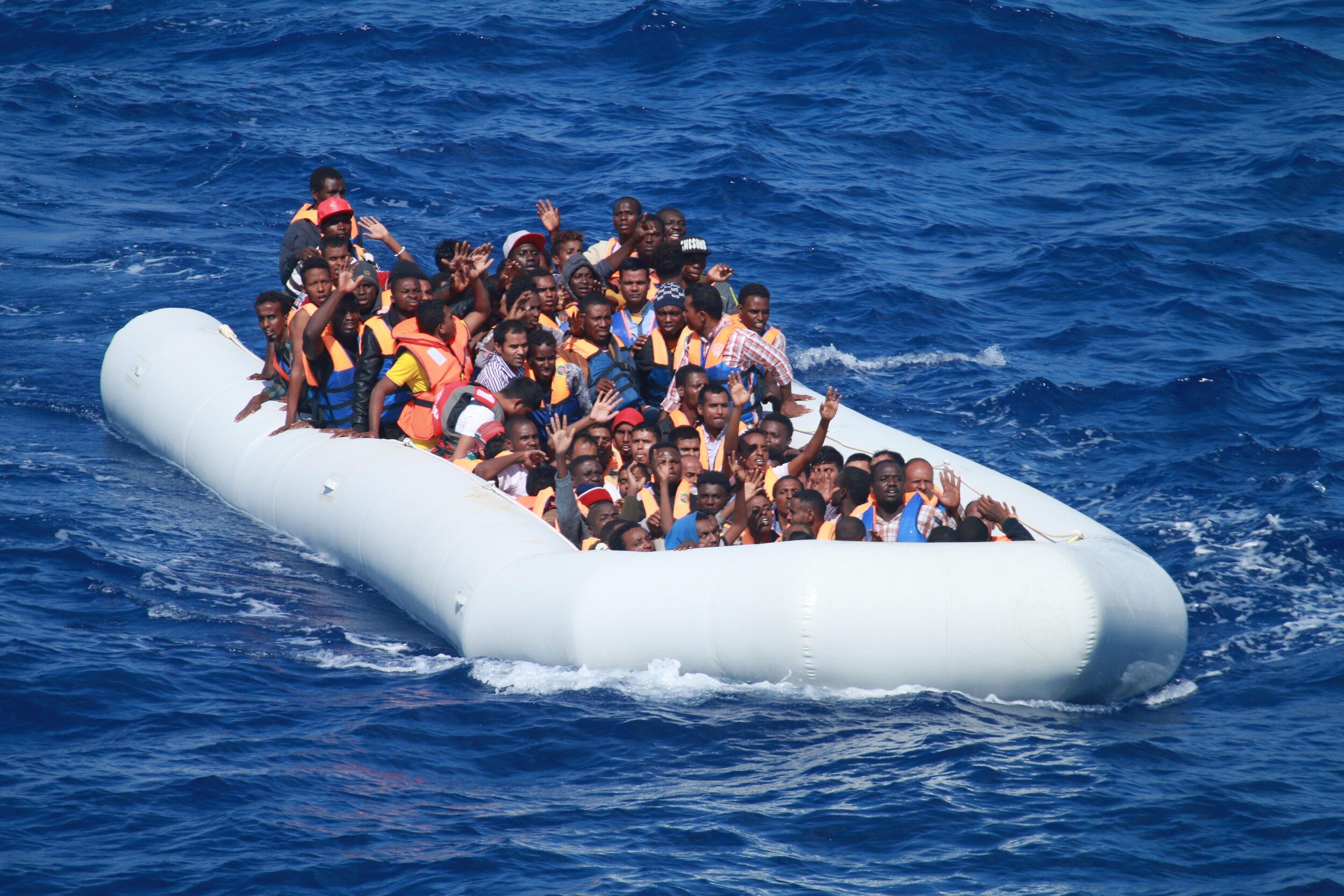
Migrants aboard an inflatable vessel in the Mediterranean Sea. Commander, U.S. Naval Forces Europe-Africa/U.S. 6th Fleet. Public Domain.
Within this war-torn nation, there are currently 654,000 migrants, refugees and asylum-seekers, mainly from sub-Saharan Africa. Approximately 90% of people crossing the Mediterranean Sea to Europe depart from Libya. Migrants and asylum-seekers who are captured at sea and returned to Libyan territory are detained in centers run by the GNA’s Interior Ministry, where many suffer inhumane conditions including sexual violence, extortion and forced labor. While the GNA manages formal migrant detention centers, smugglers and traffickers run numerous informal facilities. “Those interned there, mainly refugees, keep dying of diseases and hunger. They are victims of violence, rape and arbitrary treatment at the hands of militias,” said Julien Raickmann, Doctors Without Borders (MSF) chief in Libya. Since January, more than 4,000 migrants have been intercepted at sea and returned to Libya, while hundreds have disappeared altogether. Despite threats of detention, migrants and asylum-seekers still venture to Libya, hoping to reach Europe.
Humanitarian Relief
After nine years of instability, thousands of Libyan civilians and migrants face displacement, malnutrition and violence. The U.N. Office for the Coordination of Humanitarian Affairs (OCHA) launched the 2020 Humanitarian Response Plan, which pledges $115 million in relief efforts. Protection is at the core of this plan, as well as the provision of food, shelter, health care, water and sanitation. The U.N.’s refugee agency, UNHCR, will also work at 12 disembarkation points in Libya to aid and protect migrants, refugees and asylum-seekers. At detention centers, they will provide humanitarian assistance and mitigate maltreatment. These organizations seek durable solutions to prevent another decade of turmoil.

Shannon Moran
Shannon is a Journalism major at the University of Georgia, minoring in English and Spanish. As a fluent Spanish speaker, she is passionate about languages, cultural immersion, and human rights activism. She has visited seven countries and thirty states and hopes to continue traveling the world in pursuit of compelling stories.

Ghanaian street market. Jozua Douglas. Pixabay.
Shoemaker’s Solar-Powered Hand-Washing Station Protects Ghana from COVID-19
As COVID-19 slowly spreads throughout the world, some have used this experience as an opportunity to create. 32-year-old shoemaker Richard Kwarteng and his brother Jude Osei are two brothers who are certainly included in this innovation boom. Located in Kumasi, Ghana’s cultural capital, the brothers used the city’s two-week lockdown as time to invent a solar-powered hand-washing basin called SolaWash.
They noticed that opportunities to wash one’s hands were often slim in Ghana. One day, while staring at a pile of recyclables and other materials, Kwarteng had a brilliant idea.
In a statement obtained by CNN, he said, “My brother and I decided we would create a basin to encourage regular hand-washing etiquette." They took this observation and from it came the first solar-powered hand-washing machine in Ghana. They designed it so that the faucet would run for 25 seconds, following guidelines from the Centers for Disease Control and Prevention, then shut off without even having to touch it. A video of their product quickly went viral on Twitter, and it caught the attention of many.
The Building Process
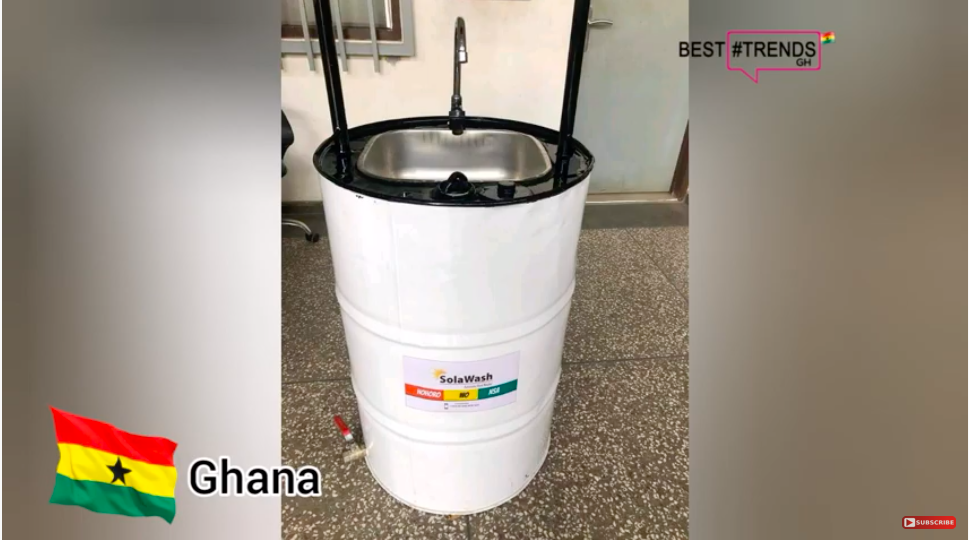
The SolaWash hand-washing machine. Best Trends gh. YouTube.
To create such an invention, the brothers began with the recycled materials they had and then headed to the market. They already had the large barrel their design would revolve around so they only had to purchase a sink, a faucet, a motherboard, a solar panel, a sensor and an alarm. After obtaining all the materials, they knew they needed help with the electrical work so they called upon their friend Amkwaah Boakye to do the wiring. They were able to gather the materials in only 48 hours and complete their project in just five days.
How Does It Work?
To wash your hands using the basin, you simply place them under the faucet. The device, programmed by the brothers, releases soapy water when hands or other items are picked up by the sensor installed underneath the faucet. The faucet runs for 25 seconds, then an alarm beeps to let the user know their hand-washing is complete. Water is then released again to rinse off any excess soap before drying. Their design is meant to not only be sanitary but also to conserve as much water and energy as possible.
What Will They Do With It?
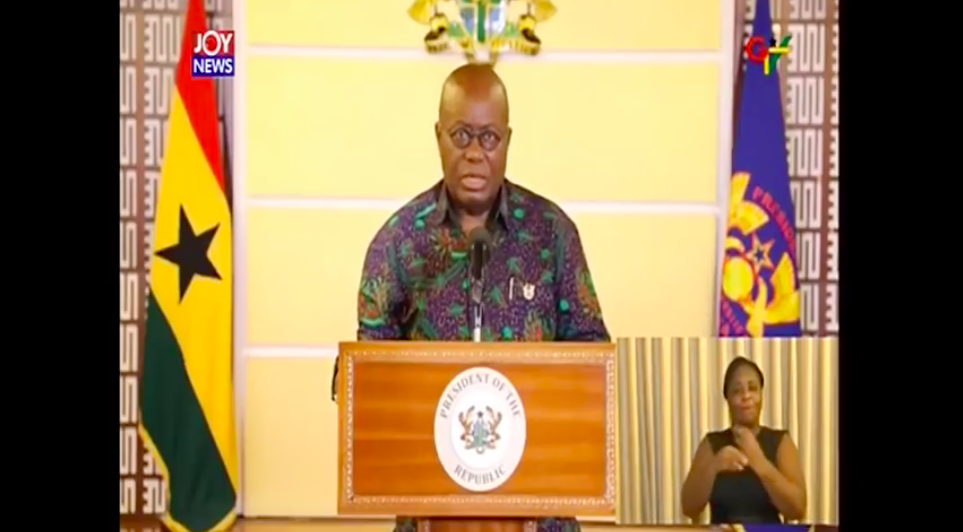
President Akufo-Addo addresses Ghana about COVID-19. Joy News. YouTube.
The brothers have been commended by Ghanaian President Akufo-Addo for their incredible work, and he hopes to make their product widely available. Ghana's Ministry of Environment, Science, Technology and Innovation also reached out to the brothers in order to plan for mass distribution. They are hoping to quickly manufacture and distribute these hand-washing basins in order to curb the spread of COVID-19, and Kwarteng is encouraging this as well.

Richard Kwarteng receiving his product certification. Best trends gh. YouTube.
This process can officially begin as the Ghana Standards Authority released their official certification of the product. Professor Alex Dodoo, director-general of the GSA, has his full support behind the brothers as well. He presented the certificate to a manufacturer in Accra on Wednesday, and said the product had been tested for its safety and efficiency. Dodoo also noted that the hand-washing basin was ready for mass production, and he hopes to see this product used around the world. The certification given by the GSA attests to the product’s quality as it met international standards for electrically-controlled machines. That means that the hand-washing basin has the potential to not only save Ghanaian lives, but also many others around the world especially in places that do not have widespread sanitation accessibility.
Renee Richardson
Renee is currently an English student at The University of Georgia. She lives in Ellijay, Georgia, a small mountain town in the middle of Appalachia. A passionate writer, she is inspired often by her hikes along the Appalachian trail and her efforts to fight for equality across all spectrums. She hopes to further her passion as a writer into a flourishing career that positively impacts others.
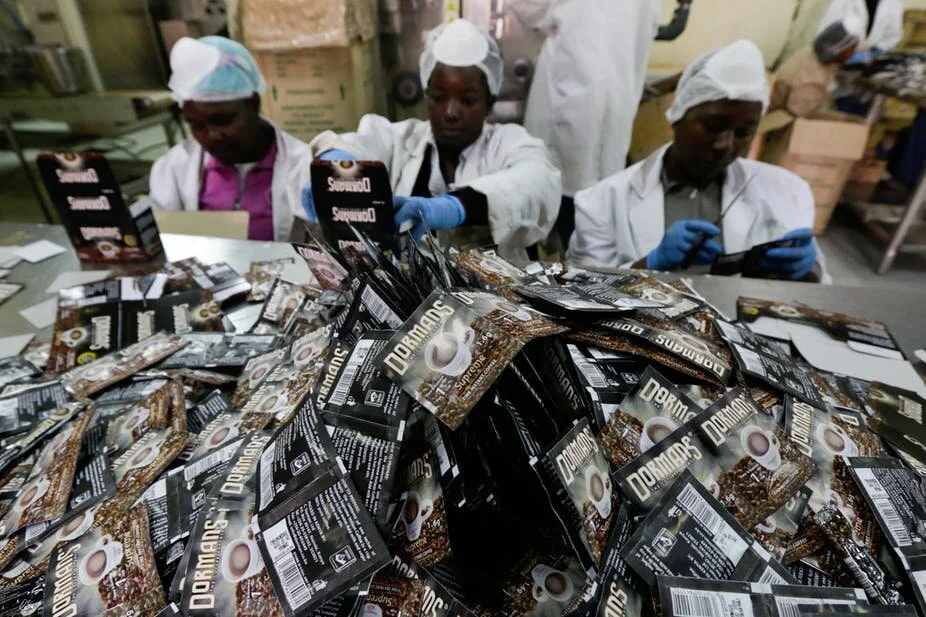
African Countries Can’t Industrialise? Yes, They Can
Narratives are essential. Humans are, after all, “helpless story junkies”. Business and economic success depend much more than is commonly acknowledged on getting the narrative right. And if there is a narrative where getting it right or wrong matters hugely, it is the narrative about Africa’s industrial development.
Africa is the poorest continent. It is likely to be the most affected by climate change. It is the continent where terrorist groups are spreading fast.
Therefore, African industrialisation is essential. Unfortunately, the dominant narrative is that Africa has been de-industrialising, even prematurely. In this narrative, it is also questioned whether Africa can ever industrialise. African countries have even been advised not to try. The World Bank’s “Trouble in the Making”report concludes that manufacturing is becoming less relevant for low-income countries.
Fortunately, a very different narrative is possible. In a recent paper, I argue that Africa can industrialise because of three factors. These are “brilliant” new technologies enabling digitisation, smart materials and 3D-printing; a more vibrantentrepreneurship scene; and Africa’s growing middle class (as measured by the share of households that earn between $11 and $110 per person per day), which supports the continent’s first generation of indigenous tech-entrepreneurs.
Consider therefore the following narrative: More than 300digital platforms, mostly indigenous, are operating across the continent. There are also more than 400 high-tech hubs, and more are being added. In addition, venture capital funding into African tech start-ups increased ten-fold between 2012 and 2018.
Moreover, manufacturing has more than doubled in size in real terms since 1980. And since 2000, manufacturing value added has grown at more than 4% a year. That is double the average between 1980 and 2000 (numbers from the Expanded African Sector Database).
As a result, total employment in manufacturing in 18 of the largest African economies (for which there is data) grew from roughly 9 million in 2004 to more than 17 million by 2014. That is an 83% increase in ten years. The proportion of labour in manufacturing for Africa as a region grew from roughly 5% in the 1970s to almost 10% by 2008.
So, how will these trends shape the future? I argue that they will result in three varieties of industrialisation.
Three varieties
The first variety can be labelled “acquiring traditional manufacturing capabilities”. This variety is implied by Overseas Development Institute researchers Karishma Banga and Dirk Willem te Velde. It will be experienced by countries and sectors where technological change is too fast and complex to benefit immediately. These countries and sectors will need time to first put complementary investments in place, while at the same time continuing to promote traditional labour-intensive manufacturing.
The second variety, “fostering sectors with the characteristics of manufacturing”, is elaborated in a recent UNU-WIDER book. Here it is argued that service sectors can take up “the role held by manufacturing in the past”. In many countries, services such as ICT and telecoms, tourism and transport, financial and farming services can lead to productive development.
The third variety, “resurgent entrepreneurship-led industrialisation” is based on my earlier work. I point to the growing list of achievements of African countries in terms of high-tech manufacturing. For example South Africa leads in advanced manufacturing in having one of the world’s largest 3D-printers, used to manufacture parts for the aviation industry.
Different combinations of these varieties will dominate in different countries. For example, Kenya is already experiencing the simultaneous development of high-tech financial services alongside growth in traditional manufacturing, such as food processing and textiles, as well as clusters of advanced manufacturing. While every country’s pathway will be a unique combination of these varieties, what they will have in common is that progress will require that they deal with the impact of new technology, especially digitisation, on manufacturing.
To ensure momentum is maintained, the narrative about industrialisation has to change. As Israeli historian Yuval Noah Harari pointed out, neither land – the core resource of feudalism – nor physical capital – the core resource of 20th-century capitalism – will be decisive for competitiveness in the future. Instead, data and data science, free information flows, ICT (data) skills, and decentralisation of decision-making will be the decisive factors.
What needs to be done
With an outdated story that gives up on manufacturing, Africa will fail to close the huge digital gap it still faces. The gap is reflected in the fact the continent contributes less than 1% of world’s digital knowledge production. To reduce this gap, African countries will have to start by expanding internet access and use. If internet use across the continent can be expanded to the same rate as in high-income countries, 140 million new jobs and US$2,2 trillion could be added to GDP.
What must be done to change the narrative? What do African governments need to do? The first is that its leaders need to start telling more stories about the future than about the past. Perhaps, like China’s leaders, they can even be inspired by science fiction. British best-selling author Neil Gaiman relates how China started to embrace science fiction after sending a delegation to
“the US, to Apple, to Microsoft, to Google, and they asked the people there who were inventing the future about themselves. And they found that all of them had read science fiction when they were boys or girls.”
Helping to imagine the future of African industrialisation, South African President Cyril Ramaphosa recently stressed that fact that Africa is one of the early adopters of mobile telephony and moreover that the continent needs to aspire to more:
We need to focus on the new technologies that are going to revolutionise the world, and we need to be ahead of the curve.
This is the right narrative. It is necessary, although not sufficient for African industrialisation. For this, words need to lead to actions. And some consistent actions, at least for a start, would be for African governments to refrain from creating stumbling blocks for their brave new tech-entrepreneurs, such as curbing access to the internet, restricting digital information flows, under-investing in science, technology, engineering and mathematics education, neglecting data-privacy legislation, and restricting the rights of women to work in manufacturing.
Wim Naudé is a Professorial Fellow, Maastricht Economic and Social Research Institute on Innovation and Technology (UNU-MERIT), United Nations University
THIS ARTICLE WAS ORIGINALLY PUBLISHED ON THE CONVERSATION
The Spirit of Morocco: Music, Architecture, and Living Heritage
There is more to Morocco than the gorgeous sand dunes of Merzouga in the Sahara or the majestic Atlas Mountains of the Maghreb region. Morocco’s music can take you on a journey through Spain, with flavors of Berber, hints of Arabic, and the Saharan style. Its architecture is a show stopping feature of pisé buildings, the finesse of Moorish exiles, and a glimpse into the Islamic influence of the Idrisid dynasty. The people bring craftsmanship and skill to their communities, combining history and culture in a way only Morocco can do.
Read More
Location: Morocco / Ait Ben Haddou
Shot / Edit / Grade by Laurent Tixhon
Beyond The Kasbah
In Morocco, the word Kasbah is used to reference a bustling city center, a citadel, something kept apart from its rural counterparts.
Read MoreBlue Out on Insta
Blue Out on Instagram: Support for Sudan through Social Media Awareness
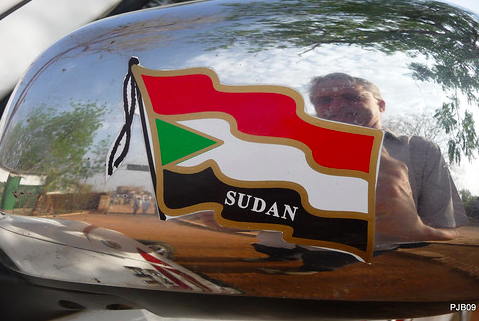
Sudan Flag Sticker on a Car. pjbury. CC BY-NC-ND 2.0
Recently, a specific shade of blue has been popping up around Instagram in the form of profile pictures. This Blue Out was started by Instagram influencer Shahd (@hadyouatsalaam). She is a Sudanese-born, New York City-based activist—or how she likes to identify herself, “a political scientist by degree and a social media influencer by interest”, according to her recent Insta post, introducing herself to her new followers.
Shahd created this movement for the sole purpose of raising awareness to what is currently going on in Sudan. Protests in Sudan began in December of last year, when there was a price-spike in basic commodities (i.e. bread). It was not until April 11th, after a mass, multi-day sit-in, that the Sudanese people did see the change they wished for. The current President, a man named Omar al-Bashir, and his party were being jailed or put on house arrest. The protestors believed this to be a victory. They were wrong. General Awad Ibn Auf, the Vice President, soon gave a televised statement explaining the new governmental system that was going to be put in place—one run by three separate military factions called the Transitional Military Council (TMC). He stated that they intended to remain in power for two years until the country could elect a new President, also claiming a three-month state of emergency and curfew. The people did not accept these conditions and in under 24 hours, Ibn Auf resigned and General Abdelfattah al-Burhaan become the new chairman.
Since General Abdelfattah al-Burhaan’s new appointment, negotiations between the people and the TMC have been chaotic. Once again being fed up, the Sudaneese people, with the people of the Sudanese Professionals Association (SPA), organized a mass strike from the 28th of May to the 29th. These strikes immediately became violent and the TMC used these mass demonstrations to portray the SPA in a vicious light. On June 3rd, government forces began shooting at the protestors which, reportedly, left 118 dead and many more injured. Since then, an Internet black out has been in place and thus sparked social media outcry.
But why should this matter to us? The answer is simple: because we have the power and the privilege of accessing the Internet with the capable means of shouting loud enough that somebody will listen. Over the past two weeks, because of the uproar on social media, there have been an influx of articles written about what is going on, how long it has been going on, what is the important information that we need to know about the revolution in Sudan. One Instagram user, Rachek Cargle (@rachel,cargle), with the help of “an incredible group of activists” has even composed a masterlist of articles ranging from immediate updates to fundraising efforts, according to her post that calls for any more information to add.
Unfortunately, with the uproar, there have also been people who cruelly want to capitalize on the movement for clout reasons. Just last week, a post went viral that claimed for every re-post to a page or story, the originators of the account would donate meals to the Sudanese people. Very soon, the page was labeled as a hoax given curious peoples’ inquiries into how they would provide the food, where is the funding coming from, and other questions which the page either did not answer or gave vague responses to. From these instances, it is important to remember that when trying to get information out, there needs to be a more thorough and conscious effort on the part of other social media users to not just mindlessly click-and-post, but rather, do a quick search about what the post is, and then determine whether or not it is legitimate.
Using the privilege we have—whether it be from simply having the means to repost an article or getting in contact with local government officials so they can talk about what is going on—is a butterfly-effect that will change how the Sudanese revolution will go. Being complacent or a bystander is just as harmful as supporting the violence because inaction is not action, inaction does not bring about change but lets things remain as they are, because they are not directly affecting us. I encourage those of you reading this article to look at the Instagram influencers I have mentioned as well as the hashtag #Iamsudanrevolution. There you will find countless posts, articles, links, and organizations that can inform you, help you, and guide you on how you can help. For immediate action, check out Cargle’s post which is a picture of protestors with SUDAN in bold, blue letters and the subtitle of Information & Support Round Up. There you will find the link to the master document which will provide the beginning of any information you want to know.
I must repeat—acting as a bystander perpetuates the actions that are harming individuals because it is neglecting them the action they need. Use your privilege for something productive.
OLIVIA HAMMOND is an undergraduate at Emerson College in Boston, Massachusetts. She studies Creative Writing, with minors in Sociology/Anthropology and Marketing. She has travelled to seven different countries, most recently studying abroad this past summer in the Netherlands. She has a passion for words, traveling, and learning in any form.
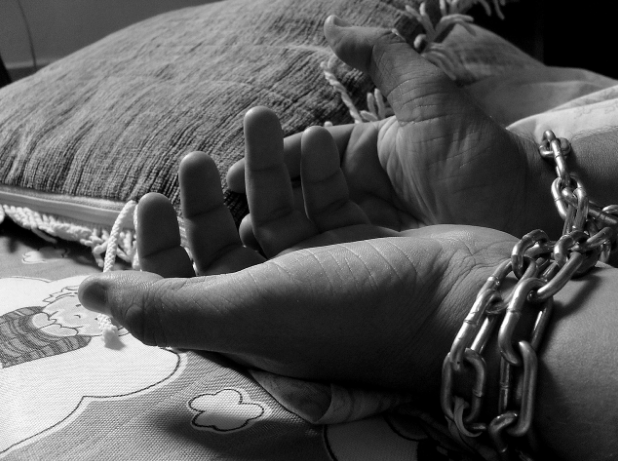
Nuns in Uganda are fighting against human trafficking, seeing it as an extension of the slave trade that plagued Africa for centuries. Sammis Reachers. CC0.
Ugandan Nuns Protest Trafficking, Seeing it as an Extension of the Slave Trade
Ugandan nuns are protesting human trafficking as part of the 6,000 member organization Association of the Religious in Uganda. They understand trafficking to be a basic human rights and dignity issue, seeing it as an extension of the slave trade. Their inspiration to fight the issue comes from a variety of sources including Biblical stories, African proverbs, Scripture, and the lives of the saints, notably St. Catherine of Siena, who said that silence kills the world. Groups of nuns have met with government representatives to implore them to combat the issue further.
At a three-day workshop in November 2018 organized by the Africa Faith and Justice Network, nuns examined the global issues facing Africa today, as well as the effects that the centuries of the slave trade have had upon the continent. The issue of human trafficking was seen in a much harsher light following that discussion, as the Africans participating in trafficking are essentially perpetuating the slave trade.
After the workshop, 32 nuns visited the Ministries of Internal Affairs; Foreign Affairs; Gender, Labour and Social Development; and the Uganda Human Rights Commission. These are departments that deal with travel outside Uganda, labor organizations, and citizens’ human rights.
The speaker of the Parliament of Uganda, Rebecca Kadaga, met with 13 Association-affiliated nuns after they petitioned her against abroad workers’ cases of slavery and torture. She said that she blames members of government for faltering on the issue. “Unfortunately, a number of people in government own labour export companies and I am told it is very lucrative so they continued,” Kadaga said, according to the Daily Monitor. Some of the workers who go abroad don’t come back. The nuns are also requesting that the government at least halt the employment of girls, because they are common targets for trafficking and sexual abuse. They also asked for law changes via harsher penalties for those caught trafficking.
"Human trafficking is dehumanising. It exposes our sisters and brothers to untold torture, sexual abuse and slavery. Some of our daughters are trafficked abroad and forced to have sexual intercourse with animals, while some are killed for organ transplant. For those lucky to return home, the trauma they have suffered incapacitates them and makes them social misfits," Sister Teresa Namataka, from Kenya, was quoted as saying in AllAfrica.
In all the meetings, a common point was expressed: a need for collaboration in fighting human trafficking. The nuns made a statement and called for a press conference, both of which caused the fight to gain more media attention. The nuns are currently working on setting up a joint meeting between stakeholders and collaborators to search for a way forward out of this human rights and dignity tragedy.
The religious international anti-trafficking organization Talitha Kum celebrates its 10th anniversary this year, and also recently launched the Nuns Healing Hearts campaign, beginning with a photography exhibition documenting the work the organization does around the world to combat trafficking.
Other issues facing Africa today include the devaluation of currency, as well as the adverse effects of globalization. Those are particularly felt through the destruction of local economies by the buildup of discarded objects like computers and refrigerators and the importation of poisonous objects. Africa has many social ills, but the nuns are starting with human trafficking, seeing it as the most alarming.
NOEMI ARELLANO-SUMMER is a journalist and writer living in Boston, MA. She is a voracious reader and has a fondness for history and art. She is currently at work on her first novel and wants to eventually take a trip across Europe.
How Small Science Is Creating Big Possibilities in Africa
Ofori Charles Antipem wears many hats—he’s an inventor, an entrepreneur and an advocate of STEM. Now, he’s bringing all his passions together, dedicating his life to bringing affordable science education to kids across Africa. The Science Set is Antipem’s creation, developed to give students access to a unique toolkit. Each set contains 45 scientific components and costs just $20. His next invention? Cheap and easy-to-assemble microscopes, carefully designed and built using 3D printed materials.
This Great Big Story was made possible by IBM Africa.